Faculty and Staff

Faculty and Staff

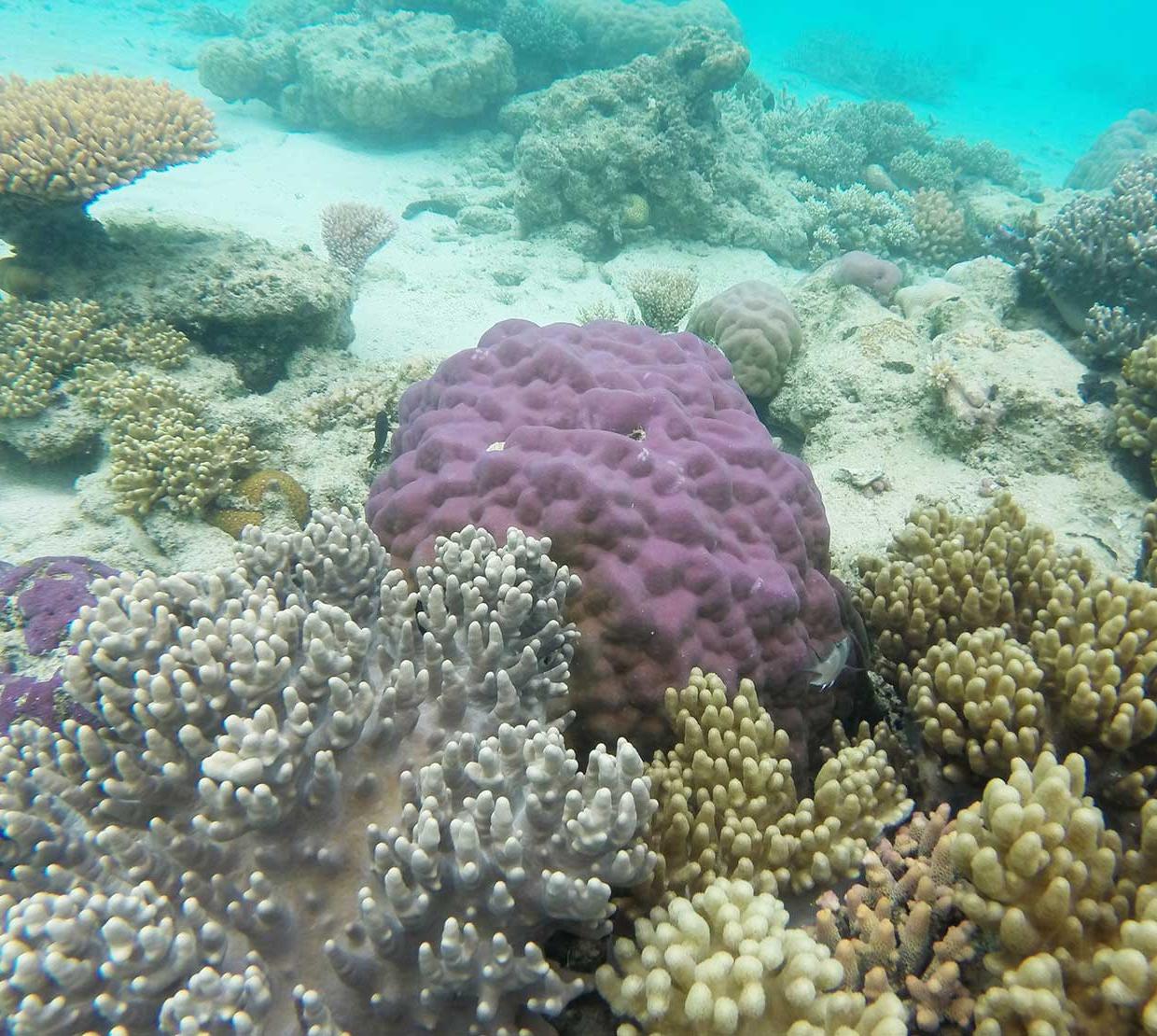
coral at bottom floor of shallow ocean

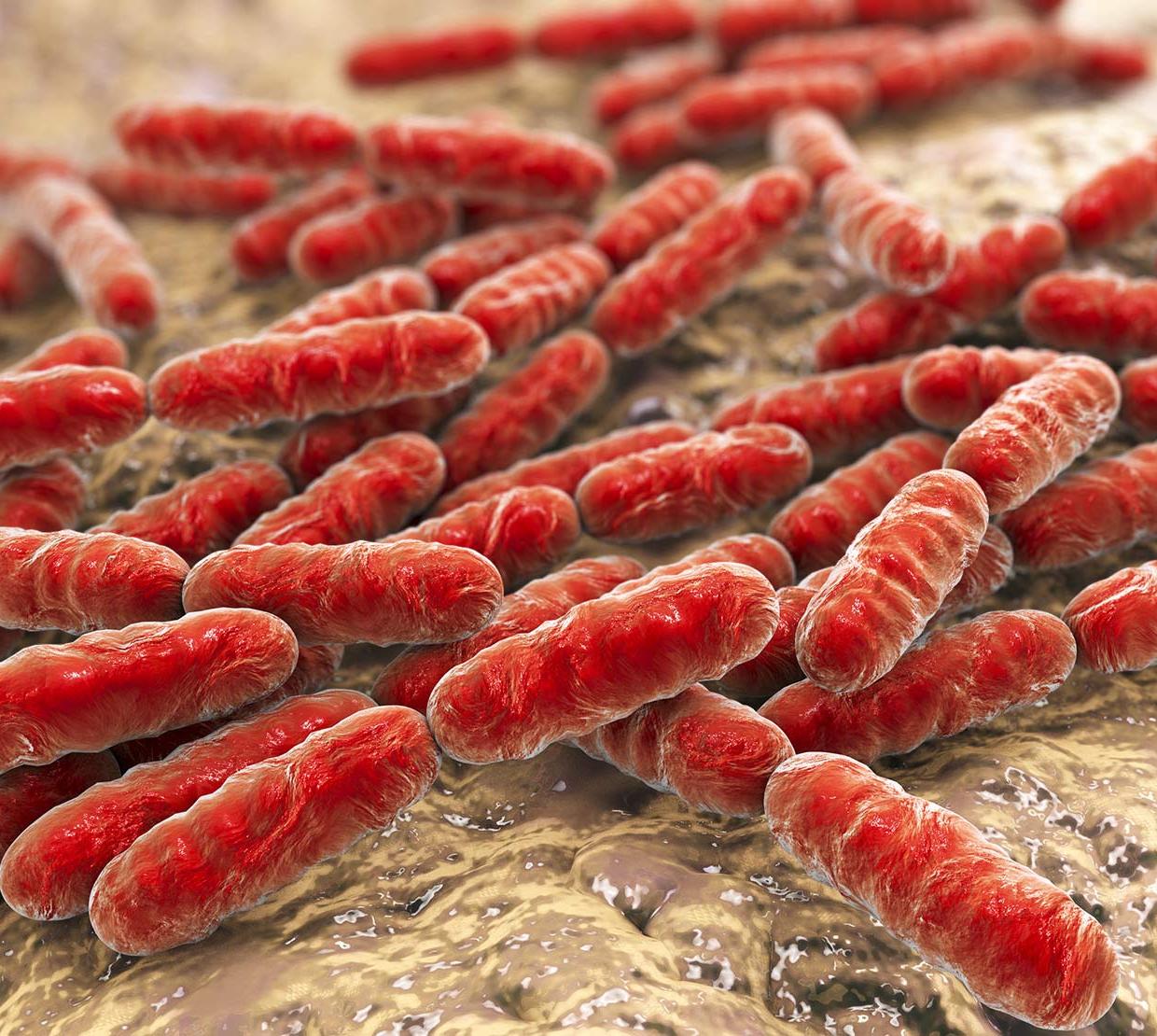
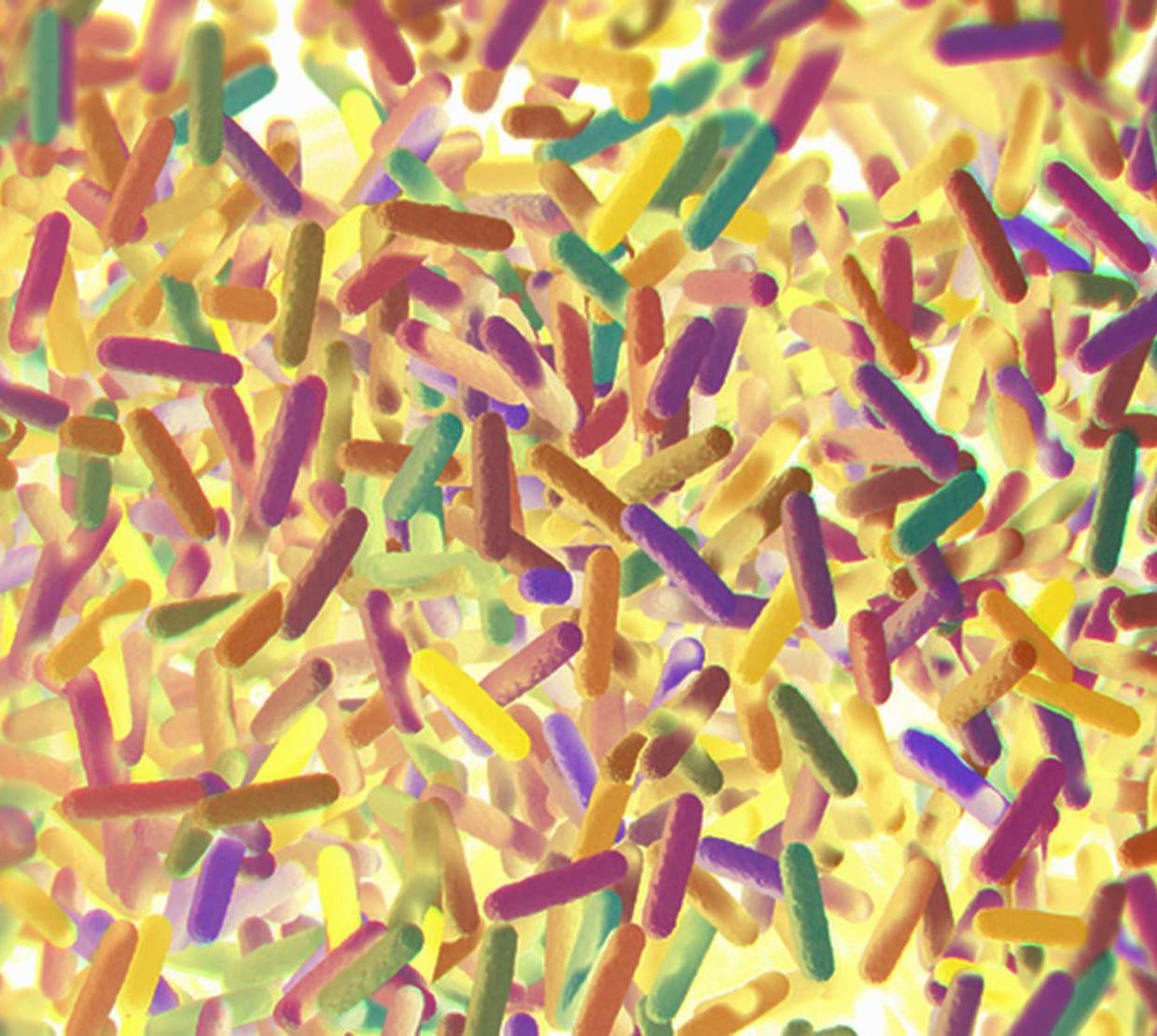
The "Anna Karenina principle" of unhappy microbiomes

By Steve Lundeberg

Samples were taken of the microbiome of corals as part of a three year experiment.

Corvallis, Ore.—The bacterial communities that live inside everyone are quite similar and stable when times are good, but when stress enters the equation, those communities can react very differently from person to person.

A microbiological version of the “Anna Karenina principle,” it’s a new paradigm suggested by scientists at Oregon State University—one that has key implications for a more personalized approach to antibiotic therapy, management of chronic diseases and other aspects of medical care. Microbiology Associate Professor Rebecca Vega Thurber and doctoral student Ryan McMinds contributed to the study published today in Nature Microbiology.

The principle gets its name from the opening line of the novel Anna Karenina by 19th century Russian author Leo Tolstoy: “All happy families are alike; each unhappy family is unhappy in its own way.”

It turns out that this observation also applies to perturbed microbiotas of humans and animals.

“When microbiologists have looked at how microbiomes change when their hosts are stressed from any number of factors – temperature, smoking, diabetes, for example – they’ve tended to assume directional and predictive changes in the community,” said Vega Thurber, corresponding author on the perspective study funded by the National Science Foundation. “After tracking many datasets of our own we never seemed to find this pattern but rather a distinct one where microbiomes actually change in a stochastic, or random, way.”

Lead author Jesse Zaneveld of the University of Washington-Bothell collaborated with Vega Thurber and her student, McMinds, to survey the literature on microbial changes caused by perturbation. Together they found those stochastic changes to be a common occurrence, but one that researchers have tended to discard as “noise” rather than report.

“Thus we present the Anna Karenina principle for microbiomes,” Vega Thurber said. “When microbiomes are happy they are all similar in their composition but during stress or unhappiness they change in a multitude of distinct ways. This piece draws together diverse microbiome research. We think this is an important emerging paradigm for thinking about microbiome data. We present ways of identifying it and distinguishing it from other patterns.”

In addition to the literary reference, Vega Thurber offers a wintry metaphor to explain what she and her collaborators have discovered.

“When healthy our microbiomes look alike, but when stressed each one of us has our own microbial snowflake,” she said. “You or I could be put under the same stress, and our microbiomes will respond in different ways – that’s a very important facet to consider for managing approaches to personalized medicine. Stressors like antibiotics or diabetes can cause different people’s microbiomes to react in very different ways.”

Humans and animals are filled with symbiotic communities of microorganisms that often fill key roles in normal physiological function and also influence susceptibility to disease. Predicting how these communities of organisms respond to perturbations – anything that alters the systems’ function – is one of microbiologists’ essential challenges.

Full article: http://bit.ly/2v9YFzj
3D model of red Microbiomes

Cooperate or cheat? For bacteria, depends on available food

By Steve Lundeberg

Bacteria

If you’ve got plenty of burgers and beers on hand and your own stomach is full, an uninvited guest at your neighborhood barbecue won’t put much strain on you.

But if you’re hungry and food and drink supplies are running low when the moocher shows up, it’s a different story.

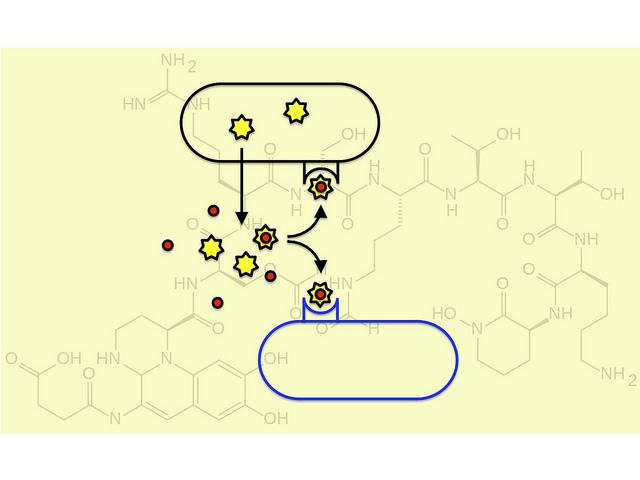
illustration of bacteria working against other bacteria eating food

Bacterial “cheating”

New research by microbiologist Martin Schuster indicates bacteria know just how you feel.

Microbes that produce important secretions for use in a community suffer a blow to their own fitness for supplying the non-producing “cheater” bacteria – but only when production requires the same nutrients that would otherwise go into growth and biomass.

“The big picture of this research is a better understanding of how cooperation works and how cooperation evolved,” said corresponding author Martin Schuster. “We can use microbes to study social evolution. Essentially every environment is nutrient limited in some way, and our study allows us to make predictions about what types of environments are conducive to cooperation or cheating.”

Read the full story here.


Read more stories about: faculty and staff, microbiology, research


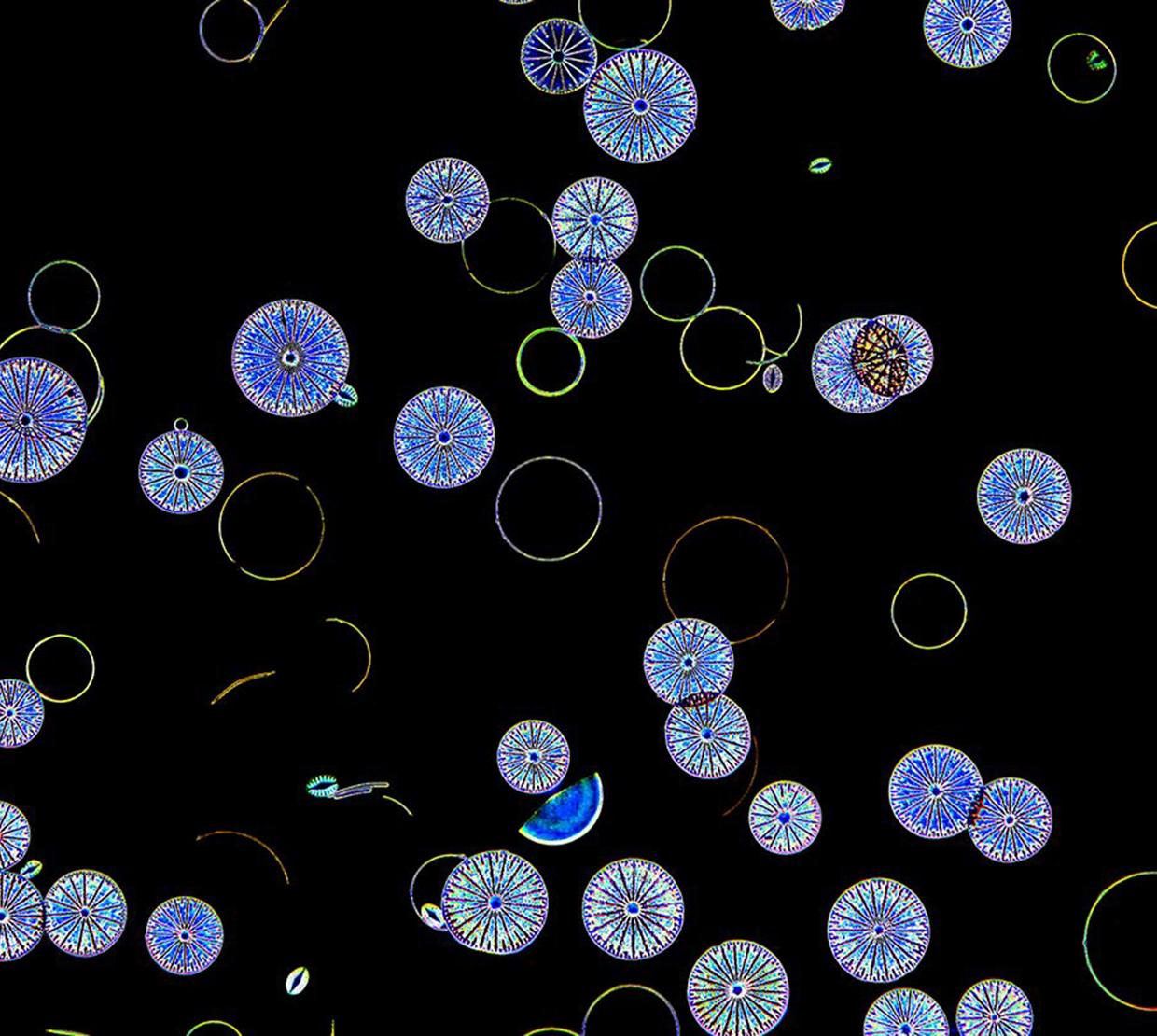
microscopic view of mating diatoms

Diatoms have sex after all, and ammonium puts them in the mood

By Steve Lundeberg

Diatom Arachnoidiscus

New research shows a species of diatom, a single-celled algae thought to be asexual, does reproduce sexually, and scientists learned it’s a common compound – ammonium – that puts the ubiquitous organism in the mood.

The findings, published today by microbiologist Kimberly Halsey in PLOS One, may be a key step toward greater understanding of the evolution of sexual behavior and also have important biotechnology implications.

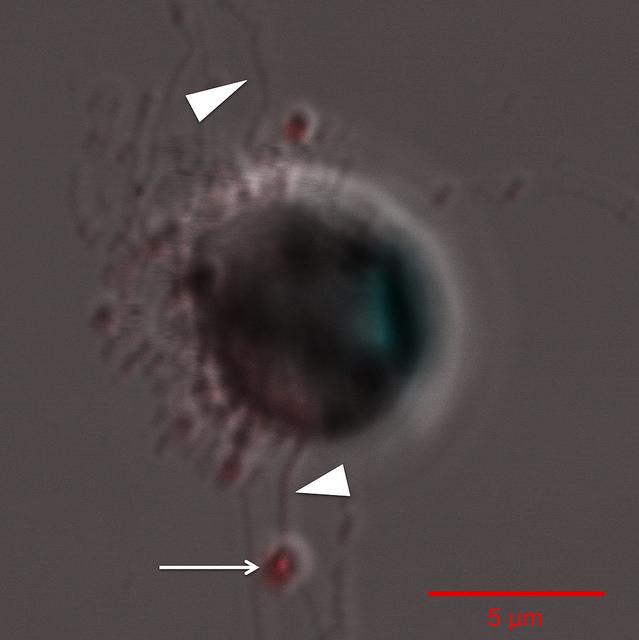
picture of diatom mating with one another

An arrow points to Thalassiosira pseudonana sperm cells and wedges indicate the flagella that allow the cells to swim to an egg for fertilization. Artificial coloring denotes chlorophyll (blue) and DNA (red).

“Our discoveries solve two persistent mysteries that have plagued diatom researchers,” said Halsey. “Yes, they have sex, and yes, we can make them do it.”

Diatoms hold great potential as a bioenergy source and also for biosensing. In addition, their intricate, silica cell walls offer promising nanotechnology applications for materials chemists and drug-delivery researchers.

Halsey and collaborators in botany and statistics from OSU’s Colleges of Science and Agricultural Sciences, including microbiologist Alexandra Weinberg and statistician Yuan Jiang, studied the “centric” Thalassiosira pseudonana species of diatom, a model organism for researchers; it’s one of two diatoms, the other being the “pennate” diatom Phaeodactulum tricornutum, to have had its genome sequenced.

“Diatoms are amazing; their silica frustules are beautiful and exquisite,” Halsey said. “Now that we can control their sexual pathway, that should open the door to being able to make crosses between different diatoms with different characteristics. We should be able to breed them just like we do with corn or rice or strawberries to select for traits that are really desirable.”

Read the full story here.

star icon above image of Memorial Union

Celebrating Undergraduate Excellence in Science

Celebrating our undergraduates

There was ample evidence of brilliance, innovation and creativity at the Celebrating Undergraduate Excellence (CUE) poster session held on May 19 in the Memorial Union Horizon Room. An amazing variety of undergraduate research and creative work taking place at Oregon State University was on display in the form of posters, art work and You Tube videos.

CUE showcased the projects of OSU undergraduates in all disciplines and fields of study. Over 100 students participated in the event. A total of 34 science majors presented their research on a wide range of topics.

A few of the deeply researched and informative science projects at CUE were: Corvid response to forest thinning in the Willamette National Forest; classroom experience for toddlers with developmental delays; accretion disk dependence on black hole size in binary black hole mergers; understanding metastatic growth through the traction force of human breast cells; and, charge mobility of organic semiconductors by using optical trapping.

Please see a complete list of undergraduate projects here.

CUE encourages presentation of ambitious, collaborative research projects, in which a student works alongside a faculty mentor and other researchers to create new knowledge. True Gibson, an Honors College junior studying biochemistry and biophysics, presented his research contributions to a National Science Foundation-funded project led by Associate Professor of Biochemistry and Biophysics Ryan Mehl.

Gibson's poster, "Increasing the Rate of an Ideal Bioorthogonal Ligation," explored his work in developing a stable set of chemical ingredients that will produce the desired reaction with biological processes in humans.

Quite a few of the accomplished science undergraduates who presented their research at CUE are URISC (Undergraduate Research Innovation, Scholarship & Creativity) and URSA Engage (Undergraduate Research, Scholarship and the Arts) scholars, who were able to pursue their research with faculty mentors with the help of the awards.

Celebrating Undergraduate Excellence is sponsored by the Division of Undergraduate Studies and organized by University Events.

Stephen Giovannoni sitting in lobby

Study illuminates fate of marine carbon in last steps toward sequestration

By Steve Lundeberg

Stephen Giovannoni, distinguished professor of microbiology

The ocean sequesters massive amounts of carbon in the form of “dissolved organic matter,” and new research explains how an ancient group of cells in the dark ocean wrings the last bit of energy from carbon molecules resistant to breakdown.

Stephen Giovannoni, OSU distinguished professor of microbiology, and Zach Landry, former OSU graduate student and first author of the study published their findings in the American Society for Microbiology. Other collaborators include scientists at the Bigelow Laboratory for Ocean Sciences, the National Biodefense Analysis and Countermeasures Center, the University of Vienna, and Utrecht University.

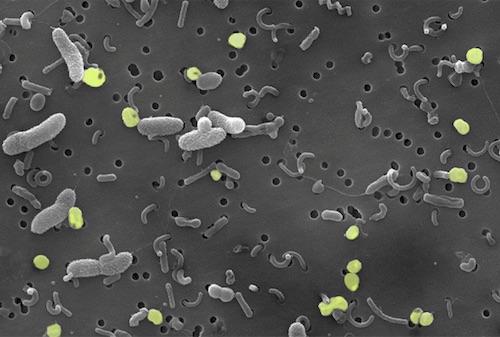
3D model of Electron Micrograph

Scanning Electron Micrograph (SEM), of microbial plankton community from 250 m in the Sargasso Sea. Image by Yanlin Zhao and Stephen Giovannoni.

A look at genomes from SAR202 bacterioplankton found oxidative enzymes and other important families of enzymes that indicate SAR202 may facilitate the last stages of breakdown before the dissolved oxygen matter, or DOM, reaches a “refractory” state that fends off further decomposition.

The ocean sequesters nearly as much carbon as exists in the atmosphere as carbon dioxide (CO2) and the new research into deep-water bacteria’s genomes sheds key new light on how the carbon storehouse operates.

Giovannoni said that near the ocean surface, the DOM carbon goes unconsumed because the cost of harvesting the resources is too high. Currents transport the “recalcitrant” forms of DOM that remain to the deep ocean, where they are slowly broken down to compounds that can persist for thousands of years.

Zach Landry, an OSU graduate student and first author of the study, named SAR202 “Monstromaria” from the Latin term for “sea monster.”

“They’re very abundant in the dark ocean where no photosynthesis is happening and planktonic cells are living off whatever rains down from surface,” Giovannoni said. “The big carbon cycle unknown is why so much carbon accumulates as organic matter in the ocean. In principle, micro-organisms could use it as chow to make energy and build biomass – and return CO2 to the atmosphere, which would be a disaster."

Read the complete article here.

student working on math homework holding calculator

2017 SURE Science Scholars

2017 SURE Science Scholarships

The College of Science congratulates its 2017 SURE Science scholars who have received $5,500 each, for a total of $170,500! The SURE Science program offers students summer research opportunities across campus that can foster meaningful, scholarly connections early in their academic careers and help define their professional career path.

SURE Science is a program supported through the Undergraduate Research Frontiers Fund with generous philanthropic contributions from friends and alumni of the College. This year, thanks to the generous support of alumni and friends, the College was able to fund 31 undergraduate students, with an overall funding rate of 54%. The students, about 65 percent of whom are minority and first-generation college students, will receive $5,500 to conduct full-time summer research.

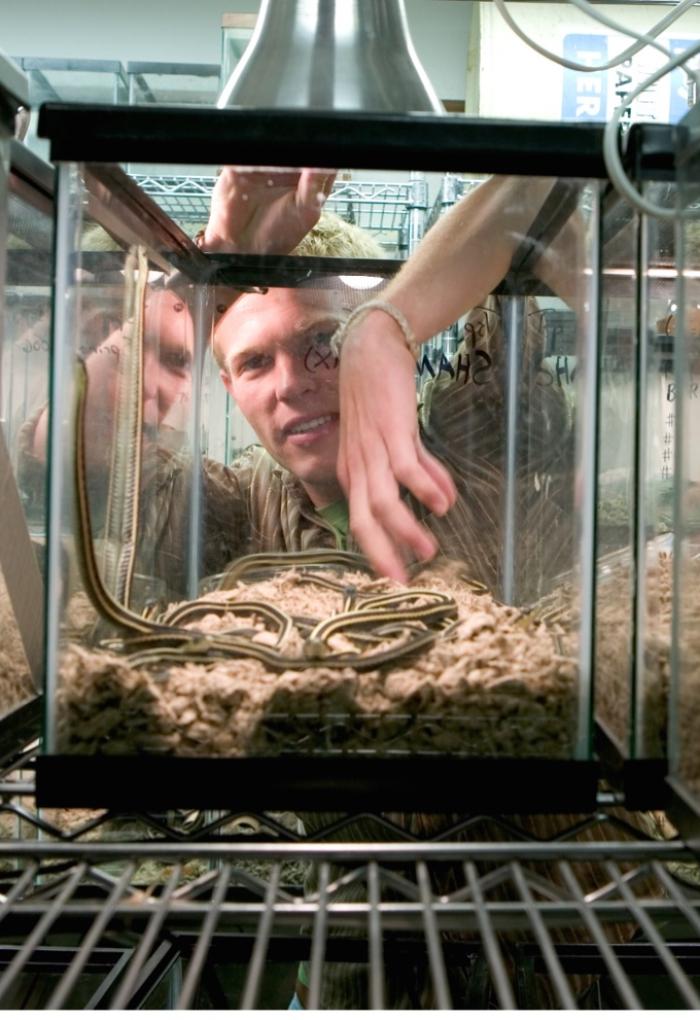
Mason Web handling snake in tank

Mason Rouches, Biochemistry & Biophysics student researching snakes

The College was able to support a broader range of majors this year with students from biochemistry and biophysics, biology, mathematics, microbiology and physics.

SURE Science supports students seeking a research experience to complement their academic experience. They spend their summer actively engaged in research while working alongside faculty for an engaging, hands-on learning experience. They conduct research that may solve societal problems and even contribute to the creation of new scientific knowledge.

New this year, students will participate in an information session to learn how to identify interesting research opportunities on campus and how to connect with faculty on a professional level. SURE Scholars will also attend three professional development workshops on:

  • Team dynamics
  • Scientific writing and presentations
  • Informal scientific communication

Students benefit tremendously by applying what they learned in the classroom to actual problems. By actively engaging in research, students gain valuable experience to help them prepare for graduate or professional school as well as to enhance their qualifications and build their resumes. They also gain valuable career skills through teamwork, collaboration, and public speaking, which they practice when they present their work in a professional setting at the College of Science Fall Awards.

This summer, SURE Science scholars will work alongside faculty in areas such as:

  • Analytical chemistry research to measure persistent organic pollutants in whale scat
  • Biochemistry protein quality control mechanisms and its role in aging
  • Computational astrophysics project modeling hydrodynamic protostellar star-disk systems using linear and non-linear methods
  • Synthesis of key compounds to explore the scope of a new organocatalyst in pharmaceutical drug preparation

Students are being hosted in labs across campus, including the Departments of Biochemistry and Biophysics, Botany and Plant Pathology, Chemistry, Food Science, Integrated Biology, Kinesiology, Microbiology, Pharmacy, Physics and in the College of Veterinary Medicine.

2017 SURE Science Scholars

StudentMajorFaculty mentor
Nicholas BrownBiochemistry & BiophysicsAndrey Morgan
Richelle CastroBiochemistry & BiophysicsVirginia Stockwell
Mark GeislerBiochemistry & BiophysicsMichael Freitag
Blake HakkilaBiochemistry & BiophysicsColin Johnson
Youngmin ParkBiochemistry & BiophysicsWeihong Qui
Miles RouchesBiochemistry & BiophysicsAdrian Gombart
Delaney SmithBiochemistry & BiophysicsJeff Chang
Mason RouchesBiochemistry & BiophysicsDavid Hendrix
Sam HesterBiochemistry & BiophysicsRyan Mehl
Ido AlmogBiohealth SciencesViviana Perez
Lindsay HirschBiohealth SciencesMark Leid
Jessica HodgenBiohealth SciencesJaga Giebultowicz
Alamjit NagraBioHealth SciencesTheresa Fitz
Christopher LeeBioHealth SciencesOlena Taratula
Sonora MeilingZoologyRebecca Vega Thurber
Kris BaurBiologyFelipe Barreto
Tyler ColemanBiologyVirginia Weis
Anden MoreheadBiologyRobert Mason
Bergen SatherBiologySean Newsom
Theresa DinhBiologyBo Sun
Amy AlbrechtChemistryStaci Simonich
Kathryn ChenChemistrySandra Loesgen
Blake DayChemistryMas Subramanian
Susmita MatlapudiChemistrySean Burrows
Alina VesquezChemistry/MathRich Carter
Jasmin YangChemistryMichael Penner
Whitney WeberMicrobiologyClaudia Hase
Michelle ZhouMicrobiologyDiedre Johns
Cassandra HatcherPhysicsMichael Penner
Garrett JepsonPhysicsGuenter Schneider
Dublin NicholsPhysicsEthan Minot
Emily Thomas Attila VargaPhysics Physics/BiologySean Burrows Kathryn Hadley
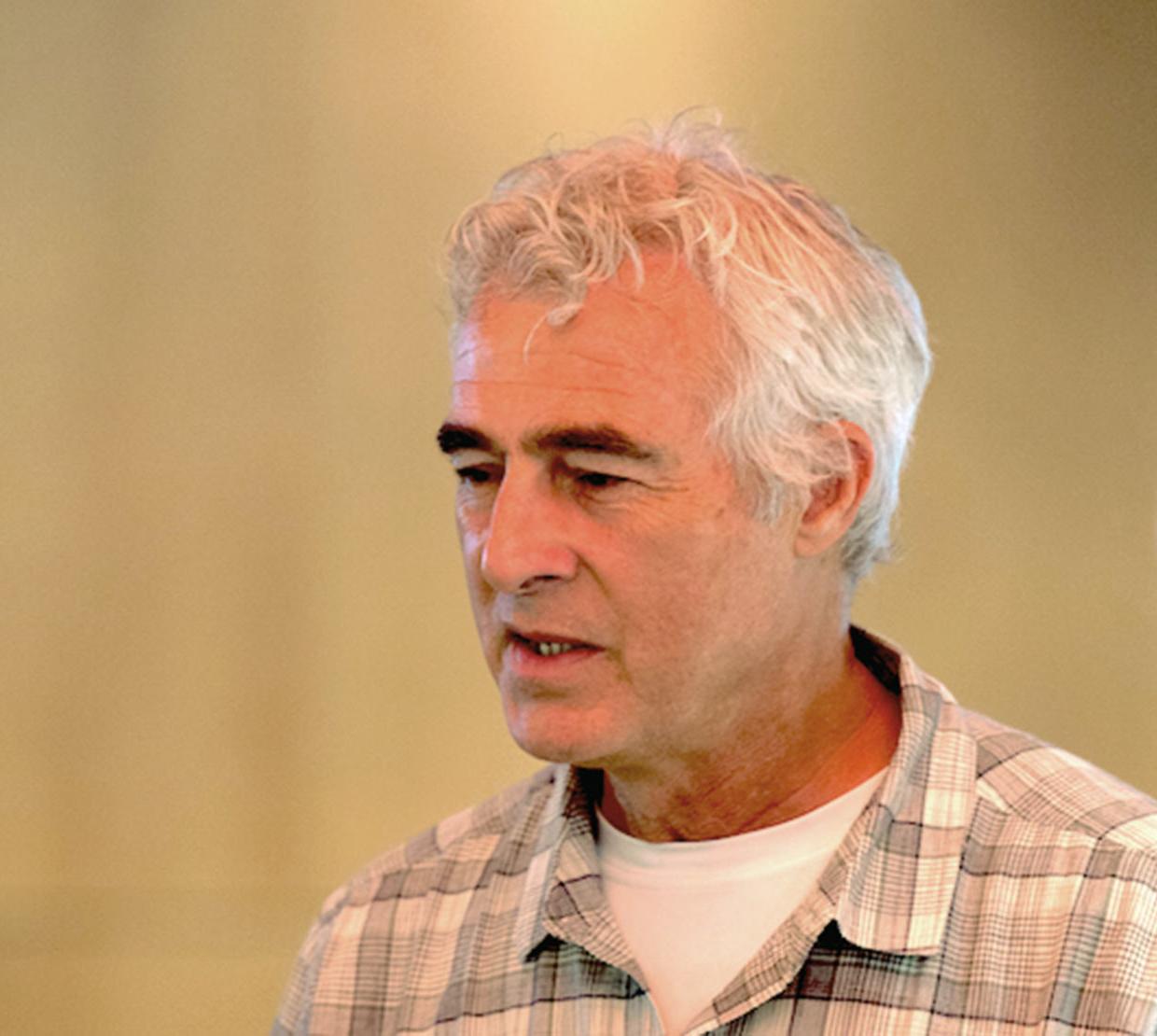
Ed Yong speaking to audience

Planning for the future of microbiome research

Ed Yong, author of the New York Times bestseller on microbiomes I Contain Multitudes

This spring the College of Science together with OSU’s Office of Research is launching the OSU Microbiome Initiative (OMBI), led by Sharpton. OMBI is an ongoing education and research program comprising OSU researchers from diverse disciplines who work together towards four shared goals: to understand how microbiomes operate and interact with their environment; to develop collaborations and partnerships with other research institutions and industry; to provide training in microbiome research methods; and to incentivize participation by underrepresented researchers.

This spring and summer, OMBI is hosting the following programs, with additional funding from the College of Agricultural Sciences and the Department of Microbiology.

Training Workshop, May 11, 2017

OMBI is hosting a hands-on training workshop on microbiome research techniques. Participants will learn methods and concepts related to the generation and analysis of microbiome data. This free workshop will be held May 11, 2017, in CH2M Hill Alumni Center in the Willamette Room 115. This year’s event has already reached capacity.

Award-winning science author talks microbiomes, May 11, 2017

British science writer Ed Yong, author of the New York Times bestseller on microbiomes I Contain Multitudes, will give a public talk about microbiome science from 6:00 – 7:00 p.m. followed by Q&A in the Horizon Ballroom at the Memorial Union. A reception to welcome Ed Yong will be held at 5:30 p.m.

Microbiome Research Forum, May 12, 2017

OSU investigators, researchers, and students are invited to participate in a strategic forum regarding the state and future of microbiome research from 9:00 a.m. to 5:00 p.m. in the CH2M Hill Alumni Center, Cascade Ballroom. Participants will hear presentations from internationally renowned micro biome experts. Trainees are also encouraged to participate in a poster session following the forum. Students and postdocs can compete for cash prizes! A celebratory evening reception will cap off the day at The Arts Center, Corvallis in downtown Corvallis, at 700 SW Madison Ave. from 6:00 – 8:00 p.m.

Space is limited. Register today!

Mixing art + science

During the OMBI launch, microbiome-related art will be on display as part of OSU’s part of SPARK: A Yearlong Celebration of Arts and Science, featuring science, artwork, poetry readings, and musical performances across campus. Working in synergy, Department of Microbiology Head and glass artist Jerri Bartholomew and SPARK, created a groundbreaking exhibit, “To See the Unseen.” Participants are encouraged to experience the exhibit, which opened April 13 and runs through May 27. It explores how microbiota influence life within ourselves and on our planet.

A summer of microbiome research

In collaboration with professors Duo Jiang, Yuan Jiang, Yanming Di and Lan Xue, Sharpton is hosting an research experience for undergraduates (REU) in OSU’s Statistics Department. This undergraduate research experience offers students the opportunity to analyze gut microbiome DNA sequences and to use statistical methods to infer how bacteria influence human health.

Students receive an $8,000 stipend as part of the REU, which includes expenses for travel and lodging. The 10-week research and training opportunity runs June 19 through August 25. The launch of the Summer 2017 program has been highly successful and has reached capacity.

picture of yellow microbiomes

OSU Microbiome Initiative launches

By Debbie Farris

A palpable urgency is driving microbiome research globally. With chronic diseases on the rise, ever-increasing ecological disruptions, and a mounting need to improve plant and animal agricultural productivity, more and more scientists are looking to microbiomes for answers. While tiny in size, these communities of microscopic organisms have profound effects and may hold the key for an improved understanding of animal, plant and ecological health.

Coined more than 10 years ago, the term “microbiome” has worked its way into the nation’s dialogue and settled into the public’s consciousness. Consequently, support and funding for microbiome research has grown substantially.

Road to the White House and back

An assistant professor with joint appointments in microbiology and statistics at OSU, Thomas Sharpton brings expertise in two symbiotic areas that give him an edge and a wholly unique perspective on microbiomes.

In 2013, he collaborated with OSU’s Office of Research Development to connect faculty with broader impacts across OSU to each other. He developed a robust forum with 50-plus faculty, all of whom study microbial communities in some way.

When the White House issued a call for information on microbiomes in 2014, Sharpton was ready. He drafted a collective response based on the hard work of the broad-based faculty forum at OSU and submitted a paper. Six months later, the White House's Office of Science and Technology Policy (OSTP) contacted him to inquire how much OSU was investing in microbiome research.

In May 2016, Sharpton was invited to the White House for the launch of OSTP's National Microbiome Initiative (NMI), a new $121 million federal program to maximize $500 million in philanthropic support from private foundations in order to study the microbes in humans, crops, soils, oceans and more. The initiative aims to coordinate research to understand microbiomes and restore damaged ones, and assistant professor and nationally recognized microbiome expert Sharpton is playing a key role.

A focus for research grants

The NMI is channeling its $121 million through various federal agencies, including approximately $16 million to the National Science Foundation (NSF) to fund microbiome research that spans the spectrum of ecosystems, species and biological scales. Earlier this year, Sharpton received one of these NSF grants, a total of $520,000 to develop computational methods to identify which specific members of the microbiome are important to ecological and human health. Sharpton’s Lab is also actively exploring how changes in the operation of the gut microbiome broadly influence human and animal health and evolution.

In short, OMBI project, a virtual center for microbiome research and education, is playing a key role in supporting the National Microbiome Initiative's mission to foster the integrated and interdisciplinary study of microbiomes across different ecosystems. As a focal area of research, OMBI will help attract sustained external funding to OSU faculty, who have received $10 million in grants for microbiome studies in the last 21 months alone.

Part of OMBI's mission is also to educate the public and, along with the NMI, expand the microbiome workforce. To that end, this spring and summer, OMBI is hosting a number of events, some of which are free and open to the public. Click here for more information.

Arial view of New York City

Informing Policy: Taking science to policymakers

By Katharine de Baun

Note: this article is part of a mini-series on how OSU scientists are working to mitigate climate change. Read more here: Overview, Quantifying Risk and Sustaining Resources.

“When the voices of scientists are not heard, there is a price to pay.” ~ Janet Napolitano

Scientists have often been reluctant to step into politics, believing perhaps that it is better to let research speak for itself. But in an era of accelerating climate change combined with “alternative facts,” more and more scientists perceive an urgent need to move beyond their traditional comfort zone and speak out about the public value of research, not to mention the value of science itself.

Sarah Henkel and Lenaig Hemery holding small octopus on boat

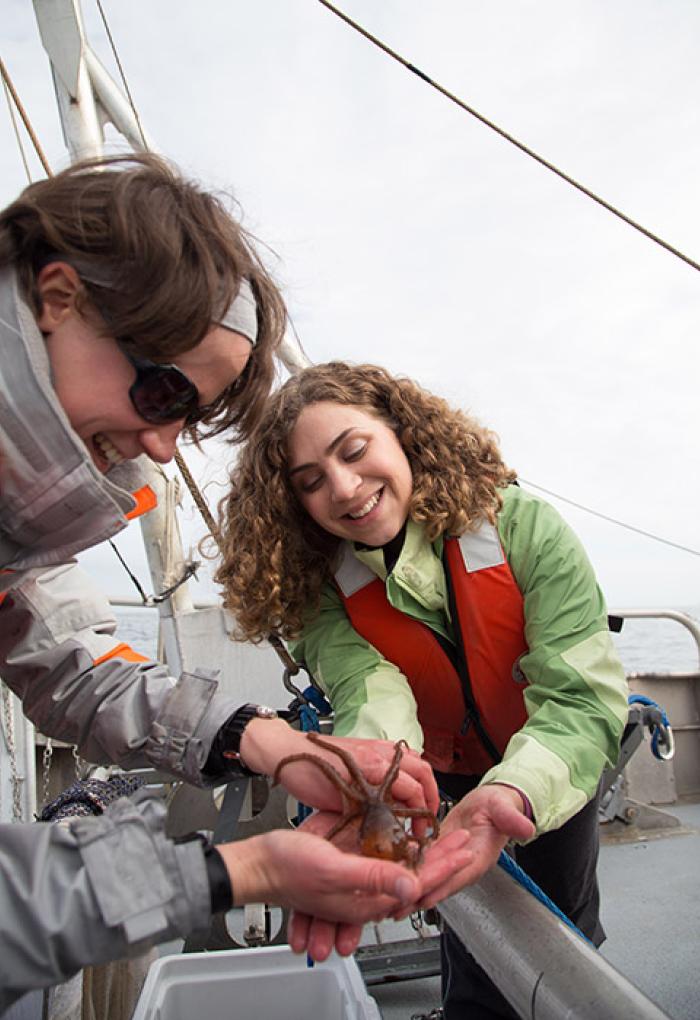
Professor Sarah Henkel on board the research vessel Pacific Storm

This urgency is driving many scientists to step out of the lab and into the public sphere. Hundreds of scientists attended a "stand up for science" rally at the fall meeting of the American Geophysical Union; thousands more participated in the national "March for Science" on Earth Day, April 22, 2017. Some, like evolutionary biologist and University of California professor Michael Eisen, are running for political office. Others, feeling that valuable troves of climate data stored by the government are at risk of being destroyed, are engaged in fervid “data rescue” onto private servers. Skilled advocates like OSU’s Distinguished Professor Jane Lubchenco, who recently won the National Academy of Science’s Public Welfare Award, are trying to figure out the best way for scientists to appeal to a skeptical or scattered public ;in a world of "fake news."

West Coast advocacy for healthy oceans

Scientists are also acting collectively in new ways to make sure that relevant research crosses the desks of policymakers, particularly when it comes to climate change. Integrative Biology professor Francis Chan, for example, is co-chair of a 20-member panel of leading West Coast ocean scientists who presented a comprehensive report last year outlining recommendations to decrease ocean acidification and hypoxia, or extremely low oxygen levels.

The report urges the governments of Oregon, California, Washington and British Columbia to act now to offset and mitigate the effects of global carbon dioxide emissions, which are rapidly changing ocean chemistry along the West Coast.

Chan’s recommendations were grave but hopeful, going beyond just painting a “gloom and doom” picture to offering many ways to remedy ocean acidification, from planting kelp and eel grass, which remove carbon dioxide, to better breeding techniques for shellfish and cleaner resource management.

Global ocean conservation

Marine biologist Jane Lubchenco and her colleague Kirsten Grorud-Colvert are important voices in the international ocean conservation community. Lubchenco, the U.S. State Department’s science envoy on ocean policy issues and former NOAA Administrator, and Grorud-Colvert published a paper in the journal Science. It highlighted the need for greater ocean protection to support fish stocks and to be better stewards of our oceans and the benefits they provide us all.

Scientists coordinating their research internationally can be powerful advocates for global environmental protection and policy. Microbiologist Rebecca Vega Thurber, for example, leads a National Science Foundation (NSF)-funded Global Coral Microbiome Project that seeks to describe and analyze the macrobiotic diversity in coral reefs around the world, coordinating her lab's work with researchers at Australia's Great Barrier Reef and Saudi Arabia's Red Sea coast.

The ultimate goal is to understand how microbial communities can help coral reefs withstand and recover from stress or disease. The research may be critical to international efforts to mitigate the worldwide decline in coral reefs due to overfishing, pollution, and climate change.

Policy-focused research

Policymakers sometimes collaborate with scientists to do specific research. Marine ecologist Sarah Henkel, for example, is often out on the ocean, analyzing field samples to advise policymakers on how human activity and climate change affect marine life. She checks for heavy metals and organic pollutants in coastal marine species exposed to effluent from an industrial outfall pipe in Newport.

Recently, she led a research cruise analyzing sediment grabs of the ocean floor for species habitat suitability maps. The maps will guide the Bureau of Ocean Energy Management in managing effects from offshore energy and mineral exploration on the Outer Continental Shelf.

Close to home: Salmon fisheries

Scientists like microbiologist Jerri Bartholomew are changing policy at the local level. A long-term project in the Klamath River integrates monitoring and research to develop recommendations for fishery management by providing real- time data on parasite densities and their predicted effects on juvenile salmon. When parasite levels and water temperatures exceed set thresholds, this triggers river managers to release a pulse of water from the reservoir to reduce disease risk. Models developed by her team link areas of high disease risk with physical parameters, such as water flows and temperature, and forecast how climate change might alter infection rates in the future.

***Read the rest of this series on how scientists at OSU are tackling global warming: Warm Oceans need Cool Science (introduction) Quantifying Risk Sustaining Resources

snowy mountains

Quantifying risk in a changing world

By Katharine de Baun

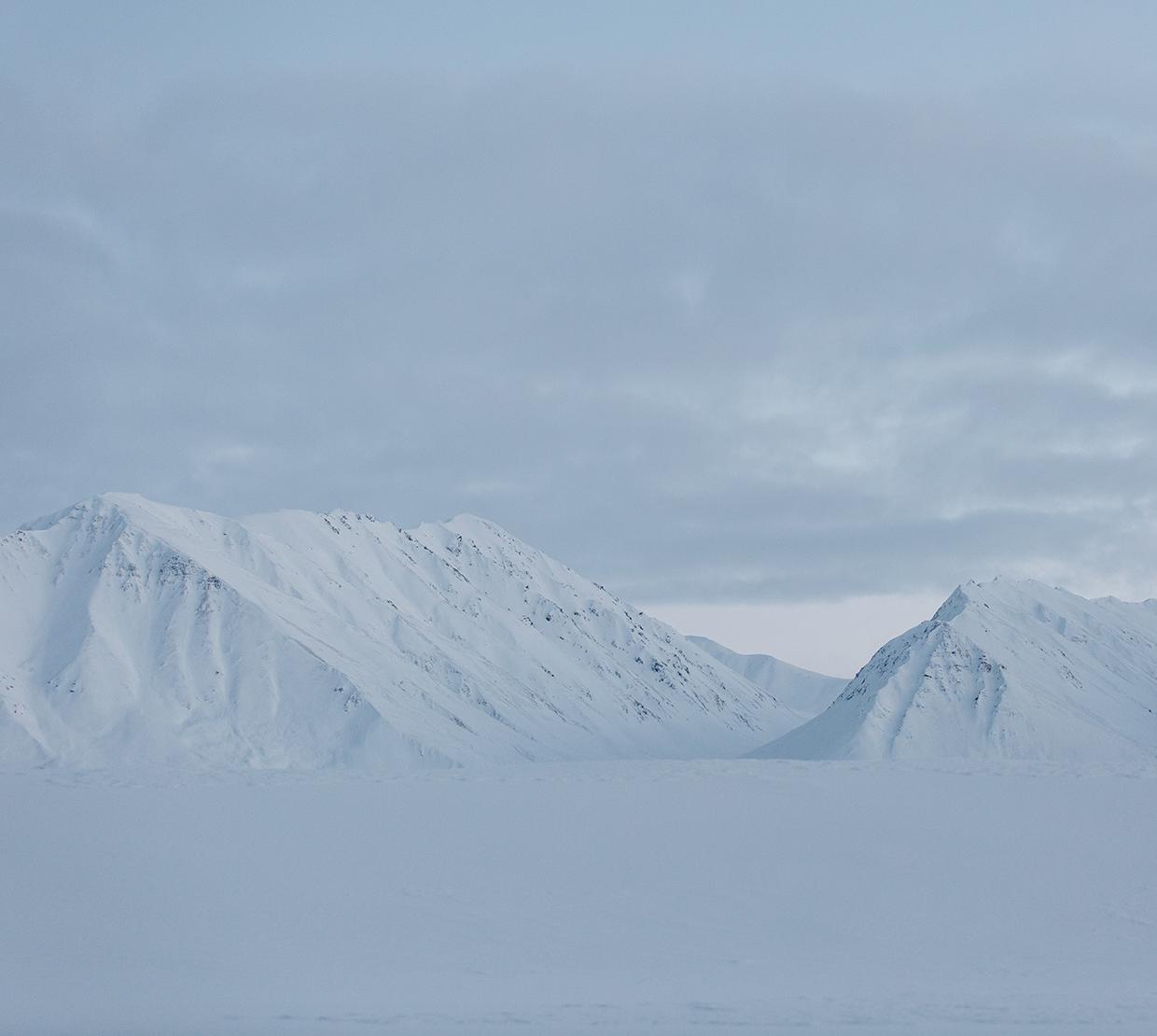
Landscapes at danger due to climate change

Note: this article is part of a series on how Oregon State scientists are working to mitigate climate change. Read more: Warm Oceans need Cool Science (introduction), Informing Policy and Sustaining Resources.

In 2016, our planet reached the highest temperature on record for the third year in a row according to independent analyses by NASA and the National Oceanic and Atmospheric Administration. Analyzing big data to model our evolving future is mission critical in an era of potentially catastrophic global warming.

“Statistical analysis and data science are key to discoveries and innovation,” says Sastry G. Pantula, dean of the College of Science. New fields involved in big data like bioinformatics are often interdisciplinary and collaborative.

“Solving major complex issues …requires teams with a diversity of expertise across science, mathematics and statistics. An interdisciplinary cohort enhances depth in core areas, breadth of communication across various fields, and strength in statistical and computational skills,” adds Pantula. Scientists at Oregon State work with big data to tackle climate change on many fronts.

Big data for the next generation

Mathematician Juan M. Restrepo is Chair of the Focus Group on Climate in the American Physical Society. He works on improving weather and climate forecasts by combining data and weather models, and is presently focused on finding ways to compute statistics of rare and extreme weather events. Some of the methods developed in this line of research lead to adaptive ways to respond to disasters, such as flooding and hurricanes.

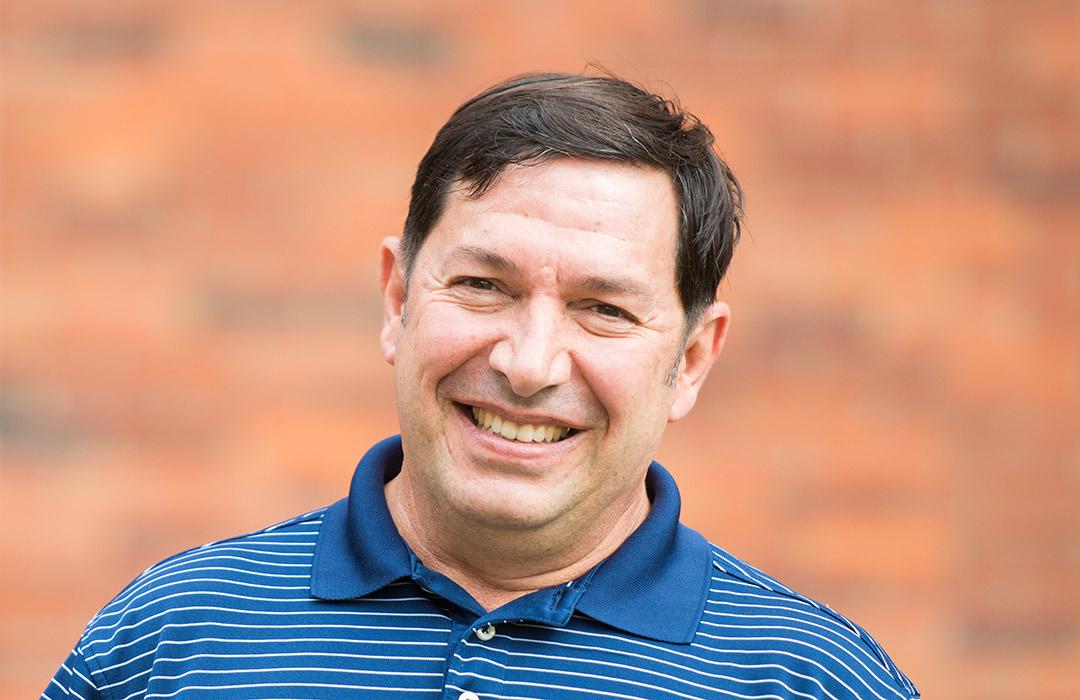
Juan Restrepo in front of brick wall

Juan M. Restrepo, mathematician

Restrepo and statistician Alix Gitelman are co-principal investigators in a $3 million NSF Research Traineeship to prepare a new generation of scientists capable of assessing and communicating risk and uncertainty in the development of marine resource management strategies and policies. The student teams comprise future scientists, engineers and social scientists, who are trained to work with big data, engineered and natural systems, and stake-holders. Restrepo, together with students, statistician Claudio Fuentes and engineer Harry Yeh, is developing improved methods for forecasting and responding to tsunami disasters.

Models for real-world problems and solutions

Mathematician Malgo Peszynska and her students collaborate with geophysicists, engineers, microbiologists and others to create mathematical models that are accurate, fast and relevant to better understand a warming climate. The models predict how warming temperatures can trigger the release of huge pockets of methane gas trapped in ocean sediments, and how leakage could occur if carbon dioxide emissions are pumped into the ground.

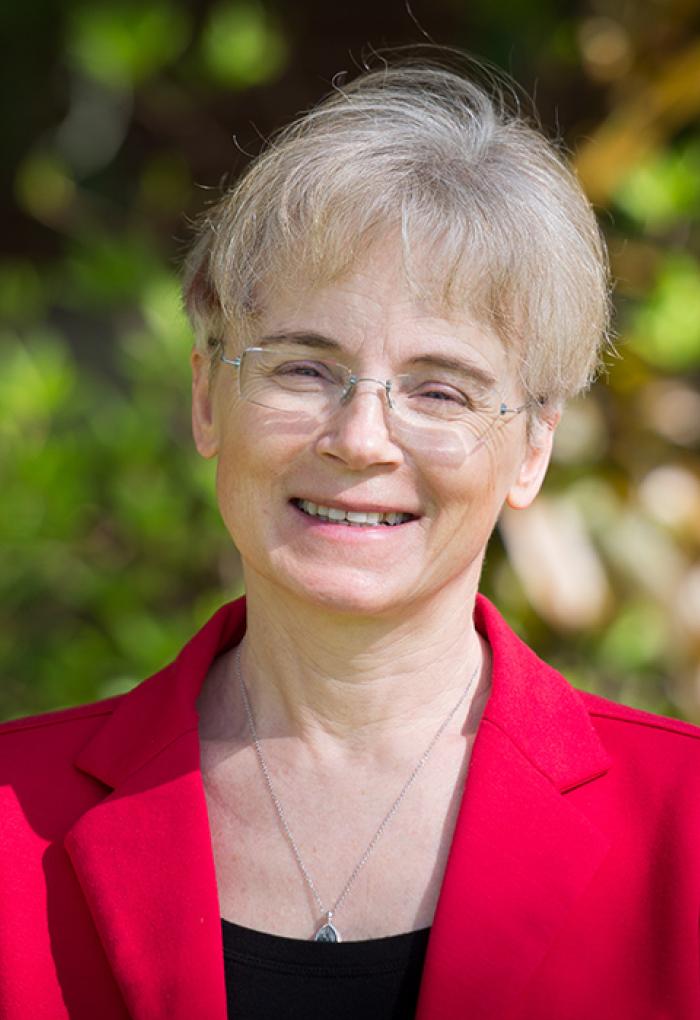
Malgo Peszynska in front of shrubbery

Malgo Peszynska, mathematician

Mathematician and biologist Patrick De Leenheer is at the leading edge of mathematical biology, a new branch of study that has evolved in recent decades as research in biology and medicine becomes increasingly dependent on mathematics and computation.

De Leenheer uses dynamical mathematical models to describe and illuminate biological processes ranging from the cellular to the ecological scale. He has helped develop new modeling approaches for the analysis and design of Marine Protected Areas to enhance fisheries as part of an NSF-funded project. He has also published studies on critical thresholds for extinction in population growth models and has been modeling the effects of climate change on disease severity.

Huge impacts, tiny creatures

The smallest known free-living cells, plankton SAR11, discovered by microbiologist Stephen Giovannoni, are so dominant that their combined weight exceeds that of all the fish in the world’s oceans. En masse, the tiny creatures produce enough sulfur gasses to play an important role in cloud formation and the stabilization of Earth’s atmosphere.

Stephen Giovannoni in from of wooden wall

Stephen Giovannoni, microbiologist

Collaborating with scientists around the world, Giovannoni is now building a database of plankton genomes collected from faraway places, from Massachusetts to Bermuda and the Sargasso Sea, against which future changes in the oceans can be assessed. Understanding the role of plankton is critical to accurately model climate change and its effects.


Read the rest of this series on how scientists at OSU are tackling global warming:

Subscribe to Faculty and Staff