Faculty and Staff

Faculty and Staff

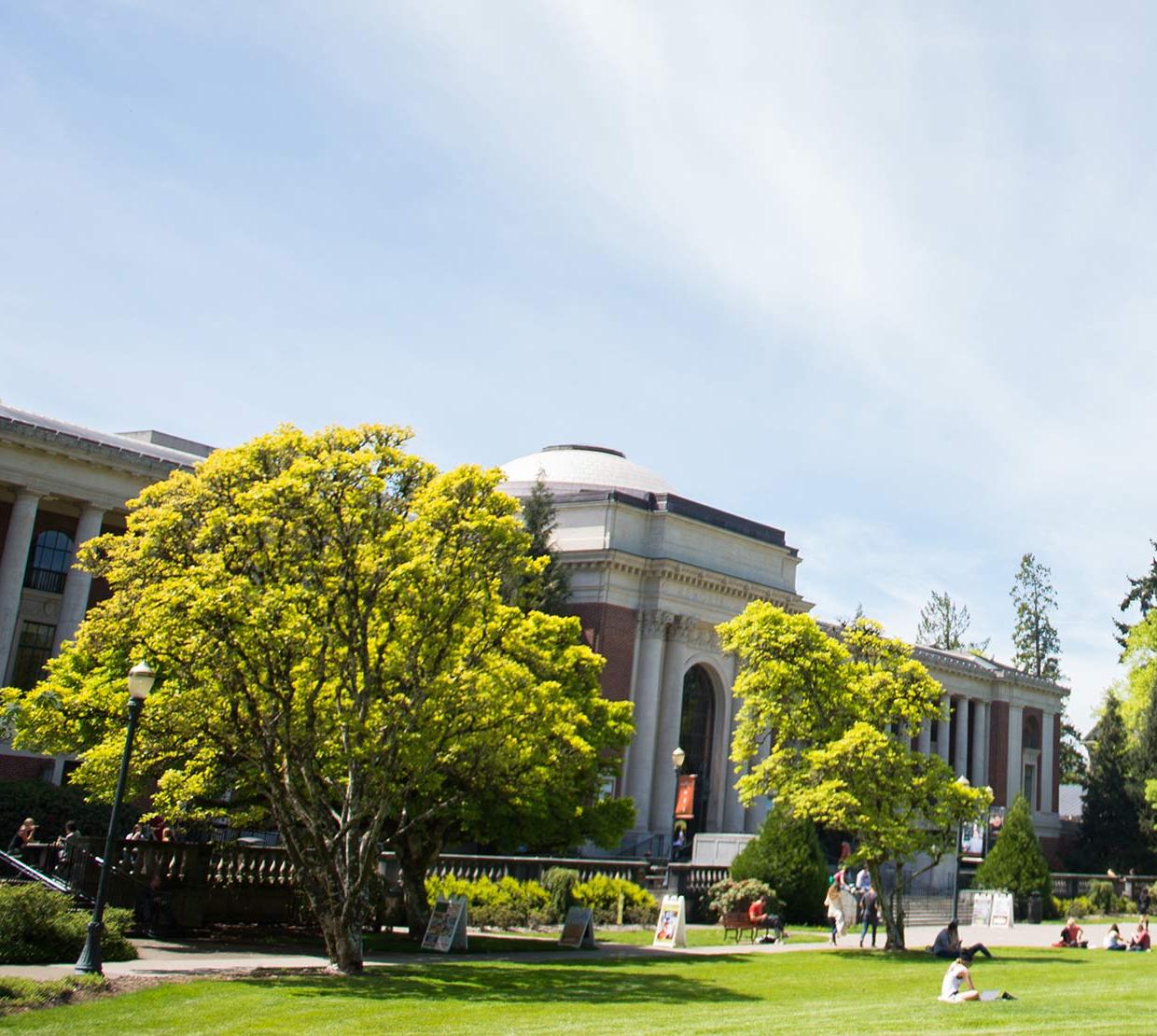
Memorial Union on sunny day

Serving science and OSU for more than 25 years

Memorial Union on campus

Congratulations to our faculty and staff who have completed 25 or more years of service to Oregon State University! They will be recognized for their dedication and service at the 25-Year Club Dinner on May 22, 2018. Nearly half of this year's 25 honorees are in the College of Science.

The 25 Year Club was founded in 1967 by OSU President James J. Jensen to honor those who have provided 25 years of employment service to Oregon State University. The first event was a dessert of strawberry shortcake served with coffee and tea held on May 17, 1967, honoring 235 charter members.

The following faculty and staff will be recognized for service ranging from 25 to 40 years.

  • Jennifer Field, Environmental and Molecular Toxicology – 25 years
  • Tevian Dray, Mathematics – 30 years
  • Katherine Field, Microbiology – 30 years
  • Stephen Giovannoni, Microbiology – 30 years
  • Jack Higginbotham, College of Science – 30 years
  • Peter Hoffman, Environmental and Molecular Toxicology – 30 years
  • Corinne Manogue, Physics – 30 years
  • Mina Ossiander, Mathematics – 30 years
  • Enrique Thomann, Mathematics – 30 years
  • Robert Higdon, Mathematics – 35 years
  • Richard Holt, Microbiology – 35 years
  • Nancy Kerkvliet, Environmental and Molecular Toxicology – 40 years
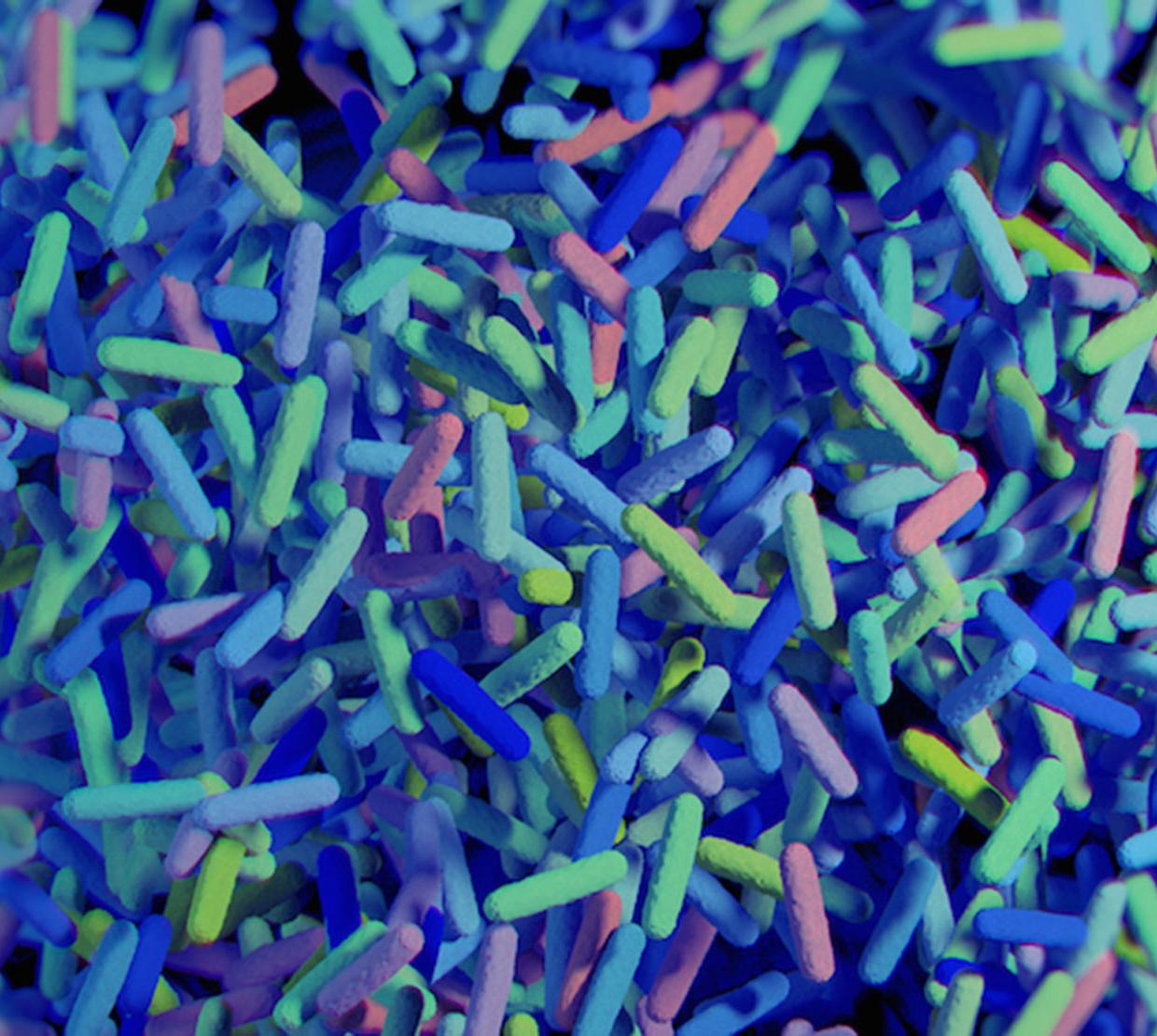
picture of Microbiomes

Statistical innovations help decode the human microbiome

Gut Microbiota

The human microbiome—the vast collection of microorganisms living in and on the bodies of humans—can lead us to a better understanding of human health and disease, not to mention accelerate the development of therapeutic drugs. However, the vastness and complexity of microbiome data require advances in statistical methodology and software for an accurate analysis of host-microbiome interactions. Statistics faculty Yuan Jiang, Duo Jiang and Thomas Sharpton are developing novel statistical methods to bridge the gap between the human microbiome and microbiome-based healthcare.

They were awarded a prestigious four-year $770K grant by the National Institute of General Medical Sciences (NIGMS), one of the U.S. National Institutes of Health (NIH). Yuan Jiang, associate professor of statistics, is the lead researcher and principal investigator on the project, “Network-based statistical methods to decode interactions within microbiomes.” Duo Jiang, assistant professor of statistics and Thomas Sharpton, assistant professor of microbiology and statistics, are co-investigators on this grant.

This project will advance scientific understanding of the functions and operations of microbiomes by developing statistical methods and models to study biological interactions between microbes or between microbes and their host.

“The new statistical methodologies will leverage recent advances in graphical models and high dimensional statistics to tackle unmet analytical challenges encountered in the analysis of modern microbiome data,” said Duo Jiang.

Interest in the role of the microbiome in human health and disease has increased rapidly within the last decade. However, available tools and technologies do not adequately capture the full scope and complexities of microbial interactions within a community. For example, a correlation type analysis employed to model microbial interactions cannot filter out misleading co-occurrence patterns in a community: two microbes that independently interact with a third but not with one another may appear to correlate.

“The currently used statistical models fail to account for specific properties of microbiome data, including its heterogeneous compositional count nature, the complex environmental context, and its evolutionary structure,” Yuan Jiang explained.

“Additionally, existing algorithms are often not scalable to the huge size of microbiome data. Therefore, new statistical methods and algorithms need to be developed to better answer the scientific questions.”

The NIGMS grant will help Jiang and his team pioneer new statistical methods “built on conditional dependencies that disentangle biological interactions from marginal correlations to produce mechanistically and evolutionarily relevant network models of how microbes interact with one another and their host.”

The methods and software produced by this project will “transform the discovery of how these microbes interact with one another and influence or respond to human physiology.” A broader understanding of microbiomes and their role in disease etiology will open the doors to engineer and utilize microbiomes important to human health to develop new drugs, therapeutic probiotics and clinical diagnostics.

The grant will support graduate research assistants (GRAs). Two GRAs from statistics and one GRA from microbiology will be a part of this interdisciplinary collaboration. “Such a form provides students with opportunities for experiential learning in diverse scientific areas (e.g., statistics, computer science, microbiology, evolution, and genetics) as well as experience in teamwork and interdisciplinary research,” said Yuan Jiang.

desert hill with clear sky

150 years of science for land and sun

By Katharine de Baun, Srila Nayak

Painted Hills, Oregon

Note: this article is part of a yearlong series on the distinguished tradition of scientific research pertaining to Oregon State’s 150th anniversary and its four land-grant designations. From our fall 2017 issue: 150 years of science for sea and space(Introduction), On the shoulders of giants, Oregon State Science: The many "firsts" in 150 years. From our spring 2018 issue: The significance of OSU's sea-, space-, sun- and land-grant designations, "Milestones: Oregon State Science at the helm for 150 years."

While the College of Science at Oregon State University was formally established in 1932, science programs and departments have been instrumental in shaping the evolution of research and education at the university since its 1868 land grant designation.

In fact, long before OSU’s College of Agricultural Sciences came into existence, the new agricultural curriculum was first taught in the Department of Chemistry in 1870 paving the way for the scientific study of agriculture for the first time in the Pacific Northwest. Such pioneering science programs since the earliest days of the institution were responsible for OSU’s land grant designation making it one of three land-grant colleges in the country at that time (The other two were the University of Illinois at Urbana-Champaign and the University of California at Berkeley).

The first professors of engineering at OSU in the 1890s were also professors of mathematics. Some of the university’s earliest engineering disciplines would not have flourished if it were not for the fundamental sciences. A four-year mining engineering curriculum was established in the Department of Chemistry in 1900 that led to the consolidation of early engineering programs in metallurgy.

The chemistry department was also the home of the first geology courses. It would not be an exaggeration to say that the natural and physical sciences at OSU have shaped and guided the growth of the world-class research and education that takes place across all STEM (science, technology, engineering and mathematics) fields in the university today.

OSU land grant: From plows to touch screens

Science has played a founding role in carrying out Oregon State’s Land Grant mission from its origins in the Morrill Act of 1862, whose focus was to teach agriculture, military tactics and “mechanical arts” or engineering. Chemistry was hailed, for example, as “the cornerstone of Scientific Agriculture” in the 1869-70 course catalog. And in 1899, today’s microbiology department arguably began with a single course in bacteriology, to help understand and eliminate bacterial diseases of crops. Mathematics and physics courses were a core part of the mechanical arts curriculum and the fledgling department of mechanical engineering, formed in 1889.

In the 20th century, the University’s land-grant mission expanded to adapt to the changing social and economic needs, including a new forestry program in response to Oregon’s growing timber industry and a growing emphasis on engineering after World War II. As the scope of the land-grant mission widened, science continued to be front and center. The chemistry department was home to new four-year programs in pharmacy (1898), mining (1900) and forestry (1906). By 1912, bacteriology was driving innovation across various industries and considered essential training for “any student properly equipped in Dairying, Agriculture, Agronomy, Pharmacy, Domestic Science, etc.”

In the 21st century, Oregon State under President Ray’s leadership aims to be among the top 10 land grant institutions in America, with a focus on three signature areas: the Science of Sustainable Earth Ecosystems, Human Health and Wellness, and Economic Growth and Social Progress. The College of Science is a key contributor with pioneering programs and research in biohealth, the life sciences, marine and environmental sciences and, increasingly, statistics, as students and researchers across a wide variety of fields learn to interpret and gain often revolutionary insights from big data.

An integral part of OSU’s land-grant mission is also to foster public outreach and engagement, and science has long been at the heart of its various agricultural experiment stations and Cooperative Extension Service. Through evidence-based programs designed to make Oregon farms more sustainable, to teach gardeners how to raise bees, reduce pesticides or compost; or encourage children to pursue STEM careers through its engaging, hands-on 4-H programs — science provides both a body of evidence and a mode of inquiry that supports both backyard sleuths and future astrophysicists.

Science also contributes to economic growth with a constant stream of research-inspired innovation, producing 48 new inventions and securing 18 U.S. patents since 2011 alone. Local, state and global industries have profited from sustainable materials that began as lab experiments in Gilbert Hall, from more efficient batteries and greener touch screens, to a new heat-resistant paint using YImMn blue, the new pigment discovered by chemist Mas Subramanian.

Lastly, the College’s current investment in student diversity and success continues a long and proud tradition of opening STEM fields to all, science being a necessary part of the “liberal and practical education” for the “industrial classes” since the passage of the 1862 Morrill Act. As the University’s land-grant mission continues to evolve, science will remain at the heart – and the edge – of discovery and innovation.

Sun: Harnessing natural resources for a healthy planet

For nearly 150 years, the natural sciences at OSU have been at the forefront of research and innovation bridging the biological sciences and the physical sciences (physics and chemistry) for environmental sustainability, renewable energy and a healthy planet.

Chemist David Ji has pioneered the invention of new long-lasting and high-performance energy materials in the form of batteries for the purposes of sustainable energy storage. By employing carbon-based materials and hydrocarbon solids, Ji has designed new battery devices such as the world’s first hydronium-ion battery, potassium-ion battery, dual-ion battery and sodium-ion battery which can easily and cheaply store energy from the wind and sun. Ji’s innovations in the area of energy storage have ushered in a new era of renewable and sustainable batteries.

Materials physicist Janet Tate is a key player in the field of renewable energy technologies that includes development of transparent conductors and photovoltaic materials. Tate is a principal investigator at the prestigious Center for Next Generation of Materials Design—an Energy Frontier Research Center (EFRC) funded by the U.S. Department of Energy.

By integrating the talent and expertise of leading scientists such as Tate, the EFRC aims to “accelerate transformative discovery” and innovate new materials on the atomic and molecular scale to enhance energy security and protect the global environment. At the Center for Next Generation of Materials Design, Tate studies metastable alloys to design inorganic semiconductors for optoelectronic applications (electronic devices that source, detect and control light).

The OSU Sun Grant program is supported by funds from the U.S. Department of Agriculture and the Department of Energy aimed at the creation of biofuels and other environmentally sustainable green technologies to meet growing energy demands and promote opportunities for bio-based economic growth in rural communities.

One of the key sun grant projects on genetic modification of poplar trees to produce plant-based plastics will be extended in new, innovative directions with the added expertise of statistical methods. In collaboration with College of Forestry Professor Steven Strauss, statistician Yuan Jiang is investigating better methods of mapping the genes that control the process of regeneration and transformation needed for genetic engineering by using DNA sequence databases, imaging and computations.

This five-year, $4 million project is funded by the National Science Foundation and is an important advance in developing genetically engineered crop species in ways that help meet our present challenges without unintended environmental effects.
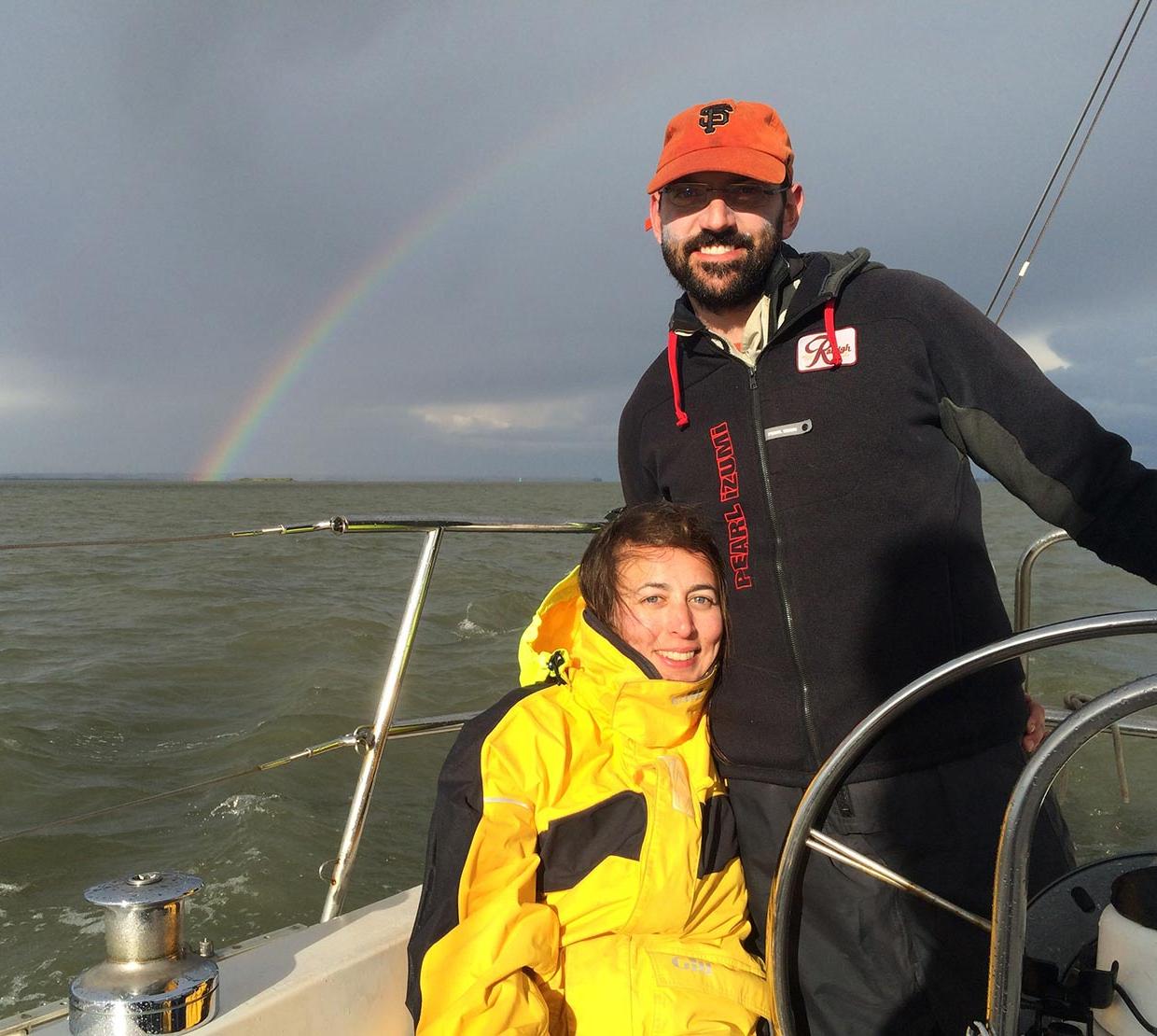
Maude David and Kenton Hokanson in boat on the ocean

Dynamic duo in microbiology join OSU

By Katharine de Baun

Maude David and Kenton Hokanson join the Department of Microbiology

The College of Science welcomes Maude David and spouse Kenton Hokanson, who joined the Department of Microbiology in January. David has a joint appointment in the College of Pharmacy and will focus on developing undergraduate curricula in bioinformatics. She joins us from the pediatrics department at Stanford University. She also worked at Second Genome, a company that seeks to improve human health by unlocking the full potential of the microbiome.

David is co-founder of ENOVEO, a company that specializes in environmental microbiology, chemistry and biotechnologies. The business venture is the result of collaboration between researchers at the University of Lyon in France and contaminated site management professionals.

David’s research interests span permafrost microbial communities and the analysis of gut microbiota to genomic variants associated with autism (see below) using new techniques like crowdsourcing to accelerate discovery. With expertise in bioinformatics, data sciences and human gut microbiota, she deepens OSU’s growing strength in microbiome research.

Hokanson, a recent neuroscience graduate from the University of California, San Francisco, is an instructor who will teach and advise undergraduates in microbiology and biohealth sciences. He will also help develop an electrophysiology core facility in the Department of Biochemistry and Biophysics.

Recently the two took time off from their busy schedules to answer a few questions.

What are your first impressions of Oregon State?

David: I love the campus. The lab space is quite impressive — I can’t wait to get it up and running. I’ve had great support from colleagues, helping me navigate through the maze of a new position.

Hokanson: The students I’ve met have been excellent. They’re all taking a lot of classes, often while working, and I’m impressed with their enthusiasm and motivation. My colleagues have been fantastic – hopefully I get the hang of this before they get sick of me asking questions.

Do your research interests overlap at all? Do you ever bounce/spark ideas off each other’s work?

We definitely bounce ideas off of each other. We work in different fields, but there’s just enough overlap for us to speak a common language.

Maude David, in your research you are pursuing genomic variants of autism -- does anything in your research account for why there seems to be such a rise in autism rates?

David: The rise of the rate of children diagnosed with autism is a very complex issue. On one hand, the causes of autism include genomic and environmental factors, and on the other hand, the tools to diagnose the disorder are constantly evolving. My previous work did not exactly address this question, but rather examined the rate of mutations in autism-related genes; and my future work will look at the link between these genes and environmental factors, in particular the human gut microbiome.

What excites you as a researcher and educator about working at Oregon State?

Hokanson: OSU is a remarkable place to teach. The University has made a huge investment in improving education (building the Learning Innovation Center, investing in resources to encourage active learning and online courses, etc). My colleagues have also been supportive of ideas for new courses and undergraduate research opportunities. I’m very happy to be somewhere with such a focus on students.

David: My research depends on interdisciplinary collaboration, and the University has made a big effort to facilitate that. There are no barriers to working with other departments and colleges, and this is key to carrying out the kind of research that I do.

Maude David, to date you’ve worked across both academic and private/start-up settings. Do you see yourself continuing that sort of work here?
David: I have been working with the private sector since the beginning of my Ph.D. The nature of my research, especially the bioinformatics side of it, has facilitated those interactions. But I also observed that research, applied or not, raises a substantial interest among companies. My collaborations between academia and industry have been incredibly beneficial in terms of organization, software development and reproducibility for both partners. I intend to keep collaborating with the private sector, and I also hope to involve my students in these projects and help them develop much-needed [career] contacts for their future.
Kenton Hokanson, what do you hope to accomplish through the electrophysiology core facility you’re working on developing?

Hokanson: There is a lot of good neuroscience research being done at OSU. I’m hoping to contribute to it by bringing researchers from across departments together to take advantage of a new technique. Electrophysiology involves directly recording the electrical signals that neurons use to communicate with each other. This can be a very powerful way to understand how a disease or a research manipulation affects the way neurons behave – hopefully shedding light on how the brain works.

What do you both like to do in your spare time, together or apart?

David: Aside from unpacking boxes, we love sailing, hiking, biking and traveling. I like to read graphic novels, and Kenton is always trying to get a board game going.

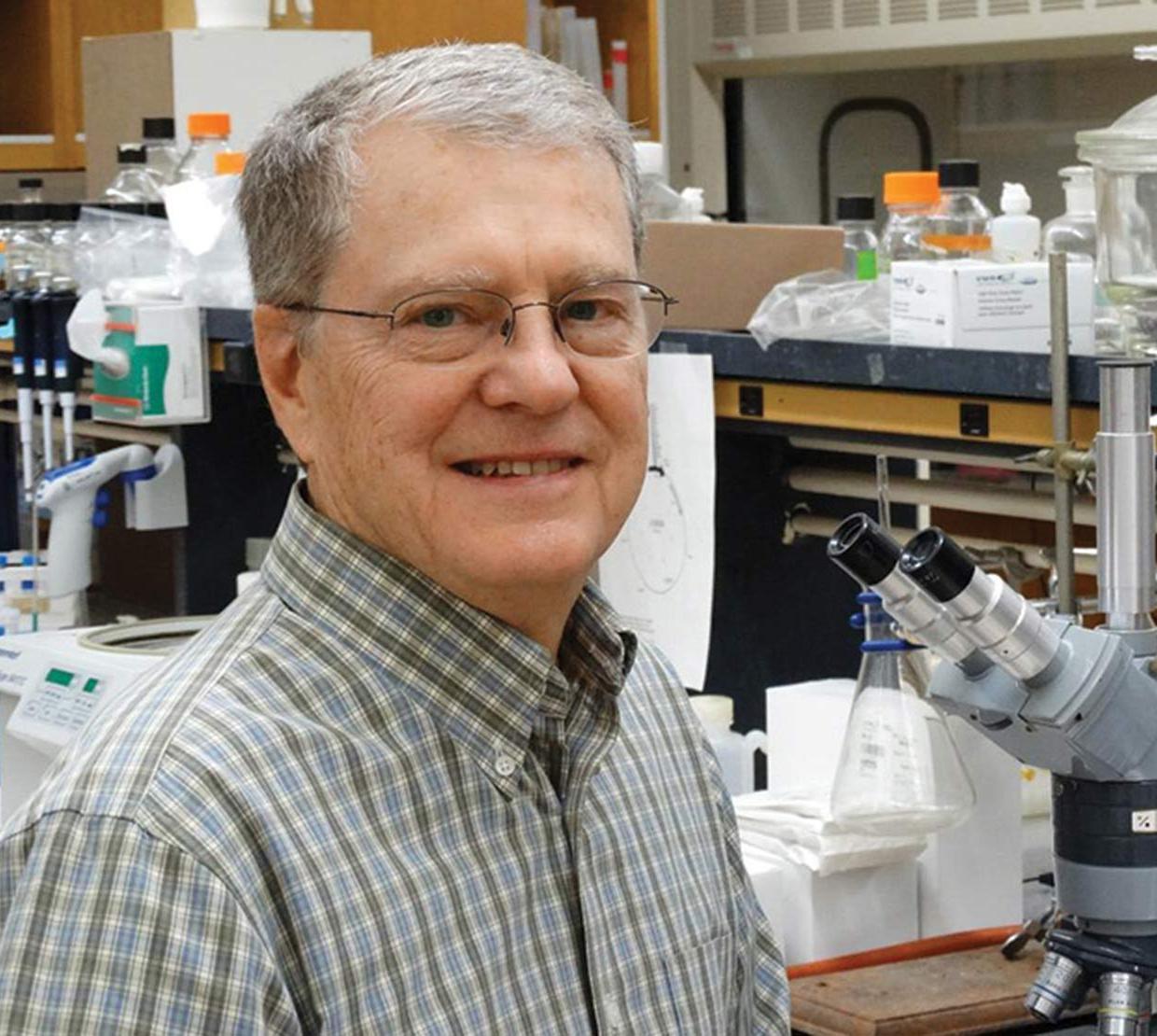
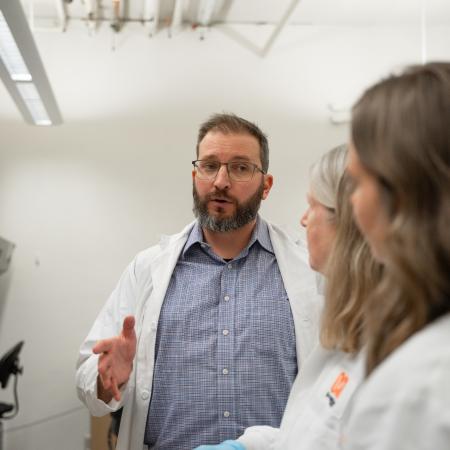
Bruce Geller in microbiology lab

Microbiologist scores key win in battle against antibiotic resistance

By Steve Lundeberg

Bruce Geller, microbiologist

Microbiologist Bruce Geller and his team have made a key advance in the fight against drug resistance, crafting a compound that genetically neutralizes a widespread bacterial pathogen’s ability to thwart antibiotics.

The findings are important because antibiotic resistance is a growing global threat, with the percentage of isolates with multidrug resistance on the rise for many bacteria.

“Discovery of novel antibiotics has waned, effective modifications have become less frequent, inhibitors of resistance are limited, and economic factors in the pharmaceutical industry have dried up the development pipeline,” said Bruce Geller, professor of microbiology.

“A new antibiotic scaffold effective against Gram-negative pathogens has not been approved in more than 30 years.”

Every year, two million people in the United States are severely infected with drug-resistant bacteria, and between the U.S. and Europe, nearly 50,000 people die annually from those types of infections. Using a traditional strategy of trying to find new antibiotics, chemically altering old ones, or combining antibiotics with resistance inhibitors, researchers have fallen behind in the race to stay ahead of drug resistance.

But Geller and collaborators are developing a new kind of antibacterial compound known as a PPMO to fight antibiotic resistance.

In their most recent study, published in the Journal of Antimicrobial Chemotherapy, PPMOs were designed and tested against Klebsiella pneumonia, an opportunistic pathogen that is difficult to kill and resistant to many antibiotics.

“Klebsiella pneumoniae is a ubiquitous bacterium that lives in a lot of different environments,” Geller said. “It’s in soil, it’s in water, it’s really hardy. It can also colonize in people’s nose and throat without causing any pathology.

“But every once in a while, something bad happens and strains just get into an area of the body where they’re not supposed to be,” Geller said. “They can get into the lungs and cause pneumonia, especially if the patient has some other underlying condition that knocks down the immune system – transplant patients whose immune system is suppressed with drugs, for example, or people with diabetes or alcoholism. It’s also a common cause of urinary tract infections, and if the bacteria get into the blood, they can kill within hours.”

In the study, PPMOs eliminated slimy secretions known as biofilms that Klebsiella makes to protect itself against antibiotics. The PPMOs were also effective in treating K. pneumoniae-infected mice – the first time a gene-specific therapeutic has been shown to be effective against K. pneumoniae in vivo, i.e., in a living organism.

“It worked in a mouse model of pneumonia using a strain of Klebsiella that is resistant to all antibiotics except one, which is toxic and not often used,” Geller said.

PPMO is short for peptide-conjugated phosphorodiamidate morpholino oligomer, which is a synthetic, nucleic acid-like molecule designed to silence bacterial gene expression; it inhibits growth by binding to specific RNA.

“PPMOs are a platform technology, which means they can be quickly designed or modified to kill just about any bacterium,” Geller said. “Because they are not naturally found in nature, bacteria have not developed resistance to them. Bacteria that are resistant to standard antibiotics are completely susceptible to PPMOs. They have the potential to be a very effective therapeutic. Molecular medicine is the way of the future.”

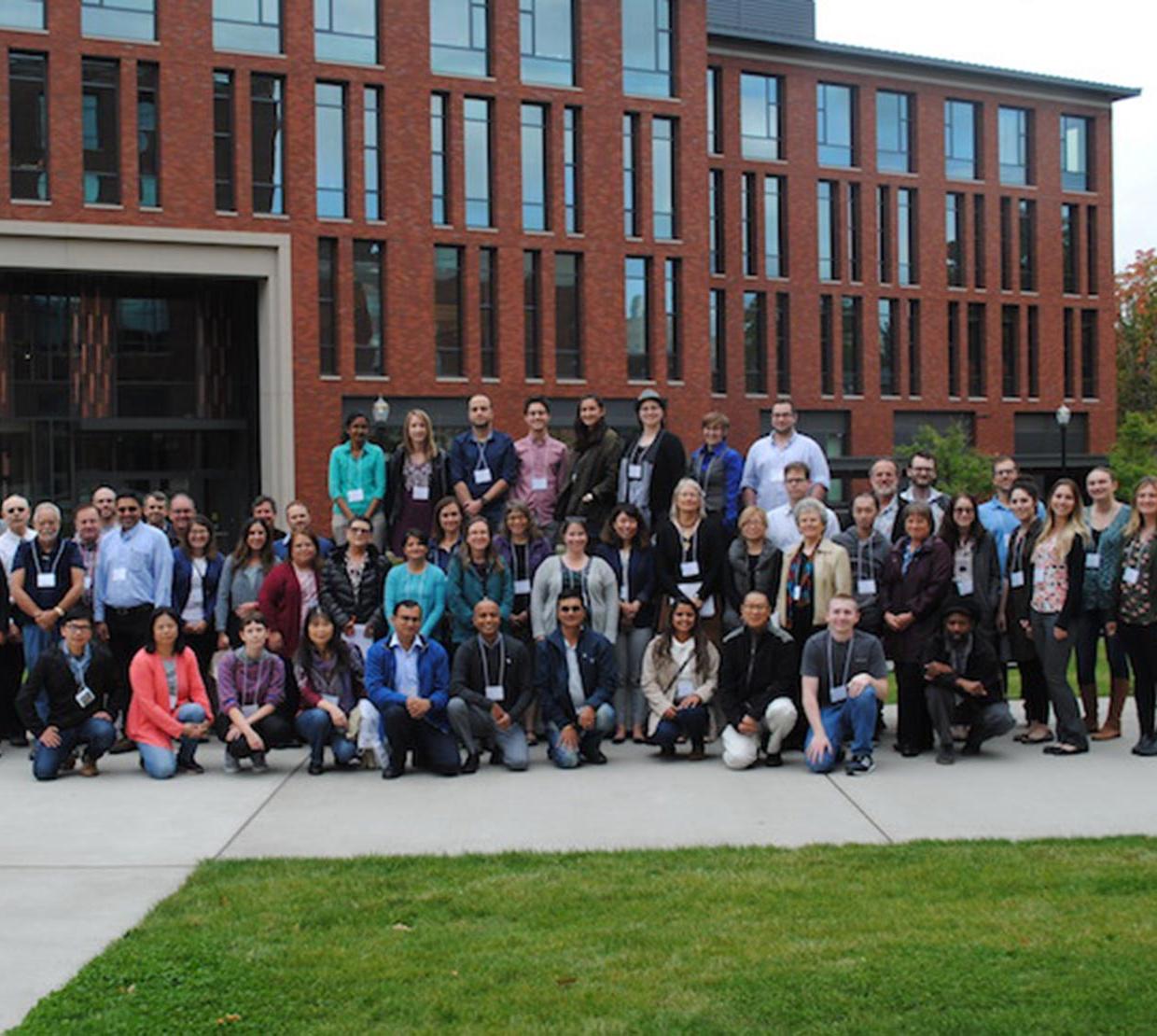
group of conference attendees in front of Austin Hall

International conference showcases Oregon science and agriculture

By Katharine de Baun

Department of Microbiology co-hosted 38th Annual Crown Gall Conference 2017

Seventy participants from around the world gathered at Oregon State University for the 38th Annual Crown Gall Conference in October 2017. The two-day event was co-hosted by the departments of Microbiology and Botany and Plant Pathology.

The conference was a natural fit for Oregon. Crown gall and hairy root disease is caused by the ubiquitous soil bacteria Agrobacterium tumefaciens, affecting industries that contribute more than $745 million to Oregon’s economy. The conference attracted experts from across a wide variety of disciplines in academia, government and industry with a strong interest in learning about the latest research and sharing ideas on the diagnosis, control and economic impact of this widespread disease.

Microbiologist Walt Ream recruited the two keynote speakers for the event, Dr. Eugene Nester of the University of Washington, who delivered an eloquent history of crown gall to date, and Rob Horsch from the Bill and Melinda Gates Foundation, who explored Agrobacterium’s surprising role in producing genetically engineered plants and helping to transform modern agriculture. Other speakers traveled from as far away as The Netherlands, Japan and Taiwan, reflecting the bacteria’s wide influence on thousands of plant species all across the world.

The conference was organized by Jeff Chang from the Department of Botany and Plant Pathology along with Melodie Putnam from the OSU Plant Disease Clinic and Joyce Loper from the College of Agriculture.

A secondary goal of the conference was to showcase Oregon’s impressive agriculture. A winery tour, organized and facilitated by Mark Chien, Director of the Oregon Wine Research Institute at OSU, offered ample time to socialize and enjoy some of Oregon’s world-class wines as well as a catered banquet featuring locally grown foods.

For OSU students and other young scientists, the conference offered an ideal venue to discuss their research, foster potential collaborations, build professional networks, and learn how their work fits into the diverse field of Agrobacterium biology. Two presenting researchers met individually with OSU scientists and held seminars outside of the conference on campus, a boon to participants.

After the conference, Ream reflected:

“The 38th Annual Crown Gall Conference was an amazing success. We received many laudatory compliments from attendees. The scientific program was stimulating and brought diverse people together. The depth and quality of the research of our scientists was strong; almost 30% of the presentations were from OSU scientists. Overall, attendees had a very positive experience in Oregon and at Oregon State University.”

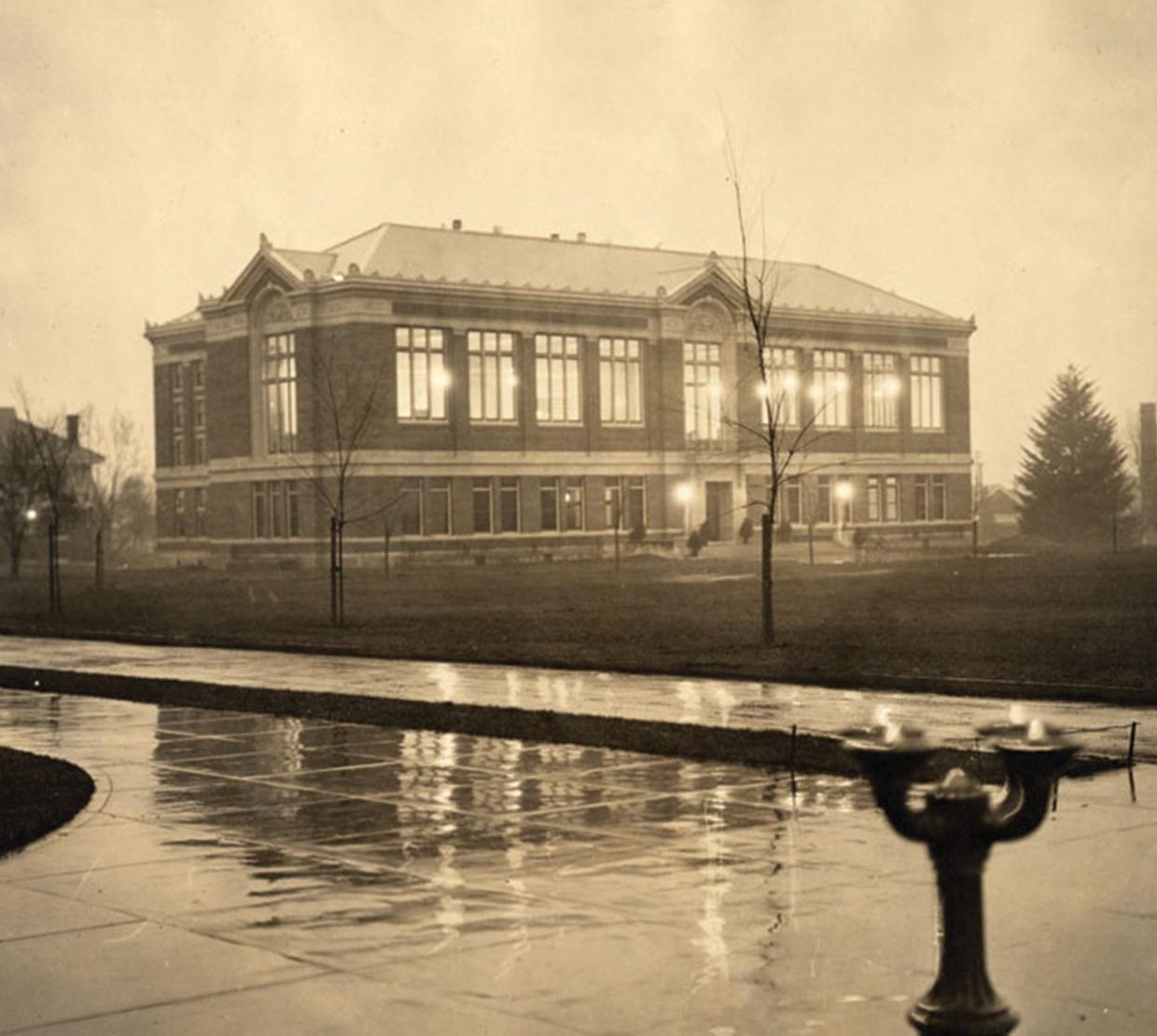
Antique photo of Kidder Hall on a rainy afternoon

Oregon State Science: The many “firsts” in 150 years

By Katharine de Baun

Kidder Hall, the Oregon Agricultural College Library, 1919

Note: this article is part of a series on the distinguished tradition of scientific research pertaining to ocean and space to mark the occasion of Oregon State’s 150th anniversary. Read more: 150 years of science for sea and space (Introduction), On the shoulders of giants, The significance of OSU’s sea-, space-, sun- and land-grant designations.

Mathematics and science have been at the heart of Oregon State University since its designation as a land-grant college in 1868. For example, early records show that a liberal arts curriculum at OSU (then Corvallis College) included three years of mathematics along with a rigorous course of study in Latin and Greek. Mathematician Joseph Emery was one of three faculty in the first decade of the College’s founding. From its earliest days, science at OSU has supported gender equality and wider access to education. In 1890, Corvallis College was one of just three land-grant institutions in the nation to offer scientific courses to women.

Today, mathematics, physics, chemistry, biology and other fundamental sciences form the basis for some of OSU’s most innovative and advanced research and academic programs. The sphere of influence that fundamental science wields at the university is vast. It permeates and shapes 
every discipline from agriculture to oceanography, atmospheric sciences, business, art, history and engineering while creating an intricate blueprint for the future.

The College of Science is proud to have pioneered many “firsts” in its 150-year history:

1868: Science starred in the land-grant college’s first collegiate-level curriculum, with a general “Scientific Course,” “Geology of Oregon,” and courses in chemistry considered “the cornerstone of Scientific Agriculture.”

1870: Corvallis College’s first class of three, one woman and two men, all graduated with bachelor of science degrees, the first granted by a state-assisted college in the western United States. One of them, Robert M. Veatch, gave the College’s first valedictory address titled “Utility of Science.”

1922: First radio transmitter on campus was built by physics professor Jacob Jordan.

1935 Three of the four first Ph.D. recipients at OSU were in science: Herbert L. Jones in physics, Alfred Taylor in zoology and Karl Klemm in chemistry.

1941: First woman to receive a Ph.D. at OSU was Chung Kwai Lui, who emigrated from China to earn a doctorate in physics. She was involved in the top-secret Manhattan Project to develop the first atomic bomb. Her legacy lives on through the Wei Family Foundation Scholarships.

1957: Math professor Arvid Lonseth was instrumental in bringing the first electronic computer to campus, the giant, room-sized Alwac III-e, used for research in mathematics and science. He inspired his student Judith Allen to become the first and only woman in the first computer programming class on campus. She became a pioneer in the 1960s computer industry, driving around Oregon in a bread truck converted into a computer lab, building and selling computers.

1957: Chemistry professor Wendell Slabaugh, a popular teacher who broadcast his chemistry class on TV, could lay claim to being OSU’s first long-distance educator.

1972: Harold J. Evans, professor of plant physiology and biochemistry, was the first OSU faculty member elected to the National Academy of Science (NAS). Two of the three NAS members at OSU today are in the College of Science.

1984: Alumnus Milton Harris (’26) established the first endowed faculty chair at OSU: the Milton Harris Chair of Materials Science.

1987: Microbiology alumnus Knute Buehler (’86) became OSU’s first Rhodes Scholar.

1993: The First MacArthur Fellowship at OSU was awarded to marine biologist Jane Lubchenco for her foundational contributions to marine conservation biology, environmental research and policy.

2009: Chemist Mas Subramanian discovered the first inorganic blue pigment in more than 200 years.

2017: The first-ever 3-D virtual microscope developed and launched by biologist Andrew Bouwma, Ecampus and others won three national awards recognizing innovation in educational technology and bringing the lab experience to online students.

Read more:

Science at OSU has always been a trailblazer, continuing a tradition of outstanding ocean and space research.

The College of Science shines a light on some of the giants who have made ground-breaking contributions to the scientific enterprise.

Find out what it means for OSU to have Land-,Sea-, Space- and Sun-Grant designations.

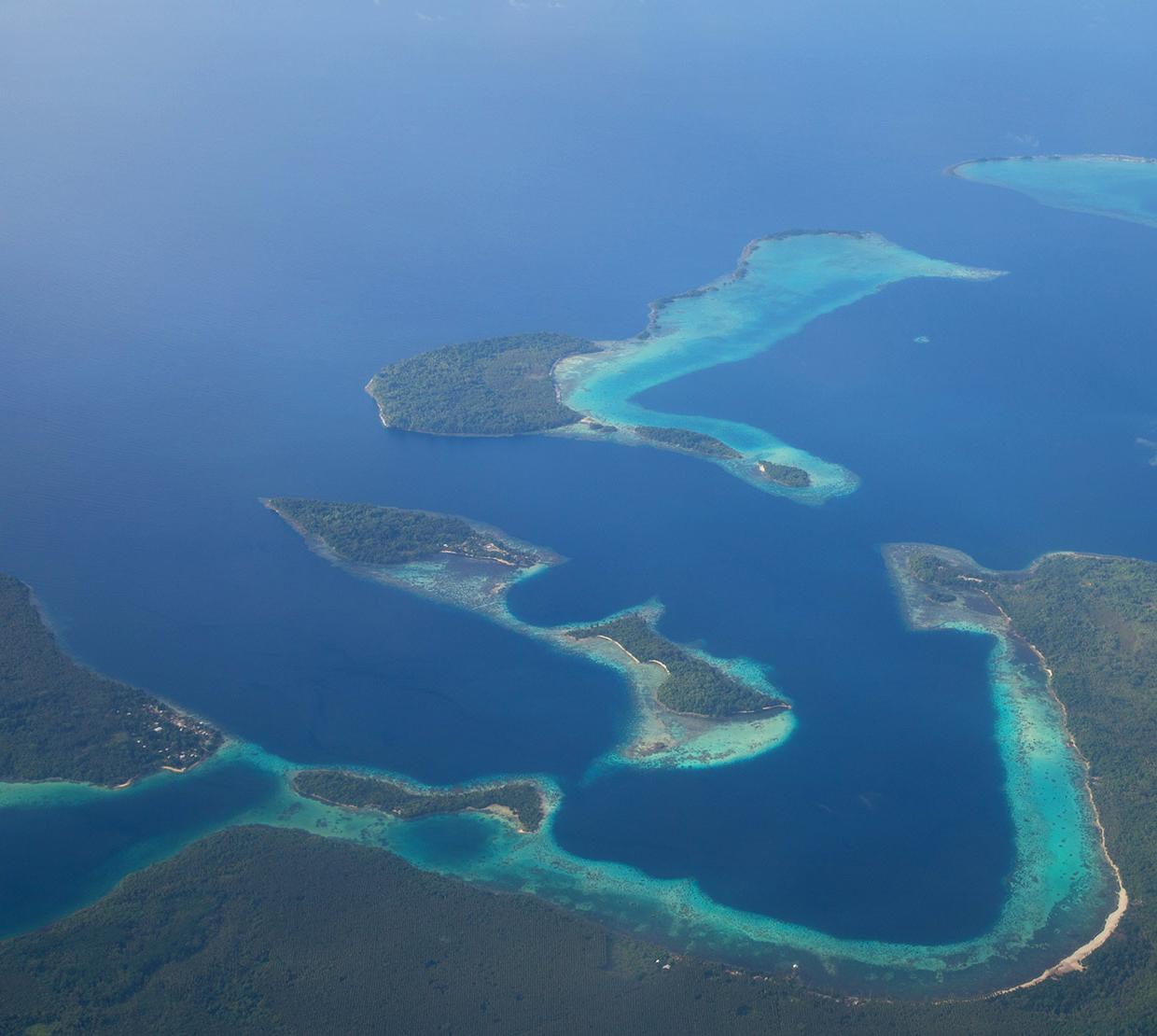
arial view of island bay

150 years of science for sea and space

By Srila Nayak

Oregon State ocean research legacy

Note: this article is part of a series on the distinguished tradition of scientific research pertaining to ocean and space to mark the occasion of Oregon State's 150th anniversary. Read more: Oregon State Science The many "firsts" in 150 years, On the shoulders of giants, The significance of OSU's sea-, space-, sun- and land-grant designations.

Mathematics and science have been at the heart of Oregon State University since its designation as a land-grant college in 1868. Early records show that a liberal arts curriculum at OSU (then Corvallis College) included three years of mathematics along with a rigorous course of study in Latin and Greek.

Mathematician Joseph Emery was one of three faculty in the first decade of the College’s existence. Today, mathematics, physics, chemistry, biology and other fundamental sciences contribute to some of the most innovative and advanced centers of research and programs at OSU. The sphere of influence that fundamental science wields at the university is vast. It permeates and shapes every discipline from agriculture to oceanography, atmospheric sciences, business and engineering while creating a blueprint for the future.

Science at OSU has always been a trailblazer. Corvallis College was one of three land-grant institutions in the nation to offer scientific courses to women in 1890. In 1941, Chung Kwai Lui, a student from China, received a Ph.D. in physics becoming the first woman to earn a doctorate at OSU. In this issue, we focus on OSU’s space and sea grants; in our spring issue, we take an in-depth look at our contributions to OSU’s sun and land grants.

Sea: Ocean research

Programs in biological and quantitative sciences have shaped a half-century of marine science research at OSU and continue to define the present and future of research on ocean ecosystems.

Distinguished Professor and marine biologist Jane Lubchenco served as the first U.S. Science Envoy for the Ocean for the U.S. Department of State and as Administrator of the National Oceanic and Atmospheric Administration from 2009-13. She was nominated by President Obama for his “Science Dream Team.” Her seminal contributions to research in marine ecology for the last 30 years have played a key role in the growth of marine sciences at OSU. Lubchenco is Advisor to OSU’s Marine Studies Initiative, a multi-million dollar “transdisciplinary education, research and outreach program that explores all facets of the marine environment.”

Our scientists have a global and large-scale environmental impact through their research on critical challenges posed by climate change to ocean ecosystems. Ocean ecologist Bruce Menge’s research group plays a lead role in the multi-university Partnership for Interdisciplinary Studies of Coastal Oceans, pioneering research on the impact of ocean acidification on coastal communities. The latter has led to globally recognized programs in environmental sciences and conservation biology.

Our marine scientists have made important discoveries that have been widely communicated to the public and the government about immediate crises faced by ocean systems resulting in important legislative measures.

Marine ecologist Francis Chan offers a leading new voice in ocean advocacy. His recent study on the threat to marine organisms from hypoxia or low oxygen in near shore Pacific Ocean waters is waking up the public to the perils of low oxygen in water. The Oregon legislature has recognized the threat and established an ocean acidification and hypoxia council.

Our microbiologists and biologists study diseases in aquatic animals ranging from corals and sea stars to salmon, examine the marine microbiome to understand carbon cycling and cloud formation and investigate how warming waters affect marine ecosystems across the West Coast. Mathematicians and statisticians employ environmental big data, modeling and data visualization to understand extreme weather events, design marine protected areas and track the effects of a warming climate in oceans.

Using environmental big data to understand space

OSU Physics has been a formidable presence since its founding in 1908 with the hire of Willibald Weniger as assistant professor of physics. Physics faculty, students and alumni have not only contributed to the currents of modern research in 20th- and 21st-century physics, but have also brought these innovations and exciting global developments to our campus and the state of Oregon. A wireless telegraphy radio course led to the creation of the first wireless radio station on campus by physicist Jacob Jordan in 1922. The first seismograph station was built by a physicist in 1950 and was turned over to the Department of Oceanography in the 1960s to develop a program in seismology.

After a 1939 Nobel Prize made the cyclotron (particle accelerator) popular, the Physics Department gave the state its first cyclotron in 1954 under the guidance of then-Chair Edwin Yunker. Physics alumna Chung Kwai Lui (Ph.D.) was selected to be part of the Manhattan Project during World War II to purify large quantities of uranium necessary for developing the atomic bomb.

A turning point for aerospace research and education arrived in 1991 when OSU joined the NASA Space Grant Consortium and became home to the Oregon Space Grant Consortium (OSGC). OSGC’s mission is “to implement a balanced program of research, education and public service” and support educational programs in space science and STEM from middle school through graduate school.

Randall Milstein, who teaches astronomy courses at OSU, is an OSGC Astronomer-in-Residence. An expert on the history and science of solar eclipses, Milstein played a leading role in public outreach on the recent solar eclipse, presenting public talks on the cultural significance and history, viewing safety and the physics of the solar eclipse. In his role with the NASA Space Grant, Milstein advised students how to monitor and record the eclipse through high-altitude balloons. (Read: An amazing moment in time: A year of planning for the solar eclipse pays off.)

One of this century’s greatest physics discoveries—gravitational waves—has an OSU connection. Alumnus Shane Larson (’91), associate professor of astrophysics at Northwestern University, is part of an international team of 1,000 scientists working on the Laser Interferometer Gravitational-Wave Observatory (LIGO) that discovered gravitational waves in 2016 and the first-ever detected neutron stars merger in 2017. (Read: Physics alumnus involved in historic astrophysics discoveries.)

This summer, a month before international scientists announced a game-changing detection of a short gamma-ray burst, OSU theoretical astrophysicist David Lazzati and his team predicted the discovery. In a paper published in the journal, Monthly Notices of the Royal Astronomical Society, they challenged previous calculations that short gamma-ray bursts associated with gravitational emission of binary neutron star coalescence could be detected whether or not they pointed toward Earth. It’s a lucky set of circumstances for a theorist, when you have a working theory to make predictions and new instruments to test them, says Lazzati.

“A simultaneous detection of gamma rays and gravitational waves from the same place in the sky is a major milestone in our understanding of the universe,” said Lazzati, a theoretical astrophysicist in the Department of Physics. “The gamma rays allow for a precise localization of where the gravitational waves are coming from, and the combined information from gravitational and electromagnetic radiation allows scientists to probe the binary neutron star system that’s responsible in unprecedented ways. We can tell things like which galaxy the waves come from, if there are other stars nearby, and whether or not the waves are followed by visible radiation after a few hours or days.” (Read: Gamma-ray burst detection just what OSU physicist predicted.)

From winning the first Rhodes scholarship at OSU to pioneering research in bacteriology, quantum chemistry and climate science, Oregon State scientists, students and alumni have made a global impact and changed our world for the better for generations to come.

Read more: Find out what it means for OSU to have Land-,Sea-, Space- and Sun-Grant designations.

Science at OSU can proudly lay claim to many "firsts" in its 150-year history.

The College of Science shines a light on some of the giants who have made ground-breaking contributions to the scientific enterprise.

Microscope and laurel icon labeled "2017" above light texture

Recognizing faculty and staff excellence

2017 Fall Faculty and Staff Awards

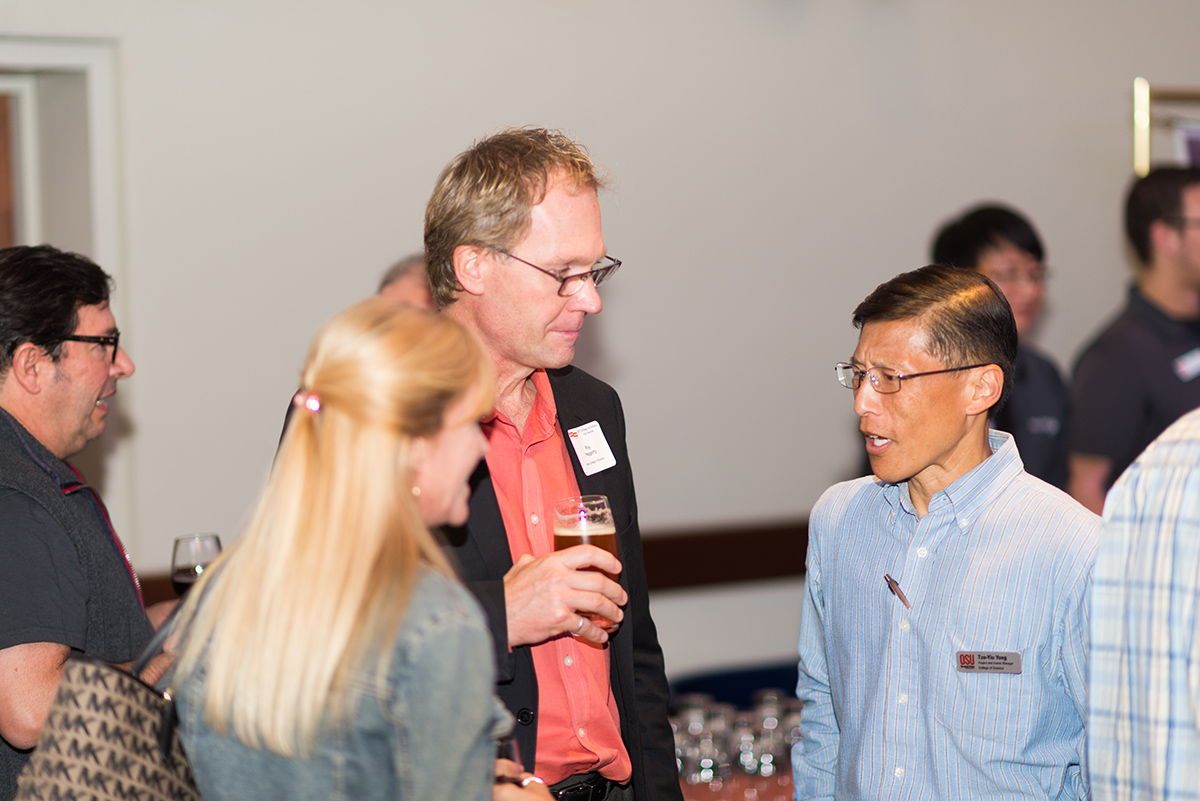
The College of Science celebrated research, teaching and administrative excellence at its 2017 Fall Faculty and Staff Awards with a reception and ceremony on October 5.

Dean Roy Haggerty delivered welcome remarks and shared his perspective on the challenges science faces nationally as well as opportunities for our campus community. He warmly praised the award-winning researchers, instructional faculty and staff for their impressive accomplishments and dedication to service.

The College announced three new awards this year that support research and teaching excellence: Dean's Early Career Impact Award, College Impact Award with a $10,000 stipend and two Faculty Scholars for Teaching Excellence Awards which carry an award of $12,500 for three years. These awards are possible thanks to the generous philanthropic support of our alumni and friends and matching funds invested by the Provost's Office.

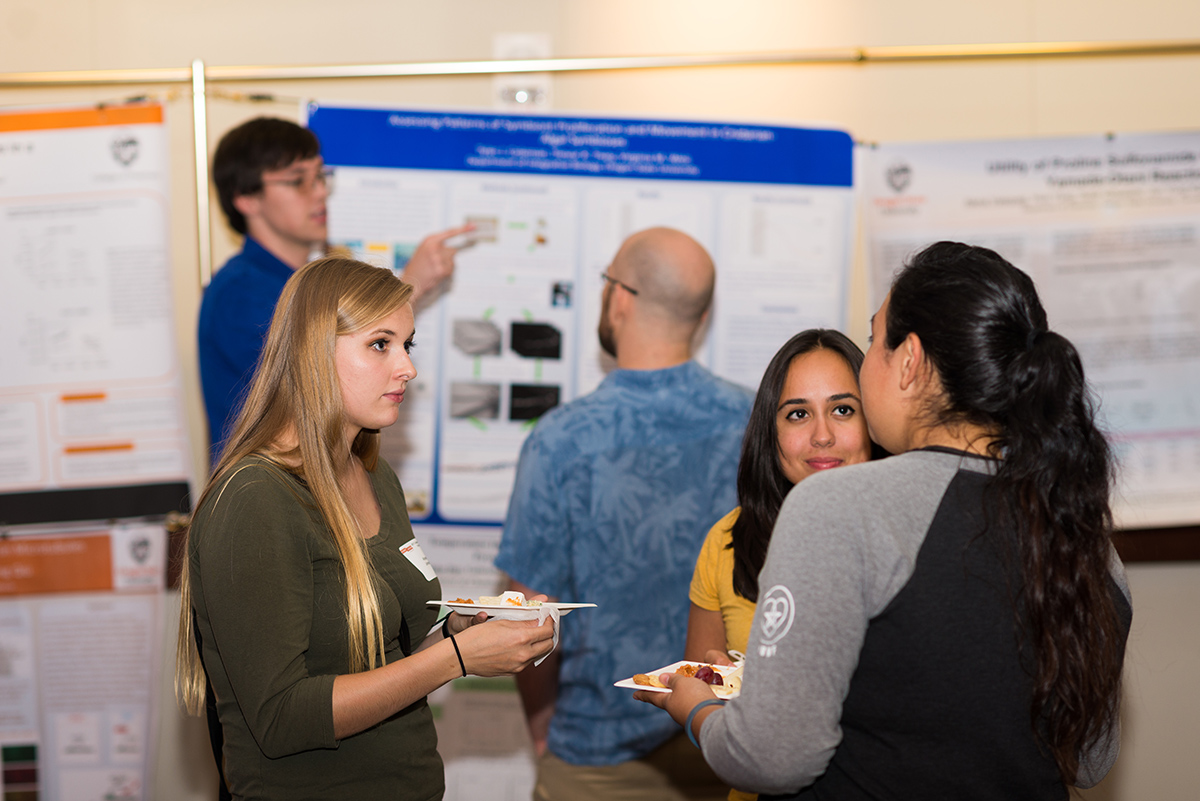
The awards ceremony was followed by a reception and a poster session showcasing the summer research projects of SURE Science students.

Hearty congratulations to these award-winning faculty and staff who were recognized for their outstanding achievements:

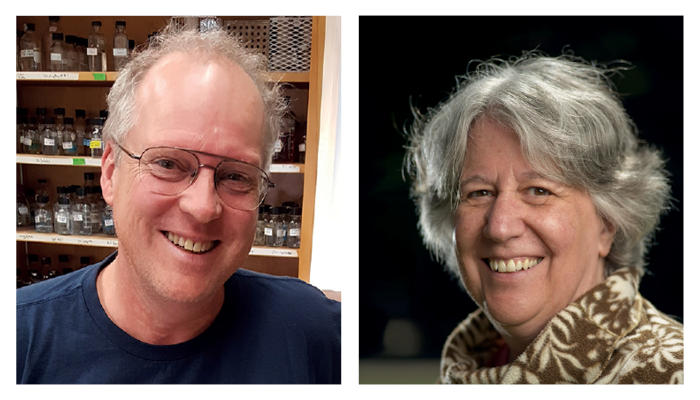
two headshots placed in a white border showing Michael Freitag on the left and Corrinne Manogue on the right.

Michael Freitag, professor of biochemistry and biophysics. Corrinne Manogue, professor of physics.

Michael Freitag, professor of biochemistry and biophysics, received the Milton Harris Award in Basic Research for his outstanding research on how chromatin proteins shape eukaryotic genomes and epigenetic mechanisms of regulating DNA transcription through the use of filamentous fungi model systems.

Freitag has published more than 280 papers in prestigious journals, such as Proceedings of the National Academy of Sciences, Genome Research, Science and Nature; he has published 66 papers and received more than 8,500 citations for his work in the last 10 years.

Colleagues describe Freitag as among "the most respected scientists in the field of fungal biology."

"Since Michael’s arrival at OSU in 2006, he has built a fantastically productive and internationally recognized basic research program," said Andrew Karplus, Head of the Department of Biochemistry and Biophysics.

Freitag is renowned for his 2010 work pioneering the “ChIP-seq” approach in filamentous fungi. ChIP-seq is a high-throughput approach to obtain genome-wide maps showing which parts of a cell’s DNA make direct contacts with proteins. As one nominator noted, this work “made his lab a training ground for researchers from the United States, Europe, Asia and Australia to learn ChIP-seq and its computationally intensive analyses.”

Corinne Manogue, professor of physics, was honored with the F.A. Gilfilan Award for Distinguished Scholarship in Science. The Gilfillan Award honors a faculty member in the College whose scholarship and scientific accomplishments have extended over a substantial period of time.

An outstanding theoretical physicist, Manogue's research focuses on quantum gravity and she played a key role in the early work relating division algebras and supersymmetry. She currently studies the use of octonians—a type of algebra—to study fundamental particles.

Manogue is a teacher and scholar of the highest level as evidenced by her prestigious national and university teaching awards, including the American Association of Physics Teachers' Excellence in Undergraduate Physics Teaching Award. She is also the leader and driving force behind OSU's revolutionary Paradigms in Physics Project, which trains undergraduates how to think like physicists. Manogue is a Fellow of both the American Physical Society and the American Association of Physics Teachers.

She has pioneered physics education research and written articles on how to help students make the difficult transition from lower-division to upper-division physics. Her work has been generously funded by the NSF and has trained multiple students and postdocs who have gone on to become leaders in Physics Education Research.

"Corinne has helped to make discipline-based education research in science a highly respected endeavor that is changing the way we teach science in universities," said Heidi Schellman, Head of the Department of Physics.

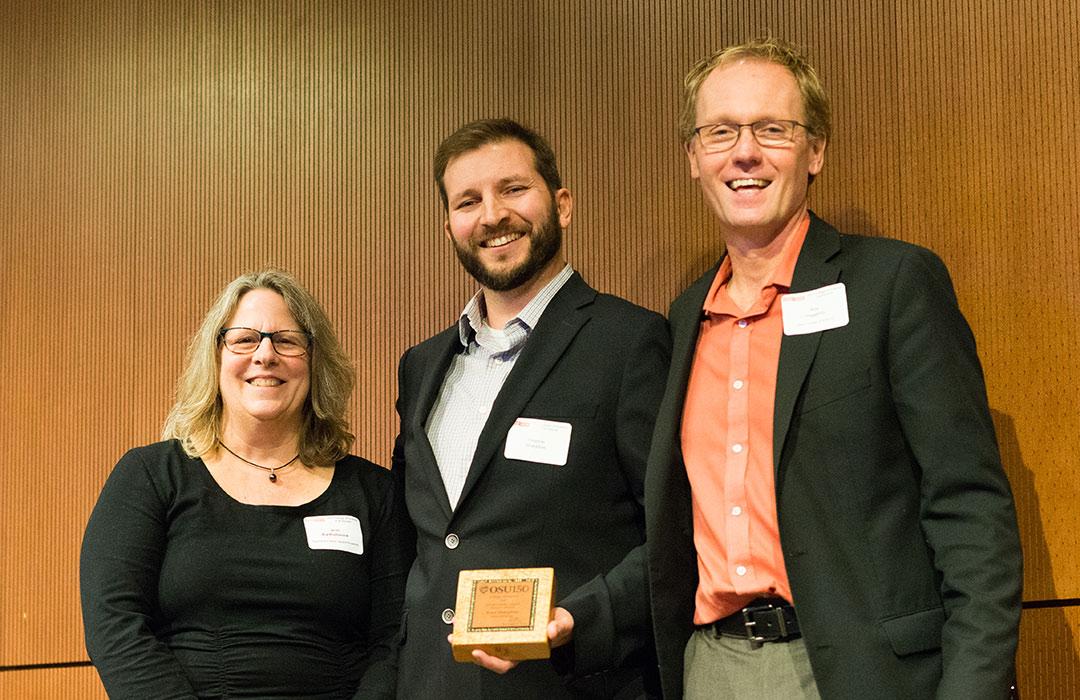
Thomas Sharpton receiving his award from Jerri Bartholomew and Roy Haggerty

Assistant Professor of Microbiology Thomas Sharpton (center) with Department and Dean Roy Haggerty (right).

Thomas Sharpton, assistant professor of microbiology and statistics, received the Dean's Early Career Impact Award for exceptional achievement in research and education by a tenure-track faculty. Sharpton has acquired a national reputation for his work in microbial bioinformatics.

Since joining OSU in 2013, Sharpton has published 15 papers, including one in Proceedings of the National Academy of Sciences (PNAS) which has opened new doors in microbiome exploration by bringing statistical acumen to bioinformatics. This approach applies evolutionary methods to detect long-term historical trends in host/microbe co-evolution.

Among his greatest achievements are developing new technologies, such as Sifting Families (SFams), a system for classifying protein diversity, and his recently published method for automating gene family abundance estimation from metagenomics data. Sharpton's study on the disruption of the zebrafish microbiome as a result of exposure to the antimicrobial agent triclosan was featured in TIME and Fortune magazine.

In recognition of Sharpton’s contributions, he was selected as OSU's official representative for the National Microbiome Initiative Rollout at the White House Office of Science and Technology Policy (OSTP) and was the lead author of OSU's response to OSTP's Call for New Commitments on microbiome research.

This spring the College of Science and OSU's Office of Research launched the Oregon State University Microbiome Initiative (OMBI), led by Sharpton. Through OMBI, an ongoing education and research program, Sharpton is emerging as a campus leader in innovative teaching of bioinformatics and bioinformatics curriculum development.

"Since his arrival at OSU, Dr. Sharpton has made tremendous impacts on the institution's educational and research landscape and has produced substantial discoveries in his field," said Jerri Bartholomew, Head of the Department of Microbiology.

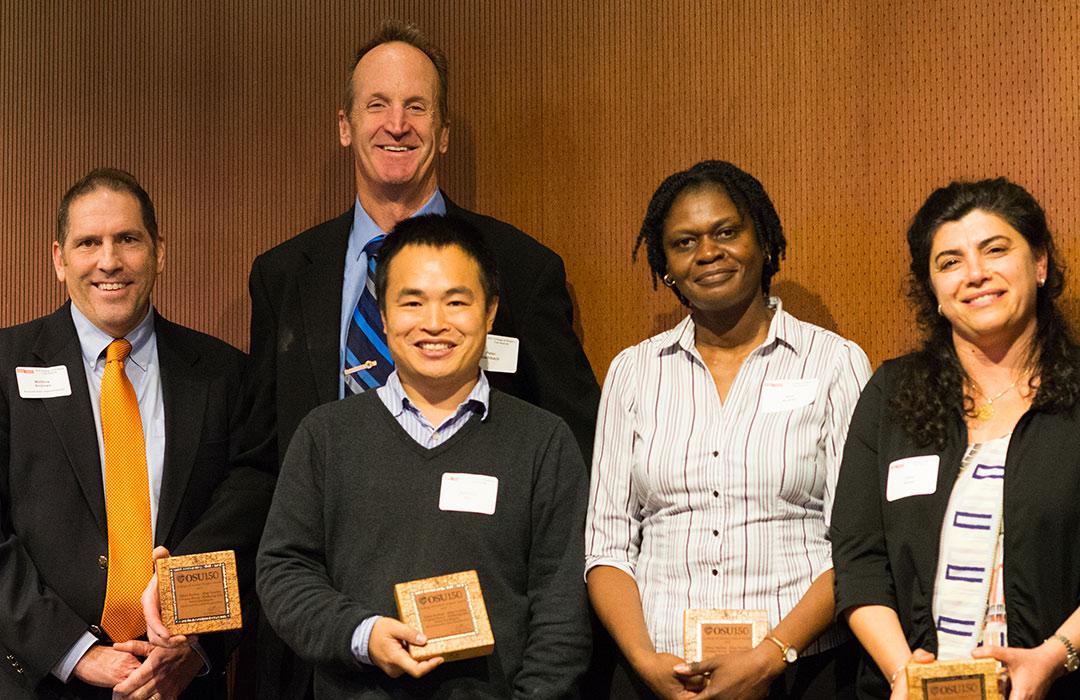
Group photo of award winning faculty

(From left to right) Associate Dean Matt Andrews, physicist Weihong Qiu, biochemists Afua Nyarko and Elisar Barbar and Peter Eschbach (back).

A research team comprising biochemistry and biophysics faculty Elisar Barbar, Afua Nyarko, Viviana Perez, physicist Weihong Qiu and Peter Eschbach (Electron Microscopy Facility) has won the College Impact Award. Through their respective research domains, Barbar and team are rapidly establishing an internationally recognized hub focused on elucidating the multiple essential roles of intrinsically disordered proteins (IDP).

As a testament to their importance and prevalence in biology, IDPs are increasingly appearing in various research projects at OSU ranging from motor proteins and the mitotic spindle (Barbar, Qiu), cancer invasion and tumor progression (Nyarko, Kolluri) and aging (Perez).

The Barbar Lab will join forces with Nyarko, Perez, Qiu and Eschbach to integrate interdisciplinary approaches and cutting-edge, university-wide facilities to continue the study of IDPs in different biological systems. The diversity of expertise will help establish OSU's reputation for excellence as a global leader for driving IDP research in the nation.

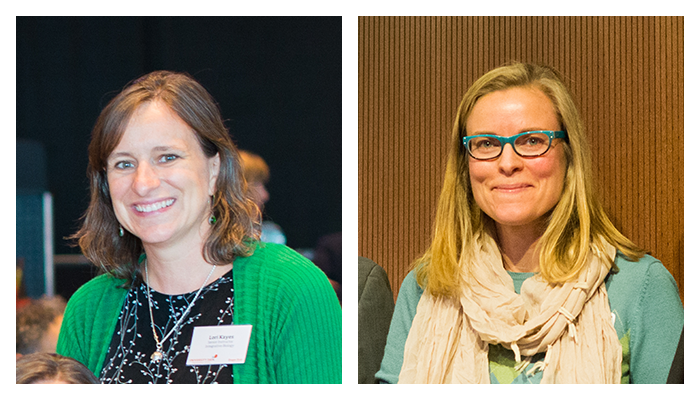
Kayes and Beisiegel receiving awards

Senior Instructor of Integrative biology Lori Kayes (left) and Assistant Professor of Mathematics Mary Beisiegel (right)

Lori J. Kayes, an integrative biology instructor, has won the College of Science Faculty Scholar for Teaching Excellence Award. This new award for a three-year faculty scholar position supports excellence and innovation in teaching and carries an annual stipend of $12,500.

Kayes has distinguished herself as an outstanding instructor, teaching coordinator and biology education researcher. Kayes proposed a redesign of the Principles of Biology (Bi21x) series, a large enrollment introductory biology course for life-science majors, to create a more inclusive, modern and best practices-based course series, while supporting diverse student populations and providing faculty professional development.

For the past six years, Kayes has led faculty development workshops and facilitated the development of teaching materials for introductory biology sequences. Additionally, she has worked extensively with faculty around the state from all institution types to increase the alignment of introductory biology both vertically within a curriculum and horizontally across institution types.

The proposal provides workshops support, faculty support in the form of graduate training assistants to develop curriculum and a comprehensive evaluation plan for the newly revised curricula. This project will impact approximately 1500 students at OSU and the surrounding community colleges per year and involve more than 20 faculty.

Mary Beisiegel, assistant professor of mathematics, received the Ben and Elaine Whiteley Faculty Scholar Award for Teaching Excellence. Beisiegel is a highly gifted teacher of mathematics and is the Mathematics Department's expert on teacher training at all levels.

An accomplished scholar whose research focuses on how people prepare for careers in post-secondary mathematics education, Beisiegel often incorporates her research and evidence-based pedagogical models into teaching.

In 2016, she was awarded a five-year, NSF grant to work on curriculum renewal in lower division mathematics courses. She also received the 2017 Henry L. Alder Award for Distinguished Teaching from the Mathematical Association of America.

Beisiegel will use her award to conduct 12 seminars over the next three years for faculty and graduate teaching assistants focused on how to implement research and evidence-based active learning techniques in the classroom.

"Mary has managed to infect others with her enthusiasm and to promote in others the desire to seriously reflect on their teaching, " said Tom Dick, a professor of mathematics in the Department of Mathematics.

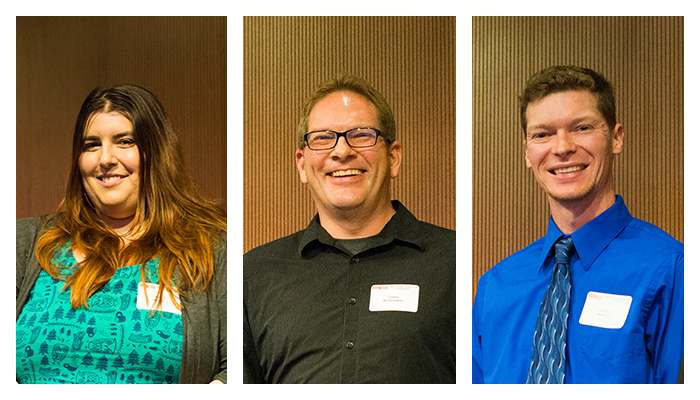
Betterton, Bridenstine, and Robinson receiving awards

Graphic designer Sharon Betterton. ASBC accountant Jamie Bridenstine. Faculty Research Assistant (Integrative Biology) Jonathan Robinson

Sharon Betterton, a graphic designer in the College of Science, received the Gladys Valley Award for Exemplary Administrative Support. Betterton was recognized for her high degree of professionalism, outstanding creative impact and exceptional collaborative skills.

Her extraordinary work as a designer has contributed to a strong College of Science brand that is recognizable, fresh, unique and professional. Her work is well regarded and respected across the university and held up as an example of highly effective marketing.

"She maintains high standards of excellence for her work and is one of the most talented creative professionals I have worked with in my 20-year career," said Debbie Farris, assistant director of marketing and communications in the College.

Jamie Bridenstine, an accountant in finance and administration in the Arts and Science Business Center (ASBC), received the ASBC Exemplary Service Award. This award recognizes exemplary service by a member of ASBC to the colleges within the Division.

Jonathan Robinson from the Department of Integrative Biology won the Outstanding Faculty Research Assistant award. This award recognizes a Faculty Research Assistant who has a record of outstanding job performance and contributions.

children looking at science themed booth

From the lab to the world: OMSI Science Communication Fellowships

The OMSI Science Communication Fellowship Program

Applications are open for Oregon's top academic and professional fellowship program: The Oregon Museum of Science and Industry's OMSI Science Communication Fellowship. For spring 2018, the fellowship is open to researchers or science professionals including faculty, graduate students, technicians, or other individuals in STEM and health related professions.

The deadline for applications is Wednesday, November 1.

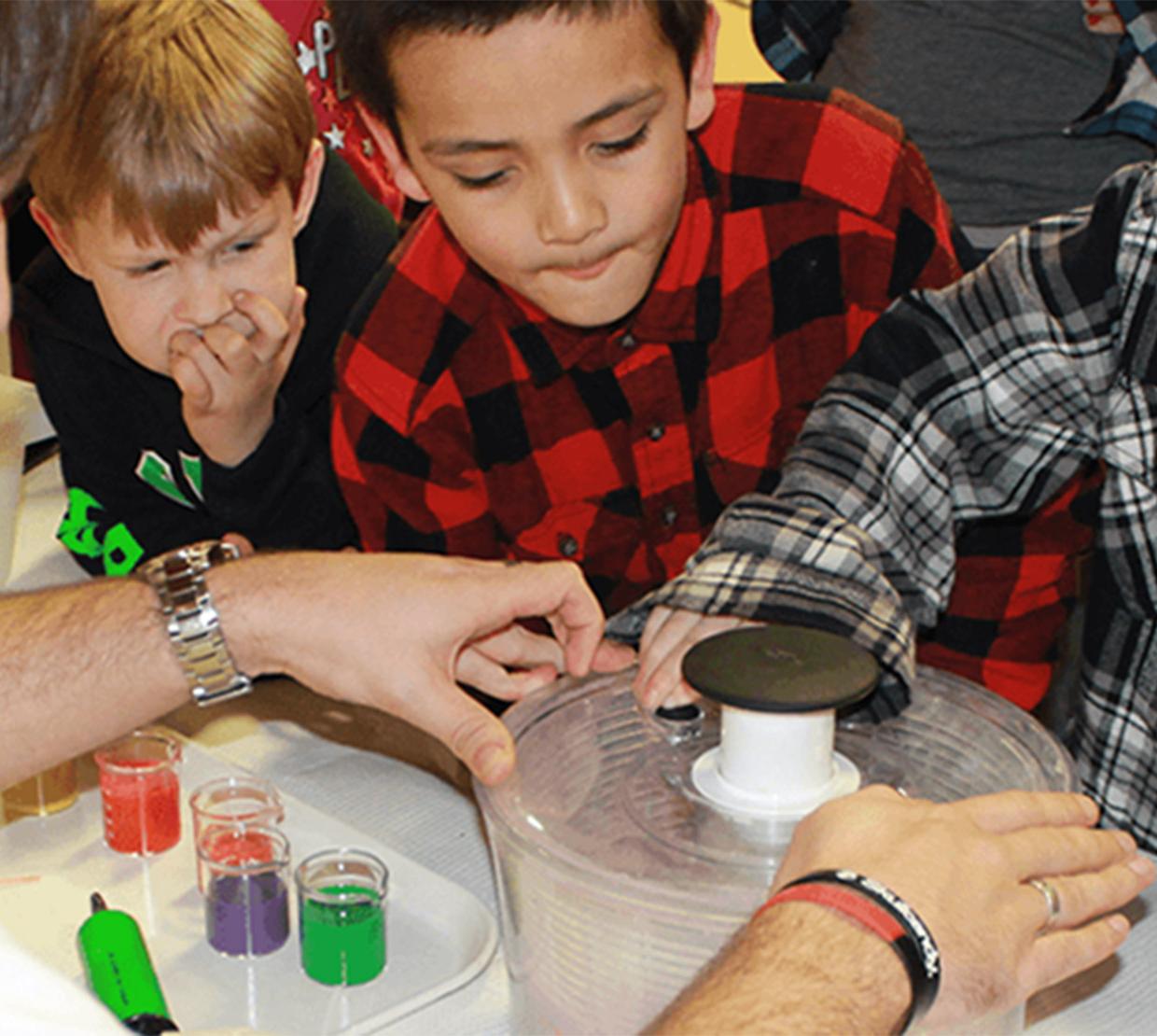
Held primarily in Corvallis, OR on the OSU campus, OMSI Fellows participate in a series of professional development workshops that cover science communication best practices and provide opportunities for participants to practice new skills and techniques. In collaboration with OMSI, each Fellow will develop a unique hands-on educational activity designed to communicate their research to public audiences and will join OMSI in engaging museum visitors with these activities at Meet a Scientist events.

A series of four professional development workshops will focus on building skills to effectively communicate scientific research with broader audiences. Workshops are 3-4 hours each, spaced over the course of three to four months.

Tuition for the program is $1850 per participant. The Science Dean's Office will cover half the tuition for all accepted College of Science applicants.

The OMSI Science Communication Fellowship Program is an excellent way to fulfill broader impact and outreach goals for grant-funded research at OSU. Many of the participants in the Fellowship program secure their tuition through broader impacts or education and outreach components of current research grants.

An online application and further information about the Fellowship program can be found on OMSI's website.

Subscribe to Faculty and Staff