Faculty and Staff

Faculty and Staff

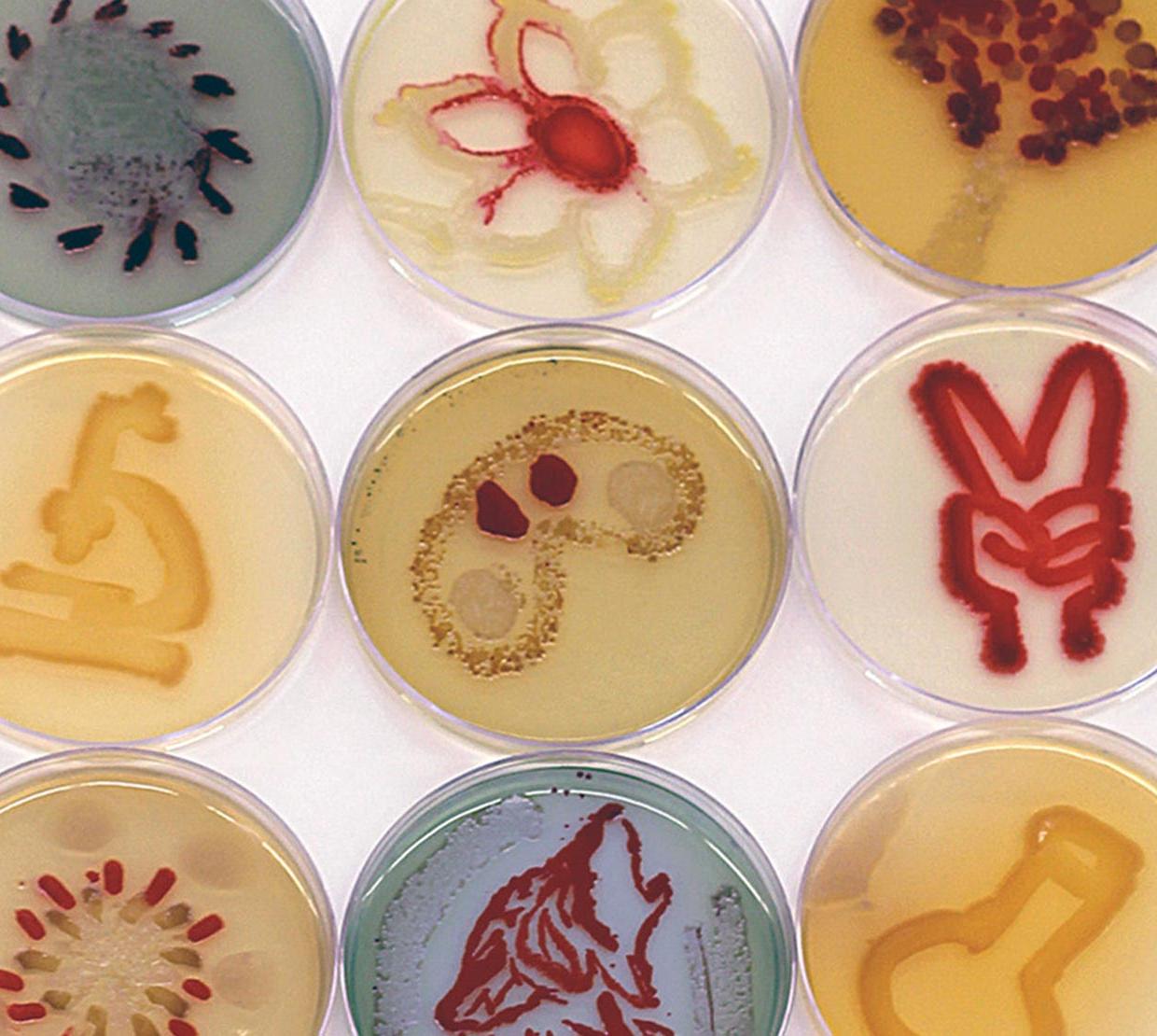
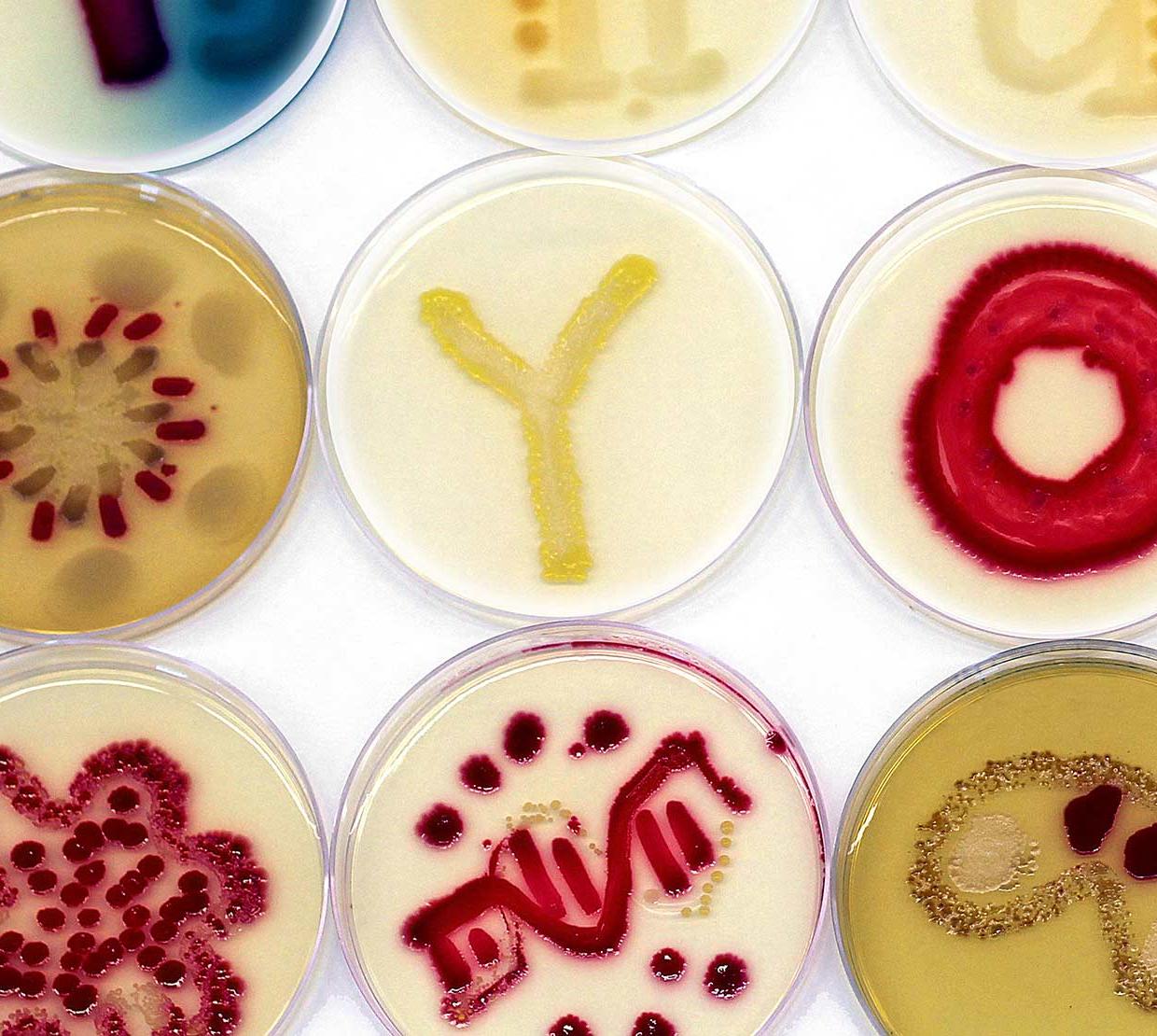
Petri dishes with micro-biome artwork

Microbiomes: Connecting Communities

Microbiome artwork

Why is the microbial world endlessly fascinating? How does art magnify the super-small and what does that look like? There is perhaps no better way to answer these questions than an exhibit that displays artwork capturing the beauty, elegance and wondrous intricacy of microbes and microbial ecosystems. And this beautiful exhibit is taking place right here at Oregon State University.

The Microbiomes: Connecting Communities exhibit is open to the public until May 12, and displays art shaped by collaborations between science and art, the paint brush and the petri dish, the microscope and the canvas. Featured artworks highlight how the intricacies of microbial systems connect us more deeply to global cycles, communities, and/or concepts.

The exhibit takes place in Nash Hall, room 234, Monday-Friday, 8 am-5 pm.

This is a curated exhibition and features art by students and faculty/staff that captures the theme of interconnectedness between micro and macro worlds and perspectives. The displayed artwork explores a range of relationships between art and microbiology research.

The event is part of SPARK: A Year of Arts + Science, a yearlong celebration of the interaction between the arts and science. The exhibit is generously supported by the OSU Department of Microbiology.

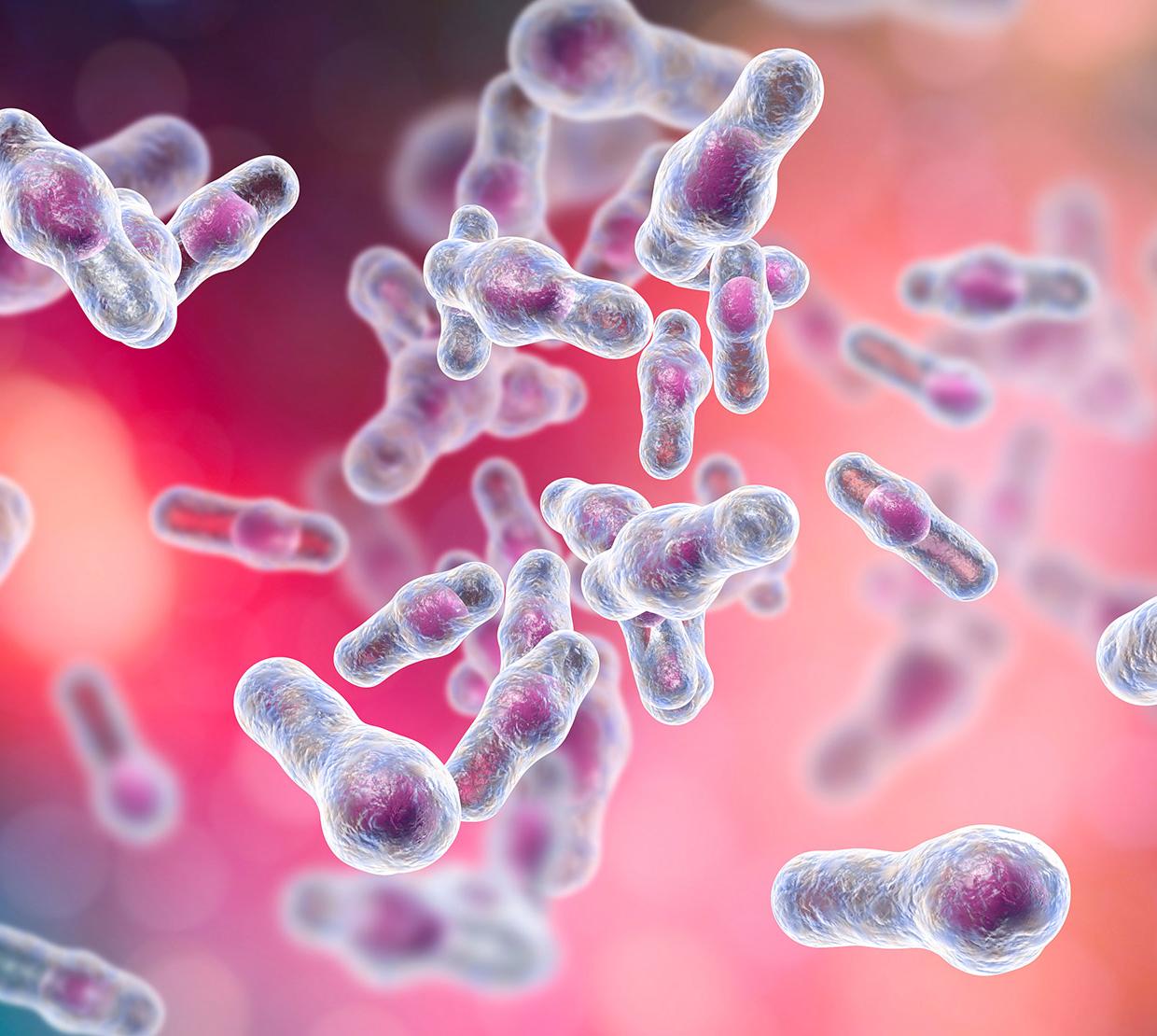
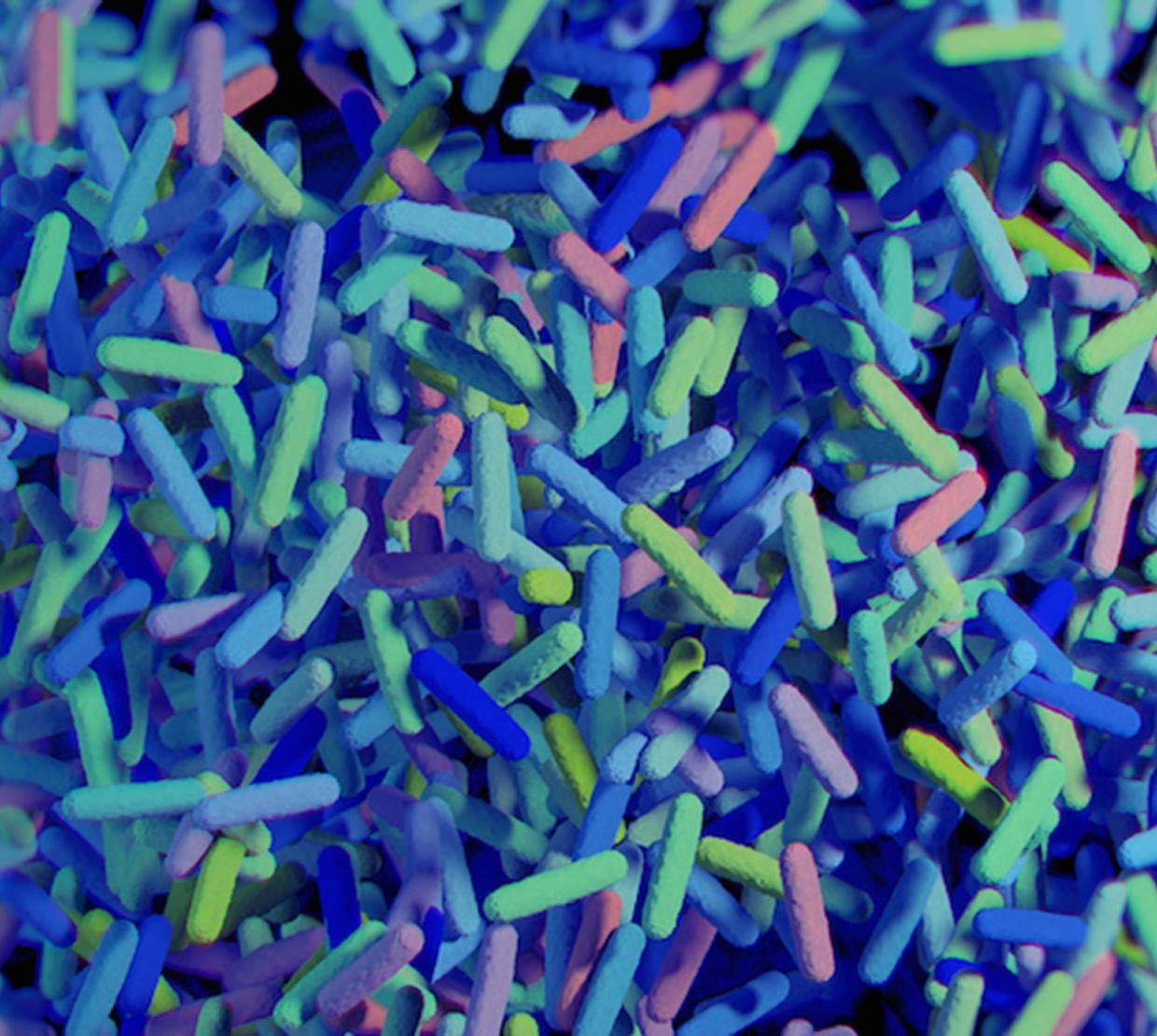
3D animation of Clostridium Perfringens Cells

Microbiologist discovers new weapon against food poisoning

By Steve Lundeberg

Clostridium perfringens cells

Microbiology professor Mahfuzur Sarker and graduate student Maryam Alnoman discovered that Chitosan, a natural carbohydrate derived from crustacean shells, shows potential as an antidote against a bacterium that annually sickens more than a million people in the United States.

After salmonella poisoning, the second-most common bacterial foodborne illness in the U.S. is Clostridium perfringens food poisoning.

Present in soil, decaying vegetation and the intestinal tracts of vertebrates, C. perfringens typically infects humans when they eat meat that hasn’t been thoroughly cooked or properly stored, allowing the bacteria to multiply.

Symptoms of C. perfringens food poisoning include abdominal pain, stomach cramps, diarrhea and nausea; patients often mistake it for a 24-hour flu.

“People aren’t dying, but they’re getting sick,” said Sarker, who is also a professor in the College of Veterinary Medicine. “And many times people don’t report it, so there are likely way more people getting infected than we know about.”

Sarker and Alnoman were part of an international collaboration that studied the effect of chitosan on C. perfringens. Chitosan is a linear polysaccharide that results from treating the exoskeletons of shrimp and other crustaceans with an alkaline compound.

The tests involved both laboratory growth medium – bacteria in solution – and cooked, contaminated chicken meat left for several hours at 98.6 degrees Fahrenheit. The study looked at the full life cycle of the C. perfringen bacterium, which produces tough, metabolically dormant spores that are able to survive many food processing approaches.

Results were recently published in Food Microbiology.

The researchers found chitosan blocked C. perfringens growth in cooked chicken and also found chitosan inhibits:

  • Spore germination and outgrowth;
  • The spore core from releasing dipicolinic acid, which is associated with an early step of spore germination;
  • The growth of vegetative cells – cells that are actively growing as opposed to producing spores.

“In lab conditions, low concentrations of chitosan were effective,” said Sarker, professor of microbiology in OSU’s colleges of science and veterinary medicine. “In meat, the concentration needs to be higher because there are a lot of ingredients in the cooked meat that can inhibit the activity of the antimicrobial chemicals.

“But the larger dose of 3 milligrams per gram of food is still a good dose that can be used in making food products. This is the first time chitosan was shown to work consistently both in lab conditions and in chicken meat.”

Sarker said the next steps are researching chitosan’s effectiveness in other types of meat and meat products and optimizing the conditions for using it. It’s possible, for example, that chitosan may work best when combined with other food preservative chemicals such as sorbate and benzoate.

“It could be a combination of multiple agents,” he said “There are options we can try."

The OSU researchers collaborated with scientists at Taibah University in Saudi Arabia and Kasetsart University in Thailand.

Oregon State’s Agricultural Research Foundation supported the study. Funding also came from the U.S. Army Research Office.

Rebecca Vega Thurber sitting with colleagues at table

Microbiologist pioneers research to protect coral ecosystems

Rebecca Vega Thurber, associate professor in microbiology

Associate professor of microbiology Rebecca Vega Thurber has pioneered research aimed at protecting marine biodiversity with a special focus on highly endangered coral reefs. Coral reefs are some of the most diverse and economically beneficial ecosystems on earth. Home to thousands of species of fish and teeming with myriad life forms, coral reefs are reservoirs of immense environmental and biological wealth.

Rebecca Vega-Thurber disbursing samples in lab

Rebecca Vega Thurber, Microbiology

Thurber’s three-year field experiment on a coral reef in the Florida Keys—one of the largest and longest field experiments done on this topic—found evidence that overfishing, pollution and climate change-induced warming waters intersect to cause coral disease and death.

Thurber and her fellow researchers found a solution to restore coral health. Through a complex experiment carried out underwater, she studied the effects of overfishing and nutrient pollution on the microbiome of corals and, ultimately, the health of corals.

She found out that herbivorous fish not only help increase healthy microbes on corals, but they also appeared to buffer some of the negative effects of ocean warming and thermal stress on corals.

Thurber’s research provides insights into how corals can survive global warming: protecting fish species and minimizing pollution can help prevent coral deaths even during very warm temperatures.

She is currently the director of the Global Coral Microbiome Project (GCMP) an international collaborative project aimed at evaluating the microbiome of coral species that span the entire coral tree of life and are found in different habitats across the planet.

GCMP scientists travel all over the world from French Polynesia to the Red Sea and the Lizard island on the Great Barrier Reef in Australia to examine the underlying causes of coral disease at a critical time for this vanishing habitat. The project will study the genome sequences and metabolic capabilities of key coral bacteria to understand their influence on stress or disease in different coral species.

Thurber was recently awarded a three-year $750K National Science Foundation grant to advance her research on viral infection in corals and investigate the factors that trigger outbreaks. Thurber’s research will quantify and describe an integrated mechanism by which environmental stressors alter coral diversity and ecosystem function.

She has received over $2.5 million in federal and state funding to support her research on marine microbial ecology and trained postdocs, graduate students and undergraduates in microbiology, virology, marine ecology, genomics, metagenomics and meta-transcriptomics.

Petri dishes with micro-biome artwork

Seeing the unseen: Where science and art converge

By Katharine de Baun

Piece of the "Microbiomes: To See the Unseen" exhibit at The Arts Center

Thanks to powerful microscopes, we can see images of the 100 trillion or so bacteria living in and on a typical human body, while powerful telescopes provide breathtaking views of the billions of stars in our galaxy. But how do we make sense of such sights, fragments of vast realms that exist beyond our usual perceptions? Do we simply continue on as before, or has something profound in our sense of who we are and of our place in the universe irretrievably shifted?

Microbiomes: To See the Unseen, a groundbreaking new exhibit this spring at the Corvallis Arts Center in collaboration with the Department of Microbiology, brings art into one of the hottest zones of current scientific research, namely: how do microbiota influence life within ourselves and on our planet?

The exhibit, which runs April 13-May 27, 2017, at the Corvallis Arts Center, is part of SPARK, a campus-wide celebration of the interplay between arts and science, and features artwork, poetry readings, and musical performances. It represents the culmination of a year’s worth of preparation involving workshops between microbiologists and artists, lab work, tours, outreach events and artistic “experiments." Meet the artists at an opening reception Thursday, April 20 4 – 8 pm at the Arts Center.

To further deepen the experience, our College is hosting the OSU Microbiome Initiative (OMBI) this spring, led by microbiologist and statistician Tom Sharpton.

Why Microbiology?

Microbiology provides a huge canvas for artists. The human gut microbiome has probably gotten the most press, but microbiomes — the sum total of all of the microorganisms in a particular environment — are everywhere, from coffee cups to coral reefs, from a single leaf to the Santiam State Forest.

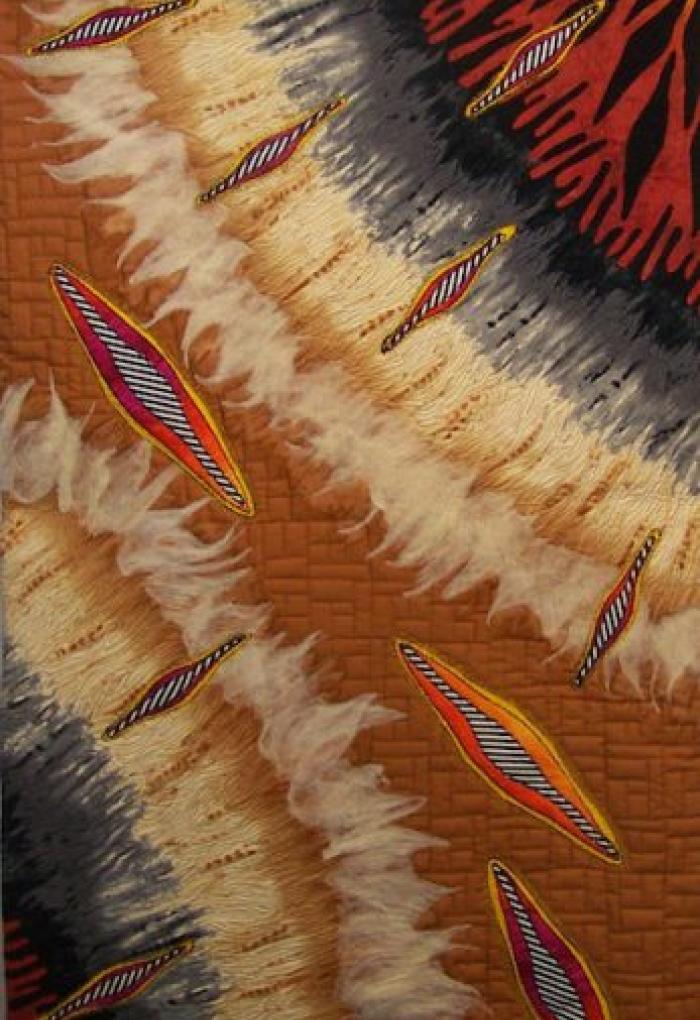
Linda Reichenbach art piece of two spirals, wood-like pattern

“Beyond the Naked Eye” by Linda Reichenbach

At Oregon State alone, microbiologists are studying the microbiomes of coral reefs, a plankton that could impact global warming, and some potentially surprising effects of antibacterial soap. At the federal level, a new $121 million National Microbiome Initiative is funding and coordinating research to understand microbiomes and restore damaged ones, and thanks to nationally recognized expert Thomas Sharpton, the Department of Microbiology will play a key role. Chronic diseases such as obesity, diabetes, and asthma; ecological disruptions like hypoxic zones in the ocean; and plant and animal diseases that lower agricultural productivity are all related to dysfunctional microbiomes, so there is urgency driving the research.

Due to the large quantities of data, statistics also plays a role. An undergraduate research experience this summer will enable students to analyze gut microbiome DNA sequences and use statistical methods to see how bacteria influence health.

Art and Science — natural partners?

Why are art and science natural partners on the borders of hot new research? Precisely because the facts alone don’t paint the whole picture – nor specify where the most fruitful avenues of future research lie. Human imagination is required.

For example, consider our own bodies. Microbiotics can tell us that for every human cell in our body there is a microbial cell; that our microbiome encodes more than 100 times the number of genes in the human genome proper. But if our microbiome makes up over 50% of the “stuff” that determines what we physically are, do we need to redefine what “self” means? Is I more of a We?

Science can’t satisfy philosophical questions like these, but art can. Translating or expressing new research into mediums like words, clay, or paint, artists discover ways to reconcile new information and what it might mean to us. Far from being completely random, the artistic process, while not exactly predictable nor repeatable like a scientific experiment, often solves problems according to its own innate logic, sense of order or pattern, and of course, human values. (An undergraduate course this spring, “Art of the Microbiome: An Interdisciplinary Conversation,” will wrestle with some of these very questions.)

“I use my art as a way to stimulate thought process. Science and art are very process-oriented and you have to clearly think through the steps in each,” says Department of Microbiology Head and Emile J. Perot Distinguished Professor Jerri Bartholomew.

Bartholomew is a key organizer of the event and an accomplished glass artist whose work is part of this exhibit.

The exhibit represents the culmination of a year’s worth of preparation involving workshops between microbiologists and artists, lab work, tours and outreach events at local schools. Participants event conducted artistic “experiments,” such as painting with pigmented bacteria and “selfie” culturing of an artist’s hand or tongue, even of a dog dish, to see what grows on a petri dish.

Other events include:

April 15: Family Art day
April 20, 4-8 pm: “Meet the Artists” Reception. Open to the public. The Arts Center, Corvallis
April 27, 12–1 pm: Luncheon Brown Bag Art Talk
May 18: Corvallis Arts Walk and da Vinci Days in May Arts Lecture
May 21, 4–5:30 pm: Performance event (music, poetry)

Image: Petri dishes with cultivated micro biomes are used as the basis for student art work.

Read more in this spotlight on Jerri Bartholomew's work.

Knight fighting off monster

Microbiologists develop powerful weapon against drug-resistant bacteria

By Katharine de Baun

Still from "Powerful weapon battles antibiotic-resistant germs" Animation

>>Watch an animation about how this research works.

Microbiologists have developed a new weapon in the battle against antibiotic-resistant germs—a molecule that neutralizes the bugs’ ability to destroy the antibiotic. The discovery is receiving worldwide attention and media coverage given that it may eventually offer a solution to a looming health crisis.

Antimicrobial resistance, the rise of “super bugs” that are resistant to our most powerful antibiotics, has become one of the biggest threats to global health, causing an estimated 23,000 deaths each year in the United States alone. And according to a recent study by Harvard’s School of Public Health, some of these “nightmare bacteria” may be spreading asymptomatically from person-to-person, putting those with weaker immune systems at imminent risk.

Bruce Geller, professor of microbiology, is part of an international research team that has developed a molecule that does not attack the bacteria directly but instead inhibits the expression of an enzyme that makes the bacteria resistant to a whole family of antibiotics, the carbapenems. Carbapenems are reserved to treat the toughest, multi-drug resistant bacteria, usually in hospital settings, so the development of carbapenem-resistant bacteria has been particularly alarming.

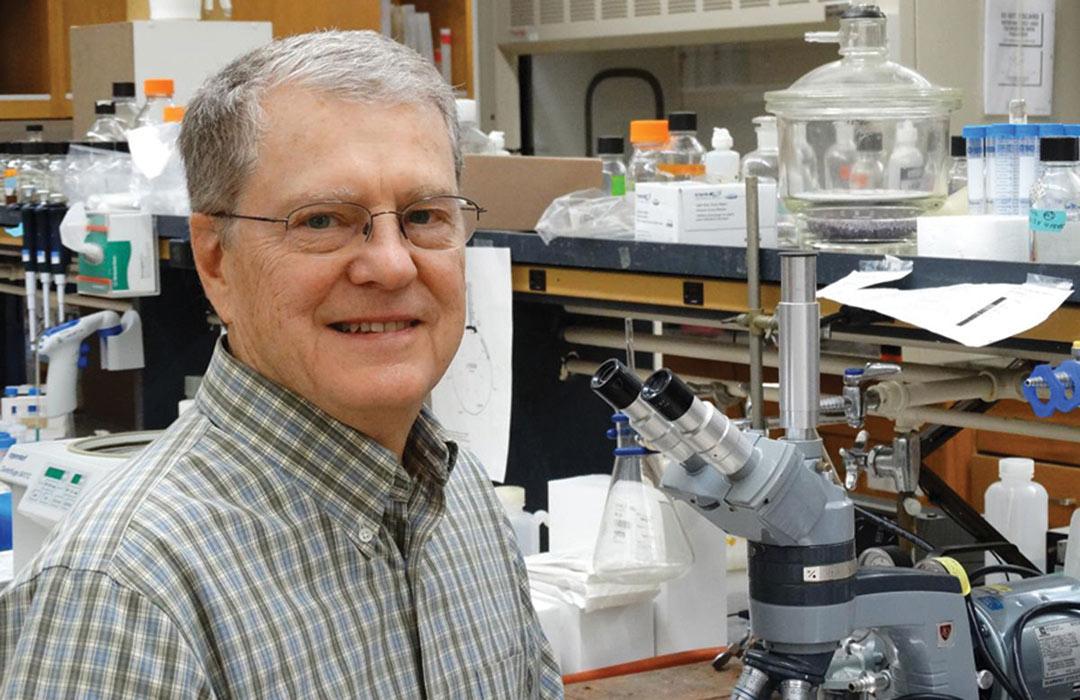
Bruce Geller in microbiology lab
Bruce Geller, Professor of Microbiology

In addition to Geller, other OSU scientists on the team include microbiology postdoctoral scholars Erin Sully and Lixin Li and microbiology undergraduate Christina Moody, as well as scientists from Sarepta Therapeutics, Harvard Medical School, the University of Fribourg, and the University of Texas Southwestern.

The molecule is a PPMO, short for peptide-conjugated phosphorodiamidate morpholino oligomer, essentially a piece of synthetic DNA. It can be seen as a form of “gene therapy” which, in this case, binds to the bacteria’s DNA and inhibits the expression of a protein that would otherwise allow the bacteria to elude attack. OSU scientists demonstrated that the new PPMO restored the effectiveness of the antibiotic meropenum, an ultra-broad spectrum drug of the carbapenem class, to fight antibiotic-resistant bacteria, both in vitro and in mice infected with a resistant strain of E. coli.

Even better, the PPMO therapy is effective with not just one but all antibiotic-resistant pathogens.

“We’re targeting a resistance mechanism that’s shared by a whole bunch of pathogens,” said Geller who’s been researching molecular medicine for more than a decade. “It’s the same gene in different types of bacteria, so you only have to have one PPMO that’s effective for all of them, which is different than other PPMOs that are genus specific.”

Results of the study, supported by a grant from the National Institutes of Health, were recently published in the Journal of Antimicrobial Chemotherapy.

Geller says the PPMO will likely be ready for testing in humans in about three years.

“We’ve lost the ability to use many of our mainstream antibiotics,” Geller said. “Everything’s resistant to them now. That’s left us to try to develop new drugs to stay one step ahead of the bacteria, but the more we look the more we don’t find anything new. So that’s left us with making modifications to existing antibiotics, but as soon as you make a chemical change, the bugs mutate and now they’re resistant to the new, chemically modified antibiotic.”

That progression, Geller explains, made the carbapenems, the most advanced penicillin-type antibiotic, the last line of defense against bacterial infection.

“The significance of NDM-1 is that it is destroys carbapenems, so doctors have had to pull out an antibiotic, colistin, that hadn’t been used in decades because it’s toxic to the kidneys,” Geller said.

“That is literally the last antibiotic that can be used ...and we now have bacteria that are completely resistant to all known antibiotics. But a PPMO can restore susceptibility to antibiotics that have already been approved, so we can get a PPMO approved and then go back and use these antibiotics that had become useless.”

Based on an article by Steve Lundeberg.

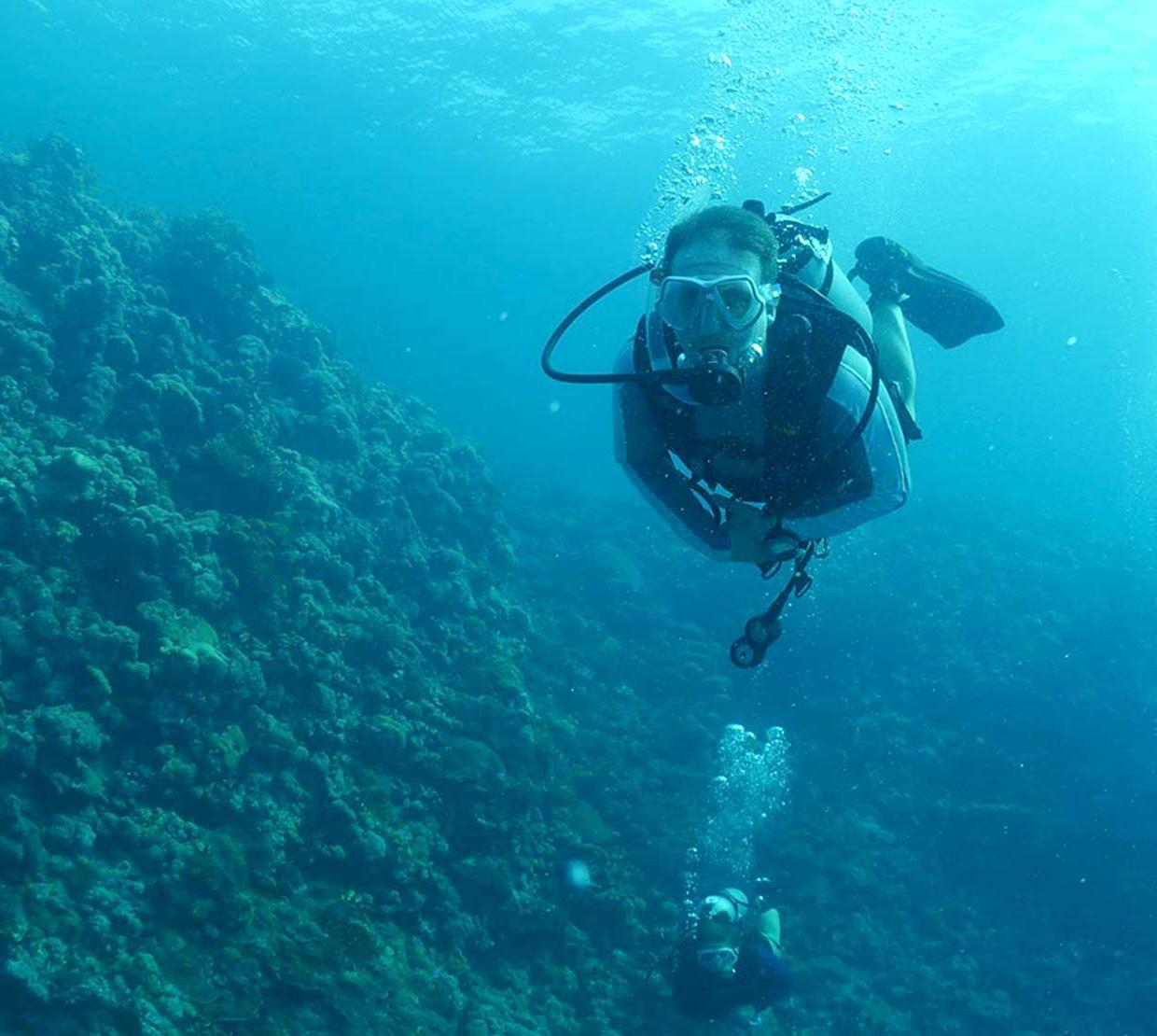
Scuba diver in reef

Newly discovered phytoplankton groups favor warmer oceans

Canadian Institute for Advanced Research

Distinguished Professor of Microbiology Stephen Giovannoni was part of an international research team that discovered two phytoplankton groups -- unlike any known species -- in climate-sensitive areas around the world. While they appear relatively rare compared to other phytoplankton, the scientists say their prevalence in warm waters suggests they could be important in future ocean ecosystems.

The findings, published this week in the journal Current Biology, traced the phytoplankton genes to their potential ancient origins and matched them with sequences in around 200 contemporary samples. The new phytoplankton groups were increasingly abundant in warmer, low-nutrient surface waters at sites including the Sargasso Sea, Bay of Bengal and North Pacific Gyre.

"These new phytoplankton appear to thrive in the world's most desert-like waters where most other eukaryotic species decrease," said Alexandra Z. Worden.

Worden is a senior fellow at the Canadian Institute for Advanced Research, who led the team from the Monterey Bay Aquarium Research Institute along with collaborators from Oregon State University, Woods Hole Oceanographic Institution and the National Institute of Oceanography in India.

Both phytoplankton groups were found in larger numbers in warmer, low-nutrient surface waters compared to numbers in cooler, higher-nutrient regions. This pattern surprised researchers because larger, eukaryotic phytoplankton often decline to vanishingly low numbers under these conditions, which typically favor small cyanobacteria.

Ocean surface warming creates a layer of low-nutrient water separate from cooler, nutrient-rich water below. This process occurs annually in large regions of the open ocean where punctuated winter mixing allows for a short "bloom" of phytoplankton life that is followed by a summer season of warm, low-nutrient surface waters. Most of the bloom species disappear during summer because they are not effective competitors for nutrients at low concentrations. Ocean surface warming is leading to an expansion of these low-nutrient environments in a process known as ocean desertification.

"As microbes in our oceans are forced to adapt to climate change, these are the types of organisms we really need to understand," Worden said.

Scientists have had difficulty measuring the impact of ocean warming on resident microbial groups due to a lack of consistent information on microbes, like the phytoplankton that carryout marine photosynthesis.

Worden's team established the Baselines Initiative to overcome this hurdle with more than 6,000 full-length RNA sequences and time-series sampling, where the same location is sampled repeatedly through the seasons and over the years. The ultimate goal of these oceanographic time-series is to capture current day information against which future changes in the ocean can be assessed.

Giovannoni's lab at OSU contributed the data from the Sargasso Sea and jointly developed the software that made this study possible.

Stephen Giovannoni in from of wooden wall

Stephen Giovannoni, Distinguished Professor of Microbiology

He manages OSU's High-Throughput Culturing Laboratory, which pioneered automated methods for isolating microbes under environmentally realistic conditions, and discovered many new microorganisms. His lab is one of few that apply phenomics and systems biology to the "dark matter" of microbial diversity - the microbes that shape global environments but defy controlled study. His research team are leaders in exploring the underlying reasons for cells not growing in laboratories. The HTCL distributes cell cultures and DNA to researchers around the world.

"The team has been working on this for years, and the strategy is paying off," said Giovannoni.

Researchers first discovered one of the new phytoplankton groups in 2006 when they noticed one "weird" sequence out of millions. They thought the data from a tropical island off Costa Rica might have been a mistake until they saw identical sequences in the North Pacific and in coral reefs off Curaçao.

To verify their findings, they filtered the organisms' DNA from the seawater. Next, they generated the full-length RNA gene sequence and compared it with other organisms to place it in an evolutionary tree. Finally, they mapped the organisms through samples from the BIOS Bermuda Atlantic Time-Series Study, the TARA Oceans Expedition and the Baselines Initiative, including the SeaFar Curaçao project of the Integrated Microbial Biodiversity Program.

The first phytoplankton lineage appears to be an entirely new group of species of phytoplankton. Researchers believe its ancestor may be a single-celled protistan group that took a separate evolutionary path from the haptophyte algae, which arose between 1 billion and 637 million years ago. The second lineage appears to be closely related to haptophytes. However, it is a new group that doesn't belong to any known species or class.

"To understand future oceans one-off sampling won't work. If we had taken one snapshot of the ocean in spring we would have thought these phytoplankton didn't matter, but because we kept going back we realized they are important -- it takes year-round sampling of the seasons to see that," Worden said.

Worden's lab will be returning to the Sargasso Sea and Curaçao to better understand the ecology of the two phytoplankton groups. How these groups contribute to the food chain and carbon cycle is currently unknown. Worden believes one possibility is that they get their nutrients though a combination of photosynthesis and feeding on other cells.

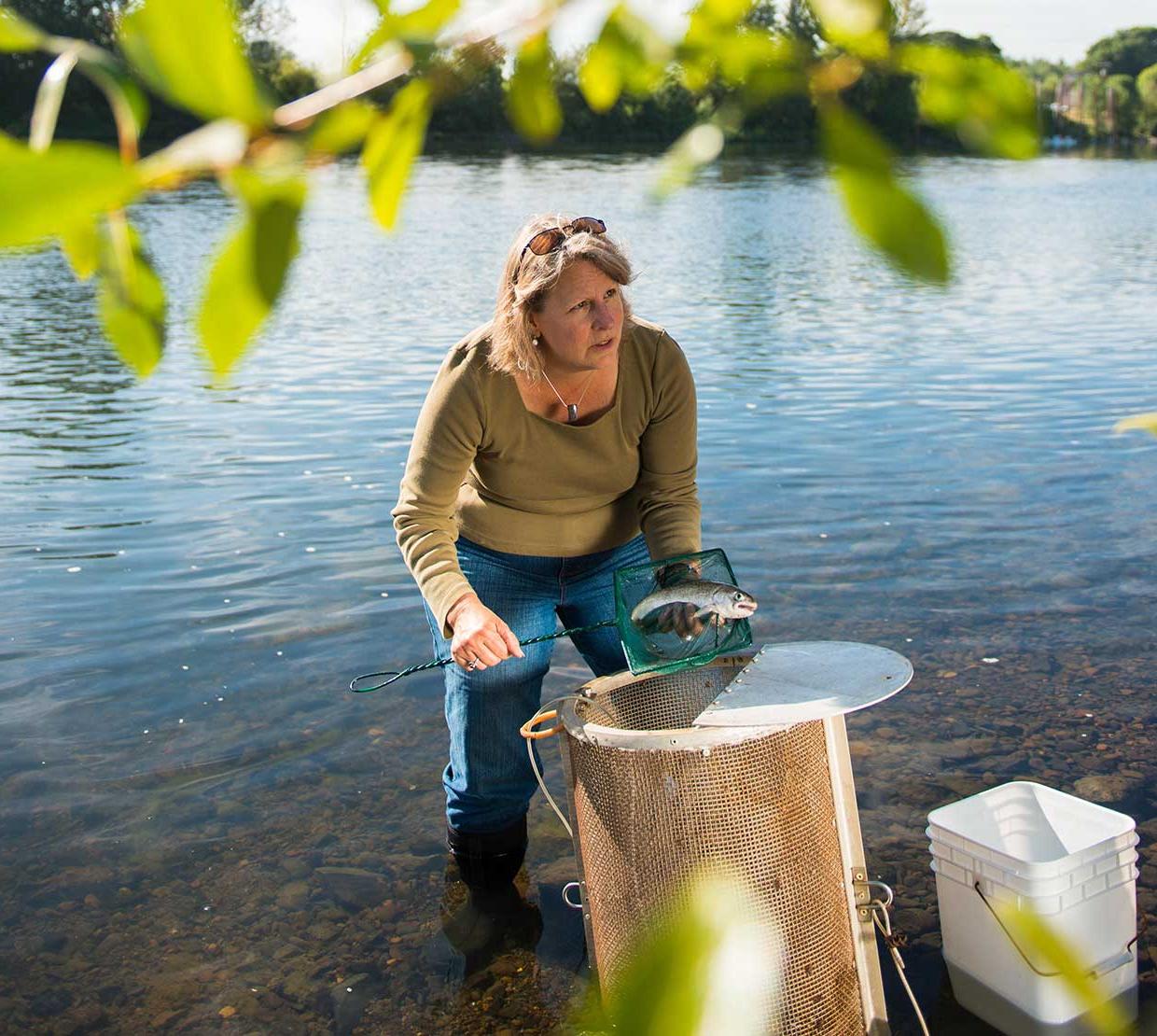
Jerri Bartholomew gathering samples from river

Microbiologist recognized for lifetime achievement in Pacific salmon health

By Katharine de Baun

Jerri Bartholomew, Head of the Microbiology Department

Jerri Bartholomew, the Emile F. Pernot Distinguished Professor and Head of the Microbiology Department, was recently awarded the American Fisheries Society (AFS) S.F Snieszko Distinguished Service Award for her outstanding accomplishments in the field of aquatic animal health. This lifetime achievement award is the highest honor presented by the Fish Health Section of the AFS.

Dedicated to promoting the conservation, development and wise use of fisheries, AFS awards this honor to acknowledge significant accomplishments in the area of fish health exemplified by research publications, grants for graduate student thesis projects, and a world-recognized research program and laboratory.

Bartholomew received her award recently at the annual AFS meeting in Jackson Hole, WY, where she shared the limelight with fellow award winner Dr. Mamoru Yoshimizu, a Japanese scientist.

An OSU alumna with both her master’s degree and Ph.D. in fisheries science, Bartholomew joined the Department of Microbiology faculty 23 years ago and has joint appointments in the Colleges of Science and of Agricultural Sciences.

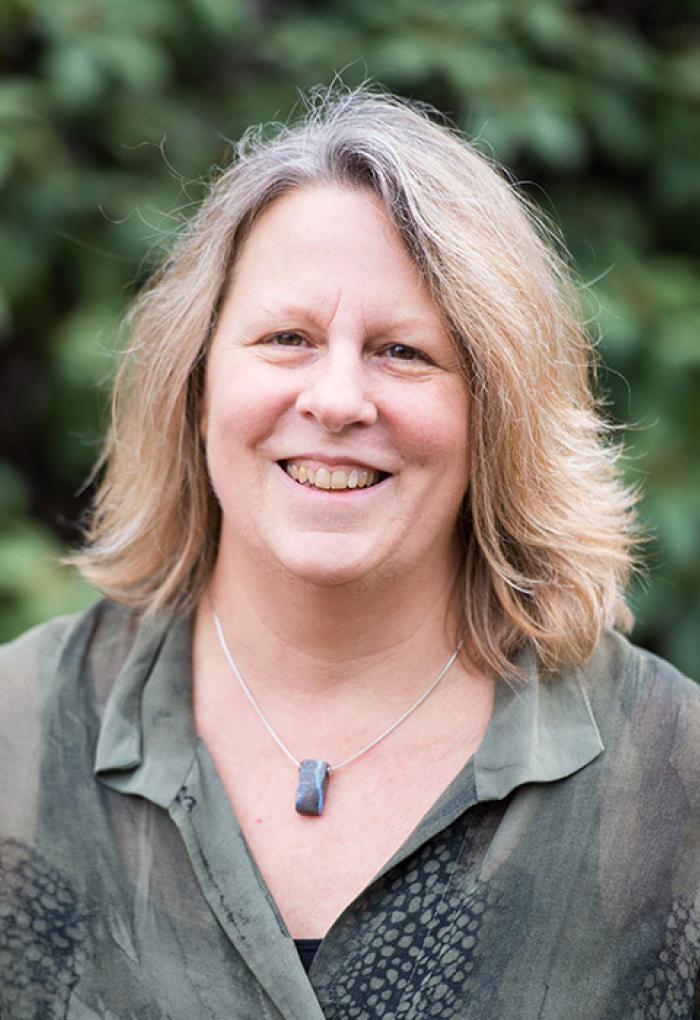
Jerri Bartholomew in front of shrubbery

Jerri Bartholomew, Head of Microbiology Department

Bartholomew’s decades of publications and funded research focused on the endemic (and often fatal) wild Pacific salmon myxozoan parasite Ceratomyxa Shasta and her directorship of the J.L. Fryer Aquatic Animal Health Laboratory have deepened our understanding of how infectious organisms sicken salmonids and other freshwater fish, and produced forecasting models of how climate change might affect the interaction. Her research has advanced the microbiological understanding of the host-pathogen dynamic as well as produced practical recommendations for salmon fisheries that have already been put into good use.

Her colleagues and collaborators around the world praise her scholarship, research and leadership. Arik Diamant, a senior scientist at Israel’s National Center for Mariculture who collaborated with Bartholomew on research probing the mechanics of how the parasite infects salmon by activating specialized polar capsule cells, speaks to her international influence in the field:

“Under her leadership, her research group generated innovative immunological and molecular approaches and tools that within several years resulted in remarkable scientific contributions… [greatly expanding] our knowledge of disease in wild riverine salmon. Jerri rapidly attained international recognition and her work is highly regarded by her colleagues.”

In 2014, Bartholomew helped organize the 7th International Symposium on Aquatic Animal Health (ISAAH) in Portland that attracted 300 fish health professionals from 26 countries. ISAAH is the preeminent meeting of international fish health professionals.

“Jerri has substantially advanced our understanding of the threat facing salmon populations, and how that threat will evolve with climate change is highly relevant for a healthy people and a healthy planet,” says Sastry G. Pantula, dean of the College of Science.

“I am very proud of her achievements, her service to the profession and her leadership as well as her exceptional teaching and mentoring of our students," adds Pantula. "I am thrilled that she has received this tremendous honor.”

Bartholomew has long been recognized for her influence as a life-changing teacher and mentor. She has mentored six post-doctoral scholars as well as six Ph.D. and 15 master’s students and 17 undergraduates on their research projects. Bartholomew also teaches Advances in Disease Ecology, Fish Diseases in Conservation Biology and Aquaculture, and offers a semi-annual Salmonid Disease Workshop for state and federal fishery biologists.

Former Ph.D. student Charlene Hurst says, “Jerri was a wonderful advisor and teacher... [encouraging] her students to develop and pursue their own scientific questions.”

Bartholomew is also an accomplished glass artist who exhibited her fused and cast glass pieces recently at Memorial Hall last winter. This spring she is directing a large-scale exhibition, “Microbiomes: To See the Unseen,” at The Arts Center in Corvallis as part of SPARK, a year-long celebration at OSU of the interplay between art and science. This exhibition asks both artists and researchers how to “See the Unseen?”

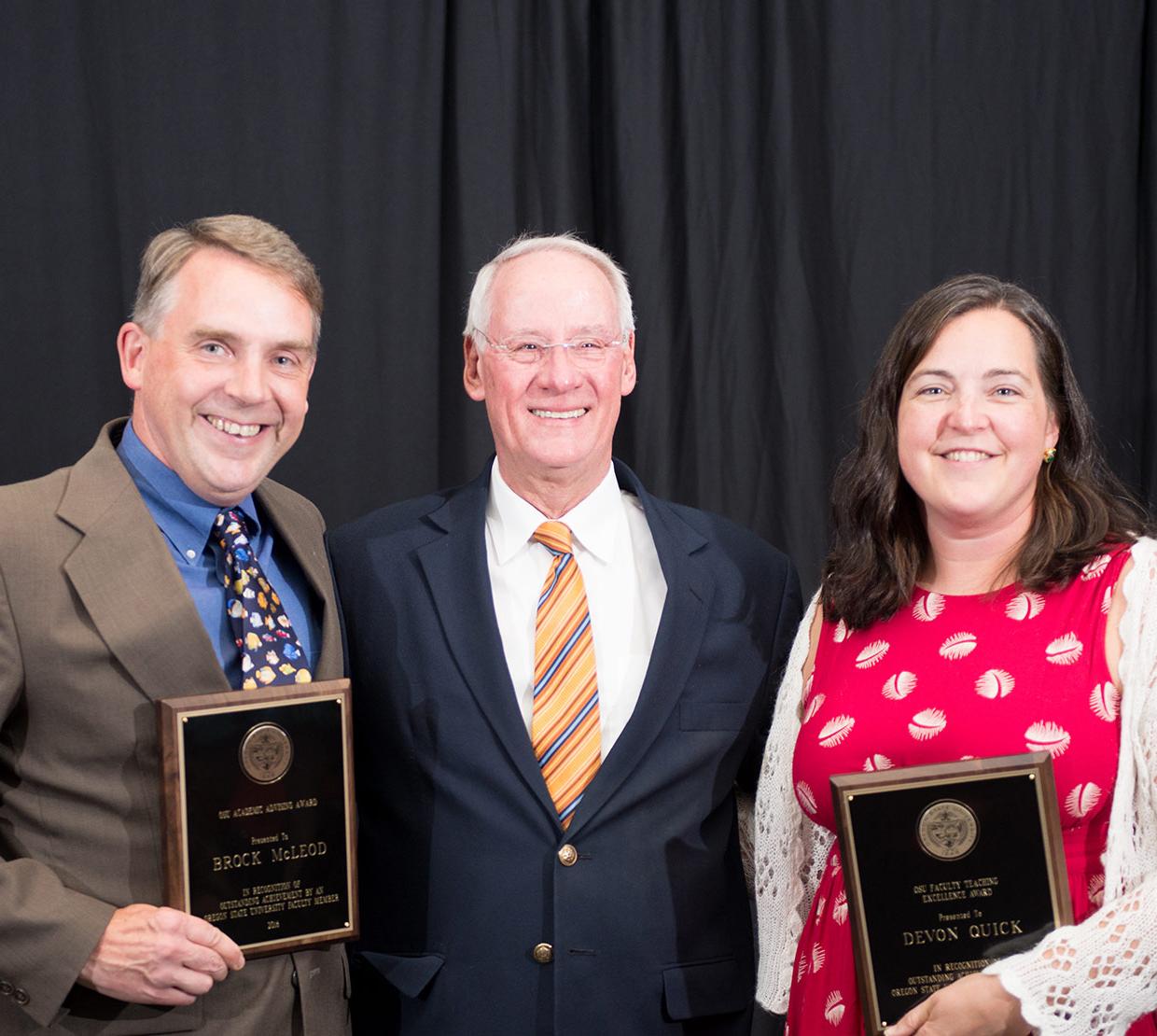
Brock McLeod and Devon Quick recieving awards from Edward John Ray

Science takes top honors at University Day

University Day award winners: Brock McLeod and Devon Quick with president of the university, Edward John Ray

Oregon State University ushered in the new academic year with the 2016 University Day celebrating the outstanding achievements and service of faculty, advisors, graduate students and staff on Monday, September 19.

Faculty, graduate students and advisors in the College of Science received five of the university's most prestigious awards for exceptional teaching, advising, promising research and scholarship.

"I am extremely proud of our excellent and dedicated faculty, graduate students and advisors," said Sastry G. Pantula, Dean fo the College of Science. "They have advanced OSU's goals of excellence in research, transformative student experiences and student success."

Congratulations to the following College of Science faculty, advisors and students who received the following honors at University Day 2016:

The OSU Faculty Teaching Excellence Award honors unusually significant and meritorious achievement in teaching and scholarship which enhances effective instruction. This year Devon Quick, a senior instructor in Integrative Biology, received the honor.

Widely commended for her teaching of biology, human anatomy and physiology courses by her students and colleagues, Quick has taken her dedication to student learning one step further. In collaboration with fellow biology instructor Lindsay Biga, Quick is adapting a biology textbook that will be freely accessible to OSU students and learners worldwide in fall 2017. Developed through a $30,000 open textbook project award, the open source textbook will save students approximately $100,000 on textbooks annually.

The OSU Academic Advising Award recognizes undergraduate academic advising by professional faculty rank as well as fixed-term academic rank faculty whose primary role is advising and acknowledges advising as a profession making a pivotal contribution to the OSU community. The 2016 recipient is Brock McLeod, chief academic advisor for the School of Life Sciences. A chief advisor in the department of integrative biology for 14 years, McLeod has been recognized for his role in positively influencing and monitoring student academic success and promoting new and innovative programs that promote student success and development.

The 2016 Promising Scholar Award, which recognizes scholarship of junior faculty, was awarded to Chong Fang, an associate professor in chemistry. The award honors the high level of accomplishment by a junior faculty in a relatively short period of time at OSU, and who is also expected to continue his/her extraordinary work.

Fang's research at the intersection of chemistry, physics and biology has garnered national and international recognition and awards. In addition to the prestigious NSF CAREER Award, Fang has received numerous high-profile awards this past year, including: the Oregon Medical Research Foundation (MRF) New Investigator Award, the Robin Hochstrasser Young Investigator Award by Elsevier and Chemical Physics, and the Honor Society of Phi Kappa Phi Emerging Scholar Award. Read more.

The OSU Impact Award for Outstanding Scholarship recognizes faculty who have demonstrated outstanding scholarship in a specific project or activity resulting in substantial impact beyond the university setting. This year's honoree is Rebecca Vega Thurber, associate professor in microbiology.

Vega Thurber, a coral microbiologist, has pioneered research aimed at protecting marine biodiversity with a special focus on highly endangered coral reefs. Her team's three-year field experiment on a coral reef in the Florida Keys uncovered the crucial role that fishes play in protecting coral reefs. "We also discovered that these fishes together with clean water may be a vital buffer against the coral disease and decline caused by climate change-induced warming ocean waters," wrote Vega Thurber in an article published in The World Economic Forum.

The Herbert F. Frolander Graduate Teaching Assistant Award recognizes graduate students who have excelled in their capacity as teaching assistants. This year the honor went to Andrew Stickel, a graduate teaching assistant in physics.

He also received the Department of Physics' Peter Fontana Outstanding Graduate Teaching Assistant Award in 2011-2012. The award recognizes excellence in conveying physics concepts and analytical and laboratory skills effectively to students, in demonstrating mastery of physics subject matter, and engaging in professional development activities that foster excellence in graduate teaching. Stickel recently defended his dissertation and earned his doctorate in physics.

OSU President Edward Ray kicked off University Day followed by Faculty Senate President Kate Halischak, who welcomed faculty, staff and students. The keynote speaker was Carmen Suarez, Vice President for Global Diversity and Inclusion at Portland State University. He spoke on "Present Day Activism in Higher Education: What are we hearing, what are we learning, what are we feeling, what are we willing to do?"

Other events included the 2016 University Day OSU Expo designed to showcase the work and opportunities provided by units at OSU to fellow staff and faculty as well as a free lunch for attendees.

Read about College of Science awards from University Day 2015.
Cloud formation above mountain range

Microbiologist pierces riddle of why clouds form

By Tim Radford

Cloud formations and the science behind them

Distinguished Professor of Microbiology Stephen Giovannoni is the lead author of a new study in the journal Nature Microbiology that reveals how a certain class of microbes can regulate atmospheric temperatures and help in the formation of clouds over the world's oceans.

These vital cogs in the planetary machine are astonishingly prevalent and utterly invisible and they traffic in potent chemicals on an unbelievable scale. They make the dimethyl sulphide molecules that waft skywards to provide nuclei around which cloud droplets form.

When the sun shines brightly they get to work, and the gas they produce then makes aerosols that seed clouds which reflect sunlight and damp down the planetary temperatures again.

What the research team, led by Steve Giovannoni, and others has established is the evolutionary box of tricks that makes planetary chemistry on such a prodigious scale possible.

Marine phytoplankton make a compound called dimethyl-sulfoproprionate or DMSP. They make it on a massive scale: an estimated 10 billion metric tons of the stuff each year.

When the skies are clear, the tiny microbial plants flourish to photosynthesize even more of the compound. And then an important group of Pelagibacterales microbes moves in to take the chemical and cleave it, to release two gases.

This work is part of the North Atlantic Aerosols and Marine Ecosystem Study, funded by NASA, and other agencies. Collaborators were from OSU, the University of East Anglia in the United Kingdom, Louisiana State University, the Plymouth Marine Laboratory in the United Kingdom, the Qingdao Aquarium in China, and the Pacific Northwest National Laboratory.

Read the complete article at Climate News Network, Eureka Alert, or on OSU's website.

picture of Microbiomes

Microbiologist represents OSU at White House announcement of national microbiome initiative

Life@OSU

Gut Microbiota

Thomas Sharpton in our Department of Microbiology and a nationally recognized expert in the field of microbiomes represented Oregon State University at a White House announcement of a new, $121 million science initiative by the Office of Science and Technology Policy on May 13, 2016.

Oregon State may play a significant role in the Transdisciplinary Initiative for Microbiome Research, a broad new national study of the microbiome, the communities of microorganisms that live on and in people, plants, soil, oceans and the atmosphere.

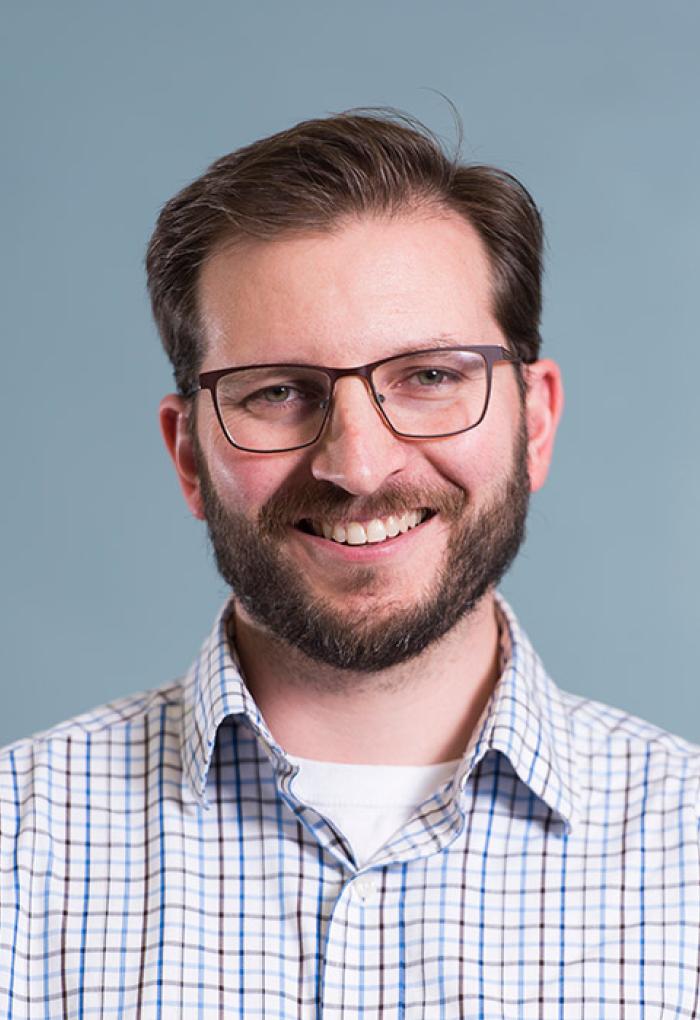
Thomas Sharpton in front of grey backdrop

Thomas Sharpton, Assistant Professor of Microbiology

OSU is in the developmental stages of a program directly related to this national effort. This virtual center for microbiome research and education will focus understanding how microbiomes and their environments interact.

The initiative will include work to advance the understanding of microbiome behavior; protect and restore healthy microbiome function; and develop new tools to study microbiomes.

Officials at the announcement of that initiative noted that dysfunctional microbiomes are associated with chronic human diseases, including obesity, diabetes, and asthma; local ecological disruptions such as the hypoxic zone in the Gulf of Mexico; and reductions in agricultural productivity.

The federal program gas secured major commitments from the Department of Energy, NASA, the National Institutes of Health, the National Science Foundation, and the U.S. Department of Agriculture. More than 100 external institutions are also becoming involved, including a $100 million, four-year effort by the Bill and Melinda Gates Foundation.

In a world in which bacteria have too often been thought of as the enemy, there’s been a growing understanding just in recent years of how important they are to normal and healthy biological function, and that maintaining a proper balance of appropriate bacteria is essential.

“There has been a legacy of concern about exposure to microbial pathogens, which has led to increased use of antimicrobial products,” Sharpton has said.

“However, there’s now a growing awareness of the importance of the bacteria in our gut microbiome for human health, and the overuse of antibiotics that can lead to the rise of ‘superbugs.’ There are consequences to constantly trying to kill the bacteria in the world around us, aspects we’re just beginning to understand.”

Sharpton's lab focuses on how the human microbiome, especially the gut microbiome, relates to health. They specialize in the development and application of high-throughput computational and statistical tools that characterize microbiome biology, and investigate how microbiomes are associated with host health, environmental exposures, and animal evolution. By developing testable hypotheses about how humans and their microbiome interact, his team strives to understand the evolutionary and ecological processes that influence community assembly, maintenance, and function within a host. Ultimately, this knowledge will be used to discover disease mechanisms, identify predicative and diagnostic biomarkers of disease, and develop tools to treat disease through manipulation of the microbiome.

The new program being developed at OSU reflects an emerging area of strength for the university, one that spans all the colleges. It will involve more than 60 faculty from a diversity of disciplines who do work related to gut, soil, and even ocean microbiomes, learning how these organisms operate and interact with their environment.

The new initiative will build on this large body of work already under way – in the past 21 months, OSU faculty have received almost $10 million in research funding on topics related to microbiome studies.

A long-term goal is to learn how to selectively engineer and/or maintain microbiomes to benefit environmental, agricultural, and human health.

New research tools, analytical techniques, and theory will be developed by the center for use both at OSU and the national microbiome research community. Commercialization and clinical development of socially relevant discoveries will also provide early-career researchers and students with structured, interdisciplinary training programs. And funds are now being raised to support a few cutting edge research projects that specifically would include underrepresented minority students, junior faculty, and women.

Subscribe to Faculty and Staff