Microbiology

Microbiology

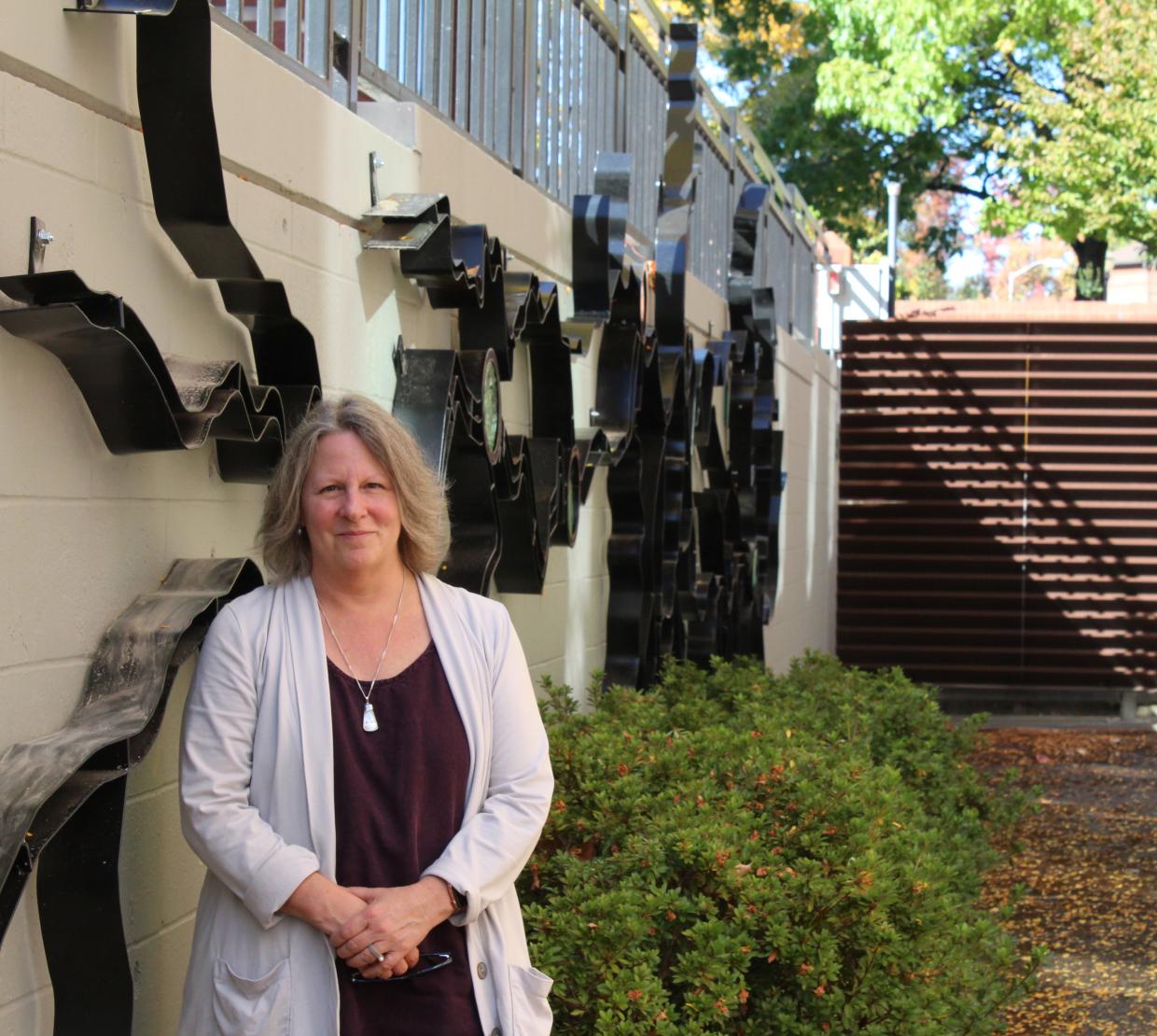
Cindy Fisher standing at a doorway to one of the refrigerator rooms in Nash Hall

Nash’s ‘Radar O’Reilly’: Longtime building manager keeps watch over research labs during campus shutdown

By Molly Rosbach, OSU News

Cindy Fisher, building manager at Nash Hall

Years at OSU: 39

City of residence: Corvallis

In Nash Hall, the Microbiology Department has 30 labs and auxiliary spaces spread over four stories. Decades’ worth of samples and specimens, some strains representing the only source for patented technology are housed in dozens of sub-80-degree freezers throughout the building. In some cases, researchers’ entire careers depend on those frozen cultures as well as OSU’s patented technology. If the freezer unexpectedly malfunctioned, all would be lost.

But have no fear: Cindy Fisher is here.

Fisher has been the building manager of Nash Hall for 39 years. In that time she’s also served as a lab tech, culturing bacteria for the Microbiology undergraduate teaching program; and as the culture collection curator, keeping track of freeze-dried samples that date back to the 1940s and are still sometimes requested today.

She can rattle off a list of past and current research projects conducted in Nash, from bacteria discovered deep in the ocean to natural organisms now being used in yogurt.

“My duty is to support these people in their primary job of doing their research,” Fisher said. “If we were a MASH unit, I’d be the Radar of the unit.”

Though Nash first opened in 1970, the infrastructure has been updated over the last 15 years, including the HVAC and sprinkler systems and seismic upgrade. But it’s had its share of mishaps.

Years ago, Fisher recalls, she came in during the summer and there was water cascading from the sixth floor all the way down to the basement. The main water line had burst on the top floor.

During the COVID-induced campus shutdown, when most researchers are staying home or only visiting their labs once a week, she wants to make sure nothing like that happens again.

So every day, she walks the halls, checking on all the sub-80-degree freezers to make sure they’re still freezing. She looks over each lab at least twice a week to see if anything is amiss.

Fisher also led the charge on collecting Microbiology’s contribution to the campus-wide Personal Protective Equipment (PPE) donation to local health care workers. Before they vacated campus last month, researchers left stashes of N-95 masks, disposable gloves, scrubs and foot coverings in their offices, then contacted Fisher to tell her where to find them. She boxed up more than 1,000 items.

“That was quite a sight to see,” she said.

Fisher’s favorite part of her job is the people, so this shutdown has been difficult, especially since she’s retiring sometime in 2021.

“I do this not for the building itself, but for the people that are here now, and the memories of the amazing individuals who have walked these halls over the years,” she said. “I’d like to have it filled with people creating new knowledge and teaching our students once again.”

This story is a part of an OSU series called "Unsung Heroes," highlighting faculty, staff and students who are going above and beyond to assist with the pandemic response in their roles at OSU or in their communities from Corvallis to Bend to Newport and throughout the state. To read more stories like this, go here.

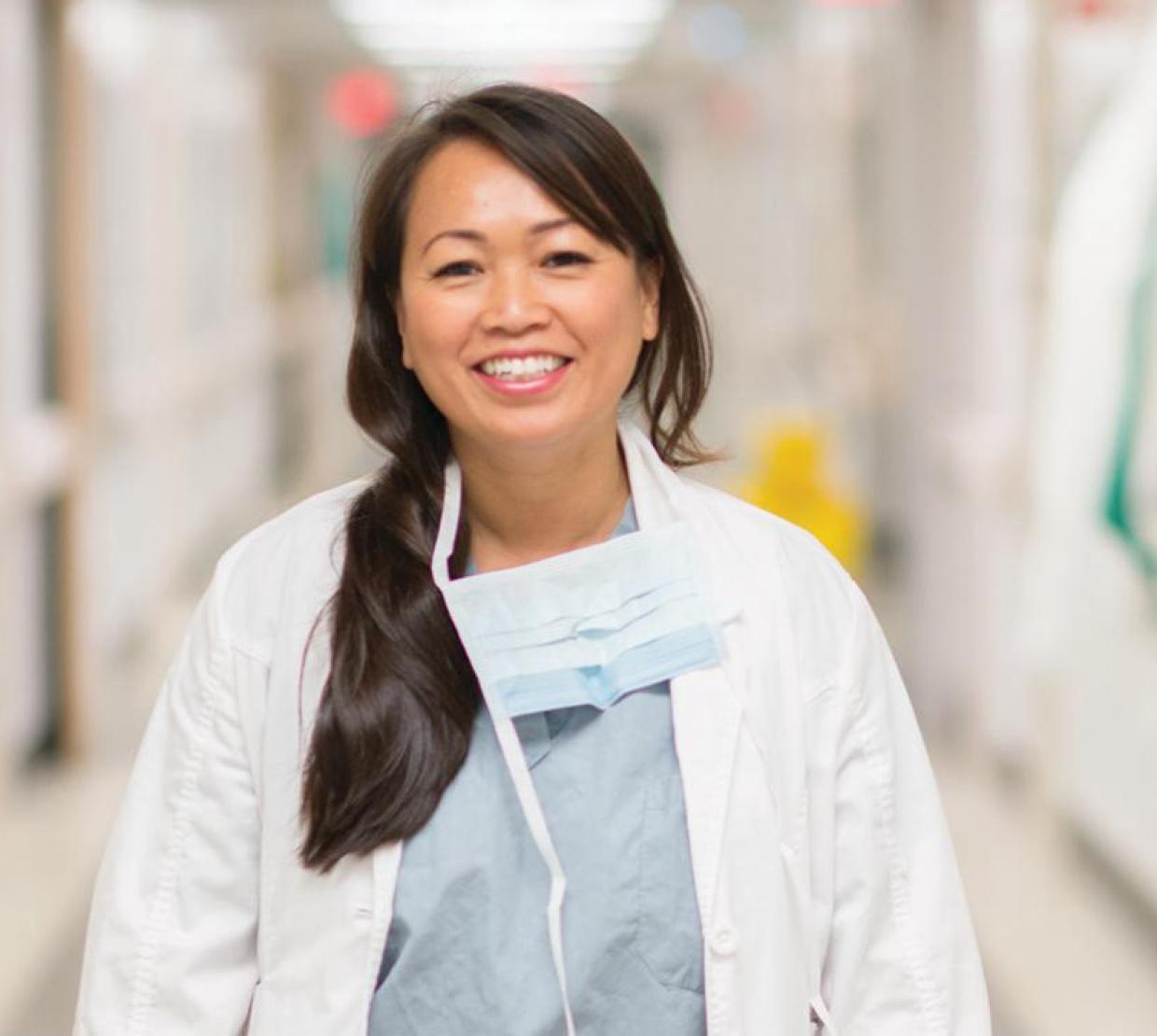
Dr. SreyRam Kuy wearing scrubs in hospital hallway

Microbiology alumna and surgeon's journey from refugee camps to healthcare leadership

By Srila Nayak

Microbiology alumna Dr. SreyRam Kuy ('00) is a surgeon and deputy chief medical officer at the Veterans Affairs Medical Center in Houston. Photo by OSU photographer Hannah O'Leary.

The exacting schedule of a surgeon is evident at the outset of a Zoom interview with Dr. SreyRam Kuy (Microbiology, ’00). She is a little late for the midday appointment because she had to shower first. Just 30 minutes earlier, Kuy “was elbow deep in blood and stool” performing a colon cancer surgery. An epidemic is engulfing the country, but there are other undeniably urgent healthcare crises that beset everyday Americans. “Even in the middle of Covid-19, we get patients with perforated colon cancers and we have to conduct emergency surgery,” said Kuy. The busy week saw her covering general surgery and surgical oncology patients.

While her hospital, like others in the country, has postponed all non-emergency surgeries under the onslaught of the Covid-19 epidemic, Kuy and her colleagues continue to tackle surgeries in life-and-death situations.

It is hard to believe there was a time when Kuy felt terrified by the sight of blood. She wanted to be a family doctor when she arrived at Oregon Health and Science University (OHSU) to study medicine. But an oncology surgical rotation where she got to assist on a colon cancer operation for the first time changed her outlook and put her on the path toward specializing in surgery.

Today Kuy is a general surgeon at the Veterans Affairs (VA) Medical center in Houston. She is the deputy chief medical officer for quality and safety of the South Central Veteran Affairs Healthcare Network, where she works on improving patient safety and patient care for veterans. She is also a professor at the Baylor College of Medicine.

Kuy previously served as special advisor to the Secretary of Veterans Affairs in Washington, D.C., and was the first woman appointed deputy undersecretary for community care, overseeing a $14.5 billion budget and 7,300 staff.

Getting prepared for a crisis

No stranger to prestigious honors, Kuy was one of 21 senior healthcare leaders selected nationally for a two-year fellowship with the Aspen Institute Health Innovators program in 2019. The fellows commit to launching a leadership venture with lasting, transformative impact on the health of Americans and the healthcare system. In her role as a Health Innovators Fellow, Kuy developed a Covid-19 Preparation Tool to help healthcare facilities, businesses and communities rapidly gauge their preparedness for the outbreak, identify areas of weakness and strategically target resources for their greatest impact.

She worked over a period of six months to create leadership toolkits designed to tackle “a series of health crises, including natural disasters, infectious pandemics and upsurges in medical errors.” When the Covid-19 outbreak was declared a full-blown pandemic, Kuy was prepared. “As news of a novel coronavirus outbreak emerged in January, I realized that it was only a matter of time before Covid-19 became a global crisis,” Kuy remarked.

Kuy has partnered with healthcare company Get Well Network to widely deploy and share the tool nationally with organizations. The completely free, rapid (the survey questionnaire takes 2-3 minutes to complete) and easily accessible Covid-19 toolkit comes in two versions for healthcare systems and businesses. It is based on Centers for Disease Control (CDC) guidance and resources and provides immediate feedback to users.

"I have learned that this crisis is like being in the fog of war. You don't have time to go and read 50 pages of resources that some technical expert wrote on that issue,” said Kuy. “At that moment, you need something that's clear, decisive, and very short and to the point that helps leaders get that information in a fast, rapid way that can help them identify the strategies they need to adopt.” While Kuy’s own workplace is highly advanced in terms of crisis management, she hopes her blueprint will help organizations that are less well prepared to deal with the stress of the pandemic and continue to stay functional.

By now, Kuy has had plenty of experience at effective and transformational leadership during public health emergencies. She was the chief medical officer for Medicare in Louisiana — one of the poorest states of America, ranking very low for health outcomes and access to health care. In that role, Kuy worked through emergencies that included floods, the opioid epidemic and the Zika outbreak. She was overseeing a $10.7 billion system covering 1.6 million children, pregnant women and disabled and indigent patients, when the Great Flood hit the state in 2016. “Our skeleton crew worked around-the-clock to ensure that patients who were pregnant, young, disabled, and/or low-income could access prescription medications lost in the flood, find replacements for damaged wheelchairs and ventilators, and receive vital tetanus shots and mold precautions—all while working to improve quality and outcomes in the day-to-day operations,” writes Kuy.

Making a difference, inside and outside the operating room

A prominent surgeon, healthcare executive, writer, scholar and academic, Kuy has distinguished herself as a multifaceted doctor making a difference inside and outside operating rooms. She is a surgeon who has also blazed a trail in healthcare management holding key leadership positions in complex health systems.

Kuy was attracted to a policy role because she felt she could have a bigger impact on healthcare at both regional and national levels. “You are in a position to change millions of lives. In Louisiana, I was overseeing care of more than a million patients. When I was deputy undersecretary in Washington, D.C., we were taking care of 9 million veterans who are in some way impacted by the VA.”

One may imagine that one job overshadows the other, but Kuy has found firm footing in both.

Always a doctor at heart, Kuy has not strayed from medicine as a healthcare executive. In Louisiana, she performed the gamut of surgeries on breast cancers to gallbladder and hernia operations once a week for uninsured or underinsured patients. She would fly home to Houston from her job in D.C. to conduct surgeries on veterans.

“It’s critically important if you are going to be a leader or executive in healthcare to stay on the frontlines so that you know what is going on,” she said. Working as a surgeon in Louisiana helped her see that young medical residents were not aware of the problem of over-prescription of opioids in the state. “I realized we need to do a better job at messaging. And that’s one of the benefits of being on the frontline; you get to see the effect of the policies you make,” said Kuy. “Plus, I just love operating and taking care of patients. That’s what brings me joy.”

Kuy is credited with drastically limiting opioid prescriptions and leading bold, new initiatives to mitigate the opioid crisis in Louisiana. With high numbers of opioid overdose deaths stemming largely from one of the highest opioid prescription rates in the country, Louisiana needed vast public health overhauls and reforms when Kuy took charge.

“I shared data drilled down to Louisiana parishes (counties) with legislators to show them that the deaths from opioid overdoses exceeded the deaths from homicides,” Kuy said.

Working within the scope of CDC guidelines, Kuy battled stiff opposition to enact Medicaid policies curtailing opioid prescriptions, thus overturning a longstanding physician practice of prescribing medications for 30 days to allowing just a week of pain medications for acute pain. She encouraged doctors to look for alternative therapies and non-opioid medications to manage acute and chronic pain in patients.

Among other things, Kuy developed a statewide naloxone standing order to empower individuals to intervene during an overdose, implemented Medicaid opioid policies, supported the creation and successful passage of legislation limiting opioid prescriptions, and developed educational webinars, symposiums and a website to assist patients and doctors. Her efforts bore results. Within a year, opioid prescriptions in Louisiana fell by 40% among Medicaid patients.

At the end of her term, Kuy changed hearts and minds. Three pieces of legislation passed with the vigorous support of some of her former biggest adversaries on the issue of opioid prescriptions.

Kuy graduated with dual degrees in microbiology and philosophy in 2000 from Oregon State University. She received her medical degree from OHSU in Portland and completed her residency in general surgery at the University of Texas Health Science Center at San Antonio and at the Medical College of Wisconsin, Milwaukee. Kuy also earned a master’s degree in health science at Yale University School of Medicine, where she completed a fellowship with the Robert Wood Johnson Clinical Scholars Program.

Despite her busy life, Kuy recently made time to host a seminar on her work in health policy via Zoom with OSU Honors College students. “I am so impressed by these brilliant, inquisitive minds. The future is bright and gives me hope!” Kuy said.

From Cambodia to Corvallis and beyond

Kuy’s extraordinary story about finding her path towards medicine from her early days in a Cambodian death camp has been recounted many times, but it is one that bears repeating. Born in captivity, Kuy, her parents and her older sister survived the brutal Khmer Rouge regime in Cambodia, and after it ended, the Kuy family settled into a refugee camp in Thailand. There Kuy, her sister SreyReath and their mother were severely injured by a grenade attack. A Red Cross surgeon performed lifesaving operations on Kuy and her mother. Her sister who suffered shrapnel injuries did not require surgery.

“That inspired me to become a doctor. It was a long time ago, and I was really young when that happened. But it's a story that's part of the fiber of my being. And I've always known for as long as I can remember that I wanted to be a doctor,” Kuy said. She was also inspired throughout her life by her mother who kept reminding her children that they had to make the most of their lives because they had survived while countless others perished in Cambodia.

In 1981 after transferring to a refugee camp in the Philippines, the Kuy family arrived in faraway Corvallis via sponsorship by a Christian charity and made the verdant town their home. The years were difficult even though Kuy and her sister thrived academically. Her father had been a government official and her mother was a teacher in Cambodia before the Khmer Rouge regime took hold, but they didn’t have similar employment in America.

Her father worked as a janitor at OSU and her mother was a housekeeper in healthcare facilities. “My mother worked at Good Samaritan Hospital and a nursing home cleaning operating rooms, mopping floors and scrubbing toilets,” said Kuy. “I give my mother credit because she was willing to work hard at anything to give me and my sister a chance at a better life, at freedom and, more than that, a chance to live.”

A valedictorian at Crescent Valley High School, Kuy gained admission to Harvard, but she had lost her father to stomach cancer during her senior year and didn’t want to move away from her family. So, she joined OSU to study microbiology and philosophy. It is a decision that she has never regretted.

“I had such amazing support at OSU. My teachers and advisers took genuine interest in me and helped and encouraged me. It was a pivotal point in my life that helped me get into medical school and become a doctor,” Kuy remarked.

While microbiology helped her understand the mechanisms of health and disease, Kuy says her philosophy major equipped her to think critically about complicated health policy matters and communicate ideas. During her senior year, Kuy embarked on a transformative experience when she worked in Washington, D.C. at the U.S. Senate for the office of Senator Tom Harkin, the chief architect of the Americans with Disabilities Act of 1990. There Kuy started paving her way to her future career in health policy by drafting memos and speeches about women’s health and advocating for the passage of the Breast and Cervical Cancer Prevention and Treatment Act.

Kuy and her sister SreyReath, who is a podiatrist in Texas, authored a book on their experiences in Cambodia, The Heart of a Tiger. Kuy has published articles in Huffington Post, Los Angeles Times and the Washington Post on her experiences as a survivor of genocide and the first female Cambodian refugee to work as a surgeon in the U.S. As a Robert Wood Johnson Foundation Clinical Scholar at Yale University, she wrote the landmark book, 50 Studies Every Surgeon Should Know, published by Oxford University Press.

She has won a number of awards and honors celebrating her work with vulnerable and underserved populations that include veterans and women on Medicaid. To name just a few, she has received President George H.W. Bush’s Daily Points of Light Award, American College of Surgeons “Mary Edwards Walker Inspiring Women in Surgery Award” and the OHSU School of Medicine Alumni Early Career Achievement Award. She is a Fellow of the American College of Surgeons and was selected to the Presidential Leadership Scholars Program in 2017, a partnership among the presidential centers of Lyndon B. Johnson, George H.W. Bush, Bill Clinton, and George W. Bush that brings together mid-career leaders from diverse backgrounds.

Kuy is thankful for the incredibly dedicated professors who taught her at OSU. “My professors at OSU didn’t just teach; they inspired, encouraged and supported me in my dreams. I am truly grateful for the mentors at OSU who guided me in my journey.”
Jerri Bartholomew

Recognition for improving health of Pacific salmon

By College of Science News

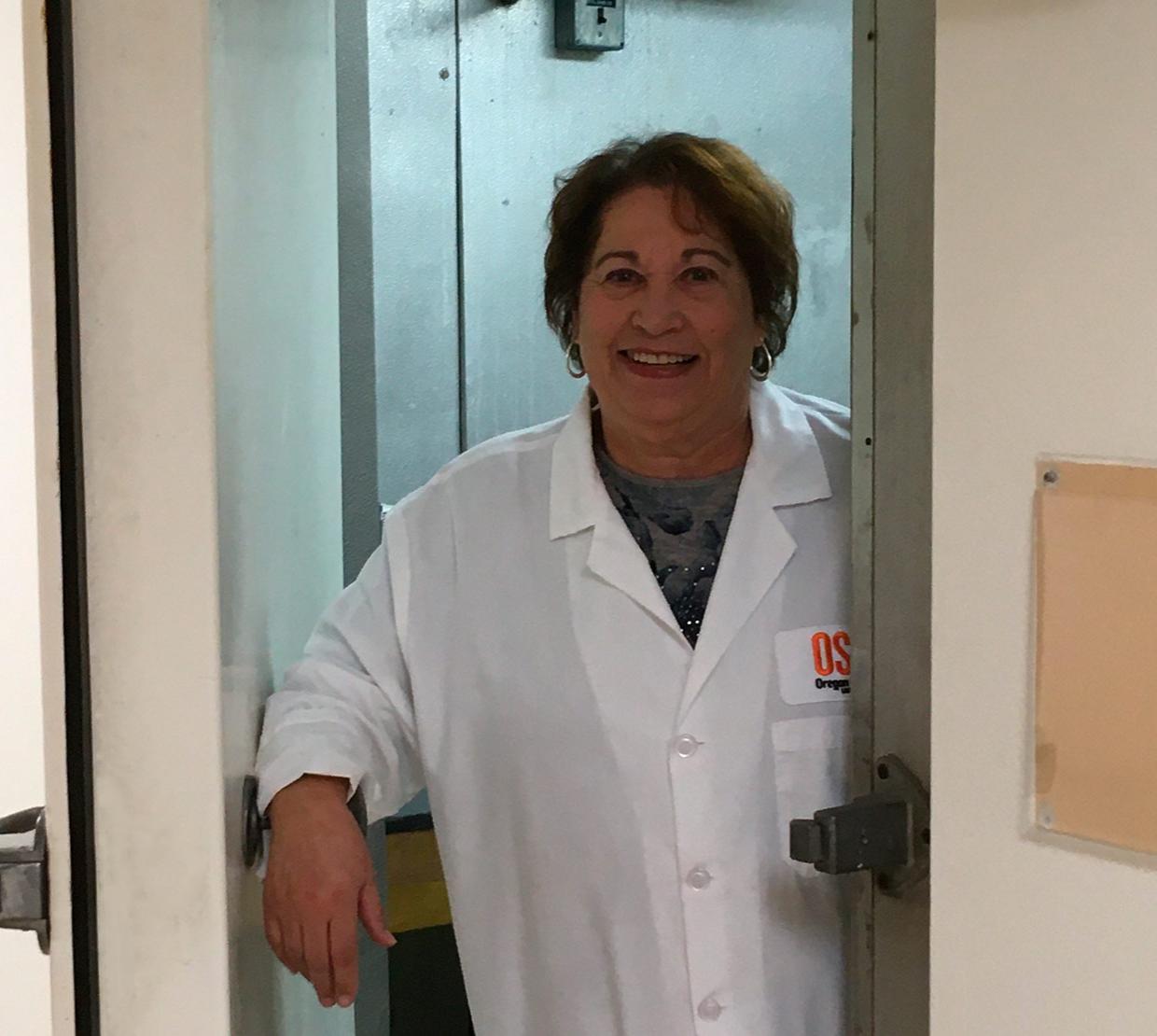
Microbiologist Jerri Bartholomew is elected Fellow of the American Fisheries Society.

Jerri Bartholomew, the Emile F. Pernot Distinguished Professor and Head of the Department of Microbiology was selected as a 2019 Fellow of the American Fisheries Society, the world’s oldest and largest organization dedicated to advancing fisheries science and conserving fisheries resources. Bartholomew was recognized for her outstanding contributions to the field, particularly in deepening our understanding of how infectious organisms drive disease in salmonids and other freshwater fish, and in developing risk assessments and predictive models to inform management of salmonid fisheries.

In 2016, she was awarded the American Fisheries Society S.F Snieszko Distinguished Service Award for her outstanding accomplishments in the field of aquatic animal health. This lifetime achievement award is the highest honor presented by the Fish Health Section of the AFS.

An OSU alumna with both her master’s degree and Ph.D. in fisheries science, Bartholomew joined the Department of Microbiology faculty 26 years ago and has a joint appointment in the College of Agricultural Sciences. Bartholomew’s decades of publications and funded research have focused on the endemic (and often fatal) wild Pacific salmon myxozoan parasite Ceratomyxa shasta.

Her directorship of the J.L. Fryer Aquatic Animal Health Laboratory at OSU has deepened our understanding of how infectious organisms sicken salmonids and other freshwater fish, and produced forecasting models of how climate change might affect the interaction. Her research has advanced the microbiological understanding of the host-pathogen dynamic as well as produced practical recommendations for salmon fisheries that have already been put into good use.

Bartholomew also teaches Advances in Disease Ecology, Fish Diseases in Conservation Biology and Aquaculture, and offers a semi-annual Salmonid Disease Workshop for state and federal fishery biologists.

Saving Atlantis

Oregon State University-produced coral reef documentary now streaming worldwide

By Sean Nealon

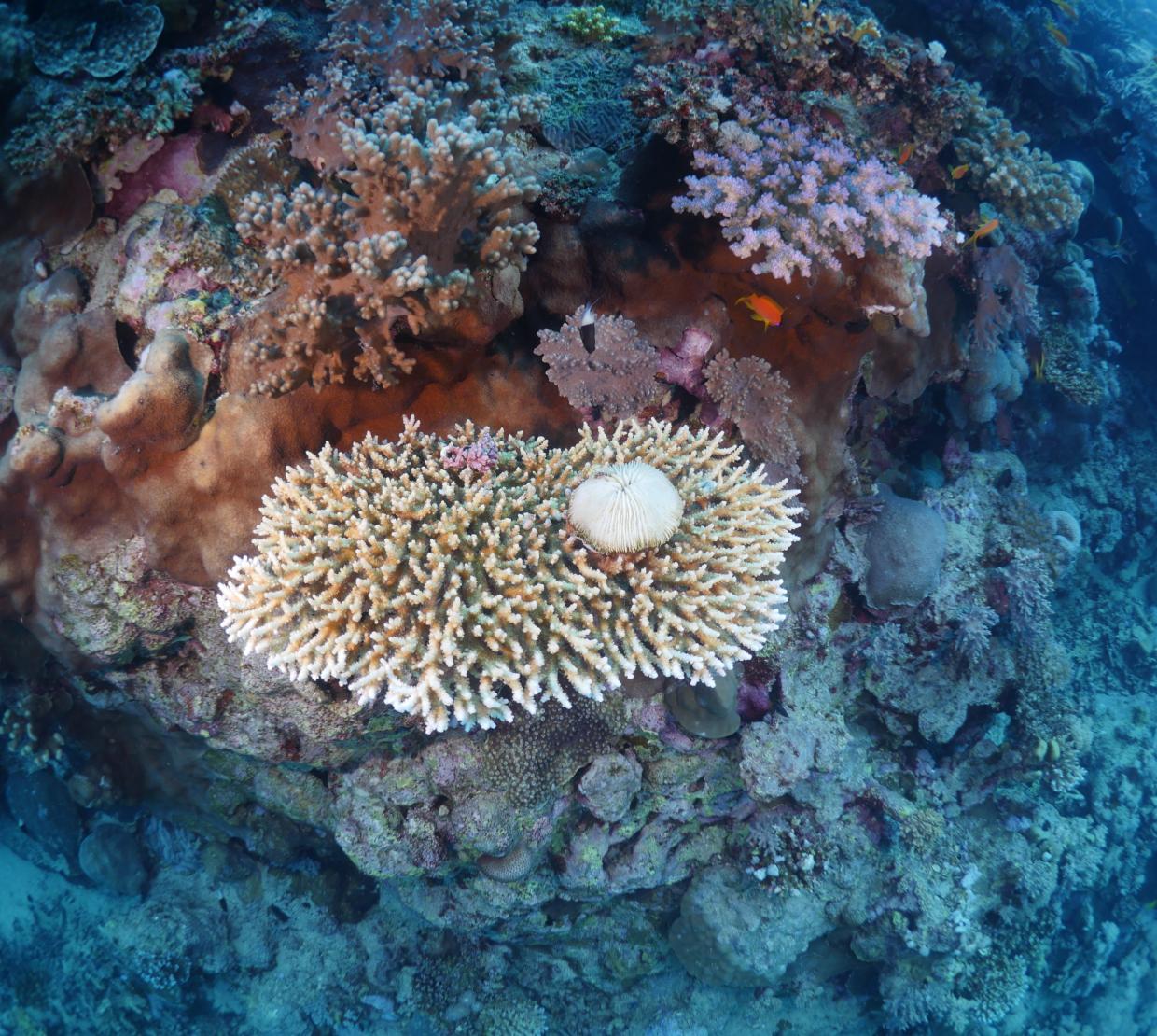
"Saving Atlantis" featuring microbiologist Rebecca Vega Thurber's work to save coral reef ecosystems around the world is now available on digital platforms.

Saving Atlantis,” a feature-length documentary on coral reefs produced by Oregon State University filmmakers, is now streaming and accessible to viewers worldwide on digital platforms, including Amazon, Google Play and iTunes.

“Saving Atlantis” focuses on the dramatic decline of coral reef ecosystems around the world and the impact on people who depend on them. The film’s producers followed coral microbiologist Rebecca Vega Thurber and other researchers from Oregon State and around the world who are uncovering the causes of coral decline and looking to find solutions so they don’t completely disappear.

The film is narrated by Emmy-winning narrator Peter Coyote, who has voiced several documentaries by Ken Burns, including “The Vietnam War.”

David Baker, along with an OSU Productions team that includes co-producer Justin Smith and cinematographers Darryl Lai and Daniel Cespedes produced the documentary. To make the film, they learned to scuba dive and film underwater and spent three years traveling to four continents to gather footage.

Last year the filmed screened at film festivals and special events in Oregon, California, Hawaii, Columbia and Australia. Schools, libraries, non-profits and government group can also license the film.

The film can now be rented for $3.99 to $4.99 or purchased on DVD or Blu-ray for $11.29 or $12.99 on Amazon, Google Play and iTunes.

Initial proceeds from the film will be used in the coming months to award fellowships for student filmmakers at Oregon State.

To view the trailer of the film visit: https://vimeo.com/246008971.

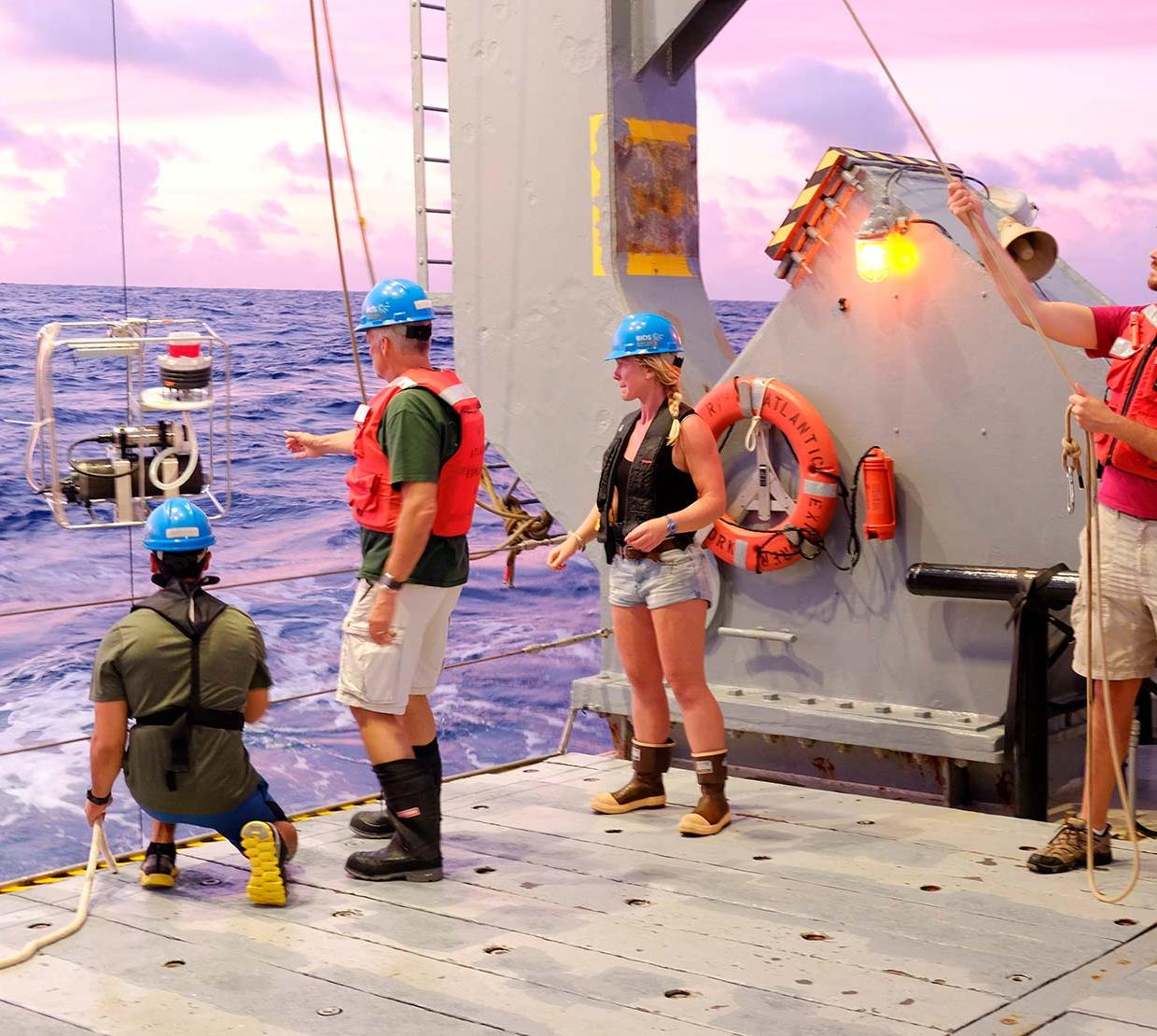
Researchers take a phytoplankton sample on an OSU research vessel.

Smaller than expected phytoplankton may mean less carbon sequestered at sea bottom

By Steve Lundeberg, OSU News

A study that included the first-ever winter sampling of phytoplankton in the North Atlantic revealed cells smaller than what scientists expected, meaning a key weapon in the fight against excess carbon dioxide in the atmosphere may not be as powerful as had been thought.

Thus, commonly used carbon sequestration models might be too optimistic.

The Oregon State University research into the microscopic algae, part of NASA’s North Atlantic Aerosols and Marine Ecosystems Study, was published in March 2020 in the International Society for Microbial Ecology Journal.

The findings are significant because the spring phytoplankton bloom in the North Atlantic “is probably the largest biological carbon sequestration mechanism on the planet each year, and the size of cells determines how fast that carbon sinks,” said the study’s corresponding author, OSU College of Science microbiology researcher Steve Giovannoni.

OSU postdoctoral researcher Luis Bolaños is the lead author.

Phytoplankton are microscopic organisms at the base of the ocean’s food chain and a key component of a critical biological carbon pump. Most float in the upper part of the ocean, where sunlight can easily reach them.

The tiny plants have a big effect on the levels of carbon dioxide in the atmosphere by sucking it up during photosynthesis. It’s a natural sink and one of the largest ways that CO2, the most abundant greenhouse gas, is scrubbed from the atmosphere. Understanding how and why phytoplankton bloom every spring is critical to learning how the Earth’s living systems could respond to global climate change.

As the ocean pulls in atmospheric carbon dioxide, phytoplankton use the CO2 and sunlight for photosynthesis: They convert them into sugars the cells can use for energy, producing oxygen in the process.

The phytoplankton cells absorb that CO2 eventually sinking to the bottom of the ocean as they die. The planet’s ecological health depends on regular plankton blooms such as the spring event in the North Atlantic in which huge numbers of phytoplankton accumulate over thousands of square miles.

The larger project that Bolaños and Giovannoni were part of, the North Atlantic Aerosols and Marine Ecosystems Study, was led by Michael Behrenfeld of the OSU College of Agricultural Sciences. The team used ship- and aircraft-based measurements and satellite and ocean sensor data to help clarify the annual phytoplankton cycles and their relationship with atmospheric aerosols.

Aerosols are minute particles suspended in the atmosphere that can affect the Earth’s climate and radiation budget – by bouncing sunlight back into space and, in the lower atmosphere, by modifying the size of cloud particles, which changes how clouds reflect and absorb sunlight.

Bolaños, Giovannoni and their collaborators sampled phytoplankton in the western North Atlantic in both early winter and spring to try to get a handle on how the phytoplankton community transitioned between those seasons.

In earlier research, the team found that the increase in numbers of phytoplankton, shown by chlorophyll and carbon concentrations, begins in midwinter when growth conditions are at their worst rather than being started by the onset of spring weather.

“The surface layer of the North Atlantic is deeply mixed in winter by storms and temperature-dependent ‘convective’ mixing,” Behrenfeld explained. “This causes phytoplankton to be spread more thinly in the water, making it tough for the tiny animals that eat phytoplankton to track their prey. The reduction in feeding enables the phytoplankton to get a head start in growth as an opening act to the massive bloom that occurs once the winter storms fade and conditions for growth get better. By spring’s end, the grazers have made up the lost ground, eating the phytoplankton as it grows and bringing the bloom to an end.”

About half of the organisms in the spring bloom that the researchers sampled could not be genetically traced to the winter samples, Bolaños said.

“This suggests that there are life history strategies by which phytoplankton that are undetectable in winter can rise to high numbers in the spring, or there is a quick community turnover due to the circulation of water masses,” he said.

Bolaños added that diatoms, thought to dominate phytoplankton blooms in the North Atlantic, often were not a big part of the samples’ genetic profiles, and when they were a big part, the cells were small – either of the nano-phytoplankton variety or at the smaller end of the micro-phytoplankton scale.

“Biogeochemical models are often influenced by the perception that North Atlantic phytoplankton blooms are composed of large cells,” he said. “That perception has been perpetuated by models that assume that diatoms are uniformly large cells. But they’re not.”

Algorithms that predict carbon export from satellite-sensed chlorophyll tend to assign high export rates to phytoplankton blooms on the belief, based on observations from the eastern North Atlantic, that large diatoms dominate at their climax.

The findings of this study, Giovannoni said, suggest that extrapolating those observations to the western North Atlantic may not be a valid practice.

“We’re not certain whether our new observations of small phytoplankton in the western North Atlantic are due to physical differences between the western and eastern North Atlantic, ocean warming and higher atmospheric CO2 concentrations, or constraints of earlier research methods,” he said. “There’s also a chance our observations were an anomaly, a coincidence. We don’t know for sure.”

Cells less than 20 micrometers in diameter made up most of the phytoplankton biomass in the study samples. Diatoms were important contributors but not the main component of biomass.

“We found that diverse, small phytoplankton taxa were unexpectedly common in the western North Atlantic and that regional influences play a large role in community transitions during the seasonal progression of blooms,” Giovannoni said. “The profoundly contrasting composition of the winter community, and the domination by small taxa that we found in the spring, are system features that alter our perspective and are areas for future research. Our results could have major implications for understanding how the blooms affect regional carbon biogeochemistry – the multispecies blooms we describe can have lower carbon export efficiencies than the models typically allow for.”

Also collaborating on this study were researchers from the University of Maine, the Monterey Bay Aquarium Research Institute, the GEOMAR-Helmholtz Centre for Ocean Research Kiel, the University of Washington, Laboratoire des Sciences de l’Environnement Marin, IRD-UBO-Institut Universitaire Européen de la Mer, and the University of Rhode Island.

Justin Sanders sitting in lab

Microbiology alum helps produce critical COVID-19 test component for Oregon hospitals

By Molly Rosbach

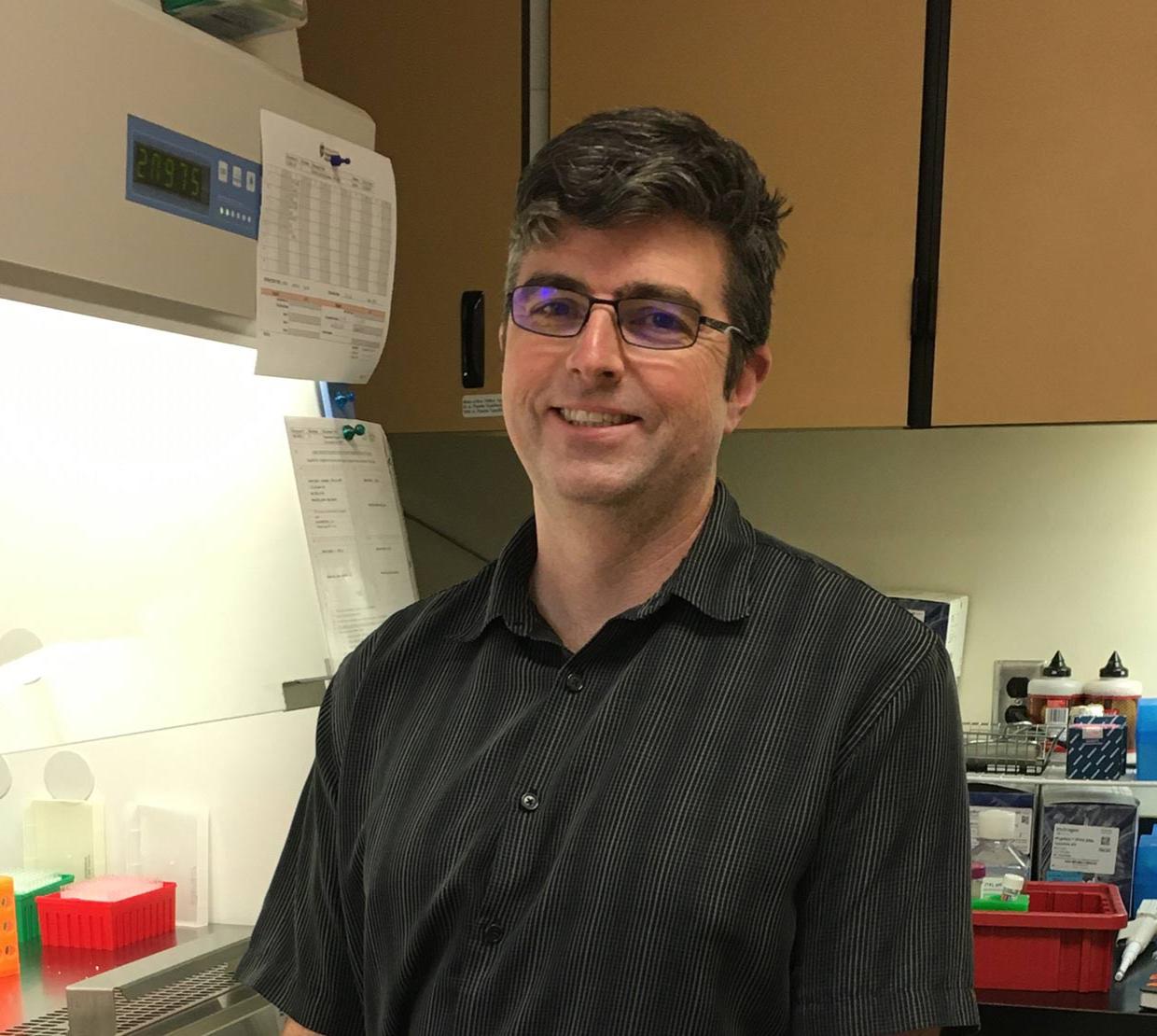
Justin Sanders, section head of the Molecular Diagnostics Lab at the Oregon Veterinary Diagnostic Laboratory at OSU

As the number of COVID-19 cases grows, hospitals worldwide are straining to find the medical supplies necessary to test and treat infected patients. Scientists at Oregon State are working to find solutions.

When Samaritan Health Services asked Oregon State University last week if there was anything the university could do to help, researches in the Carlson College of Veterinary Medicine realized their laboratories already had all the ingredients and equipment to make the fluid needed to transport patient samples to testing facilities.

Testing for COVID-19 involves sticking a specialized swab deep into the nose. To move those swabs to a testing facility, medical providers must store them in tubes full of viral transport medium (VTM), a specific liquid that protects the virus’s genetic material until the swab can be tested.

Historically hospitals made their own VTM, but for decades most medical facilities have bought it pre-made. With the medical supply chain thrown off by the global demand for COVID-19 materials, lack of this fluid was a bottleneck in Samaritan’s ability to continue testing, explained Justin Sanders, a 2013 microbiology Ph.D. alum who is now section head of the Molecular Diagnostics Lab at the Oregon Veterinary Diagnostic Laboratory at OSU.

In contrast to human hospitals, the veterinary lab still makes most of its media by hand. And the lab happened to have everything necessary to make the VTM in a sterile environment, including an autoclave to sterilize water, buffered salts and bovine serum.

“It’s funny — this is one of these very old-school sorts of things that, because we’re a vet school, a lot of these types of procedures are very routinely done,” Sanders said. “And hospitals simply don’t have the capacity.”

After Samaritan infectious disease specialist Adam Brady, also an OSU microbiology alum, confirmed last week that they needed VTM, Sanders coordinated with virologist Wendy Black in the Oregon Veterinary Diagnostic Lab at OSU. They verified protocols published by the Centers for Disease Control and Prevention to allow the production of COVID-specific viral transport medium, making 3 liters of the fluid.

Each tube needs 3 milliliters of fluid to properly store a test swab, so 3 liters is enough for 1,000 tests.

“Without it, they would not be able to collect samples,” Sanders said.

OSU’s Interim Vice President for Research Irem Tumer stated: “I am super impressed by the lightning-fast response to the request to produce these supplies and inspired to see what our faculty and staff can do in times of crisis,” she said.

Whether OSU is asked to produce more of the fluid will likely depend on whether Oregon’s testing capacity grows, Sanders said: If there are no more test kits, hospitals won’t be able to send swabs anyway. Nationwide, manufacturers are working to quickly increase production of both nasopharyngeal swabs and viral transport medium to meet the health care demand as testing increases.

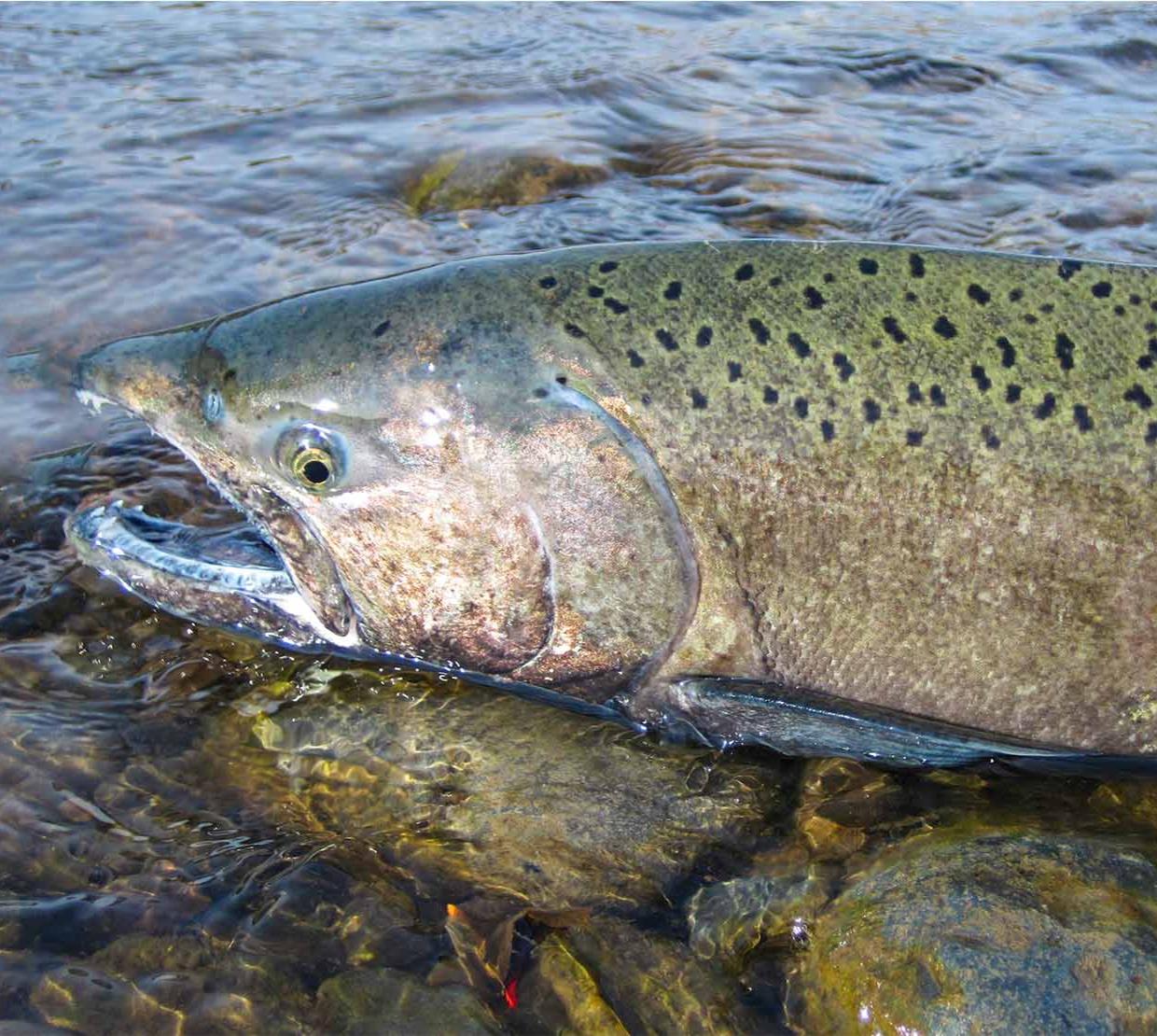
A Chinook Salmon swimming in white water

Unique non-oxygen breathing animal discovered

By OSU College of Science news

The tiny, less than 10-celled parasite Henneguya salminicola lives in salmon muscle. As it evolved, the animal, which is a myxozoan relative of jellyfish and corals, gave up breathing and consuming oxygen to produce energy.

Oregon State microbiologists have made a stunning discovery. The researchers have discovered the first animal that doesn't need oxygen to live. Their unexpected finding changes one of science's assumptions about the animal world.

The tiny, less than 10-celled parasite Henneguya salminicola lives in salmon muscle. As it evolved, the animal, which is a myxozoan relative of jellyfish and corals, gave up breathing and consuming oxygen to produce energy.

The research by microbiology senior research associate Stephen Atkinson and head of microbiology Jerri Bartholomew along with colleagues from other universities was published in the Proceedings of the National Academy of Sciences.

Aerobic respiration was thought to be ubiquitous in animals, but this new research confirmed that this is not the case. Aerobic respiration is a major source of energy, and yet this animal evolved in a way that gave up this critical pathway.

Some other organisms like fungi, amoebas or ciliate lineages in anaerobic environments have lost the ability to breathe over time. The study demonstrates that the same can happen to an animal – possibly because the parasite happens to live in an anaerobic environment deep within the muscles of its host.

Its genome was sequenced, along with those of other myxozoan fish parasites, as part of research supported by the U.S.-Israel Binational Science Foundation and conducted by Bartholomew and Atkinson and Paulyn Cartwright of the University of Kansas, and Dorothee Huchon of Tel Aviv University.

“When we think of ‘animals,’ we picture multicellular creatures that need oxygen to survive, unlike many single-celled organisms including protists and bacteria,” shares Atkinson. “In our work, we have shown that there is at least one multicellular animal that does not have the genetic toolkit to use oxygen: it has lost its mitochondrial genome. It can survive without aerobic respiration because it is a parasite that lives inside salmon, and steals ready-made nutrients from the host, rather than having to consume oxygen directly like all other animals that we know of.”

Atkinson and the research team do not think this species is the last oxygen-free animal, either. He said he expects to discover many more species that can survive without oxygen. “Our findings expand our understanding of what it means to be an animal, and shows that even complex life can evolve a way to succeed in environments without oxygen,” he says.


Read more stories about: microbiology, research


Kim Halsey with graduate student taking samples from a river

New grants to advance science that benefits humankind

By Cari Longman

Photo by Hannah O'Leary

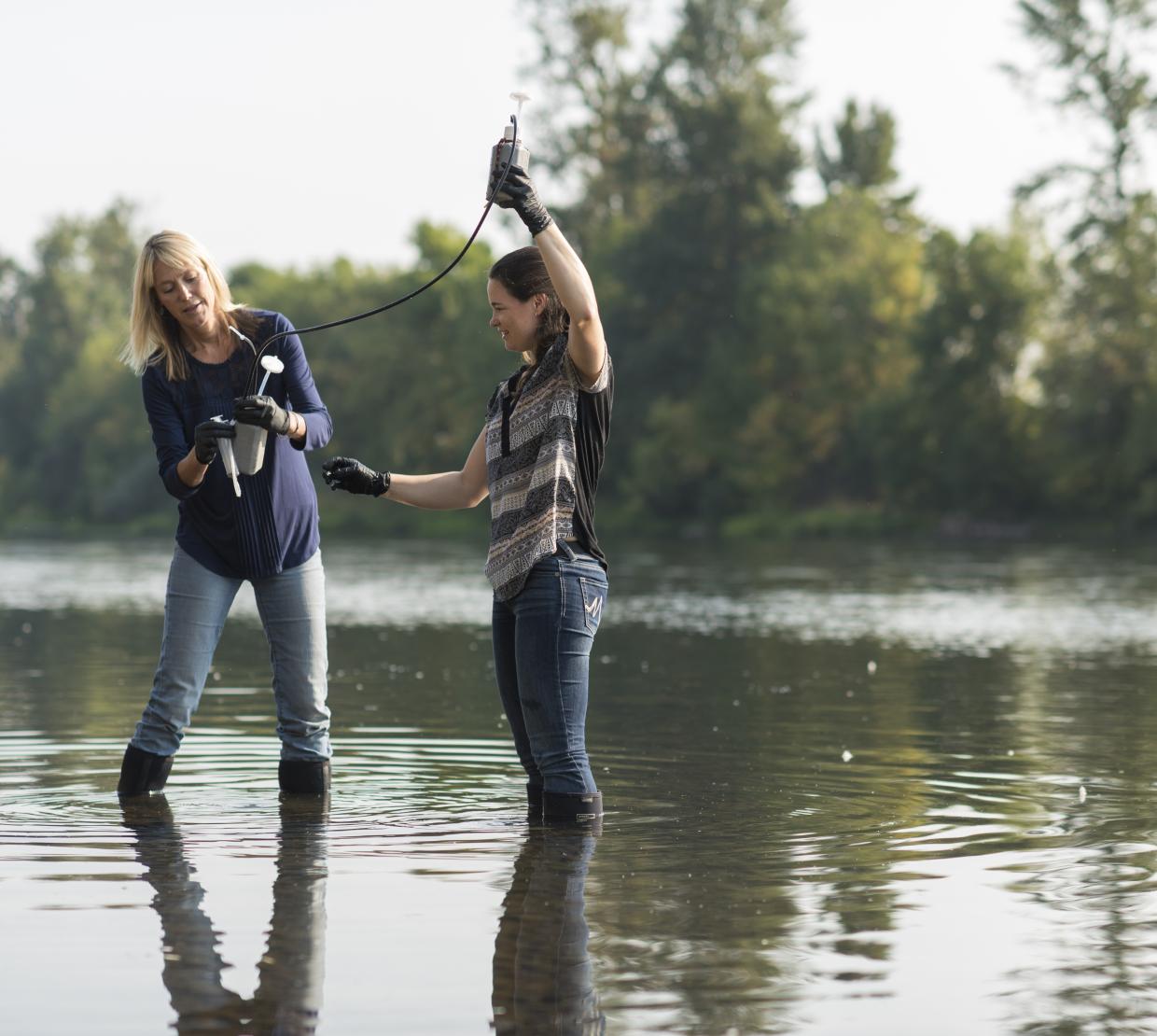
Microbiologist Kim Halsey (left) and postdoc Cleo Davie-Martin collect samples from a river. Halsey is one of four faculty members who received College of Science Research and Innovation Seed (SciRIS-ii) awards. She will study the potential to detect toxic algae blooms in freshwater and marine ecosystems.

How can we better understand how devastating plant diseases are spread? Is there a better statistical model to predict HIV prevalence in a city? Is there a way we can detect toxic algae blooms in freshwater and marine ecosystems before they occur? And of the hundreds of thousands of different metal-organic frameworks (MOFs) in the world, how can we can better find the ones that are most useful for storing and separating gases, like CO2 from industrial plants?

Curiosity is critical for discovery. Asking the questions above led five faculty members to receive College of Science Research and Innovation Seed (SciRIS-ii) and Betty Wang Discovery Fund awards this February to pursue answers over the course of the next year. Their proposals all showed transformative potential and progress toward new frontiers of science and aimed to strengthen collaboration with external research partners. Below is more detail about each of their proposals.

Mathematics Professor Vrushali Bokil was awarded $8,000 to use modeling techniques to understand the spread and control of plant diseases caused by coinfecting viruses. She will focus on Maize Lethal Necrosis (MLN), an emerging disease in Kenya and other parts of Africa that is caused by coinfecting viruses and spread by insects called Thrips, as a test case. Her team’s goals are to use stochastic models and optimal control theory to understand the mechanisms that drive patterns of coinfection in plant populations and effective techniques for controlling the spread of disease in crops and natural grasslands.

In collaboration with the Centers for Disease Control and Prevention (CDC), Statistics Assistant Professor Katherine McLaughlin received $10,000 to explore the use of new statistical methodologies to estimate the number of people who inject drugs in metropolitan areas. The research project, supported by the privately-funded Disease Mechanism & Prevention Fund at the OSU Foundation, has a goal of refining current methods to produce improved population-level demographic, behavioral, disease prevalence and population size estimations. This will aid the CDC in their efforts to contain or slow the rate of HIV in metropolitan areas across the U.S.

Microbiologist Kimberly Halsey was awarded $10,000 to examine the potential for real-time, automated volatile organic compound (VOC) detection as early-warning signals of toxic harmful algal blooms (HABs) in freshwater and marine ecosystems. HABs are increasing in intensity and severity due to climate change and nutrient loading from agriculture and other human-related activities. Some HABs can become toxic to humans and animals. Halsey will use data integration to merge aquatic microbiome data with environmental properties and VOC signatures to identify determinants and trajectory of the annual toxic HAB at Upper Klamath Lake, Oregon.

Physicist David Roundy was also awarded $10,000 to develop new flat histogram Monte Carlo molecular simulation methods to accelerate the discovery of metal-organic frameworks (MOFs) for applications in storing and separating gases. MOFs are crystalline materials that harbor nano-sized pores that have the potential to be used in a variety of clean energy applications, from hydrogen and natural gas storage to capturing carbon dioxide from coal-fired power plant flues. His study aims to enable scientists to accurately predict the absorption properties of hundreds of thousands of MOFs and accelerate the rate of MOF discovery for clean energy applications.

In addition, chemistry professors Kyriakos Stylianou and May Nyman, along with Todd Miller from the Advanced Technology and Manufacturing Institute (ATAMI), received $30,000 from the Betty Wang Discovery Fund to purchase a microwave reactor to integrate on the continuous flow reactor to accelerate the discovery and production of inorganic materials like MOFs. The Betty Wang Discovery Fund supports equipment acquisitions and laboratory infrastructure improvements to advance fundamental discoveries in science. Microwave heating has recently emerged as a powerful method for the preparation of inorganic materials at the laboratory scale, reducing synthesis time down to a few minutes without affecting the product quality or reaction yield. The new machinery will allow the team to investigate the potential of new MOFs to capture carbon in laboratory and industrial applications.

The projects will run for one year, ending next February 2021.The SciRIS program provides funding in three stages for high impact collaborative proposals that build teams, pursue fundamental discoveries and create societal impact. The awards range from $10,000 to $125,000 for various stages of the program and are supported in part by generous alumni and friends, and grants from the U.S. Department of Defense and National Institutes of Health.

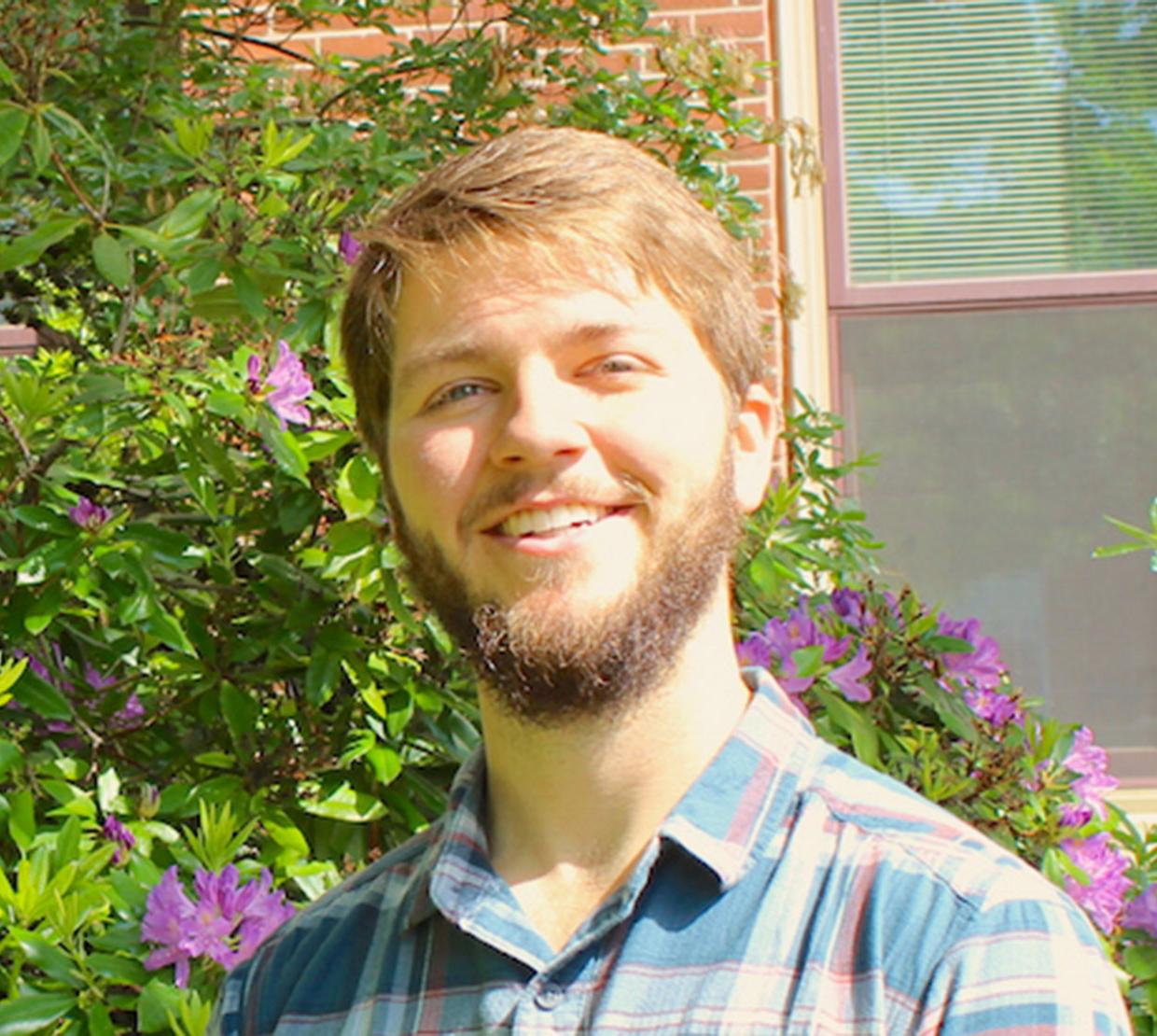
Justin Frost standing in front of shrubbery

A passion for communicating science

By Srila Nayak

Justin Frost, senior in microbiology

Microbiology senior Justin Frost ('16) has been an enthusiastic and eloquent public relations ambassador for the College of Science, communicating his love for science and the University to diverse audiences. He has also been a prolific science writer and reporter for the campus newspaper The Daily Barometer.

After graduation, Justin heads to Boise, Idaho, to teach science in a public school as part of the Teach for America program.

Now he is eager to take his love and fascination with science to 6th-12th graders. The selection process was rather rigorous: in 2015, 4,100 Teach for America candidates were recruited from 44,181 applicants. But after acing a number of standardized science tests, Justin has been certified to teach biology, chemistry and earth science.

Teach for America recruits motivated and accomplished graduates from top U.S. universities to serve as teachers for a period of two years at schools in low-income and underserved communities.

Justin is elated and can’t wait to start. “My plan right now is to be the best teacher I possibly can be.”

The wide-ranging applications of science that he encountered in the classroom and laboratories as well as in his adventurous everyday life as a mountain biker and hiker has been Justin’s source of inspiration. He hopes to transfer the significance and beauty of science to his students.

“My coursework in immunology has been really influential. It helped me see the impact of how the human immune system interacts with the environment,” said Justin.

“Learning about microbial diversity and microbes in the human environment has made me understand the dynamism of the biological world.”

Justin observed that while his foundational coursework has been remarkable, it was equally instructional and rewarding to engage people in the community with science as an outreach volunteer and ambassador.

Justin had an opportunity to deliver his Teach for America sample lesson plan to a general microbiology class before his final interview.

“I got so much great feedback from the students and my microbiology advisors that I was able to go to my interview and just knock out my lesson plan. Having this community has been extremely helpful for applying to Teach for America.”

Justin describes his journey in microbiology and Teach for America as a series of happy accidents. An Oregon native, Justin arrived at OSU as a bioengineering major and discovered that the discipline wasn’t quite what he was looking for. Instead, he was drawn to the subjects of genetics, evolution and the science of the natural world.

While attending the hugely popular Corvallis Science Pub—one of his favorite science events, Justin happened to meet a scientist from OSU’s Linus Pauling Institute and asked him about undergraduate research opportunities there.

The person turned out to be Dr. Stephen Lawson, a former director of Linus Pauling Institute of Science and Medicine, and he encouraged Justin to write to him. One thing led to another, and Justin snagged a research opportunity in biochemist Dr. Adrian Gombart’s lab. He performed molecular biology research and acquired a solid understanding of how RNA and DNA molecules interact with one another in living systems.

Justin promptly changed his major to microbiology.

“My science education has been finding out what I want to do,” said Justin. “I found out that I am passionate about communicating health and science issues to the larger public. Here I got a chance and the tools to understand and talk about the natural world and the world in general.”

Justin plans to obtain a master’s degree in STEM education and continue on his path of teaching.

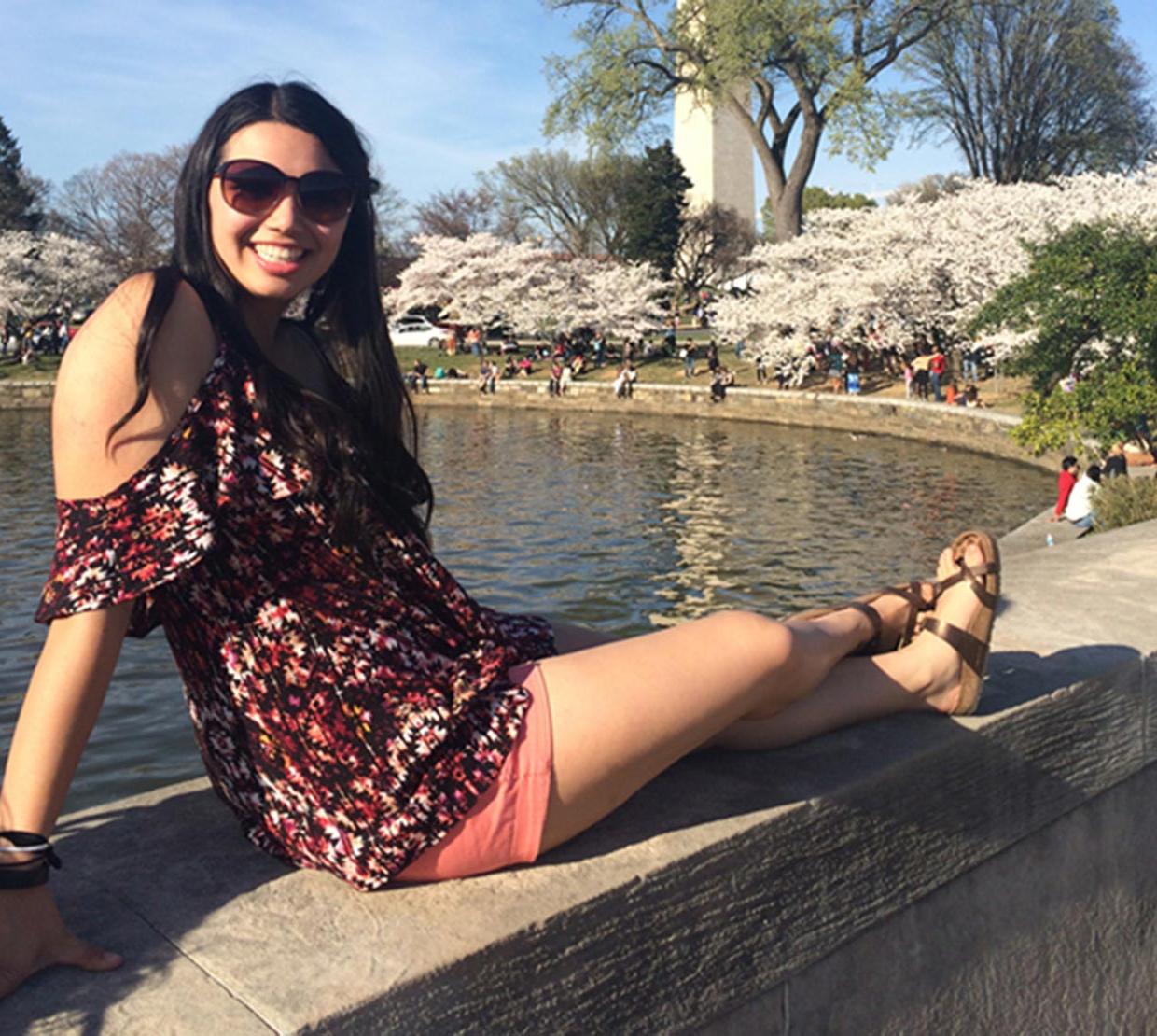
Josey Atsuko Sechrist sitting on fountain ledge

Science students receive more than $2 million in scholarships

By Srila Nayak

Josey Atsuko Sechrist, math major

The College of Science awarded more than $700,000 in scholarships and awards to 275 current science students for merit, need and undergraduate research experiences for the 2015-16 academic year. The university awarded $1.43 million to 403 incoming freshmen in the College of Science. In aggregate, 678 science students received more than $2.16 million in scholarship awards.

The distinguished and highly competitive Oregon State University Presidential Scholarships were awarded to outstanding Oregon high school seniors who will join OSU as freshmen in the College of Science in 2015-2016. Each of the 10 science students received an award amount of $10,000 per year (up to four years). The scholarships are made possible by the generous philanthropic support of alumni and friends.

Scholarships enable the College to attract, retain and inspire top students, most of whom go on to high achieving careers in industry, graduate school, medical school and other professional programs after graduation. Oregon State’s financial need-based scholarships also help academically talented low-income and first-generation students from Oregon and elsewhere stay and excel in college.

According to an article in the Chronicle of Higher Education last month, money is a constant worry for low-income students, whose parents can’t cover most college expenses. According to University of Michigan sociology professor Dwight Lang, loans and significant debt are inevitable but reduced with scholarship support. Summer vacations, he worries, are often spent working for wages instead of in unpaid internships that would significantly enhance a student’s "cultural capital."

First-generation college students typically have more financial need so scholarships play an ever-important part of their education equation. In the College of Science, the number of first-generation college students has risen from 20% to 29% in the last three years. Many of these science students are high achieving.

Many scholarship students in the College attest to the value of scholarships in easing the financial burden on their families and enabling them to focus on academics, research, enriching volunteer activities and post-college career goals. Scholarships help offset in-state tuition for three terms of $10,000 and the additional $16,300 for room and board as well as fees and books.

Junior Collin Nicholas Muniz from Portland, Oregon, has a voracious appetite for science. A double major in chemistry and physics with a minor in mathematics, Muniz’s conversation is a polyvalent encyclopedia of references to earth metals, isostructures, the De Broglie wavelength and multivariate equations.

However, after his NASA space grant scholarship ended, Muniz worried about how he would finance his education at Oregon State until he learned he had been awarded multiple scholarships by the College of Science for the following academic year, totaling $11,500. In addition, he has also won a $3,500 university-level diversity scholarship.

“If I hadn’t gotten the scholarships, I would have struggled tremendously academically. I have a position on campus for $10 an hour and I was planning to increase my work hours and that would have taken me away from my studies,” said Muniz.

Muniz received the Merrill Family Foundation, the Sally Runes-Hicks and Jerry Raymond Alexander scholarships. The Merrill scholarships are awarded annually to promising junior and senior science students who demonstrate high scholarship, community services and leadership. The Sally Runes-Hicks and Jerry Raymond Alexander scholarships support exceptional science students who also demonstrate financial need.

“I am extremely proud of our exceptional science students who will use the scholarships to shape their scientific careers at OSU and beyond.” said College of Science Dean Sastry G. Pantula. “Scholarships matter. The support not only makes a science education possible, it also can spare students from excessive debt. Scholarships allow our students to pursue graduate and professional schools, engage in public service, gain beneficial research experience, and follow their professional passions, all of which enable them to contribute significantly to our communities and the world.”

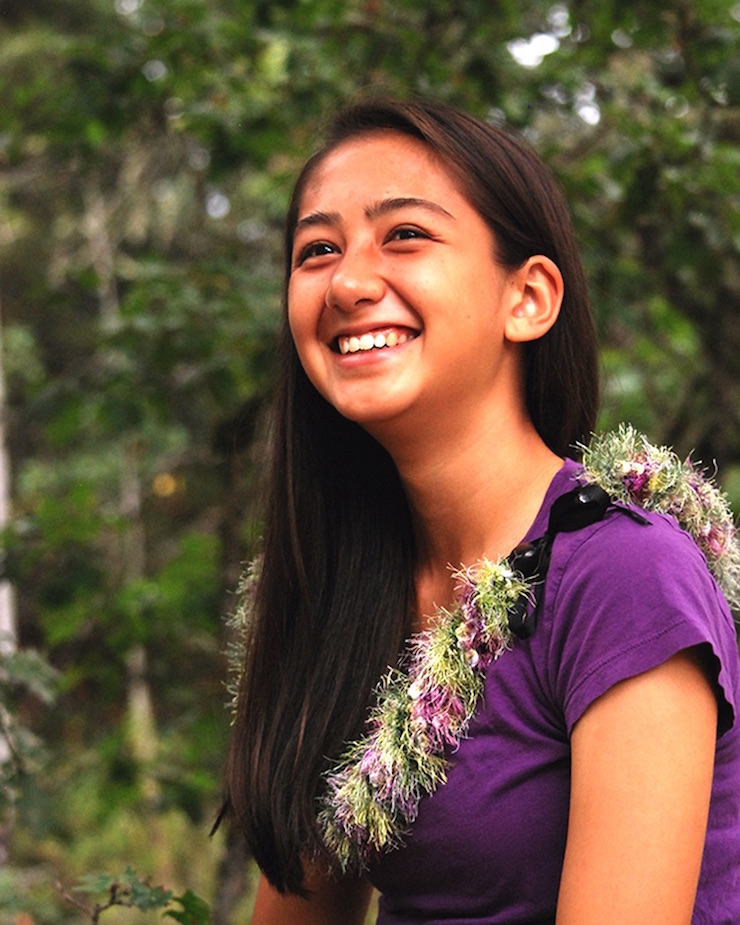
Biology sophomore Lorraine “Mamo” Waianuhea was ready for more research after she was introduced to it last year thanks to the university’s STEM Leaders Program. This summer Waianuhea, who is part-Hawaiian and a straight-A student, has dived into full-time research in a biology lab after winning a SURE Science scholarship.

Twenty-four students were awarded SURE Science scholarships for a maximum amount of $5,000 for 11 weeks to focus full time on contributing to impactful and socially beneficial research in the natural and physical sciences. With strong philanthropic support, the program is able to fund students so they can participate in summer research opportunities that can foster meaningful, scholarly connections with faculty mentors early in their academic careers and define their professional career path.

With the guidance of her faculty advisor, Waianuhea designed a proposal to investigate how nutrient availability affects the growth of host cells in sea-anemones and the efficiency of algal populations of host cells. She hopes to work in the area of conservation biology after she graduates.

“I am really grateful for the opportunity to continue research. It is a great opportunity to see how working in the lab full time would be like. I already feel like I have learned a lot and it has only been two weeks,” said Waianuhea.

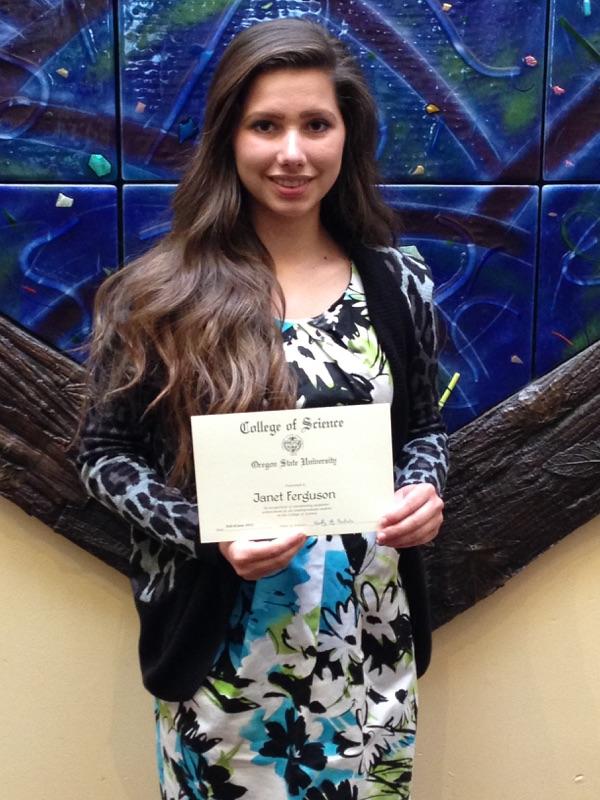
Another student, Janet “Lena” Ferguson, who is the daughter of a disabled Vietnam War veteran from Dallas, Oregon, is a junior chemistry major who had set her sights on Oregon State since she was in middle school. This year she won the $7,000 Fred and Mary Brauti Pre-Medical Scholarship as well as a $2,400 Merrill Scholarship.

Although she hasn’t yet traveled outside Oregon, Ferguson dreams of becoming a doctor for the navy or a dive doctor and wants to work in Guam or Puerto Rico. This summer she is traveling to Nicaragua with Global Medical Brigades to assist with dental and public health rotations and get her first taste of medicine.

“Because my dad is a veteran, I get benefits through the GI bill. But I didn’t realize how expensive universities are. These scholarships are amazing. I am so thankful to the donors. The scholarships are going to help me pay for pretty much everything—housing, food, fees and books."

“I can focus on school now,” said Ferguson, who had a job in Safeway’s floral department. By focusing on her studies, she can stay on track for graduation

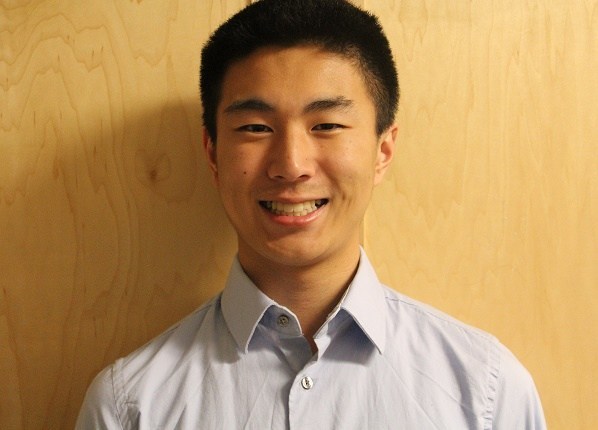
BioHealth Sciences sophomore and San Francisco native, Joe Kenneth Li was awarded the prestigious $6,000 Wei Family Private Foundation Scholarship by the College of Science as well as a Provost’s Scholarship for 2015-2016.

The Wei scholarship honors the memory of Dr. Chung Kwai Lui Wei who arrived in the United States as an exchange student from China in 1936. Dr. Wei, a renowned physicist who worked on the Manhattan Project, was the first woman to receive a Ph.D. from Oregon State.

Li was drawn to the OSU by the reputation of its pre-pharmacy program and points out that OSU is one of the few reputed universities on the West coast that offers a major in pharmacy.

“I am really thankful for the scholarship because it does impact my tuition and helps my family since I pay higher out-of-state tuition. It feels great knowing the scholarship committee recognized my application out of so many applicants. I feel very honored to be one of the recipients,” said Li.

A $5,000 Anne Runes-Wilson Scholarship and a $1,000 mathematics scholarship have further strengthened senior Josey Atsuko Sechrist’s belief that she made the right choice in switching her major to mathematics at OSU.

The daughter of an American father and a Japanese mother, the multi-faceted Sechrist has also won the US Department of State’s Benjamin A. Gilman Scholarship to pursue Spanish language classes at the University of Grenada and the University of Oviedo. Upon her return, Sechrist, who is pursuing a minor in Spanish, will share her experiences about music and culture in Spain on KBVR, OSU’s radio station, where she hosts a show every week.

“If I hadn’t come to OSU, I would have gone to a small school that didn’t have a very good math department. Getting scholarships has helped me stay in the great mathematics department at OSU,” said Sechrist, who is a native of Vancouver, Washington.

Sechrist is passionate about improving the current standards of mathematics education in the United States. She wants to work on mathematics curriculum innovation and teach the subject to middle and high school students. Sechrist’s undergraduate thesis is on the experience of teaching mathematics to English language learners.

“Our scholarships empower exceptional students like Josey and many others to make powerful and positive changes in our society, both locally and globally." The scholarships also enhance the diversity of the Oregon State science community and help our students pursue impactful research and educational opportunities,” said Dean Pantula.

The payoff is tremendous for a science degree. According to a recent salary report by Georgetown University's Center on Education and the Workforce, all but two of the 25 highest-paying majors are in science, technology, engineering or mathematics fields.

Subscribe to Microbiology