Microbiology

Microbiology

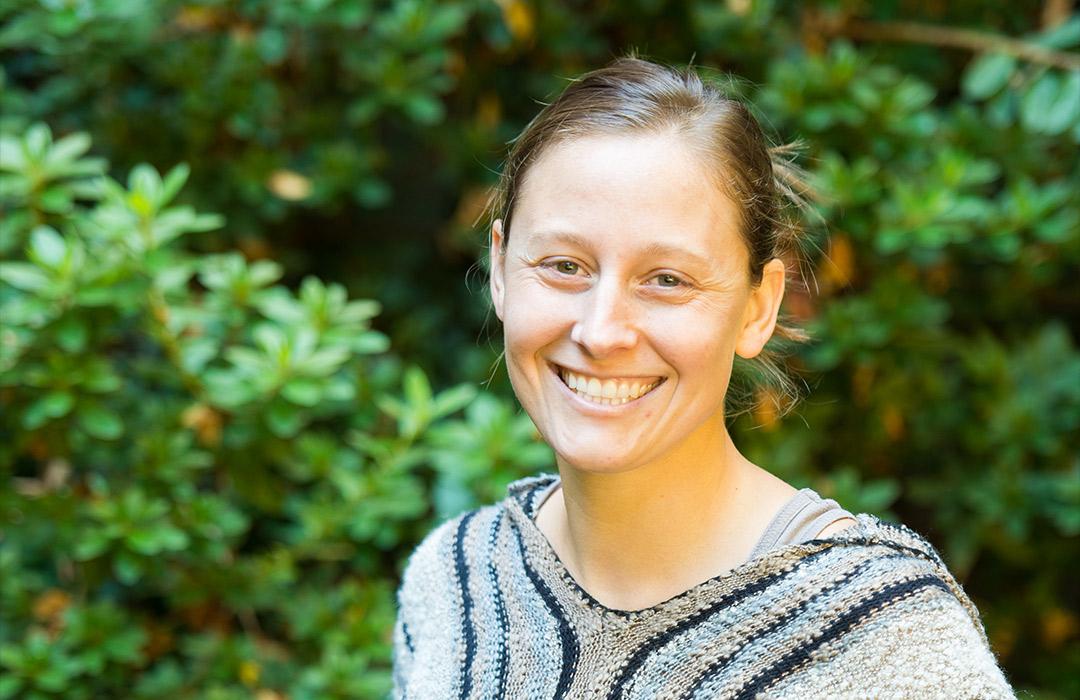
Rebecca Vega Thurber

Pioneering 'coral doctor' named Pernot Distinguished Professor

By Srila Nayak

Marine ecologist Rebecca Vega Thurber has been appointed the Emile F. Pernot Distinguished Professor in Microbiology.

Marine ecologist and associate professor Rebecca Vega Thurber has been appointed the Emile F. Pernot Distinguished Professor in Microbiology by the Colleges of Science and Agricultural Science at Oregon State University. The endowed professorship recognizes Vega Thurber’s distinguished contributions to several fields of microbiology that encompass coral reef ecology, virology, marine disease ecology and metagenomics. Vega Thurber’s lab investigates the microbial and viral ecology of threatened marine species and habitats.

“Rebecca works on some of the most challenging environmental problems of our era, and she has trained and inspired young scientists to make vital contributions to protect our fragile ecosystems” — Dean Roy Haggerty.

The Emile F. Pernot Professorship was established with an estate gift of the late Mabel Pernot, the daughter of Emile Pernot who established the microbiology department at Oregon State more than a century ago. The award recognizes a professor in the Department of Microbiology who has made distinguished contributions to the field of microbiology science and who has a record of contributions to OSU’s education and research missions.

“Rebecca Vega Thurber’s outstanding scholarship and contributions to STEM education perfectly capture the spirit and goals of the prestigious Emile Pernot Professorship,” said Dean Roy Haggerty. “Rebecca works on some of the most challenging environmental problems of our era, and she has trained and inspired young scientists to make vital contributions to protect our fragile ecosystems.”

Among other areas, Vega Thurber’s research has probed the effects of environmental and human-associated pollution on the relationships among the microbiomes and their hosts and habitats. Vega Thurber’s three-year field experiment on a coral reef in the Florida Keys—one of the largest and longest field experiments done on this topic—found evidence that overfishing, pollution and climate change-induced warming waters intersect to cause coral disease and death. She found out that herbivorous fish not only help increase healthy microbes on corals, but they also appeared to buffer some of the negative effects of ocean warming and thermal stress on corals.

“The Pernot Professorship is a great honor and a testament also to the excellence and vision of the work my lab and my colleagues have been doing. I look forward to using this position to expand our understanding of marine microbiomes and their roles in threatened ecosystems,” said Vega Thurber. “I also hope to push further our goals in advancing equity, diversity and inclusion in STEM education, and I plan to use aspects of this award to increase awareness of the threats that ecosystem declines have on local and native communities and cultures.”

Vega Thurber’s exceptional leadership, vision and pioneering scholarship have shaped and influenced some of the most cutting-edge coral health and marine virology projects in the world. She is the director of the Global Coral Microbiome Project (GCMP) dedicated to understanding the microbial diversity of coral species across all major groups of reef-building corals in several distinct ecosystems across the globe. The project probes genome sequences of key coral bacteria and investigates how the microbiome plays a role in disease within coral species.

Her work with this project formed the basis of “Saving Atlantis,” the Oregon State feature-length documentary on coral reefs. The film follows Thurber and her colleagues in four continents as they uncover the causes behind the destruction of coral reef ecosystems and work to find solutions to protect them. “Saving Atlantis” screened at various film festivals in the U.S. and abroad and is now streaming and accessible to viewers worldwide on Amazon, Google Play and iTunes.
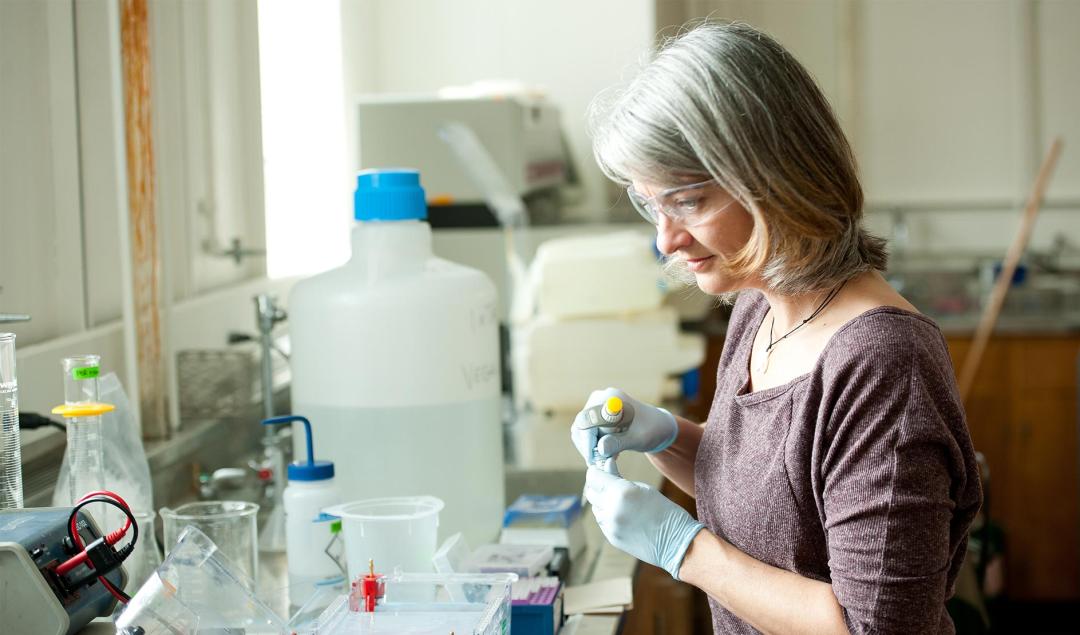
Rebecca Vega Thurber

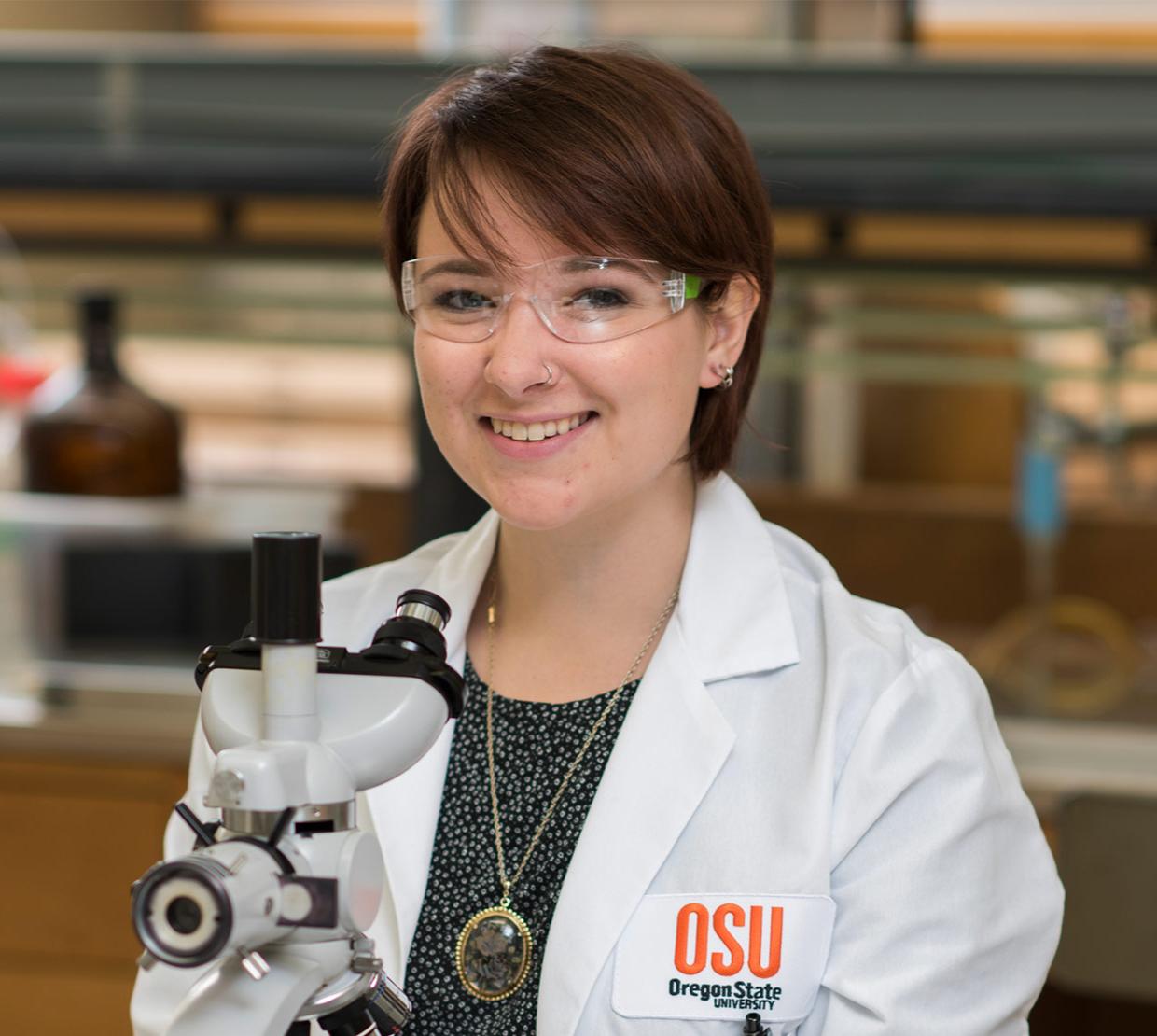
Coral microbiologist Rebecca Vega Thurber leads several coral health and marine virology projects.

In addition to GCMP, Vega Thurber is a leading collaborator on several other critical international projects. These include the Moorea Virus Project that studies microbial and viral dynamics in reef environments and the TARA Ocean Foundation’s Pacific Expedition focused on investigating the biogeography of microbes in the water and in corals across the Pacific.

Vega Thurber has been awarded $7.26 million in grants by the National Science Foundation, the Gordon and Betty Moore Foundation and other agencies. In 2020, she was awarded a $3M NSF grant, along with OSU scientists Thomas Sharpton, Maude David, Ryan Mueller and Xiaoli Fern, to study the ecological and genomic properties that underlie microbiome sensitivity and resilience. Her research has resulted in nearly 75 publications in top-tier journals such as Nature, PNAS and Nature Microbiology.

She has mentored 10 Ph.D. scholars, eight postdoctoral scientists and more than 20 undergraduate students in her lab. Vega Thurber’s undergraduate and graduate students have been authors on peer-reviewed manuscripts and book chapters. Vega Thurber also teaches courses in microbial genomes, biogeochemistry and diversity and bacterial molecular genetics.

Vega Thurber has been at OSU since 2011 after serving as an assistant professor at Florida International University. She was an NSF Minority Postdoctoral Fellow at San Diego State University from 2005-2008. Vega Thurber completed her undergraduate studies in marine biology, molecular, cellular and developmental biology at the University of California Santa Cruz. She holds a doctorate in biological sciences from Stanford University.

Vega Thurber’s work and biography have been highlighted in several prestigious media and scientific publications, including The Atlantic, Hakai Magazine, Scientist Magazine and The Conversation. She received the OSU Impact Award for Outstanding Scholarship in 2016.

For more information on how you can support faculty in the College of Science, please contact Marlys Amundson at the OSU Foundation.

University Day 2020

Scientists recognized for research, service and mentoring excellence at 2020 University Day

By Srila Nayak

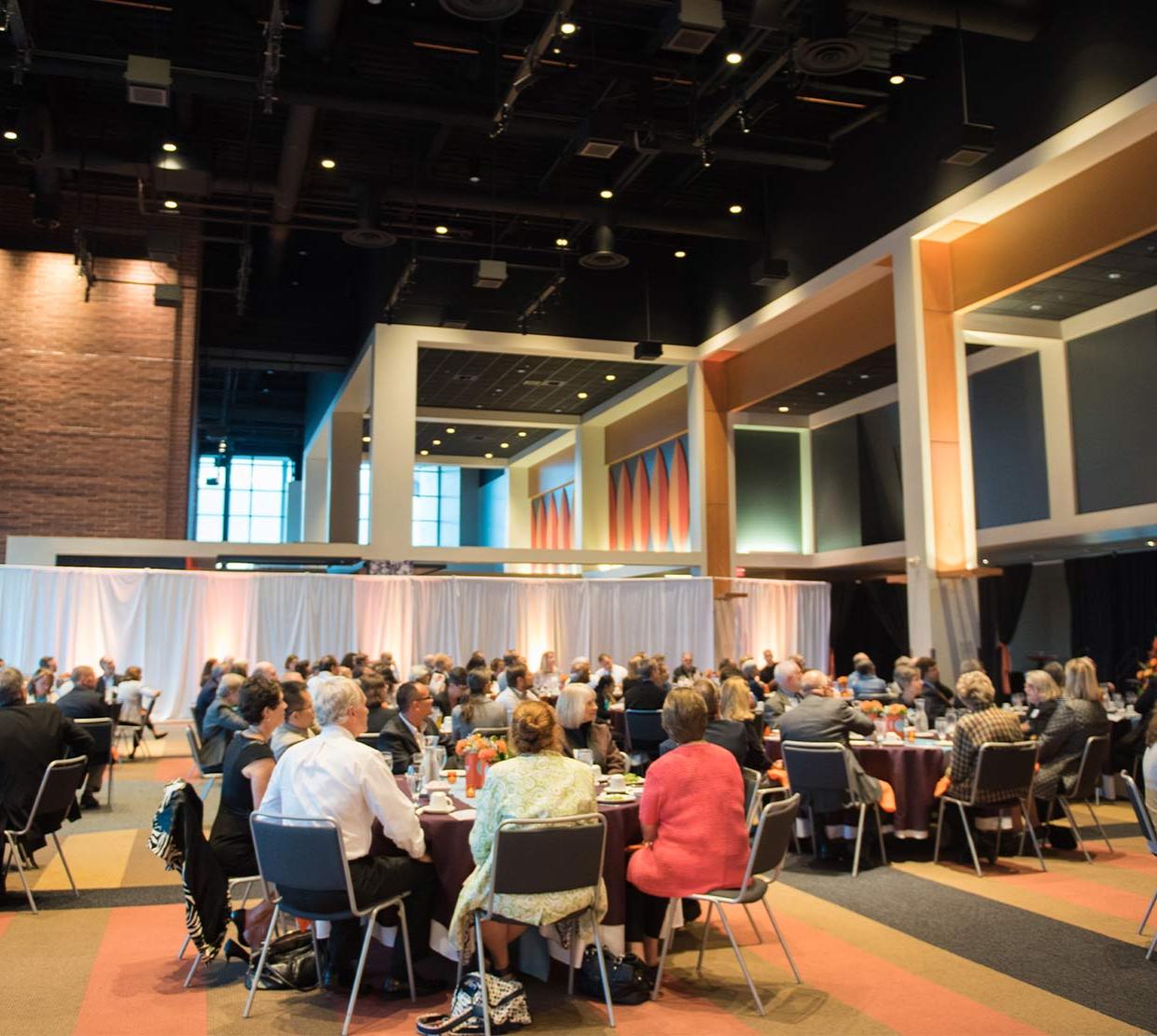
OSU University Day award ceremony in 2019.

Five faculty and scholars from the College of Science are among this year’s award recipients at University Day, Oregon State University's most prestigious annual awards for research mentoring, outstanding scholarship, teamwork, teaching and service. Additionally, a team of dedicated OSU scientists were honored for their work with TRACE-COVID-19, a large scale public health project in Oregon. The awardees were recognized for their distinguished accomplishments at OSU’s virtual 2020 University Day celebration on Tuesday, September 15.

“I am very proud to see the outstanding achievements of our faculty and scientists recognized at the university level,” said Roy Haggerty, dean of the College of Science. “I applaud their commitment to undergraduate mentoring, research, teaching, collaboration and service within their programs and to a broader community at the university and beyond.”

Congratulations to these faculty for their dedication, talent and exemplary achievements.

Ben Dalziel

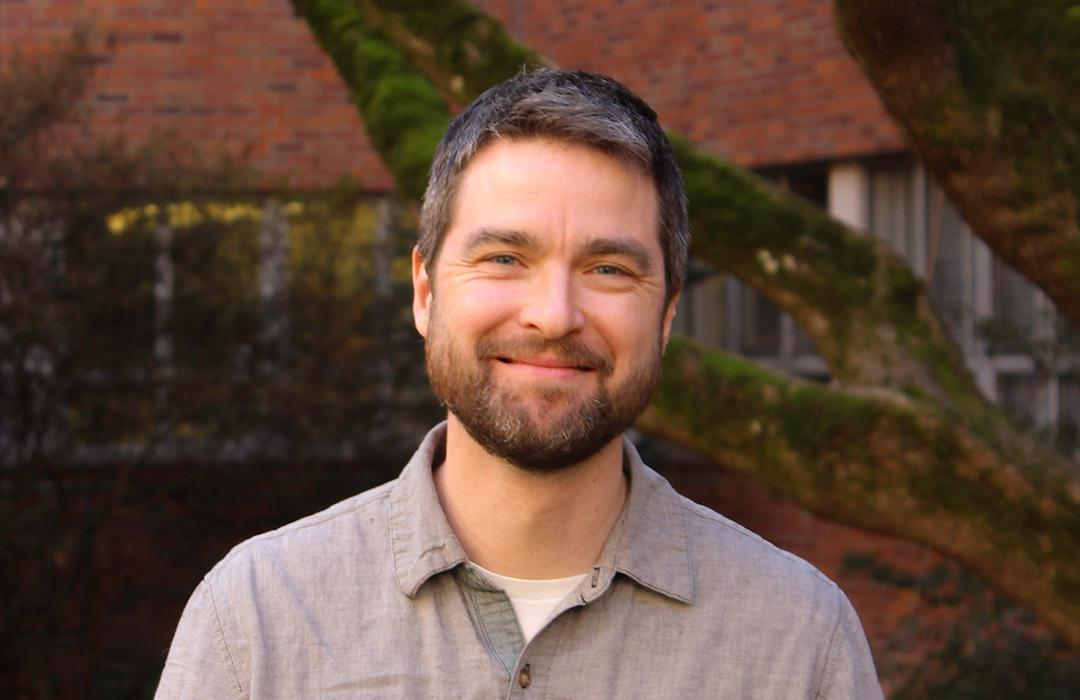
Ben Dalziel, a population biologist, is a project co-leader of TRACE-COVID-19

Leading a pioneering public health project

The TRACE-COVID-19 team is being honored with a Beaver Champion Award, the prestigious OSU President’s Award, for work on their community based health project that tests a representative sample of community members around the state to gather timely information essential to slow the spread and minimize the impact of the disease.

The award recognizes an individual or individuals who continually demonstrate outstanding effort and achievement of excellence, extra effort beyond that requested, and performance of the highest quality.

The TRACE-COVID-19 team is jointly headed by Ben Dalziel, an assistant professor of integrative biology and mathematics, and Jeffrey Bethel, a professor in the College of Public Health and Human Sciences. The Beaver Champion Award went to the team of 10 scientists and more than 300 volunteers on the TRACE-COVID-19 project. In addition to Dalziel, principal researchers on the TRACE-COVID-19 team from the College of Science include Jane Lubchenco, Distinguished Professor of Marine Biology, Roy Haggerty, Dean of the College of Science, and Katherine McLaughlin, assistant professor of statistics.

TRACE-COVID-19 findings have helped Benton, Deschutes, Umatilla and Lincoln counties and Oregon public health leaders understand how prevalent the virus is and how fast it is spreading in the community, identify infection zones, evaluate the effectiveness of current measures and guide timely further action to control the spread of the disease.

Learn more about TRACE-COVID-19: trace.oregonstate.edu

Francis Chan

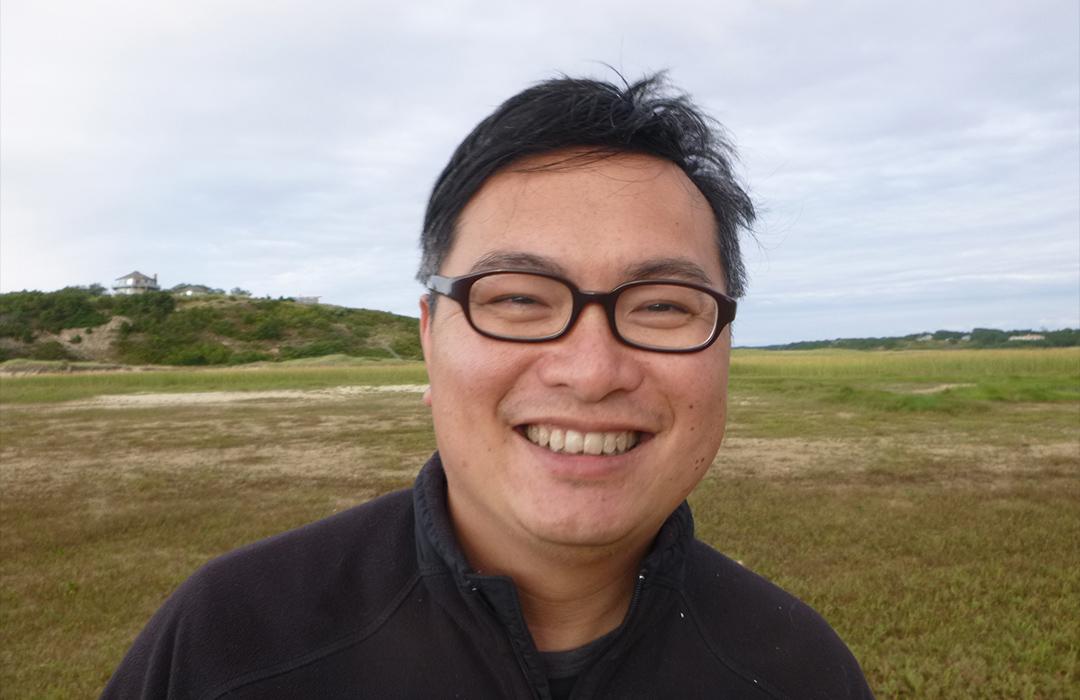
Marine ecologist Francis Chan received the D. Curtis Mumford Faculty Service Award.

Spearheading research on climatic effects on coastal ecosystems

Francis Chan, an associate professor in The Department of Integrative Biology, has received the D. Curtis Mumford Faculty Service Award. The award recognizes individuals for exceptional, ongoing, dedicated and unselfish concern for and service to the faculty and to OSU.

Chan has conducted path-breaking research on the effects of climate on coastal ecosystems throughout his career. His service is critical for a long-term success of the Partnership for Interdisciplinary Studies in Coastal Oceans (PISCO), a long-term and large-scale, interdisciplinary consortium of 13 principal investigators across four universities along the US west coast. Additionally, he has been a principal scientist on several other projects dedicated to coastal regions and the impact of ocean acidification.

These projects could not have succeeded without Chan’s intellectual contributions and scientific skills. His expertise was critical in decisions by NSF, NOAA, and private foundations to provide support for research on ocean health. He serves on important advisory committees including co-chairing the California Ocean Protection Council Ocean Acidification and Hypoxia Science Task Force. He also serves as co- chair of the OSU-wide Marine Studies Initiative Research Development Committee.

Kayla Jara

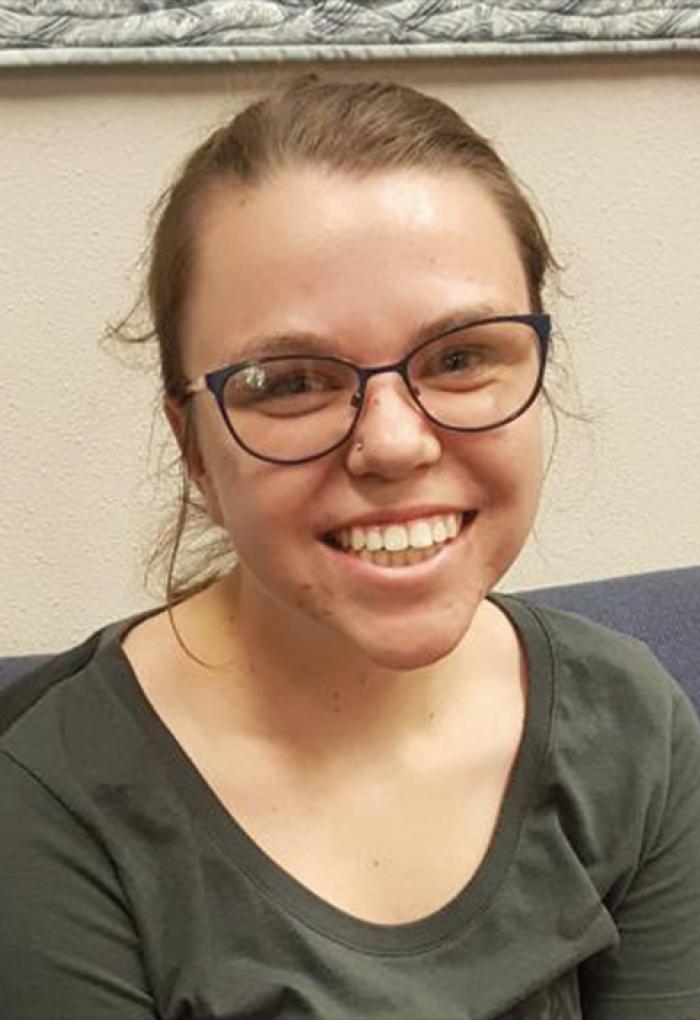
Kayla Jara, doctoral candidate in biochemistry and biophysics, received the Herbert Frolander Graduate Teaching Assistant Award.

A passion for teaching

Kayla Jara, a Ph.D. candidate in the Department of Biochemistry and Biophysics received the Herbert F. Frolander Graduate Teaching Assistant Award. The award recognizes graduate students who have excelled in their capacity as teaching assistants.

A graduate teaching assistant (GTA) since Fall 2017, Jara was promoted to head TA of the largest class in biochemistry and biophysics (BB) and the most advanced BB lab. Jara receives both outstanding scores and glowing comments from students on her teaching evaluations. Faculty mentors have enthusiastically commended her accessibility, seriousness, and dedication to teaching and student success. Jara combines innovative teaching with exquisite experimental research skills. She also plays a leading role in training new students in her advisor Elisar Barbar’s lab and coordinates the OSU biochemistry/biophysics summer camp for high school and middle school students from around the region.

Mentoring excellence

Sarah Gravem, postdoctoral scholar in the Department of Integrative Biology, has been awarded The Excellence in Undergraduate Research Mentoring by a Graduate Student or Post-Doc Award. The award recognizes scholars with direct and significant involvement with undergraduate student researchers, a demonstrable commitment to the research mentorship of undergraduate students, and a record of effectiveness and impact with respect to undergraduate student research and success.

Sarah Gravem

Sarah Gravem, a postdoctoral scholar in biology, received the Excellence in Undergraduate Mentoring award.

Gravem is a postdoctoral fellow studying the ecological consequences of sea star wasting disease for intertidal communities in the Jane Lubchenco-Bruce Menge research lab. Her appointment to leading the sea star wasting task force was based on her excellent research record and academic credentials, but she has also shown incredible talent in recruiting and advising undergraduate researchers to work on this and other lab projects.

While at OSU she has advised or co-advised 46 undergraduates, 29 of whom were female and 10 were persons of color. So far, two of these students have entered Ph.D. programs, and seven have joined M.S. programs. Particularly noteworthy is her success at recruiting and advising students for the SURE and URSA undergraduate scholarship programs. Co-workers say the source of this success in mentorship is her incredible excitement and drive to succeed in science and pedagogy.

Exceptional scientists

The Postdoctoral Excellence Awards are granted to two postdoctoral scholars, fellows or research associates for their exceptional contributions to their research field, OSU and the greater postdoctoral community.

James Fox, a postdoctoral scholar in the Department of Microbiology, received the award for his significant research contributions, his work with OSU’s postdoctoral association and his creative outreach and service activities. James, who works in Associate Professor Kimberly Halsey’s lab, has proven to be a valuable scientist on a collaborative NASA project with 12 institutions to understand carbon production and its fate in the global ocean. His measurement of rates of photosynthesis in the North Pacific Ocean using a variety of methods have resulted in significant publications and ongoing research endeavors.

James Fox

James Fox, a postdoctoral scholar in the Department of Microbiology, received the Postdoctoral Excellence Award.

James’s computational model of the ocean ecosystem gives a broad picture of ocean photosynthesis and improves our understanding of how carbon is transferred into the deep ocean as well as the ocean biogeochemical cycles.

Manuel Garcia-Jaramillo, a postdoctoral scholar in the Department of Chemistry, received the Postdoctoral Excellence Award for his outstanding research contributions in OSU’s Mass Spectrometry Center and the Molecular Nutrition and Diabetes Research Lab. Manuel has a USDA NIFA two-year postdoctoral research fellowship. During his relatively short time as a postdoctoral scholar, Manuel has filed an invention disclosure as a lead inventor for a clinical omics project on oxylipins, published two first author publications and has established himself as an excellent teacher and mentor.

Manuel Garcia-Jaramillo

Manuel Garcia-Jaramillo, a postdoctoral scholar in the Department of Chemistry, received the Postdoctoral Excellence Award.

Manuel is a member of multiple professional societies allied to his field of interests, and also engages actively in service. He was vice president of the OSU Postdoctoral Association in 2019.

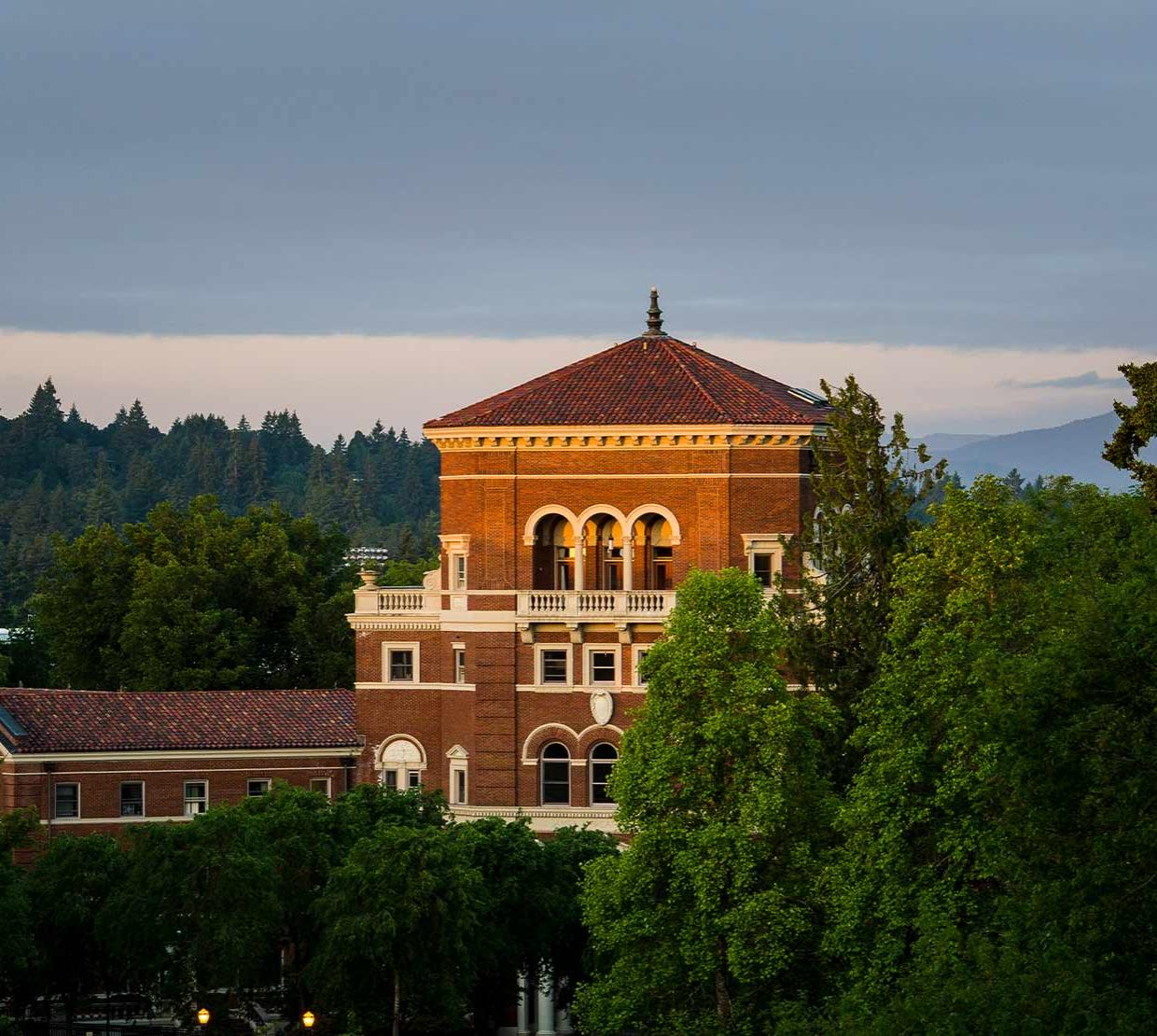
Weatherford Hall peering through some trees.

Microbiology grad awarded ORISE Fellowship at CDC

By Mike Kent and Justin Sanders

Recent microbiology master’s program graduate Elizanette ‘Nette’ Lopez was selected to participate in the Oak Ridge Institute for Science and Education (ORISE) Fellowship program. Lopez was offered a position at the Centers for Disease and Control and Prevention (CDC) Biorepository in Lawrenceville, Georgia.

Lopez, who hails from Texas, successfully defended her thesis, “Effects of elevated temperature on Mycobacterium chelonae growth and mycobacteriosis in zebrafish (Danio rerio)” this summer.

Her interest in science began at a young age with her fascination in the practice of curanderismo, a folk healing tradition deeply ingrained in her culture. She wanted to understand how the rituals of curanderismo worked and, as she put it, “why the women in my life were always smearing oils and eggs on me.”

After conducting an ethnobotanical study of curanderismo across West Texas as an undergraduate at Angelo State University, she saw how research could improve the lives of underrepresented groups. She was particularly interested in infectious diseases, which led her to Oregon State where she worked with advisors Michael Kent and Justin Sanders studying infectious diseases of zebrafish.

Her graduate studies were partly funded by a diversity grant from the NIH. During her time at OSU, Lopez advocated for underrepresented minorities and was an active member of the Microbiology Graduate Student Association, Ethnic Minorities United in STEM and a founding member of the Women of Color Caucus. Toward the end of her graduate studies, the COVID-19 pandemic caused widespread disruptions globally. However, the crisis also provided an opportunity for Lopez to gain experience in public health microbiology as a volunteer for the TRACE-COVID-19 project.

As a volunteer, Lopez helped process thousands of swab samples collected from participants in the field. As a ORISE Fellowship recipient, Lopez will soon process SARS-CoV-2 samples and help organize other collections in the biorepository in Atlanta, Georgia.

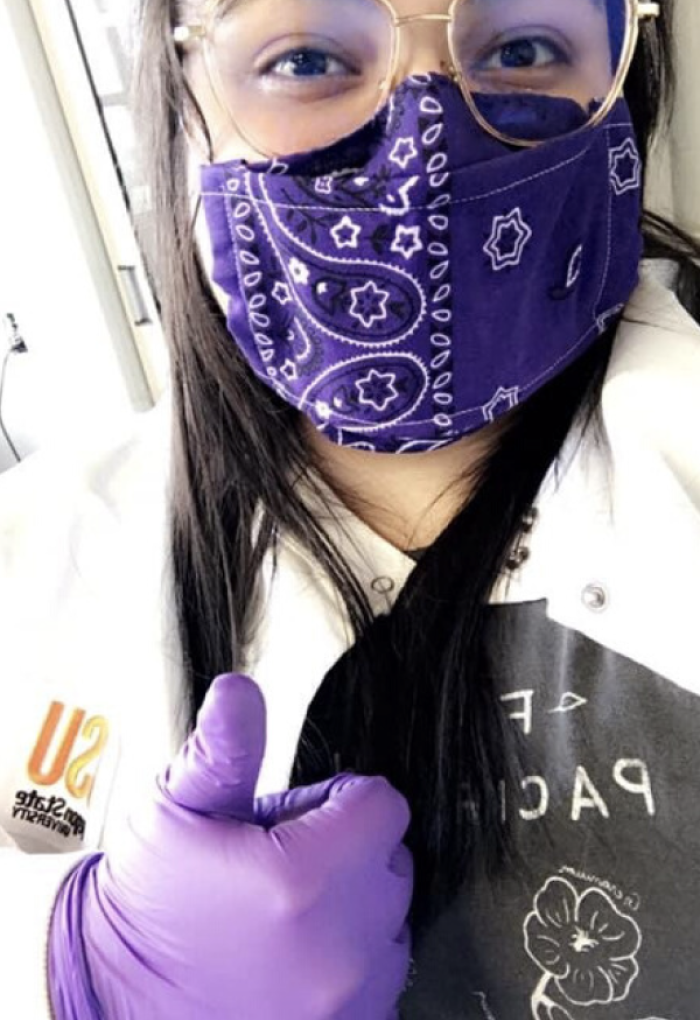
Lopez wearing mask

As a volunteer for the TRACE-COVID-19 project, Nette Lopez helped process thousands of swab samples collected from participants in the field.


Read more stories about: news, diversity in science, microbiology


Kim Halsey and Cleo Davie-Martin collecting samples from a river.

Science faculty research funding from FY20

By Tamara Cissna

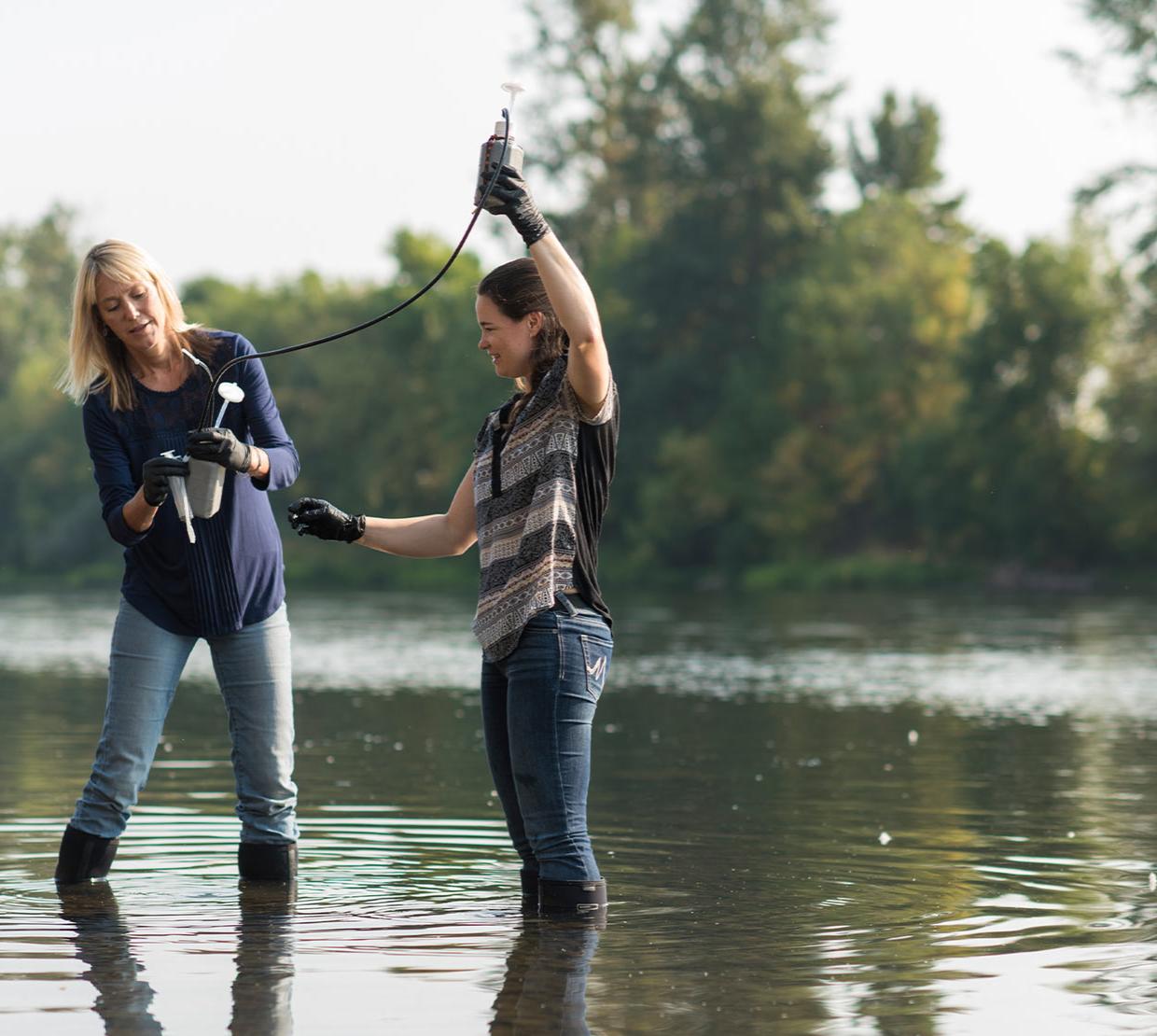
Microbiologist Kim Halsey (left) and postdoc Cleo Davie-Martin collect samples from a river. She studies the potential to detect toxic algae blooms in freshwater and marine ecosystems.

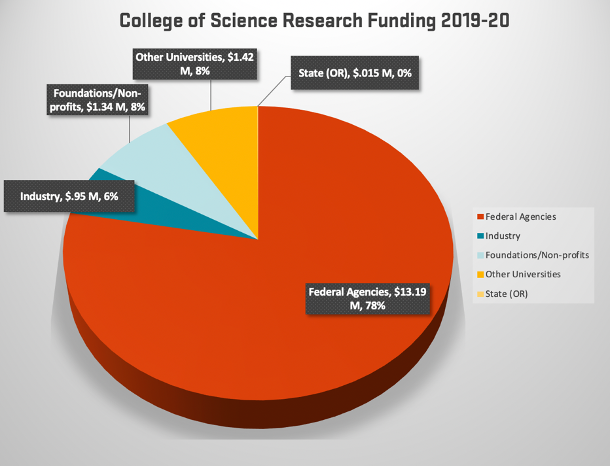
College of Science faculty were awarded $15.82 million in new research grants and awards in fiscal year 2020. The awards are equally distributed between faculty in the School of Life Sciences—which includes integrative biology, microbiology and biochemistry and biophysics and those in the departments of physics, chemistry, statistics and mathematics. The previous year’s total was $16.64 million.

As the chart below indicates, most of the College’s funding was awarded by federal agencies with the National Science Foundation ($4.74M) and National Institutes of Health ($2.41M) leading the list. Foundation and industry awards contributed $2.29M.

COS research funding pie chart

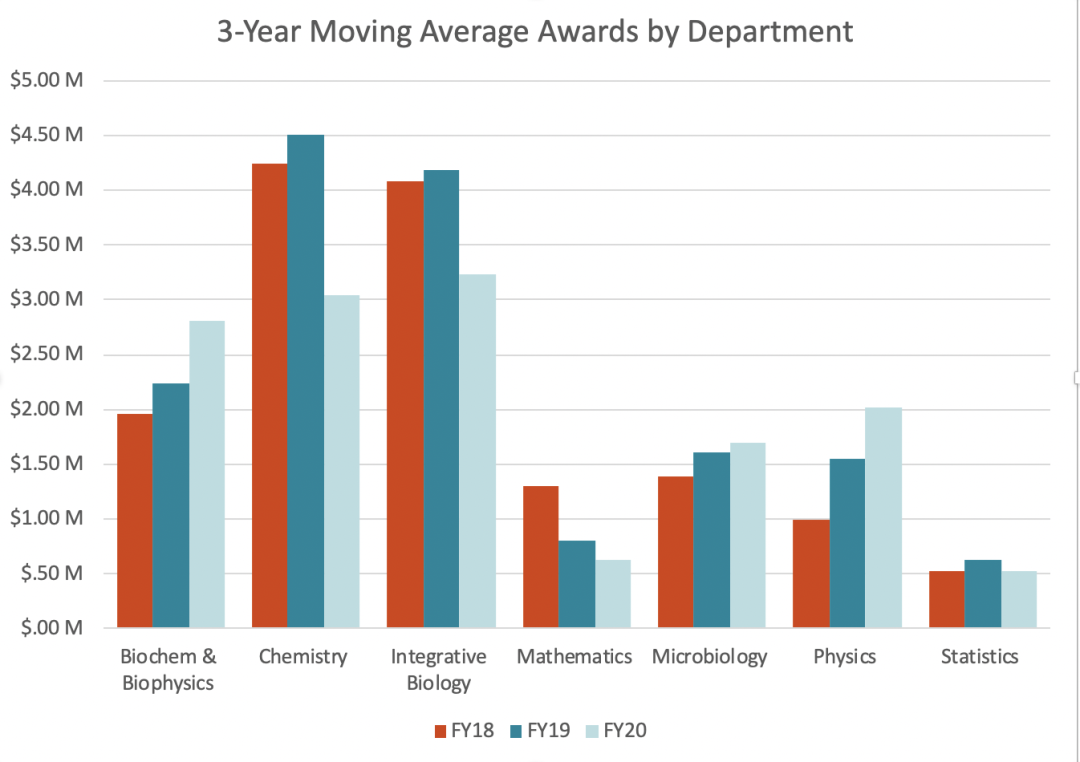
For the fiscal year, the number of research proposals submitted by the College was 143 this year – up 3% from 139 submitted in fiscal year 2019. The total requested funds from grant proposal submissions was $81.5M, up from $65M the previous year. See chart below for award distribution.

Award distribution bar graph

College of Science research expenditures for FY20 totaled $11.72M – up 5% from $11.05M the previous year. Federally funded expenditures for the year were $8.78M.

Many science faculty received substantial research grants this year. Below are just a few notable awards that demonstrate the College’s breadth of research in the life, physical, mathematical and computational sciences.

Ecologist Benjamin Dalziel received a $800K grant from PacificSource Health Plans and a $750K grant from the David and Lucile Packard Foundation for the project entitled “Team-based Rapid Assessment of Community-level coronavirus Epidemics” or TRACE-COVID-19. This groundbreaking project is gathering timely information to inform measures to slow the spread of the virus SARS-CoV-2, and minimize the impact of the disease. Using a community-based approach, the study rapidly assesses the prevalence of the coronavirus in Corvallis, Bend, Newport and Hermiston – with the goal of expanding to other Oregon communities and across the nation.

Coral microbiologist Rebecca Vega Thurber received a 3-year, $627K NSF grant for her project "Tracking the interacting roles of the environment, host genotype, and a novel Rickettsiales in coral disease." Her project aims to uncover the holistic mechanisms of disease susceptibility in the critically endangered staghorn coral, Acropora cervicornis, to help practitioners work more effectively toward conservation and restoration.

Chemist Claudia Maier received a one-year, equipment grant for $577K from the National Institutes for Health for her project “Ultra Performance Liquid Chromatograph Tandem Quadrupole Mass Spectrometry System.”

Biochemist Colin Johnson received $336K from the National Institutes of Health — Institute on Deafness for his project "In vivo and in vitro studies of the deafness associated protein otoferlin."

Chemist Wei Kong received $332K from the NIH's Institute of General Medical Sciences for her project, "Serial Single Molecule Electron Diffraction Imaging: Atomic Structures of Biological Macromolecules without Crystals."

Biochemist Viviana Perez received a two-year, $400K grant from the National Institutes of Health for her project, "Nrf2 deficiency as a prime modulator of cellular senescence and Alzheimer's disease."

Physicist Yun-Shik Lee received a $380K award from the National Science Foundation (NSF) for his project "High-Field Terahertz Driven Photocarrier Dynamics in Nanomaterials."

Biologist Jadwiga Giebultowicz received a one-year $378K NIH grant for her project "Links Between Age-related Changes in Energy Metabolism and Alzheimer's Disease."

Microbiologists Kimberly Halsey and Stephen Giovannoni received a $685K grant from the National Science Foundation for their project entitled "Interactions between phytoplankton and bacterioplankton mediated by volatile organic compounds.”

Chemist May Nyman received a three-year, $540K grant from the U.S. Department of Energy for her project, "Hydrolysis, self-assembly and supramolecular assembly of early transition metal-oxo clusters: MOF nodes and aqueous reaction pathways."

Biochemist Colin Johnson received $494K from the National Science Foundation for a three-year project entitled “Establishing a common function for ferlin proteins in membrane fusion using novel genetic code expansion and single molecule techniques.”

Chemist Rich Carter received a $438K grant from the National Science Foundation to study adding innovation and entrepreneurial achievements into the criteria for higher education faculty promotion and tenure.

Graduate student Lillian Padgitt-Cobb, who works with biochemist David Hendrix, won a $120K USDA-NIFA Predoctoral Fellowship for her project “Chromosome-level assembly and genomic data science to reveal insights about cone development, disease resistance, and the evolutionary history of hop (Humulus lupulus).”

Graduate student Michelle Tran, who works with chemist Vincent Remcho, received a $80K NASA Predoctoral Fellowship for her project “Rapid and Minimally Invasive Glass Microfiber-based Biodosimeter for an In-flight Quantification of Radiation from Finger Prick Blood Samples.”

Looking ahead: Positive momentum for FY21

Two months into the new fiscal year, the College is seeing strong momentum with significant awards totaling more than $3.48M already. Below are just a few incoming awards received since July 1, 2020:

Biochemist Elisar Barbar received a two-year $300K EAGER grant from the National Science Foundation to pursue research on SARS-CoV-2 coronavirus that causes Covid-19. The research project is aimed at understanding how the N-protein of the SARS-CoV-2 performs its essential functions in viral infection and transmission. Associate professor David Hendrix and Rick Cooley, a research assistant professor in the Department of Biochemistry and Biophysics, are collaborators on the project.

Ecologist Benjamin Dalziel received $400K from the David and Lucille Packard Foundation for the TRACE-COVID-19 Expansion project.

Mathematicians Vrushali Bokil and Nathan Gibson were awarded $225K from NSF's computational mathematics program for their project "Computational and Multi-Scale Methods for Nonlinear Electromagnetic models in Plasmas and Nanocomposites."

Microbiologist Rebecca Vega Thurber received a four-year $800K grant from the National Science Foundation for a project entitled “Collaborative Research: Tipping points in coral reefs and their associated microbiomes: interactive effects of herbivory, nutrient enrichment, and temperature.”

Mathematician Mary Beisiegel received funding from the National Science Foundation for three projects:

  • $208K for her project entitled “Development Focused on Engaged Learning, Inclusive Teaching, and Equity (ELITE PD)”
  • $2.1M for her project, with OSU's portion $855K over five years, entitled “Collaborative Research: Mathematics Graduate Teaching Assistant Professional Development Focused on Implementation of Evidence-based Teaching Practices”
  • $124K for a three-year project entitled “Collaborative Research: Algebra Instruction at Community Colleges: Validating Measures of Quality Instruction (AI@CC 2.0)”

Physicist Bo Sun received $528K from the Department of Defense for a project entitled “Decoding the mechano-regulation of breast tumor organoid invasion – one cell at a time.”

Biologist Kirsten Grorud-Colvert received two funding grants:

  • $203K from the Rockefeller Philanthropy Advisors for an existing project entitled “The MPA Project: Clarity and transparency to enable true ocean protection.”
  • $27K from the Resources Legacy Fund for her project entitled “Scientific synthesis to inform a bold, ambitious vision for effective protected areas in the U.S. ocean.”

Chemist Chong Fang received $390K from the National Science Foundation for his project entitled, “Spectroscopy-guided Design of Biomimetic Fluorescent Probes.”

Physicist Weihong Qiu was awarded a $316K grant from the National Institutes of Health for his project entitled “Mechanistic Analysis of Kinesin-14 Motility and Regulation for Bipolar Spindle Assembly.”


Read more stories about: news, microbiology, research


Students use a variety of tools to conduct their summer research.

Summer fellowships awarded to exceptional science students

By Mary Hare

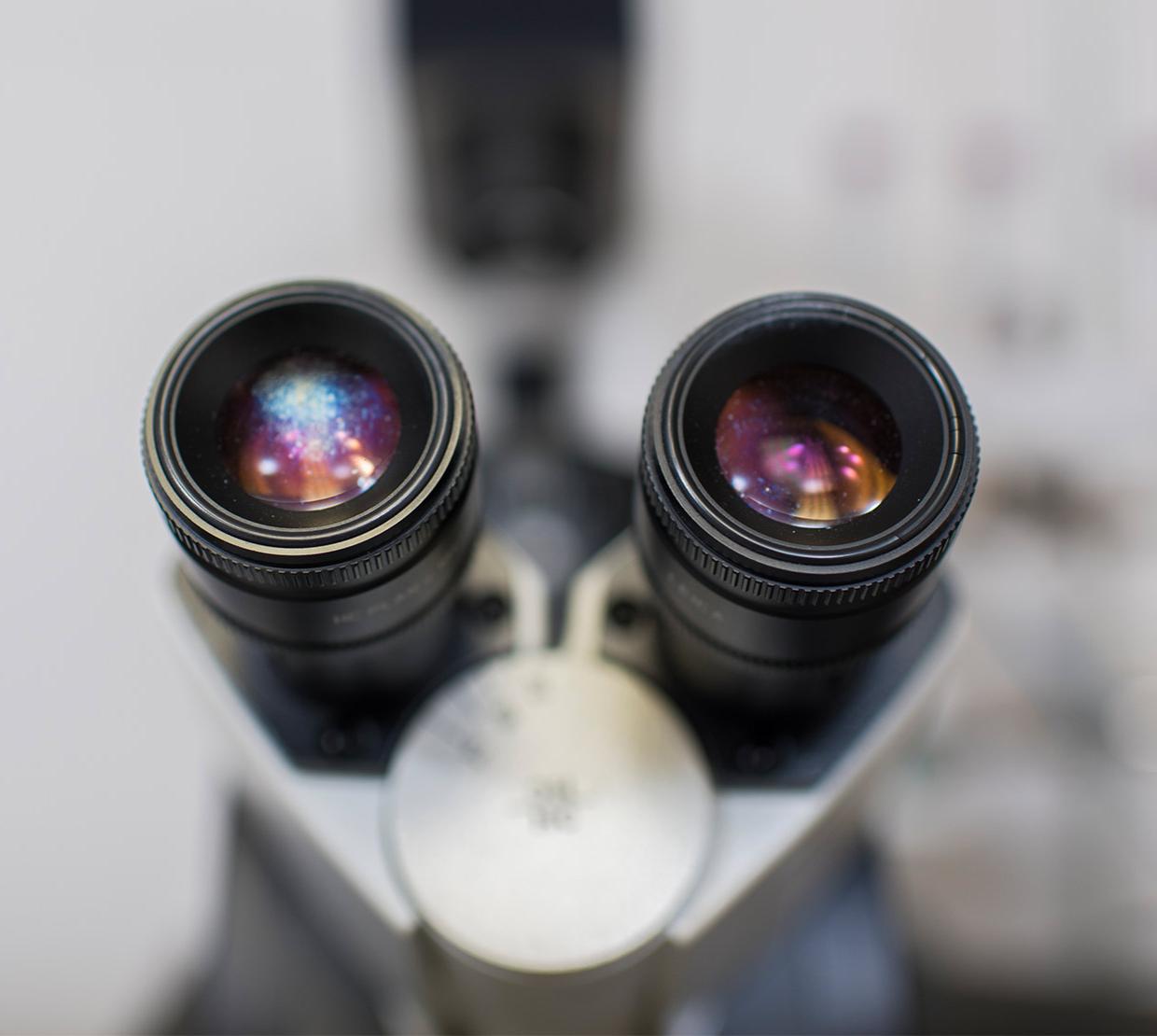
SURE Scholars use a variety of technology to fulfil their research goals, including light microscopes.

The College of Science is proud to announce that 41 science students – a record number – have received summer undergraduate research awards that will provide the opportunity and funding to pursue their research ambitions.

Undergraduate research often plays an instrumental role in developing student-faculty relationships that help students learn and grow beyond the scope of the classroom. For many OSU students, these awards provide the financial leverage to work in the field they are passionate about without being constrained to jobs that simply pay the bills.

The Summer Undergraduate Research Experience (SURE) award is available to all science students who meet the academic requirements. Participants are paid for 11 weeks of full-time research, or 440 hours, for a maximum of $5060. Awardees also receive an additional $500 for research expenses, including travel costs, materials or equipment rental.

This is also the second year that the Department of Integrative Biology offered the Alexei Lubchenco Menge Fellowship, which was awarded to Lily Miksell to support her research examining the interactions of dominant foundation species in Oregon rocky intertidal communities under the guidance of integrative biology professor Sally Hacker. The fellowship was established in memory of Alexei Lubchenco Menge, who died at age 27 in 2005. The award seeks to help one student each year within the department who exemplifies the deep love of the ocean that Lubchenco Menge personified.

SURE science awards are made possible by generous donations of College of Science alumni, faculty and supporters.

The COVID-19 pandemic has led to come changes in the SURE science program in 2020. Due to COVID-19 restrictions limiting access to laboratory space at Oregon State University, the deadline for completing SURE scholar research projects was extended to May 2021. Some students have projects that can be done entirely remotely and will complete and present their findings by the end of the summer. Some of the students below are able to work on their projects in OSU labs this summer, following OSU and Oregon Health Authority safety guidelines. For the majority of this year's awardees, the extended timeframe will allow them an opportunity to continue their research safely throughout the school year while gaining research experience.

SURE Science Scholars

Juan Altamira | Chemistry | Vince Remcho

Analysis of Explosive Compounds via Paper Microfluidic Device

Roy Anderson | Biology | Bruce Menge

Examining the Effects of Upwelling Intensity and Recruitment Limitation on Successional Trajectories in the California Current Large Marine Ecosystem

Thao Mi Anthony | BioHealth Sciences | Kyriakos Stylianou

Implication of Metal Organic Framework with Nanoparticle Composites to Deliver Medication

John Barnes | Biology | Felipe Barreto

Quantity and Quality of DNA extracted from dry vs. alcohol preserved samples of China rockfish

Elizaveta ‘Leeza’ Bliznyuk | BioHealth Sciences | Dylan Nelson

Targeting Mycobacterium abscessus pre-existing biofilms

Madeline Bloom | Chemistry | Claudia Maier

Microchip-MS Optimization of Oxylipins Analysis as a Biomarker for Cardiovascular Disease

Elizabeth Brennan | Microbiology | Stephen Giovannoni

Plankton Need Their Vitamins: Vitamin B1 Excretion by Marine Synechecoccus

Russell Campbell | Zoology | Robert Mason

Integrative Biology Collections Management

Dustin Campbell | Zoology | Robert Mason

Sexual Dimorphic growth of Harderian glands in Thamnophis sirtalis

Emily Gemmill | Biochemistry & Molecular Biology | Weihong Qiu

Keeping up with the kinesins: analyzing regulatory proteins and their effects on the motility of KlpA, a kinesin-14 motor protein

Jessica Giulietti | Biology | Patrick Chappell

Exploring regulation of osteosarcoma in vitro: Mechanisms of RANKL production by autocrine neuropeptides

Dylan Gregory | Biology | Virginia Weis

Using the Split Luciferase Complementation Assay to Identify Protein-Protein Interactions In Cnidarian-Algal Symbiosis

Joshua Griffis | Biochemistry & Molecular Biology | Richard Cooley

Optimized Phosphoserine tRNA Selection

Shelby Hansen | Biology | Brittany Poirson

How is a young mussel's life affected by coastal water conditions?

Joshua Havelind | Biology | Francis Chan

Effect of rising temperature in the ocean on Dungeness Crabs

Toren Ikea-Mario | Biochemistry & Molecular Biology | Tory Hagen

Glutathiones effect on Mitochondrial Decay

Rohal Kakepoto | Physics | Janet Tate

Hall Measurements of TiO2 Polymorphs

Rony Koluda | Chemistry | Claudia Maier

Low Dose Radiation Effect on Myelination -Associated Proteins in Mice

Chapman Kuykendall | Biochemistry & Molecular Biology | Colin Johnson

Characterizing the Biophysical Interactions between Dysferlin C2A and the H3 Helix of Syntaxin-4

Dustin Campbell | Biochemistry & Molecular Biology | Massimo Bionaz

In vivo-in vitro dose-effect response of bovine liver to rumen-protected fatty acids: implementation of a nutrigenomic approach in dairy cows

Jessica Li | Chemistry | Jan Stevens

The effects of xanthohumol on gut microbial metabolism

Maya Livni | Biochemistry & Molecular Biology | Maude David

Unraveling the impact of the gut microbiota metabolites on intestinal sensory neuronal cells and how EECs transduce signals to the brain by forming a synapse with the vagus nerve

Ruben Lopez | BioHealth Sciences | Bo Sun

Quantifying ECM Remodeling by Invasive Tumors

Christopher Markgraf | Biochemistry & Molecular Biology | Susanne Brander

Immortalization and Validation of Inland Silverside Cardiomyocytes, Hepatocytes, and Osteoblasts

Saki Nakai | Mathematics | Vrushali Bokil

Mathematical Modeling of Bipolar Disorder

Hunter Nelson | Physics | Tuan Pham

Blowup of Reaction Diffusion Equations

Jacob North | Biochemistry |Victor Hsu

Elucidating binding features of drug targets to Farnesoid X receptor by unsupervised machine learning of molecular dynamics trajectories

Sarah Olson | Microbiology | Frederick Colwell

Investigating Changes in the Microbiome of North Creek

Reina Paez | Biochemistry & Molecular Biology | Lia Danelishvili

Identifying and Purifying Non-Tuberculosis Mycobacterial Surface Antigens for the Purpose of Inducing Trained Immune Responses in Macrophages

Aneila Parra | Biology | Jiraporn Lueangsakulthai and David Dallas

Premature vs. Term Infant Milk Protein Digestome

Jacob Rauenhorst | Chemistry | Kathy Magnusson

Effects of ibuprofen on NMDA receptor expression and contribution

Alan Schultz | Physics |Hoewoon Kim

The Linearized Navier-Stokes Equations Solved on the Sphere by Fourier Transform Method

Rhea Sellitto | Biology | James Rivers

Evaluating the nutritional landscape for wild bees in managed conifer forests

Anna Sung |BioHealth Sciences| Maria Franco

Role of Redox Signaling in Development and Growth of Tumors of the Nervous System

Savannah Taggard | Biology | Molly Burke

The evolution of RoundUp resistance in the yeast Saccharomyces cerevisiae

Jessica Waymire | Physics | Matt Graham

Hyperspectral Fluorescence Imaging of Twisted Bilayer Graphene

Kaytlin Wearne | Biochemistry & Molecular Biology | Kenton Hokanson

The Effects of hsp90 on p2x7 on Human ALS Neurons

Devin Wright | Biochemistry & Molecular Biology | Michael Freitag

Zymoseptoria Tritici Mutation Accumulation Experiment

Elizaveta "Lisa" Zhivaya | Biochemistry & Biophysics | Maude David

Impact of the gut microbiota metabolites on the autism phenotype modulation

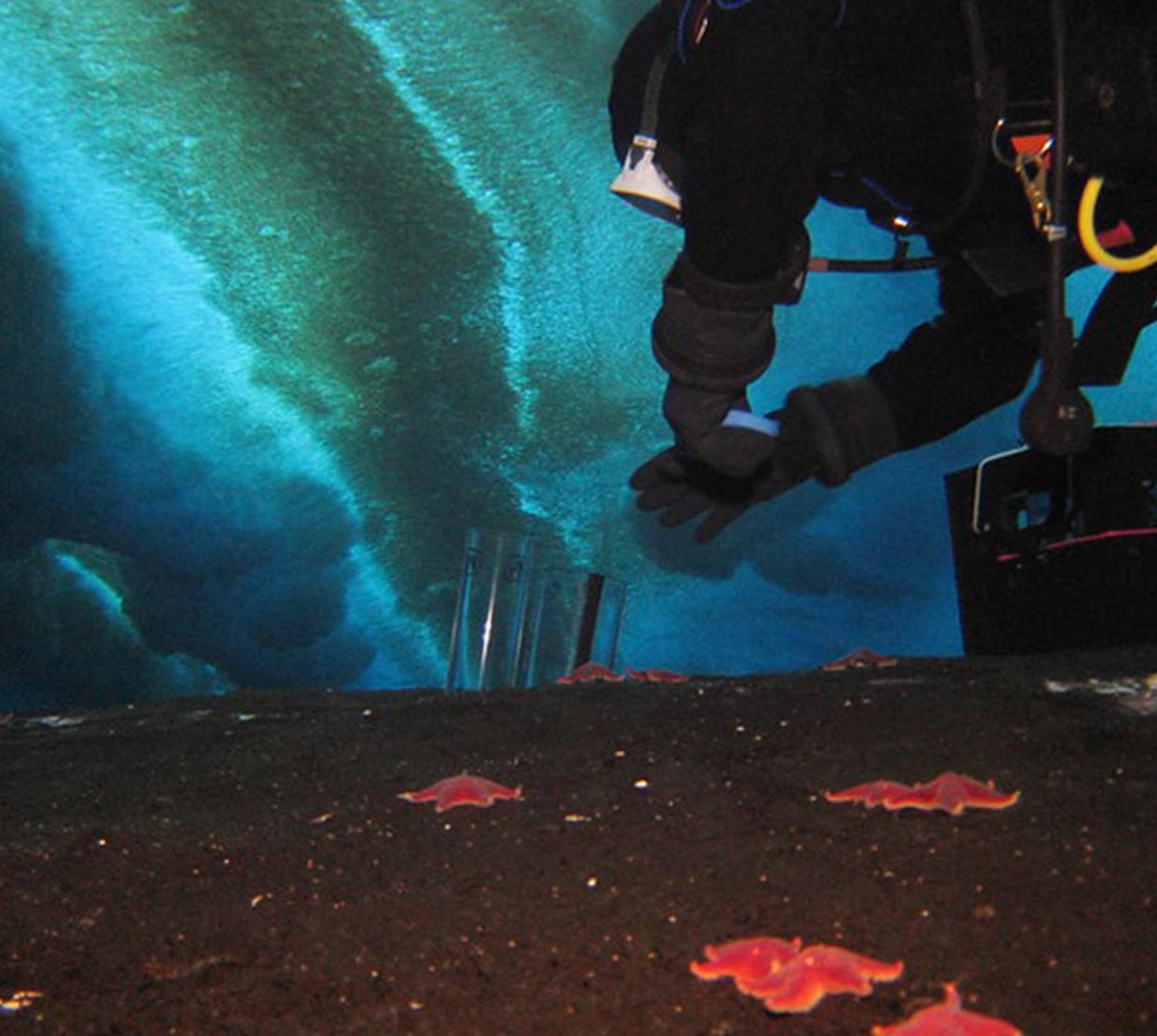
Scuba diver collecting samples on shallow sea floor in Antarctica.

Discovery of first active seep in Antarctica provides new understanding of methane cycle

By Michelle Klampe

Photo courtesy by Andrew Thurber, Oregon State University.

A scientist explores the shallow areas of Antarctica looking for microbial mats, which are telltale signs of areas where methane may be released from underground methane deposits.

Corvallis, Ore. — The discovery of the first active methane seep in Antarctica is providing scientists new understanding of the methane cycle and the role methane found in this region may play in warming the planet.

A methane seep is a location where methane gas escapes from an underground reservoir and into the ocean. Methane seeps have been found throughout the world’s oceans, but the one discovered in the Ross Sea was the first active seep found in Antarctica, said Andrew Thurber, a marine ecologist at Oregon State University.

“This is a significant discovery that can help fill a large hole in our understanding of the methane cycle.”

“Methane is the second-most effective gas at warming our atmosphere and the Antarctic has vast reservoirs that are likely to open up as ice sheets retreat due to climate change,” Thurber said. “This is a significant discovery that can help fill a large hole in our understanding of the methane cycle.”

The researchers’ findings were published today in the journal Proceedings of the Royal Society B. Co-authors are Sarah Seabrook and Rory Welsh, who were graduate students at OSU during the expeditions. The research was supported by the National Science Foundation.

Methane is a greenhouse gas that is 25 times more powerful than carbon dioxide at warming the planet. Most methane in the ocean water and sediment is kept out of the atmosphere by microbes that consume it.

Thurber and his colleagues discovered that the microbes around the Antarctic seep are fundamentally different that those found elsewhere in the world’s oceans. This helps researchers better understand methane cycles and the factors that determine whether methane will reach the atmosphere and contribute to further warming, Thurber said.

The Ross Sea seep was discovered in an area that scientists have studied for more than 60 years, but the seep was not active until 2011, said Thurber, an assistant professor in the Department of Microbiology and the College of Earth, Ocean, and Atmospheric Sciences.

An expansive microbial mat, about 70 meters long by a meter across, formed on the sea floor about 10 meters below the frozen ocean surface. These mats, which are produced by bacteria that exist in a symbiotic relationship with methane consumers, are a telltale indication of the presence of a seep, said Thurber.

“The microbial mat is the road sign that there’s a methane seep here,” Thurber said. “We don’t know what caused these seeps to turn on. We needed some dumb luck to find an active one, and we got it.”

The mystery of the Antarctic seeps

Thurber happened to be in Antarctica in 2012 when another researcher told him about a “microbial waterfall” and thought it was something he should look at. Thurber was able to confirm the seep’s presence, collect samples and analyze the seep and its environment. When he returned to the site in 2016 to conduct further study, he also discovered a second seep nearby.

Antarctica is believed to contain as much as 25 percent of Earth’s marine methane. Having an active seep to study gives researchers new understanding of the methane cycle and how that process might differ in Antarctica compared to other places on the planet, Thurber said.

For example, researchers have found that the most common type of microbe that consumes methane took five years to show up at the seep site and even then those microbes were not consuming all of the methane, Thurber said. That means some methane is being released and is likely working its way into the atmosphere.

“We’ve never had the opportunity to study a seep as its forming or one in Antarctica..."

Studying the site over a five-year time span allowed researchers to see how microbes respond to the formation of a seep, said Seabrook, who earned her doctorate at OSU and is now a post-doctoral scholar at the National Institute of Water and Atmospheric Research in Wellington, New Zealand.

“What was really interesting and exciting was that the microbial community did not develop as we would have predicted based on other methane seeps we have studied around the globe,” she said.

Researchers had assumed that microbes should respond really quickly to changes in the environment, but that wasn’t reflected in what OSU’s team saw in Antarctica, Thurber said.

“To add to the mystery of the Antarctic seeps, the microbes we found were the ones we least expected to see at this location,” he said. There may be a succession pattern for microbes, with certain groups arriving first and those that are most effective at eating methane arriving later.

“We’ve never had the opportunity to study a seep as its forming or one in Antarctica, and because of this discovery we can now uncover whether seeps just function differently in Antarctica or whether it may take years for the microbial communities to become adapted,” Thurber said.

“Animals in Antarctica are very different than elsewhere in the world as the continent has been separated from the rest of the globe for more than 30 million years – a long time for evolution to act,” he said. “That has resulted in a remarkable diversity of fauna that we only find there. That may also contribute to the differences in microbes there.”

It is important to understand how methane seeps behave in this environment so researchers can begin factoring those differences into climate change models, Thurber said. He hopes to return to the site to monitor its evolution and conduct further research.

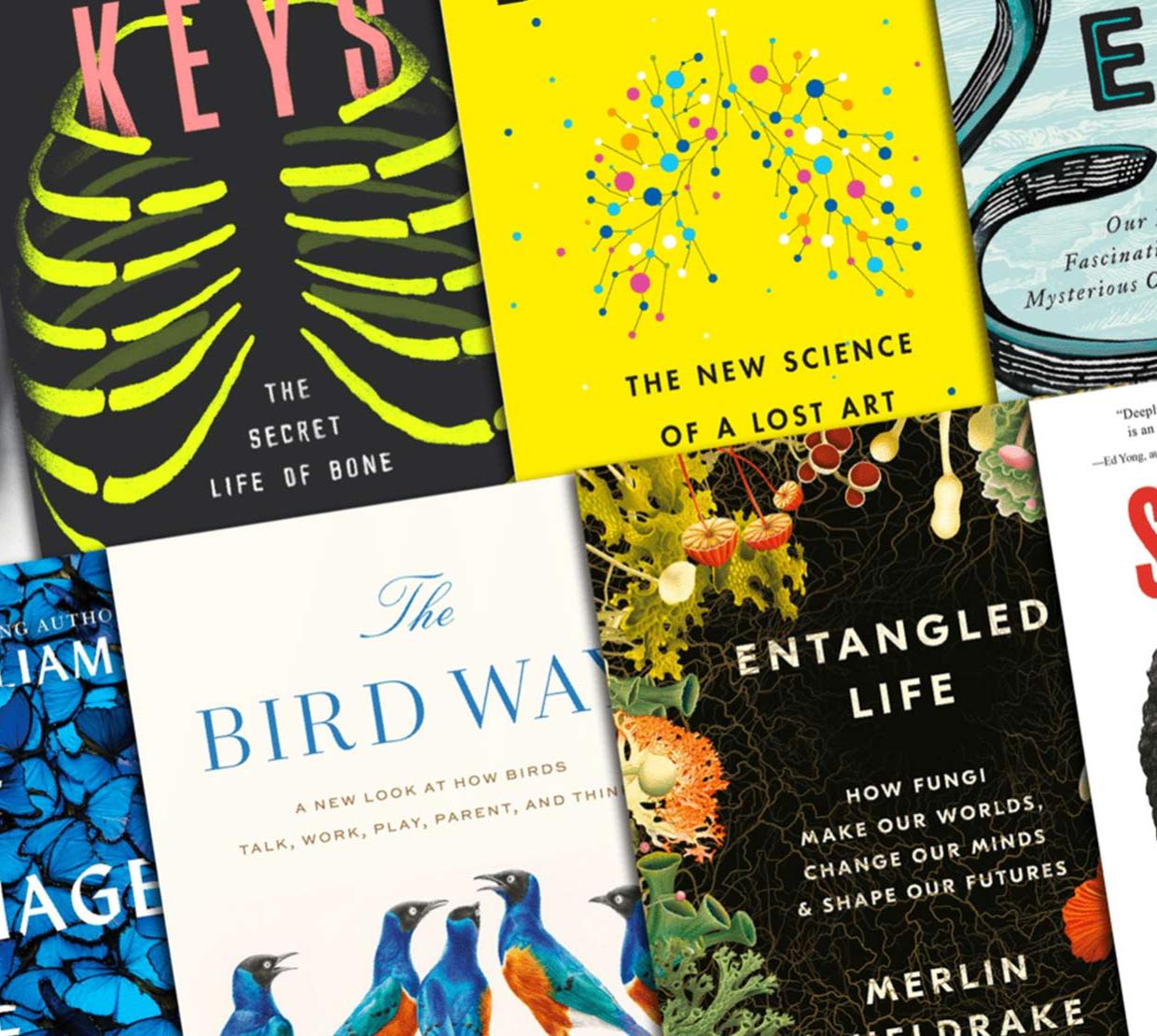
Science-themed novels lined up in an angled grid

Microbiology student featured on Science Friday

By Tamara Cissna

Image from Science Friday

Sarah Olson Michel, a microbiology junior who is earning a certificate in science, technical, and professional communication from OSU, recommended science books for summer reading to a national audience on the Science Friday show. Listen to the featured segment here.

Science Friday, which is heard on public radio stations across the country, hosts informative discussions on science, technology, health, space, and the environment. Its recommended books segment aired on July 3, sharing: “The pandemic has nixed many summer vacation plans, but our summer science book list will help you still escape.”

Michel works with Distinguished Professor Steve Giovannani's High Throughput Culturing Laboratory on outreach related to OSU’s SMILE program. In 2018, she attended AAAS as an undergraduate science journalism travel fellow with the National Association of Science Writers. She has written for Science’s Books et al, PLOS SciComm, leapsmag, and The Particle on Medium. Her feminist writing has appeared in Women You Should Know, popular Medium publications GEN and Human Parts, and other outlets. Michel's Twitter account has more than 15,000 followers.

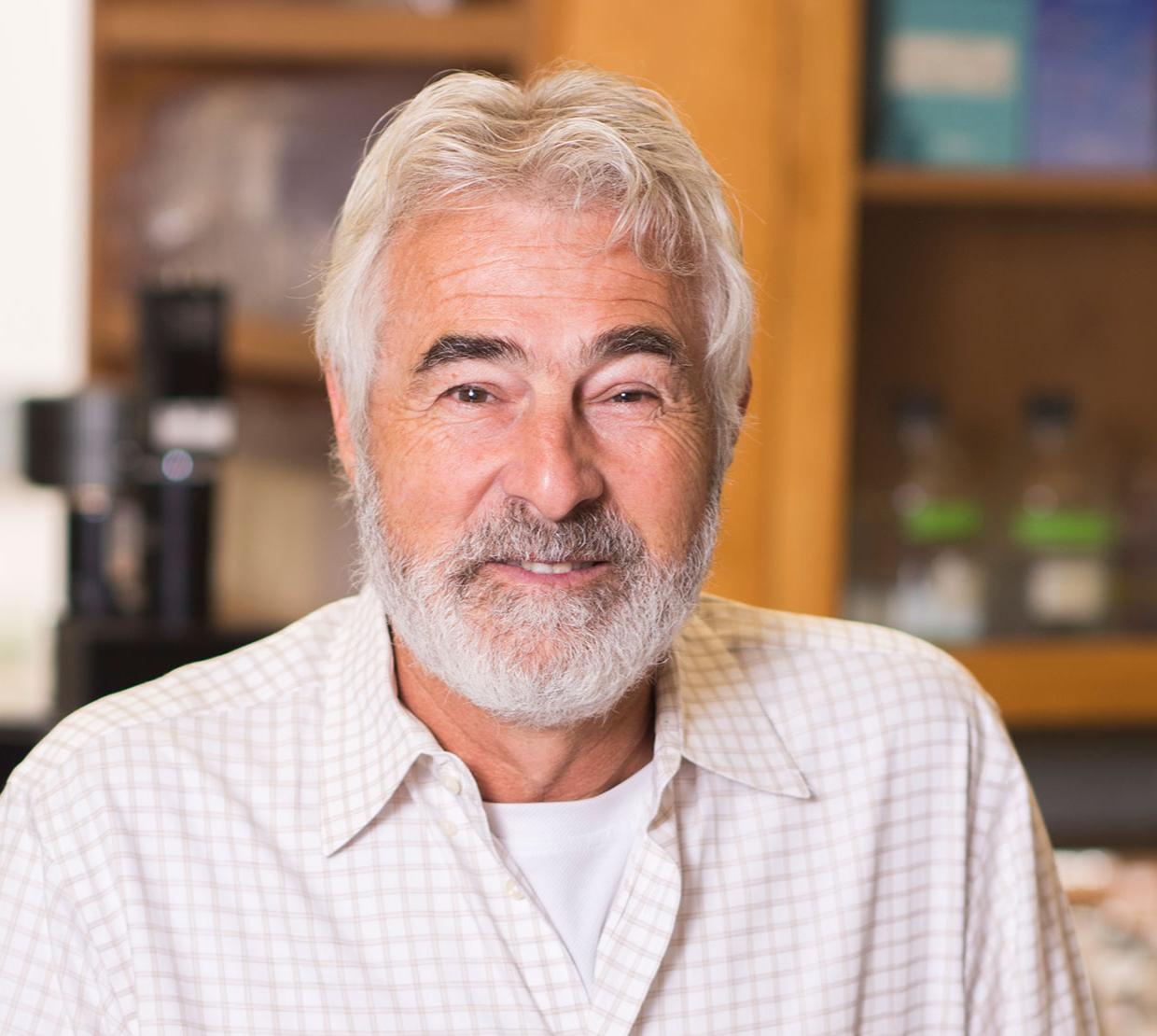
Stephen Giovannoni sitting in lab

Steve Giovannoni to lead Department of Microbiology

By Tamara Cissna

Distinguished Professor Steve Giovannoni is the new head of the Department of Microbiology, effective July 1, 2020.

The College of Science welcomes Steve Giovannoni as the new head of the Department of Microbiology Head effective July 1, 2020. Giovannoni is an OSU Distinguished Professor in the Department of Microbiology with joint appointments in the College of Science and the College of Agricultural Sciences. He joined the department faculty 32 years ago

Giovannoni is an internationally recognized microbiologist whose research on microbial diversity, genomics, carbon cycle and ecology in oceanic ecosystems is globally impactful. His research team is deeply engaged in predicting what will happen as the oceans warm and become more acidic.

“Steve is a brilliant researcher who is doing important work with marine plankton, focusing on the bacteria that oxidize organic carbon to CO2 ,” said College of Science Dean Roy Haggerty. “Microbiology has never been more important than right now, and he demonstrates exceptional commitment and vision. I look forward to his leadership in the Microbiology Department and to the many achievements he will inspire.”

Giovannoni is the founder and director of the OSU High Throughput Culturing Laboratory (HTCL) that distributes cultures and DNA from oligotrophic marine bacteria to research institutions around the world. More than forty laboratories have received materials from the HTCL.

With his new appointment, the impact of his leadership will widen further—at a critical time in the world.

“These are challenging times, but this is also a time to imagine a brighter future and a truly global vision that embraces all cultures, peoples and identities in an atmosphere of shared endeavor and respect,” Giovannoni said. “The Department of Microbiology has made its mark and become internationally recognized for research and education that integrate diverse aspects of microbiological sciences. Our faculty are recognized for their accomplishments in marine science, fish health, and quantitative microbiome science—and for unity across the ranks in the pursuit of better opportunities for all students.

“We will be educating a new generation who have been impacted by COVID-19 and are seeking training relevant to pressing human and environmental issues. We can respond to change by implementing the plans we have already made to expand our educational programs, and by finding support from federal and private funding sources to broaden our work, particularly in graduate education.”

Jerri Bartholomew, current head of the Department of Microbiology, announced last fall that she would step down from her post, which she has held since 2015. She will begin a sabbatical year and then resume her role of director of the John L. Fryer Aquatic Animal Health Laboratory when she returns.

“I want to thank Jerri for her excellent leadership as Microbiology Department Head,” said Haggerty. “While serving in this capacity, Jerri strengthened the department and adapted its programs to meet the emerging needs of today’s students. I know she is looking forward to having more time for research while continuing to help the department and the College be successful.”

A few of notable accomplishments Bartholomew achieved as department head include the launch of the new Accelerated Master’s Platform that gives high-performing OSU undergraduates a jump on a graduate degree, and the creation a new non-thesis master’s degree serves students pursuing data skills and BioHealth sciences. Under her leadership, the department also updated the BioHealth Science curriculum to ensure students receive an interdisciplinary background, preparing them for a wider variety of health-care professions. She also led the effort to revise the microbiology minor to make it more accessible and available online.

“I also would like to thank the search committee and the committee chair, Lisa Ganio, for running a smooth search and for their dedication to filling this important leadership position,” said Haggerty.

The pioneering Giovannoni Lab studies how biology interacts with the atmosphere and the oceans to change global patterns in the movement of carbon and other elements. The research team’s experiments begin at sea, but they carry this research into the laboratory. There, they work with microbial cells and genome sequences to discover new cell types and new biochemical transformations of matter. Their goals are to understand how these extraordinary cells evolved, how they function, and how planktonic ecosystems will change in response to ocean warming.

Committed to inclusion and equity, the Giovannoni Lab works with OSU’s Science and Math Investigative Learning Experiences (SMILE) Program. The pre-college program helps prepare minority, low-income, historically underrepresented, and other educationally underserved students from rural areas to pursue STEM careers.

Giovannoni received his bachelor’s degree in biology at the University of California, San Diego, an M.A, in biology from Boston University, and a Ph.D. in biology for the University of Oregon.

In 2012, Giovannoni received the Jim Tiedje Award, which is given to “exalted microbial ecologists who are recognized for their outstanding lifetime contribution to the field of microbial ecology” from the International Society for Microbial Ecology.

Jacob Maynes; graduating biohealth science senior

BioHealth senior’s race to the medical school finish line

By Mary Hare

Jacob Maynes; avid hunter, experienced mechanic and aspiring doctor.

Jacob Maynes, a senior majoring in biohealth sciences, will start medical school at Lake Erie College of Osteopathic Medicine (LECOM) in Erie, Pennsylvania, this July after only three years of college. Though the journey has not been easy, Maynes is grateful for the support and mentorship that Oregon State University has provided toward achieving his goals.

A native of Roseburg, Oregon, Maynes was first exposed to medicine at an early age, with his mother a nurse practitioner in primary care at a local clinic. During the summers, his father would take the family to a remote fishing lodge in Alaska, where he worked as a mechanic. Maynes learned to drive a boat when he was 11 years old, and was soon driving the skiffs out to haul non-perishable supplies to the lodge as it was cheaper than flying.

“It was really hilarious, because I was a 12-year-old kid driving alone up the river, and there’d be other fishing lodges with clients there, and I’ve got a boat completely loaded with beer,” Maynes said.

As he got older, Maynes found extra work taking clients on rafting or fishing trips, and helping his dad with mechanical maintenance and repairs. Eventually, Maynes and his brother were able to take over the position from their father and began coming up alone.

Working in Alaska also gave Maynes his first exposure to emergency medicine. One of the clients slipped and hit their head on a rock – splitting right through to the skull. In such a remote setting, the nearest clinic was a thirty-minute plane ride away, and the nearest hospital was two hours away.

“My mom got some fishing line, a sewing needle, and the numbing medicine was a shot of whiskey. She just sutured his head up,” he said.

The experience sparked an interest that Maynes continued to develop back in Roseburg, where he began volunteering at the local hospital starting his sophomore year of high school, and later on received an Emergency Medical Training certification that helped jumpstart his career as a hospital scribe for an ER doctor.

“A big part of medical school is experience,” he explained. “And because I’ve been working so long, my experience is basically on par with everyone else – even though they’re older than me.”

Maynes attended Umpqua Community College for his first year and then transferred to OSU starting summer term. Working with advisor Alex Beck, he devised a plan that would allow him to complete a college degree in the next two years, beginning to apply for medical schools that same year at twenty years old.

Meanwhile, he was continuing to work night shifts scribing at the hospital in Roseburg, when a sudden and chronic autoimmune disease forced him to take a term off to recover. Maynes lost nearly forty pounds and was forced to let go of a long-held dream of being on the Air Force Special Operations Surgical Team. With the help of medication, Maynes was able to get the symptoms under control, but now found himself months behind on a schedule that was already nearing max capacity.

The extra term of coursework meant that he was forced to juggle traveling for med-school interviews with a full course load, as well as volunteering in Biochemistry and Biophysics Associate Professor Colin Johnson’s lab. Fortunately, the first place he interviewed turned out to be a perfect fit.

“I was really impressed; everyone there was super helpful, so that kind of sold me on going there,” he said of LECOM.

When asked about his drive to graduate quickly, Maynes explains that he feels he didn’t have much of a choice in the matter.

“Everyone always says, ‘slow down, take your time, enjoy the journey.’ I’ve always been the kind of person where, I’d rather just get to the end. That’s my goal – let’s take the shortest path to get there,” says Maynes.

At LECOM, Maynes is enrolled in a Problem-Based Learning Pathway, which offers students the opportunity to study biomedical and clinical sciences by utilizing case-studies in a small-group environment. Unfortunately, given the current circumstances, many of the details are still unknown.

“The one constant is that medical school is starting on the 25th of July. What it’s going to look like is yet to be determined.”

Maynes advises other pre-med students to apply for scholarships, and not only get healthcare exposure, but to make sure it is in the field they are interested in.

“Find out what the doctor does so you can decide if you want to do it.”

When he is not working, Maynes loves being in the outdoors, particularly activities like hunting, distance shooting, and riding motorcycles.

Grace Deitzler working with microscope in lab

2020 NSF Graduate Research Fellowships awarded to alumni and students

By Srila Nayak

Microbiology Ph.D. student Grace Deitzler, a member of Dr. Maude David's lab, was awarded the 2020 NSF Graduate Research Fellowship.

Two Ph.D. students in the College of Science — Grace Deitzler in microbiology and John Stepanek in integrative biology — are among three OSU students to receive prestigious National Science Foundation (NSF) Graduate Research Fellowship Program (GRFP) awards in 2020.

Additionally, six College of Science alumni were also selected for the award this year. They are: Patrick Flynn (Mathematics ’18), a Ph.D. student of applied mathematics at Brown University; Katelyn Chase (Physics ’18), a quantitative and computational biology Ph.D. student at Princeton University; Gregory Mirek Brandt (Physics, Mathematics ’18), a Ph.D. student of astrophysics at the University of California Santa Barbara; Alyssa Adler (Marine Biology ’12), a recipient of the National Geographic Early Career Grant and an underwater videographer with Lindbald Expeditions; Joseph Kincaid (Chemistry ’18), an organic chemistry Ph.D. student at UC Santa Barbara; and Alena Vasquez (Chemistry ’18), a doctoral student in chemistry at The Scripps Research Institute.

In 2020, NSF offered a total of 2,076 awards to students from a competitive pool of applicants from all 50 states as well as the District of Columbia and U.S. territories. The GRFP provides three years of financial support within a five-year fellowship period — $34,000 annual stipend and $12,000 cost-of-education allowance to the graduate institution. That support is for graduate study that leads to a research-based master’s or doctoral degree in a STEM field. GRFP Fellows also have access to a number of unique opportunities during their tenure, including the opportunity to engage in international research collaboration.

Deitzler’s award-winning research project focuses on the honey bee gut microbiome and its role in health and immunity as a way to conserve declining honey bee populations. Using a combination of comparative genomics and field experiments, Deitzler and her mentors investigate the effects of a parasitic infection, Nosema ceranae, on the honey bee gut microbiome and the co-diversification patterns and interactions of host and pathogen in the honey bee microbiota. Further, the proposed study will examine the impact that probiotics have on the gut microbiome and whether this supplementation can alter immune response and survival during infection. Deitzler works on this project with her advisor Maude David, an assistant professor of microbiology, and Ramesh Sagili in the College of Agricultural Sciences.

Deitzler joined OSU in 2018 after completing her undergraduate studies in biological sciences at the Missouri University of Science and Technology. As an undergraduate student, she worked on vaginal microbiome research at the Center for Women’s Infectious Disease Research in the lab of Dr. Amanda Lewis at Washington University School of Medicine in St. Louis. “It was during this internship that I developed an interest in microbiology, studying the microbial causes of bacterial vaginosis and microbial contributions to poor health outcomes in pregnancy,” said Deitzler. She worked on the project over the course of three summers, and the research resulted in identifying novel strains and genome sequences as well as four articles in the journal Genome Announcements. After graduation, Deitzler worked full-time in the Lewis Lab as a research technician before pursuing her doctoral studies.

In the David Lab at OSU, Deitzler also conducts research on the gut microbiome to better understand its impact on autism spectrum disorder. She studies a mouse model of the gut-brain axis to analyze microbiome composition and its relationship with behavior.

Passionate about science communication, Deitzler is the president and a co-founder of Seminarium, an OSU student club dedicated to exploring the connections between arts and science and bringing this intersection to a broader audience. She is also actively involved in organizing outreach events on campus and within Corvallis.

John Stepanek standing in front of shrubbery

John Stepanek, a Ph.D. student in the Department of Integrative Biology, was awarded the NSF Graduate Research Fellowship.

Stepanek is a dedicated and passionate climate activist. As an Oregon Climate Fellow in 2019, Stepanek organized and collaborated with students at OSU and in Corvallis high schools to get them involved in passing scientifically sound and socially just climate change legislation. In that role he also worked with state legislators in an attempt to pass carbon emissions reduction legislation. Closely aligned with his environmental advocacy, his research as a Ph.D. student of integrative biology revolves around ocean ecosystems and the effects of climate change.

The NSF fellowship will support his research measuring the carbon sequestration capacity of coastal sand dunes and the combined effects of invasive species of beachgrass and climate change on carbon storage in dune ecosystems.

“Climate-driven shifts in the abundance and distribution of each grass species, along with sea level rise and increased storm wave erosion, could alter the carbon stock and sequestration capacity of Pacific Northwest dunes,” says Stepanek, who works in the lab of Sally Hacker, professor of integrative biology.

His career in climate-related ecology began as an undergraduate student at California Polytechnic State University, San Luis Obispo. There he studied the effects of climate change on thermoregulatory function in lizards and rattlesnakes, conducting field research in San Luis Obispo, the Sierra Nevada, the Mojave Desert and the Chiricahua Mountains of Arizona. At Cal Poly, he also worked on a project to track tree biodiversity in California.

In collaboration with Hacker and other researchers, Stepanek has undertaken NOAA-funded field research in the Outer Banks of North Carolina to investigate how sea level rise and increasing tropical storm intensity affects response and recovery of dune systems, which are critical for protecting people and property from the worst of these storms.

Stepanek has hiked the Pacific Crest Trail, a pivotal experience in forming his ecological consciousness and his research career. “I saw more forms of life in four months than most people get to see in a lifetime, but I also witnessed firsthand the destruction that climate change threatens us with in the form of desert droughts, bark beetle infestations, glacial melting and massive forest fires,” remarked Stepanek.

Among other outreach and volunteer activities, Stepanek helped start a chapter of Sunrise Movementa youth-led climate advocacy organization — in Corvallis and has since organized five climate marches with local high schools and faith communities to demand city action on climate change. With the NSF fellowship support, Stepanek plans to dedicate more time to environmental outreach endeavors, increase visibility for his research and give local students more opportunities to participate in science.

The NSF GRFP is the country’s oldest fellowship program that directly supports graduate students in various science, technology, engineering and mathematics (STEM) fields. The awards recognize outstanding graduate students in STEM disciplines who are pursuing research-based master’s and doctoral degrees at accredited U.S. institutions. NSF Fellows are anticipated to become knowledge experts who can contribute significantly to research, teaching, and innovations in science and engineering.

Subscribe to Microbiology