Microbiology

Microbiology

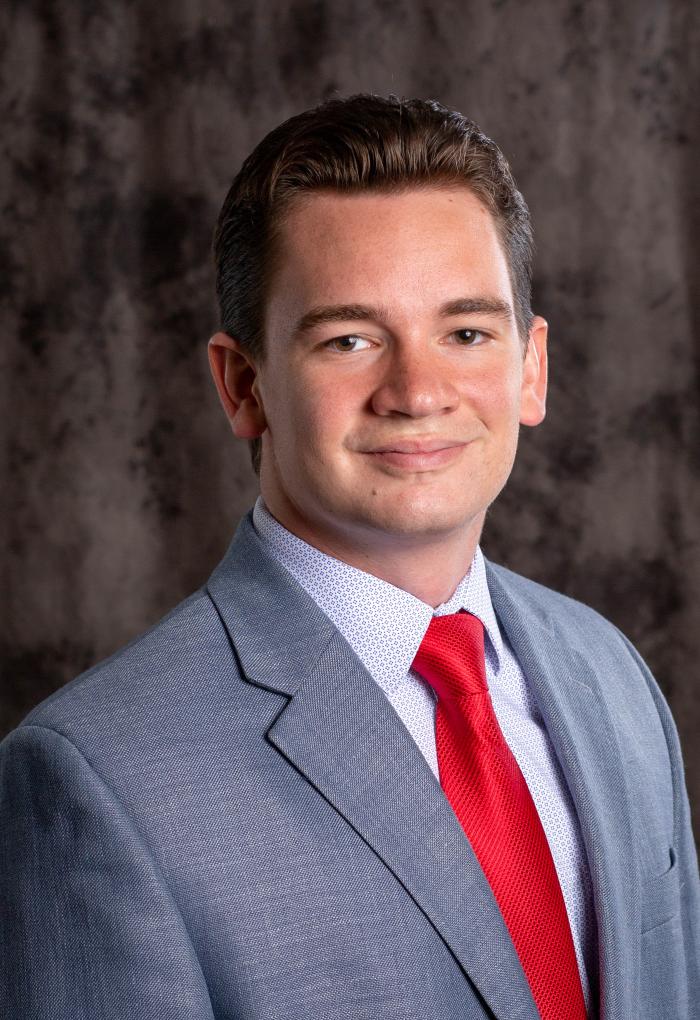
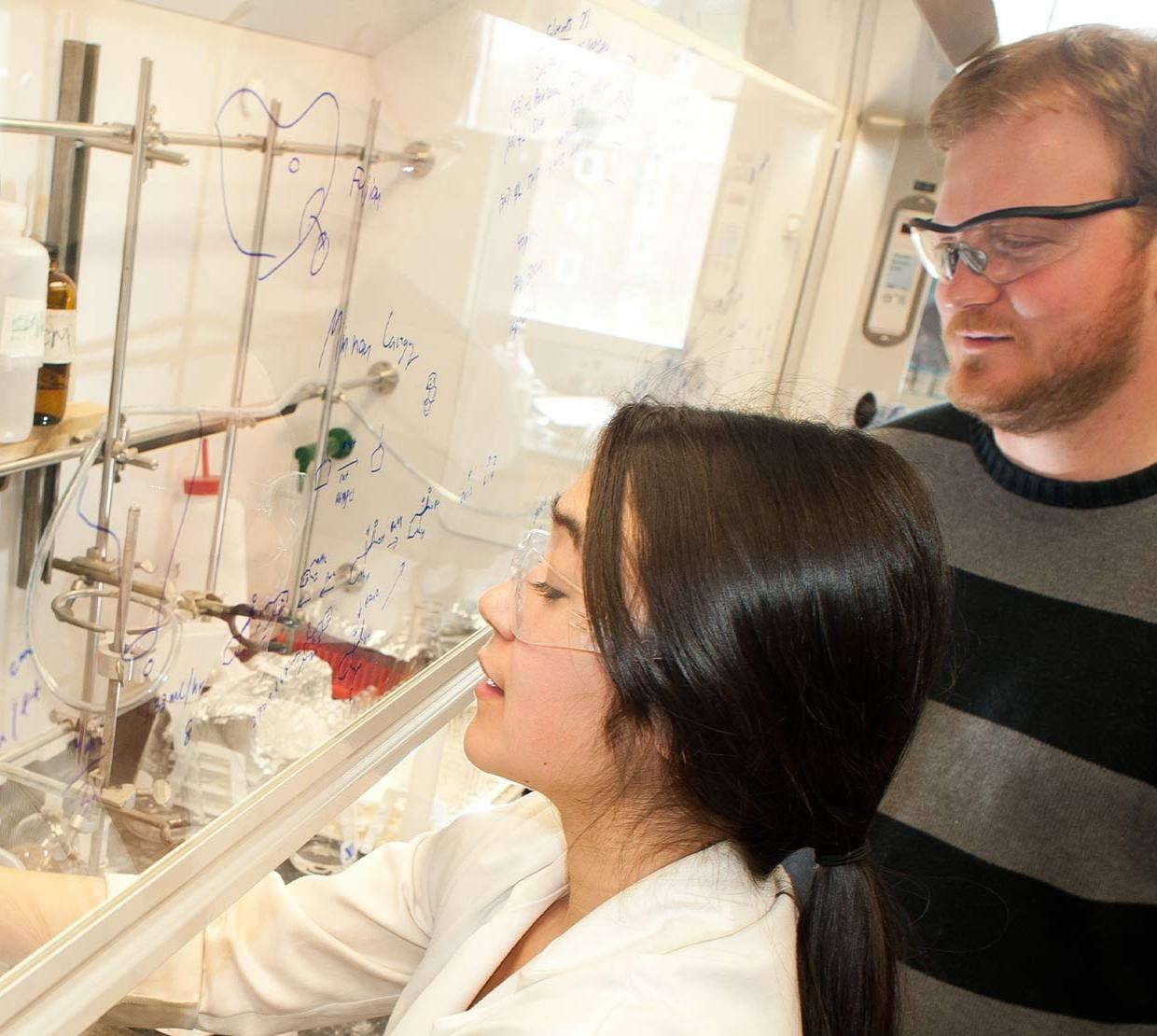
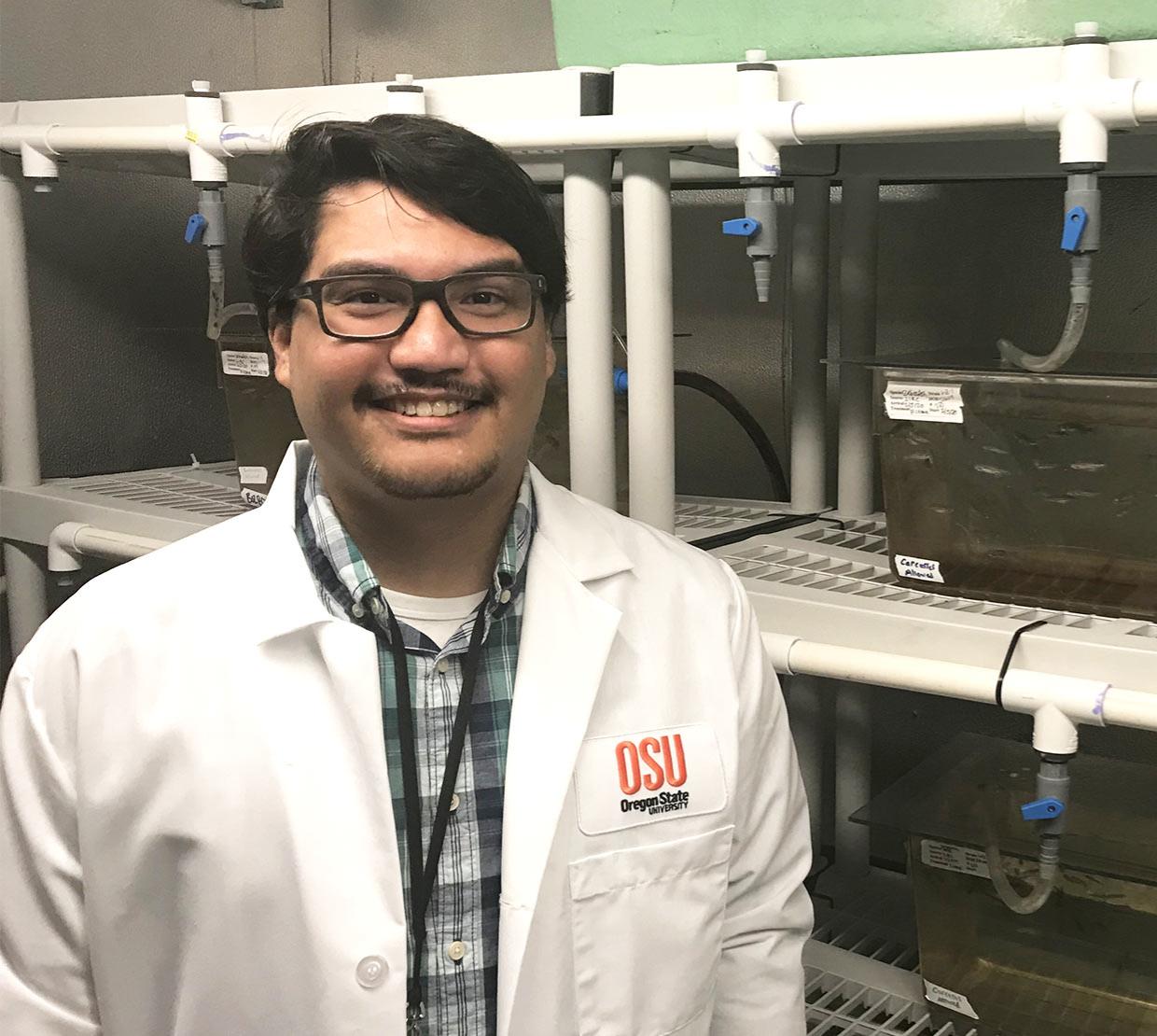
Corbin Schuster standing in a lab in front of shelves.

Diversity grant allows Ph.D. investigator to integrate his research career and culture

By NIH curated news

Microbiology Ph.D. student Corbin Schuster works with Professor Michael Kent in the Kent Lab to uncover the effects of the three most common infections in zebrafish and develop methods to prevent or control those diseases.

Microbiology Ph.D. student Corbin Schuster’s interest in biomedical research – particularly the study of microorganisms and infectious diseases – kindled during his 10-week internship at the National Institute of Diabetes and Digestive and Kidney Diseases in Bethesda while he was still an undergraduate at Heritage University in Washington state.

Today Schuster works with Professor of Microbiology Michael Kent in the Kent Lab to uncover the effects of the three most common infections in zebrafish and develop methods to prevent or control those diseases. He is supported by the National Institutes of Health (NIH) Office of Research Infrastructure Programs through the program Research Supplements to Promote Diversity in Health-Related Research connected with Kent’s National Institutes of Health (NIH) grant, “Control and Impacts of Diseases in Zebrafish Research Facilities.” The highly productive Kent Lab is focused on two major research areas that shed light on chronic infectious diseases: diseases of zebrafish in research facilities and the impacts of pathogens on wild salmonid fishes.

"Dr. Kent keeps me motivated and gets me out of my comfort zone, whether it’s taking on leadership roles, talking about my project and results – even when they’re not what I expected, or influencing me to get involved in diversity activities on campus ..."

As a member of the Yakama Nation, Schuster is interested in the study of human diseases that have a higher incidence among Native peoples, such as toxoplasmosis (a parasitic infection), as well as diseases of salmon, which are central to the food, culture and religion of the Yakama people.

“[The grant provided] a unique experience in that I don’t feel that I have to separate my culture from my career. I’m really interested in working with the tribal community, and the program and the NIH both support that aspect of my research desires,” said Schuster, who is in the third year of his Ph.D. program.

His interest in the zebrafish model was sparked when he learned about the aquatic model’s use in studies of spinal cord regeneration. “I really saw the discoveries that we could possibly have with zebrafish. When I started looking at the genetics [of the model], it was even more mind-blowing,” he explained.

Schuster currently is developing a sensitive and specific nonlethal water test to detect a common parasite in zebrafish, Pseudoloma neurophilia. He also is using histology and molecular biology methods (polymerase chain reaction) to characterize disease transmission dynamics in fish. His research is important to the rigor and reproducibility of studies using zebrafish models because P. neurophilia occurs in about 50 percent of zebrafish research laboratories. Kent’s laboratory previously showed that subclinical infections of P. neurophilia in laboratory zebrafish may have implications for research outcomes as a confounding factor, especially in neurobehavioral research.

He also has the opportunity to work with the Oregon Veterinary Diagnostic Laboratory (OVDL) at OSU, which collaborates with Zebrafish International Resource Center where Kent is a co-investigator, to provide diagnostic services to the zebrafish research community. Dr. Justin Sanders, head of molecular diagnostics at OVDL, leads molecular diagnostics and also mentors Schuster, providing guidance regarding molecular aspects of Schuster’s research.

Schuster’s grant allows him to mentor undergraduate students in the laboratory, a role that Kent encourages. He also is involved in outreach to students in his hometown area, including those in tribal communities, to encourage their involvement in science careers.

“Dr. Kent keeps me motivated and gets me out of my comfort zone, whether it’s taking on leadership roles, talking about my project and results – even when they’re not what I expected, or influencing me to get involved in diversity activities on campus, including sharing concerns about decision-making as they relate to diversity,” Schuster said.

Schuster is preparing to submit his first peer-reviewed manuscript on his research with his mentors this year.

Biochemistry and biophysics research labs persist during a pandemic at Oregon State.

Adapting to a new normal: student research labs persist during a pandemic

By Mary Hare

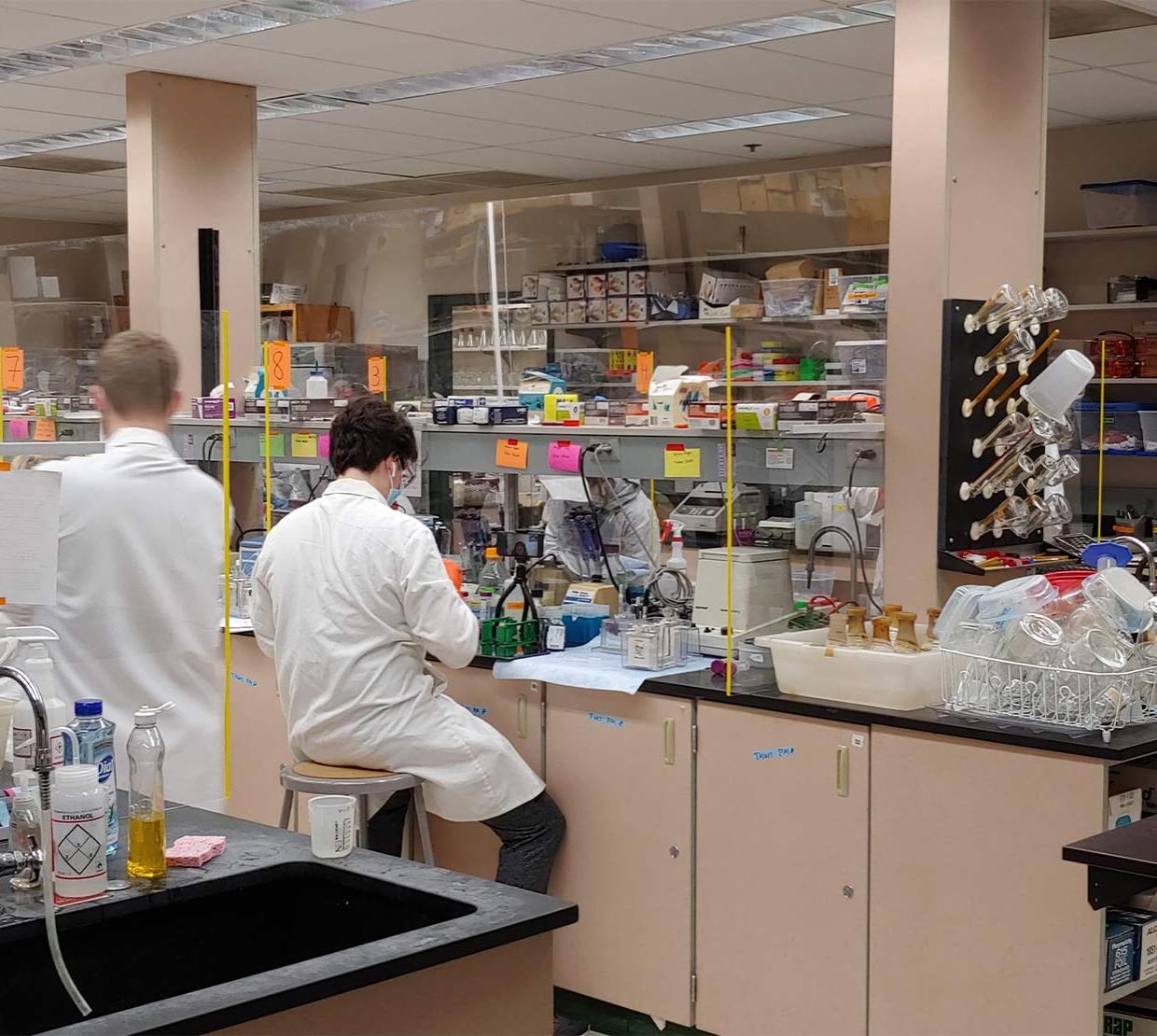
The Biochemistry Molecular Laboratory Techniques lab class, led by Senior Instructor Kari Van Zee, features home-made plexiglass screens and clever Zoom adaptations.

Lab work plays a critical role in many scientific fields – which is why this year, as classes moved online, Oregon State’s science labs moved quickly to adapt.

"It’s been really fun,” said senior instructor Kari Van Zee, who has been leading biochemistry’s blended lab series this term. “Students are doing a good job of taking responsibility for their health and ours.”

Biochemistry Molecular Techniques (BB494) and Experimental Chemistry (CH 362) are among the few labs offered in-person this year, with instructors working quickly to ensure maximum participant safety while still providing an engaging hands-on experience. Despite the inherent logistical challenges, course instructors felt that providing students the opportunity to take the class in person would help ensure that students of all learning styles were adequately prepared for life after graduation.

“I’m really grateful to have the chance to take in-person labs this year,” said one current student. “Kari Van Zee has supported a really healthy lab environment.”

Safety in the 21st century

Facing a historic turn of events, lab instructors have test-driven a host of new COVID safety precautions. Labs have been operating at half capacity or less. “We max out at 10 students per floor, in labs that normally have a capacity of 125,” says Kevin Gable, chemistry professor and CH 362 instructor.

“Professional safety orientation has always been a key component of this course, so the COVID precautions just add another layer”

Experimental Chemistry is a lab class intended for chemistry and biochemistry majors, intended to prepare them for future careers in the chemical sciences. “Professional safety orientation has always been a key component of this course, so the COVID precautions just add another layer,” says Gable. “Fortunately, the space we have available (in part because so few other labs are in-person) allows us to spread out more than normal and keep folks safe.”

While many COVID-safety measures are already accounted for in usual lab protocol (safety goggles, gloves, fume hoods, etc.), in some cases, they’ve had to get creative. Over the summer, Van Zee personally constructed and installed individual, custom Plexiglas barriers between workstations. “I can’t imagine having done that over winter break – we needed to cut 4 x 8’ sheets of Plexiglas in the driveway!”

Of the 99 seniors taking BB 494 this winter, 79 are doing a blended rotation that allows them to alternate in-person and remote learning. Starting Fall Term, biochemistry faculty piloted a technology allowing students to take turns working in the lab group members follow along remotely via Zoom. This method also allows the 100% remote students to team up with a “blended” group and experience the lab in real-time.

BB 494 is a two-part research-based course required for all seniors in the biochemistry department that helps provide critical experience for future pathways in medical research, pharmacy, biotechnology and chemical industries. This term, students are designing and carrying out research projects focused on the biochemistry of the protein nitroreductase, which has medicinal and industrial applications, explained Van Zee. They also get the chance to use genetic code expansion technology for protein engineering, courtesy of the Unnatural Protein Facility run by biochemistry professors Ryan Mehl and Rick Cooley.

Redefining remote

Given OSU’s renowned Ecampus program, online science courses were already ahead of the curve before the shutdown. Now, labs are innovating new ways for students to take science home with them.

A generous donation to the physics department provided funding for take-home kits, assembled by physics professors David McIntyre and Matt Graham, for upper-level physics students to gain hands-on experience.

Working with the College’s IT services, the course instructors set up access for students to log in remotely to lab computers and control high-tech machinery. “In some cases, they built the same experiment at home and then logged in remotely to perform measurements with more sophisticated equipment,” McIntyre explained.

"Our students have shown amazing resilience and adaptability throughout all the changes, and I'm confident we could teleport them into an in-person lab and they'd be running experiments in no time!"

Microbiology instructor Allison Evans has used a similar hands-on approach in MB 303, a two-credit lab for microbiology majors. “Some of the strategies we have used to give students a hands-on experience from home include having students make their own Winogradsky columns and following their development for 9 weeks, cooking their own media at home using gelatin, sampling microbes from their home, and recording videos of themselves demonstrating proper aseptic technique,” she said.

“Although we aren’t able to replicate all aspects of the in-lab experience, we are happy to be able to deliver all the elements that students taking the lab in the usual format are able to experience,” said Evans.

For Kenton Hokanson, it was important to capture the “busy, loud and fun” spirit of the introductory microbiology lab MB 230. With the course description “Microbiology as it affects our everyday lives,” he showed students how to culture microbes from their home environment, and apply laboratory techniques to analyze them.

"Our students have shown amazing resilience and adaptability throughout all the changes, and I'm confident we could teleport them into an in-person lab and they'd be running experiments in no time!"

Even with the unexpected challenges, professors see a silver lining in the changes the pandemic has brought to teaching in higher education.

Van Zee expects that the new remote-learning technology will help make classes more accessible for every type of learner, even after they return to in-person teaching. “Previously students withdrew from class if they needed to leave for too long,” she says. “We only offer this class once each year, so that delayed graduation.” Making lectures available over Zoom will allow students who commute or have families to attend remotely.

“We are all learning new ways to be flexible, creative, collaborative and appreciative,” said Van Zee.

Sonia Grutzius working with Ryan Mehl in the lab.

How Oregon's top pre-med program meets the growing demand for doctors

By Srila Nayak

Pre-med students in the College of Science can engage in research projects in labs across Oregon State University.

Increased interest in science and medicine is drawing a new generation of students to a career in medicine since the Covid-19 pandemic began. The healthcare workforce is in the spotlight, as are other issues such as low access to doctors in rural areas and in underrepresented communities and the dire shortage of physicians to tackle future public health crises. A report from the Association of American Medical Colleges projects that the United States will face a shortage of between 54,100 and 139,000 physicians by 2033.

Enrollment in Oregon State's pre-med program has remained high despite the pandemic, with numbers averaging 90-100 pre-med students annually since 2019. Students from Oregon and beyond interested in pursuing a career in medicine are drawn to the strong reputation of the pre-med track in the College of Science at OSU, which has an enviable record of preparing successful applicants for medical schools across the country.

A part of the pre-health professions track for science majors, pre-medicine exists alongside pre-dental and pre-pharmacy programs in the College of Science, in addition to other pre-health programs. While not a major, students can declare a transcript-visible pre-medicine option in six College of Science majors: BioHealth Sciences, Biology, Biochemistry and Biophysics, Biochemistry and Molecular Biology, Chemistry and Microbiology. Outside the College of Science, Kinesiology and Radiation Health Physics majors can also pursue a pre-medicine option. (OSU students in other majors can still follow a pre-med path, but can’t officially declare it as part of their major).

In recent years, pre-med science majors have gained admission to coveted medical programs at UCLA, Oregon Health and Science University, Western University, Ohio State University, Brown and Yale among others.

Oregon State University continues to maintain an exceptional medical school acceptance rate: In 2019-2020, a total of 59% of all COS majors and 65.5% of science majors who used the extensive pre-medicine committee services and resources in the College of Science gained admission to medical school. From 2016 to 2019, the total percentage of all OSU students gaining admission to medical schools with the help of pre-medicine program resources increased steadily from 59.15% to a striking 75.45%. These are impressive figures, especially in the context of national data. According to the Princeton Review, admission to medical school has continually remained fiercely competitive with low acceptance rates and in 2018-19, 41% of applicants were accepted to allopathic (MD) medical schools nationwide.

Editorial update: As of Fall 2024, the percent of science majors who gained admission to medical school after using Oregon State’s College of Science pre-medicine committee services and resources increased to 80%.

What makes OSU's pre-med program so successful

Maureen Leong-Kee

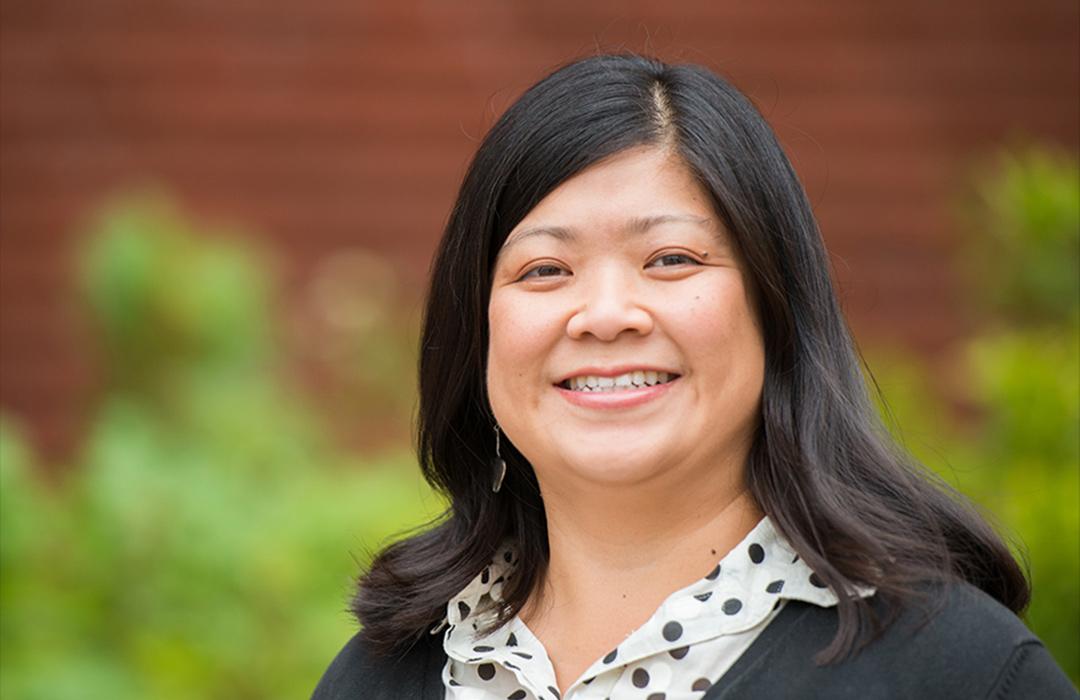
OSU College of Science Pre-Med Advisor Maureen Leong-Kee is part of a faculty team that provides dedicated guidance for pre-med students seeking acceptance to medical and other health professions schools.

According to the College’s lead pre-med advisor Maureen Leong-Kee, a number of factors have contributed to the success of the program and pre-med students. The pre-med program has a reputation for outstanding advising, student support structures and learning opportunities that extend beyond the classroom.

Every student with a pre-med focus gains access to individualized advising within their own program. The pre-med program offers student-specific advising in almost every science major, which includes biology, biohealth sciences, microbiology, chemistry, biochemistry and molecular biology and biochemistry and biophysics. “Students are advised by an expert within their major who is also very knowledgeable about the pre-med pathway,” said Leong-Kee. Mathematics and physics majors with a pre-med focus are advised by faculty within the College’s pre-med advising team.

Rigorous core prerequisites and upper-level science courses give students in-depth knowledge and a strong foundation in their science major as well as a broad exposure to biomedical science. This prepares them well for the MCAT (Medical College Admission Test) and even for a successful academic career in medical school. Courses range from contemporary and cutting-edge science topics in immunology and virology to advanced molecular genetics.

Biology graduate Ashley Victor (’19), now a second-year medical student at Oregon Health and Science University, discovered that the biochemistry series and courses in vertebrate biology and introductory physics had significant overlap and applicability to her medical school pursuits, giving her a strong foundation to perform well in the MCAT.

“Science classes in my first three years at OSU proved highly useful. I took classes in genetics, biochemistry, ecology and evolution and just enjoyed learning everything,” said Victor.

A comprehensive, well-rounded education based in sciences and the humanities is a vital part of getting into medical school. In addition to science courses, science majors can also study for a Certificate in Medical Humanities at OSU, which immerses them in a broad range of medical issues from global public health to the art of healing and biomedical ethics. “Our pre-med students take lots of interesting and relevant upper-level science courses, but we also encourage them to get a background in social science, behavioral science and public health to expand their knowledge for medical school,” said Leong-Kee.

The College pre-med program has several other attributes that result in meaningful educational experiences for future doctors and scientists. These resources complement a very well-developed and successful study abroad program and undergraduate research opportunities, as well as scholarships to support undergraduate research:

The pre-med orientation seminar, open to all students at OSU, introduces students to pathways to a career in medicine and diverse ways of connecting with the community to enhance their educational experiences. Students have the opportunity to hear from recent graduates, alumni physicians from diverse backgrounds and area physicians.

In addition to student-specific academic advising, pre-med students receive extensive guidance through the Application Seminar Series and workshops on writing a strong personal statement, as well as timely and comprehensive breakdown of important dates, timelines, guidelines, requirements and strategies to help them succeed in the medical school application process.

What OSU Science students say about their pre-med experiences

Amanda Gamboa

Amanda Gamboa ('20), a first-generation biology Honors graduate, prepared for medical school through a combination of research, volunteering, and mentorship, supported by OSU’s pre-med advising and faculty guidance.

Students attest that the College pre-med program supports a medical school aspirant’s unique abilities and interests. It encourages outside-the-box thinking, helping OSU students stand out from other medical school applicants.

Amanda Gamboa (’20), an Honors biology graduate, says that a broad array of resources and opportunities helped her prepare for medical school, and there is a misconception “that all experiences must be related to the medical field.” Gamboa, a first-generation student from Los Angeles, has gained admission to medical school in the West Coast and is waiting to hear from several other institutions where she interviewed before making a decision.

“While it is important to display your knowledge of medicine and what you are getting yourself into, some of my most important experiences are not related to the medical field and have enhanced my social competency, ability to work under pressure and understanding of the evolving nature of today’s society,” said Gamboa.

She deftly combined academics with research, volunteer and outreach activities. Gamboa was an undergraduate researcher at an OSU skeletal biology lab investigating the effect of gene manipulation and spaceflight on bones for her Senior Honors thesis, in addition to being one out of four students selected nationally for a Health Sciences Orthopedic Research Internship at the University of Tennessee.

In addition to her work as a medical scribe at the Good Samaritan Hospital in Corvallis, several other leadership and mentoring activities at OSU helped Gamboa broaden her horizons and strengthen her resume for medical school. She was a tutor at LSAMP (Louis Stokes Alliance for Minority Participation), a volunteer in Nepal as a member of OSU’s Building Homes and Hope Program and a peer mentor in the OSU STEM Leaders Program.

Gamboa credits her professors and the pre-med advising team in the College for helping her achieve important academic milestones, and to adopt effective time management strategies that enabled her to focus on MCAT preparation and even find time to destress with friends.

“I definitely do not think I would have been as organized if it wasn’t for pre-med advisors like Maureen (Leong-Kee). Some of the faculty members I developed close personal relationships with provided letters of recommendation for me and always supported me in personal, professional, and academic endeavors,” said Gamboa. “Overall, Oregon State University did an exemplary job in guiding me through the pre-med track and preparing me for medical school.”

Ben Hauser

Benjamin Hauser ('20), a biochemistry and molecular biology graduate, transitioned from community college and blue-collar work to a research fellowship at the NIH, with support from OSU’s pre-med advising and faculty mentorship.

The pre-med track in the College of Science also equips students to make the most of a gap year between graduation and medical school. Benjamin Hauser (’20), a biochemistry and molecular biology graduate, joined the National Institutes of Health in Maryland for a post-baccalaureate fellowship. He does research pertaining to childhood growth and development at NIH.

A transfer student from Linn Benton Community College, Hauser worked summer jobs repairing streets and working graveyard shifts for the UPS. He spent two years at OSU during which, with the help of supportive pre-med advisors and professors, he studied in 11 biochemistry courses and engaged in substantive research.

“The NIH is one of the world's leading centers of biomedical research and being a member of this organization is humbling,” said Hauser. “Working at the NIH is not an opportunity I ever really envisioned for myself, and I have Oregon State and the Biochemistry department to thank for setting me up for this. With their support, I made the transition from a community college student with only blue-collar work experience to someone who will be pursuing a career as a physician-scientist.” Hauser is also training with the Maryland Fire and Rescue Institute to become an EMT and will be applying to medical schools this year.
Among others, Hauser is grateful for the support of his biochemistry pre-med advisor Kari Van Zee. “She inspired me to switch my major to biochemistry, which has prepared me for a career in research and medicine. I have been very grateful for her mentorship and support."

As a pre-med student, Hauser got opportunities to work at OSU’s Disability Access Services, served in a motor skills fitness program for children with special needs and shadowed neonatologists at OHSU. He was also a research assistant for the OSU TRACE COVID-19 public health project. Hauser conducted research on the infant digestive system in an OSU lab which led him to co-author multiple publications, and took part in a summer research internship at the Albert Einstein College of Medicine (New York).


More pre-med student stories from the College of Science

People on top of a mountain.
Auria Lee, Class of ’25: Adventure, research and leadership shape future doctor

Auria Lee plans to go to medical school, but her training as a physician truly began as an undergraduate Honors biochemistry major at Oregon State.

A woman with a dark t-shirt and pulled back hair smiles widely at the camera, the cityscape of Paris blurred in a sunset behind her.
Microbiology pre-med senior pursues passion for patient care

Catherine Sterrett has always been called to medicine, but when she found herself as a patient, compassion became her greatest motivation. Now a graduating senior, she looks forward to where her career will take her.

Ebunoluwa Morakinyo is seen dancing with an Nigerian flag during African night.
Biochemistry and molecular biology senior thrives from the stage to the lab

Being a Beaver has stretched Ebunoluwa Morakinyo to develop her passions inside and outside of the lab. A senior honors biochemistry and molecular biology student at Oregon State, her time on campus has included celebrating her culture while looking forward to a career dedicated to helping others.

Saki Nakai sitting outside in a forest.
Mathematics graduate to research cross-cultural psychology for Fulbright

Pre-med Honors student Saki Nakai double majored in psychology and mathematics, completing a French minor abroad. Next year, a Fulbright award will support her research in Luxembourg.

Román Hernández

Attorney and science alum awarded Alumni Legacy Award for civil rights advocacy

By Srila Nayak

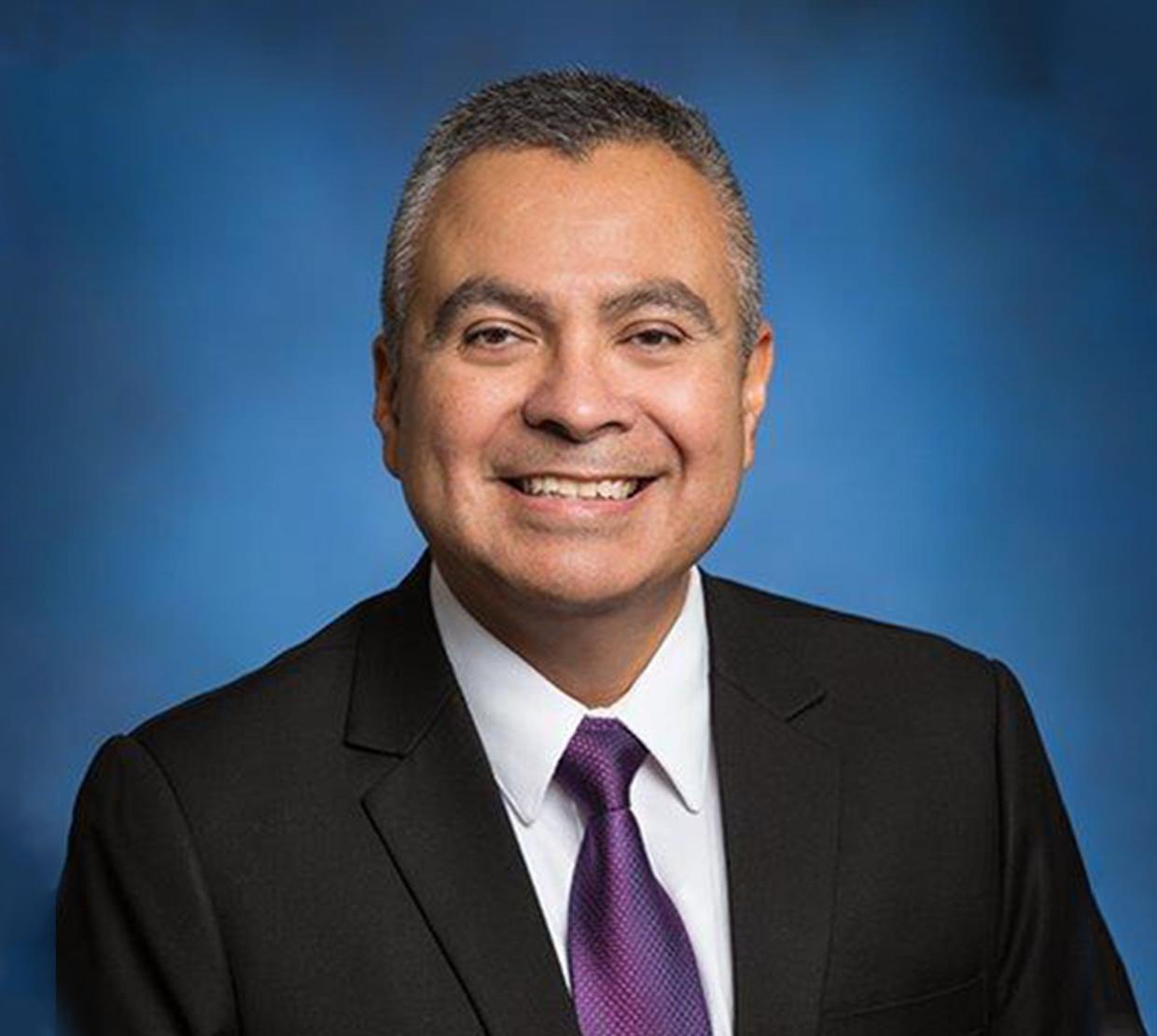
Román D. Hernández (’92) received the Diversity, Equity and Inclusion Alumni Legacy Award on the occasion of OSU's 39th annual Dr. Martin Luther King, Jr. Celebration.

Román D. Hernández (’92), an alumnus of the College of Science, received the Diversity, Equity and Inclusion Alumni Legacy Award on the occasion of the 39th annual Dr. Martin Luther King, Jr. Celebration on Monday, January 18, 2021 at Oregon State University. A nationally recognized attorney specializing in labor and employment law and commercial litigation, Hernández is the Office Managing Partner at Troutman Pepper’s Portland office.

The award recognizes alumni who have demonstrated a deep and abiding commitment to causes of social justice, diversity, equity and inclusion and who exemplify and enrich OSU’s values of community, diversity, respect and social responsibility in their broader community or organization.

“I am deeply honored to have received this award from OSU, an institution that I love. And to have received it during OSU’s Dr. Martin Luther King, Jr. Celebration, makes it that much more meaningful,” said Hernández.

Hernández’s award citation commends his commitment to the values of diversity, equity and social justice throughout his career as an attorney. His nomination states, “Over the years, Román has reached out to young racial and ethnic minority students from middle school to high school to encourage them to pursue their education, including pursuing a legal education. By recalling his own background of socioeconomic disadvantage and hardship, he inspires them to achieve their educational goals and to know that nothing is beyond their grasp.”

“I am deeply honored to have received this award from OSU, an institution that I love. And to have received it during OSU’s Dr. Martin Luther King, Jr. Celebration, makes it that much more meaningful."

Hernández graduated from OSU with a co-major in general science, emphasizing biological sciences, and aerospace studies. Before taking up law studies at Lewis and Clark Law School (Portland), Hernández, who attended OSU on an ROTC scholarship, served for nearly five years in the Air Force. He was honorably discharged at the rank of Captain. Inspired by a JAG officer, the first Latino lawyer he had known, Hernández decided to pursue a degree in law.

Hernández successfully battled tremendous challenges on his journey towards an outstanding legal career. He is the youngest of eight children of migrant farm workers from Mexico who worked in Michigan and Ohio before settling in Oregon. Hernández and his siblings grew up near Ontario, a city in far eastern Oregon bordering Idaho. Although his mother and father had no formal education, they inspired all their children to study and go to college.

Hernández’s rise to the top ranks of his profession is a testament to his courage, determination and perseverance. An American Bar Association profile of Hernández notes, “He would spend 10 hours a day harvesting onion – a labor-intensive task that involves bending over or kneeling and using sharp knives to cut the leafy tops from the onions. The intense summer heat could reach 110 degrees Fahrenheit, and Román’s hands still bear the scars from the knives used in the harvest. It was “piece work” and he was paid as little as 10 cents a bushel for his work.”

Hernández was able to realize his college dreams when he was awarded financial aid to attend Treasure Valley Community College. He was on the Dean’s List multiple times at TVCC before transferring to OSU. His Air Force ROTC scholarship from OSU enabled him to attend university where he did well academically. Hernandez was the only Hispanic-American ROTC cadet at OSU in the Professional Officer Corps (the upper division cadets).

Hernández was named to the Lawyers of Color Nation’s Best List in recognition of his career accomplishments and commitment to diversity and inclusion in the legal profession. He was also recognized in The Best Lawyers in America in the categories of employment-law management and for litigation-labor and employment law.

Hernández has garnered several accolades and awards for his professional achievements, service, leadership and lifetime commitment to social justice and civil rights in Oregon and beyond.

He received the American Bar Association’s 2021 Spirit of Excellence Award, which honors those who have achieved excellence and supported others within their legal careers. He also received the Distinguished Business Law Graduate Award from his alma mater, Lewis and Clark Law School; the Diversity and Inclusion Champion Award from Oregon State Bar; the Civil Rights Champion Award from the Oregon League of Minority Voters; among other honors.

He served as the Oregon Community Foundation’s (OCF) Board of Directors and was named the Hispanic National Bar Association’s 2017 Latino Lawyer of the Year. Hernández has spearheaded equity and inclusion reforms in several Oregon organizations and foundations. He served as the first-ever Chair of OCF’s Equity, Diversity, and Inclusion Board Committee which developed and assisted the organization in applying an “equity lens” to its work.
Hernández has been selected to serve in influential and high-profile positions during his career. He is a former Chairman of the Board of Directors of the Portland Branch of the Federal Reserve Bank of San Francisco, one of the 12 banks that comprise the central banking system of the United States. Through his six-year Federal Reserve service, Hernández helped develop the nation’s monetary policy. He served as the National President of the Hispanic National Bar Association that represents the interests of 100,000 Hispanic attorneys, judges, law students, and paralegals throughout the United States.
Chris Beaudry working in a lab with a student

Grants to boost advances in mental health and cancer research

By Cari Longman

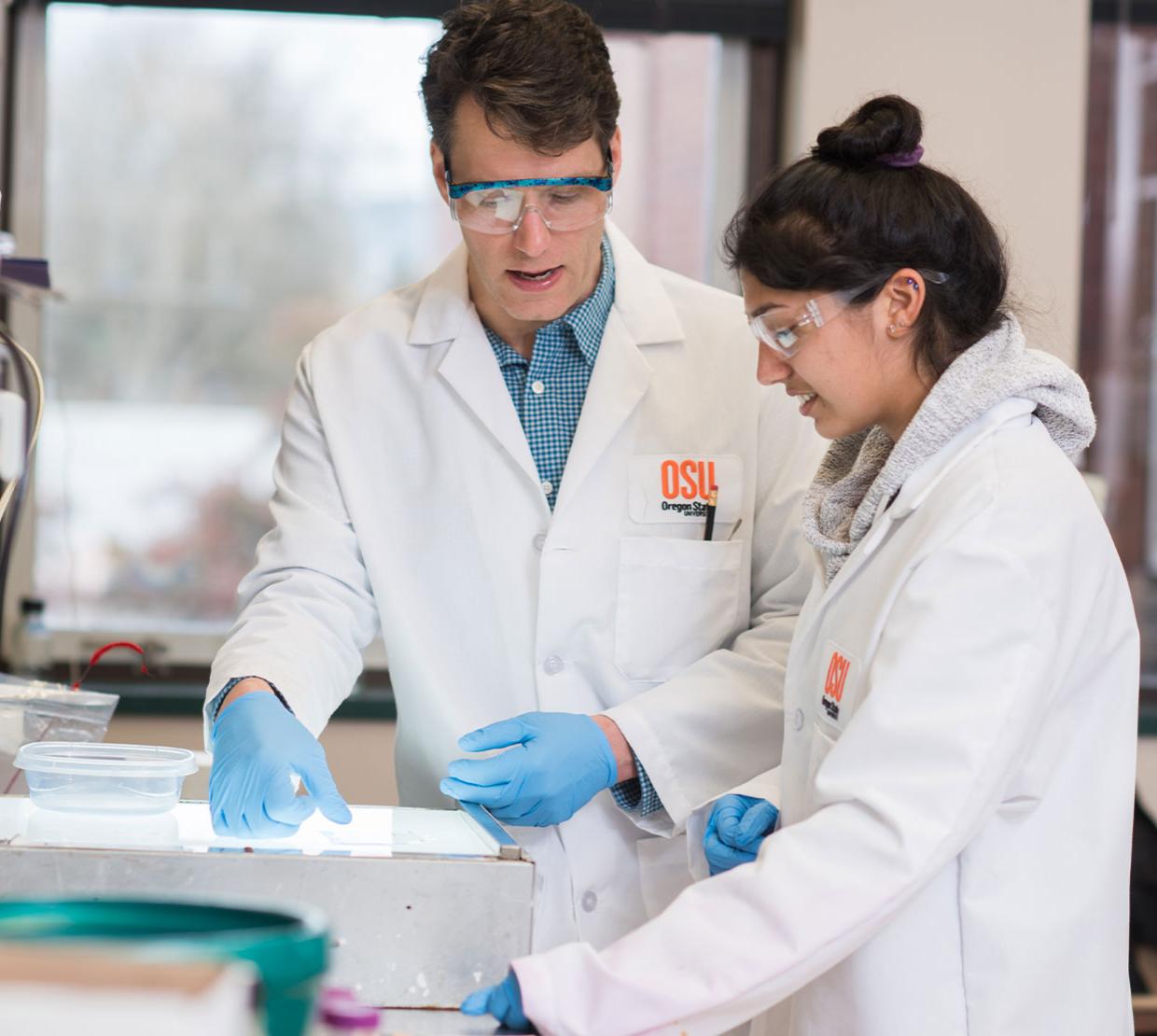
Professor of chemistry Chris Beaudry, recipient of one of two College of Science Science Research and Innovation Seed (SciRIS) grants to explore new medicines to treat cancer, works in his lab with an undergraduate student.

The tough challenges the world faces in the 21st century demand collaborative, multi-disciplinary solutions and radical innovation. Whether it happens in the laboratory, out in the field or in the classroom, College of Science faculty and students are working to envision what is possible through research and inspired problem-solving.

With a history of turning groundbreaking discoveries into high-value solutions for society, the College of Science is strengthening pathways for scientists and partners to develop their ideas into solutions to address pressing problems.

One way it is doing this is by providing seed funding through the Science Research and Innovation Seed (SciRIS) Program to research projects that are high-impact, collaborative and cut across disciplines. Launched in 2018, SciRIS program provides three tiers of funding: $10,000, which funds research planning, team formation and initial experiments; $75,000, which supports a research project to develop a proof of concept; and $125,000 to accelerate work toward or commensurate with an external funding opportunity.

Two multidisciplinary research teams recently received SciRIS funds in late 2020. Microbiologist Maude David, along with biochemist Kenton Hokanson and Kathy Magnusson from OSU’s Carlson College of Veterinary Medicine received $75,000 for a project entitled “An integrative investigation of the role of the gut-brain axis on sex differences in anxiety.”

Though anxiety disorders manifest differently in men and women, the biological mechanisms underlying the sex-specific presentation of such disorders remain unexplored. The team’s research will integrate functional, molecular and behavioral data to identify the role of specific bacterially-produced metabolites that are linked with anxiety in humans. They hypothesize that the metabolites produced by the gut microbiome help establish the sex differences observed in the prevalence and severity of anxiety disorders.

Professor of chemistry Chris Beaudry and Victor Hsu, associate professor of biochemistry, along with cancer researcher Siva Kolluri in the College of Agricultural Sciences received $125,000 for their project entitled “Homoharringtonine: Chemical Synthesis and Evaluation of Designed Analogs.” The group is researching the analogs of Homoharringtonine (HHT) with improved pharmaceutical properties. HHT is a plant alkaloid isolated from the plum yew Cephalotaxus harringtonii.

HHT is showing great promise as a starting point for the development of new medicines for multiple forms of cancer, however it is highly expensive and difficult to acquire both as a chemical and as a medicine. Among other objectives, the group is working on creating an efficient chemical synthesis of HHT which quadruples the chemical yield, and can be used for investigation in combination therapies and evaluation in modern drug delivery systems.

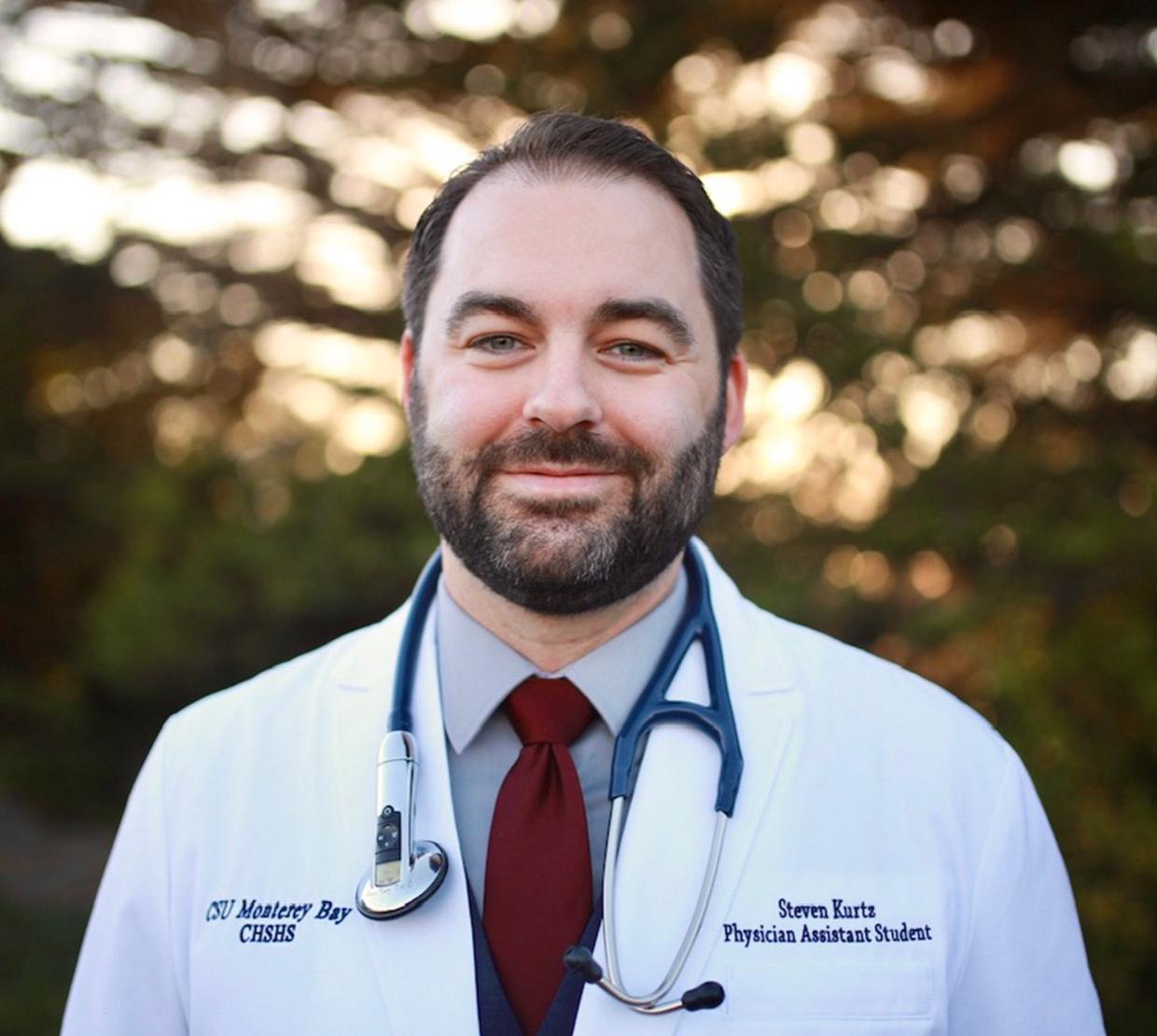
Steven Kurtz in a doctor coat and stethoscope

Meet a Science Grad: Steven Kurtz

By College of Science

The following interview is part of a series the College of Science conducted with some of our alumni. While their experiences and career paths vary widely, their passion for science and love for the College and OSU tie them together.

Steven Kurtz

Major: BioHealth Sciences
Additional Education: M.S. in Biotechnology, Johns Hopkins University (’17), M.S. in Physician Assistant Studies, California State University – Monterey Bay (’21)
Occupation: Physician Assistant student with California State University Monterey Bay & Advanced Anatomy & Physiology tutor

Why did you choose to study at OSU?

Oregon State University has an exceptional reputation for providing a rigorous and comprehensive science curriculum that prepares its students for success post-graduation.

What led you to choose your major and career path?

I chose to major in BioHealth Science/Pre-PA and become a physician assistant because I cannot imagine any other career than one allowing me to diagnose illness and treat patients, but I did not want to be committed to one particular specialty. Physician assistants have the unique ability to explore many different interests in medicine.

How did the College of Science prepare you for your future career?

I highly enjoyed my time in the College of Science, and it prepared me well by providing an incredibly rigorous curriculum in all of the sciences. The foundation I received during undergraduate allowed me to succeed in pursuing a M.S. in Biotechnology at Johns Hopkins University and a M.S. in Physician Assistant Studies at California State University Monterey Bay.

What would people be surprised to learn about your profession?

Others may be surprised by the notion that physician assistants can, and should, operate at the level of a physician in most circumstances.

How were you involved in the OSU community?

As a transfer student working three jobs while attending classes, I was not able to participate in many activities or clubs. I spent my available free time volunteering as a teaching instructor in the Advanced Anatomy & Physiology labs.

Was there a particular professor or advisor who made an impact in your undergraduate career?

Hands down, the number one professor that had the greatest impact on me is Devon Quick, the instructor for advanced anatomy and physiology. She not only prepared me to succeed during my undergraduate career; her unparalleled instruction and emphasis on conceptual thinking allowed me to excel in my physician assistant program. She expects the most out of her students but she will provide the support and resources necessary to become successful in any chosen career. Professor of the decade, in my opinion.

What did you do for fun to de-stress from schoolwork?

I became heavily interested in extreme sports and spent any free time skydiving, bungee jumping, skiing, scuba diving and cliff jumping. I usually celebrated finals by jumping 300 feet off of a bridge.

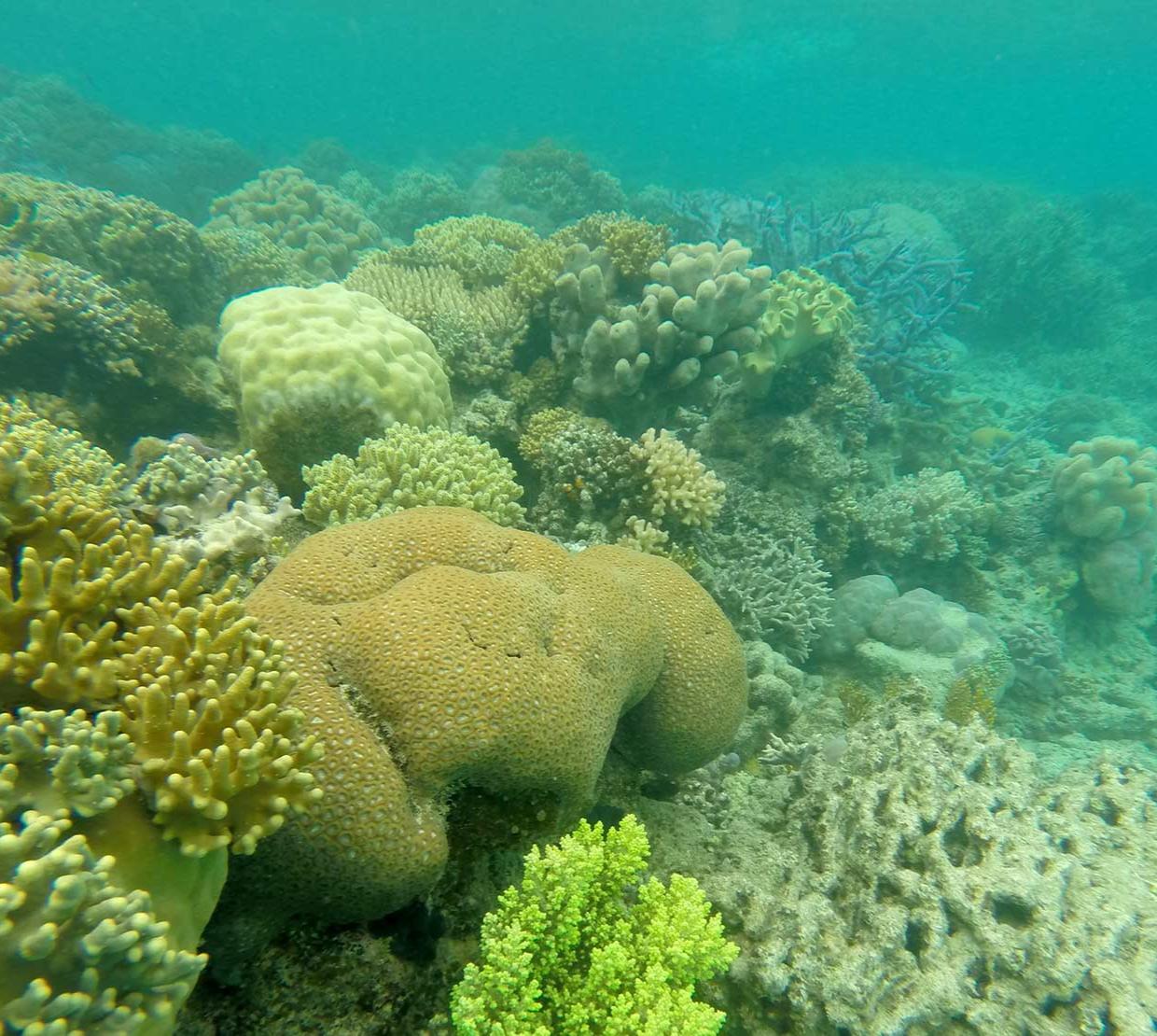
Corals along seafloor in Lizard Island.

Scientists awarded grant to investigate how microbiomes can help species withstand climate change

By Srila Nayak

Microbiologist Rebecca Vega Thurber and her collaborators will investigate microbiome transformations in three aquatic organisms: seagrass, corals and zebrafish.

The microbiome or the vast community of microorganisms found on and within plants, animals and humans can help us understand how different life forms on Earth can resist the harmful effects of environmental changes. Currently, there are very few scientific studies on how microbiomes can enable their host to recover from and withstand ecological disturbances, which would help sustain ecosystems and biodiverse habitats.

A pivotal National Science Foundation award will enable Oregon State scientists to investigate how microbes influence their wildlife host’s sensitivity and resilience to disruptive changes in the natural environment. The award was made in the category of Understanding the Rules of Life, one of NSF’s 10 big ideas to advance pioneering research that serves the nation’s future.

“As our planet experiences more and more disturbances, like climate change and disease outbreaks, we need to work together to understand how microbes can mediate resistance and reliance of their hosts to these stressors" — Rebecca Vega Thurber

Microbiologists and biochemists at Oregon State were awarded a five-year $3 million NSF grant for their proposal, “Predictors of Microbiome Sensitivity and Resilience.” Rebecca Vega Thurber, Emile Pernot Distinguished Professor of microbiology, is the lead principal investigator on the project. The project includes co-principal investigators Thomas Sharpton, associate professor of microbiology and statistics; Maude David, assistant professor of microbiology and pharmaceutical sciences; Ryan Mueller, associate professor of microbiology; and Xiaoli Fern, associate professor of computer science.

“As our planet experiences more and more disturbances, like climate change and disease outbreaks, we need to work together to understand how microbes can mediate resistance and reliance of their hosts to these stressors, ” said Vega Thurber. “This collaborative project aims to bring together the expertise of several microbiologists and computer scientists at OSU to identify important ‘system agnostic’ features of microbiomes that may provide key insight into how microbiomes are involved in mediating animal and plants health, particularly in regards to environmental change.”

Global climate change is threatening the survival of almost all life forms on Earth. Intense heat waves and other human pressures are reducing biodiversity and creating profound and severe consequences for marine and terrestrial ecosystems. The effects of such ecological disruptions are most clearly observed on species that are unable to adapt to their changing environments, and suffer from disease, loss of nutrients and habitat, genetic changes and are ultimately threatened with extinction. Some of these devastating impacts due to anthropogenic climate change include coral bleaching and reduced reproductivity and lower survival rates in fish.

In this pressing scenario, understanding how microbiome properties and composition are influenced by environmental changes can hold the key to saving and preserving ecosystems. The project will explore the impact of human-induced environmental changes on the genome, physiology, adaptation, composition and other ecological functions of the microbiome that will indicate their sensitivity and resilience to environmental disturbances. The researchers will focus on how microbiome responses before, during and after stressful ecological conditions influence the host species’ health, and become a contributing factor in their decline or survival in a changing environment.

Vega Thurber and her collaborators will investigate microbiome transformations in three aquatic organisms: seagrass, corals and zebrafish. These organisms are affected by the three environmental stressors of antibiotic exposure, warming waters and pathogen infection. Through studies of the microbiome in the three species, the researchers will define the unifying principles and properties that define a microbiome’s sensitivity and resilience to environmental changes.

“By comparing the dynamics of very different aquatic microbiomes, but using identical experiments and methodology, this novel project can find critical hallmarks of microbiomes that are prominent in healthy and stressed hosts, giving us a better ‘broad scope’ understanding of how all microbiomes function,” Vega Thurber said.

The identification of such universal properties holds potential to transform microbiome research and innovation, particularly as it applies to health and natural resource management. To define how ecological disturbance impacts host-microbiome interactions, the researchers working on this project will develop novel and freely available data analytic tools and software.

“Because our work focuses on diverse host systems and disturbances that represent major categories of anthropogenic stress, we expect to develop foundational insights into how human activity impacts wildlife through their microbiomes,” said the scientists in a statement.

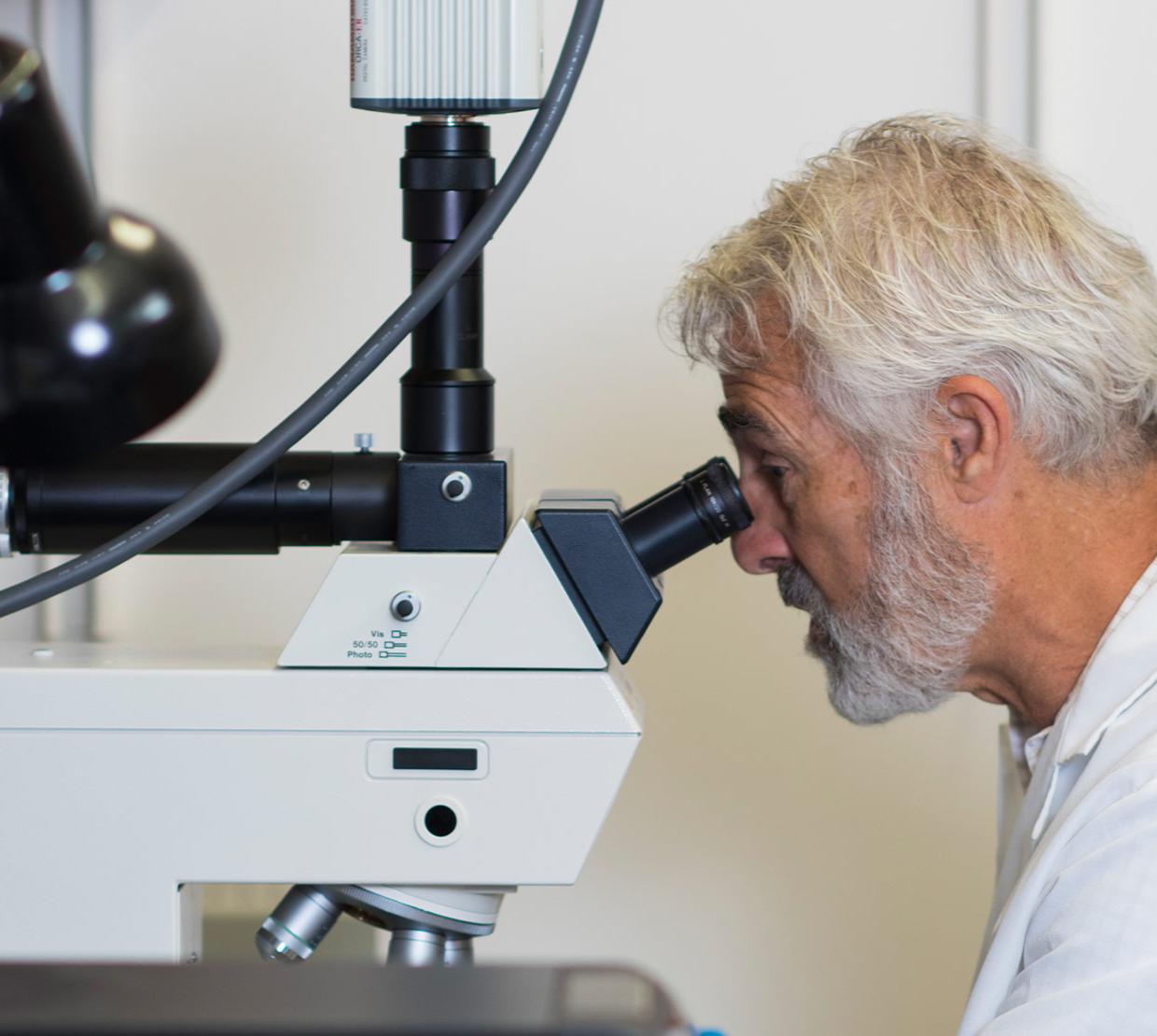
Steve Giovannoni looking into microscope in lab.

Gut bacteria associated with animal-based diet may mitigate risk of cardiovascular disease

By Steve Lundeberg, OSU News

Steve Giovannoni, distinguished professor of microbiology and post-doctoral fellow Veronika Kivenson have found that a type of common gut bacteria sometimes associated with inflammation, abscesses, bowel disease and cancer has a major silver lining: It seems to help prevent cardiovascular disease.

The findings suggest the possibility of probiotic treatments for atherosclerosis, the dangerous buildup of fats, cholesterol and other substances in arteries that cause strokes and heart attacks and is linked to smoking, diet, age and a range of genetic causes.

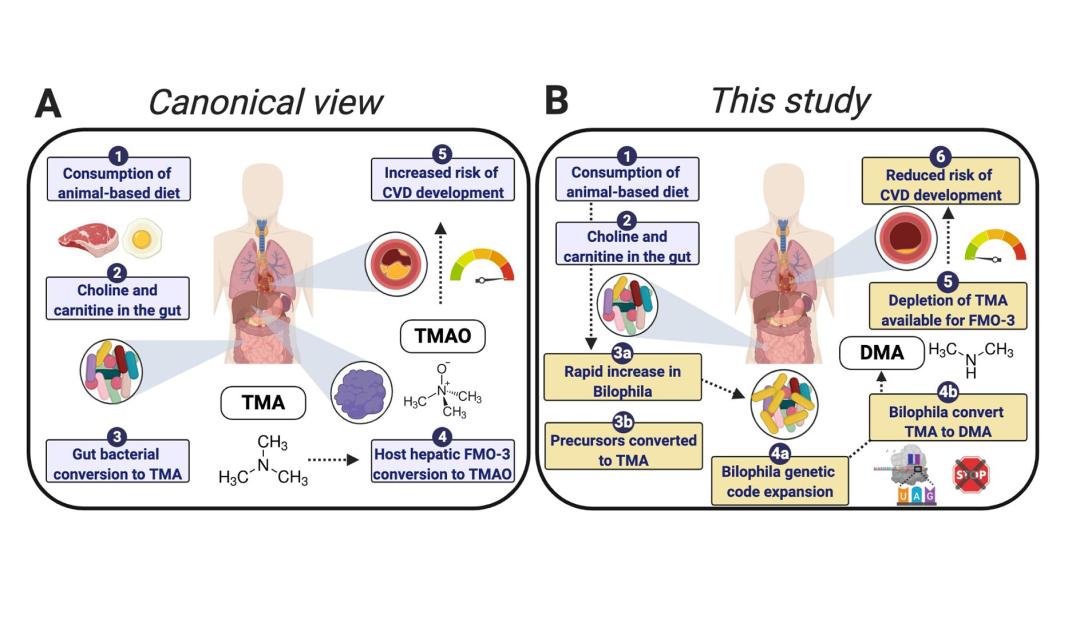
Diets heavy in animal-based foods have long been considered a risk factor for cardiovascular disease as such diets are a major source of TMA – trimethylamine – which is converted by the liver to another compound, TMAO, that promotes the buildup of fatty plaque in arteries. TMAO is short for trimethylamine-N-oxide.

Graphic created with BioRender.com and published in mSystems.

Graphic created with BioRender.com and published in mSystems.

“The connection between TMAO and cardiovascular disease has tended to focus the conversation on how animal-based diets cause negative health consequences,” said Kivenson, the study’s lead author and a postdoctoral fellow in the OSU College of Science. “But in analyzing data from foundational gut microbiome studies, we uncovered evidence that one type of bacteria associated with meat consumption can take the TMA, as well as precursors to TMA, and metabolize them without producing any TMAO. That means those bacteria are in effect severing a key link in the cardiovascular disease chain.”

The bacteria are of the Bilophila genus and evidence suggests an expanded genetic code enables their metabolism, via a demethylation pathway, to avoid making TMAO. Furthermore, Kivenson said, research shows animal-based diets cause a rapid increase in Bilophila in the gut.

“The organisms in your stomach have been shown to affect the development of myriad disease states,” said co-author Steve Giovannoni. “But the mechanisms – what is actually happening behind the connections among diet, health and microbiota – have generally been hard to pin down. More research into Bilophila cell biology and ecology is needed, but our study presents a clearly defined mechanism with potential for a big impact on human health.”

Identified only 31 years ago, in an infected appendix, Bilophila is a gram-negative anaerobic rod that’s classified as a pathobiont – an organism that normally has a symbiotic relationship with its host but can become disease-causing under certain circumstances. It’s commonly present in the microbiomes of people who are healthy.

“The data we reviewed show significantly more Bilophila in the microbiomes of healthy people compared to those with cardiovascular disease, and that Bilophila numbers go up in response to a diet based on meat compared to a plant-based diet,” Kivenson said. “Our findings suggest Bilophila’s role in the microbiome and human health might depend on the specific context and that their potential as a probiotic that mitigates animal products’ role in heart disease should be studied further.”

Findings were published today in mSystems. The National Science Foundation and the Simons Foundation supported this research.


Read more stories about: news, faculty and staff, microbiology, microbiome


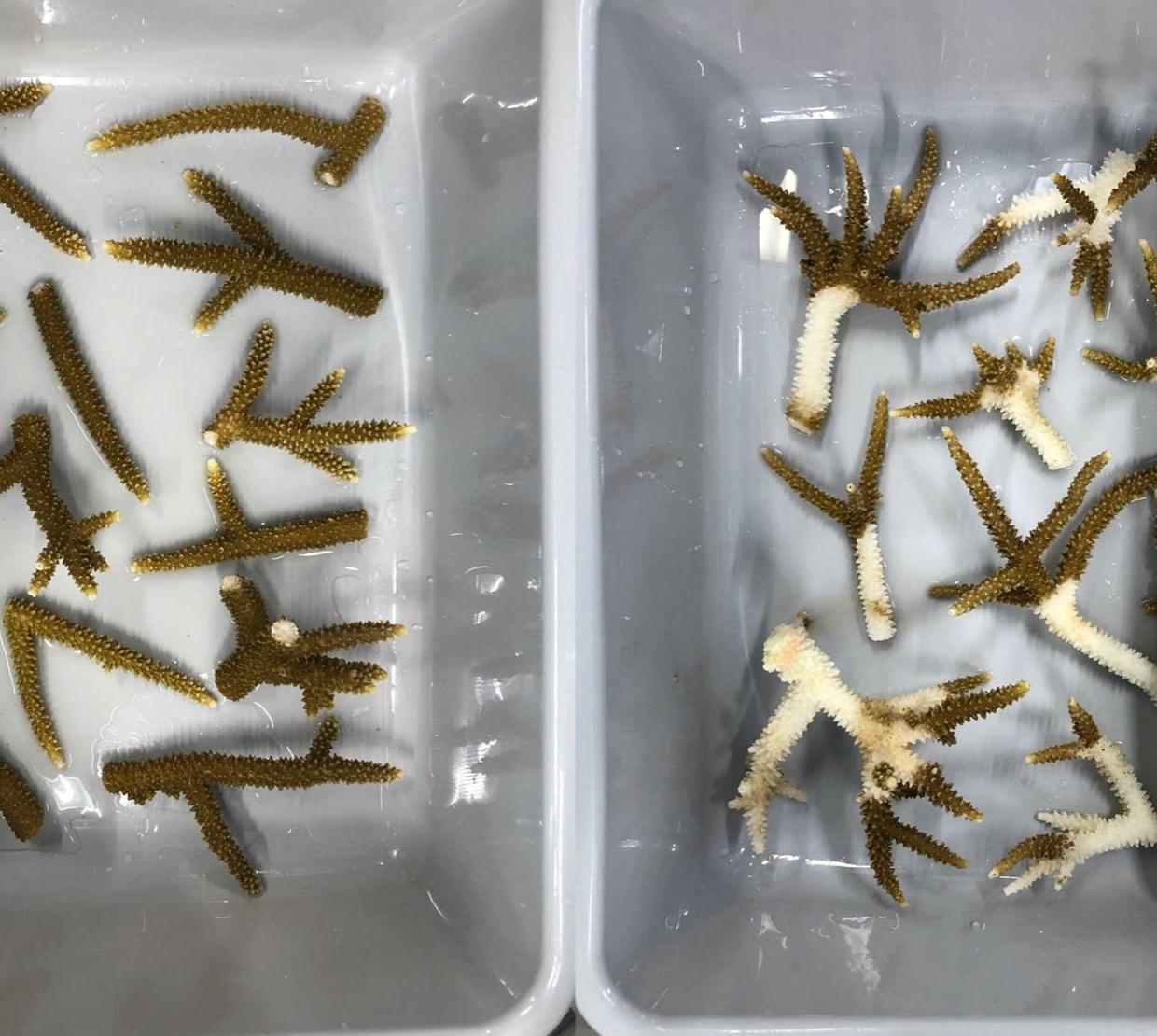
Diseased and healthy corals sitting in bins.

Coral researchers find link between bacterial genus and disease susceptibility

By Steve Lundeberg

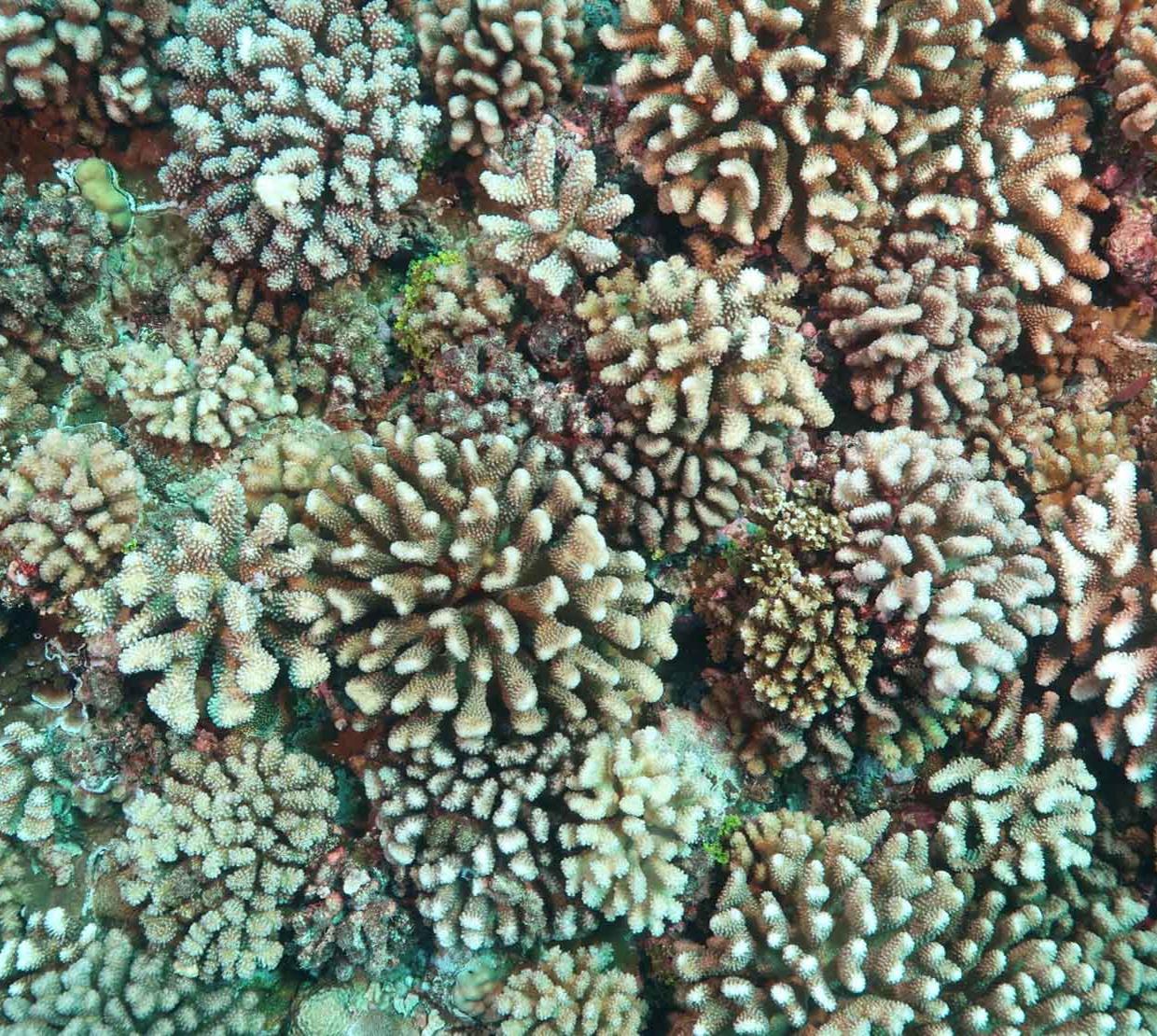
Healthy, left, and diseased corals due to the presence of parasitic bacteria.

Corvallis, Ore.— Corals that appear healthy are more prone to getting sick when they’re home to too many parasitic bacteria, new research at Oregon State University shows.

Supported by the National Science Foundation, the study, published in Environmental Microbiology, adds fresh insight to the fight to save the Earth’s embattled coral reefs, particularly those in the Caribbean.

“The clear relationship we’ve discovered between this kind of bacteria and disease resistance in Caribbean staghorn coral is a crucial piece of the puzzle for coral restoration efforts in that region,” said study co-author Becca Maher, a Ph.D. candidate at Oregon State.

Found in less than 1% of the ocean but home to nearly one-quarter of all known marine species, coral reefs help regulate the sea’s carbon dioxide levels and are a crucial hunting ground that scientists use in the search for new medicines.

Between 2014 and 2017, more than 75% of the world’s reefs experienced bleaching-level heat stress, and 30% suffered mortality-level stress. Bleaching refers to the breakdown of the symbiotic relationship between corals and the algae they rely on for energy.

A complex composition of dinoflagellates, viruses, fungi, bacteria and archaea make up the coral microbiome, and shifts in microbiome composition are connected to changes in coral health.

In 2019, scientists in the lab of microbiology Associate Professor Rebecca Vega Thurber identified a new genus of parasitic bacteria that flourishes when reefs become polluted with nutrients, siphoning energy from the corals and making them more susceptible to disease.

The bacteria are in the order Rickettsiales, and the new genus is associated primarily with aquatic organisms. Scientists named the genus Candidatus Aquarickettsia and the coral-associated species in the 2019 study, Candidatus A. rohweri, was the first in the new genus to have its genome completely sequenced.

Since their first appearance 425 million years ago, corals have branched into more than 1,500 species, including the one at the center of this research: the critically endangered Acropora cervicornis, commonly known as the Caribbean staghorn coral.

“The bacterial genus we’ve identified is found around the world and in multiple types of corals, but is most notably found in high abundance in the microbiomes of Caribbean staghorn coral,” said study co-author Grace Klinges, also a Ph.D. candidate in the Vega Thurber lab. “Now we’ve uncovered significant evidence that a high abundance of Ca. Aquarickettsia is a marker of disease susceptibility in corals that otherwise seem healthy.”

Disease-resistant corals were found to host a much more even mix of many types of bacteria, she said. Additionally, as corals experienced heat stress from a warming ocean, the microbiome dominance of Ca. Aquarickettsia eroded.

“That’s apparently because the bacteria rely on host nutritional resources that become scarce during periods of stress,” Vega Thurber said. “And then the sudden loss of a dominant community member frees up niche space and creates openings for opportunistic pathogens to proliferate and sicken the coral.”

Erinn Muller of the Mote Marine Laboratory in Sarasota, Florida, led the study.

Aerial shot of coral reef.

Oregon State University scientists shed new light on viruses' role in coral bleaching

By Steve Lundeberg

The planet’s largest and most significant structures of biological origin, coral reefs are found in less than 1% of the ocean but are home to nearly one-quarter of all known marine species.

Corvallis, Ore. – Scientists at Oregon State University have shown that viral infection is involved in coral bleaching – the breakdown of the symbiotic relationship between corals and the algae they rely on for energy.

Funded by the National Science Foundation, the research is important because understanding the factors behind coral health is crucial to efforts to save the Earth’s embattled reefs – between 2014 and 2017 alone, more than 75% experienced bleaching-level heat stress, and 30% suffered mortality-level stress.

The planet’s largest and most significant structures of biological origin, coral reefs are found in less than 1% of the ocean but are home to nearly one-quarter of all known marine species. Reefs also help regulate the sea’s carbon dioxide levels and are a vital hunting ground that scientists use in the search for new medicines.

Since their first appearance 425 million years ago, corals have branched into more than 1,500 species. A complex composition of dinoflagellates – including the algae symbiont – fungi, bacteria, archaea and viruses make up the coral microbiome, and shifts in microbiome composition are connected to changes in coral health.

The algae the corals need can be stressed by warming oceans to the point of dysbiosis – a collapse of the host-symbiont partnership.

To better understand how viruses contribute to making corals healthy or unhealthy, Oregon State Ph.D. candidate Adriana Messyasz and coral researcher Rebecca Vega Thurber in the Department of Microbiology led a project that compared the viral metagenomes of coral colony pairs during a minor 2016 bleaching event in Mo’orea, French Polynesia.

Also known as environmental genomics, metagenomics refers to studying genetic material recovered directly from environmental samples, in this case samples taken from a coral reef.

For this study, scientists collected bleached and non-bleached pairs of corals to determine if the mixes of viruses on them were similar or different. The bleached and non-bleached corals shared nearly identical environmental conditions.

“After analyzing the viral metagenomes of each pair, we found that bleached corals had a higher abundance of eukaryotic viral sequences, and non-bleached corals had a higher abundance of bacteriophage sequences,” Messyasz said. “This gave us the first quantitative evidence of a shift in viral assemblages between coral bleaching states.”

Bacteriophage viruses infect and replicate within bacteria. Eukaryotic viruses infect non-bacterial organisms like animals.

In addition to having a greater presence of eukaryotic viruses in general, bleached corals displayed an abundance of what are called giant viruses. Known scientifically as nucleocytoplasmic large DNA viruses, or NCLDV, they are complex, double-stranded DNA viruses that can be parasitic to organisms ranging from the single-celled to large animals, including humans.

“Giant viruses have been implicated in coral bleaching,” Messyasz said. “We were able to generate the first draft genome of a giant virus that might be a factor in bleaching.”

The researchers used an electron microscope to identify multiple viral particle types, all reminiscent of medium- to large-sized NCLDV, she said.

“Based on what we saw under the microscope and our taxonomic annotations of viral metagenome sequences, we think the draft genome represents a novel, phylogenetically distinct member of the NCLDVs,” Messyasz said. “Its closest sequenced relative is a marine flagellate-associated virus.”

The new NCLDV is also present in apparently healthy corals but in far less abundance, suggesting it plays a role in the onset of bleaching and/or its severity, she added.

In addition to Messyasz and Vega Thurber, the collaboration included Stephanie Rosales of the National Oceanic and Atmospheric Administration; Adrienne Correa of Rice University; and Ryan Mueller, Teresa Sawyer and Andrew Thurber of Oregon State.

Findings were published in Frontiers in Marine Science.

Subscribe to Microbiology