Microbiology

Microbiology

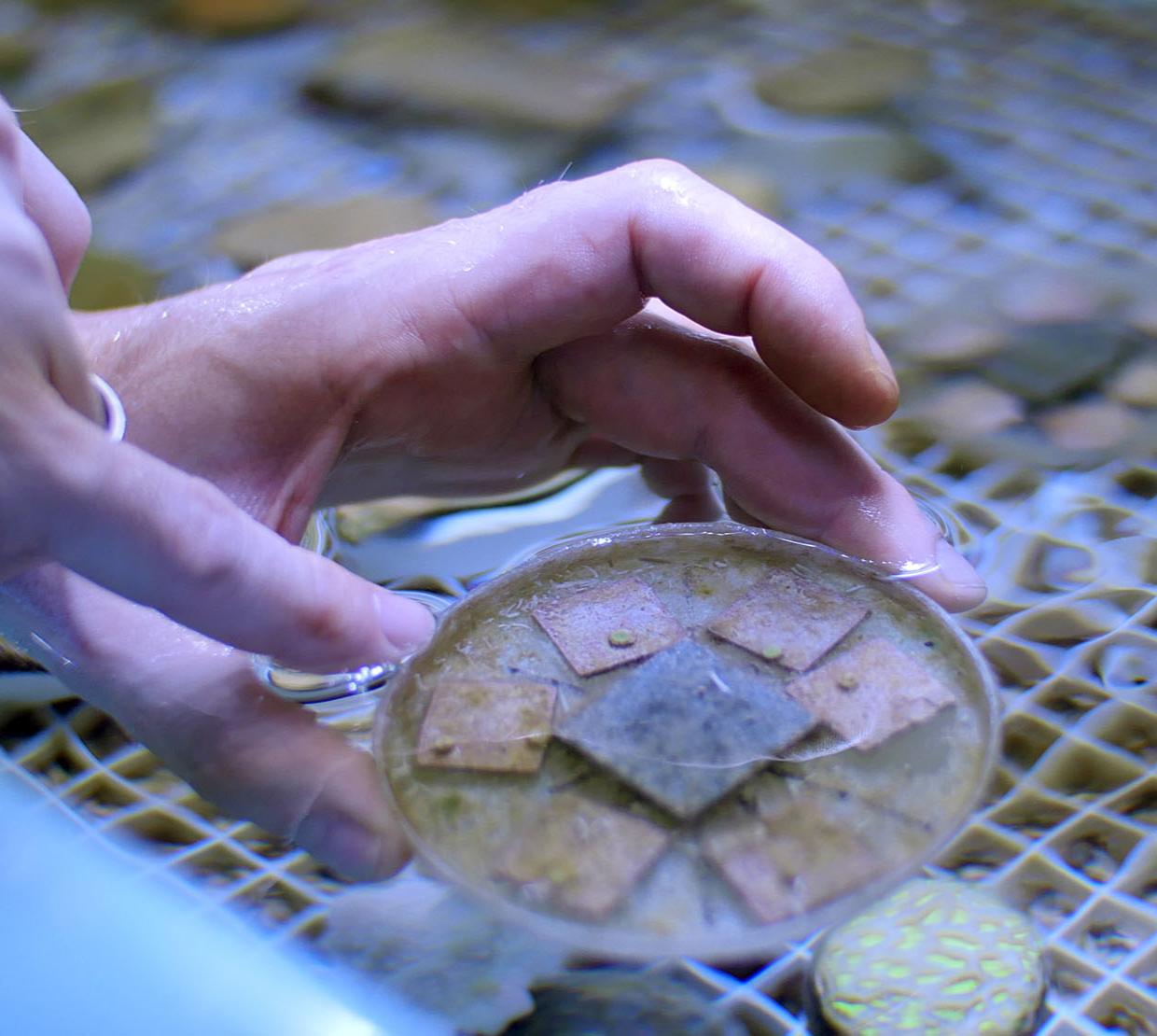
A closeup of two hands holding and inspecting phytoplankton in a petri dish.

Oregon State microbiology research furthers understanding of ocean’s role in carbon cycling

By Steve Lundeberg

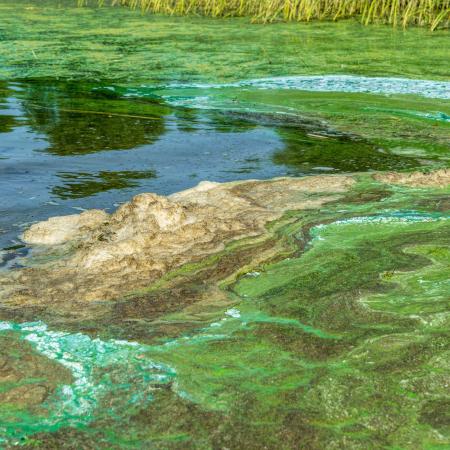
Taking a closer look at marine microbes gives insight into their role in sequestering carbon.

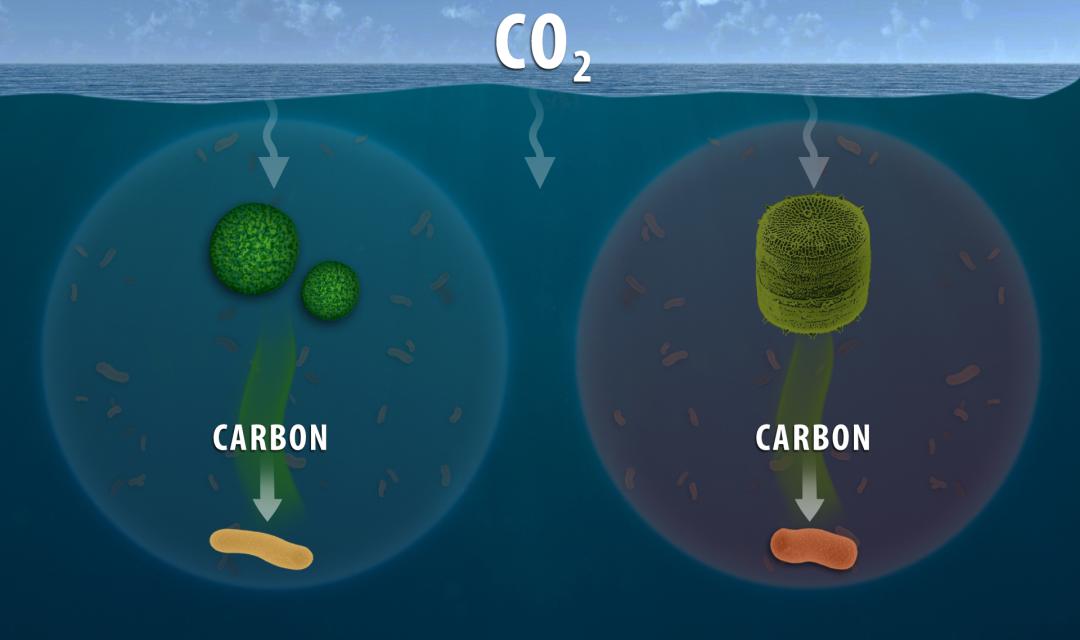
Researchers from the Department of Microbiology have shed new light on the mechanisms of carbon cycling in the ocean, using a novel approach to track which microbes are consuming different types of organic carbon produced by common phytoplankton species.

The research is an important step toward forecasting how much carbon will leave the ocean for the atmosphere as greenhouse gas carbon dioxide and how much will end up entombed in marine sediments, said Ryan Mueller, associate professor of microbiology and the leader of the study.

Findings were published today in the Proceedings of the National Academy of Sciences.

“Our research shows that different species of microbes in the ocean are very particular yet predictable in the food sources they prefer to eat,” said first author Brandon Kieft (Ph.D. Microbiology '14), currently a postdoctoral researcher at the University of British Columbia. “As global climate change continues to alter oceanic environments at a rapid pace, the availability of food sources for microbes will also change, ultimately favoring certain types over others.”

The research was funded by the Gordon and Betty Moore Foundation Marine Biology Initiative and the U.S. Department of Energy.

Read the full story here.

Marine microbes consume different types of organic carbon

Different types of plankton create different types of organic carbon, which heterotrophic microbes produce in turn, as part of the critical marine carbon pump.

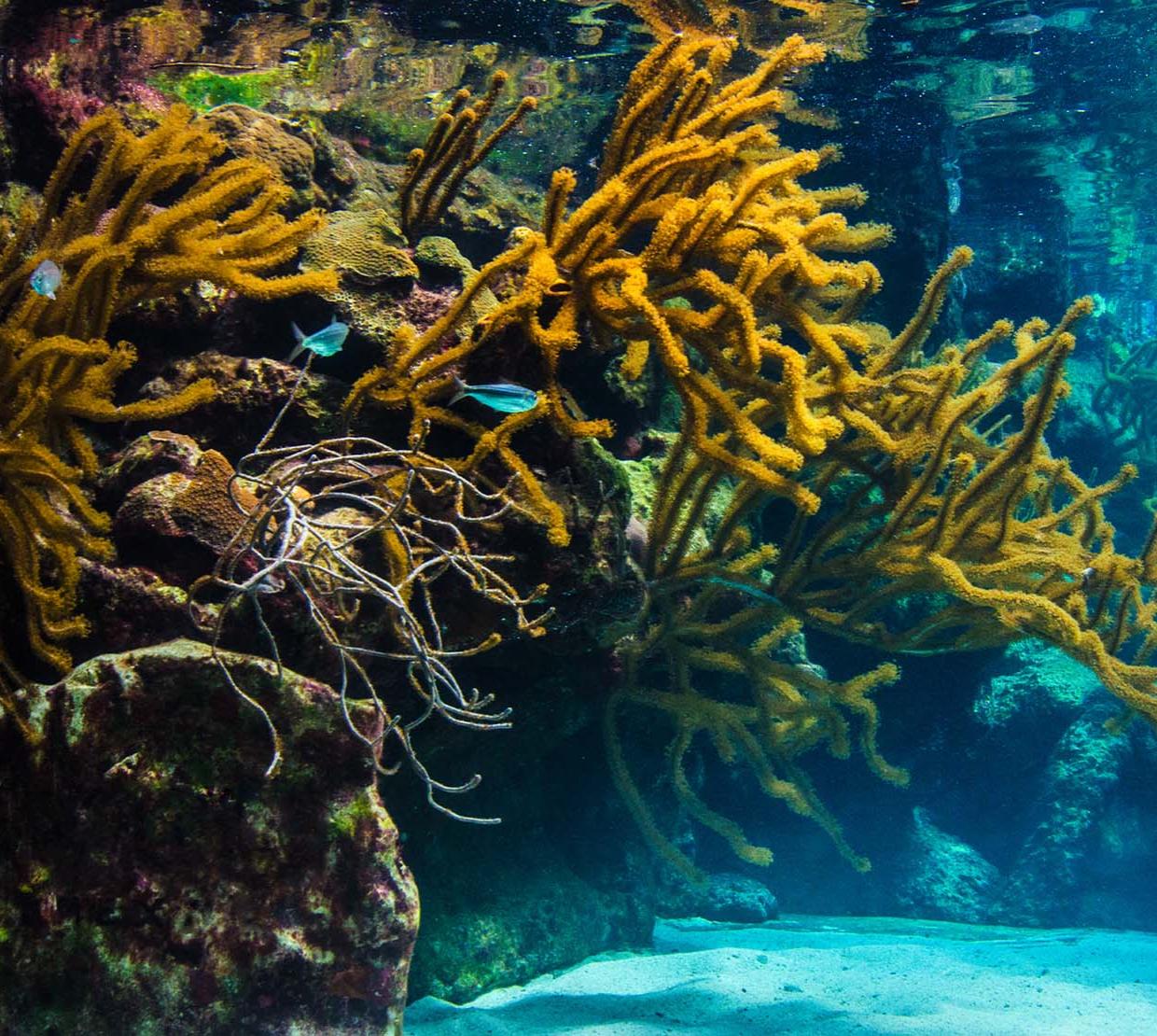
Underwater coral reef landscape background in the blue sea with fish and marine life.

Innovation grants to build model reef at OSU, catalyze biological and materials research

By Grace Peterman

New funding bolsters research on coral reefs, heat waste and more.

The inner workings of a cell, more powerful mass spectrometry and building a tropical reef at Oregon State: The 2021 College of Science Research and Innovation Seed (SciRIS) awards are empowering initiatives that will open fresh pathways in science.

The SciRIS program funds projects based on collaborative research within the College of Science community and beyond. There are two tracks through the program: SciRIS (Stages 1-3) and the SciRIS individual investigator award (SciRIS-ii). SciRIS Stages 1-3 funds teams in three stages to support training, research and capacity-building, accelerating work toward external funding opportunities. SciRIS-ii funds individual faculty to establish research relationships with external partners, enabling them to demonstrate the feasibility of their ideas and quickening the pace of scientific discovery.

The newly-established College of Science Innovation Award provides critical resources for projects that take a new direction, utilize a new technology or are in the “proof-of-concept” phase.

Three groups of scientists received SciRIS Stage 1 awards, two at $10K each and one at $20K. One group received the Innovation Award at $10K.

Professor of Microbiology Rebecca Vega Thurber and her colleagues will use their award to develop a model tropical reef facility within Oregon State’s world-renowned John Fryer Aquatic Animal Health Lab.

The model will allow College of Science researchers across biology, chemistry and ecology to perform highly controlled, repeatable experiments on reef ecosystems, which are under increasing threats from climate change, pollution, habitat destruction and disease. By bringing the reef to researchers, carbon emissions associated with travel are also reduced.

The facility will also serve as an outreach platform, bringing awareness of far-off ecosystems to the local community. By interacting with the lab, citizens will learn about how humans affect these fragile habitats and how they personally can potentially mitigate and reverse reef decline.

Chemistry Professor Wei Kong and Statistics Professor Lan Xue will use their SciRIS grant to develop more effective mass spectrometry through inclusion of electron diffraction. With this addition, future mass spectrometers will be able to reveal not only the mass composition of an unknown species, but also the three-dimensional arrangement of the constituent atoms. This capability can change the paradigm of nanomaterial synthesis, allowing intelligent design and quality control of custom-made materials applicable in medical diagnostics and therapeutics, in energy harvesting and storage, and in catalysis.

Biochemistry and Biophysics Professor Elisar Barbar and collaborators received a SciRIS award to integrate structural biology with cell and organismal biology. Capitalizing on Oregon State’s high concentration of expertise and resources for studying dynamic protein complexes across scales, the team aims to establish new technologies to investigate cancer related complexes and host-parasite interactions. Their eventual goal is to submit a proposal to the NSF Biology Integration Institute, which supports interdisciplinary projects that translate discoveries from the molecular scale to the cellular level of organisms and vice versa.

Associate Professor of Physics Matt Graham and colleagues received the College of Science Innovation Award support their work converting waste heat to electricity, contributing to a more sustainable world through the recovery of energy losses and reducing greenhouse gas emissions. The team will develop a prototype of an ultralow bandgap semiconductor device that converts residual waste heat to electricity. The award will support their work optimizing the efficiency of the device’s waste heat to energy conversion and validating the current extraction model related to the device prototype.

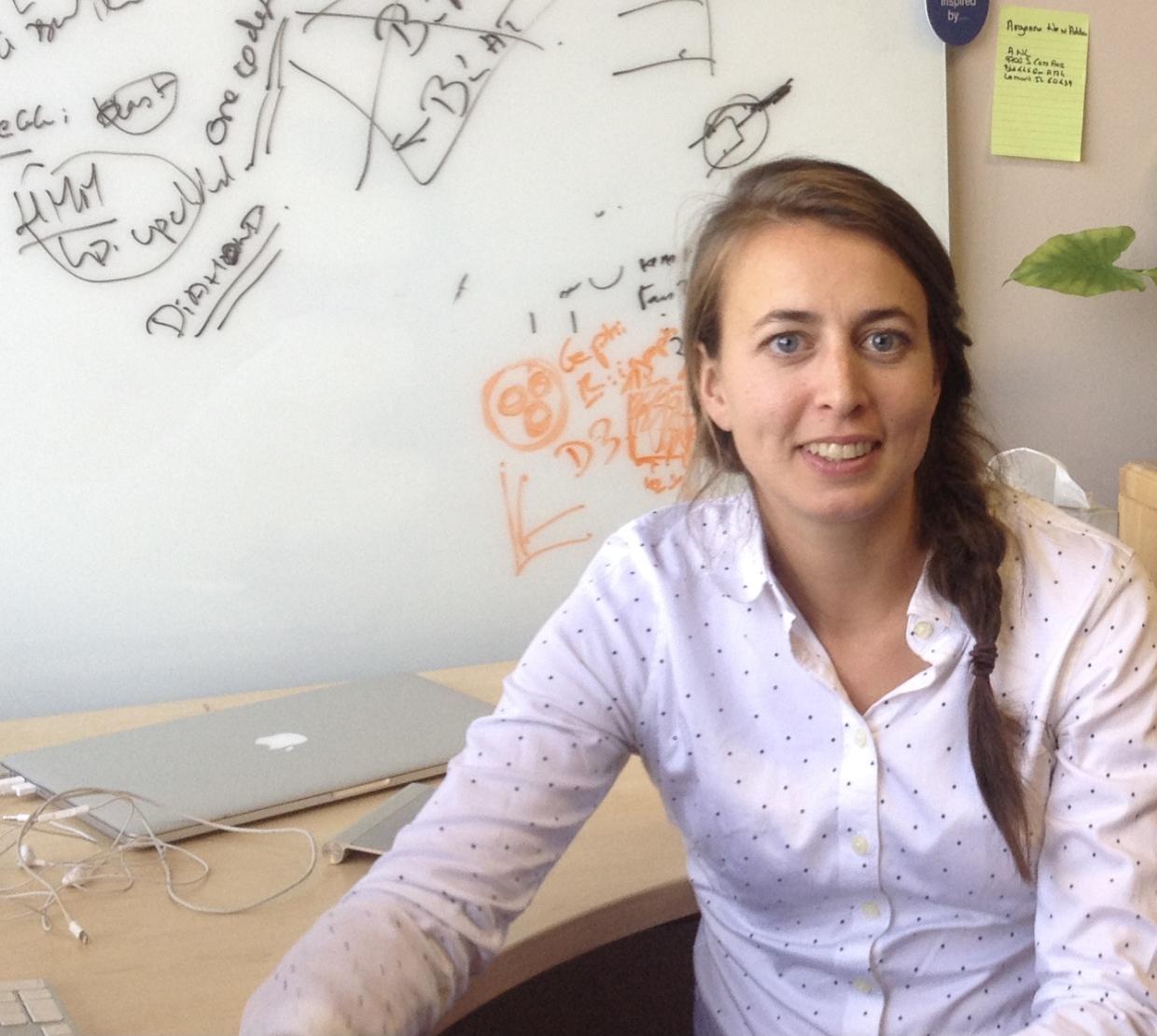
Ph.D. student and researcher Christine Tataru

Martin-O’Neill fellow Christine Tataru uses computers to decode our guts

By Grace Peterman

Microbiology Ph.D. student Christine Tataru is the recipient of the 2021-22 Larry W. Martin & Joyce B. O’Neill Endowed Fellowship

For Christine Tataru, computer science is “the closest you can actually get to magic.” The Microbiology Ph.D. student fell in love with the discipline as an undergraduate, and it’s been a successful relationship ever since. Tataru just won the 2021-22 Larry W. Martin & Joyce B. O’Neill Endowed Fellowship for her work in computational modeling that seeks to understand how gut microbiomes impact their human hosts’ health.

Tataru’s love of computer science started in an introductory class at Stanford University, where the near-magical powers of computational models sparked her curiosity and imagination. But it wasn’t until she discovered bioinformatics, the interdisciplinary marriage of biology and computer science, that the field felt truly fulfilling.

She started investigating the connections between the human gut microbiome and autism at Stanford, alongside then-postdoctoral-researcher Maude David. When David became Assistant Professor of Microbiology and Pharmaceutical Sciences at Oregon State, Tataru decided to follow her example and came to the university in 2018. “She was an excellent mentor,” adds Tataru.

At Oregon State, Tataru has continued to work alongside David as a researcher, mentor, and teaching assistant. Her current work uses natural language-based algorithms to investigate the relationships between microbes that keep our guts healthy, or, alternatively, lead to Inflammatory Bowel Disease (IBD). While she is passionate about the nitty-gritty details of research, Tataru also excels at communicating them approachably.

Christine Tataru sitting at a desk with a computer

Christine Tataru uses computational algorithms to advance microbiome research and explore gut-brain axis phenomenon.

For the science layperson, Tataru breaks down her work this way: imagine you want to figure out the difference between fantasy novels and non-fiction. You could search for specific words that appear more frequently in one genre; fantasy may mention “wizards” or “dragons” more often. But the presence of these words doesn’t tell us the fundamental difference between fiction and non-fiction: that one is real, and one is not, regardless of what words are used.

Much bioinformatic analysis looks at what microbial taxa are present in the gut, but Tataru says that’s just one piece of the puzzle. Just because certain bugs are there, doesn’t mean the gut is healthy. Tataru’s research aims to get a more complete picture: “We want to holistically define the microbiome, to get at the underlying processes defining which taxa are present.” It’s not just biodiversity of the microbes, but their interactions – their ecology – which affect nutrient availability and overall gut health.

That’s where the natural language algorithms come in. These are the same powerful tools that make auto-translation, topic modeling, and sentence completion possible: they’re really good at processing huge amounts of data and getting the gist of it. Gut microbiome colonies are vast and constantly mutating; within a single species, there are strains, sub strains, and even further delineations of genetic diversity. How do we define who’s who with all this variation? “We can ask the computation models to do the work of distinguishing meaningful differences in taxa,” says Tataru.

Eventually, the goal is that these models will read the microbes in our gut like a book, give us the gist of it, and then tell us how to finish our gut-sentences in healthier ways. To go from IBD to a healthy gut, what microbes do I need to add? And what microbes do I need to remove?

“We want to holistically define the microbiome, to get at the underlying processes defining which taxa are present.”

If all of that seems terribly complex, Tataru has one simple place to start: eat your vegetables. Samples from subjects who eat veggies immediately stand out from those who don’t, she reports. An avid gardener and advocate of local farming initiatives, Tataru says healthy eating is a collaboration between mind, body, and microbes. Cravings could be a message from gut bugs about what they want to eat, but sometimes the brain’s patterns override that, for better or for worse. We all kind of know what we should be eating, says Tataru. Establishing the right microbial colonies may take time, but trust the process: “if you eat it, they will come!” she laughs.

Tataru is looking forward to further developing as a science educator and getting back to projects that were halted by COVID-19. Last year, she participated in the Oregon Museum of Science and Industry’s (OMSI) Science Communication Fellowship and developed interactive demonstrations illustrating the concepts behind her modeling work at the museum. Unfortunately, the demo relied on museumgoers, and as soon as her team got ready to put it in practice, everything shut down. “I am planning on going back now that things are opening up again and seeing if I can get back in on the action,” she says.

While she finds the interpersonal aspects of science communication incredibly fulfilling, Tataru is also excited about getting to research full-time this year thanks to the Martin-O’Neill Fellowship. She says the award is a meaningful validation of her path: “I’m very passionate about this, but now obviously someone else agrees that this is worthy of being passionate about!”

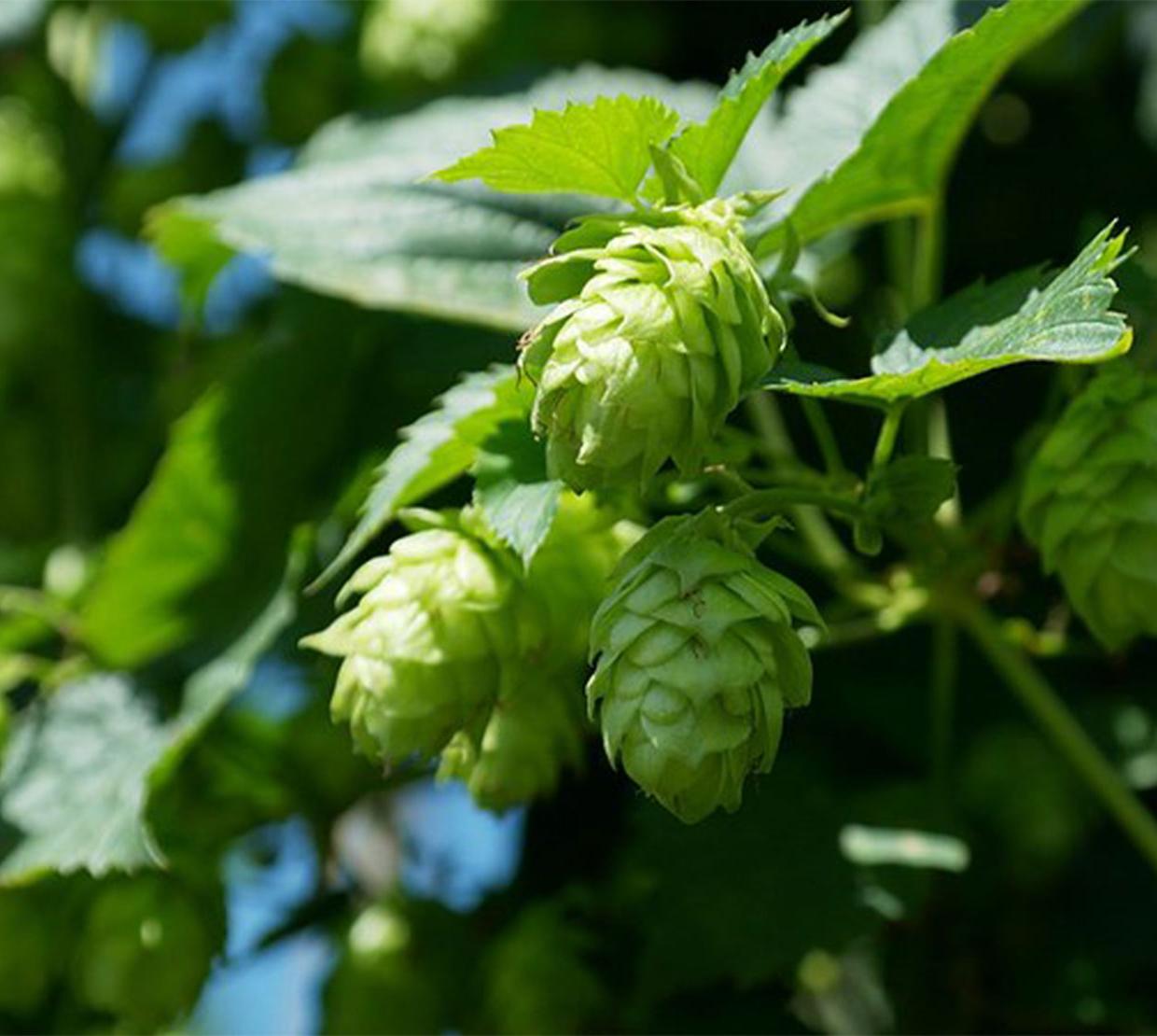
Hops plant in full bush.

Compounds derived from hops show promise as treatment for common liver disease

By Steve Lundeberg

Research by Oregon State University suggests a pair of compounds originating from hops can help thwart a dangerous buildup of fat in the liver known as hepatic steatosis.

The findings, published today in eLife, are important because the condition affects roughly one-fourth of people in the United States and Europe. While heavy drinking is often associated with liver problems, people with little or no history of alcohol use comprise that 25%, which is why their illness is known as non-alcoholic fatty liver disease, or NAFLD.

Resistance to insulin, the hormone that helps control blood sugar levels, is a risk factor for NAFLD, as are obesity, a high-fat diet and elevated levels of fat in the blood. The liver helps the body process nutrients and also acts as a filter for the circulatory system, and too much fat in the liver can lead to inflammation and liver failure.

In a mouse-model study, Oregon State researchers led by Adrian Gombart, professor of biochemistry and biophysics, showed that the compounds xanthohumol and tetrahydroxanthohumol, abbreviated to XN and TXN, can mitigate diet-induced accumulation of fat in the liver.

XN is a prenylated flavonoid produced by hops, the plant that gives beer its flavor and color, and TXN is a hydrogenated derivative of XN.

In the study, 60 mice were randomly assigned to one of five groups – low-fat diet, high-fat diet, high-fat diet supplemented by XN, high-fat diet supplemented by more XN, and high-fat diet supplemented by TXN.

The scientists found that TXN helped put the brakes on the weight gain associated with a high-fat diet and also helped stabilize blood sugar levels, both factors in thwarting the buildup of fat in the liver.

“We demonstrated that TXN was very effective in suppressing the development and progression of hepatic steatosis caused by diet,” said Gombart, professor of biochemistry and biophysics in the OSU College of Science and a principal investigator at the Linus Pauling Institute. “TXN appeared to be more effective than XN perhaps because significantly higher levels of TXN are able to accumulate in the liver, but XN can slow progression of the condition as well, at the higher dose.”

The mechanism behind the compounds’ effectiveness involves PPARγ, a nuclear receptor protein – one that regulates gene expression. PPARγ controls glucose metabolism and the storage of fatty acids, and the genes it activates stimulate the creation of fat cells from stem cells.

XN and TXN act as “antagonists” for PPARγ – they bind to the protein without sending it into action, unlike a PPARγ agonist, which would activate it as well as bind to it. The upshot of antagonism in this case is less fat collecting in the liver.

“Activated PPARg in liver stimulates storage of lipids and our data suggest that XN and TXN block activation and greatly reduce expression of the genes the promote lipid storage in the liver,” Gombart elaborated. “These findings are consistent with studies that show weaker PPARγ agonists are more effective at treating hepatic steatosis than strong agonists. In other words, lower PPARγ activation in the liver may be beneficial.”

TXN was better at accumulating in the liver than XN, which may explain why it was more effective in reducing lipids, but the difference in tissue accumulation is not fully understood.

“It may be because XN is metabolized by the host and its gut microbiota more than TXN is, but additional studies are needed to figure that out,” Gombart said. “Also, while XN and TXN are effective preventative approaches in rodents, future studies need to determine if the compounds can treat existing obesity in humans. But our findings suggest antagonism of PPARγ in the liver is a logical approach to prevent and treat diet-induced liver steatosis and related metabolic disorders, and they support further development of XN and TXN as low-cost therapeutic compounds.”

Also collaborating on this research were Yang Zhang, Matthew Robinson, Donald Jump and Carmen Wong of OSU’s College of Public Health and Human Sciences; Gerd Bobe of the College of Agricultural Sciences; Cristobal Miranda and Fred Stevens of the College of Pharmacy; Malcolm Lowry, Thomas Sharpton, Claudia Maier and Victor Hsu of the College of Science; and Christiane V. Löhr of the Carlson College of Veterinary Medicine.

Funding the study were the National Institutes of Health; the Linus Pauling Institute; the OSU College of Pharmacy; Hopsteiner, Inc; and the OSU Foundation Buhler-Wang Research Fund.

Dr. Maude David sitting at her desk

Mentoring and the microbiome: OSU microbiologist Maude David wins Breaking Barriers Award in Education

By Grace Peterman

Dr. Maude David, recipient of the 2020 Breaking Barriers Award in Education

“It was a no-brainer,” says microbiology Ph.D. student Grace Deitzler of her decision to join Dr. Maude David’s Lab. “I knew that Maude would be the optimal mentor for me during my Ph.D.”

A member of the Oregon State faculty since 2018, assistant professor of microbiology Maude David has made a powerful impression in her short time here, inspiring students with her commitment to an inclusive, welcoming learning environment. David received the 2020 Breaking Barriers Award in Education, an initiative from the President’s Commission on the Status of Women which honors excellent and high impact in teaching and mentoring that has paved the way for gender equity in higher education. She was nominated by Deitzler and fellow graduate student Alex Phillips.

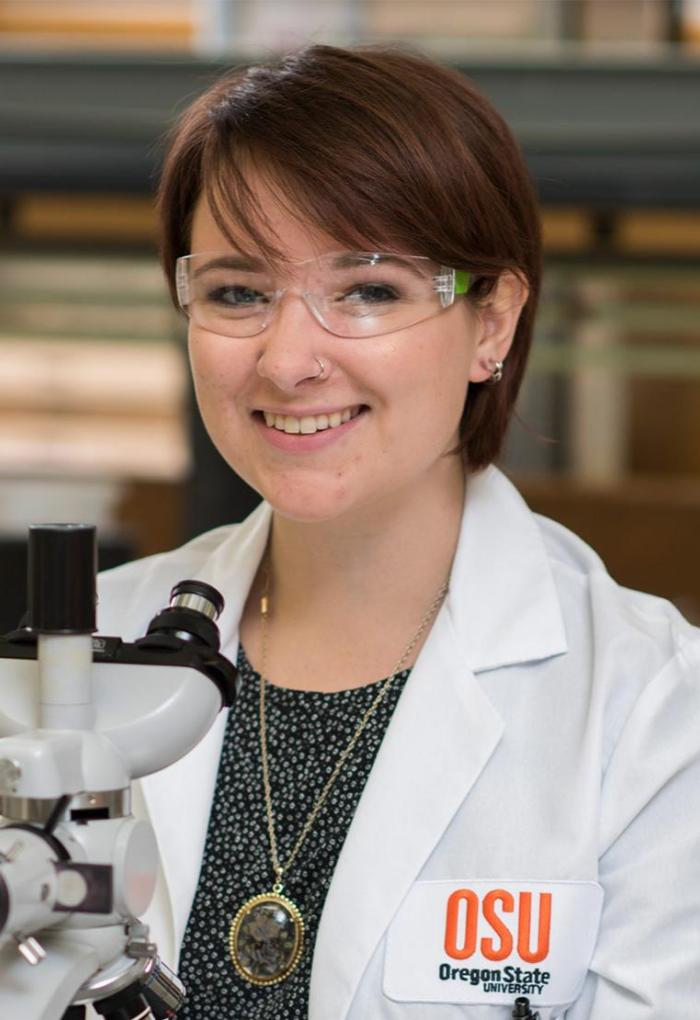
Microbiology Ph.D. student Grace Deitzler with microscope

Microbiology Ph.D. student Grace Deitzler

Creating an ideal learning environment

Speaking with David, her mentoring prowess, which has earned her the appreciation of her students, shines through with every word. “It’s about creating a safe space for students before they go out into the world,” says David of her teaching style. Within the David Lab, her four graduate students and five undergraduates are free to take risks, make mistakes, and branch out in unexpected directions. “She is really letting her students take the reins,” adds Deitzler, “She is dedicated to intentionally building a lab that gives young women researchers the chance to grow and succeed in our field and has been immensely supportive of our diverse intersecting identities.”

Empowering her students to take charge has worked out well for David so far, with several of them receiving fellowships from the National Science Foundation, presenting their work at international conferences, and publishing articles in journals. Yet David points out that “the number of papers a student publishes is not a correlation of how happy they are.” Knowing the challenges of a career in science, particularly for women and other underrepresented groups, David encourages her mentees to find a balance between well-being and accomplishment. “The students work so hard. I have to tell them to take time off!” she says.

A vibrant, inclusive lab atmosphere

As a recipient of an award for mentoring in education, what are David’s thoughts on creating a richer student experience at Oregon State? “It’s really about horizontal integration in the lab. Undergraduates should be treated as full researchers,” she says, instead of merely having them clean equipment. Giving students of every level the opportunity to make a meaningful contribution increases motivation and retention — or, as David puts it, assures they will “start with science and stay!” Undergraduate student Temi Adewunmi (computer science ’23) testifies to the inclusive environment of the David Lab, and how David’s leadership throughout periods of political and civil unrest last year made a strong impression on her: “She encouraged us to share our experiences about life on campus and things we felt were going well, as well as what wasn’t going so great, in order to improve our teamwork and lab atmosphere. That meant a lot to me as an international student from Nigeria, and I felt really heard and welcomed.”

“She is dedicated to intentionally building a lab that gives young women researchers the chance to grow and succeed in our field”

Embracing diverse perspectives and backgrounds is an essential element to the success of the lab team. David recalls how one day, students got so creative in using a bit of code she gave them for an experiment, that they actually broke it. “They all have different learning and problem-solving styles,” she adds with a smile, clearly impressed by her students’ ingenuity. With research interests that span computational biology, microbial ecology, and the gut-brain axis, David knows the value of creativity and versatility in science, encouraging her students to ask novel questions and break the mold.

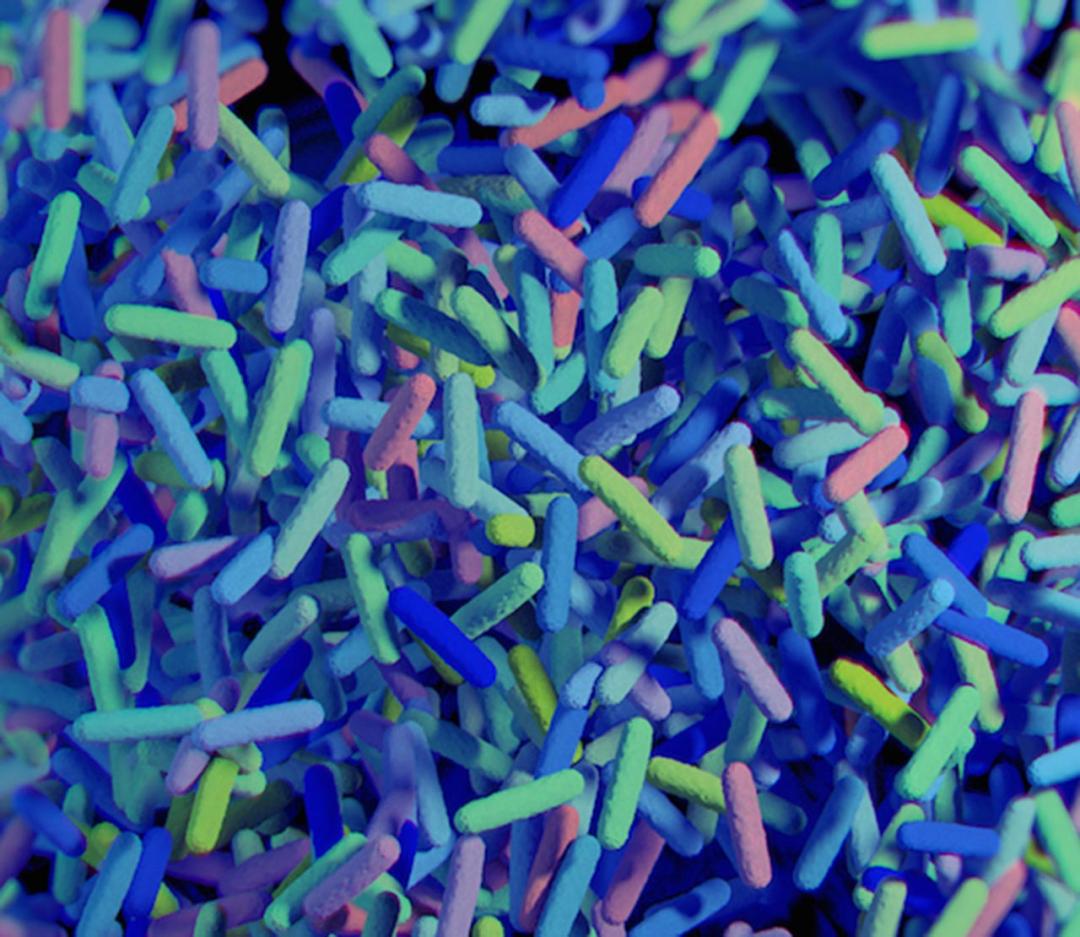
gut microbes

The David Lab takes an interdisciplinary approach to gut microbiome research

Ongoing research on the gut microbiome and autism

Within the David Lab, students are currently investigating the gut microbiome from a variety of angles, including meta-analysis of existing public data and behavioral experiments with mice and honeybees. Alongside David, students also have the opportunity to participate in groundbreaking research linking the human gut microbiome and autism spectrum disorder (ASD). Most recently, David, her graduate students and her colleagues at Stanford University and Argonne National Lab published the results of their crowdsourced study on microbial markers in the gut microbiome of young children with and without ASD. While they found significant differences between the two groups, David notes that the connections between the microbiome and human behavior are incredibly complex, and we have a long way to go to bridge the gap between association and causality. In particular, she is working on stronger computational models to analyze new and existing data and break down the complexity of the gut-brain axis.

In the meantime, what’s David’s advice for keeping our guts healthy? “Eat your vegetables!” she laughs. With a wealth of mentoring knowledge as well as multidisciplinary science expertise, David is an asset to the Oregon State community, and we look forward to everything she and her students contribute in the years to come.

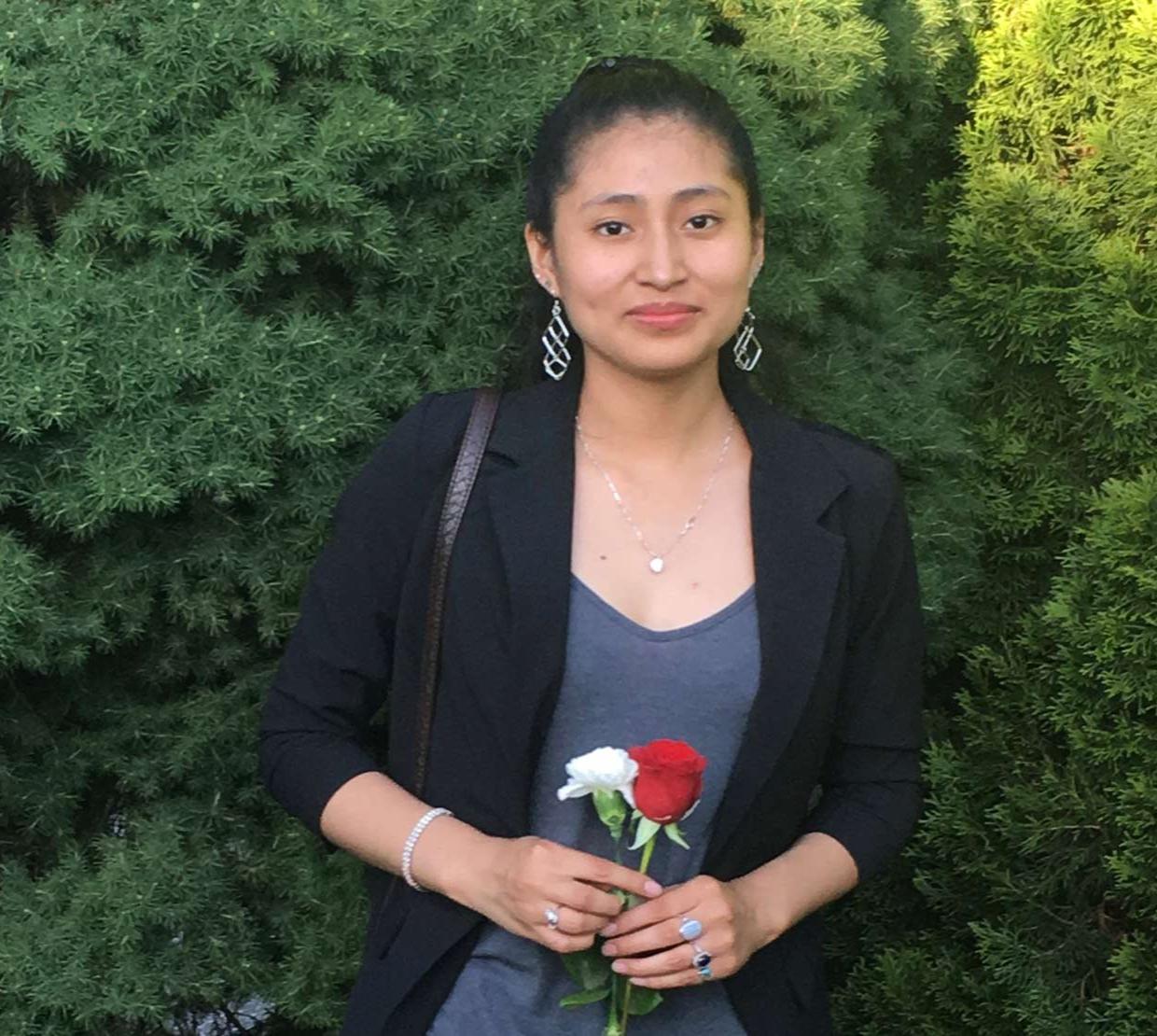
Portrait of Gabriela Cortes Cortes in front of green shrubs

First-gen biohealth grad achieves 'next step' toward career as a dentist

By Martha Wagner

This spring, Cortes graduates from OSU with a major in BioHealth Sciences, a minor in chemistry and an option in pre-dentistry.

Gabriela Cortes Cortes is proud not to have let any obstacle, including a pandemic or the challenges of a first-generation student, hold her back from earning a four-year degree in the College of Science.

She remembers feeling shy and lonely when she first arrived in Oregon from Mexico in seventh grade, knowing very little English and feeling lost in the classroom. A bilingual teacher came alongside her, helping her feel more welcome and connecting her with resources.

“By the end of the year, I was able to comprehend almost everything that was said by the teachers, and I knew what to expect from my classes and what to do – even though I still wasn’t confident enough to speak in English,” she said. “In my freshman year of high school, students were given Chromebook laptops, which enabled me to use Google Translate to help learn English.”

This spring, Cortes graduates from OSU with a major in BioHealth Sciences, a minor in chemistry and an option in pre-dentistry. Along the way, she’s placed on the OSU honor roll three times and was awarded two grants and three scholarships for her two years at OSU and her previous two years at Chemeketa Community College.

“My parents are always reminding me that I am capable of achieving my goals – even though sometimes subjects are really hard since English is my second language.”

Cortes is especially grateful to her Oregon State advisors and her Ford Family peer mentor for their encouragement and support. Reed Davis, an academic counselor for first-generation TRIO program students, referred her to many helpful resources on campus such as academic counseling, tutoring and mentoring programs, assistance with financial aid and scholarship application, and student success workshops.

Tiffany Bolman, her BioHealth Science advisor, coached her about the process of applying to dental school, offering to be an ongoing resource after graduation. And she encouraged Cortes to focus on her strengths and accomplishments, rather than on her disappointment at not moving forward faster.

“Tiffany really supported me, saying, ‘You came this far, and you should be proud of yourself.’ She told me that she also was a first-generation student and said, ‘I understand you, and know it's hard. I was myself in the same position.’ She identified with me, and I identify with her because she knows all the obstacles I've been through, like needing to learn English and being a first-generation student from a low-income family,” Cortes said.

Because of Covid, Cortes spent only two terms on campus in Corvallis before returning home to live with her family in Mount Angel. While she is sad that her on-campus experience was short-lived, she relished the time she lived with other students in university housing. “I am so glad I had that experience. I will never forget that,” she said.

After graduation, Cortes plans to take two gap years during which time she plans to enroll in a dental assisting program and apply to dental schools, including Oregon Health Sciences University.

OSU graduate Gabriela Cortes poses with her parents

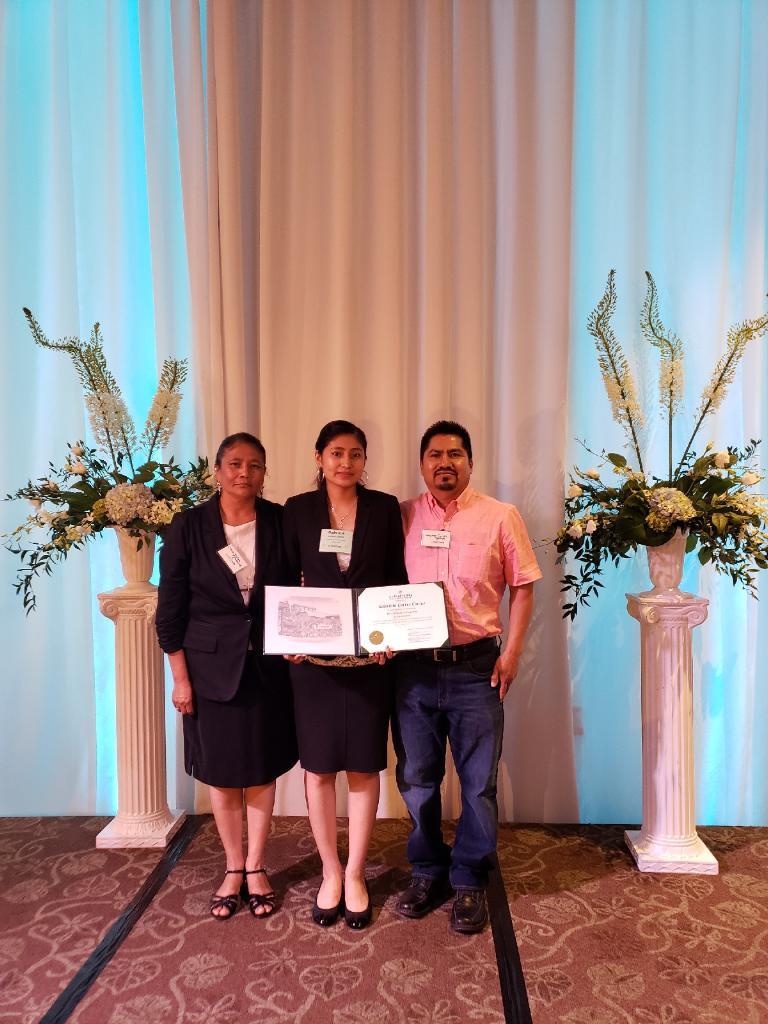
Gabriela Cortes Cortes (center) proudly displays her Ford Family Foundation scholarship certificate with her parents, Clara Cortes Velasquez (left) and Longinos Cortes Santos (right).

Overcoming obstacles: It takes a village

Cortes is one of a growing number of first-generation students graduating from Oregon State. Neither of her parents had an opportunity to attend school as children for more than a few years.

Her father became a legal U.S. resident and worked seasonally in agriculture in Oregon before he was able to bring his whole family to Oregon, thanks to an uncle who provided housing for them. Even though her parents still lack the English skills of their four children, Cortes says they have always been supportive of their children’s educational ambitions.

“My parents are always reminding me that I am capable of achieving my goals – even though sometimes subjects are really hard since English is my second language,” she said.

In high school, Cortes asked one of her teachers to help her with college applications. She applied to several universities as well as Chemeketa Community College, then chose the community college when it offered her two years of free tuition.

"I will enjoy making people’s teeth more beautiful and seeing them more confident in themselves if they were not confident. That will make me really happy.”

What led Cortes from Chemeketa to OSU and dentistry? The career choice goes back to Cortes’s childhood in Mexico. “My mom always had issues with her teeth. She was having pain and taking over the over-the-counter pain remedies for it. We couldn’t always afford dental care. After I go to dental school, I want to help people who can’t afford dental insurance. I want to offer services to those people one way or another.”

It was Cortes’ high school teacher who helped her with college applications and who also advised her to apply to Oregon State if she wanted to get a top-notch foundation in science to prepare for dental school. The same teacher helped her apply for a federal Pell Grant.

Cortes started college with a four-year scholarship from the Mount Angel Community Foundation. By the time she was accepted to enroll at Oregon State, she had garnered a Ford Family Foundation scholarship, an Oregon Opportunity grant and two successive scholarships from Kaiser Permanente.

Although Covid prevented Cortes from participating in lab research, she feels positive about her academic experience at Oregon State and was able to participate in both the BioHealth Science and pre-dental clubs.

“The clubs were really helpful. I went to a lot of sessions where we had a guest speaker. It was really informative to have someone telling us about the journey towards dental school and giving us tips on how to be more successful,” she said.

Jakelyn Santa Cruz-Enriquez, Cortes’s Ford Family peer mentor, was, says Cortes, “the very first person who offered me her friendship and support when I first started school at OSU. I honestly think that she made my transition to OSU much easier. And even though she has already graduated, she is still directing me to resources that might be helpful. In fact, all three people have always encouraged me to never give up and to always pursue my dreams.”

Oregon State was one of Cortes top options for a four-year university because of its strong pre-dental program and proximity to her family. “My high school teacher told me that OSU was a welcoming school. Most importantly, it had all of the class I needed to go into dental school. So when I went to my community college, and my advisors asked me which school I wanted to transfer to, my very first option was OSU,” she said.

Cortes’ advice to other first-generation students is to be confident in their capabilities and to focus on taking just one step at a time. “And always look for help. When I first start started college, I needed to look for resources because I didn't know where to go, which class to take or anything like that. So looking for an advisor who can tell us like what to do and what resources are available is really helpful – because those resources are there if we need them,” she said.

Brightening lives and smiles

As a dentist, Cortes says she will enjoy making a difference by helping to improve others' dental health and their health overall. “I will enjoy making people’s teeth more beautiful and seeing them more confident in themselves if they were not confident. That will make me really happy,” she said.

She also looks forward to improving the life of her parents who work so hard, “sometimes Monday through Sunday,” but still struggle to provide for their family.

“I want to make my parents really proud and to help give them a better life,” Cortes said. “It's my goal, my motto, to always work hard and be successful. Sometimes it's hard, and I just want to give up. But then I think, no, I have come this far, and I won't give up.”

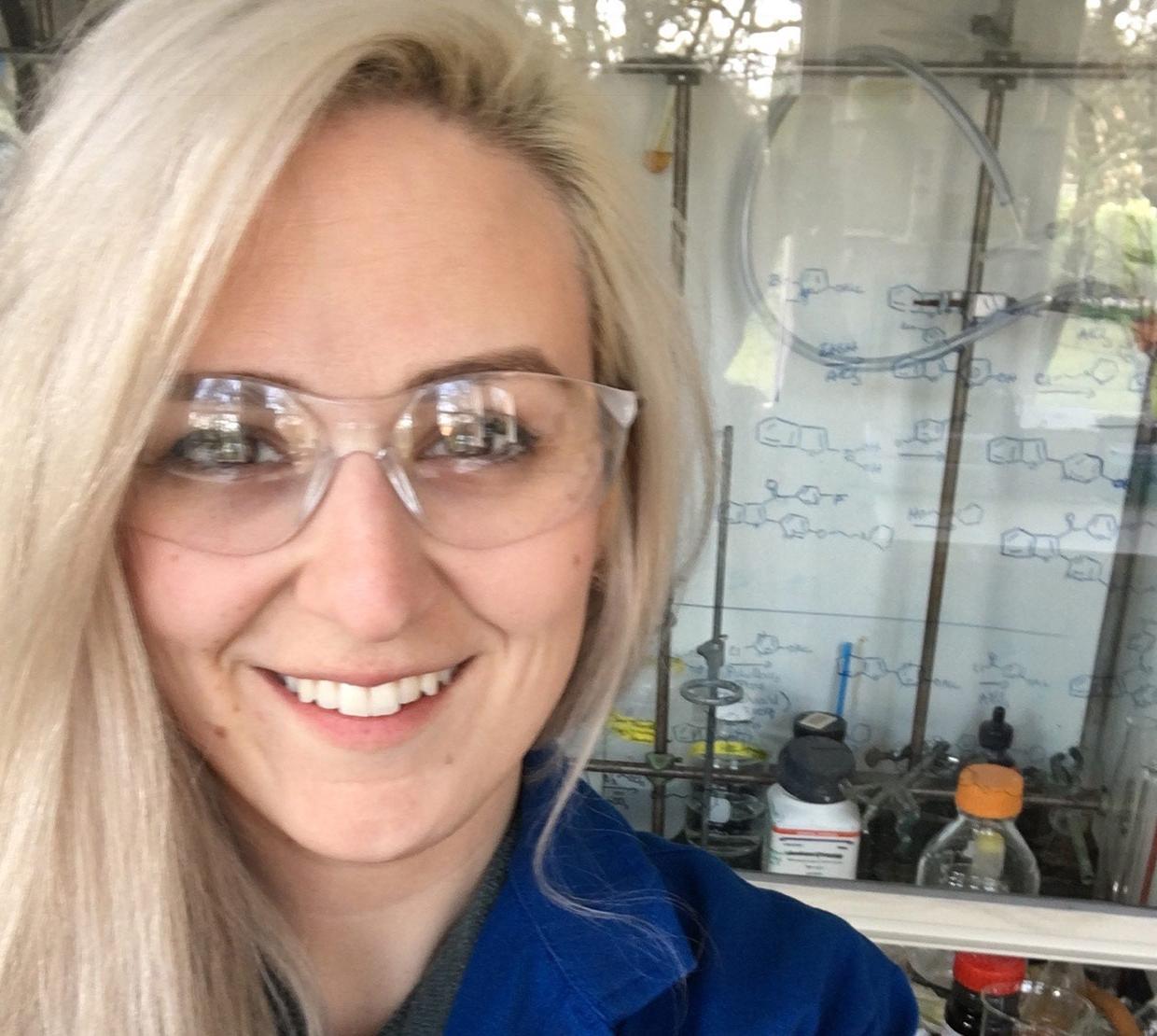
Blonde woman with clear eye protection smiling in a laboratory setting

Pivoting a career to become a physician and give back along the way

By Gabs James

It was in her days as a hair stylist that got graduating microbiology senior Kendra Krebs interested in science. She was in the middle of bleaching a client’s hair when she was inspired to find out what chemicals caused the pigment to lift. That spark of interest helped her realize science might be more compelling to her than it had been back in high school.

While she appreciated the opportunity to make people love the way they look, especially the “Golden Agers” (clients over 65), she felt compelled to do more to improve their quality of life and mobility. It was then that she decided to combine her interpersonal skills, interest in science and compassion for people to become a doctor.

Krebs grew up in Salem, Oregon, and attended Salem Academy before pursing her cosmetology certification. With a new passion to pursue a career in healthcare she decided to take a leap and enroll at Western Oregon University. Quickly humbled by challenging chemistry courses and adapting to being a student at the university level, Krebs began to feel that maybe medical school was beyond her grasp. Then she took a biology course that, as she said, “lit the fire for me and changed my life,” by solidifying her belief she was on the right track.

Even with this renewed sense of direction, she had to make the tough decision to temporarily withdraw from her courses to help her family’s business through a challenging time.

When Krebs returned to college, she opted to transfer to Oregon State University because of its science program. She made an appointment with Dr. Linda Bruslind, instructor and lead advisor in the microbiology department, which had a lasting impact on her. She explained her uncommon story and was candid about her prior academic struggles as a nontraditional student with a deep desire to become a doctor.

Bruslind was clear and direct with her, “You can do it if you want to. You just have to figure out the way you learn best,” Krebs remembered her saying. Her advice to Krebs: “Talk to your professors, meet with them, go to office hours; you’ve got to put in the work.” Through frequent advising meetings, Bruslind became the champion Krebs needed to stay on track.

“Pinch me. This is just not real!”

Once Krebs found her way in the microbiology department, she flourished. She landed a research position in Dr. Deidre Johns’ lab in the Carlson College of Veterinary Medicine working on Neisseria gonorrhoeae. This was particularly challenging and rewarding because of the potential real-world impact it could have. She remembers the nuclear magnetic resonance, or NMR, facility, and how mesmerizing it was during her college tour.

When she got the opportunity to use the instrumentation and learn from Dr. Patrick Reardon, the NMR facility director, she could not be more excited. “Pinch me. This is just not real!” she recalls. Participating in research at Oregon State provided her many unique opportunities for interlaboratory collaboration and to improve her critical thinking and problem-solving skills.

COVID-19 Impact

While pursuing her degree, Krebs also worked as a medical scribe at the Salem Hospital’s emergency department to gain clinical experience. Yet just a few months into her new job, the COVID-19 pandemic began. The atmosphere shifted as physicians and hospital personnel prepared for incoming COVID-positive patients. She was inspired by their unwavering commitment to put their lives on the line to care for those in desperate need day after day.

Although stressful at times, Krebs found scribing during the pandemic highly rewarding as it cultivated a deeper sense of community and teamwork. She continues to scribe at a family practice clinic in Salem and loves observing patient-provider interactions in a continuity of care setting.

Krebs initially found having all remote classes challenging. It was harder to ask questions and feel the energy that she loves about being in the science classroom space. It was like not being able to “scratch that itch” she said, but as time went on and everyone settled into virtual learning she was able to find creative ways to stay connected with her peers and professors.

Remote learning has also posed an additional challenge in her application cycle for medical schools with unexpected changes to the MCAT and program requirements for virtual interviews. Like so many others applying this cycle, she adapted to the situation and did not let it deter her from her goals. “It’s been a challenging experience but worth it. You put yourself out there and dig deep about how you want to answer some of the [application] questions, such as why you want to be a doctor, then hope the admissions committee believes you’d be a good fit for their program.”

Krebs is clear that she wants to work with underserved communities, rural communities and with seniors. She is currently in the 20-21 application cycle awaiting decisions. Regardless of the outcome this year, she plans to continue honing her learning, listening, teaching and leading skills — the merits of a great doctor.

Giving Back

Krebs cares about people. She has been a teaching assistant for the microbiology lab with Allison Evans and truly loved being an extra set of hands. She learned extensive leadership skills and connected with COMP-Northwest (Western University of Health Sciences, College of Osteopathic Medicine of the Pacific-Northwest) while being the co-president of the Pre-SOMA Club (Pre-Student of Osteopathic Medicine Association).

Much of the other engagement she did throughout college involved giving back to the community. Family Science & Engineering Nights was one of her favorite opportunities. This program brings together Oregon State faculty and students and goes to local elementary schools to put on science fairs. Chemistry, math, engineering, and microbiology are some the departments routinely involved.

“What do I say to somebody who’s losing a loved one?”

“We actually go into the community and reach people, like little kids who’ve never had experiences [with science],” Krebs shared. Letting kids use a microscope for the first time and see their eyes light up in wonder have been unforgettable experiences for Krebs. Working closely with faculty like Bruslind at these events also allowed Krebs to both grow her own skillset through meaningful outreach, and have fun getting to know faculty off-campus.

Krebs’ interest in healthcare and working with seniors led her to volunteering at Samaritan Evergreen Hospice in Albany to see another side of medicine. Though she had minimal prior exposure to death, her compassion and empathy for those losing a loved one helped her to overcome any lingering uncertainties. “What do I say to somebody who’s losing a loved one?” She quickly learned the power of listening: hearing people’s stories and how to they talk about those dear to their hearts forever changed her. “People want to be seen. It’s not always about what you say that makes someone feel cared about.”

Get Involved

And to all the students just starting out here at OSU or elsewhere, Kendra Krebs wants you to get involved! “Choose something. Choose a club, choose something you believe in or care about. Get involved, and get to know the faculty. Your professors are your number one advocate.” Staff too, can make all the difference. Krebs encourages students to try to push through fear and ask questions or for help.

“You can work hard and move past the barriers that you’ve set up for yourself. You have a lot to give.”

At 36, Krebs has thought a lot about her journey, and can see the opportunities and privilege she has benefitted from throughout her life. When asked what she would tell her 18-year-old self, she shared that she’d tell herself: “You can work hard and move past the barriers that you’ve set up for yourself. You have a lot to give.” Krebs admitted to taking longer to graduate just so she could take advantage of the community and engagement options. “My experience at Oregon State has been absolutely the best that I could have imagined. I have had opportunity after opportunity.”
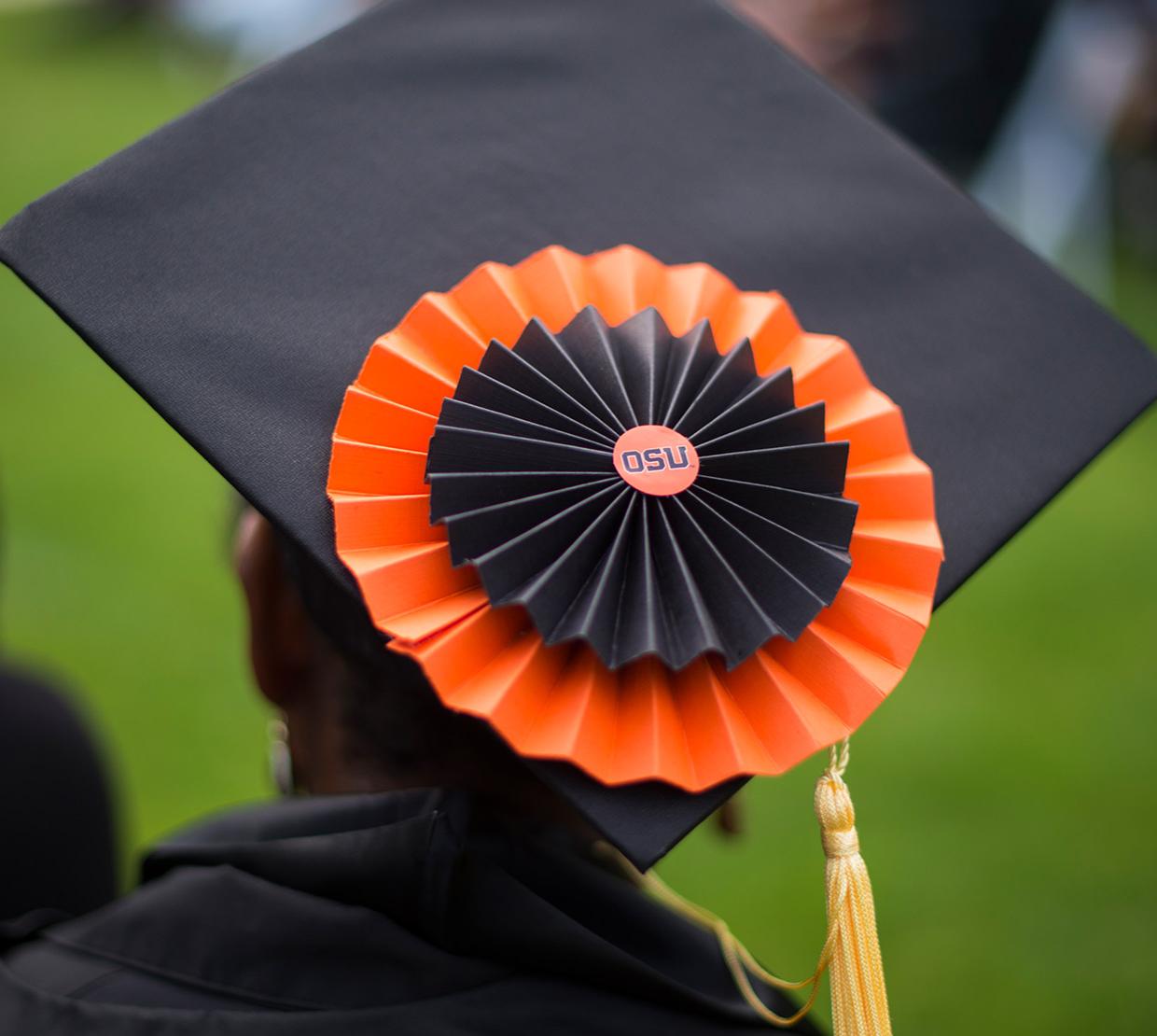
OSU Graduation cap

The Class of 2021 succeeds against all odds

By Srila Nayak

Congratulations to the Oregon State College of Science Class of 2021! This class faced enormous challenges due to the pandemic. On the spur of the moment, the class of 2021 transitioned to remote learning, virtual interaction with professors, mentors, peers, friends and experiential learning in online formats. They have also faced increased financial burdens and other stressors. Our students have persevered, showing admirable determination, resilience and fortitude that will serve them well in their lives and careers.

Succeeding against odds while making history, College of Science graduates have found ways during this pandemic to participate and make an impact on state-wide public health endeavors through the TRACE-CVOID-19 project. They have gained enduring skills and done outstanding work in adapted science labs and with science communication in the virtual domain. Our seniors have been instrumental in helping Oregon State succeed at remote teaching in their roles as peer learning assistants and tutors.

Science graduates have led the way by dint of their academic achievements, selfless service and committed leadership. Supported by awards, scholarships and dedicated advisors, our seniors have collaborated with faculty mentors to create new knowledge and achieve major scientific breakthroughs.

Check out our Commencement page to celebrate our graduates. Read their compelling stories below containing reflections on undergraduate experiences at Oregon State and their dreams for the future.

This year’s graduates include Fulbright and Ford Foundation Fellows, Gilman International Scholars, NOAA Scholars, published scientific authors, future doctors, scientists, entrepreneurs, community leaders, teachers and informed, engaged world citizens. We are exceptionally proud of our students and all they have achieved during their career as undergraduates in the College of Science at Oregon State.

By the numbers

The College graduated 670 undergraduate students with baccalaureate degrees in 2020-21, including 68 Honors graduates. More than 80% (538) of our graduates were in the life sciences, with Biology having the most graduates at 199. BioHealth Sciences came in second with 152 graduates; biochemistry and molecular biology had 71 graduates; Zoology 63; Mathematics 56; Microbiology 43; Chemistry 42; Physics 34, and; Biochemistry and Biophysics graduated 10 students.

Of the total baccalaureate graduates, 11% are underrepresented minorities and 26% are first-generation students. In addition, 10 of the 2021 baccalaureate graduates are military veterans.

The College will also award 52 doctoral degrees, 66 master’s degrees and seven certificates in online Data Analytics.

Of the 52 doctoral degrees, Chemistry had 16 Ph.D. students, followed by Integrative Biology at 11; Mathematics 9; Physics 6; Microbiology 5; Statistics 4, and; Biochemistry and Biophysics graduated one doctoral student.

The Department of Statistics awarded 15 master's degrees in statistics and 19 M.S. degrees in data analytics. Chemistry and Mathematics awarded 10 master's degrees each. Physics had 6 master's degree recipients; Microbiology three; Biochemistry and Biophysics two, and; Integrative Biology awarded one master's degree this year.

Celebrating the Class of 2021

We invite you to read the profiles of our seniors. These outstanding graduates represent an inclusive and diverse learning community in the College of Science. Here they share their inspiring and unique journeys as science majors.

A nighttime sky with an award sign overlaid on top

2020-21 College of Science awards: Celebrating excellence in teaching and advising

By Cari Longman

On April 22, the College of Science gathered virtually to recognize academic, administrative and teaching excellence at the 2020-21 Combined Awards Ceremony – a merge of our annual Faculty and Staff Awards and Teaching and Advising Awards events.

The first half of the ceremony celebrated excellence in research and administration, and the second half the ceremony focused on outstanding teaching, advising and mentoring,

The College congratulates the Teaching and Advising Awards winners below who exemplify deep commitment, skill and effectiveness in mentoring and advising to ensure student learning and success within and beyond the classroom. Effective teaching, advising and mentorship are the very heart of the College of Science’s identity as a robust and thriving community of students and scholars.

Congratulations to all the nominees and especially to the award winners.

2021 Teaching, Advising and Mentoring Award Winners

Olaf Boedtker Award for Excellence in Academic Advising

Tiffany Bolman

BioHealth Sciences Advisor Tiffany Bolman

Tiffany Bolman, biohealth sciences advisor, won the Olaf Boedtker Award for her tireless support, efforts and advocacy on behalf of undergraduate students. Olaf Boedtker was a former professor in the Department of Physics for 23 years and served as head advisor in the College for 14 years from 1973 to 1987. This award recognizes exceptional and inspirational undergraduate advising.

More than ten students nominated Bolman for this award, praising her dedication and ability to connect and encourage students to achieve their goals.

One student nominator wrote of Bolman: “During one of the hardest years of my life, I met my new advisor, Tiffany. Changing your advisor in the middle of your junior year can be stressful. The first time I met her, my meeting lasted almost two hours because we spent time getting to know each other and talking about life. The way that Tiffany has been here to support me is incredible – as an advisor, a mentor, a friend and a support system. She's helped me in countless ways this past year, not just for school and for my future, but personally. I know I would not be where I am right now without her.”

“Tiffany has guided me in my fast-paced college experience and is always courteous when I talk to her,” wrote another biohealth science student nominator. “She has provided ample opportunities for me to get involved in health care and shadowing, even during Covid-19, in order for me to be a competitive applicant for medical school. I feel as though Tiffany wants the best for all of her students, including myself, and her heartwarming encouragement never lets me down.”

Another student had similar praises for Bolman. “I transferred to Oregon State and [Tiffany Bolman] was the first faculty member I had any interactions with. She seems to truly care about the future of the students she is advising and is overall an amazing person to talk to.”

Additional nominees for the Olaf Boedtker Award included

  • Allison Evans, instructor of microbiology
  • Kari Van Zee, senior instructor for biochemistry and biophysics
  • Maureen Leong-Kee, advisor for integrative biology
  • Vince Remcho, professor of chemistry

Loyd F. Carter Award for Outstanding and Inspirational Teaching (Undergraduate)

Corinne Manogue

Professor of physics Corinne Manogue

Professor of physics Corinne Manogue won this year’s Loyd F. Carter Award for Outstanding and Inspirational Teaching in Science. Manogue teaches the nationally-recognized Paradigm in Physics courses, which are a restructuring of the traditional upper-division curriculum for physics students to a more modern, flexible and inclusive model for learning physics.

Student nominees cited Manogue’s extra efforts to ensure her students understand content, her ability to teach complex topics, and her compassion with her students in an especially tiring year.

“She is an outstanding teacher who really works to understand how her students are approaching the material and provides numerous ways for the students to actively engage with the content,” wrote one student nominator. “She is very aware that each student has a different learning style and that content needs to be restated multiple ways and in multiple forms and that each version will resonate differently with each student.”

Other student nominators had similar praises for Manogue. "She is truly fantastic at explaining complex topics in ways that relate them to us students, and it was often that many would exclaim how well they understood ideas and techniques significantly better after having an explanation from her in class," said one nominator, and another added: "Corinne convinced me that there weren't such things as 'STEM people' and that success in STEM was available to me and other students who like me had been dissuaded by a perception of being inherently 'not smart enough' to become physicists."

Manogue has received recognition at multiple levels – Oregon State University, the state of Oregon and nationally – for her teaching excellence and has previously won a number of awards recognizing her teaching excellence, including the College of Science Frederick H. Horne Award for Sustained Excellence in Teaching in 2000, an American Association of Physics Teachers Award for Excellence in Undergraduate Physics Teaching in 2008, and the 2016 Oregon Academy of Science Outstanding Educator in Science and Mathematics award.

Additional nominees for the Loyd F. Carter undergraduate award included

  • Daniel Myles, senior instructor of chemistry
  • Daniel Rockwell, senior instructor of mathematics
  • Devon Quick, senior instructor of integrative biology
  • Kimberly Halsey, associate professor of microbiology
  • Linsday Biga, senior instructor of integrative biology
  • KC Walsh, senior instructor of physics

Loyd F. Carter Award for Outstanding and Inspirational Teaching (Graduate)

Charlotte Wickham with a black background

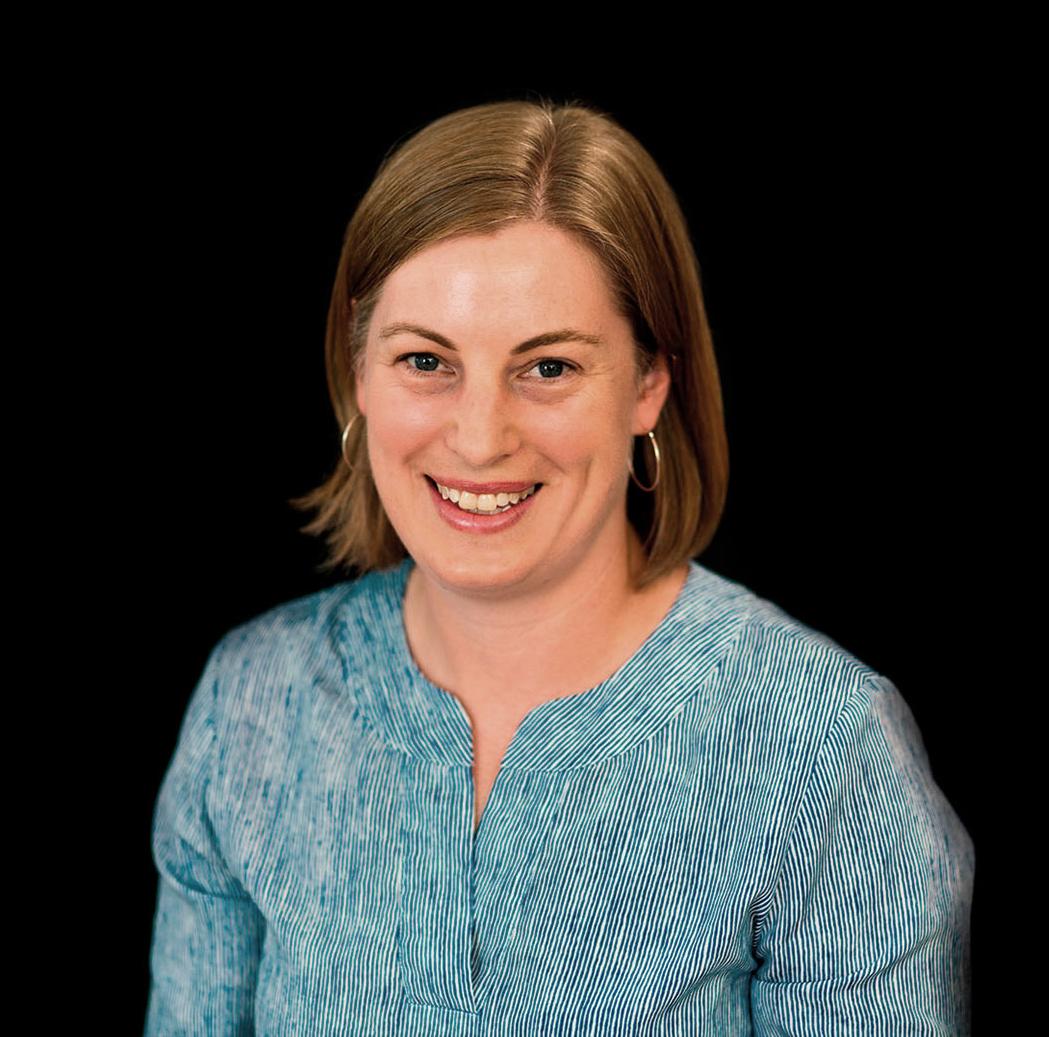
Senior Instructor of statistics Charlotte Wickham

Senior Instructor of statistics Charlotte Whickam received the Loyd Carter award for her inspirational and superb mentorship and teaching of graduate students.

“Charlotte is an extremely talented statistician and teacher. You can tell she is extremely passionate about the things she teaches and is invested in her students learning. She is also very approachable, despite teaching an online course,” wrote one graduate student nominator. “The material I have learned in her class has been useful and applicable to all of my work as a statistician,” they added.

“Dr. Wickham really took the time and got involved with my term project topic. She understood my skill level and was really great on providing feedback,” wrote another nominator.

A specialist in R training, Wickham teaches courses in data visualization and the foundations of data analytics. In 2020 Wickham received the Oregon State Ecampus Excellence in Online Teaching and Student Engagement Award. Wickham has developed multiple Ecampus courses built around students and their learning, leveraging open source materials and engaging texts from the Valley Library at Oregon State University.

Frederick H. Horne Award for Sustained Excellence in Teaching Science

Senior Instructor for biochemistry and biophysics Kari Van Zee

Senior Instructor for biochemistry and biophysics Kari Van Zee

Senior Instructor for biochemistry and biophysics Kari Van Zee won the Frederick H. Horne Award for her exceptional qualities as a teacher and mentor. This award is named after Fred Horne, OSU Professor Emeritus of Chemistry and the former College of Science Dean for 13 years, from 1986 to 1999.

Kendra Jackson (’20, biochemistry and biophysics), praised Van Zee in her nomination letter, writing, “Kari made a great impact on my education at OSU and has empowered me to be an independent learner.”

Jackson interacted with Van Zee as a student, mentee, teaching assistant and advisee. She added in her letter that “Kari is compassionate and deeply cares about the well-being of her students.” This quality was especially apparent during the 2020-2021 school year with remote learning. “Kari constantly checked up on struggling students in each section, offered solutions for students who could not access technology or adequate study spaces, and adapted the class based on student feedback.”

Tanushri Kumar, a 2020 biochemistry graduate and Ph.D. student at the University of Washington, also wrote a nomination letter. She praised Van Zee’s personal connection with her students: “Kari is a fantastic teacher, a scholar, and a devoted mentor to all her students. It is truly rare to find a teacher as talented and as compassionate as she is. Without her guidance, I would have never discovered my own passion for research, and without her support I would not have had the courage to apply for graduate school. The impact she has had on my life has been huge, and I am incredibly grateful for having her as a mentor and instructor.”

College of Science Whiteley Faculty Scholar for Teaching Excellence Award

Devon Quick

Senior Instructor of integrative biology Devon Quick

Senior Instructor Devon Quick in the Department of Integrative Biology received this award which recognizes excellent teaching and learning innovation. This award will provide Quick with an annual stipend of $12,500 for three years.

Widely commended for her teaching of biology, human anatomy and physiology courses, Quick has received awards for her exceptional teaching in the past. In 2020, she received the Loyd F. Carter Award, and in 2016 she received university-wide recognition by receiving the OSU Faculty Teaching Excellence Award.

Quick is a co-founder of the Learning Assistants Program, which puts high-achieving undergraduate assistants in large enrollment, often first-and second-year STEM classrooms to facilitate and strengthen undergraduate learning. She also collaborated with fellow biology instructor Lindsay Biga to adapt an open source biology textbook that is freely accessible to OSU students and learners worldwide.

OSU Faculty Scholars for Teaching Excellence Award

KC Walsh

Physics instructor KC Walsh

Physics instructor KC Walsh won the Faculty Scholars for Teaching Excellence Award. This award for a three-year faculty scholar position supports excellence and innovation in teaching and carries an annual stipend of $12,500.

Walsh helped to transform OSU’s introductory physics classes by reversing the traditional learning environment. In flipped classrooms, students receive course content online outside of the classroom, freeing up classroom time for active learning. He then pioneered the flipped classroom in the online environment long before the pandemic forced all instructors and faculty to adjust to all-online teaching. The results of the flipped classroom model have been dramatic: the withdraw rate from introductory physics class dropped from 36 percent to only 12 percent with a marked increase in course satisfaction.

Walsh previously received the OSU Faculty Teaching Excellence Award for his significant and meritorious achievement in teaching and scholarship that enhances effective instruction. And in 2018, the Department of Physics received the American Physics Society (APS) Award for Improving Undergraduate Physics Education, due in part to Walsh’s pioneering flipped classrooms and his early use of online resources to increase student success.

The OSU and Whiteley Faculty Scholars for Teaching Excellence awards are made possible thanks to the generous philanthropic support of our alumni and friends and matching funds invested by the Provost’s Office.

Read more about the winners of the 2020-21 graduate and undergraduate research and administration awards.

Subscribe to Microbiology