Science Communication

Science Communication

Woman uses gloves to sift through pile of wood chips in art exhibit

College of Science researchers highlight AI, clean energy and the environment through art at PRAx

By Hannah Ashton

Two College of Science faculty members — Maude David and Oksana Ostroverkhova — are helping bridge science and art in FutureFarmers: Silicon Forest, a thought-provoking new exhibition exploring the entangled relationship between ecology, technology and human agency.

On view through June 21, 2025, at the Patricia Valian Reser Center for the Creative Arts (PRAx), the exhibit blends scientific inquiry with artistic expression to invite deeper reflection on our digital future.

Created by the artist collective FutureFarmers, the exhibit invites the public to explore reciprocal relationships between natural ecosystems and technological infrastructures in the “Silicon Forest” — the nickname for Oregon’s high-tech manufacturing corridor. Visitors move through conceptual installations — data records, water samples, wood chips and more — that challenge assumptions about clean technology and offer a space for reflection on our increasingly digital world.

“I am not artistic myself. But art can touch people who can’t easily relate to a ‘nerdy’ scientist,” Ostroverkhova said. “If we can spread the deeper message and touch more people through art, that's beneficial.”

Artists' statement in front of Silicon Forest exhibit

Ostroverkhova’s research group works on low-cost, organic materials for optoelectronic applications, such as solar cells. Her contribution to the exhibit is part of a collaborative scientific effort with colleagues in OSU’s colleges of Forestry and Engineering. Together, they’re investigating fungi-derived pigments including xylindein, a highly durable pigment, used by artists for hundreds of years, as a promising possibility as a semiconductor material.

Xylindein, a pigment secreted by two types of wood-eating fungi, stains wood a blue-green color, which artists have used for centuries. The pigment is so stable that art made more than 500 years ago still retains the color. It has held up against prolonged exposure to heat, ultraviolet light and electrical stress.

“If something has sat on a church ceiling for 500 years and hasn’t degraded, I want to know why,” she said.

Twelve small vials containing differently colored pigment materials

Maude David, associate professor of microbiology, works at the intersection of computer science and microbiome research. She contributed ideas and reflections about artificial intelligence, energy consumption and data ethics. She sees the abstract, immersive nature of the exhibit as a powerful tool for contemplation.

“AI is needed and it’s useful. In fact, I use it for my research. But what is the cost for our children?” she said. “More than 10% of the energy consumption in Oregon is just for data centers.”

Her wish for visitors is simple: stop and think. From pondering data storage’s environmental footprint to engaging with poetic critiques of AI culture, each part of the exhibit encourages personal reflection.

“We are the last generation where some of us grew up without a phone. My daughter’s pretending to make phone calls at three years old,” she said. “AI is difficult to see but technology is in the background of a lot of things we do.”

A paper sculpture of a fish parasite hangs from a ceiling.

Blending art and science: Microbiologist illuminates the hidden world of fish parasites

By Tom Henderson

Photos credit: Jason St. Clair, Faith Schell

Nilanjana Das sees beauty in little things — even fish parasites.

The wee beasties get little love. Fish certainly wish their tenants would take up residence elsewhere and find a new line of work. Parasites weaken the immune systems of fish and make them more vulnerable to potentially fatal disease outbreaks. This is particularly troublesome to already precarious Pacific salmon populations. Still, Das said, those microscopic bad boys are kind of cute.

A graduate student in Oregon State University’s Department of Microbiology, Das is using art to give the invisible world of fish parasites new visibility — and new meaning. Through large, glowing sculptures made of tracing paper and reed, she brings public attention to the microscopic organisms threatening aquatic ecosystems. Her work lives at the intersection of science, art and advocacy, and offers a fresh lens on ecology, education and equity in research.

Pernicious parasites are thus transformed into shimmering clouds of light hanging from the ceilings of art galleries.

"I tried to figure out how I could illustrate this world of microscopic pathogens that are in rivers and lakes all the time to an ordinary viewer who would never interact with them unless they had a microscope," said Das, who works in microbiologist Sascha Halletts' lab.

She was one of 13 students who received a 2023-2024 fellowship through the Patricia Valian Reser Center for the Creative Arts (PRAx) to spend a year exploring the intersection of art and science. "The fellowship gave me the confidence to start on a project," Das said. "I was able to dream big and brainstorm a large-scale gallery installation. That sounds almost surreal to say out loud."

PRAx officials provided $1,000 for her to purchase supplies and compensate her for her time. They also arranged for gallery space. "You don't have to worry about making this art and not having a place to display it," Das said. "That's really unique. There aren't many opportunities for students without an art background and without an extensive art portfolio to display their work for the public."

Das' parasite models hung during the summer last year in the Joan Truckenbrod Gallery in Corvallis and finished the year at the Hatfield Marine Science Center in Newport.

Paper artwork of fish parasite displayed on the ceiling.

Paper parasite models made by Das hang during the summer of 2024 in the Joan Truckenbrod Gallery in Corvallis

Das has always been fascinated by tiny details. She spent her childhood exploring the beaches of the Jersey Shore. Her family lived an hour away but took frequent trips to the seaside. They often strolled along the boardwalks and made a day of it. Her siblings were more interested in swimming.

"Oddly enough, I had a little bit of fear of the unknown when the water was cloudy," Das said. "I find I prefer the water to be clear so I know what's around me. Instead of swimming, I spent most of my time looking at the shell piles during low tide to see what I could find.

"You can find quite a bit, she said — provided you look closely enough. I was introduced to marine biology through beachcombing," said Das. "I remember just collecting shells, finding different shells fascinating and exciting. There's a dopamine rush that comes with finding something beautiful on the beach."

She eventually started looking under the microscope.

"There's this huge diversity of organisms that you can explore. They look like intricate, ornate aliens. They're beautiful. I love that about Oregon."

"I've always been someone who likes to collect things or go beachcombing or look at the diversity of life," she said. "Seeing this whole other realm under the microscope and also knowing these microbes are everywhere in aquatic environments and pose this risk to fish populations made it really fascinating to study."

Her first-grade teacher helped her explore further, answering all her early questions. From that point on, she said, she knew she wanted to be a marine biologist.

"It was an inherent interest that I followed," said Das. "I could never imagine myself doing anything else all through elementary, middle and high school and college. I was hyper-fixated on becoming a marine biologist, and it ultimately worked out."

After receiving her bachelor's degree in marine sciences from Stockton University, she worked as an assistant aquatic disease marine biologist for the New Jersey Division of Fish and Wildlife. She solved the mysteries behind dying fish populations in hatcheries, backyard ponds and fishing holes. "That was the first time I interacted with fish pathogens," she said. "We did investigative work to narrow down the possibilities of what they could have died from."

There were plenty of suspects with a wide variety of bacteria, viruses, parasites and fungi.

"Looking at some of these organisms under the microscope was fascinating for me because they are just so diverse in their morphology but also the impacts they can have," Das said. "Knowing that there are so many unknowns in terms of different pathogens, I figured out that's what I wanted to do in graduate school.”

Paper artwork of fish parasite displayed on the ceiling.

Das creates her parasite models with tracing paper and reed, the same material used for weaving baskets

Coming to Oregon State, she began working in the PHIn (Parasite-Host Interactions) Lab. Jerri Bartholomew was the principal investigator of the PHIn Lab at the time, a prolific glass artist in addition to being a distinguished microbiologist.

"I was inspired by her ability to translate her work on fish parasites to art for the general public," Das said. "She helped start the PRAx fellowship, funded by many different departments on campus."

Blending art and science was not new for Das. "I've always really enjoyed sculpting on a very small scale — like figurines of animals that I like," she said. She creates her parasite models with tracing paper and reed, the same material used for weaving baskets. "That was extremely helpful in trying to figure out how to make them light weight enough to suspend from the ceiling," she said.

"With the tracing paper being so translucent, it's exactly how these microorganisms appear under the microscope," she added. "They're too small to have any color most of the time. However, they often have extremely unique reflective structures inside."

Using tracing paper and trying to illustrate some of the organelles and internal structures of the parasites was a fun challenge, Das said. "I also wanted to show people how cool and intricate they look under the microscope," she added.

"I start by playing around with the reed," said Das. "These forms often have a lot of curvature, and the reed can be a little bit brittle at times. It's a matter of running your hands along the length of this reed and making little bends and curving it over time. It can take hours to get a straight piece of reed to curve into the simplest circle."

She used hot glue to join pieces of reed together. That had its pros and cons, she said. "It doesn't always hold the wood together very well. However, it also means that if I didn't like the way I joined a piece, I could take it apart easily."

After she created this structure, and decided it reflected the shape of the microbe, she solidified the joints with an epoxy adhesive.

Tracing paper is extremely fragile and creases easily. However, she coated both sides with a layer of polyurethane varnish to enhance the translucency and make it more resistant to tearing or creasing.

She then cut each piece to the exact shape to fit the reed framework. Each piece averages more than 50 sheets of paper. She worked on nine of them simultaneously.

"If I sat down in one place to do one piece, it would probably take me something like 30 hours," Das said. "It was a process that took more than six months."

Artists poses with her hanging art

Nilanjana Das poses with her art.

She completed all the work in her livingroom. "I took over the space, and there were these piles of giant reed structures in one corner that often got in the way of my roommates, who were extremely flexible," she said.

The pieces now sit in an office in Nash Hall, waiting for their next exhibit.

She basically created the process for building the models as she went along, Das said. "That's been exciting. I don't feel I'm following any rules or historical traditions of art, just finding whatever materials I think will work well. It's fun to experiment and discover new methods."

Oregon offers a wealth of artistic inspiration, she said, especially in its tide pools. "It's another world where you'll never know what you'll find. There's this huge diversity of organisms that you can explore. They look like intricate, ornate aliens. They're beautiful. I love that about Oregon."

Das, now in the third year of her doctoral program, works primarily with salmon and trout hatcheries on the McKenzie River and other Oregon waterways. As part of the Hallett Lab, she diagnoses the range of pathogens hatcheries are facing instead of one specific parasite. The lab focuses on one particular group of microscopic obligate parasites, myxozoans. Over 2000 of these metazonas are found in fish world-wide and although most do not harm their hosts, there are several that cause serious diseases in the Pacific Northwest.

When she completes her doctorate, Das said she could work as a research biologist at a state or federal agency or continue in academia. "I'm not entirely sure, but I'm interested in continuing to research fish ecology and doing diagnostics, which is what lets me interact with all these different microbes," she said.

Das hopes to see continued investment in science that represents all communities and identities — and support for researchers tackling the world’s most pressing challenges through inclusive, equitable approaches.

“Programs that support equity have made it possible for people like me to pursue science that matters — both to our communities and to the environment,” she said. “They open the door for innovative ideas and for scientists from all backgrounds to make a difference.”

Das said she’ll continue doing her part — blending art and science in ways that reflect her values. Her work may be displayed soon in some galleries in Bend.

In addition, she and a group of artists in Washington state and a deep-sea coral and sponge biologist in Sweden are hoping for a group exhibit on deep-sea organisms.

She also participates in the OSU club Seminarium. During the COVID pandemic, students started Seminarium for students, faculty, staff and community members to discuss and celebrate art and science.

Although the times are scary, Das said, they're also wonderful. "It's exciting to know there's interest in seeing more of the microbial world."

Microscopic view of glowing bacteria

‘Lessons from the squid-vibrio symbiosis’: Berg Lecture 2025

By Arie Henry

The squid Euprymna scolopes provides a home and nutrients for Vibrio fischeri bacteria, who in turn provide camouflaging luminescence for the squid.

Did you know that certain squid keep glowing bacteria in a special organ? This partnership between the Hawaiian bobtail squid and the luminescent bacterium Vibrio fischeri plays an important role in the ability of the squid to evade predators.

This symbiosis is at the heart of the 2025 Berg Lecture, "The recognition of partnering symbionts with each new generation: Lessons from the squid-vibrio symbiosis," presented by Dr. Margaret McFall-Ngai of Carnegie Science and the California Institute of Technology (Caltech).

Be sure to join us March 4, 2025 at the LaSells Stewart Center for the third annual installment of the Berg Lecture.


Portrait of woman smiling at camera, wearing blue blazer and glasses

Microbiologist Margaret McFall-Ngai is a scientist in the Carnegie Institute of Science Biosphere Sciences & Engineering Division and Faculty Associate at the California Institute of Technology (Caltech).

McFall-Ngai is a scientist and educator, renowned for her work on symbiosis between animals and bacteria, particularly the symbiosis between the bobtail squid and V. fischeri.

Many invertebrates and most, if not all, vertebrates acquire their bacterial symbionts by horizontal transmission; the symbionts are not present during embryogenesis but are recruited from the environment during or after birth or hatching. This presentation will cover how the embryo prepares the host animal for the first interactions with environmental V. fischeri and then how specific selection of this bacterial species occurs “against all odds.”

The model symbiosis between the Hawaiian bobtail squid Euprymna scolopes and its luminescent bacterial partner V. fischeri offers the opportunity to study the underlying mechanisms of the symbiont-acquisition process in the marine environment.

McFall-Ngai has also contributed to understanding how tissues interact with light, discovering the first protein-based animal reflector called reflectin, which has applications in industry and biomedicine.

McFall-Ngai was a Guggenheim Fellow in 2010, a Caltech Moore Scholar from 2011-2013 and an Andrew D. White Professor-at-Large at Cornell University between 2010 and 2016. She is a member of the National Academy of Sciences, the American Academy of Arts and Sciences and the American Academy of Microbiology.

She is a Senior Staff Scientist at Carnegie Science and a Faculty Associate in Biology and Biological Engineering at Caltech. She was the first hire for Carnegie’s newly launched research division for Biosphere Sciences & Engineering in November 2021. Before joining Carnegie Science, she was a professor and director emerita at the University of Hawai‘i at Mānoa’s Pacific Biosciences Research Center.


Read about the 2024 Berg Lecture, highlighting biophysicist Jeff Gore.
Learn about the 2023 Berg Lecture, featuring soil scientist Jo Handelsman.


Read more stories about: events, microbiology, science communication


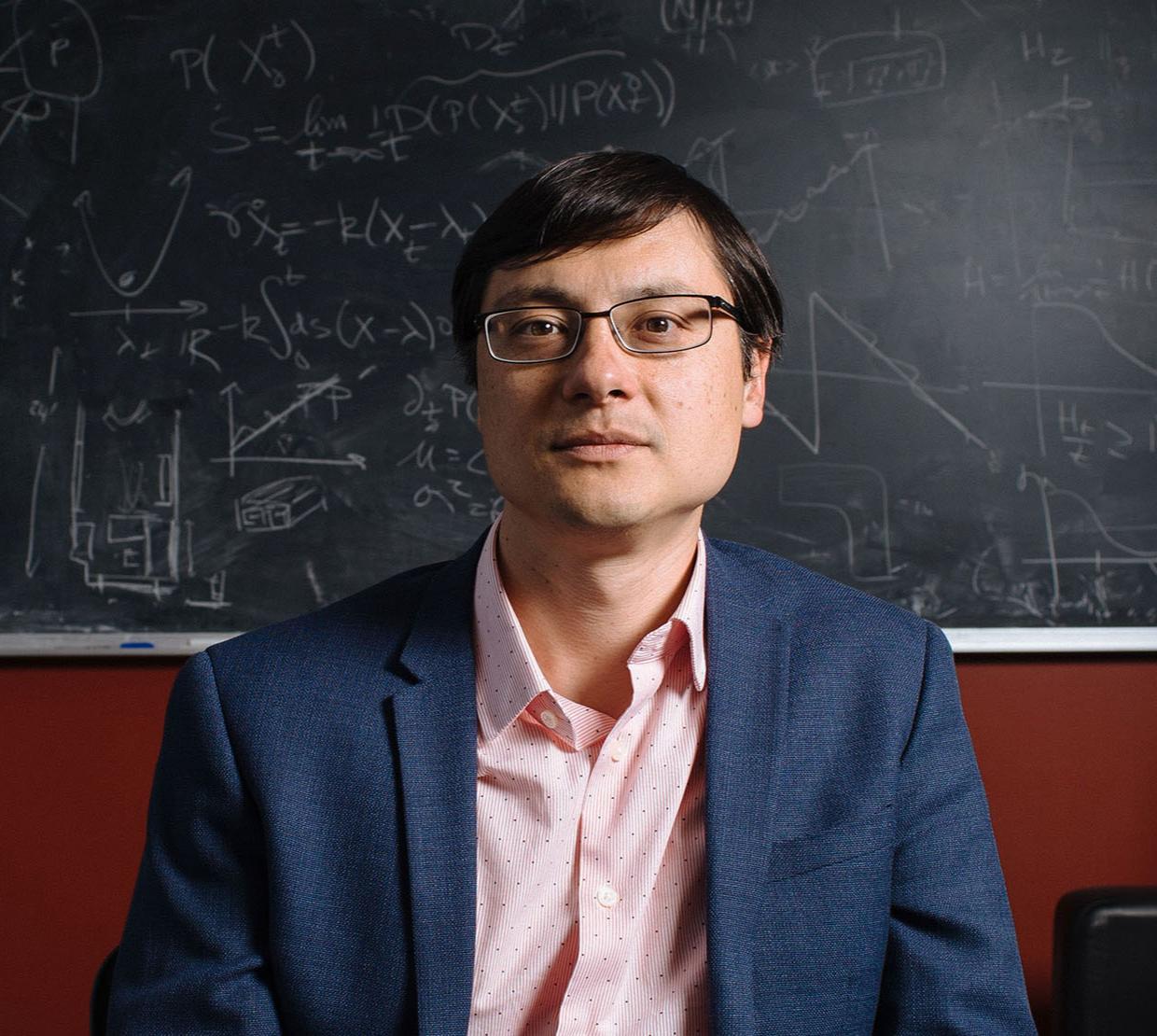
Jeff Gore, professor of physics at MIT, seated in front of a chalkboard wearing a collared shirt and suit jacket.

'Simple Predictive rules in microbial community assembly': Berg Lecture 2024

By Arie Henry

Looking for the 2025 Berg? This way


Imagine the ability to predict, from the convenience of your lab, what happens when microbial communities are hit by environmental stressors. Jeff Gore, award-winning professor of physics at MIT, does just that.

Join us May 28, 2024, as he discusses his remarkable research at the second annual Berg Lecture: “Simple predictive rules in microbial community assembly: From the lab to the world’s oceans.”

Microbial communities, with their complex interactions and diverse species, play crucial roles in both human health and environmental sustainability. Gore's research aims to predict how these communities initially assemble and how they change due to stressors, using experimentally tractable approaches to discern the rules governing microbial community assembly and function.

By employing innovative techniques, Gore and his team have demonstrated the predictive power of simple theoretical models in understanding how microbial communities respond to environmental stressors.

Gore's expertise is evidenced by his groundbreaking research on transient invaders and their impact on ecosystem dynamics. Through experiments with bacterial populations, Gore and his colleagues have elucidated how even short-lived species can trigger profound shifts in community structure, offering valuable lessons for understanding and managing complex ecosystems.

This engaging and thought-provoking lecture will expand your understanding of microbial communities and their implications for our world. Don't miss this opportunity to hear from one of the leading minds in the field.

(from Quanta magazine:) In this video, Gore characterizes multi-species communities, and how leveraging the study of physics can contributes to a better understanding of the intricate dynamics those communities exhibit.

Gore joined the MIT Physics Department as an Assistant Professor in January 2010 after spending the previous three years in the department as a Pappalardo Fellow working with Alexander van Oudenaarden. With the support of a Hertz Graduate Fellowship, in 2005 he received his Ph.D. from the Physics Department at the University of California, Berkeley. His graduate research in single-molecule biophysics was done in the laboratory of Carlos Bustamante, focusing on the study of twist and torque in single molecules of DNA. The Gore Lab studies how interactions between individuals determine the evolutionary and ecological dynamics of multi-species microbial communities. Of particular focus are alternative stable states, community assembly, cross-feeding, and the emergence of "cheater" strategies.


Read more stories about: events, microbiology, science communication


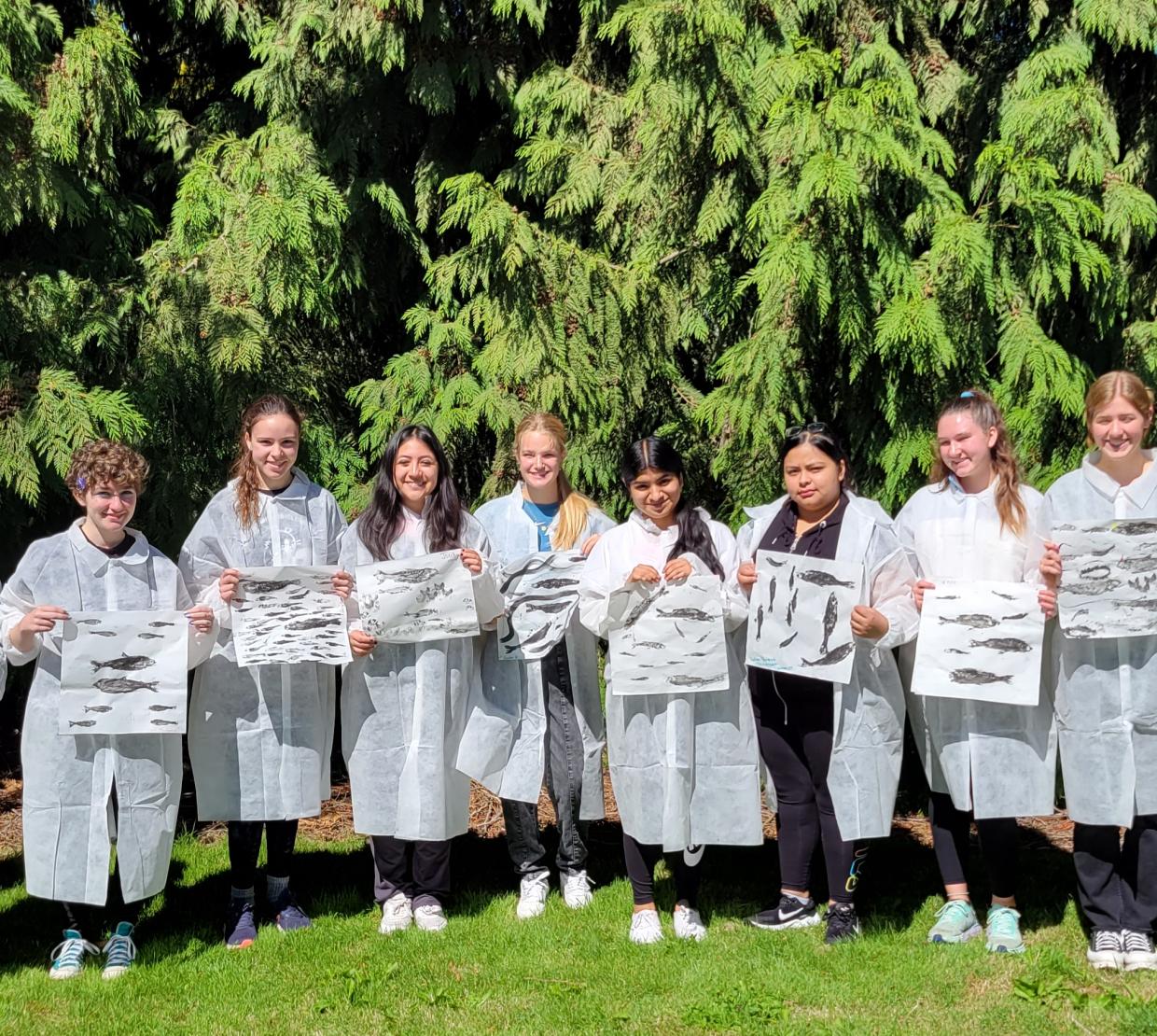
Students in lab coats pose for a group photo.

Leidholdt Microbiology Summer Camp seeks support to sustain STEM opportunities

By Hannah Ashton

When an autistic high-school student meets an autistic science mentor, a whole new world of possibilities opens. When a shy high-school student is encouraged to embrace curiosity and ask questions, their path to college gets easier to navigate. And when an underrepresented high-school student is given a scholarship to attend a microbiology STEM camp, it can change their world.

The Leidholdt Microbiology Summer Camp (previously the Pernot Camp), held by the Department of Microbiology on the OSU Corvallis campus, is a transformative, once-in-a-lifetime summer experience for historically underrepresented or underserved high school students aspiring toward STEM careers.

Growing up as a low-income Hispanic person in rural Montana, camp creator and past director Savanah Leidholt (‘22-23) witnessed the lack of STEM opportunities for youth in these demographics and decided to take action after becoming a graduate student at Oregon State. She created a week-long immersive science camp, where a younger version of herself would have thrived.

LGBTQ+, women, BIPOC, low-income and other students from diverse backgrounds are welcomed into a safe space to explore microbiology. Students learn about three subfields of the discipline, including Food System Science, Human Health and Disease, and Aquatic Microbiology. Participants conduct microbiology-focused lab experiments, go on field trips and hear from diverse speakers about career avenues and opportunities in STEM.

“Even their ability to ask questions grows. I know it's difficult to ask questions but by the end of the camp, these students are conversing with us and just ready to ask questions and learn."

In the first year of the camp, held in 2022, students learned how to use pipettes, the small glass or plastic tubes used in labs. They also collected cheek cell swabs, extracted DNA from potato salad, toured Corvallis’ wastewater facility and applied microbiology to arts and crafts.

“This camp gives students a safe space to be curious, grow their confidence, work with their peers and find out what they like and don’t like,” said microbiology graduate student Sunni Patton, the camp director in 2024. “It provides experiential learning opportunities for students who would otherwise not be able to participate.”

Most students don’t experience a microbiology lab until college. The Pernot camp allows them to see more career avenues. “It’s a way to open new interests and hobbies. A way to expand, open doors and make friends,” wrote one student who said they would recommend the camp to their friends.

"I liked that one of the mentors is autistic; it makes me feel welcomed as someone with autism,” wrote another student.

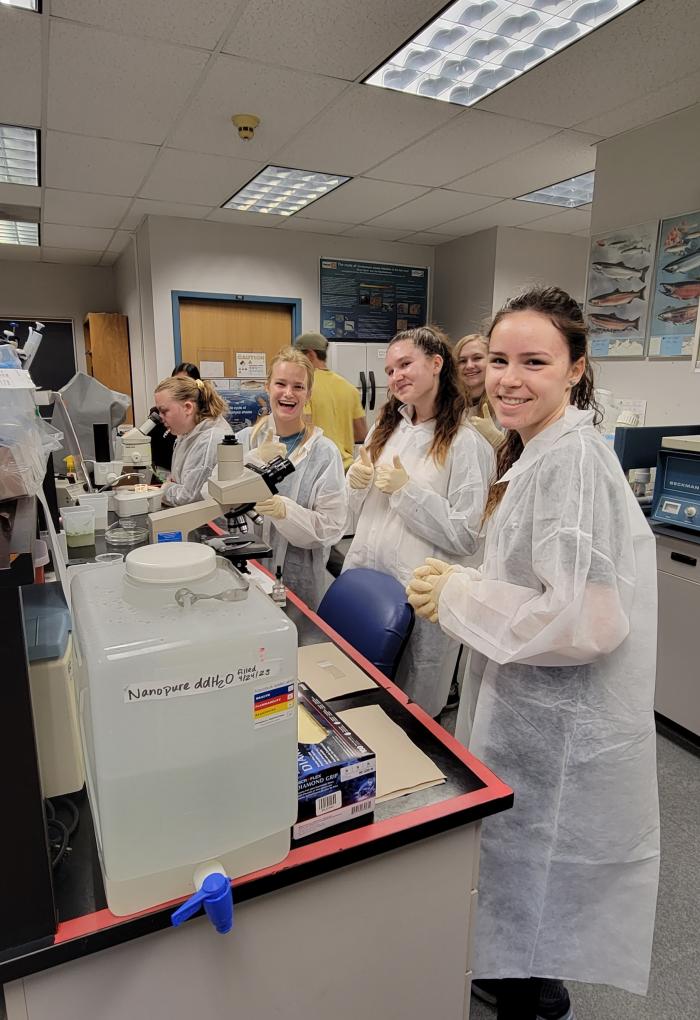
High school students at the Leidholdt Microbiology camp are all in a row looking in to microscopes. They wear blue disposable lab covers over their clothes an blue gloves.

High-school students get hands-on experience in a laboratory during the 2023 Pernot Microbiology Camp.

The skills participants learn extend beyond the sciences. “Even their ability to ask questions grows. I know it's difficult to ask questions but by the end of the camp, these students are conversing with us and just ready to ask questions and learn,” said Patton.

The camp was created to remove barriers for students to experience a new side of science. Not the traditional stereotypical image of a scientist, but diverse individuals who collaborate, work in the field and are passionate about their research.

Scholarships distinguish the camp. Out of 20 students, 15 students have received scholarships in 2022 and 2023.

The camp is organized through STEM Academy, an OSU program that engages K-12 youth in programs designed to increase college attendance and participation in STEM fields. “Their baseline for a week of camp is $300. That’s not a reasonable expense some students or their parents can justify during summer months,” Leidholt said.

Because one of their main sources of funding is running out this year, camp leadership is working hard to fundraise to continue offering scholarships that cover the cost of attendance and transportation.

“This camp costs $20,000 to put on because of all of the scholarships that we built in to make it more accessible. Right now, we have a quarter of that,” Leidholt said. “Without support on Dam Proud Day, we’re going to have to find ways to cut costs, and that would most likely be coming out of the amount of scholarships we give out. And that, in itself, is not what we stand for.”

Students in lab coats pose for a picture.

Students post for a picture during a lab activity during the 2023 Pernot Microbiology Camp.

Each year the camp directors pour their hearts and souls into creating something magical each summer. “The first year, from January until July, this was a part-time job for me. I’m a full-time graduate student, but I was taking on at least 15 to 20 extra hours a week planning every component of the camp,” Leidholt said.

She watched her efforts blossom into something she never imagined.

“I just feel so excited and hopeful of where this camp is going because I see the effort that our department, the College of Science and individual graduate students like Sunni are taking. They ensure this is a lasting camp, not a one-and-done,” she said.

One student memory sticks out in her brain from last year’s camp, and it highlights just how powerful the experience can be.

“I planned a game of Jeopardy and I had made the questions fairly easy in case students retained less from the beginning of the week,” Leidholt said. “They were all so mad at me and giving me so much shade because they said ‘The questions are too easy.’ It was a nice moment for me because we had a good rapport for them to tell me. I also felt pride because they remembered above and beyond what we expected them to.”

The Leidholdt Microbiology Summer Camp is an investment in the future of STEM, a testament to the power of diversity of science, and a place for students with stories yet to unfold.

For more information about the camp, check out their website and this IMPACT article.

High-school students stand around tanks at Hatfield Marine Center.

Leidholdt Microbiology Camp participants learn about aquatic microbiology during a field trip to Newport.

Anne Dunn, Department Head of Microbiology, smiles in a professional headshot

Announcing new Gorman Faculty Scholar as incoming Department Head of Microbiology

By Erica Martin

Following a competitive national search, the College of Science and the College of Agricultural Sciences is excited to announce Professor Anne Dunn as Department Head of Microbiology, effective January 1, 2024. Dunn brings expertise in departmental leadership from the Department of Microbiology and Plant Biology at the University of Oklahoma, as well as extensive research experience and undergraduate and graduate student mentorship.

“I am delighted to congratulate Anne Dunn on her appointment as the next head of the Department of Microbiology. An accomplished scholar, Anne has also proven herself to be a capable leader, adept at fostering collaboration, promoting equity and inclusion, and advocating for her department,” said Vrushali Bokil, interim dean of the College of Science.

“I'm inspired by her commitment to both individual members and the broader community's vision and goals. Under her leadership, the microbiology department will continue to serve students and address societal concerns in significant ways.”

I'm inspired by her commitment to both individual members and the broader community's vision and goals. Under her leadership, the microbiology department will continue to serve students and address societal concerns in significant ways.

Recently honored with the distinguished Regents’ Professorship at the University of Oklahoma in recognition of her service as department chair, Dunn’s professional service also includes election to the leadership of the American Society for Microbiology Division K (2014-2017), service on the Applied and Environmental Microbiology Editorial Board since 2016, service on numerous NSF proposal review panels, and ad-hoc manuscript and proposal review for over 35 journals, agencies and foundations. Her research focuses on host-microbe interactions and marine microbial physiology, which she has consistently received NSF funding for, totaling over $1.7 million since 2008.

Dunn will join the College of Science as the newly appointed Gorman Faculty Scholar for a period of three years, starting January 1, 2024, with an expectation to provide outstanding scholarship and leadership, enriching and enhancing the reputation of the microbiology department, the College and the university.

"I am honored to join the Department of Microbiology,” said Dunn. “It is an exciting opportunity to use the leadership skills I have developed in new and meaningful ways to collaborate with the members of this outstanding, dynamic, and dedicated department. I look forward to working together to further build the department’s impacts in teaching, research, outreach, and service."

Dunn received a Ph.D. in bacteriology from the University of Wisconsin-Madison and a B.S. in biology from Iowa State University.

The Dunn lab integrates research approaches in microbial physiology, genetics and biochemistry with bioinformatics to gain a deeper and broader understanding of microbial physiological processes and how they impact bacterial growth, survival and their role in host interactions and ecosystem function. Her graduate and postdoctoral training focused on the beneficial interactions between bacteria and plant and invertebrate hosts. When starting her laboratory at University of Oklahoma, she focused on bacterial physiology and how it impacts the relationship between Vibrio fischeri and the Hawaiian bobtail squid.

Her research has since expanded to include other marine model bacteria and how their physiology impacts their growth and survival. Currently, her focus is on NSF-funded work to understand the influence of the respiratory protein alternative oxidase on microbial physiology and marine ecosystem function while also providing insight into the evolutionary history of this interesting protein.

The Colleges of Science and Agricultural Sciences are grateful for the service of Steve Giovannoni who is stepping down as head after leading the Department of Microbiology for three years, including through the challenging pandemic years. Through his leadership, the Department of Microbiology saw continued enrollment growth, expanded grants, research, graduate education and experiential learning opportunities, and made shifts to adopt more holistic graduate admissions processes. He also led the department in pioneering a new online education option for BioHealth Sciences with Ecampus, expanding educational opportunities to those interested in healthcare.

As of September 1, Oregon State Pernot Distinguished Professor of Microbiology Rebecca Vega- Thurber began serving as interim department head in microbiology and will remain in service until Dunn’s arrival, January 1, 2024. Vega-Thurber is deeply dedicated to furthering the microbiology discipline and to ensuring the health and vitality of the department community. We are fortunate to have her expertise, passion and willingness to lead the Department of Microbiology through this leadership transition.

Interim Dean Bokil, Dean Simonich and the leadership of the Colleges of Science and Agricultural Sciences expressed sincere thanks to Professors Steve Giovannoni and Rebecca Vega-Thurber for leading the Department of Microbiology and helping the department to smoothly transition to new leadership. They also expressed gratitude to the microbiology head search advisory committee for their tremendous service to the colleges and for their collaboration in completing a successful head search for the department.

Glass panes with data graphs in layers of gray, black, and white.

Microbiologist Jerri Bartholomew elevates microbes to fine art

By Grace Peterman

There Will be Good Years: 2009-2021 uses fused glass to depict a decade of data affecting salmon survival. Color corresponds to risk factor of environmental variables like temperature and water flow.

Knowledge is only as good as our ability to share it, and innovative science requires innovative communication strategies. Some of our students and faculty have danced their Ph.D. research, been featured in documentary films and created board games about ocean microbe ecology. The College of Science is full of creative researchers who explore how different media can help tell the stories they care about, convey the relevance of science to the public and foster engagement from diverse audiences.

Microbiologist Jerri Bartholomew epitomizes what it means to be a scientist-artist. For the last 25 years, the director of the J.L. Fryer Aquatic Animal Health Laboratory has created glass art inspired by her research on parasites that live in salmonids — fish within the salmon family.

“As a microbiologist and artist, I am fascinated by what occurs at the intersection between these disciplines,” said Bartholomew. “I use glass as a medium to express the beauty of the natural world I study, and through collaborations with other artists and scientists, I explore ways to encourage that curiosity and wonder in others.”

A new curation of Bartholomew’s work is on exhibition in The Little Gallery in Kidder Hall from March 7 to April 8, 2022. “Abstracted: Where Science Meets Art and Music” contrasts the scientific abstract with the artistic concept of abstraction. Collaboration with faculty from the College of Liberal Arts made this rich, dynamic show possible: Dr. Jason Fick, assistant professor and coordinator of music technology; Andrew Myers, instructor of fine arts, and Dr. Dana Reason, assistant professor of music. Bartholomew’s previous interdisciplinary collaborations have been covered by SciArt Magazine and MIT News.

Artwork, a piece of glass with screen printing of a DNA sequence inside of it.

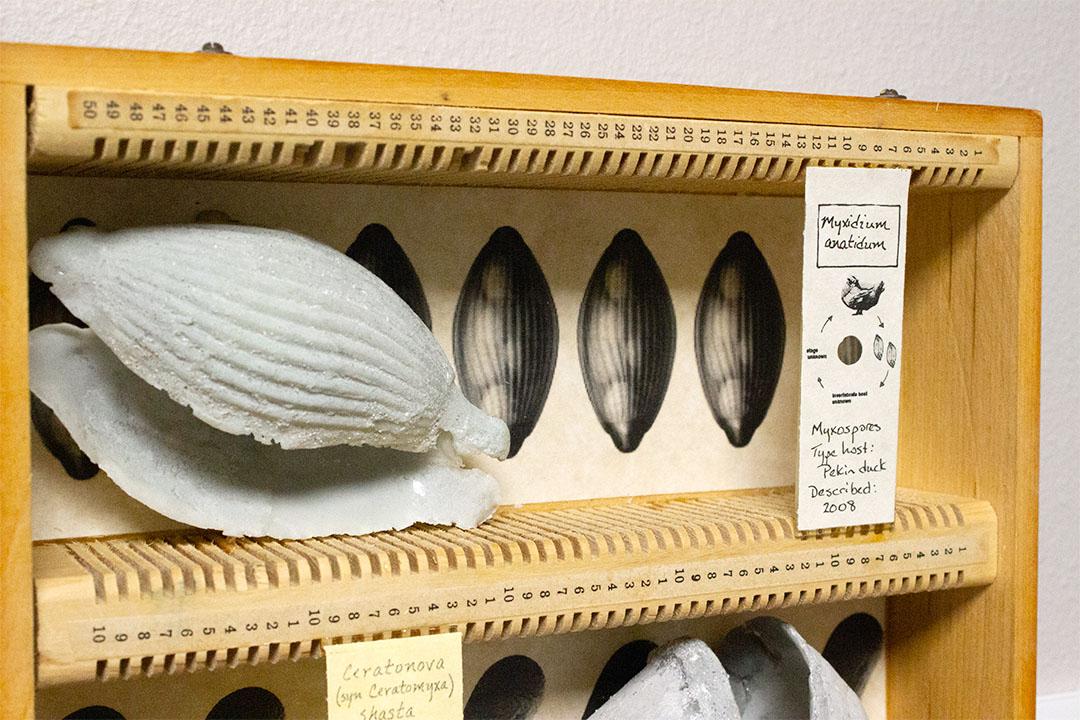
Myxidium anatidum suspends the genetic sequence of a parasite species discovered by the artist within cast glass.

“Through collaborations with other artists and scientists, I explore ways to encourage that curiosity and wonder in others.”

In “Abstracted,” Bartholomew’s extensive work on endemic wild Pacific salmon myxozoan parasites becomes vibrant and accessible. In Murky Waters, a decade of temperature, water flow and parasite data is translated into sound in real time, allowing the listener to hear how climate change will affect salmon survival.

In video piece Weapons of Microdestruction, a piano performance and live drawing turn microscopic processes into a riveting drama. The original composition expresses the musical tension of the parasite-host relationship, while broad brushstrokes elucidate the flow of parasite development.
Microscope slide boxes and slides integrated into the show reference Bartholomew’s affection for her own research tools. “As a microbiologist, glass microscope slides are the tools of our trade, but every time I sit down at a microscope it is with the anticipation that something interesting or beautiful will be revealed,” she said. “I find microscope slides themselves to be magical; small pieces of glass that hold an invisible surprise that changes with magnification.”

A wooden microscope slide box with a model of a parasite and drawings inside.

Myxozoan Life Cycles features a pâte de verre casting of a lens-shaped parasite spore that infects both salmon and duck species, nestled within a microscope slide box.

Bartholomew believes scientists are obligated to disseminate their research and that dynamic, interactive communication can expand science’s impact. “Although the increasing specialization in science during the last century seems to have drawn a line between science and art, those lines are becoming blurred,” she said. “Scientists increasingly see the value of art in interpreting their research and in collaborating with artists in looking for solutions to the problems that face society.”

She encourages scientists of every level to experiment with artistic media, because creativity and curiosity are equally important for both art and science. Even artwork not directly linked to research can have a positive impact on your scientific potential.

“Art has largely been a tool for communicating science, but I believe there is room for a larger role,” Bartholomew said. “Being an artist has helped me, as a scientist, by providing a different perspective either through examining a topic using a new medium or through collaborations and discussions with other artists.”

Artwork, a piece of glass with music inspired by the coronavirus spike protein flowing through it.

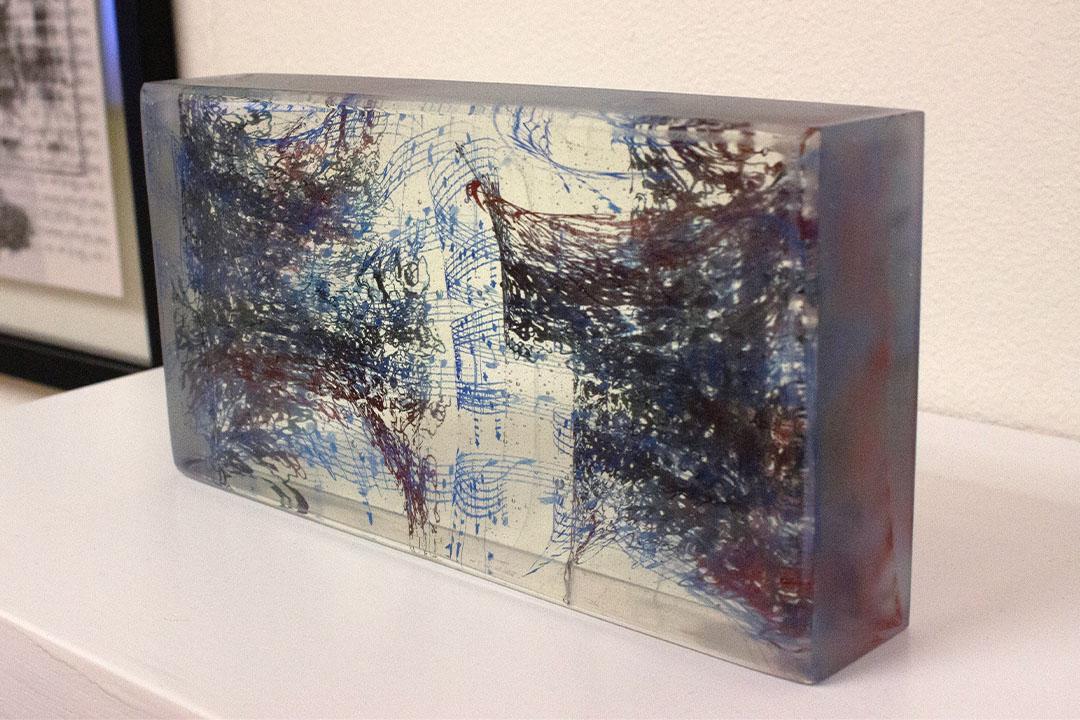
In COVID Sonnet, Bartholomew used a score by Markus J. Buehler that translates the the structure of SARS-Cov-2 surface proteins into music. The figures are transferred onto silkscreen, printed on a sheet of glass, fused and cast to create a series of increasingly abstract representations.

In 2017, Bartholomew led the formation of ART-SCI, an inter-college faculty network that sponsors events and offers curricula designed to foster discussions about the convergence between the arts and science. ART-SCI supports student engagement with interdisciplinary knowledge through the Seminarium, a student club dedicated to promoting art-science crossover.

“For me, Seminarium has been an opportunity to work with folks who share my interests in using art to communicate science, and to expand my own horizons of how the two intertwine,” said Grace Deitzler, club co-founder and microbiology Ph.D. candidate.

“Seminarium has always been about bringing together the members of the OSU community who love art and science — whether they are scientists who are also artists, or artists who are also scientists, or folks who just enjoy both — and showing the beauty of the liminal space that exists between the two disciplines.”

“Scientists increasingly see the value of art in interpreting their research and in collaborating with artists in looking for solutions to the problems that face society.”

Students and faculty interested in exploring the connection between art and science are invited to apply to participate in the ArtSci Fellowship, a year-long program in which students will develop a creative project informed by active engagement in lab or field research under the mentorship of artists, writers, musicians and scientists from OSU and the local community. Fellows are awarded a $1,000 stipend, a modest materials budget, ongoing networking opportunities, art and science mentorship and more. Graduate and undergraduate students from any college can apply. For more details, contact Jerri Bartholomew.

Ph.D. student and researcher Christine Tataru

Martin-O’Neill fellow Christine Tataru uses computers to decode our guts

By Grace Peterman

Microbiology Ph.D. student Christine Tataru is the recipient of the 2021-22 Larry W. Martin & Joyce B. O’Neill Endowed Fellowship

For Christine Tataru, computer science is “the closest you can actually get to magic.” The Microbiology Ph.D. student fell in love with the discipline as an undergraduate, and it’s been a successful relationship ever since. Tataru just won the 2021-22 Larry W. Martin & Joyce B. O’Neill Endowed Fellowship for her work in computational modeling that seeks to understand how gut microbiomes impact their human hosts’ health.

Tataru’s love of computer science started in an introductory class at Stanford University, where the near-magical powers of computational models sparked her curiosity and imagination. But it wasn’t until she discovered bioinformatics, the interdisciplinary marriage of biology and computer science, that the field felt truly fulfilling.

She started investigating the connections between the human gut microbiome and autism at Stanford, alongside then-postdoctoral-researcher Maude David. When David became Assistant Professor of Microbiology and Pharmaceutical Sciences at Oregon State, Tataru decided to follow her example and came to the university in 2018. “She was an excellent mentor,” adds Tataru.

At Oregon State, Tataru has continued to work alongside David as a researcher, mentor, and teaching assistant. Her current work uses natural language-based algorithms to investigate the relationships between microbes that keep our guts healthy, or, alternatively, lead to Inflammatory Bowel Disease (IBD). While she is passionate about the nitty-gritty details of research, Tataru also excels at communicating them approachably.

Christine Tataru sitting at a desk with a computer

Christine Tataru uses computational algorithms to advance microbiome research and explore gut-brain axis phenomenon.

For the science layperson, Tataru breaks down her work this way: imagine you want to figure out the difference between fantasy novels and non-fiction. You could search for specific words that appear more frequently in one genre; fantasy may mention “wizards” or “dragons” more often. But the presence of these words doesn’t tell us the fundamental difference between fiction and non-fiction: that one is real, and one is not, regardless of what words are used.

Much bioinformatic analysis looks at what microbial taxa are present in the gut, but Tataru says that’s just one piece of the puzzle. Just because certain bugs are there, doesn’t mean the gut is healthy. Tataru’s research aims to get a more complete picture: “We want to holistically define the microbiome, to get at the underlying processes defining which taxa are present.” It’s not just biodiversity of the microbes, but their interactions – their ecology – which affect nutrient availability and overall gut health.

That’s where the natural language algorithms come in. These are the same powerful tools that make auto-translation, topic modeling, and sentence completion possible: they’re really good at processing huge amounts of data and getting the gist of it. Gut microbiome colonies are vast and constantly mutating; within a single species, there are strains, sub strains, and even further delineations of genetic diversity. How do we define who’s who with all this variation? “We can ask the computation models to do the work of distinguishing meaningful differences in taxa,” says Tataru.

Eventually, the goal is that these models will read the microbes in our gut like a book, give us the gist of it, and then tell us how to finish our gut-sentences in healthier ways. To go from IBD to a healthy gut, what microbes do I need to add? And what microbes do I need to remove?

“We want to holistically define the microbiome, to get at the underlying processes defining which taxa are present.”

If all of that seems terribly complex, Tataru has one simple place to start: eat your vegetables. Samples from subjects who eat veggies immediately stand out from those who don’t, she reports. An avid gardener and advocate of local farming initiatives, Tataru says healthy eating is a collaboration between mind, body, and microbes. Cravings could be a message from gut bugs about what they want to eat, but sometimes the brain’s patterns override that, for better or for worse. We all kind of know what we should be eating, says Tataru. Establishing the right microbial colonies may take time, but trust the process: “if you eat it, they will come!” she laughs.

Tataru is looking forward to further developing as a science educator and getting back to projects that were halted by COVID-19. Last year, she participated in the Oregon Museum of Science and Industry’s (OMSI) Science Communication Fellowship and developed interactive demonstrations illustrating the concepts behind her modeling work at the museum. Unfortunately, the demo relied on museumgoers, and as soon as her team got ready to put it in practice, everything shut down. “I am planning on going back now that things are opening up again and seeing if I can get back in on the action,” she says.

While she finds the interpersonal aspects of science communication incredibly fulfilling, Tataru is also excited about getting to research full-time this year thanks to the Martin-O’Neill Fellowship. She says the award is a meaningful validation of her path: “I’m very passionate about this, but now obviously someone else agrees that this is worthy of being passionate about!”

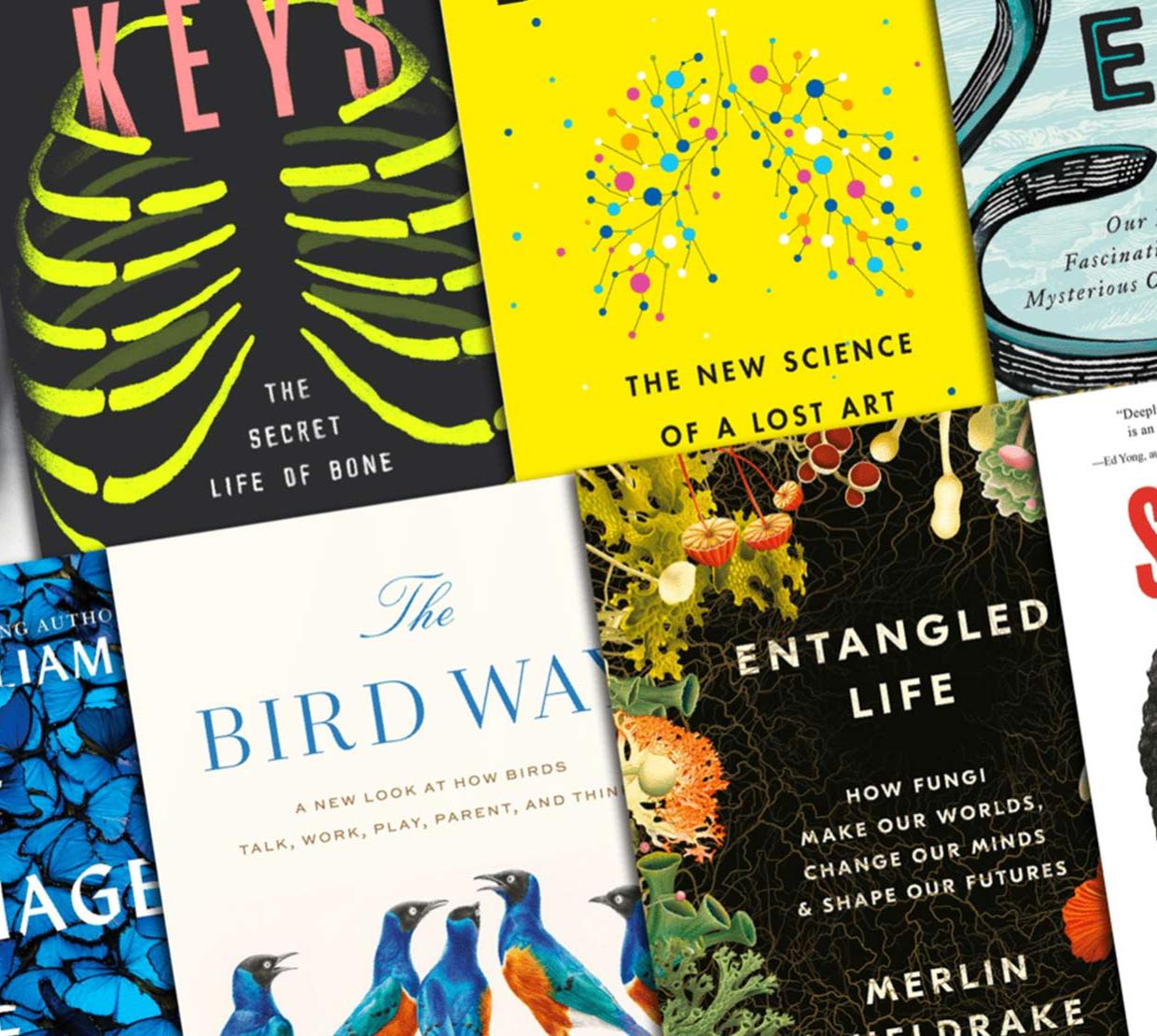
Science-themed novels lined up in an angled grid

Microbiology student featured on Science Friday

By Tamara Cissna

Image from Science Friday

Sarah Olson Michel, a microbiology junior who is earning a certificate in science, technical, and professional communication from OSU, recommended science books for summer reading to a national audience on the Science Friday show. Listen to the featured segment here.

Science Friday, which is heard on public radio stations across the country, hosts informative discussions on science, technology, health, space, and the environment. Its recommended books segment aired on July 3, sharing: “The pandemic has nixed many summer vacation plans, but our summer science book list will help you still escape.”
Michel works with Distinguished Professor Steve Giovannani's High Throughput Culturing Laboratory on outreach related to OSU’s SMILE program. In 2018, she attended AAAS as an undergraduate science journalism travel fellow with the National Association of Science Writers. She has written for Science’s Books et al, PLOS SciComm, leapsmag, and The Particle on Medium. Her feminist writing has appeared in Women You Should Know, popular Medium publications GEN and Human Parts, and other outlets. Michel's Twitter account has more than 15,000 followers.
Saving Atlantis

Oregon State University-produced coral reef documentary now streaming worldwide

By Sean Nealon

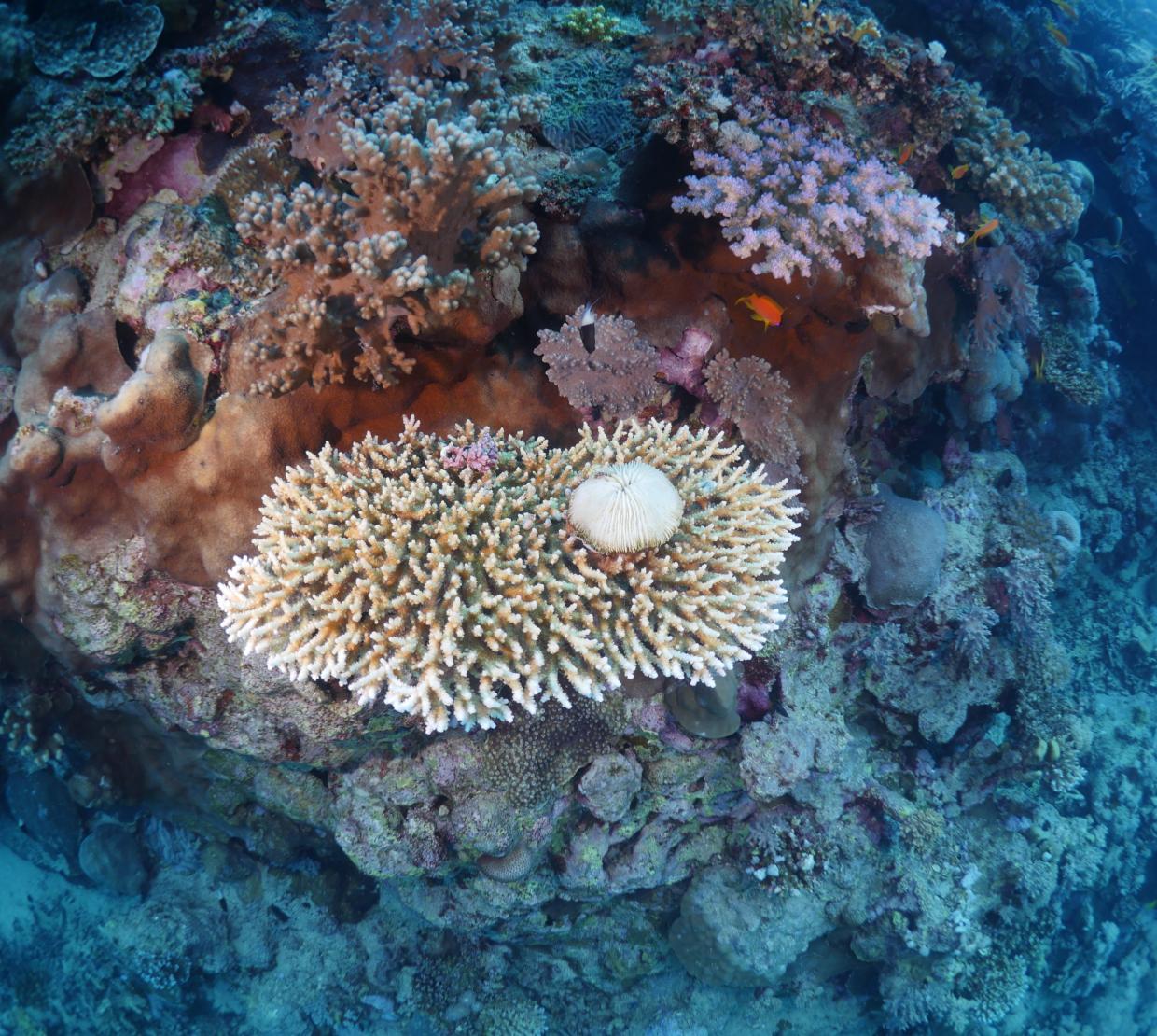
"Saving Atlantis" featuring microbiologist Rebecca Vega Thurber's work to save coral reef ecosystems around the world is now available on digital platforms.

Saving Atlantis,” a feature-length documentary on coral reefs produced by Oregon State University filmmakers, is now streaming and accessible to viewers worldwide on digital platforms, including Amazon, Google Play and iTunes.

“Saving Atlantis” focuses on the dramatic decline of coral reef ecosystems around the world and the impact on people who depend on them. The film’s producers followed coral microbiologist Rebecca Vega Thurber and other researchers from Oregon State and around the world who are uncovering the causes of coral decline and looking to find solutions so they don’t completely disappear.

The film is narrated by Emmy-winning narrator Peter Coyote, who has voiced several documentaries by Ken Burns, including “The Vietnam War.”

David Baker, along with an OSU Productions team that includes co-producer Justin Smith and cinematographers Darryl Lai and Daniel Cespedes produced the documentary. To make the film, they learned to scuba dive and film underwater and spent three years traveling to four continents to gather footage.

Last year the filmed screened at film festivals and special events in Oregon, California, Hawaii, Columbia and Australia. Schools, libraries, non-profits and government group can also license the film.

The film can now be rented for $3.99 to $4.99 or purchased on DVD or Blu-ray for $11.29 or $12.99 on Amazon, Google Play and iTunes.

Initial proceeds from the film will be used in the coming months to award fellowships for student filmmakers at Oregon State.

To view the trailer of the film visit: https://vimeo.com/246008971.

Subscribe to Science Communication