Science Communication

Science Communication

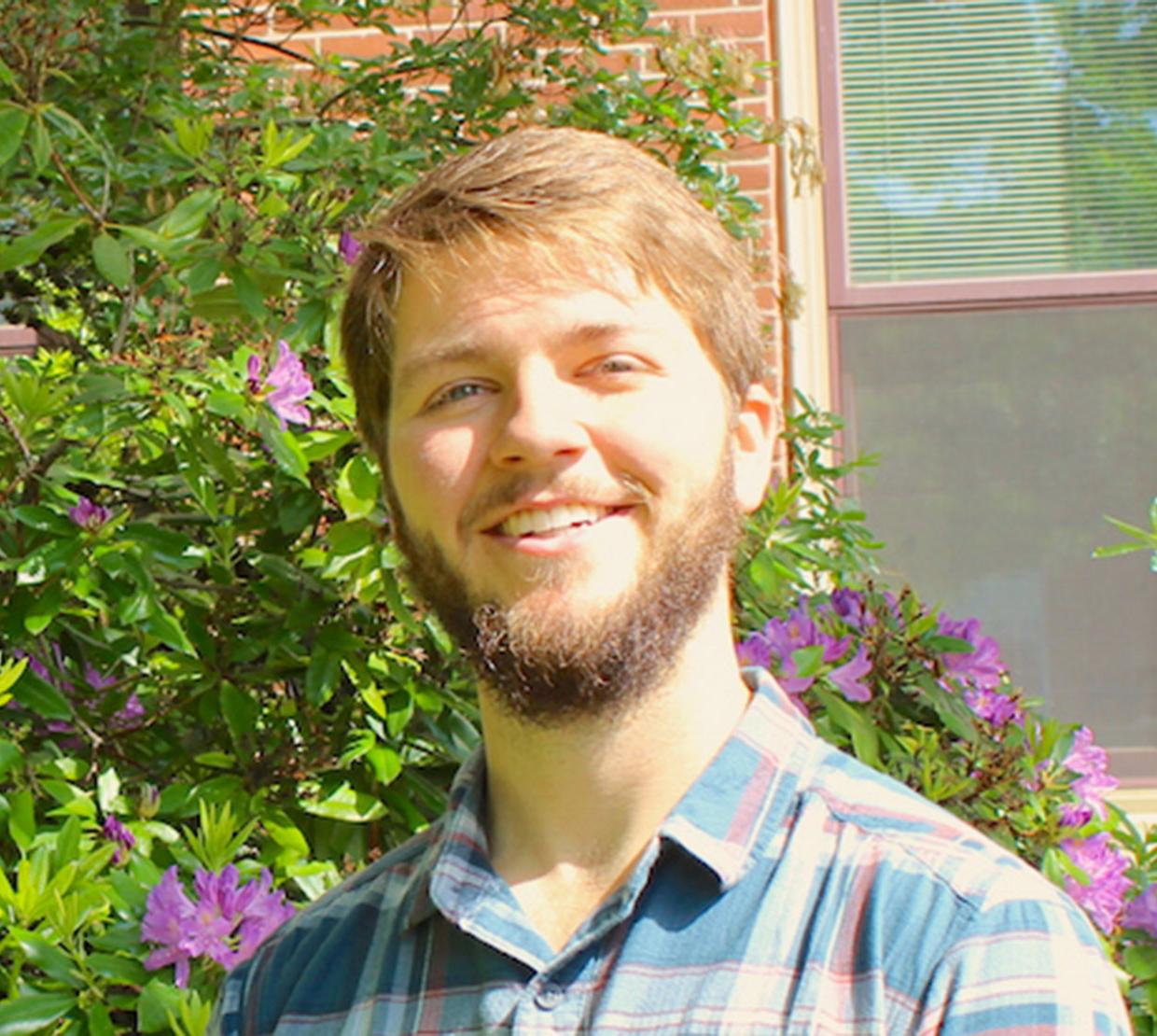
Justin Frost standing in front of shrubbery

A passion for communicating science

By Srila Nayak

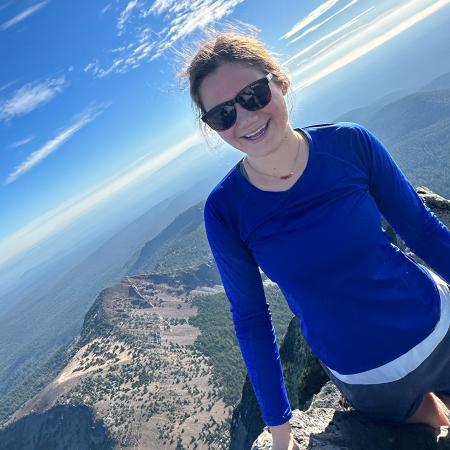
Justin Frost, senior in microbiology

Microbiology senior Justin Frost ('16) has been an enthusiastic and eloquent public relations ambassador for the College of Science, communicating his love for science and the University to diverse audiences. He has also been a prolific science writer and reporter for the campus newspaper The Daily Barometer.

After graduation, Justin heads to Boise, Idaho, to teach science in a public school as part of the Teach for America program.

Now he is eager to take his love and fascination with science to 6th-12th graders. The selection process was rather rigorous: in 2015, 4,100 Teach for America candidates were recruited from 44,181 applicants. But after acing a number of standardized science tests, Justin has been certified to teach biology, chemistry and earth science.

Teach for America recruits motivated and accomplished graduates from top U.S. universities to serve as teachers for a period of two years at schools in low-income and underserved communities.

Justin is elated and can’t wait to start. “My plan right now is to be the best teacher I possibly can be.”

The wide-ranging applications of science that he encountered in the classroom and laboratories as well as in his adventurous everyday life as a mountain biker and hiker has been Justin’s source of inspiration. He hopes to transfer the significance and beauty of science to his students.

“My coursework in immunology has been really influential. It helped me see the impact of how the human immune system interacts with the environment,” said Justin.

“Learning about microbial diversity and microbes in the human environment has made me understand the dynamism of the biological world.”

Justin observed that while his foundational coursework has been remarkable, it was equally instructional and rewarding to engage people in the community with science as an outreach volunteer and ambassador.

Justin had an opportunity to deliver his Teach for America sample lesson plan to a general microbiology class before his final interview.

“I got so much great feedback from the students and my microbiology advisors that I was able to go to my interview and just knock out my lesson plan. Having this community has been extremely helpful for applying to Teach for America.”

Justin describes his journey in microbiology and Teach for America as a series of happy accidents. An Oregon native, Justin arrived at OSU as a bioengineering major and discovered that the discipline wasn’t quite what he was looking for. Instead, he was drawn to the subjects of genetics, evolution and the science of the natural world.

While attending the hugely popular Corvallis Science Pub—one of his favorite science events, Justin happened to meet a scientist from OSU’s Linus Pauling Institute and asked him about undergraduate research opportunities there.

The person turned out to be Dr. Stephen Lawson, a former director of Linus Pauling Institute of Science and Medicine, and he encouraged Justin to write to him. One thing led to another, and Justin snagged a research opportunity in biochemist Dr. Adrian Gombart’s lab. He performed molecular biology research and acquired a solid understanding of how RNA and DNA molecules interact with one another in living systems.

Justin promptly changed his major to microbiology.

“My science education has been finding out what I want to do,” said Justin. “I found out that I am passionate about communicating health and science issues to the larger public. Here I got a chance and the tools to understand and talk about the natural world and the world in general.”

Justin plans to obtain a master’s degree in STEM education and continue on his path of teaching.

Bets Cole Evolution of a Superbug

Sparks fly between arts and science — and a giant petri dish

By Katharine de Baun

Michael Baym, professor of biomedical informatics at Harvard Medical School

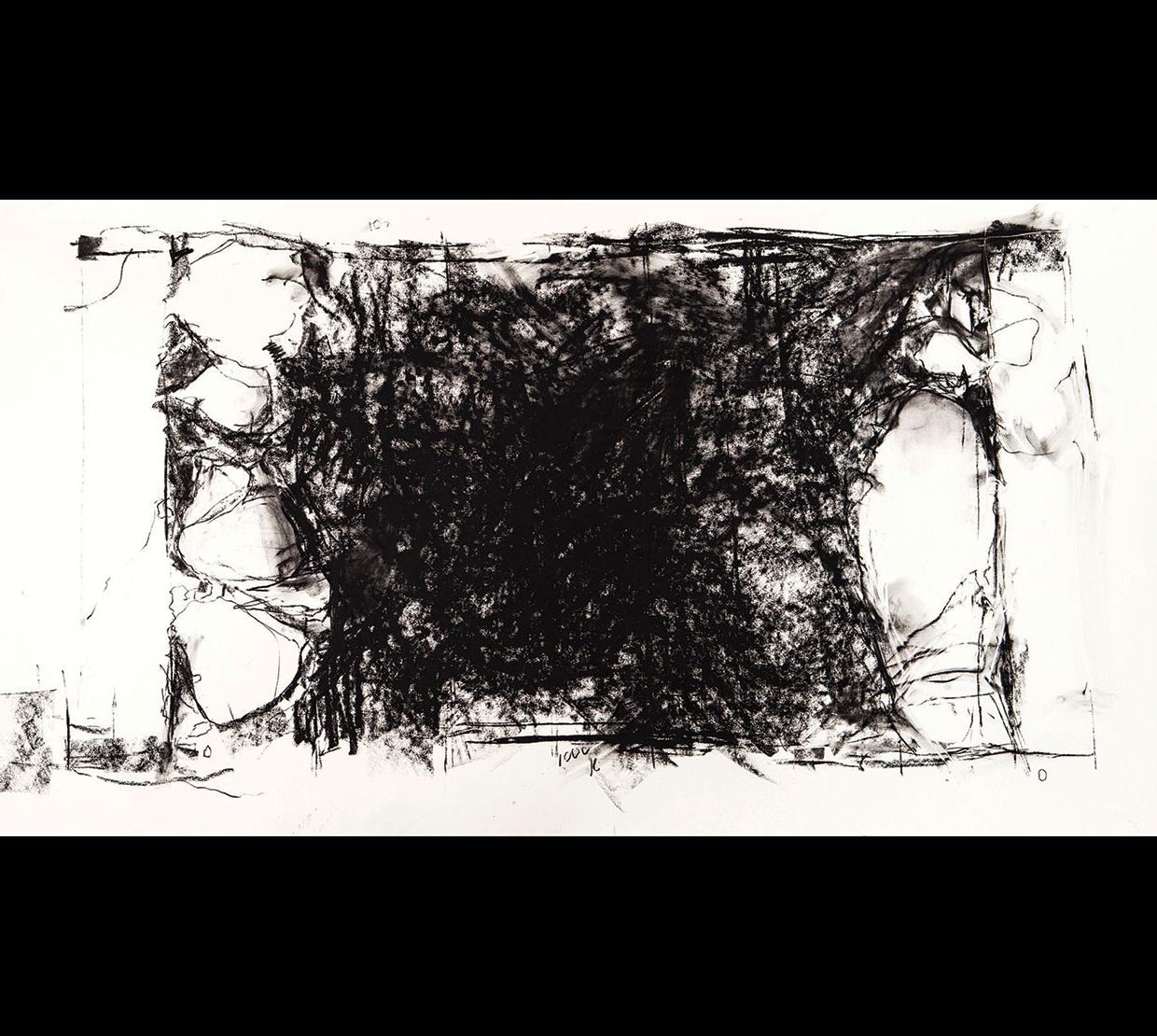
Michael Baym, professor of biomedical informatics at Harvard Medical School, was driving across Texas with his wife when award-winning science writer Ed Yong tweeted a photo of a striking charcoal drawing by Oregon artist Bets Cole entitled “Evolution of a Superbug/11days 1000x Antibiotic Solution.” Yong was sharing the art from Oregon State's exhibit “To See the Unseen: Where Science and Art Converge,” co-sponsored last spring by the Microbiology Department and the Corvallis Arts Center.

Cole's art just happened to be inspired by Baym's experiment demonstrating how bacteria, as they reproduce across a giant petri dish, mutate over the course of 11 days to be able to withstand antibiotic at 1,000 times the concentration normally used to fight infection.

Baym decided almost immediately to purchase the artwork.

“First off, it was a gorgeous piece. And it was very cool that I had created something that inspired someone else to do something so lovely.”

The chain of events between Baym and Cole may seem like mere coincidence, chance “sparks” between art and science, but in fact it is exactly the sort of interaction that the creators of SPARK, a yearlong collaboration celebrating the interplay between arts and science at OSU last year, envisioned and hoped for. Jerri Bartholomew, head of the Microbiology Department and an accomplished glass artist who was a lead organizer of the event, offers this about the intersection of the two disciplines.

“Although the increasing specialization in science during the last century seems to have drawn a line between science and art, those lines are becoming blurred. Scientists increasingly see the value of art in interpreting their research and in collaborating with artists in looking for solutions to the problems that face society.”

The backstory behind Baym’s giant petri dish experiment, oddly enough, is itself a striking example of how art can spark science. In 2015, Baym was working as a postdoc with Roy Kishony at Harvard Medical School and the Technion Israel Institute of Technology. Kishony was inspired by a digital billboard advertising the 2011 film Contagion, a grim narrative about a deadly viral pandemic. It involved giant frames filled with agar displayed in a store window, implanted with slowly growing bacteria and fungi that over time spelled out the title of the movie, to gruesome effect.

Struck by the concept of using a giant petri dish as a teaching tool, Kishony and co-investigator Tami Lieberman along with Baym spent six months developing their Microbial Evolution and Growth Arena (MEGA-plate), creating a novel platform for microbial experimentation beyond the classic petri dish. Not only has the MEGA-plate proved a highly effective teaching tool, allowing students to instantly “see” hitherto obscure and abstract concepts in evolution like compensatory mutation and clonal interference, but the visualization tool has yielded key insights about the behavior of bacteria. For example, the fittest, most antibiotic-resistant bacteria aren't always the ones who win the race; sometimes they get "landlocked" behind faster-growing strains. See a fascinating time-lapse video of the experiment, below.

Oregon State and SPARK definitely created a favorable environment for the Baym-Cole, science-and-art serendipity to happen. Cole, whose usual artwork involves abstract landscapes and portraiture in oil, was moved to look outside of her normal sources of inspiration thanks to workshops at OSU last year between microbiologists and artists, including lab art “experiments” where artists cultured their own cells or painted with pigmented bacteria. Ed Yong, who tweeted her artwork, was invited to the “To See the Unseen” microbiology art exhibit as part of the Oregon State Microbiome Initiative (OMBI) last spring, where he gave a public talk about microbiomes and his New York Times bestselling book, I Contain Multitudes.

The SPARK momentum continues on November 15 from 6-8 p.m. at The Corvallis Arts Center, with a public talk, "Superbugs & Antibiotic Resistance: An Interdisciplinary Conversation." The talk will focus on how the giant petri dish experiment has helped scientists visualize the evolution of antibiotic resistance in E. coli and also inspired artists.

Panelists for the free event include Baym, Cole and OSU composer Dana Reason in the School of Arts and Communication. Baym will share his research along with Cole, who will talk about how his research inspired her painting. Reason will share how she is taking the data from Baym’s experiment and transferring it into sound. She hopes to generate a new creative work that both stands alone and prompts insights into the data itself based on how it translates into sonar patterns.

Inspired by SPARK, a group of scientists and artists at OSU will continue to meet monthly to explore other opportunities and lines of mutual investigation.

As for Bet Cole’s “Evolution of a Superbug," it now hangs on the wall just outside Baym's Harvard office in Boston. “I wanted to hang it in my office, but this way, more people can see it.” See it, yes, and then? Who knows what other sparks may fly.

children looking at science themed booth

From the lab to the world: OMSI Science Communication Fellowships

The OMSI Science Communication Fellowship Program

Applications are open for Oregon's top academic and professional fellowship program: The Oregon Museum of Science and Industry's OMSI Science Communication Fellowship. For spring 2018, the fellowship is open to researchers or science professionals including faculty, graduate students, technicians, or other individuals in STEM and health related professions.

The deadline for applications is Wednesday, November 1.

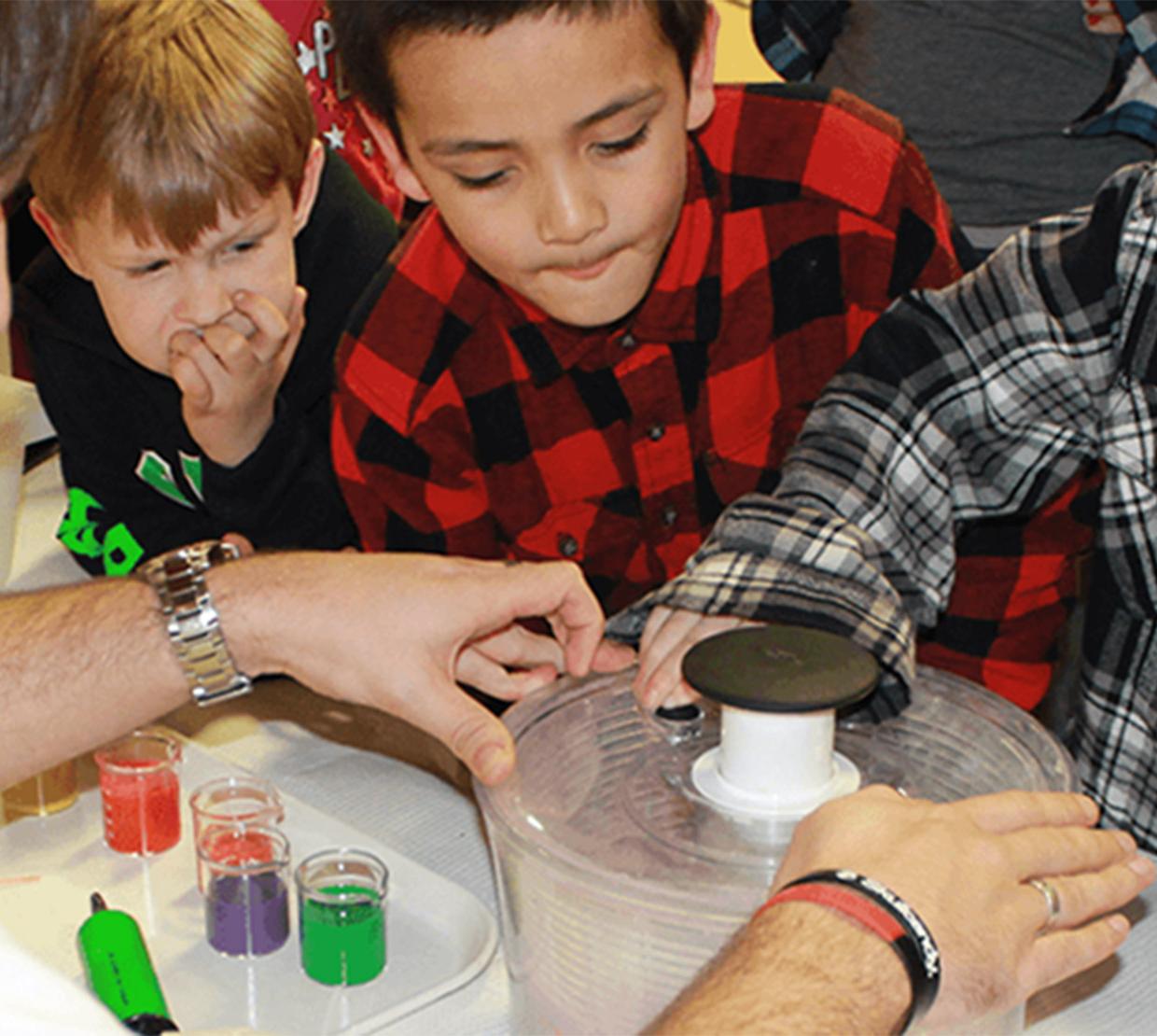
Held primarily in Corvallis, OR on the OSU campus, OMSI Fellows participate in a series of professional development workshops that cover science communication best practices and provide opportunities for participants to practice new skills and techniques. In collaboration with OMSI, each Fellow will develop a unique hands-on educational activity designed to communicate their research to public audiences and will join OMSI in engaging museum visitors with these activities at Meet a Scientist events.

A series of four professional development workshops will focus on building skills to effectively communicate scientific research with broader audiences. Workshops are 3-4 hours each, spaced over the course of three to four months.

Tuition for the program is $1850 per participant. The Science Dean's Office will cover half the tuition for all accepted College of Science applicants.

The OMSI Science Communication Fellowship Program is an excellent way to fulfill broader impact and outreach goals for grant-funded research at OSU. Many of the participants in the Fellowship program secure their tuition through broader impacts or education and outreach components of current research grants.

An online application and further information about the Fellowship program can be found on OMSI's website.

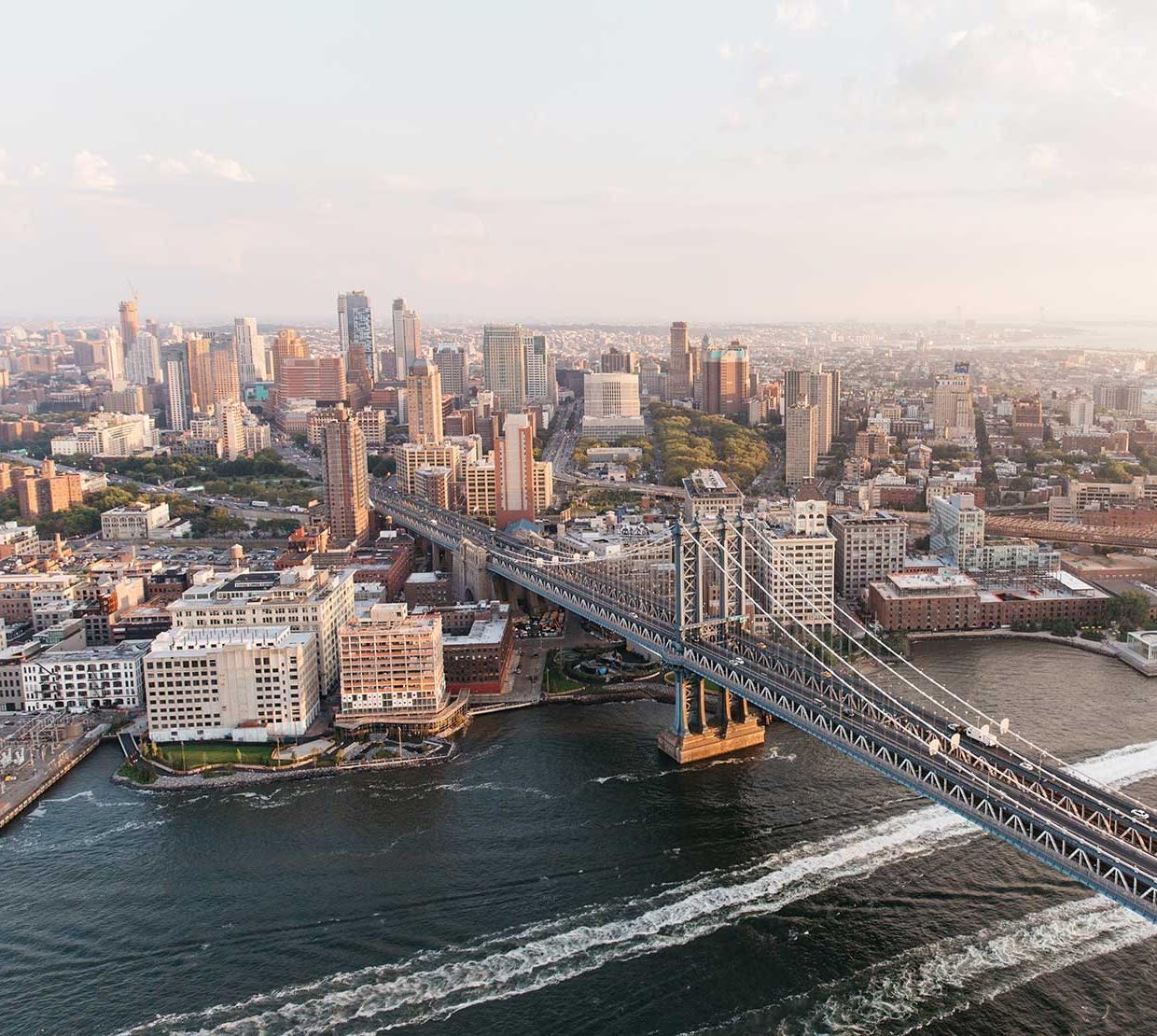
Arial view of New York City

Informing Policy: Taking science to policymakers

By Katharine de Baun

Note: this article is part of a mini-series on how OSU scientists are working to mitigate climate change. Read more here: Overview, Quantifying Risk and Sustaining Resources.

“When the voices of scientists are not heard, there is a price to pay.” ~ Janet Napolitano

Scientists have often been reluctant to step into politics, believing perhaps that it is better to let research speak for itself. But in an era of accelerating climate change combined with “alternative facts,” more and more scientists perceive an urgent need to move beyond their traditional comfort zone and speak out about the public value of research, not to mention the value of science itself.

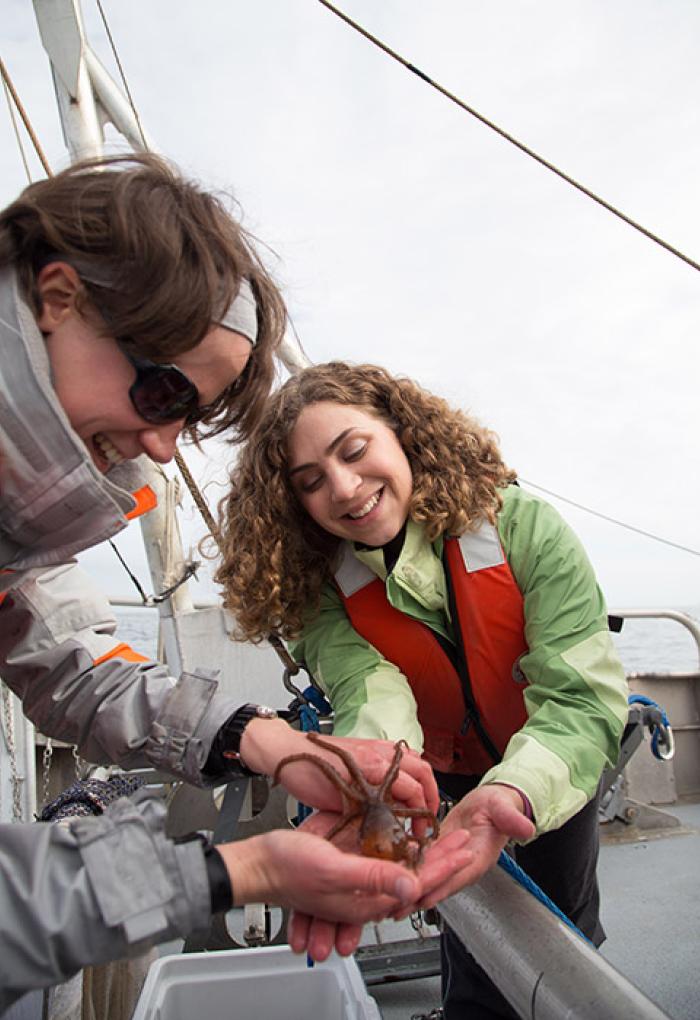
Sarah Henkel and Lenaig Hemery holding small octopus on boat

Professor Sarah Henkel on board the research vessel Pacific Storm

This urgency is driving many scientists to step out of the lab and into the public sphere. Hundreds of scientists attended a "stand up for science" rally at the fall meeting of the American Geophysical Union; thousands more participated in the national "March for Science" on Earth Day, April 22, 2017. Some, like evolutionary biologist and University of California professor Michael Eisen, are running for political office. Others, feeling that valuable troves of climate data stored by the government are at risk of being destroyed, are engaged in fervid “data rescue” onto private servers. Skilled advocates like OSU’s Distinguished Professor Jane Lubchenco, who recently won the National Academy of Science’s Public Welfare Award, are trying to figure out the best way for scientists to appeal to a skeptical or scattered public ;in a world of "fake news."

West Coast advocacy for healthy oceans

Scientists are also acting collectively in new ways to make sure that relevant research crosses the desks of policymakers, particularly when it comes to climate change. Integrative Biology professor Francis Chan, for example, is co-chair of a 20-member panel of leading West Coast ocean scientists who presented a comprehensive report last year outlining recommendations to decrease ocean acidification and hypoxia, or extremely low oxygen levels.

The report urges the governments of Oregon, California, Washington and British Columbia to act now to offset and mitigate the effects of global carbon dioxide emissions, which are rapidly changing ocean chemistry along the West Coast.

Chan’s recommendations were grave but hopeful, going beyond just painting a “gloom and doom” picture to offering many ways to remedy ocean acidification, from planting kelp and eel grass, which remove carbon dioxide, to better breeding techniques for shellfish and cleaner resource management.

Global ocean conservation

Marine biologist Jane Lubchenco and her colleague Kirsten Grorud-Colvert are important voices in the international ocean conservation community. Lubchenco, the U.S. State Department’s science envoy on ocean policy issues and former NOAA Administrator, and Grorud-Colvert published a paper in the journal Science. It highlighted the need for greater ocean protection to support fish stocks and to be better stewards of our oceans and the benefits they provide us all.

Scientists coordinating their research internationally can be powerful advocates for global environmental protection and policy. Microbiologist Rebecca Vega Thurber, for example, leads a National Science Foundation (NSF)-funded Global Coral Microbiome Project that seeks to describe and analyze the macrobiotic diversity in coral reefs around the world, coordinating her lab's work with researchers at Australia's Great Barrier Reef and Saudi Arabia's Red Sea coast.

The ultimate goal is to understand how microbial communities can help coral reefs withstand and recover from stress or disease. The research may be critical to international efforts to mitigate the worldwide decline in coral reefs due to overfishing, pollution, and climate change.

Policy-focused research

Policymakers sometimes collaborate with scientists to do specific research. Marine ecologist Sarah Henkel, for example, is often out on the ocean, analyzing field samples to advise policymakers on how human activity and climate change affect marine life. She checks for heavy metals and organic pollutants in coastal marine species exposed to effluent from an industrial outfall pipe in Newport.

Recently, she led a research cruise analyzing sediment grabs of the ocean floor for species habitat suitability maps. The maps will guide the Bureau of Ocean Energy Management in managing effects from offshore energy and mineral exploration on the Outer Continental Shelf.

Close to home: Salmon fisheries

Scientists like microbiologist Jerri Bartholomew are changing policy at the local level. A long-term project in the Klamath River integrates monitoring and research to develop recommendations for fishery management by providing real- time data on parasite densities and their predicted effects on juvenile salmon. When parasite levels and water temperatures exceed set thresholds, this triggers river managers to release a pulse of water from the reservoir to reduce disease risk. Models developed by her team link areas of high disease risk with physical parameters, such as water flows and temperature, and forecast how climate change might alter infection rates in the future.

***Read the rest of this series on how scientists at OSU are tackling global warming: Warm Oceans need Cool Science (introduction) Quantifying Risk Sustaining Resources

Subscribe to Science Communication