Awards & Recognition

Awards & Recognition

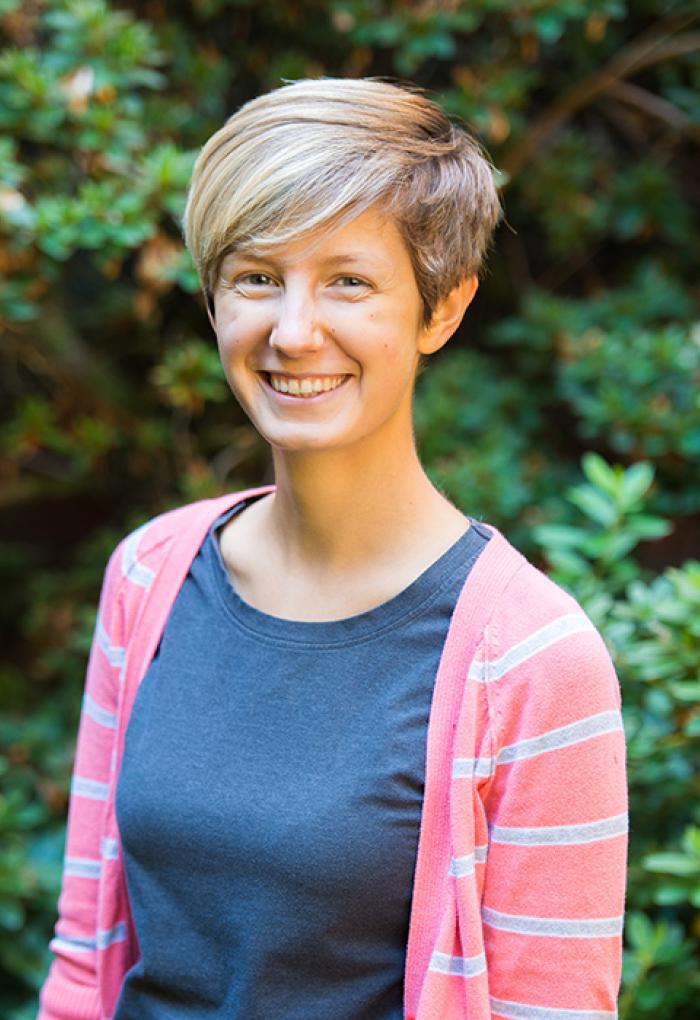
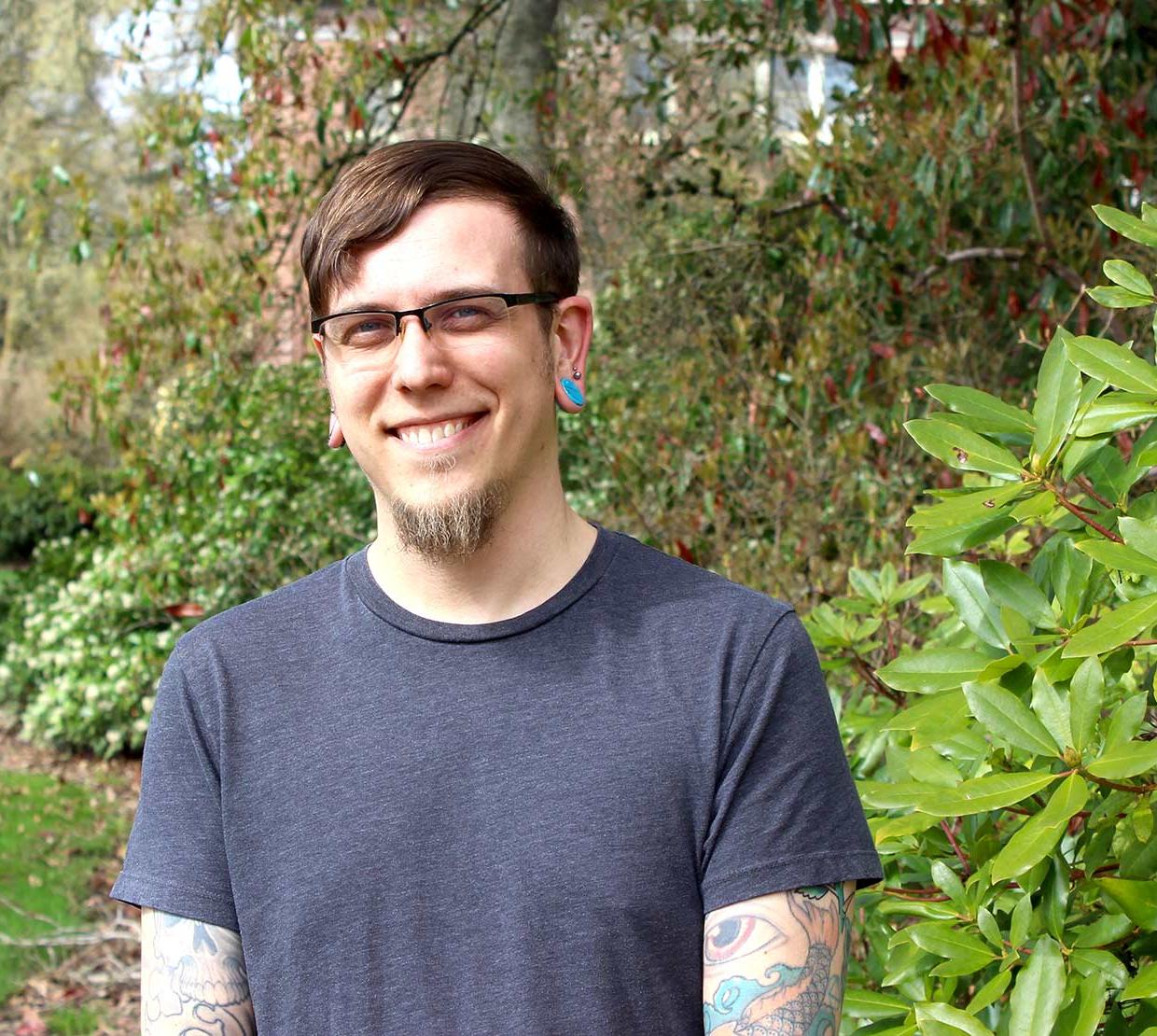
David Lynn Hubert in front of shrubbery

Grad students snag top NSF fellowship

By Srila Nayak

David Hubert, OSU alumnus and Ph.D. student in integrative biology and microbiology

The College of Science is thrilled to announce that three PhD students have received prestigious National Science Foundation Graduate Research Fellowship Program (NSF GRFP) awards for 2017. Rebecca Lucia Maher in microbiology and David Lynn Hubert and Claire Couch in integrative biology are among the seven students at Oregon State University to receive NSF GRFP fellowships this year.

For the 2017 competition, NSF received more than 13,000 applications for more than 2,000 awards in March. Began in 1952, the NSF GRF Program is the oldest graduate fellowship of its kind, and recognizes and supports outstanding master’s and doctoral students who have demonstrated high potential in STEM disciplines very early in their graduate training. According to NSF, "These talented individuals have gone on to make important discoveries, win Nobel Prizes, train many generations of American scientists and engineers and create inventions that improve our lives."

The GRFP provides three years of financial support within a five-year fellowship period for graduate study that leads to a research-based master’s or doctoral degree in science or engineering. Students receive a $34,000 annual stipend and $12,000 cost-of-education allowance, which goes to the graduate institution.

This year, the award-winning projects in science are focused on vertebrates, mammals and marine invertebrates in a variety of habitats. The young scientists working on them may over the course of their careers usher in transformative and foundational discoveries in the fields of vertebrate biology, disease ecology and marine science.

The winners are two biology doctoral students who will study gene expression during hibernation of garter snakes and respiratory disease in African buffalo respectively, and a microbiology doctoral student who will investigate how the coral microbiome is affected by predation and nutrient availability.

From high school dropout to award-winning Ph.D. student

David Hubert, a tattooed Oregon State biology alumnus, has had a highly unconventional path to the prestigious NSF fellowship. A high school dropout at 18 and father at 20, Hubert was a professional tattoo artist for four years before deciding to resume his education at age 25.

His interest in science came from a fish husbandry hobby and avidly reading science magazines. Hubert, a native of Corvallis, studied at Linn Benton Community College for three years where an inspiring biology teacher and an internship at the Hatfield Marine Science Center, studying the effects of ocean acidification on oysters, propelled him towards OSU and more intensive studies in biology. He went on to complete his undergraduate studies at OSU.

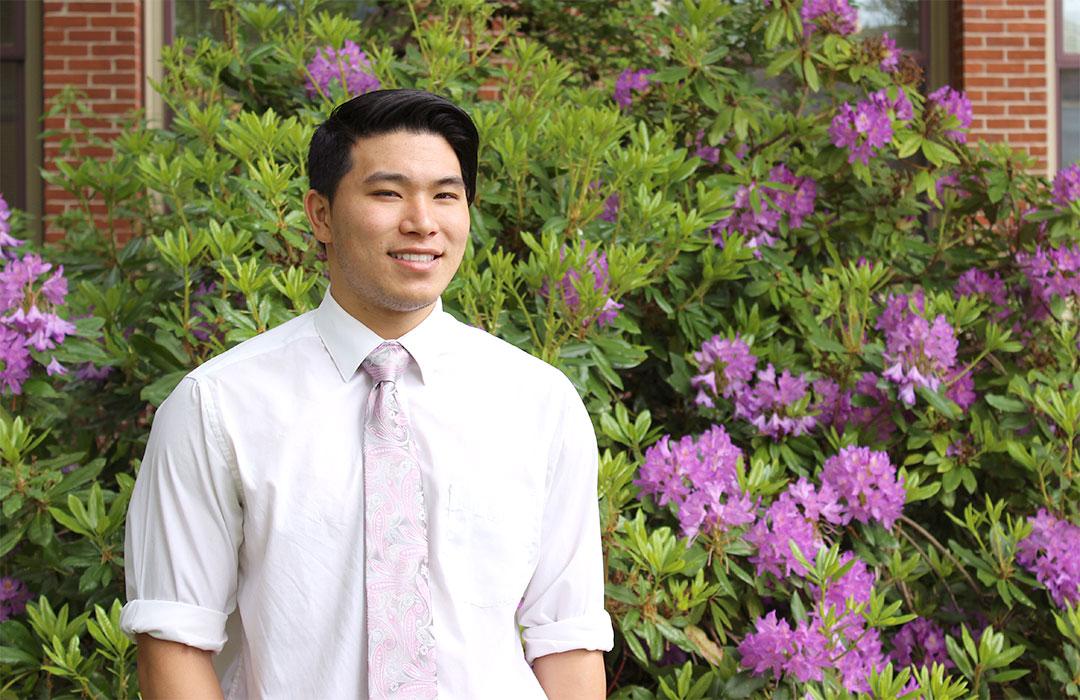
David Hubert in front of bricks

David Hubert, biology alumnus

Only in the first year of graduate school, Hubert has evinced a remarkable dedication for teaching and mentorship that goes beyond his responsibilities as a graduate student. His interest in teaching has also taken many forms, from lab and classroom instruction to curriculum development and training other students how to teach biology.

As an undergraduate, Hubert was a learning assistant in various biology courses and assisted with piloting the learning assistant program for the vertebrate biology course, which involved developing workshops and pedagogical materials, teaching peer-mentoring and working with course faculty to facilitate student learning in the course.

The learning assistant program in OSU, supported by a NSF grant, trains top undergraduate students to facilitate peer discussion and class activities in large lecture classes. The learning assistants circulate among students and foster in-class learning by providing individualized feedback as students grapple with complex questions posed by the instructor.

Hubert developed novel curricula for an introductory biology course at OSU. He eventually co-authored the laboratory module that was published in American Biology Teacher—a peer-refereed professional journal designed to support the teaching of K-16 biology and life science. Hubert currently teaches introductory biology courses as well as the upper division vertebrate biology course.

He volunteers in the classroom of the local juvenile detention center, where he works with teens to build their math and science skills. Hubert has also served as a mentor in the Mentoring Works! Program, helping at-risk middle school students transition into high school.

Perhaps his own teachers and mentors have something to do with his love for teaching. Hubert credits OSU biology lecturer, Lori Kayes and his advisor Robert Mason for serving as wonderful mentors and teachers, and being “instrumental in everything I have done.” Hubert was closely guided by Kayes in his role as a learning assistant for introductory biology courses during his undergraduate years at OSU.

A superbly taught vertebrate biology class by Mason planted the seeds for Hubert’s research project as well as fostered a love for the science of reptiles. When Mason offered him a spot in his lab for graduate research, Hubert didn’t hesitate to accept.

At OSU, Hubert found opportunities to do research on reproduction in salamanders in freshwater streams, behavioral work with crayfish, a study of coral growth and survival before finding his graduate research focus on terrestrial environments and garter snakes.

His award-winning NSF proposal “An Integrative View of Brumation in a Changing Environment” will employ molecular techniques to shed light on what genes are associated with hibernation (brumation) and investigate changes to allele frequencies, morphology and fecundity in populations of the common garter snake.

“My overall project is how the snakes survive sub-zero temperatures, and I am interested in a transcriptional level in how they are expressing their genes and how their genes are used in that huge block of time,” said Hubert.

Hubert will study the garter snakes in the world-famous snake caverns of the Interlake region of Manitoba, Canada. This is the site of an unrivaled biological phenomenon where tens of thousands of snakes hibernate for eight months in underground caves and emerge to engage in reproduction in the month of April.

Although the mating behavior among garter snakes is a well-studied phenomenon (Hubert’s advisor Mason has pioneered numerous studies on this model of garter snakes), Hubert’s research will investigate what happens during the distinct phase of brumation and how garter snakes respond to temperature changes as they transition from one life-cycle phase to another (brumation, breeding and feeding).

As it so happens, the effects of climate change in Manitoba have been particularly intense. The average heat increase in Manitoba has been twice the global average and the forecast is that Manitoba winters will be seven degrees warmer by mid-century. Its effects on garter snakes, whose life phases from hibernation to breeding are driven by temperature changes, are bound to be striking.

“Garter snakes are in a unique situation because they live in the northernmost parts of North America and experience extremes like no other species,” said Hubert.

His research will focus on the effects of climate change on garter snakes through genome-wide analyses and a study of the morphological traits and fecundity in the population over time.

From his maiden research trip to Manitoba with Mason and other researchers in April this year, Hubert will bring back garter snakes for hibernation in a temperature-controlled facility in an OSU lab for further study.

The father of 12-year-old and four-year-old boys, Hubert attributes his award to his unusual personal circumstances and their influence in making him the scientist he is today.

“When I dropped out of high school, I believed I didn’t have any other options, and it took me years of experiencing life and exploring different opportunities to understand that I could find success in higher education,” said Hubert.

A love for coral reefs and science

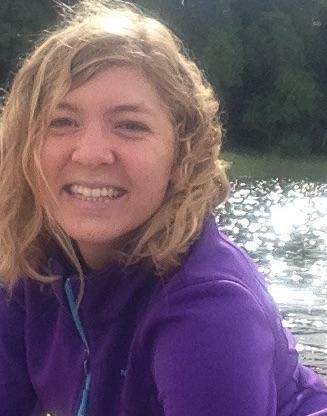
In the lab of her advisor Rebecca Vega Thurber, microbiology Ph.D. student Becca Maher studies how environmental stressors alter the coral host and its associated microbes. Maher, who graduated from Rice University in 2016, will soon be collaborating on a very interesting project in the Vega Thurber lab involving the study of coral microbiome at the Gump Research Station on Moorea, French Polynesia.

Maher will be traveling to Moorea this September for her first field season to conduct ecological experiments on the reef and microbial analyses along with a fellow scientist at UC Santa Barbara.

Her NSF project investigates how predation by parrotfish and elevated nutrient levels combine to affect coral microbiome and increase the rate of coral death.

"My project is exciting because we are investigating a phenomenon that has never been observed before."

"Herbivores that supplement their diets by predating coral are usually benign to the coral in healthy reef systems. However, many reefs around the world are facing nutrient pollution from terrestrial sources like agricultural runoff. And when the water is enriched with nutrients, corals can no longer recover from fish predation, leading to total colony mortality," explained Maher.
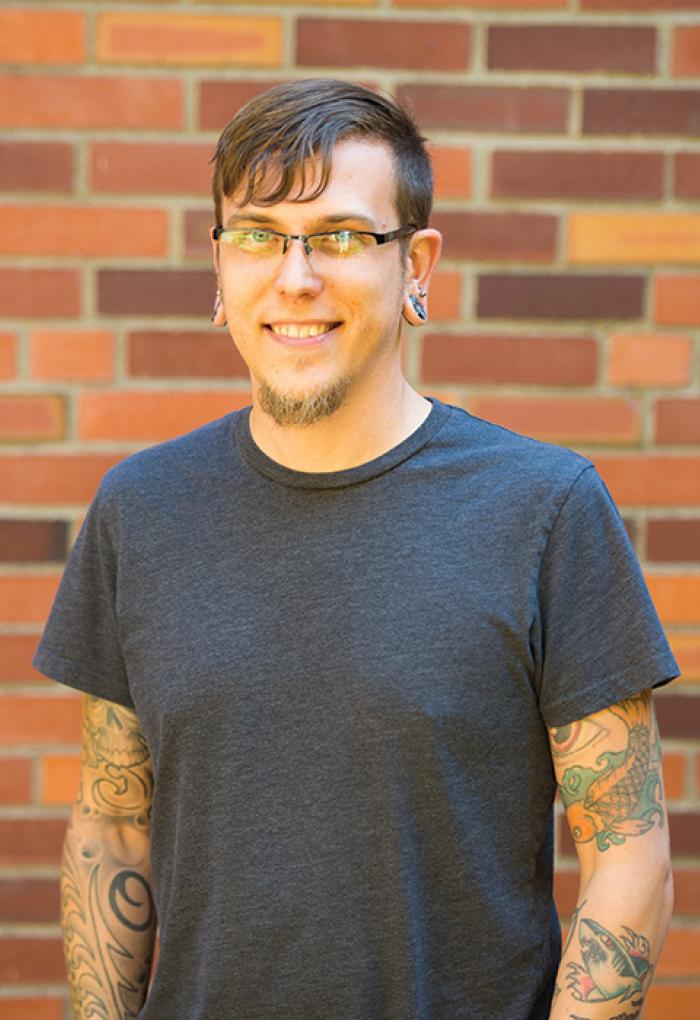
Becca Maher sitting in front of river

Becca Maher, microbiology Ph.D. student

Maher, whose family has roots in Nicaragua, has participated in several “conservation projects involving eco-tourism and biodiversity monitoring in Latin America.” She has directed a year-long Engineers Without Borders project to modernize a water distribution system in Nicaragua, conducted marine research in Honduras, and studied the impact of endangered Capuchin monkeys on a cloud forest reserve in Ecuador.

“As I extend my fieldwork to new countries, I will prioritize attention on the unique cultural traditions and values of a particular community which can be an integral, fascinating and effective part of regional conservation,” said Maher.
Maher has many scientific accomplishments to her credit. She received the Shell Center’s Sustainable Development Award for effectively disseminating her research on coral reef conservation in the Gulf Coast. Her research on the impact of macrobioeroders (reef organisms) on coral reef health has pioneered new methods of investigation and generated novel datasets to be used in conserving deep sea coral reef health. Maher’s data is currently being incorporated into coral population models for publication with NOAA’s Southeast Fisheries Science Center.

Maher is a science communication fellow with the Oregon Museum of Science and Industry (OMSI) and will make marine science accessible to young museum-goers through hands-on interactive exhibits.

Unlocking the secrets of the African Buffalo

Claire Couch recently returned from an eight-month visit to Kruger National Park, one of South Africa’s largest game reserves with a reputation for being home to wonderfully diverse life forms. There she studied microbe and host disease associations in the African buffalo.

Claire Couch standing in front of shrubbery

Claire Couch, integrative biology

Along with fellow researchers from her adviser Anna Jolles’ lab in the Department of Integrative Biology, Couch would sedate the highly dangerous and large bovines in a herd with tranquilizer darts and collect blood and tissue samples. An intensive flurry of lab tests would help determine the sex, age, health, disease pathogens, nutritional status of the animal as well as yield other demographic and genetic data.

As part of her doctoral research, Couch will investigate the relationship between nasal microbiomes and respiratory disease in African buffalo. Her study will introduce novel ecological approaches to study microbe dispersal between hosts and how that affects microbiome composition and respiratory disease risk in the species.

The broader impact of her research, Couch explains, is to “find applications for monitoring and managing economically and ecological important respiratory disease, which could result in early detection and prevention of respiratory disease outbreaks.”

At Kruger National Park, Couch has undertaken a science outreach project to introduce school children to science careers. In partnership with an educational non-profit based in the Park, Couch organized a science career camp for a group of children interested in science.

“The children loved it and it was especially cool that they could go out in the field and get hands-on with the buffalo in a safe and monitored environment and also talk to veterinarians and other people in the park about their jobs,” said Couch.

She plans to continue on with educational outreach projects in the Park.

The University of Portland alumna is fascinated by disease ecology and has spent time in various labs associated with disease research, including a yearlong stint in an infectious disease laboratory at the National Institutes of Health (NIH).

Couch also received an ARCS Scholar Award from the ARCS Foundation Portland Chapter which helps recruit top applicants to Ph.D. programs in OSU’s Departments of biochemistry and biophysics, chemistry, mathematics, microbiology, statistics and integrative biology. In 2013, Couch was awarded the Barry M. Goldwater Scholarship, regarded as the most prestigious undergraduate scholarship in the natural sciences, engineering and mathematics in America.

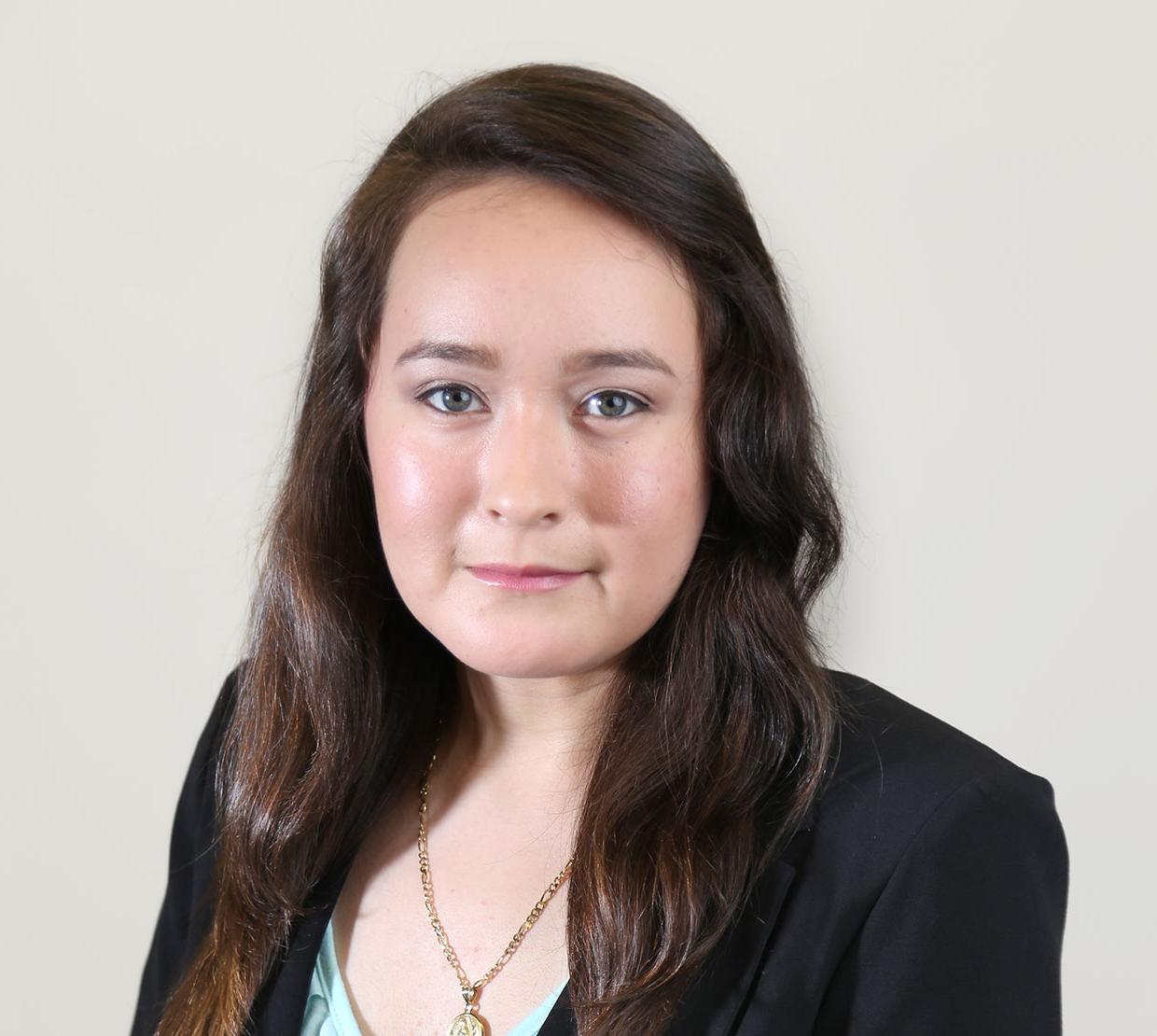
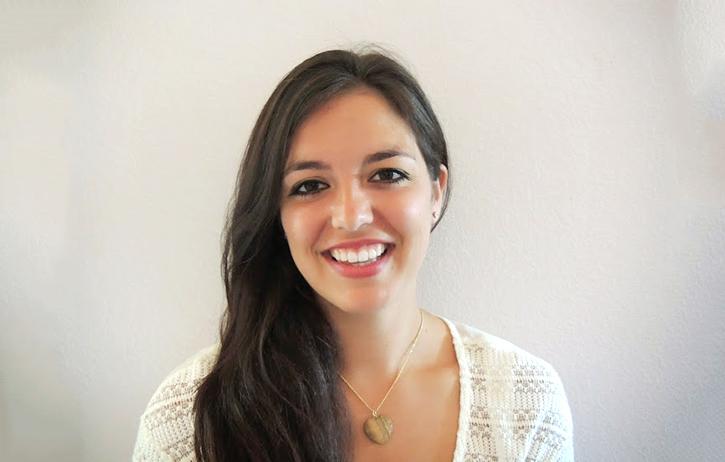
Gisela Abigail Gonzalez-Montiel in front of white backdrop

Four Ph.D. students awarded ARCS Foundation scholarships

Gisela Abigail Gonzalez-Montiel, graduate of the University of Portland

The College of Science is proud to have four doctoral students among the 27 young scientists and engineers selected as 2016 ARCS (Achievement Rewards for College Scientists) Foundation Scholars from the Portland chapter. Students are selected based on their outstanding academic achievement and potential.

Through its partnership with the ARCS Foundation, the College is able to recruit top Ph.D. students in biochemistry and biophysics, chemistry, mathematics, microbiology, statistics and integrative biology. The ARCS award provides doctoral students with $18,000, payable over three years at $6,000 per year.

Kudos to these first-year Ph.D. students, our 2016 ARCS Scholars!

Gisela Abigail Gonzalez-Montiel, (pictured above) a graduate of the University of Portland, is pursuing research in organic chemistry. Gisela completed her undergraduate studies in chemistry and mathematics. She was a 2014 Equity Intern at Oregon Health and Science University, where she conducted research in a biochemistry and molecular biology lab to understand how mutations of the ATP-sensitive potassium ion channel lead to disease. She is currently exploring research interests in microbial natural products chemistry and stereochemistry.

She received the Goodwin/Rothschild Scholar Award from ARCS. The award is given by Sheila A. and J. Michael Goodwin and Sara and Robert Rothschild.

A doctoral student in mathematics, Dallas Foster, holds bachelor’s degrees in mathematics and political science from the University of Utah. His research interests encompass numerical analysis, multi-scale modeling, inverse problems, scientific computing, and their applications to economics, political science and geophysics. He has also received the Provost Distinguished Scholarship at Oregon State University.

Foster received the Emmerson Family Scholar Award from ARCS. The award is a gift from Ann and Ron Emmerson.

Shannon Hennessey is conducting research on predatory snails in intertidal systems and their environmental influences in the integrative biology doctoral program. She received the ARCS Foundation Oregon Scholar Award. She earned her bachelor’s degree in fishery science at the University of Washington. Shannon has also been awarded the prestigious National Science Foundation Graduate Research Fellowship (NSFGRF). Read more about Shannon.

William "Bryce" Penta is a Ph.D. student in microbiology and is studying the metabolic pathways of phytoplankton and environmental factors that limit or alter the functioning of these processes. He earned a bachelor’s degree from the University of Notre Dame. William worked on a NSF Research Experiences for Undergraduates (REU) project studying the effects of the varying availability of Vitamin B 12 and other nutrients on the photosynthetic efficiency and growth of phytoplankton.

William received the Silver Endowed Scholar Award from ARCS donors Barbara and Philip Silver.

This year the College raised $50K, to support ARCS Scholars, and is hoping to secure an additional $100K to create an endowment that will support several Ph.D. scholars annually with matching opportunities available for donors.

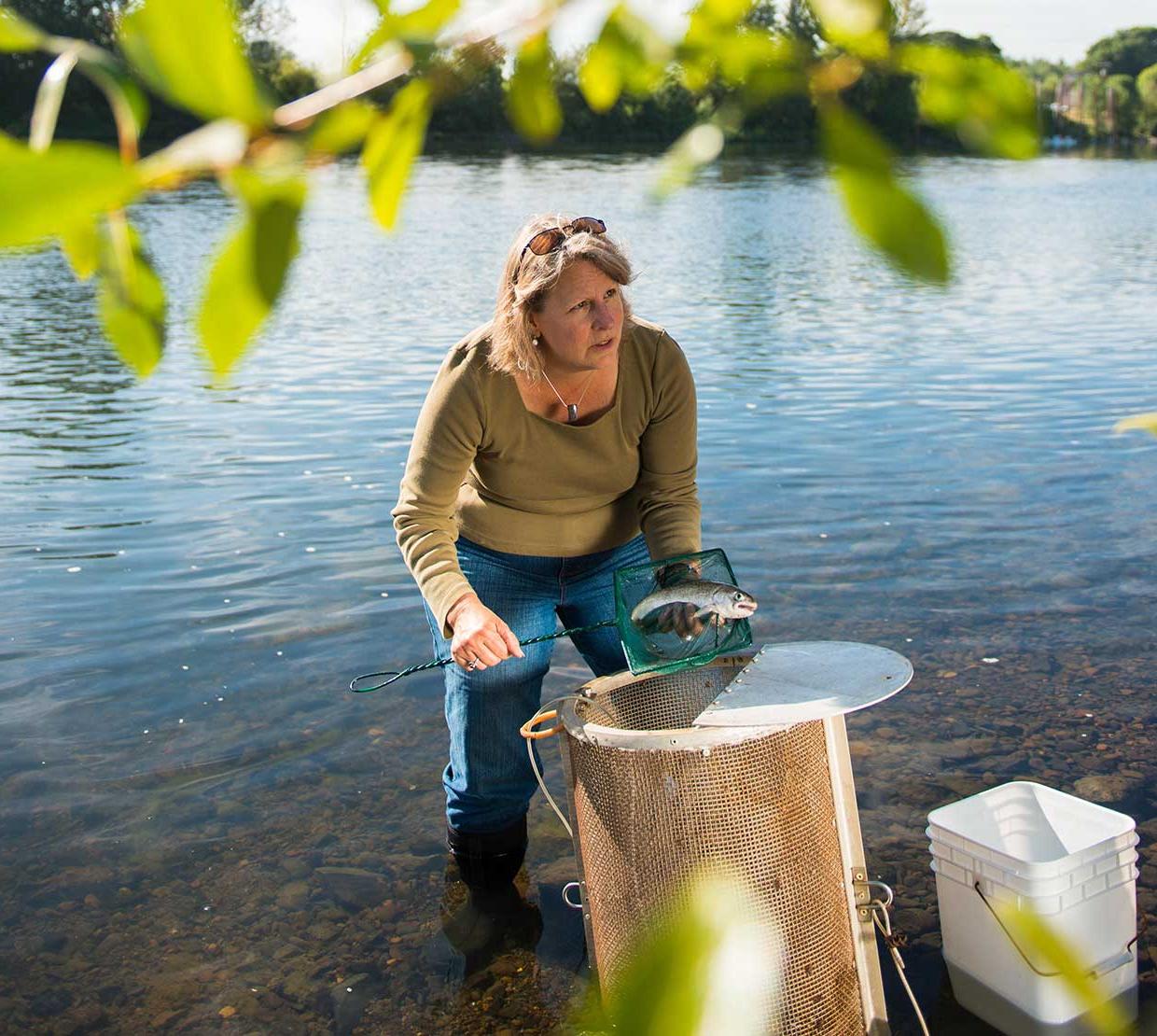
Jerri Bartholomew gathering samples from river

Microbiologist recognized for lifetime achievement in Pacific salmon health

By Katharine de Baun

Jerri Bartholomew, Head of the Microbiology Department

Jerri Bartholomew, the Emile F. Pernot Distinguished Professor and Head of the Microbiology Department, was recently awarded the American Fisheries Society (AFS) S.F Snieszko Distinguished Service Award for her outstanding accomplishments in the field of aquatic animal health. This lifetime achievement award is the highest honor presented by the Fish Health Section of the AFS.

Dedicated to promoting the conservation, development and wise use of fisheries, AFS awards this honor to acknowledge significant accomplishments in the area of fish health exemplified by research publications, grants for graduate student thesis projects, and a world-recognized research program and laboratory.

Bartholomew received her award recently at the annual AFS meeting in Jackson Hole, WY, where she shared the limelight with fellow award winner Dr. Mamoru Yoshimizu, a Japanese scientist.

An OSU alumna with both her master’s degree and Ph.D. in fisheries science, Bartholomew joined the Department of Microbiology faculty 23 years ago and has joint appointments in the Colleges of Science and of Agricultural Sciences.

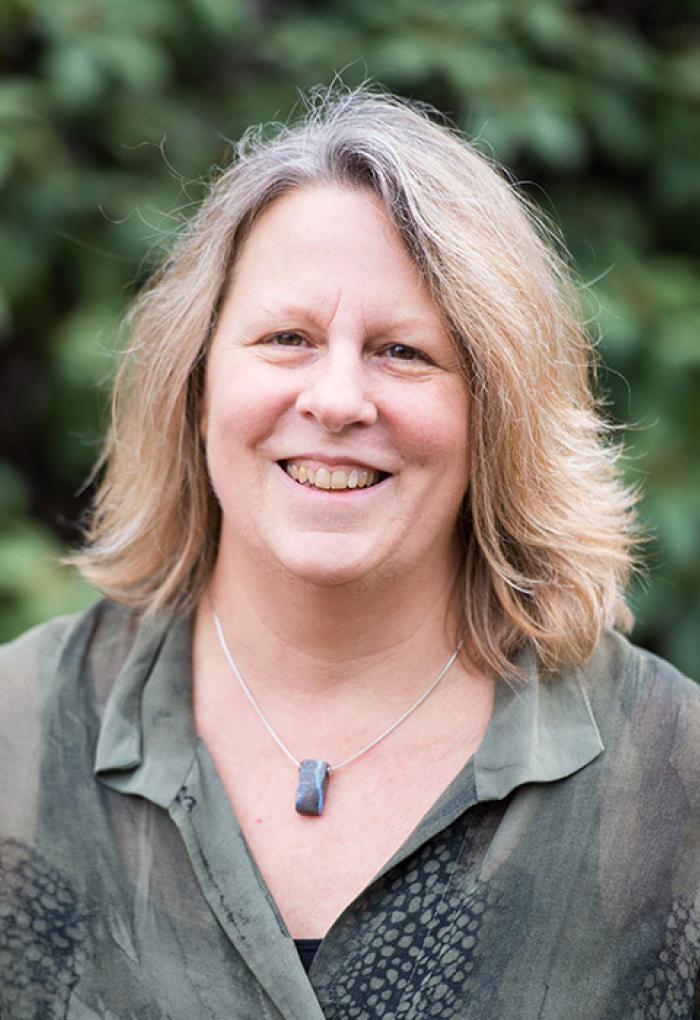
Jerri Bartholomew in front of shrubbery

Jerri Bartholomew, Head of Microbiology Department

Bartholomew’s decades of publications and funded research focused on the endemic (and often fatal) wild Pacific salmon myxozoan parasite Ceratomyxa Shasta and her directorship of the J.L. Fryer Aquatic Animal Health Laboratory have deepened our understanding of how infectious organisms sicken salmonids and other freshwater fish, and produced forecasting models of how climate change might affect the interaction. Her research has advanced the microbiological understanding of the host-pathogen dynamic as well as produced practical recommendations for salmon fisheries that have already been put into good use.

Her colleagues and collaborators around the world praise her scholarship, research and leadership. Arik Diamant, a senior scientist at Israel’s National Center for Mariculture who collaborated with Bartholomew on research probing the mechanics of how the parasite infects salmon by activating specialized polar capsule cells, speaks to her international influence in the field:

“Under her leadership, her research group generated innovative immunological and molecular approaches and tools that within several years resulted in remarkable scientific contributions… [greatly expanding] our knowledge of disease in wild riverine salmon. Jerri rapidly attained international recognition and her work is highly regarded by her colleagues.”

In 2014, Bartholomew helped organize the 7th International Symposium on Aquatic Animal Health (ISAAH) in Portland that attracted 300 fish health professionals from 26 countries. ISAAH is the preeminent meeting of international fish health professionals.

“Jerri has substantially advanced our understanding of the threat facing salmon populations, and how that threat will evolve with climate change is highly relevant for a healthy people and a healthy planet,” says Sastry G. Pantula, dean of the College of Science.

“I am very proud of her achievements, her service to the profession and her leadership as well as her exceptional teaching and mentoring of our students," adds Pantula. "I am thrilled that she has received this tremendous honor.”

Bartholomew has long been recognized for her influence as a life-changing teacher and mentor. She has mentored six post-doctoral scholars as well as six Ph.D. and 15 master’s students and 17 undergraduates on their research projects. Bartholomew also teaches Advances in Disease Ecology, Fish Diseases in Conservation Biology and Aquaculture, and offers a semi-annual Salmonid Disease Workshop for state and federal fishery biologists.

Former Ph.D. student Charlene Hurst says, “Jerri was a wonderful advisor and teacher... [encouraging] her students to develop and pursue their own scientific questions.”

Bartholomew is also an accomplished glass artist who exhibited her fused and cast glass pieces recently at Memorial Hall last winter. This spring she is directing a large-scale exhibition, “Microbiomes: To See the Unseen,” at The Arts Center in Corvallis as part of SPARK, a year-long celebration at OSU of the interplay between art and science. This exhibition asks both artists and researchers how to “See the Unseen?”

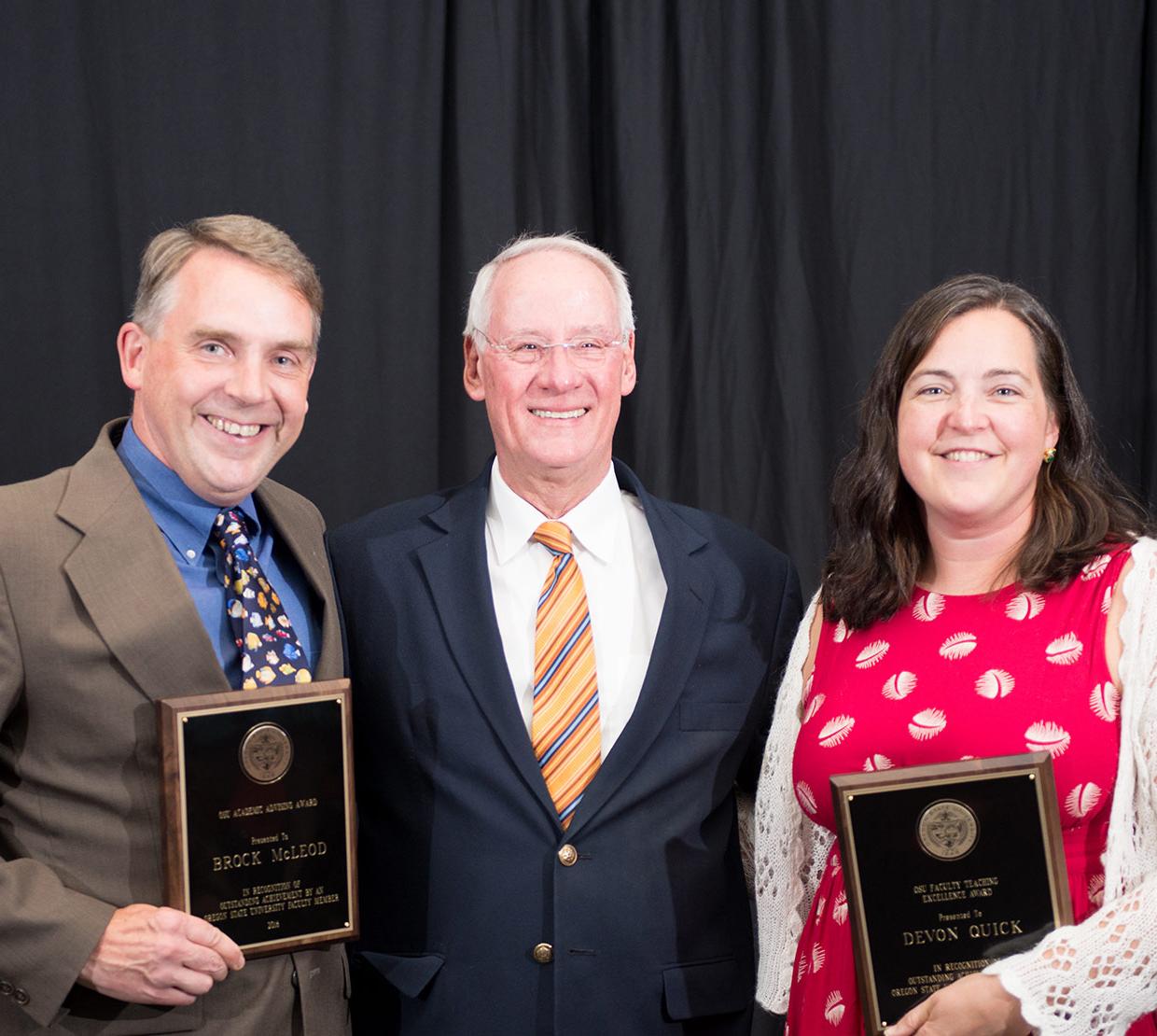
Brock McLeod and Devon Quick recieving awards from Edward John Ray

Science takes top honors at University Day

University Day award winners: Brock McLeod and Devon Quick with president of the university, Edward John Ray

Oregon State University ushered in the new academic year with the 2016 University Day celebrating the outstanding achievements and service of faculty, advisors, graduate students and staff on Monday, September 19.

Faculty, graduate students and advisors in the College of Science received five of the university's most prestigious awards for exceptional teaching, advising, promising research and scholarship.

"I am extremely proud of our excellent and dedicated faculty, graduate students and advisors," said Sastry G. Pantula, Dean fo the College of Science. "They have advanced OSU's goals of excellence in research, transformative student experiences and student success."

Congratulations to the following College of Science faculty, advisors and students who received the following honors at University Day 2016:

The OSU Faculty Teaching Excellence Award honors unusually significant and meritorious achievement in teaching and scholarship which enhances effective instruction. This year Devon Quick, a senior instructor in Integrative Biology, received the honor.

Widely commended for her teaching of biology, human anatomy and physiology courses by her students and colleagues, Quick has taken her dedication to student learning one step further. In collaboration with fellow biology instructor Lindsay Biga, Quick is adapting a biology textbook that will be freely accessible to OSU students and learners worldwide in fall 2017. Developed through a $30,000 open textbook project award, the open source textbook will save students approximately $100,000 on textbooks annually.
The OSU Academic Advising Award recognizes undergraduate academic advising by professional faculty rank as well as fixed-term academic rank faculty whose primary role is advising and acknowledges advising as a profession making a pivotal contribution to the OSU community. The 2016 recipient is Brock McLeod, chief academic advisor for the School of Life Sciences. A chief advisor in the department of integrative biology for 14 years, McLeod has been recognized for his role in positively influencing and monitoring student academic success and promoting new and innovative programs that promote student success and development.

The 2016 Promising Scholar Award, which recognizes scholarship of junior faculty, was awarded to Chong Fang, an associate professor in chemistry. The award honors the high level of accomplishment by a junior faculty in a relatively short period of time at OSU, and who is also expected to continue his/her extraordinary work.

Fang's research at the intersection of chemistry, physics and biology has garnered national and international recognition and awards. In addition to the prestigious NSF CAREER Award, Fang has received numerous high-profile awards this past year, including: the Oregon Medical Research Foundation (MRF) New Investigator Award, the Robin Hochstrasser Young Investigator Award by Elsevier and Chemical Physics, and the Honor Society of Phi Kappa Phi Emerging Scholar Award. Read more.

The OSU Impact Award for Outstanding Scholarship recognizes faculty who have demonstrated outstanding scholarship in a specific project or activity resulting in substantial impact beyond the university setting. This year's honoree is Rebecca Vega Thurber, associate professor in microbiology.

Vega Thurber, a coral microbiologist, has pioneered research aimed at protecting marine biodiversity with a special focus on highly endangered coral reefs. Her team's three-year field experiment on a coral reef in the Florida Keys uncovered the crucial role that fishes play in protecting coral reefs. "We also discovered that these fishes together with clean water may be a vital buffer against the coral disease and decline caused by climate change-induced warming ocean waters," wrote Vega Thurber in an article published in The World Economic Forum.

The Herbert F. Frolander Graduate Teaching Assistant Award recognizes graduate students who have excelled in their capacity as teaching assistants. This year the honor went to Andrew Stickel, a graduate teaching assistant in physics.

He also received the Department of Physics' Peter Fontana Outstanding Graduate Teaching Assistant Award in 2011-2012. The award recognizes excellence in conveying physics concepts and analytical and laboratory skills effectively to students, in demonstrating mastery of physics subject matter, and engaging in professional development activities that foster excellence in graduate teaching. Stickel recently defended his dissertation and earned his doctorate in physics.

OSU President Edward Ray kicked off University Day followed by Faculty Senate President Kate Halischak, who welcomed faculty, staff and students. The keynote speaker was Carmen Suarez, Vice President for Global Diversity and Inclusion at Portland State University. He spoke on "Present Day Activism in Higher Education: What are we hearing, what are we learning, what are we feeling, what are we willing to do?"

Other events included the 2016 University Day OSU Expo designed to showcase the work and opportunities provided by units at OSU to fellow staff and faculty as well as a free lunch for attendees.

Read about College of Science awards from University Day 2015.

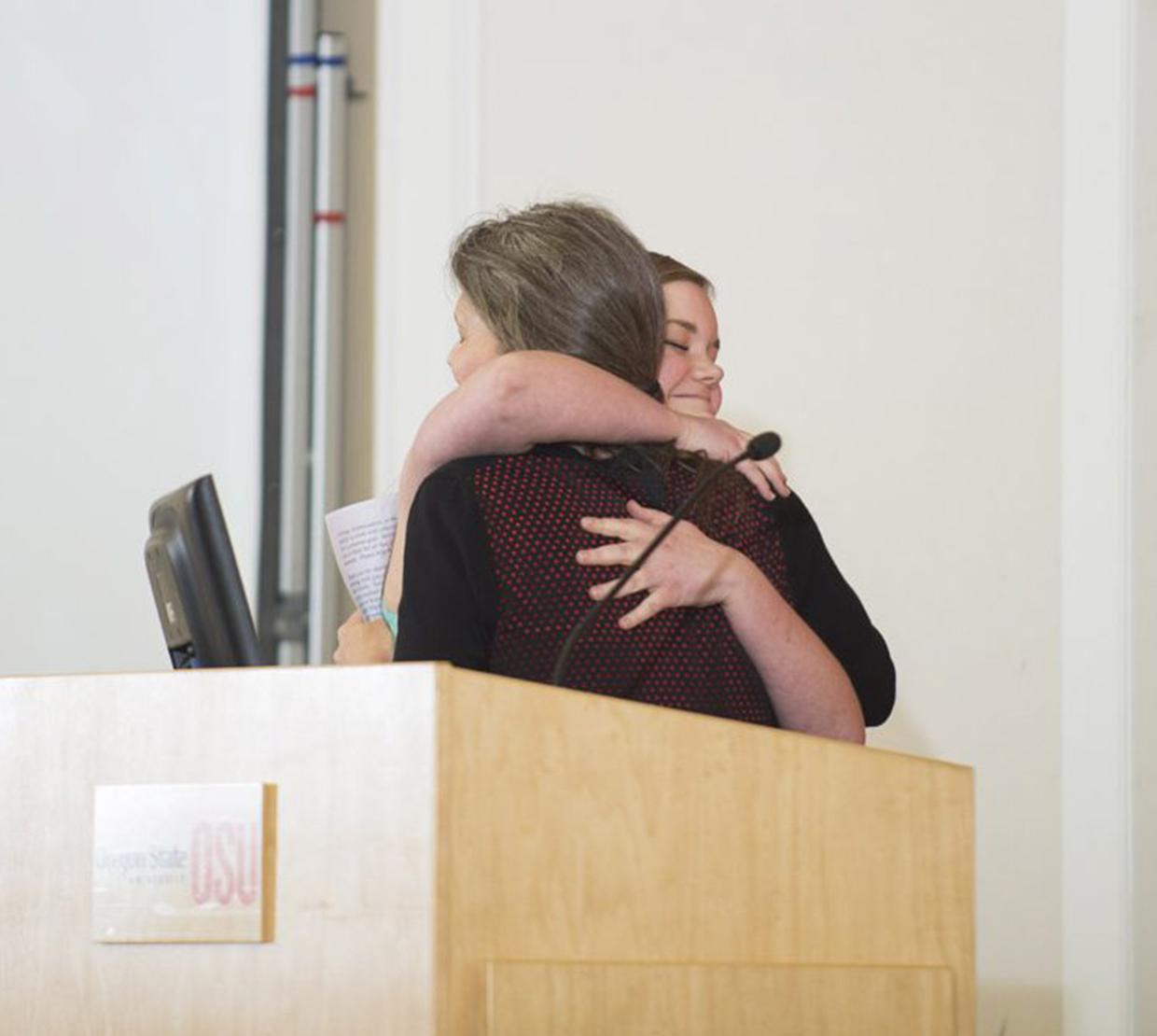
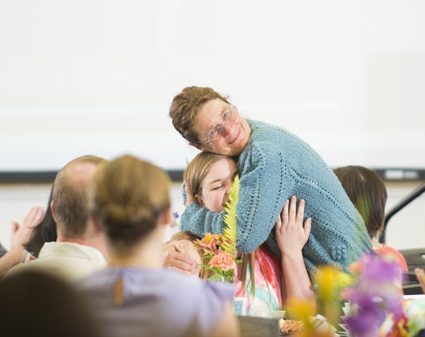
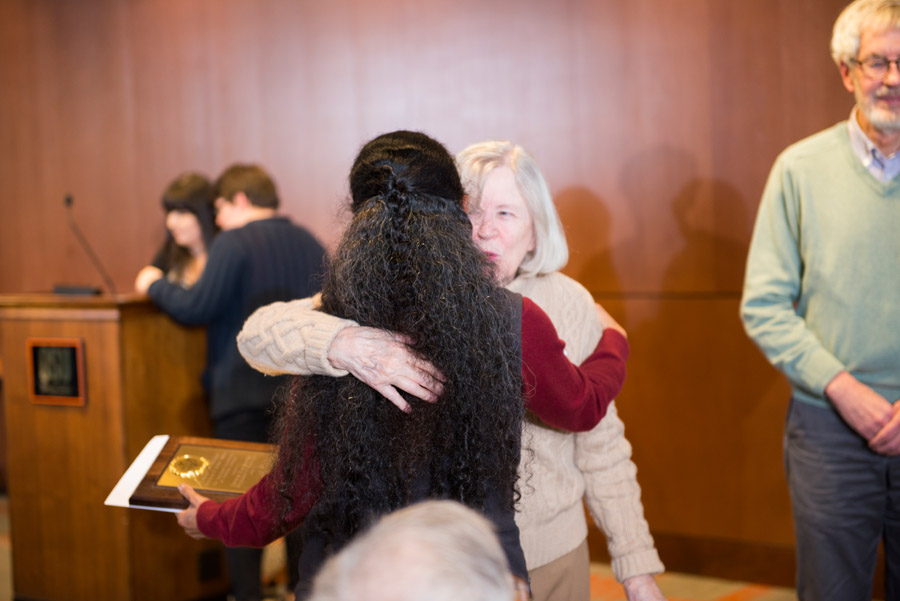
Two women hugging each other behind podium

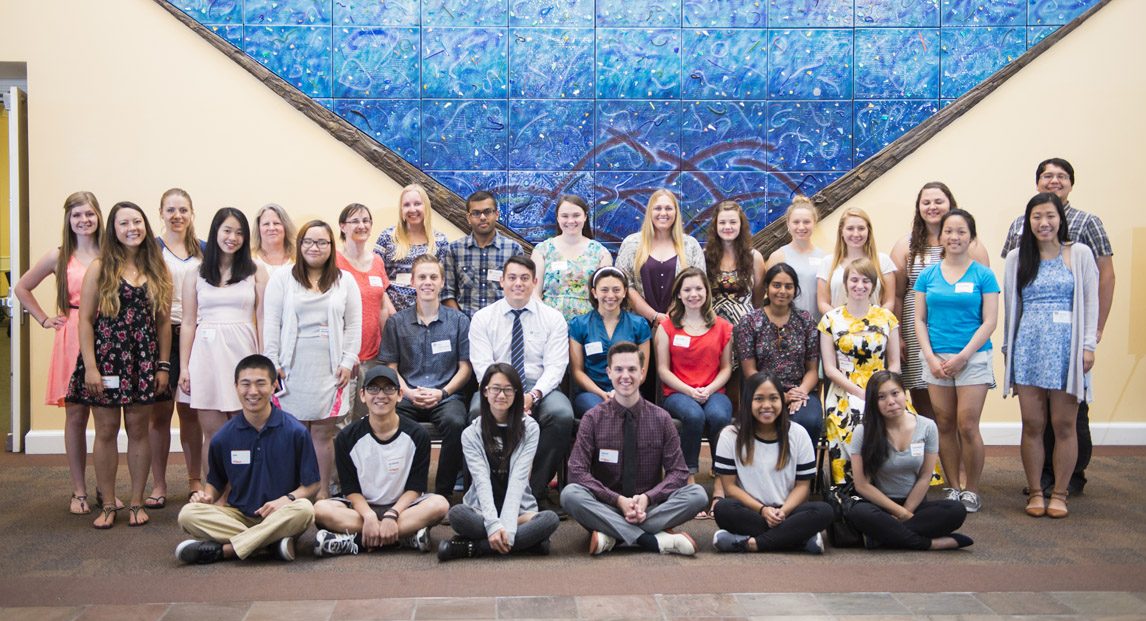
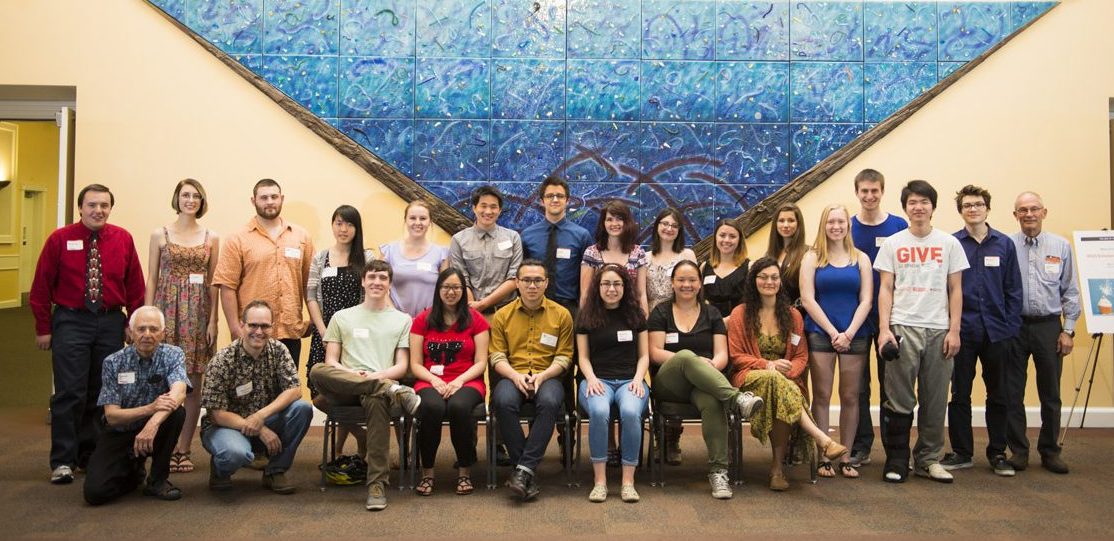
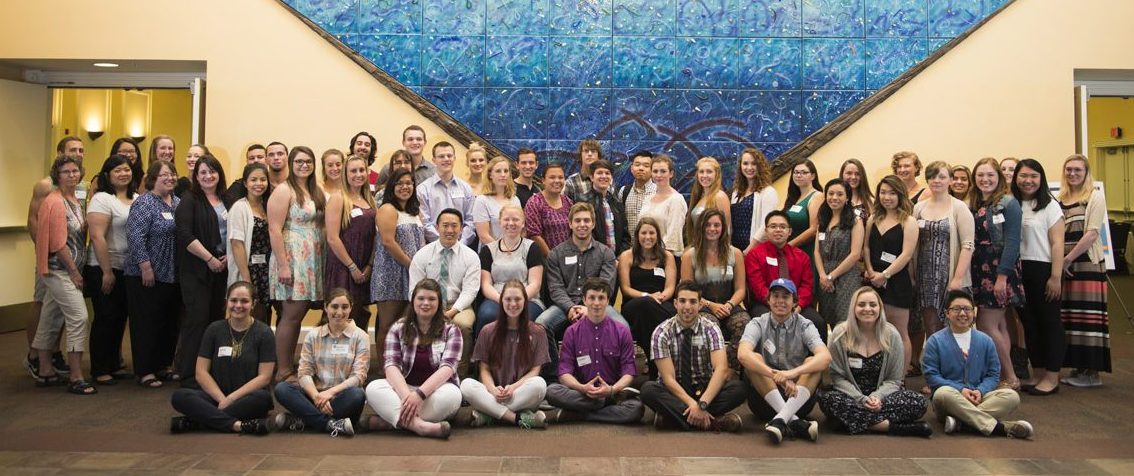
Celebrating scholarship at our annual dessert

Celebrating at the Scholarship Dessert

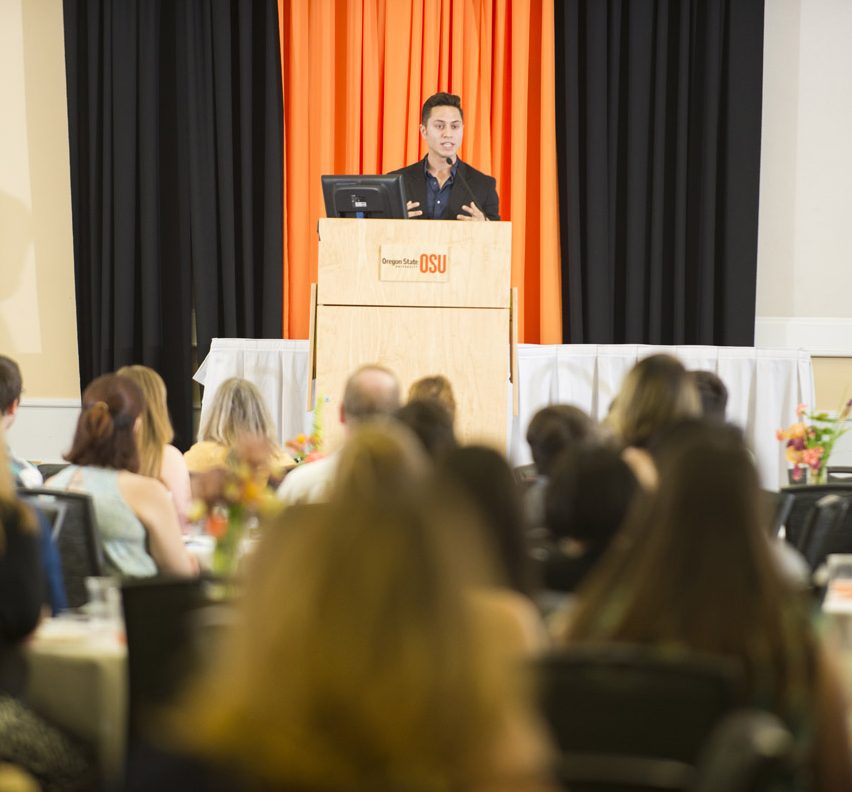
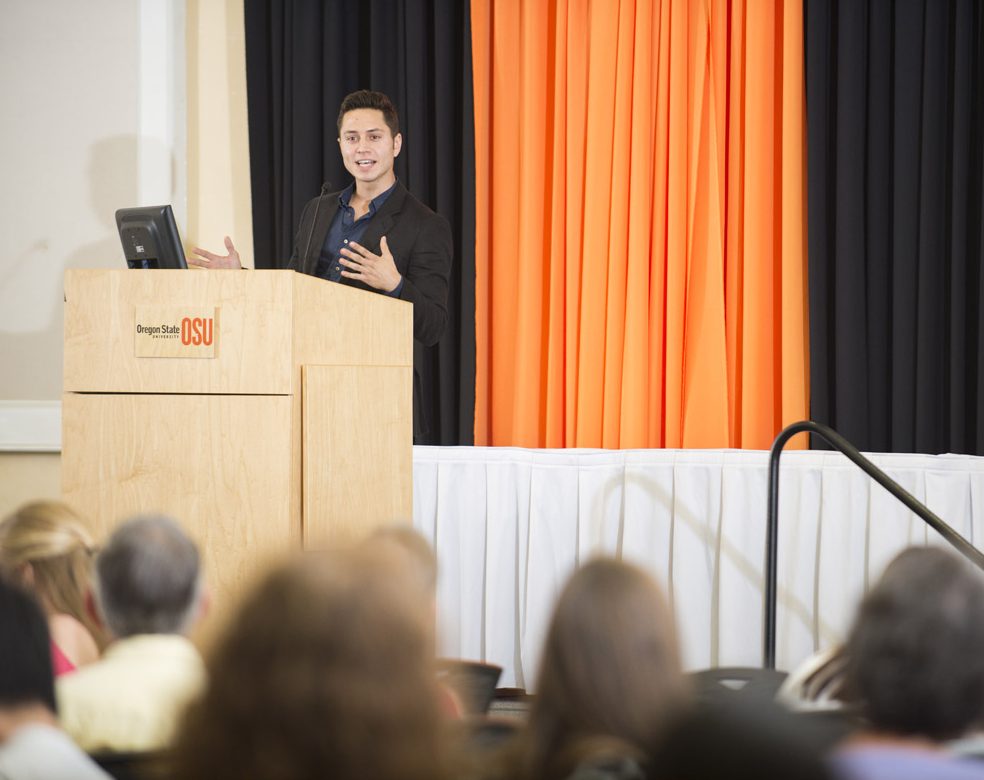
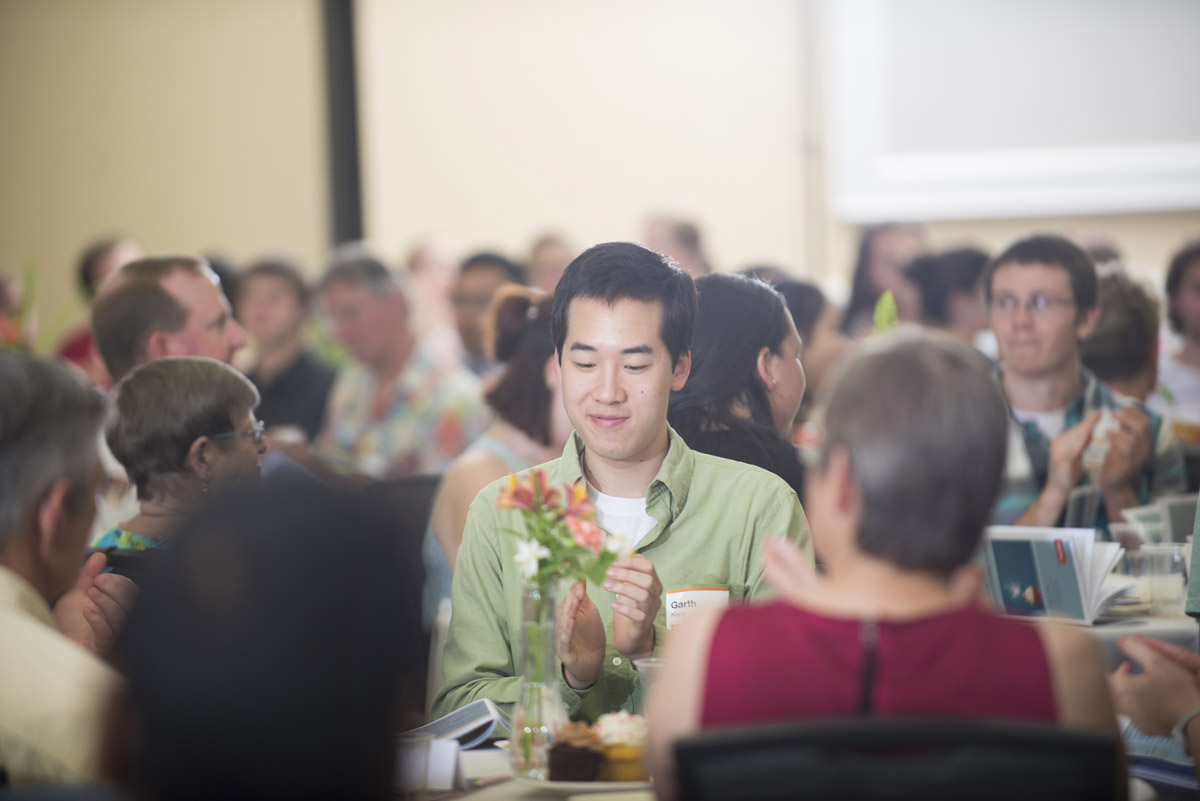
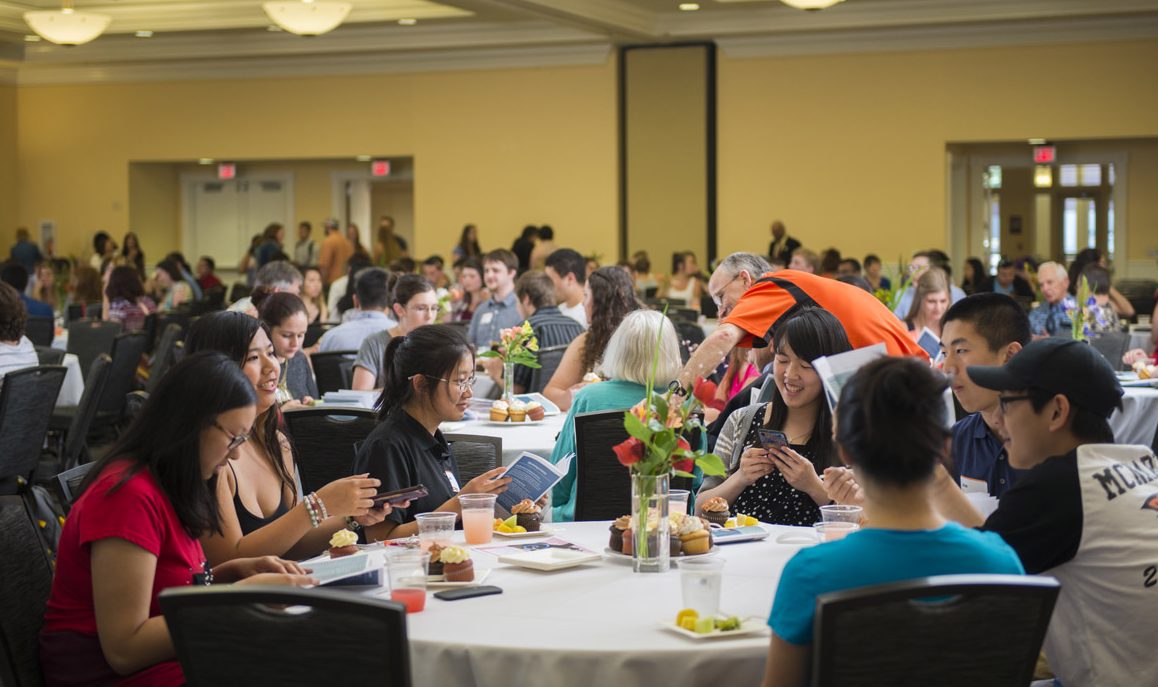
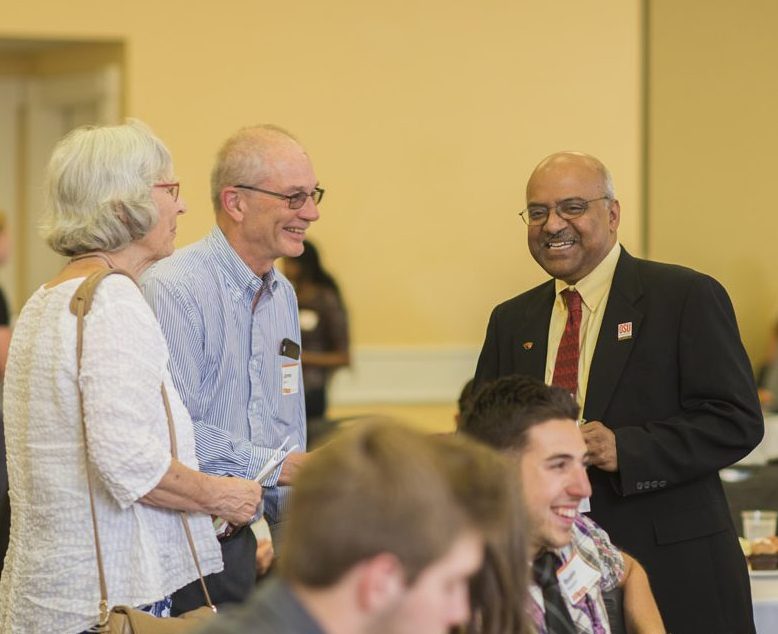
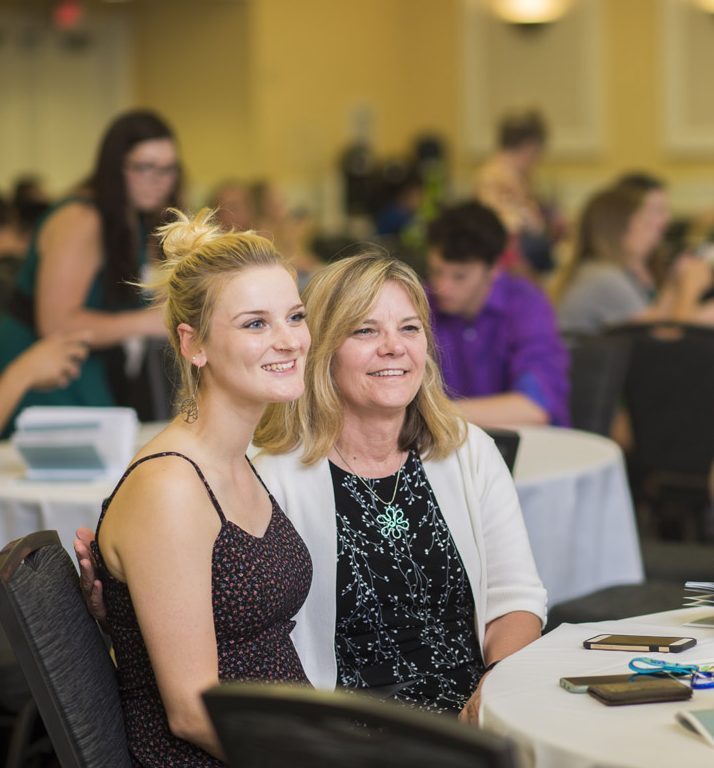
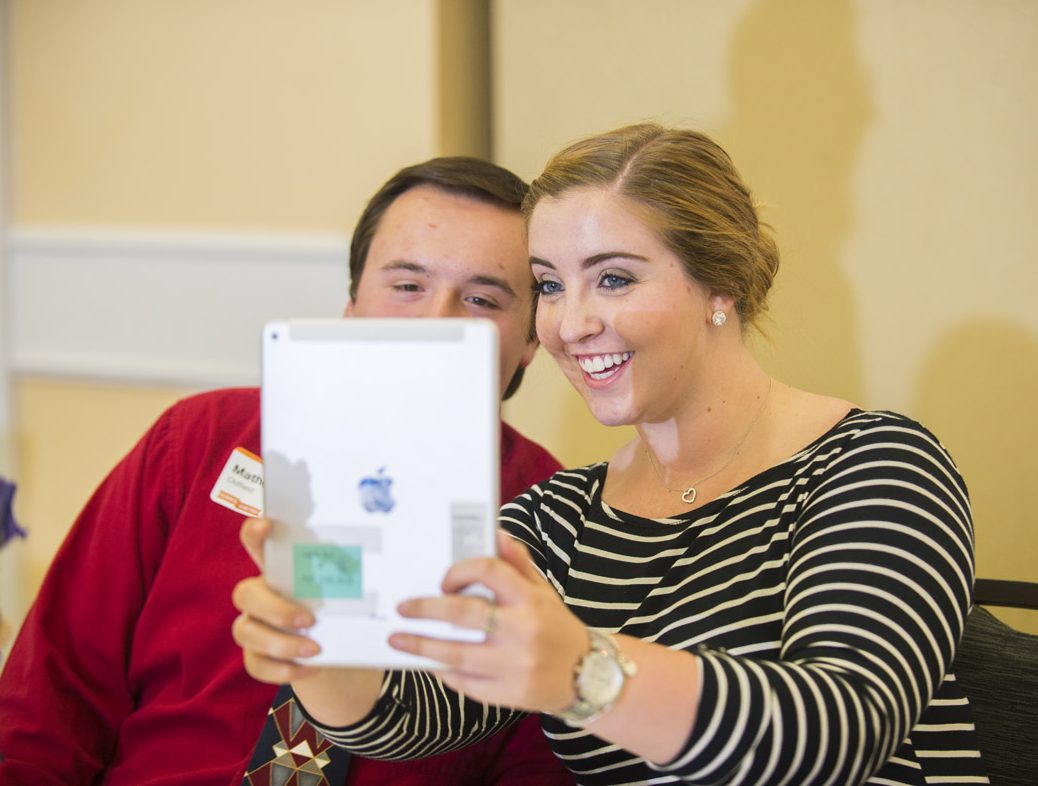
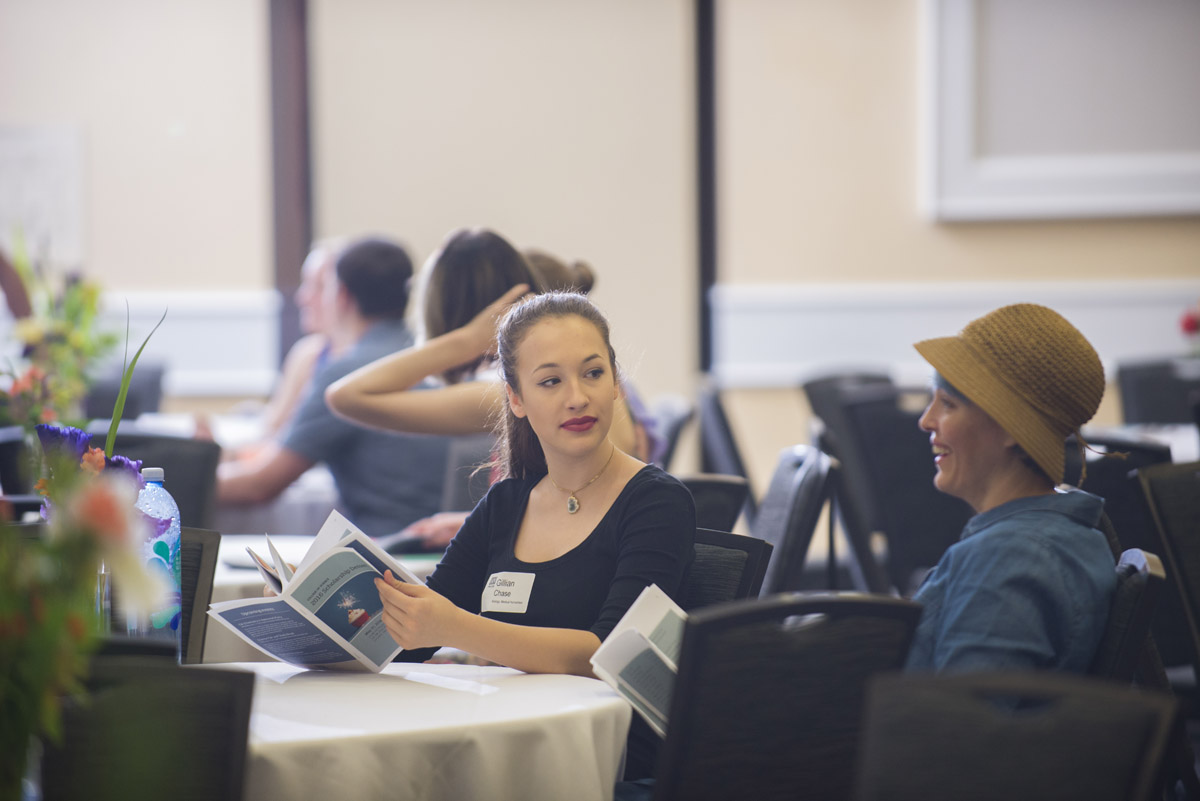
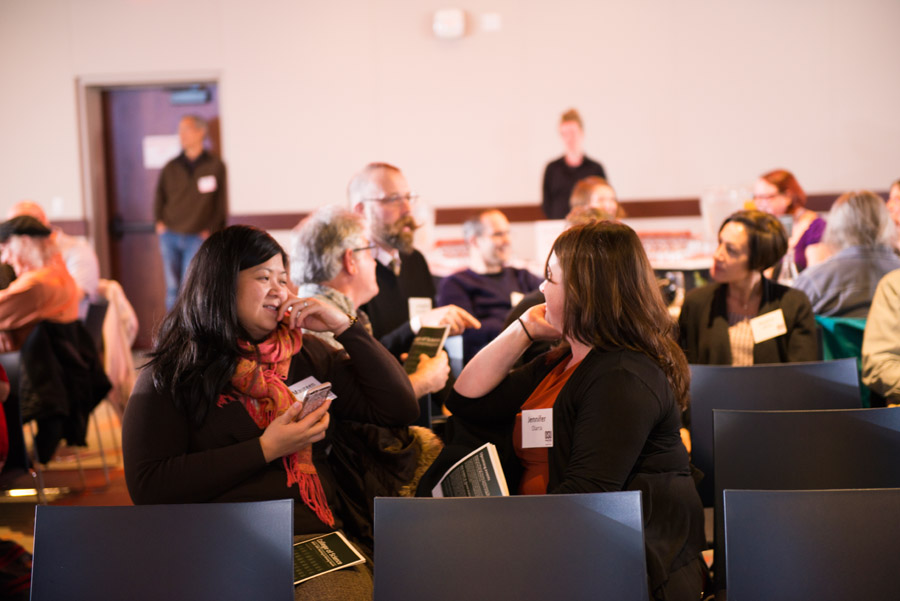
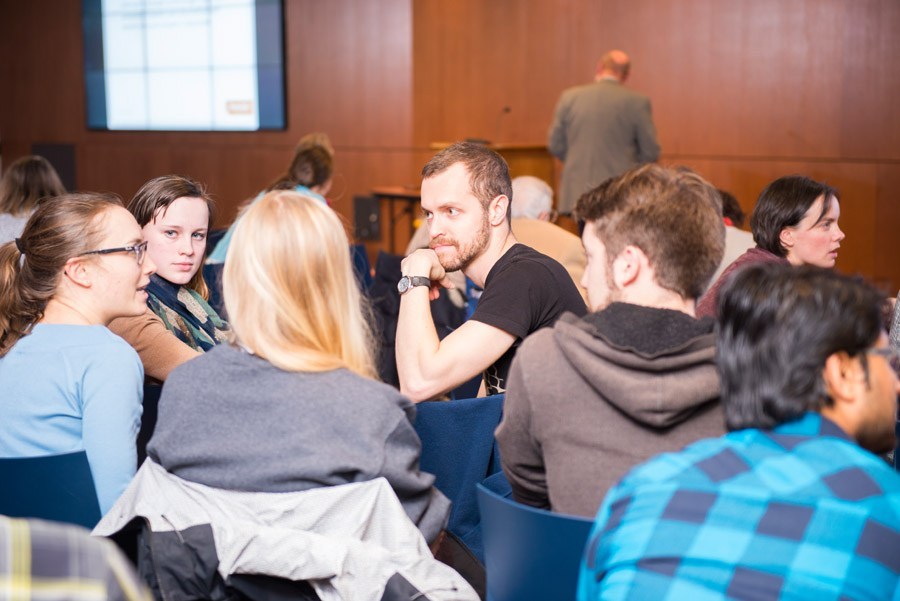
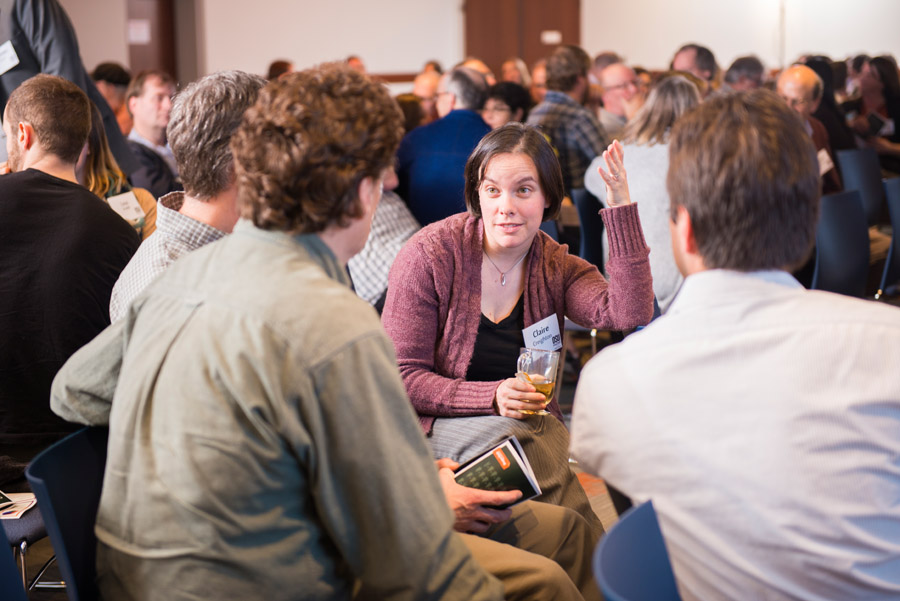
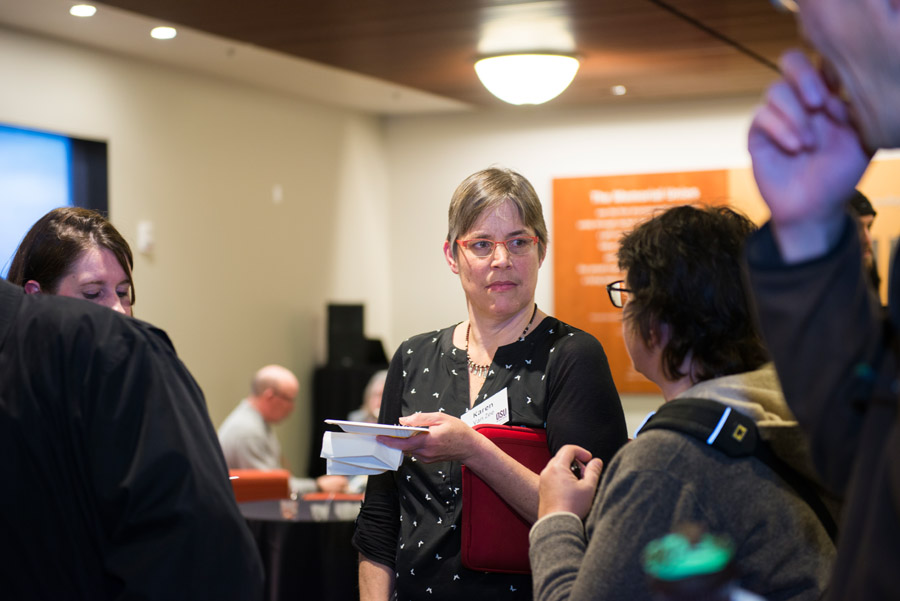
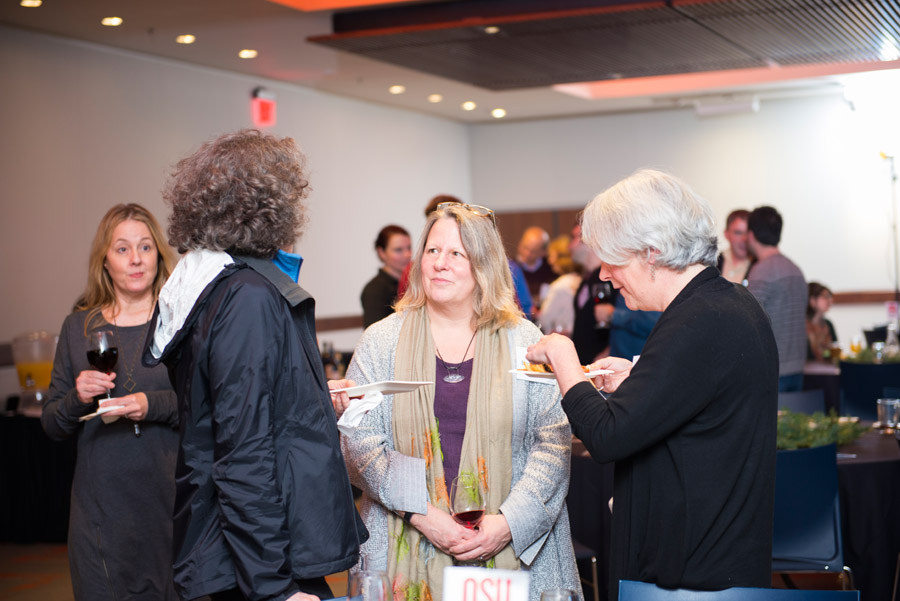
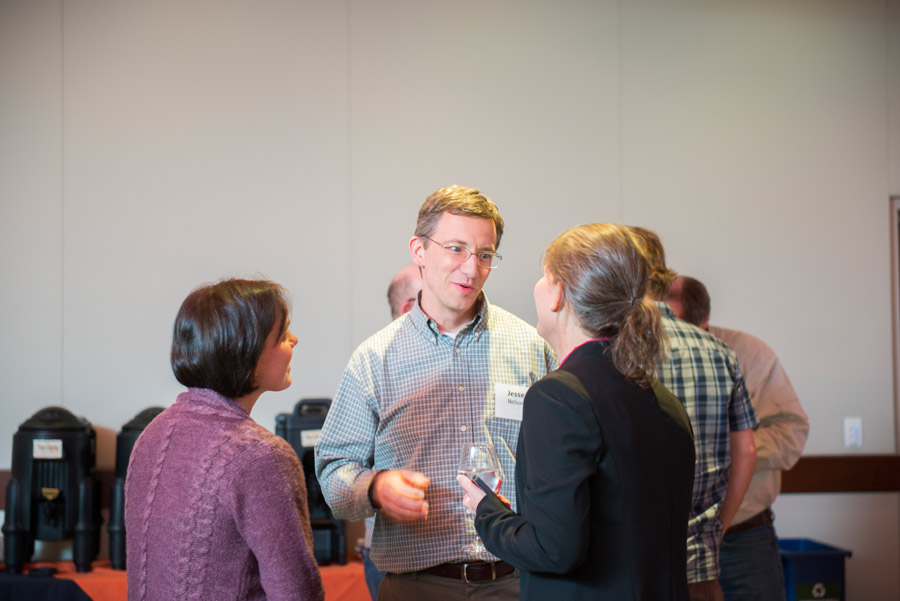
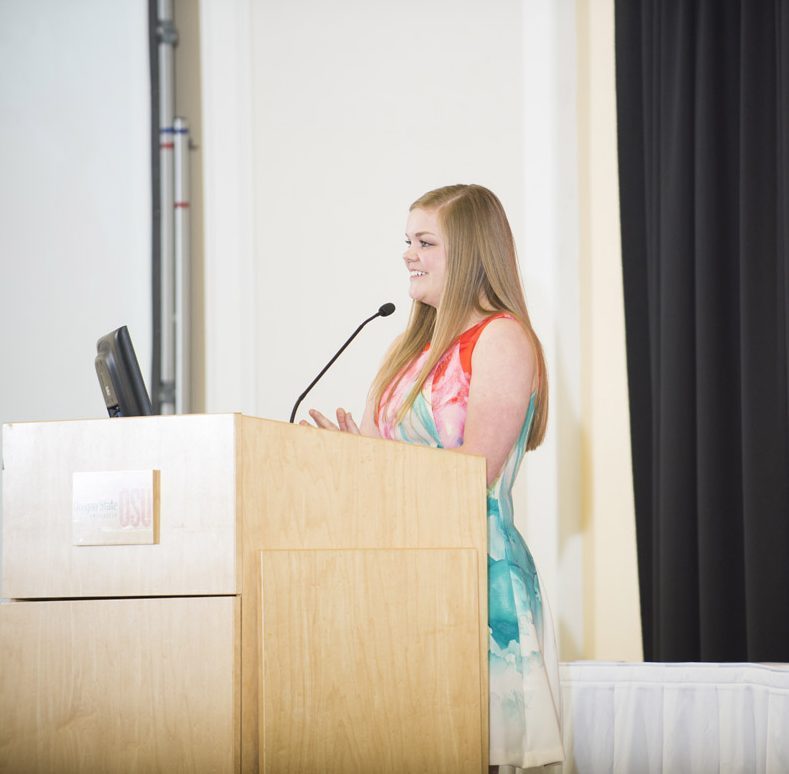
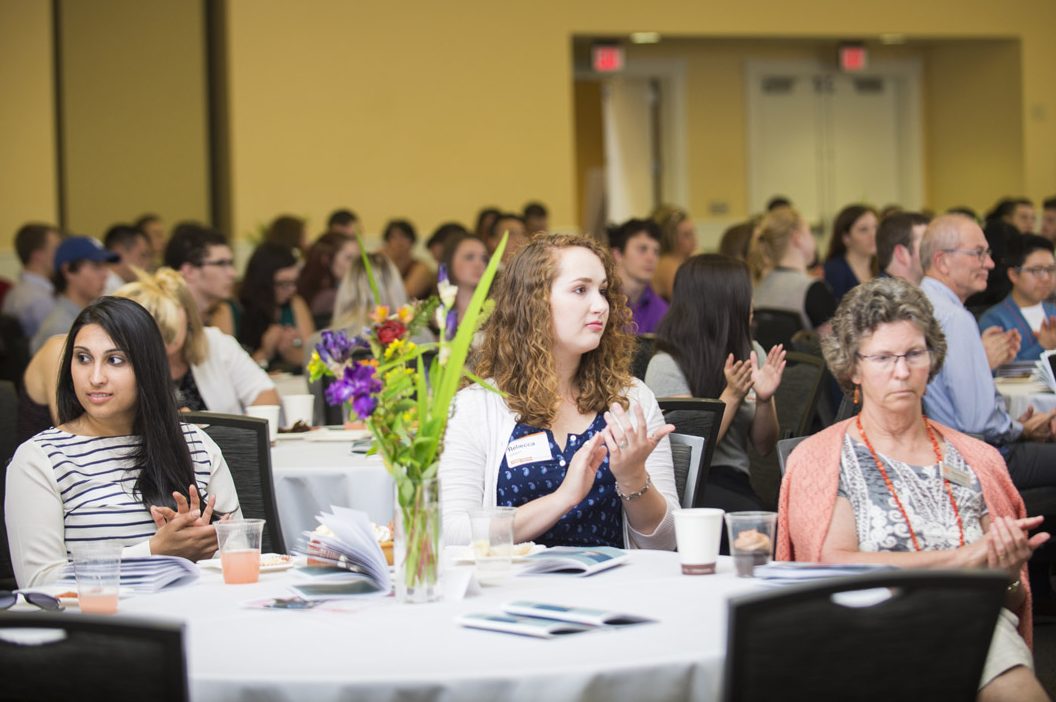
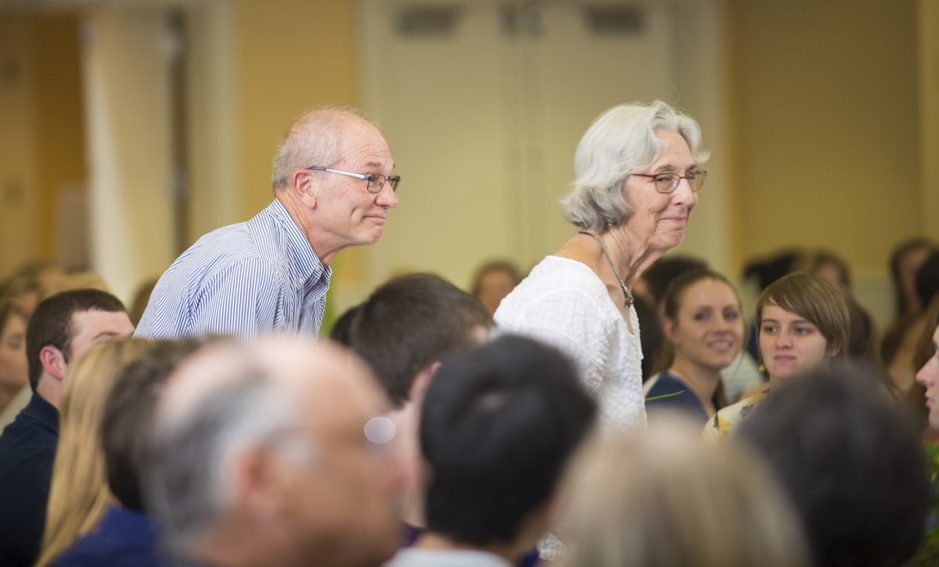
The College of Science celebrated our outstanding scholarship students at our annual spring Scholarship Dessert in June. For the 2016-17 academic year, the College awarded scholarships for merit, need and undergraduate research experiences. The Scholarship Dessert—a festive occasion—connects students, their families, advisors, faculty and many alumni/friends whose generous support funds these awards.

This year two scholarship recipients spoke, Shan Lansing, a senior chemistry major, and Jackson Dougan ('13), a recent integrative biology alumnus. They shared their unique perspectives and experiences about their science education, transformative experiences and the power of scholarships.

For a complete list of our scholarships, visit: science.oregonstate.edu/scholarships.

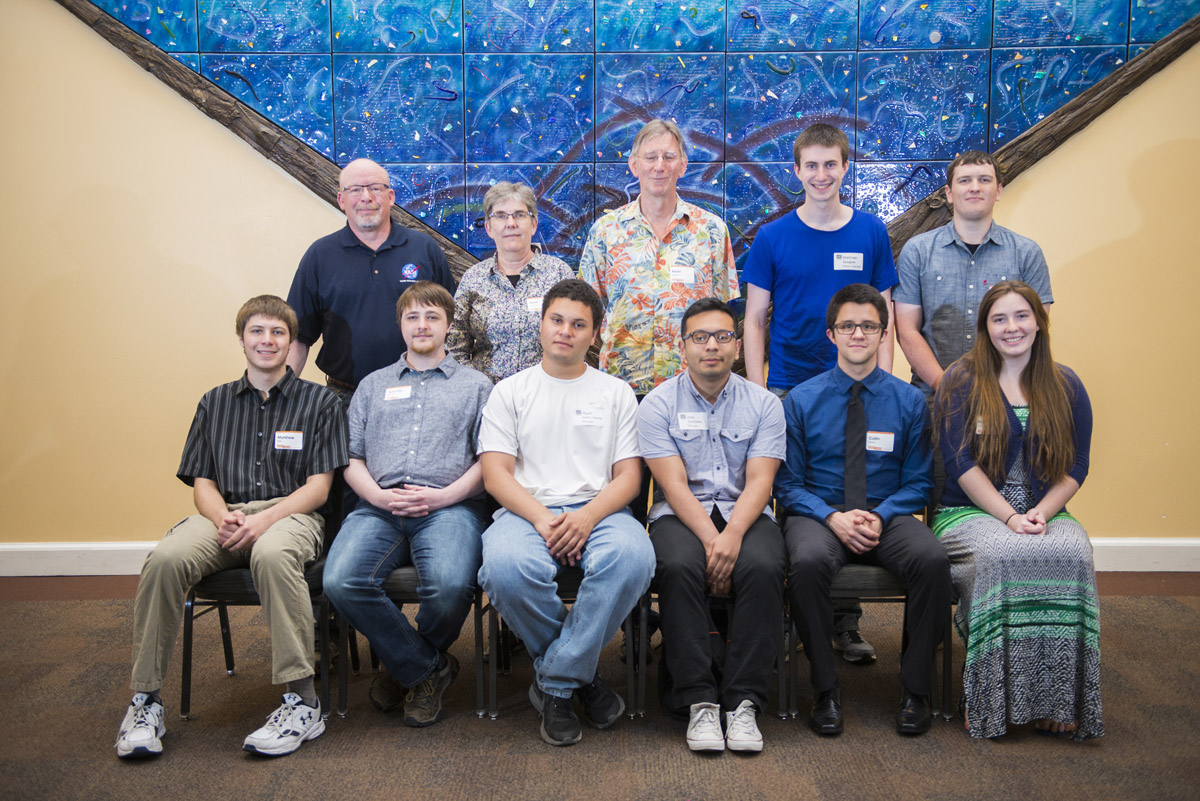
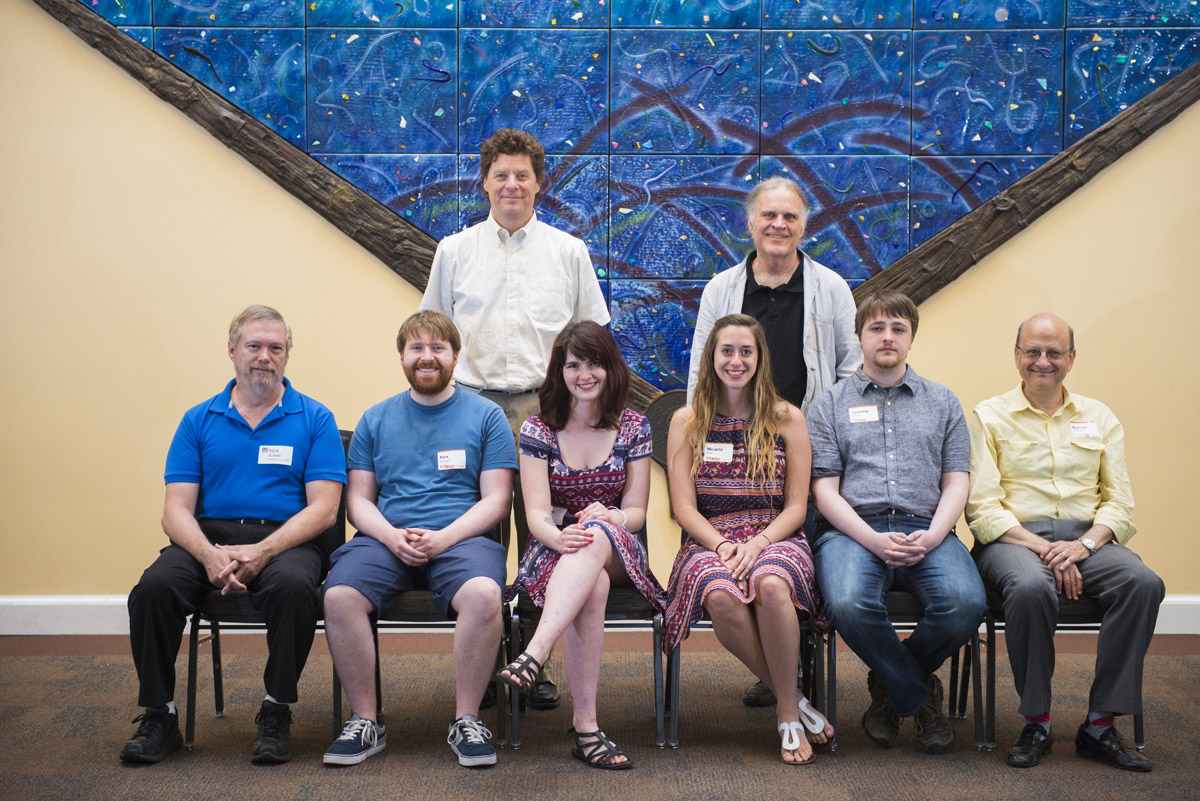
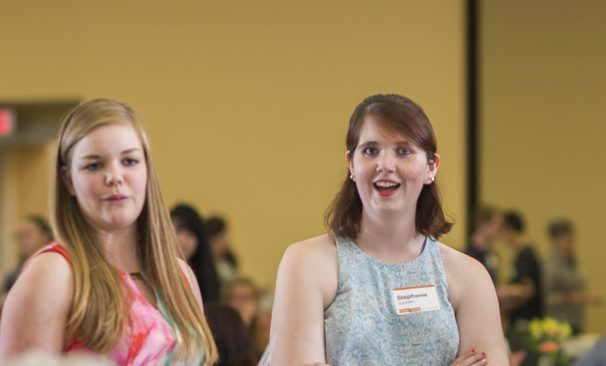
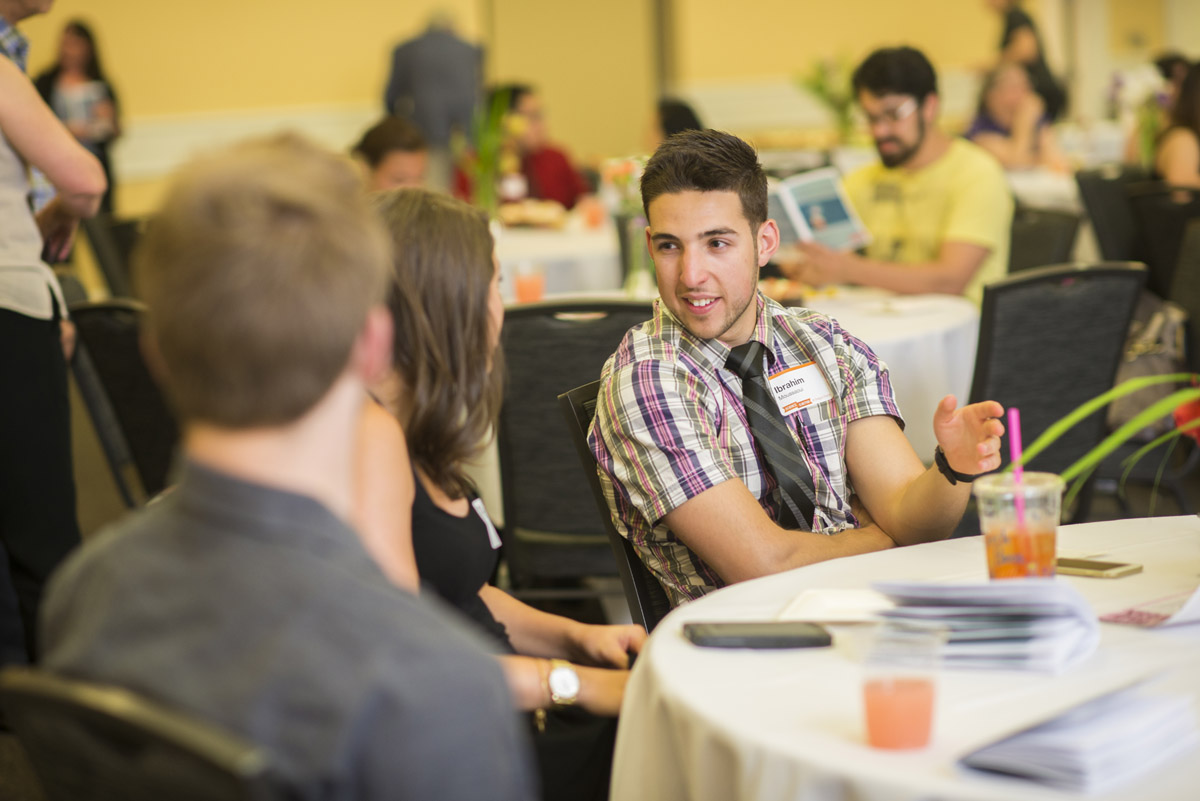
Scenes from our 2016 Scholarship Dessert

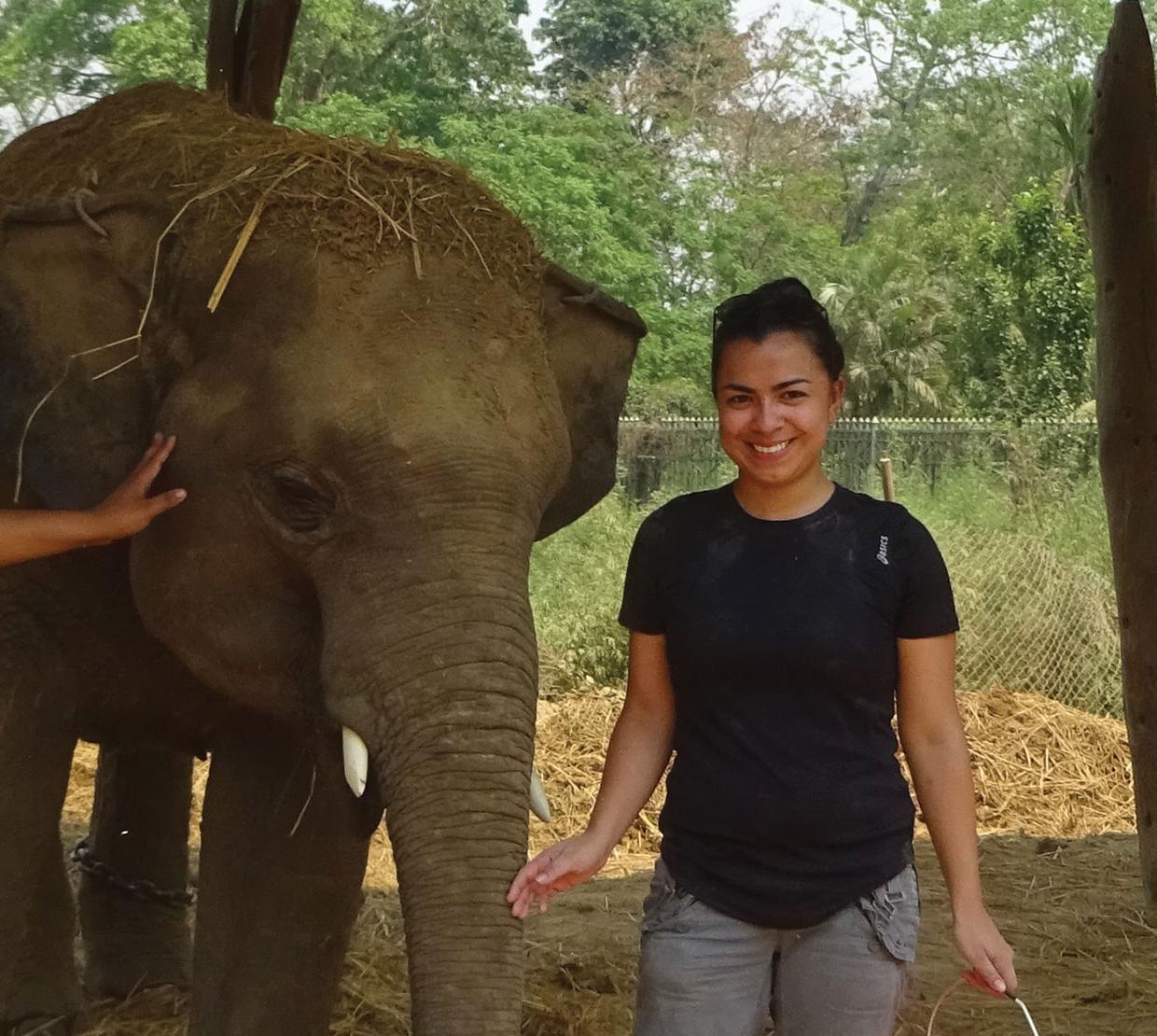
Stephanie Rosales feeding an elephant

NSF Graduate Fellow Goes to Nepal

By Srila Nayak

Stephanie Rosales, microbiology doctoral student

Microbiology doctoral student Stephanie Rosales is spending two months in Nepal (March-April 2016) on an NSF Graduate Research Internship Program (GRIP). This program is exclusively for recipients of the prestigious and competitive NSF Graduate Research Fellowship Program award, which Rosales received four years ago. GRIP provides professional development to NSF Fellows through mission related research experiences with federal agencies.

Rosales received training at the Smithsonian Institute in protocols for testing and diagnosing the herpesvirus in elephants. She will visit Chitwan National Park to examine trunk wash samples from elephants to identify possible cases of the herpes virus and then conduct laboratory research in Kathmandu.

"I am a wildlife enthusiast and I really enjoy trying to understand diseases in large animals, especially the ones caused by viruses," said Rosales.

According to USDA, elephant herpesvirus is a growing threat to the health of captive Asian elephants and if left untreated the infection will result in death within one week of the onset of symptoms. Read Rosales' blog on her experiences in Nepal.

Arriving from Guatemala at the age of three, Rosales has overcome many personal and economic struggles on her path to higher education. When she was 20, Rosales was about to be deported when a kindly judge in Florida halted her deportation so that she would be able to continue her studies. Fortunately for Rosales and her family, her parents too were granted amnesty because they have a son who was born in the United States and was a minor at the time.

"I didn't have my papers until I was in my early twenties. I never qualified for financial aid or loans. So I had to work and pay for college. My parents were just making enough to support themselves," said Rosales, who was initially enrolled in a community college in Miami-Dade.

Rosales was subsequently able to gain legal status, which opened up a new world of educational opportunities for her. She received financial aid and was able to secure educational loans that helped her to transfer to Florida International University (FIU) where she majored in marine biology.
A first-generation college graduate, Rosales has come into her own as a scientist. She recently published a paper, along with her advisor, Rebecca Vega Thurber, proving that the puzzling and widely covered 2009 deaths of seven harbor seals in California was related to the presence of high levels of the bacterial pathogen Burkholderia that was found in the brains of the seals. Rosales employed metatranscriptomics (a method that enables researchers to explore microbial interactions by studying their ribosomal and messenger RNA) to establish her findings.

For the final stage of her research, Rosales hopes to determine how exactly Burkholderia caused the deaths of the seals. She is studying the genes of the animals to determine if the bacteria transformed them causing a fatal metabolic disorder.
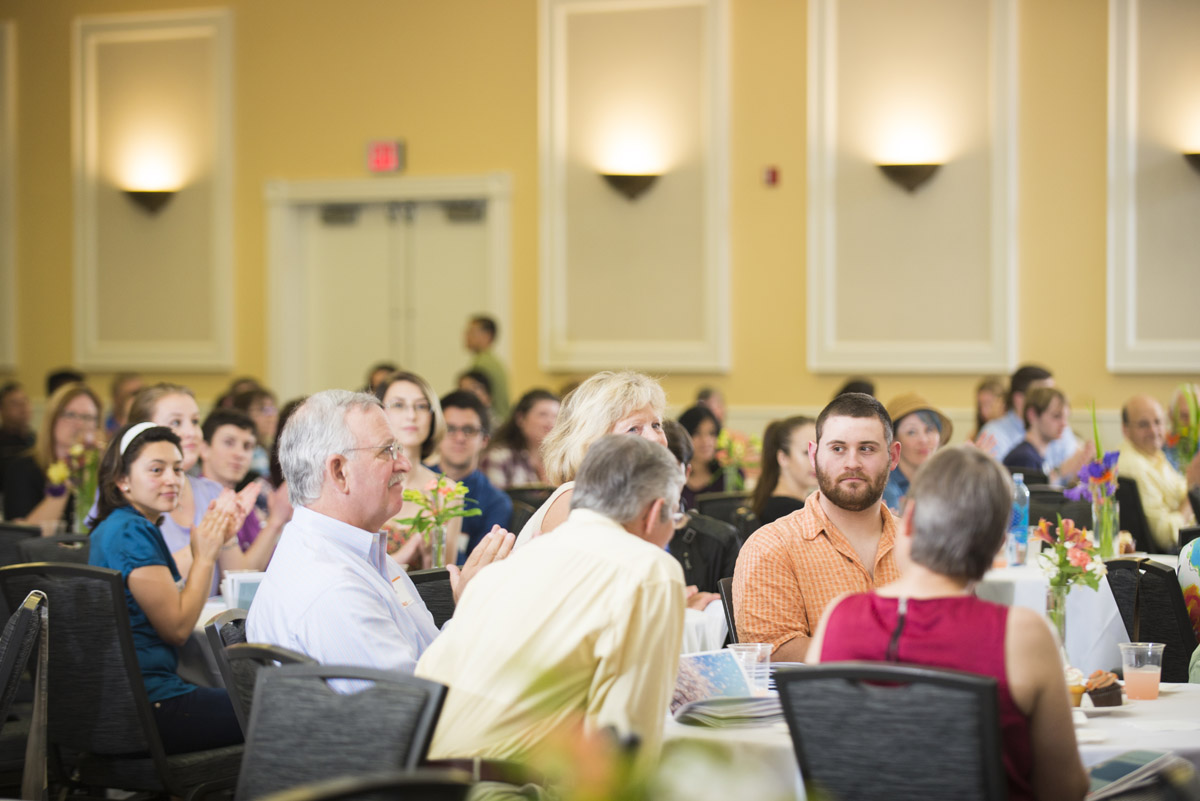
Rosales observes that her evolution as a scientist would not have been the same without her advisor's support and mentorship. Rosales' close association with her advisor, microbiology assistant professor Vega Thurber dates back to her undergraduate days at FIU. After arriving at FIU, Rosales became the first undergraduate researcher in Vega Thurber's lab, who was a young biology professor there.
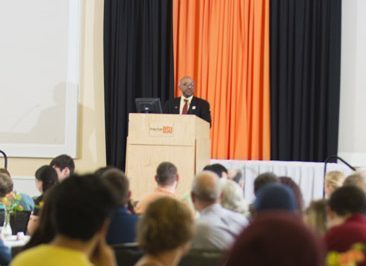
When Vega Thurber moved to Oregon State, she was joined by Rosales, who had completed her undergraduate degree and planned to extend her research in marine biology. "I became her lab tech, her lab manager and eventually her doctoral student," laughs Rosales.

Reflecting on her career in science and her accomplishments, Rosales said she is grateful to her parents and her advisor who have always supported her career. "My journey has been the result of a lot of hard work and having good people around me."

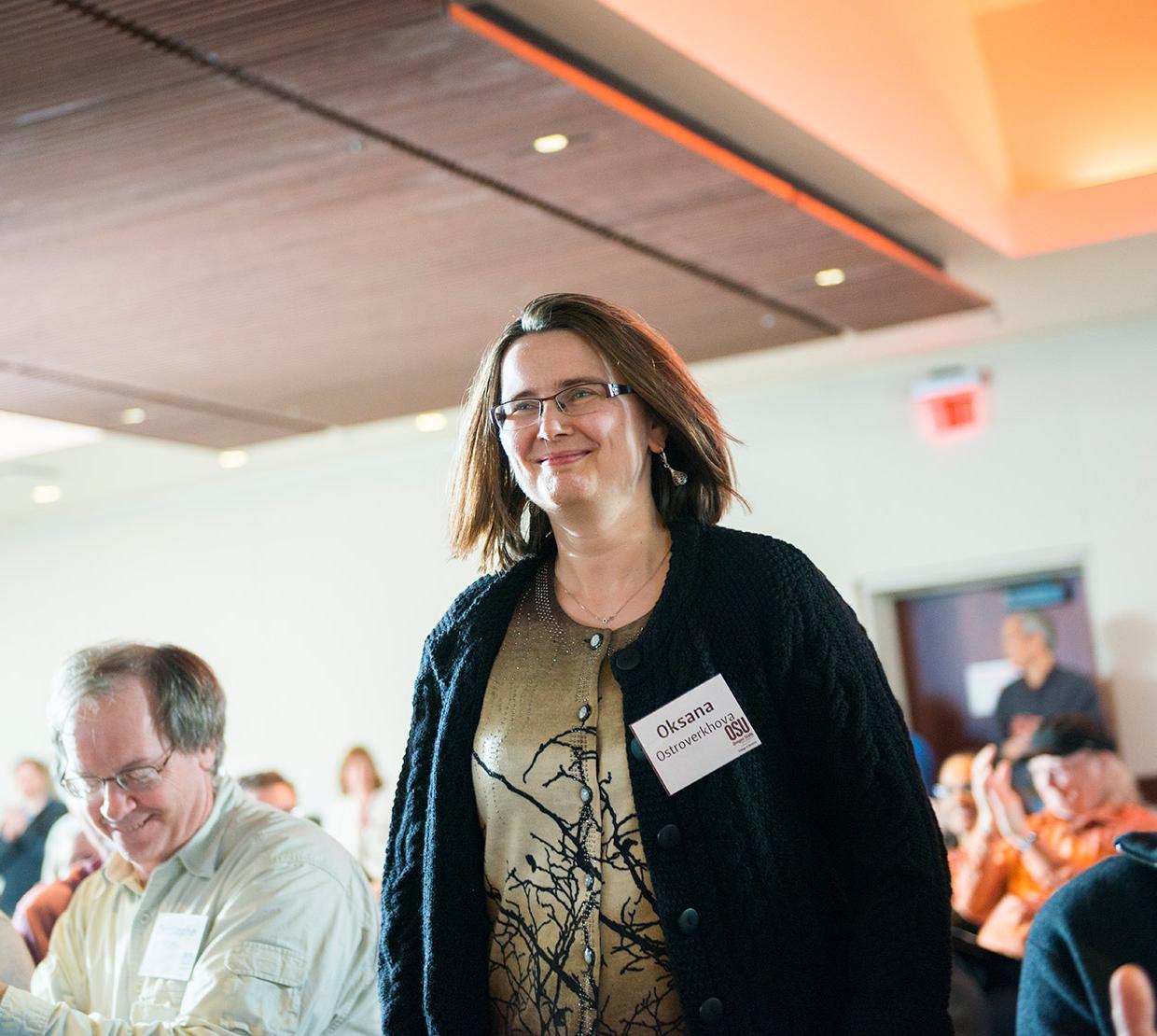
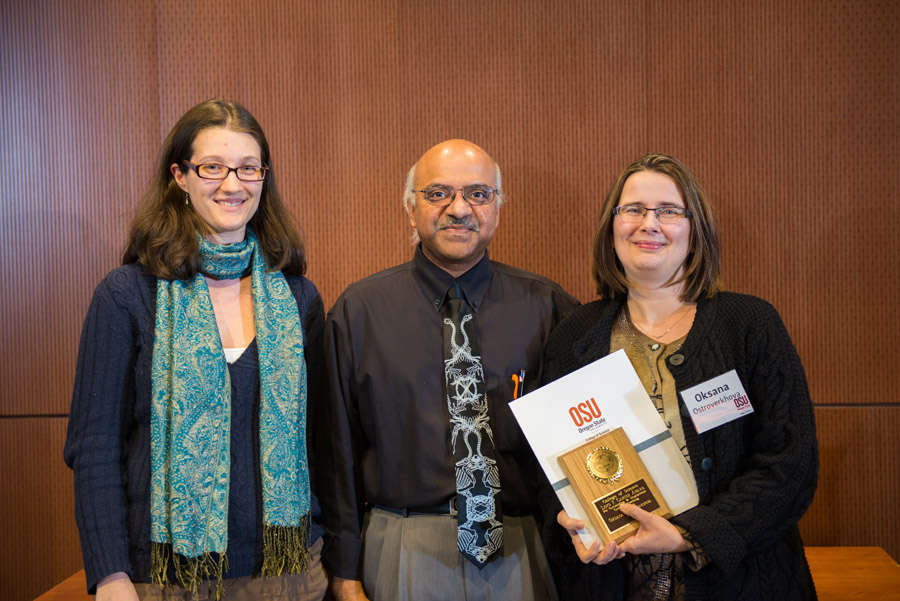
Oksana Ostroverkhova walking towards the stage to receive her award

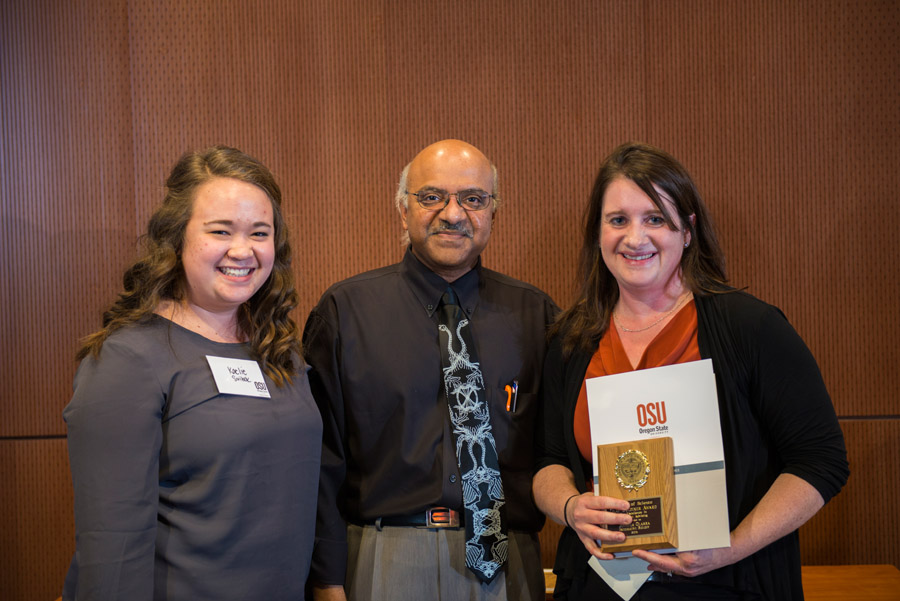
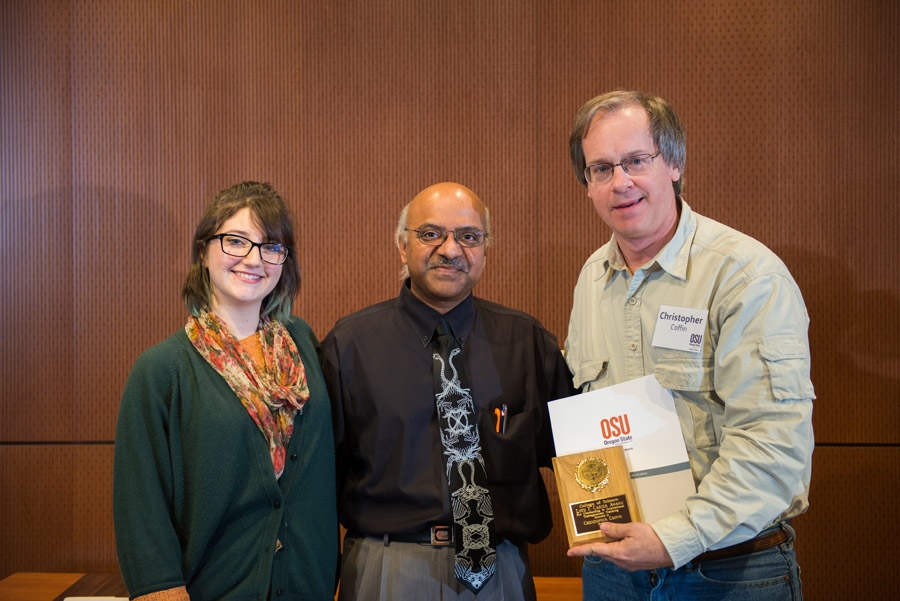
2016 Winter Teaching & Advising Awards

2016 Winter Teaching and Advising awards

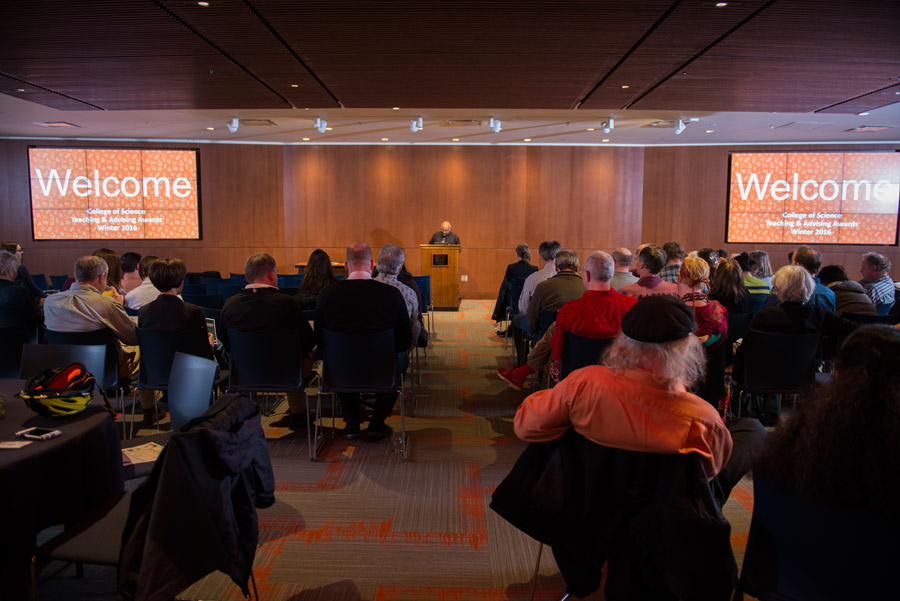
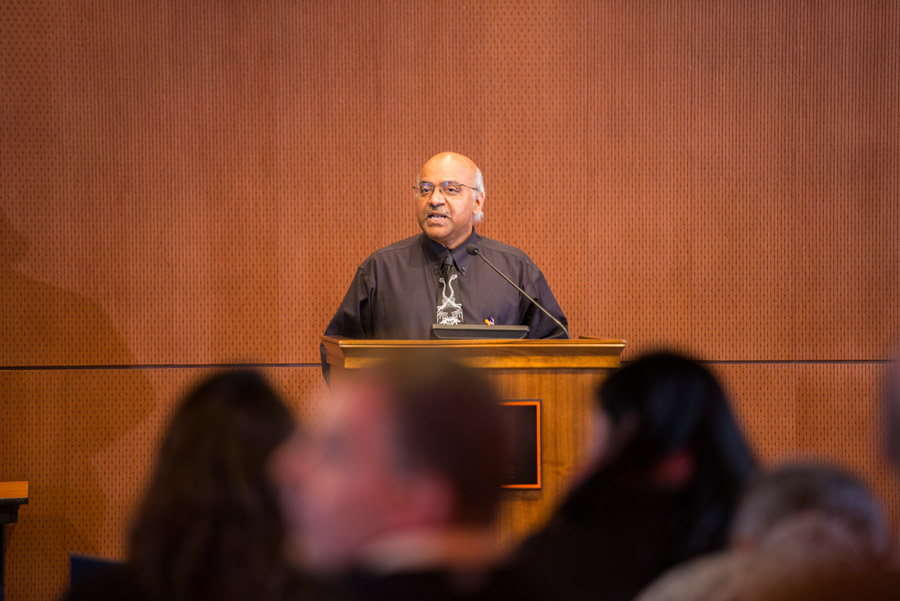
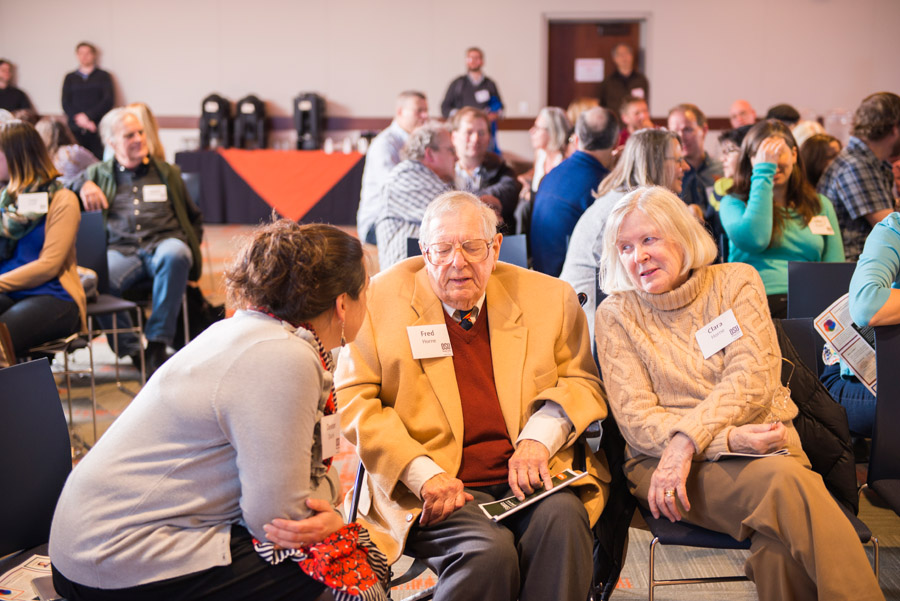
The College of Science celebrated our 2016 Winter Teaching and Advising Awards with faculty, advisors and students on January 12. We recognized excellence in teaching and advising, both hallmarks of our College. We are deeply committed to the success of all our people—faculty, advisors, staff and of course, our students. We want everyone in our OneScience community to thrive, not just survive!

We welcomed special guests from the project, ESTEME@OSU (Enhancing STEM Education). This NSF-funded project seeks to build community and increase evidence-based instructional practices in introductory-level STEM courses, from large lecture classes to smaller studio workshops and laboratories. The College is actively involved in and a strong supporter of ESTEME@OSU.

Congratulations to all of our nominees and to our award winners. The award recipients exemplify deep commitment, skill, effectiveness, mentoring and impact in teaching and advising, which helps build strong leaders in science. They are truly transforming lives.

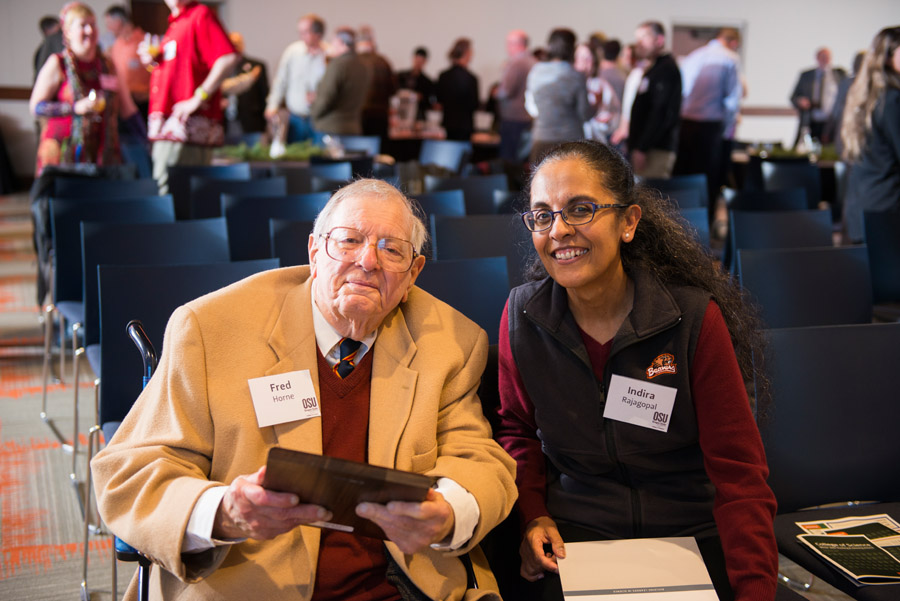
We especially congratulate our award winners: Jen Olarra, Chris Coffin, Oksana Ostroverkhova and Indira Rajagopal. You make us proud!

2016 Award nominees

Olaf Boedtker Award for Excellence in Academic Advising

Tasha Biesinger, Microbiology
Bill Bogley, Mathematics
Jen Olarra, Integrative Biology - winner
Chris Pastorek, Chemistry
Kari van Zee, Biochemistry & Biophysics

Loyd F. Carter Award for Outstanding and Inspirational Teaching in Science, Undergraduate

Bill Bogley, Mathematics
Daniel Myles, Chemistry
Chris Coffin, Physics - winner
KC Walsh, Physics
Phil Watson, Chemistry

Loyd F. Carter Award for Outstanding and Inspirational Teaching in Science, Graduate

Ren Guo, Mathematics
Sandra Loesgen, Chemistry
Malcolm Lowry, Microbiology
Ethan Minot, Physics
Oksana Ostroverkhova, Physics - winner

Frederick H. Horne Award for Sustained Excellence in Teaching Science

Indira Rajagopal - winner

2016 Winter Awards ceremony and reception photos

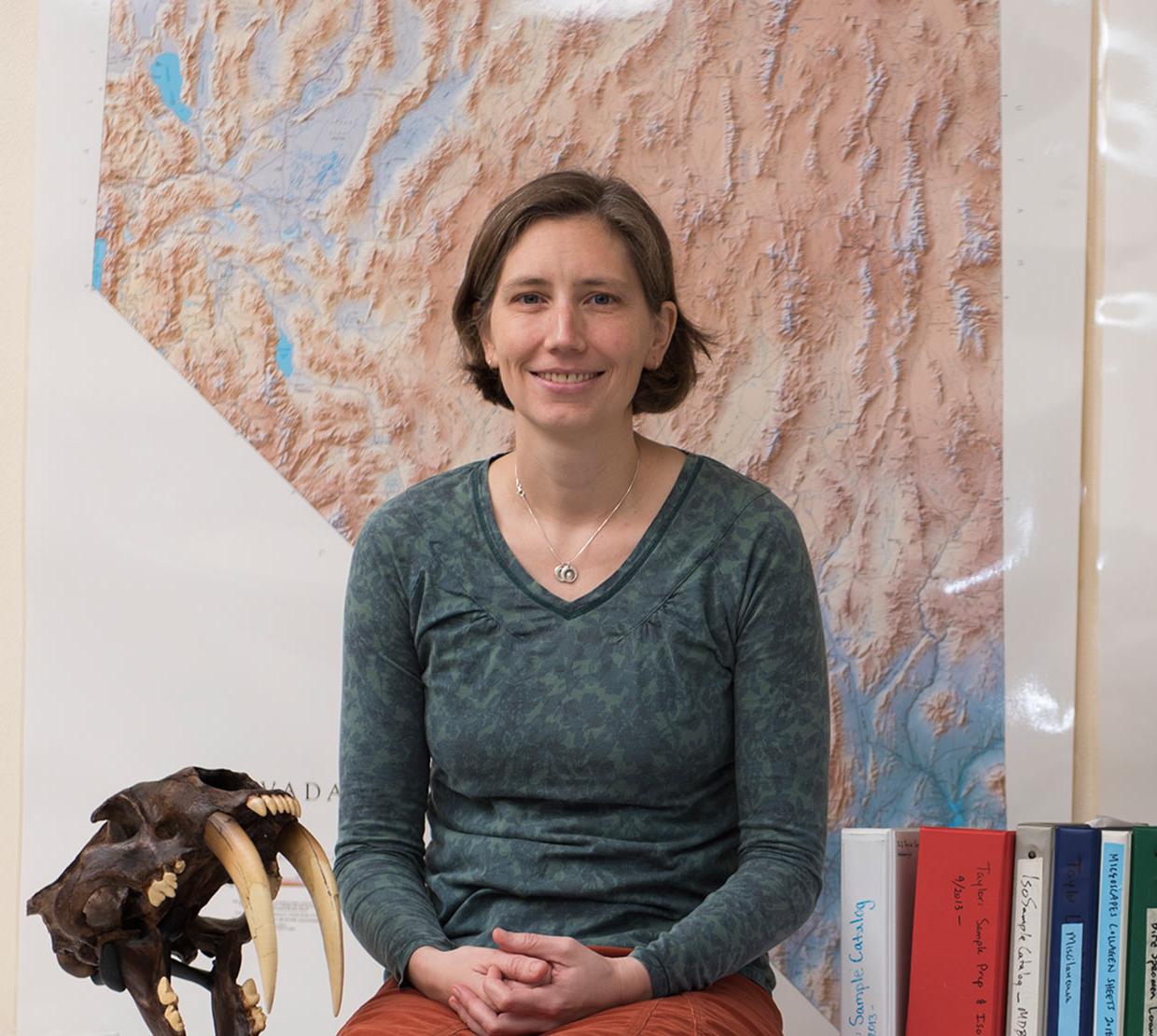
Rebecca Terry sitting in office space in front of map

Discover: Research Highlights

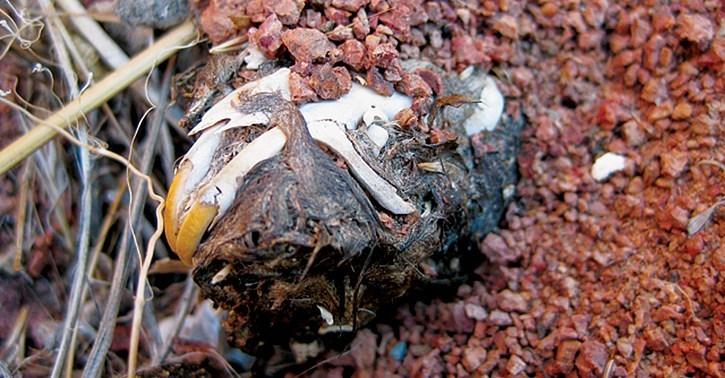
Rebecca Terry, integrative biology assistant professor discovered fossilized owl pellets in Utah

The College of Science has an extensive and deep research portfolio that is globally recognized, providing our students enriching and life-changing experiences working alongside leading scientists and researchers in the College.

Our Faculty and Researchers

George Poinar, Jr., emeritus professor in the Department of Integrative Biology recently discovered the oldest-ever evidence of the bubonic plague that has been locked away in a 20-million-year-old flea trapped in amber. He also discovered the first-ever fossil of an extinct species of salamander revealing that salamanders once lived on an island in the Caribbean Sea, something previously not known.

Stephanie Green, the David H. Smith Conservation Research Fellow in the Department of Integrative Biology, recently created quite a stir with her new study that suggests an outright ban on the common use of plastic “microbeads” from products that enter wastewater is the best way to protect water quality, wildlife, and resources used by people. The study was the number three science story in the world on September 18 on Google News.

skull within owl pellet

Mammal bones are visible in this owl pellet, which is tangled in cheatgrass and buried in sediment. Credit: Rebecca Terry

Professor Jane Lubchenco and assistant professor Kirsten Grorud-Colvert of the Department of Integrative Biology published a policy article on ocean protection, “Making waves: The science and politics of ocean protection,” in the journal Science. The article recognizes the substantial strides the international community has made toward protecting the oceans, but says much more work remains to assure vital fish stocks and other resources will remain sustainable into the future.

Lubchenco delivered a similar message along with other OSU ecologists in an op-ed piece published in Nature Geoscience that argued scientific “business as usual” will fall far short of what is needed to achieve the 17 Sustainable Development Goals expected to be adopted by the United Nations General Assembly.

Rebecca Terry, integrative biology assistant professor discovered fossilized owl pellets in Utah when the earth went through a period of rapid warming about 13,000 years ago. The finding suggests that small mammal community was stable and resilient, indicating human activities have disturbed ecosystem resilience.

Microbiology professor Janine Trempy and her team have discovered, helped patent and commercialize a new type of dairy or food thickener, which may add probiotic characteristics to products.

Integrative Biology assistant professor Eli Meyer was part of a collaborative research study with scientists from the University of Texas at Austin and the Australian Institute of Marine Science that revealed some corals already have the genes to adapt to higher temperatures.

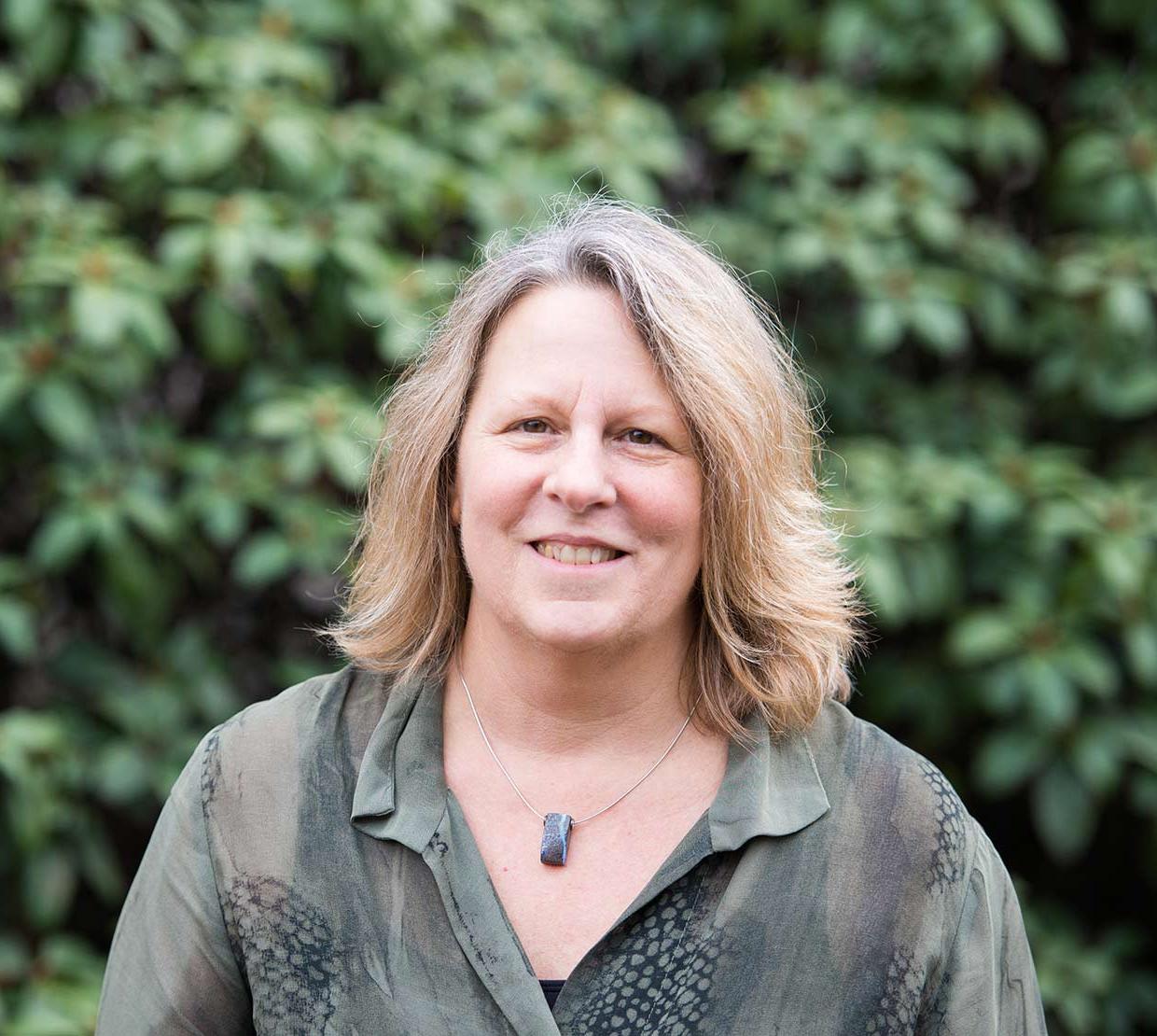
Jerri Bartholomew in front of shrubbery

Bartholomew named Pernot Distinguished Professor

By Debbie Farris

Jerri Bartholomew, Head of The Department of Microbiology

The College of Science is proud to announce that Jerri Bartholomew has been appointed the Emile F. Pernot Distinguished Professor in the Department of Microbiology. She currently serves as Head of the Department of Microbiology in the Colleges of Science and Agricultural Sciences and as director of the J.L. Fryer Salmon Disease Laboratory, one of the only of its kind in the world dedicated to the study of organisms infectious for salmonids and other freshwater fish.

The Emile F. Pernot Distinguished Professorship in Microbiology was established with an estate gift of the late Mabel Pernot, the daughter of Emile Pernot who established the Microbiology Department at Oregon State more than a century ago. The award recognizes a professor in the Department of Microbiology who is a distinguished contributor to the field of microbiology science and who has a record of contributions to OSU’s education and research missions.

Bartholomew’s research focuses on the pathogens affecting the health of wild Pacific salmon populations, the effects of climate change on fish disease, parasite evolution and invasion as well as the evolution of the immune systems of fish. Her research program has attracted more than $12 million in grants and contracts, which has resulted in 84 peer-reviewed publications, 15 book chapters and an edited book. Funding for her research comes from various agencies, including the Bureau of Reclamation, the National Science Foundation, the National Institute of Health and Oregon Sea Grant.

"I am proud of Dr. Bartholomew for receiving this tremendous recognition,” said Sastry G. Pantula, dean of the College of Science. “Professorships such as the Pernot Professorship allow us to honor and reward our best faculty members like Dr. Bartholomew. The strength of our College and of science rests on the strength of our faculty.”

With joint appointments in the College of Science and the College of Agricultural Sciences, Bartholomew has served on the Department of Microbiology faculty for 23 years. She has mentored six post-doctoral scholars as well as six Ph.D. and 15 master’s and 17 undergraduate research projects. Bartholomew also teaches Advances in Disease Ecology, Fish Diseases in Conservation Biology and Aquaculture, and offers a semi-annual Salmonid Disease Workshop for state and federal fishery biologists.

Demonstrating her outstanding leadership, Bartholomew helped organize the 7th International Symposium on Aquatic Animal Health in Portland last year that attracted 300 fish health professionals from 26 countries.

Bartholomew is an OSU alumna, earning both her master’s degree and Ph.D. in Fisheries Science from the university.

Courtney Jackson standing in rocks next to ocean shore

Retrospective: Science graduates reflect on their education

By Srila Nayak

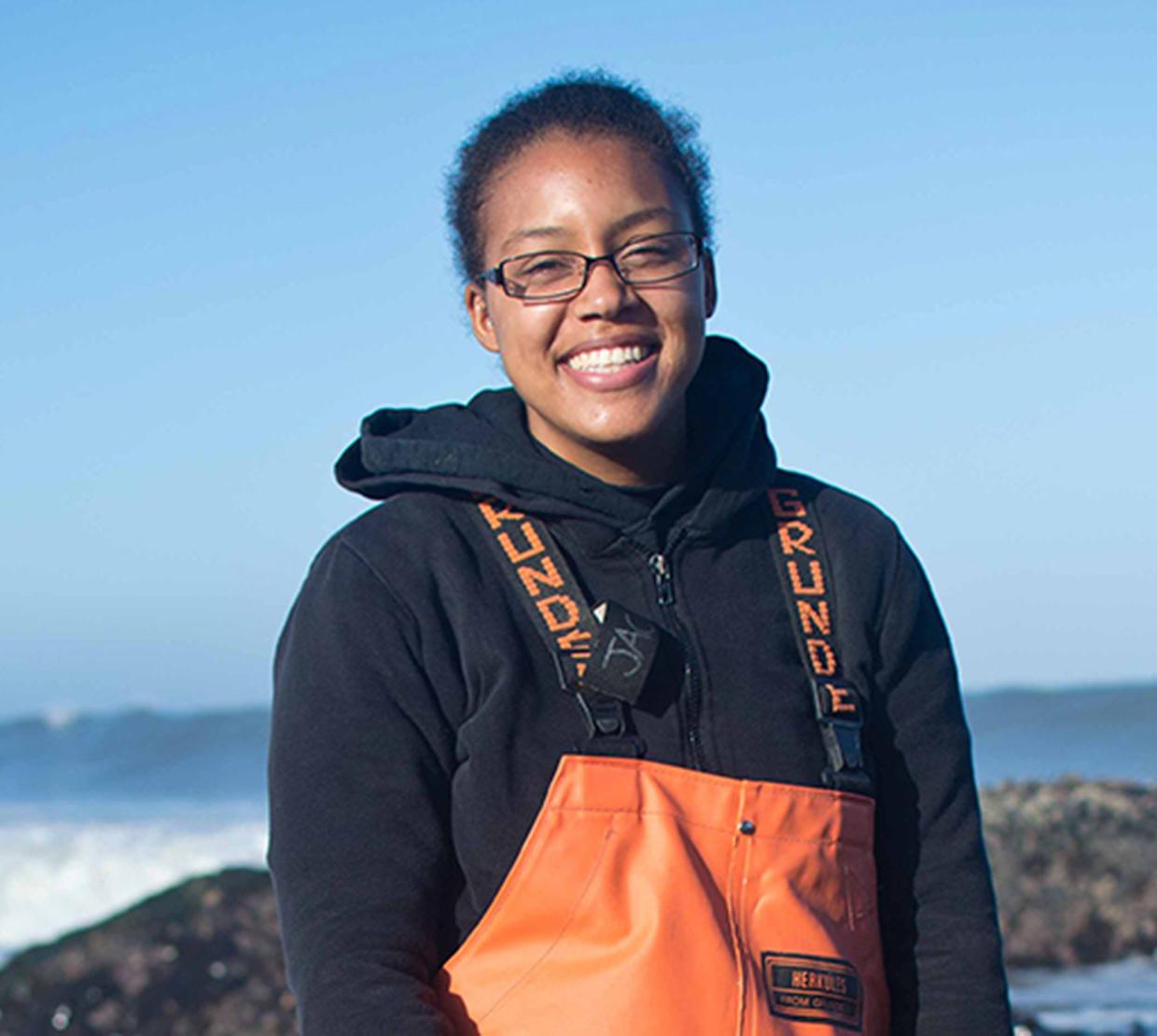
Courtney Jackson, senior in biology (Photo by Kelsey Kennedy for Terra)

The College of Science is graduating 572 undergraduate students of science this spring: three graduates with an Honors Bachelor of Arts, 48 with an Honors Bachelor of Science, seven with a Bachelors of Art and 514 graduates with a Bachelor of Science. We are extremely proud of our students and look forward to their contributions and leadership to the field of science.

We caught up with several of our graduates as they approach graduation and asked them to reflect on their experiences in the College of Science and at Oregon State. Graduating seniors Michael Perlin, Tyler Mendes, Parisah Moghaddampour, Landon Oka, Justin Conner and Courtney Jackson share their stories.

Both Michael Perlin and Tyler Mendes are physics and mathematics seniors who arrived at OSU planning to major in different subjects. The College of Science is committed to student success and proactively advises students to find majors that excite them.

“We have the best interest of all our students in mind as we guide them to find their place in science and to select the best major for them,” says College of Science Dean Sastry G. Pantula.

“By providing a variety of transformative experiences for our students, we help them learn and enjoy Science. I am extremely proud of our students and all that they have accomplished.” –Dean Sastry Pantula

Perlin, a native of Corvallis, began his undergraduate career as a nuclear engineering major and soon switched to physics. Alongside a rigorous undergraduate education in the highly regarded Paradigms in Physics program, Perlin participated in rewarding research experiences with his physics professors and had two prestigious internships at NASA’s Goddard Space Flight Center. He recently won a DAAD (The German Academic Exchange Service) Graduate Scholarship to carry out quantum dynamics research for a year at the University of Ulm in Germany after his graduation from OSU.

“My first class was Physics 212 and in my second year I started the paradigms program. It is a pretty intense program and I loved it. It was soon after I started there that I realized I wanted to do science and research instead of building nuclear reactors,” said Perlin, who intends to pursue doctoral studies in physics after his fellowship in Germany.

Tyler Mendes standing outside Kidder

Mathematics senior Tyler Mendes

Part-Portuguese and part-Japanese, Tyler Mendes is used to defying stereotypes. She is a fifth-generation Hawaiian and one of just two women in her upper-division mathematics classes “It is very confusing to people. Because just reading or hearing my name one thinks I am a male Hispanic and then you see a female Asian,” laughed Mendes.

Originally enrolled as a nutrition major, Mendes who had enjoyed and excelled in mathematics in high school took an elective math class as a freshman and decided she would rather be studying mathematics. Mendes, who is also president of the Actuarial Science Club in the Mathematics Department, was recently offered a job as an actuary in Hawaii’s largest domestic life insurance company.

“I just really enjoy being in math and working with my peers. I really liked my professors here. They are so brilliant they can appear intimidating. But thanks to them I have had some impactful educational experiences. Pretty much all upper-level math courses have been most important for my preparation for actuarial work,” said Mendes.

Perlin and Mendes are among the 572 science majors who will be graduating on June 13. These seniors collectively represent nine majors in the College of Science ranging from life and physical sciences to mathematical and statistical sciences. They exemplify the College’s commitment to excellence in science education, inclusivity, geographic, economic, ethnic and intellectual diversity. Science students receive all the vital ingredients of a great college education: outstanding classroom teaching, invaluable research experiences, life-changing internships and a range of volunteer activities that contribute to the greater public good in Corvallis and Oregon.

Parisah Moghaddampour standing in front of white backdrop

Integrative Biology senior Parisah Moghaddampour

Many of our science graduates venture out into the world as researchers, community leaders, role models, future physicians, veterinarians, pioneering scientists and active, engaged citizens. The College is committed to building leaders in Science. Parisah Moghaddampour, from the Department of Integrative Biology, is one such student. She was attracted to Oregon State by the reputation of its highly successful pre-med program. Once at OSU, Moghaddampour immersed herself in academics and community service.

Daughter of an Iranian father and a Colombian mother, Moghaddampour has taught Spanish in elementary school, tutored math and science subjects at a Corvallis high school and was the vice-president of a club for rural minorities in health care at OSU. Moghaddampour’s dedication paid off when she was recently offered admission to medical school at Loma Linda University in Southern California.

“Medical school is very competitive and you have to have activities that show you are a humane person who cares about others and if you are doing community service and not enjoying it that is a red flag.”

“At OSU, not only was I in one of the best pre-med programs, I also got to discover many opportunities to give back to people. There are so many different niches available here and it is all so accessible,” said Moghaddampour.

Landon Oka standing outside Kidder Hall

BioHealth Sciences senior Landon Oka

BioHealth Sciences senior, Landon Oka wanted to be a dentist since he was in high school in Honolulu, Hawaii. Back then, Oka interned for a dentist who urged him to apply to OSU. “Actually he had graduated from University of Oregon but he told me to lean toward OSU as I was sure to get a stellar science education there,” points out Oka.

Oka will soon be joining the Indiana University School of Dentistry in Indianapolis. He credits his community of friends and the faculty in BioHealth Sciences for his success and has some timeless advice for future science students.

“Aim as high as you can because even if you don’t reach that goal you will turn out successful. If you work hard and are diligent at things you will find success somewhere.” –Landon Oka

In the sciences at OSU, students are an integral part of university research. In recent years, the university has steadily attracted attention for the number of opportunities for undergraduates to participate directly in research and has been ranked in the top 50 research universities. Justin Conner and Courtney Jackson say the highlight of their undergraduate studies were their research experiences gained in laboratories, from study abroad programs and through internships.

Zoology senior Conner, originally from Florida, was drawn to Oregon State’s nationally recognized zoology and ecology programs. This summer he begins doctoral studies in comparative physiology at the University of North Texas, Denton.

“My experience at OSU has been amazing and interesting.” –Justin Conner

“My program in zoology really pushed me to get out-of-the classroom experiences whether it is study abroad, doing research or getting internships. I have done two of them—study abroad and research. OSU has helped shape me as a professional. I have always loved animals, but beyond that I didn’t know what to do. By doing research and being involved in my classes, OSU really showed me that research is where I want to go,” said Conner.

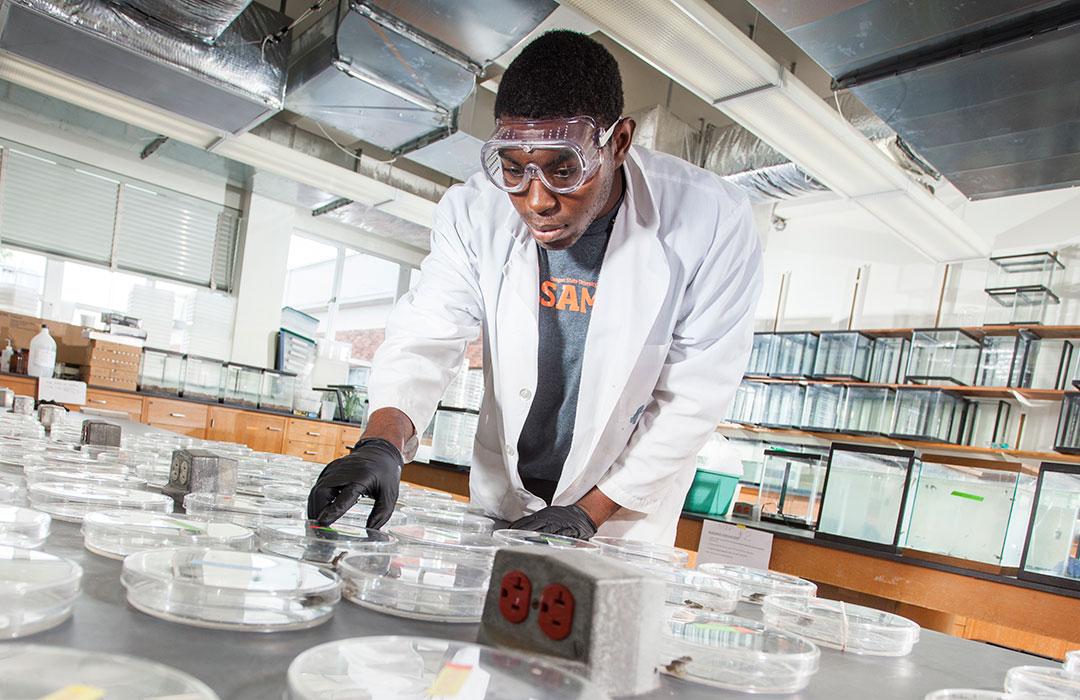
Justin Conner grabbing petri dishes in lab

Zoology senior Justin Conner

Conner has spent summers doing research on endangered frog species in Professor Andrew Blaustein’s lab, presented award-winning undergraduate research at conferences in Arizona and Seattle and spent five months in Australia analyzing data on the pulmonary system in skunks. Conner’s mentor in Australia introduced him to Dane Crossley at the University of North Texas where Conner will pursue his research on cardiovascular physiology in vertebrates.

Besides animals, Conner is also passionate about increasing and encouraging African American students to stay in science. He launched the Oregon State Club, CAMS—Council for the Advancement of Minorities in Science—that connects minority students to mentors, research opportunities and professional development.

Biology senior Courtney Jackson (pictured above) deepened her passion for marine biology by doing visual and acoustic surveys of humpbacked whale communication in Alaska. She also interned at the Hatfield Marine Science Center in Newport and worked for PISCO (Partnership for Interdisciplinary Studies of Coastal Oceans) as a member of Marine Biology Professor Bruce Menge’s lab on surveys of small marine creatures in intertidal zones.

Jackson, who loves doing fieldwork, will continue working for PISCO on research projects after graduation before applying to graduate school programs in marine biology. She has valuable advice for science majors.

“Participate in internships! I know everybody says that, but it definitely helped me.” –Courtney Jackson

“Internships are important because you are able to interact with professors more naturally and you may do something that you could potentially end up doing for the rest of your life. For me, getting to know people and interacting with people is a really good way to get your feet wet and figure out what you like and don’t like,” said Jackson.

Jackson reflected on her identity as a black female student in the sciences and how that may shape her career in the future.

“The more I have discovered my identity, the more challenging it’s become. Even though I have had the good fortune and opportunity to be taught by a lot of women professors, I have never been taught science by a person of color in college. I want to be that person, even if I teach a little class, as long as someone can see I am a person of color and I can teach this subject,” said Jackson.

A passionate champion of diversity, Dean Pantula agrees that it is important to have a diverse faculty.

“The College is committed to enhancing diversity among its students, faculty and staff.” –Dean Sastry Pantula

“Recently, we recruited a senior Hispanic faculty member in mathematics and an African female faculty member in biochemistry and biophysics. Justin and Courtney are shining examples of future leaders in science who will not only strive for excellence, but also enhance diversity at OSU and across the nation."

Subscribe to Awards & Recognition