Awards & Recognition

Awards & Recognition

University day table centerpiece

Science faculty recognized for excellence at 2018 University Day

By Debbie Farris

2018 University Day

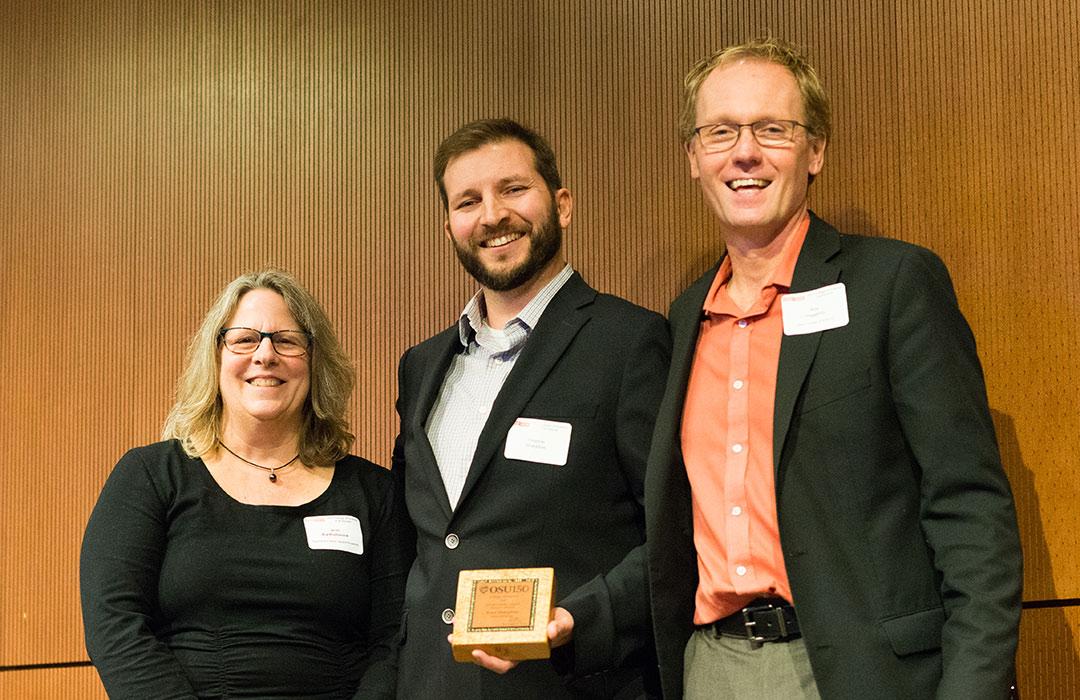
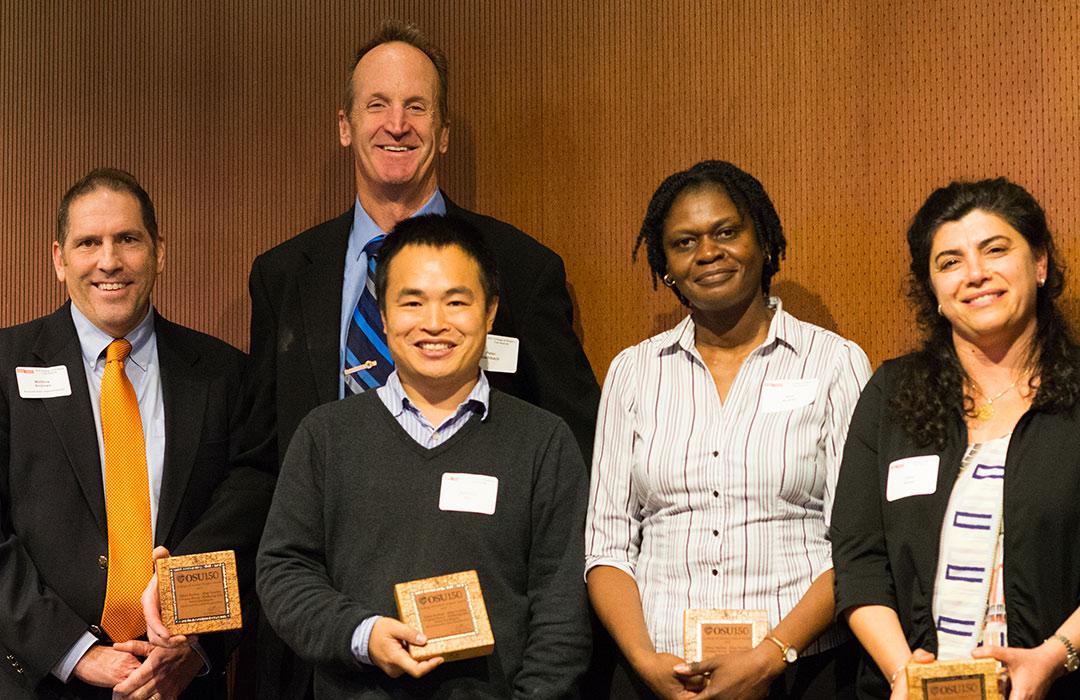
The College of Science is proud to announce that science faculty were among this year’s recipients of OSU’s most prestigious annual awards for scholarship, teamwork, mentoring and service. A total of eight faculty were recognized for their distinguished accomplishments at OSU's 2018 University Day on Tuesday, September 11, including chemist Xiulei (David) Ji who nabbed two awards.

“I am extremely proud to see the outstanding accomplishments of our faculty recognized at the university level,” said Roy Haggerty, dean of the College of Science. “I commend them for their scholarship, teaching and mentoring and the collaborative spirit to connect their efforts to a broader community.”

Congratulations to these faculty for their perseverance, dedication and exemplary achievements.

A distinguished career

With dual appointments in the Colleges of Science and Veterinary Medicine, Professor of Microbiology Michael Kent received the OSU Alumni Association Distinguished Professor Award for his superior academic performance, professional renown and service to the University and to the public. Award criteria include exceptional scholarly achievements and publications, strong teaching in terms of reputation and quality, active participation in University affairs and visibility and recognition in Oregon, the nation and the world.

Kent’s research is focused on two major research areas: diseases of zebrafish in research facilities and the impacts of pathogens on wild salmonid fishes. Specifically, he studies chronic infectious diseases. Kent’s work has been supported continuously by the National Institutes of Health’s Office of Research Infrastructure Programs (ORIP) since he arrived at OSU in 1999. He is also a co-PI at the Zebrafish International Resource Center, where he assists with health studies and their diagnostic service.
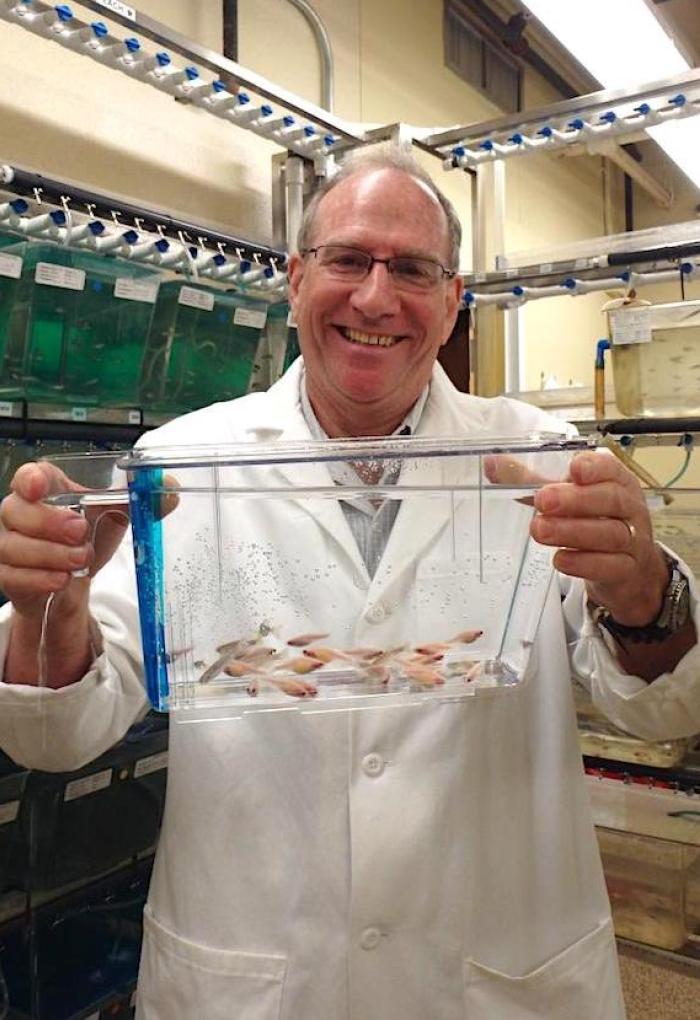
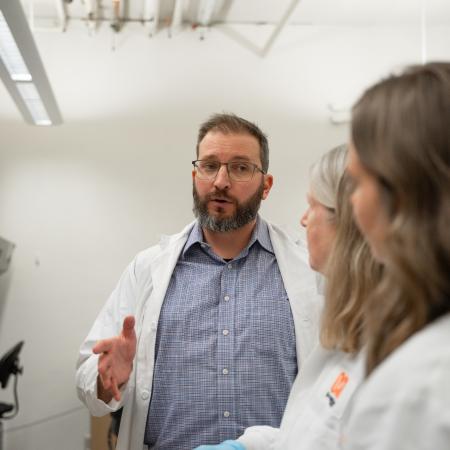
Michael Kent holding up tank of fish in lab

Michael Kent, Professor of Microbiology

Kent established a Specific Pathogen Free (SPF) zebrafish research colony at OSU in the Sinnhuber Aquatic Resource Center in collaboration with Robyn Tanguay, a Distinguished Professor of Molecular Toxicology at OSU. Their work is supported by the NIEHS Environmental Health Sciences Center and NIH’s ORIP, the latter of which enables them to provide biomedical research training to veterinarians using aquatic models.

In collaboration with colleagues at OSU and across the country, the Kent Lab is developing zebrafish as models for infectious diseases in humans. They were able to demonstrate that zebrafish can become infected with Toxoplasma gondii, a pathogenic parasite that infects about one-third of the world population and the second most significant cause of lethal food-borne infections in the United States. This was the first time this infection was reported in a fish.

Achieving excellence in mentoring and scholarship

Associate Professor of Chemistry Xiulei (David) Ji received the Excellence in Postdoctoral Mentoring Award, which recognizes and encourages outstanding mentoring of postdoctoral appointees by OSU faculty. The award is given to faculty who best exemplify the role of a mentor and who has provided exceptional mentoring to one or more postdoctoral scholars during the past year. The interaction between the faculty mentor and postdoctoral scholar plays a crucial role in the professional development of a postdoc.

Ji also received OSU’s Promising Scholar Award, which recognizes the scholarship of junior faculty. The award criteria include outstanding scholarly and creative activities that represent significant intellectual work validated and communicated through peer review.

Ji leads a highly motivated team of graduate students and researchers from all over the world in his chemistry lab, which is focused on pushing the boundaries of ion storage chemistry in solids. In 2017, he and graduate student Xingfeng Wang developed the world’s first battery to use only hydronium ions as the charge carrier, which shows promise for sustainable, high-power energy storage. This summer he received a $475K award from the University of California, San Diego for his project “Aqueous Iron-Sulfur Batteries.”

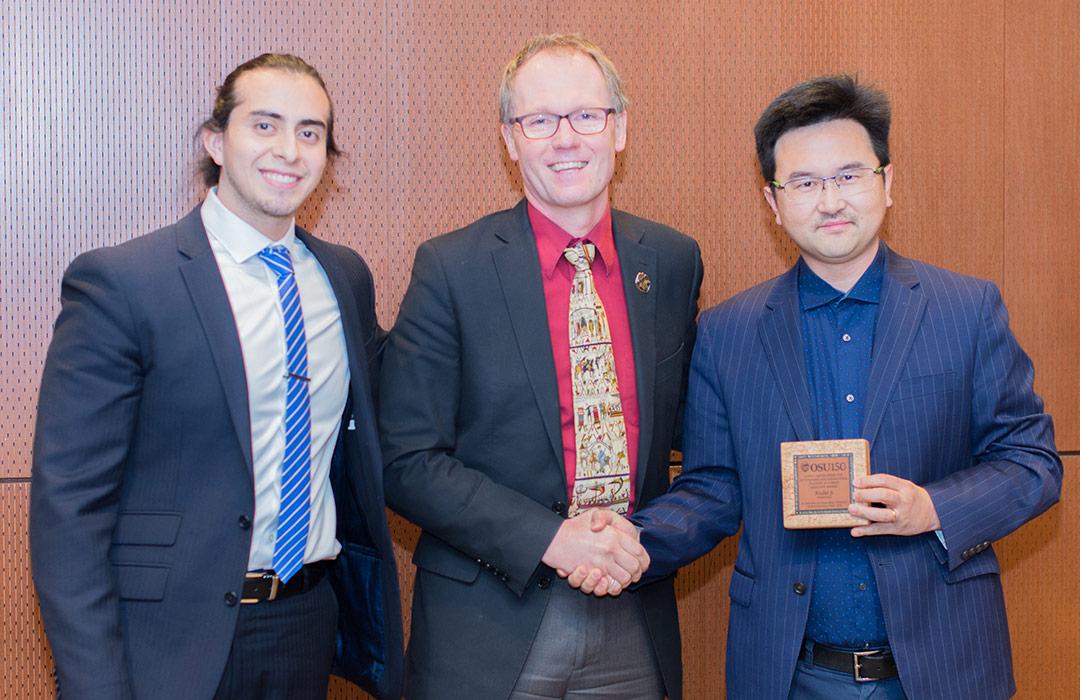
Xiulei Ji receiving award from Ismail Rodriguez and Roy Haggerty

Chemistry graduate student Ismail Rodriguez Perez (left), Dean of Science Roy Haggerty (center) and chemist Xiulei (David) Ji (right)

Last winter, Ji received the College of Science Loyd Carter award for his inspirational and superb mentorship and teaching of graduate students. He was nominated by chemistry graduate student Ismail Rodriguez Perez, who presented him with the award.

“Dr. Ji is an outstanding professor,” said Rodriguez Perez. “In my eyes, what makes him inspirational and outstanding is his true passion for the subject at hand, which makes me want to learn more. Dr. Ji also does a fantastic job relating his teachings to real-world applications, which is quite inspiring.”

In 2016, Ji received a prestigious National Science Foundation CAREER Award for five-year grant of $530K for his project, “Carbon Anodes in Potassium-Ion Batteries.” The award is NSF’s top honor for junior faculty with outstanding and innovative research and effective application of that research.

In this video, he reflects on his own path in science.

Advancing student success

Team Math received the 2018 Student Learning and Success Teamwork Award! The award recognizes departments or interdisciplinary teams at OSU that have demonstrated exceptional teamwork in creating and sustaining an exemplary teaching and learning environment to advance the university’s strategic goal of student success and excellence.

Team Math as they have become known across campus has been working for more than a year to improve student performance and learning in introductory pre-calculus courses at OSU, which have been identified as having the strongest impact on the success and retention of STEM students.

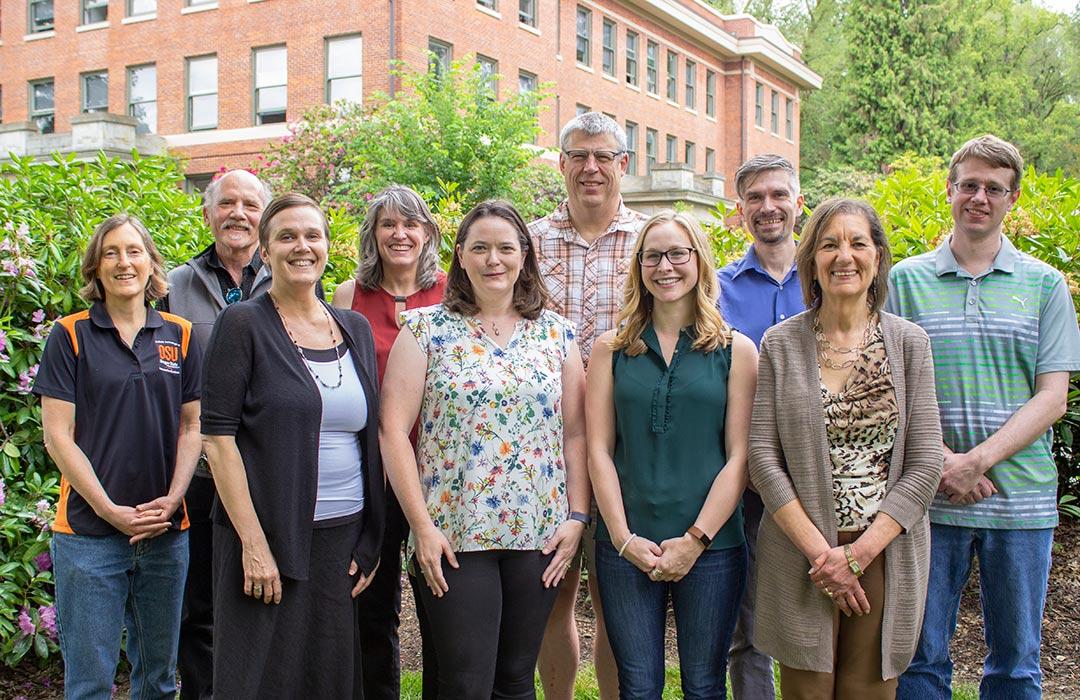
Math faculty standing together outside Kidder Hall

Team math, aka the department of mathematics faculty

Team Math includes mathematics faculty Sara Clark, Scott Peterson, Lyn Riverstone, Dan Rockwell, Katy Williams and David Wing as well as campus colleagues Susan Fein, an instructional designer in Ecampus, Lynn Greenough in Academic Technology, Liz Jones, a mathematics instructor in OSU’s Educational Opportunities Program and Cub Kahn, coordinator of the Hybrid Course Initiative.

Since spring 2017, the group has redesigned college algebra and algebraic reasoning by integrating active learning technologies and other innovative student engagement strategies. They achieved very encouraging results: they created a successful teaching and learning environment in precalculus courses that is welcoming to students, empowers faculty to challenge students in their understanding and enhances student participation—a significant achievement in the introductory mathematics classroom at OSU.

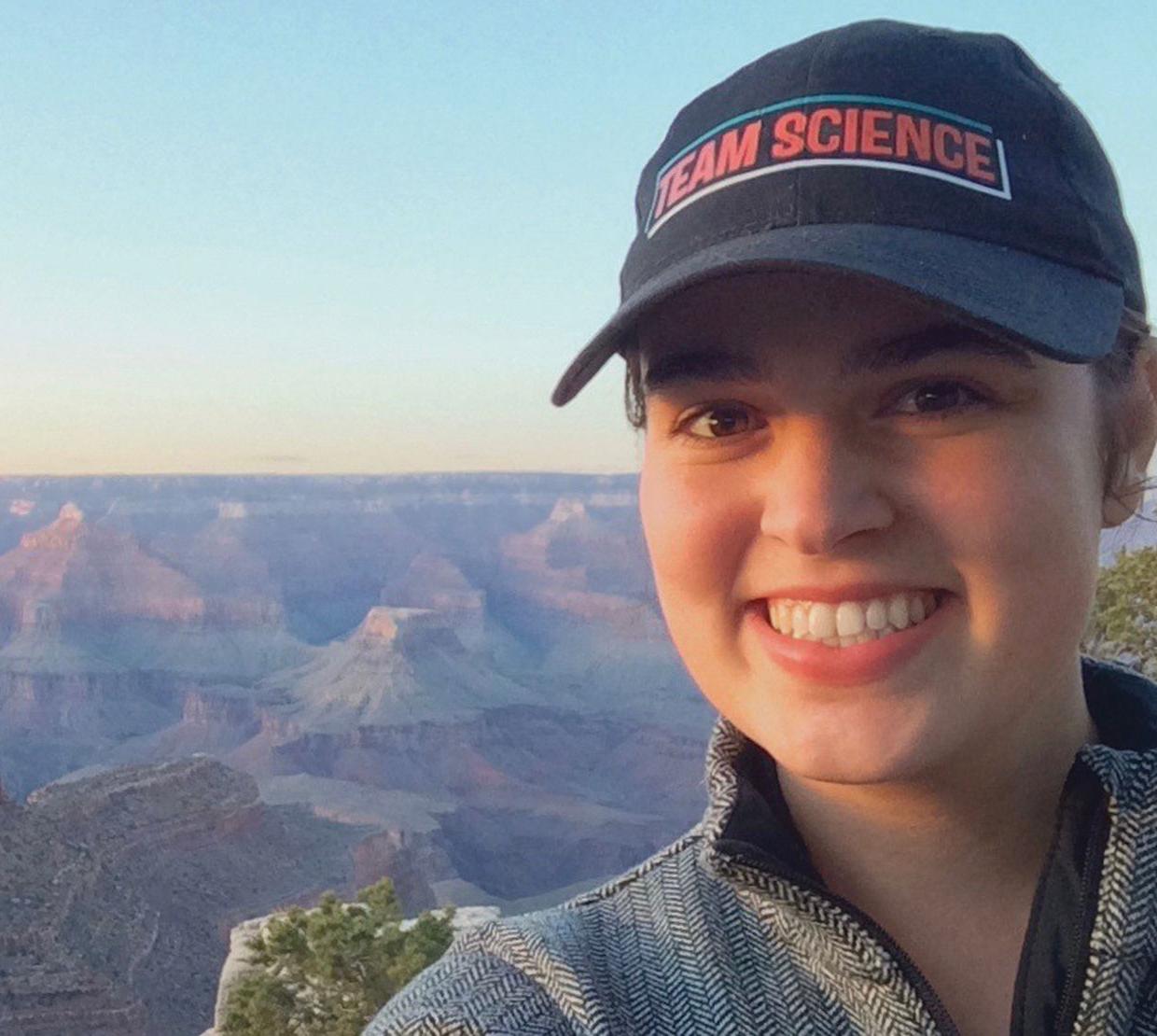
Grace D'Angelo in front of Grand Canyon

Two science graduates win 2018 Fulbright awards

Grace D'Angelo, microbiology honors and minors in music and chemistry alumni

We are delighted to announce that microbiology alumni Dang Duong ('18) and Grace D'Angelo ('17) are two out of seven Oregon State University students selected for the 2018-19 Fulbright U.S. Student Program by the U.S. Department of State and the J. William Fulbright Foreign Scholarship Board.

Duong has been awarded a English Teaching Assistantship to Kazakhstan. He will engage with students in and out of the classroom to share the American language and culture, and looks forward to celebrating Kazakh holidays with them. Duong has already acquired an impressive globetrotting résumé in his four years at OSU.

He has studied or interned abroad in India and Malaysia. Two days after graduation, Duong embarked on humanitarian work in Kampala, Uganda, for an internship with a grassroots women's health and rights organization that focuses on spreading awareness and fighting against obstetrics fistula. Duong plans on attending medical school in the near future.

D'Angelo graduated with microbiology honors and minors in music and chemistry. During her Fulbright year, she will will work toward a Master's of Science in marine microbiology in a joint program of the Max Planck Institute for Marine Microbiology (MPI-MM), the University of Bremen (UniB), the Alfred Wegener Institute-Helmholtz Center for Polar and Marine Research (AWI), and the Jacobs University Bremen (JUB). An accomplished musician, D'Angelo will also seek opportunities to continue her growth as a flautist by studying and performing with German peers.

These students are among over 1,900 U.S. citizens who will study, conduct research, and teach abroad for the 2018-2019 academic year through the Fulbright U.S. Student Program. Recipients of Fulbright awards are selected on the basis of academic and professional achievement as well as record of service and leadership potential in their respective fields.

In addition to these honors, honors biophysics and biochemistry alumna Trisha Chau ('18) is an alternate for the Fulbright award and may still be promoted.

The Fulbright U.S. Student Program is administered at Oregon State University through LeAnn Adam, OSU Prestigious Scholarships Coordinator. For more information about applying for Fulbright or other national and international scholarships and fellowships, please contact LeAnn at [email protected] and visit: http://topscholars.oregonstate.edu.

Related articles: Making his mark on the world through social justice and human health
Press Release: Fulbright Awards 2018

Star icon above vibrant galaxy

Faculty excellence: Promotions and tenure 2018

Promotions and tenure 2018

The College of Science congratulates these 20 faculty on receiving promotions and/or tenure for the 2017-18 academic year.

“The success of our faculty is essential to the success of our students,” said Roy Haggerty, dean of the College of Science. “I am proud of our faculty who are outstanding researchers, scholars, teachers and mentors to our students.”

'I want to also thank our Promotion and Tenure Committee for devoting a significant amount of time engaged in the intense review process to award the best candidates for promotion and/or tenure,” added Haggerty.

Tremendous consideration goes into each promotion and tenure decision. The Provost’s Office, the College of Science Dean’s office, department heads, Promotion and Tenure Committee members, faculty, external reviewers, student evaluation committees, and individual faculty members all spend many hours preparing, processing and reviewing the documentation.

Congratulations to the following science faculty!

Biochemistry and Biophysics Department

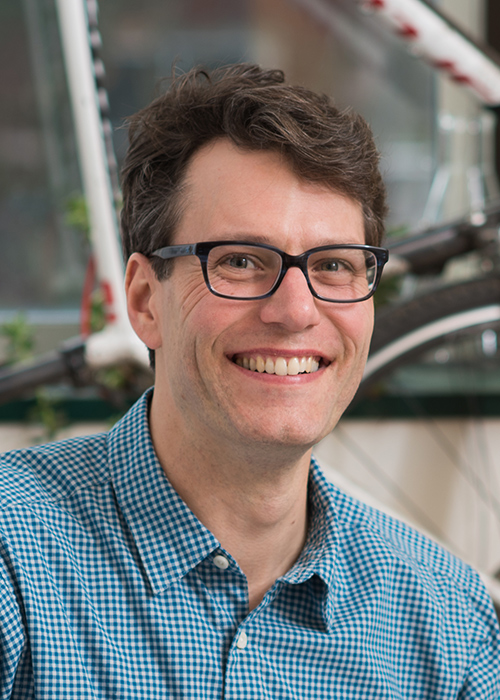
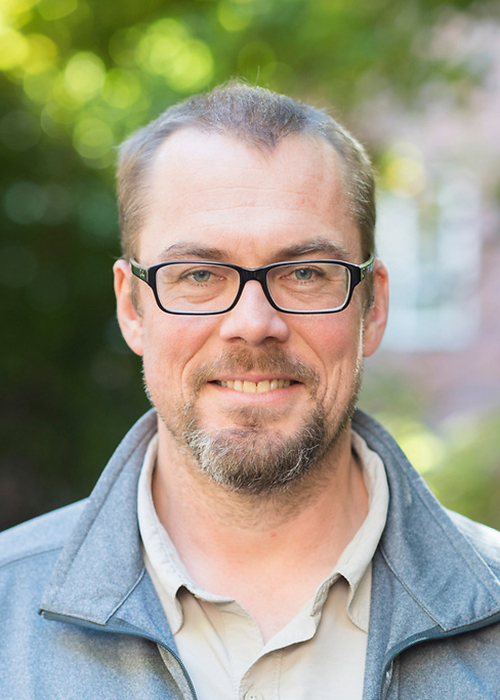
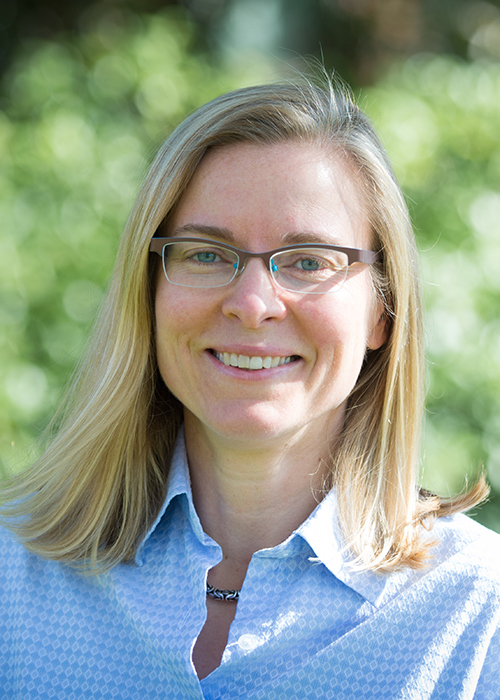
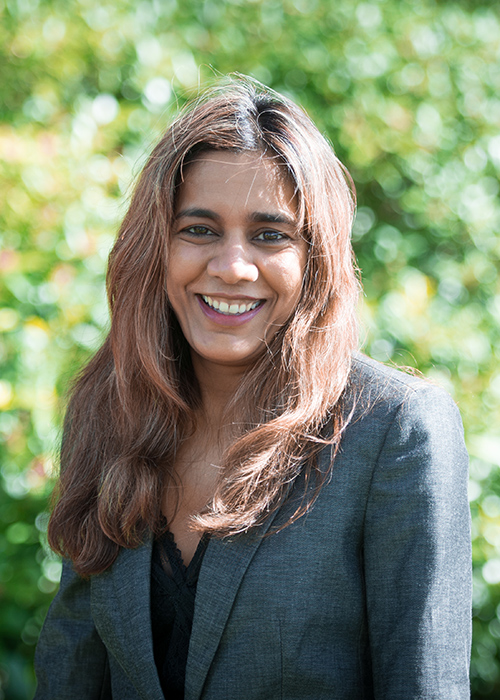
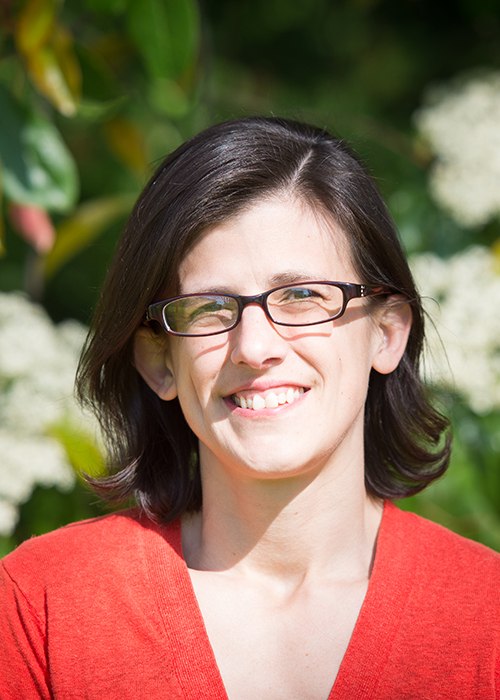
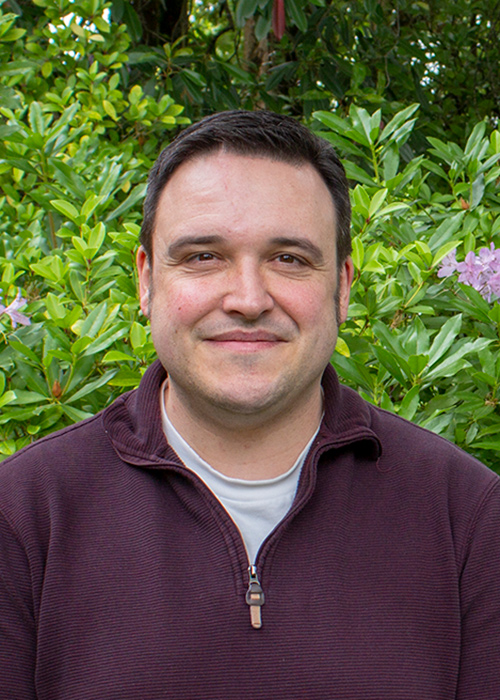
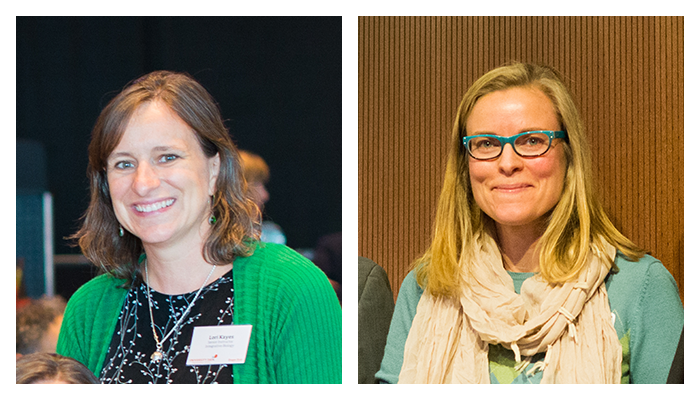
(Photos in order)
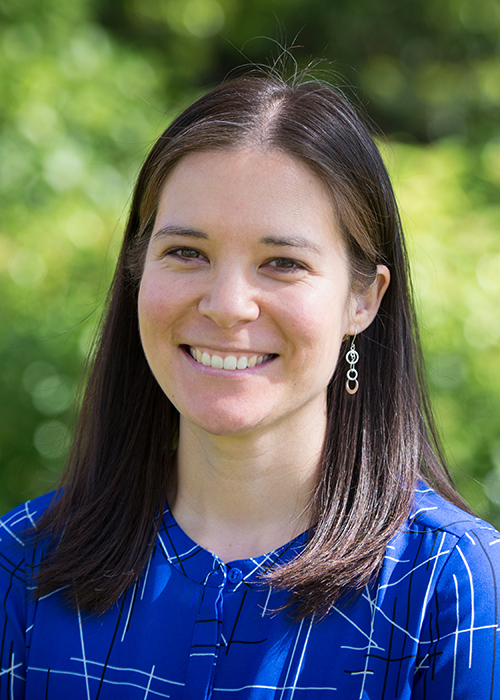
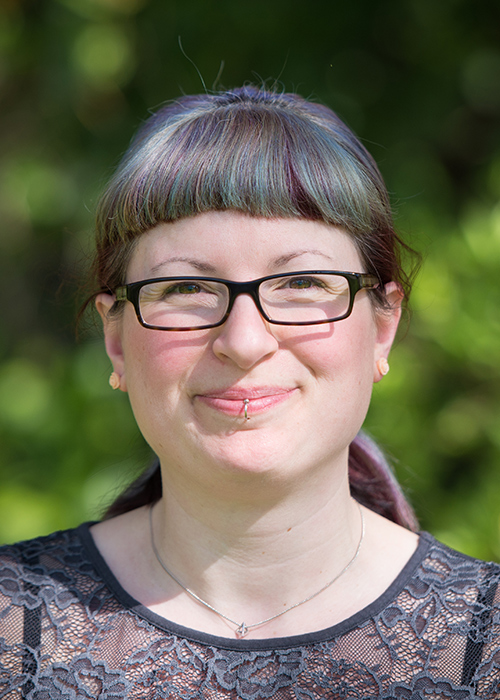
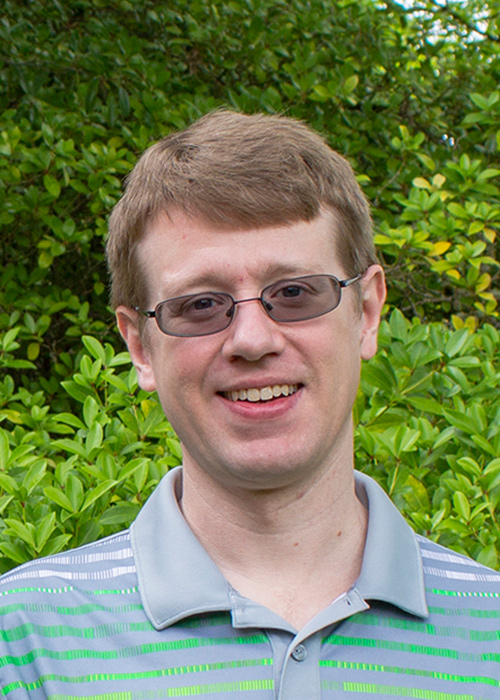
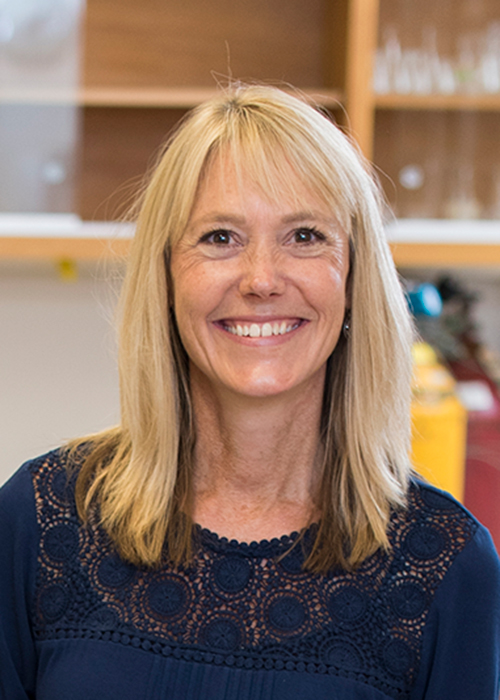
Dr. Adrian “Fritz” Gombart will be promoted to Professor of Biochemistry and Biophysics, effective September 16, 2018.

Dr. Ryan Mehl will be promoted to Professor of Biochemistry and Biophysics, effective September 16, 2018.

Integrative Biology Department

(Photos in order)
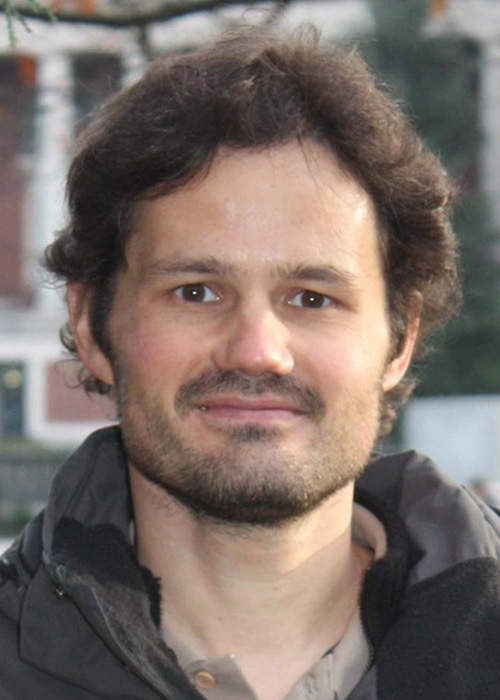
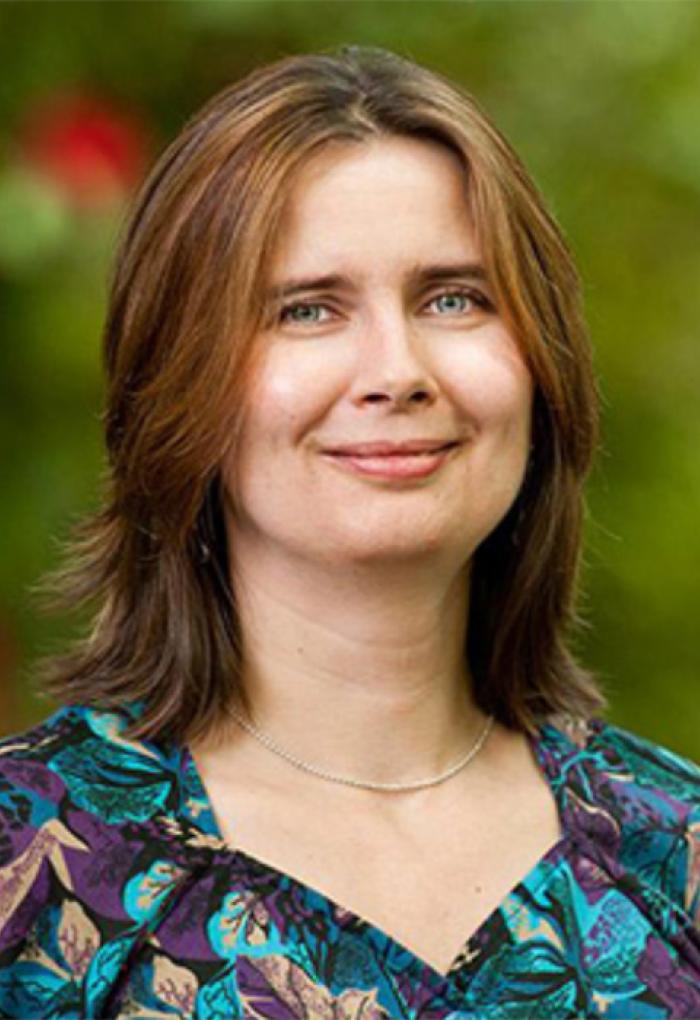
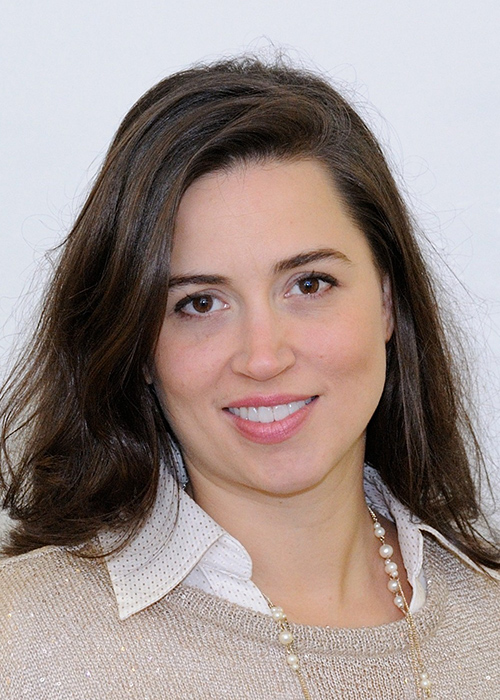
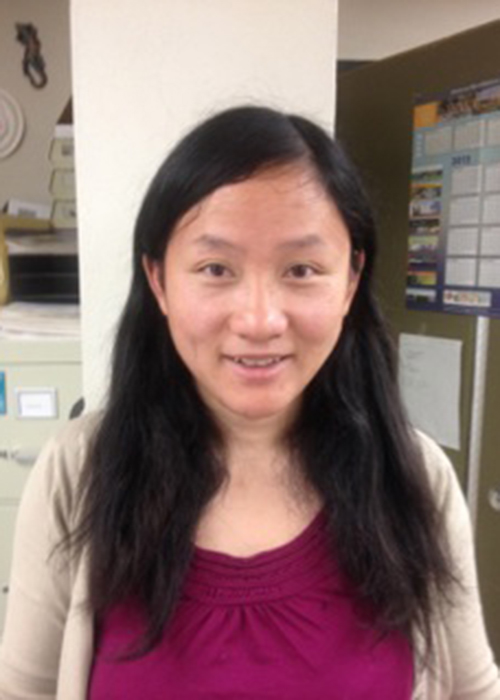
Dr. Andrew Bouwma will be promoted to Senior Instructor I of Integrative Biology, effective July 1, 2018.

Dr. Sarah Henkel will be promoted to Associate Professor, Senior Research of Integrative Biology, effective July 1, 2018.

Dr. Mark Novak will be promoted to Associate Professor of Integrative Biology and granted indefinite tenure, effective September 16, 2018.

Dr. Rebecca Terry will be promoted to Associate Professor of Integrative Biology and granted indefinite tenure, effective September 16, 2018.

Mathematics Department

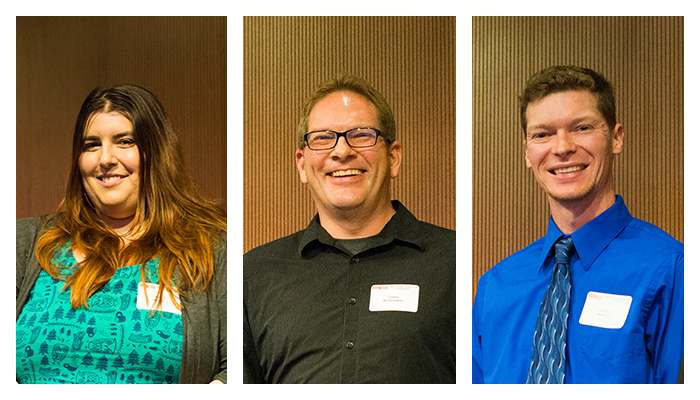
(Photos in order)
Dr. Mary Beisiegel will be promoted to Associate Professor of Mathematics and granted indefinite tenure, effective September 16, 2018.

Dr. Vrushali Bokil will be promoted to Professor of Mathematics, effective September 16, 2018.

Dr. Elaine Cozzi will be promoted to Associate Professor of Mathematics and granted indefinite tenure, effective September 16, 2018.

Dr. Torrey Johnson will be promoted to Senior Instructor I of Mathematics, effective September 16, 2018.

Dr. Elise Lockwood will be promoted to Associate Professor of Mathematics and granted indefinite tenure, effective September 16, 2018.

Dr. Holly Swisher will be promoted to Professor of Mathematics, effective September 16, 2018.

Dr. David Wing will be promoted to Senior Instructor I of Mathematics, effective September 16, 2018.

Microbiology Department

(Photos in order)
Dr. Kimberly Halsey will be promoted to Associate Professor of Microbiology and granted indefinite tenure, effective September 16, 2018.

Dr. Ryan Mueller will be promoted to Associate Professor of Microbiology and granted indefinite tenure, effective September 16, 2018.

Dr. Martin Schuster will be promoted to Professor of Microbiology, effective September 16, 2018.

Physics Department

Oksana Ostroverkhova in front of shrubbery

Dr. Oksana Ostroverkhova will be promoted to Professor of Physics, effective September 16, 2018.

Statistics Department

(Photos in order)
Katie Jager will be promoted to Senior Instructor I of Statistics, effective July 1, 2018.

Juliann Moore will be promoted to Senior Instructor I of Statistics, effective September 16, 2018.

Dr. Lan Xue will be promoted to Professor of Statistics, effective September 16, 2018.

Thanks to all of the committee members who served on the College of Science Promotions and Tenure Committee this year.

Elisar Barbar (rotating off)
Kate Field (rotating off)
Alix Gitelman (rotating off)
Margie Haak
Henri Jansen (chair, rotating off)
Patrick De Leeneer (rotating off)
Sastry Pantula
Indira Rajagopal (rotating off)
Vince Remcho
Janet Tate (rotating off)
Barb Taylor (rotating off)

The following faculty have been elected to serve on the College’s Promotion and Tenure Committee for 2018-19. These faculty were elected to serve by a vote, according to the College’s P&T rules.

Vince Remcho, 2016-19, committee chair in 2018-19
Rich Carter, 1 remaining term, 2018-19
Dee Denver, 1 remaining term, 2018-19
Tom Dick, 2 remaining terms, 2018-20
Michael Freitag, 3 remaining terms, 2018-21
Steve Giovannoni, 2 remaining terms, 2018-20
Margie Haak, 1 remaining term, 2017-19
Sally Hacker, 3 remaining terms, 2018-21
David McIntyre, 3 remaining terms, 2018-21
Sastry Pantula, 2 remaining terms, 2017-20
Scott Peterson, 2 remaining terms, 2018-20

magnifying glass icon above light texture

Graduate students, alumni win national fellowships for outstanding research

By Srila Nayak

Two PhD students receive National Science Foundation Graduate Research Fellowship Program (NSF GRF) awards

The College of Science congratulates two Ph.D. students for receiving prestigious National Science Foundation Graduate Research Fellowship Program (NSF GRFP) awards for 2018. Rebecca Mostow in integrative biology and Julia (Grace) Klinges in microbiology are among 10 students at Oregon State University to receive NSF graduate research fellowships this year.

In addition, two recent alumni from the College of Science have also won the award this year: Trevor Shear (Chemistry, ‘16), now at the University of Oregon, and Jeanne Marie Klein-Gordon (Microbiology, ‘16), currently at the University of Florida.

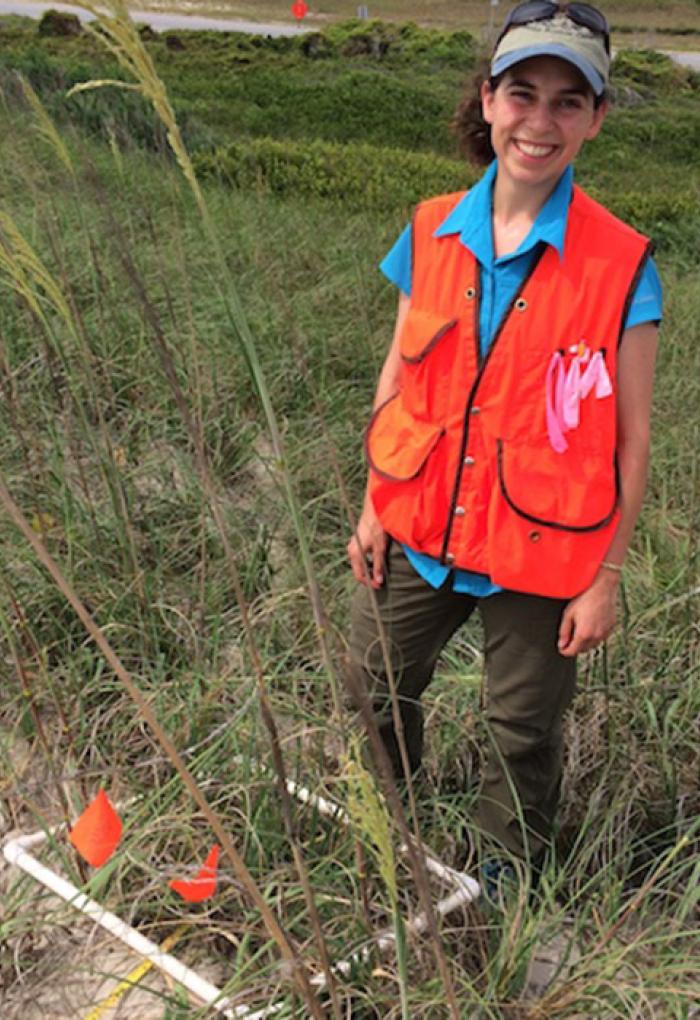
Mostow’s award-winning research project will focus on unearthing the mechanisms of hybridization that underlie beachgrass invasion and proliferation on the U.S. Pacific Northwest coast. Klinges’ will use her fellowship to determine the mechanisms of disease transmission and development in the critically endangered staghorn coral (Acropora Cerviconis), a crucial reef-building coral.

This year, NSF offered 2,000 fellowship awards to students from a competitive pool of 12,000 applicants from all 50 states as well as the District of Columbia and U.S. territories. The GRFP provides three years of financial support within a five-year fellowship period -- $34,000 annual stipend and $12,000 cost-of-education allowance to the graduate institution. That support is for graduate study that leads to a research-based master's or doctoral degree in a STEM field.

Avid naturalist studies invasive plant species in coastal ecosystems

A teaching assistant for her advisor Dr. Sally Hacker's marine biology class, Mostow was at the Hatfield Marine Science Center in Newport with her students when she received news of her selection as an NSF graduate fellow. “I was shocked and thrilled at the news. It felt like winning a lottery to me,” recalls Mostow.

Rebecca Mostow in front of shrubbery
Integrative biology doctoral student Rebecca Mostow.

In the Department of Integrative Biology, Mostow pursues research in the multiple fields of coastal ecology, quantitative genetic techniques and genomic library building. Working with Hacker, Mostow is examining the impact of species' ecological and genetic interactions on coastal ecosystem management in Washington and northern Oregon. She will conduct genomic experiments and utilize Next Generation sequencing techniques to study the effects of a potential beachgrass hybrid on the parent population, dune morphology and native plant populations.

Through her project, Mostow aims to bridge the distinct fields of community ecology and population genomics. Her novel use of genotyping to study plant hybridization “is applicable to countless systems threatened by invaders with a high risk of hybridization.”

According to Mostow, “With an improved understanding of the mechanisms controlling biological invasion, we can more effectively respond to this global threat.”

She also works in the lab of Eli Meyer, an assistant professor of biology, on various population genomics projects pertaining to her study of dune morphology and ecology.

“Integrative biology is a very special place. I am able to do the type of interdisciplinary research that I am interested in because of the professors who work in the program. I have been able to build these great mentoring relationships in different fields,” Mostow said.

After graduating from Oberlin College in Ohio in 2013 with a degree in biology, Mostow, who grew up in Seattle, embarked on a career of ecological monitoring and restoration fieldwork as well as science teaching and outreach for three years. She worked with seabird monitoring in Southeast Alaska, followed by a year working for the Bureau of Land Management in Carson City, Nevada, as a Chicago Botanic Garden Conservation and Land Management Intern.

Everywhere she went, Mostow observed how landscapes and ecosystems had been affected and altered by non-native plants. She quickly became interested in the relationship between invasive organisms and the environment which brought her to Hacker’s Lab.

As a budding ecologist and field researcher, she was "regularly reminded that she did not fit the expected model of a research scientist or land manager.” After Oberlin, when Mostow entered the intersecting arenas of field biology and government agencies, she found herself in a male-dominated world where she had to effectively communicate scientific findings to different audiences and stakeholders.

“I learned how to be the only woman in the room and the only Jew for a hundred miles. When ranchers, fishermen or bureaucrats underestimated me, I learned to listen compassionately, find common ground and believe in my own abilities. I am adept at navigating the interface between science and management, a skill that has come in handy as I develop partnerships with local land management agencies.”

Rebecca Mostow working with grass samples
Rebecca Mostow out in the field

Mostow led hands-on educational programs to K-12 students as an AmeriCorps marine exhibit educator at Port Townsend Marine Science Center in Washington state and worked as an environmental educator for YMCA in Longbranch, Washingon, where among other things she developed and designed curriculum for a plant ecology course.

Her experiences with communicating science to young audiences made a deep impact on her and, in addition to research, she intends to use her time as an NSF Fellow to continue student outreach activities, build community and create exciting and engaging science curricula.

“I love the ability to empower young kids to think like investigators and scientists, and show them how thinking like a scientist can take you in a lot of different directions. Being engaged with your environment makes you more thoughtful and inquisitive about it.”

“Becoming an educator made me a way better naturalist," she observed.

Mostow has also received the Provost’s Distinguished Graduate Fellowship at OSU and the Young Botanist Award from the Botanical Society of America.

Investigating coral disease

Only in her second year of graduate school, Klinges' research on corals has taken her to far-flung parts of the world—the island of Mo’orea in French Polynesia, the Solomon Islands, Papua New Guinea, France and Taiwan. In the coming months, her research on microbial and coral diversity will take her to Hawaii and the US Virgin Islands. In fact, it was during her research trip in Taiwan that Klinges learned about her NSF award.

A student in internationally renowned coral microbiologist Rebecca Vega Thurber’s Lab, Klinges studies the bacterium that is believed to be the agent of white band disease destroying the rare staghorn coral, and will attempt to determine whether the microbe is stimulated by nutrient pollution. Klinges’ doctoral research expands on one of the largest experiments done by Vega Thurber and her collaborators which saw a three-year controlled exposure of corals to elevated levels of nitrogen and phosphorus at a study site in the Florida Keys.

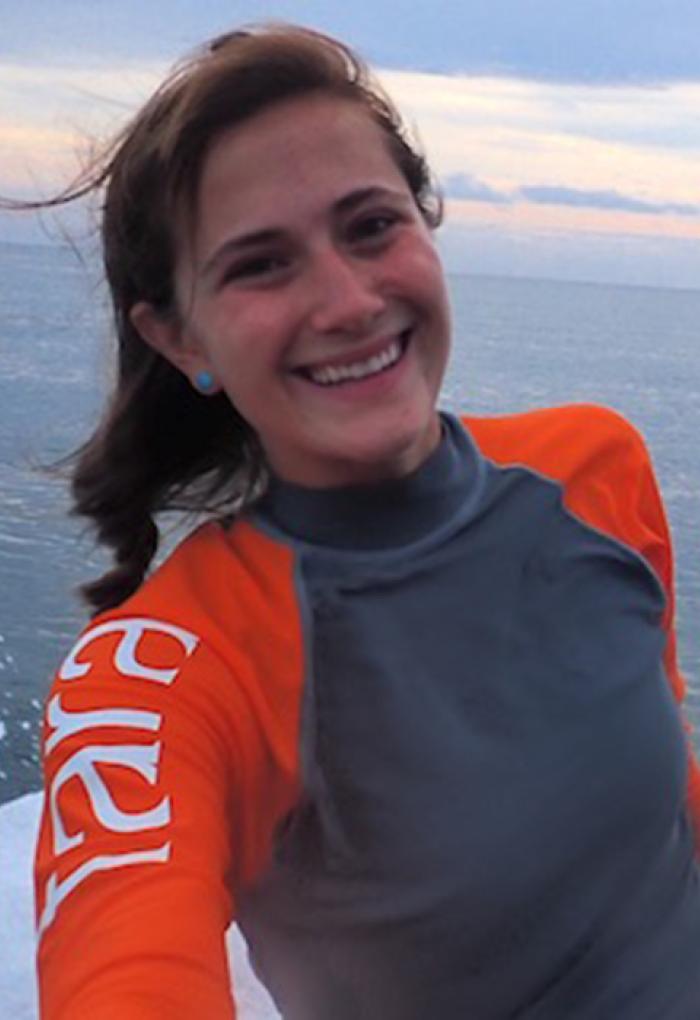
Grace Klinges on the ocean
Microbiology doctoral student Grace Klinges. Photo by Johnathan Lancelot, Tara Expeditions Foundation.

Keen on applying bioinformatics to a data set, Klinges was introduced to a bacterial sample from the Florida Keys experiment by her advisor. She was asked to sequence it through the Center for Genome Research and Biocomputing (CGRB) on campus in an effort to assemble the genome of the bacteria. Klinges followed through with impressive results.

“Normally it is difficult to assemble a genome from an environmental sample. You need a pure culture. But I got a complete genome from the sample,” said Klinges who conducted genomic and phylogenetic analysis on the bacteria to trace its relation to other species.

Klinges has discovered a new genus of bacteria not known or studied before. She has named the new genus Marinoinvertebrata because the bacteria inhabit marine invertebrates, primarily corals and sponges. Klinges is carrying out further computational analyses to fully characterize its genes. Her report is currently being prepared for publication in a microbiology journal.

The NSF Fellowship will help her to kick-off the experimental or in-vivo part of her research to further explore the bacterium's mechanisms of transmission and disease development and determine its role as an agent of white band disease. Through coral exposure experiments, genome sequencing and nitrogen isotope studies, Klinges will investigate if the bacterium is found in the healthy coral microbiome and can turn virulent due to other environmental factors, and if weakened host immune function caused by nutrient pollution makes corals more vulnerable to disease.

The implications and potential consequences of Klinges' research are significant as they will aid in the preservation of coral reef ecosystems and could help in the treatment and prevention of white band disease as well as recovery of healthy corals. “Our ability to directly alter host-microbe interactions using nutrient enrichment provides a reliable model to ascertain which genes play a role in disease initiation and host response," said Klinges.

“Beyond its implications for coral disease, the opportunity to reconstruct the genome of a novel pathogen is rare and may uncover new mechanisms of transmission, especially when this pathogen is traced through different regions and coral hosts.”

Klinges has been passionate about research since she was an undergraduate student at Haverford College in Pennsylvania where she studied geology and biology. For her undergraduate thesis, she studied the impact of contamination by hydraulic fracturing fluid on freshwater bacteria. The project resulted in multiple journal publications.

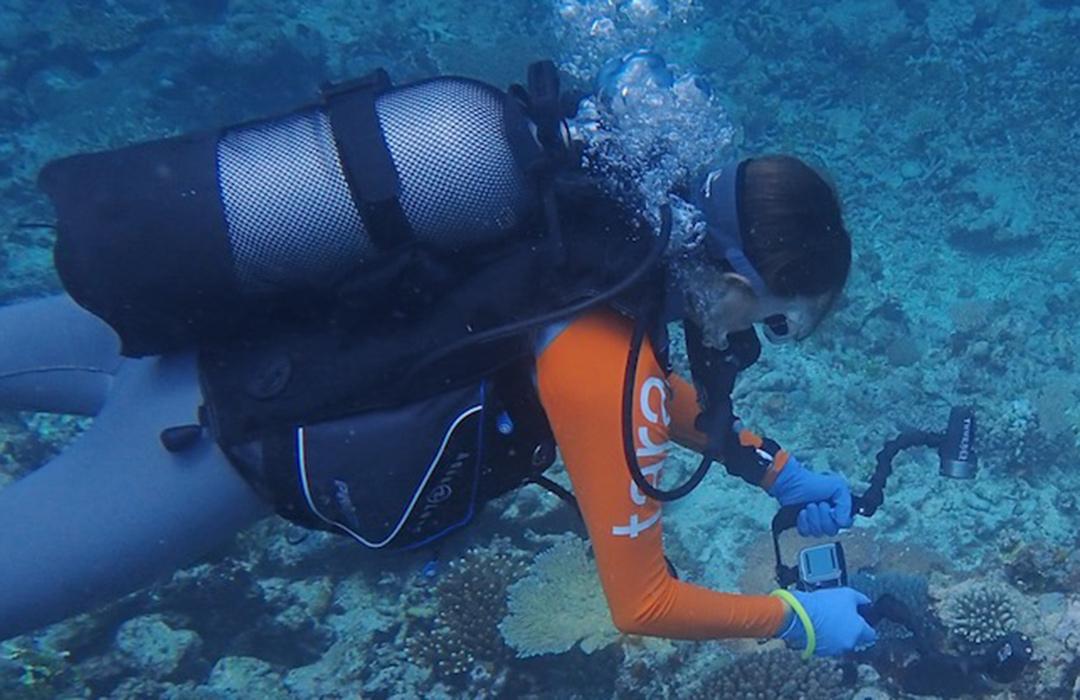
Grace Klinges scuba diving through reef
Grace Klinges collecting video footage to construct a 3D model of a reef affected by carbon dioxide seepage. Photo by Rebecca Vega Thurber.

After graduation, Klinges was awarded a prestigious fellowship at the U.S. Environmental Protection Agency (EPA). This fellowship, funded by the Oak Ridge Institute for Science and Education, helped her pursue both public policy and scientific research. Among other contributions at EPA, she pursued research on bioremediation and supported agency work on new strategies for groundwater cleanup at Superfund sites and created an R-based statistical model relating lead cleanup level to site cleanup cost.

Interested in graduate school, Klinges searched for a program that would allow her to combine her interests in both geology and microbiology. She discovered Vega Thurber’s Lab at OSU where she could become a certified scuba diver and perform research underwater on corals combining her interests in marine biology, geochemistry and disease ecology. Along with her advisor, Klinges is also involved with TARA Pacific, an international collaboration of scientists working on the schooner Tara to compare the diverse reef communities of the Pacific Ocean.

Despite having no prior computer programming experience, Klinges learned Bash, Python and Perl programming languages through courses at the CGRB. She developed a computational pipeline for the analysis of raw DNA sequence data from the Tara Pacific expedition which will be used as the standard analysis method for the Tara Pacific and Tara Oceans datasets. She plans to acquire a minor in biological data sciences in addition to her Ph.D. in microbiology.

During a Tara research trip in Papua New Guinea, Klinges became interested in investigating the response of the coral microbiome to carbon dioxide seeps in the Pacific waters. The youngest scientist on the research vessel, Klinges received special permission from the Tara scientific chair to carry out her own project. She will analyze microbes from Pacific corals to determine whether they “possess the same virulence genes as their relatives in the Caribbean, and phylogenetic comparison of these species of bacteria may help put a relative date on the initiation of white band disease in the Caribbean.”

Klinges has been awarded the Provost’s Distinguished Graduate Fellowship at OSU and has twice received the President’s Commission on the Status of Women Travel Award at OSU which enabled her to attend the Tara Pacific data analysis and research workshops in France.

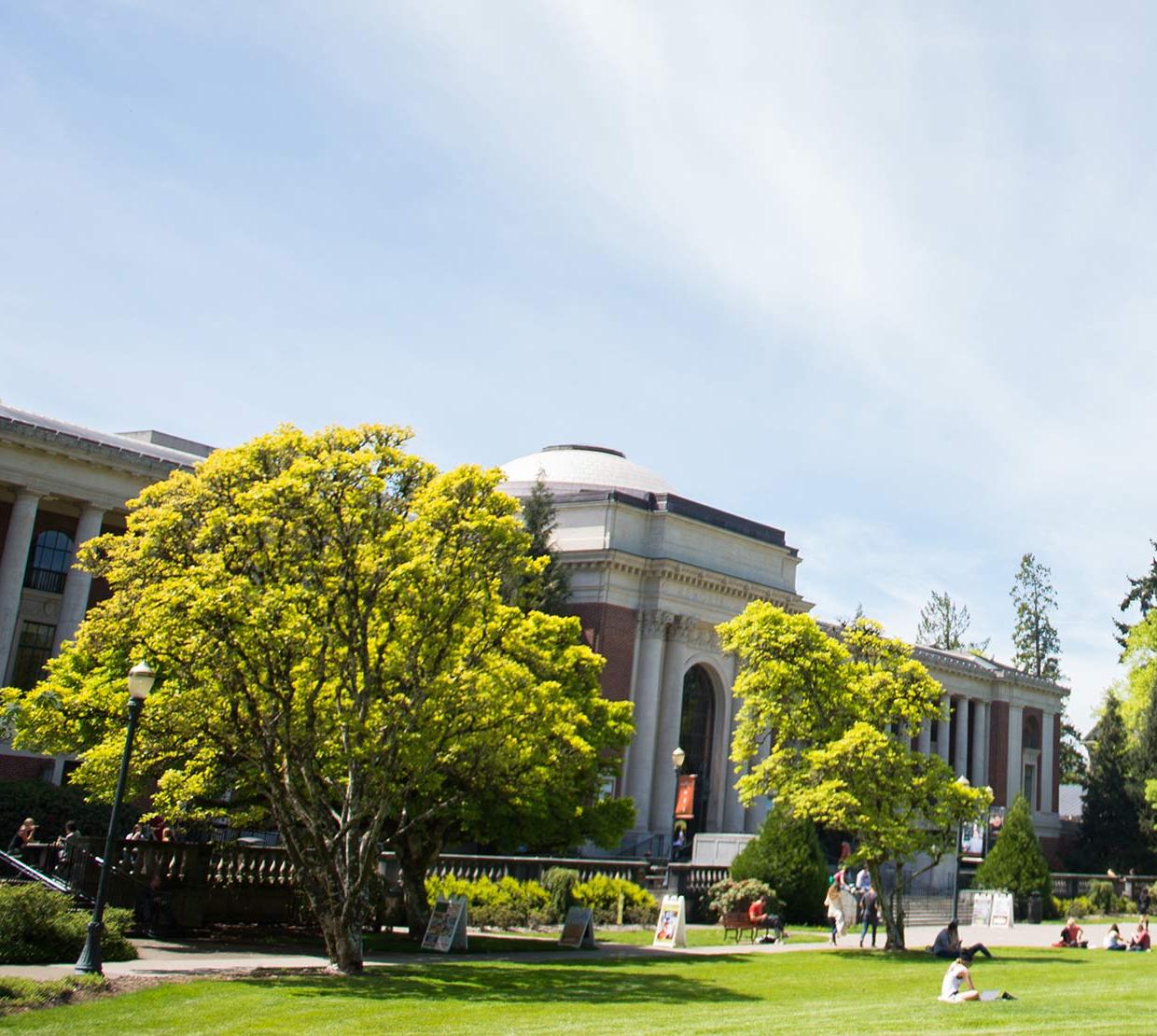
Memorial Union on sunny day

Serving science and OSU for more than 25 years

Memorial Union on campus

Congratulations to our faculty and staff who have completed 25 or more years of service to Oregon State University! They will be recognized for their dedication and service at the 25-Year Club Dinner on May 22, 2018. Nearly half of this year's 25 honorees are in the College of Science.

The 25 Year Club was founded in 1967 by OSU President James J. Jensen to honor those who have provided 25 years of employment service to Oregon State University. The first event was a dessert of strawberry shortcake served with coffee and tea held on May 17, 1967, honoring 235 charter members.

The following faculty and staff will be recognized for service ranging from 25 to 40 years.

  • Jennifer Field, Environmental and Molecular Toxicology – 25 years
  • Tevian Dray, Mathematics – 30 years
  • Katherine Field, Microbiology – 30 years
  • Stephen Giovannoni, Microbiology – 30 years
  • Jack Higginbotham, College of Science – 30 years
  • Peter Hoffman, Environmental and Molecular Toxicology – 30 years
  • Corinne Manogue, Physics – 30 years
  • Mina Ossiander, Mathematics – 30 years
  • Enrique Thomann, Mathematics – 30 years
  • Robert Higdon, Mathematics – 35 years
  • Richard Holt, Microbiology – 35 years
  • Nancy Kerkvliet, Environmental and Molecular Toxicology – 40 years
picture of Microbiomes

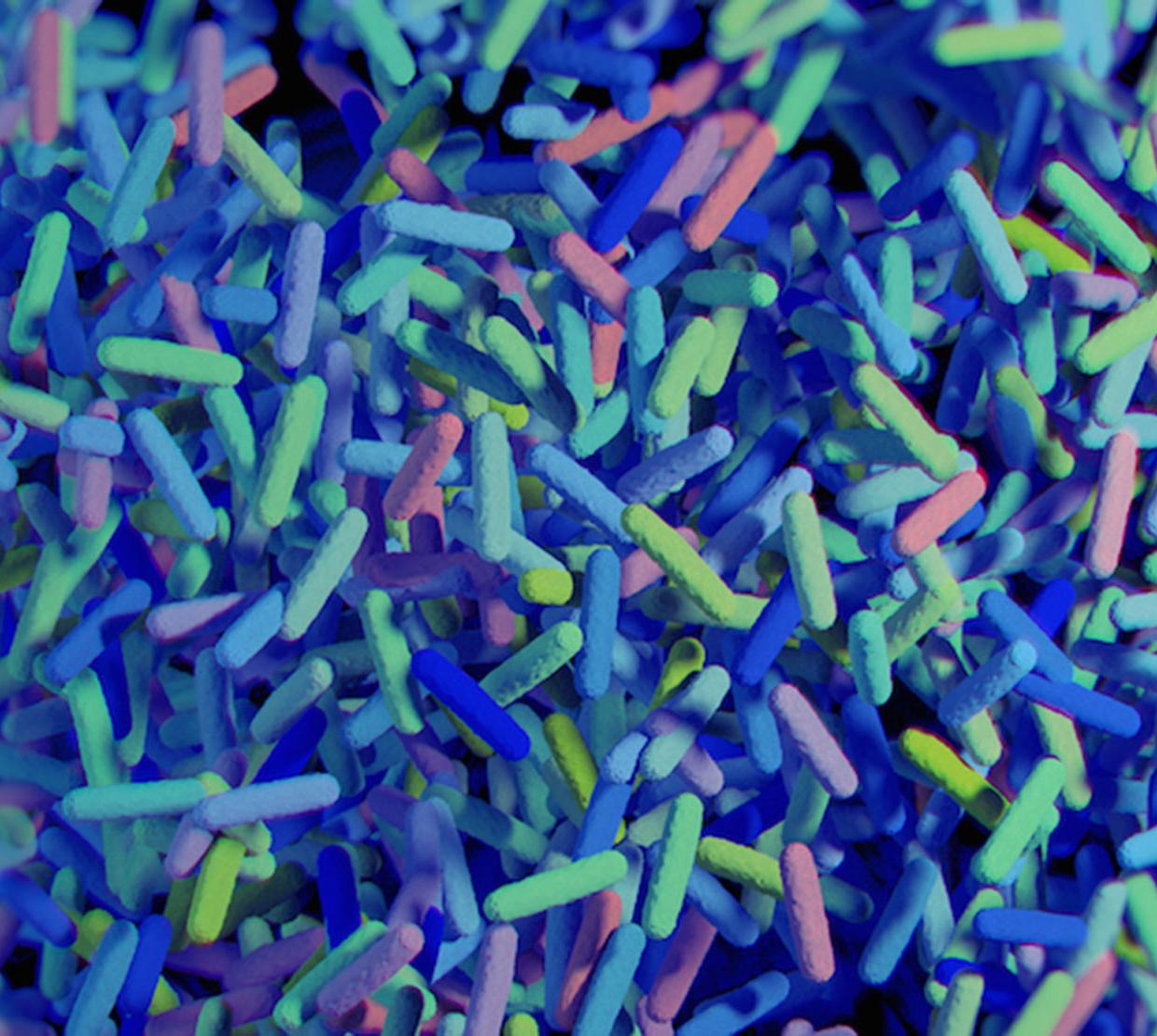
Statistical innovations help decode the human microbiome

Gut Microbiota

The human microbiome—the vast collection of microorganisms living in and on the bodies of humans—can lead us to a better understanding of human health and disease, not to mention accelerate the development of therapeutic drugs. However, the vastness and complexity of microbiome data require advances in statistical methodology and software for an accurate analysis of host-microbiome interactions. Statistics faculty Yuan Jiang, Duo Jiang and Thomas Sharpton are developing novel statistical methods to bridge the gap between the human microbiome and microbiome-based healthcare.

They were awarded a prestigious four-year $770K grant by the National Institute of General Medical Sciences (NIGMS), one of the U.S. National Institutes of Health (NIH). Yuan Jiang, associate professor of statistics, is the lead researcher and principal investigator on the project, “Network-based statistical methods to decode interactions within microbiomes.” Duo Jiang, assistant professor of statistics and Thomas Sharpton, assistant professor of microbiology and statistics, are co-investigators on this grant.

This project will advance scientific understanding of the functions and operations of microbiomes by developing statistical methods and models to study biological interactions between microbes or between microbes and their host.

“The new statistical methodologies will leverage recent advances in graphical models and high dimensional statistics to tackle unmet analytical challenges encountered in the analysis of modern microbiome data,” said Duo Jiang.

Interest in the role of the microbiome in human health and disease has increased rapidly within the last decade. However, available tools and technologies do not adequately capture the full scope and complexities of microbial interactions within a community. For example, a correlation type analysis employed to model microbial interactions cannot filter out misleading co-occurrence patterns in a community: two microbes that independently interact with a third but not with one another may appear to correlate.

“The currently used statistical models fail to account for specific properties of microbiome data, including its heterogeneous compositional count nature, the complex environmental context, and its evolutionary structure,” Yuan Jiang explained.

“Additionally, existing algorithms are often not scalable to the huge size of microbiome data. Therefore, new statistical methods and algorithms need to be developed to better answer the scientific questions.”

The NIGMS grant will help Jiang and his team pioneer new statistical methods “built on conditional dependencies that disentangle biological interactions from marginal correlations to produce mechanistically and evolutionarily relevant network models of how microbes interact with one another and their host.”

The methods and software produced by this project will “transform the discovery of how these microbes interact with one another and influence or respond to human physiology.” A broader understanding of microbiomes and their role in disease etiology will open the doors to engineer and utilize microbiomes important to human health to develop new drugs, therapeutic probiotics and clinical diagnostics.

The grant will support graduate research assistants (GRAs). Two GRAs from statistics and one GRA from microbiology will be a part of this interdisciplinary collaboration. “Such a form provides students with opportunities for experiential learning in diverse scientific areas (e.g., statistics, computer science, microbiology, evolution, and genetics) as well as experience in teamwork and interdisciplinary research,” said Yuan Jiang.

School of fish swimming through dark creek

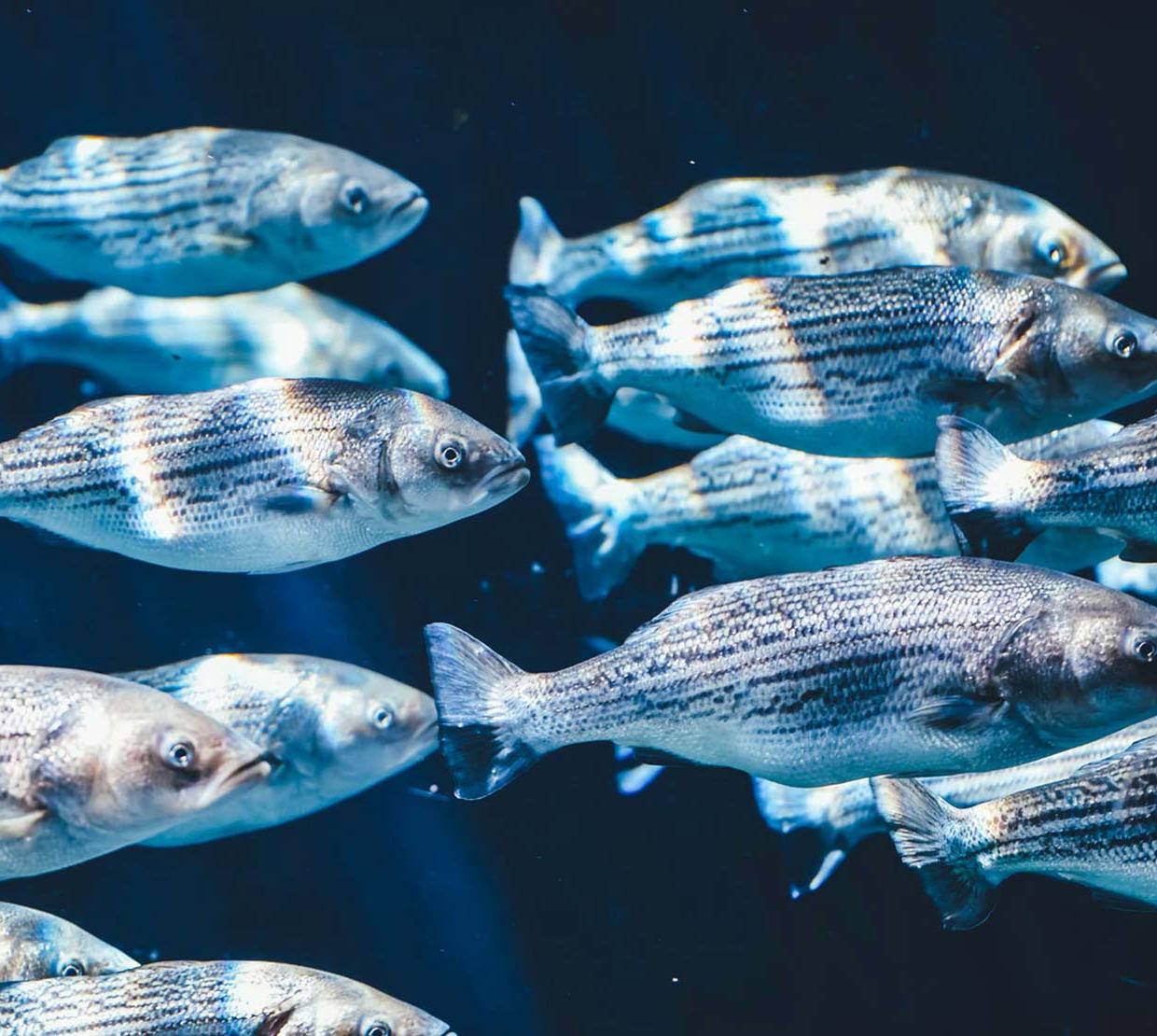
Oregon’s “blue economy” bolstered by longstanding partnership for fish health

By Katharine de Baun

Fish Health Graduate Research Fellowship

A longstanding and fruitful collaboration that benefits fish health and sustainable economic growth in Oregon was recently reinforced by a five-year, $404,000 renewal of the Fish Health Graduate Research Fellowship in Microbiology at Oregon State University by the Oregon Department of Fish and Wildlife (ODFW).

Since 2005, through its annual fellowship, the ODFW has supported a microbiology graduate student working on a topic relevant to fish health, providing salary, tuition and funds to support research and travel. Since this fellowship was established, eight students have received support for two to four years. Three ODFW Fellows have landed positions in the area of fish health: Jayde Ferguson with Alaska Department of Fish and Game; Matthew Stinson with the Northwest Indian Fisheries Commission; and Michelle Jakaitis with the Idaho Department of Fish and Game. These graduates are now setting policies to ensure a healthy resource well into the future.

The ODFW has been an important partner for the Department of Microbiology and OSU since the 1960s, reflecting the strong agricultural mission of the department. The partnership is embodied in ODFW’s Fish Health Unit, which is located on the OSU campus and employs five microbiologists who conduct disease diagnostics for 30 state-run hatcheries, which annually raise and release more than 50 million juvenile fish into the wild, including salmon, steelhead and several species of trout.

The educational impact of the ODFW-Microbiology partnership extends beyond the generous fellowship. The Fish Health Unit offers undergraduate and graduate student valuable research experiences, provides cell cultures and bacterial isolates for lab courses and research, presents guest lectures and sometimes employs OSU microbiology graduates.

Oregon’s “blue economy,” which includes commercial and sport fishing, is another direct beneficiary of the partnership. The Fish Health Unit plays a crucial role in proactively reducing and treating fish diseases and pathogens. As pathogens are more readily transmitted in higher densities, the research is particularly critical to state-run hatcheries, which help to mitigate the effect of humans on fish populations from dams, overfishing, habitat loss and, increasingly, climate change, as warmer oceans introduce greater pathogen risks for native populations.

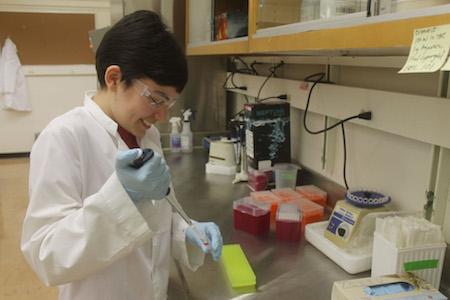
Nicole Kirchoff working with samples in lab

Nicole Kirchoff, a Ph.D. student in Tom Sharpton’s Lab

Currently, two graduate students are sharing the ODFW Fish Health Graduate Research Fellowship and conducting some of their research in the John L. Fryer Aquatic Animal Health Lab. Kalyn Hubbard, an OSU alumna in zoology and a current master’s student in Jerri Bartholomew's Lab, is collaborating with the Confederated Tribes of the Warm Springs of Oregon Reservation, the U.S. Fish and Wildlife Service and ODFW to discover the role of parasites in juvenile and pre-spawn mortalities of Spring Chinook salmon.

Nicole Kirchoff, a Ph.D. student in Tom Sharpton’s Lab, is working on a new research tact which could be groundbreaking, examining how gut bacteria contribute to the ecological fitness of fishes and how human-induced changes, such as higher temperatures, antibiotics, and hatchery rearing environments affect these contributions. Depending on her results, Kirchoff’s research could suggest changes in diet and fish management and rearing to reduce stress on their gut microbiome as well as yield new bacterial tools to monitor fish populations and predict declines.

“Without ODFW’s expertise and the support of the fellowship,” reflects Kirchoff, “I would not have been able to continue my research. And if I ever have salmonid-related questions, they are right across the hall. They’ve also gathered samples on my behalf, and I look forward to their perspective in interpreting my results.”

“In the future, I plan to continue studying the microbial communities of wild or managed animals, and I will use my experience building and maintaining the strong relationship with ODFW as a model for future collaborations.”

star icon above image of clouds at sunset

Ph.D. students awarded ARCS Foundation scholarships

Two doctoral students win 2017 ARCS Foundation Oregon scholars

The College of Science is delighted to have two doctoral students among the 24 young scientists and engineers selected as 2017 ARCS (Achievement Rewards for College Scientists) Foundation Oregon scholars. A microbiology doctoral student from the College of Earth, Ocean and Atmospheric Sciences was also selected for an ARCS award this year.

ARCS Foundation supports exceptional doctoral students in STEM fields at Oregon Health & Science University, OSU and the University of Oregon. The Oregon chapter annually supports 22-25 new scholars through proceeds from endowed funds, donors and chapter fundraising.

Overall, 14 Oregon State graduate students received scholarships from the ARCS Foundation Oregon this year. OSU mathematics alumna Sue McGrath ('70) will lead the organization as co-President this coming year.

Through its partnership with the ARCS Foundation, the College is able to recruit top Ph.D. students in biochemistry and biophysics, chemistry, mathematics, microbiology, statistics and integrative biology. The ARCS award provides doctoral students with $18,000, payable over three years at $6,000 per year.

Kudos to these first-year Ph.D. students, our 2017 ARCS Scholars!

Sean Boulanger, a chemistry graduate of the University of Wisconsin Oshkosh, is currently investigating the protein matrix in the green fluorescent protein chromophore through femtosecond stimulated Raman spectroscopy (FSRS) techniques that offer "real-time structural snapshots of molecules in motion."

Sean Boulanger in front of black backdrop

Boulanger will pursue his studies in physical chemistry with Dr. Chong Fang and others. As part of his doctoral studies, he looks forward to exploring the structure-function relationships of biomolecules and novel materials that are potential targets in biomedicine using FSRS.

Boulanger received the OHSU Department of Radiation Medicine and OSU College of Engineering, School of Nuclear Science & Engineering Scholar Award from the ARCS Foundation Oregon chapter.

A doctoral student in mathematics, Martijn Oostrom holds a bachelor's degree in applied mathematics from Washington State University (WSU) in Pullman, Washington, from where he graduated in three years. Martijn was class valedictorian in high school and received a number of scholarships at WSU.

Martijn Oostrom portrait in office space

He acquired valuable instructional experience while still an undergraduate student, leading a team of teaching assistants during a six-week summer camp for high achieving high school students at the University of Washington. He is currently a teaching assistant for a class on differential calculus at OSU.

Not surprisingly, Martijn is thinking of specializing in mathematics education research. He is also keenly interested in exploring research in modeling and optimization. When he visited OSU during spring break of his final year as an undergraduate, Martijn was pleasantly surprised by how "friendly and approachable" everyone was making it easy for him to pick OSU as his top choice for graduate school.

Oostrom received the ARCS Foundation Oregon Chapter Scholar Award.

Kaitlin McConnell, a doctoral student in the Department of Microbiology through the College for Earth, Ocean and Atmospheric Sciences, will study the roles bacteria and viruses play in tropical reef health, and specifically how nutrients drive microbial community shifts. McConnell graduated with a degree in marine biology from the University of California, Santa Cruz in 2012.

Kaitlin McConnell in front of shrubbery

A certified scientific diver, McConnell worked for 5 years in Chilean Patagonia at a remote field station as a diver, researcher and lab manager before starting graduate studies in microbiology. As an undergraduate student, McConnell developed an interest in microbiology through her experience as a research diver in Antarctica for a foraminifera genome project.

McConnell also received the 2017 National Geographic Waitts Foundation scholarship for her project, "Life after death: decomposition and scavenging in beached whales in Chilean Patagonia." She was awarded the ARCS Foundation Oregon Chapter Scholar prize.

Microscope and laurel icon labeled "2017" above light texture

Recognizing faculty and staff excellence

2017 Fall Faculty and Staff Awards

The College of Science celebrated research, teaching and administrative excellence at its 2017 Fall Faculty and Staff Awards with a reception and ceremony on October 5.

Dean Roy Haggerty delivered welcome remarks and shared his perspective on the challenges science faces nationally as well as opportunities for our campus community. He warmly praised the award-winning researchers, instructional faculty and staff for their impressive accomplishments and dedication to service.
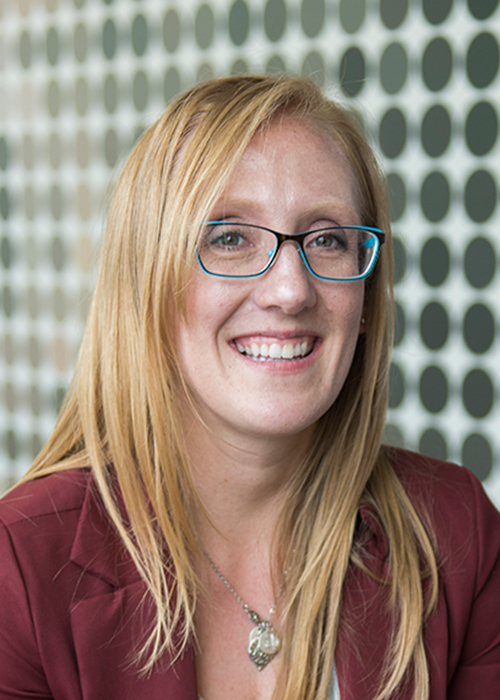
The College announced three new awards this year that support research and teaching excellence: Dean's Early Career Impact Award, College Impact Award with a $10,000 stipend and two Faculty Scholars for Teaching Excellence Awards which carry an award of $12,500 for three years. These awards are possible thanks to the generous philanthropic support of our alumni and friends and matching funds invested by the Provost's Office.

The awards ceremony was followed by a reception and a poster session showcasing the summer research projects of SURE Science students.

Hearty congratulations to these award-winning faculty and staff who were recognized for their outstanding achievements:

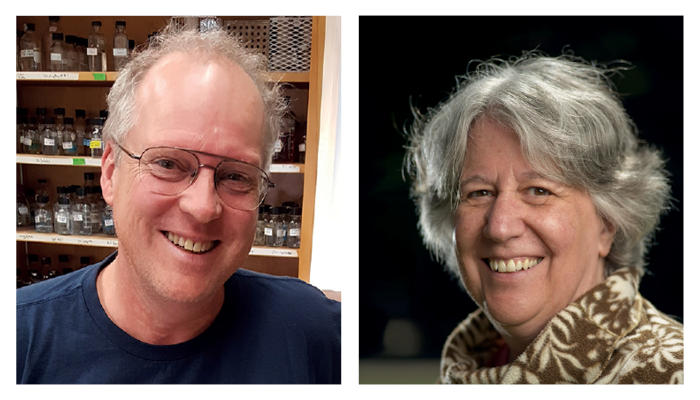
two headshots placed in a white border showing Michael Freitag on the left and Corrinne Manogue on the right.

Michael Freitag, professor of biochemistry and biophysics. Corrinne Manogue, professor of physics.

Michael Freitag, professor of biochemistry and biophysics, received the Milton Harris Award in Basic Research for his outstanding research on how chromatin proteins shape eukaryotic genomes and epigenetic mechanisms of regulating DNA transcription through the use of filamentous fungi model systems.

Freitag has published more than 280 papers in prestigious journals, such as Proceedings of the National Academy of Sciences, Genome Research, Science and Nature; he has published 66 papers and received more than 8,500 citations for his work in the last 10 years.

Colleagues describe Freitag as among "the most respected scientists in the field of fungal biology."

"Since Michael’s arrival at OSU in 2006, he has built a fantastically productive and internationally recognized basic research program," said Andrew Karplus, Head of the Department of Biochemistry and Biophysics.

Freitag is renowned for his 2010 work pioneering the “ChIP-seq” approach in filamentous fungi. ChIP-seq is a high-throughput approach to obtain genome-wide maps showing which parts of a cell’s DNA make direct contacts with proteins. As one nominator noted, this work “made his lab a training ground for researchers from the United States, Europe, Asia and Australia to learn ChIP-seq and its computationally intensive analyses.”

Corinne Manogue, professor of physics, was honored with the F.A. Gilfilan Award for Distinguished Scholarship in Science. The Gilfillan Award honors a faculty member in the College whose scholarship and scientific accomplishments have extended over a substantial period of time.
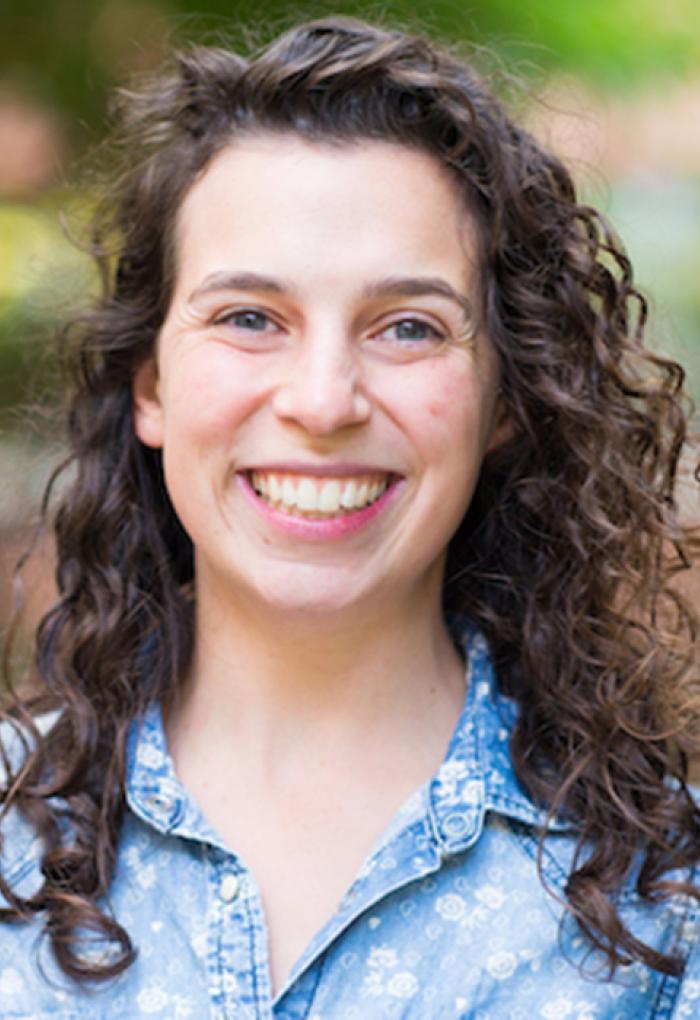
An outstanding theoretical physicist, Manogue's research focuses on quantum gravity and she played a key role in the early work relating division algebras and supersymmetry. She currently studies the use of octonians—a type of algebra—to study fundamental particles.
Manogue is a teacher and scholar of the highest level as evidenced by her prestigious national and university teaching awards, including the American Association of Physics Teachers' Excellence in Undergraduate Physics Teaching Award. She is also the leader and driving force behind OSU's revolutionary Paradigms in Physics Project, which trains undergraduates how to think like physicists. Manogue is a Fellow of both the American Physical Society and the American Association of Physics Teachers.

She has pioneered physics education research and written articles on how to help students make the difficult transition from lower-division to upper-division physics. Her work has been generously funded by the NSF and has trained multiple students and postdocs who have gone on to become leaders in Physics Education Research.

"Corinne has helped to make discipline-based education research in science a highly respected endeavor that is changing the way we teach science in universities," said Heidi Schellman, Head of the Department of Physics.

Thomas Sharpton receiving his award from Jerri Bartholomew and Roy Haggerty

Assistant Professor of Microbiology Thomas Sharpton (center) with Department and Dean Roy Haggerty (right).

Thomas Sharpton, assistant professor of microbiology and statistics, received the Dean's Early Career Impact Award for exceptional achievement in research and education by a tenure-track faculty. Sharpton has acquired a national reputation for his work in microbial bioinformatics.

Since joining OSU in 2013, Sharpton has published 15 papers, including one in Proceedings of the National Academy of Sciences (PNAS) which has opened new doors in microbiome exploration by bringing statistical acumen to bioinformatics. This approach applies evolutionary methods to detect long-term historical trends in host/microbe co-evolution.

Among his greatest achievements are developing new technologies, such as Sifting Families (SFams), a system for classifying protein diversity, and his recently published method for automating gene family abundance estimation from metagenomics data. Sharpton's study on the disruption of the zebrafish microbiome as a result of exposure to the antimicrobial agent triclosan was featured in TIME and Fortune magazine.

In recognition of Sharpton’s contributions, he was selected as OSU's official representative for the National Microbiome Initiative Rollout at the White House Office of Science and Technology Policy (OSTP) and was the lead author of OSU's response to OSTP's Call for New Commitments on microbiome research.

This spring the College of Science and OSU's Office of Research launched the Oregon State University Microbiome Initiative (OMBI), led by Sharpton. Through OMBI, an ongoing education and research program, Sharpton is emerging as a campus leader in innovative teaching of bioinformatics and bioinformatics curriculum development.

"Since his arrival at OSU, Dr. Sharpton has made tremendous impacts on the institution's educational and research landscape and has produced substantial discoveries in his field," said Jerri Bartholomew, Head of the Department of Microbiology.

Group photo of award winning faculty

(From left to right) Associate Dean Matt Andrews, physicist Weihong Qiu, biochemists Afua Nyarko and Elisar Barbar and Peter Eschbach (back).

A research team comprising biochemistry and biophysics faculty Elisar Barbar, Afua Nyarko, Viviana Perez, physicist Weihong Qiu and Peter Eschbach (Electron Microscopy Facility) has won the College Impact Award. Through their respective research domains, Barbar and team are rapidly establishing an internationally recognized hub focused on elucidating the multiple essential roles of intrinsically disordered proteins (IDP).

As a testament to their importance and prevalence in biology, IDPs are increasingly appearing in various research projects at OSU ranging from motor proteins and the mitotic spindle (Barbar, Qiu), cancer invasion and tumor progression (Nyarko, Kolluri) and aging (Perez).

The Barbar Lab will join forces with Nyarko, Perez, Qiu and Eschbach to integrate interdisciplinary approaches and cutting-edge, university-wide facilities to continue the study of IDPs in different biological systems. The diversity of expertise will help establish OSU's reputation for excellence as a global leader for driving IDP research in the nation.

Kayes and Beisiegel receiving awards

Senior Instructor of Integrative biology Lori Kayes (left) and Assistant Professor of Mathematics Mary Beisiegel (right)

Lori J. Kayes, an integrative biology instructor, has won the College of Science Faculty Scholar for Teaching Excellence Award. This new award for a three-year faculty scholar position supports excellence and innovation in teaching and carries an annual stipend of $12,500.

Kayes has distinguished herself as an outstanding instructor, teaching coordinator and biology education researcher. Kayes proposed a redesign of the Principles of Biology (Bi21x) series, a large enrollment introductory biology course for life-science majors, to create a more inclusive, modern and best practices-based course series, while supporting diverse student populations and providing faculty professional development.

For the past six years, Kayes has led faculty development workshops and facilitated the development of teaching materials for introductory biology sequences. Additionally, she has worked extensively with faculty around the state from all institution types to increase the alignment of introductory biology both vertically within a curriculum and horizontally across institution types.

The proposal provides workshops support, faculty support in the form of graduate training assistants to develop curriculum and a comprehensive evaluation plan for the newly revised curricula. This project will impact approximately 1500 students at OSU and the surrounding community colleges per year and involve more than 20 faculty.

Mary Beisiegel, assistant professor of mathematics, received the Ben and Elaine Whiteley Faculty Scholar Award for Teaching Excellence. Beisiegel is a highly gifted teacher of mathematics and is the Mathematics Department's expert on teacher training at all levels.

An accomplished scholar whose research focuses on how people prepare for careers in post-secondary mathematics education, Beisiegel often incorporates her research and evidence-based pedagogical models into teaching.

In 2016, she was awarded a five-year, NSF grant to work on curriculum renewal in lower division mathematics courses. She also received the 2017 Henry L. Alder Award for Distinguished Teaching from the Mathematical Association of America.

Beisiegel will use her award to conduct 12 seminars over the next three years for faculty and graduate teaching assistants focused on how to implement research and evidence-based active learning techniques in the classroom.

"Mary has managed to infect others with her enthusiasm and to promote in others the desire to seriously reflect on their teaching, " said Tom Dick, a professor of mathematics in the Department of Mathematics.

Betterton, Bridenstine, and Robinson receiving awards

Graphic designer Sharon Betterton. ASBC accountant Jamie Bridenstine. Faculty Research Assistant (Integrative Biology) Jonathan Robinson

Sharon Betterton, a graphic designer in the College of Science, received the Gladys Valley Award for Exemplary Administrative Support. Betterton was recognized for her high degree of professionalism, outstanding creative impact and exceptional collaborative skills.

Her extraordinary work as a designer has contributed to a strong College of Science brand that is recognizable, fresh, unique and professional. Her work is well regarded and respected across the university and held up as an example of highly effective marketing.

"She maintains high standards of excellence for her work and is one of the most talented creative professionals I have worked with in my 20-year career," said Debbie Farris, assistant director of marketing and communications in the College.

Jamie Bridenstine, an accountant in finance and administration in the Arts and Science Business Center (ASBC), received the ASBC Exemplary Service Award. This award recognizes exemplary service by a member of ASBC to the colleges within the Division.

Jonathan Robinson from the Department of Integrative Biology won the Outstanding Faculty Research Assistant award. This award recognizes a Faculty Research Assistant who has a record of outstanding job performance and contributions.

student athletes accepting awards on stage

Science student-athletes honored for academic achievement

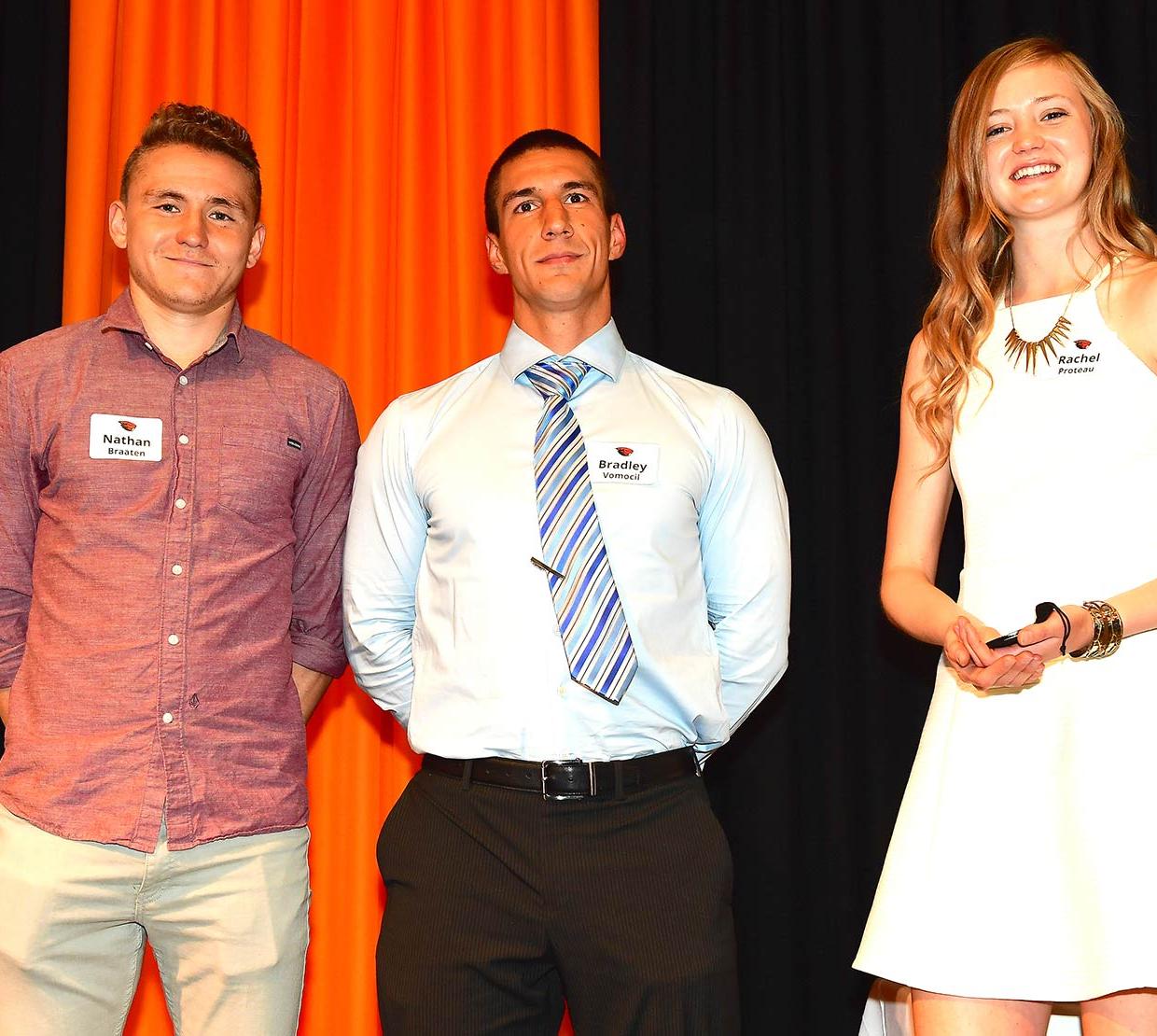
OSU Student athletes including our own science student Brad Vomocil, sophomore in mathematics

The College of Science is proud of 16 science majors who are not only a member of an OSU athletics team, but were recently recognized for their stellar achievement at the annual Oregon State Athletics Academic Achievement Dinner on April 24. Maintaining at least a 3.0 GPA is no small feat given that student athletes juggle practice and competition with studying and classes.

Brad Vomocil, a sophomore mathematics major, navy officer and Corvallis native, was singled out for his outstanding 4.0 GPA. Currently, a member of the men's rowing team, Brad served six years in the U.S. Navy before starting college and plans to continue serving as an officer upon graduation. He is also a third generation Beaver: His grandfather, James Vomocil, is an emeritus professor in crop and soil science. (Pictured in the middle above).

Congratulations to all of science student-athletes who have put in countless hours training and traveling to games while still successfully tackling a rigorous course of study in science. Go Beavs!

  • Anna Peterson – Women’s Rowing, Junior, BioHeath Sciences Pre-PA
  • Zach Fried – Men’s Rowing, Sophomore, Chemistry Pre-Med
  • Brad Vomocil – Men’s Rowing, Senior, Mathematics
  • Timmy Mueller – Men’s Soccer, Junior, BioHealth Sciences Pre-Med
  • Lihani du Plessis – Women’s Rowing, Senior, BioHealth Science Pre-Med
  • Joely Hannan – Women’s Rowing, Senior, Biochemistry and Biophysics
  • Diana Oppenheimer – Women’s Rowing, Junior, Biology
  • Mariana Colussi-Pelaez – Gymnastics, Sophomore, Biology Pre-Med
  • Alysha Everett – Softball, Junior, BioHealth Sciences Pre-Pharm
  • Annabella Geist – Women’s Soccer, Senior, Biology Pre-Med
  • Chelsea Chan – Women’s Swimming, Senior, Biology Pre-Med
  • Taylor Frank – Women’s Swimming, Senior, BioHealth Sciences Pre-PA
  • Lauren Hunter – Women’s Swimming, Junior, BioHealth Sciences, Pre-PA
  • Emma Osowski – Women’s Swimming, Junior, Biology, Pre-Med
  • Kindel Bailey – Women’s Track and Field, Sophomore, Microbiology, Pre-Med
  • Madison Gravley – Volleyball, Junior, Biology Pre-Med
Subscribe to Awards & Recognition