The College of Science awarded more than $700,000 in scholarships and awards to 275 current science students for merit, need and undergraduate research experiences for the 2015-16 academic year. The university awarded $1.43 million to 403 incoming freshmen in the College of Science. In aggregate, 678 science students received more than $2.16 million in scholarship awards.
Awards & Recognition
Awards & Recognition
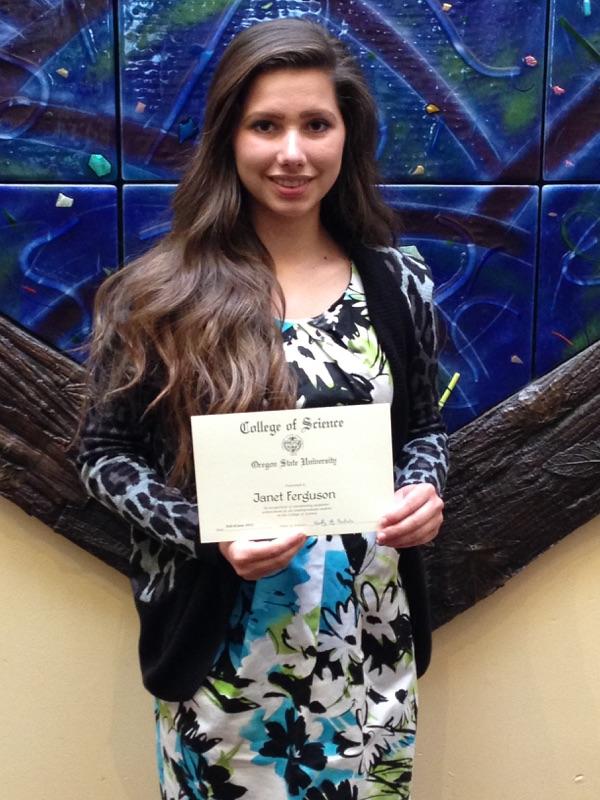
The distinguished and highly competitive Oregon State University Presidential Scholarships were awarded to outstanding Oregon high school seniors who will join OSU as freshmen in the College of Science in 2015-2016. Each of the 10 science students received an award amount of $10,000 per year (up to four years). The scholarships are made possible by the generous philanthropic support of alumni and friends.
Scholarships enable the College to attract, retain and inspire top students, most of whom go on to high achieving careers in industry, graduate school, medical school and other professional programs after graduation. Oregon State’s financial need-based scholarships also help academically talented low-income and first-generation students from Oregon and elsewhere stay and excel in college.
According to an article in the Chronicle of Higher Education last month, money is a constant worry for low-income students, whose parents can’t cover most college expenses. According to University of Michigan sociology professor Dwight Lang, loans and significant debt are inevitable but reduced with scholarship support. Summer vacations, he worries, are often spent working for wages instead of in unpaid internships that would significantly enhance a student’s "cultural capital."
First-generation college students typically have more financial need so scholarships play an ever-important part of their education equation. In the College of Science, the number of first-generation college students has risen from 20% to 29% in the last three years. Many of these science students are high achieving.
Many scholarship students in the College attest to the value of scholarships in easing the financial burden on their families and enabling them to focus on academics, research, enriching volunteer activities and post-college career goals. Scholarships help offset in-state tuition for three terms of $10,000 and the additional $16,300 for room and board as well as fees and books.
Junior Collin Nicholas Muniz from Portland, Oregon, has a voracious appetite for science. A double major in chemistry and physics with a minor in mathematics, Muniz’s conversation is a polyvalent encyclopedia of references to earth metals, isostructures, the De Broglie wavelength and multivariate equations.
However, after his NASA space grant scholarship ended, Muniz worried about how he would finance his education at Oregon State until he learned he had been awarded multiple scholarships by the College of Science for the following academic year, totaling $11,500. In addition, he has also won a $3,500 university-level diversity scholarship.
“If I hadn’t gotten the scholarships, I would have struggled tremendously academically. I have a position on campus for $10 an hour and I was planning to increase my work hours and that would have taken me away from my studies,” said Muniz.
Muniz received the Merrill Family Foundation, the Sally Runes-Hicks and Jerry Raymond Alexander scholarships. The Merrill scholarships are awarded annually to promising junior and senior science students who demonstrate high scholarship, community services and leadership. The Sally Runes-Hicks and Jerry Raymond Alexander scholarships support exceptional science students who also demonstrate financial need.
“I am extremely proud of our exceptional science students who will use the scholarships to shape their scientific careers at OSU and beyond.” said College of Science Dean Sastry G. Pantula. “Scholarships matter. The support not only makes a science education possible, it also can spare students from excessive debt. Scholarships allow our students to pursue graduate and professional schools, engage in public service, gain beneficial research experience, and follow their professional passions, all of which enable them to contribute significantly to our communities and the world.”
Biology sophomore Lorraine “Mamo” Waianuhea was ready for more research after she was introduced to it last year thanks to the university’s STEM Leaders Program. This summer Waianuhea, who is part-Hawaiian and a straight-A student, has dived into full-time research in a biology lab after winning a SURE Science scholarship.
Twenty-four students were awarded SURE Science scholarships for a maximum amount of $5,000 for 11 weeks to focus full time on contributing to impactful and socially beneficial research in the natural and physical sciences. With strong philanthropic support, the program is able to fund students so they can participate in summer research opportunities that can foster meaningful, scholarly connections with faculty mentors early in their academic careers and define their professional career path.
With the guidance of her faculty advisor, Waianuhea designed a proposal to investigate how nutrient availability affects the growth of host cells in sea-anemones and the efficiency of algal populations of host cells. She hopes to work in the area of conservation biology after she graduates.
“I am really grateful for the opportunity to continue research. It is a great opportunity to see how working in the lab full time would be like. I already feel like I have learned a lot and it has only been two weeks,” said Waianuhea.
Another student, Janet “Lena” Ferguson, who is the daughter of a disabled Vietnam War veteran from Dallas, Oregon, is a junior chemistry major who had set her sights on Oregon State since she was in middle school. This year she won the $7,000 Fred and Mary Brauti Pre-Medical Scholarship as well as a $2,400 Merrill Scholarship.
Although she hasn’t yet traveled outside Oregon, Ferguson dreams of becoming a doctor for the navy or a dive doctor and wants to work in Guam or Puerto Rico. This summer she is traveling to Nicaragua with Global Medical Brigades to assist with dental and public health rotations and get her first taste of medicine.
“Because my dad is a veteran, I get benefits through the GI bill. But I didn’t realize how expensive universities are. These scholarships are amazing. I am so thankful to the donors. The scholarships are going to help me pay for pretty much everything—housing, food, fees and books."
“I can focus on school now,” said Ferguson, who had a job in Safeway’s floral department. By focusing on her studies, she can stay on track for graduation
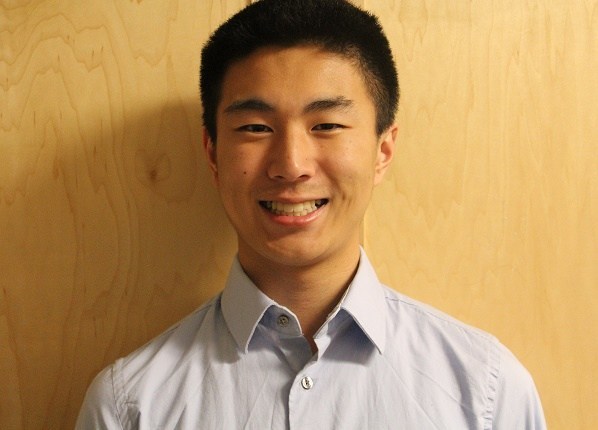

BioHealth Sciences sophomore and San Francisco native, Joe Kenneth Li was awarded the prestigious $6,000 Wei Family Private Foundation Scholarship by the College of Science as well as a Provost’s Scholarship for 2015-2016.
The Wei scholarship honors the memory of Dr. Chung Kwai Lui Wei who arrived in the United States as an exchange student from China in 1936. Dr. Wei, a renowned physicist who worked on the Manhattan Project, was the first woman to receive a Ph.D. from Oregon State.
Li was drawn to the OSU by the reputation of its pre-pharmacy program and points out that OSU is one of the few reputed universities on the West coast that offers a major in pharmacy.
“I am really thankful for the scholarship because it does impact my tuition and helps my family since I pay higher out-of-state tuition. It feels great knowing the scholarship committee recognized my application out of so many applicants. I feel very honored to be one of the recipients,” said Li.
A $5,000 Anne Runes-Wilson Scholarship and a $1,000 mathematics scholarship have further strengthened senior Josey Atsuko Sechrist’s belief that she made the right choice in switching her major to mathematics at OSU.
The daughter of an American father and a Japanese mother, the multi-faceted Sechrist has also won the US Department of State’s Benjamin A. Gilman Scholarship to pursue Spanish language classes at the University of Grenada and the University of Oviedo. Upon her return, Sechrist, who is pursuing a minor in Spanish, will share her experiences about music and culture in Spain on KBVR, OSU’s radio station, where she hosts a show every week.
“If I hadn’t come to OSU, I would have gone to a small school that didn’t have a very good math department. Getting scholarships has helped me stay in the great mathematics department at OSU,” said Sechrist, who is a native of Vancouver, Washington.
Sechrist is passionate about improving the current standards of mathematics education in the United States. She wants to work on mathematics curriculum innovation and teach the subject to middle and high school students. Sechrist’s undergraduate thesis is on the experience of teaching mathematics to English language learners.
“Our scholarships empower exceptional students like Josey and many others to make powerful and positive changes in our society, both locally and globally." The scholarships also enhance the diversity of the Oregon State science community and help our students pursue impactful research and educational opportunities,” said Dean Pantula.
The payoff is tremendous for a science degree. According to a recent salary report by Georgetown University's Center on Education and the Workforce, all but two of the 25 highest-paying majors are in science, technology, engineering or mathematics fields.
Related Stories
Across the Department


2019 Fall Faculty and Staff Awards
The College of Science celebrated research and administrative excellence at its 2019 Fall Faculty and Staff Awards ceremony and reception on November 21.
Dean Roy Haggerty delivered welcome remarks. This year, the College recognized exceptional achievement in advancing inclusive excellence, distinguished service, as well as highest quality performance beyond the call of duty. As a result, there were three new award categories: Inclusive Excellence, Distinguished Service, and Champion of Science awards.
Hearty congratulations to these award-winning faculty and staff who were recognized for their outstanding achievements:
Milton Harris Award in Basic Research
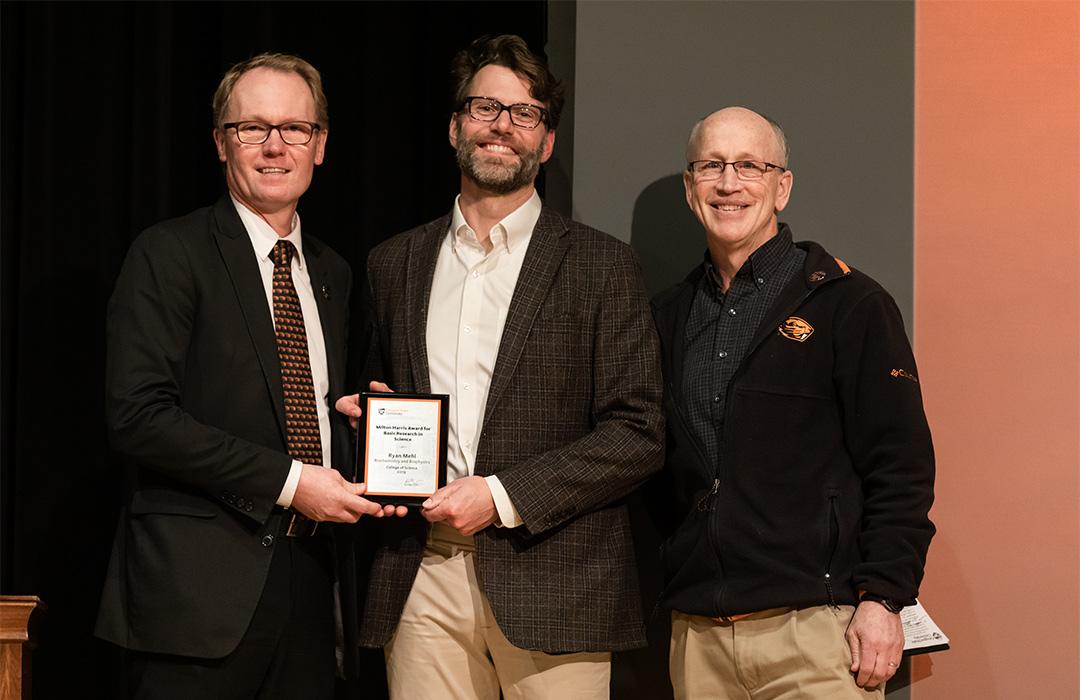
Ryan Mehl with Roy Haggerty (left) and Andrew Karplus
Ryan Mehl, professor of biochemistry and biophysics, received the Milton Harris Award in Basic Research for his impactful, internationally recognized basic research in the area of genetic code expansion (GCE). The latter involves engineered protein synthesis machinery to incorporate novel chemical groups at pre-specified places. Mehl has several patents and 66 research articles to his credit, quite a few of which have been cited more than 4000 times.
Among his many distinguished research discoveries are groundbreaking studies providing the first evidences how the protein nitro-tyrosine contributes to pathology in Lou Gehrig’s disease and in artherosclerosis. Mehl has been awarded several NIH and NSF grants to support his research. At OSU since 2011, Mehl has established and leads the Unnatural Protein Facility, a unique, first of its kind in the world facility that promotes the use of GCE by non-expert researchers.
“This work has also established OSU as an international leader in this arena, and NIH has invited us to submit a proposal to establish an NIH Center focused on GCE technology development,” said Andrew Karplus, head of the Department of Biochemistry and Biophysics.
F.A. Gilfillan Award
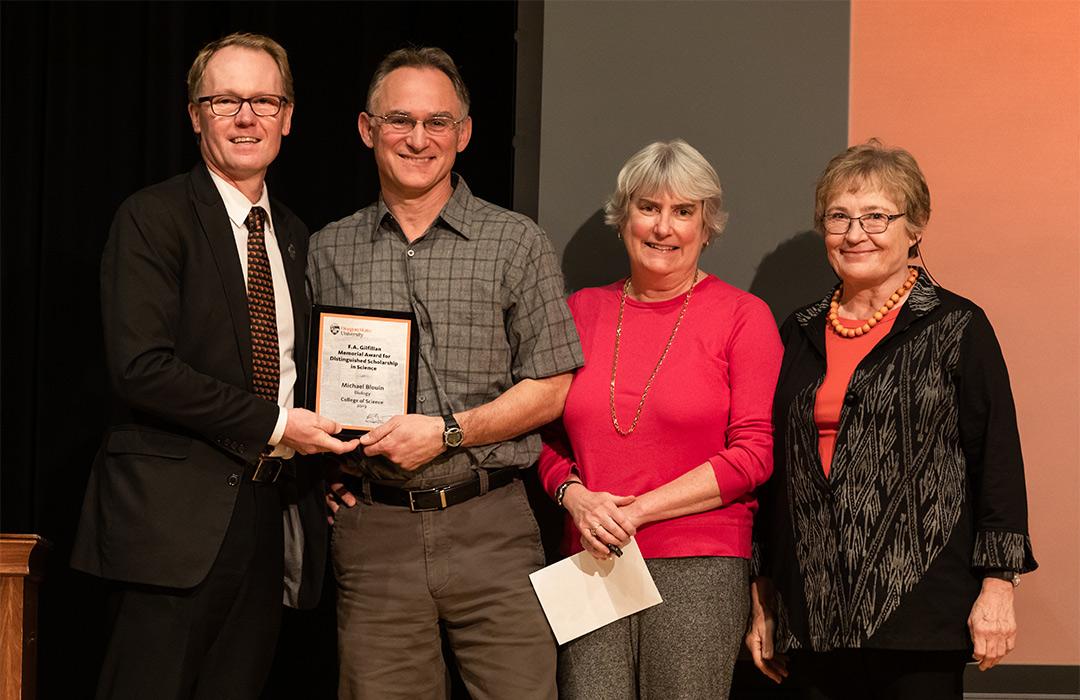
Michael Blouin with Roy Haggerty and Virginia Weis
Professor of integrative Biology Michael Blouin was honored with the F.A. Gilfillan Award for Distinguished Scholarship in Science. The Gilfillan award honors a faculty member in the College whose scholarship and scientific accomplishments have extended over a substantial period of time.
Blouin’s contributions to the field of evolutionary and population genetics have been impressive. In his 24 years at OSU, Mike has developed a remarkably broad, distributed and well- funded research program that has spanned evolutionary genetics and parasite molecular ecology and evolution.
“We believe that Mike is performing transformational research in critical areas of biology. His scholarship has raised the profile of the College and the University,” said Virginia Weis, head of the Department of Integrative Biology.
In his early years at OSU, he essentially started the field of endo-parasite molecular ecology. Endoparasites are remarkably difficult to study given that they live within other organisms and are often microscopic in size. Blouin’s group used molecular markers to find these parasites in animal populations, opening up a whole new field of host-parasite populations.
In recent years, Blouin has made distinguished contributions in two new fields: salmonid conservation genetics and schistosome molecular biology. Schistosomiasis is a human infectious disease that is cause by a schistosome flatworm. It affects 200 million people worldwide and is under-studied, in large part because the affected populations live in developing nations that often lack clean water and resources to combat the disease.
In the case of salmonids, he has revealed the fundamental importance of life history traits in the success/limitations of hatchery fish in the Pacific Northwest.
Dean’s Early Career Impact Award
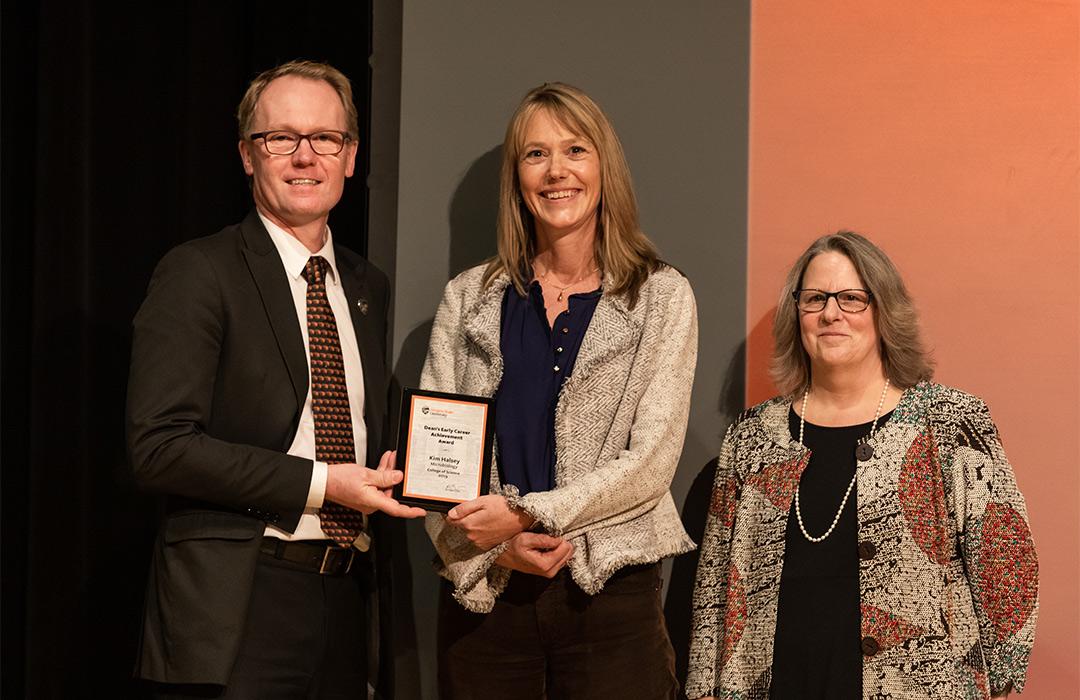
Kim Halsey with Roy Haggerty and Jerri Bartholomew
Kim Halsey, associate professor of microbiology, and Rebecca Terry, associate professor of integrative biology, received the Dean’s Early Career Impact Award. At OSU since 2011, Halsey began her career as a microbial physiologist and biochemist studying the enzyme butane monooxygenase, and its role in the bioremediation of the environmental pollutant trichloroethylene. Her precise research on this process, which explored the role of protein structure in determining the substrate range of the enzyme, has been cited over 100 times.
“Her groundbreaking research and scholarship is opening new areas of scientific enquiry and has earned her the respect of the international scientific community,” said Jerri Bartholomew, head of the Department of Microbiology.
In addition to other areas, Halsey also studies the ocean carbon cycle, with a focus on photosynthetic energy producing phytoplankton, particularly diatoms, which alone account for over 25% of global primary production, and are a key to forecasting climate change.
Halsey became internationally respected for defining the fates of photosynthetic energy with unprecedented precision, in multiple phytoplankton taxa, and fitting this data into a theory of cell strategies for distributing photosynthetic energy.
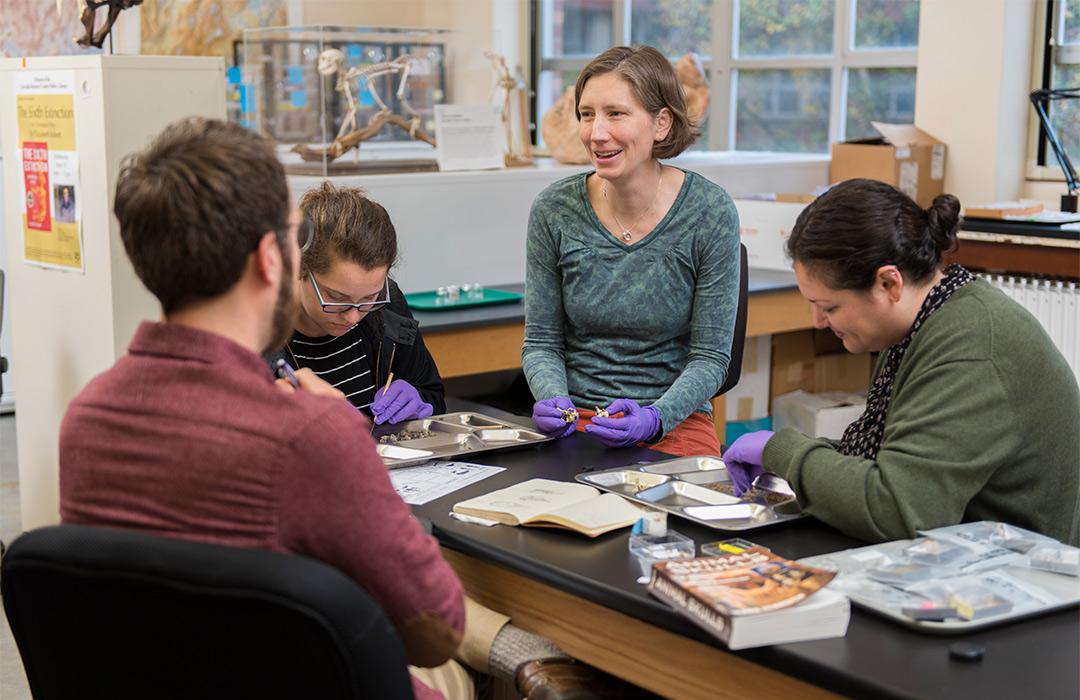
Rebecca Terry with students
Rebecca Terry’s interdisciplinary research involving paleontology, ecology, and geography significantly broadens the research landscape at the College. The discipline of paleoecology — the ecology of fossil animals and plants — is constantly gaining importance as it reveals important insights into the past that can inform the future of our planet during the Anthropocene.
“Dr. Terry is highly respected by her peers for pushing the boundaries of what information can be deduced from fossilized remains of mammals. Dr. Terry develops innovative approaches and uses them to reveal important insights into the past,” said Virginia Weis, head of the Department of Integrative Biology.
Many of her publications appear in high impact journals, such a Nature and PNAS. On top of that, Terry’s work has received broad media attention; For example, the 2016 Nature paper that she co-authored was highlighted in 16 news outlets including the Washington Post, Science Daily, and Nature News and Views. It also won a 2016 Science Achievement Award from the National Museum of Natural History.
Inclusive Excellence Award
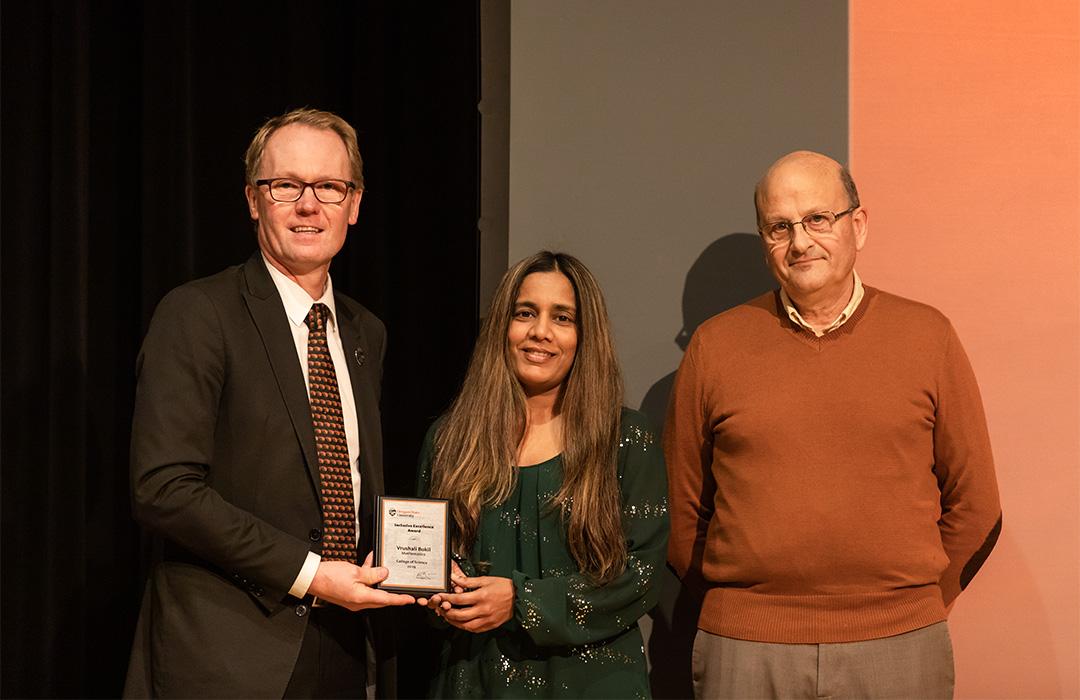
Vrushali Bokil with Roy Haggerty and Enrique Thomann
Professor of Mathematics Vrushali Bokil and the physics student club Physicists for Inclusion in Science (PhIS) received the College of Science Inclusive Excellence Award. Bokil’s leadership in advancing equity, justice and inclusion (EJI) at OSU has had a substantial impact on the Department of Mathematics and the College.
Bokil participated in the 60-hour immersive Oregon State Advance Seminar, which takes participants deep into the literature on difference, power and discrimination both theoretically and practically with STEM disciplines. She has developed and embedded ADVANCE materials into the professional development seminar for mathematics graduate students as well as for students across the College.
“Professor Bokil brings a deep understanding of the value of diversity for faculty and student success, and has put into play important structural changes that can ensure sustainable impact,” said her colleagues Edward Waymire, Enrique Thomann and Rebecca Warren.
Bokil has also supported a workshop on “Sexual Harassment in the Mathematical Sciences: Moving Towards Action” for the Association of Women in Mathematics and participated in recruiting/assisting students from underrepresented groups in pursuit of a Ph.D. in mathematics.
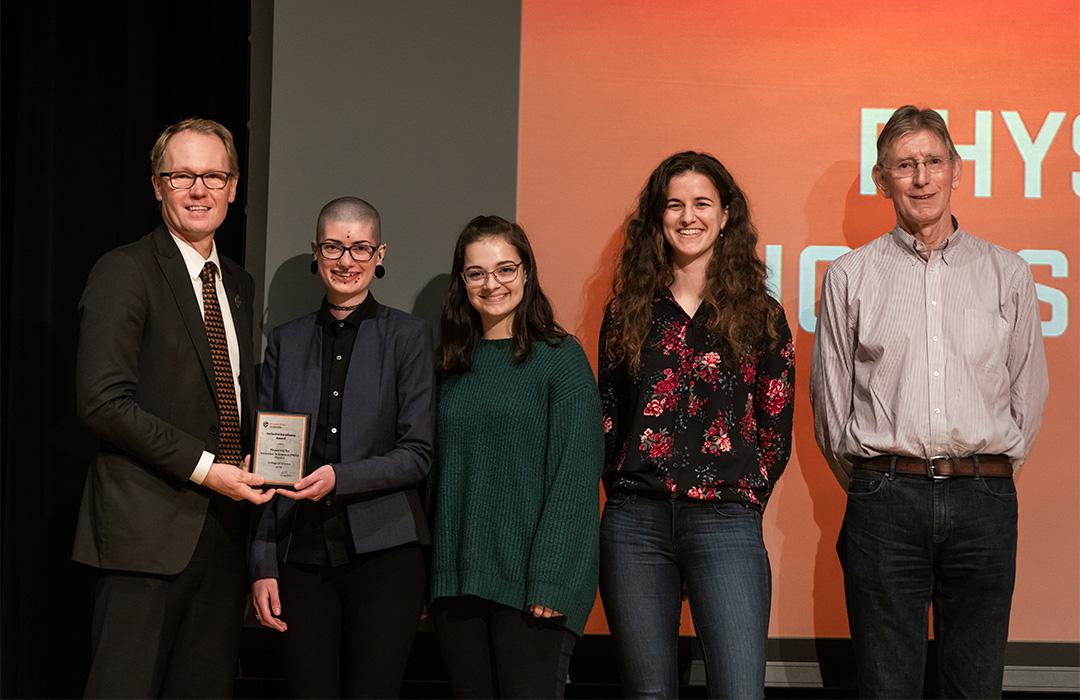
PhIS members with Roy Haggerty and Henri Jansen
Physicists for Inclusion in Science (“PhIS”, pronounced “fizz”) grew out the Women in Physics group. The group supports members of underrepresented groups as they pursue their careers. The 2019/20 officers are Acacia Patterson (President), Gina Mayonado (Vice President), Abbie Glickman (Treasurer), Mattia Carbonaro (Secretary).
PhIS members walk the walk and have gone far beyond expectations of a standard student group. They have run several Diversity & Inclusion in Physics Instruction workshops for the first-year graduate students in physics, at the National Meeting of the AAPT, and at the annual meeting of the Pacific Northwest Association for College Physics. PhIS was an important co-organizer of the CUWiP conference in Winter 2016. This was a big national event with over 200 participants. The OSU Conference for Undergraduate Women in Physics (CUWiP) was one of nine conferences held across the U.S.
“I am sure that several students stayed and received a degree from OSU mainly because of the activities of this group.”
“PhIS gives the physics department a clearly visible face in the area of diversity, even though our diversity numbers are small,” said Henri Jansen, professor of physics and associate dean for academic and student affairs.
College of Science Distinguished Service Award
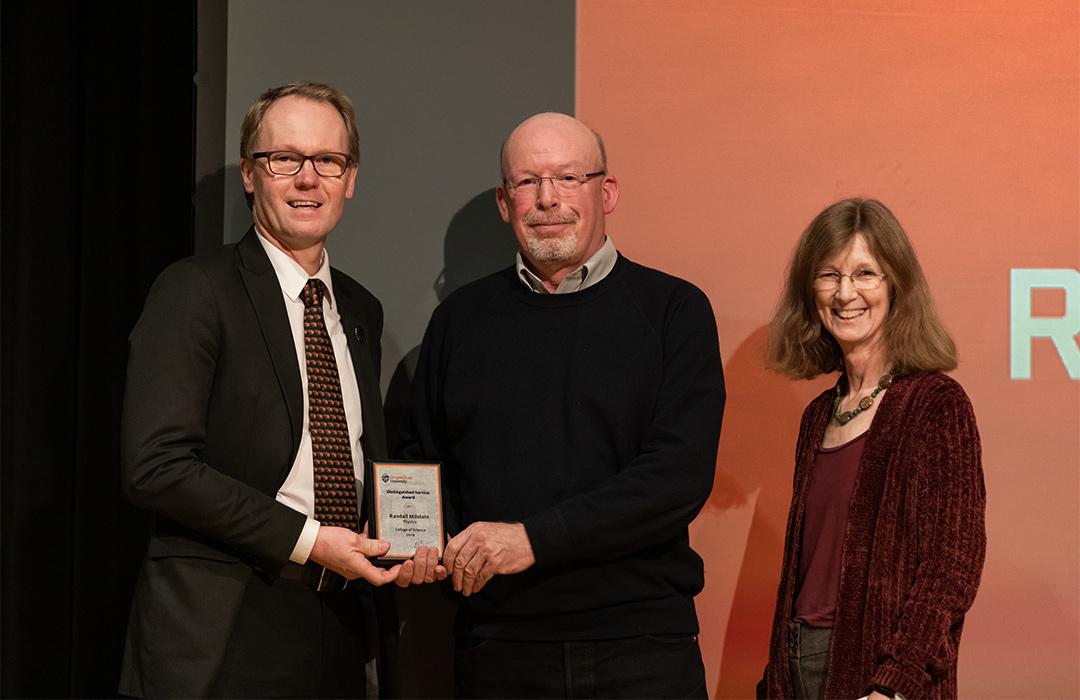
Randall Milstein with Roy Haggerty and Janet Tate
Randall Milstein, physics instructor, and Margie Haak, senior instructor of chemistry, received the College of Science Distinguished Service Award. Milstein, who is also the Astronomer-in-Residence for the Oregon NASA Space Grant Consortium, was recognized for his extraordinary efforts during the August 21, 2017 OSU’s total solar eclipse event which was witnessed by thousands of people in Corvallis.
“His effort represented hundreds and hundreds of hours of personally donated time to make this event as special as it was. It was truly above and beyond the call of duty,” said Janet Tate, professor of physics.
His activities ranged from high-level organization (OSU’s Total Solar Eclipse/OSU 150 Space Grant Celebration Planning Committee), to education (dozens of talks to help people understand, reaching nearly 4000 people), education workshops (solar filter parties to teach people to be safe), advertising (numerous radio and television interviews — Al Jazeera America, CBS News, Los Angeles CBS, etc.) and, of course, observation of stars and of the eclipse itself (telescopes, binoculars).
In the months ahead of the eclipse, he traveled the state tirelessly. His knowledge and enthusiasm reached thousands and OSU benefited beyond measure.
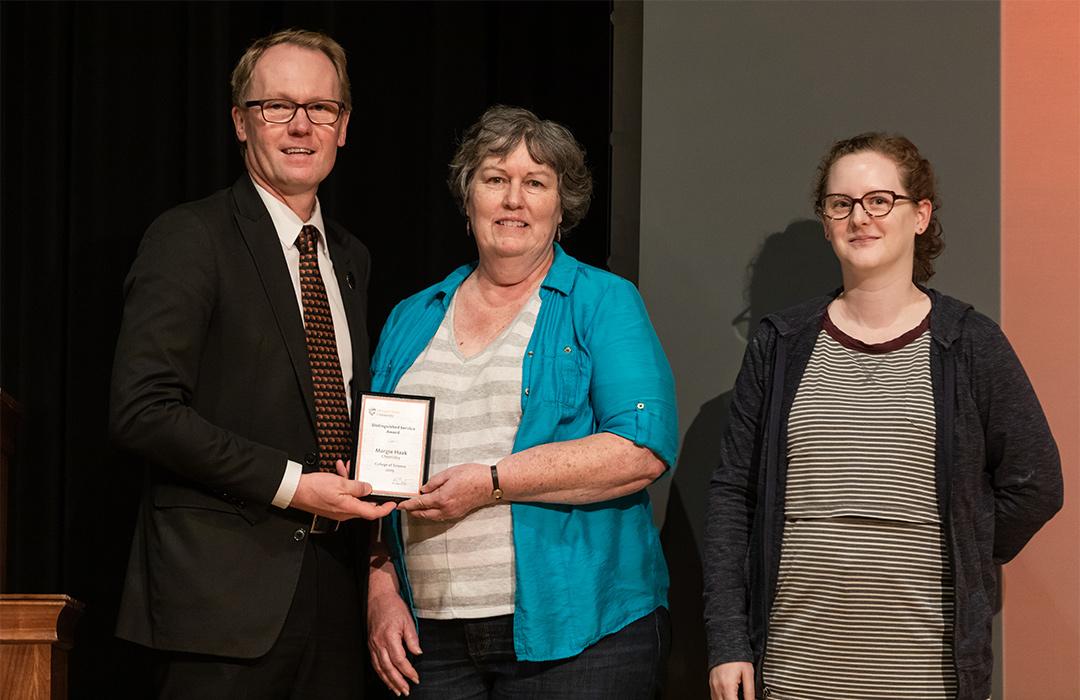
Margie Haak with Roy Haggerty and Paula Weiss
Haak has been a member of OSU Chemistry for 26 years. During this time, she has given countless hours in service to the chemistry department, the College of Science, Oregon State University, and surrounding communities.
Haak serves as the coordinator for the Mole Hole (Chemistry Help Center). She spearheaded the expansion of the Mole Hole from approximately 15 hours per week to over 60 hours per week. Because of her, the Mole Hole now has consistent hours that extend into the evening and weekends, which are prime study times for undergraduates. This space has had a large impact, serving several thousand undergraduate students each term.
“It’s an honor to work with Margie. She has helped thousands of students experience the beauty of science. Her impact has undoubtedly led many of them to go on to study science at OSU,” said Paula Weiss, senior instructor of chemistry.
Haak’s effort in science outreach are unparalleled in the chemistry department. For the last 17 years she has coordinated and presented Family Science & Engineering Nights and Family Math Nights at local elementary schools. She typically has 15 – 20 of these events each year. She has coordinated the Science Olympiad State Tournament at OSU. For 14 years she was the coordinator for Discovery Days, a two-day science outreach event attended by approximately 1800 K-9 students.
Champion of Science Award
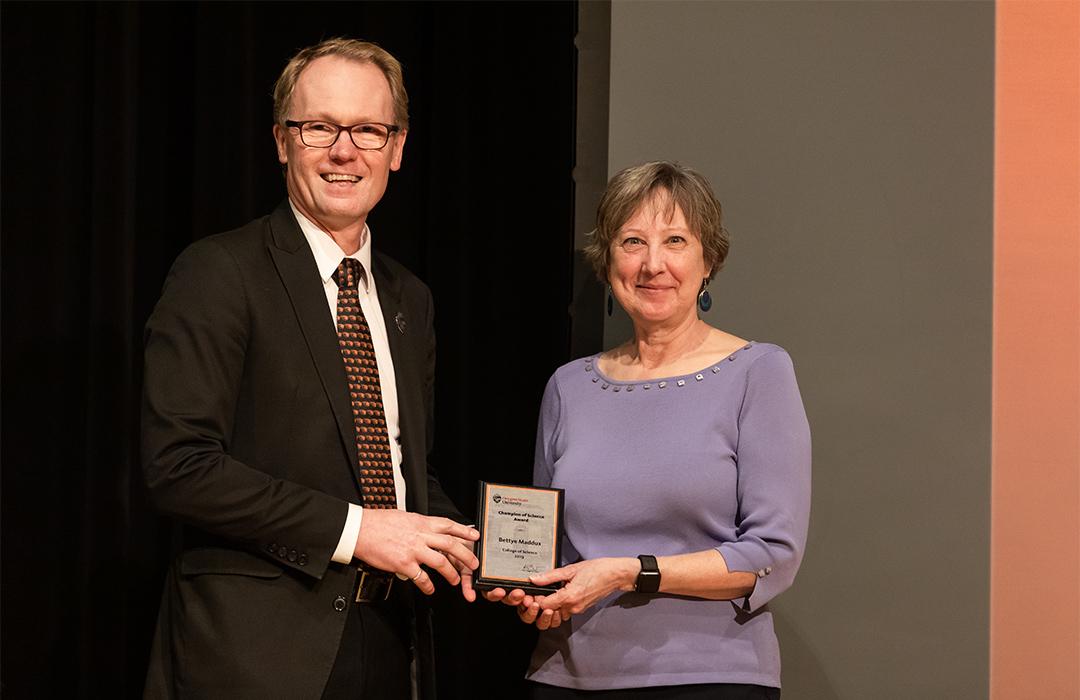
Bettye Maddux with Roy Haggerty
Bettye Maddux, Director of Research Development in the College of Science, received the Dean’s Champion of Science Award. This is the Dean’s award recognizing an individual or individuals who demonstrate excellence and extra effort that goes beyond what is requested, and the highest quality performance. The award is modeled, including its name, after the President’s Beaver Champion Award.
With more than 20 years of research experience in academic and industry, Bettye created the College’s Office of Research Development from scratch. In its first full year of operation, Bettye increased the value of science proposals submitted by 30% and increased the number of proposals submitted by 6%.
“In more than 25 years of funded research at several institutions, none of us have ever had as much help and expert advice as we have received from Dr. Maddux,” professors Juan Restrepo and Vince Remcho said in a statement.
“She is constantly seeking funding opportunities, she strategizes with us in the writing process, she helps us understand the requirements of every call for proposals, she oversees budget preparation, she interfaces with the Research Office on all matters concerning proposal requirements, and has led inter-institutional funding efforts with complex organizational requirements.”
Science Research and Innovation Seed Program Awards
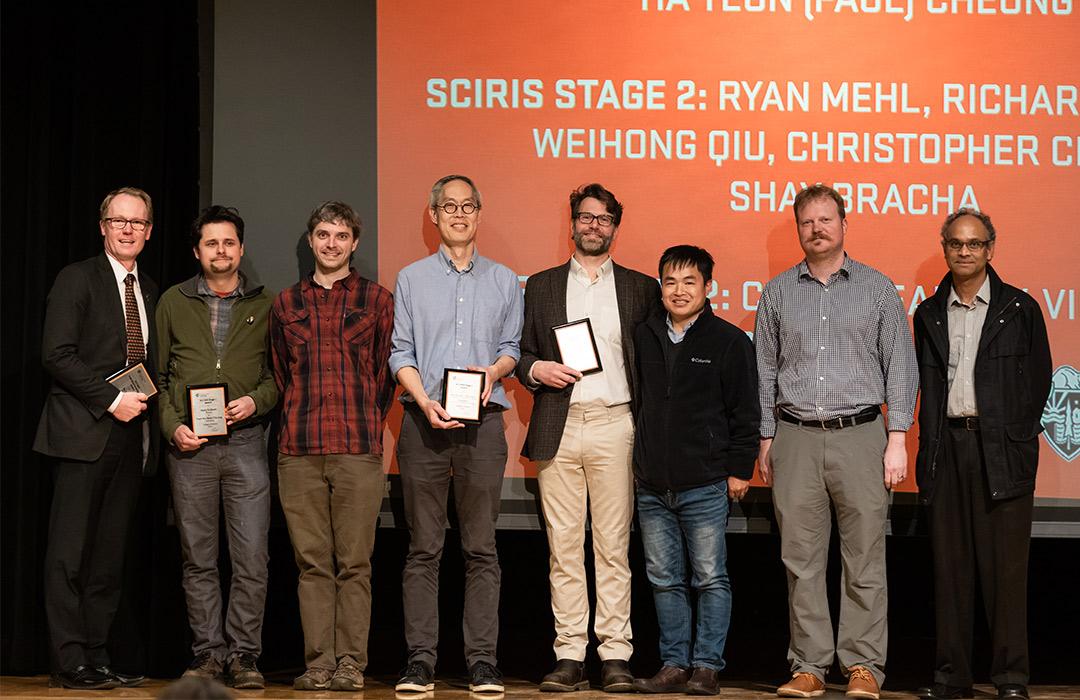
Roy Haggerty with SciRis awardees (left to right) Matthew Graham, Richard Cooley, Victor Hsu, Ryan Mehl, Weihong Qiu, Chris Cebra and Siva Kolluri.
Six research teams won the Science Research and Innovation Seed Program (SciRis) and the Betty Wang Discovery Fund Awards for projects that contribute to physical chemistry, organic chemistry, solar cells and thin film display transistors, human health and the development of diagnostic tools.
The SciRis awards went to the following teams:
Assistant Professor of physics Bo Sun, along with collaborators from the University of California, San Diego and Northeastern University, was awarded $10,000 to elucidate the causes and consequences of cancer cell migrational phenotype plasticity, which contributes critically to the process of cancer metastasis. The research will potentially lay the groundwork to develop new classes of cancer screening assays and metastasis-targeting treatments.
Biochemists Ryan Mehl, Rick Cooley, physicist Weihong Qiu, and Chris Cebra and Shay Brachafrom the Carlson College of Veterinary Medicine received the SciRis Stage 2 award for their project “Chemically Functionalized Nanobodies.” Nanobodies, a subclass of small antibody fragments, where discovered in 1989 and represent an exciting new technology for the development of therapeutic and diagnostic agents.
The $75,000 grant will help the researchers develop a unique technology platform that enables generation of chemically functionalized nanobodies which will function as new therapeutic and diagnostic tools opening up new avenues for medicine and basic research. The resulting chemically functionalized nanobodies will be engineered to bind a specific antigen/protein target and deliver a therapeutic antibody
Chris Beaudry, professor of chemistry, Victor Hsu, associate professor of biochemistry and Siva Kolluri in the College of Agricultural Sciences received the SciRis Stage II award for their project, “Homoharringtonine: Chemical Synthesis amd Evaluation of Designed Analogs.” The group will conduct research on analogs of Homoharringtonine (HHT) with improved pharmaceutical properties. HHT is a plant alkaloid isolated from the plum yew Cephalotaxus harringtonii.
HHT shows great promise as a starting point for the development of new medicines for multiple forms of cancer, however it is highly expensive and difficult to acquire both as a chemical and as a medicine. Among other objectives, the group will work on creating an efficient chemical synthesis of HHT which quadruples the chemical yield, and can be used for investigation in combination therapies and evaluation in modern drug delivery systems.
Physicist Matthew Graham and chemist Paul Cheong received a $10,000 SCiRIs Stage I award for their project “Performance Optimization of Transistors and Solar Photovoltaics by Ultrabroadband Photoconductance Microscopy of Trap-State Density and Lifetimes.” The team will further enhance and develop an ultrabroadband photoconductance microscope that was invented in the Graham lab in 2016. This novel microscope tackles fundamental grand challenges that inhibit the performance of photovoltaic and thin film display transistors.
The Betty Wang Discovery Fund made two awards to maintain state-of-the-art laboratories to advance fundamental discoveries in the basic sciences.
Associate professor of Chemistry Chong Fang was awarded funds for a new fluorometer in the ultrafast laser spectroscopy lab at Linus Pauling Science Center. Chemistry professors Chris Beaudry and Paul Blakemore received a grant to purchase an improved model of a microwave synthesis reactor, an essential technology for organic synthesis.
Awards for administrative excellence
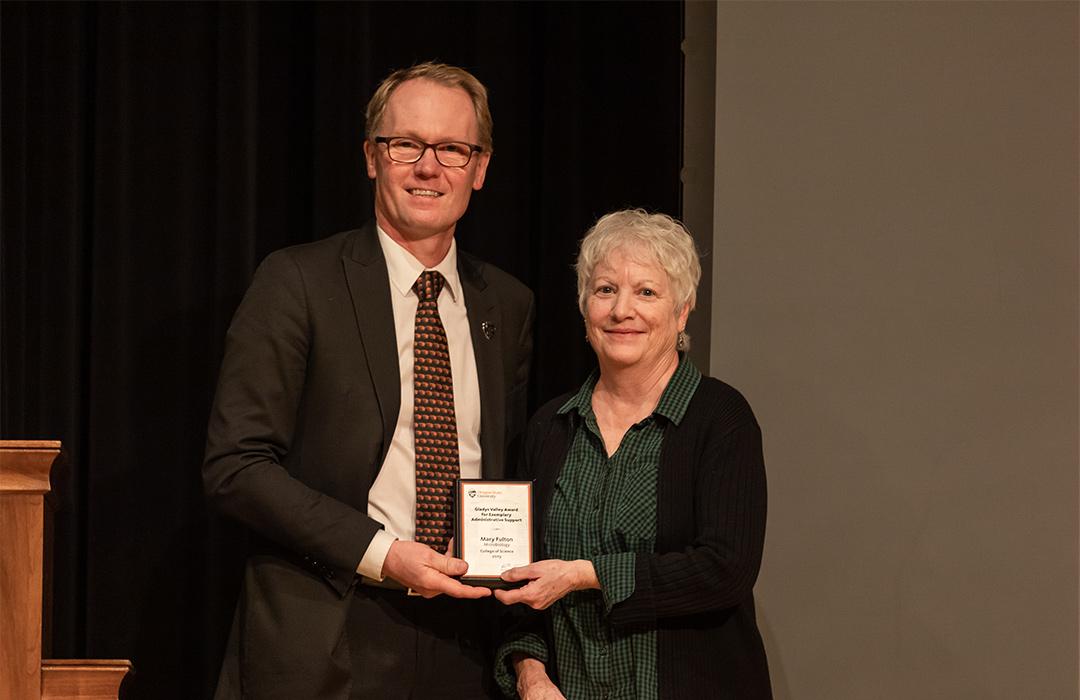
Mary Fulton with Roy Haggerty
Mary Fulton, assistant to the head of the Department of Microbiology, received the Gladys Valley Award for Exemplary Administrative Support. Fulton was appreciated for her hard work, professionalism and exemplary administrative abilities.
“Working with Mary is truly a pleasure. She has the patience, intuition and persistence required to work with all kinds of people, traits that are valued by everyone in the department.”
I think the faculty perfectly captured that she is the soul of the department and highly deserving of this award,” said Jerri Bartholomew, head of the Department of Microbiology. Among other administrative accomplishments, Fulton’s successful event planning and coordination made microbiology one of the most successful departments in raising funds for the Annual Food Drive.
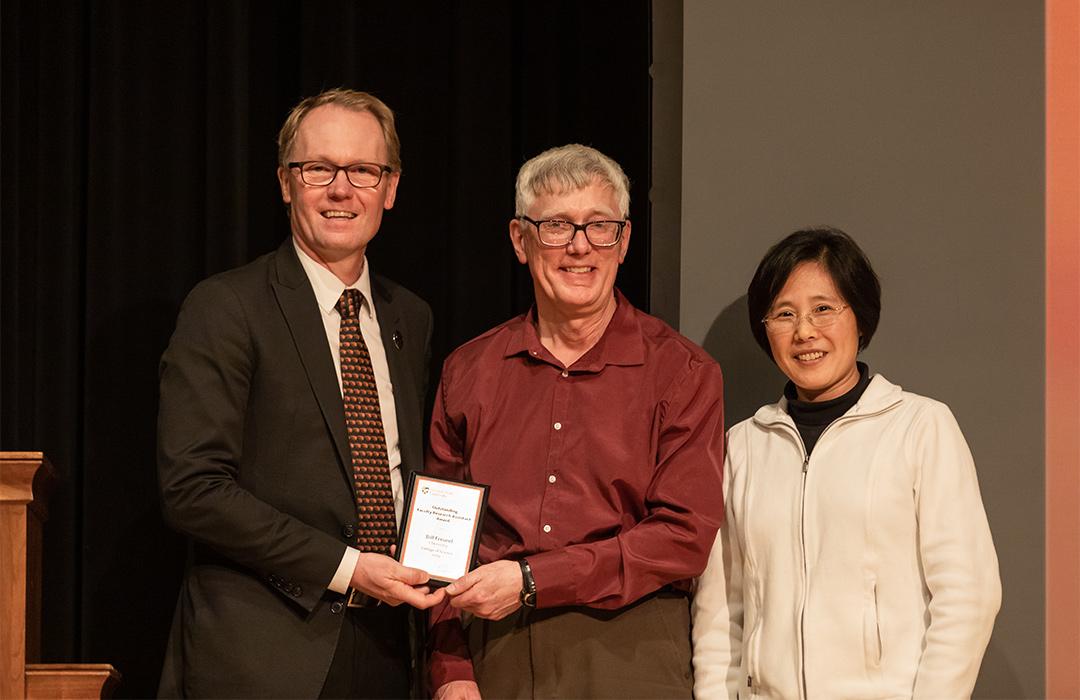
Roy Haggerty with Bill Freund and Wei Kong
Bill Freund of the Department of Chemistry won the Outstanding Faculty Research Assistant Award. Freund has served as a faculty research assistant in Professor Wei Kong’s group since 2009. This award recognizes a faculty research assistant who has a record of outstanding job performance and contributions.
“He has been instrumental in almost all aspects of my laboratory, from design of new experiments to troubleshooting of equipment, and ultimately to completion of any project, large and small,” said Kong.
“He has also been a great mentor to all of my students and postdoctoral fellows, showing them problem solving skills and transferring to them his life’s experience in being a responsible and wise citizen.”
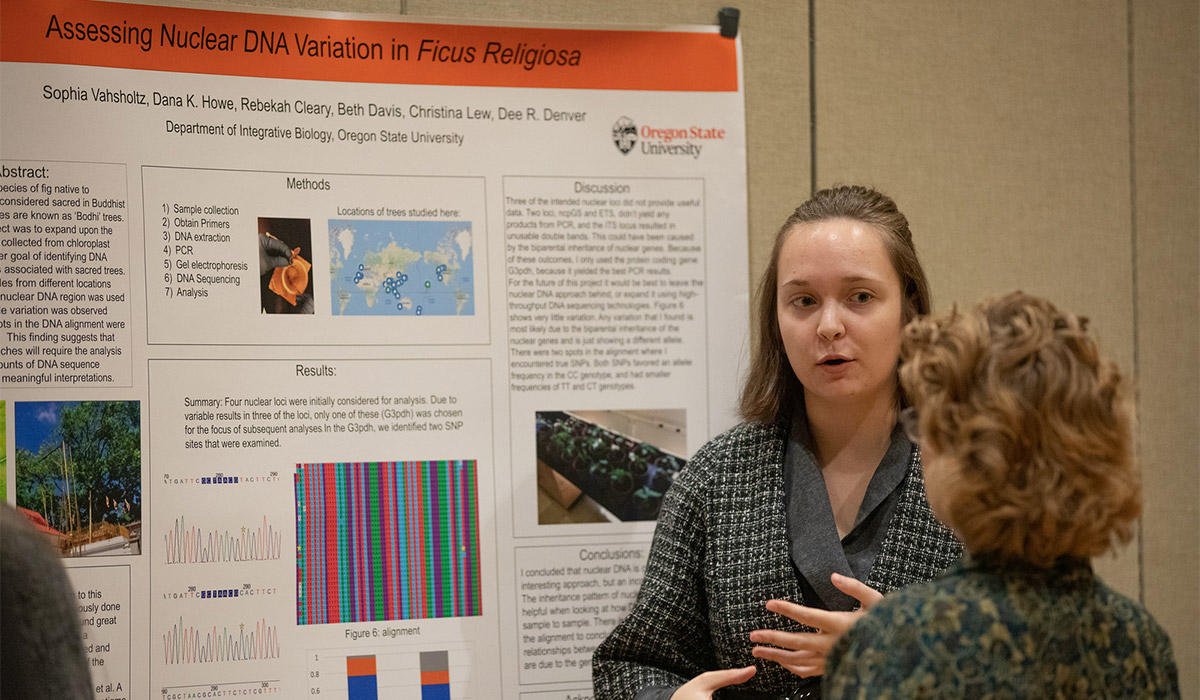
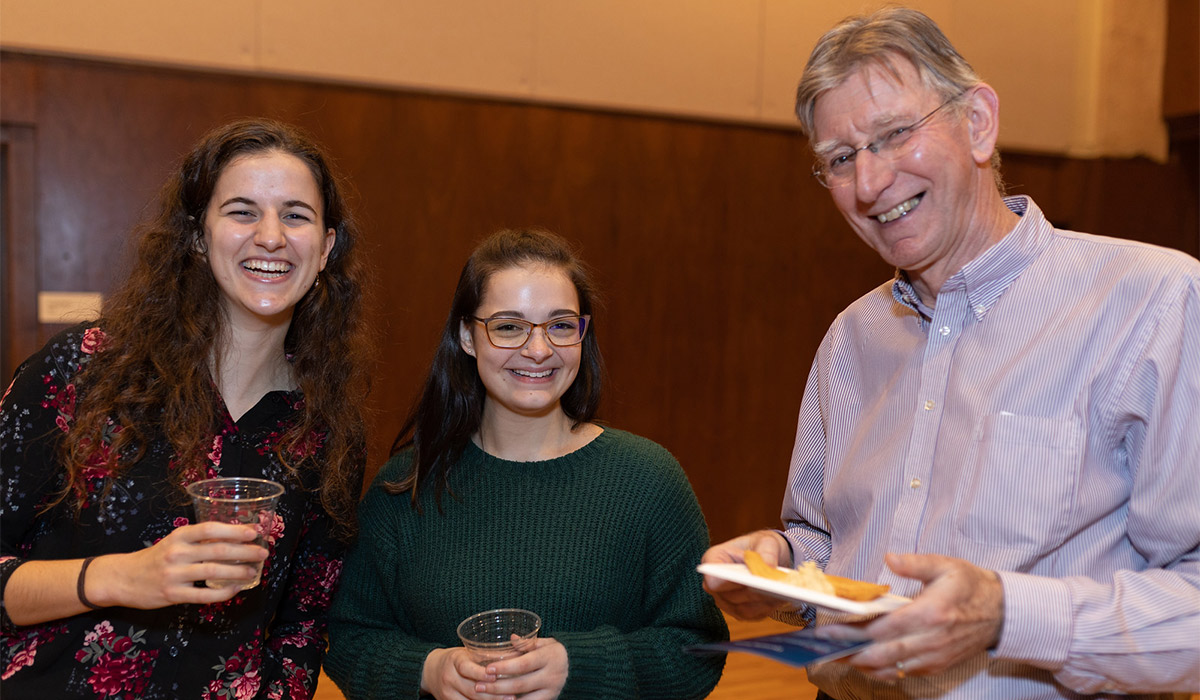
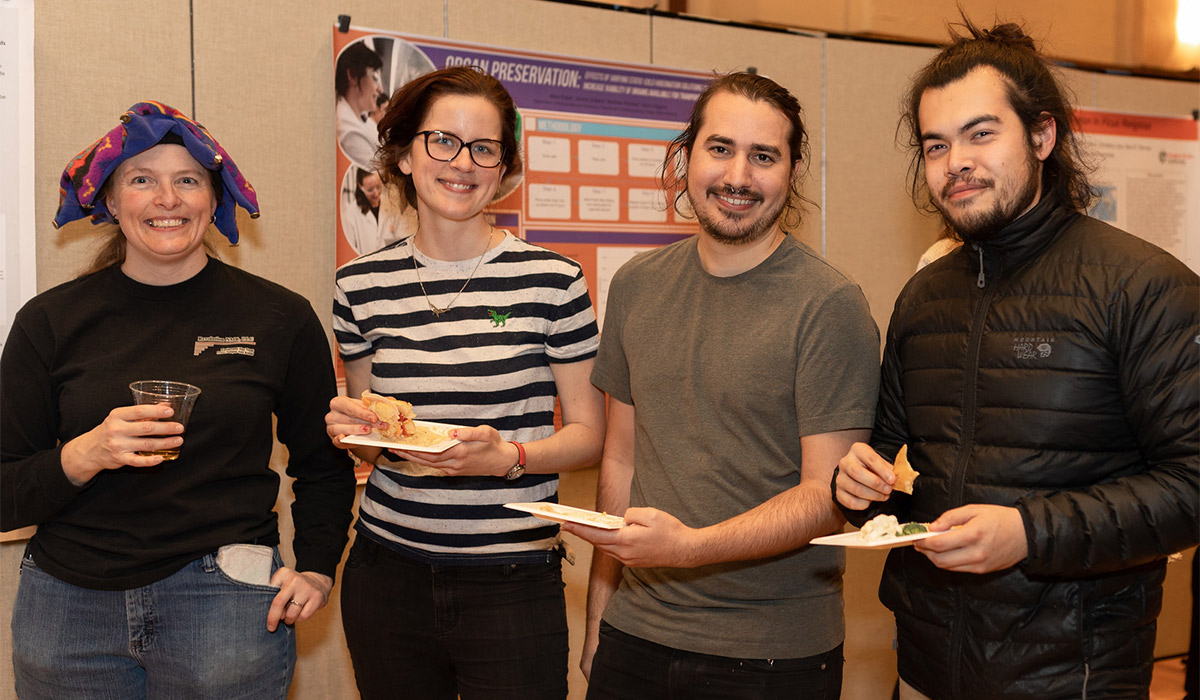
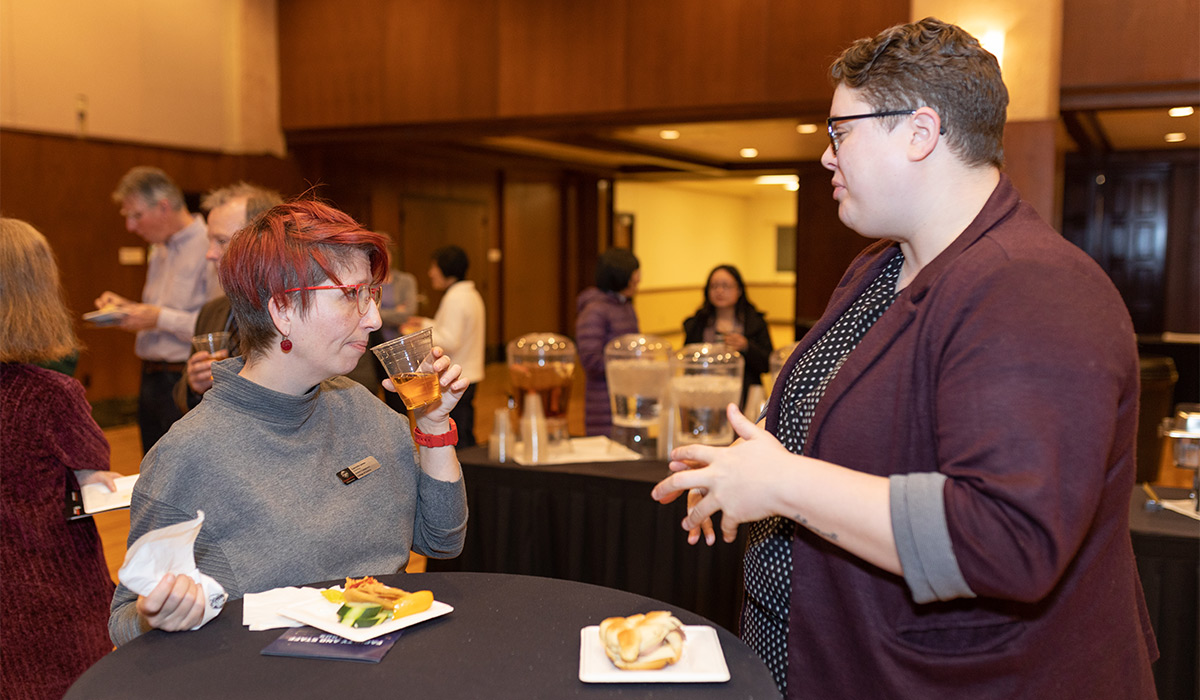
2019 Fall Faculty and Staff Awards Photos


Related Stories
Across the Department

Climate and Oceans
Microbiologist receives $1.2M award to study microbes in a changing ocean

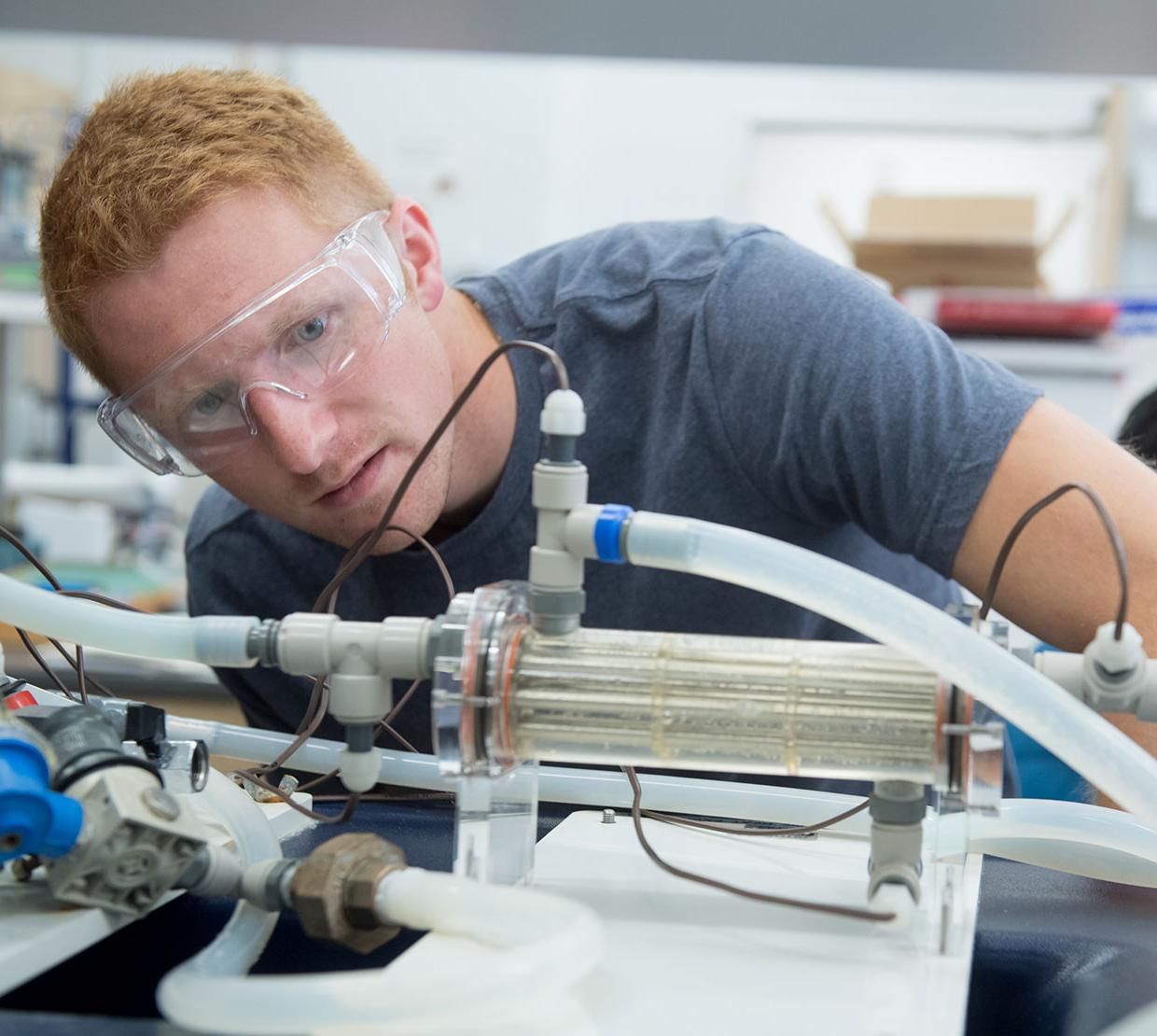
The College of Science warmly congratulates our 2019 SURE Science scholars!
Oregon State University and the College of Science have made it their mission to help students prepare for a bright future by providing potentially life-changing summer research opportunities.
This year, contributions from generous donors have helped more than 50 science students win competitive summer research awards, including the college-wide SURE Science Award (Summer Undergraduate Research Experience) as well as several department-specific awards.
Undergraduate research often plays a key role in developing student-faculty relationships, and gives students hands-on learning experiences that help them grasp the practical applications of science beyond the scope of the classroom.
“For me, a lot of it is about the students who wouldn’t be able to do research if they weren’t getting paid,” program coordinator Gabs James explains.
By providing fellowships to the greatest possible number of students, these awards give many undergraduate students the financial leverage to pursue career goals that would otherwise be unattainable.
The SURE Science Program is available to all full-time science students who meet the academic requirements. The scholarship provides the opportunity to conduct paid research for up to 440 hours over the summer. The scholarship includes a stipend of $5060 and an additional amount of $500 stipend that can be used as funding for activities that support their research. This year, greater donor support has made it possible for 40 students to receive the award — an unprecedented number with the award money totaling more than $220,000!
In addition to SURE Science, there are also several awards which may be received by high achieving students within a department.
New this year in Integrative Biology is the Alexei Lubchenco Menge Fellowship, which was awarded to Kris Bauer to support his research under the guidance of Postdoctoral Scholar Sarah Gravem and Professor Bruce Menge. The fellowship was established in memory of Alexei Lubchenco Menge, who died at age 27 in 2005. Like his biologist parents, Lubchenco Menge was deeply passionate about the ocean and the life it contains. The award seeks to help a student within the department who exemplifies these values.
Also receiving awards this summer are Ryley Tishendorf, who received a Special Integrative Biology Award, and Jiadi He, who received a Special Physics Award. Tishendorf will perform research in biologist Rebecca Terry’s lab, and He will be mentored by biophysicist Weihong Qiu.
In the biochemistry and biophysics department, students applying for the SURE Award are also eligible to apply for the CURE Fellowship. CURE is sponsored by the Ray and Frances Cripps Education Endowment, as well as by faculty mentors who match the awarded funds. This year, eleven biochemistry students received the award, in addition to eight other students from the department who received the SURE Award.
Congratulations to the inspiring next generation of scholars!
SURE Science awardees:
| Student | Major | Faculty | |
| 1 | McKenzie Barker | Biology | Sally Hacker |
| 2 | Kelley Bastin | Microbiology | Susan Tilton |
| 3 | Dreagn Bennett | Biology | Sarah Gravem |
| 4 | Nathanael Bowles | Mathematics | Malgorzata Peszynska |
| 5 | Elizabeth Carroll | Biology | Claudia Hase |
| 6 | Cynthia Cedeno | Chemistry | Paul Blakemore |
| 7 | Addison DeBoer | Biochemistry & Molecular Biology | Daniel Rockey |
| 8 | Luz Dimas-Munoz | Biochemistry & Molecular Biology | Daniel Rockey |
| 9 | Haelyn Epp | BioHealth Sciences | Weihong Qiu |
| 10 | Rebecca France | Biochemistry & Molecular Biology | Colin Johnson |
| 11 | Kailie Franco | Biochemistry and Biophysics | Bo Sun |
| 12 | Ilana Gottfried-Lee | Biochemistry & Molecular Biology | Richard Cooley |
| 13 | Cat Hoang | Microbiology | Elisar Barbar |
| 14 | Kendra Jackson | Biochemistry & Molecular Biology | Michael Freitag |
| 15 | Jin Kiatvongcharoen | Mathematics | David Roundy |
| 16 | Taylor Kuntz | Biochemistry & Molecular Biology | Matt Andrews/Adam Higgins |
| 17 | David Lehrburger | Biology | Stephen Atkinson |
| 18 | Lauren Lewis | Chemistry | Staci Simonich |
| 19 | Kitty Liu | Biochemistry & Molecular Biology | Adrian Gombart |
| 20 | Chantelle MacAdams | Biology & Zoology | Bruce Menge/Sarah Gravem |
| 21 | Anabel Mendoza | BioHealth Sciences | Carla Schubiger |
| 22 | Alanis Morales | BioHealth Sciences | Virginia Weis |
| 23 | Rina Mullendore | Biochemistry & Molecular Biology | Maria Franco |
| 24 | Duy Nguyen | Physics | Ethan Minot |
| 25 | Makenzie Nord | Chemistry | Julie Pett-Ridge |
| 26 | Acacia Patterson | Physics | Janet Tate |
| 27 | Taylor Prichard | Biology | Katja Duesterdieck-Zellmer |
| 28 | Victor Puoci | Biochemistry & Molecular Biology | Ehren Pflugfelder |
| 29 | David Rockow | Biology | Mark Novak |
| 30 | Kelsey Shimoda | Biochemistry & Molecular Biology | Jaga Giebultowicz |
| 31 | Leigh Skala | Chemistry | Taifo Mahmud |
| 32 | Ulises Solis Ocana | BioHealth Sciences | David Dallas |
| 33 | Jason Srey | Chemistry | Sandra Loesgen |
| 34 | Yi Peng Teo | Physics | Matt W Graham |
| 35 | Dustin Treece | Physics | Elizabeth Gire |
| 36 | Sophia Vahsholtz | Biology | Dee Denver |
| 37 | Andrew Williams | Biology | Susanne Brander |
| 38 | Elizabeth Wirsching | Biology | Virginia Weis |
| 39 | Tara Wirsching | Biology | Dr. Felipe Barreto |
| 40 | Wanling Xie | Mathematics | Yuan Jiang |
CURE Foundation Awardees:
| Student | Faculty | |
| 1 | Dorice Goune Goufack | Maria Franco |
| 2 | Mahir Palan | Maria Franco |
| 3 | Juno Valerio | Viviana Perez |
| 4 | Brooke Galyon | Michael Freitag |
| 5 | Carolyn Lazaroff | Michael Freitag |
| 6 | Maja Engler | Matt Andrews |
| 7 | Audrey Korte | Weihong Qiu |
| 8 | Seth Pinckney | Elisar Barbar |
| 9 | Jacob North | Ryan Mehl |
| 10 | Isabella Karabinas | Alvaro Estevez |
| 11 | Asra Noor | Alvaro Estevez |
Related Stories
Across the Department

The College of Science recently celebrated its 2019 Winter Teaching and Advising Awards with faculty, advisors and students to recognize exceptional teaching and advising – key areas of distinction in the College. Effective teaching, advising and mentorship are at the heart of the College of Science’s mission to build leaders in science.
Dean Roy Haggerty delivered opening welcome remarks, Associate Dean Matt Andrews served as the lively emcee, and several science students offered earnest tributes and presented the awards.
“This awards ceremony is our opportunity to recognize teaching and advising excellence and emphasize our College’s dedication to student success,” said Dean Roy Haggerty. “I am proud to celebrate this year’s recipients whose commitment to their students models the College of Science’s highest values.”
Congratulations to all of our award winners and nominees. Their hard work to make science education more meaningful, relevant and effective advances our mission and transforms lives.
2019 Award Winners
Olaf Boedtker Award for Excellence in Academic Advising
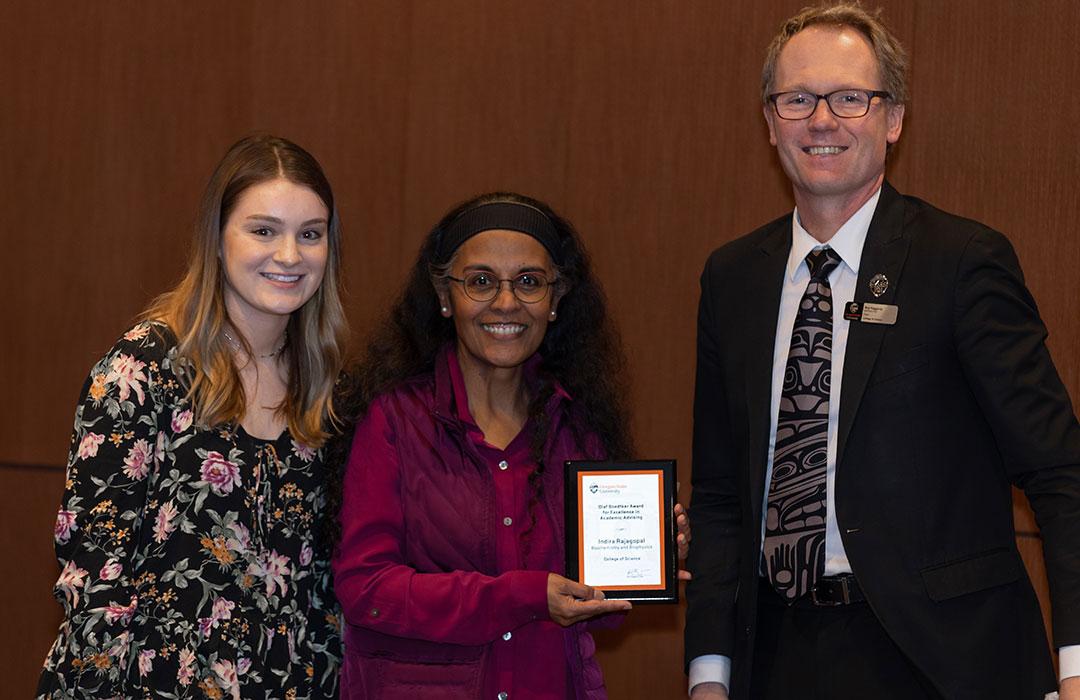
Newly retired senior instructor Indira Rajagopal (center) ands biochemistry and molecular student Lily Sloan (left) with Dean Haggerty (right).
Indira Rajagopal, who retired as senior instructor in biology and biochemistry and biophysics in December, won the Olaf Boedtker Award for the second time in three years for her exceptional and inspirational advising of undergraduate students. The award was presented to Rajagopal by Lily Sloan, a biochemistry and molecular biology junior.
“Indira Rajagopal provided endless support and guidance to her students, and we were lucky to have such a dedicated advisor. My wonderful experience in the biochemistry and biophysics department was significantly impacted by Indira and the amount of effort she put in to help students. Indira brought so much positivity to the department, and I could not think of anyone more deserving of this advising award,” wrote one of her student nominators.
Rajagopal, newly retired as senior instructor in biology and biochemistry and biophysics, has consistently been credited throughout her 30-year tenure at Oregon State for the devotion she brings to her roles as an inspiring mentor, professor and advisor. Her work of encouraging students to pursue meaningful opportunities stems from her passion to help students reach their potential. That same dedication is exemplified by the work Rajagopal has done with her husband Kevin Ahern, recently retired biochemistry and biophysics professor, writing and publishing free electronic textbooks for online learners worldwide.
Nominees: Kevin Ahern, biochemistry and biophysics; Alex Beck, BioHealth sciences; Linda Bruslind, microbiology; Cody Duncan, integrative biology; Henri Jansen, physics; Barbara Kessel, microbiology; Shawn Massoni, BioHealth sciences; Brock McLeod, integrative biology; Jennifer Olarra, integrative biology; Kari Van Zee, biochemistry and biophysics.
Loyd F. Carter Award for Outstanding and Inspirational Teaching (Undergraduate)
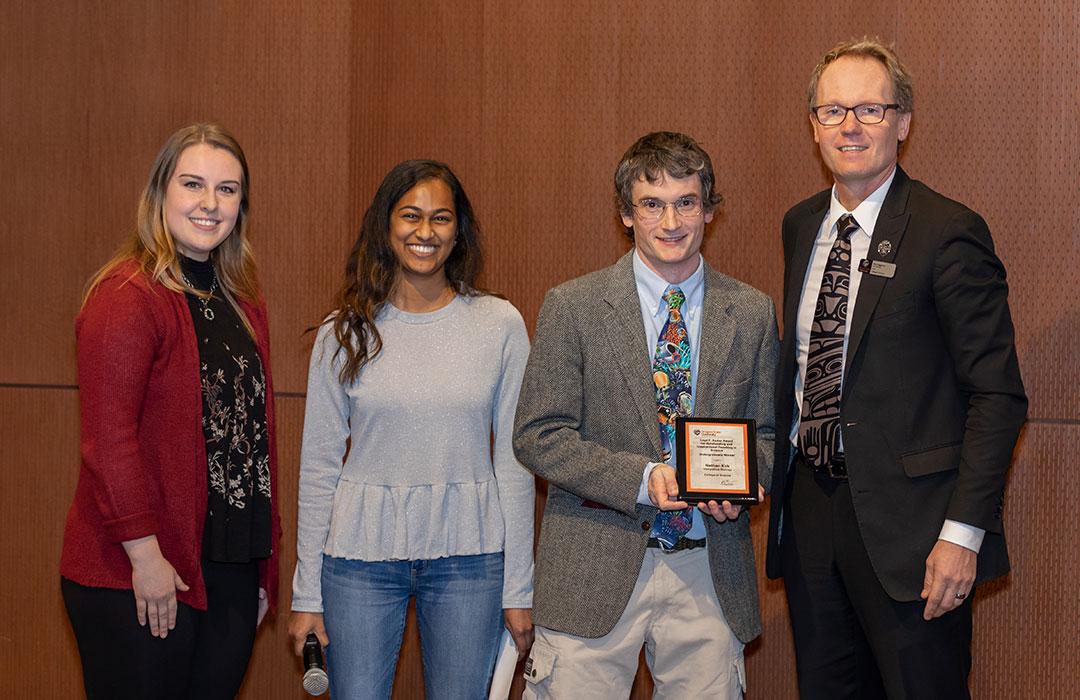
Instructor of biology Nate Kirk (center right) with Dean Haggerty (right) and students Anastasiya Prymolenna (left) and Sonya Bedge (center left).
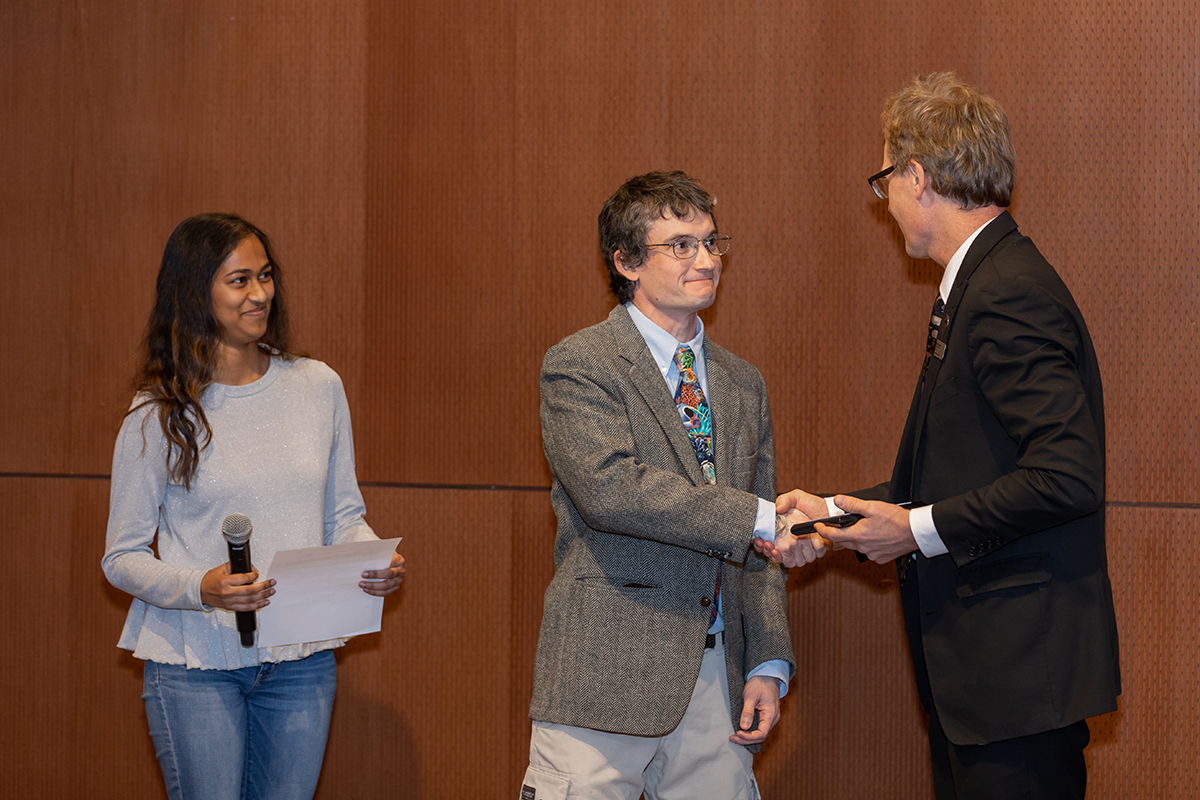
Instructor of biology Nate Kirk received the Loyd Carter Undergraduate Teaching Award for his effective and inspirational approach to teaching undergraduate biology students. Bioresource research student Sonya Bedge and chemistry student Anastasiya Prymolenna presented the award to Kirk.
“Nate is an incredibly thoughtful, understanding and kind professor, and I feel honored to have had him for the Principles of Biology series. His lectures were engaging, and he facilitated great discussions among peers about the course material. Nate clearly dedicated a lot of time to figuring out how to help his students learn best and gain a deeper understanding of the subject as a whole,” wrote one of his nominators.
Kirk, who teaches Honors and non-Honors Principles of Biology Series in the College, believes students learn best from each other and from practical experience, so he limits his direct lecture time in favor of directed learning. Combining lectures with hands-on experiences, he leads students to make their own discoveries and experience the thrill of science. Kirk was also honored as 2016 Honors College Professor of the Year.
Nominees: Nathan Kirk, integrative biology; Phillip McFadden, biochemistry and biophysics; Richard Nafshun, chemistry; Ryan Mehl, biochemistry and biophysics; Daniel Myles, chemistry; Chris Orum, mathematics; Devon Quick, integrative biology; Indira Rajagopal, biochemistry and biophysics; Lyn Riverstone, mathematics; Daniel Rockwell, mathematics; KC Walsh, physics; David Wing, mathematics.
Loyd F. Carter Award for Outstanding and Inspirational Teaching (Graduate)
Assistant professor of chemistry Sandra Loesgen received the Loyd Carter award for her outstanding and inspirational teaching of graduate students. She mentors and teaches graduate students to a variety of state-of-the-art techniques to identify and develop drug leads to cancer treatment.
“Dr. Loesgen’s enthusiasm for the topics she teaches are contagious. When you are in her classes, you are truly immersed in the subject. This means you are learning to become a true chemist in interpreting NMR spectra and understanding how organisms make their natural products. As she teaches these subjects, she wants you to understand rather than memorize,” wrote one of her students. “She is energetic, and her passion for the topics exudes as she delivers each lecture.”
Loesgen leads a highly motivated team of graduate students from diverse backgrounds, including pharmaceutical sciences, chemistry, biochemistry, molecular biology, and microbiology. In the Loesgen Lab, she guides student researchers as they explore target-based drug discovery with a focus on new anticancer, antimicrobial and antiviral compounds from microbial sources. She and her students discovered a soil-dwelling bacterium whose molecules destroy melanoma cells.
Nominees: Sally Hacker, integrative biology; David Hendrix, biochemistry and biophysics; Sandra Loesgen, chemistry; and Oksana Ostroverkhova, physics
Frederick H. Horne Award for Sustained Excellence in Teaching Science
Marita Barth, senior instructor of chemistry, won the Frederick H. Horne Award for her exceptional qualities as a teacher and a mentor. Barth, who focuses on distance chemistry education, has distinguished herself as an educator who bolsters the confidence and success of undergraduate students.
“Marita creates a really positive environment, and many students draw a contrast with their experiences at other institutions, telling us that they felt more comfortable, more supported and engaged with OSU Ecampus. Even at a distance, Marita has been able to convey an enthusiasm and passion for chemistry that sparks student interest – and remember that she is working with a student population that is more likely to come to us fearful of, or reluctant to, study this subject,” said Michael Lerner, chair of the Department of Chemistry.
“Marita has been able to convey an enthusiasm and passion for chemistry that sparks student interest.” – Michael Lerner
Barth leads her department’s general chemistry for non-majors courses at Ecampus, which are OSU’s largest online classes with ever-increasing enrollments – 430 students are currently enrolled in the sequence. She has continuously redeveloped and improved courses by producing videos and interactive materials that are now used by other faculty in the Department of Chemistry.
The awards ceremony also included a special presentation by participants of the Faculty-Student Mentor Program who shared their inspiring experiences. Led by Dean Haggerty, this new program aims to enhance student engagement in learning and improve retention and graduation rates. At its foundation are relationships built between faculty mentors and students. Mentors focus primarily on helping students – many of whom are first-generation college students – transition and adjust to college life. Based on the program’s success, OSU plans to expand the program across the entire university.
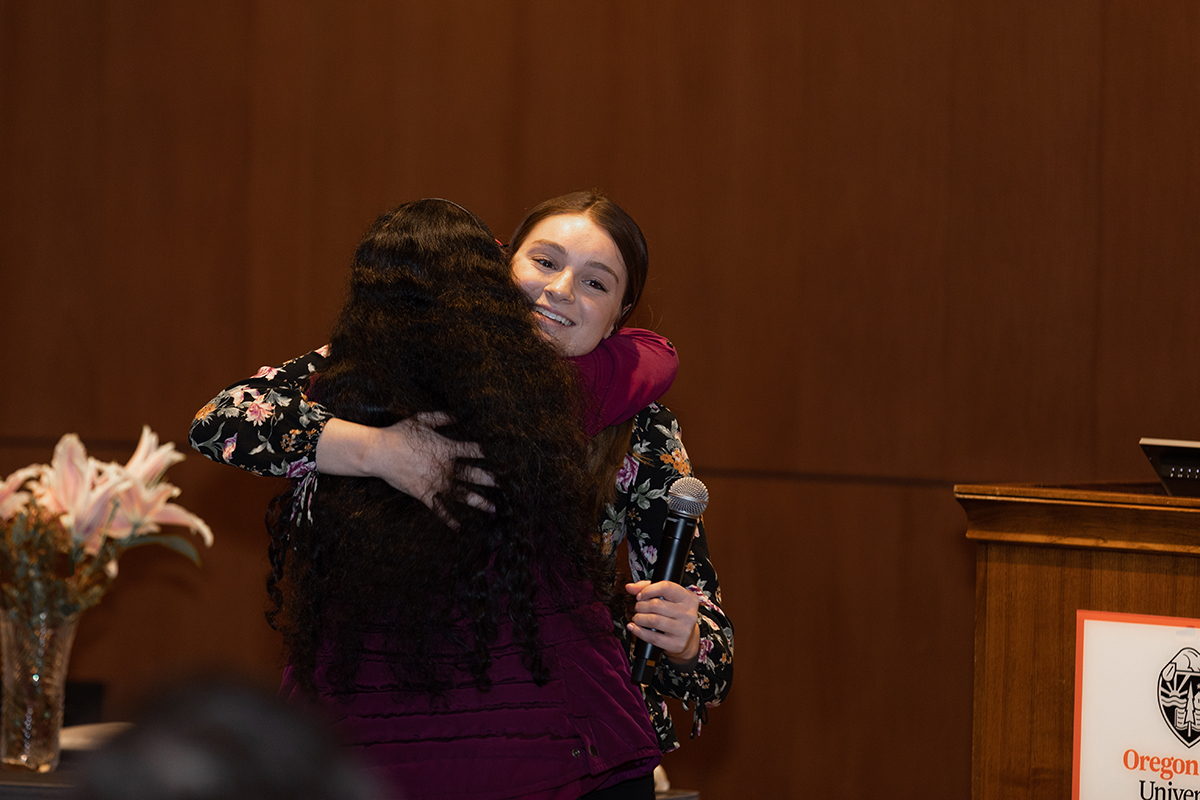
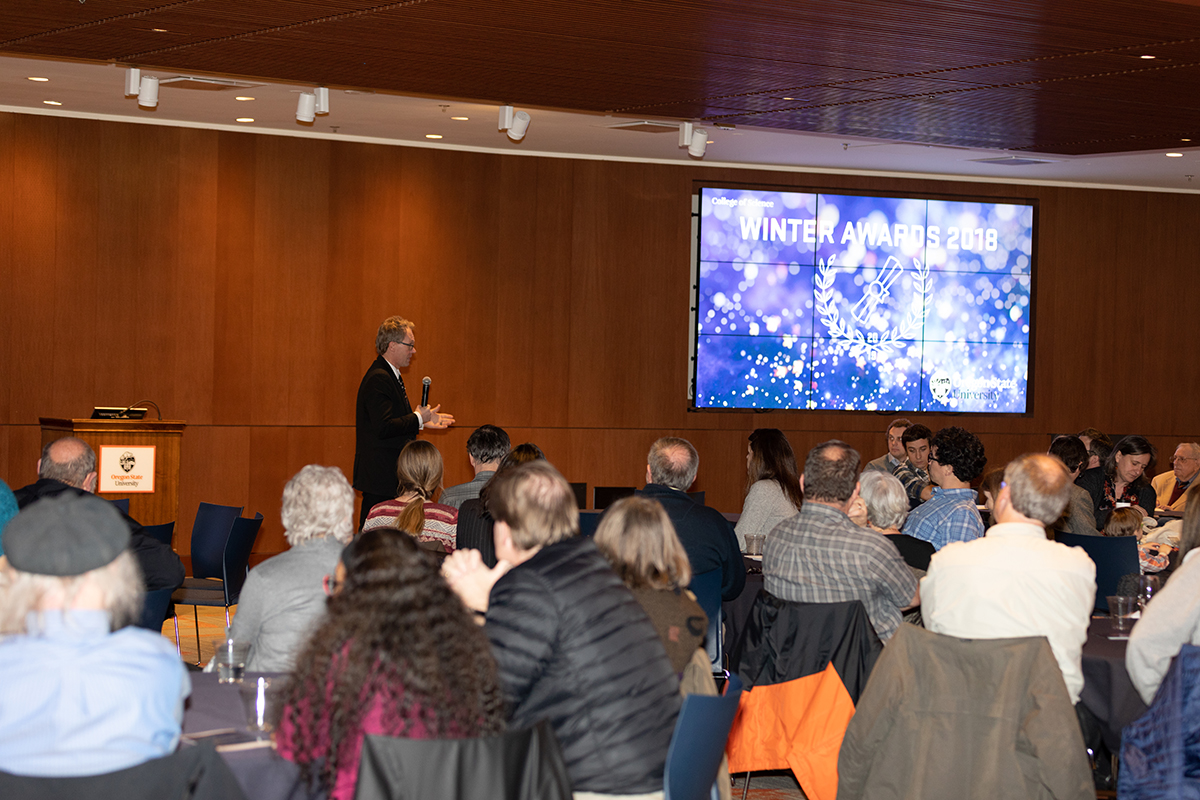
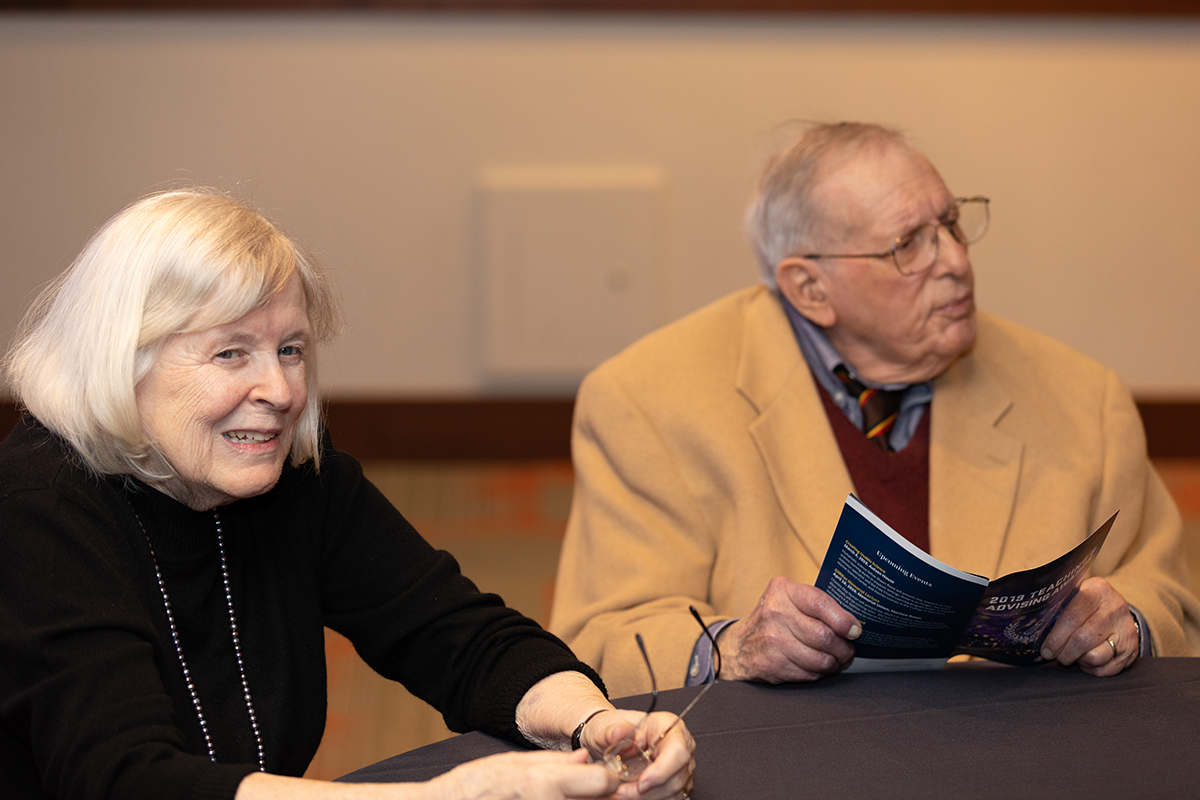
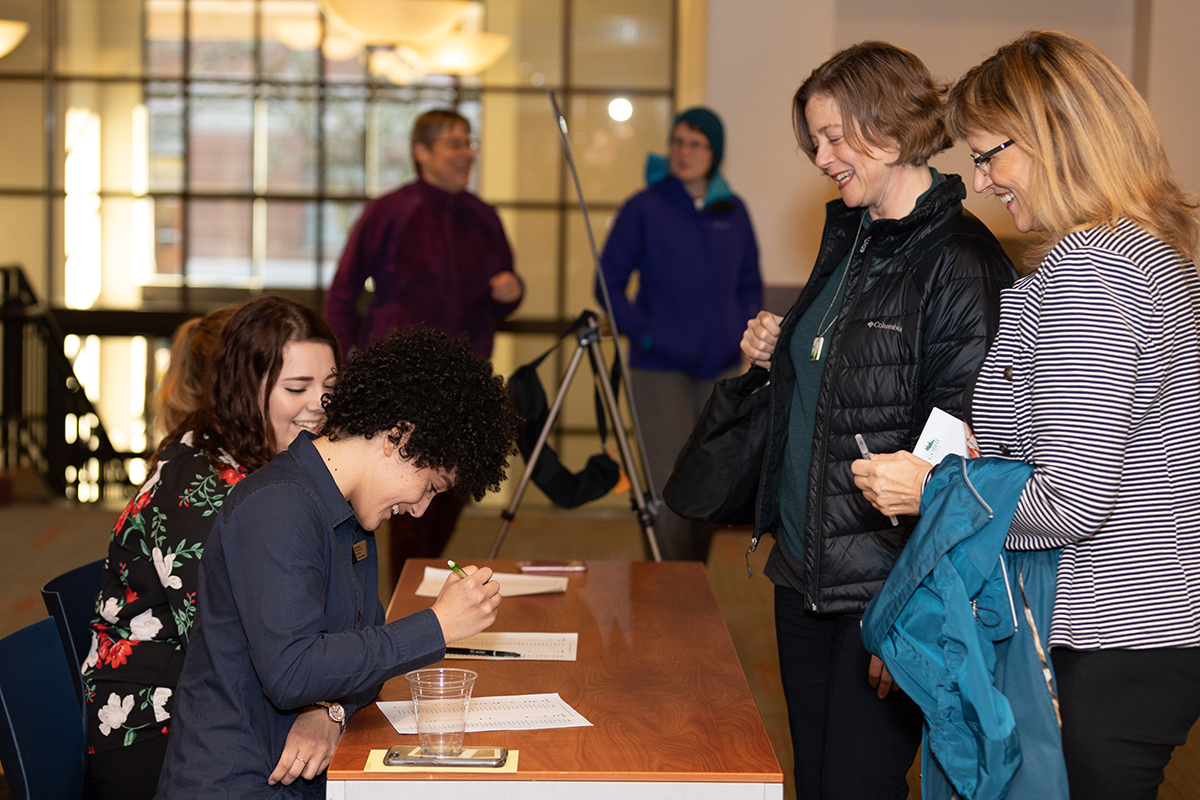
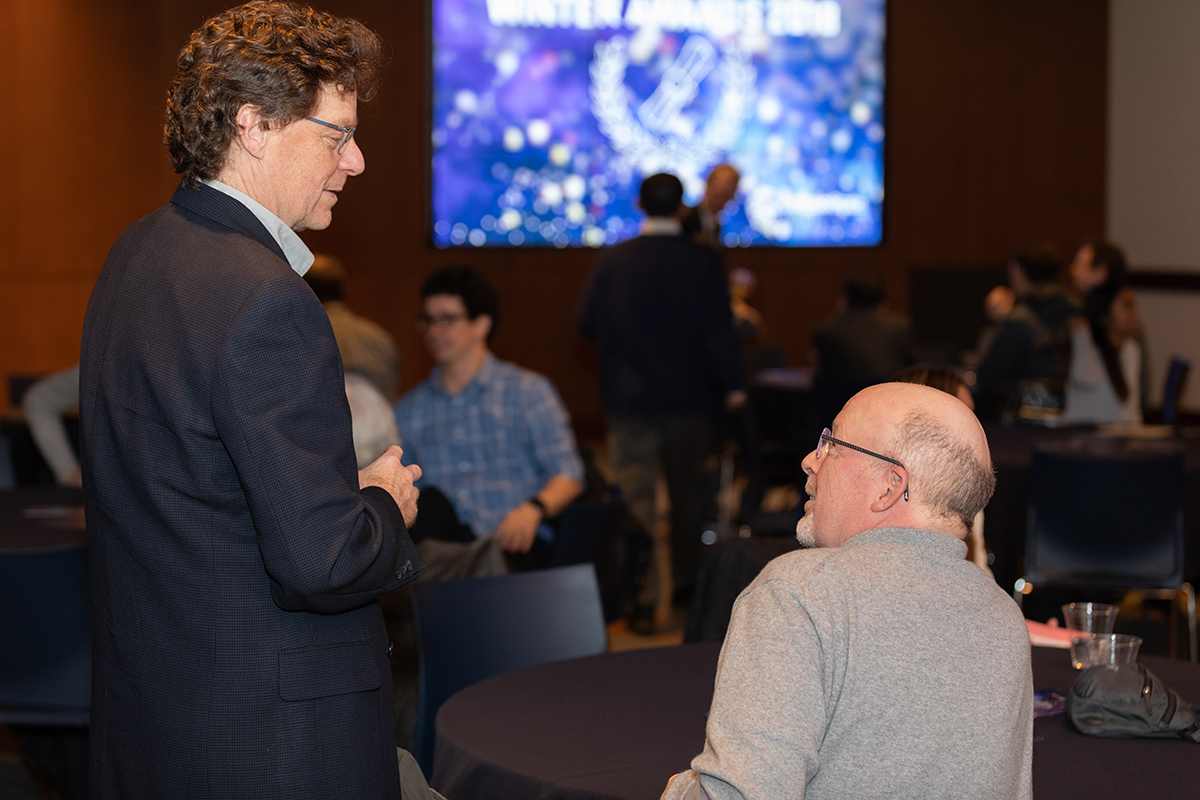
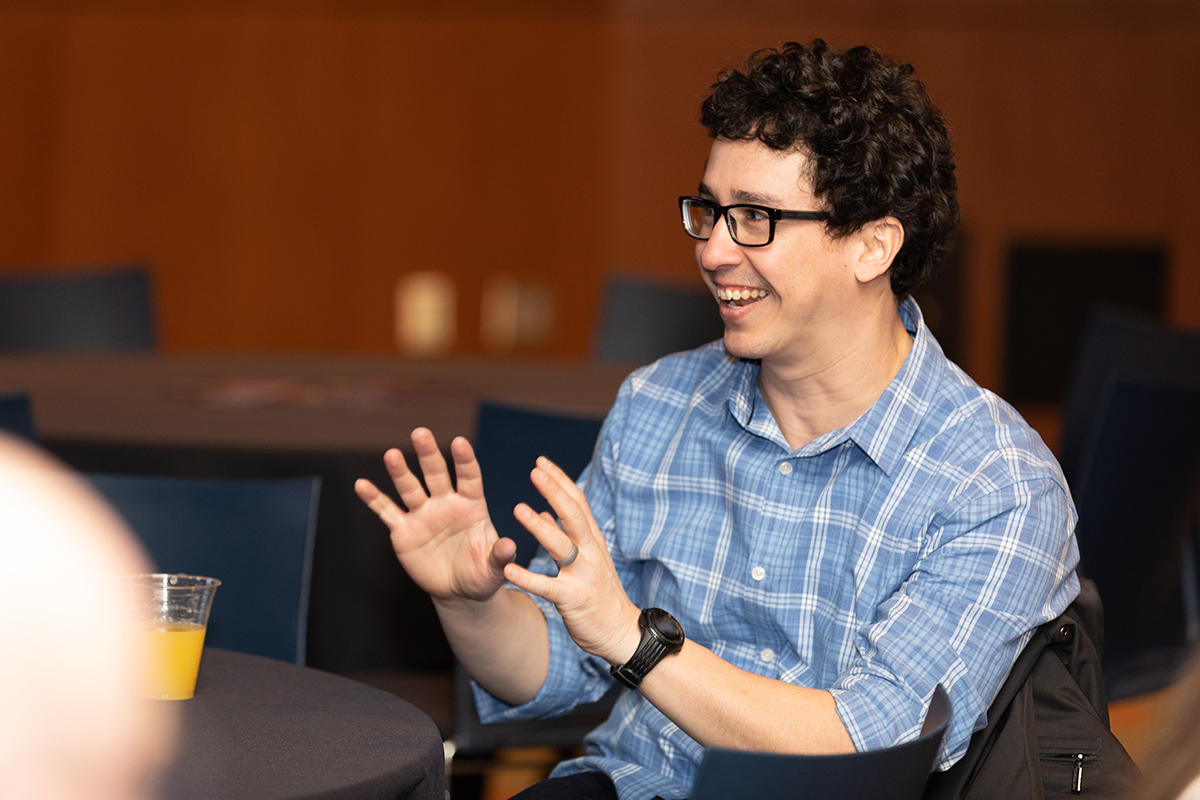
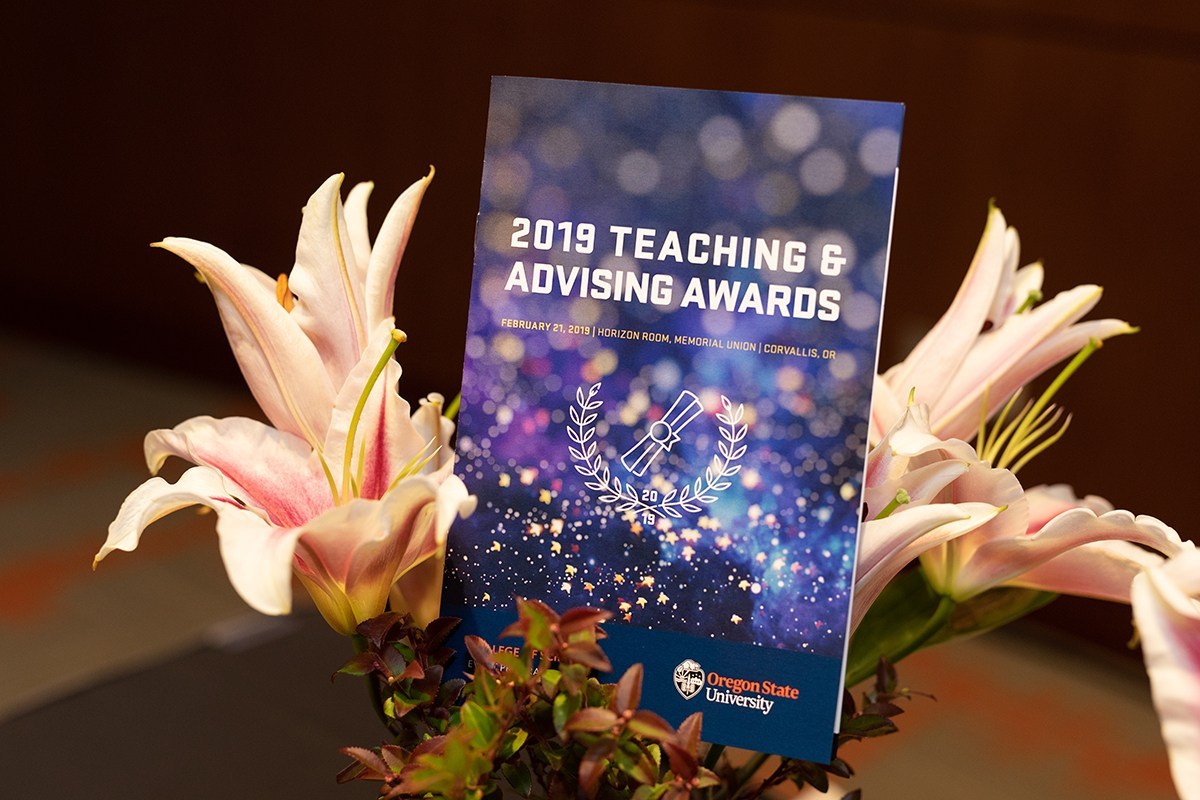
Photos from the College of Science Teaching and Advising Awards, February 21, 2019.


Related Stories
Across the Department
Climate and Oceans
Microbiologist receives $1.2M award to study microbes in a changing ocean
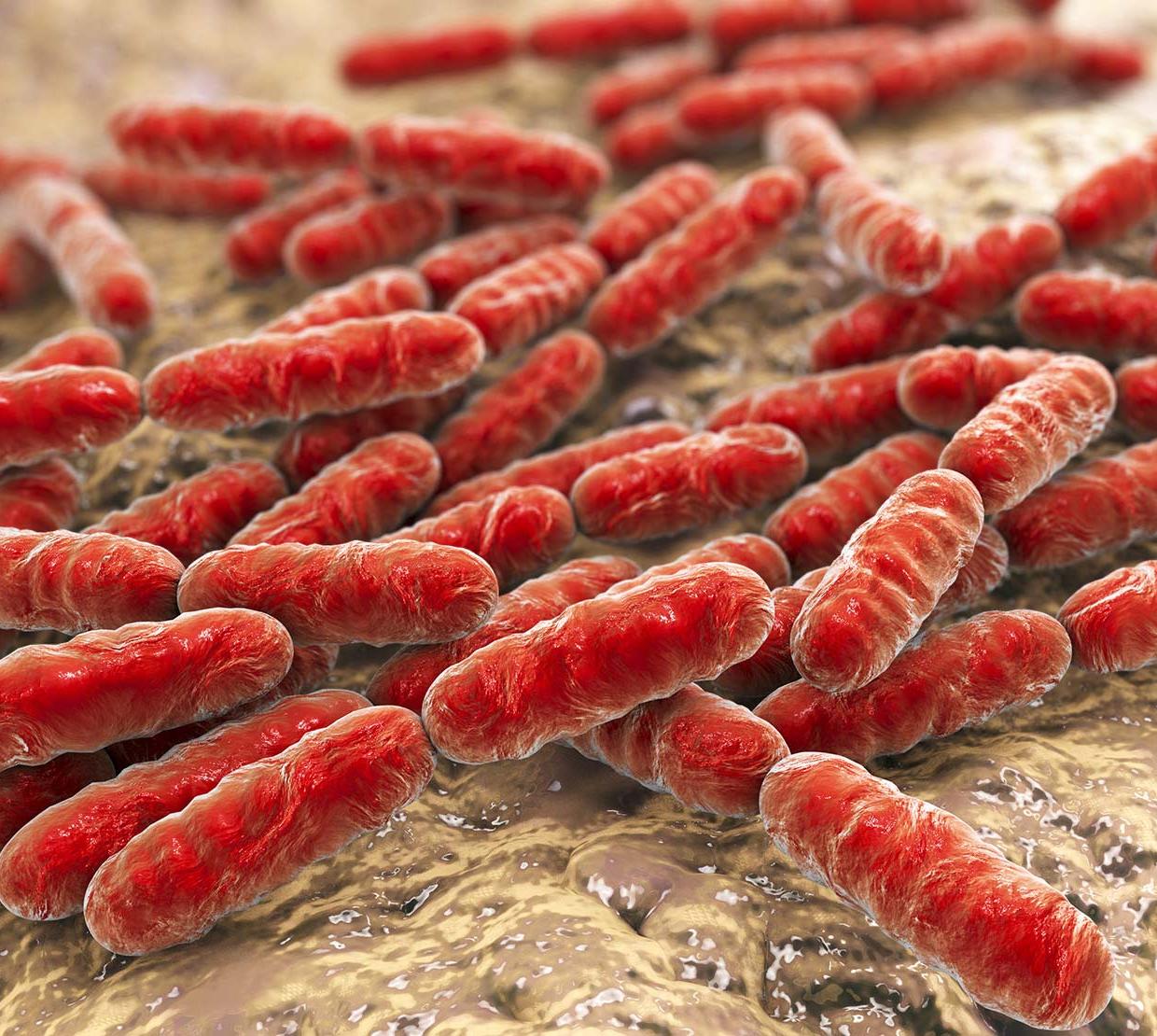
The human microbiome and autism spectrum disorder
Maude David, an assistant professor in the Department of Microbiology, is part of a two-year $1.94 million grant to identify possible connections between the human microbiome and autism spectrum disorder.
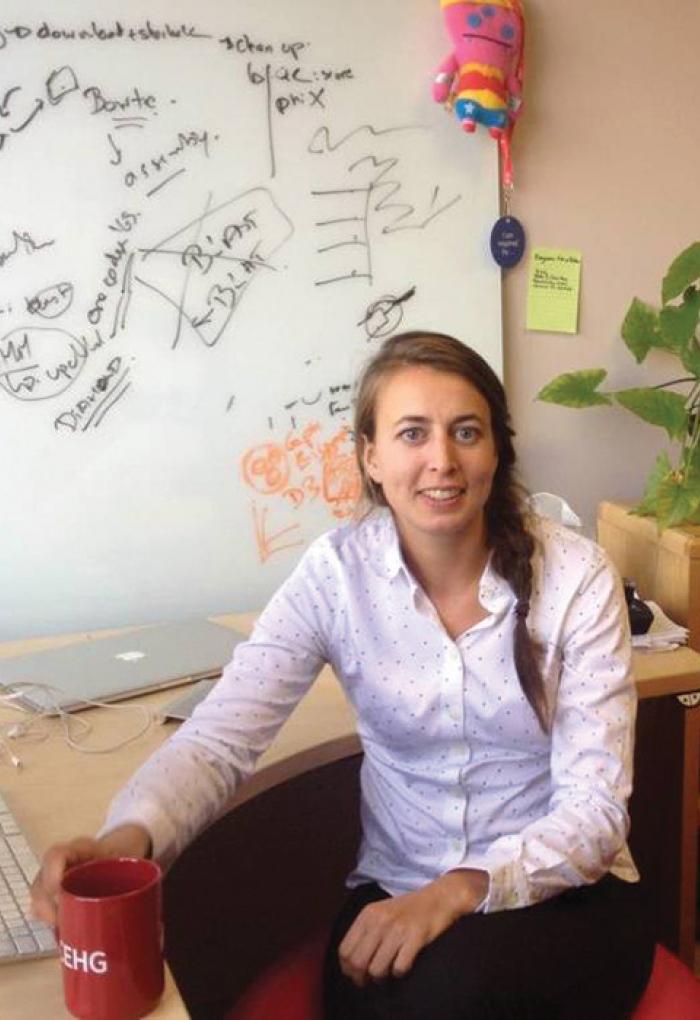
Microbiologist Maude David
The goal is to use data from the microbiome — the community of organisms that live in a person’s gut — in the search for new treatments for autism spectrum disorder, a developmental disorder that affects communication and behavior.
In the United States, roughly one child in 70 has autism spectrum disorder; boys are four times as likely as girls to have the condition. Symptoms usually appear by age two.
David will collaborate with researchers at the Stanford University School of Medicine and Second Genome, a company based in South San Francisco, California, on the two-year project funded by a federal Small Business Innovation Research grant.
The grant will support the study of key metabolites produced by microbes in patients with central nervous system disorders, particularly autism. Some of those metabolites may be able to pass through the blood-brain barrier, which protects the brain from toxins in the bloodstream, and negatively affect the central nervous system.
Certain microbial strains are either lacking or severely decreased in children with autism spectrum disorder.
“Recent studies have implicated the microbiome in several central nervous system disorders, including autism, Parkinson’s and Alzheimer’s disease, and even addiction.”
“This project is especially exciting because it uses a top-to-bottom approach with crowd-sourced samples to identify the metabolites that we’ll ultimately test in mouse models,” David said.
OSU has several areas of responsibility in the project, she added, including applying computational models of the blood-brain barrier and ramping up several new behavioral tests for the mice used in the study.
“One of the most interesting pieces of the puzzle is our attempt to combine microbial profiling and genetic variants in humans to determine the most relevant features, either of the microbiome or the host,” said David, who will collaborate on this part of the project with Dennis Wall of Stanford, an expert in human genetic variation.
Second Genome, a company focused on the development of novel therapeutics identified through microbiome science, is the SBIR grant recipient and will work with OSU and Stanford to study the relationship between the human microbiome and autism spectrum disorder.
The researchers have enrolled 111 pairs of siblings, each born within two years of each other, in the study; one sibling is on the autism spectrum, the other is not. Each pair of siblings lived in the same house and provided stool and saliva samples over a set period of time, and their parents charted each sibling’s diet and behavior for three weeks.
“Recent studies have implicated the microbiome in several central nervous system disorders, including autism, Parkinson’s and Alzheimer’s disease, and even addiction,” said Todd DeSantis, Second Genome’s co-founder and vice president of informatics. “As we mine the increasing amount of data coming from the microbiome, we look forward to developing clinically relevant therapeutics to improve patient care in autism and other disease areas.”
Related Stories
Across the Department

Meet 2018 Presidential Scholars and science students
First-year science students Eli Nicholas and Jordyn Hamilton are 2018 Presidential Scholars who are finding numerous opportunities to achieve their academic goals and explore new interests at Oregon State University.
The university’s most competitive, merit-based scholarship for in-state undergraduates, the Presidential Scholarship is awarded to the highest-caliber high school seniors in Oregon with a record of academic excellence (3.85 GPA or above plus impressive SAT or ACT scores) among other accomplishments. The generous scholarship awards a total of $40,000 and covers the cost of four years of tuition. In 2018-19, 35 OSU students including seven College of Science students received a Presidential Scholarship. In total, 755 high school seniors were considered for the award.
In addition to Nicholas and Hamilton, zoology major Nathaniel Neal and biology majors Tory Schroeder, Gautam Singh, Elizabeth Reece and Savannah Taggard have also been awarded OSU 2018 Presidential Scholarships.
Seeing the mathematics in music
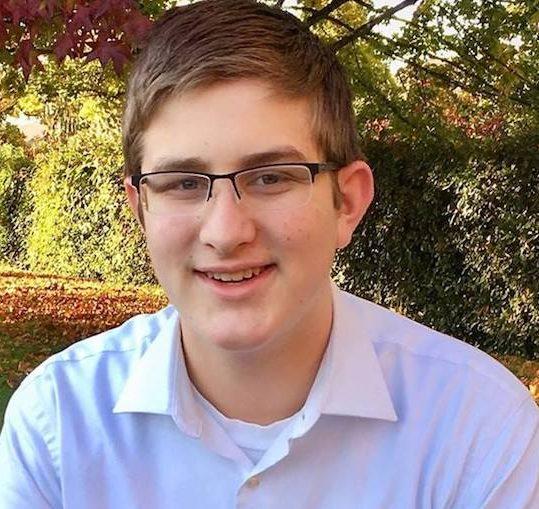
Mathematics major Eli Nicholas
A mathematics major, Eli is combining his love for numbers with his passion for music by pursuing a minor in music performance. In fact the talented freshman was taking part in a high school musical last year at West Albany High School when the news about his Presidential Scholarship broke. His choir and band teachers collaborated with OSU admissions officials to heighten the drama; Eli was presented with the Presidential Scholarship after curtain call in front of the entire audience.
The scholarship sealed the deal in favor of OSU for Eli. “Financial aid and stability were a huge plus for me. OSU is also a family school of sorts. My grandfather and parents went to OSU. My older brother is also at OSU.”
As it turns out, Presidential Scholarships also run in the family. Eli’s older brother, Jonah, a forestry senior, is a Presidential Scholar.
“The Presidential Scholarship requires me to take a full load of courses each quarter. Being done with the baccalaureate core courses, I have an opportunity for intellectual exploration and take the classes that interest me.”
At OSU, Eli is exploring diverse interests and finally indulging in a cherished childhood dream: vocal performance. “I played the trombone in high school. But vocal performance is definitely my number one passion.” Growing up, Eli couldn’t afford voice lessons. This year, he achieved a milestone by singing for the first time at an OSU opera, Puccini’s La Rondine.
Eli was urged to take vocal lessons when he auditioned for the OSU choir leading him towards a music minor, which is covered by his scholarship.
He enjoys the academic freedom and the numerous avenues for academic exploration that have opened up. In addition to core classes in mathematics, Eli is taking religious studies courses, a subject that interests him deeply. Having taken a number of AP credit courses in high school, Eli will soon be completing his core requirements, and is eagerly looking forward to expanding his intellectual horizons.
“I feel I have a really great opportunity here. The Presidential Scholarship requires me to take a full load of courses each quarter. Being done with the baccalaureate core courses, I have an opportunity for intellectual exploration and take the classes that interest me,” said Eli. “It is a different world from high school where I was taking a lot of AP credit classes. It is a great space where I can study whatever I want.”
The Albany native’s decision to study mathematics was spurred by a fantastic high school mathematics teacher, not to mention the fact that he has always enjoyed the subject and been good at it. Eli has some unbeatable wisdom for those who experience anxiety associated with mathematics.
“Math isn’t something to be scared of. It is so integral to every part of life. It should be appreciated and respected for what it is — the driving force behind sciences and so many technologies,” said Eli, who also shares that he relies on study plans to help him stay on track.
“I make a two-week plan whenever I fall behind.”
Technically this isn’t Eli’s first year on campus. He spent time at OSU as a child when his father was studying for a master’s degree in civil engineering. “I have very fond memories of being around OSU and mingling with the families of other graduate students at OSU. It was a very happy period in our lives and I am delighted to be back.”
Going from strength to strength
A graduate of Sheldon High School in Eugene, Jordyn Hamilton aspires to attend medical school and become a physician. She is an Honors BioHealth Sciences student with a focus on pre-medicine.
“I shared my personal story in my OSU admissions application, and I would like to believe that made a difference.”
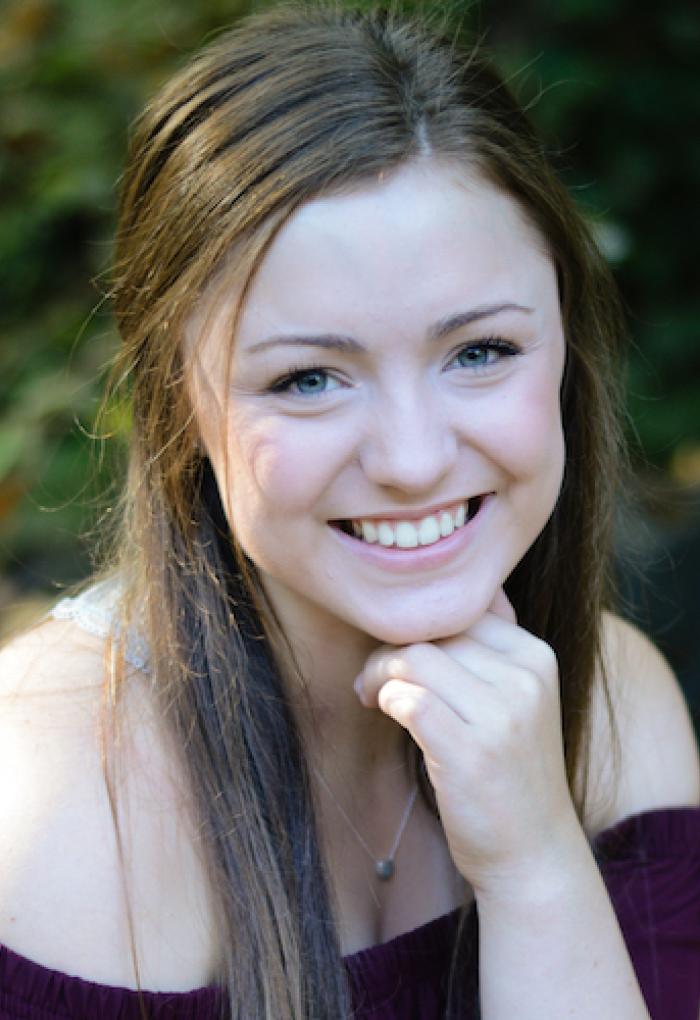
BioHealth Sciences major Jordyn Hamilton
The oldest of five sisters, with the youngest born just this year, Jordyn is thrilled to be a Presidential Scholar at OSU. “My sisters need me. Staying close to home and family was important for me, and the Presidential Scholarship helped me achieve that goal.”
She was immediately drawn to the biohealth sciences major for its unique focus on life sciences and training for health careers. Jordyn has been passionate about being a physician since an early age. Her grandfather was an ER doctor and Jordyn grew up listening to his stories and visiting his clinic as a child.
“I love the campus and being a part of the Honors College. I have found friends with similar goals,” said Jordyn.
The medical school aspirant is off to a flying start. Jordyn is a member of the Wellness Agents team at OSU. Wellness agents drive campus-wide prevention and wellness efforts by organizing large events and educating students about college health issues.
The Presidential Scholarship was especially meaningful for Jordyn whose academic ambitions have withstood overwhelming odds. Largely raised by a single parent, Jordyn has struggled with immensely difficult personal and economic circumstances, which include incarceration, addiction and unemployment in her family. However, the determined young woman never lost sight of her grades and her desire for a better life.
“My life growing up has not been ideal, and my sisters and I have suffered because of that. But I was always very self-motivated to do well academically and my grades were a key focus,” said Jordyn. “I shared my personal story in my OSU admissions application, and I would like to believe that made a difference.”
Her achievements have been exceptional. Jordyn was recognized as one of 19 students who maintained a 4.0 GPA throughout high school. In addition to her voracious appetite for academic excellence, Jordyn has been a lifelong contemporary and jazz dancer, and continues her dance classes in a local studio.
Jordyn’s early struggles and experiences have given her a compassionate, responsible and mature outlook on life. She is currently helping care for her ailing grandfather, who has always been a big source of inspiration, strength and support in her life.
OSU’s academic flexibility has ensured that Jordyn can take several of her baccalaureate courses online through OSU’s outstanding and top-ranked Ecampus program as she tends to her grandparent in Eugene.
She is excited about resuming her on-campus life and classes soon, and is busy making plans for the future. Fluent in Spanish, Jordyn looks forward to participating in a study abroad program to a Spanish-speaking country and working in a clinical setting abroad during her undergraduate career.
Related Stories
Across the Department
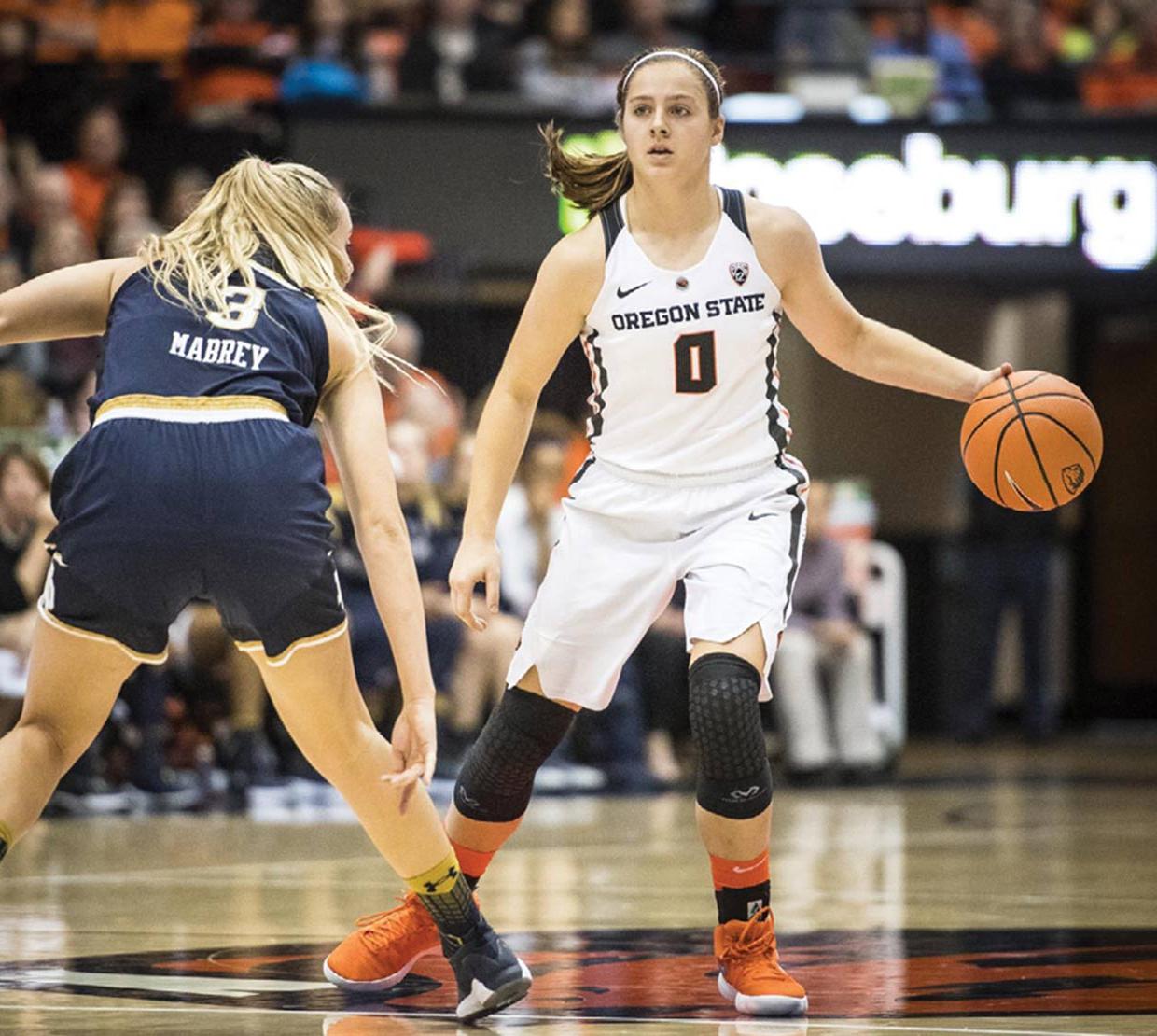
Mikayla Pivec, basketball star and BioHealth Sciences junior
Honors BioHealth Sciences junior Mikayla Pivec might be best known for her stellar basketball career for the Oregon State Beavers (she made the headlines for leading her team to victory against La Salle recently), but that is only a part of what she has to offer. For the past year, Pivec has been working with Human Development and Family Sciences Professor Kelly Chandler, in the College of Public Health and Human Sciences, on illuminating the challenges homeless people face and understanding how best to use resources to help them.
Pivec was excited to use the SURE Science Award to advance the scope of her honors college thesis, as well as to help the homeless community to the greatest extent she can. She has already donated $1000 of the $5000 stipend she was awarded to the homeless shelters in Corvallis.
“I was so lucky to have that opportunity – it’s my way of giving back for what was given to me,” remarked Pivec.
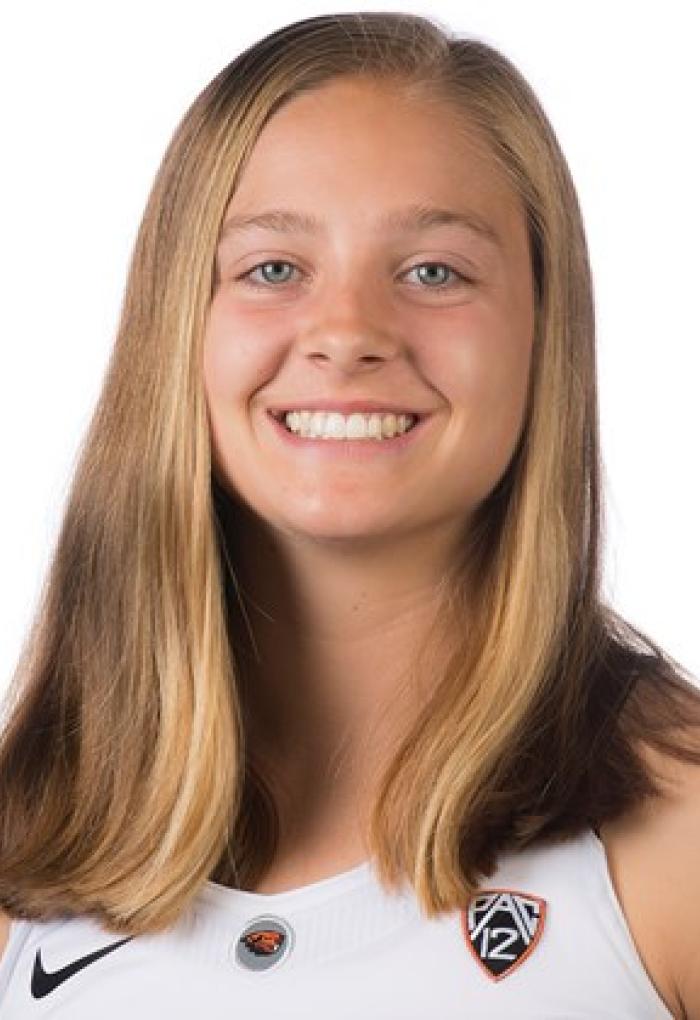
BioHealth Sciences major Mikayla Pivec.
Pivec is interested in going into the medical field, possibly becoming a dermatologist. She explains that when she was younger she suffered from eczema on her hands and dark skin pigmentation on her neck. She visited a dermatologist who was able to alleviate the symptoms. “That was the spark moment when I realized, ‘hey I like science and I like helping people, and I want to help people feel better and more confident like that dermatologist did for me.”
In addition to practicing more than 20 hours a week, the OSU women’s basketball team also participates in many volunteer activities throughout the community, such as helping feed the homeless at churches throughout Corvallis. In addition, Pivec took the initiative to start volunteering on her own at the Room at the Inn, a cold-weather women’s shelter in Corvallis. “I started interacting with the women there and got really interested in their stories,” Pivec said.
She decided to do her thesis project on the challenges homeless people encounter, as well as looking at the resources they use and how they can better be adapted to serve the population. Pivec looked into what research opportunities were available at OSU, and quickly learned of the work Chandler was doing.
Since January 2018 they have been working on developing a project where they conduct qualitative interviews with 10 representatives from the homeless population about how they utilize resources such as food, housing vouchers, and the accessibility of government IDs. They plan to compare this information with data they have already collected from various representatives from local resource agencies. “We want to see where the disconnect is, and what barriers to access they might have,” she said.
The project has progressed slowly, because several permissions are needed to be obtained before they are allowed to meet with vulnerable members of the population. Because of this, Pivec’s work over the summer was mostly limited to conducting research on similar projects, examining data, as well as conducting the interviews with resource agencies. These alone have been very enlightening. “I expected them to say that the biggest issues were not getting enough funding, or the resources they might need, but in fact the biggest issue they saw is the stigma related to how people view the homeless population.”
Now that the proposal has been approved, they are posting fliers to raise awareness about the interviews which they hope to conduct over winter break.
Pivec is grateful for the many opportunities receiving the fellowship provided her. “I’m so lucky to have the SURE Science Award. It was a great opportunity. It allowed me to pursue my passion and helped set the stage for my thesis project.”
Apart from allowing her to dedicate more time to research than would have otherwise been possible, she also found the seminar to be a highly valuable learning experience. “Before the seminar, I was a little nervous. But I actually really liked it. Someone came up to me and said they had actually been homeless, and we were able to talk about some of the bigger issues around the subject.”
In the months ahead, Pivec plans to continue developing her project for her thesis. More than anything, Pivec is excited to continue her work with the homeless shelters in Corvallis.
“I like to be able to help as much as possible, and being involved in the community is really important to me. I know this community’s given a lot to me, and as a student athlete here, I have this really great platform I’ve been able to use to inspire people and make an impact.”
In the future, whether she is going pro in basketball or becoming a dermatologist — or both, Pivec is determined to keep working to make society a better place.
Also read: Science scholarship enables biology senior to expand marine science research
Related Stories
Across the Department
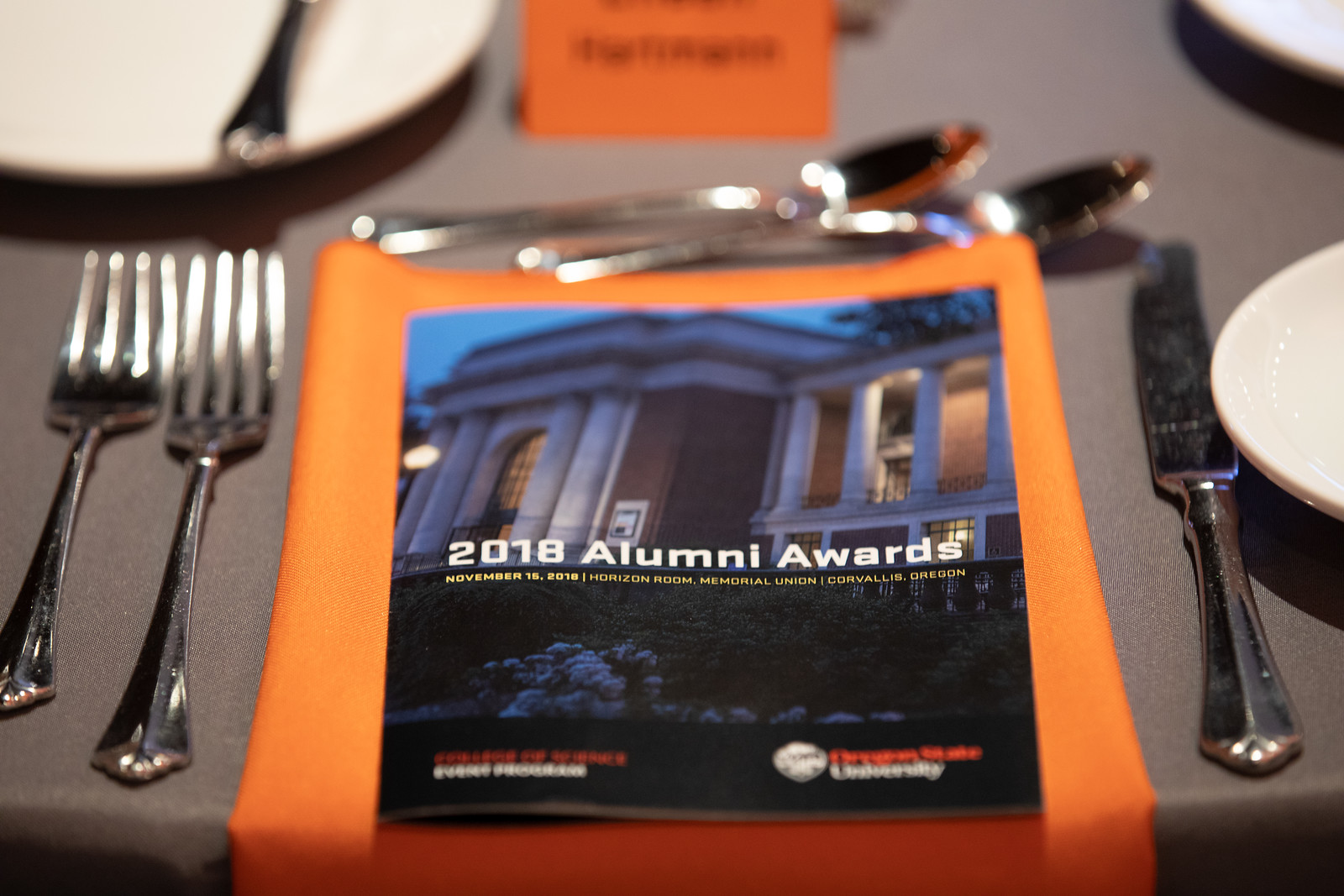
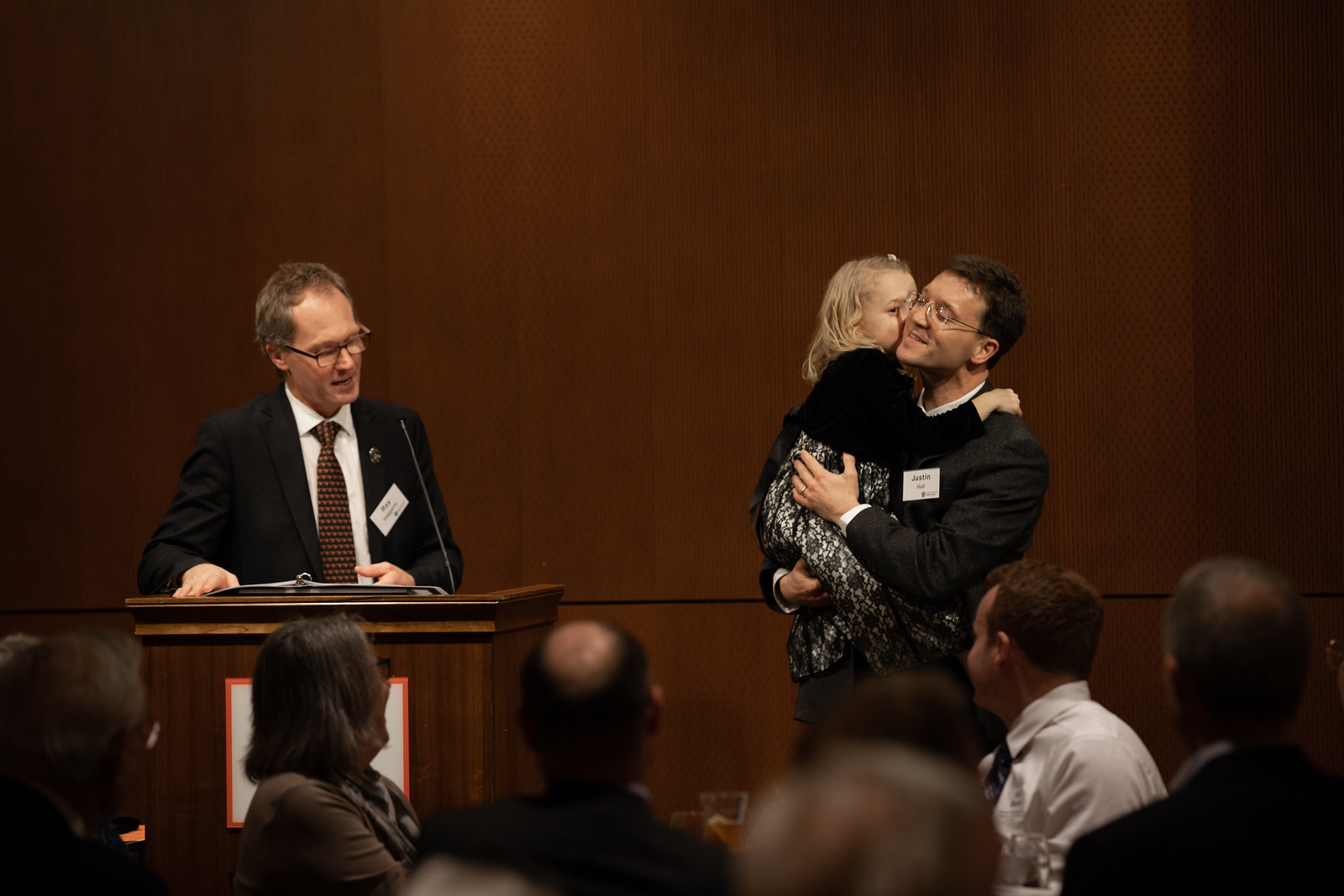
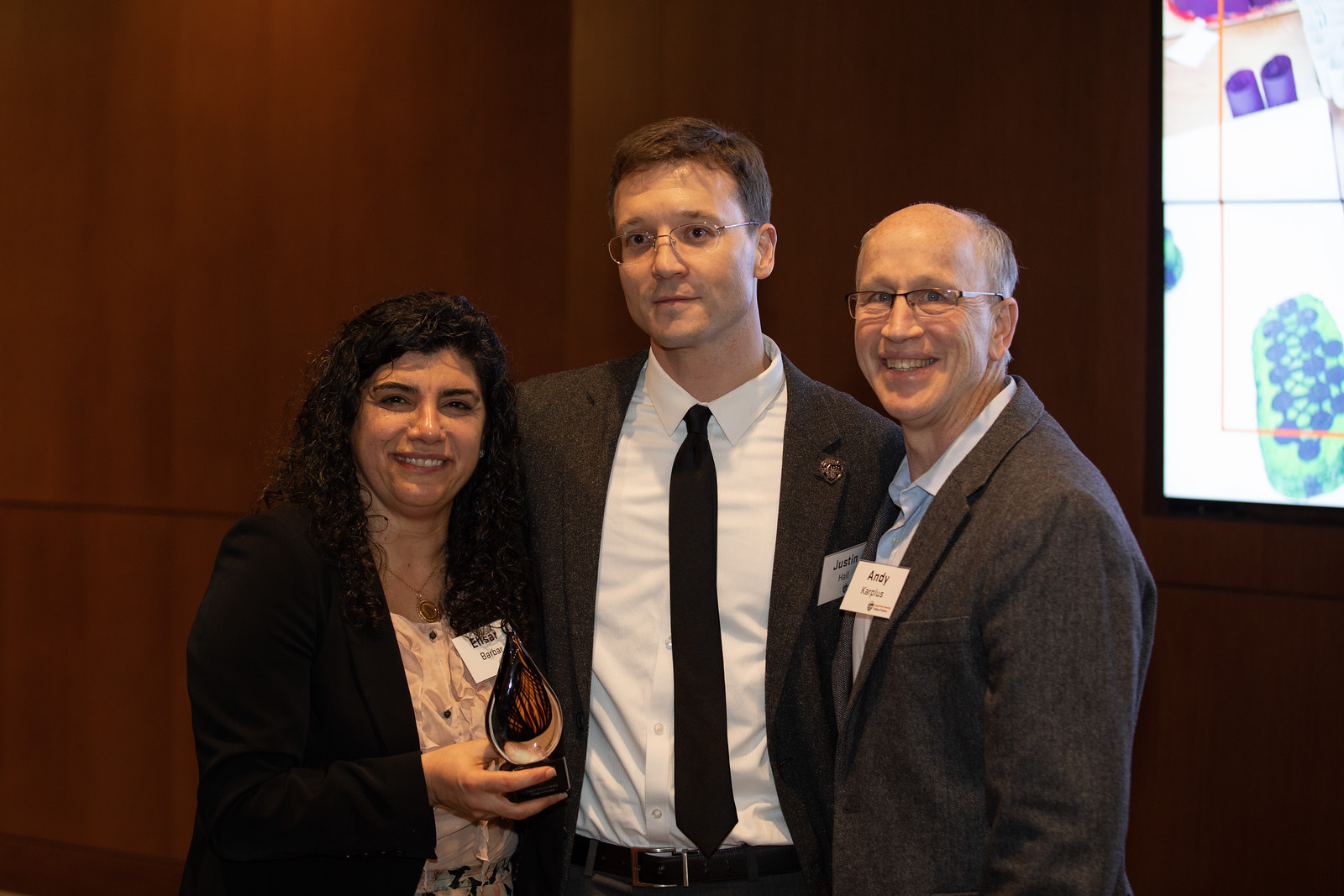
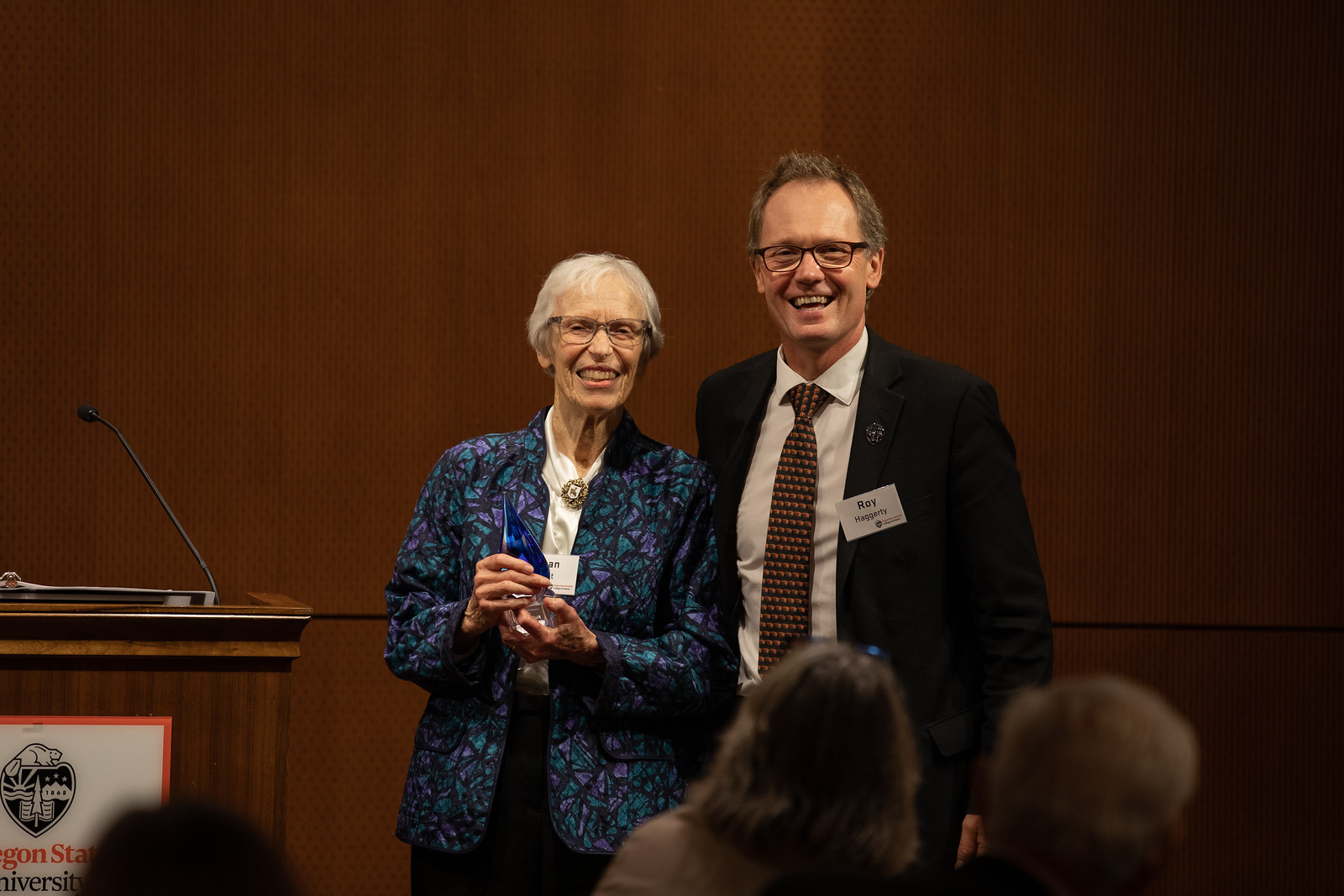
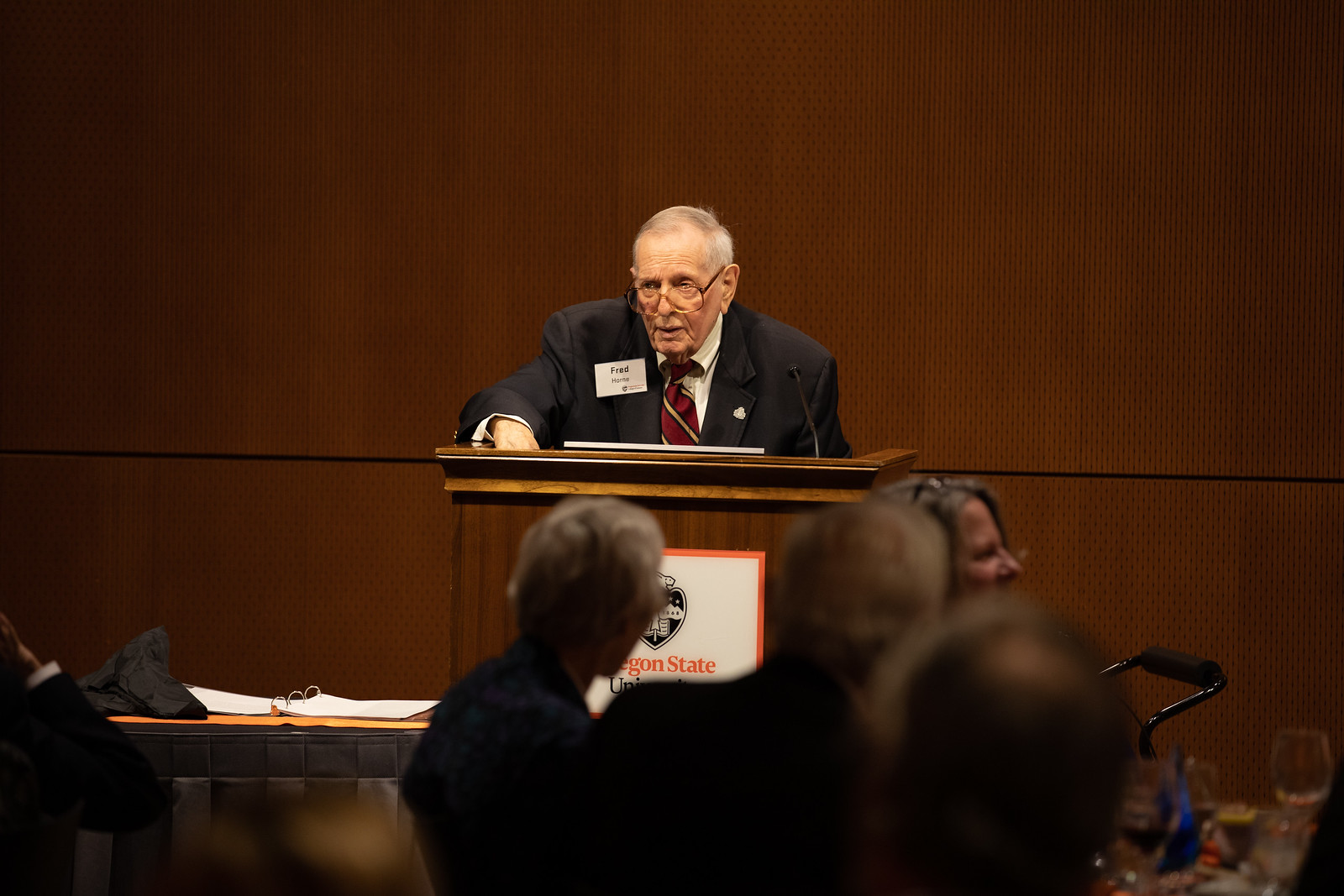
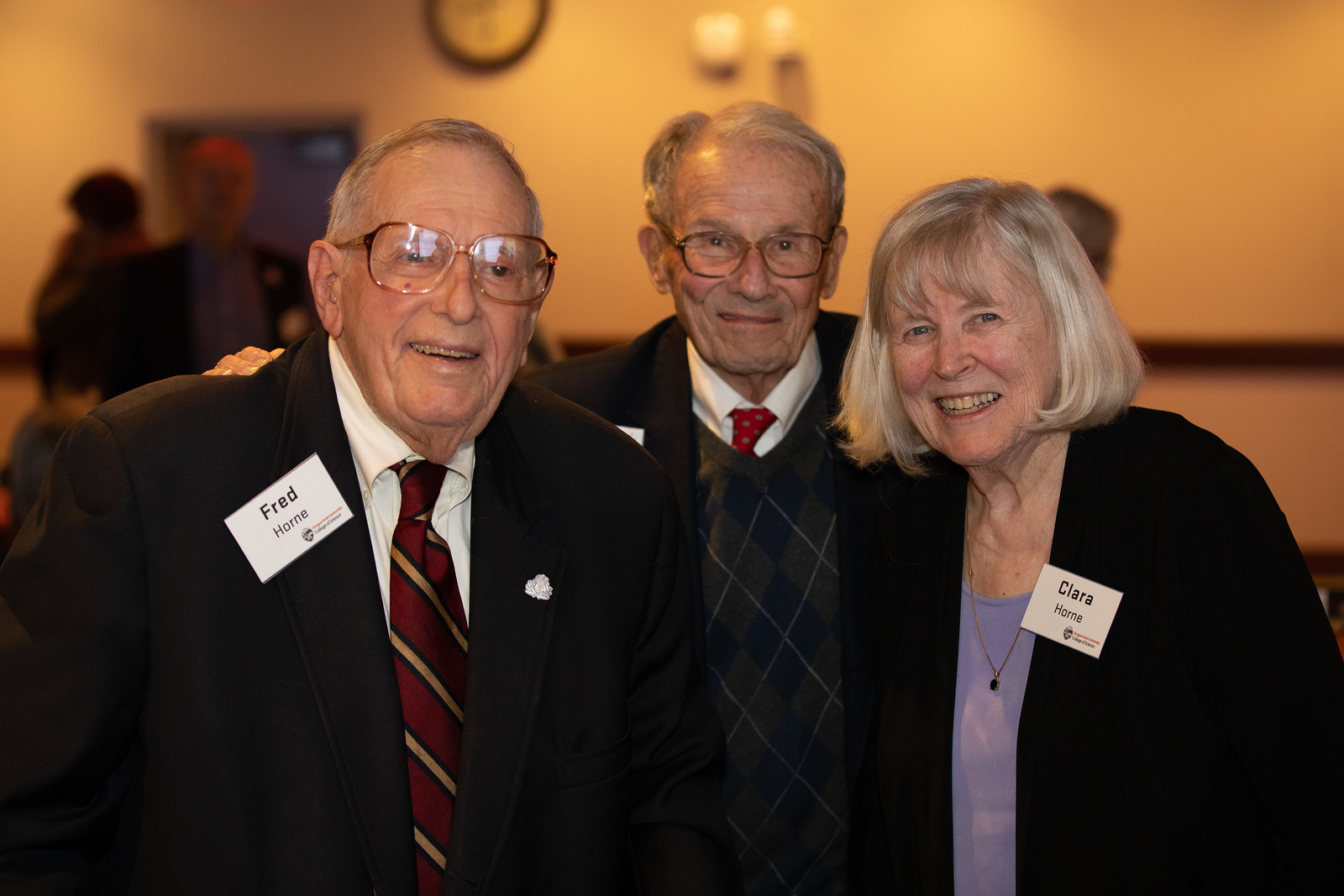
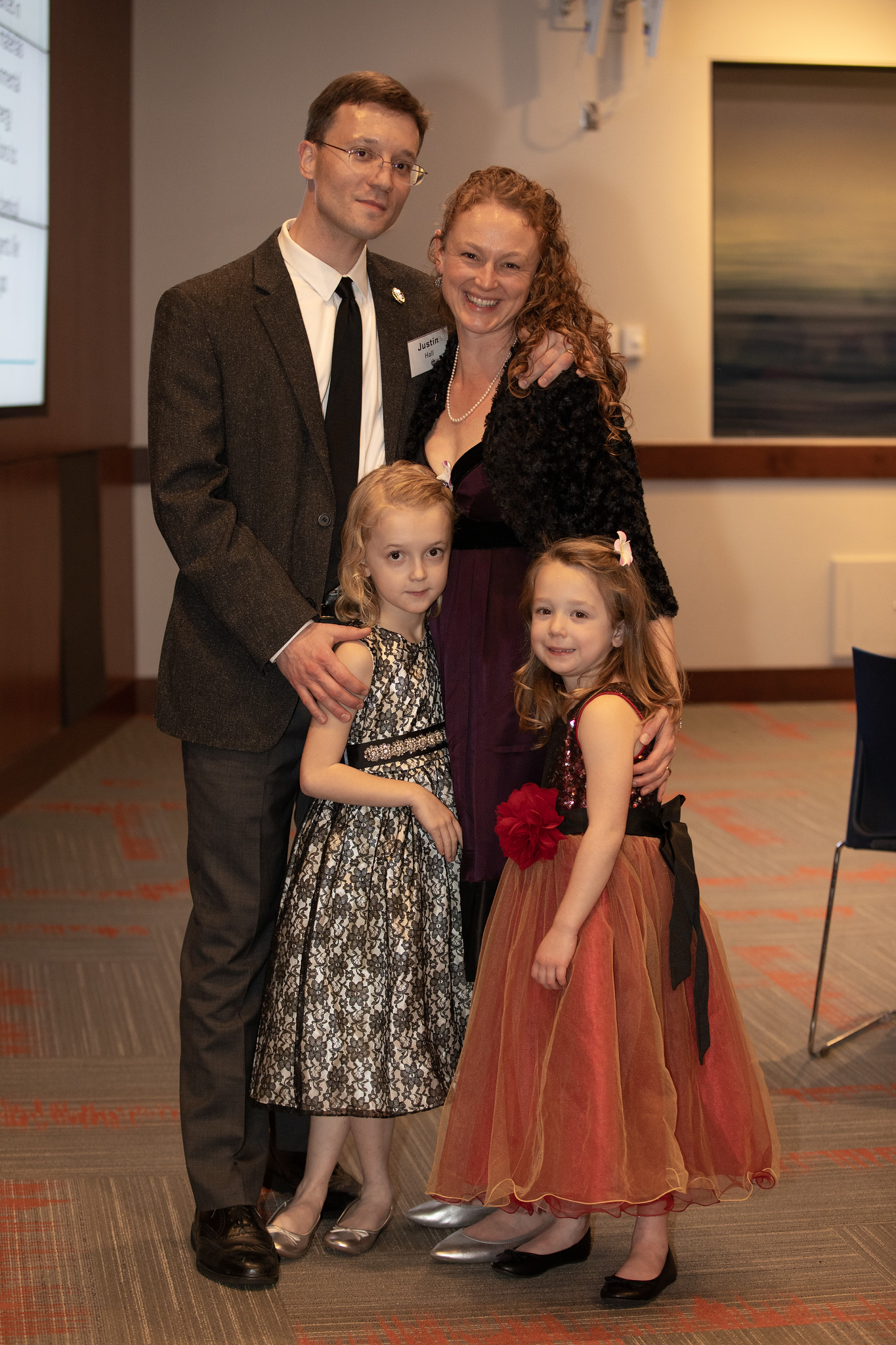
The College of Science is pleased to announce its 2018 Alumni Award recipients. Fred Horne, the former Dean of the College of Science and Emeritus Professor of Chemistry, was recognized with Lifetime Achievement in Science Award; Joan Countryman Suit (’53) received the Distinguished Alumni Award. Justin Hall (’10) won the Young Alumni Award.
The awards publicly recognize alumni or friends of the College of Science for distinguished professional and personal accomplishments and for exemplary contributions to society that bring credit to the College and the University.
“I congratulate these exceptional individuals whose contributions have made a deep impact on science and society. They have distinguished themselves by nurturing an inspiring legacy of service and scientific achievement for future generations,” said Roy Haggerty, dean of the College of Science.
“They have enriched our communities through their passion for science and education and have brought honor and distinction to the College of Science and the University. I am grateful to each of them,” added Haggerty.
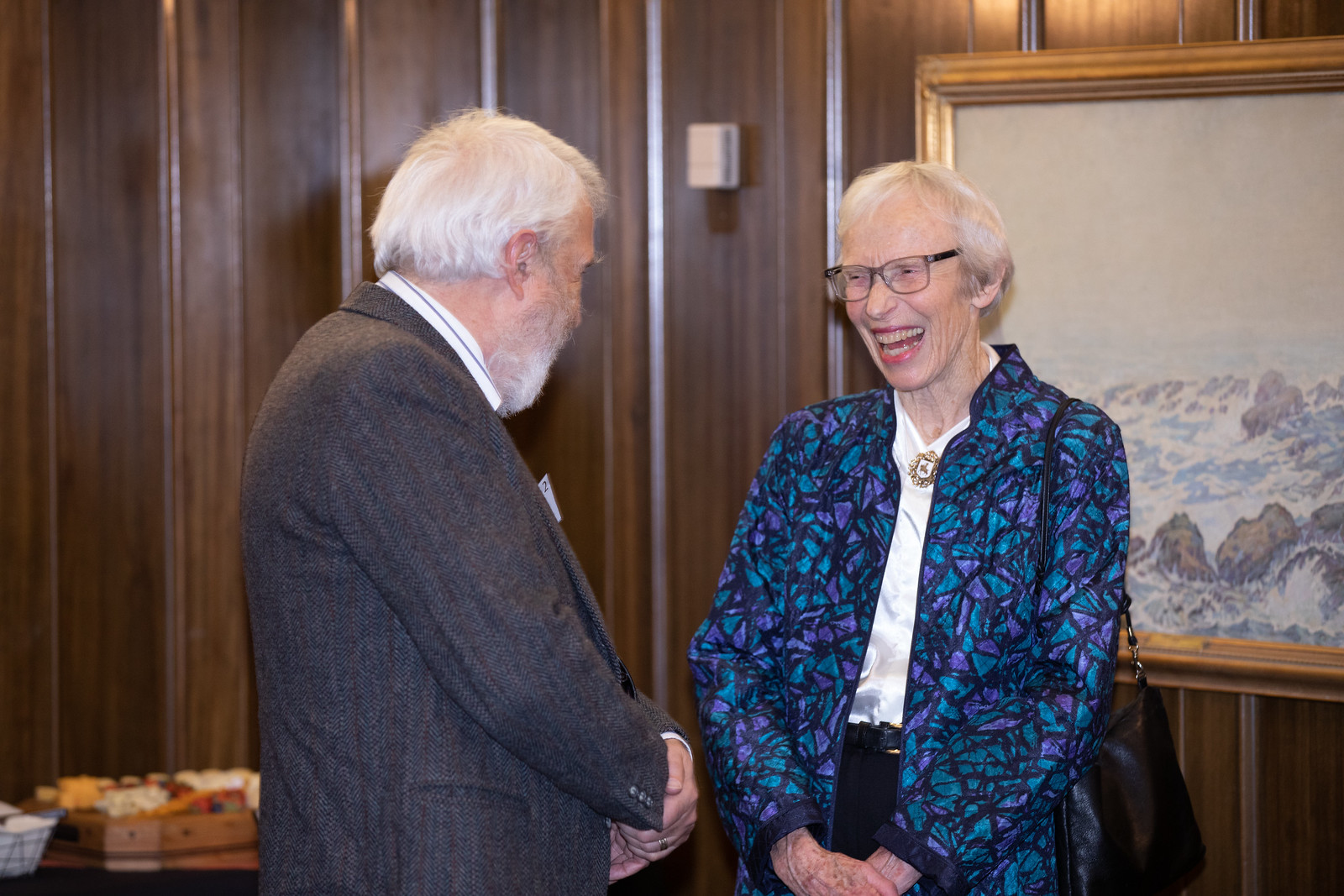
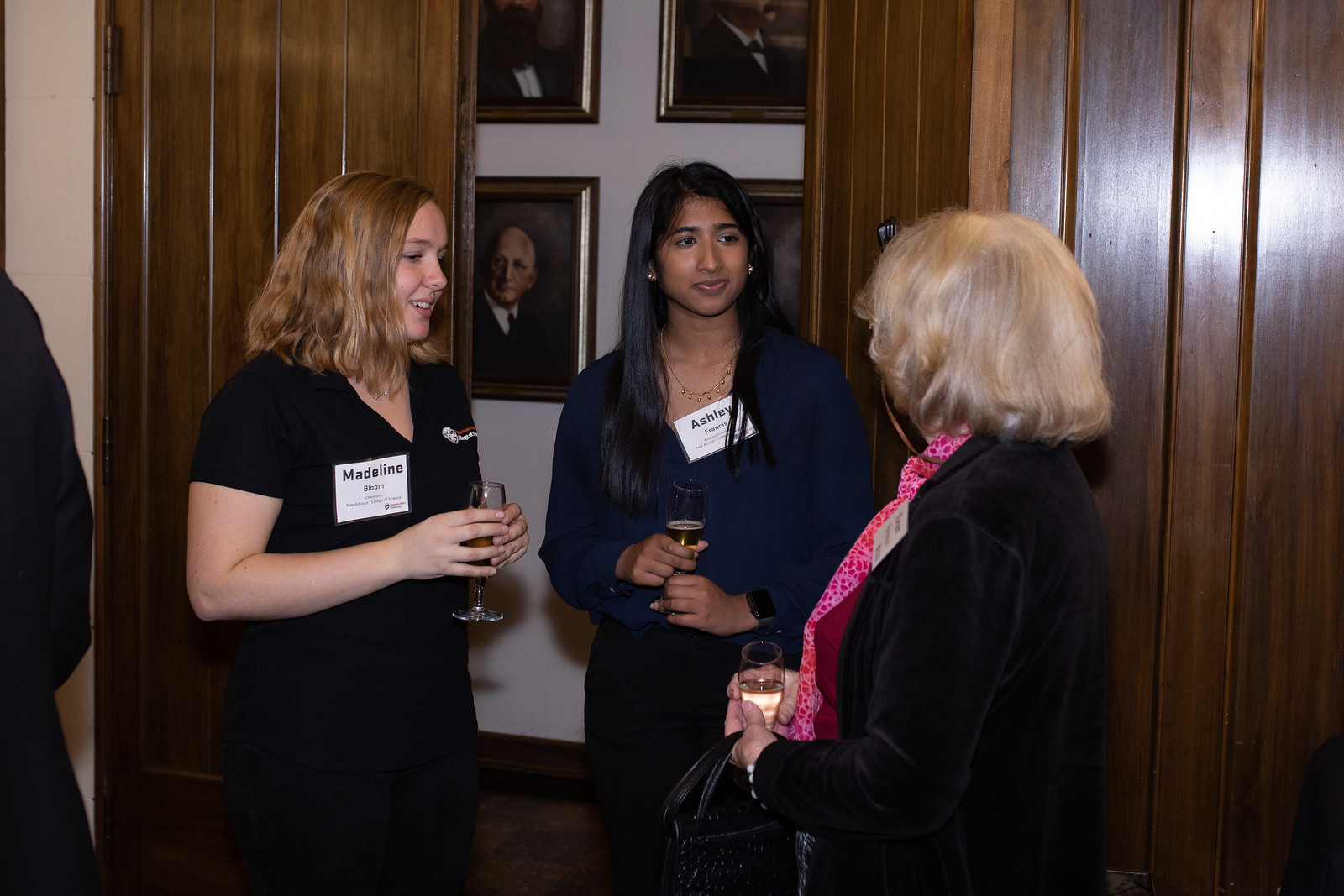
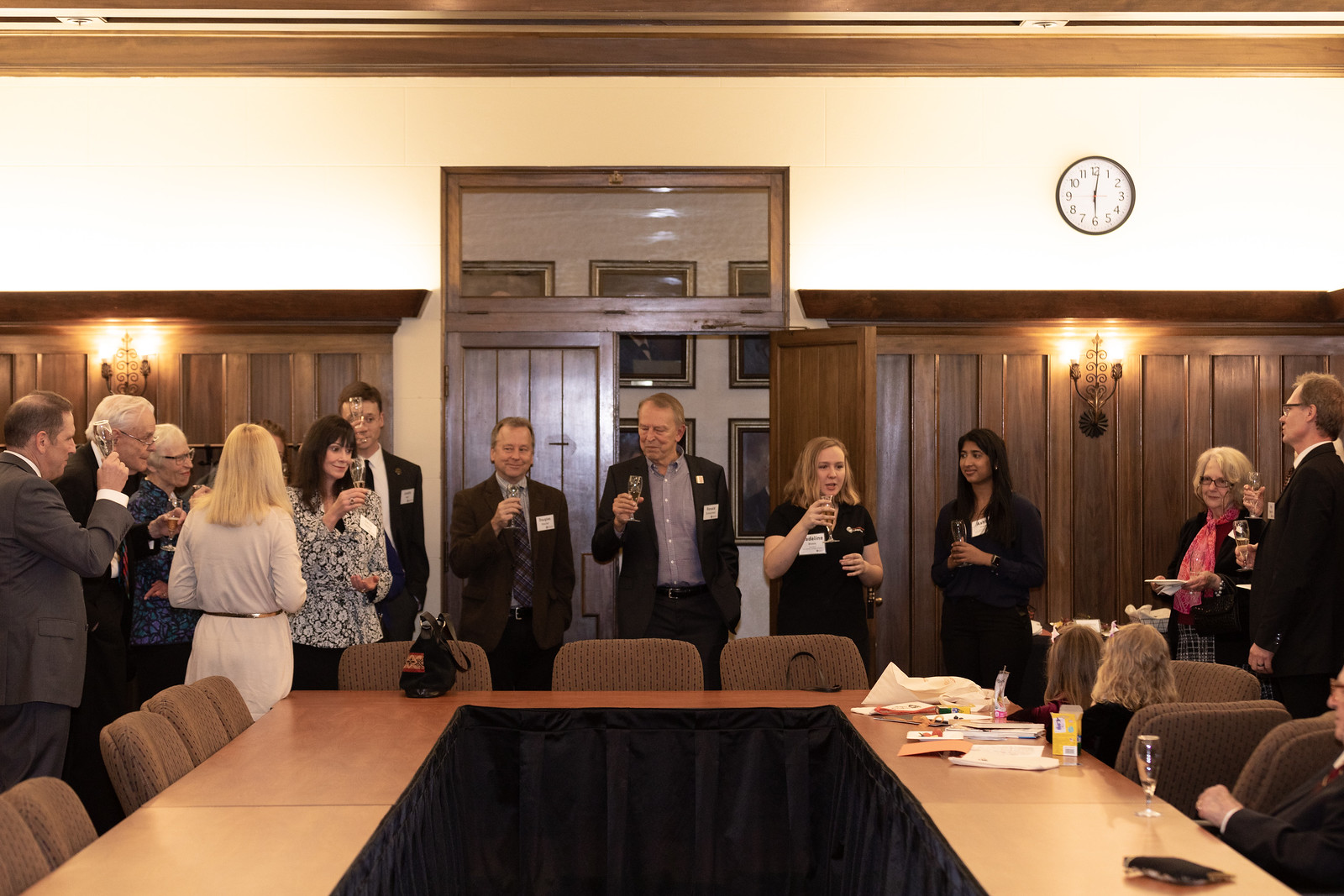
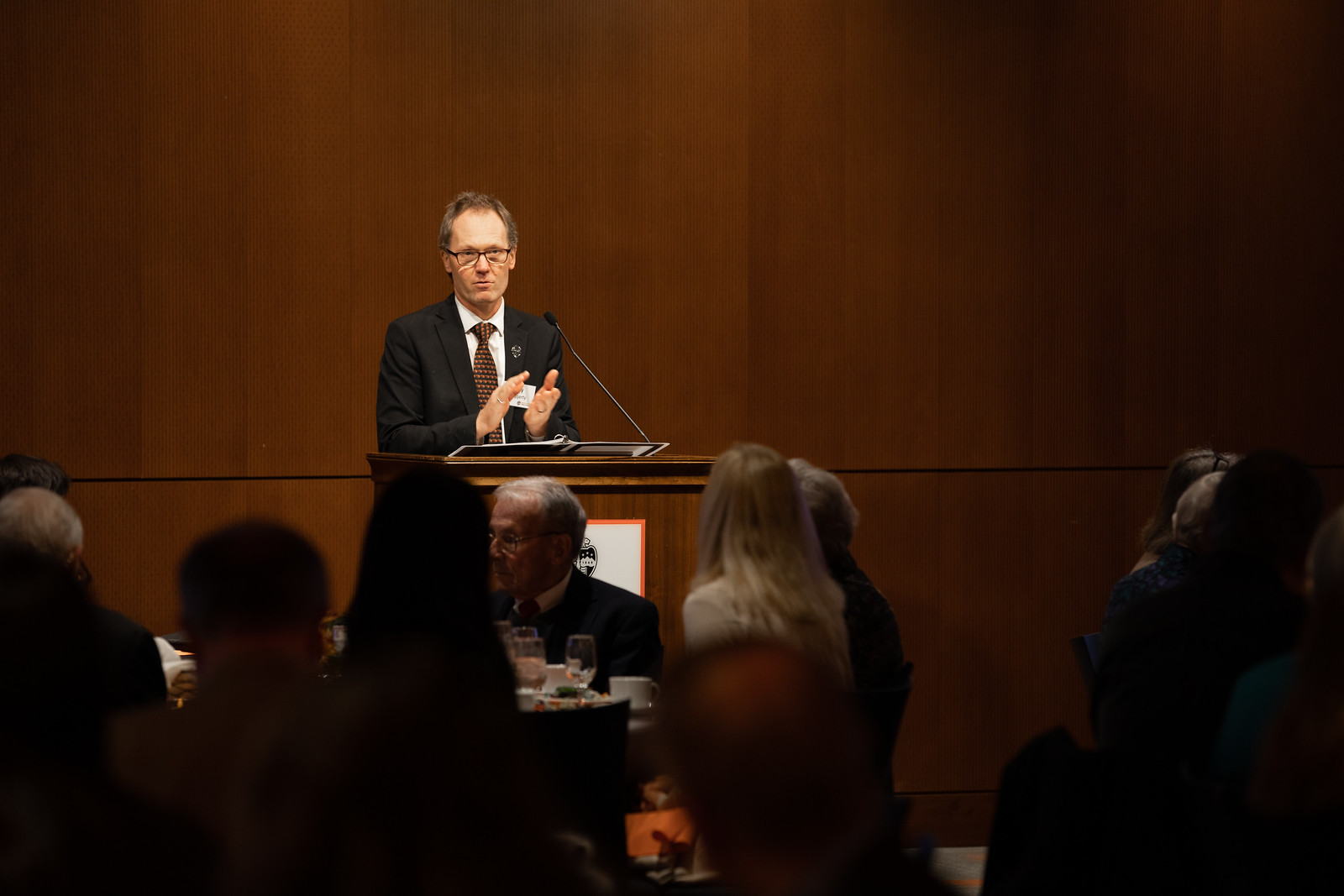
The College celebrated the accomplishments of these distinguished scientists and leaders with a gathering of invited guests comprising faculty, campus leaders, students, alumni and friends at its annual award ceremony and dinner at the Memorial Union’s Horizon Room on November 15.
Congratulations to these outstanding alumni and friends of the College for their scholarship, leadership and service to science at Oregon State!
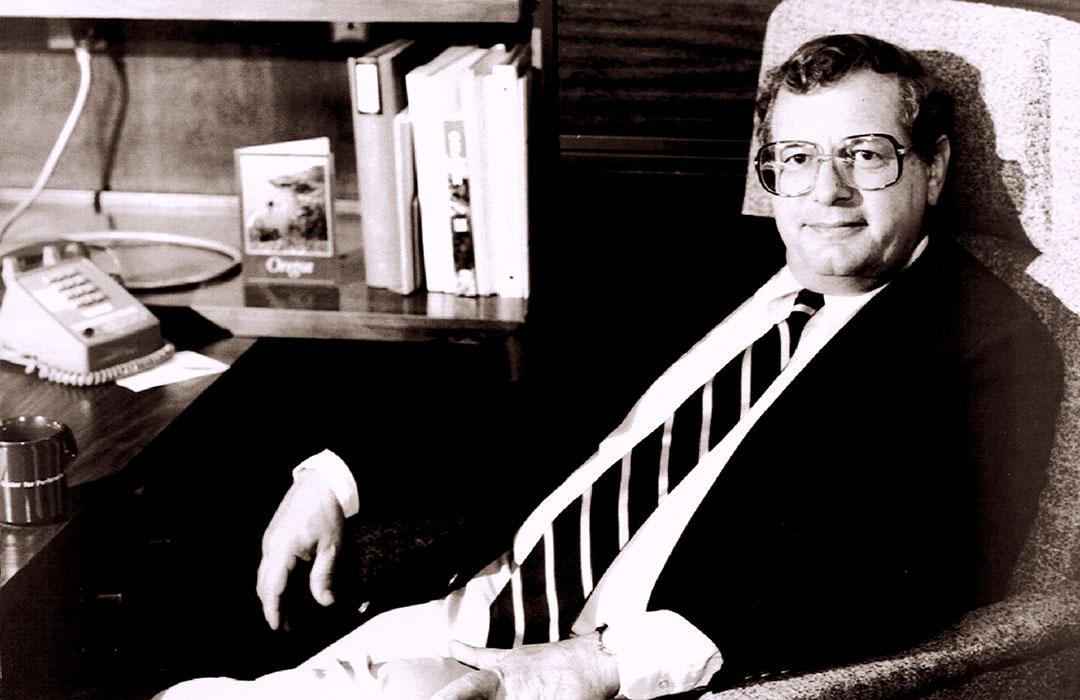
Fred Horne, Lifetime Achievement in Science Award
Lifetime Achievement Award
Fred Horne
As Dean of the College of Science for more than 13 years (1986-2000), Fred Horne was responsible for hiring some of the best scientists and leaders at Oregon State University. Of the 70 faculty that he hired, most remain at OSU and have made sizeable contributions. Horne had a deep commitment to diversity, equity and inclusion in science, and during his tenure, he actively increased the number of women scientists at the university. The Fred Horne Award for Excellence in Teaching Science and the Clara Ann and Fred Horne Women in Science Scholarship have had a decisive impact on education and undergraduate achievement in the College.
Read more about Horne’s incredible journey as a student, scientist and leader.
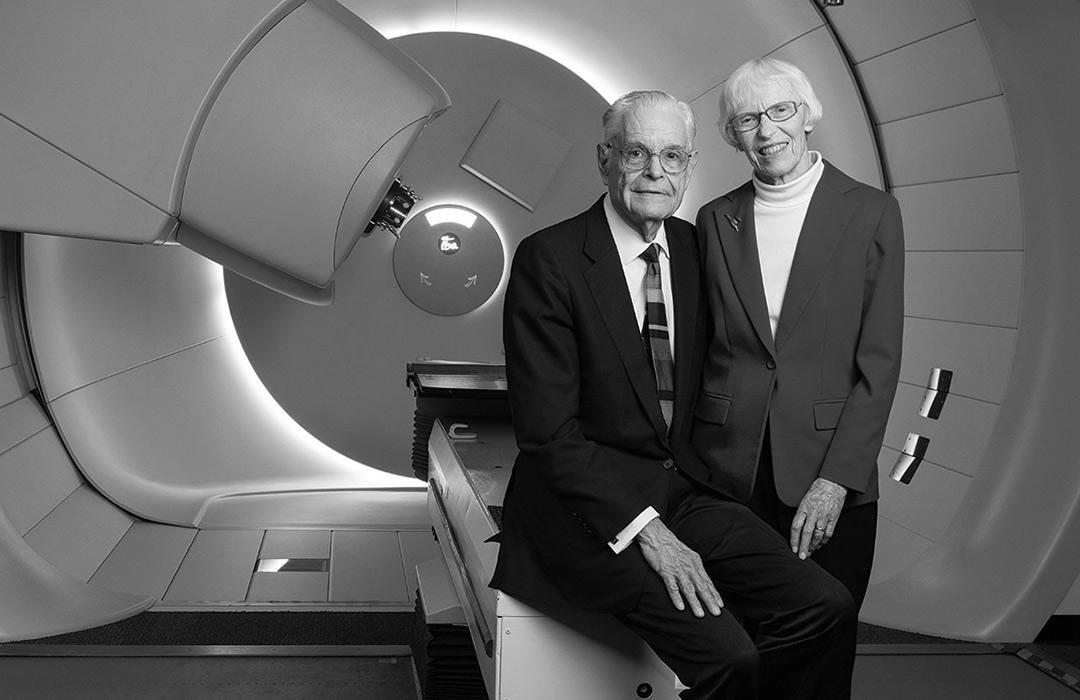
Joan Countryman Suit (’53), Distinguished Alumni Award
Distinguished Alumni Achievement Award
Joan Countryman Suit
A student of bacteriology and microbiology at OSU, Joan Countryman Suit (’53) pursued a career in science at a time when women scientists were scarce. She enjoyed a distinguished career as a research scientist in prominent national labs, spending 17 years at the Massachusetts Institute of Technology working alongside medicine Nobel laureate Salvador Luria. Joan and her husband, Herman, support science students through the SURE Science scholarships, which enable motivated undergraduates to pursue three months of summer research, and the Joan Countryman Suit Scholarship for microbiology graduate students.
Read more about her journey from humble beginnings on a farm in eastern Oregon to her achievements in the field of bacterial genetics.
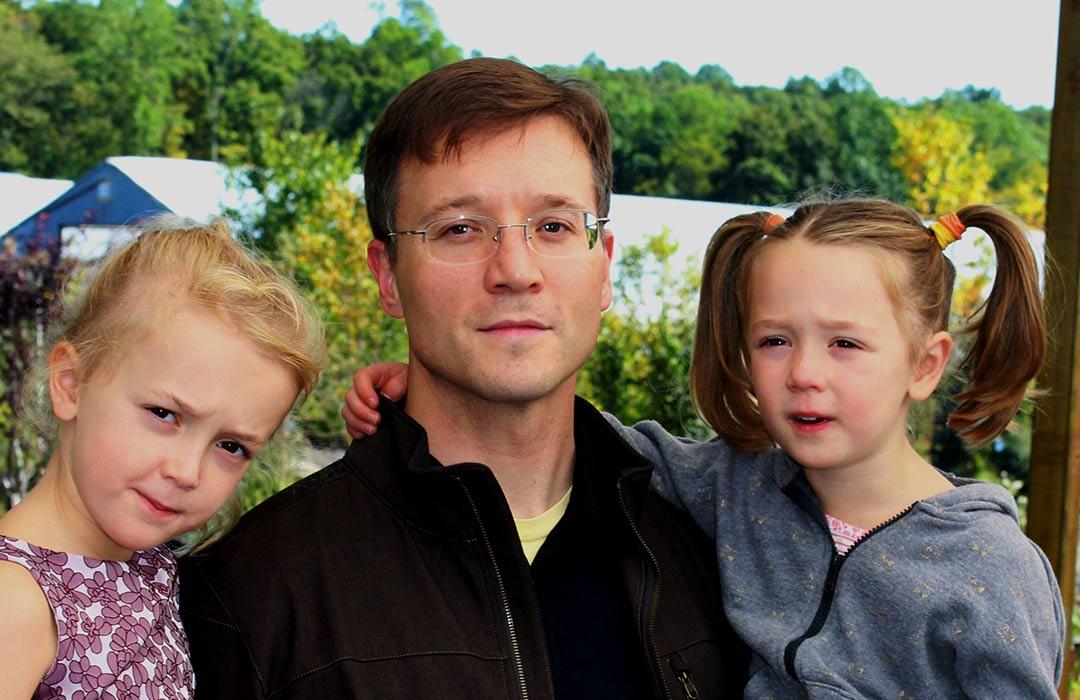
Justin Hall (’10), Young Alumni Award
Young Alumni Award
Justin Hall
Oregon State’s strong Ph.D. program in biochemistry and biophysics helped alumnus Justin Hall (Ph.D. ’10) jumpstart his career at Pfizer Pharmaceuticals, one of the world’s premier biopharmaceutical companies. Since then he has gone on to become a Principal Scientist at Pfizer and is currently the biophysics lead for multiple drug development projects. Justin and his wife, Andrea (a biochemistry Ph.D. alumna), distinguished themselves as exceptional students in the biochemistry graduate program and won awards for academic achievement.
Read more about his path to success as a scientist and his advice for current students.





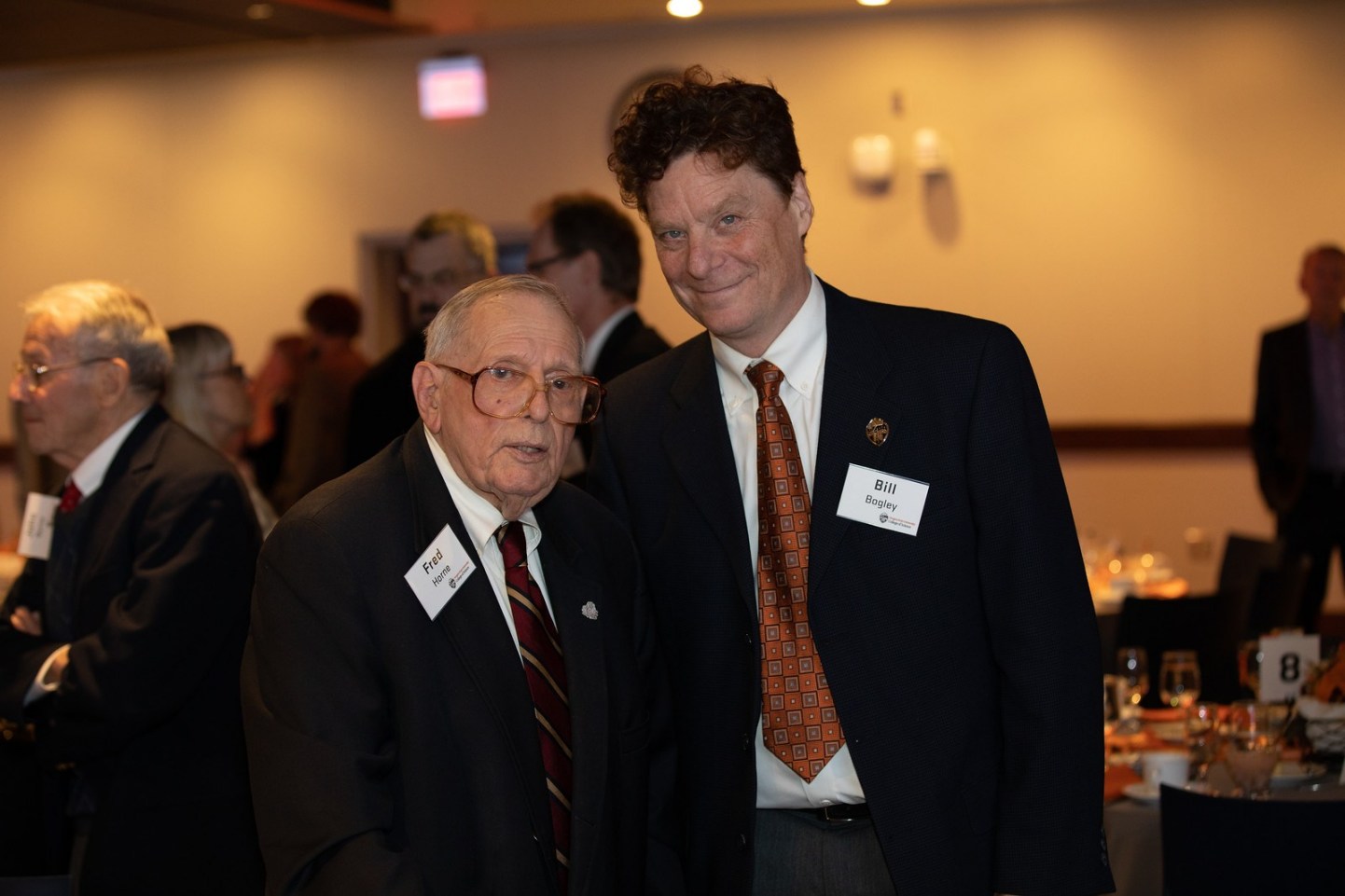
Related Stories
Across the Department

Microbiology
Science and legacy: This 1962 alumna did it all

Alumni and Friends
Alumni Awards celebrates in impactful legacies and achievements


Alumni and Friends
Microbiology alumnus leads Pfizer research at the pandemic’s frontlines
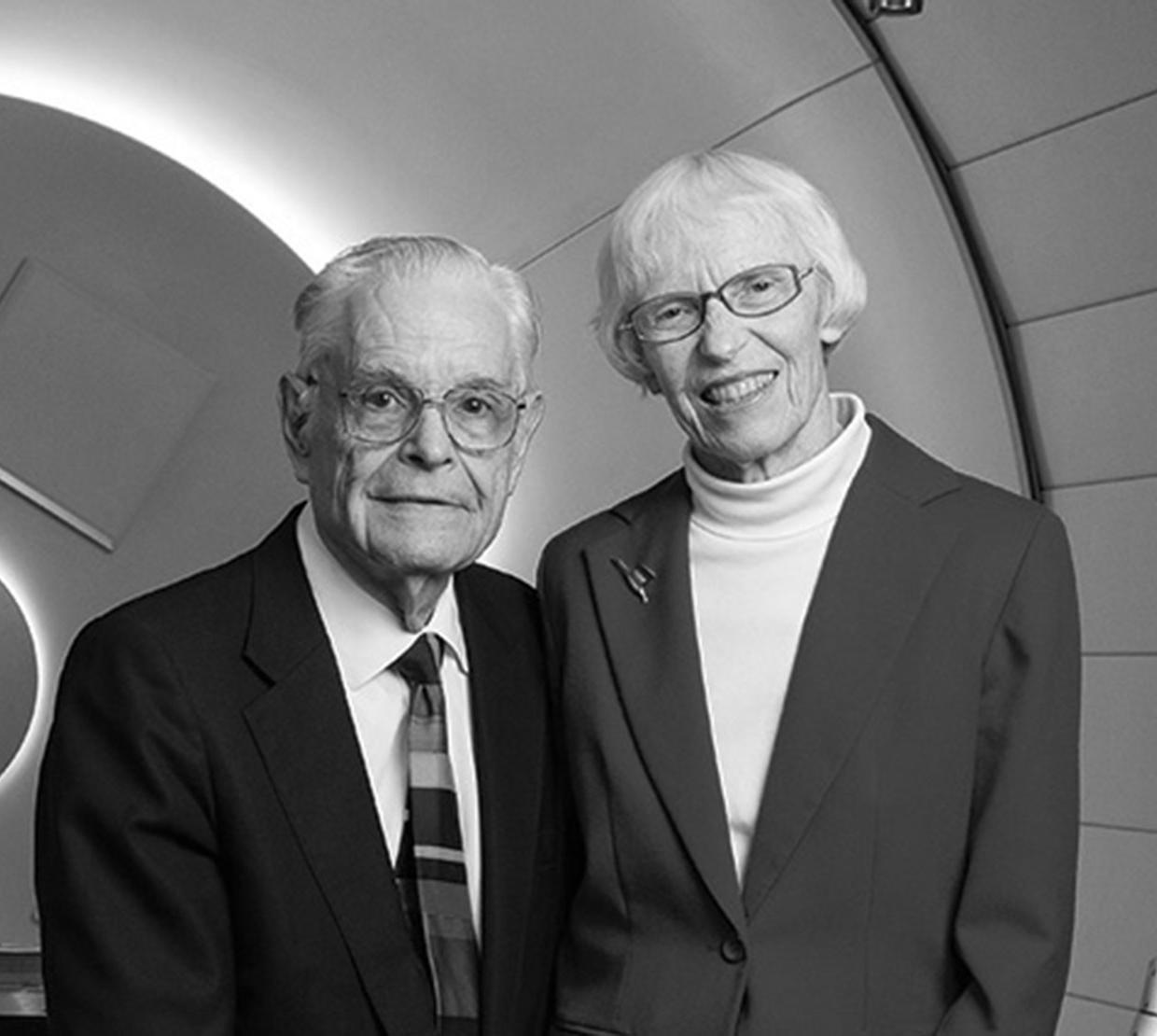
Microbiologist Joan Suit, OSU alumna, with spouse Herman Suit
When Joan Countryman Suit (B.S. ’53) started her career as a scientist in the 1950s, molecular biologists had just begun to discover that DNA was the primary genetic material in bacteria and the powerful tools of biotechnology and DNA sequencing were still in the distant future.
After graduating with a degree in microbiology from Oregon State University, Suit did something fairly unusual for women of her era. She headed to Stanford University to study for a doctorate in microbiology. Her studies at Stanford, where she focused on the genetics of bacteriophages (viruses that infect bacteria), made her develop into an early pioneer in the field of bacterial genetics and molecular biology.
On November 15, she received the College of Science’s Distinguished Alumni Achievement Award. This award recognizes alumni whose exceptional achievements have brought honor, distinction and visibility to the College of Science.
Suit has enjoyed a rewarding career as a scientist for more than three decades at some of the top institutions in the country. At a time when women scientists were scarce, a few excellent teachers at Oregon State inspired her to continue her education. The budding scientist found several of her biology classes and microbiology classes, especially a comparative anatomy course, invaluable.
“I had excellent teachers and terrific support at OSU. I understand that wasn’t the case for many women at the time but I was fortunate to be in a bubble,” Suit observed. “OSU gave me a very good start in life and in my academic life.”
Suit has made important contributions to virology, collaborating with fellow microbiologists during the infancy and rapid growth of the field of bacterial genetics. The latter employs genetic analyses to understand variation in pathogenic microbes and their roles in both causing diseases and producing antibiotics. Beginning her research career as a postdoctoral fellow at Oak Ridge National Laboratory in Tennessee, Suit went on to spend nearly 15 years (1957-72) at MD Anderson Cancer Center where she continued her work on DNA and viruses.
She married Herman Suit, a radiation oncologist, in 1960. The couple moved to Boston when Herman was offered a position at Massachusetts General Hospital. Many of Joan’s scientific accomplishments came during her tenure as a research scientist at the Massachusetts Institute of Technology (MIT) where she worked in the biology lab of Dr. Salvador Luria, who won the 1969 Nobel Prize in Medicine and Physiology for studies in microbial genetics. Joan was at MIT from 1972 until her retirement in 1989.
The 1970s were an exciting time for Luria and his team of scientists at MIT whose research on disease-causing viruses and the genetic mutations of bacteria laid the foundations of recombinant DNA technologies. Suit reminisced about time spent doing research on DNA expressions and microbes, and interacting with fellow scientists.
“Dr. Luria was an extremely supportive person,” said Suit. “I interacted with both undergraduates and postdoctoral fellows in the lab. It was a very good atmosphere for research and learning.”
Along with Luria and another colleague, Suit was awarded a patent for developing a mutant strain of E. coli that was genetically engineered to produce a specific therapeutic protein more efficiently. In the 1980s, in collaboration with Luria, Suit was also a co-principal investigator on early pioneering genetic and biochemical National Science Foundation-supported studies involving lysis genes and antibiotics released by bacteria called colicins. Suit produced several scientific studies and papers at MIT on the topics of bacterial DNA and RNA, protein antibiotics and bacteriophage mutations.
“As a scientist, my career has covered a very exciting time in my field. I marvel at how far we have come: from a time when we scarcely knew what a gene was to the present day when we are cutting them up and manipulating genes in all sorts of ways,” observed Suit.
“I think of research as an ongoing endeavor to think of questions and see if you can solve them, and that has been very exciting for me.” Now retired, Suit spends time volunteering at a cancer center and serves as a member of the board and as a docent at the Museum of Science in Boston.
Humble Origins
Suit grew up in a farm near Ontario, a small town in eastern Oregon. The second daughter of fruit and dairy farmers, Suit was extremely interested in plants and animals from an early age. Her mother’s love for botany sparked her own interest in nature and science.
More than anything, Suit looked up to her sister, Jean Countryman Smith (B.S. ’43), who was older by thirteen years. She had also studied microbiology at OSU, and during World War II, Jean worked as a microbiologist for Cutter Laboratories in Berkeley, California, helping in the production of the new miracle drug, penicillin.
“I thought that was very special and impressive. My choice of what to do in college was all her fault.”
In a significant departure from the norms of the time, Suit’s parents encouraged her to pursue her studies and a career. “They would not have been pleased if I had not gone to college,” laughed Suit. Beginning her education in a two-room school in the countryside, Suit worked her way to OSU and Stanford. She is modest about her achievements. “Fortunately, there was an opening in the microbiology department at Stanford University. I applied and got a fellowship. It did not feel very competitive.”
Creating a legacy for science education
Suit and her husband are deeply committed to giving back to support education and research in science and medicine. They support science students through the SURE Science scholarships, which enable motivated undergraduates to pursue three months of summer research, and the Joan Countryman Suit Scholarship for microbiology graduate students.
Their recent gift of $250,000 has made it possible to create a new state-of-the-art anatomy and physiology teaching lab that will serve hundreds of life science students. The impact of this philanthropic support will be significant.
According to Robert Mason, head of the Department of Integrative Biology, currently, the existing anatomy and physiology labs are oversubscribed due to the growth of several fields of study at OSU who use the anatomy and physiology course in their curriculum. The new lab will allow more than 700 students to take the human anatomy and physiology laboratory sequence as part of their major.
“We are so excited for our students and so grateful to the Suits for their generosity as they endow this critical teaching laboratory that will result in a quantum shift in our teaching capabilities,” Mason said.
Suit says that her support for science and education is motivated by a simple reason. “To me and to Herman, education is the most important thing we can support because that is where the future lies and we think that science is extremely important for the progress of our society and to seek answers to all sorts of questions.”
Related Stories
Across the Department

The College of Science celebrated research and administrative excellence at its 2018 Fall Faculty and Staff Awards ceremony and reception on October 11.
Dean Roy Haggerty delivered welcome remarks, sharing his priorities for the upcoming year in the areas of research and innovation development, student recruitment and retention, revenue growth for the College and diversity, inclusion and justice.
In keeping with the College of Science’s key objective to spur research and innovation, Dean Haggerty announced three new awards to support fundamental discoveries and collaborative scientific projects with the potential for substantial social impact. The Science Research and Innovation Seed Program (SciRis) provides funding in three stages for high impact collaborative proposals that build teams, pursue fundamental discoveries and create societal impact. The awards range from $10,000 to $125,000 for various stages of the proposal.
SciRis-II Award will provide up to $10,000 for an individual faculty who seeks to establish or augment research relationships with external partners, either inside or outside of Oregon State University, in academia, industry, or other organizations inside and outside of the United States.
The Betty Wang Discovery Fund, recently established by a generous endowment of $750K from the estate of Samuel Wang, will grant one or more awards to maintain state-of-the-art laboratories to advance fundamental discoveries in the basic sciences.
Hearty congratulations to these award-winning faculty and staff who were recognized for their outstanding achievements:
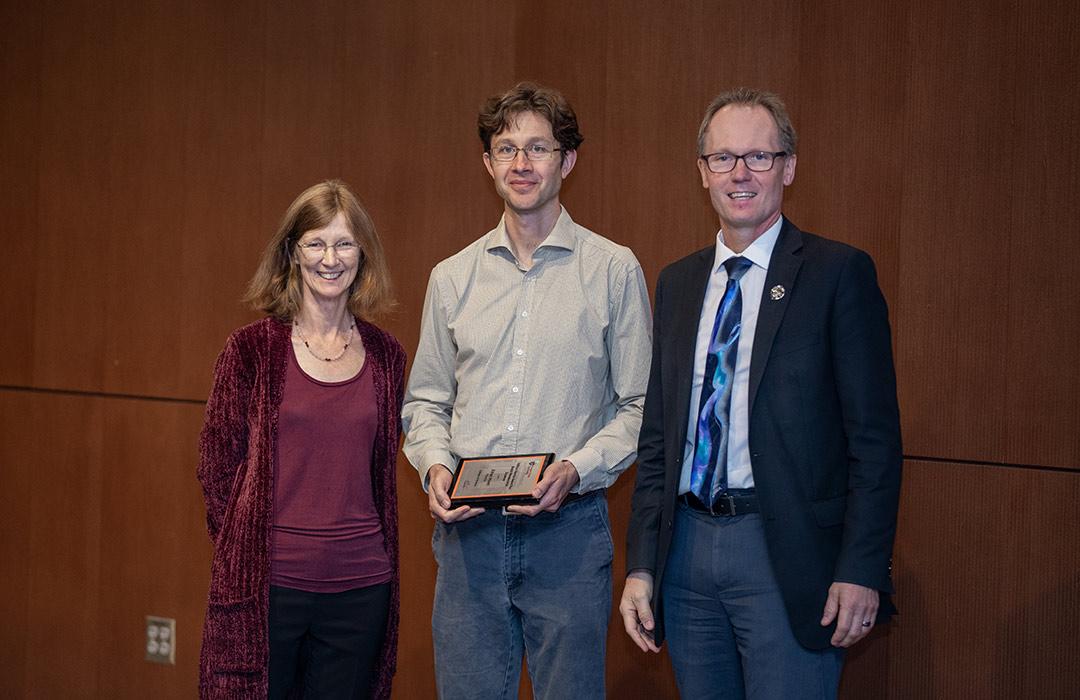
Physicist Ethan Minot (center) with Janet Tate and Roy Haggerty
Ethan Minot, associate professor of physics, received the Milton Harris Award in Basic Research for his impressive accomplishments as a scientist. At Oregon State, Minot has built a world-class materials physics laboratory for the study of the structure and properties of carbon nanomaterials and devices for nanoelectronics.
His research at Oregon State has pushed the limit of fundamental properties of nanoelectronic devices, which have a broad range of applications to biosensing and solar energy harvesting. Some of his achievements are: identifying the fundamental noise mechanism that limits the performance of graphene biosensors in liquid environments; becoming the first to electrically generate and detect single point defects; reaching a new level of control over point defect chemistry; and other pioneering advances in the development of high-quality nanodevices and biosensors.
“Using the exceptionally strong, flexible, stable and sensitive electronic materials Ethan has demonstrated that the carbon-based nanodevices can be intimately interfaced with biological systems. His research impact extends beyond the science he has produced. Ethan’s group is a highly-prized destination for graduates and undergraduates alike,” said Professor of physics Janet Tate.
Minot’s graduate and undergraduate students have gone on to successful careers in academic and high tech or medical tech sectors. His versatile research activities have led to many high-impact publications. During his tenure at OSU, Minot has published 34 refereed articles in prestigious journals such as Nano Letters and Applied Physics Letters.
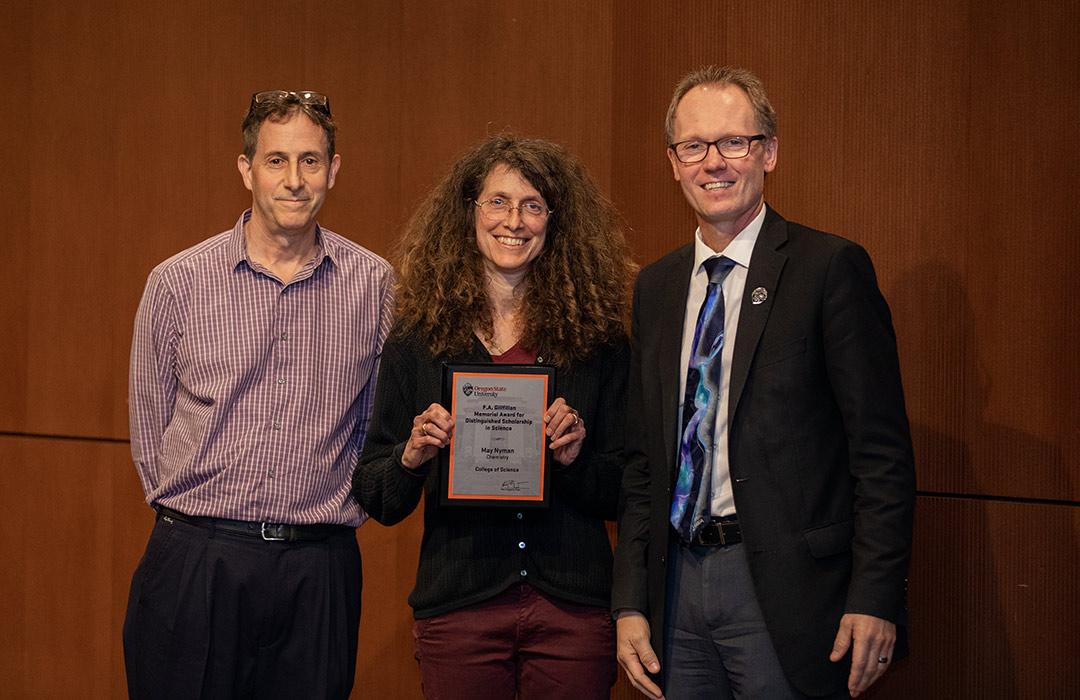
Chemist May Nyman with Michael Lerner (left) and Roy Haggerty
Professor of chemistry May Nyman was honored with F.A. Gilfillan Award for Distinguished Scholarship in Science. The Gilfillan Award honors a faculty member in the College whose scholarship and scientific accomplishments have extended over a substantial period of time.
A leading scientist in the areas of metal-oxo cluster chemistry, X-ray scattering, aqueous ion-pairing and nuclear waste chemistry, Nyman joined Oregon State in 2016 after a distinguished career at Sandia National Laboratories where she developed new sorbents and other waste treatment technologies for nuclear waste management. Her work on Cs-139 removal technologies led to the licensing of a sorbent that is currently used to treat contaminated seawater at the failed Fukushima Daiichi nuclear power plant in Japan.
At Sandia, Nyman developed a powerful and effective sorbent for removal of strontium-90, plutonium and neptunium from cold war era nuclear wastes. The sorbent was commercialized and then produced at the Savannah River site for real world waste treatment. Through her work with applied chemistry technologies, Nyman made tangential discoveries that ultimately led to the development of an entire new class of polyoxometalates (POMs) that she termed the polyoxoniobates (PONbs). These new POMs opened up the field to new discoveries and applications that include the potential development of a new class of nerve agent degraders.
At Oregon State, Nyman has developed expertise solution characterization of clusters using X-ray scattering. She has now become a world leader in applying this technique to clusters. She continues to be an international leader in the field of POMs, PONbs and other metal oxo clusters formed from elements across the periodic table. Her research group’s latest discovery and paper on this topic show how PONb cluster geometries and nucleation are changed simply by the presence of alkali metal cations.
“This latter work is also one example amongst several from the Nyman group that suggests a revolutionary concept – that the standard Pourbaix diagrams collected and widely used by materials and chemistry researchers for several decades may be not be accurate without careful consideration of the electrolytes in solution,” said Michael Lerner, Head of the Department of Chemistry.
The broader impact of improving the model used in such fundamental chemistry is significant – aqueous chemical processes such as geochemical weathering, corrosion and energy production in fuel cells may all be improved. Moreover, through these studies, Nyman’s team learned how to make very high concentration Nb solutions with a neutral pH that can be used to deposit niobate materials for different energy applications. This future work can lead to new functional materials deposited by ‘green’ processes.
Nyman is a leading member of the materials science of actinides program at the Department of Energy’s Energy Frontier Research Center program—her roles include developing uranyl peroxide clusters for fundamental actinide science applied in the nuclear fuel cycle, and training the next generation of actinide scientists.
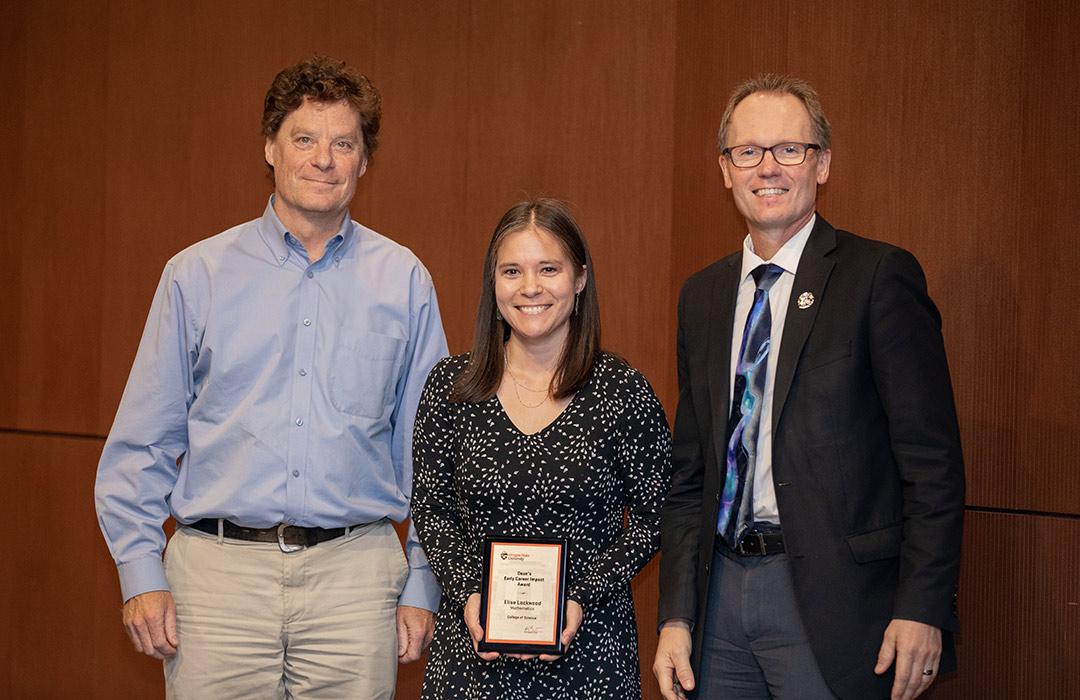
Mathematician Elise Lockwood with Bill Bogley (left) and Roy Haggerty
Elise Lockwood, associate professor of mathematics, received the Dean’s Early Career Impact Award for exceptional achievement in research and education by an early career faculty member. Lockwood has achieved international distinction as a researcher in mathematics education, specializing in Research in Undergraduate Mathematics Education (RUME). She is described as the “top young scholar” in RUME.
Lockwood’s prominence in the field is evidenced by her winning the 2018 Annie and John Selden Prize of the Mathematical Association of America, which is given to the top early-career mathematics education researcher in RUME. Her research focuses on the practical and theoretical aspects of the teaching and learning of combinatorics, a field of mathematics that connects with probability, computer science, and many diverse areas of science.
“Led by her internationally recognized achievements in research, Dr. Lockwood has assembled an impressive array of professional accomplishments that excels in all dimensions,” said Bill Bogley, Head of the Department of Mathematics.
Lockwood was awarded a five-year National Science Foundation CAREER Award—NSF’s most prestigious award for early-career faculty— for her project on developing undergraduate combinatorics curriculum in computational settings. The project focuses on the use of computational resources to help students develop as combinatorial thinkers.
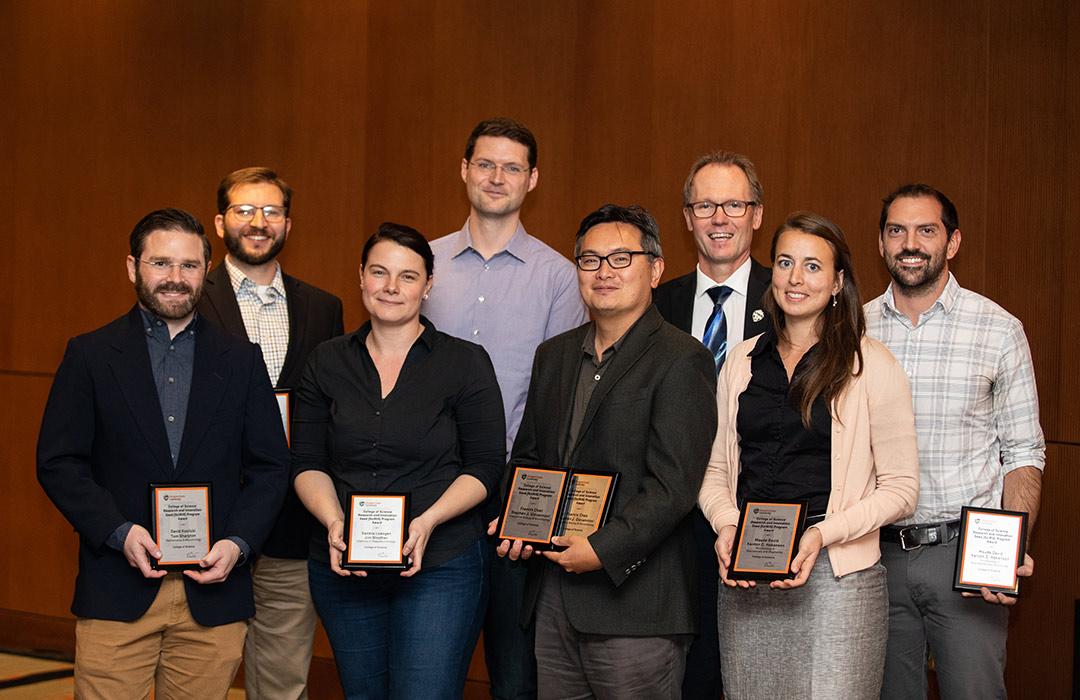
Front row (L to R): David Koslicki, Sandra Loesgen, Francis Chan and Maude David. Back row (L to R): Thomas Sharpton, James Strother, Roy Haggerty and Kenton Hokanson.
Four research teams won the Science Research and Innovation Seed Program Award (formerly known as the College of Science Impact Award) for projects that contribute to human health, drug development and marine science. The SciRis Award carries an amount of $10,000 for each team. The award-winning SciRis teams comprising:
Assistant Professor of Mathematics David Koslicki and Thomas Sharpton, assistant professor of microbiology and statistics, received the SciRis award for metagenomic analysis of voluminous microbiome data that are germane to diverse processes from global nutrient cycling to human disease. The project will enable Koslicki and Sharpton to create a leading-edge research portfolio of new algorithmic and data science solutions for the analysis and mathematical modeling of microbiome data and enhance research productivity by aiding OSU investigators in the analysis of microbiome data. The project will also recruit and train students in metagenomic science. In the long term, the researchers seek to “establish OSU as a center of excellence in microbiome data science.
Assistant Professor of Chemistry Sandra Loesgen and Assistant Professor of Integrative Biology James Strother will collaborate on a project to identify novel microbial natural products with antinociceptive, or pain-relieving, activity using a zebrafish-based behavioral assay, and to characterize the mode of action of new compounds using neural activity mapping. This innovative approach addresses major challenges in neuroactive drug discovery and is highly likely to produce potent new bioactive compounds to develop improved drugs for chronic pain.
This research combines the Loesgen Lab’s expertise with natural products and the Strother Lab’s experience in neuroscience to forge a bold new approach for neuroactive drug discovery.
Associate Professor of Integrative Biology Francis Chan and Stephen Giovannoni, Distinguished Professor of Microbiology, will pursue research on zero oxygen (anoxic) events in ocean ecosystems that are of greatest concern for ecosystems and fisheries. While scientists have developed a clear understanding of the climate-dependent factors that determine the formation of hypoxic (low oxygen) zones, the onset of anoxia remains both difficult to predict and surprisingly infrequent despite the prevalence of hypoxia.
Through recent research combining ocean climate science and marine microbial ecology, Chan and Giovannoni have discovered that oxygen availability has played an important but previously unrecognized role in shaping the evolution of metabolic pathways in microbes, and that such pathways may serve as climate-resilient barriers to anoxia.
Assistant Professor of Microbiology Maude David and Kenton Hokanson, instructor of microbiology and biochemistry and biophysics, will conduct molecular research to address anxiety disorders that affects 40 million people in the U.S. Although women are twice as likely as men to suffer from anxiety disorders, most research at the molecular level has exclusively studied male humans or animal models.
David and Hokanson aim to bridge this knowledge gap by integrating functional, molecular, and behavioral data to identify the role of specific microbial metabolites produced by a bacterium linked with anxiety in humans. This project will be conducted in female mice, maximizing their work’s impact on the large and underserved population of females affected by anxiety disorders.
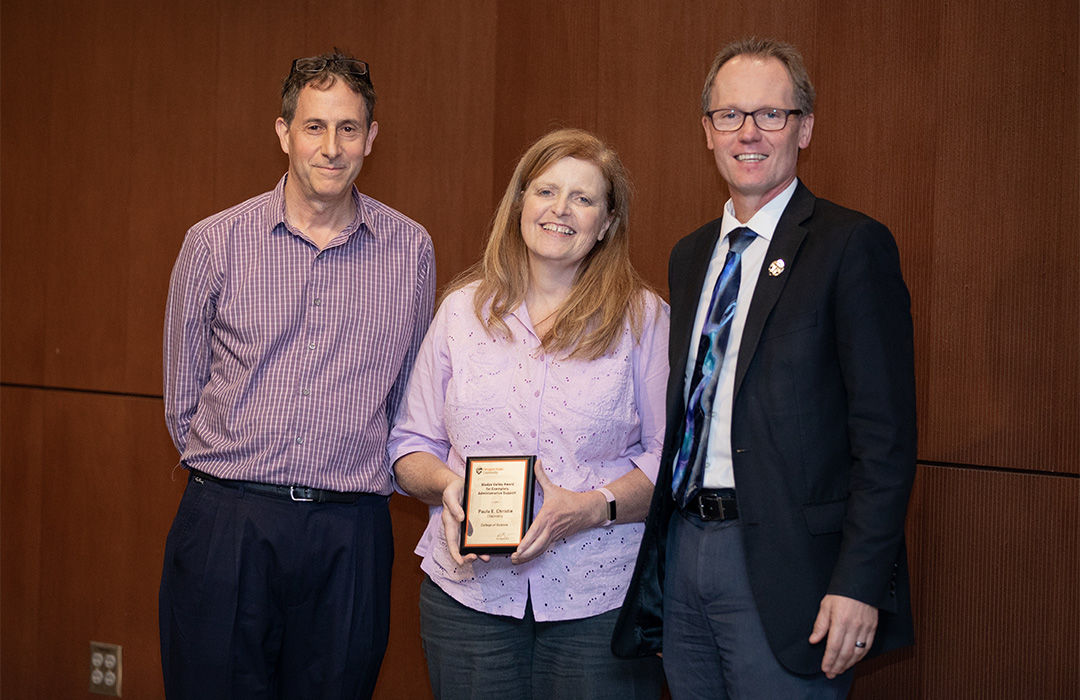

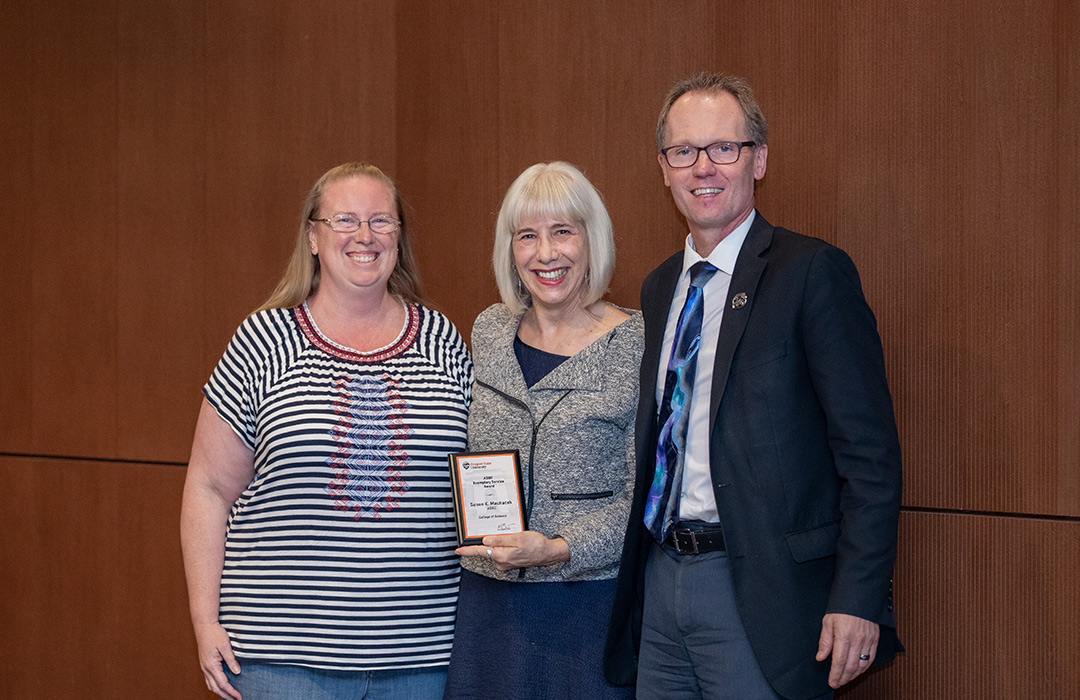
Paula Christie, assistant to the head of the Department of Chemistry, received the Gladys Valley Award for Exemplary Administrative Support. Christie was appreciated for her hard work, professionalism and exemplary administrative abilities.
“Paula’s single best characteristic could be described as excellent and dedicated customer service. Her customers in this case are the entire department, from leadership to entering students to our staff,” said Michael Lerner, Head of the Department of Chemistry.
Jie Zhang from the Department of Chemistry received the 2018 Outstanding Faculty Research Assistant Award. Zhang has served as a faculty research assistant (postdoctoral fellow) in Professor Wei Kong ’s group since 2010. This award recognizes a faculty research assistant who has a record of outstanding job performance and contributions.
“From conversations with Wei Kong and from my observations, Jie Zhang has been as a key factor in the Kong group’s vitality and longevity. Wei gives Jie full credit for numerous important experimental breakthroughs, and also for the continued success in her research grant applications,” said Michael Lerner, Head of the Department of Chemistry.
In addition to her many achievements in the Kong lab, Zhang has trained several graduate students from start to completion, and the acknowledgements from those students’ theses are effusive. “Everybody needs a Jie Zhang in their lab,” said Kong.
Susan Machacek, an accountant in the Arts and Science Business Center (ASBC) received the ASBC Exemplary Service Award. This award recognizes exemplary service by a member of ASBC to the colleges within the Division.


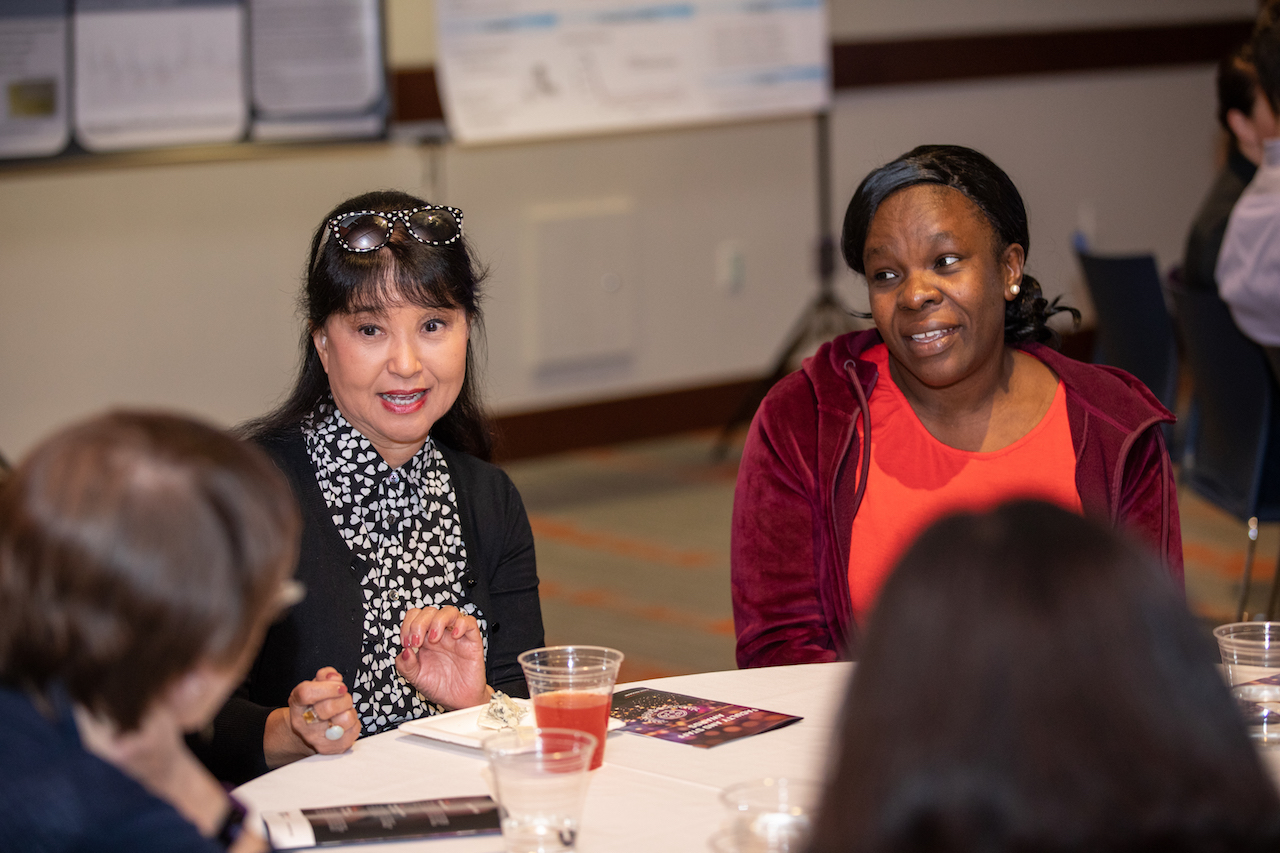
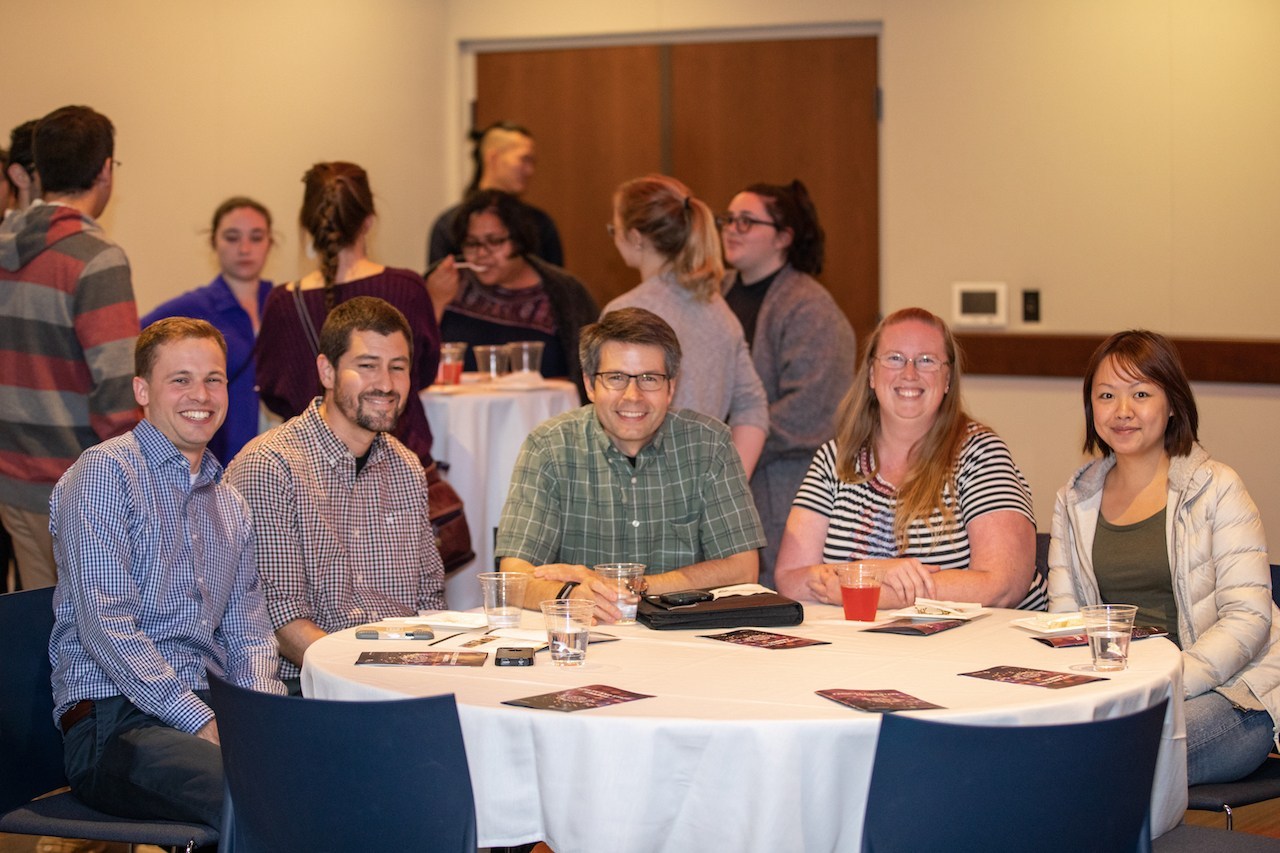
Related Stories
Across the Department
Climate and Oceans