Awards & Recognition

Awards & Recognition

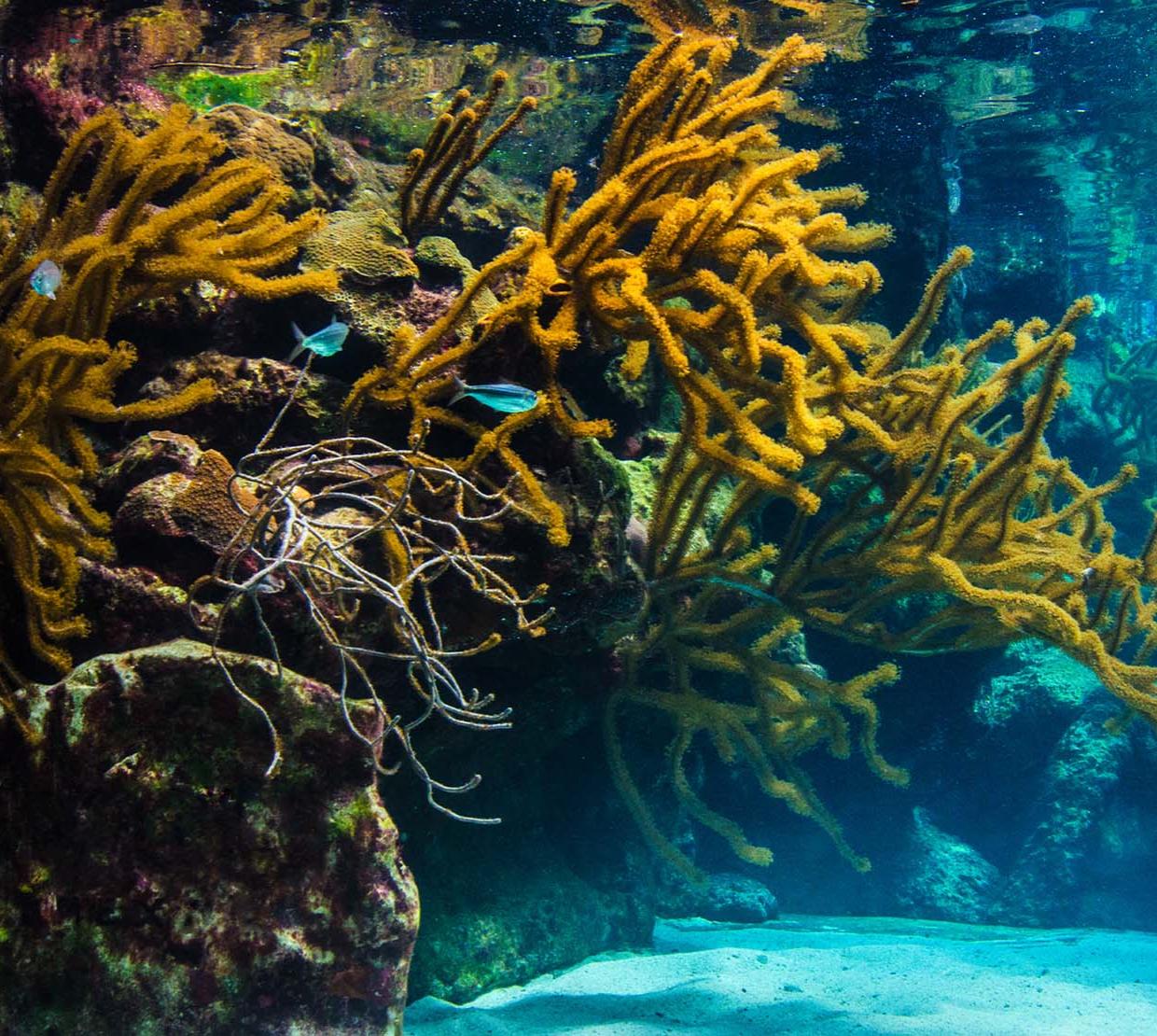
Underwater coral reef landscape background in the blue sea with fish and marine life.

Innovation grants to build model reef at OSU, catalyze biological and materials research

By Grace Peterman

New funding bolsters research on coral reefs, heat waste and more.

The inner workings of a cell, more powerful mass spectrometry and building a tropical reef at Oregon State: The 2021 College of Science Research and Innovation Seed (SciRIS) awards are empowering initiatives that will open fresh pathways in science.

The SciRIS program funds projects based on collaborative research within the College of Science community and beyond. There are two tracks through the program: SciRIS (Stages 1-3) and the SciRIS individual investigator award (SciRIS-ii). SciRIS Stages 1-3 funds teams in three stages to support training, research and capacity-building, accelerating work toward external funding opportunities. SciRIS-ii funds individual faculty to establish research relationships with external partners, enabling them to demonstrate the feasibility of their ideas and quickening the pace of scientific discovery.

The newly-established College of Science Innovation Award provides critical resources for projects that take a new direction, utilize a new technology or are in the “proof-of-concept” phase.

Three groups of scientists received SciRIS Stage 1 awards, two at $10K each and one at $20K. One group received the Innovation Award at $10K.

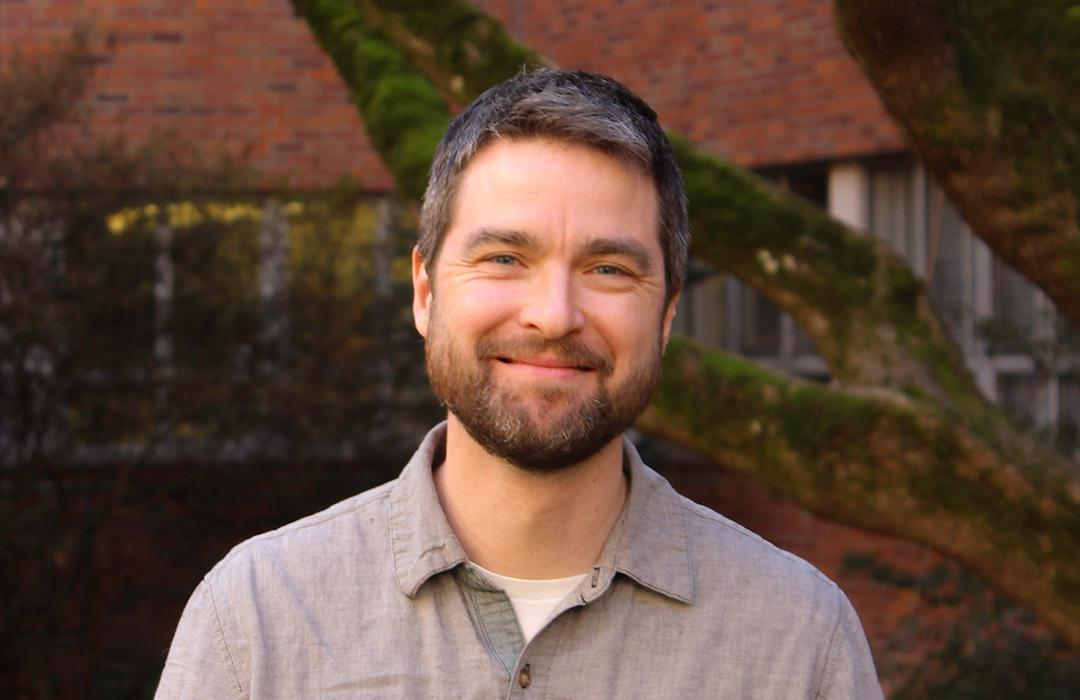
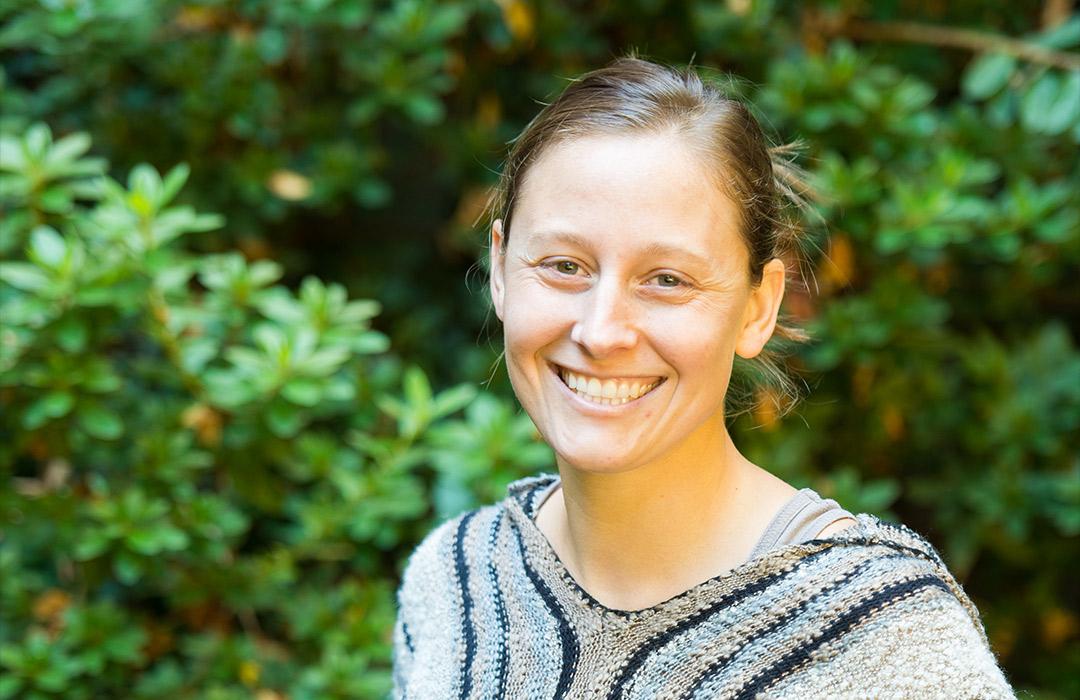
Professor of Microbiology Rebecca Vega Thurber and her colleagues will use their award to develop a model tropical reef facility within Oregon State’s world-renowned John Fryer Aquatic Animal Health Lab.

The model will allow College of Science researchers across biology, chemistry and ecology to perform highly controlled, repeatable experiments on reef ecosystems, which are under increasing threats from climate change, pollution, habitat destruction and disease. By bringing the reef to researchers, carbon emissions associated with travel are also reduced.

The facility will also serve as an outreach platform, bringing awareness of far-off ecosystems to the local community. By interacting with the lab, citizens will learn about how humans affect these fragile habitats and how they personally can potentially mitigate and reverse reef decline.

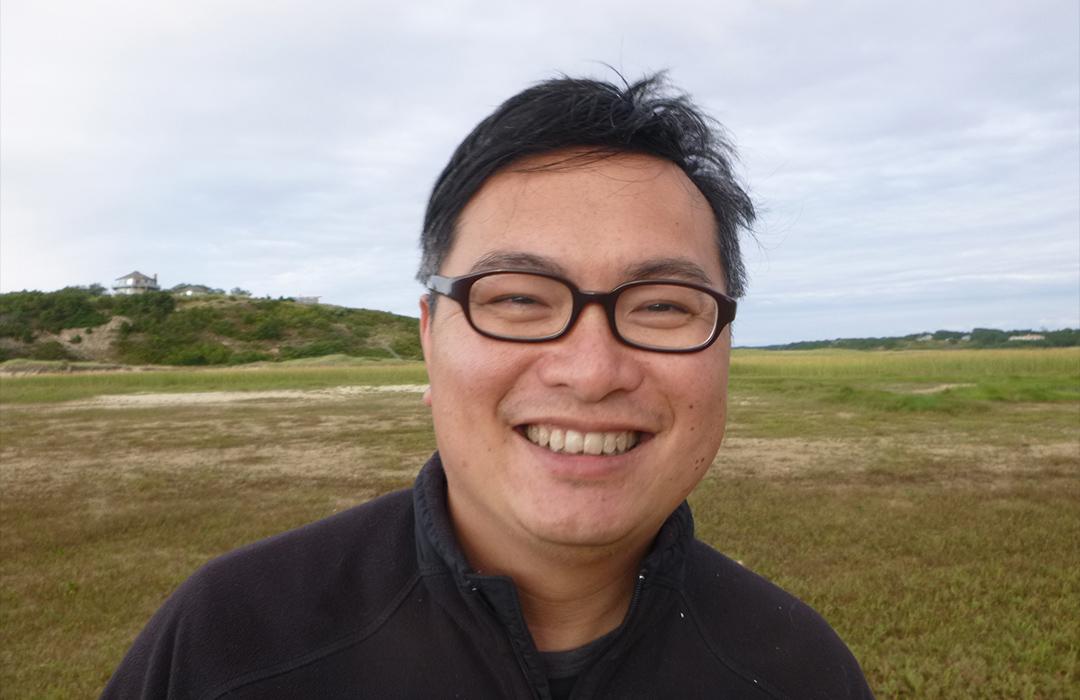
Chemistry Professor Wei Kong and Statistics Professor Lan Xue will use their SciRIS grant to develop more effective mass spectrometry through inclusion of electron diffraction. With this addition, future mass spectrometers will be able to reveal not only the mass composition of an unknown species, but also the three-dimensional arrangement of the constituent atoms. This capability can change the paradigm of nanomaterial synthesis, allowing intelligent design and quality control of custom-made materials applicable in medical diagnostics and therapeutics, in energy harvesting and storage, and in catalysis.

Biochemistry and Biophysics Professor Elisar Barbar and collaborators received a SciRIS award to integrate structural biology with cell and organismal biology. Capitalizing on Oregon State’s high concentration of expertise and resources for studying dynamic protein complexes across scales, the team aims to establish new technologies to investigate cancer related complexes and host-parasite interactions. Their eventual goal is to submit a proposal to the NSF Biology Integration Institute, which supports interdisciplinary projects that translate discoveries from the molecular scale to the cellular level of organisms and vice versa.

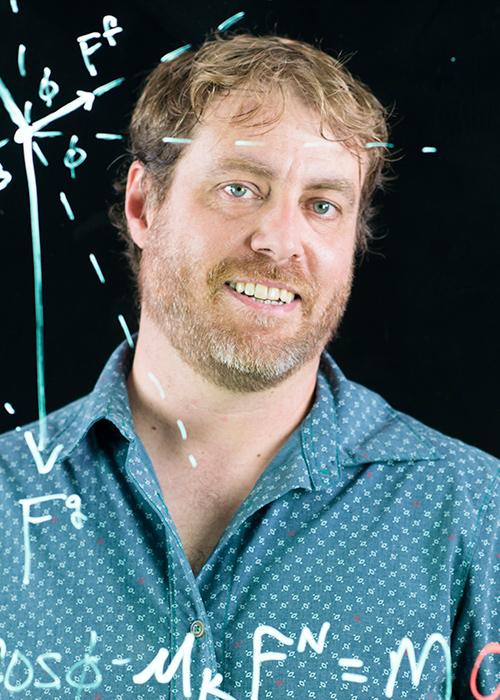
Associate Professor of Physics Matt Graham and colleagues received the College of Science Innovation Award support their work converting waste heat to electricity, contributing to a more sustainable world through the recovery of energy losses and reducing greenhouse gas emissions. The team will develop a prototype of an ultralow bandgap semiconductor device that converts residual waste heat to electricity. The award will support their work optimizing the efficiency of the device’s waste heat to energy conversion and validating the current extraction model related to the device prototype.

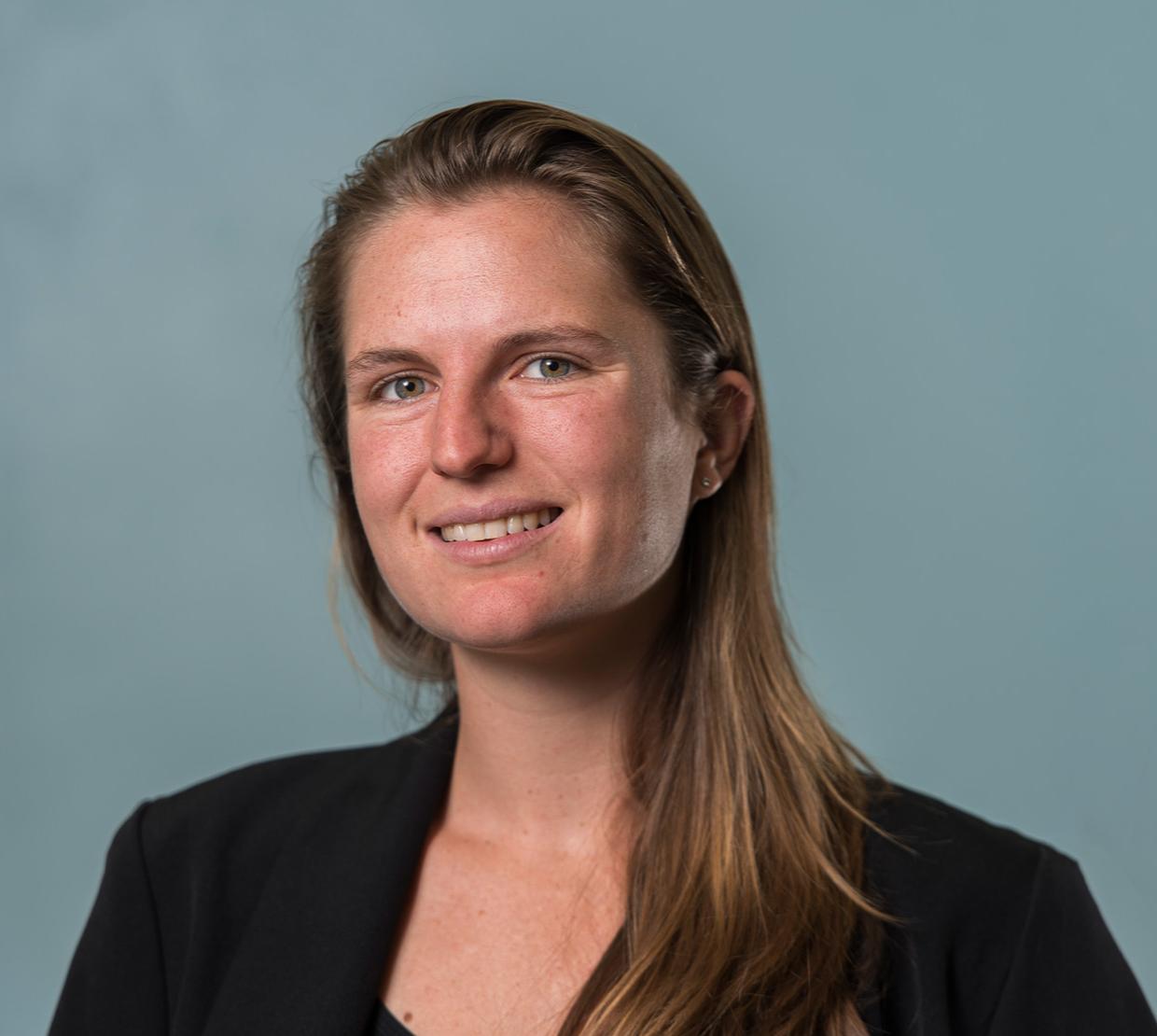
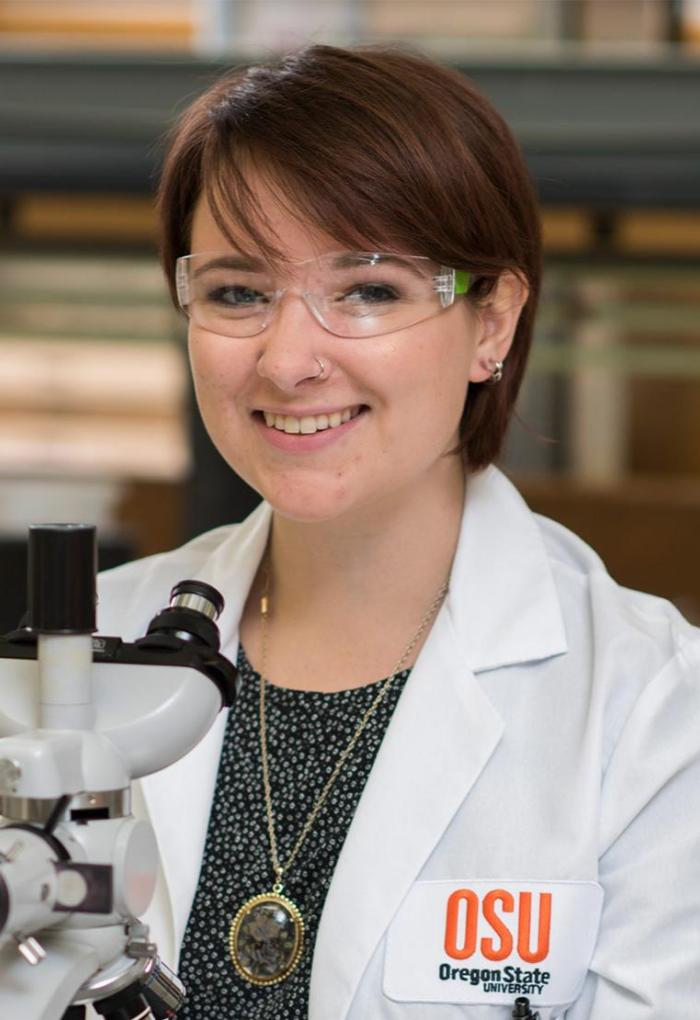
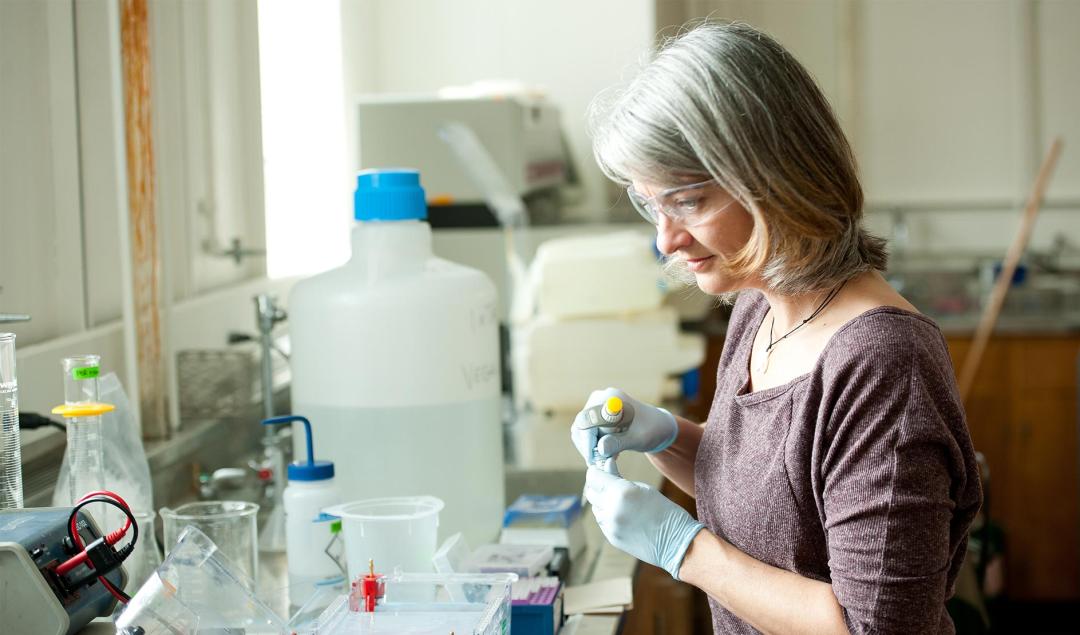
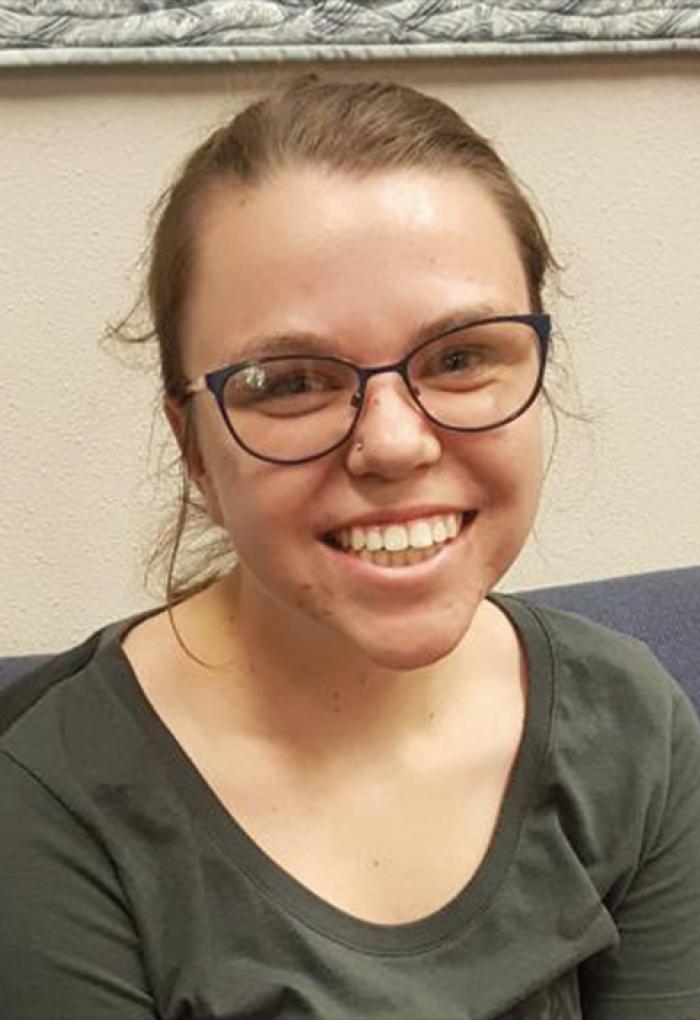
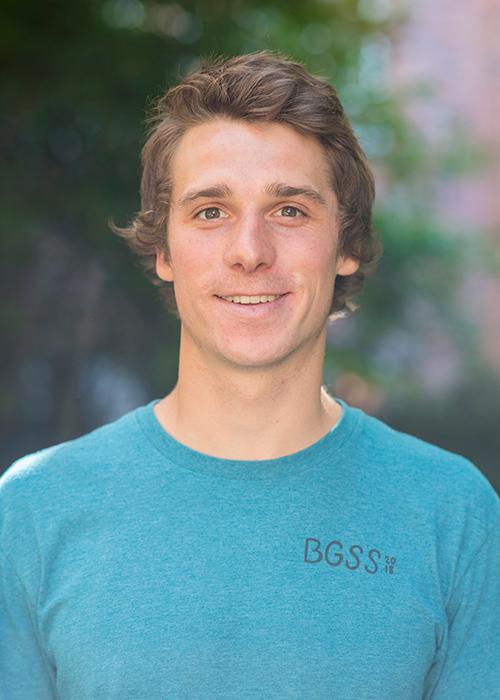
Ph.D. student and researcher Christine Tataru

Martin-O’Neill fellow Christine Tataru uses computers to decode our guts

By Grace Peterman

Microbiology Ph.D. student Christine Tataru is the recipient of the 2021-22 Larry W. Martin & Joyce B. O’Neill Endowed Fellowship

For Christine Tataru, computer science is “the closest you can actually get to magic.” The Microbiology Ph.D. student fell in love with the discipline as an undergraduate, and it’s been a successful relationship ever since. Tataru just won the 2021-22 Larry W. Martin & Joyce B. O’Neill Endowed Fellowship for her work in computational modeling that seeks to understand how gut microbiomes impact their human hosts’ health.
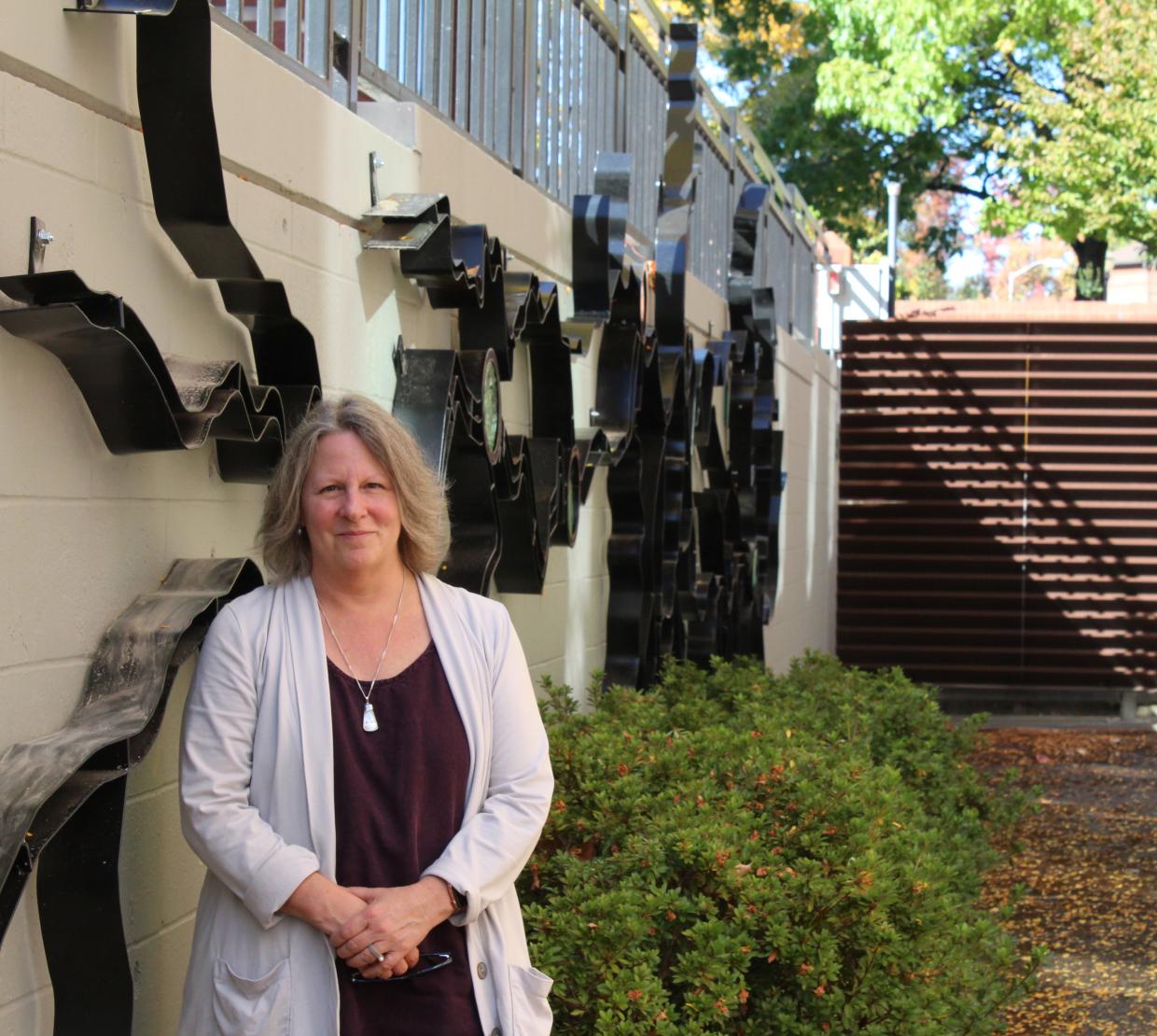
Tataru’s love of computer science started in an introductory class at Stanford University, where the near-magical powers of computational models sparked her curiosity and imagination. But it wasn’t until she discovered bioinformatics, the interdisciplinary marriage of biology and computer science, that the field felt truly fulfilling.

She started investigating the connections between the human gut microbiome and autism at Stanford, alongside then-postdoctoral-researcher Maude David. When David became Assistant Professor of Microbiology and Pharmaceutical Sciences at Oregon State, Tataru decided to follow her example and came to the university in 2018. “She was an excellent mentor,” adds Tataru.

At Oregon State, Tataru has continued to work alongside David as a researcher, mentor, and teaching assistant. Her current work uses natural language-based algorithms to investigate the relationships between microbes that keep our guts healthy, or, alternatively, lead to Inflammatory Bowel Disease (IBD). While she is passionate about the nitty-gritty details of research, Tataru also excels at communicating them approachably.

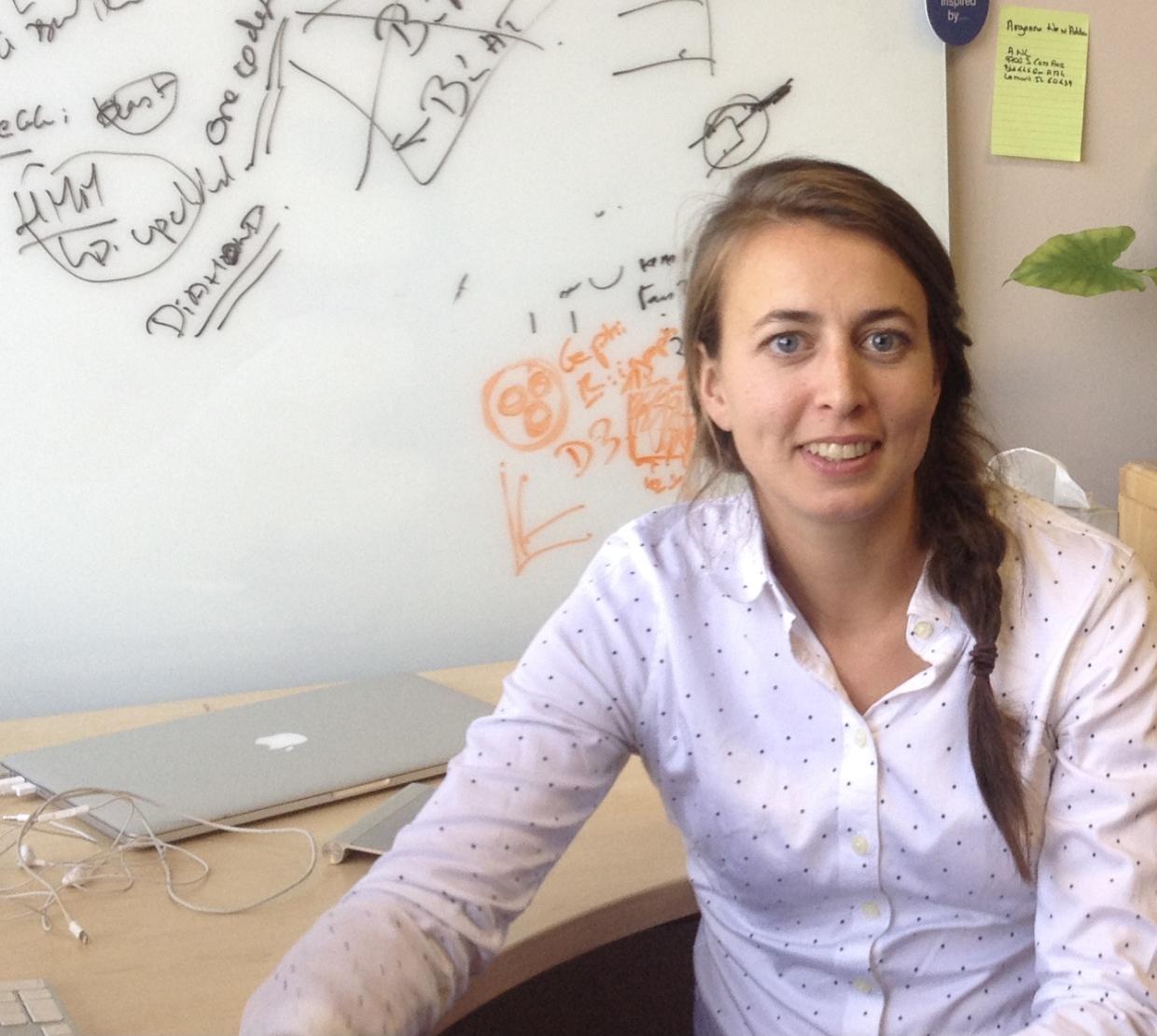
Christine Tataru sitting at a desk with a computer

Christine Tataru uses computational algorithms to advance microbiome research and explore gut-brain axis phenomenon.

For the science layperson, Tataru breaks down her work this way: imagine you want to figure out the difference between fantasy novels and non-fiction. You could search for specific words that appear more frequently in one genre; fantasy may mention “wizards” or “dragons” more often. But the presence of these words doesn’t tell us the fundamental difference between fiction and non-fiction: that one is real, and one is not, regardless of what words are used.

Much bioinformatic analysis looks at what microbial taxa are present in the gut, but Tataru says that’s just one piece of the puzzle. Just because certain bugs are there, doesn’t mean the gut is healthy. Tataru’s research aims to get a more complete picture: “We want to holistically define the microbiome, to get at the underlying processes defining which taxa are present.” It’s not just biodiversity of the microbes, but their interactions – their ecology – which affect nutrient availability and overall gut health.

That’s where the natural language algorithms come in. These are the same powerful tools that make auto-translation, topic modeling, and sentence completion possible: they’re really good at processing huge amounts of data and getting the gist of it. Gut microbiome colonies are vast and constantly mutating; within a single species, there are strains, sub strains, and even further delineations of genetic diversity. How do we define who’s who with all this variation? “We can ask the computation models to do the work of distinguishing meaningful differences in taxa,” says Tataru.

Eventually, the goal is that these models will read the microbes in our gut like a book, give us the gist of it, and then tell us how to finish our gut-sentences in healthier ways. To go from IBD to a healthy gut, what microbes do I need to add? And what microbes do I need to remove?

“We want to holistically define the microbiome, to get at the underlying processes defining which taxa are present.”

If all of that seems terribly complex, Tataru has one simple place to start: eat your vegetables. Samples from subjects who eat veggies immediately stand out from those who don’t, she reports. An avid gardener and advocate of local farming initiatives, Tataru says healthy eating is a collaboration between mind, body, and microbes. Cravings could be a message from gut bugs about what they want to eat, but sometimes the brain’s patterns override that, for better or for worse. We all kind of know what we should be eating, says Tataru. Establishing the right microbial colonies may take time, but trust the process: “if you eat it, they will come!” she laughs.

Tataru is looking forward to further developing as a science educator and getting back to projects that were halted by COVID-19. Last year, she participated in the Oregon Museum of Science and Industry’s (OMSI) Science Communication Fellowship and developed interactive demonstrations illustrating the concepts behind her modeling work at the museum. Unfortunately, the demo relied on museumgoers, and as soon as her team got ready to put it in practice, everything shut down. “I am planning on going back now that things are opening up again and seeing if I can get back in on the action,” she says.

While she finds the interpersonal aspects of science communication incredibly fulfilling, Tataru is also excited about getting to research full-time this year thanks to the Martin-O’Neill Fellowship. She says the award is a meaningful validation of her path: “I’m very passionate about this, but now obviously someone else agrees that this is worthy of being passionate about!”

Dr. Maude David sitting at her desk

Mentoring and the microbiome: OSU microbiologist Maude David wins Breaking Barriers Award in Education

By Grace Peterman

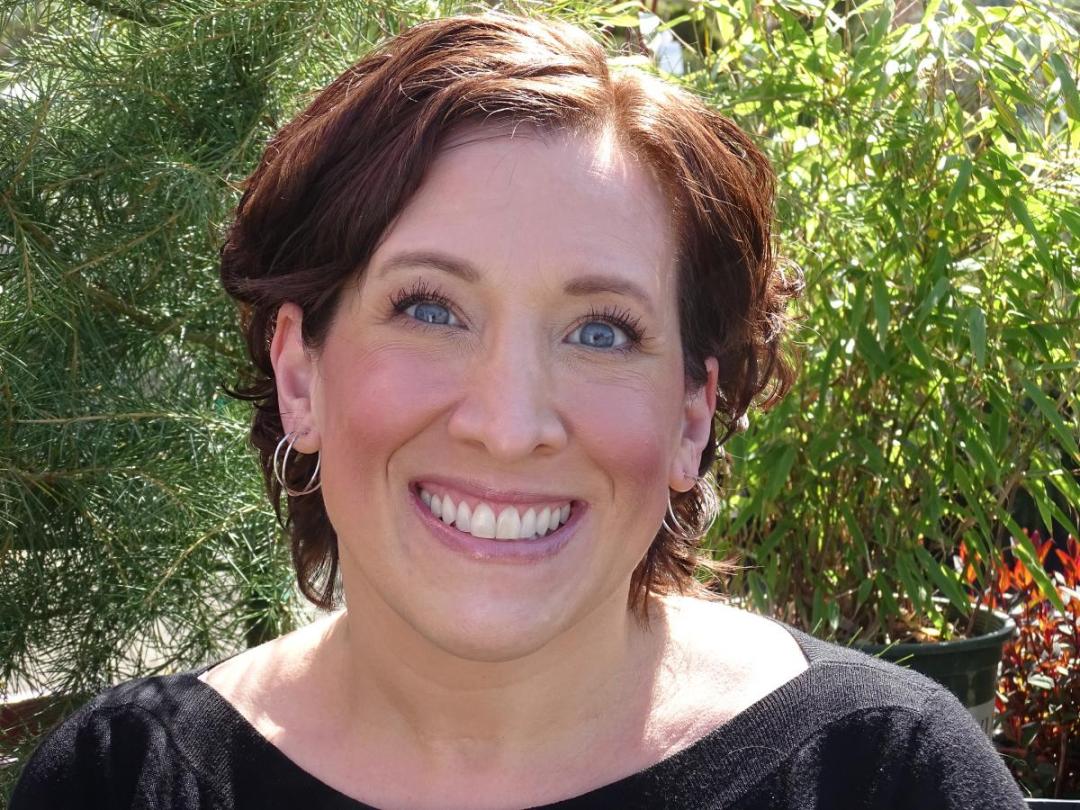
Dr. Maude David, recipient of the 2020 Breaking Barriers Award in Education

“It was a no-brainer,” says microbiology Ph.D. student Grace Deitzler of her decision to join Dr. Maude David’s Lab. “I knew that Maude would be the optimal mentor for me during my Ph.D.”

A member of the Oregon State faculty since 2018, assistant professor of microbiology Maude David has made a powerful impression in her short time here, inspiring students with her commitment to an inclusive, welcoming learning environment. David received the 2020 Breaking Barriers Award in Education, an initiative from the President’s Commission on the Status of Women which honors excellent and high impact in teaching and mentoring that has paved the way for gender equity in higher education. She was nominated by Deitzler and fellow graduate student Alex Phillips.

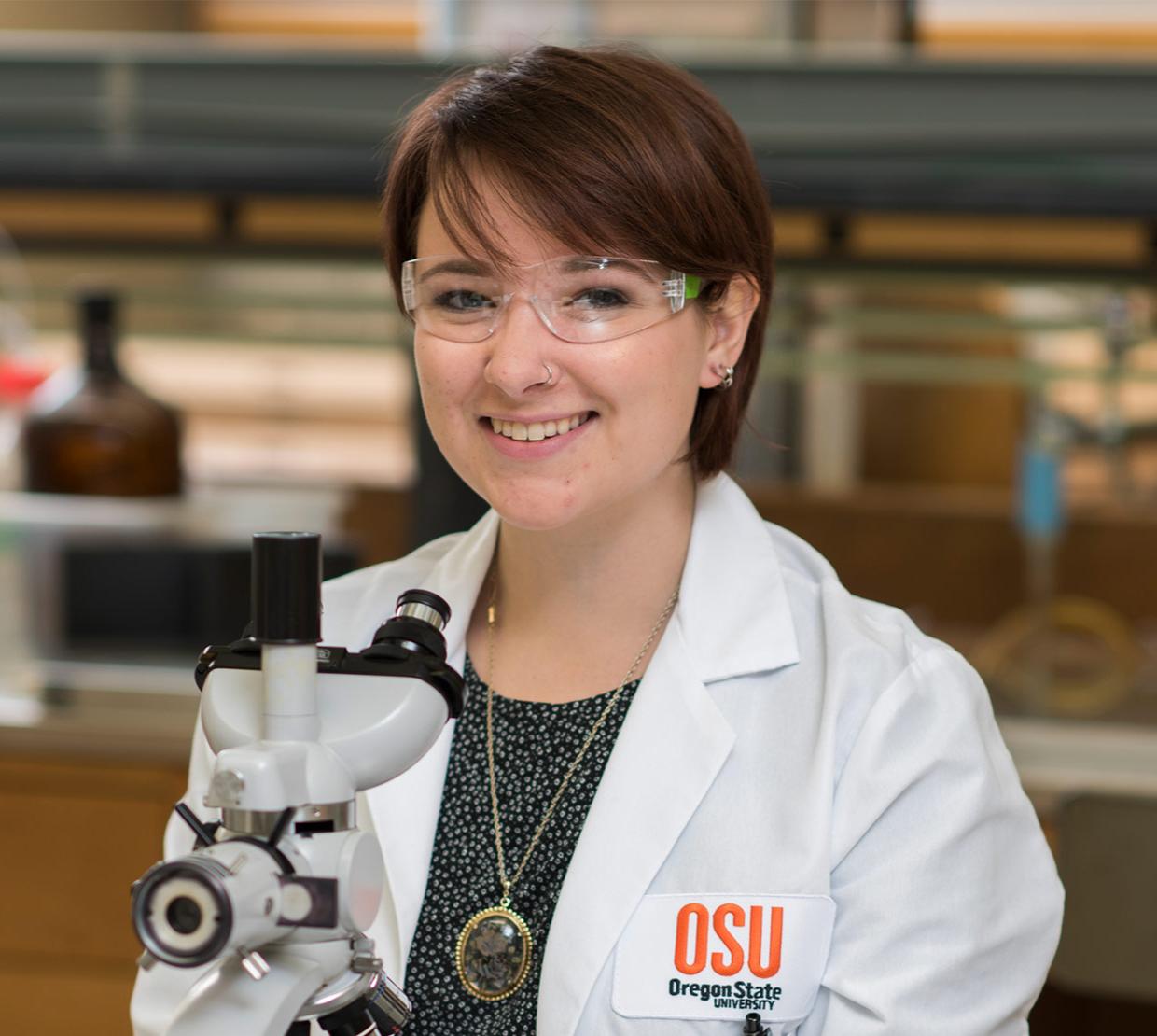
Microbiology Ph.D. student Grace Deitzler with microscope

Microbiology Ph.D. student Grace Deitzler

Creating an ideal learning environment

Speaking with David, her mentoring prowess, which has earned her the appreciation of her students, shines through with every word. “It’s about creating a safe space for students before they go out into the world,” says David of her teaching style. Within the David Lab, her four graduate students and five undergraduates are free to take risks, make mistakes, and branch out in unexpected directions. “She is really letting her students take the reins,” adds Deitzler, “She is dedicated to intentionally building a lab that gives young women researchers the chance to grow and succeed in our field and has been immensely supportive of our diverse intersecting identities.”

Empowering her students to take charge has worked out well for David so far, with several of them receiving fellowships from the National Science Foundation, presenting their work at international conferences, and publishing articles in journals. Yet David points out that “the number of papers a student publishes is not a correlation of how happy they are.” Knowing the challenges of a career in science, particularly for women and other underrepresented groups, David encourages her mentees to find a balance between well-being and accomplishment. “The students work so hard. I have to tell them to take time off!” she says.

A vibrant, inclusive lab atmosphere

As a recipient of an award for mentoring in education, what are David’s thoughts on creating a richer student experience at Oregon State? “It’s really about horizontal integration in the lab. Undergraduates should be treated as full researchers,” she says, instead of merely having them clean equipment. Giving students of every level the opportunity to make a meaningful contribution increases motivation and retention — or, as David puts it, assures they will “start with science and stay!” Undergraduate student Temi Adewunmi (computer science ’23) testifies to the inclusive environment of the David Lab, and how David’s leadership throughout periods of political and civil unrest last year made a strong impression on her: “She encouraged us to share our experiences about life on campus and things we felt were going well, as well as what wasn’t going so great, in order to improve our teamwork and lab atmosphere. That meant a lot to me as an international student from Nigeria, and I felt really heard and welcomed.”

“She is dedicated to intentionally building a lab that gives young women researchers the chance to grow and succeed in our field”

Embracing diverse perspectives and backgrounds is an essential element to the success of the lab team. David recalls how one day, students got so creative in using a bit of code she gave them for an experiment, that they actually broke it. “They all have different learning and problem-solving styles,” she adds with a smile, clearly impressed by her students’ ingenuity. With research interests that span computational biology, microbial ecology, and the gut-brain axis, David knows the value of creativity and versatility in science, encouraging her students to ask novel questions and break the mold.

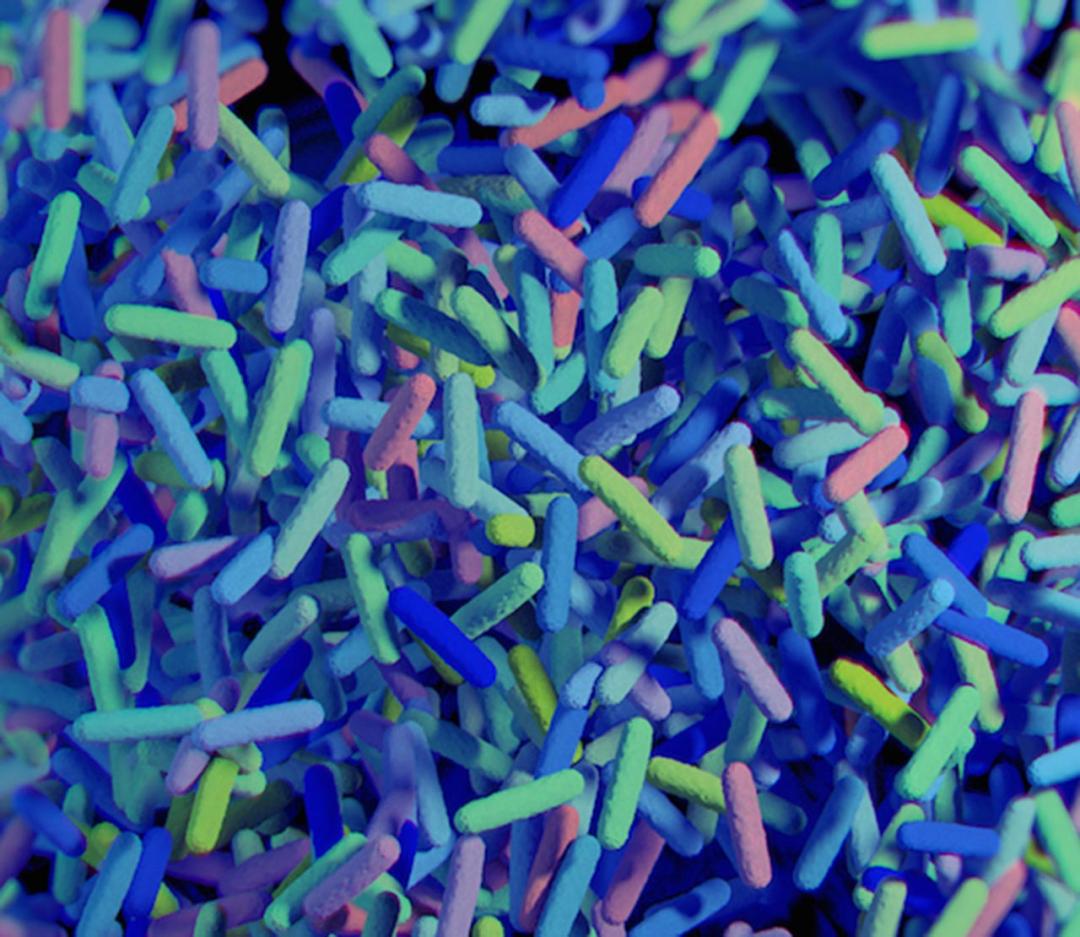
gut microbes

The David Lab takes an interdisciplinary approach to gut microbiome research

Ongoing research on the gut microbiome and autism

Within the David Lab, students are currently investigating the gut microbiome from a variety of angles, including meta-analysis of existing public data and behavioral experiments with mice and honeybees. Alongside David, students also have the opportunity to participate in groundbreaking research linking the human gut microbiome and autism spectrum disorder (ASD). Most recently, David, her graduate students and her colleagues at Stanford University and Argonne National Lab published the results of their crowdsourced study on microbial markers in the gut microbiome of young children with and without ASD. While they found significant differences between the two groups, David notes that the connections between the microbiome and human behavior are incredibly complex, and we have a long way to go to bridge the gap between association and causality. In particular, she is working on stronger computational models to analyze new and existing data and break down the complexity of the gut-brain axis.

In the meantime, what’s David’s advice for keeping our guts healthy? “Eat your vegetables!” she laughs. With a wealth of mentoring knowledge as well as multidisciplinary science expertise, David is an asset to the Oregon State community, and we look forward to everything she and her students contribute in the years to come.

A nighttime sky with an award sign overlaid on top

2020-21 College of Science awards: Celebrating excellence in teaching and advising

By Cari Longman

On April 22, the College of Science gathered virtually to recognize academic, administrative and teaching excellence at the 2020-21 Combined Awards Ceremony – a merge of our annual Faculty and Staff Awards and Teaching and Advising Awards events.

The first half of the ceremony celebrated excellence in research and administration, and the second half the ceremony focused on outstanding teaching, advising and mentoring,

The College congratulates the Teaching and Advising Awards winners below who exemplify deep commitment, skill and effectiveness in mentoring and advising to ensure student learning and success within and beyond the classroom. Effective teaching, advising and mentorship are the very heart of the College of Science’s identity as a robust and thriving community of students and scholars.

Congratulations to all the nominees and especially to the award winners.

2021 Teaching, Advising and Mentoring Award Winners

Olaf Boedtker Award for Excellence in Academic Advising

Tiffany Bolman

BioHealth Sciences Advisor Tiffany Bolman

Tiffany Bolman, biohealth sciences advisor, won the Olaf Boedtker Award for her tireless support, efforts and advocacy on behalf of undergraduate students. Olaf Boedtker was a former professor in the Department of Physics for 23 years and served as head advisor in the College for 14 years from 1973 to 1987. This award recognizes exceptional and inspirational undergraduate advising.

More than ten students nominated Bolman for this award, praising her dedication and ability to connect and encourage students to achieve their goals.

One student nominator wrote of Bolman: “During one of the hardest years of my life, I met my new advisor, Tiffany. Changing your advisor in the middle of your junior year can be stressful. The first time I met her, my meeting lasted almost two hours because we spent time getting to know each other and talking about life. The way that Tiffany has been here to support me is incredible – as an advisor, a mentor, a friend and a support system. She's helped me in countless ways this past year, not just for school and for my future, but personally. I know I would not be where I am right now without her.”

“Tiffany has guided me in my fast-paced college experience and is always courteous when I talk to her,” wrote another biohealth science student nominator. “She has provided ample opportunities for me to get involved in health care and shadowing, even during Covid-19, in order for me to be a competitive applicant for medical school. I feel as though Tiffany wants the best for all of her students, including myself, and her heartwarming encouragement never lets me down.”

Another student had similar praises for Bolman. “I transferred to Oregon State and [Tiffany Bolman] was the first faculty member I had any interactions with. She seems to truly care about the future of the students she is advising and is overall an amazing person to talk to.”

Additional nominees for the Olaf Boedtker Award included

  • Allison Evans, instructor of microbiology
  • Kari Van Zee, senior instructor for biochemistry and biophysics
  • Maureen Leong-Kee, advisor for integrative biology
  • Vince Remcho, professor of chemistry

Loyd F. Carter Award for Outstanding and Inspirational Teaching (Undergraduate)

Corinne Manogue

Professor of physics Corinne Manogue

Professor of physics Corinne Manogue won this year’s Loyd F. Carter Award for Outstanding and Inspirational Teaching in Science. Manogue teaches the nationally-recognized Paradigm in Physics courses, which are a restructuring of the traditional upper-division curriculum for physics students to a more modern, flexible and inclusive model for learning physics.

Student nominees cited Manogue’s extra efforts to ensure her students understand content, her ability to teach complex topics, and her compassion with her students in an especially tiring year.

“She is an outstanding teacher who really works to understand how her students are approaching the material and provides numerous ways for the students to actively engage with the content,” wrote one student nominator. “She is very aware that each student has a different learning style and that content needs to be restated multiple ways and in multiple forms and that each version will resonate differently with each student.”

Other student nominators had similar praises for Manogue. "She is truly fantastic at explaining complex topics in ways that relate them to us students, and it was often that many would exclaim how well they understood ideas and techniques significantly better after having an explanation from her in class," said one nominator, and another added: "Corinne convinced me that there weren't such things as 'STEM people' and that success in STEM was available to me and other students who like me had been dissuaded by a perception of being inherently 'not smart enough' to become physicists."

Manogue has received recognition at multiple levels – Oregon State University, the state of Oregon and nationally – for her teaching excellence and has previously won a number of awards recognizing her teaching excellence, including the College of Science Frederick H. Horne Award for Sustained Excellence in Teaching in 2000, an American Association of Physics Teachers Award for Excellence in Undergraduate Physics Teaching in 2008, and the 2016 Oregon Academy of Science Outstanding Educator in Science and Mathematics award.

Additional nominees for the Loyd F. Carter undergraduate award included

  • Daniel Myles, senior instructor of chemistry
  • Daniel Rockwell, senior instructor of mathematics
  • Devon Quick, senior instructor of integrative biology
  • Kimberly Halsey, associate professor of microbiology
  • Linsday Biga, senior instructor of integrative biology
  • KC Walsh, senior instructor of physics

Loyd F. Carter Award for Outstanding and Inspirational Teaching (Graduate)

Charlotte Wickham with a black background

Senior Instructor of statistics Charlotte Wickham

Senior Instructor of statistics Charlotte Whickam received the Loyd Carter award for her inspirational and superb mentorship and teaching of graduate students.

“Charlotte is an extremely talented statistician and teacher. You can tell she is extremely passionate about the things she teaches and is invested in her students learning. She is also very approachable, despite teaching an online course,” wrote one graduate student nominator. “The material I have learned in her class has been useful and applicable to all of my work as a statistician,” they added.

“Dr. Wickham really took the time and got involved with my term project topic. She understood my skill level and was really great on providing feedback,” wrote another nominator.

A specialist in R training, Wickham teaches courses in data visualization and the foundations of data analytics. In 2020 Wickham received the Oregon State Ecampus Excellence in Online Teaching and Student Engagement Award. Wickham has developed multiple Ecampus courses built around students and their learning, leveraging open source materials and engaging texts from the Valley Library at Oregon State University.

Frederick H. Horne Award for Sustained Excellence in Teaching Science

Senior Instructor for biochemistry and biophysics Kari Van Zee

Senior Instructor for biochemistry and biophysics Kari Van Zee

Senior Instructor for biochemistry and biophysics Kari Van Zee won the Frederick H. Horne Award for her exceptional qualities as a teacher and mentor. This award is named after Fred Horne, OSU Professor Emeritus of Chemistry and the former College of Science Dean for 13 years, from 1986 to 1999.

Kendra Jackson (’20, biochemistry and biophysics), praised Van Zee in her nomination letter, writing, “Kari made a great impact on my education at OSU and has empowered me to be an independent learner.”

Jackson interacted with Van Zee as a student, mentee, teaching assistant and advisee. She added in her letter that “Kari is compassionate and deeply cares about the well-being of her students.” This quality was especially apparent during the 2020-2021 school year with remote learning. “Kari constantly checked up on struggling students in each section, offered solutions for students who could not access technology or adequate study spaces, and adapted the class based on student feedback.”

Tanushri Kumar, a 2020 biochemistry graduate and Ph.D. student at the University of Washington, also wrote a nomination letter. She praised Van Zee’s personal connection with her students: “Kari is a fantastic teacher, a scholar, and a devoted mentor to all her students. It is truly rare to find a teacher as talented and as compassionate as she is. Without her guidance, I would have never discovered my own passion for research, and without her support I would not have had the courage to apply for graduate school. The impact she has had on my life has been huge, and I am incredibly grateful for having her as a mentor and instructor.”

College of Science Whiteley Faculty Scholar for Teaching Excellence Award

Devon Quick

Senior Instructor of integrative biology Devon Quick

Senior Instructor Devon Quick in the Department of Integrative Biology received this award which recognizes excellent teaching and learning innovation. This award will provide Quick with an annual stipend of $12,500 for three years.

Widely commended for her teaching of biology, human anatomy and physiology courses, Quick has received awards for her exceptional teaching in the past. In 2020, she received the Loyd F. Carter Award, and in 2016 she received university-wide recognition by receiving the OSU Faculty Teaching Excellence Award.

Quick is a co-founder of the Learning Assistants Program, which puts high-achieving undergraduate assistants in large enrollment, often first-and second-year STEM classrooms to facilitate and strengthen undergraduate learning. She also collaborated with fellow biology instructor Lindsay Biga to adapt an open source biology textbook that is freely accessible to OSU students and learners worldwide.

OSU Faculty Scholars for Teaching Excellence Award

KC Walsh

Physics instructor KC Walsh

Physics instructor KC Walsh won the Faculty Scholars for Teaching Excellence Award. This award for a three-year faculty scholar position supports excellence and innovation in teaching and carries an annual stipend of $12,500.

Walsh helped to transform OSU’s introductory physics classes by reversing the traditional learning environment. In flipped classrooms, students receive course content online outside of the classroom, freeing up classroom time for active learning. He then pioneered the flipped classroom in the online environment long before the pandemic forced all instructors and faculty to adjust to all-online teaching. The results of the flipped classroom model have been dramatic: the withdraw rate from introductory physics class dropped from 36 percent to only 12 percent with a marked increase in course satisfaction.

Walsh previously received the OSU Faculty Teaching Excellence Award for his significant and meritorious achievement in teaching and scholarship that enhances effective instruction. And in 2018, the Department of Physics received the American Physics Society (APS) Award for Improving Undergraduate Physics Education, due in part to Walsh’s pioneering flipped classrooms and his early use of online resources to increase student success.

The OSU and Whiteley Faculty Scholars for Teaching Excellence awards are made possible thanks to the generous philanthropic support of our alumni and friends and matching funds invested by the Provost’s Office.

Read more about the winners of the 2020-21 graduate and undergraduate research and administration awards.

Román Hernández

Attorney and science alum awarded Alumni Legacy Award for civil rights advocacy

By Srila Nayak

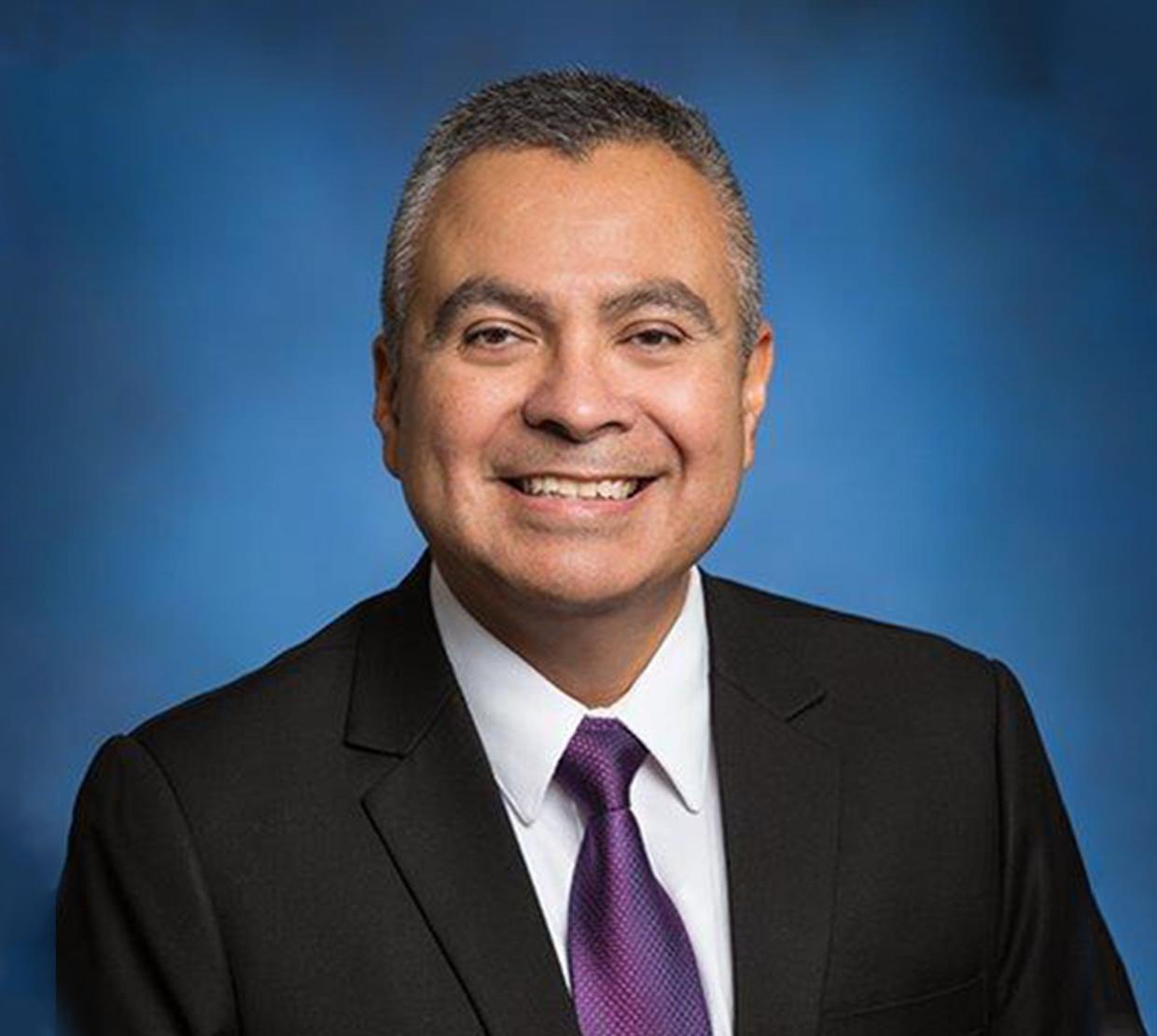
Román D. Hernández (’92) received the Diversity, Equity and Inclusion Alumni Legacy Award on the occasion of OSU's 39th annual Dr. Martin Luther King, Jr. Celebration.

Román D. Hernández (’92), an alumnus of the College of Science, received the Diversity, Equity and Inclusion Alumni Legacy Award on the occasion of the 39th annual Dr. Martin Luther King, Jr. Celebration on Monday, January 18, 2021 at Oregon State University. A nationally recognized attorney specializing in labor and employment law and commercial litigation, Hernández is the Office Managing Partner at Troutman Pepper’s Portland office.

The award recognizes alumni who have demonstrated a deep and abiding commitment to causes of social justice, diversity, equity and inclusion and who exemplify and enrich OSU’s values of community, diversity, respect and social responsibility in their broader community or organization.

“I am deeply honored to have received this award from OSU, an institution that I love. And to have received it during OSU’s Dr. Martin Luther King, Jr. Celebration, makes it that much more meaningful,” said Hernández.

Hernández’s award citation commends his commitment to the values of diversity, equity and social justice throughout his career as an attorney. His nomination states, “Over the years, Román has reached out to young racial and ethnic minority students from middle school to high school to encourage them to pursue their education, including pursuing a legal education. By recalling his own background of socioeconomic disadvantage and hardship, he inspires them to achieve their educational goals and to know that nothing is beyond their grasp.”

“I am deeply honored to have received this award from OSU, an institution that I love. And to have received it during OSU’s Dr. Martin Luther King, Jr. Celebration, makes it that much more meaningful."

Hernández graduated from OSU with a co-major in general science, emphasizing biological sciences, and aerospace studies. Before taking up law studies at Lewis and Clark Law School (Portland), Hernández, who attended OSU on an ROTC scholarship, served for nearly five years in the Air Force. He was honorably discharged at the rank of Captain. Inspired by a JAG officer, the first Latino lawyer he had known, Hernández decided to pursue a degree in law.

Hernández successfully battled tremendous challenges on his journey towards an outstanding legal career. He is the youngest of eight children of migrant farm workers from Mexico who worked in Michigan and Ohio before settling in Oregon. Hernández and his siblings grew up near Ontario, a city in far eastern Oregon bordering Idaho. Although his mother and father had no formal education, they inspired all their children to study and go to college.

Hernández’s rise to the top ranks of his profession is a testament to his courage, determination and perseverance. An American Bar Association profile of Hernández notes, “He would spend 10 hours a day harvesting onion – a labor-intensive task that involves bending over or kneeling and using sharp knives to cut the leafy tops from the onions. The intense summer heat could reach 110 degrees Fahrenheit, and Román’s hands still bear the scars from the knives used in the harvest. It was “piece work” and he was paid as little as 10 cents a bushel for his work.”

Hernández was able to realize his college dreams when he was awarded financial aid to attend Treasure Valley Community College. He was on the Dean’s List multiple times at TVCC before transferring to OSU. His Air Force ROTC scholarship from OSU enabled him to attend university where he did well academically. Hernandez was the only Hispanic-American ROTC cadet at OSU in the Professional Officer Corps (the upper division cadets).

Hernández was named to the Lawyers of Color Nation’s Best List in recognition of his career accomplishments and commitment to diversity and inclusion in the legal profession. He was also recognized in The Best Lawyers in America in the categories of employment-law management and for litigation-labor and employment law.

Hernández has garnered several accolades and awards for his professional achievements, service, leadership and lifetime commitment to social justice and civil rights in Oregon and beyond.

He received the American Bar Association’s 2021 Spirit of Excellence Award, which honors those who have achieved excellence and supported others within their legal careers. He also received the Distinguished Business Law Graduate Award from his alma mater, Lewis and Clark Law School; the Diversity and Inclusion Champion Award from Oregon State Bar; the Civil Rights Champion Award from the Oregon League of Minority Voters; among other honors.

He served as the Oregon Community Foundation’s (OCF) Board of Directors and was named the Hispanic National Bar Association’s 2017 Latino Lawyer of the Year. Hernández has spearheaded equity and inclusion reforms in several Oregon organizations and foundations. He served as the first-ever Chair of OCF’s Equity, Diversity, and Inclusion Board Committee which developed and assisted the organization in applying an “equity lens” to its work.

Hernández has been selected to serve in influential and high-profile positions during his career. He is a former Chairman of the Board of Directors of the Portland Branch of the Federal Reserve Bank of San Francisco, one of the 12 banks that comprise the central banking system of the United States. Through his six-year Federal Reserve service, Hernández helped develop the nation’s monetary policy. He served as the National President of the Hispanic National Bar Association that represents the interests of 100,000 Hispanic attorneys, judges, law students, and paralegals throughout the United States.

Rebecca Vega Thurber

Pioneering 'coral doctor' named Pernot Distinguished Professor

By Srila Nayak

Marine ecologist Rebecca Vega Thurber has been appointed the Emile F. Pernot Distinguished Professor in Microbiology.

Marine ecologist and associate professor Rebecca Vega Thurber has been appointed the Emile F. Pernot Distinguished Professor in Microbiology by the Colleges of Science and Agricultural Science at Oregon State University. The endowed professorship recognizes Vega Thurber’s distinguished contributions to several fields of microbiology that encompass coral reef ecology, virology, marine disease ecology and metagenomics. Vega Thurber’s lab investigates the microbial and viral ecology of threatened marine species and habitats.

“Rebecca works on some of the most challenging environmental problems of our era, and she has trained and inspired young scientists to make vital contributions to protect our fragile ecosystems” — Dean Roy Haggerty.

The Emile F. Pernot Professorship was established with an estate gift of the late Mabel Pernot, the daughter of Emile Pernot who established the microbiology department at Oregon State more than a century ago. The award recognizes a professor in the Department of Microbiology who has made distinguished contributions to the field of microbiology science and who has a record of contributions to OSU’s education and research missions.

“Rebecca Vega Thurber’s outstanding scholarship and contributions to STEM education perfectly capture the spirit and goals of the prestigious Emile Pernot Professorship,” said Dean Roy Haggerty. “Rebecca works on some of the most challenging environmental problems of our era, and she has trained and inspired young scientists to make vital contributions to protect our fragile ecosystems.”

Among other areas, Vega Thurber’s research has probed the effects of environmental and human-associated pollution on the relationships among the microbiomes and their hosts and habitats. Vega Thurber’s three-year field experiment on a coral reef in the Florida Keys—one of the largest and longest field experiments done on this topic—found evidence that overfishing, pollution and climate change-induced warming waters intersect to cause coral disease and death. She found out that herbivorous fish not only help increase healthy microbes on corals, but they also appeared to buffer some of the negative effects of ocean warming and thermal stress on corals.

“The Pernot Professorship is a great honor and a testament also to the excellence and vision of the work my lab and my colleagues have been doing. I look forward to using this position to expand our understanding of marine microbiomes and their roles in threatened ecosystems,” said Vega Thurber. “I also hope to push further our goals in advancing equity, diversity and inclusion in STEM education, and I plan to use aspects of this award to increase awareness of the threats that ecosystem declines have on local and native communities and cultures.”

Vega Thurber’s exceptional leadership, vision and pioneering scholarship have shaped and influenced some of the most cutting-edge coral health and marine virology projects in the world. She is the director of the Global Coral Microbiome Project (GCMP) dedicated to understanding the microbial diversity of coral species across all major groups of reef-building corals in several distinct ecosystems across the globe. The project probes genome sequences of key coral bacteria and investigates how the microbiome plays a role in disease within coral species.

Her work with this project formed the basis of “Saving Atlantis,” the Oregon State feature-length documentary on coral reefs. The film follows Thurber and her colleagues in four continents as they uncover the causes behind the destruction of coral reef ecosystems and work to find solutions to protect them. “Saving Atlantis” screened at various film festivals in the U.S. and abroad and is now streaming and accessible to viewers worldwide on Amazon, Google Play and iTunes.

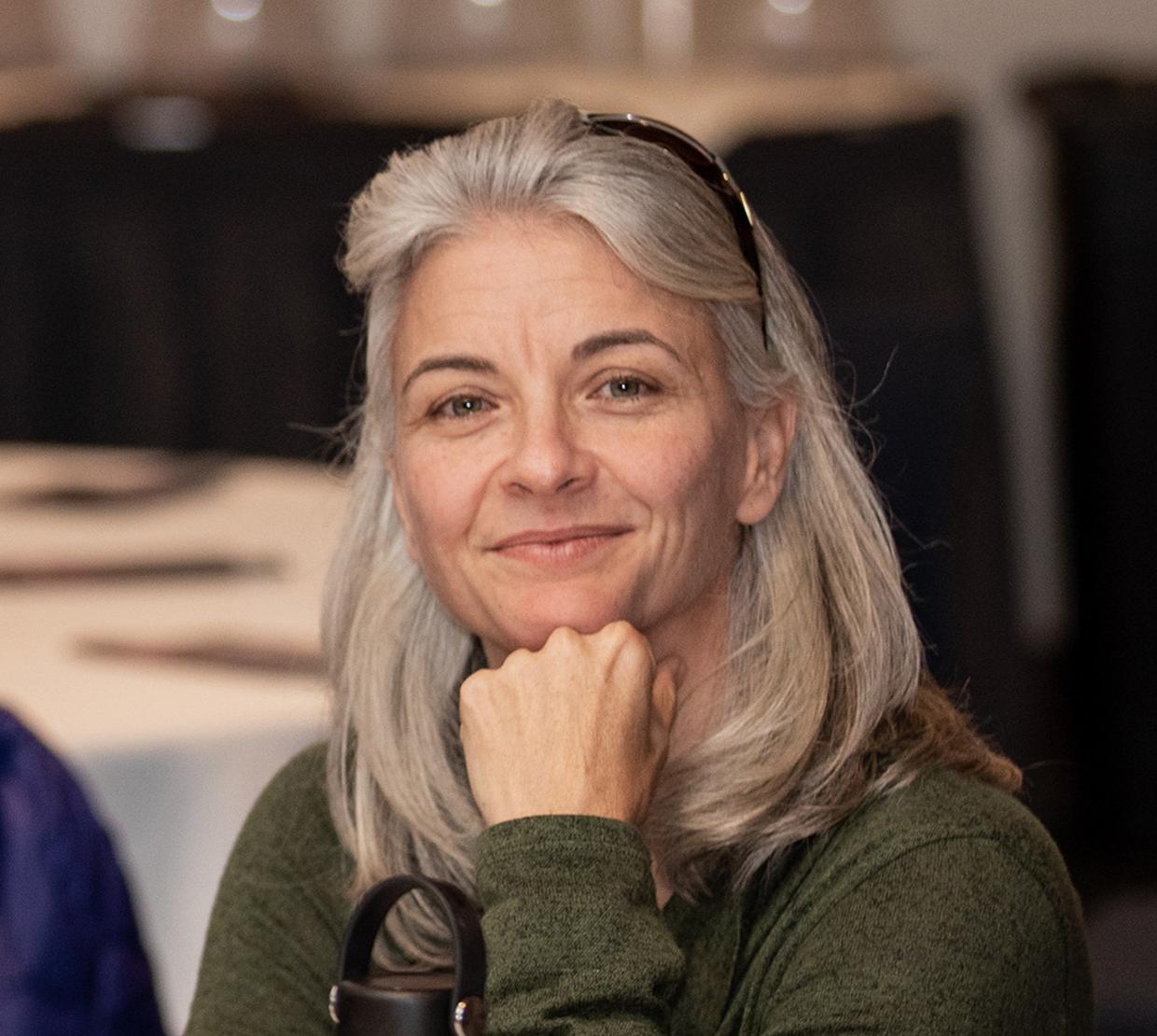
Rebecca Vega Thurber

Coral microbiologist Rebecca Vega Thurber leads several coral health and marine virology projects.

In addition to GCMP, Vega Thurber is a leading collaborator on several other critical international projects. These include the Moorea Virus Project that studies microbial and viral dynamics in reef environments and the TARA Ocean Foundation’s Pacific Expedition focused on investigating the biogeography of microbes in the water and in corals across the Pacific.

Vega Thurber has been awarded $7.26 million in grants by the National Science Foundation, the Gordon and Betty Moore Foundation and other agencies. In 2020, she was awarded a $3M NSF grant, along with OSU scientists Thomas Sharpton, Maude David, Ryan Mueller and Xiaoli Fern, to study the ecological and genomic properties that underlie microbiome sensitivity and resilience. Her research has resulted in nearly 75 publications in top-tier journals such as Nature, PNAS and Nature Microbiology.

She has mentored 10 Ph.D. scholars, eight postdoctoral scientists and more than 20 undergraduate students in her lab. Vega Thurber’s undergraduate and graduate students have been authors on peer-reviewed manuscripts and book chapters. Vega Thurber also teaches courses in microbial genomes, biogeochemistry and diversity and bacterial molecular genetics.

Vega Thurber has been at OSU since 2011 after serving as an assistant professor at Florida International University. She was an NSF Minority Postdoctoral Fellow at San Diego State University from 2005-2008. Vega Thurber completed her undergraduate studies in marine biology, molecular, cellular and developmental biology at the University of California Santa Cruz. She holds a doctorate in biological sciences from Stanford University.

Vega Thurber’s work and biography have been highlighted in several prestigious media and scientific publications, including The Atlantic, Hakai Magazine, Scientist Magazine and The Conversation. She received the OSU Impact Award for Outstanding Scholarship in 2016.

For more information on how you can support faculty in the College of Science, please contact Marlys Amundson at the OSU Foundation.

University Day 2020

Scientists recognized for research, service and mentoring excellence at 2020 University Day

By Srila Nayak

OSU University Day award ceremony in 2019.

Five faculty and scholars from the College of Science are among this year’s award recipients at University Day, Oregon State University's most prestigious annual awards for research mentoring, outstanding scholarship, teamwork, teaching and service. Additionally, a team of dedicated OSU scientists were honored for their work with TRACE-COVID-19, a large scale public health project in Oregon. The awardees were recognized for their distinguished accomplishments at OSU’s virtual 2020 University Day celebration on Tuesday, September 15.

“I am very proud to see the outstanding achievements of our faculty and scientists recognized at the university level,” said Roy Haggerty, dean of the College of Science. “I applaud their commitment to undergraduate mentoring, research, teaching, collaboration and service within their programs and to a broader community at the university and beyond.”

Congratulations to these faculty for their dedication, talent and exemplary achievements.

Ben Dalziel

Ben Dalziel, a population biologist, is a project co-leader of TRACE-COVID-19

Leading a pioneering public health project

The TRACE-COVID-19 team is being honored with a Beaver Champion Award, the prestigious OSU President’s Award, for work on their community based health project that tests a representative sample of community members around the state to gather timely information essential to slow the spread and minimize the impact of the disease.

The award recognizes an individual or individuals who continually demonstrate outstanding effort and achievement of excellence, extra effort beyond that requested, and performance of the highest quality.

The TRACE-COVID-19 team is jointly headed by Ben Dalziel, an assistant professor of integrative biology and mathematics, and Jeffrey Bethel, a professor in the College of Public Health and Human Sciences. The Beaver Champion Award went to the team of 10 scientists and more than 300 volunteers on the TRACE-COVID-19 project. In addition to Dalziel, principal researchers on the TRACE-COVID-19 team from the College of Science include Jane Lubchenco, Distinguished Professor of Marine Biology, Roy Haggerty, Dean of the College of Science, and Katherine McLaughlin, assistant professor of statistics.

TRACE-COVID-19 findings have helped Benton, Deschutes, Umatilla and Lincoln counties and Oregon public health leaders understand how prevalent the virus is and how fast it is spreading in the community, identify infection zones, evaluate the effectiveness of current measures and guide timely further action to control the spread of the disease.

Learn more about TRACE-COVID-19: trace.oregonstate.edu

Francis Chan

Marine ecologist Francis Chan received the D. Curtis Mumford Faculty Service Award.

Spearheading research on climatic effects on coastal ecosystems

Francis Chan, an associate professor in The Department of Integrative Biology, has received the D. Curtis Mumford Faculty Service Award. The award recognizes individuals for exceptional, ongoing, dedicated and unselfish concern for and service to the faculty and to OSU.

Chan has conducted path-breaking research on the effects of climate on coastal ecosystems throughout his career. His service is critical for a long-term success of the Partnership for Interdisciplinary Studies in Coastal Oceans (PISCO), a long-term and large-scale, interdisciplinary consortium of 13 principal investigators across four universities along the US west coast. Additionally, he has been a principal scientist on several other projects dedicated to coastal regions and the impact of ocean acidification.

These projects could not have succeeded without Chan’s intellectual contributions and scientific skills. His expertise was critical in decisions by NSF, NOAA, and private foundations to provide support for research on ocean health. He serves on important advisory committees including co-chairing the California Ocean Protection Council Ocean Acidification and Hypoxia Science Task Force. He also serves as co- chair of the OSU-wide Marine Studies Initiative Research Development Committee.

Kayla Jara

Kayla Jara, doctoral candidate in biochemistry and biophysics, received the Herbert Frolander Graduate Teaching Assistant Award.

A passion for teaching

Kayla Jara, a Ph.D. candidate in the Department of Biochemistry and Biophysics received the Herbert F. Frolander Graduate Teaching Assistant Award. The award recognizes graduate students who have excelled in their capacity as teaching assistants.

A graduate teaching assistant (GTA) since Fall 2017, Jara was promoted to head TA of the largest class in biochemistry and biophysics (BB) and the most advanced BB lab. Jara receives both outstanding scores and glowing comments from students on her teaching evaluations. Faculty mentors have enthusiastically commended her accessibility, seriousness, and dedication to teaching and student success. Jara combines innovative teaching with exquisite experimental research skills. She also plays a leading role in training new students in her advisor Elisar Barbar’s lab and coordinates the OSU biochemistry/biophysics summer camp for high school and middle school students from around the region.

Mentoring excellence

Sarah Gravem, postdoctoral scholar in the Department of Integrative Biology, has been awarded The Excellence in Undergraduate Research Mentoring by a Graduate Student or Post-Doc Award. The award recognizes scholars with direct and significant involvement with undergraduate student researchers, a demonstrable commitment to the research mentorship of undergraduate students, and a record of effectiveness and impact with respect to undergraduate student research and success.

Sarah Gravem

Sarah Gravem, a postdoctoral scholar in biology, received the Excellence in Undergraduate Mentoring award.

Gravem is a postdoctoral fellow studying the ecological consequences of sea star wasting disease for intertidal communities in the Jane Lubchenco-Bruce Menge research lab. Her appointment to leading the sea star wasting task force was based on her excellent research record and academic credentials, but she has also shown incredible talent in recruiting and advising undergraduate researchers to work on this and other lab projects.

While at OSU she has advised or co-advised 46 undergraduates, 29 of whom were female and 10 were persons of color. So far, two of these students have entered Ph.D. programs, and seven have joined M.S. programs. Particularly noteworthy is her success at recruiting and advising students for the SURE and URSA undergraduate scholarship programs. Co-workers say the source of this success in mentorship is her incredible excitement and drive to succeed in science and pedagogy.

Exceptional scientists

The Postdoctoral Excellence Awards are granted to two postdoctoral scholars, fellows or research associates for their exceptional contributions to their research field, OSU and the greater postdoctoral community.

James Fox, a postdoctoral scholar in the Department of Microbiology, received the award for his significant research contributions, his work with OSU’s postdoctoral association and his creative outreach and service activities. James, who works in Associate Professor Kimberly Halsey’s lab, has proven to be a valuable scientist on a collaborative NASA project with 12 institutions to understand carbon production and its fate in the global ocean. His measurement of rates of photosynthesis in the North Pacific Ocean using a variety of methods have resulted in significant publications and ongoing research endeavors.

James Fox

James Fox, a postdoctoral scholar in the Department of Microbiology, received the Postdoctoral Excellence Award.

James’s computational model of the ocean ecosystem gives a broad picture of ocean photosynthesis and improves our understanding of how carbon is transferred into the deep ocean as well as the ocean biogeochemical cycles.

Manuel Garcia-Jaramillo, a postdoctoral scholar in the Department of Chemistry, received the Postdoctoral Excellence Award for his outstanding research contributions in OSU’s Mass Spectrometry Center and the Molecular Nutrition and Diabetes Research Lab. Manuel has a USDA NIFA two-year postdoctoral research fellowship. During his relatively short time as a postdoctoral scholar, Manuel has filed an invention disclosure as a lead inventor for a clinical omics project on oxylipins, published two first author publications and has established himself as an excellent teacher and mentor.

Manuel Garcia-Jaramillo

Manuel Garcia-Jaramillo, a postdoctoral scholar in the Department of Chemistry, received the Postdoctoral Excellence Award.

Manuel is a member of multiple professional societies allied to his field of interests, and also engages actively in service. He was vice president of the OSU Postdoctoral Association in 2019.

Grace Deitzler working with microscope in lab

2020 NSF Graduate Research Fellowships awarded to alumni and students

By Srila Nayak

Microbiology Ph.D. student Grace Deitzler, a member of Dr. Maude David's lab, was awarded the 2020 NSF Graduate Research Fellowship.

Two Ph.D. students in the College of Science — Grace Deitzler in microbiology and John Stepanek in integrative biology — are among three OSU students to receive prestigious National Science Foundation (NSF) Graduate Research Fellowship Program (GRFP) awards in 2020.

Additionally, six College of Science alumni were also selected for the award this year. They are: Patrick Flynn (Mathematics ’18), a Ph.D. student of applied mathematics at Brown University; Katelyn Chase (Physics ’18), a quantitative and computational biology Ph.D. student at Princeton University; Gregory Mirek Brandt (Physics, Mathematics ’18), a Ph.D. student of astrophysics at the University of California Santa Barbara; Alyssa Adler (Marine Biology ’12), a recipient of the National Geographic Early Career Grant and an underwater videographer with Lindbald Expeditions; Joseph Kincaid (Chemistry ’18), an organic chemistry Ph.D. student at UC Santa Barbara; and Alena Vasquez (Chemistry ’18), a doctoral student in chemistry at The Scripps Research Institute.

In 2020, NSF offered a total of 2,076 awards to students from a competitive pool of applicants from all 50 states as well as the District of Columbia and U.S. territories. The GRFP provides three years of financial support within a five-year fellowship period — $34,000 annual stipend and $12,000 cost-of-education allowance to the graduate institution. That support is for graduate study that leads to a research-based master’s or doctoral degree in a STEM field. GRFP Fellows also have access to a number of unique opportunities during their tenure, including the opportunity to engage in international research collaboration.

Deitzler’s award-winning research project focuses on the honey bee gut microbiome and its role in health and immunity as a way to conserve declining honey bee populations. Using a combination of comparative genomics and field experiments, Deitzler and her mentors investigate the effects of a parasitic infection, Nosema ceranae, on the honey bee gut microbiome and the co-diversification patterns and interactions of host and pathogen in the honey bee microbiota. Further, the proposed study will examine the impact that probiotics have on the gut microbiome and whether this supplementation can alter immune response and survival during infection. Deitzler works on this project with her advisor Maude David, an assistant professor of microbiology, and Ramesh Sagili in the College of Agricultural Sciences.

Deitzler joined OSU in 2018 after completing her undergraduate studies in biological sciences at the Missouri University of Science and Technology. As an undergraduate student, she worked on vaginal microbiome research at the Center for Women’s Infectious Disease Research in the lab of Dr. Amanda Lewis at Washington University School of Medicine in St. Louis. “It was during this internship that I developed an interest in microbiology, studying the microbial causes of bacterial vaginosis and microbial contributions to poor health outcomes in pregnancy,” said Deitzler. She worked on the project over the course of three summers, and the research resulted in identifying novel strains and genome sequences as well as four articles in the journal Genome Announcements. After graduation, Deitzler worked full-time in the Lewis Lab as a research technician before pursuing her doctoral studies.

In the David Lab at OSU, Deitzler also conducts research on the gut microbiome to better understand its impact on autism spectrum disorder. She studies a mouse model of the gut-brain axis to analyze microbiome composition and its relationship with behavior.

Passionate about science communication, Deitzler is the president and a co-founder of Seminarium, an OSU student club dedicated to exploring the connections between arts and science and bringing this intersection to a broader audience. She is also actively involved in organizing outreach events on campus and within Corvallis.

John Stepanek standing in front of shrubbery

John Stepanek, a Ph.D. student in the Department of Integrative Biology, was awarded the NSF Graduate Research Fellowship.

Stepanek is a dedicated and passionate climate activist. As an Oregon Climate Fellow in 2019, Stepanek organized and collaborated with students at OSU and in Corvallis high schools to get them involved in passing scientifically sound and socially just climate change legislation. In that role he also worked with state legislators in an attempt to pass carbon emissions reduction legislation. Closely aligned with his environmental advocacy, his research as a Ph.D. student of integrative biology revolves around ocean ecosystems and the effects of climate change.

The NSF fellowship will support his research measuring the carbon sequestration capacity of coastal sand dunes and the combined effects of invasive species of beachgrass and climate change on carbon storage in dune ecosystems.

“Climate-driven shifts in the abundance and distribution of each grass species, along with sea level rise and increased storm wave erosion, could alter the carbon stock and sequestration capacity of Pacific Northwest dunes,” says Stepanek, who works in the lab of Sally Hacker, professor of integrative biology.

His career in climate-related ecology began as an undergraduate student at California Polytechnic State University, San Luis Obispo. There he studied the effects of climate change on thermoregulatory function in lizards and rattlesnakes, conducting field research in San Luis Obispo, the Sierra Nevada, the Mojave Desert and the Chiricahua Mountains of Arizona. At Cal Poly, he also worked on a project to track tree biodiversity in California.

In collaboration with Hacker and other researchers, Stepanek has undertaken NOAA-funded field research in the Outer Banks of North Carolina to investigate how sea level rise and increasing tropical storm intensity affects response and recovery of dune systems, which are critical for protecting people and property from the worst of these storms.

Stepanek has hiked the Pacific Crest Trail, a pivotal experience in forming his ecological consciousness and his research career. “I saw more forms of life in four months than most people get to see in a lifetime, but I also witnessed firsthand the destruction that climate change threatens us with in the form of desert droughts, bark beetle infestations, glacial melting and massive forest fires,” remarked Stepanek.

Among other outreach and volunteer activities, Stepanek helped start a chapter of Sunrise Movementa youth-led climate advocacy organization — in Corvallis and has since organized five climate marches with local high schools and faith communities to demand city action on climate change. With the NSF fellowship support, Stepanek plans to dedicate more time to environmental outreach endeavors, increase visibility for his research and give local students more opportunities to participate in science.

The NSF GRFP is the country’s oldest fellowship program that directly supports graduate students in various science, technology, engineering and mathematics (STEM) fields. The awards recognize outstanding graduate students in STEM disciplines who are pursuing research-based master’s and doctoral degrees at accredited U.S. institutions. NSF Fellows are anticipated to become knowledge experts who can contribute significantly to research, teaching, and innovations in science and engineering.

Jerri Bartholomew

Recognition for improving health of Pacific salmon

By College of Science News

Microbiologist Jerri Bartholomew is elected Fellow of the American Fisheries Society.

Jerri Bartholomew, the Emile F. Pernot Distinguished Professor and Head of the Department of Microbiology was selected as a 2019 Fellow of the American Fisheries Society, the world’s oldest and largest organization dedicated to advancing fisheries science and conserving fisheries resources. Bartholomew was recognized for her outstanding contributions to the field, particularly in deepening our understanding of how infectious organisms drive disease in salmonids and other freshwater fish, and in developing risk assessments and predictive models to inform management of salmonid fisheries.

In 2016, she was awarded the American Fisheries Society S.F Snieszko Distinguished Service Award for her outstanding accomplishments in the field of aquatic animal health. This lifetime achievement award is the highest honor presented by the Fish Health Section of the AFS.

An OSU alumna with both her master’s degree and Ph.D. in fisheries science, Bartholomew joined the Department of Microbiology faculty 26 years ago and has a joint appointment in the College of Agricultural Sciences. Bartholomew’s decades of publications and funded research have focused on the endemic (and often fatal) wild Pacific salmon myxozoan parasite Ceratomyxa shasta.

Her directorship of the J.L. Fryer Aquatic Animal Health Laboratory at OSU has deepened our understanding of how infectious organisms sicken salmonids and other freshwater fish, and produced forecasting models of how climate change might affect the interaction. Her research has advanced the microbiological understanding of the host-pathogen dynamic as well as produced practical recommendations for salmon fisheries that have already been put into good use.

Bartholomew also teaches Advances in Disease Ecology, Fish Diseases in Conservation Biology and Aquaculture, and offers a semi-annual Salmonid Disease Workshop for state and federal fishery biologists.

Kim Halsey with graduate student taking samples from a river

New grants to advance science that benefits humankind

By Cari Longman

Photo by Hannah O'Leary

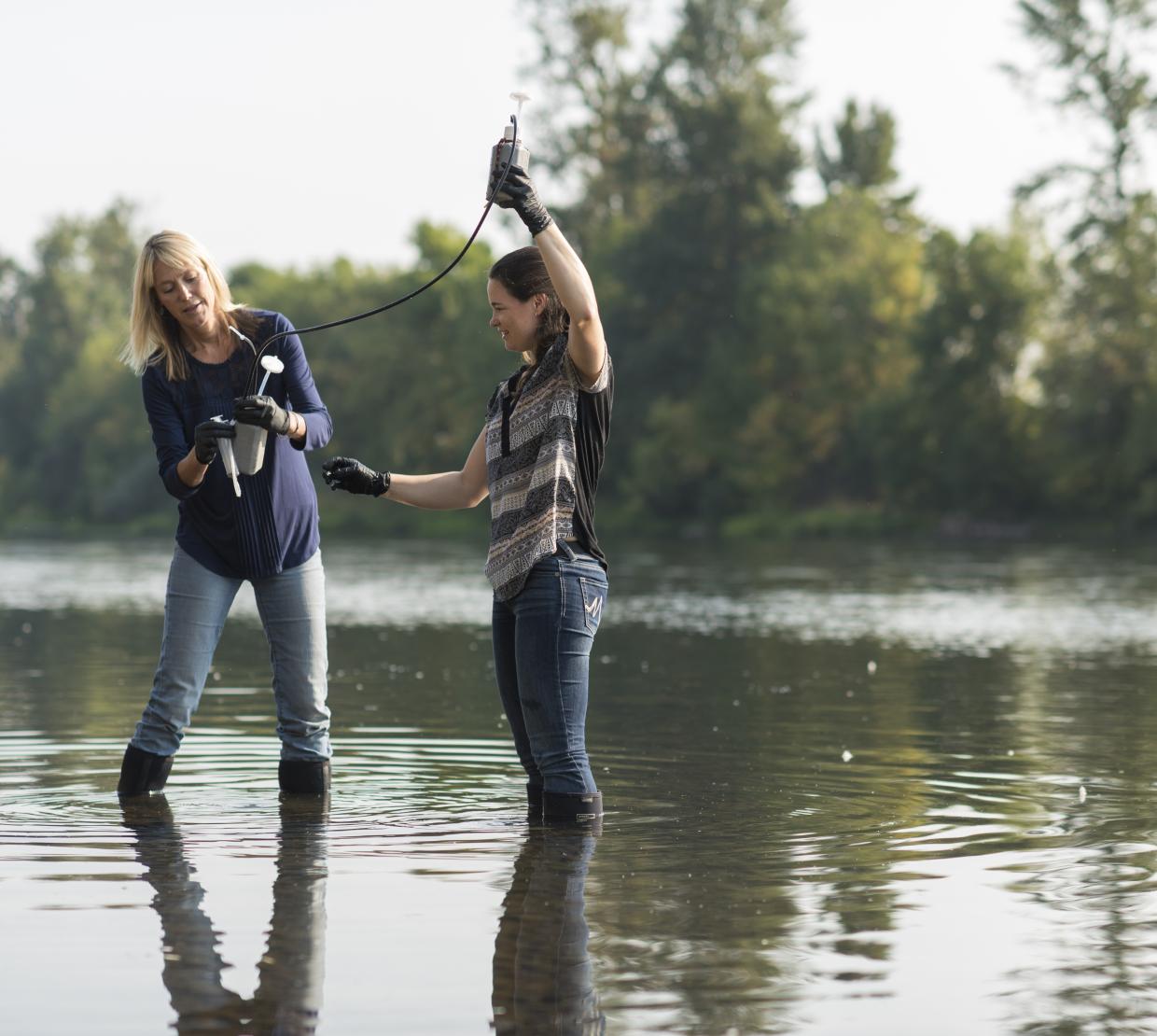
Microbiologist Kim Halsey (left) and postdoc Cleo Davie-Martin collect samples from a river. Halsey is one of four faculty members who received College of Science Research and Innovation Seed (SciRIS-ii) awards. She will study the potential to detect toxic algae blooms in freshwater and marine ecosystems.

How can we better understand how devastating plant diseases are spread? Is there a better statistical model to predict HIV prevalence in a city? Is there a way we can detect toxic algae blooms in freshwater and marine ecosystems before they occur? And of the hundreds of thousands of different metal-organic frameworks (MOFs) in the world, how can we can better find the ones that are most useful for storing and separating gases, like CO2 from industrial plants?

Curiosity is critical for discovery. Asking the questions above led five faculty members to receive College of Science Research and Innovation Seed (SciRIS-ii) and Betty Wang Discovery Fund awards this February to pursue answers over the course of the next year. Their proposals all showed transformative potential and progress toward new frontiers of science and aimed to strengthen collaboration with external research partners. Below is more detail about each of their proposals.

Mathematics Professor Vrushali Bokil was awarded $8,000 to use modeling techniques to understand the spread and control of plant diseases caused by coinfecting viruses. She will focus on Maize Lethal Necrosis (MLN), an emerging disease in Kenya and other parts of Africa that is caused by coinfecting viruses and spread by insects called Thrips, as a test case. Her team’s goals are to use stochastic models and optimal control theory to understand the mechanisms that drive patterns of coinfection in plant populations and effective techniques for controlling the spread of disease in crops and natural grasslands.

In collaboration with the Centers for Disease Control and Prevention (CDC), Statistics Assistant Professor Katherine McLaughlin received $10,000 to explore the use of new statistical methodologies to estimate the number of people who inject drugs in metropolitan areas. The research project, supported by the privately-funded Disease Mechanism & Prevention Fund at the OSU Foundation, has a goal of refining current methods to produce improved population-level demographic, behavioral, disease prevalence and population size estimations. This will aid the CDC in their efforts to contain or slow the rate of HIV in metropolitan areas across the U.S.

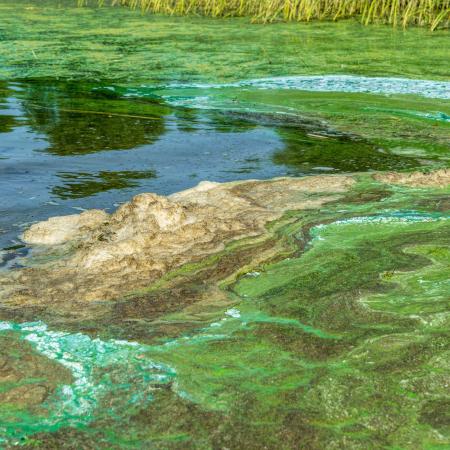
Microbiologist Kimberly Halsey was awarded $10,000 to examine the potential for real-time, automated volatile organic compound (VOC) detection as early-warning signals of toxic harmful algal blooms (HABs) in freshwater and marine ecosystems. HABs are increasing in intensity and severity due to climate change and nutrient loading from agriculture and other human-related activities. Some HABs can become toxic to humans and animals. Halsey will use data integration to merge aquatic microbiome data with environmental properties and VOC signatures to identify determinants and trajectory of the annual toxic HAB at Upper Klamath Lake, Oregon.

Physicist David Roundy was also awarded $10,000 to develop new flat histogram Monte Carlo molecular simulation methods to accelerate the discovery of metal-organic frameworks (MOFs) for applications in storing and separating gases. MOFs are crystalline materials that harbor nano-sized pores that have the potential to be used in a variety of clean energy applications, from hydrogen and natural gas storage to capturing carbon dioxide from coal-fired power plant flues. His study aims to enable scientists to accurately predict the absorption properties of hundreds of thousands of MOFs and accelerate the rate of MOF discovery for clean energy applications.

In addition, chemistry professors Kyriakos Stylianou and May Nyman, along with Todd Miller from the Advanced Technology and Manufacturing Institute (ATAMI), received $30,000 from the Betty Wang Discovery Fund to purchase a microwave reactor to integrate on the continuous flow reactor to accelerate the discovery and production of inorganic materials like MOFs. The Betty Wang Discovery Fund supports equipment acquisitions and laboratory infrastructure improvements to advance fundamental discoveries in science. Microwave heating has recently emerged as a powerful method for the preparation of inorganic materials at the laboratory scale, reducing synthesis time down to a few minutes without affecting the product quality or reaction yield. The new machinery will allow the team to investigate the potential of new MOFs to capture carbon in laboratory and industrial applications.

The projects will run for one year, ending next February 2021.The SciRIS program provides funding in three stages for high impact collaborative proposals that build teams, pursue fundamental discoveries and create societal impact. The awards range from $10,000 to $125,000 for various stages of the program and are supported in part by generous alumni and friends, and grants from the U.S. Department of Defense and National Institutes of Health.

Subscribe to Awards & Recognition