Statistics

Statistics

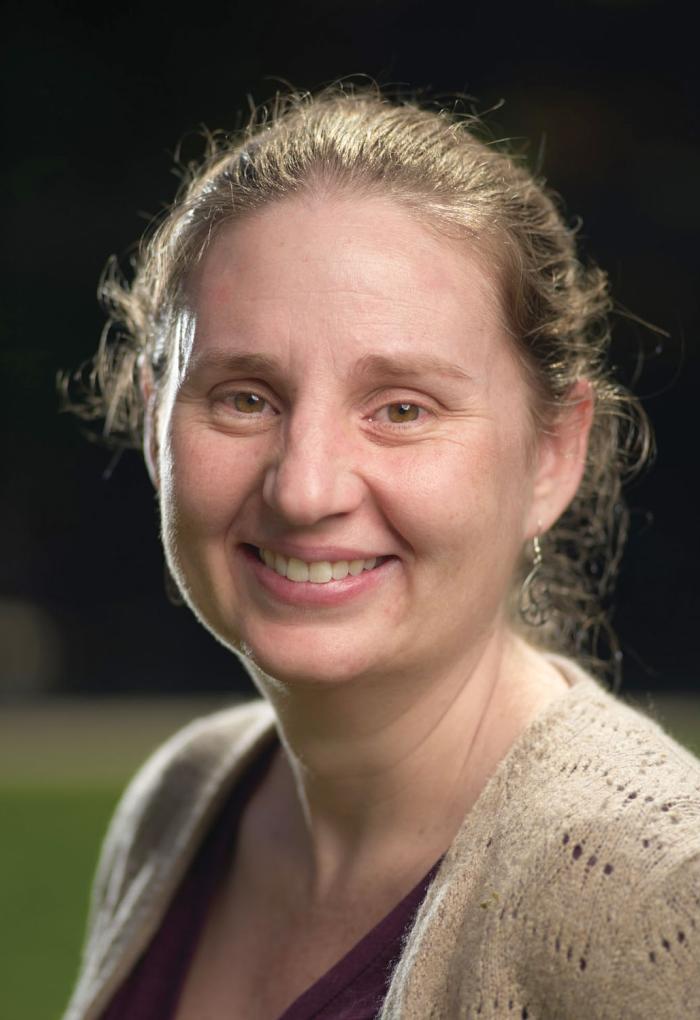
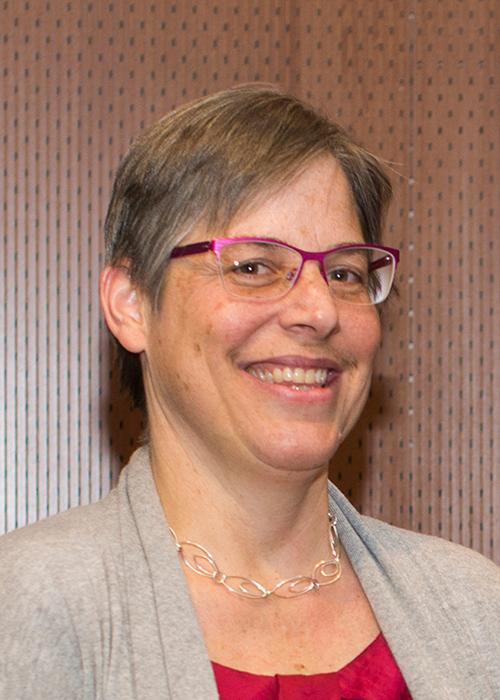
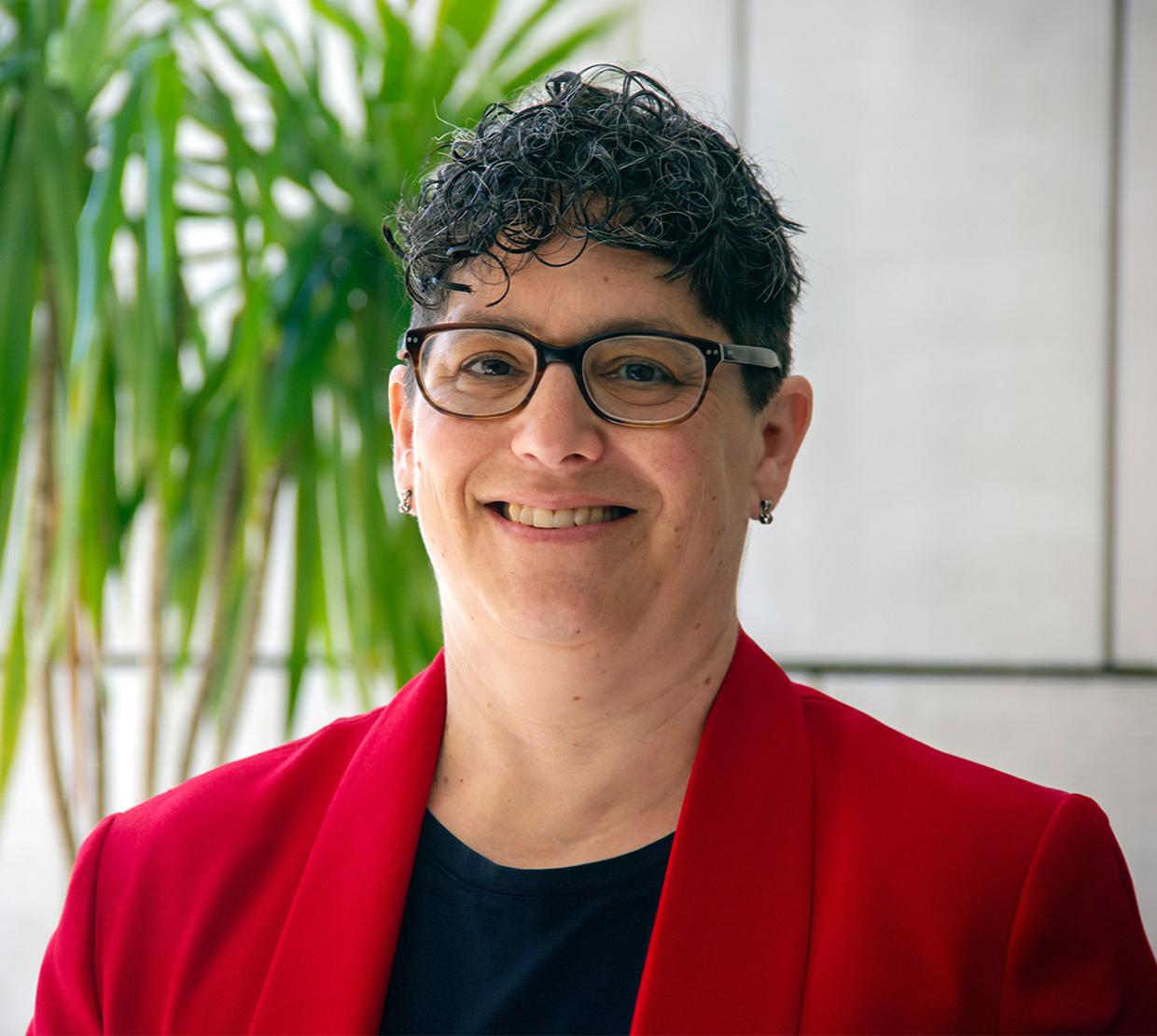
A woman with short dark hair poses for a headshot wearing a black shirt and red suit jacket.

Oregon State names new College of Science dean

By Sean Nealon

Eleanor Feingold, a statistical geneticist and associate dean with nearly 20 years of leadership experience at the University of Pittsburgh, has been named dean of Oregon State University’s College of Science. She will start Oct. 31.

“I am passionate about creative approaches to STEM education, diversity, equity and inclusion and research that has an impact on the state, nation and world,” Feingold said. “The College of Science and Oregon State University have tremendous strengths in these areas, and I am excited to further advance these endeavors.”

Oregon State’s College of Science is home to the life, statistical, physical and mathematical sciences. The college supports more than 4,000 students and brought in more than $18 million in research funding during the 2022 fiscal year.

“Dr. Feingold brings deep experience as a senior administrator in one of the nation’s leading research universities, and she has amassed an impressive portfolio of scholarship and teaching over the course of her career,” said Edward Feser, OSU provost and executive vice president. “As dean, she will be prioritizing further strengthening the College of Science’s research enterprise and advancing OSU’s goals in student success at both the undergraduate and graduate levels.”

Feingold has worked at the University of Pittsburgh since 1997. She has served at the university’s School of Public Health as associate dean for education, vice dean, chair of the Department of Human Genetics, and most recently associate dean for data analytics and special projects.

Read more here.

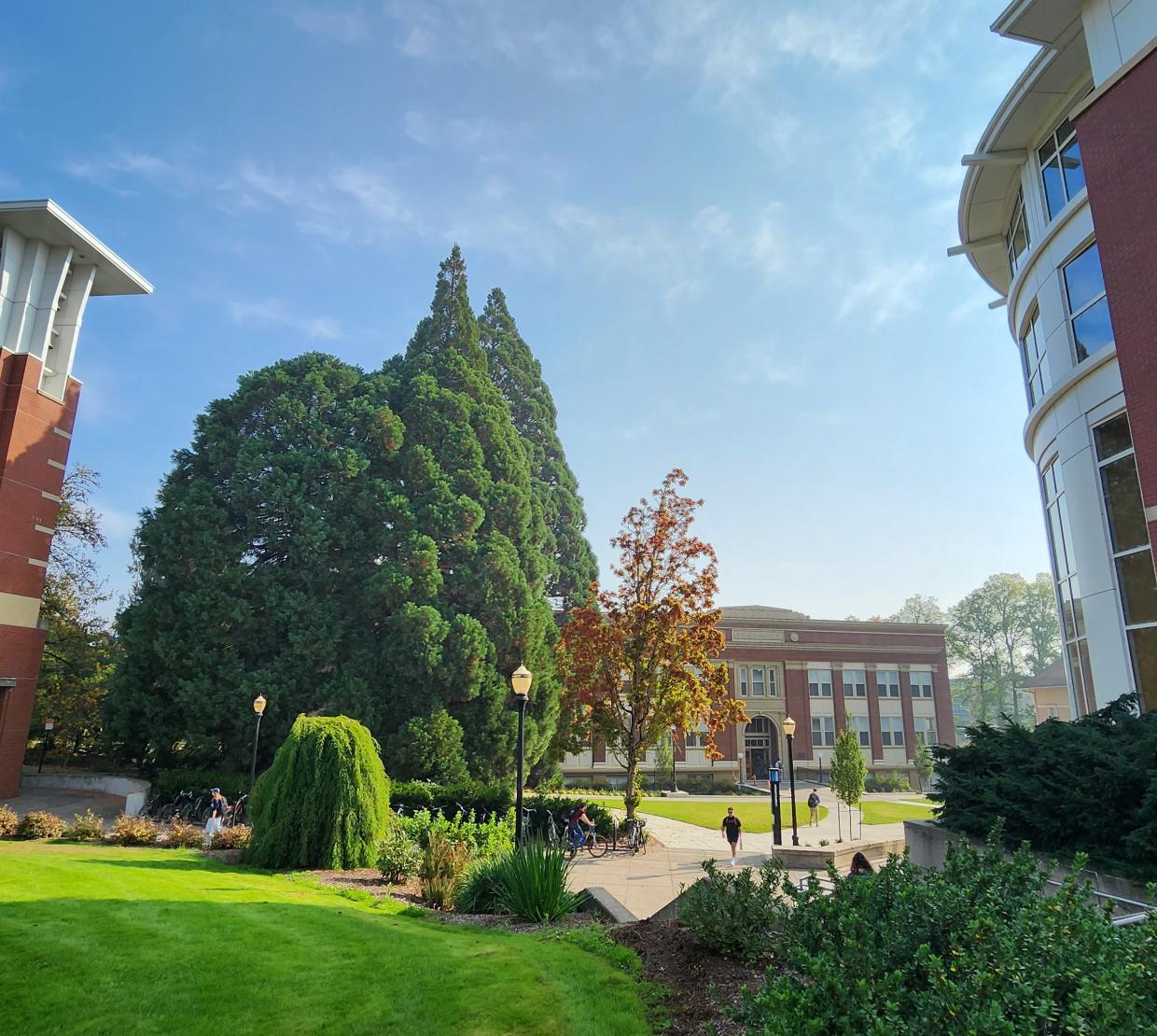
Valley Library and OSU clock tower in the background with sunshine.

Faculty excellence: Promotions and tenure 2023

By Vrushali Bokil

The College of Science congratulates 17 faculty on receiving promotions and/or tenure this year.

Countless hours of consideration and analysis goes into every promotion decision. The College relies heavily on the expertise and perspectives of departmental staff, department heads, department committees, peer teaching committees, College of Science Promotion and Tenure Committee, external reviewers and students to get our deserving faculty through this process.

Thank you to everyone that helped to make this possible for our well-deserving faculty.

Congratulations to the science faculty in the college who have just completed this process with success!

Chemistry Department

Marilyn Mackiewicz will be promoted to Associate Professor of Chemistry and granted indefinite tenure, effective September 16, 2023.

Integrative Biology Department

Carmen Harjoe will be promoted to Senior Instructor I of Integrative Biology, effective July 1, 2023.

Lindsay Biga will be promoted to Senior Instructor II of Integrative Biology, effective July 1, 2023.

Mathematics Department

Amanda Blaisdell will be promoted to Senior Instructor I of Mathematics, effective September 16, 2023.

Clayton Petsche will be promoted to Professor of Mathematics, effective September 16, 2023.

Chris Orum will be promoted to Senior Instructor I of Mathematics, effective September 16, 2023.

David Wing will be promoted to Senior Instructor II of Mathematics, effective September 16, 2023.

Elise Lockwood will be promoted to Professor of Mathematics, effective September 16, 2023.

Johnner Barrett will be promoted to Senior Instructor I of Mathematics, effective September 16, 2023.

Liz Jones will be promoted to Senior Instructor II of Educational Opportunities Program and Mathematics, effective September 16, 2023.

Mary Beisiegel will be promoted to Professor of Mathematics, effective September 16, 2023.

Michael Gilliam will be promoted to Senior Instructor I of Mathematics, effective September 16, 2023.

Sara Clark will be promoted to Senior Instructor II of Mathematics, effective September 16, 2023.

Microbiology Department

Shawn Massoni will be promoted to Senior Instructor I of Microbiology, effective July 1, 2023.

Physics Department

Evan Thatcher will be promoted to Senior Instructor I of Physics, effective September 16, 2023.

Paul Emigh will be promoted to Senior Instructor I of Physics, effective September 16, 2023.

Statistics Department

Katherine McLaughlin will be promoted to Associate Professor of Statistics and granted indefinite tenure, effective September 16, 2023.

Thank you!

Thanks to all of the committee members who served on the College of Science Promotions and Tenure Committee this year.

  • Andy Karplus, Chair and Professor of Biochemistry & Biophysics
  • Chong Fang, Professor of Chemistry
  • Ethan Minot, Professor of Physics
  • Holly Swisher, Professor of Mathematics
  • Kate Field, Professor of Microbiology
  • KC Walsh, Senior Instructor II, Physics
  • Lesley Blair, Senior Instructor II, Integrative Biology
  • Lisa Madsen, Professor of Statistics
  • Michael Freitag, Professor of Biochemistry & Biophysics
  • Oksana Ostroverkhova, Professor of Physics
  • Sally Hacker, Professor of Integrative Biology
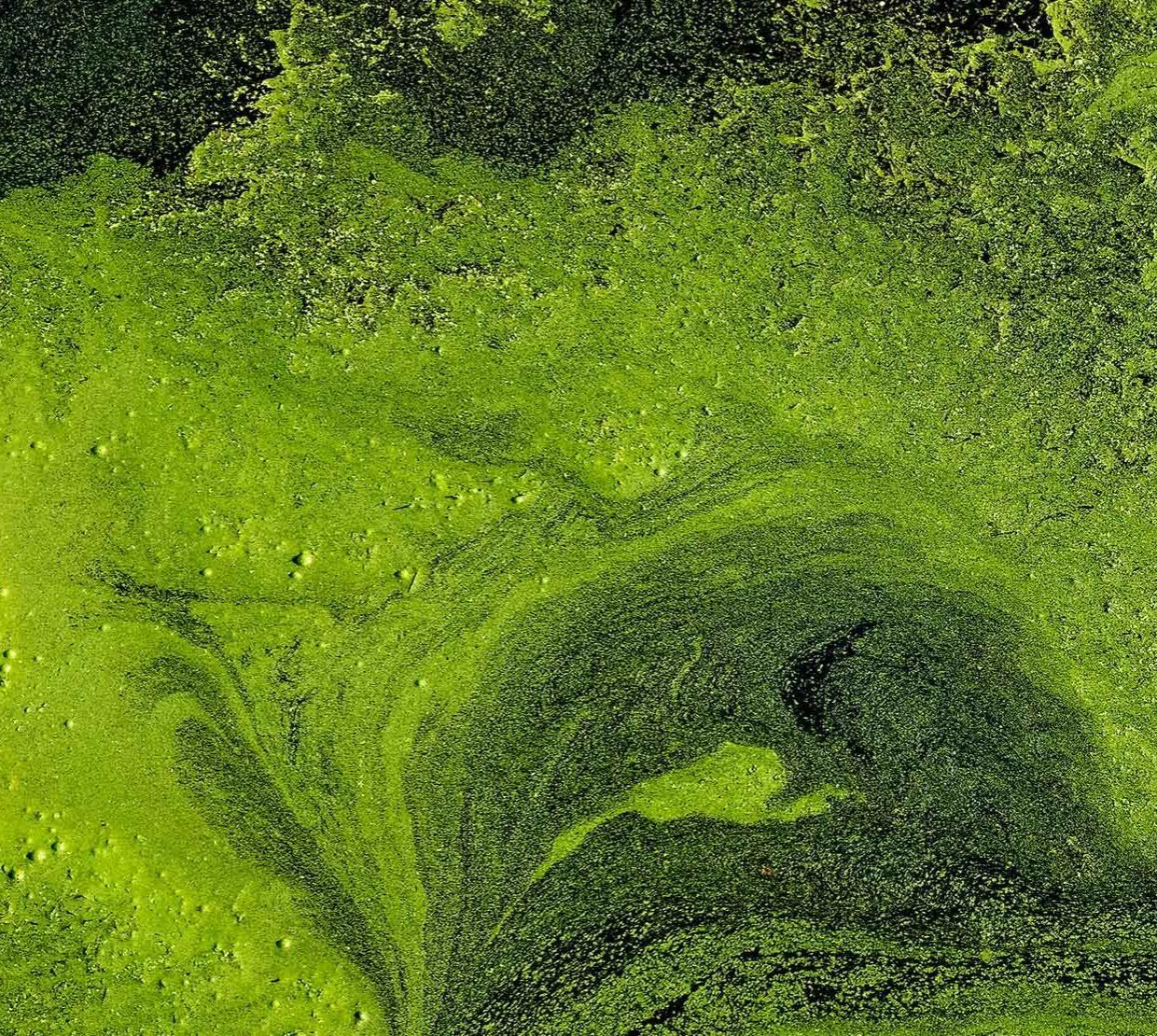
Image of algal bloom

Grants to address climate change impacts and biomedical challenges

By Hannah Ashton

Researchers in the College of Science know that curiosity is boundless. Answers are not stopping points but instead opportunities for deeper questions and discoveries.

Continuing to ask questions culminated in three faculty groups receiving College of Science Research and Innovation Seed (SciRIS) awards in July. Launched in 2018, SciRIS awards are granted biannually to collaborative research that accelerates the pace of discovery and innovation.

Investigations supported by previous SciRIS awards led to new research questions with the potential to tackle crucial problems and provide actionable solutions for industry, people and the planet.

Ocean hypoxia

Department of Microbiology head and Distinguished Professor Stephen Giovannoni and Francis Chan, associate professor of integrative biology, received a SciRIS Phase II grant of $75,000 for their project entitled “The Hypoxic Barrier: Oxygenase Enzyme Kinetics and Ocean Health.” They are researching the impact of hypoxia on dissolved organic matter composition and microbial community structure and function.

The group used a previous SciRIS award to purchase gas flow controllers and other equipment needed to conduct experiments where plankton communities were maintained for months under normal or hypoxic conditions. The new grant will allow them to extend their work to include metabolomics and metaproteomics.

Hypoxia—low or depleted oxygen in a body of water—puts crabs, salmon, oysters and other marine populations at risk. Associated with sewage discharge and fertilizer runoff, the problem is now exacerbated by climate change.

Experimental findings from two pilot studies suggest low oxygen irreversibly alters the trajectory of organic matter degradation. This represents an unrecognized feedback mechanism that may be stabilizing the severity of low oxygen zones in a warming ocean.

In the future, this research could help scientists predict hypoxic events on the Oregon coast, increasing resiliency and informing responsive climate change mitigation and adaptation policies.

Harmful algal blooms

Focusing on five important Oregon lakes, three researchers from the College of Science will be expanding on research funded in part by a SciRIS Stage 1 award.

Kimberly Halsey, associate microbiology professor, and Duo Jiang, associate statistics professor, previously measured 259 volatile organic compounds (VOC), microbial community composition and other environmental parameters over two years in Upper Klamath Lake, OR. The goal was to develop real-time, automated VOC detection as early-warning signs of toxic harmful algal blooms (HABs) in freshwater and marine ecosystems.

Increasingly Cyanobacteria, the microorganisms that can produce HABs, are being detected in many Oregon waterways that were thought to be pristine. Depending on the cyanobacterial species present, some blooms can produce toxic chemicals that can threaten water quality, recreational opportunities, fisheries, public health, and local and state economies.

A $75,000 SciRIS Stage 2 award will allow for external collaboration with three Oregon water utilities and state agencies, including the Oregon Department of Environmental Quality. The five lakes selected have different HAB frequencies, cyanobacterial competition and cyanotoxin types. The team, including James Fox, research associate in the microbiology department, will study “How do the collections of VOCs vary in waterways characterized by different cyanobacterial blooms and cyanotoxins?”

Developing lake or regional HAB and cyanotoxin early warning detection systems, a long-term goal of the project, would help agencies more efficiently protect the environment and human health.

Gut-brain axis

Collaborating with the College of Veterinary Medicine, two College of Science researchers received a $125,000 SciRIS Stage 3 grant to continue ongoing research into the knowledge gap between gut microbes and brain function.

While many U.S. adults take dietary supplements for brain health the mechanisms of action are widely unknown and health benefits vary across studies. One route for gut microbes to affect brain function is through modulation of the vagus nerve.

After receiving initial support from SciRIS Stage 1 and 2 funding, the Stage 3 grant will allow microbiologist Maude David and her collaborators to create a silicon chip that will reproduce key features of the gut-brain axis, including spatially-organized co-cultured epithelial and neuronal cells and enteric bacteria.

The long-term goal is to enable the discovery of psychobiotics for the treatment of mood and anxiety disorders. While current studies are too laborious and expensive, the chip will allow for more rapid screening of potentially therapeutic microbes and compounds.

David, who founded NeuroBiome LLC, a startup focusing on the gut-brain axis, will be joined by neuroscientist Kenton Hokanson.

A laurel leaf icon with a scroll, surrounded by a border of snowflakes.

2021-22 College of Science awards: Celebrating excellence in teaching and advising

By Grace Peterman

On February 22, the College of Science gathered to recognize excellence at the 2021-22 Teaching and Advising Awards. Driven almost exclusively by students’ nominations, these awards are an opportunity for our community to express gratitude and appreciation for each other.

The College celebrates the Teaching and Advising Awards winners below for their deep commitment to engaging with the student experience and application of mentoring and advising expertise to ensure student learning and success within and beyond the classroom. Effective teaching, advising and mentorship are the very heart of the College of Science’s identity as a robust and thriving community of students and scholars.

2022 Teaching, Advising and Mentoring Award Winners

Olaf Boedtker Award for Excellence in Academic Advising

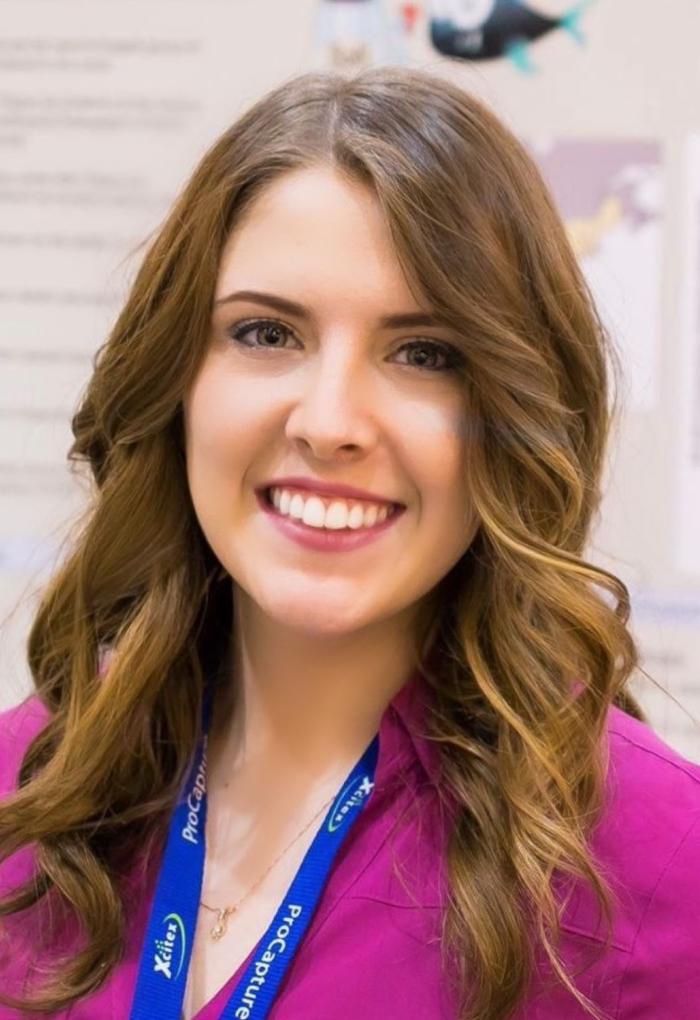
Rachel Palmer, a woman with long hair, smiling.

Integrative Biology Advisor Rachel Palmer

Rachel Palmer, integrative biology advisor, won the Olaf Boedtker Award for Excellence in Undergraduate Advising for her tireless support, efforts and advocacy on behalf of undergraduate students. This award was established in 1988 in honor of Olaf Boedtker, a professor in the Department of Physics who served as Head Advisor in the College from 1973 to 1987. While at Oregon State, he provided exceptional service to students and to the College.

Several students nominated Palmer for this award, praising her dedication and ability to connect and encourage students to achieve their goals.

One student nominator wrote of Palmer: “Right off the bat, Rachel came across as a very happy-go lucky person. She has always been extremely kind and caring at every meeting, treating me as an equal adult and even cracking some jokes that set me at ease. She has always been able to answer every question I had, no matter how specific or vague. I can absolutely tell she wants to help me and set me on the best path possible. Rachel pays mind to each and every student as an individuaPassionate, inspirational, dedicatedl and she really knows her stuff!”

Another student had similar feedback for Palmer: “Rachel has made the beginning of my journey towards my Bachelors of Science in Zoology a wonderful experience even through uncertainty. She really goes above and beyond the call of duty, you would not think an advisor could be such a hero.”

“I admire how easily Rachel has helped me find a class schedule that works so well," wrote another student nominator. "She asks important questions, listens to your expectations and executes. One thing she does well is helps me find classes that work well together as far as content.”

Additional nominees for the Olaf Boedtker Award included:

  • Cody Duncan, advisor for integrative biology
  • Allison Evans, instructor of microbiology
  • Jen Olarra, advisor for biology
  • Kari Van Zee, senior instructor of biochemistry and biophysics

Loyd F. Carter Award for Outstanding and Inspirational Teaching (Undergraduate)

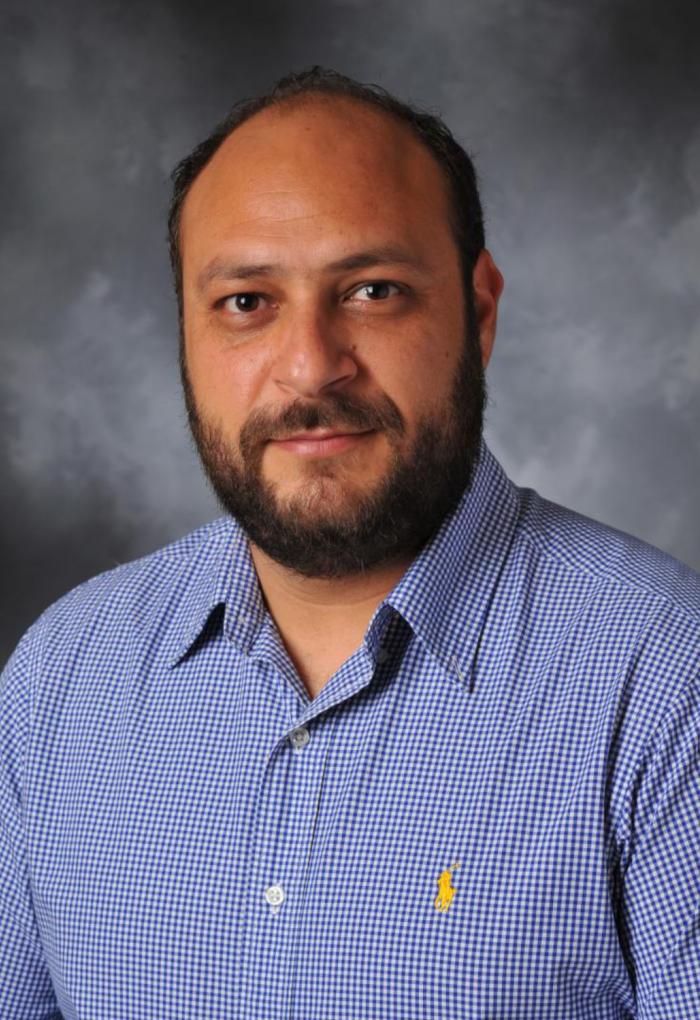
Kyriakos Stylianou, a man with a beard.

Assistant Professor of Chemistry Kyriakos Stylianou

This year’s Loyd Carter Award for Outstanding and Inspirational Undergraduate Teaching in Science goes to Kyriakos Stylianou, assistant professor of chemistry.

Every year since 1946, the Loyd F. Carter Award has been presented to two outstanding College of Science faculty members: one for undergraduate teaching and one for graduate teaching. The purpose of the award is to encourage and recognize effective and inspirational teaching. The final selection is based solely on student nominations and voting.

Stylianou’s students describe him as passionate, inspirational and dedicated. “This man is so incredibly intelligent but also one of the humblest people you will ever meet,” one student said.

“He has to be one of the best professors I have had here at OSU,” said another student nominator. “Walking into CH 233, I was super nervous. I heard it was the hardest of the chemistry series. With everyone feeling the burnout of virtual learning, he made sure to make his class engaging and put everything he had into every class.”

Many students praised the learning atmosphere Stylianou creates in his classes and his attentiveness to student needs. “He cares very much about his students and wants to see them succeed. He devotes a significant amount of time inside and outside of class to give them the opportunities and resources they need to be successful in his class, and beyond. He never tries to beat around the bush, always gives you an honest answer, and just wants to see the best in people. The jokes and wise-cracks in class always help to lighten the mood as well.”

Additional nominees for the Loyd F. Carter undergraduate award included:

  • Daniel Myles, senior instructor of chemistry
  • Devon Quick, senior instructor of integrative biology
  • Marita Barth, instructor of chemistry
  • Malcolm Lowry, assistant professor of microbiology
  • Nathan L. Kirk, senior instructor of integrative biology
  • Paul Cheong, associate professor of chemistry
  • Phil McFadden, associate professor of biochemistry and biophysics
  • Scott Geddes, instructor of chemistry
  • Stacey Vaughn, instructor of mathematics

Loyd F. Carter Award for Outstanding and Inspirational Teaching (Graduate)

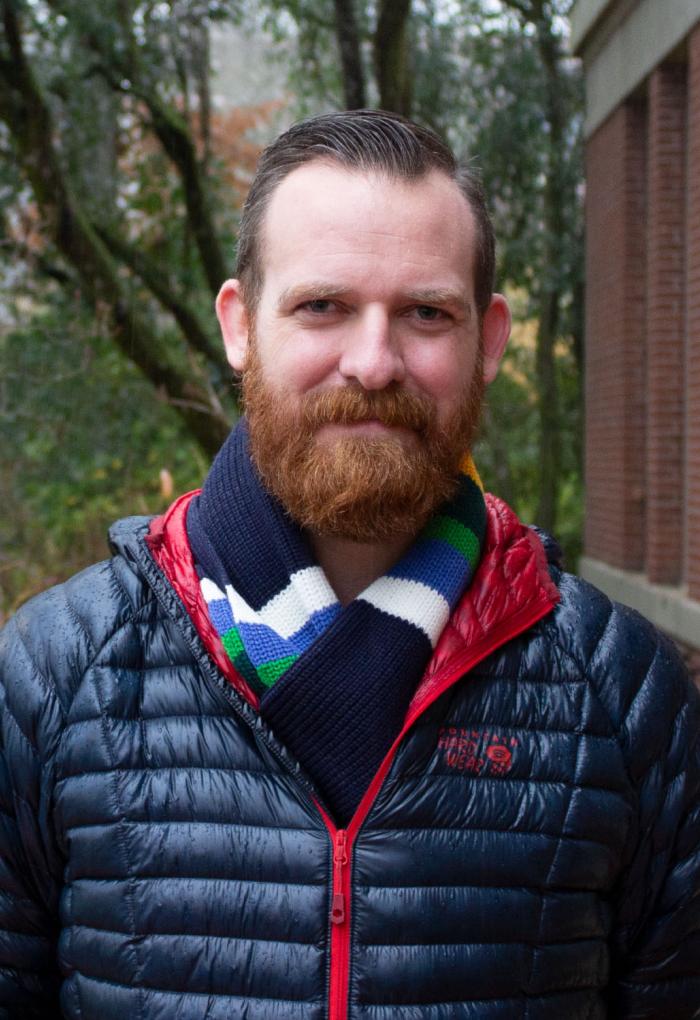
James Molyneux, a man with a beard.

Assistant Professor of Statistics James Molyneux

This year’s Loyd F. Carter Award for Outstanding and Inspirational Graduate Teaching in Science goes to James Molyneux, assistant professor of statistics.

Students nominating Molyneux described him as caring, uplifting and welcoming, and praised his ability to adapt during the pandemic. "He consistently encouraged me and my cohort during the transition from COVID to campus, to keep up our spirits in one of the most difficult academic years of our lives," said one student. "Without him, I would not have gathered the courage to continue moving forward. He is brilliant in the classroom as a professor and a loyal mentor and advocate for our success."

Another student said the following of Molyneux: "He excels at making statistics, a subject which is generally taught dryly and without much passion, relevant to grad students' research and our daily life. He uses timely examples and highlights the nuance of stats, in a way that makes it fascinating instead of frustrating. He was always available for extra help or assistance outside of class, and always seemed willing to discuss other topics than just the class material! He is supportive and compassionate with graduate students, and was the best stats teacher I've had so far at OSU! He also made sure the class content was accessible to students in multiple ways by recording both Zoom and in-person classes, and making the lecture notes easily available. His high-energy and engaging teaching style was apparent in both the in-person and online class I took with him, which I have found to be a rare occurrence in a remote setting!"

Thomas Sharpton, associate professor of microbiology, was also nominated for the Loyd F. Carter graduate award.

Frederick H. Horne Award for Sustained Excellence in Teaching Science

Liz Gire, a woman smiling.

Associate Professor of Physics Elizabeth Gire.

This year’s Frederick H. Horne Award for Sustained Excellence in Teaching Science goes to Liz Gire, associate professor of physics.

This award honors Fred Horne, who served as Dean of Science at Oregon State from from 1986 to 1999. Fred passed away in 2021, a renowned researcher, scholar, teacher and leader.

Fred exemplified the values of our college, embracing a deep commitment to diversity, equity and inclusion in science. He was instrumental in establishing two programs that encourage students of color to pursue and continue their education in science, math and engineering: Science and Math Investigative Learning Experience (SMILE) and the American Indian Science and Engineering Society (AISES).

The purpose of this award is to recognize sustained excellence in teaching science by honoring a faculty member in the College of Science who has repeatedly demonstrated exceptional instructional qualities and has had a significant impact on students over a period of not less than five years.

Liz Gire has earned this award through her tireless dedication to support the holistic student experience. A plethora of students and colleagues wrote at length in support of Gire's nomination. One student nominator said, "Her level of dedication to the genuine support and inclusion of the students in her courses is something I’ve never seen in an educator before. She backs that up with her skill and experience in education and communication that makes difficult content still accessible and enjoyable to learn. She takes every opportunity to build others up, whether that be her students, her teaching team, her research partners or the many people in our department who aren’t any of those things, but still know they can come to her because she is the type of person who will help however and whenever she can."

Another student nominator said, "Liz is a wonderful professor because she is a master at reading the atmosphere of a classroom. Sure, part of this is an intuition that comes from experience, but more importantly, she takes time to ask questions. Each student is expected to grab a small white board and marker at the beginning class. Later when Liz looks out and says, 'write down something that you know about angular momentum' she can measure students’ level of confusion and use student responses to guide the classroom discussion. This makes everyone much more willing to participate in class because they know that she honestly cares for their well-being and success."

Congratulations to all the winners and all the nominees!

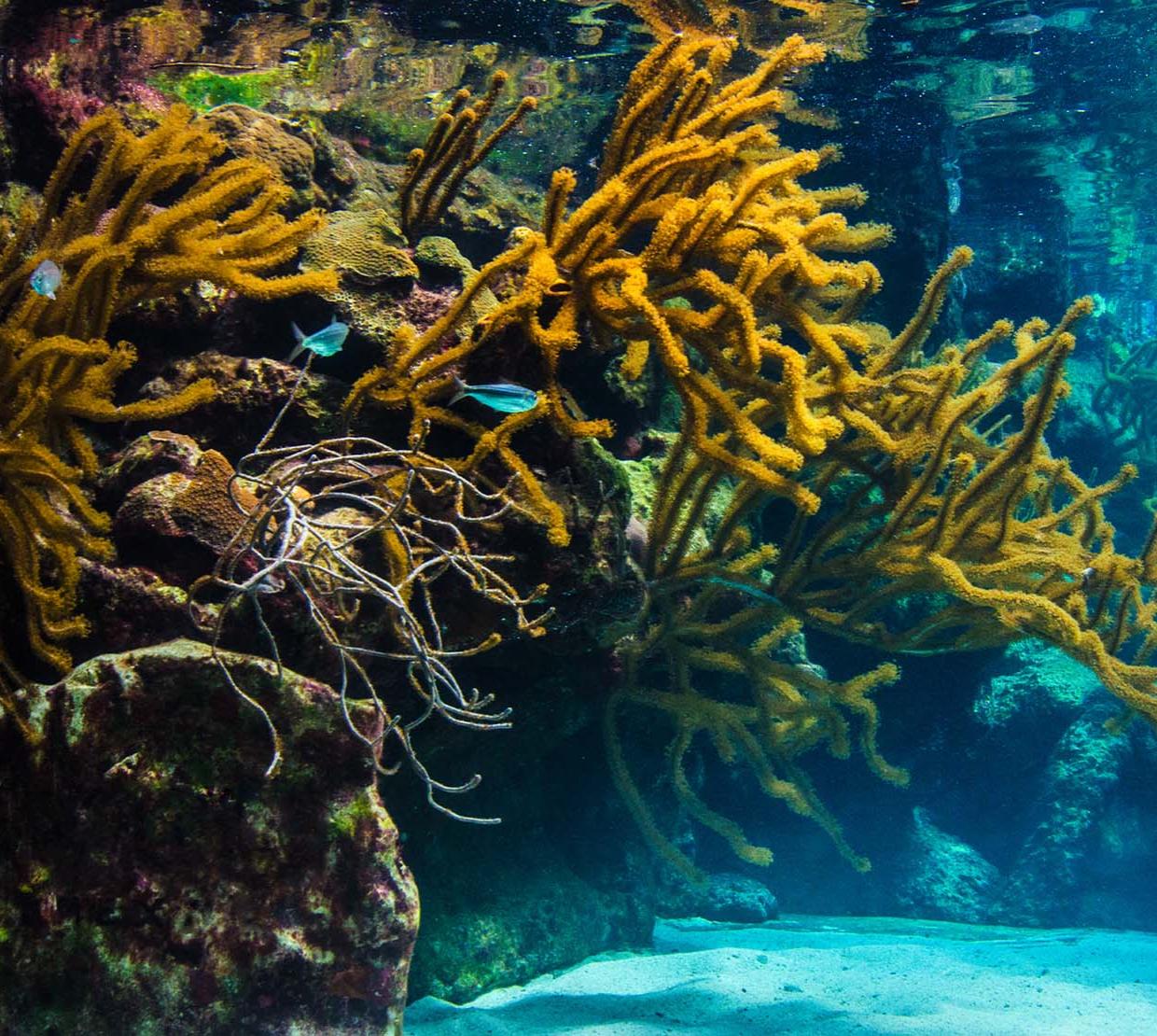
Underwater coral reef landscape background in the blue sea with fish and marine life.

Innovation grants to build model reef at OSU, catalyze biological and materials research

By Grace Peterman

New funding bolsters research on coral reefs, heat waste and more.

The inner workings of a cell, more powerful mass spectrometry and building a tropical reef at Oregon State: The 2021 College of Science Research and Innovation Seed (SciRIS) awards are empowering initiatives that will open fresh pathways in science.

The SciRIS program funds projects based on collaborative research within the College of Science community and beyond. There are two tracks through the program: SciRIS (Stages 1-3) and the SciRIS individual investigator award (SciRIS-ii). SciRIS Stages 1-3 funds teams in three stages to support training, research and capacity-building, accelerating work toward external funding opportunities. SciRIS-ii funds individual faculty to establish research relationships with external partners, enabling them to demonstrate the feasibility of their ideas and quickening the pace of scientific discovery.

The newly-established College of Science Innovation Award provides critical resources for projects that take a new direction, utilize a new technology or are in the “proof-of-concept” phase.

Three groups of scientists received SciRIS Stage 1 awards, two at $10K each and one at $20K. One group received the Innovation Award at $10K.

Professor of Microbiology Rebecca Vega Thurber and her colleagues will use their award to develop a model tropical reef facility within Oregon State’s world-renowned John Fryer Aquatic Animal Health Lab.

The model will allow College of Science researchers across biology, chemistry and ecology to perform highly controlled, repeatable experiments on reef ecosystems, which are under increasing threats from climate change, pollution, habitat destruction and disease. By bringing the reef to researchers, carbon emissions associated with travel are also reduced.

The facility will also serve as an outreach platform, bringing awareness of far-off ecosystems to the local community. By interacting with the lab, citizens will learn about how humans affect these fragile habitats and how they personally can potentially mitigate and reverse reef decline.

Chemistry Professor Wei Kong and Statistics Professor Lan Xue will use their SciRIS grant to develop more effective mass spectrometry through inclusion of electron diffraction. With this addition, future mass spectrometers will be able to reveal not only the mass composition of an unknown species, but also the three-dimensional arrangement of the constituent atoms. This capability can change the paradigm of nanomaterial synthesis, allowing intelligent design and quality control of custom-made materials applicable in medical diagnostics and therapeutics, in energy harvesting and storage, and in catalysis.

Biochemistry and Biophysics Professor Elisar Barbar and collaborators received a SciRIS award to integrate structural biology with cell and organismal biology. Capitalizing on Oregon State’s high concentration of expertise and resources for studying dynamic protein complexes across scales, the team aims to establish new technologies to investigate cancer related complexes and host-parasite interactions. Their eventual goal is to submit a proposal to the NSF Biology Integration Institute, which supports interdisciplinary projects that translate discoveries from the molecular scale to the cellular level of organisms and vice versa.

Associate Professor of Physics Matt Graham and colleagues received the College of Science Innovation Award support their work converting waste heat to electricity, contributing to a more sustainable world through the recovery of energy losses and reducing greenhouse gas emissions. The team will develop a prototype of an ultralow bandgap semiconductor device that converts residual waste heat to electricity. The award will support their work optimizing the efficiency of the device’s waste heat to energy conversion and validating the current extraction model related to the device prototype.

OSU Graduation cap

The Class of 2021 succeeds against all odds

By Srila Nayak

Congratulations to the Oregon State College of Science Class of 2021! This class faced enormous challenges due to the pandemic. On the spur of the moment, the class of 2021 transitioned to remote learning, virtual interaction with professors, mentors, peers, friends and experiential learning in online formats. They have also faced increased financial burdens and other stressors. Our students have persevered, showing admirable determination, resilience and fortitude that will serve them well in their lives and careers.

Succeeding against odds while making history, College of Science graduates have found ways during this pandemic to participate and make an impact on state-wide public health endeavors through the TRACE-CVOID-19 project. They have gained enduring skills and done outstanding work in adapted science labs and with science communication in the virtual domain. Our seniors have been instrumental in helping Oregon State succeed at remote teaching in their roles as peer learning assistants and tutors.

Science graduates have led the way by dint of their academic achievements, selfless service and committed leadership. Supported by awards, scholarships and dedicated advisors, our seniors have collaborated with faculty mentors to create new knowledge and achieve major scientific breakthroughs.

Check out our Commencement page to celebrate our graduates. Read their compelling stories below containing reflections on undergraduate experiences at Oregon State and their dreams for the future.

This year’s graduates include Fulbright and Ford Foundation Fellows, Gilman International Scholars, NOAA Scholars, published scientific authors, future doctors, scientists, entrepreneurs, community leaders, teachers and informed, engaged world citizens. We are exceptionally proud of our students and all they have achieved during their career as undergraduates in the College of Science at Oregon State.

By the numbers

The College graduated 670 undergraduate students with baccalaureate degrees in 2020-21, including 68 Honors graduates. More than 80% (538) of our graduates were in the life sciences, with Biology having the most graduates at 199. BioHealth Sciences came in second with 152 graduates; biochemistry and molecular biology had 71 graduates; Zoology 63; Mathematics 56; Microbiology 43; Chemistry 42; Physics 34, and; Biochemistry and Biophysics graduated 10 students.

Of the total baccalaureate graduates, 11% are underrepresented minorities and 26% are first-generation students. In addition, 10 of the 2021 baccalaureate graduates are military veterans.

The College will also award 52 doctoral degrees, 66 master’s degrees and seven certificates in online Data Analytics.

Of the 52 doctoral degrees, Chemistry had 16 Ph.D. students, followed by Integrative Biology at 11; Mathematics 9; Physics 6; Microbiology 5; Statistics 4, and; Biochemistry and Biophysics graduated one doctoral student.

The Department of Statistics awarded 15 master's degrees in statistics and 19 M.S. degrees in data analytics. Chemistry and Mathematics awarded 10 master's degrees each. Physics had 6 master's degree recipients; Microbiology three; Biochemistry and Biophysics two, and; Integrative Biology awarded one master's degree this year.

Celebrating the Class of 2021

We invite you to read the profiles of our seniors. These outstanding graduates represent an inclusive and diverse learning community in the College of Science. Here they share their inspiring and unique journeys as science majors.

A nighttime sky with an award sign overlaid on top

2020-21 College of Science awards: Celebrating excellence in teaching and advising

By Cari Longman

On April 22, the College of Science gathered virtually to recognize academic, administrative and teaching excellence at the 2020-21 Combined Awards Ceremony – a merge of our annual Faculty and Staff Awards and Teaching and Advising Awards events.

The first half of the ceremony celebrated excellence in research and administration, and the second half the ceremony focused on outstanding teaching, advising and mentoring,

The College congratulates the Teaching and Advising Awards winners below who exemplify deep commitment, skill and effectiveness in mentoring and advising to ensure student learning and success within and beyond the classroom. Effective teaching, advising and mentorship are the very heart of the College of Science’s identity as a robust and thriving community of students and scholars.

Congratulations to all the nominees and especially to the award winners.

2021 Teaching, Advising and Mentoring Award Winners

Olaf Boedtker Award for Excellence in Academic Advising

Tiffany Bolman

BioHealth Sciences Advisor Tiffany Bolman

Tiffany Bolman, biohealth sciences advisor, won the Olaf Boedtker Award for her tireless support, efforts and advocacy on behalf of undergraduate students. Olaf Boedtker was a former professor in the Department of Physics for 23 years and served as head advisor in the College for 14 years from 1973 to 1987. This award recognizes exceptional and inspirational undergraduate advising.

More than ten students nominated Bolman for this award, praising her dedication and ability to connect and encourage students to achieve their goals.

One student nominator wrote of Bolman: “During one of the hardest years of my life, I met my new advisor, Tiffany. Changing your advisor in the middle of your junior year can be stressful. The first time I met her, my meeting lasted almost two hours because we spent time getting to know each other and talking about life. The way that Tiffany has been here to support me is incredible – as an advisor, a mentor, a friend and a support system. She's helped me in countless ways this past year, not just for school and for my future, but personally. I know I would not be where I am right now without her.”

“Tiffany has guided me in my fast-paced college experience and is always courteous when I talk to her,” wrote another biohealth science student nominator. “She has provided ample opportunities for me to get involved in health care and shadowing, even during Covid-19, in order for me to be a competitive applicant for medical school. I feel as though Tiffany wants the best for all of her students, including myself, and her heartwarming encouragement never lets me down.”

Another student had similar praises for Bolman. “I transferred to Oregon State and [Tiffany Bolman] was the first faculty member I had any interactions with. She seems to truly care about the future of the students she is advising and is overall an amazing person to talk to.”

Additional nominees for the Olaf Boedtker Award included

  • Allison Evans, instructor of microbiology
  • Kari Van Zee, senior instructor for biochemistry and biophysics
  • Maureen Leong-Kee, advisor for integrative biology
  • Vince Remcho, professor of chemistry

Loyd F. Carter Award for Outstanding and Inspirational Teaching (Undergraduate)

Corinne Manogue

Professor of physics Corinne Manogue

Professor of physics Corinne Manogue won this year’s Loyd F. Carter Award for Outstanding and Inspirational Teaching in Science. Manogue teaches the nationally-recognized Paradigm in Physics courses, which are a restructuring of the traditional upper-division curriculum for physics students to a more modern, flexible and inclusive model for learning physics.

Student nominees cited Manogue’s extra efforts to ensure her students understand content, her ability to teach complex topics, and her compassion with her students in an especially tiring year.

“She is an outstanding teacher who really works to understand how her students are approaching the material and provides numerous ways for the students to actively engage with the content,” wrote one student nominator. “She is very aware that each student has a different learning style and that content needs to be restated multiple ways and in multiple forms and that each version will resonate differently with each student.”

Other student nominators had similar praises for Manogue. "She is truly fantastic at explaining complex topics in ways that relate them to us students, and it was often that many would exclaim how well they understood ideas and techniques significantly better after having an explanation from her in class," said one nominator, and another added: "Corinne convinced me that there weren't such things as 'STEM people' and that success in STEM was available to me and other students who like me had been dissuaded by a perception of being inherently 'not smart enough' to become physicists."

Manogue has received recognition at multiple levels – Oregon State University, the state of Oregon and nationally – for her teaching excellence and has previously won a number of awards recognizing her teaching excellence, including the College of Science Frederick H. Horne Award for Sustained Excellence in Teaching in 2000, an American Association of Physics Teachers Award for Excellence in Undergraduate Physics Teaching in 2008, and the 2016 Oregon Academy of Science Outstanding Educator in Science and Mathematics award.

Additional nominees for the Loyd F. Carter undergraduate award included

  • Daniel Myles, senior instructor of chemistry
  • Daniel Rockwell, senior instructor of mathematics
  • Devon Quick, senior instructor of integrative biology
  • Kimberly Halsey, associate professor of microbiology
  • Linsday Biga, senior instructor of integrative biology
  • KC Walsh, senior instructor of physics

Loyd F. Carter Award for Outstanding and Inspirational Teaching (Graduate)

Charlotte Wickham with a black background

Senior Instructor of statistics Charlotte Wickham

Senior Instructor of statistics Charlotte Whickam received the Loyd Carter award for her inspirational and superb mentorship and teaching of graduate students.

“Charlotte is an extremely talented statistician and teacher. You can tell she is extremely passionate about the things she teaches and is invested in her students learning. She is also very approachable, despite teaching an online course,” wrote one graduate student nominator. “The material I have learned in her class has been useful and applicable to all of my work as a statistician,” they added.

“Dr. Wickham really took the time and got involved with my term project topic. She understood my skill level and was really great on providing feedback,” wrote another nominator.

A specialist in R training, Wickham teaches courses in data visualization and the foundations of data analytics. In 2020 Wickham received the Oregon State Ecampus Excellence in Online Teaching and Student Engagement Award. Wickham has developed multiple Ecampus courses built around students and their learning, leveraging open source materials and engaging texts from the Valley Library at Oregon State University.

Frederick H. Horne Award for Sustained Excellence in Teaching Science

Senior Instructor for biochemistry and biophysics Kari Van Zee

Senior Instructor for biochemistry and biophysics Kari Van Zee

Senior Instructor for biochemistry and biophysics Kari Van Zee won the Frederick H. Horne Award for her exceptional qualities as a teacher and mentor. This award is named after Fred Horne, OSU Professor Emeritus of Chemistry and the former College of Science Dean for 13 years, from 1986 to 1999.

Kendra Jackson (’20, biochemistry and biophysics), praised Van Zee in her nomination letter, writing, “Kari made a great impact on my education at OSU and has empowered me to be an independent learner.”

Jackson interacted with Van Zee as a student, mentee, teaching assistant and advisee. She added in her letter that “Kari is compassionate and deeply cares about the well-being of her students.” This quality was especially apparent during the 2020-2021 school year with remote learning. “Kari constantly checked up on struggling students in each section, offered solutions for students who could not access technology or adequate study spaces, and adapted the class based on student feedback.”

Tanushri Kumar, a 2020 biochemistry graduate and Ph.D. student at the University of Washington, also wrote a nomination letter. She praised Van Zee’s personal connection with her students: “Kari is a fantastic teacher, a scholar, and a devoted mentor to all her students. It is truly rare to find a teacher as talented and as compassionate as she is. Without her guidance, I would have never discovered my own passion for research, and without her support I would not have had the courage to apply for graduate school. The impact she has had on my life has been huge, and I am incredibly grateful for having her as a mentor and instructor.”

College of Science Whiteley Faculty Scholar for Teaching Excellence Award

Devon Quick

Senior Instructor of integrative biology Devon Quick

Senior Instructor Devon Quick in the Department of Integrative Biology received this award which recognizes excellent teaching and learning innovation. This award will provide Quick with an annual stipend of $12,500 for three years.

Widely commended for her teaching of biology, human anatomy and physiology courses, Quick has received awards for her exceptional teaching in the past. In 2020, she received the Loyd F. Carter Award, and in 2016 she received university-wide recognition by receiving the OSU Faculty Teaching Excellence Award.

Quick is a co-founder of the Learning Assistants Program, which puts high-achieving undergraduate assistants in large enrollment, often first-and second-year STEM classrooms to facilitate and strengthen undergraduate learning. She also collaborated with fellow biology instructor Lindsay Biga to adapt an open source biology textbook that is freely accessible to OSU students and learners worldwide.

OSU Faculty Scholars for Teaching Excellence Award

KC Walsh

Physics instructor KC Walsh

Physics instructor KC Walsh won the Faculty Scholars for Teaching Excellence Award. This award for a three-year faculty scholar position supports excellence and innovation in teaching and carries an annual stipend of $12,500.

Walsh helped to transform OSU’s introductory physics classes by reversing the traditional learning environment. In flipped classrooms, students receive course content online outside of the classroom, freeing up classroom time for active learning. He then pioneered the flipped classroom in the online environment long before the pandemic forced all instructors and faculty to adjust to all-online teaching. The results of the flipped classroom model have been dramatic: the withdraw rate from introductory physics class dropped from 36 percent to only 12 percent with a marked increase in course satisfaction.

Walsh previously received the OSU Faculty Teaching Excellence Award for his significant and meritorious achievement in teaching and scholarship that enhances effective instruction. And in 2018, the Department of Physics received the American Physics Society (APS) Award for Improving Undergraduate Physics Education, due in part to Walsh’s pioneering flipped classrooms and his early use of online resources to increase student success.

The OSU and Whiteley Faculty Scholars for Teaching Excellence awards are made possible thanks to the generous philanthropic support of our alumni and friends and matching funds invested by the Provost’s Office.

Read more about the winners of the 2020-21 graduate and undergraduate research and administration awards.

Students use a variety of tools to conduct their summer research.

Summer fellowships awarded to exceptional science students

By Mary Hare

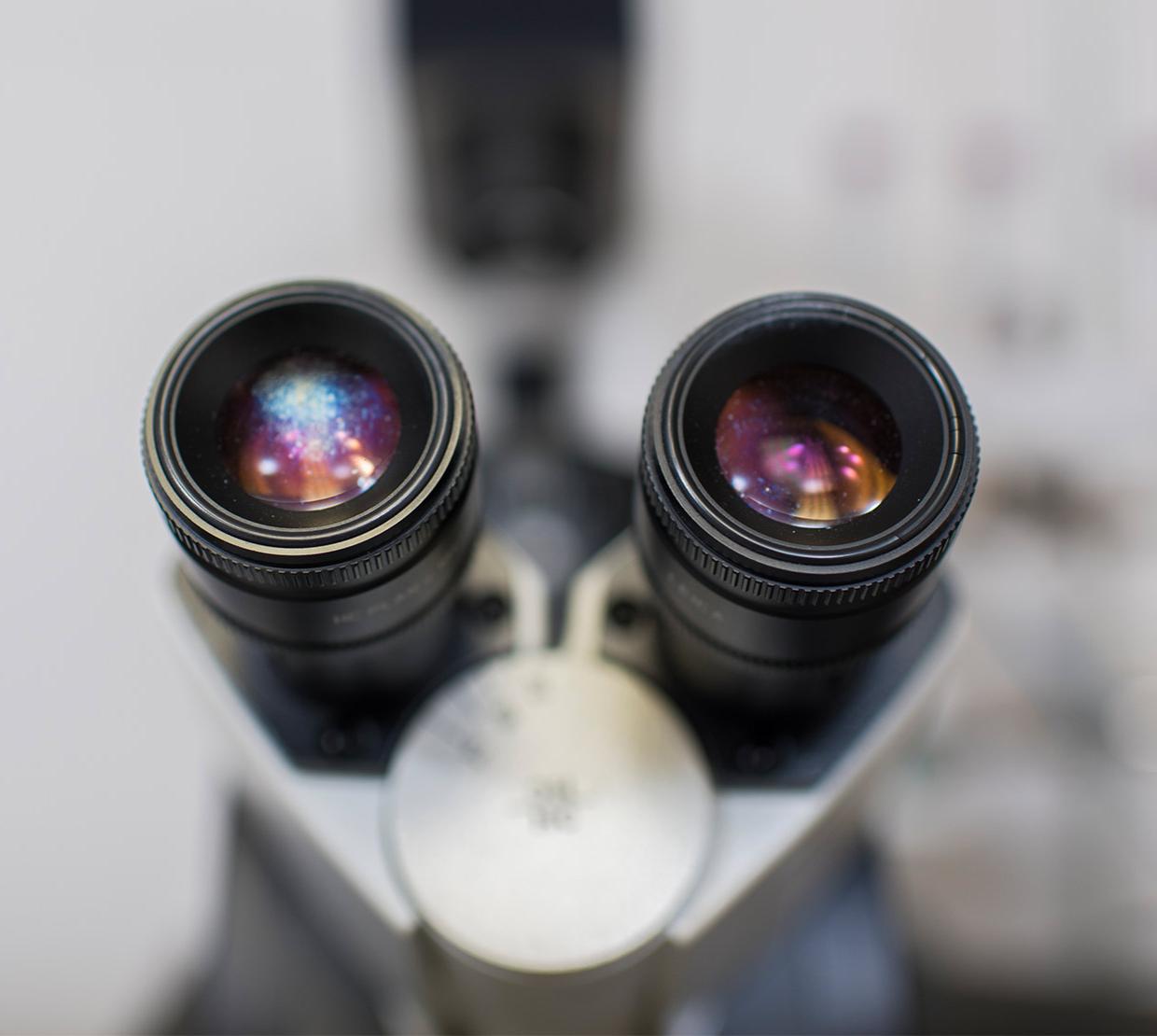
SURE Scholars use a variety of technology to fulfil their research goals, including light microscopes.

The College of Science is proud to announce that 41 science students – a record number – have received summer undergraduate research awards that will provide the opportunity and funding to pursue their research ambitions.

Undergraduate research often plays an instrumental role in developing student-faculty relationships that help students learn and grow beyond the scope of the classroom. For many OSU students, these awards provide the financial leverage to work in the field they are passionate about without being constrained to jobs that simply pay the bills.

The Summer Undergraduate Research Experience (SURE) award is available to all science students who meet the academic requirements. Participants are paid for 11 weeks of full-time research, or 440 hours, for a maximum of $5060. Awardees also receive an additional $500 for research expenses, including travel costs, materials or equipment rental.

This is also the second year that the Department of Integrative Biology offered the Alexei Lubchenco Menge Fellowship, which was awarded to Lily Miksell to support her research examining the interactions of dominant foundation species in Oregon rocky intertidal communities under the guidance of integrative biology professor Sally Hacker. The fellowship was established in memory of Alexei Lubchenco Menge, who died at age 27 in 2005. The award seeks to help one student each year within the department who exemplifies the deep love of the ocean that Lubchenco Menge personified.

SURE science awards are made possible by generous donations of College of Science alumni, faculty and supporters.

The COVID-19 pandemic has led to come changes in the SURE science program in 2020. Due to COVID-19 restrictions limiting access to laboratory space at Oregon State University, the deadline for completing SURE scholar research projects was extended to May 2021. Some students have projects that can be done entirely remotely and will complete and present their findings by the end of the summer. Some of the students below are able to work on their projects in OSU labs this summer, following OSU and Oregon Health Authority safety guidelines. For the majority of this year's awardees, the extended timeframe will allow them an opportunity to continue their research safely throughout the school year while gaining research experience.

SURE Science Scholars

Juan Altamira | Chemistry | Vince Remcho

Analysis of Explosive Compounds via Paper Microfluidic Device

Roy Anderson | Biology | Bruce Menge

Examining the Effects of Upwelling Intensity and Recruitment Limitation on Successional Trajectories in the California Current Large Marine Ecosystem

Thao Mi Anthony | BioHealth Sciences | Kyriakos Stylianou

Implication of Metal Organic Framework with Nanoparticle Composites to Deliver Medication

John Barnes | Biology | Felipe Barreto

Quantity and Quality of DNA extracted from dry vs. alcohol preserved samples of China rockfish

Elizaveta ‘Leeza’ Bliznyuk | BioHealth Sciences | Dylan Nelson

Targeting Mycobacterium abscessus pre-existing biofilms

Madeline Bloom | Chemistry | Claudia Maier

Microchip-MS Optimization of Oxylipins Analysis as a Biomarker for Cardiovascular Disease

Elizabeth Brennan | Microbiology | Stephen Giovannoni

Plankton Need Their Vitamins: Vitamin B1 Excretion by Marine Synechecoccus

Russell Campbell | Zoology | Robert Mason

Integrative Biology Collections Management

Dustin Campbell | Zoology | Robert Mason

Sexual Dimorphic growth of Harderian glands in Thamnophis sirtalis

Emily Gemmill | Biochemistry & Molecular Biology | Weihong Qiu

Keeping up with the kinesins: analyzing regulatory proteins and their effects on the motility of KlpA, a kinesin-14 motor protein

Jessica Giulietti | Biology | Patrick Chappell

Exploring regulation of osteosarcoma in vitro: Mechanisms of RANKL production by autocrine neuropeptides

Dylan Gregory | Biology | Virginia Weis

Using the Split Luciferase Complementation Assay to Identify Protein-Protein Interactions In Cnidarian-Algal Symbiosis

Joshua Griffis | Biochemistry & Molecular Biology | Richard Cooley

Optimized Phosphoserine tRNA Selection

Shelby Hansen | Biology | Brittany Poirson

How is a young mussel's life affected by coastal water conditions?

Joshua Havelind | Biology | Francis Chan

Effect of rising temperature in the ocean on Dungeness Crabs

Toren Ikea-Mario | Biochemistry & Molecular Biology | Tory Hagen

Glutathiones effect on Mitochondrial Decay

Rohal Kakepoto | Physics | Janet Tate

Hall Measurements of TiO2 Polymorphs

Rony Koluda | Chemistry | Claudia Maier

Low Dose Radiation Effect on Myelination -Associated Proteins in Mice

Chapman Kuykendall | Biochemistry & Molecular Biology | Colin Johnson

Characterizing the Biophysical Interactions between Dysferlin C2A and the H3 Helix of Syntaxin-4

Dustin Campbell | Biochemistry & Molecular Biology | Massimo Bionaz

In vivo-in vitro dose-effect response of bovine liver to rumen-protected fatty acids: implementation of a nutrigenomic approach in dairy cows

Jessica Li | Chemistry | Jan Stevens

The effects of xanthohumol on gut microbial metabolism

Maya Livni | Biochemistry & Molecular Biology | Maude David

Unraveling the impact of the gut microbiota metabolites on intestinal sensory neuronal cells and how EECs transduce signals to the brain by forming a synapse with the vagus nerve

Ruben Lopez | BioHealth Sciences | Bo Sun

Quantifying ECM Remodeling by Invasive Tumors

Christopher Markgraf | Biochemistry & Molecular Biology | Susanne Brander

Immortalization and Validation of Inland Silverside Cardiomyocytes, Hepatocytes, and Osteoblasts

Saki Nakai | Mathematics | Vrushali Bokil

Mathematical Modeling of Bipolar Disorder

Hunter Nelson | Physics | Tuan Pham

Blowup of Reaction Diffusion Equations

Jacob North | Biochemistry |Victor Hsu

Elucidating binding features of drug targets to Farnesoid X receptor by unsupervised machine learning of molecular dynamics trajectories

Sarah Olson | Microbiology | Frederick Colwell

Investigating Changes in the Microbiome of North Creek

Reina Paez | Biochemistry & Molecular Biology | Lia Danelishvili

Identifying and Purifying Non-Tuberculosis Mycobacterial Surface Antigens for the Purpose of Inducing Trained Immune Responses in Macrophages

Aneila Parra | Biology | Jiraporn Lueangsakulthai and David Dallas

Premature vs. Term Infant Milk Protein Digestome

Jacob Rauenhorst | Chemistry | Kathy Magnusson

Effects of ibuprofen on NMDA receptor expression and contribution

Alan Schultz | Physics |Hoewoon Kim

The Linearized Navier-Stokes Equations Solved on the Sphere by Fourier Transform Method

Rhea Sellitto | Biology | James Rivers

Evaluating the nutritional landscape for wild bees in managed conifer forests

Anna Sung |BioHealth Sciences| Maria Franco

Role of Redox Signaling in Development and Growth of Tumors of the Nervous System

Savannah Taggard | Biology | Molly Burke

The evolution of RoundUp resistance in the yeast Saccharomyces cerevisiae

Jessica Waymire | Physics | Matt Graham

Hyperspectral Fluorescence Imaging of Twisted Bilayer Graphene

Kaytlin Wearne | Biochemistry & Molecular Biology | Kenton Hokanson

The Effects of hsp90 on p2x7 on Human ALS Neurons

Devin Wright | Biochemistry & Molecular Biology | Michael Freitag

Zymoseptoria Tritici Mutation Accumulation Experiment

Elizaveta "Lisa" Zhivaya | Biochemistry & Biophysics | Maude David

Impact of the gut microbiota metabolites on the autism phenotype modulation
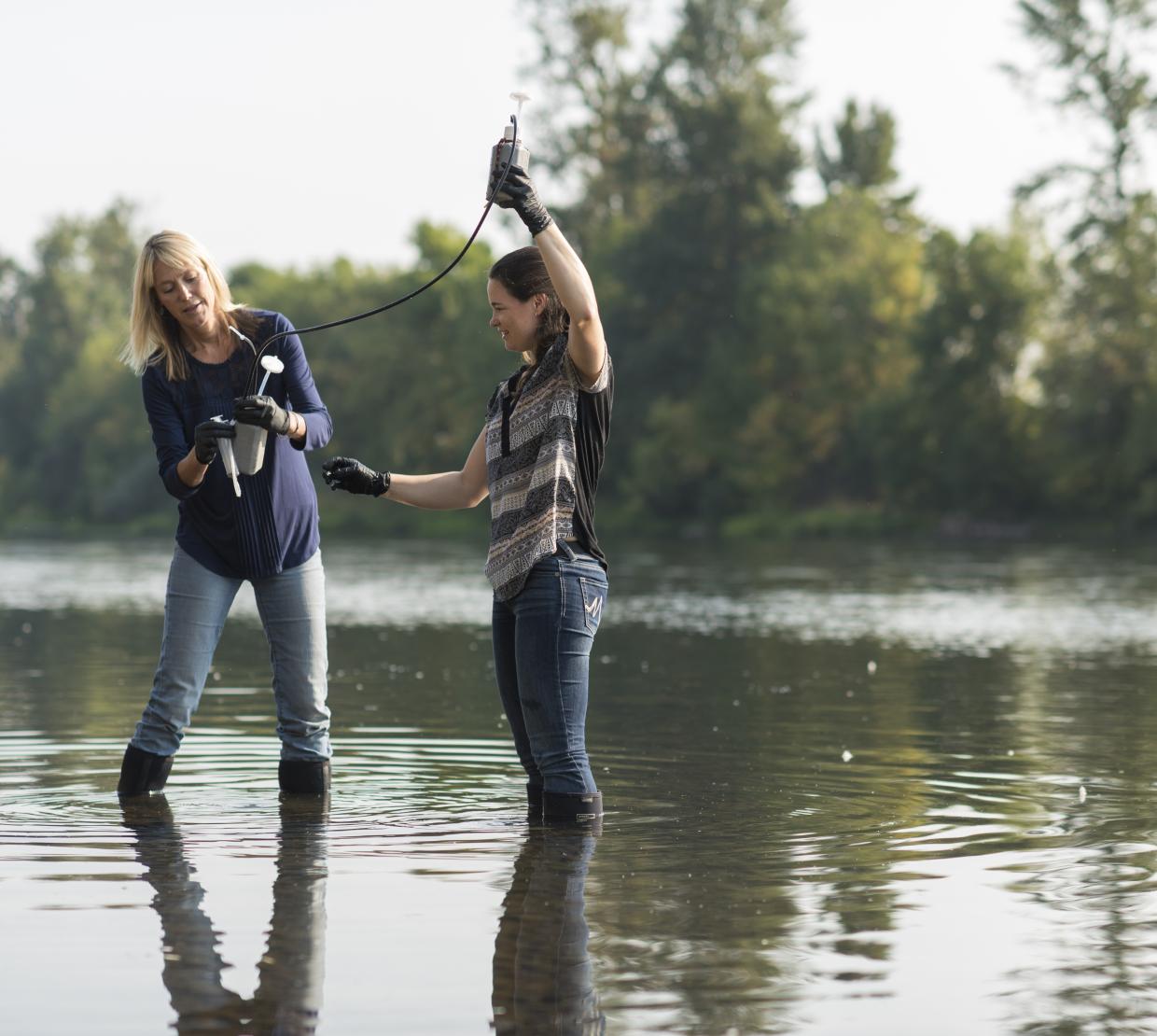
Kim Halsey with graduate student taking samples from a river

New grants to advance science that benefits humankind

By Cari Longman

Photo by Hannah O'Leary

Microbiologist Kim Halsey (left) and postdoc Cleo Davie-Martin collect samples from a river. Halsey is one of four faculty members who received College of Science Research and Innovation Seed (SciRIS-ii) awards. She will study the potential to detect toxic algae blooms in freshwater and marine ecosystems.

How can we better understand how devastating plant diseases are spread? Is there a better statistical model to predict HIV prevalence in a city? Is there a way we can detect toxic algae blooms in freshwater and marine ecosystems before they occur? And of the hundreds of thousands of different metal-organic frameworks (MOFs) in the world, how can we can better find the ones that are most useful for storing and separating gases, like CO2 from industrial plants?

Curiosity is critical for discovery. Asking the questions above led five faculty members to receive College of Science Research and Innovation Seed (SciRIS-ii) and Betty Wang Discovery Fund awards this February to pursue answers over the course of the next year. Their proposals all showed transformative potential and progress toward new frontiers of science and aimed to strengthen collaboration with external research partners. Below is more detail about each of their proposals.

Mathematics Professor Vrushali Bokil was awarded $8,000 to use modeling techniques to understand the spread and control of plant diseases caused by coinfecting viruses. She will focus on Maize Lethal Necrosis (MLN), an emerging disease in Kenya and other parts of Africa that is caused by coinfecting viruses and spread by insects called Thrips, as a test case. Her team’s goals are to use stochastic models and optimal control theory to understand the mechanisms that drive patterns of coinfection in plant populations and effective techniques for controlling the spread of disease in crops and natural grasslands.

In collaboration with the Centers for Disease Control and Prevention (CDC), Statistics Assistant Professor Katherine McLaughlin received $10,000 to explore the use of new statistical methodologies to estimate the number of people who inject drugs in metropolitan areas. The research project, supported by the privately-funded Disease Mechanism & Prevention Fund at the OSU Foundation, has a goal of refining current methods to produce improved population-level demographic, behavioral, disease prevalence and population size estimations. This will aid the CDC in their efforts to contain or slow the rate of HIV in metropolitan areas across the U.S.

Microbiologist Kimberly Halsey was awarded $10,000 to examine the potential for real-time, automated volatile organic compound (VOC) detection as early-warning signals of toxic harmful algal blooms (HABs) in freshwater and marine ecosystems. HABs are increasing in intensity and severity due to climate change and nutrient loading from agriculture and other human-related activities. Some HABs can become toxic to humans and animals. Halsey will use data integration to merge aquatic microbiome data with environmental properties and VOC signatures to identify determinants and trajectory of the annual toxic HAB at Upper Klamath Lake, Oregon.

Physicist David Roundy was also awarded $10,000 to develop new flat histogram Monte Carlo molecular simulation methods to accelerate the discovery of metal-organic frameworks (MOFs) for applications in storing and separating gases. MOFs are crystalline materials that harbor nano-sized pores that have the potential to be used in a variety of clean energy applications, from hydrogen and natural gas storage to capturing carbon dioxide from coal-fired power plant flues. His study aims to enable scientists to accurately predict the absorption properties of hundreds of thousands of MOFs and accelerate the rate of MOF discovery for clean energy applications.

In addition, chemistry professors Kyriakos Stylianou and May Nyman, along with Todd Miller from the Advanced Technology and Manufacturing Institute (ATAMI), received $30,000 from the Betty Wang Discovery Fund to purchase a microwave reactor to integrate on the continuous flow reactor to accelerate the discovery and production of inorganic materials like MOFs. The Betty Wang Discovery Fund supports equipment acquisitions and laboratory infrastructure improvements to advance fundamental discoveries in science. Microwave heating has recently emerged as a powerful method for the preparation of inorganic materials at the laboratory scale, reducing synthesis time down to a few minutes without affecting the product quality or reaction yield. The new machinery will allow the team to investigate the potential of new MOFs to capture carbon in laboratory and industrial applications.

The projects will run for one year, ending next February 2021.The SciRIS program provides funding in three stages for high impact collaborative proposals that build teams, pursue fundamental discoveries and create societal impact. The awards range from $10,000 to $125,000 for various stages of the program and are supported in part by generous alumni and friends, and grants from the U.S. Department of Defense and National Institutes of Health.

Yuan Jiang

Yuan Jiang

Subscribe to Statistics