Statistics

Statistics

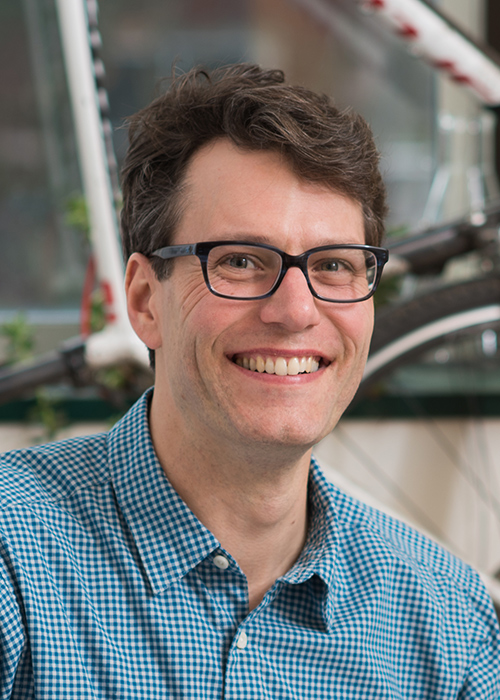
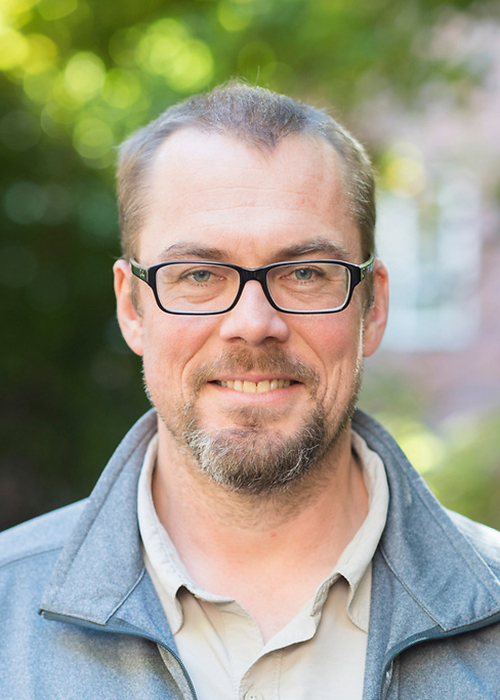
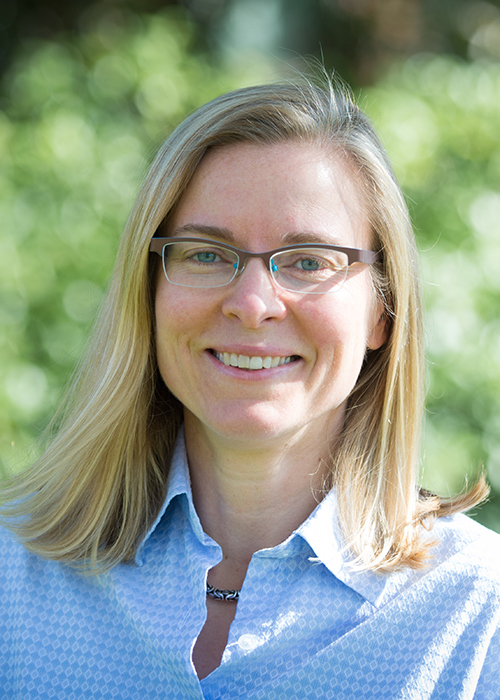
Thomas J. Sharpton

Thomas J. Sharpton

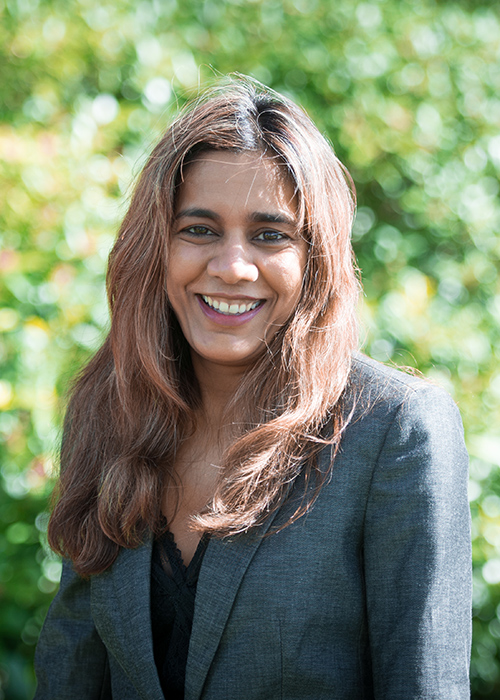
Lan Xue

Lan Xue

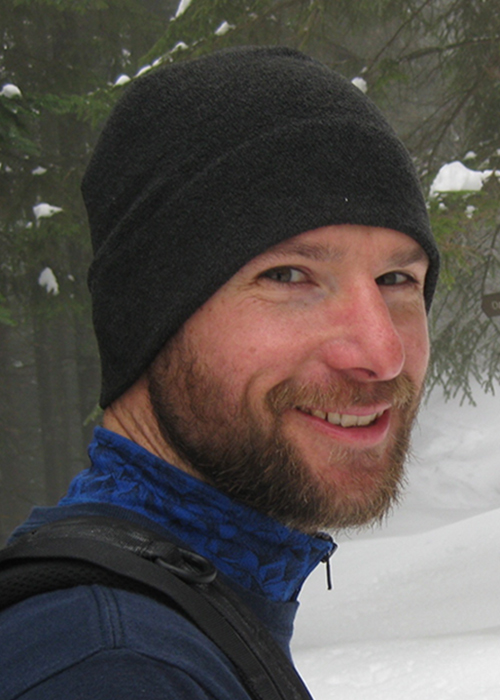
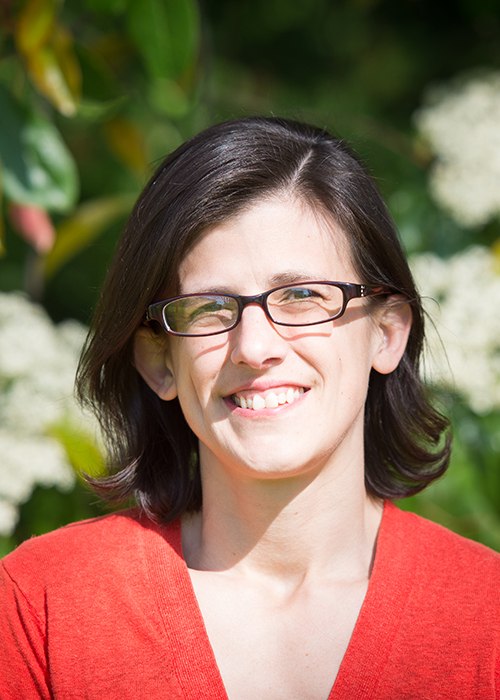
Katherine McLaughlin

Katherine McLaughlin

Spiral icon above lit-up cityscape

Synergies unleashed to tackle human health and disease

By Debbie Farris

The mysteries of human health and disease are as numerous as they are elusive. They pose complex problems that demand complex solutions. As science becomes increasingly interdisciplinary, the edges blurring and blending faster than we can name those evolutions, the challenges of human health require that we examine them from multiple perspectives, from biohealth, bioinformatics and biochemistry to chemistry, mathematics and biology.

In the 21st century, human health and disease require that we as scientists working in the life, physical and mathematical sciences collaborate. That we put our heads together, step outside the traditional academic boundaries to ignite new thinking and spur innovative solutions to address the most pressing problems in human health.

The proliferation of data is transforming the scientific landscape. Scientists are grappling with how to analyze and integrate data quickly across disciplines. With the mounting need for better, faster ways to harness vast amounts of information, mathematical and statistical researchers make for natural partners who are well trained to manage and interpret data to deepen understanding of the scale of health issues. This approach enables scientists to test more theories and manage more data to develop a greater, more sophisticated understanding of human health.

This fall the National Science Foundation’s Division of Mathematical Sciences and the National Institutes of Health’s National Library of Medicine launched a Joint Initiative on Generalizable Data Science Methods for Biomedical Research to support the development of innovative and transformative mathematical and statistical approaches to address data-driven biomedical and health challenges.

OSU researchers are harnessing the power of global collaborations to deepen understanding of and to address our most important concerns in human health.

The chemistry behind aging

Biophysicist Elisar Barbar and team discovered that the intrinsically disordered state of the protein ASCIZ, a key transcription factor in cells, plays a major role in regulating production of the protein LC8, a hub protein regulating over 100 other proteins critical to a wide range of life processes from viral infection to tumor suppression to cell death. Her work on intrinsically disorganized proteins, a hot frontier of research in biochemical and medical research today, has far-reaching implications due to their critical role in a vast array of cellular functions.

Colleagues Afua Nyarko and Viviana Perez are studying the chemistry behind the biological processes and the synthesis of biologically active molecules. Nyarko studies protein interactions and their role in the formation of tumors. She is one of a handful of scientists worldwide studying proteins from a structural biology perspective, where detailed information on the structure of specific amino acids can reveal how tumor suppressor proteins inhibit specific growth-promoting proteins.

Perez studies the biological processes of aging, specifically the protein aggregation in neurodegenerative diseases and protein misfolding. She discovered a new function for the compound rapamycin that, with its unusual properties, may help address neurologic damage.

Barbar and Nyarko’s work uses nuclear magnetic resonance to describe molecular structures of proteins. They also focus on protein informatics, from the analysis of experimental mass-spectrometry evidence for proteins to the integration and curation of large-scale data warehouses of protein sequence and functional annotation.

Genetics and bioinformatics

Our bioinformatics researchers are working on groundbreaking developments at the nexus of data science and human health. David Hendrix developed a neural network program that illuminates connections between mutant genetic material and disease. His team used deep learning to decipher which ribonucleic acids (RNA) have the potential to encode proteins, an important step toward better understanding RNA, one of life’s fundamental, essential molecules. Unlocking the mysteries of RNA means knowing its connections to human health and disease.

Hendrix compares it to a tool similar to calculus or linear algebra, but one used to learn biological patterns. Deep learning is helping his team manage vast amounts of data and learn new biological rules that distinguish the function of these types of molecules. He recently teamed up with the Barbar group to develop an algorithm that will predict new proteins that interact with LC8. This validates the importance of LC8 in many systems and opens up new interactions to study, underscoring the power of big data to guide new experiments.

David Koslicki recently discovered that the blood of patients with schizophrenia features genetic material from more types of microorganisms than the blood of people without the debilitating mental illness. His team performed whole-blood transcriptome analyses on 192 people, including healthy people and people with schizophrenia, bipolar disorder and Lou Gehrig’s disease. The findings showed that microbiota in the blood are similar to ones in the mouth and gut. There appears to be some permeability there into the bloodstream.

Koslicki and his collaborators received an NIH grant to build a biomedical translator, a software system that connects various distributed databases of biomedical knowledge and that can “reason” over these data sources to answer relevant biomedical questions. This is one example of how mathematical and computational sciences are syncing with biomedical research to accelerate translation for the scientific community.

Fighting disease

Microbiologist Bruce Geller scored a monumental win against antibiotic resistance. He crafted a compound known as a PPMO that genetically neutralizes a pathogen’s ability to thwart antibiotics. His team designed and tested PPMOs against Klebsiella pneumonia, an opportunistic pathogen that’s difficult to kill and resistant to many antibiotics. A platform technology, PPMOs can be quickly designed or modified to kill nearly any bacterium. They are not found in nature so bacteria have not developed resistance to them. PPMOs may be highly effective therapeutics.

Geller expects that the wave of the future will be molecular medicine, a broad field that draws on physical, chemical, biological, bioinformatics and medical techniques to describe molecular structures and mechanisms, identify molecular and genetic errors of disease and develop interventions. OSU scientists are combining these experimental and mathematical tools to develop anti-viral drugs.

Microbiologist Thomas Sharpton made a key advance toward understanding which of the trillions of gut microbes may play important roles in how humans and other mammals evolve. His global team created a new algorithm and software to taxonomize and clarify key microbial clades, or groups of microbes that appear frequently across mammalian species. A Western lifestyle tends to reduce microbial diversity so knowing which clades have been evolutionarily conserved opens up potential health interventions.
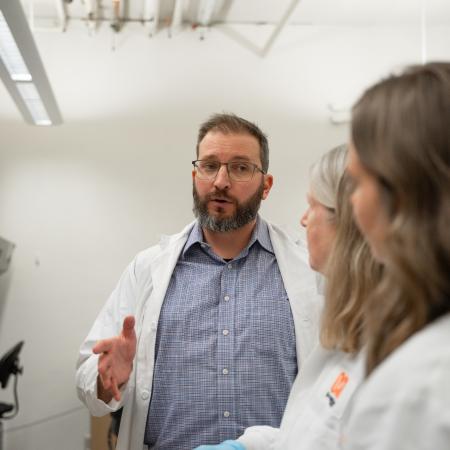
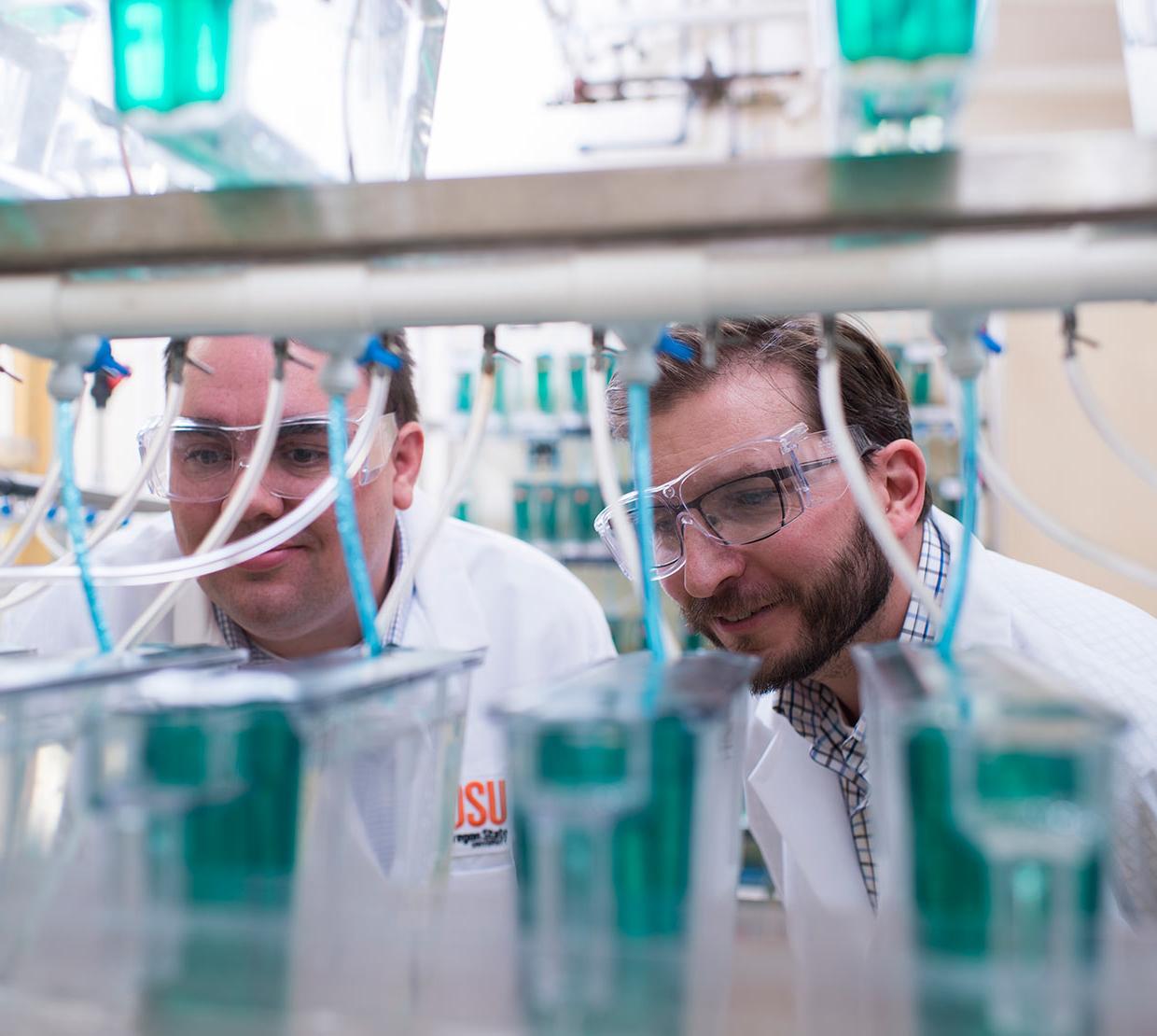
Thomas Sharpton with colleague looking at samples in lab

From scientific ideas to innovative solutions in the marketplace

Innovation Days

The College of Science is launching a transformative program to support and strengthen innovation and entrepreneurship that will enable us to better identify, validate, and develop the commercial impact of basic research. Innovation Days will bring together faculty, faculty research assistants and research associates to discuss and learn about moving basic research ideas and discoveries from the lab to commercial applications and practical solutions.

Co-hosted by the College of Science and the Office of Commercialization and Corporate Development (OCCD), Innovation Days will host its first session on January 7, 2019, 2:30-5 pm followed by a reception from 5-6 p.m. The deadline to register is December 14, 2018. Additional sessions to follow on February 4, April 1 and April 29.

Innovation Days is designed to build awareness and engagement with experts who will help advance and propel the OSU innovation enterprise. Workshop participants will learn about resources to:

  • Leverage basic research and research funding opportunities toward application
  • Increase the impact of basic research through patents and commercialization
  • Validate broader impacts of research projects to enhance proposal success
  • Connect with local innovation ecosystem and identify pathways to translate research to application
  • Create opportunities with industry
  • Integrate invention disclosures, patent applications, and company formation into day-to-day work to advance your career

Facilitators represent and support the many pathways available to successfully transfer technology and commercialize scientific research. The workshop series includes: Berry Treat, director of OCCD, who will provide an overview of his office and how it supports the research to industry pathway; Joe Christison, senior intellectual property and licensing manager at OCCD, who will introduce participants to technology transfer at OSU; Katie Pettinger, commercialization catalyst at OSU Advantage Accelerator, who will discuss startup support available to OSU researchers; chemistry professor Rich Carter, who will share his success story as an inventor; and Chris Stoner, senior industry contracts manager, OCCD, who will discuss the development of appropriate and effective research agreements with companies.

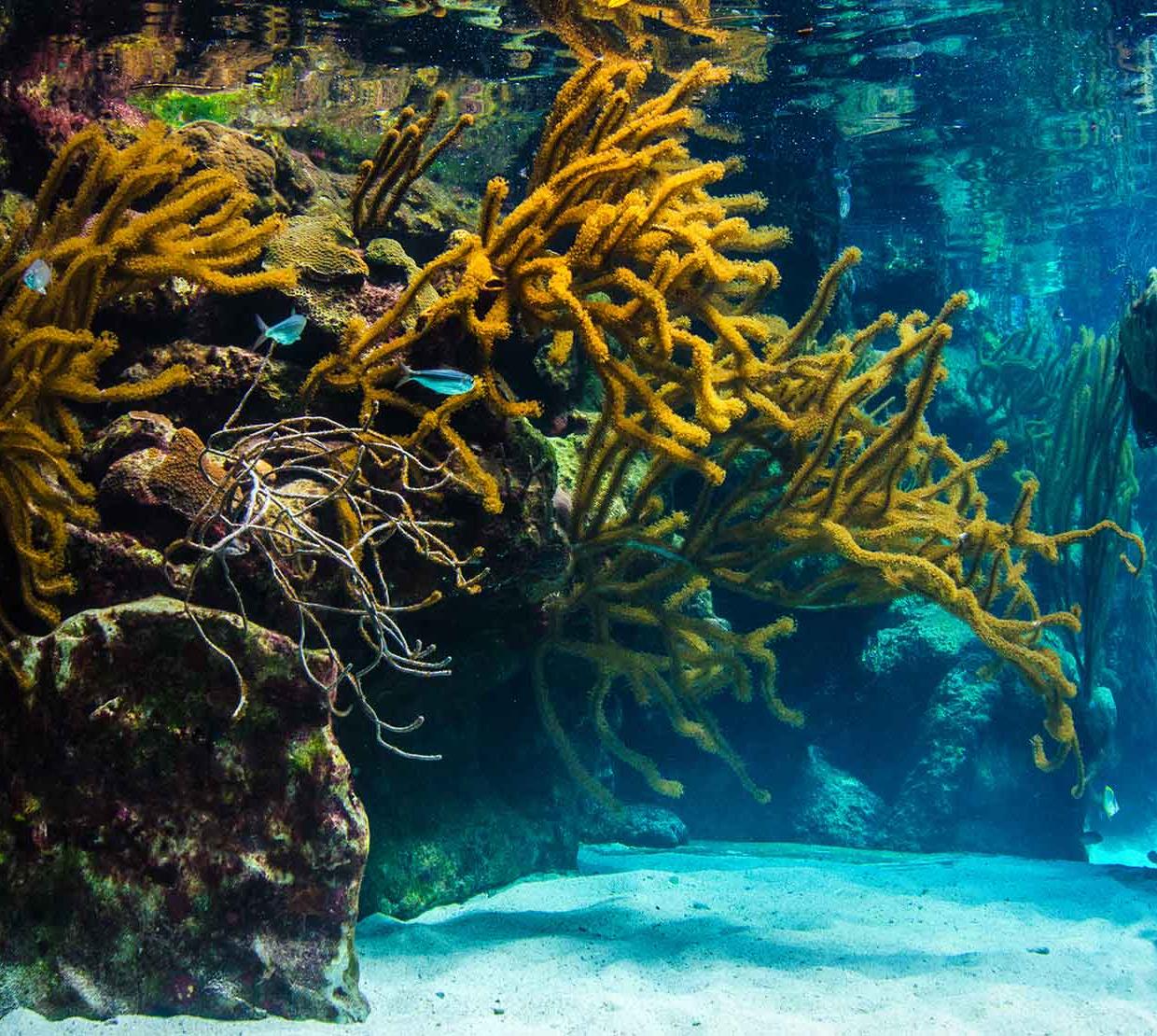
coral at bottom floor of shallow ocean

From the first 3-D virtual microscope to new antibiotics: A year in review, 2017-18

By Mary Hare

Dangers for corals reefs

The College of Science’s efforts to advance engagement with science at all levels have been steadily gaining momentum thanks to the incredible contributions of our faculty and students. As a College, we continue to show that science does not have to be confined to an ivory tower, but can and must be used to inform the public about the complexities of life and the world we live in.

Several of this year’s notable accomplishments have been in global research and national and international recognition of our faculty and students.

The research our faculty and students are engaged in demonstrates their passion for the environment, sustainability, oceans, human health, and the data that underlie and illuminate those areas. Our faculty and students are committed to improving the world around us by making it better than how we found it. The year was marked by groundbreaking research on ocean acidification, earthquake forecasting, the dangers affecting coral reefs and more.

Our scientists made key research advances in curing disease from the discovery of a bacterium that kills melanoma cells to successfully combating drug resistance in certain infections. Science faculty and students have won national and international awards and recognition for their extraordinary achievements in improving undergraduate education and innovative research. We look forward to building on this trajectory of growth and momentum this year and beyond.
Highlights of 2017-18


Awards and leadership

Teaching and innovation

  • We were one of three universities to receive a national award from the American Physical Society for improving undergraduate physics education in 2018.
  • Science faculty awarded prestigious $1M HHMI grant to develop culturally inclusive pedagogies in STEM programs.
  • Mathematics faculty replaced the traditional classroom model to improve student success in introductory algebra courses by integrating technology, new active learning approaches and measurement of student performance and understanding. These have improved retention, performance and student engagement in 100- and 200-level mathematics classes at OSU.
  • In partnership with Ecampus, biology faculty helped create a groundbreaking, first-of-its kind 3-D Virtual Microscope and online introductory biology course series, winning a 2017 WCET Outstanding Work (WOW) award for technology-based solutions that transformed the college learning experience.

Student Success

  • We graduated 5% more science students than 2017!
  • We launched an Integrated Professional Development platform featuring innovative career preparation programs with content delivered in first-year experience science courses that help to build students’ professional skills and give them a competitive edge in the job market or in graduate school.
  • A biohealth sciences major founded OSU’s first pre-osteopathic student club that earned national recognition as Chapter of the Year, from the parent organization Student Osteopathic Medical association, in its first year of operation.

Research

Star icon above vibrant galaxy

Faculty excellence: Promotions and tenure 2018

Promotions and tenure 2018

The College of Science congratulates these 20 faculty on receiving promotions and/or tenure for the 2017-18 academic year.

“The success of our faculty is essential to the success of our students,” said Roy Haggerty, dean of the College of Science. “I am proud of our faculty who are outstanding researchers, scholars, teachers and mentors to our students.”

'I want to also thank our Promotion and Tenure Committee for devoting a significant amount of time engaged in the intense review process to award the best candidates for promotion and/or tenure,” added Haggerty.

Tremendous consideration goes into each promotion and tenure decision. The Provost’s Office, the College of Science Dean’s office, department heads, Promotion and Tenure Committee members, faculty, external reviewers, student evaluation committees, and individual faculty members all spend many hours preparing, processing and reviewing the documentation.

Congratulations to the following science faculty!

Biochemistry and Biophysics Department

(Photos in order)
Dr. Adrian “Fritz” Gombart will be promoted to Professor of Biochemistry and Biophysics, effective September 16, 2018.

Dr. Ryan Mehl will be promoted to Professor of Biochemistry and Biophysics, effective September 16, 2018.

Integrative Biology Department

(Photos in order)
Dr. Andrew Bouwma will be promoted to Senior Instructor I of Integrative Biology, effective July 1, 2018.

Dr. Sarah Henkel will be promoted to Associate Professor, Senior Research of Integrative Biology, effective July 1, 2018.

Dr. Mark Novak will be promoted to Associate Professor of Integrative Biology and granted indefinite tenure, effective September 16, 2018.

Dr. Rebecca Terry will be promoted to Associate Professor of Integrative Biology and granted indefinite tenure, effective September 16, 2018.

Mathematics Department

(Photos in order)
Dr. Mary Beisiegel will be promoted to Associate Professor of Mathematics and granted indefinite tenure, effective September 16, 2018.

Dr. Vrushali Bokil will be promoted to Professor of Mathematics, effective September 16, 2018.

Dr. Elaine Cozzi will be promoted to Associate Professor of Mathematics and granted indefinite tenure, effective September 16, 2018.

Dr. Torrey Johnson will be promoted to Senior Instructor I of Mathematics, effective September 16, 2018.

Dr. Elise Lockwood will be promoted to Associate Professor of Mathematics and granted indefinite tenure, effective September 16, 2018.

Dr. Holly Swisher will be promoted to Professor of Mathematics, effective September 16, 2018.

Dr. David Wing will be promoted to Senior Instructor I of Mathematics, effective September 16, 2018.

Microbiology Department

(Photos in order)
Dr. Kimberly Halsey will be promoted to Associate Professor of Microbiology and granted indefinite tenure, effective September 16, 2018.

Dr. Ryan Mueller will be promoted to Associate Professor of Microbiology and granted indefinite tenure, effective September 16, 2018.

Dr. Martin Schuster will be promoted to Professor of Microbiology, effective September 16, 2018.

Physics Department

Oksana Ostroverkhova in front of shrubbery

Dr. Oksana Ostroverkhova will be promoted to Professor of Physics, effective September 16, 2018.

Statistics Department

(Photos in order)
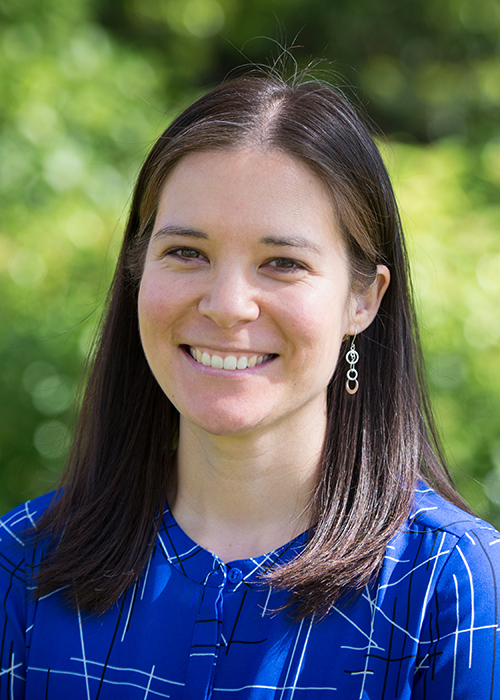
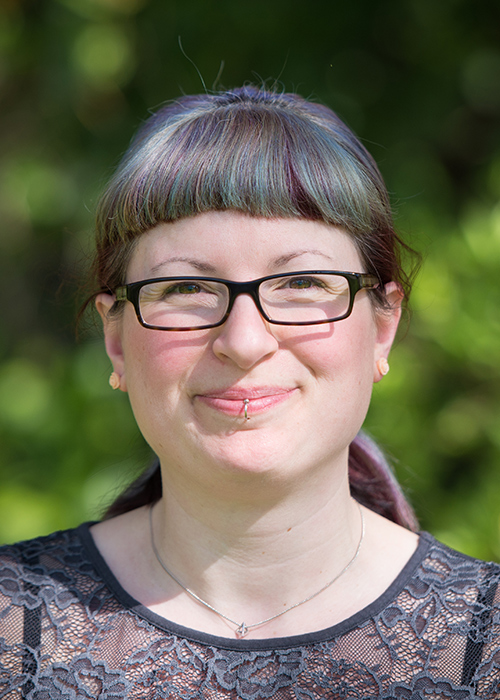
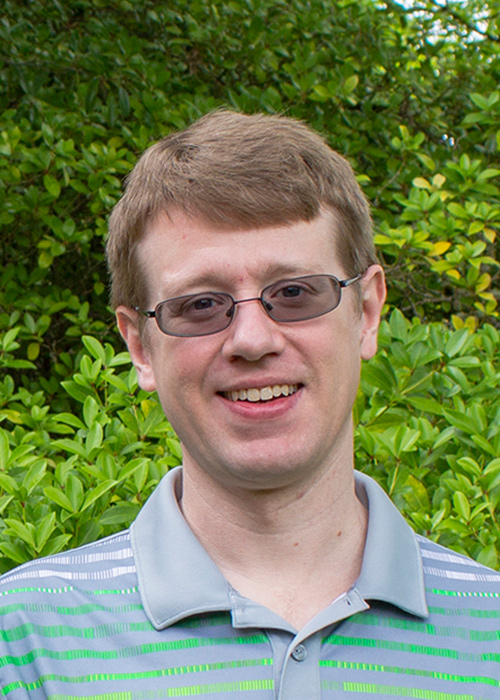
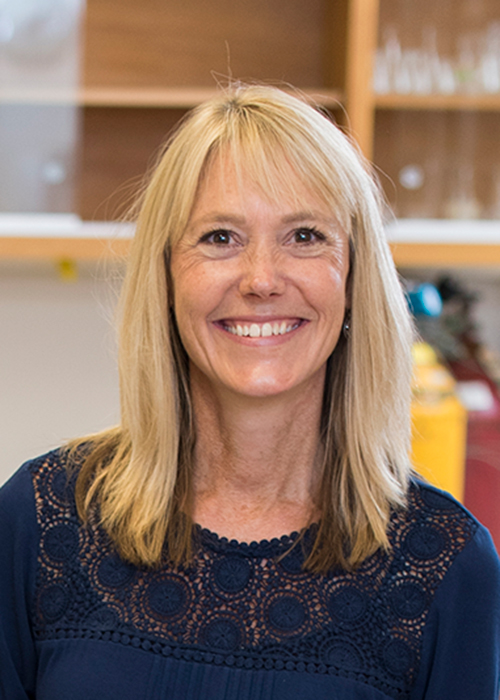
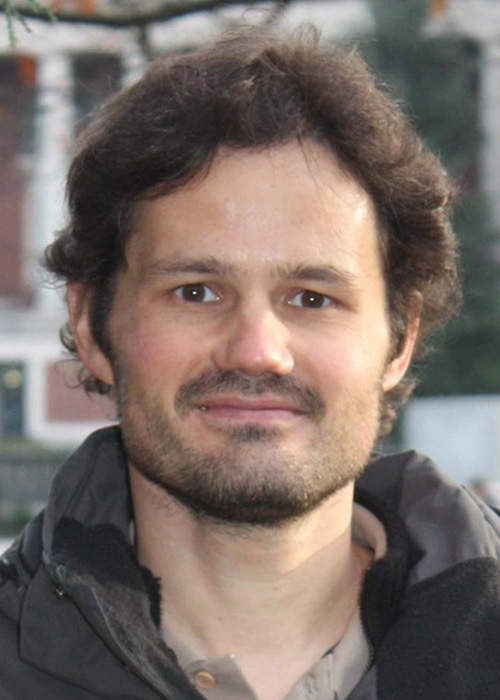
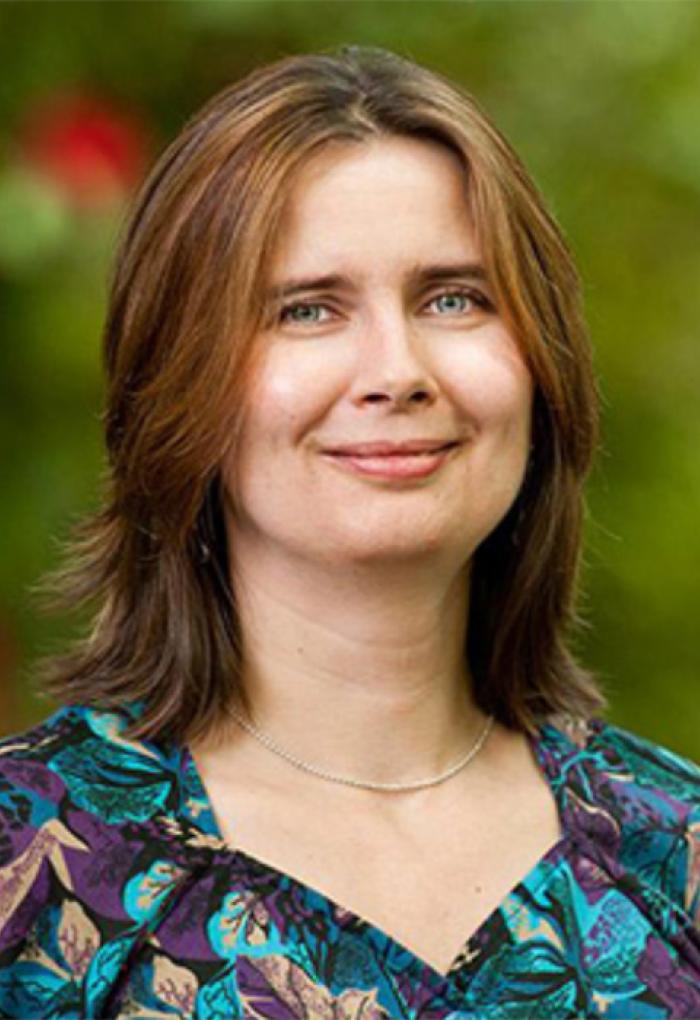
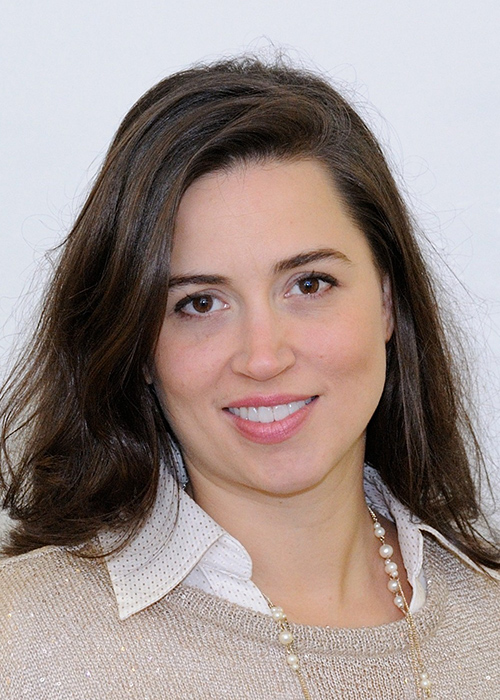
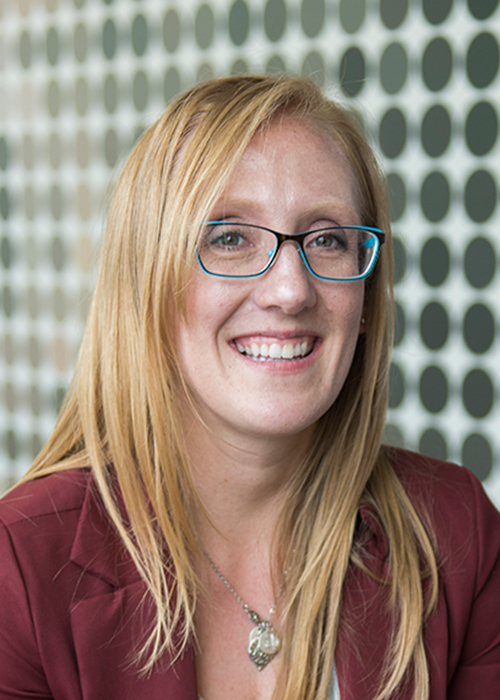
Katie Jager will be promoted to Senior Instructor I of Statistics, effective July 1, 2018.

Juliann Moore will be promoted to Senior Instructor I of Statistics, effective September 16, 2018.

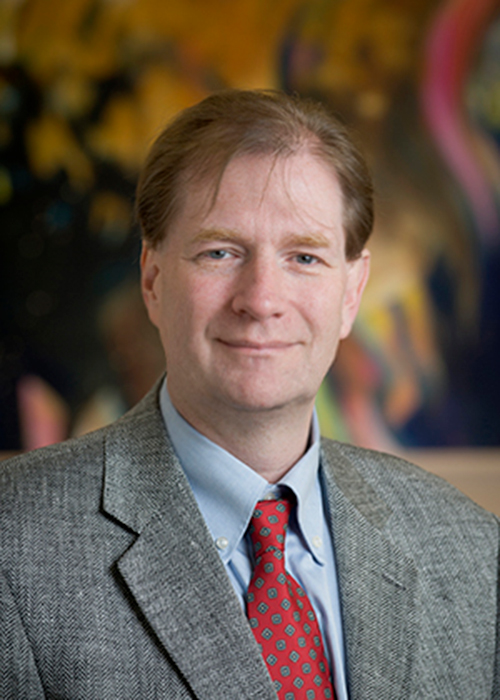
Dr. Lan Xue will be promoted to Professor of Statistics, effective September 16, 2018.

Thanks to all of the committee members who served on the College of Science Promotions and Tenure Committee this year.

Elisar Barbar (rotating off)
Kate Field (rotating off)
Alix Gitelman (rotating off)
Margie Haak
Henri Jansen (chair, rotating off)
Patrick De Leeneer (rotating off)
Sastry Pantula
Indira Rajagopal (rotating off)
Vince Remcho
Janet Tate (rotating off)
Barb Taylor (rotating off)

The following faculty have been elected to serve on the College’s Promotion and Tenure Committee for 2018-19. These faculty were elected to serve by a vote, according to the College’s P&T rules.

Vince Remcho, 2016-19, committee chair in 2018-19
Rich Carter, 1 remaining term, 2018-19
Dee Denver, 1 remaining term, 2018-19
Tom Dick, 2 remaining terms, 2018-20
Michael Freitag, 3 remaining terms, 2018-21
Steve Giovannoni, 2 remaining terms, 2018-20
Margie Haak, 1 remaining term, 2017-19
Sally Hacker, 3 remaining terms, 2018-21
David McIntyre, 3 remaining terms, 2018-21
Sastry Pantula, 2 remaining terms, 2017-20
Scott Peterson, 2 remaining terms, 2018-20

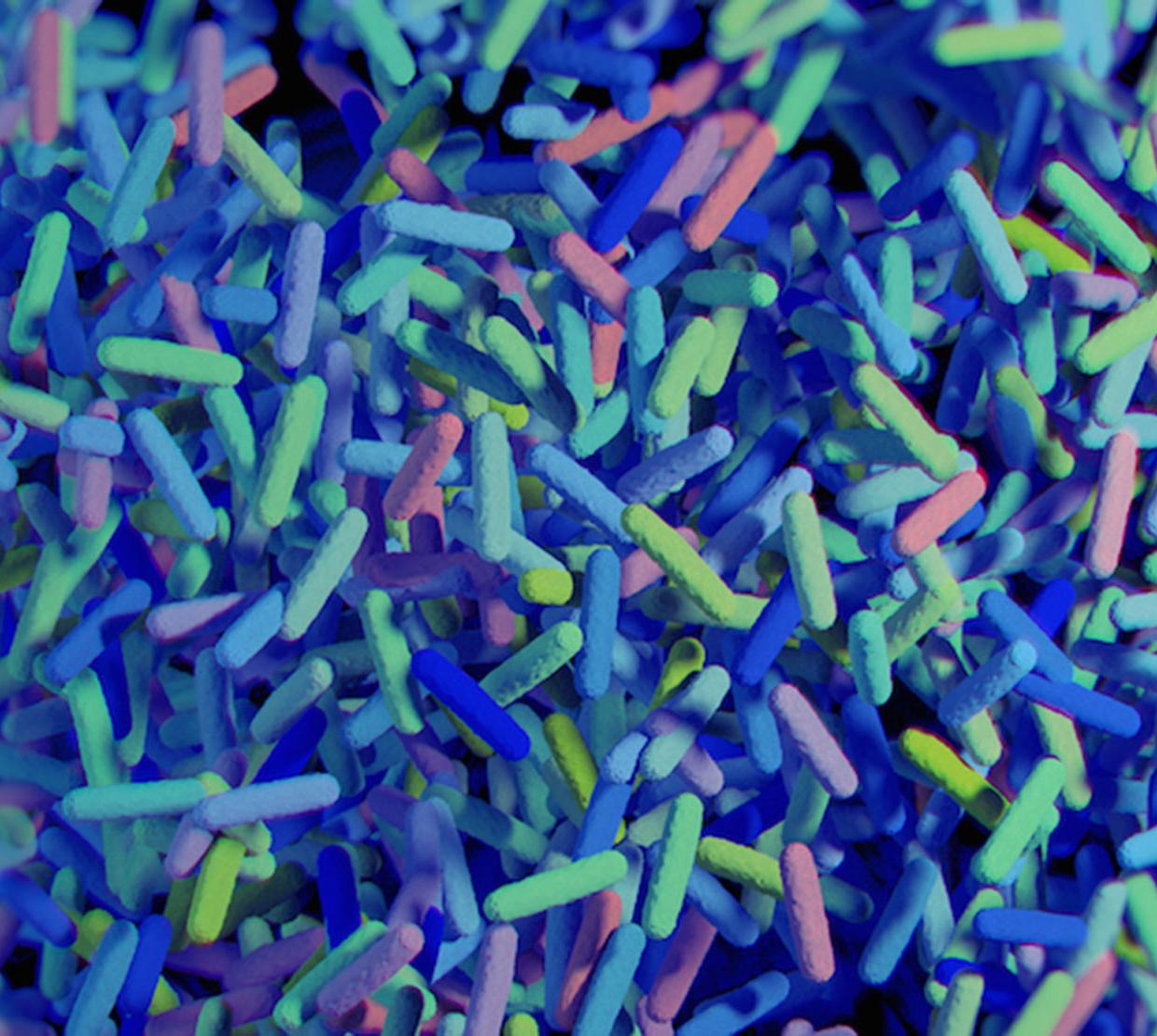
picture of Microbiomes

Statistical innovations help decode the human microbiome

Gut Microbiota

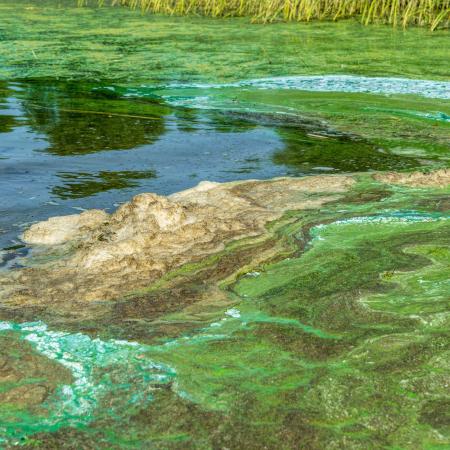
The human microbiome—the vast collection of microorganisms living in and on the bodies of humans—can lead us to a better understanding of human health and disease, not to mention accelerate the development of therapeutic drugs. However, the vastness and complexity of microbiome data require advances in statistical methodology and software for an accurate analysis of host-microbiome interactions. Statistics faculty Yuan Jiang, Duo Jiang and Thomas Sharpton are developing novel statistical methods to bridge the gap between the human microbiome and microbiome-based healthcare.
They were awarded a prestigious four-year $770K grant by the National Institute of General Medical Sciences (NIGMS), one of the U.S. National Institutes of Health (NIH). Yuan Jiang, associate professor of statistics, is the lead researcher and principal investigator on the project, “Network-based statistical methods to decode interactions within microbiomes.” Duo Jiang, assistant professor of statistics and Thomas Sharpton, assistant professor of microbiology and statistics, are co-investigators on this grant.

This project will advance scientific understanding of the functions and operations of microbiomes by developing statistical methods and models to study biological interactions between microbes or between microbes and their host.

“The new statistical methodologies will leverage recent advances in graphical models and high dimensional statistics to tackle unmet analytical challenges encountered in the analysis of modern microbiome data,” said Duo Jiang.

Interest in the role of the microbiome in human health and disease has increased rapidly within the last decade. However, available tools and technologies do not adequately capture the full scope and complexities of microbial interactions within a community. For example, a correlation type analysis employed to model microbial interactions cannot filter out misleading co-occurrence patterns in a community: two microbes that independently interact with a third but not with one another may appear to correlate.

“The currently used statistical models fail to account for specific properties of microbiome data, including its heterogeneous compositional count nature, the complex environmental context, and its evolutionary structure,” Yuan Jiang explained.

“Additionally, existing algorithms are often not scalable to the huge size of microbiome data. Therefore, new statistical methods and algorithms need to be developed to better answer the scientific questions.”

The NIGMS grant will help Jiang and his team pioneer new statistical methods “built on conditional dependencies that disentangle biological interactions from marginal correlations to produce mechanistically and evolutionarily relevant network models of how microbes interact with one another and their host.”

The methods and software produced by this project will “transform the discovery of how these microbes interact with one another and influence or respond to human physiology.” A broader understanding of microbiomes and their role in disease etiology will open the doors to engineer and utilize microbiomes important to human health to develop new drugs, therapeutic probiotics and clinical diagnostics.

The grant will support graduate research assistants (GRAs). Two GRAs from statistics and one GRA from microbiology will be a part of this interdisciplinary collaboration. “Such a form provides students with opportunities for experiential learning in diverse scientific areas (e.g., statistics, computer science, microbiology, evolution, and genetics) as well as experience in teamwork and interdisciplinary research,” said Yuan Jiang.

desert hill with clear sky

150 years of science for land and sun

By Katharine de Baun, Srila Nayak

Painted Hills, Oregon

Note: this article is part of a yearlong series on the distinguished tradition of scientific research pertaining to Oregon State’s 150th anniversary and its four land-grant designations. From our fall 2017 issue: 150 years of science for sea and space(Introduction), On the shoulders of giants, Oregon State Science: The many "firsts" in 150 years. From our spring 2018 issue: The significance of OSU's sea-, space-, sun- and land-grant designations, "Milestones: Oregon State Science at the helm for 150 years."

While the College of Science at Oregon State University was formally established in 1932, science programs and departments have been instrumental in shaping the evolution of research and education at the university since its 1868 land grant designation.

In fact, long before OSU’s College of Agricultural Sciences came into existence, the new agricultural curriculum was first taught in the Department of Chemistry in 1870 paving the way for the scientific study of agriculture for the first time in the Pacific Northwest. Such pioneering science programs since the earliest days of the institution were responsible for OSU’s land grant designation making it one of three land-grant colleges in the country at that time (The other two were the University of Illinois at Urbana-Champaign and the University of California at Berkeley).

The first professors of engineering at OSU in the 1890s were also professors of mathematics. Some of the university’s earliest engineering disciplines would not have flourished if it were not for the fundamental sciences. A four-year mining engineering curriculum was established in the Department of Chemistry in 1900 that led to the consolidation of early engineering programs in metallurgy.

The chemistry department was also the home of the first geology courses. It would not be an exaggeration to say that the natural and physical sciences at OSU have shaped and guided the growth of the world-class research and education that takes place across all STEM (science, technology, engineering and mathematics) fields in the university today.

OSU land grant: From plows to touch screens

Science has played a founding role in carrying out Oregon State’s Land Grant mission from its origins in the Morrill Act of 1862, whose focus was to teach agriculture, military tactics and “mechanical arts” or engineering. Chemistry was hailed, for example, as “the cornerstone of Scientific Agriculture” in the 1869-70 course catalog. And in 1899, today’s microbiology department arguably began with a single course in bacteriology, to help understand and eliminate bacterial diseases of crops. Mathematics and physics courses were a core part of the mechanical arts curriculum and the fledgling department of mechanical engineering, formed in 1889.

In the 20th century, the University’s land-grant mission expanded to adapt to the changing social and economic needs, including a new forestry program in response to Oregon’s growing timber industry and a growing emphasis on engineering after World War II. As the scope of the land-grant mission widened, science continued to be front and center. The chemistry department was home to new four-year programs in pharmacy (1898), mining (1900) and forestry (1906). By 1912, bacteriology was driving innovation across various industries and considered essential training for “any student properly equipped in Dairying, Agriculture, Agronomy, Pharmacy, Domestic Science, etc.”

In the 21st century, Oregon State under President Ray’s leadership aims to be among the top 10 land grant institutions in America, with a focus on three signature areas: the Science of Sustainable Earth Ecosystems, Human Health and Wellness, and Economic Growth and Social Progress. The College of Science is a key contributor with pioneering programs and research in biohealth, the life sciences, marine and environmental sciences and, increasingly, statistics, as students and researchers across a wide variety of fields learn to interpret and gain often revolutionary insights from big data.

An integral part of OSU’s land-grant mission is also to foster public outreach and engagement, and science has long been at the heart of its various agricultural experiment stations and Cooperative Extension Service. Through evidence-based programs designed to make Oregon farms more sustainable, to teach gardeners how to raise bees, reduce pesticides or compost; or encourage children to pursue STEM careers through its engaging, hands-on 4-H programs — science provides both a body of evidence and a mode of inquiry that supports both backyard sleuths and future astrophysicists.

Science also contributes to economic growth with a constant stream of research-inspired innovation, producing 48 new inventions and securing 18 U.S. patents since 2011 alone. Local, state and global industries have profited from sustainable materials that began as lab experiments in Gilbert Hall, from more efficient batteries and greener touch screens, to a new heat-resistant paint using YImMn blue, the new pigment discovered by chemist Mas Subramanian.

Lastly, the College’s current investment in student diversity and success continues a long and proud tradition of opening STEM fields to all, science being a necessary part of the “liberal and practical education” for the “industrial classes” since the passage of the 1862 Morrill Act. As the University’s land-grant mission continues to evolve, science will remain at the heart – and the edge – of discovery and innovation.

Sun: Harnessing natural resources for a healthy planet

For nearly 150 years, the natural sciences at OSU have been at the forefront of research and innovation bridging the biological sciences and the physical sciences (physics and chemistry) for environmental sustainability, renewable energy and a healthy planet.

Chemist David Ji has pioneered the invention of new long-lasting and high-performance energy materials in the form of batteries for the purposes of sustainable energy storage. By employing carbon-based materials and hydrocarbon solids, Ji has designed new battery devices such as the world’s first hydronium-ion battery, potassium-ion battery, dual-ion battery and sodium-ion battery which can easily and cheaply store energy from the wind and sun. Ji’s innovations in the area of energy storage have ushered in a new era of renewable and sustainable batteries.

Materials physicist Janet Tate is a key player in the field of renewable energy technologies that includes development of transparent conductors and photovoltaic materials. Tate is a principal investigator at the prestigious Center for Next Generation of Materials Design—an Energy Frontier Research Center (EFRC) funded by the U.S. Department of Energy.

By integrating the talent and expertise of leading scientists such as Tate, the EFRC aims to “accelerate transformative discovery” and innovate new materials on the atomic and molecular scale to enhance energy security and protect the global environment. At the Center for Next Generation of Materials Design, Tate studies metastable alloys to design inorganic semiconductors for optoelectronic applications (electronic devices that source, detect and control light).

The OSU Sun Grant program is supported by funds from the U.S. Department of Agriculture and the Department of Energy aimed at the creation of biofuels and other environmentally sustainable green technologies to meet growing energy demands and promote opportunities for bio-based economic growth in rural communities.

One of the key sun grant projects on genetic modification of poplar trees to produce plant-based plastics will be extended in new, innovative directions with the added expertise of statistical methods. In collaboration with College of Forestry Professor Steven Strauss, statistician Yuan Jiang is investigating better methods of mapping the genes that control the process of regeneration and transformation needed for genetic engineering by using DNA sequence databases, imaging and computations.

This five-year, $4 million project is funded by the National Science Foundation and is an important advance in developing genetically engineered crop species in ways that help meet our present challenges without unintended environmental effects.

children looking at science themed booth

From the lab to the world: OMSI Science Communication Fellowships

The OMSI Science Communication Fellowship Program

Applications are open for Oregon's top academic and professional fellowship program: The Oregon Museum of Science and Industry's OMSI Science Communication Fellowship. For spring 2018, the fellowship is open to researchers or science professionals including faculty, graduate students, technicians, or other individuals in STEM and health related professions.

The deadline for applications is Wednesday, November 1.

Held primarily in Corvallis, OR on the OSU campus, OMSI Fellows participate in a series of professional development workshops that cover science communication best practices and provide opportunities for participants to practice new skills and techniques. In collaboration with OMSI, each Fellow will develop a unique hands-on educational activity designed to communicate their research to public audiences and will join OMSI in engaging museum visitors with these activities at Meet a Scientist events.

A series of four professional development workshops will focus on building skills to effectively communicate scientific research with broader audiences. Workshops are 3-4 hours each, spaced over the course of three to four months.

Tuition for the program is $1850 per participant. The Science Dean's Office will cover half the tuition for all accepted College of Science applicants.

The OMSI Science Communication Fellowship Program is an excellent way to fulfill broader impact and outreach goals for grant-funded research at OSU. Many of the participants in the Fellowship program secure their tuition through broader impacts or education and outreach components of current research grants.

An online application and further information about the Fellowship program can be found on OMSI's website.

Subscribe to Statistics