Microbiology

Microbiology

University Day 2023

Science receives record-breaking 12 awards at University Day

By College of Science Communications

College of Science faculty, staff, and graduate students have earned a record-breaking number of honors at University Day, a celebratory launch to the academic year featuring an annual awards ceremony. Science winners amassed an impressive 12 awards, beating the previous record of seven and garnering the most of any college across Oregon State.

“I am astounded by the exceptional work accomplished by the College of Science community as we further lead in inclusive scientific research, education and engagement. Each recipient represents the very best of Team Science and we are excited to celebrate their outstanding achievement,” said Interim Dean Vrushali Bokil.

Congratulations to the winners, whose commitment to excellence in and out of science has more than earned these awards.

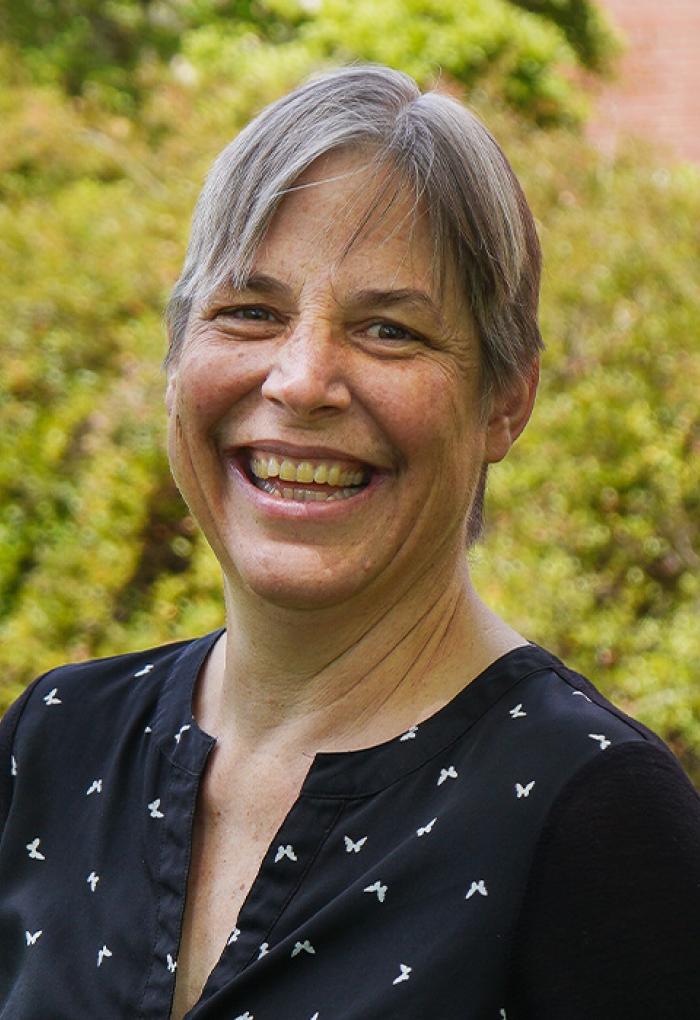
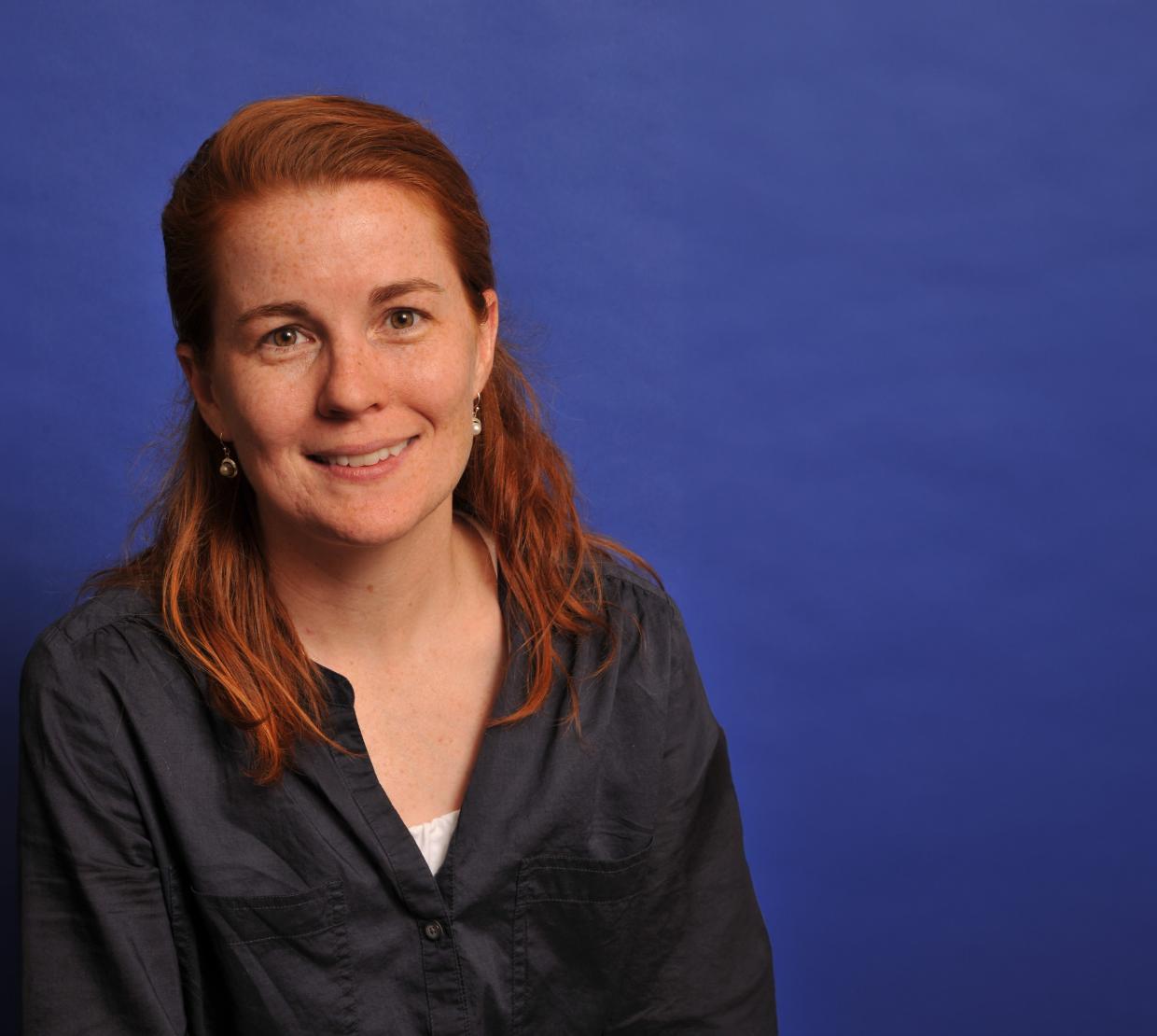
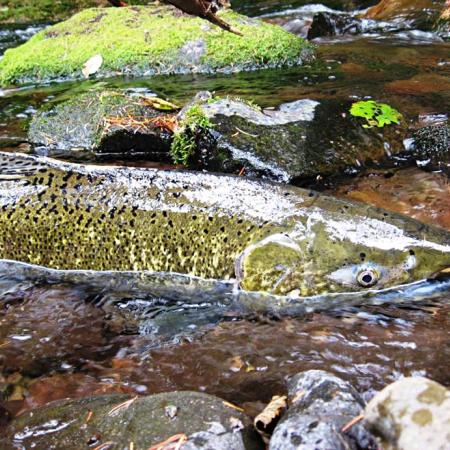
Jerri Bartholomew in the Aquatic Animal Health Lab

Professor Jerri Bartholomew from the Department of Microbiology earned the Beaver Champion Award.

Beaver Champion Award

Professor Jerri Bartholomew from the Department of Microbiology earned the Beaver Champion Award for her pivotal role in integrating the arts and sciences across Oregon State University.

The Beaver Champion Award is a recognition by the university’s president which commends individuals for their tremendous efforts and accomplishments. Bartholomew has spent years bridging the rich scientific research of Oregon State to the creative mindset of the arts as a founding member of the Arts-Sci collective, which explores this intersection through galleries and courses among other events. Additionally, her grassroot efforts aimed at students include discretionary funds towards arts-integrating fellowships that support interdisciplinary projects.

Both the Director of the J.L. Fryer Aquatic Animal Health Laboratory and a glass artist herself, Bartholomew has been a leader in advocating for more integrative approaches to science. Her continual work has been key in developing PRAx, the Patricia Valian Reser Center for the Creative Arts, which will be a linchpin in the university’s creative community.

“Professor Bartholomew has been a leader in the OSU community whose years of effort paved the way for PRAx to advance a vision of an OSU campus in which art and creativity drive science even as science inspires art and creativity,” one nominator wrote.

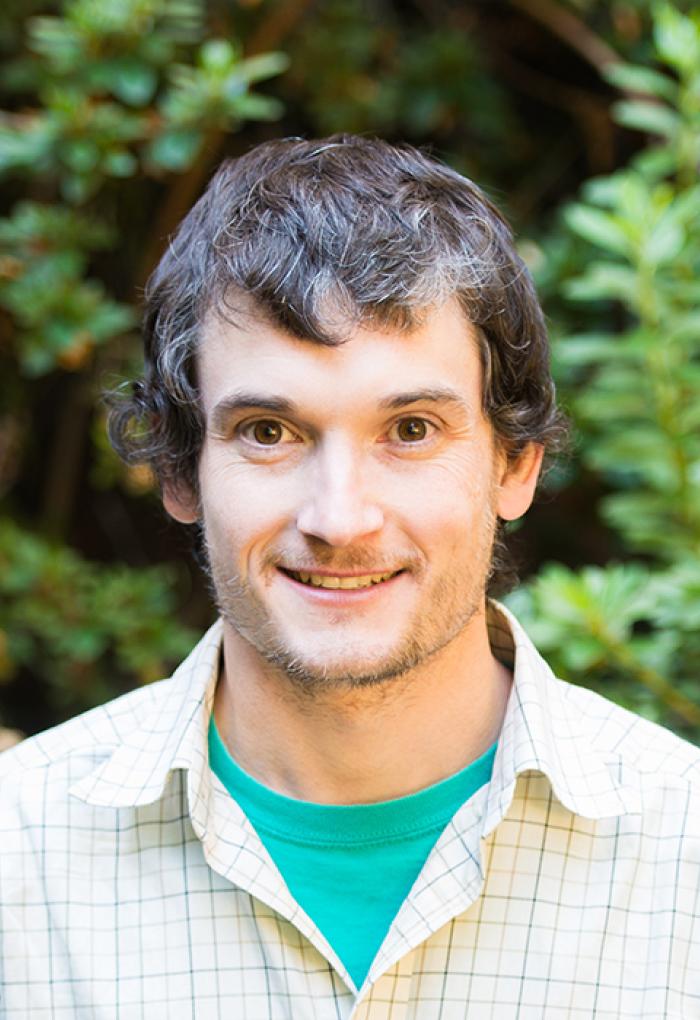
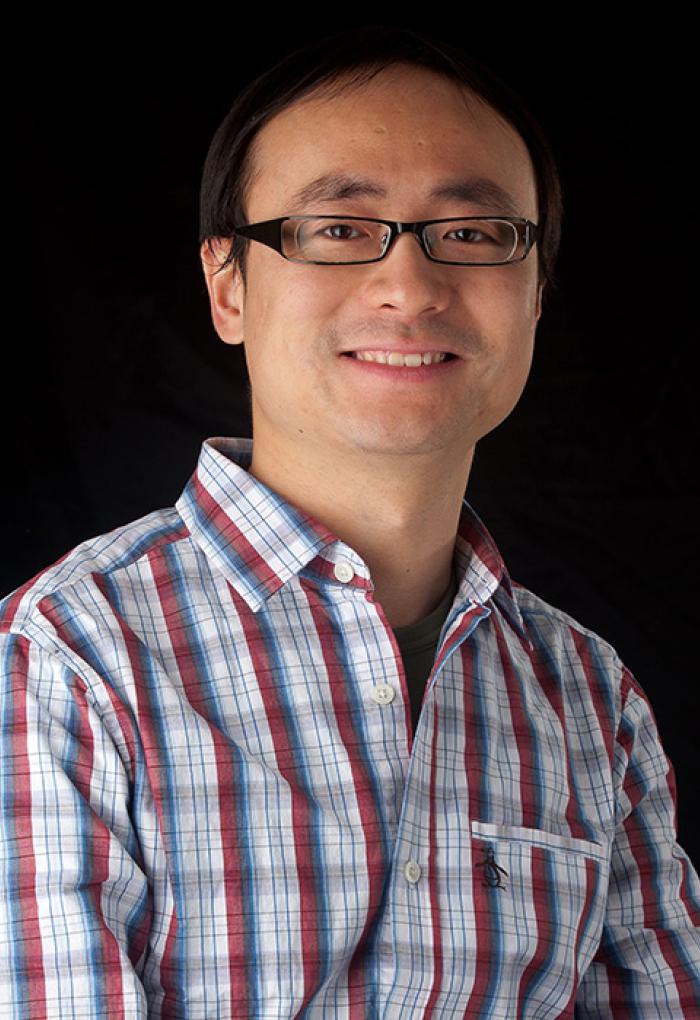
Nathan Kirk smiles in a headshot image with a button-up shirt.

Senior Instructor Nathan Kirk in the Department of Integrative Biology received the OSU Faculty Teaching Excellence Award.

Teaching excellence

Senior Instructor Nathan Kirk in the Department of Integrative Biology received the OSU Faculty Teaching Excellence Award. An instructor at Oregon State since 2013, Kirk’s scope of biology teaching extends to not only introductory and writing-intensive courses, but also to Ecampus courses and experiential learning classes.

Kirk constantly strives for students to retain valuable knowledge as well as have the opportunity to engage in scientific exploration, which is most evident in the two course-based undergraduate research experiences he co-created. One of these programs, called CUREs, was integrated into the introductory Principles of Biology series and serves more than 800 students on average.

Keeping material relevant and dynamic can be a daunting task, but Kirk’s successful use of contemporary research and articles paints an exciting picture of modern science in his classrooms. He welcomes improvements in methodology, as well, regular engagement with regional societies such as the Society for the Advancement of Biology Education Research in order to learn new teaching strategies. He is driven by the desire to enable student success in any way he can.

“The amount of consideration, time and care that he puts into making sure the class and his students' needs are met amazes me. I truly believe that Dr. Kirk goes above and beyond to help his students succeed,” one nominator said.

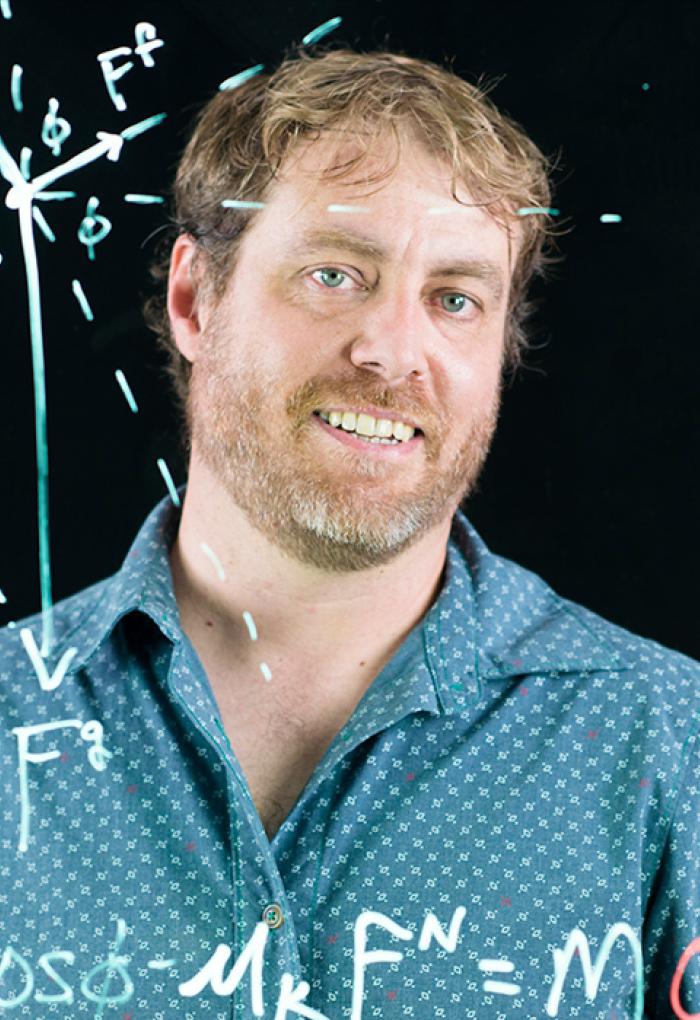
Kenneth C. Walsh smiles in a headshot behind a a clear whiteboard with physics equations.

Kenneth C. Walsh, College of Science Faculty Scholar, earned the OSU Faculty Excellence in Online Teaching Award.

Kenneth C. Walsh, College of Science Faculty Scholar, earned the OSU Faculty Excellence in Online Teaching Award for his large contributions to Ecampus learning.

Walsh spearheaded the development of an online physics course sequence prior to the pandemic. He took the pursuit in stride and noticed a disparity in quality between the virtual and in-person iterations at other institutions, and he set out to bridge this gap with his courses at Oregon State.

He then created an online algebra-based general physics course sequence that translates the rigor of traditional classroom settings into those on Ecampus. It was the first College of Science course to offer online students: live support from graduate TAs in the WormHole; supplemental instruction study tables; a dedicated team of Ecampus undergraduate learning assistants; and live-action engagement lectures that utilized a Lightboard.

Even with the course’s success, Walsh continues to search for improvements. He has since been asked by the Effective Practices for Physics Programs (EP3) initiative to provide his insights to the EP3 Guide section discussing virtual learning. He is recognized as a leader in online physics education by many.

“Dr. Walsh has spent a decade developing a complete ecosystem of online materials: labs, textbook, exercises, video lectures and live help that have proven to be highly effective. I can think of no one more deserving of this award, either at OSU or nationally,” a nominator wrote.

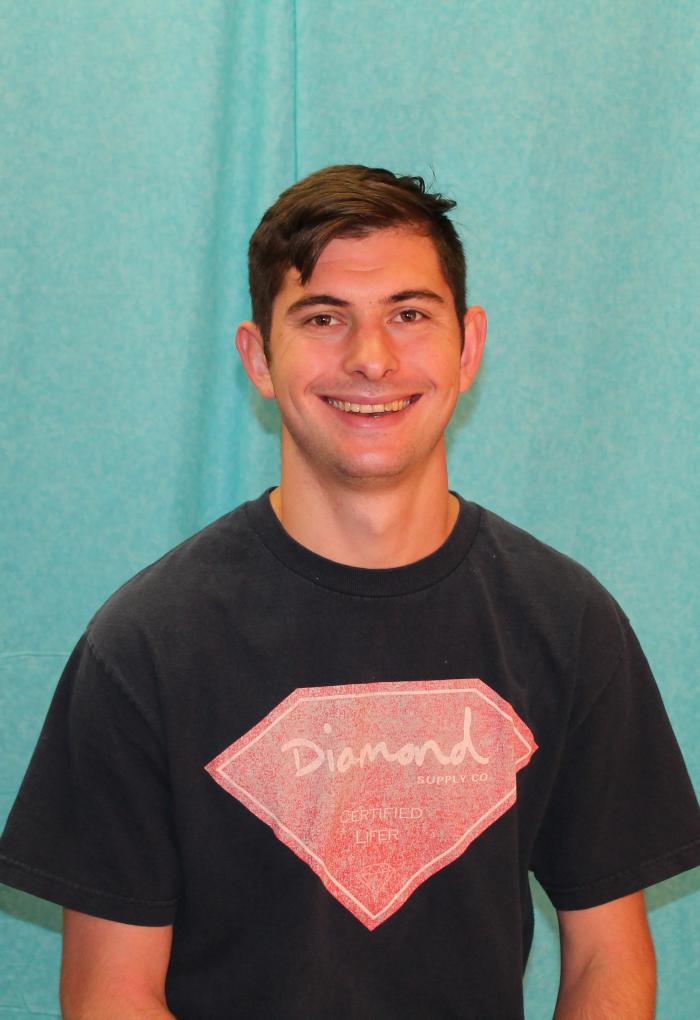
Bryan Lynn smiles for a headshot photo in a button-up shirt.

Bryan Lynn, a third-year Integrative Biology Ph.D. student, received the Herbert J. Frolander Award for Outstanding Graduate Teaching Assistants.

Bryan Lynn, a third-year Integrative Biology Ph.D. student, received the Herbert J. Frolander Award for Outstanding Graduate Teaching Assistants, awarded for his teaching record and dedication to inclusive teaching practices in the Department of Integrative Biology.

As a first-generation transgender student who began his academic career at the age of 25, Lynn has prioritized creating inclusive scientific communities. “As a student I have experienced the feeling of being presented with course materials that feel alienating – and I don’t wish for any of my students to experience that,” he wrote.

Lynn exemplifies leading by example and leaving things better than he found them. His efforts have had an impact within his department, the College and the greater university community.

In 2019, he co-founded the popular student club Out in Stem that serves to increase the visibility of queer and trans people in science. For his work across the university, Lynn has earned numerous awards including two from The Pride Foundation and the Oregon State Diversity and Inclusion Champion Dam Distinguished award.

As part of his assistantship, Lynn spent last summer evaluating and modifying all of the Principles of Biology lecture materials to use language inclusive of non-traditional identities, specifically with respect to gender. Because this class is taught by six different faculty multiple times throughout the year, his work impacted thousands of Oregon State students. Faculty reported enjoying learning through the process and were eager to apply the language change to other courses.

“Bryan is one of the most thoughtful, impactful and engaged GTAs that I have worked with in the last 12 years of working with over 30 GTAs per year,” one nominator wrote. “Bryan brings something extra special with him to his class every single time he teaches it, from including pictures of his cat, Pancake, in every slideshow to redesigning our curriculum to be more inclusive.”

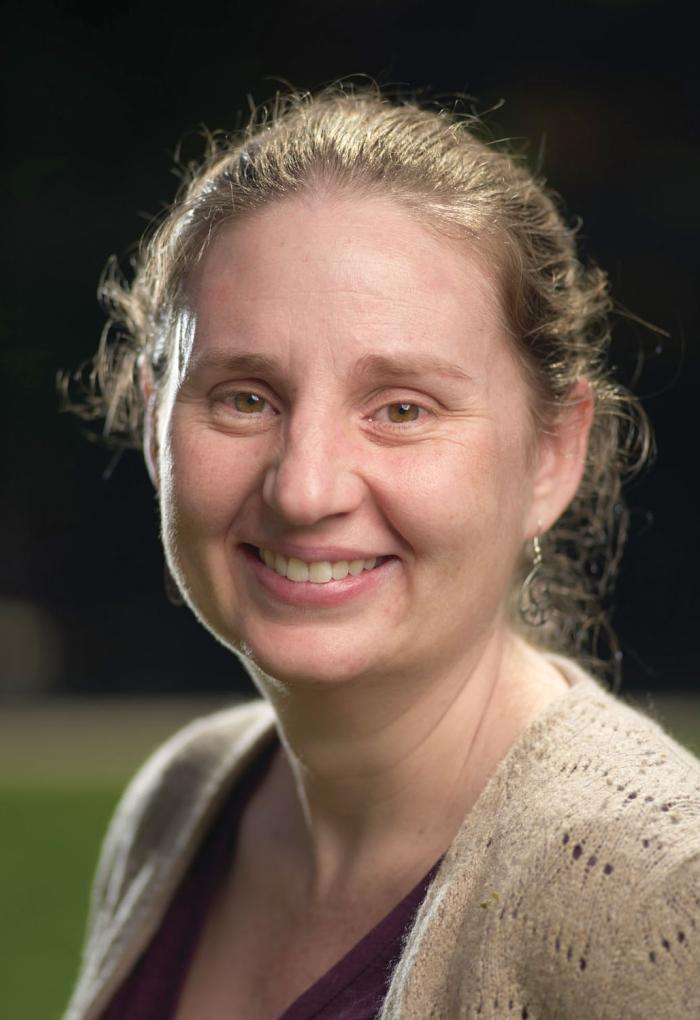
Elizabeth Gire smiles for a headshot.

Professor Elizabeth Gire of the Department of Physics earned the Elizabeth P. Ritchie Distinguished Professor Award.

Professor Elizabeth Gire of the Department of Physics earned the Elizabeth P. Ritchie Distinguished Professor Award. This award is open to all teaching faculty across Oregon State and is given to someone who demonstrates outstanding commitment to undergraduate education.

Professor Gire’s research aims to understand how students learn physics content, which has enabled her to implement innovative strategies into her classes ranging from small whiteboard questions to kinesthetic activities. Gire has built an impressive collection of over 40 publications on the topic. Her evidence-based methods help her students earn high eSET/SLES scores, and her development of a second-year physics course has been a tremendous addition that helps students transition successfully into professional learning environments.

Gire’s ability to connect and empathize with undergraduates has made her a source of guidance for many, as seen in her role as a faculty advisor to several student clubs. She consistently strives to make a welcoming community through smaller ways, such as having students establish rules on how to treat each other in her classrooms, as well as in bigger ways, like her commitment to improving diversity in the physics department.

“She has made the largest impact on my learning out of any professor at OSU, and this is quite a common sentiment among the other undergraduates in physics. She continues to be a model for what physics teaching should look like,” wrote one nominator.

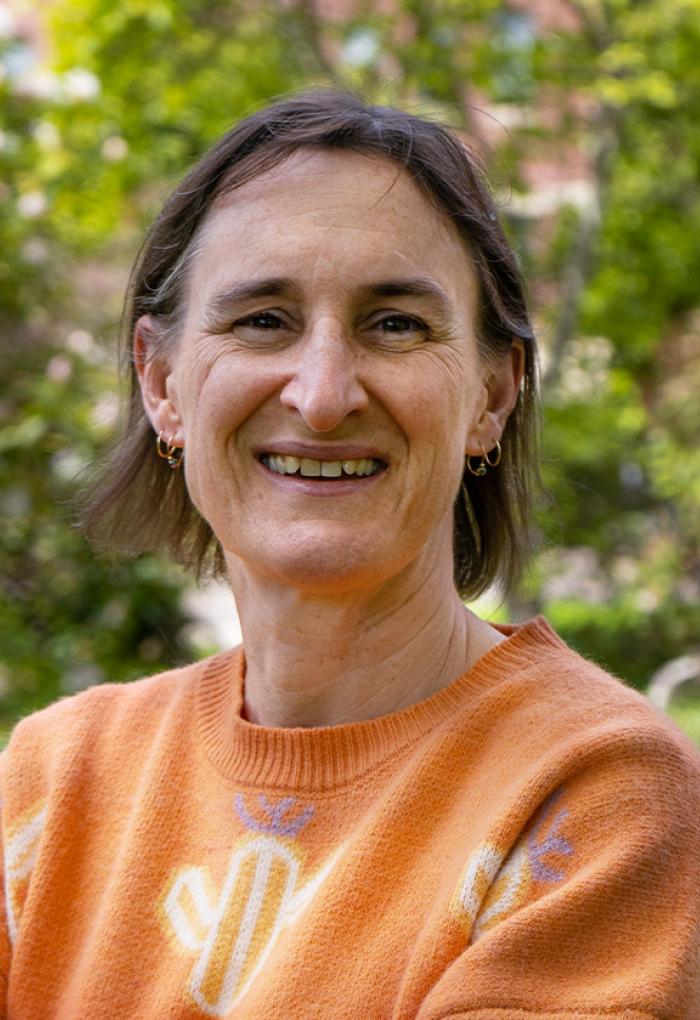
Outdoor photo of Kari Van Zee

Kari van Zee, lead advisor for the Biochemistry and Biophysics Department, earned the Dar Reese Excellence in Advising Award

Excellence in mentoring and advising

Kari van Zee, lead advisor for the Biochemistry and Biophysics Department, earned the Dar Reese Excellence in Advising Award. She has not only achieved profound success as the biochemistry and biophysics (BB) lead advisor, but also as a pre-med advisor and BB undergraduate coordinator.

Van Zee is responsible for spearheading the modernization of the Biochemistry and Biophysics major. She additionally helped create the Biochemistry and Molecular Biology major while helping secure national certifications for both the new major and the Biochemistry and Biophysics major.

Her peers credit her with going beyond implementing programmatic benefits for students as an advisor; she greatly prioritizes supporting them on an individual scale. She fosters an encouraging atmosphere through celebratory gatherings and the orientation class she both created and teaches. Her constant drive to go the extra mile when assisting students has left a lasting impression on many.

“Through her utmost devotion to student growth and community building, undergirded by a compassionate heart for student well-being, Kari lives out all the best qualities of an excellent advisor and an amazing teacher,” one nominator wrote.

Chong Fang

Patricia Valian Reser Faculty Scholar Chong Fang received the Excellence in Postdoctoral Mentoring Award for his dedication to assisting young scientists develop their careers.

Patricia Valian Reser Faculty Scholar Chong Fang received the Excellence in Postdoctoral Mentoring Award for his dedication to assisting young scientists develop their careers.

Since joining the Department of Chemistry in 2010, Fang has trained five postdoctoral scholars in addition to more than 15 graduate students. His ability to foster a culture of enthusiasm drives those who work with him further along their career paths. Of the 27 papers published by the Fang lab since 2021, 10 were led by postdoctoral scholars within his group. His mentees credit Fang’s readily given feedback and support. By finding a balance in sharing his knowledge and providing his mentees space to grow, he has helped enable them to thrive as scientists.

Fang has shown a commitment to creating and giving postdoctoral scholars numerous tools. Having presented seminars at about 70 different universities and by attending about 30 national and international conferences, his wide network is a significant resource for his mentees. Additionally, he wholeheartedly encourages them to pursue their own opportunities, such as engaging in grant proposals or attending scientific meetings. Those under his guidance enjoy a supportive and rewarding experience.

“Dr. Fang is a truly exceptional individual who embodies the qualities of a good mentor,

role model and great character. He inspires those around him with his dedication to work, passion for learning and his commitment to making a positive impact on the world,” one nominator wrote.

Photo of Taylor Krueger

Taylor Krueger, a postdoctoral scholar in the Fang Research Group in the chemistry department, received the Excellence in Undergraduate Research Mentoring by a Postdoc Award.

Taylor Krueger, a postdoctoral scholar in the Fang Research Group in the chemistry department, received the Excellence in Undergraduate Research Mentoring by a Postdoc Award.

Krueger excels as a mentor due to his accessibility, dependability, kindness and commitment to creating an inclusive and equitable research environment. In a femtosecond laser spectroscopy lab with a steep learning curve, he has remained committed to mentoring STEM learners at all levels.

“He was not afraid to admit the limits of his knowledge and he often taught through example,” one student nominator wrote.

Through his mentorship of four undergraduate students, he has helped achieve engagement of underrepresented students in the physical chemistry field and two of those students have gone on to pursue advanced degrees.

Beyond mentorship, Krueger has achieved personal success, leading a number of projects on elucidation of fluorescence and relaxation mechanisms in proteins, solutions and thin films. This work has resulted in eight first-author published papers, three second-author papers and one book chapter.

“I am in the process of becoming a mentor for an undergraduate researcher, and I definitely translate how Taylor mentored me to how I mentor my student; patience is a hard thing to have, but it is easier when you learn from one of the best,” one nominator wrote.

Linda Bruslind outdoors.

Linda Bruslind, full-time Senior Instructor II of the Department of Microbiology, received the OSU Faculty Affordability Award.

Excellence in service, commitment to students and teamwork

Linda Bruslind, full-time Senior Instructor II of the Department of Microbiology, received the OSU Faculty Affordability Award. This accolade is given to those who demonstrate commitment to providing affordable course learning materials to students, which Bruslind has done on an impressive scale.

To replace costly textbooks needed in microbiology courses, Bruslind authored the book General Microbiology and aided in developing the book Allied Health Microbiology. The former saved OSU students alone at least $172,500 and was used by 79,203 worldwide in 2022. Allied Health Microbiology also alleviated $33,000 from student spending. Her efforts in crafting thoughtful and innovative low-cost materials was estimated to save Oregon State students over $1 million over the course of 17 years.

Students have shown an appreciation for Bruslind’s skillful curation of materials that are both affordable and help strengthen their understanding of the coursework by not being bogged down by complicated jargon. Additionally, by studying a faculty-generated textbook and then learning from that same faculty in class, students experience greater clarity and a more cohesive experience in their microbiology courses.

“Dr. Bruslind’s development of inclusive, accessible no- and low-cost materials for multiple classes and laboratories available to the global community showcase

her dedication to affordability and equity in learning. Her work earns enthusiastic praise from students and colleagues alike,” a nominator said.

A woman with short red hair in front of a black background wearing a purple shirt.

Department of Chemistry Administrative Assistant Paula Christie received the University Mentoring and Professional Development Award.

Department of Chemistry Administrative Assistant Paula Christie received the University Mentoring and Professional Development Award for her contributions to a welcoming department atmosphere and problem solving.

"Paula is the “mother hen” of the department: not only does she know about the ins-and outs of operation of the department, but also is she a confidant, a friend, and an informal mentor to the staff, undergrad and graduate students," one nominator wrote.

Colleagues value Christie's "can do" attitude and resourcefulness. She is known for looking out for others mental wellbeing and solving conflicts with grace.

When several staff members wanted to attend classes at Oregon State, Christie worked with them to ensure they could fulfill their work responsibilities and still enjoy the learning experience.

The Department of Chemistry is grateful to Christie for her guidance, kindness, respect and professionalism.

Chong Fang

Patricia Valian Reser Faculty Scholar Chong Fang won the D. Curtis Mumford Faculty Service Award.

Patricia Valian Reser Faculty Scholar Chong Fang won a second award, the D. Curtis Mumford Faculty Service Award. His service to the faculty and to Oregon State involving several departments, disciplines and institutions highlights the core essence of this award.

Over his 13 years at Oregon State, Fang has served at every level of committee and been the chair of dozens. His work over the last decade in the Department of Chemistry’s graduate admission’s committee, which included arranging student-faculty interviews and nominating high-achieving students for fellowships and scholarships, has increased the program’s acceptance from about 30% to 60%.

He is passionate about diversity and equity, which has driven him to not only lead committees dedicated to these causes, but also to initiate the Junto’s weekend for Latinx Oregon high schoolers which he has funded and arranged every summer since 2017.

Fang has served science by establishing a large interdisciplinary network of collaborators with whom he and his research group study protein engineering and novel material synthesis. While simultaneously improving aspects of life at Oregon State in countless ways, he has achieved national recognition for his work as an ultrafast laser spectroscopist.

“I have witnessed him building a world-renowned research laboratory from scratch while training the next-generation of STEM leaders, and firmly believe that he is an indispensable asset to the department, College and university through his innovative and impactful development of cutting-edge, collaborative research across the globe,” a nominator wrote.

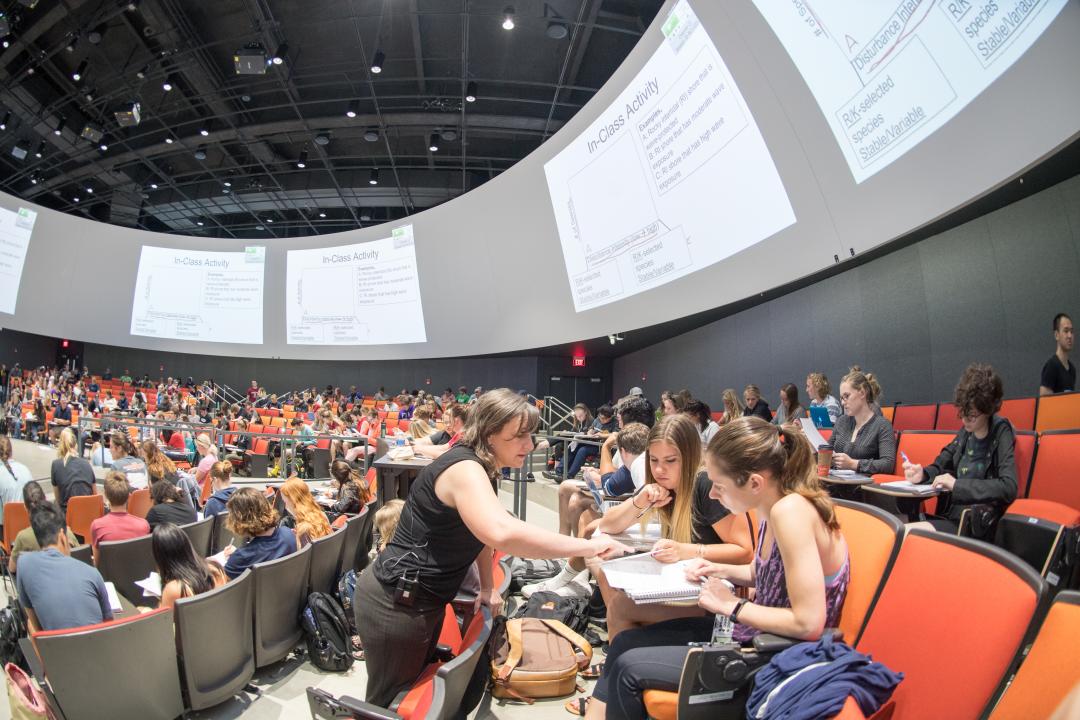
Students learn in a huge classroom.

Lori Kayes, co-chair of the Baccalaureate Core Reform Committee (BCRC), has worked on many curricular improvements in the College of Science.

The Baccalaureate Core Reform Committee (BCRC) received the Faculty Senate Student Success and Teamwork Award. This honor is given to departments or interdisciplinary groups that have demonstrated exceptional teamwork in creating and sustaining an exemplary teaching and learning environment.

An interdisciplinary team of 30 academic and professional faculty members, the BCRC invested countless hours to reform Oregon State’s general education curriculum known as “Bacc Core.” Lori Kayes, associate department head and senior instructor II in the Department of Integrative Biology, served as the co-chair of the committee. Patrick Ball, program coordinator and senior biology instructor II on the OSU Cascades campus, also served on the committee.

“This committee has been involved in this process since 2020, and I can say, without a doubt, poured their hearts, souls, and emotional and physical labor into developing the new curriculum,” one nominator wrote. “I have never seen a group at OSU rally around something like this in the decade I have spent at the institution. I am forever proud and grateful for each person involved.”

The BCRC collectively spent 1,000 hours between October 2021 through June 2022 revising the curriculum to follow best practices, be student focused and provide a high-quality educational experience. They engaged with more than 400 stakeholders through 35 meetings to collect feedback and ideas to shape the final product. The new curriculum includes multiple modes of instruction, a focus on social and environmental justice and professional skills integral for joining the workforce. Several high-impact practices that promote equity, retention and increased graduation rates specifically for historically underserved students, were embedded in the curriculum. The group also focused on transfer students and structuring courses to meet the needs of this population.

The group aspired to not let budget or individual faculty expectations drive the work – but instead, they focused on student success as their North Star.

Anne Dunn, Department Head of Microbiology, smiles in a professional headshot

Announcing new Gorman Faculty Scholar as incoming Department Head of Microbiology

By Erica Martin

Following a competitive national search, the College of Science and the College of Agricultural Sciences is excited to announce Professor Anne Dunn as Department Head of Microbiology, effective January 1, 2024. Dunn brings expertise in departmental leadership from the Department of Microbiology and Plant Biology at the University of Oklahoma, as well as extensive research experience and undergraduate and graduate student mentorship.

“I am delighted to congratulate Anne Dunn on her appointment as the next head of the Department of Microbiology. An accomplished scholar, Anne has also proven herself to be a capable leader, adept at fostering collaboration, promoting equity and inclusion, and advocating for her department,” said Vrushali Bokil, interim dean of the College of Science.

“I'm inspired by her commitment to both individual members and the broader community's vision and goals. Under her leadership, the microbiology department will continue to serve students and address societal concerns in significant ways.”

I'm inspired by her commitment to both individual members and the broader community's vision and goals. Under her leadership, the microbiology department will continue to serve students and address societal concerns in significant ways.

Recently honored with the distinguished Regents’ Professorship at the University of Oklahoma in recognition of her service as department chair, Dunn’s professional service also includes election to the leadership of the American Society for Microbiology Division K (2014-2017), service on the Applied and Environmental Microbiology Editorial Board since 2016, service on numerous NSF proposal review panels, and ad-hoc manuscript and proposal review for over 35 journals, agencies and foundations. Her research focuses on host-microbe interactions and marine microbial physiology, which she has consistently received NSF funding for, totaling over $1.7 million since 2008.

Dunn will join the College of Science as the newly appointed Gorman Faculty Scholar for a period of three years, starting January 1, 2024, with an expectation to provide outstanding scholarship and leadership, enriching and enhancing the reputation of the microbiology department, the College and the university.

"I am honored to join the Department of Microbiology,” said Dunn. “It is an exciting opportunity to use the leadership skills I have developed in new and meaningful ways to collaborate with the members of this outstanding, dynamic, and dedicated department. I look forward to working together to further build the department’s impacts in teaching, research, outreach, and service."

Dunn received a Ph.D. in bacteriology from the University of Wisconsin-Madison and a B.S. in biology from Iowa State University.

The Dunn lab integrates research approaches in microbial physiology, genetics and biochemistry with bioinformatics to gain a deeper and broader understanding of microbial physiological processes and how they impact bacterial growth, survival and their role in host interactions and ecosystem function. Her graduate and postdoctoral training focused on the beneficial interactions between bacteria and plant and invertebrate hosts. When starting her laboratory at University of Oklahoma, she focused on bacterial physiology and how it impacts the relationship between Vibrio fischeri and the Hawaiian bobtail squid.

Her research has since expanded to include other marine model bacteria and how their physiology impacts their growth and survival. Currently, her focus is on NSF-funded work to understand the influence of the respiratory protein alternative oxidase on microbial physiology and marine ecosystem function while also providing insight into the evolutionary history of this interesting protein.

The Colleges of Science and Agricultural Sciences are grateful for the service of Steve Giovannoni who is stepping down as head after leading the Department of Microbiology for three years, including through the challenging pandemic years. Through his leadership, the Department of Microbiology saw continued enrollment growth, expanded grants, research, graduate education and experiential learning opportunities, and made shifts to adopt more holistic graduate admissions processes. He also led the department in pioneering a new online education option for BioHealth Sciences with Ecampus, expanding educational opportunities to those interested in healthcare.

As of September 1, Oregon State Pernot Distinguished Professor of Microbiology Rebecca Vega- Thurber began serving as interim department head in microbiology and will remain in service until Dunn’s arrival, January 1, 2024. Vega-Thurber is deeply dedicated to furthering the microbiology discipline and to ensuring the health and vitality of the department community. We are fortunate to have her expertise, passion and willingness to lead the Department of Microbiology through this leadership transition.

Interim Dean Bokil, Dean Simonich and the leadership of the Colleges of Science and Agricultural Sciences expressed sincere thanks to Professors Steve Giovannoni and Rebecca Vega-Thurber for leading the Department of Microbiology and helping the department to smoothly transition to new leadership. They also expressed gratitude to the microbiology head search advisory committee for their tremendous service to the colleges and for their collaboration in completing a successful head search for the department.
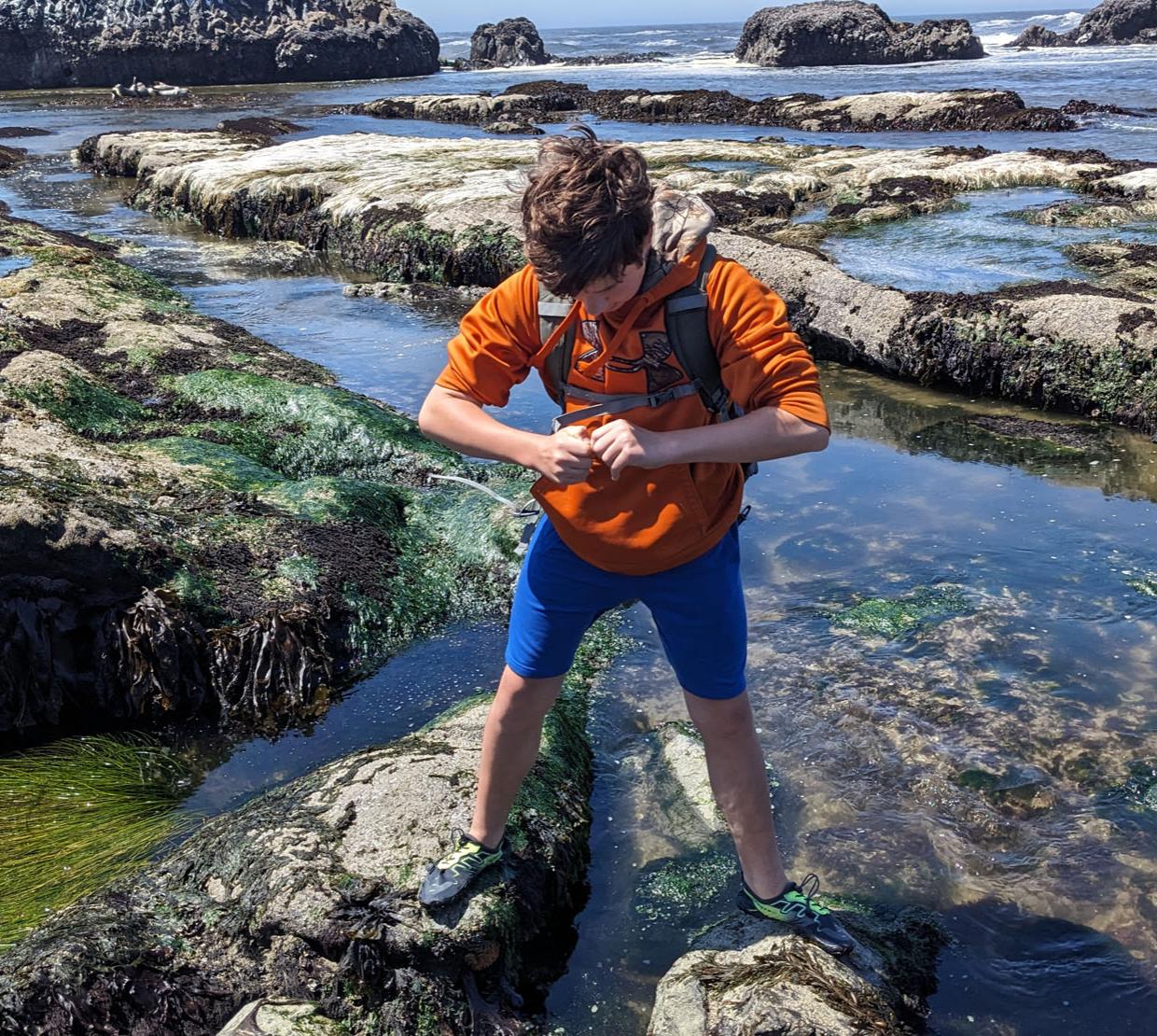
A kid stands in the water holding wildlife on the Oregon coast

Building bridges: College of Science outreach fosters science literacy and inclusion

By Hannah Ashton

Students from the Jamie Cornelius Lab helped plan Wild about Wildlife, a three-day summer camp for middle school students where they learned about biological science through experiences and field excursions to Hatfield Marine Science Center and the Chintimini Wildlife Center. Photo by Victoria Quennessen.

The College of Science is dedicated to enriching our community and promoting science literacy. Our recently launched Strategic Plan emphasizes making meaningful contributions on local, national, and global scales. Across our seven departments, we are actively implementing outreach initiatives that align with our mission to engage and create a positive societal impact. Last year, we supported events such as Discovery Days, Juntos Family Day, and others, all aimed at fostering a deeper understanding and appreciation of science..

Discovery Days is held twice a year as an opportunity to engage with local elementary school kids for a hands-on STEM fair experience. This event gathered more than 1,500 students and 300 OSU students, faculty and staff volunteers. In collaboration with Open Campus, Juntos Family Day provided Latinx students and their families with a dynamic college exploration experience in spring 2023.

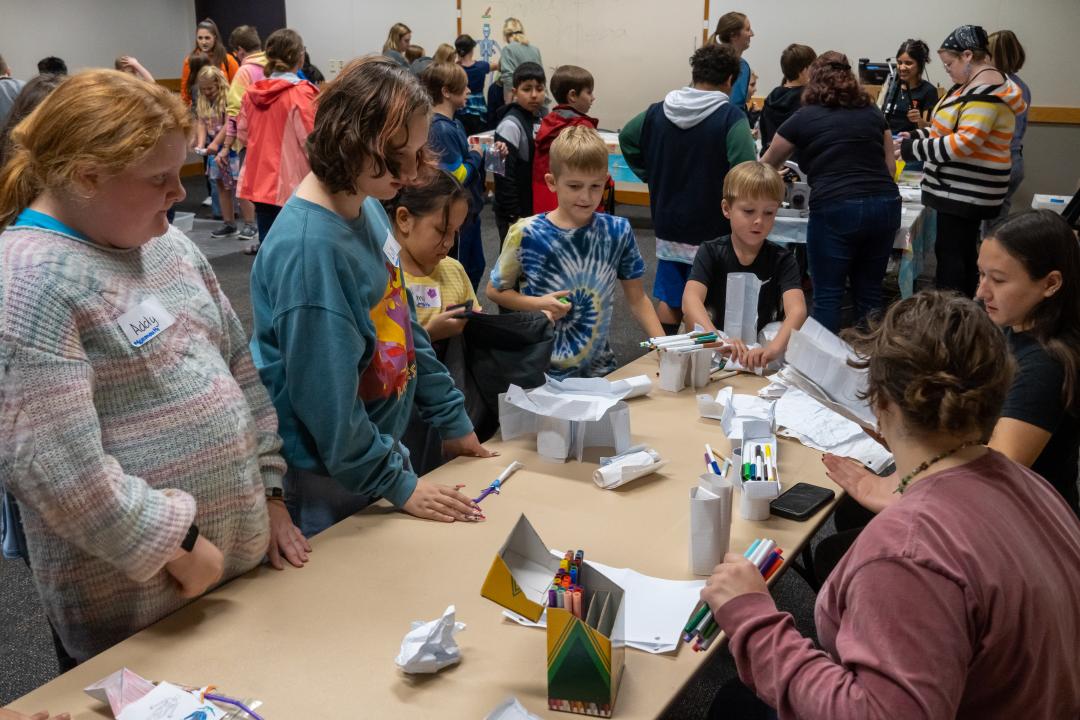
Students gather around a table.

Students participating in Discovery Days gather around a table for a fun hands-on STEM activity.

Our departments also prioritize creating access to science education and research, fostering community relationships and developing needed services.

Microbiology outreach makes science more colorful

The College of Science’s microbiology department created the Pernot Microbiology Camp to draw more local students from BIPOC, LGBTQ+, low-income and other diverse backgrounds to the study of microbiology. Faculty in the department also offered a session on Microbiology for the Advocates for Women in Science, Engineering and Math Club for both 5th grade and high school students. Microbiologist Jerri Bartholomew created the Art-Sci collaborative to build a bridge between art and science. This involves public galleries showcasing student work and local artists. The department also hosted internationally acclaimed microbiologist Jo Handelsman for the inaugural Berg Lecture. Open to the public, this lecture drew community members, students and faculty.

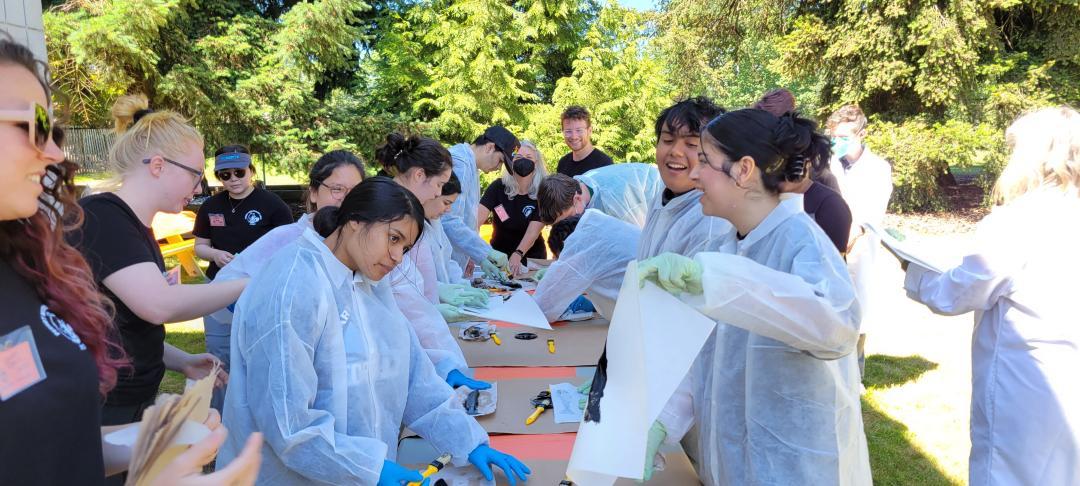
High school students work on fish rubs.

High school students work on fish rubs during the Pernot Microbiology Camp.

Statistics collaborates with Oregonians

The statistics department participated in the Statewide Crop Load Project annual meeting to discuss results with vineyard managers and wine producers in Oregon. Faculty also co-led a workshop in Lincoln County for the Pandemic Resilient Cities project to engage local public health, city officials, school representatives and more to begin a co-creation process for a National Science Foundation proposal. They discussed the needs of the county and priorities concerning future pandemic preparedness.

Physics brings science to high-school students

The physics department held lab tours for Corvallis High School students and created a Zoom version for Madras High School. Several faculty members also did presentations for the Corvallis High School Science Club. The department has a new outreach coordinator that will formally start in fall 2023.

Mathematics outreach seeks to break down common stereotypes

Members from the mathematics department organized the 2023 Math For All satellite conference. This event is an open and friendly space for people to gather and talk about mathematics, math education and how it relates to diversity, justice and equity. Professor Nathan Gibson organized a series of weekly Math Circle meetings for Franklin Elementary students. These circles aim to make mathematics fun, interesting, accessible and inclusive. The Association of Women in Mathematics OSU chapter also participated in many outreach events, including Discovering the Scientist Within, which aims to spark interest in science in young girls. The department also held its 38th annual Lonseth Lecture and invited alumna Corina Constantinescu (Ph.D. ’06) to talk about the “Mathematics of Inclusive Insurance.”

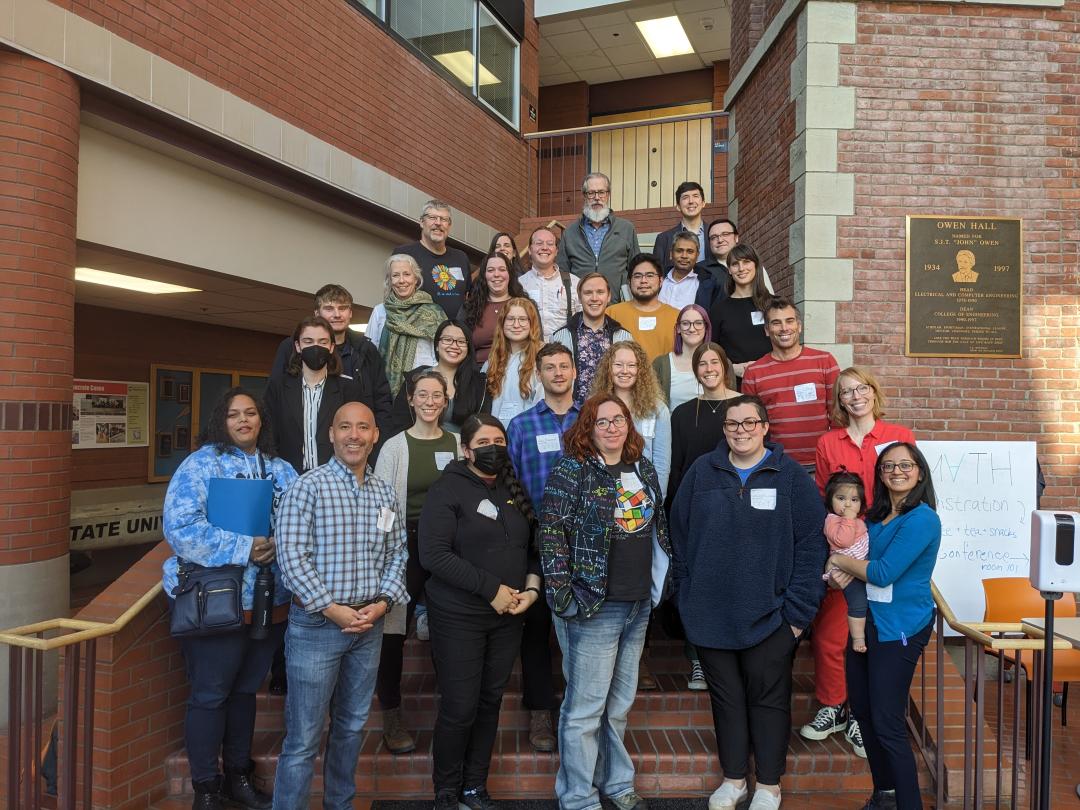
A group of individuals stand on a staircase for a photo during a mathematics conference.

Math for All participants pose for a group shot.

Integrative Biology shares research far and wide

The integrative biology department held its annual Doc Storm Lecture that drew more than 100 people to the LaSells Stewart Center. The Weis Lab participated in Meet a Scientist at the Oregon Museum of Science and Industry to educate visitors of all ages about the study of cnidarian-algal symbiosis and the threat of climate change on coral reefs. The lab also participated in OMSI After Dark. Students from the Cornelius Lab partnered with students from the College of Agricultural Sciences to plan Wild about Wildlife, a three-day summer camp for middle school students where they learned about biological science through experiences and field excursions to Hatfield Marine Science Center and the Chintimini Wildlife Center. In June, the department held its annual Robert M. Storm Distinguished Lecture. This year speaker George James Kenagy, Professor of Biology and Curator of Mammals, Emeritus with the University of Washington, spoke about "Survival in the Desert: Coping with Heat, Aridity, and Scarce Resources."

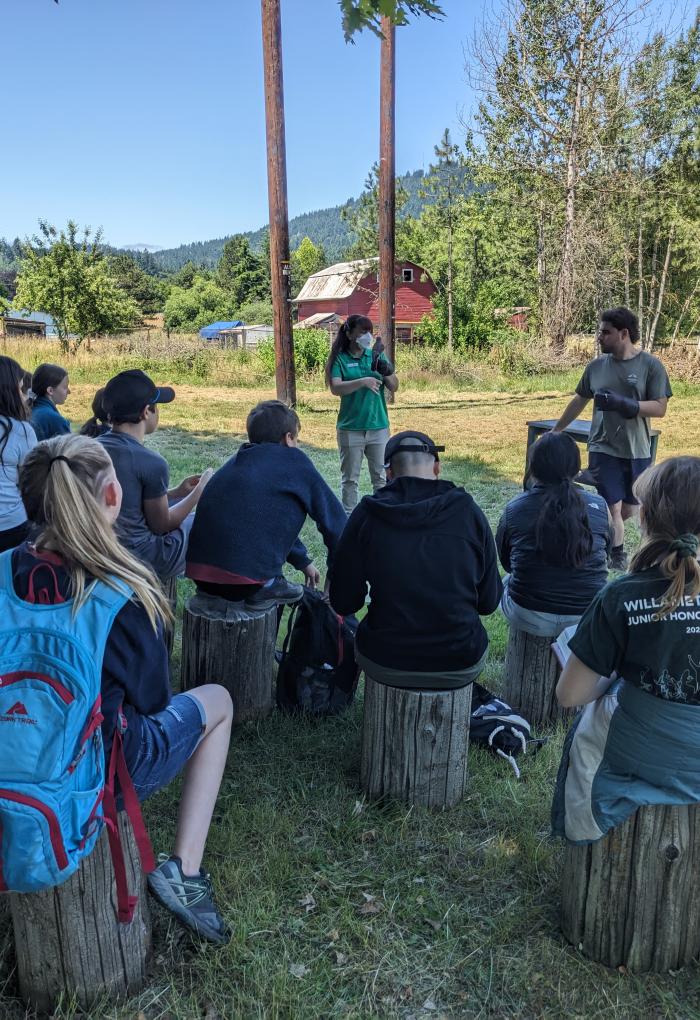
Students listen to a talk about birds.

Students in the Wild about Wildlife camp visit the Chintimini Wildlife Center.

Chemistry outreach helps high-school students find their passion

The chemistry department held the fifth annual Juntos Chemistry Overnight Camp in June. Twenty Latino high school students attended the camp from all over Oregon. The students participated in workshops and got an authentic taste of the OSU college experience. The department also held four lab tours for high school AP science students. Chemistry professor Marilyn Mackiewicz created a new week-long workshop called Ignite inSTEM designed to help students discover the wonders of designing nanomaterials.

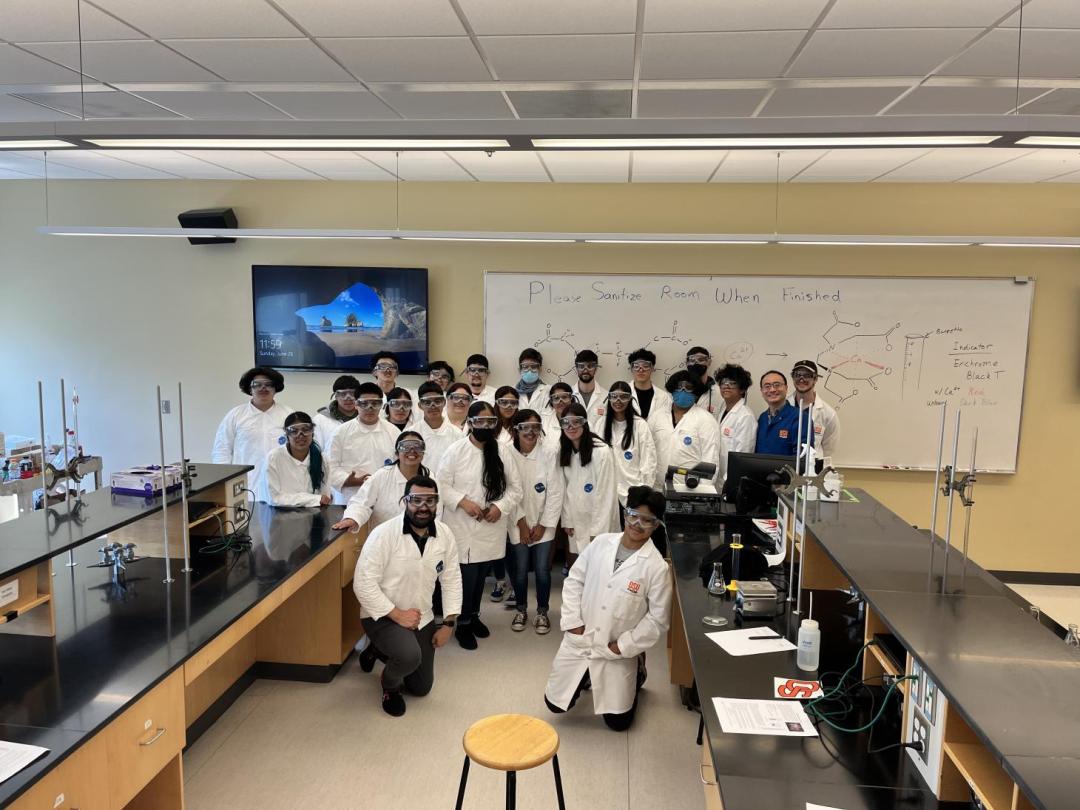
A group of students in white lab coats pose for a picture.

High-school students in the Juntos Chemistry Overnight Camp pose for a photo.

Biochemistry and Biophysics outreach has a national impact

The biochemistry and biophysics department was involved in middle school, high school and college outreach events. Faculty were involved in “How To Be A Scientist” and “Career Day'' at local middle schools. At the college level, faculty gave a science career talk at Idaho State University. Associate Professor Alysia Vrailas-Mortimer, just received funding to expand Fly-CURE RCN, a research coordination network that brings together faculty across the U.S. to create course-based undergraduate research experiences.

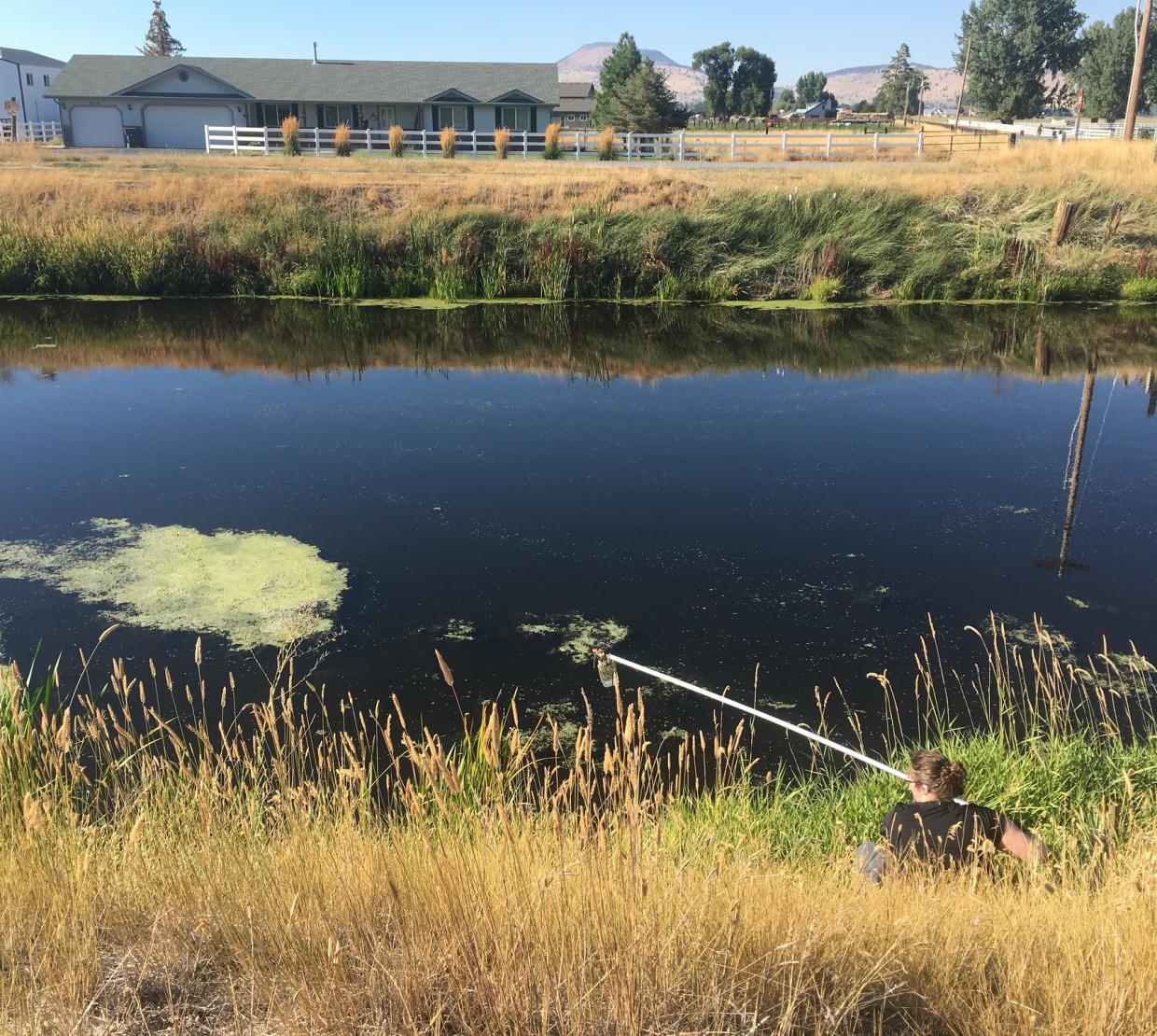
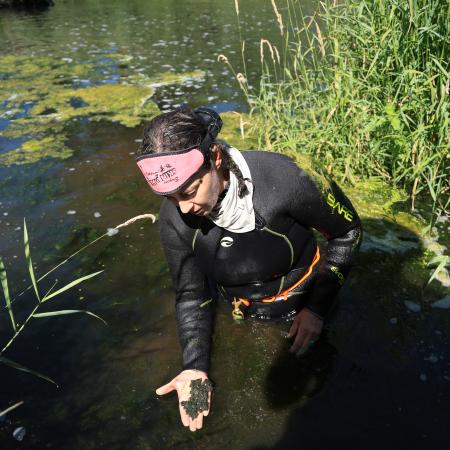
A researcher extends a tool over a small body of water to sample algae.

Microbiology professor leads novel technique development for sniffing out algae blooms

By Steve Lundeberg

Researchers at Oregon State University have developed a new way to monitor the danger associated with algae blooms: “sniffing” the water for gases associated with toxins.

The scientists found that certain combinations of volatile organic compounds released by algae can serve as indicator for microcystin, a toxin produced at varying levels during blooms of cyanobacteria, commonly known as blue-green algae.

Different cyanobacterial species produce different toxins, said College of Science associate professor of microbiology, Kimberly Halsey, who led the study. Most of them cause gastrointestinal illness and acute skin rashes, and they can be deadly. In 2017, more than 30 cattle died after drinking contaminated water at Junipers Reservoir near Lakeview, Oregon, and blooms particularly pose a threat to dogs entering affected lakes.

Even though the research dealt with just one lake and one toxin, the research demonstrates VOCs’ potential in monitoring critical waterways, said Halsey.

She said the study published today in mSystems describes “a very creative new approach that’s better and less expensive than current monitoring methods and also has broader implications.”

“This work suggests that VOCs might be used to indicate other important environmental shifts, like the onset of oxygen deficiencies in aquatic systems or domoic acid contamination in coastal ecosystems,” Halsey said.

Further research, including collaborations with the city of Salem and Eugene Water and Electric Board, will explore whether the gaseous molecules can be used to predict the start and end of toxicity within a bloom event.
VOCs are any of a number of carbon-containing chemicals with a high tendency to exist in their gaseous state. VOCs released by cyanobacteria seem to reveal the physiological status of the algae during toxic blooms, Halsey said.

“One reason VOCs could be such great targets for monitoring is their volatility,” she said. “Ideally we’ll someday be able to sniff the air above the lake with instruments and see which gases are there during cyanobacterial blooms.”

Cyanobacteria are microscopic organisms ubiquitous in all types of water around the globe. They use sunlight to make their own food and in warm, nutrient-rich environments can quickly multiply, resulting in blooms that spread across the water’s surface.

These harmful algal blooms, often abbreviated to HABs, can form at any time of the year but most typically happen between spring and fall.

An HAB in 2018 fouled drinking water in Oregon’s capital city of Salem, and in 2007 a national survey by the U.S. Environmental Protection Agency found microcystin, a recognized liver toxin and potential liver carcinogen, in one out of every three lakes that were sampled.

Annual economic losses attributed to cyanobacterial HABs in the United States alone are conservatively valued at $2-4 billion, say the researchers, who add that the severity and consequences of the blooms are likely to be exacerbated by climate change.

“That means we need new and innovative monitoring for cyanobacteria and their toxins,” Halsey said.

Read more here.

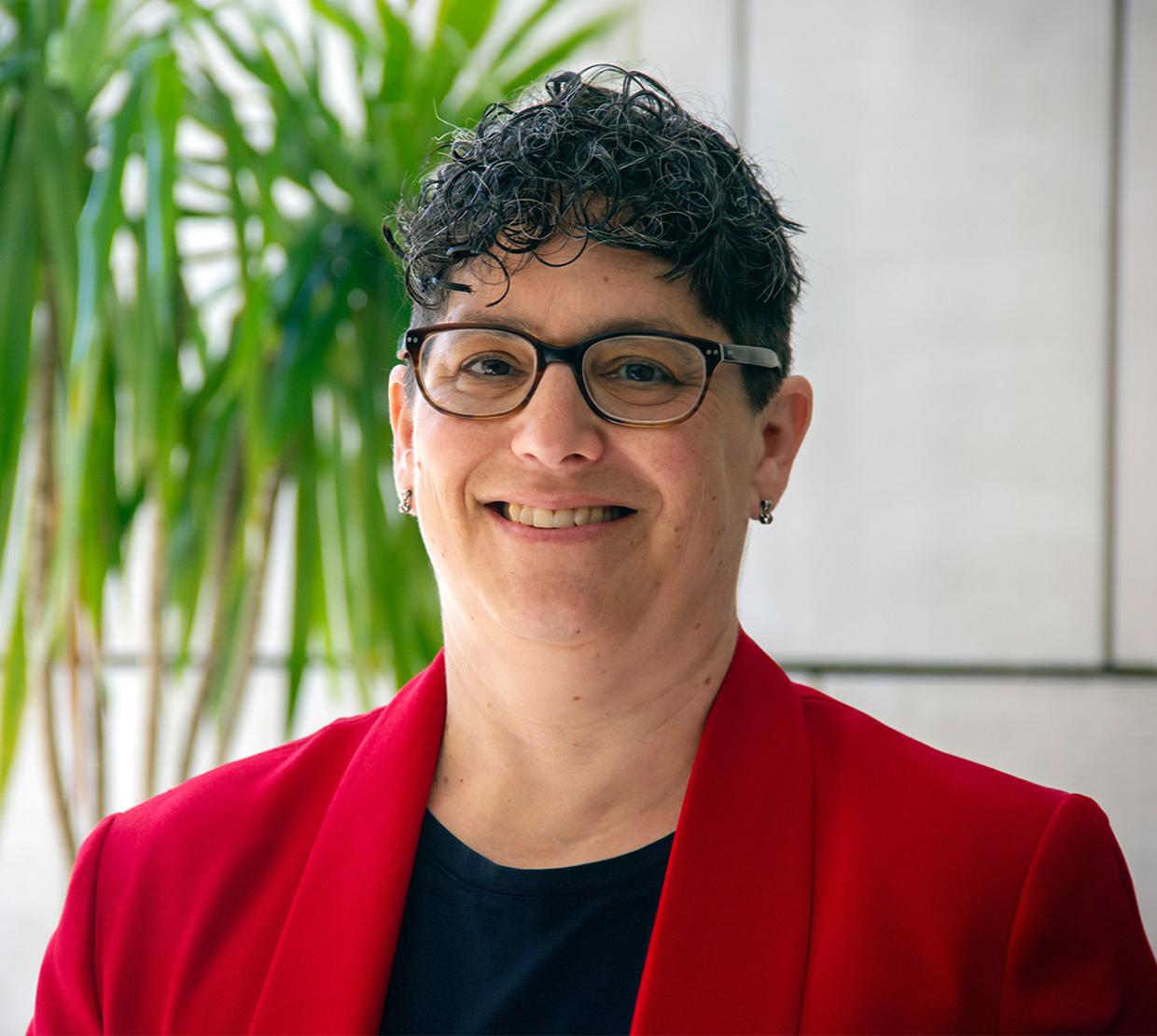
A woman with short dark hair poses for a headshot wearing a black shirt and red suit jacket.

Oregon State names new College of Science dean

By Sean Nealon

Eleanor Feingold, a statistical geneticist and associate dean with nearly 20 years of leadership experience at the University of Pittsburgh, has been named dean of Oregon State University’s College of Science. She will start Oct. 31.

“I am passionate about creative approaches to STEM education, diversity, equity and inclusion and research that has an impact on the state, nation and world,” Feingold said. “The College of Science and Oregon State University have tremendous strengths in these areas, and I am excited to further advance these endeavors.”

Oregon State’s College of Science is home to the life, statistical, physical and mathematical sciences. The college supports more than 4,000 students and brought in more than $18 million in research funding during the 2022 fiscal year.

“Dr. Feingold brings deep experience as a senior administrator in one of the nation’s leading research universities, and she has amassed an impressive portfolio of scholarship and teaching over the course of her career,” said Edward Feser, OSU provost and executive vice president. “As dean, she will be prioritizing further strengthening the College of Science’s research enterprise and advancing OSU’s goals in student success at both the undergraduate and graduate levels.”
Feingold has worked at the University of Pittsburgh since 1997. She has served at the university’s School of Public Health as associate dean for education, vice dean, chair of the Department of Human Genetics, and most recently associate dean for data analytics and special projects.

Read more here.

Jaycee Iwasaki

Jaycee Iwasaki

Nima Azbijari

Nima Azbijari

Emilee Lance

Emilee Lance

Lynn Kaneko

Lynn Kaneko

Benjamin Daniels

Benjamin Daniels

Subscribe to Microbiology