Microbiology

Microbiology

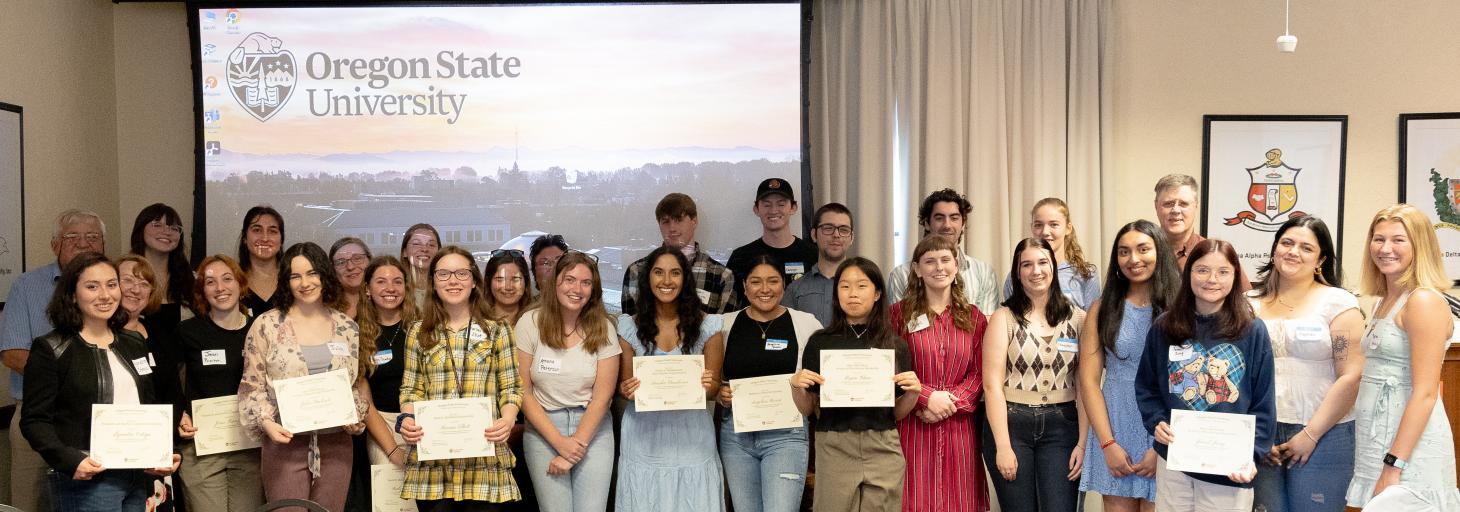

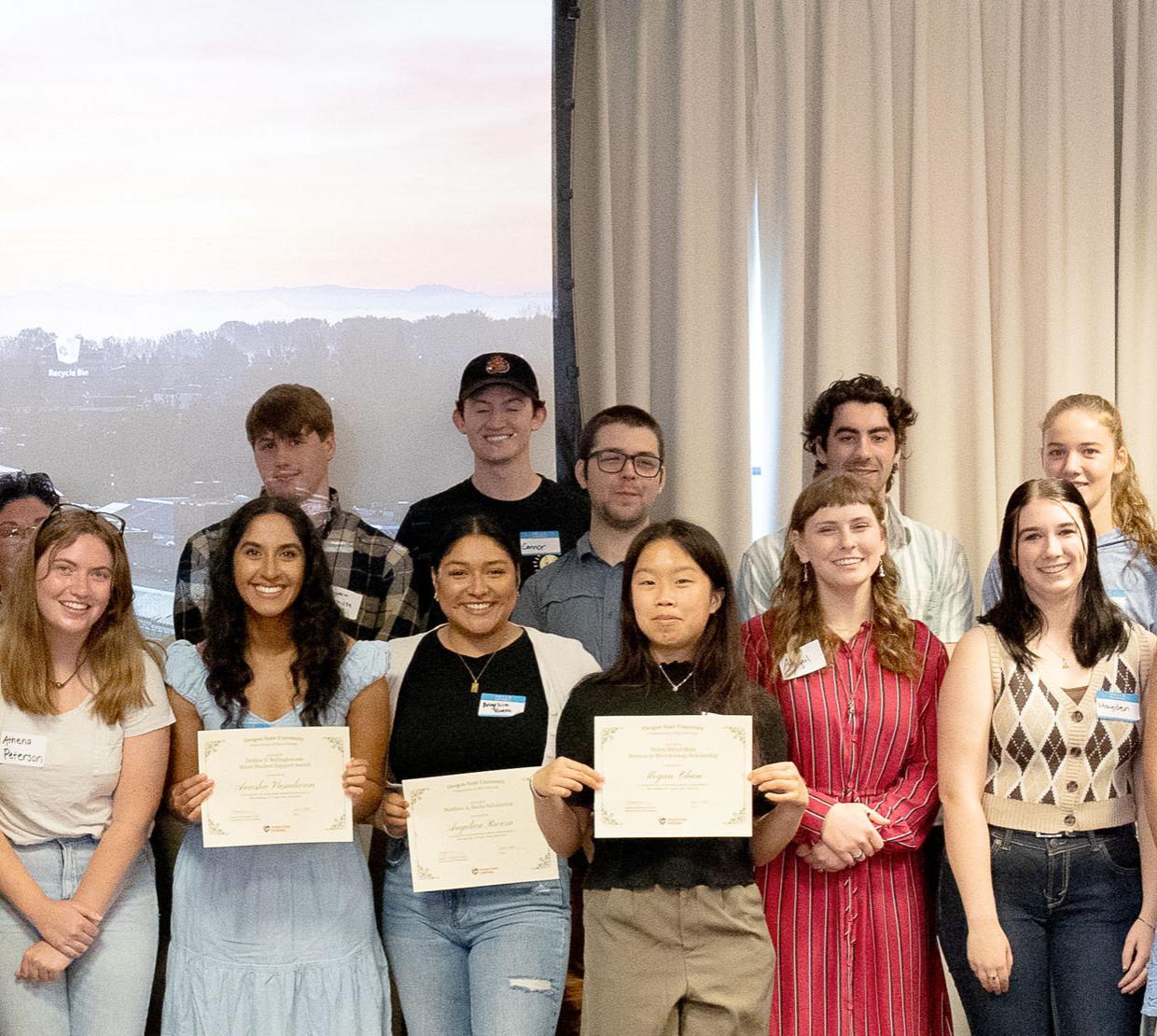
Smiling Oregon State recipients and donors celebrating and showing off their award certificates during a luncheon.

Microbiology alumni create scholarships to support science students

By Tom Henderson


Students gather and celebrate at the 2023 microbiology donors luncheon.

Paul Kenis founded the California Wolf Center. Matthew Bacho helped confront AIDS. Deb Bellinghausen supervised a lab combatting periodontic diseases.

All of their professional journeys started as students at the Department of Microbiology at Oregon State University. Now they are among the alumni who want to show their appreciation with financial donations to the department.

"I have a very strong affinity for that department because we have a lot of memories there," said Bellinghausen. "This was part of me paying it forward for all of the help that I received while I was a student at Oregon State."

Matthew Bacho '92

Headshot of Matthew Bacho

The Matthew A. Bacho Scholarship in Microbiology provides scholarships for microbiology and biohealth sciences graduate and undergraduate students with demonstrated financial needs.

Recipients can thank a National Geographic article.

"When I was in high school in Eugene, I was thinking about what I would study after graduation," said Bacho, B.S. '92. "History was kind of my favorite subject, but I wasn't sure what I would do with a degree in history. I wasn't keen on teaching."

Then he chanced across a National Geographic article about the pathogenesis of HIV/AIDS. "They had a pretty good background section on human immunology," he said. "I thought that was cool. I quickly found out it's a subdiscipline of microbiology."

It gave his undergraduate years at Oregon State a distinct focus. "A lot of freshmen don't know what they want to do, but I had a decent idea, and I stuck with it," he said.

Bacho found more than an academic focus at Nash Hall. He also found affordable living at Heckart Lodge, a co-op just down the street. "Many of the friends that I made there are still friends to this day," he said.

After graduation, he began working for the U.S. Food and Drug Administration. His main focus was on HIV/AIDS. "The highlight of my time in the lab was that one of the compounds we looked at actually went on to be approved by the FDA for HIV," he said.

The compound prevents HIV from entering cells. His subsequent work included the regulatory management of immunosuppressive drugs like cyclosporine (used to treat patients if their bodies reject an organ transplant).

His final job at the FDA was helping enforce laws regulating clinical trials. He retired in 2021 after more than 28 years with the agency. Although only 51 years old at the time, Bacho said his lifelong struggle with retinitis pigmentosa was a deciding factor. The genetic disorder causes loss of vision, including trouble seeing at night and decreasing peripheral vision.

Bacho said he is glad to still be young enough to meet the recipients of his scholarship.

"I had a great experience at Oregon State," he said. "I began thinking about starting a scholarship a few years ago in microbiology, partly as a way to give back."

He received a Mark H. Middlekauf Scholarship during his senior year at Oregon State. The scholarship was created by Ruth Tyson to honor her brother, who received his degree in bacteriology at Oregon State in 1916 before dying in World War I.

Bacho decided he wanted to create a scholarship while he was still relatively young so he could meet the recipients.

"A lot of people start scholarships when they're older and have more financial means," he said. "The cool thing is that I had financial means and was still young enough and could still enjoy seeing people receive that money. I'm pretty happy about that."

Bacho said he hopes the students who receive his scholarship enjoy Oregon State as much as he did. "I really treasured my experience there at Oregon State. It led me to my career."

Debbie Bellinghausen '79

A headshot of Debbie Bellinghausen.

The Debbie S. Bellinghausen Microbiology Student Support Fund supports undergraduate or graduate students in financial need. Support can include, but is not limited to, travel for professional development, collaborative research projects and scholarship support.

"Like a lot of students back then and now, I paid my way through school through loans, savings, work/study money during graduate school from my professor," said Bellinghausen, M.S. '84 and B.S. '79. "We have a strong belief that getting an education is very important, and if there's any way to pay that forward and help someone along the way, that's the best way I can show my appreciation."

Bellinghausen has strong family connections to Oregon State. She met her husband Mike when he was a microbiology student. He was getting his master's degree under Raymond Seidler while she was working in the lab as a research assistant. Bellinghausen continued in the department, receiving her master's degree in 1984.

The couple's daughter Stephanie majored in biology at Oregon State and went on to veterinary school in Scotland where she now practices.

Bellinghausen traces her professional roots to her childhood as part of a farm family in Ontario, Oregon. "I've always loved biological sciences," she said. "Oddly enough, I started off as a pre-pharmacy major. I realized it wasn't really my thing. I took a microbiology course as part of my curriculum, and that's when I fell in love with it."

There is a natural connection to microbiology and food, she added. "There's a lot of interaction between the microbiology department and the food science department so it was easy to fall in love with microbiology," she said.

With an interest in dairy microbiology, her main professor in microbiology was William Sandine. Sandine taught in the department from 1959 to 1996. He became known for his research on fermentation, leading to improvements in cheese and other dairy products.

"Getting to work in his lab and getting to know some of the grad students and some of the work they were doing in Tillamook and later the wine industry, it was just a fun place to be," Bellinghausen said.

Her own career took her to Seattle where she worked for a company that researched animal probiotics. When she supervised the lab dealing with periodontic diseases, she was introduced to clinical research.

"It opened a whole new world that I hadn't thought about and enabled me to use my background in microbiology," she said. "I worked in clinical research both in diagnostic medical devices and small molecules and biologics."

As she nears retirement, Bellinghausen loves the thought of helping students. "It's great to see all the kids excited about their careers,” she said. “It made me pleased and happy to know that I could help them continue with their education.”


Smiling Oregon State recipients and donors celebrating and showing off their award certificates during a luncheon.

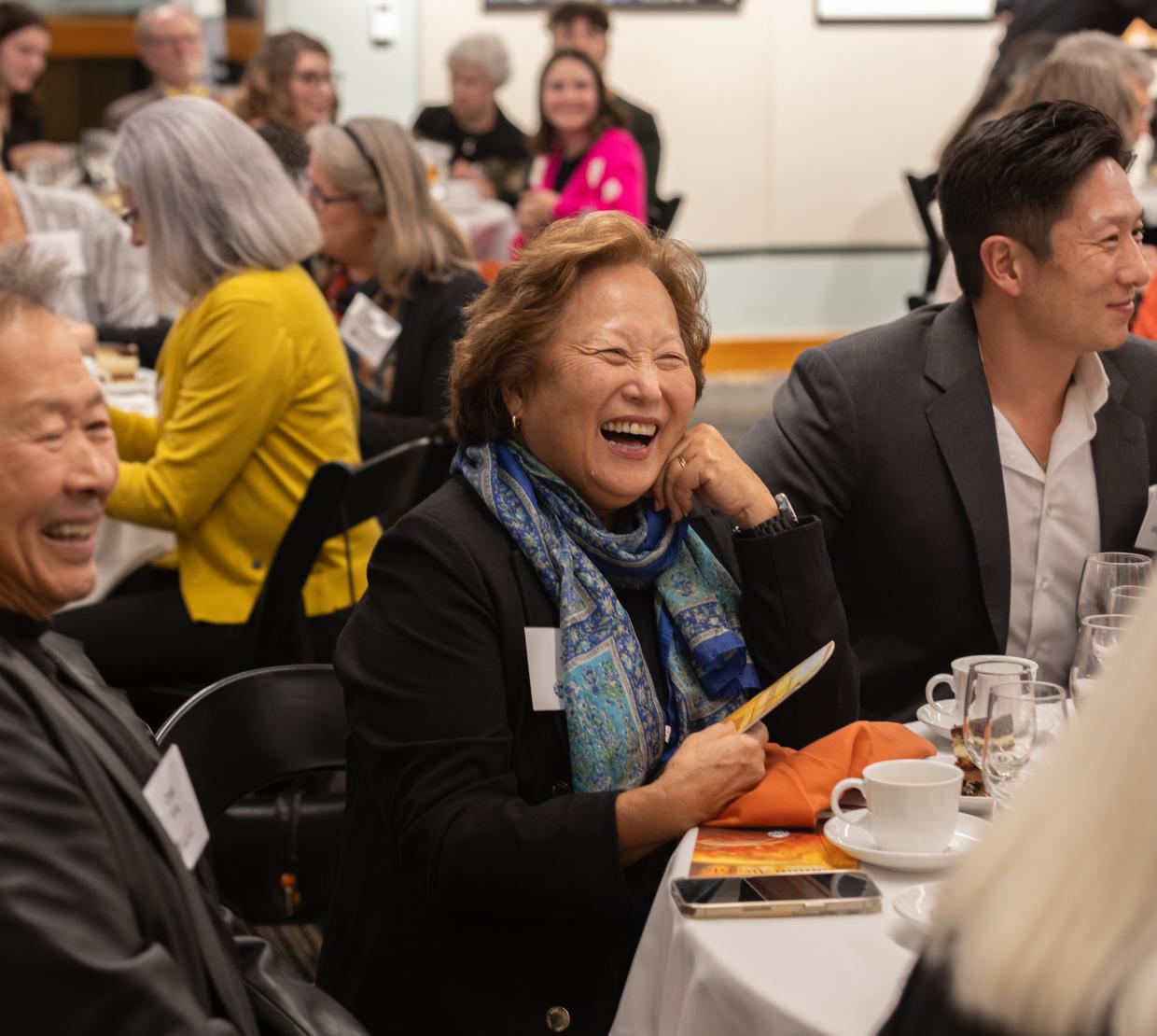
Award recipients gather at the 2023 microbiology donors luncheon to celebrate together. One of the scholarships currently available include the Paul and Judith Kenis Student Travel Endowment Fund in Microbiology.

Paul Kenis '67

The Paul and Judith Kenis Student Travel Endowment Fund in Microbiology supports travel expenses for professional development for undergraduate or graduate microbiology students.

Although he studied microbiology at Oregon State, Paul Kenis, M.S. '67, is known for his work with much larger organisms. He and his wife Judy started the California Wolf Center in Julian in 1977 and ran it for the next 20 years.

Starting with just two North American gray wolves, the couple set about teaching people about the importance of wolves in the ecosystem. They also bred endangered Mexican wolves to return the wild wolves to their natural habitat.

"I kind of got away from microbiology to play with the wolves for a few years," Kenis explained.

Meanwhile, he also put his education in microbiology in service to the U.S. Navy as a civilian researcher for 27 years. He started working for the Navy shortly after receiving his master's degree in microbiology in 1967.

The Navy gave him a solid professional home, he said. "I lived happily ever after, and I didn't have to go to Vietnam."

Kenis was born in Portland but grew up in suburban Los Angeles. He went to Cal Poly Pomona near Los Angeles for his undergraduate studies after his parents moved to Covina, California.

"I was always interested in science," he said. "I had animals. I had pigeons. I had aquariums and everything. It was kind of natural for me, so I majored in biology and minored in chemistry at Cal Poly."

One of his professors at Cal Poly knew Richard Morita at Oregon State. Morita was a faculty member in microbiology and oceanography at Oregon State University from 1962 to 1988 and helped Kenis get a fellowship to cover his tuition and come to Corvallis for graduate work.

"Dr. Morita took good care of me," Kenis remembered. "He was a great man."

After graduation, Kenis began working for the Navy almost as a fluke. He thought about going into the public health service, but his parents saw in the phone book that the Navy had a microbiology lab in Pasadena.

The California Wolf Center was a nonprofit, and the Navy didn't pay him enough to start the endowment. Kenis said students receiving money from the endowment benefit from his decision to invest in apartments.

That money should keep flowing, he said. He has made provisions in his will for the endowment to continue even after he's gone. Oregon State deserves the support, he said.

"They were really just nice people," he said. "I never met any jerks. The campus was very beautiful. Corvallis is a unique place. It's so very positive. I just have wonderful memories from the experience."

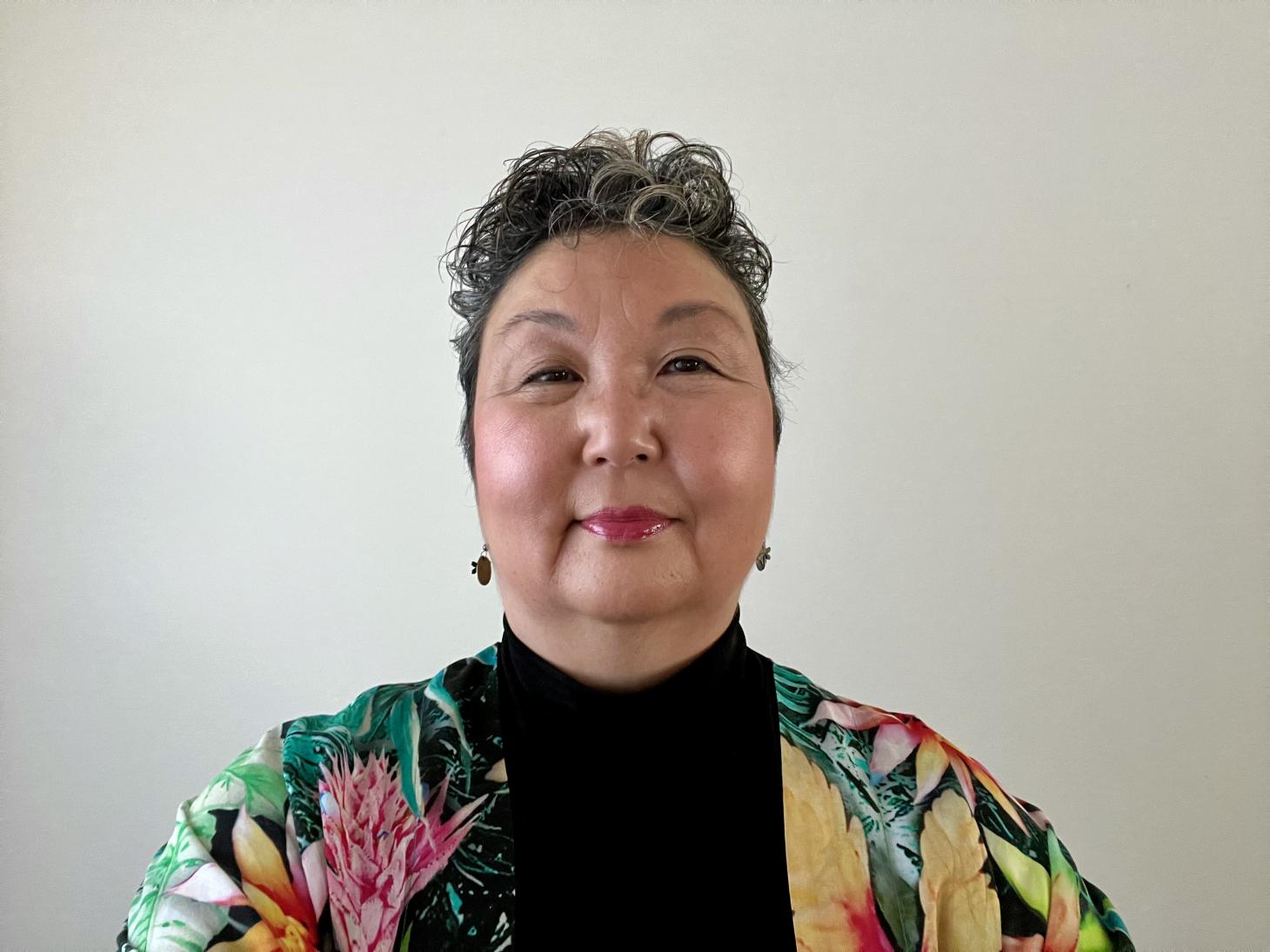
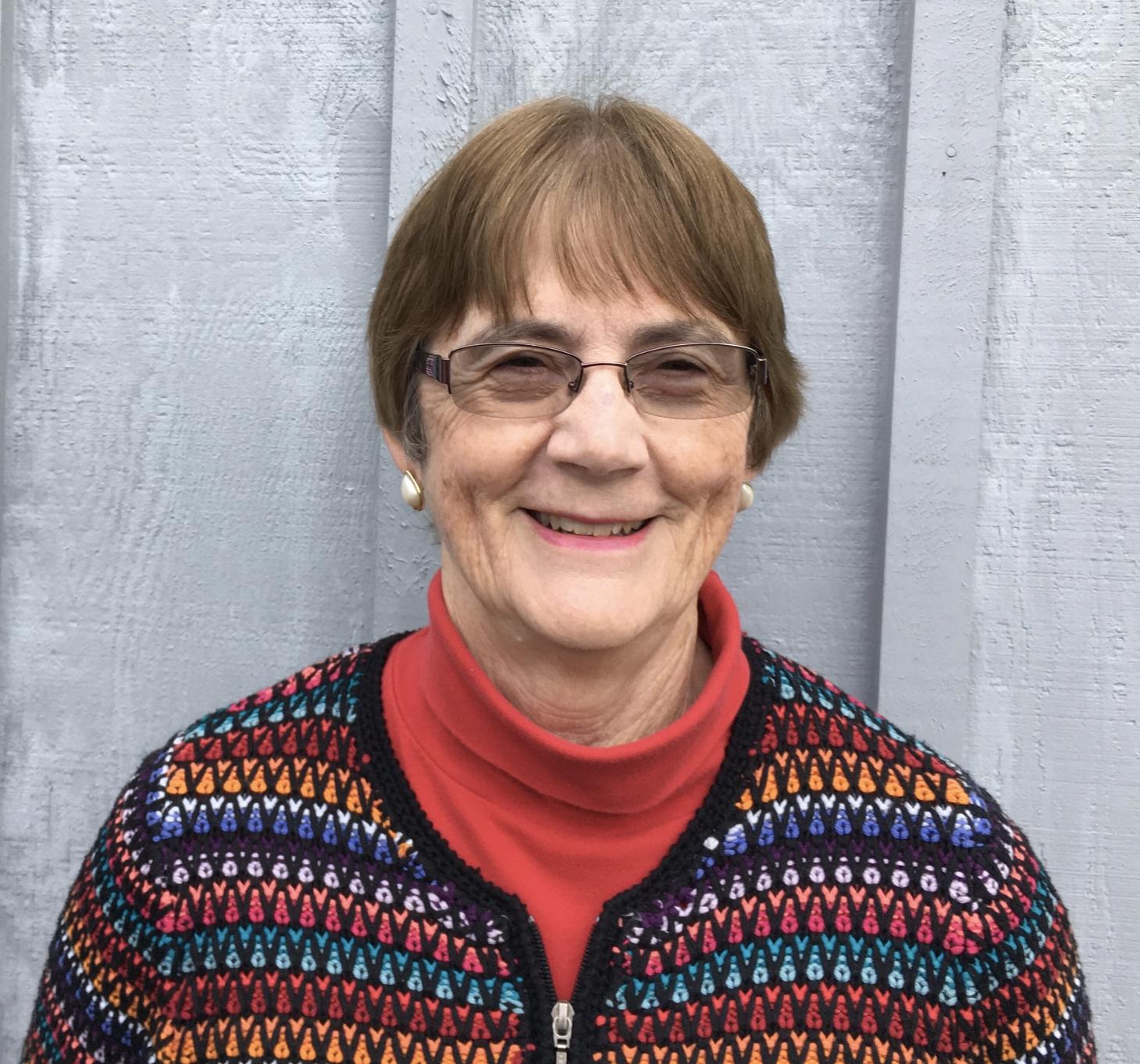
Mary Ann Matzke

Headshot of Mary Ann Matzke

The Mary Ann and Gordon Matzke Endowed Pre-Health Scholarship Fund provides scholarships for undergraduate students majoring in biohealth sciences.

While many donors are inspired to give because of fond memories of being students at Oregon State, Mary Ann Matzke is different. While her memories are no less fond, they stem from being a staff member rather than a student.

She worked as an adviser, and later head advisor, at the College of Science from 1987 to 2012.

"As often happens, academic advising was a career that I fell into, but it became a calling for me as I felt like it used skills I’d been acquiring my entire life," she said.

Her life started in a small town in Oklahoma where her father was a local physician. She studied zoology and pre-med at Oklahoma State University. After meeting her husband Gordon, her plans changed.

"I went with him to Syracuse University where I earned my master’s in population biology and evolution," said Matzke. "We then went off to the Selous Game Reserve in southern Tanzania where I assisted him in his research for his Ph.D. in geography relating to the interaction of human populations and wildlife."

Returning to Oklahoma State University, she took an advising job in the College of Arts and Sciences. "I found that I really liked it," she said. "Upon our move to Corvallis, after spending a few years home with children, I saw an ad for an advising job in the College of Science at Oregon State University. I was fortunate enough to get that job."

She was equally fortunate, she said, to have Dean Fred Horne and Associate Dean Dick Thies as mentors.

"At that time, professional advisors at Oregon State were not common," she said. "The health professions advising center that Dean Horne established with Chere Pereira, chief premedical advisor, Shelly Murphy, and myself was a new idea in the college."

For the first 15 years of her career, she advised students planning to enter health professions. "Those fields always held interest for me due to the number of medical professionals in my family," Matzke said. "I thoroughly enjoyed seeing students develop throughout their careers at Oregon State and eventually achieve their dreams.

She also spent a couple of years advising College of Business students under Clara Horne, the head advisor in the college. "This cross-college experience informed my later advising in the College of Science," she said.

For the last 10 years of her career, she served as head advisor in the College of Science -- coordinating the advising, student recruitment and orientation services. She was also responsible for overseeing the scholarship program.

"This is where I saw the impact that a scholarship can make in a student’s life," Matzke said. "One of my mentors was Janine Trempy, professor in microbiology, and associate dean in the College of Science."

About the time she retired, a new major, biohealth sciences, was created in microbiology for students interested in entering a health profession.

"This seemed like a good place to establish a scholarship that would benefit the kinds of students I advised during my career," said Matzke.

Her husband Gordon was a faculty member, advisor and department chair in the geography department at Oregon State.

"He always supported my career and was a constant source of advice and encouragement," she said. "I’m happy that we could make this contribution in both of our names and that it will support students pursuing health professions for many years to come."
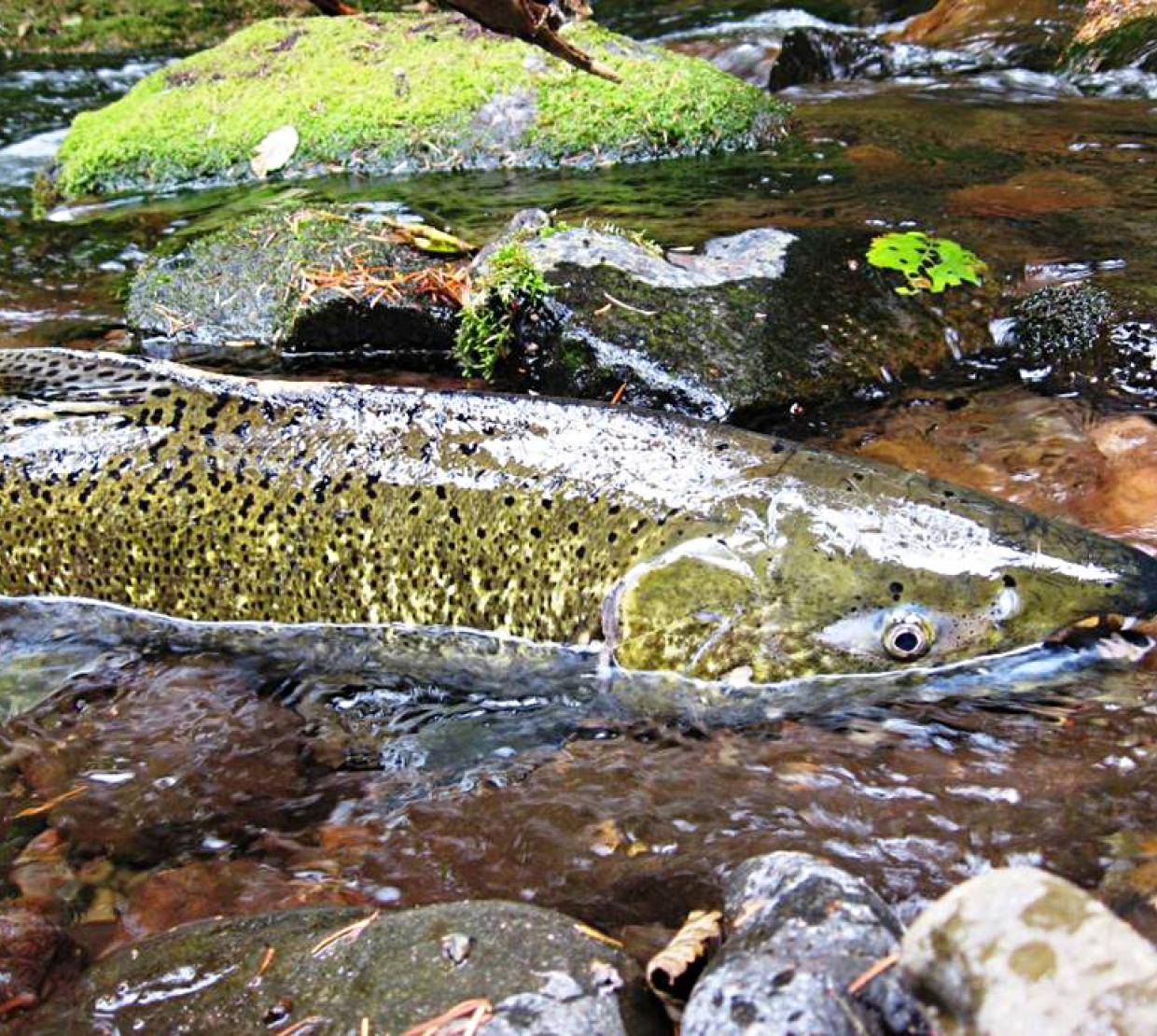
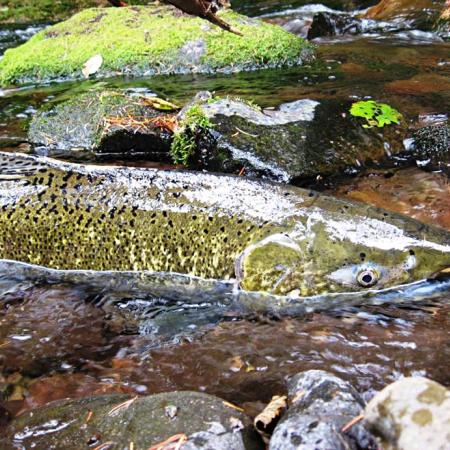
A glossy Chinook salmon swims against the current in a shallow stream.

Researchers discover vitamin that may offer hope for salmon suffering thiamine deficiency disease

By Steve Lundeberg

Oregon State University researchers have discovered vitamin B1 produced by microbes in rivers, findings that may offer hope for vitamin-deficient salmon populations.

Findings were published in Applied and Environmental Microbiology.

The authors say the study in California’s Central Valley represents a novel piece of an important physiological puzzle involving Chinook salmon, a keystone species that holds significant cultural, ecological and economic importance in the Pacific Northwest and Alaska.

Christopher Suffridge, senior research associate in the Department of Microbiology in the College of Science, and doctoral student Kelly Shannon examined concentrations of thiamine and the microbial communities in rivers of the Sacramento River watershed. Thiamine is the compound commonly referred to as vitamin B1 and is critical to cellular function in all living organisms.

“This study is the first-ever report of thiamine compounds in salmon spawning rivers and the associated gravels where salmon spawn,” Suffridge said. “This source of thiamine has potential implications for reducing health impacts on naturally spawning salmon that are suffering from thiamine deficiency complex.”

TDC, an emerging threat to the stability of West Coast salmon populations, has affected salmon and trout in lake systems in northeastern North America and Atlantic salmon in the Baltic Sea.

Chinook salmon in the Central Valley have recently been diagnosed with TDC, the researchers note. Afflicted female salmon that return to rivers and streams to spawn can pass the deficiency on to their hatchlings, which have problems swimming and experience high mortality rates.

“In California, most hatchery-spawning Chinook salmon are treated with thiamine to prevent TDC,” Suffridge said. “However, it was previously unknown if there was a source of thiamine in the environment that could potentially rescue naturally spawning salmon afflicted with TDC. We have now identified microbially produced thiamine in natural salmon spawning habitats.”

“It's a complicated issue,” Shannon added. “The broader context is that Central Valley Chinook salmon, as well as some populations of salmon in other places, are becoming thiamine deficient because of shifts in their diet in their feeding grounds.”

Read more here.

Anne Dunn

Anne Dunn

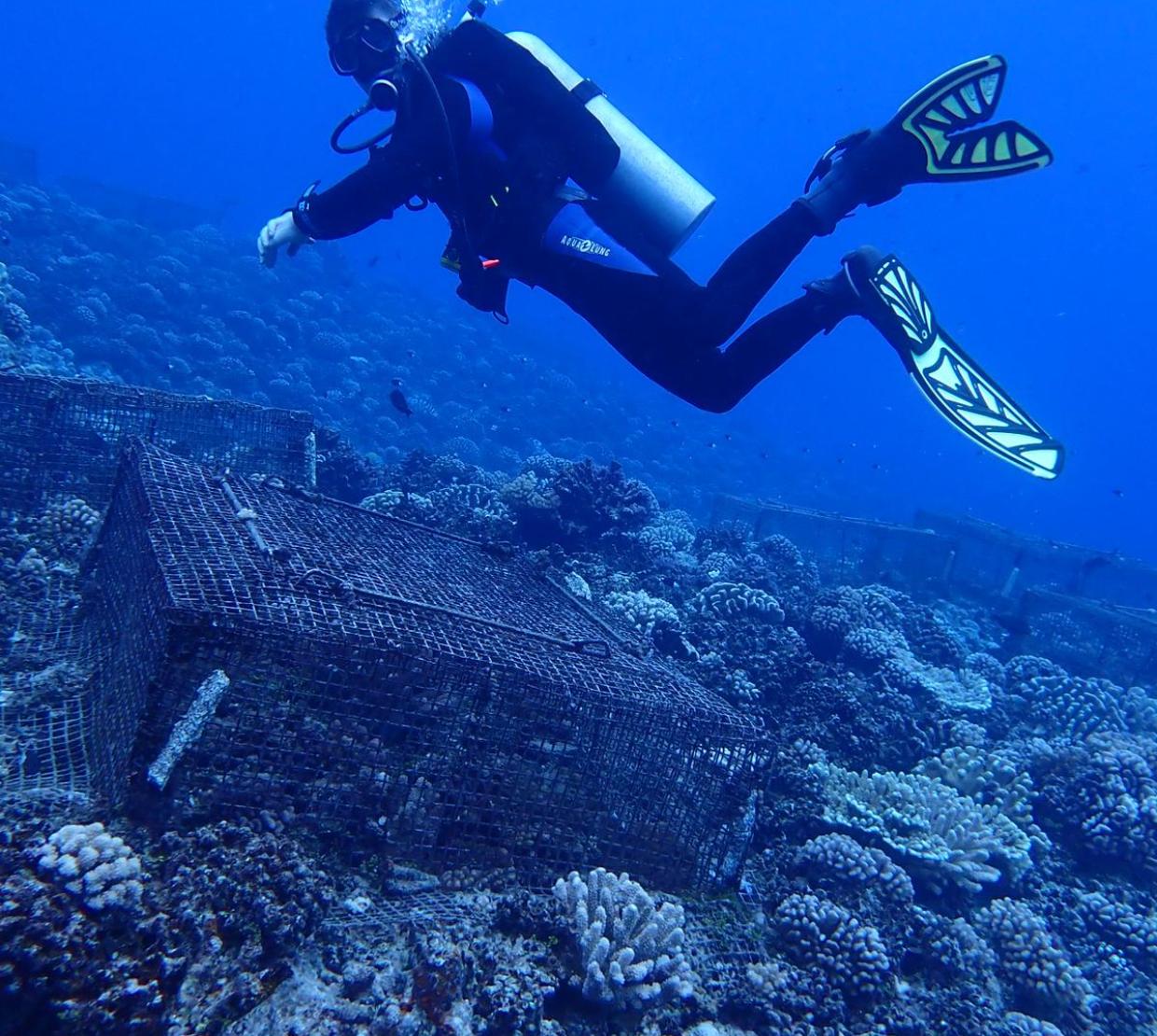
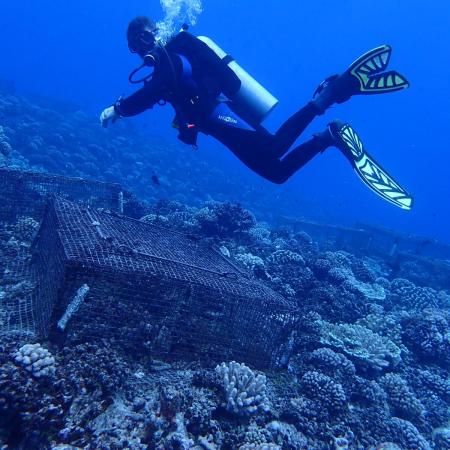
A scuba diver under water points at a trap.

Some coral species might be more resilient to climate change than previously thought

By Steve Lundeberg

OSU coral researcher Alex Vompe off the north shore of Mo'orea (photo by Mackenzie Kawahara).

Some coral species can be resilient to marine heat waves by “remembering” how they lived through previous ones, research by Oregon State University scientists suggests.

The study, funded by the National Science Foundation, also contains evidence that the ecological memory response is likely linked to the microbial communities that dwell among the corals.

The findings, published today in Global Change Biology, are important because coral reefs, crucial to the functioning of planet Earth, are in decline from a range of human pressures including climate change, said the study’s lead author, Alex Vompe.

“It is vital to understand how quickly reefs can adapt to ever more frequent, repeated disturbances such as marine heat waves,” said Vompe, a doctoral student who works in the lab of microbiology professor Rebecca Vega Thurber. “The microbiomes living within their coral hosts might be a key component of rapid adaptation.”

Heat waves are likely to increase in frequency and severity because of climate change, he added. Slowing down the rate of coral cover and species loss is a major conservation goal, and predicting and engineering heat tolerance are two important tools.

Knowing the role microbes play in adaptation can inform coral gardening and planting efforts, Vompe said. A deeper understanding of the microbial processes, and the organisms responsible for ecological memory, can also aid in developing probiotics and/or monitoring protocols to assess and act on the quality of ecological memory of individual coral colonies.

Coral reefs are found in less than 1% of the ocean but are home to nearly one-quarter of all known marine species. They also help regulate the sea’s carbon dioxide levels and are a crucial source for scientists searching for new medicines.

Corals are made up of interconnected animal hosts called polyps that house microscopic algae inside their cells. Corals also house functionally and taxonomically diverse bacteria, viruses, archaea and microeukaryotes. The community of bacteria and archaea living within corals are referred to as the coral microbiome.

Symbiosis is the foundation of the coral reef ecosystem as these microbes benefit coral hosts by assisting in carbon, nitrogen and sulfur cycling, essential vitamin supplementation, and protection against pathogens. The coral polyps in turn provide nutrition and protection to the algae and bacteria.

Climate change is threatening coral reefs in part because some of the relationships between coral and their microbes can be stressed by warming oceans to the point of dissolution – a collapse of the host-microbe partnerships, which results in a phenomenon known as coral bleaching.

Read the full article here.

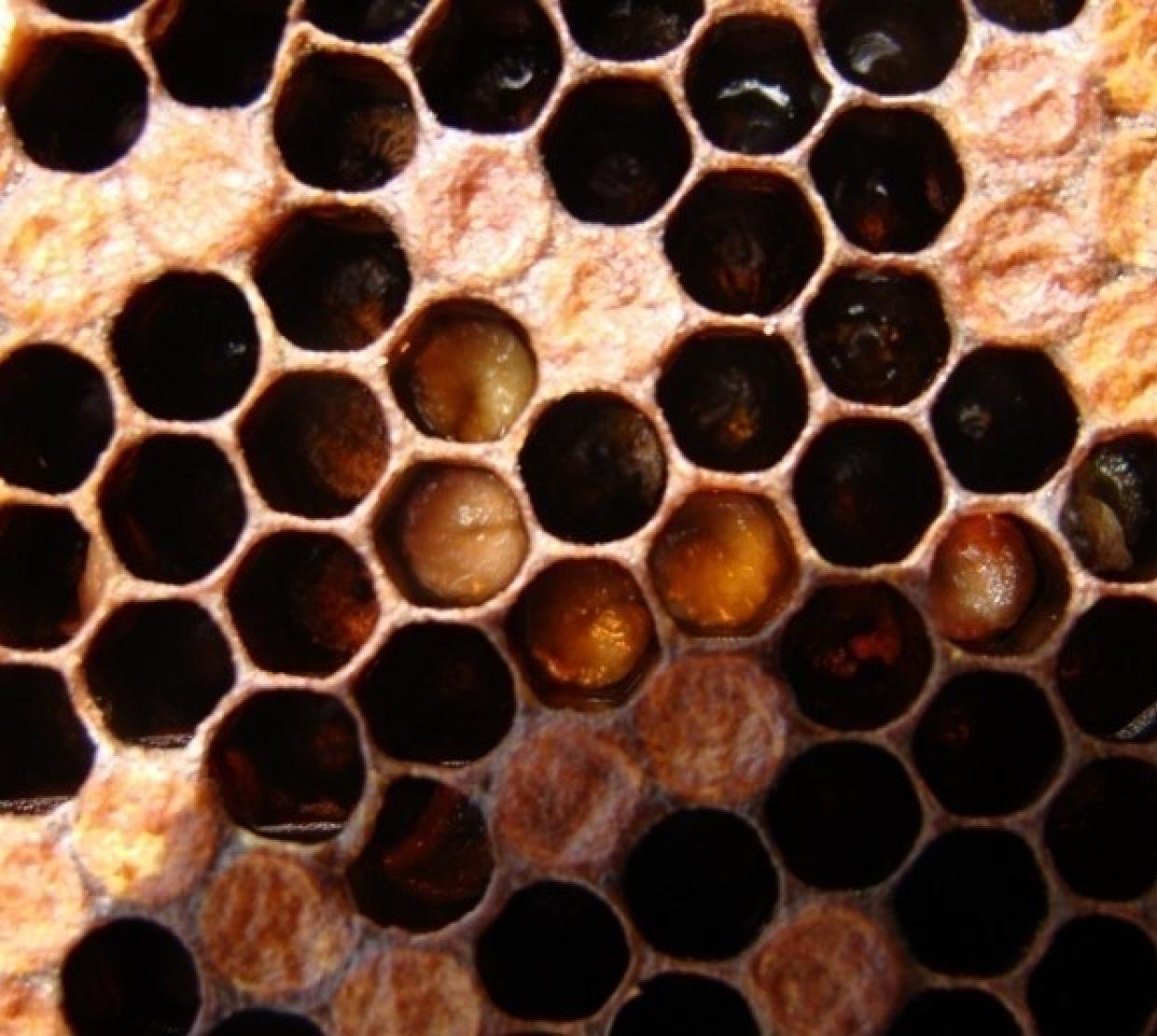
A close-up of the hexagonal pattern of a honeycomb with small larvae inside.

Microbiologist works with OSU researchers on $4.2 million grant to study honey bee disease

By Molly Rosbach

Researchers at Oregon State University have received a $4.2 million grant from the U.S. Department of Agriculture’s National Institute of Food and Agriculture to study European foulbrood disease, which is killing honey bees and affecting pollination of specialty crops.

The project is a partnership between OSU, Washington State University, University of California, Davis and Mississippi State University. Researchers will investigate the factors contributing to high incidence of the disease, then share their findings with beekeepers and growers to inform and improve mitigation efforts.

Assistant professor of microbiology Maude David as well as OSU researchers Jeff Chang, Andony Melathopoulos and Tim Delbridge will be working on the grant, which also includes education and outreach with OSU Extension.

European foulbrood disease is caused by a bacteria that infects honey bees at the larval stage, turning the newly hatched bee larvae into brown mush within a few days. The disease has been on the rise in recent years, causing persistent honey bee colony declines and hurting beekeepers — especially those who pollinate early-season specialty crops like highbush blueberries.

“It’s an enigmatic disease. We understand the basics, but we don’t know why this disease flares up some years and then goes down,” said project director Ramesh Sagili, a professor in the College of Agricultural Sciences and an apiculturalist with OSU Extension Service. “Researchers have done smaller targeted studies of this disease, but no one has really investigated it comprehensively with a large-scale, longitudinal study.”

The four-year project has several components. Researchers will follow honey bee hives as they are transported by commercial beekeepers to pollinate almonds and then blueberries across Washington, Oregon, California and Mississippi. They’ll tag 1,536 hives for ongoing observation, which includes checking the frames for signs of foulbrood, estimating colony populations and surveying the microbiota of bees and larvae.

Where they see evidence of foulbrood, researchers will collect samples and send them back to the lab for genetic testing to determine new bacterial variants and whether certain strains of the bacteria are more virulent or pervasive than others.

They will monitor the colonies’ nutrition by installing pollen traps on the hives to collect pollen as the bees re-enter their hives. This will allow researchers to determine whether the quantity or diversity of pollen plays a role in hives’ susceptibility to foulbrood.

The research teams will also document climatic factors like temperature and humidity to discover if they have an impact on the incidence and prevalence of the disease.

In the second and third years of the grant, Sagili said the team will focus on developing disease mitigation strategies for beekeepers, such as whether or when to apply antibiotics to their hives, the most effective time to split colonies and how often to replace honeycomb.

“The beekeeping industry and specialty crop producers such as blueberry and almond growers are really excited about this grant,” he said. “It’s a huge, multidisciplinary collaborative effort with the states, the beekeepers and the farmers involved in this project.”

Field work will start in February in California, where beekeepers from around the country bring their hives to pollinate almonds as one of the first crops of the year.

Alumni awards

Alumni Awards celebrates exceptional achievements

By Hannah Ashton

Photos by Jodi B. Herrling


Distinguished professor of microbiology Jo-Ann Leong received the Lifetime Achievement in Science Award for exceptional and significant contributions to science over the course of her life.



The College of Science community recently gathered to celebrate this year’s Alumni Award recipients. These alumni distinguished themselves through their groundbreaking research, strong leadership and efforts to enhance equity, access and inclusion.

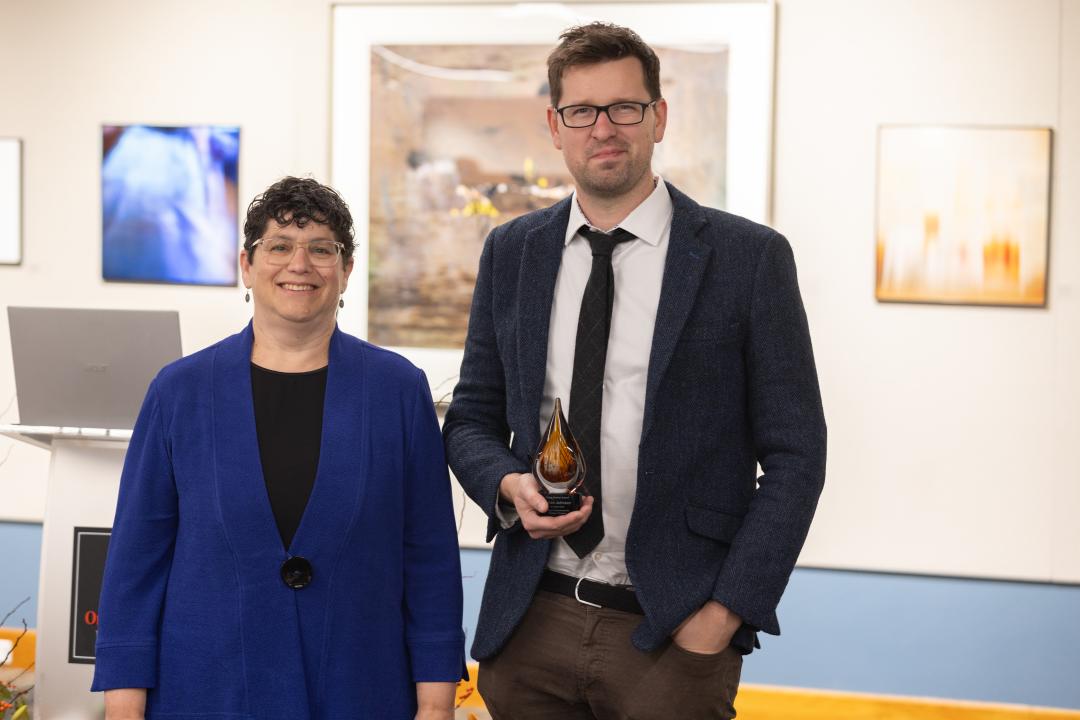
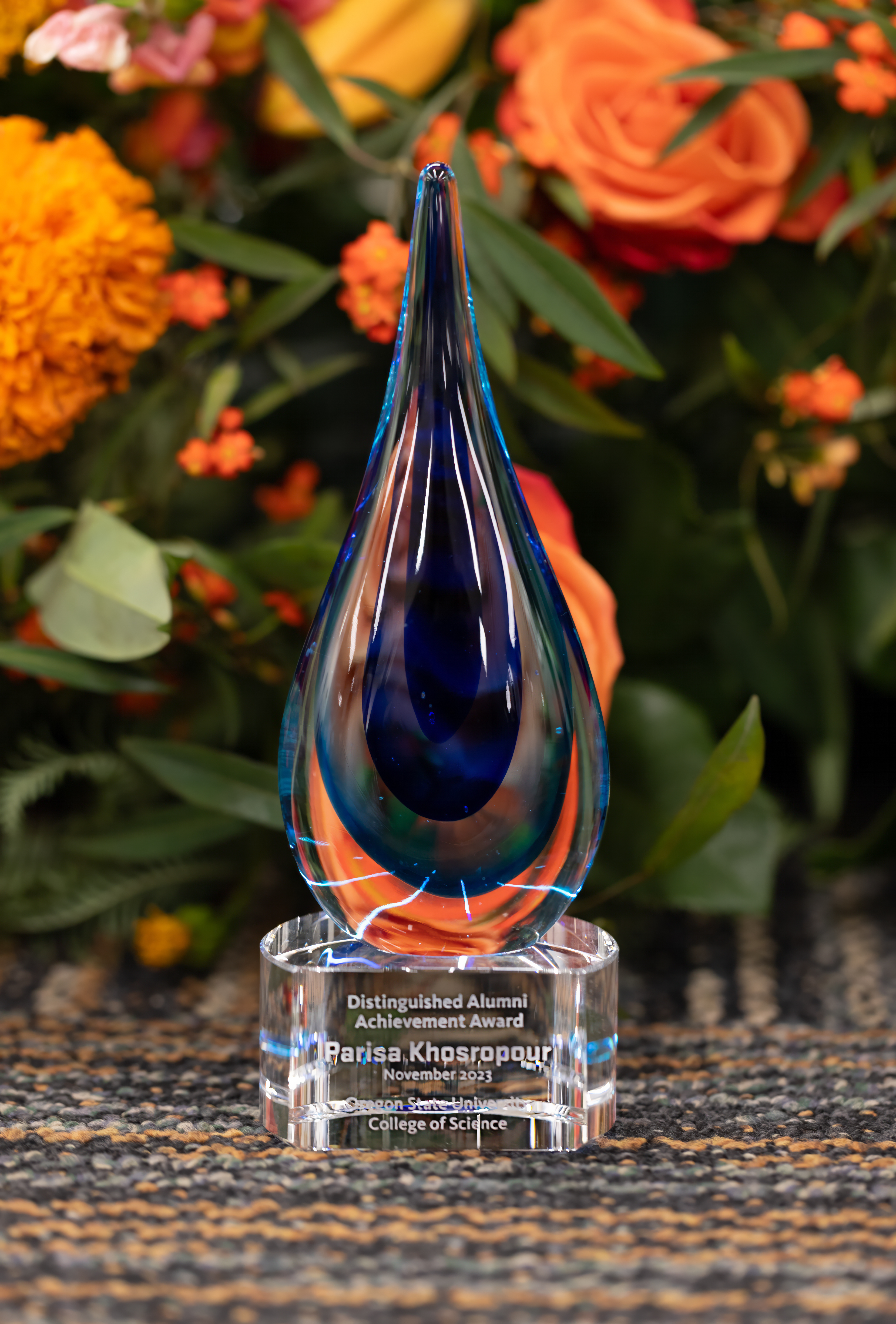
Jo-Ann Leong, former department chair and distinguished professor of microbiology, received the Lifetime Achievement in Science Award; Parisa Khosropour (‘89) received the Distinguished Alumni Achievement Award; and Simon Johnson (‘09) received the Young Alumni Award.

Congratulations to these alumni and former college leadership, for their exceptional accomplishments! This recognition is a testament to their unwavering commitment to excellence and serves as an inspiration for the entire College of Science community.

Jo-Ann Leong poses for a photo with her award

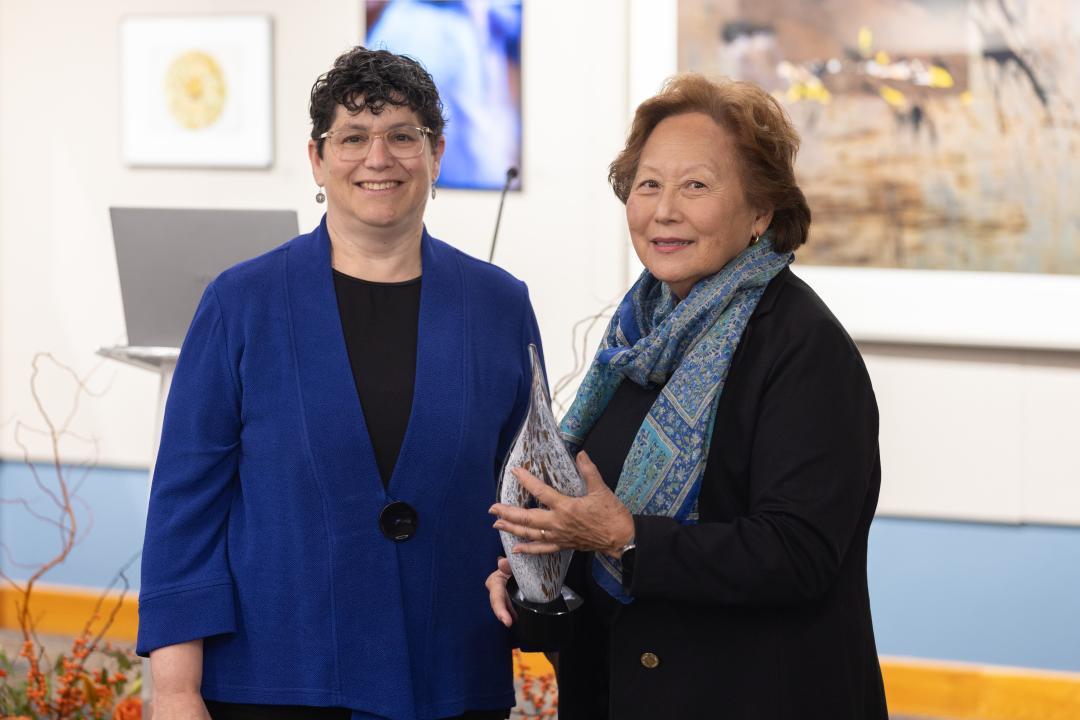


Jo-Ann Leong accepts the Lifetime Achievement in Science Award from Dean Feingold.

Jo-Ann Leong is an outstanding microbiologist with a long history of aquaculture discoveries at Oregon State University and around the world. After obtaining her Ph.D. in microbiology and virology at the University of California, San Francisco, she became the only female professor in Nash Hall to help run one of the first virology labs at Oregon State in 1975. Throughout her life, Leong made breakthrough discoveries that inspired faculty members, future scientists and the world we live in today.

In the 1980s, Leong helped discover a new vaccine for salmon that died from IHNV, a disease that killed millions of fish and affected their migrations across the Columbia River. She also collaborated to help found the Center for Salmon Disease Research, which continues to find vaccines and solutions to fish diseases today.

After becoming a distinguished professor and spending more than 25 years in Corvallis, she moved on to be a director of the Marine Institute at the University of Hawaii at Manoa.

Read more about her transformative work that advanced aquaculture globally.

Parisa Khosropour accepts an award.

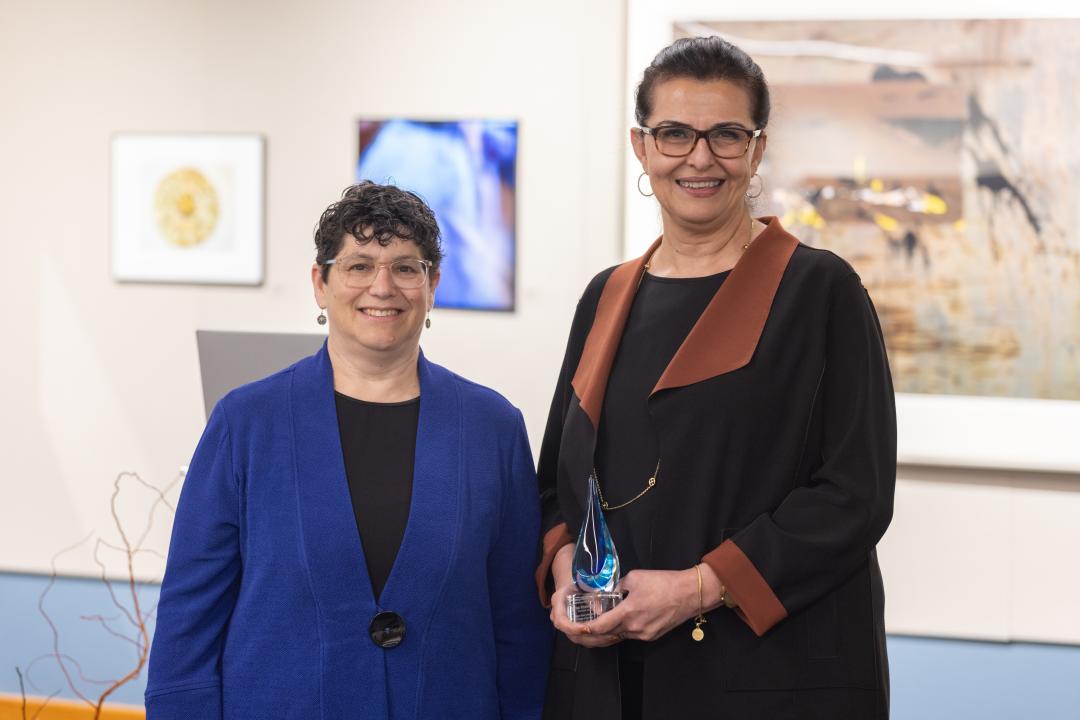
Parisa Khosropour accepts the Distinguished Alumni Achievement Award from Dean Feingold.

Parisa Khosropour encourages a pursuit of personal excellence over conventional markers of success. Advocating for doing what one loves and working hard, she views success as an ongoing process rather than a final destination.

Khosropour, a former president of the transplant diagnostics division at Thermo Fisher Scientific, now channels her expertise into angel investing, supporting healthcare startups with transformative potential. Her philosophy of “paying it forward” has inspired her to mentor and advise startups, emphasizing the importance of thorough research and aligning goals with investing groups.

She graduated with her undergraduate degree in chemistry from Oregon State and then transitioned from clinical pharmacology research at Stanford to industry, where she excelled in cellular immunology and assay development.

Read more about her career advice and dedication to healthcare innovation.

Simon Johnson accepts an award.

Simon Johnson accepts the Young Alumni Award from Dean Feingold.

Simon Johnson spearheaded a novel approach to researching mitochondrial diseases that has reshaped his field’s work.

For many years, scientists speculated on the pathway from which these diseases arise, primarily focusing on the mitochondria's role in generating energy to find an answer. However, Johnson reasoned that an energetic explanation wouldn’t account for how infants with the disease commonly survive through development.

With this in mind, his laboratory instead examined the structure’s origins as a remnant of ancient bacteria within our cells. Certain bacterial components remain intact as parts of the mitochondria and, as Johnson’s lab discovered, could trigger innate immune responses if they were to leak out of the cell. These pioneering findings create a much clearer picture of the diseases than ever before, and Johnson is now focusing his efforts on specifying what particular bacterial aspect of the mitochondria could be at fault. He currently runs his laboratory in the U.K. at Northumbria University and is eager to continue exploring this mystery.

Read more about Johnson’s groundbreaking work in mitochondrial diseases.





Enjoy some photos from the event below. Click here for the full gallery of photos.

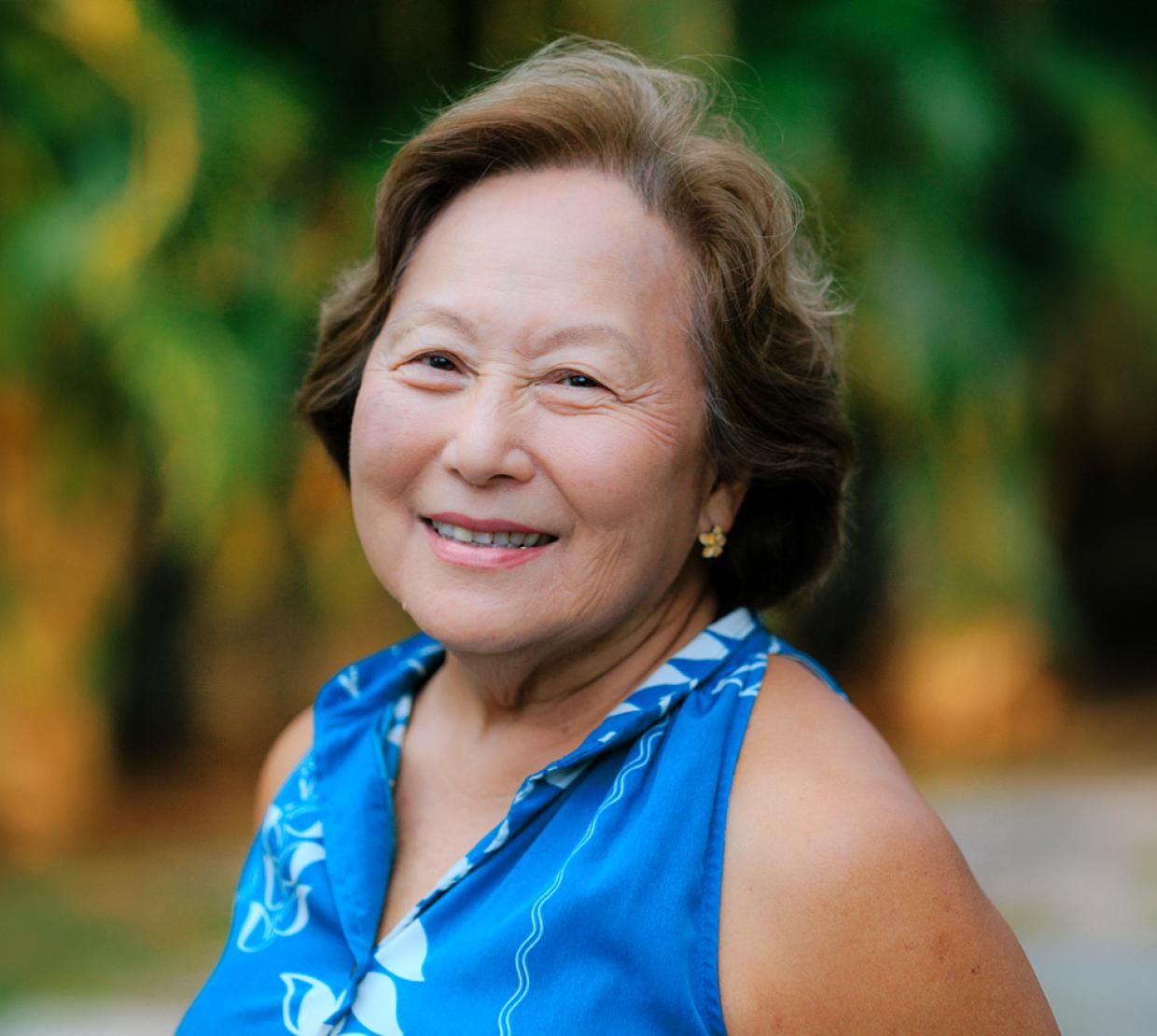
Jo-Ann Leong smiling on a beach in Hawaii

Retired Microbiologist Wins Lifetime Achievement in Science Award

By Kaitlyn Hornbuckle

A devastating disease killed millions of fish and disrupted their migrations across the Columbia River in the 1980s. Microbiologist Jo-Ann Leong never imagined that her quest for a new vaccine would ultimately change the world we live in today. From researching tissues to studying coral diseases, her path to winning the Lifetime Achievement in Science Award turned out to be a tsunami full of surprises.

This award honors exceptional and significant contributions to science over the course of a lifetime either through research, scholarship or teaching.

Finding a fascination with viruses

Obtaining her Ph.D. in Microbiology and Virology at the University of California, San Francisco was just a drop in the bucket for the serendipitous tsunami.

Many miles away in Corvallis, Oregon, a faculty member suddenly left the College of Science, leaving a position in virology open.

While her peers raced to send applications to top medical schools across the country, Leong considered leaving the bustling city for a change of pace. It was a gamble, considering “going to Corvallis is not what my classmates would normally pick,” she said.

After a phone call and interview, she landed the position as an assistant professor. When she arrived in 1975, she started as a fish out of water, attempting to start a virology lab for the first time. For a while, she was the only woman professor in Nash Hall.

Leong balanced work with raising her two-year-old daughter by herself. Her husband, constrained by the demands of his anesthesiology residency in California, couldn’t relocate with her. “We moved the family to Corvallis and he would fly up every other weekend to be with her.”

Learning how to run a virology lab, mentor graduate students and teach courses proved to be more difficult than she thought. At the same time, it was the perfect setup for groundbreaking hands-on learning opportunities.

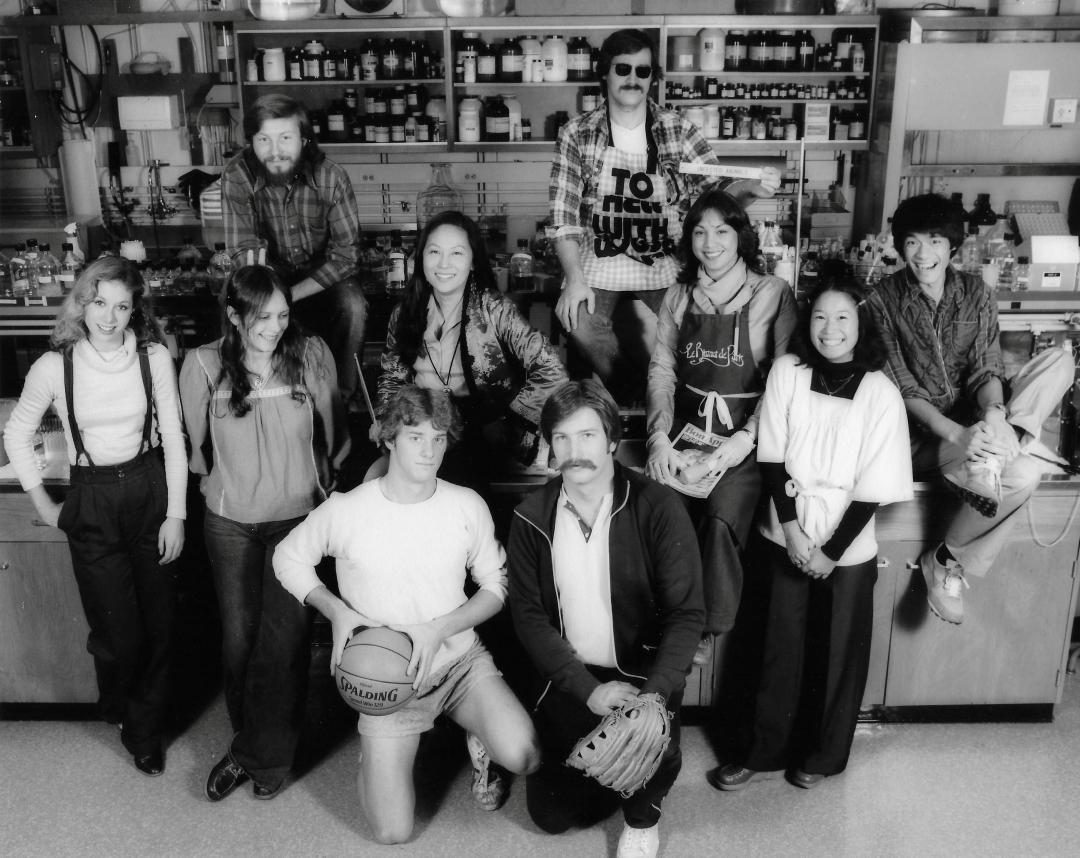
Leong's staff and graduate students posing with smiling faces and sports equipment.

Leong’s staff and graduate students pose for a 1978 Christmas card in the lab.

“Medical schools are set up so that you can just call down and have the medium made for you because they were organized for that kind of stuff,” Leong said. It turns out that working in higher education was different. “I remember struggling because I had never made media before. I had to make it myself at Corvallis,” she said.

Media is a substance typically put on Petri dishes to provide nutrients to microorganisms and help them grow. Leong enforced sterile conditions to make the lab a safe and successful environment. But it wasn’t easy.

Four decades ago, research techniques looked very different. “In California, we had Petri dishes and plastic growth chambers that you threw away when you were done. I came to Corvallis and saw they were using glass bottles instead. It was just different,” she said.

Leong challenged her graduate students to make enzymes and other materials from scratch. Everyone learned how to manually analyze samples–a notably more difficult task before the advent of automated gene sequencers.

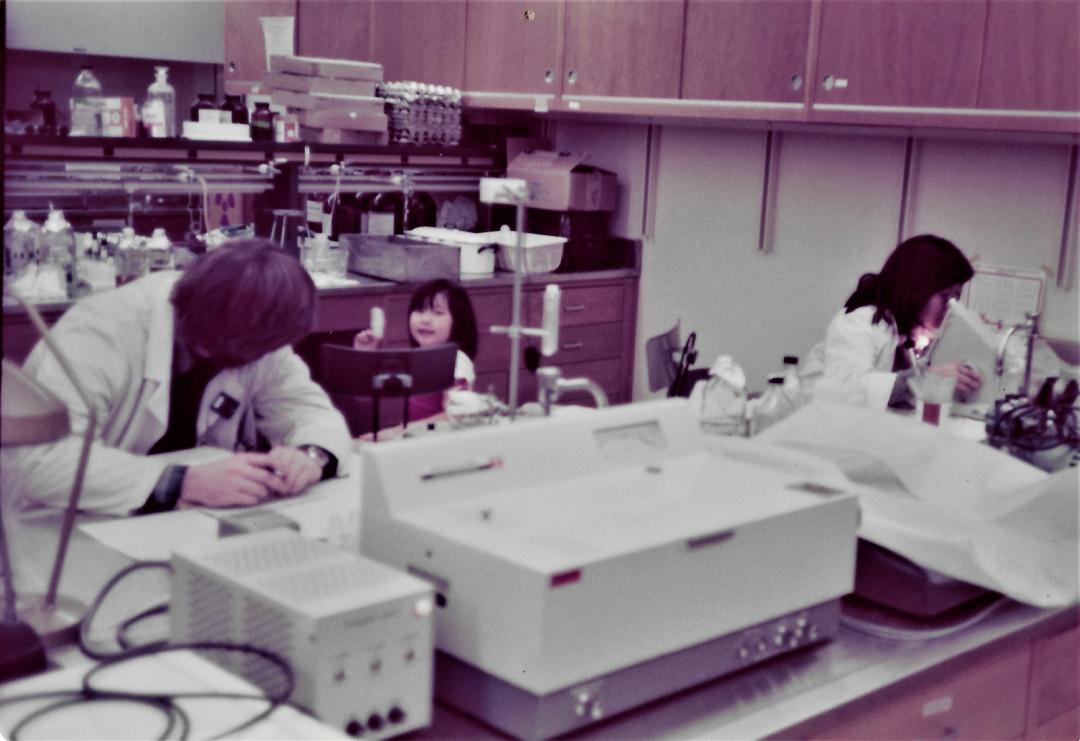
Leong’s lab used DNA techniques to detect evidence of endogenous retroviruses in fresh placentas soon after women gave birth in the hospital. For Leong, this meant transporting placentas to the lab at 3 or 4 a.m. with her sleeping daughter in her arms.

“If I didn’t have those students and a really supportive Chair, I don’t know if I would have survived,” she said.

The long hours and enthusiasm for virus research did not go unnoticed. From gigantic genomes to viruses with only a limited set of genes, the research opportunities are endless. “You know what I find fascinating about a virus?” Leong said. “You can do all kinds of things with five genes and if you want to use them to begin to understand how the cell works, therein lies a whole wealth of studies you can do.”

Two graduate students processing placentas with a little girl (Leong's daughter) using microscopes and other lab equipment.

Leong’s graduate students and her daughter process placentas together. They conducted this type of research in the late 1970s and 1980s.

Lethal disease leads to uncharted waters

Fast forward to the 1980s, when a sudden virus rocked the Pacific Northwest. Millions of fish suddenly dropped dead in the Columbia River from the Infectious Hematopoietic Necrosis Virus (IHNV), a disease researchers knew little about. Mysteriously enough, the virus only affected steelhead trout and salmon, leaving other fish unharmed.

Every year, salmon and trout frantically traverse the Columbia River, racing upstream and back to their birthplace. There, they spawn offspring that eat and live their busy lives downstream.

This sudden increase in deaths caused a serious problem resulting in millions of dollars in losses annually in the U.S. If these die-offs continued, even non-seafood lovers would notice the impact on the ecosystem.

The Columbia River serves as the largest concentration of hydroelectric power in the U.S., generating 40% of the total hydroelectric generation in 2012. However, there’s a catch—the fish need to succeed.

“The movement of water over those dams along the Columbia River is controlled by the salmon and their return, so the generation of power is an important component,” Leong said.

To preserve the ecosystem, one strategy is to raise more fish to make this journey. In the 1980s, the cost to raise one Chinook salmon capable of surviving the trip was approximately $670. “The cost is a tax on all of us that we pay for in many respects. And it’s a creature that we need to preserve,” she said.

Salmon not returning home has monumental ecological consequences. The entire ecosystem relies on the successful movement of fish back and forth along the river. The river’s health and vitality are sustained by what the salmon consume and their activity, impacting energy usage, food availability, species conservation, and overall ecosystem health.

For Leong, this presented a new avenue for exploration and opportunity. Through this research, she helped discover a new genus of the virus, new treatments, and a recombinant DNA vaccine for salmon.

She didn’t do this alone. Collaborating with John Fryer, the Chairman of Microbiology, she helped found the Center for Salmon Disease Research at Oregon State, where the first work on vaccines for fish took place. At the time, there was no other facility of this type and complexity in the county – specifically the clean water, disease-free conditions, and quarantine capabilities. Finding vaccines and other solutions for fish diseases continues at the center to this day.

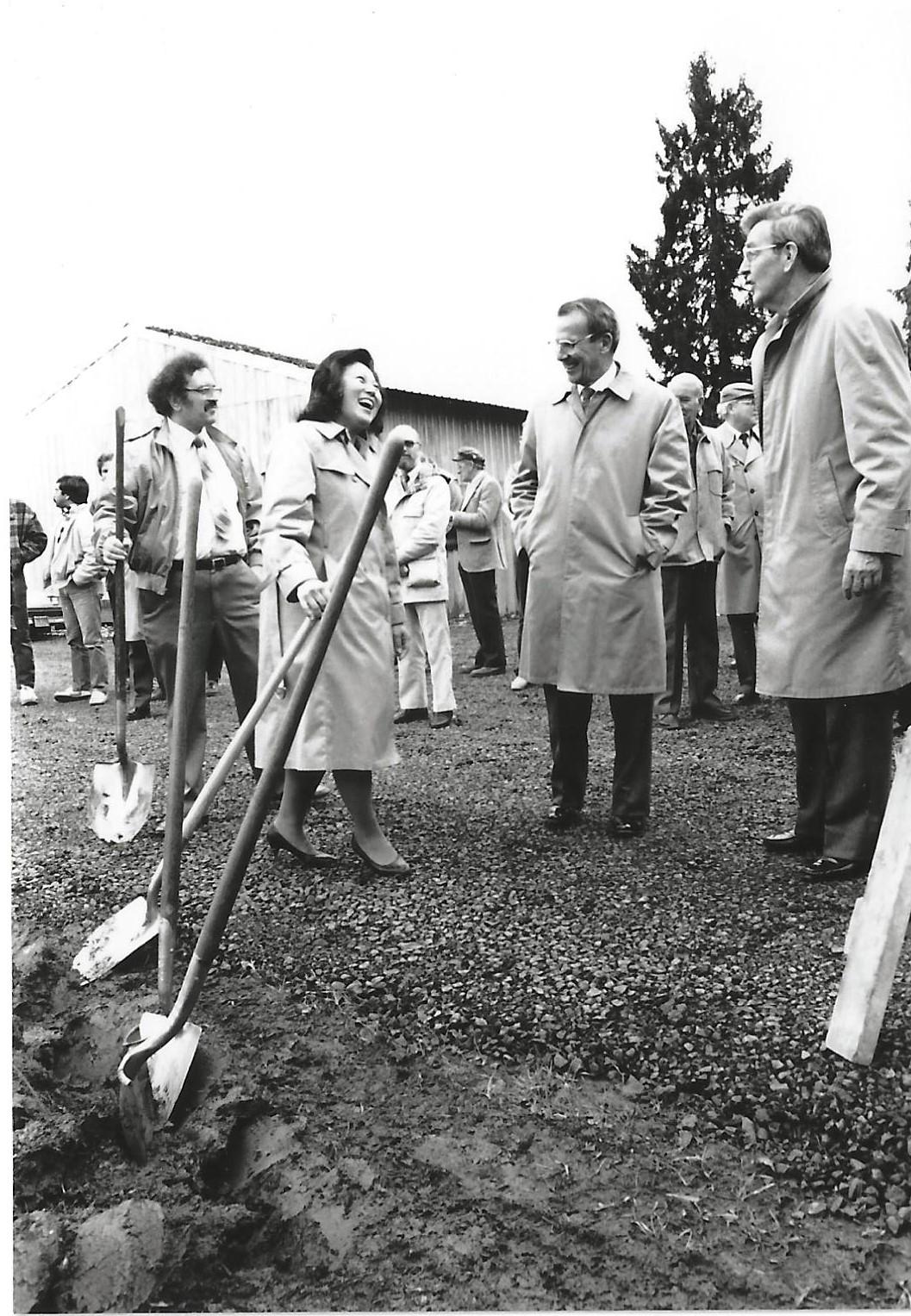
Four faculty members outside digging with shovels while smiling and laughing.

On January 24, 1989 Leong (center left), former Oregon State President John Byrne (center right) and John Fryer (far right) hit the ground digging with a groundbreaking ceremony for the new Center for Salmon Disease Research at Oregon State.

After spending more than 25 years at Oregon State, Leong rose through the ranks. When named Distinguished Professor, her jaw dropped and she nearly fell off her seat at the faculty meeting.

She proceeded to serve on Search Committees for University Presidents, assumed roles on National Committees and took on various additional responsibilities.

Leong shared her expertise globally, presenting her work to professionals worldwide, including the European Fish Association in Spain and aquaculture farms in Japan, Norway, China, and Chile. Due to limited resources, some of these farms practiced diverse ways to treat fish diseases.

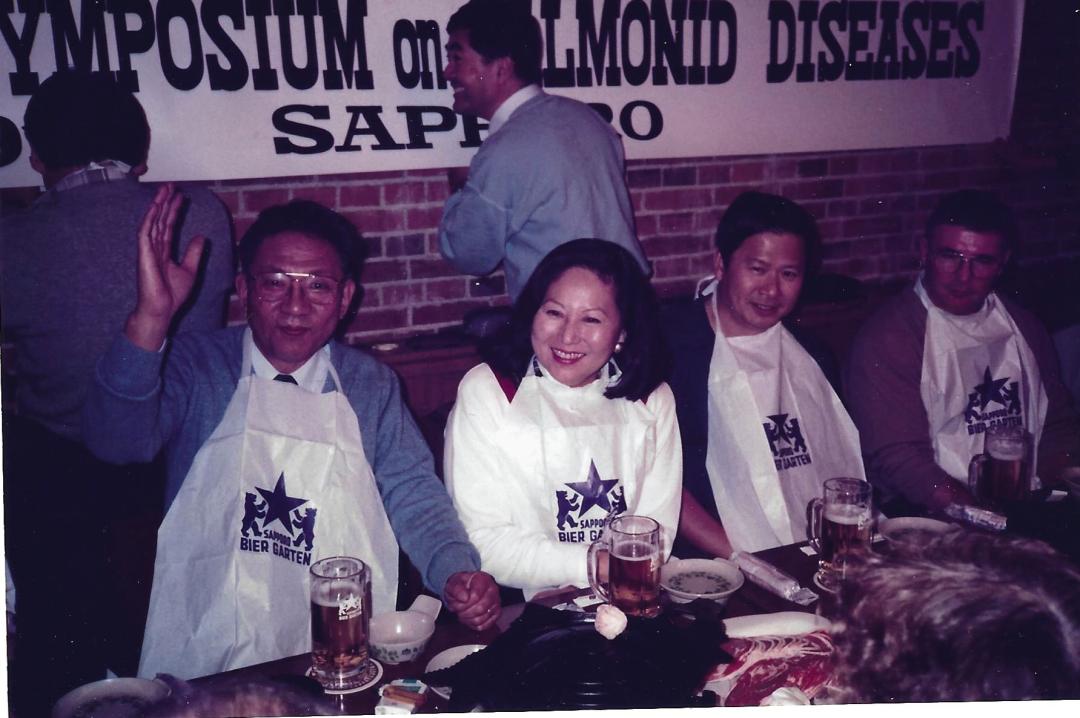
Four individuals sitting at a Japanese restaurant table wearing food garments.

On October 24, 1991 Leong (center) celebrates and shares new discoveries with her colleagues at the Oji International Symposium on Salmonid Diseases in Sapporo, Japan. This is one of multiple international events Leong attended.

“Salmon lice is a huge problem, and they couldn’t use some of the anti-lice compounds,” she said. Given that some of the salmon were raised for human consumption, alternative measures were sought. “Sometimes they would bring out a bag of rotting onions from the tank because they were hoping it would keep the lice away. It was the only thing they had at the time.”

A vaccine could change that. Numerous farms sought to develop and use antiviral vaccines for their struggling marine life, which Leong’s work made possible.

Moving forward and across the ocean

After her time at Oregon State, she returned to Hawaii to help take care of her family, including her now 101-year-old mother and 103-year-old father. Departing from Oregon State meant she had to drop her virology research.

She landed a new position as director of the Marine Institute at the University of Hawaii at Manoa. The problem was she is a microbiologist – not a marine biologist.

When she arrived, the lab needed a microbiology background in aquaculture, especially in fish rearing and coral disease research. With 17 other faculty members, Leong led the Hawaii Institute of Marine Biology, including more than 50 graduate students.

Despite being an ocean away, she aimed to maintain her strong Oregon roots. “I used my own funds to bring some of the faculty over. I tried very hard to keep those friendships very strong because I didn’t want to leave them.”

Leong's leadership roles grew including serving as the chairman of the Board of Directors for the Center for Tropical and Subtropical Aquaculture, the president of the National Association of Marine Laboratories, and on the executive secretariat for the National Advisory Committee on Development and Assessment of Climate. When she retired, she thought about stopping science but when her friends kept calling her up to edit new books, she couldn’t resist.

When recalling her wild water adventures, she offers advice for aspiring scientists. “When I was young, I wish I knew to choose subjects and people not because they make you feel good, but because they are doing wonderful things for science and society,” Leong said. “Look to the future and decide what it is that you want, short and long-term, and then make the decision.”

Currently, she enjoys painting, playing piano, growing tomatoes, embarking on boat trips to Indonesia, and engaging in things she didn’t have time for before. Not to mention creating more memories with her husband in a marriage of 57 years and counting.

Even though many years have come and gone, she doesn’t forget the people who supported her through the struggles and the triumphs.

“I grew up as a scientist, teacher, and communicator at Oregon State,” Leong said. “My colleagues have been supportive and the College of Science administration as well as the College of Agricultural Sciences were so helpful as I was struggling as a young professor.”


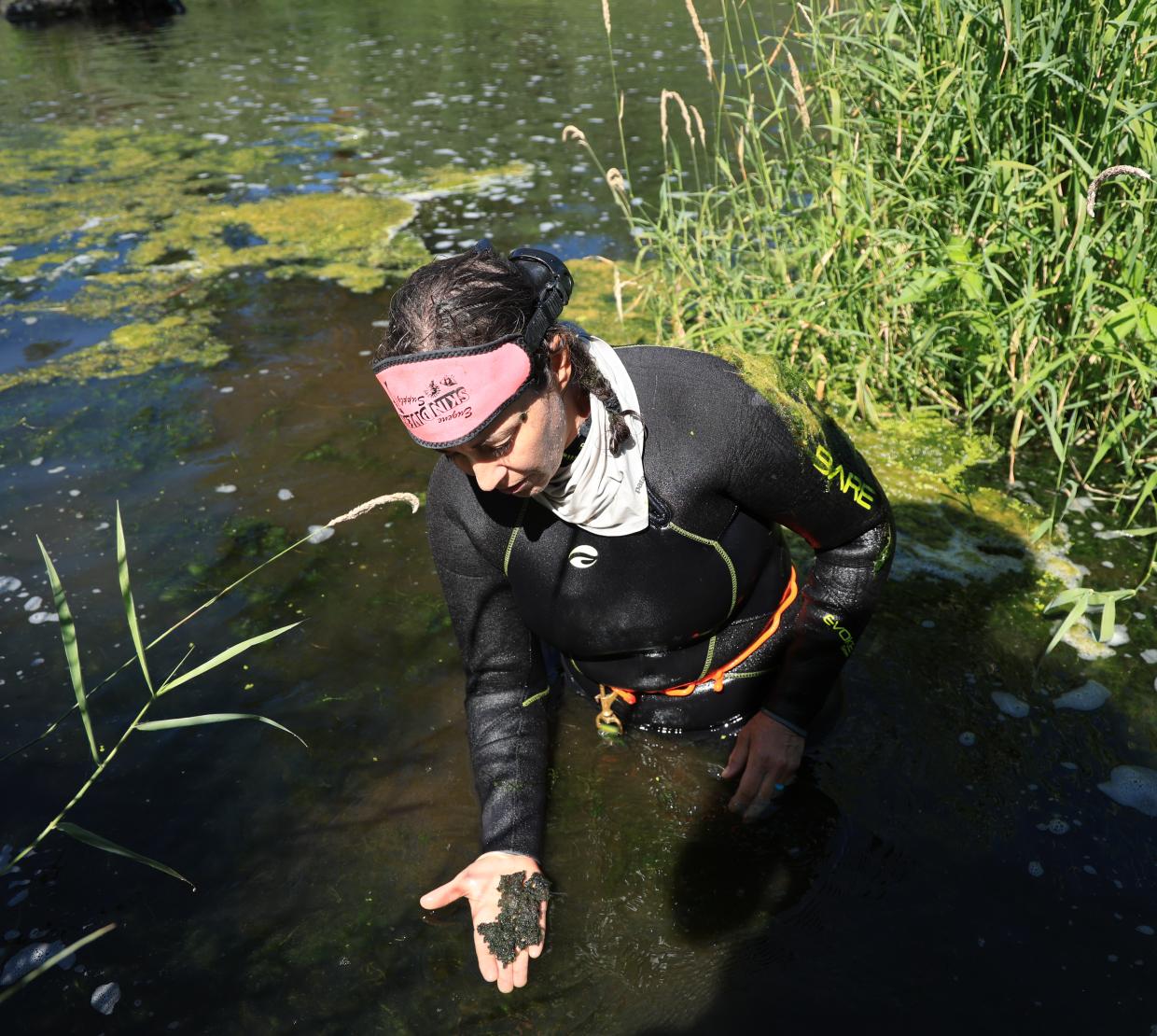
A woman in a stream holds dirt in her hands.

Dam removals, restoration project on Klamath River expected to help salmon, researchers conclude

By Sean Nealon

Julie Alexander on the Klamath River

The world’s largest dam removal and restoration project currently underway on the Klamath River in Oregon and California will aid salmon populations that have been devastated by disease and other factors. However, it will not fully alleviate challenges faced by the species, a team of researchers conclude in a just-published paper.

In the paper, published in Frontiers in Ecology and Evolution, a team of researchers from Oregon State, Tribes in Oregon and California, and state and federal agencies outlined their predictions for salmon disease risk in the Klamath River following the removal of four hydroelectric dams. They also provide post-dam removal research and monitoring recommendations and insights to aid habitat restoration efforts.

Five faculty members in the Department of Microbiology, Jerri Bartholomew, Julie Alexander, Stephen Atkinson, Rich Holt and Sascha Hallett, focused on how the dam removals could impact pathogen exposure, such as parasites.

“There’s no question in my mind just the removal of these four dams will go a long way to knocking back that current infection zone by shifting things in terms of time and space where the hosts and parasites overlap,” said Alexander, an aquatic ecologist.

Michael Belchik, a fisheries biologist with the Yurok Tribe in California and co-author of the paper, said he thinks there will be noticeable gains for fish shortly after the dams are removed.

“I think you are going to see fish accessing new habitat right away, and that is going to be a cause for celebration,” said Belchik, who has worked for the Tribe since 1995.

One of the four dams was removed earlier this year, and the other three are slated to be taken down in early 2024. Removal of the dams will result in restoration of habitat originally altered more than 100 years ago with construction of the first dam.

Read more here.

Sally Tatala

Sally Tatala

Alexandra Alexiev

Alexandra Alexiev

Subscribe to Microbiology