Microbiology

Microbiology

Qi Chen

Qi Chen

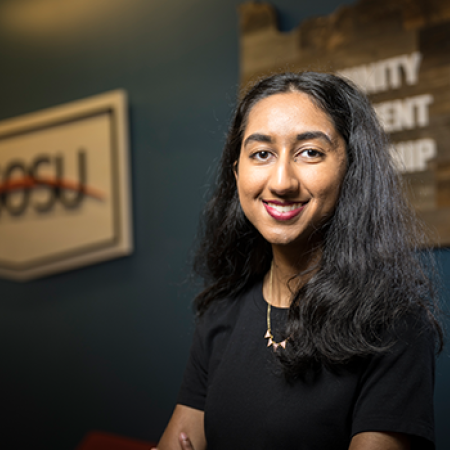
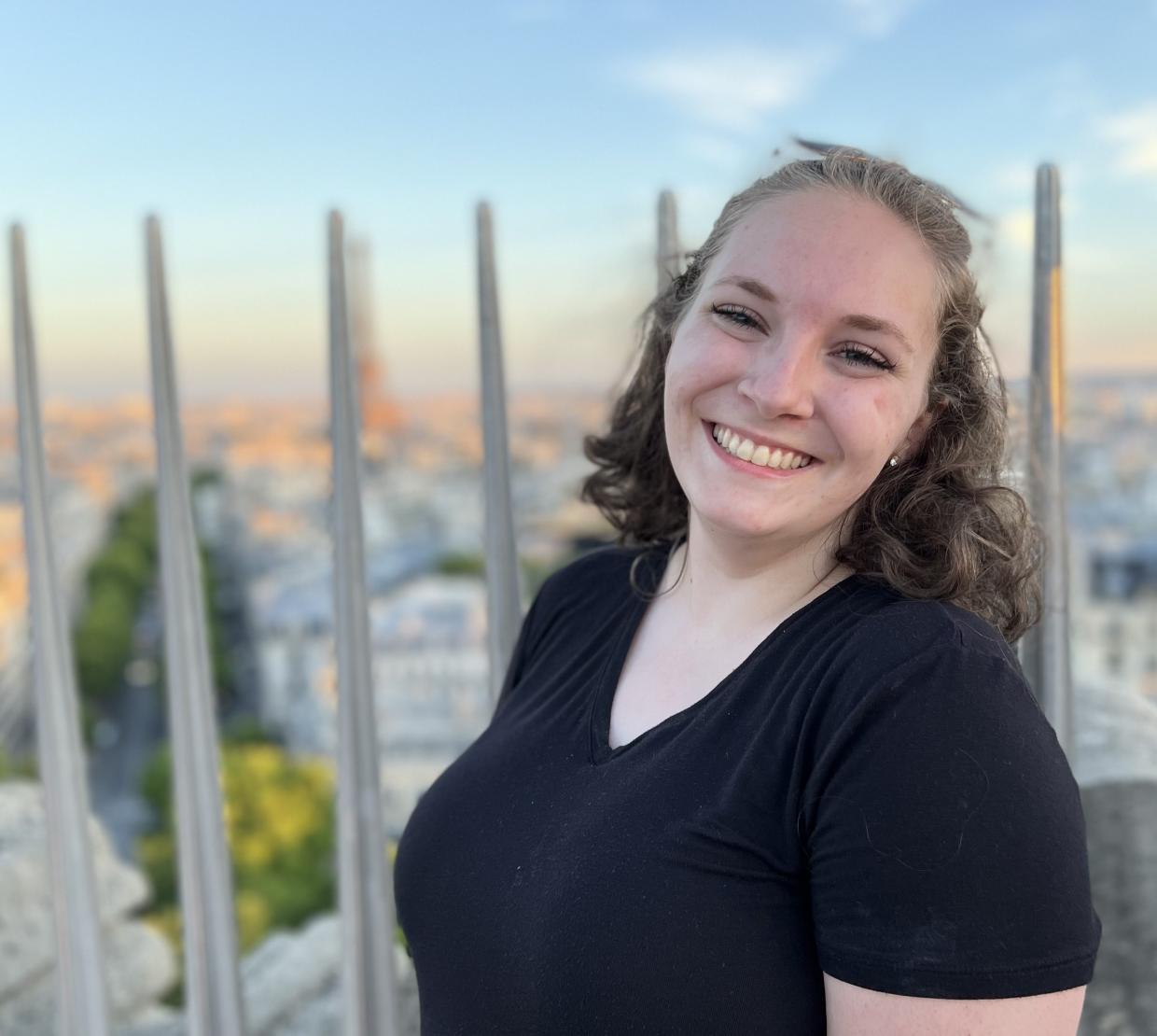
A woman with a dark t-shirt and pulled back hair smiles widely at the camera, the cityscape of Paris blurred in a sunset behind her.

Microbiology pre-med senior pursues passion for patient care

By Elana Roldan

At times, medicine can feel like a paradox. Everything is built around a patient’s well-being, yet, it may gradually become easier for practitioners to focus on physical issues rather than emotional ones.

Microbiology senior Catherine Sterrett remembers a time when medicine for her had boiled down to colorless facts from a book — these symptoms meant this condition which meant this treatment. But after she found herself in a hospital as a patient, not a scientist, her greatest motivation became bringing humanity into medicine.

“You get focused on school and academics and everything from books and paper versus the real human experience of being scared in the hospital, not knowing what's going to happen,” she said. “To me, it highlighted some of the issues that happen when you're the patient in the bed and how I want to go forward to be better.”

After she graduates this June, Sterrett will be heading to Western University of Health Sciences for medical school. The opportunities she’s had and the impact she leaves behind at OSU have built the path forward to her career. Working in this field calls for kindness and trust, Sterrett says, and she plans to bring both in spades.

Two sides of medicine

Before she came to Oregon State, Sterrett took community college courses through her high school for three years. When graduation rolled around and she prepared to head to Corvallis, her plans (much like everyone else’s) were abruptly cut short by the global COVID-19 pandemic. Still, she refused to let this keep her from finding a community.

Sigma Delta Omega is a sorority dedicated to women in STEM and is exclusive to Oregon State University. As an unhoused sorority, it was a perfect match while Sterrett lived in Portland, Oregon during her first year.

“I ended up reaching out and going to recruitment. For me, it was one of the most amazing decisions I could have made,” she said. “I got into the Zoom room and got to talk to people who wanted to talk to me, who were there to make friends. That's the whole point.”

Before she’d even had a year under her belt, Sterrett decided to become the membership development chair for SDO. She organized conversations between other pre-med members and health care alumni, helping students see different routes they could take in medicine and giving them the chance to network with professionals from many fields.

Later, she transitioned into philanthropy co-chair and organized one of the sorority’s most profitable events, a Halloween porch decorating contest, which raised money for the precollege OSU Stem Academy program.
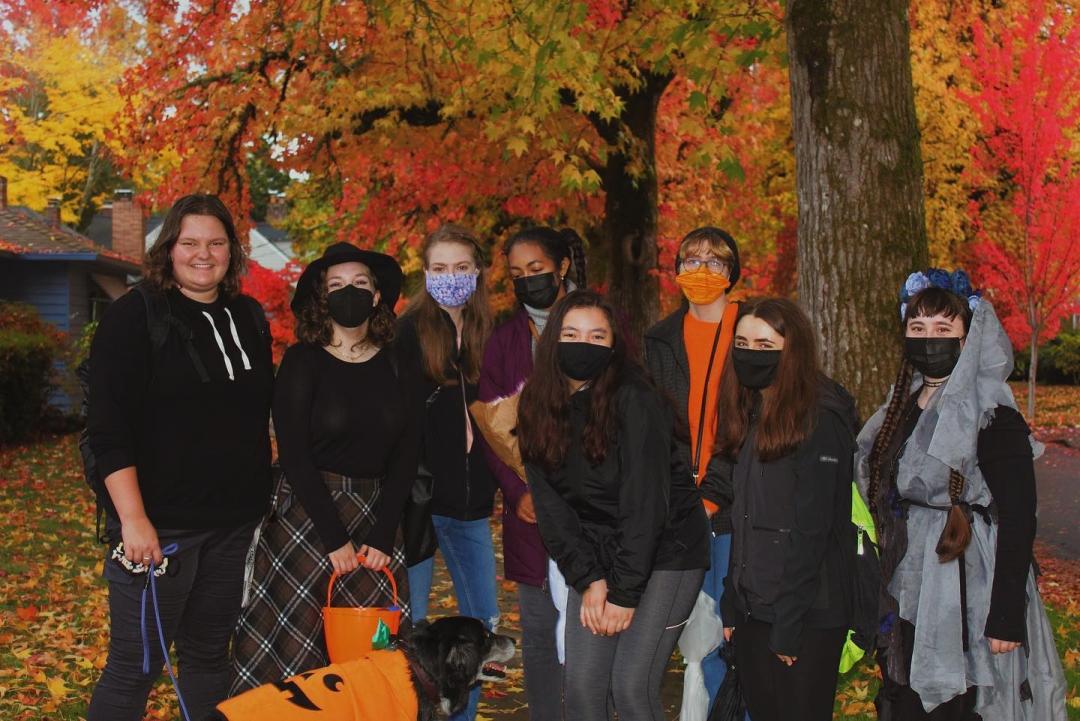
A group of students dressed in dark shirts and jackets, jeans and a few Halloween costumes gather beneath vibrant fall trees. They stand on the sidewalk of a street lined with houses and lawns that are covered in leaves. A black dog with a graying muzzle sits in front of the group wearing a jack-o-lantern costume.

SDO members dress up for the sorority’s first-ever porch decorating competition co-organized by Sterrett.

But halfway through her time at Oregon State, she faced an obstacle she’d never seen coming.

“I unfortunately had to go to the ICU with sepsis and pneumonia and have emergency surgery during winter term of my second year. And boy, does that mess some things up,” she recalled.

Out of the whirlwind of emotions this brought, the most potent were shock and fear. Going from worrying about tests to worrying about the safety of her own body was rattling. While in the hospital, Sterrett saw two very different ways professionals approached patient care.

“I had some medical practitioners who did an extremely good job at interacting with me, explaining things to me and making sure I was in the loop, and then I'd have other people who would basically just do things to me in the hospital. Like, do medical procedures and not even speak a word to me, which is — especially when you can't communicate, because I had oxygen in and I had a very hard time talking for the first week that I was there — is scary and overwhelming,” she said.

Fortunately, her partner, roommate and family were there to help her navigate the difficult circumstances. Several weeks later, she recovered enough to be discharged and eventually resume school. It was an exhausting experience to say the least, but when she did return, her resolve toward quality patient care had grown exponentially stronger. It has even influenced the specialty she wants to pursue.

“I think it can be very easy during pre-med to become very detached,” she said. “I like being able to cultivate that relationship with people and build that trust, which you can do as a family practitioner when you're seeing people over long periods of time.”

Support and success

Now that she’s reached the finish line at Oregon State, Sterrett is especially grateful for the work she’s done with College of Science faculty.

During fall term in 2021, she started working with Ryan Mueller from the microbiology department after meeting him at a research mixer. It was a particularly exciting opportunity because the project they tackled was completely new, meaning they worked together to get it running. She even developed a cost-friendly method of creating anaerobic media for bacteria that would otherwise die in the presence of oxygen, a method also used successfully later in a graduate student’s research.

In her microbiology classes, professors Allison Evans and Linda Bruslind brought a joy to teaching and didn’t hesitate to support students however they could. Evans even wrote her a letter of recommendation for her medical school application.

“Allison Evans and Linda Bruslind are the two best teachers at OSU hands down. They are the best people ever,” she said. “Allison Evans is one of the most friendly people you've ever met. She will talk to you whenever, and she's just so nice. Linda's the same way. They're both so happy and excited to help you.”

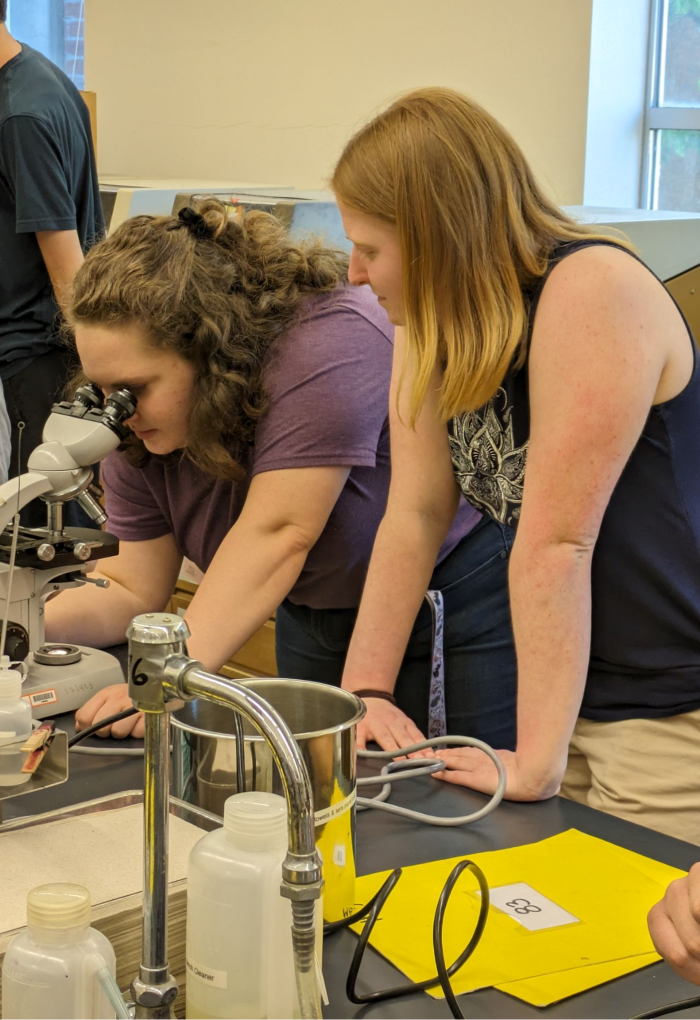
Two people gather at a microscope, one with long, curly hair pulled back looking intently into the lens, one with mid-length hair overlooking the other. The microscope is on a table with various other metal pieces of equipment and plastic bottles.

Sterrett, president of the Microbiology Student Association, uses a microscope at the club's Spring Microscopy Night.

With the support of her science mentors, the skills of a strong leader and a passion for helping those who need it, Sterrett’s leap beyond her bachelor’s is sure to land somewhere she will thrive.

An abstract illustration of data, AI and information forming waves

College of Science hosts Inaugural Research Showcase

By Hannah Ashton

Extending the Reach and Impact of Science

RSVP Today

Tuesday, May 21, 2024
11 a.m. – 2 p.m.
Memorial Union Multipurpose Room 13

This event will feature SciRIS awardee presentations, panel discussion on artificial intelligence in the College of Science, and posters and science education demonstrations by Oregon Museum of Science and Industry (OMSI) Fellows.

Schedule of Events

11 – 11:10 a.m.

Welcome and introduction from Vrushali Bokil, Associate Dean of Research and Graduate Studies


11:10 – noon

SciRIS Awards Showcase

The College of Science Research and Innovation Seed (SciRIS) program funds projects based on collaborative research within our community and beyond. The program awards seed funding for high-impact collaborative proposals that build teams, pursue fundamental discoveries and create societal impact. Founded in 2018, SciRIS accelerates the pace of research, discovery and innovation in the College of Science by enabling scientists to work across an array of disciplines in a mentored environment. We showcase some of the recent awards made under this program.

Francis Chan: “The Hypoxic Barrier Hypothesis: have we missed a fundamental dynamic of oxygen use in microbes and ecosystems?”

Kim Halsey: “Leveraging volatile organic compounds to detect cyanotoxin contamination in Oregon lakes”

Maude David: “Leveraging organ-on-a-chip systems to mimic the gut sensory system: toward screening microbiota-vagal interactions”

Yuan Jiang: “Harnesses longitudinal microbiome data to define the ecological roles of host-associated microbes”

Alysia Vrailas-Mortimer: “A New Model to Study the role of Iron in Parkinson’s Disease”


Noon – 1 p.m.

Lunch & Networking: OMSI Communication Fellows demonstration and poster session

Oregon State University and the Oregon Museum of Science and Industry (OMSI), one of the nation's leading science centers, have enjoyed a close partnership since 2016. OMSI hosts its popular Science Communication Fellowship cohort program on OSU’s Corvallis campus every spring. More than 70 students, faculty and staff from across science at OSU have completed the training program, including the Colleges of Science; Engineering; Earth, Ocean, and Atmospheric Science; Agricultural Sciences; Forestry; and Public Health and Human Sciences. The COS partners with OMSI in offering this fellowship to our students. Here we showcase some of our COS OMSI Science Communication Fellows.

Akasit Visootsat & Yuan Gao (Physics): “What & How to see motor proteins?”

Sunni Patton (Microbiology): “Exploring the Coral Microbiome”

Austin Vick (Integrative Biology): “What can the common fruit fly tell us about our health”


1 – 2 p.m.

Panel Session: AI in Research
Moderators: Vrushali Bokil, Bettye Maddux and Jeff Hare

The panel will discuss ideas for incorporating AI and data science across four priority research areas: clean energy, integrated health and biotechnology, climate solutions and robotics.

Panelists

Tim Zuehlsdorff, Assistant Professor, Department of Chemistry

Jeff Hazboun, Assistant Professor, Department of Physics

Ryan Mehl, Professor, Director of GCE4All Research Center, Department of Biochemistry & Biophysics

Marilyn Rampersad Mackiewicz, Associate Professor, Department of Chemistry

Francis Chan, Associate Professor, Director, Cooperative Institute for Marine Ecosystem and Resources Studies, Department of Integrative Biology

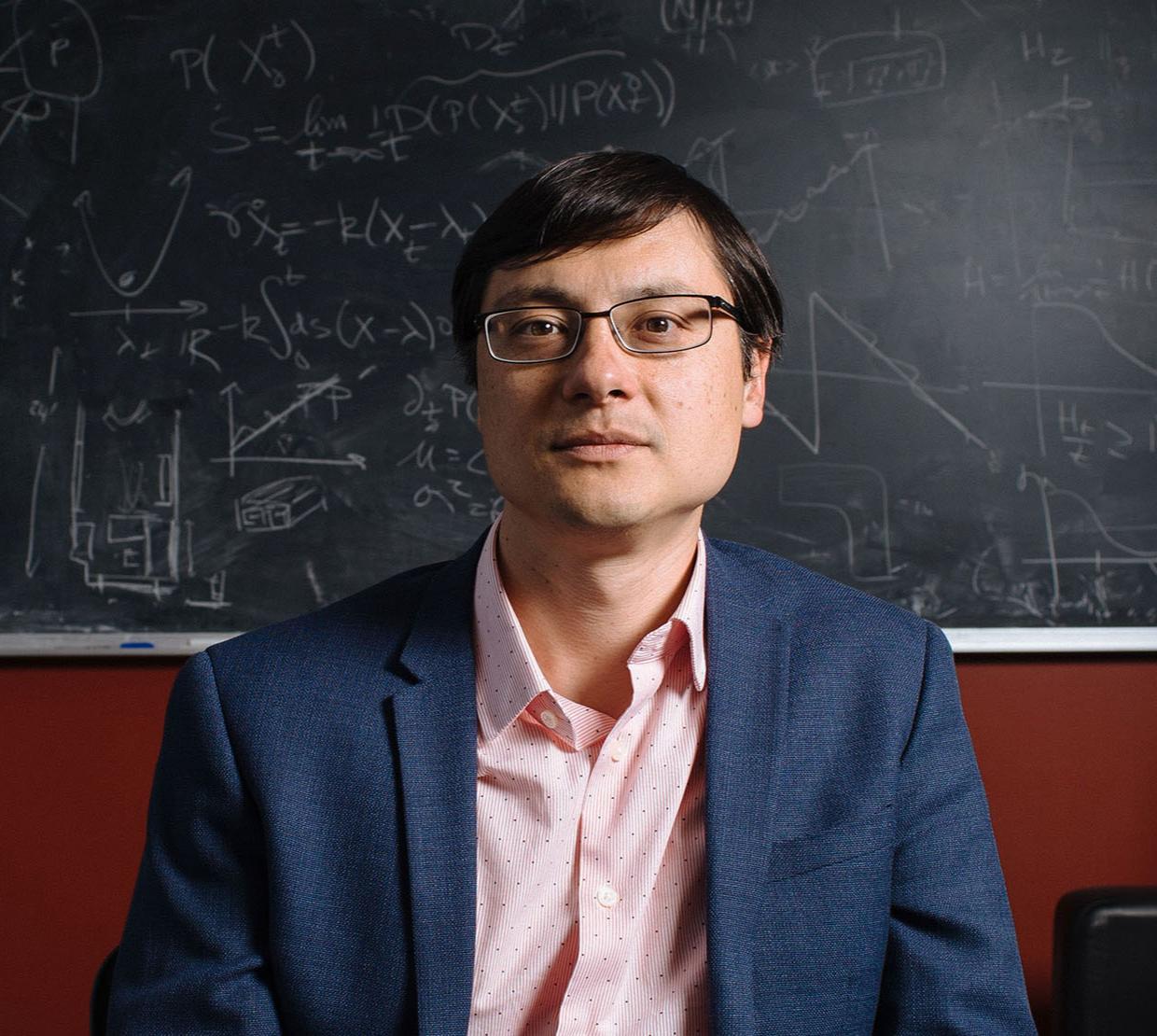
Jeff Gore, professor of physics at MIT, seated in front of a chalkboard wearing a collared shirt and suit jacket.

'Simple Predictive rules in microbial community assembly': Berg Lecture 2024

By Arie Henry

Looking for the 2025 Berg? This way


Imagine the ability to predict, from the convenience of your lab, what happens when microbial communities are hit by environmental stressors. Jeff Gore, award-winning professor of physics at MIT, does just that.

Join us May 28, 2024, as he discusses his remarkable research at the second annual Berg Lecture: “Simple predictive rules in microbial community assembly: From the lab to the world’s oceans.”

Microbial communities, with their complex interactions and diverse species, play crucial roles in both human health and environmental sustainability. Gore's research aims to predict how these communities initially assemble and how they change due to stressors, using experimentally tractable approaches to discern the rules governing microbial community assembly and function.

By employing innovative techniques, Gore and his team have demonstrated the predictive power of simple theoretical models in understanding how microbial communities respond to environmental stressors.

Gore's expertise is evidenced by his groundbreaking research on transient invaders and their impact on ecosystem dynamics. Through experiments with bacterial populations, Gore and his colleagues have elucidated how even short-lived species can trigger profound shifts in community structure, offering valuable lessons for understanding and managing complex ecosystems.

This engaging and thought-provoking lecture will expand your understanding of microbial communities and their implications for our world. Don't miss this opportunity to hear from one of the leading minds in the field.

(from Quanta magazine:) In this video, Gore characterizes multi-species communities, and how leveraging the study of physics can contributes to a better understanding of the intricate dynamics those communities exhibit.

Gore joined the MIT Physics Department as an Assistant Professor in January 2010 after spending the previous three years in the department as a Pappalardo Fellow working with Alexander van Oudenaarden. With the support of a Hertz Graduate Fellowship, in 2005 he received his Ph.D. from the Physics Department at the University of California, Berkeley. His graduate research in single-molecule biophysics was done in the laboratory of Carlos Bustamante, focusing on the study of twist and torque in single molecules of DNA. The Gore Lab studies how interactions between individuals determine the evolutionary and ecological dynamics of multi-species microbial communities. Of particular focus are alternative stable states, community assembly, cross-feeding, and the emergence of "cheater" strategies.


Read more stories about: events, microbiology, science communication


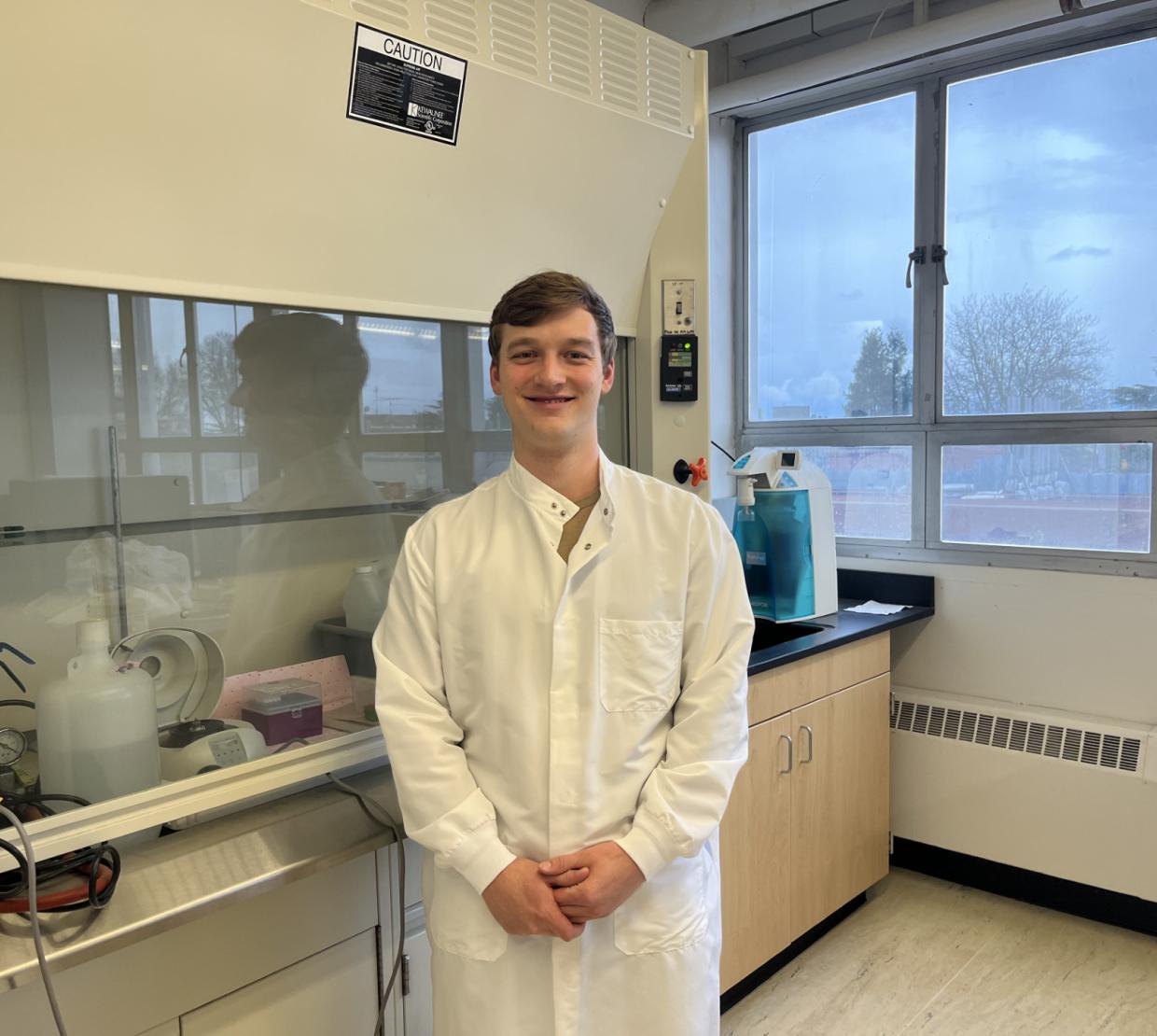
Kelly Shannon dons a white lab coat in an OSU laboratory, equipment lining the wall on his right and a window framing trees outside on his left.

Ph.D. microbiology student honored as ASM Young Ambassador

By Elana Roldan

College of Science Ph.D. student Kelly Shannon has been selected as Oregon’s young ambassador for the American Society for Microbiology. With only one candidate chosen for each state, he has joined the ranks of distinctly remarkable up-and-coming microbiologists.

The American Society for Microbiology stands as the oldest and largest single life science membership organization with more than 36,000 members worldwide. Its founding in 1899 began decades of work uplifting local scientific communities across the globe. With one hand in public policy advocacy and another in improved inclusion, ASM takes a microscopic field to macroscopic heights for millions.

As ASM young ambassadors, early-career microbiologists become leaders in their communities and facilitate stronger regional microbiology spheres. Through networking, professional development and collaborative efforts, they collectively work to improve science on a broad scale by effecting change in many smaller areas.

“This is a really exciting role where graduate students from each state in the U.S. — and many countries internationally — get to connect other microbiology students and early-career scientists in our respective states or countries with each other and with ASM resources,” Shannon explained.

As the young ambassador of Oregon, he hopes to ease the stress of students deciding what avenue of microbiology research they want to pursue. He plans to host a microbiology career development seminar series open to both undergraduate and graduate students. Oregon State students are welcome to attend in person and those from other institutions will also be able to join on Zoom.

The series will explore microbiology research career options, how to tackle a transition into industry research and how to competitively market yourself and your skills. Thanks to ASM’s wide spread of resources that tie into the content, students will continue to have support when the series is finished.

Shannon’s time at Oregon State, he says, has prepared him for this position more than anything else.

“All of my peers in microbiology, students and faculty, are such intelligent, hard-working people and they have really taught me everything I know about leadership, organization and public speaking to set me up for this role,” he said. “There are too many valuable experiences at OSU to count, but my advisor, lab mates, microbiology professors, department administrators and advisors and fellow microbiology graduate students have helped me the most out of anything.”

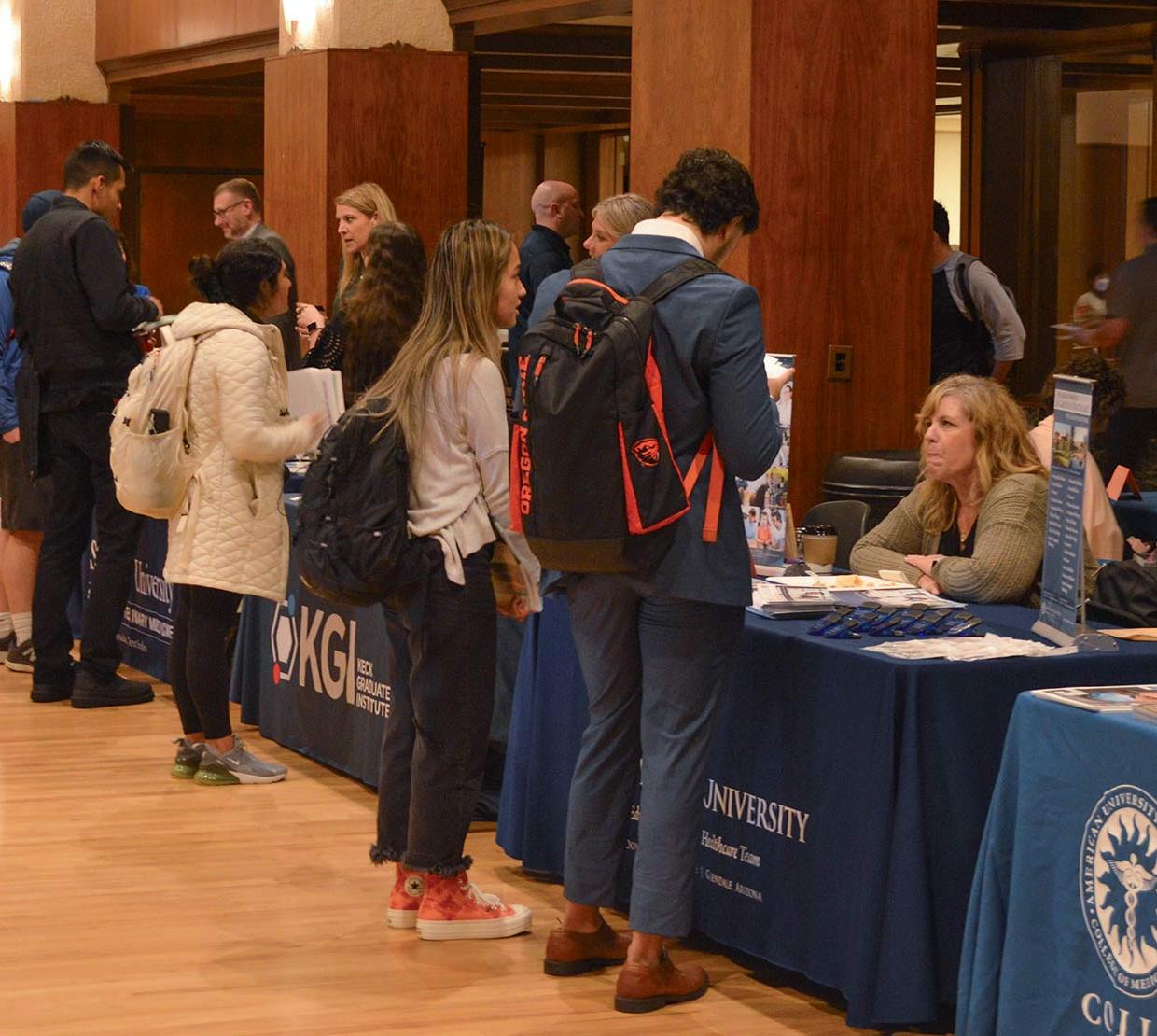
Wide shot of the Health Professions Fair, showing many universities meeting with students

Connect with schools and programs specializing in health care at the Health Professions Fair!

By College of Science Communications

The Health Professions Fair is a fantastic opportunity to learn about graduate education and careers in health care.

Admissions representatives from more than seventy health professions programs across Oregon and the United States will travel to Oregon State to meet with students at the Health Professions Fair.

April 23, 2024
10 a.m. to 2 p.m.
OSU Dixon Recreation Center Lower Gym.


According to U.S. News and other surveys, healthcare is one of the fastest-growing industries. The Bureau of Labor Statistics predicts that employment growth in this sector will be much quicker than the average for all jobs by 2026.

Students interested in this industry can connect with professional schools and graduate programs with specializations in the health-care industry while also learning about graduate education and careers. The Fair hosts schools representing health professions programs in medicine, osteopathy, dentistry, pharmacy, chiropractic medicine, nursing, physical therapy, public health, health management and administration, biomedical sciences and several others. More than 500 students attend the Health Professions Fair each year.

Students are welcome to stop by anytime during the Health Professions Fair, which is free and open to all majors. Volunteers will be on hand with a list of participating schools and a map of their table locations. Students can visit a school’s table to pick up information materials and speak with admission representatives.

Something for everyone

The health fair is open to all undergraduates and alumni.

First and second year students can explore health professions options, build networks and get tips from admission representatives on undergraduate preparation and co-curricular activities.

Juniors, seniors and alumni will have opportunities

  • to learn about specific programs from admissions representatives of various universities,
  • collect application materials and obtain financial aid information, and
  • get tips on writing a personal statement, application, and letters of reference.

Preparing for the Fair

Students can connect with representatives of graduate health programs from schools such as Oregon Health and Science University, University of Southern California, Tufts University, Pacific University, Idaho College of Osteopathic Medicine and many more.

See a list of participating schools


Prioritize your list of schools and brainstorm questions for admissions representatives to make the most of your Fair time. Here are a few ideas to get started:

  • What is unique about program X at your university?
  • What types of courses would I take in program X?
  • What hands on components does program X offer (internships, rotations, etc.)?
  • What does your admissions committee look for in an applicant?
  • I read about X on your website. Can you tell me more about that?

For more information, please visit the Health Professions Fair event page.

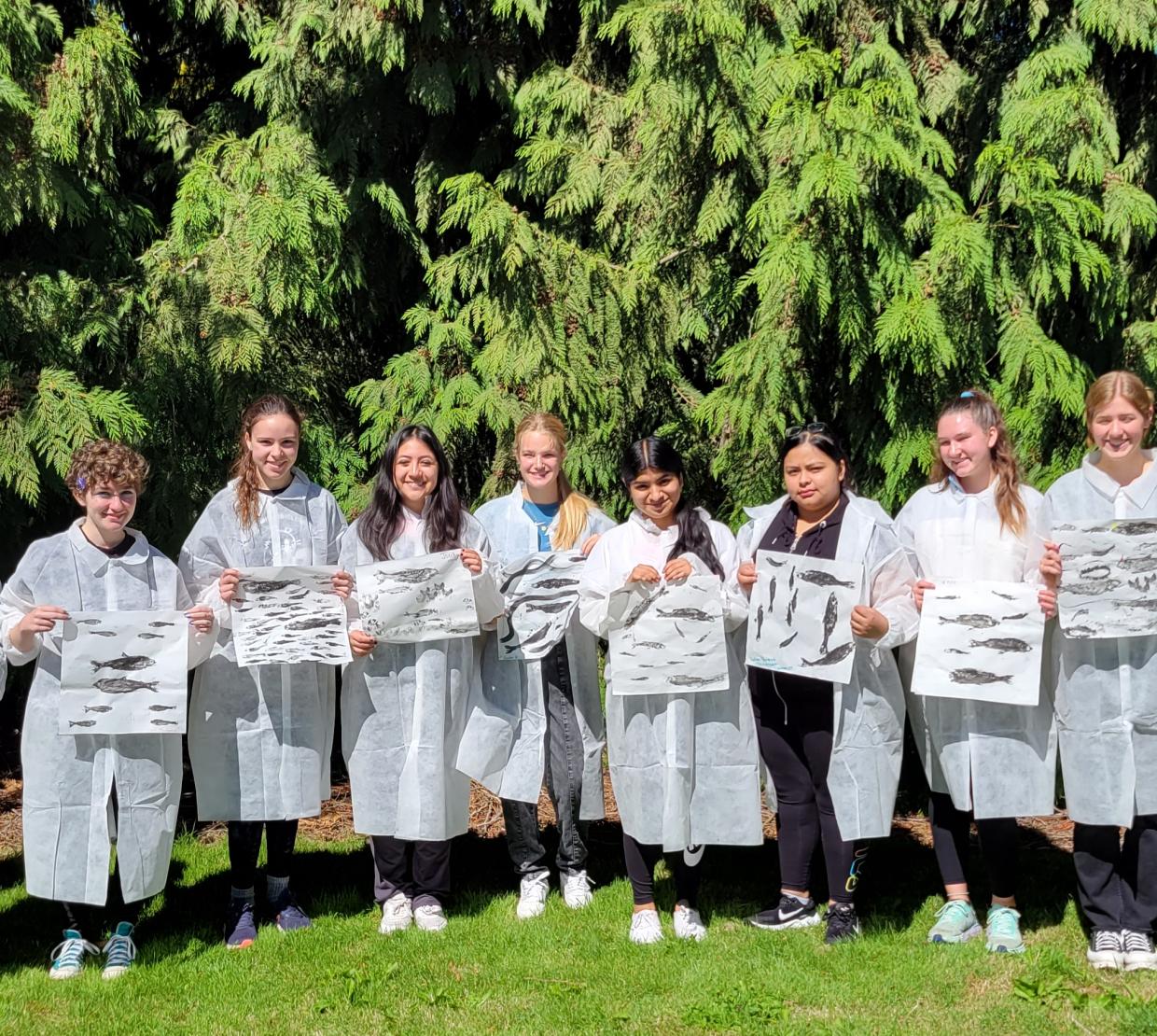
Students in lab coats pose for a group photo.

Leidholdt Microbiology Summer Camp seeks support to sustain STEM opportunities

By Hannah Ashton

When an autistic high-school student meets an autistic science mentor, a whole new world of possibilities opens. When a shy high-school student is encouraged to embrace curiosity and ask questions, their path to college gets easier to navigate. And when an underrepresented high-school student is given a scholarship to attend a microbiology STEM camp, it can change their world.

The Leidholdt Microbiology Summer Camp (previously the Pernot Camp), held by the Department of Microbiology on the OSU Corvallis campus, is a transformative, once-in-a-lifetime summer experience for historically underrepresented or underserved high school students aspiring toward STEM careers.

Growing up as a low-income Hispanic person in rural Montana, camp creator and past director Savanah Leidholt (‘22-23) witnessed the lack of STEM opportunities for youth in these demographics and decided to take action after becoming a graduate student at Oregon State. She created a week-long immersive science camp, where a younger version of herself would have thrived.

LGBTQ+, women, BIPOC, low-income and other students from diverse backgrounds are welcomed into a safe space to explore microbiology. Students learn about three subfields of the discipline, including Food System Science, Human Health and Disease, and Aquatic Microbiology. Participants conduct microbiology-focused lab experiments, go on field trips and hear from diverse speakers about career avenues and opportunities in STEM.

“Even their ability to ask questions grows. I know it's difficult to ask questions but by the end of the camp, these students are conversing with us and just ready to ask questions and learn."

In the first year of the camp, held in 2022, students learned how to use pipettes, the small glass or plastic tubes used in labs. They also collected cheek cell swabs, extracted DNA from potato salad, toured Corvallis’ wastewater facility and applied microbiology to arts and crafts.

“This camp gives students a safe space to be curious, grow their confidence, work with their peers and find out what they like and don’t like,” said microbiology graduate student Sunni Patton, the camp director in 2024. “It provides experiential learning opportunities for students who would otherwise not be able to participate.”

Most students don’t experience a microbiology lab until college. The Pernot camp allows them to see more career avenues. “It’s a way to open new interests and hobbies. A way to expand, open doors and make friends,” wrote one student who said they would recommend the camp to their friends.

"I liked that one of the mentors is autistic; it makes me feel welcomed as someone with autism,” wrote another student.

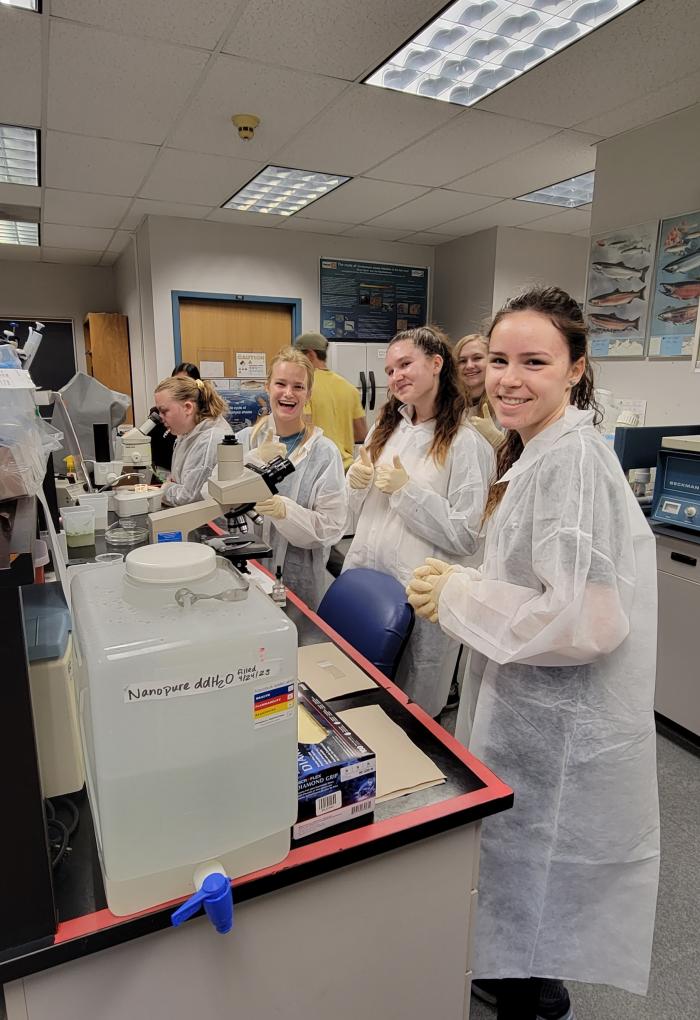
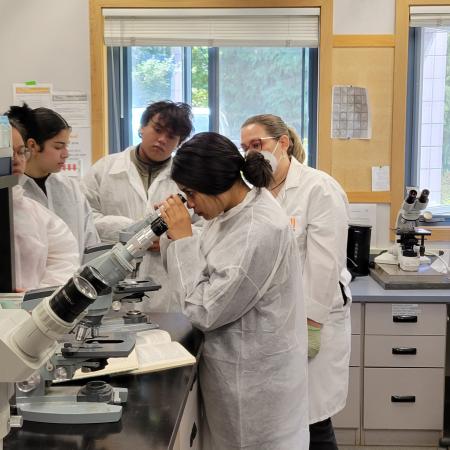
High school students at the Leidholdt Microbiology camp are all in a row looking in to microscopes. They wear blue disposable lab covers over their clothes an blue gloves.

High-school students get hands-on experience in a laboratory during the 2023 Pernot Microbiology Camp.

The skills participants learn extend beyond the sciences. “Even their ability to ask questions grows. I know it's difficult to ask questions but by the end of the camp, these students are conversing with us and just ready to ask questions and learn,” said Patton.

The camp was created to remove barriers for students to experience a new side of science. Not the traditional stereotypical image of a scientist, but diverse individuals who collaborate, work in the field and are passionate about their research.

Scholarships distinguish the camp. Out of 20 students, 15 students have received scholarships in 2022 and 2023.

The camp is organized through STEM Academy, an OSU program that engages K-12 youth in programs designed to increase college attendance and participation in STEM fields. “Their baseline for a week of camp is $300. That’s not a reasonable expense some students or their parents can justify during summer months,” Leidholt said.

Because one of their main sources of funding is running out this year, camp leadership is working hard to fundraise to continue offering scholarships that cover the cost of attendance and transportation.

“This camp costs $20,000 to put on because of all of the scholarships that we built in to make it more accessible. Right now, we have a quarter of that,” Leidholt said. “Without support on Dam Proud Day, we’re going to have to find ways to cut costs, and that would most likely be coming out of the amount of scholarships we give out. And that, in itself, is not what we stand for.”

Students in lab coats pose for a picture.

Students post for a picture during a lab activity during the 2023 Pernot Microbiology Camp.

Each year the camp directors pour their hearts and souls into creating something magical each summer. “The first year, from January until July, this was a part-time job for me. I’m a full-time graduate student, but I was taking on at least 15 to 20 extra hours a week planning every component of the camp,” Leidholt said.

She watched her efforts blossom into something she never imagined.

“I just feel so excited and hopeful of where this camp is going because I see the effort that our department, the College of Science and individual graduate students like Sunni are taking. They ensure this is a lasting camp, not a one-and-done,” she said.

One student memory sticks out in her brain from last year’s camp, and it highlights just how powerful the experience can be.

“I planned a game of Jeopardy and I had made the questions fairly easy in case students retained less from the beginning of the week,” Leidholt said. “They were all so mad at me and giving me so much shade because they said ‘The questions are too easy.’ It was a nice moment for me because we had a good rapport for them to tell me. I also felt pride because they remembered above and beyond what we expected them to.”

The Leidholdt Microbiology Summer Camp is an investment in the future of STEM, a testament to the power of diversity of science, and a place for students with stories yet to unfold.

For more information about the camp, check out their website and this IMPACT article.

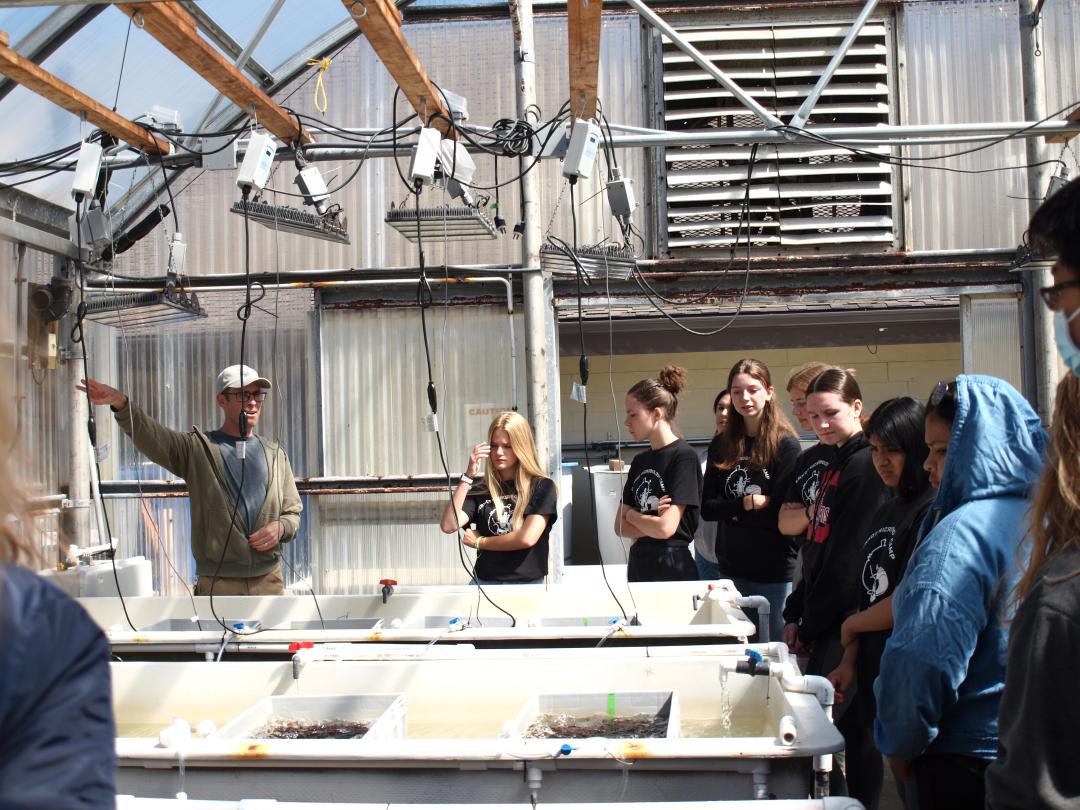
High-school students stand around tanks at Hatfield Marine Center.

Leidholdt Microbiology Camp participants learn about aquatic microbiology during a field trip to Newport.

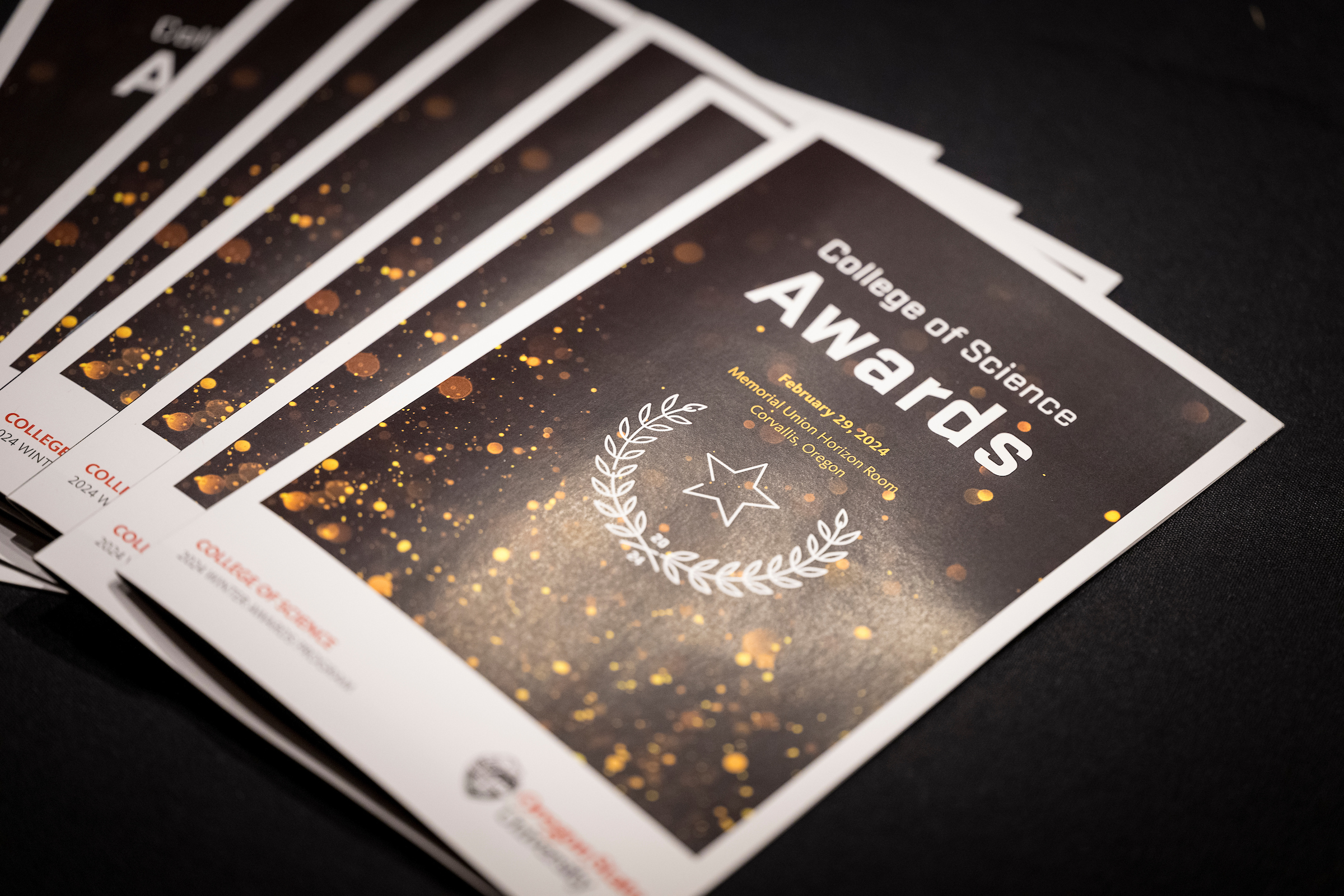
A microscope illustration with golden confetti in the background.

Celebrating excellence in research: 2024 College of Science Awards

By Hannah Ashton

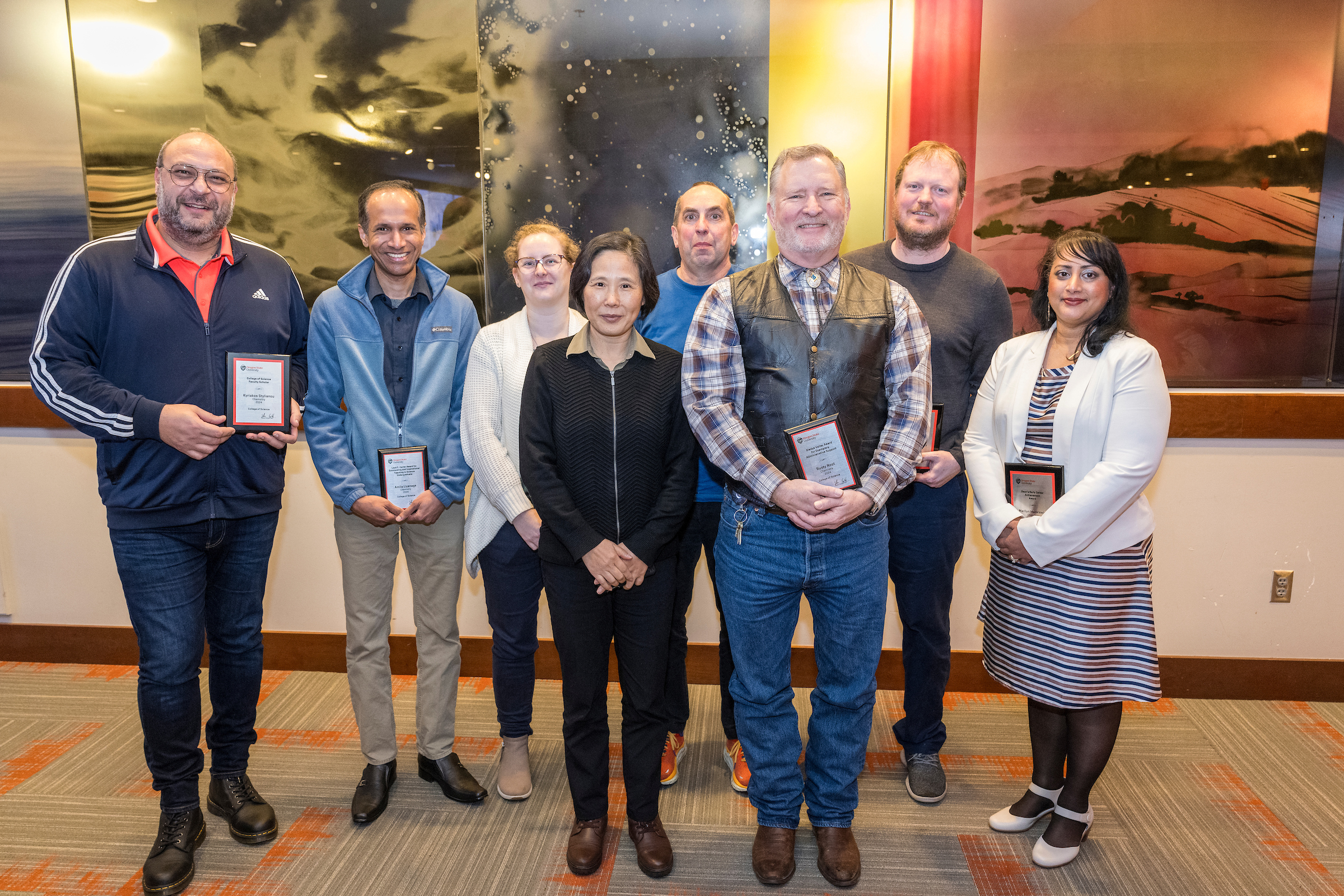
The College of Science gathered on Feb. 29 to recognize and celebrate our high achieving faculty and staff at the 2024 Combined Awards Ceremony. The evening celebrated the very best in the College, from teaching, advising and research to inclusive excellence, administration and service.

The following faculty and staff received awards in the category of research.

Congratulations to all the awardees!

Outstanding Faculty Research Assistant Award

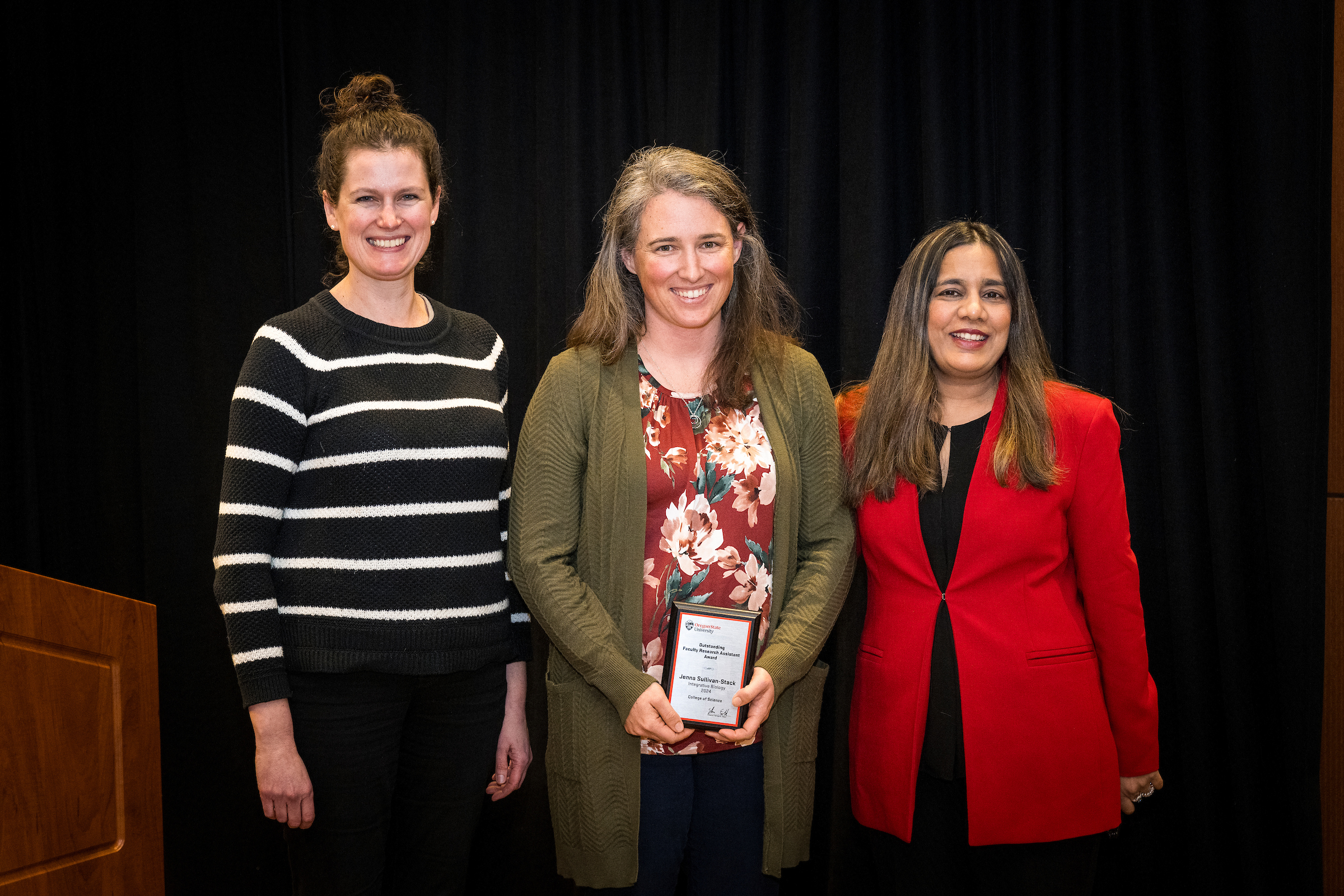
Jenna Sullivan-Stack received the Outstanding Faculty Research Assistant Award for her remarkable contributions in research, service and equity.

Jenna Sullivan-Stack smiles for a photo.

Jenna Sullivan-Stack

Acknowledged as a “talented scientist, effective communicator and trusted collaborator,” Sullivan-Stack has contributed to national policy level complications of ocean research and conservation. She co-authored a Science paper that was downloaded nearly 28,000 times and ranked in the top 5% of research outputs scored by Altmetric.

She actively engages with international collaborators and effectively coordinates communication with diverse co-authors. Her participation in the United Nations Indigenous Dialogues underscores her respected position, where she co-organized a panel on ocean conservation, showcasing her ability to navigate sensitive and diverse collaborations. Her nominator emphasizes, “This speaks volumes about the respect she has from our colleagues.”

In addition to her research prowess, her commitment to service and equity is exemplified through her involvement in departmental committees and initiatives. She serves on the Integrative Biology Department’s Committee on Equity, Justice and Inclusion and contributes to the Inclusive Internationalization Committee. Jenna’s dedication extends beyond academia; she actively participates in the Skype a Scientist Program, virtually visiting elementary classes nationwide to share her research and inspire the next generation.

In the words of her nominator, “Jenna is a true asset to OSU. Her expertise is supporting a thriving research group to make local to global scientific impacts that are truly transdisciplinary.”

Dean’s Early Career Achievement Award

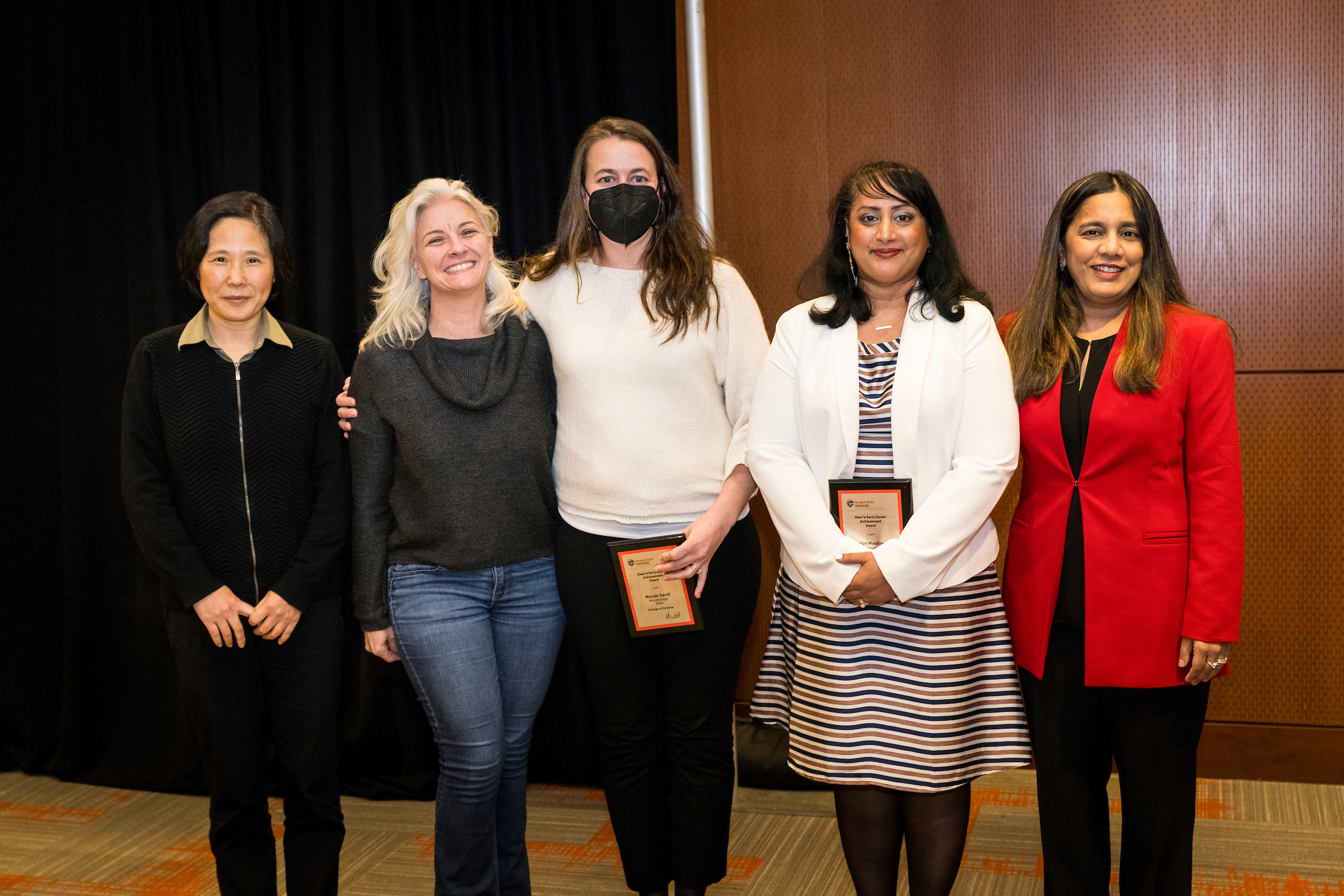
Assistant Professor Maude David received the Dean’s Early Career Achievement Award for her outstanding contributions across research, mentorship and innovation. Notably, David’s research on the gut-brain axis and application of deep learning to neurological diseases, particularly autism, has earned international reputation.

Maude David smiles for a photo.

Maude David

Her impressive CV includes 13 manuscripts in esteemed journals and securing approximately $9.5 million in funding from diverse sources. A fellow colleague from Stanford wrote, “In my estimation, Dr. David’s early academic achievements are among the most impressive I have seen in my entire career.” Her pioneering efforts extend beyond academia, as she has initiated companies like NeuroBiome LLC and Microbiome Engineering LCC, aligning with the College of Science’s mission for community health.

Industry partners in the biotechnology sphere commend David’s deep commitment to open and collaborative science. “She has shared all data, metadata and analytical pipelines with the scientific community: as a result, this dataset has already been used by many researchers, and part of it has been published in Nature Neuron.”

David has become a leader in her field elevating Oregon State’s distinction in the area of biomedical research and biocomputing. Faculty describe her as a devoted community member with an astonishing work ethic.

Marilyn Mackiewicz smiles for a photo.

Marilyn Mackiewicz

Marilyn Mackiewicz received the Dean’s Early Career Achievement Award for her exceptional contributions in research, teaching and service. Her research focuses on safe nanomaterials, and she and her group have developed a unique protocol for controlled nanoparticle production, allowing groundbreaking applications in bioimaging and therapy. The nominations from fellow colleagues highlight her “commitment to advancing the field” and call her a “rising star in nanomaterials.”

In the teaching domain, Mackiewicz’s impact extends beyond traditional classrooms. She is commended for her teaching approach in courses like CH220 and Ch320, combining her personal experience with research-based practices for career development. Her dedication to student success is evident in her creation of a new bioinorganic chemistry class, filling a significant gap in the chemistry curriculum. In addition, her mentorship qualities are highlighted in a peer-reviewed article published in the Journal of Chemical Education, demonstrating her dedication to supporting students’ success and building their self-advocacy.

As chair of the Equity, Justice and Inclusion committee, she has transformed the appearance of Gilbert Hall into an inclusive space, showcasing diverse faculty members and the student body. Marilyn's leadership role in the college's Strategic Planning Committee, including leading the development of a goal as the only assistant professor, underscores her impactful service. She organized the first Industry-University Collaborative Conference Program, which received positive feedback, and played a significant role in rewriting OSU's NSF Research Traineeship grant.

“A trailblazer in inclusive research, teaching and service leadership,” Mackiewicz is an accomplished, dedicated and pioneering member of the College of Science.

F.A. Gilfillan Award for Distinguished Scholarship in Science

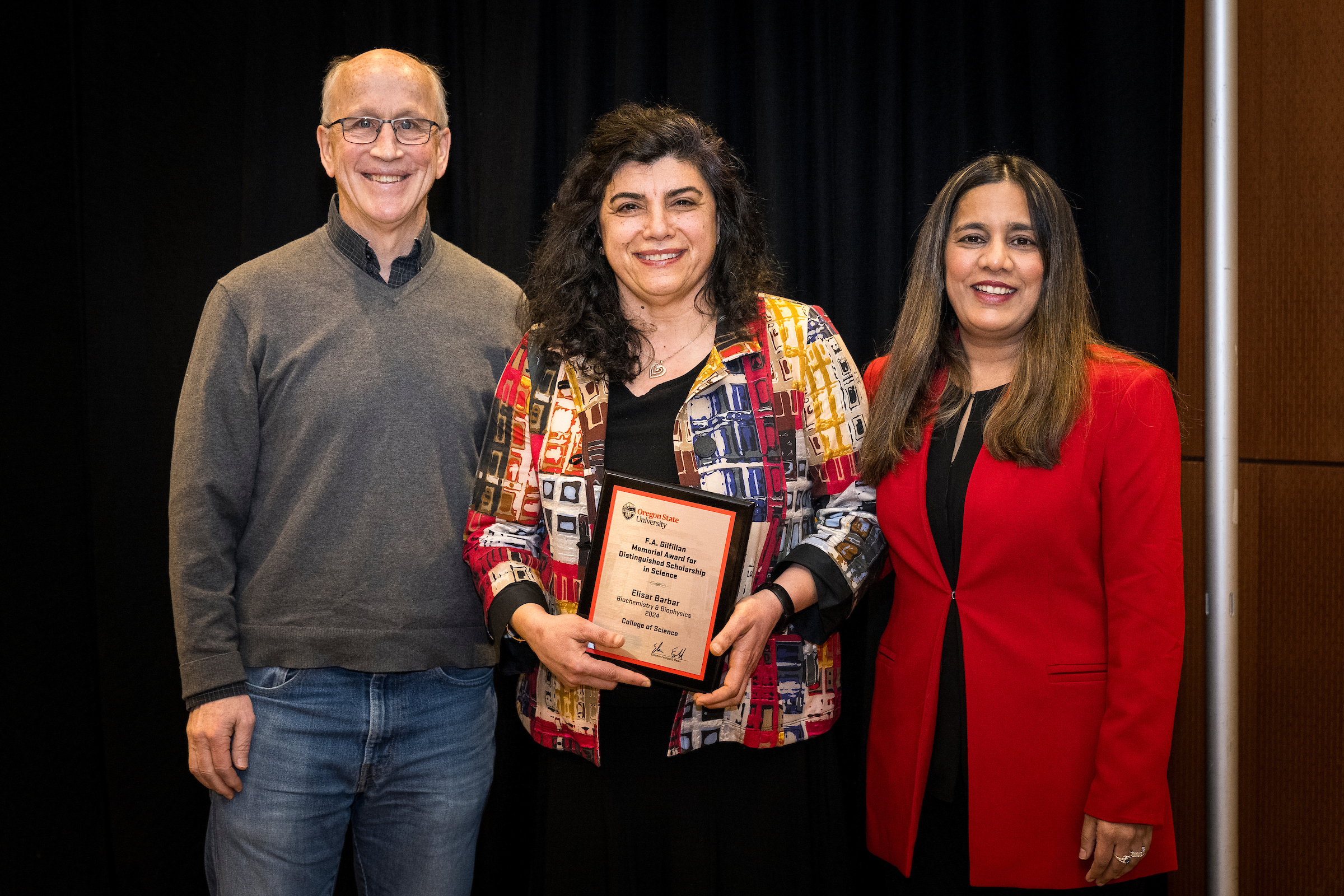
Department of Biochemistry and Biophysics Department Head Elisar Barbar received the F. A. Gilfillan Award for Distinguished Scholarship in Science.

Elisar Barbar smiles for a photo.

Elisar Barbar

Barbar is a pioneering leader in the biophysical characterization of protein complexes involving intrinsically disorders proteins, a field that few researchers venture into. Throughout her 25-year tenure at Oregon State, she has built an impactful scholarly program. One nomination letter describes her as an “international leader” who has shaped the field of biophysics and structural biology, producing “deep mechanistic understanding.”
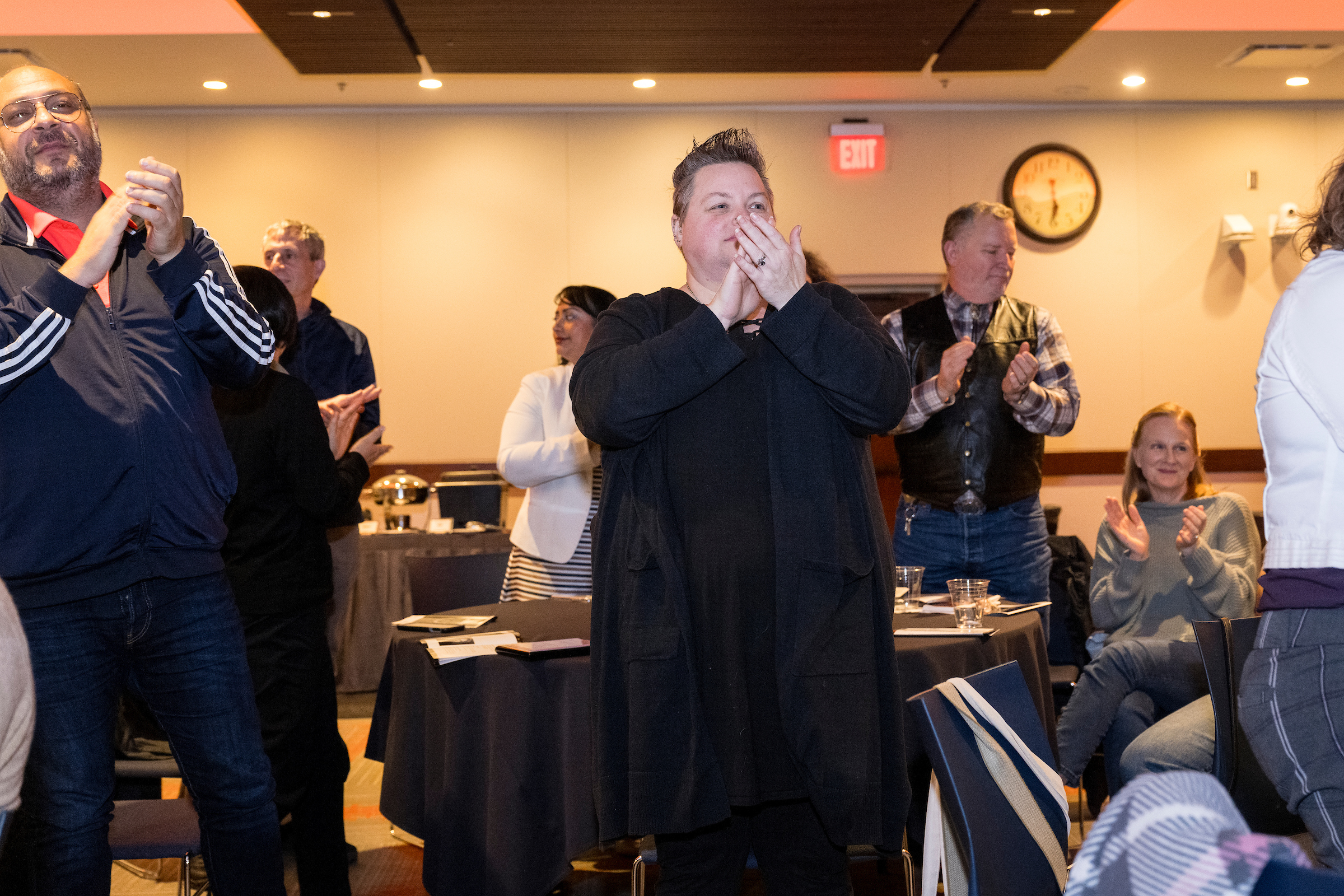
Her career has resulted in numerous quantifiable accomplishments and indicators of her scholarly excellence and impact. She has 90 refereed papers in strong journals, primary investigator on grants totaling more than $10 million in external funding, and 18 active international collaborations with researchers from 13 countries. She has received the Milton-Harris Basic Research Award, a French university’s honorary “Chaire” award, and a New Zealand university’s Erskine Fellow award.

Barbar is the perfect example of striving to define success not by how elite or exclusive she is, but by who she includes and helps achieve their academic, career and life goals. She demonstrates this commitment in her research lab through her inclusion of diverse students and other advisees who were not accepted in or were not successful in other research groups. She helps these individuals cultivate their talents and interests and find success in the department and beyond.

Her unwavering commitment to groundbreaking research, exemplary mentoring and tireless advocacy for equity in science is remarkable and highly commendable.

Milton Harris Award for Basic Research in Science

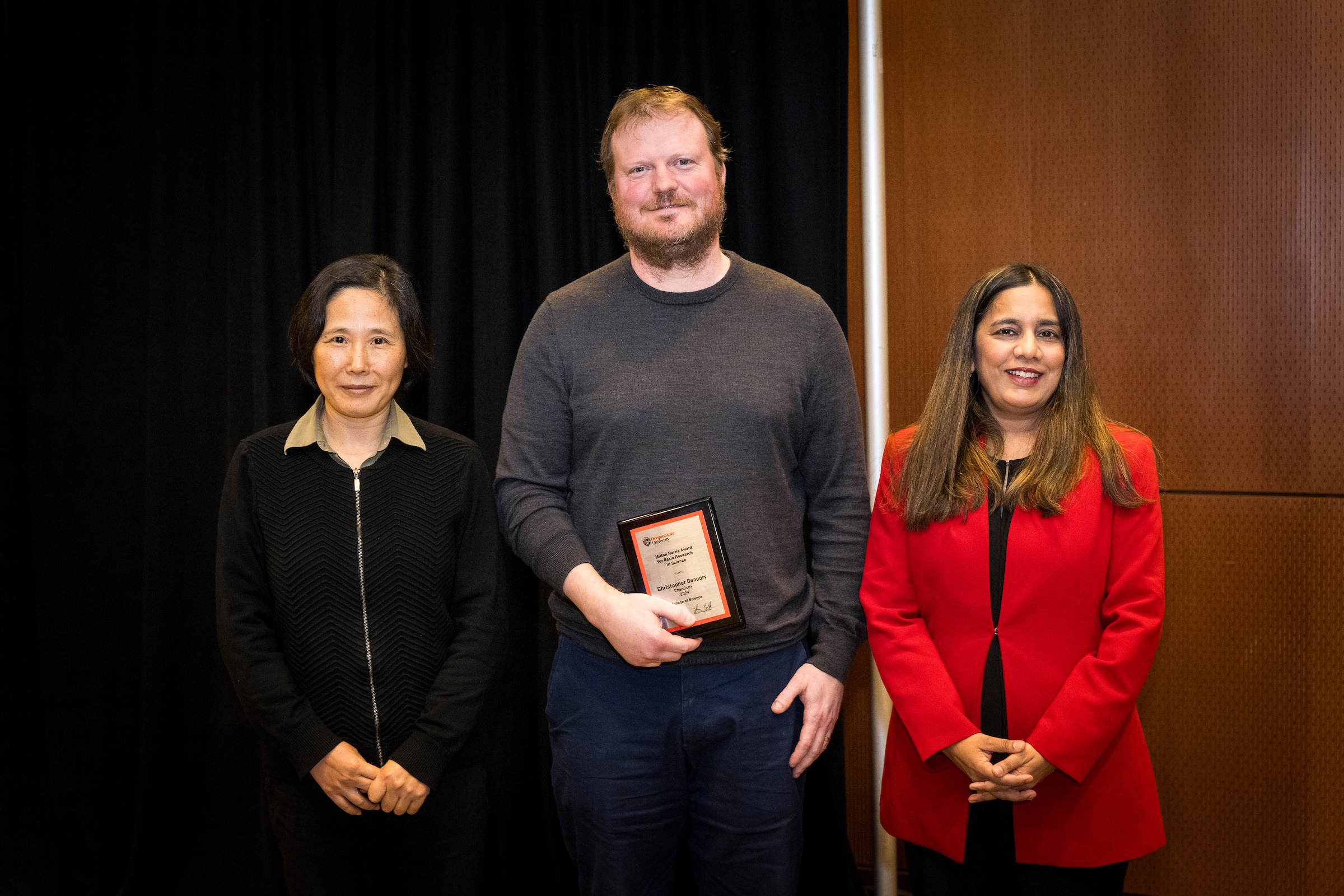
Professor Christopher Beaudry received the Milton Harris Award for Basic Research in Science. Endowed by G. Milton Harris, a Portland native who received his bachelor's degree in 1926 from OSU. He was a pioneer in polymer, fiber and textile science. Dr. Harris and his family were and are devoted supporters of higher education, supporting numerous scholarships, awards and faculty positions in science and engineering at OSU.

Christopher Beaudry smiles for a photo.

Christopher Beaudry

The purpose of the Milton Harris is to recognize exceptional achievement in basic research by honoring an outstanding faculty member in the College. Special consideration is given to recent research that was carried out at OSU and that will have a significant impact on its field.

Beaudry is known for his significant contributions to organic chemistry, recognized as a top authority in the chemical synthesis of natural products, particularly in the exploration of molecular chirality.

“Professor Beaudry’s scholarly endeavors represent the very essence of basic research. His achievements include the conception of numerous unprecedented chemical reactions, marking a series of ‘firsts’ in the scientific community,” one nominator wrote.

His research has garnered widespread recognition, both within Oregon State and the broader scientific community. He recently received the OSU Impact Award for Outstanding Scholarship. A leading chemistry publication distinguished his work as a ‘Very Important Paper’ and he secured ‘most downloaded’ accolades from the esteemed journal Angewandte Chemie.

Promotion of equity, justice and inclusion has been an integral part of Chris’s career. Through his lived experiences, including being a first-generation college student, he understands students may experience “imposter syndrome” and he is committed to creating an inclusive laboratory environment.

“Overall, Prof. Beaudry has amassed a unique portfolio of synthetic chemistry that marks him as one of the best in our field, and positions him beautifully for continued contributions not only in the heart of organic chemistry, but also in the field of medicinal chemistry,” one colleague wrote. “I hope it is evident that I think the world of Prof. Beaudry’s science.”

A pillar graphic with golden confetti in the background.

Celebrating excellence in teaching and advising: 2024 College of Science Awards

By Hannah Ashton

The College of Science gathered on Feb. 29 to recognize and celebrate our high achieving faculty and staff at the 2024 Combined Awards Ceremony. The evening celebrated the very best in the College, from teaching, advising and research to inclusive excellence, administration and service.

The following faculty and staff received awards in the categories of teaching and advising.

Congratulations to all the awardees!

Olaf Boedtker Award for Excellence in Academic Advising

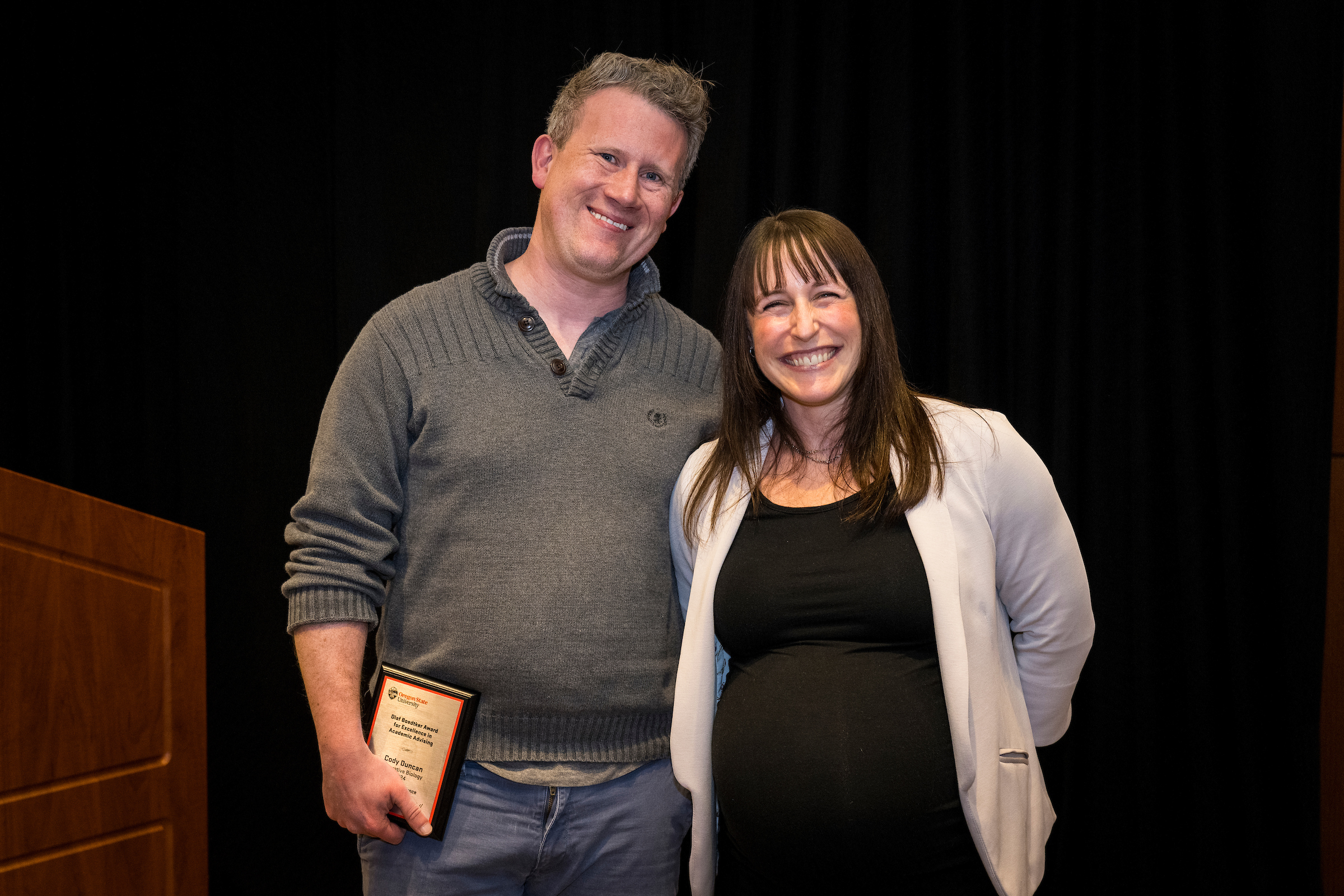
Cody Duncan, academic advisor in the Department of Integrative Biology, received the Olaf Boedtker Award for Excellence in Undergraduate Advising.

Cody Duncan smiling for a photo.

Cody Duncan

Duncan was praised by students for being an outstanding advisor, even when he was not their primary advisor.

One student commends Duncan for being the best advisor they’ve had at OSU, stating, “He is thoughtful, kind and cares about students.” Others highlighted his responsiveness in addressing schedule and planning issues, always providing helpful options for meeting forward.

His influence has had a lasting positive impact. A student recalls their first meeting with Duncan, emphasizing his kindness and understanding of their goals upon entering college. Even amid changing academic interests, Cody’s support remains unwavering. A student shares, “He helped me navigate a shift from pre-vet to pre-med during my senior year, providing knowledgeable advice on next steps in terms of shadowing or exploring human medicine.”

What sets him apart is his enduring support. He is known for mentioning to students that they can contact him even after college if they need help or direction. This long-term commitment underscores his genuine care for students.

Loyd F. Carter Award for Outstanding and Inspirational Teaching in Science (Undergraduate)

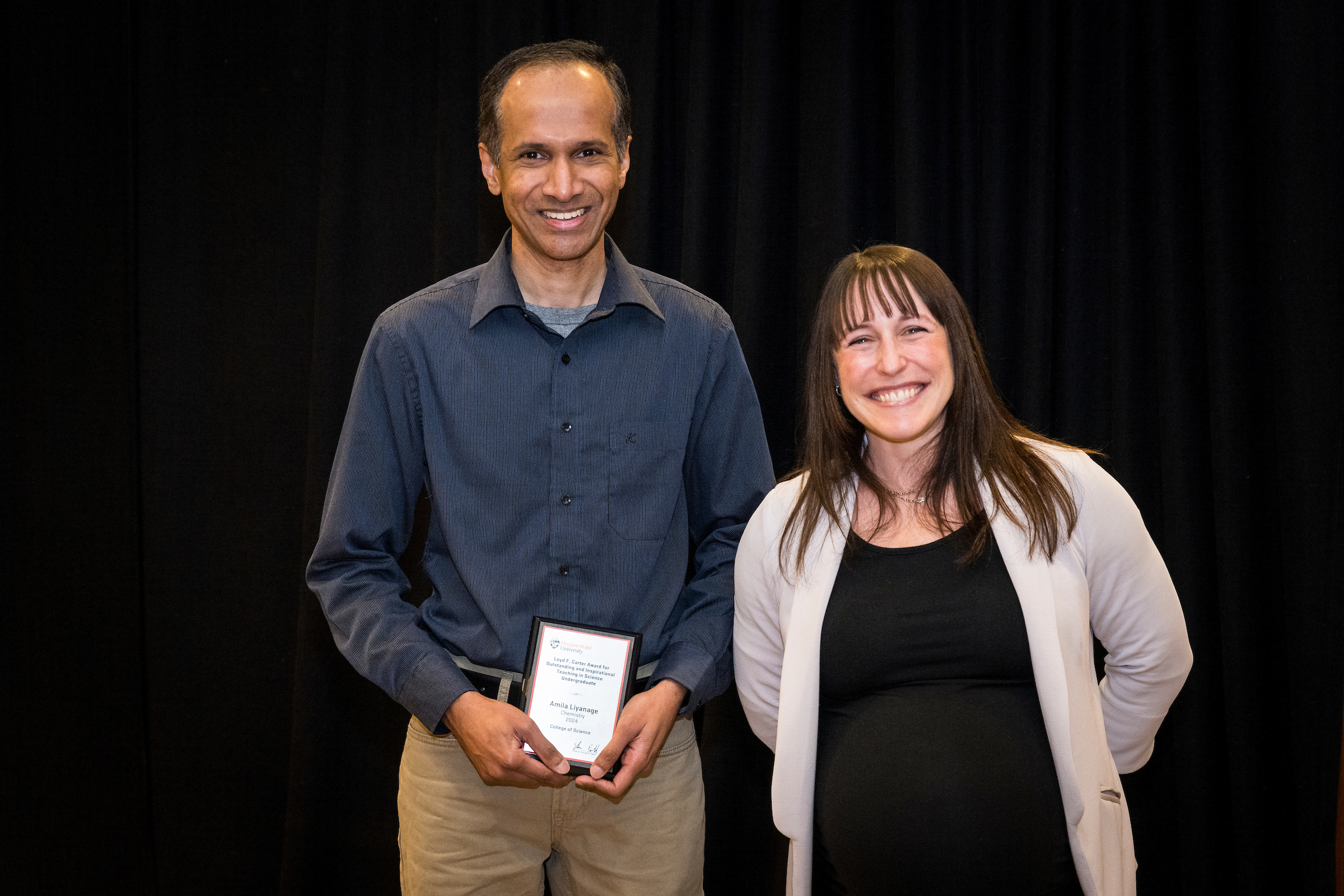
Senior Instructor I Amila Liyanage received the Loyd F. Carter Award for Outstanding and Inspirational Undergraduate Teaching in Science. Liyanage teaches Experimental Chemistry.

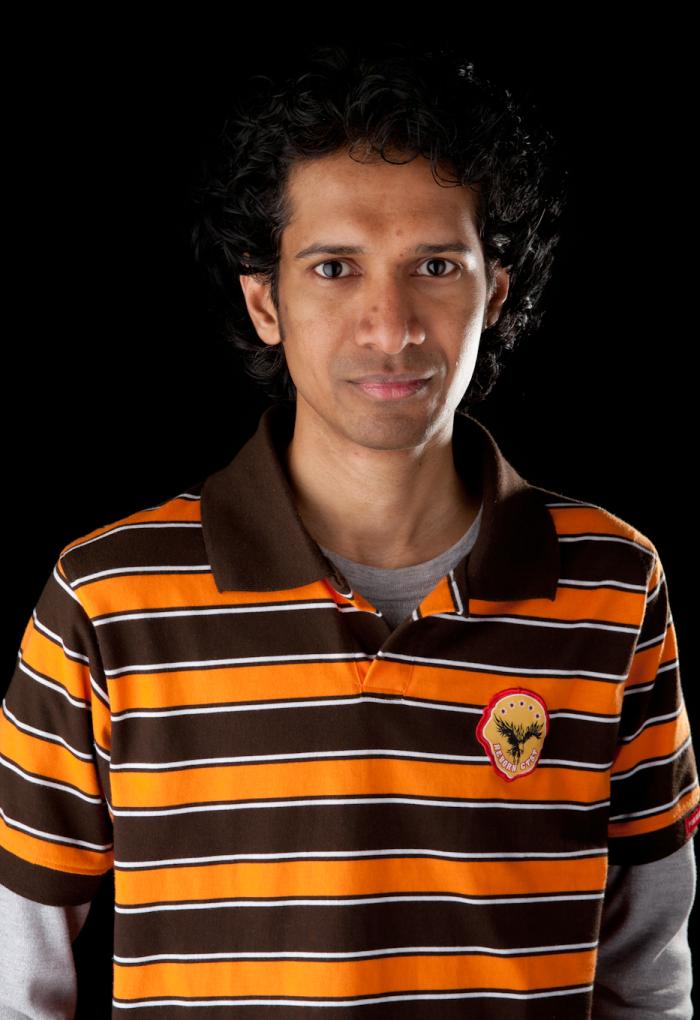
Amila Liynage smiling for a photo.

Amila Liyanage

Students unanimously commended Liyanage’s impactful teaching style, especially in lab settings, where he stands out for being incredibly hands-on and focused on students’ needs. One student notes, “He takes the time to connect with students. He listens to concerns with an open mind and takes the time to help the students solve the problem at hand.”

Beyond the classroom, his proactive dedication is evident as he takes time to review student’s lab reports before deadlines, providing valuable feedback and help to succeed. He is described as “outgoing and respectful to lab attendants and faculty.”

In the Experimental Chemistry Honors series, students appreciate Liyanage’s kindness, detailed explanations and clear directions. One student emphasizes, “Liyanage was so supportive and helpful when I had a question or if I was struggling.”

Students value his recognition of their lives outside academia, citing instances where he granted extensions due to external circumstances. “He is an incredible teacher and mentor, and I can’t think of anyone truly more deserving of this award,” one student wrote.

Loyd F. Carter Award for Outstanding and Inspirational Teaching in Science (Graduate)

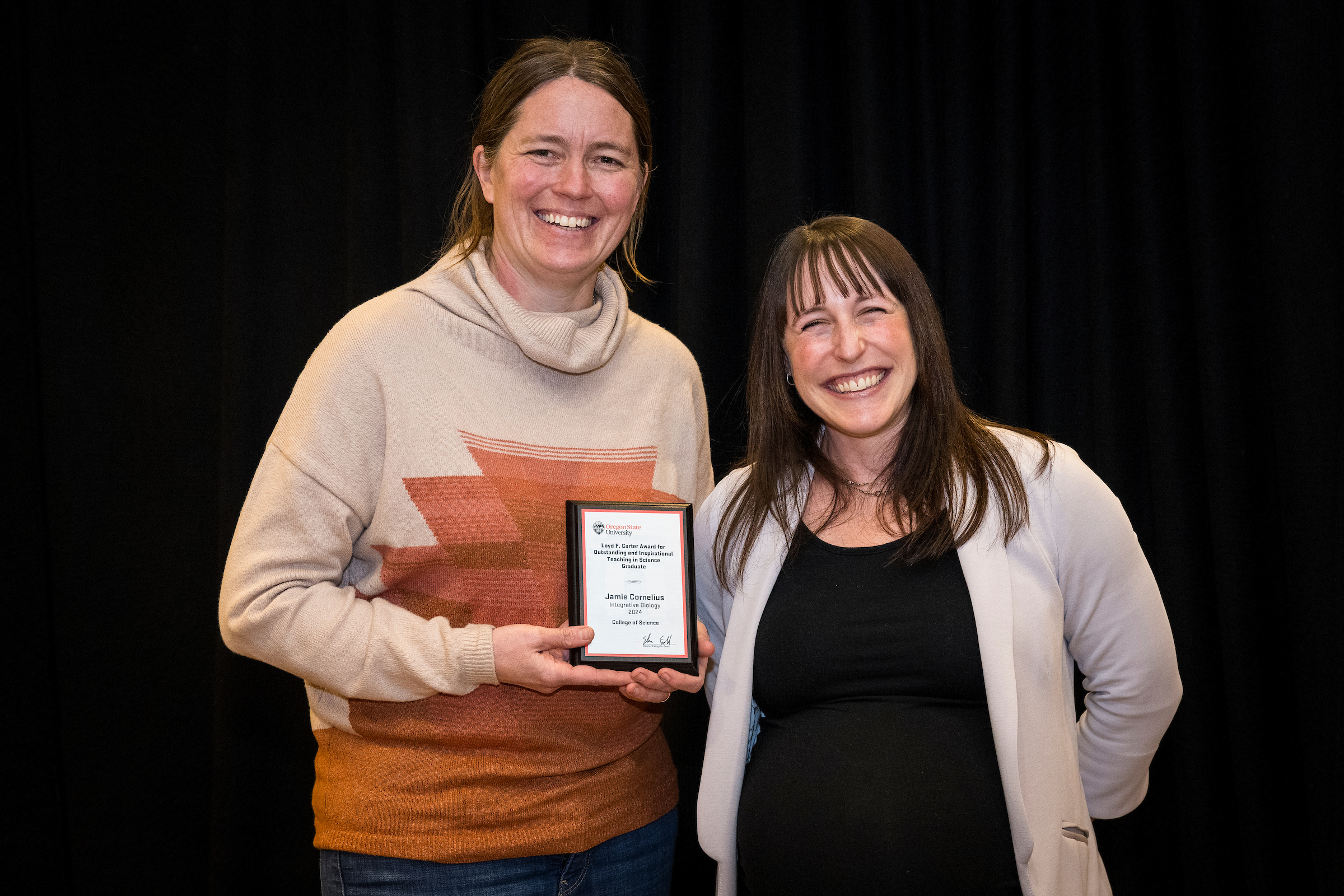
Assistant Professor Jamie Cornelius received the Loyd F. Carter Award for Outstanding and Inspirational Graduate Teaching in Science. She teaches environmental physiology and behavioral neurobiology.

Jamie Cornelius smiling for a photo.

Jamie Cornelius

Students describe Cornelius as an outstanding scientist and teacher, with a teaching approach that prioritizes engaging with students rather than relying on traditional success metrics. According to one student, “The content she teaches is challenging, yet she makes it accessible to all students and will go out of her way to ensure student success.” Known for her kindness, empathy and fun attitude, she is regarded as an inspirational figure in the natural sciences, leaving students with “a newfound sense of wonder and excitement.”

Conrnelius is lauded for fostering an inclusive environment, breaking down the intimidating professor stereotype by sharing personal experiences. A student notes, “She breaks up lectures by bringing in her guitar to play science songs that she wrote which are always so enjoyed.” Her commitment to accessibility is evident as she is “never too busy for a student,” and she actively seeks feedback. “Her visible excitement and enthusiasm for the material is contagious.”

Fred Horne Award for Sustained Excellence in Teaching Science

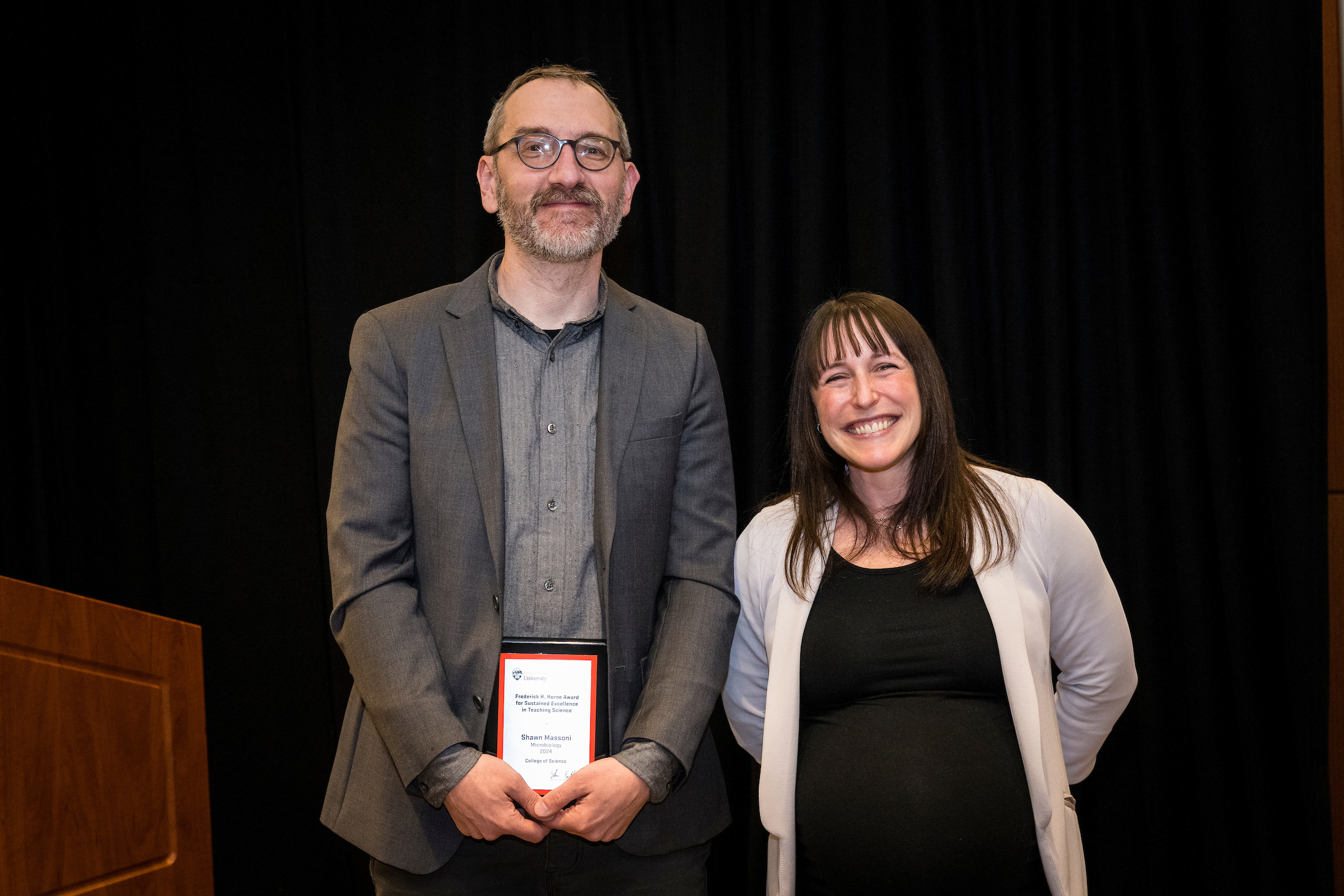
Shawn Massoni, senior instructor I in the Department of Microbiology, received the Frederick Horne Award for Excellence in Teaching Science. Since joining Oregon State in 2018, Massoni has demonstrated engaging pedagogical methods, an emphasis on inclusivity and a commitment to creating an engaging and equitable learning environment.

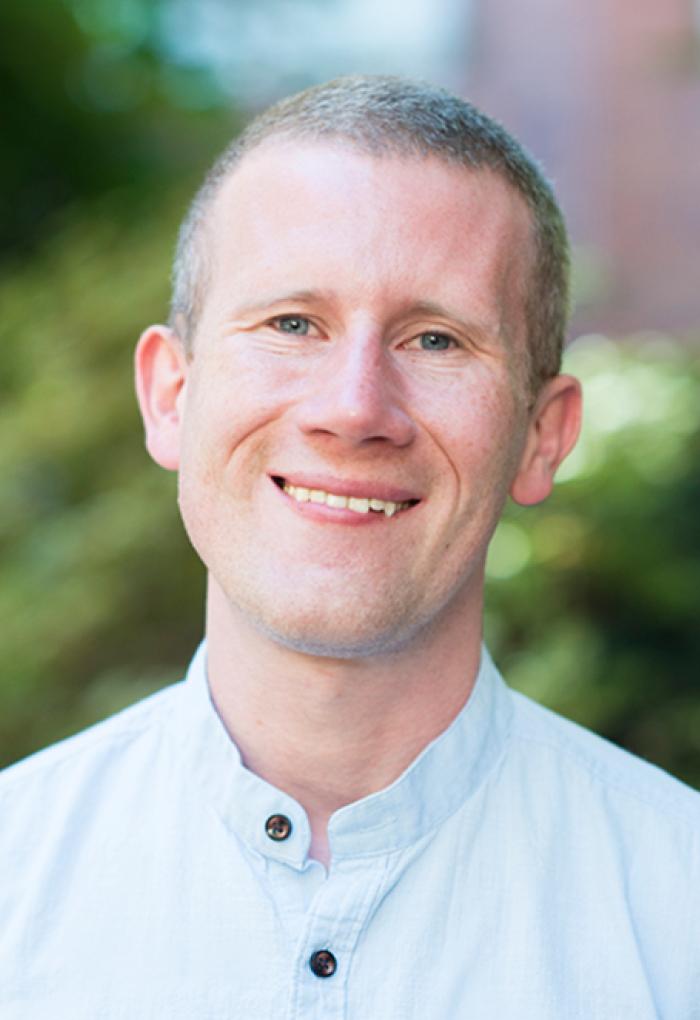
Shawn Massoni posing for a picture outside.

Shawn Massoni

Massoni is dedicated to student growth and his lessons continue to impact students years later. A former student praised his ability to make science accessible and instill a love of learning. “In my opinion, this might be the most profound impact a teacher can have on a student because it seeps into every part of a person’s life,” the alumnus wrote.

He is known as a genuine, authentic human who made the intimidating world of science feel accessible. Using a combination of short lectures and in-class collaborative learning assignments as his primary pedagogy, Massoni engages students in the learning process. He has worked diligently to develop and implement inclusive learning environments, fostering a deeper understanding of the subject matter. He is pushing pedagogical boundaries and always striving to improve.

“He exemplifies an instructor for whom every course, assignment, assessment and activity is rooted in his concern for equity, inclusion and access,” one nominator wrote. “His commitment is powerfully demonstrated by his participation in multiple study sessions, including Jane Waite’s Social Justice Education Initiative workshops, Career Champions, and faculty workgroups on systemic whiteness in higher education, among others.”

Overall, he is an exceptional educator, combining effective teaching strategies, commitment to inclusivity and a genuine passion for fostering student success in the field of microbiology.

CoS Faculty Scholar Award

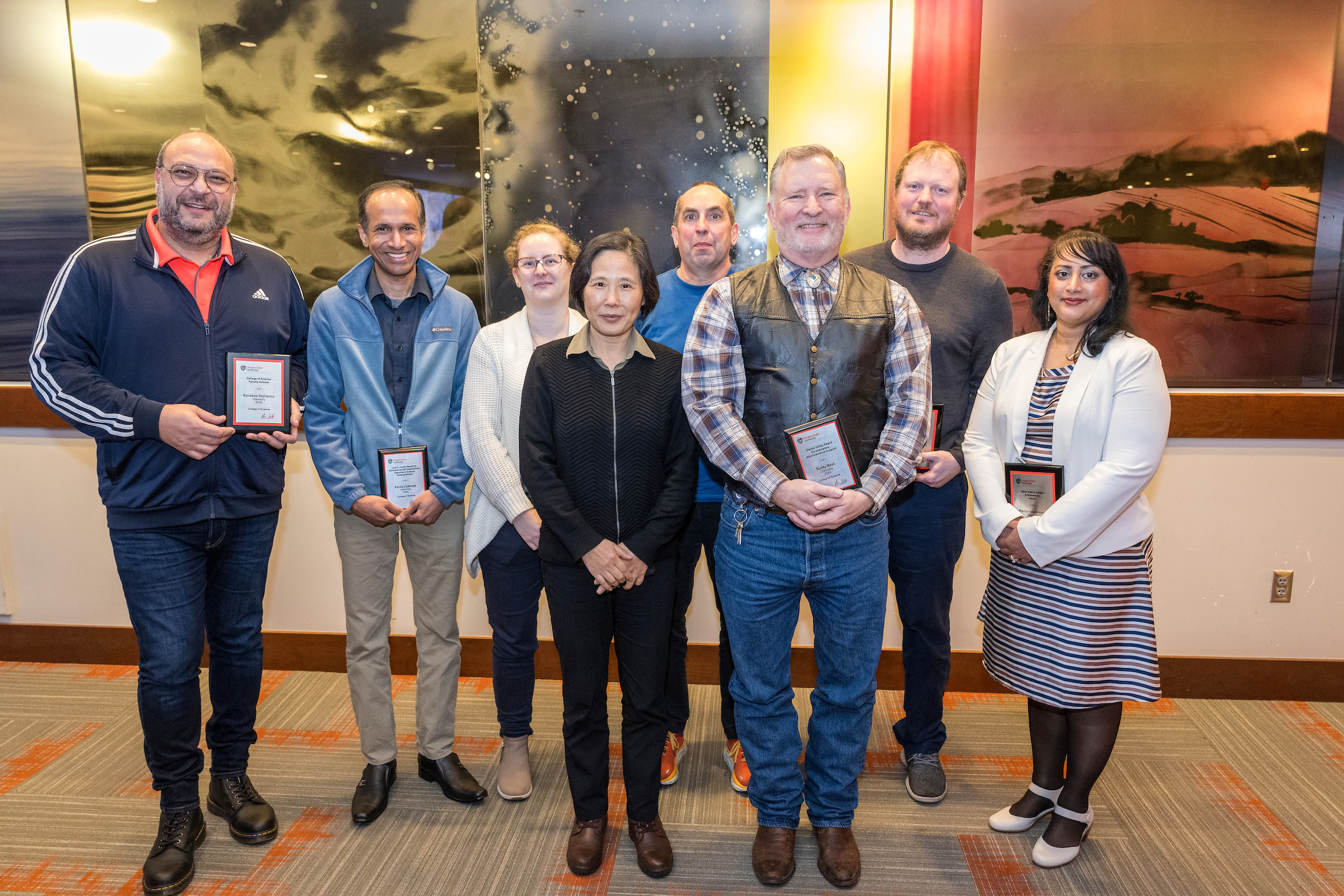
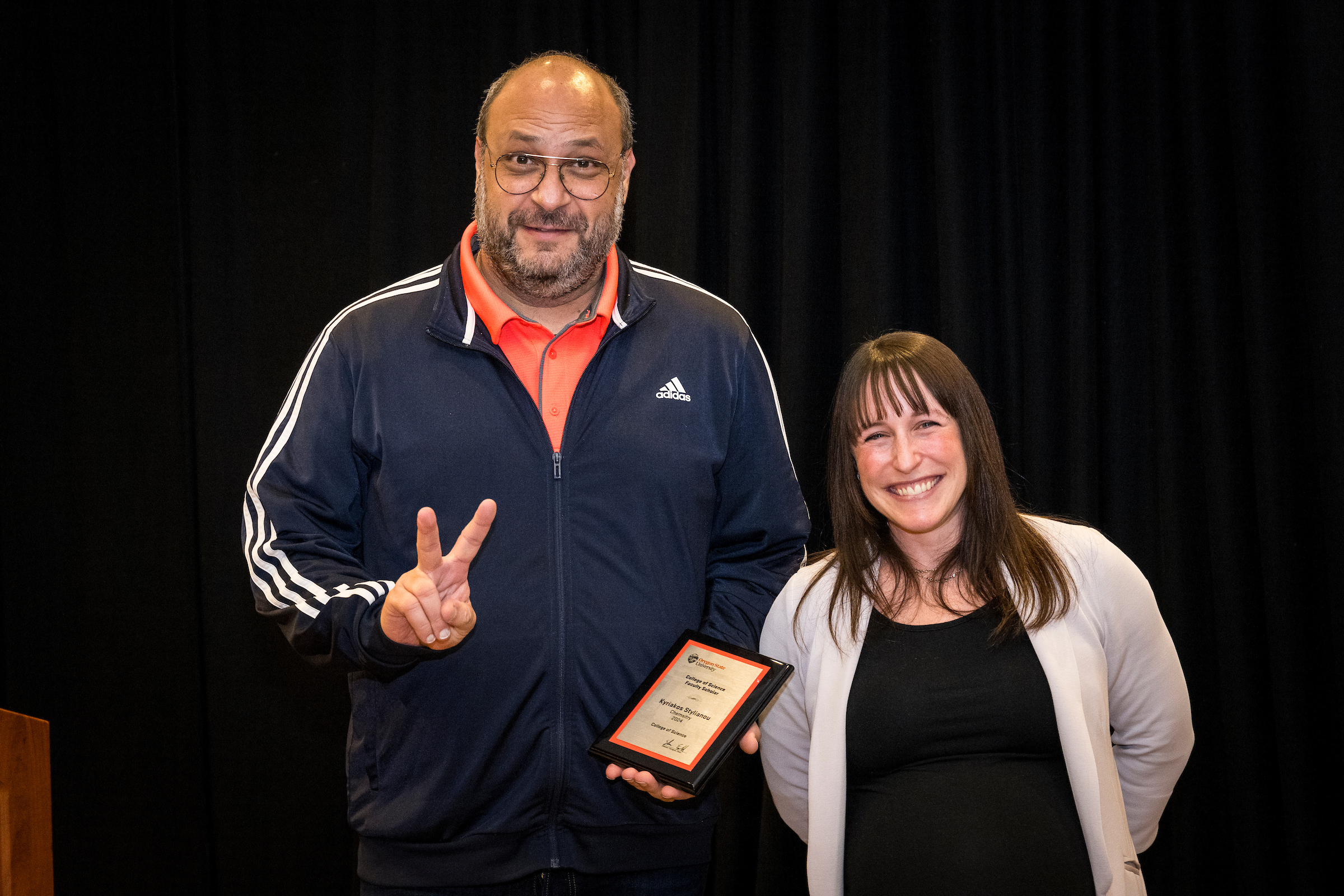
Kyriakos Stylianou, assistant professor in the Department of Chemistry, received the College of Science Faculty Scholar Award, for his contributions to teaching, research and mentorship. This award was created to support teaching and learning innovation that advances Oregon State University’s retention and completion goals.

Kyriakos Stylianou smiles for a photo.

Kyriakos Stylianou

In spring 2022, Stylianou approached the general chemistry laboratory instructors with a novel proposal to create a new lab incorporating his research into metal-organic frameworks. As a first-generation scientist himself, Stylianou is acutely aware of the importance of early-career development of a scientific identity. He created a personal goal to revise Gen. Chem. labs and shift their focus to research-focused interdisciplinary experiments.
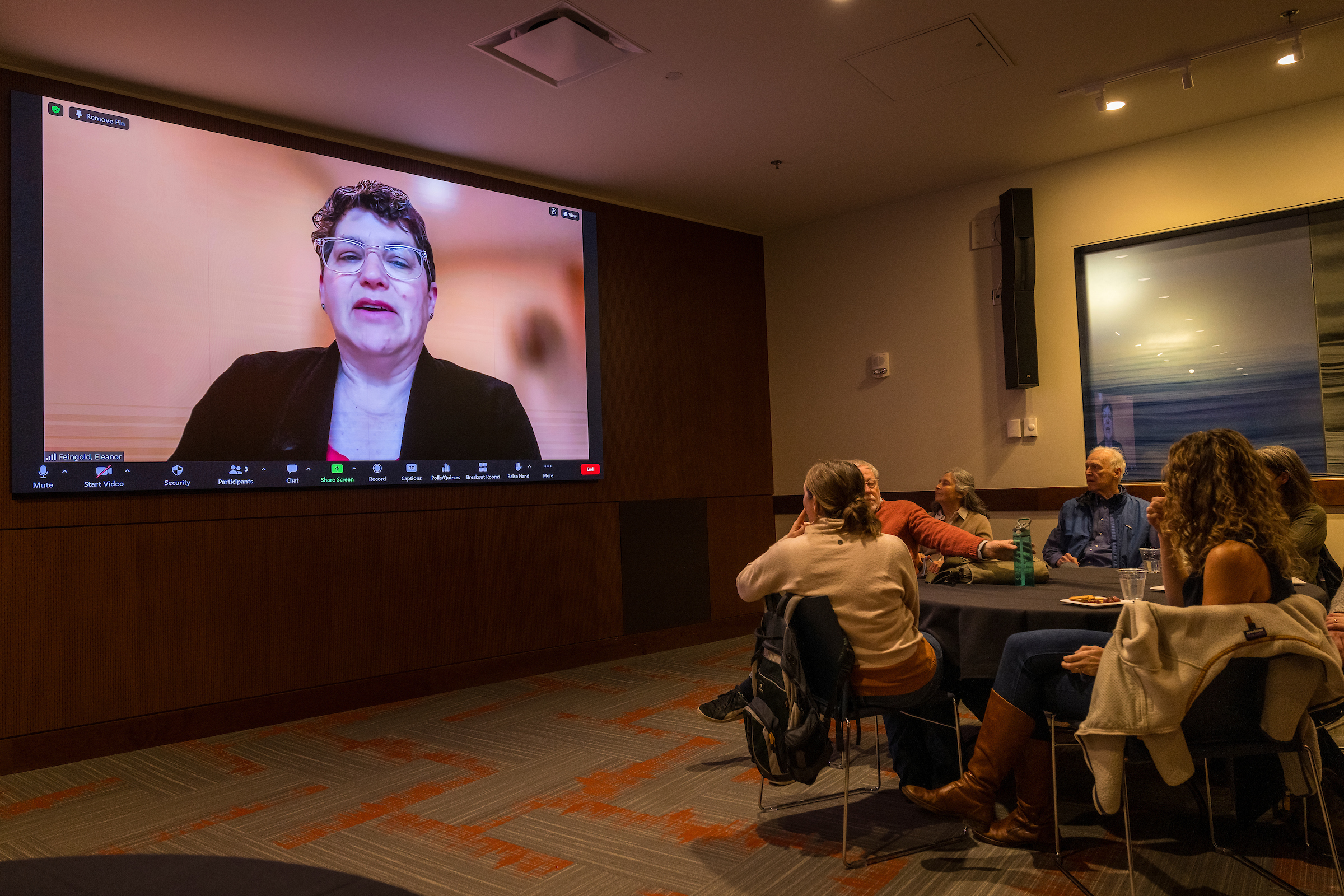
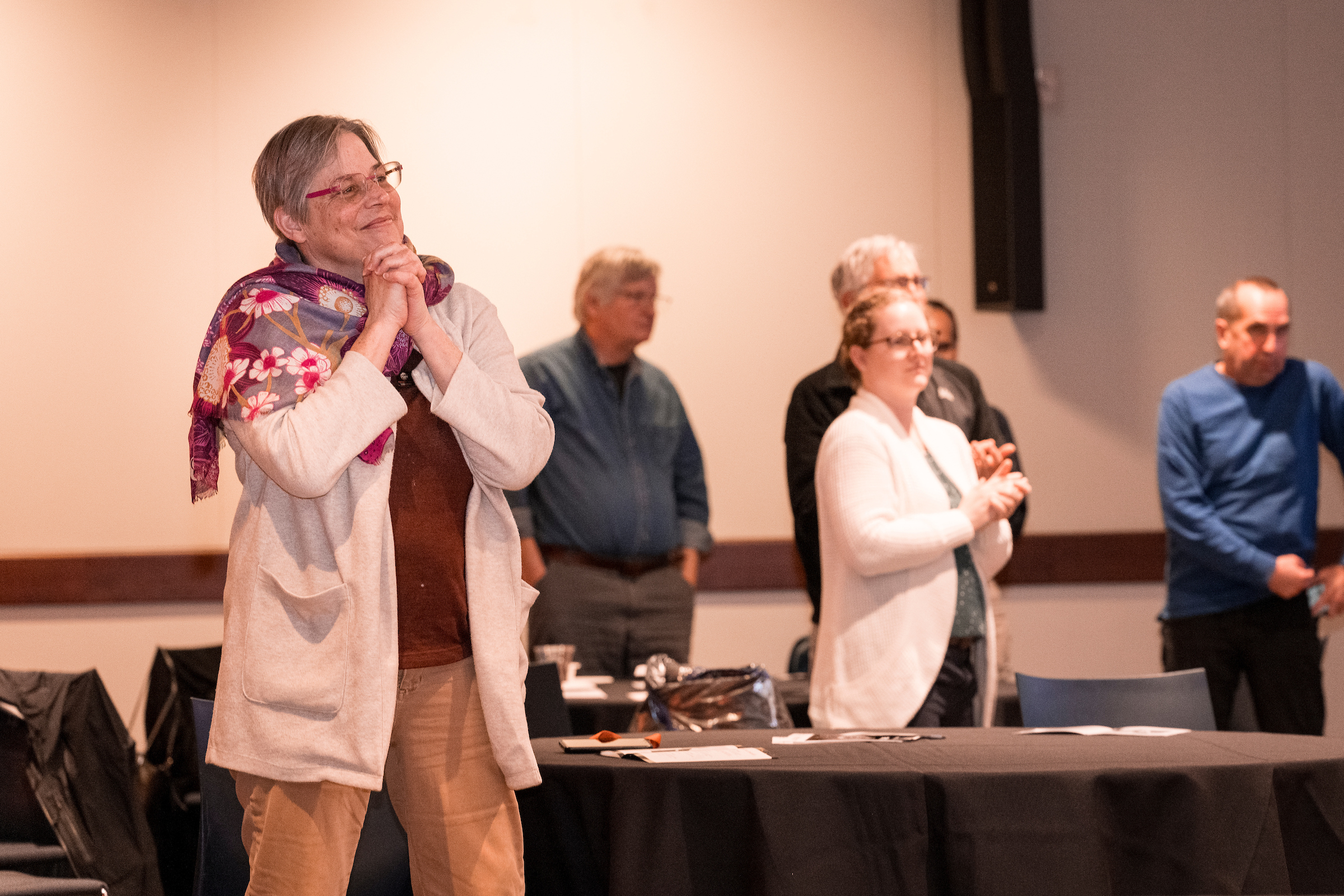
His project helps students with experimental and communication skills in the classroom and nurtures a curiosity-driven mentality in students. Through hands-on learning, students practice critical thinking and problem-solving skills that mimic research experiences. The project will culminate in the development of a 300-level chemistry course that will specifically target science identity development and hands-on research skills.

“Student feedback was overwhelmingly positive, both initially and when the project was implemented again the following year in the spring of 2023. Students were excited to learn that they were participating in a new activity involving modern research, and furthermore, a project that no other students across the nation–or the world for that matter–were doing. Stylianou’s efforts with his MOF project have helped OSU Chemistry to stand out as truly unique in its general chemistry program,” one grateful nominator wrote.

“He is a talented and energetic educator who is committed to advancing new teaching strategies to engage students and strengthen our curriculum,” another nominator wrote.

Whiteley Faculty Scholar Award for Teaching Excellence

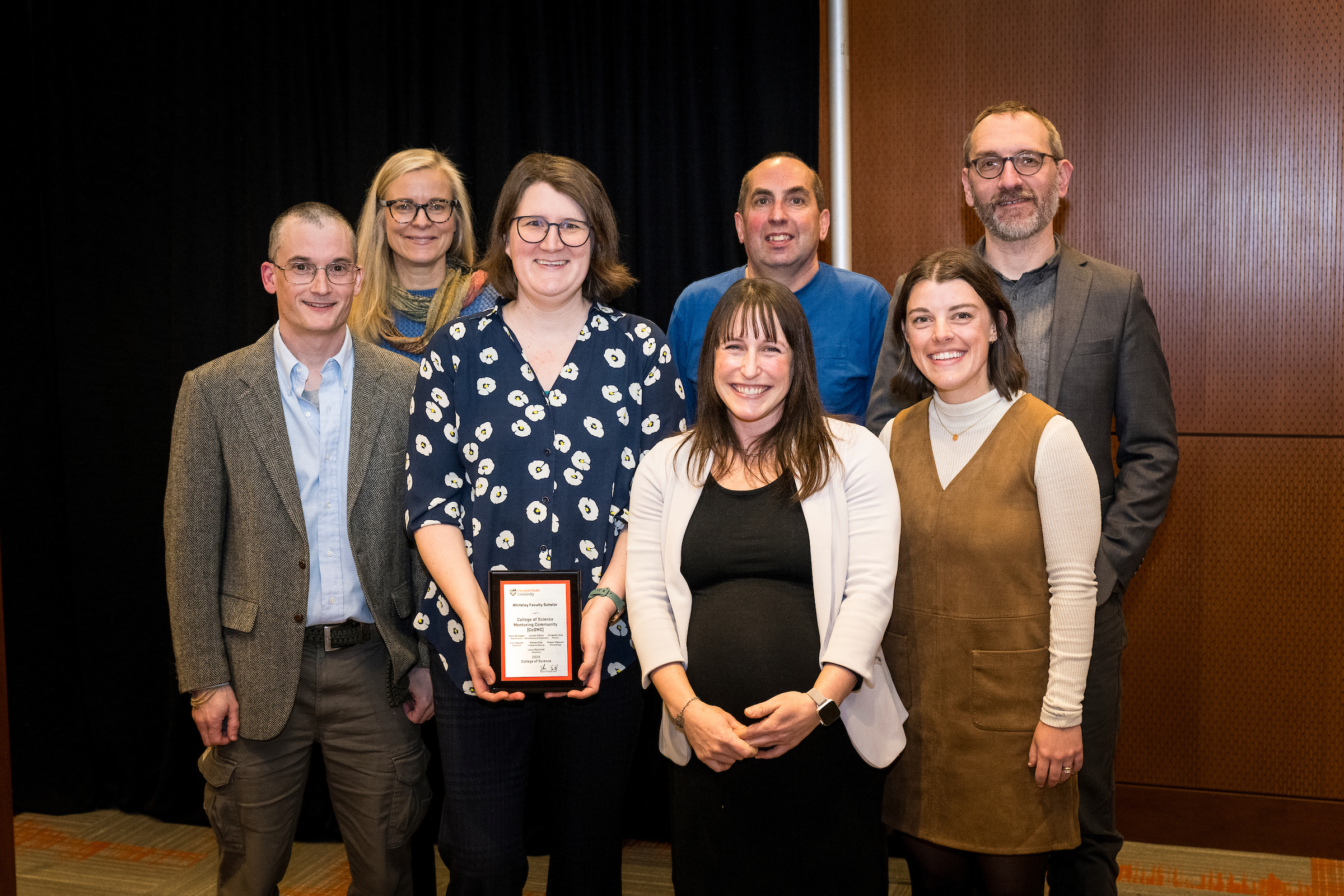
The College of Science Mentoring Community, including Mary Beisiegel, Lauren Dalton, Elizabeth Gire, Erin Howard, Nathan Kirk, Shawn Massoni and Louis Wojciniski, received the Whiteley Faculty Scholar for Teaching Excellence Award.

In 2017, the Ben and Elaine Whiteley Faculty Scholar Fund for Teaching Excellence was established through Ben Whiteley’s estate to support great teachers who are advancing teaching and learning excellence in support of increased student success.

Acknowledging the importance of effective peer mentoring for university faculty to succeed in various aspects of their roles, this group of faculty proposed a plan to create a mentorship program in the College of Science. Focused on addressing teaching excellence, the group will use triads, training, classroom observations, reflective artifacts and peer reviews.

The overall goals include building community, supportive effective peer review, recognizing diversity and inclusion and collaborating with the Oregon State Center for Teaching and Learning. The program’s three-year plan includes curriculum development, a pilot program, participant recruitment and expansion.

This initiative aligns with university and college-wide strategic goals, emphasizing teaching excellence, mentorship and inclusivity. The program is designed by a diverse committee representing all the departments within the College of Science, ensuring a comprehensive and sustainable approach to faculty development in teaching.

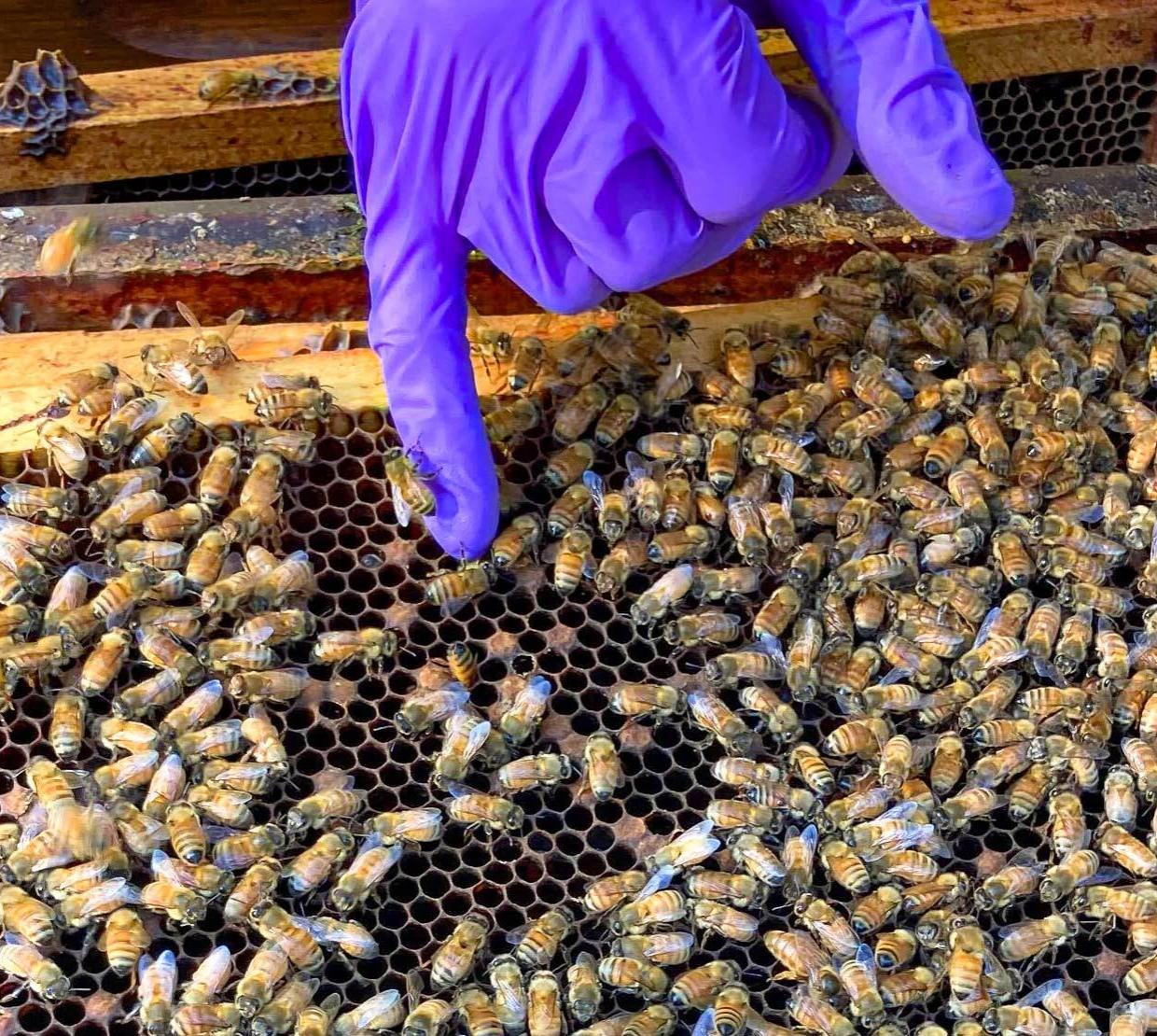
A finger in a blue glove points to honey bees in a hive.

Microbiologist joins collaborative effort to protect honey bees in Oregon

By Hannah Ashton

Although having a box of 300 buzzing bees in the corner of her laboratory is uncharted territory for Maude David, who typically works with humans, she maintains a steadfast belief that science moves forward through interdisciplinary teams.

This belief could save honey bees from a rapid demise.

Focusing on an infectious bacterial disease that can wipe out entire colonies, David is part of a diverse team of researchers from four universities across the U.S. studying European foulbrood disease. Strengthened by a $4.3 million grant from the U.S. Department of Agriculture, the group will investigate the factors contributing to the high incidence of infection, and then share their findings with local beekeepers and growers to improve mitigation efforts.

“It’s important that we as microbiologists apply all of our knowledge to things that are important. I’m excited to work with stakeholders in multiple states, especially in Oregon and understand better how we can help,” David said.

Maude David wears a bee keeping suit.

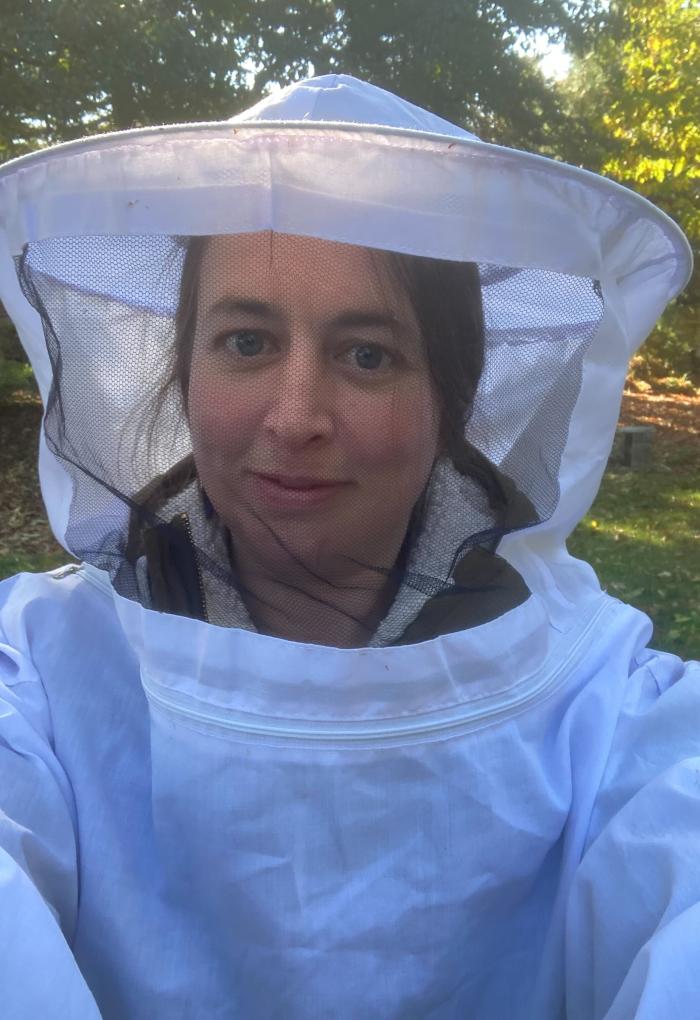
Maude David poses for a selfie in a beekeeping suit.

From the lab to the field

European foulbrood disease (EFD) targets and kills young larvae before they reach adulthood. After being fed infecting brood food, the larvae turn from pearly white to brown, forming a rubbery scale. The name “foulbrood” refers to the sour, rank and rotting smell that can result from secondary bacterial infections that co-occur.

Beekeepers in Oregon on average pollinate about five different crops in a year. If the colonies are weakened from EFD this means less pollination, worrying blueberry and almond growers.

Oregon grew 158 million pounds of blueberries in 2022, ranking it in the top 10 producing states in the U.S., according to the U.S. Department of Agriculture Statistics Service. Researching how to keep hives safe has become a priority for local scientists.

Transitioning from studying the gut-brain axis in humans to the gut microbiota of honey bees, wasn’t a huge challenge for David. Her main research interest focuses on understanding how microbes can impact our behavior, specifically in Autism Spectrum Disorder and Anxiety.

The human microbiota is highly complex. Honey bees, on the other hand, are the opposite.

“The microbiology part is normal. I’ve done that before. What I love about bees is that you could say the gut microbiota could be considered a lot simpler than the human ones. And that makes it fun because you can study this a little bit more in-depth. It’s an ideal system to study,” David said.

A passionate Ph.D. student roped her into the world of bees and led her to Ramesh Sagili, a professor in the Department of Horticulture and EFD project director.

The agent of EFD is an anaerobic bacteria, meaning it does not grow well when oxygen is present. In humans, these bacteria are most commonly found in the gastrointestinal tract. The research team needed someone who could grow anaerobic bacteria in the lab – something David is familiar with.

“This project is very transdisciplinary. There are people who monitor the bee houses in the field and people like me who are more on the microbiology side of things. There is also an economist on the project,” she said. “I could tell you a lot about the bacteria, I could study this genome well, but I really need the field researchers who collect the data and provide a comprehensive story about the field samplings.”

The four-year project has several components. Researchers will follow honey bee hives as they are transported by commercial beekeepers to pollinate almonds and then blueberries across Washington, Oregon, California and Mississippi. They’ll tag more than 1,500 hives for ongoing observation, which includes checking the frames for signs of foulbrood, estimating colony populations and surveying the microbiota of bees and larvae–the last step is where David comes in.

"As a public land-grant university, we need to build this project and respond to the needs of people in the state.”

Researchers have more questions than answers about European foulbrood disease. How does the disease survive between outbreaks? Does it hibernate in the hive? How does each genetic variation differ? What are the best mitigation strategies?

"Of course, because it’s a bacteria, people try to pour antibiotics to treat it. But, as we all know: one, the bacteria is likely to eventually be resistant and two, it’s not great for everything else around it," David said.

The second and third year of the project will be focused on mitigation strategies. David and her collaborator will be testing a new novel probiotic that has shown promise for tackling EFB in the laboratory. After testing in a controlled environment, they will test the probiotic in the field.

Understanding the genetic variation of the disease is important because pinpointing if a specific strain can better survive winter, develop first, or figuring out which one is the most lethal would help with management.

“Right now, colonies management does not really exist. Our objective is to explain a little bit of everything we are doing to the beekeepers and try to deliver transparent knowledge,” she said.

The team is passionate about connecting with local stakeholders who face an uncertain financial future due to EFB. “It’s important that we keep in touch with the needs of the state. As a public land-grant university, we need to build this project and respond to the needs of people in the state.”

Subscribe to Microbiology