Microbiology

Microbiology

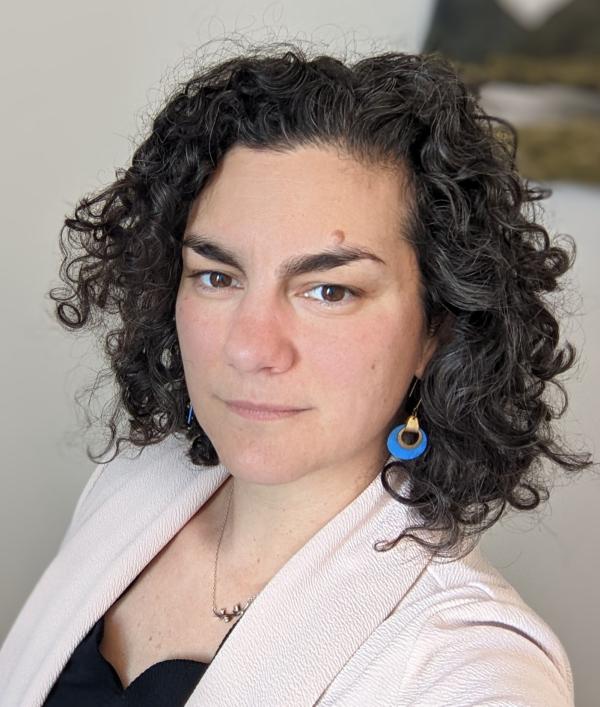
Jonathan Gallion smiles and celebrates his 2024 Early Career Award.

Early Career Award winner leverages AI to revolutionize the life sciences industry

By Kaitlyn Hornbuckle

Surrounded by plates and pipettes in the lab, life scientist Jonathan Gallion (B.S. '12) envisioned a future that combined biology with technology. With only one year left until graduation, he landed an internship at SIGA Technologies — a global pharmaceutical leader in health security — where he discovered the power of automation.

At SIGA, Gallion programmed robots to screen a library of chemical compounds, helping his team find medicines for viral infections and defenses against bioterrorism threats. After graduating from Oregon State University in 2012 with dual Honors bachelor degrees in biochemistry and biophysics and microbiology, he pursued graduate school before launching a people-centered career at the forefront of innovation.

Now, Gallion is vice president of artificial intelligence and machine learning (AI/ML) for OmniScience, a leading AI organization focused in life sciences and clinical research.

By leveraging the power of large language models, he and his team are transforming the biopharmaceutical (biopharma) industry. Their goal is to drive an industry-wide vision where AI/ML can modernize human health, enhance clinical trial outcomes, accelerate decision-making, and revolutionize data analysis for biotech, medtech, pharmaceutical and preclinical innovation teams – all while complementing human expertise and efforts instead of replacing them.

After driving major breakthroughs in life sciences for only a little more than a decade, the College of Science is proud to honor Gallion with the 2024 Early Career Award.

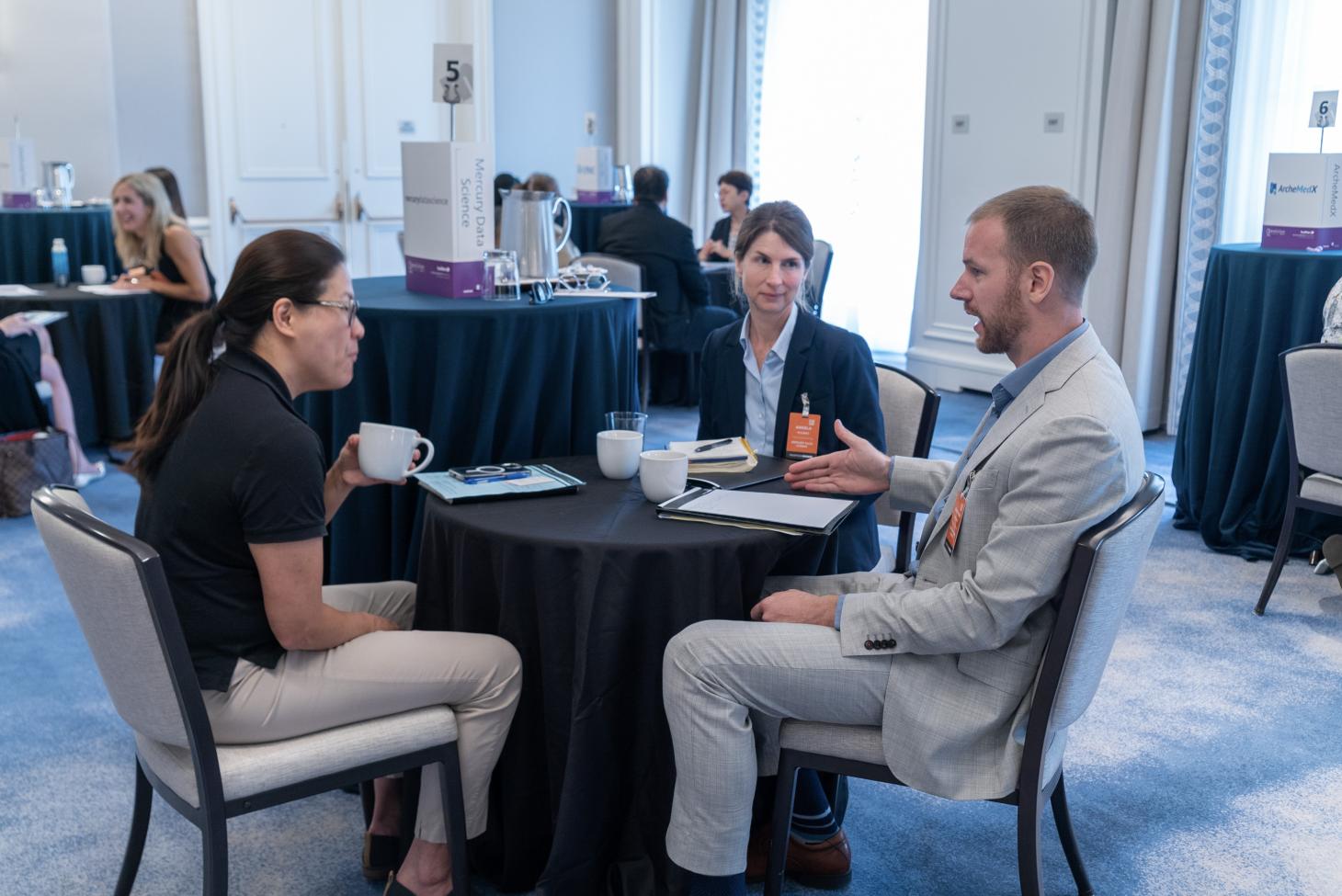
Jonathan Gallion at a table speaking with other industry leaders.

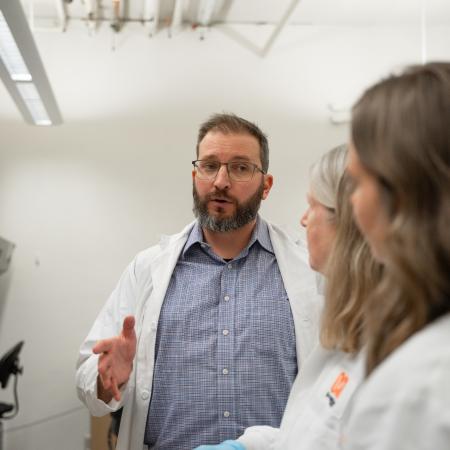
In 2023, Gallion discusses challenges in modern clinical trials with industry leaders in San Diego.

Building solutions from the ground up for the big data challenge

As biopharma data explodes in complexity, companies like OmniScience are stepping in to create AI powered solutions that meet diverse client needs and use cases. According to RBC Capital Markets, approximately 30% of the world’s data today was generated by the healthcare industry — a figure that’s expected to keep climbing.

In response, Gallion made strategic connections by networking and forming partnerships with leading life science innovators. These industry leaders develop new health technologies and manage vast data collections at biotech, medtech and therapeutic companies.

“Being a scientist, I never expected to be so client-facing when I first started, or that I would like it as much as I do. It’s funny how your career can evolve.”

The irony of innovation is that each new developed piece of technology generates more data, including wearables like Fitbits, new imaging techniques, health care app data and omic biomarkers (genes, proteins or metabolites).

And for clinical trials, capturing information on drug efficacy, safety, and tolerability, and understanding individual genetics, demographics, lifestyle and preferences is crucial to the impact of new pharmaceutical treatments. These processes tend to create sophisticated data sets that are difficult to analyze.

As noted by Gallion, drawing insights from these overwhelming, ever increasing, complex data sets within biopharma is impossible without the help of AI/ML automation. At the same time, he must consider how these models will eventually be deployed in the real world, where business objectives, data security and regulatory approval matter.

“Being a scientist, I never expected to be so client-facing when I first started, or that I would like it as much as I do,” Gallion said. “It’s funny how your career can evolve. The advice I always give when I'm talking to someone in undergraduate or graduate school is that you can't be afraid to explore new things in your career, you never know what you might discover.”

The best part of the job, according to Gallion, is tackling some of the most interesting problems facing mankind. The ability to build an equally passionate team of peers from scratch and collectively pursue change in real time makes the job more than worth it.

“I’ve really enjoyed the journey at OmniScience. As part of the founding team, I’ve seen us grow from just a few people around a coffee table to an abundance of people focused on revolutionizing the clinical trial industry,” he said. “And I get to help shape it with people I really respect, it’s incredible.”

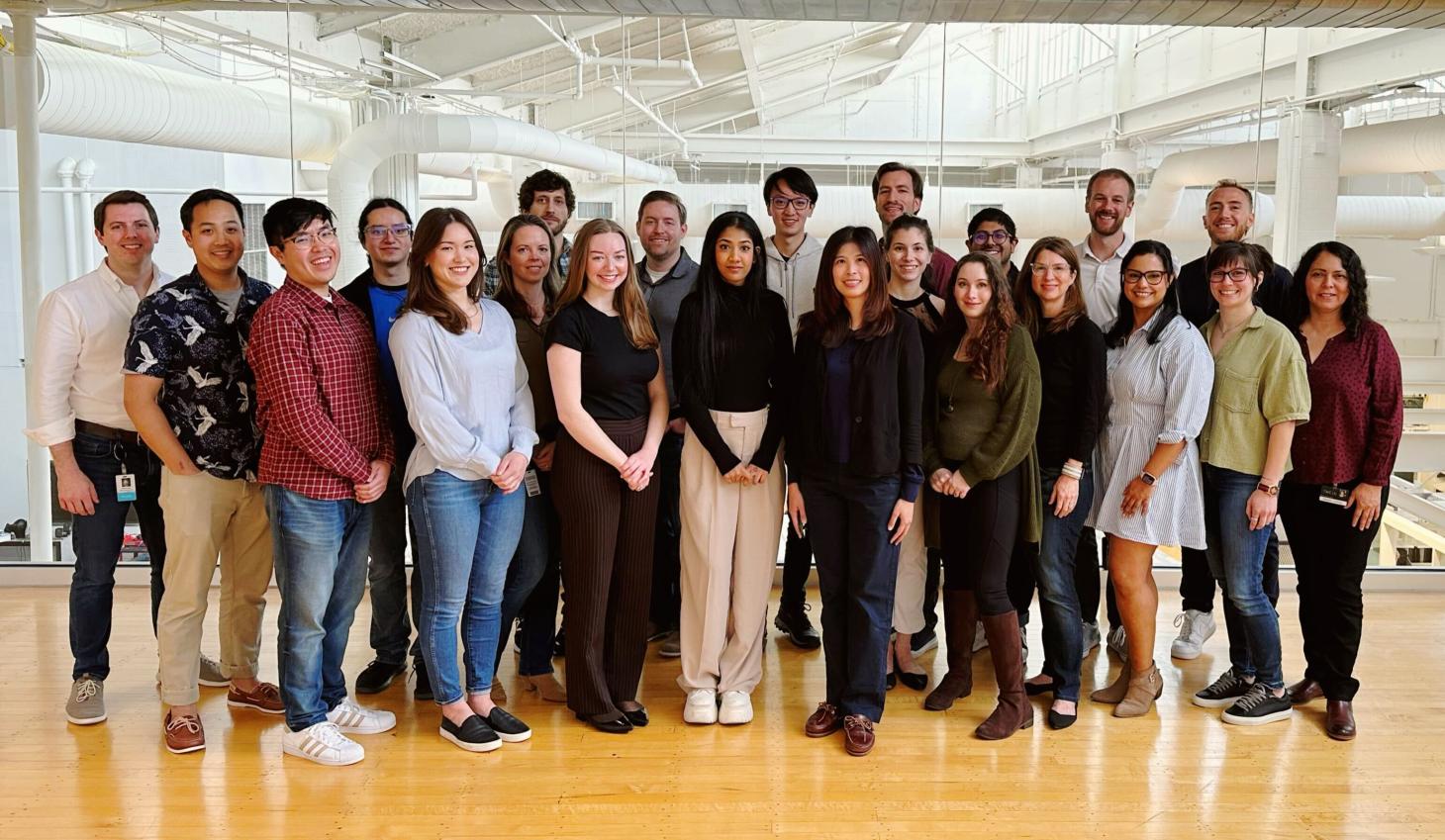
Jonathan Gallion and the OmniScience team smiling and celebrating their successes in 2023.

Gallion (back right) celebrates making a difference with his team at OmniScience in 2023.

Gallion’s game-changing professional journey

Gallion’s career journey was not a straight line.

After working in a warehouse and mulling over the acceptance letters, he landed on the university far enough from home to give him some independence: Oregon State.

He hit the ground running by applying the pragmatic engineering mindset he learned initially to the biochemistry and biophysics and microbiology programs offered by the College of Science.

“I love the idea of borrowing ideas from nature: seeing how bats fly, how gecko's feet work, the tens of thousands of different proteins in jellyfish venom and then saying, ‘Oh, you could do something with that,’” he said.

From there, he dived deep into the microbial world of virology, where he learned how tiny virus structures interact with and affect the cells of living organisms. In one of his science courses, he met a representative from SIGA Technologies at their guest lecture.

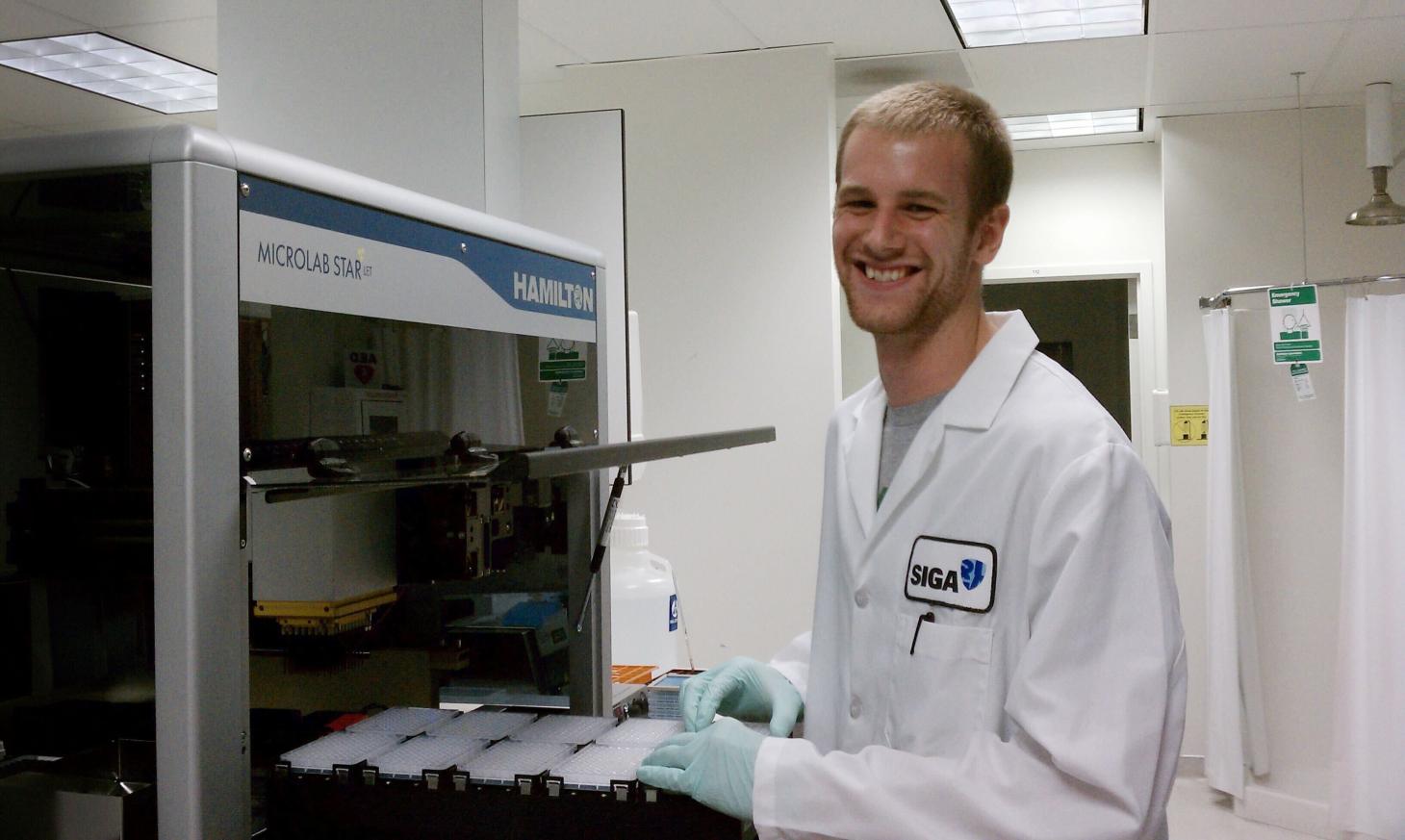
Jonathan Gallion in a lab coat operating an Hamilton Microlab STAR.

Gallion smiles in the SIGA Technologies lab while operating the Hamilton Microlab STAR, an automated liquid handling system that handles processes including shaking solutions, DNA/RNA extraction and PCR setup.

Gallion coincidentally landed a part-time position that transformed into a full-time position as research associate at the same company, discovering a passion for computational sciences when he programmed his first liquid-handling robot for chemical screenings.

He is very thankful for the guidance and mentorship of Robbie Allen, the associate director of antiviral discovery in 2011. His time at SIGA taught him that science doesn’t happen in a vacuum. Successful scientific innovation requires the economic, societal and regulatory forces within industry.

At Oregon State, one of the most influential figures in his undergraduate experience was his thesis advisor Theo Dreher from the microbiology department. Dreher’s mentorship equipped Gallion with the skills to pursue strong, reliable research, preparing him for graduate school.

In his free time, Gallion learns about ant colonies for fun and is already a registered ant seller. He also embarks on hiking trips, produces watercolor and acrylic paintings and builds his own wooden furniture.

Despite the high stakes in biopharma, he’s not afraid to boldly tackle global health challenges early in his career. The College of Science is thrilled to honor Gallion at the Alumni Awards Ceremony at Oregon State in November for his unique and impactful contributions to global science.

Madison Malone

Madison Malone

Cattle on rangeland.

Surf and Turf: Oregon State researchers to study feeding seaweed to cattle

By Sean Nealon

Algal physiologist James Fox is a co-investigator on a $1 million study examining the impact of adding seaweed to the diets of beef cattle as a way to reduce greenhouse gas emissions.

Recent research has found that feeding seaweed can reduce methane emissions from cattle, most of which originates from enteric fermentation that is characteristic of their digestive process.

Oregon State will investigate a specific type of seaweed – Pacific dulse, a species grown commercially on the Oregon Coast – and focus on the effects of including this seaweed in diets of cattle that graze sagebrush steppe landscapes, a common ecosystem in the western United States.

“At a time of heightened public concern about greenhouse gas emissions, this project has the potential to help ranchers more sustainably and efficiently produce beef while also providing an economic benefit to seaweed producers,” said Juliana Ranches, project director and an assistant professor at Oregon State’s Eastern Oregon Agricultural Research Center in Burns, Oregon.

The five-year project is funded by the U.S. Department of Agriculture National Institute of Food and Agriculture.

The agriculture sector accounts for 9.4% of greenhouse gas emissions in the U.S. with cattle being responsible for more than a quarter of the greenhouse gas emissions from the agricultural sector. The majority of that contribution comes from methane produced during enteric fermentation.

For the project, about 20 cows will graze each year in an approximately 100-acre pasture at the Northern Great Basin Experimental Range in Riley, Oregon, between Bend and Burns. They will wear GPS collars and be contained within a virtual fence.

The researchers will supplement the cattle feed with Pacific dulse grown along the Oregon Coast by a company called Oregon Seaweed. They will feed different amounts of dried dulse to the cattle to access the supplementation level that most suppresses enteric methane, which is emitted during the digestive process of cows.

“We will also be looking at the way the seaweed is grown and how that impacts the compounds of interest that contribute to methane reduction,” said Fox.

Read the full article on OSU's Newsroom
A man in a charcoal suit and striped silver tie smiles in front of a plain gray backdrop.

Microbiology alumnus leads Pfizer research at the pandemic’s frontlines

By Elana Roldan

As the world held its breath, Oregon State alumnus Steve Bjornson (microbiology, '96) waited for results. It had been an unprecedented effort — eighteen hours a day, seven days a week, all cylinders firing for months. With New York City’s highways deserted and cadaver trucks lining hospital lots, the need for a COVID-19 vaccine was more desperate than ever. Bjornson especially felt that pressure as the vice president and chief operating officer of Pfizer’s vaccine research and development organization.

Then, in November 2020, the company’s Phase 3 trial results came in. When the vaccine not only succeeded but provided a level of protection he never imagined, Bjornson was overwhelmed with relief.

“When we got the results that the vaccine actually worked … I just cried,” he said. The moment has become one of the most cherished of his career. “So much effort had gone into it and so much was counting on us. The world was counting on us.”

Since graduating as a microbiology major in 1996, Bjornson has touched the lives of millions around the globe. Viruses are constantly evolving to be stronger and smarter, but thanks to scientists like him, so are we.

The path to the pandemic

Bjornson’s path to his career began in a much smaller, quieter environment: growing up in Alaska. Life above the Arctic Circle was one of adaptability. He and his family moved from village to village, unafraid of packing their things, settling and then doing it all over again.

“You go where the opportunities lead you,” he said, a motto that has guided his career ever since.

It was that mindset that brought him to Corvallis. Although he started his undergraduate studies in his home state, the strength of Oregon State’s science departments drew him to don orange and black in his junior year. His aspirations of going to medical school and becoming a physician led him to major in microbiology so he could focus on human health. While his career plans may have changed after graduation, what he gained as a student was crucial to his later success.

“Oregon State and the microbiology degree ended up being the perfect platform for me to build a career that I've grown to love,” he said.

“You have the ability to develop medicines and vaccines that have an impact on millions and billions of people globally.”

His major was immediately put to use in his first job out of college, working in biopharmaceutical manufacturing in Los Angeles. Biopharmaceuticals, as he explains, are a broad category of medicines derived from cells or organisms. Bjornson gravitated toward the scale of the work and how many people it could help.

“You have the ability to develop medicines and vaccines that have an impact on millions and billions of people globally, while still keeping hands on the science,” he said.

Certain this was the field for him, he went to business school at Cornell University before joining Wyeth, a pharmaceutical company. His new degree meant he could take a leadership-focused role in the organization and make business decisions such as research investments and global collaboration involvement. For the next six years, he grew his career working within the discovery research organization to advance therapeutics in oncology as well as cardiovascular and metabolic diseases.

Wyeth was later acquired by Pfizer, and that was when he first joined the vaccine R&D team. However, Bjornson wasn’t done following opportunities.

He moved to a company called MedImmune, part of AstraZeneca Pharmaceuticals, and ran the organization’s business operations for another five years. He would have stayed had it not been for a fateful call from Pfizer’s head of vaccine R&D, who encouraged him to return to the organization as VP and COO and lead a team of hundreds of scientists.

It was a chance he couldn’t pass up. So, once again, he packed his things and moved forward, unaware of the global crisis creeping up the horizon nor the role he’d soon play.

With the whole world watching

In its height, the pandemic touched nearly every part of Bjornson’s life. He still remembers the eerie stillness it brought to his daily commute to Pfizer’s Pearl River campus. The campus sits outside New York City, a place gripped intensely by COVID-19. For the first time, he was one of a few cars rolling down the city’s highways, a grim reminder of what was at stake.

Making sure the R&D team could advance the vaccine while working in a safe environment was Bjornson’s top priority.

“My job was to keep our hundreds and hundreds of staff motivated to come into work, keep their heads down and stay focused,” he recalled. Under his leadership, they carefully worked beyond their usual schedules to save lives. “It was all hands on deck and it was the highlight of my career to be a participant in Pfizer’s response to the pandemic.”

After months of long, hard work entrenched in global fear, the news they’d strived for finally came. Hope concentrated into a few droplets. A vaccine that worked.

“It was truly remarkable. To see what the organization can do when everybody puts their mind to it was just amazing,” Bjornson said.

“Institutions like Oregon State that have really strong, robust scientific cores are so critical. We need to continue to be able to tell the stories about all the things that science opens the door for.”

Now, four years since the start of the pandemic, he still finds many lessons to take from it. Although vaccines were crucial in the fight against COVID-19, the rise in voices doubting their importance and that of science as a whole has made him increasingly concerned.

“There have been more and more questions around the credibility of science and the role that science plays, and I think that's not in the interest of the world,” he said. “That's why institutions like Oregon State that have really strong, robust scientific cores are so critical. We need to continue to be able to tell the stories about all the things that science opens the door for. And where there's skepticism, we need to be able to have open-minded, fact-based conversations.”

The challenges of Bjornson’s work haven’t deterred him from pushing ahead. Finding optimism comes easier knowing that what you do saves lives, he says. When the world is on his team’s shoulders, it’s reminders like this that help them stand tall.

“My kids ask me, ‘What do you do, Dad?’ And I can explain it to them. The pride I see in their eyes, that's amazing,” he said. “I do it for them. I do it for me. And that's why we go through all this — It is hard work, but definitely fulfilling.”

Kassena Hillman

Kassena Hillman

Madeline Bowder

Madeline Bowder

Alexander Shu

Alexander Shu

Joel Peterson walking grey sweater

Joel Peterson, College of Science alumnus and winemaking pioneer, honored at 2024 Black and Orange celebration

By Hannah Ashton

The Oregon State University Alumni Association will honor Joel Peterson, a renowned winemaker and 1969 graduate of the College of Science, as one of the Alumni Fellows during the 2024 Black and Orange Awards Celebration. This annual event, taking place on September 19, 2024, is a chance to honor alumni and friends of the university for their outstanding contributions to their professions, communities and the university.

“I received a very complete education and I am grateful for that because it allowed me to think about things in ways I might not have otherwise thought about them,” Peterson said.

A trailblazer in the winemaking industry, he is best known for founding Ravenswood Winery in 1976 and for his significant contributions to elevating the quality and reputation of Zinfandel wine. His legacy as a winemaker earned him the title of “Godfather of Zin” among his peers, as well as numerous prestigious accolades, including his induction into the Vintners Hall of Fame in 2011 and being named one of North America’s “20 most admired winemakers” by Vineyard and Winery Management magazine.

Peterson’s journey to success is deeply rooted in the scientific principles he learned at Oregon State. Initially following a pre-med path, he shifted to microbiology after gaining hands-on laboratory experience as a student worker. This scientific foundation, combined with his passion for chemistry and a love of wine fostered in his upbringing, set him on a path to revolutionize the winemaking industry.

“Oregon State and the College of Science are home to quality people. I have worked with several of the Dean’s of Science and they are all first-rate, interesting, knowledgeable and capable people,” he said.

After founding Ravenswood Winery with limited resources and a deep conviction in his craft, Peterson grew the company from producing just 327 cases of Zinfandel to a million-case-per-year operation. In 2001, Ravenswood was acquired by Constellation Brands U.S. for $148 million, cementing its status as one of the most iconic names in the wine world. Today, Peterson continues to create exceptional wines through his latest venture, Once & Future Wine, while actively supporting future generations of scientists and winemakers through philanthropy and mentorship.

In addition to his winemaking achievements, Peterson has remained closely connected to the College, serving on the College of Science Board of Advisors since 2014. Alongside his wife, Madeline Deininger, he has generously funded student travel to provide professional development opportunities that were previously unavailable.

“My core belief is that education is very important. It’s key to people's success and for building their own self confidence and the abilities that they care about,” he said. “I help fund opportunities that give students a window into the real world.”
Peterson’s story exemplifies the passion, dedication and impact that Oregon State graduates continue to bring to their fields. For more information on the 2024 Black and Orange Awards Celebration or to learn more about the honorees, click here.

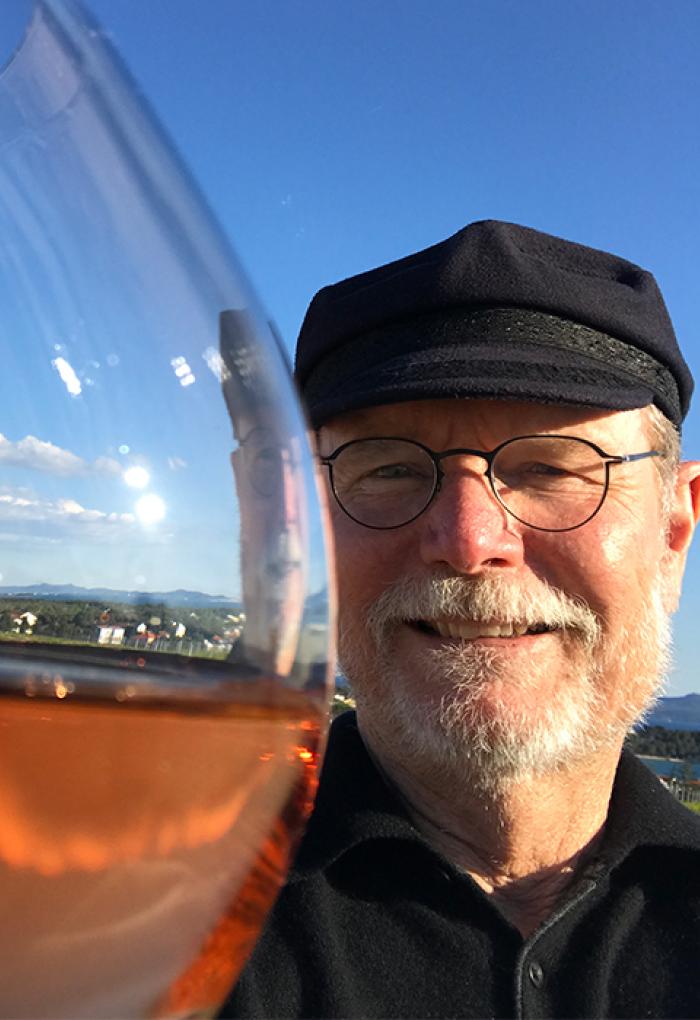
Joel Peterson taking selfie with wine glass

Joel Peterson currently creates exceptional wines through his latest venture, Once & Future Wine.

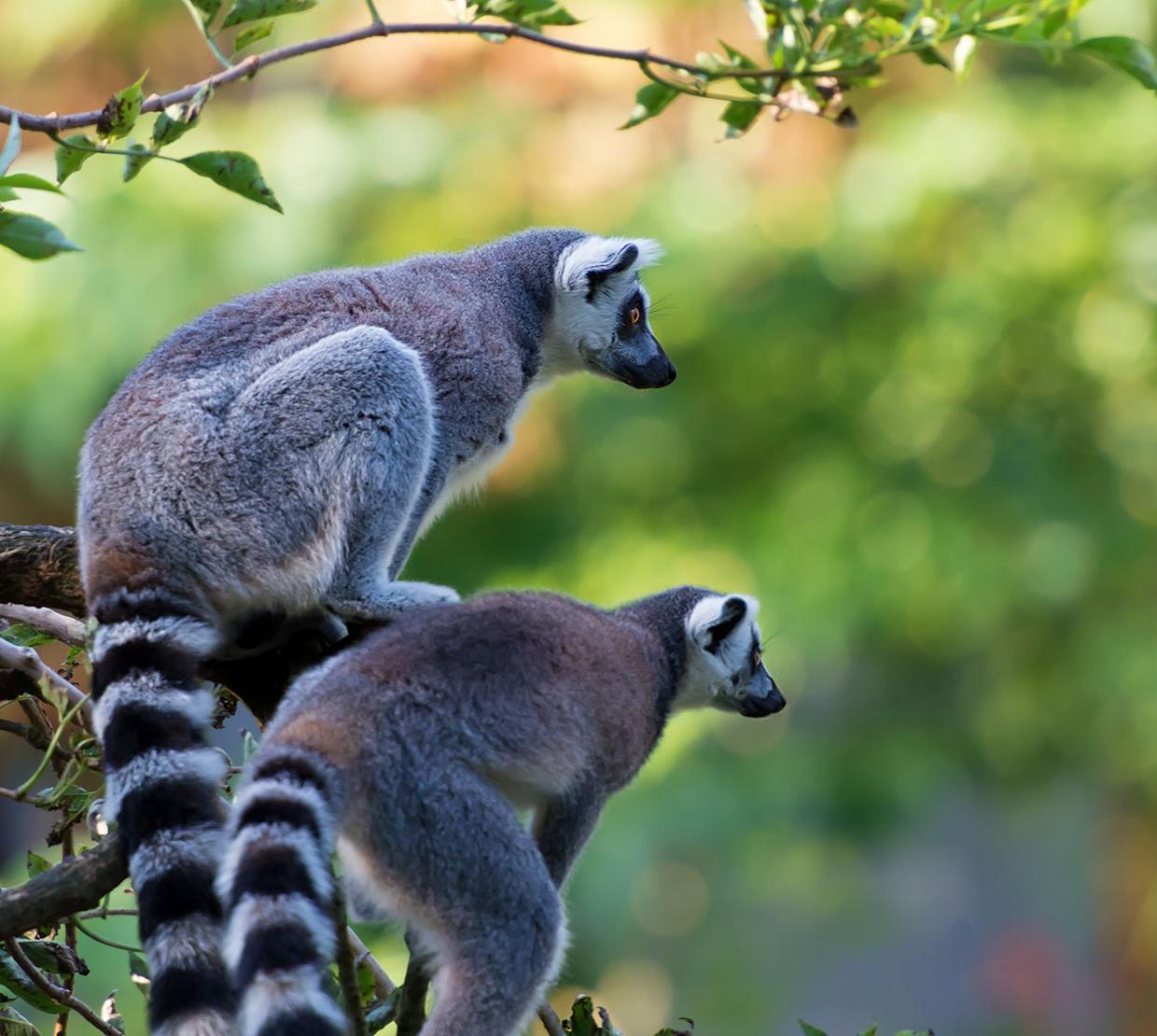
Two lemurs sit closely together on a tree branch, surveying their environment

Science Faculty Secures $18.5M in FY 2024, extending the reach and impact of science

By Hannah Ashton

The Everson lab studies Madagascan lemurs to explore how hybridization shapes genomes, species limits and the evolutionary trajectory of radiations (rapid increases in diversity).

The College of Science has a diverse portfolio of signature research, scholarship and innovation activities that enable our College to make fundamental and applied discoveries. To support society’s scientific challenges, we are invested in discovery-driven science and applied and transdisciplinary research. Our research intersects with all four research areas of priority outlined in OSU’s strategic plan, Prosperity Widely Shared.

Over the 2024 fiscal year (FY24: July 1, 2023 - June 30, 2024), the College of Science researchers received $18.5 million in research grants to support groundbreaking science. Most of that funding came from federal agencies and foundations in recognition of proposals with broad societal impacts, like increased human health, sustainable and clean energy and climate change mitigation. Our faculty pursue foundational and basic research projects and science education projects. Data science and Artificial Intelligence (AI) tools are increasingly becoming part of the fabric of much of our research. College of Science research expenditures in FY24 totaled $20.7 million.

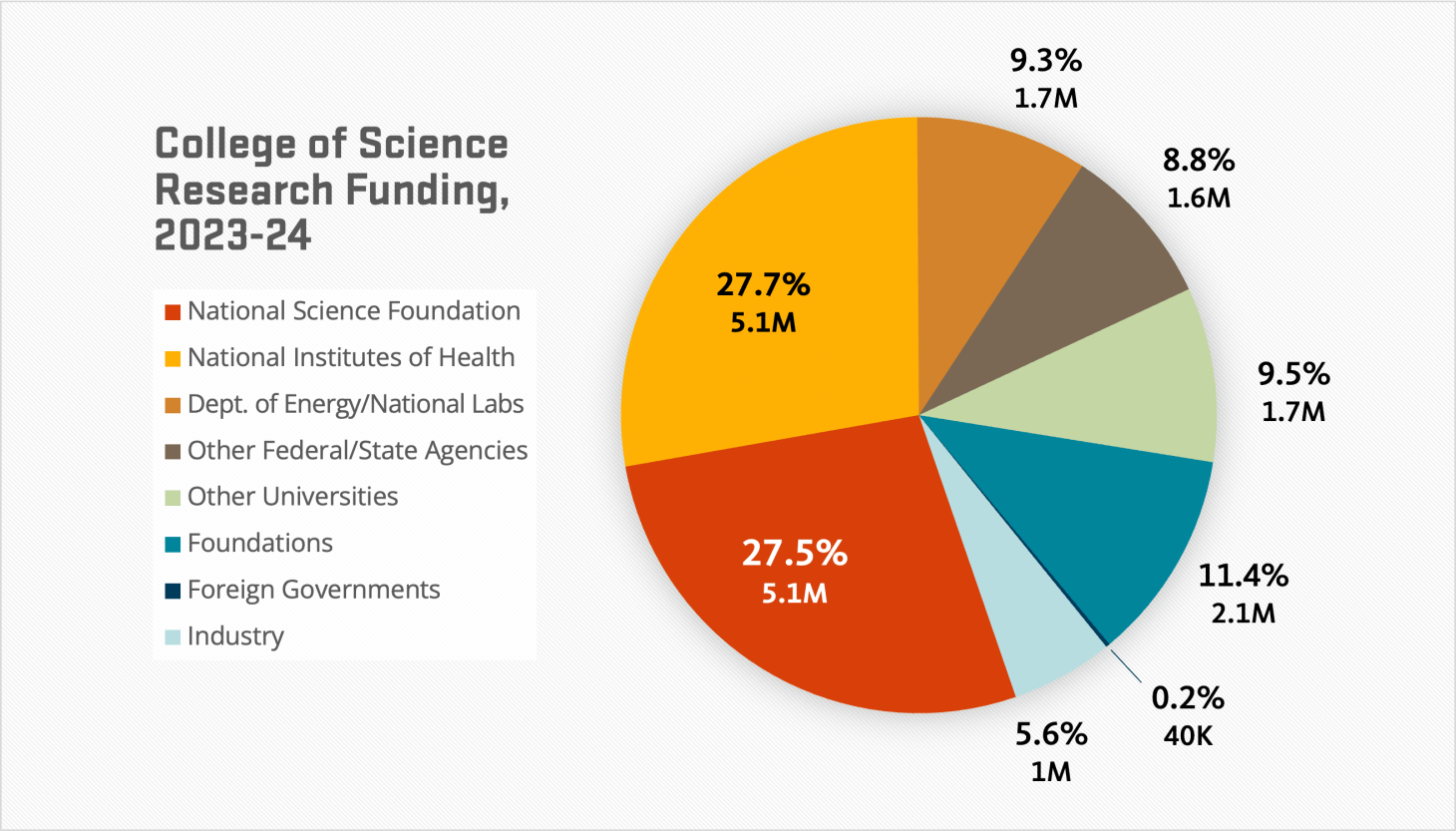
The figure below illustrates the breakdown of funding sources for the College, with the National Science Foundation (NSF) and National Institutes of Health (NIH) each awarding about $5.1M.

Pie chart showing Science Research Funding, with details in the following caption

Research funding in 2023-24 ($18.5M total) comprised investments mostly from federal and state agencies, including the National Science Foundation (25.7%–$5.1M), National Institutes of Health (27.7%–$5.1M), Department of Energy and National Labs (9.3%–$1.5M), and others (8.8%—$1.6M). Additional funds were provided by other universities (9.5%—$1.7M), foundations (11.4%–$2.1M), foreign governments (0.2%–$40K) and industry (5.6%–$1M).

Research funding propels Team Science forward

Oregon State University is focused on big discoveries that drive big solutions. Many science faculty received grants last year in support of discovery-driven science, applied and transdisciplinary research science education and innovation in OSU’s priority research areas of integrated health and biotechnology, climate science and solutions, robotics, data science and AI, and clean energy and solutions. Below are some of the highlights—not including multi-year projects started before 2023.

Faculty honors

Astrophysicist Jeff Hazboun received a $73K Faculty Early Career Development award from the National Science Foundation. This prestigious NSF early career award is highly coveted by faculty! Hazboun’s project includes curriculum development and the implementation of a summer workshop in astrophysics-themed data analysis designed to foster inspired teaching, stimulate excitement in pulsar timing array research, facilitate the learning goals of undergraduate and graduate students, and support the community college students’ transition into four-year schools.

Mathematician Christine Escher received a $50,397 award from the NSF to host the Pacific Northwest Geometry Seminar series over three years at various Pacific Northwest universities. Escher is the principal organizer of the conference. This award supports meetings of the Pacific Northwest Geometry Seminar (PNGS), a regional meeting for researchers and educators of geometry, to be held at the University of British Columbia (2025), Seattle University (2026) and Lewis & Clark College (2027).

Integrated health & biotechnology

Materials scientist Kyriakos Stylianou, along with members of the College of Pharmacy and the College of Agricultural Science, received $2 million from the U.S. Department of Agriculture to develop improved ways of preventing stored potatoes from sprouting, particularly in the organic sector. Stylianou’s team studied nearly 200 different plant essential oils for their anti-sprouting effects. Oregon, Washington and Idaho produce more than 60% of the potatoes grown in the United States, and Pacific Northwest potato cultivation is a $2.2 billion industry.

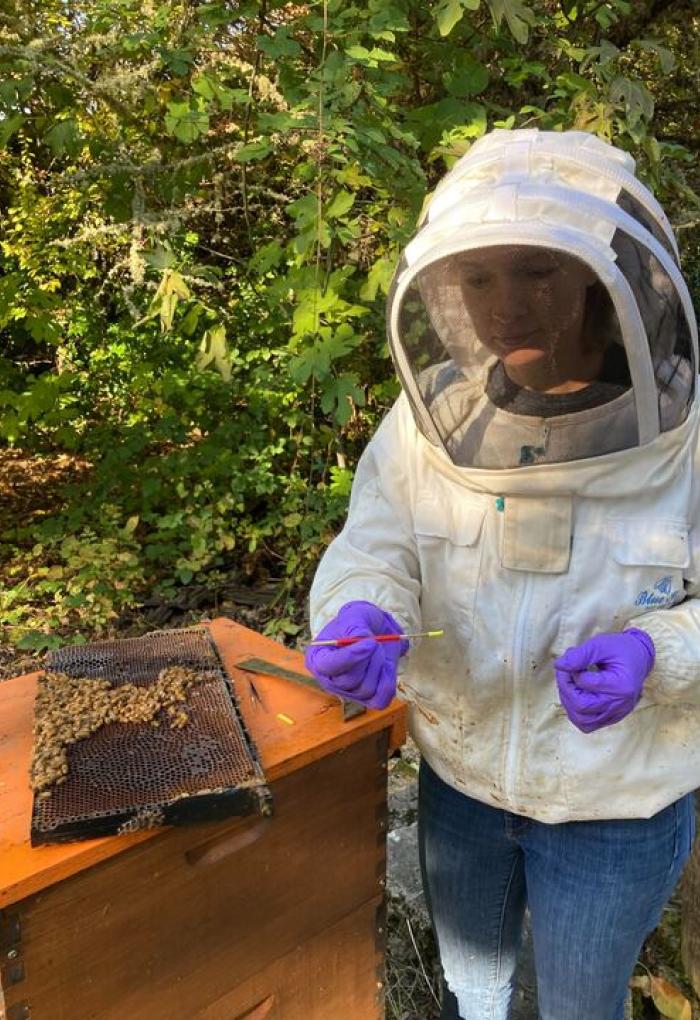
Microbiologist Maude David is part of a multi-institution research team to receive a $4.3 million grant from the U.S. Department of Agriculture to study European foulbrood disease (EFD) in honey bees. The group is investigating the factors contributing to the high incidence of infection, and will then share their findings with local beekeepers and growers to improve mitigation efforts. Beekeepers in Oregon typically pollinate about five different crops annually. If the colonies are weakened by EFD, this results in less pollination, which is a concern for blueberry and almond growers.

A scientist in a beekeeping outfit stands next to a honeycomb

Carolyn Breece from the OSU Honey Bee Lab shows Maude David a bee colony during a field trip.

Evolutionary biologist Michael Blouin was awarded $1.86M over five years ($371K per year) from the National Institutes of Health for his project entitled, “Genetic mechanisms of snail/schistosome compatibility.” Schistosomes are water-borne blood-flukes transmitted by snails, which infect over 250 million people in more than 70 countries and cause severe and chronic disability. A debilitating helminth parasitic disease of humans, vaccines are available for schistosomiasis. This project will identify new genes that make some snails naturally resistant to infection by schistosomes, revealing potential new ways to reduce parasite transmission at the snail stage.
Statistician Robert Trangucci received $164K from the University of Michigan for his project entitled, “Data driven transmission models to optimize influenza vaccination and pandemic mitigation strategies.” Selection bias is common in infectious disease datasets due to complex observational and biological processes, and bias can arise from covariate data which is missing due to analytical limitations. The research team is addressing the concern by extending existing models to accommodate risk and data gaps over time for application in vaccination and other novel datasets.

Chemist Dipankar Koley received $542K from the National Institutes of Health for his project entitled, “Microenvironmental characterization and manipulation to prevent secondary caries.” A common reason for dental replacement is a recurrence of caries around existing restorations caused by microbial activity. The project seeks development of new and innovative materials to bias this microbial environment toward improved dental health, and the researchers are investigating the use of cations of magnesium and zinc applied with specialized release platforms.

Collaborative research at the interface of robotics, computer vision and AI

Statistician Yanming Di received $249K from the U.S. Department of Agriculture for a project entitled, “DeepSeed: A computer-vision network for onsite, real-time seed analysis.” The Willamette Valley is considered the “grass seed capital of the world.” Seed testing, used for determining seed lot quality and establishing seed value, is a fundamental phase of the agricultural marketing system. With recent advances in robotics, computer vision, and AI, an opportunity presents itself for a new wave of innovations. This project utilizes AI and robotics to innovate devices and protocols for sampling grass seeds and a computer vision system for automated seed analysis. The investigators consist of experts in seed services, computer vision, statistics, and mechanical engineering.

California mussels at low tide, covered in barnacles

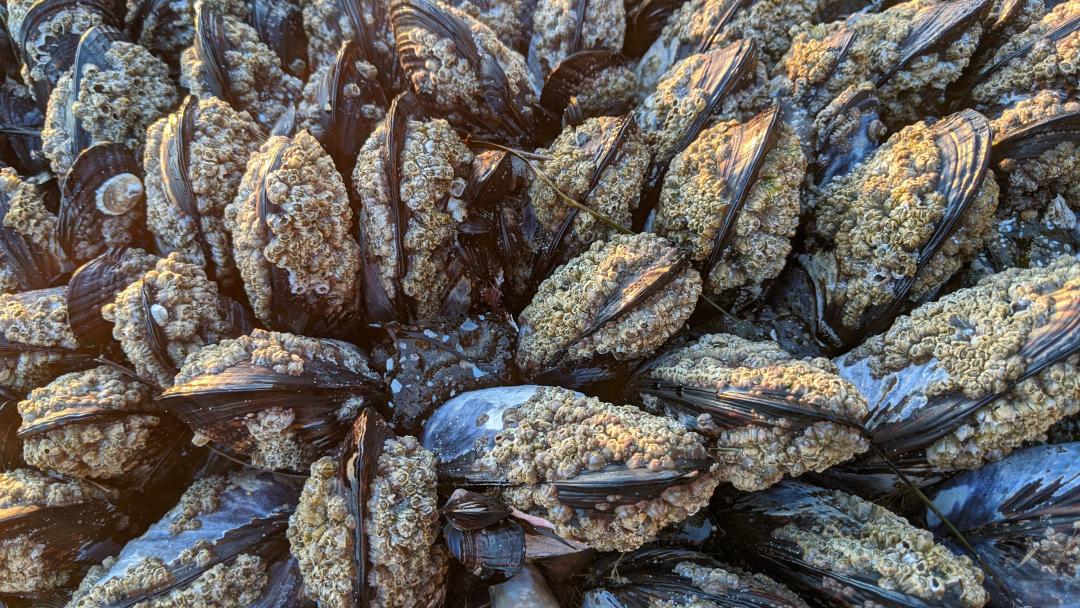
Mytilus californianus (the California mussel) is prey for many predator species, serves as a filter for ocean particulate, and harbors hundreds of other species. Threats to this normally resilient foundation species represent risks to the entire local marine ecology.

Climate science and related solutions

Materials scientist Kyriakos Stylianou received $689K from Saudi Aramco for a project entitled “New Generation of CO2 Capture Adsorbents: Synthesis, Performance under Humid Conditions, and Scaleup.” In this project, the Stylianou group aims to discover novel adsorbents for the selective capture of CO2 from diluted sources. Successful materials will undergo scaling up and evaluation for their efficacy in removing CO2 from air.

Marine ecologist Bruce Menge received $200K from the National Science Foundation for his project entitled, “RAPID: A subtle epidemic: unique mortality of Mytilus californianus on the Oregon coast.”

The research team is investigating the major changes occurring in the Pacific Northwest marine ecosystems, with evidence these communities exhibit low resilience to climate change. For example, sessile invertebrates (mussels, barnacles, etc) become more abundant while seaweed species (kelp, etc) decline.

Evolutionary biologist Kathryn Everson received two awards for $276K from the University of Kentucky Research Foundation for a project entitled, “The role of hybridization in generating biodiversity: Insights from genomics of Madagascar’s true lemurs (Eulemur).” This project is funded by the NSF to understand how new species form in the context of complex gene flow and to expose the genomic signatures of evolutionary processes. The researchers will characterize patterns of gene flow, selection, and genome architecture for a species of lemur to gain a genomic perspective on the evolution of species boundaries. In addition, the team will construct a hybridization model using data on geographic range, diet, and social behavior for this lemur.

Clean energy and related solutions

Aerosol chemist Alison Bain received $284K from McGill University for her project entitled, “Single particle measurements.” This research aims to understand the optical properties of stratospheric aerosols. Using single particle experiments under environmentally relevant temperatures and humidities, the team will extend a wavelength-dependent refractive index model to include these conditions. They are also looking at how atmospheric aging impacts the optical properties of these materials.

Chemist Wei Kong received $110K from the American Chemical Society for her project entitled, “Superfluid helium droplets as microreactors for studies of photochemistry of fossil fuel hydrocarbons: polycyclic aromatic hydrocarbons and the corresponding endoperoxides.” The project will use superfluid helium droplets as microreactors to investigate the kinetics of the photooxidation process of a major component of petroleum (polycyclic aromatic hydrocarbons, PAH). Using several analytical techniques, the team will test the hypothesis that supercooling the helium droplets will stabilize an excited state of the oxygen molecule and prevent further reactions.

Collaborative partnerships to fuel a thriving world

Biochemist Ryan Mehl received $234K from the NobleReach Foundation in partnership with the National Science Foundation. The project “Ideal eukaryotic tetrazine ligations for imaging protein dynamics in live cells” was selected as one of the first set of 11 national pilot projects to receive $234K from the NobleReach Foundation.The partnership seeks to identify and accelerate the translation of NSF-funded research into biotechnologies and bio-inspired designs with commercial and societal impacts. This pilot will help inform future translational funding opportunities along with enabling Professor Mehl and the other selected principal investigators to accelerate bringing their research to the market and society.

Biochemist Patrick Reardon received $500K from the National Science Foundation (NSF) Research Instrumentation Program for his project entitled, “MRI: Acquisition of Helium Recovery Equipment: An integrated system for helium capture and recovery for the OSU NMR facility.” This award supports the acquisition and installation of an integrated system for helium capture and recovery for the nuclear magnetic resonance (NMR) facility. Helium is in high demand and is used for a wide variety of industrial and research applications, and it is a non-renewable resource which highlights the need for laboratories to capture and recycle this important gas. The NMR lab is supported by funding from the National Institutes of Health, NSF, M.J. Murdock Charitable Trust, and OSU, and it is a core facility and cornerstone for groundbreaking research in interdisciplinary science and engineering, chemistry, biochemistry, and biophysics at OSU, throughout the Pacific Northwest, and beyond. The facility continually strives to enhance its state-of-the-art instrumentation for the highest levels of analytical performance.

Students help a community member receive dental care.

Oregon State students provide free dental care to those in need

By Tom Henderson

When people lose their homes and incomes, they frequently lose their teeth. Their teeth begin to rot, and without access to dentists and anesthesia, people often pull the teeth out themselves.

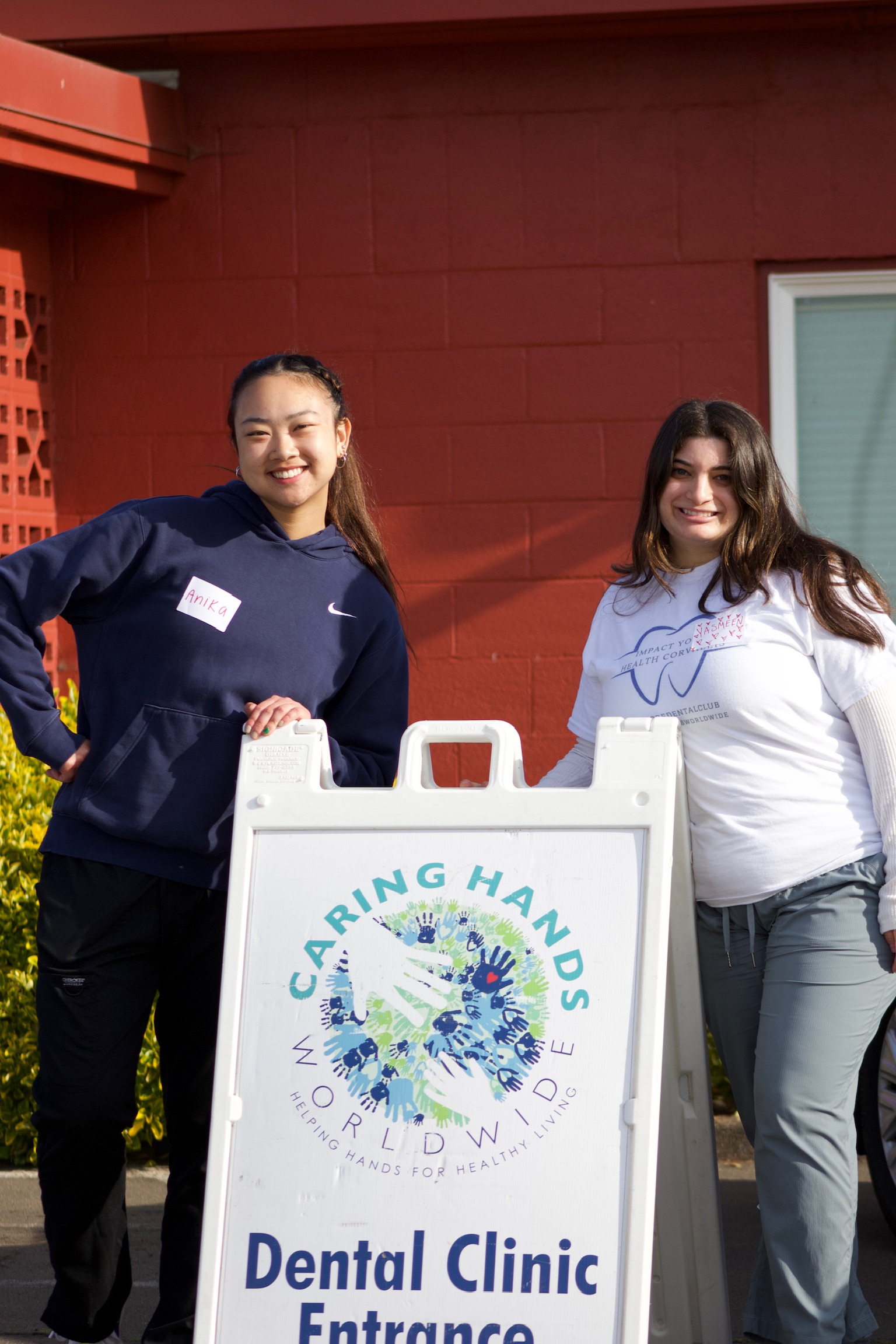
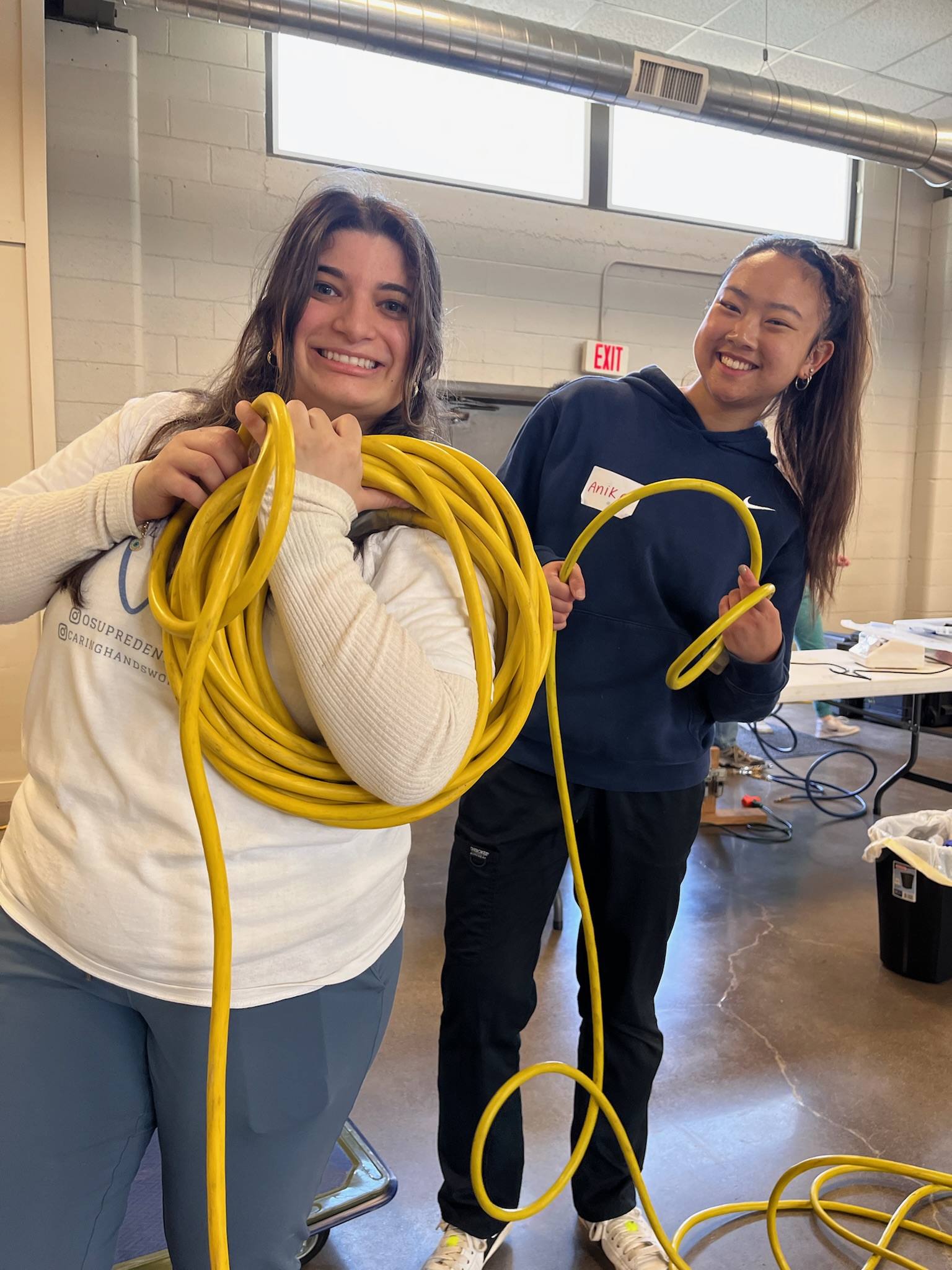
Anika Phuvasate sees such problems firsthand. When she was the president of Oregon State University's Pre-Dental Club in April, she helped coordinate the third-annual Impact Your Health Clinic to provide free dental services to people experiencing poverty.

"A lot of these community members who are coming to our clinic haven't seen a dentist in several years," said Phuvasate, a senior BioHealth major. "They lack the assets, or it could also be due to the stigma that surrounds poor dental health. People are often quick to judge people who have tooth decay and blame it on individual irresponsibility. The reality is there are a lot of social factors that come into play when it comes to someone's oral health."

No one should be ashamed to get dental care, she said.

"It was very rewarding for me to interact with these patients and create a nonjudgmental and compassionate environment for that and perhaps change their typical experience at the dental office," said Phuvasate, who graduated this spring.

The Centers for Disease Control, the nation's leading science-based, data-driven, service organization, reports that gum disease with bone loss is twice as common (at 60%) among adults ages 30 and older with low incomes compared with adults who had higher income (at 30%).

Untreated cavities are about twice as common among working-age adults with no health insurance coverage (43%) compared with those who have private health insurance coverage (18%).

Groundswell, an advocacy organization based in London reports that seven out of 10 people lose teeth after becoming homeless — with 15% of them pulling their own infected and rotting teeth.

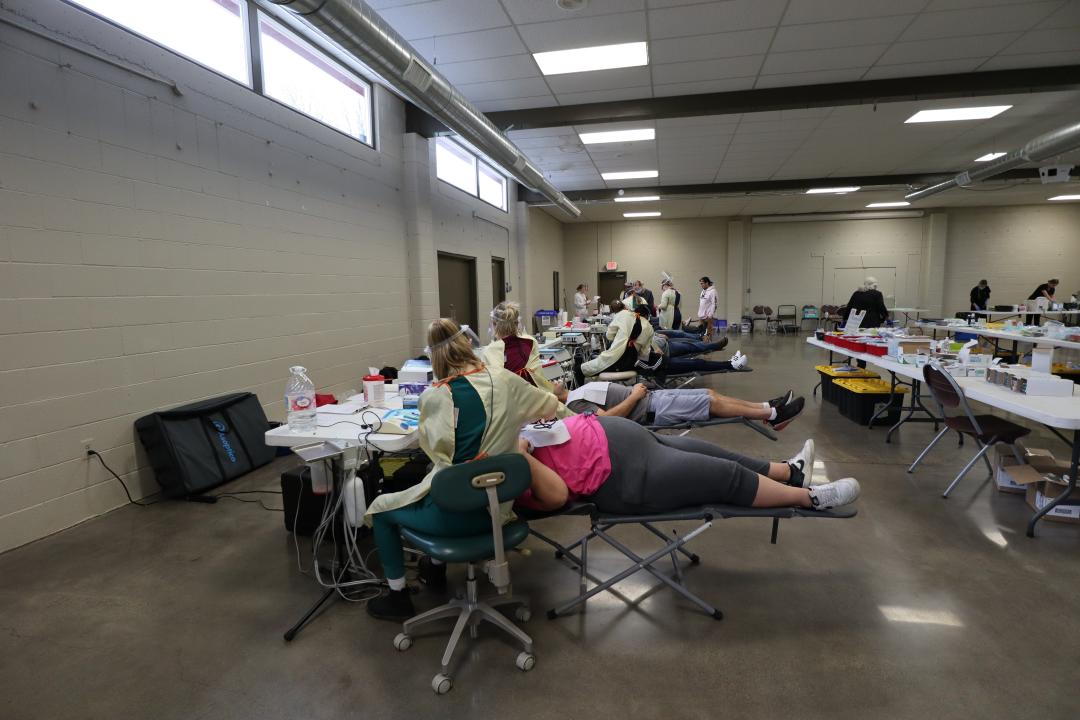
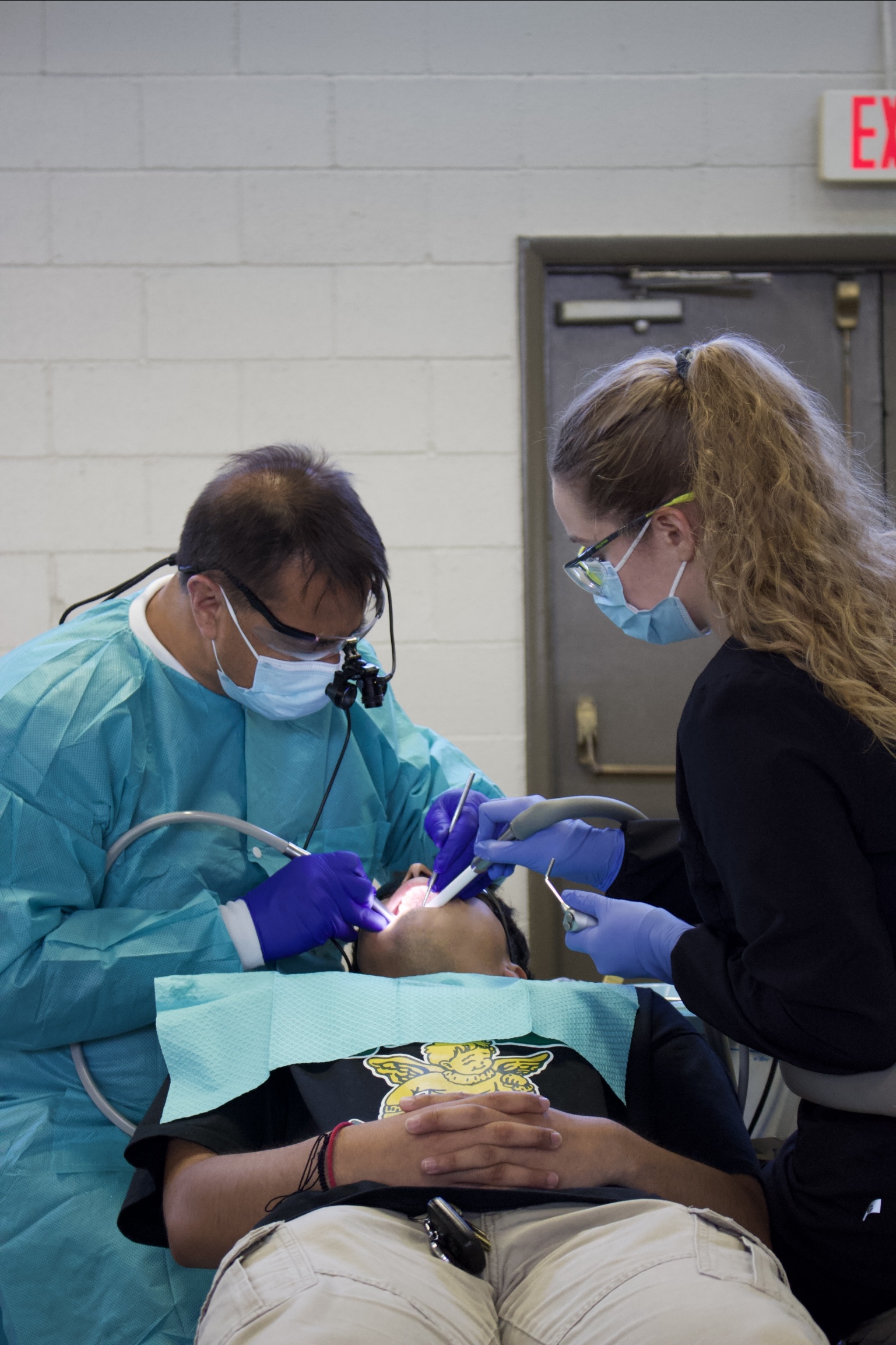
Patients receive dental care during the free dental clinic.

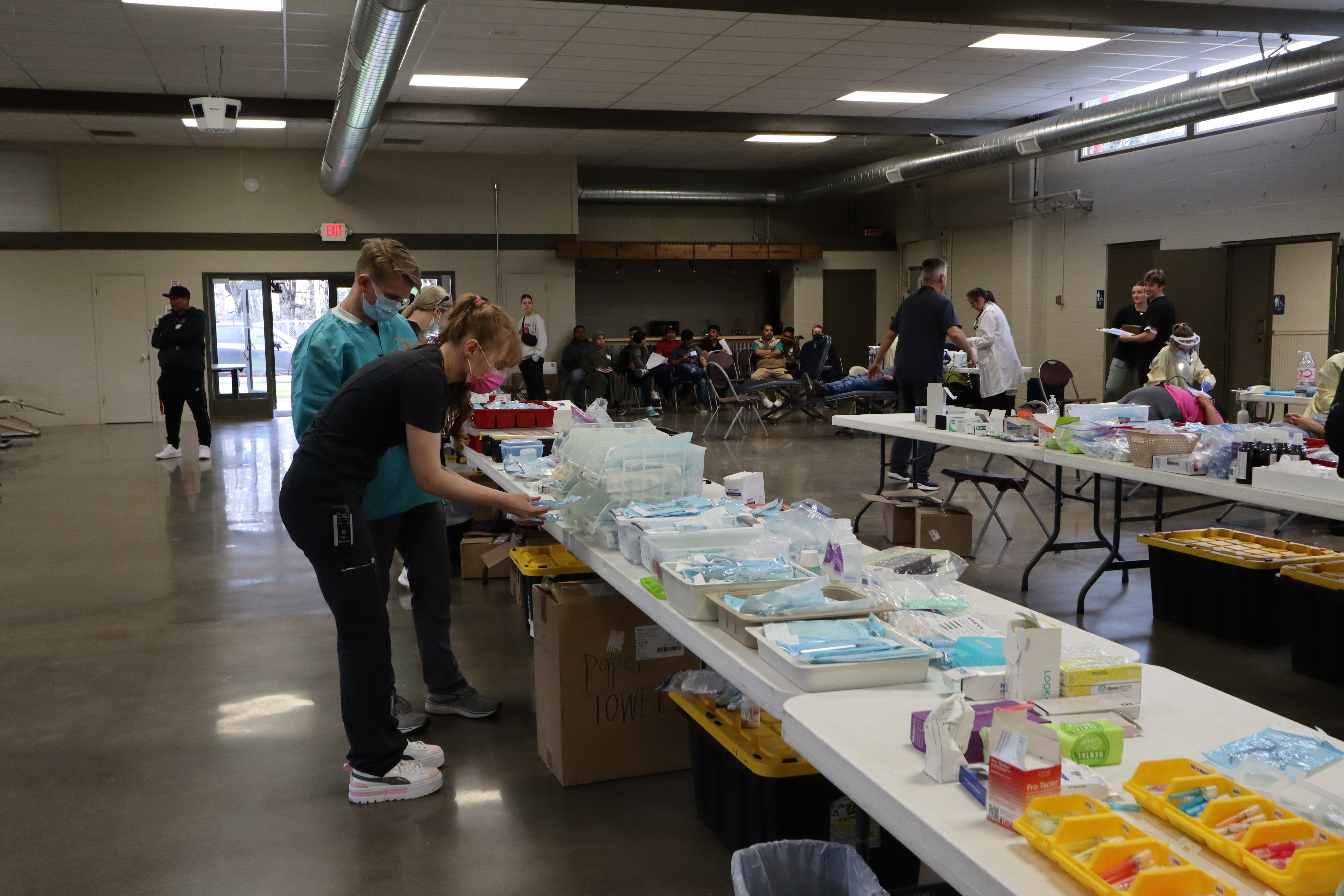
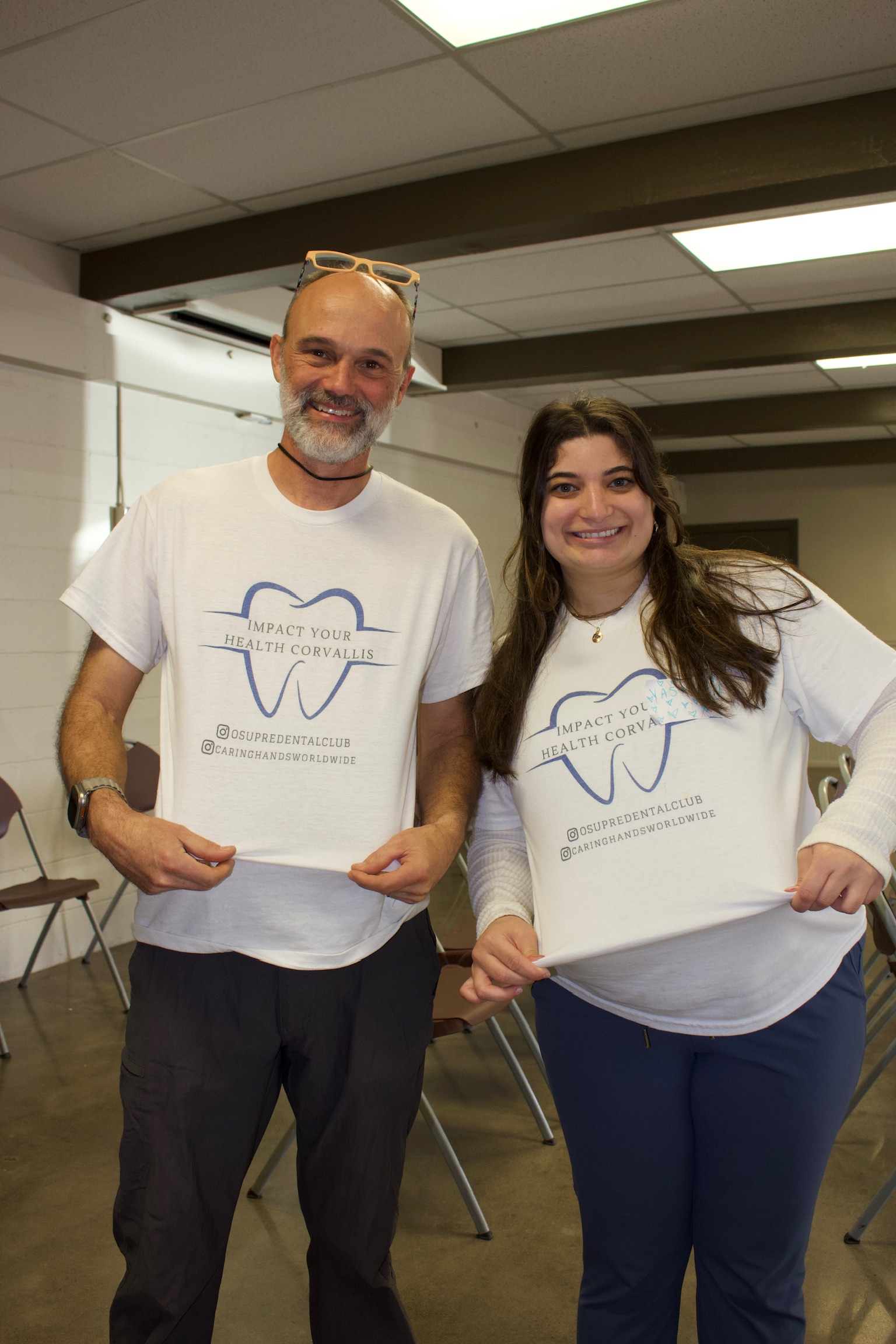
OSU students help community members receive free dental care during the third-annual Impact Your Health Clinic.

Clinics draw people from Oregon Coast and beyond

Members of Oregon State's Pre-Dental Club began organizing the annual dental clinic three years ago in partnership with Caring Hands Worldwide, an Oregon-based nonprofit that provides free dental care through similar clinics throughout the Pacific Northwest.

Club members gather dentists, hygienists, dental assistants, translators and other volunteers for the clinic. They perform a variety of tasks such as sterilizing dental instruments and checking in patients. They also raise money for the clinic and spread the word to patients.

A story last spring in the Daily Barometer, Oregon State's student newspaper, went a long way in spreading the word, said club Vice President Yasmeen Koborsi.

"The word really got out on campus, and it was a true community effort," she said. "It was all of these organization leaders on and off campus who came together and wanted to take a moment and help spread the word."

Patients came from Corvallis, Lebanon and Philomath and as far away as the Oregon Coast and The Dalles. "A lot of these people had homes," said Koborsi. "They just didn't have insurance or other means to get dental work done for themselves or their children.”

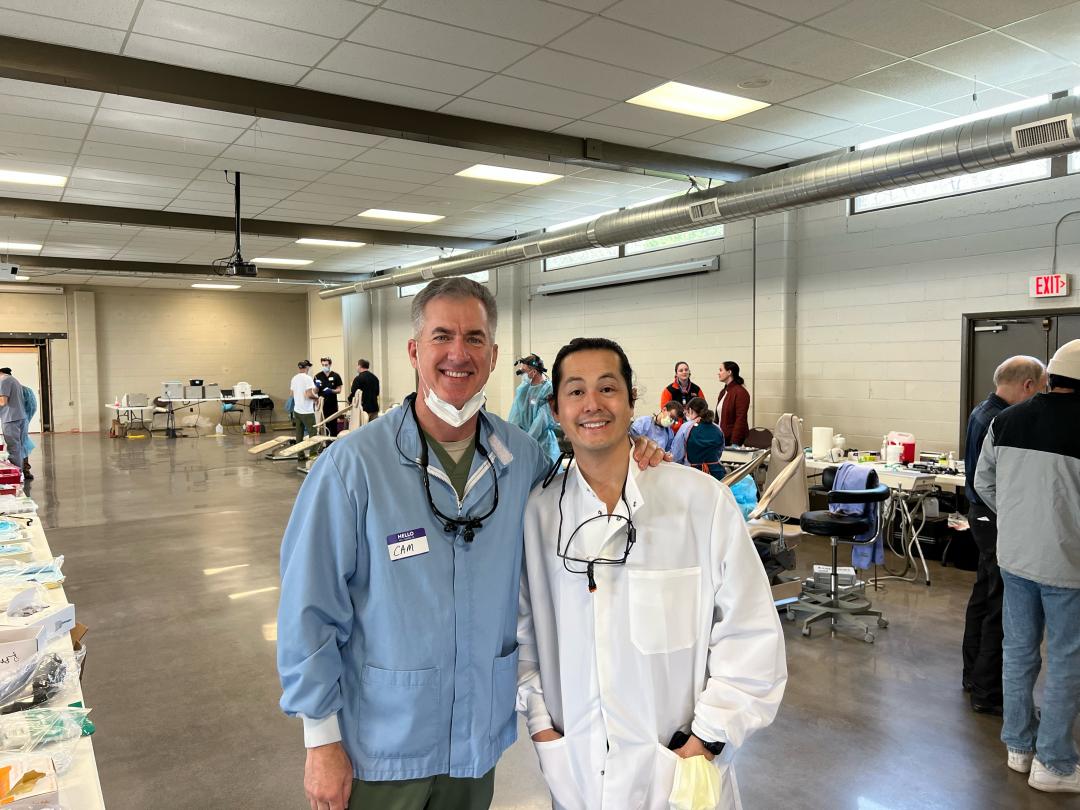
Two men in dentist gear pose for a picture.

Corvallis dentist Dr. Cam Little poses with another dental provider during the clinic. Little is the advisor of the annual clinic.

Pre-Dental club proves rewarding for students

Phuvasate said the clinic is extremely meaningful to her on a personal level. "Volunteering at it for the past three years has helped me reaffirm my decision to go into dentistry," she said.

The Pre-Dental Club is rewarding in general, said Koborsi. "The club shows students different ways to connect with the community through service projects and how to apply to the dental program," she said. "It hopefully deepens their passion for dentistry for their future careers."

Koborsi also graduated this spring. Like Phuvasate, she will be attending Oregon Health & Science University in the fall to complete her dental education.

"I love that through dentistry you are able to give people hope and let them know you care about them," she said. "You show them that, for about one hour in their day, you have dedicated your time to them to make them feel good at the end of it."

Dr. Cam Little, a dentist practicing in Corvallis since 1996, is the advisor of the annual clinic. He works closely with pre-dental students in general. Students interested in careers in dentistry frequently job shadow him.

"I didn't feel that observation only was enough for the students," Little said. "Sometimes I would let them assist me chairside if possible. I found that this gave them real hands-on experience and a better understanding of what it is like to treat a patient."

Little began working with Caring Hands Worldwide in 2018 in Eugene, even before the Pre-Dental Club began organizing the Corvallis clinics.

Avery Esau, the Pre-Dental Club president in 2021, suggested starting clinics in Corvallis. "She took the information back to a club meeting, and they voted to start doing this as their main yearly philanthropic mission," Little said.

Esau and fellow pre-dentistry student Isabella Sandgren rallied a team and held the first clinic at the First Congregational United Church of Christ.

This year's clinic ran April 13 and 14 at the Benton County Fairgrounds and drew 150 patients.

"This event is a real benefit to the community and to those who cannot afford dentistry and have no access to care," Little said. "It is also of great benefit to the pre-dental students of OSU. They get an opportunity to organize and staff a major philanthropic event.”

"It just deepened my passion each year."

Koborsi said she just hopes they helped people. "We tried to make sure every person who came left with more than what they expected," she said.

She became involved in dentistry through the Undergraduate Research, Scholarship & the Arts program at Oregon State.

"I was in Dr. Philip McFadden's lab in the Department of Biochemistry & Biophysics through URSA during my sophomore year," Koborsi said. "That really opened my eyes to how much I love the science, and specifically the chemistry, behind teeth."

She volunteered at the first Impact Your Health Clinic in 2022. "That was the way that I fell in love with dentistry," she said. "It just deepened my passion each year."

Koborsi said she initially wanted to be a pharmacist. "I really enjoyed being able to have a job where I was able to meet with patients and have a connection with them," she said. "As a dentist, I would be able to even deepen those connections. I just really want to have a career where I can build a community and connect with people and make people feel welcome, included, safe and cared for."

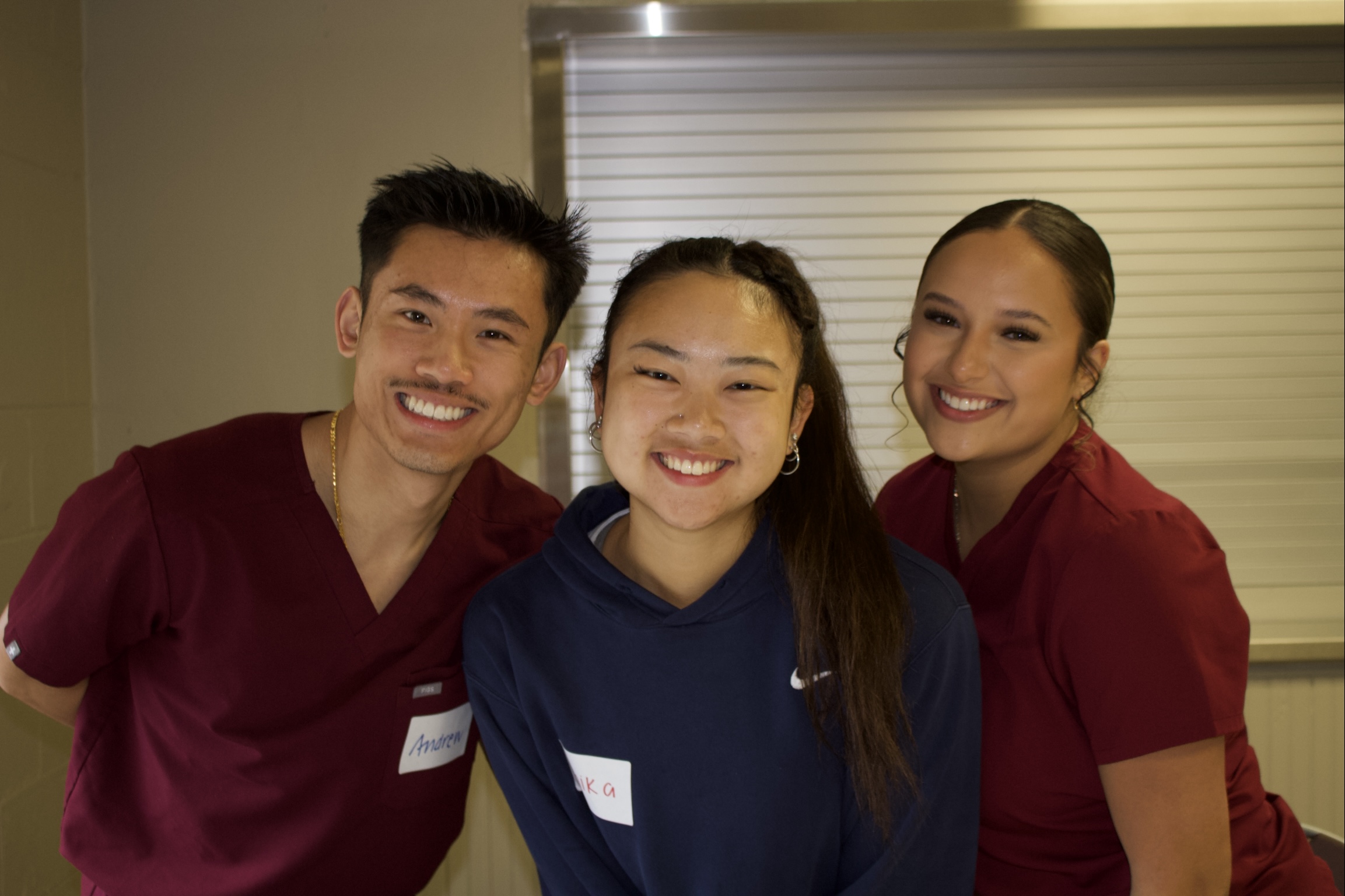
A group photo of people participating in the free dental clinic.

Participants of the third-annual free dental clinic pose for a group picture.

Making it less scary to see a dentist

Phuvasate said she also finds the clinics inspirational. "They made me realize that the reason I want to go into dentistry is to help people overcome their feelings of shame and insecurity when they're in the dental chair," she said.

She chose to go into dentistry at the end of high school. "I wasn't entirely set on it," she said. "I started looking into it because I was interested in human biology. I also knew I wanted a career where I could work with the general public. I wasn't drawn to doing research or lab work behind the scenes. I decided to look into health care."

Although she considered being a physician, said Phuvasate, she heard too many physicians complain about burning out from their frustration with the health-care system. "Every dentist I talked with was extremely happy with their work/life balance and the personal connections they're able to make with patients," she said.

"As a kid, I never had any bad interactions with dentists," she added. "I actually looked forward to seeing my dentist. I didn't realize that many people have a phobia about going to the dentist. That also made me realize how much of an impact those interactions can have."

Phuvasate said she hopes some people are already more comfortable seeing a dentist because of the help she and her fellow Pre-Dental Club members provided at the annual clinics.

"Maybe they avoided the dental office because they're so used to being judged for the state of their teeth," she said. "We hopefully made people comfortable enough to talk about their dental health."

Subscribe to Microbiology