Microbiology

Microbiology

Corbin Schuster

Corbin Schuster

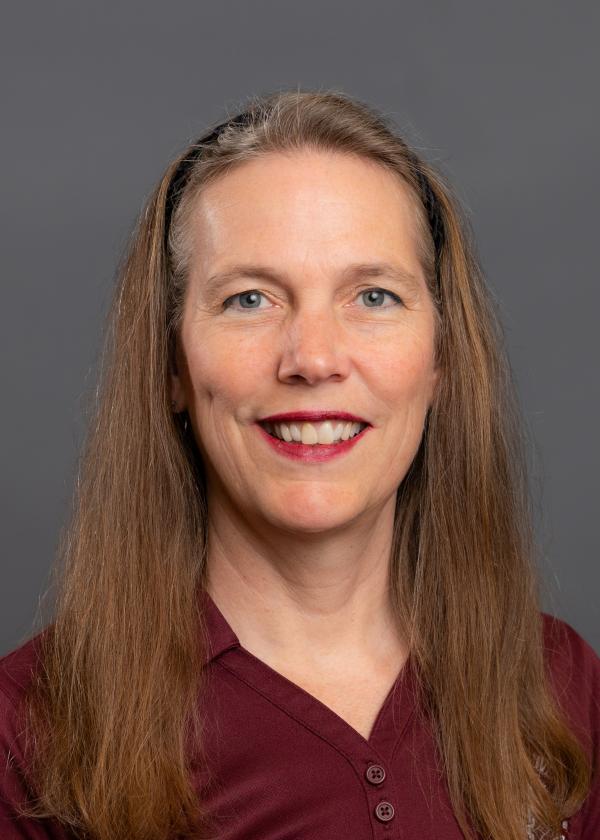
Karen Wohlwend

Karen Wohlwend

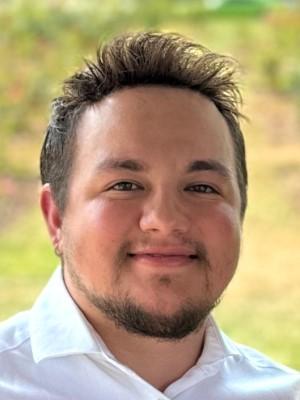
Hayden Campos

Hayden Campos

Microscopic view of glowing bacteria

‘Lessons from the squid-vibrio symbiosis’: Berg Lecture 2025

By Arie Henry

The squid Euprymna scolopes provides a home and nutrients for Vibrio fischeri bacteria, who in turn provide camouflaging luminescence for the squid.

Did you know that certain squid keep glowing bacteria in a special organ? This partnership between the Hawaiian bobtail squid and the luminescent bacterium Vibrio fischeri plays an important role in the ability of the squid to evade predators.

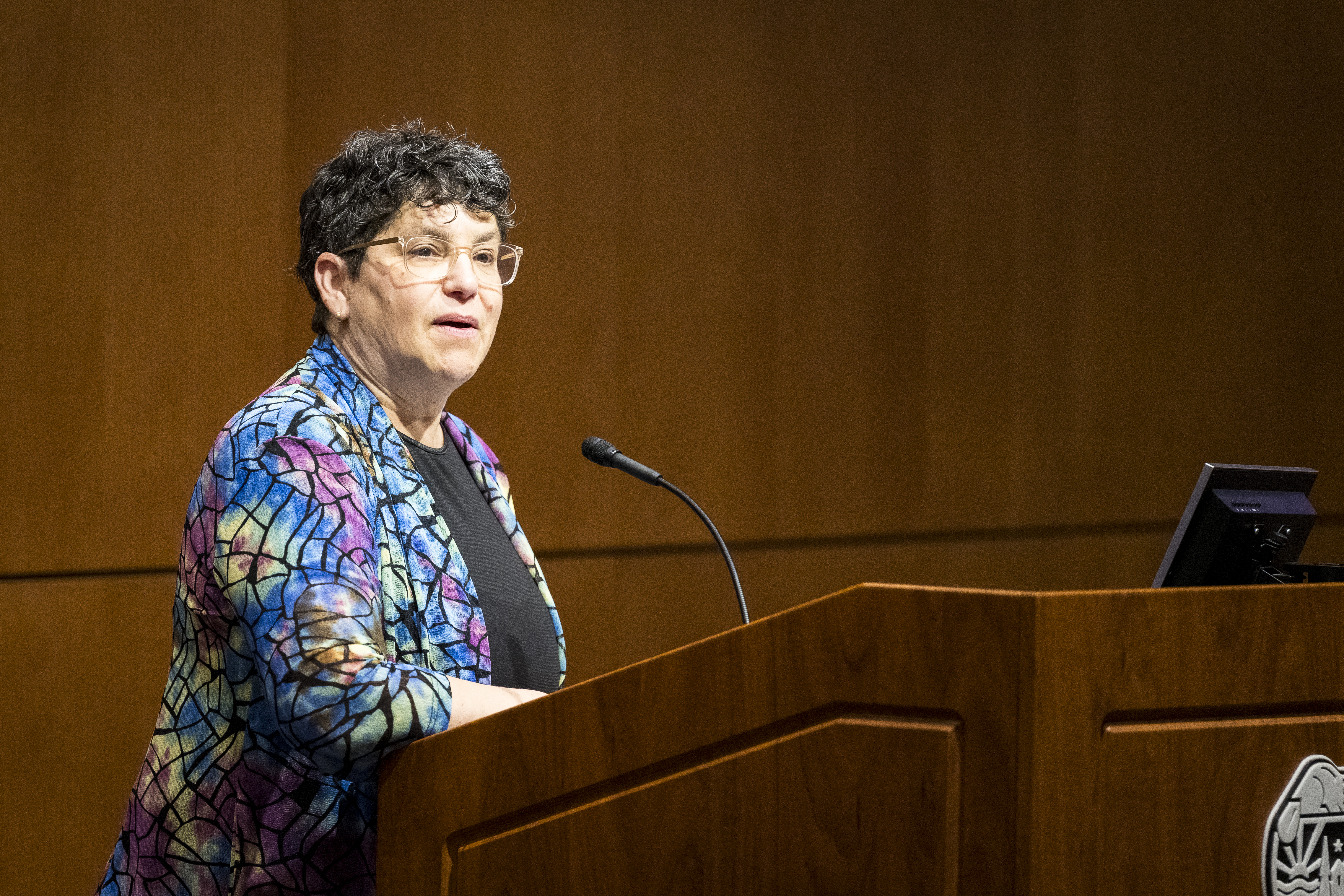
This symbiosis is at the heart of the 2025 Berg Lecture, "The recognition of partnering symbionts with each new generation: Lessons from the squid-vibrio symbiosis," presented by Dr. Margaret McFall-Ngai of Carnegie Science and the California Institute of Technology (Caltech).

Be sure to join us March 4, 2025 at the LaSells Stewart Center for the third annual installment of the Berg Lecture.


Portrait of woman smiling at camera, wearing blue blazer and glasses

Microbiologist Margaret McFall-Ngai is a scientist in the Carnegie Institute of Science Biosphere Sciences & Engineering Division and Faculty Associate at the California Institute of Technology (Caltech).

McFall-Ngai is a scientist and educator, renowned for her work on symbiosis between animals and bacteria, particularly the symbiosis between the bobtail squid and V. fischeri.

Many invertebrates and most, if not all, vertebrates acquire their bacterial symbionts by horizontal transmission; the symbionts are not present during embryogenesis but are recruited from the environment during or after birth or hatching. This presentation will cover how the embryo prepares the host animal for the first interactions with environmental V. fischeri and then how specific selection of this bacterial species occurs “against all odds.”

The model symbiosis between the Hawaiian bobtail squid Euprymna scolopes and its luminescent bacterial partner V. fischeri offers the opportunity to study the underlying mechanisms of the symbiont-acquisition process in the marine environment.

McFall-Ngai has also contributed to understanding how tissues interact with light, discovering the first protein-based animal reflector called reflectin, which has applications in industry and biomedicine.

McFall-Ngai was a Guggenheim Fellow in 2010, a Caltech Moore Scholar from 2011-2013 and an Andrew D. White Professor-at-Large at Cornell University between 2010 and 2016. She is a member of the National Academy of Sciences, the American Academy of Arts and Sciences and the American Academy of Microbiology.

She is a Senior Staff Scientist at Carnegie Science and a Faculty Associate in Biology and Biological Engineering at Caltech. She was the first hire for Carnegie’s newly launched research division for Biosphere Sciences & Engineering in November 2021. Before joining Carnegie Science, she was a professor and director emerita at the University of Hawai‘i at Mānoa’s Pacific Biosciences Research Center.


Read about the 2024 Berg Lecture, highlighting biophysicist Jeff Gore.
Learn about the 2023 Berg Lecture, featuring soil scientist Jo Handelsman.


Read more stories about: events, microbiology, science communication


Valerie Elias

Valerie Elias

Fabian Wittmers

Fabian Wittmers

Eleanor Ford stands on a stone pathway with palm trees in Okinawa, Japan in 1981.

Science and legacy: This 1962 alumna did it all

By Hannah Ashton

Eleanor Ford stands on a stone pathway with palm trees in Okinawa, Japan in 1981.

Eleanor Ford (’62, Microbiology) was six feet tall. Not literally, but when she shared her passion for laboratory safety, her personality could fill a room.

Despite being only four feet, eleven inches, and a woman in a male-dominated field in the 1960s, when she talked, people listened.

If you ask her brother, Bill Ford, to describe his sister, the picture he paints is incredible. Eleanor was a first-generation college student from rural Oregon, who became the lab safety director for all 26 state labs in California. She was a Peace Corps member who helped establish a tuberculosis research program in Kuala Lumpur, Malaysia, and she left behind a scholarship that still impacts Oregon State University students today.

“There is not a day that goes by that I’m not very honored and respectful of the work that she did and is doing now,” Bill said.

Because of Eleanor, more than 25 microbiology students have received financial help to continue their education, including Amber Leis, now the division chief of plastic hand surgery and residency program director at UC Irvine Department of Plastic Surgery.

“I was the oldest of four children in a household whose total annual income was well below the poverty line. My educational journey to become a doctor would never have been possible without the scholarship support provided to me,” Leis said. “We may not always see the ways in which our gifts better the world, but every act of kindness has ripple effects that extend further than we could ever imagine.”

The legacy and impact of Eleanor Ford is monumental. Her story covers decades, continents, and even a war. The lives she touched, the barriers she broke, and the enduring influence of her scholarship just scratch the surface of her remarkable life.

Eleanor Ford sits in a blue chair in a blue dress.

Eleanor Ford sits in her home in Fairfax City, Virginia in 1978.

A love of microbiology

Eleanor and Bill Ford grew up in Ontario, Oregon, a small town on the eastern border of Oregon and Idaho. Eleanor was the first in the family to attend college, enrolling at Oregon State College in 1958. Her younger brother Bill, followed in his sister's footsteps and traveled to Corvallis to become a student and “rook,” short for rookie, in the Marine Corps. Eleanor was a senior when he arrived and was deeply entrenched in the Department of Microbiology.

“She had a gift for science and an inquiring and inquisitive mind and loved microbiology,” Bill said. “I was more the liberal arts little brother who studied typing, which she did not. I had the pleasure of assisting her by typing up her microbiology notes and spelling those 12 and 15-letter words that made no sense to me, so she could get a better grade on her papers.”

After graduation, she worked for the Department of Health in Portland, focusing on dairy products, and later moved to the Microbial Diseases Laboratory of the California Department of Public Health in Sacramento, California specializing in tuberculosis research.

When Bill graduated and was commissioned as a second lieutenant in the Marines, Eleanor joined the Peace Corps. One sibling was sent to fight in the Vietnam War and the other was assigned to Kuala Lumpur, Malaysia. It was a stressful time for both, but Eleanor remained passionate about establishing a research facility for tuberculosis on the other side of the world.

Following the Peace Corps, she took a year off and decided to walk around Asia and Europe. She walked up the Malay Peninsula, the southernmost point of mainland Southeast Asia to the base camp of Mt. Everest and traveled to Greece.

Five people sit on a couch in a black and white photo in Kuala Lumpur, Malaysia.

Eleanor Ford sits on a couch (third from left) with her Peace Corps friends in Kuala Lumpur, Malaysia in 1968.

When she returned to the U.S. she picked up where she left off and worked her way up the promotional ranks within the California laboratory system to become the lab safety director. She taught all entering certified public health microbiologists the processes and procedures they would use across the state’s labs.

“She was very well respected within the scientific community because everybody had to go through her safety program before she released them to the bench. She was passionate about scientific safety and disease resistance,” Bill said. “I don’t know enough about it, but I am very glad she was there for the number of years she was there.”

Even without a doctorate, Eleanor became a published researcher and was involved with the American Society of Microbiologists. She died of liver cancer in 1995 but before her death, she established the Public Health Microbiology Trust, a 501(c)(3) nonprofit. She assigned her brother Bill to run the trust in her absence. Bill and Eleanor’s neice Janna are now Co-Trustees.

“She wanted it to last for five or ten years if possible. And of course, being the smart little brother that I was, I asked her if she’d like it to last forever. And she said, ‘Yeah, that would be quite a legacy,’” Bill said.

The original purpose of the trust was to provide educational grants to public health microbiologists within the state of California. Over time the family wanted to switch to something that had a longer lasting benefit. In collaboration with the OSU Foundation and the Department of Microbiology, the Eleanor G. Ford Memorial Scholarship was first awarded in 1999.

Awarded to juniors who are microbiology or biohealth students, preference is given to those in the lowest income groups, and for those who have demonstrated the potential for promising careers in public health microbiology.

“It is an incredible feeling to be able to contribute to someone who would have dropped out of school,” Bill said. He is hopeful that Eleanor's gift inspires them to leave their own legacy and give back when they can do so.

Like she told her brother, it is a remarkable thing to live a life that leaves a legacy. And Eleanor Ford did just that.

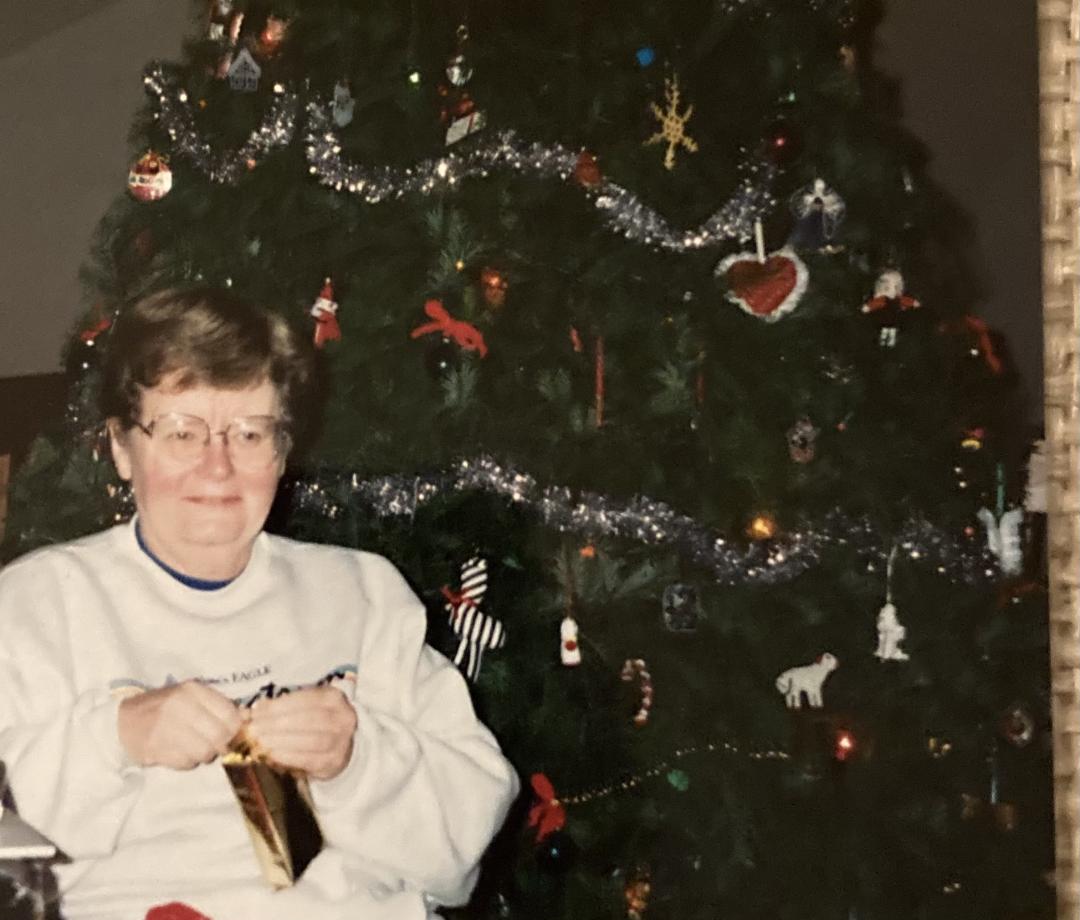
Eleanor Ford sits in front of a Christmas tree inside her home.

Eleanor Ford celebrates Christmas in Corvallis in 1992.

A graphic of a star is in front of lab test tubes.

College of Science graduate students earn prestigious awards in 2023-24

By Hannah Ashton

As a land grant institution committed to teaching, research, and outreach and engagement, Oregon State University promotes economic, social, cultural, and environmental progress for the people of Oregon, the nation, and the world. Oregon State University is deeply committed to the principle that every student we admit — in person or online — should achieve their goal to graduate, and awards of Scholarships and Fellowships contribute to this goal in an impactful way. The College of Science invests in the success of our graduate scholars by providing financial support to students that we recruit and students that are currently enrolled among other ways of supporting their development, progress and growth.

Graduate students in the College of Science earned notable recognition during the 2023-24 academic year, receiving a range of awards which highlight their achievements and contributions to Oregon State. Below, we highlight some of these noteworthy Graduate School Awards. From state specific honors like the ARCS Foundation Scholarship to institutional support through the Provost’s Distinguished Fellowship, these awards recognize graduate students who embody the values of Team Science.

ARCS Foundation Awards

ARCS (Achievement Rewards for College Scientists) Foundation, Oregon Chapter seeks to advance science and technology in the United States by providing financial awards to academically outstanding students who are U.S. students studying to complete Ph.D. degrees in science, engineering, mathematics, technology and medical research at Oregon Health & Science University, Oregon State University and the University of Oregon.

In 2023-2024, two College of Science graduate students were awarded ARCS scholarships. Karlie Wiese, doctoral student in Chemistry, received the ARCS Oregon 10th Anniversary OSU Scholar Award. Lucas Kolanz, doctoral student in Physics, received the Beth Ray ARCS Foundation Scholar Award. This award is funded through ARCS, the OSU Graduate School and by contributions from past OSU President Ed Ray in memory of his wife Beth.

Delson Bridge to the Future Fund

Pritha Biswas, doctoral student in Physics, is the recipient of the Delson Bridge to the Future Fund, designed to assist graduate students who are facing critical financial emergencies that could impede degree completion.

Dissertation Completion Award

Two doctoral students were awarded the Dissertation Completion Award. This award supports outstanding doctoral students who are in their final stages of their dissertations by offering an award to cover the cost of three graduate credits of tuition and mandatory fees for one academic term. The recipients are Adaline De Chenne from Mathematics and Njesa Totty from Statistics.

Graduate Dean’s Catalyst Fellowship

Two doctoral students, Theodore Bambakidis (Microbiology) and Jesse Howe (Biochemistry and Biophysics) were awarded the Graduate Dean’s Catalyst Fellowship. This award is a pilot program launched for the 2023-24 academic year to support graduate students nearing completion of their doctoral degrees.

Herbert F. Frolander Graduate Teaching Assistant Award

Steven Tran (Chemistry) received the Herbert F. Frolander Graduate Teaching Assistant Award, which recognizes outstanding and professional involvement with both faculty and students by a graduate teaching assistant at Oregon State University. This award is presented to one graduate student from across the entire university during University Day in the fall. Hear from faculty and staff who nominated Tran here.

Laurels Block Grant Program

The purpose of Laurels funding is to provide financial support to academic units so they may diversify and strengthen their graduate programs. This is achieved by providing tuition support to assist with the recruitment of new graduate students to OSU. Two College of Science students received funding in 2023-24, masters student Bailey Sharon (Mathematics) and doctoral student Courtney Clement (Microbiology).

Oregon Lottery Graduate Scholarship

Three doctoral students received funding from the Oregon Lottery Graduate Scholarship. Funds for this scholarship are provided through the Oregon State Lottery and are awarded on the basis of academic merit and financial need. The 2023-24 recipients are Matthew Nguyen (Chemistry), Steven Tran (Chemistry) and Kaitlin McHugh (Integrative Biology).

P.F. and Nellie Buck Yerex Graduate Scholarship

Nilanjana Das, masters student in Microbiology, is the recipient of the P.F. and Nellie Buck Yerex Graduate Scholarship. This scholarship is awarded to graduate students who are pursuing study in a scientific or technological field. It is awarded on the basis of academic achievement and promise for the future.

Prestigious Diversity Fellowship

Two doctoral students received the Prestigious Diversity Fellowship, intended to support the recruitment and retention of graduate students from historically underrepresented backgrounds who demonstrate scholarly promise at Oregon State. The recipients are Hallee Boyd (Chemistry) and Nyazia Sajdah-Bey (Integrative Biology).

Professional Development Award

The purpose of the Professional Development Award is to help cover costs for qualifying training, resources and activities that contribute to professional skills development. In 2023-24, the Graduate School funded the following students:

Alice Welch (Integrative Biology)

Olivia Burleigh (Integrative Biology)

Emily Taylor (Integrative Biology)

Pritha Biswas (Physics)

Kevin Dimmitt (Physics)

Provost’s Distinguished Graduate Fellowships and Scholarships

The purpose of the Provost’s Distinguished Fellowship and Scholarship program is to support programs in the recruitment of Oregon State’s most meritorious graduate students.Ian Clifford (Integrative biology) and Ben Daniels (Microbiology) received the distinguished Provost Fellowship award.

In 2023-24, the College of Science awarded Provost Scholarships to the following students:

Joline Nguyen (Biochemistry and Biophysics)

Emily Hiatt (Chemistry)

Sanpreet Hira (Chemistry)

Jack McLaughlin (Chemistry)

Gage Rios (Chemistry)

Rodrigo De Almeida Alves (Integrative Biology)

Brysyn Goodson (Integrative Biology)

Olivia Noonan (Integrative Biology)

Stefanie Fazekas (Mathematics)

Heather Fogarty (Mathematics)

Mansi Sanjay Mahajan (Mathematics)

Courtney Clement (Microbiology)

Lynn Kaneko (Microbiology)

Katelyn Spadavecchia (Physics)

Kalista Wayt (Physics)

Ian Moran (Statistics)

Scholarly Presentation Award

The Graduate School offers the Scholarly Presentation Award to provide graduate students with financial support to assist with certain costs associated with presenting their scholarly work at academic conferences and meetings. In 2023-24, the following College of Science students received this award:

Mona Khorani (Chemistry)

Nan-Chieh Chiu (Chemistry)

Anshika Nagar (Chemistry)

Ankit Yadav (Chemistry)

Jesse Laney (Integrative Biology)

Angelika Kurthen (Integrative Biology)

Jun Cai (Integrative Biology)

Erick White (Integrative Biology)

Jalyn Devereaux (Integrative Biology)

Jared Freedman (Integrative Biology)

Jesse Fritz (Integrative Biology)

Dorothy Zahor (Integrative Biology)

Jessica Karr (Integrative Biology)

Giovanni Crestani (Integrative Biology)

Kaitlin McHugh (Integrative Biology)

Kenneth Glynn (Integrative Biology)

Jazlee Joon Crowley (Integrative Biology)

Brenna Prevelige (Integrative Biology)

Jeremy Lilly (Mathematics)

Måns Mattsson (Physics)

Thurgood Marshall Graduate Fellowship

The Thurgood Marshall Graduate Fellowship is intended to support the retention of meritorious graduate students whose accomplishments and activities demonstrate leadership, service and commitment to fostering a just and equitable community. Val Sawiccy (Integrative Biology), currently an instructor at the University of Oregon, is this year’s recipient.

Wei Family Private Foundation Scholarship

The Wei Family Private Foundation, a non-profit organization, was established to honor the memory of Dr. (Mrs.) Chung Kwai Lui Wei and Mr. Hsin Hsu Wei. Its purpose is to award scholarship grants to graduate students with high academic credentials in science and math, with a preference for those who have lived in or are related to persons born in China. In 2023-2024, the College of Science awarded one Wei Family scholarships to Lemeng Li (Statistics).

Mark and Vicki Hehnen Veterans Science Scholarship

The Mark and Vicki Hehnen Veterans Science Scholarship supports science students who are veterans and provides financial support other than tuition. This award was established by Mark Hehnen (’78 Ph.D.). In 2023-2024, the College of Science awarded two scholarships to Ebony Stretch (Microbiology) and Angela Mellisa Thompson (Zoology).

Jesse A Hanson General Science Scholarship

The Jesse A Hanson General Science Scholarship is awarded to students who show high scholarship, potential for success, unimpeachable character and service to the university. Jesse Hanson was an OSU professor of poultry science from 1911-66. The following four students received this scholarship during the 2023-2024 academic year: Joshua Byrnes (Statistics), Jessica Etter (Chemistry), Elena Gasiorowski (Integrative Biology), and Mikaela Lee (Microbiology).

Fred W. Durbin and Helen E. Bette Pierce Durbin Endowment

Created by Fred and Helen “Bette” Durbin, this endowment supports graduate fellowships as determined by the Dean. Fred received a bachelor’s in general science from OSU and Bette graduated with a bachelor’s in home economics (now the College of Health). The College of Science awarded two Fred and Helen Durbin Scholarships to Ameh Benson Agi (Chemistry) and Jonathan Dutra (Biochemistry/Biophysics).

Science Graduate Fellowship

The Science Graduate Fellowship is to be used to support students enrolled in the College of Science with a preference for students in chemistry, biochemistry and the life sciences. The College of Science awarded one Science Graduate Fellowship during the 2023-2024 academic year to Emily Parker (Integrative Biology).

*When possible, links to students' directory profiles are included.

A male college student engages with children during Discovery Days

Empowering communities: Highlights from the College of Science’s 2023-24 outreach

By Hannah Ashton

The College of Science is committed to making science accessible, engaging and relevant to people’s lives. Through outreach, we support science literacy, connect with communities and help students see themselves in STEM. From hands-on activities in classrooms to public science events and student-led programs, outreach is one way we ensure science makes an impact. Here are a few examples of 2023-2024 outreach from across our departments:

In Integrative Biology, faculty and students participated in events such as Science Nights at local schools, Discovery Days, and sea-themed summer camps, with activities ranging from avian behavior trials to DNA sequencing workshops in Nepal. The department also contributed to public presentations and fundraisers for undergraduate research.

The Mathematics department hosted significant events like the Lonseth Lecture and Math For All Conference, while also providing educational enrichment through math circles and problem-solving sessions. Faculty gave lectures internationally and led outreach programs in local schools, aiming to make math accessible to all.

Biochemistry and Biophysics highlighted women leaders in STEM, hosted symposia and webinars, and engaged the public through biophysics demonstrations. The department's outreach extended to local schools, community events, and artistic projects that made science more approachable.

In Physics, outreach efforts included attending elementary school science nights and giving tours to high school students. Educators can visit the physics website to schedule a classroom visit from an OSU physicist.

The Chemistry department’s outreach initiatives aim to broaden access to STEM education and inspire a diverse range of students to explore science. Through a variety of programs, the department offers hands-on experiences, community events, and immersive camps that connect underrepresented and local students with real-world science opportunities. Learn more about chemistry outreach.

The Microbiology department organized creative and educational events such as agar art, career panels, and science nights, while also hosting a microbiology camp for high school students to explore STEM careers.

The Department of Statistics held outreach activities focused on recruitment and research growth including a joint research forum with Shanghai University of International Business and Economics. The department also held two conferences in Corvallis during the 2024 summer.

In the Dean’s Office, the Science Success Center organized Discovery Days where OSU welcomed more than 1,300 elementary students to experience science outside the classroom. Discovery Days, a biannual outreach event, brimmed with activities for kids to enjoy while they met graduate and undergraduate students eager to share their enthusiasm for the inspiring field.
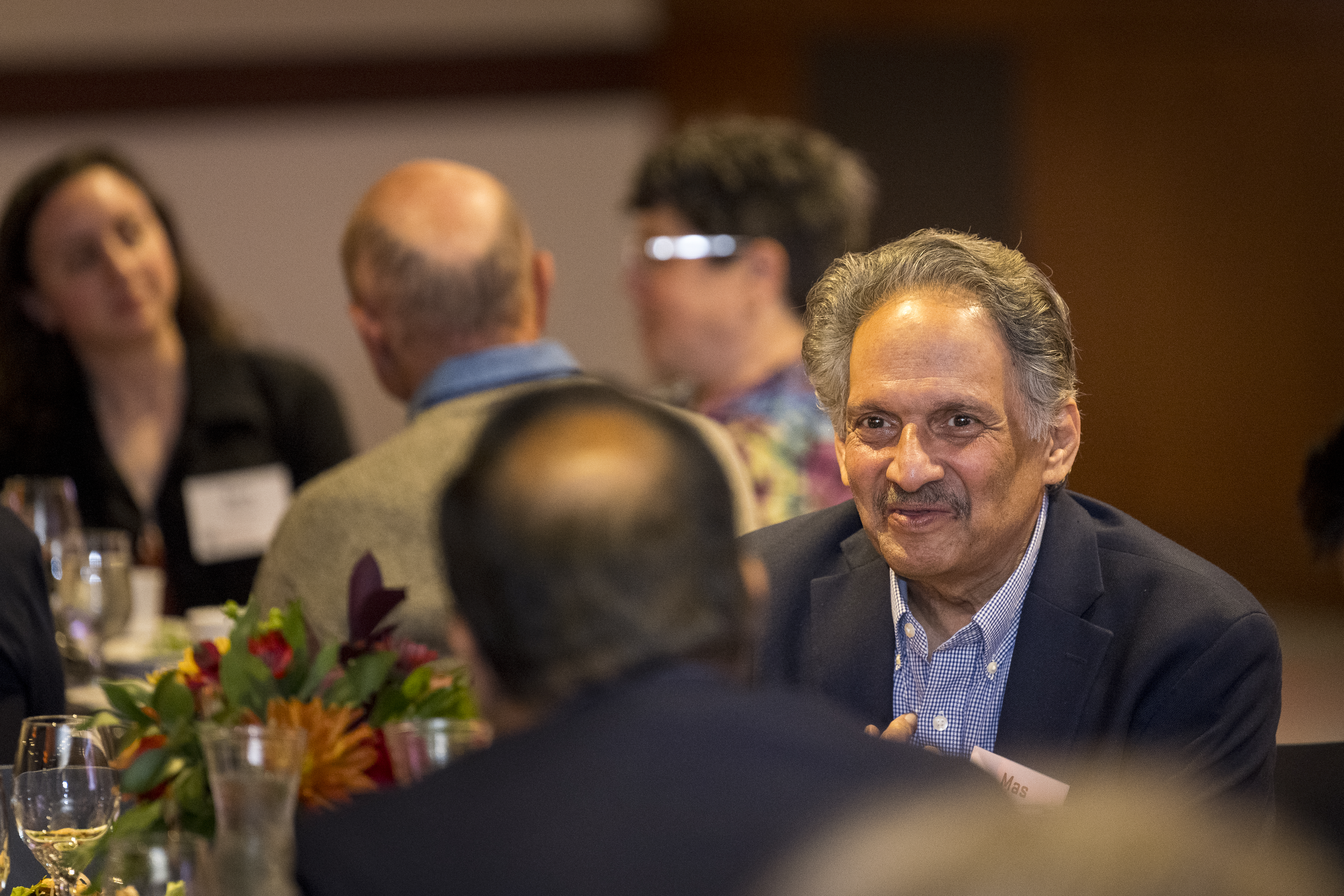
The Dean’s Office also did recruitment outreach, visiting community colleges and middle and high schools to promote STEM programs and science career paths, engaging over 300 students in total.

These collective efforts typify the College’s commitment to science education, community engagement and inspiring future generations in STEM.

Four people stand together at an awards ceremony for the College of Science.

Alumni Awards celebrates in impactful legacies and achievements

By Hannah Ashton

Photos by Karl Masdam

The College of Science community recently gathered to celebrate this year's Alumni Award recipients. These individuals have enriched many lives through their professional achievements, impact and service. They embody our vision to extend the reach and impact of science by improving life for the people of Oregon and beyond.

Janet Tate, distinguished professor emerita, received the Lifetime Achievement in Science Award; Parbu Nambiar Ph.D. ('88), principal and founder of Syner-G BioPharma Group, received the Distinguished Alumni Achievement Award; and Jonathan Gallion ('12), vice president of artificial intelligence and machine learning at OmniScience, received the Early Career Award.

Two women stand next to each other.

Lifetime Achievement in Science award winner Janet Tate stands with Dean Feingold.

Janet Tate blends scientific innovation with a passion for education, leaving a lasting impact on Oregon State University and materials physics. A University Distinguished Professor, Tate has spent over 35 years researching energy-related materials, including superconductors and thin-film semiconductors, which enhance renewable energy systems and electronics. Her work contributed to the development of transparent oxide transistors, a key component behind Apple’s Retina 5K displays.

Tate’s collaborative research with leading institutions such as MIT and the National Renewable Energy Lab has led to more than 30 peer-reviewed publications and $7 million in grant funding. Internationally recognized, she has earned numerous awards, including the Alexander von Humboldt Fellowship and APS Fellowship.

Read about her passion for diversity in physics and mentorship.

A man and woman stand next to each other in professional clothing.

Distinguished Alumni Achievement Award recipient Parbu Nambiar stands with Dean Feingold.

Prabu Nambiar embodies the transformative power of education and perseverance, leading him to establish the successful consulting firm Syner-G BioPharma Group. Growing up in rural southern India, Nambiar’s early exposure to the world came through the radio, igniting a desire for greater opportunities. Encouraged by a professor to pursue his studies at Oregon State University, he moved to the U.S. in 1983, where he quickly adapted to a new environment while pursuing his Ph.D. in organic chemistry.

Nambiar’s career took him from academia to the pharmaceutical industry, starting at Bristol-Myers Squibb and later serving as vice president of regulatory affairs at Vertex Pharmaceuticals. Noticing a gap in the market for expert consulting during drug development, he took a bold leap to found his own company, which has since grown from 50 to nearly 500 employees.

Read about his company and passion for giving back to Oregon State.

A man and woman stand next to each other wearing professional clothing.

Young Alumni Achievement Award recipient Jonathan Gallion stands next to Dean Feingold.

Jonathan Gallion is making significant strides in emerging fields as the vice president of artificial intelligence and machine learning at OmniScience. His journey began in a laboratory filled with plates and pipettes, where he discovered a passion for biochemistry and biophysics. During an internship at SIGA Technologies, Gallion programmed robots to screen chemical compounds, an experience that set the foundation for his future career.

At OmniScience, he leads a team focused on leveraging data science and large language models to improve clinical trial outcomes and revolutionize medicine. His innovative work addresses the complex challenges of processing vast healthcare data, which is expected to grow significantly in the coming years. Gallion emphasizes the importance of building connections within the industry and encourages students to explore diverse career paths.

Read more about how he believes scientists can have client-facing careers.

Subscribe to Microbiology