Faculty and Staff

Faculty and Staff

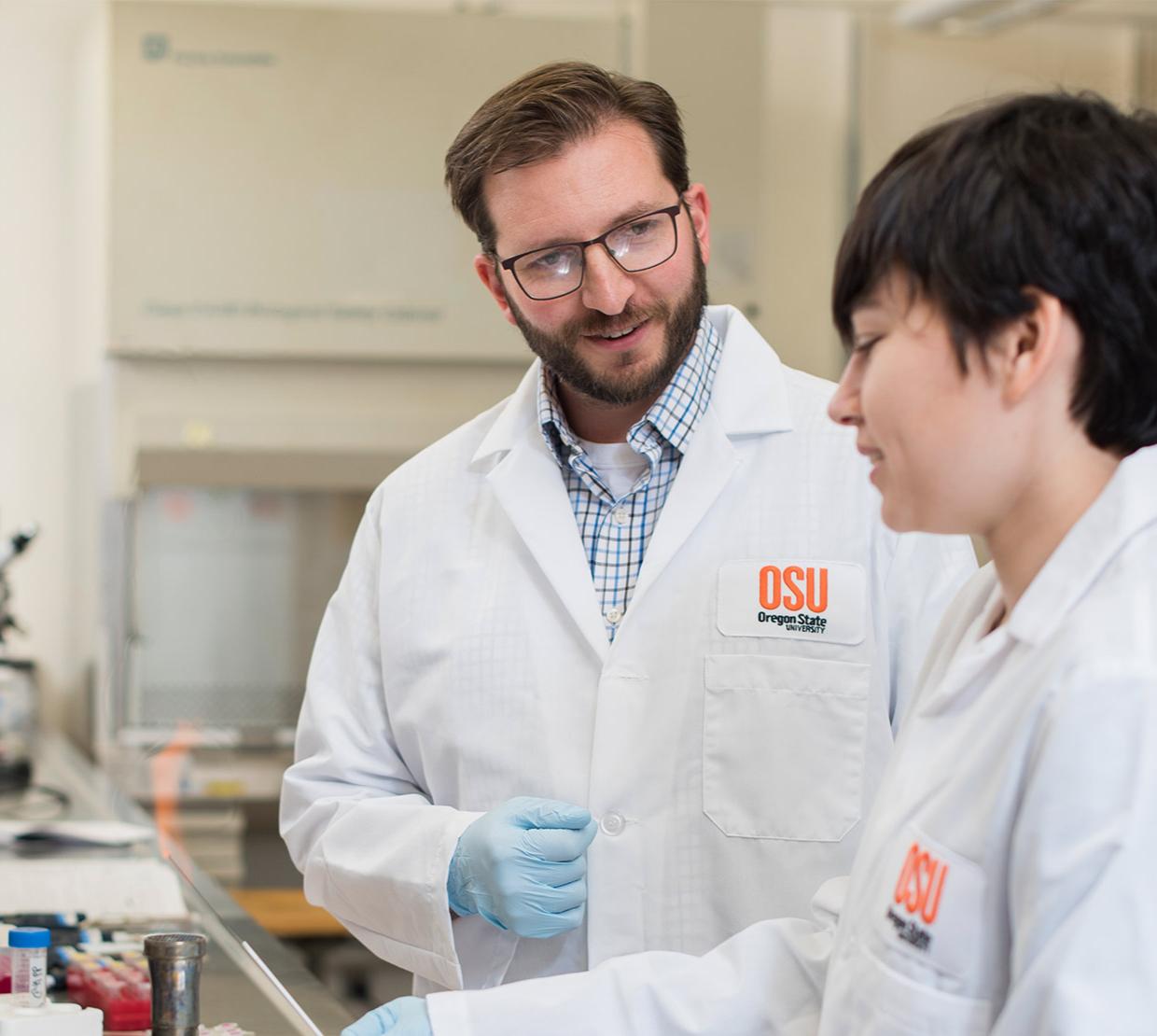
Kim Halsey with graduate student taking samples from a river

New grants to advance science that benefits humankind

By Cari Longman

Photo by Hannah O'Leary

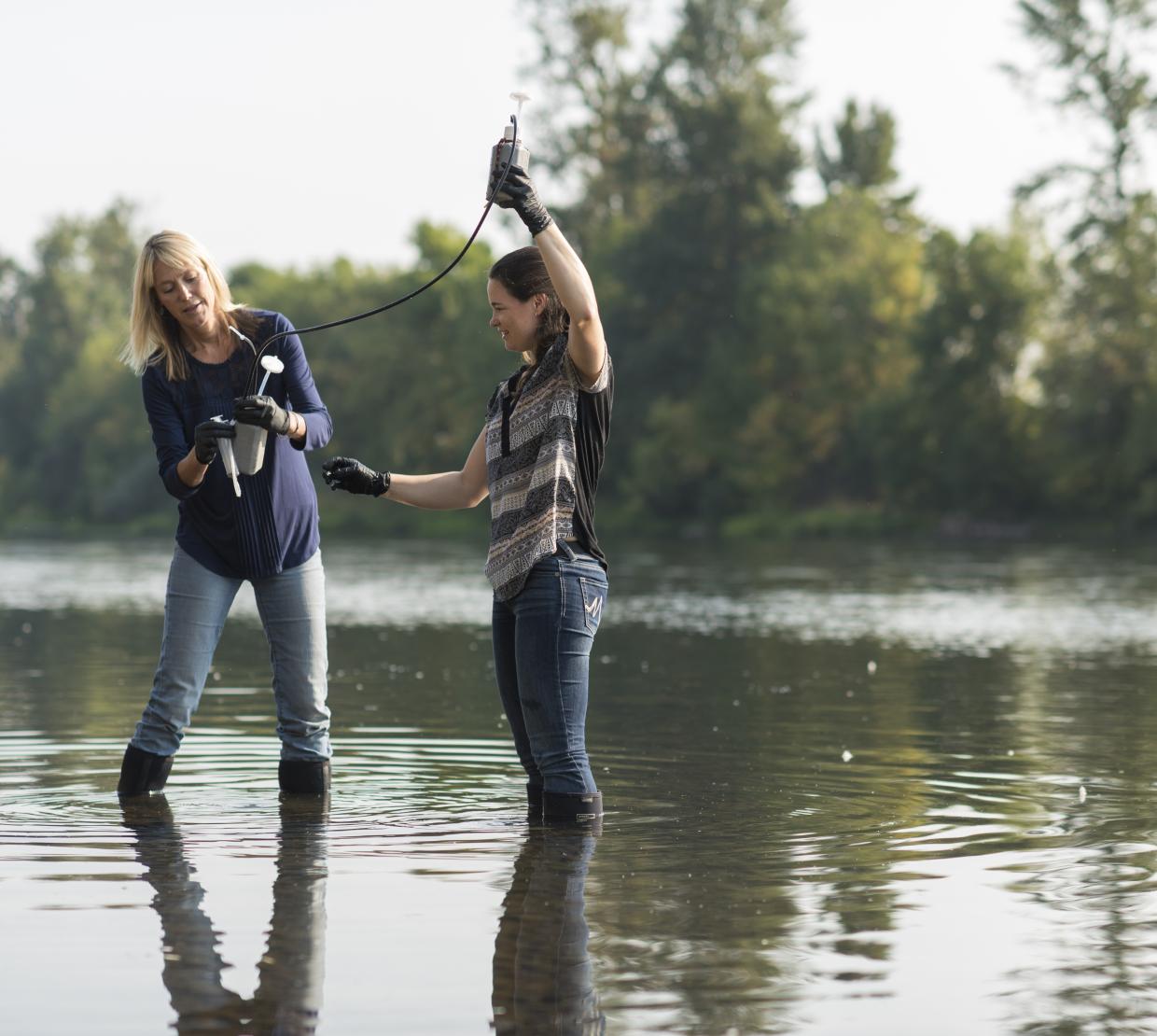
Microbiologist Kim Halsey (left) and postdoc Cleo Davie-Martin collect samples from a river. Halsey is one of four faculty members who received College of Science Research and Innovation Seed (SciRIS-ii) awards. She will study the potential to detect toxic algae blooms in freshwater and marine ecosystems.

How can we better understand how devastating plant diseases are spread? Is there a better statistical model to predict HIV prevalence in a city? Is there a way we can detect toxic algae blooms in freshwater and marine ecosystems before they occur? And of the hundreds of thousands of different metal-organic frameworks (MOFs) in the world, how can we can better find the ones that are most useful for storing and separating gases, like CO2 from industrial plants?

Curiosity is critical for discovery. Asking the questions above led five faculty members to receive College of Science Research and Innovation Seed (SciRIS-ii) and Betty Wang Discovery Fund awards this February to pursue answers over the course of the next year. Their proposals all showed transformative potential and progress toward new frontiers of science and aimed to strengthen collaboration with external research partners. Below is more detail about each of their proposals.

Mathematics Professor Vrushali Bokil was awarded $8,000 to use modeling techniques to understand the spread and control of plant diseases caused by coinfecting viruses. She will focus on Maize Lethal Necrosis (MLN), an emerging disease in Kenya and other parts of Africa that is caused by coinfecting viruses and spread by insects called Thrips, as a test case. Her team’s goals are to use stochastic models and optimal control theory to understand the mechanisms that drive patterns of coinfection in plant populations and effective techniques for controlling the spread of disease in crops and natural grasslands.

In collaboration with the Centers for Disease Control and Prevention (CDC), Statistics Assistant Professor Katherine McLaughlin received $10,000 to explore the use of new statistical methodologies to estimate the number of people who inject drugs in metropolitan areas. The research project, supported by the privately-funded Disease Mechanism & Prevention Fund at the OSU Foundation, has a goal of refining current methods to produce improved population-level demographic, behavioral, disease prevalence and population size estimations. This will aid the CDC in their efforts to contain or slow the rate of HIV in metropolitan areas across the U.S.

Microbiologist Kimberly Halsey was awarded $10,000 to examine the potential for real-time, automated volatile organic compound (VOC) detection as early-warning signals of toxic harmful algal blooms (HABs) in freshwater and marine ecosystems. HABs are increasing in intensity and severity due to climate change and nutrient loading from agriculture and other human-related activities. Some HABs can become toxic to humans and animals. Halsey will use data integration to merge aquatic microbiome data with environmental properties and VOC signatures to identify determinants and trajectory of the annual toxic HAB at Upper Klamath Lake, Oregon.

Physicist David Roundy was also awarded $10,000 to develop new flat histogram Monte Carlo molecular simulation methods to accelerate the discovery of metal-organic frameworks (MOFs) for applications in storing and separating gases. MOFs are crystalline materials that harbor nano-sized pores that have the potential to be used in a variety of clean energy applications, from hydrogen and natural gas storage to capturing carbon dioxide from coal-fired power plant flues. His study aims to enable scientists to accurately predict the absorption properties of hundreds of thousands of MOFs and accelerate the rate of MOF discovery for clean energy applications.

In addition, chemistry professors Kyriakos Stylianou and May Nyman, along with Todd Miller from the Advanced Technology and Manufacturing Institute (ATAMI), received $30,000 from the Betty Wang Discovery Fund to purchase a microwave reactor to integrate on the continuous flow reactor to accelerate the discovery and production of inorganic materials like MOFs. The Betty Wang Discovery Fund supports equipment acquisitions and laboratory infrastructure improvements to advance fundamental discoveries in science. Microwave heating has recently emerged as a powerful method for the preparation of inorganic materials at the laboratory scale, reducing synthesis time down to a few minutes without affecting the product quality or reaction yield. The new machinery will allow the team to investigate the potential of new MOFs to capture carbon in laboratory and industrial applications.

The projects will run for one year, ending next February 2021.The SciRIS program provides funding in three stages for high impact collaborative proposals that build teams, pursue fundamental discoveries and create societal impact. The awards range from $10,000 to $125,000 for various stages of the program and are supported in part by generous alumni and friends, and grants from the U.S. Department of Defense and National Institutes of Health.

Thomas Sharpton working in lab with student

Kindergartners’ behavior, socioeconomic risk linked to gut microbiome composition, function

By Steve Lundeberg

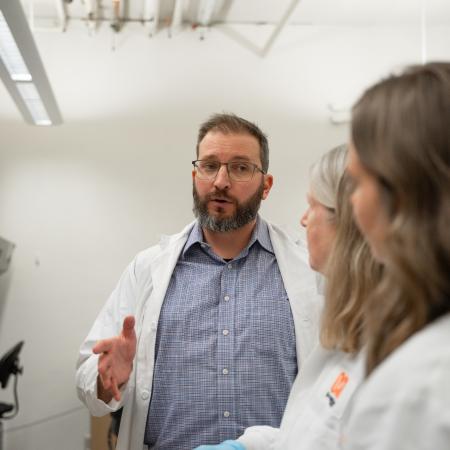
Thomas Sharpton, associate professor of microbiology and statistics

A study of early school-aged children shows a connection between the bacteria in their gut and their behavior, and that parents play a key role in their kids’ microbiome beyond the food they provide.

The research led by Oregon State University scientists Thomas Sharpton, associate professor of microbiology and statistics, and Keaton Stagaman, postdoctoral scientist in the Department of Microbiology, and Jessica Flannery and Philip Fisher of the University of Oregon is believed to be the first to look at how the microbial communities of 5- to 7-year-old children are associated with how they behave.

The analysis showed that children with behavioral problems and higher socioeconomic stress had different microbiome profiles than those who didn’t, and also that the quality of the parent-child relationship, as well as parental stress, played a role in how pronounced those differences were.

“Childhood is a formative period of behavioral and biological development that can be modified, for better or worse, by caregivers and the environments they help determine,” said Sharpton. “Kids’ development trajectories are affected by their own genes and environmental factors, and also by the community of microbes living in, on and around their bodies.”

The findings, published today in mBio, are important because they suggest the microbiome can shed light on which children are heading toward mental health challenges – meaning kids could receive help as problems emerge during childhood development, rather than after they advance to the point of clinical diagnosis.

The scientists caution that they have not found a cause-and-effect relationship between gut bacteria and mental health, just an association between the microbiome and behavior. But when more is known about the mechanisms behind gut bacteria’s connection to mental health, the microbiome could be a tool for both diagnosis and therapy, the researchers say.

“Most studies to date have linked microbiome composition to infant and toddler behaviors, such as extroversion, fear and cognitive development,” said Sharpton, the study’s corresponding author. “It hasn’t been clear, though, that the microbiome associates with other forms of behavioral dysregulation or if it links to the onset of psychiatric disorders and problem behaviors.”

The gut microbiota features more than 10 trillion microbial cells from about 1,000 different bacterial species. The microbial ecosystem stays in balance via cell-to-cell signaling and the release of antimicrobial peptides that keep in check certain bacterial clades.

Gut microbes interact with their human host as well, sometimes in ways that promote health, other times in ways that contribute to disease. Dysbiosis, or imbalance, in the microbiome is commonly associated with detrimental effects to the host’s health.
The research collaboration, which included scientists at Stanford and the University of Manitoba, surveyed the gut microbiomes of 40 school-aged children from a range of psychosocial environments and with a variety of subclinical mental health symptoms.

Read complete article.

Light bulb and laurel icon labeled "2019" above light texture

Fall awards: Celebrating excellence in research and administration

By Srila Nayak

2019 Fall Faculty and Staff Awards

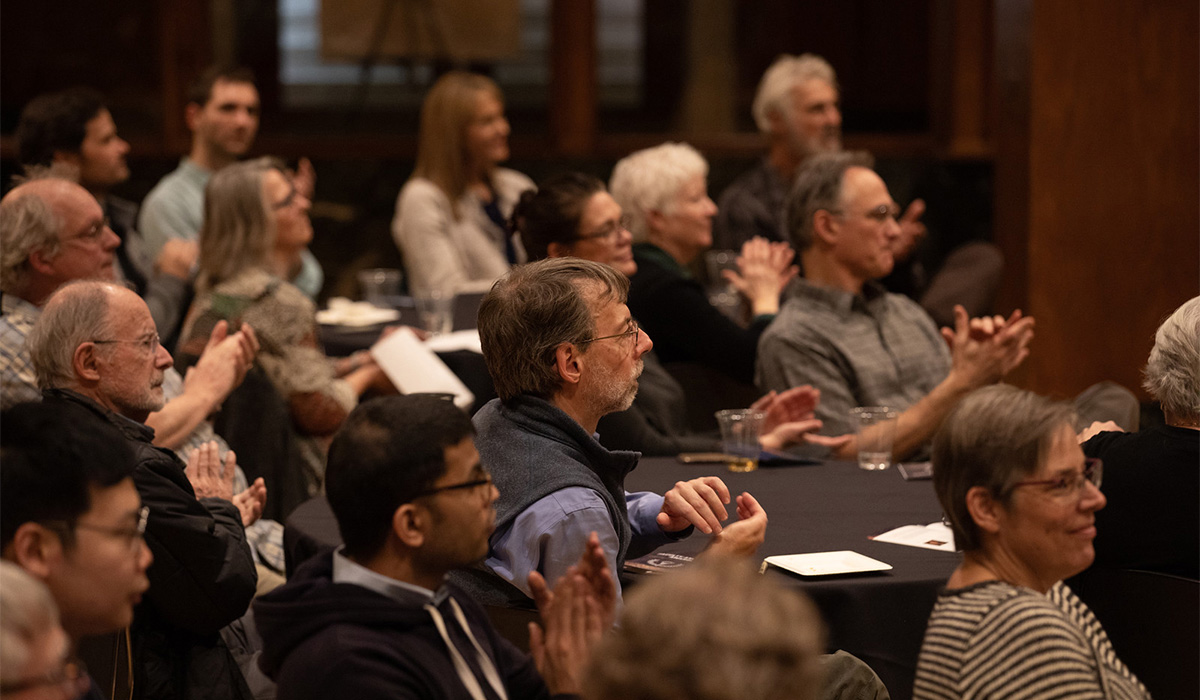
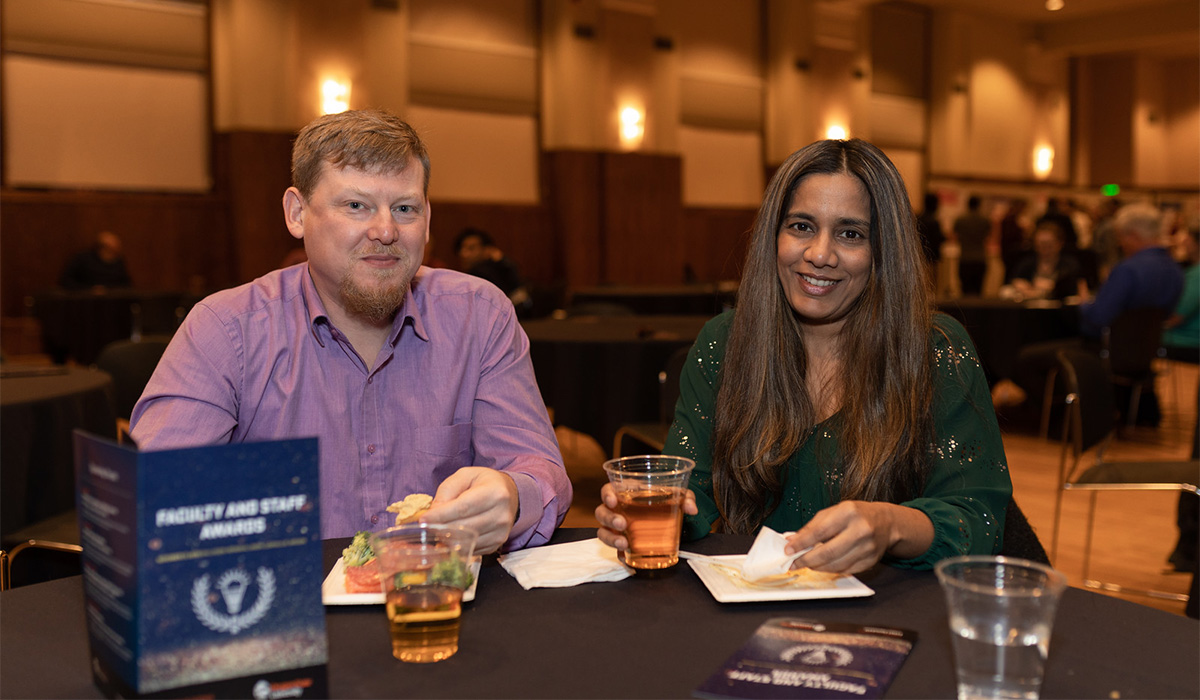
The College of Science celebrated research and administrative excellence at its 2019 Fall Faculty and Staff Awards ceremony and reception on November 21.

Dean Roy Haggerty delivered welcome remarks. This year, the College recognized exceptional achievement in advancing inclusive excellence, distinguished service, as well as highest quality performance beyond the call of duty. As a result, there were three new award categories: Inclusive Excellence, Distinguished Service, and Champion of Science awards.

Hearty congratulations to these award-winning faculty and staff who were recognized for their outstanding achievements:

Milton Harris Award in Basic Research

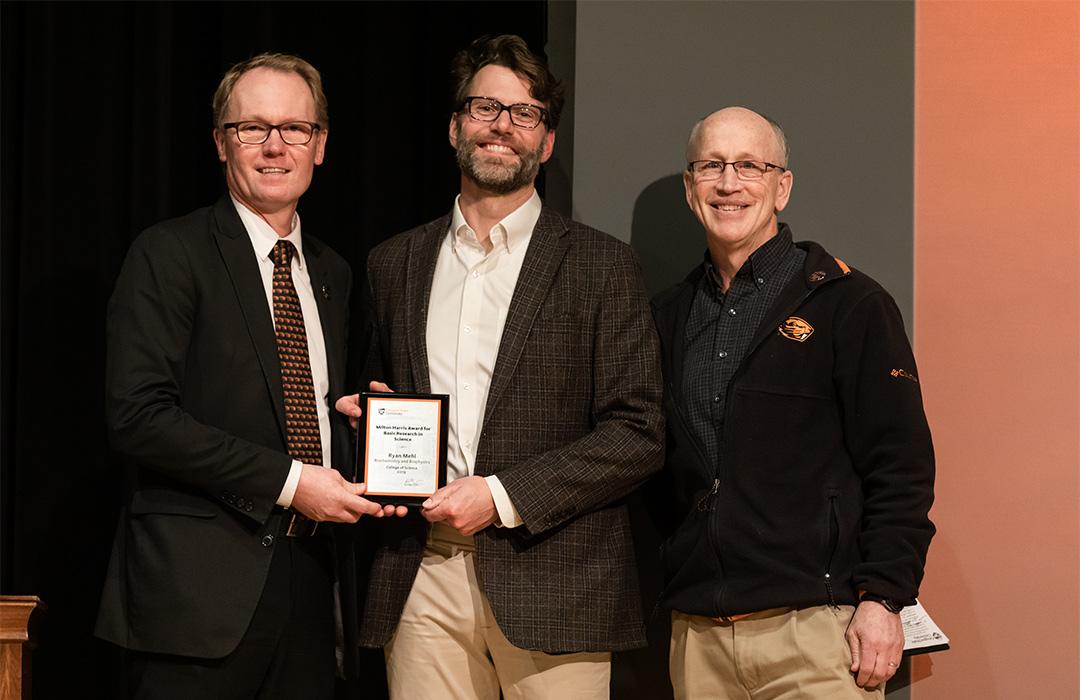
Ryan Mehl receiving award on stage with colleagues

Ryan Mehl with Roy Haggerty (left) and Andrew Karplus

Ryan Mehl, professor of biochemistry and biophysics, received the Milton Harris Award in Basic Research for his impactful, internationally recognized basic research in the area of genetic code expansion (GCE). The latter involves engineered protein synthesis machinery to incorporate novel chemical groups at pre-specified places. Mehl has several patents and 66 research articles to his credit, quite a few of which have been cited more than 4000 times.

Among his many distinguished research discoveries are groundbreaking studies providing the first evidences how the protein nitro-tyrosine contributes to pathology in Lou Gehrig’s disease and in artherosclerosis. Mehl has been awarded several NIH and NSF grants to support his research. At OSU since 2011, Mehl has established and leads the Unnatural Protein Facility, a unique, first of its kind in the world facility that promotes the use of GCE by non-expert researchers.

“This work has also established OSU as an international leader in this arena, and NIH has invited us to submit a proposal to establish an NIH Center focused on GCE technology development,” said Andrew Karplus, head of the Department of Biochemistry and Biophysics.

F.A. Gilfillan Award

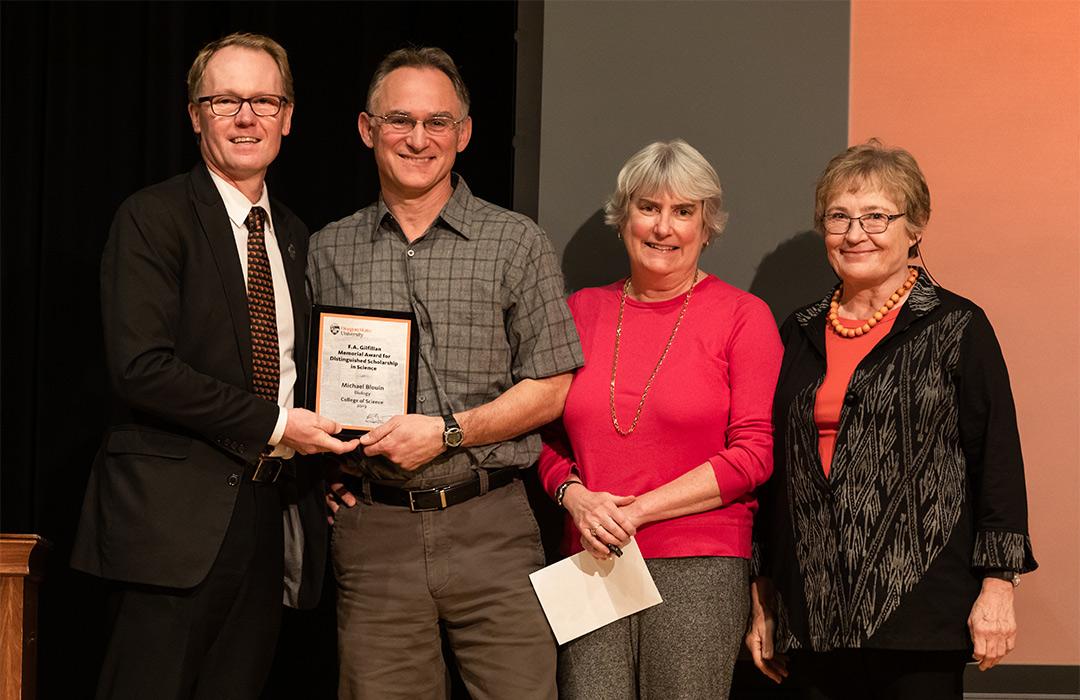
Michael Blouin receiving award from colleagues on stage

Michael Blouin with Roy Haggerty and Virginia Weis

Professor of integrative Biology Michael Blouin was honored with the F.A. Gilfillan Award for Distinguished Scholarship in Science. The Gilfillan award honors a faculty member in the College whose scholarship and scientific accomplishments have extended over a substantial period of time.

Blouin’s contributions to the field of evolutionary and population genetics have been impressive. In his 24 years at OSU, Mike has developed a remarkably broad, distributed and well- funded research program that has spanned evolutionary genetics and parasite molecular ecology and evolution.

“We believe that Mike is performing transformational research in critical areas of biology. His scholarship has raised the profile of the College and the University,” said Virginia Weis, head of the Department of Integrative Biology.

In his early years at OSU, he essentially started the field of endo-parasite molecular ecology. Endoparasites are remarkably difficult to study given that they live within other organisms and are often microscopic in size. Blouin’s group used molecular markers to find these parasites in animal populations, opening up a whole new field of host-parasite populations.

In recent years, Blouin has made distinguished contributions in two new fields: salmonid conservation genetics and schistosome molecular biology. Schistosomiasis is a human infectious disease that is cause by a schistosome flatworm. It affects 200 million people worldwide and is under-studied, in large part because the affected populations live in developing nations that often lack clean water and resources to combat the disease.

In the case of salmonids, he has revealed the fundamental importance of life history traits in the success/limitations of hatchery fish in the Pacific Northwest.

Dean’s Early Career Impact Award

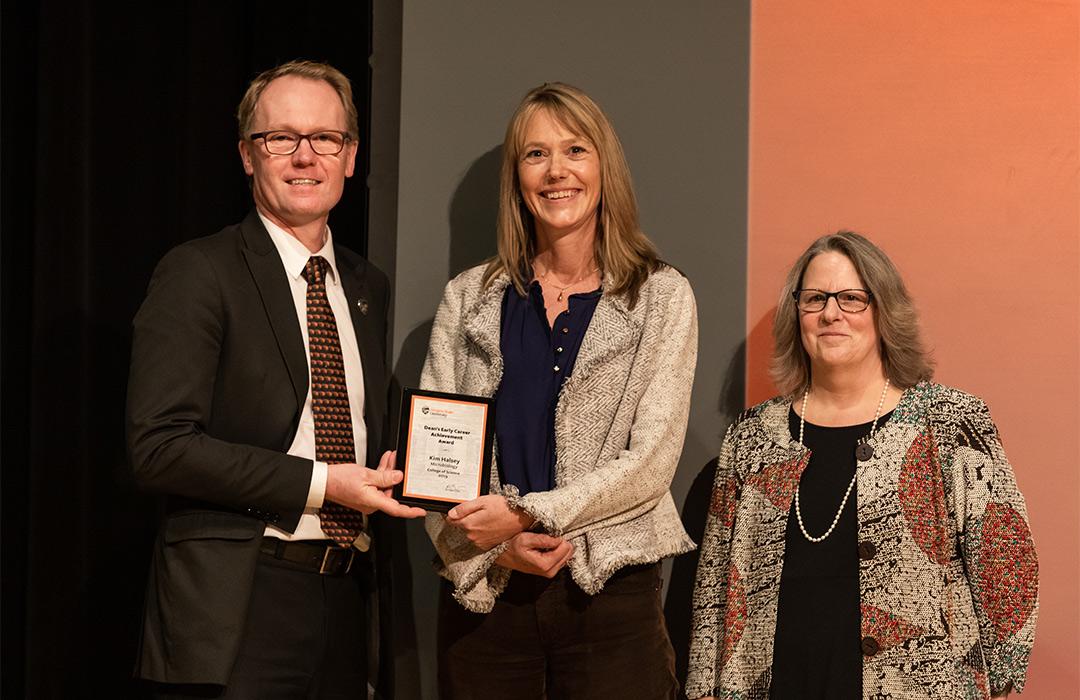
Kim Halsey receiving award from college on stage

Kim Halsey with Roy Haggerty and Jerri Bartholomew

Kim Halsey, associate professor of microbiology, and Rebecca Terry, associate professor of integrative biology, received the Dean’s Early Career Impact Award. At OSU since 2011, Halsey began her career as a microbial physiologist and biochemist studying the enzyme butane monooxygenase, and its role in the bioremediation of the environmental pollutant trichloroethylene. Her precise research on this process, which explored the role of protein structure in determining the substrate range of the enzyme, has been cited over 100 times.

“Her groundbreaking research and scholarship is opening new areas of scientific enquiry and has earned her the respect of the international scientific community,” said Jerri Bartholomew, head of the Department of Microbiology.

In addition to other areas, Halsey also studies the ocean carbon cycle, with a focus on photosynthetic energy producing phytoplankton, particularly diatoms, which alone account for over 25% of global primary production, and are a key to forecasting climate change.

Halsey became internationally respected for defining the fates of photosynthetic energy with unprecedented precision, in multiple phytoplankton taxa, and fitting this data into a theory of cell strategies for distributing photosynthetic energy.

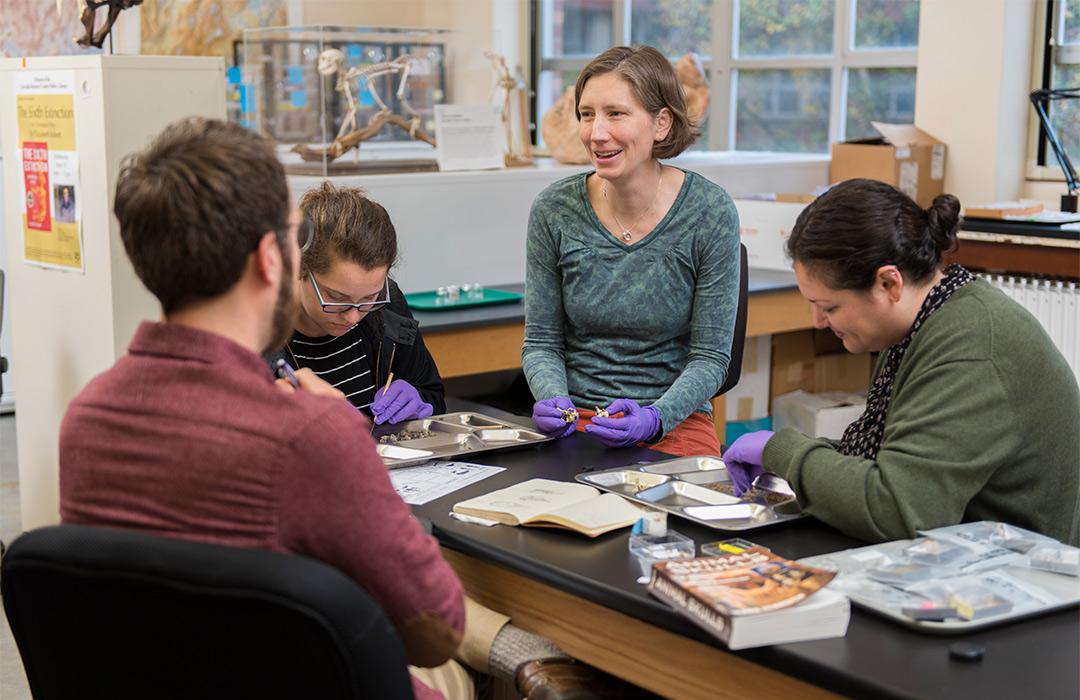
Rebecca Terry talking with students in lab

Rebecca Terry with students

Rebecca Terry’s interdisciplinary research involving paleontology, ecology, and geography significantly broadens the research landscape at the College. The discipline of paleoecology — the ecology of fossil animals and plants — is constantly gaining importance as it reveals important insights into the past that can inform the future of our planet during the Anthropocene.

“Dr. Terry is highly respected by her peers for pushing the boundaries of what information can be deduced from fossilized remains of mammals. Dr. Terry develops innovative approaches and uses them to reveal important insights into the past,” said Virginia Weis, head of the Department of Integrative Biology.

Many of her publications appear in high impact journals, such a Nature and PNAS. On top of that, Terry’s work has received broad media attention; For example, the 2016 Nature paper that she co-authored was highlighted in 16 news outlets including the Washington Post, Science Daily, and Nature News and Views. It also won a 2016 Science Achievement Award from the National Museum of Natural History.

Inclusive Excellence Award

Vrushali Bokil receiving award from colleagues on stage

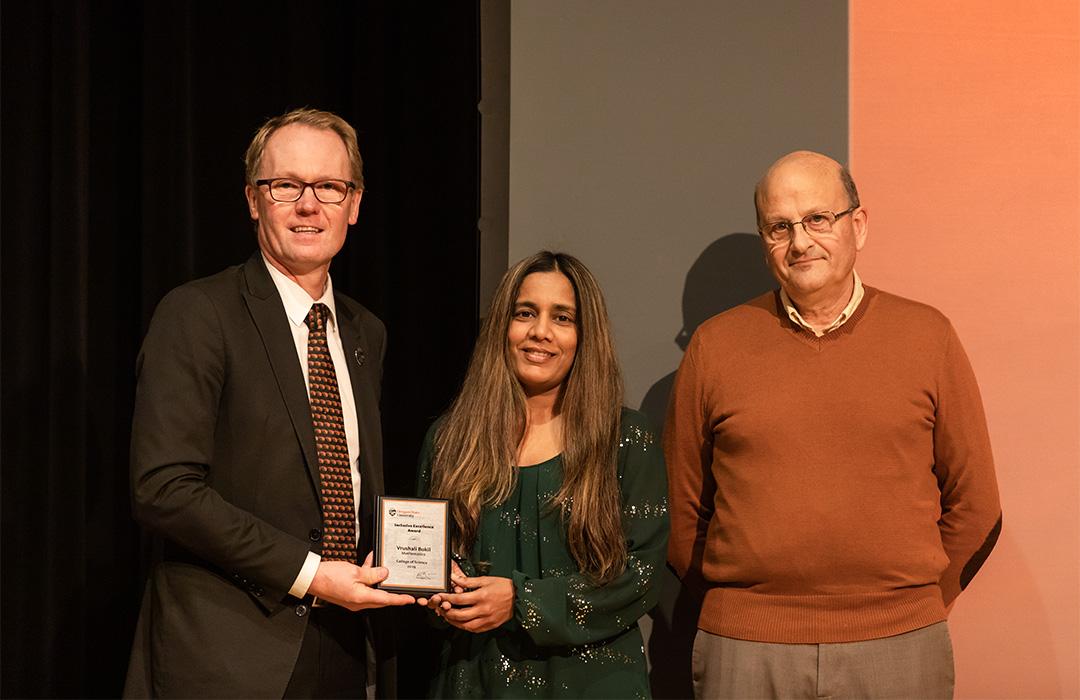
Vrushali Bokil with Roy Haggerty and Enrique Thomann

Professor of Mathematics Vrushali Bokil and the physics student club Physicists for Inclusion in Science (PhIS) received the College of Science Inclusive Excellence Award. Bokil’s leadership in advancing equity, justice and inclusion (EJI) at OSU has had a substantial impact on the Department of Mathematics and the College.

Bokil participated in the 60-hour immersive Oregon State Advance Seminar, which takes participants deep into the literature on difference, power and discrimination both theoretically and practically with STEM disciplines. She has developed and embedded ADVANCE materials into the professional development seminar for mathematics graduate students as well as for students across the College.

“Professor Bokil brings a deep understanding of the value of diversity for faculty and student success, and has put into play important structural changes that can ensure sustainable impact,” said her colleagues Edward Waymire, Enrique Thomann and Rebecca Warren.

Bokil has also supported a workshop on “Sexual Harassment in the Mathematical Sciences: Moving Towards Action” for the Association of Women in Mathematics and participated in recruiting/assisting students from underrepresented groups in pursuit of a Ph.D. in mathematics.

female students receiving award from science faculty on stage

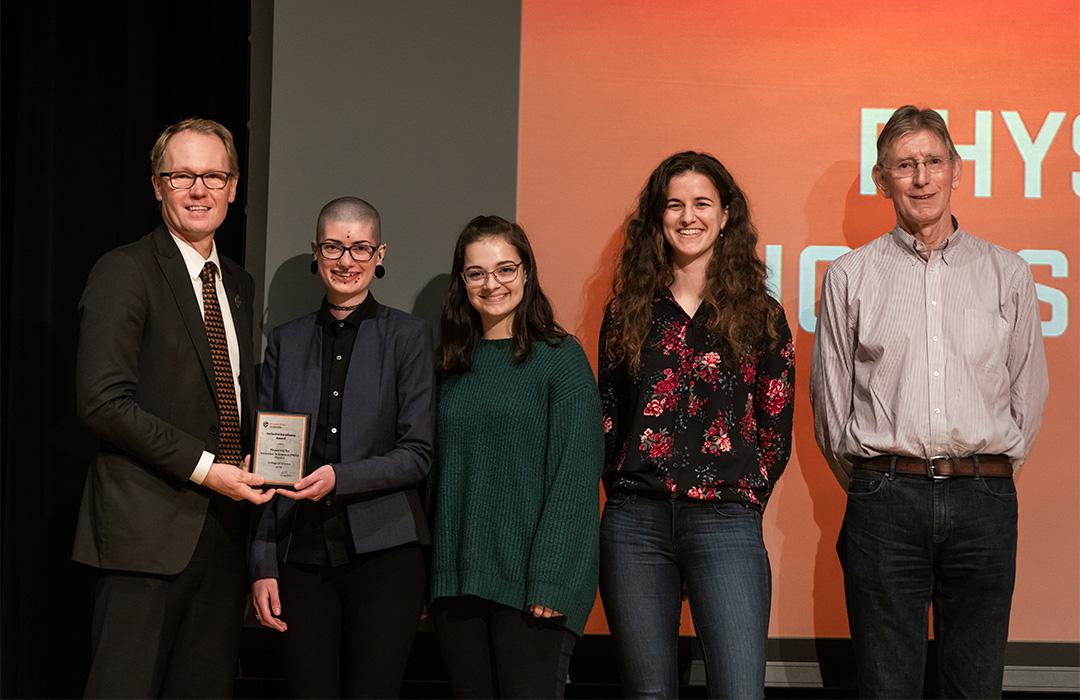
PhIS members with Roy Haggerty and Henri Jansen

Physicists for Inclusion in Science (“PhIS”, pronounced “fizz”) grew out the Women in Physics group. The group supports members of underrepresented groups as they pursue their careers. The 2019/20 officers are Acacia Patterson (President), Gina Mayonado (Vice President), Abbie Glickman (Treasurer), Mattia Carbonaro (Secretary).

PhIS members walk the walk and have gone far beyond expectations of a standard student group. They have run several Diversity & Inclusion in Physics Instruction workshops for the first-year graduate students in physics, at the National Meeting of the AAPT, and at the annual meeting of the Pacific Northwest Association for College Physics. PhIS was an important co-organizer of the CUWiP conference in Winter 2016. This was a big national event with over 200 participants. The OSU Conference for Undergraduate Women in Physics (CUWiP) was one of nine conferences held across the U.S.

“I am sure that several students stayed and received a degree from OSU mainly because of the activities of this group.”

“PhIS gives the physics department a clearly visible face in the area of diversity, even though our diversity numbers are small,” said Henri Jansen, professor of physics and associate dean for academic and student affairs.

College of Science Distinguished Service Award

Randall Milstein receiving award from colleagues on stage

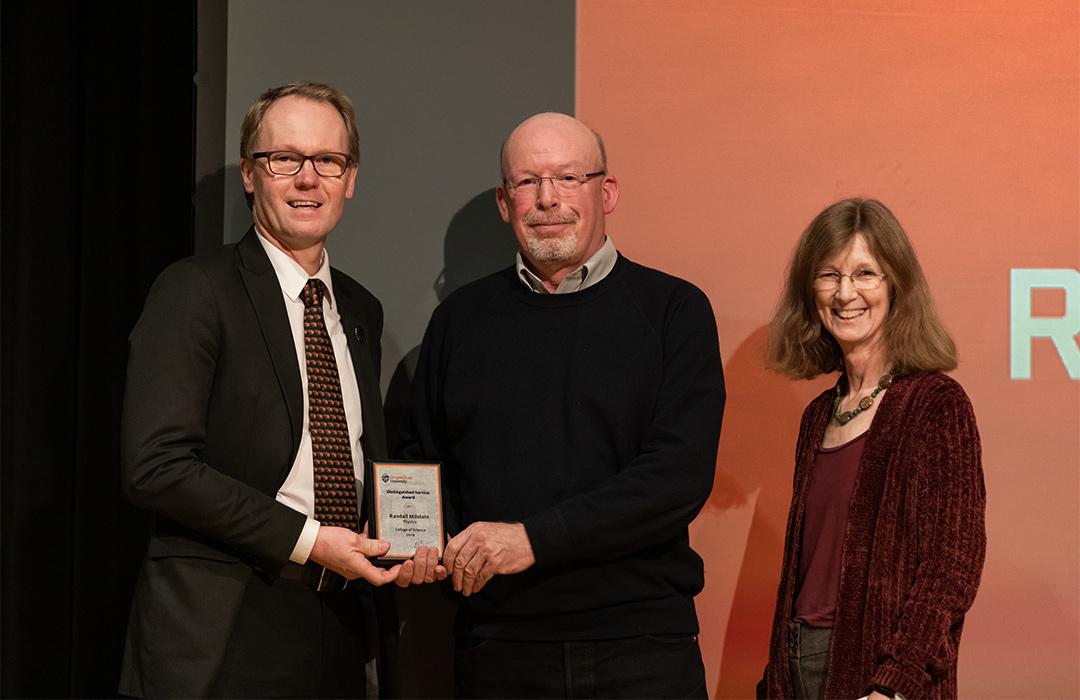
Randall Milstein with Roy Haggerty and Janet Tate

Randall Milstein, physics instructor, and Margie Haak, senior instructor of chemistry, received the College of Science Distinguished Service Award. Milstein, who is also the Astronomer-in-Residence for the Oregon NASA Space Grant Consortium, was recognized for his extraordinary efforts during the August 21, 2017 OSU’s total solar eclipse event which was witnessed by thousands of people in Corvallis.

“His effort represented hundreds and hundreds of hours of personally donated time to make this event as special as it was. It was truly above and beyond the call of duty,” said Janet Tate, professor of physics.

His activities ranged from high-level organization (OSU’s Total Solar Eclipse/OSU 150 Space Grant Celebration Planning Committee), to education (dozens of talks to help people understand, reaching nearly 4000 people), education workshops (solar filter parties to teach people to be safe), advertising (numerous radio and television interviews — Al Jazeera America, CBS News, Los Angeles CBS, etc.) and, of course, observation of stars and of the eclipse itself (telescopes, binoculars).

In the months ahead of the eclipse, he traveled the state tirelessly. His knowledge and enthusiasm reached thousands and OSU benefited beyond measure.

Margie Haak receiving award from faulty on stage

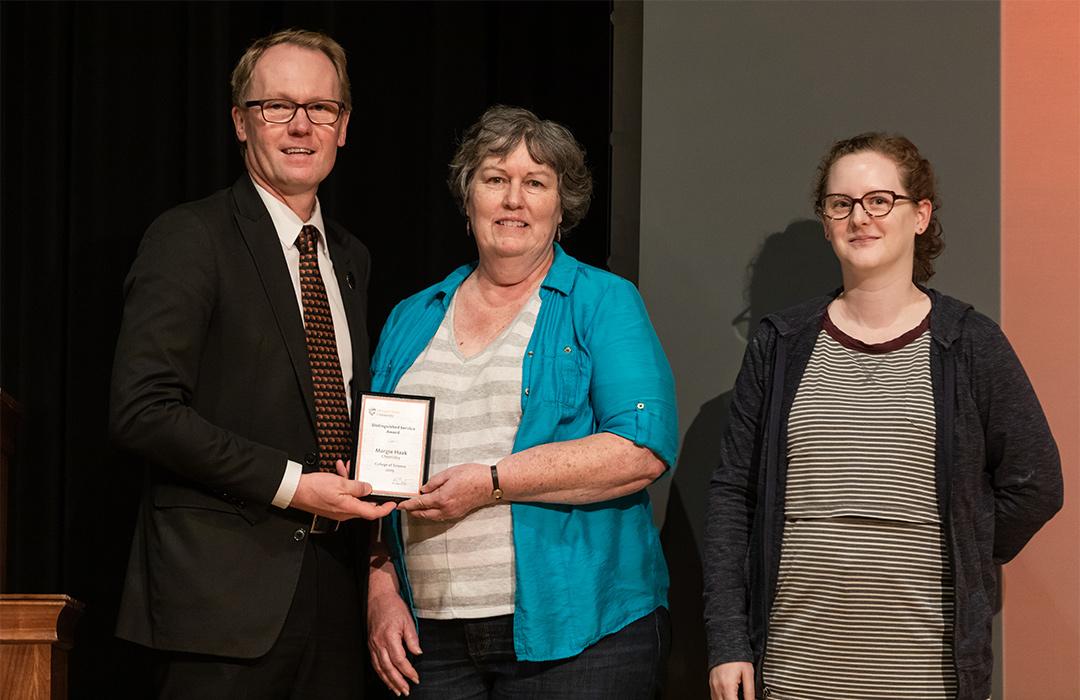
Margie Haak with Roy Haggerty and Paula Weiss

Haak has been a member of OSU Chemistry for 26 years. During this time, she has given countless hours in service to the chemistry department, the College of Science, Oregon State University, and surrounding communities.

Haak serves as the coordinator for the Mole Hole (Chemistry Help Center). She spearheaded the expansion of the Mole Hole from approximately 15 hours per week to over 60 hours per week. Because of her, the Mole Hole now has consistent hours that extend into the evening and weekends, which are prime study times for undergraduates. This space has had a large impact, serving several thousand undergraduate students each term.

“It’s an honor to work with Margie. She has helped thousands of students experience the beauty of science. Her impact has undoubtedly led many of them to go on to study science at OSU,” said Paula Weiss, senior instructor of chemistry.

Haak’s effort in science outreach are unparalleled in the chemistry department. For the last 17 years she has coordinated and presented Family Science & Engineering Nights and Family Math Nights at local elementary schools. She typically has 15 – 20 of these events each year. She has coordinated the Science Olympiad State Tournament at OSU. For 14 years she was the coordinator for Discovery Days, a two-day science outreach event attended by approximately 1800 K-9 students.

Champion of Science Award

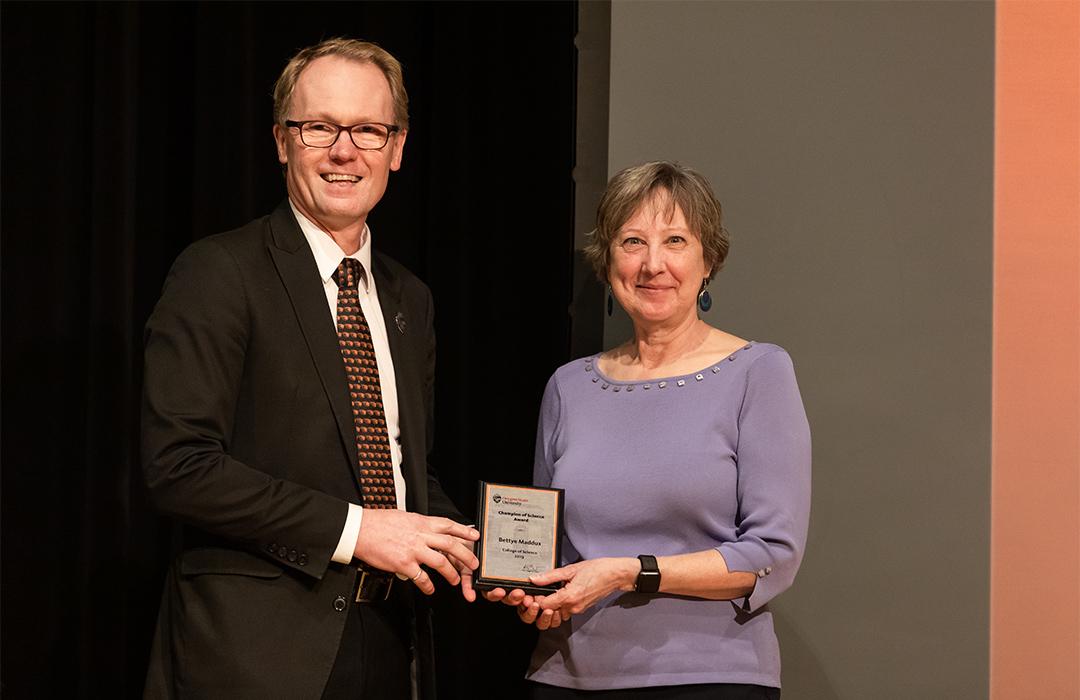
Bettye Maddux receiving award from Roy Haggerty on stage

Bettye Maddux with Roy Haggerty

Bettye Maddux, Director of Research Development in the College of Science, received the Dean’s Champion of Science Award. This is the Dean’s award recognizing an individual or individuals who demonstrate excellence and extra effort that goes beyond what is requested, and the highest quality performance. The award is modeled, including its name, after the President’s Beaver Champion Award.

With more than 20 years of research experience in academic and industry, Bettye created the College’s Office of Research Development from scratch. In its first full year of operation, Bettye increased the value of science proposals submitted by 30% and increased the number of proposals submitted by 6%.

“In more than 25 years of funded research at several institutions, none of us have ever had as much help and expert advice as we have received from Dr. Maddux,” professors Juan Restrepo and Vince Remcho said in a statement.

“She is constantly seeking funding opportunities, she strategizes with us in the writing process, she helps us understand the requirements of every call for proposals, she oversees budget preparation, she interfaces with the Research Office on all matters concerning proposal requirements, and has led inter-institutional funding efforts with complex organizational requirements.”

Science Research and Innovation Seed Program Awards

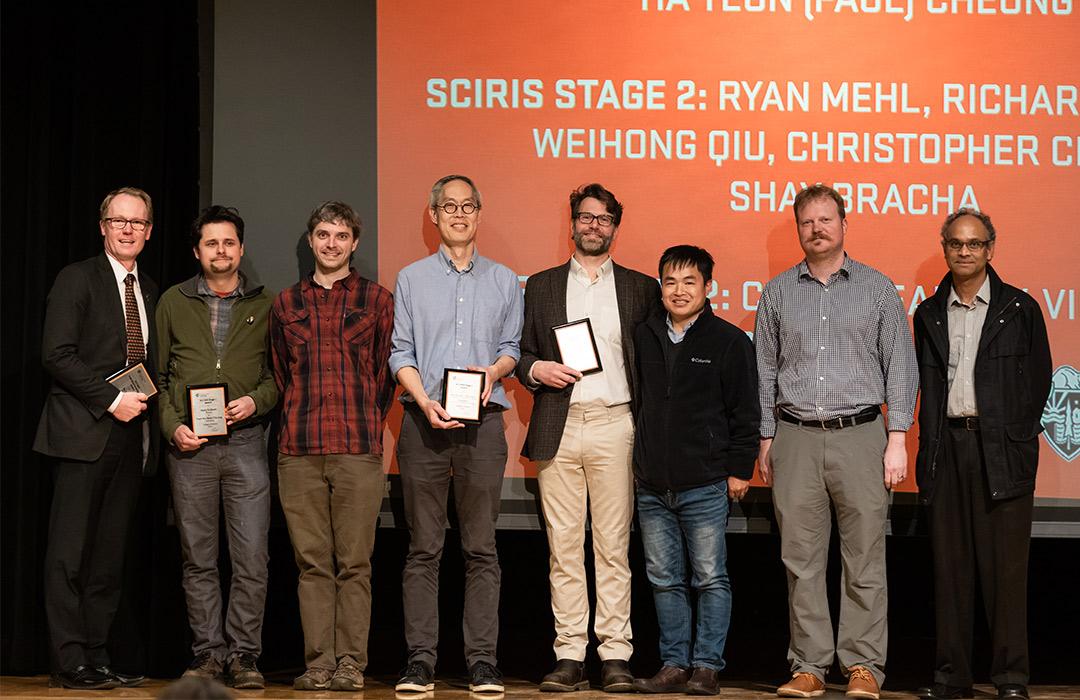
award recipients holding up awards on stage with colleagues

Roy Haggerty with SciRis awardees (left to right) Matthew Graham, Richard Cooley, Victor Hsu, Ryan Mehl, Weihong Qiu, Chris Cebra and Siva Kolluri.

Six research teams won the Science Research and Innovation Seed Program (SciRis) and the Betty Wang Discovery Fund Awards for projects that contribute to physical chemistry, organic chemistry, solar cells and thin film display transistors, human health and the development of diagnostic tools.

The SciRis awards went to the following teams:

Assistant Professor of physics Bo Sun, along with collaborators from the University of California, San Diego and Northeastern University, was awarded $10,000 to elucidate the causes and consequences of cancer cell migrational phenotype plasticity, which contributes critically to the process of cancer metastasis. The research will potentially lay the groundwork to develop new classes of cancer screening assays and metastasis-targeting treatments.

Biochemists Ryan Mehl, Rick Cooley, physicist Weihong Qiu, and Chris Cebra and Shay Brachafrom the Carlson College of Veterinary Medicine received the SciRis Stage 2 award for their project “Chemically Functionalized Nanobodies.” Nanobodies, a subclass of small antibody fragments, where discovered in 1989 and represent an exciting new technology for the development of therapeutic and diagnostic agents.

The $75,000 grant will help the researchers develop a unique technology platform that enables generation of chemically functionalized nanobodies which will function as new therapeutic and diagnostic tools opening up new avenues for medicine and basic research. The resulting chemically functionalized nanobodies will be engineered to bind a specific antigen/protein target and deliver a therapeutic antibody

Chris Beaudry, professor of chemistry, Victor Hsu, associate professor of biochemistry and Siva Kolluri in the College of Agricultural Sciences received the SciRis Stage II award for their project, “Homoharringtonine: Chemical Synthesis amd Evaluation of Designed Analogs.” The group will conduct research on analogs of Homoharringtonine (HHT) with improved pharmaceutical properties. HHT is a plant alkaloid isolated from the plum yew Cephalotaxus harringtonii.

HHT shows great promise as a starting point for the development of new medicines for multiple forms of cancer, however it is highly expensive and difficult to acquire both as a chemical and as a medicine. Among other objectives, the group will work on creating an efficient chemical synthesis of HHT which quadruples the chemical yield, and can be used for investigation in combination therapies and evaluation in modern drug delivery systems.

Physicist Matthew Graham and chemist Paul Cheong received a $10,000 SCiRIs Stage I award for their project “Performance Optimization of Transistors and Solar Photovoltaics by Ultrabroadband Photoconductance Microscopy of Trap-State Density and Lifetimes.” The team will further enhance and develop an ultrabroadband photoconductance microscope that was invented in the Graham lab in 2016. This novel microscope tackles fundamental grand challenges that inhibit the performance of photovoltaic and thin film display transistors.

The Betty Wang Discovery Fund made two awards to maintain state-of-the-art laboratories to advance fundamental discoveries in the basic sciences.

Associate professor of Chemistry Chong Fang was awarded funds for a new fluorometer in the ultrafast laser spectroscopy lab at Linus Pauling Science Center. Chemistry professors Chris Beaudry and Paul Blakemore received a grant to purchase an improved model of a microwave synthesis reactor, an essential technology for organic synthesis.

Awards for administrative excellence

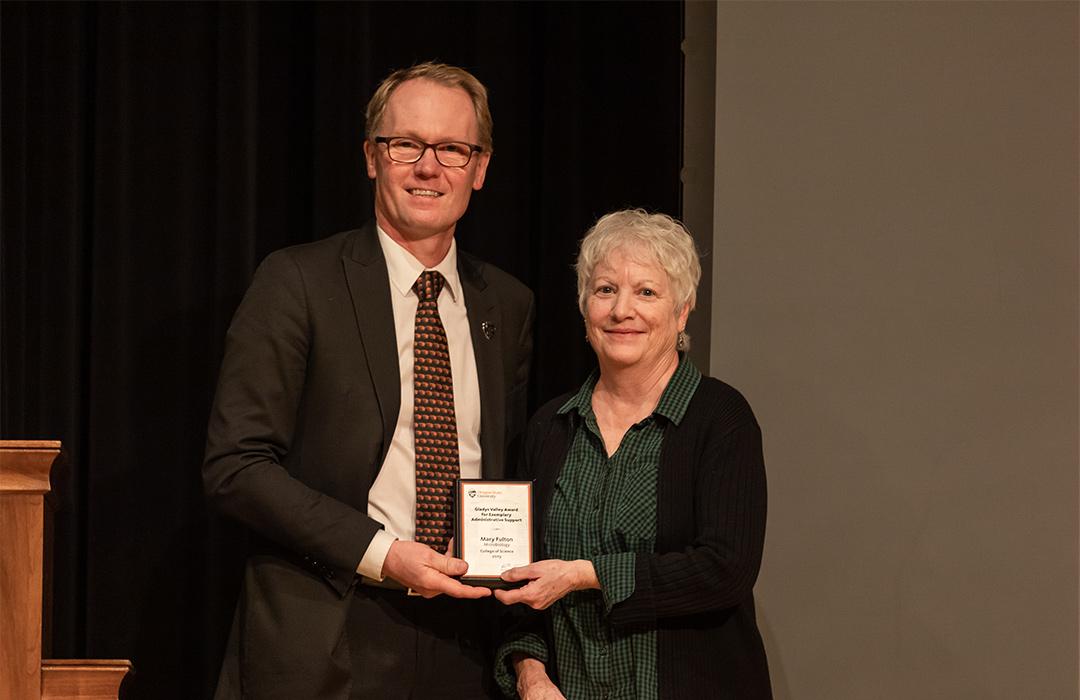
Mary Fulton receiving award from Roy Haggerty on stage

Mary Fulton with Roy Haggerty

Mary Fulton, assistant to the head of the Department of Microbiology, received the Gladys Valley Award for Exemplary Administrative Support. Fulton was appreciated for her hard work, professionalism and exemplary administrative abilities.

“Working with Mary is truly a pleasure. She has the patience, intuition and persistence required to work with all kinds of people, traits that are valued by everyone in the department.”

I think the faculty perfectly captured that she is the soul of the department and highly deserving of this award,” said Jerri Bartholomew, head of the Department of Microbiology. Among other administrative accomplishments, Fulton’s successful event planning and coordination made microbiology one of the most successful departments in raising funds for the Annual Food Drive.

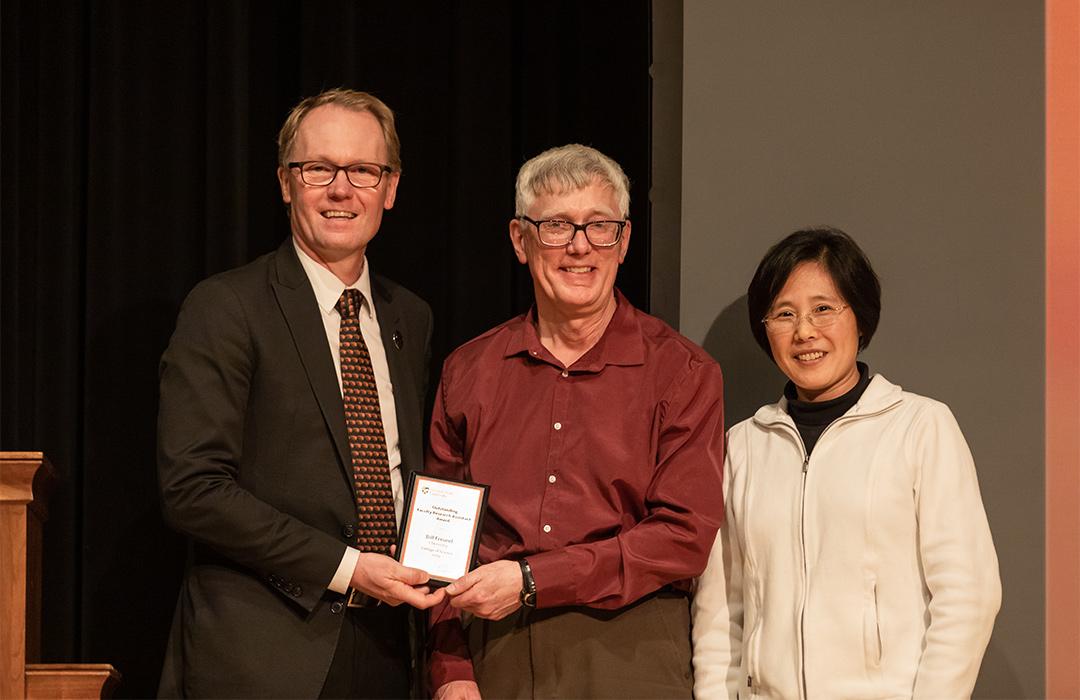
Bill Freund receiving award from colleagues on stage

Roy Haggerty with Bill Freund and Wei Kong

Bill Freund of the Department of Chemistry won the Outstanding Faculty Research Assistant Award. Freund has served as a faculty research assistant in Professor Wei Kong’s group since 2009. This award recognizes a faculty research assistant who has a record of outstanding job performance and contributions.

“He has been instrumental in almost all aspects of my laboratory, from design of new experiments to troubleshooting of equipment, and ultimately to completion of any project, large and small,” said Kong.

“He has also been a great mentor to all of my students and postdoctoral fellows, showing them problem solving skills and transferring to them his life’s experience in being a responsible and wise citizen.”

2019 Fall Faculty and Staff Awards Photos

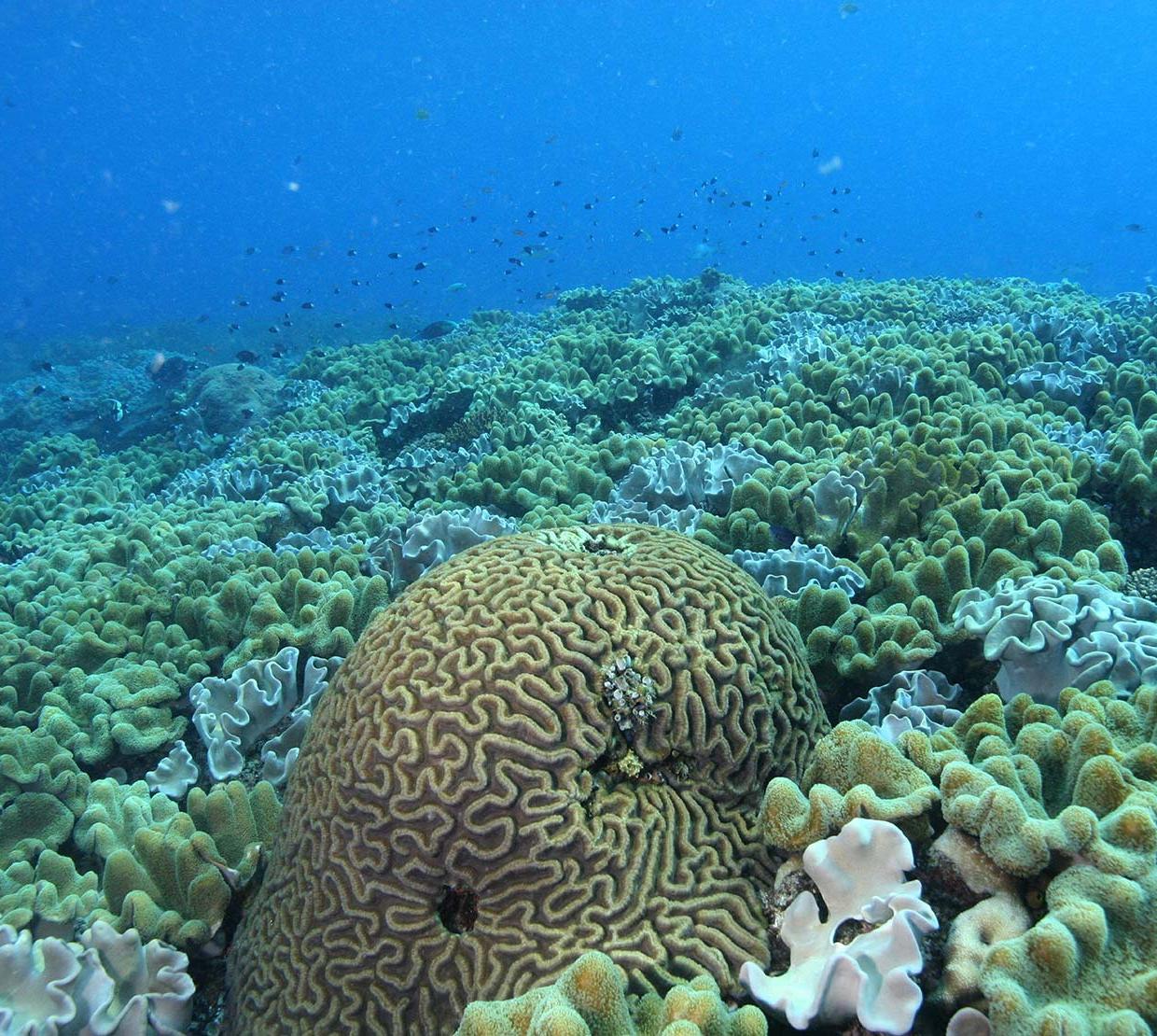
Coral in the ocean floor

Researchers identify type of parasitic bacteria that saps corals of energy

By Steve Lundeberg

Researching corals

Microbiologists Grace Klinges and Rebecca Vega Thurber have proposed a new genus of bacteria that flourishes when coral reefs become polluted, siphoning energy from the corals and making them more susceptible to disease.

The National Science Foundation-funded study, published in the ISME Journal, adds fresh insight to the fight to save the Earth’s embattled reefs, the planet’s largest and most significant structures of biological origin. The study’s lead author, Grace Klinges, a doctoral student in microbiology, works in the Rebecca Vega Thurber Lab.

Coral reefs are found in less than 1% of the ocean but are home to nearly one-quarter of all known marine species. Reefs also help regulate the sea’s carbon dioxide levels and are a crucial hunting ground that scientists use in the search for new medicines.

Corals are home to a complex composition of dinoflagellates, fungi, bacteria and archaea that together make up the coral microbiome. Shifts in microbiome composition are connected to changes in coral health.
Since their first appearance 425 million years ago, corals have branched into more than 1,500 species, including the one at the center of this research: the endangered Acropora cervicornis, commonly known as the Caribbean staghorn coral.

In the study, when the corals were subjected to elevated levels of nutrients – i.e., pollution from agricultural runoff and sewage – the newly identified bacterial genus began dominating the corals’ microbiome, jumping from 11.4% of the bacterial community to 87.9%.

The bacteria are in the order Rickettsiales, and the genus is associated primarily with aquatic organisms. Scientists named the genus Candidatus Aquarickettsia, and the coral-associated species in this study, Candidatus A. rohweri, is the first in the new clade to have its genome completely sequenced.

A clade is a group of organisms believed to have evolved from a common ancestor.

This research, which included canvassing DNA sequence data from a multitude of past studies, shows that the bacterial clade is globally associated with many different coral hosts and has genes that enable it to parasitize its hosts for amino acids and ATP, the main energy-carrying molecule within cells.

“We previously showed that this Rickettsiales OTU was found in stony corals, responds to nutrient exposure and is linked with reduced coral growth and increased mortality,” said Klinges. “Now we know it has multiple genes characteristic of parasites, including the antiporter Tlc gene that robs the host cells of energy, taking the ATP and replacing it with low-energy ADP.”

OTU refers to operational taxonomical unit – an OTU classifies groups of closely related organisms.

“When we discovered the gene that takes ATP from the host, we knew we were onto something really cool,” Klinges said. “The gene has a similar protein structure to mitochondrial genes but does the reverse – it gives back ADP, which is no longer useful, to the animal.”

When nutrient levels are normal and corals are healthy, the corals can tolerate low populations of Rickettsiales. But when a reef becomes nutrient rich, the Rickettsiales population spikes and becomes harmful as it consumes more and more of its hosts’ resources.

“This order of bacteria is in the microbiome of diseased corals but it’s also in healthy corals at low levels,” Klinges said. “It’s affecting the host’s immune system even if it isn’t pathogenic on its own – there are so many cascading effects. As nutrient pollution increasingly affects reefs, we suspect that parasites within the new genus will proliferate and put corals at greater risk.”

In a metadata analysis of 477,075 samples from the Earth Microbiome Project and Sequence Read Archive databases, researchers found Candidatus Aquarickettsia rohweri to be present around the globe in 51 genera of stony corals and 76 genera of sponges.

“Together these data suggest that our proposed genus broadly associates with corals and also with many members of the non-bilaterian metazoan phyla – Placozoa, Porifera, Cnidaria and Ctenophora – as well as the even more ancient protists,” said study co-author and OSU microbiologist Rebecca Vega Thurber.

“That blew my mind,” Klinges added. “We were just looking at this one species of coral and one species of bacteria, and now we know the genus of bacteria is involved in hundreds and thousands of years of coral evolution. We expect to find different bacterial species in other corals, but they fall in the same genus and therefore have a pretty similar function. In next few years our lab will assemble genomes of related bacteria present in other species of coral.”

Read the complete article on OSU’s website.

bacteria in pile of Petri dishes

Research deepens understanding of gut bacteria’s connections to human health, disease

By Steve Lundeberg

Understanding bacteria

CORVALLIS, Ore. – Microbiologists at Oregon State University have made an important advance in understanding the roles that gut bacteria play in human health.

Learning the mechanisms by which gut microbes affect the health of their hosts opens the door to the development of better, more personalized diagnostic methods and therapies.

Most studies so far have focused on how the composition of the microbiome – i.e., which organisms are present, and in what amounts – associates with health in general or various diseases.

The research led by microbiology Ph.D. student Courtney Armour goes a step further by looking not just at which organisms are in the microbiome, but also what functions they might be performing. Findings were published in mSystems.

Armour, working under microbiology and statistics Associate Professor Thomas Sharpton, analyzed data and findings from eight different studies encompassing seven different diseases in a metagenomic meta-analysis.

Metagenomics refers to the study of genetic material recovered directly from environmental samples — in this case, human fecal samples — as opposed to from organisms cultured in a lab. A meta-analysis is a statistical technique for combining data from multiple studies.

The meta-analysis performed by Armour, Sharpton and their collaborators involved metagenomic data from nearly 2,000 stool samples collected for studies involving colorectal cancer, Crohn’s disease, liver cirrhosis, obesity, rheumatoid arthritis, type 2 diabetes and ulcerative colitis.

The gut microbiota features more than 10 trillion microbial cells from about 1,000 different bacterial species. The microbial ecosystem stays in balance via cell-to-cell signaling and the release of antimicrobial peptides that keep in check certain bacterial clades.

Gut microbes interact with their human host as well, sometimes in ways that promote health, other times in ways that contribute to disease development. Dysbiosis, or imbalance, in the microbiome is commonly associated with detrimental effects to the host’s health.

“In our study, we looked at how gut microbiome protein family richness, composition and dispersion relate to disease,” Sharpton said.

Proteins are large, complex molecules that do most of the work in cells and are required for the structure, function and regulation of tissues and organs.

“Our analysis of protein family richness showed that patients with Crohn’s disease, obesity, type 2 diabetes or ulcerative colitis feature a smaller number of protein families compared to their respective control populations,” Sharpton said. “On the other hand, people with colorectal cancer had a larger number of microbiome protein families than their controls.”

The researchers also looked at “beta-dispersion,” which measures the compositional variation of the microbiome among a group of individuals.

“Prior work linked disease to an increase in taxonomic beta-dispersion,” Sharpton said. “We looked at whether gut microbiome functional beta-dispersion is different between healthy and diseased populations and saw an increase in functional beta-dispersion in patients with colorectal cancer, Crohn’s disease and liver cirrhosis. Individuals with obesity displayed reduced beta-dispersion relative to their controls.”

The amount of overlap – functions associating with multiple diseases – was striking, said Armour, who added there’s much more to learn.

“We really need more data,” she said. “And we need more information about the subjects in the studies, about other things that may be affecting the microbiome, things like diet and geography. We need more data from diverse locations and populations to account for sources of variations.”

The long-term goal, Sharpton said, is for doctors to be able to use information derived from metagenomics to diagnose diseases “more specifically, more quickly and less invasively.”

“Our work points to information coded in the metagenome that could be used for that, but that requires more data to make those diagnoses more robust,” he said. “We’re trying to disentangle cause and effect, to resolve these needles in haystacks and find the links between the microbiome and health. Future research can leverage this new knowledge to test microbiome functions against the presence and severity of various diseases.”

The National Institutes of Health and the National Science Foundation supported this research, which included scientists from the Lawrence Berkeley National Laboratory, the University of California, San Francisco, and Gladstone Institutes.cEnvironmental Genomics and Systems Biology Division, Lawrence Berkeley National Laboratory, Berkeley, California.
ocean wave forming

Discovery of parasitic arsenic cycle may offer glimpse of life in future, warmer oceans

By Steve Lundeberg

A newly discovered parasitic cycle, in which ocean bacteria keep phytoplankton on an energy-sapping treadmill of nutrient detoxification, may offer a preview of what further ocean warming will bring, according to a new study by co-authors and microbiologists Kimberly Halsey and Steve Giovannoni.

The research, conducted in the Sargasso Sea near Bermuda and published recently in mBio, also may explain how the bacteria, SAR11, came to be so prolific.

In large bodies of water, plankton are the collection of organisms unable to swim against the current.

Phytoplankton refers to the autotrophic, or self-feeding, components of the community – the ones that can produce, often via photosynthesis, organic compounds like fats, proteins and carbohydrates from substances in their environment.

Already, in many of the vast, warm regions of the ocean, phytoplankton must deal with the challenge of discriminating between phosphate, a scarce nutrient essential for cell growth, and arsenate, which is chemically similar but toxic.

“Many phytoplankton, including the most common phytoplankton type in warm oceans, Prochlorococcus, detoxify arsenate by adding methyl groups,” explains Kimberly Halsey.

A methyl group is one carbon atom bonded to three hydrogen atoms.

“We found that the most abundant non-photosynthetic plankton in the oceans, SAR11 bacteria, remove the methyl groups, releasing poisonous forms of arsenic back into the water,” said Steve Giovannoni. “That suggests that the methylation and demethylation of arsenic compounds create a cycle in which the phytoplankton can never get ahead – they’re continually transferring energy to the arsenate-resistant SAR11.”

The process makes SAR11, in effect, parasites.

“It might help explain why SAR11 are so successful, surpassing all other plankton in their numbers,” Giovannoni said.

Read the complete story here.

diploma icon above vibrant galaxy

Celebrating excellence: 2019 teaching and advising awards

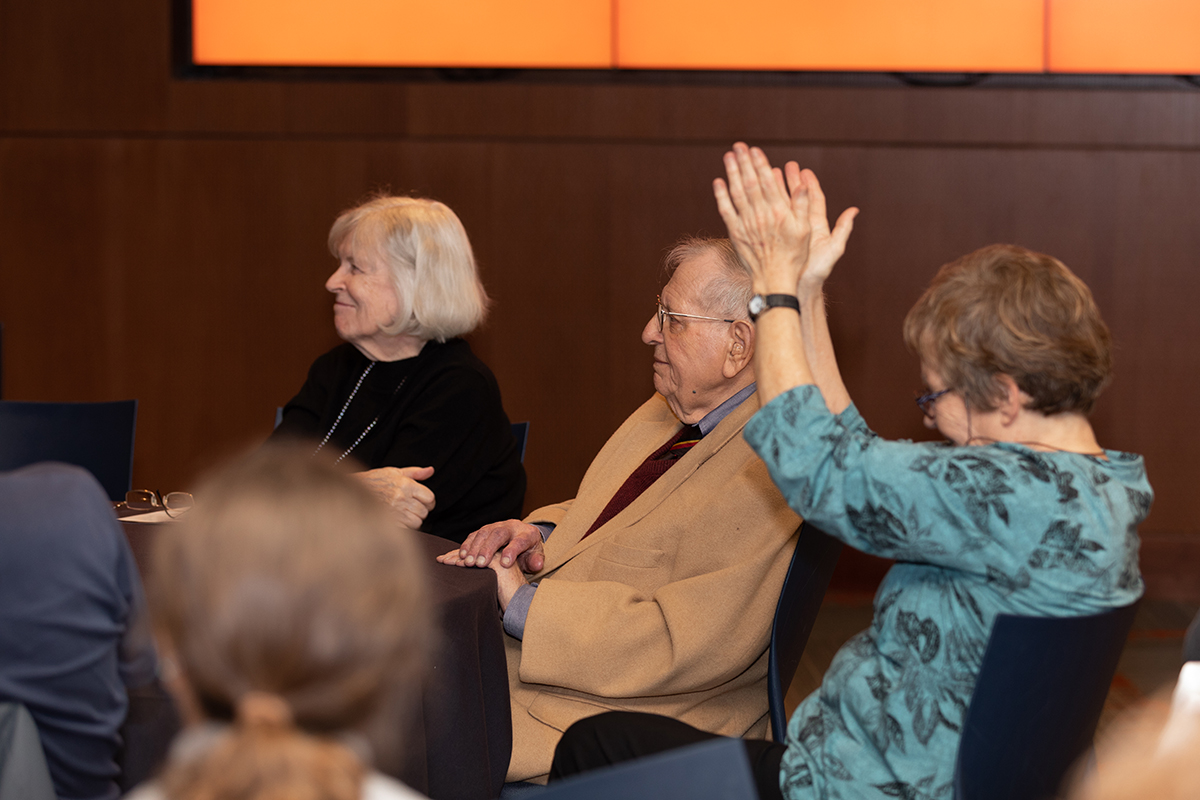
Winter 2019 Teaching and Advising Awards

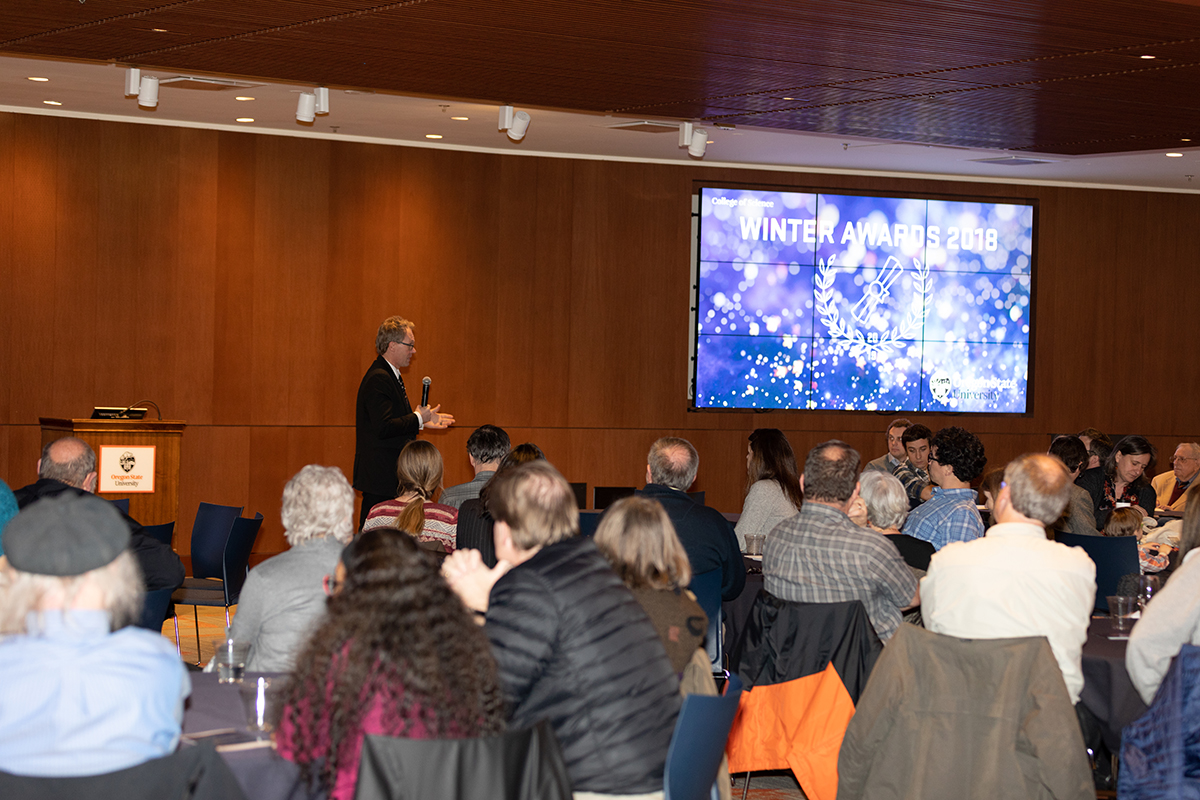
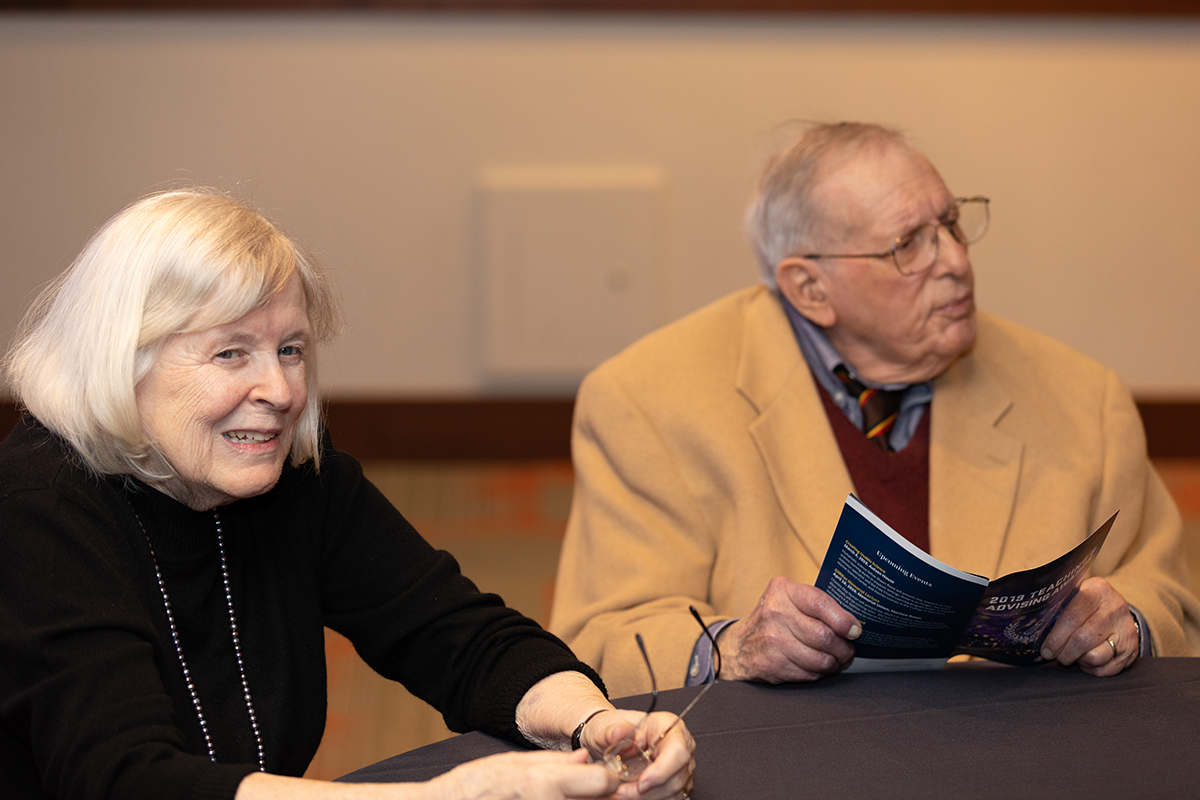
The College of Science recently celebrated its 2019 Winter Teaching and Advising Awards with faculty, advisors and students to recognize exceptional teaching and advising – key areas of distinction in the College. Effective teaching, advising and mentorship are at the heart of the College of Science’s mission to build leaders in science.

Dean Roy Haggerty delivered opening welcome remarks, Associate Dean Matt Andrews served as the lively emcee, and several science students offered earnest tributes and presented the awards.

“This awards ceremony is our opportunity to recognize teaching and advising excellence and emphasize our College’s dedication to student success,” said Dean Roy Haggerty. “I am proud to celebrate this year’s recipients whose commitment to their students models the College of Science’s highest values.”

Congratulations to all of our award winners and nominees. Their hard work to make science education more meaningful, relevant and effective advances our mission and transforms lives.

2019 Award Winners

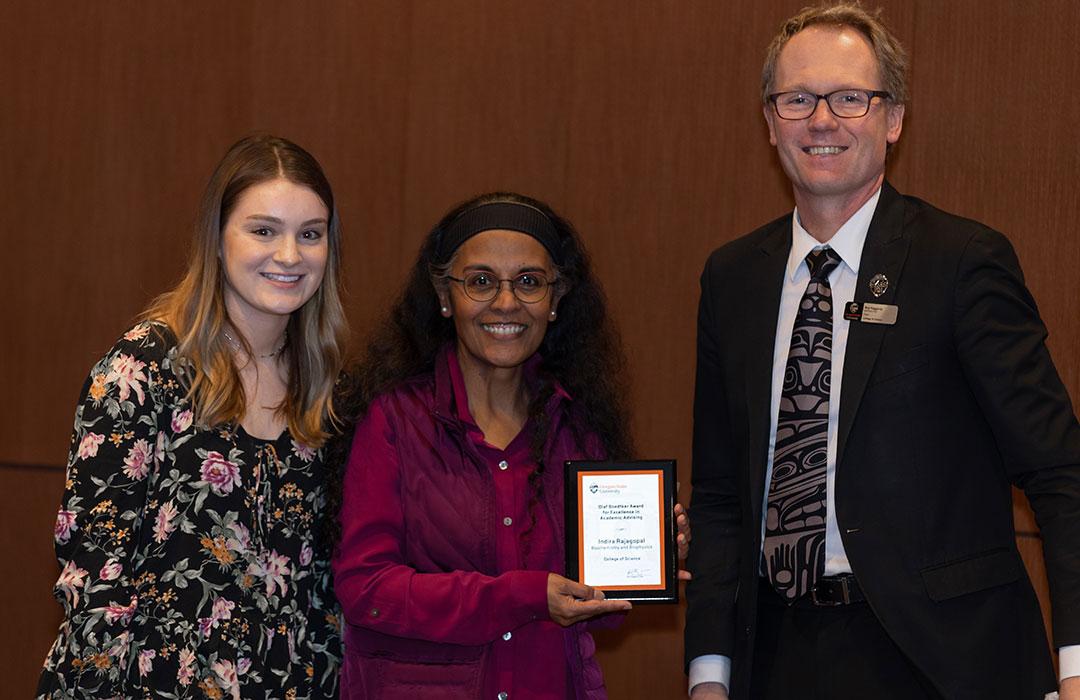
Olaf Boedtker Award for Excellence in Academic Advising

Indira Rajagopal receiving award from student and Roy Haggerty

Newly retired senior instructor Indira Rajagopal (center) ands biochemistry and molecular student Lily Sloan (left) with Dean Haggerty (right).

Indira Rajagopal, who retired as senior instructor in biology and biochemistry and biophysics in December, won the Olaf Boedtker Award for the second time in three years for her exceptional and inspirational advising of undergraduate students. The award was presented to Rajagopal by Lily Sloan, a biochemistry and molecular biology junior.

“Indira Rajagopal provided endless support and guidance to her students, and we were lucky to have such a dedicated advisor. My wonderful experience in the biochemistry and biophysics department was significantly impacted by Indira and the amount of effort she put in to help students. Indira brought so much positivity to the department, and I could not think of anyone more deserving of this advising award,” wrote one of her student nominators.

Rajagopal, newly retired as senior instructor in biology and biochemistry and biophysics, has consistently been credited throughout her 30-year tenure at Oregon State for the devotion she brings to her roles as an inspiring mentor, professor and advisor. Her work of encouraging students to pursue meaningful opportunities stems from her passion to help students reach their potential. That same dedication is exemplified by the work Rajagopal has done with her husband Kevin Ahern, recently retired biochemistry and biophysics professor, writing and publishing free electronic textbooks for online learners worldwide.

Nominees: Kevin Ahern, biochemistry and biophysics; Alex Beck, BioHealth sciences; Linda Bruslind, microbiology; Cody Duncan, integrative biology; Henri Jansen, physics; Barbara Kessel, microbiology; Shawn Massoni, BioHealth sciences; Brock McLeod, integrative biology; Jennifer Olarra, integrative biology; Kari Van Zee, biochemistry and biophysics.

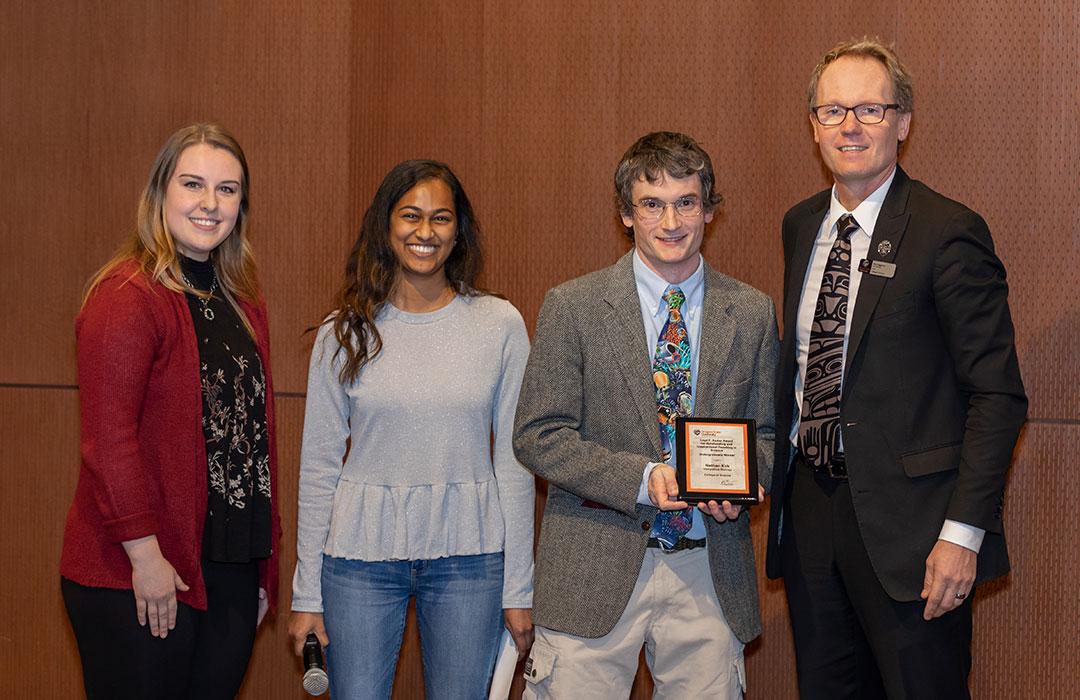
Loyd F. Carter Award for Outstanding and Inspirational Teaching (Undergraduate)

Nate Kirk receiving award from two female students and Roy Haggerty

Instructor of biology Nate Kirk (center right) with Dean Haggerty (right) and students Anastasiya Prymolenna (left) and Sonya Bedge (center left).

Instructor of biology Nate Kirk received the Loyd Carter Undergraduate Teaching Award for his effective and inspirational approach to teaching undergraduate biology students. Bioresource research student Sonya Bedge and chemistry student Anastasiya Prymolenna presented the award to Kirk.

“Nate is an incredibly thoughtful, understanding and kind professor, and I feel honored to have had him for the Principles of Biology series. His lectures were engaging, and he facilitated great discussions among peers about the course material. Nate clearly dedicated a lot of time to figuring out how to help his students learn best and gain a deeper understanding of the subject as a whole,” wrote one of his nominators.

Kirk, who teaches Honors and non-Honors Principles of Biology Series in the College, believes students learn best from each other and from practical experience, so he limits his direct lecture time in favor of directed learning. Combining lectures with hands-on experiences, he leads students to make their own discoveries and experience the thrill of science. Kirk was also honored as 2016 Honors College Professor of the Year.

Nominees: Nathan Kirk, integrative biology; Phillip McFadden, biochemistry and biophysics; Richard Nafshun, chemistry; Ryan Mehl, biochemistry and biophysics; Daniel Myles, chemistry; Chris Orum, mathematics; Devon Quick, integrative biology; Indira Rajagopal, biochemistry and biophysics; Lyn Riverstone, mathematics; Daniel Rockwell, mathematics; KC Walsh, physics; David Wing, mathematics.

Loyd F. Carter Award for Outstanding and Inspirational Teaching (Graduate)

Assistant professor of chemistry Sandra Loesgen received the Loyd Carter award for her outstanding and inspirational teaching of graduate students. She mentors and teaches graduate students to a variety of state-of-the-art techniques to identify and develop drug leads to cancer treatment.

“Dr. Loesgen’s enthusiasm for the topics she teaches are contagious. When you are in her classes, you are truly immersed in the subject. This means you are learning to become a true chemist in interpreting NMR spectra and understanding how organisms make their natural products. As she teaches these subjects, she wants you to understand rather than memorize,” wrote one of her students. “She is energetic, and her passion for the topics exudes as she delivers each lecture.”

Loesgen leads a highly motivated team of graduate students from diverse backgrounds, including pharmaceutical sciences, chemistry, biochemistry, molecular biology, and microbiology. In the Loesgen Lab, she guides student researchers as they explore target-based drug discovery with a focus on new anticancer, antimicrobial and antiviral compounds from microbial sources. She and her students discovered a soil-dwelling bacterium whose molecules destroy melanoma cells.

Nominees: Sally Hacker, integrative biology; David Hendrix, biochemistry and biophysics; Sandra Loesgen, chemistry; and Oksana Ostroverkhova, physics

Frederick H. Horne Award for Sustained Excellence in Teaching Science

Marita Barth, senior instructor of chemistry, won the Frederick H. Horne Award for her exceptional qualities as a teacher and a mentor. Barth, who focuses on distance chemistry education, has distinguished herself as an educator who bolsters the confidence and success of undergraduate students.

“Marita creates a really positive environment, and many students draw a contrast with their experiences at other institutions, telling us that they felt more comfortable, more supported and engaged with OSU Ecampus. Even at a distance, Marita has been able to convey an enthusiasm and passion for chemistry that sparks student interest – and remember that she is working with a student population that is more likely to come to us fearful of, or reluctant to, study this subject,” said Michael Lerner, chair of the Department of Chemistry.

“Marita has been able to convey an enthusiasm and passion for chemistry that sparks student interest.” – Michael Lerner

Barth leads her department’s general chemistry for non-majors courses at Ecampus, which are OSU’s largest online classes with ever-increasing enrollments – 430 students are currently enrolled in the sequence. She has continuously redeveloped and improved courses by producing videos and interactive materials that are now used by other faculty in the Department of Chemistry.

The awards ceremony also included a special presentation by participants of the Faculty-Student Mentor Program who shared their inspiring experiences. Led by Dean Haggerty, this new program aims to enhance student engagement in learning and improve retention and graduation rates. At its foundation are relationships built between faculty mentors and students. Mentors focus primarily on helping students – many of whom are first-generation college students – transition and adjust to college life. Based on the program’s success, OSU plans to expand the program across the entire university.

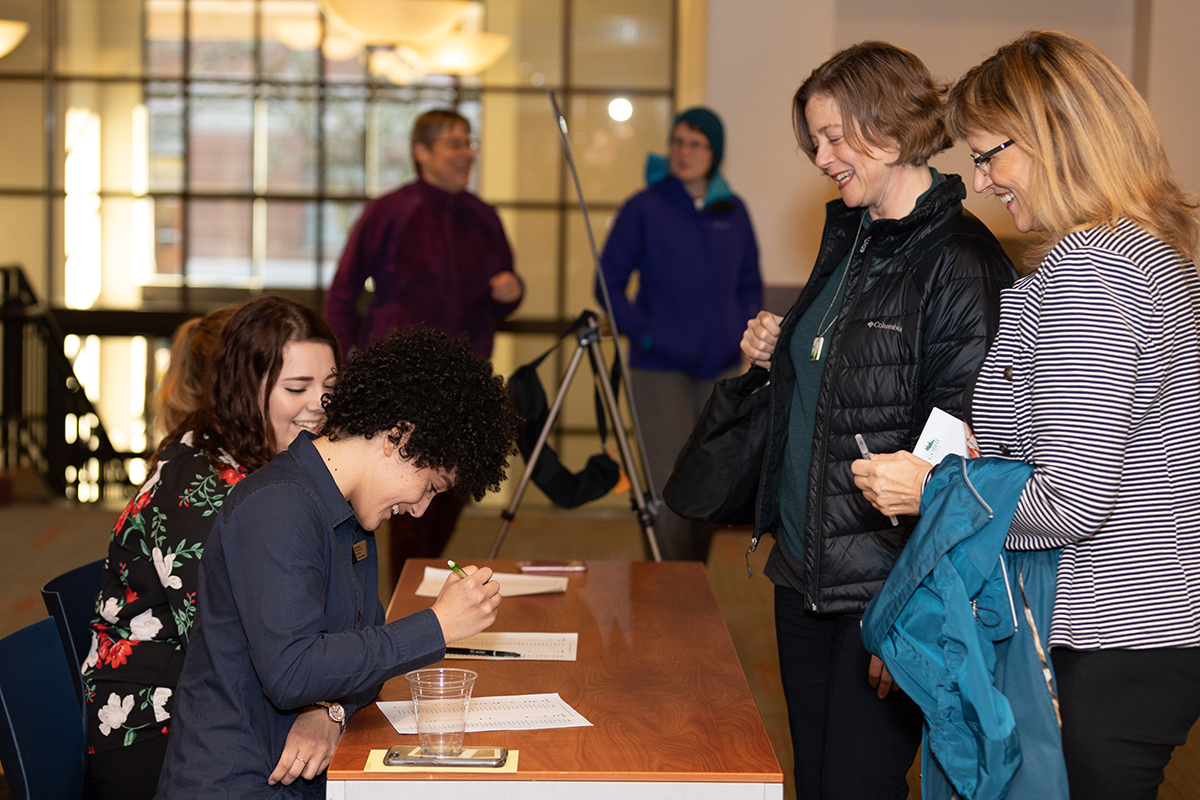
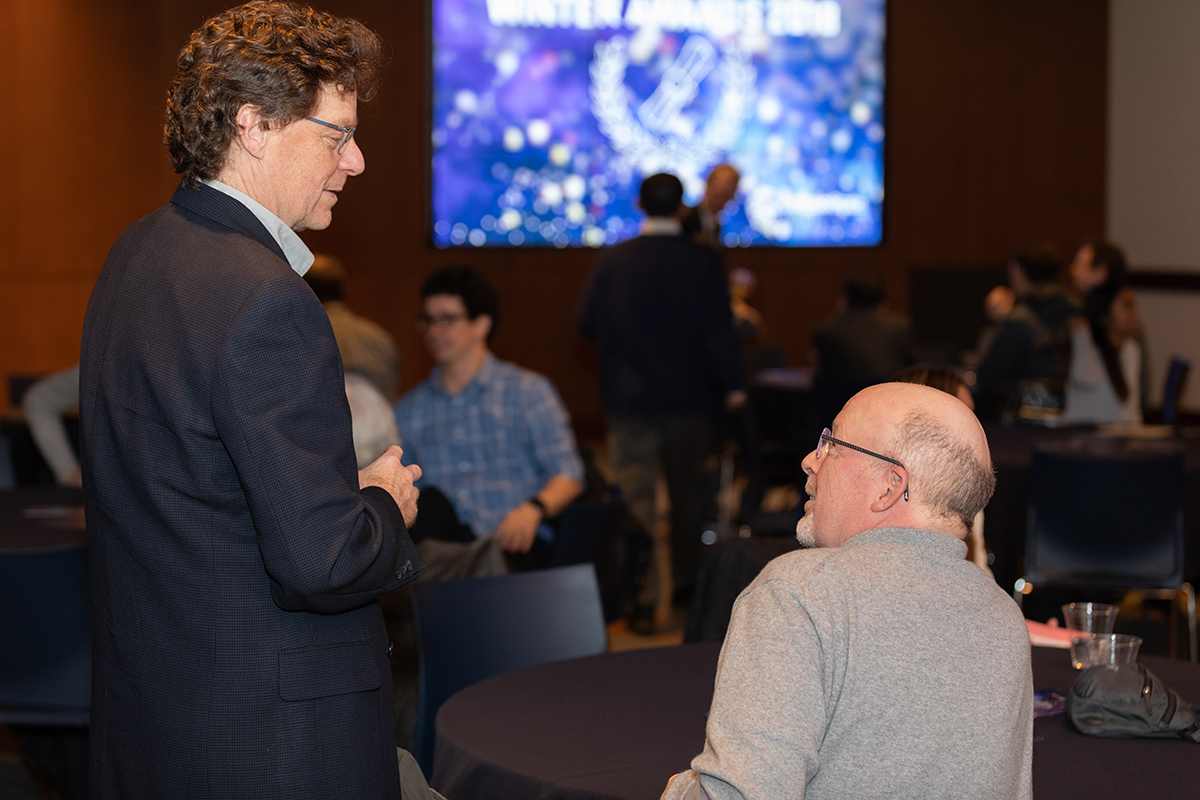
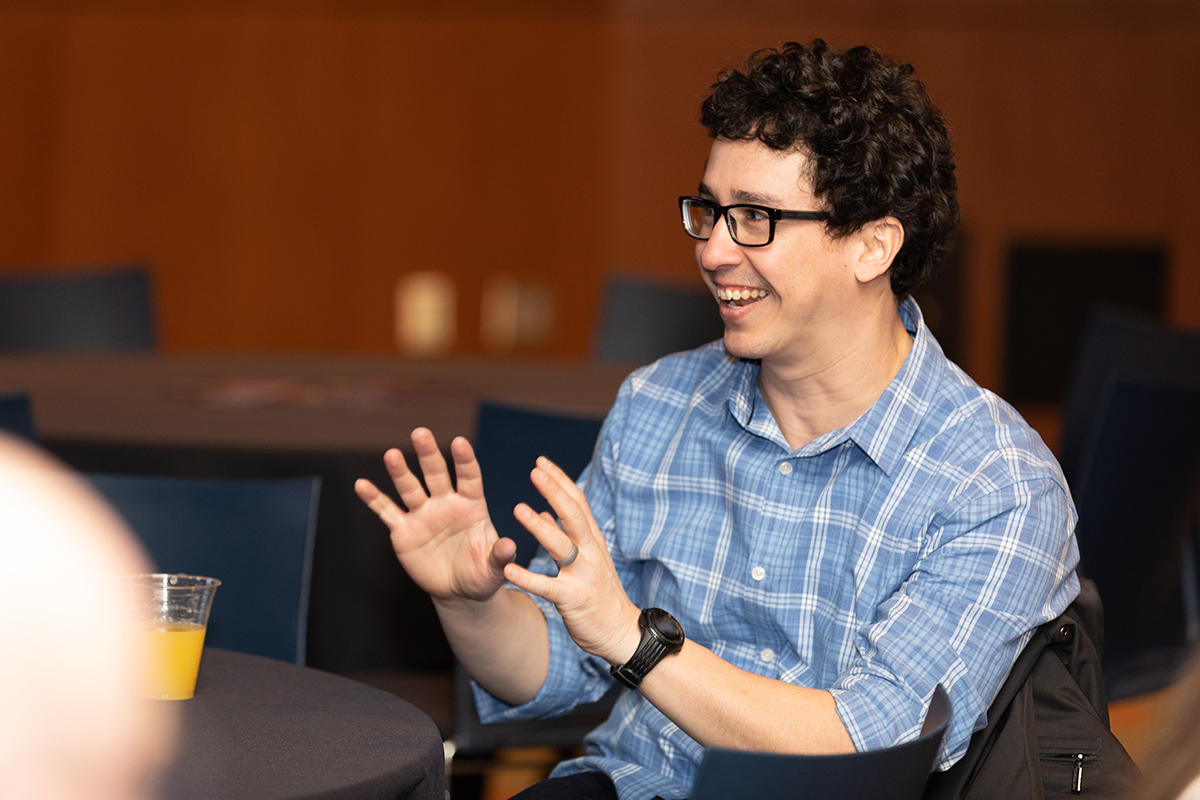
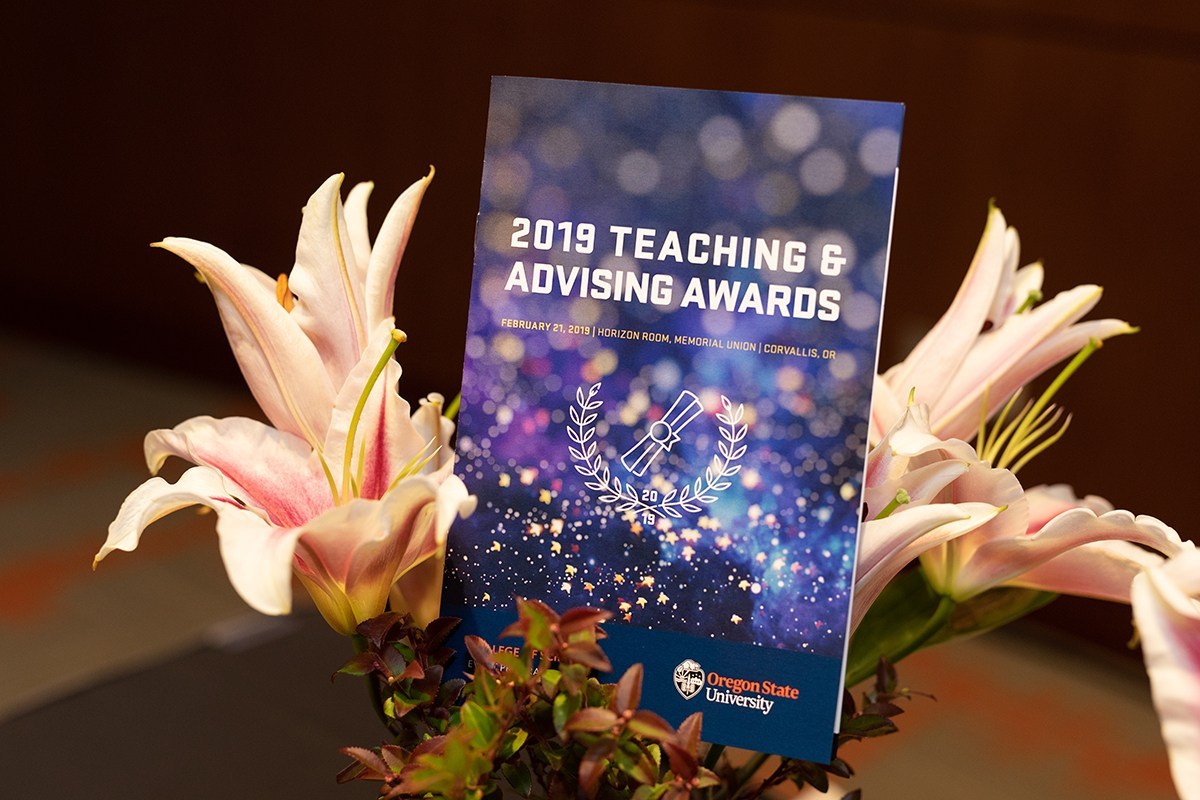
Photos from the College of Science Teaching and Advising Awards, February 21, 2019.

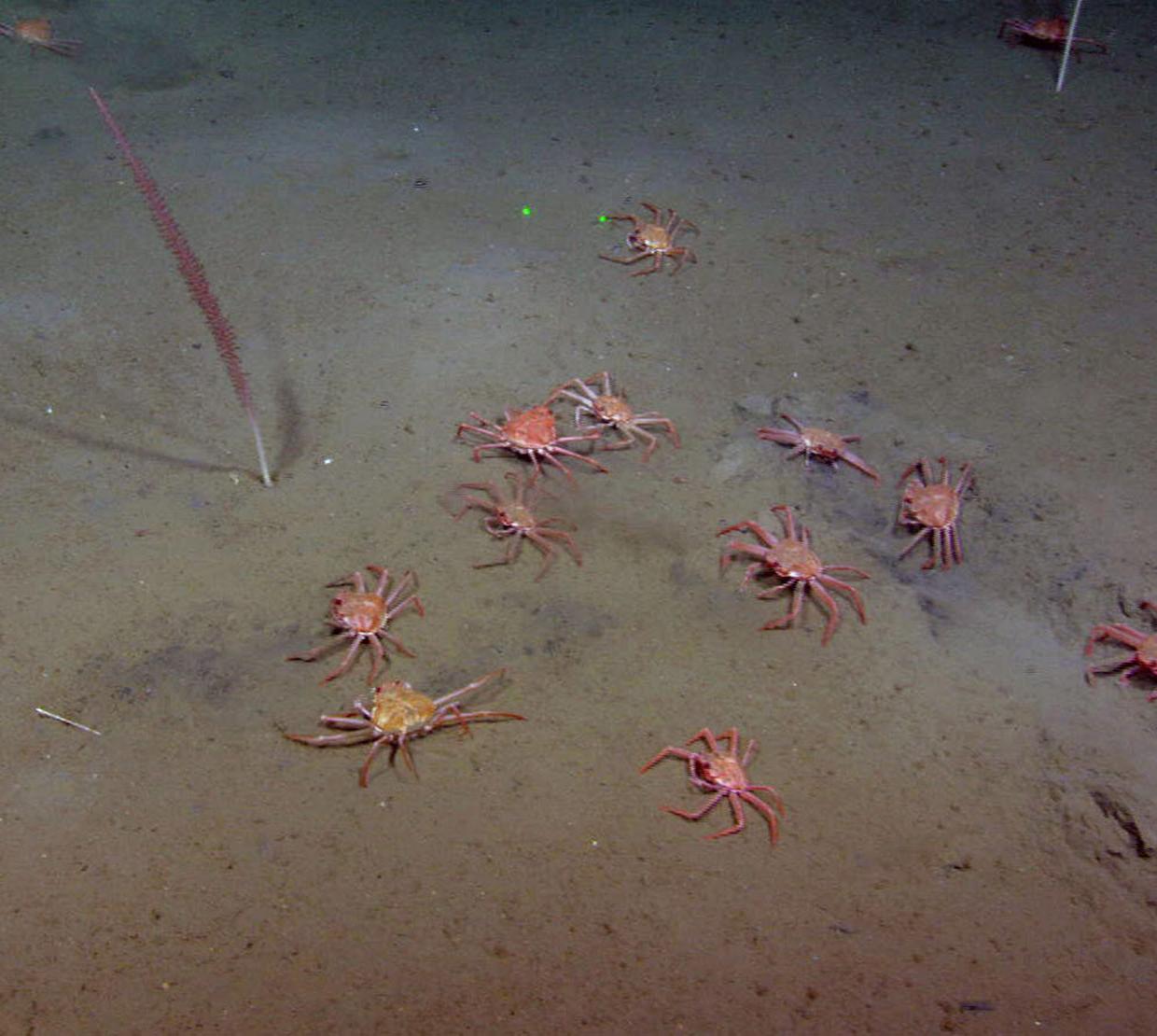
Group of Tanner crabs sitting on ocean floor

Scientists find tanner crabs feeding vigorously at methane seeps

Tanner crabs vigorously feeding at a methane seep on the seafloor off British Columbia

Microbiologist and marine ecologist Andrew Thurber and colleagues have documented a group of tanner crabs vigorously feeding at a methane seep on the seafloor off British Columbia – one of the first times a commercially harvested species has been seen using this energy source.

There are many implications, researchers say, and surprisingly most of them are good. Human consumption of tanner crabs – one of three species sold as snow crabs – that feed on methane-eating bacteria and archaea should not pose a health concern because methane seeps are not toxic environments.

The discovery actually may mean that methane seeps could provide some seafloor-dwelling species an important hedge against climate change – because nearly all models predict less food will be falling into the deep sea in coming years.

Thurber co-authored the study, which was just published in the journal Frontiers in Marine Science.

“The thinking used to be that the marine food web relied almost solely on phytoplankton dropping down through the water column and fertilizing the depths,” said Thurber. “Now we know that this viewpoint isn’t complete and there may be many more facets to it.

“Tanner crabs likely are not the only species to get energy from methane seeps, which really haven’t been studied all that much. We used to think there were, maybe, five of them off the Pacific Northwest coast and now research is showing that there are at least 1,500 seep sites – and probably a lot more.

“Methane may be a very important and underappreciated energy source for marine organisms. Unlike plankton, it doesn’t vary much with the seasons and seeps are thought to last hundreds of years.”

Read the full story here.

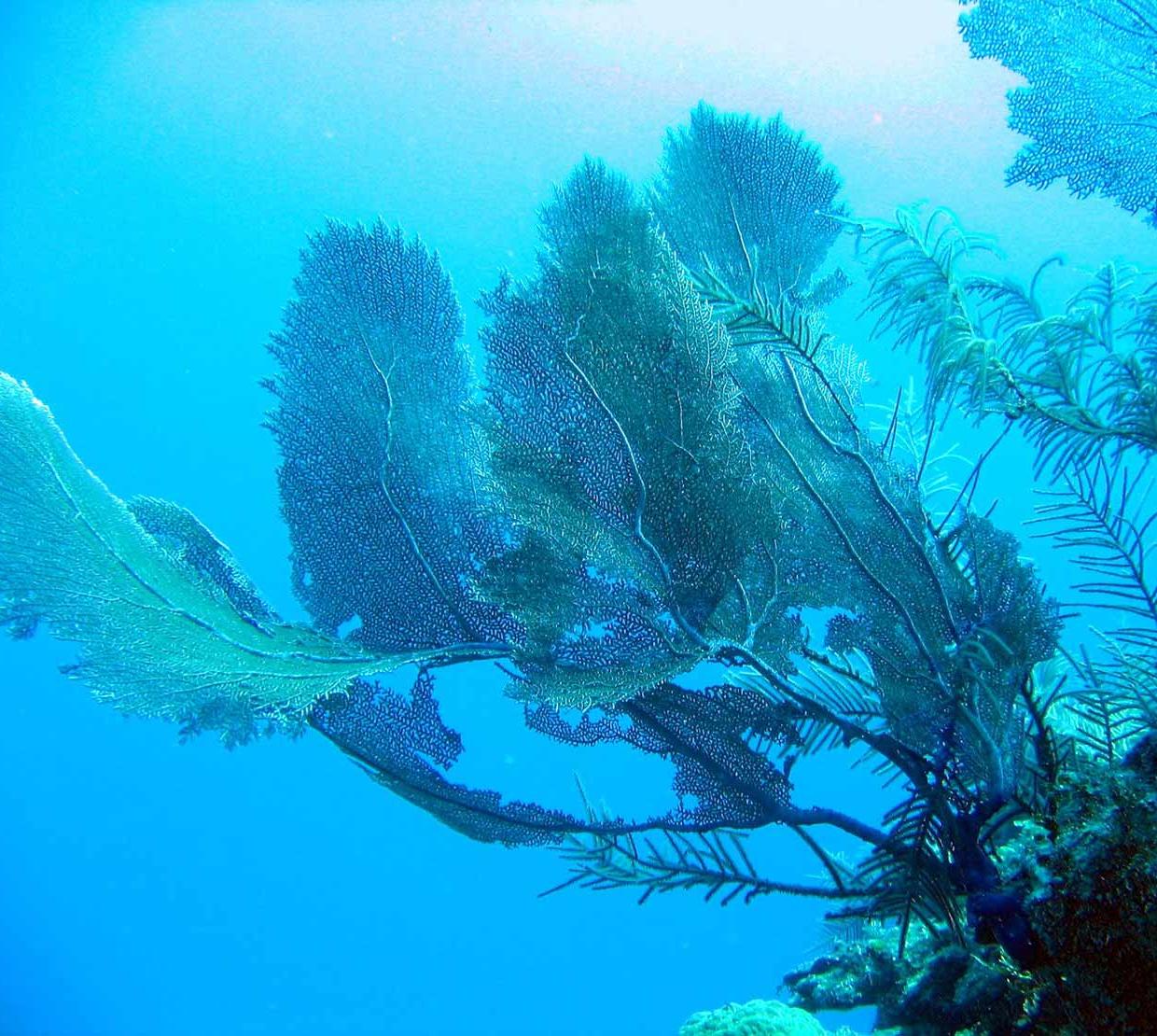
Coral reef sitting on rocks in ocean floor

Localized efforts to save coral reefs won’t be enough, new study suggests

By Steve Lundeberg

Global warming stressing corals

A National Science Foundation study of factors that cause corals stress suggests that localized attempts to curb pollution on reefs won’t save them without a worldwide effort to reduce global warming.

Findings by researchers at Oregon State University and the University of California, Santa Barbara were published today in Scientific Reports.

Rebecca Maher, a graduate research fellow in the microbiology department, led the Oregon State study, which involved coral samples collected off the coast of Moorea, a South Pacific island that’s part of French Polynesia. The corals examined in tank experiments by microbiologists Rebecca Vega Thurber and Ryan McMinds, were Pocillopora meandrina, commonly known as cauliflower corals.

Coral reefs are found in less than 1 percent of the ocean but are home to nearly one-quarter of all known marine species. Reefs also help regulate the sea’s carbon dioxide levels and are a crucial hunting ground that scientists use in the search for new medicines.

Corals are home to a complex composition of dinoflagellates, fungi, bacteria and archaea that together make up the coral microbiome. Shifts in microbiome composition are connected to changes in coral health.

“We subjected the corals to three stressors: increased temperature, nutrient enrichment – meaning pollution – and manual scarring,” Maher said. “We scarred the corals with pliers, which was meant to simulate fish biting the coral.”

The scientists then studied how these stressors can interact to negatively affect the coral microbiome and thus coral health.

“We found that with every form of stress, the amount of ‘friendly’ bacteria decreases in the coral and the amount of ‘unfriendly’ or disease-related bacteria increases,” Maher said. “Stressed corals had more unstable microbiomes, possibly leading to more disease and coral death.”

Read the full story here.

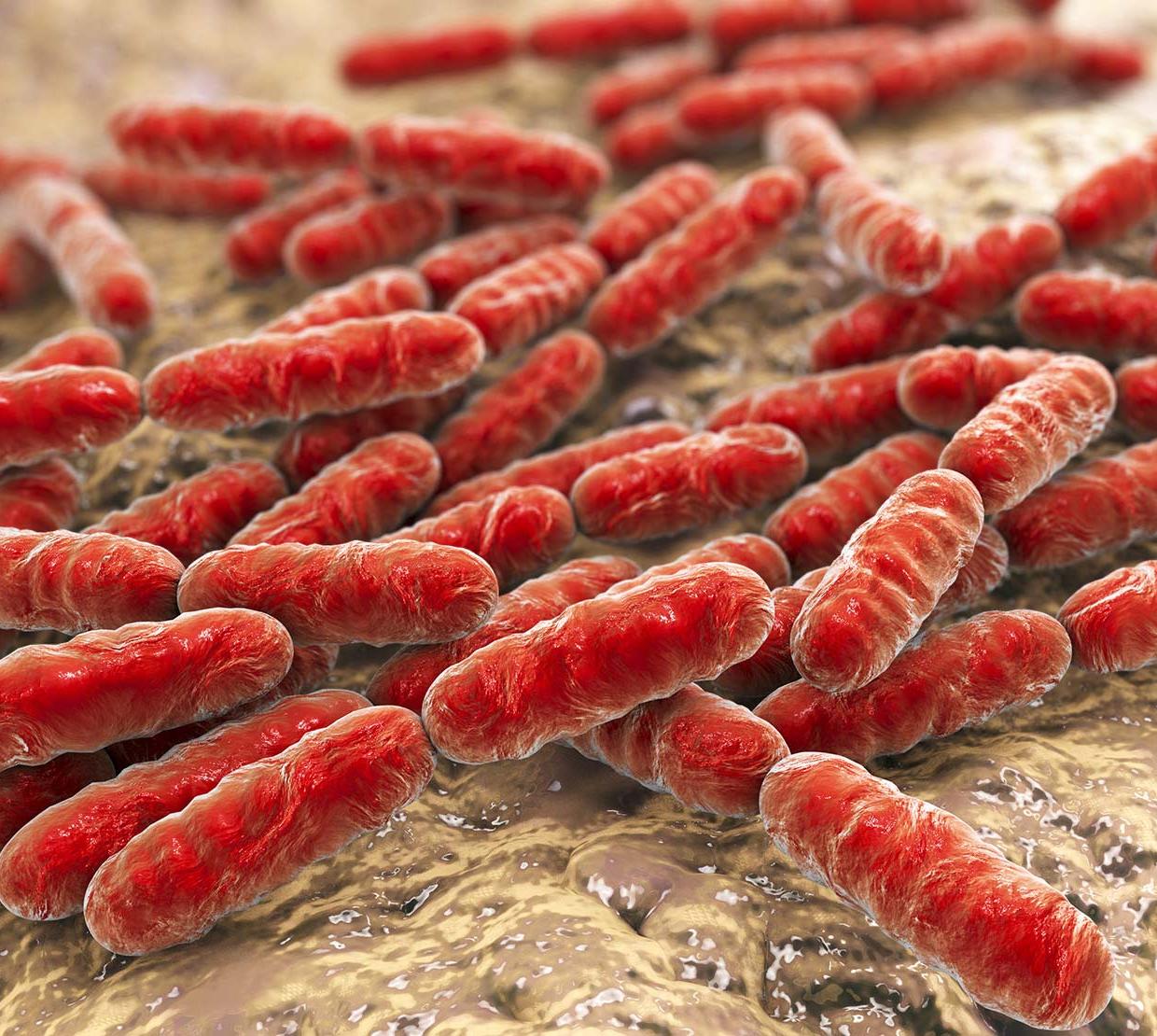
3D model of red Microbiomes

Microbiologist receives $1.94 million grant to study connection between autism, microbiome

By Steve Lundeberg

The human microbiome and autism spectrum disorder

Maude David, an assistant professor in the Department of Microbiology, is part of a two-year $1.94 million grant to identify possible connections between the human microbiome and autism spectrum disorder.

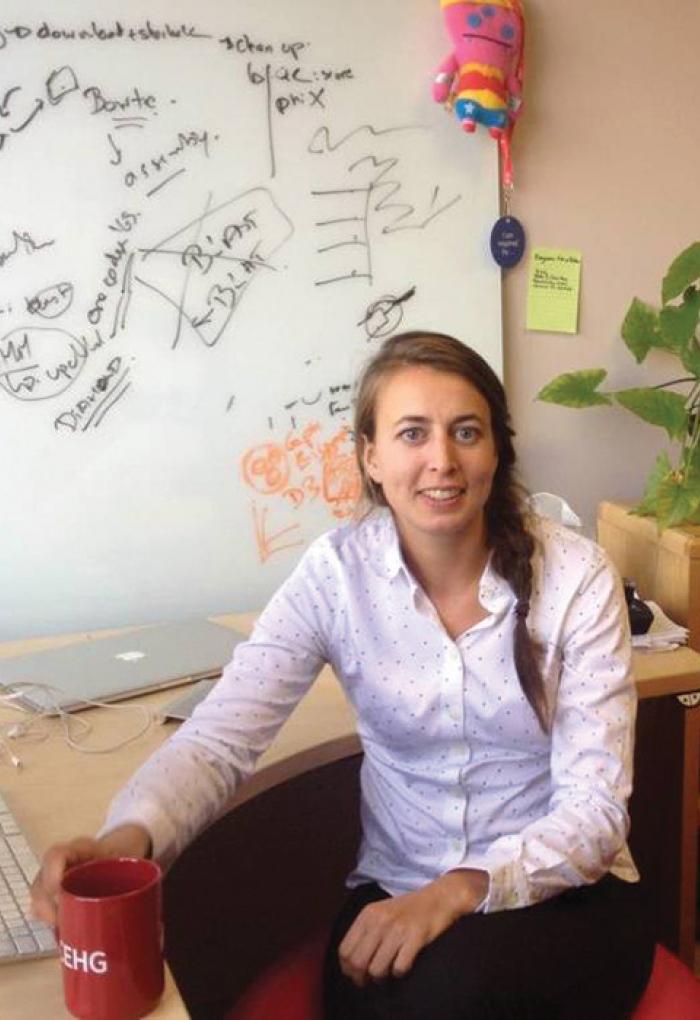
Maude David in her office space

Microbiologist Maude David

The goal is to use data from the microbiome — the community of organisms that live in a person’s gut — in the search for new treatments for autism spectrum disorder, a developmental disorder that affects communication and behavior.

In the United States, roughly one child in 70 has autism spectrum disorder; boys are four times as likely as girls to have the condition. Symptoms usually appear by age two.

David will collaborate with researchers at the Stanford University School of Medicine and Second Genome, a company based in South San Francisco, California, on the two-year project funded by a federal Small Business Innovation Research grant.

The grant will support the study of key metabolites produced by microbes in patients with central nervous system disorders, particularly autism. Some of those metabolites may be able to pass through the blood-brain barrier, which protects the brain from toxins in the bloodstream, and negatively affect the central nervous system.

Certain microbial strains are either lacking or severely decreased in children with autism spectrum disorder.

“Recent studies have implicated the microbiome in several central nervous system disorders, including autism, Parkinson’s and Alzheimer’s disease, and even addiction.”

“This project is especially exciting because it uses a top-to-bottom approach with crowd-sourced samples to identify the metabolites that we’ll ultimately test in mouse models,” David said.

OSU has several areas of responsibility in the project, she added, including applying computational models of the blood-brain barrier and ramping up several new behavioral tests for the mice used in the study.

“One of the most interesting pieces of the puzzle is our attempt to combine microbial profiling and genetic variants in humans to determine the most relevant features, either of the microbiome or the host,” said David, who will collaborate on this part of the project with Dennis Wall of Stanford, an expert in human genetic variation.

Second Genome, a company focused on the development of novel therapeutics identified through microbiome science, is the SBIR grant recipient and will work with OSU and Stanford to study the relationship between the human microbiome and autism spectrum disorder.

The researchers have enrolled 111 pairs of siblings, each born within two years of each other, in the study; one sibling is on the autism spectrum, the other is not. Each pair of siblings lived in the same house and provided stool and saliva samples over a set period of time, and their parents charted each sibling’s diet and behavior for three weeks.

“Recent studies have implicated the microbiome in several central nervous system disorders, including autism, Parkinson’s and Alzheimer’s disease, and even addiction,” said Todd DeSantis, Second Genome’s co-founder and vice president of informatics. “As we mine the increasing amount of data coming from the microbiome, we look forward to developing clinically relevant therapeutics to improve patient care in autism and other disease areas.”

Subscribe to Faculty and Staff