Faculty and Staff

Faculty and Staff

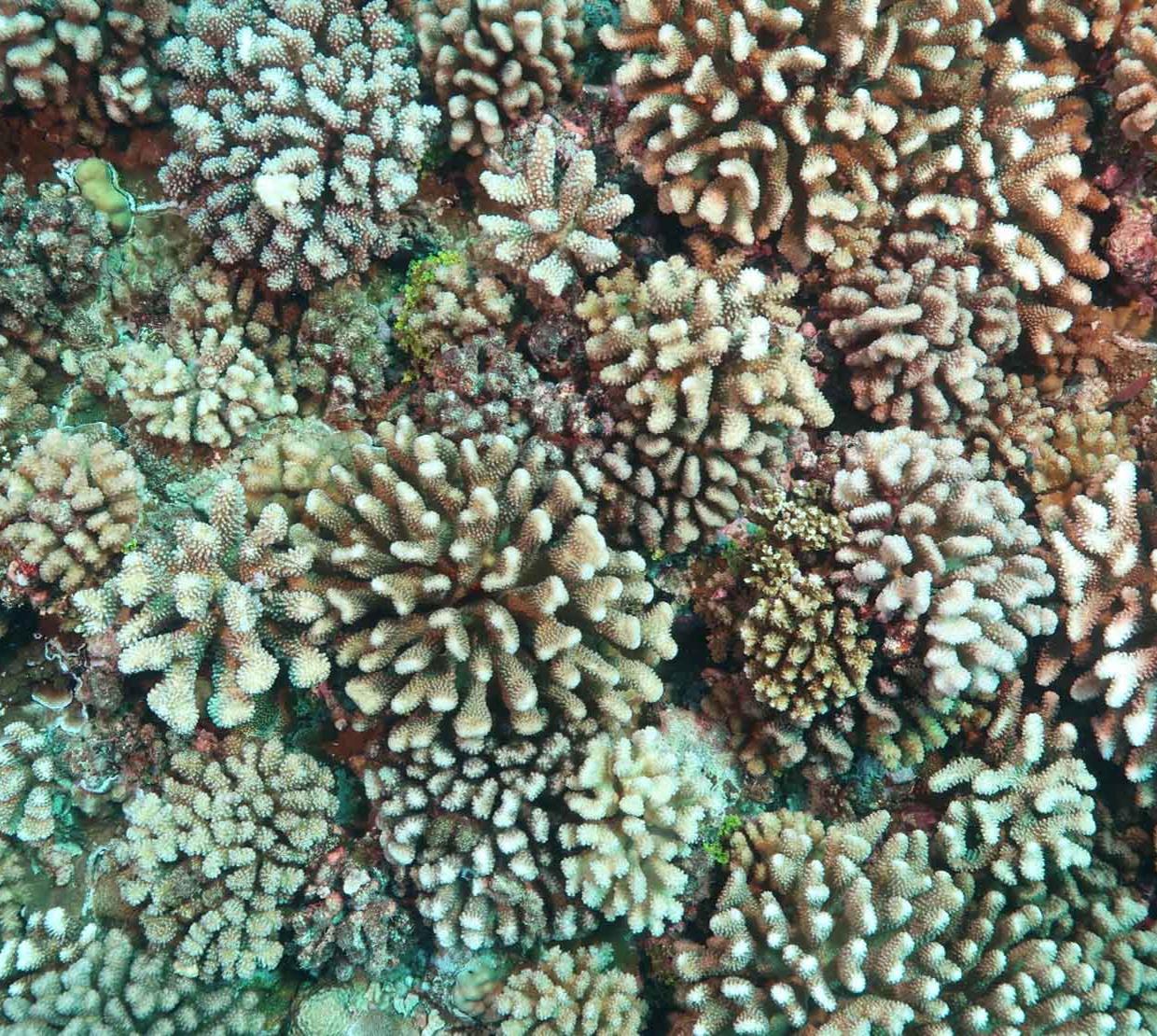
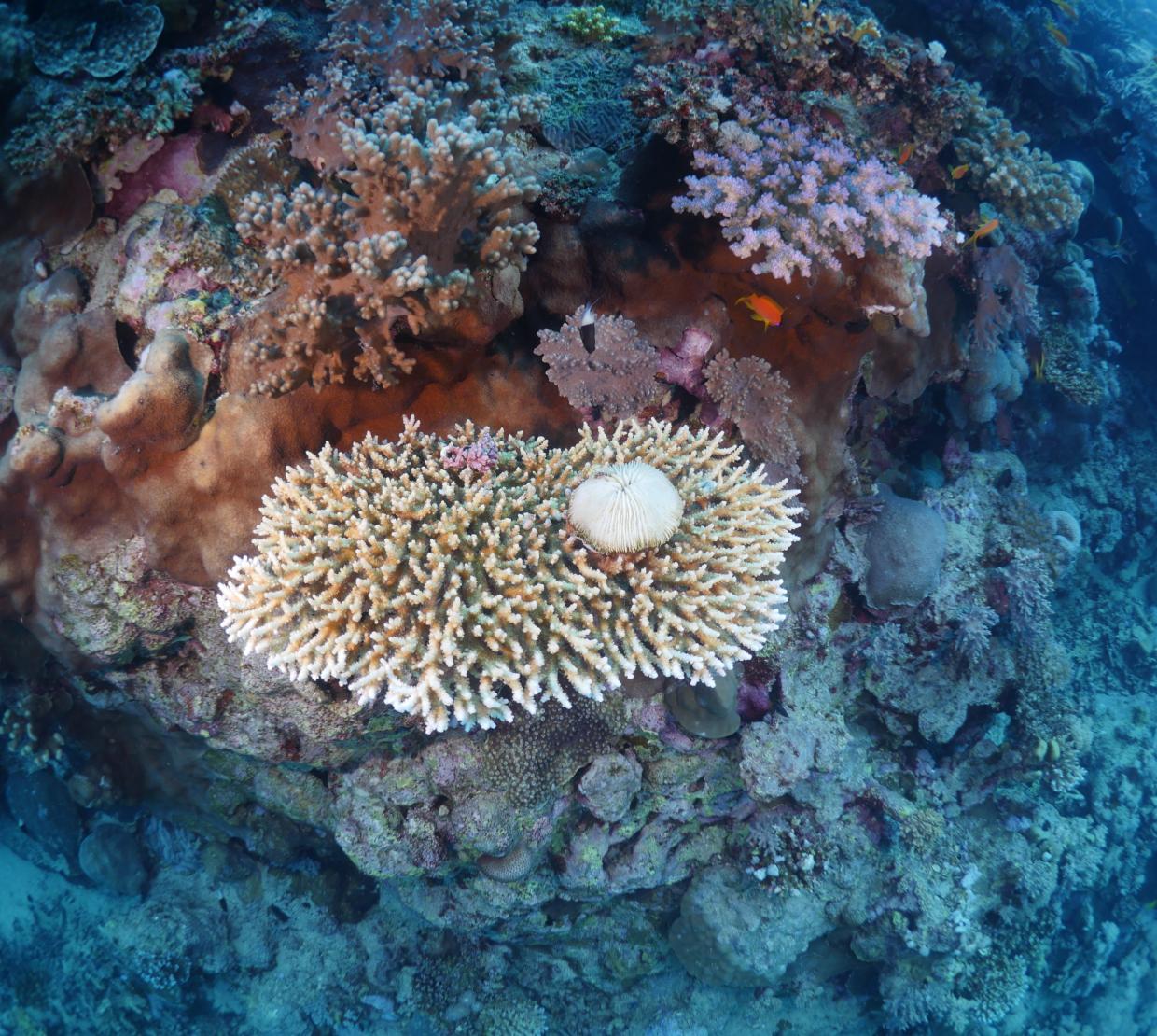
Corals along seafloor in Lizard Island.

Scientists awarded grant to investigate how microbiomes can help species withstand climate change

By Srila Nayak

Microbiologist Rebecca Vega Thurber and her collaborators will investigate microbiome transformations in three aquatic organisms: seagrass, corals and zebrafish.

The microbiome or the vast community of microorganisms found on and within plants, animals and humans can help us understand how different life forms on Earth can resist the harmful effects of environmental changes. Currently, there are very few scientific studies on how microbiomes can enable their host to recover from and withstand ecological disturbances, which would help sustain ecosystems and biodiverse habitats.

A pivotal National Science Foundation award will enable Oregon State scientists to investigate how microbes influence their wildlife host’s sensitivity and resilience to disruptive changes in the natural environment. The award was made in the category of Understanding the Rules of Life, one of NSF’s 10 big ideas to advance pioneering research that serves the nation’s future.

“As our planet experiences more and more disturbances, like climate change and disease outbreaks, we need to work together to understand how microbes can mediate resistance and reliance of their hosts to these stressors" — Rebecca Vega Thurber

Microbiologists and biochemists at Oregon State were awarded a five-year $3 million NSF grant for their proposal, “Predictors of Microbiome Sensitivity and Resilience.” Rebecca Vega Thurber, Emile Pernot Distinguished Professor of microbiology, is the lead principal investigator on the project. The project includes co-principal investigators Thomas Sharpton, associate professor of microbiology and statistics; Maude David, assistant professor of microbiology and pharmaceutical sciences; Ryan Mueller, associate professor of microbiology; and Xiaoli Fern, associate professor of computer science.

“As our planet experiences more and more disturbances, like climate change and disease outbreaks, we need to work together to understand how microbes can mediate resistance and reliance of their hosts to these stressors, ” said Vega Thurber. “This collaborative project aims to bring together the expertise of several microbiologists and computer scientists at OSU to identify important ‘system agnostic’ features of microbiomes that may provide key insight into how microbiomes are involved in mediating animal and plants health, particularly in regards to environmental change.”

Global climate change is threatening the survival of almost all life forms on Earth. Intense heat waves and other human pressures are reducing biodiversity and creating profound and severe consequences for marine and terrestrial ecosystems. The effects of such ecological disruptions are most clearly observed on species that are unable to adapt to their changing environments, and suffer from disease, loss of nutrients and habitat, genetic changes and are ultimately threatened with extinction. Some of these devastating impacts due to anthropogenic climate change include coral bleaching and reduced reproductivity and lower survival rates in fish.

In this pressing scenario, understanding how microbiome properties and composition are influenced by environmental changes can hold the key to saving and preserving ecosystems. The project will explore the impact of human-induced environmental changes on the genome, physiology, adaptation, composition and other ecological functions of the microbiome that will indicate their sensitivity and resilience to environmental disturbances. The researchers will focus on how microbiome responses before, during and after stressful ecological conditions influence the host species’ health, and become a contributing factor in their decline or survival in a changing environment.

Vega Thurber and her collaborators will investigate microbiome transformations in three aquatic organisms: seagrass, corals and zebrafish. These organisms are affected by the three environmental stressors of antibiotic exposure, warming waters and pathogen infection. Through studies of the microbiome in the three species, the researchers will define the unifying principles and properties that define a microbiome’s sensitivity and resilience to environmental changes.

“By comparing the dynamics of very different aquatic microbiomes, but using identical experiments and methodology, this novel project can find critical hallmarks of microbiomes that are prominent in healthy and stressed hosts, giving us a better ‘broad scope’ understanding of how all microbiomes function,” Vega Thurber said.

The identification of such universal properties holds potential to transform microbiome research and innovation, particularly as it applies to health and natural resource management. To define how ecological disturbance impacts host-microbiome interactions, the researchers working on this project will develop novel and freely available data analytic tools and software.

“Because our work focuses on diverse host systems and disturbances that represent major categories of anthropogenic stress, we expect to develop foundational insights into how human activity impacts wildlife through their microbiomes,” said the scientists in a statement.

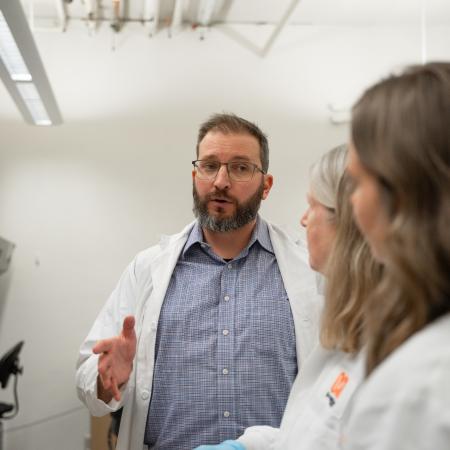
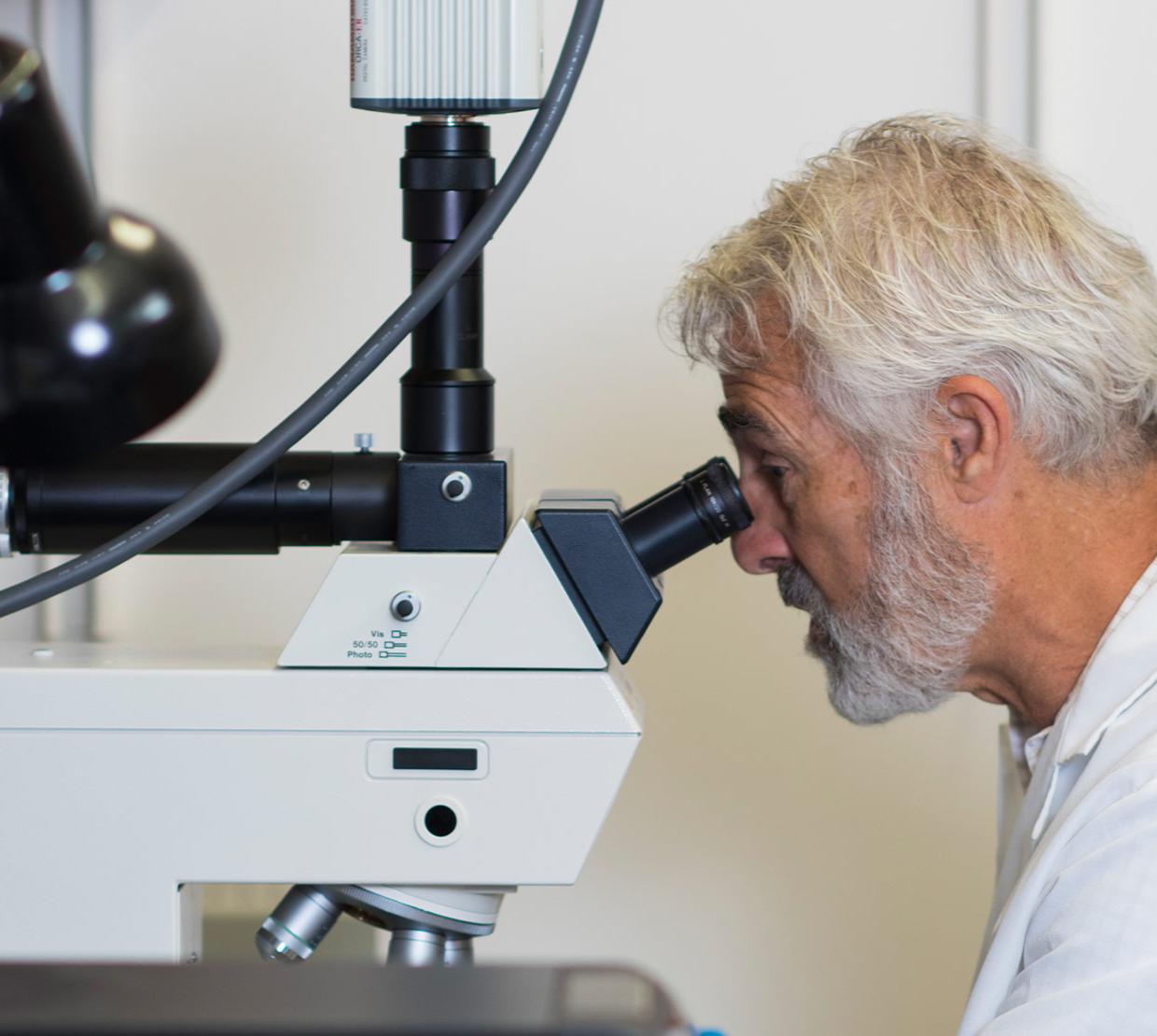
Steve Giovannoni looking into microscope in lab.

Gut bacteria associated with animal-based diet may mitigate risk of cardiovascular disease

By Steve Lundeberg, OSU News

Steve Giovannoni, distinguished professor of microbiology and post-doctoral fellow Veronika Kivenson have found that a type of common gut bacteria sometimes associated with inflammation, abscesses, bowel disease and cancer has a major silver lining: It seems to help prevent cardiovascular disease.

The findings suggest the possibility of probiotic treatments for atherosclerosis, the dangerous buildup of fats, cholesterol and other substances in arteries that cause strokes and heart attacks and is linked to smoking, diet, age and a range of genetic causes.

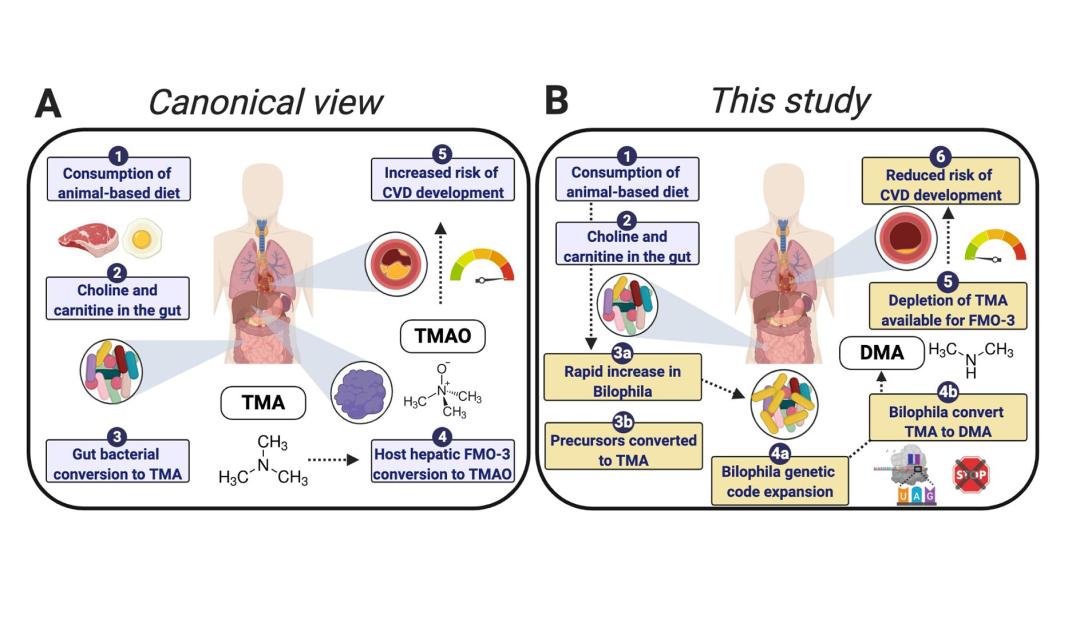
Diets heavy in animal-based foods have long been considered a risk factor for cardiovascular disease as such diets are a major source of TMA – trimethylamine – which is converted by the liver to another compound, TMAO, that promotes the buildup of fatty plaque in arteries. TMAO is short for trimethylamine-N-oxide.

Graphic created with BioRender.com and published in mSystems.

Graphic created with BioRender.com and published in mSystems.

“The connection between TMAO and cardiovascular disease has tended to focus the conversation on how animal-based diets cause negative health consequences,” said Kivenson, the study’s lead author and a postdoctoral fellow in the OSU College of Science. “But in analyzing data from foundational gut microbiome studies, we uncovered evidence that one type of bacteria associated with meat consumption can take the TMA, as well as precursors to TMA, and metabolize them without producing any TMAO. That means those bacteria are in effect severing a key link in the cardiovascular disease chain.”

The bacteria are of the Bilophila genus and evidence suggests an expanded genetic code enables their metabolism, via a demethylation pathway, to avoid making TMAO. Furthermore, Kivenson said, research shows animal-based diets cause a rapid increase in Bilophila in the gut.

“The organisms in your stomach have been shown to affect the development of myriad disease states,” said co-author Steve Giovannoni. “But the mechanisms – what is actually happening behind the connections among diet, health and microbiota – have generally been hard to pin down. More research into Bilophila cell biology and ecology is needed, but our study presents a clearly defined mechanism with potential for a big impact on human health.”

Identified only 31 years ago, in an infected appendix, Bilophila is a gram-negative anaerobic rod that’s classified as a pathobiont – an organism that normally has a symbiotic relationship with its host but can become disease-causing under certain circumstances. It’s commonly present in the microbiomes of people who are healthy.

“The data we reviewed show significantly more Bilophila in the microbiomes of healthy people compared to those with cardiovascular disease, and that Bilophila numbers go up in response to a diet based on meat compared to a plant-based diet,” Kivenson said. “Our findings suggest Bilophila’s role in the microbiome and human health might depend on the specific context and that their potential as a probiotic that mitigates animal products’ role in heart disease should be studied further.”

Findings were published today in mSystems. The National Science Foundation and the Simons Foundation supported this research.


Read more stories about: news, faculty and staff, microbiology, microbiome


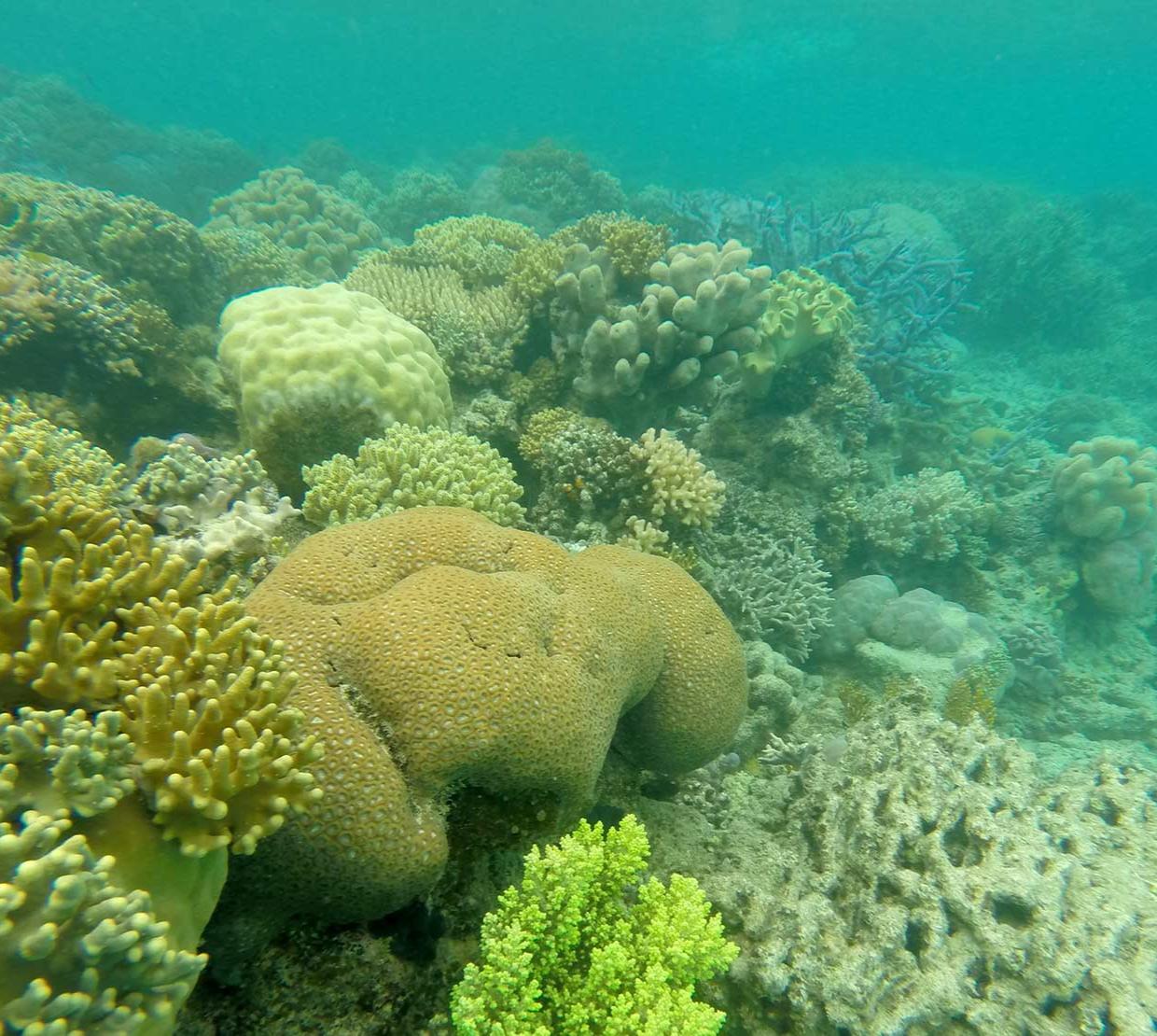
Aerial shot of coral reef.

Oregon State University scientists shed new light on viruses' role in coral bleaching

By Steve Lundeberg

The planet’s largest and most significant structures of biological origin, coral reefs are found in less than 1% of the ocean but are home to nearly one-quarter of all known marine species.

Corvallis, Ore. – Scientists at Oregon State University have shown that viral infection is involved in coral bleaching – the breakdown of the symbiotic relationship between corals and the algae they rely on for energy.

Funded by the National Science Foundation, the research is important because understanding the factors behind coral health is crucial to efforts to save the Earth’s embattled reefs – between 2014 and 2017 alone, more than 75% experienced bleaching-level heat stress, and 30% suffered mortality-level stress.

The planet’s largest and most significant structures of biological origin, coral reefs are found in less than 1% of the ocean but are home to nearly one-quarter of all known marine species. Reefs also help regulate the sea’s carbon dioxide levels and are a vital hunting ground that scientists use in the search for new medicines.

Since their first appearance 425 million years ago, corals have branched into more than 1,500 species. A complex composition of dinoflagellates – including the algae symbiont – fungi, bacteria, archaea and viruses make up the coral microbiome, and shifts in microbiome composition are connected to changes in coral health.

The algae the corals need can be stressed by warming oceans to the point of dysbiosis – a collapse of the host-symbiont partnership.

To better understand how viruses contribute to making corals healthy or unhealthy, Oregon State Ph.D. candidate Adriana Messyasz and coral researcher Rebecca Vega Thurber in the Department of Microbiology led a project that compared the viral metagenomes of coral colony pairs during a minor 2016 bleaching event in Mo’orea, French Polynesia.

Also known as environmental genomics, metagenomics refers to studying genetic material recovered directly from environmental samples, in this case samples taken from a coral reef.

For this study, scientists collected bleached and non-bleached pairs of corals to determine if the mixes of viruses on them were similar or different. The bleached and non-bleached corals shared nearly identical environmental conditions.

“After analyzing the viral metagenomes of each pair, we found that bleached corals had a higher abundance of eukaryotic viral sequences, and non-bleached corals had a higher abundance of bacteriophage sequences,” Messyasz said. “This gave us the first quantitative evidence of a shift in viral assemblages between coral bleaching states.”

Bacteriophage viruses infect and replicate within bacteria. Eukaryotic viruses infect non-bacterial organisms like animals.

In addition to having a greater presence of eukaryotic viruses in general, bleached corals displayed an abundance of what are called giant viruses. Known scientifically as nucleocytoplasmic large DNA viruses, or NCLDV, they are complex, double-stranded DNA viruses that can be parasitic to organisms ranging from the single-celled to large animals, including humans.

“Giant viruses have been implicated in coral bleaching,” Messyasz said. “We were able to generate the first draft genome of a giant virus that might be a factor in bleaching.”

The researchers used an electron microscope to identify multiple viral particle types, all reminiscent of medium- to large-sized NCLDV, she said.

“Based on what we saw under the microscope and our taxonomic annotations of viral metagenome sequences, we think the draft genome represents a novel, phylogenetically distinct member of the NCLDVs,” Messyasz said. “Its closest sequenced relative is a marine flagellate-associated virus.”

The new NCLDV is also present in apparently healthy corals but in far less abundance, suggesting it plays a role in the onset of bleaching and/or its severity, she added.

In addition to Messyasz and Vega Thurber, the collaboration included Stephanie Rosales of the National Oceanic and Atmospheric Administration; Adrienne Correa of Rice University; and Ryan Mueller, Teresa Sawyer and Andrew Thurber of Oregon State.

Findings were published in Frontiers in Marine Science.

University Day 2020

Scientists recognized for research, service and mentoring excellence at 2020 University Day

By Srila Nayak

OSU University Day award ceremony in 2019.

Five faculty and scholars from the College of Science are among this year’s award recipients at University Day, Oregon State University's most prestigious annual awards for research mentoring, outstanding scholarship, teamwork, teaching and service. Additionally, a team of dedicated OSU scientists were honored for their work with TRACE-COVID-19, a large scale public health project in Oregon. The awardees were recognized for their distinguished accomplishments at OSU’s virtual 2020 University Day celebration on Tuesday, September 15.

“I am very proud to see the outstanding achievements of our faculty and scientists recognized at the university level,” said Roy Haggerty, dean of the College of Science. “I applaud their commitment to undergraduate mentoring, research, teaching, collaboration and service within their programs and to a broader community at the university and beyond.”

Congratulations to these faculty for their dedication, talent and exemplary achievements.

Ben Dalziel

Ben Dalziel, a population biologist, is a project co-leader of TRACE-COVID-19

Leading a pioneering public health project

The TRACE-COVID-19 team is being honored with a Beaver Champion Award, the prestigious OSU President’s Award, for work on their community based health project that tests a representative sample of community members around the state to gather timely information essential to slow the spread and minimize the impact of the disease.

The award recognizes an individual or individuals who continually demonstrate outstanding effort and achievement of excellence, extra effort beyond that requested, and performance of the highest quality.

The TRACE-COVID-19 team is jointly headed by Ben Dalziel, an assistant professor of integrative biology and mathematics, and Jeffrey Bethel, a professor in the College of Public Health and Human Sciences. The Beaver Champion Award went to the team of 10 scientists and more than 300 volunteers on the TRACE-COVID-19 project. In addition to Dalziel, principal researchers on the TRACE-COVID-19 team from the College of Science include Jane Lubchenco, Distinguished Professor of Marine Biology, Roy Haggerty, Dean of the College of Science, and Katherine McLaughlin, assistant professor of statistics.

TRACE-COVID-19 findings have helped Benton, Deschutes, Umatilla and Lincoln counties and Oregon public health leaders understand how prevalent the virus is and how fast it is spreading in the community, identify infection zones, evaluate the effectiveness of current measures and guide timely further action to control the spread of the disease.

Learn more about TRACE-COVID-19: trace.oregonstate.edu

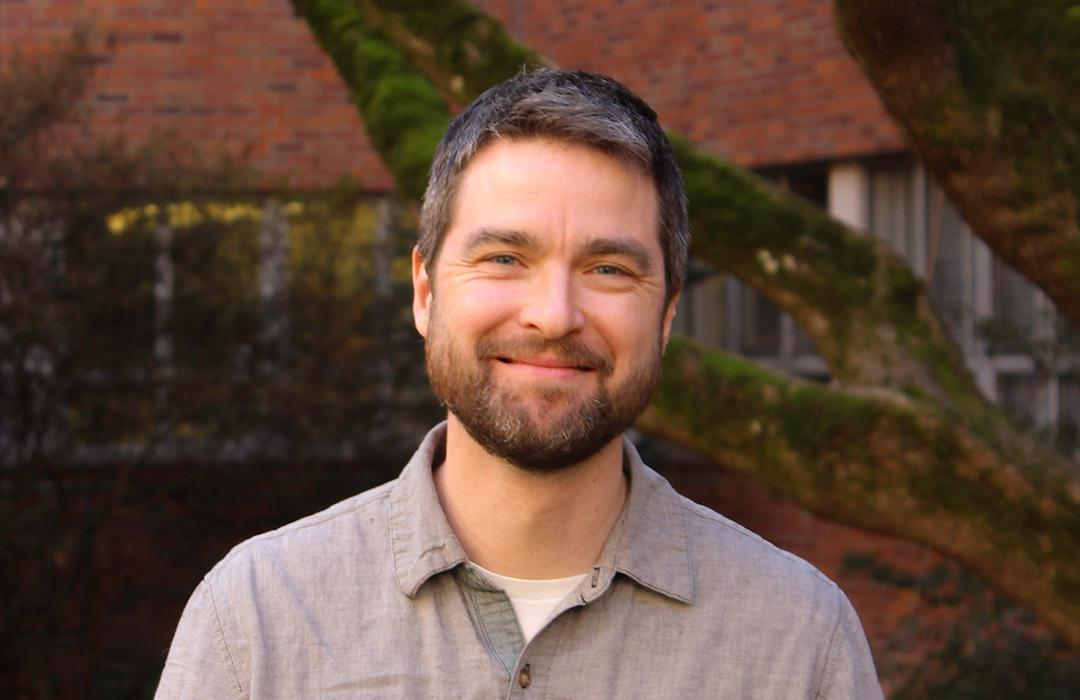
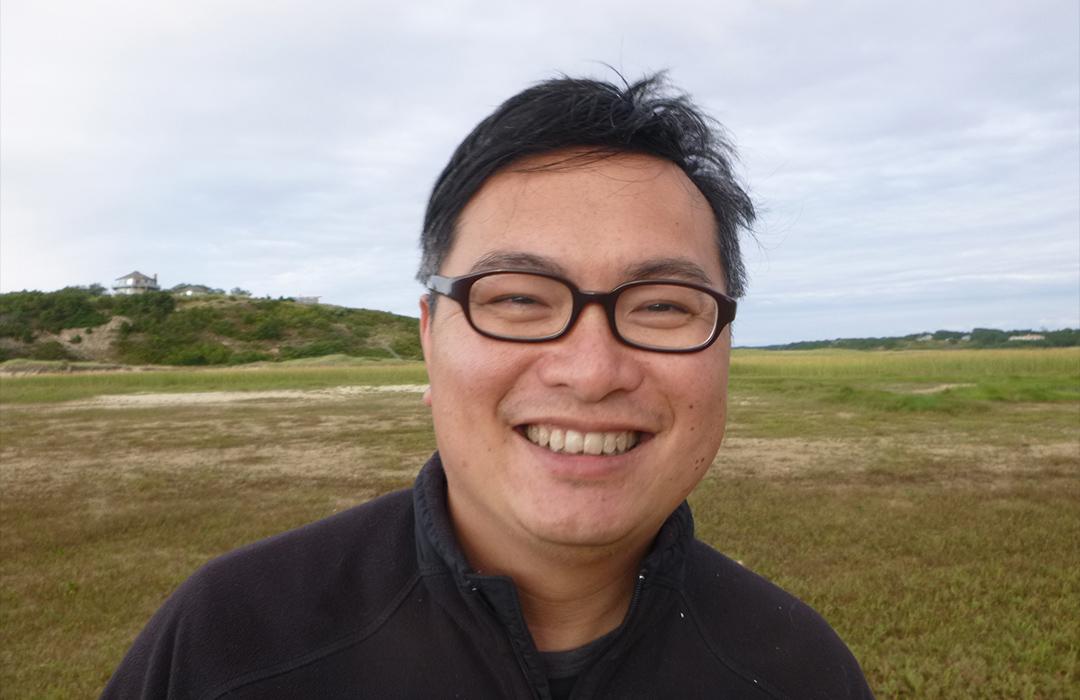
Francis Chan

Marine ecologist Francis Chan received the D. Curtis Mumford Faculty Service Award.

Spearheading research on climatic effects on coastal ecosystems

Francis Chan, an associate professor in The Department of Integrative Biology, has received the D. Curtis Mumford Faculty Service Award. The award recognizes individuals for exceptional, ongoing, dedicated and unselfish concern for and service to the faculty and to OSU.

Chan has conducted path-breaking research on the effects of climate on coastal ecosystems throughout his career. His service is critical for a long-term success of the Partnership for Interdisciplinary Studies in Coastal Oceans (PISCO), a long-term and large-scale, interdisciplinary consortium of 13 principal investigators across four universities along the US west coast. Additionally, he has been a principal scientist on several other projects dedicated to coastal regions and the impact of ocean acidification.

These projects could not have succeeded without Chan’s intellectual contributions and scientific skills. His expertise was critical in decisions by NSF, NOAA, and private foundations to provide support for research on ocean health. He serves on important advisory committees including co-chairing the California Ocean Protection Council Ocean Acidification and Hypoxia Science Task Force. He also serves as co- chair of the OSU-wide Marine Studies Initiative Research Development Committee.

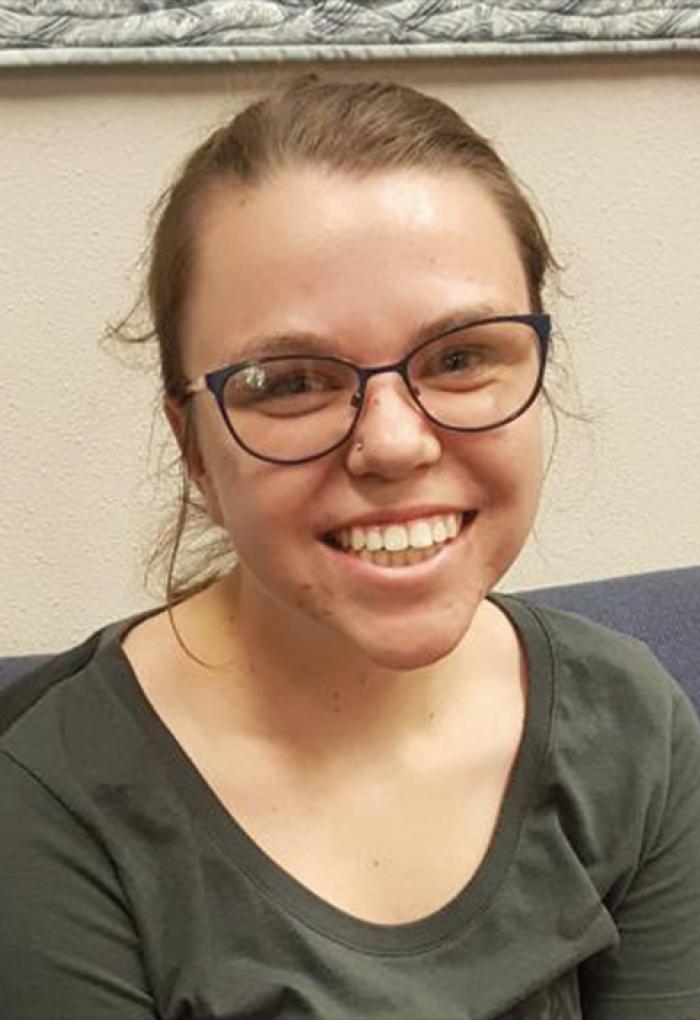
Kayla Jara

Kayla Jara, doctoral candidate in biochemistry and biophysics, received the Herbert Frolander Graduate Teaching Assistant Award.

A passion for teaching

Kayla Jara, a Ph.D. candidate in the Department of Biochemistry and Biophysics received the Herbert F. Frolander Graduate Teaching Assistant Award. The award recognizes graduate students who have excelled in their capacity as teaching assistants.

A graduate teaching assistant (GTA) since Fall 2017, Jara was promoted to head TA of the largest class in biochemistry and biophysics (BB) and the most advanced BB lab. Jara receives both outstanding scores and glowing comments from students on her teaching evaluations. Faculty mentors have enthusiastically commended her accessibility, seriousness, and dedication to teaching and student success. Jara combines innovative teaching with exquisite experimental research skills. She also plays a leading role in training new students in her advisor Elisar Barbar’s lab and coordinates the OSU biochemistry/biophysics summer camp for high school and middle school students from around the region.

Mentoring excellence

Sarah Gravem, postdoctoral scholar in the Department of Integrative Biology, has been awarded The Excellence in Undergraduate Research Mentoring by a Graduate Student or Post-Doc Award. The award recognizes scholars with direct and significant involvement with undergraduate student researchers, a demonstrable commitment to the research mentorship of undergraduate students, and a record of effectiveness and impact with respect to undergraduate student research and success.

Sarah Gravem

Sarah Gravem, a postdoctoral scholar in biology, received the Excellence in Undergraduate Mentoring award.

Gravem is a postdoctoral fellow studying the ecological consequences of sea star wasting disease for intertidal communities in the Jane Lubchenco-Bruce Menge research lab. Her appointment to leading the sea star wasting task force was based on her excellent research record and academic credentials, but she has also shown incredible talent in recruiting and advising undergraduate researchers to work on this and other lab projects.

While at OSU she has advised or co-advised 46 undergraduates, 29 of whom were female and 10 were persons of color. So far, two of these students have entered Ph.D. programs, and seven have joined M.S. programs. Particularly noteworthy is her success at recruiting and advising students for the SURE and URSA undergraduate scholarship programs. Co-workers say the source of this success in mentorship is her incredible excitement and drive to succeed in science and pedagogy.

Exceptional scientists

The Postdoctoral Excellence Awards are granted to two postdoctoral scholars, fellows or research associates for their exceptional contributions to their research field, OSU and the greater postdoctoral community.

James Fox, a postdoctoral scholar in the Department of Microbiology, received the award for his significant research contributions, his work with OSU’s postdoctoral association and his creative outreach and service activities. James, who works in Associate Professor Kimberly Halsey’s lab, has proven to be a valuable scientist on a collaborative NASA project with 12 institutions to understand carbon production and its fate in the global ocean. His measurement of rates of photosynthesis in the North Pacific Ocean using a variety of methods have resulted in significant publications and ongoing research endeavors.

James Fox

James Fox, a postdoctoral scholar in the Department of Microbiology, received the Postdoctoral Excellence Award.

James’s computational model of the ocean ecosystem gives a broad picture of ocean photosynthesis and improves our understanding of how carbon is transferred into the deep ocean as well as the ocean biogeochemical cycles.

Manuel Garcia-Jaramillo, a postdoctoral scholar in the Department of Chemistry, received the Postdoctoral Excellence Award for his outstanding research contributions in OSU’s Mass Spectrometry Center and the Molecular Nutrition and Diabetes Research Lab. Manuel has a USDA NIFA two-year postdoctoral research fellowship. During his relatively short time as a postdoctoral scholar, Manuel has filed an invention disclosure as a lead inventor for a clinical omics project on oxylipins, published two first author publications and has established himself as an excellent teacher and mentor.

Manuel Garcia-Jaramillo

Manuel Garcia-Jaramillo, a postdoctoral scholar in the Department of Chemistry, received the Postdoctoral Excellence Award.

Manuel is a member of multiple professional societies allied to his field of interests, and also engages actively in service. He was vice president of the OSU Postdoctoral Association in 2019.

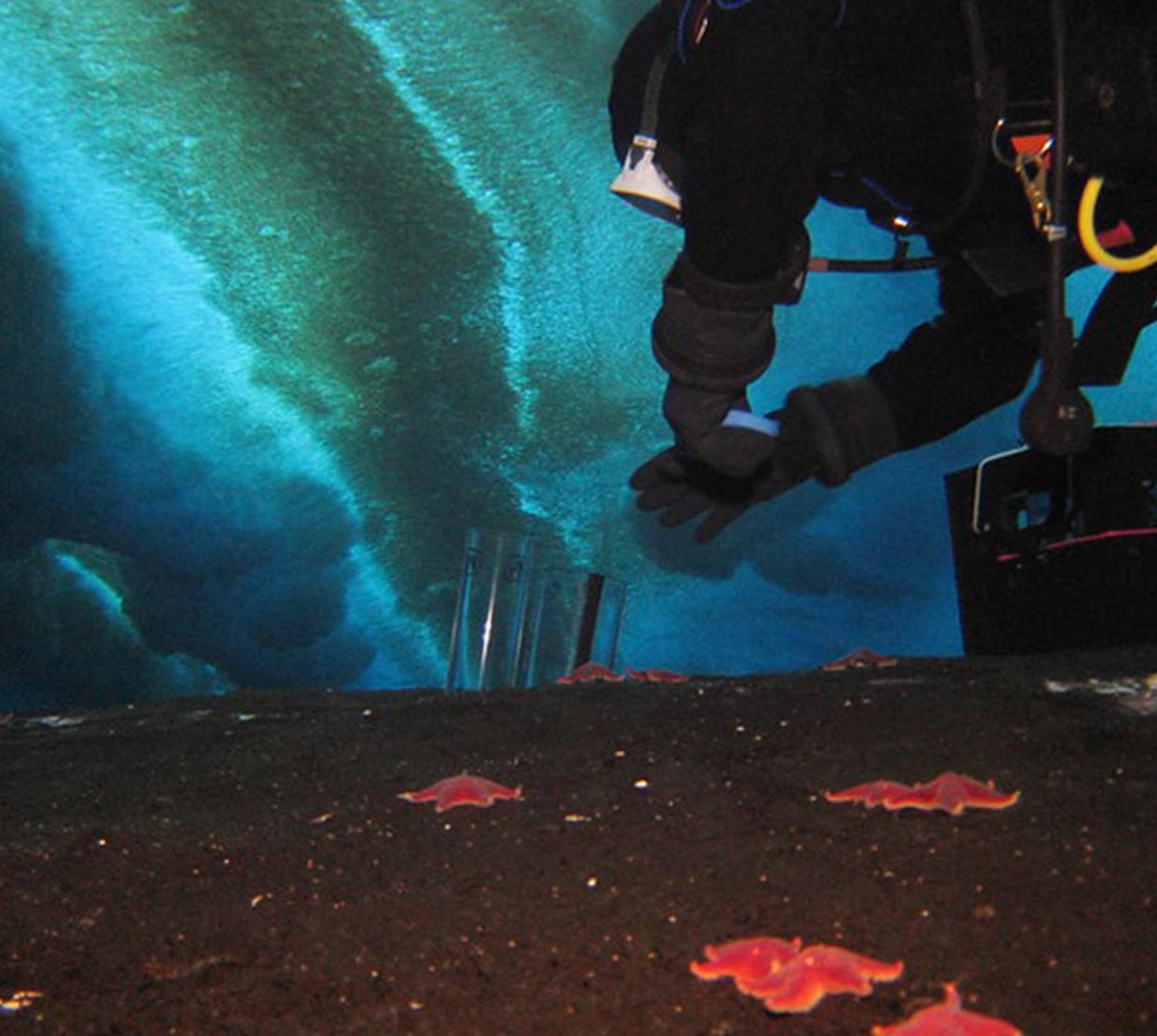
Scuba diver collecting samples on shallow sea floor in Antarctica.

Discovery of first active seep in Antarctica provides new understanding of methane cycle

By Michelle Klampe

Photo courtesy by Andrew Thurber, Oregon State University.

A scientist explores the shallow areas of Antarctica looking for microbial mats, which are telltale signs of areas where methane may be released from underground methane deposits.

Corvallis, Ore. — The discovery of the first active methane seep in Antarctica is providing scientists new understanding of the methane cycle and the role methane found in this region may play in warming the planet.

A methane seep is a location where methane gas escapes from an underground reservoir and into the ocean. Methane seeps have been found throughout the world’s oceans, but the one discovered in the Ross Sea was the first active seep found in Antarctica, said Andrew Thurber, a marine ecologist at Oregon State University.

“This is a significant discovery that can help fill a large hole in our understanding of the methane cycle.”

“Methane is the second-most effective gas at warming our atmosphere and the Antarctic has vast reservoirs that are likely to open up as ice sheets retreat due to climate change,” Thurber said. “This is a significant discovery that can help fill a large hole in our understanding of the methane cycle.”

The researchers’ findings were published today in the journal Proceedings of the Royal Society B. Co-authors are Sarah Seabrook and Rory Welsh, who were graduate students at OSU during the expeditions. The research was supported by the National Science Foundation.

Methane is a greenhouse gas that is 25 times more powerful than carbon dioxide at warming the planet. Most methane in the ocean water and sediment is kept out of the atmosphere by microbes that consume it.

Thurber and his colleagues discovered that the microbes around the Antarctic seep are fundamentally different that those found elsewhere in the world’s oceans. This helps researchers better understand methane cycles and the factors that determine whether methane will reach the atmosphere and contribute to further warming, Thurber said.

The Ross Sea seep was discovered in an area that scientists have studied for more than 60 years, but the seep was not active until 2011, said Thurber, an assistant professor in the Department of Microbiology and the College of Earth, Ocean, and Atmospheric Sciences.

An expansive microbial mat, about 70 meters long by a meter across, formed on the sea floor about 10 meters below the frozen ocean surface. These mats, which are produced by bacteria that exist in a symbiotic relationship with methane consumers, are a telltale indication of the presence of a seep, said Thurber.

“The microbial mat is the road sign that there’s a methane seep here,” Thurber said. “We don’t know what caused these seeps to turn on. We needed some dumb luck to find an active one, and we got it.”

The mystery of the Antarctic seeps

Thurber happened to be in Antarctica in 2012 when another researcher told him about a “microbial waterfall” and thought it was something he should look at. Thurber was able to confirm the seep’s presence, collect samples and analyze the seep and its environment. When he returned to the site in 2016 to conduct further study, he also discovered a second seep nearby.

Antarctica is believed to contain as much as 25 percent of Earth’s marine methane. Having an active seep to study gives researchers new understanding of the methane cycle and how that process might differ in Antarctica compared to other places on the planet, Thurber said.

For example, researchers have found that the most common type of microbe that consumes methane took five years to show up at the seep site and even then those microbes were not consuming all of the methane, Thurber said. That means some methane is being released and is likely working its way into the atmosphere.

“We’ve never had the opportunity to study a seep as its forming or one in Antarctica..."

Studying the site over a five-year time span allowed researchers to see how microbes respond to the formation of a seep, said Seabrook, who earned her doctorate at OSU and is now a post-doctoral scholar at the National Institute of Water and Atmospheric Research in Wellington, New Zealand.

“What was really interesting and exciting was that the microbial community did not develop as we would have predicted based on other methane seeps we have studied around the globe,” she said.

Researchers had assumed that microbes should respond really quickly to changes in the environment, but that wasn’t reflected in what OSU’s team saw in Antarctica, Thurber said.

“To add to the mystery of the Antarctic seeps, the microbes we found were the ones we least expected to see at this location,” he said. There may be a succession pattern for microbes, with certain groups arriving first and those that are most effective at eating methane arriving later.

“We’ve never had the opportunity to study a seep as its forming or one in Antarctica, and because of this discovery we can now uncover whether seeps just function differently in Antarctica or whether it may take years for the microbial communities to become adapted,” Thurber said.

“Animals in Antarctica are very different than elsewhere in the world as the continent has been separated from the rest of the globe for more than 30 million years – a long time for evolution to act,” he said. “That has resulted in a remarkable diversity of fauna that we only find there. That may also contribute to the differences in microbes there.”

It is important to understand how methane seeps behave in this environment so researchers can begin factoring those differences into climate change models, Thurber said. He hopes to return to the site to monitor its evolution and conduct further research.

Stephen Giovannoni sitting in lab

Steve Giovannoni to lead Department of Microbiology

By Tamara Cissna

Distinguished Professor Steve Giovannoni is the new head of the Department of Microbiology, effective July 1, 2020.

The College of Science welcomes Steve Giovannoni as the new head of the Department of Microbiology Head effective July 1, 2020. Giovannoni is an OSU Distinguished Professor in the Department of Microbiology with joint appointments in the College of Science and the College of Agricultural Sciences. He joined the department faculty 32 years ago

Giovannoni is an internationally recognized microbiologist whose research on microbial diversity, genomics, carbon cycle and ecology in oceanic ecosystems is globally impactful. His research team is deeply engaged in predicting what will happen as the oceans warm and become more acidic.

“Steve is a brilliant researcher who is doing important work with marine plankton, focusing on the bacteria that oxidize organic carbon to CO2 ,” said College of Science Dean Roy Haggerty. “Microbiology has never been more important than right now, and he demonstrates exceptional commitment and vision. I look forward to his leadership in the Microbiology Department and to the many achievements he will inspire.”

Giovannoni is the founder and director of the OSU High Throughput Culturing Laboratory (HTCL) that distributes cultures and DNA from oligotrophic marine bacteria to research institutions around the world. More than forty laboratories have received materials from the HTCL.

With his new appointment, the impact of his leadership will widen further—at a critical time in the world.

“These are challenging times, but this is also a time to imagine a brighter future and a truly global vision that embraces all cultures, peoples and identities in an atmosphere of shared endeavor and respect,” Giovannoni said. “The Department of Microbiology has made its mark and become internationally recognized for research and education that integrate diverse aspects of microbiological sciences. Our faculty are recognized for their accomplishments in marine science, fish health, and quantitative microbiome science—and for unity across the ranks in the pursuit of better opportunities for all students.

“We will be educating a new generation who have been impacted by COVID-19 and are seeking training relevant to pressing human and environmental issues. We can respond to change by implementing the plans we have already made to expand our educational programs, and by finding support from federal and private funding sources to broaden our work, particularly in graduate education.”

Jerri Bartholomew, current head of the Department of Microbiology, announced last fall that she would step down from her post, which she has held since 2015. She will begin a sabbatical year and then resume her role of director of the John L. Fryer Aquatic Animal Health Laboratory when she returns.

“I want to thank Jerri for her excellent leadership as Microbiology Department Head,” said Haggerty. “While serving in this capacity, Jerri strengthened the department and adapted its programs to meet the emerging needs of today’s students. I know she is looking forward to having more time for research while continuing to help the department and the College be successful.”

A few of notable accomplishments Bartholomew achieved as department head include the launch of the new Accelerated Master’s Platform that gives high-performing OSU undergraduates a jump on a graduate degree, and the creation a new non-thesis master’s degree serves students pursuing data skills and BioHealth sciences. Under her leadership, the department also updated the BioHealth Science curriculum to ensure students receive an interdisciplinary background, preparing them for a wider variety of health-care professions. She also led the effort to revise the microbiology minor to make it more accessible and available online.

“I also would like to thank the search committee and the committee chair, Lisa Ganio, for running a smooth search and for their dedication to filling this important leadership position,” said Haggerty.

The pioneering Giovannoni Lab studies how biology interacts with the atmosphere and the oceans to change global patterns in the movement of carbon and other elements. The research team’s experiments begin at sea, but they carry this research into the laboratory. There, they work with microbial cells and genome sequences to discover new cell types and new biochemical transformations of matter. Their goals are to understand how these extraordinary cells evolved, how they function, and how planktonic ecosystems will change in response to ocean warming.

Committed to inclusion and equity, the Giovannoni Lab works with OSU’s Science and Math Investigative Learning Experiences (SMILE) Program. The pre-college program helps prepare minority, low-income, historically underrepresented, and other educationally underserved students from rural areas to pursue STEM careers.

Giovannoni received his bachelor’s degree in biology at the University of California, San Diego, an M.A, in biology from Boston University, and a Ph.D. in biology for the University of Oregon.

In 2012, Giovannoni received the Jim Tiedje Award, which is given to “exalted microbial ecologists who are recognized for their outstanding lifetime contribution to the field of microbial ecology” from the International Society for Microbial Ecology.

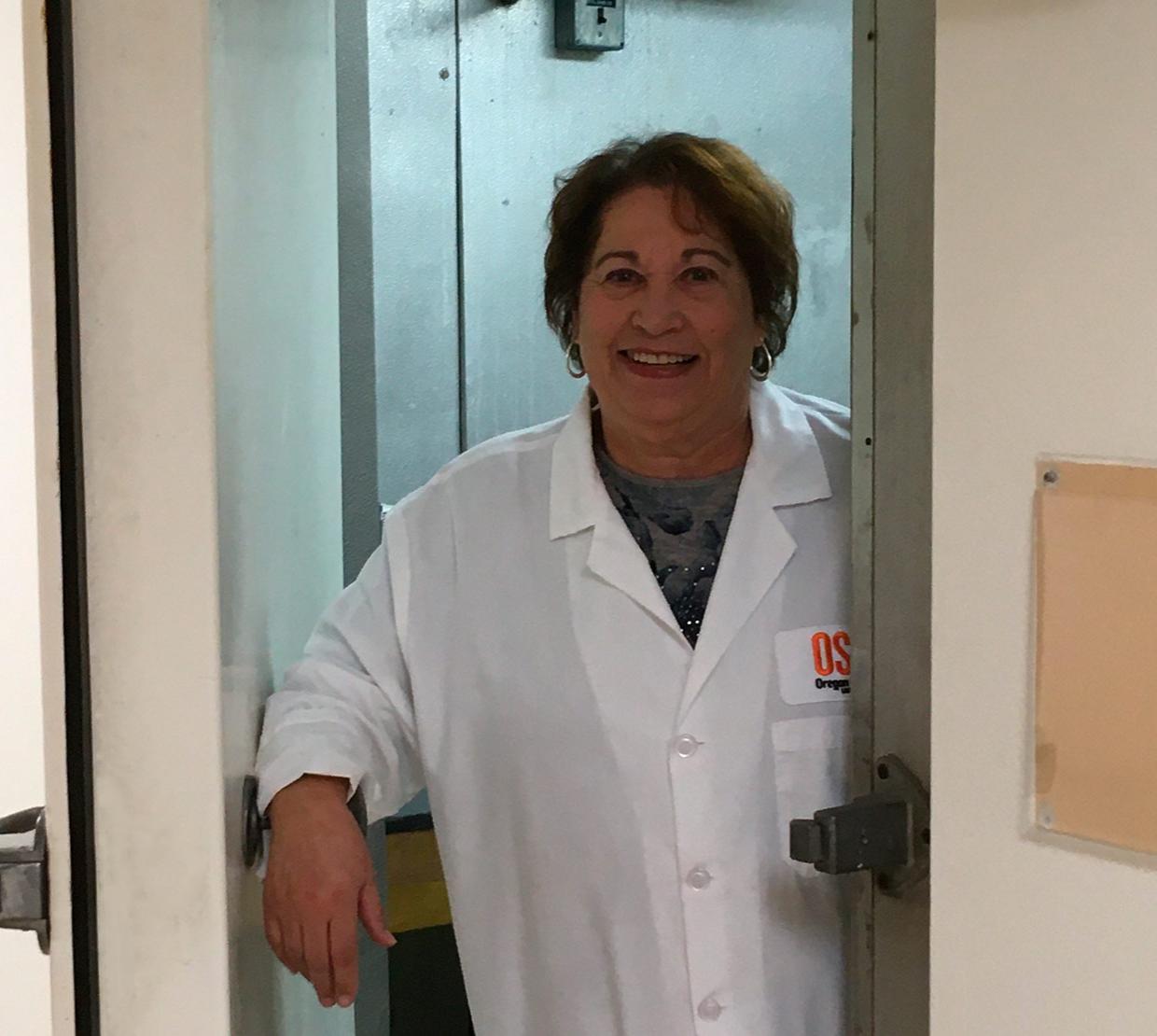
Cindy Fisher standing at a doorway to one of the refrigerator rooms in Nash Hall

Nash’s ‘Radar O’Reilly’: Longtime building manager keeps watch over research labs during campus shutdown

By Molly Rosbach, OSU News

Cindy Fisher, building manager at Nash Hall

Years at OSU: 39

City of residence: Corvallis

In Nash Hall, the Microbiology Department has 30 labs and auxiliary spaces spread over four stories. Decades’ worth of samples and specimens, some strains representing the only source for patented technology are housed in dozens of sub-80-degree freezers throughout the building. In some cases, researchers’ entire careers depend on those frozen cultures as well as OSU’s patented technology. If the freezer unexpectedly malfunctioned, all would be lost.

But have no fear: Cindy Fisher is here.

Fisher has been the building manager of Nash Hall for 39 years. In that time she’s also served as a lab tech, culturing bacteria for the Microbiology undergraduate teaching program; and as the culture collection curator, keeping track of freeze-dried samples that date back to the 1940s and are still sometimes requested today.

She can rattle off a list of past and current research projects conducted in Nash, from bacteria discovered deep in the ocean to natural organisms now being used in yogurt.

“My duty is to support these people in their primary job of doing their research,” Fisher said. “If we were a MASH unit, I’d be the Radar of the unit.”

Though Nash first opened in 1970, the infrastructure has been updated over the last 15 years, including the HVAC and sprinkler systems and seismic upgrade. But it’s had its share of mishaps.

Years ago, Fisher recalls, she came in during the summer and there was water cascading from the sixth floor all the way down to the basement. The main water line had burst on the top floor.

During the COVID-induced campus shutdown, when most researchers are staying home or only visiting their labs once a week, she wants to make sure nothing like that happens again.

So every day, she walks the halls, checking on all the sub-80-degree freezers to make sure they’re still freezing. She looks over each lab at least twice a week to see if anything is amiss.

Fisher also led the charge on collecting Microbiology’s contribution to the campus-wide Personal Protective Equipment (PPE) donation to local health care workers. Before they vacated campus last month, researchers left stashes of N-95 masks, disposable gloves, scrubs and foot coverings in their offices, then contacted Fisher to tell her where to find them. She boxed up more than 1,000 items.

“That was quite a sight to see,” she said.

Fisher’s favorite part of her job is the people, so this shutdown has been difficult, especially since she’s retiring sometime in 2021.

“I do this not for the building itself, but for the people that are here now, and the memories of the amazing individuals who have walked these halls over the years,” she said. “I’d like to have it filled with people creating new knowledge and teaching our students once again.”

This story is a part of an OSU series called "Unsung Heroes," highlighting faculty, staff and students who are going above and beyond to assist with the pandemic response in their roles at OSU or in their communities from Corvallis to Bend to Newport and throughout the state. To read more stories like this, go here.

Jerri Bartholomew

Recognition for improving health of Pacific salmon

By College of Science News

Microbiologist Jerri Bartholomew is elected Fellow of the American Fisheries Society.

Jerri Bartholomew, the Emile F. Pernot Distinguished Professor and Head of the Department of Microbiology was selected as a 2019 Fellow of the American Fisheries Society, the world’s oldest and largest organization dedicated to advancing fisheries science and conserving fisheries resources. Bartholomew was recognized for her outstanding contributions to the field, particularly in deepening our understanding of how infectious organisms drive disease in salmonids and other freshwater fish, and in developing risk assessments and predictive models to inform management of salmonid fisheries.

In 2016, she was awarded the American Fisheries Society S.F Snieszko Distinguished Service Award for her outstanding accomplishments in the field of aquatic animal health. This lifetime achievement award is the highest honor presented by the Fish Health Section of the AFS.

An OSU alumna with both her master’s degree and Ph.D. in fisheries science, Bartholomew joined the Department of Microbiology faculty 26 years ago and has a joint appointment in the College of Agricultural Sciences. Bartholomew’s decades of publications and funded research have focused on the endemic (and often fatal) wild Pacific salmon myxozoan parasite Ceratomyxa shasta.

Her directorship of the J.L. Fryer Aquatic Animal Health Laboratory at OSU has deepened our understanding of how infectious organisms sicken salmonids and other freshwater fish, and produced forecasting models of how climate change might affect the interaction. Her research has advanced the microbiological understanding of the host-pathogen dynamic as well as produced practical recommendations for salmon fisheries that have already been put into good use.

Bartholomew also teaches Advances in Disease Ecology, Fish Diseases in Conservation Biology and Aquaculture, and offers a semi-annual Salmonid Disease Workshop for state and federal fishery biologists.

Saving Atlantis

Oregon State University-produced coral reef documentary now streaming worldwide

By Sean Nealon

"Saving Atlantis" featuring microbiologist Rebecca Vega Thurber's work to save coral reef ecosystems around the world is now available on digital platforms.

Saving Atlantis,” a feature-length documentary on coral reefs produced by Oregon State University filmmakers, is now streaming and accessible to viewers worldwide on digital platforms, including Amazon, Google Play and iTunes.

“Saving Atlantis” focuses on the dramatic decline of coral reef ecosystems around the world and the impact on people who depend on them. The film’s producers followed coral microbiologist Rebecca Vega Thurber and other researchers from Oregon State and around the world who are uncovering the causes of coral decline and looking to find solutions so they don’t completely disappear.

The film is narrated by Emmy-winning narrator Peter Coyote, who has voiced several documentaries by Ken Burns, including “The Vietnam War.”

David Baker, along with an OSU Productions team that includes co-producer Justin Smith and cinematographers Darryl Lai and Daniel Cespedes produced the documentary. To make the film, they learned to scuba dive and film underwater and spent three years traveling to four continents to gather footage.

Last year the filmed screened at film festivals and special events in Oregon, California, Hawaii, Columbia and Australia. Schools, libraries, non-profits and government group can also license the film.

The film can now be rented for $3.99 to $4.99 or purchased on DVD or Blu-ray for $11.29 or $12.99 on Amazon, Google Play and iTunes.

Initial proceeds from the film will be used in the coming months to award fellowships for student filmmakers at Oregon State.

To view the trailer of the film visit: https://vimeo.com/246008971.

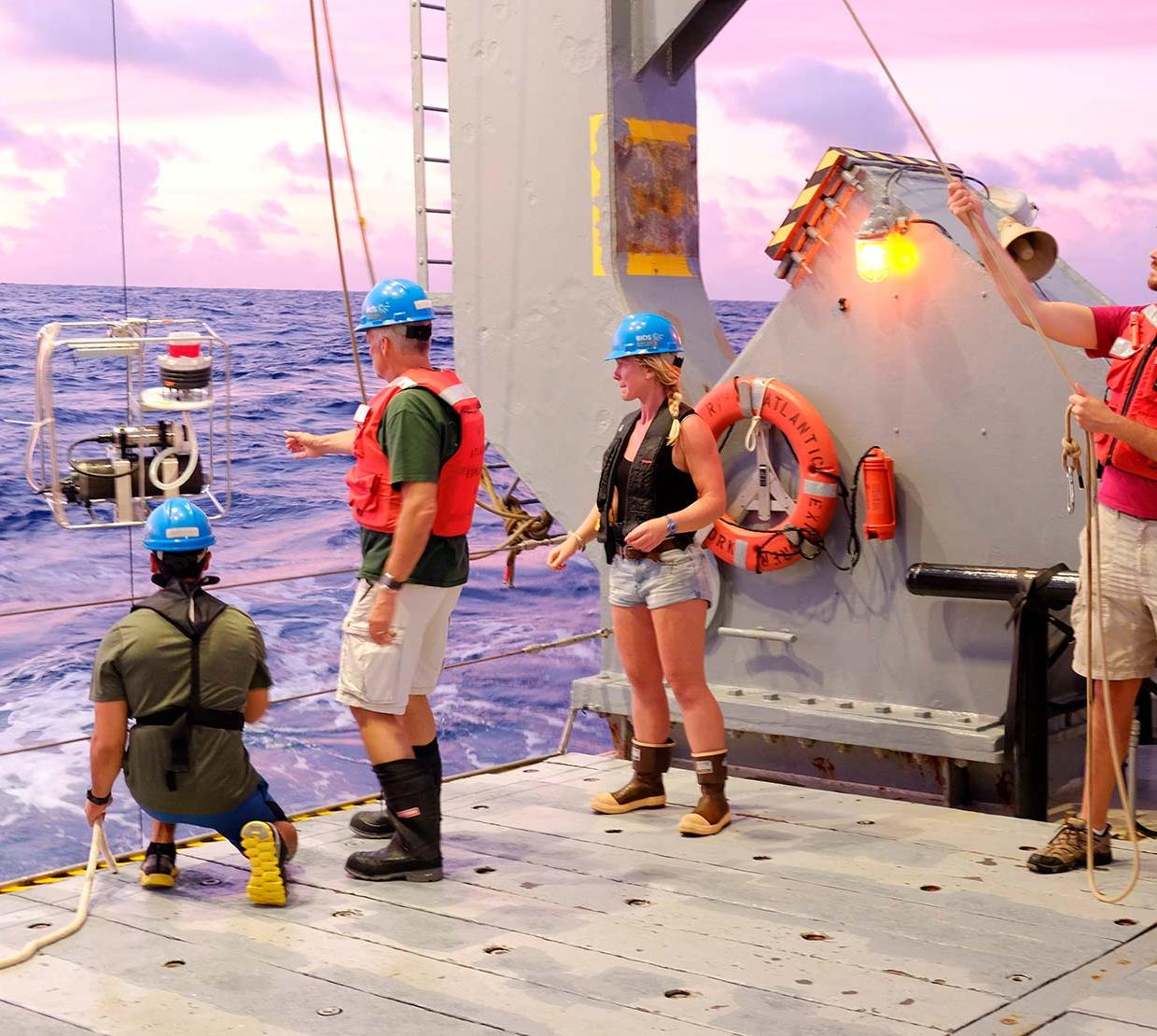
Researchers take a phytoplankton sample on an OSU research vessel.

Smaller than expected phytoplankton may mean less carbon sequestered at sea bottom

By Steve Lundeberg, OSU News

A study that included the first-ever winter sampling of phytoplankton in the North Atlantic revealed cells smaller than what scientists expected, meaning a key weapon in the fight against excess carbon dioxide in the atmosphere may not be as powerful as had been thought.

Thus, commonly used carbon sequestration models might be too optimistic.

The Oregon State University research into the microscopic algae, part of NASA’s North Atlantic Aerosols and Marine Ecosystems Study, was published in March 2020 in the International Society for Microbial Ecology Journal.

The findings are significant because the spring phytoplankton bloom in the North Atlantic “is probably the largest biological carbon sequestration mechanism on the planet each year, and the size of cells determines how fast that carbon sinks,” said the study’s corresponding author, OSU College of Science microbiology researcher Steve Giovannoni.

OSU postdoctoral researcher Luis Bolaños is the lead author.

Phytoplankton are microscopic organisms at the base of the ocean’s food chain and a key component of a critical biological carbon pump. Most float in the upper part of the ocean, where sunlight can easily reach them.

The tiny plants have a big effect on the levels of carbon dioxide in the atmosphere by sucking it up during photosynthesis. It’s a natural sink and one of the largest ways that CO2, the most abundant greenhouse gas, is scrubbed from the atmosphere. Understanding how and why phytoplankton bloom every spring is critical to learning how the Earth’s living systems could respond to global climate change.

As the ocean pulls in atmospheric carbon dioxide, phytoplankton use the CO2 and sunlight for photosynthesis: They convert them into sugars the cells can use for energy, producing oxygen in the process.

The phytoplankton cells absorb that CO2 eventually sinking to the bottom of the ocean as they die. The planet’s ecological health depends on regular plankton blooms such as the spring event in the North Atlantic in which huge numbers of phytoplankton accumulate over thousands of square miles.

The larger project that Bolaños and Giovannoni were part of, the North Atlantic Aerosols and Marine Ecosystems Study, was led by Michael Behrenfeld of the OSU College of Agricultural Sciences. The team used ship- and aircraft-based measurements and satellite and ocean sensor data to help clarify the annual phytoplankton cycles and their relationship with atmospheric aerosols.

Aerosols are minute particles suspended in the atmosphere that can affect the Earth’s climate and radiation budget – by bouncing sunlight back into space and, in the lower atmosphere, by modifying the size of cloud particles, which changes how clouds reflect and absorb sunlight.

Bolaños, Giovannoni and their collaborators sampled phytoplankton in the western North Atlantic in both early winter and spring to try to get a handle on how the phytoplankton community transitioned between those seasons.

In earlier research, the team found that the increase in numbers of phytoplankton, shown by chlorophyll and carbon concentrations, begins in midwinter when growth conditions are at their worst rather than being started by the onset of spring weather.

“The surface layer of the North Atlantic is deeply mixed in winter by storms and temperature-dependent ‘convective’ mixing,” Behrenfeld explained. “This causes phytoplankton to be spread more thinly in the water, making it tough for the tiny animals that eat phytoplankton to track their prey. The reduction in feeding enables the phytoplankton to get a head start in growth as an opening act to the massive bloom that occurs once the winter storms fade and conditions for growth get better. By spring’s end, the grazers have made up the lost ground, eating the phytoplankton as it grows and bringing the bloom to an end.”

About half of the organisms in the spring bloom that the researchers sampled could not be genetically traced to the winter samples, Bolaños said.

“This suggests that there are life history strategies by which phytoplankton that are undetectable in winter can rise to high numbers in the spring, or there is a quick community turnover due to the circulation of water masses,” he said.

Bolaños added that diatoms, thought to dominate phytoplankton blooms in the North Atlantic, often were not a big part of the samples’ genetic profiles, and when they were a big part, the cells were small – either of the nano-phytoplankton variety or at the smaller end of the micro-phytoplankton scale.

“Biogeochemical models are often influenced by the perception that North Atlantic phytoplankton blooms are composed of large cells,” he said. “That perception has been perpetuated by models that assume that diatoms are uniformly large cells. But they’re not.”

Algorithms that predict carbon export from satellite-sensed chlorophyll tend to assign high export rates to phytoplankton blooms on the belief, based on observations from the eastern North Atlantic, that large diatoms dominate at their climax.

The findings of this study, Giovannoni said, suggest that extrapolating those observations to the western North Atlantic may not be a valid practice.

“We’re not certain whether our new observations of small phytoplankton in the western North Atlantic are due to physical differences between the western and eastern North Atlantic, ocean warming and higher atmospheric CO2 concentrations, or constraints of earlier research methods,” he said. “There’s also a chance our observations were an anomaly, a coincidence. We don’t know for sure.”

Cells less than 20 micrometers in diameter made up most of the phytoplankton biomass in the study samples. Diatoms were important contributors but not the main component of biomass.

“We found that diverse, small phytoplankton taxa were unexpectedly common in the western North Atlantic and that regional influences play a large role in community transitions during the seasonal progression of blooms,” Giovannoni said. “The profoundly contrasting composition of the winter community, and the domination by small taxa that we found in the spring, are system features that alter our perspective and are areas for future research. Our results could have major implications for understanding how the blooms affect regional carbon biogeochemistry – the multispecies blooms we describe can have lower carbon export efficiencies than the models typically allow for.”

Also collaborating on this study were researchers from the University of Maine, the Monterey Bay Aquarium Research Institute, the GEOMAR-Helmholtz Centre for Ocean Research Kiel, the University of Washington, Laboratoire des Sciences de l’Environnement Marin, IRD-UBO-Institut Universitaire Européen de la Mer, and the University of Rhode Island.

Subscribe to Faculty and Staff