Faculty and Staff

Faculty and Staff

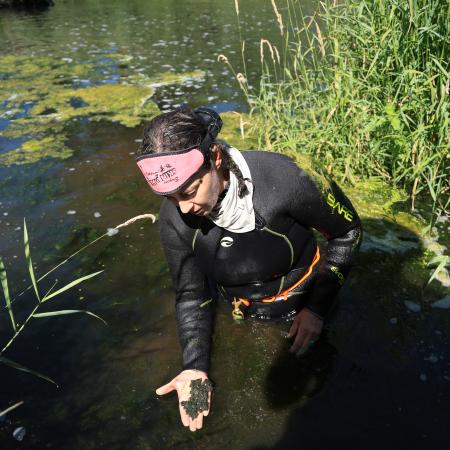
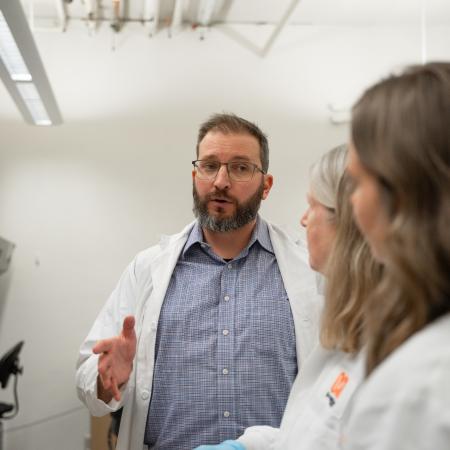
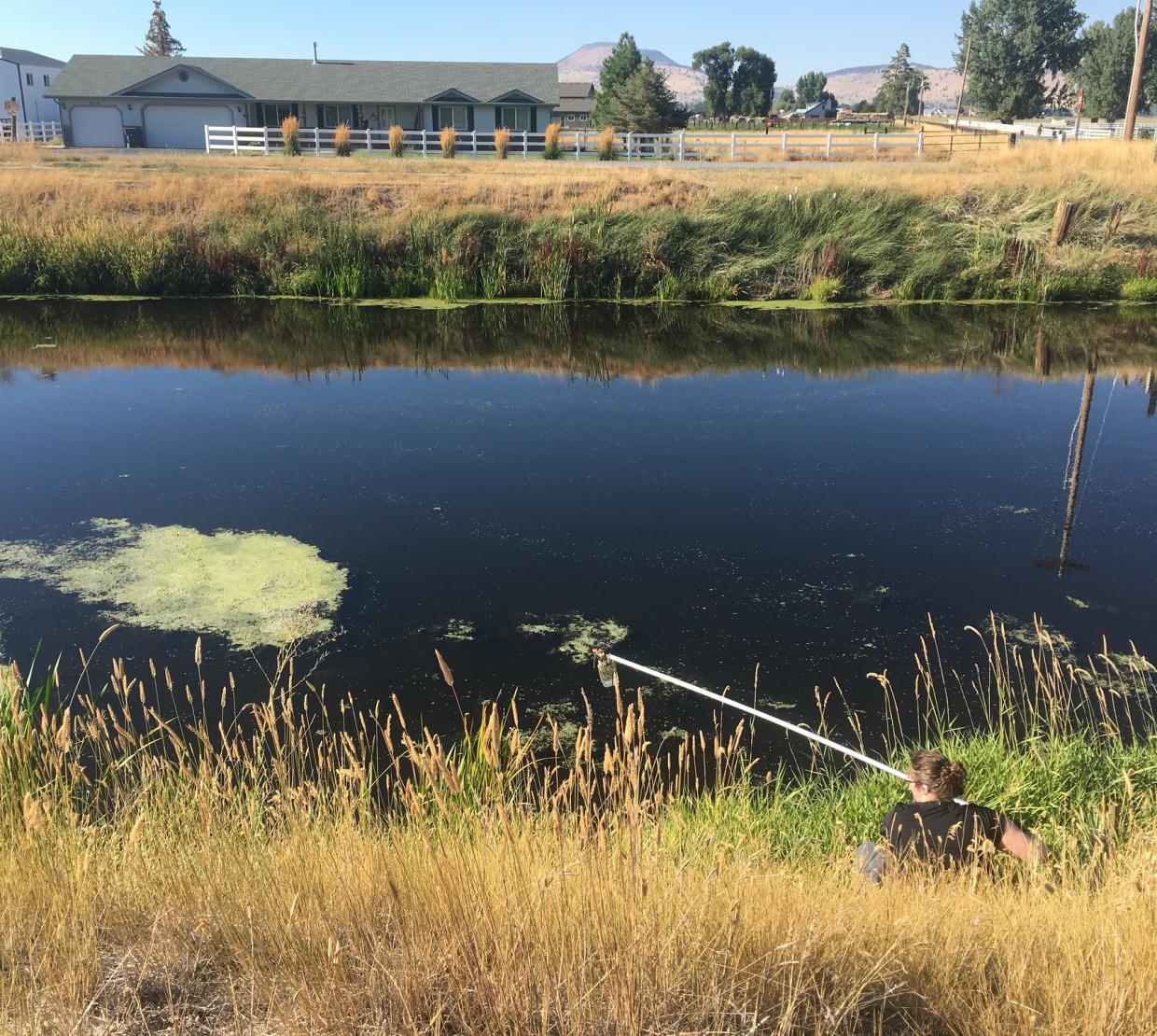
A researcher extends a tool over a small body of water to sample algae.

Microbiology professor leads novel technique development for sniffing out algae blooms

By Steve Lundeberg

Researchers at Oregon State University have developed a new way to monitor the danger associated with algae blooms: “sniffing” the water for gases associated with toxins.

The scientists found that certain combinations of volatile organic compounds released by algae can serve as indicator for microcystin, a toxin produced at varying levels during blooms of cyanobacteria, commonly known as blue-green algae.

Different cyanobacterial species produce different toxins, said College of Science associate professor of microbiology, Kimberly Halsey, who led the study. Most of them cause gastrointestinal illness and acute skin rashes, and they can be deadly. In 2017, more than 30 cattle died after drinking contaminated water at Junipers Reservoir near Lakeview, Oregon, and blooms particularly pose a threat to dogs entering affected lakes.

Even though the research dealt with just one lake and one toxin, the research demonstrates VOCs’ potential in monitoring critical waterways, said Halsey.

She said the study published today in mSystems describes “a very creative new approach that’s better and less expensive than current monitoring methods and also has broader implications.”

“This work suggests that VOCs might be used to indicate other important environmental shifts, like the onset of oxygen deficiencies in aquatic systems or domoic acid contamination in coastal ecosystems,” Halsey said.

Further research, including collaborations with the city of Salem and Eugene Water and Electric Board, will explore whether the gaseous molecules can be used to predict the start and end of toxicity within a bloom event.

VOCs are any of a number of carbon-containing chemicals with a high tendency to exist in their gaseous state. VOCs released by cyanobacteria seem to reveal the physiological status of the algae during toxic blooms, Halsey said.

“One reason VOCs could be such great targets for monitoring is their volatility,” she said. “Ideally we’ll someday be able to sniff the air above the lake with instruments and see which gases are there during cyanobacterial blooms.”

Cyanobacteria are microscopic organisms ubiquitous in all types of water around the globe. They use sunlight to make their own food and in warm, nutrient-rich environments can quickly multiply, resulting in blooms that spread across the water’s surface.

These harmful algal blooms, often abbreviated to HABs, can form at any time of the year but most typically happen between spring and fall.

An HAB in 2018 fouled drinking water in Oregon’s capital city of Salem, and in 2007 a national survey by the U.S. Environmental Protection Agency found microcystin, a recognized liver toxin and potential liver carcinogen, in one out of every three lakes that were sampled.

Annual economic losses attributed to cyanobacterial HABs in the United States alone are conservatively valued at $2-4 billion, say the researchers, who add that the severity and consequences of the blooms are likely to be exacerbated by climate change.

“That means we need new and innovative monitoring for cyanobacteria and their toxins,” Halsey said.

Read more here.

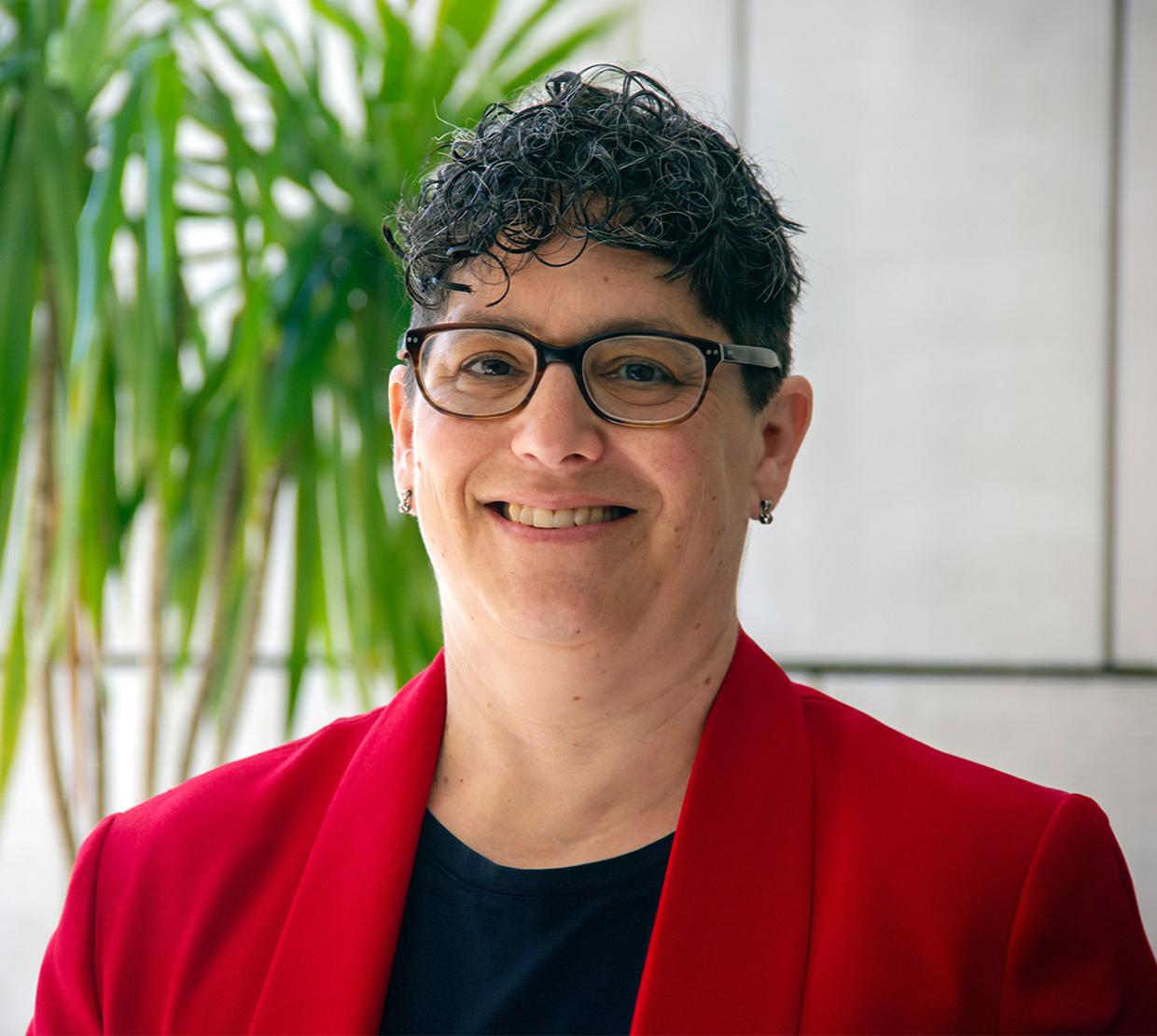
A woman with short dark hair poses for a headshot wearing a black shirt and red suit jacket.

Oregon State names new College of Science dean

By Sean Nealon

Eleanor Feingold, a statistical geneticist and associate dean with nearly 20 years of leadership experience at the University of Pittsburgh, has been named dean of Oregon State University’s College of Science. She will start Oct. 31.

“I am passionate about creative approaches to STEM education, diversity, equity and inclusion and research that has an impact on the state, nation and world,” Feingold said. “The College of Science and Oregon State University have tremendous strengths in these areas, and I am excited to further advance these endeavors.”

Oregon State’s College of Science is home to the life, statistical, physical and mathematical sciences. The college supports more than 4,000 students and brought in more than $18 million in research funding during the 2022 fiscal year.

“Dr. Feingold brings deep experience as a senior administrator in one of the nation’s leading research universities, and she has amassed an impressive portfolio of scholarship and teaching over the course of her career,” said Edward Feser, OSU provost and executive vice president. “As dean, she will be prioritizing further strengthening the College of Science’s research enterprise and advancing OSU’s goals in student success at both the undergraduate and graduate levels.”

Feingold has worked at the University of Pittsburgh since 1997. She has served at the university’s School of Public Health as associate dean for education, vice dean, chair of the Department of Human Genetics, and most recently associate dean for data analytics and special projects.

Read more here.
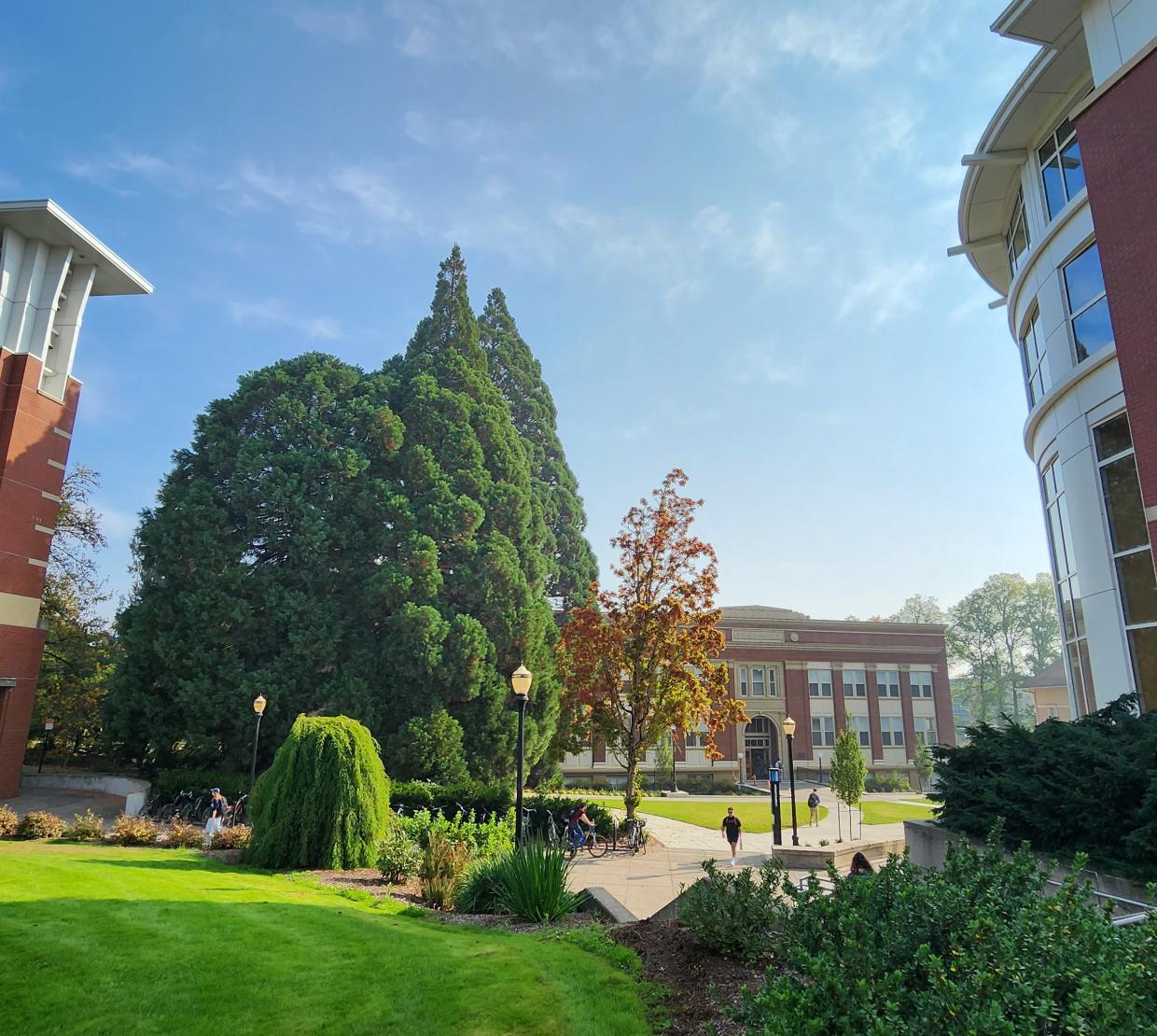
Valley Library and OSU clock tower in the background with sunshine.

Faculty excellence: Promotions and tenure 2023

By Vrushali Bokil

The College of Science congratulates 17 faculty on receiving promotions and/or tenure this year.

Countless hours of consideration and analysis goes into every promotion decision. The College relies heavily on the expertise and perspectives of departmental staff, department heads, department committees, peer teaching committees, College of Science Promotion and Tenure Committee, external reviewers and students to get our deserving faculty through this process.

Thank you to everyone that helped to make this possible for our well-deserving faculty.

Congratulations to the science faculty in the college who have just completed this process with success!

Chemistry Department

Marilyn Mackiewicz will be promoted to Associate Professor of Chemistry and granted indefinite tenure, effective September 16, 2023.

Integrative Biology Department

Carmen Harjoe will be promoted to Senior Instructor I of Integrative Biology, effective July 1, 2023.

Lindsay Biga will be promoted to Senior Instructor II of Integrative Biology, effective July 1, 2023.

Mathematics Department

Amanda Blaisdell will be promoted to Senior Instructor I of Mathematics, effective September 16, 2023.

Clayton Petsche will be promoted to Professor of Mathematics, effective September 16, 2023.

Chris Orum will be promoted to Senior Instructor I of Mathematics, effective September 16, 2023.

David Wing will be promoted to Senior Instructor II of Mathematics, effective September 16, 2023.

Elise Lockwood will be promoted to Professor of Mathematics, effective September 16, 2023.

Johnner Barrett will be promoted to Senior Instructor I of Mathematics, effective September 16, 2023.

Liz Jones will be promoted to Senior Instructor II of Educational Opportunities Program and Mathematics, effective September 16, 2023.

Mary Beisiegel will be promoted to Professor of Mathematics, effective September 16, 2023.

Michael Gilliam will be promoted to Senior Instructor I of Mathematics, effective September 16, 2023.

Sara Clark will be promoted to Senior Instructor II of Mathematics, effective September 16, 2023.

Microbiology Department

Shawn Massoni will be promoted to Senior Instructor I of Microbiology, effective July 1, 2023.

Physics Department

Evan Thatcher will be promoted to Senior Instructor I of Physics, effective September 16, 2023.

Paul Emigh will be promoted to Senior Instructor I of Physics, effective September 16, 2023.

Statistics Department

Katherine McLaughlin will be promoted to Associate Professor of Statistics and granted indefinite tenure, effective September 16, 2023.

Thank you!

Thanks to all of the committee members who served on the College of Science Promotions and Tenure Committee this year.

  • Andy Karplus, Chair and Professor of Biochemistry & Biophysics
  • Chong Fang, Professor of Chemistry
  • Ethan Minot, Professor of Physics
  • Holly Swisher, Professor of Mathematics
  • Kate Field, Professor of Microbiology
  • KC Walsh, Senior Instructor II, Physics
  • Lesley Blair, Senior Instructor II, Integrative Biology
  • Lisa Madsen, Professor of Statistics
  • Michael Freitag, Professor of Biochemistry & Biophysics
  • Oksana Ostroverkhova, Professor of Physics
  • Sally Hacker, Professor of Integrative Biology
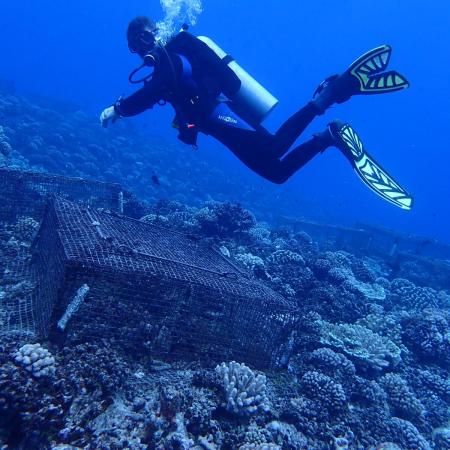
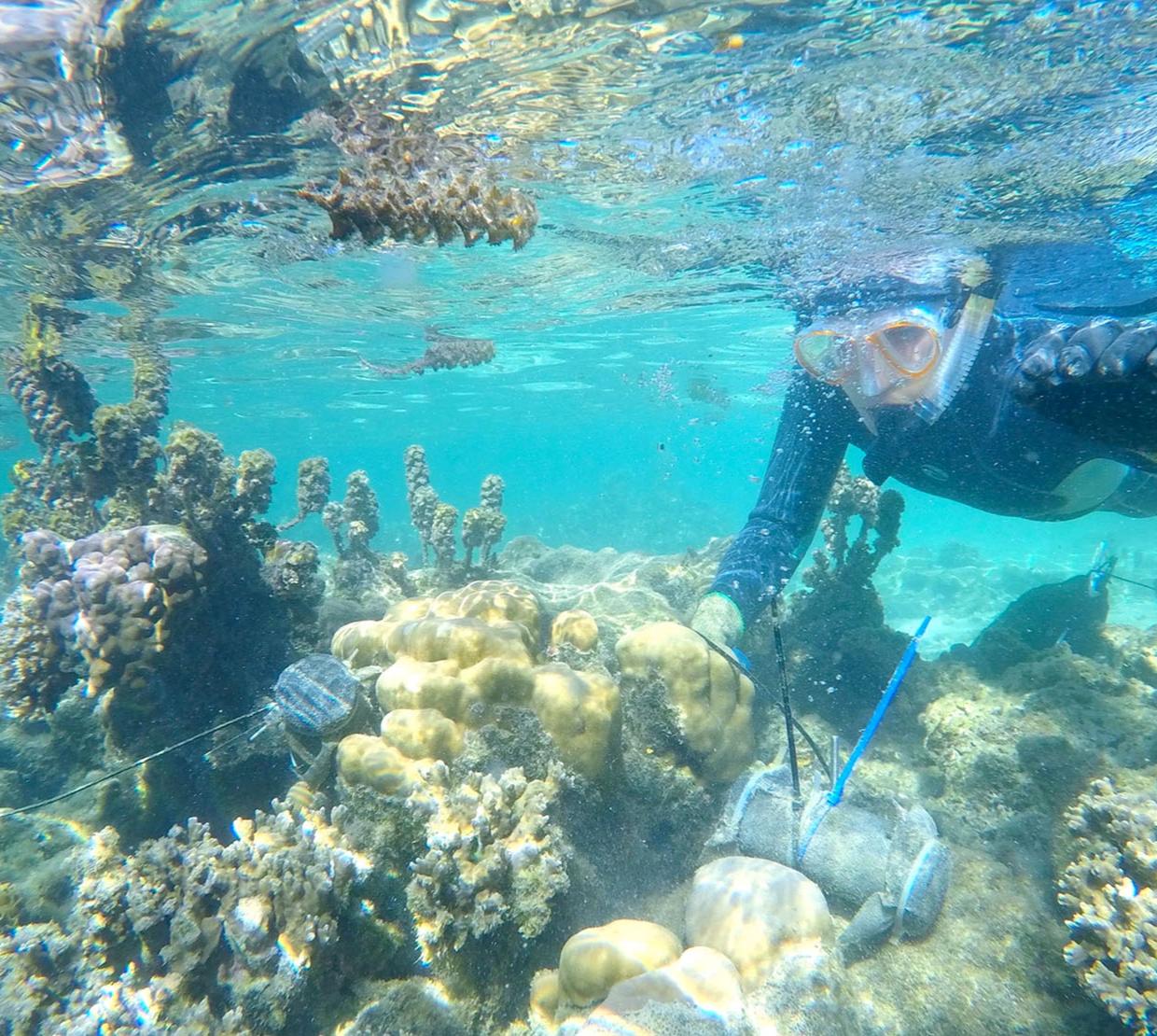
A diver looks under clear blue water at corals.

Esteemed coral scientist to help identify sites for restoration in South Pacific

By Hannah Ashton

Rebecca Vega Thurber's knowledge of the Moorea reefs comes from years of study. In 2018, former lab member Adriana Messyasz, who is now a post-doc at Rutgers University, can be seen examining the effects of nutrient pollution by tracking how enrichment affects the microbes of coral, fish and algae.

Sometimes knowing where not to deploy conservation efforts is the most valuable information scientists can have. Oregon State Pernot Distinguished Professor of Microbiology Rebecca Vega Thurber and her team recently received a $500K grant to help grassroots conservation groups in French Polynesia identify ideal sites for coral restoration.

“We are saying, ‘Hey, you guys had a great idea and you want to understand how you can do it better. That’s our bread and butter. Let’s work together.’ They want to know where the best place is, we can probably tell them to some degree, and then they can take that information to managers,” Vega Thurber said. “So it feels like a really good balance between science and advocacy.”

Along with ecologists from the University of California Santa Barbara, Oregon State researchers will conduct field and lab work at 200 sites across the island of Moorea. They will gather data on biodiversity rates, nutrient levels and more. The research will be available to Coral Gardeners, a conservation group founded in 2017 by local young adults who witnessed coral bleaching first hand.

Vega Thurber and her lab will be focusing on analyzing environmental DNA, also known as eDNA. eDNA comes from cellular material shed by organisms into their environment and tells researchers what species are present.

“My lab is responsible for looking at the stuff you can’t see. The fishes that maybe only come out at night that you are never going to see or shy species that will never be around when people are there,” she said.

Working with local communities is especially important to Vega Thurber.

“Part of the project is to onboard them in taking and analyzing the samples, onboard them in doing all of the parts of science to avoid ‘parachute science,’” Vega Thurber said. “Not just going in, taking the samples, leaving, taking the knowledge with us, putting it in some journal that nobody can get because it’s behind a paywall and probably too obtuse to read anyways, but actually saying this is your data, this is what we think it means, and then getting their input and traditional ecological knowledge.”

Prior to this project, practitioners lacked good knowledge on where restoration practices could be the most meaningful and where they would be a waste of time and money. Vega Thurber and her collaborators will be providing vital data while including local grassroots organizations.

The half a million dollar grant is supported by Oceankind, a group that aims to improve the health of global ocean ecosystems while supporting the livelihoods of people who rely on them.

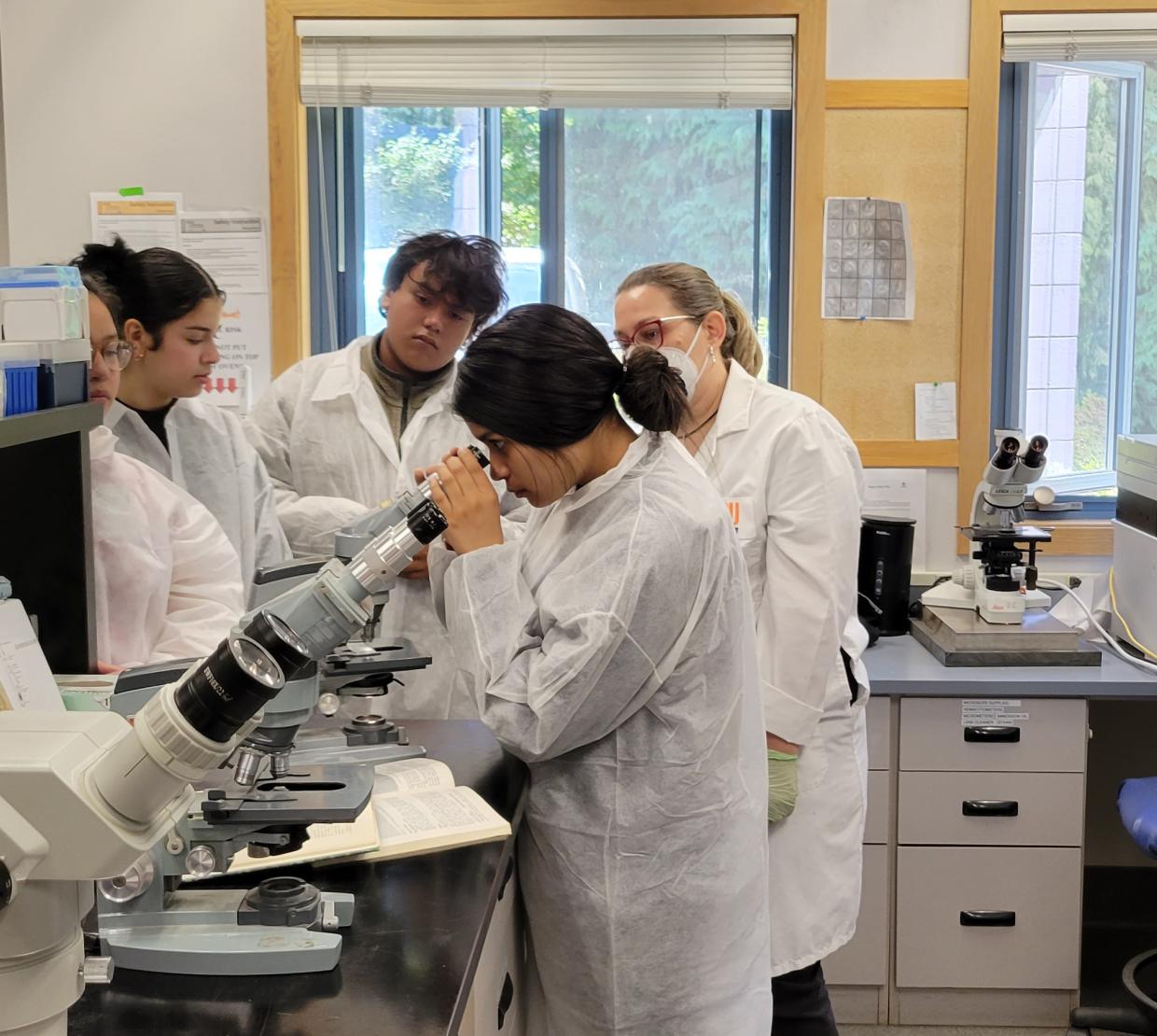
High school students stand around a microscope in a lab wearing lab coats.

Breaking down barriers to a future in science

By Tom Henderson

Microbiology graduate student Savanah Leidholt understands the importance of diversity.

As an undergraduate at Montana State University-Bozeman, Leidholt was a McNair Scholar, a program funded through the U.S. Department of Education to increase graduate degree awards for students from first- generation or underrepresented segments of society.

You could say the program had an impact: Leidholt joined Rebecca Vega Thurber’s lab as an incoming Ph.D. student in 2019.

Now, she is helping to create similar opportunities for other young people. Just as microbial diversity is fundamental to the maintenance and conservation of global genetic resources, academic diversity is equally important, Leidholt said.

“As a Hispanic woman who grew up in rural Montana, I can attest firsthand to the lack of STEM opportunities available for these demographics,” she said.

This past summer, Leidholt set out to create a summer “bootcamp” for area high school students to draw more students from BIPOC, LGBTQ+, low-income and other diverse backgrounds to the study of microbiology.

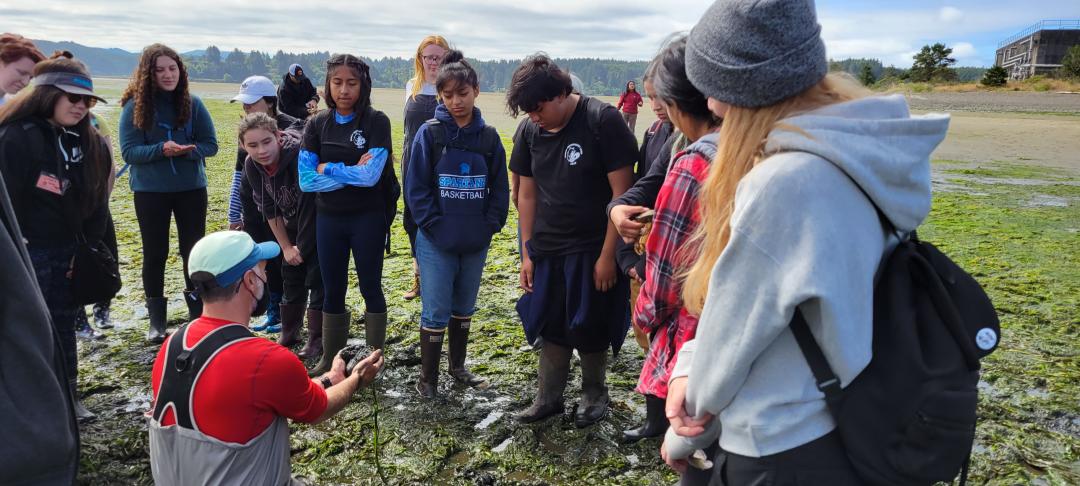
High school students stand on a beach looking at a man in a red shirt holding an organism.

High school students listen to a mentor discuss aquatic microbiology.

For one week, Leidholt led 20 local high school students through the Pernot Microbiology Camp. The immersion camp, funded by Rebecca Vega Thurber, introduced students to microbiology disciplines such as agricultural, food, medicinal and marine science.

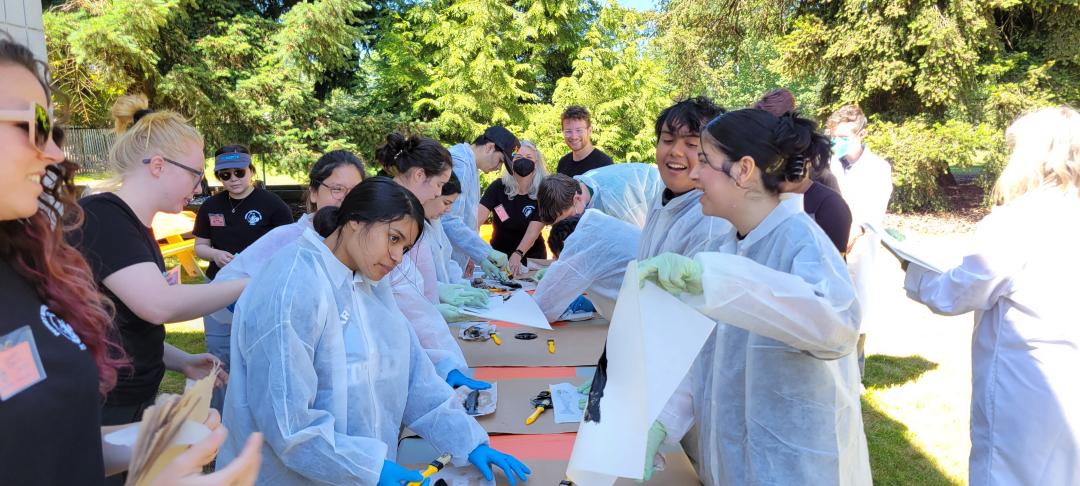
The students learned how to use pipettes, the small glass or plastic tubes used in labs. They also collected cheek cell swabs, extracted DNA from potato salads, toured Corvallis’ wastewater facility and applied microbiology to arts and crafts.

The program was named after and funded in part by Vega Thurber’s endowed position in the department. Vega Thurber is the Emile F. Pernot Distinguished Professor in the microbiology department, a three-year professorship named after Oregon State University’s first bacteriologist and one of the founders of the Department of Microbiology at OSU.

“I know from my time as a McNair Scholar in undergraduate school that targeted programs such as the Pernot Microbiology camp can foster self-confidence in the sciences and increased interest in pursuing a career in STEM,” she added.

Participating students were primarily incoming juniors and seniors from Linn-Benton County and represented a variety of backgrounds in terms of race, ethnicity, gender and family income.

“I’m changing my major from general biology to microbiology when I go to orientation,” said a high school senior heading to the University of Oregon in the fall.

“I definitely am keeping my education path open to unplanned opportunities especially in regards to the field of microbiology,” another student said in a survey after the camp.

Students taking part in the Pernot Microbiology Camp.

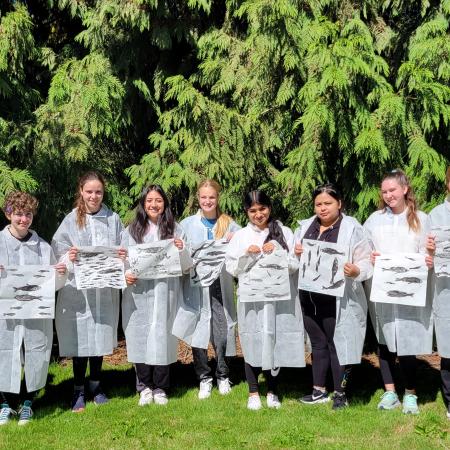
High school students work on fish rubs during the Pernot Microbiology Camp.

Leidholt said many of the students were able to attend because the microbiology department provided transportation.

“Undergraduate student Ellie Boryer and I did extensive research into similar STEM camps,” she said. “We found that the biggest inhibitors for students of color were transportation and financial costs. We chose to eliminate both by providing a ride to and from the camp as well as giving stipends to all targeted students.”

Several members of the microbiology department volunteered to not only transport the students, but also act as mentors to guide students through daily lab exercises, field trips and other activities.

Students are introduced to the diversity of the microbial world, learning how some microbes shape Earth’s habitability while others are used to ferment food and beverages.

They practiced how to probe microbial communities using cultivation- dependent techniques such as plate streaking as well as cultivation- independent techniques such as genome sequencing.

Volunteers at Oregon State University and Corvallis’ wastewater treatment plant showed students how these techniques are used daily in meat- processing facilities, medical labs and aquatic research labs.

Students were familiarized with microbiology and the wide range of potential career paths possible with a microbiology degree.

Whether the students ultimately major in microbiology or not, Leidholt said the camp succeeded in making microbiology more accessible and inclusive.

“This camp aimed to give students an opportunity to learn about the wide field of microbiology through a lived experience,” said Rebecca Vega Thurber. “We eliminated many financial, logistical and conceptual barriers young students (particularly students of color) face by providing transportation and student stipends.”

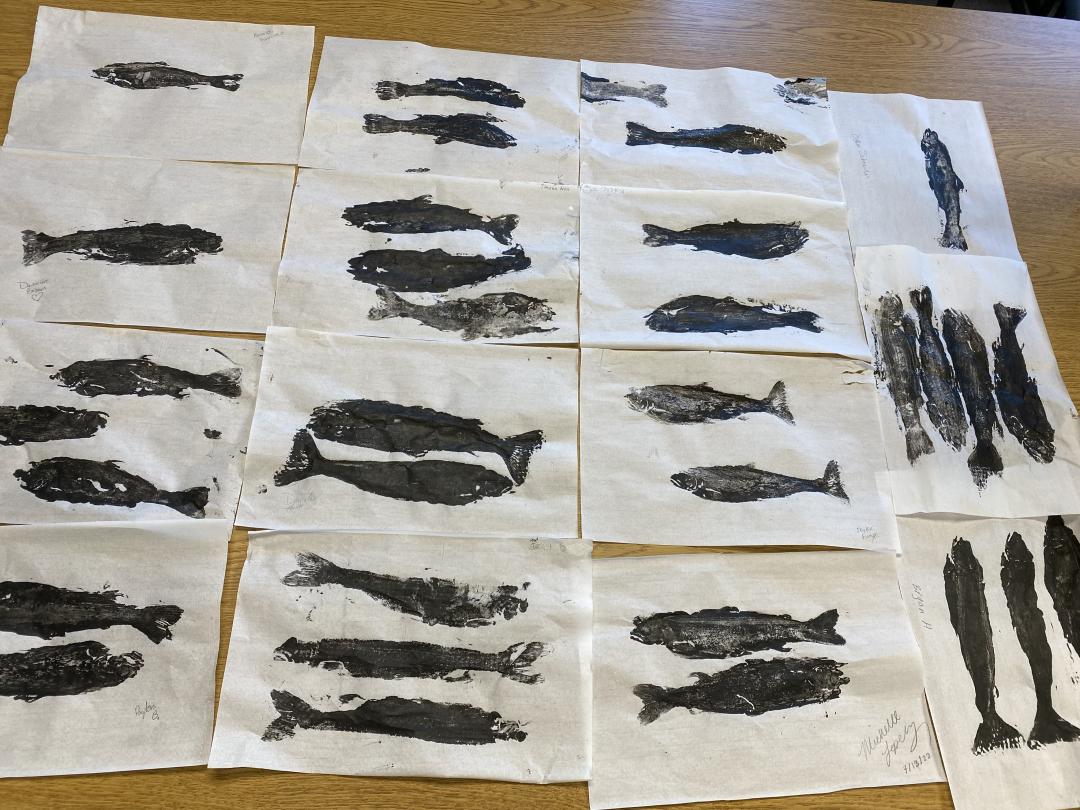
On a table sits black outlines of fish prints on white paper.

Student's fish prints sit on a table to dry during the Pernot Microbiology Camp.

Vega Thurber credits the success of the STEM bootcamp to the hard work of the volunteers as well as the financial support she receives through the Pernot Fund, the microbiology department and other donors, such as $3K they received from the Marine Studies Award Initiative at OSU.

“These early experiential learning programs can make a huge difference in the lives of early career scientists,” Vega Thurber said. “I’m looking forward to continuing and ideally expanding the program in the future.”

Several students expressed that they found the experience life-changing.

“I would love to get a master’s or even doctorate degree in microbiology, whether that is while I am in med school or completely change my career path to just wanting to work as a full-time microbiologist,” said one such student.

“After this camp, a career as a researcher in microbiology seems more appealing than ever.”

“I am definitely more interested and educated about the options that I can pursue with science, so I think I am more likely to try something with a science degree,” said the student.

A star in a circle sits above a wreath on a blue background with glitter. The year 2023 is visible.

Celebrating inclusive excellence, administration, service and performance: 2023 College of Science Awards

By Hannah Ashton

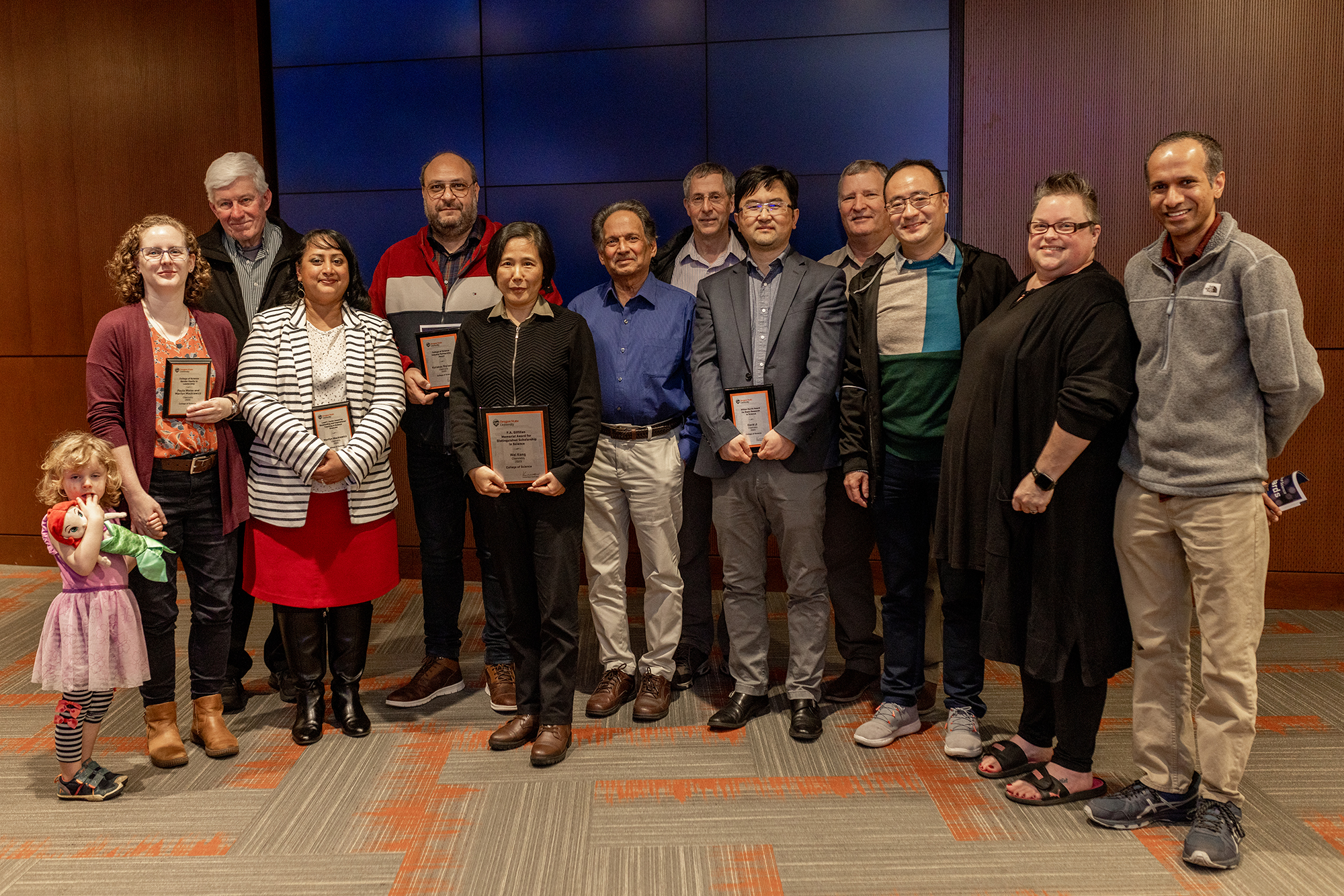
The College of Science gathered on Feb. 22 to recognize and celebrate our high achieving faculty and staff at the 2023 Combined Awards Ceremony. The evening celebrated the very best in the College, from teaching, advising and research to inclusive excellence, administration and service.

The following faculty and staff received awards in the categories of Inclusive Excellence, Administration, Service and Performance.

Congratulations to all the awardees!

College of Science Inclusive Excellence Award

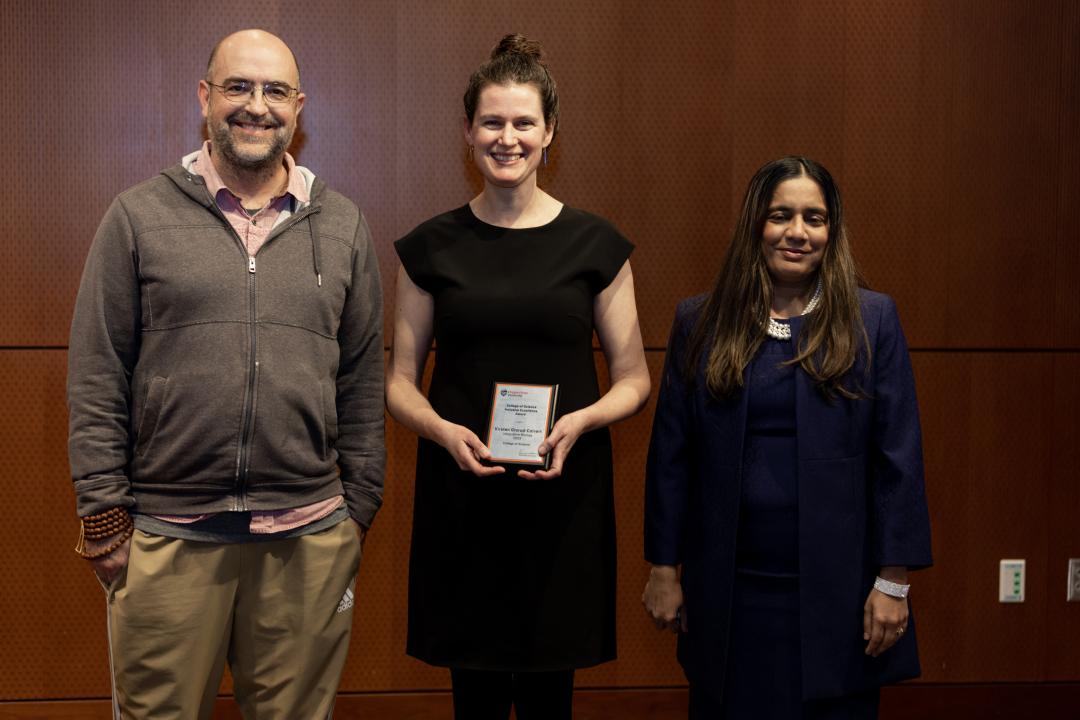
Kirsten Grorud-Colvert stands in a dark dress holding her award.

Kirsten Grorud-Colvert accepts her award from Interim Dean Vrushali Bokil and Department of Integrative Biology Head Dee Denver.

Kirsten Grorud-Colvert, associate professor, senior research in the Department of Integrative Biology, received the Inclusive Excellence Award. In her nine years at Oregon State, she has demonstrated valuable leadership in fostering a culture of inclusion in the College of Science.

In 2020-21 Grorud-Colvert led a department-wide effort to develop an Equity, Justice and Inclusion Community Values statement to guide the department’s future goals and actions. As part of that work, she organized a retreat for faculty, staff and graduate students to discuss individual and group values. Attended by 83 members, the retreat served as a jumping-off point for the department statement, allowing more voices to be heard and incorporated.

In the summer of 2022, Grorud-Colvert co-organized a Decolonizing Biology workshop. A series of four sessions, the workshop provided a deep dive into the historical and ongoing colonial forces that have shaped the biological research discipline. Topics ranged from the exploitation of indigenous bones and DNA to disparities and biases experienced by racial and ethnic minorities in healthcare.

Grorud-Colvert also prioritizes inclusive excellence in her role as a research program leader. She focuses on place-based approaches to understanding the local impacts of marine protected areas in different parts of the world while integrating the perspectives of local communities and historically marginalized populations.

College of Science Gender Equity in Leadership

Created in 2022, the College of Science Gender Equity in Leadership award supports and provides funds for the advancement of the careers of female faculty in the College of Science. Thanks to generous donors, the fund will provide three faculty with a $3K award for developing and implementing projects related to the College’s mission while enhancing leadership skills and opportunities for faculty members who previously or currently identify as women in the College of Science.

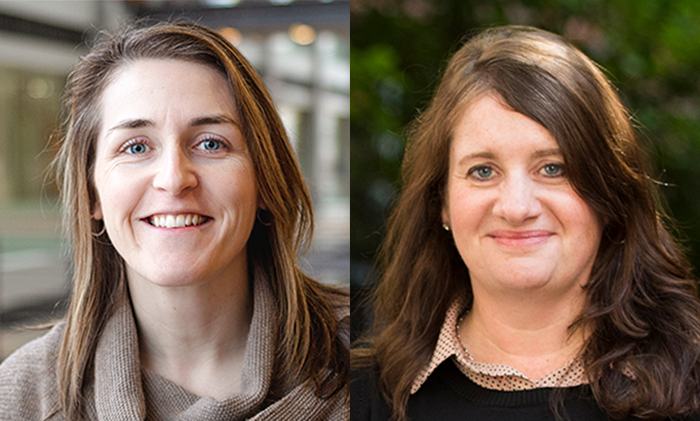
This year's recipients include: Marilyn Mackiewicz and Paula Weiss; Elisar Barbar; and Katée Keen and Jennifer Olarra.

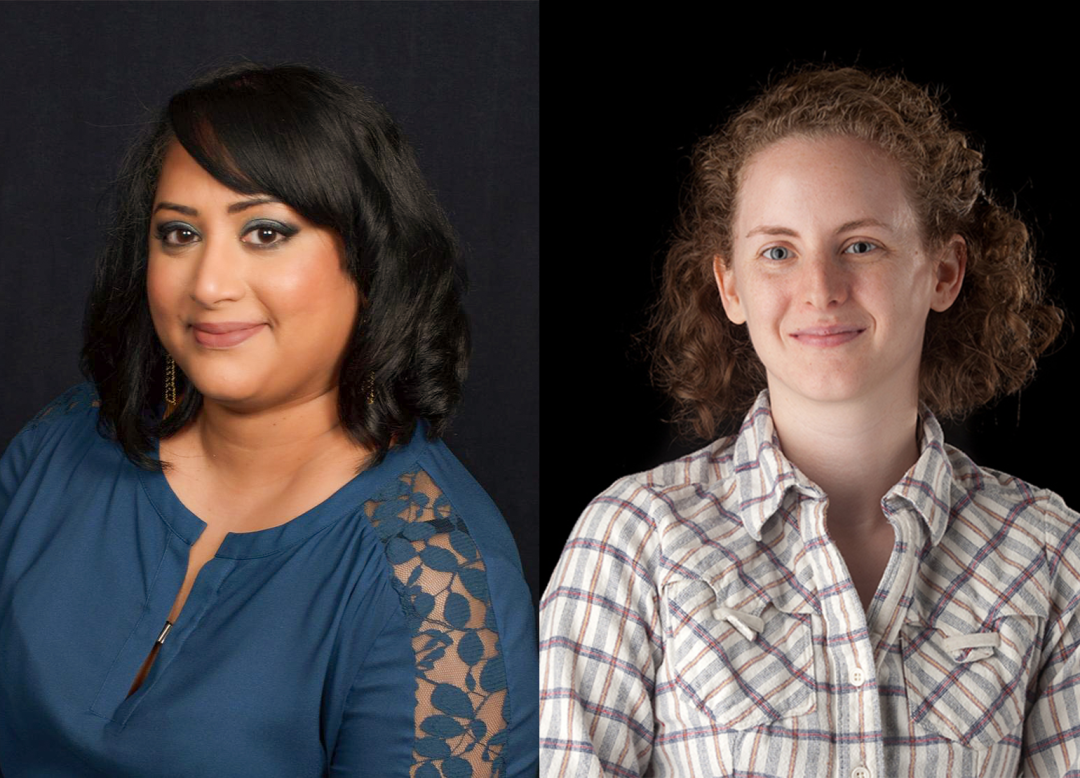
Headshot of Marilyn Mackiewicz wearing a blue shirt and headshot of Paula Weiss in striped shirt.

Marilyn Mackiewicz and Paula Weiss.

Marilyn Mackiewicz and Paula Weiss’s award will support specialized mentorship programs for women instructors, professors and researchers in the Department of Chemistry. Called “The Catalyst,” the goal of the program is to cultivate an environment that shapes the next generation of leaders, scientists, mentors and educators. Participants will formulate their career goals and develop a range of skills such as effective grant writing, finding sources of funding and inclusive leadership skills.

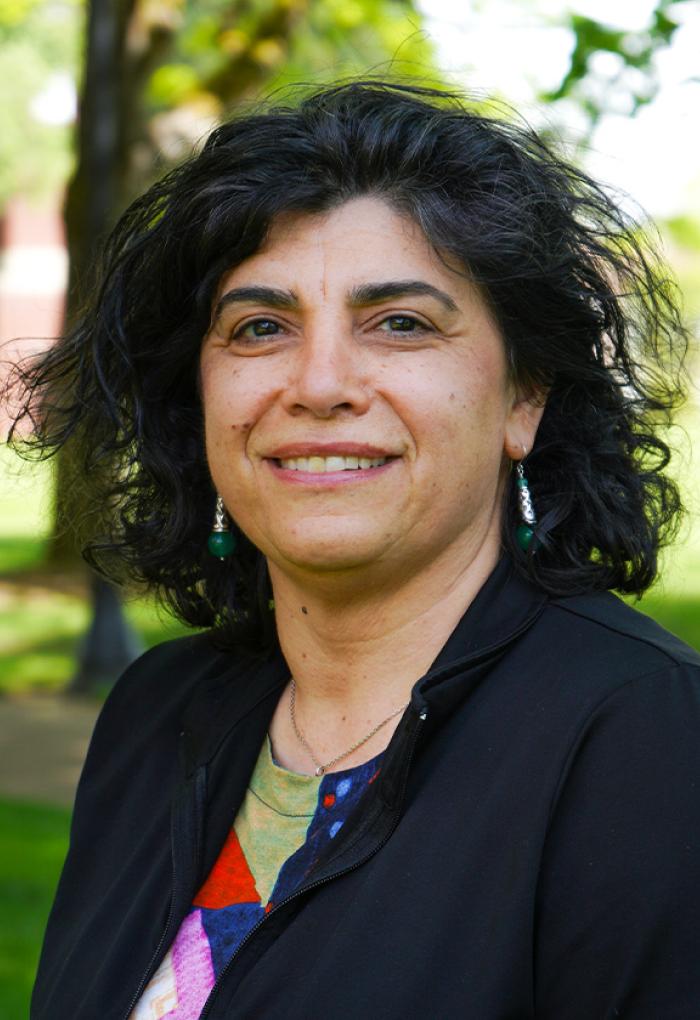
Outdoor photo of Elisar Barbar.

Elisar Barbar

Elisar Barbar’s award will fund the development of workshops that support women faculty in science as their careers advance. She will organize formal mentorship opportunities focused on tools and strategies that empower faculty and invite a renowned speaker to lead a full day workshop on leadership, improving quality and quantity of research output and the performance and well-being of science teams.

Katée Keen and Jennifer Olarra.

Katée Keen and Jennifer Olarra.

Katée Keen and Jennifer Olarra’s award will fund a coaching event that supports College of Science staff and professional faculty who identify as women. A guest speaker will lead participants in sessions focused on empowerment, work-life balance, leadership at all levels, connecting personal values to College of Science values, and creating a climate of belonging and support.

Gladys Valley Award for Exemplary Administrative Support

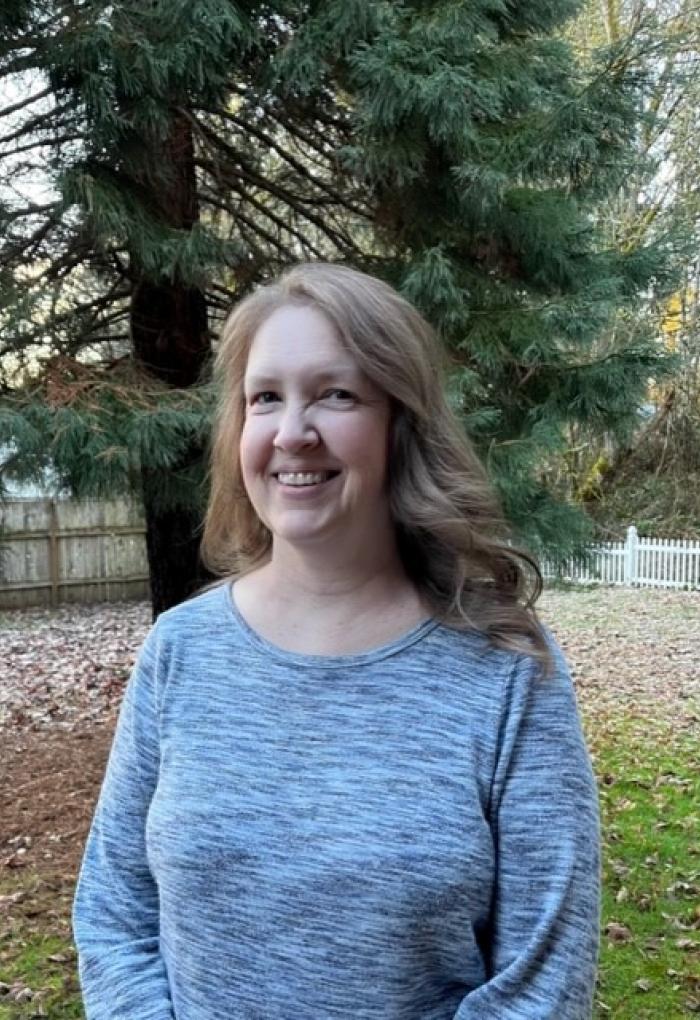
Kelly Carter standing in a blue long sleeve shirt outside in front of a tree.

Kelly Carter, graduate student coordinator and office manager for the Department of Physics

Kelly Carter, graduate student coordinator and office manager for the Department of Physics, received the Gladys Valley Award for her tireless commitment to her department.

Carter has been the office manager in the department since 2014 and during the 2021-22 academic year, she managed the role without a support employee after her assistant, Lori Emmons, passed away. Carter frequently performs well beyond her position description duties.

“Kelly has been a fundamental individual in the department workings, a pleasant person to interact with a constant smile, a tireless collaborator, and an incredible source of help and support at any time,” wrote one nominator.

Her colleagues expressed immense gratitude for her willingness to take on more responsibilities while consistently providing a warm welcome to department visitors.

“Kelly is the glue that holds together the complicated trajectories of roughly 20 faculty, 50 graduate students and hundreds of undergraduates,” wrote another nominator. “She deserves recognition for not only doing this difficult task, but also for doing it incredibly well in the face of a plethora of challenges.”

Distinguished Service Award

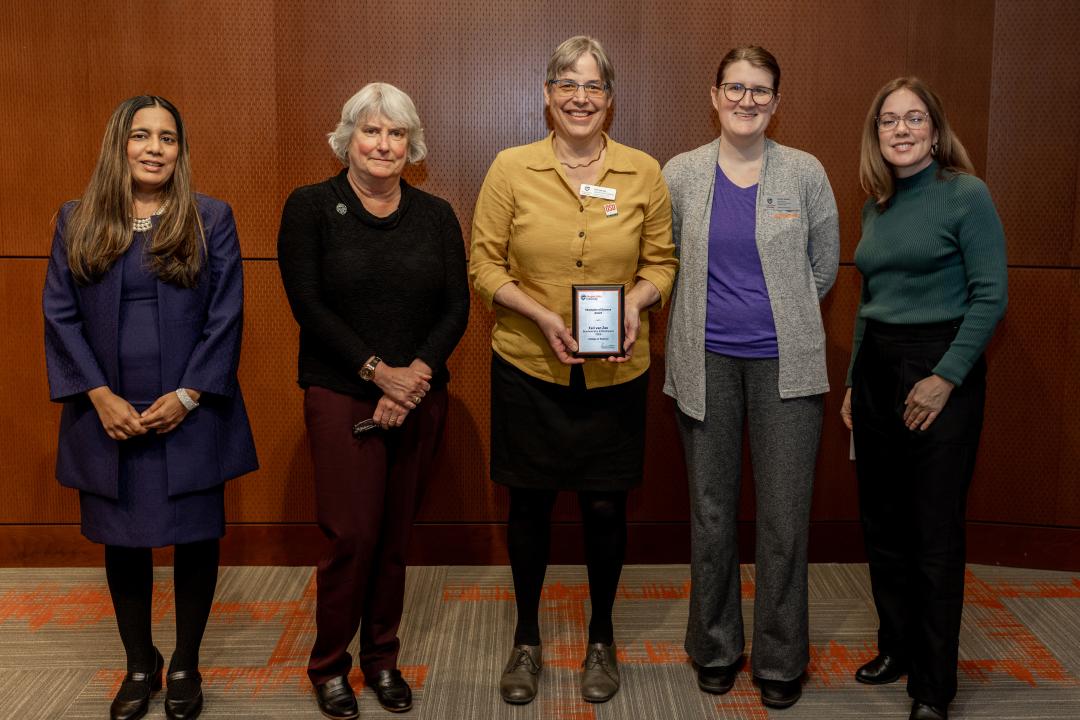
Five women pose for a picture. The woman in the center is wearing a gold shirt and holds a plaque.

From left to right: Vrushali Bokil, Virginia Weis, Kari van Zee, Lauren Dalton and Kate Shay.

Kari van Zee, senior instructor II and lead advisor for the Department of Biochemistry and Biophysics, received the Distinguished Service Award. This award recognizes a faculty, staff member or student whose outstanding contributions helped to support and sustain the quality and effectiveness of our College.

Van Zee has taken on a plethora of roles, both official and behind the scenes. In addition to teaching and advising, she is an undergraduate coordinator, faculty senate member, Biochemistry Club advisor and Genetic Code Expansion Center outreach coordinator. On top of everything she is known for fostering a supportive community environment.

“She is a perfect example to emulate: a good friend, advisor and someone to count on for support; whatever it is, however hard it is, whether you are a student, faculty or even department head, Kari is there to help,” wrote the nominators.

Examples of her dedication include hosting social events to help undergraduate seniors brainstorm for their future, organizing the department Dam Proud Day fundraising event, helping faculty adapt for students with disabilities and coordinating pandemic safety procedures.

Colleagues noted she also dedicates her time to building a positive department culture. Van Zee is the first person to give out her information to new staff members and routinely helps plan community-building events.

“In summary, Kari is the heart of the department in so many ways,” the nominators wrote.

Champion of Science Award

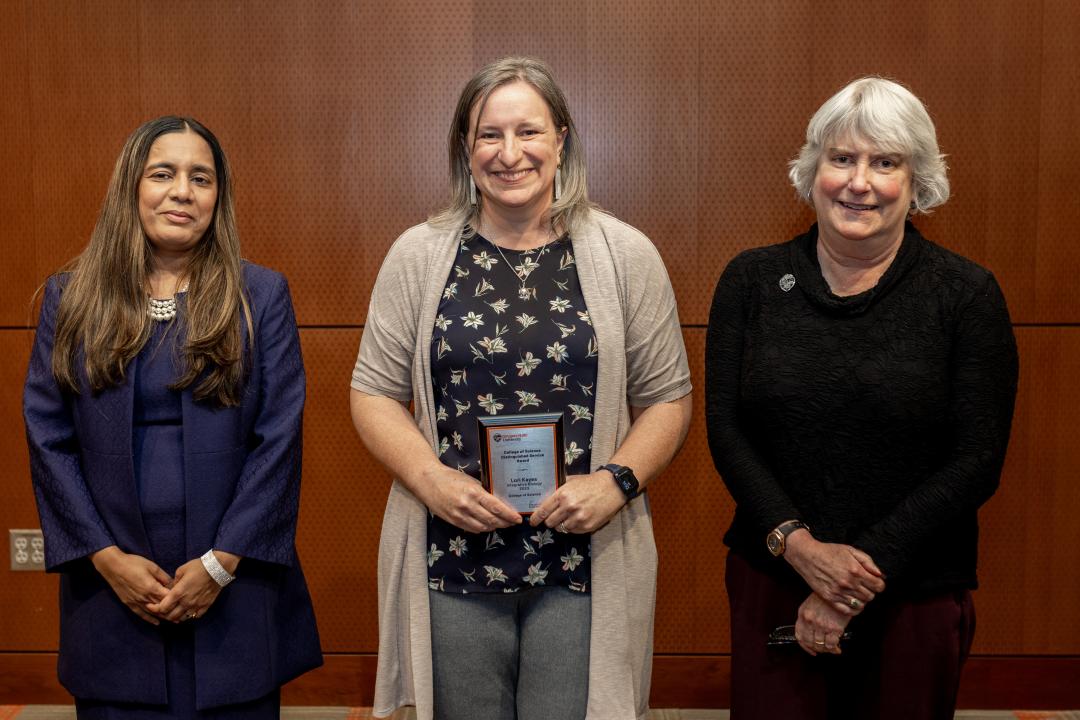
Lori Kayes accepts her award standing next to two other women.

Lori Kayes accepts her award from Interim Dean Vrushali Bokil and Acting Associate Dean for Research and Graduate Studies Virginia Weis.

Lori Kayes, Associate Department Head and Senior Instructor II in the Department of Integrative Biology, received The Champion of Science Award. Chosen by the dean, this award recognizes an individual who demonstrates excellence and extra effort that goes above and beyond what is requested. The award is modeled, including its name, after the President's Beaver Champion Award.

Kayes is a champion of student success, equity and community engagement. Throughout her career, she has strongly advocated for inclusivity in STEM courses and promoted active learning and culturally responsive pedagogies at Oregon State. She has tirelessly advocated for adapting education to meet the needs of today’s learners.

Her contributions were pivotal in Oregon State's recent adoption of the new general education curriculum, which focuses on student success. As co-leader of the Baccalaureate Core Reform Committee, she garnered participation across the university to shape a new curriculum that enhances student potential, including those who are historically underserved.

Her devotion to effective teaching is also demonstrated by the Learning Assistants Program. As a founder with Devon Quick and Dennis Bennett, she helped usher in a new era of evidence-based science teaching in large classrooms at OSU. The Learning Assistants play a vital role in helping students learn by implementing engagement and learning exercises in undergraduate STEM classrooms.

Kayes also has been active in the ongoing efforts to increase inclusive excellence in science as co-PI of the five-year $1 million grant from the Howard Hughes Medical Institute, which aims to improve instruction in undergraduate STEM classrooms.

College of Science Industry Partnership Award

Kyriakos Stylianou, a man with a beard.

Kyriakos Stylianou

Assistant Chemistry Professor Kyriakos Stylianou and his colleagues received the College of Science Industry Partnership Award. This award will support their work producing metal-organic frameworks (MOFs) able to capture CO2 followed by its conversion into a mixture of ethanol and methanol, which can be used as an alternative fuel source. This will help lower CO2 levels in the ocean and atmosphere and reduce humanity’s dependency on long-chain hydrocarbon fuels, which are rapidly contributing to global warming. In this project, Stylianou will collaborate with an international energy company, and together, they will discover novel strategies to effectively reduce CO2 emissions with MOFs.

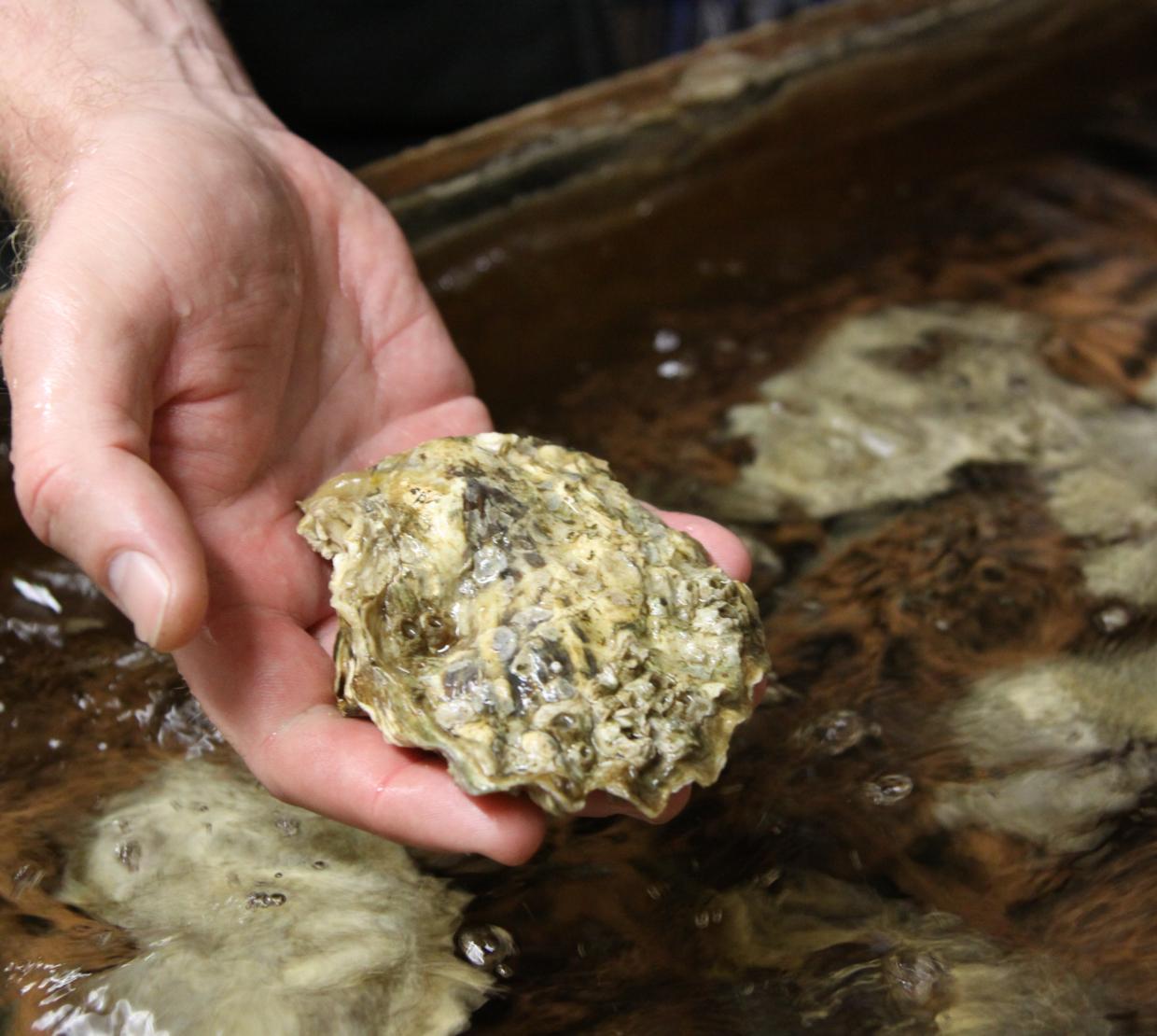
OSU stock image of oyster

OSU research discovers probiotic combination drastically improves oyster larvae survival

By Molly Rosbach

Oyster larvae survival rates were significantly boosted by treating them with specific combinations of probiotics, Oregon State University researchers found in a recent study.

Ryan Mueller, associate professor in the Department of Microbiology, was a member of the research team.

With only a one-time application, the probiotics also boosted larval growth, metamorphosis and settlement, meaning that in addition to more oysters surviving past the larvae stage, they also fared better at transitioning to juveniles and anchoring to shells and other surfaces.

The findings could be a major boon to oyster farms where pathogens can kill off a whole season’s worth of larvae, costing hundreds of thousands of dollars at a time.

“The results definitely exceeded our expectations,” said Carla Schubiger, project leader and co-author on the study and an assistant professor in OSU’s Carlson College of Veterinary Medicine. “Just a 40-50% improvement in larvae survival would be huge, but here we have over 80% increased survival at times. That’s very, very significant for the industry. Antibiotics are not allowed in hatcheries so this will be the first tool they can actually use to increase their production.”

Shellfish are big business in Oregon, and oyster sales account for close to $5 million annually, according to a 2010 report from the Pacific Coast Shellfish Growers Association.

In oysters as in humans, the organism’s overall function depends on help from good bacteria living within the host’s gastrointestinal tract. The goal of the study was to pinpoint which types of these beneficial bacteria were best at fighting off pathogenic bacteria that can kill oyster larvae.

The Vibrio coralliilyticus bacteria, in particular, is common in marine aquaculture and extremely pathogenic, so oyster farms need a cost-effective way to defend against it, the researchers said.

OSU researchers grew several strains of naturally occurring bacteria and screened them for their ability to fend of V. coralliilyticus under laboratory conditions. They then selected the strains that performed best against the pathogenic bacteria.

The team grew larvae in water conditions comparable to those used by oyster farms. When the larvae were 24 hours old, they were treated with the different strains of cultivated probiotics, first individually and then in combinations of the most promising strains. At 48 hours old, the larvae were exposed to V. coralliilyticus.

The results were striking. Compared with the untreated control group, four of the individual probiotic strains resulted in an average increased survival rate of 68% or better, including one strain that increased survival by 99.7%.

Read the full story here.

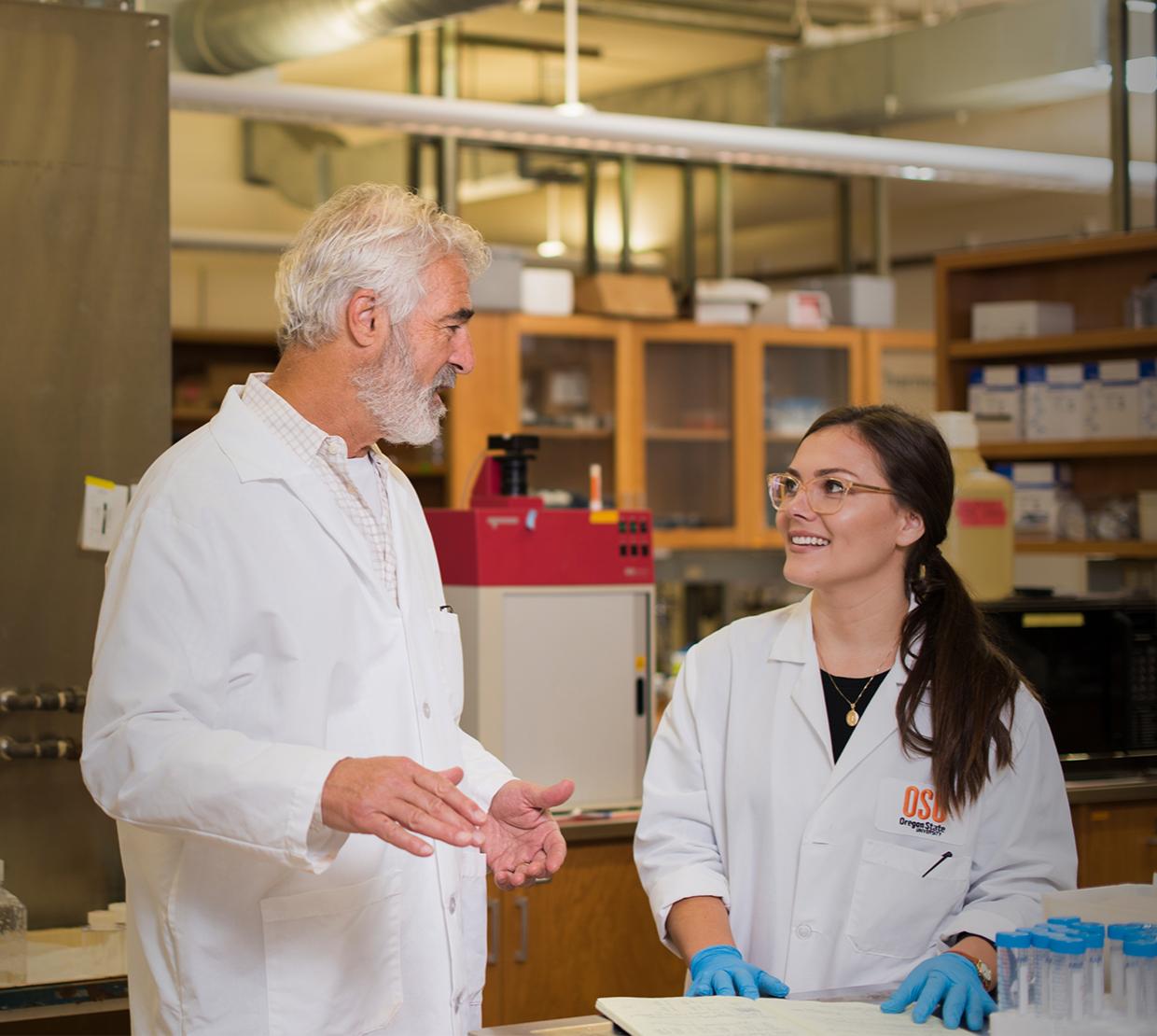
Stephen Giovannoni and Sarah Wolf working together in Giovannonis lab.

Grant Awarded to Study Low Oxygen Environments in Oregon Coastal Waters

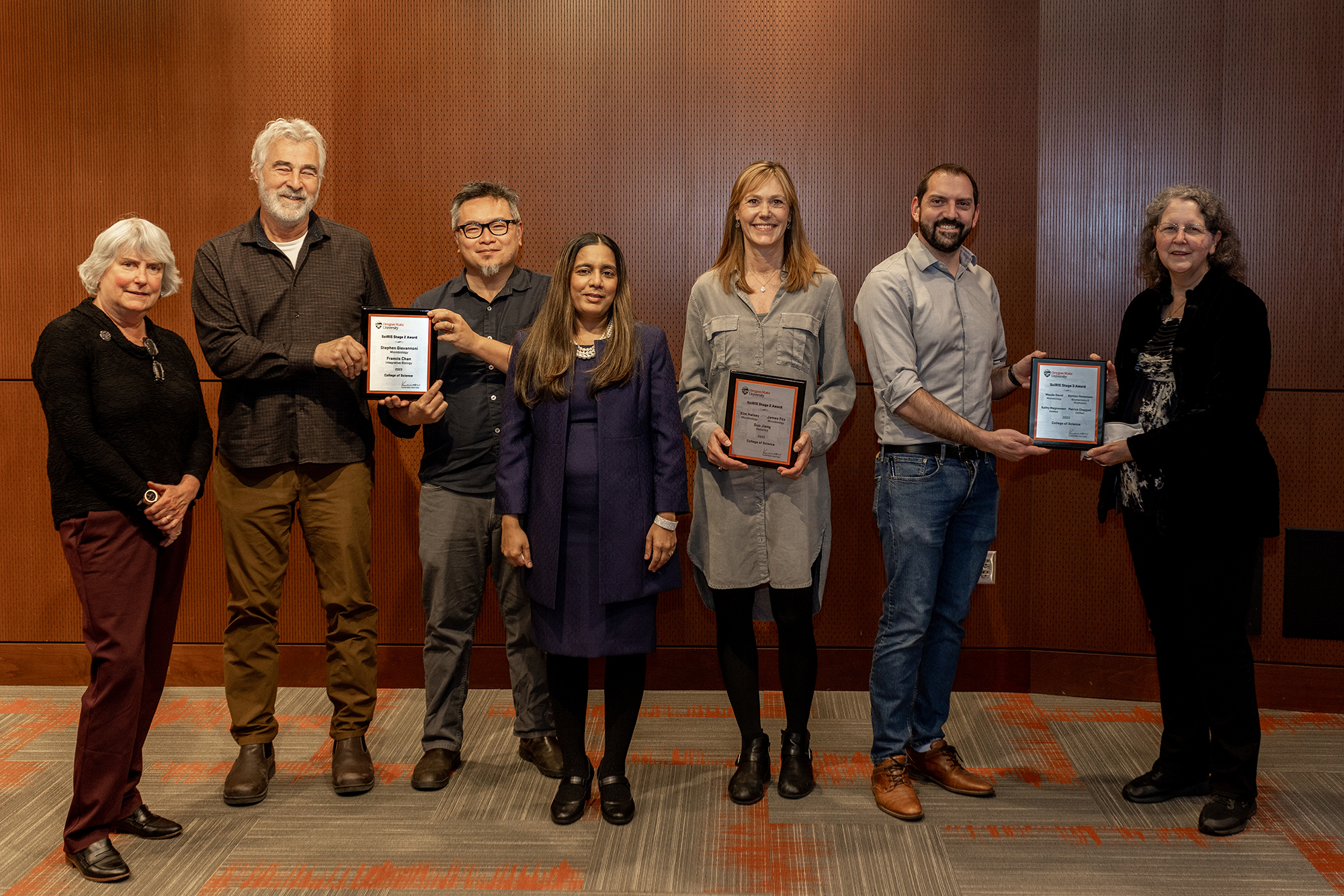
Drs. Stephen Giovannoni and Francis Chan were awarded a SciRIS Phase II grant for their proposal, “Hypoxic Barrier: Oxygenase Enzyme Kinetics and Ocean Health”. They are excited about receiving College of Science support to extend their research, which started with a SciRIS Phase I proposal. The Phase I award allowed them to purchase gas flow controllers and other equipment that made it possible to conduct experiments in which plankton communities were maintained for months at normal (~260 µmol/L) or hypoxic (10 µmol/L) oxygen concentrations. Chan says, “Everybody wants to study anoxic or zero oxygen environments but we are focusing on hypoxic conditions that are far more common in Oregon coastal waters”.

The team published a paper titled, “Biochemical Barriers on the Path to Anoxia?”, in 2021 showing oxygenase enzymes are far less sensitive to oxygen than respiratory enzymes. This may explain why ocean systems frequently appear to pause before dropping to very low oxygen concentrations. The team hypothesizes that the insensitivity of oxygenase enzymes to oxygen is a bottleneck. With the new SciRIS Phase II award, they will be able to extend their work to include metabolomics, which will allow them to measure the types of organic matter that accumulate when oxygen is depleted. The team works with modeler Curtis Deutsch, of Princeton, and Daniel Petras of the University of Tübingen.

Sarah Wolf, a fifth year PhD candidate co-advised by Giovannoni and Chan, is supported by the proposal. As a result of her involvement in the UNESCO Global Ocean Oxygen Network, she recently shared this research at the 53rd International Liège Colloquium on Ocean Dynamics in Liège, Belgium where “Low oxygen environments in marine and coastal waters” was the focus of the meeting. Undergraduate trainee on the project, Clare Jayawickrama, was also invited to present their work at the OSU Honors College Research Showcase and the Coastal Undergraduate Research Symposium. The SciRIS award will help Giovannoni, Chan, Wolf, and Jayawickrama inch closer to increasing our ability to predict hypoxic events on the Oregon Coast, hence increasing the resiliency of Oregon’s coastal communities threatened by the impacts of climate change.

photo of Klamath river basin

Oregon State partnering with Yurok Tribe to envision Klamath River after dam removal

By Steve Lundeberg

Oregon State University researchers will embark in July on a 3½-year partnership with the Yurok Tribe to study what the connections between river quality, water use and the aquatic food web will look like after four Klamath River dams are dismantled.

In addition to the Yurok Tribe, the interdisciplinary OSU collaboration will include project leader Desiree Tullos, professor of water resource engineering, and Julie Alexander from the Department of Microbiology. “We want to fill in gaps in the Western science as well as gaps in how we make equitable decisions based on both ecological science and Indigenous knowledge,” said Tullos.

The joint project with the Yurok Tribe is the first attempt to represent tribal knowledge in decision processes in the Klamath Basin.

The Federal Energy Regulatory Commission along with the utility PacifiCorp and the states of California and Oregon are poised to sign off on the removal of the lower four dams on the Klamath River: the J.C. Boyle Dam in Oregon and the Copco 1, Copco 2 and Iron Gate dams in California.

The decommissioning effort, among whose goals are improving water quality and fish habitat, includes restoration of 2,000 acres currently inundated by the hydroelectric dams, which were built between 1918 and 1962 and provide power through PacifiCorp. Dam removal work is likely to begin in a year.

An $870,000 award from Oregon Sea Grant is funding the work, which builds on a one-year project that Sea Grant sponsored in 2021. One outcome of the earlier study was the creation of a comprehensive, visually-based website titled “Resilience and Connectivity in the Klamath River Basin Prior to, During, and After Dam Removal.”

“We see this new project as a pathway for how science and tribal culture intersect and bridge the gap to a more robust river management to support future generations,” said DJ Bandrowski of the Yurok Fisheries Department.

Read the full story here.

Photo of water full of algae blooms

Microbiology research clarifies hazards posed by harmful algal blooms

By Steve Lundeberg

Research by Oregon State University has shed new light on the hazards associated with harmful algal blooms such as one four years ago that fouled drinking water in Oregon’s capital city of Salem.

The study led by Theo Dreher, emeritus professor of microbiology, involved sampling of cyanobacterial blooms from 10 Oregon lakes including Detroit Reservoir, which provides drinking water for Salem. Ryan Mueller, associate professor of microbiology, also participated in the study.

Genome sequencing and toxin analyses enabled Dreher and collaborators in the OSU Colleges of Science and Agricultural Sciences to identify the precise types of toxins produced by specific organisms.

“This information is important for protecting public health, both with regard to consumption of drinking water and exposure to toxins through recreation on lakes,” Dreher said. “Two toxin-producing Dolichospermum cyanobacteria were present in Detroit Reservoir, one producing a type of cylindrospermopsin and another producing an uncommon form of microcystin. Occurrences of toxins had been known previously, but now we know the precise toxin types and the organisms making them.”

Cyanobacteria, often referred to as blue-green algae, are microscopic organisms ubiquitous in all types of water around the globe. They use sunlight to make their own food and in warm, nutrient-rich environments and can quickly multiply, resulting in blooms that spread across the water’s surface.
These harmful algal blooms, often abbreviated to HABs and which are of concern when visible in lake water, can form at any time of the year but most often between spring and fall.

In 2007 a national survey by the Environmental Protection Agency found microcystin, a recognized liver toxin and potential liver carcinogen, in one out of every three lakes that were sampled. Some strains of cyanobacteria can also produce neurotoxins, while most of the toxin-producing algae can cause gastrointestinal illness and acute skin rashes.

Among the 10 bodies of water surveyed, toxigenic Dolichospermum cyanobacteria caused blooms in four of them: Detroit Reservoir and Odell Lake in the Cascades, Lake Billy Chinook (Metolius Arm) in central Oregon and Junipers Reservoir, a private reservoir west of Lakeview in southern Oregon.

Dreher notes that the Salem scare, along with the death of more than 30 steers from drinking cyanotoxin from Junipers Reservoir in June 2017, raised awareness of the hazards of cyanobacterial blooms in the state. The Oregon Legislature has since provided funding to the Department of Environmental Quality in an effort to improve the state’s ability to detect blooms and respond to them, he said.

If a person or a pet comes in contact with water that may contain harmful bacteria, the Centers for Disease Control and Prevention advises immediate rinsing with fresh water. Dogs should not be allowed to lick the contaminated water off their fur, the CDC adds, and a veterinarian should be called right away.

Read the full story here

Subscribe to Faculty and Staff