Faculty and Staff

Faculty and Staff

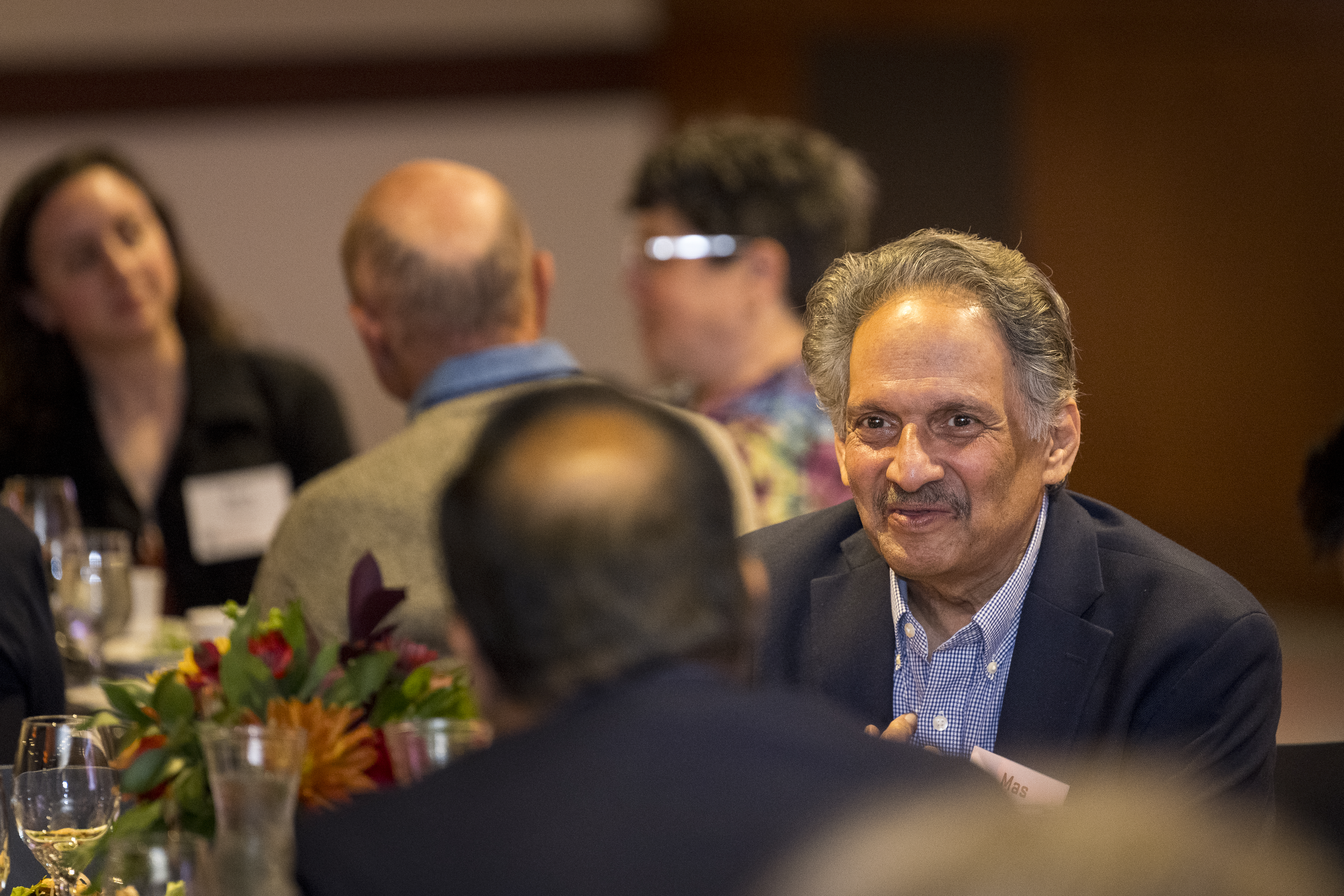
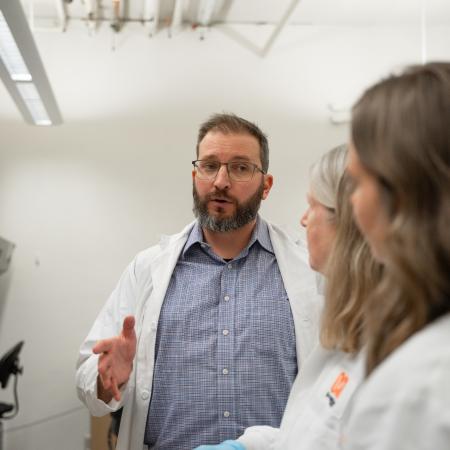
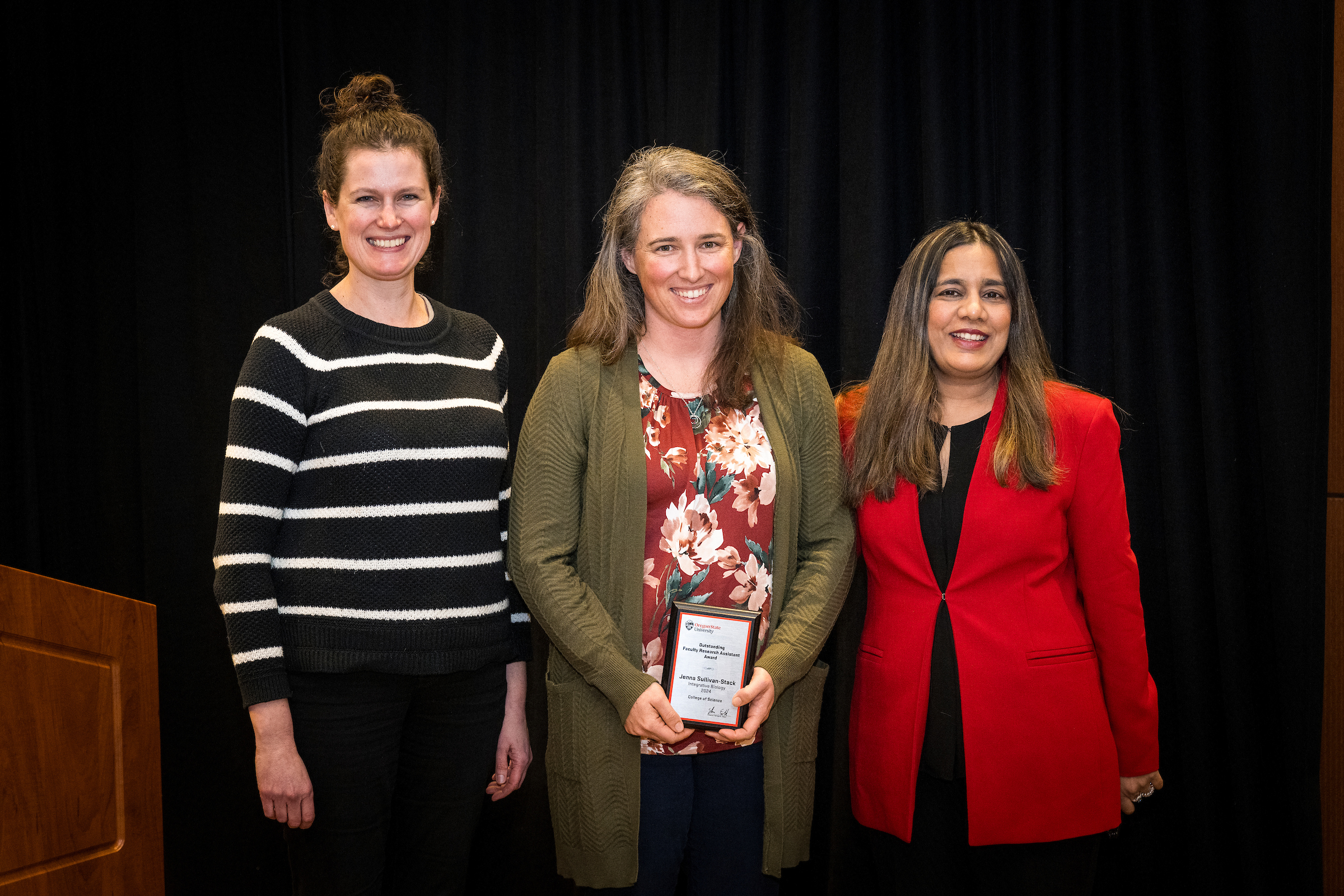
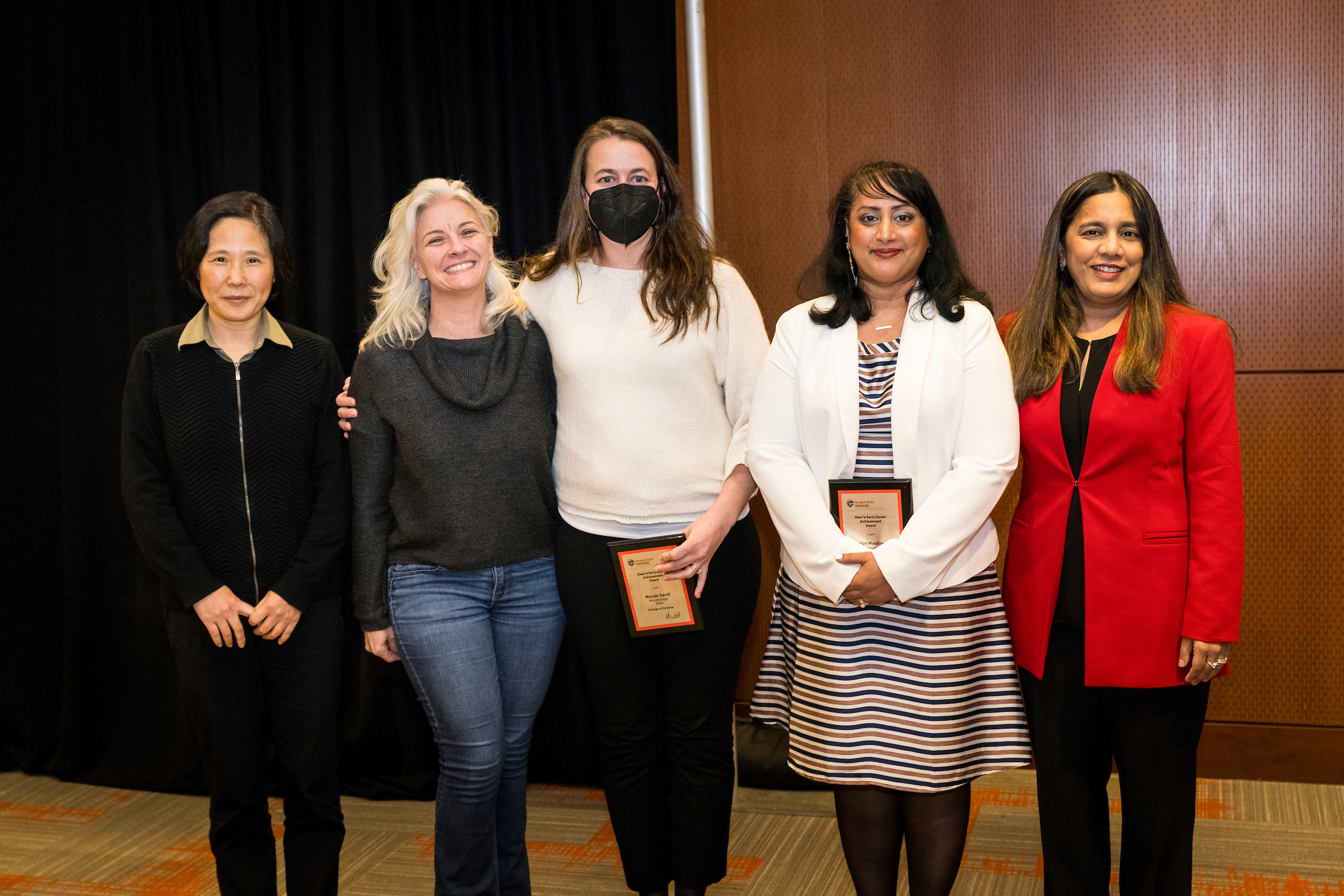
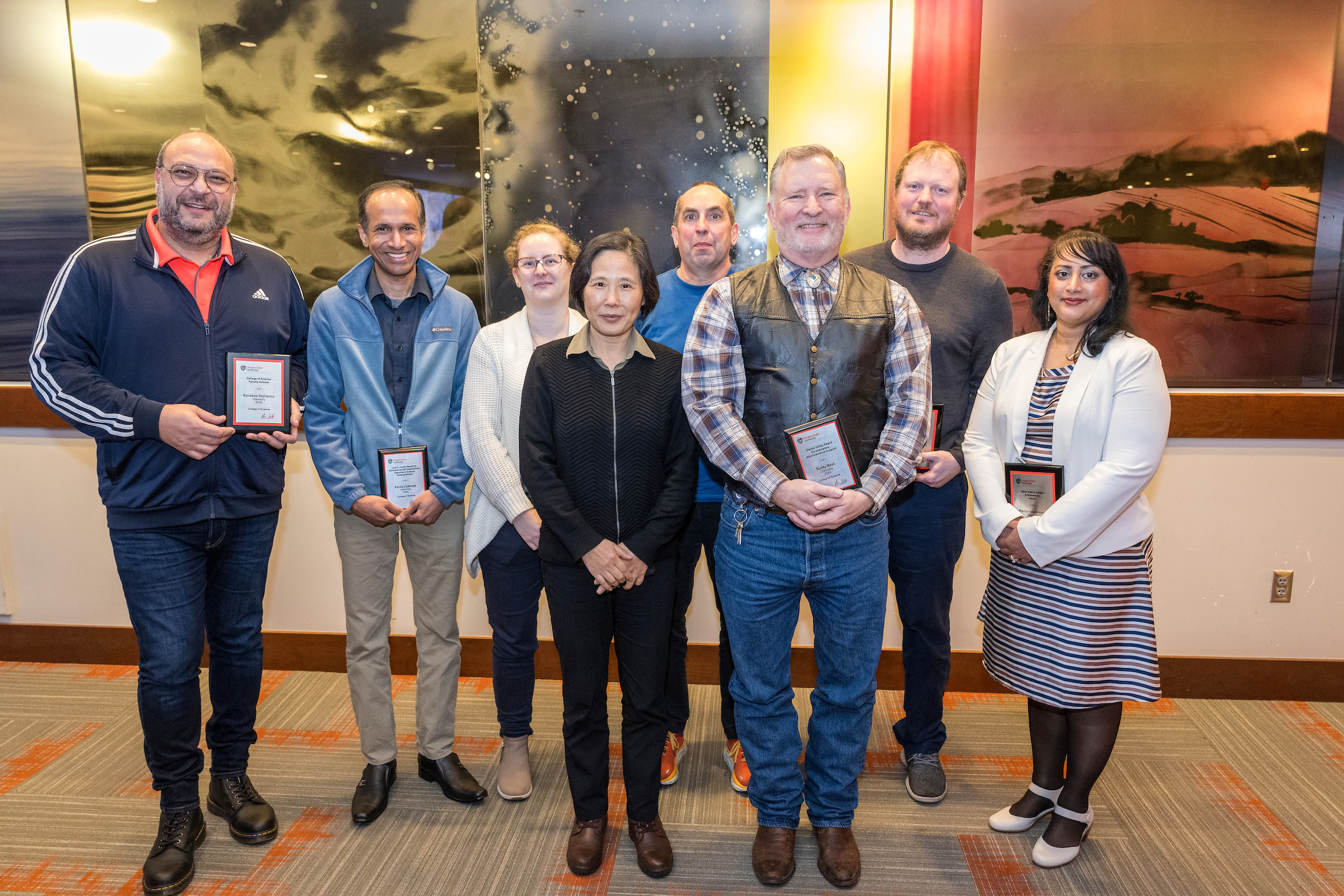
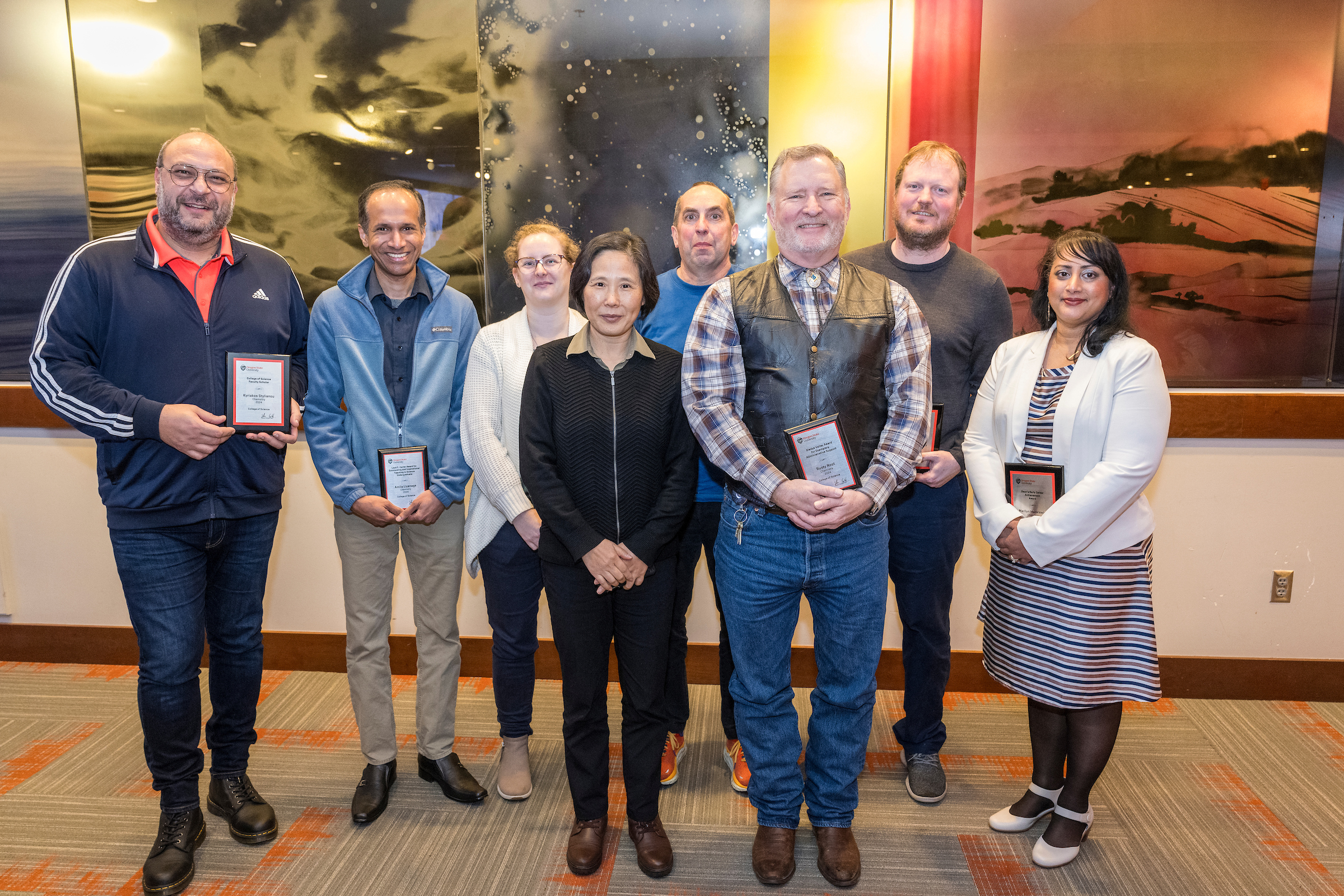
Four people stand together at an awards ceremony for the College of Science.

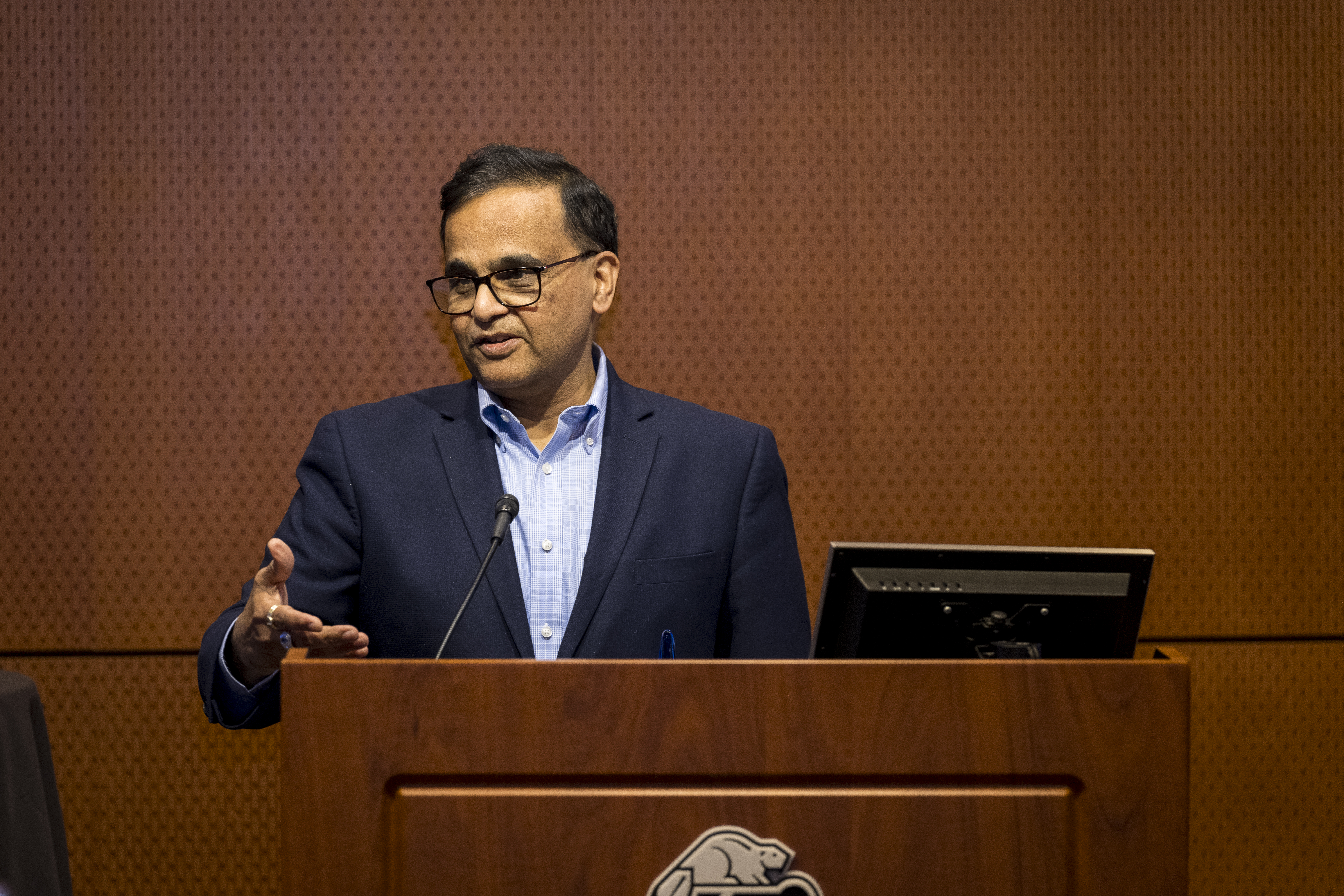
Alumni Awards celebrates in impactful legacies and achievements

By Hannah Ashton

Photos by Karl Masdam

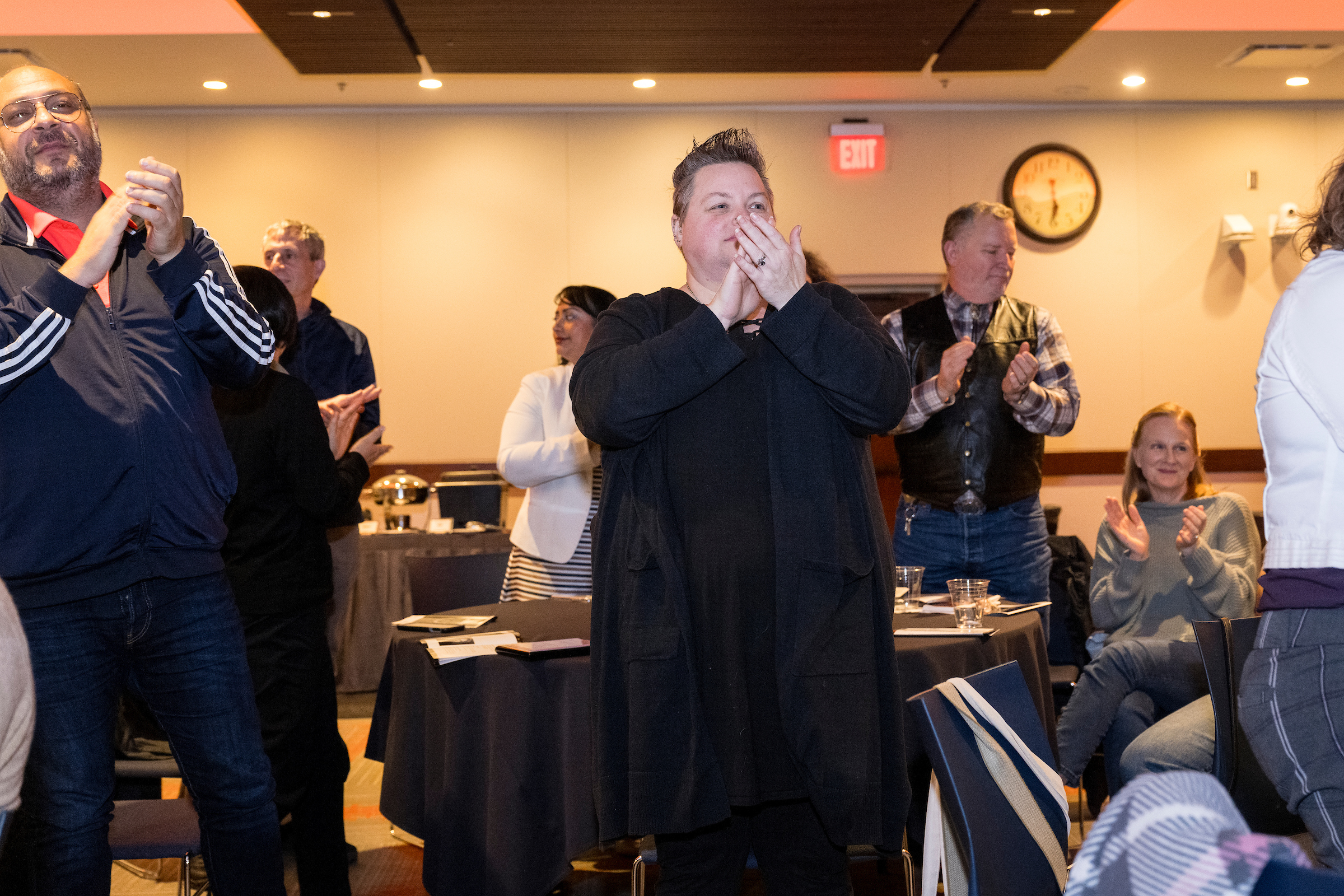
The College of Science community recently gathered to celebrate this year's Alumni Award recipients. These individuals have enriched many lives through their professional achievements, impact and service. They embody our vision to extend the reach and impact of science by improving life for the people of Oregon and beyond.

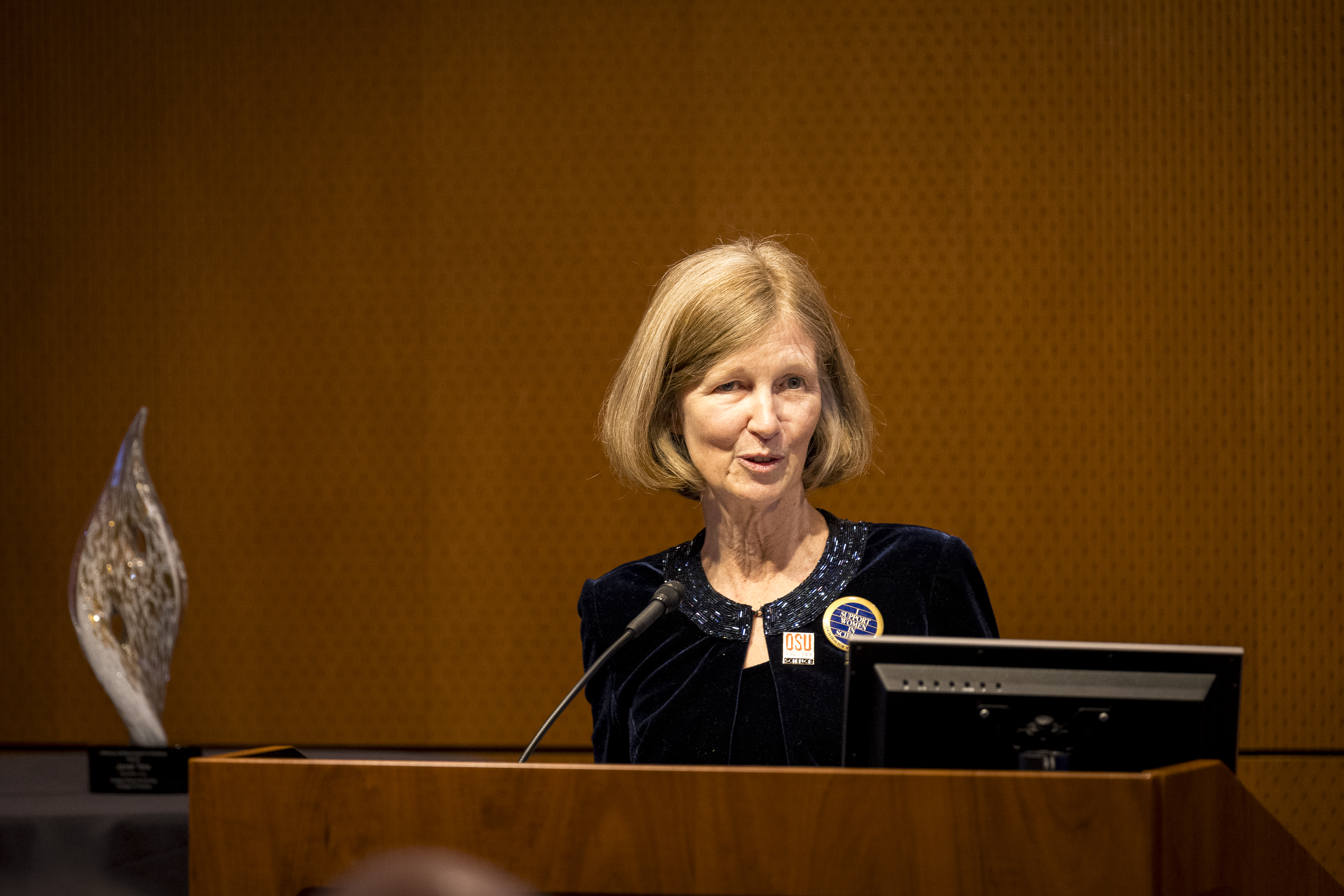
Janet Tate, distinguished professor emerita, received the Lifetime Achievement in Science Award; Parbu Nambiar Ph.D. ('88), principal and founder of Syner-G BioPharma Group, received the Distinguished Alumni Achievement Award; and Jonathan Gallion ('12), vice president of artificial intelligence and machine learning at OmniScience, received the Early Career Award.

Two women stand next to each other.

Lifetime Achievement in Science award winner Janet Tate stands with Dean Feingold.

Janet Tate blends scientific innovation with a passion for education, leaving a lasting impact on Oregon State University and materials physics. A University Distinguished Professor, Tate has spent over 35 years researching energy-related materials, including superconductors and thin-film semiconductors, which enhance renewable energy systems and electronics. Her work contributed to the development of transparent oxide transistors, a key component behind Apple’s Retina 5K displays.

Tate’s collaborative research with leading institutions such as MIT and the National Renewable Energy Lab has led to more than 30 peer-reviewed publications and $7 million in grant funding. Internationally recognized, she has earned numerous awards, including the Alexander von Humboldt Fellowship and APS Fellowship.

Read about her passion for diversity in physics and mentorship.

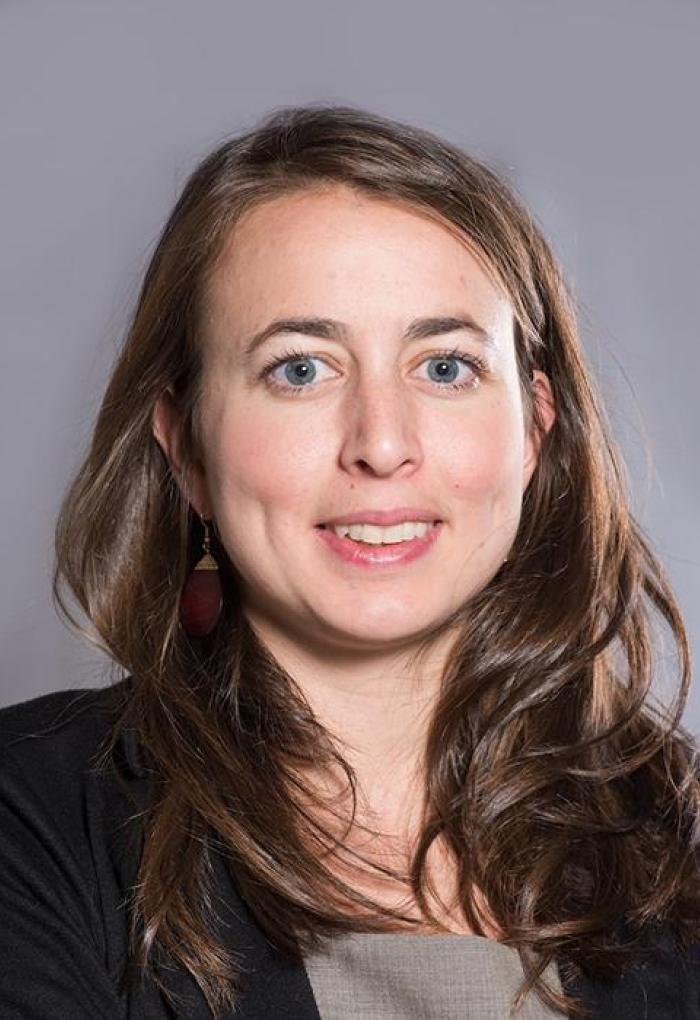
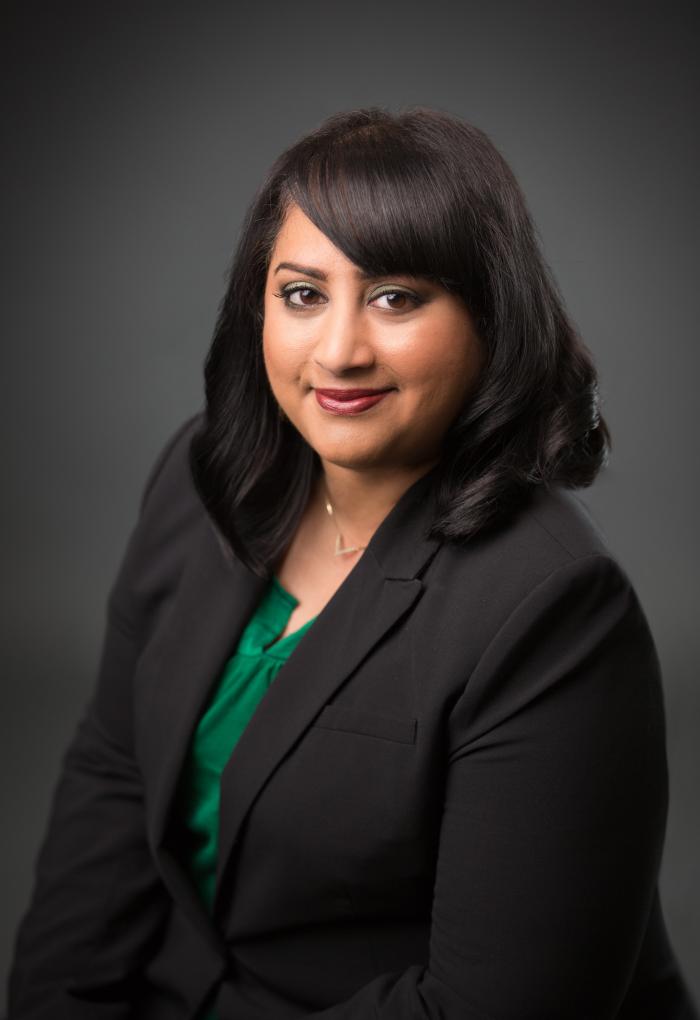
A man and woman stand next to each other in professional clothing.

Distinguished Alumni Achievement Award recipient Parbu Nambiar stands with Dean Feingold.

Prabu Nambiar embodies the transformative power of education and perseverance, leading him to establish the successful consulting firm Syner-G BioPharma Group. Growing up in rural southern India, Nambiar’s early exposure to the world came through the radio, igniting a desire for greater opportunities. Encouraged by a professor to pursue his studies at Oregon State University, he moved to the U.S. in 1983, where he quickly adapted to a new environment while pursuing his Ph.D. in organic chemistry.

Nambiar’s career took him from academia to the pharmaceutical industry, starting at Bristol-Myers Squibb and later serving as vice president of regulatory affairs at Vertex Pharmaceuticals. Noticing a gap in the market for expert consulting during drug development, he took a bold leap to found his own company, which has since grown from 50 to nearly 500 employees.

Read about his company and passion for giving back to Oregon State.

A man and woman stand next to each other wearing professional clothing.

Young Alumni Achievement Award recipient Jonathan Gallion stands next to Dean Feingold.

Jonathan Gallion is making significant strides in emerging fields as the vice president of artificial intelligence and machine learning at OmniScience. His journey began in a laboratory filled with plates and pipettes, where he discovered a passion for biochemistry and biophysics. During an internship at SIGA Technologies, Gallion programmed robots to screen chemical compounds, an experience that set the foundation for his future career.

At OmniScience, he leads a team focused on leveraging data science and large language models to improve clinical trial outcomes and revolutionize medicine. His innovative work addresses the complex challenges of processing vast healthcare data, which is expected to grow significantly in the coming years. Gallion emphasizes the importance of building connections within the industry and encourages students to explore diverse career paths.

Read more about how he believes scientists can have client-facing careers.

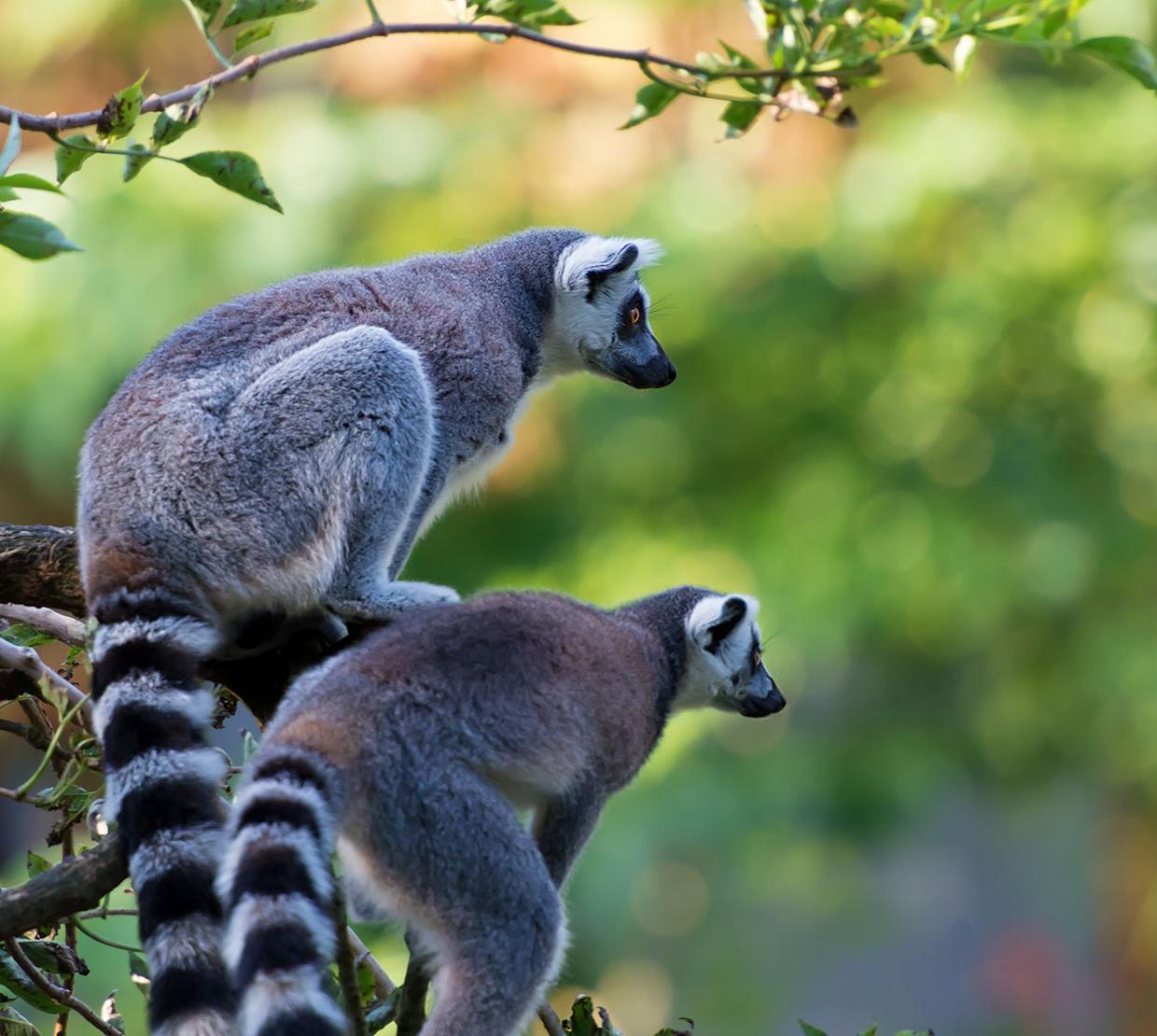
Two lemurs sit closely together on a tree branch, surveying their environment

Science Faculty Secures $18.5M in FY 2024, extending the reach and impact of science

By Hannah Ashton

The Everson lab studies Madagascan lemurs to explore how hybridization shapes genomes, species limits and the evolutionary trajectory of radiations (rapid increases in diversity).

The College of Science has a diverse portfolio of signature research, scholarship and innovation activities that enable our College to make fundamental and applied discoveries. To support society’s scientific challenges, we are invested in discovery-driven science and applied and transdisciplinary research. Our research intersects with all four research areas of priority outlined in OSU’s strategic plan, Prosperity Widely Shared.

Over the 2024 fiscal year (FY24: July 1, 2023 - June 30, 2024), the College of Science researchers received $18.5 million in research grants to support groundbreaking science. Most of that funding came from federal agencies and foundations in recognition of proposals with broad societal impacts, like increased human health, sustainable and clean energy and climate change mitigation. Our faculty pursue foundational and basic research projects and science education projects. Data science and Artificial Intelligence (AI) tools are increasingly becoming part of the fabric of much of our research. College of Science research expenditures in FY24 totaled $20.7 million.

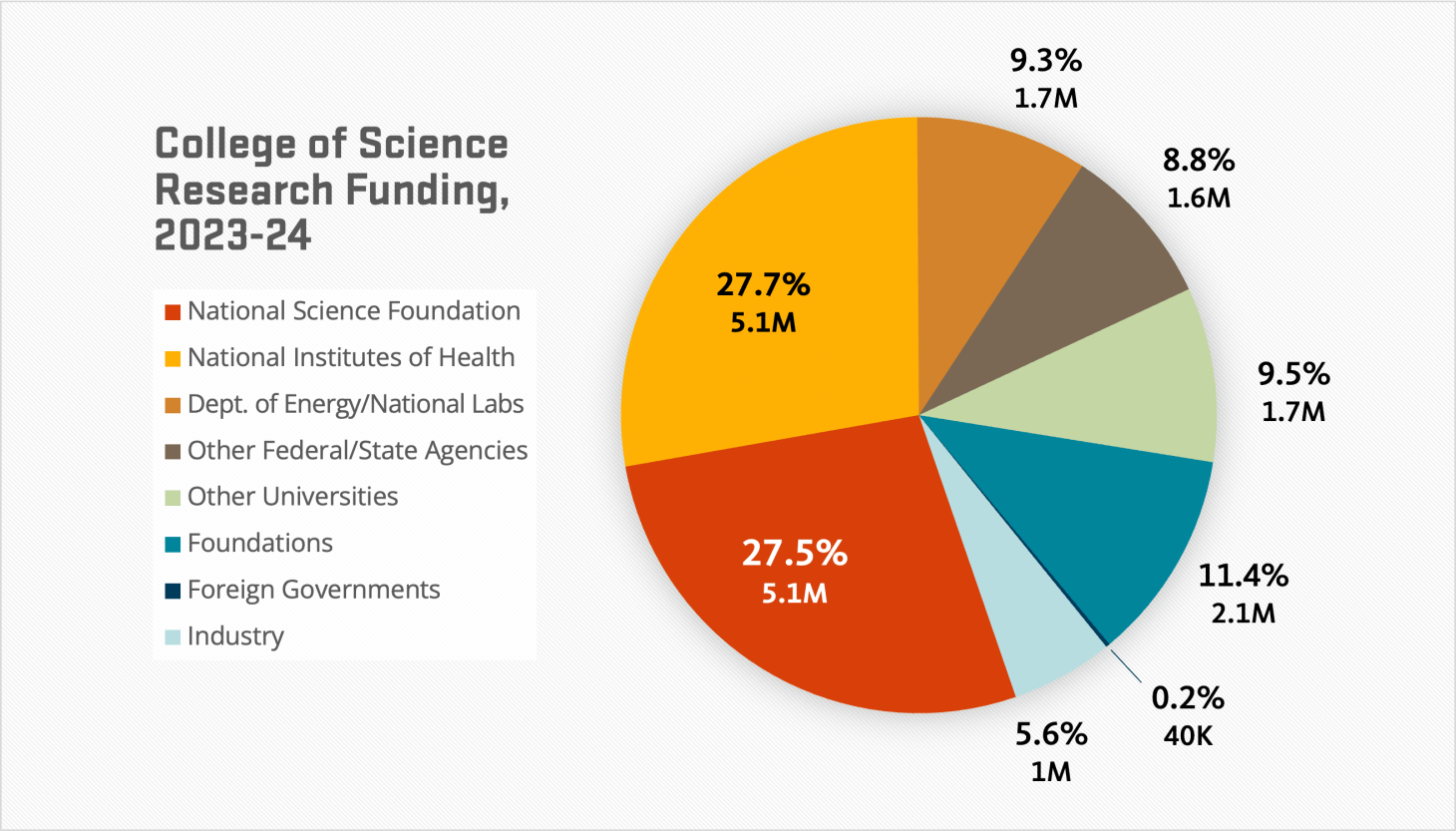
The figure below illustrates the breakdown of funding sources for the College, with the National Science Foundation (NSF) and National Institutes of Health (NIH) each awarding about $5.1M.

Pie chart showing Science Research Funding, with details in the following caption

Research funding in 2023-24 ($18.5M total) comprised investments mostly from federal and state agencies, including the National Science Foundation (25.7%–$5.1M), National Institutes of Health (27.7%–$5.1M), Department of Energy and National Labs (9.3%–$1.5M), and others (8.8%—$1.6M). Additional funds were provided by other universities (9.5%—$1.7M), foundations (11.4%–$2.1M), foreign governments (0.2%–$40K) and industry (5.6%–$1M).

Research funding propels Team Science forward

Oregon State University is focused on big discoveries that drive big solutions. Many science faculty received grants last year in support of discovery-driven science, applied and transdisciplinary research science education and innovation in OSU’s priority research areas of integrated health and biotechnology, climate science and solutions, robotics, data science and AI, and clean energy and solutions. Below are some of the highlights—not including multi-year projects started before 2023.

Faculty honors

Astrophysicist Jeff Hazboun received a $73K Faculty Early Career Development award from the National Science Foundation. This prestigious NSF early career award is highly coveted by faculty! Hazboun’s project includes curriculum development and the implementation of a summer workshop in astrophysics-themed data analysis designed to foster inspired teaching, stimulate excitement in pulsar timing array research, facilitate the learning goals of undergraduate and graduate students, and support the community college students’ transition into four-year schools.

Mathematician Christine Escher received a $50,397 award from the NSF to host the Pacific Northwest Geometry Seminar series over three years at various Pacific Northwest universities. Escher is the principal organizer of the conference. This award supports meetings of the Pacific Northwest Geometry Seminar (PNGS), a regional meeting for researchers and educators of geometry, to be held at the University of British Columbia (2025), Seattle University (2026) and Lewis & Clark College (2027).

Integrated health & biotechnology

Materials scientist Kyriakos Stylianou, along with members of the College of Pharmacy and the College of Agricultural Science, received $2 million from the U.S. Department of Agriculture to develop improved ways of preventing stored potatoes from sprouting, particularly in the organic sector. Stylianou’s team studied nearly 200 different plant essential oils for their anti-sprouting effects. Oregon, Washington and Idaho produce more than 60% of the potatoes grown in the United States, and Pacific Northwest potato cultivation is a $2.2 billion industry.

Microbiologist Maude David is part of a multi-institution research team to receive a $4.3 million grant from the U.S. Department of Agriculture to study European foulbrood disease (EFD) in honey bees. The group is investigating the factors contributing to the high incidence of infection, and will then share their findings with local beekeepers and growers to improve mitigation efforts. Beekeepers in Oregon typically pollinate about five different crops annually. If the colonies are weakened by EFD, this results in less pollination, which is a concern for blueberry and almond growers.

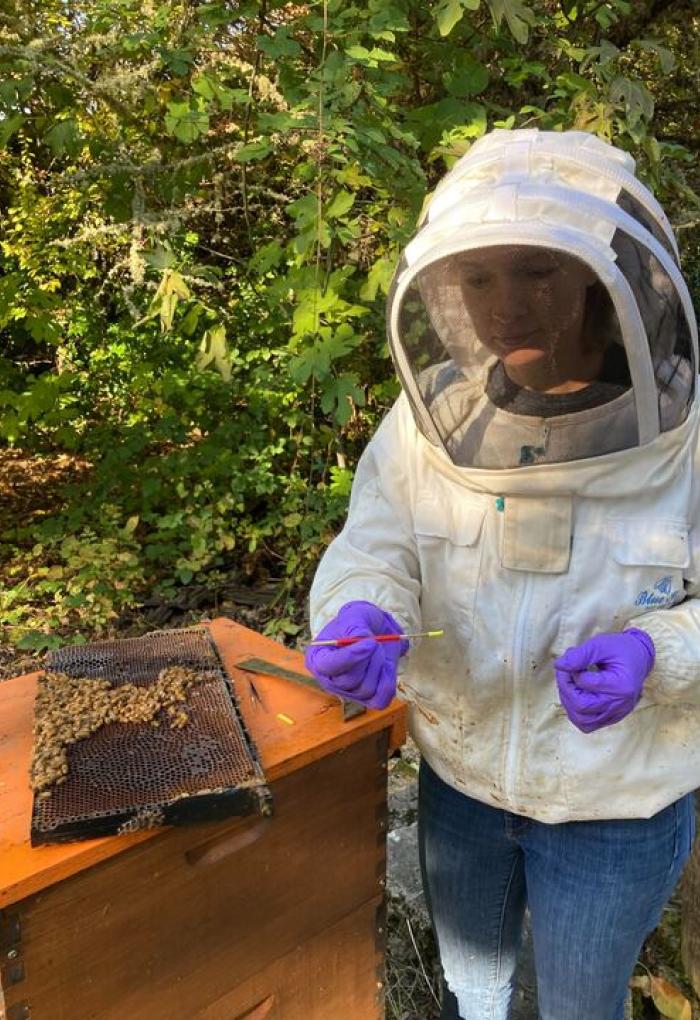
A scientist in a beekeeping outfit stands next to a honeycomb

Carolyn Breece from the OSU Honey Bee Lab shows Maude David a bee colony during a field trip.

Evolutionary biologist Michael Blouin was awarded $1.86M over five years ($371K per year) from the National Institutes of Health for his project entitled, “Genetic mechanisms of snail/schistosome compatibility.” Schistosomes are water-borne blood-flukes transmitted by snails, which infect over 250 million people in more than 70 countries and cause severe and chronic disability. A debilitating helminth parasitic disease of humans, vaccines are available for schistosomiasis. This project will identify new genes that make some snails naturally resistant to infection by schistosomes, revealing potential new ways to reduce parasite transmission at the snail stage.

Statistician Robert Trangucci received $164K from the University of Michigan for his project entitled, “Data driven transmission models to optimize influenza vaccination and pandemic mitigation strategies.” Selection bias is common in infectious disease datasets due to complex observational and biological processes, and bias can arise from covariate data which is missing due to analytical limitations. The research team is addressing the concern by extending existing models to accommodate risk and data gaps over time for application in vaccination and other novel datasets.

Chemist Dipankar Koley received $542K from the National Institutes of Health for his project entitled, “Microenvironmental characterization and manipulation to prevent secondary caries.” A common reason for dental replacement is a recurrence of caries around existing restorations caused by microbial activity. The project seeks development of new and innovative materials to bias this microbial environment toward improved dental health, and the researchers are investigating the use of cations of magnesium and zinc applied with specialized release platforms.

Collaborative research at the interface of robotics, computer vision and AI

Statistician Yanming Di received $249K from the U.S. Department of Agriculture for a project entitled, “DeepSeed: A computer-vision network for onsite, real-time seed analysis.” The Willamette Valley is considered the “grass seed capital of the world.” Seed testing, used for determining seed lot quality and establishing seed value, is a fundamental phase of the agricultural marketing system. With recent advances in robotics, computer vision, and AI, an opportunity presents itself for a new wave of innovations. This project utilizes AI and robotics to innovate devices and protocols for sampling grass seeds and a computer vision system for automated seed analysis. The investigators consist of experts in seed services, computer vision, statistics, and mechanical engineering.

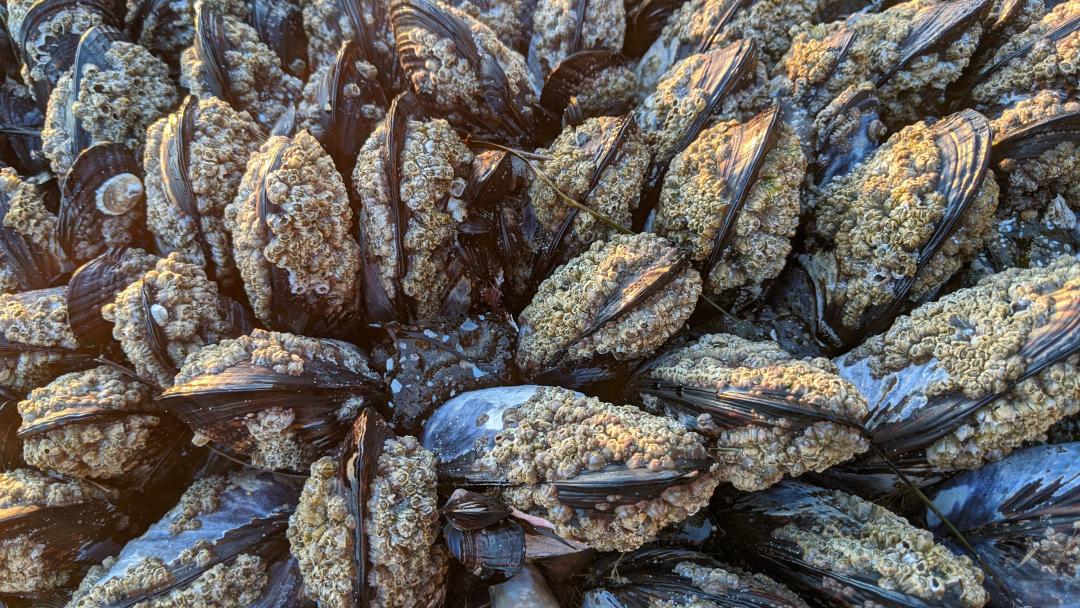
California mussels at low tide, covered in barnacles

Mytilus californianus (the California mussel) is prey for many predator species, serves as a filter for ocean particulate, and harbors hundreds of other species. Threats to this normally resilient foundation species represent risks to the entire local marine ecology.

Climate science and related solutions

Materials scientist Kyriakos Stylianou received $689K from Saudi Aramco for a project entitled “New Generation of CO2 Capture Adsorbents: Synthesis, Performance under Humid Conditions, and Scaleup.” In this project, the Stylianou group aims to discover novel adsorbents for the selective capture of CO2 from diluted sources. Successful materials will undergo scaling up and evaluation for their efficacy in removing CO2 from air.

Marine ecologist Bruce Menge received $200K from the National Science Foundation for his project entitled, “RAPID: A subtle epidemic: unique mortality of Mytilus californianus on the Oregon coast.”

The research team is investigating the major changes occurring in the Pacific Northwest marine ecosystems, with evidence these communities exhibit low resilience to climate change. For example, sessile invertebrates (mussels, barnacles, etc) become more abundant while seaweed species (kelp, etc) decline.

Evolutionary biologist Kathryn Everson received two awards for $276K from the University of Kentucky Research Foundation for a project entitled, “The role of hybridization in generating biodiversity: Insights from genomics of Madagascar’s true lemurs (Eulemur).” This project is funded by the NSF to understand how new species form in the context of complex gene flow and to expose the genomic signatures of evolutionary processes. The researchers will characterize patterns of gene flow, selection, and genome architecture for a species of lemur to gain a genomic perspective on the evolution of species boundaries. In addition, the team will construct a hybridization model using data on geographic range, diet, and social behavior for this lemur.

Clean energy and related solutions

Aerosol chemist Alison Bain received $284K from McGill University for her project entitled, “Single particle measurements.” This research aims to understand the optical properties of stratospheric aerosols. Using single particle experiments under environmentally relevant temperatures and humidities, the team will extend a wavelength-dependent refractive index model to include these conditions. They are also looking at how atmospheric aging impacts the optical properties of these materials.

Chemist Wei Kong received $110K from the American Chemical Society for her project entitled, “Superfluid helium droplets as microreactors for studies of photochemistry of fossil fuel hydrocarbons: polycyclic aromatic hydrocarbons and the corresponding endoperoxides.” The project will use superfluid helium droplets as microreactors to investigate the kinetics of the photooxidation process of a major component of petroleum (polycyclic aromatic hydrocarbons, PAH). Using several analytical techniques, the team will test the hypothesis that supercooling the helium droplets will stabilize an excited state of the oxygen molecule and prevent further reactions.

Collaborative partnerships to fuel a thriving world

Biochemist Ryan Mehl received $234K from the NobleReach Foundation in partnership with the National Science Foundation. The project “Ideal eukaryotic tetrazine ligations for imaging protein dynamics in live cells” was selected as one of the first set of 11 national pilot projects to receive $234K from the NobleReach Foundation.The partnership seeks to identify and accelerate the translation of NSF-funded research into biotechnologies and bio-inspired designs with commercial and societal impacts. This pilot will help inform future translational funding opportunities along with enabling Professor Mehl and the other selected principal investigators to accelerate bringing their research to the market and society.

Biochemist Patrick Reardon received $500K from the National Science Foundation (NSF) Research Instrumentation Program for his project entitled, “MRI: Acquisition of Helium Recovery Equipment: An integrated system for helium capture and recovery for the OSU NMR facility.” This award supports the acquisition and installation of an integrated system for helium capture and recovery for the nuclear magnetic resonance (NMR) facility. Helium is in high demand and is used for a wide variety of industrial and research applications, and it is a non-renewable resource which highlights the need for laboratories to capture and recycle this important gas. The NMR lab is supported by funding from the National Institutes of Health, NSF, M.J. Murdock Charitable Trust, and OSU, and it is a core facility and cornerstone for groundbreaking research in interdisciplinary science and engineering, chemistry, biochemistry, and biophysics at OSU, throughout the Pacific Northwest, and beyond. The facility continually strives to enhance its state-of-the-art instrumentation for the highest levels of analytical performance.

A microscope illustration with golden confetti in the background.

Celebrating excellence in research: 2024 College of Science Awards

By Hannah Ashton

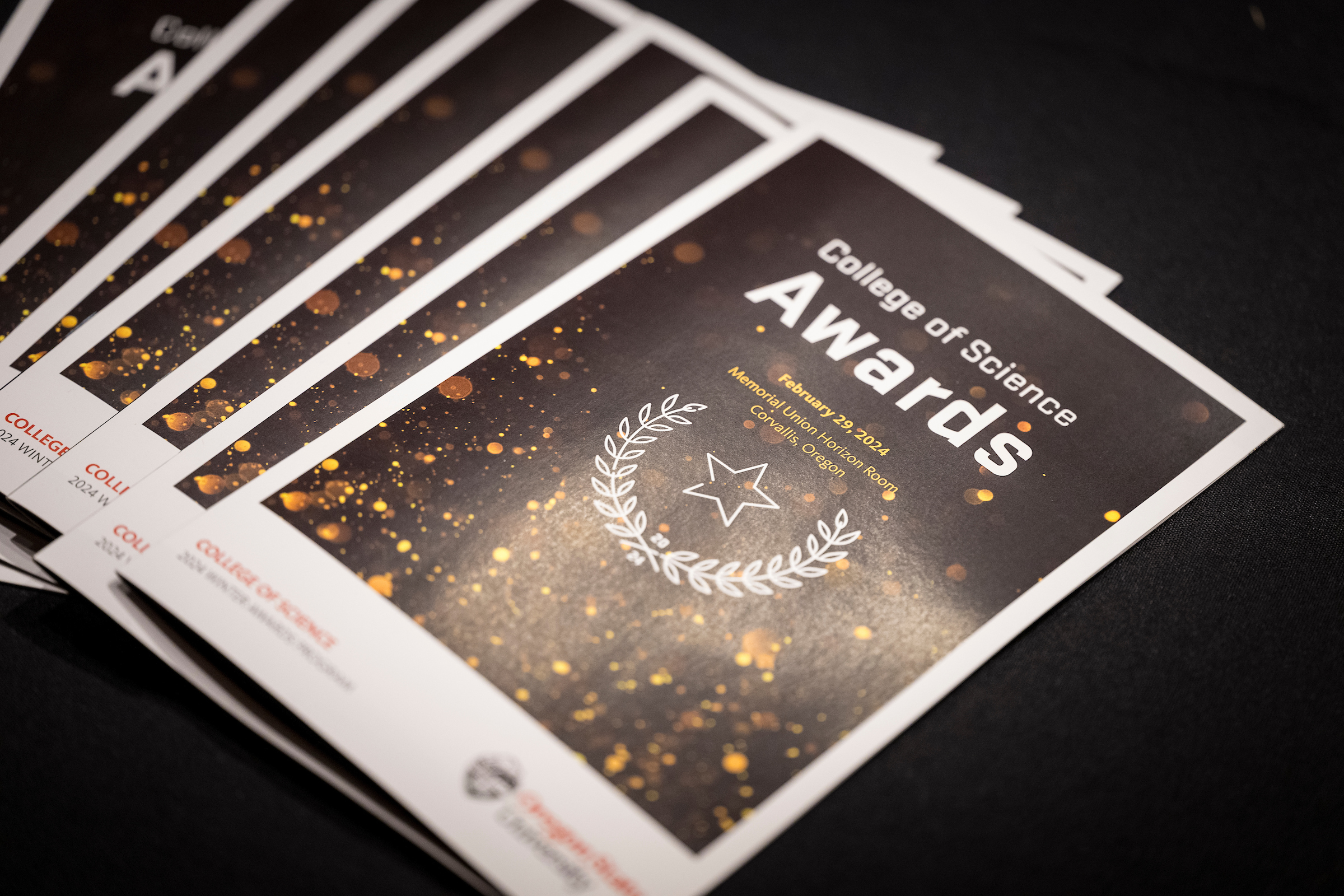
The College of Science gathered on Feb. 29 to recognize and celebrate our high achieving faculty and staff at the 2024 Combined Awards Ceremony. The evening celebrated the very best in the College, from teaching, advising and research to inclusive excellence, administration and service.

The following faculty and staff received awards in the category of research.

Congratulations to all the awardees!

Outstanding Faculty Research Assistant Award

Jenna Sullivan-Stack received the Outstanding Faculty Research Assistant Award for her remarkable contributions in research, service and equity.

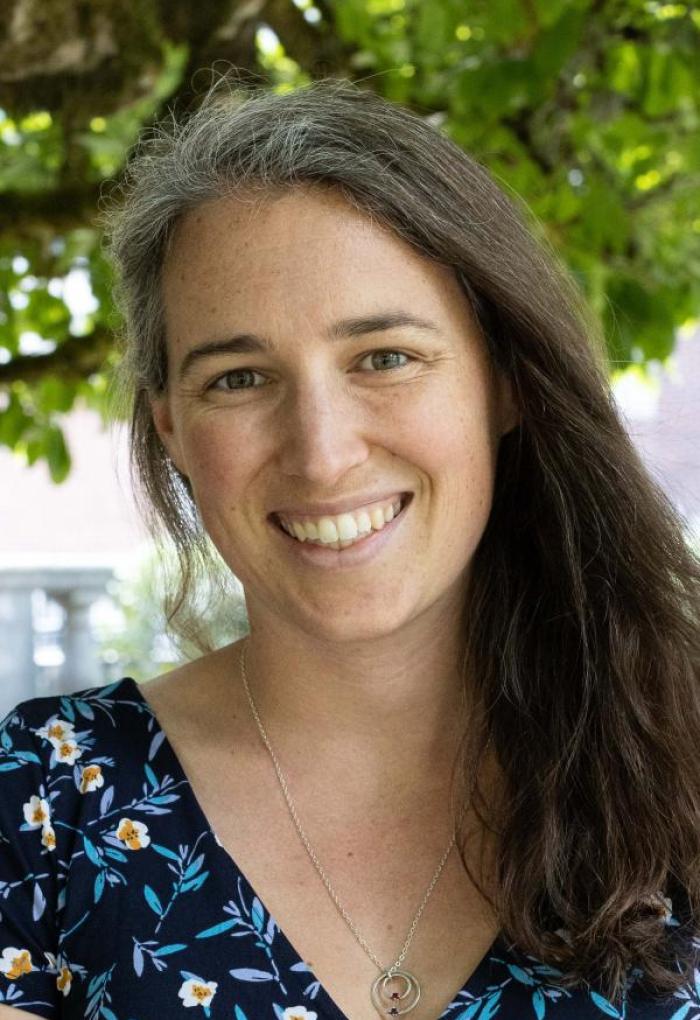
Jenna Sullivan-Stack smiles for a photo.

Jenna Sullivan-Stack

Acknowledged as a “talented scientist, effective communicator and trusted collaborator,” Sullivan-Stack has contributed to national policy level complications of ocean research and conservation. She co-authored a Science paper that was downloaded nearly 28,000 times and ranked in the top 5% of research outputs scored by Altmetric.

She actively engages with international collaborators and effectively coordinates communication with diverse co-authors. Her participation in the United Nations Indigenous Dialogues underscores her respected position, where she co-organized a panel on ocean conservation, showcasing her ability to navigate sensitive and diverse collaborations. Her nominator emphasizes, “This speaks volumes about the respect she has from our colleagues.”

In addition to her research prowess, her commitment to service and equity is exemplified through her involvement in departmental committees and initiatives. She serves on the Integrative Biology Department’s Committee on Equity, Justice and Inclusion and contributes to the Inclusive Internationalization Committee. Jenna’s dedication extends beyond academia; she actively participates in the Skype a Scientist Program, virtually visiting elementary classes nationwide to share her research and inspire the next generation.

In the words of her nominator, “Jenna is a true asset to OSU. Her expertise is supporting a thriving research group to make local to global scientific impacts that are truly transdisciplinary.”

Dean’s Early Career Achievement Award

Assistant Professor Maude David received the Dean’s Early Career Achievement Award for her outstanding contributions across research, mentorship and innovation. Notably, David’s research on the gut-brain axis and application of deep learning to neurological diseases, particularly autism, has earned international reputation.

Maude David smiles for a photo.

Maude David

Her impressive CV includes 13 manuscripts in esteemed journals and securing approximately $9.5 million in funding from diverse sources. A fellow colleague from Stanford wrote, “In my estimation, Dr. David’s early academic achievements are among the most impressive I have seen in my entire career.” Her pioneering efforts extend beyond academia, as she has initiated companies like NeuroBiome LLC and Microbiome Engineering LCC, aligning with the College of Science’s mission for community health.

Industry partners in the biotechnology sphere commend David’s deep commitment to open and collaborative science. “She has shared all data, metadata and analytical pipelines with the scientific community: as a result, this dataset has already been used by many researchers, and part of it has been published in Nature Neuron.”

David has become a leader in her field elevating Oregon State’s distinction in the area of biomedical research and biocomputing. Faculty describe her as a devoted community member with an astonishing work ethic.

Marilyn Mackiewicz smiles for a photo.

Marilyn Mackiewicz

Marilyn Mackiewicz received the Dean’s Early Career Achievement Award for her exceptional contributions in research, teaching and service. Her research focuses on safe nanomaterials, and she and her group have developed a unique protocol for controlled nanoparticle production, allowing groundbreaking applications in bioimaging and therapy. The nominations from fellow colleagues highlight her “commitment to advancing the field” and call her a “rising star in nanomaterials.”

In the teaching domain, Mackiewicz’s impact extends beyond traditional classrooms. She is commended for her teaching approach in courses like CH220 and Ch320, combining her personal experience with research-based practices for career development. Her dedication to student success is evident in her creation of a new bioinorganic chemistry class, filling a significant gap in the chemistry curriculum. In addition, her mentorship qualities are highlighted in a peer-reviewed article published in the Journal of Chemical Education, demonstrating her dedication to supporting students’ success and building their self-advocacy.

As chair of the Equity, Justice and Inclusion committee, she has transformed the appearance of Gilbert Hall into an inclusive space, showcasing diverse faculty members and the student body. Marilyn's leadership role in the college's Strategic Planning Committee, including leading the development of a goal as the only assistant professor, underscores her impactful service. She organized the first Industry-University Collaborative Conference Program, which received positive feedback, and played a significant role in rewriting OSU's NSF Research Traineeship grant.

“A trailblazer in inclusive research, teaching and service leadership,” Mackiewicz is an accomplished, dedicated and pioneering member of the College of Science.

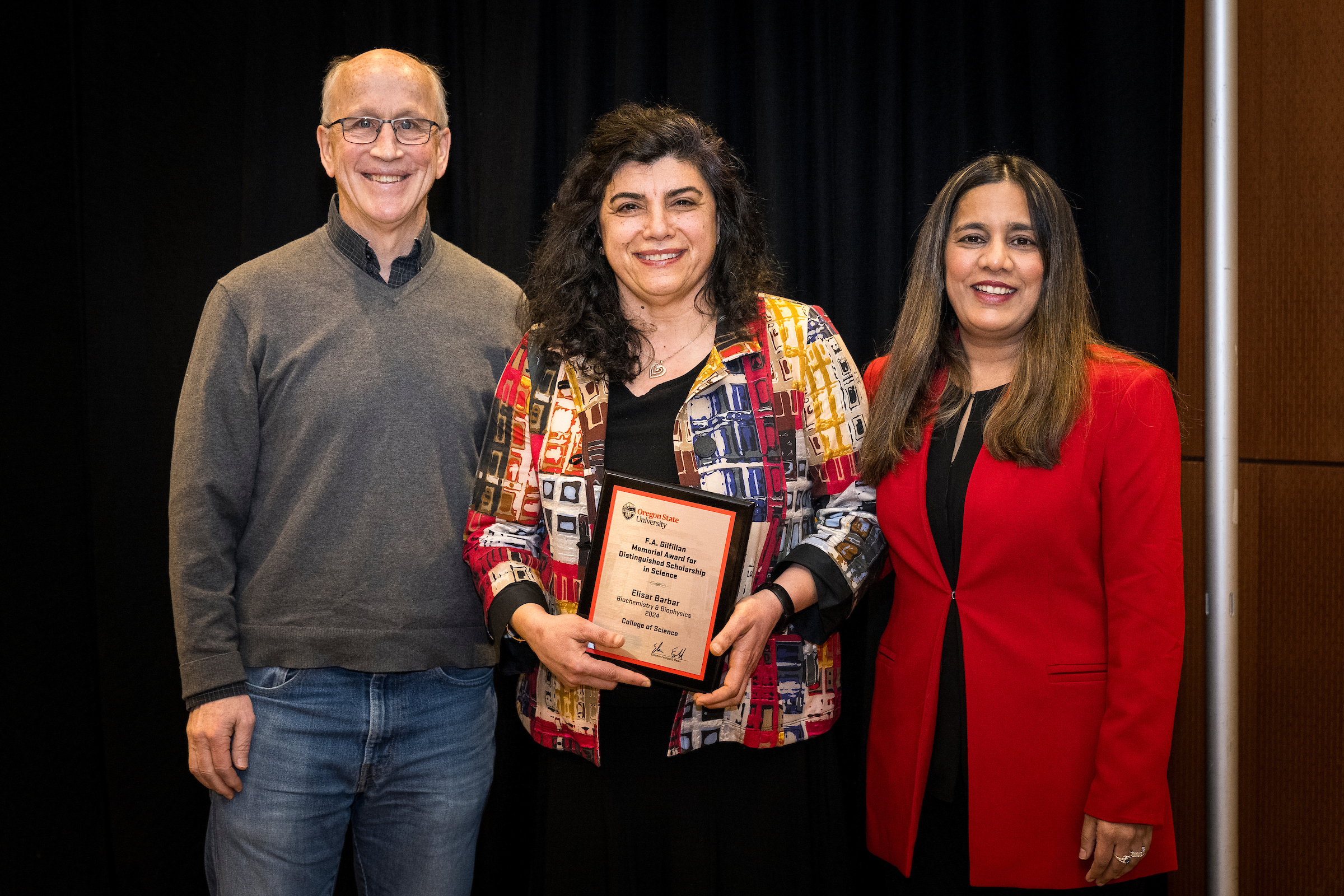
F.A. Gilfillan Award for Distinguished Scholarship in Science

Department of Biochemistry and Biophysics Department Head Elisar Barbar received the F. A. Gilfillan Award for Distinguished Scholarship in Science.

Elisar Barbar smiles for a photo.

Elisar Barbar

Barbar is a pioneering leader in the biophysical characterization of protein complexes involving intrinsically disorders proteins, a field that few researchers venture into. Throughout her 25-year tenure at Oregon State, she has built an impactful scholarly program. One nomination letter describes her as an “international leader” who has shaped the field of biophysics and structural biology, producing “deep mechanistic understanding.”

Her career has resulted in numerous quantifiable accomplishments and indicators of her scholarly excellence and impact. She has 90 refereed papers in strong journals, primary investigator on grants totaling more than $10 million in external funding, and 18 active international collaborations with researchers from 13 countries. She has received the Milton-Harris Basic Research Award, a French university’s honorary “Chaire” award, and a New Zealand university’s Erskine Fellow award.

Barbar is the perfect example of striving to define success not by how elite or exclusive she is, but by who she includes and helps achieve their academic, career and life goals. She demonstrates this commitment in her research lab through her inclusion of diverse students and other advisees who were not accepted in or were not successful in other research groups. She helps these individuals cultivate their talents and interests and find success in the department and beyond.

Her unwavering commitment to groundbreaking research, exemplary mentoring and tireless advocacy for equity in science is remarkable and highly commendable.

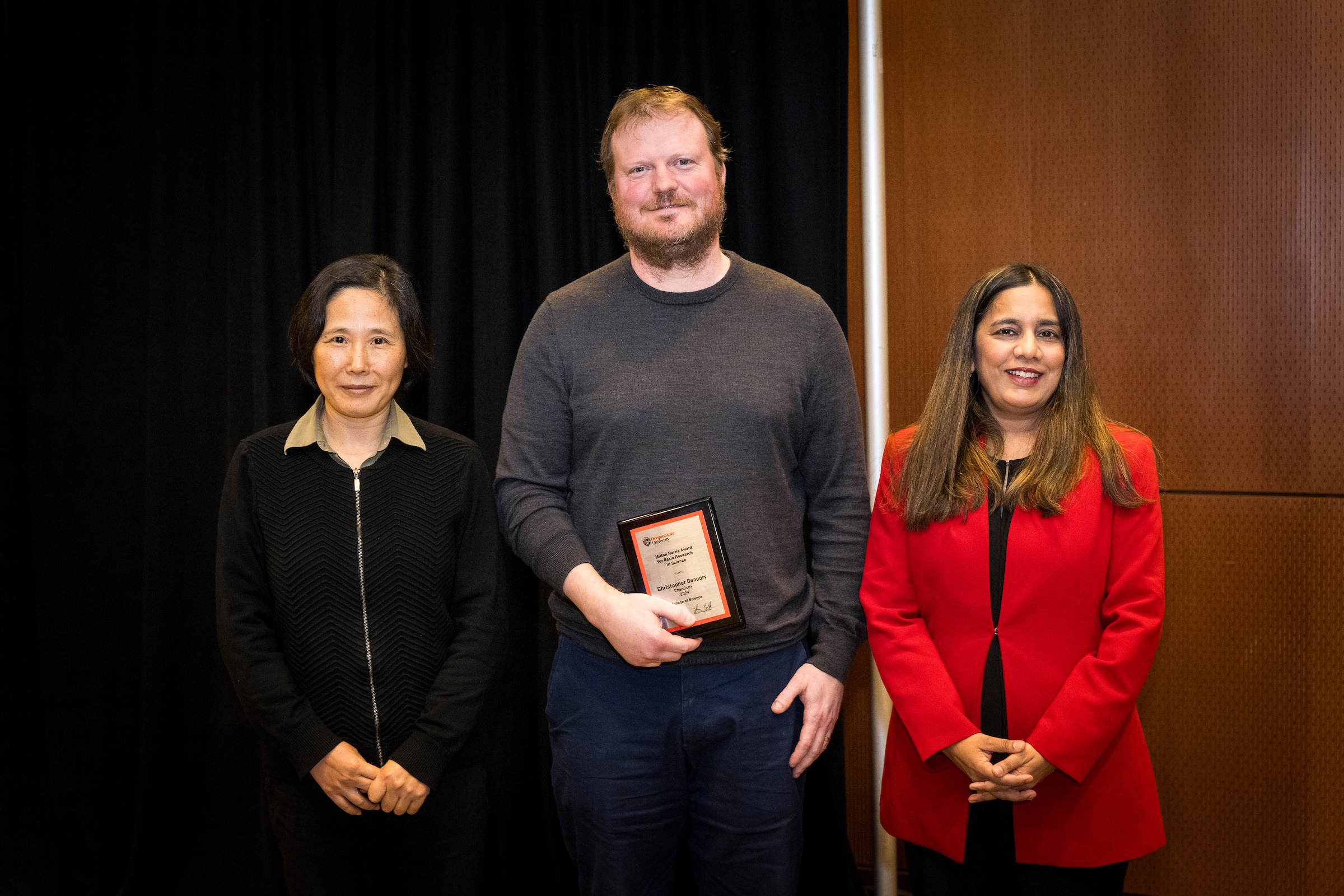
Milton Harris Award for Basic Research in Science

Professor Christopher Beaudry received the Milton Harris Award for Basic Research in Science. Endowed by G. Milton Harris, a Portland native who received his bachelor's degree in 1926 from OSU. He was a pioneer in polymer, fiber and textile science. Dr. Harris and his family were and are devoted supporters of higher education, supporting numerous scholarships, awards and faculty positions in science and engineering at OSU.

Christopher Beaudry smiles for a photo.

Christopher Beaudry

The purpose of the Milton Harris is to recognize exceptional achievement in basic research by honoring an outstanding faculty member in the College. Special consideration is given to recent research that was carried out at OSU and that will have a significant impact on its field.

Beaudry is known for his significant contributions to organic chemistry, recognized as a top authority in the chemical synthesis of natural products, particularly in the exploration of molecular chirality.

“Professor Beaudry’s scholarly endeavors represent the very essence of basic research. His achievements include the conception of numerous unprecedented chemical reactions, marking a series of ‘firsts’ in the scientific community,” one nominator wrote.

His research has garnered widespread recognition, both within Oregon State and the broader scientific community. He recently received the OSU Impact Award for Outstanding Scholarship. A leading chemistry publication distinguished his work as a ‘Very Important Paper’ and he secured ‘most downloaded’ accolades from the esteemed journal Angewandte Chemie.

Promotion of equity, justice and inclusion has been an integral part of Chris’s career. Through his lived experiences, including being a first-generation college student, he understands students may experience “imposter syndrome” and he is committed to creating an inclusive laboratory environment.

“Overall, Prof. Beaudry has amassed a unique portfolio of synthetic chemistry that marks him as one of the best in our field, and positions him beautifully for continued contributions not only in the heart of organic chemistry, but also in the field of medicinal chemistry,” one colleague wrote. “I hope it is evident that I think the world of Prof. Beaudry’s science.”

A pillar graphic with golden confetti in the background.

Celebrating excellence in teaching and advising: 2024 College of Science Awards

By Hannah Ashton

The College of Science gathered on Feb. 29 to recognize and celebrate our high achieving faculty and staff at the 2024 Combined Awards Ceremony. The evening celebrated the very best in the College, from teaching, advising and research to inclusive excellence, administration and service.

The following faculty and staff received awards in the categories of teaching and advising.

Congratulations to all the awardees!

Olaf Boedtker Award for Excellence in Academic Advising

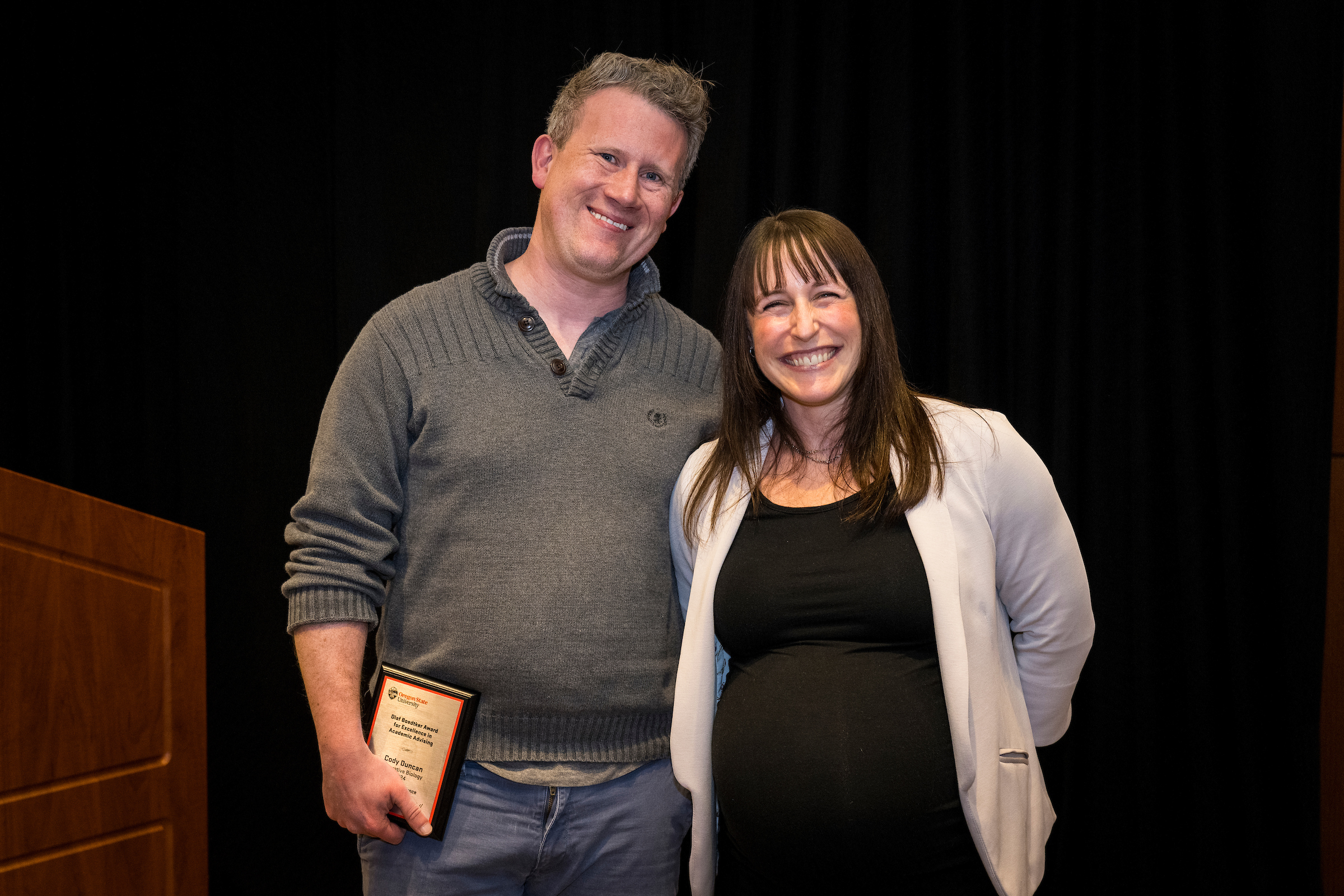
Cody Duncan, academic advisor in the Department of Integrative Biology, received the Olaf Boedtker Award for Excellence in Undergraduate Advising.

Cody Duncan smiling for a photo.

Cody Duncan

Duncan was praised by students for being an outstanding advisor, even when he was not their primary advisor.

One student commends Duncan for being the best advisor they’ve had at OSU, stating, “He is thoughtful, kind and cares about students.” Others highlighted his responsiveness in addressing schedule and planning issues, always providing helpful options for meeting forward.

His influence has had a lasting positive impact. A student recalls their first meeting with Duncan, emphasizing his kindness and understanding of their goals upon entering college. Even amid changing academic interests, Cody’s support remains unwavering. A student shares, “He helped me navigate a shift from pre-vet to pre-med during my senior year, providing knowledgeable advice on next steps in terms of shadowing or exploring human medicine.”

What sets him apart is his enduring support. He is known for mentioning to students that they can contact him even after college if they need help or direction. This long-term commitment underscores his genuine care for students.

Loyd F. Carter Award for Outstanding and Inspirational Teaching in Science (Undergraduate)

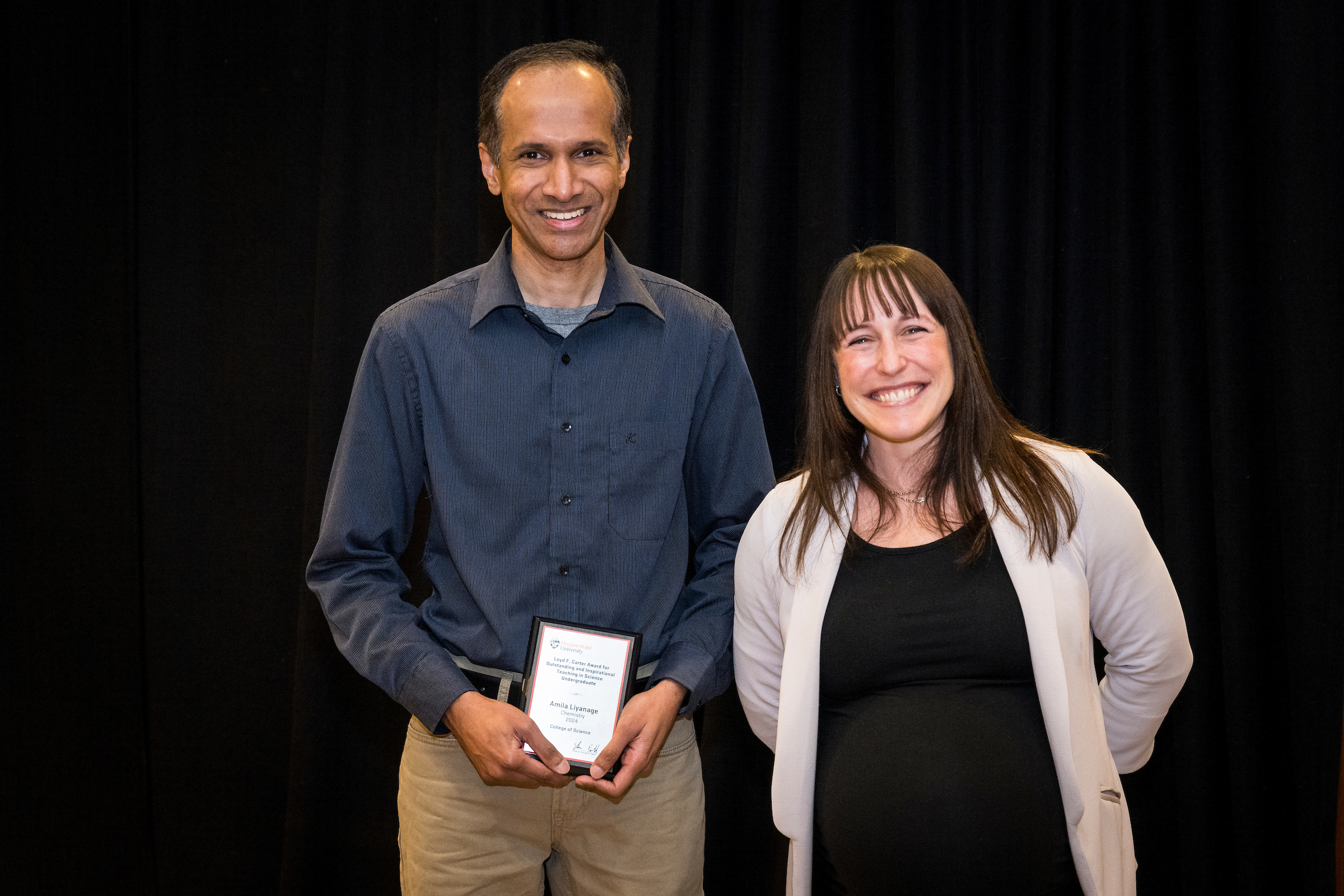
Senior Instructor I Amila Liyanage received the Loyd F. Carter Award for Outstanding and Inspirational Undergraduate Teaching in Science. Liyanage teaches Experimental Chemistry.

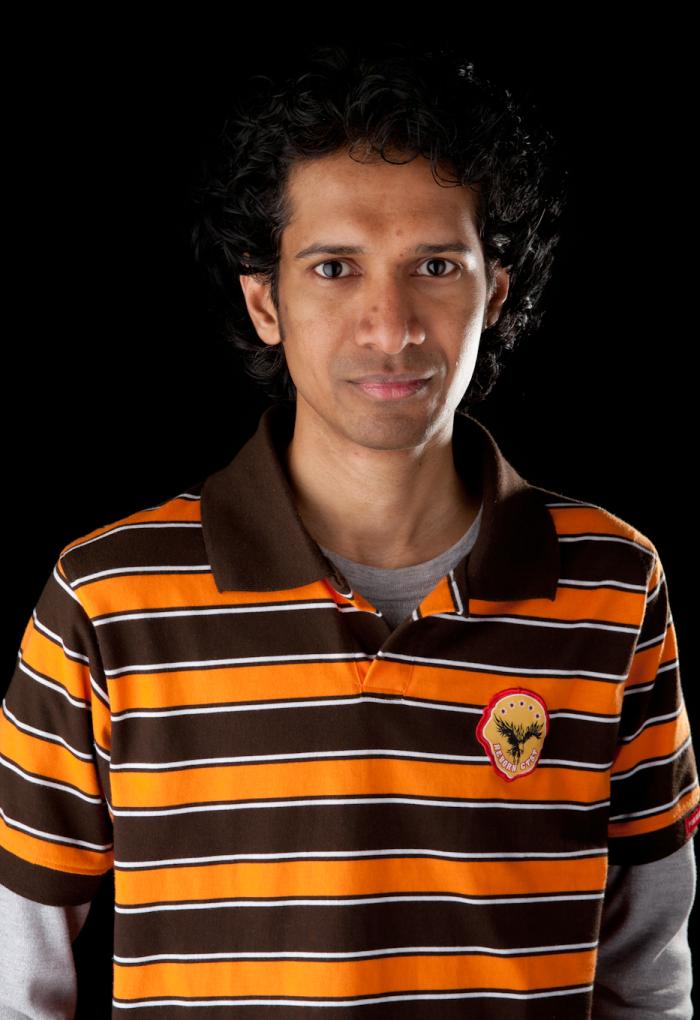
Amila Liynage smiling for a photo.

Amila Liyanage

Students unanimously commended Liyanage’s impactful teaching style, especially in lab settings, where he stands out for being incredibly hands-on and focused on students’ needs. One student notes, “He takes the time to connect with students. He listens to concerns with an open mind and takes the time to help the students solve the problem at hand.”

Beyond the classroom, his proactive dedication is evident as he takes time to review student’s lab reports before deadlines, providing valuable feedback and help to succeed. He is described as “outgoing and respectful to lab attendants and faculty.”

In the Experimental Chemistry Honors series, students appreciate Liyanage’s kindness, detailed explanations and clear directions. One student emphasizes, “Liyanage was so supportive and helpful when I had a question or if I was struggling.”

Students value his recognition of their lives outside academia, citing instances where he granted extensions due to external circumstances. “He is an incredible teacher and mentor, and I can’t think of anyone truly more deserving of this award,” one student wrote.

Loyd F. Carter Award for Outstanding and Inspirational Teaching in Science (Graduate)

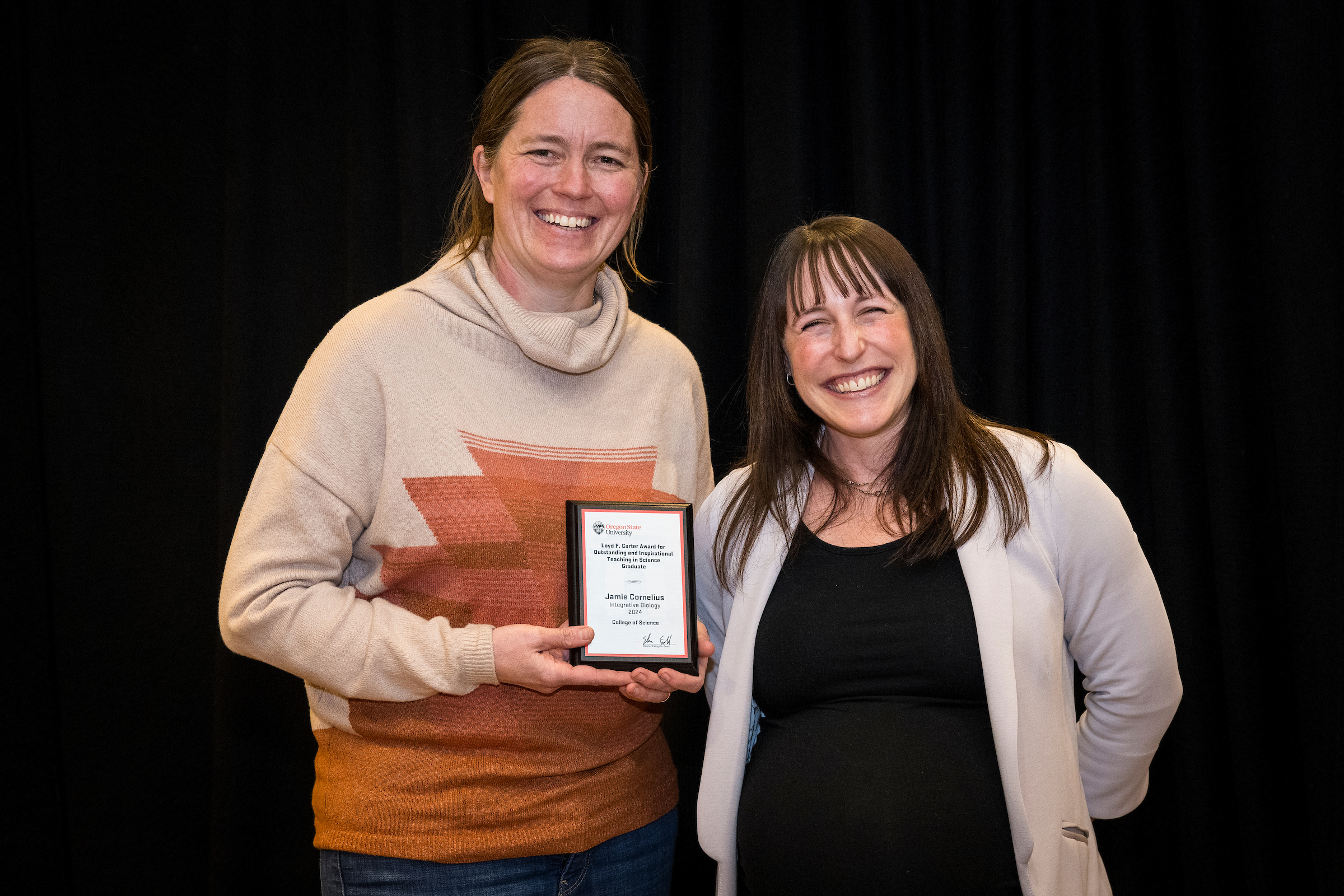
Assistant Professor Jamie Cornelius received the Loyd F. Carter Award for Outstanding and Inspirational Graduate Teaching in Science. She teaches environmental physiology and behavioral neurobiology.

Jamie Cornelius smiling for a photo.

Jamie Cornelius

Students describe Cornelius as an outstanding scientist and teacher, with a teaching approach that prioritizes engaging with students rather than relying on traditional success metrics. According to one student, “The content she teaches is challenging, yet she makes it accessible to all students and will go out of her way to ensure student success.” Known for her kindness, empathy and fun attitude, she is regarded as an inspirational figure in the natural sciences, leaving students with “a newfound sense of wonder and excitement.”

Conrnelius is lauded for fostering an inclusive environment, breaking down the intimidating professor stereotype by sharing personal experiences. A student notes, “She breaks up lectures by bringing in her guitar to play science songs that she wrote which are always so enjoyed.” Her commitment to accessibility is evident as she is “never too busy for a student,” and she actively seeks feedback. “Her visible excitement and enthusiasm for the material is contagious.”

Fred Horne Award for Sustained Excellence in Teaching Science

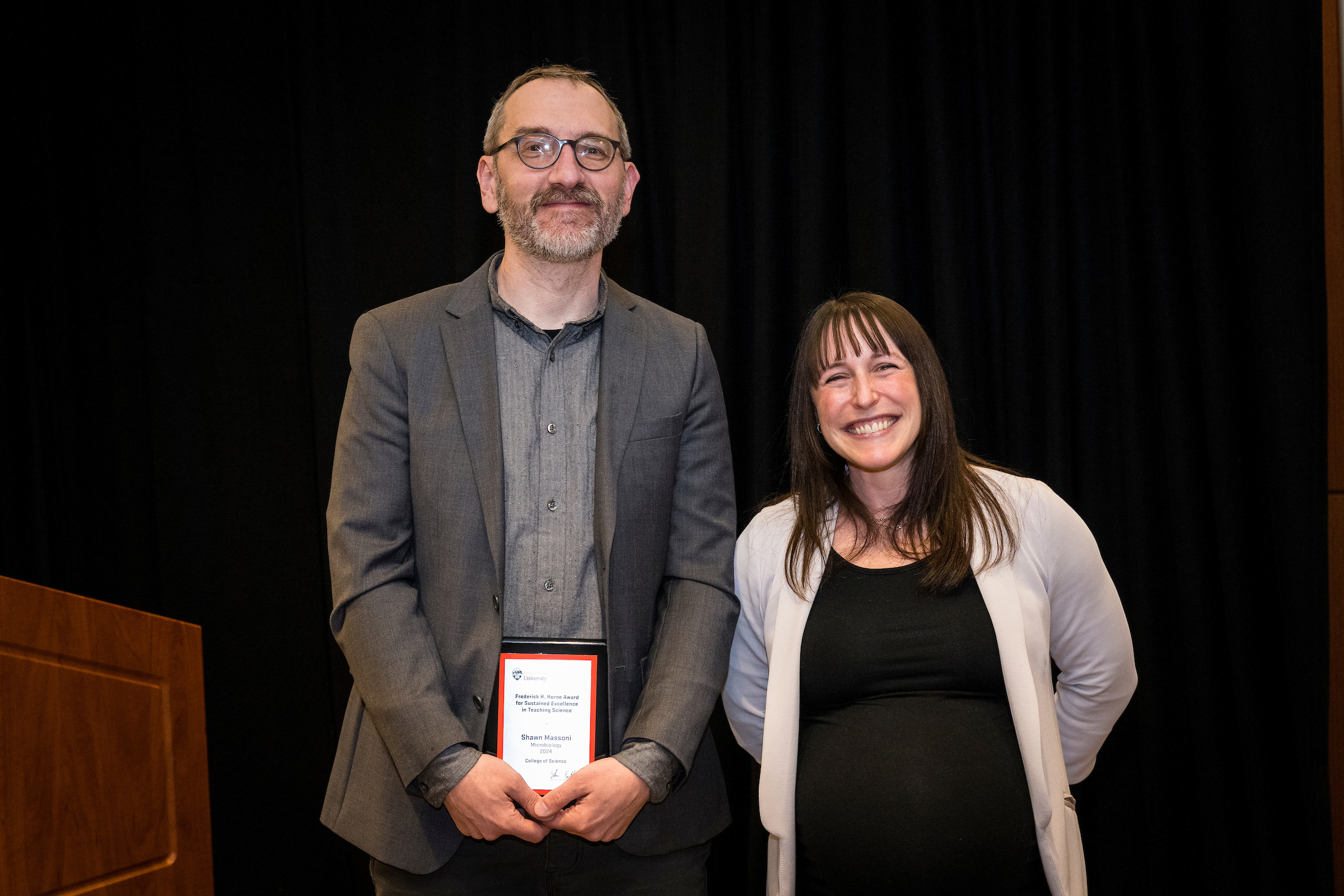
Shawn Massoni, senior instructor I in the Department of Microbiology, received the Frederick Horne Award for Excellence in Teaching Science. Since joining Oregon State in 2018, Massoni has demonstrated engaging pedagogical methods, an emphasis on inclusivity and a commitment to creating an engaging and equitable learning environment.

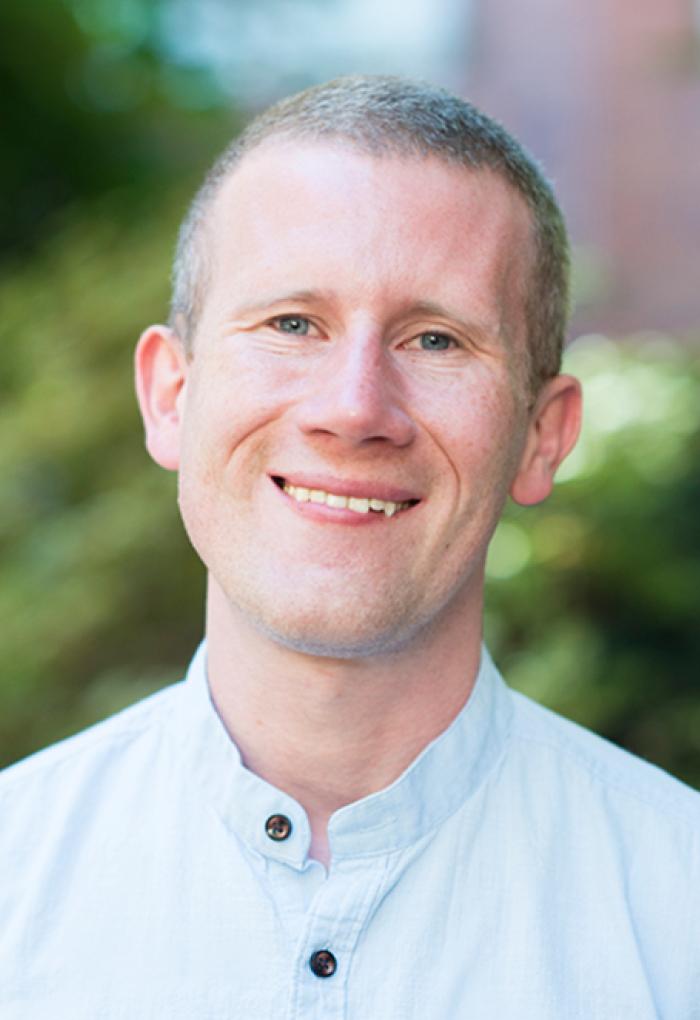
Shawn Massoni posing for a picture outside.

Shawn Massoni

Massoni is dedicated to student growth and his lessons continue to impact students years later. A former student praised his ability to make science accessible and instill a love of learning. “In my opinion, this might be the most profound impact a teacher can have on a student because it seeps into every part of a person’s life,” the alumnus wrote.

He is known as a genuine, authentic human who made the intimidating world of science feel accessible. Using a combination of short lectures and in-class collaborative learning assignments as his primary pedagogy, Massoni engages students in the learning process. He has worked diligently to develop and implement inclusive learning environments, fostering a deeper understanding of the subject matter. He is pushing pedagogical boundaries and always striving to improve.

“He exemplifies an instructor for whom every course, assignment, assessment and activity is rooted in his concern for equity, inclusion and access,” one nominator wrote. “His commitment is powerfully demonstrated by his participation in multiple study sessions, including Jane Waite’s Social Justice Education Initiative workshops, Career Champions, and faculty workgroups on systemic whiteness in higher education, among others.”

Overall, he is an exceptional educator, combining effective teaching strategies, commitment to inclusivity and a genuine passion for fostering student success in the field of microbiology.

CoS Faculty Scholar Award

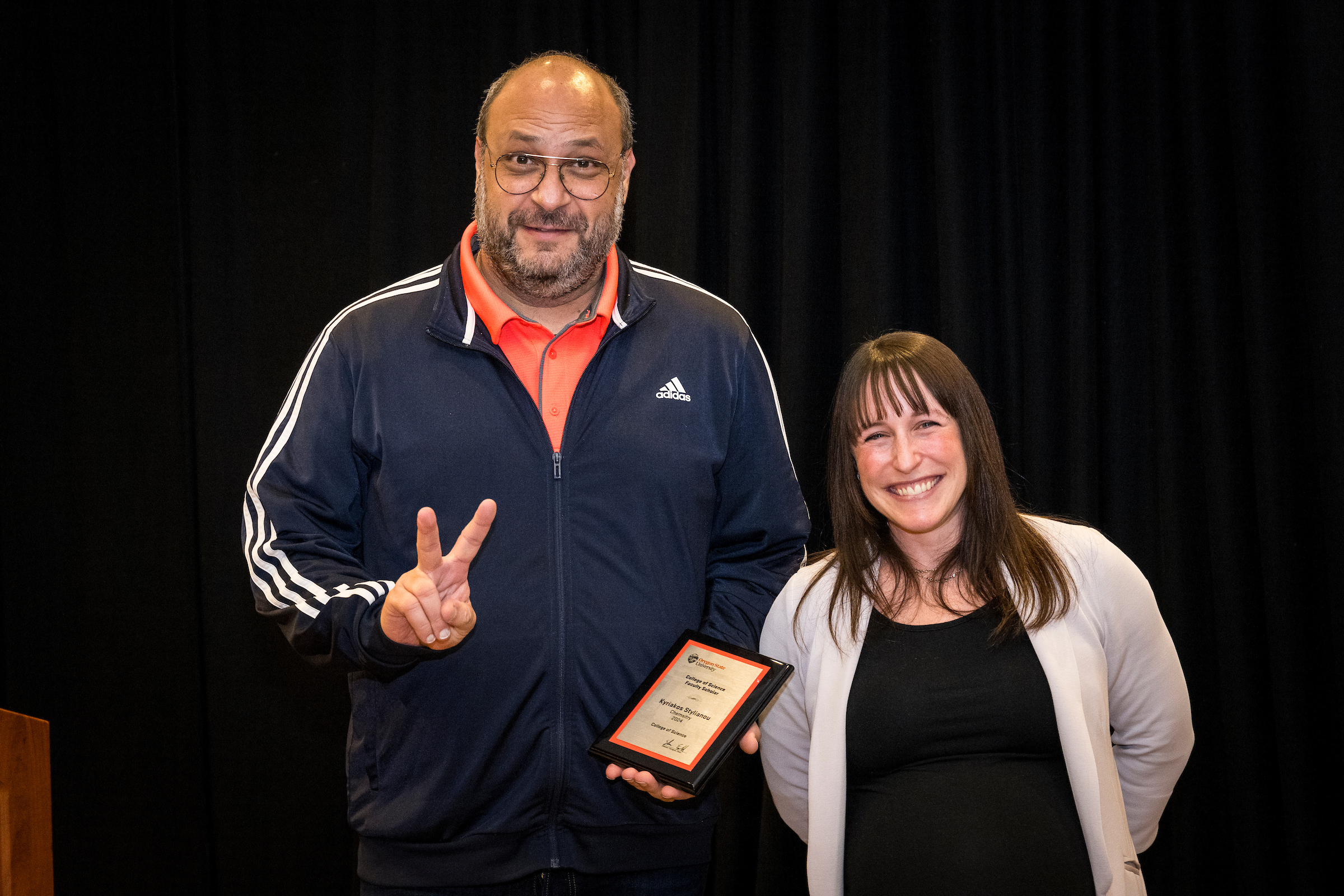
Kyriakos Stylianou, assistant professor in the Department of Chemistry, received the College of Science Faculty Scholar Award, for his contributions to teaching, research and mentorship. This award was created to support teaching and learning innovation that advances Oregon State University’s retention and completion goals.

Kyriakos Stylianou smiles for a photo.

Kyriakos Stylianou

In spring 2022, Stylianou approached the general chemistry laboratory instructors with a novel proposal to create a new lab incorporating his research into metal-organic frameworks. As a first-generation scientist himself, Stylianou is acutely aware of the importance of early-career development of a scientific identity. He created a personal goal to revise Gen. Chem. labs and shift their focus to research-focused interdisciplinary experiments.

His project helps students with experimental and communication skills in the classroom and nurtures a curiosity-driven mentality in students. Through hands-on learning, students practice critical thinking and problem-solving skills that mimic research experiences. The project will culminate in the development of a 300-level chemistry course that will specifically target science identity development and hands-on research skills.

“Student feedback was overwhelmingly positive, both initially and when the project was implemented again the following year in the spring of 2023. Students were excited to learn that they were participating in a new activity involving modern research, and furthermore, a project that no other students across the nation–or the world for that matter–were doing. Stylianou’s efforts with his MOF project have helped OSU Chemistry to stand out as truly unique in its general chemistry program,” one grateful nominator wrote.

“He is a talented and energetic educator who is committed to advancing new teaching strategies to engage students and strengthen our curriculum,” another nominator wrote.

Whiteley Faculty Scholar Award for Teaching Excellence

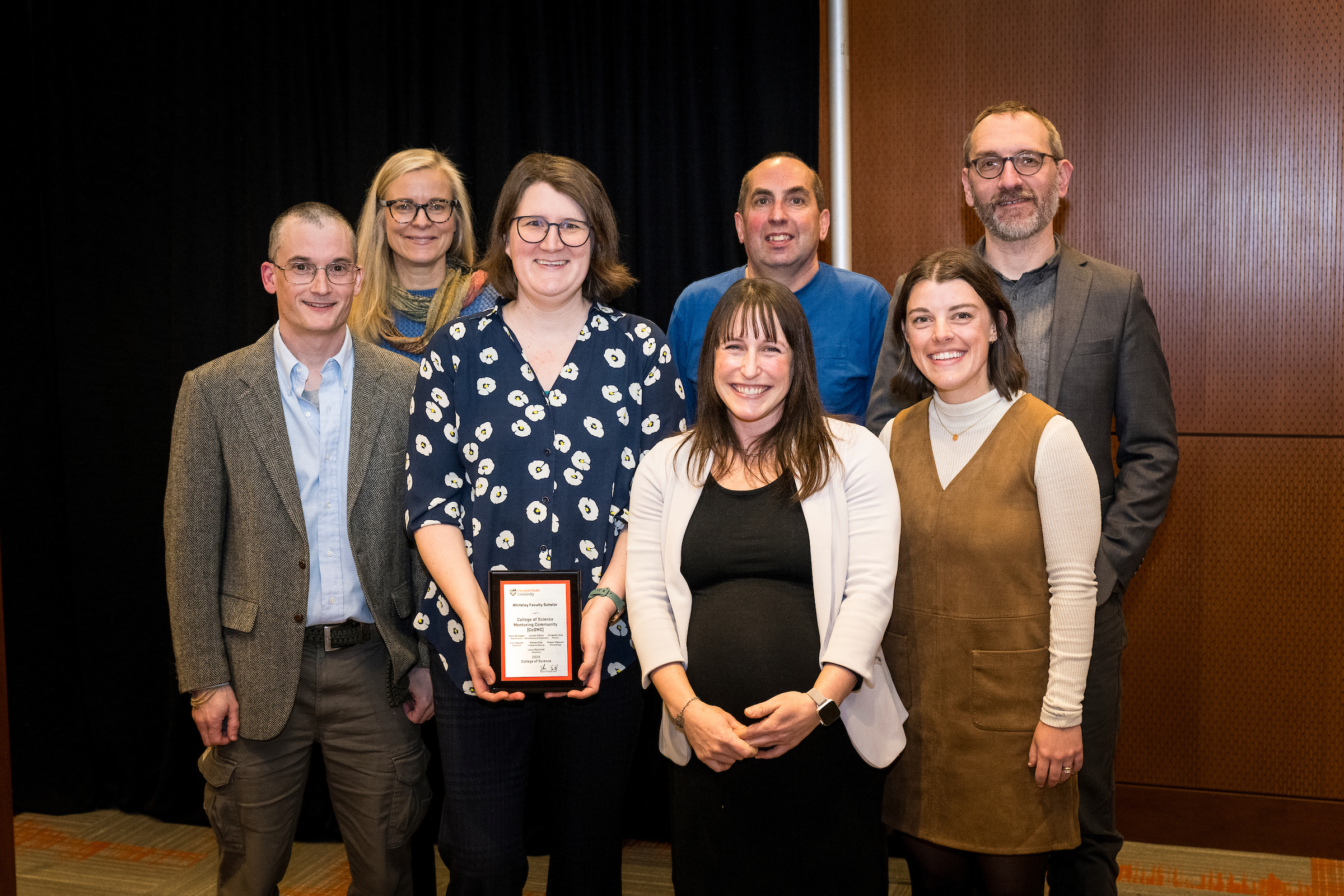
The College of Science Mentoring Community, including Mary Beisiegel, Lauren Dalton, Elizabeth Gire, Erin Howard, Nathan Kirk, Shawn Massoni and Louis Wojciniski, received the Whiteley Faculty Scholar for Teaching Excellence Award.

In 2017, the Ben and Elaine Whiteley Faculty Scholar Fund for Teaching Excellence was established through Ben Whiteley’s estate to support great teachers who are advancing teaching and learning excellence in support of increased student success.

Acknowledging the importance of effective peer mentoring for university faculty to succeed in various aspects of their roles, this group of faculty proposed a plan to create a mentorship program in the College of Science. Focused on addressing teaching excellence, the group will use triads, training, classroom observations, reflective artifacts and peer reviews.

The overall goals include building community, supportive effective peer review, recognizing diversity and inclusion and collaborating with the Oregon State Center for Teaching and Learning. The program’s three-year plan includes curriculum development, a pilot program, participant recruitment and expansion.

This initiative aligns with university and college-wide strategic goals, emphasizing teaching excellence, mentorship and inclusivity. The program is designed by a diverse committee representing all the departments within the College of Science, ensuring a comprehensive and sustainable approach to faculty development in teaching.

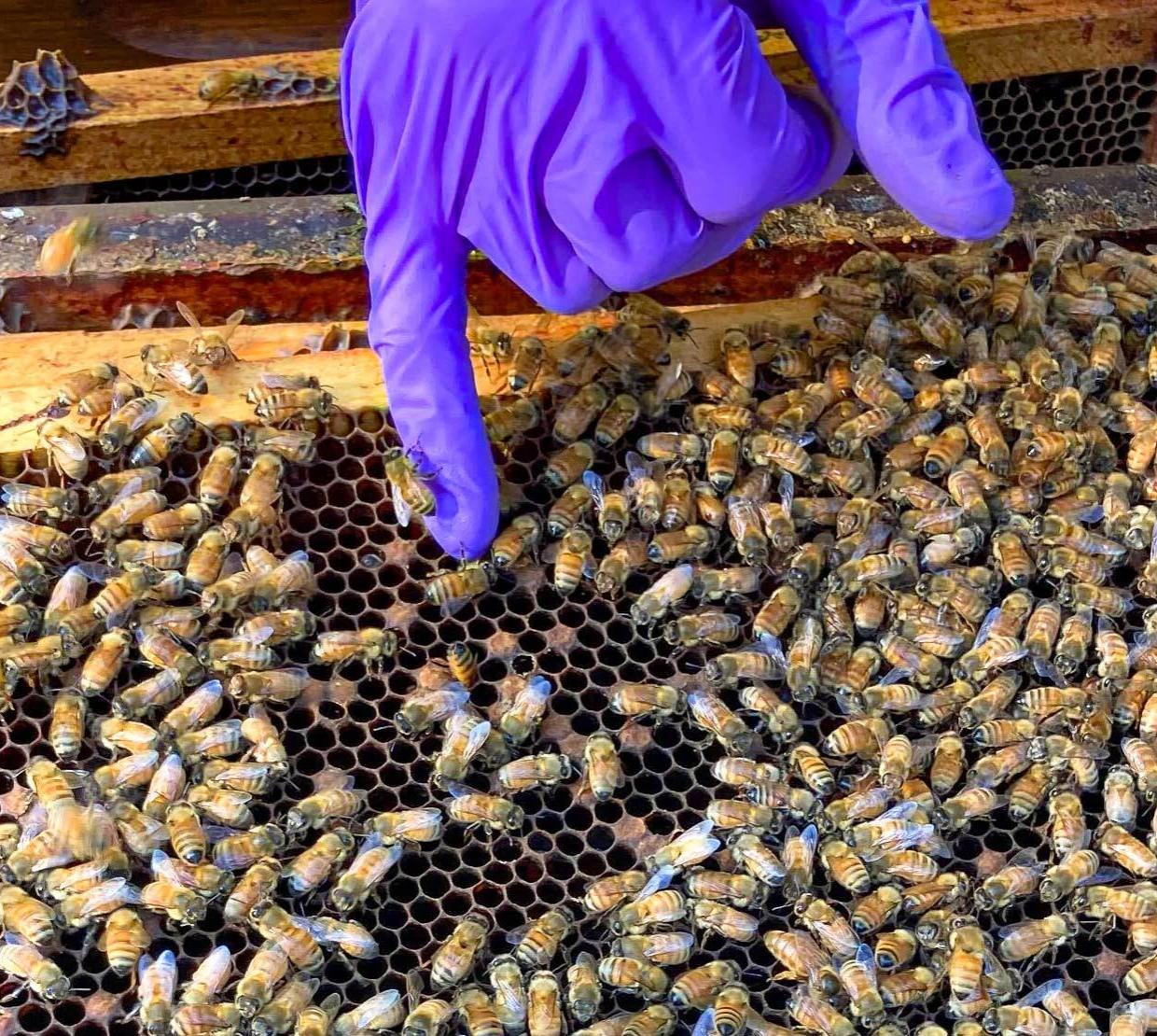
A finger in a blue glove points to honey bees in a hive.

Microbiologist joins collaborative effort to protect honey bees in Oregon

By Hannah Ashton

Although having a box of 300 buzzing bees in the corner of her laboratory is uncharted territory for Maude David, who typically works with humans, she maintains a steadfast belief that science moves forward through interdisciplinary teams.

This belief could save honey bees from a rapid demise.

Focusing on an infectious bacterial disease that can wipe out entire colonies, David is part of a diverse team of researchers from four universities across the U.S. studying European foulbrood disease. Strengthened by a $4.3 million grant from the U.S. Department of Agriculture, the group will investigate the factors contributing to the high incidence of infection, and then share their findings with local beekeepers and growers to improve mitigation efforts.

“It’s important that we as microbiologists apply all of our knowledge to things that are important. I’m excited to work with stakeholders in multiple states, especially in Oregon and understand better how we can help,” David said.

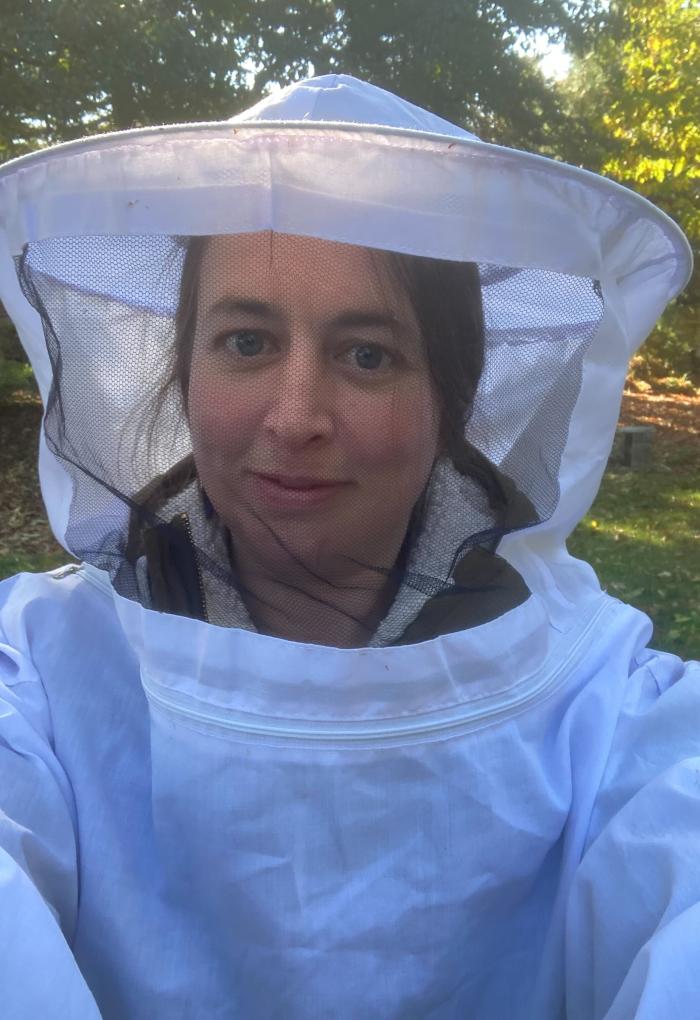
Maude David wears a bee keeping suit.

Maude David poses for a selfie in a beekeeping suit.

From the lab to the field

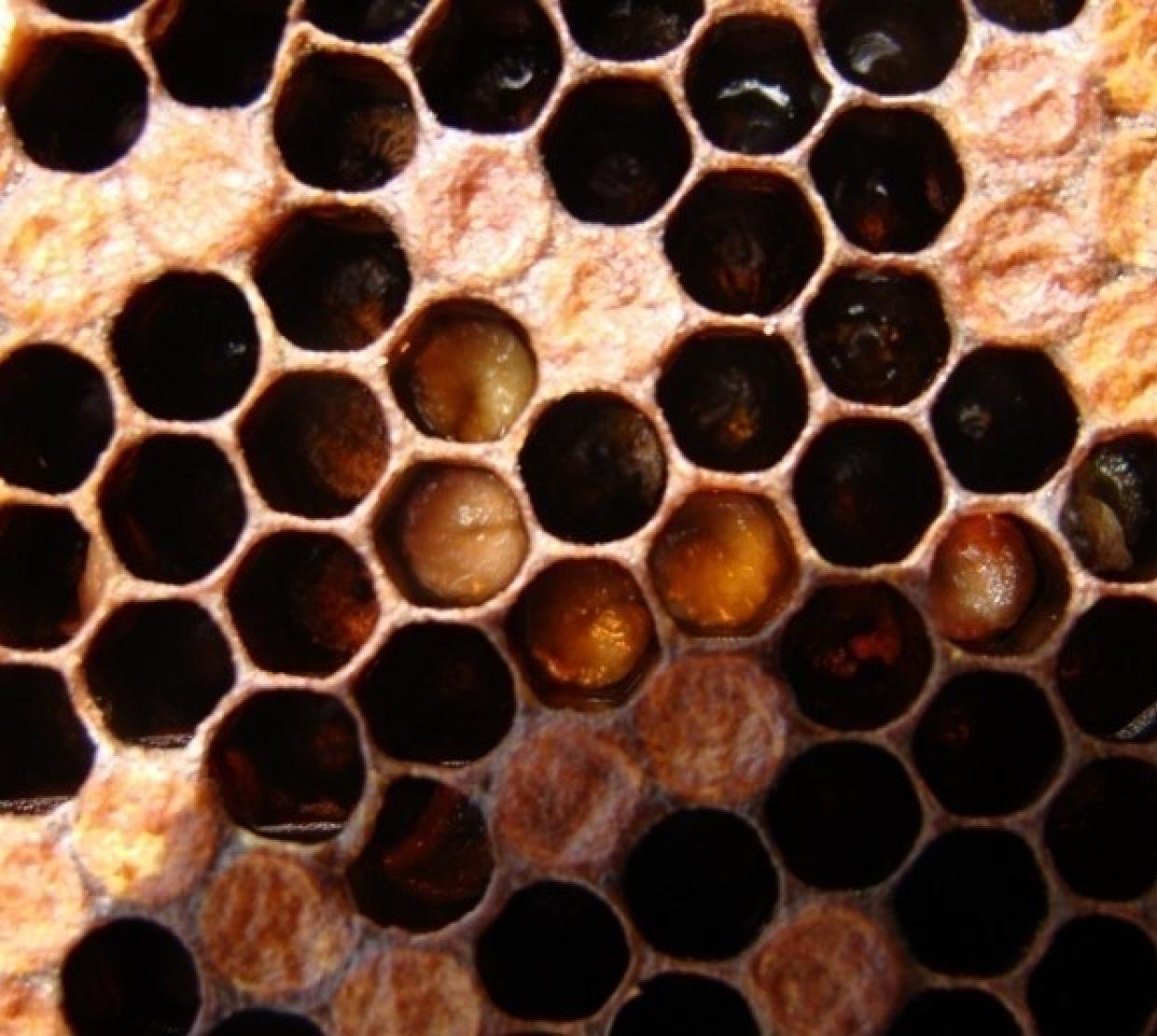
European foulbrood disease (EFD) targets and kills young larvae before they reach adulthood. After being fed infecting brood food, the larvae turn from pearly white to brown, forming a rubbery scale. The name “foulbrood” refers to the sour, rank and rotting smell that can result from secondary bacterial infections that co-occur.

Beekeepers in Oregon on average pollinate about five different crops in a year. If the colonies are weakened from EFD this means less pollination, worrying blueberry and almond growers.

Oregon grew 158 million pounds of blueberries in 2022, ranking it in the top 10 producing states in the U.S., according to the U.S. Department of Agriculture Statistics Service. Researching how to keep hives safe has become a priority for local scientists.

Transitioning from studying the gut-brain axis in humans to the gut microbiota of honey bees, wasn’t a huge challenge for David. Her main research interest focuses on understanding how microbes can impact our behavior, specifically in Autism Spectrum Disorder and Anxiety.

The human microbiota is highly complex. Honey bees, on the other hand, are the opposite.

“The microbiology part is normal. I’ve done that before. What I love about bees is that you could say the gut microbiota could be considered a lot simpler than the human ones. And that makes it fun because you can study this a little bit more in-depth. It’s an ideal system to study,” David said.

A passionate Ph.D. student roped her into the world of bees and led her to Ramesh Sagili, a professor in the Department of Horticulture and EFD project director.

The agent of EFD is an anaerobic bacteria, meaning it does not grow well when oxygen is present. In humans, these bacteria are most commonly found in the gastrointestinal tract. The research team needed someone who could grow anaerobic bacteria in the lab – something David is familiar with.

“This project is very transdisciplinary. There are people who monitor the bee houses in the field and people like me who are more on the microbiology side of things. There is also an economist on the project,” she said. “I could tell you a lot about the bacteria, I could study this genome well, but I really need the field researchers who collect the data and provide a comprehensive story about the field samplings.”

The four-year project has several components. Researchers will follow honey bee hives as they are transported by commercial beekeepers to pollinate almonds and then blueberries across Washington, Oregon, California and Mississippi. They’ll tag more than 1,500 hives for ongoing observation, which includes checking the frames for signs of foulbrood, estimating colony populations and surveying the microbiota of bees and larvae–the last step is where David comes in.

"As a public land-grant university, we need to build this project and respond to the needs of people in the state.”

Researchers have more questions than answers about European foulbrood disease. How does the disease survive between outbreaks? Does it hibernate in the hive? How does each genetic variation differ? What are the best mitigation strategies?

"Of course, because it’s a bacteria, people try to pour antibiotics to treat it. But, as we all know: one, the bacteria is likely to eventually be resistant and two, it’s not great for everything else around it," David said.

The second and third year of the project will be focused on mitigation strategies. David and her collaborator will be testing a new novel probiotic that has shown promise for tackling EFB in the laboratory. After testing in a controlled environment, they will test the probiotic in the field.

Understanding the genetic variation of the disease is important because pinpointing if a specific strain can better survive winter, develop first, or figuring out which one is the most lethal would help with management.

“Right now, colonies management does not really exist. Our objective is to explain a little bit of everything we are doing to the beekeepers and try to deliver transparent knowledge,” she said.

The team is passionate about connecting with local stakeholders who face an uncertain financial future due to EFB. “It’s important that we keep in touch with the needs of the state. As a public land-grant university, we need to build this project and respond to the needs of people in the state.”

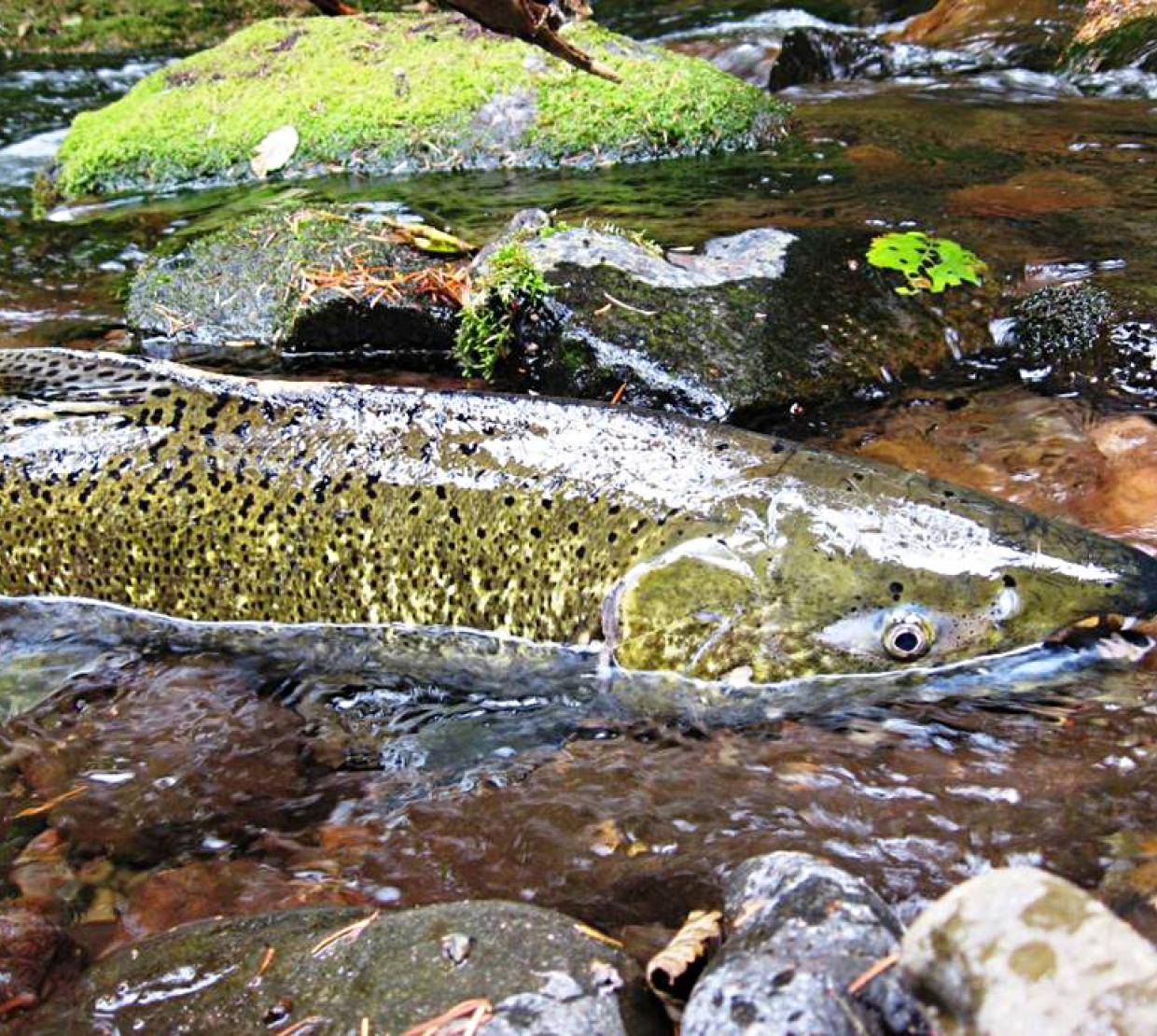
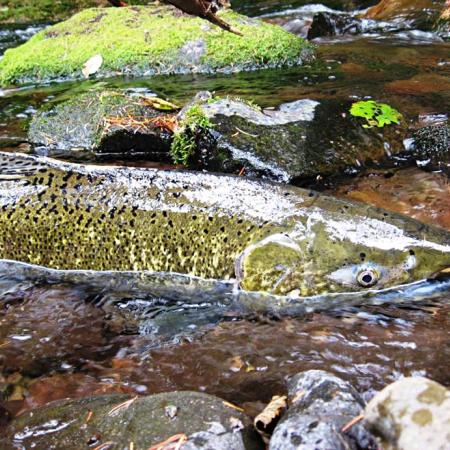
A glossy Chinook salmon swims against the current in a shallow stream.

Researchers discover vitamin that may offer hope for salmon suffering thiamine deficiency disease

By Steve Lundeberg

Oregon State University researchers have discovered vitamin B1 produced by microbes in rivers, findings that may offer hope for vitamin-deficient salmon populations.

Findings were published in Applied and Environmental Microbiology.

The authors say the study in California’s Central Valley represents a novel piece of an important physiological puzzle involving Chinook salmon, a keystone species that holds significant cultural, ecological and economic importance in the Pacific Northwest and Alaska.

Christopher Suffridge, senior research associate in the Department of Microbiology in the College of Science, and doctoral student Kelly Shannon examined concentrations of thiamine and the microbial communities in rivers of the Sacramento River watershed. Thiamine is the compound commonly referred to as vitamin B1 and is critical to cellular function in all living organisms.

“This study is the first-ever report of thiamine compounds in salmon spawning rivers and the associated gravels where salmon spawn,” Suffridge said. “This source of thiamine has potential implications for reducing health impacts on naturally spawning salmon that are suffering from thiamine deficiency complex.”

TDC, an emerging threat to the stability of West Coast salmon populations, has affected salmon and trout in lake systems in northeastern North America and Atlantic salmon in the Baltic Sea.

Chinook salmon in the Central Valley have recently been diagnosed with TDC, the researchers note. Afflicted female salmon that return to rivers and streams to spawn can pass the deficiency on to their hatchlings, which have problems swimming and experience high mortality rates.

“In California, most hatchery-spawning Chinook salmon are treated with thiamine to prevent TDC,” Suffridge said. “However, it was previously unknown if there was a source of thiamine in the environment that could potentially rescue naturally spawning salmon afflicted with TDC. We have now identified microbially produced thiamine in natural salmon spawning habitats.”

“It's a complicated issue,” Shannon added. “The broader context is that Central Valley Chinook salmon, as well as some populations of salmon in other places, are becoming thiamine deficient because of shifts in their diet in their feeding grounds.”

Read more here.

A close-up of the hexagonal pattern of a honeycomb with small larvae inside.

Microbiologist works with OSU researchers on $4.2 million grant to study honey bee disease

By Molly Rosbach

Researchers at Oregon State University have received a $4.2 million grant from the U.S. Department of Agriculture’s National Institute of Food and Agriculture to study European foulbrood disease, which is killing honey bees and affecting pollination of specialty crops.

The project is a partnership between OSU, Washington State University, University of California, Davis and Mississippi State University. Researchers will investigate the factors contributing to high incidence of the disease, then share their findings with beekeepers and growers to inform and improve mitigation efforts.

Assistant professor of microbiology Maude David as well as OSU researchers Jeff Chang, Andony Melathopoulos and Tim Delbridge will be working on the grant, which also includes education and outreach with OSU Extension.

European foulbrood disease is caused by a bacteria that infects honey bees at the larval stage, turning the newly hatched bee larvae into brown mush within a few days. The disease has been on the rise in recent years, causing persistent honey bee colony declines and hurting beekeepers — especially those who pollinate early-season specialty crops like highbush blueberries.

“It’s an enigmatic disease. We understand the basics, but we don’t know why this disease flares up some years and then goes down,” said project director Ramesh Sagili, a professor in the College of Agricultural Sciences and an apiculturalist with OSU Extension Service. “Researchers have done smaller targeted studies of this disease, but no one has really investigated it comprehensively with a large-scale, longitudinal study.”

The four-year project has several components. Researchers will follow honey bee hives as they are transported by commercial beekeepers to pollinate almonds and then blueberries across Washington, Oregon, California and Mississippi. They’ll tag 1,536 hives for ongoing observation, which includes checking the frames for signs of foulbrood, estimating colony populations and surveying the microbiota of bees and larvae.

Where they see evidence of foulbrood, researchers will collect samples and send them back to the lab for genetic testing to determine new bacterial variants and whether certain strains of the bacteria are more virulent or pervasive than others.

They will monitor the colonies’ nutrition by installing pollen traps on the hives to collect pollen as the bees re-enter their hives. This will allow researchers to determine whether the quantity or diversity of pollen plays a role in hives’ susceptibility to foulbrood.

The research teams will also document climatic factors like temperature and humidity to discover if they have an impact on the incidence and prevalence of the disease.

In the second and third years of the grant, Sagili said the team will focus on developing disease mitigation strategies for beekeepers, such as whether or when to apply antibiotics to their hives, the most effective time to split colonies and how often to replace honeycomb.

“The beekeeping industry and specialty crop producers such as blueberry and almond growers are really excited about this grant,” he said. “It’s a huge, multidisciplinary collaborative effort with the states, the beekeepers and the farmers involved in this project.”

Field work will start in February in California, where beekeepers from around the country bring their hives to pollinate almonds as one of the first crops of the year.

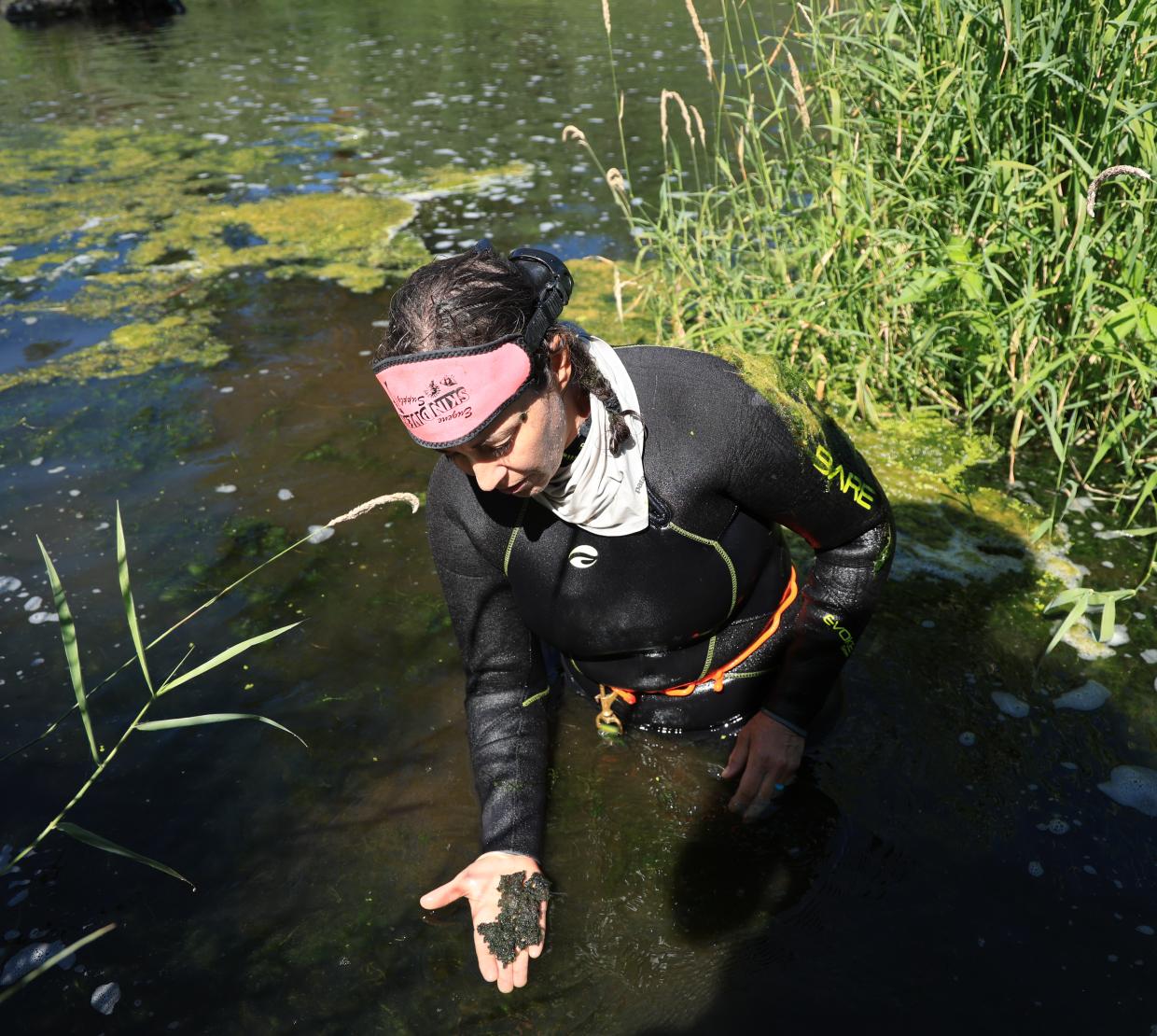
A woman in a stream holds dirt in her hands.

Dam removals, restoration project on Klamath River expected to help salmon, researchers conclude

By Sean Nealon

Julie Alexander on the Klamath River

The world’s largest dam removal and restoration project currently underway on the Klamath River in Oregon and California will aid salmon populations that have been devastated by disease and other factors. However, it will not fully alleviate challenges faced by the species, a team of researchers conclude in a just-published paper.

In the paper, published in Frontiers in Ecology and Evolution, a team of researchers from Oregon State, Tribes in Oregon and California, and state and federal agencies outlined their predictions for salmon disease risk in the Klamath River following the removal of four hydroelectric dams. They also provide post-dam removal research and monitoring recommendations and insights to aid habitat restoration efforts.

Five faculty members in the Department of Microbiology, Jerri Bartholomew, Julie Alexander, Stephen Atkinson, Rich Holt and Sascha Hallett, focused on how the dam removals could impact pathogen exposure, such as parasites.

“There’s no question in my mind just the removal of these four dams will go a long way to knocking back that current infection zone by shifting things in terms of time and space where the hosts and parasites overlap,” said Alexander, an aquatic ecologist.

Michael Belchik, a fisheries biologist with the Yurok Tribe in California and co-author of the paper, said he thinks there will be noticeable gains for fish shortly after the dams are removed.

“I think you are going to see fish accessing new habitat right away, and that is going to be a cause for celebration,” said Belchik, who has worked for the Tribe since 1995.

One of the four dams was removed earlier this year, and the other three are slated to be taken down in early 2024. Removal of the dams will result in restoration of habitat originally altered more than 100 years ago with construction of the first dam.

Read more here.

University Day 2023

Science receives record-breaking 12 awards at University Day

By College of Science Communications

College of Science faculty, staff, and graduate students have earned a record-breaking number of honors at University Day, a celebratory launch to the academic year featuring an annual awards ceremony. Science winners amassed an impressive 12 awards, beating the previous record of seven and garnering the most of any college across Oregon State.

“I am astounded by the exceptional work accomplished by the College of Science community as we further lead in inclusive scientific research, education and engagement. Each recipient represents the very best of Team Science and we are excited to celebrate their outstanding achievement,” said Interim Dean Vrushali Bokil.

Congratulations to the winners, whose commitment to excellence in and out of science has more than earned these awards.

Jerri Bartholomew in the Aquatic Animal Health Lab

Professor Jerri Bartholomew from the Department of Microbiology earned the Beaver Champion Award.

Beaver Champion Award

Professor Jerri Bartholomew from the Department of Microbiology earned the Beaver Champion Award for her pivotal role in integrating the arts and sciences across Oregon State University.

The Beaver Champion Award is a recognition by the university’s president which commends individuals for their tremendous efforts and accomplishments. Bartholomew has spent years bridging the rich scientific research of Oregon State to the creative mindset of the arts as a founding member of the Arts-Sci collective, which explores this intersection through galleries and courses among other events. Additionally, her grassroot efforts aimed at students include discretionary funds towards arts-integrating fellowships that support interdisciplinary projects.

Both the Director of the J.L. Fryer Aquatic Animal Health Laboratory and a glass artist herself, Bartholomew has been a leader in advocating for more integrative approaches to science. Her continual work has been key in developing PRAx, the Patricia Valian Reser Center for the Creative Arts, which will be a linchpin in the university’s creative community.

“Professor Bartholomew has been a leader in the OSU community whose years of effort paved the way for PRAx to advance a vision of an OSU campus in which art and creativity drive science even as science inspires art and creativity,” one nominator wrote.

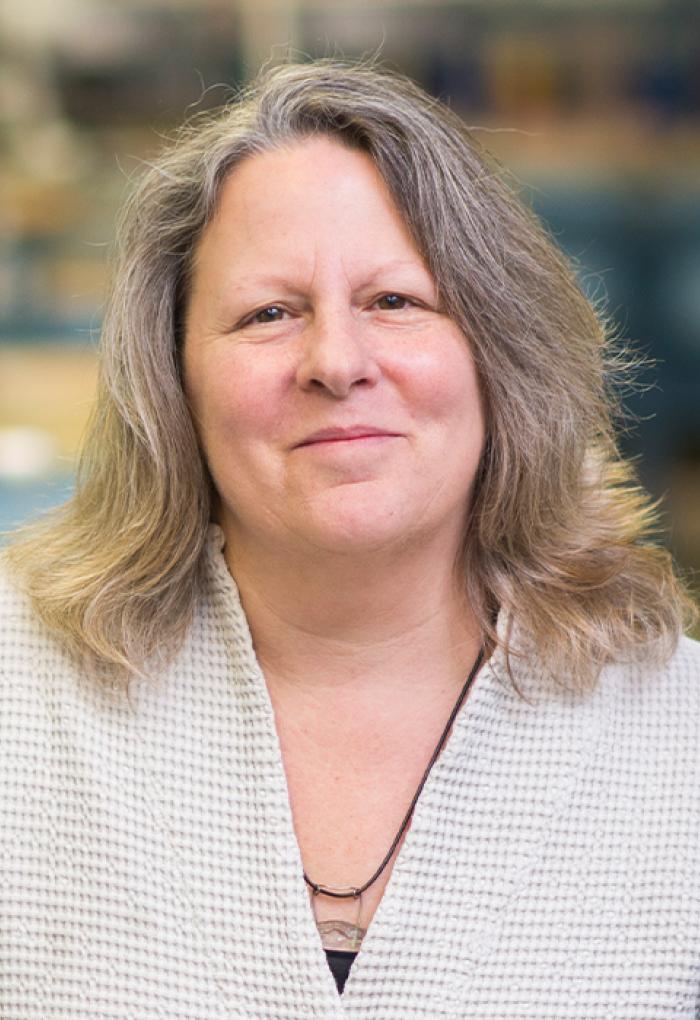
Nathan Kirk smiles in a headshot image with a button-up shirt.

Senior Instructor Nathan Kirk in the Department of Integrative Biology received the OSU Faculty Teaching Excellence Award.

Teaching excellence

Senior Instructor Nathan Kirk in the Department of Integrative Biology received the OSU Faculty Teaching Excellence Award. An instructor at Oregon State since 2013, Kirk’s scope of biology teaching extends to not only introductory and writing-intensive courses, but also to Ecampus courses and experiential learning classes.

Kirk constantly strives for students to retain valuable knowledge as well as have the opportunity to engage in scientific exploration, which is most evident in the two course-based undergraduate research experiences he co-created. One of these programs, called CUREs, was integrated into the introductory Principles of Biology series and serves more than 800 students on average.

Keeping material relevant and dynamic can be a daunting task, but Kirk’s successful use of contemporary research and articles paints an exciting picture of modern science in his classrooms. He welcomes improvements in methodology, as well, regular engagement with regional societies such as the Society for the Advancement of Biology Education Research in order to learn new teaching strategies. He is driven by the desire to enable student success in any way he can.

“The amount of consideration, time and care that he puts into making sure the class and his students' needs are met amazes me. I truly believe that Dr. Kirk goes above and beyond to help his students succeed,” one nominator said.

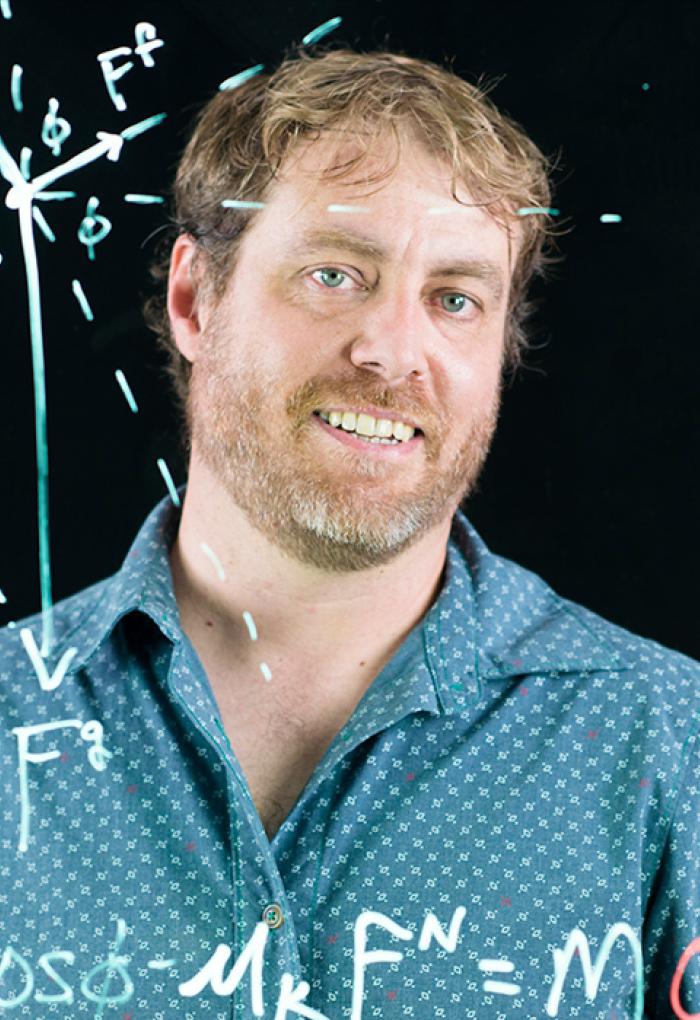
Kenneth C. Walsh smiles in a headshot behind a a clear whiteboard with physics equations.

Kenneth C. Walsh, College of Science Faculty Scholar, earned the OSU Faculty Excellence in Online Teaching Award.

Kenneth C. Walsh, College of Science Faculty Scholar, earned the OSU Faculty Excellence in Online Teaching Award for his large contributions to Ecampus learning.

Walsh spearheaded the development of an online physics course sequence prior to the pandemic. He took the pursuit in stride and noticed a disparity in quality between the virtual and in-person iterations at other institutions, and he set out to bridge this gap with his courses at Oregon State.

He then created an online algebra-based general physics course sequence that translates the rigor of traditional classroom settings into those on Ecampus. It was the first College of Science course to offer online students: live support from graduate TAs in the WormHole; supplemental instruction study tables; a dedicated team of Ecampus undergraduate learning assistants; and live-action engagement lectures that utilized a Lightboard.

Even with the course’s success, Walsh continues to search for improvements. He has since been asked by the Effective Practices for Physics Programs (EP3) initiative to provide his insights to the EP3 Guide section discussing virtual learning. He is recognized as a leader in online physics education by many.

“Dr. Walsh has spent a decade developing a complete ecosystem of online materials: labs, textbook, exercises, video lectures and live help that have proven to be highly effective. I can think of no one more deserving of this award, either at OSU or nationally,” a nominator wrote.

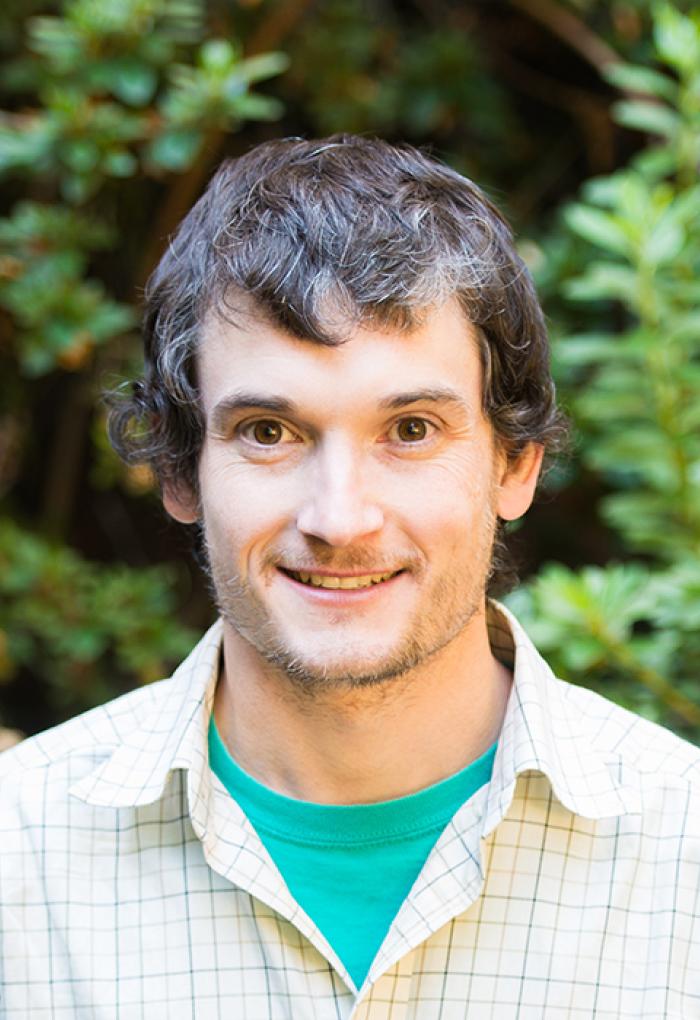
Bryan Lynn smiles for a headshot photo in a button-up shirt.

Bryan Lynn, a third-year Integrative Biology Ph.D. student, received the Herbert J. Frolander Award for Outstanding Graduate Teaching Assistants.

Bryan Lynn, a third-year Integrative Biology Ph.D. student, received the Herbert J. Frolander Award for Outstanding Graduate Teaching Assistants, awarded for his teaching record and dedication to inclusive teaching practices in the Department of Integrative Biology.

As a first-generation transgender student who began his academic career at the age of 25, Lynn has prioritized creating inclusive scientific communities. “As a student I have experienced the feeling of being presented with course materials that feel alienating – and I don’t wish for any of my students to experience that,” he wrote.

Lynn exemplifies leading by example and leaving things better than he found them. His efforts have had an impact within his department, the College and the greater university community.

In 2019, he co-founded the popular student club Out in Stem that serves to increase the visibility of queer and trans people in science. For his work across the university, Lynn has earned numerous awards including two from The Pride Foundation and the Oregon State Diversity and Inclusion Champion Dam Distinguished award.

As part of his assistantship, Lynn spent last summer evaluating and modifying all of the Principles of Biology lecture materials to use language inclusive of non-traditional identities, specifically with respect to gender. Because this class is taught by six different faculty multiple times throughout the year, his work impacted thousands of Oregon State students. Faculty reported enjoying learning through the process and were eager to apply the language change to other courses.

“Bryan is one of the most thoughtful, impactful and engaged GTAs that I have worked with in the last 12 years of working with over 30 GTAs per year,” one nominator wrote. “Bryan brings something extra special with him to his class every single time he teaches it, from including pictures of his cat, Pancake, in every slideshow to redesigning our curriculum to be more inclusive.”
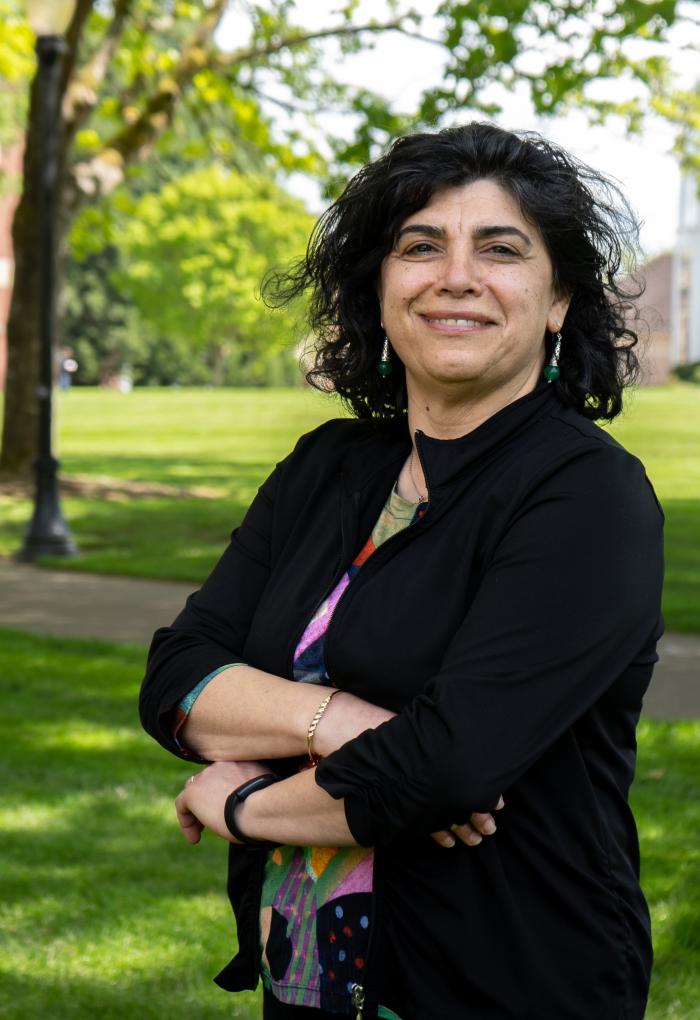
Elizabeth Gire smiles for a headshot.

Professor Elizabeth Gire of the Department of Physics earned the Elizabeth P. Ritchie Distinguished Professor Award.

Professor Elizabeth Gire of the Department of Physics earned the Elizabeth P. Ritchie Distinguished Professor Award. This award is open to all teaching faculty across Oregon State and is given to someone who demonstrates outstanding commitment to undergraduate education.

Professor Gire’s research aims to understand how students learn physics content, which has enabled her to implement innovative strategies into her classes ranging from small whiteboard questions to kinesthetic activities. Gire has built an impressive collection of over 40 publications on the topic. Her evidence-based methods help her students earn high eSET/SLES scores, and her development of a second-year physics course has been a tremendous addition that helps students transition successfully into professional learning environments.

Gire’s ability to connect and empathize with undergraduates has made her a source of guidance for many, as seen in her role as a faculty advisor to several student clubs. She consistently strives to make a welcoming community through smaller ways, such as having students establish rules on how to treat each other in her classrooms, as well as in bigger ways, like her commitment to improving diversity in the physics department.

“She has made the largest impact on my learning out of any professor at OSU, and this is quite a common sentiment among the other undergraduates in physics. She continues to be a model for what physics teaching should look like,” wrote one nominator.

Outdoor photo of Kari Van Zee

Kari van Zee, lead advisor for the Biochemistry and Biophysics Department, earned the Dar Reese Excellence in Advising Award

Excellence in mentoring and advising

Kari van Zee, lead advisor for the Biochemistry and Biophysics Department, earned the Dar Reese Excellence in Advising Award. She has not only achieved profound success as the biochemistry and biophysics (BB) lead advisor, but also as a pre-med advisor and BB undergraduate coordinator.

Van Zee is responsible for spearheading the modernization of the Biochemistry and Biophysics major. She additionally helped create the Biochemistry and Molecular Biology major while helping secure national certifications for both the new major and the Biochemistry and Biophysics major.

Her peers credit her with going beyond implementing programmatic benefits for students as an advisor; she greatly prioritizes supporting them on an individual scale. She fosters an encouraging atmosphere through celebratory gatherings and the orientation class she both created and teaches. Her constant drive to go the extra mile when assisting students has left a lasting impression on many.

“Through her utmost devotion to student growth and community building, undergirded by a compassionate heart for student well-being, Kari lives out all the best qualities of an excellent advisor and an amazing teacher,” one nominator wrote.

Chong Fang

Patricia Valian Reser Faculty Scholar Chong Fang received the Excellence in Postdoctoral Mentoring Award for his dedication to assisting young scientists develop their careers.

Patricia Valian Reser Faculty Scholar Chong Fang received the Excellence in Postdoctoral Mentoring Award for his dedication to assisting young scientists develop their careers.

Since joining the Department of Chemistry in 2010, Fang has trained five postdoctoral scholars in addition to more than 15 graduate students. His ability to foster a culture of enthusiasm drives those who work with him further along their career paths. Of the 27 papers published by the Fang lab since 2021, 10 were led by postdoctoral scholars within his group. His mentees credit Fang’s readily given feedback and support. By finding a balance in sharing his knowledge and providing his mentees space to grow, he has helped enable them to thrive as scientists.

Fang has shown a commitment to creating and giving postdoctoral scholars numerous tools. Having presented seminars at about 70 different universities and by attending about 30 national and international conferences, his wide network is a significant resource for his mentees. Additionally, he wholeheartedly encourages them to pursue their own opportunities, such as engaging in grant proposals or attending scientific meetings. Those under his guidance enjoy a supportive and rewarding experience.

“Dr. Fang is a truly exceptional individual who embodies the qualities of a good mentor,

role model and great character. He inspires those around him with his dedication to work, passion for learning and his commitment to making a positive impact on the world,” one nominator wrote.

Photo of Taylor Krueger

Taylor Krueger, a postdoctoral scholar in the Fang Research Group in the chemistry department, received the Excellence in Undergraduate Research Mentoring by a Postdoc Award.

Taylor Krueger, a postdoctoral scholar in the Fang Research Group in the chemistry department, received the Excellence in Undergraduate Research Mentoring by a Postdoc Award.

Krueger excels as a mentor due to his accessibility, dependability, kindness and commitment to creating an inclusive and equitable research environment. In a femtosecond laser spectroscopy lab with a steep learning curve, he has remained committed to mentoring STEM learners at all levels.

“He was not afraid to admit the limits of his knowledge and he often taught through example,” one student nominator wrote.

Through his mentorship of four undergraduate students, he has helped achieve engagement of underrepresented students in the physical chemistry field and two of those students have gone on to pursue advanced degrees.

Beyond mentorship, Krueger has achieved personal success, leading a number of projects on elucidation of fluorescence and relaxation mechanisms in proteins, solutions and thin films. This work has resulted in eight first-author published papers, three second-author papers and one book chapter.

“I am in the process of becoming a mentor for an undergraduate researcher, and I definitely translate how Taylor mentored me to how I mentor my student; patience is a hard thing to have, but it is easier when you learn from one of the best,” one nominator wrote.

Linda Bruslind outdoors.

Linda Bruslind, full-time Senior Instructor II of the Department of Microbiology, received the OSU Faculty Affordability Award.

Excellence in service, commitment to students and teamwork

Linda Bruslind, full-time Senior Instructor II of the Department of Microbiology, received the OSU Faculty Affordability Award. This accolade is given to those who demonstrate commitment to providing affordable course learning materials to students, which Bruslind has done on an impressive scale.

To replace costly textbooks needed in microbiology courses, Bruslind authored the book General Microbiology and aided in developing the book Allied Health Microbiology. The former saved OSU students alone at least $172,500 and was used by 79,203 worldwide in 2022. Allied Health Microbiology also alleviated $33,000 from student spending. Her efforts in crafting thoughtful and innovative low-cost materials was estimated to save Oregon State students over $1 million over the course of 17 years.

Students have shown an appreciation for Bruslind’s skillful curation of materials that are both affordable and help strengthen their understanding of the coursework by not being bogged down by complicated jargon. Additionally, by studying a faculty-generated textbook and then learning from that same faculty in class, students experience greater clarity and a more cohesive experience in their microbiology courses.

“Dr. Bruslind’s development of inclusive, accessible no- and low-cost materials for multiple classes and laboratories available to the global community showcase

her dedication to affordability and equity in learning. Her work earns enthusiastic praise from students and colleagues alike,” a nominator said.

A woman with short red hair in front of a black background wearing a purple shirt.

Department of Chemistry Administrative Assistant Paula Christie received the University Mentoring and Professional Development Award.

Department of Chemistry Administrative Assistant Paula Christie received the University Mentoring and Professional Development Award for her contributions to a welcoming department atmosphere and problem solving.

"Paula is the “mother hen” of the department: not only does she know about the ins-and outs of operation of the department, but also is she a confidant, a friend, and an informal mentor to the staff, undergrad and graduate students," one nominator wrote.

Colleagues value Christie's "can do" attitude and resourcefulness. She is known for looking out for others mental wellbeing and solving conflicts with grace.

When several staff members wanted to attend classes at Oregon State, Christie worked with them to ensure they could fulfill their work responsibilities and still enjoy the learning experience.

The Department of Chemistry is grateful to Christie for her guidance, kindness, respect and professionalism.

Chong Fang

Patricia Valian Reser Faculty Scholar Chong Fang won the D. Curtis Mumford Faculty Service Award.

Patricia Valian Reser Faculty Scholar Chong Fang won a second award, the D. Curtis Mumford Faculty Service Award. His service to the faculty and to Oregon State involving several departments, disciplines and institutions highlights the core essence of this award.

Over his 13 years at Oregon State, Fang has served at every level of committee and been the chair of dozens. His work over the last decade in the Department of Chemistry’s graduate admission’s committee, which included arranging student-faculty interviews and nominating high-achieving students for fellowships and scholarships, has increased the program’s acceptance from about 30% to 60%.

He is passionate about diversity and equity, which has driven him to not only lead committees dedicated to these causes, but also to initiate the Junto’s weekend for Latinx Oregon high schoolers which he has funded and arranged every summer since 2017.

Fang has served science by establishing a large interdisciplinary network of collaborators with whom he and his research group study protein engineering and novel material synthesis. While simultaneously improving aspects of life at Oregon State in countless ways, he has achieved national recognition for his work as an ultrafast laser spectroscopist.

“I have witnessed him building a world-renowned research laboratory from scratch while training the next-generation of STEM leaders, and firmly believe that he is an indispensable asset to the department, College and university through his innovative and impactful development of cutting-edge, collaborative research across the globe,” a nominator wrote.

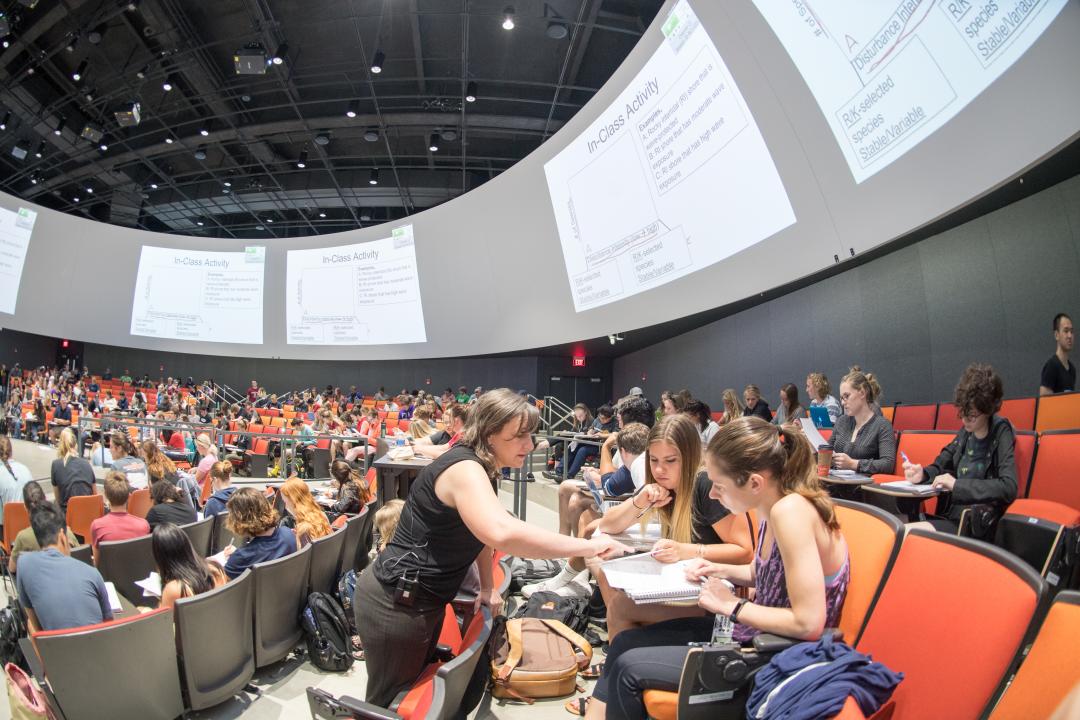
Students learn in a huge classroom.

Lori Kayes, co-chair of the Baccalaureate Core Reform Committee (BCRC), has worked on many curricular improvements in the College of Science.

The Baccalaureate Core Reform Committee (BCRC) received the Faculty Senate Student Success and Teamwork Award. This honor is given to departments or interdisciplinary groups that have demonstrated exceptional teamwork in creating and sustaining an exemplary teaching and learning environment.

An interdisciplinary team of 30 academic and professional faculty members, the BCRC invested countless hours to reform Oregon State’s general education curriculum known as “Bacc Core.” Lori Kayes, associate department head and senior instructor II in the Department of Integrative Biology, served as the co-chair of the committee. Patrick Ball, program coordinator and senior biology instructor II on the OSU Cascades campus, also served on the committee.
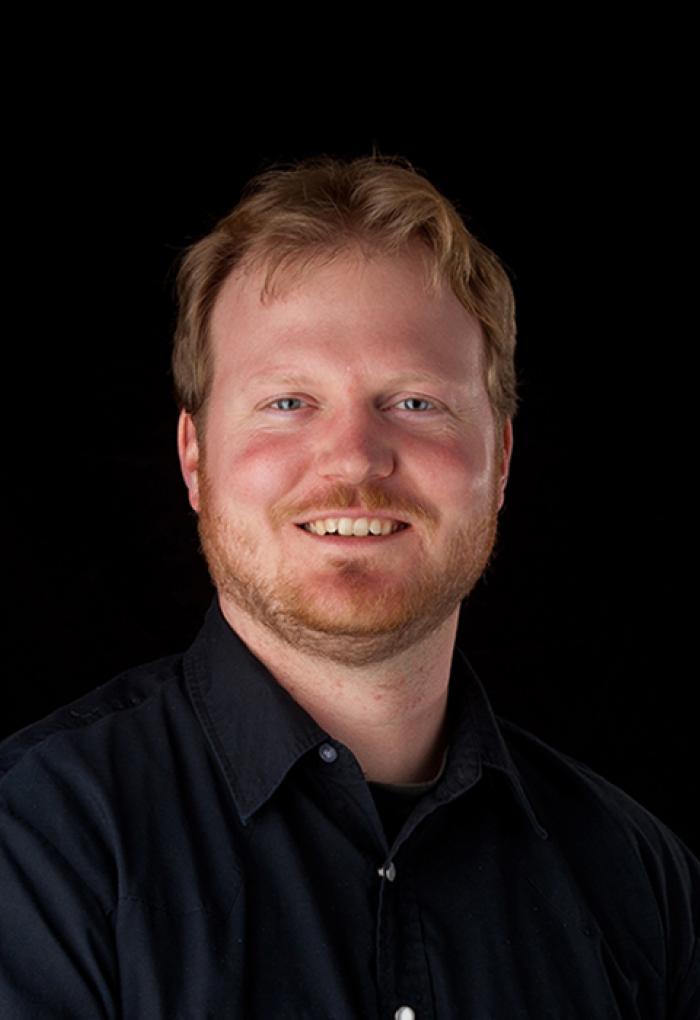
“This committee has been involved in this process since 2020, and I can say, without a doubt, poured their hearts, souls, and emotional and physical labor into developing the new curriculum,” one nominator wrote. “I have never seen a group at OSU rally around something like this in the decade I have spent at the institution. I am forever proud and grateful for each person involved.”
The BCRC collectively spent 1,000 hours between October 2021 through June 2022 revising the curriculum to follow best practices, be student focused and provide a high-quality educational experience. They engaged with more than 400 stakeholders through 35 meetings to collect feedback and ideas to shape the final product. The new curriculum includes multiple modes of instruction, a focus on social and environmental justice and professional skills integral for joining the workforce. Several high-impact practices that promote equity, retention and increased graduation rates specifically for historically underserved students, were embedded in the curriculum. The group also focused on transfer students and structuring courses to meet the needs of this population.

The group aspired to not let budget or individual faculty expectations drive the work – but instead, they focused on student success as their North Star.

Anne Dunn, Department Head of Microbiology, smiles in a professional headshot

Announcing new Gorman Faculty Scholar as incoming Department Head of Microbiology

By Erica Martin

Following a competitive national search, the College of Science and the College of Agricultural Sciences is excited to announce Professor Anne Dunn as Department Head of Microbiology, effective January 1, 2024. Dunn brings expertise in departmental leadership from the Department of Microbiology and Plant Biology at the University of Oklahoma, as well as extensive research experience and undergraduate and graduate student mentorship.

“I am delighted to congratulate Anne Dunn on her appointment as the next head of the Department of Microbiology. An accomplished scholar, Anne has also proven herself to be a capable leader, adept at fostering collaboration, promoting equity and inclusion, and advocating for her department,” said Vrushali Bokil, interim dean of the College of Science.

“I'm inspired by her commitment to both individual members and the broader community's vision and goals. Under her leadership, the microbiology department will continue to serve students and address societal concerns in significant ways.”

I'm inspired by her commitment to both individual members and the broader community's vision and goals. Under her leadership, the microbiology department will continue to serve students and address societal concerns in significant ways.

Recently honored with the distinguished Regents’ Professorship at the University of Oklahoma in recognition of her service as department chair, Dunn’s professional service also includes election to the leadership of the American Society for Microbiology Division K (2014-2017), service on the Applied and Environmental Microbiology Editorial Board since 2016, service on numerous NSF proposal review panels, and ad-hoc manuscript and proposal review for over 35 journals, agencies and foundations. Her research focuses on host-microbe interactions and marine microbial physiology, which she has consistently received NSF funding for, totaling over $1.7 million since 2008.

Dunn will join the College of Science as the newly appointed Gorman Faculty Scholar for a period of three years, starting January 1, 2024, with an expectation to provide outstanding scholarship and leadership, enriching and enhancing the reputation of the microbiology department, the College and the university.

"I am honored to join the Department of Microbiology,” said Dunn. “It is an exciting opportunity to use the leadership skills I have developed in new and meaningful ways to collaborate with the members of this outstanding, dynamic, and dedicated department. I look forward to working together to further build the department’s impacts in teaching, research, outreach, and service."

Dunn received a Ph.D. in bacteriology from the University of Wisconsin-Madison and a B.S. in biology from Iowa State University.

The Dunn lab integrates research approaches in microbial physiology, genetics and biochemistry with bioinformatics to gain a deeper and broader understanding of microbial physiological processes and how they impact bacterial growth, survival and their role in host interactions and ecosystem function. Her graduate and postdoctoral training focused on the beneficial interactions between bacteria and plant and invertebrate hosts. When starting her laboratory at University of Oklahoma, she focused on bacterial physiology and how it impacts the relationship between Vibrio fischeri and the Hawaiian bobtail squid.

Her research has since expanded to include other marine model bacteria and how their physiology impacts their growth and survival. Currently, her focus is on NSF-funded work to understand the influence of the respiratory protein alternative oxidase on microbial physiology and marine ecosystem function while also providing insight into the evolutionary history of this interesting protein.

The Colleges of Science and Agricultural Sciences are grateful for the service of Steve Giovannoni who is stepping down as head after leading the Department of Microbiology for three years, including through the challenging pandemic years. Through his leadership, the Department of Microbiology saw continued enrollment growth, expanded grants, research, graduate education and experiential learning opportunities, and made shifts to adopt more holistic graduate admissions processes. He also led the department in pioneering a new online education option for BioHealth Sciences with Ecampus, expanding educational opportunities to those interested in healthcare.

As of September 1, Oregon State Pernot Distinguished Professor of Microbiology Rebecca Vega- Thurber began serving as interim department head in microbiology and will remain in service until Dunn’s arrival, January 1, 2024. Vega-Thurber is deeply dedicated to furthering the microbiology discipline and to ensuring the health and vitality of the department community. We are fortunate to have her expertise, passion and willingness to lead the Department of Microbiology through this leadership transition.

Interim Dean Bokil, Dean Simonich and the leadership of the Colleges of Science and Agricultural Sciences expressed sincere thanks to Professors Steve Giovannoni and Rebecca Vega-Thurber for leading the Department of Microbiology and helping the department to smoothly transition to new leadership. They also expressed gratitude to the microbiology head search advisory committee for their tremendous service to the colleges and for their collaboration in completing a successful head search for the department.

Subscribe to Faculty and Staff