Climate and Oceans

Climate and Oceans

Giovannoni lab performs research off of a boat

Microbiologist receives $1.2M award to study microbes in a changing ocean

By College of Science

Microbiologist Stephen Giovannoni received a 5-year $1.2 million award to continue studying the microbiology of the Sargasso Sea, an ocean gyre that is representative of ocean regions with extremely low productivity that are expanding globally due to the warming of the ocean’s surface.

The award, from the Simons Foundation International, is part of the BIOS-SCOPE program, a consortium of scientists established in 2015 to jointly investigate the biology, chemistry and physics of this ocean region. While an assistant professor at Oregon State in the 1990s, Giovannoni began the longest ocean-time series of plankton DNA collections, exactly the type of data now needed to understand life on a changing planet.

The new aim is to understand how the decline in nutrients caused by ocean warming impacts the evolution of microbial cells, forcing them to simplify their genomes and use resources more efficiently. This information is used to predict carbon cycling globally and the biology of the future ocean.

The Sargasso Sea is an ideal study site because the ocean rhythmically transitions between cool, productive winters when nutrients are mixed to the surface, and nutrient-poor summers, when chlorophyll levels drop to extreme lows. These seasonal oscillations help scientists model how ocean biology responds to the global expansion of thermally stratified waters.

Learn more about the BIOS-SCOPE program.

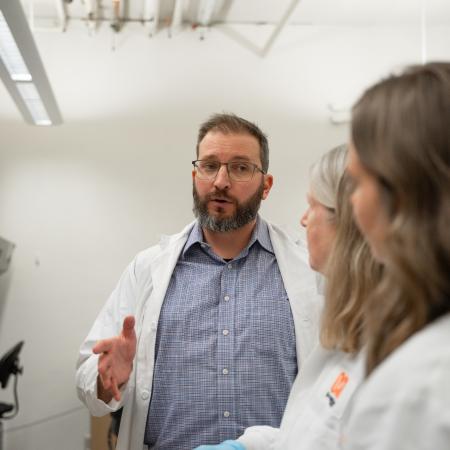
Stephen Giovannoni standing in lab space

Giovannoni's lab studies how biology interacts with the atmosphere and the oceans to change global patterns in the movement of carbon and other elements.

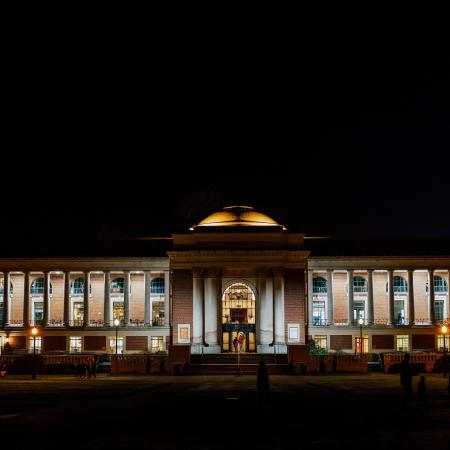
Image of a brick building with a sign that says Nash Hall.

New faces in the College of Science: Nick Pokorzynski and Alice Naftaly join the Department of Microbiology

By Kaitlyn Hornbuckle

The Department of Microbiology is welcoming two new colleagues: Nick Pokorzynski and Alice Nafataly.

Nick Pokorzynski

In rural Michigan, Nick Pokorzynski first discovered his love for science in a high school chemistry class. From there, he earned his B.Sc. in biochemistry at Michigan State University before working in the wine and biofuel industries. He then pursued his Ph.D at Washington State University, where he explored how intracellular bacterial pathogens survive and cause disease. While working on postdoctoral research at Yale School of Medicine, he helped discover why some pathogens prefer alternative carbon sources over glucose, which is published in one of the world's most-cited scientific journals, PNAS.

Now at Oregon State, he leads the Pokorzynski Lab and invites students to learn about host-pathogen interactions and antibiotic tolerance in typhoid fever-causing bacterium, Salmonella enterica.

"Pokorzynski’s innovative research program—uncovering the molecular mechanisms that enable bacteria to adapt to infection-relevant stress—beautifully complements and expands our strengths in microbial physiology and host health," said Department of Microbiology Head Anne Dunn. "His deep commitment to student training and success, combined with the strength of his research program, makes him an exceptional addition to the department.

Pokorzynski chose to start his laboratory at Oregon State University due to the institution’s commitment to basic scientific research and the high caliber of graduate and undergraduate students on campus.

"Our laboratory will explore how Salmonella, a major foodborne bacterial pathogen, outsmarts its animal and human hosts to survive and cause disease. This may lead to new strategies for treating Salmonella infections," he said. "The scientific community at OSU has been incredibly welcoming, and I am eager to see how our research program will develop in new and exciting ways in collaboration with experts across campus.”

Outside of university, he enjoys philosophy, history, coffee culture, live music and exploring new cuisines.

Nick Pokorzynski standing in front of a flowering tree.

Nick Pokorzynski studies how pathogens survive and cause disease.

Alice Naftaly

While reading a novel, Alice Naftaly turned the page to an unexpected chapter about the evolution of head and clothes lice. That chapter inspired her to pursue a career in genetics and evolution, leading her on a path to teaching microbiology. As a southern Virginia-native and first-generation college graduate, she earned dual B.S. degrees in biology and chemistry at Virginia Commonwealth University. At the University of Georgia, she pursued her Ph.D in genetics and studied the evolution of recombination landscapes and sex chromosome evolution in stickleback fish. For her postdoctoral research, she examined the effects of heat on gametogenesis in C. elegans at the University of Oregon.

Now an instructor at Oregon State, she loves teaching students about how molecular mechanisms connect to evolutionary patterns.

"Dr. Naftaly brings outstanding experience in teaching introductory microbiology, and her enthusiasm — paired with her innovative approaches to engaging non-majors — will be a tremendous asset to our teaching mission. We’re excited for the energy and creativity she will contribute to our educational mission," said Department of Microbiology Head Anne Dunn.

Outside the classroom, she enjoys reading, cross-stitch, sewing, and time with her family and three cats.

"I was drawn to OSU because I wanted to join a university with a strong and lasting foundation in both teaching and research, supported by resources that genuinely help students and faculty succeed. What excites me most is OSU’s dedication to expanding access to higher education and fostering an equitable learning environment," Naftaly said.

Portrait of Alice Naftaly standing against a white wall.

Alice Naftaly will be teaching introductory microbiology and special projects.

2024 cyanobacterial bloom at Detroit Reservoir, photo by Elijah Welch, city of Salem.

New analysis yields clearer picture of toxin-producing blue-green algae blooms

By Steve Lundeberg

2024 cyanobacterial bloom at Detroit Reservoir, photo by Elijah Welch, city of Salem.

A long-term analysis shows that a major Oregon reservoir abruptly swapped one type of toxic algae for another midway through the 12-year study period, absent any obvious cause.

The project provides a novel look at harmful algal blooms, or HABs, which pose multiple health risks to people and animals worldwide.

Harmful algal blooms in lakes and reservoirs are explosions of cyanobacteria, often referred to as blue-green algae. Microscopic organisms ubiquitous in all types of water around the globe, cyanobacteria use sunlight to make their own food and in warm, nutrient-rich environments can quickly multiply, resulting in blooms that spread across the water’s surface.

These blooms can form at any time of the year but most often occur between spring and fall. Some types of cyanobacteria produce liver toxins and neurotoxins, while others make toxins that can cause gastrointestinal illness if swallowed and acute rashes upon contact with skin.

“Not every cyanobacterial bloom is toxic, but it is always wise to follow the rule of avoiding contact when there’s green growth in the water,” said Theo Dreher, professor emeritus of microbiology at Oregon State University. “Potential exposure to cyanotoxins is of public health concern, and blooms particularly pose a threat to dogs entering lakes.”

The body of water in the study, Detroit Reservoir in the Cascade Range foothills, is a popular recreation spot and also the source of drinking water for Oregon’s capital city of Salem and other communities downstream of Detroit Dam on the North Santiam River.

Click here to read the full article.

A close-up of a chinook salmon at a hatchery in washington.

Salmon face hidden threat from changing diets, new study finds

By Hannah Ashton

Researchers in the College of Science, including faculty member Chris Suffridge and graduate student Kelly Shannon, have contributed to a multi-institution research paper revealing a hidden threat to West Coast salmon.

The research, led by NOAA Fisheries and shared on their website, brought together 37 co-authors across federal and state agencies — including the Oregon Department of Fish and Wildlife — universities and fisheries programs, reflecting an impressive level of collaboration to address an emerging ecological crisis. The team included oceanographers, fish nutritionists, hatchery staff and field biologists from around the U.S.

The findings show that when salmon feed heavily on northern anchovy, now increasingly dominant in the California current ecosystem, they risk developing severe thiamine (vitamin B1) deficiencies that can lead to high mortality rates in their offspring.

“This study represents the power of transdisciplinary and interagency collaborations to investigate complex emerging ecological problems,” Suffridge said.

Among those involved was Aimee Reed, who directs the Oregon Department of Fish and Wildlife Fish Health Services, a diagnostic laboratory servicing Oregon’s 34 public fish hatcheries as well as private aquaculture operations. The laboratory is part of the Department of Microbiology and located on the 5th floor of Nash Hall.

Published in the Proceedings of the National Academy of Sciences, the study connects recent shifts in the ocean food web to widespread thiamine deficiency in salmon populations. The researchers concluded that the deficiency likely killed as many as half of newly hatched fry of endangered winter-run Chinook Salmon in the Sacramento River in 2020 and 2021.

These thiamine-deficiency effects compound existing stress on salmon, including habitat loss and reduced water flow, pushing several runs towards commercial closures that have persisted for three years. The study underlines the urgency of integrated strategies addressing foraging fish dynamics, thiamine monitoring and hatchery supplementation to bolster salmon recovery.

“By bringing together scientists from universities, government and state agencies, this study has moved scientists closer to illuminating the root causes of thiamin deficiency in engaged populations of California salmon,” Shannon said.

Chinook salmon jumps through a grate.

A Chinook Salmon jumps at a hatchery in Issaquah, Washington. Fish health experts found that injecting adult female salmon with thiamine as they returned to hatcheries helped produce healthy offspring.

A paper sculpture of a fish parasite hangs from a ceiling.

Blending art and science: Microbiologist illuminates the hidden world of fish parasites

By Tom Henderson

Photos credit: Jason St. Clair, Faith Schell

Nilanjana Das sees beauty in little things — even fish parasites.

The wee beasties get little love. Fish certainly wish their tenants would take up residence elsewhere and find a new line of work. Parasites weaken the immune systems of fish and make them more vulnerable to potentially fatal disease outbreaks. This is particularly troublesome to already precarious Pacific salmon populations. Still, Das said, those microscopic bad boys are kind of cute.

A graduate student in Oregon State University’s Department of Microbiology, Das is using art to give the invisible world of fish parasites new visibility — and new meaning. Through large, glowing sculptures made of tracing paper and reed, she brings public attention to the microscopic organisms threatening aquatic ecosystems. Her work lives at the intersection of science, art and advocacy, and offers a fresh lens on ecology, education and equity in research.

Pernicious parasites are thus transformed into shimmering clouds of light hanging from the ceilings of art galleries.

"I tried to figure out how I could illustrate this world of microscopic pathogens that are in rivers and lakes all the time to an ordinary viewer who would never interact with them unless they had a microscope," said Das, who works in microbiologist Sascha Halletts' lab.

She was one of 13 students who received a 2023-2024 fellowship through the Patricia Valian Reser Center for the Creative Arts (PRAx) to spend a year exploring the intersection of art and science. "The fellowship gave me the confidence to start on a project," Das said. "I was able to dream big and brainstorm a large-scale gallery installation. That sounds almost surreal to say out loud."

PRAx officials provided $1,000 for her to purchase supplies and compensate her for her time. They also arranged for gallery space. "You don't have to worry about making this art and not having a place to display it," Das said. "That's really unique. There aren't many opportunities for students without an art background and without an extensive art portfolio to display their work for the public."

Das' parasite models hung during the summer last year in the Joan Truckenbrod Gallery in Corvallis and finished the year at the Hatfield Marine Science Center in Newport.

Paper artwork of fish parasite displayed on the ceiling.

Paper parasite models made by Das hang during the summer of 2024 in the Joan Truckenbrod Gallery in Corvallis

Das has always been fascinated by tiny details. She spent her childhood exploring the beaches of the Jersey Shore. Her family lived an hour away but took frequent trips to the seaside. They often strolled along the boardwalks and made a day of it. Her siblings were more interested in swimming.

"Oddly enough, I had a little bit of fear of the unknown when the water was cloudy," Das said. "I find I prefer the water to be clear so I know what's around me. Instead of swimming, I spent most of my time looking at the shell piles during low tide to see what I could find.

"You can find quite a bit, she said — provided you look closely enough. I was introduced to marine biology through beachcombing," said Das. "I remember just collecting shells, finding different shells fascinating and exciting. There's a dopamine rush that comes with finding something beautiful on the beach."

She eventually started looking under the microscope.

"There's this huge diversity of organisms that you can explore. They look like intricate, ornate aliens. They're beautiful. I love that about Oregon."

"I've always been someone who likes to collect things or go beachcombing or look at the diversity of life," she said. "Seeing this whole other realm under the microscope and also knowing these microbes are everywhere in aquatic environments and pose this risk to fish populations made it really fascinating to study."

Her first-grade teacher helped her explore further, answering all her early questions. From that point on, she said, she knew she wanted to be a marine biologist.

"It was an inherent interest that I followed," said Das. "I could never imagine myself doing anything else all through elementary, middle and high school and college. I was hyper-fixated on becoming a marine biologist, and it ultimately worked out."

After receiving her bachelor's degree in marine sciences from Stockton University, she worked as an assistant aquatic disease marine biologist for the New Jersey Division of Fish and Wildlife. She solved the mysteries behind dying fish populations in hatcheries, backyard ponds and fishing holes. "That was the first time I interacted with fish pathogens," she said. "We did investigative work to narrow down the possibilities of what they could have died from."

There were plenty of suspects with a wide variety of bacteria, viruses, parasites and fungi.

"Looking at some of these organisms under the microscope was fascinating for me because they are just so diverse in their morphology but also the impacts they can have," Das said. "Knowing that there are so many unknowns in terms of different pathogens, I figured out that's what I wanted to do in graduate school.”

Paper artwork of fish parasite displayed on the ceiling.

Das creates her parasite models with tracing paper and reed, the same material used for weaving baskets

Coming to Oregon State, she began working in the PHIn (Parasite-Host Interactions) Lab. Jerri Bartholomew was the principal investigator of the PHIn Lab at the time, a prolific glass artist in addition to being a distinguished microbiologist.

"I was inspired by her ability to translate her work on fish parasites to art for the general public," Das said. "She helped start the PRAx fellowship, funded by many different departments on campus."

Blending art and science was not new for Das. "I've always really enjoyed sculpting on a very small scale — like figurines of animals that I like," she said. She creates her parasite models with tracing paper and reed, the same material used for weaving baskets. "That was extremely helpful in trying to figure out how to make them light weight enough to suspend from the ceiling," she said.

"With the tracing paper being so translucent, it's exactly how these microorganisms appear under the microscope," she added. "They're too small to have any color most of the time. However, they often have extremely unique reflective structures inside."

Using tracing paper and trying to illustrate some of the organelles and internal structures of the parasites was a fun challenge, Das said. "I also wanted to show people how cool and intricate they look under the microscope," she added.

"I start by playing around with the reed," said Das. "These forms often have a lot of curvature, and the reed can be a little bit brittle at times. It's a matter of running your hands along the length of this reed and making little bends and curving it over time. It can take hours to get a straight piece of reed to curve into the simplest circle."

She used hot glue to join pieces of reed together. That had its pros and cons, she said. "It doesn't always hold the wood together very well. However, it also means that if I didn't like the way I joined a piece, I could take it apart easily."

After she created this structure, and decided it reflected the shape of the microbe, she solidified the joints with an epoxy adhesive.

Tracing paper is extremely fragile and creases easily. However, she coated both sides with a layer of polyurethane varnish to enhance the translucency and make it more resistant to tearing or creasing.

She then cut each piece to the exact shape to fit the reed framework. Each piece averages more than 50 sheets of paper. She worked on nine of them simultaneously.

"If I sat down in one place to do one piece, it would probably take me something like 30 hours," Das said. "It was a process that took more than six months."

Artists poses with her hanging art

Nilanjana Das poses with her art.

She completed all the work in her livingroom. "I took over the space, and there were these piles of giant reed structures in one corner that often got in the way of my roommates, who were extremely flexible," she said.

The pieces now sit in an office in Nash Hall, waiting for their next exhibit.

She basically created the process for building the models as she went along, Das said. "That's been exciting. I don't feel I'm following any rules or historical traditions of art, just finding whatever materials I think will work well. It's fun to experiment and discover new methods."

Oregon offers a wealth of artistic inspiration, she said, especially in its tide pools. "It's another world where you'll never know what you'll find. There's this huge diversity of organisms that you can explore. They look like intricate, ornate aliens. They're beautiful. I love that about Oregon."

Das, now in the third year of her doctoral program, works primarily with salmon and trout hatcheries on the McKenzie River and other Oregon waterways. As part of the Hallett Lab, she diagnoses the range of pathogens hatcheries are facing instead of one specific parasite. The lab focuses on one particular group of microscopic obligate parasites, myxozoans. Over 2000 of these metazonas are found in fish world-wide and although most do not harm their hosts, there are several that cause serious diseases in the Pacific Northwest.

When she completes her doctorate, Das said she could work as a research biologist at a state or federal agency or continue in academia. "I'm not entirely sure, but I'm interested in continuing to research fish ecology and doing diagnostics, which is what lets me interact with all these different microbes," she said.

Das hopes to see continued investment in science that represents all communities and identities — and support for researchers tackling the world’s most pressing challenges through inclusive, equitable approaches.

“Programs that support equity have made it possible for people like me to pursue science that matters — both to our communities and to the environment,” she said. “They open the door for innovative ideas and for scientists from all backgrounds to make a difference.”

Das said she’ll continue doing her part — blending art and science in ways that reflect her values. Her work may be displayed soon in some galleries in Bend.

In addition, she and a group of artists in Washington state and a deep-sea coral and sponge biologist in Sweden are hoping for a group exhibit on deep-sea organisms.

She also participates in the OSU club Seminarium. During the COVID pandemic, students started Seminarium for students, faculty, staff and community members to discuss and celebrate art and science.

Although the times are scary, Das said, they're also wonderful. "It's exciting to know there's interest in seeing more of the microbial world."

Two women in lab coats work with a sample in a tube in a laboratory.

Microbiome scientist uses AI to redefine the gut-brain axis and deep-sea ecosystems

By Hannah Ashton

Maude David’s research sits at the crossroads of microbiology, neuroscience and artificial intelligence — an intersection that may hold the key to understanding some of the most complex disorders affecting the human brain and unlocking the secrets of deep-sea ecosystems.

Scientists have long recognized the gut-brain axis as a critical communication pathway, but only recently have they begun to uncover how the trillions of microbes in our gut influence brain function and behavior. David’s research is at the forefront of this field, using microbiome analysis and artificial intelligence to investigate links between gut bacteria and neurological disorders like autism. Her work deepens our understanding of these complex interactions and opens new possibilities for treatments. By applying AI to both human health and environmental microbes, David is pioneering a data-driven approach that could transform neuroscience and microbiology alike.

Microbiome of the human body

The gut-brain axis is a complex, bi-directional communication network linking the gut and central nervous system. The gut doesn’t rely on just microbes to communicate with the brain, but sometimes nutrients also.

For example, when you consume sugar, specialized sensory cells in your gut detect it and send signals to the nervous system, helping to regulate metabolism, appetite and energy balance.

"So, in a millisecond, the bacteria or their metabolites can ‘touch’ your brain.”

Researchers have long known that the gut-brain axis exists, but only recently have they begun to unravel how the trillions of microbes residing in the gut influence brain function and behavior.

“I am fascinated by the complex relationship we have with our microbiome,” David said. “I work specifically on this pathway where the microbes could potentially modulate sensory cells, that’s two synapses in your brain. So, in a millisecond, the bacteria or their metabolites can ‘touch’ your brain.”

Her lab is particularly interested in what role this communication network may play in neurological disorders like autism spectrum disorder (ASD). Using crowdsourced data, David and collaborators discovered that children with ASD have distinct differences in the composition of their gut microbiota compared to their neurotypical siblings. The researchers recruited 111 families that each have two children — one with autism and one without — born within two years of each other and aged two to seven years old.

The researchers collected stool samples from the children at three different time points, two weeks apart. They found eight bacterial genetic sequences that were more likely to be present in the guts of children with autism than in their non-autistic siblings, and three sequences that were less likely.

A follow-up study releasing later in 2025 found further interesting results linked to metabolites, small molecules produced during metabolism. These new findings are exciting because understanding the specific metabolic pathways altered in developmental and neurological disorders could pave the way for novel therapies targeting the gut microbiome.

“There have been very few drugs in the last 20 years focused on neurological disorders. It’s really the etiology, or causes, that are unknown. There is a big gap in understanding, and basic science can help bring solutions,” she said.

A woman in a blue suit jacket holding a stuffed giant microbe.

Maude David holds a stuffed version of lactobacillus bulgarius, the main bacteria used in the production of yogurt. As a beneficial probiotic, it helps maintain a balanced gut flora, which is essential for overall health. The bacteria is produced by the company Giantmicrobes.

Microbiome of the deep sea

Beyond her hands-on lab work, David is pioneering artificial intelligence applications in microbiome research. By training machine learning models on massive datasets, her team is discovering how to predict patterns and identify microbial signatures linked to different conditions.

Her AI approach functions similarly to how a person might read thousands of books to develop a deep understanding of a subject before applying that knowledge to something new. Instead of analyzing each microbiome sample from scratch, her team feeds AI models vast amounts of microbial sequencing data, allowing the system to learn and recognize relationships between the different microbes. These models can then be applied to help classify conditions such as inflammatory bowel disease or colorectal cancer with greater accuracy.

“It is awesome, because the model can remember relationships that us humans might not. It’s finding these complex patterns,” David said.

One of the major challenges in microbiome research is the sheer volume of data involved. Each individual has a unique microbiome comprising thousands of different microbial species, each interacting in complex ways. Traditional methods of analyzing these communities can be time-consuming and require extensive resources. AI provides a way to quickly process and interpret large datasets, identifying patterns that can reveal valuable insights.

Her latest National Science Foundation study continues to push the limits of what AI can do. With a $540K grant, David is applying deep learning to analyze oceanic microbial ecosystems, an extension of her expertise in microbiome research.

The deep sea is a crucial, yet poorly understood driver of global biogeochemical cycles, the movement of essential elements like methane and nitrogen. These cycles regulate ecosystem function, influence climate and support life.

“We are looking at microbes in the ocean and researching how we can use AI to discover what role unknown genes play in methane seeps off the coast of Oregon and Washington,” she said.

Methane seep habitats, areas where methane gas escapes from the sea floor, are unique, diverse areas nourished by methane-consuming microbes. However, many of the genes involved in these deep-sea cycles remain unidentified, limiting our understanding of how these ecosystems function and their impact on global biogeochemical processes.

To analyze these complex environments, researchers will develop two AI models designed to decode gene functions. The first model will categorize genes into pathways by studying how they appear together in microbial communities. The second will use generative AI to predict the functions of unknown genes based on protein sequences and text-based data. Together, these models will help scientists identify genes responsible for each of the cycles identified.

The main outcome will be a scalable approach to artificial intelligence that will advance key questions in earth system science. Understanding the genetic mechanisms behind biogeochemical processes is crucial for predicting how ocean ecosystems respond to environmental changes.

The results of this study will include exhibits by artists involved in the research as well as a documentary about how AI can harness big data to help advance the understanding of earth systems.

As science continues to reveal the hidden influence of the microbiome, one thing is clear: critical solutions lie in understanding the powerful role microorganisms play in our bodies and our environment. David’s research has us on the right path to new understandings.

View of the Colorado river inside the Grand Canyon.

Transforming river health, ecology, seaweed, and pest control: Revolutionary SciRIS research

By Hannah Ashton

The College of Science Research and Innovation Seed (SciRIS) Program continues to drive groundbreaking research by fostering collaboration and innovation. Founded in 2018, SciRIS funds interdisciplinary research projects that aim to create meaningful societal impact. This year, Stage 2 awardees are working to revolutionize our understanding of river health, ecological communities, sustainable seaweed cultivation and insecticide resistance.

There are two tracks through the program: SciRIS team awards (Stages 1-3) and the SciRIS individual investigator award (SciRIS-ii). SciRIS Stages 1-3 funds teams in three stages to support training, research, and capacity-building, accelerating work toward external funding opportunities. SciRIS-ii funds individual faculty to establish research relationships with external partners, enabling them to demonstrate the feasibility of their ideas and quickening the pace of scientific discovery.

Four teams received SciRIS Stage 2 awards.

Bioinformatics for integrated river health

Biologist David Lytle’s project focuses on understanding the complex interactions between multiple biotic components, including food base, disease landscape and microbiome in the lower Colorado River, including the Grand Canyon. Lytle will be working with three Oregon State colleagues, along with collaborators at the United States Geological Service and the National Parks Service. The project aims to develop diagnostic tools that can identify fish parasites and diseases at a molecular level and provide preliminary data on how these parasite, microbial and invertebrate communities change over time.

Oregon State Collaborators
David A. Lytle, Integrative Biology
Justin Sanders, Microbiology, (College of Science and Carlson College of Veterinary Medicine)
Anna Jolles, Integrative Biology (College of Science and Carlson College of Veterinary Medicine)
Claire Couch, Fisheries, Wildlife and Conservation Sciences (College of Agricultural Sciences and Carlson College of Veterinary Medicine)

Government Collaborators
Ted Kennedy, Kim Dibble, Charles Yackulic, Kate Behn, Jessica Anderson, Bridget Deemer, U.S. Geological Service
Emily Omana, Brandon Holton, National Parks Service

Ripening Oregon blackberries, one of the crops at risk from Spotted wing drosophila

Spotted wing drosophila are an invasive pest that attack several crops essential to Oregon farmers, including ripening blueberries, blackberries, apples and stone fruit. Fruit fly populations evolve rapidly and the Patel and Vrailas-Mortimer group seek to understand the risks of resistance evolution before they adapt to local pesticides.

Insecticide resistance in spotted-winged drosophila

Geneticist Alysia Vrailas-Mortimer's project addresses the significant agricultural threat posed by spotted-winged drosophila (SWD), an invasive pest species. The research aims to advance understanding of the genetic basis and evolution of insecticide resistance in these pest populations through experimental work, genetic techniques and mechanistic mathematical modeling. The project involves collaboration with experts from UC Davis and focuses on developing sustainable control methods. Directly connected to the needs of the Oregon agricultural community, this project is a prime example of OSU’s strong community engagement initiatives as a land grant institution. By learning more about the mechanisms of insecticide resistance in spotted-winged drosophila, growers will be better able to plan and prioritize their insecticide applications to mitigate resistance.

Oregon State Collaborators
Alysia Vrailas Mortimer, Biochemistry & Biophysics
Swati Patel, Mathematics
Serhan Mermer, Environmental and Molecular Toxicology (College of Agricultural Sciences)

Analytical Tools to Understand Ecological Communities

Statistician Yuan Jiang’s SciRIS project aims to create novel analytical tools for assessing how organisms in complex ecological communities like microbes and parasites interact and affect each other over time. The research will leverage long-term community datasets from wild vertebrate host populations with improved data techniques that allow these large complex data sets to be analyzed more efficiently and with environmental conditions factored in. In addition to improve our ecological understanding of these communities, Jiang's project seeks to extend the accessibility of these analytical tools to diverse scientific audiences through summer camps, workshops and online tutorials. The project will also involve collaboration with colleagues and students at the Universidad of San Francisco de Quito in Ecuador to build capacity in data analytics.

Oregon State Collaborators
Yuan Jiang, Statistics
Lan Xue, Statistics
Anna Jolles, Integrative Biology
Claire Couch, Fisheries, Wildlife and Conservation Sciences (College of Agricultural Sciences)

Seaweed on a beach with water.

Seaweed morphology and chemical makeup can vary dramatically depending on environmental factors like seawater composition and sunlight exposure, making it a challenge to nutritionally analyze consistent materials. James Fox and his contributors have developed a system for growing seaweed on land under consistent conditions for analysis.

Unlocking the potential of seaweed

Algal physiologist James Fox’s project explores the chemical composition and potential applications of Pacific Dulse, a protein-rich seaweed native to the Pacific coastline. The team will create a special growth chamber to cultivate seaweed on land under controlled conditions. This allows researchers to maximize the production of important compounds found in Pacific Dulse, which can be used in nutrition and medicine. The project also emphasizes community outreach and inclusive excellence by engaging diverse student populations and partnering with outreach programs. Additionally, the project will investigate the impact of different processing methods on the nutritional quality of seaweed extracts.

Oregon State Collaborators
James Fox, Microbiology
Myriam Cotten, Biochemistry and Biophysics
Ford Evans, Hatfield Marine Science Center
Evan Forsythe, Integrative Biology
Scott Geddes, Chemistry Program Coordinator OSU-Cascades
Jung Jwon, Department of Food Science & Technology (College of Agricultural Sciences)
Christopher Suffridge, Microbiology

These projects highlight the innovative and impactful research being conducted by the 2025 SciRIS awardees. Each project not only advances scientific knowledge by also emphasizes collaboration, community engagement and inclusive excellence.

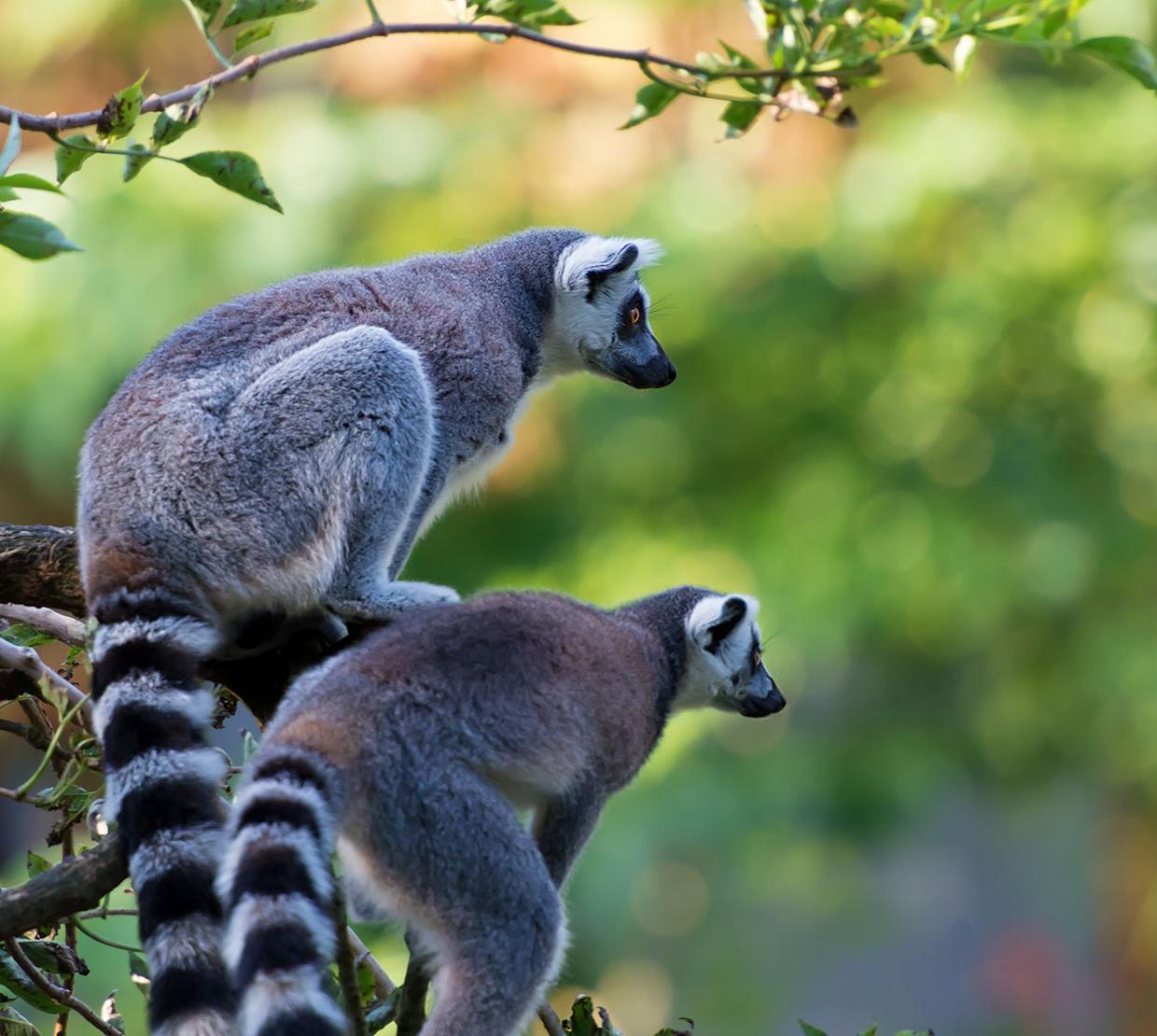
Two lemurs sit closely together on a tree branch, surveying their environment

Science Faculty Secures $18.5M in FY 2024, extending the reach and impact of science

By Hannah Ashton

The Everson lab studies Madagascan lemurs to explore how hybridization shapes genomes, species limits and the evolutionary trajectory of radiations (rapid increases in diversity).

The College of Science has a diverse portfolio of signature research, scholarship and innovation activities that enable our College to make fundamental and applied discoveries. To support society’s scientific challenges, we are invested in discovery-driven science and applied and transdisciplinary research. Our research intersects with all four research areas of priority outlined in OSU’s strategic plan, Prosperity Widely Shared.

Over the 2024 fiscal year (FY24: July 1, 2023 - June 30, 2024), the College of Science researchers received $18.5 million in research grants to support groundbreaking science. Most of that funding came from federal agencies and foundations in recognition of proposals with broad societal impacts, like increased human health, sustainable and clean energy and climate change mitigation. Our faculty pursue foundational and basic research projects and science education projects. Data science and Artificial Intelligence (AI) tools are increasingly becoming part of the fabric of much of our research. College of Science research expenditures in FY24 totaled $20.7 million.

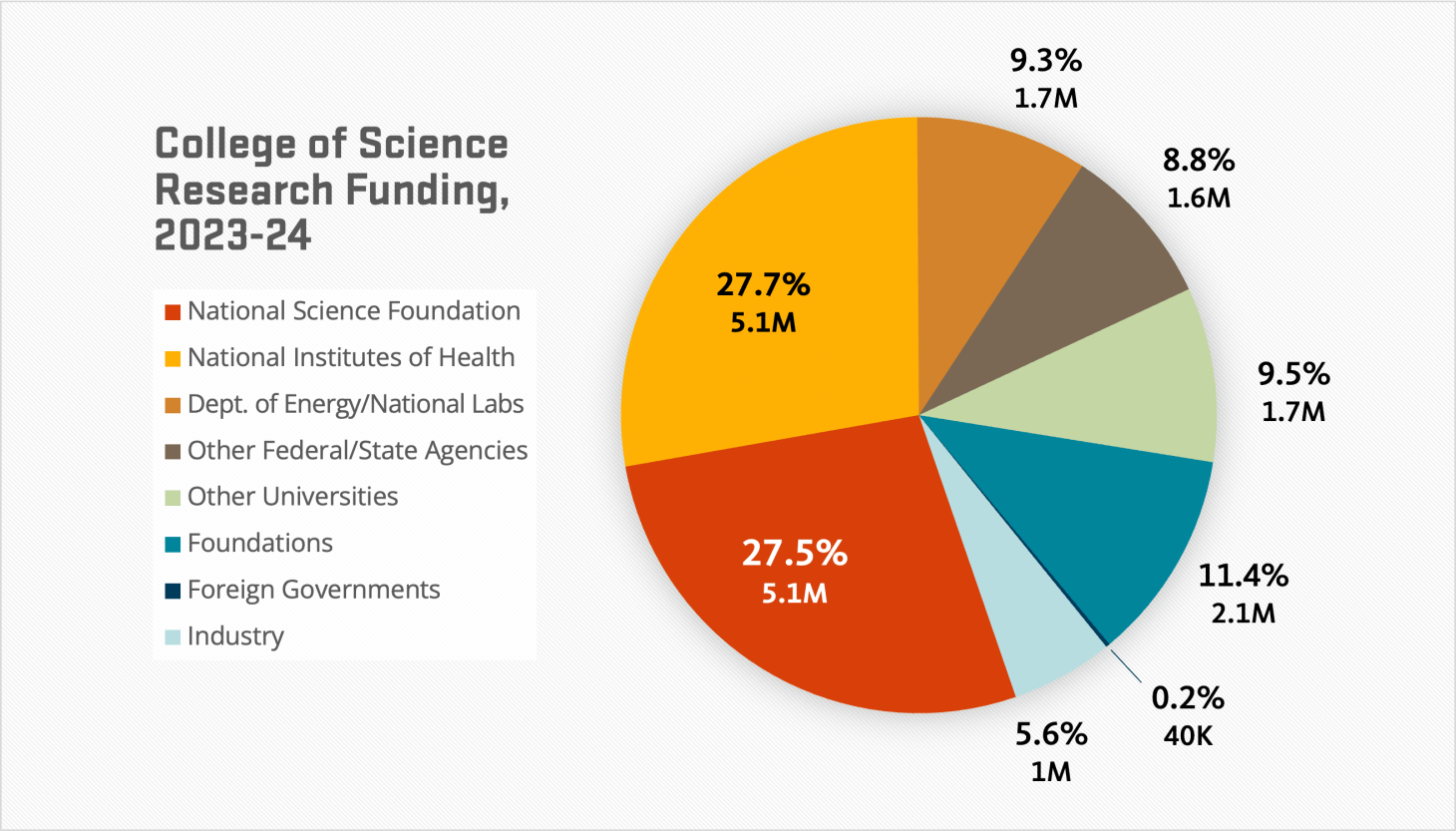
The figure below illustrates the breakdown of funding sources for the College, with the National Science Foundation (NSF) and National Institutes of Health (NIH) each awarding about $5.1M.

Pie chart showing Science Research Funding, with details in the following caption

Research funding in 2023-24 ($18.5M total) comprised investments mostly from federal and state agencies, including the National Science Foundation (25.7%–$5.1M), National Institutes of Health (27.7%–$5.1M), Department of Energy and National Labs (9.3%–$1.5M), and others (8.8%—$1.6M). Additional funds were provided by other universities (9.5%—$1.7M), foundations (11.4%–$2.1M), foreign governments (0.2%–$40K) and industry (5.6%–$1M).

Research funding propels Team Science forward

Oregon State University is focused on big discoveries that drive big solutions. Many science faculty received grants last year in support of discovery-driven science, applied and transdisciplinary research science education and innovation in OSU’s priority research areas of integrated health and biotechnology, climate science and solutions, robotics, data science and AI, and clean energy and solutions. Below are some of the highlights—not including multi-year projects started before 2023.

Faculty honors

Astrophysicist Jeff Hazboun received a $73K Faculty Early Career Development award from the National Science Foundation. This prestigious NSF early career award is highly coveted by faculty! Hazboun’s project includes curriculum development and the implementation of a summer workshop in astrophysics-themed data analysis designed to foster inspired teaching, stimulate excitement in pulsar timing array research, facilitate the learning goals of undergraduate and graduate students, and support the community college students’ transition into four-year schools.

Mathematician Christine Escher received a $50,397 award from the NSF to host the Pacific Northwest Geometry Seminar series over three years at various Pacific Northwest universities. Escher is the principal organizer of the conference. This award supports meetings of the Pacific Northwest Geometry Seminar (PNGS), a regional meeting for researchers and educators of geometry, to be held at the University of British Columbia (2025), Seattle University (2026) and Lewis & Clark College (2027).

Integrated health & biotechnology

Materials scientist Kyriakos Stylianou, along with members of the College of Pharmacy and the College of Agricultural Science, received $2 million from the U.S. Department of Agriculture to develop improved ways of preventing stored potatoes from sprouting, particularly in the organic sector. Stylianou’s team studied nearly 200 different plant essential oils for their anti-sprouting effects. Oregon, Washington and Idaho produce more than 60% of the potatoes grown in the United States, and Pacific Northwest potato cultivation is a $2.2 billion industry.

Microbiologist Maude David is part of a multi-institution research team to receive a $4.3 million grant from the U.S. Department of Agriculture to study European foulbrood disease (EFD) in honey bees. The group is investigating the factors contributing to the high incidence of infection, and will then share their findings with local beekeepers and growers to improve mitigation efforts. Beekeepers in Oregon typically pollinate about five different crops annually. If the colonies are weakened by EFD, this results in less pollination, which is a concern for blueberry and almond growers.

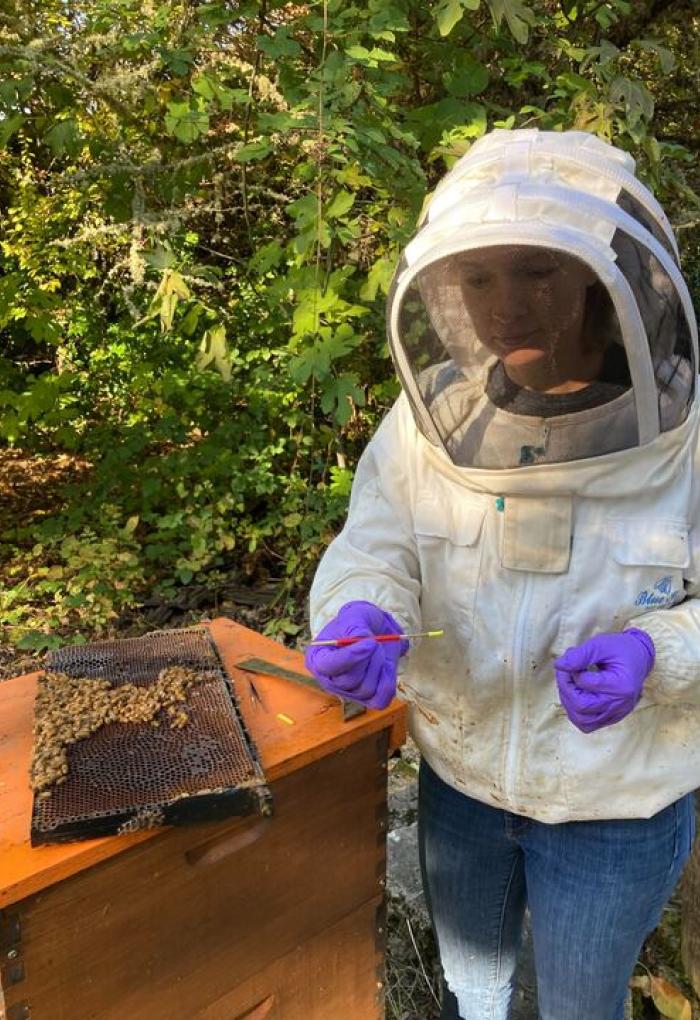
A scientist in a beekeeping outfit stands next to a honeycomb

Carolyn Breece from the OSU Honey Bee Lab shows Maude David a bee colony during a field trip.

Evolutionary biologist Michael Blouin was awarded $1.86M over five years ($371K per year) from the National Institutes of Health for his project entitled, “Genetic mechanisms of snail/schistosome compatibility.” Schistosomes are water-borne blood-flukes transmitted by snails, which infect over 250 million people in more than 70 countries and cause severe and chronic disability. A debilitating helminth parasitic disease of humans, vaccines are available for schistosomiasis. This project will identify new genes that make some snails naturally resistant to infection by schistosomes, revealing potential new ways to reduce parasite transmission at the snail stage.

Statistician Robert Trangucci received $164K from the University of Michigan for his project entitled, “Data driven transmission models to optimize influenza vaccination and pandemic mitigation strategies.” Selection bias is common in infectious disease datasets due to complex observational and biological processes, and bias can arise from covariate data which is missing due to analytical limitations. The research team is addressing the concern by extending existing models to accommodate risk and data gaps over time for application in vaccination and other novel datasets.

Chemist Dipankar Koley received $542K from the National Institutes of Health for his project entitled, “Microenvironmental characterization and manipulation to prevent secondary caries.” A common reason for dental replacement is a recurrence of caries around existing restorations caused by microbial activity. The project seeks development of new and innovative materials to bias this microbial environment toward improved dental health, and the researchers are investigating the use of cations of magnesium and zinc applied with specialized release platforms.

Collaborative research at the interface of robotics, computer vision and AI

Statistician Yanming Di received $249K from the U.S. Department of Agriculture for a project entitled, “DeepSeed: A computer-vision network for onsite, real-time seed analysis.” The Willamette Valley is considered the “grass seed capital of the world.” Seed testing, used for determining seed lot quality and establishing seed value, is a fundamental phase of the agricultural marketing system. With recent advances in robotics, computer vision, and AI, an opportunity presents itself for a new wave of innovations. This project utilizes AI and robotics to innovate devices and protocols for sampling grass seeds and a computer vision system for automated seed analysis. The investigators consist of experts in seed services, computer vision, statistics, and mechanical engineering.

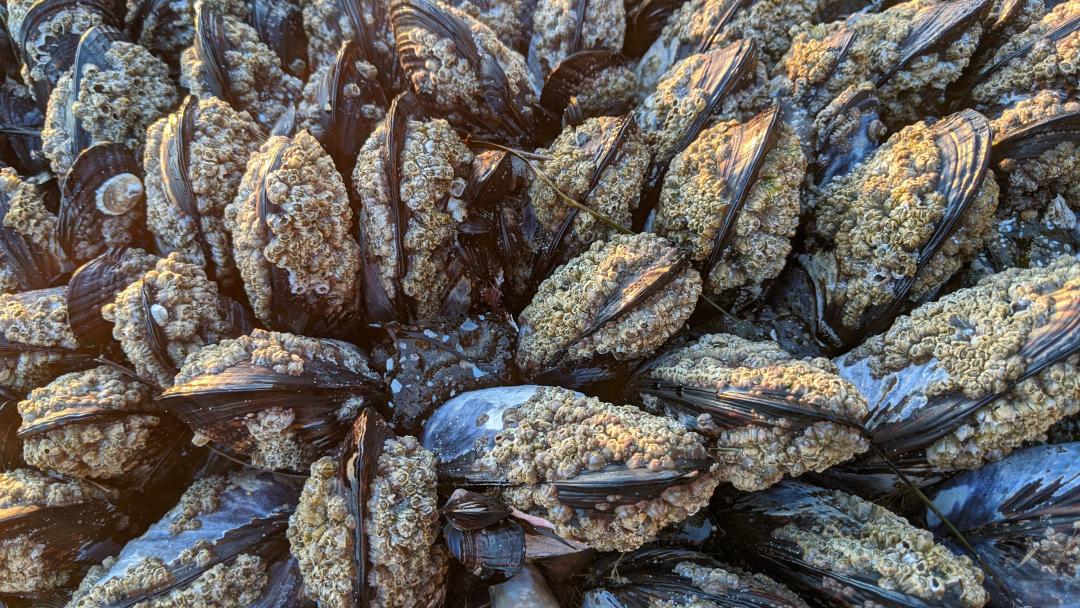
California mussels at low tide, covered in barnacles

Mytilus californianus (the California mussel) is prey for many predator species, serves as a filter for ocean particulate, and harbors hundreds of other species. Threats to this normally resilient foundation species represent risks to the entire local marine ecology.

Climate science and related solutions

Materials scientist Kyriakos Stylianou received $689K from Saudi Aramco for a project entitled “New Generation of CO2 Capture Adsorbents: Synthesis, Performance under Humid Conditions, and Scaleup.” In this project, the Stylianou group aims to discover novel adsorbents for the selective capture of CO2 from diluted sources. Successful materials will undergo scaling up and evaluation for their efficacy in removing CO2 from air.

Marine ecologist Bruce Menge received $200K from the National Science Foundation for his project entitled, “RAPID: A subtle epidemic: unique mortality of Mytilus californianus on the Oregon coast.”

The research team is investigating the major changes occurring in the Pacific Northwest marine ecosystems, with evidence these communities exhibit low resilience to climate change. For example, sessile invertebrates (mussels, barnacles, etc) become more abundant while seaweed species (kelp, etc) decline.

Evolutionary biologist Kathryn Everson received two awards for $276K from the University of Kentucky Research Foundation for a project entitled, “The role of hybridization in generating biodiversity: Insights from genomics of Madagascar’s true lemurs (Eulemur).” This project is funded by the NSF to understand how new species form in the context of complex gene flow and to expose the genomic signatures of evolutionary processes. The researchers will characterize patterns of gene flow, selection, and genome architecture for a species of lemur to gain a genomic perspective on the evolution of species boundaries. In addition, the team will construct a hybridization model using data on geographic range, diet, and social behavior for this lemur.

Clean energy and related solutions

Aerosol chemist Alison Bain received $284K from McGill University for her project entitled, “Single particle measurements.” This research aims to understand the optical properties of stratospheric aerosols. Using single particle experiments under environmentally relevant temperatures and humidities, the team will extend a wavelength-dependent refractive index model to include these conditions. They are also looking at how atmospheric aging impacts the optical properties of these materials.

Chemist Wei Kong received $110K from the American Chemical Society for her project entitled, “Superfluid helium droplets as microreactors for studies of photochemistry of fossil fuel hydrocarbons: polycyclic aromatic hydrocarbons and the corresponding endoperoxides.” The project will use superfluid helium droplets as microreactors to investigate the kinetics of the photooxidation process of a major component of petroleum (polycyclic aromatic hydrocarbons, PAH). Using several analytical techniques, the team will test the hypothesis that supercooling the helium droplets will stabilize an excited state of the oxygen molecule and prevent further reactions.

Collaborative partnerships to fuel a thriving world

Biochemist Ryan Mehl received $234K from the NobleReach Foundation in partnership with the National Science Foundation. The project “Ideal eukaryotic tetrazine ligations for imaging protein dynamics in live cells” was selected as one of the first set of 11 national pilot projects to receive $234K from the NobleReach Foundation.The partnership seeks to identify and accelerate the translation of NSF-funded research into biotechnologies and bio-inspired designs with commercial and societal impacts. This pilot will help inform future translational funding opportunities along with enabling Professor Mehl and the other selected principal investigators to accelerate bringing their research to the market and society.

Biochemist Patrick Reardon received $500K from the National Science Foundation (NSF) Research Instrumentation Program for his project entitled, “MRI: Acquisition of Helium Recovery Equipment: An integrated system for helium capture and recovery for the OSU NMR facility.” This award supports the acquisition and installation of an integrated system for helium capture and recovery for the nuclear magnetic resonance (NMR) facility. Helium is in high demand and is used for a wide variety of industrial and research applications, and it is a non-renewable resource which highlights the need for laboratories to capture and recycle this important gas. The NMR lab is supported by funding from the National Institutes of Health, NSF, M.J. Murdock Charitable Trust, and OSU, and it is a core facility and cornerstone for groundbreaking research in interdisciplinary science and engineering, chemistry, biochemistry, and biophysics at OSU, throughout the Pacific Northwest, and beyond. The facility continually strives to enhance its state-of-the-art instrumentation for the highest levels of analytical performance.

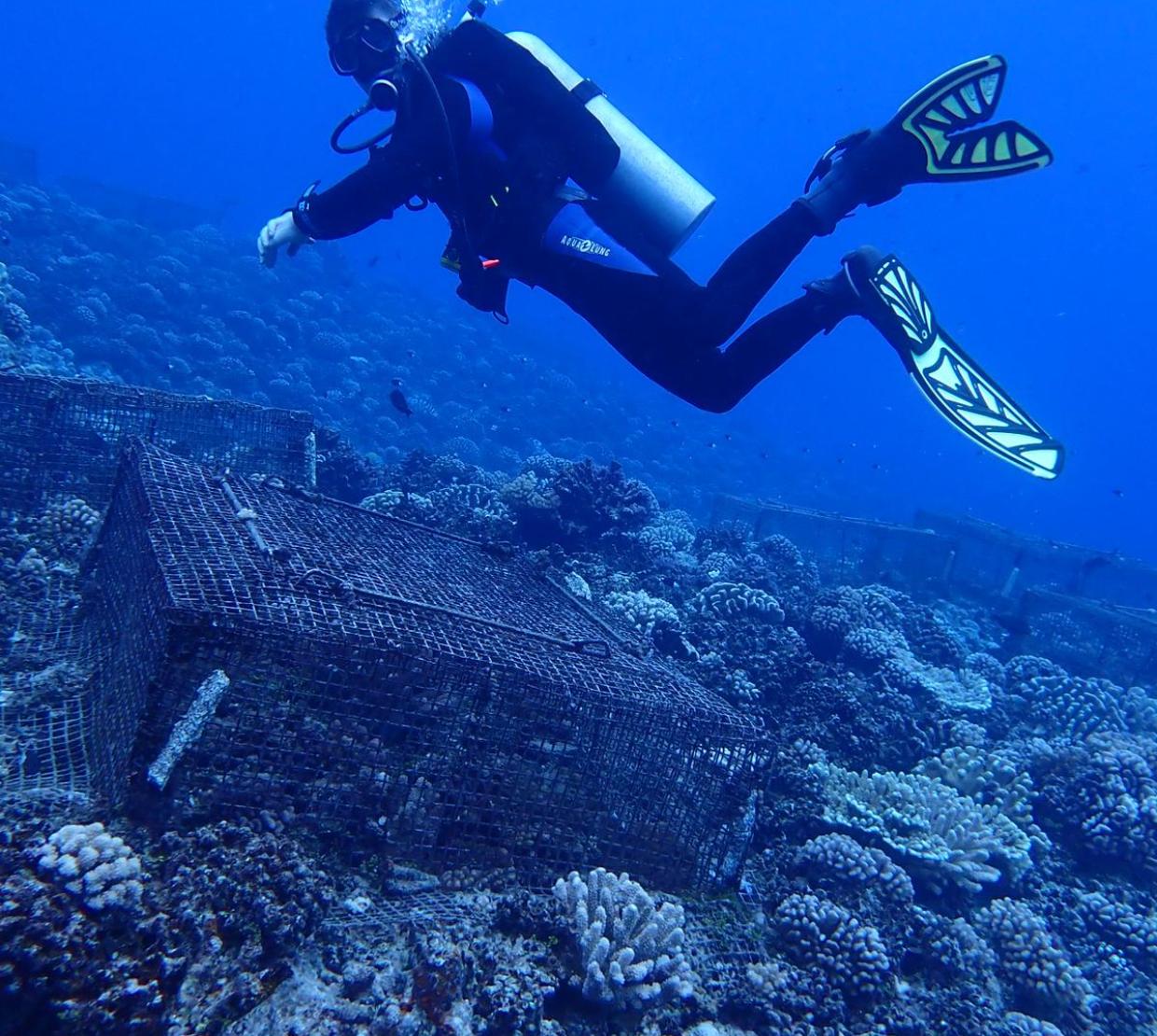
A scuba diver under water points at a trap.

Some coral species might be more resilient to climate change than previously thought

By Steve Lundeberg

OSU coral researcher Alex Vompe off the north shore of Mo'orea (photo by Mackenzie Kawahara).

Some coral species can be resilient to marine heat waves by “remembering” how they lived through previous ones, research by Oregon State University scientists suggests.

The study, funded by the National Science Foundation, also contains evidence that the ecological memory response is likely linked to the microbial communities that dwell among the corals.

The findings, published today in Global Change Biology, are important because coral reefs, crucial to the functioning of planet Earth, are in decline from a range of human pressures including climate change, said the study’s lead author, Alex Vompe.

“It is vital to understand how quickly reefs can adapt to ever more frequent, repeated disturbances such as marine heat waves,” said Vompe, a doctoral student who works in the lab of microbiology professor Rebecca Vega Thurber. “The microbiomes living within their coral hosts might be a key component of rapid adaptation.”

Heat waves are likely to increase in frequency and severity because of climate change, he added. Slowing down the rate of coral cover and species loss is a major conservation goal, and predicting and engineering heat tolerance are two important tools.

Knowing the role microbes play in adaptation can inform coral gardening and planting efforts, Vompe said. A deeper understanding of the microbial processes, and the organisms responsible for ecological memory, can also aid in developing probiotics and/or monitoring protocols to assess and act on the quality of ecological memory of individual coral colonies.

Coral reefs are found in less than 1% of the ocean but are home to nearly one-quarter of all known marine species. They also help regulate the sea’s carbon dioxide levels and are a crucial source for scientists searching for new medicines.

Corals are made up of interconnected animal hosts called polyps that house microscopic algae inside their cells. Corals also house functionally and taxonomically diverse bacteria, viruses, archaea and microeukaryotes. The community of bacteria and archaea living within corals are referred to as the coral microbiome.

Symbiosis is the foundation of the coral reef ecosystem as these microbes benefit coral hosts by assisting in carbon, nitrogen and sulfur cycling, essential vitamin supplementation, and protection against pathogens. The coral polyps in turn provide nutrition and protection to the algae and bacteria.

Climate change is threatening coral reefs in part because some of the relationships between coral and their microbes can be stressed by warming oceans to the point of dissolution – a collapse of the host-microbe partnerships, which results in a phenomenon known as coral bleaching.

Read the full article here.

Alumni awards

Alumni Awards celebrates exceptional achievements

By Hannah Ashton

Photos by Jodi B. Herrling

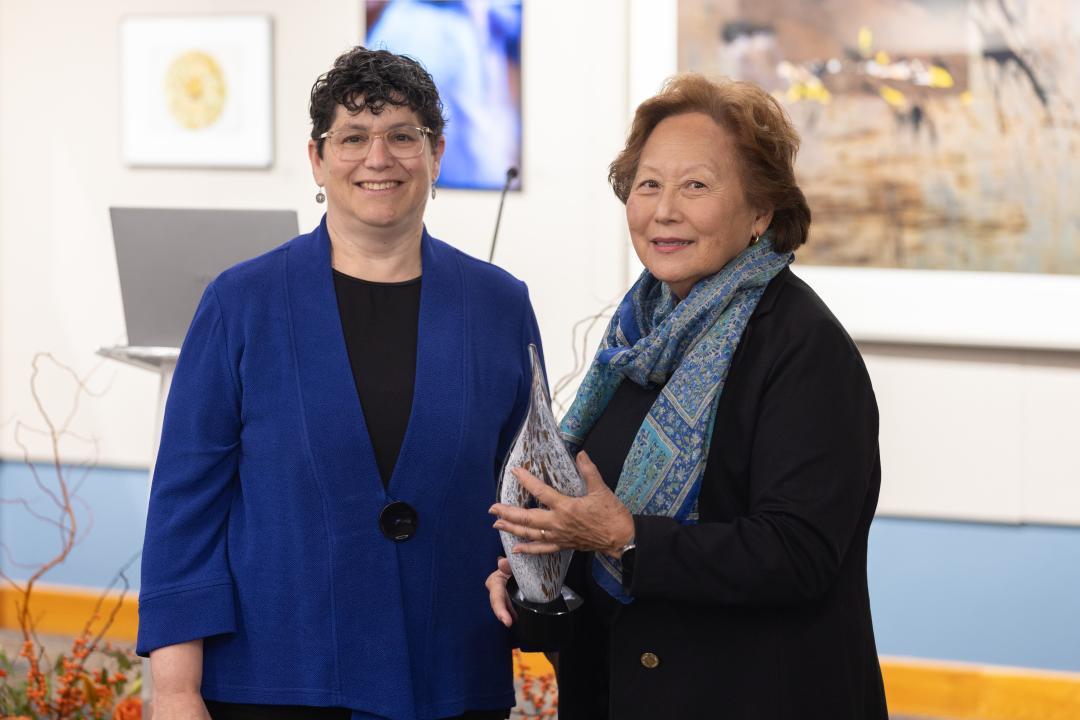

Distinguished professor of microbiology Jo-Ann Leong received the Lifetime Achievement in Science Award for exceptional and significant contributions to science over the course of her life.



The College of Science community recently gathered to celebrate this year’s Alumni Award recipients. These alumni distinguished themselves through their groundbreaking research, strong leadership and efforts to enhance equity, access and inclusion.

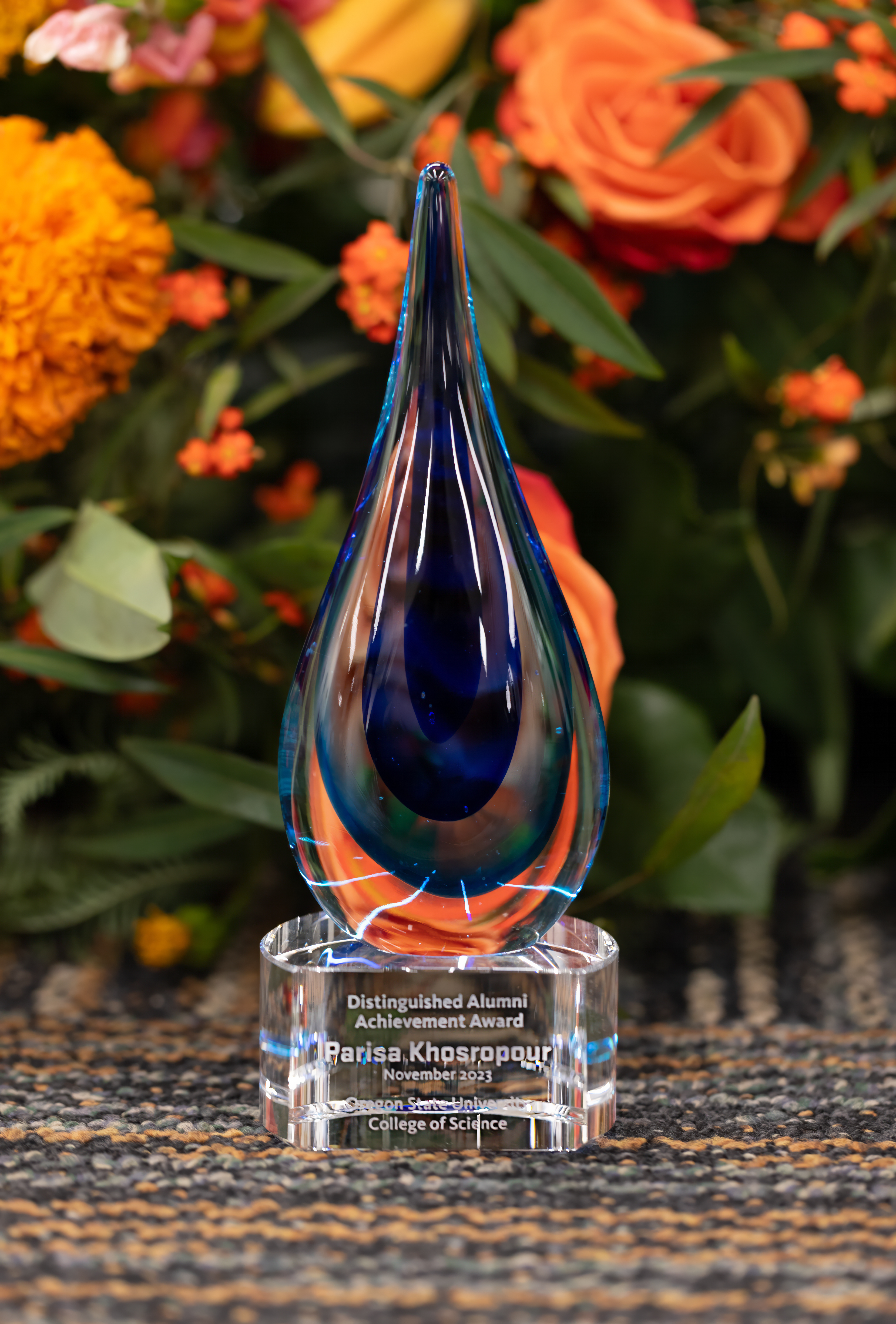
Jo-Ann Leong, former department chair and distinguished professor of microbiology, received the Lifetime Achievement in Science Award; Parisa Khosropour (‘89) received the Distinguished Alumni Achievement Award; and Simon Johnson (‘09) received the Young Alumni Award.

Congratulations to these alumni and former college leadership, for their exceptional accomplishments! This recognition is a testament to their unwavering commitment to excellence and serves as an inspiration for the entire College of Science community.

Jo-Ann Leong poses for a photo with her award

Jo-Ann Leong accepts the Lifetime Achievement in Science Award from Dean Feingold.

Jo-Ann Leong is an outstanding microbiologist with a long history of aquaculture discoveries at Oregon State University and around the world. After obtaining her Ph.D. in microbiology and virology at the University of California, San Francisco, she became the only female professor in Nash Hall to help run one of the first virology labs at Oregon State in 1975. Throughout her life, Leong made breakthrough discoveries that inspired faculty members, future scientists and the world we live in today.

In the 1980s, Leong helped discover a new vaccine for salmon that died from IHNV, a disease that killed millions of fish and affected their migrations across the Columbia River. She also collaborated to help found the Center for Salmon Disease Research, which continues to find vaccines and solutions to fish diseases today.

After becoming a distinguished professor and spending more than 25 years in Corvallis, she moved on to be a director of the Marine Institute at the University of Hawaii at Manoa.

Read more about her transformative work that advanced aquaculture globally.

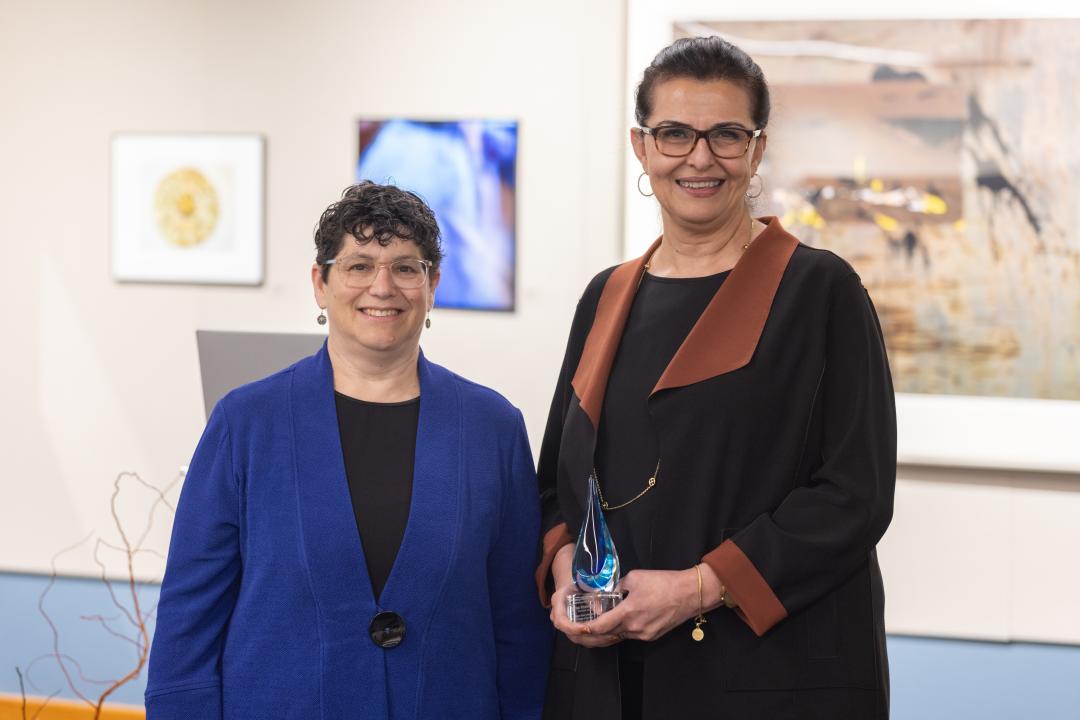
Parisa Khosropour accepts an award.

Parisa Khosropour accepts the Distinguished Alumni Achievement Award from Dean Feingold.

Parisa Khosropour encourages a pursuit of personal excellence over conventional markers of success. Advocating for doing what one loves and working hard, she views success as an ongoing process rather than a final destination.

Khosropour, a former president of the transplant diagnostics division at Thermo Fisher Scientific, now channels her expertise into angel investing, supporting healthcare startups with transformative potential. Her philosophy of “paying it forward” has inspired her to mentor and advise startups, emphasizing the importance of thorough research and aligning goals with investing groups.

She graduated with her undergraduate degree in chemistry from Oregon State and then transitioned from clinical pharmacology research at Stanford to industry, where she excelled in cellular immunology and assay development.

Read more about her career advice and dedication to healthcare innovation.

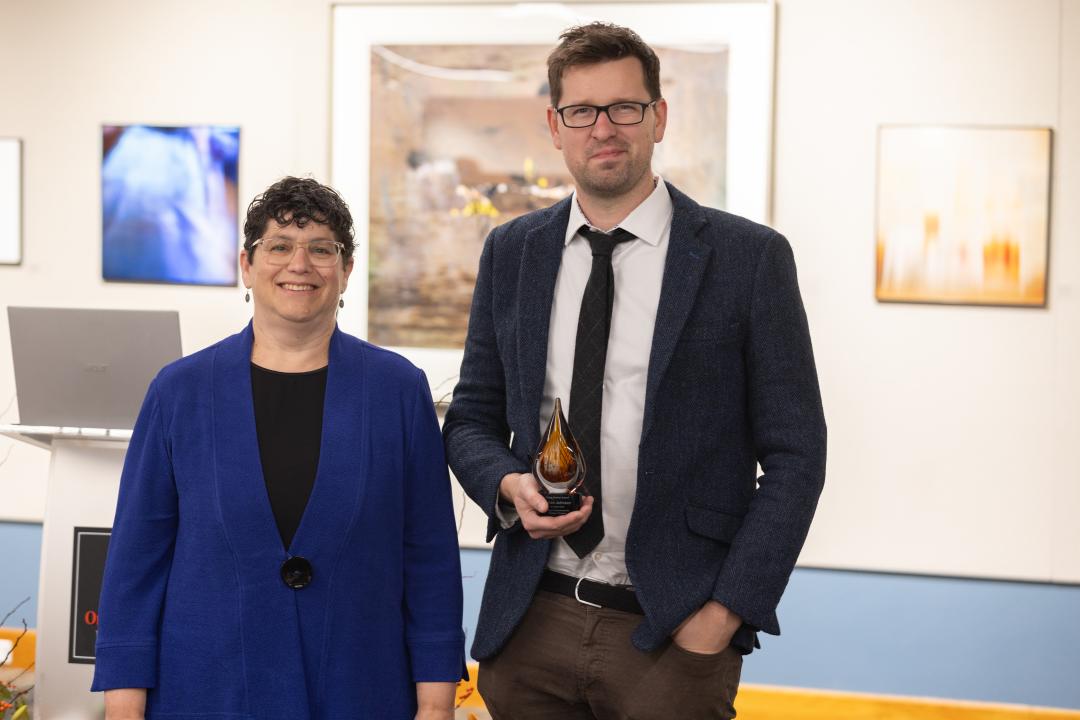
Simon Johnson accepts an award.

Simon Johnson accepts the Young Alumni Award from Dean Feingold.

Simon Johnson spearheaded a novel approach to researching mitochondrial diseases that has reshaped his field’s work.

For many years, scientists speculated on the pathway from which these diseases arise, primarily focusing on the mitochondria's role in generating energy to find an answer. However, Johnson reasoned that an energetic explanation wouldn’t account for how infants with the disease commonly survive through development.

With this in mind, his laboratory instead examined the structure’s origins as a remnant of ancient bacteria within our cells. Certain bacterial components remain intact as parts of the mitochondria and, as Johnson’s lab discovered, could trigger innate immune responses if they were to leak out of the cell. These pioneering findings create a much clearer picture of the diseases than ever before, and Johnson is now focusing his efforts on specifying what particular bacterial aspect of the mitochondria could be at fault. He currently runs his laboratory in the U.K. at Northumbria University and is eager to continue exploring this mystery.

Read more about Johnson’s groundbreaking work in mitochondrial diseases.

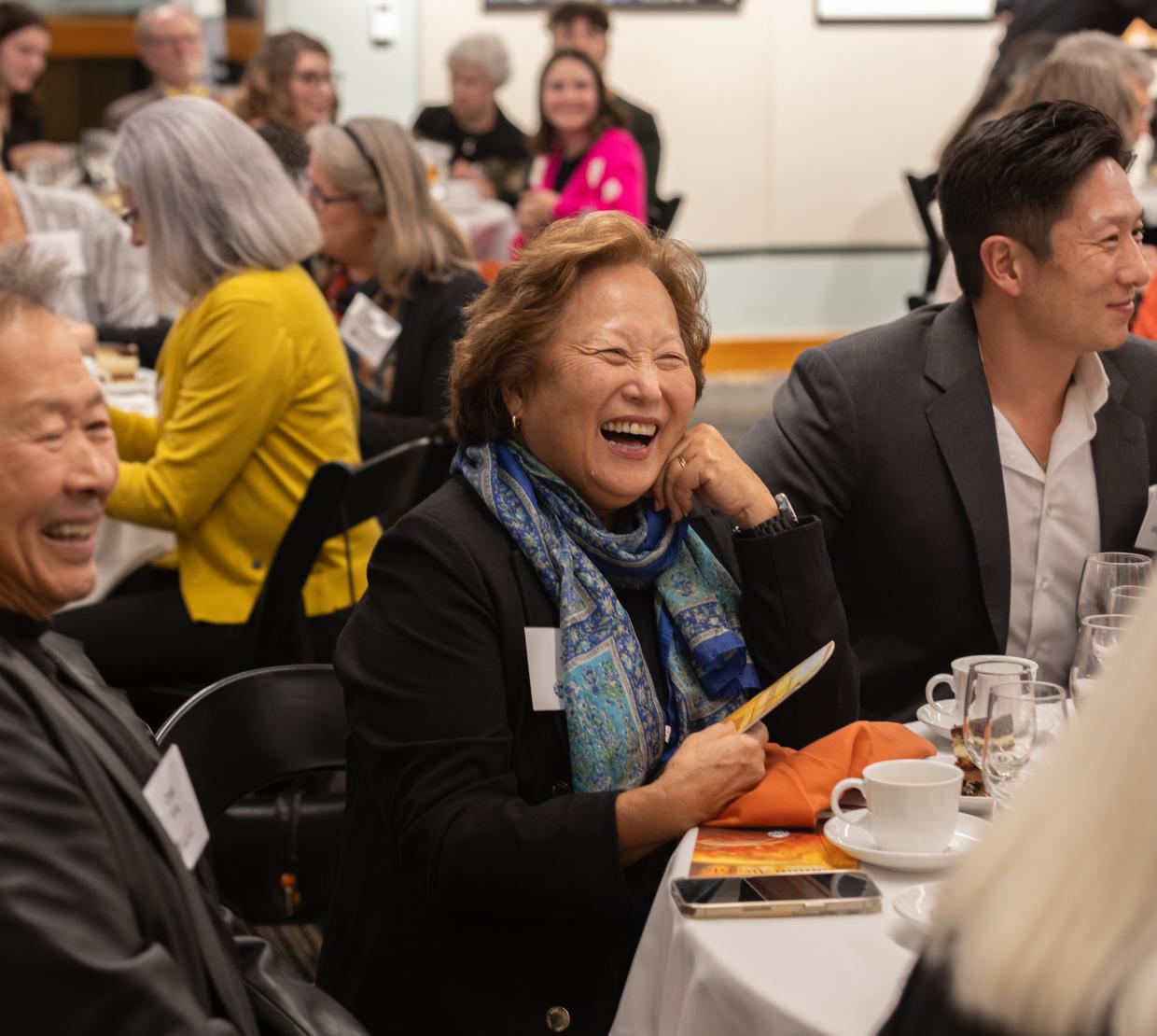










Enjoy some photos from the event below. Click here for the full gallery of photos.

Subscribe to Climate and Oceans