Biochemistry & Biophysics

Biochemistry & Biophysics

steelhead trout swimming through shallow creek

Discover: Research Highlights

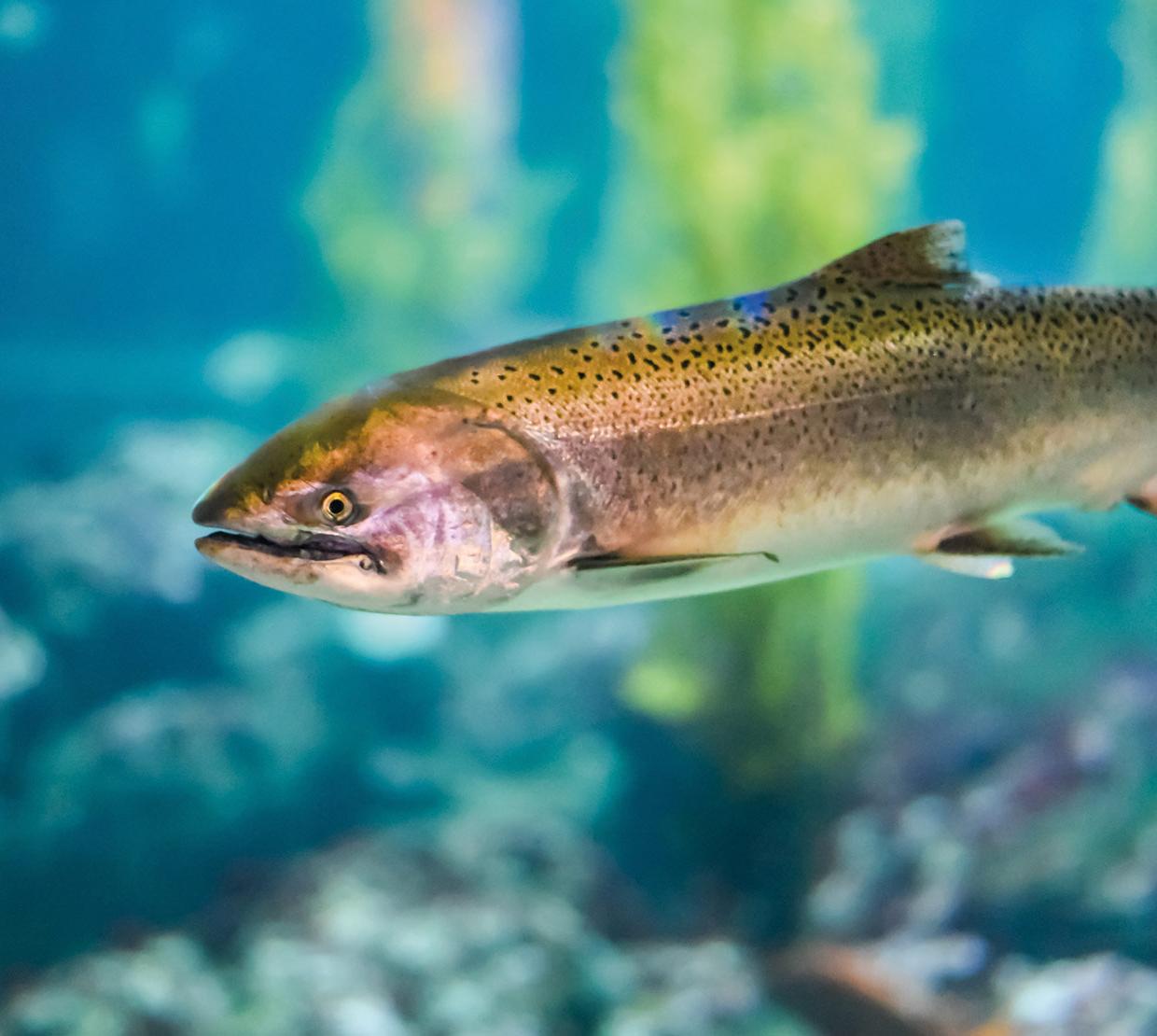
steelhead trout

The College of Science has an extensive and deep research portfolio that is globally recognized, providing our students enriching and life-changing experiences working alongside leading scientists and researchers in the College.

Our Faculty and Researchers

Marine biologists Jane Lubchenco and Kirsten Grorud-Colvert are important voices in the international ocean conservation community. Lubchenco, who is the U.S. State Department’s science envoy on ocean policy issues and former NOAA Administrator, and integrative biology assistant professor, Grorud-Colvert, published a paper in the journal Science—one of the world’s top academic journals. The paper, “Making waves: The science and politics of ocean protection” calls for greater ocean protection to preserve fish stocks and to ensure the use of oceans in a sustainable fashion.

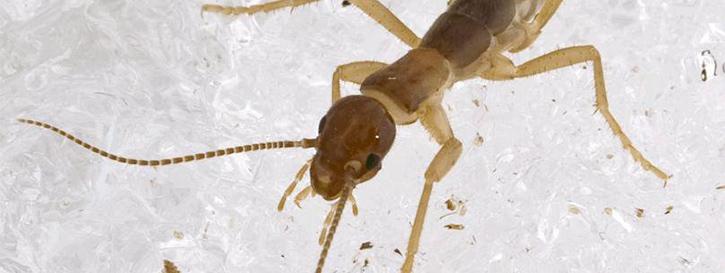
Ice crawler close up picture

Entomologists Chris Marshall and David Lytle recently discovered a new insect species on Mary’s Peak that appears to live nowhere else in the world. In honor of the Oregon geography, they named the inch-long arthropod Grylloblatta chintimini, the Kalapuya Indian name for Mary’s Peak. The insect is a distant relative of crickets, cockroaches and earwigs.

Steelheads swimming in creek

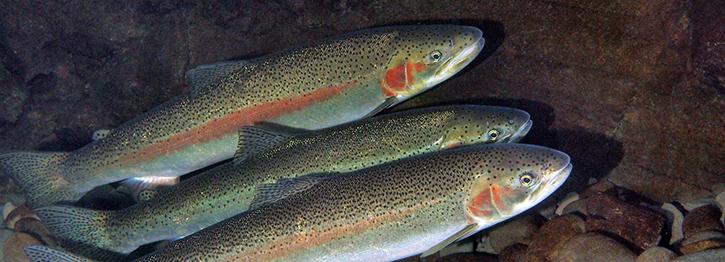
Integrative Biology professor Michael Blouin’s study found that steelhead trout bred in hatcheries are genetically impaired and their offspring will also have poor reproductive fitness. In a second study, Blouin found DNA evidence that salmon hatcheries cause substantial, rapid genetic changes after just one generation of adapting to hatchery culture.

Biochemist Tory Hagen’s research shows that aging syndromes occur due to a breakdown in genetic communication, in which a protein regulator of stress resistance declines with age.

Seal playing in zoo exhibit

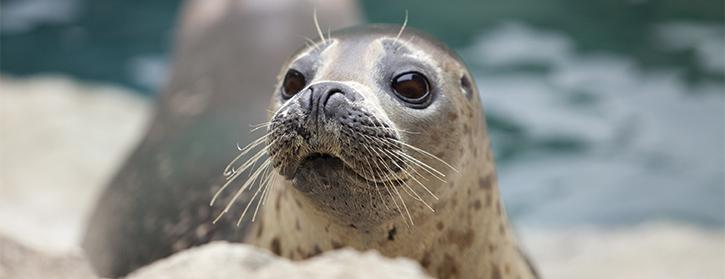
Microbiology doctoral student Stephanie Rosales and assistant professor Rebecca Vega Thurber’s research, made with a powerful investigative method called “meta-transcriptomics,” has proven that a bacterial infection rather than a viral disease killed seven harbor seals on the California coast in 2009.

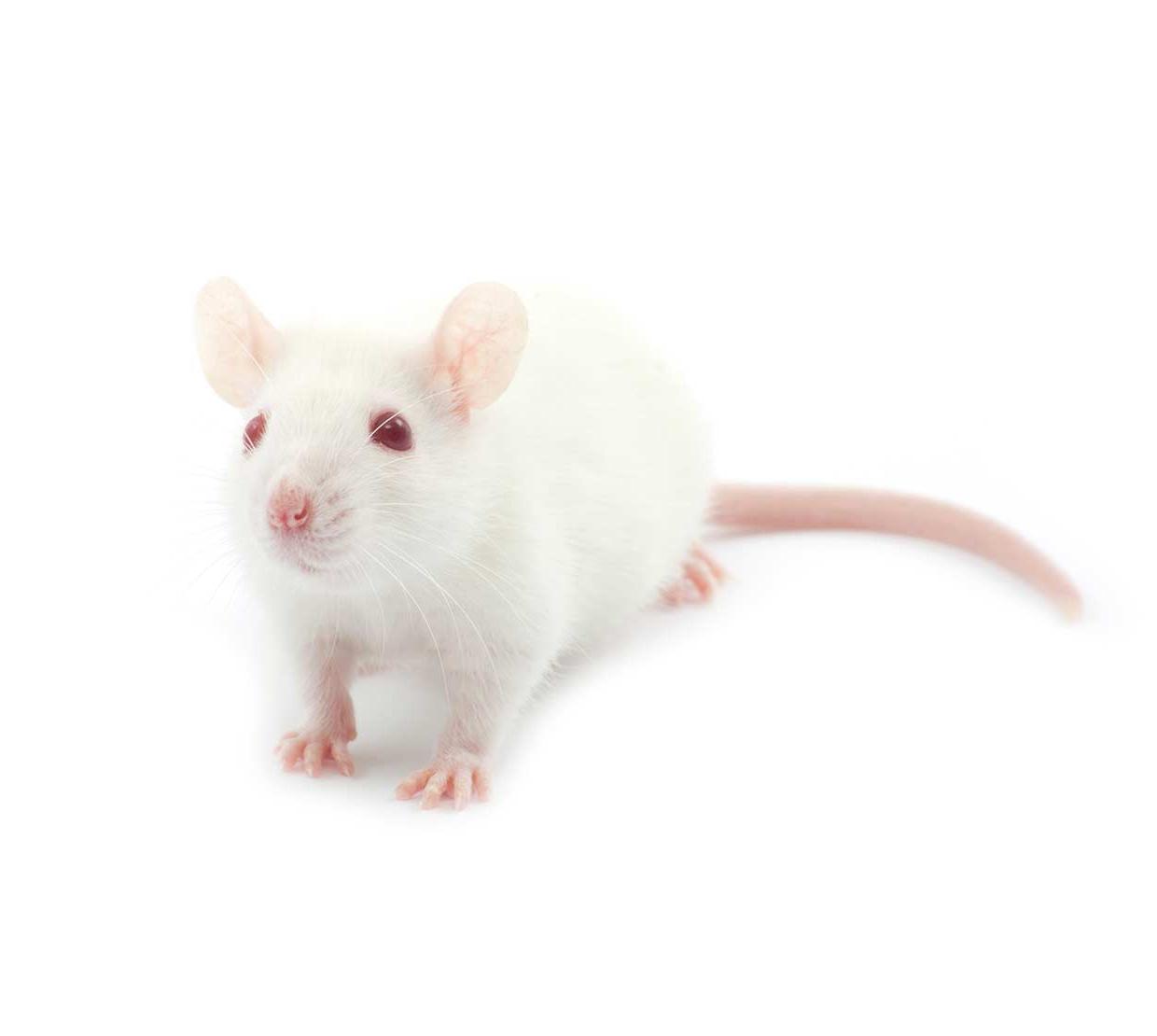
Professor of biochemistry and biophysics, Joseph Beckman’s trailblazing research has advanced the search for a therapy for amyotrophic lateral sclerosis (ALS), a debilitating and fatal disease. Using a mouse model, Beckman was able to halt the progressions of ALS for nearly two years—allowing the mice to approach their normal lifespan. The findings are some of the most compelling ever produced in the search for a therapy for ALS, according to the scientists.

Fossilized flower

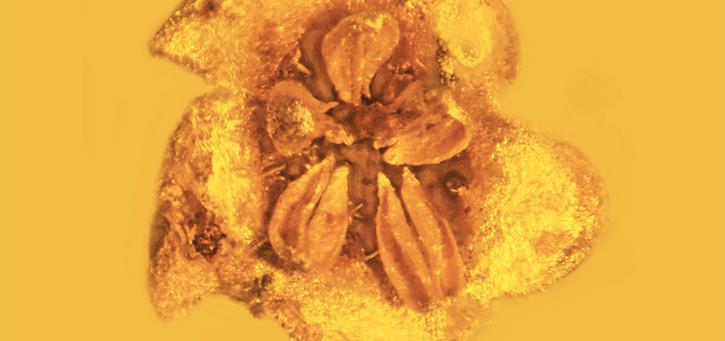
George Poinar, Jr., emeritus professor in the Department of Integrative Biology has discovered a 20-30 million years old flower encased in amber—fossilized tree sap—that is the source of poisons strychnine and curare. The perfectly preserved flower was dug out of the side of a mountain in the Dominican Republic. On February 15, 2016, Poinars discovery was listed as the most popular science story in the world on Google news and appeared in Time, Forbes, BBC, Reuters, UPI, and other websites.

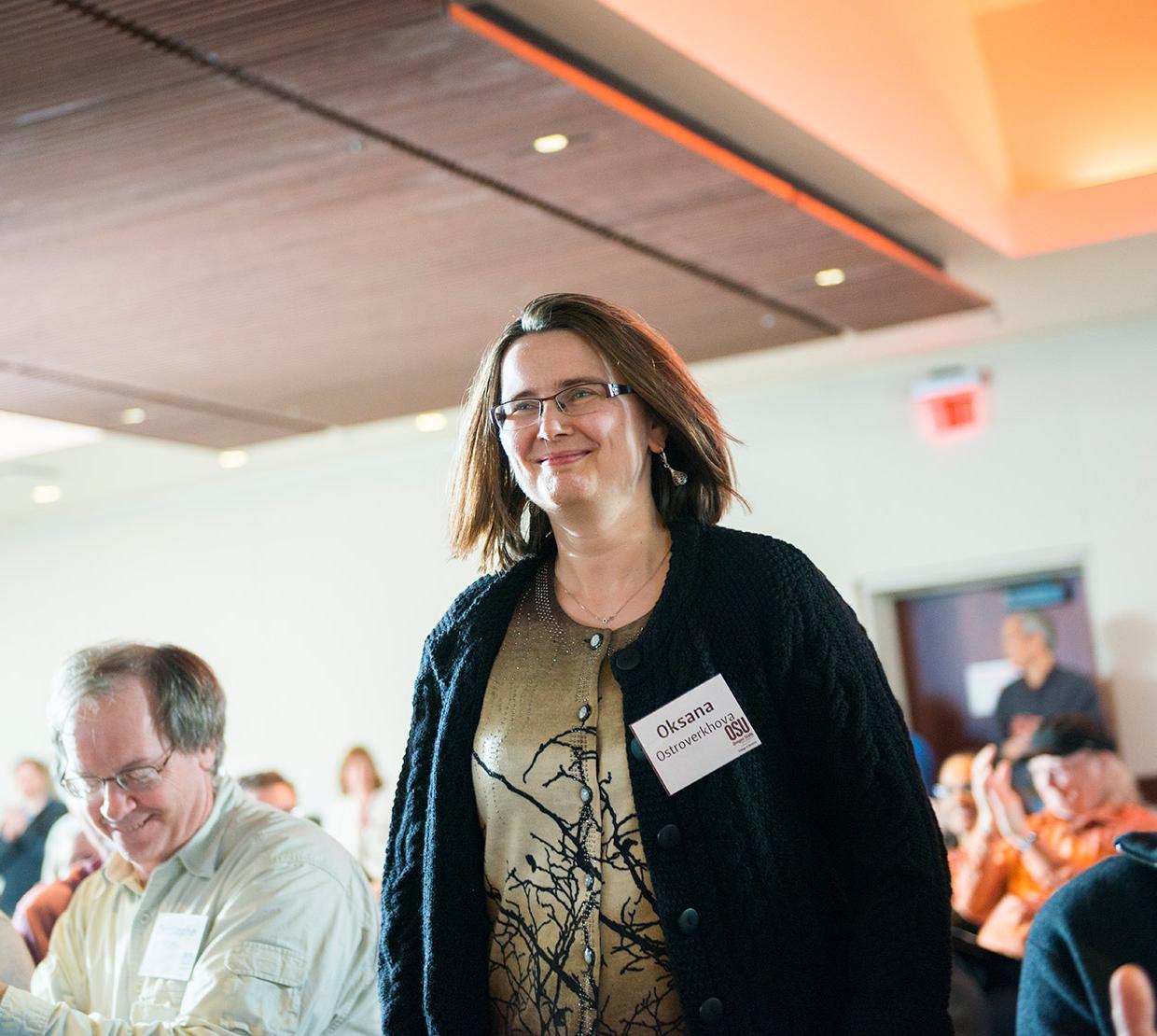
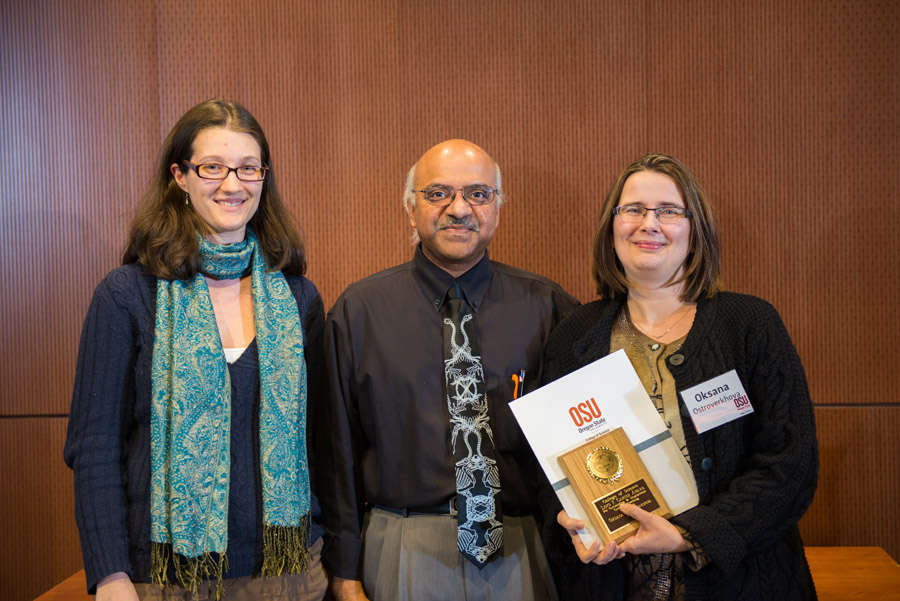
Oksana Ostroverkhova walking towards the stage to receive her award

2016 Winter Teaching & Advising Awards

2016 Winter Teaching and Advising awards

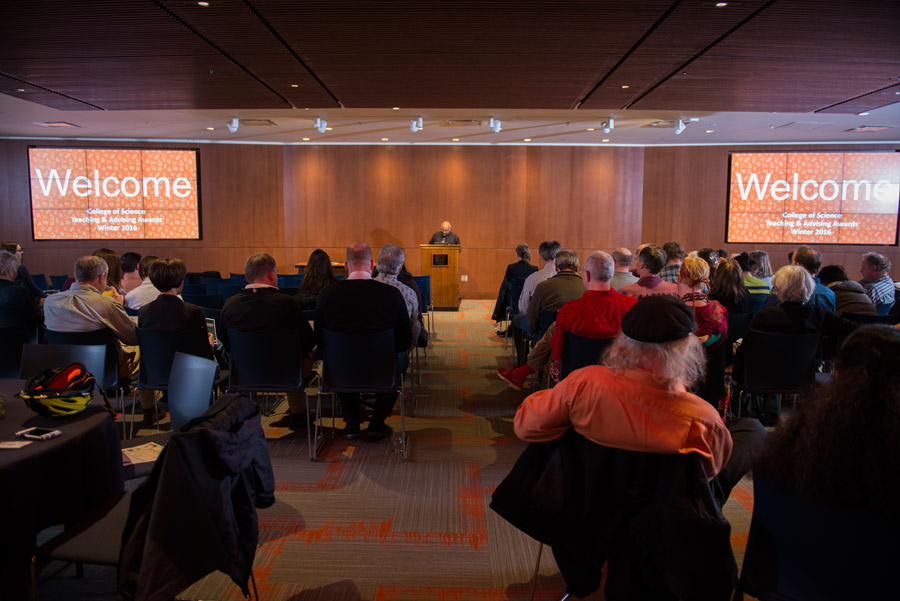
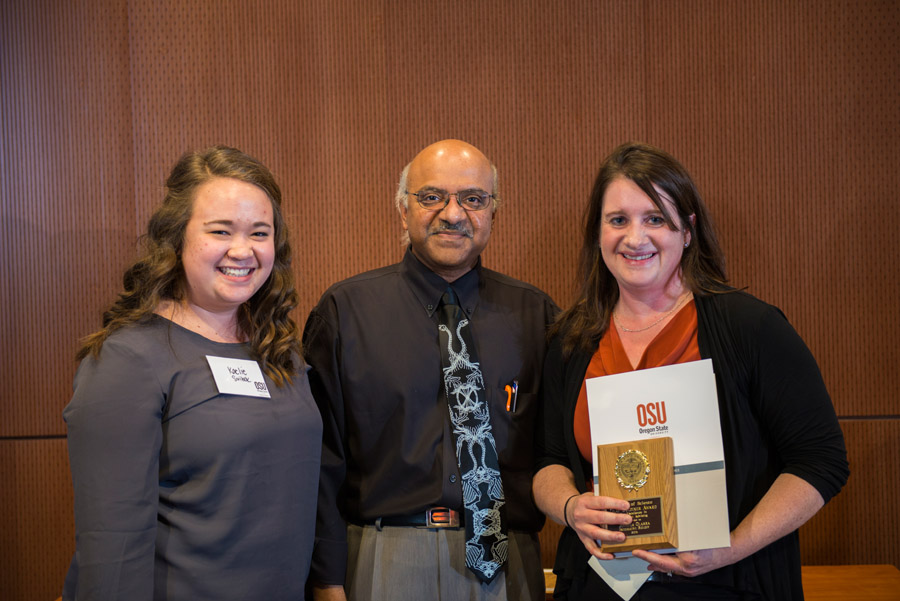
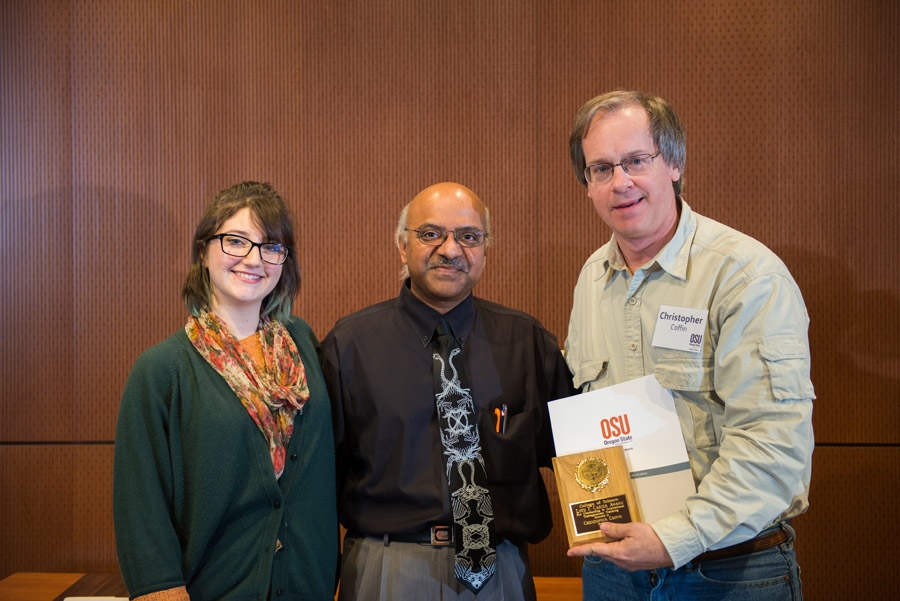
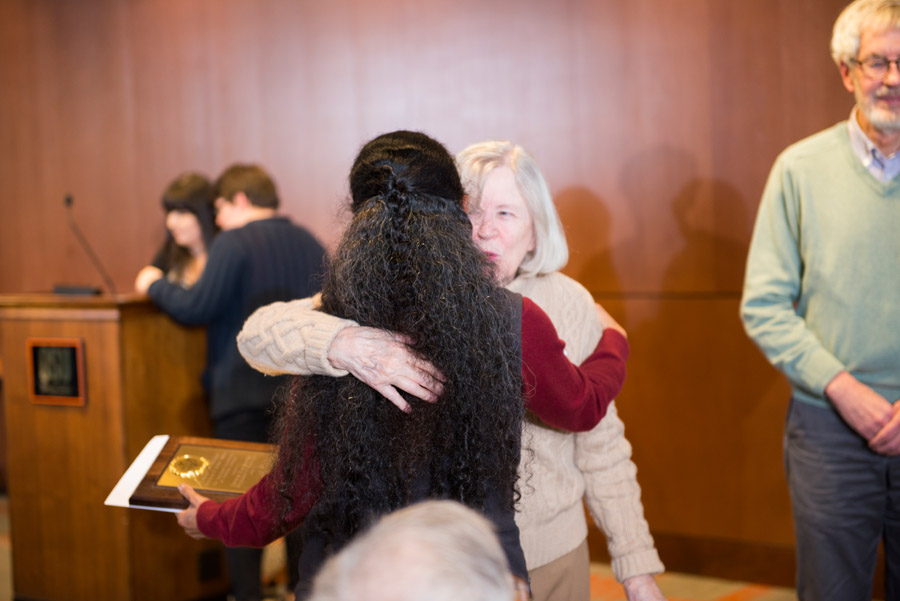
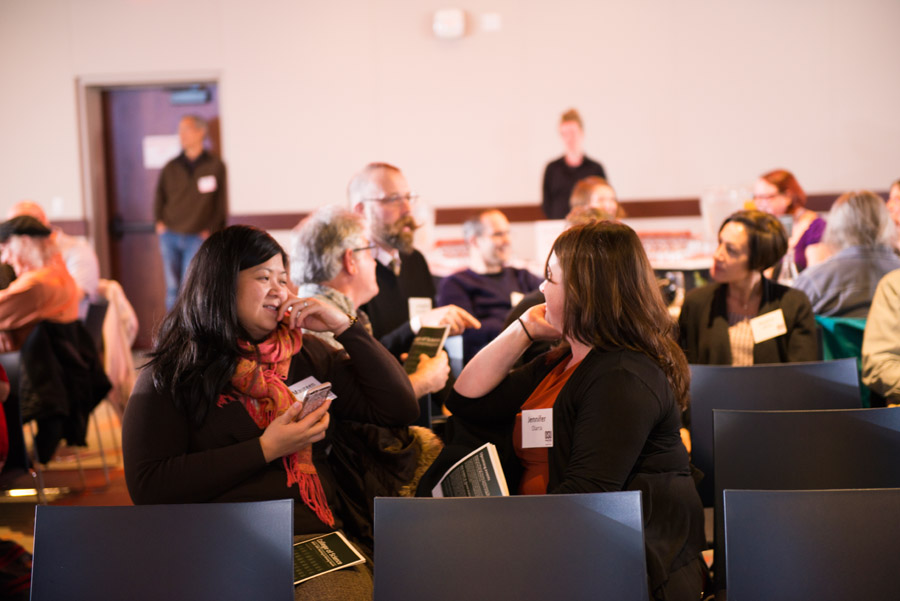
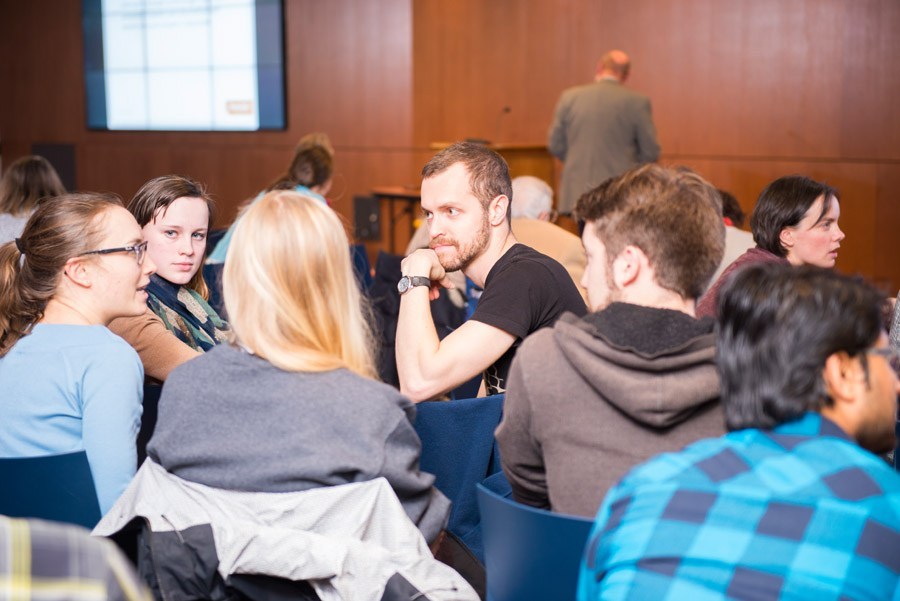
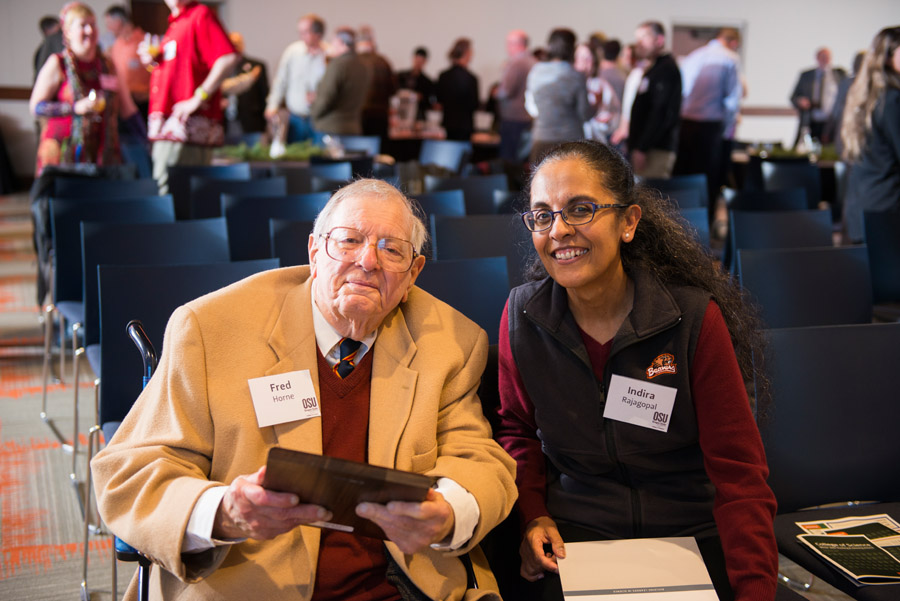
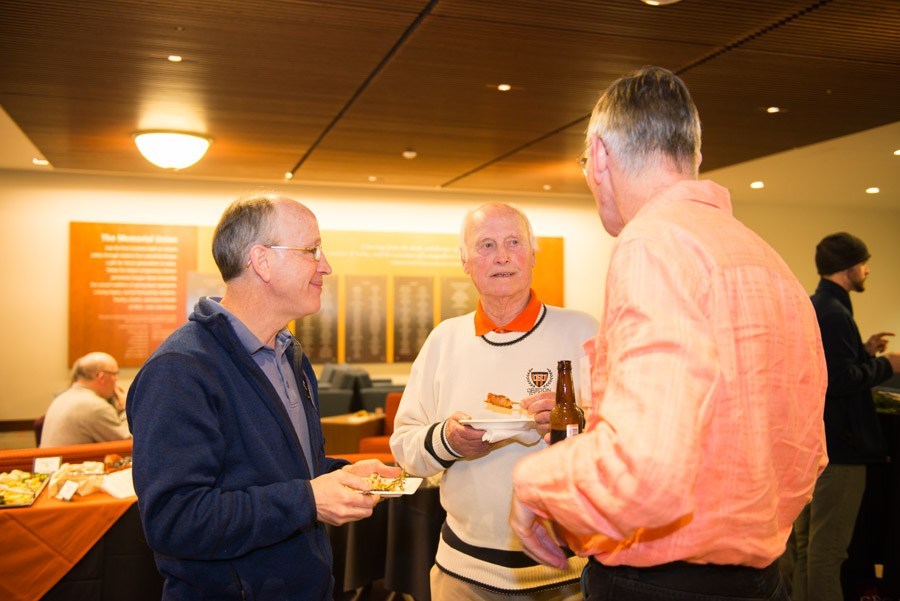
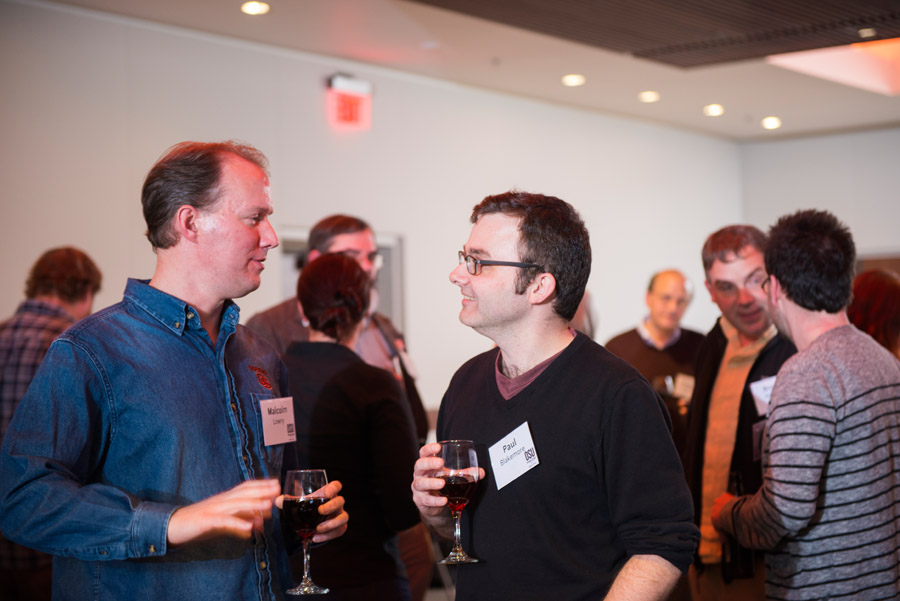
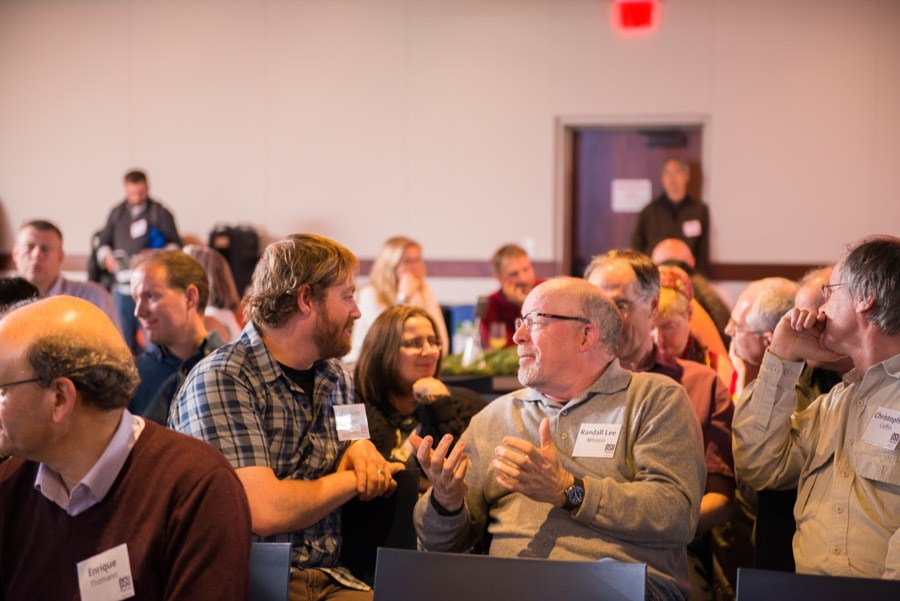
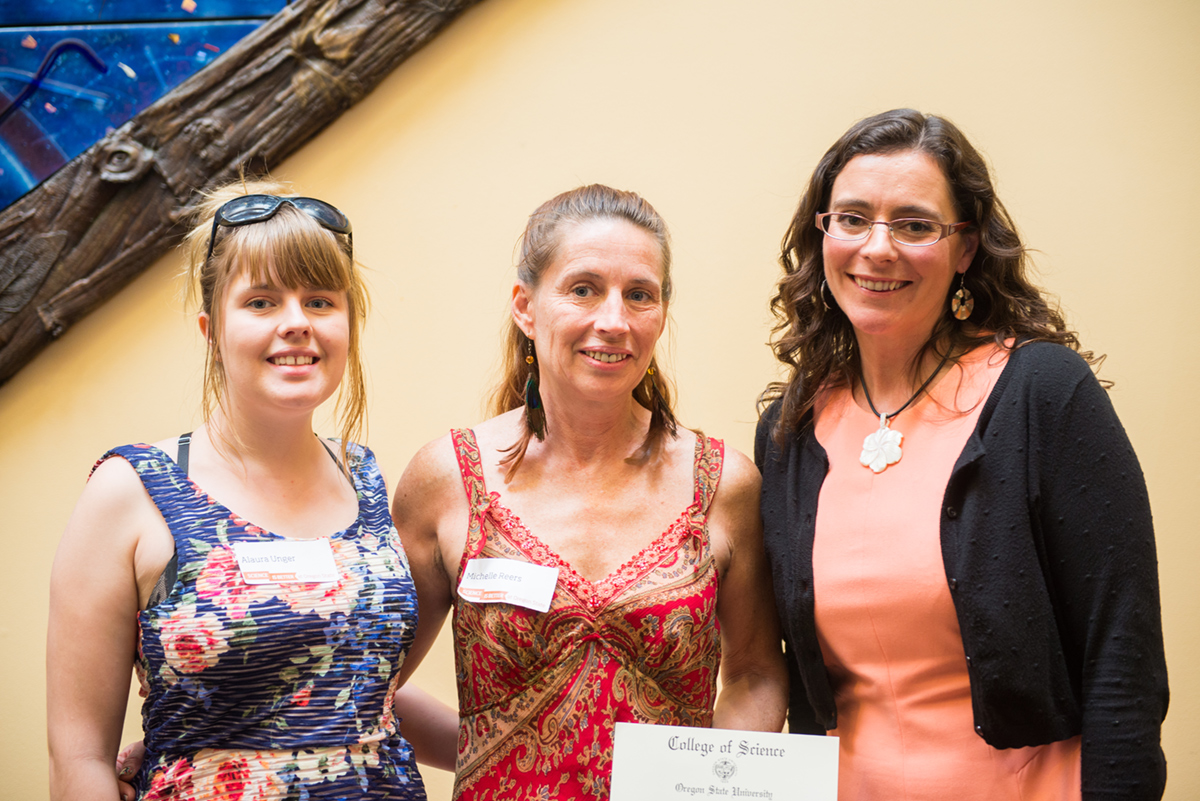
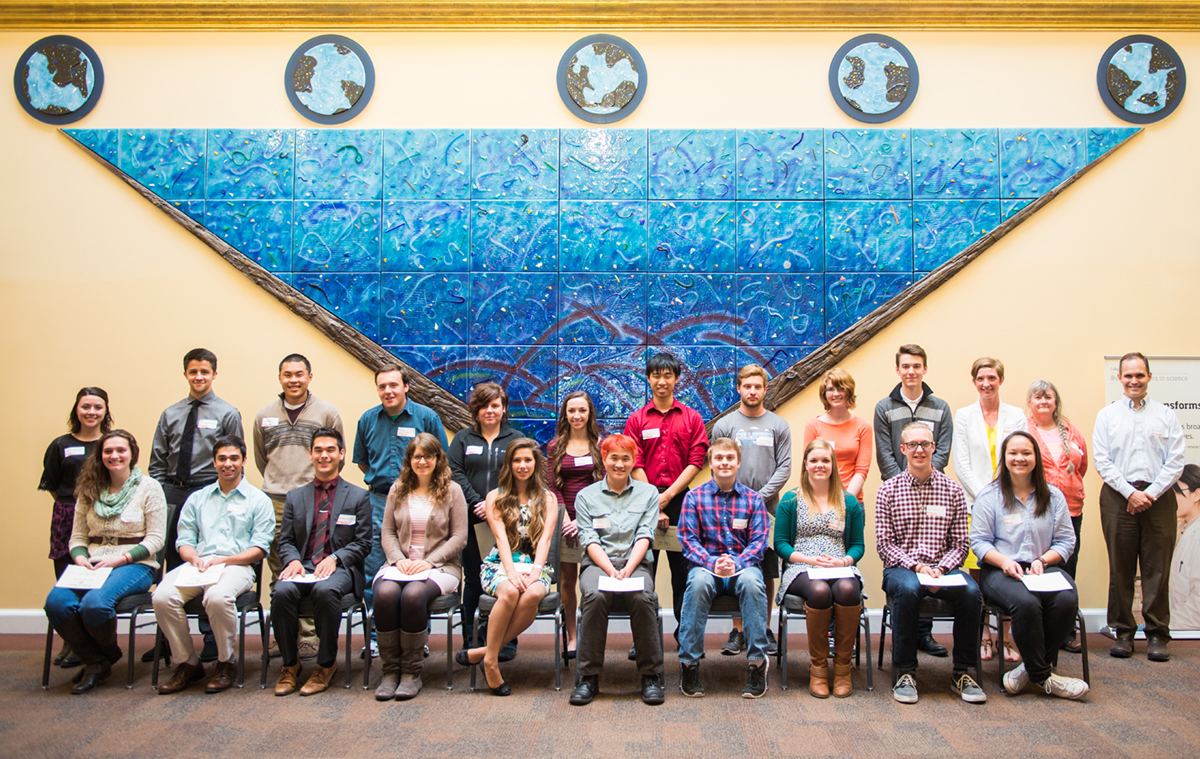
The College of Science celebrated our 2016 Winter Teaching and Advising Awards with faculty, advisors and students on January 12. We recognized excellence in teaching and advising, both hallmarks of our College. We are deeply committed to the success of all our people—faculty, advisors, staff and of course, our students. We want everyone in our OneScience community to thrive, not just survive!

We welcomed special guests from the project, ESTEME@OSU (Enhancing STEM Education). This NSF-funded project seeks to build community and increase evidence-based instructional practices in introductory-level STEM courses, from large lecture classes to smaller studio workshops and laboratories. The College is actively involved in and a strong supporter of ESTEME@OSU.

Congratulations to all of our nominees and to our award winners. The award recipients exemplify deep commitment, skill, effectiveness, mentoring and impact in teaching and advising, which helps build strong leaders in science. They are truly transforming lives.

We especially congratulate our award winners: Jen Olarra, Chris Coffin, Oksana Ostroverkhova and Indira Rajagopal. You make us proud!

2016 Award nominees

Olaf Boedtker Award for Excellence in Academic Advising

Tasha Biesinger, Microbiology
Bill Bogley, Mathematics
Jen Olarra, Integrative Biology - winner
Chris Pastorek, Chemistry
Kari van Zee, Biochemistry & Biophysics

Loyd F. Carter Award for Outstanding and Inspirational Teaching in Science, Undergraduate

Bill Bogley, Mathematics
Daniel Myles, Chemistry
Chris Coffin, Physics - winner
KC Walsh, Physics
Phil Watson, Chemistry

Loyd F. Carter Award for Outstanding and Inspirational Teaching in Science, Graduate

Ren Guo, Mathematics
Sandra Loesgen, Chemistry
Malcolm Lowry, Microbiology
Ethan Minot, Physics
Oksana Ostroverkhova, Physics - winner

Frederick H. Horne Award for Sustained Excellence in Teaching Science

Indira Rajagopal - winner

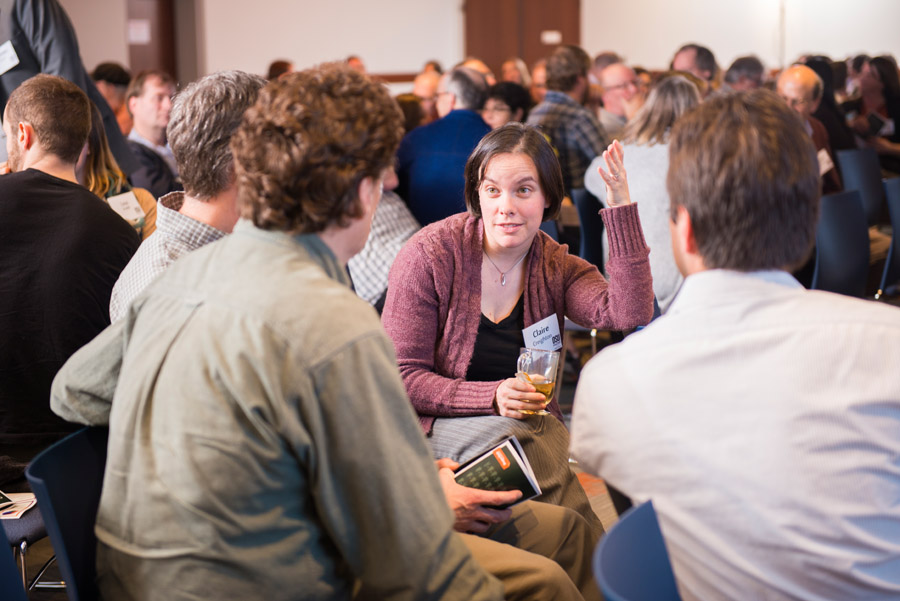
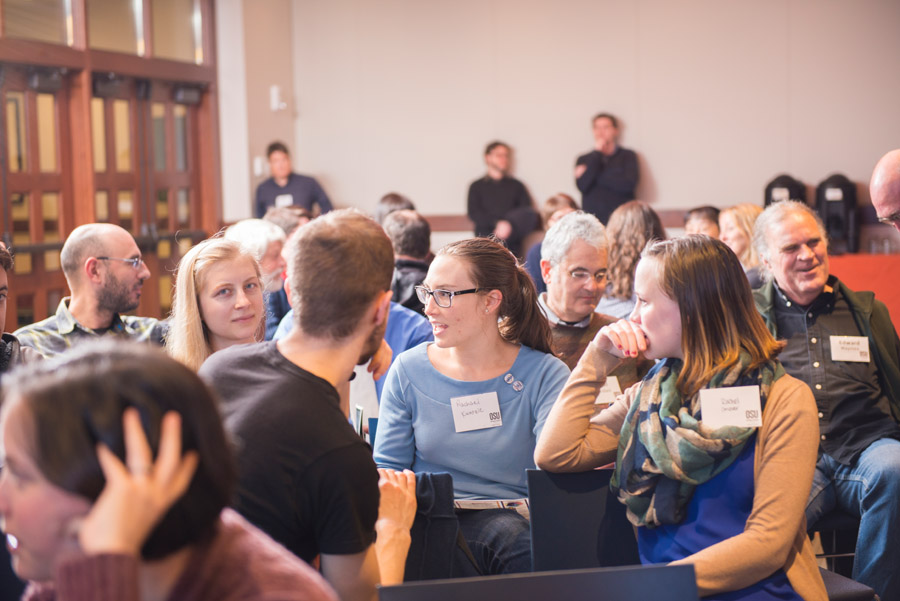
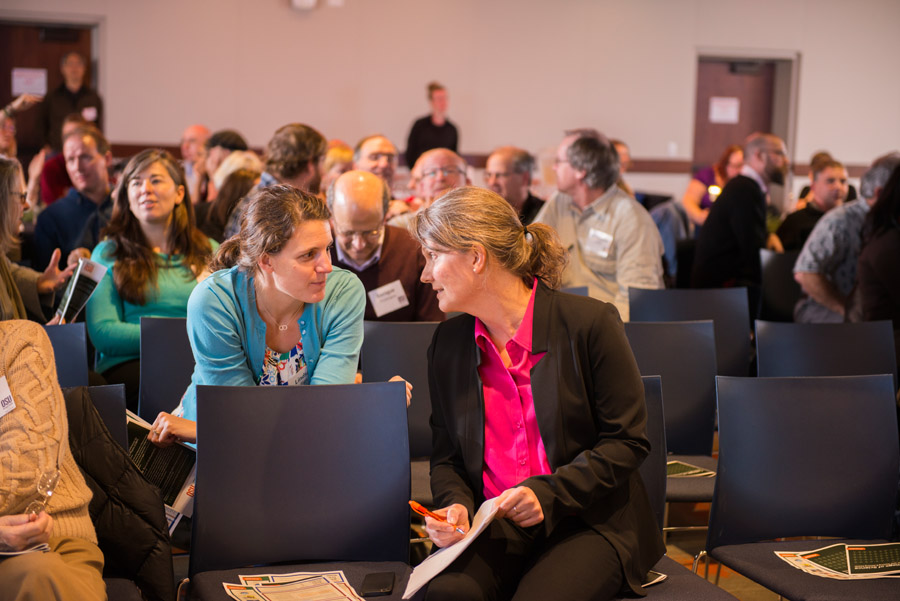
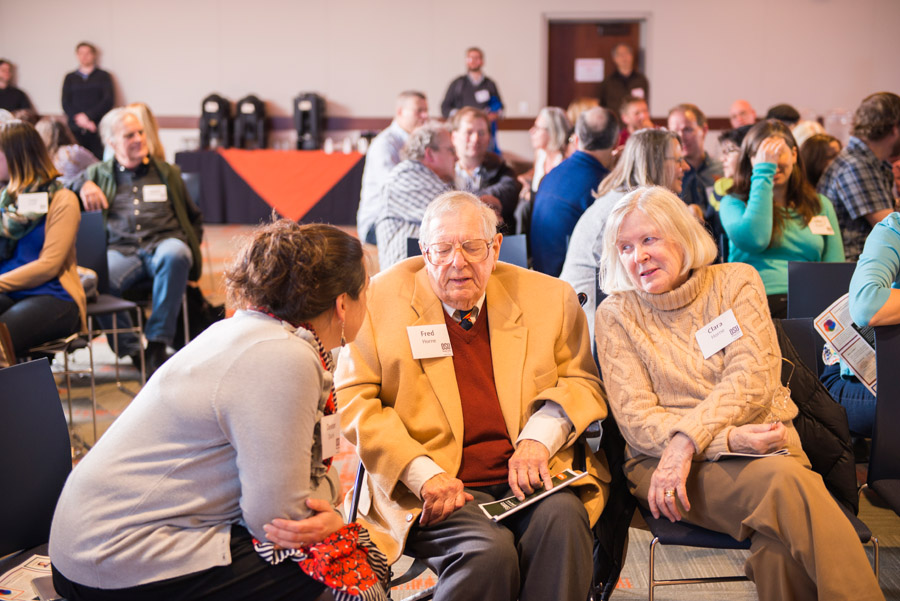
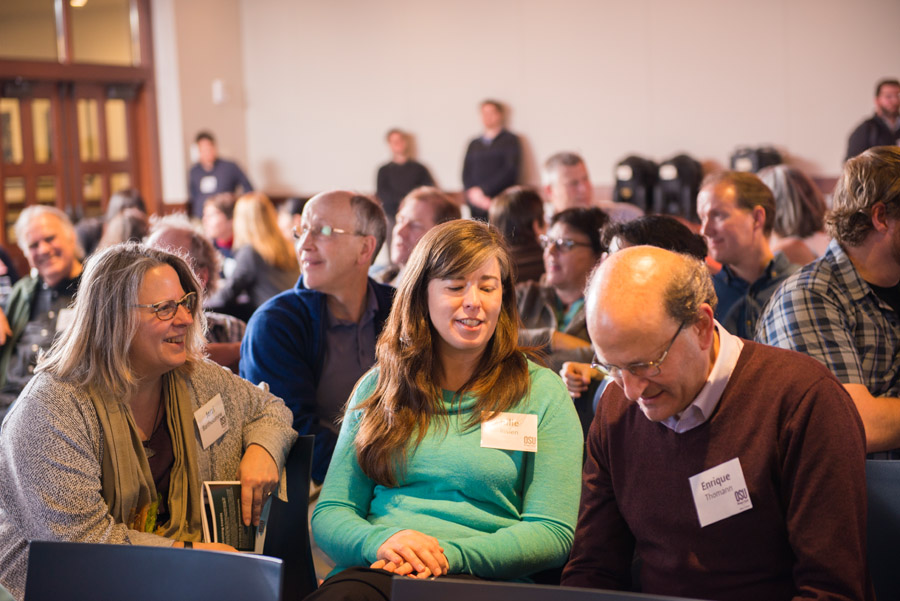
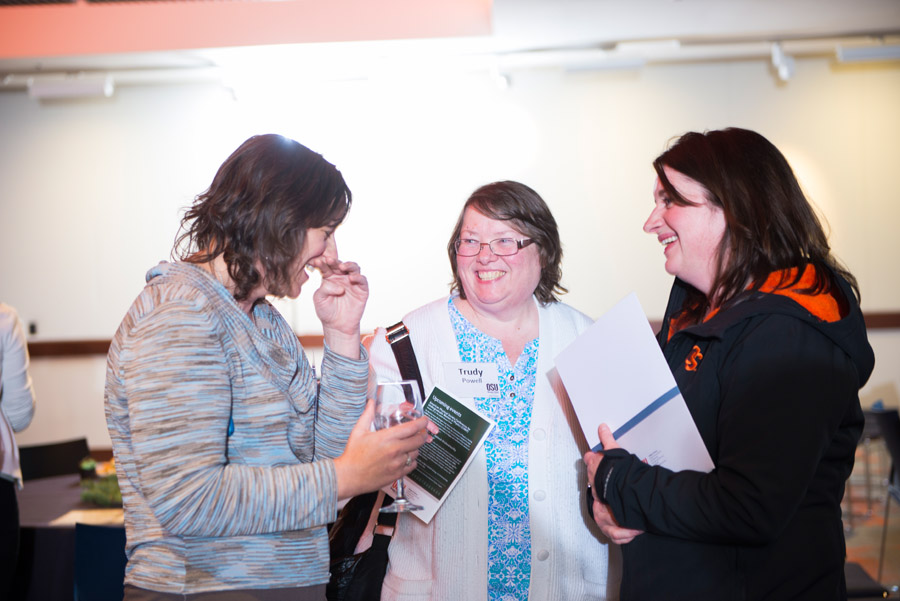
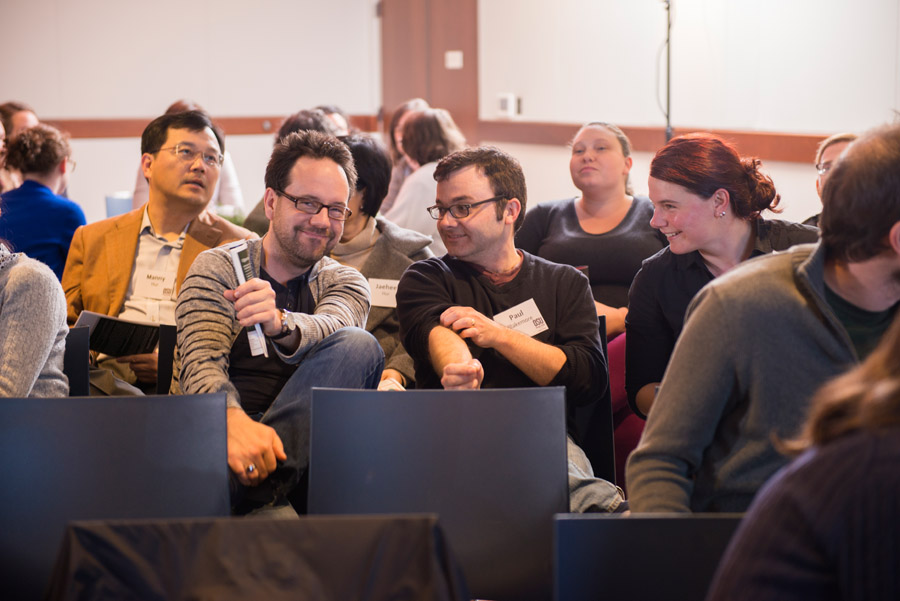
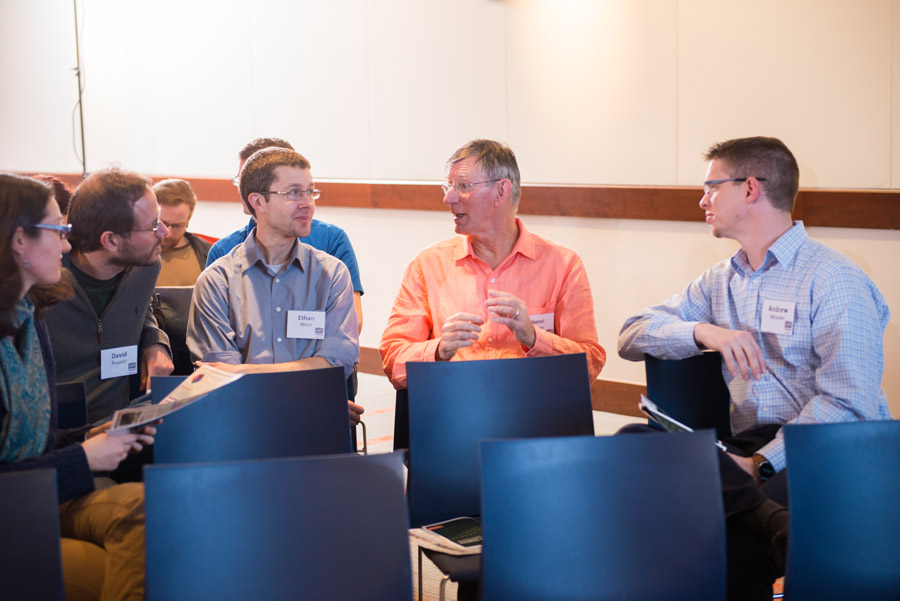
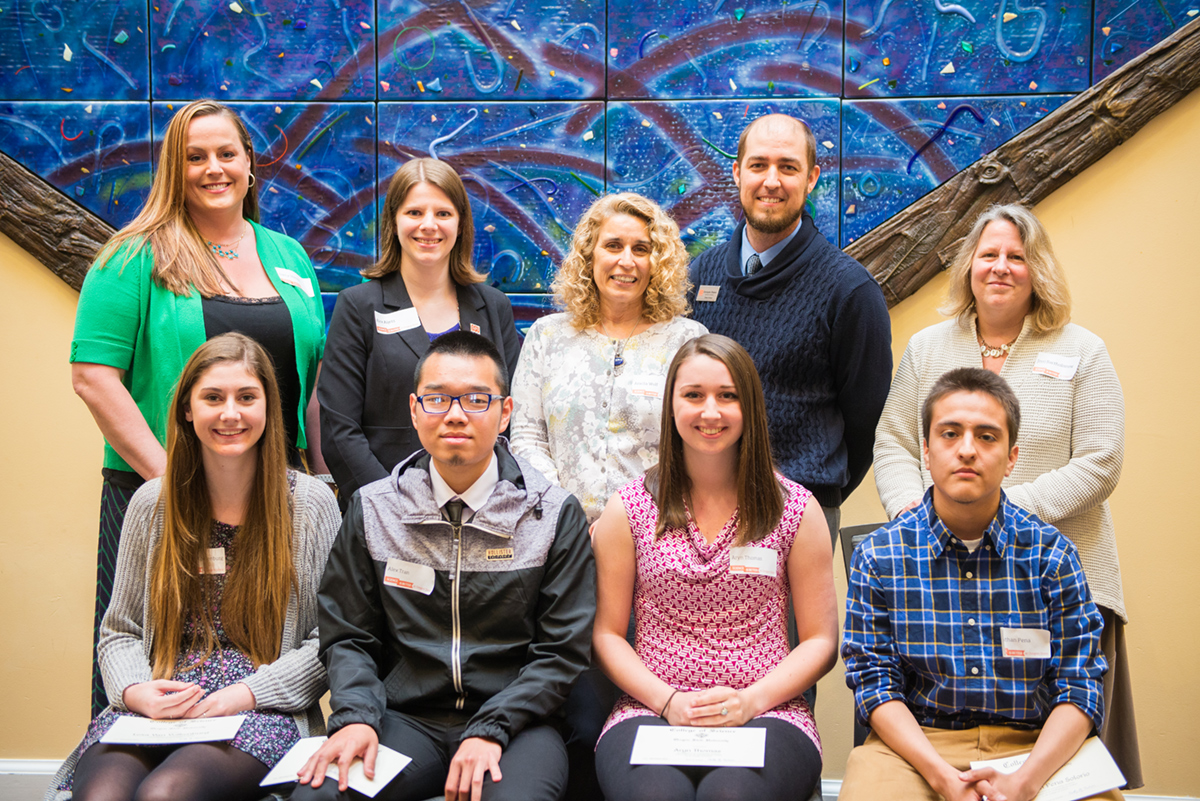
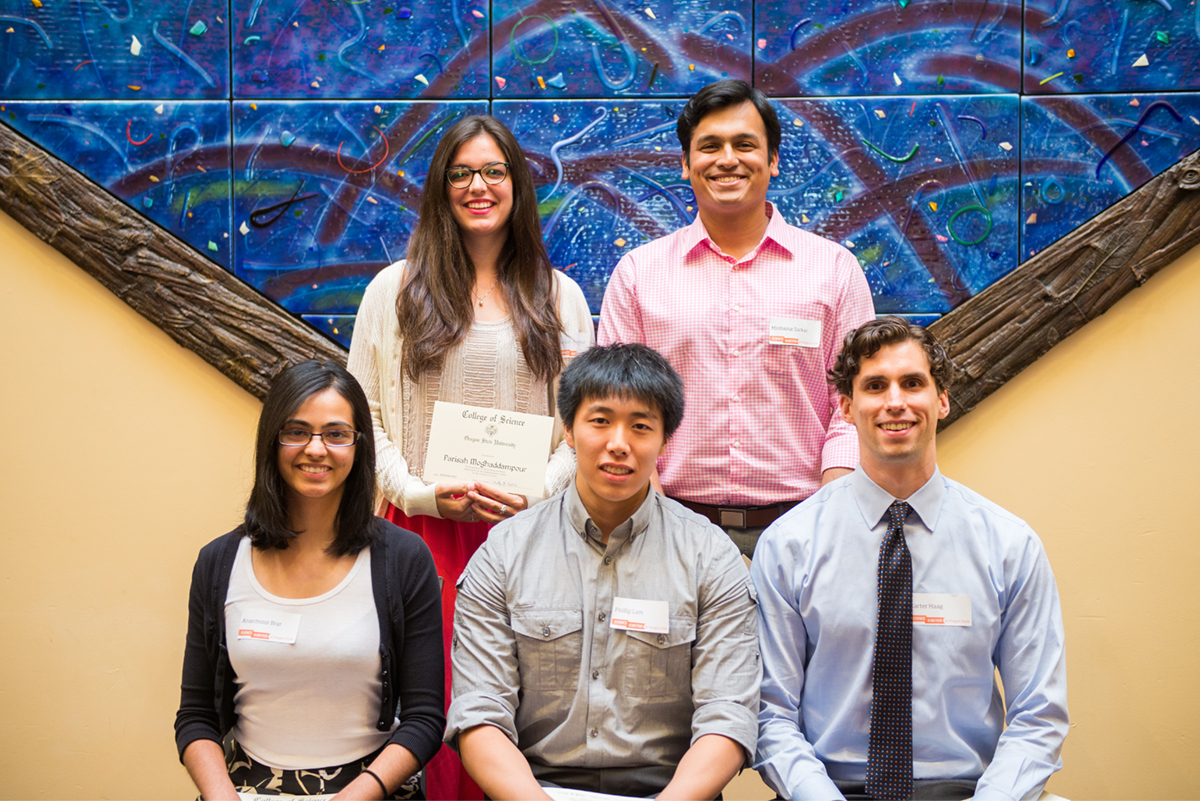
2016 Winter Awards ceremony and reception photos

Rebecca Terry sitting in office space in front of map

Discover: Research Highlights

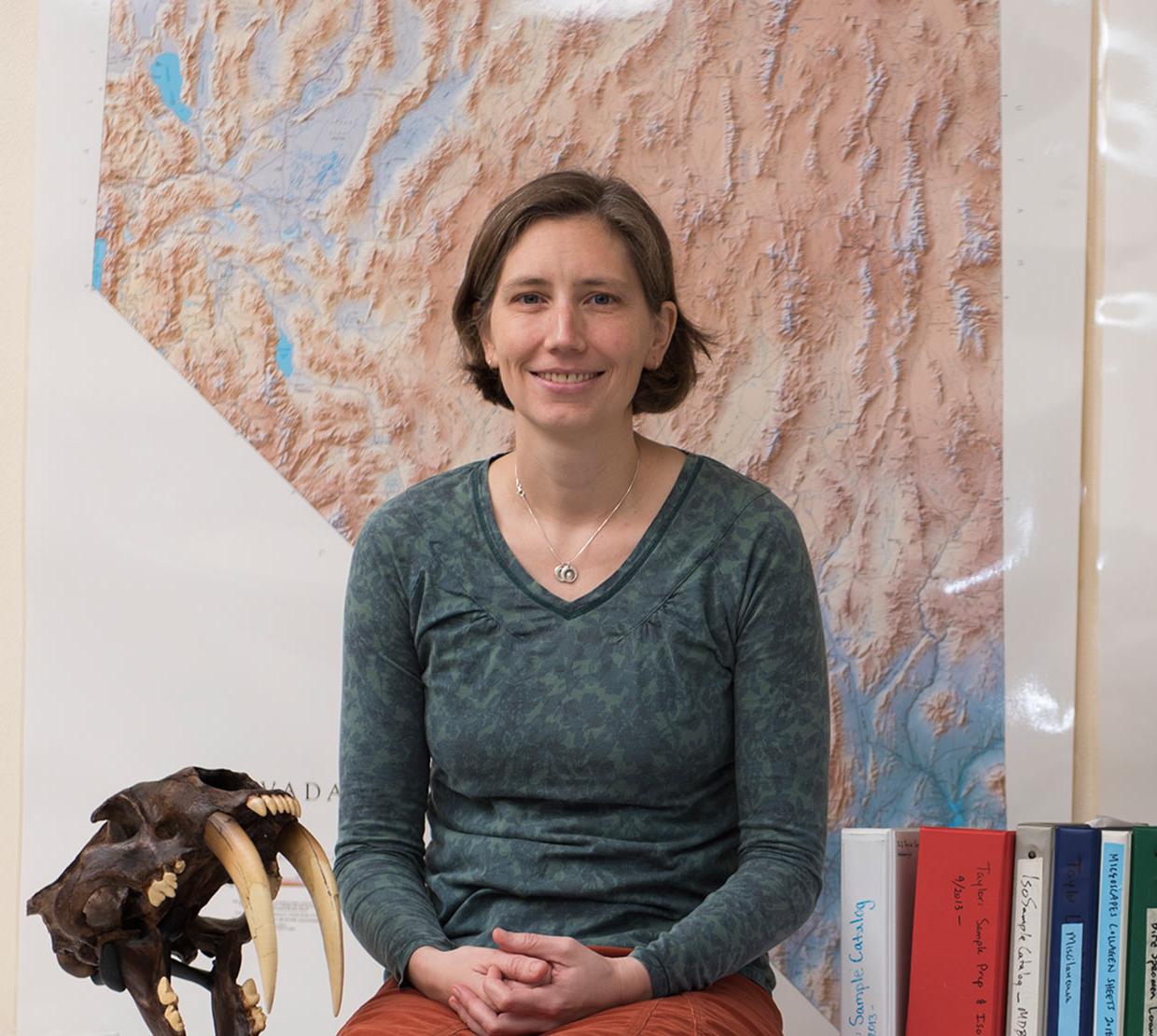
Rebecca Terry, integrative biology assistant professor discovered fossilized owl pellets in Utah

The College of Science has an extensive and deep research portfolio that is globally recognized, providing our students enriching and life-changing experiences working alongside leading scientists and researchers in the College.

Our Faculty and Researchers

George Poinar, Jr., emeritus professor in the Department of Integrative Biology recently discovered the oldest-ever evidence of the bubonic plague that has been locked away in a 20-million-year-old flea trapped in amber. He also discovered the first-ever fossil of an extinct species of salamander revealing that salamanders once lived on an island in the Caribbean Sea, something previously not known.

Stephanie Green, the David H. Smith Conservation Research Fellow in the Department of Integrative Biology, recently created quite a stir with her new study that suggests an outright ban on the common use of plastic “microbeads” from products that enter wastewater is the best way to protect water quality, wildlife, and resources used by people. The study was the number three science story in the world on September 18 on Google News.

skull within owl pellet

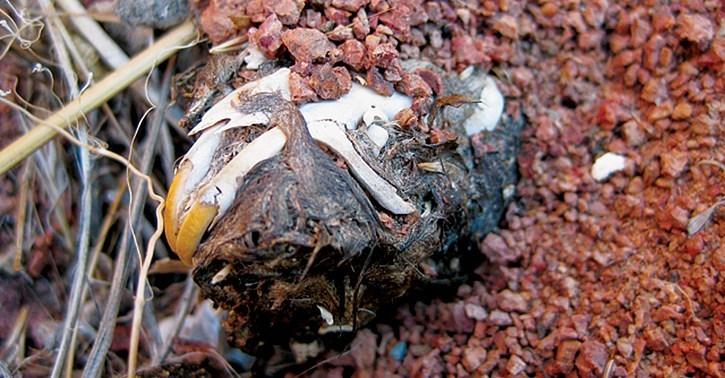
Mammal bones are visible in this owl pellet, which is tangled in cheatgrass and buried in sediment. Credit: Rebecca Terry

Professor Jane Lubchenco and assistant professor Kirsten Grorud-Colvert of the Department of Integrative Biology published a policy article on ocean protection, “Making waves: The science and politics of ocean protection,” in the journal Science. The article recognizes the substantial strides the international community has made toward protecting the oceans, but says much more work remains to assure vital fish stocks and other resources will remain sustainable into the future.

Lubchenco delivered a similar message along with other OSU ecologists in an op-ed piece published in Nature Geoscience that argued scientific “business as usual” will fall far short of what is needed to achieve the 17 Sustainable Development Goals expected to be adopted by the United Nations General Assembly.

Rebecca Terry, integrative biology assistant professor discovered fossilized owl pellets in Utah when the earth went through a period of rapid warming about 13,000 years ago. The finding suggests that small mammal community was stable and resilient, indicating human activities have disturbed ecosystem resilience.

Microbiology professor Janine Trempy and her team have discovered, helped patent and commercialize a new type of dairy or food thickener, which may add probiotic characteristics to products.

Integrative Biology assistant professor Eli Meyer was part of a collaborative research study with scientists from the University of Texas at Austin and the Australian Institute of Marine Science that revealed some corals already have the genes to adapt to higher temperatures.

female student working with samples in lab

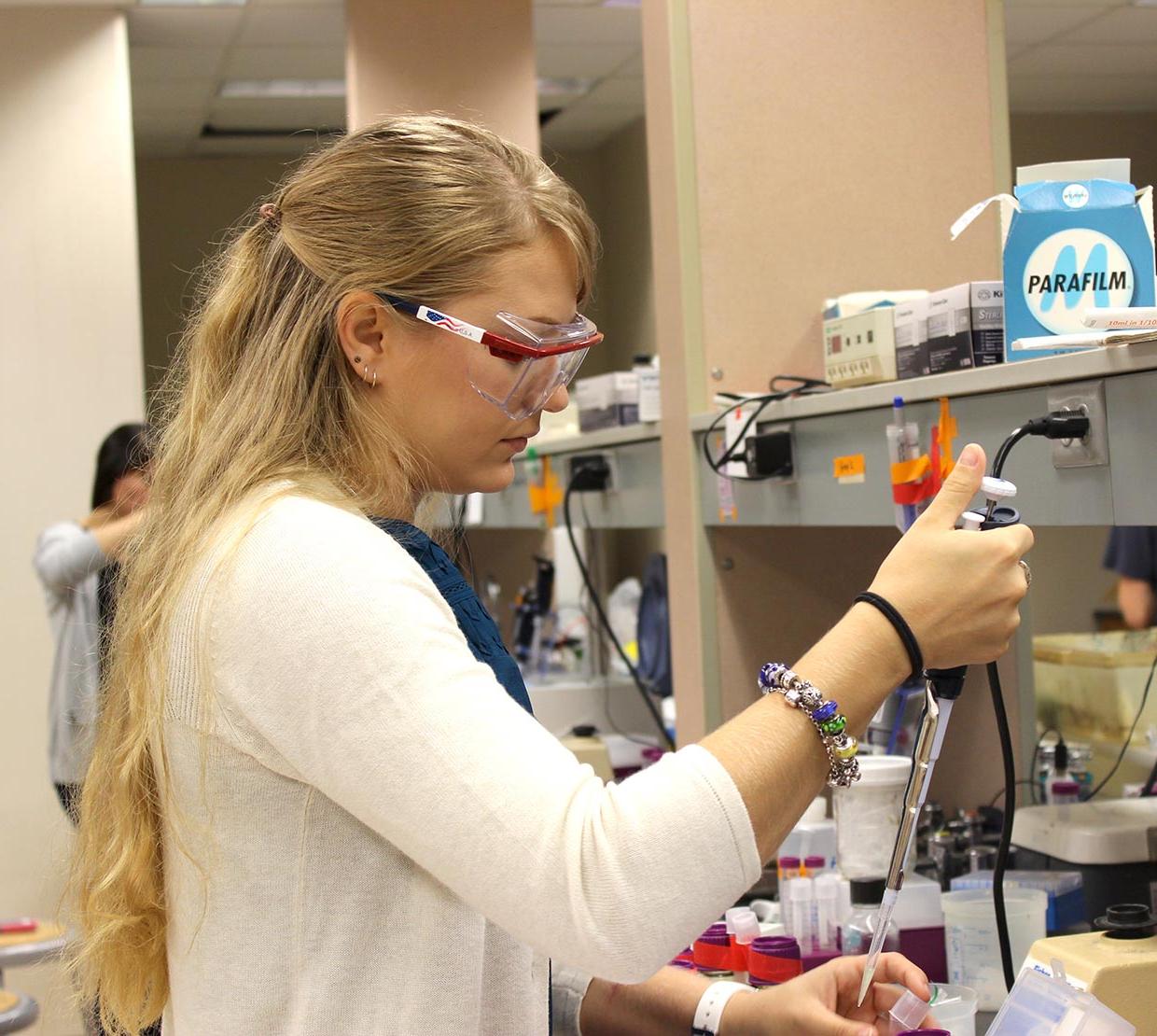
Science students present at Undergraduate Summer Research Symposium

By Srila Nayak

Undergraduate Summer Research Symposium

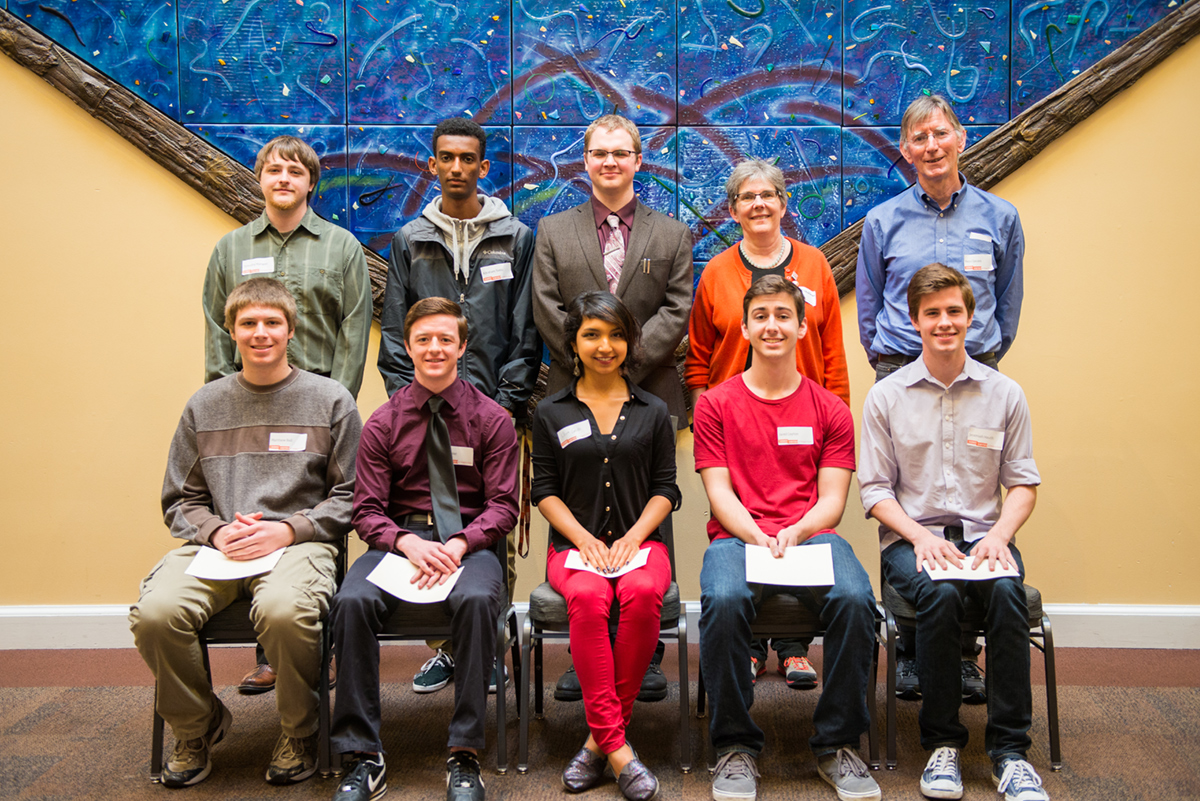
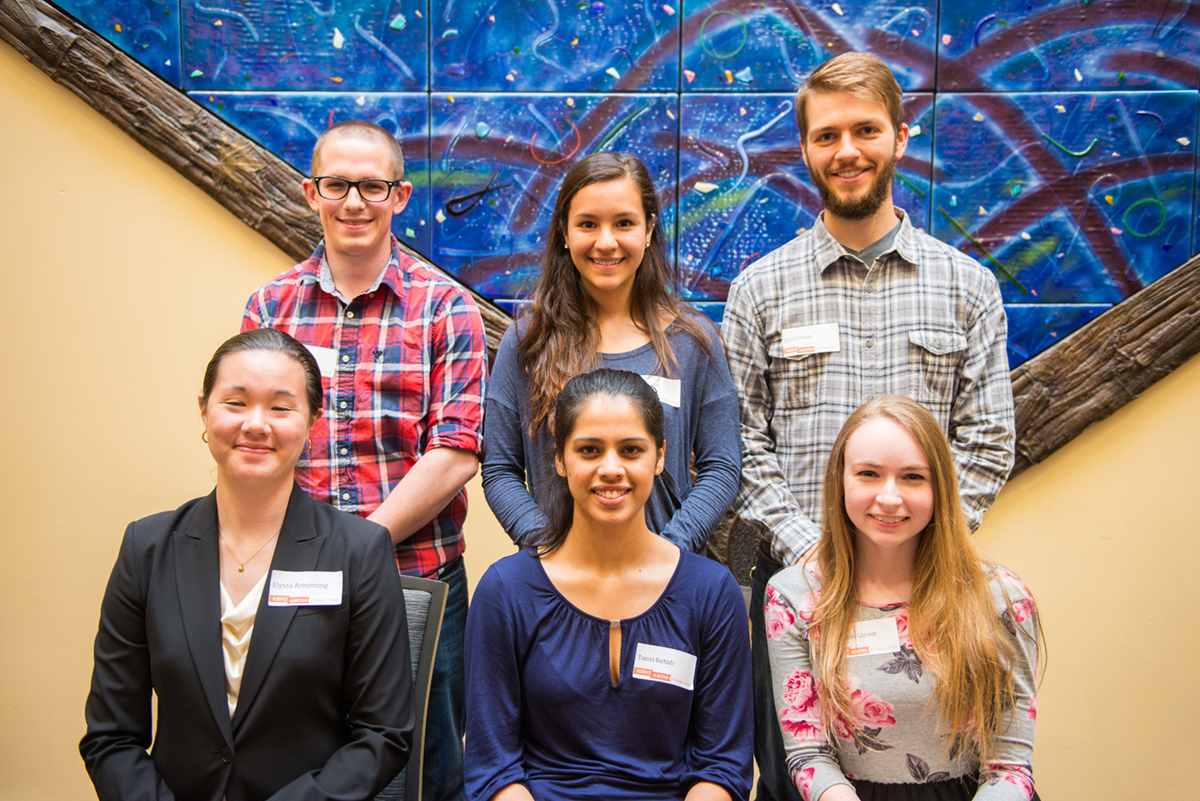
Congratulations to these 16 science students presented their summer research as part of Undergraduate Research Summer Symposium August 27, 2015, from 8:30 am to 5:00 pm in the Agriculture and Life Sciences Building, room 4000.

The Division of Undergraduate Studies hosted this event to give undergraduate students the opportunity to share their research with the broader Oregon State community and to enhance their communications skills while translating science for a general audience. Students gave 10-minute presentations as well as 3-minute presentations using just one slide!

The undergraduate experience is greatly enhanced by engaging in research. Students to learn to balance collaborative and individual work as well as deepen their critical thinking skills. They are often able to interact one-on-one with their faculty mentor.

The following science majors presented their research:

Biology

Julia Bingham - Biology. Mentor: Mark Novak, Integrative Biology. Sensitive Barnacles: Quantifying life history processes of Pollicipes polymerus to inform harvest management.

Hai Dao - Biology. Mentor: David Wagner, Psychology, OHSU. Novel Interventions in Children's Healthcare (NICH): Program effects on health and healthcare utilization.

Joseph DeShields - Biology. Mentor: Jeff Chang, Botany & Plant Pathology. Developing the Golden Gate assembly method to make knockout mutants in Rhodococcus fascians.

Quinn DeYoung – Biology. Mentor: John Fowler, Botany & Plant Pathology. ROP2 localization in maize pollen tube growth.

Rachel Keeffe - Biology major. Mentor: Brian Sidlauskas , Fisheries & Wildlife. Morphological variance in anostomid pharyngeal tooth plates.

Zachary M. Konkel, Biology major. Mentor: Sandra Loesgen, Chemistry. Novel antibiotic and anticancer drug leads from Oregonian endophytic fungi.

Griffin Moser – Biology major. Mentor: Andrew Buermeyer, Enviro Molecular Toxic. Carcinogen-induced mutations identified through sequencing of human exomes.

Elizabeth Pendergrass - Biochemistry and Biophysics. Mentor: Theresa Filtz, Pharmaceutical Sciences. O-glycosylation of transcription factor BCL11b: Truth or myth?

Biochemistry & Biophysics

Trisha Chau - Biochemistry and Biophysics. Mentor: Colin Johnson, Biochemistry & Biophysics. Characterizing the membrane binding properties of Fer1L6: an essential protein for muscle development

Yu-Tin Hsiao - Biochemistry and Biophysics major. Mentor: Bo Sun, Physics. Optimal conditions for focal adhesion staining in breast cancer cells.

Danielle Stevens - Biochemistry & Biophysics. Mentor: Jeff Chang - Botany & Plant Pathology. Characterization of fasR mutant of phytopathogenic Rhodococcus fascians.

BioHealth Sciences

Eleonso Cristobal -BioHealth Sciences major. Ascorbic acid and allopurinol reduce nitrate tolerance in human endothelial cells.

Chemistry

Cassandra Lew – Chemistry major. Mentor: Sandra Loesgen, Chemistry. Antibiotic and anticancer active metabolites from soil bacteria.

Philip Nguyen - Chemistry. Mentor: Taifo Mahmud, Pharmaceutical Sciences. Chemoenzymatic synthesis of pactamycin analogues using a promiscuous protein from Streptomyces pactum.

Microbiology

Elyssa Armstrong -Microbiology. Mentor: Luiz Bermudez and Lia Danelishvili, Veterinary Medicine. Establishment of an in vitro model to study persistence in Mycobacterium avium.

Jenny Nguyen - Microbiology. Mentor: Taifo Mahmud, Pharmaceutical Sciences. Natural products inspired drug discovery: A synthetic and chemoenzymatic approach.

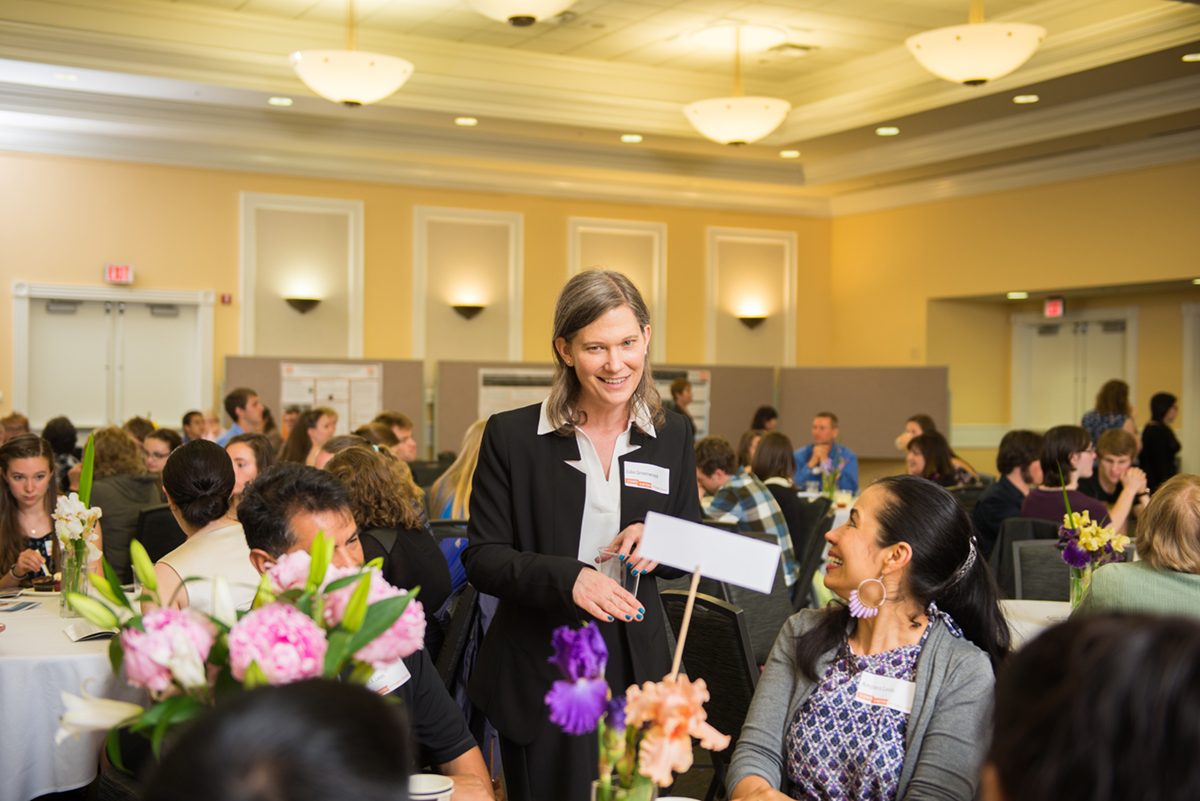
Julie Greenwood talking to table of colleagues

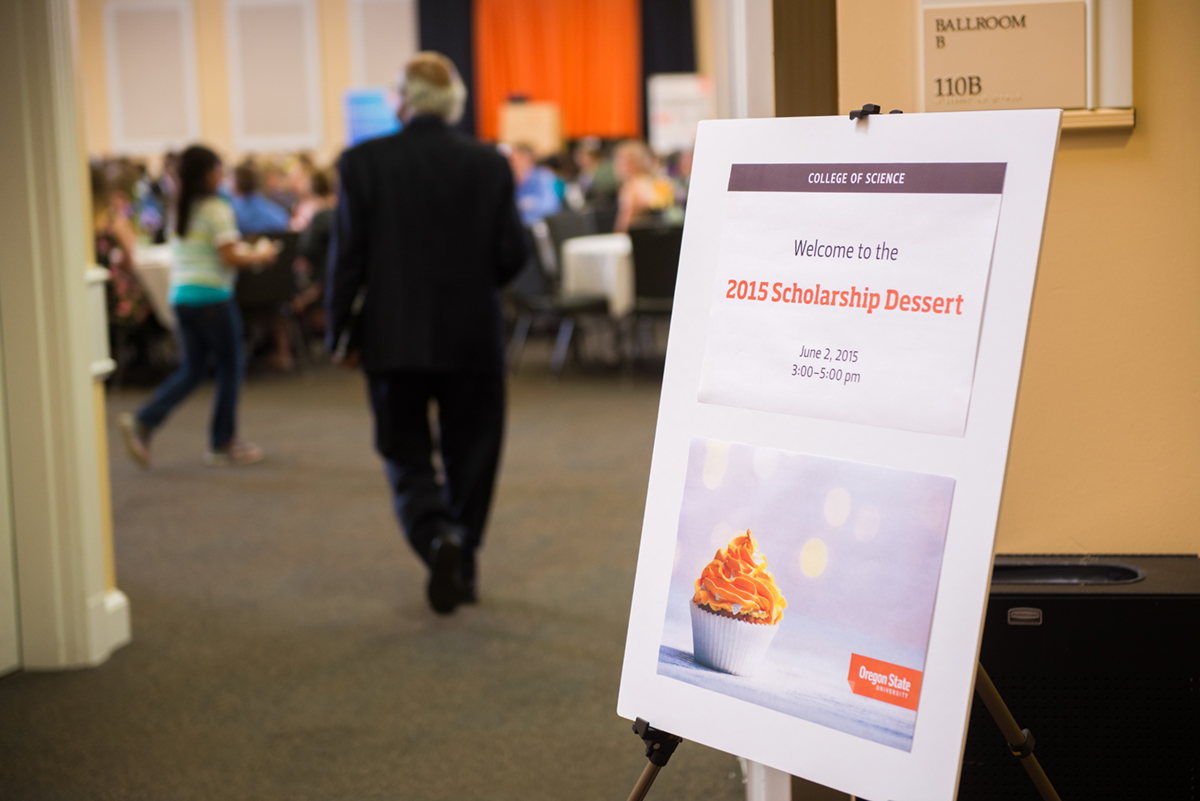
Scholarship Dessert celebrates excellence and gratitude

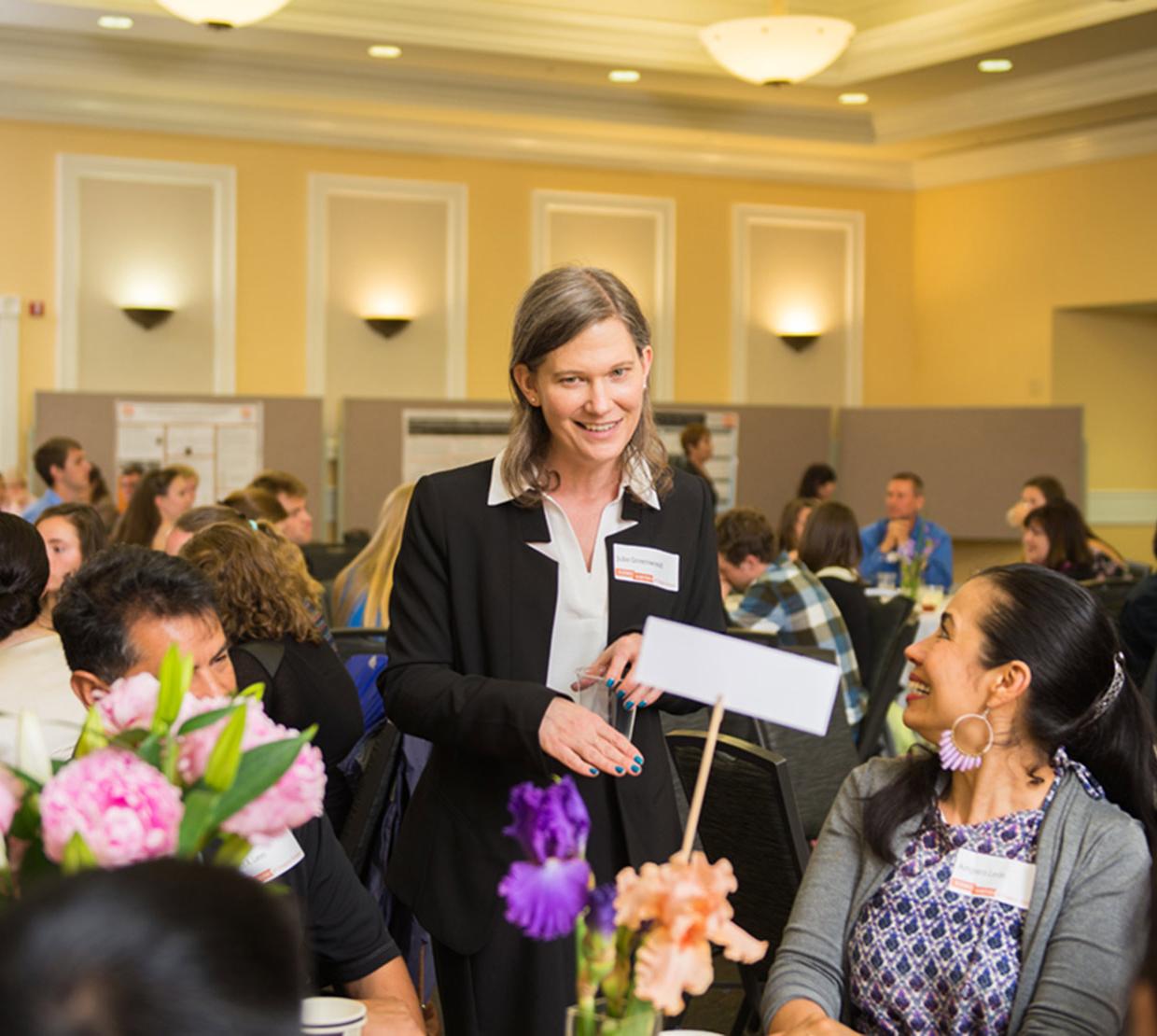
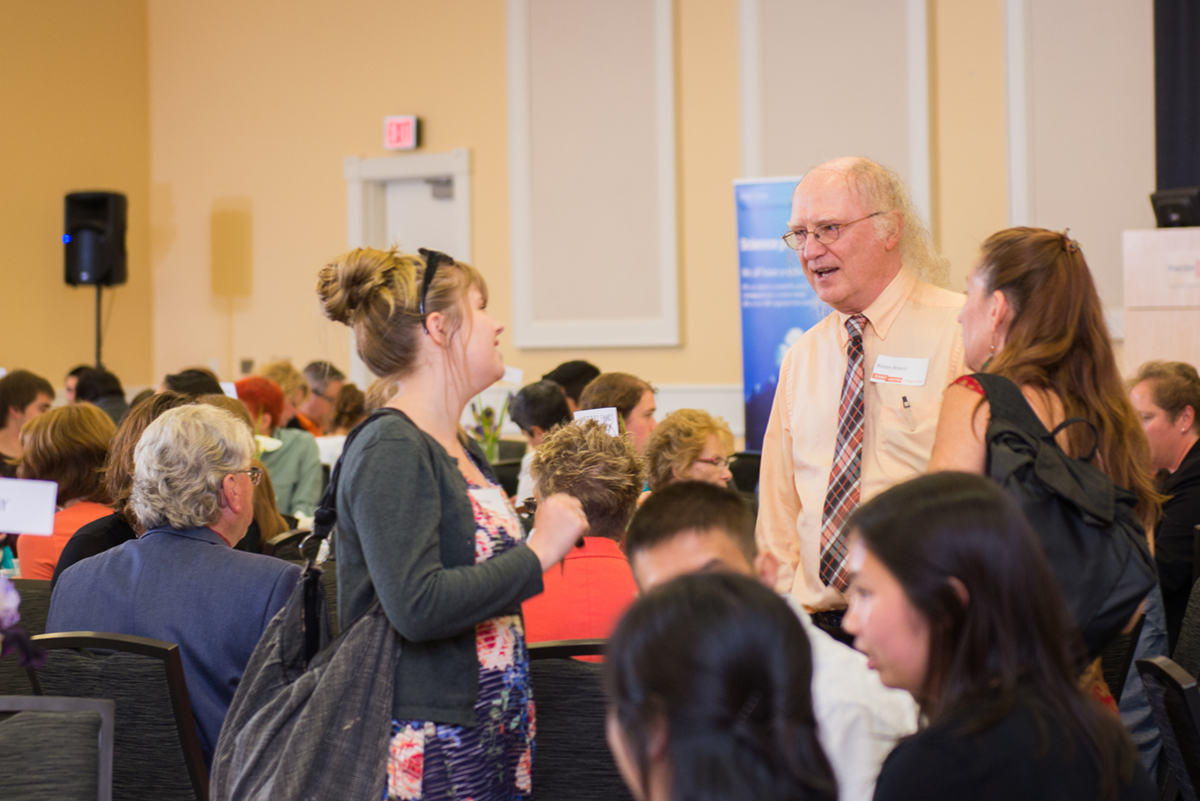
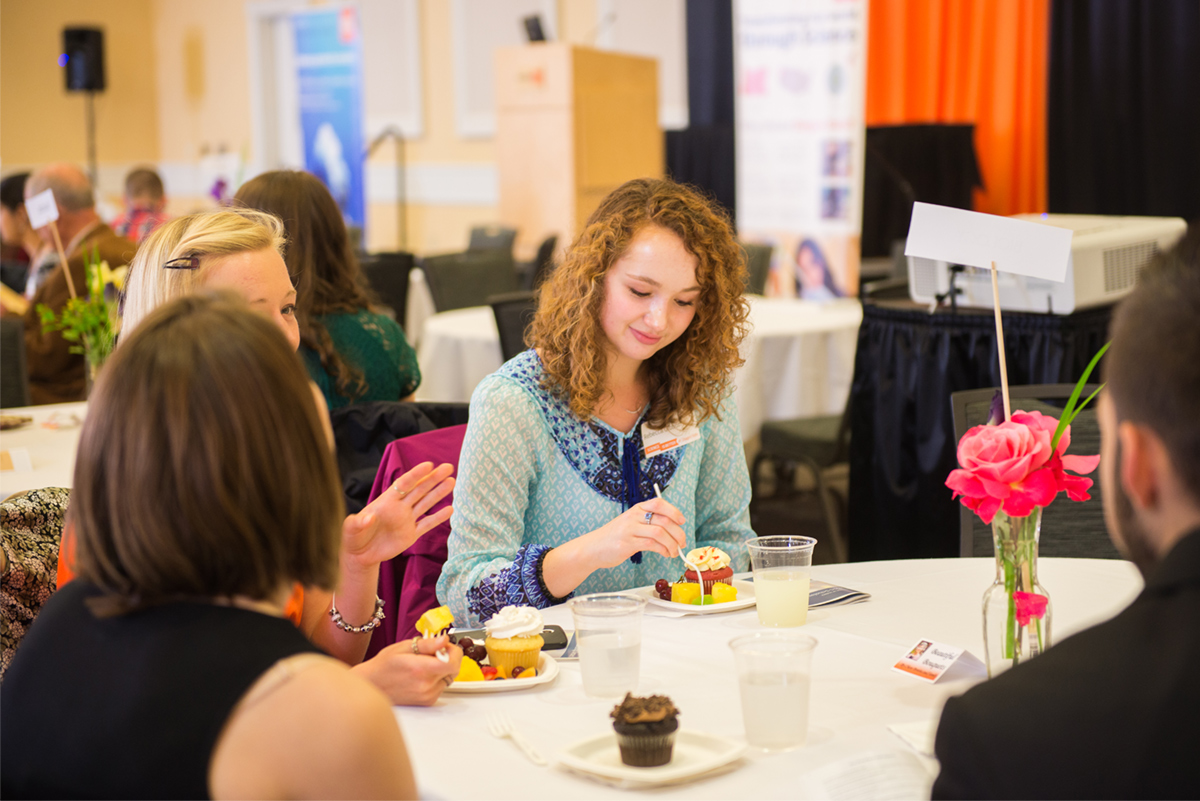
Associate Dean Julie Greenwood speaking with students and guests

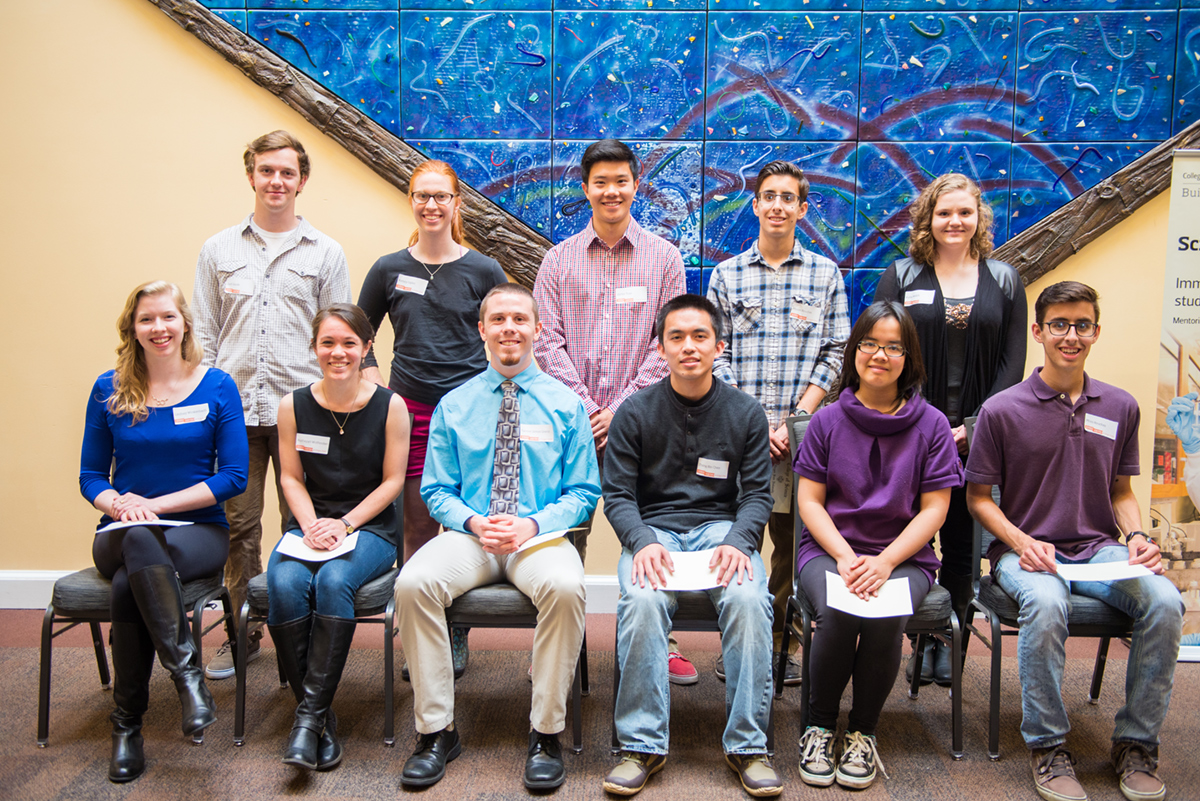
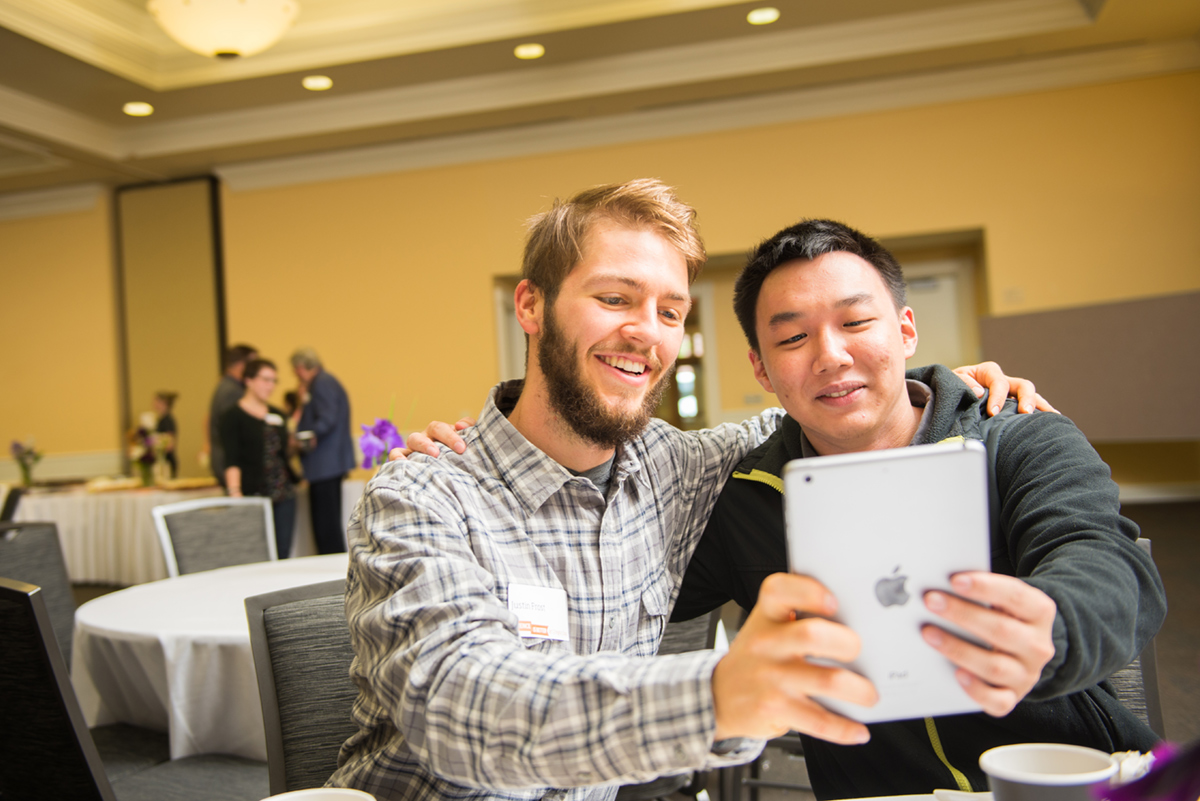
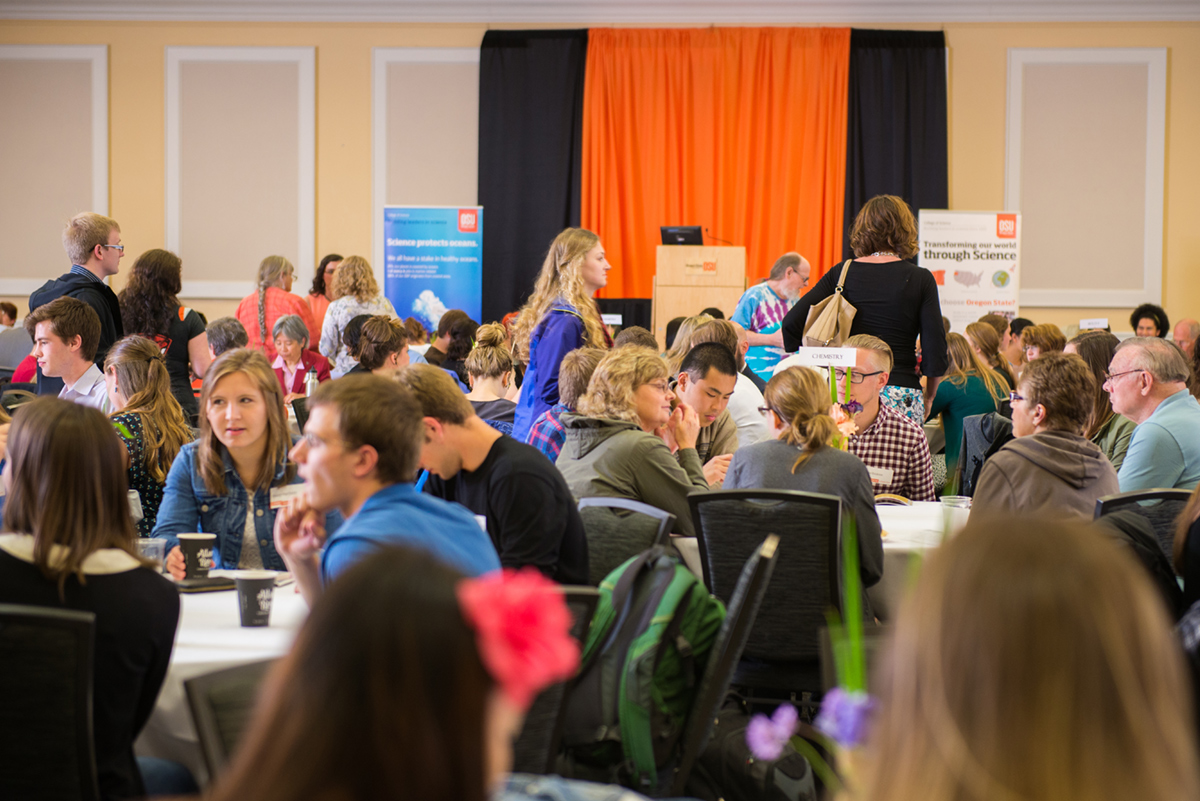
The College of Science celebrated our extraordinary scholarship students at our annual spring Scholarship Dessert. For the 2015-16 academic year, the College awarded scholarships of more than $700,000 to more than 250 students for merit, need and undergraduate research experiences. The Scholarship Dessert—a festive occasion—connects students, their families, advisors, faculty and many alumni/friends whose generous support funds these awards.

The celebrations continued throughout the day with a special lunch and dinner where students and alumni shared their own perspectives with each other about gratitude and the power of scholarships as well as the meaning and impact derived from investing in future leaders in science.

For a complete list of our scholarships, visit: science.oregonstate.edu/scholarships.

Please tag yourselves in the photos!

Science Scholarship Recipients

Star icon above light texture

Faculty excellence: Promotions and tenure 2015

Promotions and tenure 2015

The College of Science is proud to congratulate the following faculty for receiving promotions and/or tenure this spring. A well deserved pat on the back for their excellent work!

Tremendous consideration goes into each promotion and tenure decision. The dean’s office, department chairs, promotions and tenure committee members, faculty, external reviewers, students who offer letters of support, and of course the individual faculty member spends many hours preparing, processing and reviewing the documentation. The process is extremely rigorous in order to award the best candidates for promotion and/or tenure.

Special thanks to our College of Science Promotions and Tenure Committee for devoting a significant time this spring engaged in the review process. Also, thanks to the provost and the University Promotions and Tenure Committee for their hard work in evaluating and supporting the outstanding accomplishments of our faculty.

Biochemistry & Biophysics Department

Lanelle Connolly has been promoted to Senior Faculty Research Assistant I of Biochemistry and Biophysics, effective July 1, 2015.

Dr. Indira Rajagopal has been promoted to Senior Instructor II of Biochemistry and Biophysics, effective July 1, 2015.

Chemistry Department

Dr. Christopher M. Beaudry has been promoted to Associate Professor of Chemistry and granted indefinite tenure, effective September 16, 2015.

Dr. Ha Yeon (Paul) Cheong has been promoted to Associate Professor of Chemistry and granted indefinite tenure, effective September 16, 2015.

Dr. Jeff Walker has been promoted to Senior Instructor II of Chemistry, effective July 1, 2015.

Paula Joy Edwards Weiss has been promoted to Senior Instructor I of Chemistry, effective July 1, 2015.

Integrative Biology Department

Dr. Lesley Mae Blair has been promoted to Senior Instructor II of Integrative Biology, effective July 1, 2015.

Dr. Francis Chan has been promoted to Associate Professor, Senior Research of Integrative Biology, effective July 1, 2015.

Eileen Shin Yeu Chow has been promoted to Senior Faculty Research Assistant I of Integrative Biology, effective July 1, 2015.

Mark Lavery has been promoted to Senior Instructor II of Integrative Biology, effective July 1, 2015.

Dr. David Lytle has been promoted to Professor of Integrative Biology, effective September 16, 2015.

Mathematics Department

Dr. Christine Escher has been promoted to Professor of Mathematics, effective September 16, 2015.

Dr. Filix Maisch has been promoted to Senior Instructor I of Mathematics, effective September 16, 2015.

Microbiology Department

Dr. Linda Diane Bruslind has been promoted to Senior Instructor II of Microbiology, effective July 1, 2015.

Dr. Katharine Field has been promoted to Professor of Microbiology, effective July 1, 2015.

Statistics Department

Dr. Yanming Di has been promoted to Associate Professor in Statistics and granted indefinite tenure, effective September 16, 2015.

Dr. Alix Gitelman has been promoted to Professor of Statistics, effective September 16, 2015.

Keep up the excellent work!

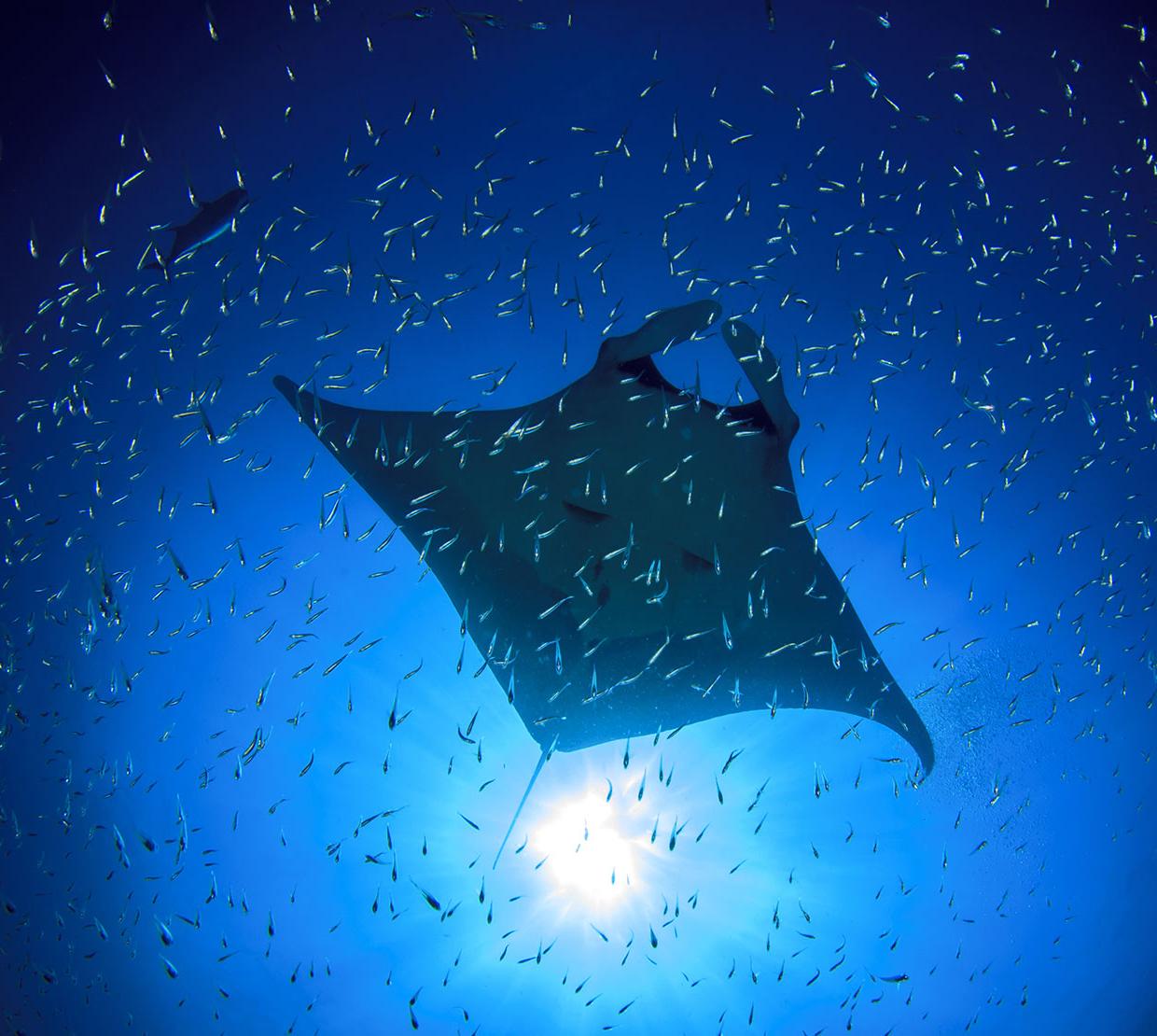
manta ray swimming though krill

Bio+Math

By Srila Nayak

Sting Ray swimming through krill near ocean surface

The ever-growing field of mathematical biosciences

In the last two years, the College of Science has focused on augmenting its expertise in data and life sciences with strategic hires in mathematical biology and bioinformatics. Almost immediately the new faculty have strengthened interdisciplinary and collaborative research in the College as well as across OSU.

These faculty have quickly connected with scientists across campus, paving the way for interdisciplinary research and broader training of graduate and undergraduate students in different areas of science.

Among the key hires are David Hendrix, assistant professor of biochemistry/biophysics and computer science; Duo Jiang, assistant professor of statistics; David Koslicki, assistant professor of mathematics; Patrick De Leenheer, professor of mathematics and integrative biology; Thomas Sharpton, assistant professor of microbiology and statistics.

“I am thrilled to welcome this extraordinarily talented cohort to the College,” said Sastry G. Pantula, dean of the College of Science.

“They will strengthen our foundation in fundamental sciences while building bridges to enable discoveries in other sciences, engineering and education.”

While the need for mathematical biosciences has grown rapidly due to massive sets of data in life sciences, computational and mathematical algorithms and new statistical methodology, the current community of mathematical bioscientists remains relatively small. The new faculty will strengthen the College’s efforts to advance research at the intersection of mathematical, statistical and biosciences research and nurture a new generation of scientists in a comprehensive, systematic way.

Mathematical Biology: What is it?

De Leenheer is one of a growing number of researchers worldwide who works in both the mathematical and biological sciences. De Leenheer uses mathematics to better understand how a variety of biological systems behave.

Although mathematical biology evolved throughout the twentieth-century, only in the last couple decades has it become its own branch of applied mathematics, primarily because research in biology and medicine has become more dependent on mathematics and computation. To illustrate, federal agencies such as NSF have initiated programs in Mathematical Biology and Research at the Interface of Biological, Mathematical and Physical Sciences.

De Leenheer uses dynamical mathematical models that describe and illuminate biological processes ranging from the cellular to the ecological scale. Currently, he is developing new modeling approaches for the analysis and design of Marine Protected Areas (MPA) to enhance fisheries as part of an NSF-funded project. This work will be instrumental in better informing policymakers on MPA implementation.

Bioinformatics: The new age of data

Bioinformatics professors David Koslicki and Thomas Sharpton have found Oregon State particularly favorable for their research, thanks to the extremely collaborative culture and the high-quality biological and computing resources at the Center for Genome Research and Biocomputing.

“A transdisciplinary field, bioinformatics requires expertise in biology, computer science, mathematics and statistics. It's rare that one researcher has sufficient expertise in all these areas so collaboration is often needed to solve a problem,” says Sharpton.

“OSU is easily the most collaborative environment that I have been a part of, and the supportive and interactive nature of my colleagues helps produce more impactful bioinformatic discoveries at a faster rate.”

Bioinformatics, which is the creation of software tools, algorithms and databases to analyze biological data, evolved into a discipline in the 1970s with the development of DNA sequencing. The explosive quantities of genomics-related data have spurred the growth of bioinformatics databases and tools for a variety of biological fields: medicine, microbiology, ecology, pharmacology, and many more.

“We have massive data sets that have the ability to transform many different fields,” says Koslicki. “But you need algorithms that are extremely efficient to be able to analyze these things.”

So, what does a bioinformatics project look like?

Koslicki invented a bacterial community reconstruction tool in which he sequenced the DNA of an environmental sample to determine which bacteria were present. Using an optimization technique derived from mathematical theory, Koslicki developed a swifter, more accurate method of classifying bacteria.

“Simultaneously, we were able to develop the algorithm to help the biology as well as learn some new mathematics about these compressed sensing techniques that hadn’t been observed before,” remarked Koslicki.

Spanning microbiology and statistics, Sharpton’s lab researches DNA sequences of microorganisms that live on the human body, known as the human microbiome, to understand how they influence health.

“Bioinformatics is critical to our work,” says Sharpton.

“We develop and apply computational and statistical methods to ascertain which microbes comprise the human microbiome, their biological functions, and their association with human health.”

The College of Science is investing in young, diverse faculty whether it’s to advance OSU’s Marine Studies Initiative or national priorities like precision medicine. Currently we are recruiting a quantitative biologist, two computational biologists and senior leaders in mathematics and statistics.

Teaching the next generation of students

Mathematical biology has a reputation for being one of the most difficult branches of applied mathematics, but that only spurs Leenheer and Koslicki’s determination to mentor and train the next generation of students who will work at the intersection of mathematics and biology.

“The important thing as I train graduate students is that they should have a solid mathematical background,” says Koslicki. “Presently, I am teaching the probability sequence. Probability is key for the kinds of things I do. In addition, students need to be able to program and to work with these big data kind of problems."

De Leenheer adds, "In the next five years, I hope to see biology students who have taken certain math courses in order to go to that next step and start using math as a tool in their own research. That would be fantastic."
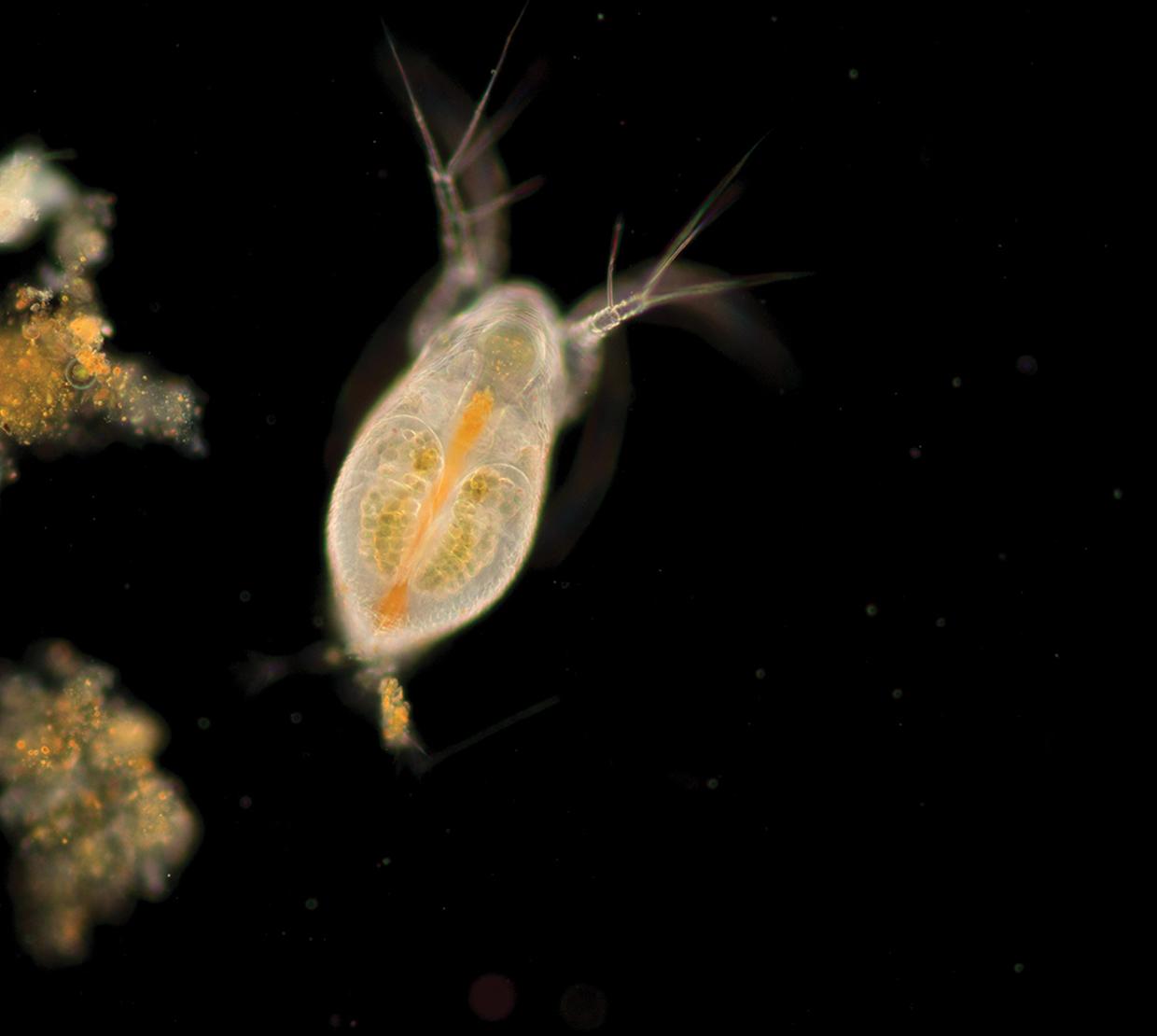
microscopic organism swimming through dark water

The birth of the School of Life Sciences

Copepod (zooplankton) in freshwater and Marine under microscope

Last year the College established the School of Life Sciences (SLS) to encompass a broad range of interdisciplinary sciences that lie between biology and medicine. The new School is composed of the departments of Integrative Biology, Microbiology and Biochemistry & Biophysics. At the forefront of interdisciplinary research and teaching, SLS seeks to stimulate scientific discovery and to address critical societal problems in the life sciences.

This change aligns with OSU’s strategic reorganization that began in 2010.

With its newly defined profile, the School of Life Sciences is on an exciting new trajectory with cutting-edge, interdisciplinary research involving the scientific study of living organisms. While biology is the lynchpin of the life sciences, microbiology as well as biochemistry and biophysics enhance the increasingly interdisciplinary research of the field.

This reorganization enables the School to lead, promote and grow the instructional and research success of the basic life sciences. Other benefits include streamlining faculty hires, research clusters and research facilities as well as tightly integrating the undergraduate and graduate curriculum across the life sciences.

The School of Life Sciences (SLS) has the largest number of undergraduate majors in the College, with more than 2,300 majors and 100 graduate students. By redistributing significant numbers of students across each department, students will have easier access to pre-health advising, seamless transitions between professional and faculty advisors and increased opportunities to engage in experiential learning by directly interacting with faculty.

Maduka Ogba standing in front of black backdrop

Student research

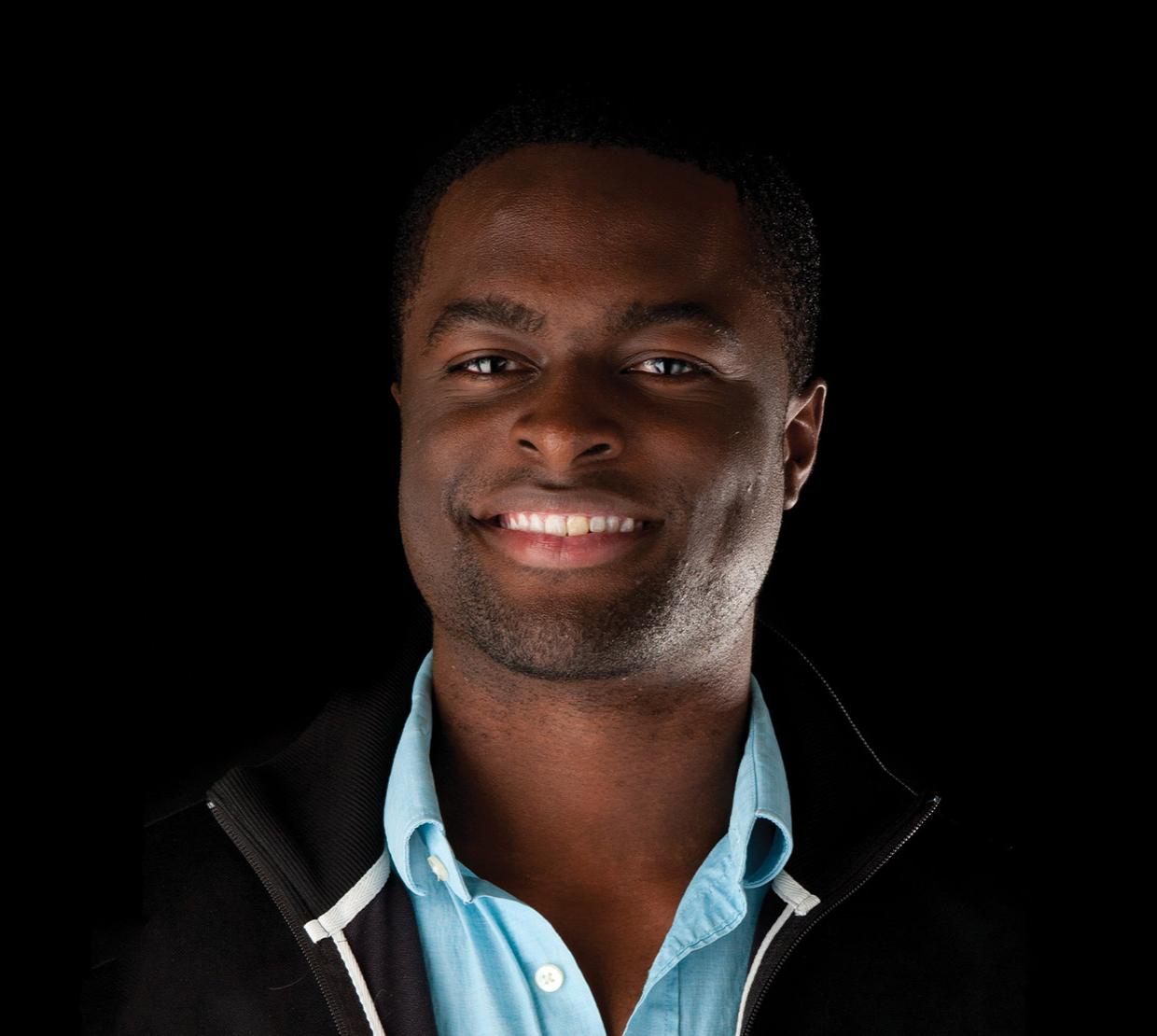
Maduka Ogba, chemistry graduate student

Research highlights

The College of Science has an extensive and deep research portfolio that is globally recognized, providing our students enriching and life-changing experiences working alongside leading scientists and researchers in the College.

Our students

Our students are engaged in authentic inquiry, a hallmark of science education. They engage in collaborative research with our extraordinary faculty to make a difference in the world. This rigorous preparation helps them develop knowledge through hands-on learning in the lab and in the field. This not only helps our students become scientists, but it also teaches them how to think like scientists.

Condensing enzymes into short catalytic peptides, while preserving nature's efficiency and precision, is at the frontier of modern synthetic chemistry and biology. However, factors critical for imbuing reactivity and selectivity are poorly understood in these systems due to the structural flexibility and weakness of interactions controlling catalysis. Chemistry graduate student Maduka Ogba is developing cheminformatics protocols to provide a tool set for the rapid, systematic, and complete atomistic understanding of all catalytic peptides.

Microbiology graduate student Connor Driscoll is studying the ecological role of viruses in freshwater algal blooms, focusing on their roles in shaping population structure and driving bloom turnover over or decline. This research improves our understanding of how harmful algal blooms form and die, and may also provide a natural treatment for harmful blooms, helping to protect freshwater sources.

Michelle Tan, a Biochemistry/Biophysics undergraduate, investigates autophagy - a process in which cells digest components of themselves in order to recycle energy and nutrients - and its induction following exposure to coibamide A, a natural product produced by a Panamanian marine bacterium. The role of autophagy is currently unclear, and there is debate over whether the process acts as a survival mechanism or as a promoter of cell death in various cancers. Michelle's research will provide a more detailed understanding of how autophagy induction might be used in the future to prevent the progression of cancer using new pharmacological compounds.

Biology undergraduate Skylar Fuller is working with Rhodococcus fascians, a Gram-positive plant bacteria that causes disease by making plant hormones (and disrupting normal hormone levels). Because Gram-positive bacteria are understudied, every discovery she makes will contribute to new knowledge in understanding how this group of bacteria causes disease.

Biochemistry/Biophysics undergraduate student Aaron Sugiyama observes the effects of aging on mammalian liver cells, specifically the age-related increase of senescent liver cells. Senescence (which occurs when cells stop dividing) has several hallmarks, including, but not limited to, heightened inflammation, changing gene expression and increased resistance to apoptotic signals. All of these characteristics make senescent cells hazardous to mammalian health and the accumulation of these cells over time may contribute to the decline of overall health with age. Aaron is working to determine if there is a significant increase of senescent liver cells with age. After determining what relationship exists (if any) between senescent liver cells and age, the next step is to determine which liver cell types display senescent characteristics.

Chemistry graduate student Hanyang Zhang researches the synthesis, characterization and application of graphite intercalation compounds. By making the space between the graphite layers larger than pristine graphite, these layer-structured materials can serve as pillaring hosts for lithium ion insertion, making them future candidates for use in rechargeable batteries.

Chemistry graduate student Breland Oscar studies photochemical reactions in fluorescent proteins that occur before the chromophore emits light. Using ultrafast lasers makes it possible to view vibrational peaks of the light-sensitive chromophore within fractions of a second of illumination. This allows her to track chemical reactions as they occur. Since fluorescent protein biosensors are used extensively to image living systems, it is important to understand their fundamental chemistry in order to establish new and innovative design principles.

Statistics graduate student Bin Zhuo’s current research mainly focuses on applying a generalized, linear mixed model to RNA-Sequencing data and making inferences on differential expressions of genes. The linear mixed model is a state-of-the-art method used in genomic studies. He is also exploring models of dispersion parameters under Negative Binomial assumptions.

Chemistry graduate student Leah Chibwe researches the potential formation of toxic byproducts during the remediation of soils contaminated with polycyclic aromatic hydrocarbons (PAHs). PAHs are contaminants released into the environment through an incomplete combustion of organic matter. These sources, which can include forest fires, volcanic eruptions and cigarette smoke, are toxic, persistent compounds that tend to deposit into the soil. Remediation is used to treat soils and destroy these contaminants. However, the compounds might be transformed into even more toxic oxygen containing derivatives of these PAHs. Her research explores the toxicity of soil and understanding the fate of PAHs after remediation, as well as identifying the potential formation of toxic byproducts.

Ruin theory is a field in actuarial science using stochastic processes to model the wealth of a non-life insurance company. This theory relies on the probability of ruin, (the chance that a company goes bankrupt). Mathematics graduate student Sooie-Hoe Loke analyzes equations for ruin probability using the delayed claims and risky investment model and the dual risk model that evaluates cost and profit. Last year, he presented his research in Buenos Aires and Liverpool.

white lab rat sitting in front of white backdrop

Discover

lab rats helping understand ALS

Research highlights

The College of Science has an extensive and deep research portfolio that is globally recognized, providing our students enriching and life-changing experiences working alongside leading scientists and researchers in the College.

Our faculty and researchers

Director of the Environmental Health Sciences Center and Biochemistry/Biophysics distinguished professor Joe Beckman and his research team found that a copper compound significantly improved the lifespan and motor control in mice affected with ALS. This treatment is the first to provide lasting effects beyond a few months. See sidebar or visit the Linus Pauling Institute webpage to read more.

Integrative Biology distinguished professor Bruce Menge is leading efforts to understand the epidemic of sea star wasting syndrome that exploded last summer along the Oregon coast, the first ever identified along the West coast. The disease not only threatens to decimate the entire population of sea stars, it could also disrupt the entire marine intertidal ecosystem. Read more. Update: read the new genomic research, which indicates that the sea star disease epidemic may be linked to a virus.

In correspondence published in the Annals of Internal Medicine, Biochemistry/Biophysics professor and director of the Linus Pauling Institute Balz Frei refuted recent claims that multivitamin/mineral supplements are unnecessary and made the case that a daily multivitamin can fill nutritional gaps. Read more.

Integrative Biology postdoc Jeffrey Oliver’s latest study of the colorful “eyespots” on the wings of butterflies addresses fundamental questions about evolution. More in story below.

Integrative Biology researcher Kathleen Prudic’s study provides empirical evidence of the effects of butterfly eyespots on survival and adaptation. More in story below.

Tory Hagen, a Biochemistry/Biophysics professor and Helen P. Rumbel Professor for Healthy Aging Research in the Linus Pauling Institute, discovered along with his team the ability of a micronutrient to restore a normal circadian rhythm (“biological clock”) in aging animals. This discovery may be important to biological functions, ranging from stress resistance to cardiac function, hormonal balance, muscle performance, glucose metabolism and the aging process. Reported in the journal of Biochemical and Biophysical Research Communications. Read more.

Joint professor in the Departments of Environmental and Molecular Toxicology and Chemistry, Staci Simonich found new compounds that are hundred times more mutagenic than known carcinogens. Mutagens are chemicals that can cause DNA damage in cells that in turn can cause cancer.

Chemistry associate professor May Nyman developed the first inorganic, molecular materials that can effectively degrade dangerous chemical warfare agents. Nyman’s research was published as a cover article in the May issue of the European Journal of Inorganic Chemistry.

Integrative Biology post-doc Stephanie Green’s research shows that controlling lionfish populations can help recover native fish and to some extent may aid larger ecosystem recovery as well.

Microbiology professor Bruce Geller recently found an antibacterial agent called PPMO that may yield a new approach to antibiotics. Read more.

Department of Chemistry distinguished professor Doug Keszler published a breakthrough study of the aqueous chemistry of aluminum expected to yield technological advances in electronics and many other fields, ranging from manufacturing to construction, agriculture and drinking water treatment.

Biochemistry and Biophysics associate professor Michael Freitag and his team’s research on gene deletion revealed new compounds with antibiotic potential. The finding was announced last fall in the journal PLOS Genetics. Read more. Biochemistry/Biophysics assistant professor Viviana Perez recently published a study that helps explain the action of rapamycin—one of a group of drugs with immunosuppressant functions in humans—as an agent that appears to slow aging and related disease.

Chemistry assistant professor David Ji made a fundamental chemical discovery indicating that trees may soon play a major role in making high-tech energy storage devices.

Microbiology distinguished professor Steve Giovannoni collaborated with Angel White in the College of Earth, Ocean, and Atmospheric Sciences to discover that ocean’s most abundant organism, SAR11, can create methane—a powerful greenhouse gas that is roughly 20 times more potent than carbon dioxide—from methylphosphonic acid. Read more.

Professor emeritus in Integrative Biology, George Poinar, Jr., and his team found that ticks fossilized in amber show that the bacteria which cause Lyme disease may have been lurking around for 15 million years. In the article published in Historical Biology, Poinar and his research team also found that ancient amber fossil revealed evidence of sexual reproduction in a flowering plant. Read more.

Chemistry professor Vince Remcho developed a new chemical assay that’s inexpensive, simple, and can spot fake malaria drugs, an enormous and deadly problem in the developing world. His students translated the research into a mobile app that could be used to tell with an even higher degree of accuracy both the presence and level of the drug. Remcho’s research has been reported in The Health Site, Health Canal, and Infection Control Today.

Pioneering ALS research

Joe Beckman, a distinguished professor of biochemistry and biophysics, is part of an important research endeavor that could potentially provide effective treatment for amyotrophic lateral sclerosis (ALS), or Lou Gehrig’s disease that destroys motor neurons and is almost always fatal.

Beckman and his team have shown that oral intake of a chemical compound significantly increased the lifespan and improved the locomotor function of mice afflicted with ALS. He is quite optimistic that these results can pave the path for the treatment of ALS in humans as he continues work on a therapy that will deliver copper selectively into the affected cells of the spinal cord.

Beckman, whose work is supported by the National Institutes of Health, joins other researchers in the College of Science who have been collectively awarded $55 million in grant funding for fundamental and applied work in health sciences, ecological and environmental research and materials science.

He also assists the ALS Association of Oregon; the work is another shining example of the OSU’s commitment to producing excellent research that will improve the lives and health of communities across the state

Subscribe to Biochemistry & Biophysics