Biochemistry & Biophysics

Biochemistry & Biophysics

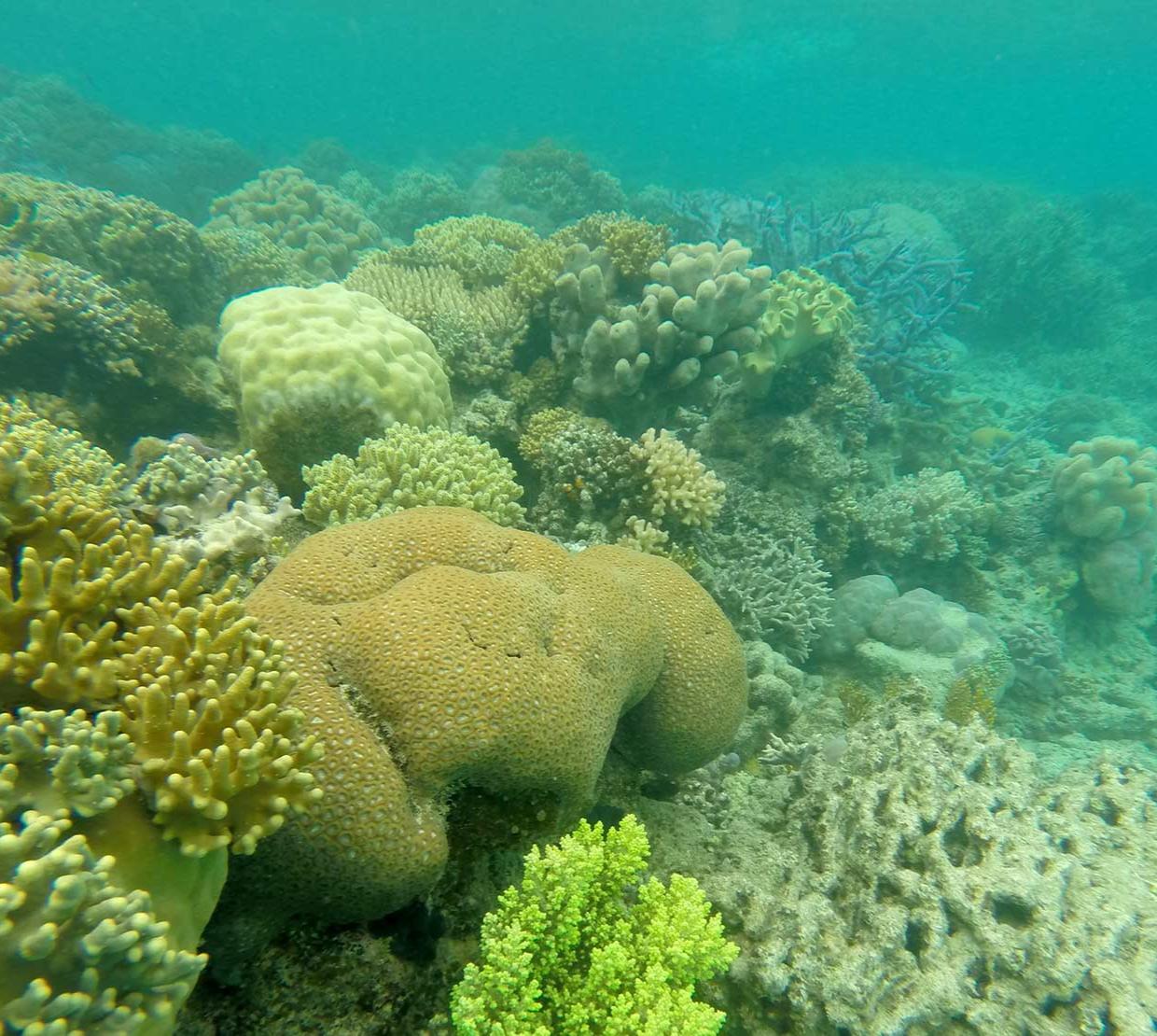
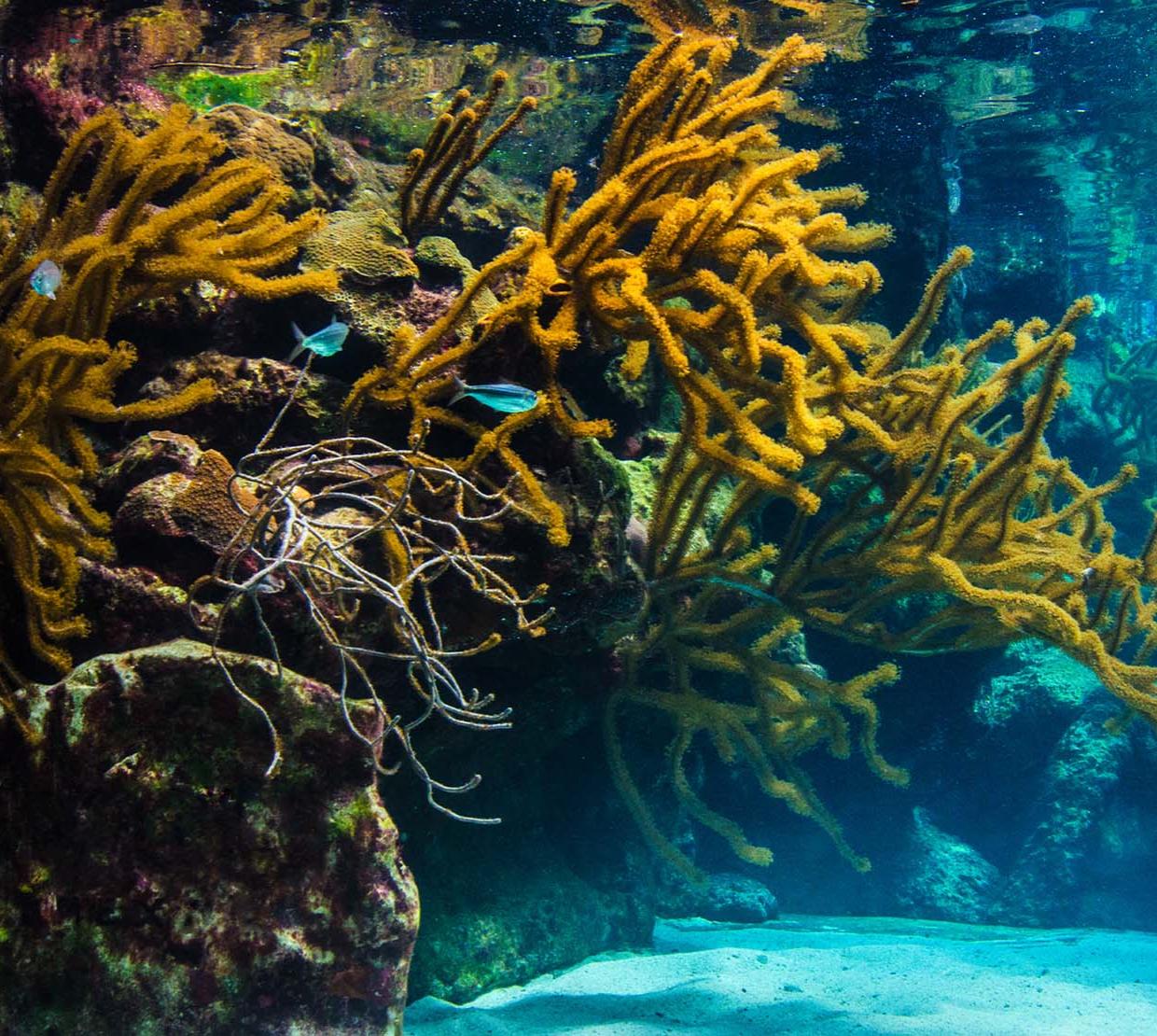
Underwater coral reef landscape background in the blue sea with fish and marine life.

Innovation grants to build model reef at OSU, catalyze biological and materials research

By Grace Peterman

New funding bolsters research on coral reefs, heat waste and more.

The inner workings of a cell, more powerful mass spectrometry and building a tropical reef at Oregon State: The 2021 College of Science Research and Innovation Seed (SciRIS) awards are empowering initiatives that will open fresh pathways in science.

The SciRIS program funds projects based on collaborative research within the College of Science community and beyond. There are two tracks through the program: SciRIS (Stages 1-3) and the SciRIS individual investigator award (SciRIS-ii). SciRIS Stages 1-3 funds teams in three stages to support training, research and capacity-building, accelerating work toward external funding opportunities. SciRIS-ii funds individual faculty to establish research relationships with external partners, enabling them to demonstrate the feasibility of their ideas and quickening the pace of scientific discovery.

The newly-established College of Science Innovation Award provides critical resources for projects that take a new direction, utilize a new technology or are in the “proof-of-concept” phase.

Three groups of scientists received SciRIS Stage 1 awards, two at $10K each and one at $20K. One group received the Innovation Award at $10K.

Professor of Microbiology Rebecca Vega Thurber and her colleagues will use their award to develop a model tropical reef facility within Oregon State’s world-renowned John Fryer Aquatic Animal Health Lab.

The model will allow College of Science researchers across biology, chemistry and ecology to perform highly controlled, repeatable experiments on reef ecosystems, which are under increasing threats from climate change, pollution, habitat destruction and disease. By bringing the reef to researchers, carbon emissions associated with travel are also reduced.

The facility will also serve as an outreach platform, bringing awareness of far-off ecosystems to the local community. By interacting with the lab, citizens will learn about how humans affect these fragile habitats and how they personally can potentially mitigate and reverse reef decline.

Chemistry Professor Wei Kong and Statistics Professor Lan Xue will use their SciRIS grant to develop more effective mass spectrometry through inclusion of electron diffraction. With this addition, future mass spectrometers will be able to reveal not only the mass composition of an unknown species, but also the three-dimensional arrangement of the constituent atoms. This capability can change the paradigm of nanomaterial synthesis, allowing intelligent design and quality control of custom-made materials applicable in medical diagnostics and therapeutics, in energy harvesting and storage, and in catalysis.

Biochemistry and Biophysics Professor Elisar Barbar and collaborators received a SciRIS award to integrate structural biology with cell and organismal biology. Capitalizing on Oregon State’s high concentration of expertise and resources for studying dynamic protein complexes across scales, the team aims to establish new technologies to investigate cancer related complexes and host-parasite interactions. Their eventual goal is to submit a proposal to the NSF Biology Integration Institute, which supports interdisciplinary projects that translate discoveries from the molecular scale to the cellular level of organisms and vice versa.

Associate Professor of Physics Matt Graham and colleagues received the College of Science Innovation Award support their work converting waste heat to electricity, contributing to a more sustainable world through the recovery of energy losses and reducing greenhouse gas emissions. The team will develop a prototype of an ultralow bandgap semiconductor device that converts residual waste heat to electricity. The award will support their work optimizing the efficiency of the device’s waste heat to energy conversion and validating the current extraction model related to the device prototype.

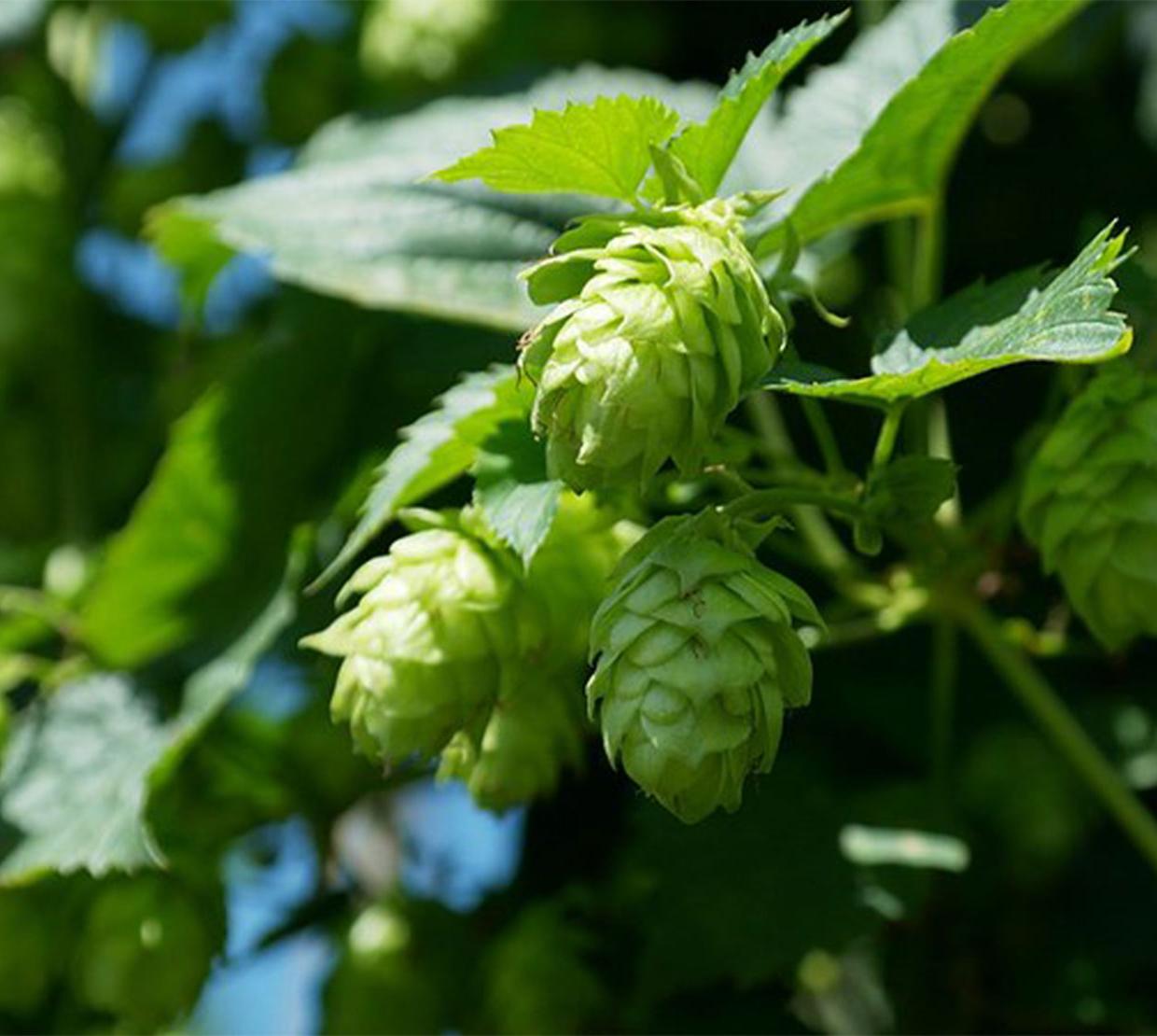
Hops plant in full bush.

Compounds derived from hops show promise as treatment for common liver disease

By Steve Lundeberg

Research by Oregon State University suggests a pair of compounds originating from hops can help thwart a dangerous buildup of fat in the liver known as hepatic steatosis.

The findings, published today in eLife, are important because the condition affects roughly one-fourth of people in the United States and Europe. While heavy drinking is often associated with liver problems, people with little or no history of alcohol use comprise that 25%, which is why their illness is known as non-alcoholic fatty liver disease, or NAFLD.
Resistance to insulin, the hormone that helps control blood sugar levels, is a risk factor for NAFLD, as are obesity, a high-fat diet and elevated levels of fat in the blood. The liver helps the body process nutrients and also acts as a filter for the circulatory system, and too much fat in the liver can lead to inflammation and liver failure.
In a mouse-model study, Oregon State researchers led by Adrian Gombart, professor of biochemistry and biophysics, showed that the compounds xanthohumol and tetrahydroxanthohumol, abbreviated to XN and TXN, can mitigate diet-induced accumulation of fat in the liver.
XN is a prenylated flavonoid produced by hops, the plant that gives beer its flavor and color, and TXN is a hydrogenated derivative of XN.

In the study, 60 mice were randomly assigned to one of five groups – low-fat diet, high-fat diet, high-fat diet supplemented by XN, high-fat diet supplemented by more XN, and high-fat diet supplemented by TXN.

The scientists found that TXN helped put the brakes on the weight gain associated with a high-fat diet and also helped stabilize blood sugar levels, both factors in thwarting the buildup of fat in the liver.

“We demonstrated that TXN was very effective in suppressing the development and progression of hepatic steatosis caused by diet,” said Gombart, professor of biochemistry and biophysics in the OSU College of Science and a principal investigator at the Linus Pauling Institute. “TXN appeared to be more effective than XN perhaps because significantly higher levels of TXN are able to accumulate in the liver, but XN can slow progression of the condition as well, at the higher dose.”

The mechanism behind the compounds’ effectiveness involves PPARγ, a nuclear receptor protein – one that regulates gene expression. PPARγ controls glucose metabolism and the storage of fatty acids, and the genes it activates stimulate the creation of fat cells from stem cells.

XN and TXN act as “antagonists” for PPARγ – they bind to the protein without sending it into action, unlike a PPARγ agonist, which would activate it as well as bind to it. The upshot of antagonism in this case is less fat collecting in the liver.

“Activated PPARg in liver stimulates storage of lipids and our data suggest that XN and TXN block activation and greatly reduce expression of the genes the promote lipid storage in the liver,” Gombart elaborated. “These findings are consistent with studies that show weaker PPARγ agonists are more effective at treating hepatic steatosis than strong agonists. In other words, lower PPARγ activation in the liver may be beneficial.”

TXN was better at accumulating in the liver than XN, which may explain why it was more effective in reducing lipids, but the difference in tissue accumulation is not fully understood.

“It may be because XN is metabolized by the host and its gut microbiota more than TXN is, but additional studies are needed to figure that out,” Gombart said. “Also, while XN and TXN are effective preventative approaches in rodents, future studies need to determine if the compounds can treat existing obesity in humans. But our findings suggest antagonism of PPARγ in the liver is a logical approach to prevent and treat diet-induced liver steatosis and related metabolic disorders, and they support further development of XN and TXN as low-cost therapeutic compounds.”

Also collaborating on this research were Yang Zhang, Matthew Robinson, Donald Jump and Carmen Wong of OSU’s College of Public Health and Human Sciences; Gerd Bobe of the College of Agricultural Sciences; Cristobal Miranda and Fred Stevens of the College of Pharmacy; Malcolm Lowry, Thomas Sharpton, Claudia Maier and Victor Hsu of the College of Science; and Christiane V. Löhr of the Carlson College of Veterinary Medicine.

Funding the study were the National Institutes of Health; the Linus Pauling Institute; the OSU College of Pharmacy; Hopsteiner, Inc; and the OSU Foundation Buhler-Wang Research Fund.

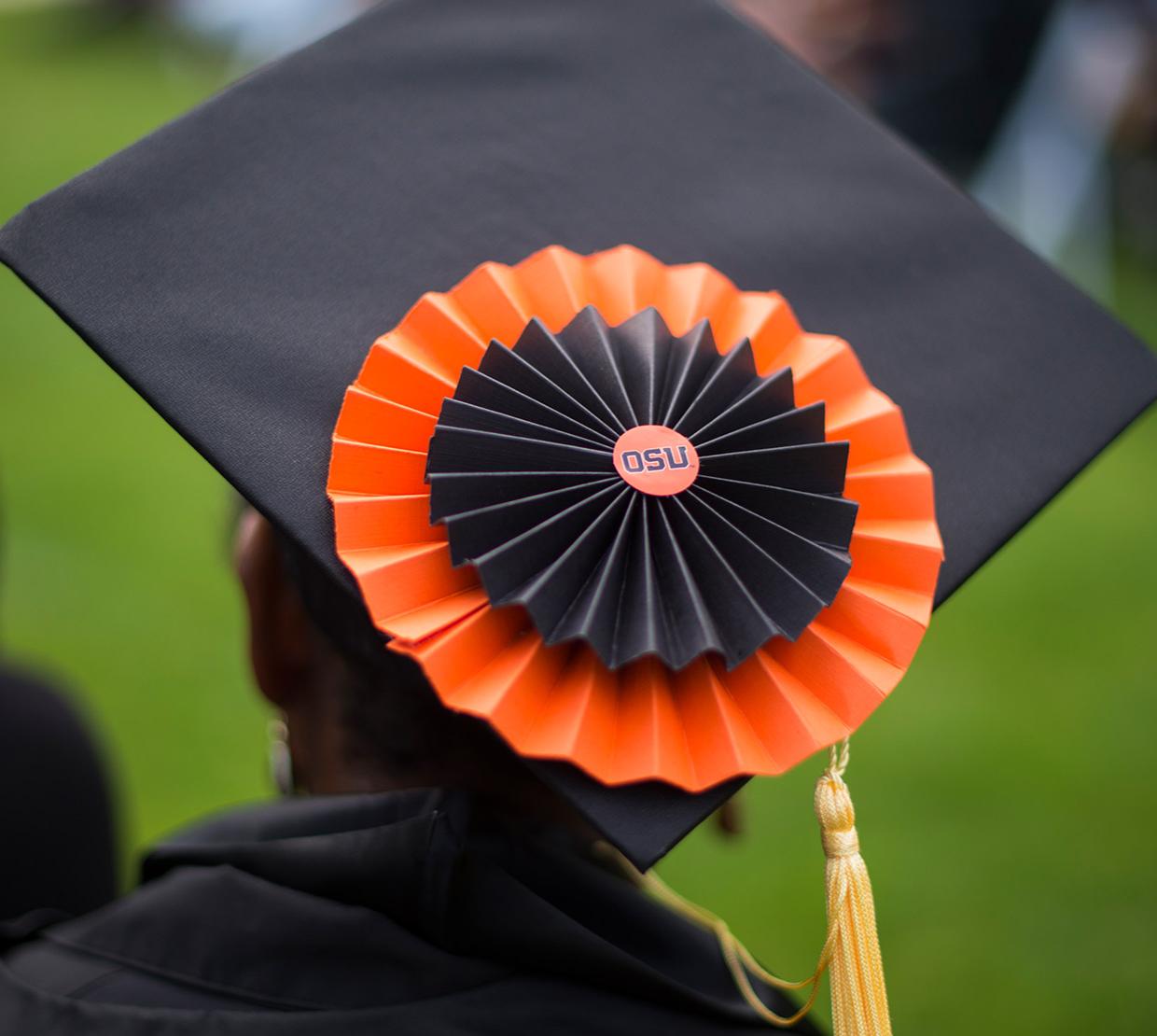
OSU Graduation cap

The Class of 2021 succeeds against all odds

By Srila Nayak

Congratulations to the Oregon State College of Science Class of 2021! This class faced enormous challenges due to the pandemic. On the spur of the moment, the class of 2021 transitioned to remote learning, virtual interaction with professors, mentors, peers, friends and experiential learning in online formats. They have also faced increased financial burdens and other stressors. Our students have persevered, showing admirable determination, resilience and fortitude that will serve them well in their lives and careers.

Succeeding against odds while making history, College of Science graduates have found ways during this pandemic to participate and make an impact on state-wide public health endeavors through the TRACE-CVOID-19 project. They have gained enduring skills and done outstanding work in adapted science labs and with science communication in the virtual domain. Our seniors have been instrumental in helping Oregon State succeed at remote teaching in their roles as peer learning assistants and tutors.

Science graduates have led the way by dint of their academic achievements, selfless service and committed leadership. Supported by awards, scholarships and dedicated advisors, our seniors have collaborated with faculty mentors to create new knowledge and achieve major scientific breakthroughs.

Check out our Commencement page to celebrate our graduates. Read their compelling stories below containing reflections on undergraduate experiences at Oregon State and their dreams for the future.

This year’s graduates include Fulbright and Ford Foundation Fellows, Gilman International Scholars, NOAA Scholars, published scientific authors, future doctors, scientists, entrepreneurs, community leaders, teachers and informed, engaged world citizens. We are exceptionally proud of our students and all they have achieved during their career as undergraduates in the College of Science at Oregon State.

By the numbers

The College graduated 670 undergraduate students with baccalaureate degrees in 2020-21, including 68 Honors graduates. More than 80% (538) of our graduates were in the life sciences, with Biology having the most graduates at 199. BioHealth Sciences came in second with 152 graduates; biochemistry and molecular biology had 71 graduates; Zoology 63; Mathematics 56; Microbiology 43; Chemistry 42; Physics 34, and; Biochemistry and Biophysics graduated 10 students.

Of the total baccalaureate graduates, 11% are underrepresented minorities and 26% are first-generation students. In addition, 10 of the 2021 baccalaureate graduates are military veterans.

The College will also award 52 doctoral degrees, 66 master’s degrees and seven certificates in online Data Analytics.

Of the 52 doctoral degrees, Chemistry had 16 Ph.D. students, followed by Integrative Biology at 11; Mathematics 9; Physics 6; Microbiology 5; Statistics 4, and; Biochemistry and Biophysics graduated one doctoral student.

The Department of Statistics awarded 15 master's degrees in statistics and 19 M.S. degrees in data analytics. Chemistry and Mathematics awarded 10 master's degrees each. Physics had 6 master's degree recipients; Microbiology three; Biochemistry and Biophysics two, and; Integrative Biology awarded one master's degree this year.

Celebrating the Class of 2021

We invite you to read the profiles of our seniors. These outstanding graduates represent an inclusive and diverse learning community in the College of Science. Here they share their inspiring and unique journeys as science majors.

A nighttime sky with an award sign overlaid on top

2020-21 College of Science awards: Celebrating excellence in teaching and advising

By Cari Longman

On April 22, the College of Science gathered virtually to recognize academic, administrative and teaching excellence at the 2020-21 Combined Awards Ceremony – a merge of our annual Faculty and Staff Awards and Teaching and Advising Awards events.

The first half of the ceremony celebrated excellence in research and administration, and the second half the ceremony focused on outstanding teaching, advising and mentoring,

The College congratulates the Teaching and Advising Awards winners below who exemplify deep commitment, skill and effectiveness in mentoring and advising to ensure student learning and success within and beyond the classroom. Effective teaching, advising and mentorship are the very heart of the College of Science’s identity as a robust and thriving community of students and scholars.

Congratulations to all the nominees and especially to the award winners.

2021 Teaching, Advising and Mentoring Award Winners

Olaf Boedtker Award for Excellence in Academic Advising

Tiffany Bolman

BioHealth Sciences Advisor Tiffany Bolman

Tiffany Bolman, biohealth sciences advisor, won the Olaf Boedtker Award for her tireless support, efforts and advocacy on behalf of undergraduate students. Olaf Boedtker was a former professor in the Department of Physics for 23 years and served as head advisor in the College for 14 years from 1973 to 1987. This award recognizes exceptional and inspirational undergraduate advising.

More than ten students nominated Bolman for this award, praising her dedication and ability to connect and encourage students to achieve their goals.

One student nominator wrote of Bolman: “During one of the hardest years of my life, I met my new advisor, Tiffany. Changing your advisor in the middle of your junior year can be stressful. The first time I met her, my meeting lasted almost two hours because we spent time getting to know each other and talking about life. The way that Tiffany has been here to support me is incredible – as an advisor, a mentor, a friend and a support system. She's helped me in countless ways this past year, not just for school and for my future, but personally. I know I would not be where I am right now without her.”

“Tiffany has guided me in my fast-paced college experience and is always courteous when I talk to her,” wrote another biohealth science student nominator. “She has provided ample opportunities for me to get involved in health care and shadowing, even during Covid-19, in order for me to be a competitive applicant for medical school. I feel as though Tiffany wants the best for all of her students, including myself, and her heartwarming encouragement never lets me down.”

Another student had similar praises for Bolman. “I transferred to Oregon State and [Tiffany Bolman] was the first faculty member I had any interactions with. She seems to truly care about the future of the students she is advising and is overall an amazing person to talk to.”

Additional nominees for the Olaf Boedtker Award included

  • Allison Evans, instructor of microbiology
  • Kari Van Zee, senior instructor for biochemistry and biophysics
  • Maureen Leong-Kee, advisor for integrative biology
  • Vince Remcho, professor of chemistry

Loyd F. Carter Award for Outstanding and Inspirational Teaching (Undergraduate)

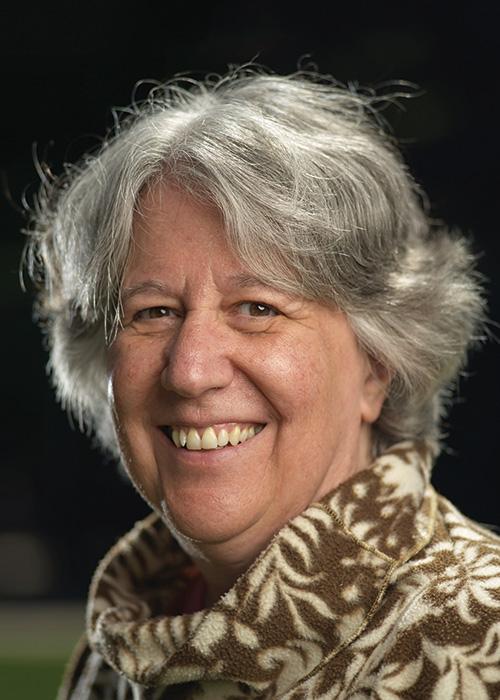
Corinne Manogue

Professor of physics Corinne Manogue

Professor of physics Corinne Manogue won this year’s Loyd F. Carter Award for Outstanding and Inspirational Teaching in Science. Manogue teaches the nationally-recognized Paradigm in Physics courses, which are a restructuring of the traditional upper-division curriculum for physics students to a more modern, flexible and inclusive model for learning physics.

Student nominees cited Manogue’s extra efforts to ensure her students understand content, her ability to teach complex topics, and her compassion with her students in an especially tiring year.

“She is an outstanding teacher who really works to understand how her students are approaching the material and provides numerous ways for the students to actively engage with the content,” wrote one student nominator. “She is very aware that each student has a different learning style and that content needs to be restated multiple ways and in multiple forms and that each version will resonate differently with each student.”

Other student nominators had similar praises for Manogue. "She is truly fantastic at explaining complex topics in ways that relate them to us students, and it was often that many would exclaim how well they understood ideas and techniques significantly better after having an explanation from her in class," said one nominator, and another added: "Corinne convinced me that there weren't such things as 'STEM people' and that success in STEM was available to me and other students who like me had been dissuaded by a perception of being inherently 'not smart enough' to become physicists."

Manogue has received recognition at multiple levels – Oregon State University, the state of Oregon and nationally – for her teaching excellence and has previously won a number of awards recognizing her teaching excellence, including the College of Science Frederick H. Horne Award for Sustained Excellence in Teaching in 2000, an American Association of Physics Teachers Award for Excellence in Undergraduate Physics Teaching in 2008, and the 2016 Oregon Academy of Science Outstanding Educator in Science and Mathematics award.

Additional nominees for the Loyd F. Carter undergraduate award included

  • Daniel Myles, senior instructor of chemistry
  • Daniel Rockwell, senior instructor of mathematics
  • Devon Quick, senior instructor of integrative biology
  • Kimberly Halsey, associate professor of microbiology
  • Linsday Biga, senior instructor of integrative biology
  • KC Walsh, senior instructor of physics

Loyd F. Carter Award for Outstanding and Inspirational Teaching (Graduate)

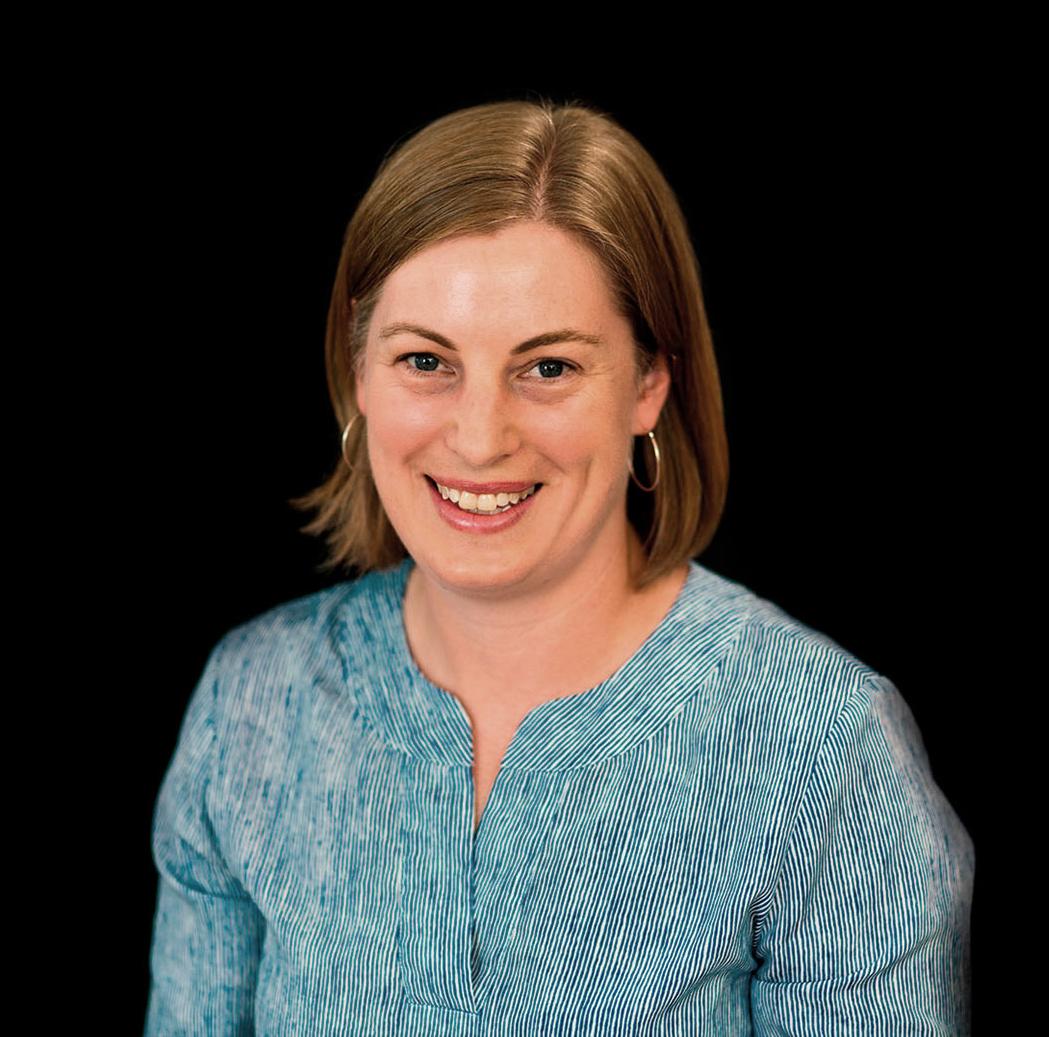
Charlotte Wickham with a black background

Senior Instructor of statistics Charlotte Wickham

Senior Instructor of statistics Charlotte Whickam received the Loyd Carter award for her inspirational and superb mentorship and teaching of graduate students.

“Charlotte is an extremely talented statistician and teacher. You can tell she is extremely passionate about the things she teaches and is invested in her students learning. She is also very approachable, despite teaching an online course,” wrote one graduate student nominator. “The material I have learned in her class has been useful and applicable to all of my work as a statistician,” they added.

“Dr. Wickham really took the time and got involved with my term project topic. She understood my skill level and was really great on providing feedback,” wrote another nominator.

A specialist in R training, Wickham teaches courses in data visualization and the foundations of data analytics. In 2020 Wickham received the Oregon State Ecampus Excellence in Online Teaching and Student Engagement Award. Wickham has developed multiple Ecampus courses built around students and their learning, leveraging open source materials and engaging texts from the Valley Library at Oregon State University.

Frederick H. Horne Award for Sustained Excellence in Teaching Science

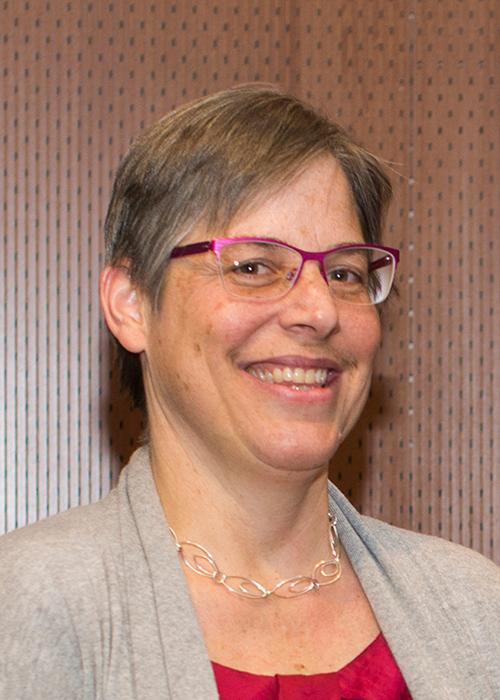
Senior Instructor for biochemistry and biophysics Kari Van Zee

Senior Instructor for biochemistry and biophysics Kari Van Zee

Senior Instructor for biochemistry and biophysics Kari Van Zee won the Frederick H. Horne Award for her exceptional qualities as a teacher and mentor. This award is named after Fred Horne, OSU Professor Emeritus of Chemistry and the former College of Science Dean for 13 years, from 1986 to 1999.

Kendra Jackson (’20, biochemistry and biophysics), praised Van Zee in her nomination letter, writing, “Kari made a great impact on my education at OSU and has empowered me to be an independent learner.”

Jackson interacted with Van Zee as a student, mentee, teaching assistant and advisee. She added in her letter that “Kari is compassionate and deeply cares about the well-being of her students.” This quality was especially apparent during the 2020-2021 school year with remote learning. “Kari constantly checked up on struggling students in each section, offered solutions for students who could not access technology or adequate study spaces, and adapted the class based on student feedback.”

Tanushri Kumar, a 2020 biochemistry graduate and Ph.D. student at the University of Washington, also wrote a nomination letter. She praised Van Zee’s personal connection with her students: “Kari is a fantastic teacher, a scholar, and a devoted mentor to all her students. It is truly rare to find a teacher as talented and as compassionate as she is. Without her guidance, I would have never discovered my own passion for research, and without her support I would not have had the courage to apply for graduate school. The impact she has had on my life has been huge, and I am incredibly grateful for having her as a mentor and instructor.”

College of Science Whiteley Faculty Scholar for Teaching Excellence Award

Devon Quick

Senior Instructor of integrative biology Devon Quick

Senior Instructor Devon Quick in the Department of Integrative Biology received this award which recognizes excellent teaching and learning innovation. This award will provide Quick with an annual stipend of $12,500 for three years.

Widely commended for her teaching of biology, human anatomy and physiology courses, Quick has received awards for her exceptional teaching in the past. In 2020, she received the Loyd F. Carter Award, and in 2016 she received university-wide recognition by receiving the OSU Faculty Teaching Excellence Award.

Quick is a co-founder of the Learning Assistants Program, which puts high-achieving undergraduate assistants in large enrollment, often first-and second-year STEM classrooms to facilitate and strengthen undergraduate learning. She also collaborated with fellow biology instructor Lindsay Biga to adapt an open source biology textbook that is freely accessible to OSU students and learners worldwide.

OSU Faculty Scholars for Teaching Excellence Award

KC Walsh

Physics instructor KC Walsh

Physics instructor KC Walsh won the Faculty Scholars for Teaching Excellence Award. This award for a three-year faculty scholar position supports excellence and innovation in teaching and carries an annual stipend of $12,500.

Walsh helped to transform OSU’s introductory physics classes by reversing the traditional learning environment. In flipped classrooms, students receive course content online outside of the classroom, freeing up classroom time for active learning. He then pioneered the flipped classroom in the online environment long before the pandemic forced all instructors and faculty to adjust to all-online teaching. The results of the flipped classroom model have been dramatic: the withdraw rate from introductory physics class dropped from 36 percent to only 12 percent with a marked increase in course satisfaction.

Walsh previously received the OSU Faculty Teaching Excellence Award for his significant and meritorious achievement in teaching and scholarship that enhances effective instruction. And in 2018, the Department of Physics received the American Physics Society (APS) Award for Improving Undergraduate Physics Education, due in part to Walsh’s pioneering flipped classrooms and his early use of online resources to increase student success.

The OSU and Whiteley Faculty Scholars for Teaching Excellence awards are made possible thanks to the generous philanthropic support of our alumni and friends and matching funds invested by the Provost’s Office.

Read more about the winners of the 2020-21 graduate and undergraduate research and administration awards.

Biochemistry and biophysics research labs persist during a pandemic at Oregon State.

Adapting to a new normal: student research labs persist during a pandemic

By Mary Hare

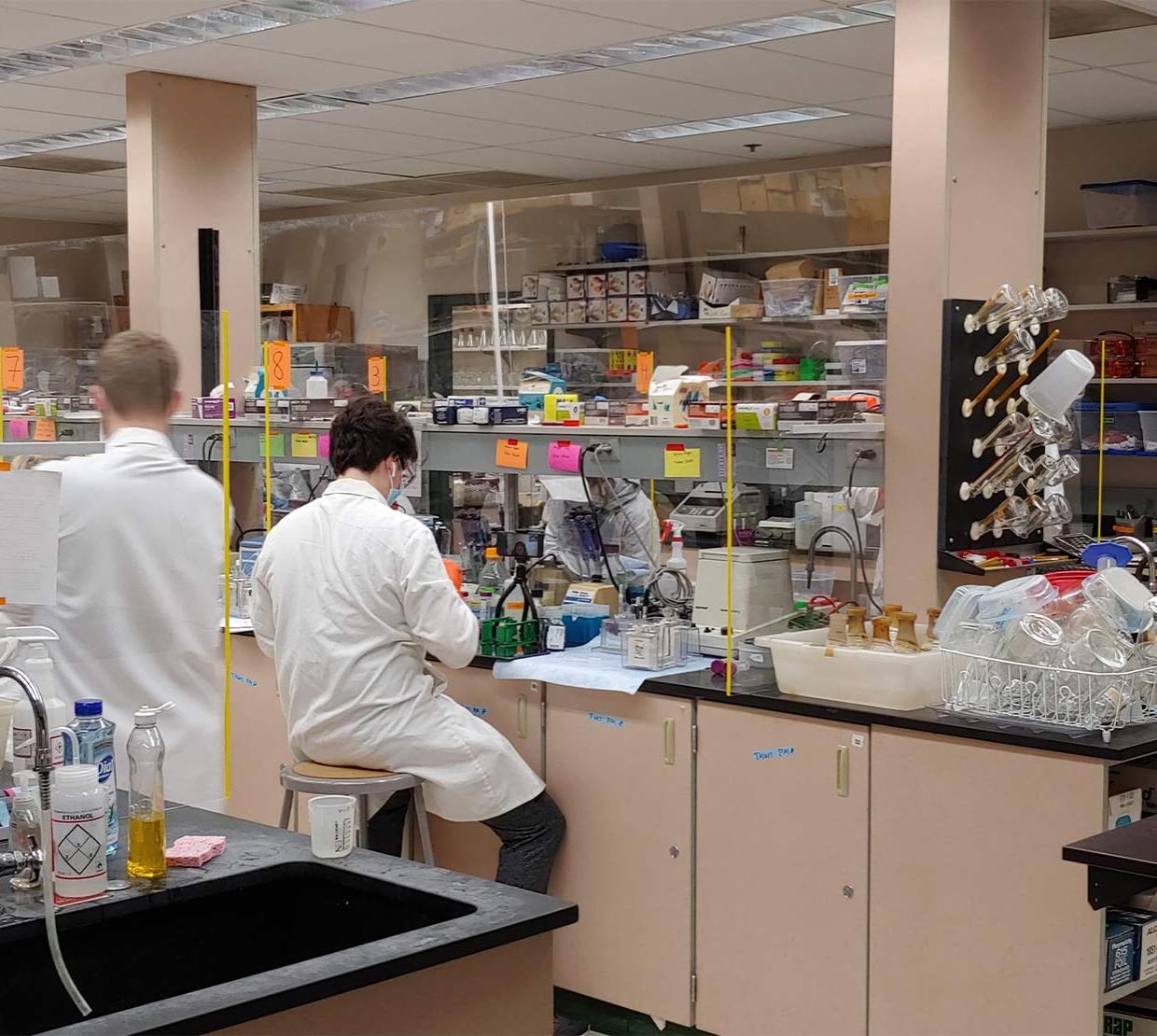
The Biochemistry Molecular Laboratory Techniques lab class, led by Senior Instructor Kari Van Zee, features home-made plexiglass screens and clever Zoom adaptations.

Lab work plays a critical role in many scientific fields – which is why this year, as classes moved online, Oregon State’s science labs moved quickly to adapt.

"It’s been really fun,” said senior instructor Kari Van Zee, who has been leading biochemistry’s blended lab series this term. “Students are doing a good job of taking responsibility for their health and ours.”

Biochemistry Molecular Techniques (BB494) and Experimental Chemistry (CH 362) are among the few labs offered in-person this year, with instructors working quickly to ensure maximum participant safety while still providing an engaging hands-on experience. Despite the inherent logistical challenges, course instructors felt that providing students the opportunity to take the class in person would help ensure that students of all learning styles were adequately prepared for life after graduation.

“I’m really grateful to have the chance to take in-person labs this year,” said one current student. “Kari Van Zee has supported a really healthy lab environment.”

Safety in the 21st century

Facing a historic turn of events, lab instructors have test-driven a host of new COVID safety precautions. Labs have been operating at half capacity or less. “We max out at 10 students per floor, in labs that normally have a capacity of 125,” says Kevin Gable, chemistry professor and CH 362 instructor.

“Professional safety orientation has always been a key component of this course, so the COVID precautions just add another layer”

Experimental Chemistry is a lab class intended for chemistry and biochemistry majors, intended to prepare them for future careers in the chemical sciences. “Professional safety orientation has always been a key component of this course, so the COVID precautions just add another layer,” says Gable. “Fortunately, the space we have available (in part because so few other labs are in-person) allows us to spread out more than normal and keep folks safe.”

While many COVID-safety measures are already accounted for in usual lab protocol (safety goggles, gloves, fume hoods, etc.), in some cases, they’ve had to get creative. Over the summer, Van Zee personally constructed and installed individual, custom Plexiglas barriers between workstations. “I can’t imagine having done that over winter break – we needed to cut 4 x 8’ sheets of Plexiglas in the driveway!”

Of the 99 seniors taking BB 494 this winter, 79 are doing a blended rotation that allows them to alternate in-person and remote learning. Starting Fall Term, biochemistry faculty piloted a technology allowing students to take turns working in the lab group members follow along remotely via Zoom. This method also allows the 100% remote students to team up with a “blended” group and experience the lab in real-time.

BB 494 is a two-part research-based course required for all seniors in the biochemistry department that helps provide critical experience for future pathways in medical research, pharmacy, biotechnology and chemical industries. This term, students are designing and carrying out research projects focused on the biochemistry of the protein nitroreductase, which has medicinal and industrial applications, explained Van Zee. They also get the chance to use genetic code expansion technology for protein engineering, courtesy of the Unnatural Protein Facility run by biochemistry professors Ryan Mehl and Rick Cooley.

Redefining remote

Given OSU’s renowned Ecampus program, online science courses were already ahead of the curve before the shutdown. Now, labs are innovating new ways for students to take science home with them.

A generous donation to the physics department provided funding for take-home kits, assembled by physics professors David McIntyre and Matt Graham, for upper-level physics students to gain hands-on experience.

Working with the College’s IT services, the course instructors set up access for students to log in remotely to lab computers and control high-tech machinery. “In some cases, they built the same experiment at home and then logged in remotely to perform measurements with more sophisticated equipment,” McIntyre explained.

"Our students have shown amazing resilience and adaptability throughout all the changes, and I'm confident we could teleport them into an in-person lab and they'd be running experiments in no time!"

Microbiology instructor Allison Evans has used a similar hands-on approach in MB 303, a two-credit lab for microbiology majors. “Some of the strategies we have used to give students a hands-on experience from home include having students make their own Winogradsky columns and following their development for 9 weeks, cooking their own media at home using gelatin, sampling microbes from their home, and recording videos of themselves demonstrating proper aseptic technique,” she said.

“Although we aren’t able to replicate all aspects of the in-lab experience, we are happy to be able to deliver all the elements that students taking the lab in the usual format are able to experience,” said Evans.

For Kenton Hokanson, it was important to capture the “busy, loud and fun” spirit of the introductory microbiology lab MB 230. With the course description “Microbiology as it affects our everyday lives,” he showed students how to culture microbes from their home environment, and apply laboratory techniques to analyze them.

"Our students have shown amazing resilience and adaptability throughout all the changes, and I'm confident we could teleport them into an in-person lab and they'd be running experiments in no time!"

Even with the unexpected challenges, professors see a silver lining in the changes the pandemic has brought to teaching in higher education.

Van Zee expects that the new remote-learning technology will help make classes more accessible for every type of learner, even after they return to in-person teaching. “Previously students withdrew from class if they needed to leave for too long,” she says. “We only offer this class once each year, so that delayed graduation.” Making lectures available over Zoom will allow students who commute or have families to attend remotely.

“We are all learning new ways to be flexible, creative, collaborative and appreciative,” said Van Zee.

Sonia Grutzius working with Ryan Mehl in the lab.

How Oregon's top pre-med program meets the growing demand for doctors

By Srila Nayak

Pre-med students in the College of Science can engage in research projects in labs across Oregon State University.

Increased interest in science and medicine is drawing a new generation of students to a career in medicine since the Covid-19 pandemic began. The healthcare workforce is in the spotlight, as are other issues such as low access to doctors in rural areas and in underrepresented communities and the dire shortage of physicians to tackle future public health crises. A report from the Association of American Medical Colleges projects that the United States will face a shortage of between 54,100 and 139,000 physicians by 2033.

Enrollment in Oregon State's pre-med program has remained high despite the pandemic, with numbers averaging 90-100 pre-med students annually since 2019. Students from Oregon and beyond interested in pursuing a career in medicine are drawn to the strong reputation of the pre-med track in the College of Science at OSU, which has an enviable record of preparing successful applicants for medical schools across the country.

A part of the pre-health professions track for science majors, pre-medicine exists alongside pre-dental and pre-pharmacy programs in the College of Science, in addition to other pre-health programs. While not a major, students can declare a transcript-visible pre-medicine option in six College of Science majors: BioHealth Sciences, Biology, Biochemistry and Biophysics, Biochemistry and Molecular Biology, Chemistry and Microbiology. Outside the College of Science, Kinesiology and Radiation Health Physics majors can also pursue a pre-medicine option. (OSU students in other majors can still follow a pre-med path, but can’t officially declare it as part of their major).

In recent years, pre-med science majors have gained admission to coveted medical programs at UCLA, Oregon Health and Science University, Western University, Ohio State University, Brown and Yale among others.

Oregon State University continues to maintain an exceptional medical school acceptance rate: In 2019-2020, a total of 59% of all COS majors and 65.5% of science majors who used the extensive pre-medicine committee services and resources in the College of Science gained admission to medical school. From 2016 to 2019, the total percentage of all OSU students gaining admission to medical schools with the help of pre-medicine program resources increased steadily from 59.15% to a striking 75.45%. These are impressive figures, especially in the context of national data. According to the Princeton Review, admission to medical school has continually remained fiercely competitive with low acceptance rates and in 2018-19, 41% of applicants were accepted to allopathic (MD) medical schools nationwide.

Editorial update: As of Fall 2024, the percent of science majors who gained admission to medical school after using Oregon State’s College of Science pre-medicine committee services and resources increased to 80%.

What makes OSU's pre-med program so successful

Maureen Leong-Kee

OSU College of Science Pre-Med Advisor Maureen Leong-Kee is part of a faculty team that provides dedicated guidance for pre-med students seeking acceptance to medical and other health professions schools.

According to the College’s lead pre-med advisor Maureen Leong-Kee, a number of factors have contributed to the success of the program and pre-med students. The pre-med program has a reputation for outstanding advising, student support structures and learning opportunities that extend beyond the classroom.

Every student with a pre-med focus gains access to individualized advising within their own program. The pre-med program offers student-specific advising in almost every science major, which includes biology, biohealth sciences, microbiology, chemistry, biochemistry and molecular biology and biochemistry and biophysics. “Students are advised by an expert within their major who is also very knowledgeable about the pre-med pathway,” said Leong-Kee. Mathematics and physics majors with a pre-med focus are advised by faculty within the College’s pre-med advising team.

Rigorous core prerequisites and upper-level science courses give students in-depth knowledge and a strong foundation in their science major as well as a broad exposure to biomedical science. This prepares them well for the MCAT (Medical College Admission Test) and even for a successful academic career in medical school. Courses range from contemporary and cutting-edge science topics in immunology and virology to advanced molecular genetics.

Biology graduate Ashley Victor (’19), now a second-year medical student at Oregon Health and Science University, discovered that the biochemistry series and courses in vertebrate biology and introductory physics had significant overlap and applicability to her medical school pursuits, giving her a strong foundation to perform well in the MCAT.

“Science classes in my first three years at OSU proved highly useful. I took classes in genetics, biochemistry, ecology and evolution and just enjoyed learning everything,” said Victor.

A comprehensive, well-rounded education based in sciences and the humanities is a vital part of getting into medical school. In addition to science courses, science majors can also study for a Certificate in Medical Humanities at OSU, which immerses them in a broad range of medical issues from global public health to the art of healing and biomedical ethics. “Our pre-med students take lots of interesting and relevant upper-level science courses, but we also encourage them to get a background in social science, behavioral science and public health to expand their knowledge for medical school,” said Leong-Kee.

The College pre-med program has several other attributes that result in meaningful educational experiences for future doctors and scientists. These resources complement a very well-developed and successful study abroad program and undergraduate research opportunities, as well as scholarships to support undergraduate research:

The pre-med orientation seminar, open to all students at OSU, introduces students to pathways to a career in medicine and diverse ways of connecting with the community to enhance their educational experiences. Students have the opportunity to hear from recent graduates, alumni physicians from diverse backgrounds and area physicians.

In addition to student-specific academic advising, pre-med students receive extensive guidance through the Application Seminar Series and workshops on writing a strong personal statement, as well as timely and comprehensive breakdown of important dates, timelines, guidelines, requirements and strategies to help them succeed in the medical school application process.

What OSU Science students say about their pre-med experiences

Amanda Gamboa

Amanda Gamboa ('20), a first-generation biology Honors graduate, prepared for medical school through a combination of research, volunteering, and mentorship, supported by OSU’s pre-med advising and faculty guidance.

Students attest that the College pre-med program supports a medical school aspirant’s unique abilities and interests. It encourages outside-the-box thinking, helping OSU students stand out from other medical school applicants.

Amanda Gamboa (’20), an Honors biology graduate, says that a broad array of resources and opportunities helped her prepare for medical school, and there is a misconception “that all experiences must be related to the medical field.” Gamboa, a first-generation student from Los Angeles, has gained admission to medical school in the West Coast and is waiting to hear from several other institutions where she interviewed before making a decision.

“While it is important to display your knowledge of medicine and what you are getting yourself into, some of my most important experiences are not related to the medical field and have enhanced my social competency, ability to work under pressure and understanding of the evolving nature of today’s society,” said Gamboa.

She deftly combined academics with research, volunteer and outreach activities. Gamboa was an undergraduate researcher at an OSU skeletal biology lab investigating the effect of gene manipulation and spaceflight on bones for her Senior Honors thesis, in addition to being one out of four students selected nationally for a Health Sciences Orthopedic Research Internship at the University of Tennessee.

In addition to her work as a medical scribe at the Good Samaritan Hospital in Corvallis, several other leadership and mentoring activities at OSU helped Gamboa broaden her horizons and strengthen her resume for medical school. She was a tutor at LSAMP (Louis Stokes Alliance for Minority Participation), a volunteer in Nepal as a member of OSU’s Building Homes and Hope Program and a peer mentor in the OSU STEM Leaders Program.

Gamboa credits her professors and the pre-med advising team in the College for helping her achieve important academic milestones, and to adopt effective time management strategies that enabled her to focus on MCAT preparation and even find time to destress with friends.

“I definitely do not think I would have been as organized if it wasn’t for pre-med advisors like Maureen (Leong-Kee). Some of the faculty members I developed close personal relationships with provided letters of recommendation for me and always supported me in personal, professional, and academic endeavors,” said Gamboa. “Overall, Oregon State University did an exemplary job in guiding me through the pre-med track and preparing me for medical school.”

Ben Hauser

Benjamin Hauser ('20), a biochemistry and molecular biology graduate, transitioned from community college and blue-collar work to a research fellowship at the NIH, with support from OSU’s pre-med advising and faculty mentorship.

The pre-med track in the College of Science also equips students to make the most of a gap year between graduation and medical school. Benjamin Hauser (’20), a biochemistry and molecular biology graduate, joined the National Institutes of Health in Maryland for a post-baccalaureate fellowship. He does research pertaining to childhood growth and development at NIH.

A transfer student from Linn Benton Community College, Hauser worked summer jobs repairing streets and working graveyard shifts for the UPS. He spent two years at OSU during which, with the help of supportive pre-med advisors and professors, he studied in 11 biochemistry courses and engaged in substantive research.

“The NIH is one of the world's leading centers of biomedical research and being a member of this organization is humbling,” said Hauser. “Working at the NIH is not an opportunity I ever really envisioned for myself, and I have Oregon State and the Biochemistry department to thank for setting me up for this. With their support, I made the transition from a community college student with only blue-collar work experience to someone who will be pursuing a career as a physician-scientist.” Hauser is also training with the Maryland Fire and Rescue Institute to become an EMT and will be applying to medical schools this year.

Among others, Hauser is grateful for the support of his biochemistry pre-med advisor Kari Van Zee. “She inspired me to switch my major to biochemistry, which has prepared me for a career in research and medicine. I have been very grateful for her mentorship and support."

As a pre-med student, Hauser got opportunities to work at OSU’s Disability Access Services, served in a motor skills fitness program for children with special needs and shadowed neonatologists at OHSU. He was also a research assistant for the OSU TRACE COVID-19 public health project. Hauser conducted research on the infant digestive system in an OSU lab which led him to co-author multiple publications, and took part in a summer research internship at the Albert Einstein College of Medicine (New York).


More pre-med student stories from the College of Science

People on top of a mountain.
Auria Lee, Class of ’25: Adventure, research and leadership shape future doctor

Auria Lee plans to go to medical school, but her training as a physician truly began as an undergraduate Honors biochemistry major at Oregon State.

A woman with a dark t-shirt and pulled back hair smiles widely at the camera, the cityscape of Paris blurred in a sunset behind her.
Microbiology pre-med senior pursues passion for patient care

Catherine Sterrett has always been called to medicine, but when she found herself as a patient, compassion became her greatest motivation. Now a graduating senior, she looks forward to where her career will take her.

Ebunoluwa Morakinyo is seen dancing with an Nigerian flag during African night.
Biochemistry and molecular biology senior thrives from the stage to the lab

Being a Beaver has stretched Ebunoluwa Morakinyo to develop her passions inside and outside of the lab. A senior honors biochemistry and molecular biology student at Oregon State, her time on campus has included celebrating her culture while looking forward to a career dedicated to helping others.

Saki Nakai sitting outside in a forest.
Mathematics graduate to research cross-cultural psychology for Fulbright

Pre-med Honors student Saki Nakai double majored in psychology and mathematics, completing a French minor abroad. Next year, a Fulbright award will support her research in Luxembourg.

Chris Beaudry working in a lab with a student

Grants to boost advances in mental health and cancer research

By Cari Longman

Professor of chemistry Chris Beaudry, recipient of one of two College of Science Science Research and Innovation Seed (SciRIS) grants to explore new medicines to treat cancer, works in his lab with an undergraduate student.

The tough challenges the world faces in the 21st century demand collaborative, multi-disciplinary solutions and radical innovation. Whether it happens in the laboratory, out in the field or in the classroom, College of Science faculty and students are working to envision what is possible through research and inspired problem-solving.

With a history of turning groundbreaking discoveries into high-value solutions for society, the College of Science is strengthening pathways for scientists and partners to develop their ideas into solutions to address pressing problems.

One way it is doing this is by providing seed funding through the Science Research and Innovation Seed (SciRIS) Program to research projects that are high-impact, collaborative and cut across disciplines. Launched in 2018, SciRIS program provides three tiers of funding: $10,000, which funds research planning, team formation and initial experiments; $75,000, which supports a research project to develop a proof of concept; and $125,000 to accelerate work toward or commensurate with an external funding opportunity.

Two multidisciplinary research teams recently received SciRIS funds in late 2020. Microbiologist Maude David, along with biochemist Kenton Hokanson and Kathy Magnusson from OSU’s Carlson College of Veterinary Medicine received $75,000 for a project entitled “An integrative investigation of the role of the gut-brain axis on sex differences in anxiety.”

Though anxiety disorders manifest differently in men and women, the biological mechanisms underlying the sex-specific presentation of such disorders remain unexplored. The team’s research will integrate functional, molecular and behavioral data to identify the role of specific bacterially-produced metabolites that are linked with anxiety in humans. They hypothesize that the metabolites produced by the gut microbiome help establish the sex differences observed in the prevalence and severity of anxiety disorders.

Professor of chemistry Chris Beaudry and Victor Hsu, associate professor of biochemistry, along with cancer researcher Siva Kolluri in the College of Agricultural Sciences received $125,000 for their project entitled “Homoharringtonine: Chemical Synthesis and Evaluation of Designed Analogs.” The group is researching the analogs of Homoharringtonine (HHT) with improved pharmaceutical properties. HHT is a plant alkaloid isolated from the plum yew Cephalotaxus harringtonii.

HHT is showing great promise as a starting point for the development of new medicines for multiple forms of cancer, however it is highly expensive and difficult to acquire both as a chemical and as a medicine. Among other objectives, the group is working on creating an efficient chemical synthesis of HHT which quadruples the chemical yield, and can be used for investigation in combination therapies and evaluation in modern drug delivery systems.

Corals along seafloor in Lizard Island.

Scientists awarded grant to investigate how microbiomes can help species withstand climate change

By Srila Nayak

Microbiologist Rebecca Vega Thurber and her collaborators will investigate microbiome transformations in three aquatic organisms: seagrass, corals and zebrafish.

The microbiome or the vast community of microorganisms found on and within plants, animals and humans can help us understand how different life forms on Earth can resist the harmful effects of environmental changes. Currently, there are very few scientific studies on how microbiomes can enable their host to recover from and withstand ecological disturbances, which would help sustain ecosystems and biodiverse habitats.

A pivotal National Science Foundation award will enable Oregon State scientists to investigate how microbes influence their wildlife host’s sensitivity and resilience to disruptive changes in the natural environment. The award was made in the category of Understanding the Rules of Life, one of NSF’s 10 big ideas to advance pioneering research that serves the nation’s future.

“As our planet experiences more and more disturbances, like climate change and disease outbreaks, we need to work together to understand how microbes can mediate resistance and reliance of their hosts to these stressors" — Rebecca Vega Thurber

Microbiologists and biochemists at Oregon State were awarded a five-year $3 million NSF grant for their proposal, “Predictors of Microbiome Sensitivity and Resilience.” Rebecca Vega Thurber, Emile Pernot Distinguished Professor of microbiology, is the lead principal investigator on the project. The project includes co-principal investigators Thomas Sharpton, associate professor of microbiology and statistics; Maude David, assistant professor of microbiology and pharmaceutical sciences; Ryan Mueller, associate professor of microbiology; and Xiaoli Fern, associate professor of computer science.

“As our planet experiences more and more disturbances, like climate change and disease outbreaks, we need to work together to understand how microbes can mediate resistance and reliance of their hosts to these stressors, ” said Vega Thurber. “This collaborative project aims to bring together the expertise of several microbiologists and computer scientists at OSU to identify important ‘system agnostic’ features of microbiomes that may provide key insight into how microbiomes are involved in mediating animal and plants health, particularly in regards to environmental change.”

Global climate change is threatening the survival of almost all life forms on Earth. Intense heat waves and other human pressures are reducing biodiversity and creating profound and severe consequences for marine and terrestrial ecosystems. The effects of such ecological disruptions are most clearly observed on species that are unable to adapt to their changing environments, and suffer from disease, loss of nutrients and habitat, genetic changes and are ultimately threatened with extinction. Some of these devastating impacts due to anthropogenic climate change include coral bleaching and reduced reproductivity and lower survival rates in fish.

In this pressing scenario, understanding how microbiome properties and composition are influenced by environmental changes can hold the key to saving and preserving ecosystems. The project will explore the impact of human-induced environmental changes on the genome, physiology, adaptation, composition and other ecological functions of the microbiome that will indicate their sensitivity and resilience to environmental disturbances. The researchers will focus on how microbiome responses before, during and after stressful ecological conditions influence the host species’ health, and become a contributing factor in their decline or survival in a changing environment.

Vega Thurber and her collaborators will investigate microbiome transformations in three aquatic organisms: seagrass, corals and zebrafish. These organisms are affected by the three environmental stressors of antibiotic exposure, warming waters and pathogen infection. Through studies of the microbiome in the three species, the researchers will define the unifying principles and properties that define a microbiome’s sensitivity and resilience to environmental changes.

“By comparing the dynamics of very different aquatic microbiomes, but using identical experiments and methodology, this novel project can find critical hallmarks of microbiomes that are prominent in healthy and stressed hosts, giving us a better ‘broad scope’ understanding of how all microbiomes function,” Vega Thurber said.

The identification of such universal properties holds potential to transform microbiome research and innovation, particularly as it applies to health and natural resource management. To define how ecological disturbance impacts host-microbiome interactions, the researchers working on this project will develop novel and freely available data analytic tools and software.

“Because our work focuses on diverse host systems and disturbances that represent major categories of anthropogenic stress, we expect to develop foundational insights into how human activity impacts wildlife through their microbiomes,” said the scientists in a statement.

University Day 2020

Scientists recognized for research, service and mentoring excellence at 2020 University Day

By Srila Nayak

OSU University Day award ceremony in 2019.

Five faculty and scholars from the College of Science are among this year’s award recipients at University Day, Oregon State University's most prestigious annual awards for research mentoring, outstanding scholarship, teamwork, teaching and service. Additionally, a team of dedicated OSU scientists were honored for their work with TRACE-COVID-19, a large scale public health project in Oregon. The awardees were recognized for their distinguished accomplishments at OSU’s virtual 2020 University Day celebration on Tuesday, September 15.

“I am very proud to see the outstanding achievements of our faculty and scientists recognized at the university level,” said Roy Haggerty, dean of the College of Science. “I applaud their commitment to undergraduate mentoring, research, teaching, collaboration and service within their programs and to a broader community at the university and beyond.”

Congratulations to these faculty for their dedication, talent and exemplary achievements.

Ben Dalziel

Ben Dalziel, a population biologist, is a project co-leader of TRACE-COVID-19

Leading a pioneering public health project

The TRACE-COVID-19 team is being honored with a Beaver Champion Award, the prestigious OSU President’s Award, for work on their community based health project that tests a representative sample of community members around the state to gather timely information essential to slow the spread and minimize the impact of the disease.

The award recognizes an individual or individuals who continually demonstrate outstanding effort and achievement of excellence, extra effort beyond that requested, and performance of the highest quality.

The TRACE-COVID-19 team is jointly headed by Ben Dalziel, an assistant professor of integrative biology and mathematics, and Jeffrey Bethel, a professor in the College of Public Health and Human Sciences. The Beaver Champion Award went to the team of 10 scientists and more than 300 volunteers on the TRACE-COVID-19 project. In addition to Dalziel, principal researchers on the TRACE-COVID-19 team from the College of Science include Jane Lubchenco, Distinguished Professor of Marine Biology, Roy Haggerty, Dean of the College of Science, and Katherine McLaughlin, assistant professor of statistics.

TRACE-COVID-19 findings have helped Benton, Deschutes, Umatilla and Lincoln counties and Oregon public health leaders understand how prevalent the virus is and how fast it is spreading in the community, identify infection zones, evaluate the effectiveness of current measures and guide timely further action to control the spread of the disease.

Learn more about TRACE-COVID-19: trace.oregonstate.edu

Francis Chan

Marine ecologist Francis Chan received the D. Curtis Mumford Faculty Service Award.

Spearheading research on climatic effects on coastal ecosystems

Francis Chan, an associate professor in The Department of Integrative Biology, has received the D. Curtis Mumford Faculty Service Award. The award recognizes individuals for exceptional, ongoing, dedicated and unselfish concern for and service to the faculty and to OSU.

Chan has conducted path-breaking research on the effects of climate on coastal ecosystems throughout his career. His service is critical for a long-term success of the Partnership for Interdisciplinary Studies in Coastal Oceans (PISCO), a long-term and large-scale, interdisciplinary consortium of 13 principal investigators across four universities along the US west coast. Additionally, he has been a principal scientist on several other projects dedicated to coastal regions and the impact of ocean acidification.

These projects could not have succeeded without Chan’s intellectual contributions and scientific skills. His expertise was critical in decisions by NSF, NOAA, and private foundations to provide support for research on ocean health. He serves on important advisory committees including co-chairing the California Ocean Protection Council Ocean Acidification and Hypoxia Science Task Force. He also serves as co- chair of the OSU-wide Marine Studies Initiative Research Development Committee.

Kayla Jara

Kayla Jara, doctoral candidate in biochemistry and biophysics, received the Herbert Frolander Graduate Teaching Assistant Award.

A passion for teaching

Kayla Jara, a Ph.D. candidate in the Department of Biochemistry and Biophysics received the Herbert F. Frolander Graduate Teaching Assistant Award. The award recognizes graduate students who have excelled in their capacity as teaching assistants.

A graduate teaching assistant (GTA) since Fall 2017, Jara was promoted to head TA of the largest class in biochemistry and biophysics (BB) and the most advanced BB lab. Jara receives both outstanding scores and glowing comments from students on her teaching evaluations. Faculty mentors have enthusiastically commended her accessibility, seriousness, and dedication to teaching and student success. Jara combines innovative teaching with exquisite experimental research skills. She also plays a leading role in training new students in her advisor Elisar Barbar’s lab and coordinates the OSU biochemistry/biophysics summer camp for high school and middle school students from around the region.

Mentoring excellence

Sarah Gravem, postdoctoral scholar in the Department of Integrative Biology, has been awarded The Excellence in Undergraduate Research Mentoring by a Graduate Student or Post-Doc Award. The award recognizes scholars with direct and significant involvement with undergraduate student researchers, a demonstrable commitment to the research mentorship of undergraduate students, and a record of effectiveness and impact with respect to undergraduate student research and success.

Sarah Gravem

Sarah Gravem, a postdoctoral scholar in biology, received the Excellence in Undergraduate Mentoring award.

Gravem is a postdoctoral fellow studying the ecological consequences of sea star wasting disease for intertidal communities in the Jane Lubchenco-Bruce Menge research lab. Her appointment to leading the sea star wasting task force was based on her excellent research record and academic credentials, but she has also shown incredible talent in recruiting and advising undergraduate researchers to work on this and other lab projects.

While at OSU she has advised or co-advised 46 undergraduates, 29 of whom were female and 10 were persons of color. So far, two of these students have entered Ph.D. programs, and seven have joined M.S. programs. Particularly noteworthy is her success at recruiting and advising students for the SURE and URSA undergraduate scholarship programs. Co-workers say the source of this success in mentorship is her incredible excitement and drive to succeed in science and pedagogy.

Exceptional scientists

The Postdoctoral Excellence Awards are granted to two postdoctoral scholars, fellows or research associates for their exceptional contributions to their research field, OSU and the greater postdoctoral community.

James Fox, a postdoctoral scholar in the Department of Microbiology, received the award for his significant research contributions, his work with OSU’s postdoctoral association and his creative outreach and service activities. James, who works in Associate Professor Kimberly Halsey’s lab, has proven to be a valuable scientist on a collaborative NASA project with 12 institutions to understand carbon production and its fate in the global ocean. His measurement of rates of photosynthesis in the North Pacific Ocean using a variety of methods have resulted in significant publications and ongoing research endeavors.

James Fox

James Fox, a postdoctoral scholar in the Department of Microbiology, received the Postdoctoral Excellence Award.

James’s computational model of the ocean ecosystem gives a broad picture of ocean photosynthesis and improves our understanding of how carbon is transferred into the deep ocean as well as the ocean biogeochemical cycles.

Manuel Garcia-Jaramillo, a postdoctoral scholar in the Department of Chemistry, received the Postdoctoral Excellence Award for his outstanding research contributions in OSU’s Mass Spectrometry Center and the Molecular Nutrition and Diabetes Research Lab. Manuel has a USDA NIFA two-year postdoctoral research fellowship. During his relatively short time as a postdoctoral scholar, Manuel has filed an invention disclosure as a lead inventor for a clinical omics project on oxylipins, published two first author publications and has established himself as an excellent teacher and mentor.

Manuel Garcia-Jaramillo

Manuel Garcia-Jaramillo, a postdoctoral scholar in the Department of Chemistry, received the Postdoctoral Excellence Award.

Manuel is a member of multiple professional societies allied to his field of interests, and also engages actively in service. He was vice president of the OSU Postdoctoral Association in 2019.

Students use a variety of tools to conduct their summer research.

Summer fellowships awarded to exceptional science students

By Mary Hare

SURE Scholars use a variety of technology to fulfil their research goals, including light microscopes.

The College of Science is proud to announce that 41 science students – a record number – have received summer undergraduate research awards that will provide the opportunity and funding to pursue their research ambitions.

Undergraduate research often plays an instrumental role in developing student-faculty relationships that help students learn and grow beyond the scope of the classroom. For many OSU students, these awards provide the financial leverage to work in the field they are passionate about without being constrained to jobs that simply pay the bills.

The Summer Undergraduate Research Experience (SURE) award is available to all science students who meet the academic requirements. Participants are paid for 11 weeks of full-time research, or 440 hours, for a maximum of $5060. Awardees also receive an additional $500 for research expenses, including travel costs, materials or equipment rental.

This is also the second year that the Department of Integrative Biology offered the Alexei Lubchenco Menge Fellowship, which was awarded to Lily Miksell to support her research examining the interactions of dominant foundation species in Oregon rocky intertidal communities under the guidance of integrative biology professor Sally Hacker. The fellowship was established in memory of Alexei Lubchenco Menge, who died at age 27 in 2005. The award seeks to help one student each year within the department who exemplifies the deep love of the ocean that Lubchenco Menge personified.

SURE science awards are made possible by generous donations of College of Science alumni, faculty and supporters.

The COVID-19 pandemic has led to come changes in the SURE science program in 2020. Due to COVID-19 restrictions limiting access to laboratory space at Oregon State University, the deadline for completing SURE scholar research projects was extended to May 2021. Some students have projects that can be done entirely remotely and will complete and present their findings by the end of the summer. Some of the students below are able to work on their projects in OSU labs this summer, following OSU and Oregon Health Authority safety guidelines. For the majority of this year's awardees, the extended timeframe will allow them an opportunity to continue their research safely throughout the school year while gaining research experience.

SURE Science Scholars

Juan Altamira | Chemistry | Vince Remcho

Analysis of Explosive Compounds via Paper Microfluidic Device

Roy Anderson | Biology | Bruce Menge

Examining the Effects of Upwelling Intensity and Recruitment Limitation on Successional Trajectories in the California Current Large Marine Ecosystem

Thao Mi Anthony | BioHealth Sciences | Kyriakos Stylianou

Implication of Metal Organic Framework with Nanoparticle Composites to Deliver Medication

John Barnes | Biology | Felipe Barreto

Quantity and Quality of DNA extracted from dry vs. alcohol preserved samples of China rockfish

Elizaveta ‘Leeza’ Bliznyuk | BioHealth Sciences | Dylan Nelson

Targeting Mycobacterium abscessus pre-existing biofilms

Madeline Bloom | Chemistry | Claudia Maier

Microchip-MS Optimization of Oxylipins Analysis as a Biomarker for Cardiovascular Disease

Elizabeth Brennan | Microbiology | Stephen Giovannoni

Plankton Need Their Vitamins: Vitamin B1 Excretion by Marine Synechecoccus

Russell Campbell | Zoology | Robert Mason

Integrative Biology Collections Management

Dustin Campbell | Zoology | Robert Mason

Sexual Dimorphic growth of Harderian glands in Thamnophis sirtalis

Emily Gemmill | Biochemistry & Molecular Biology | Weihong Qiu

Keeping up with the kinesins: analyzing regulatory proteins and their effects on the motility of KlpA, a kinesin-14 motor protein

Jessica Giulietti | Biology | Patrick Chappell

Exploring regulation of osteosarcoma in vitro: Mechanisms of RANKL production by autocrine neuropeptides

Dylan Gregory | Biology | Virginia Weis

Using the Split Luciferase Complementation Assay to Identify Protein-Protein Interactions In Cnidarian-Algal Symbiosis

Joshua Griffis | Biochemistry & Molecular Biology | Richard Cooley

Optimized Phosphoserine tRNA Selection

Shelby Hansen | Biology | Brittany Poirson

How is a young mussel's life affected by coastal water conditions?

Joshua Havelind | Biology | Francis Chan

Effect of rising temperature in the ocean on Dungeness Crabs

Toren Ikea-Mario | Biochemistry & Molecular Biology | Tory Hagen

Glutathiones effect on Mitochondrial Decay

Rohal Kakepoto | Physics | Janet Tate

Hall Measurements of TiO2 Polymorphs

Rony Koluda | Chemistry | Claudia Maier

Low Dose Radiation Effect on Myelination -Associated Proteins in Mice

Chapman Kuykendall | Biochemistry & Molecular Biology | Colin Johnson

Characterizing the Biophysical Interactions between Dysferlin C2A and the H3 Helix of Syntaxin-4

Dustin Campbell | Biochemistry & Molecular Biology | Massimo Bionaz

In vivo-in vitro dose-effect response of bovine liver to rumen-protected fatty acids: implementation of a nutrigenomic approach in dairy cows

Jessica Li | Chemistry | Jan Stevens

The effects of xanthohumol on gut microbial metabolism

Maya Livni | Biochemistry & Molecular Biology | Maude David

Unraveling the impact of the gut microbiota metabolites on intestinal sensory neuronal cells and how EECs transduce signals to the brain by forming a synapse with the vagus nerve

Ruben Lopez | BioHealth Sciences | Bo Sun

Quantifying ECM Remodeling by Invasive Tumors

Christopher Markgraf | Biochemistry & Molecular Biology | Susanne Brander

Immortalization and Validation of Inland Silverside Cardiomyocytes, Hepatocytes, and Osteoblasts

Saki Nakai | Mathematics | Vrushali Bokil

Mathematical Modeling of Bipolar Disorder

Hunter Nelson | Physics | Tuan Pham

Blowup of Reaction Diffusion Equations

Jacob North | Biochemistry |Victor Hsu

Elucidating binding features of drug targets to Farnesoid X receptor by unsupervised machine learning of molecular dynamics trajectories

Sarah Olson | Microbiology | Frederick Colwell

Investigating Changes in the Microbiome of North Creek

Reina Paez | Biochemistry & Molecular Biology | Lia Danelishvili

Identifying and Purifying Non-Tuberculosis Mycobacterial Surface Antigens for the Purpose of Inducing Trained Immune Responses in Macrophages

Aneila Parra | Biology | Jiraporn Lueangsakulthai and David Dallas

Premature vs. Term Infant Milk Protein Digestome

Jacob Rauenhorst | Chemistry | Kathy Magnusson

Effects of ibuprofen on NMDA receptor expression and contribution

Alan Schultz | Physics |Hoewoon Kim

The Linearized Navier-Stokes Equations Solved on the Sphere by Fourier Transform Method

Rhea Sellitto | Biology | James Rivers

Evaluating the nutritional landscape for wild bees in managed conifer forests

Anna Sung |BioHealth Sciences| Maria Franco

Role of Redox Signaling in Development and Growth of Tumors of the Nervous System

Savannah Taggard | Biology | Molly Burke

The evolution of RoundUp resistance in the yeast Saccharomyces cerevisiae

Jessica Waymire | Physics | Matt Graham

Hyperspectral Fluorescence Imaging of Twisted Bilayer Graphene

Kaytlin Wearne | Biochemistry & Molecular Biology | Kenton Hokanson

The Effects of hsp90 on p2x7 on Human ALS Neurons

Devin Wright | Biochemistry & Molecular Biology | Michael Freitag

Zymoseptoria Tritici Mutation Accumulation Experiment

Elizaveta "Lisa" Zhivaya | Biochemistry & Biophysics | Maude David

Impact of the gut microbiota metabolites on the autism phenotype modulation

Subscribe to Biochemistry & Biophysics