News

News

Quinn Washburn's Oligotrophic board game

SMILE Workshops

By Giovannoni Lab

The Giovannoni lab works with OSU's SMILE (Science and Math Investigative Learning Experiences) Program to enhance science education for elementary through high school students. The SMILE Program targets schools serving minority, low-income, historically underrepresented, and other educationally underserved populations. SMILE uses an experience-based learning model to engage and inspire students with the ultimate goal of increasing success in higher education and participation in STEM careers.

Our lab developed a SMILE instructional unit, Carbon Cycling by Marine Microorganisms, to introduce students to the importance of marine systems in the global carbon cycle. This unit includes a hands-on laboratory activity designed to study the impacts of nutrient limitation by stimulating a phytoplankton "Bloom in a Bottle." Students must use scientific methods, from making an initial observation to the development of testable hypothesis to find a solution. Following this exercise, they use smartphone-aided observations of their experiments to make conclusions and generate additional hypotheses. This active learning model is intended to inspire curiosity of the natural world, and to demonstrate how science is largely based on investigation. The Bloom in a Bottle exercise, as well as additional associated instruction material (handouts, lectures) are available on the SMILE Program website.

New this year, graduate student Quinn Washburn has developed an instructional board game called Oligotrophic. Oligotrophs are organisms that thrive in an environment that offers very low levels of nutrients. They are characterized by slow growth, low rates of metabolism, and generally low population density. Oligotrophic environments include deep oceanic sediments, caves, glacial and polar ice, deep subsurface soil, aquifers, ocean waters, and leached soils as well as subtropical ocean gyres that cover a substantial portion of the Earth's surface. Marine microbes in these environments form the basis of life in the ocean and perform 50 percent of Earth's primary production.

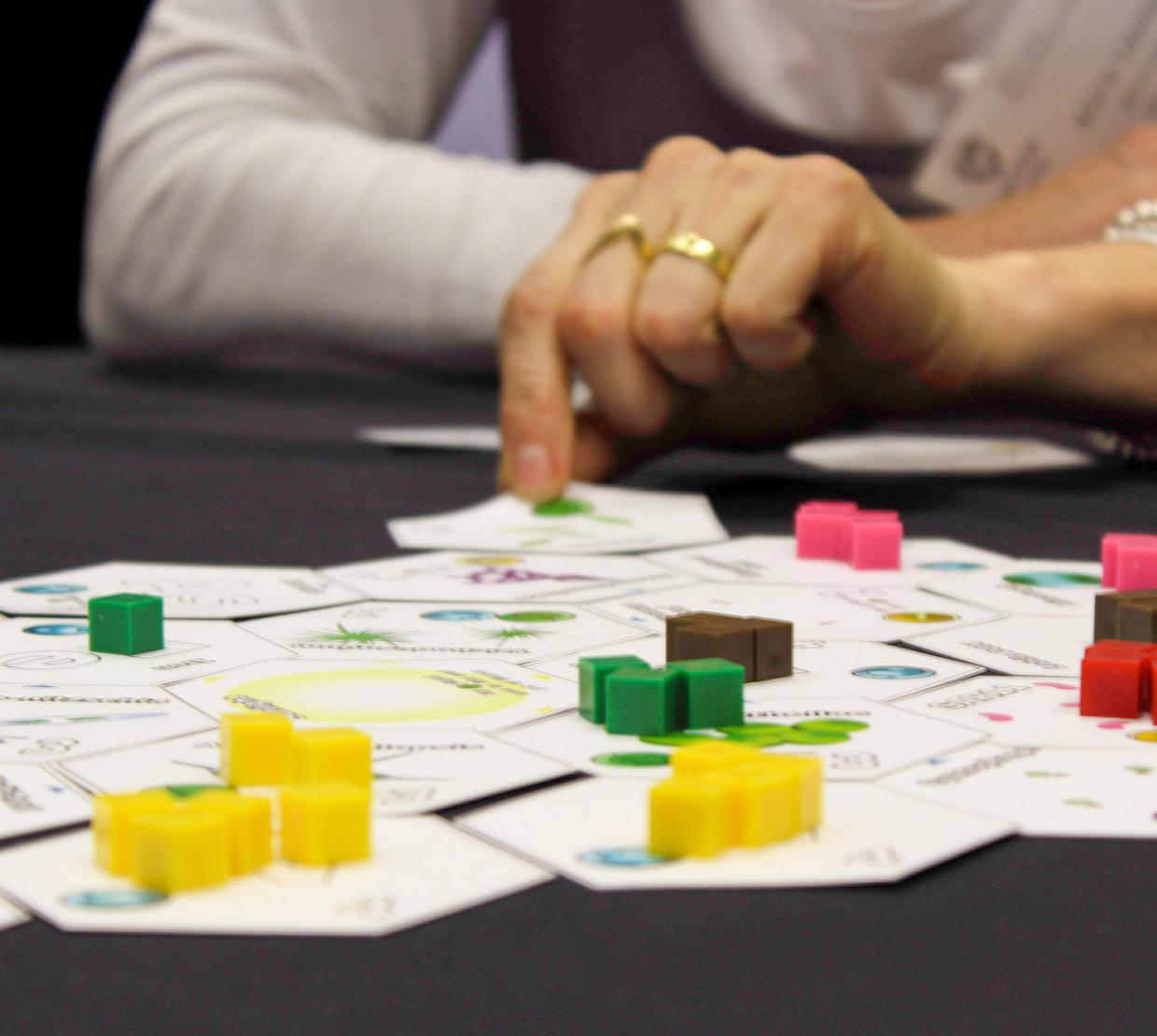
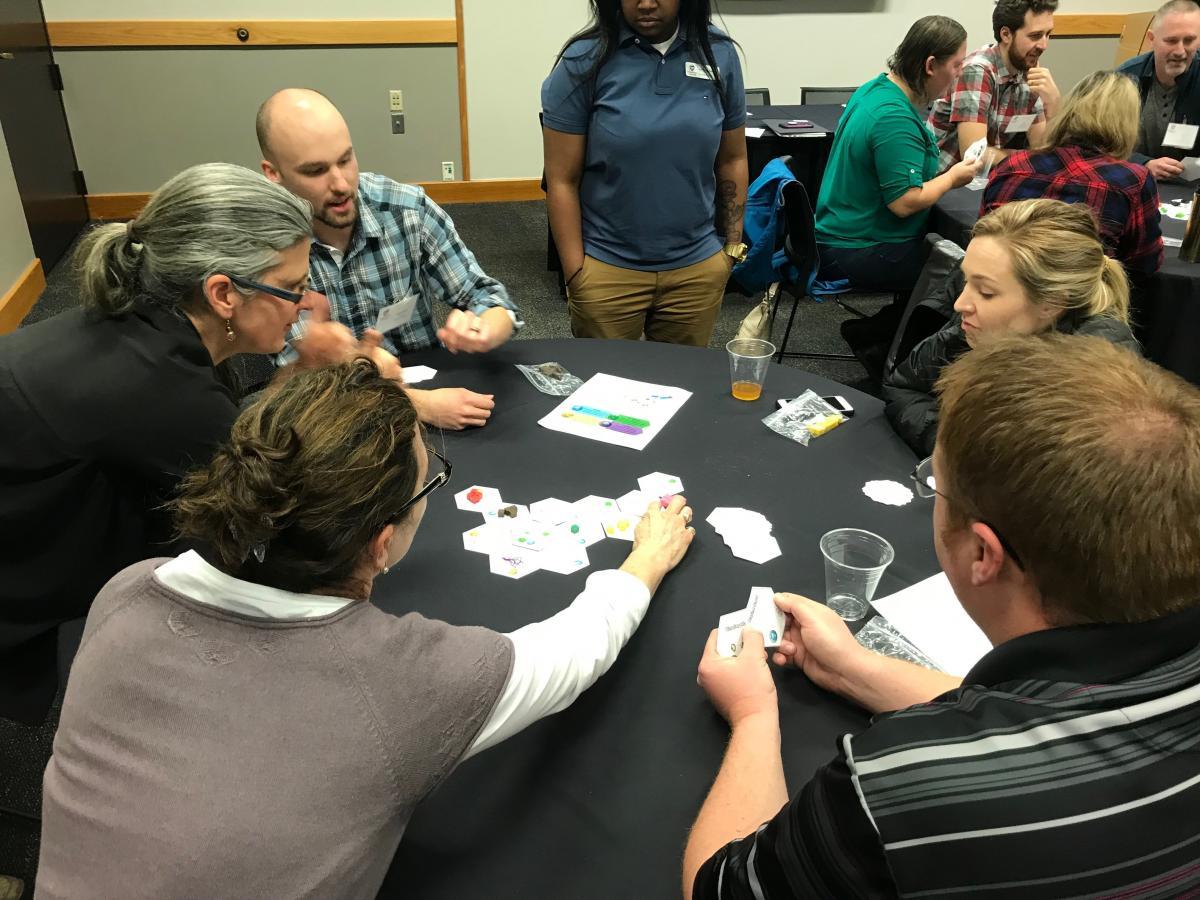
Oligotrophic board game being played by a group

The Oligotrophic game models real-life microbial relationships and biogeochemical cycles in a format that is user-friendly, age inclusive (elementary to high school), and informative as well as fun. It is a strategic tile placement game where players compete to transfer biomass between trophic levels by selecting hexagonal cards based on actual marine microorganisms. The goal is to accumulate biomass, acquire bonuses or take biomass from other organisms and abiotic sources. It introduces important concepts in marine microbial ecology such as the microbial carbon pump, biogeochemical cycling of nutrients, and the flow of biomass through microbial food webs.

The Giovannoni Lab supports SMILE through NSF grants that pay the costs of travel and board for each of our attendees (Dissolved Organic Carbon Cycling by SAR11 Marine Bacteria, OCE-1436865, and Dimensions: Collaborative Research: Unraveling thiamin cycling complexity and impacts on microbial networks DEB 1639033).

Glass panes with data graphs in layers of gray, black, and white.

Microbiologist Jerri Bartholomew elevates microbes to fine art

By Grace Peterman

There Will be Good Years: 2009-2021 uses fused glass to depict a decade of data affecting salmon survival. Color corresponds to risk factor of environmental variables like temperature and water flow.

Knowledge is only as good as our ability to share it, and innovative science requires innovative communication strategies. Some of our students and faculty have danced their Ph.D. research, been featured in documentary films and created board games about ocean microbe ecology. The College of Science is full of creative researchers who explore how different media can help tell the stories they care about, convey the relevance of science to the public and foster engagement from diverse audiences.

Microbiologist Jerri Bartholomew epitomizes what it means to be a scientist-artist. For the last 25 years, the director of the J.L. Fryer Aquatic Animal Health Laboratory has created glass art inspired by her research on parasites that live in salmonids — fish within the salmon family.

“As a microbiologist and artist, I am fascinated by what occurs at the intersection between these disciplines,” said Bartholomew. “I use glass as a medium to express the beauty of the natural world I study, and through collaborations with other artists and scientists, I explore ways to encourage that curiosity and wonder in others.”

A new curation of Bartholomew’s work is on exhibition in The Little Gallery in Kidder Hall from March 7 to April 8, 2022. “Abstracted: Where Science Meets Art and Music” contrasts the scientific abstract with the artistic concept of abstraction. Collaboration with faculty from the College of Liberal Arts made this rich, dynamic show possible: Dr. Jason Fick, assistant professor and coordinator of music technology; Andrew Myers, instructor of fine arts, and Dr. Dana Reason, assistant professor of music. Bartholomew’s previous interdisciplinary collaborations have been covered by SciArt Magazine and MIT News.

Artwork, a piece of glass with screen printing of a DNA sequence inside of it.

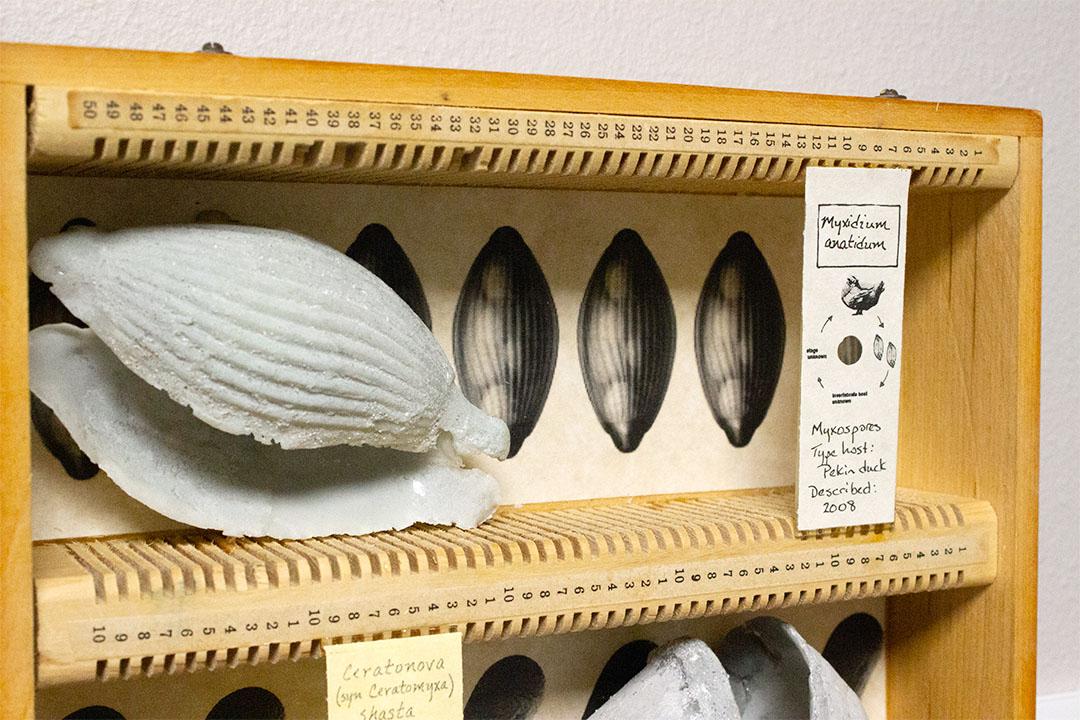
Myxidium anatidum suspends the genetic sequence of a parasite species discovered by the artist within cast glass.

“Through collaborations with other artists and scientists, I explore ways to encourage that curiosity and wonder in others.”

In “Abstracted,” Bartholomew’s extensive work on endemic wild Pacific salmon myxozoan parasites becomes vibrant and accessible. In Murky Waters, a decade of temperature, water flow and parasite data is translated into sound in real time, allowing the listener to hear how climate change will affect salmon survival.

In video piece Weapons of Microdestruction, a piano performance and live drawing turn microscopic processes into a riveting drama. The original composition expresses the musical tension of the parasite-host relationship, while broad brushstrokes elucidate the flow of parasite development.

Microscope slide boxes and slides integrated into the show reference Bartholomew’s affection for her own research tools. “As a microbiologist, glass microscope slides are the tools of our trade, but every time I sit down at a microscope it is with the anticipation that something interesting or beautiful will be revealed,” she said. “I find microscope slides themselves to be magical; small pieces of glass that hold an invisible surprise that changes with magnification.”

A wooden microscope slide box with a model of a parasite and drawings inside.

Myxozoan Life Cycles features a pâte de verre casting of a lens-shaped parasite spore that infects both salmon and duck species, nestled within a microscope slide box.

Bartholomew believes scientists are obligated to disseminate their research and that dynamic, interactive communication can expand science’s impact. “Although the increasing specialization in science during the last century seems to have drawn a line between science and art, those lines are becoming blurred,” she said. “Scientists increasingly see the value of art in interpreting their research and in collaborating with artists in looking for solutions to the problems that face society.”

She encourages scientists of every level to experiment with artistic media, because creativity and curiosity are equally important for both art and science. Even artwork not directly linked to research can have a positive impact on your scientific potential.

“Art has largely been a tool for communicating science, but I believe there is room for a larger role,” Bartholomew said. “Being an artist has helped me, as a scientist, by providing a different perspective either through examining a topic using a new medium or through collaborations and discussions with other artists.”

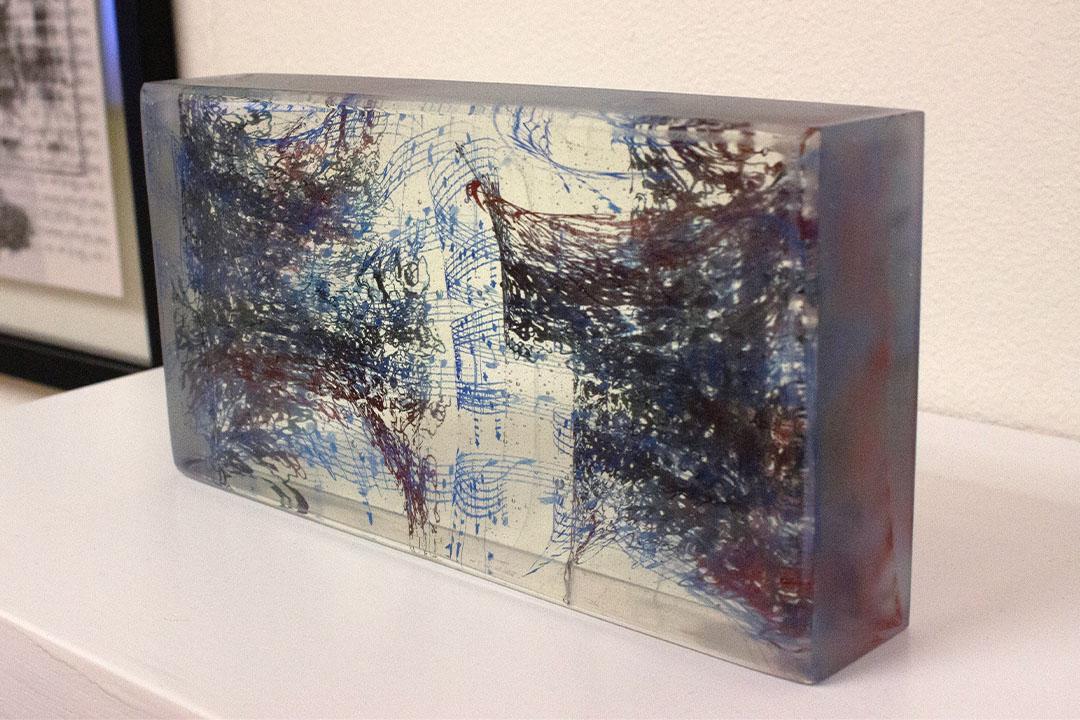
Artwork, a piece of glass with music inspired by the coronavirus spike protein flowing through it.

In COVID Sonnet, Bartholomew used a score by Markus J. Buehler that translates the the structure of SARS-Cov-2 surface proteins into music. The figures are transferred onto silkscreen, printed on a sheet of glass, fused and cast to create a series of increasingly abstract representations.

In 2017, Bartholomew led the formation of ART-SCI, an inter-college faculty network that sponsors events and offers curricula designed to foster discussions about the convergence between the arts and science. ART-SCI supports student engagement with interdisciplinary knowledge through the Seminarium, a student club dedicated to promoting art-science crossover.

“For me, Seminarium has been an opportunity to work with folks who share my interests in using art to communicate science, and to expand my own horizons of how the two intertwine,” said Grace Deitzler, club co-founder and microbiology Ph.D. candidate.

“Seminarium has always been about bringing together the members of the OSU community who love art and science — whether they are scientists who are also artists, or artists who are also scientists, or folks who just enjoy both — and showing the beauty of the liminal space that exists between the two disciplines.”

“Scientists increasingly see the value of art in interpreting their research and in collaborating with artists in looking for solutions to the problems that face society.”

Students and faculty interested in exploring the connection between art and science are invited to apply to participate in the ArtSci Fellowship, a year-long program in which students will develop a creative project informed by active engagement in lab or field research under the mentorship of artists, writers, musicians and scientists from OSU and the local community. Fellows are awarded a $1,000 stipend, a modest materials budget, ongoing networking opportunities, art and science mentorship and more. Graduate and undergraduate students from any college can apply. For more details, contact Jerri Bartholomew.

A laurel leaf icon with a scroll, surrounded by a border of snowflakes.

2021-22 College of Science awards: Celebrating excellence in teaching and advising

By Grace Peterman

On February 22, the College of Science gathered to recognize excellence at the 2021-22 Teaching and Advising Awards. Driven almost exclusively by students’ nominations, these awards are an opportunity for our community to express gratitude and appreciation for each other.

The College celebrates the Teaching and Advising Awards winners below for their deep commitment to engaging with the student experience and application of mentoring and advising expertise to ensure student learning and success within and beyond the classroom. Effective teaching, advising and mentorship are the very heart of the College of Science’s identity as a robust and thriving community of students and scholars.

2022 Teaching, Advising and Mentoring Award Winners

Olaf Boedtker Award for Excellence in Academic Advising

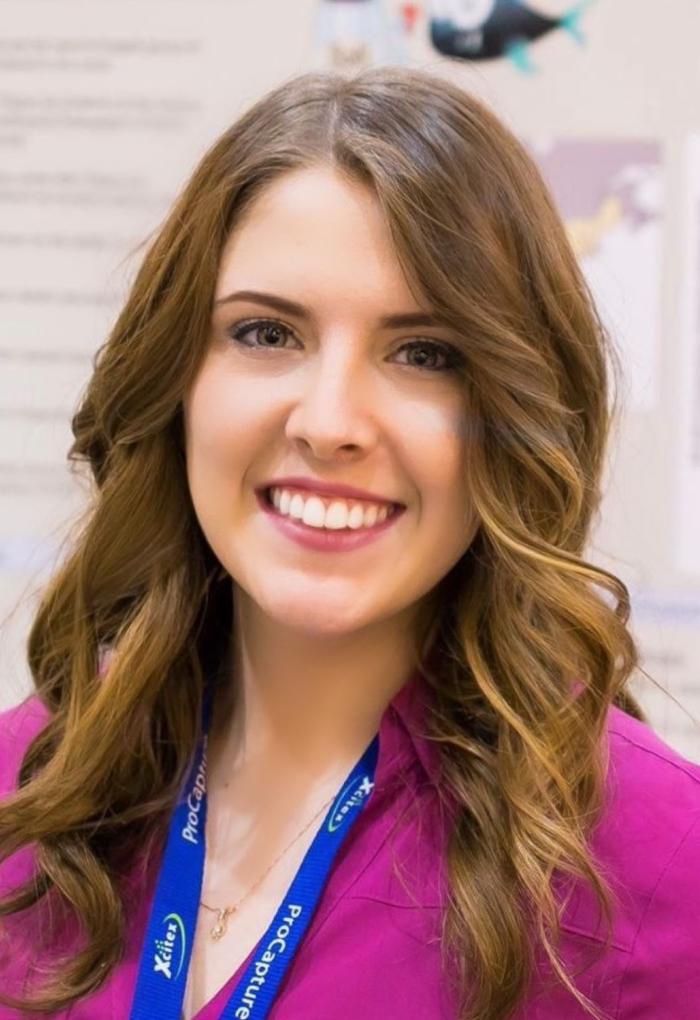
Rachel Palmer, a woman with long hair, smiling.

Integrative Biology Advisor Rachel Palmer

Rachel Palmer, integrative biology advisor, won the Olaf Boedtker Award for Excellence in Undergraduate Advising for her tireless support, efforts and advocacy on behalf of undergraduate students. This award was established in 1988 in honor of Olaf Boedtker, a professor in the Department of Physics who served as Head Advisor in the College from 1973 to 1987. While at Oregon State, he provided exceptional service to students and to the College.

Several students nominated Palmer for this award, praising her dedication and ability to connect and encourage students to achieve their goals.

One student nominator wrote of Palmer: “Right off the bat, Rachel came across as a very happy-go lucky person. She has always been extremely kind and caring at every meeting, treating me as an equal adult and even cracking some jokes that set me at ease. She has always been able to answer every question I had, no matter how specific or vague. I can absolutely tell she wants to help me and set me on the best path possible. Rachel pays mind to each and every student as an individuaPassionate, inspirational, dedicatedl and she really knows her stuff!”

Another student had similar feedback for Palmer: “Rachel has made the beginning of my journey towards my Bachelors of Science in Zoology a wonderful experience even through uncertainty. She really goes above and beyond the call of duty, you would not think an advisor could be such a hero.”

“I admire how easily Rachel has helped me find a class schedule that works so well," wrote another student nominator. "She asks important questions, listens to your expectations and executes. One thing she does well is helps me find classes that work well together as far as content.”

Additional nominees for the Olaf Boedtker Award included:

  • Cody Duncan, advisor for integrative biology
  • Allison Evans, instructor of microbiology
  • Jen Olarra, advisor for biology
  • Kari Van Zee, senior instructor of biochemistry and biophysics

Loyd F. Carter Award for Outstanding and Inspirational Teaching (Undergraduate)

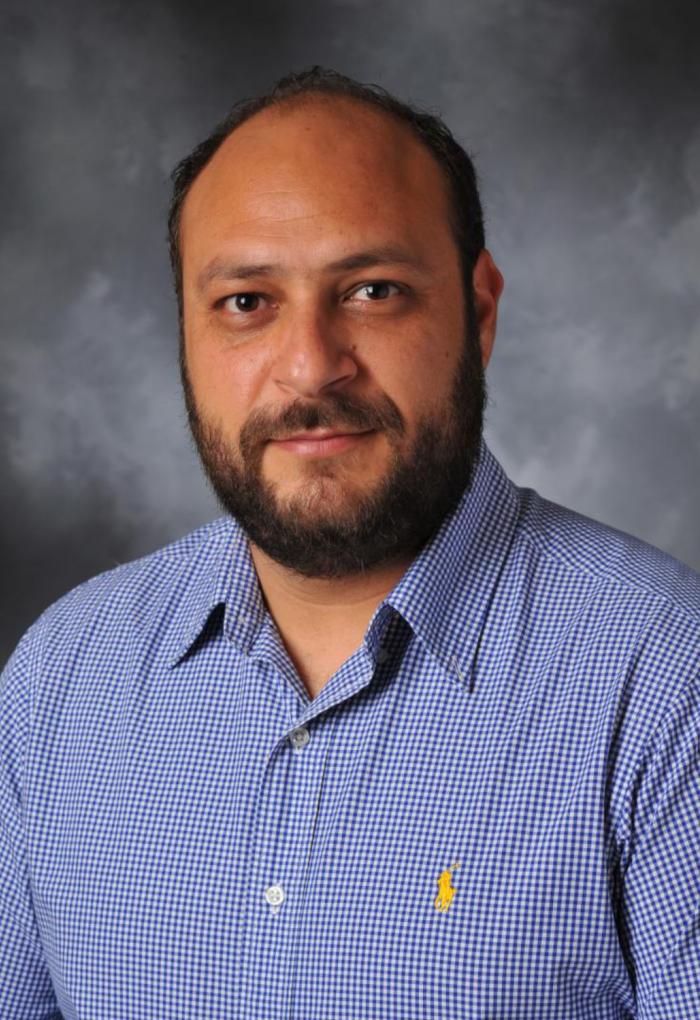
Kyriakos Stylianou, a man with a beard.

Assistant Professor of Chemistry Kyriakos Stylianou

This year’s Loyd Carter Award for Outstanding and Inspirational Undergraduate Teaching in Science goes to Kyriakos Stylianou, assistant professor of chemistry.

Every year since 1946, the Loyd F. Carter Award has been presented to two outstanding College of Science faculty members: one for undergraduate teaching and one for graduate teaching. The purpose of the award is to encourage and recognize effective and inspirational teaching. The final selection is based solely on student nominations and voting.

Stylianou’s students describe him as passionate, inspirational and dedicated. “This man is so incredibly intelligent but also one of the humblest people you will ever meet,” one student said.

“He has to be one of the best professors I have had here at OSU,” said another student nominator. “Walking into CH 233, I was super nervous. I heard it was the hardest of the chemistry series. With everyone feeling the burnout of virtual learning, he made sure to make his class engaging and put everything he had into every class.”

Many students praised the learning atmosphere Stylianou creates in his classes and his attentiveness to student needs. “He cares very much about his students and wants to see them succeed. He devotes a significant amount of time inside and outside of class to give them the opportunities and resources they need to be successful in his class, and beyond. He never tries to beat around the bush, always gives you an honest answer, and just wants to see the best in people. The jokes and wise-cracks in class always help to lighten the mood as well.”

Additional nominees for the Loyd F. Carter undergraduate award included:

  • Daniel Myles, senior instructor of chemistry
  • Devon Quick, senior instructor of integrative biology
  • Marita Barth, instructor of chemistry
  • Malcolm Lowry, assistant professor of microbiology
  • Nathan L. Kirk, senior instructor of integrative biology
  • Paul Cheong, associate professor of chemistry
  • Phil McFadden, associate professor of biochemistry and biophysics
  • Scott Geddes, instructor of chemistry
  • Stacey Vaughn, instructor of mathematics

Loyd F. Carter Award for Outstanding and Inspirational Teaching (Graduate)

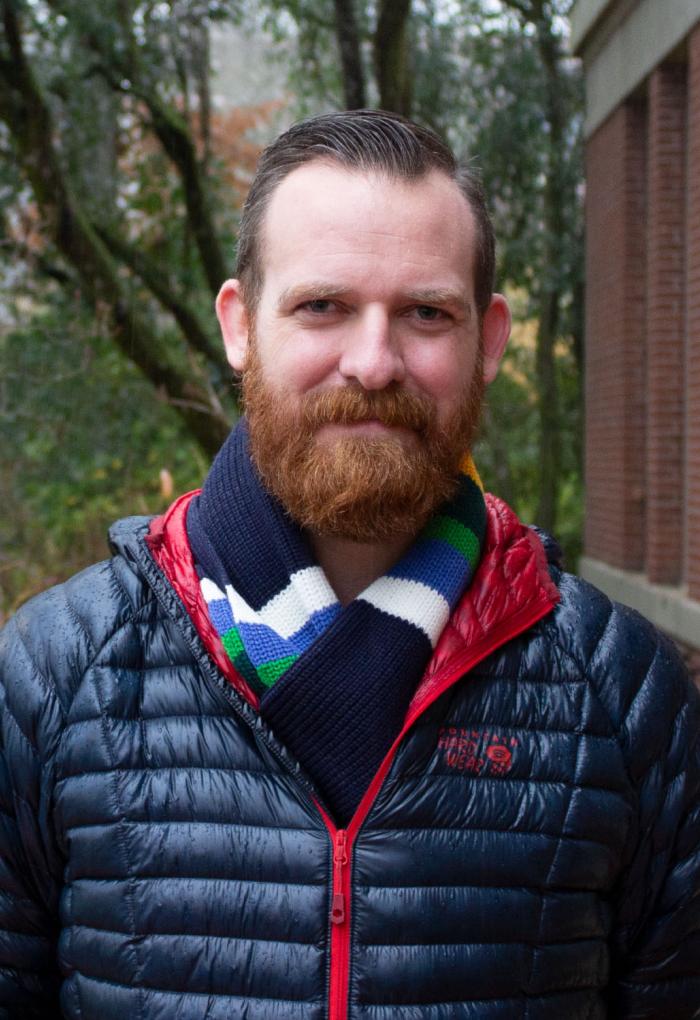
James Molyneux, a man with a beard.

Assistant Professor of Statistics James Molyneux

This year’s Loyd F. Carter Award for Outstanding and Inspirational Graduate Teaching in Science goes to James Molyneux, assistant professor of statistics.

Students nominating Molyneux described him as caring, uplifting and welcoming, and praised his ability to adapt during the pandemic. "He consistently encouraged me and my cohort during the transition from COVID to campus, to keep up our spirits in one of the most difficult academic years of our lives," said one student. "Without him, I would not have gathered the courage to continue moving forward. He is brilliant in the classroom as a professor and a loyal mentor and advocate for our success."

Another student said the following of Molyneux: "He excels at making statistics, a subject which is generally taught dryly and without much passion, relevant to grad students' research and our daily life. He uses timely examples and highlights the nuance of stats, in a way that makes it fascinating instead of frustrating. He was always available for extra help or assistance outside of class, and always seemed willing to discuss other topics than just the class material! He is supportive and compassionate with graduate students, and was the best stats teacher I've had so far at OSU! He also made sure the class content was accessible to students in multiple ways by recording both Zoom and in-person classes, and making the lecture notes easily available. His high-energy and engaging teaching style was apparent in both the in-person and online class I took with him, which I have found to be a rare occurrence in a remote setting!"

Thomas Sharpton, associate professor of microbiology, was also nominated for the Loyd F. Carter graduate award.

Frederick H. Horne Award for Sustained Excellence in Teaching Science

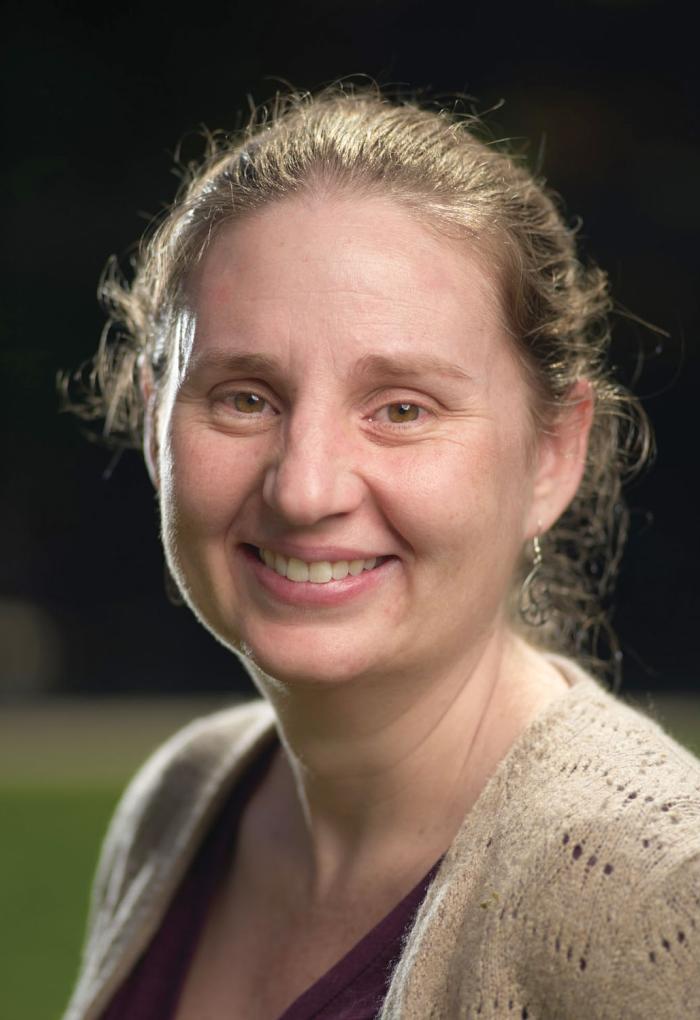
Liz Gire, a woman smiling.

Associate Professor of Physics Elizabeth Gire.

This year’s Frederick H. Horne Award for Sustained Excellence in Teaching Science goes to Liz Gire, associate professor of physics.

This award honors Fred Horne, who served as Dean of Science at Oregon State from from 1986 to 1999. Fred passed away in 2021, a renowned researcher, scholar, teacher and leader.

Fred exemplified the values of our college, embracing a deep commitment to diversity, equity and inclusion in science. He was instrumental in establishing two programs that encourage students of color to pursue and continue their education in science, math and engineering: Science and Math Investigative Learning Experience (SMILE) and the American Indian Science and Engineering Society (AISES).

The purpose of this award is to recognize sustained excellence in teaching science by honoring a faculty member in the College of Science who has repeatedly demonstrated exceptional instructional qualities and has had a significant impact on students over a period of not less than five years.

Liz Gire has earned this award through her tireless dedication to support the holistic student experience. A plethora of students and colleagues wrote at length in support of Gire's nomination. One student nominator said, "Her level of dedication to the genuine support and inclusion of the students in her courses is something I’ve never seen in an educator before. She backs that up with her skill and experience in education and communication that makes difficult content still accessible and enjoyable to learn. She takes every opportunity to build others up, whether that be her students, her teaching team, her research partners or the many people in our department who aren’t any of those things, but still know they can come to her because she is the type of person who will help however and whenever she can."

Another student nominator said, "Liz is a wonderful professor because she is a master at reading the atmosphere of a classroom. Sure, part of this is an intuition that comes from experience, but more importantly, she takes time to ask questions. Each student is expected to grab a small white board and marker at the beginning class. Later when Liz looks out and says, 'write down something that you know about angular momentum' she can measure students’ level of confusion and use student responses to guide the classroom discussion. This makes everyone much more willing to participate in class because they know that she honestly cares for their well-being and success."

Congratulations to all the winners and all the nominees!

Ocean waves on a dimly lit day with the sun peering through the clouds.

Gas-passing plankton illuminate another piece of the carbon cycle puzzle

By Steve Lundeberg

The ocean's most abundant bacteria species prevents acetone from being expelled into the atmosphere. (Photo courtesy of Luis Bolaños)

The ocean’s most abundant life form, a type of bacteria discovered by the Department of Microbiology, consumes an organic compound commonly found in solvents like paint remover, a new study shows.

The research led by Associate Professor of Microbiology Kimberly Halsey and then-Ph.D. student Eric Moore revealed that SAR11 bacteria consume acetone, adding evidence to suggest that aspects of the marine carbon cycle, which pulls atmospheric carbon into the sea, are not being considered in the study of the cycle and its ability to buffer climate change.

Acetone and other volatile organic compound (VOCs) are produced by phytoplankton, microscopic marine algae, and are abundant in the surface ocean, from which they can move into the atmosphere and influence climate.

“It’s important to understand SAR11 and other bacteria’s potential to control the emission of climate-active gases because it helps our overall understanding of climate change and stability,” said Halsey.

Finding that SAR11 consume the gas is particularly significant due to the bacteria species’ massive abundance. “A single milliliter of ocean water might contain a half-million SAR11 cells,” said Distinguished Professor of Microbiology Stephen Giovannoni, who discovered the bacteria in 1990. SAR11 comprise 25% of all ocean plankton, and their combined weight exceeds that of all the ocean’s fish.

Find the full story here.

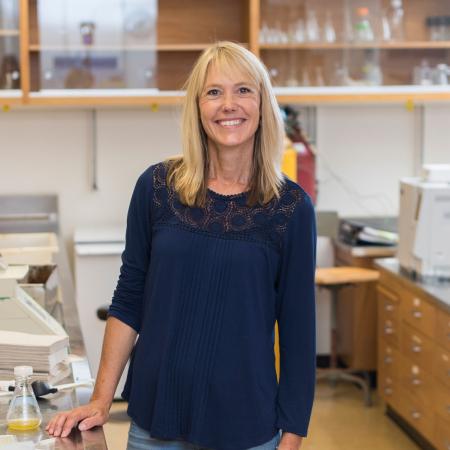
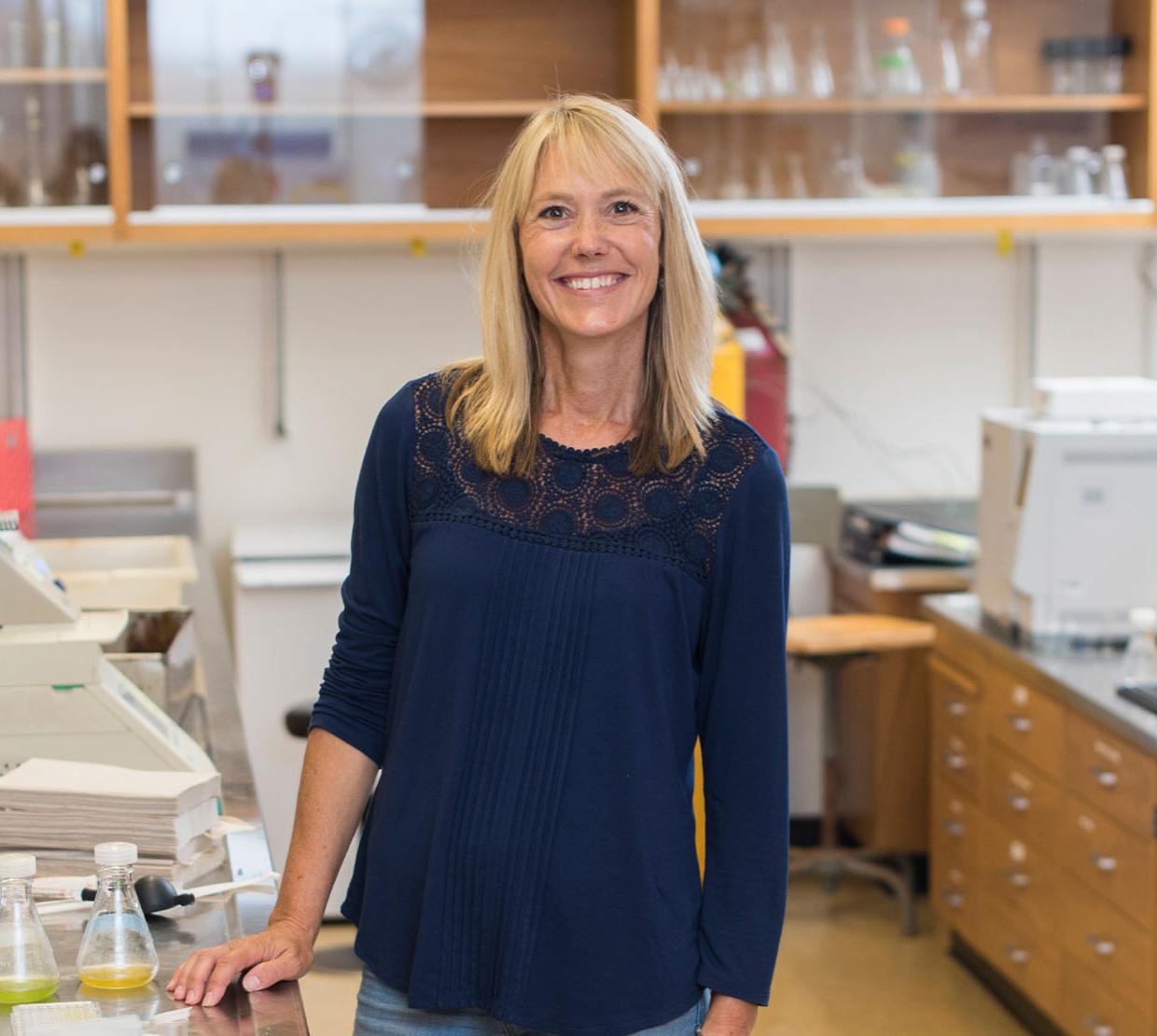
A woman standing in a lab setting smiling

New endowed faculty position recognizes excellence in microbiology

By Grace Peterman

The College of Science is thrilled to announce that Associate Professor of Microbiology Kimberly Halsey has been appointed as the inaugural Excellence in Microbiology Faculty Scholar. With this new endowed position, Halsey will advance excellence in her research and teaching at Oregon State for a term of five years, through November 11, 2026. A generous sequence of donations from an anonymous donor enables the appointment of this inaugural faculty scholar.

Halsey has a strong, highly visible and well-funded research program focused on understanding the processes that control the flow of carbon and energy through the marine carbon cycle. She has co-discovered the keys to diatom sexuality, predicted how phytoplankton will respond to climate change and developed methods to detect toxic algal blooms before they become harmful to humans and ecosystems.

“Dr Halsey’s cutting-edge research of the potential for real-time, automated volatile organic compound detection as early-warning signals of toxic harmful algal blooms in freshwater and marine ecosystems will help agencies and scientists prepare and protect the public," said Roy Haggerty, dean of the College of Science.

“In addition to her research accomplishments, she is a dedicated and passionate teacher who has introduced the unseen world of microbes to some 1,500 total students over the years, using creative teaching methods and an empathic approach to earn high student ratings, even in large foundational classes. She is an excellent choice to receive this position,” he added.

At the height of the pandemic, Halsey actually increased student engagement, implementing “Meet a Microbiologist” interviews to fill 10 minutes before every Zoom class. Faculty, alumni and graduate students joined these sessions, talking about their research and experiences in the field of microbiology. “Students in droves tuned in early” to catch the interviews, she said.

Halsey has also proven her interest and concern for the growth of the College and its Diversity Action Plan through impressive committee work. She has led the graduate admissions committee for the Department of Microbiology for the last six years, implementing a holistic application review process that increased minority representation in the program from 8.5 to 23.5%. Reviewing 70-100 applications each year and writing grants to obtain fellowships and scholarships for minority graduate students, Halsey demonstrated her “commitment to OSU’s growth and success, which is rooted in prioritizing education and training for all students,” she said.

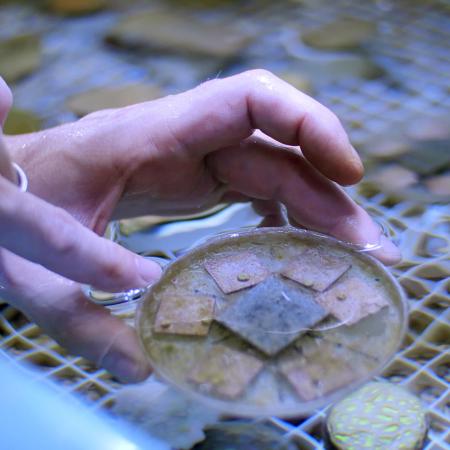
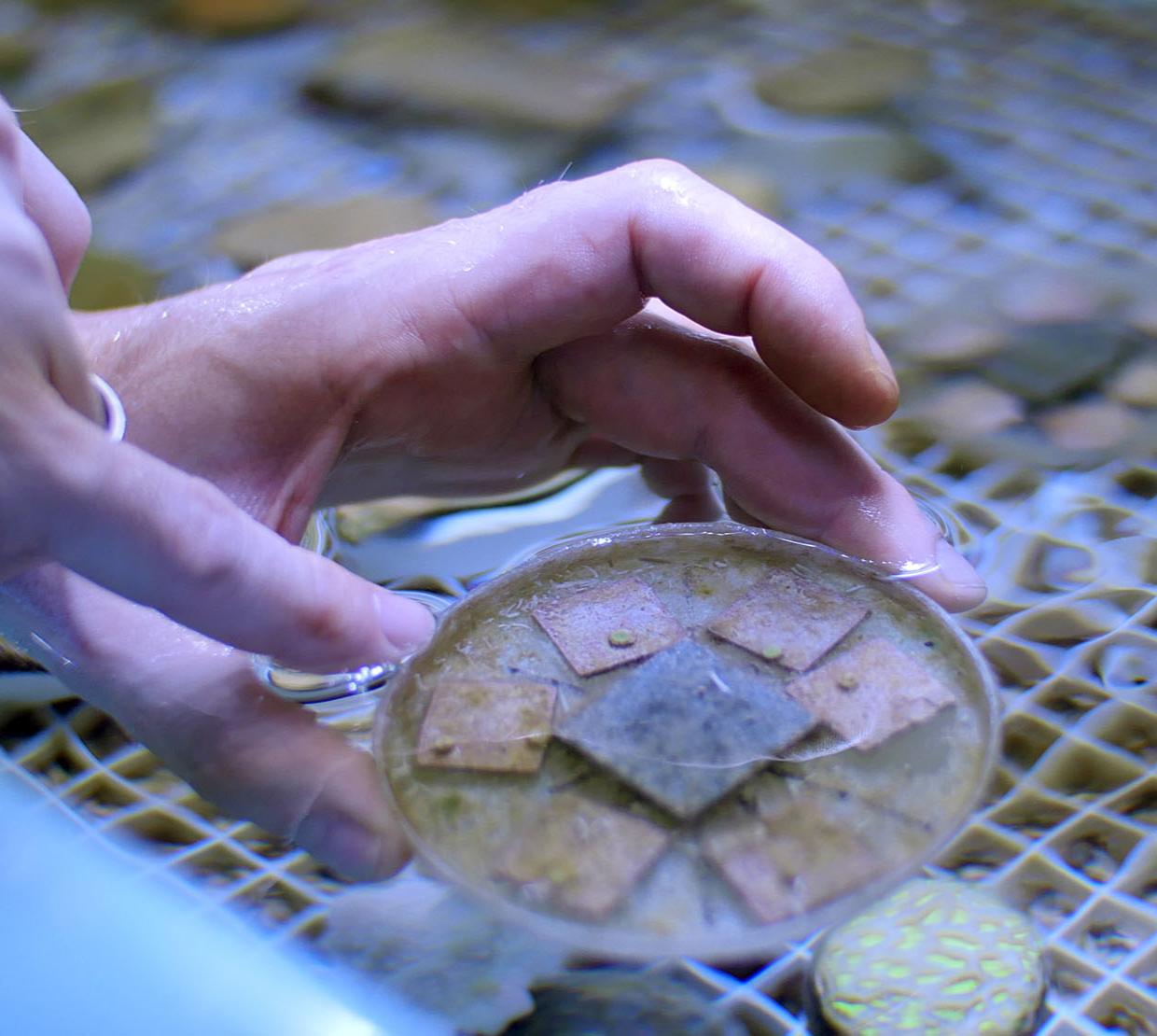
A closeup of two hands holding and inspecting phytoplankton in a petri dish.

Oregon State microbiology research furthers understanding of ocean’s role in carbon cycling

By Steve Lundeberg

Taking a closer look at marine microbes gives insight into their role in sequestering carbon.

Researchers from the Department of Microbiology have shed new light on the mechanisms of carbon cycling in the ocean, using a novel approach to track which microbes are consuming different types of organic carbon produced by common phytoplankton species.

The research is an important step toward forecasting how much carbon will leave the ocean for the atmosphere as greenhouse gas carbon dioxide and how much will end up entombed in marine sediments, said Ryan Mueller, associate professor of microbiology and the leader of the study.

Findings were published today in the Proceedings of the National Academy of Sciences.

“Our research shows that different species of microbes in the ocean are very particular yet predictable in the food sources they prefer to eat,” said first author Brandon Kieft (Ph.D. Microbiology '14), currently a postdoctoral researcher at the University of British Columbia. “As global climate change continues to alter oceanic environments at a rapid pace, the availability of food sources for microbes will also change, ultimately favoring certain types over others.”

The research was funded by the Gordon and Betty Moore Foundation Marine Biology Initiative and the U.S. Department of Energy.

Read the full story here.

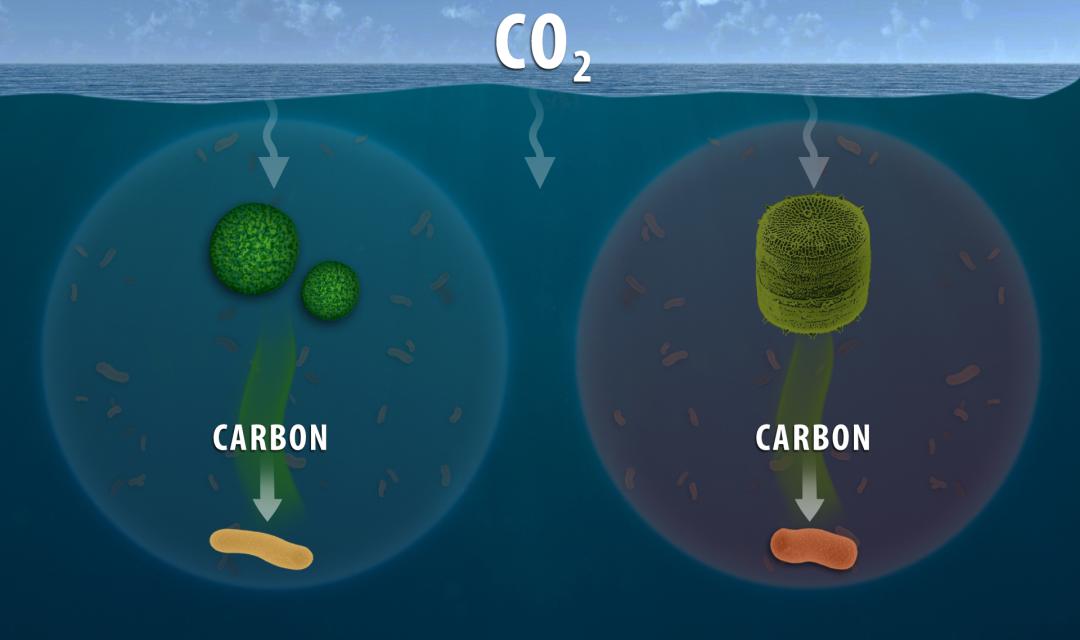
Marine microbes consume different types of organic carbon

Different types of plankton create different types of organic carbon, which heterotrophic microbes produce in turn, as part of the critical marine carbon pump.

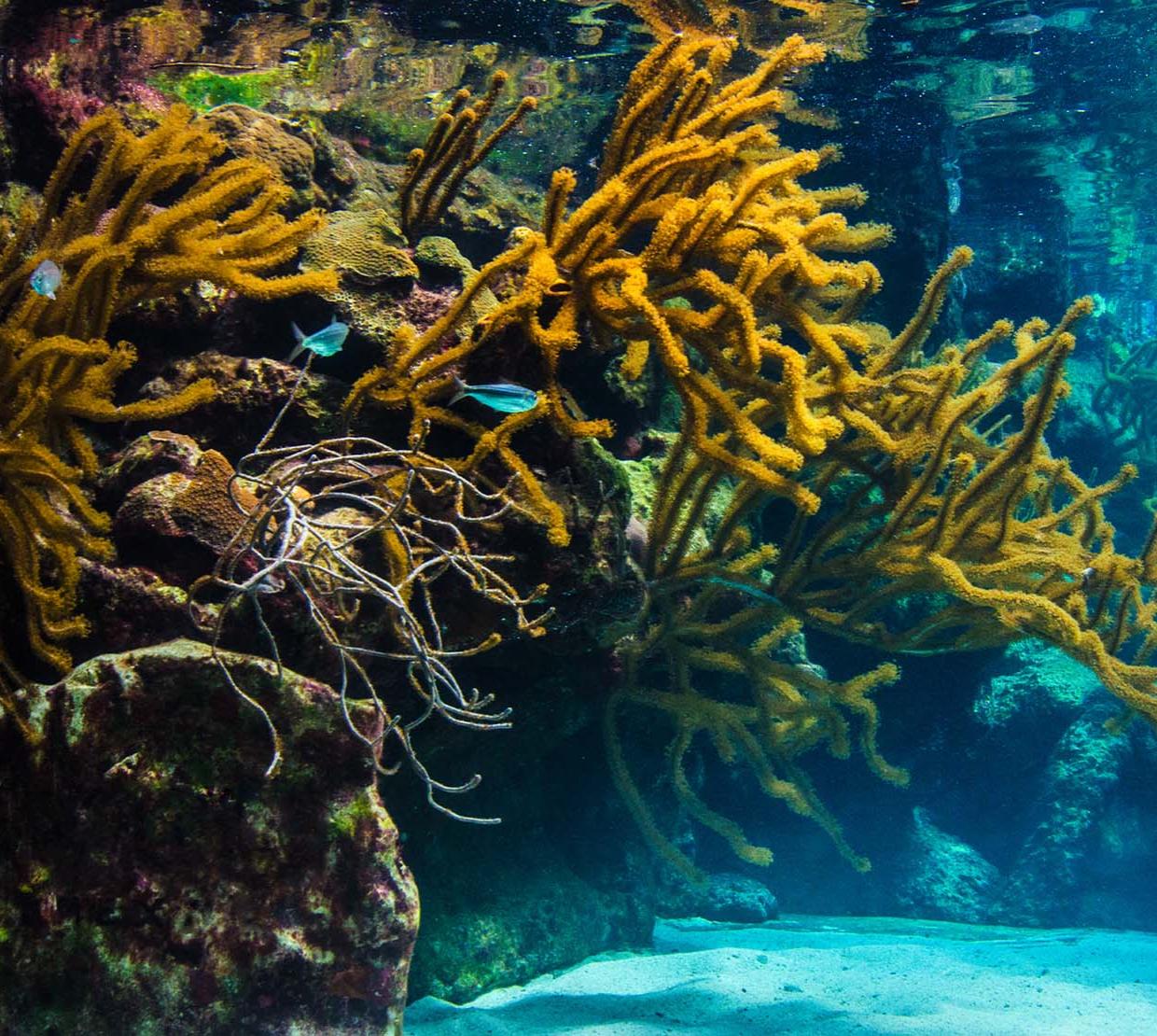
Underwater coral reef landscape background in the blue sea with fish and marine life.

Innovation grants to build model reef at OSU, catalyze biological and materials research

By Grace Peterman

New funding bolsters research on coral reefs, heat waste and more.

The inner workings of a cell, more powerful mass spectrometry and building a tropical reef at Oregon State: The 2021 College of Science Research and Innovation Seed (SciRIS) awards are empowering initiatives that will open fresh pathways in science.

The SciRIS program funds projects based on collaborative research within the College of Science community and beyond. There are two tracks through the program: SciRIS (Stages 1-3) and the SciRIS individual investigator award (SciRIS-ii). SciRIS Stages 1-3 funds teams in three stages to support training, research and capacity-building, accelerating work toward external funding opportunities. SciRIS-ii funds individual faculty to establish research relationships with external partners, enabling them to demonstrate the feasibility of their ideas and quickening the pace of scientific discovery.

The newly-established College of Science Innovation Award provides critical resources for projects that take a new direction, utilize a new technology or are in the “proof-of-concept” phase.

Three groups of scientists received SciRIS Stage 1 awards, two at $10K each and one at $20K. One group received the Innovation Award at $10K.

Professor of Microbiology Rebecca Vega Thurber and her colleagues will use their award to develop a model tropical reef facility within Oregon State’s world-renowned John Fryer Aquatic Animal Health Lab.

The model will allow College of Science researchers across biology, chemistry and ecology to perform highly controlled, repeatable experiments on reef ecosystems, which are under increasing threats from climate change, pollution, habitat destruction and disease. By bringing the reef to researchers, carbon emissions associated with travel are also reduced.

The facility will also serve as an outreach platform, bringing awareness of far-off ecosystems to the local community. By interacting with the lab, citizens will learn about how humans affect these fragile habitats and how they personally can potentially mitigate and reverse reef decline.

Chemistry Professor Wei Kong and Statistics Professor Lan Xue will use their SciRIS grant to develop more effective mass spectrometry through inclusion of electron diffraction. With this addition, future mass spectrometers will be able to reveal not only the mass composition of an unknown species, but also the three-dimensional arrangement of the constituent atoms. This capability can change the paradigm of nanomaterial synthesis, allowing intelligent design and quality control of custom-made materials applicable in medical diagnostics and therapeutics, in energy harvesting and storage, and in catalysis.

Biochemistry and Biophysics Professor Elisar Barbar and collaborators received a SciRIS award to integrate structural biology with cell and organismal biology. Capitalizing on Oregon State’s high concentration of expertise and resources for studying dynamic protein complexes across scales, the team aims to establish new technologies to investigate cancer related complexes and host-parasite interactions. Their eventual goal is to submit a proposal to the NSF Biology Integration Institute, which supports interdisciplinary projects that translate discoveries from the molecular scale to the cellular level of organisms and vice versa.

Associate Professor of Physics Matt Graham and colleagues received the College of Science Innovation Award support their work converting waste heat to electricity, contributing to a more sustainable world through the recovery of energy losses and reducing greenhouse gas emissions. The team will develop a prototype of an ultralow bandgap semiconductor device that converts residual waste heat to electricity. The award will support their work optimizing the efficiency of the device’s waste heat to energy conversion and validating the current extraction model related to the device prototype.

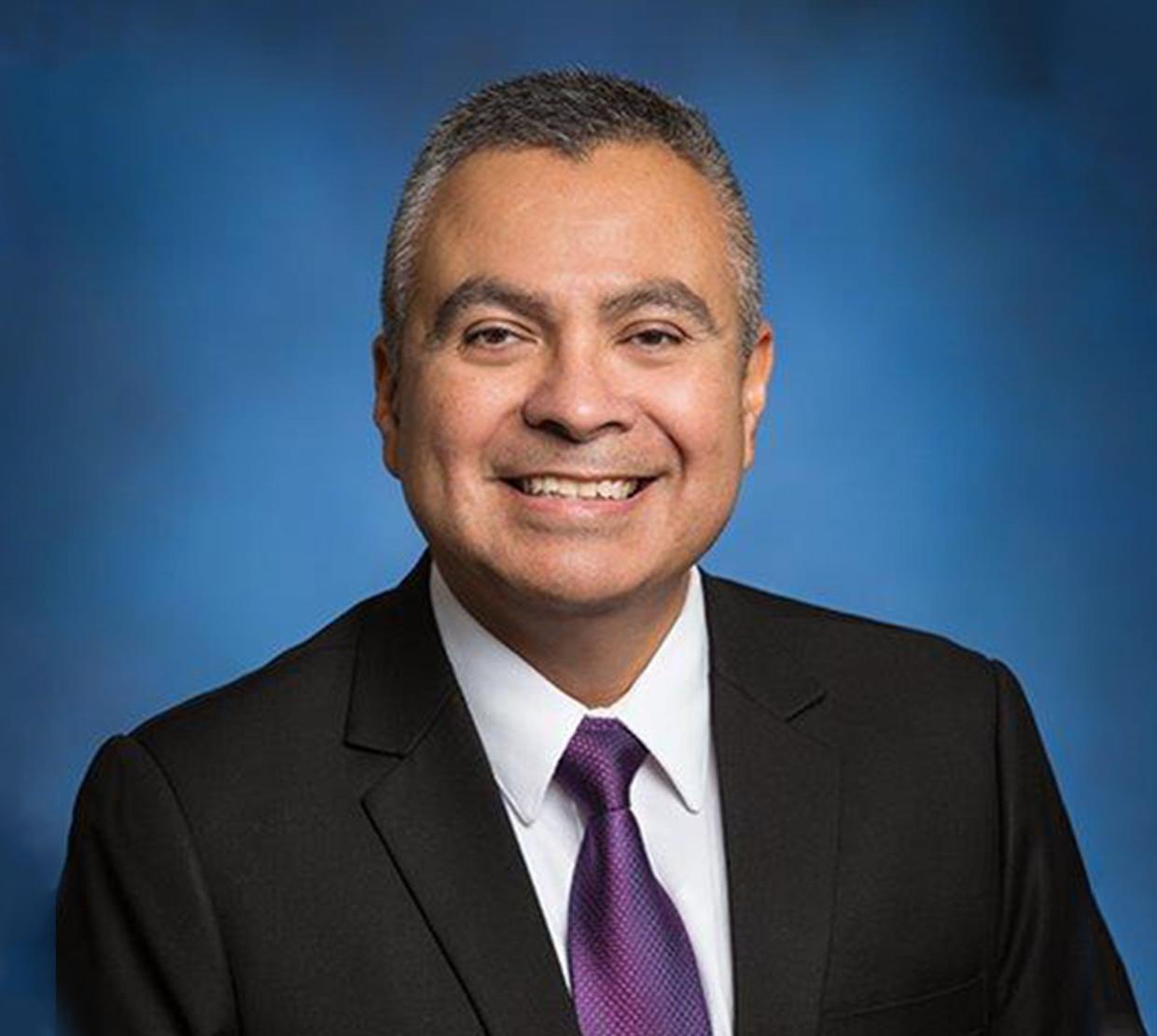
Román Hernández

Attorney and science alum awarded Alumni Legacy Award for civil rights advocacy

By Srila Nayak

Román D. Hernández (’92) received the Diversity, Equity and Inclusion Alumni Legacy Award on the occasion of OSU's 39th annual Dr. Martin Luther King, Jr. Celebration.

Román D. Hernández (’92), an alumnus of the College of Science, received the Diversity, Equity and Inclusion Alumni Legacy Award on the occasion of the 39th annual Dr. Martin Luther King, Jr. Celebration on Monday, January 18, 2021 at Oregon State University. A nationally recognized attorney specializing in labor and employment law and commercial litigation, Hernández is the Office Managing Partner at Troutman Pepper’s Portland office.

The award recognizes alumni who have demonstrated a deep and abiding commitment to causes of social justice, diversity, equity and inclusion and who exemplify and enrich OSU’s values of community, diversity, respect and social responsibility in their broader community or organization.

“I am deeply honored to have received this award from OSU, an institution that I love. And to have received it during OSU’s Dr. Martin Luther King, Jr. Celebration, makes it that much more meaningful,” said Hernández.

Hernández’s award citation commends his commitment to the values of diversity, equity and social justice throughout his career as an attorney. His nomination states, “Over the years, Román has reached out to young racial and ethnic minority students from middle school to high school to encourage them to pursue their education, including pursuing a legal education. By recalling his own background of socioeconomic disadvantage and hardship, he inspires them to achieve their educational goals and to know that nothing is beyond their grasp.”

“I am deeply honored to have received this award from OSU, an institution that I love. And to have received it during OSU’s Dr. Martin Luther King, Jr. Celebration, makes it that much more meaningful."

Hernández graduated from OSU with a co-major in general science, emphasizing biological sciences, and aerospace studies. Before taking up law studies at Lewis and Clark Law School (Portland), Hernández, who attended OSU on an ROTC scholarship, served for nearly five years in the Air Force. He was honorably discharged at the rank of Captain. Inspired by a JAG officer, the first Latino lawyer he had known, Hernández decided to pursue a degree in law.

Hernández successfully battled tremendous challenges on his journey towards an outstanding legal career. He is the youngest of eight children of migrant farm workers from Mexico who worked in Michigan and Ohio before settling in Oregon. Hernández and his siblings grew up near Ontario, a city in far eastern Oregon bordering Idaho. Although his mother and father had no formal education, they inspired all their children to study and go to college.

Hernández’s rise to the top ranks of his profession is a testament to his courage, determination and perseverance. An American Bar Association profile of Hernández notes, “He would spend 10 hours a day harvesting onion – a labor-intensive task that involves bending over or kneeling and using sharp knives to cut the leafy tops from the onions. The intense summer heat could reach 110 degrees Fahrenheit, and Román’s hands still bear the scars from the knives used in the harvest. It was “piece work” and he was paid as little as 10 cents a bushel for his work.”

Hernández was able to realize his college dreams when he was awarded financial aid to attend Treasure Valley Community College. He was on the Dean’s List multiple times at TVCC before transferring to OSU. His Air Force ROTC scholarship from OSU enabled him to attend university where he did well academically. Hernandez was the only Hispanic-American ROTC cadet at OSU in the Professional Officer Corps (the upper division cadets).

Hernández was named to the Lawyers of Color Nation’s Best List in recognition of his career accomplishments and commitment to diversity and inclusion in the legal profession. He was also recognized in The Best Lawyers in America in the categories of employment-law management and for litigation-labor and employment law.

Hernández has garnered several accolades and awards for his professional achievements, service, leadership and lifetime commitment to social justice and civil rights in Oregon and beyond.

He received the American Bar Association’s 2021 Spirit of Excellence Award, which honors those who have achieved excellence and supported others within their legal careers. He also received the Distinguished Business Law Graduate Award from his alma mater, Lewis and Clark Law School; the Diversity and Inclusion Champion Award from Oregon State Bar; the Civil Rights Champion Award from the Oregon League of Minority Voters; among other honors.

He served as the Oregon Community Foundation’s (OCF) Board of Directors and was named the Hispanic National Bar Association’s 2017 Latino Lawyer of the Year. Hernández has spearheaded equity and inclusion reforms in several Oregon organizations and foundations. He served as the first-ever Chair of OCF’s Equity, Diversity, and Inclusion Board Committee which developed and assisted the organization in applying an “equity lens” to its work.

Hernández has been selected to serve in influential and high-profile positions during his career. He is a former Chairman of the Board of Directors of the Portland Branch of the Federal Reserve Bank of San Francisco, one of the 12 banks that comprise the central banking system of the United States. Through his six-year Federal Reserve service, Hernández helped develop the nation’s monetary policy. He served as the National President of the Hispanic National Bar Association that represents the interests of 100,000 Hispanic attorneys, judges, law students, and paralegals throughout the United States.
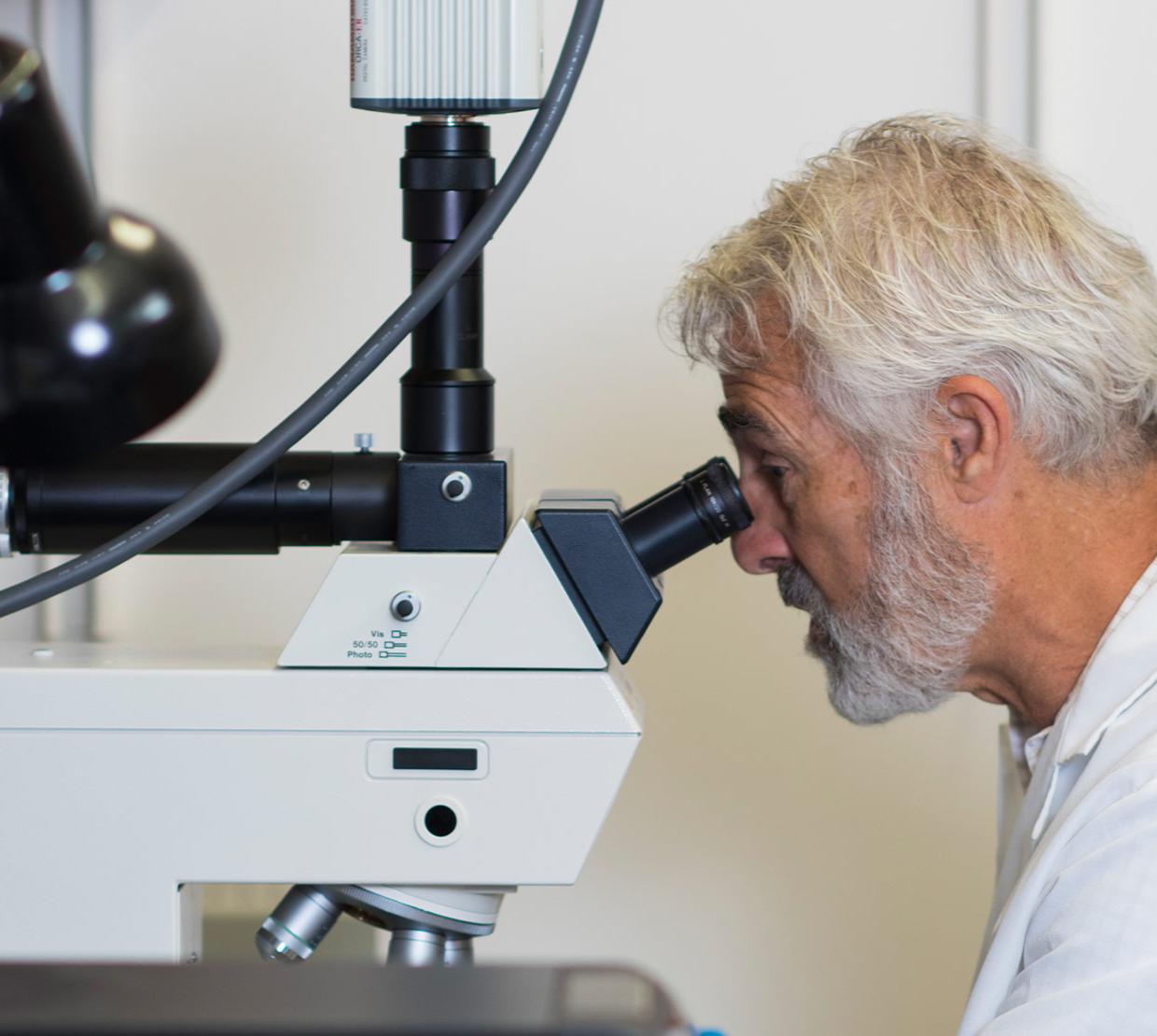
Steve Giovannoni looking into microscope in lab.

Gut bacteria associated with animal-based diet may mitigate risk of cardiovascular disease

By Steve Lundeberg, OSU News

Steve Giovannoni, distinguished professor of microbiology and post-doctoral fellow Veronika Kivenson have found that a type of common gut bacteria sometimes associated with inflammation, abscesses, bowel disease and cancer has a major silver lining: It seems to help prevent cardiovascular disease.

The findings suggest the possibility of probiotic treatments for atherosclerosis, the dangerous buildup of fats, cholesterol and other substances in arteries that cause strokes and heart attacks and is linked to smoking, diet, age and a range of genetic causes.

Diets heavy in animal-based foods have long been considered a risk factor for cardiovascular disease as such diets are a major source of TMA – trimethylamine – which is converted by the liver to another compound, TMAO, that promotes the buildup of fatty plaque in arteries. TMAO is short for trimethylamine-N-oxide.
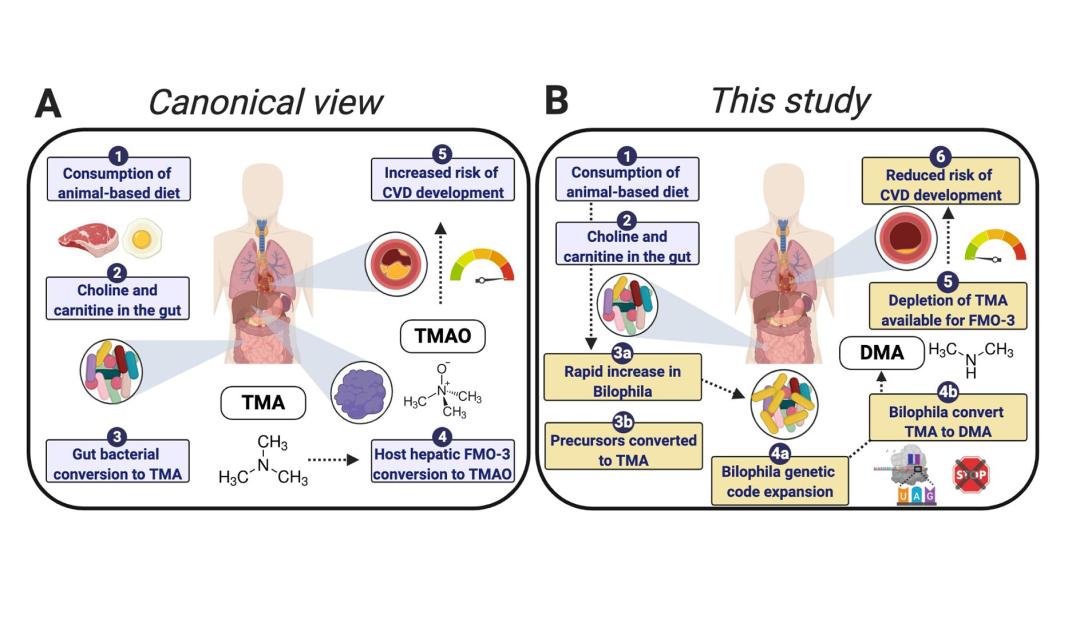
Graphic created with BioRender.com and published in mSystems.

Graphic created with BioRender.com and published in mSystems.

“The connection between TMAO and cardiovascular disease has tended to focus the conversation on how animal-based diets cause negative health consequences,” said Kivenson, the study’s lead author and a postdoctoral fellow in the OSU College of Science. “But in analyzing data from foundational gut microbiome studies, we uncovered evidence that one type of bacteria associated with meat consumption can take the TMA, as well as precursors to TMA, and metabolize them without producing any TMAO. That means those bacteria are in effect severing a key link in the cardiovascular disease chain.”

The bacteria are of the Bilophila genus and evidence suggests an expanded genetic code enables their metabolism, via a demethylation pathway, to avoid making TMAO. Furthermore, Kivenson said, research shows animal-based diets cause a rapid increase in Bilophila in the gut.

“The organisms in your stomach have been shown to affect the development of myriad disease states,” said co-author Steve Giovannoni. “But the mechanisms – what is actually happening behind the connections among diet, health and microbiota – have generally been hard to pin down. More research into Bilophila cell biology and ecology is needed, but our study presents a clearly defined mechanism with potential for a big impact on human health.”

Identified only 31 years ago, in an infected appendix, Bilophila is a gram-negative anaerobic rod that’s classified as a pathobiont – an organism that normally has a symbiotic relationship with its host but can become disease-causing under certain circumstances. It’s commonly present in the microbiomes of people who are healthy.

“The data we reviewed show significantly more Bilophila in the microbiomes of healthy people compared to those with cardiovascular disease, and that Bilophila numbers go up in response to a diet based on meat compared to a plant-based diet,” Kivenson said. “Our findings suggest Bilophila’s role in the microbiome and human health might depend on the specific context and that their potential as a probiotic that mitigates animal products’ role in heart disease should be studied further.”

Findings were published today in mSystems. The National Science Foundation and the Simons Foundation supported this research.


Read more stories about: news, faculty and staff, microbiology, microbiome


Weatherford Hall peering through some trees.

Microbiology grad awarded ORISE Fellowship at CDC

By Mike Kent and Justin Sanders

Recent microbiology master’s program graduate Elizanette ‘Nette’ Lopez was selected to participate in the Oak Ridge Institute for Science and Education (ORISE) Fellowship program. Lopez was offered a position at the Centers for Disease and Control and Prevention (CDC) Biorepository in Lawrenceville, Georgia.

Lopez, who hails from Texas, successfully defended her thesis, “Effects of elevated temperature on Mycobacterium chelonae growth and mycobacteriosis in zebrafish (Danio rerio)” this summer.

Her interest in science began at a young age with her fascination in the practice of curanderismo, a folk healing tradition deeply ingrained in her culture. She wanted to understand how the rituals of curanderismo worked and, as she put it, “why the women in my life were always smearing oils and eggs on me.”

After conducting an ethnobotanical study of curanderismo across West Texas as an undergraduate at Angelo State University, she saw how research could improve the lives of underrepresented groups. She was particularly interested in infectious diseases, which led her to Oregon State where she worked with advisors Michael Kent and Justin Sanders studying infectious diseases of zebrafish.

Her graduate studies were partly funded by a diversity grant from the NIH. During her time at OSU, Lopez advocated for underrepresented minorities and was an active member of the Microbiology Graduate Student Association, Ethnic Minorities United in STEM and a founding member of the Women of Color Caucus. Toward the end of her graduate studies, the COVID-19 pandemic caused widespread disruptions globally. However, the crisis also provided an opportunity for Lopez to gain experience in public health microbiology as a volunteer for the TRACE-COVID-19 project.

As a volunteer, Lopez helped process thousands of swab samples collected from participants in the field. As a ORISE Fellowship recipient, Lopez will soon process SARS-CoV-2 samples and help organize other collections in the biorepository in Atlanta, Georgia.

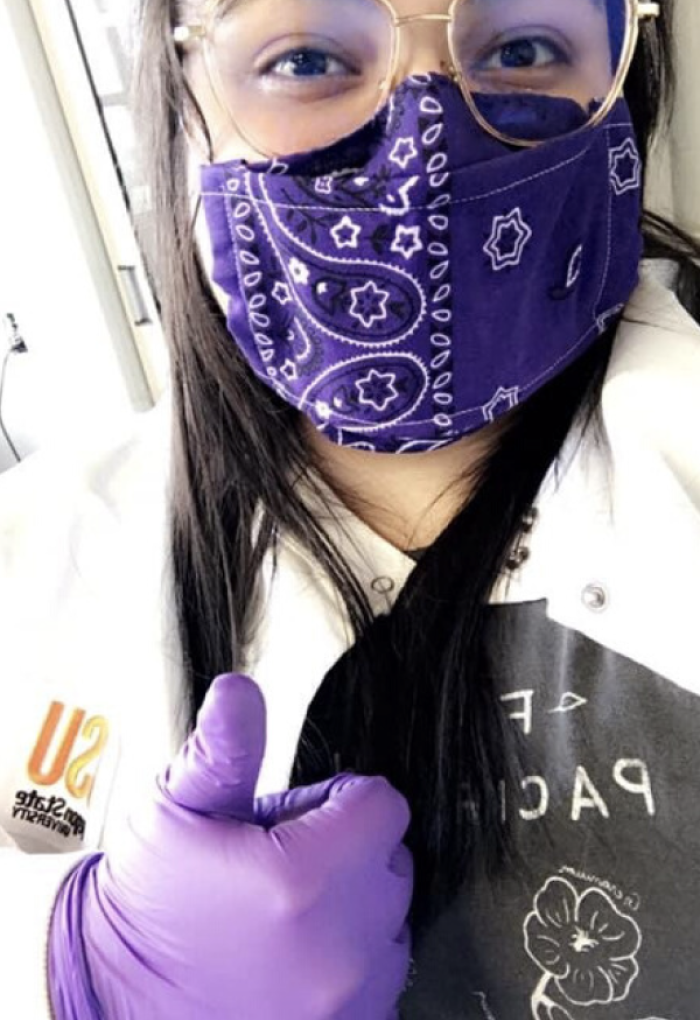
Lopez wearing mask

As a volunteer for the TRACE-COVID-19 project, Nette Lopez helped process thousands of swab samples collected from participants in the field.


Read more stories about: news, diversity in science, microbiology


Subscribe to News