News

News

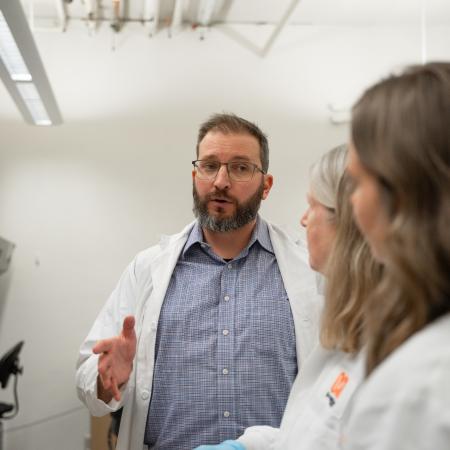
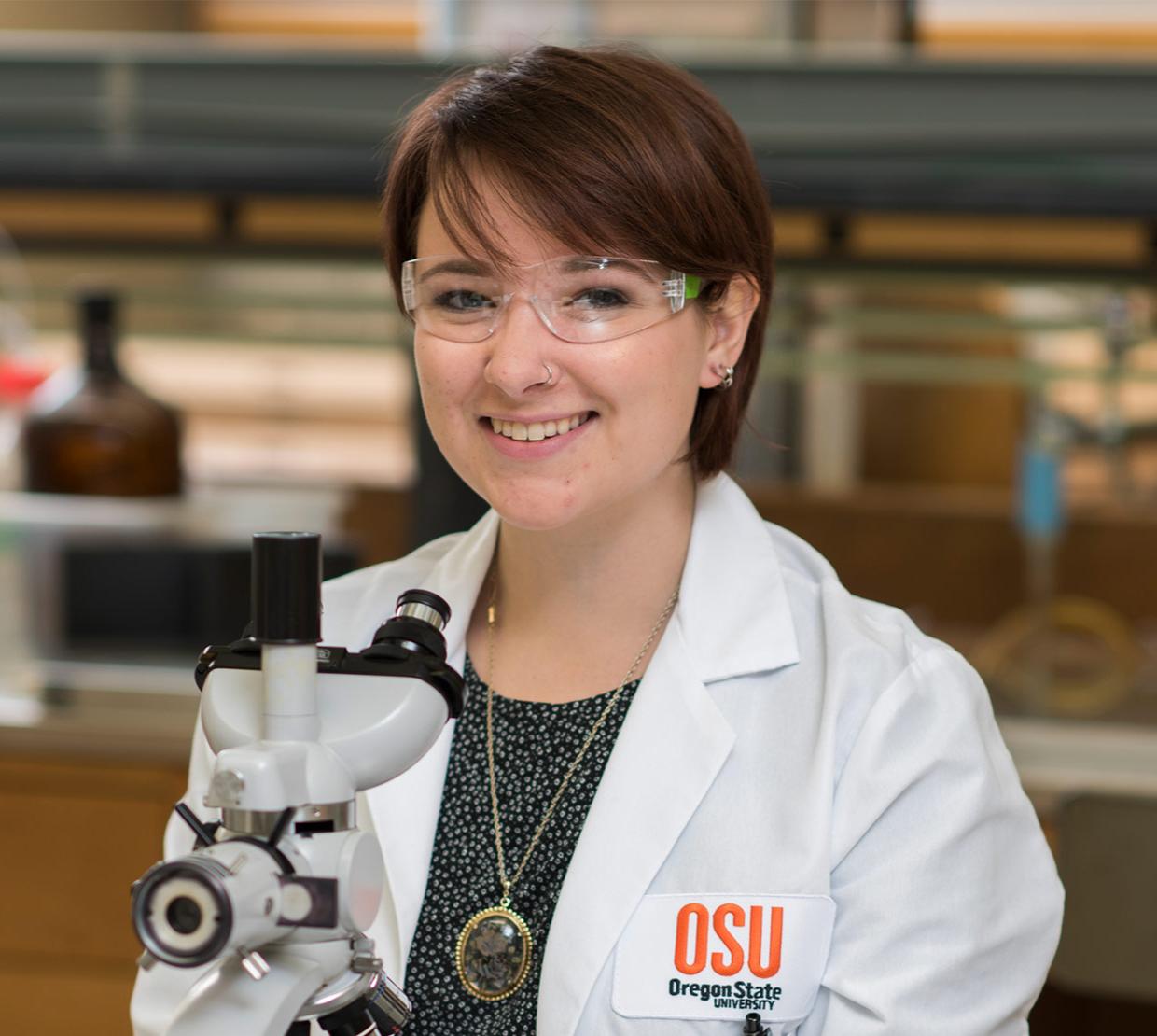
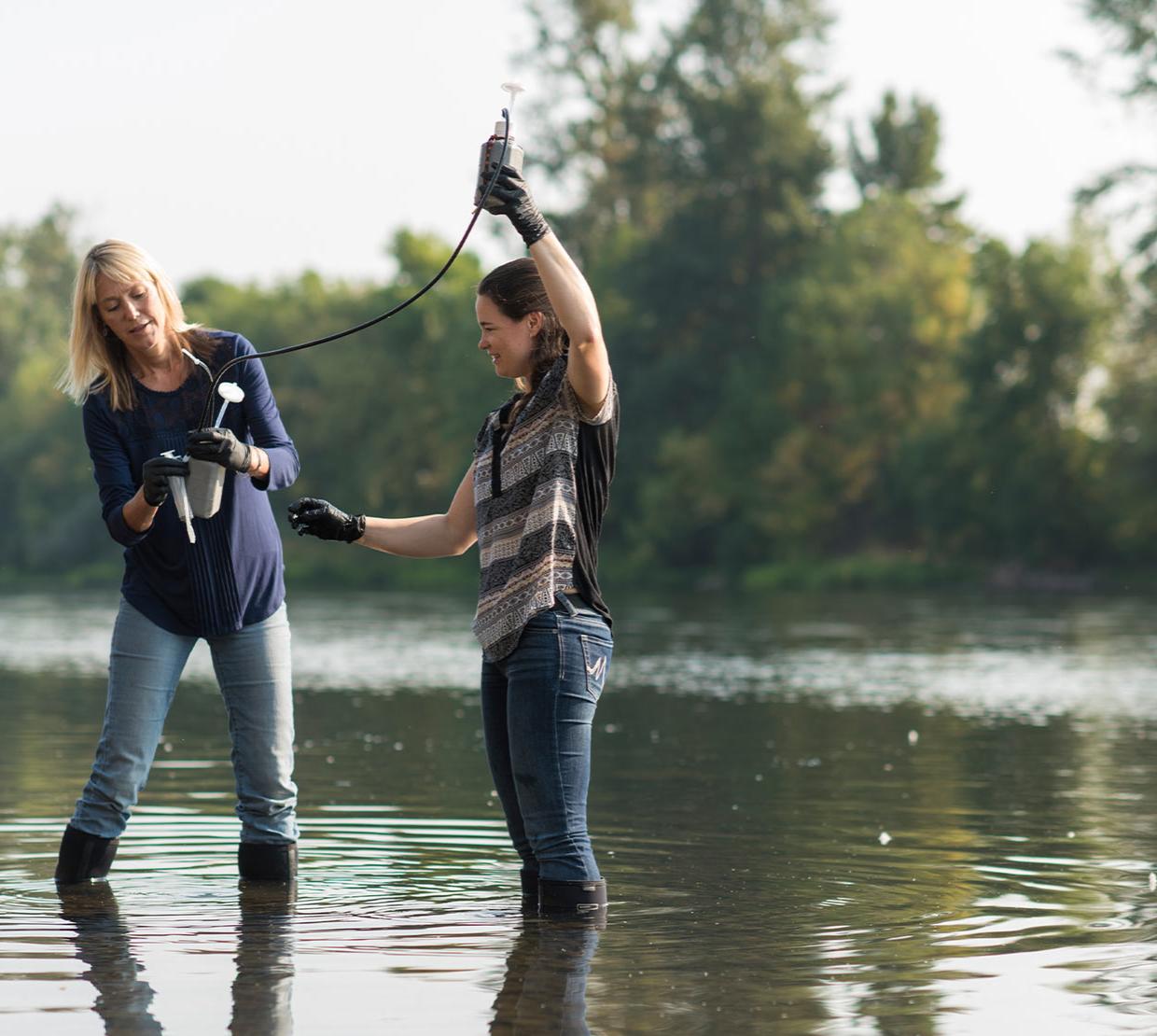
Kim Halsey and Cleo Davie-Martin collecting samples from a river.

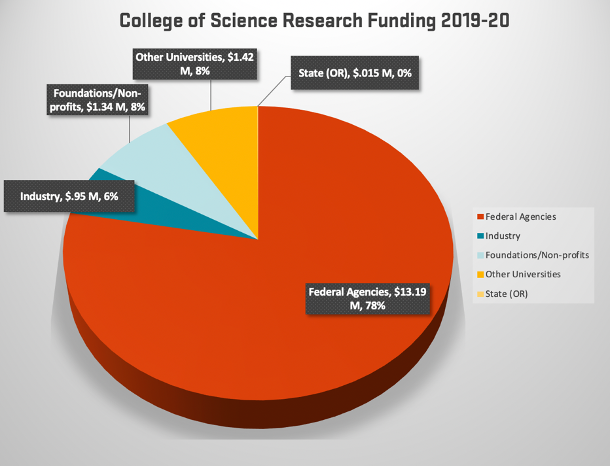
Science faculty research funding from FY20

By Tamara Cissna

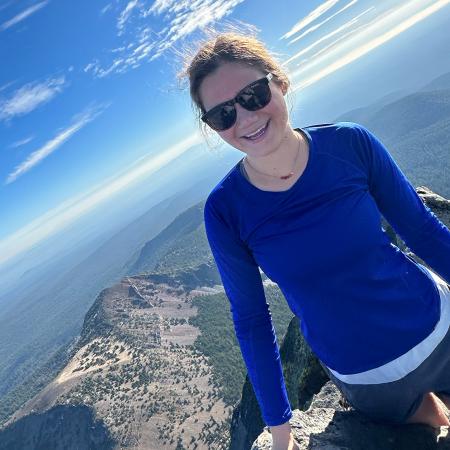
Microbiologist Kim Halsey (left) and postdoc Cleo Davie-Martin collect samples from a river. She studies the potential to detect toxic algae blooms in freshwater and marine ecosystems.

College of Science faculty were awarded $15.82 million in new research grants and awards in fiscal year 2020. The awards are equally distributed between faculty in the School of Life Sciences—which includes integrative biology, microbiology and biochemistry and biophysics and those in the departments of physics, chemistry, statistics and mathematics. The previous year’s total was $16.64 million.

As the chart below indicates, most of the College’s funding was awarded by federal agencies with the National Science Foundation ($4.74M) and National Institutes of Health ($2.41M) leading the list. Foundation and industry awards contributed $2.29M.

COS research funding pie chart

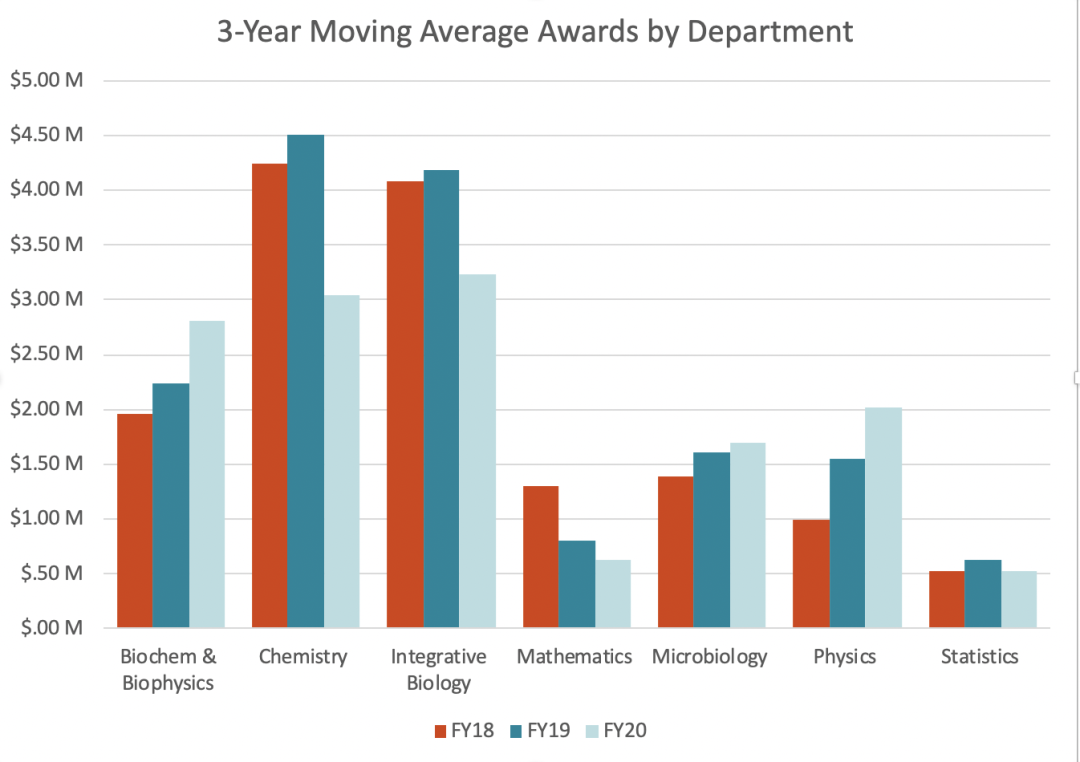
For the fiscal year, the number of research proposals submitted by the College was 143 this year – up 3% from 139 submitted in fiscal year 2019. The total requested funds from grant proposal submissions was $81.5M, up from $65M the previous year. See chart below for award distribution.

Award distribution bar graph

College of Science research expenditures for FY20 totaled $11.72M – up 5% from $11.05M the previous year. Federally funded expenditures for the year were $8.78M.

Many science faculty received substantial research grants this year. Below are just a few notable awards that demonstrate the College’s breadth of research in the life, physical, mathematical and computational sciences.

Ecologist Benjamin Dalziel received a $800K grant from PacificSource Health Plans and a $750K grant from the David and Lucile Packard Foundation for the project entitled “Team-based Rapid Assessment of Community-level coronavirus Epidemics” or TRACE-COVID-19. This groundbreaking project is gathering timely information to inform measures to slow the spread of the virus SARS-CoV-2, and minimize the impact of the disease. Using a community-based approach, the study rapidly assesses the prevalence of the coronavirus in Corvallis, Bend, Newport and Hermiston – with the goal of expanding to other Oregon communities and across the nation.

Coral microbiologist Rebecca Vega Thurber received a 3-year, $627K NSF grant for her project "Tracking the interacting roles of the environment, host genotype, and a novel Rickettsiales in coral disease." Her project aims to uncover the holistic mechanisms of disease susceptibility in the critically endangered staghorn coral, Acropora cervicornis, to help practitioners work more effectively toward conservation and restoration.

Chemist Claudia Maier received a one-year, equipment grant for $577K from the National Institutes for Health for her project “Ultra Performance Liquid Chromatograph Tandem Quadrupole Mass Spectrometry System.”

Biochemist Colin Johnson received $336K from the National Institutes of Health — Institute on Deafness for his project "In vivo and in vitro studies of the deafness associated protein otoferlin."

Chemist Wei Kong received $332K from the NIH's Institute of General Medical Sciences for her project, "Serial Single Molecule Electron Diffraction Imaging: Atomic Structures of Biological Macromolecules without Crystals."

Biochemist Viviana Perez received a two-year, $400K grant from the National Institutes of Health for her project, "Nrf2 deficiency as a prime modulator of cellular senescence and Alzheimer's disease."

Physicist Yun-Shik Lee received a $380K award from the National Science Foundation (NSF) for his project "High-Field Terahertz Driven Photocarrier Dynamics in Nanomaterials."

Biologist Jadwiga Giebultowicz received a one-year $378K NIH grant for her project "Links Between Age-related Changes in Energy Metabolism and Alzheimer's Disease."

Microbiologists Kimberly Halsey and Stephen Giovannoni received a $685K grant from the National Science Foundation for their project entitled "Interactions between phytoplankton and bacterioplankton mediated by volatile organic compounds.”

Chemist May Nyman received a three-year, $540K grant from the U.S. Department of Energy for her project, "Hydrolysis, self-assembly and supramolecular assembly of early transition metal-oxo clusters: MOF nodes and aqueous reaction pathways."

Biochemist Colin Johnson received $494K from the National Science Foundation for a three-year project entitled “Establishing a common function for ferlin proteins in membrane fusion using novel genetic code expansion and single molecule techniques.”

Chemist Rich Carter received a $438K grant from the National Science Foundation to study adding innovation and entrepreneurial achievements into the criteria for higher education faculty promotion and tenure.

Graduate student Lillian Padgitt-Cobb, who works with biochemist David Hendrix, won a $120K USDA-NIFA Predoctoral Fellowship for her project “Chromosome-level assembly and genomic data science to reveal insights about cone development, disease resistance, and the evolutionary history of hop (Humulus lupulus).”

Graduate student Michelle Tran, who works with chemist Vincent Remcho, received a $80K NASA Predoctoral Fellowship for her project “Rapid and Minimally Invasive Glass Microfiber-based Biodosimeter for an In-flight Quantification of Radiation from Finger Prick Blood Samples.”

Looking ahead: Positive momentum for FY21

Two months into the new fiscal year, the College is seeing strong momentum with significant awards totaling more than $3.48M already. Below are just a few incoming awards received since July 1, 2020:

Biochemist Elisar Barbar received a two-year $300K EAGER grant from the National Science Foundation to pursue research on SARS-CoV-2 coronavirus that causes Covid-19. The research project is aimed at understanding how the N-protein of the SARS-CoV-2 performs its essential functions in viral infection and transmission. Associate professor David Hendrix and Rick Cooley, a research assistant professor in the Department of Biochemistry and Biophysics, are collaborators on the project.

Ecologist Benjamin Dalziel received $400K from the David and Lucille Packard Foundation for the TRACE-COVID-19 Expansion project.

Mathematicians Vrushali Bokil and Nathan Gibson were awarded $225K from NSF's computational mathematics program for their project "Computational and Multi-Scale Methods for Nonlinear Electromagnetic models in Plasmas and Nanocomposites."

Microbiologist Rebecca Vega Thurber received a four-year $800K grant from the National Science Foundation for a project entitled “Collaborative Research: Tipping points in coral reefs and their associated microbiomes: interactive effects of herbivory, nutrient enrichment, and temperature.”

Mathematician Mary Beisiegel received funding from the National Science Foundation for three projects:

  • $208K for her project entitled “Development Focused on Engaged Learning, Inclusive Teaching, and Equity (ELITE PD)”
  • $2.1M for her project, with OSU's portion $855K over five years, entitled “Collaborative Research: Mathematics Graduate Teaching Assistant Professional Development Focused on Implementation of Evidence-based Teaching Practices”
  • $124K for a three-year project entitled “Collaborative Research: Algebra Instruction at Community Colleges: Validating Measures of Quality Instruction (AI@CC 2.0)”

Physicist Bo Sun received $528K from the Department of Defense for a project entitled “Decoding the mechano-regulation of breast tumor organoid invasion – one cell at a time.”

Biologist Kirsten Grorud-Colvert received two funding grants:

  • $203K from the Rockefeller Philanthropy Advisors for an existing project entitled “The MPA Project: Clarity and transparency to enable true ocean protection.”
  • $27K from the Resources Legacy Fund for her project entitled “Scientific synthesis to inform a bold, ambitious vision for effective protected areas in the U.S. ocean.”

Chemist Chong Fang received $390K from the National Science Foundation for his project entitled, “Spectroscopy-guided Design of Biomimetic Fluorescent Probes.”

Physicist Weihong Qiu was awarded a $316K grant from the National Institutes of Health for his project entitled “Mechanistic Analysis of Kinesin-14 Motility and Regulation for Bipolar Spindle Assembly.”
Read more stories about: news, microbiology, research


Stephen Giovannoni sitting in lab

Steve Giovannoni to lead Department of Microbiology

By Tamara Cissna

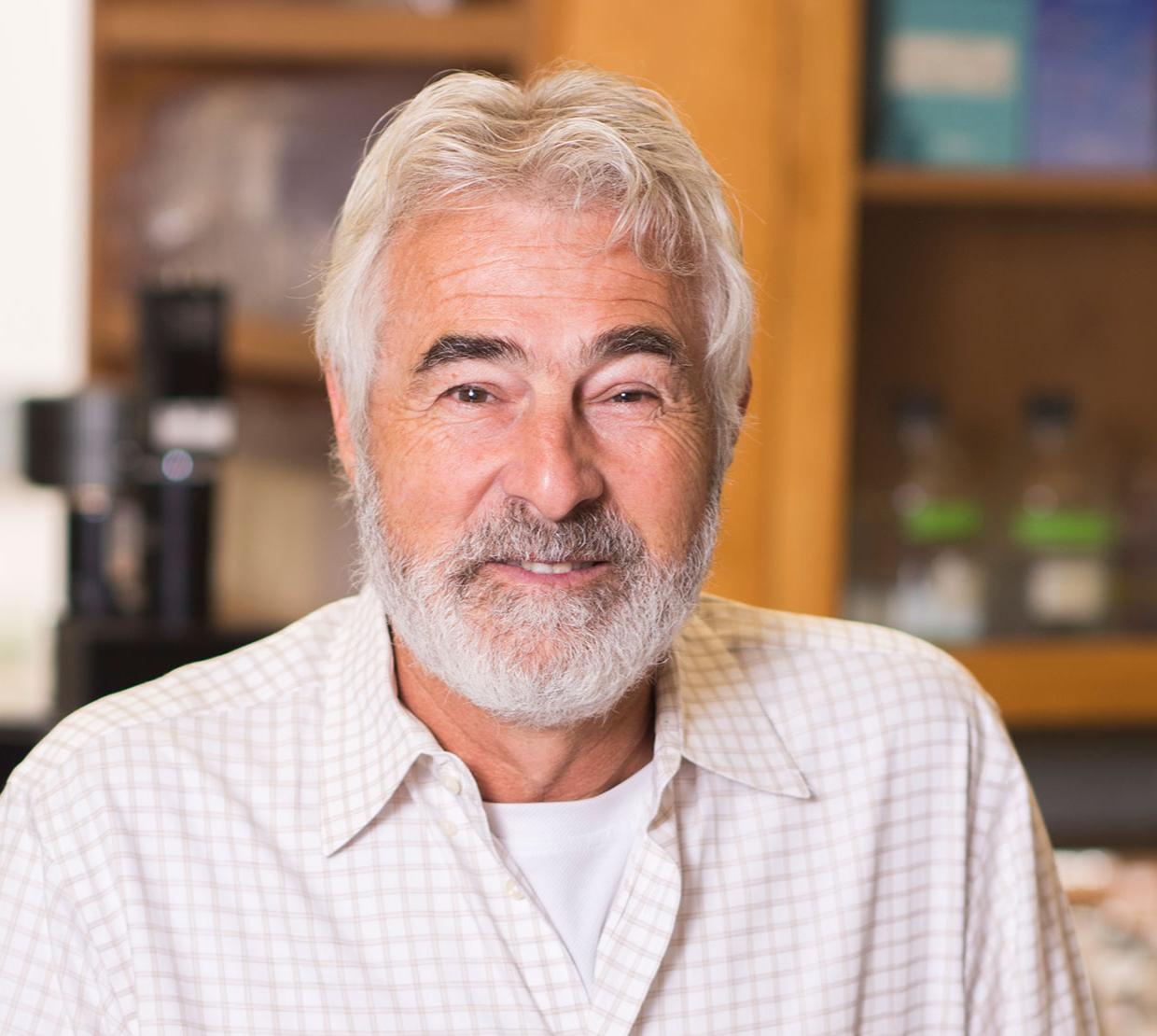
Distinguished Professor Steve Giovannoni is the new head of the Department of Microbiology, effective July 1, 2020.

The College of Science welcomes Steve Giovannoni as the new head of the Department of Microbiology Head effective July 1, 2020. Giovannoni is an OSU Distinguished Professor in the Department of Microbiology with joint appointments in the College of Science and the College of Agricultural Sciences. He joined the department faculty 32 years ago

Giovannoni is an internationally recognized microbiologist whose research on microbial diversity, genomics, carbon cycle and ecology in oceanic ecosystems is globally impactful. His research team is deeply engaged in predicting what will happen as the oceans warm and become more acidic.

“Steve is a brilliant researcher who is doing important work with marine plankton, focusing on the bacteria that oxidize organic carbon to CO2 ,” said College of Science Dean Roy Haggerty. “Microbiology has never been more important than right now, and he demonstrates exceptional commitment and vision. I look forward to his leadership in the Microbiology Department and to the many achievements he will inspire.”

Giovannoni is the founder and director of the OSU High Throughput Culturing Laboratory (HTCL) that distributes cultures and DNA from oligotrophic marine bacteria to research institutions around the world. More than forty laboratories have received materials from the HTCL.

With his new appointment, the impact of his leadership will widen further—at a critical time in the world.

“These are challenging times, but this is also a time to imagine a brighter future and a truly global vision that embraces all cultures, peoples and identities in an atmosphere of shared endeavor and respect,” Giovannoni said. “The Department of Microbiology has made its mark and become internationally recognized for research and education that integrate diverse aspects of microbiological sciences. Our faculty are recognized for their accomplishments in marine science, fish health, and quantitative microbiome science—and for unity across the ranks in the pursuit of better opportunities for all students.

“We will be educating a new generation who have been impacted by COVID-19 and are seeking training relevant to pressing human and environmental issues. We can respond to change by implementing the plans we have already made to expand our educational programs, and by finding support from federal and private funding sources to broaden our work, particularly in graduate education.”

Jerri Bartholomew, current head of the Department of Microbiology, announced last fall that she would step down from her post, which she has held since 2015. She will begin a sabbatical year and then resume her role of director of the John L. Fryer Aquatic Animal Health Laboratory when she returns.

“I want to thank Jerri for her excellent leadership as Microbiology Department Head,” said Haggerty. “While serving in this capacity, Jerri strengthened the department and adapted its programs to meet the emerging needs of today’s students. I know she is looking forward to having more time for research while continuing to help the department and the College be successful.”

A few of notable accomplishments Bartholomew achieved as department head include the launch of the new Accelerated Master’s Platform that gives high-performing OSU undergraduates a jump on a graduate degree, and the creation a new non-thesis master’s degree serves students pursuing data skills and BioHealth sciences. Under her leadership, the department also updated the BioHealth Science curriculum to ensure students receive an interdisciplinary background, preparing them for a wider variety of health-care professions. She also led the effort to revise the microbiology minor to make it more accessible and available online.

“I also would like to thank the search committee and the committee chair, Lisa Ganio, for running a smooth search and for their dedication to filling this important leadership position,” said Haggerty.

The pioneering Giovannoni Lab studies how biology interacts with the atmosphere and the oceans to change global patterns in the movement of carbon and other elements. The research team’s experiments begin at sea, but they carry this research into the laboratory. There, they work with microbial cells and genome sequences to discover new cell types and new biochemical transformations of matter. Their goals are to understand how these extraordinary cells evolved, how they function, and how planktonic ecosystems will change in response to ocean warming.

Committed to inclusion and equity, the Giovannoni Lab works with OSU’s Science and Math Investigative Learning Experiences (SMILE) Program. The pre-college program helps prepare minority, low-income, historically underrepresented, and other educationally underserved students from rural areas to pursue STEM careers.

Giovannoni received his bachelor’s degree in biology at the University of California, San Diego, an M.A, in biology from Boston University, and a Ph.D. in biology for the University of Oregon.

In 2012, Giovannoni received the Jim Tiedje Award, which is given to “exalted microbial ecologists who are recognized for their outstanding lifetime contribution to the field of microbial ecology” from the International Society for Microbial Ecology.

Grace Deitzler working with microscope in lab

2020 NSF Graduate Research Fellowships awarded to alumni and students

By Srila Nayak

Microbiology Ph.D. student Grace Deitzler, a member of Dr. Maude David's lab, was awarded the 2020 NSF Graduate Research Fellowship.

Two Ph.D. students in the College of Science — Grace Deitzler in microbiology and John Stepanek in integrative biology — are among three OSU students to receive prestigious National Science Foundation (NSF) Graduate Research Fellowship Program (GRFP) awards in 2020.

Additionally, six College of Science alumni were also selected for the award this year. They are: Patrick Flynn (Mathematics ’18), a Ph.D. student of applied mathematics at Brown University; Katelyn Chase (Physics ’18), a quantitative and computational biology Ph.D. student at Princeton University; Gregory Mirek Brandt (Physics, Mathematics ’18), a Ph.D. student of astrophysics at the University of California Santa Barbara; Alyssa Adler (Marine Biology ’12), a recipient of the National Geographic Early Career Grant and an underwater videographer with Lindbald Expeditions; Joseph Kincaid (Chemistry ’18), an organic chemistry Ph.D. student at UC Santa Barbara; and Alena Vasquez (Chemistry ’18), a doctoral student in chemistry at The Scripps Research Institute.

In 2020, NSF offered a total of 2,076 awards to students from a competitive pool of applicants from all 50 states as well as the District of Columbia and U.S. territories. The GRFP provides three years of financial support within a five-year fellowship period — $34,000 annual stipend and $12,000 cost-of-education allowance to the graduate institution. That support is for graduate study that leads to a research-based master’s or doctoral degree in a STEM field. GRFP Fellows also have access to a number of unique opportunities during their tenure, including the opportunity to engage in international research collaboration.

Deitzler’s award-winning research project focuses on the honey bee gut microbiome and its role in health and immunity as a way to conserve declining honey bee populations. Using a combination of comparative genomics and field experiments, Deitzler and her mentors investigate the effects of a parasitic infection, Nosema ceranae, on the honey bee gut microbiome and the co-diversification patterns and interactions of host and pathogen in the honey bee microbiota. Further, the proposed study will examine the impact that probiotics have on the gut microbiome and whether this supplementation can alter immune response and survival during infection. Deitzler works on this project with her advisor Maude David, an assistant professor of microbiology, and Ramesh Sagili in the College of Agricultural Sciences.

Deitzler joined OSU in 2018 after completing her undergraduate studies in biological sciences at the Missouri University of Science and Technology. As an undergraduate student, she worked on vaginal microbiome research at the Center for Women’s Infectious Disease Research in the lab of Dr. Amanda Lewis at Washington University School of Medicine in St. Louis. “It was during this internship that I developed an interest in microbiology, studying the microbial causes of bacterial vaginosis and microbial contributions to poor health outcomes in pregnancy,” said Deitzler. She worked on the project over the course of three summers, and the research resulted in identifying novel strains and genome sequences as well as four articles in the journal Genome Announcements. After graduation, Deitzler worked full-time in the Lewis Lab as a research technician before pursuing her doctoral studies.

In the David Lab at OSU, Deitzler also conducts research on the gut microbiome to better understand its impact on autism spectrum disorder. She studies a mouse model of the gut-brain axis to analyze microbiome composition and its relationship with behavior.

Passionate about science communication, Deitzler is the president and a co-founder of Seminarium, an OSU student club dedicated to exploring the connections between arts and science and bringing this intersection to a broader audience. She is also actively involved in organizing outreach events on campus and within Corvallis.

John Stepanek standing in front of shrubbery

John Stepanek, a Ph.D. student in the Department of Integrative Biology, was awarded the NSF Graduate Research Fellowship.

Stepanek is a dedicated and passionate climate activist. As an Oregon Climate Fellow in 2019, Stepanek organized and collaborated with students at OSU and in Corvallis high schools to get them involved in passing scientifically sound and socially just climate change legislation. In that role he also worked with state legislators in an attempt to pass carbon emissions reduction legislation. Closely aligned with his environmental advocacy, his research as a Ph.D. student of integrative biology revolves around ocean ecosystems and the effects of climate change.

The NSF fellowship will support his research measuring the carbon sequestration capacity of coastal sand dunes and the combined effects of invasive species of beachgrass and climate change on carbon storage in dune ecosystems.

“Climate-driven shifts in the abundance and distribution of each grass species, along with sea level rise and increased storm wave erosion, could alter the carbon stock and sequestration capacity of Pacific Northwest dunes,” says Stepanek, who works in the lab of Sally Hacker, professor of integrative biology.

His career in climate-related ecology began as an undergraduate student at California Polytechnic State University, San Luis Obispo. There he studied the effects of climate change on thermoregulatory function in lizards and rattlesnakes, conducting field research in San Luis Obispo, the Sierra Nevada, the Mojave Desert and the Chiricahua Mountains of Arizona. At Cal Poly, he also worked on a project to track tree biodiversity in California.

In collaboration with Hacker and other researchers, Stepanek has undertaken NOAA-funded field research in the Outer Banks of North Carolina to investigate how sea level rise and increasing tropical storm intensity affects response and recovery of dune systems, which are critical for protecting people and property from the worst of these storms.

Stepanek has hiked the Pacific Crest Trail, a pivotal experience in forming his ecological consciousness and his research career. “I saw more forms of life in four months than most people get to see in a lifetime, but I also witnessed firsthand the destruction that climate change threatens us with in the form of desert droughts, bark beetle infestations, glacial melting and massive forest fires,” remarked Stepanek.

Among other outreach and volunteer activities, Stepanek helped start a chapter of Sunrise Movementa youth-led climate advocacy organization — in Corvallis and has since organized five climate marches with local high schools and faith communities to demand city action on climate change. With the NSF fellowship support, Stepanek plans to dedicate more time to environmental outreach endeavors, increase visibility for his research and give local students more opportunities to participate in science.

The NSF GRFP is the country’s oldest fellowship program that directly supports graduate students in various science, technology, engineering and mathematics (STEM) fields. The awards recognize outstanding graduate students in STEM disciplines who are pursuing research-based master’s and doctoral degrees at accredited U.S. institutions. NSF Fellows are anticipated to become knowledge experts who can contribute significantly to research, teaching, and innovations in science and engineering.

Justin Sanders sitting in lab

Microbiology alum helps produce critical COVID-19 test component for Oregon hospitals

By Molly Rosbach

Justin Sanders, section head of the Molecular Diagnostics Lab at the Oregon Veterinary Diagnostic Laboratory at OSU

As the number of COVID-19 cases grows, hospitals worldwide are straining to find the medical supplies necessary to test and treat infected patients. Scientists at Oregon State are working to find solutions.

When Samaritan Health Services asked Oregon State University last week if there was anything the university could do to help, researches in the Carlson College of Veterinary Medicine realized their laboratories already had all the ingredients and equipment to make the fluid needed to transport patient samples to testing facilities.

Testing for COVID-19 involves sticking a specialized swab deep into the nose. To move those swabs to a testing facility, medical providers must store them in tubes full of viral transport medium (VTM), a specific liquid that protects the virus’s genetic material until the swab can be tested.

Historically hospitals made their own VTM, but for decades most medical facilities have bought it pre-made. With the medical supply chain thrown off by the global demand for COVID-19 materials, lack of this fluid was a bottleneck in Samaritan’s ability to continue testing, explained Justin Sanders, a 2013 microbiology Ph.D. alum who is now section head of the Molecular Diagnostics Lab at the Oregon Veterinary Diagnostic Laboratory at OSU.

In contrast to human hospitals, the veterinary lab still makes most of its media by hand. And the lab happened to have everything necessary to make the VTM in a sterile environment, including an autoclave to sterilize water, buffered salts and bovine serum.

“It’s funny — this is one of these very old-school sorts of things that, because we’re a vet school, a lot of these types of procedures are very routinely done,” Sanders said. “And hospitals simply don’t have the capacity.”

After Samaritan infectious disease specialist Adam Brady, also an OSU microbiology alum, confirmed last week that they needed VTM, Sanders coordinated with virologist Wendy Black in the Oregon Veterinary Diagnostic Lab at OSU. They verified protocols published by the Centers for Disease Control and Prevention to allow the production of COVID-specific viral transport medium, making 3 liters of the fluid.

Each tube needs 3 milliliters of fluid to properly store a test swab, so 3 liters is enough for 1,000 tests.

“Without it, they would not be able to collect samples,” Sanders said.

OSU’s Interim Vice President for Research Irem Tumer stated: “I am super impressed by the lightning-fast response to the request to produce these supplies and inspired to see what our faculty and staff can do in times of crisis,” she said.

Whether OSU is asked to produce more of the fluid will likely depend on whether Oregon’s testing capacity grows, Sanders said: If there are no more test kits, hospitals won’t be able to send swabs anyway. Nationwide, manufacturers are working to quickly increase production of both nasopharyngeal swabs and viral transport medium to meet the health care demand as testing increases.

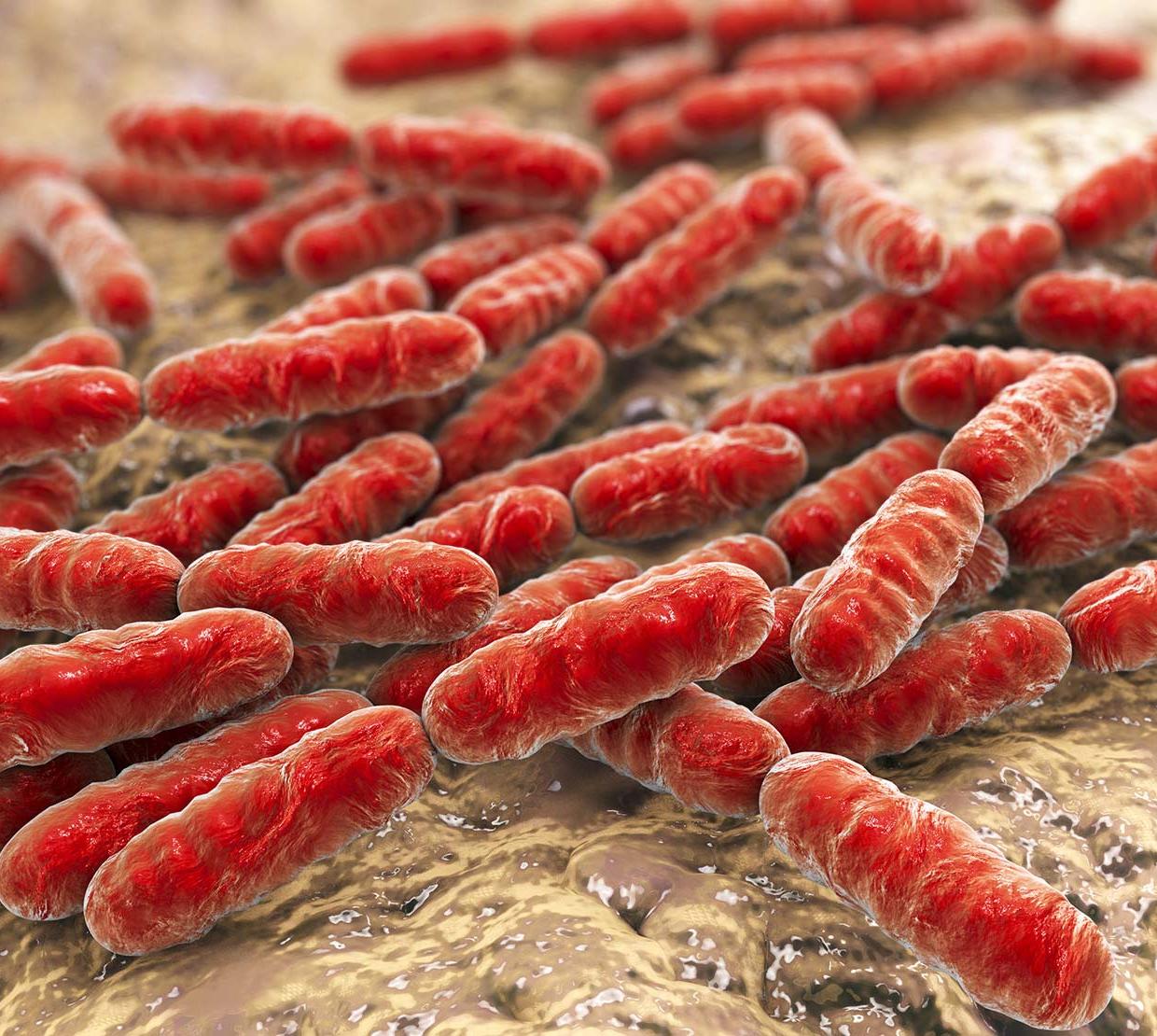
3D model of red Microbiomes

Microbiologist receives $1.94 million grant to study connection between autism, microbiome

By Steve Lundeberg

The human microbiome and autism spectrum disorder

Maude David, an assistant professor in the Department of Microbiology, is part of a two-year $1.94 million grant to identify possible connections between the human microbiome and autism spectrum disorder.

Maude David in her office space

Microbiologist Maude David

The goal is to use data from the microbiome — the community of organisms that live in a person’s gut — in the search for new treatments for autism spectrum disorder, a developmental disorder that affects communication and behavior.

In the United States, roughly one child in 70 has autism spectrum disorder; boys are four times as likely as girls to have the condition. Symptoms usually appear by age two.

David will collaborate with researchers at the Stanford University School of Medicine and Second Genome, a company based in South San Francisco, California, on the two-year project funded by a federal Small Business Innovation Research grant.

The grant will support the study of key metabolites produced by microbes in patients with central nervous system disorders, particularly autism. Some of those metabolites may be able to pass through the blood-brain barrier, which protects the brain from toxins in the bloodstream, and negatively affect the central nervous system.

Certain microbial strains are either lacking or severely decreased in children with autism spectrum disorder.

“Recent studies have implicated the microbiome in several central nervous system disorders, including autism, Parkinson’s and Alzheimer’s disease, and even addiction.”

“This project is especially exciting because it uses a top-to-bottom approach with crowd-sourced samples to identify the metabolites that we’ll ultimately test in mouse models,” David said.

OSU has several areas of responsibility in the project, she added, including applying computational models of the blood-brain barrier and ramping up several new behavioral tests for the mice used in the study.

“One of the most interesting pieces of the puzzle is our attempt to combine microbial profiling and genetic variants in humans to determine the most relevant features, either of the microbiome or the host,” said David, who will collaborate on this part of the project with Dennis Wall of Stanford, an expert in human genetic variation.

Second Genome, a company focused on the development of novel therapeutics identified through microbiome science, is the SBIR grant recipient and will work with OSU and Stanford to study the relationship between the human microbiome and autism spectrum disorder.

The researchers have enrolled 111 pairs of siblings, each born within two years of each other, in the study; one sibling is on the autism spectrum, the other is not. Each pair of siblings lived in the same house and provided stool and saliva samples over a set period of time, and their parents charted each sibling’s diet and behavior for three weeks.

“Recent studies have implicated the microbiome in several central nervous system disorders, including autism, Parkinson’s and Alzheimer’s disease, and even addiction,” said Todd DeSantis, Second Genome’s co-founder and vice president of informatics. “As we mine the increasing amount of data coming from the microbiome, we look forward to developing clinically relevant therapeutics to improve patient care in autism and other disease areas.”

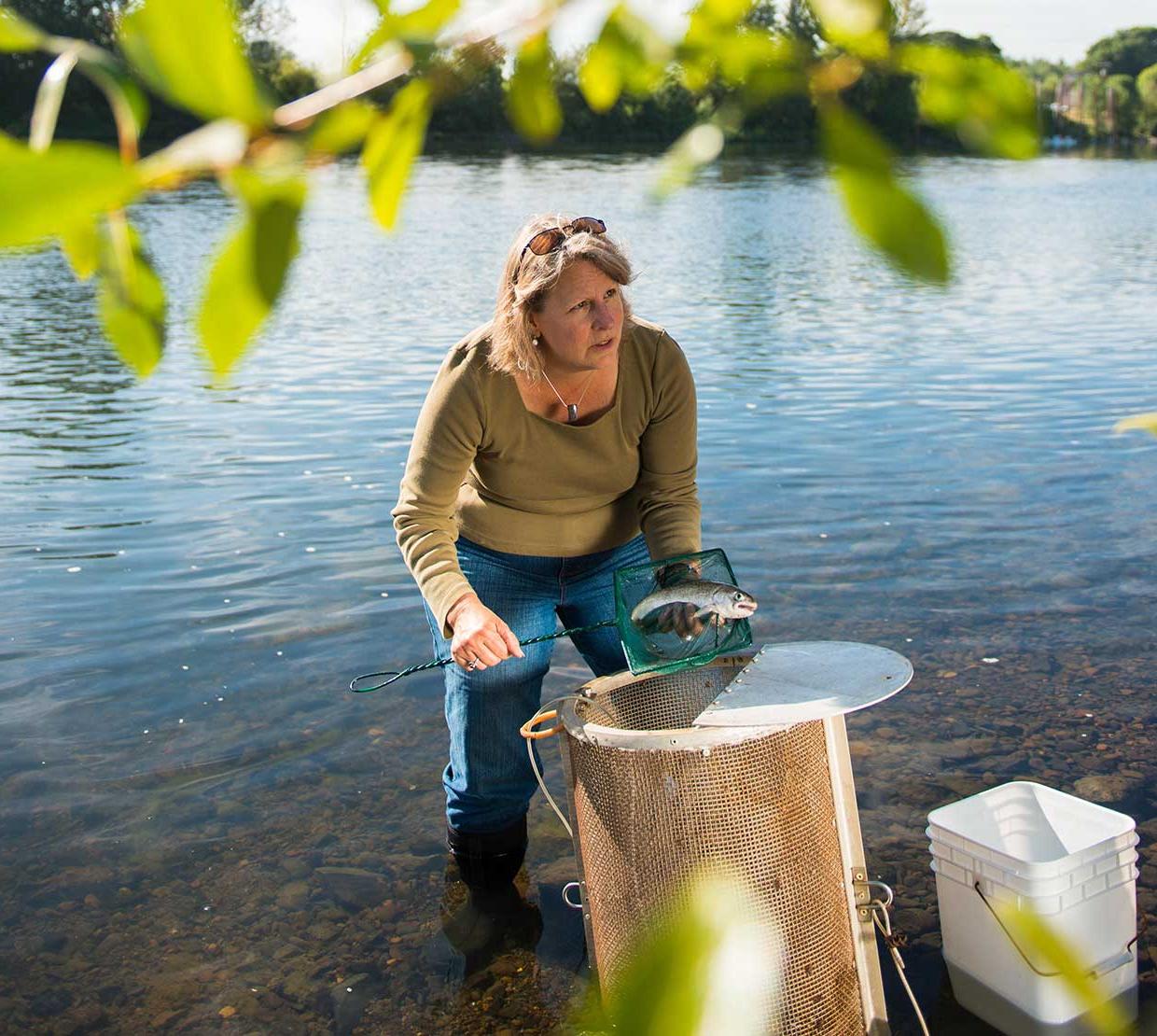
Jerri Bartholomew gathering samples from river

Microbiologist recognized for lifetime achievement in Pacific salmon health

By Katharine de Baun

Jerri Bartholomew, Head of the Microbiology Department

Jerri Bartholomew, the Emile F. Pernot Distinguished Professor and Head of the Microbiology Department, was recently awarded the American Fisheries Society (AFS) S.F Snieszko Distinguished Service Award for her outstanding accomplishments in the field of aquatic animal health. This lifetime achievement award is the highest honor presented by the Fish Health Section of the AFS.

Dedicated to promoting the conservation, development and wise use of fisheries, AFS awards this honor to acknowledge significant accomplishments in the area of fish health exemplified by research publications, grants for graduate student thesis projects, and a world-recognized research program and laboratory.

Bartholomew received her award recently at the annual AFS meeting in Jackson Hole, WY, where she shared the limelight with fellow award winner Dr. Mamoru Yoshimizu, a Japanese scientist.

An OSU alumna with both her master’s degree and Ph.D. in fisheries science, Bartholomew joined the Department of Microbiology faculty 23 years ago and has joint appointments in the Colleges of Science and of Agricultural Sciences.

Jerri Bartholomew in front of shrubbery

Jerri Bartholomew, Head of Microbiology Department

Bartholomew’s decades of publications and funded research focused on the endemic (and often fatal) wild Pacific salmon myxozoan parasite Ceratomyxa Shasta and her directorship of the J.L. Fryer Aquatic Animal Health Laboratory have deepened our understanding of how infectious organisms sicken salmonids and other freshwater fish, and produced forecasting models of how climate change might affect the interaction. Her research has advanced the microbiological understanding of the host-pathogen dynamic as well as produced practical recommendations for salmon fisheries that have already been put into good use.

Her colleagues and collaborators around the world praise her scholarship, research and leadership. Arik Diamant, a senior scientist at Israel’s National Center for Mariculture who collaborated with Bartholomew on research probing the mechanics of how the parasite infects salmon by activating specialized polar capsule cells, speaks to her international influence in the field:

“Under her leadership, her research group generated innovative immunological and molecular approaches and tools that within several years resulted in remarkable scientific contributions… [greatly expanding] our knowledge of disease in wild riverine salmon. Jerri rapidly attained international recognition and her work is highly regarded by her colleagues.”

In 2014, Bartholomew helped organize the 7th International Symposium on Aquatic Animal Health (ISAAH) in Portland that attracted 300 fish health professionals from 26 countries. ISAAH is the preeminent meeting of international fish health professionals.

“Jerri has substantially advanced our understanding of the threat facing salmon populations, and how that threat will evolve with climate change is highly relevant for a healthy people and a healthy planet,” says Sastry G. Pantula, dean of the College of Science.

“I am very proud of her achievements, her service to the profession and her leadership as well as her exceptional teaching and mentoring of our students," adds Pantula. "I am thrilled that she has received this tremendous honor.”

Bartholomew has long been recognized for her influence as a life-changing teacher and mentor. She has mentored six post-doctoral scholars as well as six Ph.D. and 15 master’s students and 17 undergraduates on their research projects. Bartholomew also teaches Advances in Disease Ecology, Fish Diseases in Conservation Biology and Aquaculture, and offers a semi-annual Salmonid Disease Workshop for state and federal fishery biologists.

Former Ph.D. student Charlene Hurst says, “Jerri was a wonderful advisor and teacher... [encouraging] her students to develop and pursue their own scientific questions.”

Bartholomew is also an accomplished glass artist who exhibited her fused and cast glass pieces recently at Memorial Hall last winter. This spring she is directing a large-scale exhibition, “Microbiomes: To See the Unseen,” at The Arts Center in Corvallis as part of SPARK, a year-long celebration at OSU of the interplay between art and science. This exhibition asks both artists and researchers how to “See the Unseen?”

microscopic organism swimming through dark water

The birth of the School of Life Sciences

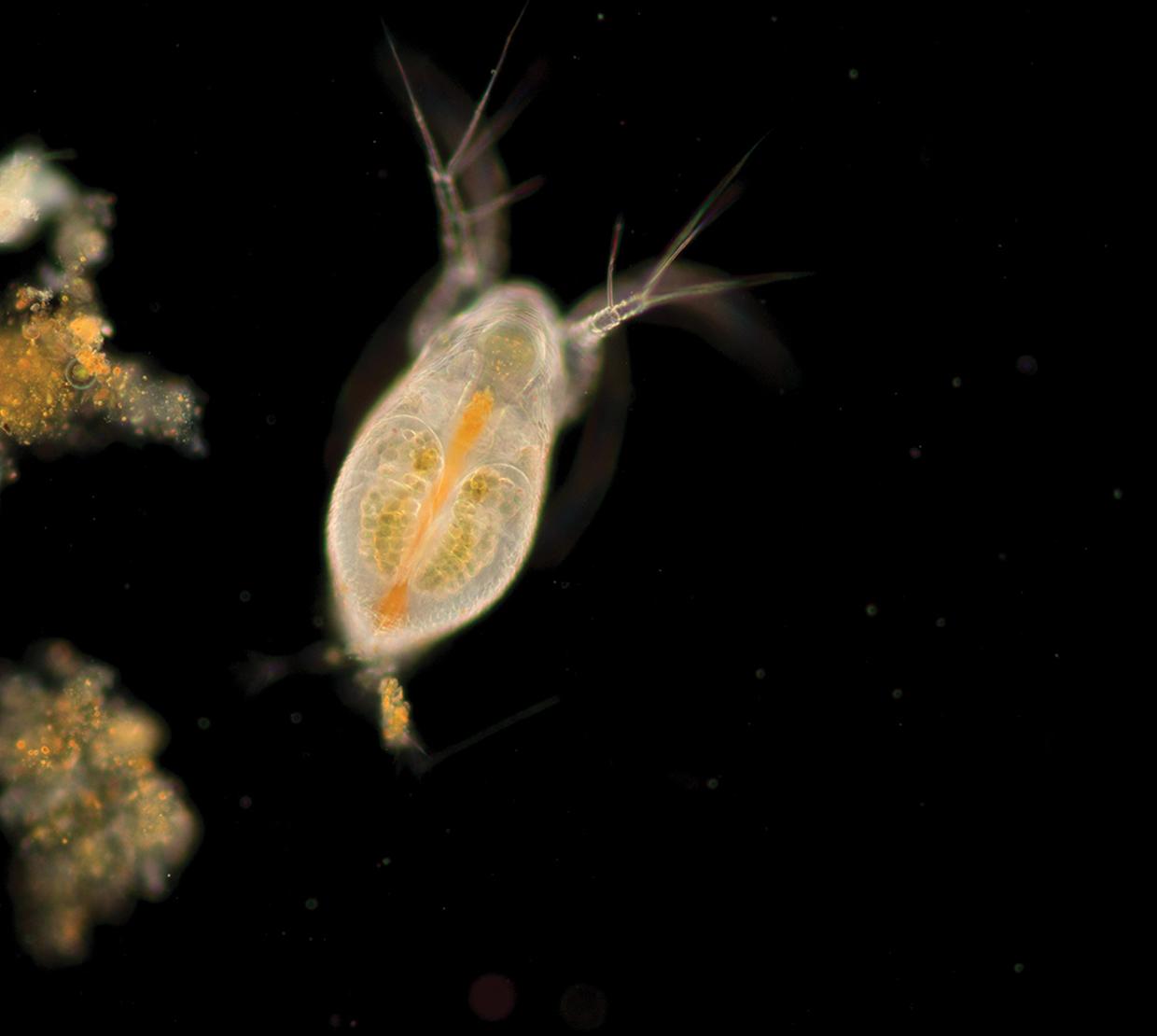
Copepod (zooplankton) in freshwater and Marine under microscope

Last year the College established the School of Life Sciences (SLS) to encompass a broad range of interdisciplinary sciences that lie between biology and medicine. The new School is composed of the departments of Integrative Biology, Microbiology and Biochemistry & Biophysics. At the forefront of interdisciplinary research and teaching, SLS seeks to stimulate scientific discovery and to address critical societal problems in the life sciences.

This change aligns with OSU’s strategic reorganization that began in 2010.

With its newly defined profile, the School of Life Sciences is on an exciting new trajectory with cutting-edge, interdisciplinary research involving the scientific study of living organisms. While biology is the lynchpin of the life sciences, microbiology as well as biochemistry and biophysics enhance the increasingly interdisciplinary research of the field.

This reorganization enables the School to lead, promote and grow the instructional and research success of the basic life sciences. Other benefits include streamlining faculty hires, research clusters and research facilities as well as tightly integrating the undergraduate and graduate curriculum across the life sciences.

The School of Life Sciences (SLS) has the largest number of undergraduate majors in the College, with more than 2,300 majors and 100 graduate students. By redistributing significant numbers of students across each department, students will have easier access to pre-health advising, seamless transitions between professional and faculty advisors and increased opportunities to engage in experiential learning by directly interacting with faculty.

Tablet showing human anatomy research

Attracting top talent in science

Biomedical research

The College of Science has partnered with ARCS Foundation Portland Chapter to recruit top applicants to PhD programs in the departments of biochemistry and biophysics, chemistry, mathematics, microbiology, statistics and integrative biology.

ARCS® Foundation (Achievement Rewards for College Scientists) is a distinguished national non-profit volunteer women’s organization dedicated to advancing our nation’s competitiveness in scientific and technological innovation.

“These departments in the College of Science are recognized by ARCS Foundation as being among the top research programs in the country,” said Jean Josephson, president of the Portland Chapter of the ARCS Foundation.

The Portland Chapter will raise funds for ARCS Scholar Awards for the College of Science. This week two awards were earmarked for the College of Science to recruit top doctoral candidates entering one of the six programs in the 2014-2015 academic year. Each award is $18,000, payable over three years.

"I am thrilled for the College to partner with ARCS Foundation Portland Chapter,” said College of Science Dean Sastry G. Pantula.

“Their generous support for our departments will help us attract the best graduate students to OSU and help them realize their dreams. We will transform them into leaders in science to improve people’s lives in Oregon and around the world."

The College of Science joins the College of Engineering, College of Forestry and College of Earth, Ocean, and Atmospheric Sciences as partners of the ARCS Foundation Portland Chapter.

Through partnerships with 55 of America’s most highly ranked universities, ARCS Foundation provides significant financial awards to U.S. graduate students who are most capable of innovative pursuits in science, engineering and medical research. ARCS Foundation employs a scholar award model that provides flexible and unrestricted funding that can be a game changer for these fledgling researchers.

Subscribe to News