Environmental Health

Environmental Health

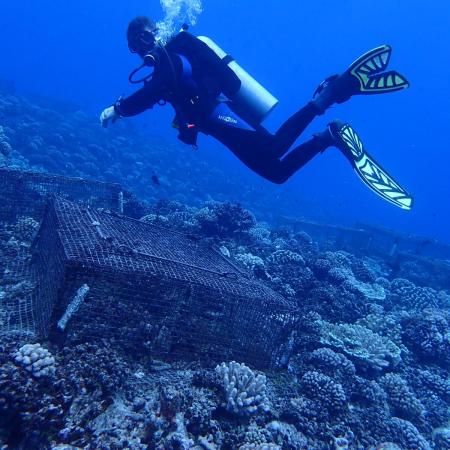
A man stands on a boat in a safety suit.

Microbiology graduate student awarded prestigious U.S. DOE educational award

By Hannah Ashton

Kelly Shannon, a Ph.D. student in the College of Science’s Department of Microbiology, was awarded a transformative educational award from the U.S. Department of Energy.

Shannon is one of 79 doctoral students from 56 universities and 29 states selected this year for the Office of Science Graduate Student Research (SCGSR) program. The program provides funding and access to DOE national laboratories, enabling them to conduct mission-critical research alongside leading scientists and develop into the next generation of science leaders.

Advised by microbiologist Rick Colwell and mentored by Chris Suffridge, Shannon will complete his dissertation research at Lawrence Livermore National Laboratory with microbial ecologist Xavier Mayali.

“This award is such an honor to receive. It means the absolute world to conduct research in this type of world-renowned facility, and with such amazing mentorship,” Shannon said. “I’m ecstatic to begin my project at Lawrence Livermore National Lab, and I hope that my research will make a difference in my field and in our ability to understand harmful algal blooms, which are so damaging to freshwater ecosystems and food webs.”

Two men in safety suits on a boat.

Kelly Shannon (left) and Chris Suffridge (right) filter water samples from Upper Klamath Lake, Oregon, as part of a project funded by the U.S. Fish and Wildlife Service.

His research focuses on harmful algal blooms (HABs) caused by cyanobacteria, or blue-green algae, and how they acquire and share nitrogen, a key nutrient needed by all life. These freshwater HABs can produce toxins that threaten wildlife, drinking water and recreational areas worldwide.

Shannon is studying how cyanobacteria pull nitrogen from the atmosphere and make it available to other algae. Some cyanobacteria can “fix” atmospheric nitrogen, converting it into a form that can be used by living organisms. This process not only fuels their own growth but may also support other algal species in the bloom. Because HABs often consist of several interacting species, understanding how nitrogen moves between them may reveal new insights into how these blooms form and persist in nature.

He is also exploring the role of vitamin B1 and a natural toxin in this nutrient exchange. Vitamin B1, or thiamin, is essential for all microorganisms, including algae. He will test how the availability of thiamin, and a naturally occurring compound that interferes with thiamin use, affects nitrogen transfer between species. This could shed light on hidden chemical interactions that influence the development and toxicity of HABs.

Shannon earned both his bachelor's degree (2020) and master’s (2022) in microbiology from Oregon State. He is now pursuing his Ph.D. as a member of the Colwell Lab in the College of Earth, Ocean and Atmospheric Sciences.

In addition to the DOE award, Shannon was selected as Oregon’s young ambassador for the American Society for Microbiology in 2024.

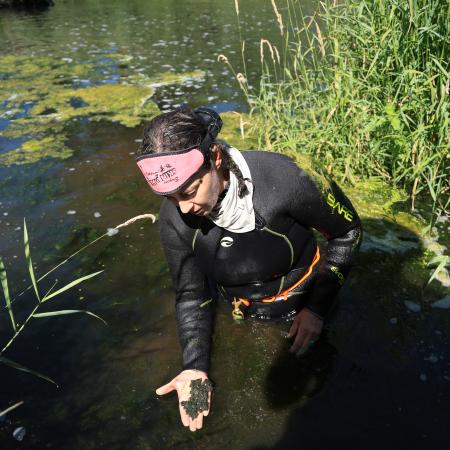
Two men in water pants collect samples in a lake.

Kelly Shannon (left) and Chris Suffridge (right) collect water samples from Upper Klamath Lake, Oregon.

Woman uses gloves to sift through pile of wood chips in art exhibit

College of Science researchers highlight AI, clean energy and the environment through art at PRAx

By Hannah Ashton

Two College of Science faculty members — Maude David and Oksana Ostroverkhova — are helping bridge science and art in FutureFarmers: Silicon Forest, a thought-provoking new exhibition exploring the entangled relationship between ecology, technology and human agency.

On view through June 21, 2025, at the Patricia Valian Reser Center for the Creative Arts (PRAx), the exhibit blends scientific inquiry with artistic expression to invite deeper reflection on our digital future.

Created by the artist collective FutureFarmers, the exhibit invites the public to explore reciprocal relationships between natural ecosystems and technological infrastructures in the “Silicon Forest” — the nickname for Oregon’s high-tech manufacturing corridor. Visitors move through conceptual installations — data records, water samples, wood chips and more — that challenge assumptions about clean technology and offer a space for reflection on our increasingly digital world.

“I am not artistic myself. But art can touch people who can’t easily relate to a ‘nerdy’ scientist,” Ostroverkhova said. “If we can spread the deeper message and touch more people through art, that's beneficial.”

Artists' statement in front of Silicon Forest exhibit

Ostroverkhova’s research group works on low-cost, organic materials for optoelectronic applications, such as solar cells. Her contribution to the exhibit is part of a collaborative scientific effort with colleagues in OSU’s colleges of Forestry and Engineering. Together, they’re investigating fungi-derived pigments including xylindein, a highly durable pigment, used by artists for hundreds of years, as a promising possibility as a semiconductor material.

Xylindein, a pigment secreted by two types of wood-eating fungi, stains wood a blue-green color, which artists have used for centuries. The pigment is so stable that art made more than 500 years ago still retains the color. It has held up against prolonged exposure to heat, ultraviolet light and electrical stress.

“If something has sat on a church ceiling for 500 years and hasn’t degraded, I want to know why,” she said.

Twelve small vials containing differently colored pigment materials

Maude David, associate professor of microbiology, works at the intersection of computer science and microbiome research. She contributed ideas and reflections about artificial intelligence, energy consumption and data ethics. She sees the abstract, immersive nature of the exhibit as a powerful tool for contemplation.

“AI is needed and it’s useful. In fact, I use it for my research. But what is the cost for our children?” she said. “More than 10% of the energy consumption in Oregon is just for data centers.”

Her wish for visitors is simple: stop and think. From pondering data storage’s environmental footprint to engaging with poetic critiques of AI culture, each part of the exhibit encourages personal reflection.

“We are the last generation where some of us grew up without a phone. My daughter’s pretending to make phone calls at three years old,” she said. “AI is difficult to see but technology is in the background of a lot of things we do.”

Two women in lab coats work with a sample in a tube in a laboratory.

Microbiome scientist uses AI to redefine the gut-brain axis and deep-sea ecosystems

By Hannah Ashton

Maude David’s research sits at the crossroads of microbiology, neuroscience and artificial intelligence — an intersection that may hold the key to understanding some of the most complex disorders affecting the human brain and unlocking the secrets of deep-sea ecosystems.

Scientists have long recognized the gut-brain axis as a critical communication pathway, but only recently have they begun to uncover how the trillions of microbes in our gut influence brain function and behavior. David’s research is at the forefront of this field, using microbiome analysis and artificial intelligence to investigate links between gut bacteria and neurological disorders like autism. Her work deepens our understanding of these complex interactions and opens new possibilities for treatments. By applying AI to both human health and environmental microbes, David is pioneering a data-driven approach that could transform neuroscience and microbiology alike.

Microbiome of the human body

The gut-brain axis is a complex, bi-directional communication network linking the gut and central nervous system. The gut doesn’t rely on just microbes to communicate with the brain, but sometimes nutrients also.

For example, when you consume sugar, specialized sensory cells in your gut detect it and send signals to the nervous system, helping to regulate metabolism, appetite and energy balance.

"So, in a millisecond, the bacteria or their metabolites can ‘touch’ your brain.”

Researchers have long known that the gut-brain axis exists, but only recently have they begun to unravel how the trillions of microbes residing in the gut influence brain function and behavior.

“I am fascinated by the complex relationship we have with our microbiome,” David said. “I work specifically on this pathway where the microbes could potentially modulate sensory cells, that’s two synapses in your brain. So, in a millisecond, the bacteria or their metabolites can ‘touch’ your brain.”

Her lab is particularly interested in what role this communication network may play in neurological disorders like autism spectrum disorder (ASD). Using crowdsourced data, David and collaborators discovered that children with ASD have distinct differences in the composition of their gut microbiota compared to their neurotypical siblings. The researchers recruited 111 families that each have two children — one with autism and one without — born within two years of each other and aged two to seven years old.

The researchers collected stool samples from the children at three different time points, two weeks apart. They found eight bacterial genetic sequences that were more likely to be present in the guts of children with autism than in their non-autistic siblings, and three sequences that were less likely.

A follow-up study releasing later in 2025 found further interesting results linked to metabolites, small molecules produced during metabolism. These new findings are exciting because understanding the specific metabolic pathways altered in developmental and neurological disorders could pave the way for novel therapies targeting the gut microbiome.

“There have been very few drugs in the last 20 years focused on neurological disorders. It’s really the etiology, or causes, that are unknown. There is a big gap in understanding, and basic science can help bring solutions,” she said.

A woman in a blue suit jacket holding a stuffed giant microbe.

Maude David holds a stuffed version of lactobacillus bulgarius, the main bacteria used in the production of yogurt. As a beneficial probiotic, it helps maintain a balanced gut flora, which is essential for overall health. The bacteria is produced by the company Giantmicrobes.

Microbiome of the deep sea

Beyond her hands-on lab work, David is pioneering artificial intelligence applications in microbiome research. By training machine learning models on massive datasets, her team is discovering how to predict patterns and identify microbial signatures linked to different conditions.

Her AI approach functions similarly to how a person might read thousands of books to develop a deep understanding of a subject before applying that knowledge to something new. Instead of analyzing each microbiome sample from scratch, her team feeds AI models vast amounts of microbial sequencing data, allowing the system to learn and recognize relationships between the different microbes. These models can then be applied to help classify conditions such as inflammatory bowel disease or colorectal cancer with greater accuracy.

“It is awesome, because the model can remember relationships that us humans might not. It’s finding these complex patterns,” David said.

One of the major challenges in microbiome research is the sheer volume of data involved. Each individual has a unique microbiome comprising thousands of different microbial species, each interacting in complex ways. Traditional methods of analyzing these communities can be time-consuming and require extensive resources. AI provides a way to quickly process and interpret large datasets, identifying patterns that can reveal valuable insights.

Her latest National Science Foundation study continues to push the limits of what AI can do. With a $540K grant, David is applying deep learning to analyze oceanic microbial ecosystems, an extension of her expertise in microbiome research.

The deep sea is a crucial, yet poorly understood driver of global biogeochemical cycles, the movement of essential elements like methane and nitrogen. These cycles regulate ecosystem function, influence climate and support life.

“We are looking at microbes in the ocean and researching how we can use AI to discover what role unknown genes play in methane seeps off the coast of Oregon and Washington,” she said.

Methane seep habitats, areas where methane gas escapes from the sea floor, are unique, diverse areas nourished by methane-consuming microbes. However, many of the genes involved in these deep-sea cycles remain unidentified, limiting our understanding of how these ecosystems function and their impact on global biogeochemical processes.

To analyze these complex environments, researchers will develop two AI models designed to decode gene functions. The first model will categorize genes into pathways by studying how they appear together in microbial communities. The second will use generative AI to predict the functions of unknown genes based on protein sequences and text-based data. Together, these models will help scientists identify genes responsible for each of the cycles identified.

The main outcome will be a scalable approach to artificial intelligence that will advance key questions in earth system science. Understanding the genetic mechanisms behind biogeochemical processes is crucial for predicting how ocean ecosystems respond to environmental changes.

The results of this study will include exhibits by artists involved in the research as well as a documentary about how AI can harness big data to help advance the understanding of earth systems.

As science continues to reveal the hidden influence of the microbiome, one thing is clear: critical solutions lie in understanding the powerful role microorganisms play in our bodies and our environment. David’s research has us on the right path to new understandings.

View of the Colorado river inside the Grand Canyon.

Transforming river health, ecology, seaweed, and pest control: Revolutionary SciRIS research

By Hannah Ashton

The College of Science Research and Innovation Seed (SciRIS) Program continues to drive groundbreaking research by fostering collaboration and innovation. Founded in 2018, SciRIS funds interdisciplinary research projects that aim to create meaningful societal impact. This year, Stage 2 awardees are working to revolutionize our understanding of river health, ecological communities, sustainable seaweed cultivation and insecticide resistance.

There are two tracks through the program: SciRIS team awards (Stages 1-3) and the SciRIS individual investigator award (SciRIS-ii). SciRIS Stages 1-3 funds teams in three stages to support training, research, and capacity-building, accelerating work toward external funding opportunities. SciRIS-ii funds individual faculty to establish research relationships with external partners, enabling them to demonstrate the feasibility of their ideas and quickening the pace of scientific discovery.

Four teams received SciRIS Stage 2 awards.

Bioinformatics for integrated river health

Biologist David Lytle’s project focuses on understanding the complex interactions between multiple biotic components, including food base, disease landscape and microbiome in the lower Colorado River, including the Grand Canyon. Lytle will be working with three Oregon State colleagues, along with collaborators at the United States Geological Service and the National Parks Service. The project aims to develop diagnostic tools that can identify fish parasites and diseases at a molecular level and provide preliminary data on how these parasite, microbial and invertebrate communities change over time.

Oregon State Collaborators
David A. Lytle, Integrative Biology
Justin Sanders, Microbiology, (College of Science and Carlson College of Veterinary Medicine)
Anna Jolles, Integrative Biology (College of Science and Carlson College of Veterinary Medicine)
Claire Couch, Fisheries, Wildlife and Conservation Sciences (College of Agricultural Sciences and Carlson College of Veterinary Medicine)

Government Collaborators
Ted Kennedy, Kim Dibble, Charles Yackulic, Kate Behn, Jessica Anderson, Bridget Deemer, U.S. Geological Service
Emily Omana, Brandon Holton, National Parks Service

Ripening Oregon blackberries, one of the crops at risk from Spotted wing drosophila

Spotted wing drosophila are an invasive pest that attack several crops essential to Oregon farmers, including ripening blueberries, blackberries, apples and stone fruit. Fruit fly populations evolve rapidly and the Patel and Vrailas-Mortimer group seek to understand the risks of resistance evolution before they adapt to local pesticides.

Insecticide resistance in spotted-winged drosophila

Geneticist Alysia Vrailas-Mortimer's project addresses the significant agricultural threat posed by spotted-winged drosophila (SWD), an invasive pest species. The research aims to advance understanding of the genetic basis and evolution of insecticide resistance in these pest populations through experimental work, genetic techniques and mechanistic mathematical modeling. The project involves collaboration with experts from UC Davis and focuses on developing sustainable control methods. Directly connected to the needs of the Oregon agricultural community, this project is a prime example of OSU’s strong community engagement initiatives as a land grant institution. By learning more about the mechanisms of insecticide resistance in spotted-winged drosophila, growers will be better able to plan and prioritize their insecticide applications to mitigate resistance.

Oregon State Collaborators
Alysia Vrailas Mortimer, Biochemistry & Biophysics
Swati Patel, Mathematics
Serhan Mermer, Environmental and Molecular Toxicology (College of Agricultural Sciences)

Analytical Tools to Understand Ecological Communities

Statistician Yuan Jiang’s SciRIS project aims to create novel analytical tools for assessing how organisms in complex ecological communities like microbes and parasites interact and affect each other over time. The research will leverage long-term community datasets from wild vertebrate host populations with improved data techniques that allow these large complex data sets to be analyzed more efficiently and with environmental conditions factored in. In addition to improve our ecological understanding of these communities, Jiang's project seeks to extend the accessibility of these analytical tools to diverse scientific audiences through summer camps, workshops and online tutorials. The project will also involve collaboration with colleagues and students at the Universidad of San Francisco de Quito in Ecuador to build capacity in data analytics.

Oregon State Collaborators
Yuan Jiang, Statistics
Lan Xue, Statistics
Anna Jolles, Integrative Biology
Claire Couch, Fisheries, Wildlife and Conservation Sciences (College of Agricultural Sciences)

Seaweed on a beach with water.

Seaweed morphology and chemical makeup can vary dramatically depending on environmental factors like seawater composition and sunlight exposure, making it a challenge to nutritionally analyze consistent materials. James Fox and his contributors have developed a system for growing seaweed on land under consistent conditions for analysis.

Unlocking the potential of seaweed

Algal physiologist James Fox’s project explores the chemical composition and potential applications of Pacific Dulse, a protein-rich seaweed native to the Pacific coastline. The team will create a special growth chamber to cultivate seaweed on land under controlled conditions. This allows researchers to maximize the production of important compounds found in Pacific Dulse, which can be used in nutrition and medicine. The project also emphasizes community outreach and inclusive excellence by engaging diverse student populations and partnering with outreach programs. Additionally, the project will investigate the impact of different processing methods on the nutritional quality of seaweed extracts.

Oregon State Collaborators
James Fox, Microbiology
Myriam Cotten, Biochemistry and Biophysics
Ford Evans, Hatfield Marine Science Center
Evan Forsythe, Integrative Biology
Scott Geddes, Chemistry Program Coordinator OSU-Cascades
Jung Jwon, Department of Food Science & Technology (College of Agricultural Sciences)
Christopher Suffridge, Microbiology

These projects highlight the innovative and impactful research being conducted by the 2025 SciRIS awardees. Each project not only advances scientific knowledge by also emphasizes collaboration, community engagement and inclusive excellence.

Cattle on rangeland.

Surf and Turf: Oregon State researchers to study feeding seaweed to cattle

By Sean Nealon

Algal physiologist James Fox is a co-investigator on a $1 million study examining the impact of adding seaweed to the diets of beef cattle as a way to reduce greenhouse gas emissions.

Recent research has found that feeding seaweed can reduce methane emissions from cattle, most of which originates from enteric fermentation that is characteristic of their digestive process.

Oregon State will investigate a specific type of seaweed – Pacific dulse, a species grown commercially on the Oregon Coast – and focus on the effects of including this seaweed in diets of cattle that graze sagebrush steppe landscapes, a common ecosystem in the western United States.

“At a time of heightened public concern about greenhouse gas emissions, this project has the potential to help ranchers more sustainably and efficiently produce beef while also providing an economic benefit to seaweed producers,” said Juliana Ranches, project director and an assistant professor at Oregon State’s Eastern Oregon Agricultural Research Center in Burns, Oregon.

The five-year project is funded by the U.S. Department of Agriculture National Institute of Food and Agriculture.

The agriculture sector accounts for 9.4% of greenhouse gas emissions in the U.S. with cattle being responsible for more than a quarter of the greenhouse gas emissions from the agricultural sector. The majority of that contribution comes from methane produced during enteric fermentation.

For the project, about 20 cows will graze each year in an approximately 100-acre pasture at the Northern Great Basin Experimental Range in Riley, Oregon, between Bend and Burns. They will wear GPS collars and be contained within a virtual fence.

The researchers will supplement the cattle feed with Pacific dulse grown along the Oregon Coast by a company called Oregon Seaweed. They will feed different amounts of dried dulse to the cattle to access the supplementation level that most suppresses enteric methane, which is emitted during the digestive process of cows.

“We will also be looking at the way the seaweed is grown and how that impacts the compounds of interest that contribute to methane reduction,” said Fox.

Read the full article on OSU's Newsroom
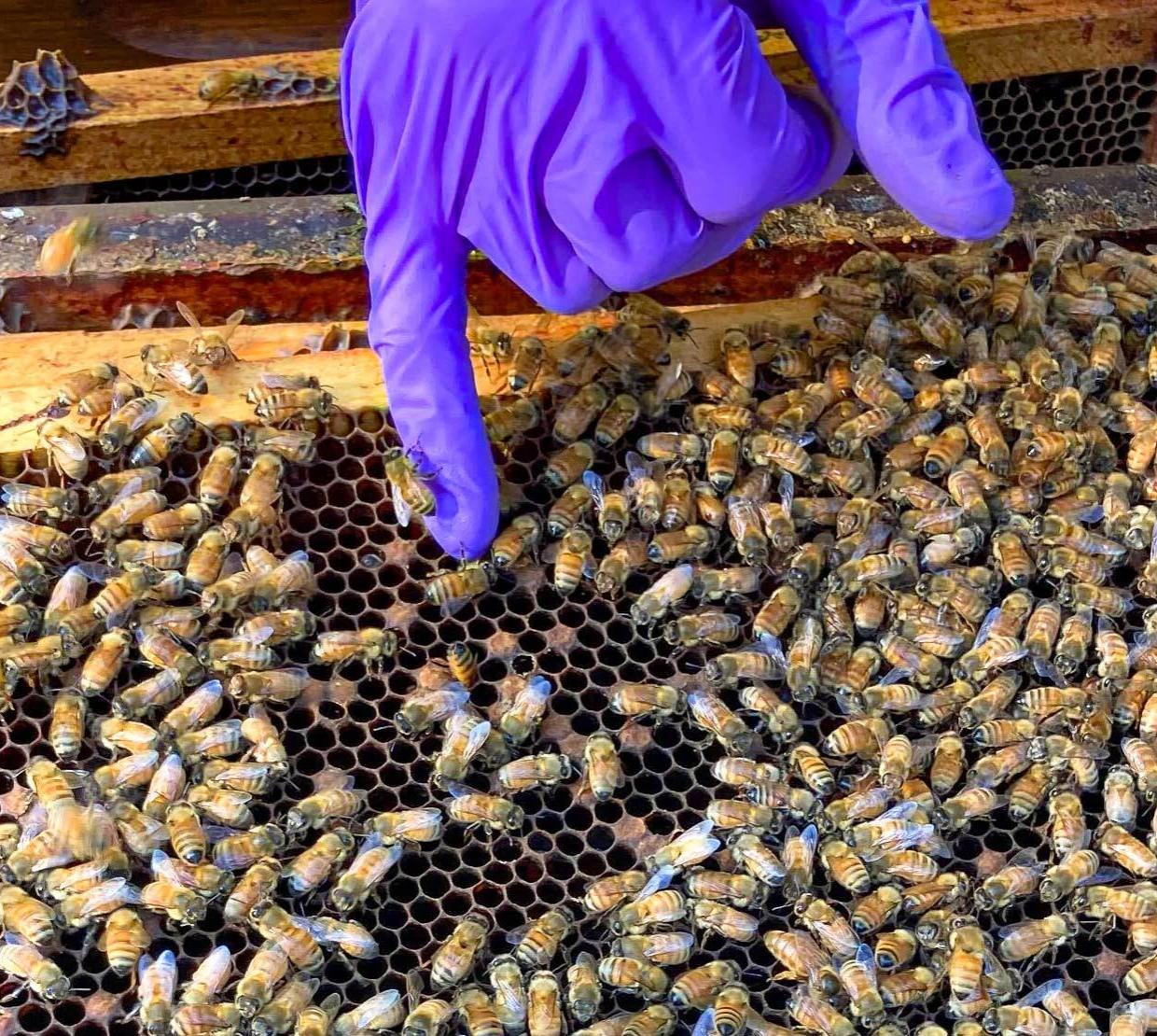
A finger in a blue glove points to honey bees in a hive.

Microbiologist joins collaborative effort to protect honey bees in Oregon

By Hannah Ashton

Although having a box of 300 buzzing bees in the corner of her laboratory is uncharted territory for Maude David, who typically works with humans, she maintains a steadfast belief that science moves forward through interdisciplinary teams.

This belief could save honey bees from a rapid demise.

Focusing on an infectious bacterial disease that can wipe out entire colonies, David is part of a diverse team of researchers from four universities across the U.S. studying European foulbrood disease. Strengthened by a $4.3 million grant from the U.S. Department of Agriculture, the group will investigate the factors contributing to the high incidence of infection, and then share their findings with local beekeepers and growers to improve mitigation efforts.

“It’s important that we as microbiologists apply all of our knowledge to things that are important. I’m excited to work with stakeholders in multiple states, especially in Oregon and understand better how we can help,” David said.

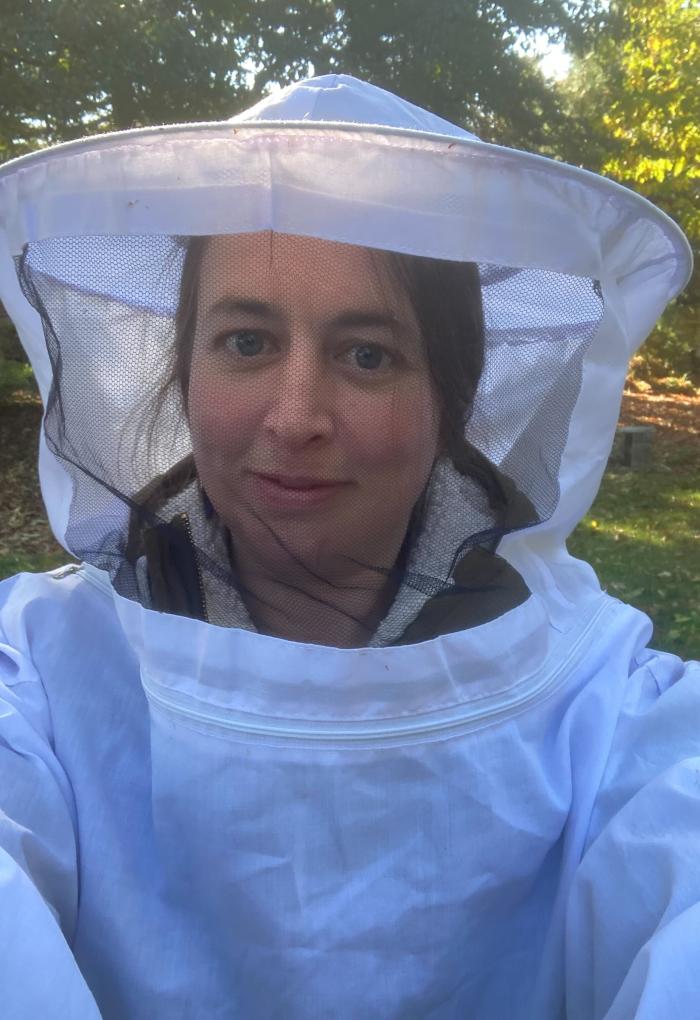
Maude David wears a bee keeping suit.

Maude David poses for a selfie in a beekeeping suit.

From the lab to the field

European foulbrood disease (EFD) targets and kills young larvae before they reach adulthood. After being fed infecting brood food, the larvae turn from pearly white to brown, forming a rubbery scale. The name “foulbrood” refers to the sour, rank and rotting smell that can result from secondary bacterial infections that co-occur.

Beekeepers in Oregon on average pollinate about five different crops in a year. If the colonies are weakened from EFD this means less pollination, worrying blueberry and almond growers.

Oregon grew 158 million pounds of blueberries in 2022, ranking it in the top 10 producing states in the U.S., according to the U.S. Department of Agriculture Statistics Service. Researching how to keep hives safe has become a priority for local scientists.

Transitioning from studying the gut-brain axis in humans to the gut microbiota of honey bees, wasn’t a huge challenge for David. Her main research interest focuses on understanding how microbes can impact our behavior, specifically in Autism Spectrum Disorder and Anxiety.

The human microbiota is highly complex. Honey bees, on the other hand, are the opposite.

“The microbiology part is normal. I’ve done that before. What I love about bees is that you could say the gut microbiota could be considered a lot simpler than the human ones. And that makes it fun because you can study this a little bit more in-depth. It’s an ideal system to study,” David said.

A passionate Ph.D. student roped her into the world of bees and led her to Ramesh Sagili, a professor in the Department of Horticulture and EFD project director.

The agent of EFD is an anaerobic bacteria, meaning it does not grow well when oxygen is present. In humans, these bacteria are most commonly found in the gastrointestinal tract. The research team needed someone who could grow anaerobic bacteria in the lab – something David is familiar with.

“This project is very transdisciplinary. There are people who monitor the bee houses in the field and people like me who are more on the microbiology side of things. There is also an economist on the project,” she said. “I could tell you a lot about the bacteria, I could study this genome well, but I really need the field researchers who collect the data and provide a comprehensive story about the field samplings.”

The four-year project has several components. Researchers will follow honey bee hives as they are transported by commercial beekeepers to pollinate almonds and then blueberries across Washington, Oregon, California and Mississippi. They’ll tag more than 1,500 hives for ongoing observation, which includes checking the frames for signs of foulbrood, estimating colony populations and surveying the microbiota of bees and larvae–the last step is where David comes in.

"As a public land-grant university, we need to build this project and respond to the needs of people in the state.”

Researchers have more questions than answers about European foulbrood disease. How does the disease survive between outbreaks? Does it hibernate in the hive? How does each genetic variation differ? What are the best mitigation strategies?

"Of course, because it’s a bacteria, people try to pour antibiotics to treat it. But, as we all know: one, the bacteria is likely to eventually be resistant and two, it’s not great for everything else around it," David said.

The second and third year of the project will be focused on mitigation strategies. David and her collaborator will be testing a new novel probiotic that has shown promise for tackling EFB in the laboratory. After testing in a controlled environment, they will test the probiotic in the field.

Understanding the genetic variation of the disease is important because pinpointing if a specific strain can better survive winter, develop first, or figuring out which one is the most lethal would help with management.

“Right now, colonies management does not really exist. Our objective is to explain a little bit of everything we are doing to the beekeepers and try to deliver transparent knowledge,” she said.

The team is passionate about connecting with local stakeholders who face an uncertain financial future due to EFB. “It’s important that we keep in touch with the needs of the state. As a public land-grant university, we need to build this project and respond to the needs of people in the state.”

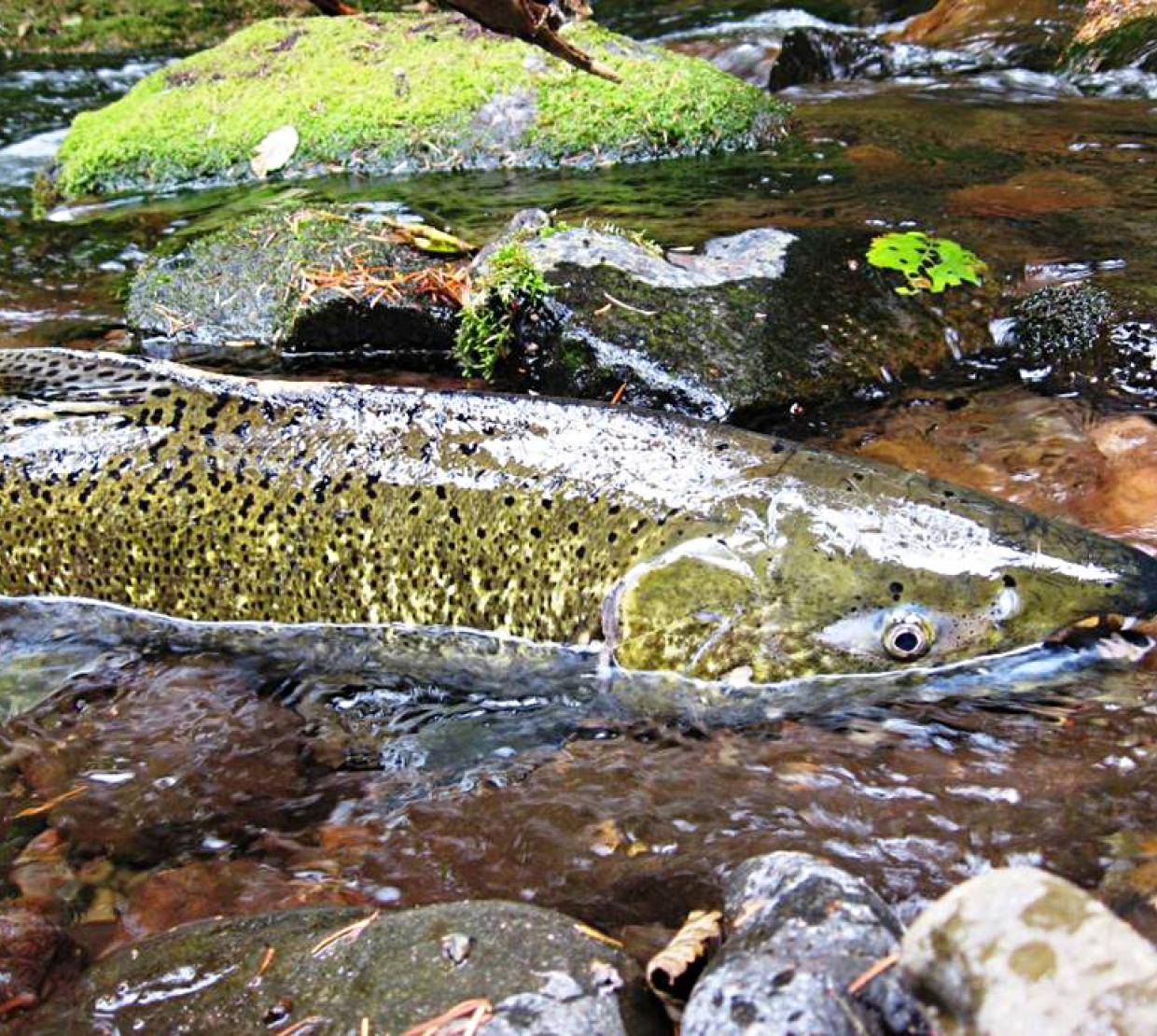
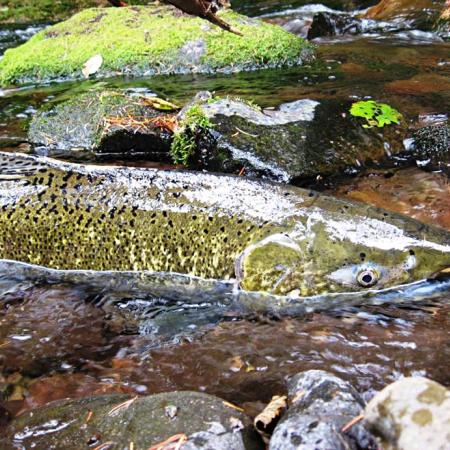
A glossy Chinook salmon swims against the current in a shallow stream.

Researchers discover vitamin that may offer hope for salmon suffering thiamine deficiency disease

By Steve Lundeberg

Oregon State University researchers have discovered vitamin B1 produced by microbes in rivers, findings that may offer hope for vitamin-deficient salmon populations.

Findings were published in Applied and Environmental Microbiology.

The authors say the study in California’s Central Valley represents a novel piece of an important physiological puzzle involving Chinook salmon, a keystone species that holds significant cultural, ecological and economic importance in the Pacific Northwest and Alaska.

Christopher Suffridge, senior research associate in the Department of Microbiology in the College of Science, and doctoral student Kelly Shannon examined concentrations of thiamine and the microbial communities in rivers of the Sacramento River watershed. Thiamine is the compound commonly referred to as vitamin B1 and is critical to cellular function in all living organisms.

“This study is the first-ever report of thiamine compounds in salmon spawning rivers and the associated gravels where salmon spawn,” Suffridge said. “This source of thiamine has potential implications for reducing health impacts on naturally spawning salmon that are suffering from thiamine deficiency complex.”

TDC, an emerging threat to the stability of West Coast salmon populations, has affected salmon and trout in lake systems in northeastern North America and Atlantic salmon in the Baltic Sea.

Chinook salmon in the Central Valley have recently been diagnosed with TDC, the researchers note. Afflicted female salmon that return to rivers and streams to spawn can pass the deficiency on to their hatchlings, which have problems swimming and experience high mortality rates.

“In California, most hatchery-spawning Chinook salmon are treated with thiamine to prevent TDC,” Suffridge said. “However, it was previously unknown if there was a source of thiamine in the environment that could potentially rescue naturally spawning salmon afflicted with TDC. We have now identified microbially produced thiamine in natural salmon spawning habitats.”

“It's a complicated issue,” Shannon added. “The broader context is that Central Valley Chinook salmon, as well as some populations of salmon in other places, are becoming thiamine deficient because of shifts in their diet in their feeding grounds.”

Read more here.

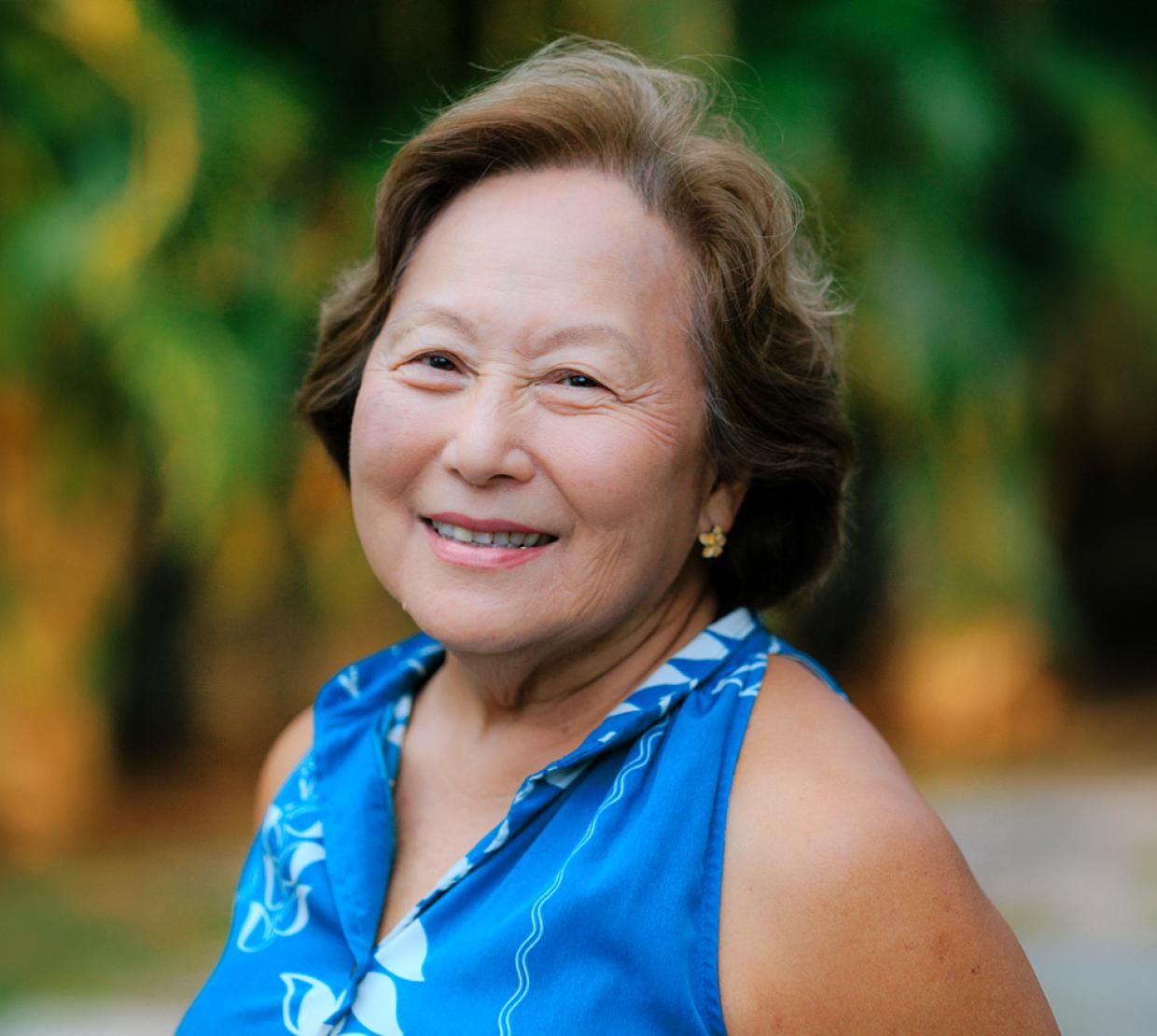
Jo-Ann Leong smiling on a beach in Hawaii

Retired Microbiologist Wins Lifetime Achievement in Science Award

By Kaitlyn Hornbuckle

A devastating disease killed millions of fish and disrupted their migrations across the Columbia River in the 1980s. Microbiologist Jo-Ann Leong never imagined that her quest for a new vaccine would ultimately change the world we live in today. From researching tissues to studying coral diseases, her path to winning the Lifetime Achievement in Science Award turned out to be a tsunami full of surprises.

This award honors exceptional and significant contributions to science over the course of a lifetime either through research, scholarship or teaching.

Finding a fascination with viruses

Obtaining her Ph.D. in Microbiology and Virology at the University of California, San Francisco was just a drop in the bucket for the serendipitous tsunami.

Many miles away in Corvallis, Oregon, a faculty member suddenly left the College of Science, leaving a position in virology open.

While her peers raced to send applications to top medical schools across the country, Leong considered leaving the bustling city for a change of pace. It was a gamble, considering “going to Corvallis is not what my classmates would normally pick,” she said.

After a phone call and interview, she landed the position as an assistant professor. When she arrived in 1975, she started as a fish out of water, attempting to start a virology lab for the first time. For a while, she was the only woman professor in Nash Hall.

Leong balanced work with raising her two-year-old daughter by herself. Her husband, constrained by the demands of his anesthesiology residency in California, couldn’t relocate with her. “We moved the family to Corvallis and he would fly up every other weekend to be with her.”

Learning how to run a virology lab, mentor graduate students and teach courses proved to be more difficult than she thought. At the same time, it was the perfect setup for groundbreaking hands-on learning opportunities.

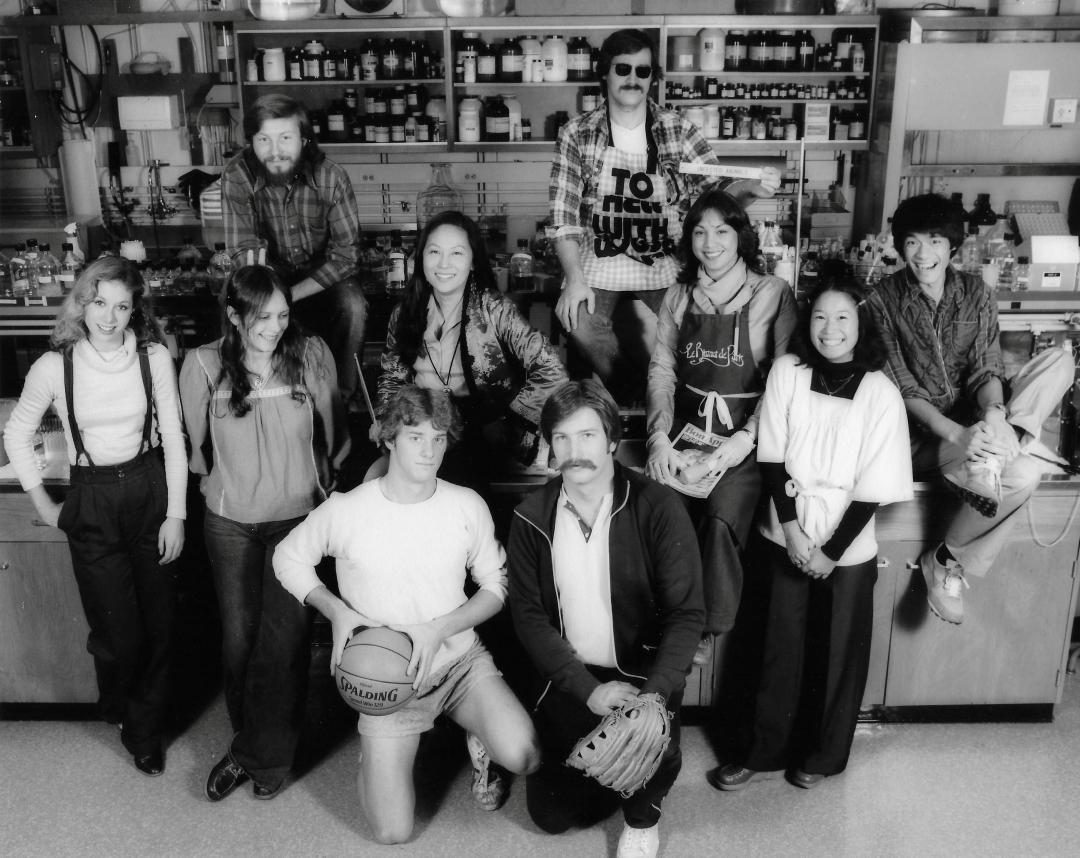
Leong's staff and graduate students posing with smiling faces and sports equipment.

Leong’s staff and graduate students pose for a 1978 Christmas card in the lab.

“Medical schools are set up so that you can just call down and have the medium made for you because they were organized for that kind of stuff,” Leong said. It turns out that working in higher education was different. “I remember struggling because I had never made media before. I had to make it myself at Corvallis,” she said.

Media is a substance typically put on Petri dishes to provide nutrients to microorganisms and help them grow. Leong enforced sterile conditions to make the lab a safe and successful environment. But it wasn’t easy.

Four decades ago, research techniques looked very different. “In California, we had Petri dishes and plastic growth chambers that you threw away when you were done. I came to Corvallis and saw they were using glass bottles instead. It was just different,” she said.

Leong challenged her graduate students to make enzymes and other materials from scratch. Everyone learned how to manually analyze samples–a notably more difficult task before the advent of automated gene sequencers.

Leong’s lab used DNA techniques to detect evidence of endogenous retroviruses in fresh placentas soon after women gave birth in the hospital. For Leong, this meant transporting placentas to the lab at 3 or 4 a.m. with her sleeping daughter in her arms.

“If I didn’t have those students and a really supportive Chair, I don’t know if I would have survived,” she said.

The long hours and enthusiasm for virus research did not go unnoticed. From gigantic genomes to viruses with only a limited set of genes, the research opportunities are endless. “You know what I find fascinating about a virus?” Leong said. “You can do all kinds of things with five genes and if you want to use them to begin to understand how the cell works, therein lies a whole wealth of studies you can do.”

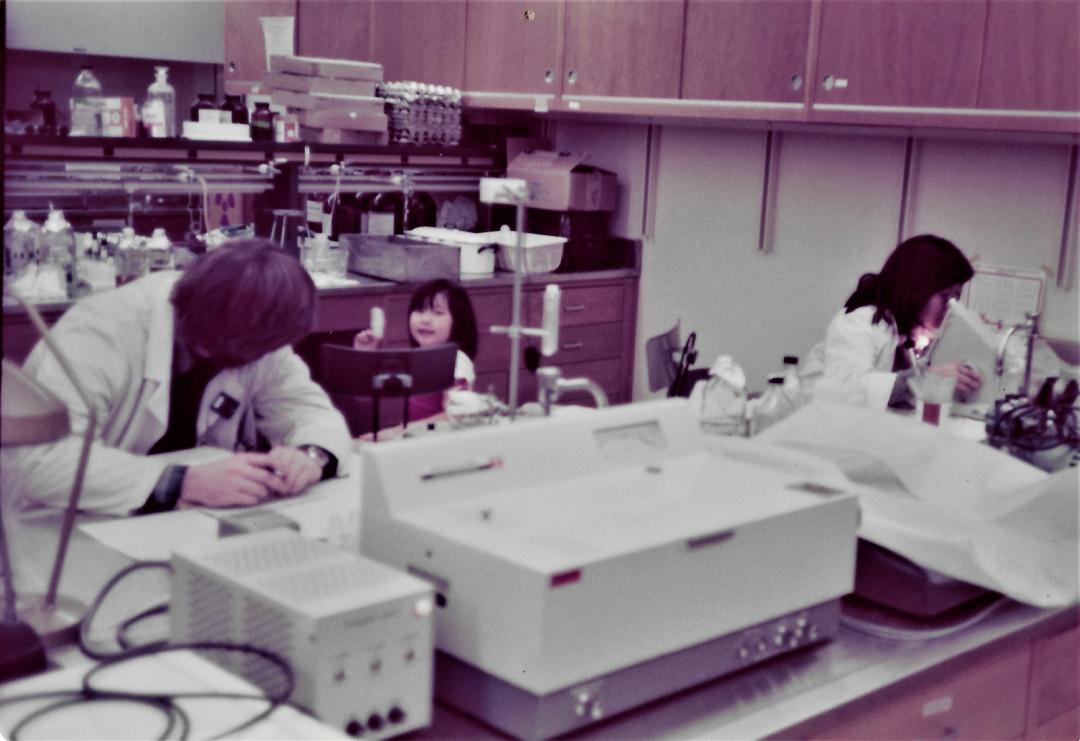
Two graduate students processing placentas with a little girl (Leong's daughter) using microscopes and other lab equipment.

Leong’s graduate students and her daughter process placentas together. They conducted this type of research in the late 1970s and 1980s.

Lethal disease leads to uncharted waters

Fast forward to the 1980s, when a sudden virus rocked the Pacific Northwest. Millions of fish suddenly dropped dead in the Columbia River from the Infectious Hematopoietic Necrosis Virus (IHNV), a disease researchers knew little about. Mysteriously enough, the virus only affected steelhead trout and salmon, leaving other fish unharmed.

Every year, salmon and trout frantically traverse the Columbia River, racing upstream and back to their birthplace. There, they spawn offspring that eat and live their busy lives downstream.

This sudden increase in deaths caused a serious problem resulting in millions of dollars in losses annually in the U.S. If these die-offs continued, even non-seafood lovers would notice the impact on the ecosystem.

The Columbia River serves as the largest concentration of hydroelectric power in the U.S., generating 40% of the total hydroelectric generation in 2012. However, there’s a catch—the fish need to succeed.

“The movement of water over those dams along the Columbia River is controlled by the salmon and their return, so the generation of power is an important component,” Leong said.

To preserve the ecosystem, one strategy is to raise more fish to make this journey. In the 1980s, the cost to raise one Chinook salmon capable of surviving the trip was approximately $670. “The cost is a tax on all of us that we pay for in many respects. And it’s a creature that we need to preserve,” she said.

Salmon not returning home has monumental ecological consequences. The entire ecosystem relies on the successful movement of fish back and forth along the river. The river’s health and vitality are sustained by what the salmon consume and their activity, impacting energy usage, food availability, species conservation, and overall ecosystem health.

For Leong, this presented a new avenue for exploration and opportunity. Through this research, she helped discover a new genus of the virus, new treatments, and a recombinant DNA vaccine for salmon.

She didn’t do this alone. Collaborating with John Fryer, the Chairman of Microbiology, she helped found the Center for Salmon Disease Research at Oregon State, where the first work on vaccines for fish took place. At the time, there was no other facility of this type and complexity in the county – specifically the clean water, disease-free conditions, and quarantine capabilities. Finding vaccines and other solutions for fish diseases continues at the center to this day.

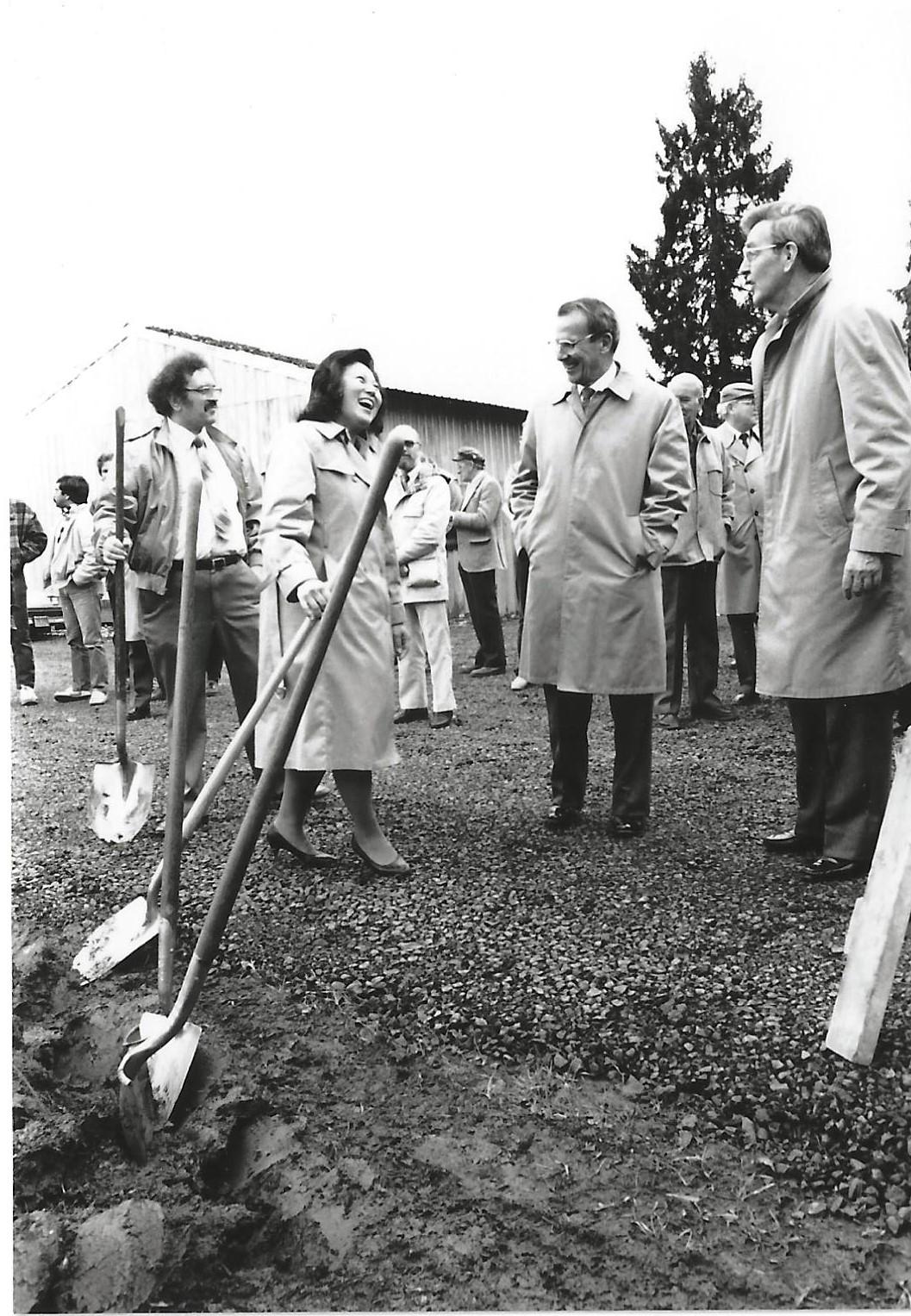
Four faculty members outside digging with shovels while smiling and laughing.

On January 24, 1989 Leong (center left), former Oregon State President John Byrne (center right) and John Fryer (far right) hit the ground digging with a groundbreaking ceremony for the new Center for Salmon Disease Research at Oregon State.

After spending more than 25 years at Oregon State, Leong rose through the ranks. When named Distinguished Professor, her jaw dropped and she nearly fell off her seat at the faculty meeting.

She proceeded to serve on Search Committees for University Presidents, assumed roles on National Committees and took on various additional responsibilities.

Leong shared her expertise globally, presenting her work to professionals worldwide, including the European Fish Association in Spain and aquaculture farms in Japan, Norway, China, and Chile. Due to limited resources, some of these farms practiced diverse ways to treat fish diseases.

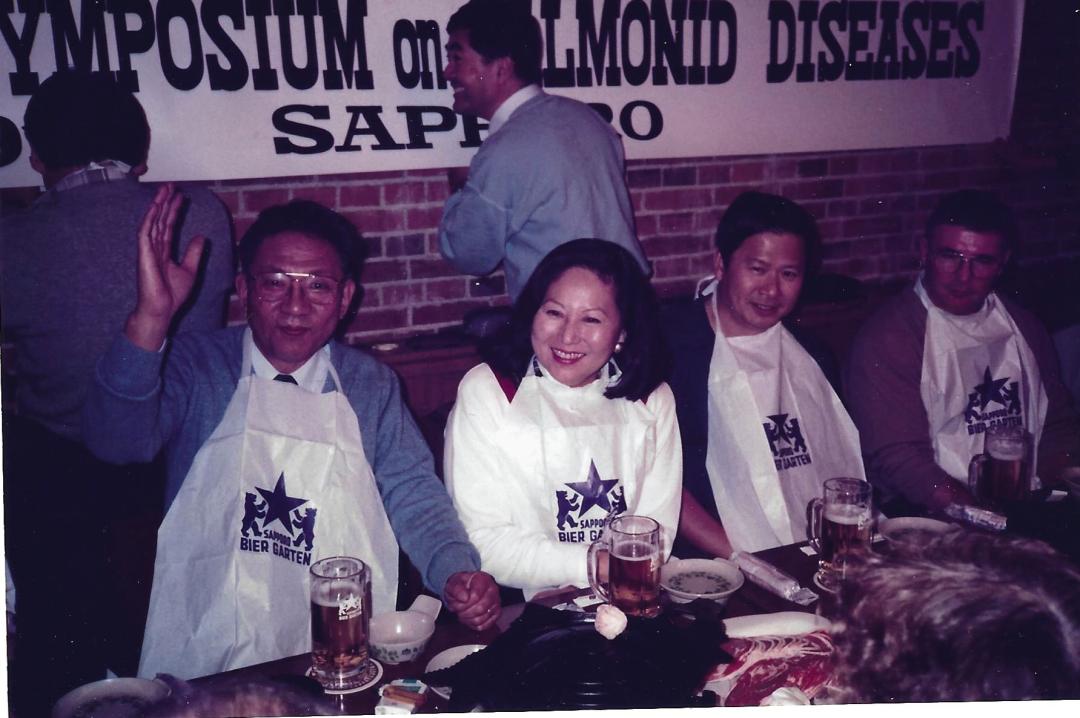
Four individuals sitting at a Japanese restaurant table wearing food garments.

On October 24, 1991 Leong (center) celebrates and shares new discoveries with her colleagues at the Oji International Symposium on Salmonid Diseases in Sapporo, Japan. This is one of multiple international events Leong attended.

“Salmon lice is a huge problem, and they couldn’t use some of the anti-lice compounds,” she said. Given that some of the salmon were raised for human consumption, alternative measures were sought. “Sometimes they would bring out a bag of rotting onions from the tank because they were hoping it would keep the lice away. It was the only thing they had at the time.”

A vaccine could change that. Numerous farms sought to develop and use antiviral vaccines for their struggling marine life, which Leong’s work made possible.

Moving forward and across the ocean

After her time at Oregon State, she returned to Hawaii to help take care of her family, including her now 101-year-old mother and 103-year-old father. Departing from Oregon State meant she had to drop her virology research.

She landed a new position as director of the Marine Institute at the University of Hawaii at Manoa. The problem was she is a microbiologist – not a marine biologist.

When she arrived, the lab needed a microbiology background in aquaculture, especially in fish rearing and coral disease research. With 17 other faculty members, Leong led the Hawaii Institute of Marine Biology, including more than 50 graduate students.

Despite being an ocean away, she aimed to maintain her strong Oregon roots. “I used my own funds to bring some of the faculty over. I tried very hard to keep those friendships very strong because I didn’t want to leave them.”

Leong's leadership roles grew including serving as the chairman of the Board of Directors for the Center for Tropical and Subtropical Aquaculture, the president of the National Association of Marine Laboratories, and on the executive secretariat for the National Advisory Committee on Development and Assessment of Climate. When she retired, she thought about stopping science but when her friends kept calling her up to edit new books, she couldn’t resist.

When recalling her wild water adventures, she offers advice for aspiring scientists. “When I was young, I wish I knew to choose subjects and people not because they make you feel good, but because they are doing wonderful things for science and society,” Leong said. “Look to the future and decide what it is that you want, short and long-term, and then make the decision.”

Currently, she enjoys painting, playing piano, growing tomatoes, embarking on boat trips to Indonesia, and engaging in things she didn’t have time for before. Not to mention creating more memories with her husband in a marriage of 57 years and counting.

Even though many years have come and gone, she doesn’t forget the people who supported her through the struggles and the triumphs.

“I grew up as a scientist, teacher, and communicator at Oregon State,” Leong said. “My colleagues have been supportive and the College of Science administration as well as the College of Agricultural Sciences were so helpful as I was struggling as a young professor.”


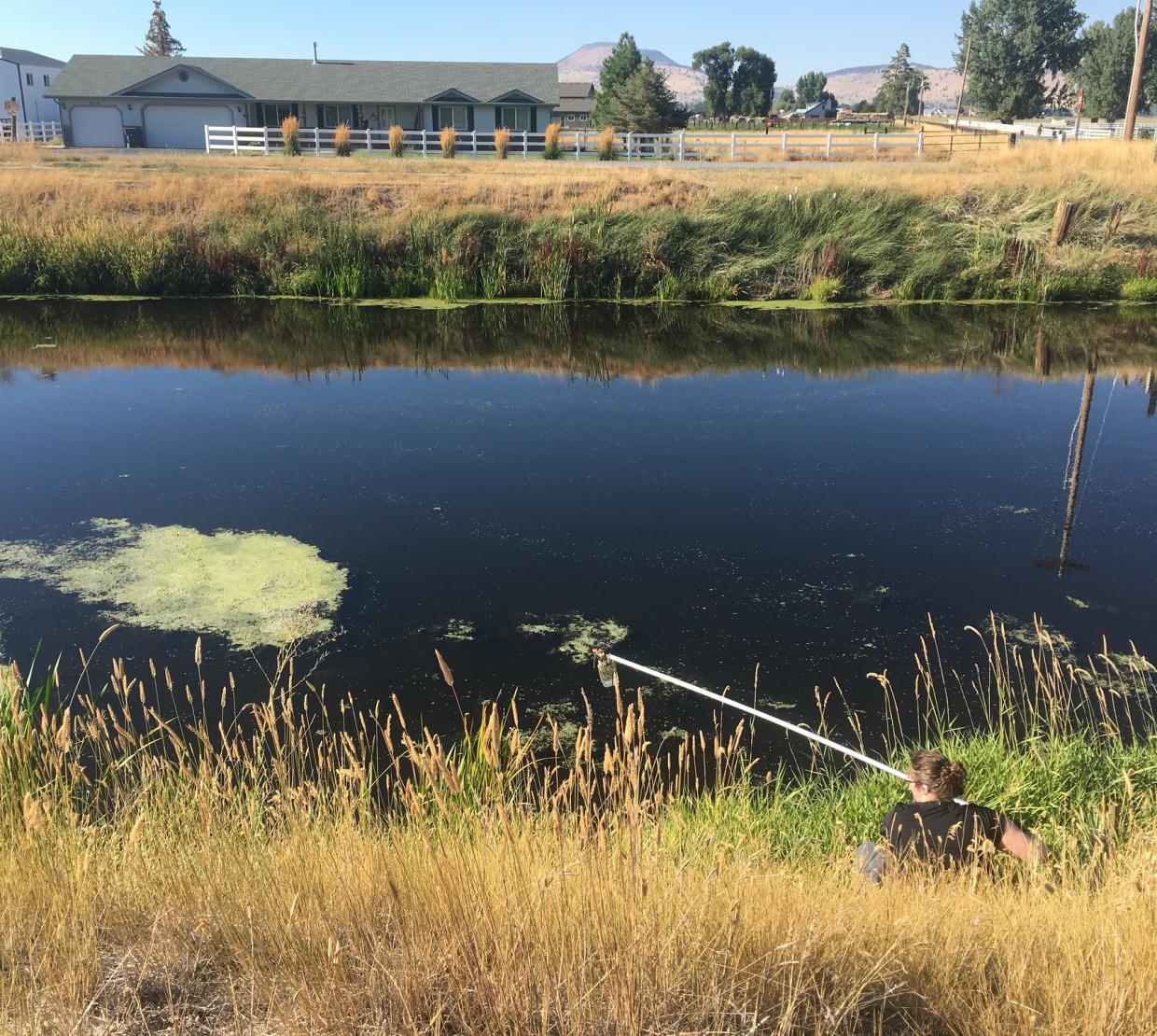
A researcher extends a tool over a small body of water to sample algae.

Microbiology professor leads novel technique development for sniffing out algae blooms

By Steve Lundeberg

Researchers at Oregon State University have developed a new way to monitor the danger associated with algae blooms: “sniffing” the water for gases associated with toxins.

The scientists found that certain combinations of volatile organic compounds released by algae can serve as indicator for microcystin, a toxin produced at varying levels during blooms of cyanobacteria, commonly known as blue-green algae.

Different cyanobacterial species produce different toxins, said College of Science associate professor of microbiology, Kimberly Halsey, who led the study. Most of them cause gastrointestinal illness and acute skin rashes, and they can be deadly. In 2017, more than 30 cattle died after drinking contaminated water at Junipers Reservoir near Lakeview, Oregon, and blooms particularly pose a threat to dogs entering affected lakes.

Even though the research dealt with just one lake and one toxin, the research demonstrates VOCs’ potential in monitoring critical waterways, said Halsey.

She said the study published today in mSystems describes “a very creative new approach that’s better and less expensive than current monitoring methods and also has broader implications.”

“This work suggests that VOCs might be used to indicate other important environmental shifts, like the onset of oxygen deficiencies in aquatic systems or domoic acid contamination in coastal ecosystems,” Halsey said.

Further research, including collaborations with the city of Salem and Eugene Water and Electric Board, will explore whether the gaseous molecules can be used to predict the start and end of toxicity within a bloom event.

VOCs are any of a number of carbon-containing chemicals with a high tendency to exist in their gaseous state. VOCs released by cyanobacteria seem to reveal the physiological status of the algae during toxic blooms, Halsey said.

“One reason VOCs could be such great targets for monitoring is their volatility,” she said. “Ideally we’ll someday be able to sniff the air above the lake with instruments and see which gases are there during cyanobacterial blooms.”

Cyanobacteria are microscopic organisms ubiquitous in all types of water around the globe. They use sunlight to make their own food and in warm, nutrient-rich environments can quickly multiply, resulting in blooms that spread across the water’s surface.

These harmful algal blooms, often abbreviated to HABs, can form at any time of the year but most typically happen between spring and fall.

An HAB in 2018 fouled drinking water in Oregon’s capital city of Salem, and in 2007 a national survey by the U.S. Environmental Protection Agency found microcystin, a recognized liver toxin and potential liver carcinogen, in one out of every three lakes that were sampled.

Annual economic losses attributed to cyanobacterial HABs in the United States alone are conservatively valued at $2-4 billion, say the researchers, who add that the severity and consequences of the blooms are likely to be exacerbated by climate change.

“That means we need new and innovative monitoring for cyanobacteria and their toxins,” Halsey said.

Read more here.

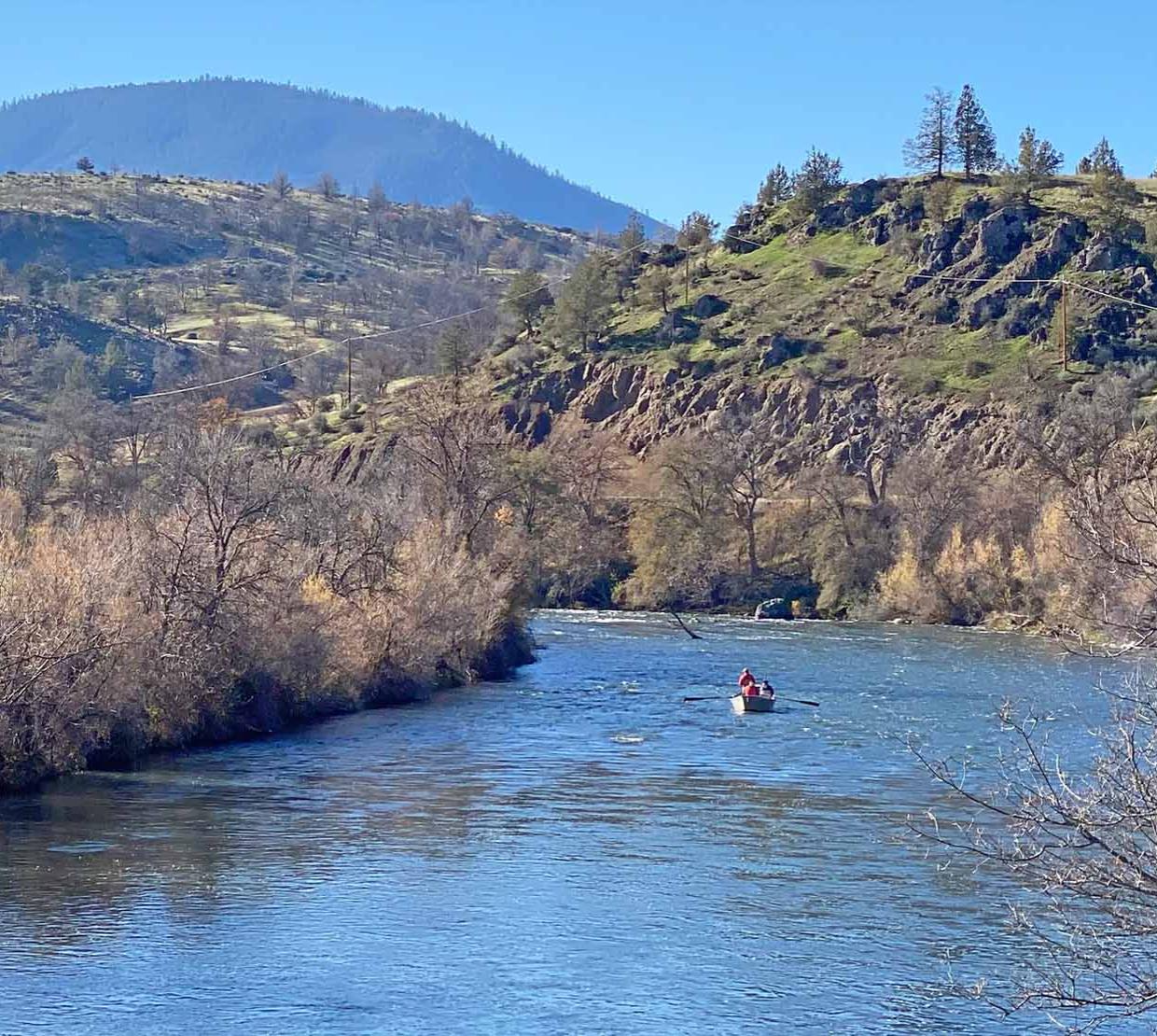
photo of Klamath river basin

Oregon State partnering with Yurok Tribe to envision Klamath River after dam removal

By Steve Lundeberg

Oregon State University researchers will embark in July on a 3½-year partnership with the Yurok Tribe to study what the connections between river quality, water use and the aquatic food web will look like after four Klamath River dams are dismantled.

In addition to the Yurok Tribe, the interdisciplinary OSU collaboration will include project leader Desiree Tullos, professor of water resource engineering, and Julie Alexander from the Department of Microbiology. “We want to fill in gaps in the Western science as well as gaps in how we make equitable decisions based on both ecological science and Indigenous knowledge,” said Tullos.

The joint project with the Yurok Tribe is the first attempt to represent tribal knowledge in decision processes in the Klamath Basin.

The Federal Energy Regulatory Commission along with the utility PacifiCorp and the states of California and Oregon are poised to sign off on the removal of the lower four dams on the Klamath River: the J.C. Boyle Dam in Oregon and the Copco 1, Copco 2 and Iron Gate dams in California.

The decommissioning effort, among whose goals are improving water quality and fish habitat, includes restoration of 2,000 acres currently inundated by the hydroelectric dams, which were built between 1918 and 1962 and provide power through PacifiCorp. Dam removal work is likely to begin in a year.

An $870,000 award from Oregon Sea Grant is funding the work, which builds on a one-year project that Sea Grant sponsored in 2021. One outcome of the earlier study was the creation of a comprehensive, visually-based website titled “Resilience and Connectivity in the Klamath River Basin Prior to, During, and After Dam Removal.”

“We see this new project as a pathway for how science and tribal culture intersect and bridge the gap to a more robust river management to support future generations,” said DJ Bandrowski of the Yurok Fisheries Department.

Read the full story here.

Subscribe to Environmental Health