Environmental Health

Environmental Health

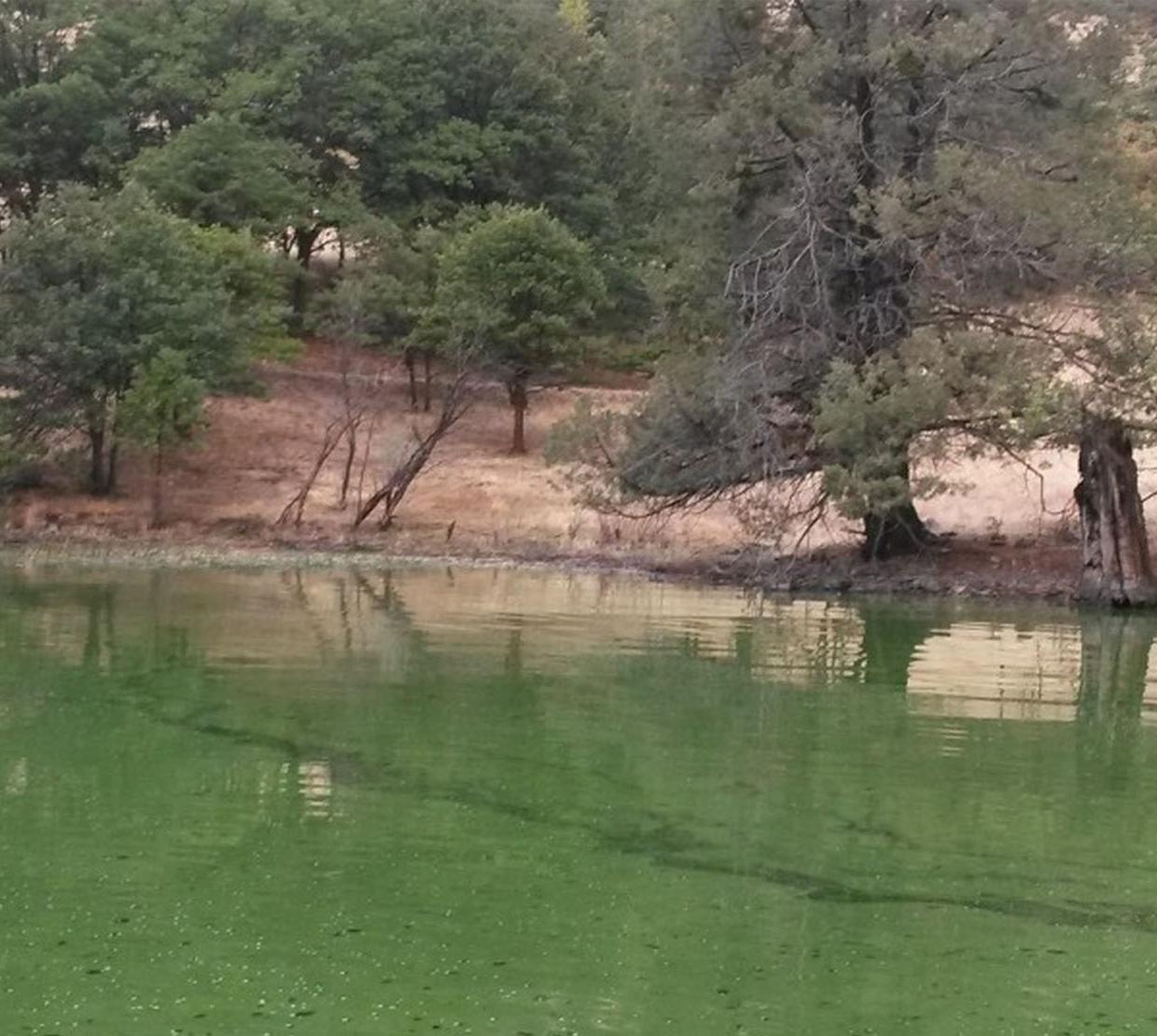
Photo of water full of algae blooms

Microbiology research clarifies hazards posed by harmful algal blooms

By Steve Lundeberg

Research by Oregon State University has shed new light on the hazards associated with harmful algal blooms such as one four years ago that fouled drinking water in Oregon’s capital city of Salem.

The study led by Theo Dreher, emeritus professor of microbiology, involved sampling of cyanobacterial blooms from 10 Oregon lakes including Detroit Reservoir, which provides drinking water for Salem. Ryan Mueller, associate professor of microbiology, also participated in the study.

Genome sequencing and toxin analyses enabled Dreher and collaborators in the OSU Colleges of Science and Agricultural Sciences to identify the precise types of toxins produced by specific organisms.

“This information is important for protecting public health, both with regard to consumption of drinking water and exposure to toxins through recreation on lakes,” Dreher said. “Two toxin-producing Dolichospermum cyanobacteria were present in Detroit Reservoir, one producing a type of cylindrospermopsin and another producing an uncommon form of microcystin. Occurrences of toxins had been known previously, but now we know the precise toxin types and the organisms making them.”

Cyanobacteria, often referred to as blue-green algae, are microscopic organisms ubiquitous in all types of water around the globe. They use sunlight to make their own food and in warm, nutrient-rich environments and can quickly multiply, resulting in blooms that spread across the water’s surface.

These harmful algal blooms, often abbreviated to HABs and which are of concern when visible in lake water, can form at any time of the year but most often between spring and fall.

In 2007 a national survey by the Environmental Protection Agency found microcystin, a recognized liver toxin and potential liver carcinogen, in one out of every three lakes that were sampled. Some strains of cyanobacteria can also produce neurotoxins, while most of the toxin-producing algae can cause gastrointestinal illness and acute skin rashes.

Among the 10 bodies of water surveyed, toxigenic Dolichospermum cyanobacteria caused blooms in four of them: Detroit Reservoir and Odell Lake in the Cascades, Lake Billy Chinook (Metolius Arm) in central Oregon and Junipers Reservoir, a private reservoir west of Lakeview in southern Oregon.

Dreher notes that the Salem scare, along with the death of more than 30 steers from drinking cyanotoxin from Junipers Reservoir in June 2017, raised awareness of the hazards of cyanobacterial blooms in the state. The Oregon Legislature has since provided funding to the Department of Environmental Quality in an effort to improve the state’s ability to detect blooms and respond to them, he said.

If a person or a pet comes in contact with water that may contain harmful bacteria, the Centers for Disease Control and Prevention advises immediate rinsing with fresh water. Dogs should not be allowed to lick the contaminated water off their fur, the CDC adds, and a veterinarian should be called right away.

Read the full story here

Three rocks jut up from Cannon Beach on the Oregon Coast during a sunset with pink clouds.

A sustainable future: Transformative marine stewardship

By Mary Hare

With areas of distinction in marine science, materials science, data science, biomedical science – and other research areas, OSU faculty and students are fighting climate change and moving the world forward to a greener future – whether that is through harnessing new materials, interpreting complex data or reimagining how organisms can adapt to changes. We share just a few examples in this three-part series.

With expertise spanning marine ecology, biofuel development, new modes of energy capture, evolutionary genetics and the microbiomes of coral reefs, student and faculty researchers at Oregon State University are committed to using science to help create a livable planet for the future.

Oregon State has firmly established itself as a world leader in marine science. Our faculty are frequently called upon for their expertise in coral reef bleaching, ocean acidification and coastal ecosystem preservation. They exemplify the College’s dedication to leadership on the world stage - with Distinguished Professor of Integrative Biology Jane Lubchenco currently serving as Deputy Director for Climate and the Environment for the Biden Administration, and several faculty holding leadership roles in other federal institutions.

The fight to save coral reefs in peril

Although coral reefs make up a small percentage of ocean floor coverage, scientists believe they contain even more biodiversity than a tropical rainforest – or anywhere else in the world. Home to nearly one-quarter of all known marine species, coral reefs help regulate the sea’s carbon dioxide levels and are a crucial hunting ground that scientists use in the search for new medicines.

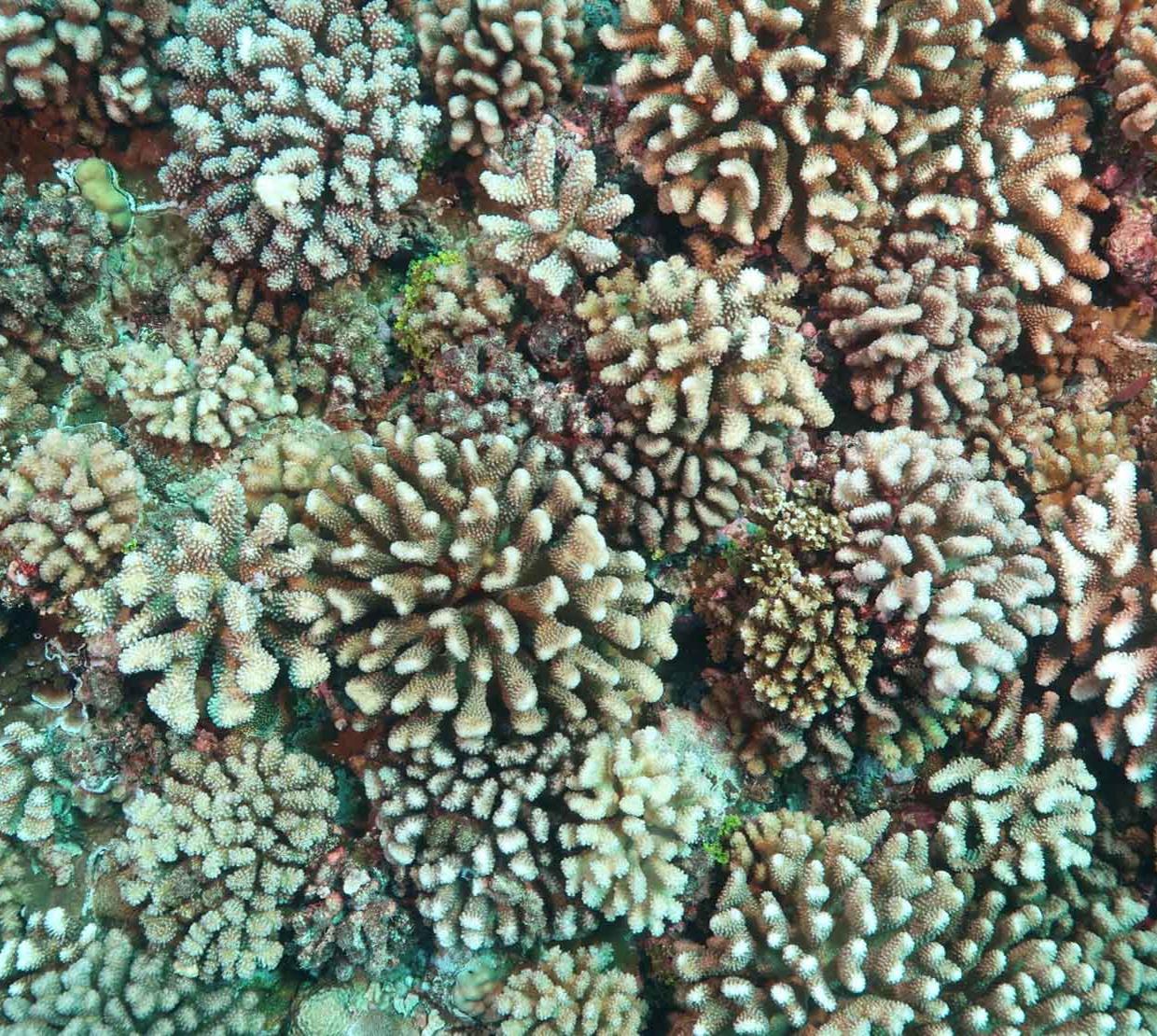
Corals are made up of delicate living organisms, which live symbiotically with tiny colorful algae known as zooxanthellae. The zooxanthellae live inside the corals, and provide them with energy as well as their color. Corals are particularly sensitive to changes in temperature. Climate change-induced spikes in global temperatures cause corals to lose their zooxanthellae, which leads to starvation and often death. At extreme temperatures, distressed corals may die immediately, leaving a white skeleton barren of the nutrients the reef ecosystems depend on, which is known as mass bleaching.

The first mass bleaching event ever recorded occurred in 1998, and since then it has become an increasingly significant problem. A heatwave from 2014-17 caused a third mass bleaching event that affected more than 75% of tropical corals throughout the world. Since their first appearance 425 million years ago, corals have branched into more than 1,500 species, including the one at the center of this research: the critically endangered Acropora cervicornis, commonly known as the Caribbean staghorn coral.

In 2019, scientists in the lab of microbiology Associate Professor Rebecca Vega Thurber identified a new genus of parasitic bacteria that flourishes when reefs become polluted with nutrients, siphoning energy from the corals and making them more susceptible to disease. “The bacterial genus we’ve identified is found around the world and in multiple types of corals, but is most notably found in high abundance in the microbiomes of Caribbean staghorn coral,” said study co-author Grace Klinges, also a Ph.D. candidate in the Vega Thurber lab.

Meanwhile, biologist Virginia Weis has long been regarded as a world expert in the cell biology of coral-algae symbiosis. For more than two decades, her research has focused on the symbiotic association between corals and the algae they harbor within their cells, and the role of this mutualistic relationship in the foundation and sustenance of healthy coral reef ecosystems.

In her laboratory, Weis and her graduate students closely examine the molecular partnership between corals and algae, their communication and signaling patterns that regulate the symbiosis, and how dysbiosis or a breakdown in partnership results under conditions of stress induced by heat and environmental pollution. They are also investigating gene editing techniques that could alter the molecular cellular make-up of the symbionts of host animals. The long-term goal would be to provide the tools for engineering corals that are more resilient to bleaching.

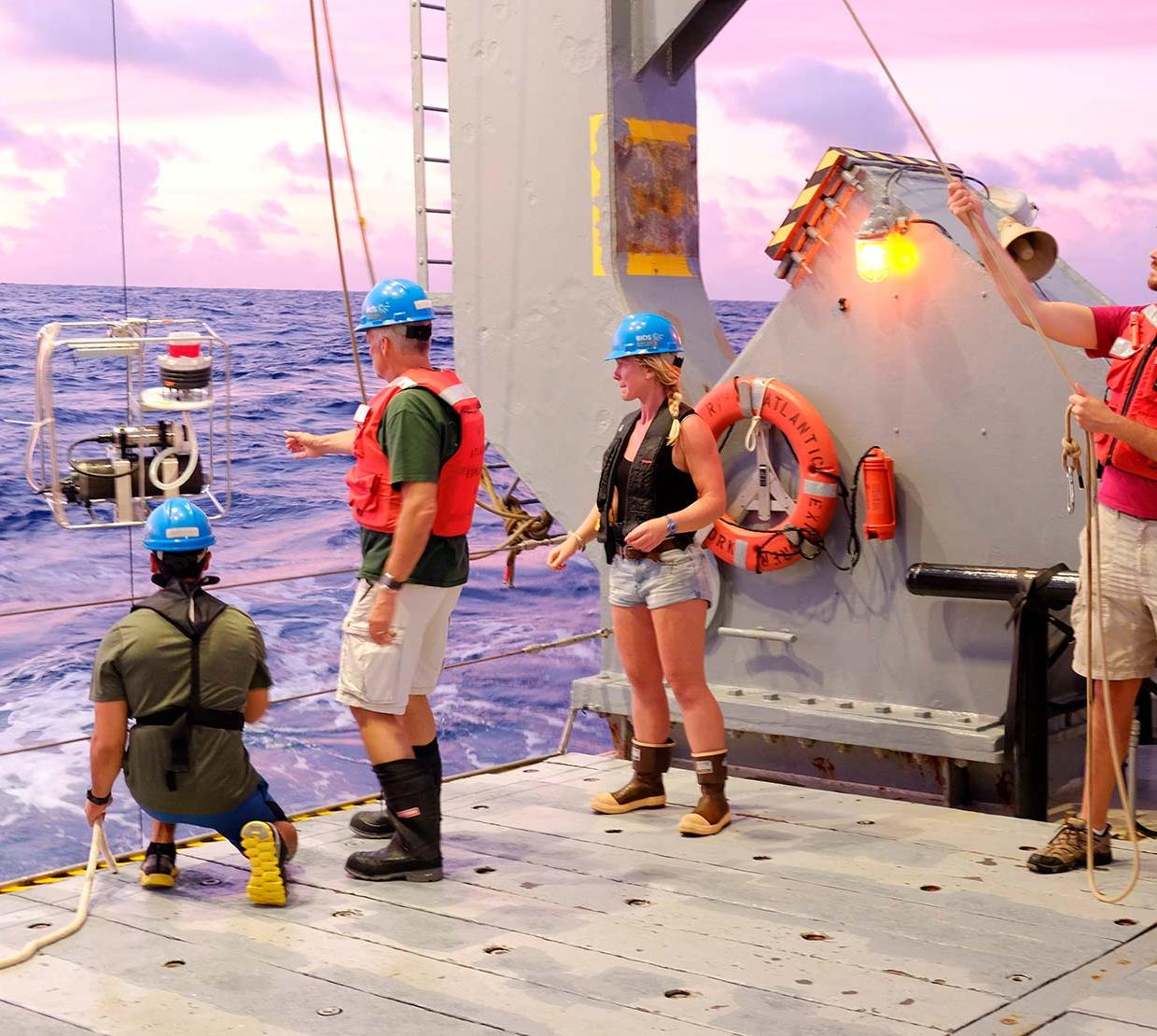
Giovannoni lab performs research off of a boat

Oregon State University microbiologists participate in BIOS-SCOPE, a five-year, multi-institutional research program for the study of microbial oceanography in the North Atlantic Ocean. BIOS-SCOPE leverages ocean measurements and ongoing research at the Bermuda Atlantic Time-series Study site, bringing new collaborations and technologies to study the ocean’s smallest life forms.

Standing up for Oregon’s oceans

Oxygen starvation in sea life close to home

The Northwest for two decades has had a “hypoxia season” that begins in mid-summer, said OSU marine ecologist Francis Chan, and climate change is making those low-oxygen seasons worse. When oxygen levels drop significantly, many marine organisms that are place-bound or cannot relocate quickly enough, such as Dungeness crabs, die of oxygen starvation. Hypoxia occurs because summertime north winds bring nutrient-rich but oxygen-poor ocean waters to shores – factors that are exacerbated by climate change.

Oregon’s coastal waters originate in the cold waters of the North Pacific off Japan and can take up to 60 years to reach us. Meanwhile, 25-30 percent of the pollution emitted from fossil fuel combustion is being absorbed in the ocean’s surface. Over time, this deadly combination has caused as much as a 30 percent increase in ocean acidity in the waters off the Oregon coast.

Last year, Oregon State was selected by the National Oceanic and Atmospheric Administration (NOAA) to lead the Cooperative Institute for Marine Ecosystem and Resources Studies, eligible for up to $37 million in funding over the next five years. With Chan as director, the institute will support collaborative marine research around the world, with emphasis on the Northeastern Pacific Ocean.

The quest to save a Pacific Northwest icon

The iconic sunflower sea star has been listed as critically endangered by the International Union for Conservation of Nature following a groundbreaking population study led by Oregon State University and The Nature Conservancy. Biology postdoctoral scholar Sarah Gravem was lead author on the study, along with University Distinguished Professor of Integrative Biology Bruce Menge. Populations of the sunflower sea star suffered dramatic crashes because of a marine wildlife epidemic event, referred to as sea star wasting syndrome, that began in 2013. “This listing is one step above extinction — and I don’t think they’re coming back without help like captive rearing and reintroduction and reducing direct harvest and accidental harvest,” said Gravem. More than 60 institutions joined the population study on the sunflower sea star, known scientifically as Pycnopodia helianthoides, which plays an important role in maintaining kelp forests, and thus sustaining marine life, along the West Coast from Alaska to Baja, California.

Working in Menge and Assistant Biology Professor Felipe Barreto’s Labs, biology student Kristofer Bauer assisted in the genetic analysis of sea stars to study their genetic resistance to sea star wasting disease. He witnessed first-hand the value of research. “I saw the impact that our research was having on understanding the effects of climate change on marine ecosystems and fisheries in Oregon. I saw that as something bigger than myself that I wanted to be a part of,” said Bauer.

Leadership on the world stage

Leaders of 14 major maritime nations have announced their commitment to achieve 100% sustainable ocean management of their national waters by 2025, acting on recommendations of global experts co-chaired by marine ecologist Jane Lubchenco. The group was commissioned by the High Level Panel for a Sustainable Ocean Economy (Ocean Panel), a group of nations representing nearly 40% of the world’s coastlines.

As Expert Group co-chair, Lubchenco helped coordinate experts from 48 countries, including OSU scientists Kirsten Grorud-Colvert and Jenna Sullivan, in the production of 19 peer-reviewed papers, plus an Ocean Solutions Report to the Ocean Panel. The results, the panel says, would include producing up to six times more food from the ocean, generating up to 40 times more renewable energy, lifting millions of people from poverty and contributing 20% of the global greenhouse gas emission reductions needed by 2050 to stay within the 1.5° Celsius limit of the 2016 Paris Agreement. “It is exciting and gratifying to see presidents and prime ministers ask for, listen to and follow scientific guidance,” said Lubchenco.

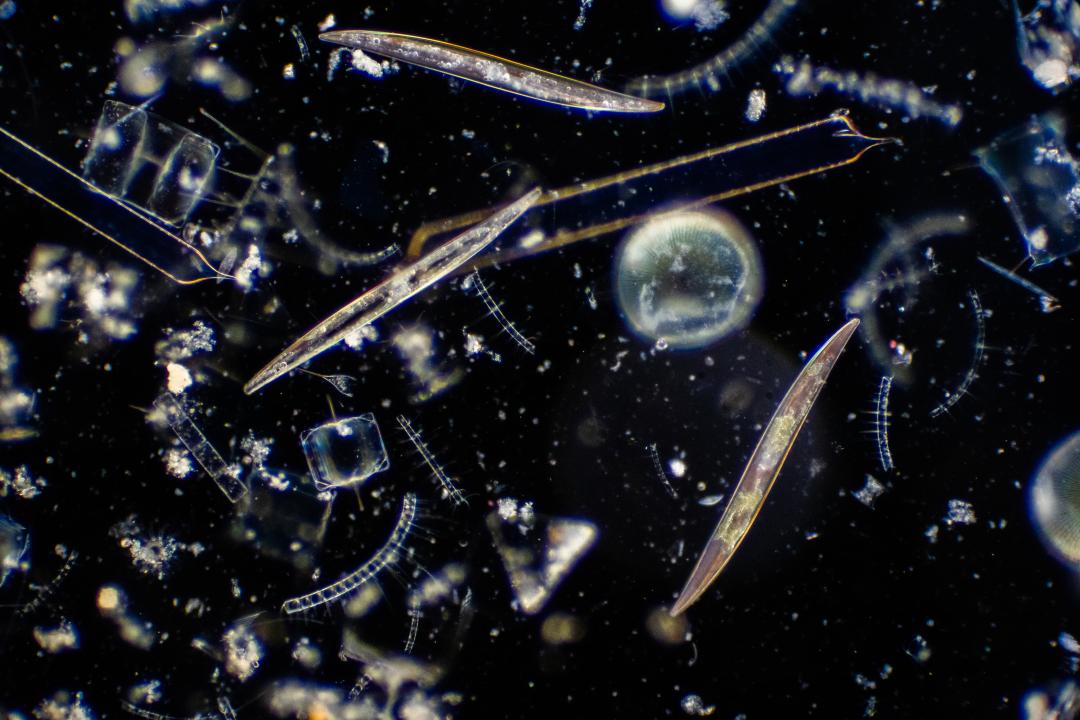
closeup view of phytoplankton

Like marine plants, phytoplankton have chlorophyll to capture sunlight use photosynthesis to turn it into chemical energy. The foundation of the oceanic food web, they store an immense amount of carbon - critical to preventing a future climate emergency.

The ocean as a carbon sink: Unexplored potential, and unforeseen risks

North Atlantic phytoplankton sampling

The ocean has long been regarded as one of the earth’s most important natural carbon sinks, storing around 80% of all carbon on the planet. Phytoplankton, aquatic microorganisms which serve as the foundation of the food web, consume carbon at a level equivalent to terrestrial forests. When they are eaten or decompose, the carbon dissolves into the ocean. Phytoplankton are responsible for almost all carbon uptake in the ocean, but just how this process will be affected by climate change remains uncertain. OSU microbiologists have made significant contributions to this field, questioning preconceived notions about which the world cannot afford complacency.

When considering the ocean as a carbon sink, the spring phytoplankton bloom in the North Atlantic is a clear winner. According to study author Steve Giovannoni, it is probably the largest biological carbon sequestration mechanism on the planet each year. In this yearly event, huge numbers of phytoplankton accumulate over thousands of square miles.

In the first-ever winter study of phytoplankton in the North Atlantic, microbiologist Steve Giovannoni and post-doc Luis Bolaños made a disturbing find. Diatoms, thought to dominate phytoplankton blooms in the North Atlantic, often were not a big part of the samples’ genetic profiles, and when they were a big part, the cells were small – either of the nano-phytoplankton variety or at the smaller end of the micro-phytoplankton scale.

Algorithms that predict carbon export from satellite-sensed chlorophyll tend to assign high export rates to phytoplankton blooms on the belief, based on observations from the eastern North Atlantic, that large diatoms dominate at their climax. The findings of this study, Giovannoni said, suggest that extrapolating those observations to the western North Atlantic may not be a valid practice.

Heterotrophic carbon cycling

In October, associate professor Ryan Mueller led a study that shed new light on the mechanisms of carbon cycling in the ocean, using a novel approach to track which microbes are consuming different types of organic carbon produced by common phytoplankton species.

As the ocean pulls in atmospheric carbon dioxide, phytoplankton use the CO2 and sunlight for photosynthesis: They convert them into sugars and other compounds the cells can use for energy, producing oxygen in the process. This so-called fixed carbon makes up the diet of heterotrophic microbes and higher organisms of the marine food web such as fish and mammals, which ultimately convert the carbon back to atmospheric CO2 through respiration or contribute to the carbon stock at the bottom of the ocean when they die and sink.

The collective respiratory activity of the heterotrophic microbial consumers is the main way that fixed dissolved organic carbon from phytoplankton is returned to the atmosphere as CO2. In his study, Mueller used stable isotope labeling to track carbon as it made its way into the organic matter produced by the phytoplankton and, ultimately, the heterotrophic microbes that consume it. The research is an important step toward forecasting how much carbon will leave the ocean for the atmosphere as greenhouse gas carbon dioxide and how much will end up entombed in marine sediments.

Photo of Glen Canyon Dam

Downstream of Glen Canyon Dam, researchers are implementing experimental flow releases as a way to minimize ecological damage to aquatic insects. Aquatic insect and sensitive taxa are negatively associated with hydropeaking intensity, which limits the composition and potentially the quality of the invertebrate food base.

New management solutions for river ecosystems

Hydropower dams are a renewable alternative to fossil fuels, but they are not without their downsides. Large hydropower dams alter the flow of the river by creating physical barriers that alter the river’s flow regime, as well as dissolved oxygen levels, nutrients and temperature.

Biologist David Lytle teamed up with scientists from the United States Geological Survey in a project to examine how the Colorado river’s seven large dams affect aquatic invertebrate biodiversity. While on a seasonal or annual scale, hydropower dams are known to reduce the average variation in the flow level, surges in power usage throughout the day cause a phenomenon known as hydropeaking.

As the earth continues to warm, rivers have experienced steep declines in water availability; last summer, only 30% of the average amount of water entered the Colorado, with other rivers experiencing similar trends. With water availability already limited, daily water-level fluctuations may prove intolerable for many species. While declining snowpacks and drier summers may be unavoidable, Lytle’s research may help provide strategies to manage water release from dams to minimize the ecological impacts. “Invertebrates are food for fish, birds and bats, and we want to enhance that food base by testing out different flow regimes that mesh with management ideas.”

In part three of this series, learn how OSU researchers are harnessing data to uncover new perspectives on resource management, using simulations to predict possible outcomes and using their unique skills to advance climate research across many disciplines.

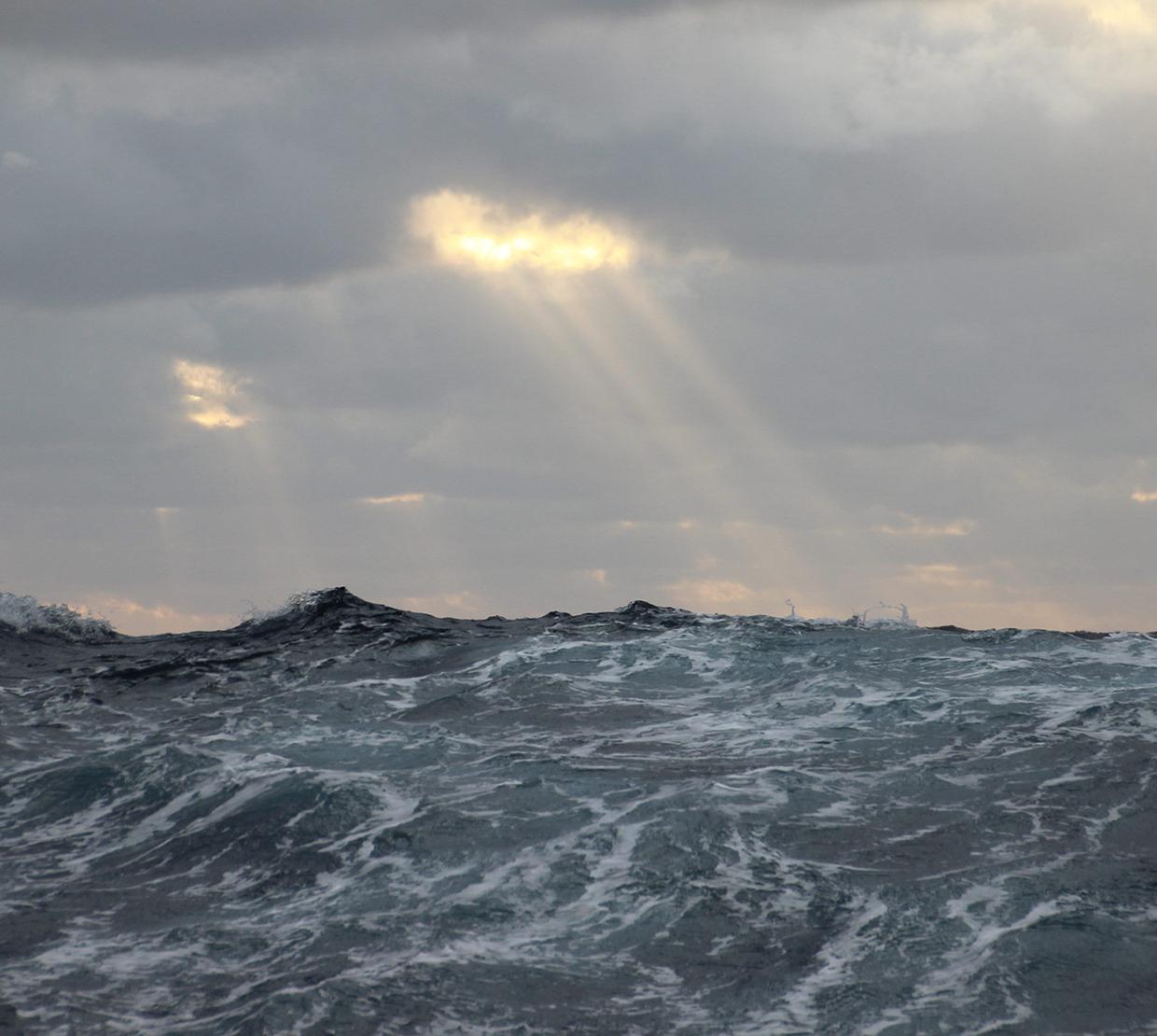
Ocean waves on a dimly lit day with the sun peering through the clouds.

Gas-passing plankton illuminate another piece of the carbon cycle puzzle

By Steve Lundeberg

The ocean's most abundant bacteria species prevents acetone from being expelled into the atmosphere. (Photo courtesy of Luis Bolaños)

The ocean’s most abundant life form, a type of bacteria discovered by the Department of Microbiology, consumes an organic compound commonly found in solvents like paint remover, a new study shows.

The research led by Associate Professor of Microbiology Kimberly Halsey and then-Ph.D. student Eric Moore revealed that SAR11 bacteria consume acetone, adding evidence to suggest that aspects of the marine carbon cycle, which pulls atmospheric carbon into the sea, are not being considered in the study of the cycle and its ability to buffer climate change.

Acetone and other volatile organic compound (VOCs) are produced by phytoplankton, microscopic marine algae, and are abundant in the surface ocean, from which they can move into the atmosphere and influence climate.

“It’s important to understand SAR11 and other bacteria’s potential to control the emission of climate-active gases because it helps our overall understanding of climate change and stability,” said Halsey.

Finding that SAR11 consume the gas is particularly significant due to the bacteria species’ massive abundance. “A single milliliter of ocean water might contain a half-million SAR11 cells,” said Distinguished Professor of Microbiology Stephen Giovannoni, who discovered the bacteria in 1990. SAR11 comprise 25% of all ocean plankton, and their combined weight exceeds that of all the ocean’s fish.

Find the full story here.

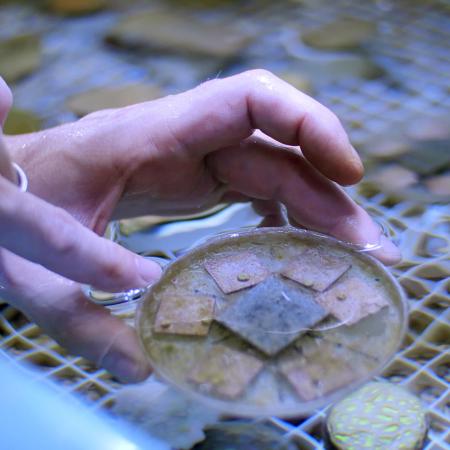
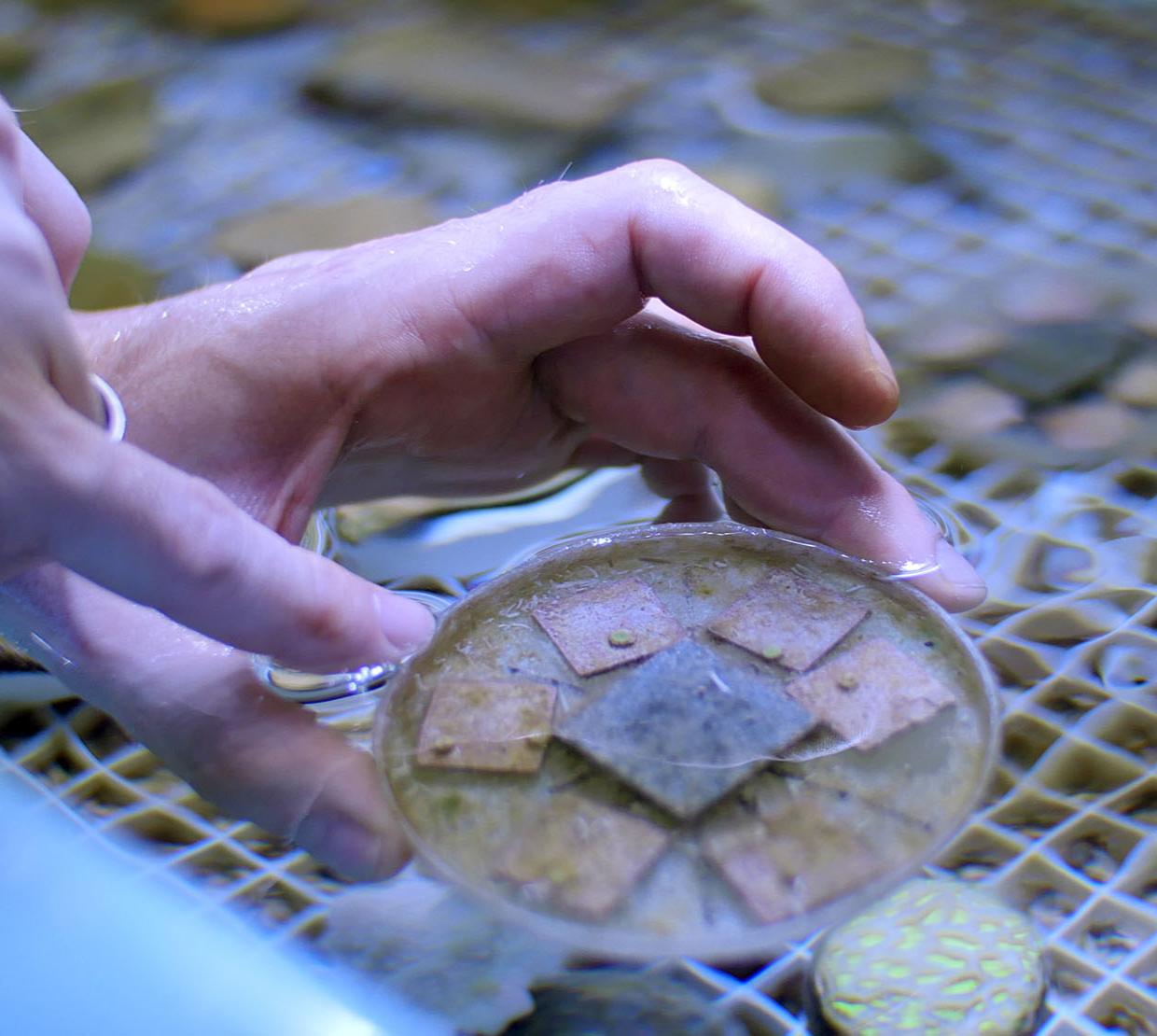
A closeup of two hands holding and inspecting phytoplankton in a petri dish.

Oregon State microbiology research furthers understanding of ocean’s role in carbon cycling

By Steve Lundeberg

Taking a closer look at marine microbes gives insight into their role in sequestering carbon.

Researchers from the Department of Microbiology have shed new light on the mechanisms of carbon cycling in the ocean, using a novel approach to track which microbes are consuming different types of organic carbon produced by common phytoplankton species.

The research is an important step toward forecasting how much carbon will leave the ocean for the atmosphere as greenhouse gas carbon dioxide and how much will end up entombed in marine sediments, said Ryan Mueller, associate professor of microbiology and the leader of the study.

Findings were published today in the Proceedings of the National Academy of Sciences.

“Our research shows that different species of microbes in the ocean are very particular yet predictable in the food sources they prefer to eat,” said first author Brandon Kieft (Ph.D. Microbiology '14), currently a postdoctoral researcher at the University of British Columbia. “As global climate change continues to alter oceanic environments at a rapid pace, the availability of food sources for microbes will also change, ultimately favoring certain types over others.”

The research was funded by the Gordon and Betty Moore Foundation Marine Biology Initiative and the U.S. Department of Energy.

Read the full story here.

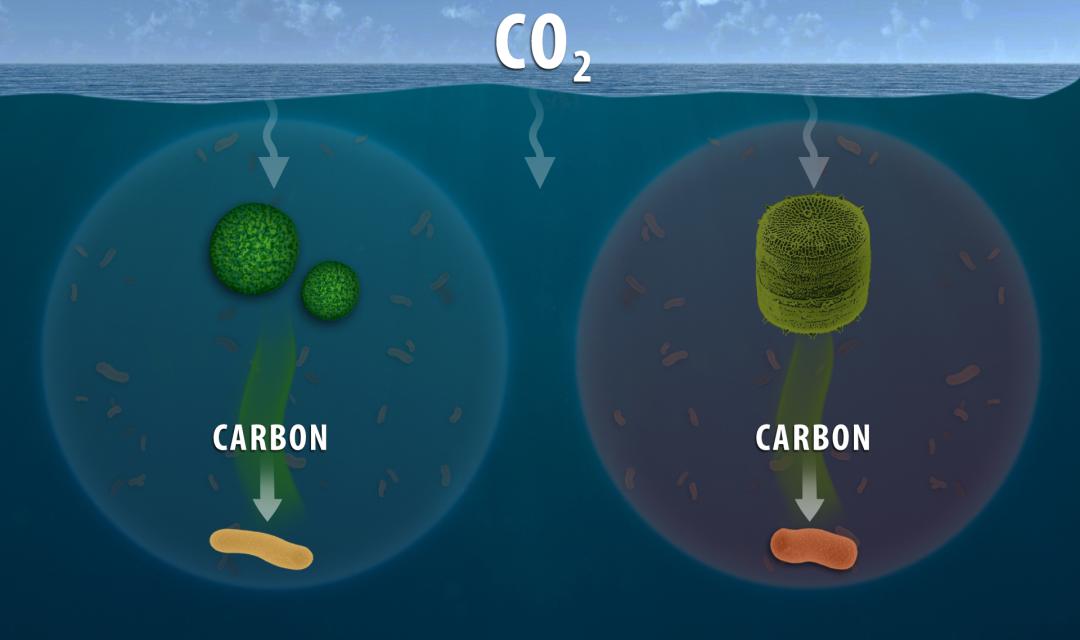
Marine microbes consume different types of organic carbon

Different types of plankton create different types of organic carbon, which heterotrophic microbes produce in turn, as part of the critical marine carbon pump.

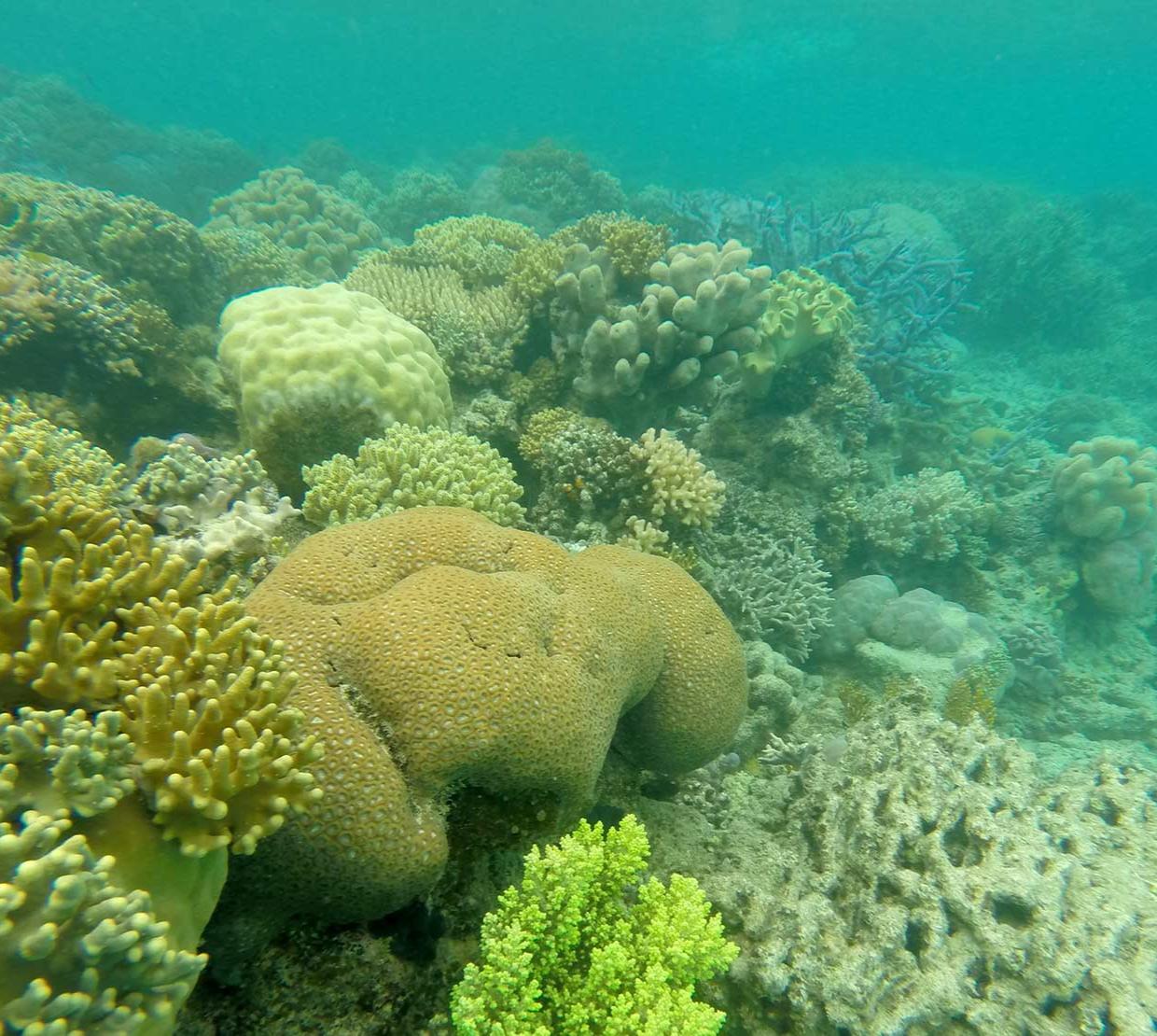
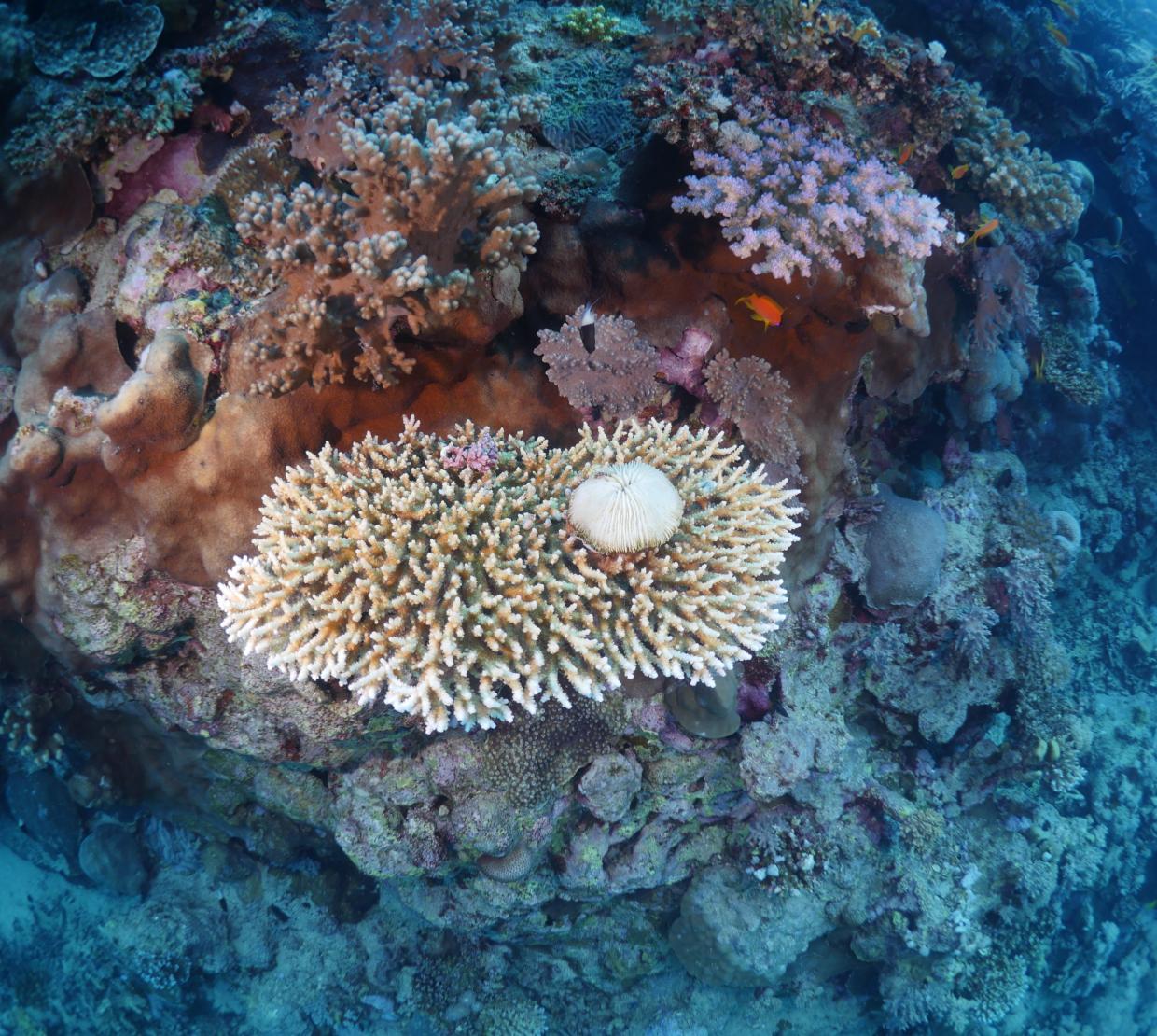
Corals along seafloor in Lizard Island.

Scientists awarded grant to investigate how microbiomes can help species withstand climate change

By Srila Nayak

Microbiologist Rebecca Vega Thurber and her collaborators will investigate microbiome transformations in three aquatic organisms: seagrass, corals and zebrafish.

The microbiome or the vast community of microorganisms found on and within plants, animals and humans can help us understand how different life forms on Earth can resist the harmful effects of environmental changes. Currently, there are very few scientific studies on how microbiomes can enable their host to recover from and withstand ecological disturbances, which would help sustain ecosystems and biodiverse habitats.

A pivotal National Science Foundation award will enable Oregon State scientists to investigate how microbes influence their wildlife host’s sensitivity and resilience to disruptive changes in the natural environment. The award was made in the category of Understanding the Rules of Life, one of NSF’s 10 big ideas to advance pioneering research that serves the nation’s future.

“As our planet experiences more and more disturbances, like climate change and disease outbreaks, we need to work together to understand how microbes can mediate resistance and reliance of their hosts to these stressors" — Rebecca Vega Thurber

Microbiologists and biochemists at Oregon State were awarded a five-year $3 million NSF grant for their proposal, “Predictors of Microbiome Sensitivity and Resilience.” Rebecca Vega Thurber, Emile Pernot Distinguished Professor of microbiology, is the lead principal investigator on the project. The project includes co-principal investigators Thomas Sharpton, associate professor of microbiology and statistics; Maude David, assistant professor of microbiology and pharmaceutical sciences; Ryan Mueller, associate professor of microbiology; and Xiaoli Fern, associate professor of computer science.

“As our planet experiences more and more disturbances, like climate change and disease outbreaks, we need to work together to understand how microbes can mediate resistance and reliance of their hosts to these stressors, ” said Vega Thurber. “This collaborative project aims to bring together the expertise of several microbiologists and computer scientists at OSU to identify important ‘system agnostic’ features of microbiomes that may provide key insight into how microbiomes are involved in mediating animal and plants health, particularly in regards to environmental change.”

Global climate change is threatening the survival of almost all life forms on Earth. Intense heat waves and other human pressures are reducing biodiversity and creating profound and severe consequences for marine and terrestrial ecosystems. The effects of such ecological disruptions are most clearly observed on species that are unable to adapt to their changing environments, and suffer from disease, loss of nutrients and habitat, genetic changes and are ultimately threatened with extinction. Some of these devastating impacts due to anthropogenic climate change include coral bleaching and reduced reproductivity and lower survival rates in fish.

In this pressing scenario, understanding how microbiome properties and composition are influenced by environmental changes can hold the key to saving and preserving ecosystems. The project will explore the impact of human-induced environmental changes on the genome, physiology, adaptation, composition and other ecological functions of the microbiome that will indicate their sensitivity and resilience to environmental disturbances. The researchers will focus on how microbiome responses before, during and after stressful ecological conditions influence the host species’ health, and become a contributing factor in their decline or survival in a changing environment.

Vega Thurber and her collaborators will investigate microbiome transformations in three aquatic organisms: seagrass, corals and zebrafish. These organisms are affected by the three environmental stressors of antibiotic exposure, warming waters and pathogen infection. Through studies of the microbiome in the three species, the researchers will define the unifying principles and properties that define a microbiome’s sensitivity and resilience to environmental changes.

“By comparing the dynamics of very different aquatic microbiomes, but using identical experiments and methodology, this novel project can find critical hallmarks of microbiomes that are prominent in healthy and stressed hosts, giving us a better ‘broad scope’ understanding of how all microbiomes function,” Vega Thurber said.

The identification of such universal properties holds potential to transform microbiome research and innovation, particularly as it applies to health and natural resource management. To define how ecological disturbance impacts host-microbiome interactions, the researchers working on this project will develop novel and freely available data analytic tools and software.

“Because our work focuses on diverse host systems and disturbances that represent major categories of anthropogenic stress, we expect to develop foundational insights into how human activity impacts wildlife through their microbiomes,” said the scientists in a statement.

Aerial shot of coral reef.

Oregon State University scientists shed new light on viruses' role in coral bleaching

By Steve Lundeberg

The planet’s largest and most significant structures of biological origin, coral reefs are found in less than 1% of the ocean but are home to nearly one-quarter of all known marine species.

Corvallis, Ore. – Scientists at Oregon State University have shown that viral infection is involved in coral bleaching – the breakdown of the symbiotic relationship between corals and the algae they rely on for energy.

Funded by the National Science Foundation, the research is important because understanding the factors behind coral health is crucial to efforts to save the Earth’s embattled reefs – between 2014 and 2017 alone, more than 75% experienced bleaching-level heat stress, and 30% suffered mortality-level stress.

The planet’s largest and most significant structures of biological origin, coral reefs are found in less than 1% of the ocean but are home to nearly one-quarter of all known marine species. Reefs also help regulate the sea’s carbon dioxide levels and are a vital hunting ground that scientists use in the search for new medicines.

Since their first appearance 425 million years ago, corals have branched into more than 1,500 species. A complex composition of dinoflagellates – including the algae symbiont – fungi, bacteria, archaea and viruses make up the coral microbiome, and shifts in microbiome composition are connected to changes in coral health.

The algae the corals need can be stressed by warming oceans to the point of dysbiosis – a collapse of the host-symbiont partnership.

To better understand how viruses contribute to making corals healthy or unhealthy, Oregon State Ph.D. candidate Adriana Messyasz and coral researcher Rebecca Vega Thurber in the Department of Microbiology led a project that compared the viral metagenomes of coral colony pairs during a minor 2016 bleaching event in Mo’orea, French Polynesia.

Also known as environmental genomics, metagenomics refers to studying genetic material recovered directly from environmental samples, in this case samples taken from a coral reef.

For this study, scientists collected bleached and non-bleached pairs of corals to determine if the mixes of viruses on them were similar or different. The bleached and non-bleached corals shared nearly identical environmental conditions.

“After analyzing the viral metagenomes of each pair, we found that bleached corals had a higher abundance of eukaryotic viral sequences, and non-bleached corals had a higher abundance of bacteriophage sequences,” Messyasz said. “This gave us the first quantitative evidence of a shift in viral assemblages between coral bleaching states.”

Bacteriophage viruses infect and replicate within bacteria. Eukaryotic viruses infect non-bacterial organisms like animals.

In addition to having a greater presence of eukaryotic viruses in general, bleached corals displayed an abundance of what are called giant viruses. Known scientifically as nucleocytoplasmic large DNA viruses, or NCLDV, they are complex, double-stranded DNA viruses that can be parasitic to organisms ranging from the single-celled to large animals, including humans.

“Giant viruses have been implicated in coral bleaching,” Messyasz said. “We were able to generate the first draft genome of a giant virus that might be a factor in bleaching.”

The researchers used an electron microscope to identify multiple viral particle types, all reminiscent of medium- to large-sized NCLDV, she said.

“Based on what we saw under the microscope and our taxonomic annotations of viral metagenome sequences, we think the draft genome represents a novel, phylogenetically distinct member of the NCLDVs,” Messyasz said. “Its closest sequenced relative is a marine flagellate-associated virus.”

The new NCLDV is also present in apparently healthy corals but in far less abundance, suggesting it plays a role in the onset of bleaching and/or its severity, she added.

In addition to Messyasz and Vega Thurber, the collaboration included Stephanie Rosales of the National Oceanic and Atmospheric Administration; Adrienne Correa of Rice University; and Ryan Mueller, Teresa Sawyer and Andrew Thurber of Oregon State.

Findings were published in Frontiers in Marine Science.

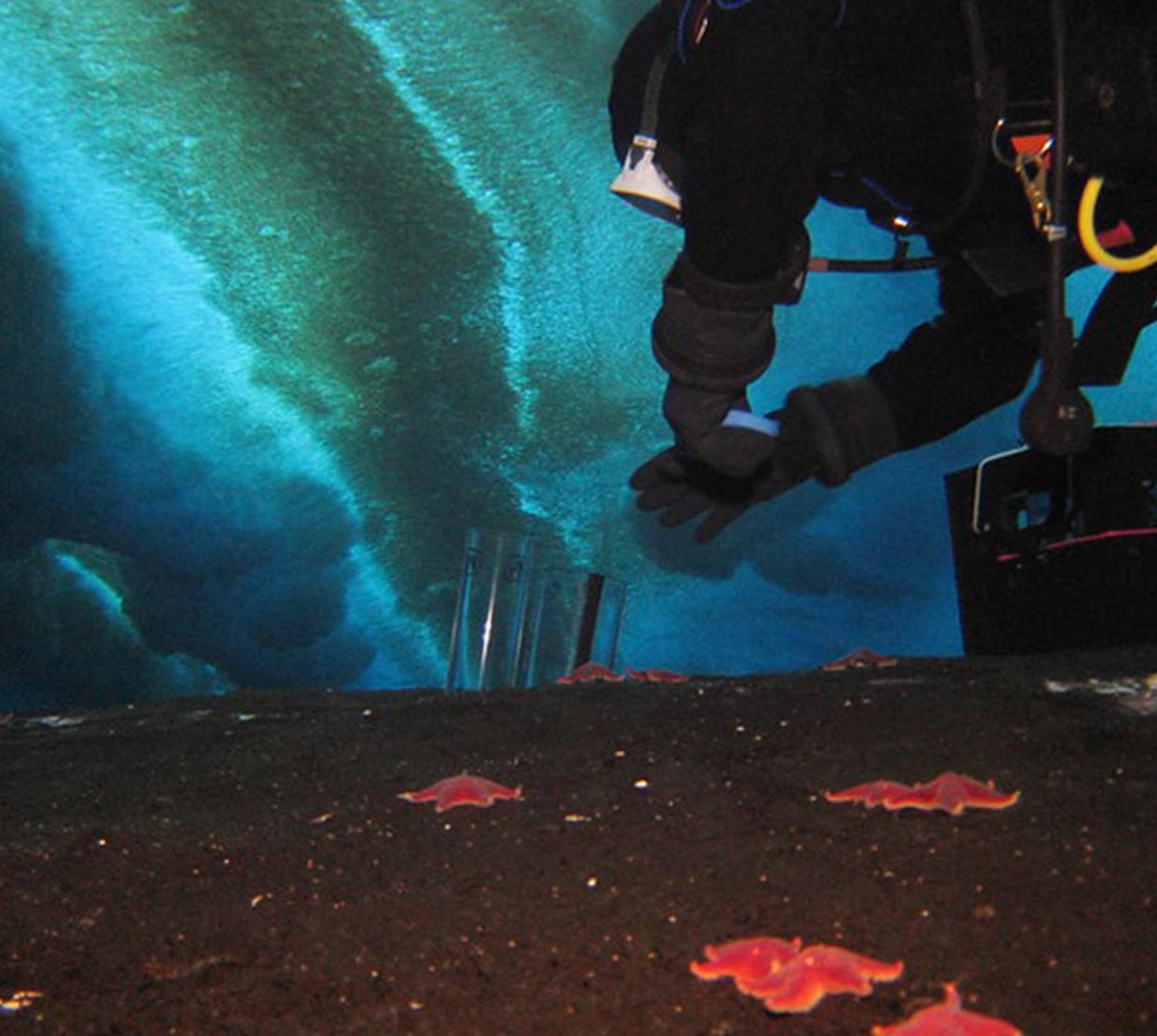
Scuba diver collecting samples on shallow sea floor in Antarctica.

Discovery of first active seep in Antarctica provides new understanding of methane cycle

By Michelle Klampe

Photo courtesy by Andrew Thurber, Oregon State University.

A scientist explores the shallow areas of Antarctica looking for microbial mats, which are telltale signs of areas where methane may be released from underground methane deposits.

Corvallis, Ore. — The discovery of the first active methane seep in Antarctica is providing scientists new understanding of the methane cycle and the role methane found in this region may play in warming the planet.

A methane seep is a location where methane gas escapes from an underground reservoir and into the ocean. Methane seeps have been found throughout the world’s oceans, but the one discovered in the Ross Sea was the first active seep found in Antarctica, said Andrew Thurber, a marine ecologist at Oregon State University.

“This is a significant discovery that can help fill a large hole in our understanding of the methane cycle.”

“Methane is the second-most effective gas at warming our atmosphere and the Antarctic has vast reservoirs that are likely to open up as ice sheets retreat due to climate change,” Thurber said. “This is a significant discovery that can help fill a large hole in our understanding of the methane cycle.”

The researchers’ findings were published today in the journal Proceedings of the Royal Society B. Co-authors are Sarah Seabrook and Rory Welsh, who were graduate students at OSU during the expeditions. The research was supported by the National Science Foundation.

Methane is a greenhouse gas that is 25 times more powerful than carbon dioxide at warming the planet. Most methane in the ocean water and sediment is kept out of the atmosphere by microbes that consume it.

Thurber and his colleagues discovered that the microbes around the Antarctic seep are fundamentally different that those found elsewhere in the world’s oceans. This helps researchers better understand methane cycles and the factors that determine whether methane will reach the atmosphere and contribute to further warming, Thurber said.

The Ross Sea seep was discovered in an area that scientists have studied for more than 60 years, but the seep was not active until 2011, said Thurber, an assistant professor in the Department of Microbiology and the College of Earth, Ocean, and Atmospheric Sciences.

An expansive microbial mat, about 70 meters long by a meter across, formed on the sea floor about 10 meters below the frozen ocean surface. These mats, which are produced by bacteria that exist in a symbiotic relationship with methane consumers, are a telltale indication of the presence of a seep, said Thurber.

“The microbial mat is the road sign that there’s a methane seep here,” Thurber said. “We don’t know what caused these seeps to turn on. We needed some dumb luck to find an active one, and we got it.”

The mystery of the Antarctic seeps

Thurber happened to be in Antarctica in 2012 when another researcher told him about a “microbial waterfall” and thought it was something he should look at. Thurber was able to confirm the seep’s presence, collect samples and analyze the seep and its environment. When he returned to the site in 2016 to conduct further study, he also discovered a second seep nearby.

Antarctica is believed to contain as much as 25 percent of Earth’s marine methane. Having an active seep to study gives researchers new understanding of the methane cycle and how that process might differ in Antarctica compared to other places on the planet, Thurber said.

For example, researchers have found that the most common type of microbe that consumes methane took five years to show up at the seep site and even then those microbes were not consuming all of the methane, Thurber said. That means some methane is being released and is likely working its way into the atmosphere.

“We’ve never had the opportunity to study a seep as its forming or one in Antarctica..."

Studying the site over a five-year time span allowed researchers to see how microbes respond to the formation of a seep, said Seabrook, who earned her doctorate at OSU and is now a post-doctoral scholar at the National Institute of Water and Atmospheric Research in Wellington, New Zealand.

“What was really interesting and exciting was that the microbial community did not develop as we would have predicted based on other methane seeps we have studied around the globe,” she said.

Researchers had assumed that microbes should respond really quickly to changes in the environment, but that wasn’t reflected in what OSU’s team saw in Antarctica, Thurber said.

“To add to the mystery of the Antarctic seeps, the microbes we found were the ones we least expected to see at this location,” he said. There may be a succession pattern for microbes, with certain groups arriving first and those that are most effective at eating methane arriving later.

“We’ve never had the opportunity to study a seep as its forming or one in Antarctica, and because of this discovery we can now uncover whether seeps just function differently in Antarctica or whether it may take years for the microbial communities to become adapted,” Thurber said.

“Animals in Antarctica are very different than elsewhere in the world as the continent has been separated from the rest of the globe for more than 30 million years – a long time for evolution to act,” he said. “That has resulted in a remarkable diversity of fauna that we only find there. That may also contribute to the differences in microbes there.”

It is important to understand how methane seeps behave in this environment so researchers can begin factoring those differences into climate change models, Thurber said. He hopes to return to the site to monitor its evolution and conduct further research.

Jerri Bartholomew

Recognition for improving health of Pacific salmon

By College of Science News

Microbiologist Jerri Bartholomew is elected Fellow of the American Fisheries Society.

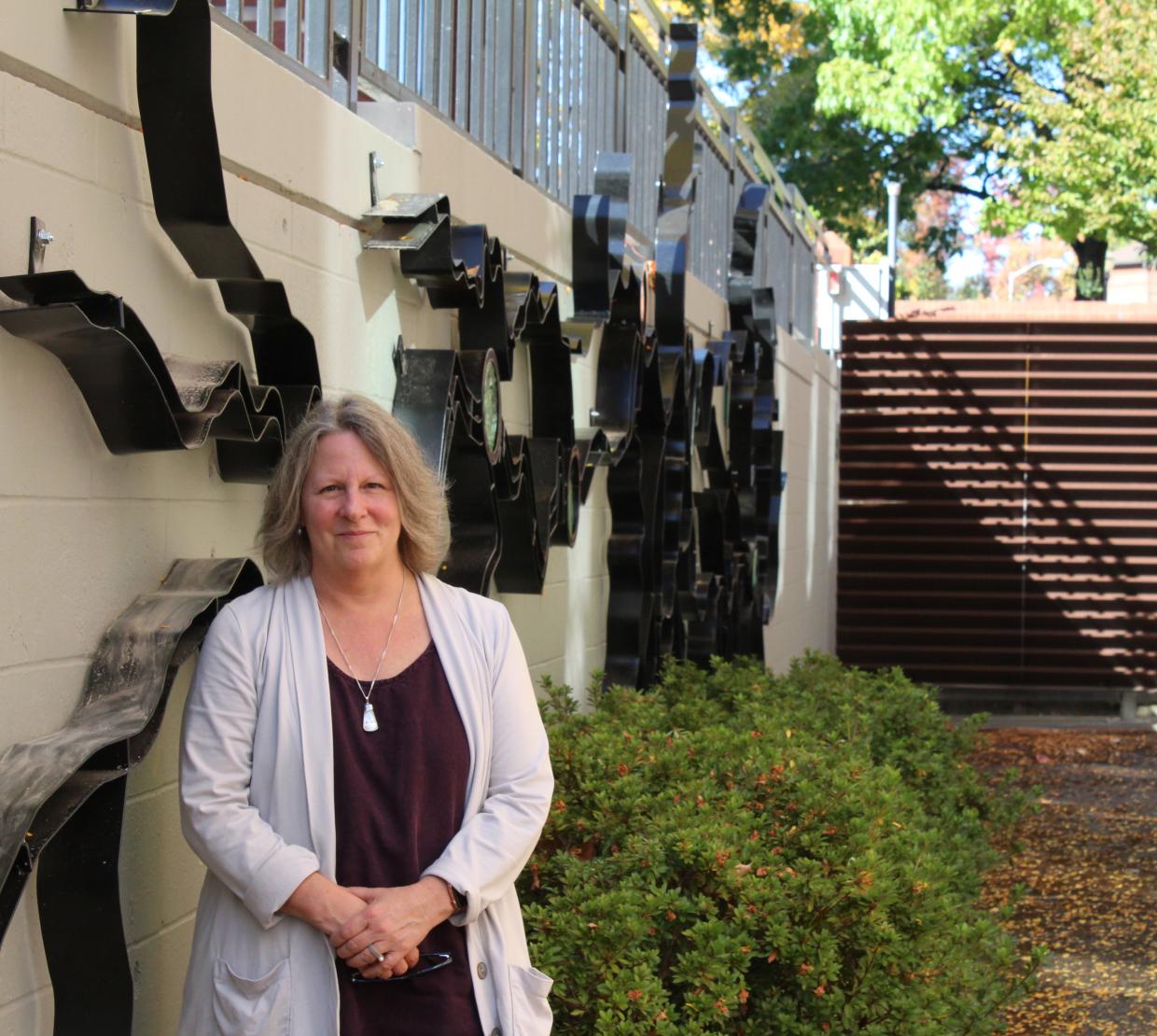
Jerri Bartholomew, the Emile F. Pernot Distinguished Professor and Head of the Department of Microbiology was selected as a 2019 Fellow of the American Fisheries Society, the world’s oldest and largest organization dedicated to advancing fisheries science and conserving fisheries resources. Bartholomew was recognized for her outstanding contributions to the field, particularly in deepening our understanding of how infectious organisms drive disease in salmonids and other freshwater fish, and in developing risk assessments and predictive models to inform management of salmonid fisheries.

In 2016, she was awarded the American Fisheries Society S.F Snieszko Distinguished Service Award for her outstanding accomplishments in the field of aquatic animal health. This lifetime achievement award is the highest honor presented by the Fish Health Section of the AFS.

An OSU alumna with both her master’s degree and Ph.D. in fisheries science, Bartholomew joined the Department of Microbiology faculty 26 years ago and has a joint appointment in the College of Agricultural Sciences. Bartholomew’s decades of publications and funded research have focused on the endemic (and often fatal) wild Pacific salmon myxozoan parasite Ceratomyxa shasta.

Her directorship of the J.L. Fryer Aquatic Animal Health Laboratory at OSU has deepened our understanding of how infectious organisms sicken salmonids and other freshwater fish, and produced forecasting models of how climate change might affect the interaction. Her research has advanced the microbiological understanding of the host-pathogen dynamic as well as produced practical recommendations for salmon fisheries that have already been put into good use.

Bartholomew also teaches Advances in Disease Ecology, Fish Diseases in Conservation Biology and Aquaculture, and offers a semi-annual Salmonid Disease Workshop for state and federal fishery biologists.

Saving Atlantis

Oregon State University-produced coral reef documentary now streaming worldwide

By Sean Nealon

"Saving Atlantis" featuring microbiologist Rebecca Vega Thurber's work to save coral reef ecosystems around the world is now available on digital platforms.

Saving Atlantis,” a feature-length documentary on coral reefs produced by Oregon State University filmmakers, is now streaming and accessible to viewers worldwide on digital platforms, including Amazon, Google Play and iTunes.

“Saving Atlantis” focuses on the dramatic decline of coral reef ecosystems around the world and the impact on people who depend on them. The film’s producers followed coral microbiologist Rebecca Vega Thurber and other researchers from Oregon State and around the world who are uncovering the causes of coral decline and looking to find solutions so they don’t completely disappear.

The film is narrated by Emmy-winning narrator Peter Coyote, who has voiced several documentaries by Ken Burns, including “The Vietnam War.”

David Baker, along with an OSU Productions team that includes co-producer Justin Smith and cinematographers Darryl Lai and Daniel Cespedes produced the documentary. To make the film, they learned to scuba dive and film underwater and spent three years traveling to four continents to gather footage.

Last year the filmed screened at film festivals and special events in Oregon, California, Hawaii, Columbia and Australia. Schools, libraries, non-profits and government group can also license the film.

The film can now be rented for $3.99 to $4.99 or purchased on DVD or Blu-ray for $11.29 or $12.99 on Amazon, Google Play and iTunes.

Initial proceeds from the film will be used in the coming months to award fellowships for student filmmakers at Oregon State.

To view the trailer of the film visit: https://vimeo.com/246008971.

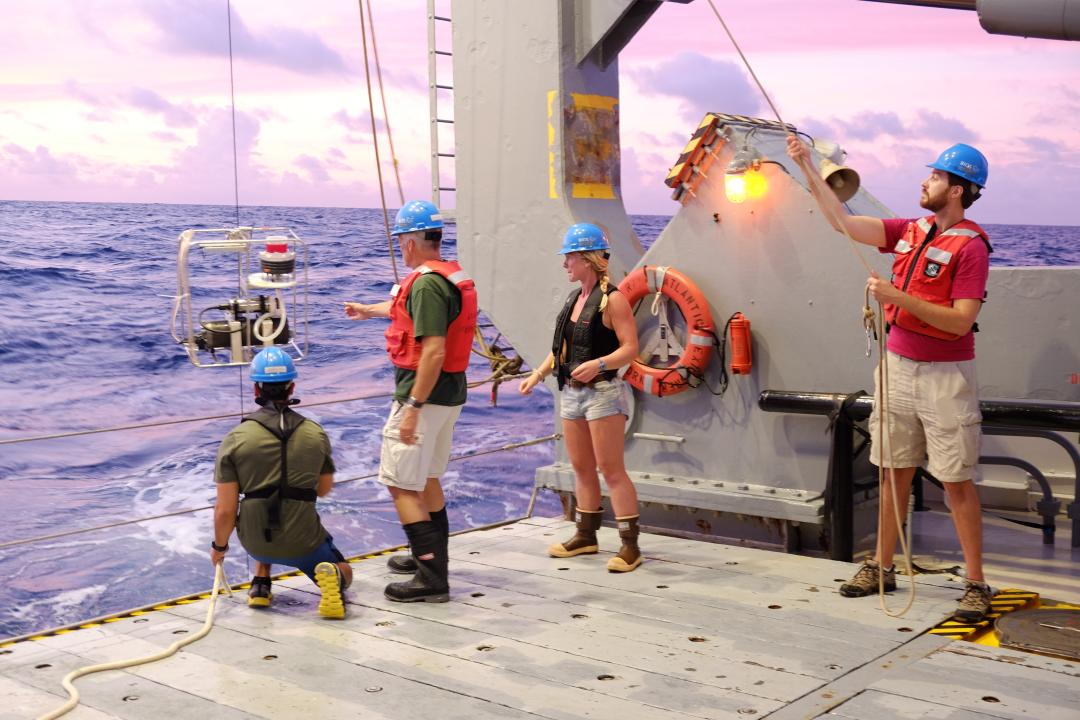
Researchers take a phytoplankton sample on an OSU research vessel.

Smaller than expected phytoplankton may mean less carbon sequestered at sea bottom

By Steve Lundeberg, OSU News

A study that included the first-ever winter sampling of phytoplankton in the North Atlantic revealed cells smaller than what scientists expected, meaning a key weapon in the fight against excess carbon dioxide in the atmosphere may not be as powerful as had been thought.

Thus, commonly used carbon sequestration models might be too optimistic.

The Oregon State University research into the microscopic algae, part of NASA’s North Atlantic Aerosols and Marine Ecosystems Study, was published in March 2020 in the International Society for Microbial Ecology Journal.

The findings are significant because the spring phytoplankton bloom in the North Atlantic “is probably the largest biological carbon sequestration mechanism on the planet each year, and the size of cells determines how fast that carbon sinks,” said the study’s corresponding author, OSU College of Science microbiology researcher Steve Giovannoni.

OSU postdoctoral researcher Luis Bolaños is the lead author.

Phytoplankton are microscopic organisms at the base of the ocean’s food chain and a key component of a critical biological carbon pump. Most float in the upper part of the ocean, where sunlight can easily reach them.

The tiny plants have a big effect on the levels of carbon dioxide in the atmosphere by sucking it up during photosynthesis. It’s a natural sink and one of the largest ways that CO2, the most abundant greenhouse gas, is scrubbed from the atmosphere. Understanding how and why phytoplankton bloom every spring is critical to learning how the Earth’s living systems could respond to global climate change.

As the ocean pulls in atmospheric carbon dioxide, phytoplankton use the CO2 and sunlight for photosynthesis: They convert them into sugars the cells can use for energy, producing oxygen in the process.

The phytoplankton cells absorb that CO2 eventually sinking to the bottom of the ocean as they die. The planet’s ecological health depends on regular plankton blooms such as the spring event in the North Atlantic in which huge numbers of phytoplankton accumulate over thousands of square miles.

The larger project that Bolaños and Giovannoni were part of, the North Atlantic Aerosols and Marine Ecosystems Study, was led by Michael Behrenfeld of the OSU College of Agricultural Sciences. The team used ship- and aircraft-based measurements and satellite and ocean sensor data to help clarify the annual phytoplankton cycles and their relationship with atmospheric aerosols.

Aerosols are minute particles suspended in the atmosphere that can affect the Earth’s climate and radiation budget – by bouncing sunlight back into space and, in the lower atmosphere, by modifying the size of cloud particles, which changes how clouds reflect and absorb sunlight.

Bolaños, Giovannoni and their collaborators sampled phytoplankton in the western North Atlantic in both early winter and spring to try to get a handle on how the phytoplankton community transitioned between those seasons.

In earlier research, the team found that the increase in numbers of phytoplankton, shown by chlorophyll and carbon concentrations, begins in midwinter when growth conditions are at their worst rather than being started by the onset of spring weather.

“The surface layer of the North Atlantic is deeply mixed in winter by storms and temperature-dependent ‘convective’ mixing,” Behrenfeld explained. “This causes phytoplankton to be spread more thinly in the water, making it tough for the tiny animals that eat phytoplankton to track their prey. The reduction in feeding enables the phytoplankton to get a head start in growth as an opening act to the massive bloom that occurs once the winter storms fade and conditions for growth get better. By spring’s end, the grazers have made up the lost ground, eating the phytoplankton as it grows and bringing the bloom to an end.”

About half of the organisms in the spring bloom that the researchers sampled could not be genetically traced to the winter samples, Bolaños said.

“This suggests that there are life history strategies by which phytoplankton that are undetectable in winter can rise to high numbers in the spring, or there is a quick community turnover due to the circulation of water masses,” he said.

Bolaños added that diatoms, thought to dominate phytoplankton blooms in the North Atlantic, often were not a big part of the samples’ genetic profiles, and when they were a big part, the cells were small – either of the nano-phytoplankton variety or at the smaller end of the micro-phytoplankton scale.

“Biogeochemical models are often influenced by the perception that North Atlantic phytoplankton blooms are composed of large cells,” he said. “That perception has been perpetuated by models that assume that diatoms are uniformly large cells. But they’re not.”

Algorithms that predict carbon export from satellite-sensed chlorophyll tend to assign high export rates to phytoplankton blooms on the belief, based on observations from the eastern North Atlantic, that large diatoms dominate at their climax.

The findings of this study, Giovannoni said, suggest that extrapolating those observations to the western North Atlantic may not be a valid practice.

“We’re not certain whether our new observations of small phytoplankton in the western North Atlantic are due to physical differences between the western and eastern North Atlantic, ocean warming and higher atmospheric CO2 concentrations, or constraints of earlier research methods,” he said. “There’s also a chance our observations were an anomaly, a coincidence. We don’t know for sure.”

Cells less than 20 micrometers in diameter made up most of the phytoplankton biomass in the study samples. Diatoms were important contributors but not the main component of biomass.

“We found that diverse, small phytoplankton taxa were unexpectedly common in the western North Atlantic and that regional influences play a large role in community transitions during the seasonal progression of blooms,” Giovannoni said. “The profoundly contrasting composition of the winter community, and the domination by small taxa that we found in the spring, are system features that alter our perspective and are areas for future research. Our results could have major implications for understanding how the blooms affect regional carbon biogeochemistry – the multispecies blooms we describe can have lower carbon export efficiencies than the models typically allow for.”

Also collaborating on this study were researchers from the University of Maine, the Monterey Bay Aquarium Research Institute, the GEOMAR-Helmholtz Centre for Ocean Research Kiel, the University of Washington, Laboratoire des Sciences de l’Environnement Marin, IRD-UBO-Institut Universitaire Européen de la Mer, and the University of Rhode Island.
Subscribe to Environmental Health