Awards & Recognition

Awards & Recognition

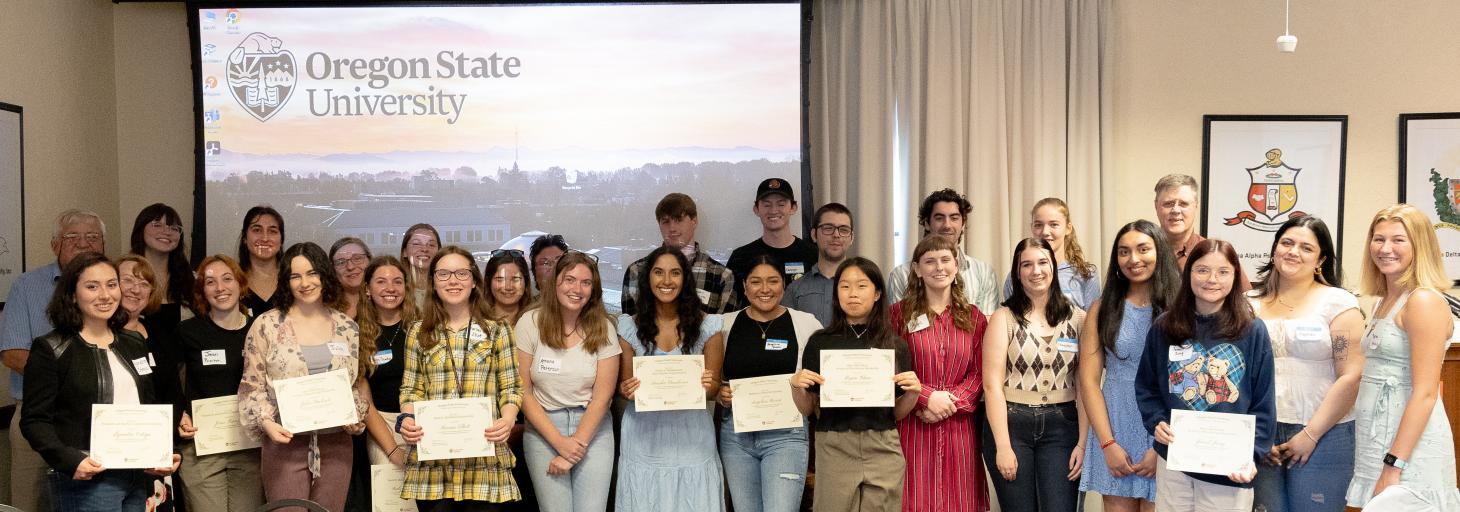
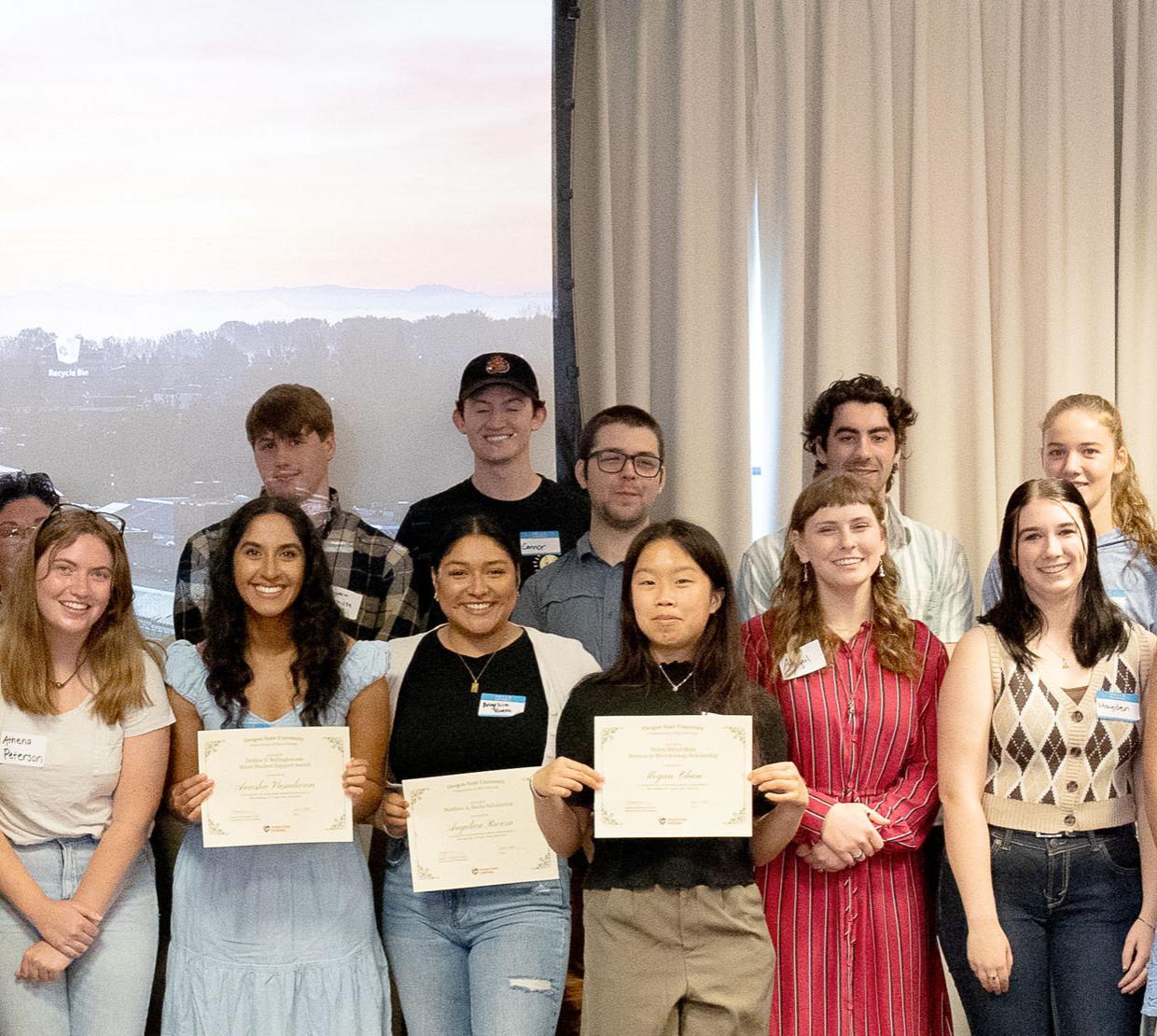
Smiling Oregon State recipients and donors celebrating and showing off their award certificates during a luncheon.

Microbiology alumni create scholarships to support science students

By Tom Henderson


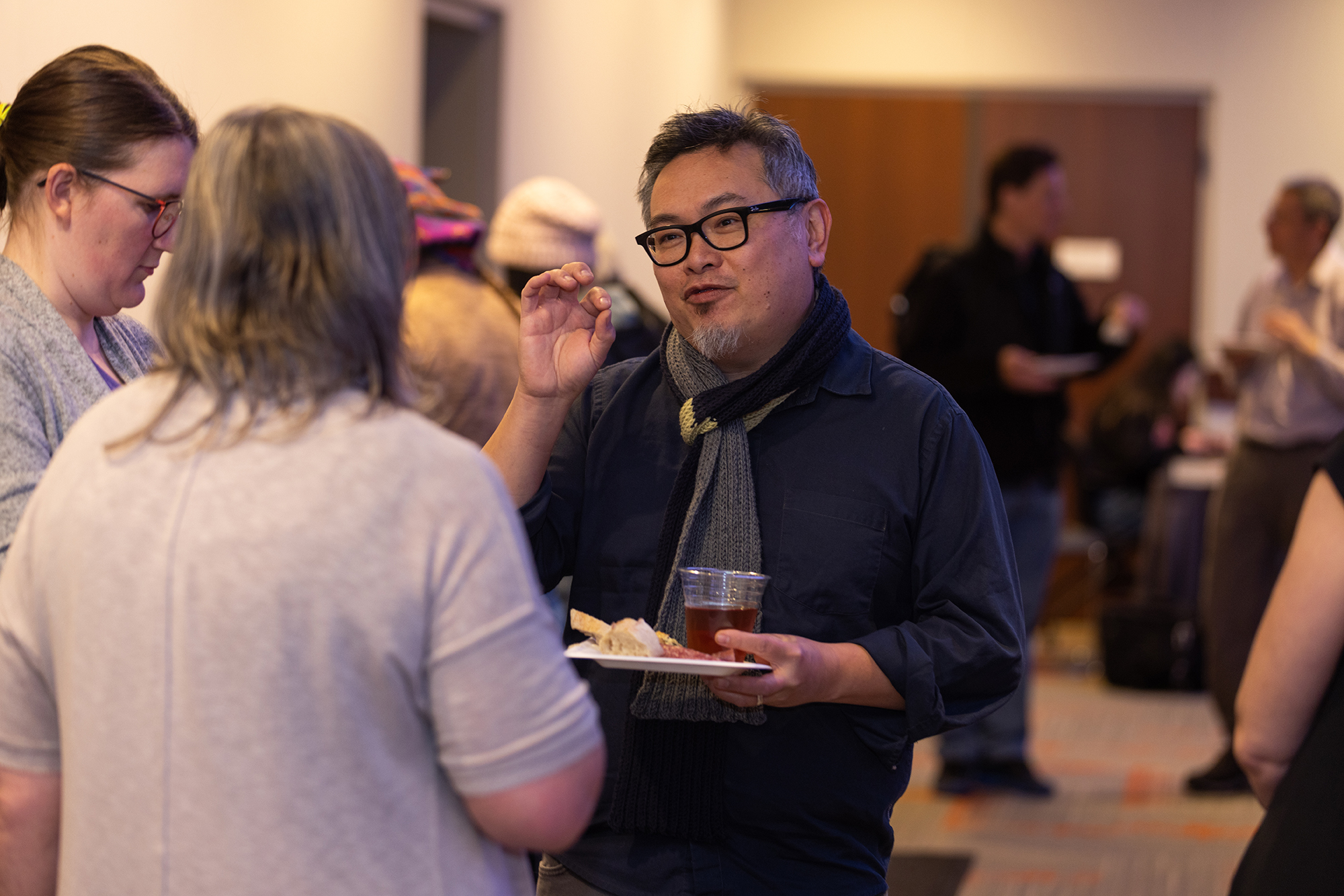
Students gather and celebrate at the 2023 microbiology donors luncheon.

Paul Kenis founded the California Wolf Center. Matthew Bacho helped confront AIDS. Deb Bellinghausen supervised a lab combatting periodontic diseases.

All of their professional journeys started as students at the Department of Microbiology at Oregon State University. Now they are among the alumni who want to show their appreciation with financial donations to the department.

"I have a very strong affinity for that department because we have a lot of memories there," said Bellinghausen. "This was part of me paying it forward for all of the help that I received while I was a student at Oregon State."

Matthew Bacho '92

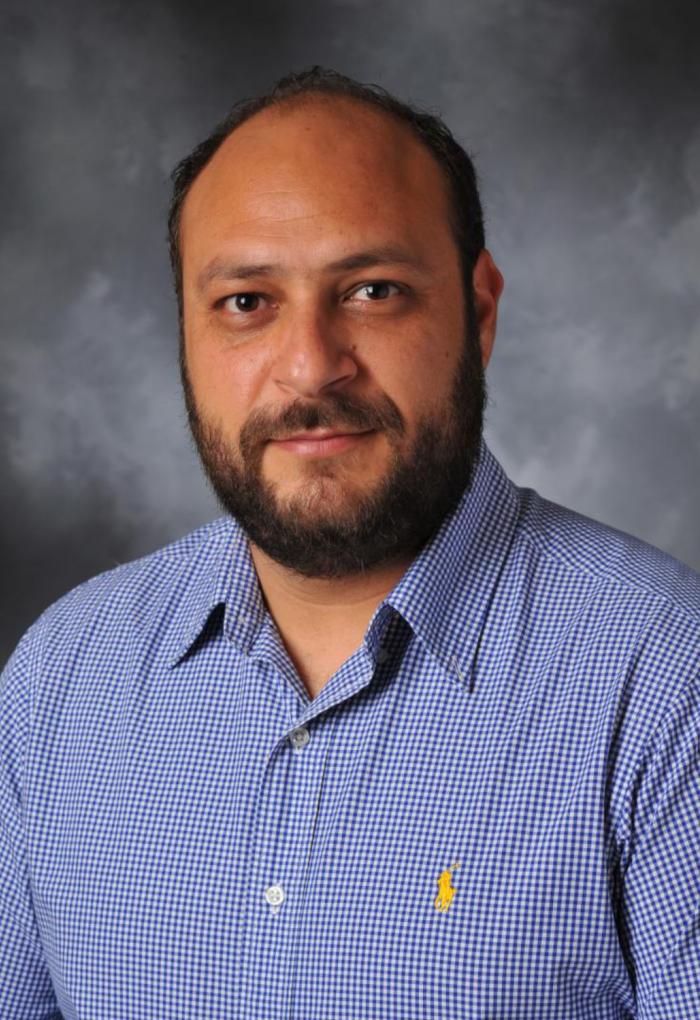
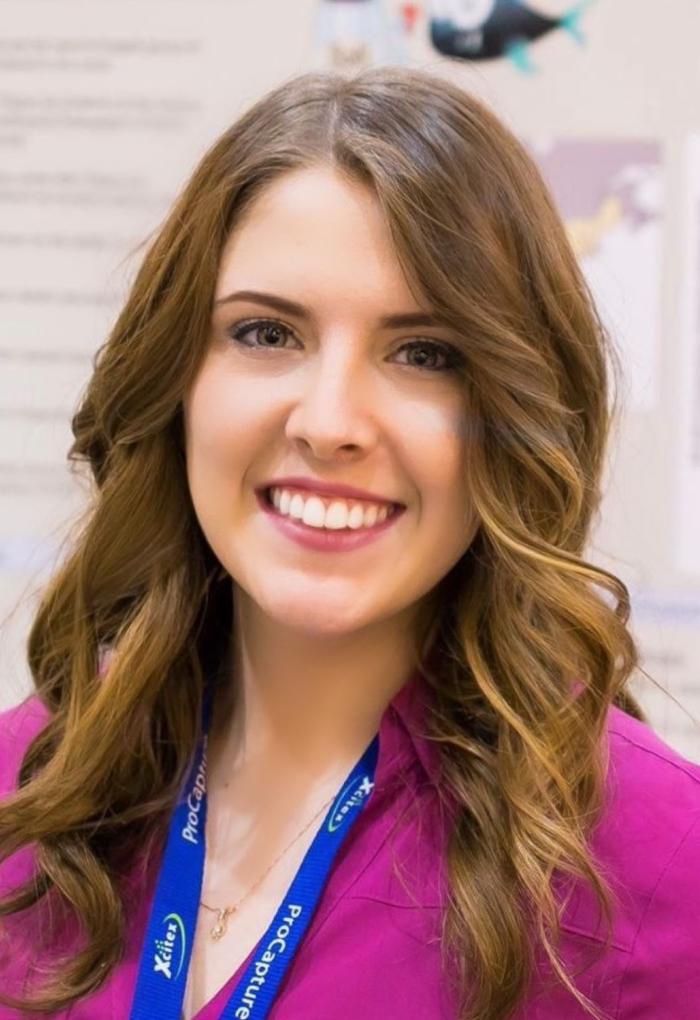
Headshot of Matthew Bacho

The Matthew A. Bacho Scholarship in Microbiology provides scholarships for microbiology and biohealth sciences graduate and undergraduate students with demonstrated financial needs.

Recipients can thank a National Geographic article.

"When I was in high school in Eugene, I was thinking about what I would study after graduation," said Bacho, B.S. '92. "History was kind of my favorite subject, but I wasn't sure what I would do with a degree in history. I wasn't keen on teaching."

Then he chanced across a National Geographic article about the pathogenesis of HIV/AIDS. "They had a pretty good background section on human immunology," he said. "I thought that was cool. I quickly found out it's a subdiscipline of microbiology."

It gave his undergraduate years at Oregon State a distinct focus. "A lot of freshmen don't know what they want to do, but I had a decent idea, and I stuck with it," he said.

Bacho found more than an academic focus at Nash Hall. He also found affordable living at Heckart Lodge, a co-op just down the street. "Many of the friends that I made there are still friends to this day," he said.

After graduation, he began working for the U.S. Food and Drug Administration. His main focus was on HIV/AIDS. "The highlight of my time in the lab was that one of the compounds we looked at actually went on to be approved by the FDA for HIV," he said.

The compound prevents HIV from entering cells. His subsequent work included the regulatory management of immunosuppressive drugs like cyclosporine (used to treat patients if their bodies reject an organ transplant).

His final job at the FDA was helping enforce laws regulating clinical trials. He retired in 2021 after more than 28 years with the agency. Although only 51 years old at the time, Bacho said his lifelong struggle with retinitis pigmentosa was a deciding factor. The genetic disorder causes loss of vision, including trouble seeing at night and decreasing peripheral vision.

Bacho said he is glad to still be young enough to meet the recipients of his scholarship.

"I had a great experience at Oregon State," he said. "I began thinking about starting a scholarship a few years ago in microbiology, partly as a way to give back."

He received a Mark H. Middlekauf Scholarship during his senior year at Oregon State. The scholarship was created by Ruth Tyson to honor her brother, who received his degree in bacteriology at Oregon State in 1916 before dying in World War I.

Bacho decided he wanted to create a scholarship while he was still relatively young so he could meet the recipients.

"A lot of people start scholarships when they're older and have more financial means," he said. "The cool thing is that I had financial means and was still young enough and could still enjoy seeing people receive that money. I'm pretty happy about that."

Bacho said he hopes the students who receive his scholarship enjoy Oregon State as much as he did. "I really treasured my experience there at Oregon State. It led me to my career."

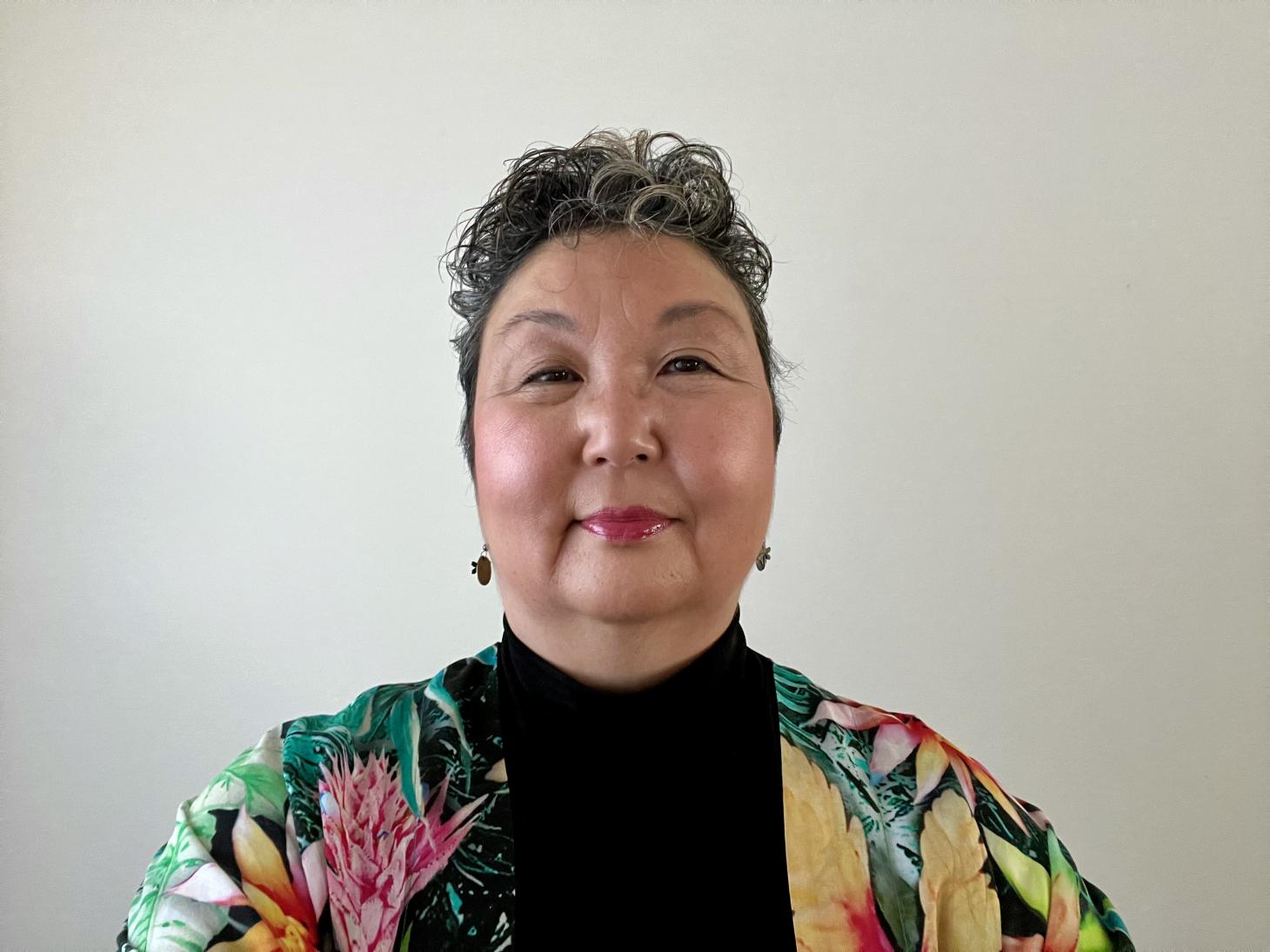
Debbie Bellinghausen '79

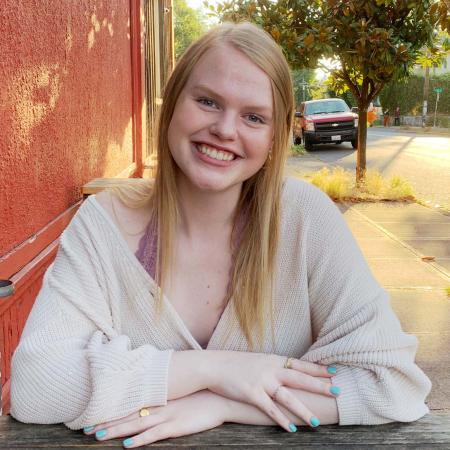
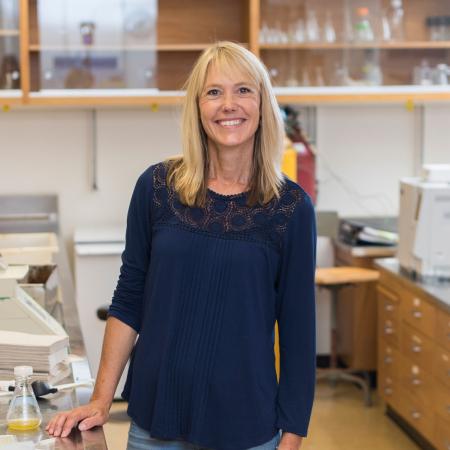
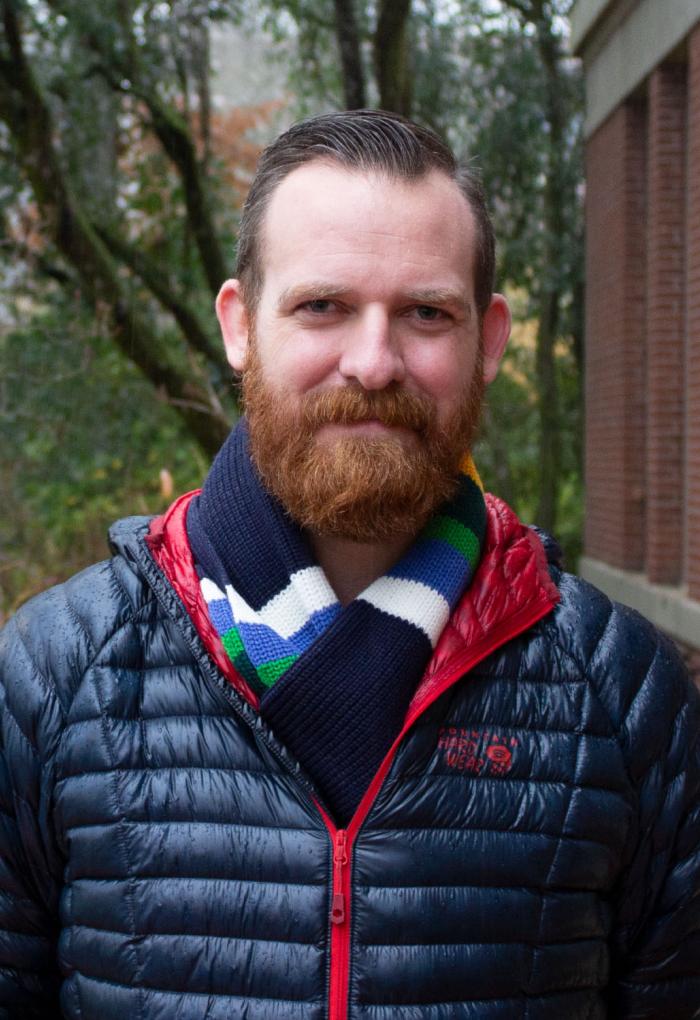
A headshot of Debbie Bellinghausen.

The Debbie S. Bellinghausen Microbiology Student Support Fund supports undergraduate or graduate students in financial need. Support can include, but is not limited to, travel for professional development, collaborative research projects and scholarship support.

"Like a lot of students back then and now, I paid my way through school through loans, savings, work/study money during graduate school from my professor," said Bellinghausen, M.S. '84 and B.S. '79. "We have a strong belief that getting an education is very important, and if there's any way to pay that forward and help someone along the way, that's the best way I can show my appreciation."

Bellinghausen has strong family connections to Oregon State. She met her husband Mike when he was a microbiology student. He was getting his master's degree under Raymond Seidler while she was working in the lab as a research assistant. Bellinghausen continued in the department, receiving her master's degree in 1984.

The couple's daughter Stephanie majored in biology at Oregon State and went on to veterinary school in Scotland where she now practices.

Bellinghausen traces her professional roots to her childhood as part of a farm family in Ontario, Oregon. "I've always loved biological sciences," she said. "Oddly enough, I started off as a pre-pharmacy major. I realized it wasn't really my thing. I took a microbiology course as part of my curriculum, and that's when I fell in love with it."

There is a natural connection to microbiology and food, she added. "There's a lot of interaction between the microbiology department and the food science department so it was easy to fall in love with microbiology," she said.

With an interest in dairy microbiology, her main professor in microbiology was William Sandine. Sandine taught in the department from 1959 to 1996. He became known for his research on fermentation, leading to improvements in cheese and other dairy products.

"Getting to work in his lab and getting to know some of the grad students and some of the work they were doing in Tillamook and later the wine industry, it was just a fun place to be," Bellinghausen said.

Her own career took her to Seattle where she worked for a company that researched animal probiotics. When she supervised the lab dealing with periodontic diseases, she was introduced to clinical research.

"It opened a whole new world that I hadn't thought about and enabled me to use my background in microbiology," she said. "I worked in clinical research both in diagnostic medical devices and small molecules and biologics."

As she nears retirement, Bellinghausen loves the thought of helping students. "It's great to see all the kids excited about their careers,” she said. “It made me pleased and happy to know that I could help them continue with their education.”

Smiling Oregon State recipients and donors celebrating and showing off their award certificates during a luncheon.

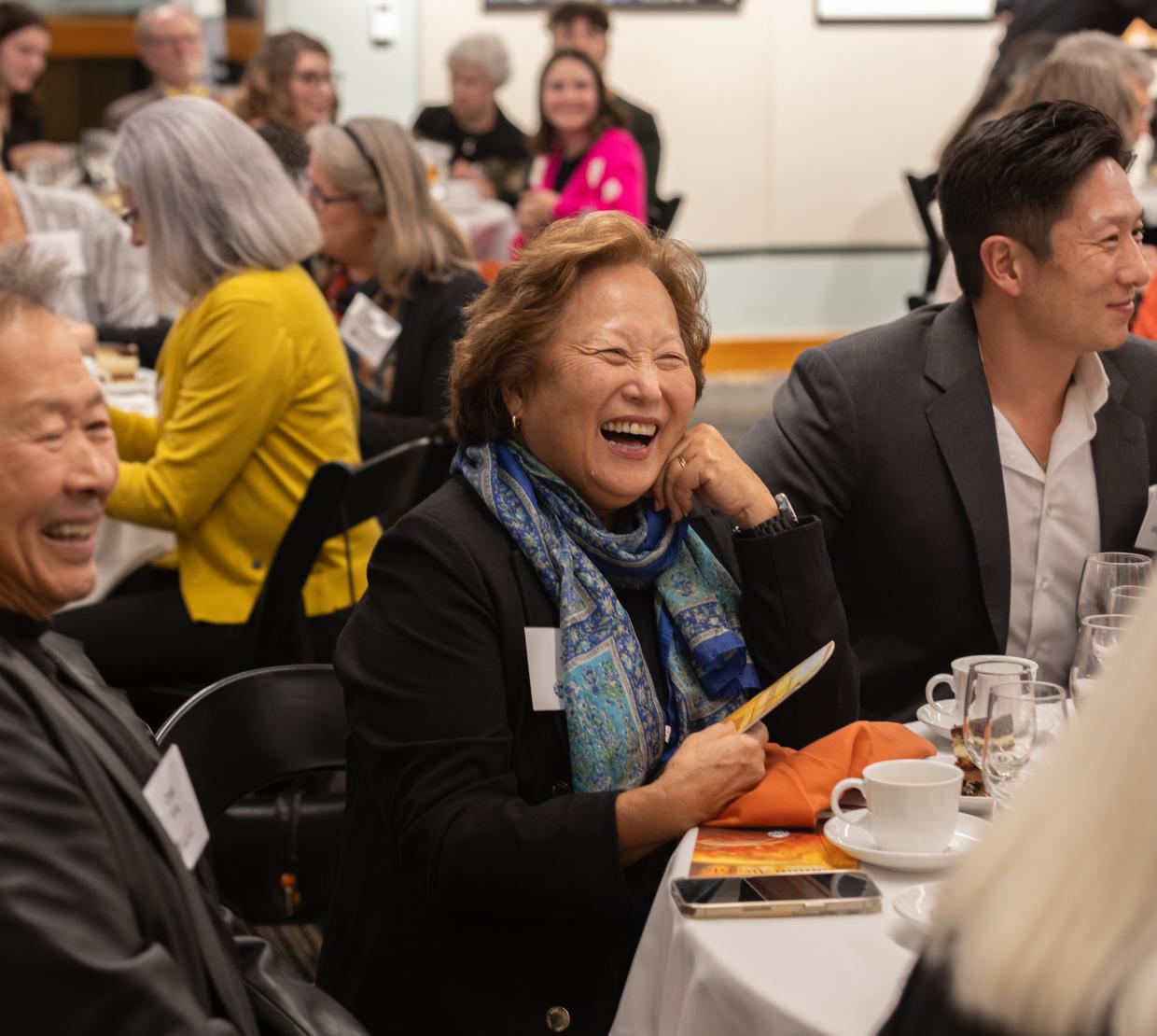

Award recipients gather at the 2023 microbiology donors luncheon to celebrate together. One of the scholarships currently available include the Paul and Judith Kenis Student Travel Endowment Fund in Microbiology.

Paul Kenis '67

The Paul and Judith Kenis Student Travel Endowment Fund in Microbiology supports travel expenses for professional development for undergraduate or graduate microbiology students.

Although he studied microbiology at Oregon State, Paul Kenis, M.S. '67, is known for his work with much larger organisms. He and his wife Judy started the California Wolf Center in Julian in 1977 and ran it for the next 20 years.

Starting with just two North American gray wolves, the couple set about teaching people about the importance of wolves in the ecosystem. They also bred endangered Mexican wolves to return the wild wolves to their natural habitat.

"I kind of got away from microbiology to play with the wolves for a few years," Kenis explained.

Meanwhile, he also put his education in microbiology in service to the U.S. Navy as a civilian researcher for 27 years. He started working for the Navy shortly after receiving his master's degree in microbiology in 1967.

The Navy gave him a solid professional home, he said. "I lived happily ever after, and I didn't have to go to Vietnam."

Kenis was born in Portland but grew up in suburban Los Angeles. He went to Cal Poly Pomona near Los Angeles for his undergraduate studies after his parents moved to Covina, California.

"I was always interested in science," he said. "I had animals. I had pigeons. I had aquariums and everything. It was kind of natural for me, so I majored in biology and minored in chemistry at Cal Poly."

One of his professors at Cal Poly knew Richard Morita at Oregon State. Morita was a faculty member in microbiology and oceanography at Oregon State University from 1962 to 1988 and helped Kenis get a fellowship to cover his tuition and come to Corvallis for graduate work.

"Dr. Morita took good care of me," Kenis remembered. "He was a great man."

After graduation, Kenis began working for the Navy almost as a fluke. He thought about going into the public health service, but his parents saw in the phone book that the Navy had a microbiology lab in Pasadena.

The California Wolf Center was a nonprofit, and the Navy didn't pay him enough to start the endowment. Kenis said students receiving money from the endowment benefit from his decision to invest in apartments.

That money should keep flowing, he said. He has made provisions in his will for the endowment to continue even after he's gone. Oregon State deserves the support, he said.

"They were really just nice people," he said. "I never met any jerks. The campus was very beautiful. Corvallis is a unique place. It's so very positive. I just have wonderful memories from the experience."

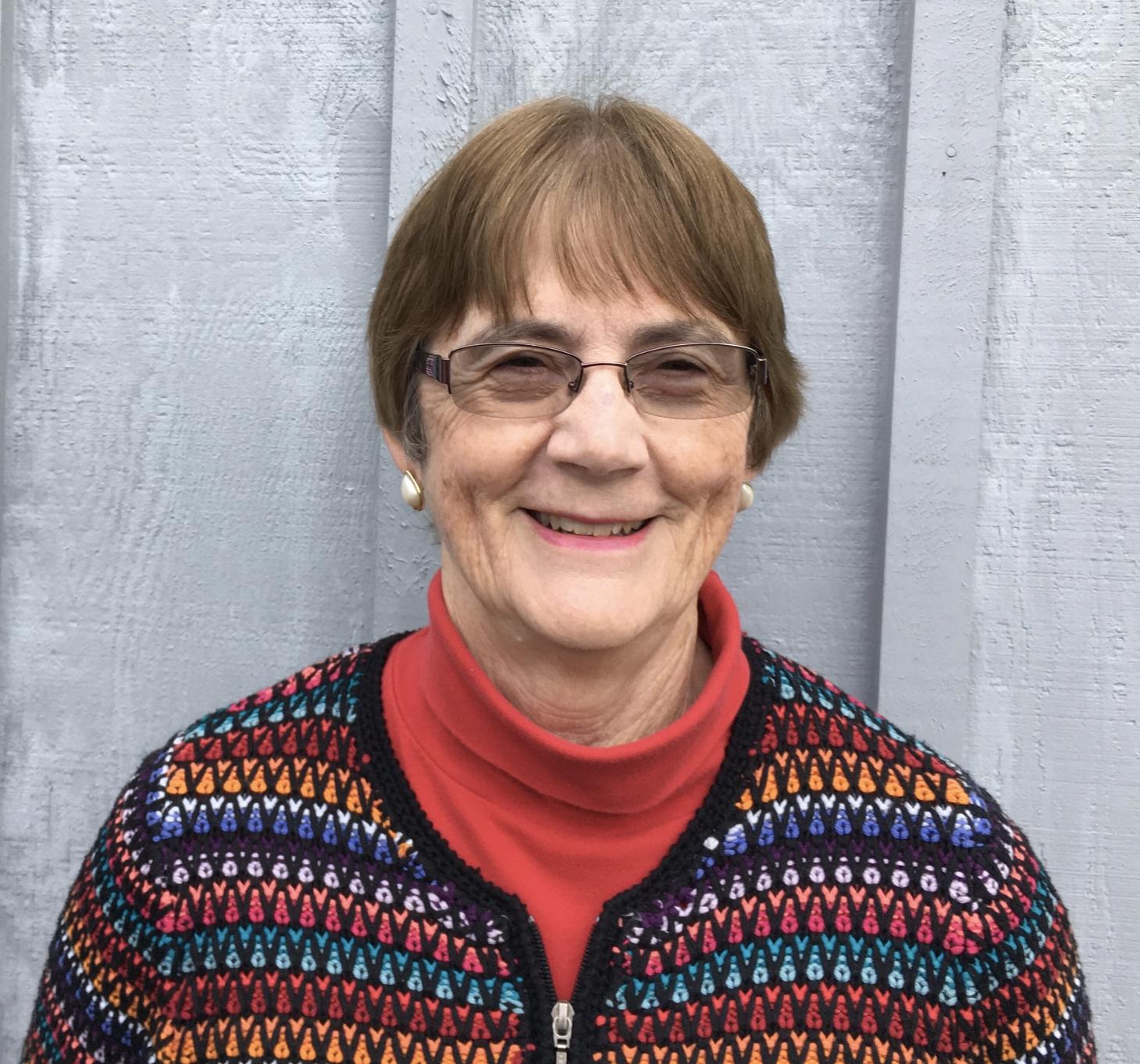
Mary Ann Matzke

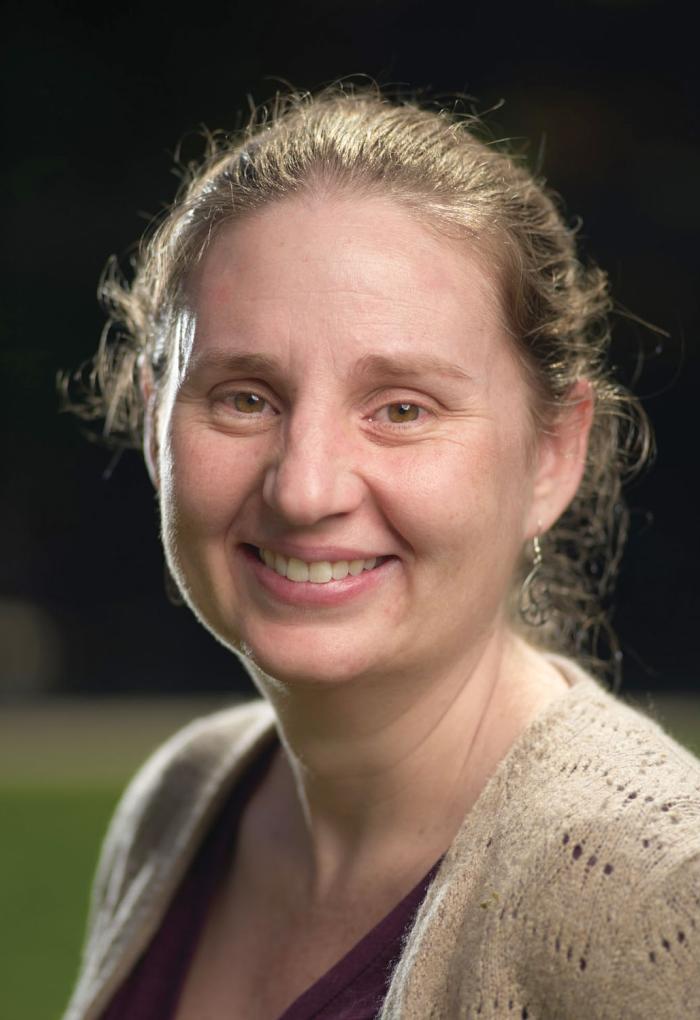
Headshot of Mary Ann Matzke

The Mary Ann and Gordon Matzke Endowed Pre-Health Scholarship Fund provides scholarships for undergraduate students majoring in biohealth sciences.

While many donors are inspired to give because of fond memories of being students at Oregon State, Mary Ann Matzke is different. While her memories are no less fond, they stem from being a staff member rather than a student.

She worked as an adviser, and later head advisor, at the College of Science from 1987 to 2012.

"As often happens, academic advising was a career that I fell into, but it became a calling for me as I felt like it used skills I’d been acquiring my entire life," she said.

Her life started in a small town in Oklahoma where her father was a local physician. She studied zoology and pre-med at Oklahoma State University. After meeting her husband Gordon, her plans changed.

"I went with him to Syracuse University where I earned my master’s in population biology and evolution," said Matzke. "We then went off to the Selous Game Reserve in southern Tanzania where I assisted him in his research for his Ph.D. in geography relating to the interaction of human populations and wildlife."

Returning to Oklahoma State University, she took an advising job in the College of Arts and Sciences. "I found that I really liked it," she said. "Upon our move to Corvallis, after spending a few years home with children, I saw an ad for an advising job in the College of Science at Oregon State University. I was fortunate enough to get that job."

She was equally fortunate, she said, to have Dean Fred Horne and Associate Dean Dick Thies as mentors.

"At that time, professional advisors at Oregon State were not common," she said. "The health professions advising center that Dean Horne established with Chere Pereira, chief premedical advisor, Shelly Murphy, and myself was a new idea in the college."

For the first 15 years of her career, she advised students planning to enter health professions. "Those fields always held interest for me due to the number of medical professionals in my family," Matzke said. "I thoroughly enjoyed seeing students develop throughout their careers at Oregon State and eventually achieve their dreams.

She also spent a couple of years advising College of Business students under Clara Horne, the head advisor in the college. "This cross-college experience informed my later advising in the College of Science," she said.

For the last 10 years of her career, she served as head advisor in the College of Science -- coordinating the advising, student recruitment and orientation services. She was also responsible for overseeing the scholarship program.

"This is where I saw the impact that a scholarship can make in a student’s life," Matzke said. "One of my mentors was Janine Trempy, professor in microbiology, and associate dean in the College of Science."

About the time she retired, a new major, biohealth sciences, was created in microbiology for students interested in entering a health profession.

"This seemed like a good place to establish a scholarship that would benefit the kinds of students I advised during my career," said Matzke.

Her husband Gordon was a faculty member, advisor and department chair in the geography department at Oregon State.

"He always supported my career and was a constant source of advice and encouragement," she said. "I’m happy that we could make this contribution in both of our names and that it will support students pursuing health professions for many years to come."

Alumni awards

Alumni Awards celebrates exceptional achievements

By Hannah Ashton

Photos by Jodi B. Herrling

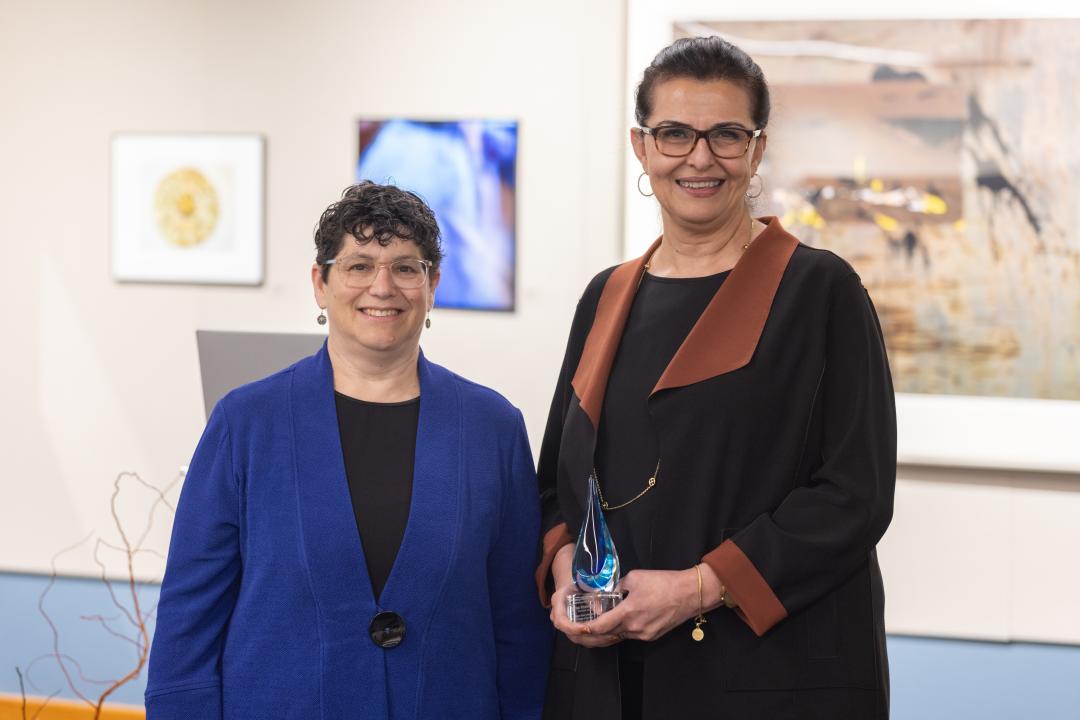


Distinguished professor of microbiology Jo-Ann Leong received the Lifetime Achievement in Science Award for exceptional and significant contributions to science over the course of her life.

The College of Science community recently gathered to celebrate this year’s Alumni Award recipients. These alumni distinguished themselves through their groundbreaking research, strong leadership and efforts to enhance equity, access and inclusion.

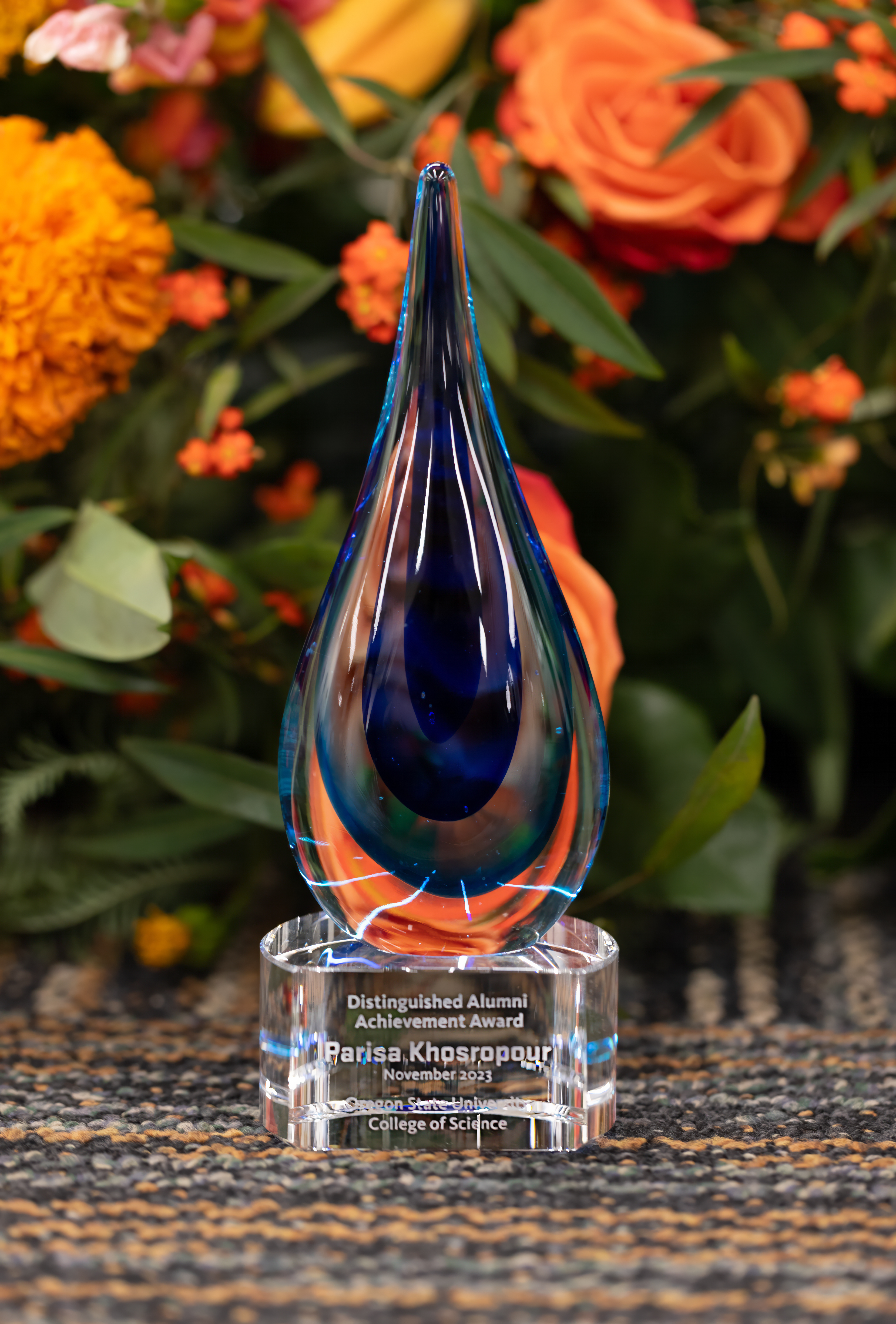
Jo-Ann Leong, former department chair and distinguished professor of microbiology, received the Lifetime Achievement in Science Award; Parisa Khosropour (‘89) received the Distinguished Alumni Achievement Award; and Simon Johnson (‘09) received the Young Alumni Award.

Congratulations to these alumni and former college leadership, for their exceptional accomplishments! This recognition is a testament to their unwavering commitment to excellence and serves as an inspiration for the entire College of Science community.

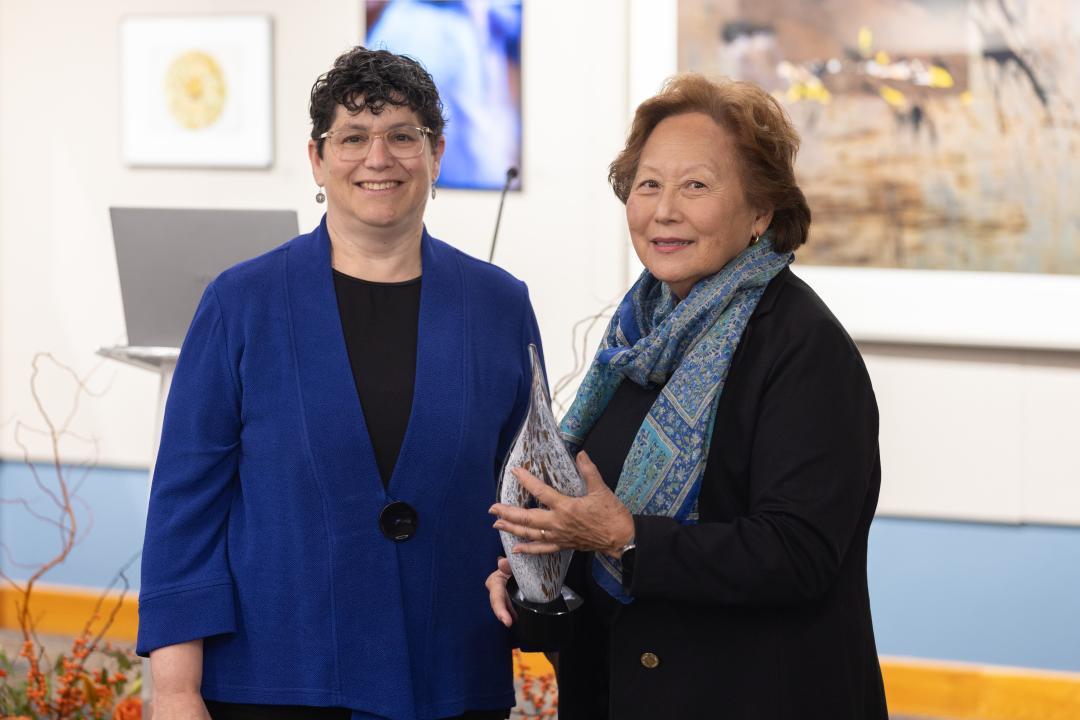
Jo-Ann Leong poses for a photo with her award


Jo-Ann Leong accepts the Lifetime Achievement in Science Award from Dean Feingold.

Jo-Ann Leong is an outstanding microbiologist with a long history of aquaculture discoveries at Oregon State University and around the world. After obtaining her Ph.D. in microbiology and virology at the University of California, San Francisco, she became the only female professor in Nash Hall to help run one of the first virology labs at Oregon State in 1975. Throughout her life, Leong made breakthrough discoveries that inspired faculty members, future scientists and the world we live in today.

In the 1980s, Leong helped discover a new vaccine for salmon that died from IHNV, a disease that killed millions of fish and affected their migrations across the Columbia River. She also collaborated to help found the Center for Salmon Disease Research, which continues to find vaccines and solutions to fish diseases today.

After becoming a distinguished professor and spending more than 25 years in Corvallis, she moved on to be a director of the Marine Institute at the University of Hawaii at Manoa.

Read more about her transformative work that advanced aquaculture globally.


Parisa Khosropour accepts an award.

Parisa Khosropour accepts the Distinguished Alumni Achievement Award from Dean Feingold.

Parisa Khosropour encourages a pursuit of personal excellence over conventional markers of success. Advocating for doing what one loves and working hard, she views success as an ongoing process rather than a final destination.

Khosropour, a former president of the transplant diagnostics division at Thermo Fisher Scientific, now channels her expertise into angel investing, supporting healthcare startups with transformative potential. Her philosophy of “paying it forward” has inspired her to mentor and advise startups, emphasizing the importance of thorough research and aligning goals with investing groups.

She graduated with her undergraduate degree in chemistry from Oregon State and then transitioned from clinical pharmacology research at Stanford to industry, where she excelled in cellular immunology and assay development.

Read more about her career advice and dedication to healthcare innovation.

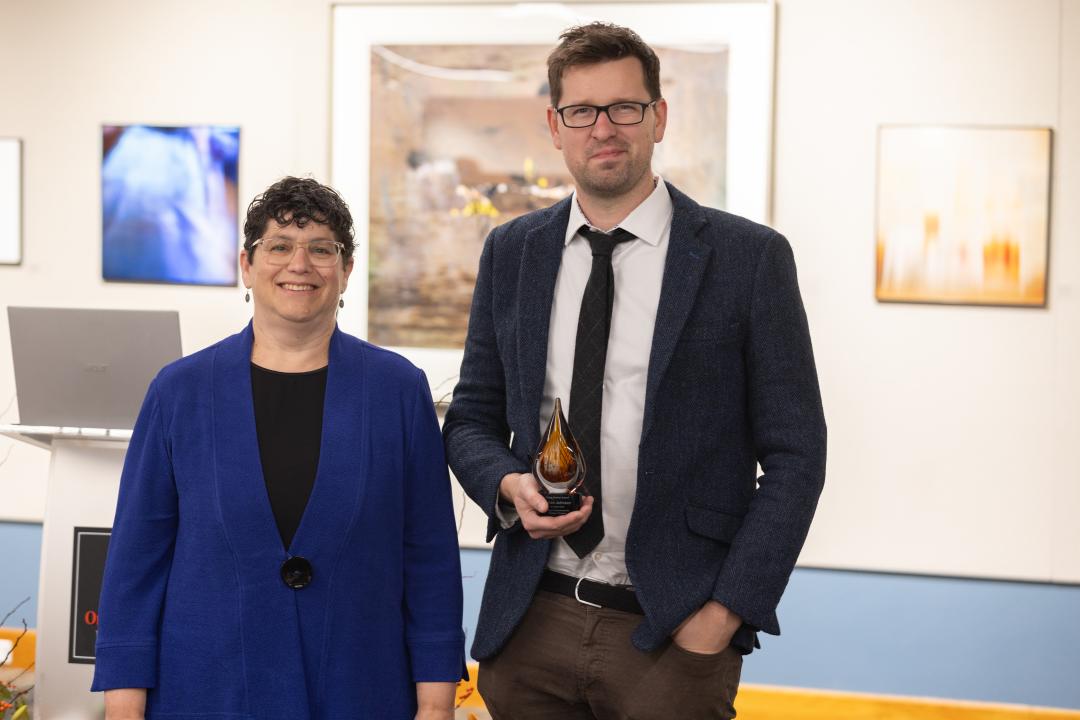
Simon Johnson accepts an award.

Simon Johnson accepts the Young Alumni Award from Dean Feingold.

Simon Johnson spearheaded a novel approach to researching mitochondrial diseases that has reshaped his field’s work.

For many years, scientists speculated on the pathway from which these diseases arise, primarily focusing on the mitochondria's role in generating energy to find an answer. However, Johnson reasoned that an energetic explanation wouldn’t account for how infants with the disease commonly survive through development.

With this in mind, his laboratory instead examined the structure’s origins as a remnant of ancient bacteria within our cells. Certain bacterial components remain intact as parts of the mitochondria and, as Johnson’s lab discovered, could trigger innate immune responses if they were to leak out of the cell. These pioneering findings create a much clearer picture of the diseases than ever before, and Johnson is now focusing his efforts on specifying what particular bacterial aspect of the mitochondria could be at fault. He currently runs his laboratory in the U.K. at Northumbria University and is eager to continue exploring this mystery.

Read more about Johnson’s groundbreaking work in mitochondrial diseases.





Enjoy some photos from the event below. Click here for the full gallery of photos.

University Day 2023

Science receives record-breaking 12 awards at University Day

By College of Science Communications

College of Science faculty, staff, and graduate students have earned a record-breaking number of honors at University Day, a celebratory launch to the academic year featuring an annual awards ceremony. Science winners amassed an impressive 12 awards, beating the previous record of seven and garnering the most of any college across Oregon State.


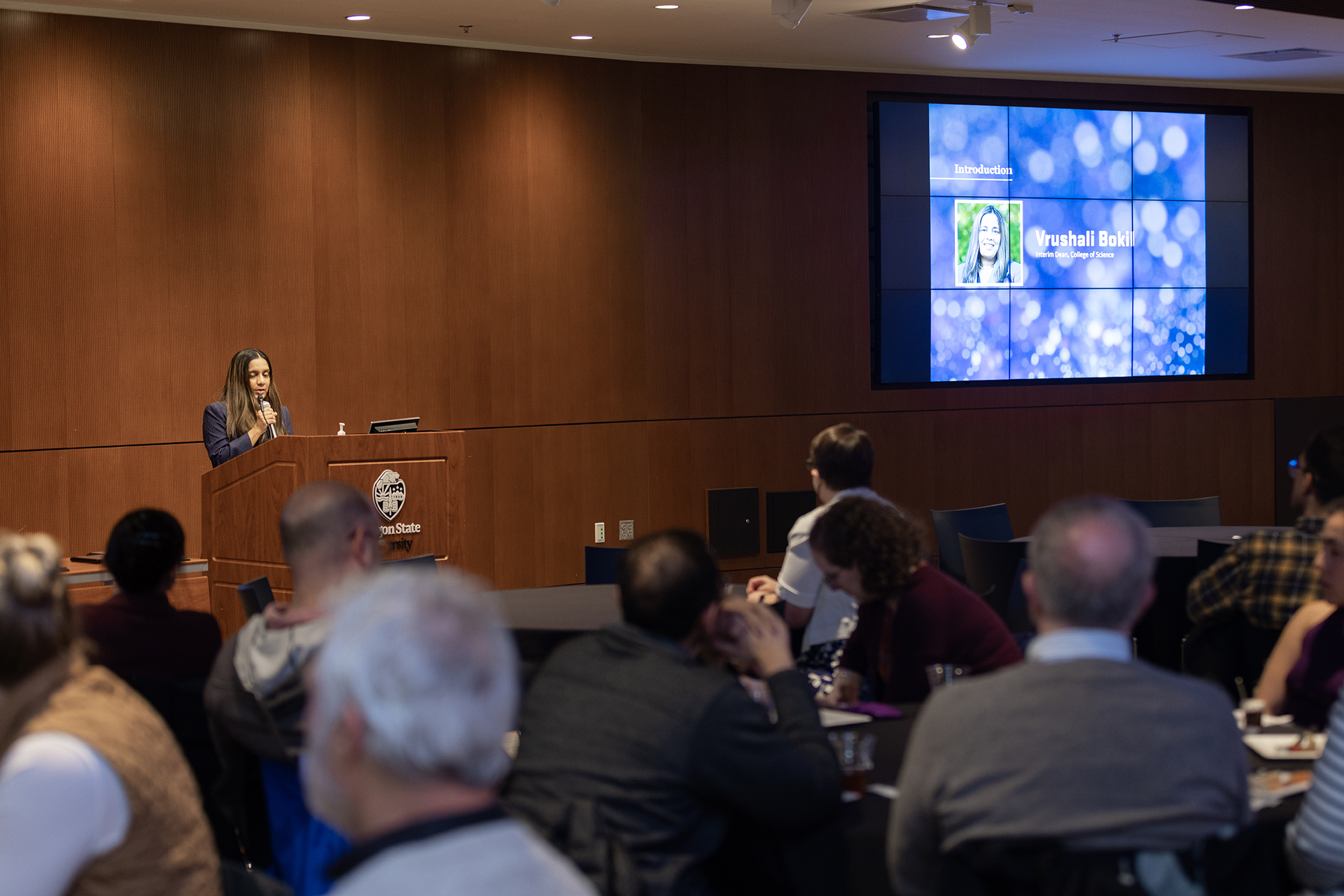
“I am astounded by the exceptional work accomplished by the College of Science community as we further lead in inclusive scientific research, education and engagement. Each recipient represents the very best of Team Science and we are excited to celebrate their outstanding achievement,” said Interim Dean Vrushali Bokil.

Congratulations to the winners, whose commitment to excellence in and out of science has more than earned these awards.

Jerri Bartholomew in the Aquatic Animal Health Lab

Professor Jerri Bartholomew from the Department of Microbiology earned the Beaver Champion Award.

Beaver Champion Award

Professor Jerri Bartholomew from the Department of Microbiology earned the Beaver Champion Award for her pivotal role in integrating the arts and sciences across Oregon State University.

The Beaver Champion Award is a recognition by the university’s president which commends individuals for their tremendous efforts and accomplishments. Bartholomew has spent years bridging the rich scientific research of Oregon State to the creative mindset of the arts as a founding member of the Arts-Sci collective, which explores this intersection through galleries and courses among other events. Additionally, her grassroot efforts aimed at students include discretionary funds towards arts-integrating fellowships that support interdisciplinary projects.

Both the Director of the J.L. Fryer Aquatic Animal Health Laboratory and a glass artist herself, Bartholomew has been a leader in advocating for more integrative approaches to science. Her continual work has been key in developing PRAx, the Patricia Valian Reser Center for the Creative Arts, which will be a linchpin in the university’s creative community.

“Professor Bartholomew has been a leader in the OSU community whose years of effort paved the way for PRAx to advance a vision of an OSU campus in which art and creativity drive science even as science inspires art and creativity,” one nominator wrote.

Nathan Kirk smiles in a headshot image with a button-up shirt.

Senior Instructor Nathan Kirk in the Department of Integrative Biology received the OSU Faculty Teaching Excellence Award.

Teaching excellence

Senior Instructor Nathan Kirk in the Department of Integrative Biology received the OSU Faculty Teaching Excellence Award. An instructor at Oregon State since 2013, Kirk’s scope of biology teaching extends to not only introductory and writing-intensive courses, but also to Ecampus courses and experiential learning classes.

Kirk constantly strives for students to retain valuable knowledge as well as have the opportunity to engage in scientific exploration, which is most evident in the two course-based undergraduate research experiences he co-created. One of these programs, called CUREs, was integrated into the introductory Principles of Biology series and serves more than 800 students on average.

Keeping material relevant and dynamic can be a daunting task, but Kirk’s successful use of contemporary research and articles paints an exciting picture of modern science in his classrooms. He welcomes improvements in methodology, as well, regular engagement with regional societies such as the Society for the Advancement of Biology Education Research in order to learn new teaching strategies. He is driven by the desire to enable student success in any way he can.

“The amount of consideration, time and care that he puts into making sure the class and his students' needs are met amazes me. I truly believe that Dr. Kirk goes above and beyond to help his students succeed,” one nominator said.

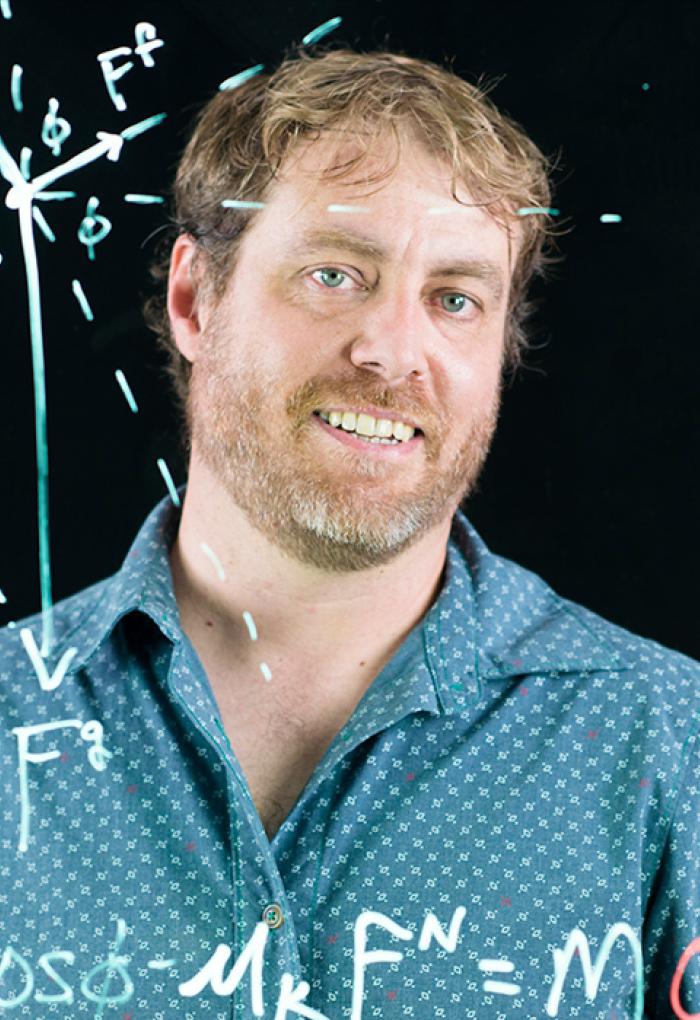
Kenneth C. Walsh smiles in a headshot behind a a clear whiteboard with physics equations.

Kenneth C. Walsh, College of Science Faculty Scholar, earned the OSU Faculty Excellence in Online Teaching Award.

Kenneth C. Walsh, College of Science Faculty Scholar, earned the OSU Faculty Excellence in Online Teaching Award for his large contributions to Ecampus learning.

Walsh spearheaded the development of an online physics course sequence prior to the pandemic. He took the pursuit in stride and noticed a disparity in quality between the virtual and in-person iterations at other institutions, and he set out to bridge this gap with his courses at Oregon State.

He then created an online algebra-based general physics course sequence that translates the rigor of traditional classroom settings into those on Ecampus. It was the first College of Science course to offer online students: live support from graduate TAs in the WormHole; supplemental instruction study tables; a dedicated team of Ecampus undergraduate learning assistants; and live-action engagement lectures that utilized a Lightboard.

Even with the course’s success, Walsh continues to search for improvements. He has since been asked by the Effective Practices for Physics Programs (EP3) initiative to provide his insights to the EP3 Guide section discussing virtual learning. He is recognized as a leader in online physics education by many.

“Dr. Walsh has spent a decade developing a complete ecosystem of online materials: labs, textbook, exercises, video lectures and live help that have proven to be highly effective. I can think of no one more deserving of this award, either at OSU or nationally,” a nominator wrote.

Bryan Lynn smiles for a headshot photo in a button-up shirt.

Bryan Lynn, a third-year Integrative Biology Ph.D. student, received the Herbert J. Frolander Award for Outstanding Graduate Teaching Assistants.

Bryan Lynn, a third-year Integrative Biology Ph.D. student, received the Herbert J. Frolander Award for Outstanding Graduate Teaching Assistants, awarded for his teaching record and dedication to inclusive teaching practices in the Department of Integrative Biology.

As a first-generation transgender student who began his academic career at the age of 25, Lynn has prioritized creating inclusive scientific communities. “As a student I have experienced the feeling of being presented with course materials that feel alienating – and I don’t wish for any of my students to experience that,” he wrote.

Lynn exemplifies leading by example and leaving things better than he found them. His efforts have had an impact within his department, the College and the greater university community.

In 2019, he co-founded the popular student club Out in Stem that serves to increase the visibility of queer and trans people in science. For his work across the university, Lynn has earned numerous awards including two from The Pride Foundation and the Oregon State Diversity and Inclusion Champion Dam Distinguished award.

As part of his assistantship, Lynn spent last summer evaluating and modifying all of the Principles of Biology lecture materials to use language inclusive of non-traditional identities, specifically with respect to gender. Because this class is taught by six different faculty multiple times throughout the year, his work impacted thousands of Oregon State students. Faculty reported enjoying learning through the process and were eager to apply the language change to other courses.

“Bryan is one of the most thoughtful, impactful and engaged GTAs that I have worked with in the last 12 years of working with over 30 GTAs per year,” one nominator wrote. “Bryan brings something extra special with him to his class every single time he teaches it, from including pictures of his cat, Pancake, in every slideshow to redesigning our curriculum to be more inclusive.”

Elizabeth Gire smiles for a headshot.

Professor Elizabeth Gire of the Department of Physics earned the Elizabeth P. Ritchie Distinguished Professor Award.

Professor Elizabeth Gire of the Department of Physics earned the Elizabeth P. Ritchie Distinguished Professor Award. This award is open to all teaching faculty across Oregon State and is given to someone who demonstrates outstanding commitment to undergraduate education.

Professor Gire’s research aims to understand how students learn physics content, which has enabled her to implement innovative strategies into her classes ranging from small whiteboard questions to kinesthetic activities. Gire has built an impressive collection of over 40 publications on the topic. Her evidence-based methods help her students earn high eSET/SLES scores, and her development of a second-year physics course has been a tremendous addition that helps students transition successfully into professional learning environments.

Gire’s ability to connect and empathize with undergraduates has made her a source of guidance for many, as seen in her role as a faculty advisor to several student clubs. She consistently strives to make a welcoming community through smaller ways, such as having students establish rules on how to treat each other in her classrooms, as well as in bigger ways, like her commitment to improving diversity in the physics department.

“She has made the largest impact on my learning out of any professor at OSU, and this is quite a common sentiment among the other undergraduates in physics. She continues to be a model for what physics teaching should look like,” wrote one nominator.

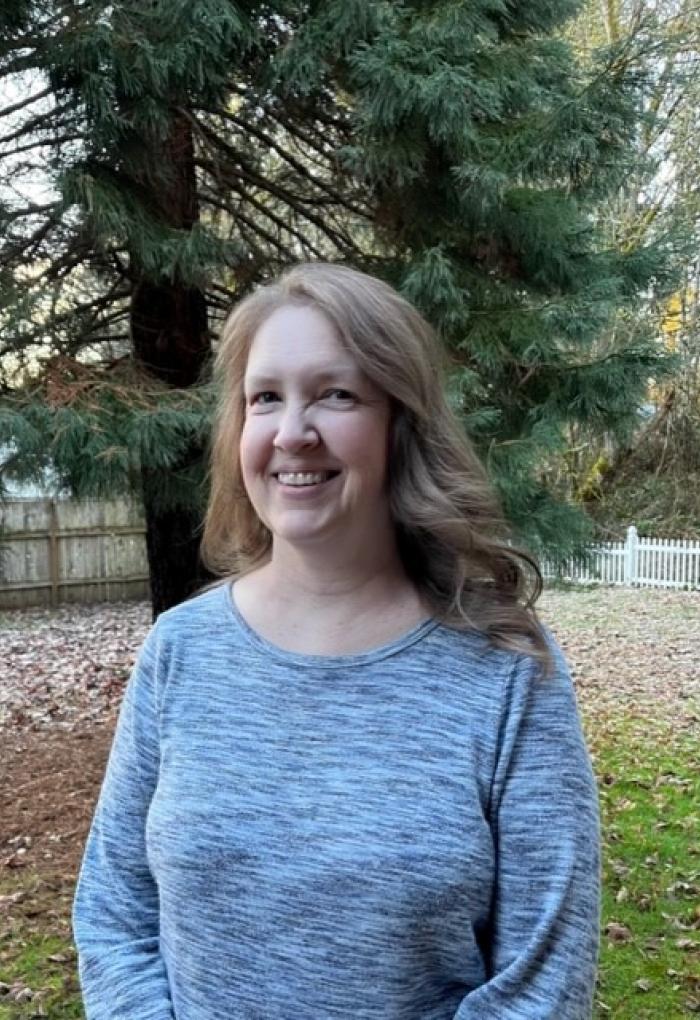
Outdoor photo of Kari Van Zee

Kari van Zee, lead advisor for the Biochemistry and Biophysics Department, earned the Dar Reese Excellence in Advising Award

Excellence in mentoring and advising

Kari van Zee, lead advisor for the Biochemistry and Biophysics Department, earned the Dar Reese Excellence in Advising Award. She has not only achieved profound success as the biochemistry and biophysics (BB) lead advisor, but also as a pre-med advisor and BB undergraduate coordinator.

Van Zee is responsible for spearheading the modernization of the Biochemistry and Biophysics major. She additionally helped create the Biochemistry and Molecular Biology major while helping secure national certifications for both the new major and the Biochemistry and Biophysics major.

Her peers credit her with going beyond implementing programmatic benefits for students as an advisor; she greatly prioritizes supporting them on an individual scale. She fosters an encouraging atmosphere through celebratory gatherings and the orientation class she both created and teaches. Her constant drive to go the extra mile when assisting students has left a lasting impression on many.

“Through her utmost devotion to student growth and community building, undergirded by a compassionate heart for student well-being, Kari lives out all the best qualities of an excellent advisor and an amazing teacher,” one nominator wrote.

Chong Fang

Patricia Valian Reser Faculty Scholar Chong Fang received the Excellence in Postdoctoral Mentoring Award for his dedication to assisting young scientists develop their careers.

Patricia Valian Reser Faculty Scholar Chong Fang received the Excellence in Postdoctoral Mentoring Award for his dedication to assisting young scientists develop their careers.

Since joining the Department of Chemistry in 2010, Fang has trained five postdoctoral scholars in addition to more than 15 graduate students. His ability to foster a culture of enthusiasm drives those who work with him further along their career paths. Of the 27 papers published by the Fang lab since 2021, 10 were led by postdoctoral scholars within his group. His mentees credit Fang’s readily given feedback and support. By finding a balance in sharing his knowledge and providing his mentees space to grow, he has helped enable them to thrive as scientists.

Fang has shown a commitment to creating and giving postdoctoral scholars numerous tools. Having presented seminars at about 70 different universities and by attending about 30 national and international conferences, his wide network is a significant resource for his mentees. Additionally, he wholeheartedly encourages them to pursue their own opportunities, such as engaging in grant proposals or attending scientific meetings. Those under his guidance enjoy a supportive and rewarding experience.

“Dr. Fang is a truly exceptional individual who embodies the qualities of a good mentor,

role model and great character. He inspires those around him with his dedication to work, passion for learning and his commitment to making a positive impact on the world,” one nominator wrote.

Photo of Taylor Krueger

Taylor Krueger, a postdoctoral scholar in the Fang Research Group in the chemistry department, received the Excellence in Undergraduate Research Mentoring by a Postdoc Award.

Taylor Krueger, a postdoctoral scholar in the Fang Research Group in the chemistry department, received the Excellence in Undergraduate Research Mentoring by a Postdoc Award.

Krueger excels as a mentor due to his accessibility, dependability, kindness and commitment to creating an inclusive and equitable research environment. In a femtosecond laser spectroscopy lab with a steep learning curve, he has remained committed to mentoring STEM learners at all levels.

“He was not afraid to admit the limits of his knowledge and he often taught through example,” one student nominator wrote.

Through his mentorship of four undergraduate students, he has helped achieve engagement of underrepresented students in the physical chemistry field and two of those students have gone on to pursue advanced degrees.

Beyond mentorship, Krueger has achieved personal success, leading a number of projects on elucidation of fluorescence and relaxation mechanisms in proteins, solutions and thin films. This work has resulted in eight first-author published papers, three second-author papers and one book chapter.

“I am in the process of becoming a mentor for an undergraduate researcher, and I definitely translate how Taylor mentored me to how I mentor my student; patience is a hard thing to have, but it is easier when you learn from one of the best,” one nominator wrote.

Linda Bruslind outdoors.

Linda Bruslind, full-time Senior Instructor II of the Department of Microbiology, received the OSU Faculty Affordability Award.

Excellence in service, commitment to students and teamwork

Linda Bruslind, full-time Senior Instructor II of the Department of Microbiology, received the OSU Faculty Affordability Award. This accolade is given to those who demonstrate commitment to providing affordable course learning materials to students, which Bruslind has done on an impressive scale.

To replace costly textbooks needed in microbiology courses, Bruslind authored the book General Microbiology and aided in developing the book Allied Health Microbiology. The former saved OSU students alone at least $172,500 and was used by 79,203 worldwide in 2022. Allied Health Microbiology also alleviated $33,000 from student spending. Her efforts in crafting thoughtful and innovative low-cost materials was estimated to save Oregon State students over $1 million over the course of 17 years.

Students have shown an appreciation for Bruslind’s skillful curation of materials that are both affordable and help strengthen their understanding of the coursework by not being bogged down by complicated jargon. Additionally, by studying a faculty-generated textbook and then learning from that same faculty in class, students experience greater clarity and a more cohesive experience in their microbiology courses.

“Dr. Bruslind’s development of inclusive, accessible no- and low-cost materials for multiple classes and laboratories available to the global community showcase

her dedication to affordability and equity in learning. Her work earns enthusiastic praise from students and colleagues alike,” a nominator said.

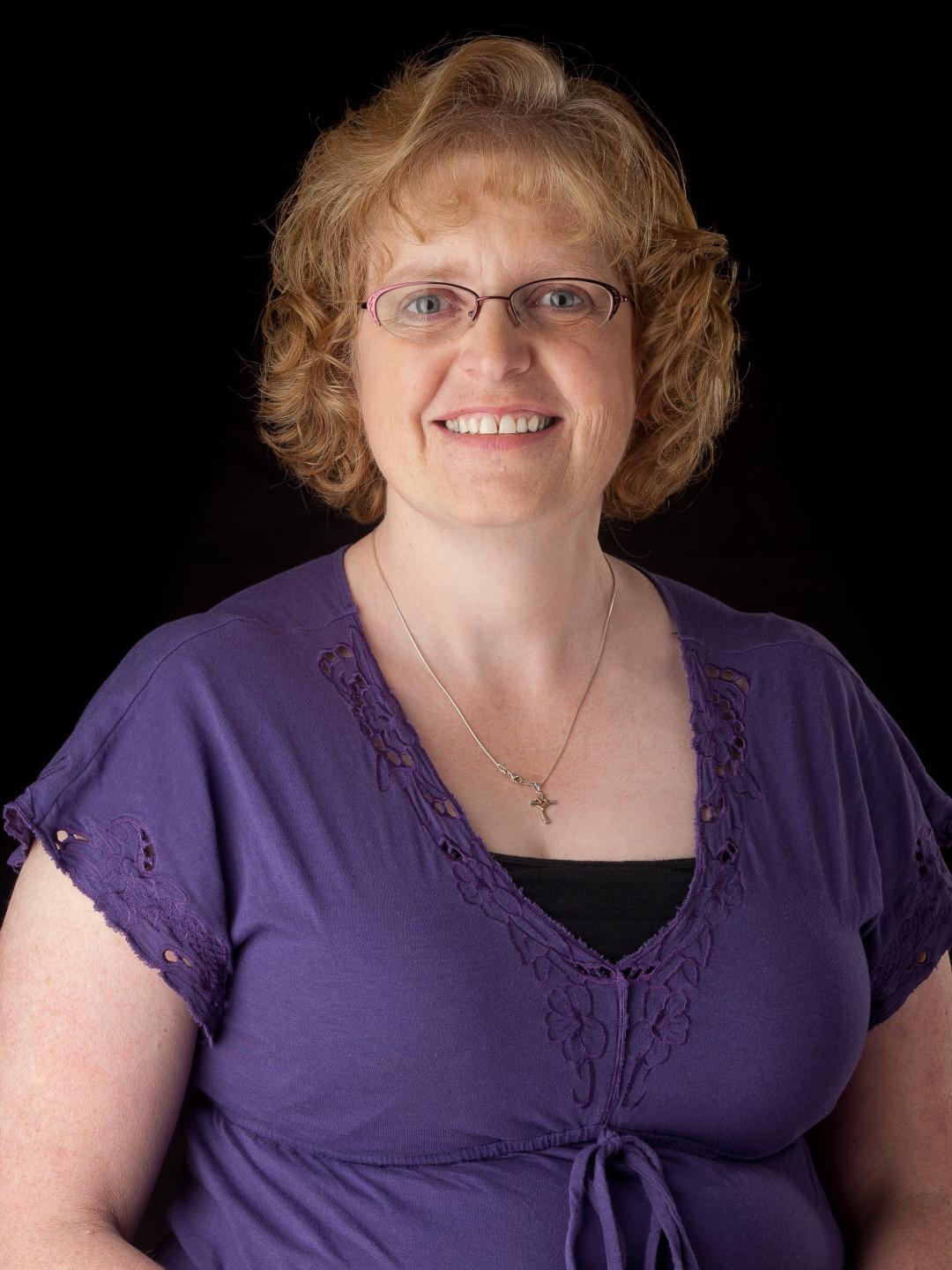
A woman with short red hair in front of a black background wearing a purple shirt.

Department of Chemistry Administrative Assistant Paula Christie received the University Mentoring and Professional Development Award.

Department of Chemistry Administrative Assistant Paula Christie received the University Mentoring and Professional Development Award for her contributions to a welcoming department atmosphere and problem solving.

"Paula is the “mother hen” of the department: not only does she know about the ins-and outs of operation of the department, but also is she a confidant, a friend, and an informal mentor to the staff, undergrad and graduate students," one nominator wrote.

Colleagues value Christie's "can do" attitude and resourcefulness. She is known for looking out for others mental wellbeing and solving conflicts with grace.

When several staff members wanted to attend classes at Oregon State, Christie worked with them to ensure they could fulfill their work responsibilities and still enjoy the learning experience.

The Department of Chemistry is grateful to Christie for her guidance, kindness, respect and professionalism.

Chong Fang

Patricia Valian Reser Faculty Scholar Chong Fang won the D. Curtis Mumford Faculty Service Award.

Patricia Valian Reser Faculty Scholar Chong Fang won a second award, the D. Curtis Mumford Faculty Service Award. His service to the faculty and to Oregon State involving several departments, disciplines and institutions highlights the core essence of this award.

Over his 13 years at Oregon State, Fang has served at every level of committee and been the chair of dozens. His work over the last decade in the Department of Chemistry’s graduate admission’s committee, which included arranging student-faculty interviews and nominating high-achieving students for fellowships and scholarships, has increased the program’s acceptance from about 30% to 60%.

He is passionate about diversity and equity, which has driven him to not only lead committees dedicated to these causes, but also to initiate the Junto’s weekend for Latinx Oregon high schoolers which he has funded and arranged every summer since 2017.

Fang has served science by establishing a large interdisciplinary network of collaborators with whom he and his research group study protein engineering and novel material synthesis. While simultaneously improving aspects of life at Oregon State in countless ways, he has achieved national recognition for his work as an ultrafast laser spectroscopist.

“I have witnessed him building a world-renowned research laboratory from scratch while training the next-generation of STEM leaders, and firmly believe that he is an indispensable asset to the department, College and university through his innovative and impactful development of cutting-edge, collaborative research across the globe,” a nominator wrote.

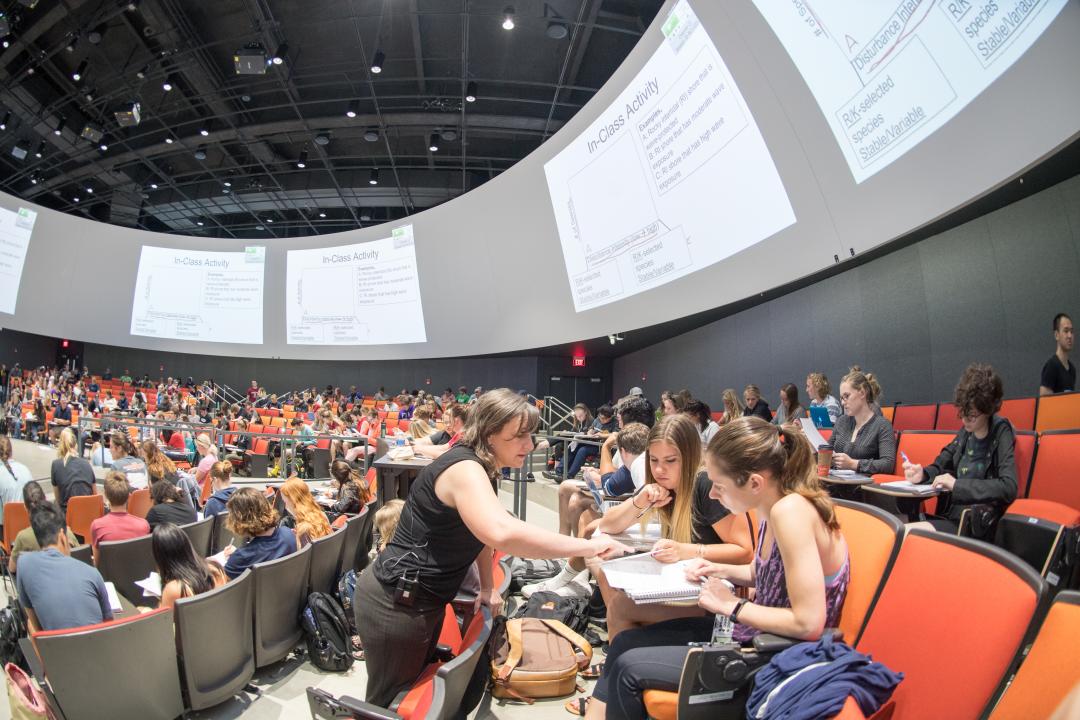
Students learn in a huge classroom.

Lori Kayes, co-chair of the Baccalaureate Core Reform Committee (BCRC), has worked on many curricular improvements in the College of Science.

The Baccalaureate Core Reform Committee (BCRC) received the Faculty Senate Student Success and Teamwork Award. This honor is given to departments or interdisciplinary groups that have demonstrated exceptional teamwork in creating and sustaining an exemplary teaching and learning environment.

An interdisciplinary team of 30 academic and professional faculty members, the BCRC invested countless hours to reform Oregon State’s general education curriculum known as “Bacc Core.” Lori Kayes, associate department head and senior instructor II in the Department of Integrative Biology, served as the co-chair of the committee. Patrick Ball, program coordinator and senior biology instructor II on the OSU Cascades campus, also served on the committee.

“This committee has been involved in this process since 2020, and I can say, without a doubt, poured their hearts, souls, and emotional and physical labor into developing the new curriculum,” one nominator wrote. “I have never seen a group at OSU rally around something like this in the decade I have spent at the institution. I am forever proud and grateful for each person involved.”

The BCRC collectively spent 1,000 hours between October 2021 through June 2022 revising the curriculum to follow best practices, be student focused and provide a high-quality educational experience. They engaged with more than 400 stakeholders through 35 meetings to collect feedback and ideas to shape the final product. The new curriculum includes multiple modes of instruction, a focus on social and environmental justice and professional skills integral for joining the workforce. Several high-impact practices that promote equity, retention and increased graduation rates specifically for historically underserved students, were embedded in the curriculum. The group also focused on transfer students and structuring courses to meet the needs of this population.

The group aspired to not let budget or individual faculty expectations drive the work – but instead, they focused on student success as their North Star.

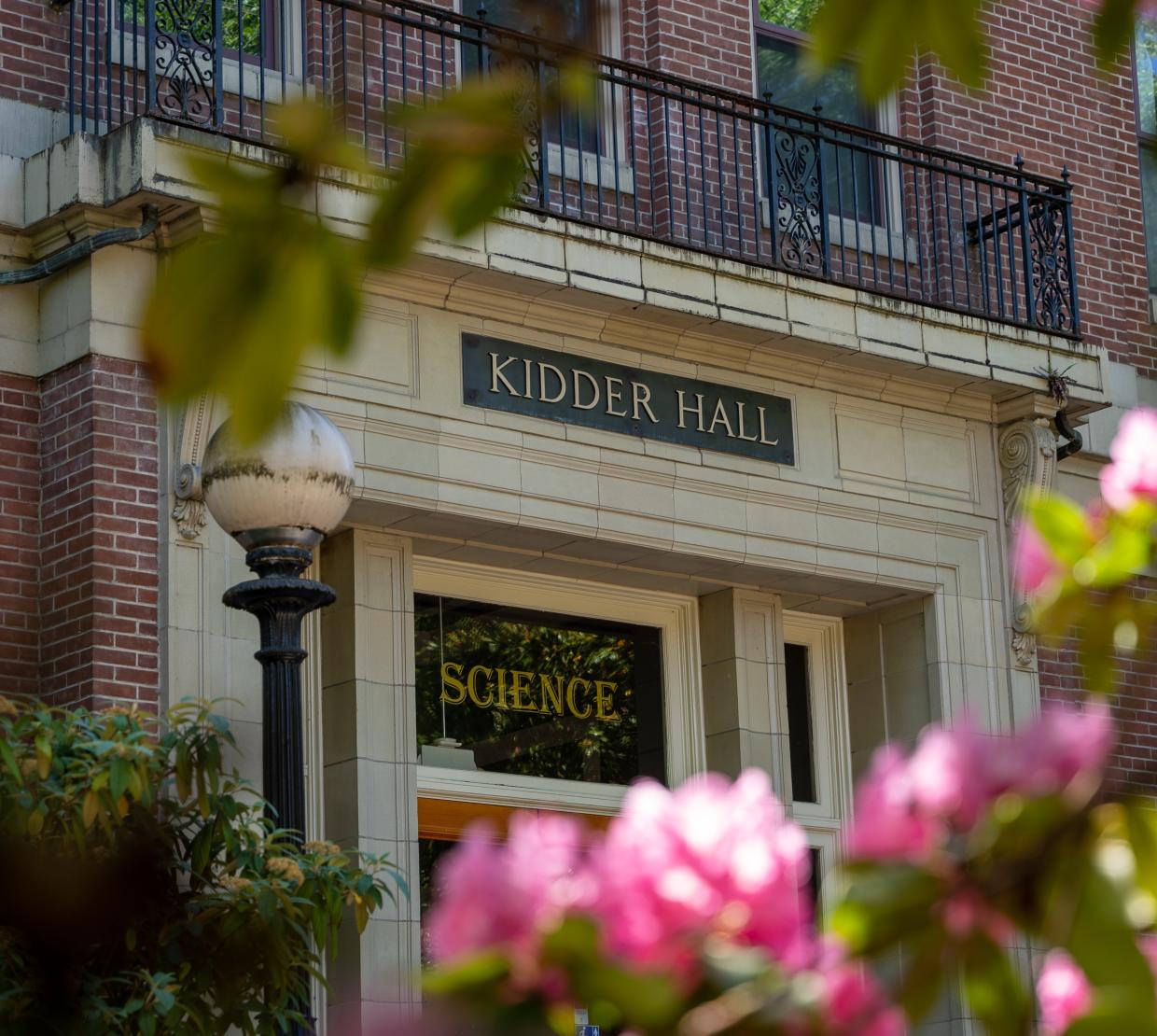
Photo of Kidder Hall from a low angle looking at a door with science written in the glass above the door, and Kidder Hall written in the stone above the glass. Blurred pink flowers appear in the foreground.

Science graduate students receive prestigious National Science Foundation fellowship

By Hannah Ashton

Four College of Science graduate students were selected for the prestigious NSF Graduate Student Research Fellowship Program in the 2022-23 school year. The program recognizes and supports outstanding graduate students in STEM who are pursuing research-based master’s and doctoral degrees in the U.S.

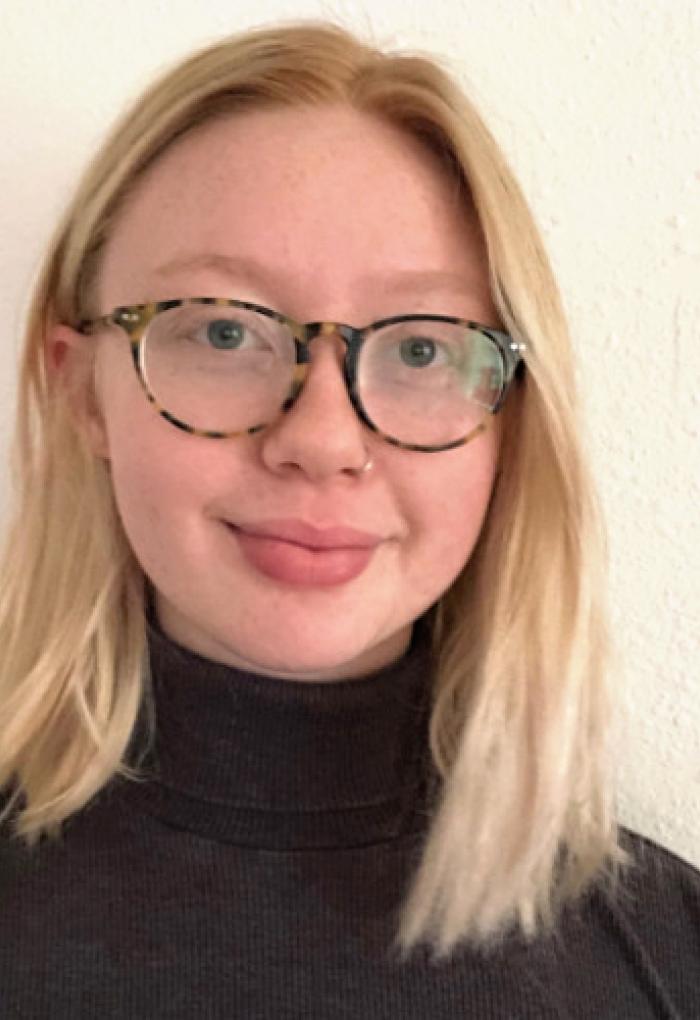
Sunni Patton standing in front of a white wall wearing a black turtle-neck and glasses.

Sunni Patton

Sunni Patton is a microbiology Ph.D. student working with Rebecca Vega Thurber. She is interested in studying how natural phenomena, anthropogenic contaminants, and other environmental stressors influence marine microbial communities. Her work focuses on understanding microbiome resilience and sensitivity in response to environmental stressors in the endangered Caribbean coral, Acropora cervicornis.

Professor Thurber’s lab seeks the answers to crucial questions within virology, microbiology, coral reef ecology, animal physiology, as well as the evolution of symbiotic relationships. Its methods marry cutting-edge technology and interdisciplinary approaches in order to investigate viruses and microbes and how they impact the world around them.

Read about Patton's journey through coral research here.

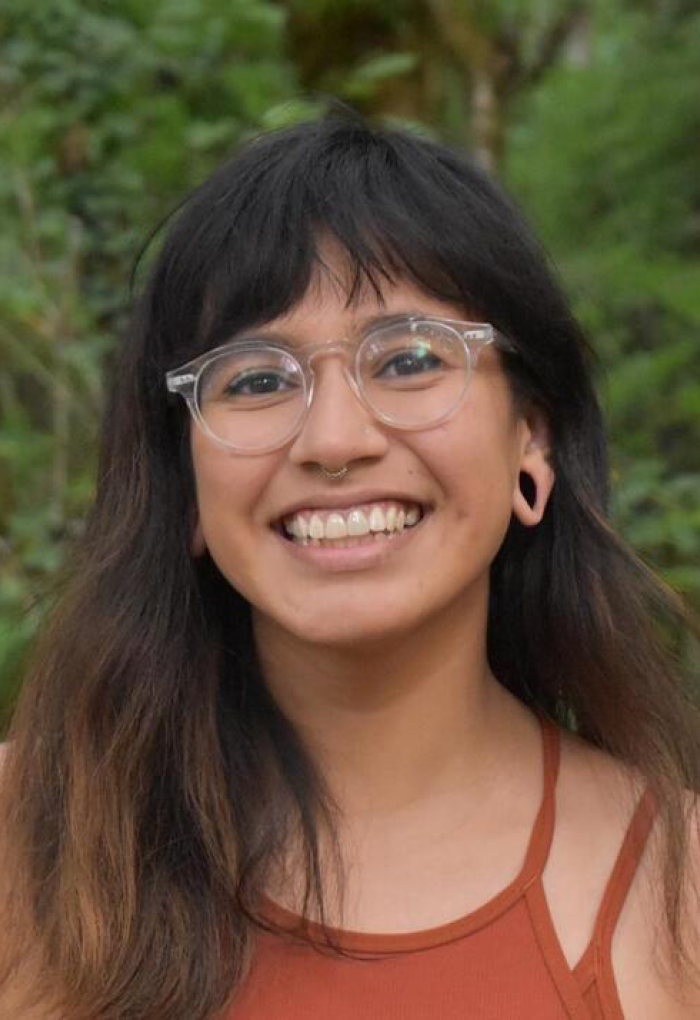
Headshot of Caroline Hernandez outside on an overcast day infront of dark green foliage. She is wearing an orange-red tank top and clear-framed glasses.

Caroline Hernandez

Caroline Hernandez is a microbiology Ph.D. student working with Maude David. She is studying the interactions between sensory gut cells and neurons.

David’s lab is in pursuit of discovering how gut microbiomes directly influence behavior, particularly in the context of Autism Spectrum Disorder and Anxiety Disorders. Its work ranges from developing novel biocomputing methods to crowd-sourced data collection. David is especially interested in obtaining critical information from large datasets through machine learning algorithms.

Read more about Hernandez's path from being an art major to studying gut microbiomes here.

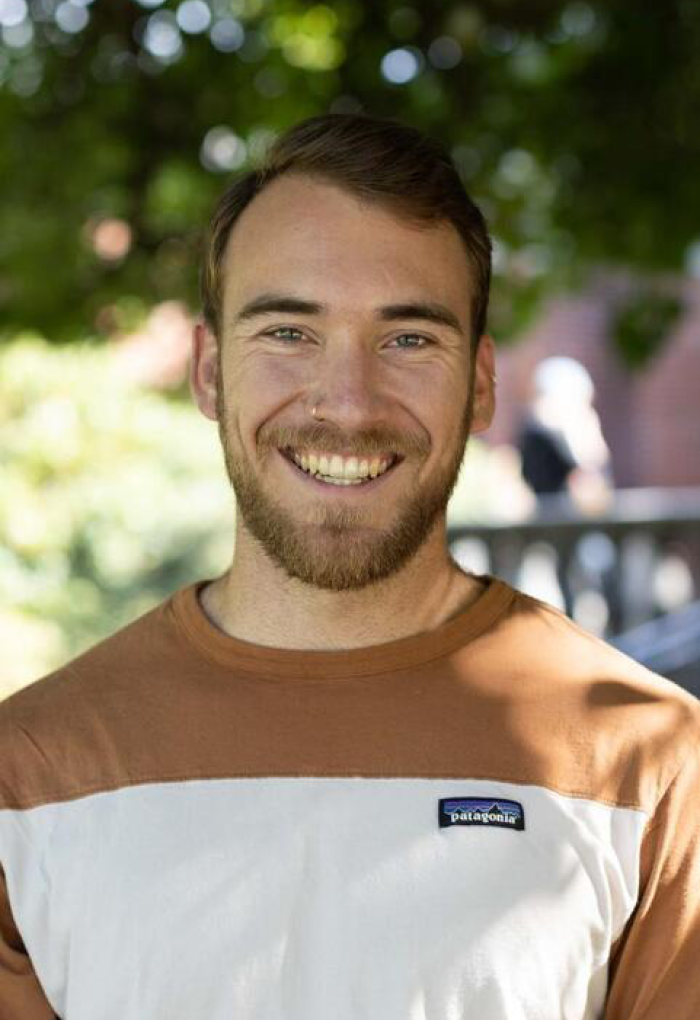
Headshot of Luke Bobay outside on a sunny day wearing a half-white half-brown shirt with brown sleaves.

Luke Bobay

Luke Bobay is an integrative biology Ph.D. candidate at the Hatfield Marine Science Center Plankton Ecology Lab. He studies anthropogenic impacts on trophic interactions and population dynamics. He is currently exploring the effects of climate change on northern anchovy populations off the coast of the Pacific Northwest.

The Plankton Ecology Laboratory gathers data applied to ecology, oceanography, the creation and upkeep of marine reserves, and potential environmental changes. It hosts several research projects, including one specializing in the underwater imaging of plankton and another examining trophodynamics in relation to plankton within food webs, providing necessary knowledge on these organisms in a variety of ways.

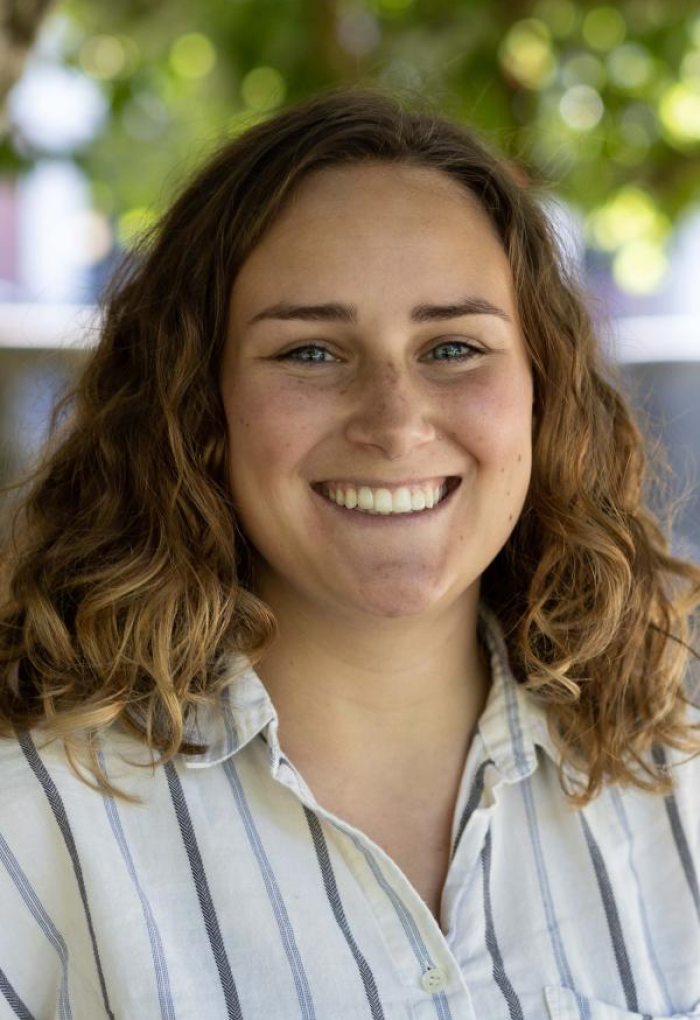
Headshot of Olivia Burleigh wearing a white striped shirt on a sunny day.

Olivia Burleigh

Olivia Burleigh is an integrative biology Ph.D. candidate working with Virginia Weis. She is studying cnidarian-algal symbiosis. Cnidarians include jellyfish, corals and sea anemones.

The Weis Lab is headed by Distinguished Professor Virginia Weis and examines the symbiotic relationship between coral and algae. Of the relationship, the lab seeks to learn more about how the two organisms recognize one another throughout the relationship, the function of the host’s immune system within the dynamic, and the processes that occur in the cells during the loss of algae, among other topics.

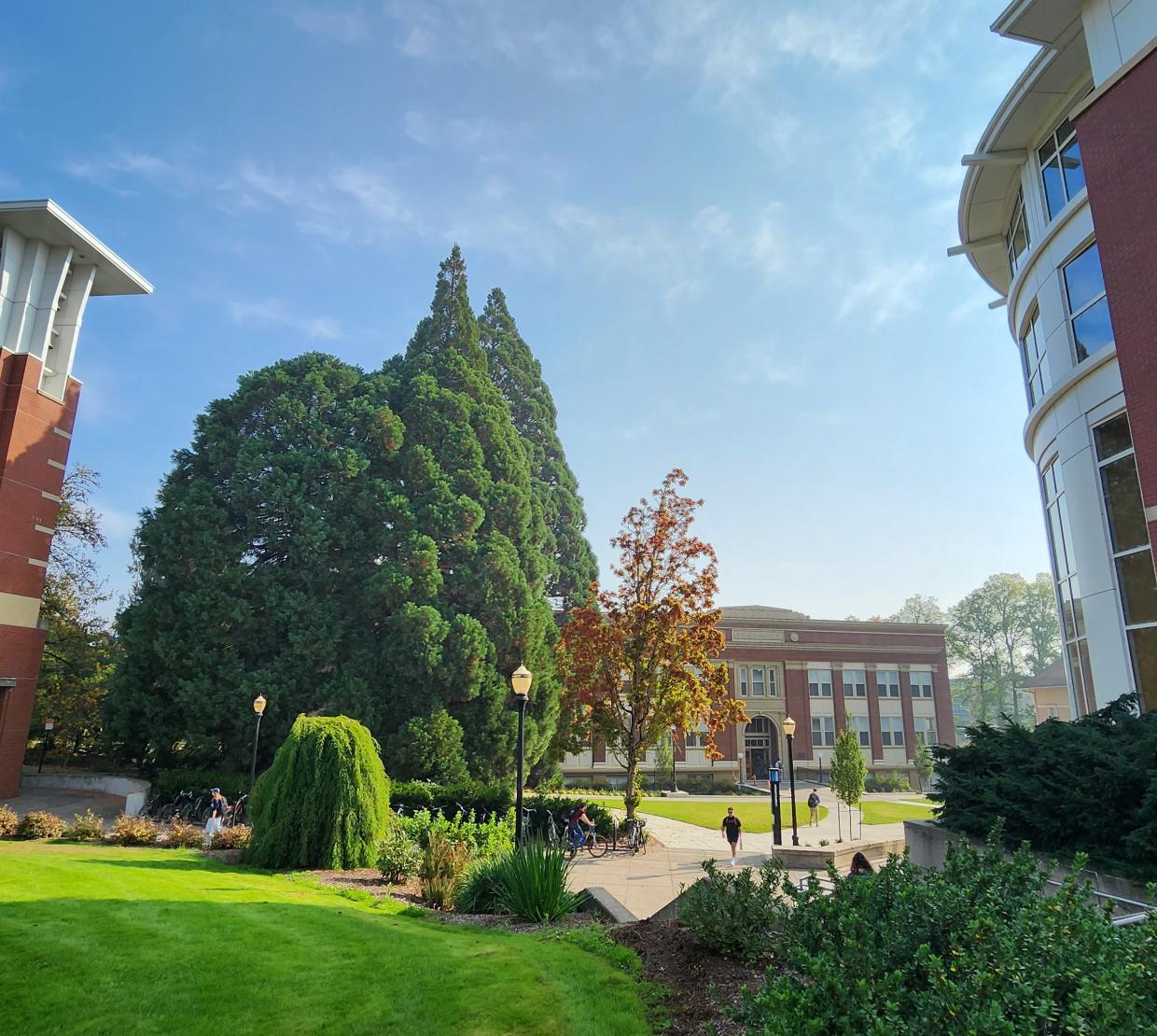
Valley Library and OSU clock tower in the background with sunshine.

Faculty excellence: Promotions and tenure 2023

By Vrushali Bokil

The College of Science congratulates 17 faculty on receiving promotions and/or tenure this year.

Countless hours of consideration and analysis goes into every promotion decision. The College relies heavily on the expertise and perspectives of departmental staff, department heads, department committees, peer teaching committees, College of Science Promotion and Tenure Committee, external reviewers and students to get our deserving faculty through this process.

Thank you to everyone that helped to make this possible for our well-deserving faculty.

Congratulations to the science faculty in the college who have just completed this process with success!

Chemistry Department

Marilyn Mackiewicz will be promoted to Associate Professor of Chemistry and granted indefinite tenure, effective September 16, 2023.

Integrative Biology Department

Carmen Harjoe will be promoted to Senior Instructor I of Integrative Biology, effective July 1, 2023.

Lindsay Biga will be promoted to Senior Instructor II of Integrative Biology, effective July 1, 2023.

Mathematics Department

Amanda Blaisdell will be promoted to Senior Instructor I of Mathematics, effective September 16, 2023.

Clayton Petsche will be promoted to Professor of Mathematics, effective September 16, 2023.

Chris Orum will be promoted to Senior Instructor I of Mathematics, effective September 16, 2023.

David Wing will be promoted to Senior Instructor II of Mathematics, effective September 16, 2023.

Elise Lockwood will be promoted to Professor of Mathematics, effective September 16, 2023.

Johnner Barrett will be promoted to Senior Instructor I of Mathematics, effective September 16, 2023.

Liz Jones will be promoted to Senior Instructor II of Educational Opportunities Program and Mathematics, effective September 16, 2023.

Mary Beisiegel will be promoted to Professor of Mathematics, effective September 16, 2023.

Michael Gilliam will be promoted to Senior Instructor I of Mathematics, effective September 16, 2023.

Sara Clark will be promoted to Senior Instructor II of Mathematics, effective September 16, 2023.

Microbiology Department

Shawn Massoni will be promoted to Senior Instructor I of Microbiology, effective July 1, 2023.

Physics Department

Evan Thatcher will be promoted to Senior Instructor I of Physics, effective September 16, 2023.

Paul Emigh will be promoted to Senior Instructor I of Physics, effective September 16, 2023.

Statistics Department

Katherine McLaughlin will be promoted to Associate Professor of Statistics and granted indefinite tenure, effective September 16, 2023.

Thank you!

Thanks to all of the committee members who served on the College of Science Promotions and Tenure Committee this year.

  • Andy Karplus, Chair and Professor of Biochemistry & Biophysics
  • Chong Fang, Professor of Chemistry
  • Ethan Minot, Professor of Physics
  • Holly Swisher, Professor of Mathematics
  • Kate Field, Professor of Microbiology
  • KC Walsh, Senior Instructor II, Physics
  • Lesley Blair, Senior Instructor II, Integrative Biology
  • Lisa Madsen, Professor of Statistics
  • Michael Freitag, Professor of Biochemistry & Biophysics
  • Oksana Ostroverkhova, Professor of Physics
  • Sally Hacker, Professor of Integrative Biology
A star in a circle sits above a wreath on a blue background with glitter. The year 2023 is visible.

Celebrating inclusive excellence, administration, service and performance: 2023 College of Science Awards

By Hannah Ashton

The College of Science gathered on Feb. 22 to recognize and celebrate our high achieving faculty and staff at the 2023 Combined Awards Ceremony. The evening celebrated the very best in the College, from teaching, advising and research to inclusive excellence, administration and service.

The following faculty and staff received awards in the categories of Inclusive Excellence, Administration, Service and Performance.

Congratulations to all the awardees!

College of Science Inclusive Excellence Award

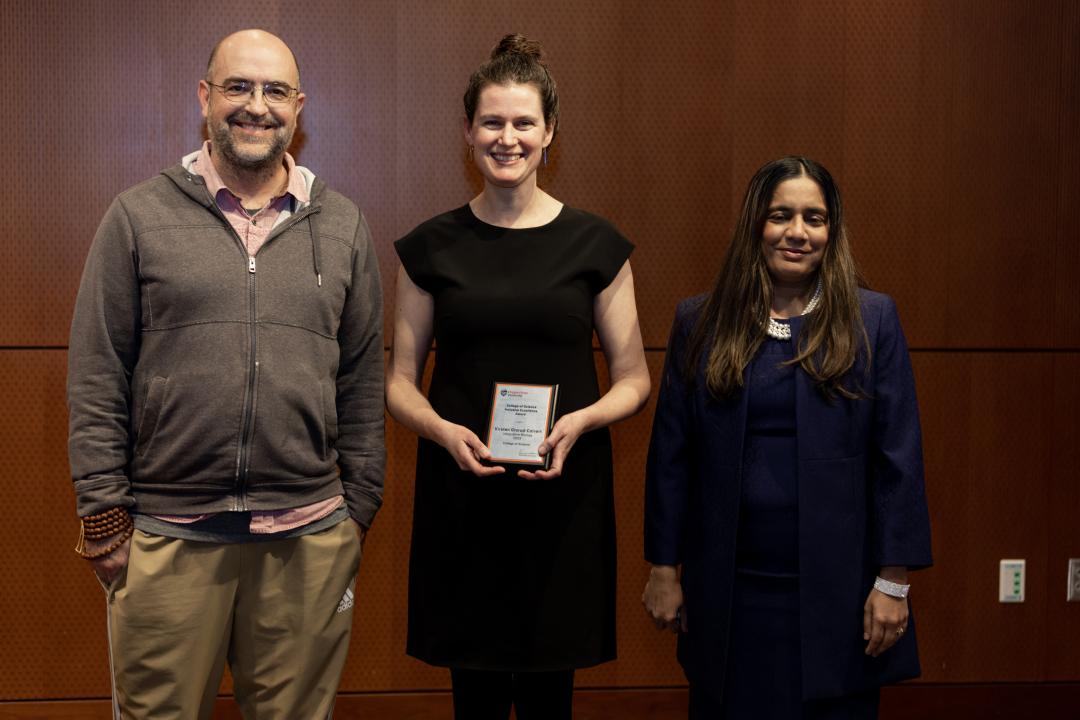
Kirsten Grorud-Colvert stands in a dark dress holding her award.

Kirsten Grorud-Colvert accepts her award from Interim Dean Vrushali Bokil and Department of Integrative Biology Head Dee Denver.

Kirsten Grorud-Colvert, associate professor, senior research in the Department of Integrative Biology, received the Inclusive Excellence Award. In her nine years at Oregon State, she has demonstrated valuable leadership in fostering a culture of inclusion in the College of Science.

In 2020-21 Grorud-Colvert led a department-wide effort to develop an Equity, Justice and Inclusion Community Values statement to guide the department’s future goals and actions. As part of that work, she organized a retreat for faculty, staff and graduate students to discuss individual and group values. Attended by 83 members, the retreat served as a jumping-off point for the department statement, allowing more voices to be heard and incorporated.

In the summer of 2022, Grorud-Colvert co-organized a Decolonizing Biology workshop. A series of four sessions, the workshop provided a deep dive into the historical and ongoing colonial forces that have shaped the biological research discipline. Topics ranged from the exploitation of indigenous bones and DNA to disparities and biases experienced by racial and ethnic minorities in healthcare.

Grorud-Colvert also prioritizes inclusive excellence in her role as a research program leader. She focuses on place-based approaches to understanding the local impacts of marine protected areas in different parts of the world while integrating the perspectives of local communities and historically marginalized populations.

College of Science Gender Equity in Leadership

Created in 2022, the College of Science Gender Equity in Leadership award supports and provides funds for the advancement of the careers of female faculty in the College of Science. Thanks to generous donors, the fund will provide three faculty with a $3K award for developing and implementing projects related to the College’s mission while enhancing leadership skills and opportunities for faculty members who previously or currently identify as women in the College of Science.

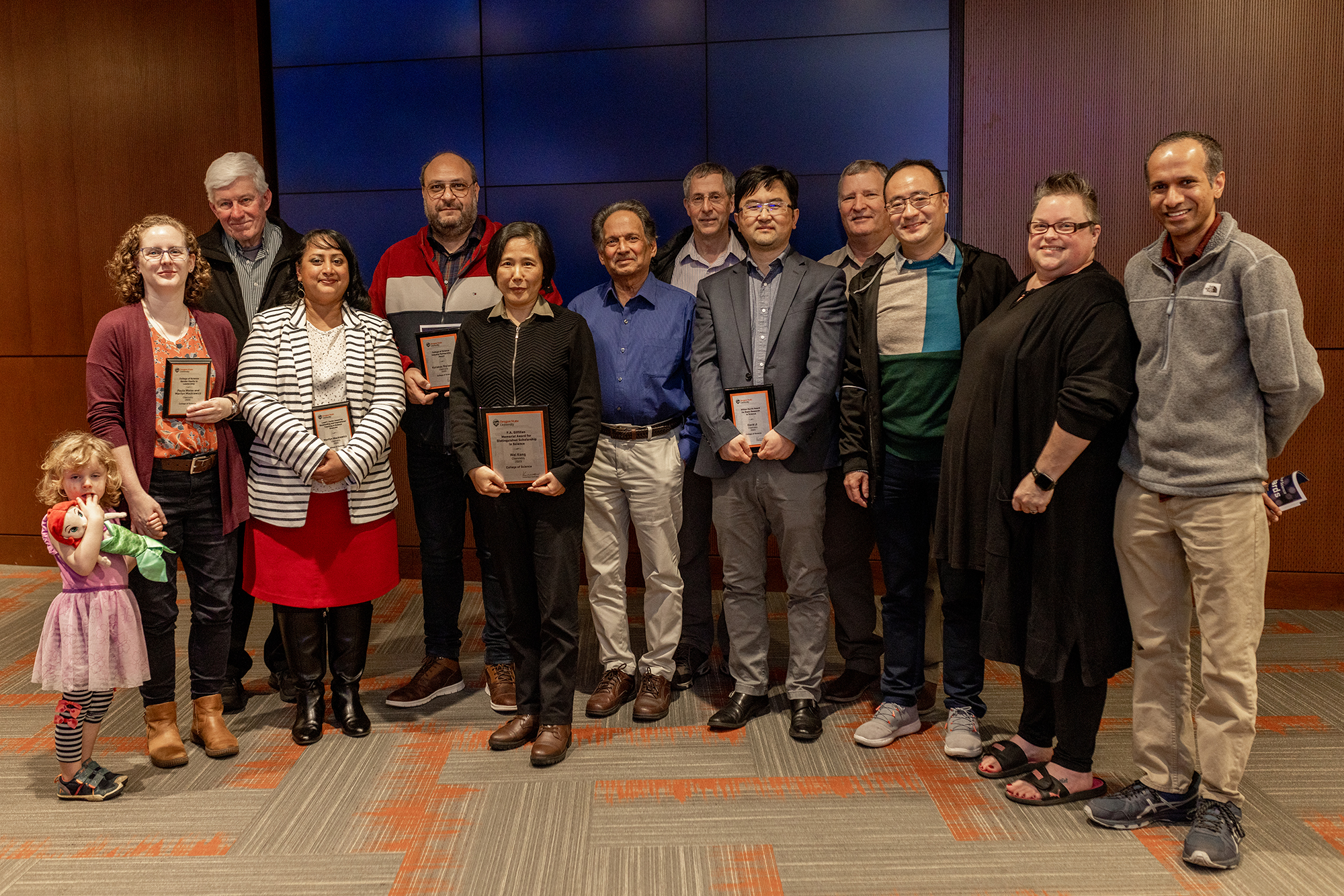
This year's recipients include: Marilyn Mackiewicz and Paula Weiss; Elisar Barbar; and Katée Keen and Jennifer Olarra.

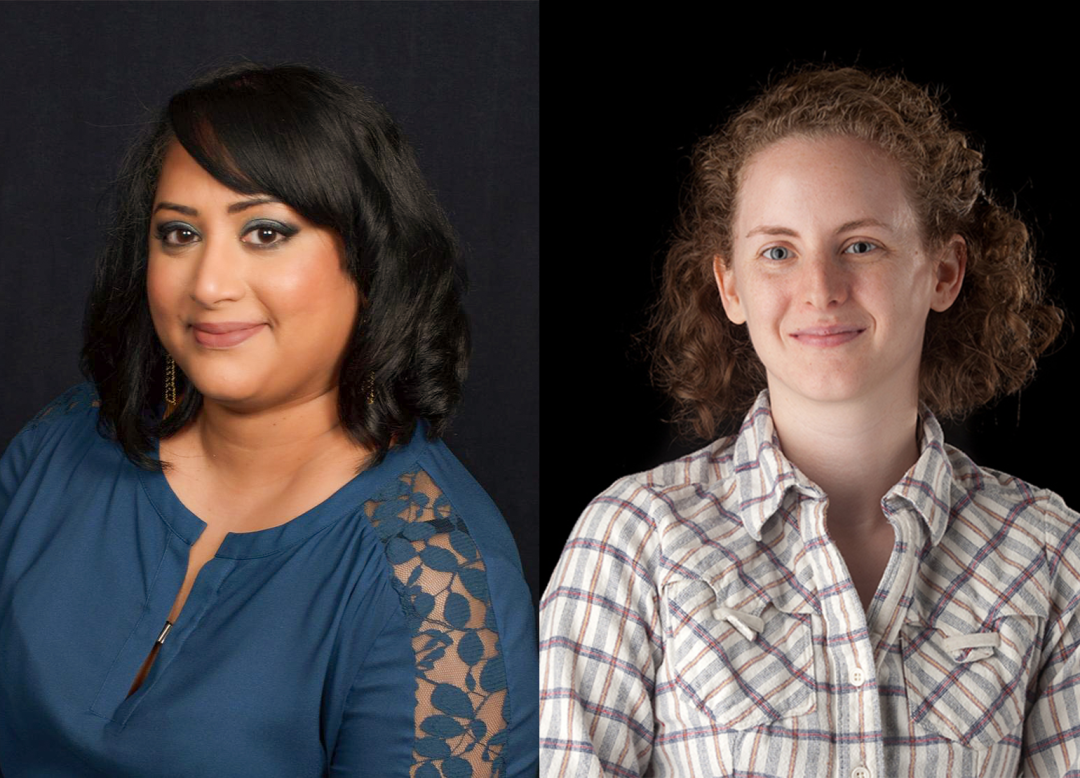
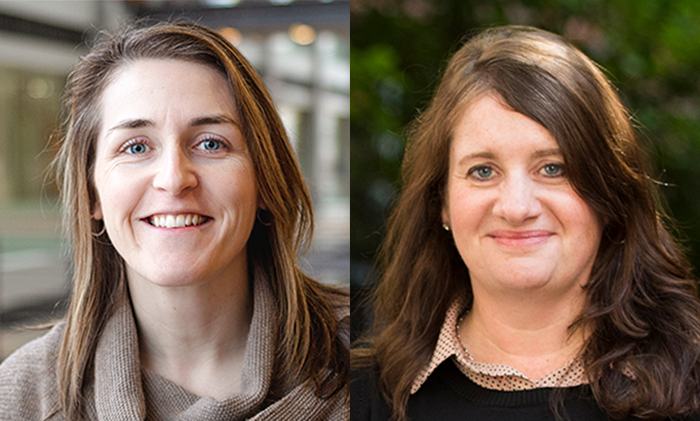
Headshot of Marilyn Mackiewicz wearing a blue shirt and headshot of Paula Weiss in striped shirt.

Marilyn Mackiewicz and Paula Weiss.

Marilyn Mackiewicz and Paula Weiss’s award will support specialized mentorship programs for women instructors, professors and researchers in the Department of Chemistry. Called “The Catalyst,” the goal of the program is to cultivate an environment that shapes the next generation of leaders, scientists, mentors and educators. Participants will formulate their career goals and develop a range of skills such as effective grant writing, finding sources of funding and inclusive leadership skills.

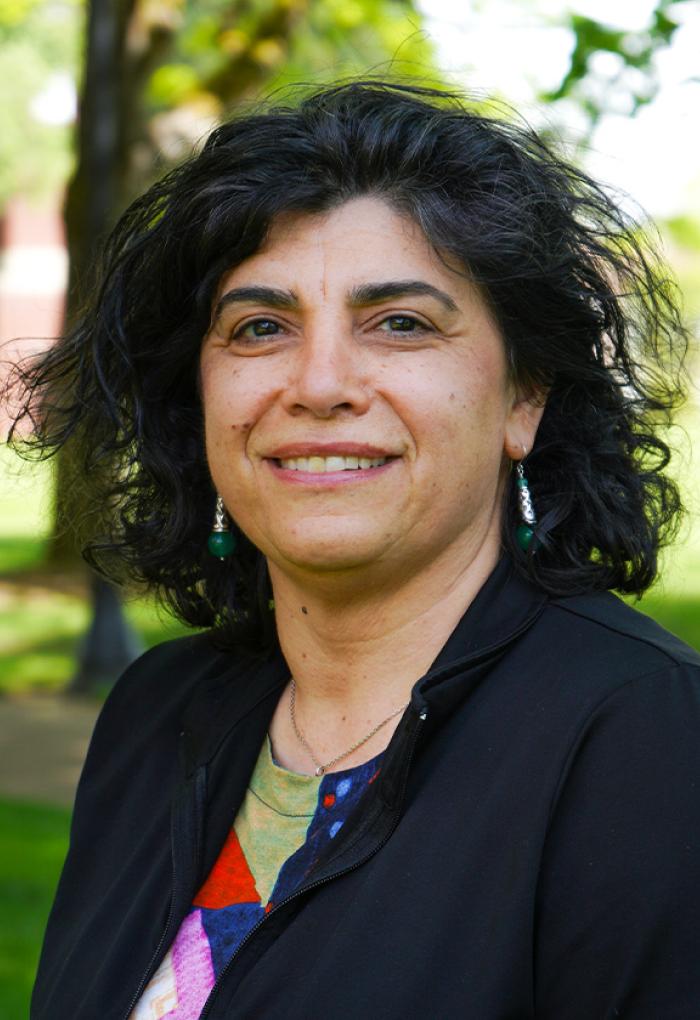
Outdoor photo of Elisar Barbar.

Elisar Barbar

Elisar Barbar’s award will fund the development of workshops that support women faculty in science as their careers advance. She will organize formal mentorship opportunities focused on tools and strategies that empower faculty and invite a renowned speaker to lead a full day workshop on leadership, improving quality and quantity of research output and the performance and well-being of science teams.

Katée Keen and Jennifer Olarra.

Katée Keen and Jennifer Olarra.

Katée Keen and Jennifer Olarra’s award will fund a coaching event that supports College of Science staff and professional faculty who identify as women. A guest speaker will lead participants in sessions focused on empowerment, work-life balance, leadership at all levels, connecting personal values to College of Science values, and creating a climate of belonging and support.

Gladys Valley Award for Exemplary Administrative Support

Kelly Carter standing in a blue long sleeve shirt outside in front of a tree.

Kelly Carter, graduate student coordinator and office manager for the Department of Physics

Kelly Carter, graduate student coordinator and office manager for the Department of Physics, received the Gladys Valley Award for her tireless commitment to her department.

Carter has been the office manager in the department since 2014 and during the 2021-22 academic year, she managed the role without a support employee after her assistant, Lori Emmons, passed away. Carter frequently performs well beyond her position description duties.

“Kelly has been a fundamental individual in the department workings, a pleasant person to interact with a constant smile, a tireless collaborator, and an incredible source of help and support at any time,” wrote one nominator.

Her colleagues expressed immense gratitude for her willingness to take on more responsibilities while consistently providing a warm welcome to department visitors.

“Kelly is the glue that holds together the complicated trajectories of roughly 20 faculty, 50 graduate students and hundreds of undergraduates,” wrote another nominator. “She deserves recognition for not only doing this difficult task, but also for doing it incredibly well in the face of a plethora of challenges.”

Distinguished Service Award

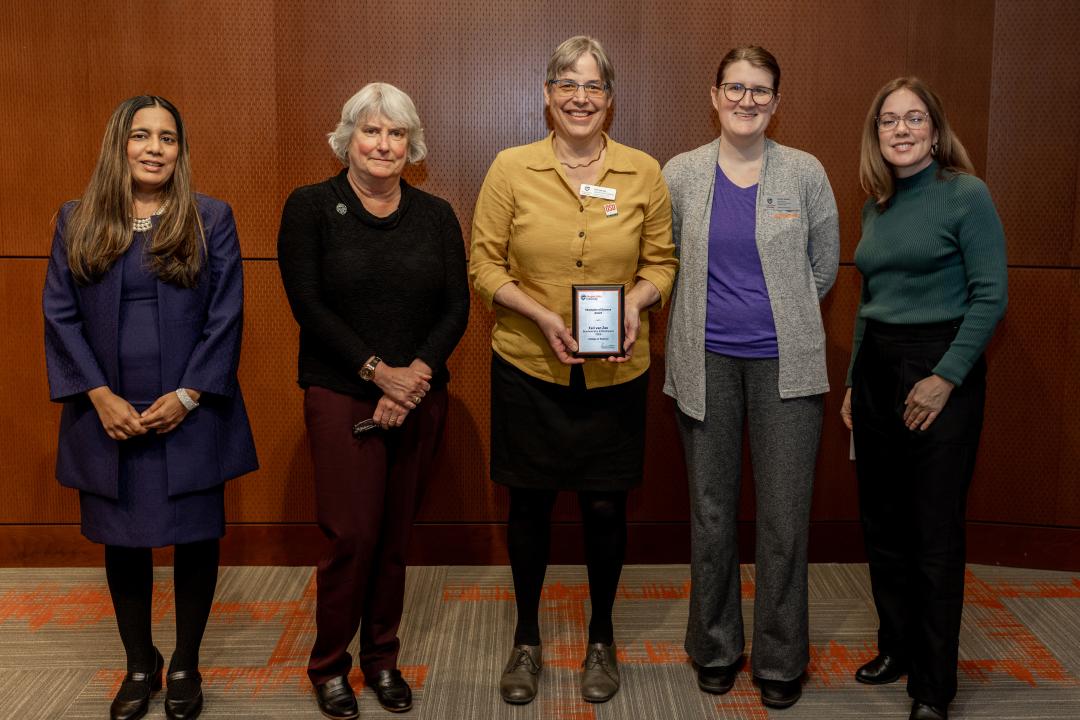
Five women pose for a picture. The woman in the center is wearing a gold shirt and holds a plaque.

From left to right: Vrushali Bokil, Virginia Weis, Kari van Zee, Lauren Dalton and Kate Shay.

Kari van Zee, senior instructor II and lead advisor for the Department of Biochemistry and Biophysics, received the Distinguished Service Award. This award recognizes a faculty, staff member or student whose outstanding contributions helped to support and sustain the quality and effectiveness of our College.

Van Zee has taken on a plethora of roles, both official and behind the scenes. In addition to teaching and advising, she is an undergraduate coordinator, faculty senate member, Biochemistry Club advisor and Genetic Code Expansion Center outreach coordinator. On top of everything she is known for fostering a supportive community environment.

“She is a perfect example to emulate: a good friend, advisor and someone to count on for support; whatever it is, however hard it is, whether you are a student, faculty or even department head, Kari is there to help,” wrote the nominators.

Examples of her dedication include hosting social events to help undergraduate seniors brainstorm for their future, organizing the department Dam Proud Day fundraising event, helping faculty adapt for students with disabilities and coordinating pandemic safety procedures.

Colleagues noted she also dedicates her time to building a positive department culture. Van Zee is the first person to give out her information to new staff members and routinely helps plan community-building events.

“In summary, Kari is the heart of the department in so many ways,” the nominators wrote.

Champion of Science Award

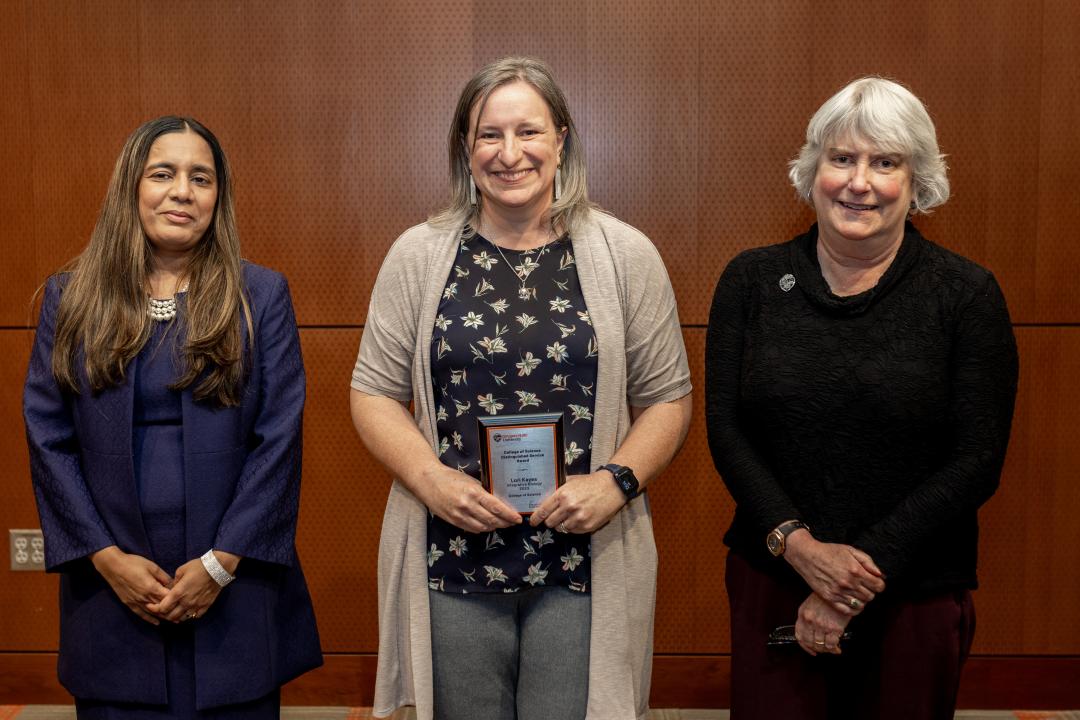
Lori Kayes accepts her award standing next to two other women.

Lori Kayes accepts her award from Interim Dean Vrushali Bokil and Acting Associate Dean for Research and Graduate Studies Virginia Weis.

Lori Kayes, Associate Department Head and Senior Instructor II in the Department of Integrative Biology, received The Champion of Science Award. Chosen by the dean, this award recognizes an individual who demonstrates excellence and extra effort that goes above and beyond what is requested. The award is modeled, including its name, after the President's Beaver Champion Award.

Kayes is a champion of student success, equity and community engagement. Throughout her career, she has strongly advocated for inclusivity in STEM courses and promoted active learning and culturally responsive pedagogies at Oregon State. She has tirelessly advocated for adapting education to meet the needs of today’s learners.

Her contributions were pivotal in Oregon State's recent adoption of the new general education curriculum, which focuses on student success. As co-leader of the Baccalaureate Core Reform Committee, she garnered participation across the university to shape a new curriculum that enhances student potential, including those who are historically underserved.

Her devotion to effective teaching is also demonstrated by the Learning Assistants Program. As a founder with Devon Quick and Dennis Bennett, she helped usher in a new era of evidence-based science teaching in large classrooms at OSU. The Learning Assistants play a vital role in helping students learn by implementing engagement and learning exercises in undergraduate STEM classrooms.

Kayes also has been active in the ongoing efforts to increase inclusive excellence in science as co-PI of the five-year $1 million grant from the Howard Hughes Medical Institute, which aims to improve instruction in undergraduate STEM classrooms.

College of Science Industry Partnership Award

Kyriakos Stylianou, a man with a beard.

Kyriakos Stylianou

Assistant Chemistry Professor Kyriakos Stylianou and his colleagues received the College of Science Industry Partnership Award. This award will support their work producing metal-organic frameworks (MOFs) able to capture CO2 followed by its conversion into a mixture of ethanol and methanol, which can be used as an alternative fuel source. This will help lower CO2 levels in the ocean and atmosphere and reduce humanity’s dependency on long-chain hydrocarbon fuels, which are rapidly contributing to global warming. In this project, Stylianou will collaborate with an international energy company, and together, they will discover novel strategies to effectively reduce CO2 emissions with MOFs.

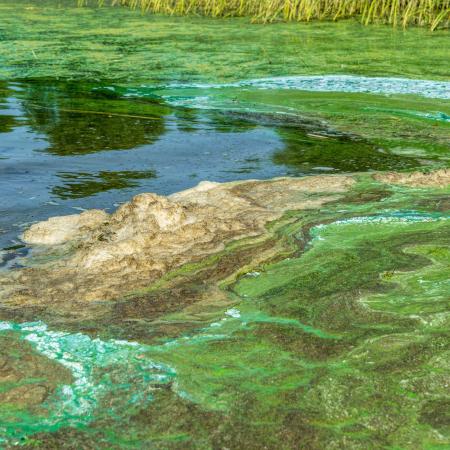
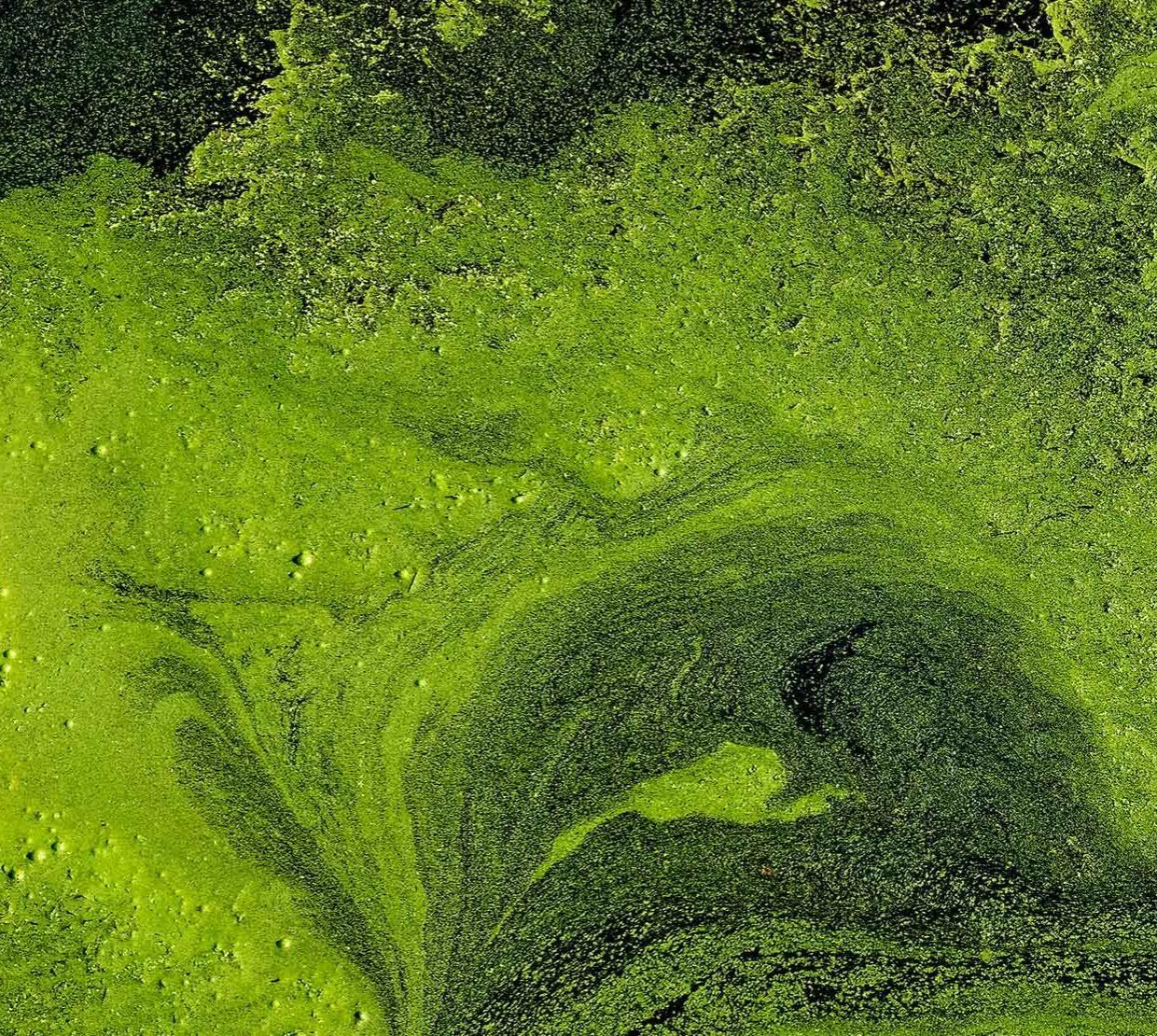
Image of algal bloom

Grants to address climate change impacts and biomedical challenges

By Hannah Ashton

Researchers in the College of Science know that curiosity is boundless. Answers are not stopping points but instead opportunities for deeper questions and discoveries.

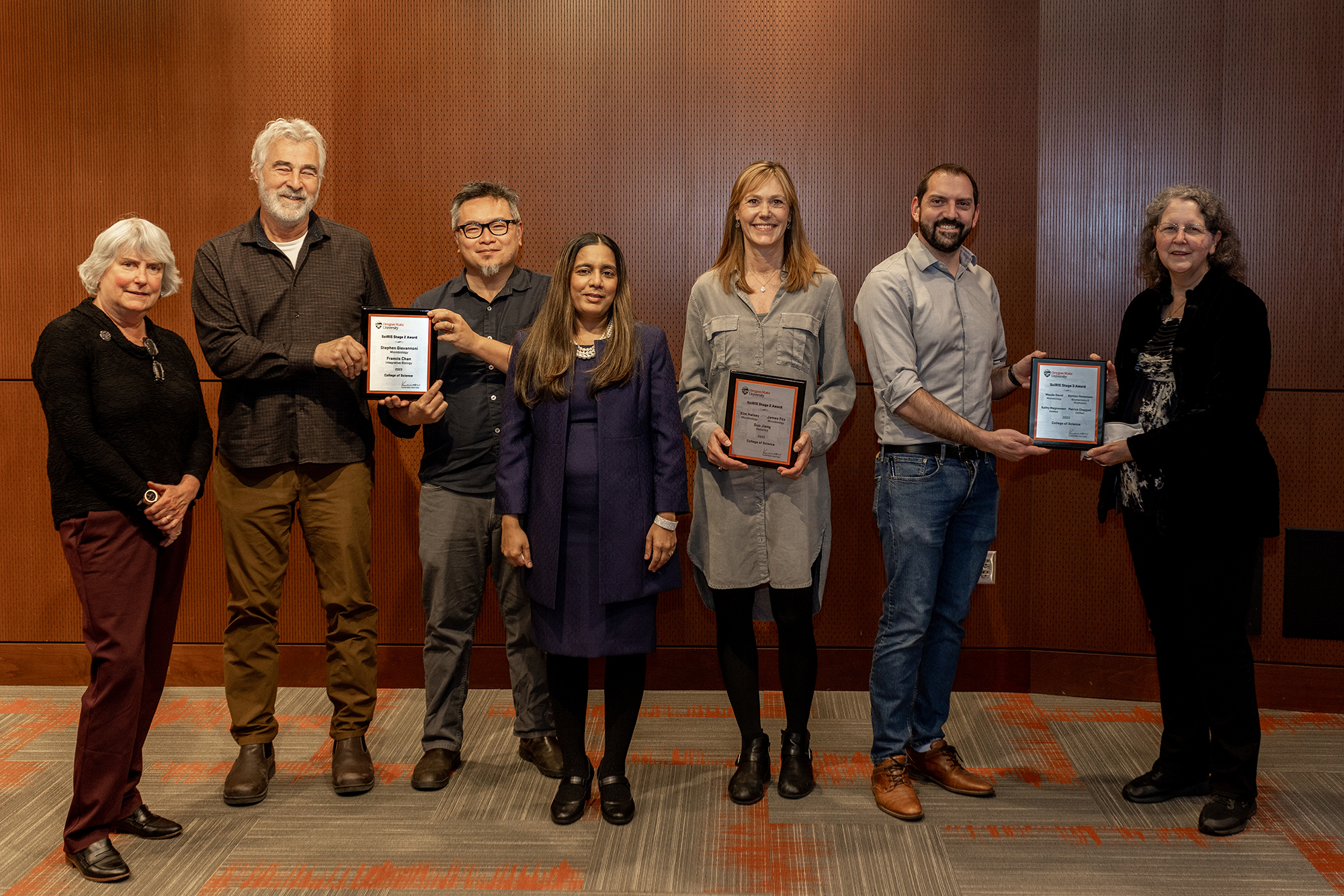
Continuing to ask questions culminated in three faculty groups receiving College of Science Research and Innovation Seed (SciRIS) awards in July. Launched in 2018, SciRIS awards are granted biannually to collaborative research that accelerates the pace of discovery and innovation.

Investigations supported by previous SciRIS awards led to new research questions with the potential to tackle crucial problems and provide actionable solutions for industry, people and the planet.

Ocean hypoxia

Department of Microbiology head and Distinguished Professor Stephen Giovannoni and Francis Chan, associate professor of integrative biology, received a SciRIS Phase II grant of $75,000 for their project entitled “The Hypoxic Barrier: Oxygenase Enzyme Kinetics and Ocean Health.” They are researching the impact of hypoxia on dissolved organic matter composition and microbial community structure and function.

The group used a previous SciRIS award to purchase gas flow controllers and other equipment needed to conduct experiments where plankton communities were maintained for months under normal or hypoxic conditions. The new grant will allow them to extend their work to include metabolomics and metaproteomics.

Hypoxia—low or depleted oxygen in a body of water—puts crabs, salmon, oysters and other marine populations at risk. Associated with sewage discharge and fertilizer runoff, the problem is now exacerbated by climate change.

Experimental findings from two pilot studies suggest low oxygen irreversibly alters the trajectory of organic matter degradation. This represents an unrecognized feedback mechanism that may be stabilizing the severity of low oxygen zones in a warming ocean.

In the future, this research could help scientists predict hypoxic events on the Oregon coast, increasing resiliency and informing responsive climate change mitigation and adaptation policies.

Harmful algal blooms

Focusing on five important Oregon lakes, three researchers from the College of Science will be expanding on research funded in part by a SciRIS Stage 1 award.

Kimberly Halsey, associate microbiology professor, and Duo Jiang, associate statistics professor, previously measured 259 volatile organic compounds (VOC), microbial community composition and other environmental parameters over two years in Upper Klamath Lake, OR. The goal was to develop real-time, automated VOC detection as early-warning signs of toxic harmful algal blooms (HABs) in freshwater and marine ecosystems.

Increasingly Cyanobacteria, the microorganisms that can produce HABs, are being detected in many Oregon waterways that were thought to be pristine. Depending on the cyanobacterial species present, some blooms can produce toxic chemicals that can threaten water quality, recreational opportunities, fisheries, public health, and local and state economies.

A $75,000 SciRIS Stage 2 award will allow for external collaboration with three Oregon water utilities and state agencies, including the Oregon Department of Environmental Quality. The five lakes selected have different HAB frequencies, cyanobacterial competition and cyanotoxin types. The team, including James Fox, research associate in the microbiology department, will study “How do the collections of VOCs vary in waterways characterized by different cyanobacterial blooms and cyanotoxins?”

Developing lake or regional HAB and cyanotoxin early warning detection systems, a long-term goal of the project, would help agencies more efficiently protect the environment and human health.

Gut-brain axis

Collaborating with the College of Veterinary Medicine, two College of Science researchers received a $125,000 SciRIS Stage 3 grant to continue ongoing research into the knowledge gap between gut microbes and brain function.

While many U.S. adults take dietary supplements for brain health the mechanisms of action are widely unknown and health benefits vary across studies. One route for gut microbes to affect brain function is through modulation of the vagus nerve.

After receiving initial support from SciRIS Stage 1 and 2 funding, the Stage 3 grant will allow microbiologist Maude David and her collaborators to create a silicon chip that will reproduce key features of the gut-brain axis, including spatially-organized co-cultured epithelial and neuronal cells and enteric bacteria.

The long-term goal is to enable the discovery of psychobiotics for the treatment of mood and anxiety disorders. While current studies are too laborious and expensive, the chip will allow for more rapid screening of potentially therapeutic microbes and compounds.

David, who founded NeuroBiome LLC, a startup focusing on the gut-brain axis, will be joined by neuroscientist Kenton Hokanson.

A laurel leaf icon with a scroll, surrounded by a border of snowflakes.

2021-22 College of Science awards: Celebrating excellence in teaching and advising

By Grace Peterman

On February 22, the College of Science gathered to recognize excellence at the 2021-22 Teaching and Advising Awards. Driven almost exclusively by students’ nominations, these awards are an opportunity for our community to express gratitude and appreciation for each other.

The College celebrates the Teaching and Advising Awards winners below for their deep commitment to engaging with the student experience and application of mentoring and advising expertise to ensure student learning and success within and beyond the classroom. Effective teaching, advising and mentorship are the very heart of the College of Science’s identity as a robust and thriving community of students and scholars.

2022 Teaching, Advising and Mentoring Award Winners

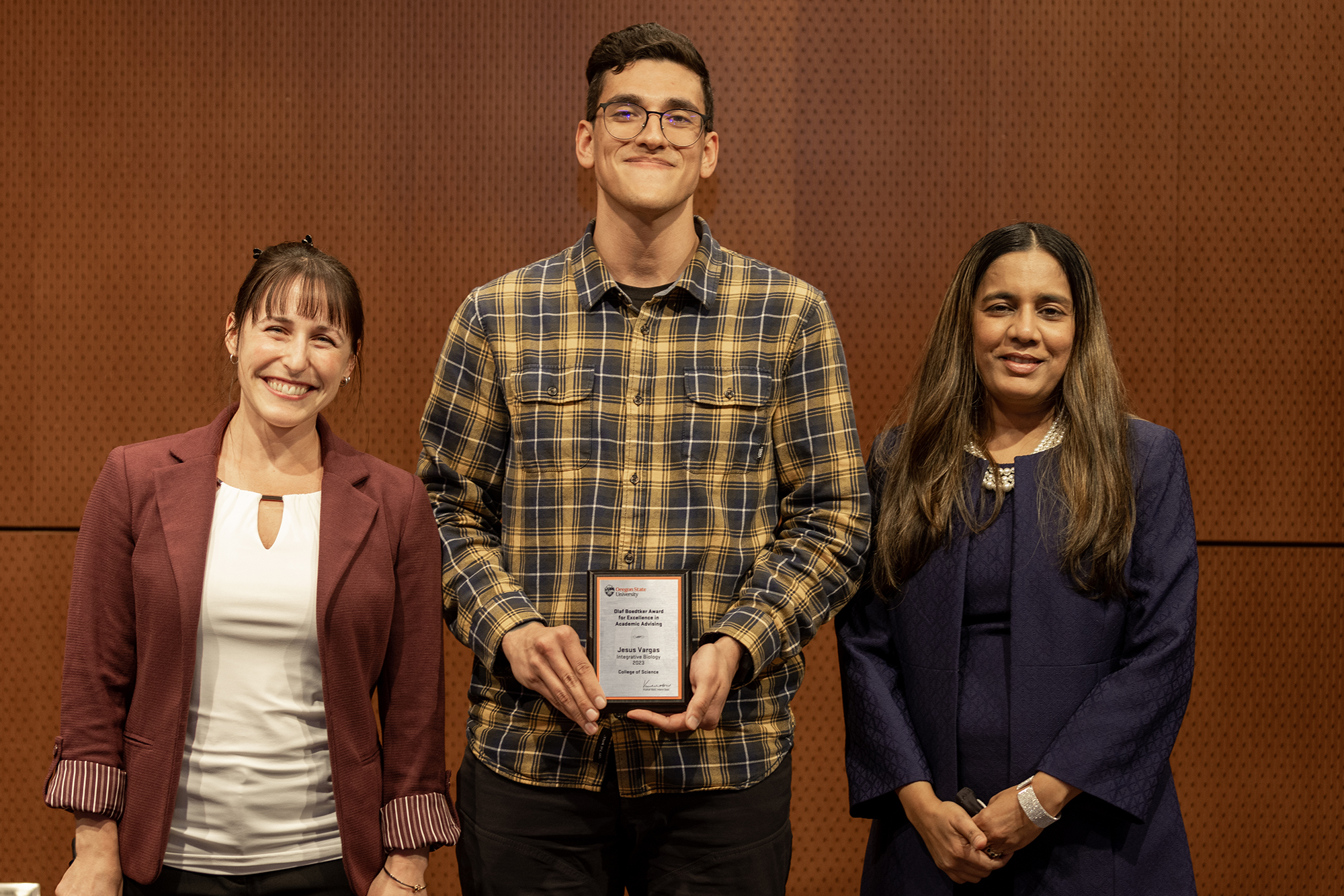
Olaf Boedtker Award for Excellence in Academic Advising

Rachel Palmer, a woman with long hair, smiling.

Integrative Biology Advisor Rachel Palmer

Rachel Palmer, integrative biology advisor, won the Olaf Boedtker Award for Excellence in Undergraduate Advising for her tireless support, efforts and advocacy on behalf of undergraduate students. This award was established in 1988 in honor of Olaf Boedtker, a professor in the Department of Physics who served as Head Advisor in the College from 1973 to 1987. While at Oregon State, he provided exceptional service to students and to the College.

Several students nominated Palmer for this award, praising her dedication and ability to connect and encourage students to achieve their goals.

One student nominator wrote of Palmer: “Right off the bat, Rachel came across as a very happy-go lucky person. She has always been extremely kind and caring at every meeting, treating me as an equal adult and even cracking some jokes that set me at ease. She has always been able to answer every question I had, no matter how specific or vague. I can absolutely tell she wants to help me and set me on the best path possible. Rachel pays mind to each and every student as an individuaPassionate, inspirational, dedicatedl and she really knows her stuff!”
Another student had similar feedback for Palmer: “Rachel has made the beginning of my journey towards my Bachelors of Science in Zoology a wonderful experience even through uncertainty. She really goes above and beyond the call of duty, you would not think an advisor could be such a hero.”

“I admire how easily Rachel has helped me find a class schedule that works so well," wrote another student nominator. "She asks important questions, listens to your expectations and executes. One thing she does well is helps me find classes that work well together as far as content.”

Additional nominees for the Olaf Boedtker Award included:

  • Cody Duncan, advisor for integrative biology
  • Allison Evans, instructor of microbiology
  • Jen Olarra, advisor for biology
  • Kari Van Zee, senior instructor of biochemistry and biophysics

Loyd F. Carter Award for Outstanding and Inspirational Teaching (Undergraduate)

Kyriakos Stylianou, a man with a beard.

Assistant Professor of Chemistry Kyriakos Stylianou

This year’s Loyd Carter Award for Outstanding and Inspirational Undergraduate Teaching in Science goes to Kyriakos Stylianou, assistant professor of chemistry.

Every year since 1946, the Loyd F. Carter Award has been presented to two outstanding College of Science faculty members: one for undergraduate teaching and one for graduate teaching. The purpose of the award is to encourage and recognize effective and inspirational teaching. The final selection is based solely on student nominations and voting.

Stylianou’s students describe him as passionate, inspirational and dedicated. “This man is so incredibly intelligent but also one of the humblest people you will ever meet,” one student said.

“He has to be one of the best professors I have had here at OSU,” said another student nominator. “Walking into CH 233, I was super nervous. I heard it was the hardest of the chemistry series. With everyone feeling the burnout of virtual learning, he made sure to make his class engaging and put everything he had into every class.”

Many students praised the learning atmosphere Stylianou creates in his classes and his attentiveness to student needs. “He cares very much about his students and wants to see them succeed. He devotes a significant amount of time inside and outside of class to give them the opportunities and resources they need to be successful in his class, and beyond. He never tries to beat around the bush, always gives you an honest answer, and just wants to see the best in people. The jokes and wise-cracks in class always help to lighten the mood as well.”

Additional nominees for the Loyd F. Carter undergraduate award included:

  • Daniel Myles, senior instructor of chemistry
  • Devon Quick, senior instructor of integrative biology
  • Marita Barth, instructor of chemistry
  • Malcolm Lowry, assistant professor of microbiology
  • Nathan L. Kirk, senior instructor of integrative biology
  • Paul Cheong, associate professor of chemistry
  • Phil McFadden, associate professor of biochemistry and biophysics
  • Scott Geddes, instructor of chemistry
  • Stacey Vaughn, instructor of mathematics

Loyd F. Carter Award for Outstanding and Inspirational Teaching (Graduate)

James Molyneux, a man with a beard.

Assistant Professor of Statistics James Molyneux

This year’s Loyd F. Carter Award for Outstanding and Inspirational Graduate Teaching in Science goes to James Molyneux, assistant professor of statistics.

Students nominating Molyneux described him as caring, uplifting and welcoming, and praised his ability to adapt during the pandemic. "He consistently encouraged me and my cohort during the transition from COVID to campus, to keep up our spirits in one of the most difficult academic years of our lives," said one student. "Without him, I would not have gathered the courage to continue moving forward. He is brilliant in the classroom as a professor and a loyal mentor and advocate for our success."

Another student said the following of Molyneux: "He excels at making statistics, a subject which is generally taught dryly and without much passion, relevant to grad students' research and our daily life. He uses timely examples and highlights the nuance of stats, in a way that makes it fascinating instead of frustrating. He was always available for extra help or assistance outside of class, and always seemed willing to discuss other topics than just the class material! He is supportive and compassionate with graduate students, and was the best stats teacher I've had so far at OSU! He also made sure the class content was accessible to students in multiple ways by recording both Zoom and in-person classes, and making the lecture notes easily available. His high-energy and engaging teaching style was apparent in both the in-person and online class I took with him, which I have found to be a rare occurrence in a remote setting!"

Thomas Sharpton, associate professor of microbiology, was also nominated for the Loyd F. Carter graduate award.

Frederick H. Horne Award for Sustained Excellence in Teaching Science

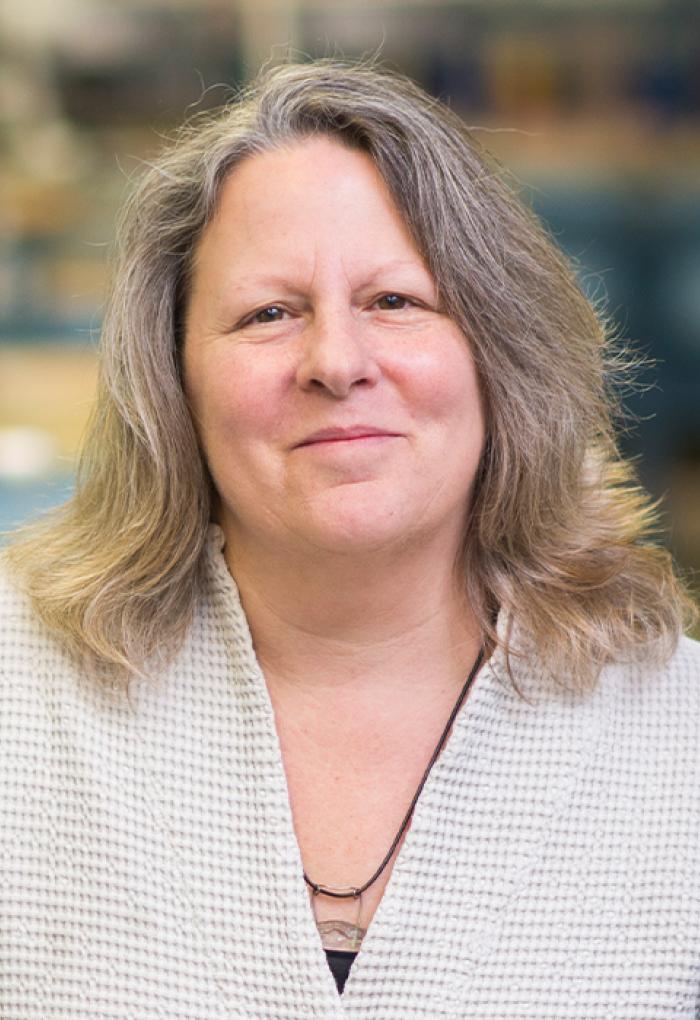
Liz Gire, a woman smiling.

Associate Professor of Physics Elizabeth Gire.

This year’s Frederick H. Horne Award for Sustained Excellence in Teaching Science goes to Liz Gire, associate professor of physics.

This award honors Fred Horne, who served as Dean of Science at Oregon State from from 1986 to 1999. Fred passed away in 2021, a renowned researcher, scholar, teacher and leader.

Fred exemplified the values of our college, embracing a deep commitment to diversity, equity and inclusion in science. He was instrumental in establishing two programs that encourage students of color to pursue and continue their education in science, math and engineering: Science and Math Investigative Learning Experience (SMILE) and the American Indian Science and Engineering Society (AISES).

The purpose of this award is to recognize sustained excellence in teaching science by honoring a faculty member in the College of Science who has repeatedly demonstrated exceptional instructional qualities and has had a significant impact on students over a period of not less than five years.

Liz Gire has earned this award through her tireless dedication to support the holistic student experience. A plethora of students and colleagues wrote at length in support of Gire's nomination. One student nominator said, "Her level of dedication to the genuine support and inclusion of the students in her courses is something I’ve never seen in an educator before. She backs that up with her skill and experience in education and communication that makes difficult content still accessible and enjoyable to learn. She takes every opportunity to build others up, whether that be her students, her teaching team, her research partners or the many people in our department who aren’t any of those things, but still know they can come to her because she is the type of person who will help however and whenever she can."
Another student nominator said, "Liz is a wonderful professor because she is a master at reading the atmosphere of a classroom. Sure, part of this is an intuition that comes from experience, but more importantly, she takes time to ask questions. Each student is expected to grab a small white board and marker at the beginning class. Later when Liz looks out and says, 'write down something that you know about angular momentum' she can measure students’ level of confusion and use student responses to guide the classroom discussion. This makes everyone much more willing to participate in class because they know that she honestly cares for their well-being and success."

Congratulations to all the winners and all the nominees!

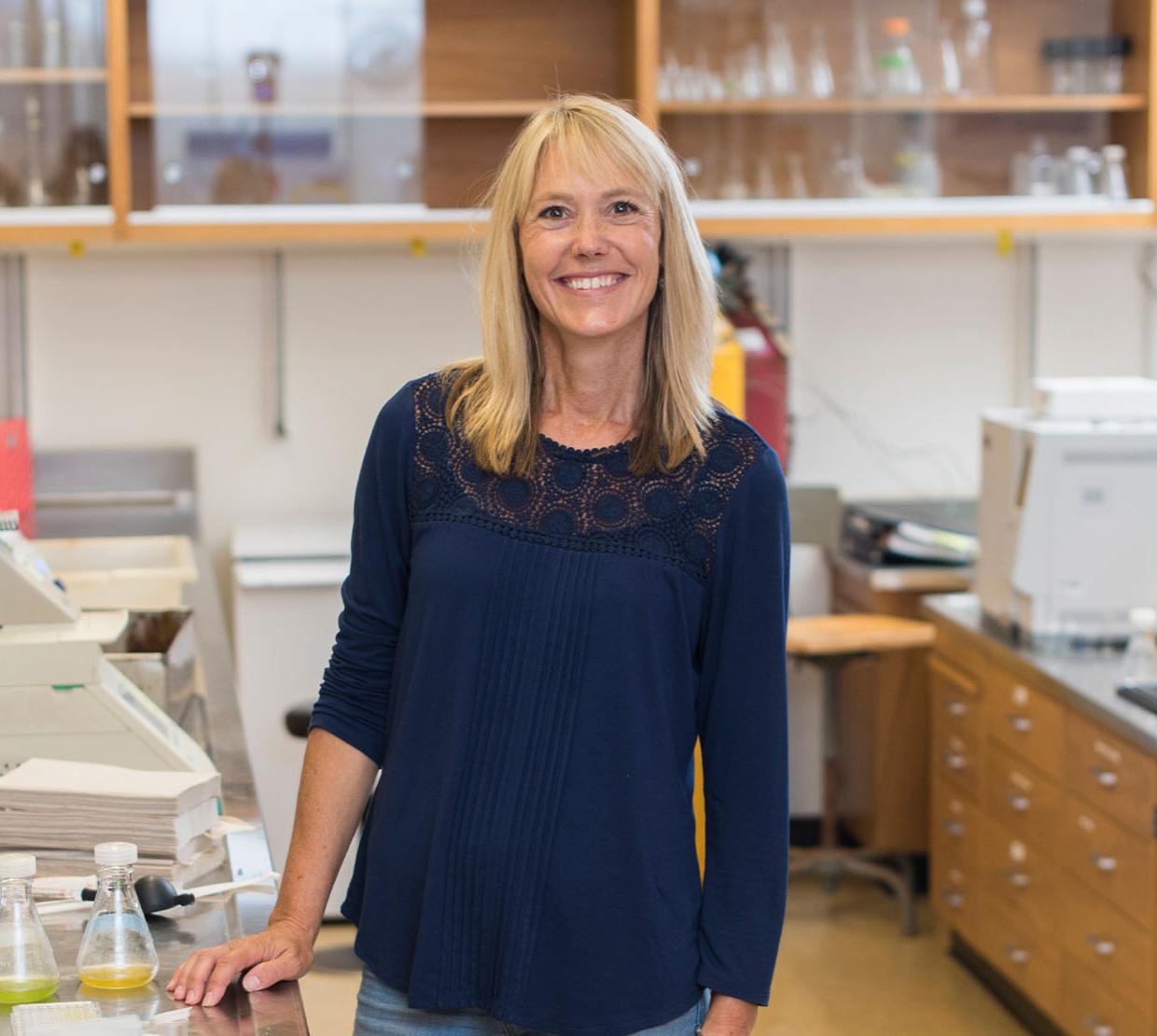
A woman standing in a lab setting smiling

New endowed faculty position recognizes excellence in microbiology

By Grace Peterman

The College of Science is thrilled to announce that Associate Professor of Microbiology Kimberly Halsey has been appointed as the inaugural Excellence in Microbiology Faculty Scholar. With this new endowed position, Halsey will advance excellence in her research and teaching at Oregon State for a term of five years, through November 11, 2026. A generous sequence of donations from an anonymous donor enables the appointment of this inaugural faculty scholar.

Halsey has a strong, highly visible and well-funded research program focused on understanding the processes that control the flow of carbon and energy through the marine carbon cycle. She has co-discovered the keys to diatom sexuality, predicted how phytoplankton will respond to climate change and developed methods to detect toxic algal blooms before they become harmful to humans and ecosystems.

“Dr Halsey’s cutting-edge research of the potential for real-time, automated volatile organic compound detection as early-warning signals of toxic harmful algal blooms in freshwater and marine ecosystems will help agencies and scientists prepare and protect the public," said Roy Haggerty, dean of the College of Science.

“In addition to her research accomplishments, she is a dedicated and passionate teacher who has introduced the unseen world of microbes to some 1,500 total students over the years, using creative teaching methods and an empathic approach to earn high student ratings, even in large foundational classes. She is an excellent choice to receive this position,” he added.

At the height of the pandemic, Halsey actually increased student engagement, implementing “Meet a Microbiologist” interviews to fill 10 minutes before every Zoom class. Faculty, alumni and graduate students joined these sessions, talking about their research and experiences in the field of microbiology. “Students in droves tuned in early” to catch the interviews, she said.

Halsey has also proven her interest and concern for the growth of the College and its Diversity Action Plan through impressive committee work. She has led the graduate admissions committee for the Department of Microbiology for the last six years, implementing a holistic application review process that increased minority representation in the program from 8.5 to 23.5%. Reviewing 70-100 applications each year and writing grants to obtain fellowships and scholarships for minority graduate students, Halsey demonstrated her “commitment to OSU’s growth and success, which is rooted in prioritizing education and training for all students,” she said.

A star on a black background

Outstanding incoming graduate students received ARCS Oregon scholarships

By Cari Longman

The College of Science is pleased to announce that five incoming graduate students were awarded 2021-2022 ARCS (Achievement Rewards for College Scientists) Foundation, Oregon Chapter scholarships. ARCS Foundation Oregon seeks to advance science and technology in the United States by funding graduate students. The scholarship provides $18,000 in financial support, payable over three years, to academically outstanding students who are U.S. citizens studying to complete Ph.D. degrees in science, engineering, mathematics, technology and medical research at Oregon Health & Science University, Oregon State University and the University of Oregon.
Through its efforts, ARCS Oregon has supported 301 young scientists with over five million dollars in scholarship funding and encouraged them to follow their scientific passions, earn their doctorates and further scientific knowledge. Funding is made possible through endowed funds, donors and chapter fundraising.
This year, ARCS Oregon is supporting a record number of 79 scholars: 25 at OHSU, 44 at OSU and 10 at UO. The scholars are chosen from selection committees at each institution.

This year’s new Oregon State College of Science ARCS scholars include:

Rand Burnette, Physics

Rand Burnette graduated from Kenyon College in 2021 with a B.S. in physics. Burnette is studying large scale physics such as cosmology, dark matter, dark energy and general relativity.

A man wearing a dark button-up shirt and glasses stands in front of a white wall

Rand Burnette

Erwin Cornelius, Mathematics

Cornelius received the Bergen/Kern Scholar Award from ARCS, given by Marilyn Bergen and Mary Kristen Tooze Kern. His research interests focus on machine learning methods, in particular random forests and neural networks and their applications to biological data.

A man wearing a suit and bowtie smiles in front of a dark background.

Erwin Cornelius

Lucas Kolanz, Physics

Kolanz received the Beth Ray ARCS Foundation Oregon Scholar award given by Edward J. Ray, former Oregon State University president, in memory of his wife Beth, a former ARCS member. Lucas’s research interests include computational physics, “atomic, molecular and optical” physics, biophysics, condensed matter theory and astrophysics.

A man with a mustache and small beard smiles in front of a white wall.

Lucas Kolanz

Sunni Patton, Microbiology

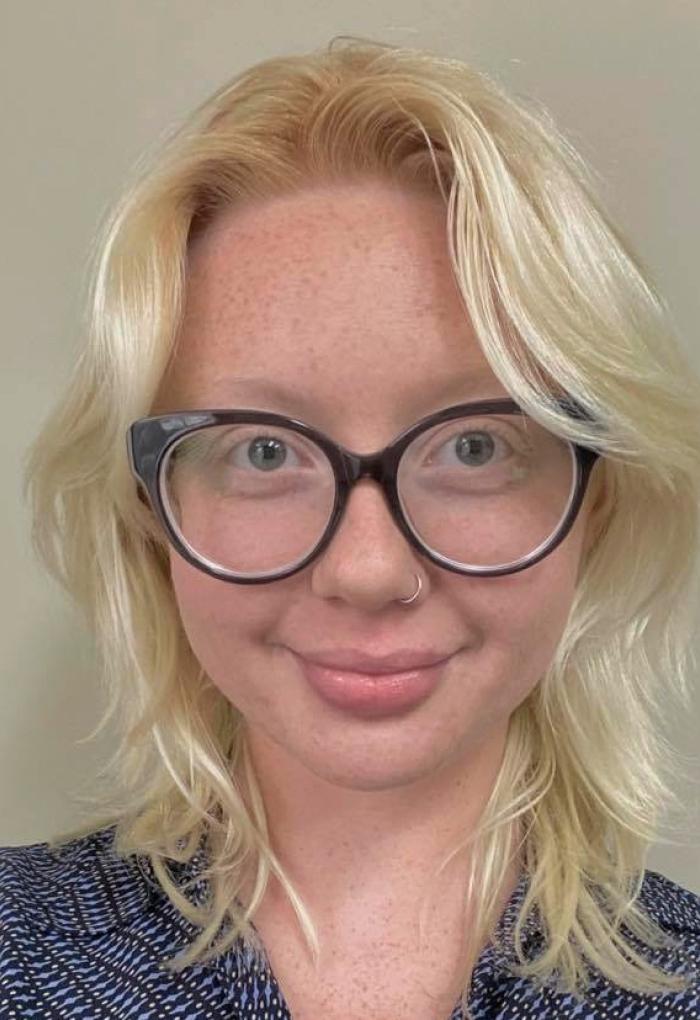
Sunni received the Jill V. Josselyn Endowed Scholar Award from ARCS Foundation Oregon. She received her B.S. in biology from Georgia State University in 2019. She will be working in the Vega Thurber Lab, pursuing research in coral microbiomes to better understand the effects of environmental and anthropogenic stressors.

A blonde woman wearing large black glasses smiles in front of a white wall

Sunni Patton

Hannah Stuwe, Biochemistry & Biophysics

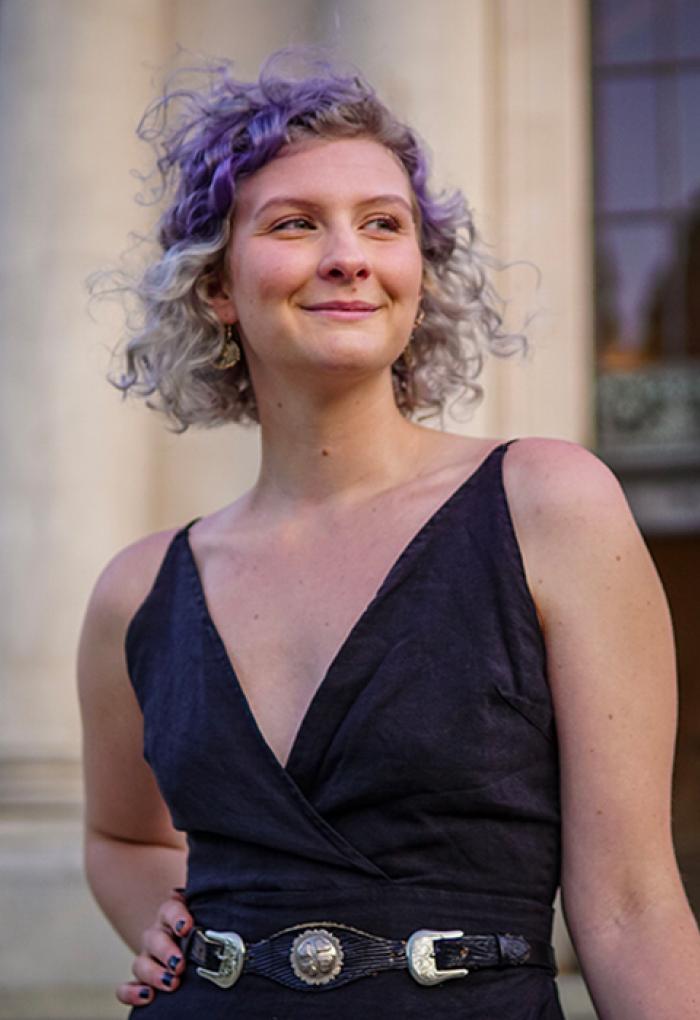
Stuwe received the Bangsund Scholar Award. She obtained her undergraduate degree from Oregon State, graduating in 2019. Her research interests include biophysics, nuclear magnetic resonance, organic synthesis and natural product chemistry.

A woman with purple and blonde hair wears a black dress and poses in front of a marble column

Hannah Stuwe

Read more about the 2019, 2018 and 2017 scholars.

Subscribe to Awards & Recognition