Microbiology

Microbiology

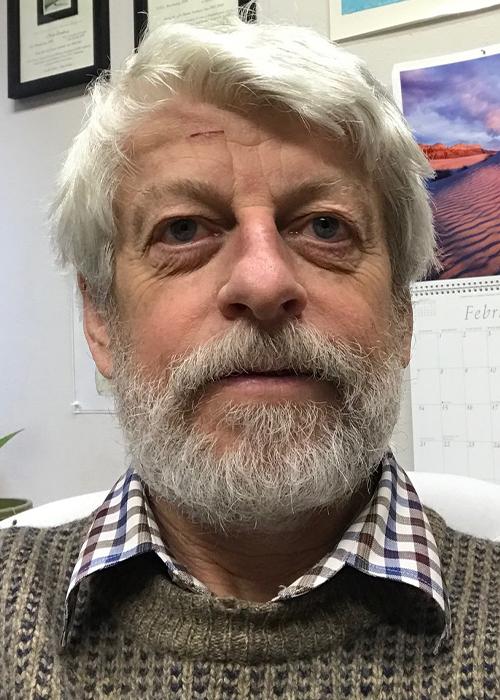
Jan Spitsbergen

Jan Spitsbergen

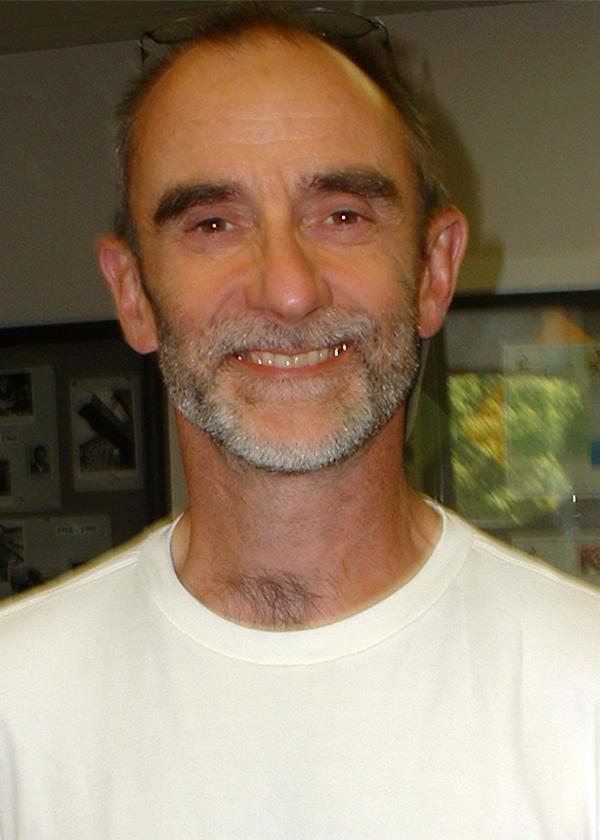
Martin Schuster

Martin Schuster

George Rohrmann

George Rohrmann

Theo Dreher

Theo Dreher

Peter Bottomley

Peter Bottomley

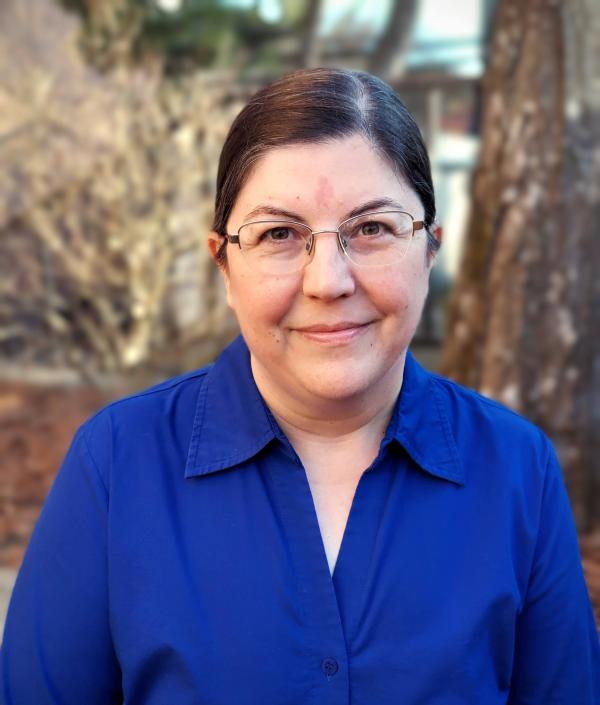
Amy Timshel

Amy Timshel

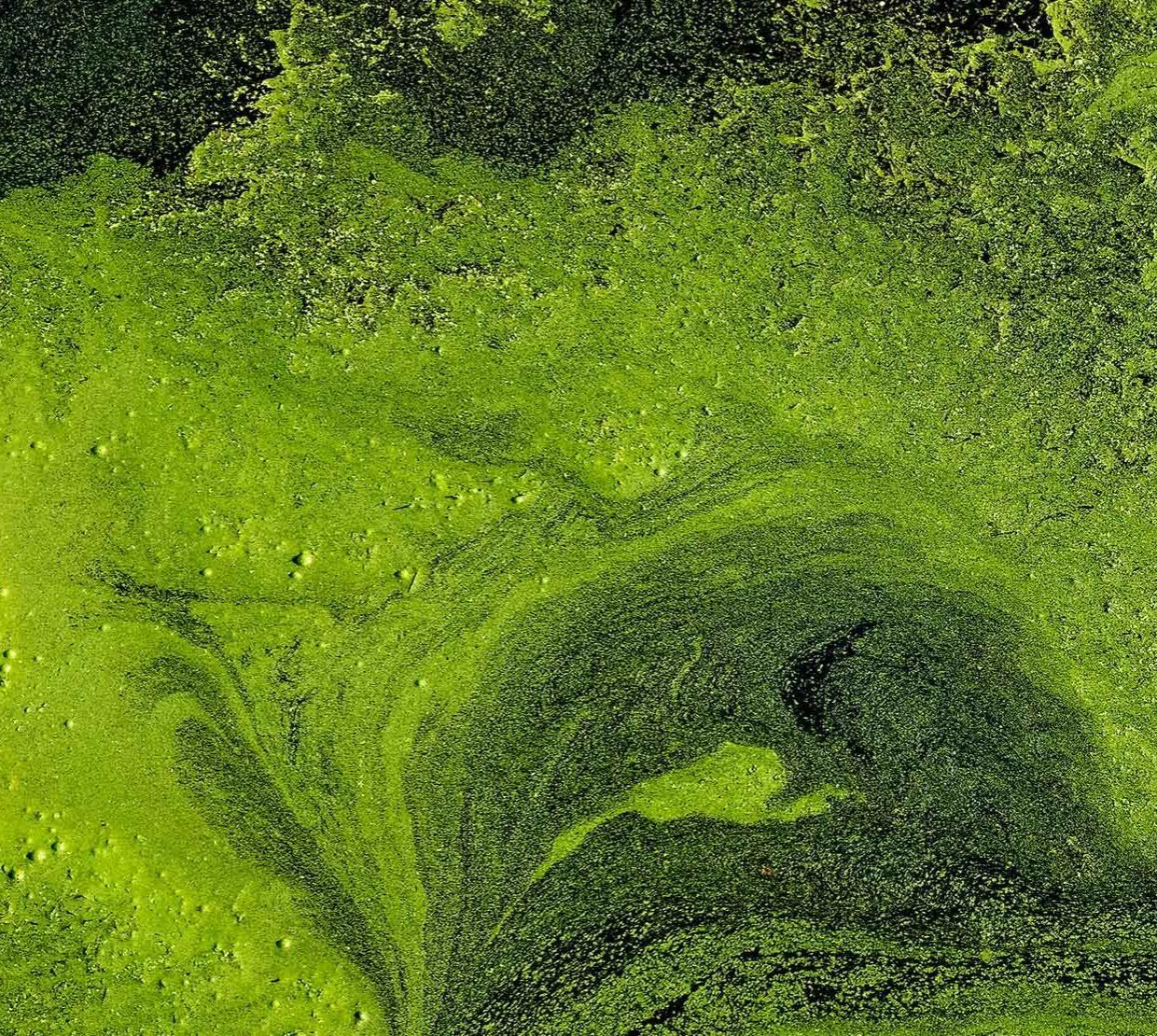
Image of algal bloom

Grants to address climate change impacts and biomedical challenges

By Hannah Ashton

Researchers in the College of Science know that curiosity is boundless. Answers are not stopping points but instead opportunities for deeper questions and discoveries.

Continuing to ask questions culminated in three faculty groups receiving College of Science Research and Innovation Seed (SciRIS) awards in July. Launched in 2018, SciRIS awards are granted biannually to collaborative research that accelerates the pace of discovery and innovation.

Investigations supported by previous SciRIS awards led to new research questions with the potential to tackle crucial problems and provide actionable solutions for industry, people and the planet.

Ocean hypoxia

Department of Microbiology head and Distinguished Professor Stephen Giovannoni and Francis Chan, associate professor of integrative biology, received a SciRIS Phase II grant of $75,000 for their project entitled “The Hypoxic Barrier: Oxygenase Enzyme Kinetics and Ocean Health.” They are researching the impact of hypoxia on dissolved organic matter composition and microbial community structure and function.

The group used a previous SciRIS award to purchase gas flow controllers and other equipment needed to conduct experiments where plankton communities were maintained for months under normal or hypoxic conditions. The new grant will allow them to extend their work to include metabolomics and metaproteomics.

Hypoxia—low or depleted oxygen in a body of water—puts crabs, salmon, oysters and other marine populations at risk. Associated with sewage discharge and fertilizer runoff, the problem is now exacerbated by climate change.

Experimental findings from two pilot studies suggest low oxygen irreversibly alters the trajectory of organic matter degradation. This represents an unrecognized feedback mechanism that may be stabilizing the severity of low oxygen zones in a warming ocean.

In the future, this research could help scientists predict hypoxic events on the Oregon coast, increasing resiliency and informing responsive climate change mitigation and adaptation policies.

Harmful algal blooms

Focusing on five important Oregon lakes, three researchers from the College of Science will be expanding on research funded in part by a SciRIS Stage 1 award.

Kimberly Halsey, associate microbiology professor, and Duo Jiang, associate statistics professor, previously measured 259 volatile organic compounds (VOC), microbial community composition and other environmental parameters over two years in Upper Klamath Lake, OR. The goal was to develop real-time, automated VOC detection as early-warning signs of toxic harmful algal blooms (HABs) in freshwater and marine ecosystems.

Increasingly Cyanobacteria, the microorganisms that can produce HABs, are being detected in many Oregon waterways that were thought to be pristine. Depending on the cyanobacterial species present, some blooms can produce toxic chemicals that can threaten water quality, recreational opportunities, fisheries, public health, and local and state economies.

A $75,000 SciRIS Stage 2 award will allow for external collaboration with three Oregon water utilities and state agencies, including the Oregon Department of Environmental Quality. The five lakes selected have different HAB frequencies, cyanobacterial competition and cyanotoxin types. The team, including James Fox, research associate in the microbiology department, will study “How do the collections of VOCs vary in waterways characterized by different cyanobacterial blooms and cyanotoxins?”

Developing lake or regional HAB and cyanotoxin early warning detection systems, a long-term goal of the project, would help agencies more efficiently protect the environment and human health.

Gut-brain axis

Collaborating with the College of Veterinary Medicine, two College of Science researchers received a $125,000 SciRIS Stage 3 grant to continue ongoing research into the knowledge gap between gut microbes and brain function.

While many U.S. adults take dietary supplements for brain health the mechanisms of action are widely unknown and health benefits vary across studies. One route for gut microbes to affect brain function is through modulation of the vagus nerve.

After receiving initial support from SciRIS Stage 1 and 2 funding, the Stage 3 grant will allow microbiologist Maude David and her collaborators to create a silicon chip that will reproduce key features of the gut-brain axis, including spatially-organized co-cultured epithelial and neuronal cells and enteric bacteria.

The long-term goal is to enable the discovery of psychobiotics for the treatment of mood and anxiety disorders. While current studies are too laborious and expensive, the chip will allow for more rapid screening of potentially therapeutic microbes and compounds.

David, who founded NeuroBiome LLC, a startup focusing on the gut-brain axis, will be joined by neuroscientist Kenton Hokanson.

photo of Klamath river basin

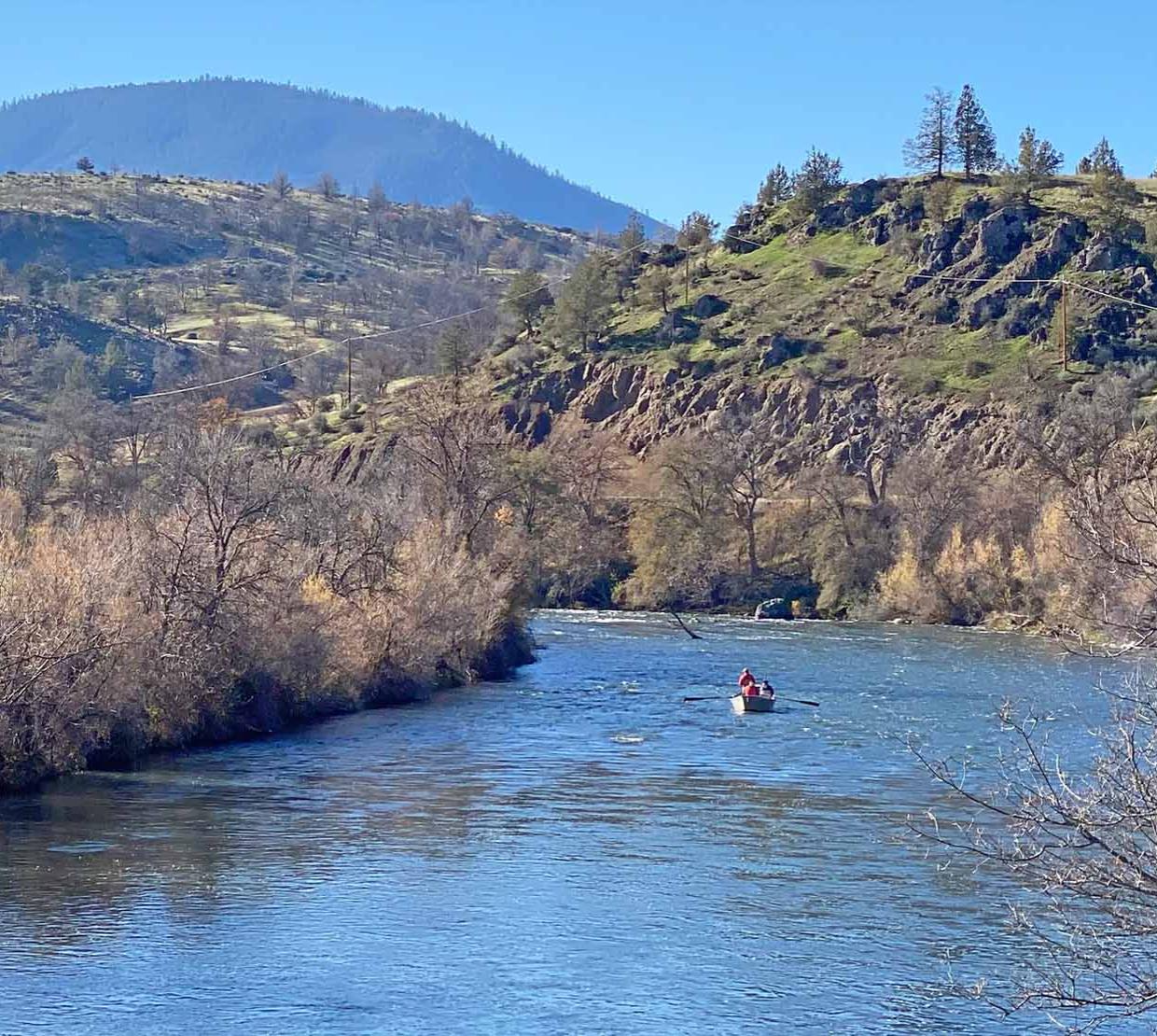
Oregon State partnering with Yurok Tribe to envision Klamath River after dam removal

By Steve Lundeberg

Oregon State University researchers will embark in July on a 3½-year partnership with the Yurok Tribe to study what the connections between river quality, water use and the aquatic food web will look like after four Klamath River dams are dismantled.

In addition to the Yurok Tribe, the interdisciplinary OSU collaboration will include project leader Desiree Tullos, professor of water resource engineering, and Julie Alexander from the Department of Microbiology. “We want to fill in gaps in the Western science as well as gaps in how we make equitable decisions based on both ecological science and Indigenous knowledge,” said Tullos.

The joint project with the Yurok Tribe is the first attempt to represent tribal knowledge in decision processes in the Klamath Basin.

The Federal Energy Regulatory Commission along with the utility PacifiCorp and the states of California and Oregon are poised to sign off on the removal of the lower four dams on the Klamath River: the J.C. Boyle Dam in Oregon and the Copco 1, Copco 2 and Iron Gate dams in California.

The decommissioning effort, among whose goals are improving water quality and fish habitat, includes restoration of 2,000 acres currently inundated by the hydroelectric dams, which were built between 1918 and 1962 and provide power through PacifiCorp. Dam removal work is likely to begin in a year.

An $870,000 award from Oregon Sea Grant is funding the work, which builds on a one-year project that Sea Grant sponsored in 2021. One outcome of the earlier study was the creation of a comprehensive, visually-based website titled “Resilience and Connectivity in the Klamath River Basin Prior to, During, and After Dam Removal.”

“We see this new project as a pathway for how science and tribal culture intersect and bridge the gap to a more robust river management to support future generations,” said DJ Bandrowski of the Yurok Fisheries Department.

Read the full story here.

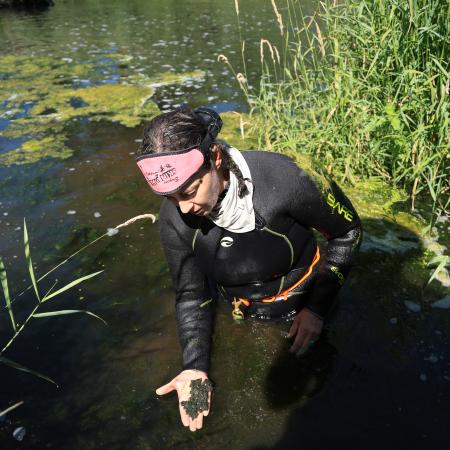
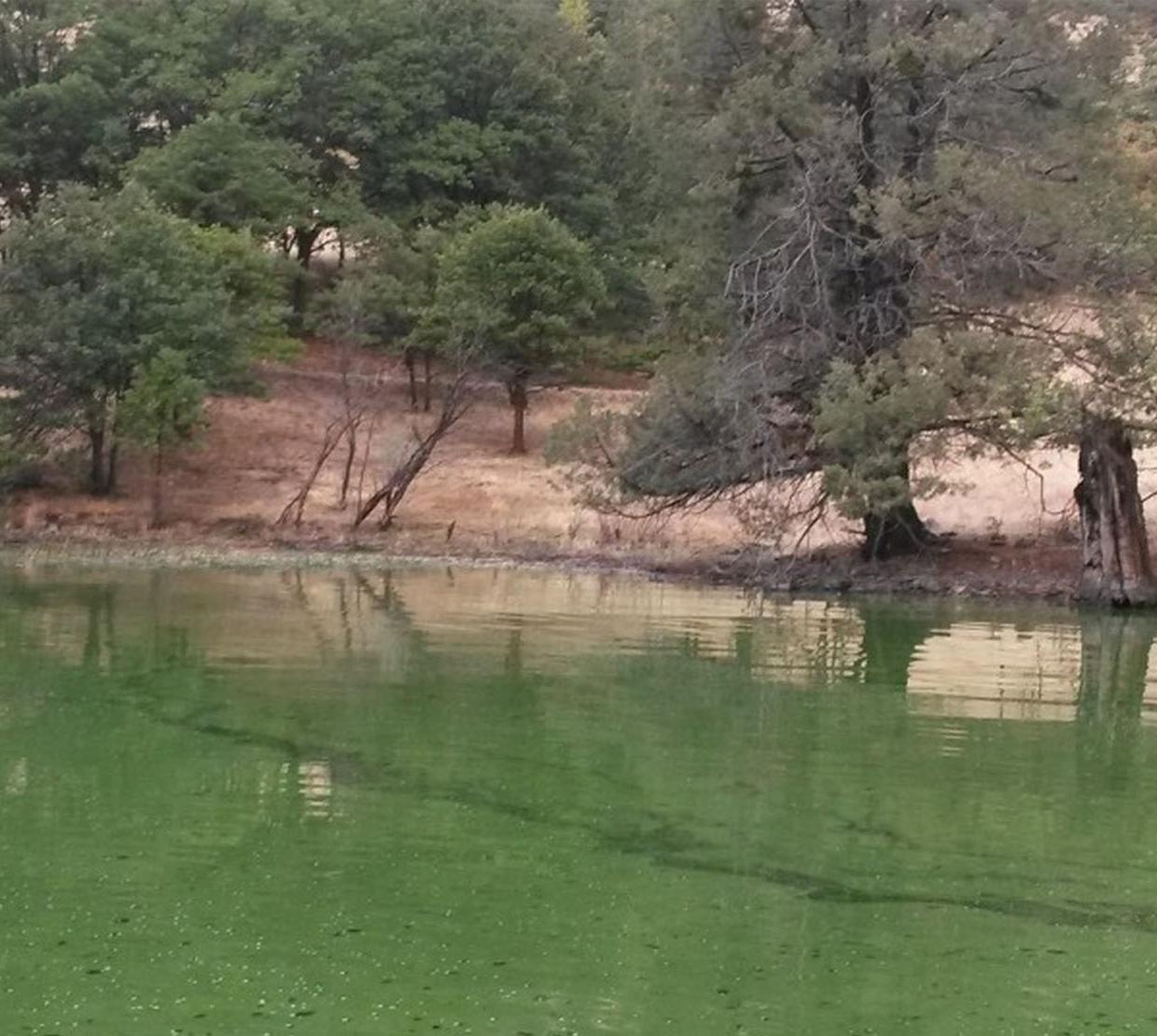
Photo of water full of algae blooms

Microbiology research clarifies hazards posed by harmful algal blooms

By Steve Lundeberg

Research by Oregon State University has shed new light on the hazards associated with harmful algal blooms such as one four years ago that fouled drinking water in Oregon’s capital city of Salem.

The study led by Theo Dreher, emeritus professor of microbiology, involved sampling of cyanobacterial blooms from 10 Oregon lakes including Detroit Reservoir, which provides drinking water for Salem. Ryan Mueller, associate professor of microbiology, also participated in the study.

Genome sequencing and toxin analyses enabled Dreher and collaborators in the OSU Colleges of Science and Agricultural Sciences to identify the precise types of toxins produced by specific organisms.

“This information is important for protecting public health, both with regard to consumption of drinking water and exposure to toxins through recreation on lakes,” Dreher said. “Two toxin-producing Dolichospermum cyanobacteria were present in Detroit Reservoir, one producing a type of cylindrospermopsin and another producing an uncommon form of microcystin. Occurrences of toxins had been known previously, but now we know the precise toxin types and the organisms making them.”

Cyanobacteria, often referred to as blue-green algae, are microscopic organisms ubiquitous in all types of water around the globe. They use sunlight to make their own food and in warm, nutrient-rich environments and can quickly multiply, resulting in blooms that spread across the water’s surface.

These harmful algal blooms, often abbreviated to HABs and which are of concern when visible in lake water, can form at any time of the year but most often between spring and fall.

In 2007 a national survey by the Environmental Protection Agency found microcystin, a recognized liver toxin and potential liver carcinogen, in one out of every three lakes that were sampled. Some strains of cyanobacteria can also produce neurotoxins, while most of the toxin-producing algae can cause gastrointestinal illness and acute skin rashes.

Among the 10 bodies of water surveyed, toxigenic Dolichospermum cyanobacteria caused blooms in four of them: Detroit Reservoir and Odell Lake in the Cascades, Lake Billy Chinook (Metolius Arm) in central Oregon and Junipers Reservoir, a private reservoir west of Lakeview in southern Oregon.

Dreher notes that the Salem scare, along with the death of more than 30 steers from drinking cyanotoxin from Junipers Reservoir in June 2017, raised awareness of the hazards of cyanobacterial blooms in the state. The Oregon Legislature has since provided funding to the Department of Environmental Quality in an effort to improve the state’s ability to detect blooms and respond to them, he said.

If a person or a pet comes in contact with water that may contain harmful bacteria, the Centers for Disease Control and Prevention advises immediate rinsing with fresh water. Dogs should not be allowed to lick the contaminated water off their fur, the CDC adds, and a veterinarian should be called right away.

Read the full story here

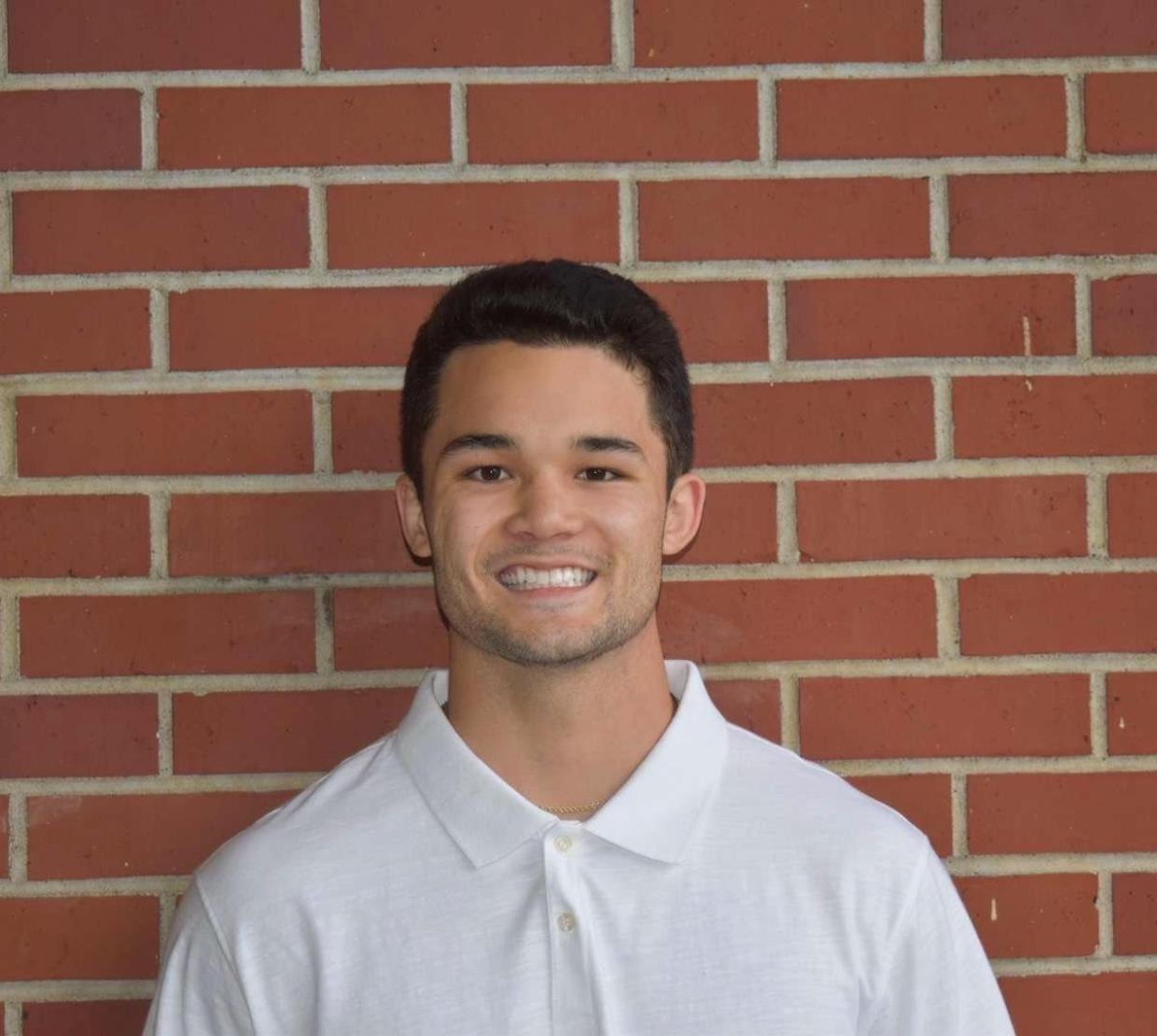
Cody Fretwell smiling in front of a brick wall.

BioHealth sciences senior pivots to medical device sales to ‘help patients breathe that much easier’

By Grace Peterman

Cody Fretwell found the BioHealth Sciences (BHS) major by accident. “I signed up for the biology major during orientation, but when it came time to register for classes, I somehow ended up with all the BHS kids,” he said.

At that point, his career goal was to become a physician’s assistant (PA), and he saw that BHS had the Pre-PA academic option. This option is designed to meet most or all of the requirements for admission to PA programs across the U.S. and includes the opportunity to interact with medical and industry professionals to gain hands-on experience and skills and to explore potential career paths through job shadowing.

Fretwell decided to switch majors from biology to biohealth sciences with the pre-PA option. Four years later, Fretwell is happy with his decision. “I’ve enjoyed a lot of the classes specific to my major, focusing more on the human aspects of biology.”

While BHS gave him a great foundation for a career in healthcare, Fretwell decided to drop the Pre-PA option in the fall of his junior year when he discovered a greater career dream: medical device sales.

A foundational commitment to healthcare

Early on, a significant event in his family put Fretwell on the path to healthcare. When he was going into 8th grade, Fretwell’s twin sister was struck by a car while walking on a sidewalk with a friend. She was life-flighted [airlifted] to Oregon Health and Science University Hospital (OHSU) for emergency brain surgery. Hardworking medical professionals saved her life and changed Fretwell’s, too.

“She had to get a part of her skull removed to help with the swelling,” he said. “When they put it back on, they added a metal plate. A family friend of ours in the room at the time actually worked for the company that sells that metal plate.”

Although it would be a few years before Fretwell considered medical device sales as a career, his commitment to healthcare was solidified in that moment.

“Learning how my sister’s brain worked, how the surgery would affect her long and short term, and what we could do to help her recover best, it sparked something in me,” he said. “The neurosurgeons in the ICU and the rehabilitation people were all so intelligent and kind. I aspired to be like them.”

Thanks to their hard work and the support of her family, Fretwell’s twin sister made an amazing recovery and graduated from college this spring. “If you looked at her or talked to her, you would have no clue it ever happened,” he said.

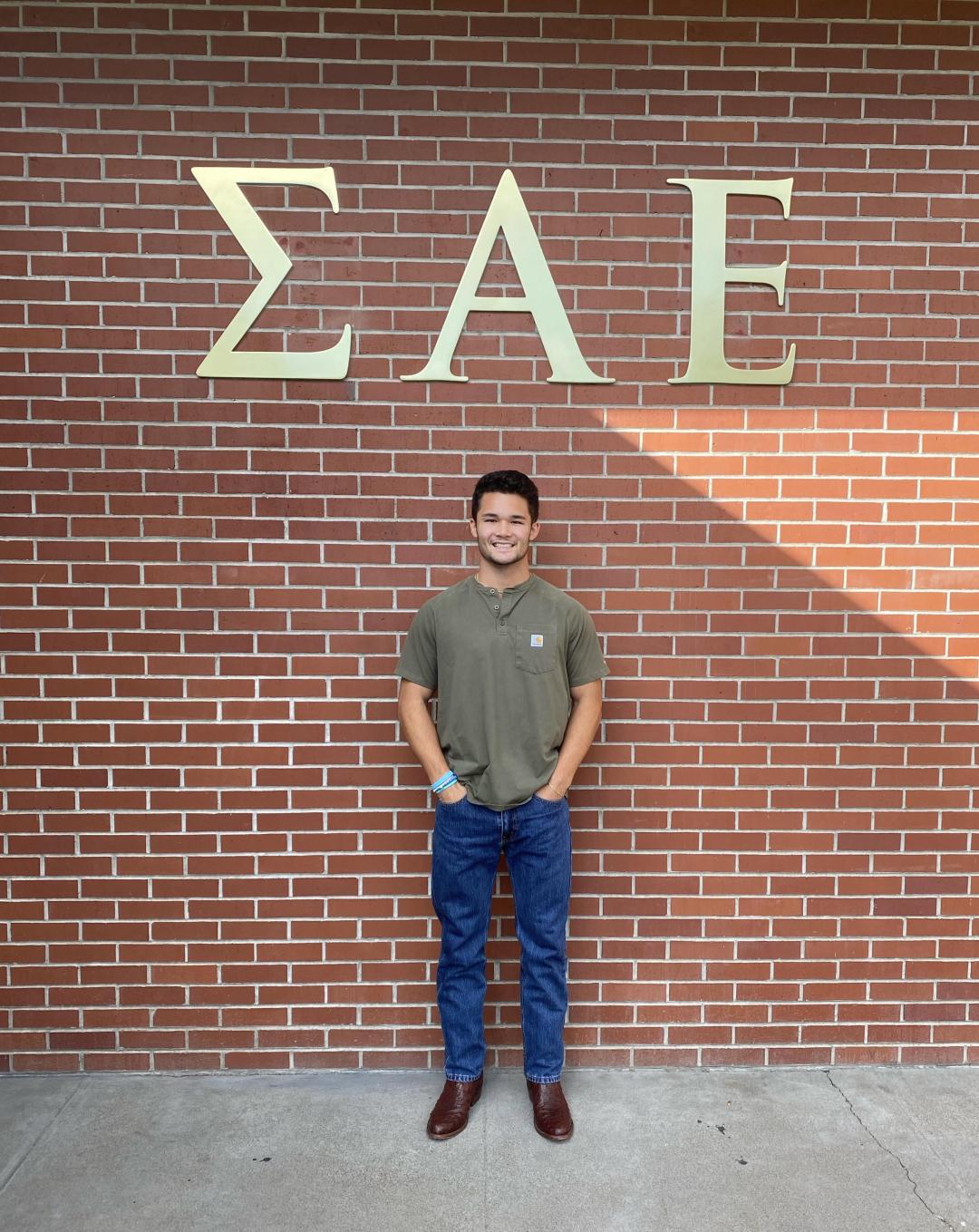
Young man standing in front of a wall with fraternity letters Sigma Alpha Epsilon

During the pandemic, Fretwell stepped in as president of his fraternity, which taught him key skills he can apply to his career. “It is essentially like running a business. I have an executive team, I have meetings, and I have to pay attention to the needs and desires of 125 college guys. It taught me to prioritize tasks, to check off one thing at a time, to delegate, to network and build relationships.”

Returning to the operating room

Coming to OSU, Fretwell was driven to make a difference in the lives of patients. As a BHS major, he pursued an interdisciplinary course of study that combined a strong foundation in biological science with its application to human health and society. He found excellent professors who proved that compassion in healthcare extends to education.

“One of my favorite courses was microbiology, specifically because of the labs and because of Allison Evans. I love her. She is the nicest human being I’ve ever met. She genuinely cares about you,” Fretwell said.

“It was the same way in anatomy with Lori Kayes. If you took time to go to the office hours, she knew your name. Putting in the effort to do that, shows that you really care.”

Being a BHS major also introduced him to some of his favorite courses. “I really enjoyed Mechanisms of Disease [BHS 329] and Microbial Influences on Human Health [BHS 323]. I wouldn’t have taken those classes if I wasn’t a BHS major.”

The summer before junior year, Fretwell shadowed a PA at OHSU as part of his BHS academic option. He returned to the hospital where his sister had undergone surgery, but this time, he got to be in the operating room.

“It was the best feeling I’ve ever had in my entire life. I thought, ‘Ok, this is what I want to do for the rest of my life.’”

“I had the opportunity to ‘scrub in,’ and the surgery I got to watch was absolutely incredible.” Fretwell observed a procedure where a patient’s mandible was removed, and a piece from their fibula was used to replace it. “It was the coolest thing I’ve ever seen,” he said.

He paid particular attention to role of the medical device representatives, or reps, who were present there in the OR. “The part that they used to set up the saw and make cuts was sold by a company whose rep told the surgeon how to set it up and what tool to use.”

When it came time to insert plates, the medical device rep presented the surgeons with options: a custom 3D printed piece, or a metal piece that was molded to fit specifically for that patient. “The surgeon chooses, and the device rep explains that with this piece you use these screws, and so on.”

After the surgery, Fretwell walked out of the OR with the surgical team. “On our way out of the door, someone stopped us and said, ‘Thank you so much, you made a difference in someone’s life today.’” This chance expression of gratitude from a stranger moved him. “It was the best feeling I’ve ever had in my entire life. I thought, ‘Ok, this is what I want to do for the rest of my life.’”

At that point, Fretwell had a decision to make: stay on the pre-PA path, or start preparing for a career in medical device sales. After talking to family and friends in the medical field and to his advisor Tiffany Bolman, who had previously worked in the industry, he decided to make the switch.

The diversity of medical devices used to assist in surgery inspires him. “I’ve heard that there’s movement, you can go from cardiac to neuro to spinal, if you want to. You just need to get trained in what devices are sold for each of those different things.”

Down the line, he plans to participate in research and development as well as sales. “My ultimate goal, would be to contribute to developing a new device,” he said.

“My goal with medical device sales is to enhance someone’s quality of life, so they can breathe that much easier.”

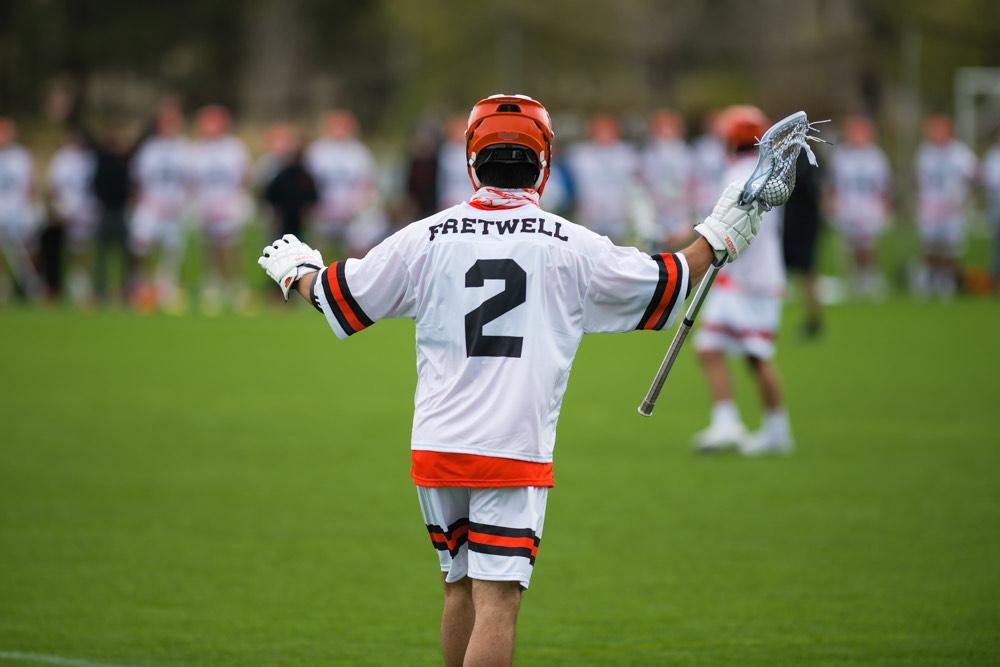
The back of a lacrosse player wearing a jersey with the number 2.

Fretwell played lacrosse while at Oregon State. “I loved traveling and going to sporting events all over the country.”

Finding balance and brotherhood

As he embarks on this exciting new career path, Fretwell reflects on his experiences as a science student. Success looks different from what he pictured at first.

“Freshman year, I struggled,” Fretwell said. “I went to the library every day and got help from TAs, but I had no social life.”

It took some time for him to realize endless hours in the library weren’t his recipe for success. “Your brain can only take so much,” he said. “I finally started to do well, once I learned how to properly study and find a balance.”

Initially intimidated by office hours, Fretwell overcame that with his family’s support. “It took multiple calls to my mom, and her telling me to get my butt into office hours. Once I actually did it, I found out that professors do want to help.”

Fretwell also joined a fraternity and found older friends who were in the same major with the same option. “They would sit me down and tutor me. I didn’t really think I wanted or needed tutoring at all, but it was huge.”

During the pandemic, he stepped in as fraternity president, which taught him key skills he can apply to his career.

“It is essentially like running a business. I have an executive team, I have meetings, and I have to pay attention to the needs and desires of 125 college guys. It taught me to prioritize tasks, to check off one thing at a time, to delegate, to network and build relationships.”

As he gets ready to graduate, Fretwell says he’ll miss the science student experience of bonding over homework together, making learning communal and fun.

“As odd as it sounds, I’ll miss the late-night study sessions at the library, where you just sit down at a white board and try to come up with silly names to try and remember stuff. You’re working hard, but it doesn’t feel like it because you’re having fun at the same time.”

Fretwell will carry that enthusiasm and creativity into the next phase of his career, which will involve interviewing and networking to land an internship or associate position and getting a few years of experience to work his way to a device rep position.

Remembering the gratitude he’s felt on both sides of surgery keeps Fretwell motivated. His personal philosophy for his career comes from a Ralph Waldo Emerson quote that one of his high school instructors gave him: “To know even one life has breathed easier because you have lived. This is to have succeeded.”

“My goal with medical device sales,” he said, “is to enhance someone’s quality of life, so they can breathe that much easier.”

Subscribe to Microbiology