Climate and Oceans

Climate and Oceans

Cloud formation above mountain range

Microbiologist pierces riddle of why clouds form

By Tim Radford

Cloud formations and the science behind them

Distinguished Professor of Microbiology Stephen Giovannoni is the lead author of a new study in the journal Nature Microbiology that reveals how a certain class of microbes can regulate atmospheric temperatures and help in the formation of clouds over the world's oceans.

These vital cogs in the planetary machine are astonishingly prevalent and utterly invisible and they traffic in potent chemicals on an unbelievable scale. They make the dimethyl sulphide molecules that waft skywards to provide nuclei around which cloud droplets form.

When the sun shines brightly they get to work, and the gas they produce then makes aerosols that seed clouds which reflect sunlight and damp down the planetary temperatures again.

What the research team, led by Steve Giovannoni, and others has established is the evolutionary box of tricks that makes planetary chemistry on such a prodigious scale possible.

Marine phytoplankton make a compound called dimethyl-sulfoproprionate or DMSP. They make it on a massive scale: an estimated 10 billion metric tons of the stuff each year.

When the skies are clear, the tiny microbial plants flourish to photosynthesize even more of the compound. And then an important group of Pelagibacterales microbes moves in to take the chemical and cleave it, to release two gases.

This work is part of the North Atlantic Aerosols and Marine Ecosystem Study, funded by NASA, and other agencies. Collaborators were from OSU, the University of East Anglia in the United Kingdom, Louisiana State University, the Plymouth Marine Laboratory in the United Kingdom, the Qingdao Aquarium in China, and the Pacific Northwest National Laboratory.

Read the complete article at Climate News Network, Eureka Alert, or on OSU's website.

ocean wave forming

Tiny ocean bacteria alter climate gases to regulate atmosphere

By Dave Stauth

SAR11, the most abundant plankton in the world’s oceans, are pumping out massive amounts of two sulfur gases that play important roles in stabilizing the Earth’s atmosphere, researchers announced in the journal Nature Microbiology.

"Everyone knows these gases by their smells," said Steve Giovannoni, a distinguished professor of microbiology in the College of Science, and corresponding author of the study.

“One of these compounds – dimethylsulfide, or DMS - we recognize as the smell of the sea. The other gas - methanethiol - makes us think of leaking gas lines. In the atmosphere, dimethylsulfide oxidizes to sulfuric acid, which some scientists think can seed cloud formation and alter heating of the Earth.”

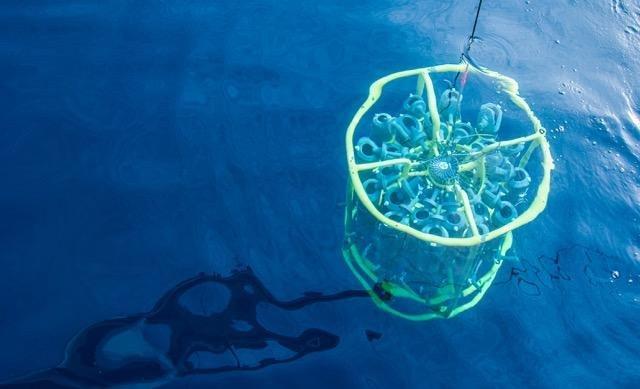
Samples of SAR11 being pulled up from ocean

Samples of SAR11 being collected off the coast of Bermuda. Photo credit: Ben Temperton

What is most interesting, the scientists noted, is that the newly discovered metabolic circuit is hardwired into cells. Normally, cells turn genes on and off as they are needed, but the newly discovered circuits for sulfur gas production by SAR11 are on all the time.

"That doesn't mean the cells are always producing the gases," said Giovannoni. “But they are always ready if algae in the surrounding water make DMSP, a compound that the SAR11 cells harvest for energy, releasing sulfur gases as waste products.”

Many types of gaseous fumes emerge from the ocean, such as formaldehyde, acetone and methanol, according to Giovannoni. However, researchers were very surprised that the cells produced both DMS and methanethiol. The DMS is made by a newly discovered gene, according to the study, and it was completely unexpected. While the authors knew the cells could make methanethiol internally, they did not expect it to be released in large quantities.

Read the complete story.


Read more stories about: microbiology, climate and oceans, research


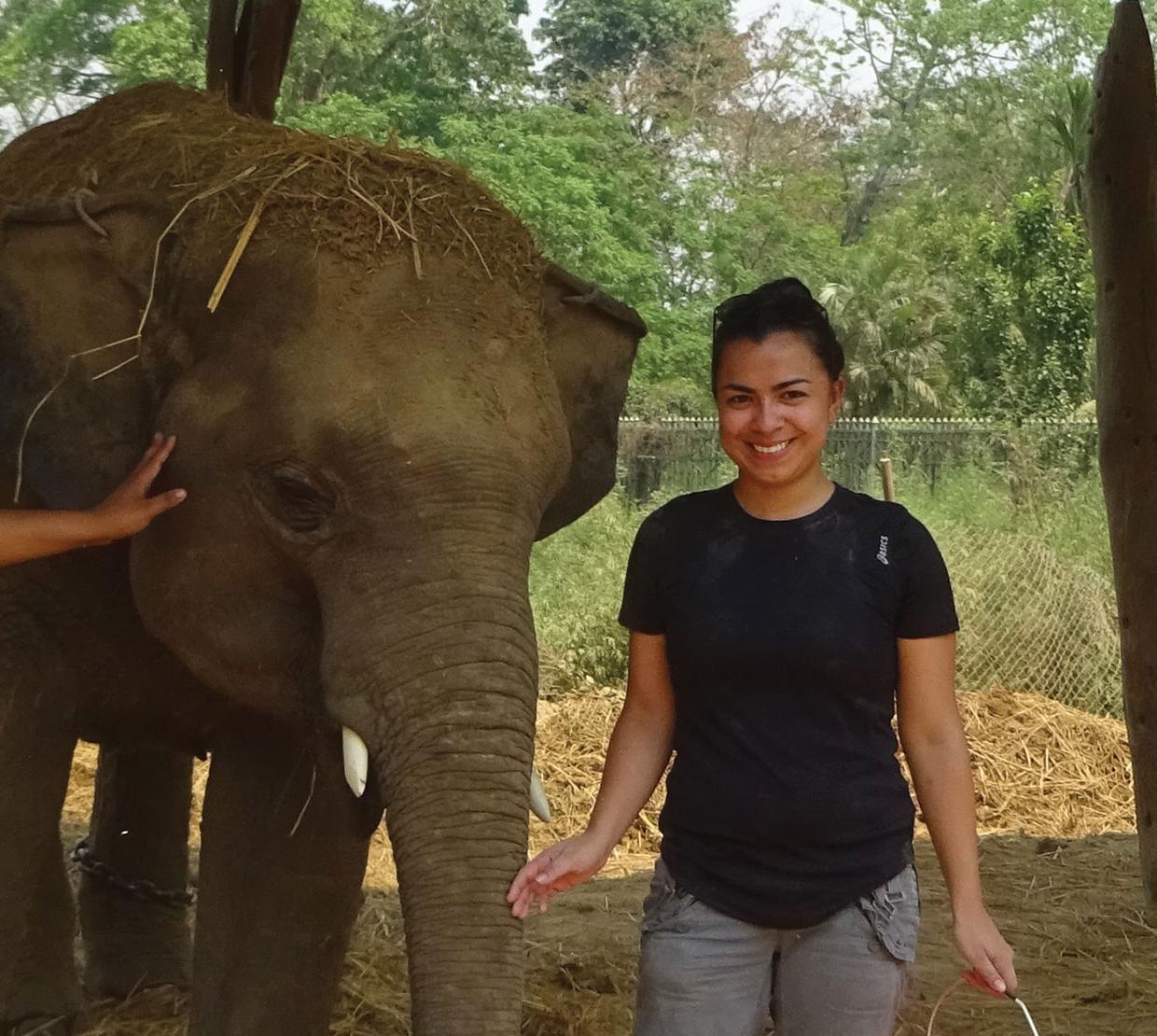
Stephanie Rosales feeding an elephant

NSF Graduate Fellow Goes to Nepal

By Srila Nayak

Stephanie Rosales, microbiology doctoral student

Microbiology doctoral student Stephanie Rosales is spending two months in Nepal (March-April 2016) on an NSF Graduate Research Internship Program (GRIP). This program is exclusively for recipients of the prestigious and competitive NSF Graduate Research Fellowship Program award, which Rosales received four years ago. GRIP provides professional development to NSF Fellows through mission related research experiences with federal agencies.

Rosales received training at the Smithsonian Institute in protocols for testing and diagnosing the herpesvirus in elephants. She will visit Chitwan National Park to examine trunk wash samples from elephants to identify possible cases of the herpes virus and then conduct laboratory research in Kathmandu.

"I am a wildlife enthusiast and I really enjoy trying to understand diseases in large animals, especially the ones caused by viruses," said Rosales.

According to USDA, elephant herpesvirus is a growing threat to the health of captive Asian elephants and if left untreated the infection will result in death within one week of the onset of symptoms. Read Rosales' blog on her experiences in Nepal.

Arriving from Guatemala at the age of three, Rosales has overcome many personal and economic struggles on her path to higher education. When she was 20, Rosales was about to be deported when a kindly judge in Florida halted her deportation so that she would be able to continue her studies. Fortunately for Rosales and her family, her parents too were granted amnesty because they have a son who was born in the United States and was a minor at the time.

"I didn't have my papers until I was in my early twenties. I never qualified for financial aid or loans. So I had to work and pay for college. My parents were just making enough to support themselves," said Rosales, who was initially enrolled in a community college in Miami-Dade.

Rosales was subsequently able to gain legal status, which opened up a new world of educational opportunities for her. She received financial aid and was able to secure educational loans that helped her to transfer to Florida International University (FIU) where she majored in marine biology.

A first-generation college graduate, Rosales has come into her own as a scientist. She recently published a paper, along with her advisor, Rebecca Vega Thurber, proving that the puzzling and widely covered 2009 deaths of seven harbor seals in California was related to the presence of high levels of the bacterial pathogen Burkholderia that was found in the brains of the seals. Rosales employed metatranscriptomics (a method that enables researchers to explore microbial interactions by studying their ribosomal and messenger RNA) to establish her findings.

For the final stage of her research, Rosales hopes to determine how exactly Burkholderia caused the deaths of the seals. She is studying the genes of the animals to determine if the bacteria transformed them causing a fatal metabolic disorder.

Rosales observes that her evolution as a scientist would not have been the same without her advisor's support and mentorship. Rosales' close association with her advisor, microbiology assistant professor Vega Thurber dates back to her undergraduate days at FIU. After arriving at FIU, Rosales became the first undergraduate researcher in Vega Thurber's lab, who was a young biology professor there.

When Vega Thurber moved to Oregon State, she was joined by Rosales, who had completed her undergraduate degree and planned to extend her research in marine biology. "I became her lab tech, her lab manager and eventually her doctoral student," laughs Rosales.

Reflecting on her career in science and her accomplishments, Rosales said she is grateful to her parents and her advisor who have always supported her career. "My journey has been the result of a lot of hard work and having good people around me."

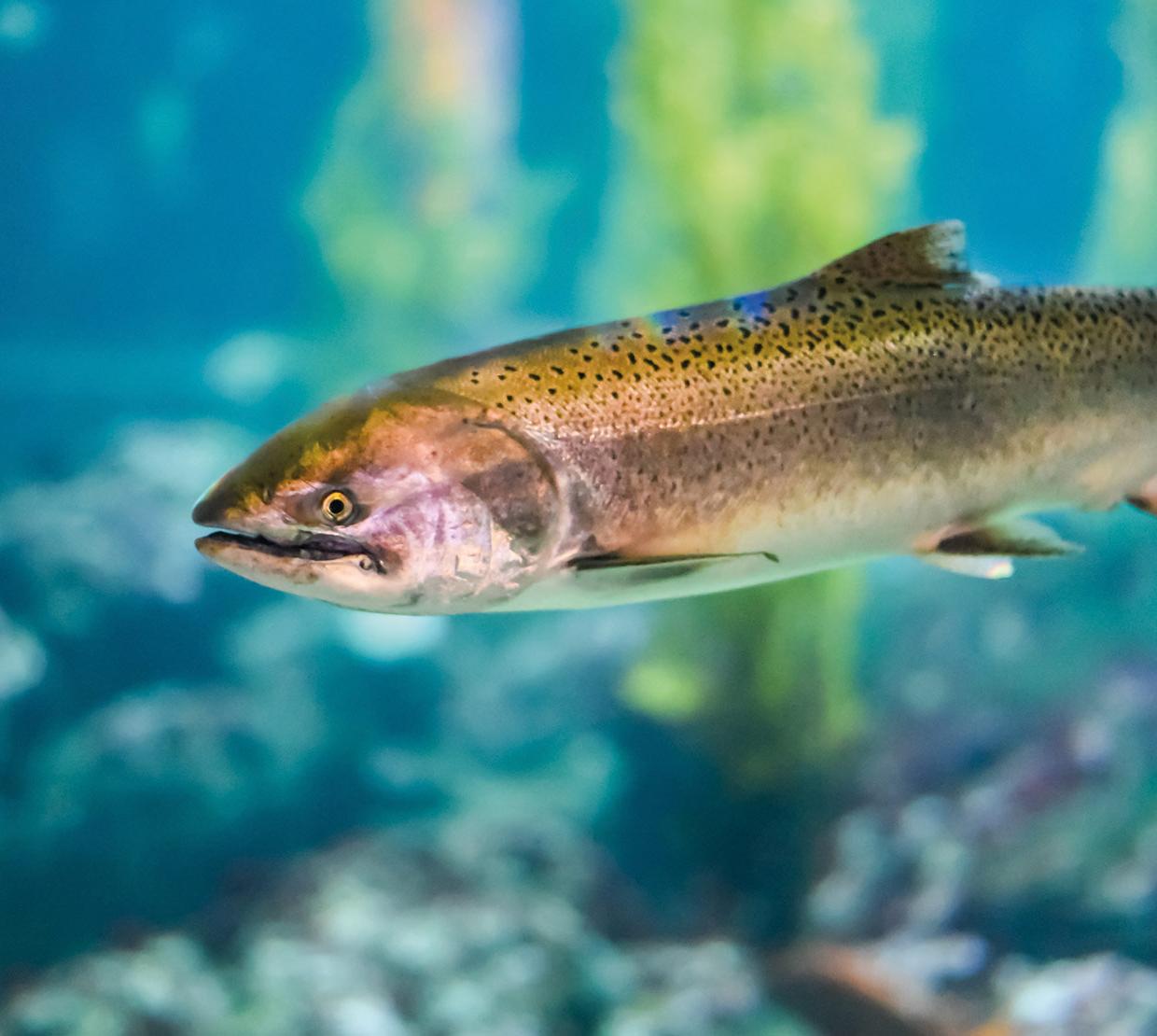
steelhead trout swimming through shallow creek

Discover: Research Highlights

steelhead trout

The College of Science has an extensive and deep research portfolio that is globally recognized, providing our students enriching and life-changing experiences working alongside leading scientists and researchers in the College.

Our Faculty and Researchers

Marine biologists Jane Lubchenco and Kirsten Grorud-Colvert are important voices in the international ocean conservation community. Lubchenco, who is the U.S. State Department’s science envoy on ocean policy issues and former NOAA Administrator, and integrative biology assistant professor, Grorud-Colvert, published a paper in the journal Science—one of the world’s top academic journals. The paper, “Making waves: The science and politics of ocean protection” calls for greater ocean protection to preserve fish stocks and to ensure the use of oceans in a sustainable fashion.

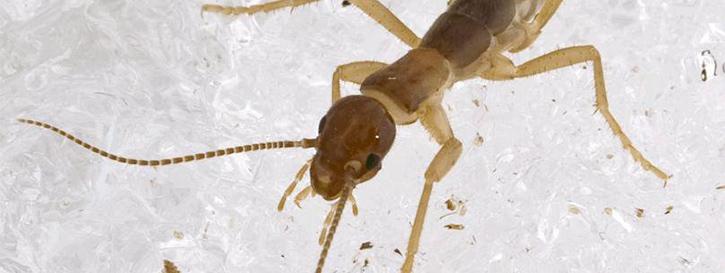
Ice crawler close up picture

Entomologists Chris Marshall and David Lytle recently discovered a new insect species on Mary’s Peak that appears to live nowhere else in the world. In honor of the Oregon geography, they named the inch-long arthropod Grylloblatta chintimini, the Kalapuya Indian name for Mary’s Peak. The insect is a distant relative of crickets, cockroaches and earwigs.

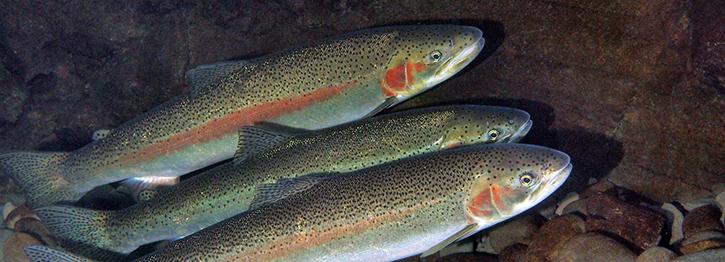
Steelheads swimming in creek

Integrative Biology professor Michael Blouin’s study found that steelhead trout bred in hatcheries are genetically impaired and their offspring will also have poor reproductive fitness. In a second study, Blouin found DNA evidence that salmon hatcheries cause substantial, rapid genetic changes after just one generation of adapting to hatchery culture.

Biochemist Tory Hagen’s research shows that aging syndromes occur due to a breakdown in genetic communication, in which a protein regulator of stress resistance declines with age.

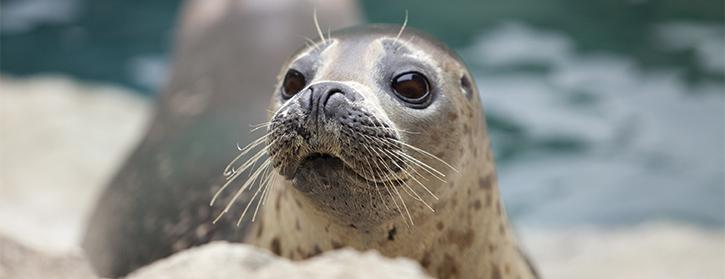
Seal playing in zoo exhibit

Microbiology doctoral student Stephanie Rosales and assistant professor Rebecca Vega Thurber’s research, made with a powerful investigative method called “meta-transcriptomics,” has proven that a bacterial infection rather than a viral disease killed seven harbor seals on the California coast in 2009.

Professor of biochemistry and biophysics, Joseph Beckman’s trailblazing research has advanced the search for a therapy for amyotrophic lateral sclerosis (ALS), a debilitating and fatal disease. Using a mouse model, Beckman was able to halt the progressions of ALS for nearly two years—allowing the mice to approach their normal lifespan. The findings are some of the most compelling ever produced in the search for a therapy for ALS, according to the scientists.

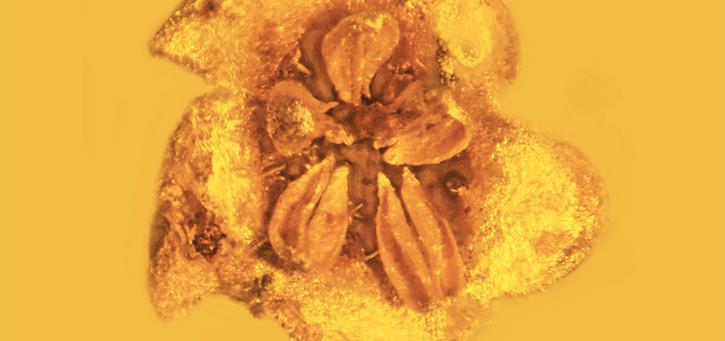
Fossilized flower

George Poinar, Jr., emeritus professor in the Department of Integrative Biology has discovered a 20-30 million years old flower encased in amber—fossilized tree sap—that is the source of poisons strychnine and curare. The perfectly preserved flower was dug out of the side of a mountain in the Dominican Republic. On February 15, 2016, Poinars discovery was listed as the most popular science story in the world on Google news and appeared in Time, Forbes, BBC, Reuters, UPI, and other websites.

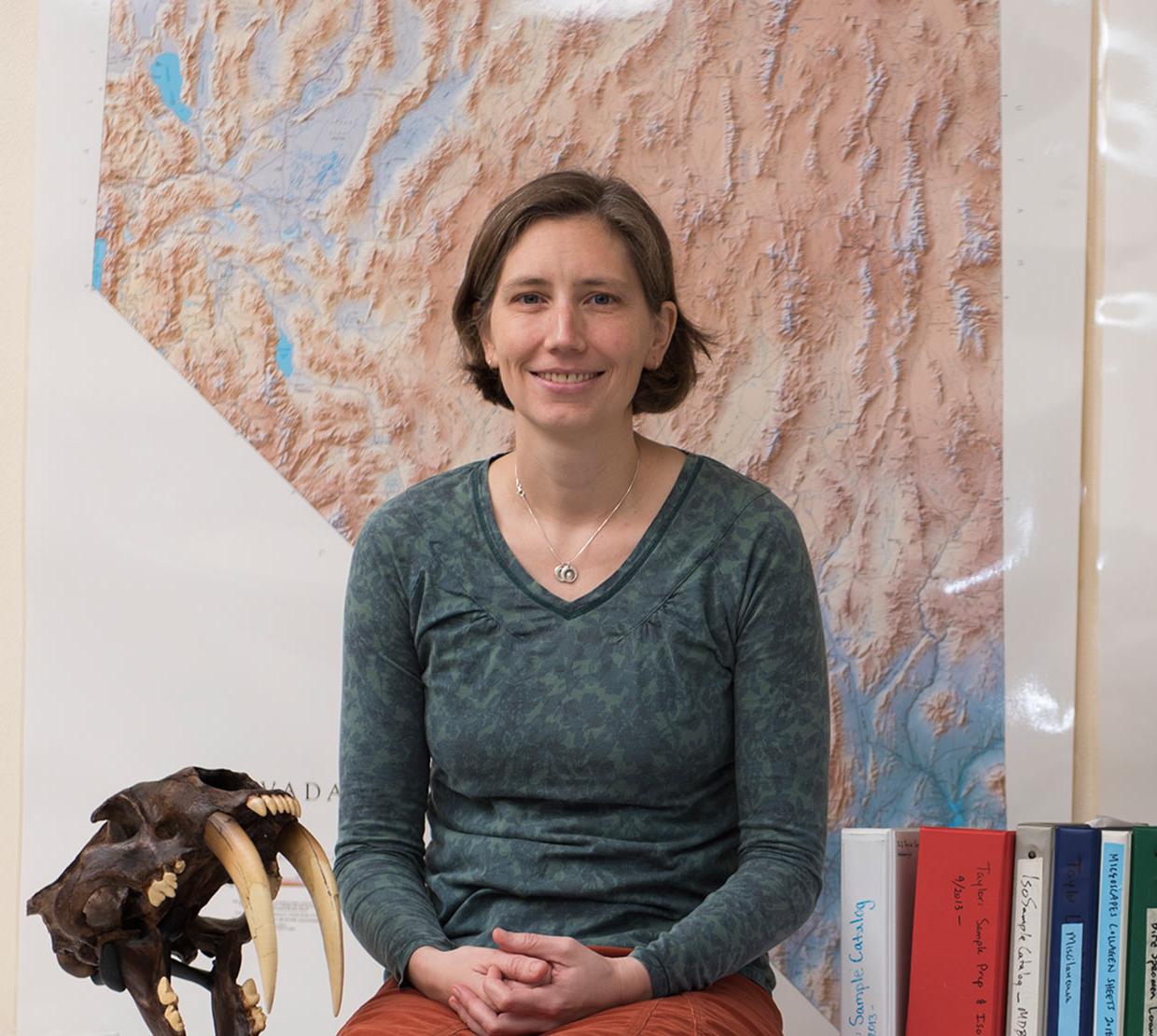
Rebecca Terry sitting in office space in front of map

Discover: Research Highlights

Rebecca Terry, integrative biology assistant professor discovered fossilized owl pellets in Utah

The College of Science has an extensive and deep research portfolio that is globally recognized, providing our students enriching and life-changing experiences working alongside leading scientists and researchers in the College.

Our Faculty and Researchers

George Poinar, Jr., emeritus professor in the Department of Integrative Biology recently discovered the oldest-ever evidence of the bubonic plague that has been locked away in a 20-million-year-old flea trapped in amber. He also discovered the first-ever fossil of an extinct species of salamander revealing that salamanders once lived on an island in the Caribbean Sea, something previously not known.

Stephanie Green, the David H. Smith Conservation Research Fellow in the Department of Integrative Biology, recently created quite a stir with her new study that suggests an outright ban on the common use of plastic “microbeads” from products that enter wastewater is the best way to protect water quality, wildlife, and resources used by people. The study was the number three science story in the world on September 18 on Google News.

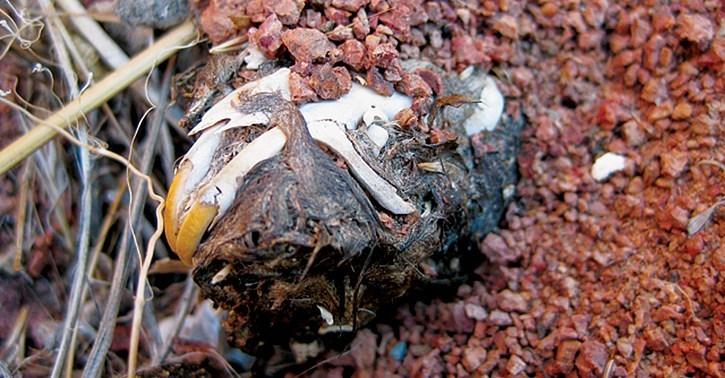
skull within owl pellet

Mammal bones are visible in this owl pellet, which is tangled in cheatgrass and buried in sediment. Credit: Rebecca Terry

Professor Jane Lubchenco and assistant professor Kirsten Grorud-Colvert of the Department of Integrative Biology published a policy article on ocean protection, “Making waves: The science and politics of ocean protection,” in the journal Science. The article recognizes the substantial strides the international community has made toward protecting the oceans, but says much more work remains to assure vital fish stocks and other resources will remain sustainable into the future.

Lubchenco delivered a similar message along with other OSU ecologists in an op-ed piece published in Nature Geoscience that argued scientific “business as usual” will fall far short of what is needed to achieve the 17 Sustainable Development Goals expected to be adopted by the United Nations General Assembly.

Rebecca Terry, integrative biology assistant professor discovered fossilized owl pellets in Utah when the earth went through a period of rapid warming about 13,000 years ago. The finding suggests that small mammal community was stable and resilient, indicating human activities have disturbed ecosystem resilience.

Microbiology professor Janine Trempy and her team have discovered, helped patent and commercialize a new type of dairy or food thickener, which may add probiotic characteristics to products.

Integrative Biology assistant professor Eli Meyer was part of a collaborative research study with scientists from the University of Texas at Austin and the Australian Institute of Marine Science that revealed some corals already have the genes to adapt to higher temperatures.

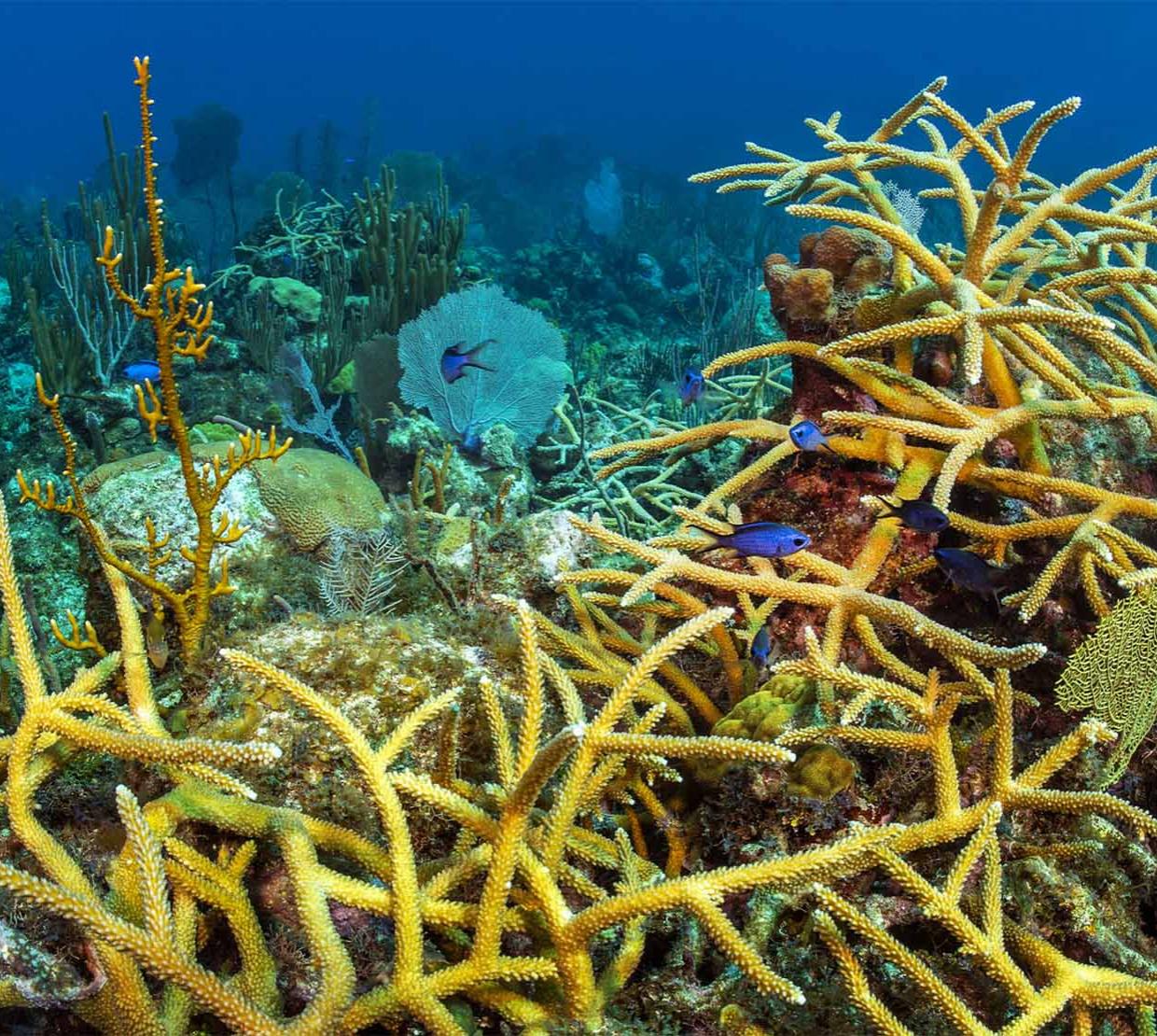
Coral reef filled with fish and wildlife.

Coral reefs in crisis

A parasitic bacterium saps energy from corals. The bacterium is the first member of a newly identified genus, and was discovered during a study at the Caribbean staghorn coral microbiome by OSU microbiologist Rebecca Vega Thurber and her colleagues.

Localized efforts to save coral reefs not enough

Findings by researchers at Oregon State University and the University of California, Santa Barbara were published today in Scientific Reports. Ocean habitats are increasingly under human-caused stress in the forms of pollution and global warming.

Saving Atlantis

If your mental image of coral reefs is one of lifeless rocky outcrops on the ocean floor, “Saving Atlantis” will correct that misconception. If your mental image of marine scientists is one of unfeeling, robot-like observers recording data without any sort of emotional involvement, “Saving Atlantis” will correct that, too. Oregon State University’s first feature-length documentary tells the story of the rapid decline of coral reefs around the world through the eyes of the people who depend on them and the scientists who are fighting to save them.

The 76-minute film, which will have its premiere in three free screenings over the next week (see box on Page A2 for details), takes a deep dive into the topic with compelling underwater photography that gives viewers a virtual tour of reefs around the world in places like Colombia, Saudi Arabia, Polynesia, Hawaii and Australia. Narrated by actor Peter Coyote, the award-winning voice of several Ken Burns documentaries, “Saving Atlantis” describes the life cycle of corals, small colonial organisms that live in equatorial regions and gradually build up massive undersea structures that, in turn, provide habitat for up to 25 percent of all marine species.

The film lays out some of the major threats to reefs, from overfishing and pollution to climate change and ocean acidification, and makes the potential impacts of the problem personal through interviews with fishermen, schoolchildren, indigenous elders and others whose lives are intimately intertwined with these vanishing ecosystems. The project began a little over three years ago with a research grant awarded to OSU microbiologist Rebecca Vega Thurber, an associate professor who studies coral diseases. She brought in Oregon State Productions, the university’s filmmaking arm, to make several short online videos about her work.

But the pace of coral bleaching events around the world was accelerating rapidly, and the team decided to produce a single long-form film to call attention to the problem.

“You can engage someone much more deeply at an hour or an hour and a half — it becomes an event,” said David Baker, who wrote the script for “Saving Atlantis” and co-directed the film with Justin Smith. “That might help spread the word about the changes that are taking place.” The situation is dire, according to Vega Thurber, who notes that more than half the world’s coral reefs have already been lost, a quarter of all coral species are threatened with extinction and once-rare mass bleaching events have become an annual phenomenon. “In the 2016 bleaching event, one-fourth of the Great Barrier Reef was lost,” she said.

Vega Thurber has been studying coral reefs since 2005, but she’s been around them all her life. Her family is from the Dominican Republic, where reefs are part of the natural environment. But in the Caribbean, as in other equatorial waters around the world, reefs are in deep trouble. “I’ve seen their destruction over the past 30 years,” she said. ”I’m really passionate about discovering what’s driving that and finding ways to save them.”

That passion comes through loud and clear in “Saving Atlantis,” not only from Vega Thurber but from a number of other researchers interviewed by the filmmakers. The result is a tone of urgency not often heard from academics. As a scientist, Vega Thurber admits she was a little nervous about being perceived as biased, but she believes the threat facing coral reefs warrants a clear call to action.

“It is very, very hard to work on coral reefs right now and not be emotionally affected by it, because we’re seeing our places die,” she said. “We’re supposed to be objective, and our science is objective,” she added. “But we’re kind of at a precipice right now. If we don’t do something really quickly, scientists who study coral reefs may be out of a job real soon.” In addition to three free screenings around the state tied to OSU’s 150th anniversary celebration, the documentary is slated to screen at two film festivals. The filmmakers are also trying to get Oregon Public Broadcasting to air the movie and are hoping to land a distribution deal.

If those efforts are successful, it could lead to more full-length films from Oregon State Productions in the future. “We certainly hope so,” Smith said. “We’ve got some ideas floating around in our heads. If we could drum up the cash, we’d certainly do it.”

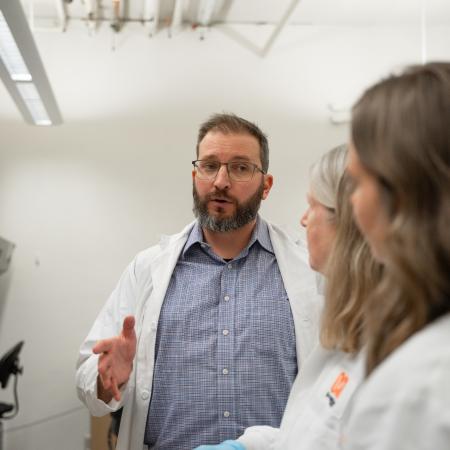
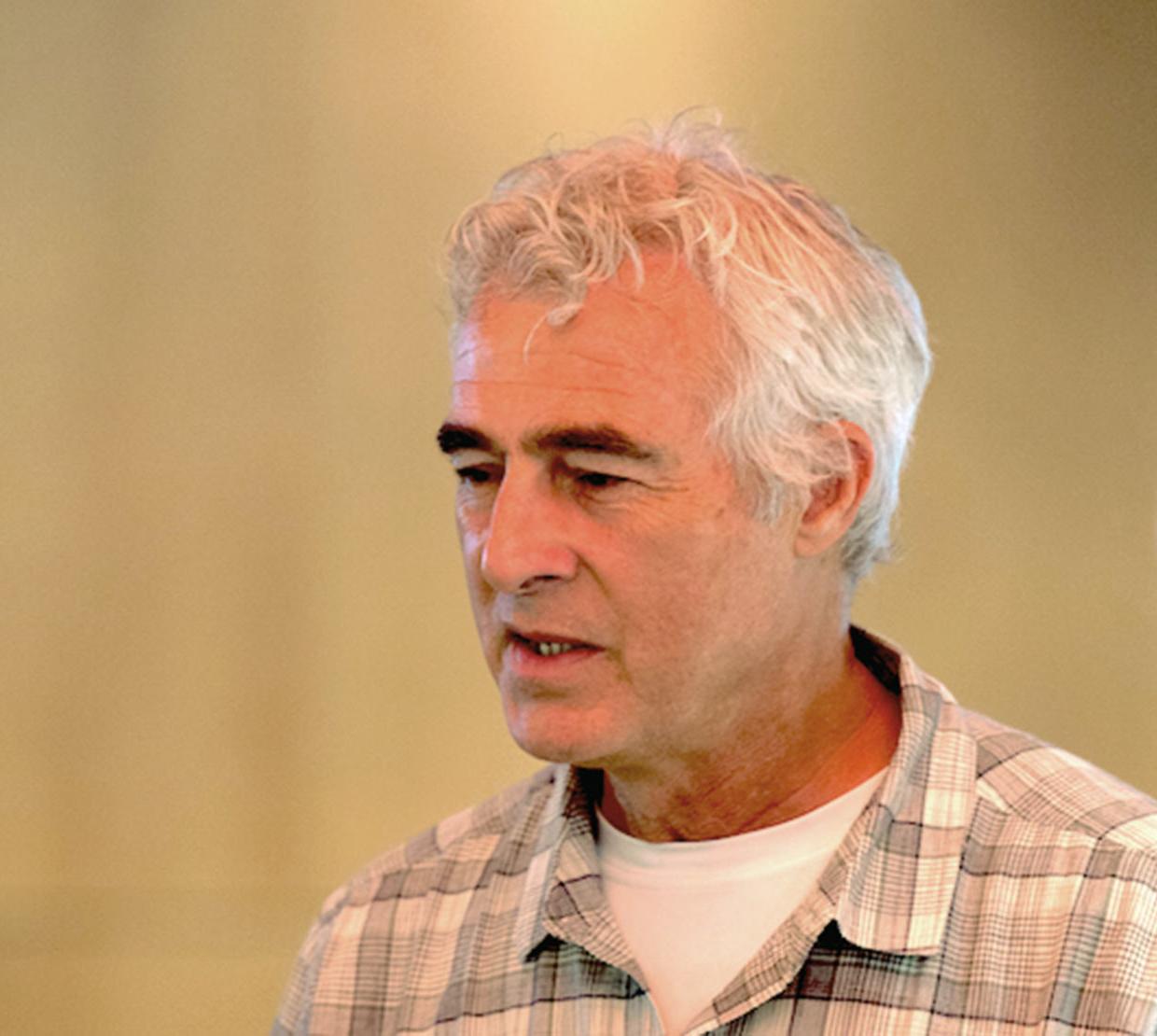
Stephen Giovannoni sitting in lobby

Rethinking the marine carbon cycle

Stephen Giovannoni, published scientist

Professor Stephen Giovannoni's latest research in Science magazine underscores the need to rethink the marine carbon cycle and factor in diverse lifestyles of microbes. Translating the biology of cells into processes at global scales can bring the conceptual framework of systems biology into bigger “ecosystems biology” framework.

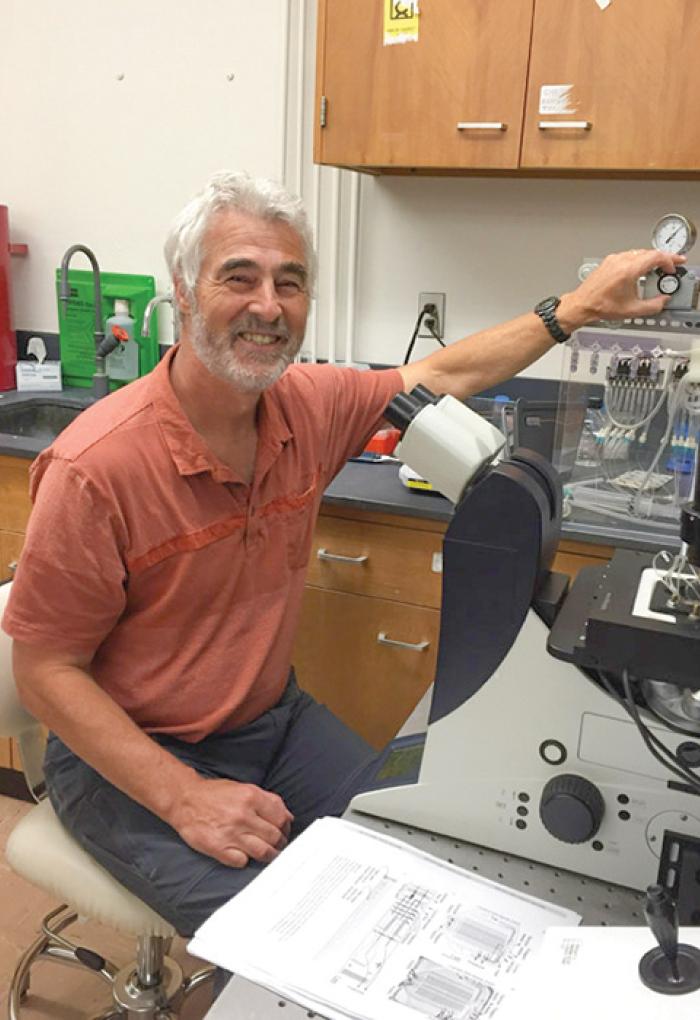
Stephen Giovannoni working in his lab

Distinguished Professor Stephen Giovannoni

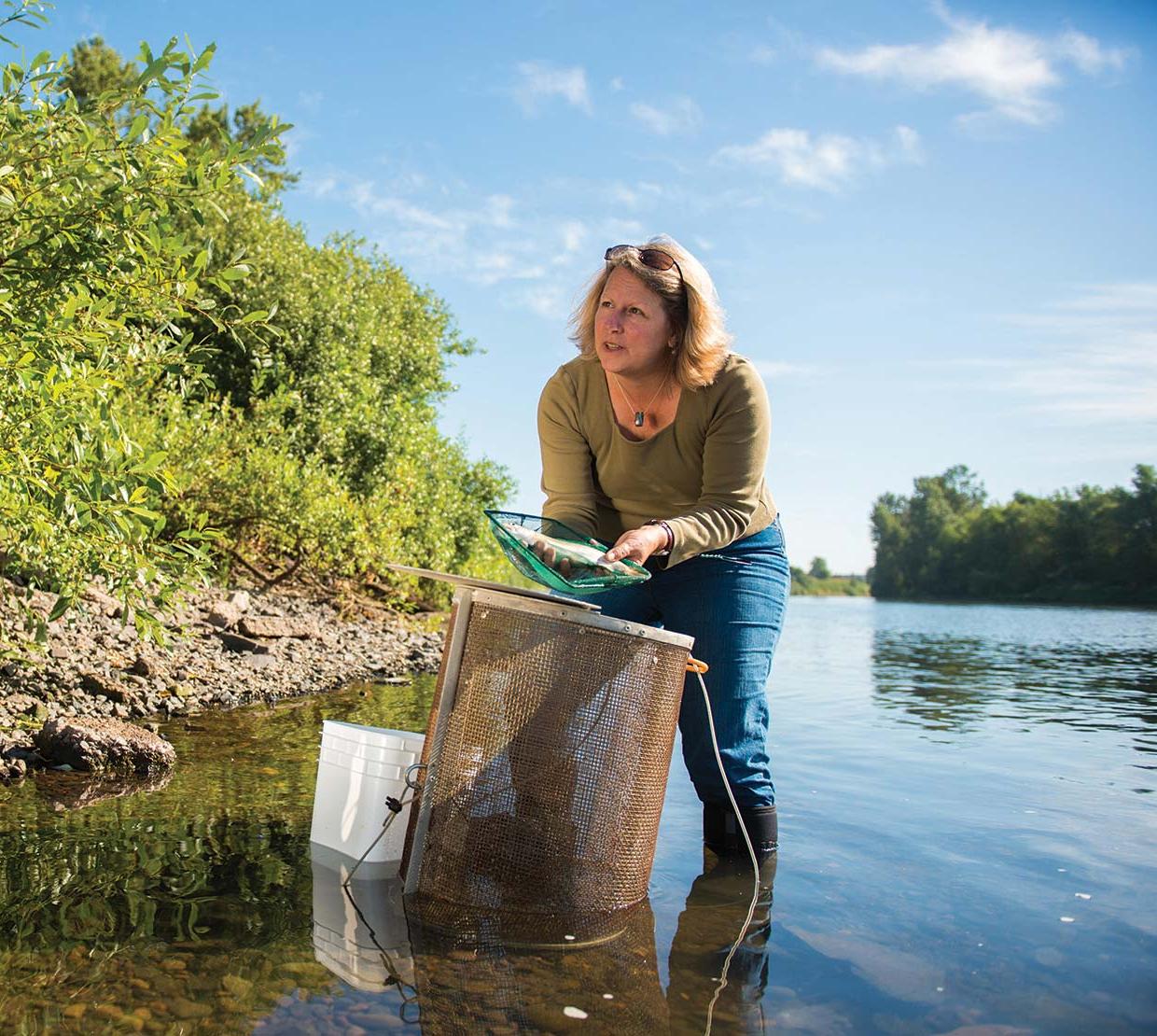
Jerri Bartholomew receiving samples in river

Bartholomew named head of Microbiology

By Debbie Farris

Jerri Bartholomew, professor of microbiology and new head of the Department of Microbiology

The College of Science is proud to announce Jerri Bartholomew as Head of the Department of Microbiology beginning January 1, 2015. With this appointment, four of the seven department heads in the College are now women, supporting a deep commitment to diversity.

Bartholomew is currently a professor of microbiology with joint appointments in the College of Science and the College of Agricultural Sciences. She joined the OSU faculty more than 20 years ago. She also serves as director of the J.L. Fryer Salmon Disease Laboratory, one of the only of its kind in the world dedicated to the study of organisms infectious for salmonids and other species of freshwater fish.

“I am thrilled to work with such extraordinary colleagues in microbiology as well as colleagues across the Colleges and throughout the university,” said Bartholomew. “One of my aims will be to enhance the visibility of our department across campus and beyond OSU. Our faculty and students are conducting impressive research. People need to know the amazing things we are doing for science while providing meaningful experiences for our students.”

Bartholomew’s research focuses on the pathogens affecting the health of wild Pacific salmon populations, the effects of climate change on fish disease, parasite evolution and invasion as well as the evolution of the immune systems of fish. Funding for her research comes from various agencies, including the Bureau of Reclamation, the National Science Foundation, the National Institute of Health and Oregon Sea Grant.

"I am very excited that Jerri has agreed to lead the Department of Microbiology, which is home to many distinguished senior faculty and extremely promising junior faculty with an excellent future ahead of them,” said Sastry G. Pantula, dean of the College of Science.

“She is committed to helping faculty and students reach their full potential and to supporting their success through mentoring.”

“Jerri brings a wealth of experience in research, teaching and outreach to her new job,” said Dan Arp, dean of the College of Agricultural Sciences. “Microbiology is an important discipline at OSU, for which Jerri is well positioned to provide leadership. I am delighted that she will serve the University in this new role.”

The Department of Microbiology recently assumed responsibility of the new BioHealth Sciences degree that the College of Science launched last fall. This degree partially replaces the general science major and offers students dedicated academic support to enhance their overall experience. In addition, the program will better prepare students for a career in healthcare by providing them with a strong, broad foundational course of study in science.

Bartholomew is active in the American Fisheries Society’s Fish Health Section, one of the largest and most international sections. Recently, she helped organize the 7th International Symposium on Aquatic Animal Health in Portland that attracted 300 fish health professionals from 26 countries. The symposium is hosted every four years by the American Fisheries Society to advance our field of aquatic animal health.

“Jerri’s unique career trajectory is very helpful as she strives for excellence, enhances diversity and fosters harmony in our colleges and at OSU," adds Pantula.

Finding herself well-positioned at the intersection of art and science, Bartholomew is a marine biologist and salmon researcher as well as a passionate artist who has worked in glassmaking for more than 25 years. She draws inspiration from science, as evidenced by a piece entitled Planktos. Working from a studio in her home, she combines photographic screen prints with more free-form imagery to create fused and cast glass pieces. Bartholomew’s work is sold at Western galleries and can even be found adorning the walls of OSU student union’s ballroom.

Bartholomew is an OSU alumna, earning both her master’s degree and PhD in microbiology from the university.

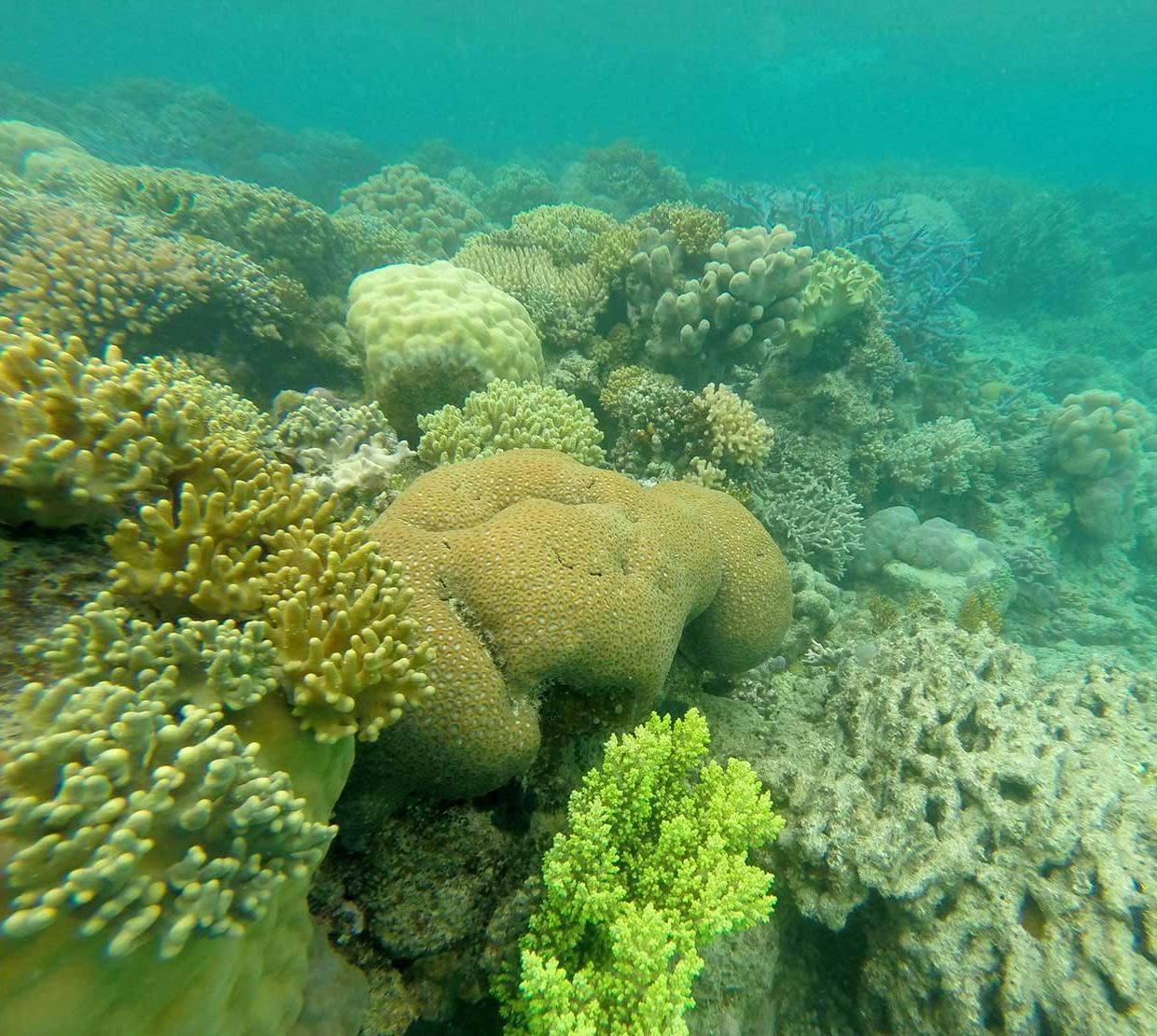
Coral in the ocean floor

Outbreak

By Debbie Farris

Based on NSF's Science Nation

Identifying infections of corals

Even healthy corals have viruses

Role of viruses could reveal more about reef decline

Microbiologist Rebecca Vega Thurber and her team research advanced genomic approaches for identifying infections of corals. Their recent research on the role marine viruses play in healthy corals and the impact they have on reef decline is one of the first studies to show viral association with a severe disease epidemic.

In the largest and longest experiment of its kind, Vega-Thurber and her collaborators conducted a controlled study of the impact of pollution upon corals at a study site in Florida Keys from 2009-2012. The experiment, whose findings were published in “Global Change Biology,” shows that while pollution from sewage and other sources caused high levels of coral disease and discoloration, corals were able to swiftly recover once the injection of pollutants was stopped.

Corals are important ecosystem engineers, providing habitat and nutrient recycling to tropical reefs. However, coral species' richness and abundance are declining worldwide, largely due to impacts from global industrialization and human population growth. In the Caribbean, coral cover has shrunk from 60% to 5%, according to Vega Thurber.

Coral disease is a major cause of the decline of tropical reefs, making research into the causes of and remedies to these diseases extremely important.

Vega Thurber and her team have been studying viruses inside the corals, even healthy corals. They collect coral samples during diving expeditions and analyze the DNA to learn more about the role of viruses in corals.

With funding from the National Science Foundation (NSF), Vega Thurber and her research team have also studied the deadly coral disease called “white plague” that has erupted among tropical corals. White plague is characterized by rapid tissue loss, which exposes the white skeleton of the coral. This disease has been implicated in reef decline worldwide, although their etiological cause is unknown.

Previous studies focused on bacterial pathogens as the primary cause of coral diseases. The notion that almost all corals have viruses was a revelation to researchers.

Vega Thurber’s research on the role of viruses in coral reef ecosystems has received extensive coverage and recognition in popular media. A number of studies on coral disease by members of the Vega Thurber lab have made their way into popular media, including Stephen Colbert’s Colbert Report, CBS This Morning, and Phys.Org.

Vega Thurber runs a highly dynamic, hands-on laboratory where her students gain ample research experience, essential skill sets and other valuable opportunities to pursue independent research. Her students have undertaken ambitious projects to further understand and protect one of the world’s most fragile and essential ecosystems.

Student research on corals

Nitzan Soffer’s doctoral research in microbiology revealed viruses to be at the root cause of coral epidemic of “white plague.” His research was featured on NBC News.

Ryan McMinds, a doctoral student in microbiology, spent last summer on Australia’s Lizard Island studying healthy microbes in coral reefs. His research was funded by the East Asia and Pacific Summer Institutes program.

Watch the video

Science Nation, an online video series produced by NSF, featured Vega Thurber’s research on corals (June 2014) as did PBS Newshour.

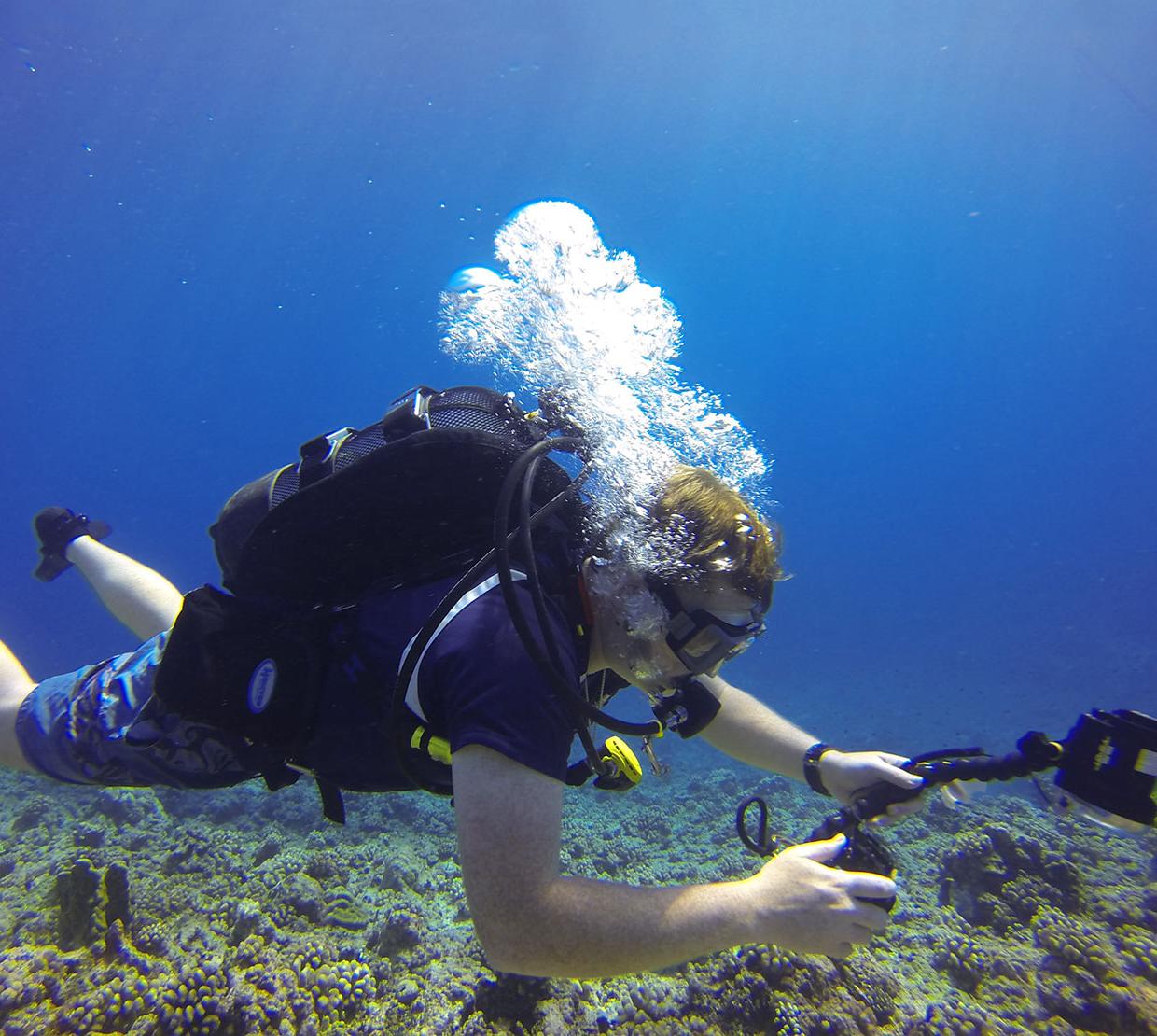
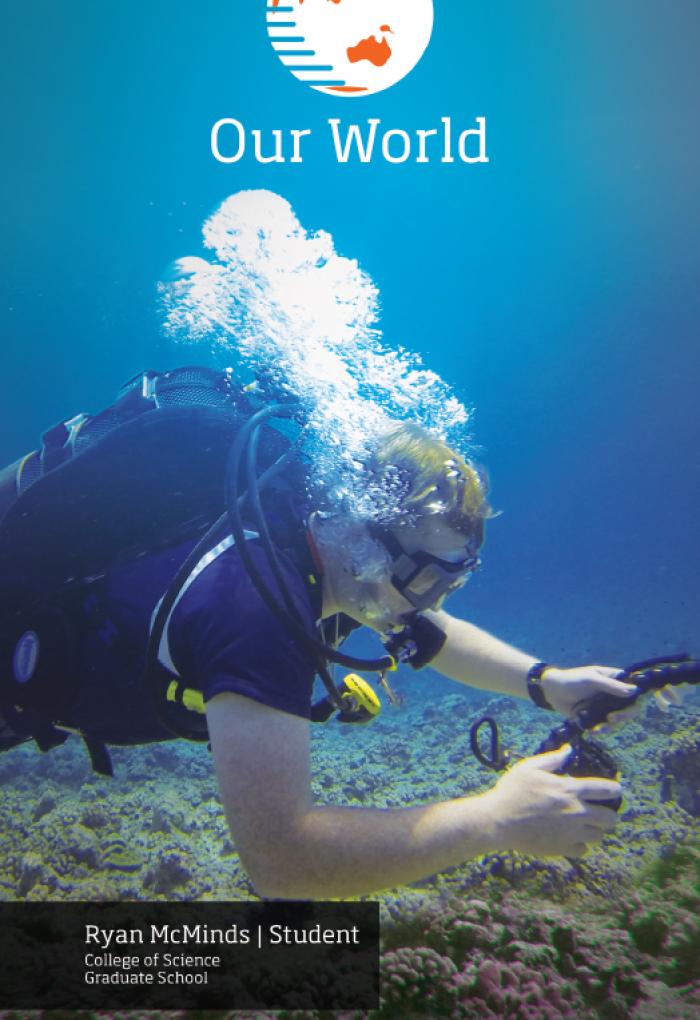
Ryan McMinds scuba diving on shallow seafloor

One student’s summer

By Debbie Farris

Ryan McMinds, Microbiology PhD student

Studying coral reefs on Australia’s Lizard Island

Microbiology PhD student Ryan McMinds joined Rebecca Vega Thurber’s lab in 2012. Many of the lab’s projects focus on pathogenic viruses and bacteria, but Ryan is more interested in the coral microbiome. He is searching for the microbes that are good for their hosts. That information makes the researchers’ current descriptions of stressor-induced microbiome shifts even more relevant.

So Ryan is in Australia to explore a more detailed description of the ‘normal’ coral microbiota. For more details, check out his blog from early July.

After arriving in Australia in late June, Ryan spent his first few weeks in Townsville, Australia, as a guest of Dr. David Bourne at the Australian Institute of Marine Science (AIMS). The area between AIMS and nearby James Cook University (JCU) is one of the world’s premier centers for marine and coral reef science, and it’s chock full of leading researchers. He’s there to meet them while continuing his own studies.

Beaver nation

Ryan McMinds in the Beaver Nation campaign

Ryan attended an orientation session hosted by the Australian Academy of Science (AAS) in the capital city of Canberra before traveling on to Lizard Island Research Station. The secluded island is a national park featuring 24 white sand beaches and a deep blue lagoon. It is considered one of the most beautiful destinations in the world.

Ryan’s trip is funded by the East Asia and Pacific Summer Institutes (EAPSI) program, a collaborative effort between National Science Foundation (NSF) and AAS. He also recently received a Provost's Fellowship and is interested in studying the coevolution of corals and their symbionts. Ryan plans to study this in the context of the biogeographical variation in their association.

He earned his B.S. in marine science and biology at the University of Miami’s Rosenstiel School of Marine and Atmospheric Science while minoring in anthropology and chemistry. But Ryan is native to the Willamette Valley: he graduated from South Albany High School.

Keep up with Ryan’s research and travels this summer through his blog, The Cnidae Gritty.

Subscribe to Climate and Oceans