Biochemistry & Biophysics

Biochemistry & Biophysics

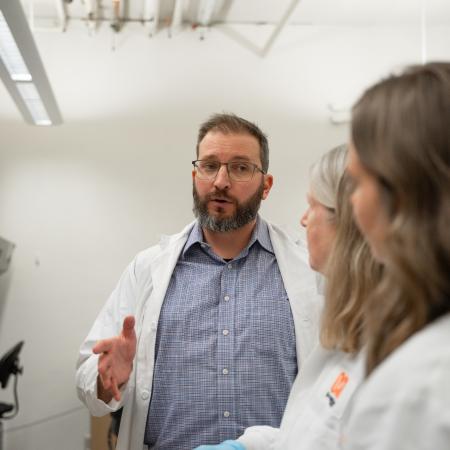
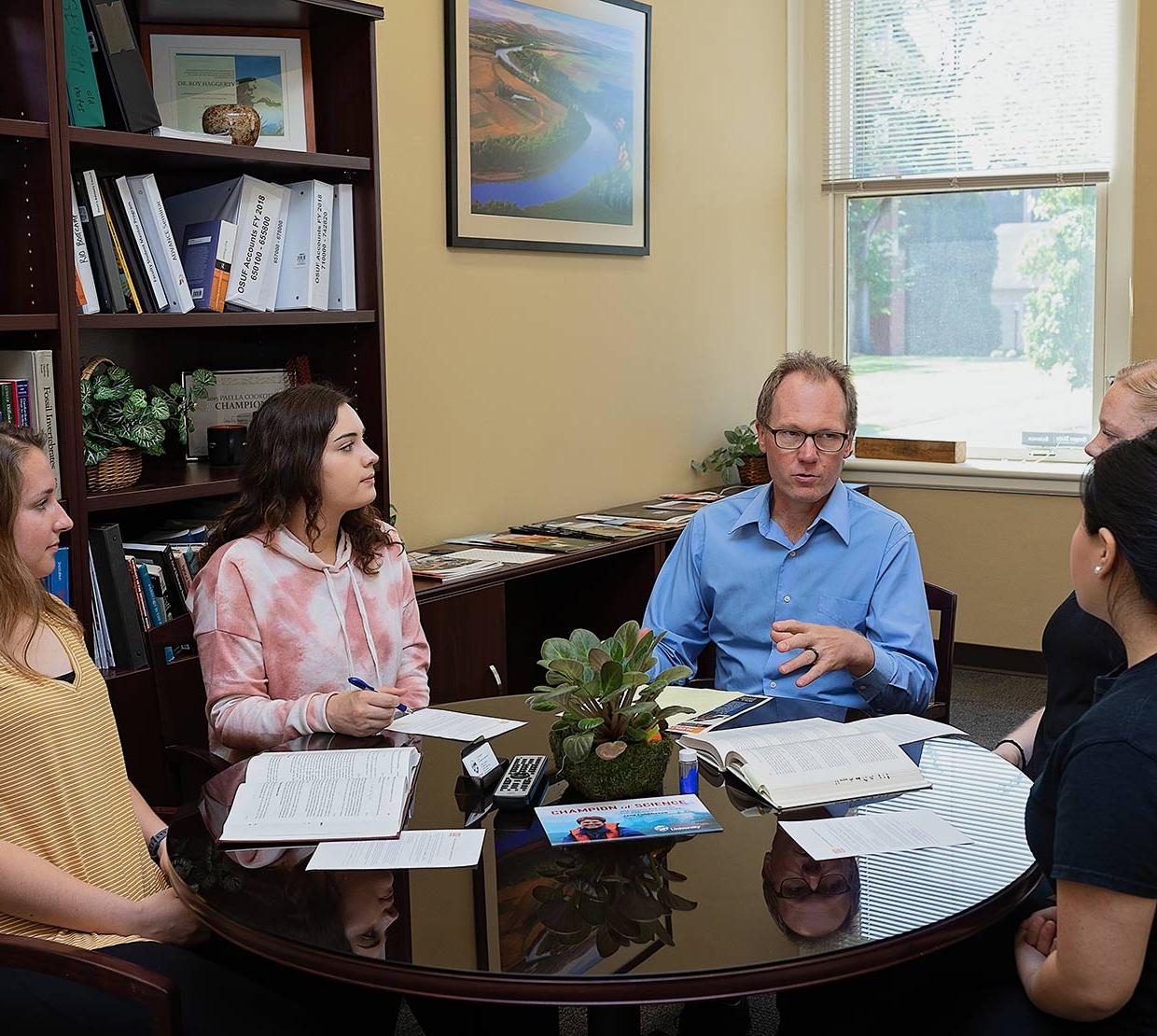
Roy Haggerty talking with female science students in his office

New faculty-student mentor program to raise retention and graduation rates

By Mary Hare

Dean Roy Haggerty and first year science students

This fall, Oregon State University launched an exciting new pilot program to develop stronger relationships between faculty and students, with the overarching goal of improving student retention and graduation rates. The College of Science played a lead role in developing the program.

Currently, the Faculty-Student Mentor program is only being tested on a sample of underrepresented minority students, first generation and Pell-eligible students who are in their first year at OSU (both traditional and transfer students. However, OSU is hopeful that these two preliminary years will see the success required to expand the program to the entire university. There is reason to be optimistic; data from other universities show faculty-student mentor programs can reduce dropout rates by as much as half.

OSU currently has a first-year retention rate of about five percent lower than its goal of 90 percent retention. This rate is even lower for Pell-eligible, first-generation and underrepresented students. While an OSU study showed many undergraduates feel isolated from faculty, nearly 96 percent of students say they have at least one professor who makes them excited to learn. Therefore, the urgent need is to facilitate access and foster substantive faculty-student relationships to enhance student engagement and increase retention and graduation rates.

In order to help the university do a better job in supporting students in their first year at OSU, the pilot program will focus on establishing a relationship between mentors and students rather than advising or conveying discipline-specific knowledge. This approach will help mentors place special focus on issues of student transition and adjustment to college life.

Students selected for OSU’s Faculty-Student Mentor program are put in groups consisting of five students, a peer mentor who is a junior or a senior, and a faculty member. Students will meet with their mentors for one hour every other week during fall, winter and spring terms throughout their first year at OSU.

The new mentoring program is supported by several senior professors and upper-level administrators. The program is led by College of Science Dean Roy Haggerty and Dan Larson, interim vice provost for student affairs. In addition to Dean Haggerty, faculty volunteers for the program include College of Science Associate Deans Henri Jansen, Doug Keszler, Matt Andrews; Math Department Head Bill Bogley; statistics professor Alix Gitelman; Microbiology Department Head Jerri Bartholomew; Provost Ed Feser, Senior Vice Provost for Faculty Affairs Susan Capalbo and other university leaders and faculty.

Strategies to improve student retention are particularly relevant in STEM fields. From universities all across the United States, studies indicate that fewer than half students who start out in these programs succeed in graduating with a degree in the field. This rate is considerably higher for students from underrepresented groups, with only a quarter of those who enrolled receiving a STEM degree.

Studies dating back to the 1990s have hypothesized that the lack of positive mentorship is often a significant factor in this disparity of graduation rates. Many first-generation and underrepresented students struggle to find their feet in a field that no one in their personal life has even encouraged, let alone shown them it’s possible. For some of these students, the greatest benefit of a mentor program is the positive role models it provides, helping students form a stronger self-identity as scholars, and realize their full potential for success in challenging fields at the university.

This research has been backed by numerous National Science Foundation (NSF) programs that support expanding representation in STEM fields through structured mentorship. In 2015, the NSF EFRI Research Experience and Mentoring Program cited a study by the Committee on Science, Engineering, and Public Policy at the National Academies, which describes how “mentorship is of even greater value for underrepresented populations in STEM.”

The Faculty-Student Mentor Program is part of OSU’s Student Success Initiative whose mission is to bolster student success through expanded student support services and changes in learning models. The program was renamed Beaver Connect in early 2020 and expanded to students across the university.

Star icon above vibrant galaxy

Faculty excellence: Promotions and tenure 2018

Promotions and tenure 2018

The College of Science congratulates these 20 faculty on receiving promotions and/or tenure for the 2017-18 academic year.

“The success of our faculty is essential to the success of our students,” said Roy Haggerty, dean of the College of Science. “I am proud of our faculty who are outstanding researchers, scholars, teachers and mentors to our students.”

'I want to also thank our Promotion and Tenure Committee for devoting a significant amount of time engaged in the intense review process to award the best candidates for promotion and/or tenure,” added Haggerty.

Tremendous consideration goes into each promotion and tenure decision. The Provost’s Office, the College of Science Dean’s office, department heads, Promotion and Tenure Committee members, faculty, external reviewers, student evaluation committees, and individual faculty members all spend many hours preparing, processing and reviewing the documentation.

Congratulations to the following science faculty!

Biochemistry and Biophysics Department

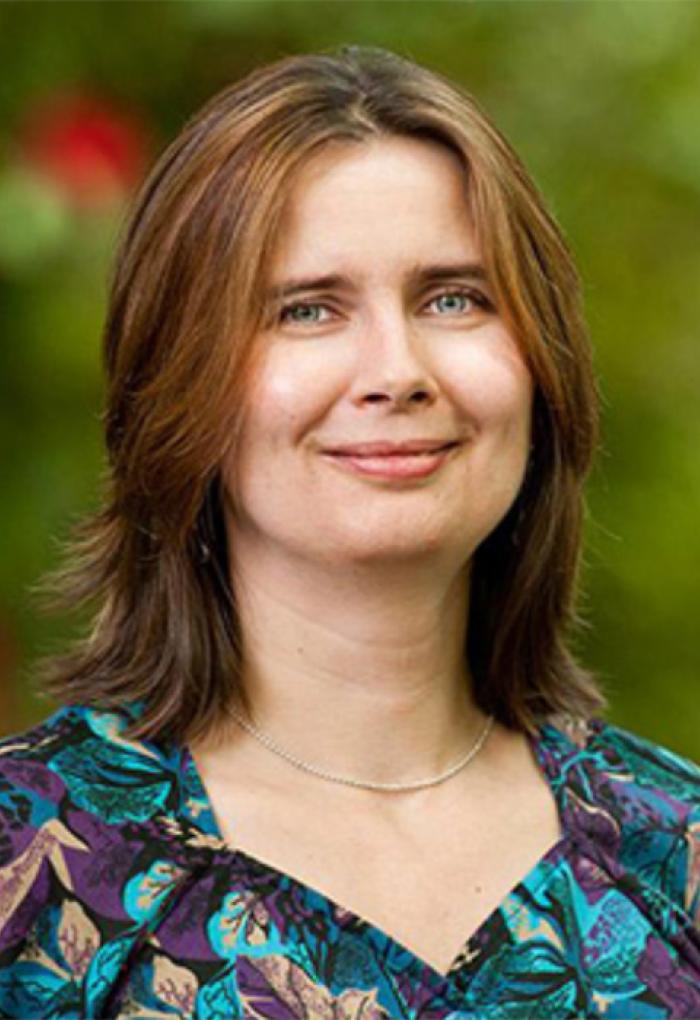
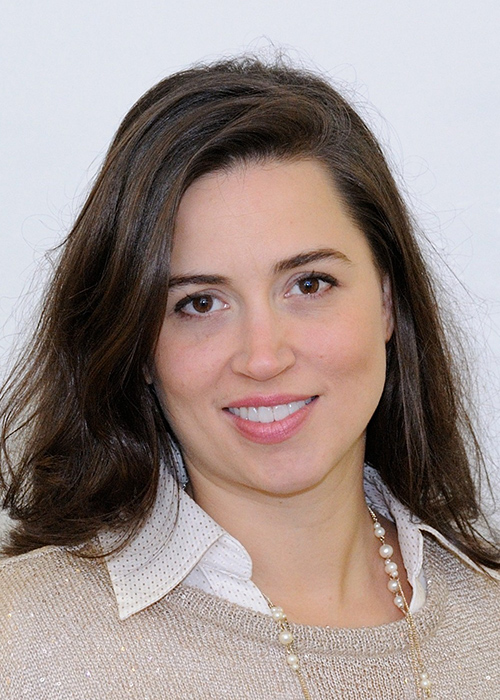
(Photos in order)
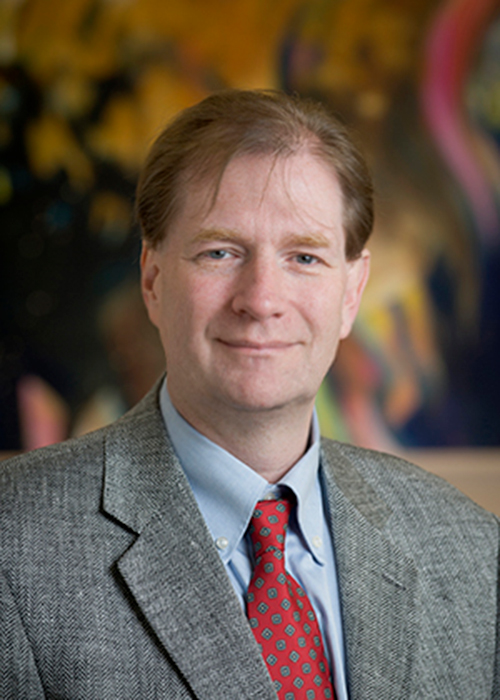
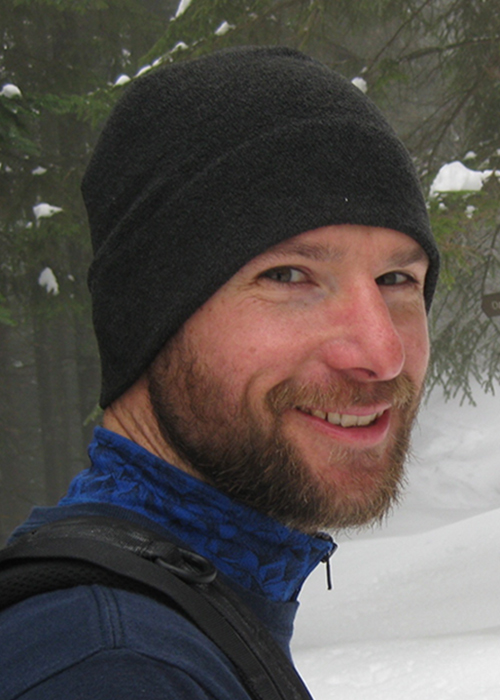
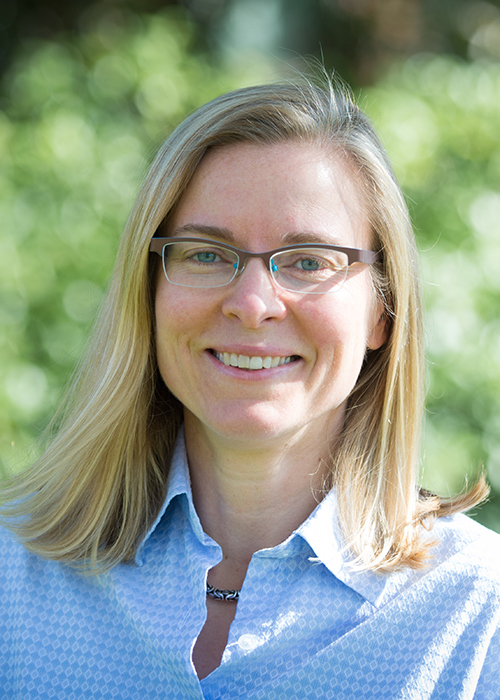
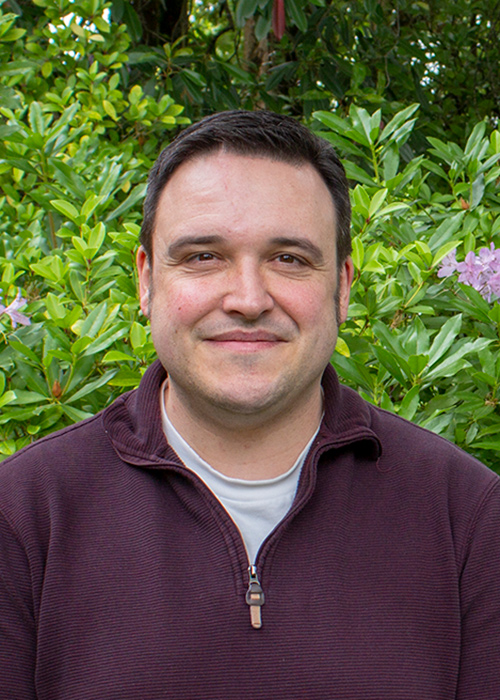
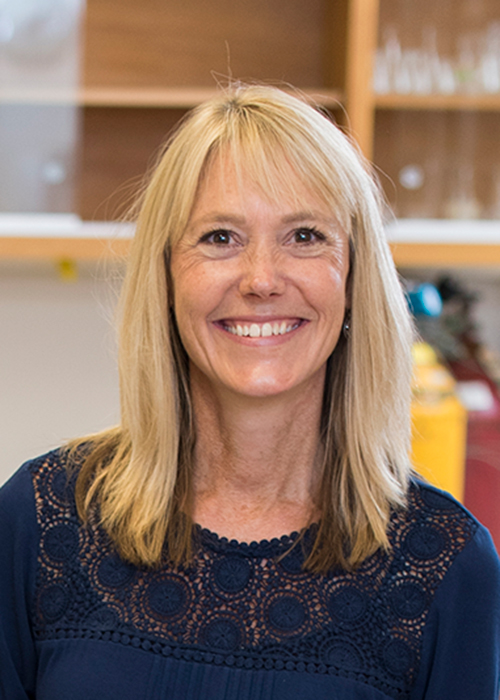
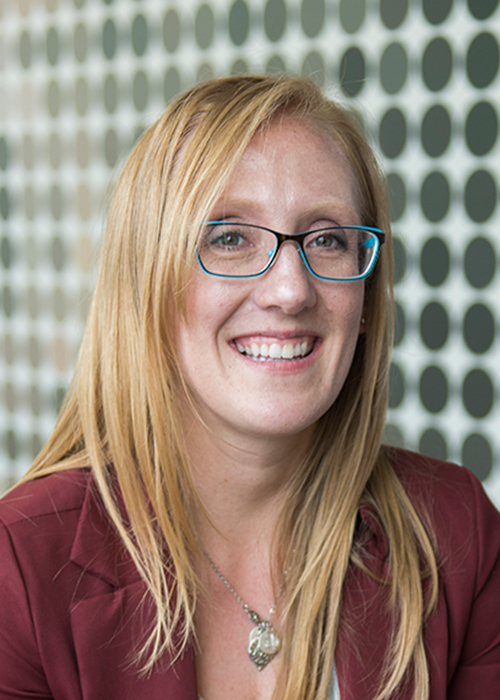
Dr. Adrian “Fritz” Gombart will be promoted to Professor of Biochemistry and Biophysics, effective September 16, 2018.

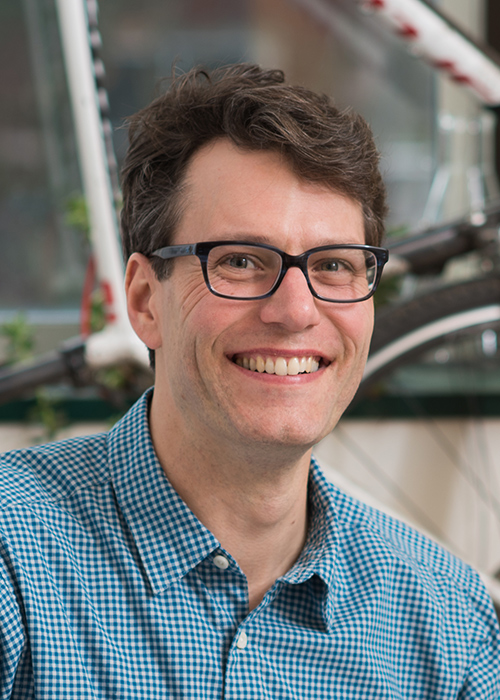
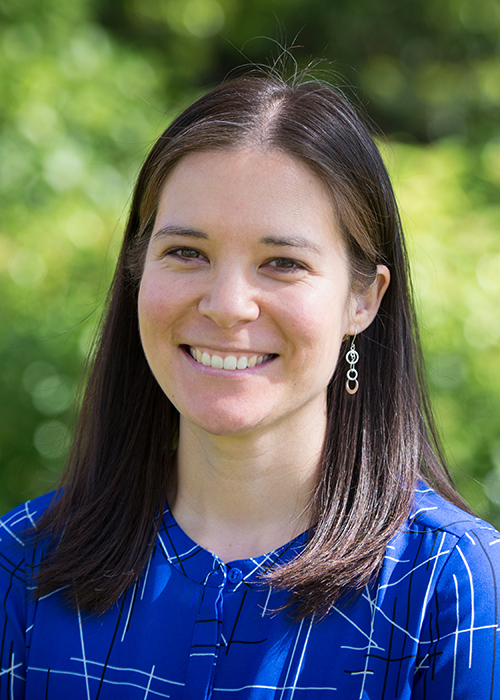
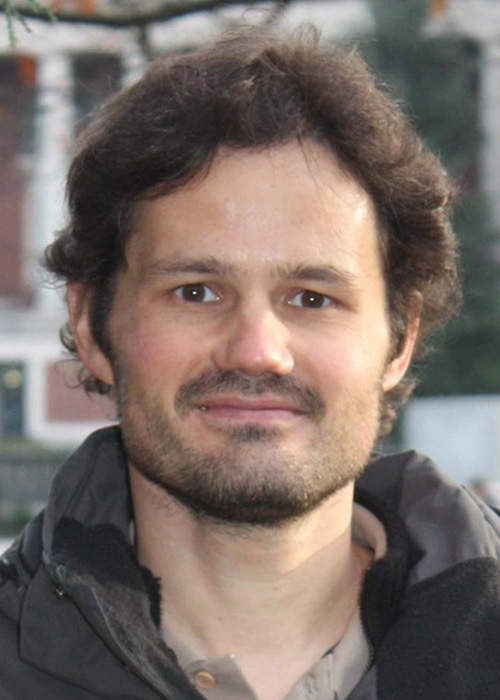
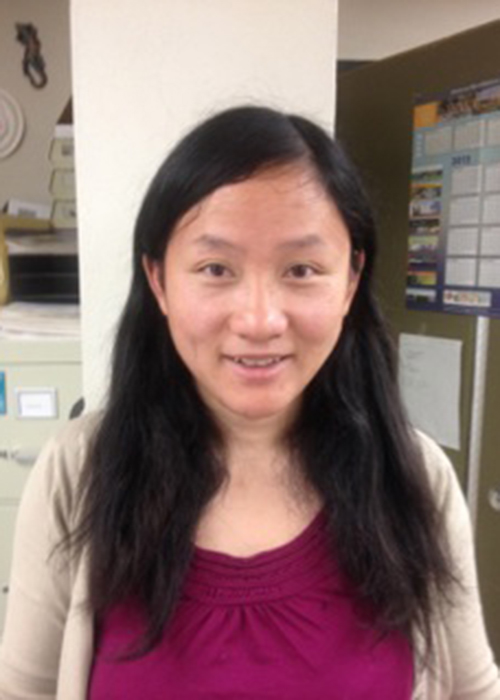
Dr. Ryan Mehl will be promoted to Professor of Biochemistry and Biophysics, effective September 16, 2018.

Integrative Biology Department

(Photos in order)
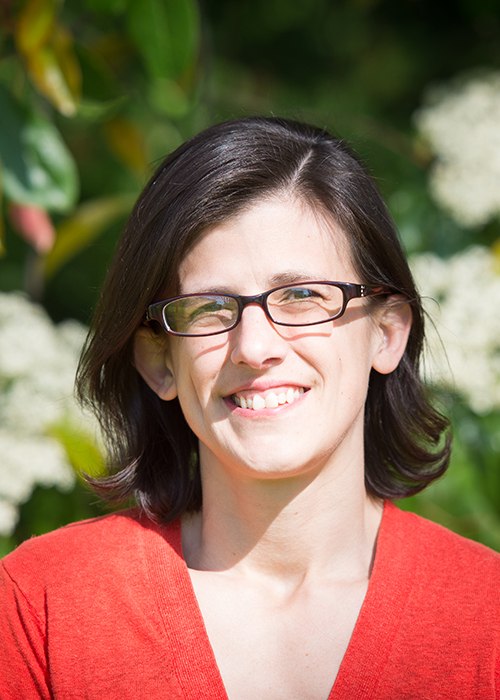
Dr. Andrew Bouwma will be promoted to Senior Instructor I of Integrative Biology, effective July 1, 2018.

Dr. Sarah Henkel will be promoted to Associate Professor, Senior Research of Integrative Biology, effective July 1, 2018.

Dr. Mark Novak will be promoted to Associate Professor of Integrative Biology and granted indefinite tenure, effective September 16, 2018.

Dr. Rebecca Terry will be promoted to Associate Professor of Integrative Biology and granted indefinite tenure, effective September 16, 2018.

Mathematics Department

(Photos in order)
Dr. Mary Beisiegel will be promoted to Associate Professor of Mathematics and granted indefinite tenure, effective September 16, 2018.

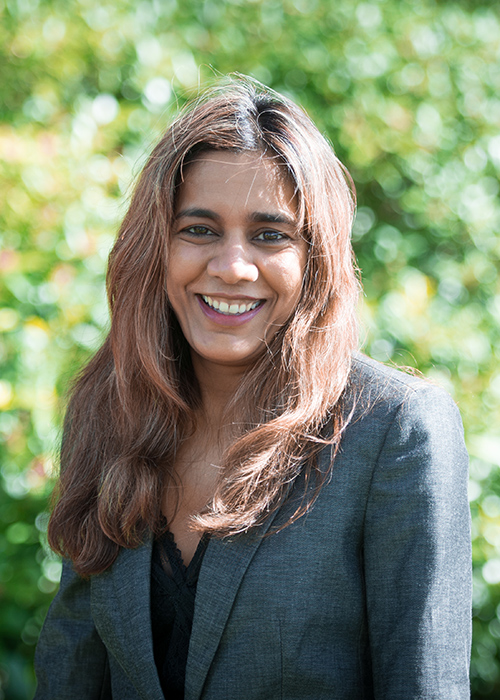
Dr. Vrushali Bokil will be promoted to Professor of Mathematics, effective September 16, 2018.

Dr. Elaine Cozzi will be promoted to Associate Professor of Mathematics and granted indefinite tenure, effective September 16, 2018.

Dr. Torrey Johnson will be promoted to Senior Instructor I of Mathematics, effective September 16, 2018.

Dr. Elise Lockwood will be promoted to Associate Professor of Mathematics and granted indefinite tenure, effective September 16, 2018.

Dr. Holly Swisher will be promoted to Professor of Mathematics, effective September 16, 2018.

Dr. David Wing will be promoted to Senior Instructor I of Mathematics, effective September 16, 2018.

Microbiology Department

(Photos in order)
Dr. Kimberly Halsey will be promoted to Associate Professor of Microbiology and granted indefinite tenure, effective September 16, 2018.

Dr. Ryan Mueller will be promoted to Associate Professor of Microbiology and granted indefinite tenure, effective September 16, 2018.

Dr. Martin Schuster will be promoted to Professor of Microbiology, effective September 16, 2018.

Physics Department

Oksana Ostroverkhova in front of shrubbery

Dr. Oksana Ostroverkhova will be promoted to Professor of Physics, effective September 16, 2018.

Statistics Department

(Photos in order)
Katie Jager will be promoted to Senior Instructor I of Statistics, effective July 1, 2018.

Juliann Moore will be promoted to Senior Instructor I of Statistics, effective September 16, 2018.

Dr. Lan Xue will be promoted to Professor of Statistics, effective September 16, 2018.

Thanks to all of the committee members who served on the College of Science Promotions and Tenure Committee this year.

Elisar Barbar (rotating off)
Kate Field (rotating off)
Alix Gitelman (rotating off)
Margie Haak
Henri Jansen (chair, rotating off)
Patrick De Leeneer (rotating off)
Sastry Pantula
Indira Rajagopal (rotating off)
Vince Remcho
Janet Tate (rotating off)
Barb Taylor (rotating off)

The following faculty have been elected to serve on the College’s Promotion and Tenure Committee for 2018-19. These faculty were elected to serve by a vote, according to the College’s P&T rules.

Vince Remcho, 2016-19, committee chair in 2018-19
Rich Carter, 1 remaining term, 2018-19
Dee Denver, 1 remaining term, 2018-19
Tom Dick, 2 remaining terms, 2018-20
Michael Freitag, 3 remaining terms, 2018-21
Steve Giovannoni, 2 remaining terms, 2018-20
Margie Haak, 1 remaining term, 2017-19
Sally Hacker, 3 remaining terms, 2018-21
David McIntyre, 3 remaining terms, 2018-21
Sastry Pantula, 2 remaining terms, 2017-20
Scott Peterson, 2 remaining terms, 2018-20

desert hill with clear sky

150 years of science for land and sun

By Katharine de Baun, Srila Nayak

Painted Hills, Oregon

Note: this article is part of a yearlong series on the distinguished tradition of scientific research pertaining to Oregon State’s 150th anniversary and its four land-grant designations. From our fall 2017 issue: 150 years of science for sea and space(Introduction), On the shoulders of giants, Oregon State Science: The many "firsts" in 150 years. From our spring 2018 issue: The significance of OSU's sea-, space-, sun- and land-grant designations, "Milestones: Oregon State Science at the helm for 150 years."

While the College of Science at Oregon State University was formally established in 1932, science programs and departments have been instrumental in shaping the evolution of research and education at the university since its 1868 land grant designation.

In fact, long before OSU’s College of Agricultural Sciences came into existence, the new agricultural curriculum was first taught in the Department of Chemistry in 1870 paving the way for the scientific study of agriculture for the first time in the Pacific Northwest. Such pioneering science programs since the earliest days of the institution were responsible for OSU’s land grant designation making it one of three land-grant colleges in the country at that time (The other two were the University of Illinois at Urbana-Champaign and the University of California at Berkeley).

The first professors of engineering at OSU in the 1890s were also professors of mathematics. Some of the university’s earliest engineering disciplines would not have flourished if it were not for the fundamental sciences. A four-year mining engineering curriculum was established in the Department of Chemistry in 1900 that led to the consolidation of early engineering programs in metallurgy.

The chemistry department was also the home of the first geology courses. It would not be an exaggeration to say that the natural and physical sciences at OSU have shaped and guided the growth of the world-class research and education that takes place across all STEM (science, technology, engineering and mathematics) fields in the university today.

OSU land grant: From plows to touch screens

Science has played a founding role in carrying out Oregon State’s Land Grant mission from its origins in the Morrill Act of 1862, whose focus was to teach agriculture, military tactics and “mechanical arts” or engineering. Chemistry was hailed, for example, as “the cornerstone of Scientific Agriculture” in the 1869-70 course catalog. And in 1899, today’s microbiology department arguably began with a single course in bacteriology, to help understand and eliminate bacterial diseases of crops. Mathematics and physics courses were a core part of the mechanical arts curriculum and the fledgling department of mechanical engineering, formed in 1889.

In the 20th century, the University’s land-grant mission expanded to adapt to the changing social and economic needs, including a new forestry program in response to Oregon’s growing timber industry and a growing emphasis on engineering after World War II. As the scope of the land-grant mission widened, science continued to be front and center. The chemistry department was home to new four-year programs in pharmacy (1898), mining (1900) and forestry (1906). By 1912, bacteriology was driving innovation across various industries and considered essential training for “any student properly equipped in Dairying, Agriculture, Agronomy, Pharmacy, Domestic Science, etc.”

In the 21st century, Oregon State under President Ray’s leadership aims to be among the top 10 land grant institutions in America, with a focus on three signature areas: the Science of Sustainable Earth Ecosystems, Human Health and Wellness, and Economic Growth and Social Progress. The College of Science is a key contributor with pioneering programs and research in biohealth, the life sciences, marine and environmental sciences and, increasingly, statistics, as students and researchers across a wide variety of fields learn to interpret and gain often revolutionary insights from big data.

An integral part of OSU’s land-grant mission is also to foster public outreach and engagement, and science has long been at the heart of its various agricultural experiment stations and Cooperative Extension Service. Through evidence-based programs designed to make Oregon farms more sustainable, to teach gardeners how to raise bees, reduce pesticides or compost; or encourage children to pursue STEM careers through its engaging, hands-on 4-H programs — science provides both a body of evidence and a mode of inquiry that supports both backyard sleuths and future astrophysicists.

Science also contributes to economic growth with a constant stream of research-inspired innovation, producing 48 new inventions and securing 18 U.S. patents since 2011 alone. Local, state and global industries have profited from sustainable materials that began as lab experiments in Gilbert Hall, from more efficient batteries and greener touch screens, to a new heat-resistant paint using YImMn blue, the new pigment discovered by chemist Mas Subramanian.

Lastly, the College’s current investment in student diversity and success continues a long and proud tradition of opening STEM fields to all, science being a necessary part of the “liberal and practical education” for the “industrial classes” since the passage of the 1862 Morrill Act. As the University’s land-grant mission continues to evolve, science will remain at the heart – and the edge – of discovery and innovation.

Sun: Harnessing natural resources for a healthy planet

For nearly 150 years, the natural sciences at OSU have been at the forefront of research and innovation bridging the biological sciences and the physical sciences (physics and chemistry) for environmental sustainability, renewable energy and a healthy planet.

Chemist David Ji has pioneered the invention of new long-lasting and high-performance energy materials in the form of batteries for the purposes of sustainable energy storage. By employing carbon-based materials and hydrocarbon solids, Ji has designed new battery devices such as the world’s first hydronium-ion battery, potassium-ion battery, dual-ion battery and sodium-ion battery which can easily and cheaply store energy from the wind and sun. Ji’s innovations in the area of energy storage have ushered in a new era of renewable and sustainable batteries.

Materials physicist Janet Tate is a key player in the field of renewable energy technologies that includes development of transparent conductors and photovoltaic materials. Tate is a principal investigator at the prestigious Center for Next Generation of Materials Design—an Energy Frontier Research Center (EFRC) funded by the U.S. Department of Energy.

By integrating the talent and expertise of leading scientists such as Tate, the EFRC aims to “accelerate transformative discovery” and innovate new materials on the atomic and molecular scale to enhance energy security and protect the global environment. At the Center for Next Generation of Materials Design, Tate studies metastable alloys to design inorganic semiconductors for optoelectronic applications (electronic devices that source, detect and control light).

The OSU Sun Grant program is supported by funds from the U.S. Department of Agriculture and the Department of Energy aimed at the creation of biofuels and other environmentally sustainable green technologies to meet growing energy demands and promote opportunities for bio-based economic growth in rural communities.

One of the key sun grant projects on genetic modification of poplar trees to produce plant-based plastics will be extended in new, innovative directions with the added expertise of statistical methods. In collaboration with College of Forestry Professor Steven Strauss, statistician Yuan Jiang is investigating better methods of mapping the genes that control the process of regeneration and transformation needed for genetic engineering by using DNA sequence databases, imaging and computations.

This five-year, $4 million project is funded by the National Science Foundation and is an important advance in developing genetically engineered crop species in ways that help meet our present challenges without unintended environmental effects.

group of people talking to each other at a social event

Health Professions Fair connects students with professional schools and careers in healthcare

The Health Professions Fair

At the annual Health Professions Fair, students can connect with professional schools and programs with specializations in the healthcare industry. The Fair is a wonderful opportunity to learn about graduate education and careers in health care. Admissions representatives from more than 50 health professions schools in Oregon and across the country will be on campus to answer your questions. The Health Professions Fair will take place on April 21, 2020 from 10 a.m. to 2 p.m. in the Memorial Union Ballroom.

These schools represent health professions programs in medicine, osteopathy, dentistry, pharmacy, chiropractic medicine, nursing, physical therapy, public health, health management and administration, medical physics, biomedical sciences and several others. Last year, more than 500 students attended the Health Professions Fair.

Students are welcome to stop by anytime during the health fair, which is free and open to all majors. Volunteers will be available to hand out a list of participating schools and a map of their table locations. Students can visit a school’s table and pick up information materials and speak with admission representatives.

Something for everyone

The health fair is open to all undergraduates and alumni.

First and second year students can explore health profession options, build networks and get tips from admission representatives on undergraduate preparation and co-curricular activities.

Juniors, seniors and alumni will have an opportunity:

  • to learn about specific programs from admissions representatives of various universities
  • collect application materials and obtain financial aid information,
  • get tips on writing a personal statement, the application process, and letters of reference.

Preparing for the Fair

Students can interact with representatives of graduate health programs from schools such as Oregon Health and Science University, Idaho College of Osteopathic Medicine, University of Colorado School of Dental Medicine, University of Utah College of Pharmacy, Western University of Health Sciences in Pomona, California, Keck Graduate Institute of Claremont, California and many more. See a list of participating schools.

Students are encouraged to prioritize their list of schools to make effective use of their time at the Fair. They can brainstorm questions they might ask admissions representatives. Here are a few ideas to get started:

  • What is unique about program X at your university?
  • What types of courses would I take in program X?
  • What experiential components does program X offer (internships, rotations, etc.)?
  • What does your admissions committee look for in an applicant?
  • I read about XYZ on your website. Can you tell me more about that?

According to U.S. News and other surveys, healthcare is one of the fastest growing industries. The Bureau of Labor Statistics predicts that employment growth in this sector will be much quicker than the average for all jobs by 2026.

For more information, please visit: http://www.science.oregonstate.edu/health-professions-fair

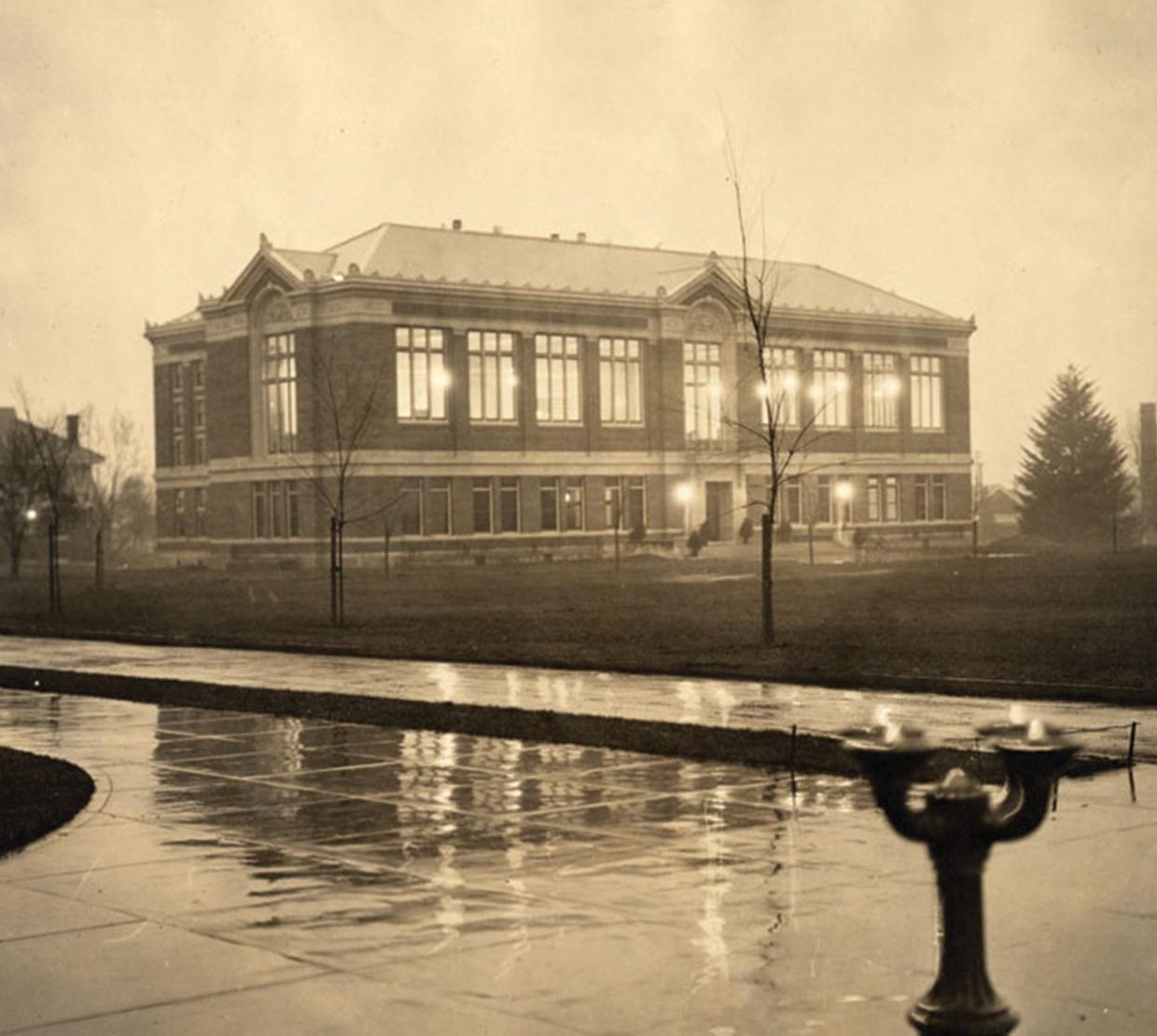
Antique photo of Kidder Hall on a rainy afternoon

Oregon State Science: The many “firsts” in 150 years

By Katharine de Baun

Kidder Hall, the Oregon Agricultural College Library, 1919

Note: this article is part of a series on the distinguished tradition of scientific research pertaining to ocean and space to mark the occasion of Oregon State’s 150th anniversary. Read more: 150 years of science for sea and space (Introduction), On the shoulders of giants, The significance of OSU’s sea-, space-, sun- and land-grant designations.

Mathematics and science have been at the heart of Oregon State University since its designation as a land-grant college in 1868. For example, early records show that a liberal arts curriculum at OSU (then Corvallis College) included three years of mathematics along with a rigorous course of study in Latin and Greek. Mathematician Joseph Emery was one of three faculty in the first decade of the College’s founding. From its earliest days, science at OSU has supported gender equality and wider access to education. In 1890, Corvallis College was one of just three land-grant institutions in the nation to offer scientific courses to women.

Today, mathematics, physics, chemistry, biology and other fundamental sciences form the basis for some of OSU’s most innovative and advanced research and academic programs. The sphere of influence that fundamental science wields at the university is vast. It permeates and shapes 
every discipline from agriculture to oceanography, atmospheric sciences, business, art, history and engineering while creating an intricate blueprint for the future.

The College of Science is proud to have pioneered many “firsts” in its 150-year history:

1868: Science starred in the land-grant college’s first collegiate-level curriculum, with a general “Scientific Course,” “Geology of Oregon,” and courses in chemistry considered “the cornerstone of Scientific Agriculture.”

1870: Corvallis College’s first class of three, one woman and two men, all graduated with bachelor of science degrees, the first granted by a state-assisted college in the western United States. One of them, Robert M. Veatch, gave the College’s first valedictory address titled “Utility of Science.”

1922: First radio transmitter on campus was built by physics professor Jacob Jordan.

1935 Three of the four first Ph.D. recipients at OSU were in science: Herbert L. Jones in physics, Alfred Taylor in zoology and Karl Klemm in chemistry.

1941: First woman to receive a Ph.D. at OSU was Chung Kwai Lui, who emigrated from China to earn a doctorate in physics. She was involved in the top-secret Manhattan Project to develop the first atomic bomb. Her legacy lives on through the Wei Family Foundation Scholarships.

1957: Math professor Arvid Lonseth was instrumental in bringing the first electronic computer to campus, the giant, room-sized Alwac III-e, used for research in mathematics and science. He inspired his student Judith Allen to become the first and only woman in the first computer programming class on campus. She became a pioneer in the 1960s computer industry, driving around Oregon in a bread truck converted into a computer lab, building and selling computers.

1957: Chemistry professor Wendell Slabaugh, a popular teacher who broadcast his chemistry class on TV, could lay claim to being OSU’s first long-distance educator.

1972: Harold J. Evans, professor of plant physiology and biochemistry, was the first OSU faculty member elected to the National Academy of Science (NAS). Two of the three NAS members at OSU today are in the College of Science.

1984: Alumnus Milton Harris (’26) established the first endowed faculty chair at OSU: the Milton Harris Chair of Materials Science.

1987: Microbiology alumnus Knute Buehler (’86) became OSU’s first Rhodes Scholar.

1993: The First MacArthur Fellowship at OSU was awarded to marine biologist Jane Lubchenco for her foundational contributions to marine conservation biology, environmental research and policy.

2009: Chemist Mas Subramanian discovered the first inorganic blue pigment in more than 200 years.

2017: The first-ever 3-D virtual microscope developed and launched by biologist Andrew Bouwma, Ecampus and others won three national awards recognizing innovation in educational technology and bringing the lab experience to online students.

Read more:

Science at OSU has always been a trailblazer, continuing a tradition of outstanding ocean and space research.

The College of Science shines a light on some of the giants who have made ground-breaking contributions to the scientific enterprise.

Find out what it means for OSU to have Land-,Sea-, Space- and Sun-Grant designations.

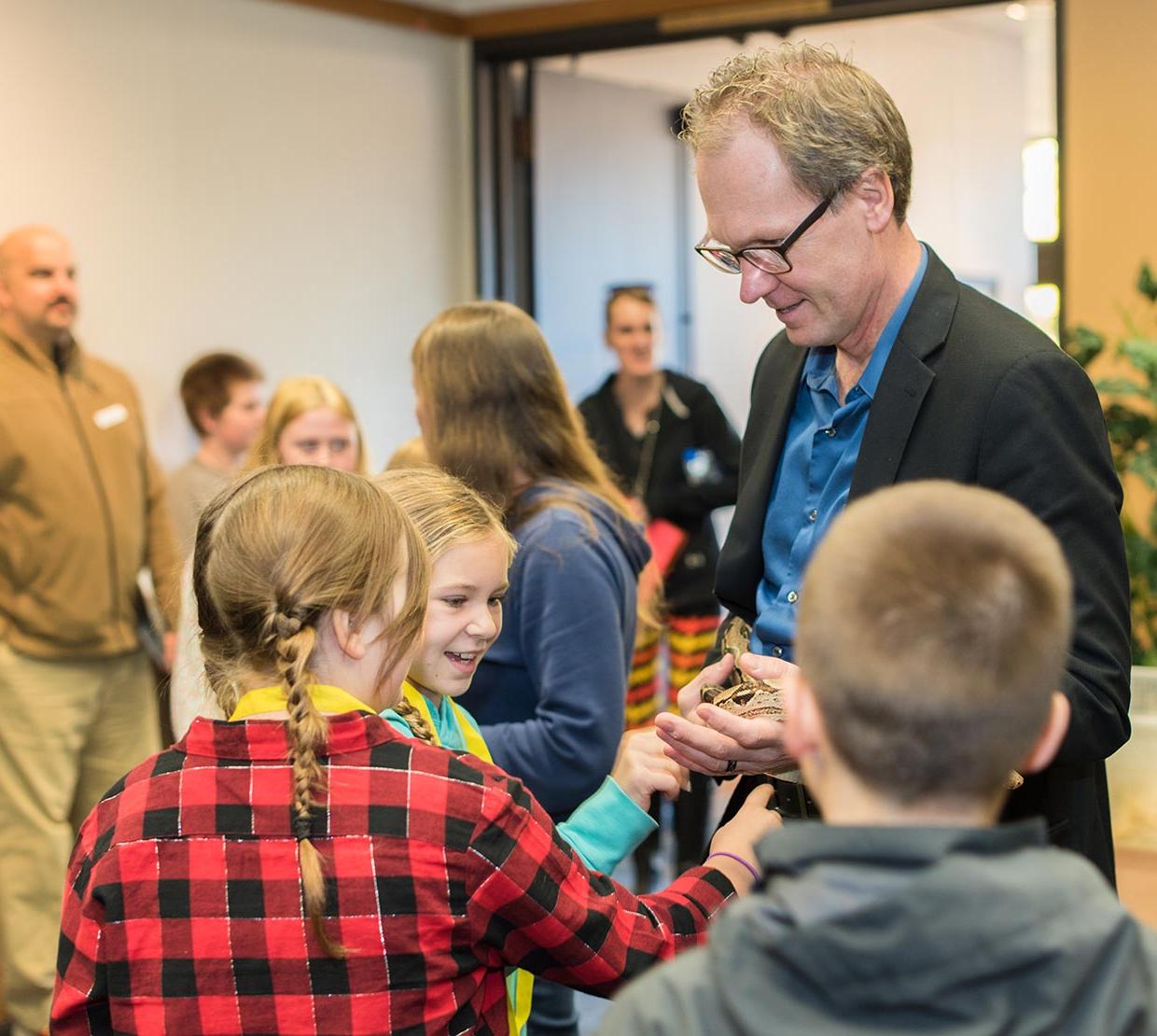
Roy Haggerty showing children a snake

Discovery Days foster a love for science

Dean Roy Haggerty at Discovery Days

The eagerly awaited Discovery Days arrived on campus October 31 and November 1. Nearly 800 students from 20 schools flocked to Oregon State University to participate in Discovery Days, an outreach program held twice annually that immerses students in the rich and diverse world of science.

The students were largely from neighboring elementary schools, representing schools in Corvallis, Albany, Sweet Home as well as Toledo. There were also a significant number of homeschooled students in attendance with their families.

The Discovery Days events were held in LaSells Stewart Center on Oregon State's campus.

College of Science Dean Roy Haggerty stopped by to visit with many of the students, encouraging their interest in science.

Students participated in a wide variety of hands-on learning exercises that included extracting strawberry DNA, measuring nuclear waves with a Geiger counter, examining bird and mammal teeth, and learning about snakes, lizards, bearded dragons and the natural history collection on campus with the aid of live specimens and much more. The exhibits were on display in a variety of stations that showcase toxicology, biochemistry and biophysics, botany, zoology, microbiology, physics as well as the engineering sciences.

Sponsored by the Colleges of Science, Agricultural Sciences and Engineering, Discovery Days strives to inspire future generations of doctors, scientists, engineers, mathematicians, physicists and other growing STEM careers. The program relies on volunteers to run stations showcasing science and engineering. The volunteers are mostly Oregon State science and engineering students eager to pass along their love of science to young students.

Participating organizations included the Departments of Botany and Plant Pathology, Chemistry, Fisheries and Wildlife, Microbiology, Nuclear Engineering, Physics and Geosciences as well as Brad’s World Reptiles and Sigma Delta Omega.

More than a decade old, Discovery Days has a rich legacy. It has helped thousands of students from Linn and Benton counties to discover, enjoy and love science through the years. Gabs James, special assistant in the College of Science, is the coordinator of Discovery Days.

Experts concur that STEM education starts long before a child reaches high school. Research shows that elementary-age students love hands-on and interactive STEM activities and are more likely to deem science relevant to their future education plans as they progress through school if they are exposed to STEM early.

Discovery Days is an important program in Oregon that piques the interest of young learners and engages them in science through deep and frequent exposure.

Discovery Days will return in the spring May 1-2, 2018.

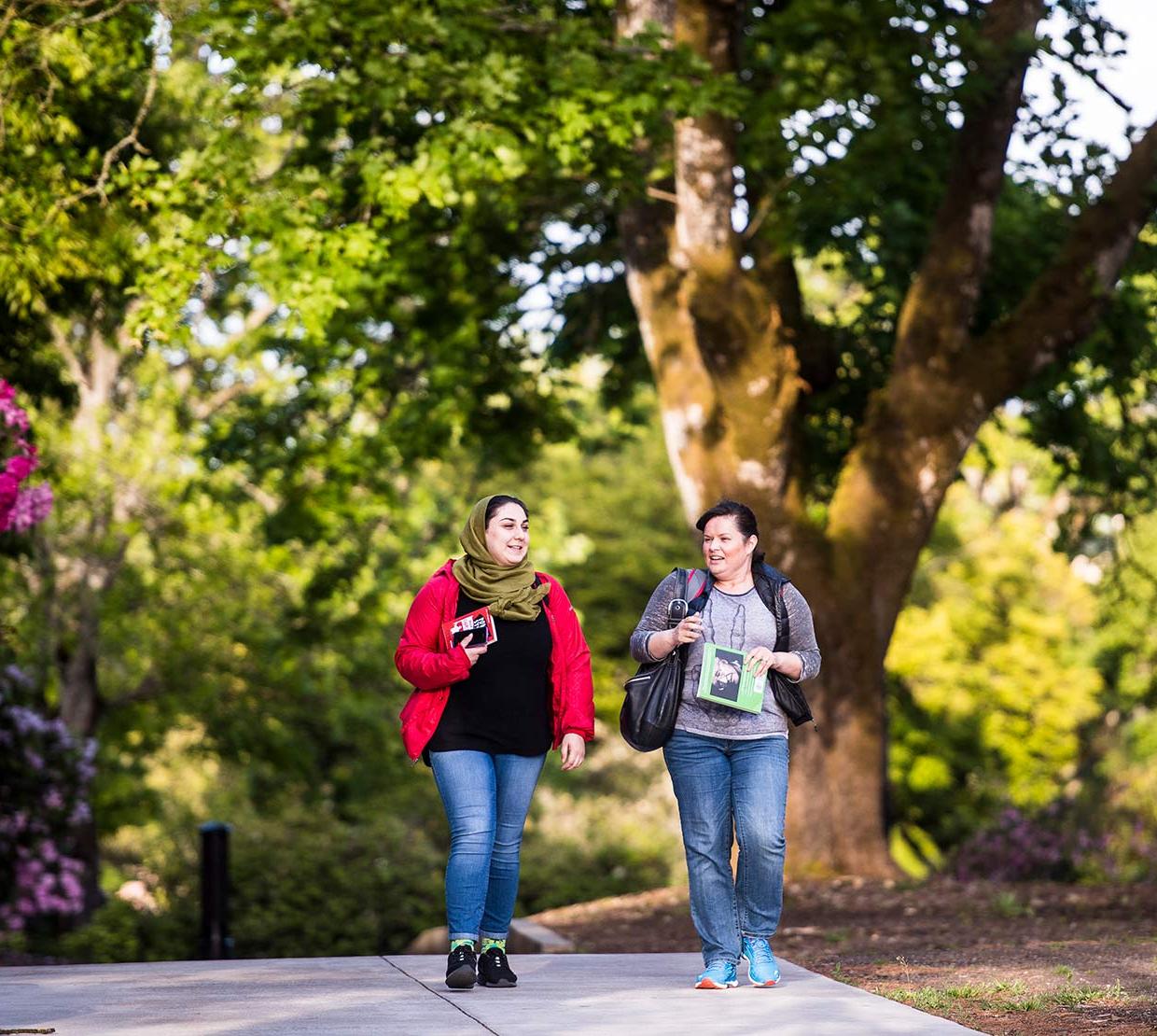
Two female students walking through campus in front of tree

Meet our Class of 2021

By Srila Nayak

Class of 2021

In recent years, the College of Science has enhanced support for underrepresented minority students and first-generation students and increased enrollment of high achieving students (with a GPA of 3.5 and higher). The demographics of the class of 2021 show impressive gains in all these areas.

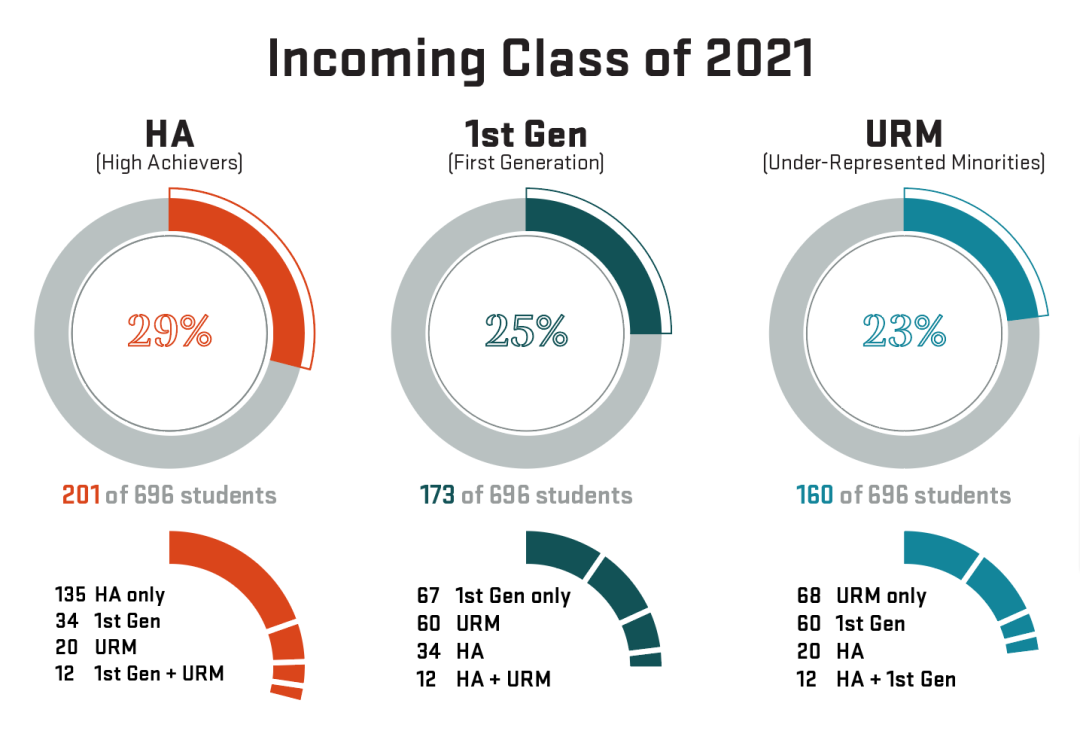
This fall, the College welcomed 696 new students, a huge increase of 31 percent from last year's incoming class. Twenty-five percent, or 173 first-year students, indicated they are first in their family to attend college and 23 percent are underrepresented minorities. The College is thrilled to welcome the highest ever number of high achieving students in its incoming class: 37.6 percent!

More than half of first-year science students, or 570, receive scholarship support. While this financial support has no doubt helped to attract and inspire top science students, the numerous opportunities and support for undergraduate research in labs across and beyond OSU have also attracted many talented students to the College.

Students sometimes start conducting research in their first year of college itself, supported by awards such as the SURE Science scholarship program. The latter offers students financial support for summer research across campus that can foster meaningful, scholarly connections early in their academic careers and help define their professional career path.

The increase in student diversity points to the strength of campus-wide science, technology, engineering and mathematics (STEM) programs such as LSAMP (Louis Stokes Alliance for Minority Participation), OSU STEM Leaders and SACNAS (Society for the Advancement of Chicanos/Hispanics and Native Americans in Science), which help to connect and fuel students interest in science through workshops, peer mentoring and research experiences helping them succeed both on campus and in their future professions.

"I am delighted to welcome the class of 2021 to the College of Science at OSU. I hope they take every opportunity to expand their professional and intellectual horizons in science. Our faculty and advisors are dedicated to student success," said Roy Haggerty, dean of the College of Science.

Overall fall term 2017 enrollment at OSU (which includes the main Corvallis campus, Ecampus and OSU-Cascades in Bend) grew 1.9 percent from last year, while enrollment at OSU's main campus in Corvallis continued to be stable. University-wide the number of high-achieving, minority and first-generation students have also risen in varying numbers. The most impressive enrollment figure is a 6.3 percent increase in minority students over a year ago.

A look at demographics: Women rule

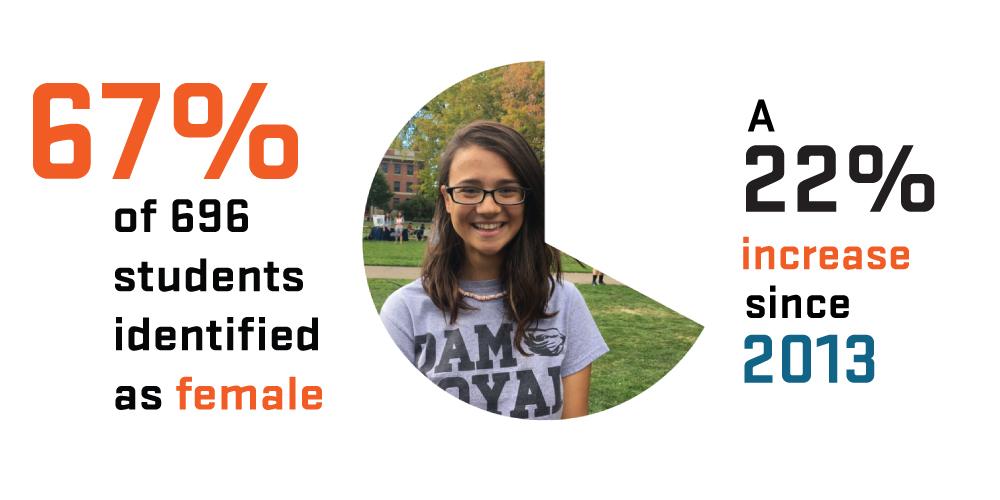
The majority of the 696 students in the class of 2021—67%—identified as female, which constitutes the highest number of first-year women students in science since 2013. At 467, the total number of new women students this year constitutes a 51.6 percent increase over fall 2016.

women graph

While nationwide, women have been enrolling in and graduating from college in greater numbers than men for the last few decades, the data on women pursuing undergraduate degrees in science and mathematics tends to fluctuate across disciplines and fields.

Data from the National Student Clearinghouse Research Center show that in 2014, 42 percent women and 58 percent men earned bachelor's degrees in mathematics. In biological and agricultural sciences, the numbers were 58 percent women and 42 percent men.

At OSU, first-year science students who were surveyed identified as follows: 59 percent white, 13.6 percent students Asian, 2.3 percent Black or African American, 15 percent Hispanic or Latino, one percent American Indian or Alaskan Native, three percent multiethnic and five percent declined to identify their ethnicity.

The survey reflects a 46.8 percent increase in newly enrolled underrepresented minority students in science since fall 2016. Among underrepresented minority students, Hispanic students numbered the highest this year at 104.

The number of first-time students increased by more than 25 percent as compared to fall 2016.

The variation in enrollment data among various minority groups can be viewed in the context of national trends. A 2017 National Science Foundation Report on Women, Minorities and Persons with Disabilities in Science and Engineering states that the share of Hispanics in science and engineering fields has doubled in the past 20 years, with the increase accelerating in the last decade.

The same study reports that while African American student enrollment has steadily increased in psychology, social science and biological sciences, it has declined in "the other science and engineering fields, most notably in mathematics and statistics."

The crossovers: High-achieving, first-gen and underrepresented

Parsing the numbers further shows a strong correlation between a first-year student's ethnicity and her or his parents' educational background: 35 percent of the 173 students who are the first in their family to attend college are also underrepresented minority students. Of the 201 high achieving students, 10 percent or 67 are first-generation students and an almost equal number are minority students (see infographic below). Two percent or just 12 out of 201 high achieving students are both minority and first-generation students.

Class graphic

Science majors by the numbers

Like in previous years, biology and the biohealth sciences majors attracted the greatest number of students—39.6 percent or 276 students and 26 percent or 184 students respectively. Of 696 students, 5.6 percent are biochemistry and biophysics majors,4.7 percent are biochemistry and molecular biology students, 6.5 percent are zoology majors, 7.3 percent are chemistry majors, 4 percent will major in mathematics, 3.3 percent are physics majors, and 2.4 percent are microbiology students.

A new major in the Department of Biochemistry and Biophysics with a strong laboratory and research focus has proven popular. Biochemistry and molecular biology ushered in its first cohort of 33 students.

The Department of Mathematics welcomed 28 first-year students, the highest number of math majors since 2013. The number of physics students too has risen steadily at 23 first-year students, the highest since 2013.

According to the 2015 Annual Survey of Mathematical Sciences published by AMS, total undergraduate enrollments for mathematics, applied math, statistics and biostatistics across public and private universities (medium, small and large) has increased slightly from 2,481,000 to 2,518,000 since 2012. Mathematics doctoral departments such as OSU awarded eight percent more bachelor’s degrees in 2015 as compared to 2014.

Microscope and laurel icon labeled "2017" above light texture

Recognizing faculty and staff excellence

2017 Fall Faculty and Staff Awards

The College of Science celebrated research, teaching and administrative excellence at its 2017 Fall Faculty and Staff Awards with a reception and ceremony on October 5.

Dean Roy Haggerty delivered welcome remarks and shared his perspective on the challenges science faces nationally as well as opportunities for our campus community. He warmly praised the award-winning researchers, instructional faculty and staff for their impressive accomplishments and dedication to service.
The College announced three new awards this year that support research and teaching excellence: Dean's Early Career Impact Award, College Impact Award with a $10,000 stipend and two Faculty Scholars for Teaching Excellence Awards which carry an award of $12,500 for three years. These awards are possible thanks to the generous philanthropic support of our alumni and friends and matching funds invested by the Provost's Office.

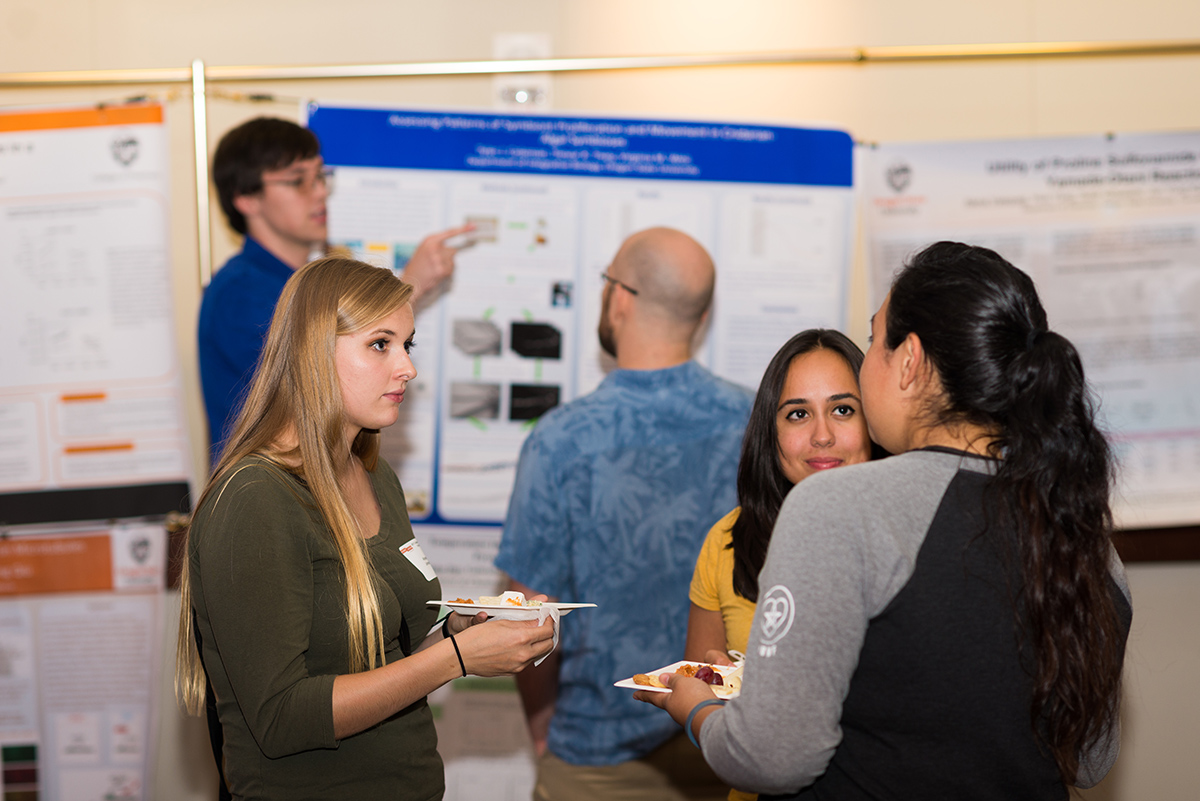
The awards ceremony was followed by a reception and a poster session showcasing the summer research projects of SURE Science students.

Hearty congratulations to these award-winning faculty and staff who were recognized for their outstanding achievements:

two headshots placed in a white border showing Michael Freitag on the left and Corrinne Manogue on the right.

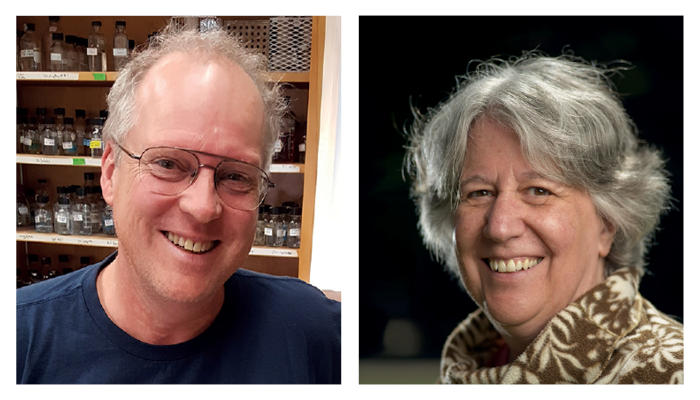
Michael Freitag, professor of biochemistry and biophysics. Corrinne Manogue, professor of physics.

Michael Freitag, professor of biochemistry and biophysics, received the Milton Harris Award in Basic Research for his outstanding research on how chromatin proteins shape eukaryotic genomes and epigenetic mechanisms of regulating DNA transcription through the use of filamentous fungi model systems.

Freitag has published more than 280 papers in prestigious journals, such as Proceedings of the National Academy of Sciences, Genome Research, Science and Nature; he has published 66 papers and received more than 8,500 citations for his work in the last 10 years.

Colleagues describe Freitag as among "the most respected scientists in the field of fungal biology."

"Since Michael’s arrival at OSU in 2006, he has built a fantastically productive and internationally recognized basic research program," said Andrew Karplus, Head of the Department of Biochemistry and Biophysics.

Freitag is renowned for his 2010 work pioneering the “ChIP-seq” approach in filamentous fungi. ChIP-seq is a high-throughput approach to obtain genome-wide maps showing which parts of a cell’s DNA make direct contacts with proteins. As one nominator noted, this work “made his lab a training ground for researchers from the United States, Europe, Asia and Australia to learn ChIP-seq and its computationally intensive analyses.”

Corinne Manogue, professor of physics, was honored with the F.A. Gilfilan Award for Distinguished Scholarship in Science. The Gilfillan Award honors a faculty member in the College whose scholarship and scientific accomplishments have extended over a substantial period of time.

An outstanding theoretical physicist, Manogue's research focuses on quantum gravity and she played a key role in the early work relating division algebras and supersymmetry. She currently studies the use of octonians—a type of algebra—to study fundamental particles.
Manogue is a teacher and scholar of the highest level as evidenced by her prestigious national and university teaching awards, including the American Association of Physics Teachers' Excellence in Undergraduate Physics Teaching Award. She is also the leader and driving force behind OSU's revolutionary Paradigms in Physics Project, which trains undergraduates how to think like physicists. Manogue is a Fellow of both the American Physical Society and the American Association of Physics Teachers.

She has pioneered physics education research and written articles on how to help students make the difficult transition from lower-division to upper-division physics. Her work has been generously funded by the NSF and has trained multiple students and postdocs who have gone on to become leaders in Physics Education Research.

"Corinne has helped to make discipline-based education research in science a highly respected endeavor that is changing the way we teach science in universities," said Heidi Schellman, Head of the Department of Physics.

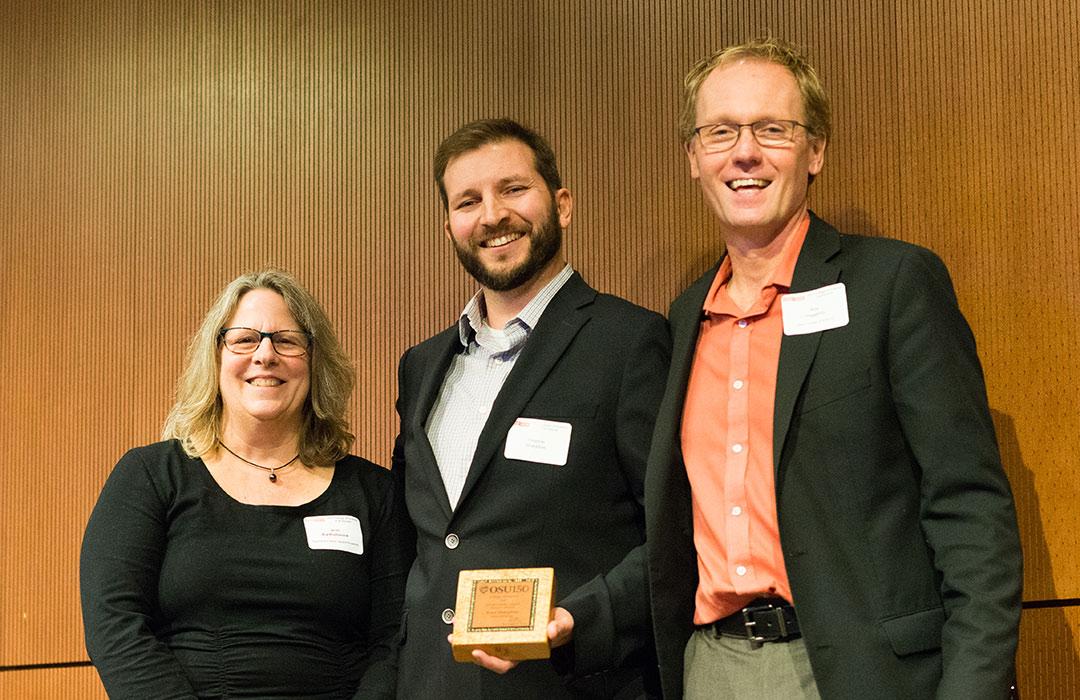
Thomas Sharpton receiving his award from Jerri Bartholomew and Roy Haggerty

Assistant Professor of Microbiology Thomas Sharpton (center) with Department and Dean Roy Haggerty (right).

Thomas Sharpton, assistant professor of microbiology and statistics, received the Dean's Early Career Impact Award for exceptional achievement in research and education by a tenure-track faculty. Sharpton has acquired a national reputation for his work in microbial bioinformatics.

Since joining OSU in 2013, Sharpton has published 15 papers, including one in Proceedings of the National Academy of Sciences (PNAS) which has opened new doors in microbiome exploration by bringing statistical acumen to bioinformatics. This approach applies evolutionary methods to detect long-term historical trends in host/microbe co-evolution.

Among his greatest achievements are developing new technologies, such as Sifting Families (SFams), a system for classifying protein diversity, and his recently published method for automating gene family abundance estimation from metagenomics data. Sharpton's study on the disruption of the zebrafish microbiome as a result of exposure to the antimicrobial agent triclosan was featured in TIME and Fortune magazine.

In recognition of Sharpton’s contributions, he was selected as OSU's official representative for the National Microbiome Initiative Rollout at the White House Office of Science and Technology Policy (OSTP) and was the lead author of OSU's response to OSTP's Call for New Commitments on microbiome research.

This spring the College of Science and OSU's Office of Research launched the Oregon State University Microbiome Initiative (OMBI), led by Sharpton. Through OMBI, an ongoing education and research program, Sharpton is emerging as a campus leader in innovative teaching of bioinformatics and bioinformatics curriculum development.

"Since his arrival at OSU, Dr. Sharpton has made tremendous impacts on the institution's educational and research landscape and has produced substantial discoveries in his field," said Jerri Bartholomew, Head of the Department of Microbiology.

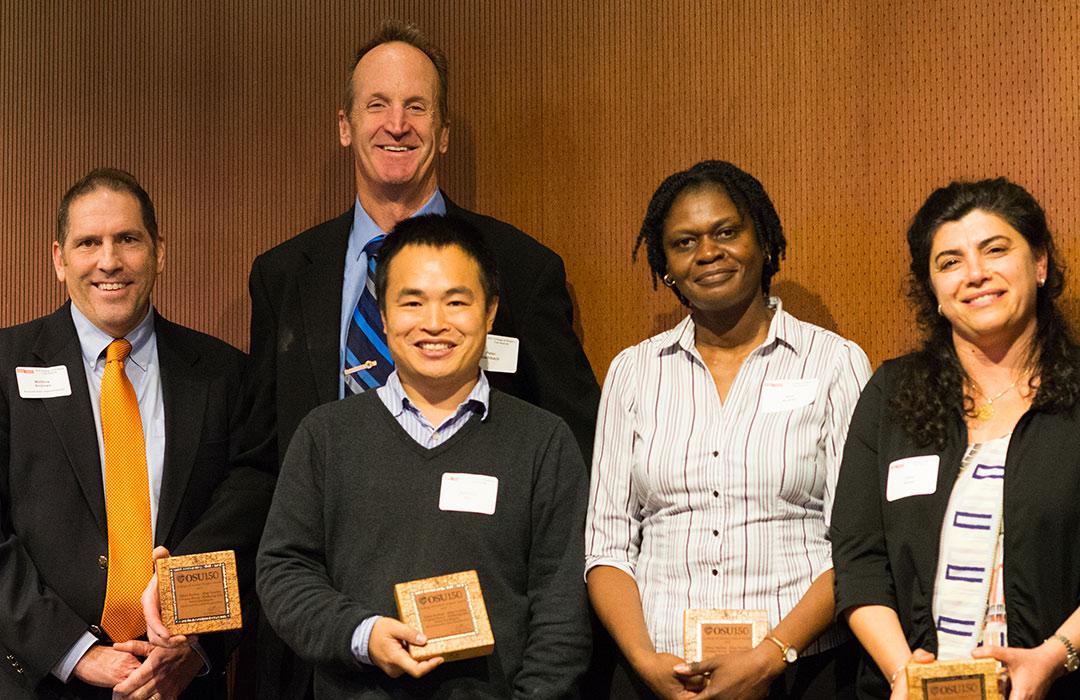
Group photo of award winning faculty

(From left to right) Associate Dean Matt Andrews, physicist Weihong Qiu, biochemists Afua Nyarko and Elisar Barbar and Peter Eschbach (back).

A research team comprising biochemistry and biophysics faculty Elisar Barbar, Afua Nyarko, Viviana Perez, physicist Weihong Qiu and Peter Eschbach (Electron Microscopy Facility) has won the College Impact Award. Through their respective research domains, Barbar and team are rapidly establishing an internationally recognized hub focused on elucidating the multiple essential roles of intrinsically disordered proteins (IDP).

As a testament to their importance and prevalence in biology, IDPs are increasingly appearing in various research projects at OSU ranging from motor proteins and the mitotic spindle (Barbar, Qiu), cancer invasion and tumor progression (Nyarko, Kolluri) and aging (Perez).

The Barbar Lab will join forces with Nyarko, Perez, Qiu and Eschbach to integrate interdisciplinary approaches and cutting-edge, university-wide facilities to continue the study of IDPs in different biological systems. The diversity of expertise will help establish OSU's reputation for excellence as a global leader for driving IDP research in the nation.

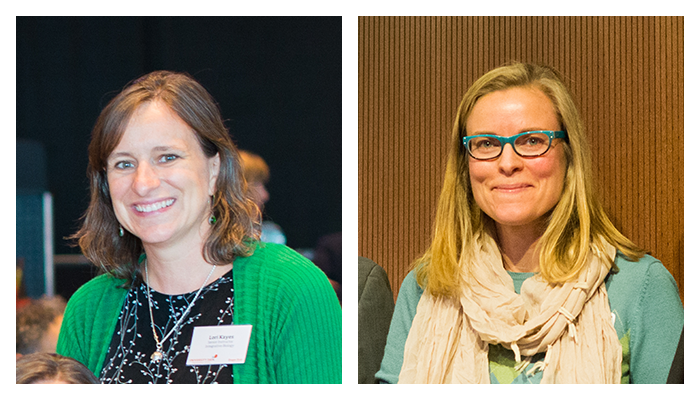
Kayes and Beisiegel receiving awards

Senior Instructor of Integrative biology Lori Kayes (left) and Assistant Professor of Mathematics Mary Beisiegel (right)

Lori J. Kayes, an integrative biology instructor, has won the College of Science Faculty Scholar for Teaching Excellence Award. This new award for a three-year faculty scholar position supports excellence and innovation in teaching and carries an annual stipend of $12,500.

Kayes has distinguished herself as an outstanding instructor, teaching coordinator and biology education researcher. Kayes proposed a redesign of the Principles of Biology (Bi21x) series, a large enrollment introductory biology course for life-science majors, to create a more inclusive, modern and best practices-based course series, while supporting diverse student populations and providing faculty professional development.

For the past six years, Kayes has led faculty development workshops and facilitated the development of teaching materials for introductory biology sequences. Additionally, she has worked extensively with faculty around the state from all institution types to increase the alignment of introductory biology both vertically within a curriculum and horizontally across institution types.

The proposal provides workshops support, faculty support in the form of graduate training assistants to develop curriculum and a comprehensive evaluation plan for the newly revised curricula. This project will impact approximately 1500 students at OSU and the surrounding community colleges per year and involve more than 20 faculty.

Mary Beisiegel, assistant professor of mathematics, received the Ben and Elaine Whiteley Faculty Scholar Award for Teaching Excellence. Beisiegel is a highly gifted teacher of mathematics and is the Mathematics Department's expert on teacher training at all levels.

An accomplished scholar whose research focuses on how people prepare for careers in post-secondary mathematics education, Beisiegel often incorporates her research and evidence-based pedagogical models into teaching.

In 2016, she was awarded a five-year, NSF grant to work on curriculum renewal in lower division mathematics courses. She also received the 2017 Henry L. Alder Award for Distinguished Teaching from the Mathematical Association of America.

Beisiegel will use her award to conduct 12 seminars over the next three years for faculty and graduate teaching assistants focused on how to implement research and evidence-based active learning techniques in the classroom.

"Mary has managed to infect others with her enthusiasm and to promote in others the desire to seriously reflect on their teaching, " said Tom Dick, a professor of mathematics in the Department of Mathematics.

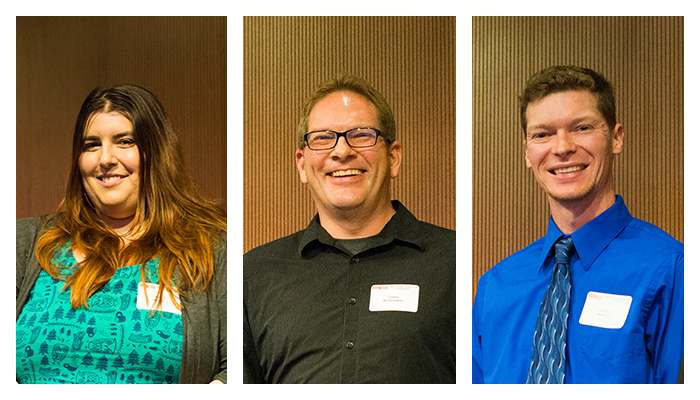
Betterton, Bridenstine, and Robinson receiving awards

Graphic designer Sharon Betterton. ASBC accountant Jamie Bridenstine. Faculty Research Assistant (Integrative Biology) Jonathan Robinson

Sharon Betterton, a graphic designer in the College of Science, received the Gladys Valley Award for Exemplary Administrative Support. Betterton was recognized for her high degree of professionalism, outstanding creative impact and exceptional collaborative skills.

Her extraordinary work as a designer has contributed to a strong College of Science brand that is recognizable, fresh, unique and professional. Her work is well regarded and respected across the university and held up as an example of highly effective marketing.

"She maintains high standards of excellence for her work and is one of the most talented creative professionals I have worked with in my 20-year career," said Debbie Farris, assistant director of marketing and communications in the College.

Jamie Bridenstine, an accountant in finance and administration in the Arts and Science Business Center (ASBC), received the ASBC Exemplary Service Award. This award recognizes exemplary service by a member of ASBC to the colleges within the Division.

Jonathan Robinson from the Department of Integrative Biology won the Outstanding Faculty Research Assistant award. This award recognizes a Faculty Research Assistant who has a record of outstanding job performance and contributions.

SACNAS representatives together at a restaurant

Because diversity matters: Science students attend 2017 SACNAS conference

By Katharine de Baun

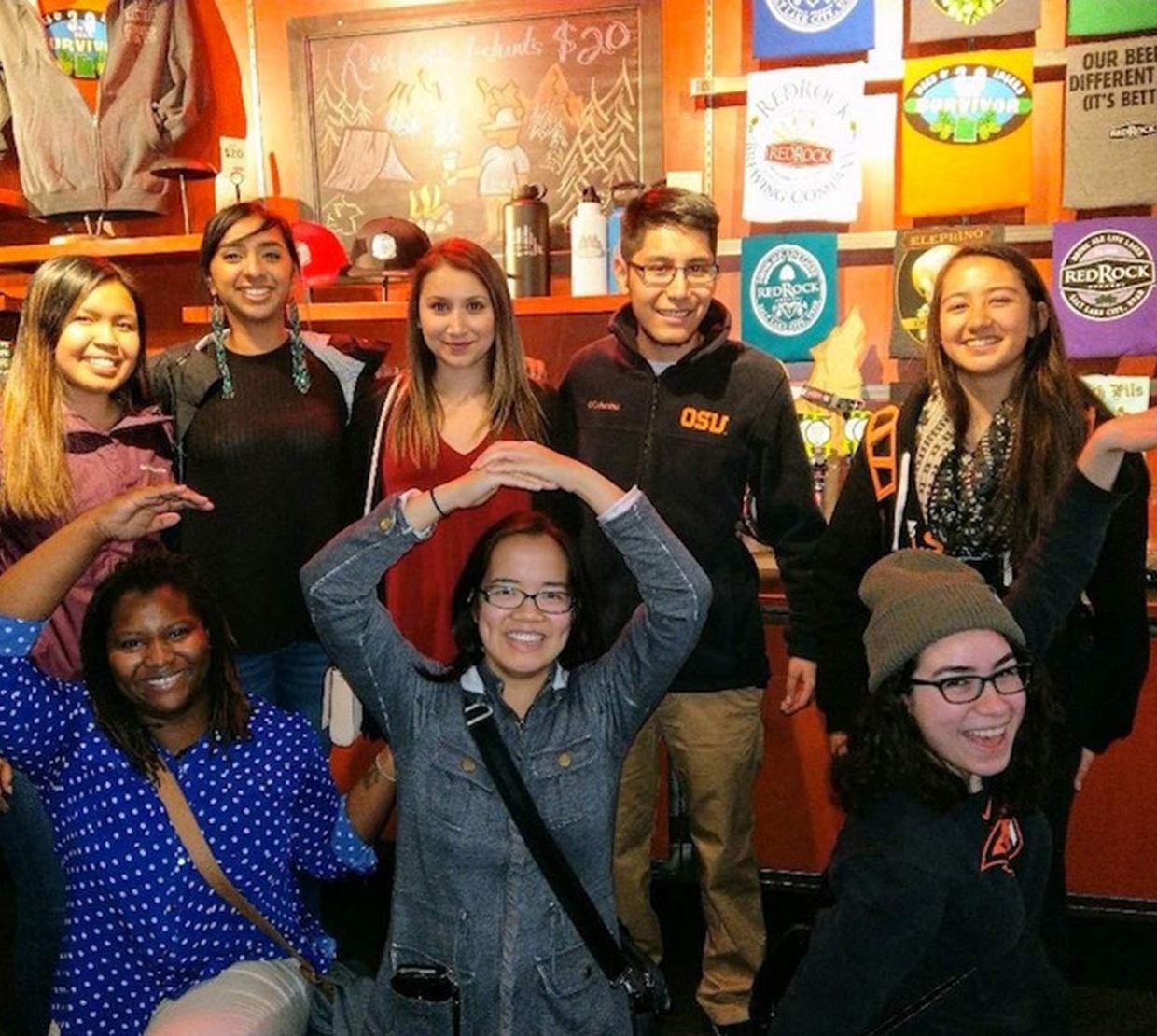
Members of SACNAS OSU

Eight undergraduate and graduate students in the College of Science were delighted to attend the Society for Advancement of Chicanos/Hispanics and Native Americans in Science (SACNAS) national conference last week in Salt Lake City, Utah, October 19-21, 2017. Thanks to generous alumni and friends, the College was able to support these students on their travels and participation at SACNAS.

SACNAS, the largest multicultural and multidisciplinary STEM diversity organization in the nation, has a mission to help "our country live up to its potential" by making sure that more underrepresented students attain advance degrees, careers and positions of leadership in STEM fields.

SACNAS offers a unique opportunity for underrepresented students to network, bond with peers, practice their science communication and other professional skills and make connections that can lead to jobs, graduate school, internships and career opportunities.

This year's group of students from the College of Science included two national SACNAS travel scholarship winners, biology major Mamo Waianuhea and chemistry major Marissa Gallegos, who is an OSU SACNAS chapter officer. OSU research was showcased by Waianuhea, who presented a poster, and biochemistry and biophysics graduate student Nicole Hams, an oral research presenter.

Chemistry graduate student Ana Arteaga also attended in addition to undergraduates Trisha Chau, SACNAS chapter officer and biochemistry and molecular biology student; Oscar Hernandez, biochemistry and molecular biology student; Selena Carrizales, SACNAS chapter officer and microbiology student; and Aimee Nguyen, SACNAS chapter officer and biohealth sciences student.

"Not only did I present my poster, receive feedback from admission deans of professional schools, get my applications sent directly to the managers of companies, and hear inspirational speeches, but I was able to become good friends with my peers," said Chau.

She returned to campus with a renewed sense of possibility for her own path in STEM and much loyalty for SACNAS:

"SACNAS is one of the best organizations on campus, and it stays true to its mission. I cannot wait to see how SACNAS will continue to grow, both as a national organization and as an OSU chapter."

OSU also sent 14 other students from the Colleges of Agricultural Sciences, Public Health, Liberal Arts, and Engineering.

SACNAS 2017 featured three days of cutting-edge science, research, training, mentoring and cultural activities for scientists at all levels and disciplines. This year, the conference attracted over 4,000 participants who enjoyed more than 1,000 student research presentations, 350 exhibitors, and 100 professional development and scientific sessions.

In addition to offering a unique opportunity to underrepresented students in STEM, the annual SACNAS conference helps universities recruit diverse students to their STEM programs and summer research opportunities. OSU hosted five recruitment booths at SACNAS and connected with hundreds of students who signed up for more information about its STEM graduate programs.

To learn more about OSU's SACNAS chapter and how to get involved or support its mission to advance Chicanos, Latinos, Native Americans, Alaska Natives, Native Hawaiians and other underrepresented minorities in science, visit the chapter's website.

Photo: Top left to right: Aimee Nguyen, Selena Carrizales, Ana Arteaga, Oscar Hernandez, Mamo Waianuhea. Bottom left to right: Nicole Hams, Trisha Chau, Marissa Gallegos.

women rock climbing

Getting your career plans in shape: A Saturday bootcamp

The Career Development Advanced Career Bootcamp

Great careers don't happen by accident. Sure a satisfying career takes talent, but it also takes hard work and careful planning while you are still in college.

College of Science majors can sharpen their professional skills and hone their job search strategy at the Career Development Advanced Career Bootcamp on Saturday, October 28, 2017. A three-hour workshop, the bootcamp will take place in the Science Success Center, Kidder 109 from 10 a.m. to 1:00 p.m.

Register today!

The boot camp will teach students a range of skills from writing the perfect cover letter and résumé to negotiating a first job offer. Nationwide, most employers say a cover letter will make or break your chances, and a well-written one can take you far.

The boot camp is highly recommended for students who are less than a year away from graduation. It is also open to other undergraduates who are keen on planning ahead. If you have identified a clear career pursuit and are ready to start the job search process then this bootcamp is ideal for you.

The Advanced Career Boot Camp is designed to prepare you to pursue your career goals with clarity and confidence. It is an excellent way to develop a job search strategy and hone your professional development skills that will prepare you for a satisfying career after graduation.

The event includes a number of professional development activities plus a FREE lunch. At the end of the workshop, you will have learned how to:

  • Create an effective resume and cover letter
  • Develop a job search strategy
  • Prepare for job interviews
  • Negotiate your first job offer
  • Learn from your peers
  • Develop a career action plan

You have your heart set on a career. Join the workshop to find out how you can get there. Register here!

Subscribe to Biochemistry & Biophysics