Research Funding

Research Funding

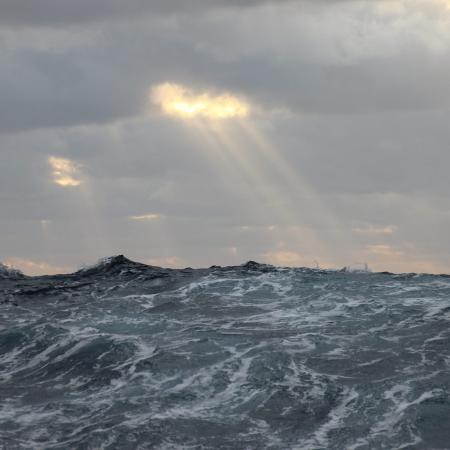
Giovannoni lab performs research off of a boat

Microbiologist receives $1.2M award to study microbes in a changing ocean

By College of Science

Microbiologist Stephen Giovannoni received a 5-year $1.2 million award to continue studying the microbiology of the Sargasso Sea, an ocean gyre that is representative of ocean regions with extremely low productivity that are expanding globally due to the warming of the ocean’s surface.

The award, from the Simons Foundation International, is part of the BIOS-SCOPE program, a consortium of scientists established in 2015 to jointly investigate the biology, chemistry and physics of this ocean region. While an assistant professor at Oregon State in the 1990s, Giovannoni began the longest ocean-time series of plankton DNA collections, exactly the type of data now needed to understand life on a changing planet.

The new aim is to understand how the decline in nutrients caused by ocean warming impacts the evolution of microbial cells, forcing them to simplify their genomes and use resources more efficiently. This information is used to predict carbon cycling globally and the biology of the future ocean.

The Sargasso Sea is an ideal study site because the ocean rhythmically transitions between cool, productive winters when nutrients are mixed to the surface, and nutrient-poor summers, when chlorophyll levels drop to extreme lows. These seasonal oscillations help scientists model how ocean biology responds to the global expansion of thermally stratified waters.

Learn more about the BIOS-SCOPE program.

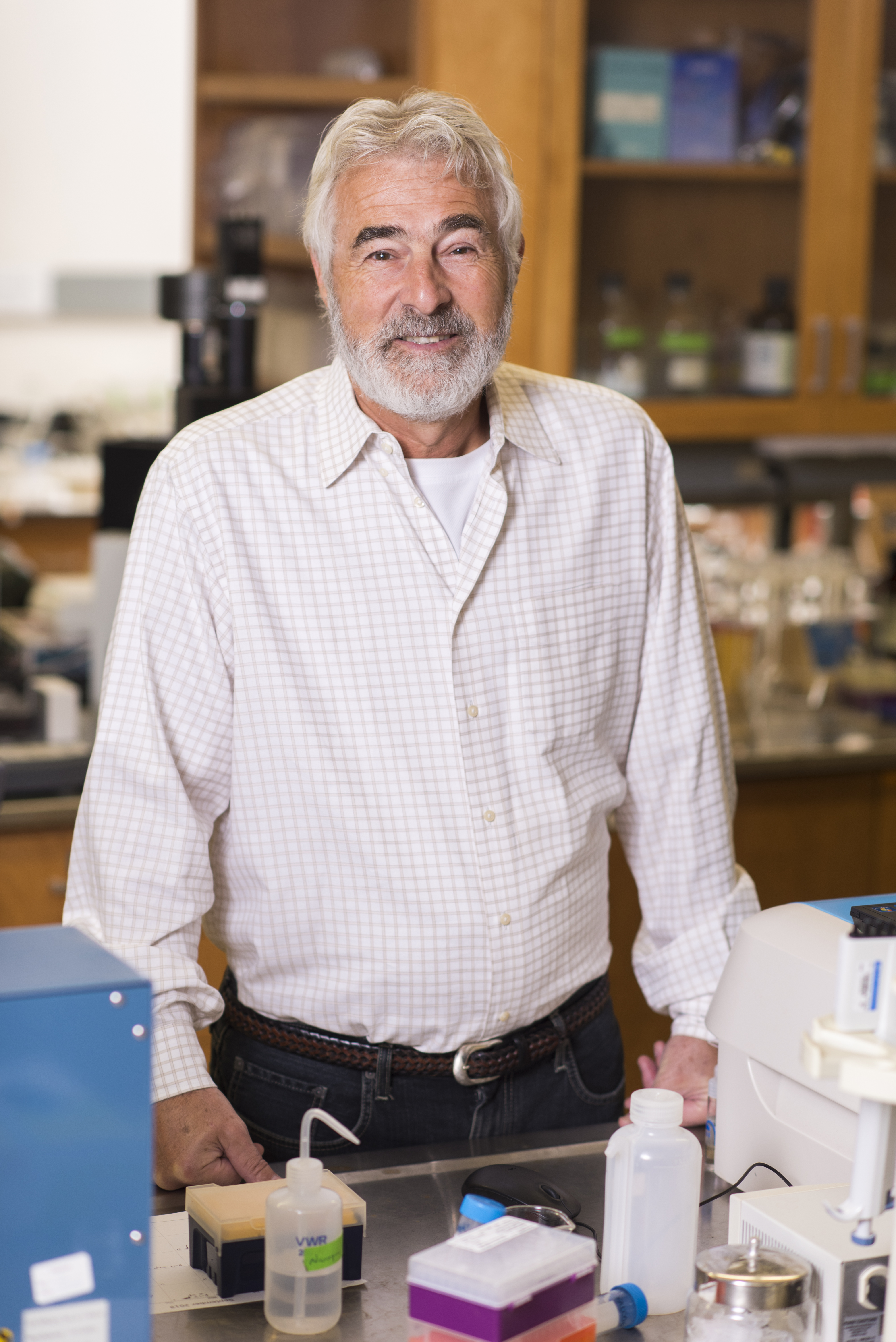
Stephen Giovannoni standing in lab space

Giovannoni's lab studies how biology interacts with the atmosphere and the oceans to change global patterns in the movement of carbon and other elements.

A man in lab coat and gloves uses a pipet.

Shaping scientific careers through undergraduate research at Oregon State

By Hannah Ashton

Every summer, Oregon State’s Summer Undergraduate Research Experience (SURE) in the College of Science empowers students to turn curiosity into discovery, and in many cases, personal experiences into purpose. Backed by funding that allows them to fully immerse in research, students step into labs across campus to pursue projects that shape their future. From cancer biology to nutrition science, their journeys are defined by mentorship, resilience and the chance to see themselves as scientists.

For Jordan Indrawan, it meant channeling his own battle with cancer into studying the proteins linked to the disease. For Ashley Tran, it was finding a sense of belonging in a lab led by women of color. And for Matthew Hines, it was discovering a passion for research he once thought was out of reach.

Turning personal experience into purpose

At 16, Jordan Indrawan faced a life-changing diagnosis. During his junior year of high school, doctors discovered a germ cell tumor pressing against his lung. After months of chemotherapy and surgery, Indrawan survived the ordeal with a new perspective. “That experience was life-changing, of course, and made me realize that I want to contribute in some way to finding a cure,” he said.

That determination followed him to Oregon State University, where he found a home in the Department of Biochemistry and Biophysics. Originally a bioengineering major with an interest in prosthetics, Indrawan realized during organic chemistry that his true passion lay elsewhere. Encouraged by a friend, he switched majors and eventually joined the Accelerated Master’s Platform in biochemistry and biophysics.

“I’ve read research papers all the time, but I never thought I would be in one — at least at this stage."

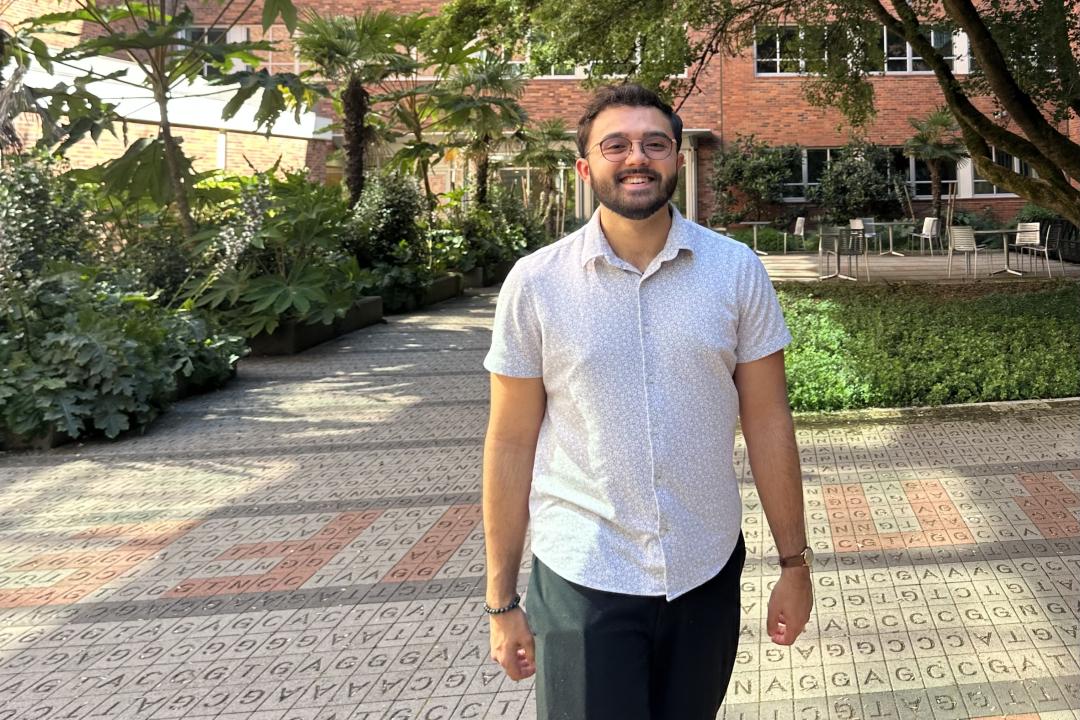
A man in a white shirt walks across campus

The Summer Undergraduate Research Experience (SURE) gave Jordan Indrawn the chance to work in biochemist Colin Johnson's lab.

The Summer Undergraduate Research Experience (SURE) gave him the chance to fully immerse himself in lab work. Indrawan joined the research group of biochemistry and biophysics professor Colin Johnson, whose lab studies a family of proteins called Ferlins, which play a role in cell communication, growth and repair. Misregulation of these proteins is linked to conditions ranging from hearing loss to cancer. “Our goal is to understand how these proteins work in the first place,” Indrawan explained. “By knowing how they function, we can hopefully contribute to further research on diseases like cancers, muscular dystrophy and hearing loss.”

SURE funding made a critical difference in his ability to focus on research. Instead of splitting his time between lab and a job, Indrawan was able to spend the summer mastering experimental techniques — from purifying proteins and DNA to cloning cells and running anisotropy experiments on a fluorometer. Ainsotrophy tracks how molecules move and interact.

“All of the different skills I learned can be applied to any molecular laboratory, so it’s very much universal,” he said.

The summer also brought a milestone Indrawan never expected so early in his career: authorship on a scientific paper. After contributing to experiments on otoferlin binding partners, he saw his name included among the authors. “I’ve read research papers all the time, but I never thought I would be in one, at least at this stage,” he said. “Seeing my name felt unreal and rewarding.”

For Indrawan, SURE confirmed his commitment to cancer research. Whether in graduate school or the biotech industry, he hopes to continue contributing to discoveries that will help patients facing the diseases he once fought himself.

Finding inspiration in mentorship

Walking into the lab of Emily Ho, director of the Linus Pauling Institute, Ashley Tran immediately saw something that reshaped how she imagined her future. She found herself among a research team full of accomplished women, led by Ho, an Asian American principal investigator. For Tran, it was a sense of belonging she had never experienced before.

“It really shows that there’s a place for everyone,” Tran said. “I think it’s truly empowering to work in that environment.”

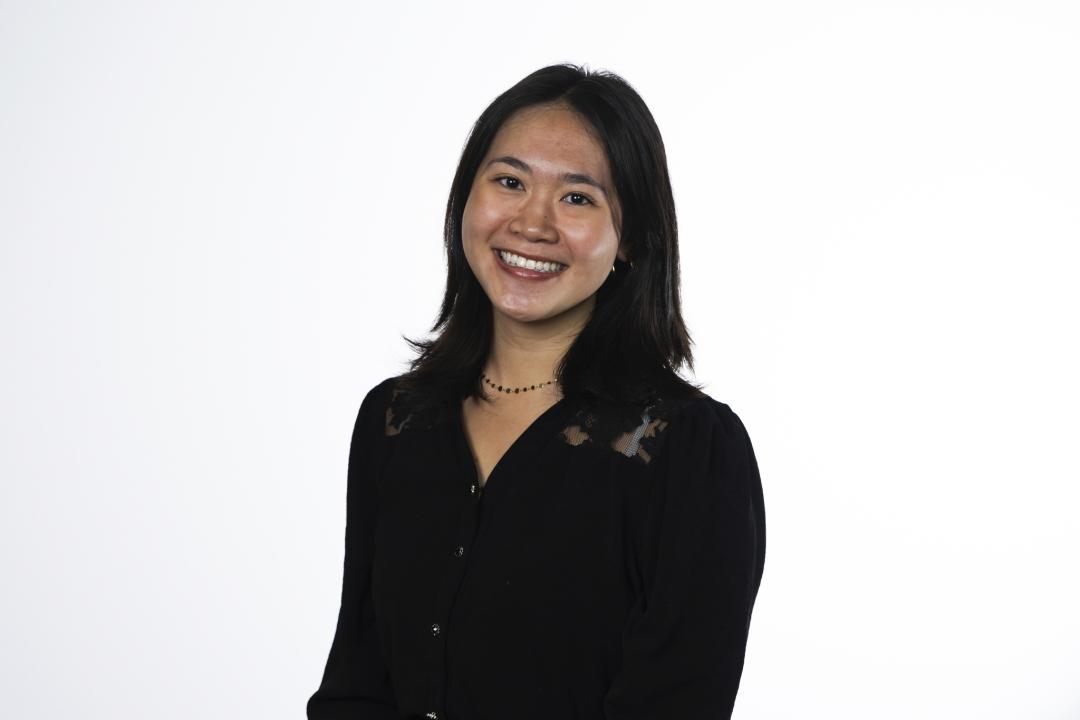
A woman in a black shirt poses for a headshot in front of a white background.

Ashley Tran, a junior biochemistry and molecular biology major, joined a research project investigating how eating walnuts might benefit memory, brain function and gut health in older adults.

A third-year biochemistry and molecular biology major from Tigard, Oregon, Tran was hesitant to try research. “I was a little nervous and definitely intimidated,” she admitted. The STEM Leaders Program, which serves a diverse group of first and second-year students, encouraged Tran to reach out to faculty, which led her to Ho’s health and nutrition lab.

Tran joined a project that was unique for undergraduate lab work, contributing to a clinical trial. Ho and her team are investigating how eating walnuts might benefit memory, brain function and gut health in older adults. Tran prepared walnut and control kits for participants, assembled urine collection supplies and processed samples of blood, stool and urine. “I am proud that I got over the fear of working with human samples,” she said. “At first the idea was shaky, but after a while it gets destigmatized and easier.”

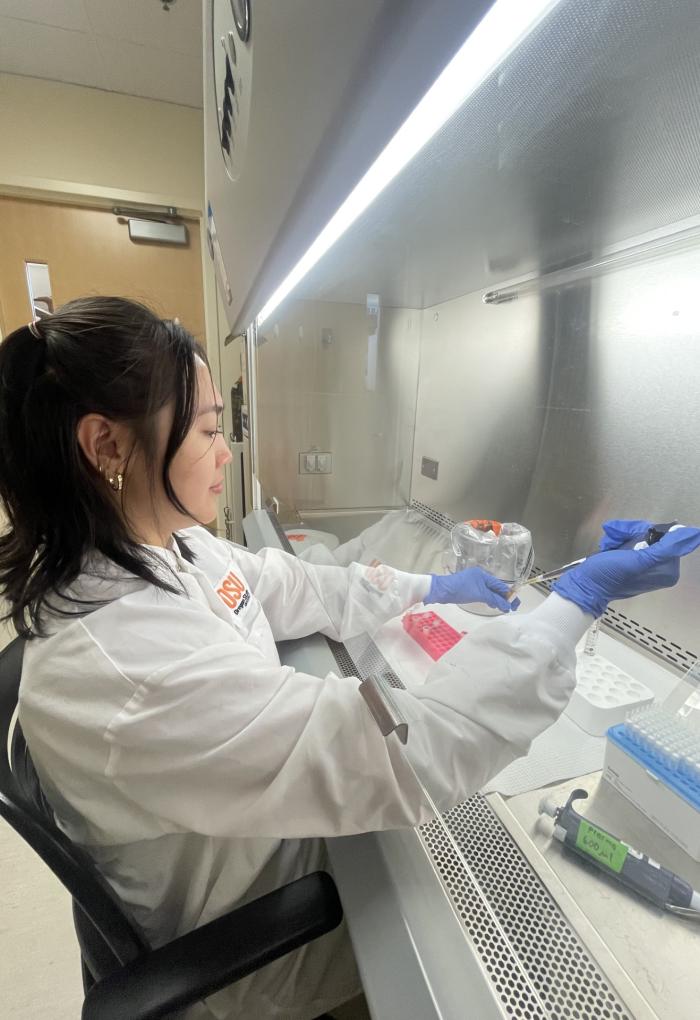
A woman in a lab coat works with a pipet.

Ashley Tran pipets plasma samples after centrifuging the blood from a participant in the walnut study.

The SURE program made it possible for her to commit fully to the project this summer. Commuting between Corvallis and her family in Tigard made unpaid lab work unrealistic. Without SURE, she would have missed more than just hands-on experience; she would have missed the power of mentorship.

Throughout the summer, Tran became close with Laura Beaver, a co-investigator on the study, who helped her find her confidence. “It was intimidating because they’re all incredible people who are very accomplished,” she said. “But once I got over that, it was all fine. You can ask questions because ultimately they want things to run smoothly and for students to succeed.”

That mentorship helped her navigate the challenges that came with the territory and experience personal growth as a scientist. Mistakes in processing samples or timing tasks were a part of the learning process. Tran also noticed how participants interpreted instructions differently, teaching her how variable human data can be.

Two women pose for a selfie holding ice cream.

Tran and her cousin (left) pose for a selfie with ice cream from the on-campus creamery.

Though research isn’t her long-term career path, Tran gained skills and perspectives that will support her future in medicine. She plans to continue shadowing neurologists and applying to medical school while holding on to the lessons she learned from her SURE summer. “Take note of opportunities. Even if you are scared, do it.”

From uncertainty to confidence

A year ago, Matthew Hines couldn’t see himself doing research. A BioHealth Sciences and BioResource Research double major from Tualatin, Oregon, Hines envisioned a career in healthcare but doubted he had the skills or confidence to thrive in a lab.

That changed thanks to the STEM Leaders Program and SURE. The STEM Leaders Program helped Hines connect with Bo Sun, a professor in the Department of Physics, while SURE allowed him to fully devote his summer to research.

“SURE gave me the chance to fully commit to the lab and prove to myself that I could do difficult things,” Hines said.

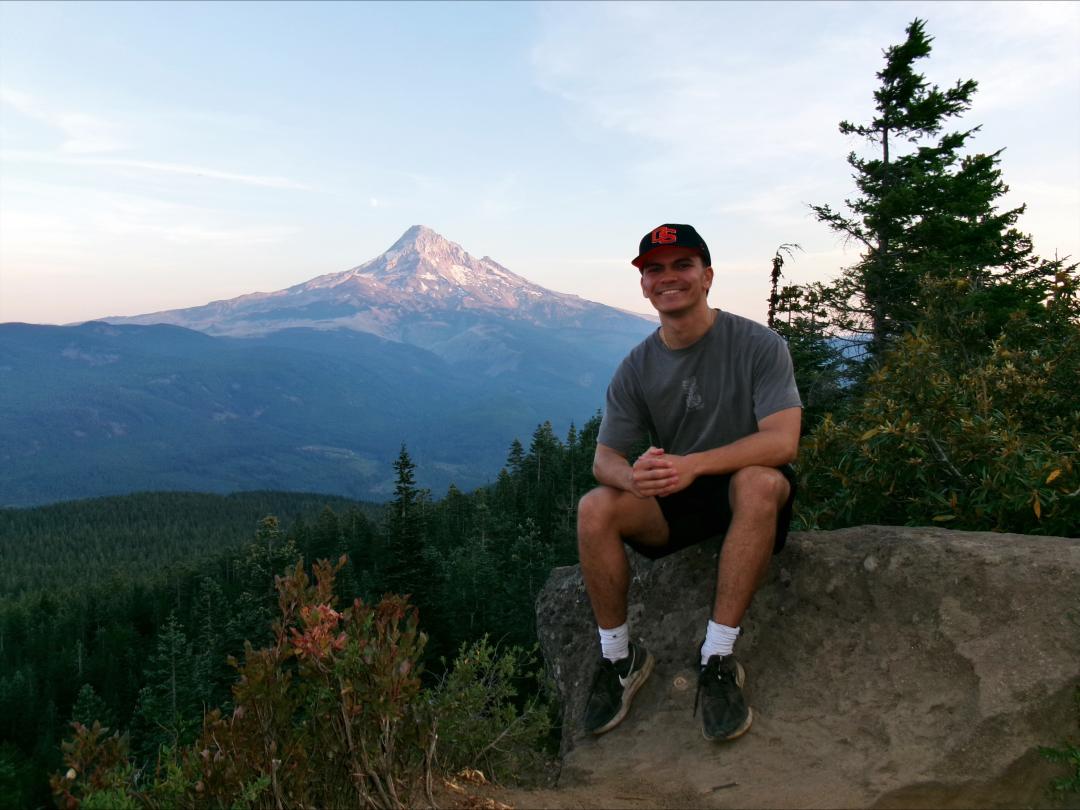
A man poses for a photo with a mountain in the background.

Matthew Hines poses for a photo while camping in Lost Lake, Oregon.

Sun’s lab is researching multifocal breast cancer metastasis, a form of cancer in which multiple tumors arise in the same breast, and cancer cell invasion. Hines developed numerous wet lab skills, including making his own breast cancer tumors (spheroids), which are clusters of breast cancer cells used to make samples and replicate actual tumors. He then imaged these samples over several days to track the invasion patterns of the cells using confocal microscopy to look for any persistence and/or biased invasion.

Finally, he performed data analysis by processing the images through a machine learning program that highlighted different phenotypes of the cells and created stacked images of the spheroids to visualize them in 3D.

“It is important to understand how invasion happens, how fast, where it goes, because that knowledge can help healthcare professionals better diagnose and treat cancer,” Hines explained. “It feels good knowing the work could have a real impact.”

The experience wasn’t always easy. To analyze his results, Hines had to learn coding from scratch, something that felt overwhelming at first. “If you mess up one character in your code, it doesn’t work. It was frustrating,” he said. “But focusing on the bigger picture kept me motivated. Every figure I produced showed me I was making progress.”

Four men pose for a photo wearing pacific islander clothing.

Matthew Hines (far right) poses for a photo before Pasifika Fest 2025. The event celebrates the richness and diversity of Pacific Islander cultures.

Beyond technical skills, Hines credits SURE with helping him see failure in a new light. In science, failure is common. “It made me more creative in problem solving and gave me confidence I didn’t have before.”

Mentorship was another defining element. Hines built a stronger relationship with Sun and the graduate students in the lab, who guided him through challenges and encouraged him along the way. “The environment and the people you work with are one of the most important parts of any job,” he said. “Without that mentorship, I don’t think I’d be as motivated to keep doing research.”

Now, Hines plans to continue in Sun’s lab as he works towards his BioResource Research thesis. The experience confirmed his passion for healthcare and sparked a deeper interest in research, something he once thought was out of reach.

A man in a backwards hat works at a lab.

Hines monitored the development of his spheroids, clusters of breast cancer cells used to replicate actual tumors.

Since 2015, the Summer Undergraduate Research Experience (SURE) has funded more than 300 College of Science students to spend their summers immersed in discovery. Undergraduate research is a hallmark of science at Oregon State, with about half of students participating annually through programs like SURE, the Launching Undergraduate Research Experiences (LURE) program during the academic year, discovery-based projects embedded in courses and mentorship in faculty labs. Together, these multiple pathways to hands-on learning prepare students to explore their curiosity and build successful futures in science.

To learn more about undergraduate research opportunities in the College of Science click here.

A man stands on a boat in a safety suit.

Microbiology graduate student awarded prestigious U.S. DOE educational award

By Hannah Ashton

Kelly Shannon, a Ph.D. student in the College of Science’s Department of Microbiology, was awarded a transformative educational award from the U.S. Department of Energy.

Shannon is one of 79 doctoral students from 56 universities and 29 states selected this year for the Office of Science Graduate Student Research (SCGSR) program. The program provides funding and access to DOE national laboratories, enabling them to conduct mission-critical research alongside leading scientists and develop into the next generation of science leaders.

Advised by microbiologist Rick Colwell and mentored by Chris Suffridge, Shannon will complete his dissertation research at Lawrence Livermore National Laboratory with microbial ecologist Xavier Mayali.

“This award is such an honor to receive. It means the absolute world to conduct research in this type of world-renowned facility, and with such amazing mentorship,” Shannon said. “I’m ecstatic to begin my project at Lawrence Livermore National Lab, and I hope that my research will make a difference in my field and in our ability to understand harmful algal blooms, which are so damaging to freshwater ecosystems and food webs.”

Two men in safety suits on a boat.

Kelly Shannon (left) and Chris Suffridge (right) filter water samples from Upper Klamath Lake, Oregon, as part of a project funded by the U.S. Fish and Wildlife Service.

His research focuses on harmful algal blooms (HABs) caused by cyanobacteria, or blue-green algae, and how they acquire and share nitrogen, a key nutrient needed by all life. These freshwater HABs can produce toxins that threaten wildlife, drinking water and recreational areas worldwide.

Shannon is studying how cyanobacteria pull nitrogen from the atmosphere and make it available to other algae. Some cyanobacteria can “fix” atmospheric nitrogen, converting it into a form that can be used by living organisms. This process not only fuels their own growth but may also support other algal species in the bloom. Because HABs often consist of several interacting species, understanding how nitrogen moves between them may reveal new insights into how these blooms form and persist in nature.

He is also exploring the role of vitamin B1 and a natural toxin in this nutrient exchange. Vitamin B1, or thiamin, is essential for all microorganisms, including algae. He will test how the availability of thiamin, and a naturally occurring compound that interferes with thiamin use, affects nitrogen transfer between species. This could shed light on hidden chemical interactions that influence the development and toxicity of HABs.

Shannon earned both his bachelor's degree (2020) and master’s (2022) in microbiology from Oregon State. He is now pursuing his Ph.D. as a member of the Colwell Lab in the College of Earth, Ocean and Atmospheric Sciences.

In addition to the DOE award, Shannon was selected as Oregon’s young ambassador for the American Society for Microbiology in 2024.

Two men in water pants collect samples in a lake.

Kelly Shannon (left) and Chris Suffridge (right) collect water samples from Upper Klamath Lake, Oregon.

Two women in lab coats work with a sample in a tube in a laboratory.

Microbiome scientist uses AI to redefine the gut-brain axis and deep-sea ecosystems

By Hannah Ashton

Maude David’s research sits at the crossroads of microbiology, neuroscience and artificial intelligence — an intersection that may hold the key to understanding some of the most complex disorders affecting the human brain and unlocking the secrets of deep-sea ecosystems.

Scientists have long recognized the gut-brain axis as a critical communication pathway, but only recently have they begun to uncover how the trillions of microbes in our gut influence brain function and behavior. David’s research is at the forefront of this field, using microbiome analysis and artificial intelligence to investigate links between gut bacteria and neurological disorders like autism. Her work deepens our understanding of these complex interactions and opens new possibilities for treatments. By applying AI to both human health and environmental microbes, David is pioneering a data-driven approach that could transform neuroscience and microbiology alike.

Microbiome of the human body

The gut-brain axis is a complex, bi-directional communication network linking the gut and central nervous system. The gut doesn’t rely on just microbes to communicate with the brain, but sometimes nutrients also.

For example, when you consume sugar, specialized sensory cells in your gut detect it and send signals to the nervous system, helping to regulate metabolism, appetite and energy balance.

"So, in a millisecond, the bacteria or their metabolites can ‘touch’ your brain.”

Researchers have long known that the gut-brain axis exists, but only recently have they begun to unravel how the trillions of microbes residing in the gut influence brain function and behavior.

“I am fascinated by the complex relationship we have with our microbiome,” David said. “I work specifically on this pathway where the microbes could potentially modulate sensory cells, that’s two synapses in your brain. So, in a millisecond, the bacteria or their metabolites can ‘touch’ your brain.”

Her lab is particularly interested in what role this communication network may play in neurological disorders like autism spectrum disorder (ASD). Using crowdsourced data, David and collaborators discovered that children with ASD have distinct differences in the composition of their gut microbiota compared to their neurotypical siblings. The researchers recruited 111 families that each have two children — one with autism and one without — born within two years of each other and aged two to seven years old.

The researchers collected stool samples from the children at three different time points, two weeks apart. They found eight bacterial genetic sequences that were more likely to be present in the guts of children with autism than in their non-autistic siblings, and three sequences that were less likely.

A follow-up study releasing later in 2025 found further interesting results linked to metabolites, small molecules produced during metabolism. These new findings are exciting because understanding the specific metabolic pathways altered in developmental and neurological disorders could pave the way for novel therapies targeting the gut microbiome.

“There have been very few drugs in the last 20 years focused on neurological disorders. It’s really the etiology, or causes, that are unknown. There is a big gap in understanding, and basic science can help bring solutions,” she said.

A woman in a blue suit jacket holding a stuffed giant microbe.

Maude David holds a stuffed version of lactobacillus bulgarius, the main bacteria used in the production of yogurt. As a beneficial probiotic, it helps maintain a balanced gut flora, which is essential for overall health. The bacteria is produced by the company Giantmicrobes.

Microbiome of the deep sea

Beyond her hands-on lab work, David is pioneering artificial intelligence applications in microbiome research. By training machine learning models on massive datasets, her team is discovering how to predict patterns and identify microbial signatures linked to different conditions.

Her AI approach functions similarly to how a person might read thousands of books to develop a deep understanding of a subject before applying that knowledge to something new. Instead of analyzing each microbiome sample from scratch, her team feeds AI models vast amounts of microbial sequencing data, allowing the system to learn and recognize relationships between the different microbes. These models can then be applied to help classify conditions such as inflammatory bowel disease or colorectal cancer with greater accuracy.

“It is awesome, because the model can remember relationships that us humans might not. It’s finding these complex patterns,” David said.

One of the major challenges in microbiome research is the sheer volume of data involved. Each individual has a unique microbiome comprising thousands of different microbial species, each interacting in complex ways. Traditional methods of analyzing these communities can be time-consuming and require extensive resources. AI provides a way to quickly process and interpret large datasets, identifying patterns that can reveal valuable insights.

Her latest National Science Foundation study continues to push the limits of what AI can do. With a $540K grant, David is applying deep learning to analyze oceanic microbial ecosystems, an extension of her expertise in microbiome research.

The deep sea is a crucial, yet poorly understood driver of global biogeochemical cycles, the movement of essential elements like methane and nitrogen. These cycles regulate ecosystem function, influence climate and support life.

“We are looking at microbes in the ocean and researching how we can use AI to discover what role unknown genes play in methane seeps off the coast of Oregon and Washington,” she said.

Methane seep habitats, areas where methane gas escapes from the sea floor, are unique, diverse areas nourished by methane-consuming microbes. However, many of the genes involved in these deep-sea cycles remain unidentified, limiting our understanding of how these ecosystems function and their impact on global biogeochemical processes.

To analyze these complex environments, researchers will develop two AI models designed to decode gene functions. The first model will categorize genes into pathways by studying how they appear together in microbial communities. The second will use generative AI to predict the functions of unknown genes based on protein sequences and text-based data. Together, these models will help scientists identify genes responsible for each of the cycles identified.

The main outcome will be a scalable approach to artificial intelligence that will advance key questions in earth system science. Understanding the genetic mechanisms behind biogeochemical processes is crucial for predicting how ocean ecosystems respond to environmental changes.

The results of this study will include exhibits by artists involved in the research as well as a documentary about how AI can harness big data to help advance the understanding of earth systems.

As science continues to reveal the hidden influence of the microbiome, one thing is clear: critical solutions lie in understanding the powerful role microorganisms play in our bodies and our environment. David’s research has us on the right path to new understandings.

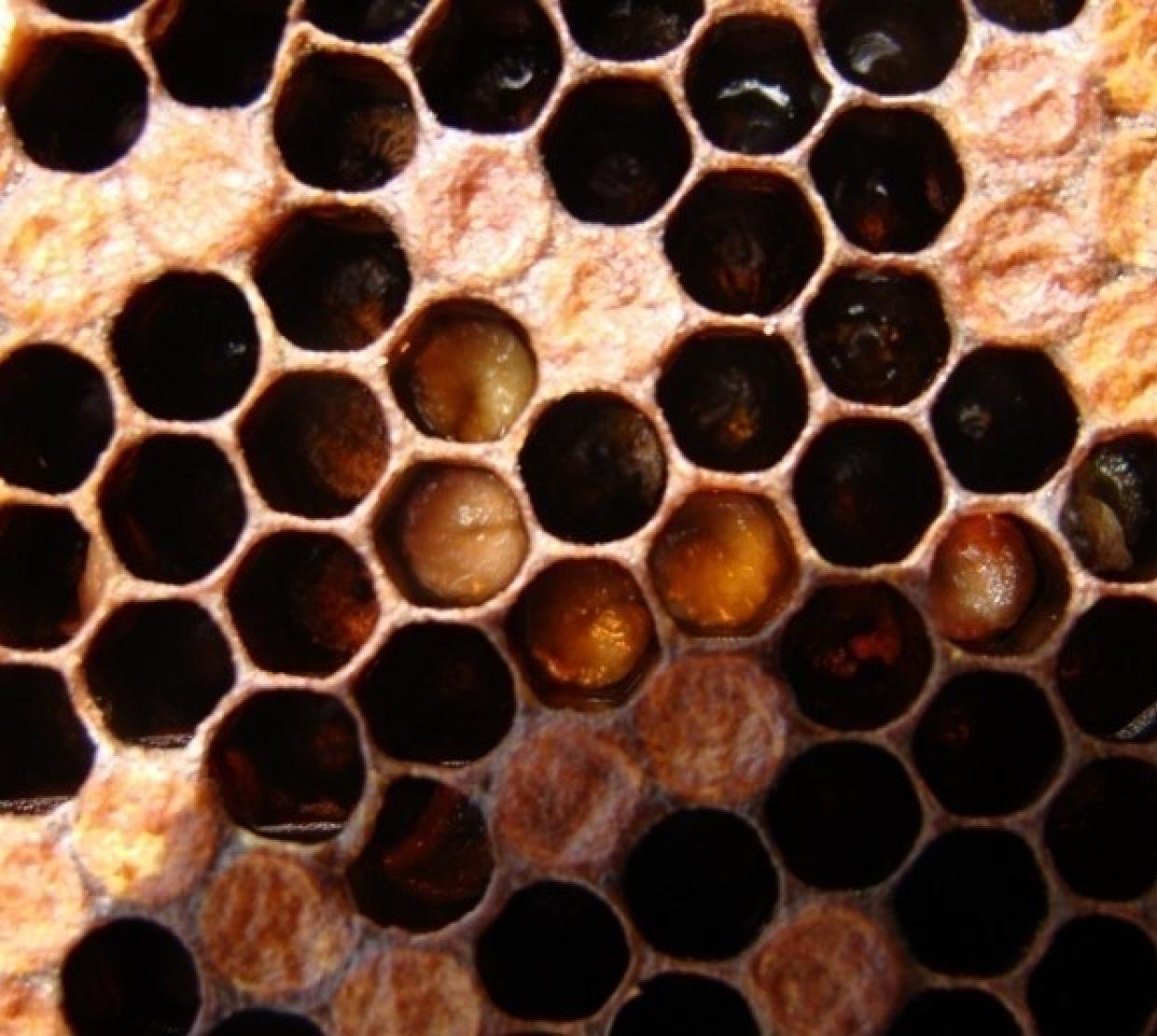
A close-up of the hexagonal pattern of a honeycomb with small larvae inside.

Microbiologist works with OSU researchers on $4.2 million grant to study honey bee disease

By Molly Rosbach

Researchers at Oregon State University have received a $4.2 million grant from the U.S. Department of Agriculture’s National Institute of Food and Agriculture to study European foulbrood disease, which is killing honey bees and affecting pollination of specialty crops.

The project is a partnership between OSU, Washington State University, University of California, Davis and Mississippi State University. Researchers will investigate the factors contributing to high incidence of the disease, then share their findings with beekeepers and growers to inform and improve mitigation efforts.

Assistant professor of microbiology Maude David as well as OSU researchers Jeff Chang, Andony Melathopoulos and Tim Delbridge will be working on the grant, which also includes education and outreach with OSU Extension.

European foulbrood disease is caused by a bacteria that infects honey bees at the larval stage, turning the newly hatched bee larvae into brown mush within a few days. The disease has been on the rise in recent years, causing persistent honey bee colony declines and hurting beekeepers — especially those who pollinate early-season specialty crops like highbush blueberries.

“It’s an enigmatic disease. We understand the basics, but we don’t know why this disease flares up some years and then goes down,” said project director Ramesh Sagili, a professor in the College of Agricultural Sciences and an apiculturalist with OSU Extension Service. “Researchers have done smaller targeted studies of this disease, but no one has really investigated it comprehensively with a large-scale, longitudinal study.”

The four-year project has several components. Researchers will follow honey bee hives as they are transported by commercial beekeepers to pollinate almonds and then blueberries across Washington, Oregon, California and Mississippi. They’ll tag 1,536 hives for ongoing observation, which includes checking the frames for signs of foulbrood, estimating colony populations and surveying the microbiota of bees and larvae.

Where they see evidence of foulbrood, researchers will collect samples and send them back to the lab for genetic testing to determine new bacterial variants and whether certain strains of the bacteria are more virulent or pervasive than others.

They will monitor the colonies’ nutrition by installing pollen traps on the hives to collect pollen as the bees re-enter their hives. This will allow researchers to determine whether the quantity or diversity of pollen plays a role in hives’ susceptibility to foulbrood.

The research teams will also document climatic factors like temperature and humidity to discover if they have an impact on the incidence and prevalence of the disease.

In the second and third years of the grant, Sagili said the team will focus on developing disease mitigation strategies for beekeepers, such as whether or when to apply antibiotics to their hives, the most effective time to split colonies and how often to replace honeycomb.

“The beekeeping industry and specialty crop producers such as blueberry and almond growers are really excited about this grant,” he said. “It’s a huge, multidisciplinary collaborative effort with the states, the beekeepers and the farmers involved in this project.”

Field work will start in February in California, where beekeepers from around the country bring their hives to pollinate almonds as one of the first crops of the year.

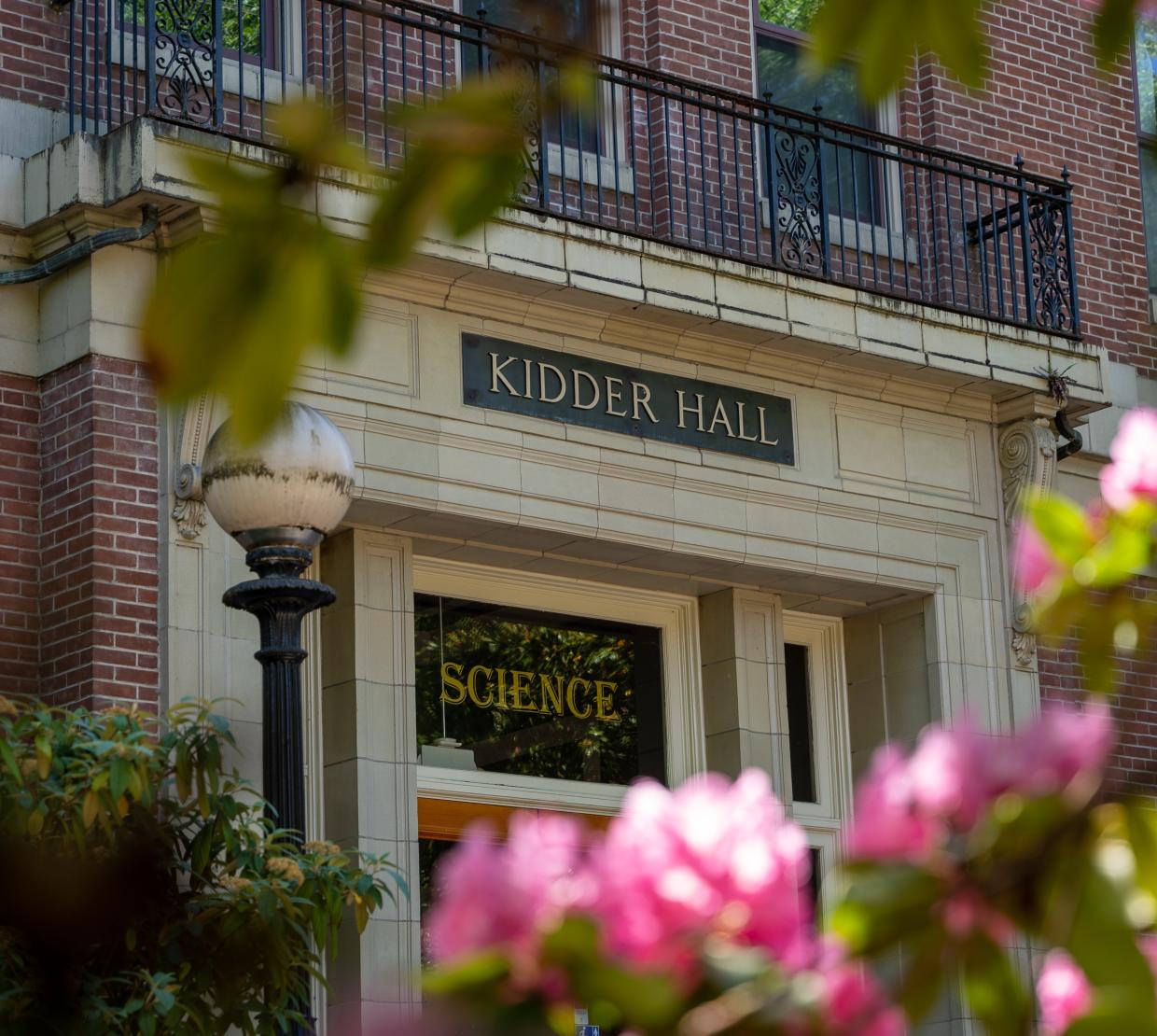
Photo of Kidder Hall from a low angle looking at a door with science written in the glass above the door, and Kidder Hall written in the stone above the glass. Blurred pink flowers appear in the foreground.

Science graduate students receive prestigious National Science Foundation fellowship

By Hannah Ashton

Four College of Science graduate students were selected for the prestigious NSF Graduate Student Research Fellowship Program in the 2022-23 school year. The program recognizes and supports outstanding graduate students in STEM who are pursuing research-based master’s and doctoral degrees in the U.S.

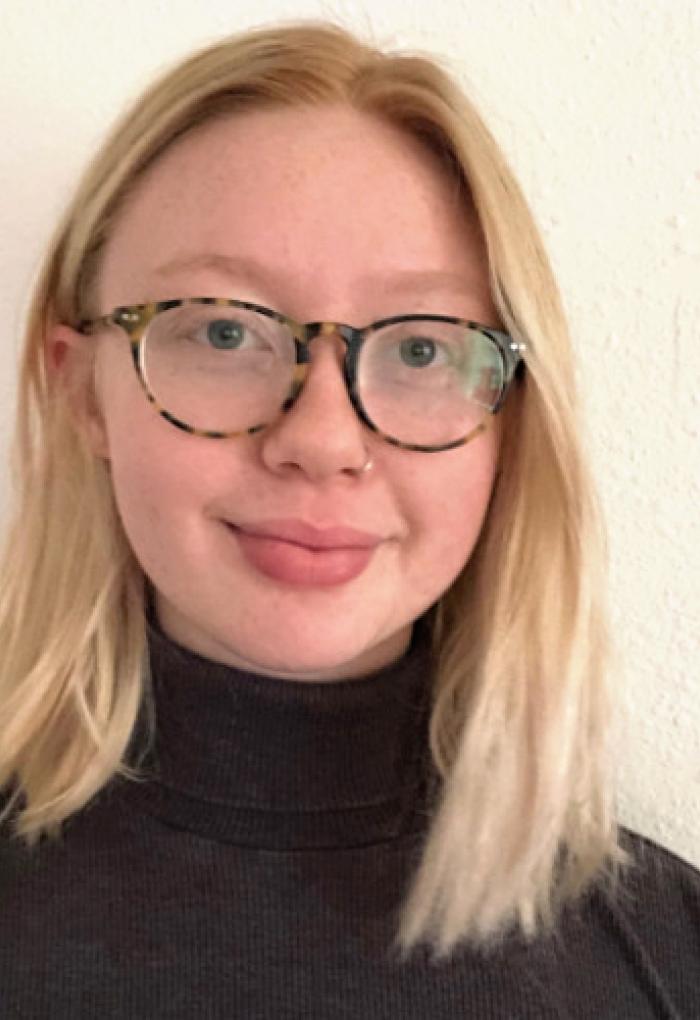
Sunni Patton standing in front of a white wall wearing a black turtle-neck and glasses.

Sunni Patton

Sunni Patton is a microbiology Ph.D. student working with Rebecca Vega Thurber. She is interested in studying how natural phenomena, anthropogenic contaminants, and other environmental stressors influence marine microbial communities. Her work focuses on understanding microbiome resilience and sensitivity in response to environmental stressors in the endangered Caribbean coral, Acropora cervicornis.

Professor Thurber’s lab seeks the answers to crucial questions within virology, microbiology, coral reef ecology, animal physiology, as well as the evolution of symbiotic relationships. Its methods marry cutting-edge technology and interdisciplinary approaches in order to investigate viruses and microbes and how they impact the world around them.

Read about Patton's journey through coral research here.

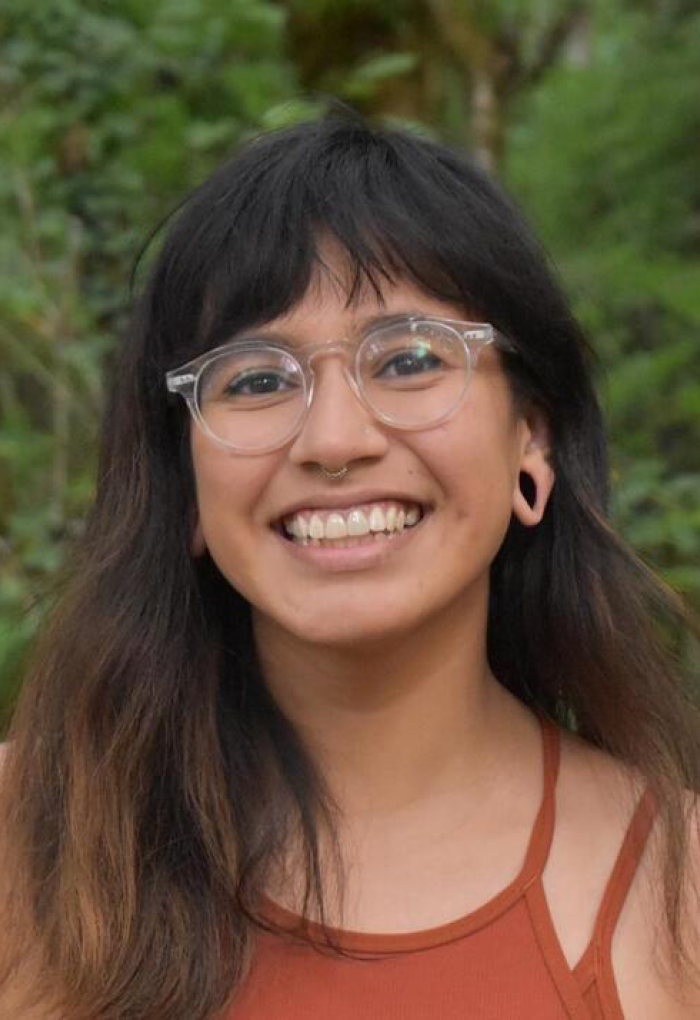
Headshot of Caroline Hernandez outside on an overcast day infront of dark green foliage. She is wearing an orange-red tank top and clear-framed glasses.

Caroline Hernandez

Caroline Hernandez is a microbiology Ph.D. student working with Maude David. She is studying the interactions between sensory gut cells and neurons.

David’s lab is in pursuit of discovering how gut microbiomes directly influence behavior, particularly in the context of Autism Spectrum Disorder and Anxiety Disorders. Its work ranges from developing novel biocomputing methods to crowd-sourced data collection. David is especially interested in obtaining critical information from large datasets through machine learning algorithms.

Read more about Hernandez's path from being an art major to studying gut microbiomes here.

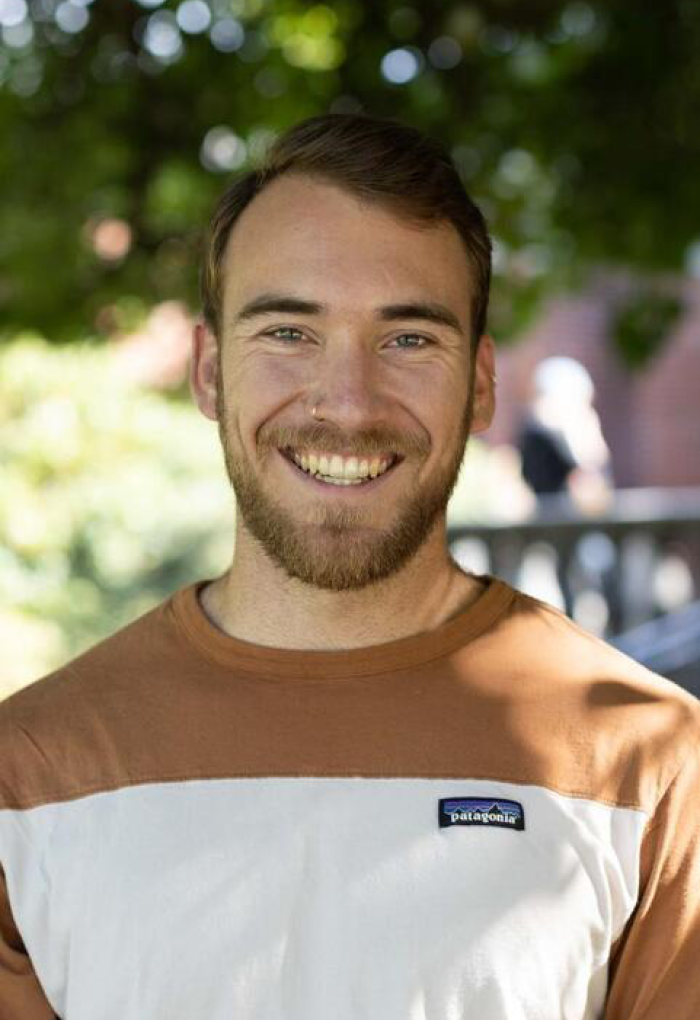
Headshot of Luke Bobay outside on a sunny day wearing a half-white half-brown shirt with brown sleaves.

Luke Bobay

Luke Bobay is an integrative biology Ph.D. candidate at the Hatfield Marine Science Center Plankton Ecology Lab. He studies anthropogenic impacts on trophic interactions and population dynamics. He is currently exploring the effects of climate change on northern anchovy populations off the coast of the Pacific Northwest.

The Plankton Ecology Laboratory gathers data applied to ecology, oceanography, the creation and upkeep of marine reserves, and potential environmental changes. It hosts several research projects, including one specializing in the underwater imaging of plankton and another examining trophodynamics in relation to plankton within food webs, providing necessary knowledge on these organisms in a variety of ways.

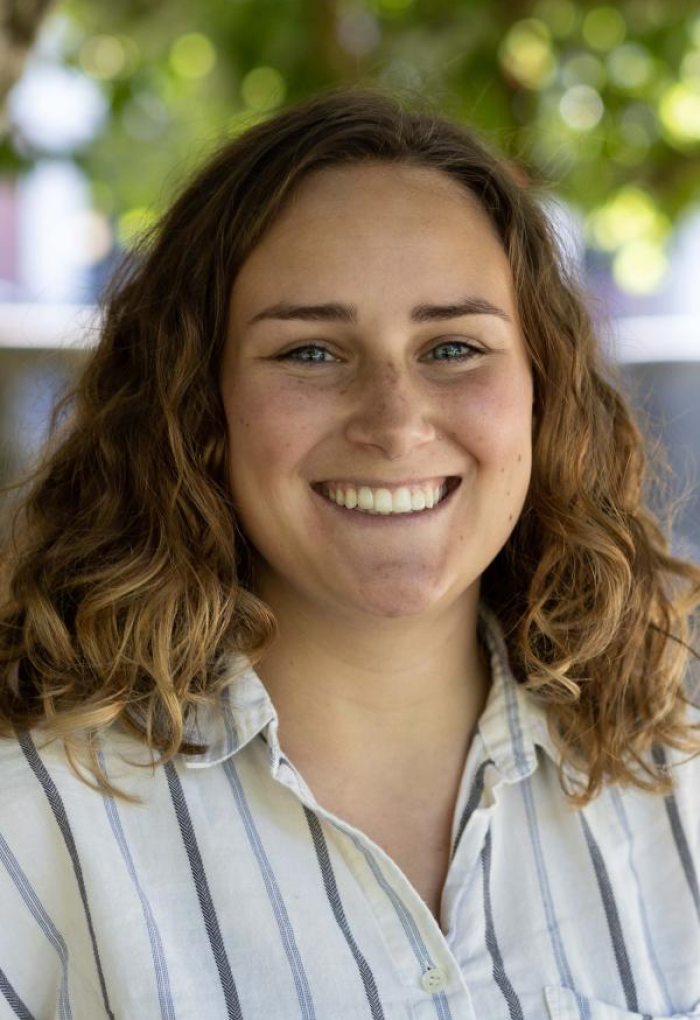
Headshot of Olivia Burleigh wearing a white striped shirt on a sunny day.

Olivia Burleigh

Olivia Burleigh is an integrative biology Ph.D. candidate working with Virginia Weis. She is studying cnidarian-algal symbiosis. Cnidarians include jellyfish, corals and sea anemones.

The Weis Lab is headed by Distinguished Professor Virginia Weis and examines the symbiotic relationship between coral and algae. Of the relationship, the lab seeks to learn more about how the two organisms recognize one another throughout the relationship, the function of the host’s immune system within the dynamic, and the processes that occur in the cells during the loss of algae, among other topics.

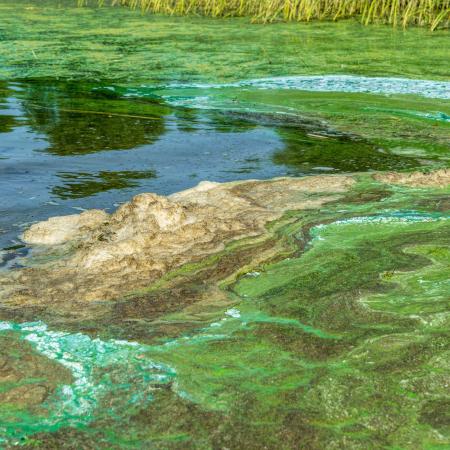
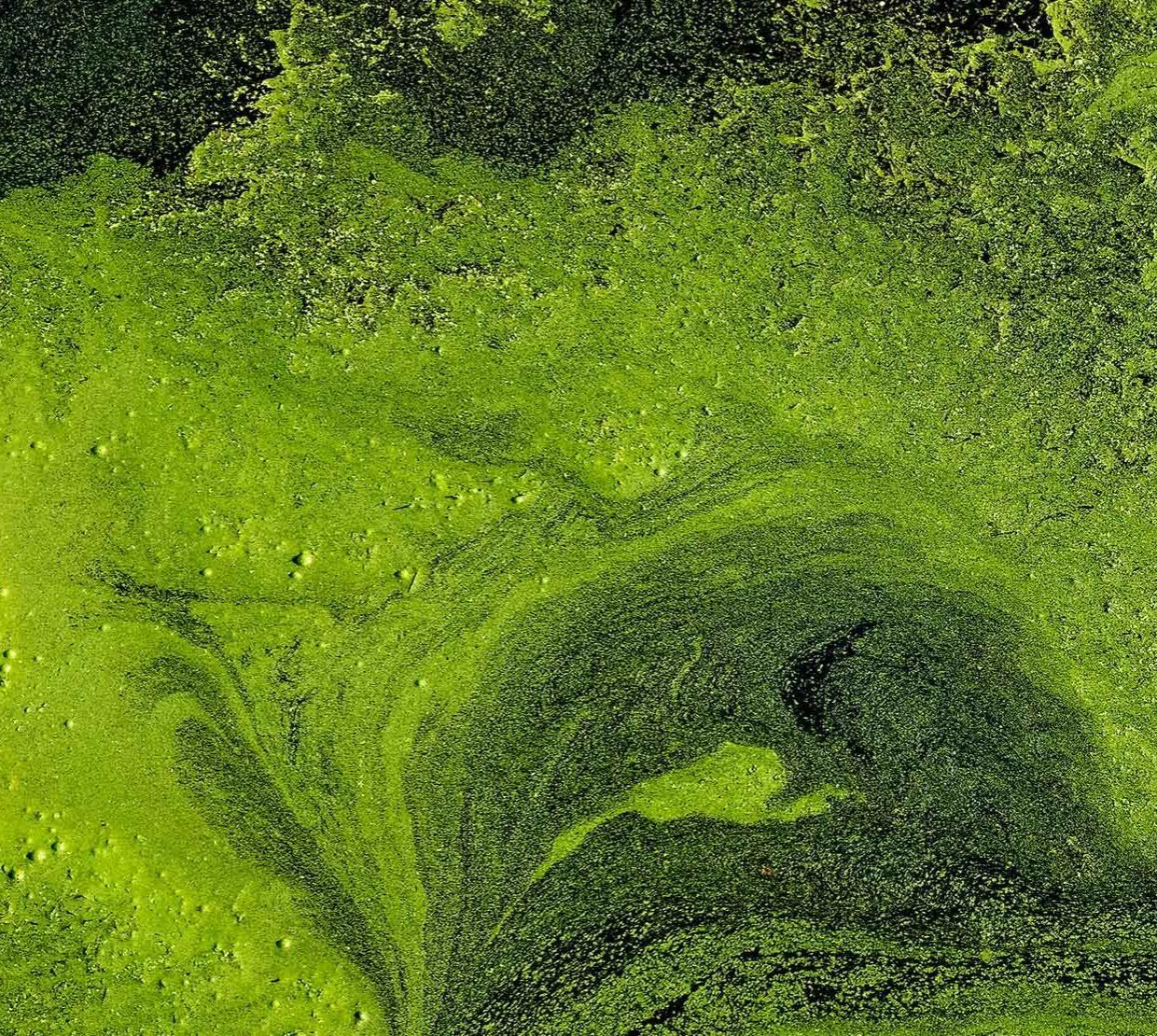
Image of algal bloom

Grants to address climate change impacts and biomedical challenges

By Hannah Ashton

Researchers in the College of Science know that curiosity is boundless. Answers are not stopping points but instead opportunities for deeper questions and discoveries.

Continuing to ask questions culminated in three faculty groups receiving College of Science Research and Innovation Seed (SciRIS) awards in July. Launched in 2018, SciRIS awards are granted biannually to collaborative research that accelerates the pace of discovery and innovation.

Investigations supported by previous SciRIS awards led to new research questions with the potential to tackle crucial problems and provide actionable solutions for industry, people and the planet.

Ocean hypoxia

Department of Microbiology head and Distinguished Professor Stephen Giovannoni and Francis Chan, associate professor of integrative biology, received a SciRIS Phase II grant of $75,000 for their project entitled “The Hypoxic Barrier: Oxygenase Enzyme Kinetics and Ocean Health.” They are researching the impact of hypoxia on dissolved organic matter composition and microbial community structure and function.

The group used a previous SciRIS award to purchase gas flow controllers and other equipment needed to conduct experiments where plankton communities were maintained for months under normal or hypoxic conditions. The new grant will allow them to extend their work to include metabolomics and metaproteomics.

Hypoxia—low or depleted oxygen in a body of water—puts crabs, salmon, oysters and other marine populations at risk. Associated with sewage discharge and fertilizer runoff, the problem is now exacerbated by climate change.

Experimental findings from two pilot studies suggest low oxygen irreversibly alters the trajectory of organic matter degradation. This represents an unrecognized feedback mechanism that may be stabilizing the severity of low oxygen zones in a warming ocean.

In the future, this research could help scientists predict hypoxic events on the Oregon coast, increasing resiliency and informing responsive climate change mitigation and adaptation policies.

Harmful algal blooms

Focusing on five important Oregon lakes, three researchers from the College of Science will be expanding on research funded in part by a SciRIS Stage 1 award.

Kimberly Halsey, associate microbiology professor, and Duo Jiang, associate statistics professor, previously measured 259 volatile organic compounds (VOC), microbial community composition and other environmental parameters over two years in Upper Klamath Lake, OR. The goal was to develop real-time, automated VOC detection as early-warning signs of toxic harmful algal blooms (HABs) in freshwater and marine ecosystems.

Increasingly Cyanobacteria, the microorganisms that can produce HABs, are being detected in many Oregon waterways that were thought to be pristine. Depending on the cyanobacterial species present, some blooms can produce toxic chemicals that can threaten water quality, recreational opportunities, fisheries, public health, and local and state economies.

A $75,000 SciRIS Stage 2 award will allow for external collaboration with three Oregon water utilities and state agencies, including the Oregon Department of Environmental Quality. The five lakes selected have different HAB frequencies, cyanobacterial competition and cyanotoxin types. The team, including James Fox, research associate in the microbiology department, will study “How do the collections of VOCs vary in waterways characterized by different cyanobacterial blooms and cyanotoxins?”

Developing lake or regional HAB and cyanotoxin early warning detection systems, a long-term goal of the project, would help agencies more efficiently protect the environment and human health.

Gut-brain axis

Collaborating with the College of Veterinary Medicine, two College of Science researchers received a $125,000 SciRIS Stage 3 grant to continue ongoing research into the knowledge gap between gut microbes and brain function.

While many U.S. adults take dietary supplements for brain health the mechanisms of action are widely unknown and health benefits vary across studies. One route for gut microbes to affect brain function is through modulation of the vagus nerve.

After receiving initial support from SciRIS Stage 1 and 2 funding, the Stage 3 grant will allow microbiologist Maude David and her collaborators to create a silicon chip that will reproduce key features of the gut-brain axis, including spatially-organized co-cultured epithelial and neuronal cells and enteric bacteria.

The long-term goal is to enable the discovery of psychobiotics for the treatment of mood and anxiety disorders. While current studies are too laborious and expensive, the chip will allow for more rapid screening of potentially therapeutic microbes and compounds.

David, who founded NeuroBiome LLC, a startup focusing on the gut-brain axis, will be joined by neuroscientist Kenton Hokanson.

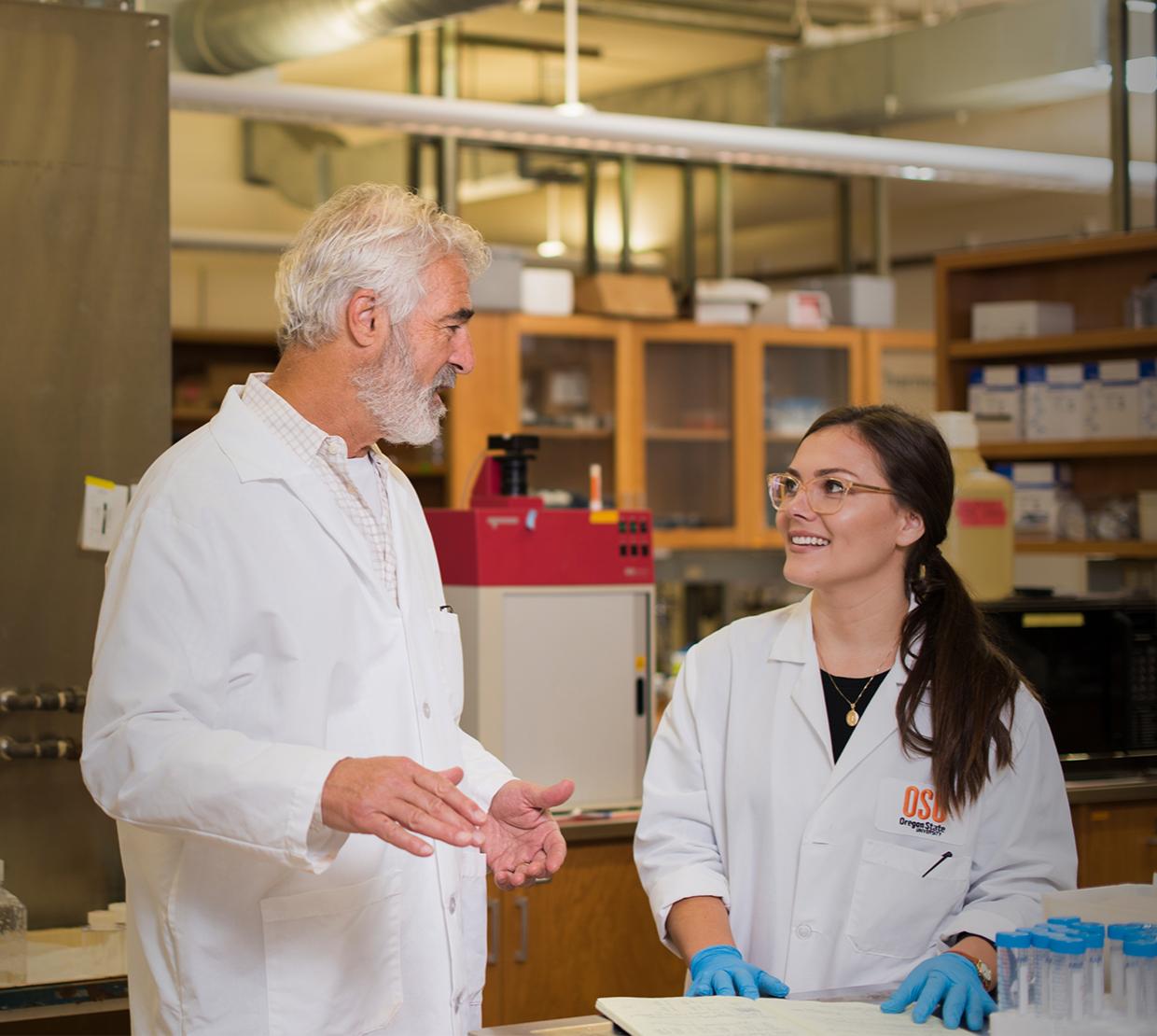
Stephen Giovannoni and Sarah Wolf working together in Giovannonis lab.

Grant Awarded to Study Low Oxygen Environments in Oregon Coastal Waters

Drs. Stephen Giovannoni and Francis Chan were awarded a SciRIS Phase II grant for their proposal, “Hypoxic Barrier: Oxygenase Enzyme Kinetics and Ocean Health”. They are excited about receiving College of Science support to extend their research, which started with a SciRIS Phase I proposal. The Phase I award allowed them to purchase gas flow controllers and other equipment that made it possible to conduct experiments in which plankton communities were maintained for months at normal (~260 µmol/L) or hypoxic (10 µmol/L) oxygen concentrations. Chan says, “Everybody wants to study anoxic or zero oxygen environments but we are focusing on hypoxic conditions that are far more common in Oregon coastal waters”.

The team published a paper titled, “Biochemical Barriers on the Path to Anoxia?”, in 2021 showing oxygenase enzymes are far less sensitive to oxygen than respiratory enzymes. This may explain why ocean systems frequently appear to pause before dropping to very low oxygen concentrations. The team hypothesizes that the insensitivity of oxygenase enzymes to oxygen is a bottleneck. With the new SciRIS Phase II award, they will be able to extend their work to include metabolomics, which will allow them to measure the types of organic matter that accumulate when oxygen is depleted. The team works with modeler Curtis Deutsch, of Princeton, and Daniel Petras of the University of Tübingen.

Sarah Wolf, a fifth year PhD candidate co-advised by Giovannoni and Chan, is supported by the proposal. As a result of her involvement in the UNESCO Global Ocean Oxygen Network, she recently shared this research at the 53rd International Liège Colloquium on Ocean Dynamics in Liège, Belgium where “Low oxygen environments in marine and coastal waters” was the focus of the meeting. Undergraduate trainee on the project, Clare Jayawickrama, was also invited to present their work at the OSU Honors College Research Showcase and the Coastal Undergraduate Research Symposium. The SciRIS award will help Giovannoni, Chan, Wolf, and Jayawickrama inch closer to increasing our ability to predict hypoxic events on the Oregon Coast, hence increasing the resiliency of Oregon’s coastal communities threatened by the impacts of climate change.

Gut microbiome close-in

Research innovation and entrepreneurship combine to address critical global challenges

By Srila Nayak

Microbiologist Maude David's startup, Microbiome Engineering, analyzes environmental and human ecosystems and develops innovative technology for sensing the microbiome world.

The College of Science is at the heart of a flourishing new ecosystem of entrepreneurship and high-impact scientific and technological innovations. Among other breakthroughs, these include: high-performance thin-film technology to revolutionize electronics and energy; genetic studies of the human microbiome for better treatment of autism spectrum disorder; and the engineering of new proteins for therapeutic applications.

These path-breaking innovations from the College of Science at Oregon State University hold answers to critical problems in the environment, energy and healthcare.

Research innovations from the College have garnered global recognition and record-breaking competitive federal and industry research funds. In 2020-2021, the College’s research awards rose to $24.4M, a 55% increase over the average of the previous three years and one of the highest award levels ever. The previous year’s total was $15.82 million.

Seed funding from the College has helped support highly ambitious and expansive projects, making it possible for our scientists to delve into fundamental research discoveries that can be ramped up to revolutionary applications. Between 2019 and 2021, the College’s Science Research and Innovation Seed Program (SciRIS) provided $763K in seed funding to scientists leading research projects in both basic and applied science and mathematics with the potential to produce practical solutions for industry, people and the planet.

“OSU science leadership has literally reached across the globe. Our scientists achieved award-winning success even in the midst of pandemic challenges,” said Roy Haggerty, Dean of the College of Science. “They produced knowledge, generated innovations and inspired national policy to promote economic, social, health, cultural and environmental progress for the people of Oregon and beyond.”

Advancing clean energy alternatives

A $1.1 million award from the Department of Energy’s (DOE) Small Business Innovation Research will help University Distinguished Chemistry Professor Douglas Keszler ’s company nexTC Corporation pioneer innovations for a clean energy future. The funds will enable nexTC to develop new technologies to improve solar module performance and lower materials cost.

The awards are administered by DOE’s Small Business Innovation Research (SBIR) and Small Business Technology Transfer programs, which were established to encourage diverse communities to participate in technological innovation, as well as create a bridge between DOE-supported science breakthroughs and viable products and services for the commercial market.

Keszler, a renowned materials chemist and a leading figure in the field of new generation semiconductor and solar energy devices, is known for spearheading several companies at Oregon State and in Corvallis that are regarded as nationally important centers of chemical innovation. Keszler is the founder of nexTC and serves as its science advisor.

The corporation, led by CEO Cory Perkins, a former postdoctoral scientist in Keszler’s lab, has carved a niche for itself by innovating in the area of high-performance, low-cost state-of-the-art thin film manufacturing processes that enhance energy conversion and energy efficiency. NexTC is noted for inventing several thin-film technologies for environmentally friendly electronics and energy efficient products such as smart windows.

Associate Professor of Physics Matt Graham and colleagues received the College of Science Industry Partnership Award to support their project converting waste heat to electricity. This new award from the College’s seed funding provides critical resources for projects that take a new direction, utilize a new technology or are in the “proof-of-concept” phase.

This project will engineer a prototype device that converts waste heat to clean energy, in partnership with Peter Orem of ThermaWatts LLC, Renton, WA. The goal is to achieve a cost-performance level that allows the device to be viable for part of the potential power supply market, enhancing the accessibility of sustainable energy. ;

Taking microbiome research to new heights

Our scientists are spurring societal, environmental and economic impact with the support of Oregon State’s innovation and entrepreneurial centers such as the Oregon State University Advantage Accelerator. Among the several powerful startup concepts that have recently emerged from Oregon State is Microbiome Engineering (previously called Enoveo USA), which is redefining the study of environmental and human health through the lens of the microbiome resulting in the development of innovative technologies that address several challenging problems in environmental and human ecosystems.

The startup was founded by Maude David, an OSU assistant professor of microbiology, whose research focuses on the gut-brain axis and the impact of gut microbes on behavior, specifically in autism spectrum disorder (ASD) and anxiety.

With substantial momentum gained from a 2019 SBIR phase II $1.94 million grant, David and her team are exploring potential therapeutics for ASD by identifying differentiating factors within the microbiome of neurotypical children and those with ASD.

Endeavoring to carry David’s research-based innovation to the market, Microbiome Engineering is developing a gut brain chip that serves as a screening tool to rapidly assess the impact of gut microbiota metabolites on issues such as autism, depression and cognition.

Expanding the genetic code to engineer new therapeutics

A transformative project aims to bridge the gap between innovative biomedical research and the biotech industry. Professor of Biochemistry and Biophysics Ryan Mehl received two grants totaling $1.6M from a biopharmaceutical company partner for projects on the engineering of antibodies as therapeutics using genetic code expansion.

Mehl and collaborators received initial support from SciRIS Stage 2 seed funding that helped them develop the base technology for the engineering of nanobodies as diagnostic agents. Mehl and postdoctoral scientists in his lab will work directly with the partner's team on their projects to rapidly accelerate the project and achieve vital scientific milestones.

Mehl is also director of GCE4All, the world’s first Genetic Code Expansion (GCE) center, funded by the NIH at Oregon State at $5.6M. This newly-established center will accommodate burgeoning industry interest in GCE technology and catalyze advances to fabricate new nanomaterials and synthesize proteins with promising therapeutic functionalities.

“This is a new adventure for our lab working with Big Pharma. Another eye-opening change for us will be the pace of this project and important connections for future students. We expect this project will lead to valuable career options for our undergrads, grads and postdocs,” said Mehl.

Mehl’s collaboration with industry was supported by OSU Advantage programs, which has an impressive track record of driving cutting-edge research innovations toward commercialization and widespread societal utility and impact.

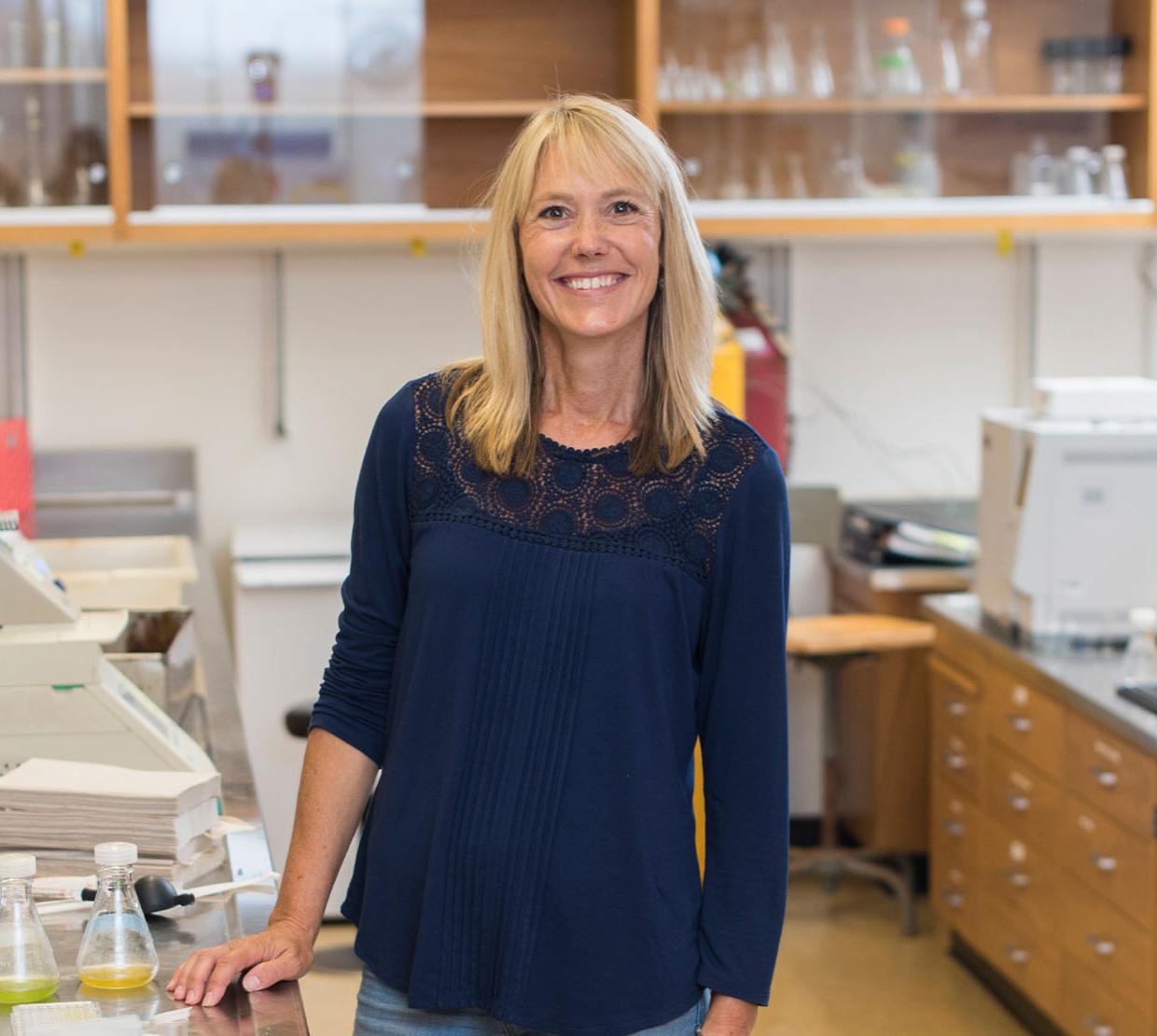
A woman standing in a lab setting smiling

New endowed faculty position recognizes excellence in microbiology

By Grace Peterman

The College of Science is thrilled to announce that Associate Professor of Microbiology Kimberly Halsey has been appointed as the inaugural Excellence in Microbiology Faculty Scholar. With this new endowed position, Halsey will advance excellence in her research and teaching at Oregon State for a term of five years, through November 11, 2026. A generous sequence of donations from an anonymous donor enables the appointment of this inaugural faculty scholar.

Halsey has a strong, highly visible and well-funded research program focused on understanding the processes that control the flow of carbon and energy through the marine carbon cycle. She has co-discovered the keys to diatom sexuality, predicted how phytoplankton will respond to climate change and developed methods to detect toxic algal blooms before they become harmful to humans and ecosystems.

“Dr Halsey’s cutting-edge research of the potential for real-time, automated volatile organic compound detection as early-warning signals of toxic harmful algal blooms in freshwater and marine ecosystems will help agencies and scientists prepare and protect the public," said Roy Haggerty, dean of the College of Science.

“In addition to her research accomplishments, she is a dedicated and passionate teacher who has introduced the unseen world of microbes to some 1,500 total students over the years, using creative teaching methods and an empathic approach to earn high student ratings, even in large foundational classes. She is an excellent choice to receive this position,” he added.

At the height of the pandemic, Halsey actually increased student engagement, implementing “Meet a Microbiologist” interviews to fill 10 minutes before every Zoom class. Faculty, alumni and graduate students joined these sessions, talking about their research and experiences in the field of microbiology. “Students in droves tuned in early” to catch the interviews, she said.

Halsey has also proven her interest and concern for the growth of the College and its Diversity Action Plan through impressive committee work. She has led the graduate admissions committee for the Department of Microbiology for the last six years, implementing a holistic application review process that increased minority representation in the program from 8.5 to 23.5%. Reviewing 70-100 applications each year and writing grants to obtain fellowships and scholarships for minority graduate students, Halsey demonstrated her “commitment to OSU’s growth and success, which is rooted in prioritizing education and training for all students,” she said.

Subscribe to Research Funding