Awards & Recognition

Awards & Recognition

A black background with orange glitter and a pair of googles with the year 2026.

Celebrating excellence in research: 2026 College of Science Awards

By Hannah Ashton

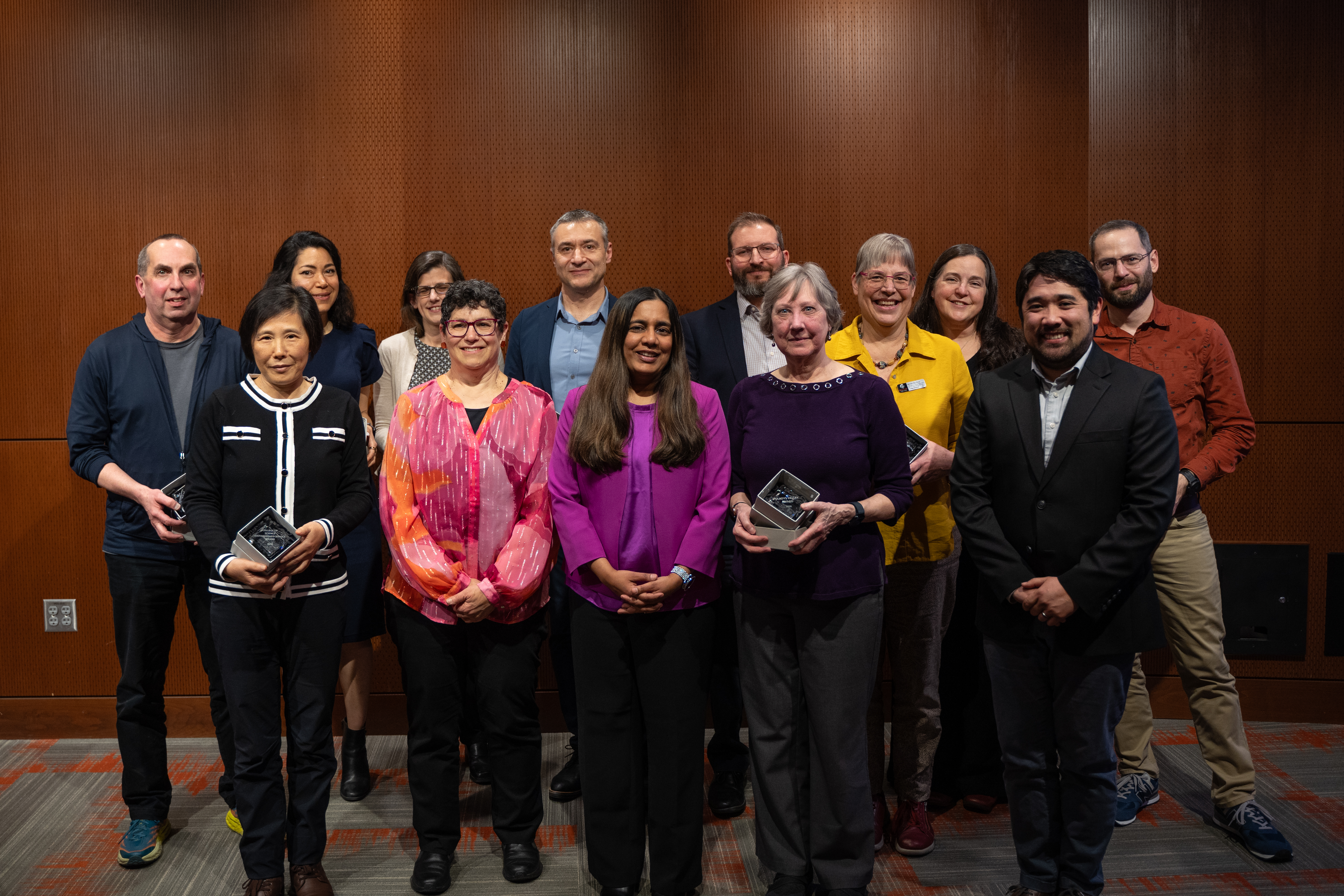
The College of Science gathered on Feb. 17 to recognize and celebrate our high-achieving faculty and staff at the 2026 Awards Ceremony. The evening celebrated the very best in the College, from teaching, advising and research to inclusive excellence, administration and service.

The following faculty and staff received awards in research.

Congratulations to all the awardees!

F.A. Gilfillan Award for Distinguished Scholarship in Science

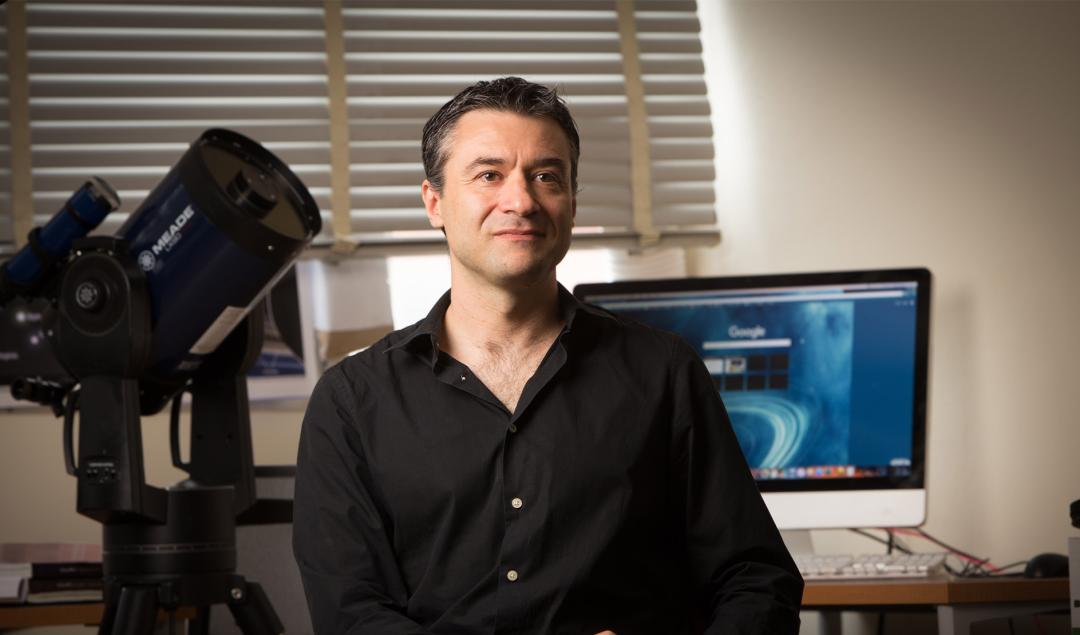
Davide Lazzati sitting in office.

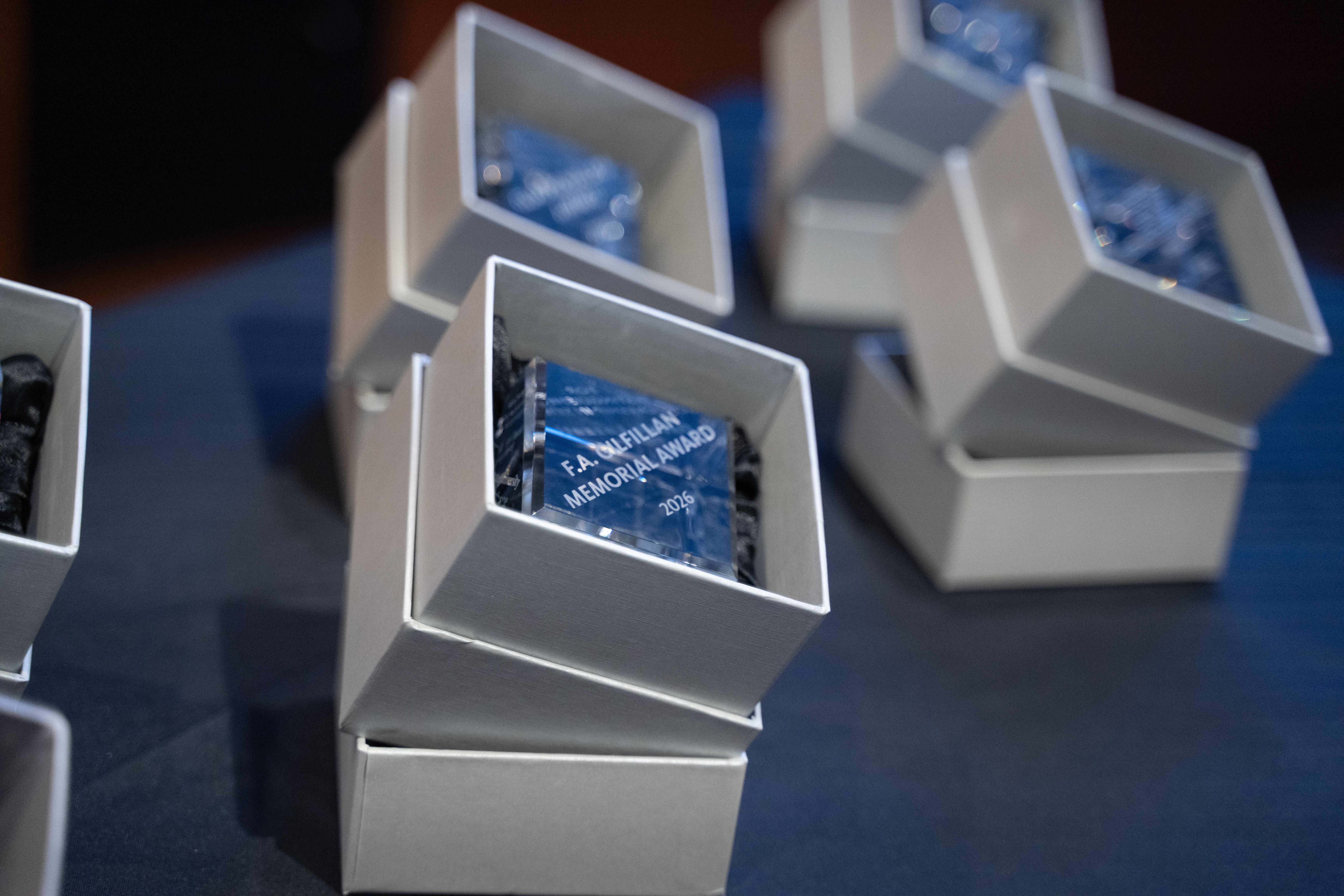
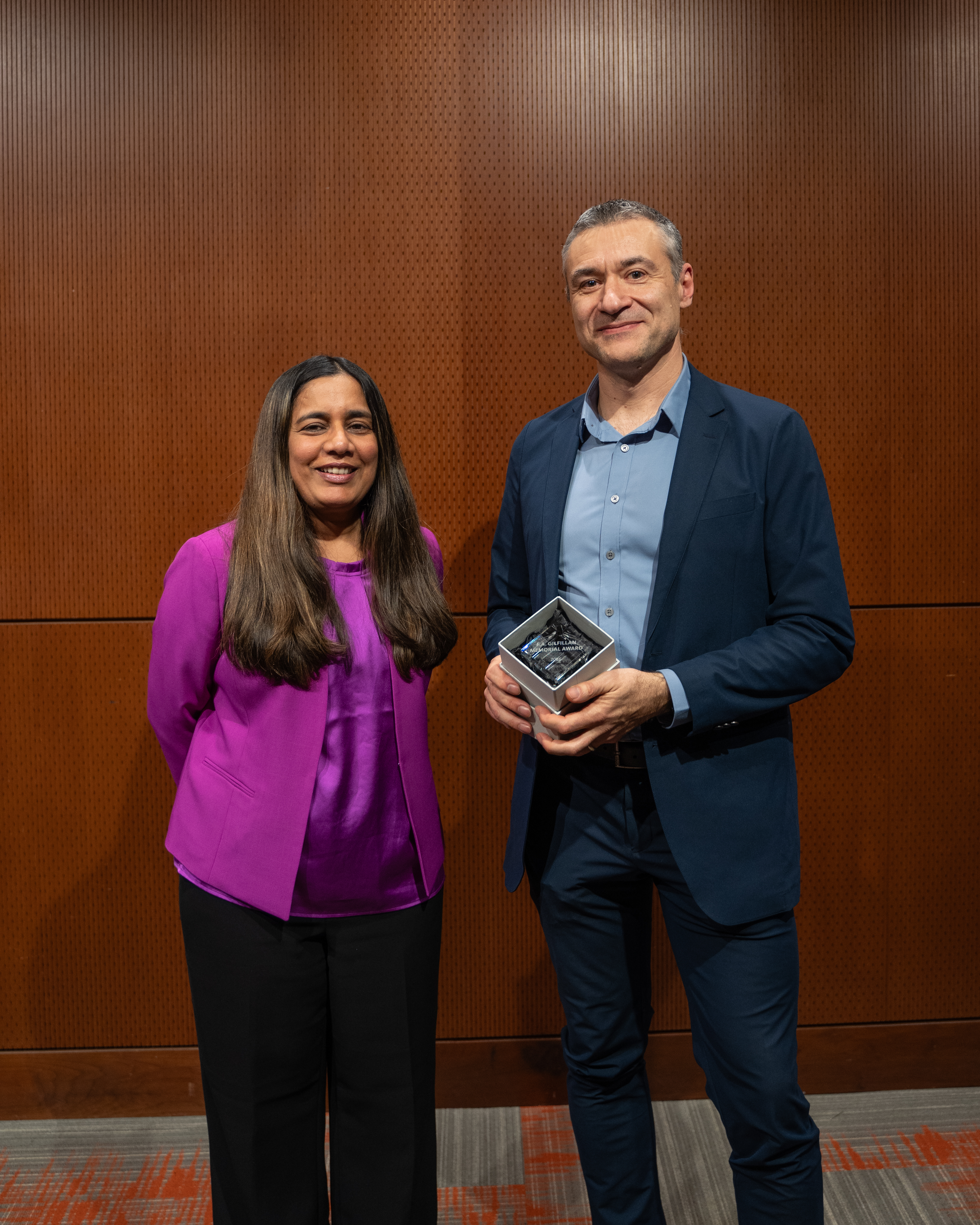
Davide Lazzati, from the Department of Physics, has received the F.A. Gilfillan Award for Distinguished Scholarship in Science.

Davide Lazzati, from the Department of Physics, has received the F.A. Gilfillan Award for Distinguished Scholarship in Science.

Lazzati’s scholarly achievements place him among the most influential astrophysicists of his generation. With more than 190 peer-reviewed publications, over 11,000 citations and an h-index of 57, his work has shaped high-energy astrophysics and multi-messenger astronomy for more than two decades. His research spans theory, computation and observation, and many of his papers are regarded as foundational benchmarks in gamma-ray burst physics, compact-object mergers and the emerging field of gravitational-wave astronomy.

A leader in multi-messenger astrophysics, Lazzati was among the first to predict the electromagnetic signature of a binary neutron star merger — insight that proved essential to interpreting the historic 2017 GW170817 event. His modeling of structured relativistic jets and off-axis emission provided the conceptual framework that allowed scientists to connect gravitational-wave detections with their electromagnetic counterparts. His work continues to guide the field as new detectors expand the frontiers of discovery.

Lazzati’s scholarship is marked by sustained creativity and rigor, supported by a strong record of competitive NASA and NSF funding. He is also a dedicated mentor and leader. Lazzati has advised 10 graduate students, mentored postdoctoral researchers, and guided 28 undergraduate researchers, several of whom have published first-author papers. His early adoption of a formal mentoring compact, now increasingly recognized as a best practice, reflects his commitment to transparency, equity and student success. His leadership as department head further strengthened the inclusivity and effectiveness of the graduate program.

One nominator wrote, "Professor Lazzati’s record of scholarship is nothing short of extraordinary — marked by sustained excellence, transformative impact and remarkable breadth. His work often anticipates new discoveries, redefines longstanding problems and helps set the direction for future studies.”

Milton Harris Award for Basic Research

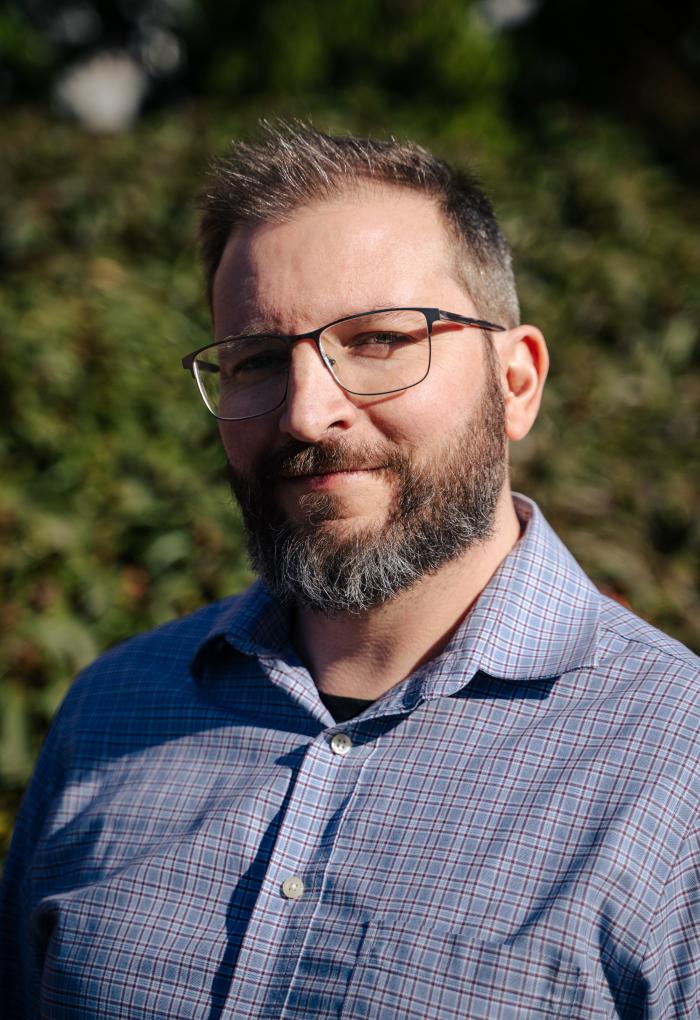
A man in a blue plaid shirt with glasses and a beard poses for a headshot.

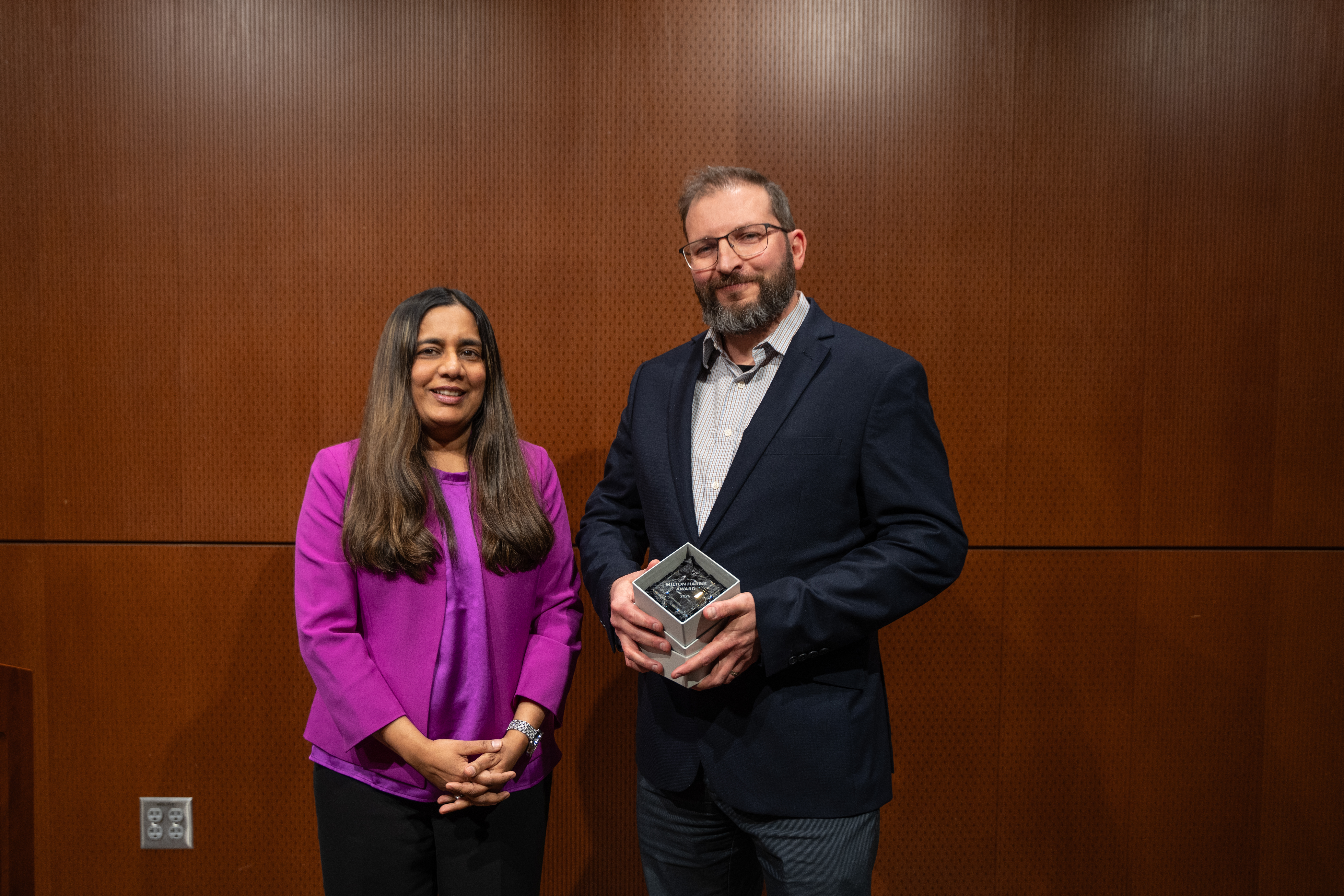
Thomas Sharpton, professor in the departments of Microbiology and Statistics and the Burgess and Elizabeth Jamieson Chair in Healthspan Research, received the Milton Harris Award for Basic Research.

Thomas Sharpton, professor in the departments of Microbiology and Statistics and the Burgess and Elizabeth Jamieson Chair in Healthspan Research, received the Milton Harris Award for Basic Research.

Sharpton is a pioneering microbiome scientist whose work has fundamentally advanced the basic biological understanding of how host-associated microbial communities function. Since joining Oregon State University in 2013, he has built an interdisciplinary research program that integrates computational biology, statistics and molecular microbiology to uncover the mechanisms by which microbiomes influence health, development and disease. His analytical frameworks, statistical models and experimental systems have become foundational tools used across the field.

His research has produced major insights into how the gut microbiome contributes to inflammatory bowel disease, neurobiological function and parasite infection, among other complex conditions. Sharpton has published more than 100 peer-reviewed papers, including in Nature, PNAS and Nature Communications, and his work has been cited over 23,000 times. He has secured more than $24 million in research funding from agencies including the National Institutes of Health, National Science Foundation, U.S. Department of Agriculture, Department of Defense and the Moore Foundation, and has developed widely used open-source software and databases that have accelerated microbiome research worldwide.

Sharpton’s leadership has also strengthened OSU’s research ecosystem. As founding director of OSU Microbiome Initiative and director of the OSU Microbiome Core, he has catalyzed interdisciplinary collaborations and expanded access to cutting-edge microbiome technologies. He is a dedicated mentor and educator, having guided more than 40 trainees and co-developed influential courses in microbial bioinformatics and quantitative genomics. His commitment to equity and inclusivity is reflected in his work on NIH and USDA diversity programs and his efforts to improve departmental monitoring practices.

Nominators emphasized both his scientific impact and his collaborative leadership. As one wrote, “His innovative approaches and unwavering commitment to scientific rigor make him an exceptional scholar and an indispensable collaborator.”

Dean’s Early Career Achievement Award

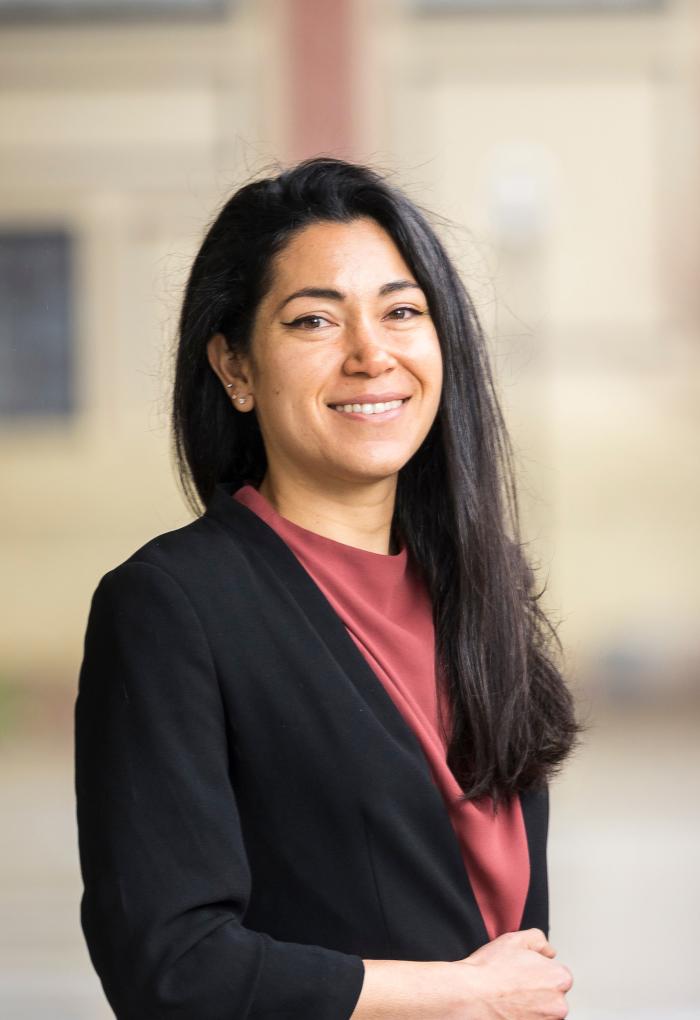
A woman in a pink shirt and black blazer with dark hair poses for a photo.

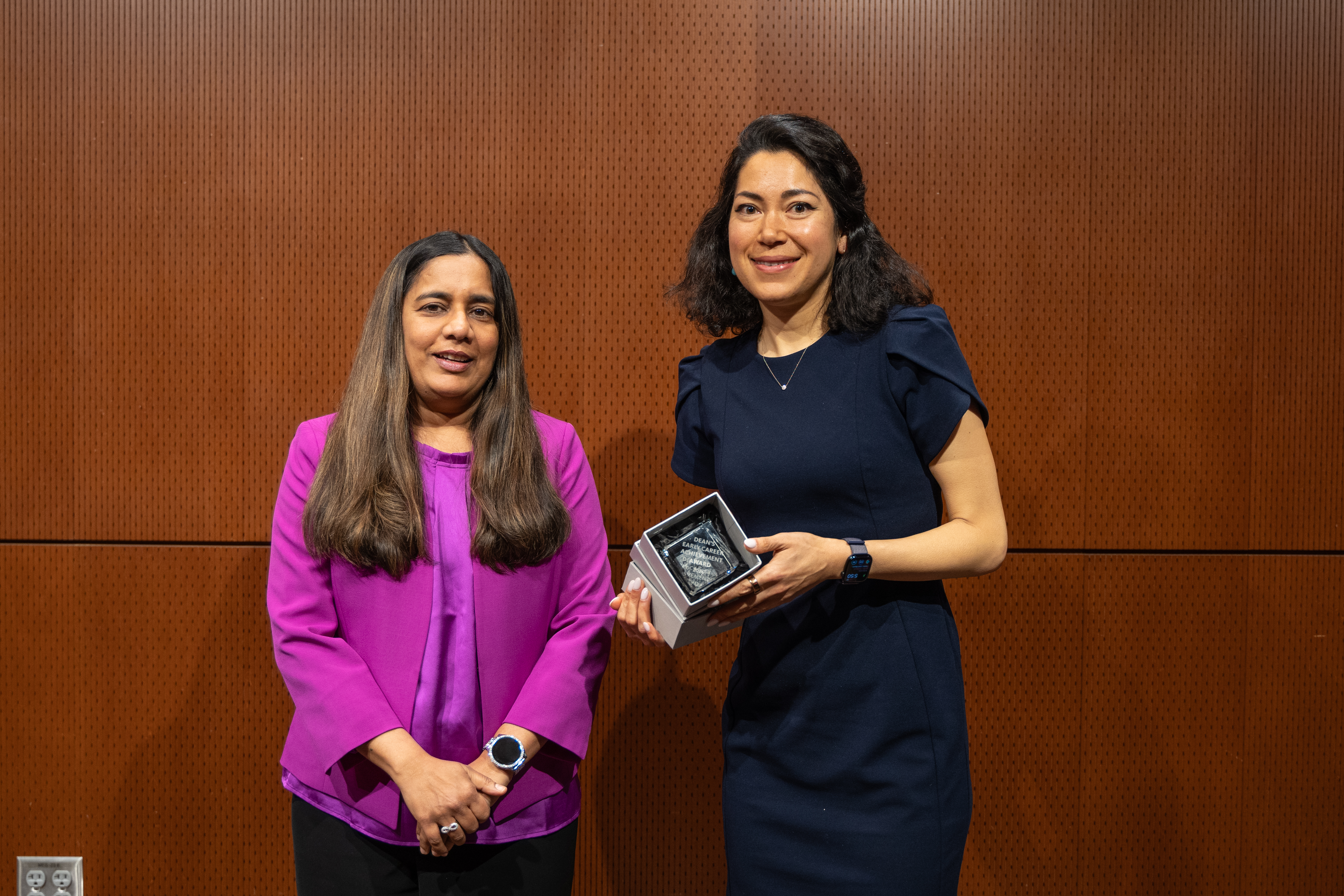
Katherine McLaughlin from the Department of Statistics, received the Dean’s Early Career Achievement Award.

Katherine McLaughlin from the Department of Statistics, received the Dean’s Early Career Achievement Award.

McLaughlin is an internationally recognized expert in developing statistical methods for studying hard-to-reach and hidden populations, including victims of human trafficking and communities at high risk for HIV. Since joining Oregon State University in 2016, she has published 19 peer-reviewed papers in top journals, delivered talks at venues including the CDC and the National Academies of Sciences, Engineering, and Medicine, and helped bring approximately $3.4 million in research funding to OSU.

Her work has had a major global impact. McLaughlin developed the “Visibility SS-PSE” model, now one of the main methods used to estimate population sizes in the UNAIDS Key Population Atlas, helping guide international HIV prevention and treatment policy. She also serves as an advisor to the U.S. Department of State-funded Prevalence Reduction Innovation Forum, helping shape how human trafficking is statistically measured worldwide.

At OSU, McLaughlin played a critical role in the TRACE and PIPP pandemic response projects, designing and analyzing large-scale community COVID-19 surveys and helping integrate wastewater data into public health decision-making.

“My first reaction upon a careful read through her materials is to wonder whether Prof. McLaughlin lives within the same 24-hour day that the rest of us do,” wrote a colleague who nominated McLaughlin. They added that she is “a rare case of ‘the complete package’” whose contributions are “uncharacteristically comprehensive.”

A man stands on a boat in a safety suit.

Microbiology graduate student awarded prestigious U.S. DOE educational award

By Hannah Ashton

Kelly Shannon, a Ph.D. student in the College of Science’s Department of Microbiology, was awarded a transformative educational award from the U.S. Department of Energy.

Shannon is one of 79 doctoral students from 56 universities and 29 states selected this year for the Office of Science Graduate Student Research (SCGSR) program. The program provides funding and access to DOE national laboratories, enabling them to conduct mission-critical research alongside leading scientists and develop into the next generation of science leaders.

Advised by microbiologist Rick Colwell and mentored by Chris Suffridge, Shannon will complete his dissertation research at Lawrence Livermore National Laboratory with microbial ecologist Xavier Mayali.

“This award is such an honor to receive. It means the absolute world to conduct research in this type of world-renowned facility, and with such amazing mentorship,” Shannon said. “I’m ecstatic to begin my project at Lawrence Livermore National Lab, and I hope that my research will make a difference in my field and in our ability to understand harmful algal blooms, which are so damaging to freshwater ecosystems and food webs.”

Two men in safety suits on a boat.

Kelly Shannon (left) and Chris Suffridge (right) filter water samples from Upper Klamath Lake, Oregon, as part of a project funded by the U.S. Fish and Wildlife Service.

His research focuses on harmful algal blooms (HABs) caused by cyanobacteria, or blue-green algae, and how they acquire and share nitrogen, a key nutrient needed by all life. These freshwater HABs can produce toxins that threaten wildlife, drinking water and recreational areas worldwide.

Shannon is studying how cyanobacteria pull nitrogen from the atmosphere and make it available to other algae. Some cyanobacteria can “fix” atmospheric nitrogen, converting it into a form that can be used by living organisms. This process not only fuels their own growth but may also support other algal species in the bloom. Because HABs often consist of several interacting species, understanding how nitrogen moves between them may reveal new insights into how these blooms form and persist in nature.

He is also exploring the role of vitamin B1 and a natural toxin in this nutrient exchange. Vitamin B1, or thiamin, is essential for all microorganisms, including algae. He will test how the availability of thiamin, and a naturally occurring compound that interferes with thiamin use, affects nitrogen transfer between species. This could shed light on hidden chemical interactions that influence the development and toxicity of HABs.

Shannon earned both his bachelor's degree (2020) and master’s (2022) in microbiology from Oregon State. He is now pursuing his Ph.D. as a member of the Colwell Lab in the College of Earth, Ocean and Atmospheric Sciences.

In addition to the DOE award, Shannon was selected as Oregon’s young ambassador for the American Society for Microbiology in 2024.

Two men in water pants collect samples in a lake.

Kelly Shannon (left) and Chris Suffridge (right) collect water samples from Upper Klamath Lake, Oregon.

A blue background with the year 2025

Celebrating inclusive excellence, administration, service and performance: 2025 College of Science Awards

By Hannah Ashton

The College of Science gathered on Feb. 26 to recognize and celebrate our high achieving faculty and staff at the 2025 Combined Awards Ceremony. The evening celebrated the very best in the College, from teaching, advising and research to inclusive excellence, administration and service.

The following faculty and staff received awards in Inclusive Excellence, Administration, Service and Performance.

Congratulations to all the awardees!

Headshot of Hannah Stuwe, a woman with short curly hair and black shirt.

Hannah Stuwe, graduate student in the Department of Biochemistry and Biophysics, received the Inclusive Excellence Award.

College of Science Inclusive Excellence Award

Hannah Stuwe, graduate student in the Department of Biochemistry and Biophysics, received the Inclusive Excellence Award.

Department Head Elisar Barbar, who nominated Stuwe, said she has engaged in a wide-ranging set of service, outreach and training that is truly impressive. First, Stuwe conducted a GFP protein purification activity for middle and high school students from the Chemawa Indian School, Jewell High School (Seaside), and visited groups of black and Latinx students from the Portland area.

She planned, wrote and edited a handbook of science experiments geared towards middle school aged students, their parents, and teachers to fill the void of not having a BB summer camp. This handbook now serves as a free and open access resource for community members.

Stuwe is the founder of the non-profit organization Corvallis Music Collective. They have engaged in community service and activism by providing live music for events and rallies. Recent events include the Basic Needs Center Fall Welcome Party, the Disabled Students Union Disability Justice Rally and Jackson Street Youth Services National Runaway Prevention Month “Skate Park After Dark” Show.

Amy Timshel

Amy Timshel, assistant to the department head in the Department of Microbiology, received the Gladys Valley Award for Exemplary Administrative Support.

Gladys Valley Award for Exemplary Administrative Support

Amy Timshel, assistant to the department head in the Department of Microbiology, received the Gladys Valley Award for Exemplary Administrative Support.

Her colleagues describe her as proactive, always seeking ways to improve processes and deeply committed to making the department a better place for everyone. She is highly regarded by students, faculty and staff for her professionalism, broad knowledge and ability to get things done. In fact, Department Head Anne Dunn noted that when she polled faculty on department strengths during strategic planning exercises, Timshel's critical role in the department was consistently highlighted.

"Her ability to provide a wealth of information on a variety of administrative issues is unparalleled, and she approaches each interaction with a warm smile and an eagerness to assist," said a Ph.D. candidate nominator.

She has a deep understanding of university policies and constantly looks for ways to improve them. She listens, advocates for students and colleagues, and takes initiative to make the department more inclusive and equitable. For example, her work on the Core Values Committee led to the addition of gender-neutral restrooms in Nash Hall and improvements to scholarship and travel fund policies.

Beyond her administrative role, Timshel actively fosters a sense of community within the department. She organizes fundraisers and charity events and regularly attends student events to show her support.

A woman in a red top poses in front of plants.

Elaine Cozzi, assistant head and associate professor in the Department of Mathematics, received the Distinguished Service Award for her impactful service to her department, the College and the broader mathematics community.

Distinguished Service Award

Elaine Cozzi, assistant head and associate professor in the Department of Mathematics, received the Distinguished Service Award for her impactful service to her department, the College and the broader mathematics community.

Cozzi served as interim associate dean of academic and student affairs for the College in Spring of 2024, managing various projects, including the university’s revision of its undergraduate advising system, assessing teaching resources and addressing countless student issues. She was overwhelmingly generous with her time in responding to the many challenges and the needs of her colleagues.

Before and after serving as associate dean, Cozzi served as assistant department head for mathematics, responsible for scheduling upper-level courses and ensuring adequate staffing for the Department’s teaching mission. This affects the hiring of instructors, graduate students and undergraduate graders.

Jon Kujawa, Department of Mathematics head and Cozzi’s nominator, noted, “It is hard to overestimate the impact of Elaine’s planning on the smooth operation of the teaching side of the department. And she readily pivots when unexpected events disrupt the plans.” Additionally, Elaine led the assessment of the Mathematics undergraduate program for several years, playing a crucial role in student success, he shared.

Cozzi also contributes significantly to the mathematics profession as Associate Editor for the American Mathematical Monthly – the most widely read mathematics journal in the world. She is also an active member of SIAM, a professional society for applied mathematics, where she helps organize meetings and contributes to administrative efforts and regularly serves as a grant evaluator for the NSF and the Simons Foundation, helping to shape the future of mathematical research.

Virginia Lesser in front of shrubbery

Virginia Lesser, Department of Statistics Head, received the Champion of Science award.

Champion of Science Award

Virginia Lesser, Department of Statistics Head, received the Champion of Science award for her significant contributions to the field of statistics and to Oregon State University throughout her distinguished career. After earning her Ph.D. in Biostatistics from the University of North Carolina at Chapel Hill, she joined OSU’s Department of Statistics in 1992.

A year later, she became Director of the Survey Research Center, a role she held until her retirement in December 2024. Lesser's expertise in probability sampling, survey design and data collection methods ensured that the center upheld the highest standards. Under her leadership, the center became a premier institution, offering expertise in survey methodology, sampling and data analysis – supporting projects that inform policy, environmental monitoring, economic studies and public opinion research. Its work has helped agencies such as the Oregon Department of Transportation, the Oregon State Marine Board and the Oregon Department of Fish and Wildlife make data-driven decisions, not to mention numerous initiatives within the University.

Lesser's groundbreaking research in survey methodology, environmental statistics, applied statistics and ecological monitoring has advanced the field and influenced practice. She has authored over 55 journal articles and conference proceedings, earning national and international recognition – including being named a Fellow of the American Statistical Association and an elected member of the International Statistical Institute.

Lesser's leadership also transformed the statistics department and elevated Oregon State University’s role in the field as department head from 2011 to 2018.

Lesser has also been a dedicated mentor and advocate for students and colleagues. Over the course of her career, she guided more than 220 graduate students and fostered a welcoming, supportive community within the department. Her colleagues regard her as an exceptional mentor and an inspiring leader, someone who consistently goes above and beyond – whether leading major academic initiatives or simply making sure the department potluck had a home-cooked turkey.

A graphic of a star is in front of lab test tubes.

College of Science graduate students earn prestigious awards in 2023-24

By Hannah Ashton

As a land grant institution committed to teaching, research, and outreach and engagement, Oregon State University promotes economic, social, cultural, and environmental progress for the people of Oregon, the nation, and the world. Oregon State University is deeply committed to the principle that every student we admit — in person or online — should achieve their goal to graduate, and awards of Scholarships and Fellowships contribute to this goal in an impactful way. The College of Science invests in the success of our graduate scholars by providing financial support to students that we recruit and students that are currently enrolled among other ways of supporting their development, progress and growth.

Graduate students in the College of Science earned notable recognition during the 2023-24 academic year, receiving a range of awards which highlight their achievements and contributions to Oregon State. Below, we highlight some of these noteworthy Graduate School Awards. From state specific honors like the ARCS Foundation Scholarship to institutional support through the Provost’s Distinguished Fellowship, these awards recognize graduate students who embody the values of Team Science.

ARCS Foundation Awards

ARCS (Achievement Rewards for College Scientists) Foundation, Oregon Chapter seeks to advance science and technology in the United States by providing financial awards to academically outstanding students who are U.S. students studying to complete Ph.D. degrees in science, engineering, mathematics, technology and medical research at Oregon Health & Science University, Oregon State University and the University of Oregon.

In 2023-2024, two College of Science graduate students were awarded ARCS scholarships. Karlie Wiese, doctoral student in Chemistry, received the ARCS Oregon 10th Anniversary OSU Scholar Award. Lucas Kolanz, doctoral student in Physics, received the Beth Ray ARCS Foundation Scholar Award. This award is funded through ARCS, the OSU Graduate School and by contributions from past OSU President Ed Ray in memory of his wife Beth.

Delson Bridge to the Future Fund

Pritha Biswas, doctoral student in Physics, is the recipient of the Delson Bridge to the Future Fund, designed to assist graduate students who are facing critical financial emergencies that could impede degree completion.

Dissertation Completion Award

Two doctoral students were awarded the Dissertation Completion Award. This award supports outstanding doctoral students who are in their final stages of their dissertations by offering an award to cover the cost of three graduate credits of tuition and mandatory fees for one academic term. The recipients are Adaline De Chenne from Mathematics and Njesa Totty from Statistics.

Graduate Dean’s Catalyst Fellowship

Two doctoral students, Theodore Bambakidis (Microbiology) and Jesse Howe (Biochemistry and Biophysics) were awarded the Graduate Dean’s Catalyst Fellowship. This award is a pilot program launched for the 2023-24 academic year to support graduate students nearing completion of their doctoral degrees.

Herbert F. Frolander Graduate Teaching Assistant Award

Steven Tran (Chemistry) received the Herbert F. Frolander Graduate Teaching Assistant Award, which recognizes outstanding and professional involvement with both faculty and students by a graduate teaching assistant at Oregon State University. This award is presented to one graduate student from across the entire university during University Day in the fall. Hear from faculty and staff who nominated Tran here.

Laurels Block Grant Program

The purpose of Laurels funding is to provide financial support to academic units so they may diversify and strengthen their graduate programs. This is achieved by providing tuition support to assist with the recruitment of new graduate students to OSU. Two College of Science students received funding in 2023-24, masters student Bailey Sharon (Mathematics) and doctoral student Courtney Clement (Microbiology).

Oregon Lottery Graduate Scholarship

Three doctoral students received funding from the Oregon Lottery Graduate Scholarship. Funds for this scholarship are provided through the Oregon State Lottery and are awarded on the basis of academic merit and financial need. The 2023-24 recipients are Matthew Nguyen (Chemistry), Steven Tran (Chemistry) and Kaitlin McHugh (Integrative Biology).

P.F. and Nellie Buck Yerex Graduate Scholarship

Nilanjana Das, masters student in Microbiology, is the recipient of the P.F. and Nellie Buck Yerex Graduate Scholarship. This scholarship is awarded to graduate students who are pursuing study in a scientific or technological field. It is awarded on the basis of academic achievement and promise for the future.

Prestigious Diversity Fellowship

Two doctoral students received the Prestigious Diversity Fellowship, intended to support the recruitment and retention of graduate students from historically underrepresented backgrounds who demonstrate scholarly promise at Oregon State. The recipients are Hallee Boyd (Chemistry) and Nyazia Sajdah-Bey (Integrative Biology).

Professional Development Award

The purpose of the Professional Development Award is to help cover costs for qualifying training, resources and activities that contribute to professional skills development. In 2023-24, the Graduate School funded the following students:

Alice Welch (Integrative Biology)

Olivia Burleigh (Integrative Biology)

Emily Taylor (Integrative Biology)

Pritha Biswas (Physics)

Kevin Dimmitt (Physics)

Provost’s Distinguished Graduate Fellowships and Scholarships

The purpose of the Provost’s Distinguished Fellowship and Scholarship program is to support programs in the recruitment of Oregon State’s most meritorious graduate students.Ian Clifford (Integrative biology) and Ben Daniels (Microbiology) received the distinguished Provost Fellowship award.

In 2023-24, the College of Science awarded Provost Scholarships to the following students:

Joline Nguyen (Biochemistry and Biophysics)

Emily Hiatt (Chemistry)

Sanpreet Hira (Chemistry)

Jack McLaughlin (Chemistry)

Gage Rios (Chemistry)

Rodrigo De Almeida Alves (Integrative Biology)

Brysyn Goodson (Integrative Biology)

Olivia Noonan (Integrative Biology)

Stefanie Fazekas (Mathematics)

Heather Fogarty (Mathematics)

Mansi Sanjay Mahajan (Mathematics)

Courtney Clement (Microbiology)

Lynn Kaneko (Microbiology)

Katelyn Spadavecchia (Physics)

Kalista Wayt (Physics)

Ian Moran (Statistics)

Scholarly Presentation Award

The Graduate School offers the Scholarly Presentation Award to provide graduate students with financial support to assist with certain costs associated with presenting their scholarly work at academic conferences and meetings. In 2023-24, the following College of Science students received this award:

Mona Khorani (Chemistry)

Nan-Chieh Chiu (Chemistry)

Anshika Nagar (Chemistry)

Ankit Yadav (Chemistry)

Jesse Laney (Integrative Biology)

Angelika Kurthen (Integrative Biology)

Jun Cai (Integrative Biology)

Erick White (Integrative Biology)

Jalyn Devereaux (Integrative Biology)

Jared Freedman (Integrative Biology)

Jesse Fritz (Integrative Biology)

Dorothy Zahor (Integrative Biology)

Jessica Karr (Integrative Biology)

Giovanni Crestani (Integrative Biology)

Kaitlin McHugh (Integrative Biology)

Kenneth Glynn (Integrative Biology)

Jazlee Joon Crowley (Integrative Biology)

Brenna Prevelige (Integrative Biology)

Jeremy Lilly (Mathematics)

Måns Mattsson (Physics)

Thurgood Marshall Graduate Fellowship

The Thurgood Marshall Graduate Fellowship is intended to support the retention of meritorious graduate students whose accomplishments and activities demonstrate leadership, service and commitment to fostering a just and equitable community. Val Sawiccy (Integrative Biology), currently an instructor at the University of Oregon, is this year’s recipient.

Wei Family Private Foundation Scholarship

The Wei Family Private Foundation, a non-profit organization, was established to honor the memory of Dr. (Mrs.) Chung Kwai Lui Wei and Mr. Hsin Hsu Wei. Its purpose is to award scholarship grants to graduate students with high academic credentials in science and math, with a preference for those who have lived in or are related to persons born in China. In 2023-2024, the College of Science awarded one Wei Family scholarships to Lemeng Li (Statistics).

Mark and Vicki Hehnen Veterans Science Scholarship

The Mark and Vicki Hehnen Veterans Science Scholarship supports science students who are veterans and provides financial support other than tuition. This award was established by Mark Hehnen (’78 Ph.D.). In 2023-2024, the College of Science awarded two scholarships to Ebony Stretch (Microbiology) and Angela Mellisa Thompson (Zoology).

Jesse A Hanson General Science Scholarship

The Jesse A Hanson General Science Scholarship is awarded to students who show high scholarship, potential for success, unimpeachable character and service to the university. Jesse Hanson was an OSU professor of poultry science from 1911-66. The following four students received this scholarship during the 2023-2024 academic year: Joshua Byrnes (Statistics), Jessica Etter (Chemistry), Elena Gasiorowski (Integrative Biology), and Mikaela Lee (Microbiology).

Fred W. Durbin and Helen E. Bette Pierce Durbin Endowment

Created by Fred and Helen “Bette” Durbin, this endowment supports graduate fellowships as determined by the Dean. Fred received a bachelor’s in general science from OSU and Bette graduated with a bachelor’s in home economics (now the College of Health). The College of Science awarded two Fred and Helen Durbin Scholarships to Ameh Benson Agi (Chemistry) and Jonathan Dutra (Biochemistry/Biophysics).

Science Graduate Fellowship

The Science Graduate Fellowship is to be used to support students enrolled in the College of Science with a preference for students in chemistry, biochemistry and the life sciences. The College of Science awarded one Science Graduate Fellowship during the 2023-2024 academic year to Emily Parker (Integrative Biology).

*When possible, links to students' directory profiles are included.

Four people stand together at an awards ceremony for the College of Science.

Alumni Awards celebrates in impactful legacies and achievements

By Hannah Ashton

Photos by Karl Masdam

The College of Science community recently gathered to celebrate this year's Alumni Award recipients. These individuals have enriched many lives through their professional achievements, impact and service. They embody our vision to extend the reach and impact of science by improving life for the people of Oregon and beyond.

Janet Tate, distinguished professor emerita, received the Lifetime Achievement in Science Award; Parbu Nambiar Ph.D. ('88), principal and founder of Syner-G BioPharma Group, received the Distinguished Alumni Achievement Award; and Jonathan Gallion ('12), vice president of artificial intelligence and machine learning at OmniScience, received the Early Career Award.

Two women stand next to each other.

Lifetime Achievement in Science award winner Janet Tate stands with Dean Feingold.

Janet Tate blends scientific innovation with a passion for education, leaving a lasting impact on Oregon State University and materials physics. A University Distinguished Professor, Tate has spent over 35 years researching energy-related materials, including superconductors and thin-film semiconductors, which enhance renewable energy systems and electronics. Her work contributed to the development of transparent oxide transistors, a key component behind Apple’s Retina 5K displays.

Tate’s collaborative research with leading institutions such as MIT and the National Renewable Energy Lab has led to more than 30 peer-reviewed publications and $7 million in grant funding. Internationally recognized, she has earned numerous awards, including the Alexander von Humboldt Fellowship and APS Fellowship.

Read about her passion for diversity in physics and mentorship.

A man and woman stand next to each other in professional clothing.

Distinguished Alumni Achievement Award recipient Parbu Nambiar stands with Dean Feingold.

Prabu Nambiar embodies the transformative power of education and perseverance, leading him to establish the successful consulting firm Syner-G BioPharma Group. Growing up in rural southern India, Nambiar’s early exposure to the world came through the radio, igniting a desire for greater opportunities. Encouraged by a professor to pursue his studies at Oregon State University, he moved to the U.S. in 1983, where he quickly adapted to a new environment while pursuing his Ph.D. in organic chemistry.

Nambiar’s career took him from academia to the pharmaceutical industry, starting at Bristol-Myers Squibb and later serving as vice president of regulatory affairs at Vertex Pharmaceuticals. Noticing a gap in the market for expert consulting during drug development, he took a bold leap to found his own company, which has since grown from 50 to nearly 500 employees.

Read about his company and passion for giving back to Oregon State.

A man and woman stand next to each other wearing professional clothing.

Young Alumni Achievement Award recipient Jonathan Gallion stands next to Dean Feingold.

Jonathan Gallion is making significant strides in emerging fields as the vice president of artificial intelligence and machine learning at OmniScience. His journey began in a laboratory filled with plates and pipettes, where he discovered a passion for biochemistry and biophysics. During an internship at SIGA Technologies, Gallion programmed robots to screen chemical compounds, an experience that set the foundation for his future career.

At OmniScience, he leads a team focused on leveraging data science and large language models to improve clinical trial outcomes and revolutionize medicine. His innovative work addresses the complex challenges of processing vast healthcare data, which is expected to grow significantly in the coming years. Gallion emphasizes the importance of building connections within the industry and encourages students to explore diverse career paths.

Read more about how he believes scientists can have client-facing careers.

Jonathan Gallion smiles and celebrates his 2024 Early Career Award.

Early Career Award winner leverages AI to revolutionize the life sciences industry

By Kaitlyn Hornbuckle

Surrounded by plates and pipettes in the lab, life scientist Jonathan Gallion (B.S. '12) envisioned a future that combined biology with technology. With only one year left until graduation, he landed an internship at SIGA Technologies — a global pharmaceutical leader in health security — where he discovered the power of automation.

At SIGA, Gallion programmed robots to screen a library of chemical compounds, helping his team find medicines for viral infections and defenses against bioterrorism threats. After graduating from Oregon State University in 2012 with dual Honors bachelor degrees in biochemistry and biophysics and microbiology, he pursued graduate school before launching a people-centered career at the forefront of innovation.

Now, Gallion is vice president of artificial intelligence and machine learning (AI/ML) for OmniScience, a leading AI organization focused in life sciences and clinical research.

By leveraging the power of large language models, he and his team are transforming the biopharmaceutical (biopharma) industry. Their goal is to drive an industry-wide vision where AI/ML can modernize human health, enhance clinical trial outcomes, accelerate decision-making, and revolutionize data analysis for biotech, medtech, pharmaceutical and preclinical innovation teams – all while complementing human expertise and efforts instead of replacing them.

After driving major breakthroughs in life sciences for only a little more than a decade, the College of Science is proud to honor Gallion with the 2024 Early Career Award.

Jonathan Gallion at a table speaking with other industry leaders.

In 2023, Gallion discusses challenges in modern clinical trials with industry leaders in San Diego.

Building solutions from the ground up for the big data challenge

As biopharma data explodes in complexity, companies like OmniScience are stepping in to create AI powered solutions that meet diverse client needs and use cases. According to RBC Capital Markets, approximately 30% of the world’s data today was generated by the healthcare industry — a figure that’s expected to keep climbing.

In response, Gallion made strategic connections by networking and forming partnerships with leading life science innovators. These industry leaders develop new health technologies and manage vast data collections at biotech, medtech and therapeutic companies.

“Being a scientist, I never expected to be so client-facing when I first started, or that I would like it as much as I do. It’s funny how your career can evolve.”

The irony of innovation is that each new developed piece of technology generates more data, including wearables like Fitbits, new imaging techniques, health care app data and omic biomarkers (genes, proteins or metabolites).

And for clinical trials, capturing information on drug efficacy, safety, and tolerability, and understanding individual genetics, demographics, lifestyle and preferences is crucial to the impact of new pharmaceutical treatments. These processes tend to create sophisticated data sets that are difficult to analyze.

As noted by Gallion, drawing insights from these overwhelming, ever increasing, complex data sets within biopharma is impossible without the help of AI/ML automation. At the same time, he must consider how these models will eventually be deployed in the real world, where business objectives, data security and regulatory approval matter.

“Being a scientist, I never expected to be so client-facing when I first started, or that I would like it as much as I do,” Gallion said. “It’s funny how your career can evolve. The advice I always give when I'm talking to someone in undergraduate or graduate school is that you can't be afraid to explore new things in your career, you never know what you might discover.”

The best part of the job, according to Gallion, is tackling some of the most interesting problems facing mankind. The ability to build an equally passionate team of peers from scratch and collectively pursue change in real time makes the job more than worth it.

“I’ve really enjoyed the journey at OmniScience. As part of the founding team, I’ve seen us grow from just a few people around a coffee table to an abundance of people focused on revolutionizing the clinical trial industry,” he said. “And I get to help shape it with people I really respect, it’s incredible.”

Jonathan Gallion and the OmniScience team smiling and celebrating their successes in 2023.

Gallion (back right) celebrates making a difference with his team at OmniScience in 2023.

Gallion’s game-changing professional journey

Gallion’s career journey was not a straight line.

After working in a warehouse and mulling over the acceptance letters, he landed on the university far enough from home to give him some independence: Oregon State.

He hit the ground running by applying the pragmatic engineering mindset he learned initially to the biochemistry and biophysics and microbiology programs offered by the College of Science.

“I love the idea of borrowing ideas from nature: seeing how bats fly, how gecko's feet work, the tens of thousands of different proteins in jellyfish venom and then saying, ‘Oh, you could do something with that,’” he said.

From there, he dived deep into the microbial world of virology, where he learned how tiny virus structures interact with and affect the cells of living organisms. In one of his science courses, he met a representative from SIGA Technologies at their guest lecture.

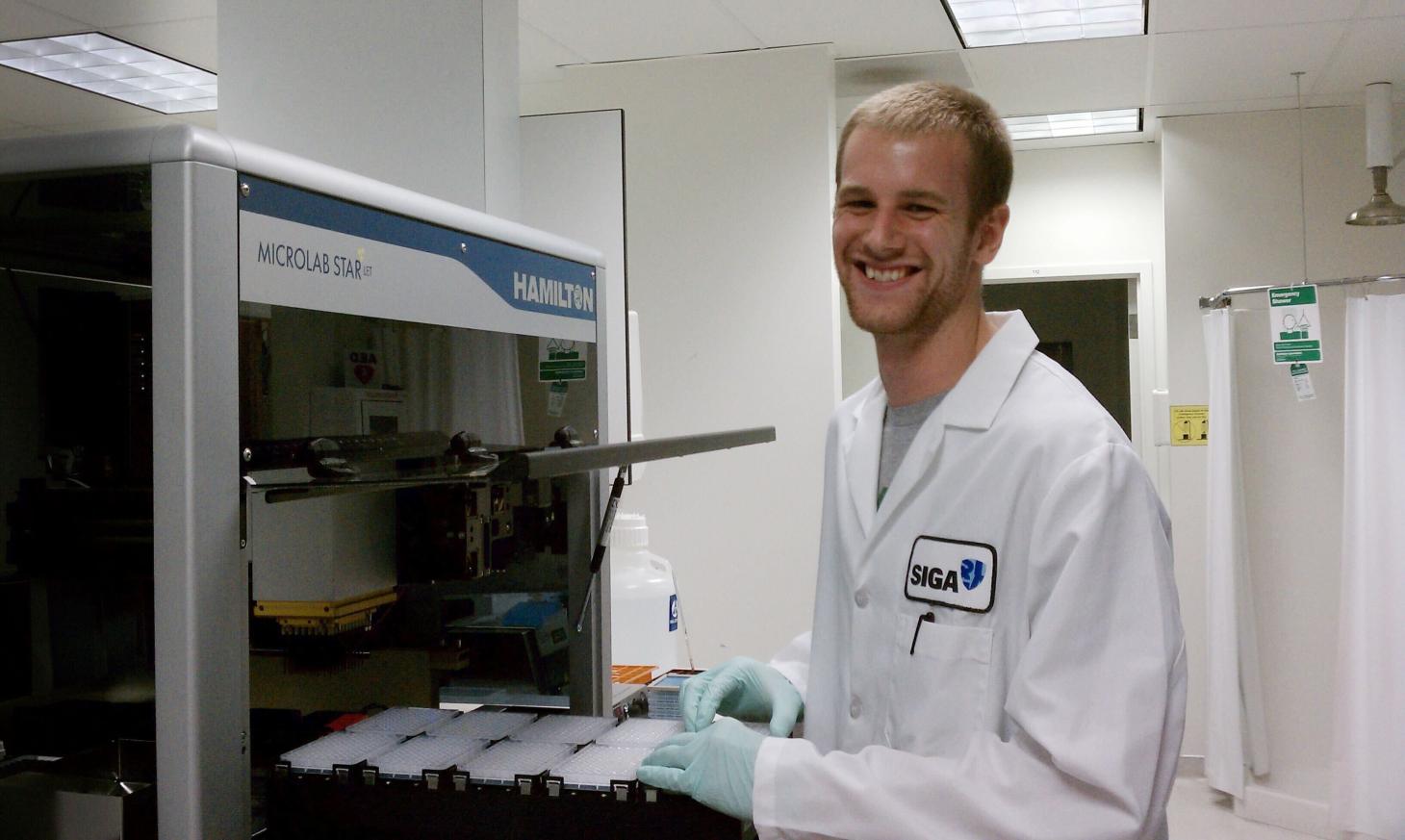
Jonathan Gallion in a lab coat operating an Hamilton Microlab STAR.

Gallion smiles in the SIGA Technologies lab while operating the Hamilton Microlab STAR, an automated liquid handling system that handles processes including shaking solutions, DNA/RNA extraction and PCR setup.

Gallion coincidentally landed a part-time position that transformed into a full-time position as research associate at the same company, discovering a passion for computational sciences when he programmed his first liquid-handling robot for chemical screenings.

He is very thankful for the guidance and mentorship of Robbie Allen, the associate director of antiviral discovery in 2011. His time at SIGA taught him that science doesn’t happen in a vacuum. Successful scientific innovation requires the economic, societal and regulatory forces within industry.

At Oregon State, one of the most influential figures in his undergraduate experience was his thesis advisor Theo Dreher from the microbiology department. Dreher’s mentorship equipped Gallion with the skills to pursue strong, reliable research, preparing him for graduate school.

In his free time, Gallion learns about ant colonies for fun and is already a registered ant seller. He also embarks on hiking trips, produces watercolor and acrylic paintings and builds his own wooden furniture.

Despite the high stakes in biopharma, he’s not afraid to boldly tackle global health challenges early in his career. The College of Science is thrilled to honor Gallion at the Alumni Awards Ceremony at Oregon State in November for his unique and impactful contributions to global science.

Joel Peterson walking grey sweater

Joel Peterson, College of Science alumnus and winemaking pioneer, honored at 2024 Black and Orange celebration

By Hannah Ashton

The Oregon State University Alumni Association will honor Joel Peterson, a renowned winemaker and 1969 graduate of the College of Science, as one of the Alumni Fellows during the 2024 Black and Orange Awards Celebration. This annual event, taking place on September 19, 2024, is a chance to honor alumni and friends of the university for their outstanding contributions to their professions, communities and the university.

“I received a very complete education and I am grateful for that because it allowed me to think about things in ways I might not have otherwise thought about them,” Peterson said.

A trailblazer in the winemaking industry, he is best known for founding Ravenswood Winery in 1976 and for his significant contributions to elevating the quality and reputation of Zinfandel wine. His legacy as a winemaker earned him the title of “Godfather of Zin” among his peers, as well as numerous prestigious accolades, including his induction into the Vintners Hall of Fame in 2011 and being named one of North America’s “20 most admired winemakers” by Vineyard and Winery Management magazine.

Peterson’s journey to success is deeply rooted in the scientific principles he learned at Oregon State. Initially following a pre-med path, he shifted to microbiology after gaining hands-on laboratory experience as a student worker. This scientific foundation, combined with his passion for chemistry and a love of wine fostered in his upbringing, set him on a path to revolutionize the winemaking industry.

“Oregon State and the College of Science are home to quality people. I have worked with several of the Dean’s of Science and they are all first-rate, interesting, knowledgeable and capable people,” he said.

After founding Ravenswood Winery with limited resources and a deep conviction in his craft, Peterson grew the company from producing just 327 cases of Zinfandel to a million-case-per-year operation. In 2001, Ravenswood was acquired by Constellation Brands U.S. for $148 million, cementing its status as one of the most iconic names in the wine world. Today, Peterson continues to create exceptional wines through his latest venture, Once & Future Wine, while actively supporting future generations of scientists and winemakers through philanthropy and mentorship.

In addition to his winemaking achievements, Peterson has remained closely connected to the College, serving on the College of Science Board of Advisors since 2014. Alongside his wife, Madeline Deininger, he has generously funded student travel to provide professional development opportunities that were previously unavailable.

“My core belief is that education is very important. It’s key to people's success and for building their own self confidence and the abilities that they care about,” he said. “I help fund opportunities that give students a window into the real world.”

Peterson’s story exemplifies the passion, dedication and impact that Oregon State graduates continue to bring to their fields. For more information on the 2024 Black and Orange Awards Celebration or to learn more about the honorees, click here.

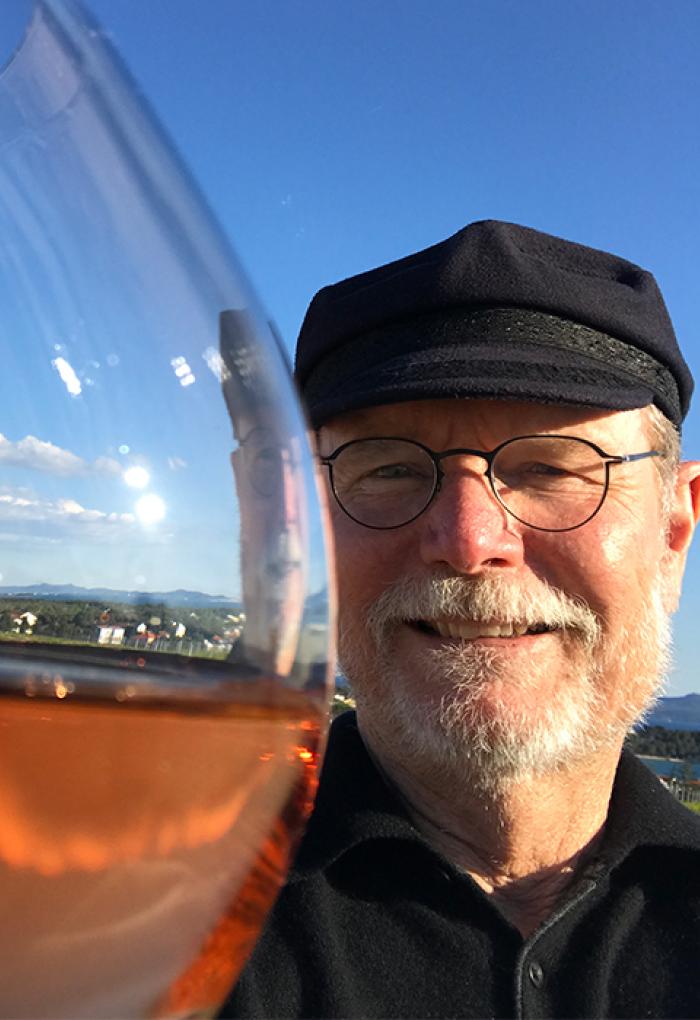
Joel Peterson taking selfie with wine glass

Joel Peterson currently creates exceptional wines through his latest venture, Once & Future Wine.

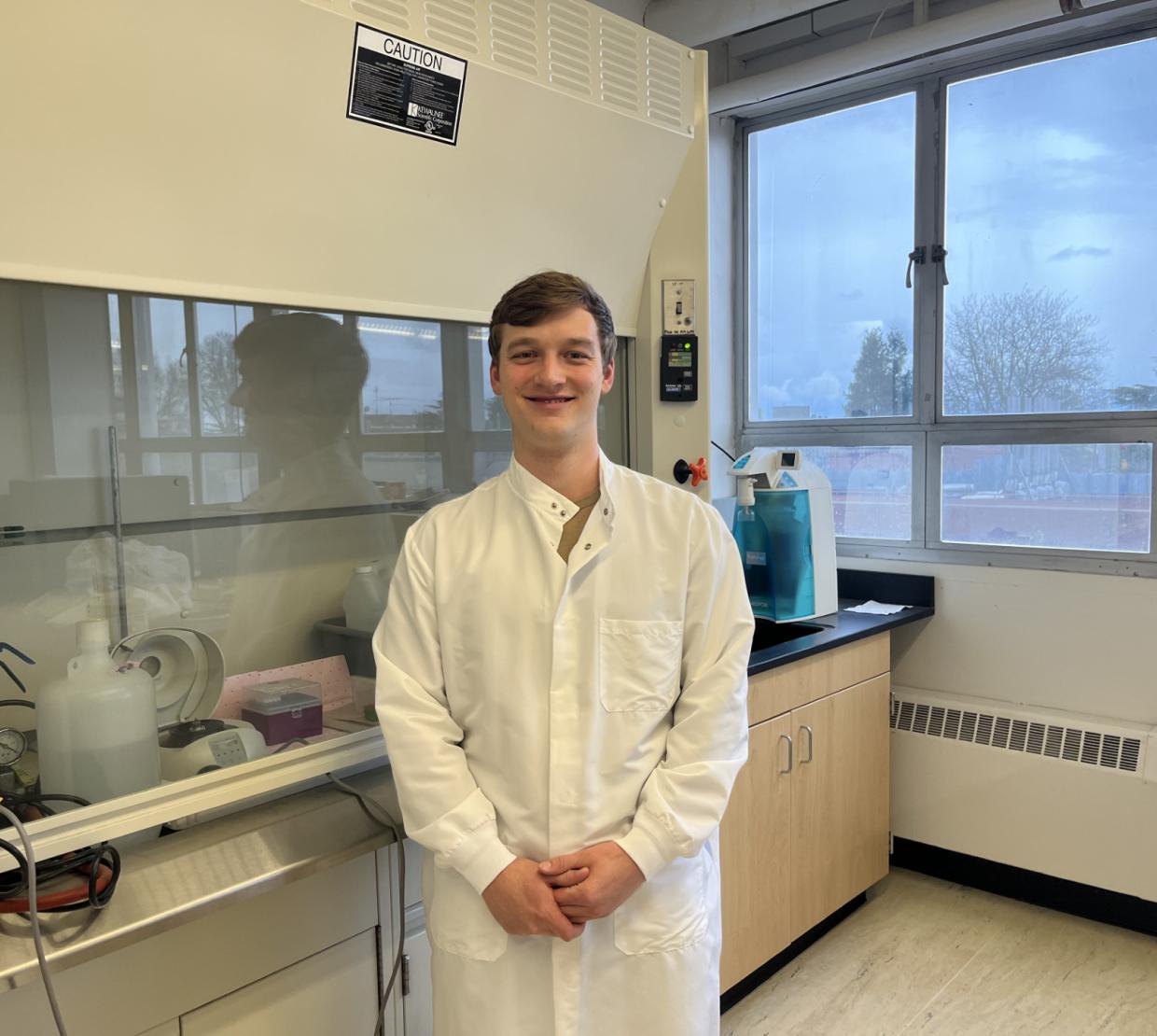
Kelly Shannon dons a white lab coat in an OSU laboratory, equipment lining the wall on his right and a window framing trees outside on his left.

Ph.D. microbiology student honored as ASM Young Ambassador

By Elana Roldan

College of Science Ph.D. student Kelly Shannon has been selected as Oregon’s young ambassador for the American Society for Microbiology. With only one candidate chosen for each state, he has joined the ranks of distinctly remarkable up-and-coming microbiologists.

The American Society for Microbiology stands as the oldest and largest single life science membership organization with more than 36,000 members worldwide. Its founding in 1899 began decades of work uplifting local scientific communities across the globe. With one hand in public policy advocacy and another in improved inclusion, ASM takes a microscopic field to macroscopic heights for millions.

As ASM young ambassadors, early-career microbiologists become leaders in their communities and facilitate stronger regional microbiology spheres. Through networking, professional development and collaborative efforts, they collectively work to improve science on a broad scale by effecting change in many smaller areas.

“This is a really exciting role where graduate students from each state in the U.S. — and many countries internationally — get to connect other microbiology students and early-career scientists in our respective states or countries with each other and with ASM resources,” Shannon explained.

As the young ambassador of Oregon, he hopes to ease the stress of students deciding what avenue of microbiology research they want to pursue. He plans to host a microbiology career development seminar series open to both undergraduate and graduate students. Oregon State students are welcome to attend in person and those from other institutions will also be able to join on Zoom.

The series will explore microbiology research career options, how to tackle a transition into industry research and how to competitively market yourself and your skills. Thanks to ASM’s wide spread of resources that tie into the content, students will continue to have support when the series is finished.

Shannon’s time at Oregon State, he says, has prepared him for this position more than anything else.

“All of my peers in microbiology, students and faculty, are such intelligent, hard-working people and they have really taught me everything I know about leadership, organization and public speaking to set me up for this role,” he said. “There are too many valuable experiences at OSU to count, but my advisor, lab mates, microbiology professors, department administrators and advisors and fellow microbiology graduate students have helped me the most out of anything.”

A microscope illustration with golden confetti in the background.

Celebrating excellence in research: 2024 College of Science Awards

By Hannah Ashton

The College of Science gathered on Feb. 29 to recognize and celebrate our high achieving faculty and staff at the 2024 Combined Awards Ceremony. The evening celebrated the very best in the College, from teaching, advising and research to inclusive excellence, administration and service.

The following faculty and staff received awards in the category of research.

Congratulations to all the awardees!

Outstanding Faculty Research Assistant Award

Jenna Sullivan-Stack received the Outstanding Faculty Research Assistant Award for her remarkable contributions in research, service and equity.

Jenna Sullivan-Stack smiles for a photo.

Jenna Sullivan-Stack

Acknowledged as a “talented scientist, effective communicator and trusted collaborator,” Sullivan-Stack has contributed to national policy level complications of ocean research and conservation. She co-authored a Science paper that was downloaded nearly 28,000 times and ranked in the top 5% of research outputs scored by Altmetric.

She actively engages with international collaborators and effectively coordinates communication with diverse co-authors. Her participation in the United Nations Indigenous Dialogues underscores her respected position, where she co-organized a panel on ocean conservation, showcasing her ability to navigate sensitive and diverse collaborations. Her nominator emphasizes, “This speaks volumes about the respect she has from our colleagues.”

In addition to her research prowess, her commitment to service and equity is exemplified through her involvement in departmental committees and initiatives. She serves on the Integrative Biology Department’s Committee on Equity, Justice and Inclusion and contributes to the Inclusive Internationalization Committee. Jenna’s dedication extends beyond academia; she actively participates in the Skype a Scientist Program, virtually visiting elementary classes nationwide to share her research and inspire the next generation.

In the words of her nominator, “Jenna is a true asset to OSU. Her expertise is supporting a thriving research group to make local to global scientific impacts that are truly transdisciplinary.”

Dean’s Early Career Achievement Award

Assistant Professor Maude David received the Dean’s Early Career Achievement Award for her outstanding contributions across research, mentorship and innovation. Notably, David’s research on the gut-brain axis and application of deep learning to neurological diseases, particularly autism, has earned international reputation.

Maude David smiles for a photo.

Maude David

Her impressive CV includes 13 manuscripts in esteemed journals and securing approximately $9.5 million in funding from diverse sources. A fellow colleague from Stanford wrote, “In my estimation, Dr. David’s early academic achievements are among the most impressive I have seen in my entire career.” Her pioneering efforts extend beyond academia, as she has initiated companies like NeuroBiome LLC and Microbiome Engineering LCC, aligning with the College of Science’s mission for community health.

Industry partners in the biotechnology sphere commend David’s deep commitment to open and collaborative science. “She has shared all data, metadata and analytical pipelines with the scientific community: as a result, this dataset has already been used by many researchers, and part of it has been published in Nature Neuron.”

David has become a leader in her field elevating Oregon State’s distinction in the area of biomedical research and biocomputing. Faculty describe her as a devoted community member with an astonishing work ethic.

Marilyn Mackiewicz smiles for a photo.

Marilyn Mackiewicz

Marilyn Mackiewicz received the Dean’s Early Career Achievement Award for her exceptional contributions in research, teaching and service. Her research focuses on safe nanomaterials, and she and her group have developed a unique protocol for controlled nanoparticle production, allowing groundbreaking applications in bioimaging and therapy. The nominations from fellow colleagues highlight her “commitment to advancing the field” and call her a “rising star in nanomaterials.”

In the teaching domain, Mackiewicz’s impact extends beyond traditional classrooms. She is commended for her teaching approach in courses like CH220 and Ch320, combining her personal experience with research-based practices for career development. Her dedication to student success is evident in her creation of a new bioinorganic chemistry class, filling a significant gap in the chemistry curriculum. In addition, her mentorship qualities are highlighted in a peer-reviewed article published in the Journal of Chemical Education, demonstrating her dedication to supporting students’ success and building their self-advocacy.

As chair of the Equity, Justice and Inclusion committee, she has transformed the appearance of Gilbert Hall into an inclusive space, showcasing diverse faculty members and the student body. Marilyn's leadership role in the college's Strategic Planning Committee, including leading the development of a goal as the only assistant professor, underscores her impactful service. She organized the first Industry-University Collaborative Conference Program, which received positive feedback, and played a significant role in rewriting OSU's NSF Research Traineeship grant.

“A trailblazer in inclusive research, teaching and service leadership,” Mackiewicz is an accomplished, dedicated and pioneering member of the College of Science.

F.A. Gilfillan Award for Distinguished Scholarship in Science

Department of Biochemistry and Biophysics Department Head Elisar Barbar received the F. A. Gilfillan Award for Distinguished Scholarship in Science.

Elisar Barbar smiles for a photo.

Elisar Barbar

Barbar is a pioneering leader in the biophysical characterization of protein complexes involving intrinsically disorders proteins, a field that few researchers venture into. Throughout her 25-year tenure at Oregon State, she has built an impactful scholarly program. One nomination letter describes her as an “international leader” who has shaped the field of biophysics and structural biology, producing “deep mechanistic understanding.”

Her career has resulted in numerous quantifiable accomplishments and indicators of her scholarly excellence and impact. She has 90 refereed papers in strong journals, primary investigator on grants totaling more than $10 million in external funding, and 18 active international collaborations with researchers from 13 countries. She has received the Milton-Harris Basic Research Award, a French university’s honorary “Chaire” award, and a New Zealand university’s Erskine Fellow award.

Barbar is the perfect example of striving to define success not by how elite or exclusive she is, but by who she includes and helps achieve their academic, career and life goals. She demonstrates this commitment in her research lab through her inclusion of diverse students and other advisees who were not accepted in or were not successful in other research groups. She helps these individuals cultivate their talents and interests and find success in the department and beyond.

Her unwavering commitment to groundbreaking research, exemplary mentoring and tireless advocacy for equity in science is remarkable and highly commendable.

Milton Harris Award for Basic Research in Science

Professor Christopher Beaudry received the Milton Harris Award for Basic Research in Science. Endowed by G. Milton Harris, a Portland native who received his bachelor's degree in 1926 from OSU. He was a pioneer in polymer, fiber and textile science. Dr. Harris and his family were and are devoted supporters of higher education, supporting numerous scholarships, awards and faculty positions in science and engineering at OSU.

Christopher Beaudry smiles for a photo.

Christopher Beaudry

The purpose of the Milton Harris is to recognize exceptional achievement in basic research by honoring an outstanding faculty member in the College. Special consideration is given to recent research that was carried out at OSU and that will have a significant impact on its field.

Beaudry is known for his significant contributions to organic chemistry, recognized as a top authority in the chemical synthesis of natural products, particularly in the exploration of molecular chirality.

“Professor Beaudry’s scholarly endeavors represent the very essence of basic research. His achievements include the conception of numerous unprecedented chemical reactions, marking a series of ‘firsts’ in the scientific community,” one nominator wrote.

His research has garnered widespread recognition, both within Oregon State and the broader scientific community. He recently received the OSU Impact Award for Outstanding Scholarship. A leading chemistry publication distinguished his work as a ‘Very Important Paper’ and he secured ‘most downloaded’ accolades from the esteemed journal Angewandte Chemie.

Promotion of equity, justice and inclusion has been an integral part of Chris’s career. Through his lived experiences, including being a first-generation college student, he understands students may experience “imposter syndrome” and he is committed to creating an inclusive laboratory environment.

“Overall, Prof. Beaudry has amassed a unique portfolio of synthetic chemistry that marks him as one of the best in our field, and positions him beautifully for continued contributions not only in the heart of organic chemistry, but also in the field of medicinal chemistry,” one colleague wrote. “I hope it is evident that I think the world of Prof. Beaudry’s science.”

A pillar graphic with golden confetti in the background.

Celebrating excellence in teaching and advising: 2024 College of Science Awards

By Hannah Ashton

The College of Science gathered on Feb. 29 to recognize and celebrate our high achieving faculty and staff at the 2024 Combined Awards Ceremony. The evening celebrated the very best in the College, from teaching, advising and research to inclusive excellence, administration and service.

The following faculty and staff received awards in the categories of teaching and advising.

Congratulations to all the awardees!

Olaf Boedtker Award for Excellence in Academic Advising

Cody Duncan, academic advisor in the Department of Integrative Biology, received the Olaf Boedtker Award for Excellence in Undergraduate Advising.

Cody Duncan smiling for a photo.

Cody Duncan

Duncan was praised by students for being an outstanding advisor, even when he was not their primary advisor.

One student commends Duncan for being the best advisor they’ve had at OSU, stating, “He is thoughtful, kind and cares about students.” Others highlighted his responsiveness in addressing schedule and planning issues, always providing helpful options for meeting forward.

His influence has had a lasting positive impact. A student recalls their first meeting with Duncan, emphasizing his kindness and understanding of their goals upon entering college. Even amid changing academic interests, Cody’s support remains unwavering. A student shares, “He helped me navigate a shift from pre-vet to pre-med during my senior year, providing knowledgeable advice on next steps in terms of shadowing or exploring human medicine.”

What sets him apart is his enduring support. He is known for mentioning to students that they can contact him even after college if they need help or direction. This long-term commitment underscores his genuine care for students.

Loyd F. Carter Award for Outstanding and Inspirational Teaching in Science (Undergraduate)

Senior Instructor I Amila Liyanage received the Loyd F. Carter Award for Outstanding and Inspirational Undergraduate Teaching in Science. Liyanage teaches Experimental Chemistry.

Amila Liynage smiling for a photo.

Amila Liyanage

Students unanimously commended Liyanage’s impactful teaching style, especially in lab settings, where he stands out for being incredibly hands-on and focused on students’ needs. One student notes, “He takes the time to connect with students. He listens to concerns with an open mind and takes the time to help the students solve the problem at hand.”

Beyond the classroom, his proactive dedication is evident as he takes time to review student’s lab reports before deadlines, providing valuable feedback and help to succeed. He is described as “outgoing and respectful to lab attendants and faculty.”

In the Experimental Chemistry Honors series, students appreciate Liyanage’s kindness, detailed explanations and clear directions. One student emphasizes, “Liyanage was so supportive and helpful when I had a question or if I was struggling.”

Students value his recognition of their lives outside academia, citing instances where he granted extensions due to external circumstances. “He is an incredible teacher and mentor, and I can’t think of anyone truly more deserving of this award,” one student wrote.

Loyd F. Carter Award for Outstanding and Inspirational Teaching in Science (Graduate)

Assistant Professor Jamie Cornelius received the Loyd F. Carter Award for Outstanding and Inspirational Graduate Teaching in Science. She teaches environmental physiology and behavioral neurobiology.

Jamie Cornelius smiling for a photo.

Jamie Cornelius

Students describe Cornelius as an outstanding scientist and teacher, with a teaching approach that prioritizes engaging with students rather than relying on traditional success metrics. According to one student, “The content she teaches is challenging, yet she makes it accessible to all students and will go out of her way to ensure student success.” Known for her kindness, empathy and fun attitude, she is regarded as an inspirational figure in the natural sciences, leaving students with “a newfound sense of wonder and excitement.”

Conrnelius is lauded for fostering an inclusive environment, breaking down the intimidating professor stereotype by sharing personal experiences. A student notes, “She breaks up lectures by bringing in her guitar to play science songs that she wrote which are always so enjoyed.” Her commitment to accessibility is evident as she is “never too busy for a student,” and she actively seeks feedback. “Her visible excitement and enthusiasm for the material is contagious.”

Fred Horne Award for Sustained Excellence in Teaching Science

Shawn Massoni, senior instructor I in the Department of Microbiology, received the Frederick Horne Award for Excellence in Teaching Science. Since joining Oregon State in 2018, Massoni has demonstrated engaging pedagogical methods, an emphasis on inclusivity and a commitment to creating an engaging and equitable learning environment.

Shawn Massoni posing for a picture outside.

Shawn Massoni

Massoni is dedicated to student growth and his lessons continue to impact students years later. A former student praised his ability to make science accessible and instill a love of learning. “In my opinion, this might be the most profound impact a teacher can have on a student because it seeps into every part of a person’s life,” the alumnus wrote.

He is known as a genuine, authentic human who made the intimidating world of science feel accessible. Using a combination of short lectures and in-class collaborative learning assignments as his primary pedagogy, Massoni engages students in the learning process. He has worked diligently to develop and implement inclusive learning environments, fostering a deeper understanding of the subject matter. He is pushing pedagogical boundaries and always striving to improve.

“He exemplifies an instructor for whom every course, assignment, assessment and activity is rooted in his concern for equity, inclusion and access,” one nominator wrote. “His commitment is powerfully demonstrated by his participation in multiple study sessions, including Jane Waite’s Social Justice Education Initiative workshops, Career Champions, and faculty workgroups on systemic whiteness in higher education, among others.”

Overall, he is an exceptional educator, combining effective teaching strategies, commitment to inclusivity and a genuine passion for fostering student success in the field of microbiology.

CoS Faculty Scholar Award

Kyriakos Stylianou, assistant professor in the Department of Chemistry, received the College of Science Faculty Scholar Award, for his contributions to teaching, research and mentorship. This award was created to support teaching and learning innovation that advances Oregon State University’s retention and completion goals.

Kyriakos Stylianou smiles for a photo.

Kyriakos Stylianou

In spring 2022, Stylianou approached the general chemistry laboratory instructors with a novel proposal to create a new lab incorporating his research into metal-organic frameworks. As a first-generation scientist himself, Stylianou is acutely aware of the importance of early-career development of a scientific identity. He created a personal goal to revise Gen. Chem. labs and shift their focus to research-focused interdisciplinary experiments.

His project helps students with experimental and communication skills in the classroom and nurtures a curiosity-driven mentality in students. Through hands-on learning, students practice critical thinking and problem-solving skills that mimic research experiences. The project will culminate in the development of a 300-level chemistry course that will specifically target science identity development and hands-on research skills.

“Student feedback was overwhelmingly positive, both initially and when the project was implemented again the following year in the spring of 2023. Students were excited to learn that they were participating in a new activity involving modern research, and furthermore, a project that no other students across the nation–or the world for that matter–were doing. Stylianou’s efforts with his MOF project have helped OSU Chemistry to stand out as truly unique in its general chemistry program,” one grateful nominator wrote.

“He is a talented and energetic educator who is committed to advancing new teaching strategies to engage students and strengthen our curriculum,” another nominator wrote.

Whiteley Faculty Scholar Award for Teaching Excellence

The College of Science Mentoring Community, including Mary Beisiegel, Lauren Dalton, Elizabeth Gire, Erin Howard, Nathan Kirk, Shawn Massoni and Louis Wojciniski, received the Whiteley Faculty Scholar for Teaching Excellence Award.

In 2017, the Ben and Elaine Whiteley Faculty Scholar Fund for Teaching Excellence was established through Ben Whiteley’s estate to support great teachers who are advancing teaching and learning excellence in support of increased student success.

Acknowledging the importance of effective peer mentoring for university faculty to succeed in various aspects of their roles, this group of faculty proposed a plan to create a mentorship program in the College of Science. Focused on addressing teaching excellence, the group will use triads, training, classroom observations, reflective artifacts and peer reviews.

The overall goals include building community, supportive effective peer review, recognizing diversity and inclusion and collaborating with the Oregon State Center for Teaching and Learning. The program’s three-year plan includes curriculum development, a pilot program, participant recruitment and expansion.

This initiative aligns with university and college-wide strategic goals, emphasizing teaching excellence, mentorship and inclusivity. The program is designed by a diverse committee representing all the departments within the College of Science, ensuring a comprehensive and sustainable approach to faculty development in teaching.

Subscribe to Awards & Recognition