Diversity in Science

Diversity in Science

Román Hernández

Attorney and science alum awarded Alumni Legacy Award for civil rights advocacy

By Srila Nayak

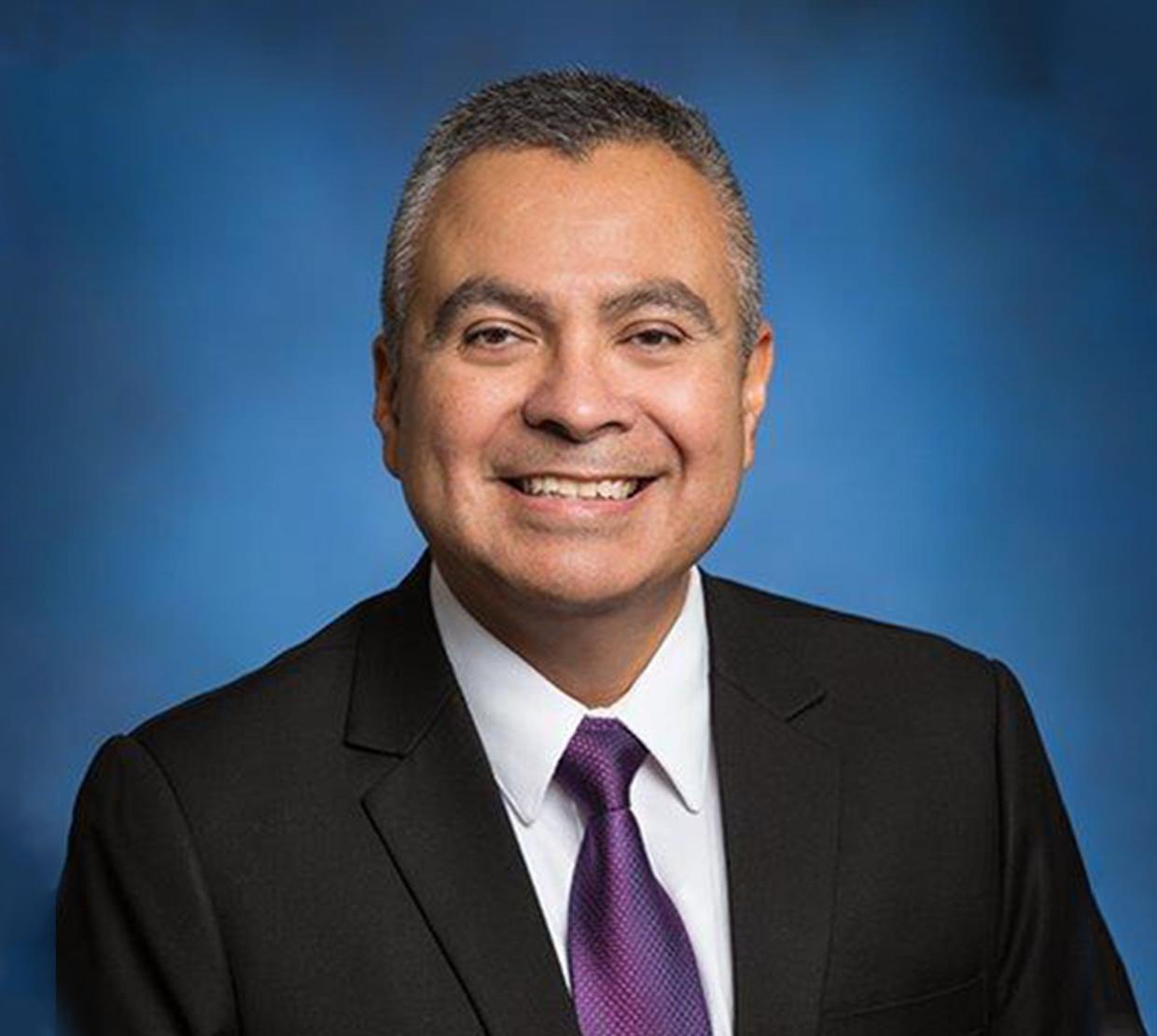
Román D. Hernández (’92) received the Diversity, Equity and Inclusion Alumni Legacy Award on the occasion of OSU's 39th annual Dr. Martin Luther King, Jr. Celebration.

Román D. Hernández (’92), an alumnus of the College of Science, received the Diversity, Equity and Inclusion Alumni Legacy Award on the occasion of the 39th annual Dr. Martin Luther King, Jr. Celebration on Monday, January 18, 2021 at Oregon State University. A nationally recognized attorney specializing in labor and employment law and commercial litigation, Hernández is the Office Managing Partner at Troutman Pepper’s Portland office.

The award recognizes alumni who have demonstrated a deep and abiding commitment to causes of social justice, diversity, equity and inclusion and who exemplify and enrich OSU’s values of community, diversity, respect and social responsibility in their broader community or organization.

“I am deeply honored to have received this award from OSU, an institution that I love. And to have received it during OSU’s Dr. Martin Luther King, Jr. Celebration, makes it that much more meaningful,” said Hernández.

Hernández’s award citation commends his commitment to the values of diversity, equity and social justice throughout his career as an attorney. His nomination states, “Over the years, Román has reached out to young racial and ethnic minority students from middle school to high school to encourage them to pursue their education, including pursuing a legal education. By recalling his own background of socioeconomic disadvantage and hardship, he inspires them to achieve their educational goals and to know that nothing is beyond their grasp.”

“I am deeply honored to have received this award from OSU, an institution that I love. And to have received it during OSU’s Dr. Martin Luther King, Jr. Celebration, makes it that much more meaningful."

Hernández graduated from OSU with a co-major in general science, emphasizing biological sciences, and aerospace studies. Before taking up law studies at Lewis and Clark Law School (Portland), Hernández, who attended OSU on an ROTC scholarship, served for nearly five years in the Air Force. He was honorably discharged at the rank of Captain. Inspired by a JAG officer, the first Latino lawyer he had known, Hernández decided to pursue a degree in law.

Hernández successfully battled tremendous challenges on his journey towards an outstanding legal career. He is the youngest of eight children of migrant farm workers from Mexico who worked in Michigan and Ohio before settling in Oregon. Hernández and his siblings grew up near Ontario, a city in far eastern Oregon bordering Idaho. Although his mother and father had no formal education, they inspired all their children to study and go to college.

Hernández’s rise to the top ranks of his profession is a testament to his courage, determination and perseverance. An American Bar Association profile of Hernández notes, “He would spend 10 hours a day harvesting onion – a labor-intensive task that involves bending over or kneeling and using sharp knives to cut the leafy tops from the onions. The intense summer heat could reach 110 degrees Fahrenheit, and Román’s hands still bear the scars from the knives used in the harvest. It was “piece work” and he was paid as little as 10 cents a bushel for his work.”

Hernández was able to realize his college dreams when he was awarded financial aid to attend Treasure Valley Community College. He was on the Dean’s List multiple times at TVCC before transferring to OSU. His Air Force ROTC scholarship from OSU enabled him to attend university where he did well academically. Hernandez was the only Hispanic-American ROTC cadet at OSU in the Professional Officer Corps (the upper division cadets).

Hernández was named to the Lawyers of Color Nation’s Best List in recognition of his career accomplishments and commitment to diversity and inclusion in the legal profession. He was also recognized in The Best Lawyers in America in the categories of employment-law management and for litigation-labor and employment law.

Hernández has garnered several accolades and awards for his professional achievements, service, leadership and lifetime commitment to social justice and civil rights in Oregon and beyond.

He received the American Bar Association’s 2021 Spirit of Excellence Award, which honors those who have achieved excellence and supported others within their legal careers. He also received the Distinguished Business Law Graduate Award from his alma mater, Lewis and Clark Law School; the Diversity and Inclusion Champion Award from Oregon State Bar; the Civil Rights Champion Award from the Oregon League of Minority Voters; among other honors.

He served as the Oregon Community Foundation’s (OCF) Board of Directors and was named the Hispanic National Bar Association’s 2017 Latino Lawyer of the Year. Hernández has spearheaded equity and inclusion reforms in several Oregon organizations and foundations. He served as the first-ever Chair of OCF’s Equity, Diversity, and Inclusion Board Committee which developed and assisted the organization in applying an “equity lens” to its work.

Hernández has been selected to serve in influential and high-profile positions during his career. He is a former Chairman of the Board of Directors of the Portland Branch of the Federal Reserve Bank of San Francisco, one of the 12 banks that comprise the central banking system of the United States. Through his six-year Federal Reserve service, Hernández helped develop the nation’s monetary policy. He served as the National President of the Hispanic National Bar Association that represents the interests of 100,000 Hispanic attorneys, judges, law students, and paralegals throughout the United States.

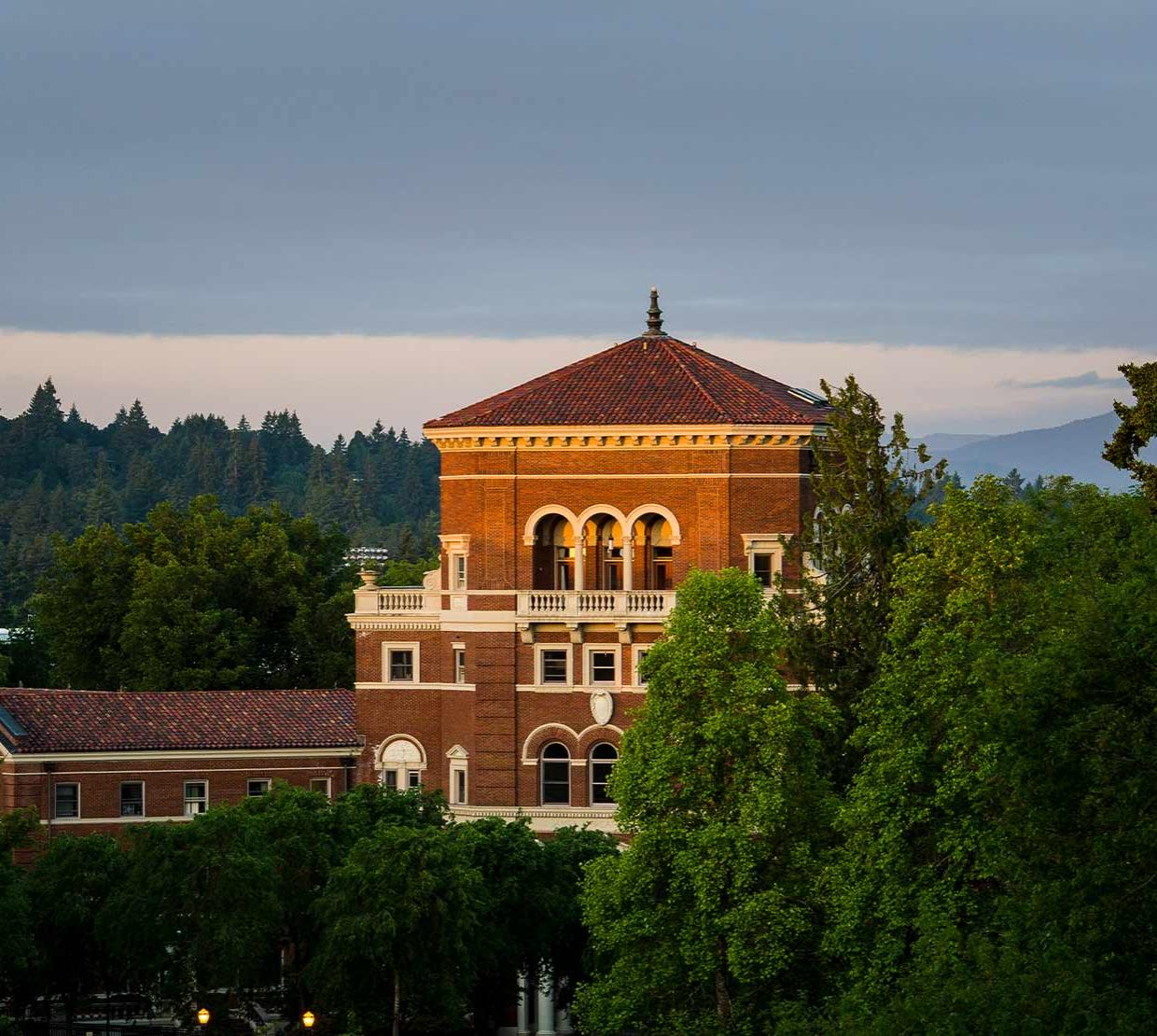
Weatherford Hall peering through some trees.

Microbiology grad awarded ORISE Fellowship at CDC

By Mike Kent and Justin Sanders

Recent microbiology master’s program graduate Elizanette ‘Nette’ Lopez was selected to participate in the Oak Ridge Institute for Science and Education (ORISE) Fellowship program. Lopez was offered a position at the Centers for Disease and Control and Prevention (CDC) Biorepository in Lawrenceville, Georgia.

Lopez, who hails from Texas, successfully defended her thesis, “Effects of elevated temperature on Mycobacterium chelonae growth and mycobacteriosis in zebrafish (Danio rerio)” this summer.

Her interest in science began at a young age with her fascination in the practice of curanderismo, a folk healing tradition deeply ingrained in her culture. She wanted to understand how the rituals of curanderismo worked and, as she put it, “why the women in my life were always smearing oils and eggs on me.”

After conducting an ethnobotanical study of curanderismo across West Texas as an undergraduate at Angelo State University, she saw how research could improve the lives of underrepresented groups. She was particularly interested in infectious diseases, which led her to Oregon State where she worked with advisors Michael Kent and Justin Sanders studying infectious diseases of zebrafish.

Her graduate studies were partly funded by a diversity grant from the NIH. During her time at OSU, Lopez advocated for underrepresented minorities and was an active member of the Microbiology Graduate Student Association, Ethnic Minorities United in STEM and a founding member of the Women of Color Caucus. Toward the end of her graduate studies, the COVID-19 pandemic caused widespread disruptions globally. However, the crisis also provided an opportunity for Lopez to gain experience in public health microbiology as a volunteer for the TRACE-COVID-19 project.

As a volunteer, Lopez helped process thousands of swab samples collected from participants in the field. As a ORISE Fellowship recipient, Lopez will soon process SARS-CoV-2 samples and help organize other collections in the biorepository in Atlanta, Georgia.

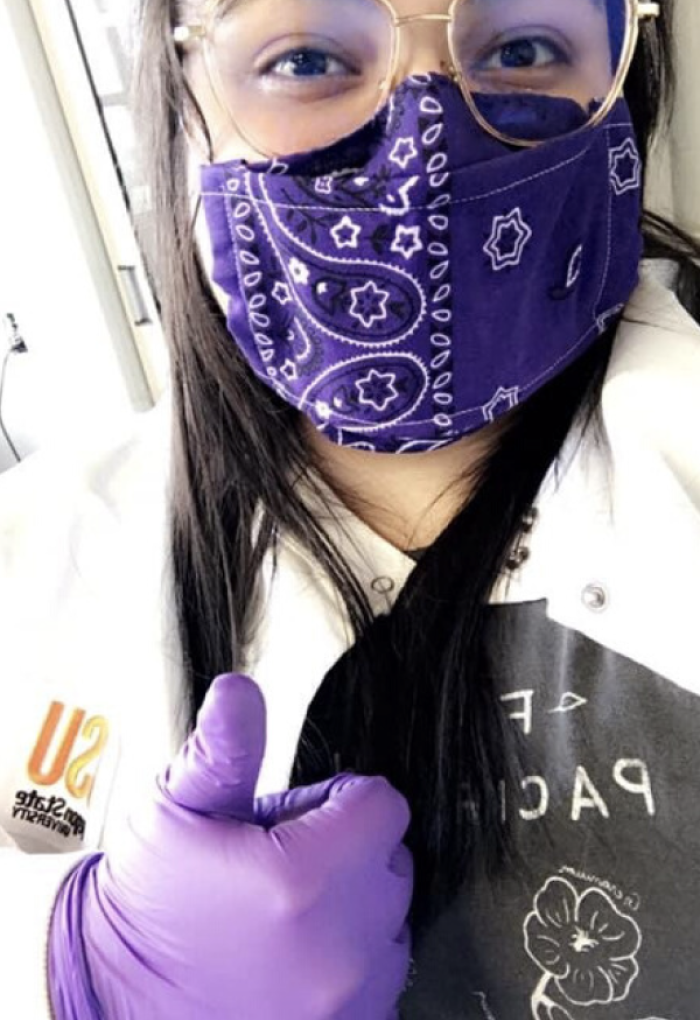
Lopez wearing mask

As a volunteer for the TRACE-COVID-19 project, Nette Lopez helped process thousands of swab samples collected from participants in the field.


Read more stories about: news, diversity in science, microbiology


Dr. SreyRam Kuy wearing scrubs in hospital hallway

Microbiology alumna and surgeon's journey from refugee camps to healthcare leadership

By Srila Nayak

Microbiology alumna Dr. SreyRam Kuy ('00) is a surgeon and deputy chief medical officer at the Veterans Affairs Medical Center in Houston. Photo by OSU photographer Hannah O'Leary.

The exacting schedule of a surgeon is evident at the outset of a Zoom interview with Dr. SreyRam Kuy (Microbiology, ’00). She is a little late for the midday appointment because she had to shower first. Just 30 minutes earlier, Kuy “was elbow deep in blood and stool” performing a colon cancer surgery. An epidemic is engulfing the country, but there are other undeniably urgent healthcare crises that beset everyday Americans. “Even in the middle of Covid-19, we get patients with perforated colon cancers and we have to conduct emergency surgery,” said Kuy. The busy week saw her covering general surgery and surgical oncology patients.

While her hospital, like others in the country, has postponed all non-emergency surgeries under the onslaught of the Covid-19 epidemic, Kuy and her colleagues continue to tackle surgeries in life-and-death situations.

It is hard to believe there was a time when Kuy felt terrified by the sight of blood. She wanted to be a family doctor when she arrived at Oregon Health and Science University (OHSU) to study medicine. But an oncology surgical rotation where she got to assist on a colon cancer operation for the first time changed her outlook and put her on the path toward specializing in surgery.

Today Kuy is a general surgeon at the Veterans Affairs (VA) Medical center in Houston. She is the deputy chief medical officer for quality and safety of the South Central Veteran Affairs Healthcare Network, where she works on improving patient safety and patient care for veterans. She is also a professor at the Baylor College of Medicine.

Kuy previously served as special advisor to the Secretary of Veterans Affairs in Washington, D.C., and was the first woman appointed deputy undersecretary for community care, overseeing a $14.5 billion budget and 7,300 staff.

Getting prepared for a crisis

No stranger to prestigious honors, Kuy was one of 21 senior healthcare leaders selected nationally for a two-year fellowship with the Aspen Institute Health Innovators program in 2019. The fellows commit to launching a leadership venture with lasting, transformative impact on the health of Americans and the healthcare system. In her role as a Health Innovators Fellow, Kuy developed a Covid-19 Preparation Tool to help healthcare facilities, businesses and communities rapidly gauge their preparedness for the outbreak, identify areas of weakness and strategically target resources for their greatest impact.

She worked over a period of six months to create leadership toolkits designed to tackle “a series of health crises, including natural disasters, infectious pandemics and upsurges in medical errors.” When the Covid-19 outbreak was declared a full-blown pandemic, Kuy was prepared. “As news of a novel coronavirus outbreak emerged in January, I realized that it was only a matter of time before Covid-19 became a global crisis,” Kuy remarked.

Kuy has partnered with healthcare company Get Well Network to widely deploy and share the tool nationally with organizations. The completely free, rapid (the survey questionnaire takes 2-3 minutes to complete) and easily accessible Covid-19 toolkit comes in two versions for healthcare systems and businesses. It is based on Centers for Disease Control (CDC) guidance and resources and provides immediate feedback to users.

"I have learned that this crisis is like being in the fog of war. You don't have time to go and read 50 pages of resources that some technical expert wrote on that issue,” said Kuy. “At that moment, you need something that's clear, decisive, and very short and to the point that helps leaders get that information in a fast, rapid way that can help them identify the strategies they need to adopt.” While Kuy’s own workplace is highly advanced in terms of crisis management, she hopes her blueprint will help organizations that are less well prepared to deal with the stress of the pandemic and continue to stay functional.

By now, Kuy has had plenty of experience at effective and transformational leadership during public health emergencies. She was the chief medical officer for Medicare in Louisiana — one of the poorest states of America, ranking very low for health outcomes and access to health care. In that role, Kuy worked through emergencies that included floods, the opioid epidemic and the Zika outbreak. She was overseeing a $10.7 billion system covering 1.6 million children, pregnant women and disabled and indigent patients, when the Great Flood hit the state in 2016. “Our skeleton crew worked around-the-clock to ensure that patients who were pregnant, young, disabled, and/or low-income could access prescription medications lost in the flood, find replacements for damaged wheelchairs and ventilators, and receive vital tetanus shots and mold precautions—all while working to improve quality and outcomes in the day-to-day operations,” writes Kuy.

Making a difference, inside and outside the operating room

A prominent surgeon, healthcare executive, writer, scholar and academic, Kuy has distinguished herself as a multifaceted doctor making a difference inside and outside operating rooms. She is a surgeon who has also blazed a trail in healthcare management holding key leadership positions in complex health systems.

Kuy was attracted to a policy role because she felt she could have a bigger impact on healthcare at both regional and national levels. “You are in a position to change millions of lives. In Louisiana, I was overseeing care of more than a million patients. When I was deputy undersecretary in Washington, D.C., we were taking care of 9 million veterans who are in some way impacted by the VA.”

One may imagine that one job overshadows the other, but Kuy has found firm footing in both.

Always a doctor at heart, Kuy has not strayed from medicine as a healthcare executive. In Louisiana, she performed the gamut of surgeries on breast cancers to gallbladder and hernia operations once a week for uninsured or underinsured patients. She would fly home to Houston from her job in D.C. to conduct surgeries on veterans.

“It’s critically important if you are going to be a leader or executive in healthcare to stay on the frontlines so that you know what is going on,” she said. Working as a surgeon in Louisiana helped her see that young medical residents were not aware of the problem of over-prescription of opioids in the state. “I realized we need to do a better job at messaging. And that’s one of the benefits of being on the frontline; you get to see the effect of the policies you make,” said Kuy. “Plus, I just love operating and taking care of patients. That’s what brings me joy.”

Kuy is credited with drastically limiting opioid prescriptions and leading bold, new initiatives to mitigate the opioid crisis in Louisiana. With high numbers of opioid overdose deaths stemming largely from one of the highest opioid prescription rates in the country, Louisiana needed vast public health overhauls and reforms when Kuy took charge.

“I shared data drilled down to Louisiana parishes (counties) with legislators to show them that the deaths from opioid overdoses exceeded the deaths from homicides,” Kuy said.

Working within the scope of CDC guidelines, Kuy battled stiff opposition to enact Medicaid policies curtailing opioid prescriptions, thus overturning a longstanding physician practice of prescribing medications for 30 days to allowing just a week of pain medications for acute pain. She encouraged doctors to look for alternative therapies and non-opioid medications to manage acute and chronic pain in patients.

Among other things, Kuy developed a statewide naloxone standing order to empower individuals to intervene during an overdose, implemented Medicaid opioid policies, supported the creation and successful passage of legislation limiting opioid prescriptions, and developed educational webinars, symposiums and a website to assist patients and doctors. Her efforts bore results. Within a year, opioid prescriptions in Louisiana fell by 40% among Medicaid patients.

At the end of her term, Kuy changed hearts and minds. Three pieces of legislation passed with the vigorous support of some of her former biggest adversaries on the issue of opioid prescriptions.

Kuy graduated with dual degrees in microbiology and philosophy in 2000 from Oregon State University. She received her medical degree from OHSU in Portland and completed her residency in general surgery at the University of Texas Health Science Center at San Antonio and at the Medical College of Wisconsin, Milwaukee. Kuy also earned a master’s degree in health science at Yale University School of Medicine, where she completed a fellowship with the Robert Wood Johnson Clinical Scholars Program.

Despite her busy life, Kuy recently made time to host a seminar on her work in health policy via Zoom with OSU Honors College students. “I am so impressed by these brilliant, inquisitive minds. The future is bright and gives me hope!” Kuy said.

From Cambodia to Corvallis and beyond

Kuy’s extraordinary story about finding her path towards medicine from her early days in a Cambodian death camp has been recounted many times, but it is one that bears repeating. Born in captivity, Kuy, her parents and her older sister survived the brutal Khmer Rouge regime in Cambodia, and after it ended, the Kuy family settled into a refugee camp in Thailand. There Kuy, her sister SreyReath and their mother were severely injured by a grenade attack. A Red Cross surgeon performed lifesaving operations on Kuy and her mother. Her sister who suffered shrapnel injuries did not require surgery.

“That inspired me to become a doctor. It was a long time ago, and I was really young when that happened. But it's a story that's part of the fiber of my being. And I've always known for as long as I can remember that I wanted to be a doctor,” Kuy said. She was also inspired throughout her life by her mother who kept reminding her children that they had to make the most of their lives because they had survived while countless others perished in Cambodia.

In 1981 after transferring to a refugee camp in the Philippines, the Kuy family arrived in faraway Corvallis via sponsorship by a Christian charity and made the verdant town their home. The years were difficult even though Kuy and her sister thrived academically. Her father had been a government official and her mother was a teacher in Cambodia before the Khmer Rouge regime took hold, but they didn’t have similar employment in America.

Her father worked as a janitor at OSU and her mother was a housekeeper in healthcare facilities. “My mother worked at Good Samaritan Hospital and a nursing home cleaning operating rooms, mopping floors and scrubbing toilets,” said Kuy. “I give my mother credit because she was willing to work hard at anything to give me and my sister a chance at a better life, at freedom and, more than that, a chance to live.”

A valedictorian at Crescent Valley High School, Kuy gained admission to Harvard, but she had lost her father to stomach cancer during her senior year and didn’t want to move away from her family. So, she joined OSU to study microbiology and philosophy. It is a decision that she has never regretted.

“I had such amazing support at OSU. My teachers and advisers took genuine interest in me and helped and encouraged me. It was a pivotal point in my life that helped me get into medical school and become a doctor,” Kuy remarked.

While microbiology helped her understand the mechanisms of health and disease, Kuy says her philosophy major equipped her to think critically about complicated health policy matters and communicate ideas. During her senior year, Kuy embarked on a transformative experience when she worked in Washington, D.C. at the U.S. Senate for the office of Senator Tom Harkin, the chief architect of the Americans with Disabilities Act of 1990. There Kuy started paving her way to her future career in health policy by drafting memos and speeches about women’s health and advocating for the passage of the Breast and Cervical Cancer Prevention and Treatment Act.

Kuy and her sister SreyReath, who is a podiatrist in Texas, authored a book on their experiences in Cambodia, The Heart of a Tiger. Kuy has published articles in Huffington Post, Los Angeles Times and the Washington Post on her experiences as a survivor of genocide and the first female Cambodian refugee to work as a surgeon in the U.S. As a Robert Wood Johnson Foundation Clinical Scholar at Yale University, she wrote the landmark book, 50 Studies Every Surgeon Should Know, published by Oxford University Press.

She has won a number of awards and honors celebrating her work with vulnerable and underserved populations that include veterans and women on Medicaid. To name just a few, she has received President George H.W. Bush’s Daily Points of Light Award, American College of Surgeons “Mary Edwards Walker Inspiring Women in Surgery Award” and the OHSU School of Medicine Alumni Early Career Achievement Award. She is a Fellow of the American College of Surgeons and was selected to the Presidential Leadership Scholars Program in 2017, a partnership among the presidential centers of Lyndon B. Johnson, George H.W. Bush, Bill Clinton, and George W. Bush that brings together mid-career leaders from diverse backgrounds.

Kuy is thankful for the incredibly dedicated professors who taught her at OSU. “My professors at OSU didn’t just teach; they inspired, encouraged and supported me in my dreams. I am truly grateful for the mentors at OSU who guided me in my journey.”
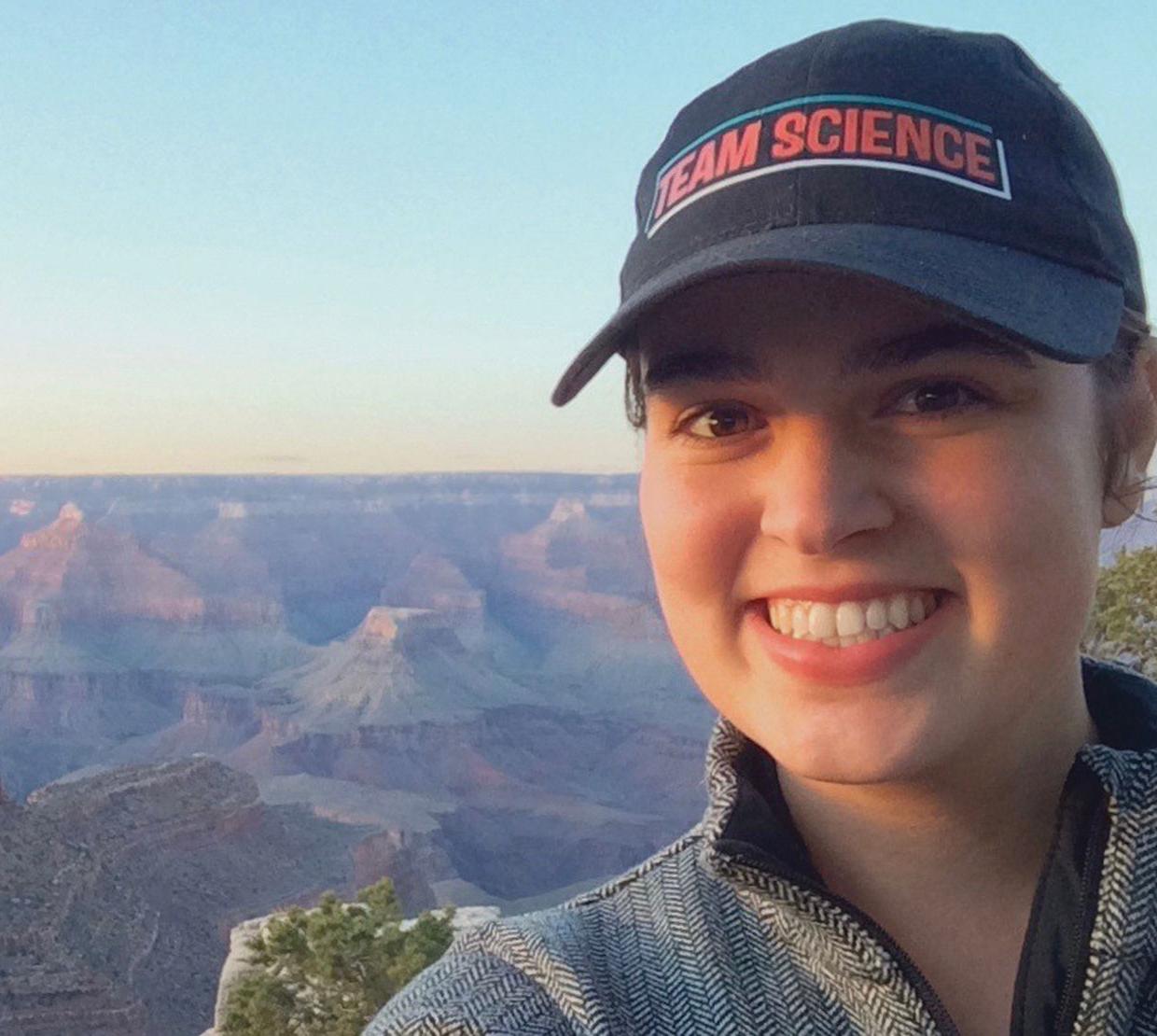
Grace D'Angelo in front of Grand Canyon

Two science graduates win 2018 Fulbright awards

Grace D'Angelo, microbiology honors and minors in music and chemistry alumni

We are delighted to announce that microbiology alumni Dang Duong ('18) and Grace D'Angelo ('17) are two out of seven Oregon State University students selected for the 2018-19 Fulbright U.S. Student Program by the U.S. Department of State and the J. William Fulbright Foreign Scholarship Board.

Duong has been awarded a English Teaching Assistantship to Kazakhstan. He will engage with students in and out of the classroom to share the American language and culture, and looks forward to celebrating Kazakh holidays with them. Duong has already acquired an impressive globetrotting résumé in his four years at OSU.

He has studied or interned abroad in India and Malaysia. Two days after graduation, Duong embarked on humanitarian work in Kampala, Uganda, for an internship with a grassroots women's health and rights organization that focuses on spreading awareness and fighting against obstetrics fistula. Duong plans on attending medical school in the near future.

D'Angelo graduated with microbiology honors and minors in music and chemistry. During her Fulbright year, she will will work toward a Master's of Science in marine microbiology in a joint program of the Max Planck Institute for Marine Microbiology (MPI-MM), the University of Bremen (UniB), the Alfred Wegener Institute-Helmholtz Center for Polar and Marine Research (AWI), and the Jacobs University Bremen (JUB). An accomplished musician, D'Angelo will also seek opportunities to continue her growth as a flautist by studying and performing with German peers.

These students are among over 1,900 U.S. citizens who will study, conduct research, and teach abroad for the 2018-2019 academic year through the Fulbright U.S. Student Program. Recipients of Fulbright awards are selected on the basis of academic and professional achievement as well as record of service and leadership potential in their respective fields.

In addition to these honors, honors biophysics and biochemistry alumna Trisha Chau ('18) is an alternate for the Fulbright award and may still be promoted.

The Fulbright U.S. Student Program is administered at Oregon State University through LeAnn Adam, OSU Prestigious Scholarships Coordinator. For more information about applying for Fulbright or other national and international scholarships and fellowships, please contact LeAnn at [email protected] and visit: http://topscholars.oregonstate.edu.

Related articles: Making his mark on the world through social justice and human health
Press Release: Fulbright Awards 2018

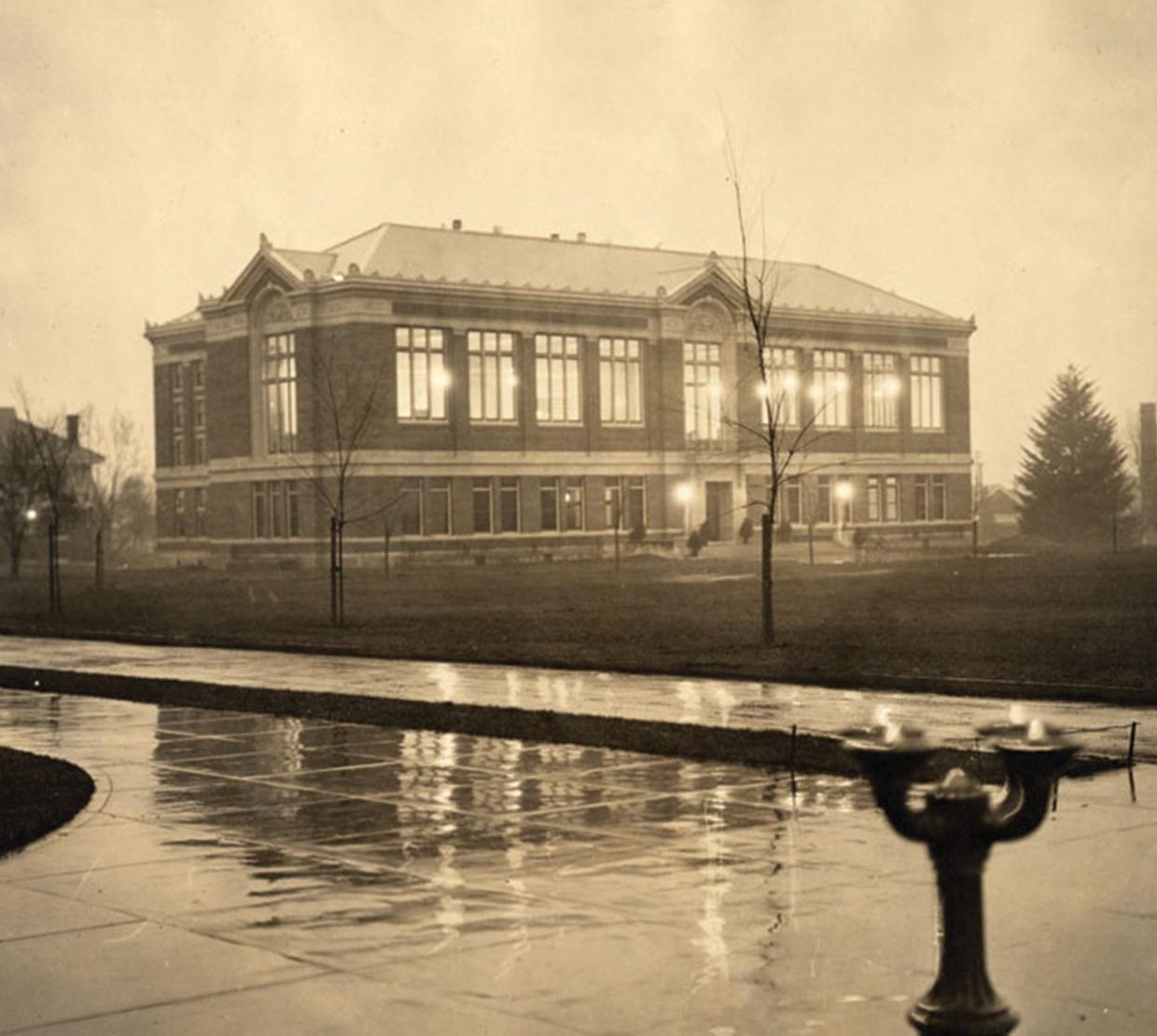
Antique photo of Kidder Hall on a rainy afternoon

Oregon State Science: The many “firsts” in 150 years

By Katharine de Baun

Kidder Hall, the Oregon Agricultural College Library, 1919

Note: this article is part of a series on the distinguished tradition of scientific research pertaining to ocean and space to mark the occasion of Oregon State’s 150th anniversary. Read more: 150 years of science for sea and space (Introduction), On the shoulders of giants, The significance of OSU’s sea-, space-, sun- and land-grant designations.

Mathematics and science have been at the heart of Oregon State University since its designation as a land-grant college in 1868. For example, early records show that a liberal arts curriculum at OSU (then Corvallis College) included three years of mathematics along with a rigorous course of study in Latin and Greek. Mathematician Joseph Emery was one of three faculty in the first decade of the College’s founding. From its earliest days, science at OSU has supported gender equality and wider access to education. In 1890, Corvallis College was one of just three land-grant institutions in the nation to offer scientific courses to women.

Today, mathematics, physics, chemistry, biology and other fundamental sciences form the basis for some of OSU’s most innovative and advanced research and academic programs. The sphere of influence that fundamental science wields at the university is vast. It permeates and shapes 
every discipline from agriculture to oceanography, atmospheric sciences, business, art, history and engineering while creating an intricate blueprint for the future.

The College of Science is proud to have pioneered many “firsts” in its 150-year history:

1868: Science starred in the land-grant college’s first collegiate-level curriculum, with a general “Scientific Course,” “Geology of Oregon,” and courses in chemistry considered “the cornerstone of Scientific Agriculture.”

1870: Corvallis College’s first class of three, one woman and two men, all graduated with bachelor of science degrees, the first granted by a state-assisted college in the western United States. One of them, Robert M. Veatch, gave the College’s first valedictory address titled “Utility of Science.”

1922: First radio transmitter on campus was built by physics professor Jacob Jordan.

1935 Three of the four first Ph.D. recipients at OSU were in science: Herbert L. Jones in physics, Alfred Taylor in zoology and Karl Klemm in chemistry.

1941: First woman to receive a Ph.D. at OSU was Chung Kwai Lui, who emigrated from China to earn a doctorate in physics. She was involved in the top-secret Manhattan Project to develop the first atomic bomb. Her legacy lives on through the Wei Family Foundation Scholarships.

1957: Math professor Arvid Lonseth was instrumental in bringing the first electronic computer to campus, the giant, room-sized Alwac III-e, used for research in mathematics and science. He inspired his student Judith Allen to become the first and only woman in the first computer programming class on campus. She became a pioneer in the 1960s computer industry, driving around Oregon in a bread truck converted into a computer lab, building and selling computers.

1957: Chemistry professor Wendell Slabaugh, a popular teacher who broadcast his chemistry class on TV, could lay claim to being OSU’s first long-distance educator.

1972: Harold J. Evans, professor of plant physiology and biochemistry, was the first OSU faculty member elected to the National Academy of Science (NAS). Two of the three NAS members at OSU today are in the College of Science.

1984: Alumnus Milton Harris (’26) established the first endowed faculty chair at OSU: the Milton Harris Chair of Materials Science.

1987: Microbiology alumnus Knute Buehler (’86) became OSU’s first Rhodes Scholar.

1993: The First MacArthur Fellowship at OSU was awarded to marine biologist Jane Lubchenco for her foundational contributions to marine conservation biology, environmental research and policy.

2009: Chemist Mas Subramanian discovered the first inorganic blue pigment in more than 200 years.

2017: The first-ever 3-D virtual microscope developed and launched by biologist Andrew Bouwma, Ecampus and others won three national awards recognizing innovation in educational technology and bringing the lab experience to online students.

Read more:

Science at OSU has always been a trailblazer, continuing a tradition of outstanding ocean and space research.

The College of Science shines a light on some of the giants who have made ground-breaking contributions to the scientific enterprise.

Find out what it means for OSU to have Land-,Sea-, Space- and Sun-Grant designations.

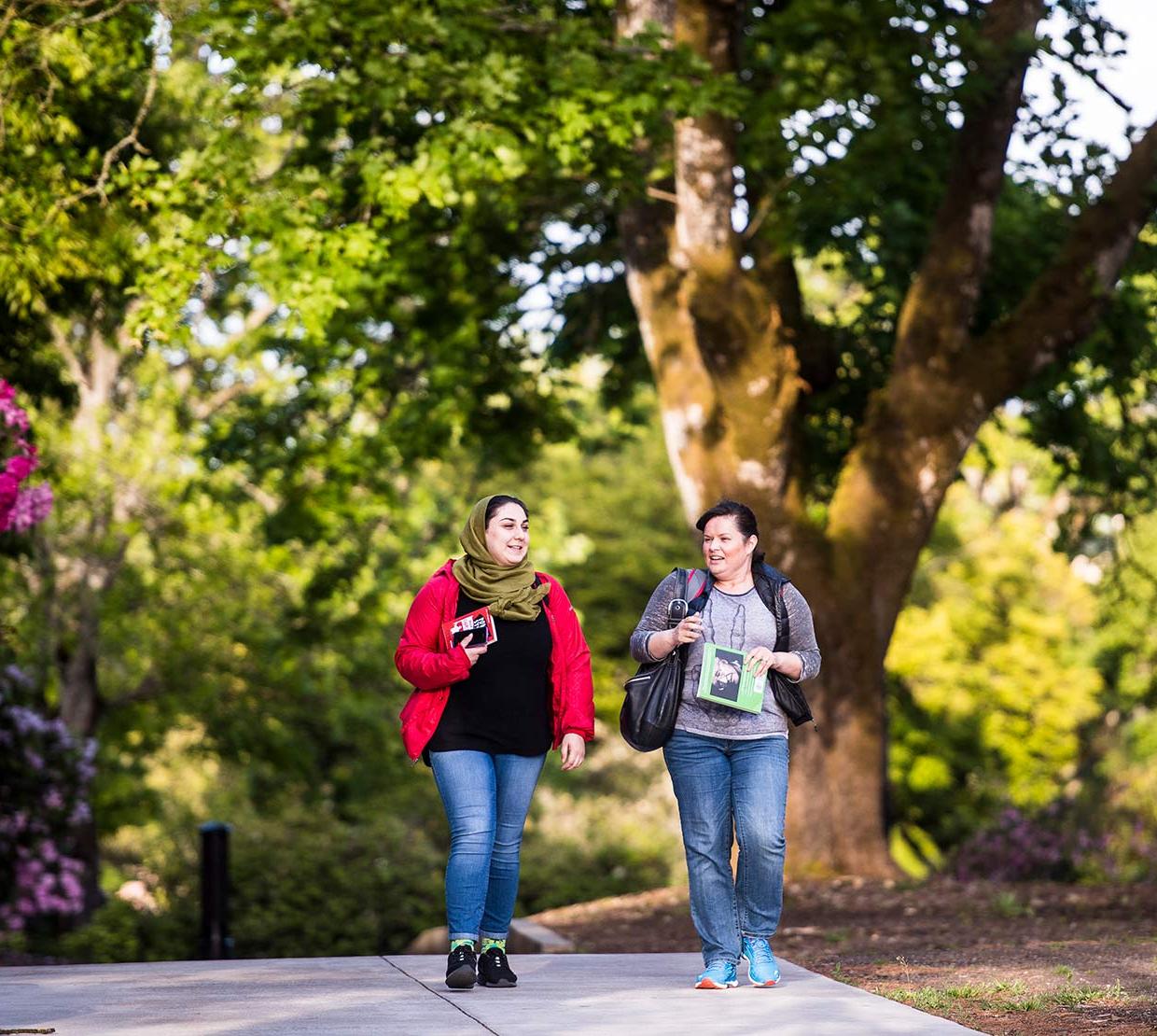
Two female students walking through campus in front of tree

Meet our Class of 2021

By Srila Nayak

Class of 2021

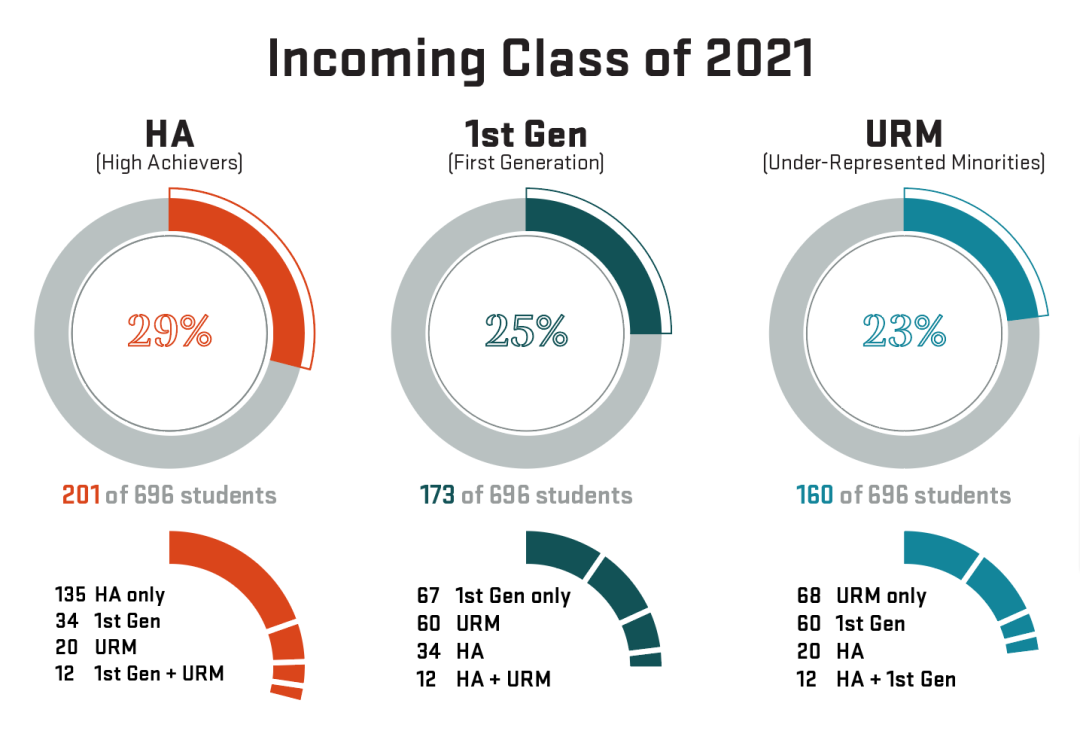
In recent years, the College of Science has enhanced support for underrepresented minority students and first-generation students and increased enrollment of high achieving students (with a GPA of 3.5 and higher). The demographics of the class of 2021 show impressive gains in all these areas.

This fall, the College welcomed 696 new students, a huge increase of 31 percent from last year's incoming class. Twenty-five percent, or 173 first-year students, indicated they are first in their family to attend college and 23 percent are underrepresented minorities. The College is thrilled to welcome the highest ever number of high achieving students in its incoming class: 37.6 percent!

More than half of first-year science students, or 570, receive scholarship support. While this financial support has no doubt helped to attract and inspire top science students, the numerous opportunities and support for undergraduate research in labs across and beyond OSU have also attracted many talented students to the College.

Students sometimes start conducting research in their first year of college itself, supported by awards such as the SURE Science scholarship program. The latter offers students financial support for summer research across campus that can foster meaningful, scholarly connections early in their academic careers and help define their professional career path.

The increase in student diversity points to the strength of campus-wide science, technology, engineering and mathematics (STEM) programs such as LSAMP (Louis Stokes Alliance for Minority Participation), OSU STEM Leaders and SACNAS (Society for the Advancement of Chicanos/Hispanics and Native Americans in Science), which help to connect and fuel students interest in science through workshops, peer mentoring and research experiences helping them succeed both on campus and in their future professions.

"I am delighted to welcome the class of 2021 to the College of Science at OSU. I hope they take every opportunity to expand their professional and intellectual horizons in science. Our faculty and advisors are dedicated to student success," said Roy Haggerty, dean of the College of Science.

Overall fall term 2017 enrollment at OSU (which includes the main Corvallis campus, Ecampus and OSU-Cascades in Bend) grew 1.9 percent from last year, while enrollment at OSU's main campus in Corvallis continued to be stable. University-wide the number of high-achieving, minority and first-generation students have also risen in varying numbers. The most impressive enrollment figure is a 6.3 percent increase in minority students over a year ago.

A look at demographics: Women rule

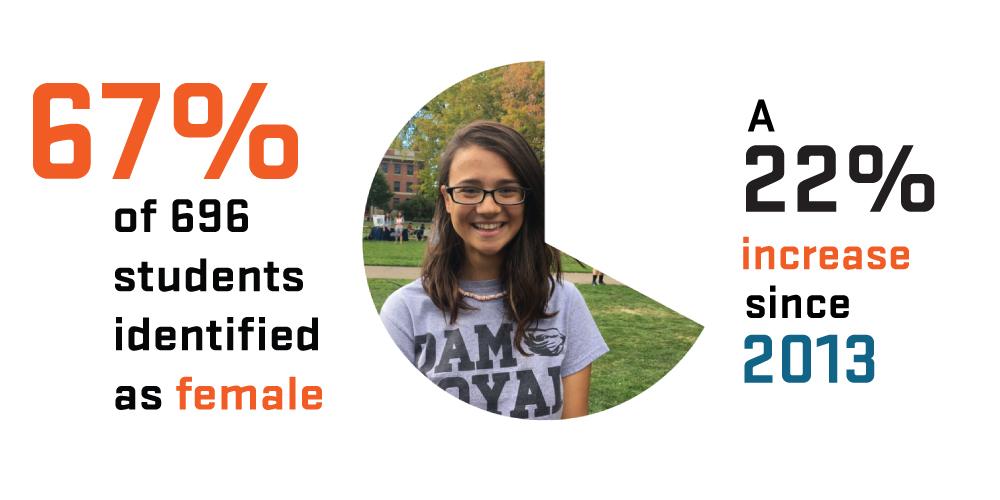
The majority of the 696 students in the class of 2021—67%—identified as female, which constitutes the highest number of first-year women students in science since 2013. At 467, the total number of new women students this year constitutes a 51.6 percent increase over fall 2016.

women graph

While nationwide, women have been enrolling in and graduating from college in greater numbers than men for the last few decades, the data on women pursuing undergraduate degrees in science and mathematics tends to fluctuate across disciplines and fields.

Data from the National Student Clearinghouse Research Center show that in 2014, 42 percent women and 58 percent men earned bachelor's degrees in mathematics. In biological and agricultural sciences, the numbers were 58 percent women and 42 percent men.

At OSU, first-year science students who were surveyed identified as follows: 59 percent white, 13.6 percent students Asian, 2.3 percent Black or African American, 15 percent Hispanic or Latino, one percent American Indian or Alaskan Native, three percent multiethnic and five percent declined to identify their ethnicity.

The survey reflects a 46.8 percent increase in newly enrolled underrepresented minority students in science since fall 2016. Among underrepresented minority students, Hispanic students numbered the highest this year at 104.

The number of first-time students increased by more than 25 percent as compared to fall 2016.

The variation in enrollment data among various minority groups can be viewed in the context of national trends. A 2017 National Science Foundation Report on Women, Minorities and Persons with Disabilities in Science and Engineering states that the share of Hispanics in science and engineering fields has doubled in the past 20 years, with the increase accelerating in the last decade.

The same study reports that while African American student enrollment has steadily increased in psychology, social science and biological sciences, it has declined in "the other science and engineering fields, most notably in mathematics and statistics."

The crossovers: High-achieving, first-gen and underrepresented

Parsing the numbers further shows a strong correlation between a first-year student's ethnicity and her or his parents' educational background: 35 percent of the 173 students who are the first in their family to attend college are also underrepresented minority students. Of the 201 high achieving students, 10 percent or 67 are first-generation students and an almost equal number are minority students (see infographic below). Two percent or just 12 out of 201 high achieving students are both minority and first-generation students.

Class graphic

Science majors by the numbers

Like in previous years, biology and the biohealth sciences majors attracted the greatest number of students—39.6 percent or 276 students and 26 percent or 184 students respectively. Of 696 students, 5.6 percent are biochemistry and biophysics majors,4.7 percent are biochemistry and molecular biology students, 6.5 percent are zoology majors, 7.3 percent are chemistry majors, 4 percent will major in mathematics, 3.3 percent are physics majors, and 2.4 percent are microbiology students.

A new major in the Department of Biochemistry and Biophysics with a strong laboratory and research focus has proven popular. Biochemistry and molecular biology ushered in its first cohort of 33 students.

The Department of Mathematics welcomed 28 first-year students, the highest number of math majors since 2013. The number of physics students too has risen steadily at 23 first-year students, the highest since 2013.

According to the 2015 Annual Survey of Mathematical Sciences published by AMS, total undergraduate enrollments for mathematics, applied math, statistics and biostatistics across public and private universities (medium, small and large) has increased slightly from 2,481,000 to 2,518,000 since 2012. Mathematics doctoral departments such as OSU awarded eight percent more bachelor’s degrees in 2015 as compared to 2014.

SACNAS representatives together at a restaurant

Because diversity matters: Science students attend 2017 SACNAS conference

By Katharine de Baun

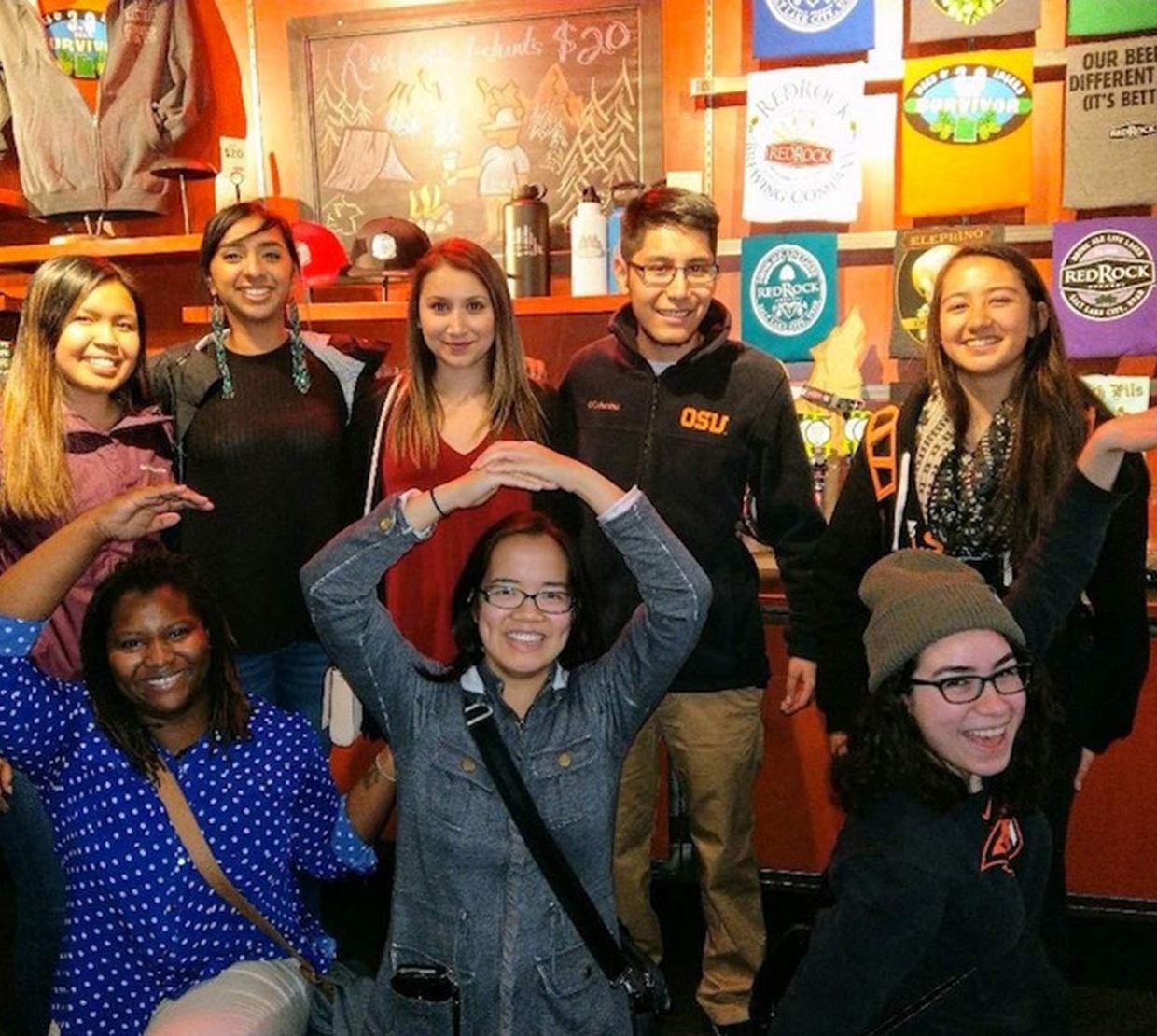
Members of SACNAS OSU

Eight undergraduate and graduate students in the College of Science were delighted to attend the Society for Advancement of Chicanos/Hispanics and Native Americans in Science (SACNAS) national conference last week in Salt Lake City, Utah, October 19-21, 2017. Thanks to generous alumni and friends, the College was able to support these students on their travels and participation at SACNAS.

SACNAS, the largest multicultural and multidisciplinary STEM diversity organization in the nation, has a mission to help "our country live up to its potential" by making sure that more underrepresented students attain advance degrees, careers and positions of leadership in STEM fields.

SACNAS offers a unique opportunity for underrepresented students to network, bond with peers, practice their science communication and other professional skills and make connections that can lead to jobs, graduate school, internships and career opportunities.

This year's group of students from the College of Science included two national SACNAS travel scholarship winners, biology major Mamo Waianuhea and chemistry major Marissa Gallegos, who is an OSU SACNAS chapter officer. OSU research was showcased by Waianuhea, who presented a poster, and biochemistry and biophysics graduate student Nicole Hams, an oral research presenter.

Chemistry graduate student Ana Arteaga also attended in addition to undergraduates Trisha Chau, SACNAS chapter officer and biochemistry and molecular biology student; Oscar Hernandez, biochemistry and molecular biology student; Selena Carrizales, SACNAS chapter officer and microbiology student; and Aimee Nguyen, SACNAS chapter officer and biohealth sciences student.

"Not only did I present my poster, receive feedback from admission deans of professional schools, get my applications sent directly to the managers of companies, and hear inspirational speeches, but I was able to become good friends with my peers," said Chau.

She returned to campus with a renewed sense of possibility for her own path in STEM and much loyalty for SACNAS:

"SACNAS is one of the best organizations on campus, and it stays true to its mission. I cannot wait to see how SACNAS will continue to grow, both as a national organization and as an OSU chapter."

OSU also sent 14 other students from the Colleges of Agricultural Sciences, Public Health, Liberal Arts, and Engineering.

SACNAS 2017 featured three days of cutting-edge science, research, training, mentoring and cultural activities for scientists at all levels and disciplines. This year, the conference attracted over 4,000 participants who enjoyed more than 1,000 student research presentations, 350 exhibitors, and 100 professional development and scientific sessions.

In addition to offering a unique opportunity to underrepresented students in STEM, the annual SACNAS conference helps universities recruit diverse students to their STEM programs and summer research opportunities. OSU hosted five recruitment booths at SACNAS and connected with hundreds of students who signed up for more information about its STEM graduate programs.

To learn more about OSU's SACNAS chapter and how to get involved or support its mission to advance Chicanos, Latinos, Native Americans, Alaska Natives, Native Hawaiians and other underrepresented minorities in science, visit the chapter's website.

Photo: Top left to right: Aimee Nguyen, Selena Carrizales, Ana Arteaga, Oscar Hernandez, Mamo Waianuhea. Bottom left to right: Nicole Hams, Trisha Chau, Marissa Gallegos.

children looking at science themed booth

From the lab to the world: OMSI Science Communication Fellowships

The OMSI Science Communication Fellowship Program

Applications are open for Oregon's top academic and professional fellowship program: The Oregon Museum of Science and Industry's OMSI Science Communication Fellowship. For spring 2018, the fellowship is open to researchers or science professionals including faculty, graduate students, technicians, or other individuals in STEM and health related professions.

The deadline for applications is Wednesday, November 1.

Held primarily in Corvallis, OR on the OSU campus, OMSI Fellows participate in a series of professional development workshops that cover science communication best practices and provide opportunities for participants to practice new skills and techniques. In collaboration with OMSI, each Fellow will develop a unique hands-on educational activity designed to communicate their research to public audiences and will join OMSI in engaging museum visitors with these activities at Meet a Scientist events.

A series of four professional development workshops will focus on building skills to effectively communicate scientific research with broader audiences. Workshops are 3-4 hours each, spaced over the course of three to four months.

Tuition for the program is $1850 per participant. The Science Dean's Office will cover half the tuition for all accepted College of Science applicants.

The OMSI Science Communication Fellowship Program is an excellent way to fulfill broader impact and outreach goals for grant-funded research at OSU. Many of the participants in the Fellowship program secure their tuition through broader impacts or education and outreach components of current research grants.

An online application and further information about the Fellowship program can be found on OMSI's website.

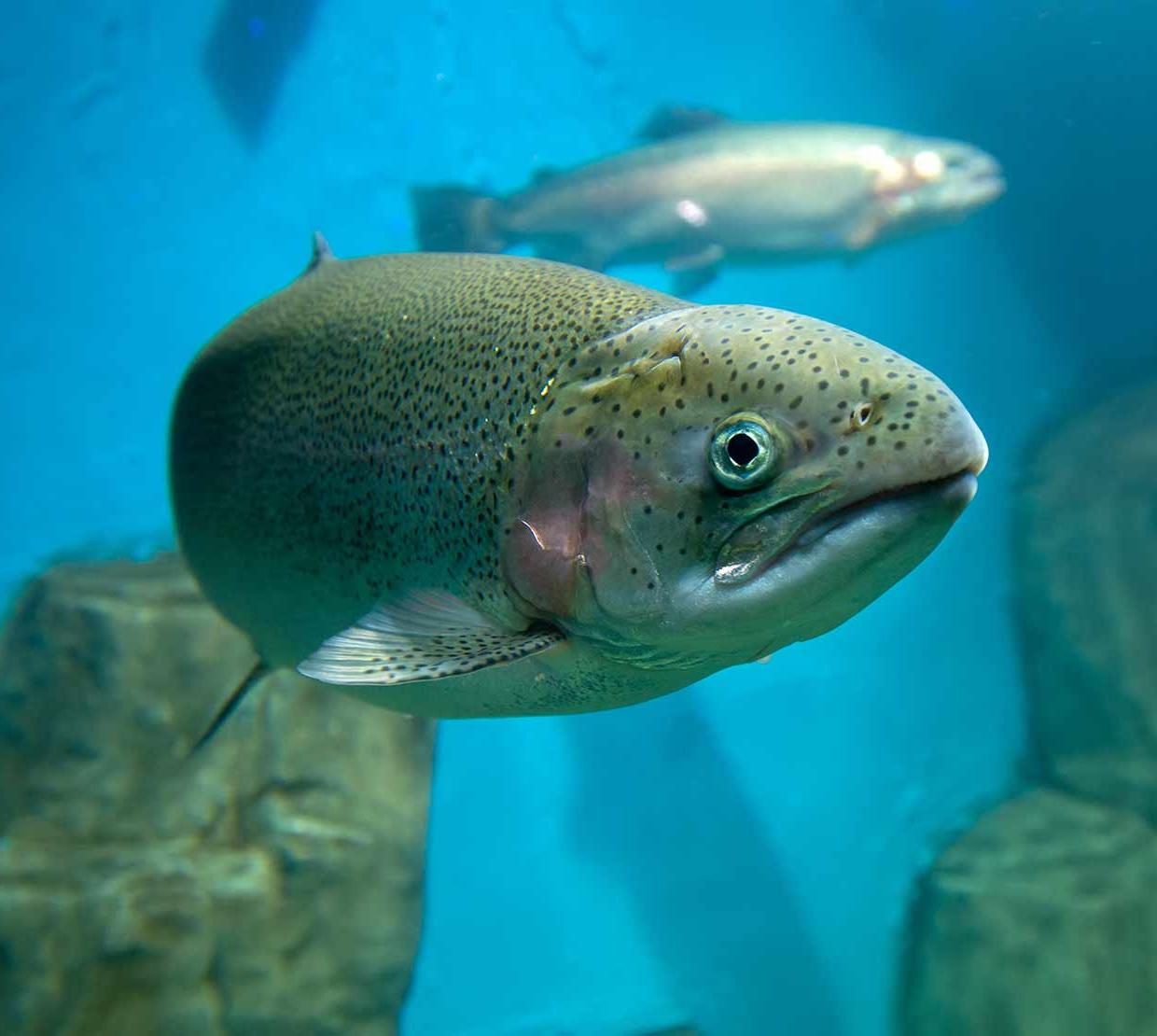
salmon swimming in zoo

Hooking rural students' interest in STEM with a fish!

By Katharine de Baun

John L. Fryer Aquatic Animal Health Lab

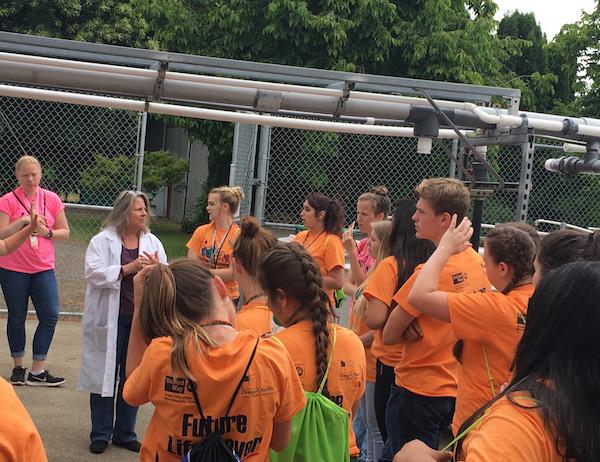
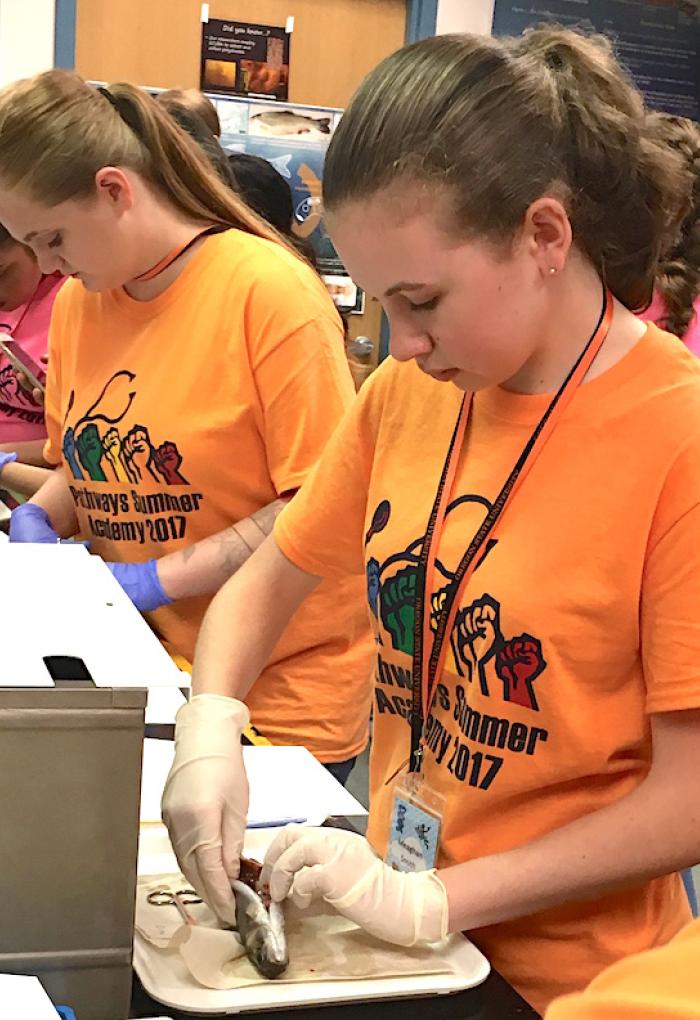
Clad in beaver-orange tees, 55 high-schoolers from rural Oregon came to OSU this summer for a four-day sleepover camp to tour the OSU campus, learn about financial aid options, experience college life—and dissect a salmon in the John L. Fryer Aquatic Animal Health Lab—all part of the Pathways Summer Academy.

The event was organized by Sheena Bettis, Education Coordinator for the Oregon Pacific Area Health Education Center (OPAHEC), a federal and state-funded organization that supports rural and diverse communities. Coincidentally, Bettis is also an OSU microbiology alumna and in the process of applying to medical school). It was her idea to expand OPAHEC's focus to include non-health-related STEM careers in addition to the program's traditional emphasis on introducing underserved high school students to healthcare careers and college exploration.

"I wanted to make sure that the students I recruited were aware that you don't have to be in a specific field to pursue a health-related career...and to see that science can be fun!" said Bettis.

Jerri Bartholomew and Pathway students sitting outside salmon research facility

Jerri Bartholomew and Pathways students.

A "fun" as well as "awesome but yet gross" and "really interesting" time was had by campers in the Fryer Aquatic Animal Health Lab under the expert guidance of microbiologist Jerri Bartholomew and her research team.

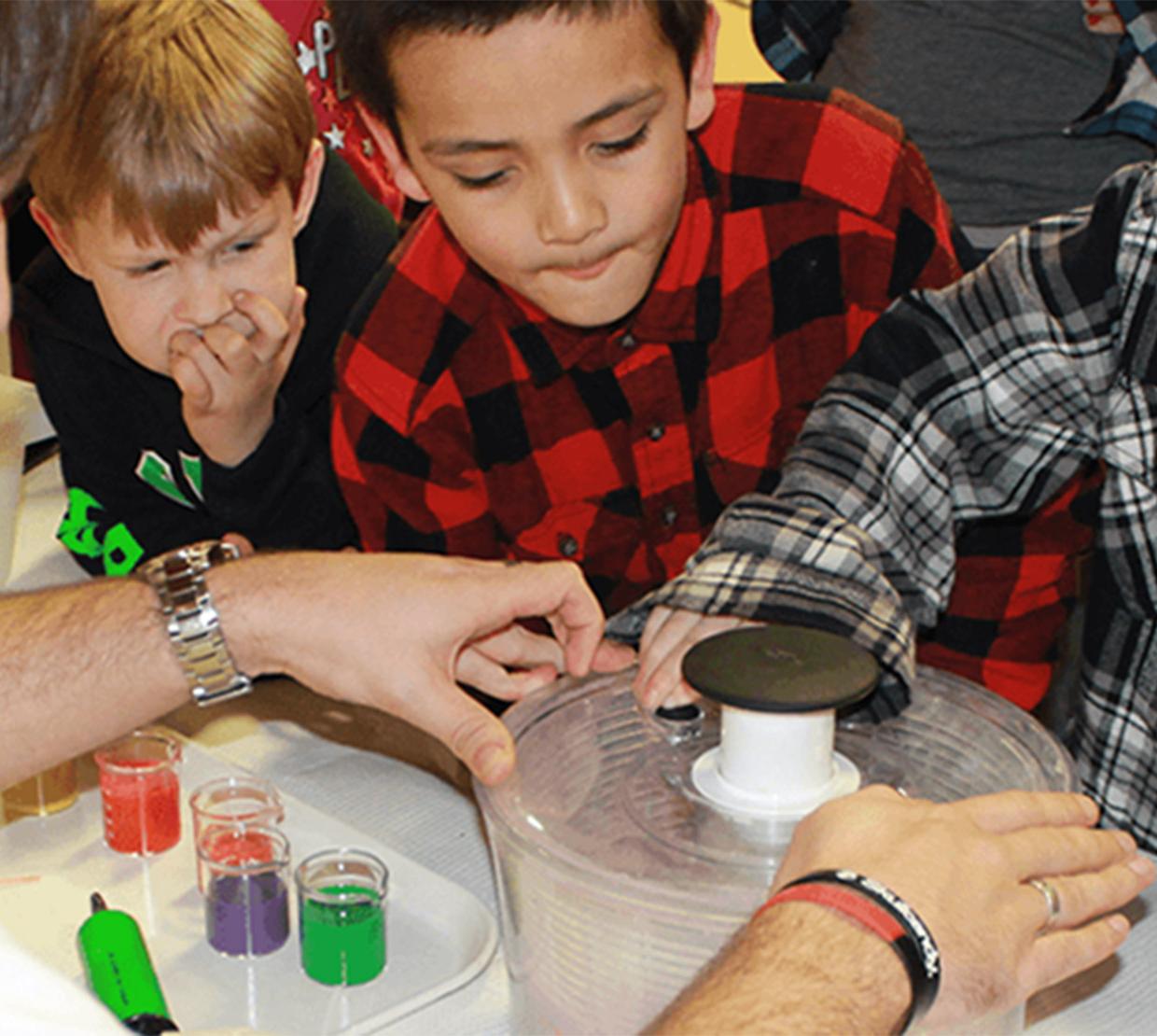
Students enjoyed a tour of the lab before settling in to dissect salmon, look for parasites like tapeworms, and learn how to depict accurately their work in pre- and post-dissection sketches. The hands-on salmon lab was very popular, and a few students even wrote afterward that they were inspired to consider science careers:

"My favorite part was getting to dissect the fish and learning ways on how they get parasites. I am actually looking into becoming a marine biologist because of you guys and what you showed me. Thank you!"

The four-day camp exposes students from rural, underserved areas to everything that a college like OSU can offer them as well as introduces them to career options that they might otherwise have never considered. In addition to the salmon lab, students got a general introduction to OSU, which included a campus tour and presentations from admissions, financial aid, and a panel of current students. The students also enjoyed a Robotics Club drone-racing workshop, tours of the Colleges of Veterinary Medicine and Pharmacy and a dissection in the anatomy lab with medical students.

Pathways lab

Pathways students directing fish

The last day of camp students participated in a service learning project, where they designed and manned health booths at the Boys & Girls Club of Corvallis' health fair for elementary and middle school students.

The students, many of whom come from non-traditional, ethnically diverse and/or socioeconomically challenged backgrounds in Marion County, represent exactly the type of students the College of Science wants to attract as part of its strategic plan to increase diversity and create a welcoming and inclusive environment.

Kyra, a rising senior from Newberg, Oregon, is just the type of student who the camp was designed for. She identifies as multiple ethnicities, being half Chinese and half white, and has overcome many obstacles in her life, from financial instability to being the emotional support for her family after her brother left for the military. Before the Pathways Summer Academy, she didn't really think that college was possible and figured she might get an EMT certificate at a community college. But after attending camp and being exposed to workshops in financial aid, college admissions and more, Kyra is inspired to aim higher.

"Pathways Summer Academy showed me what I want to become, to apply myself, and to work hard to achieve my dreams. I plan on coming to OSU when I graduate because of this amazing camp. Thank you!"

Exposure to science and other STEM-related careers and a taste of what college life is like can open students' eyes to all of the possibilities of life beyond high school and beyond the obvious and well-trodden paths in their communities. Programs like Pathways that work in partnership with OSU and the College of Science are proven ways to connect underserved and non-traditional students and families to resources that can open doors to a college degree and a professional career, regardless of where they came from. Juntos Chemistry Camp and Mi Familia are two other programs that support underrepresented students.


Read more stories about: events, diversity in science, microbiology, outreach


Gisela Abigail Gonzalez-Montiel in front of white backdrop

Four Ph.D. students awarded ARCS Foundation scholarships

Gisela Abigail Gonzalez-Montiel, graduate of the University of Portland

The College of Science is proud to have four doctoral students among the 27 young scientists and engineers selected as 2016 ARCS (Achievement Rewards for College Scientists) Foundation Scholars from the Portland chapter. Students are selected based on their outstanding academic achievement and potential.

Through its partnership with the ARCS Foundation, the College is able to recruit top Ph.D. students in biochemistry and biophysics, chemistry, mathematics, microbiology, statistics and integrative biology. The ARCS award provides doctoral students with $18,000, payable over three years at $6,000 per year.

Kudos to these first-year Ph.D. students, our 2016 ARCS Scholars!

Gisela Abigail Gonzalez-Montiel, (pictured above) a graduate of the University of Portland, is pursuing research in organic chemistry. Gisela completed her undergraduate studies in chemistry and mathematics. She was a 2014 Equity Intern at Oregon Health and Science University, where she conducted research in a biochemistry and molecular biology lab to understand how mutations of the ATP-sensitive potassium ion channel lead to disease. She is currently exploring research interests in microbial natural products chemistry and stereochemistry.

She received the Goodwin/Rothschild Scholar Award from ARCS. The award is given by Sheila A. and J. Michael Goodwin and Sara and Robert Rothschild.

A doctoral student in mathematics, Dallas Foster, holds bachelor’s degrees in mathematics and political science from the University of Utah. His research interests encompass numerical analysis, multi-scale modeling, inverse problems, scientific computing, and their applications to economics, political science and geophysics. He has also received the Provost Distinguished Scholarship at Oregon State University.

Foster received the Emmerson Family Scholar Award from ARCS. The award is a gift from Ann and Ron Emmerson.

Shannon Hennessey is conducting research on predatory snails in intertidal systems and their environmental influences in the integrative biology doctoral program. She received the ARCS Foundation Oregon Scholar Award. She earned her bachelor’s degree in fishery science at the University of Washington. Shannon has also been awarded the prestigious National Science Foundation Graduate Research Fellowship (NSFGRF). Read more about Shannon.

William "Bryce" Penta is a Ph.D. student in microbiology and is studying the metabolic pathways of phytoplankton and environmental factors that limit or alter the functioning of these processes. He earned a bachelor’s degree from the University of Notre Dame. William worked on a NSF Research Experiences for Undergraduates (REU) project studying the effects of the varying availability of Vitamin B 12 and other nutrients on the photosynthetic efficiency and growth of phytoplankton.

William received the Silver Endowed Scholar Award from ARCS donors Barbara and Philip Silver.

This year the College raised $50K, to support ARCS Scholars, and is hoping to secure an additional $100K to create an endowment that will support several Ph.D. scholars annually with matching opportunities available for donors.

Subscribe to Diversity in Science