Teaching Innovation

Teaching Innovation

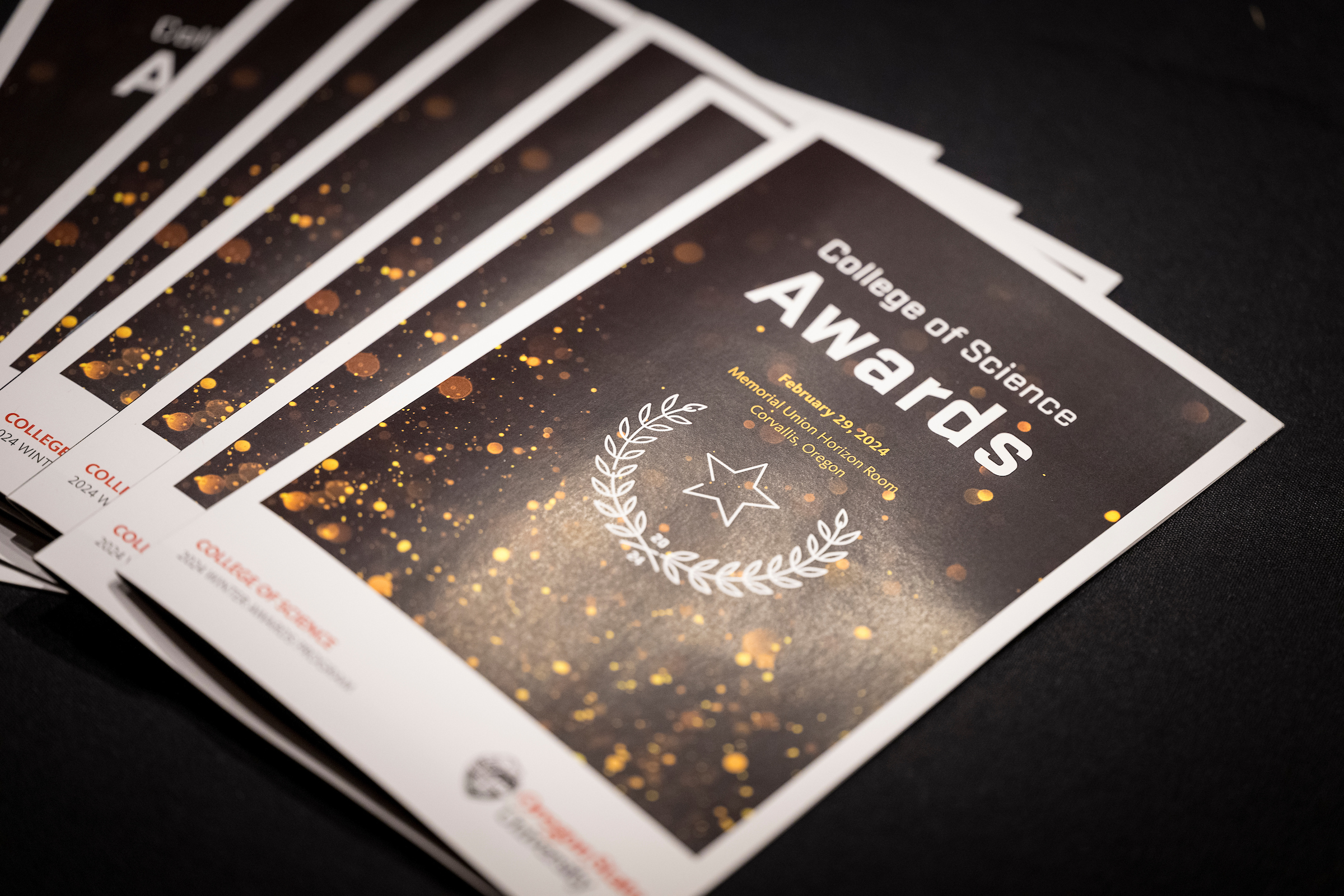
A pillar graphic with golden confetti in the background.

Celebrating excellence in teaching and advising: 2024 College of Science Awards

By Hannah Ashton

The College of Science gathered on Feb. 29 to recognize and celebrate our high achieving faculty and staff at the 2024 Combined Awards Ceremony. The evening celebrated the very best in the College, from teaching, advising and research to inclusive excellence, administration and service.

The following faculty and staff received awards in the categories of teaching and advising.

Congratulations to all the awardees!

Olaf Boedtker Award for Excellence in Academic Advising

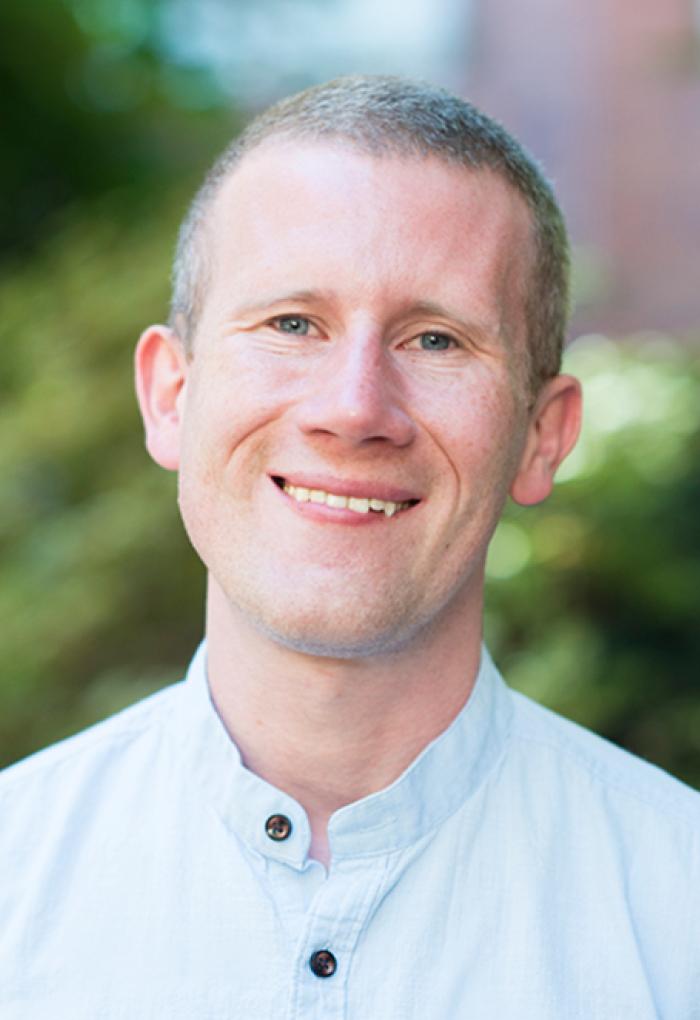
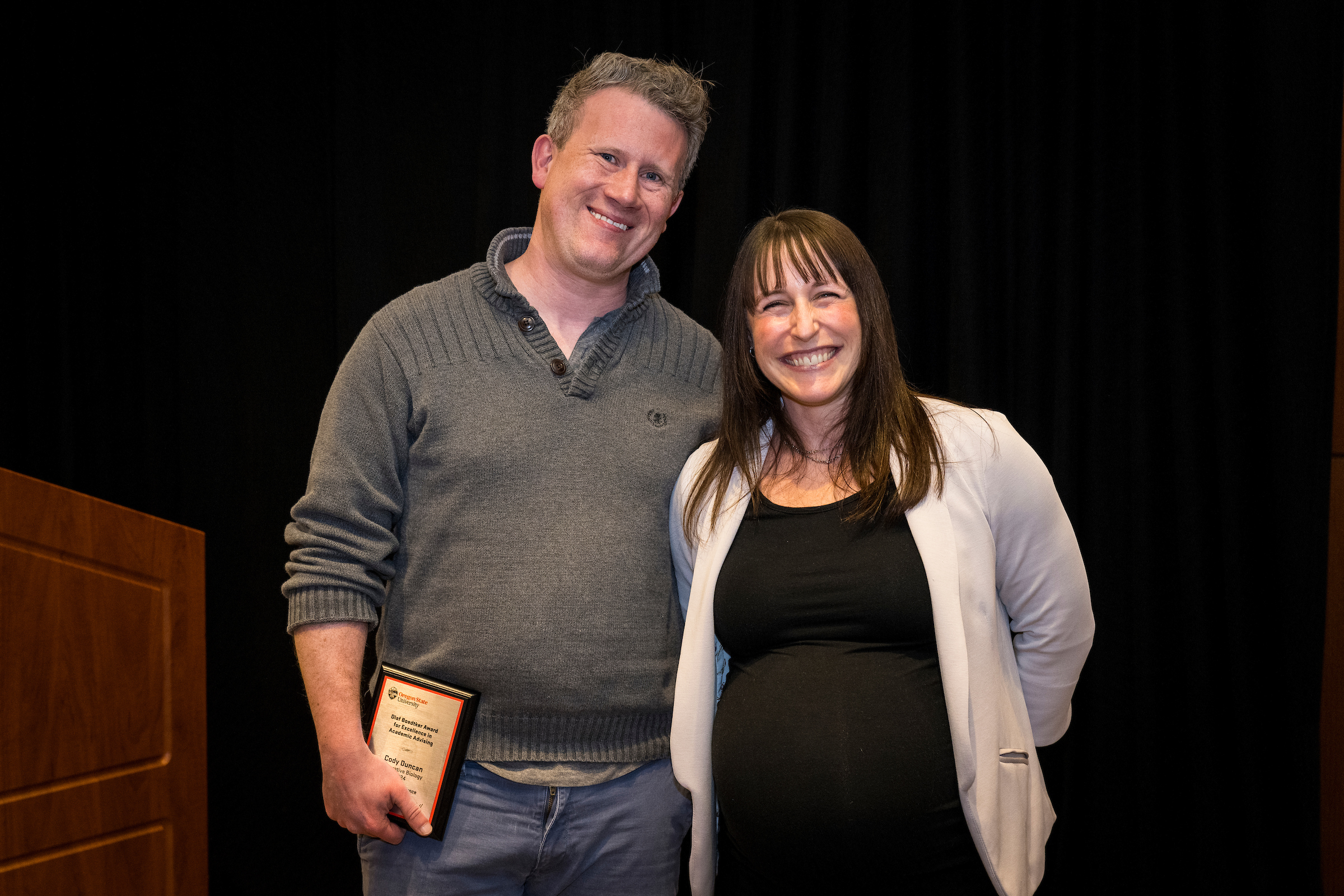
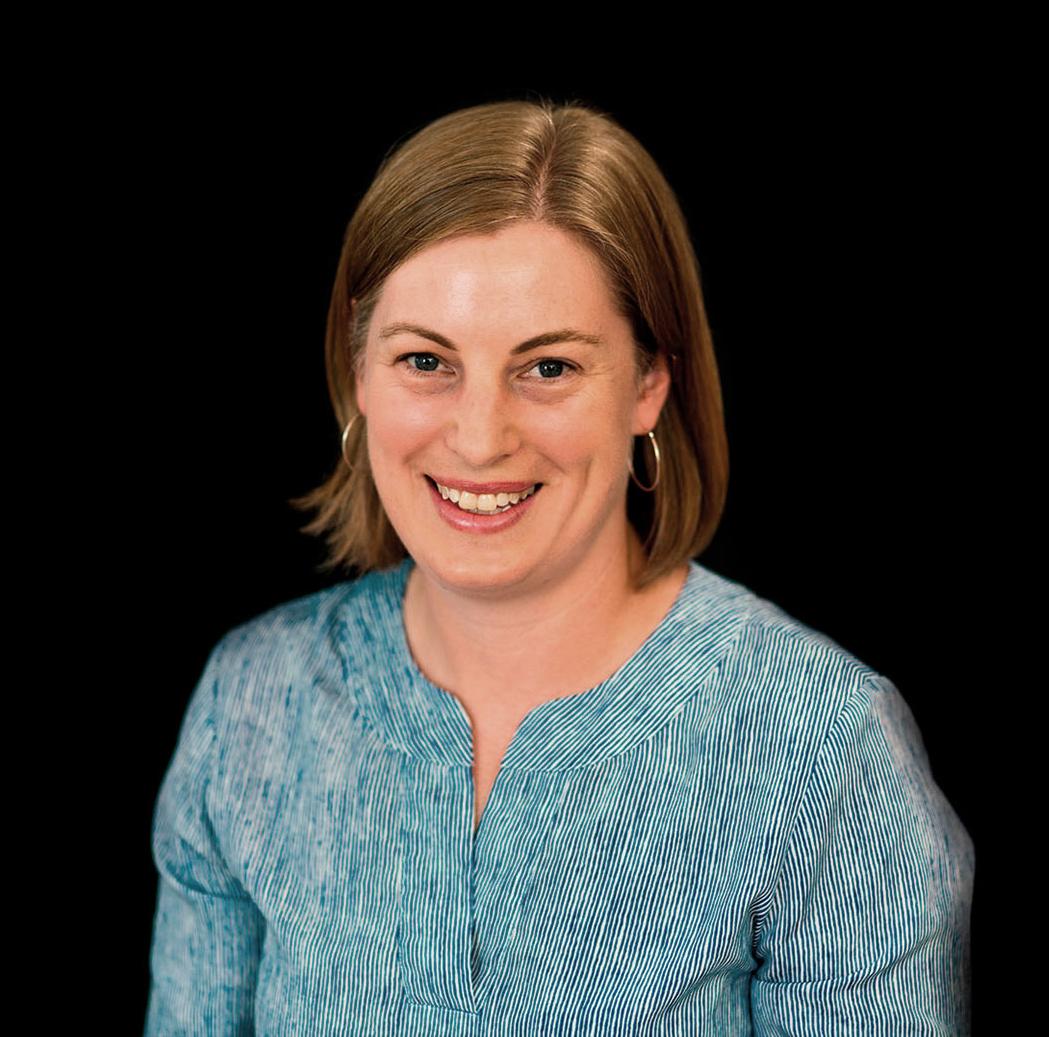
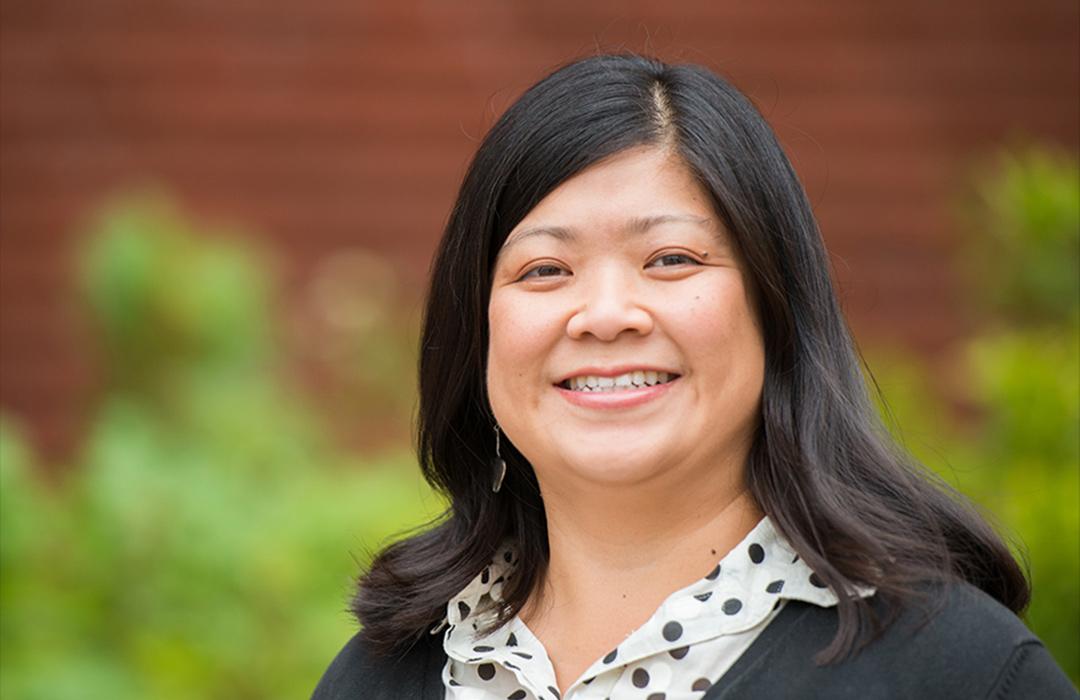
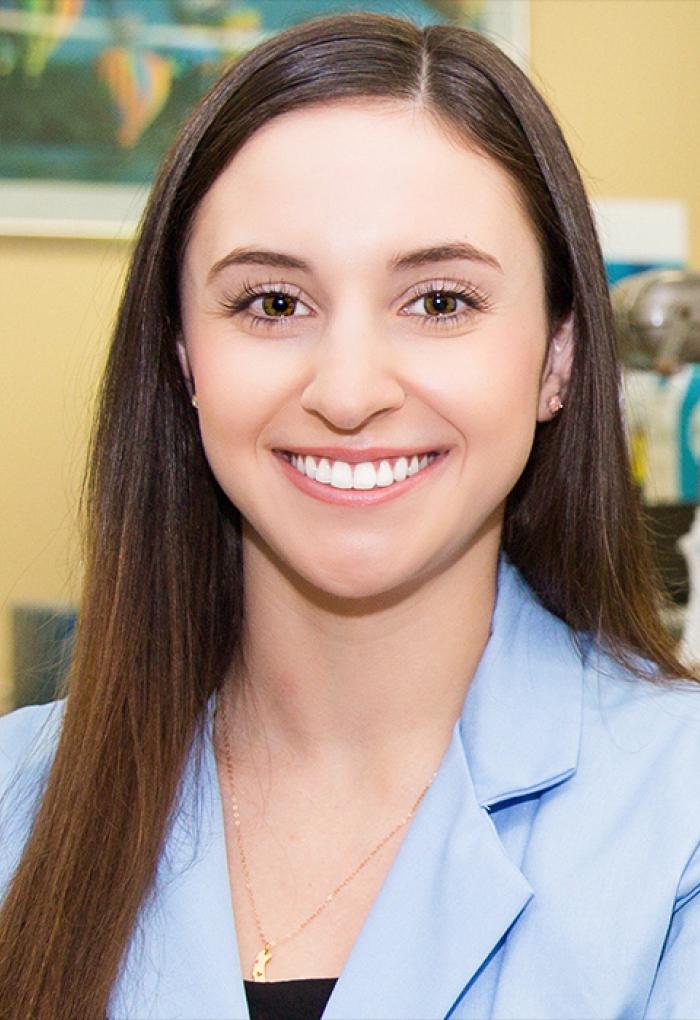
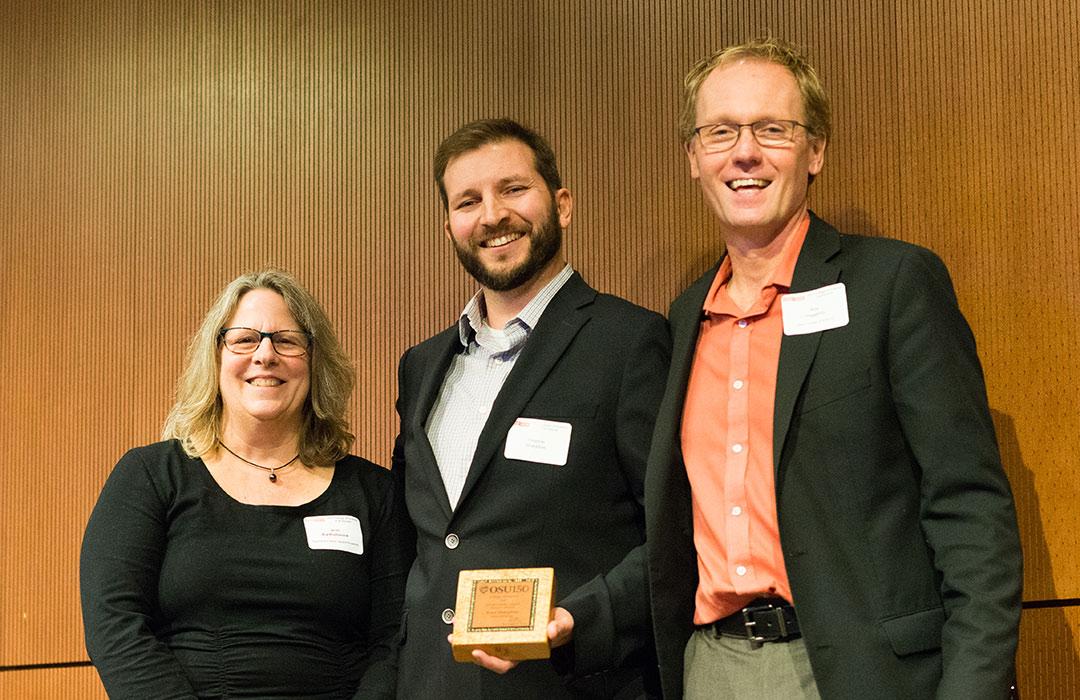
Cody Duncan, academic advisor in the Department of Integrative Biology, received the Olaf Boedtker Award for Excellence in Undergraduate Advising.

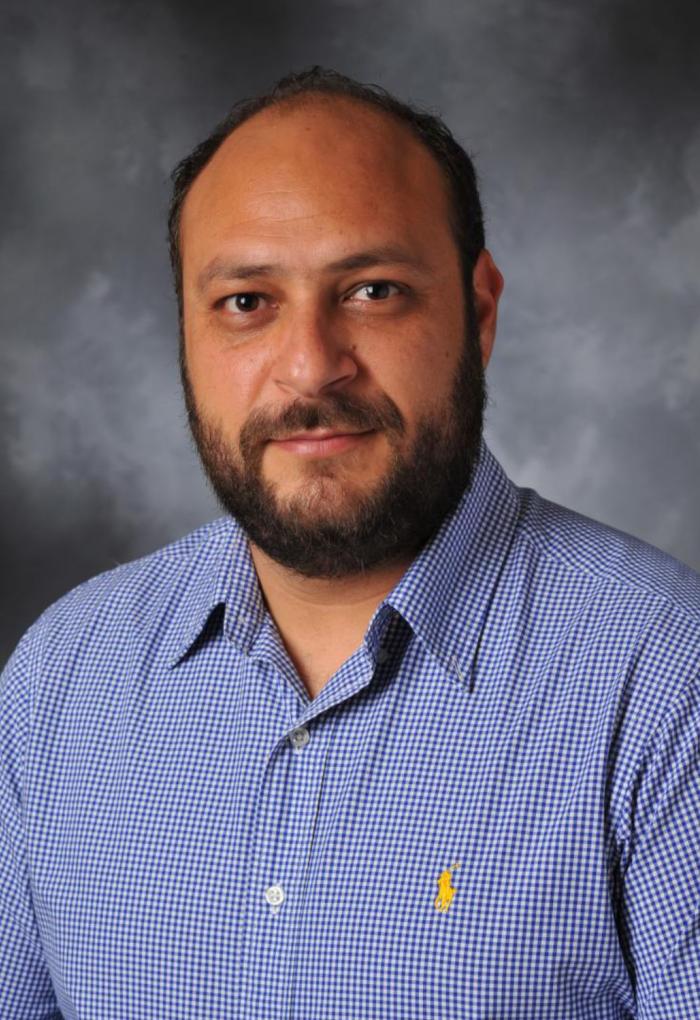
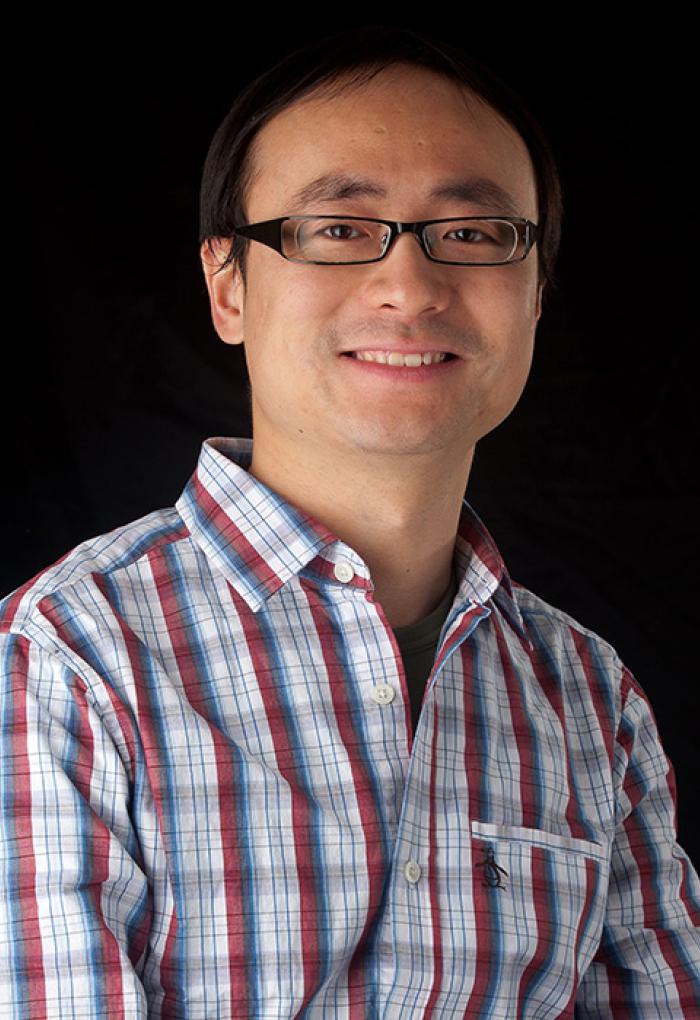
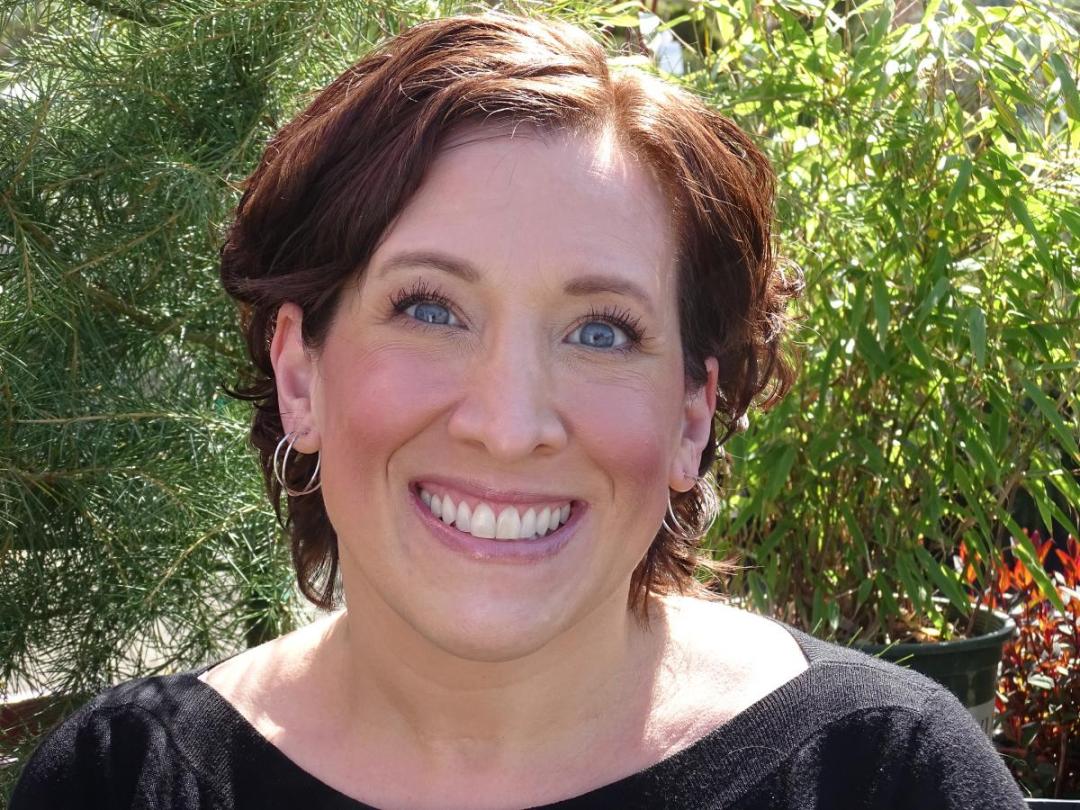
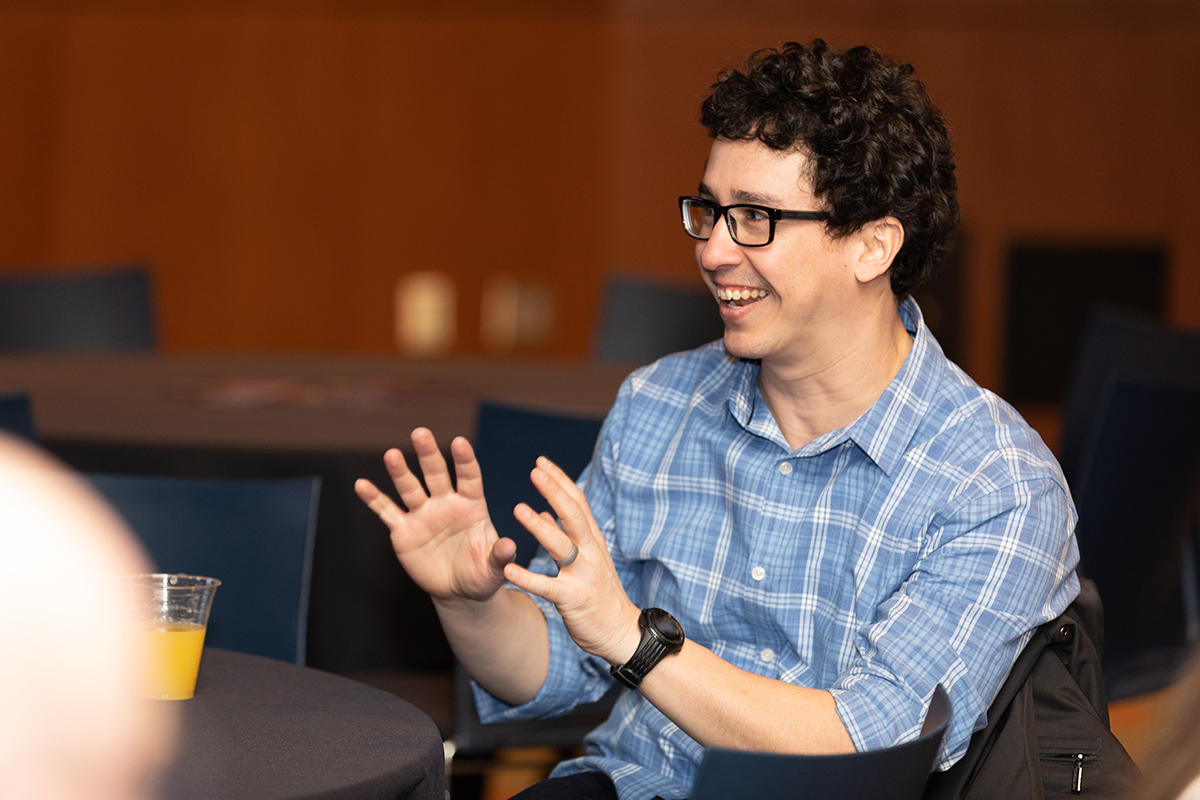
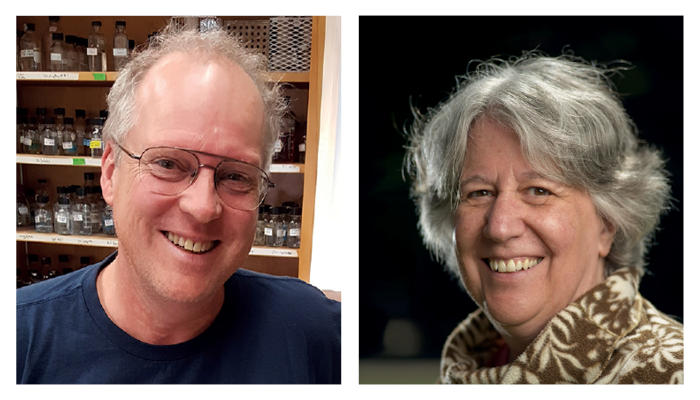
Cody Duncan smiling for a photo.

Cody Duncan

Duncan was praised by students for being an outstanding advisor, even when he was not their primary advisor.

One student commends Duncan for being the best advisor they’ve had at OSU, stating, “He is thoughtful, kind and cares about students.” Others highlighted his responsiveness in addressing schedule and planning issues, always providing helpful options for meeting forward.

His influence has had a lasting positive impact. A student recalls their first meeting with Duncan, emphasizing his kindness and understanding of their goals upon entering college. Even amid changing academic interests, Cody’s support remains unwavering. A student shares, “He helped me navigate a shift from pre-vet to pre-med during my senior year, providing knowledgeable advice on next steps in terms of shadowing or exploring human medicine.”

What sets him apart is his enduring support. He is known for mentioning to students that they can contact him even after college if they need help or direction. This long-term commitment underscores his genuine care for students.

Loyd F. Carter Award for Outstanding and Inspirational Teaching in Science (Undergraduate)

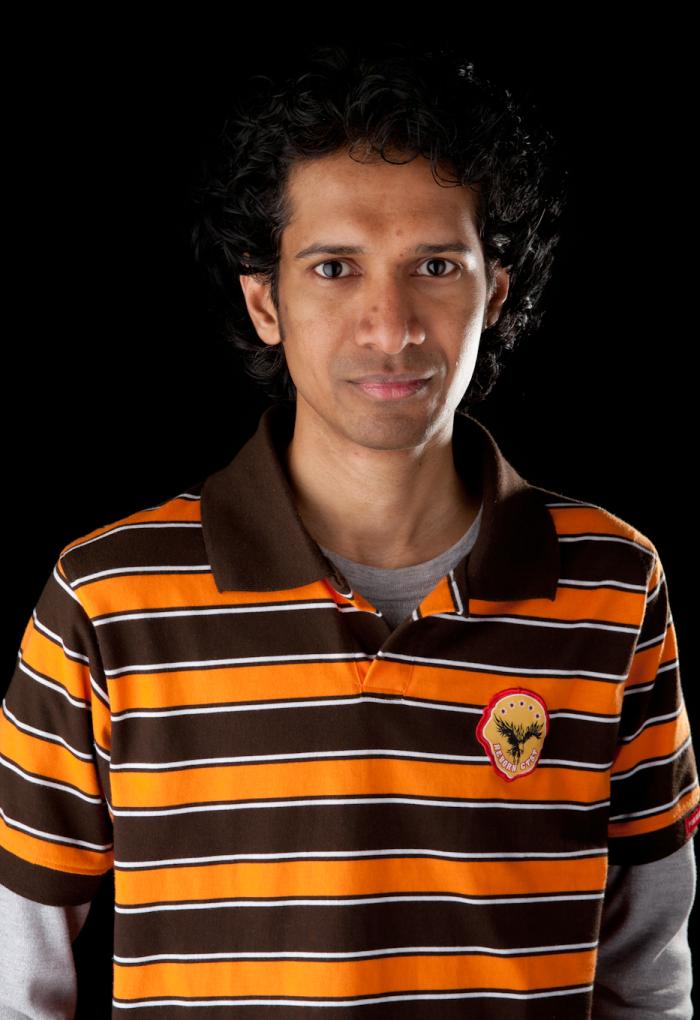
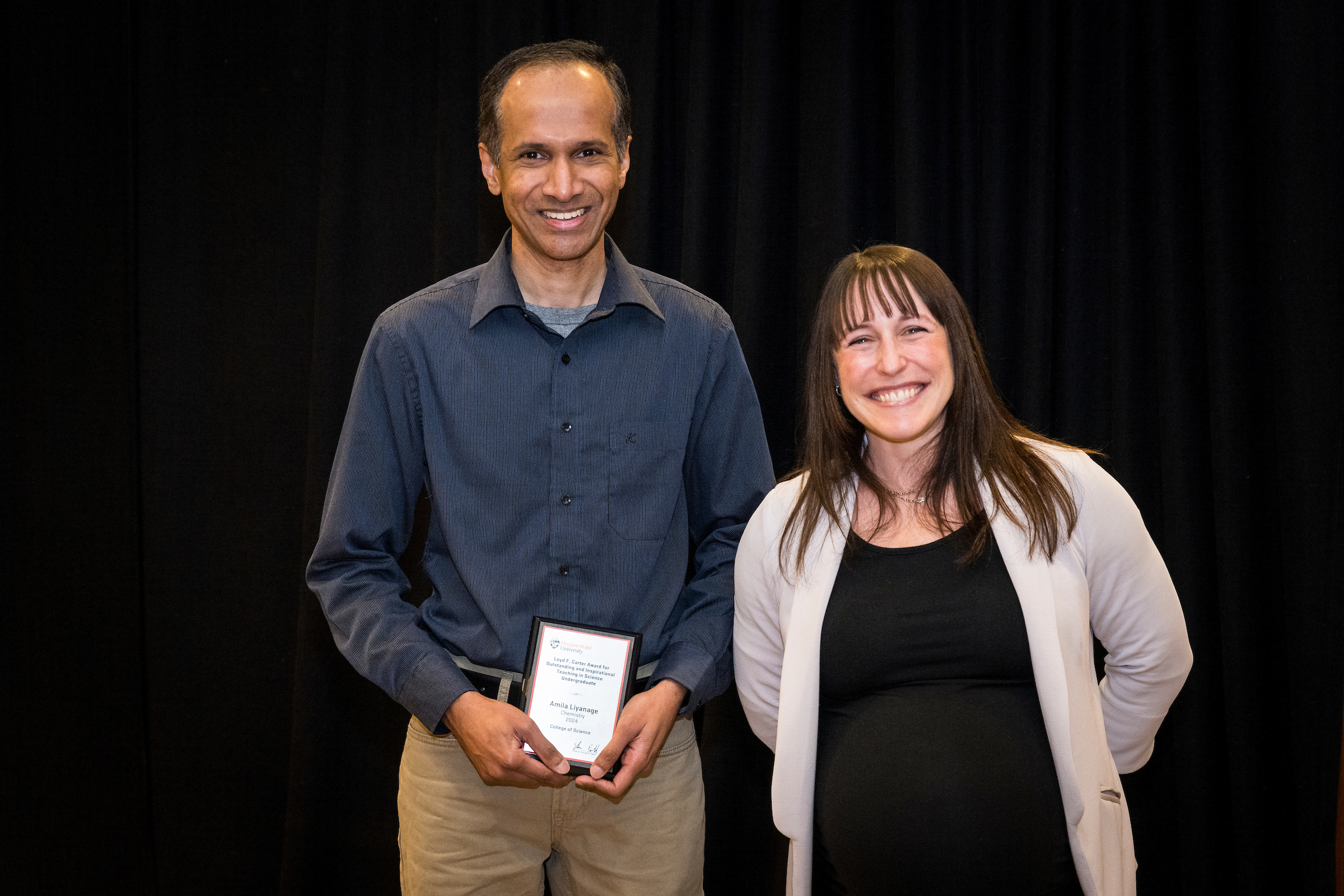
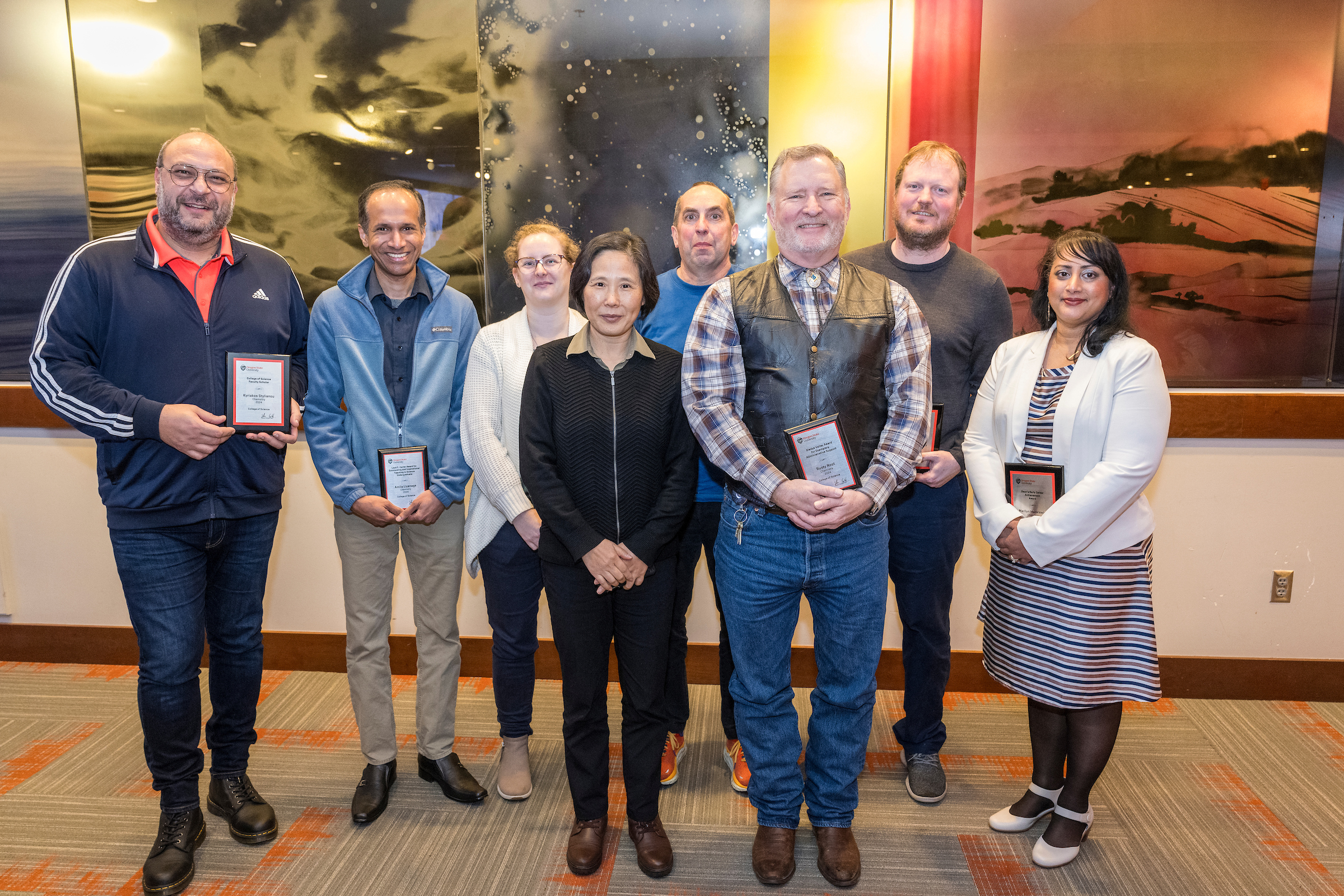
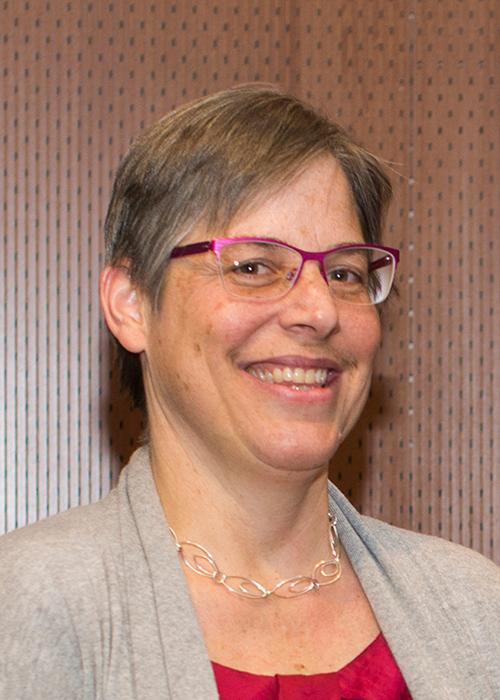
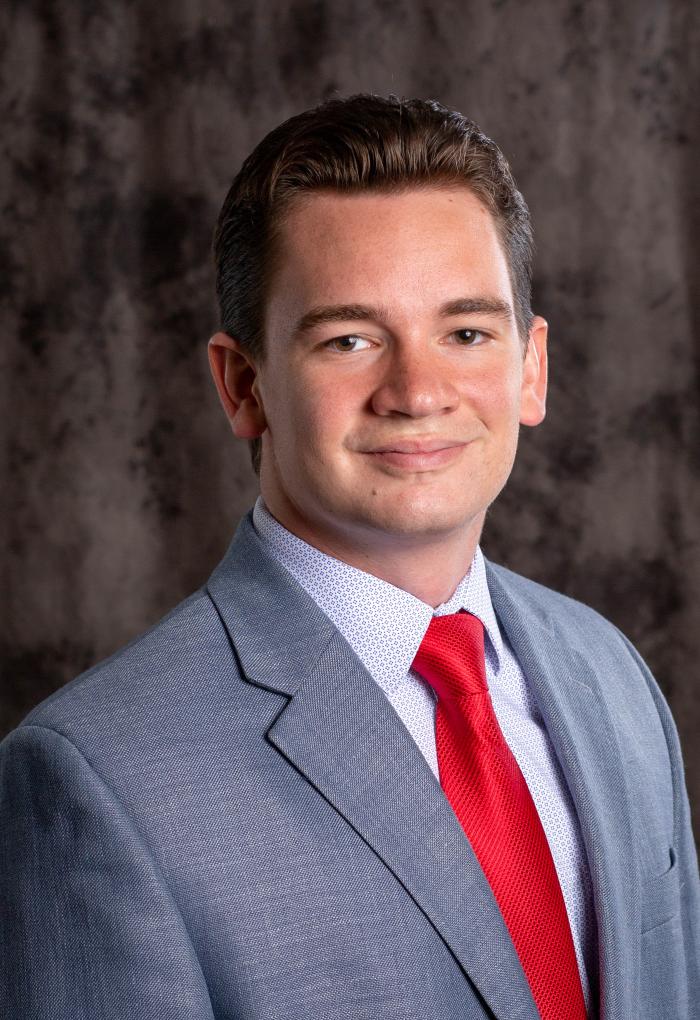
Senior Instructor I Amila Liyanage received the Loyd F. Carter Award for Outstanding and Inspirational Undergraduate Teaching in Science. Liyanage teaches Experimental Chemistry.

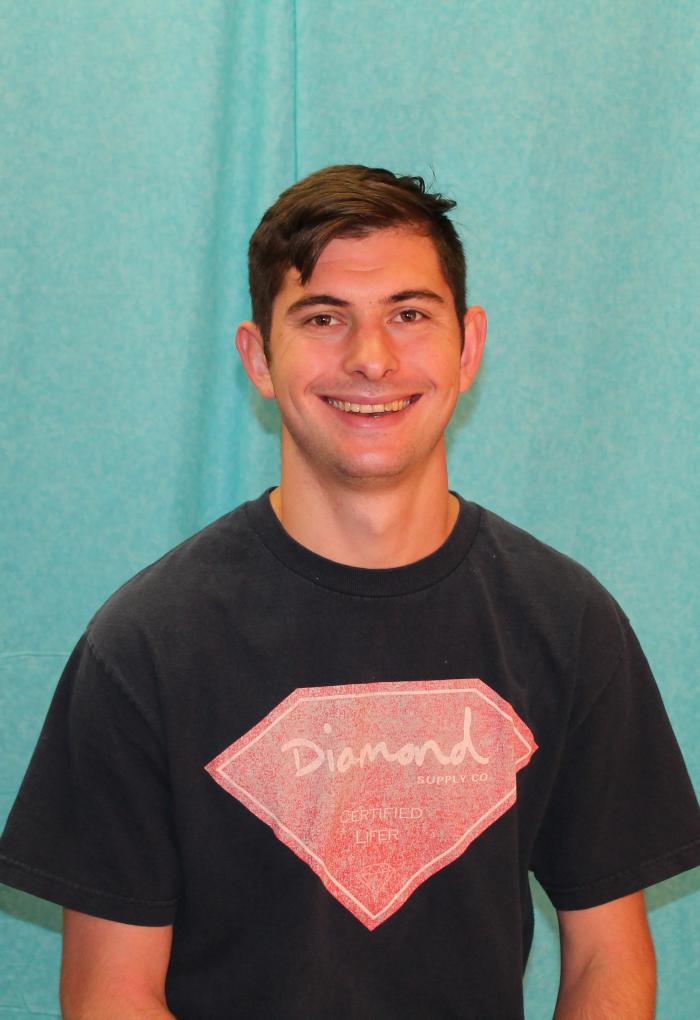
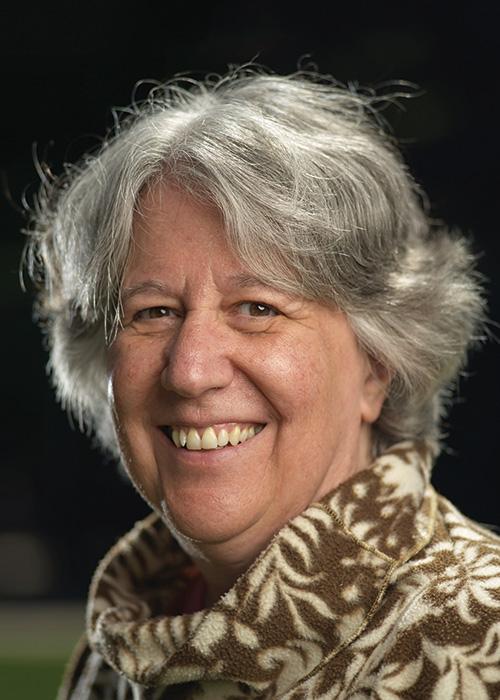
Amila Liynage smiling for a photo.

Amila Liyanage

Students unanimously commended Liyanage’s impactful teaching style, especially in lab settings, where he stands out for being incredibly hands-on and focused on students’ needs. One student notes, “He takes the time to connect with students. He listens to concerns with an open mind and takes the time to help the students solve the problem at hand.”

Beyond the classroom, his proactive dedication is evident as he takes time to review student’s lab reports before deadlines, providing valuable feedback and help to succeed. He is described as “outgoing and respectful to lab attendants and faculty.”

In the Experimental Chemistry Honors series, students appreciate Liyanage’s kindness, detailed explanations and clear directions. One student emphasizes, “Liyanage was so supportive and helpful when I had a question or if I was struggling.”

Students value his recognition of their lives outside academia, citing instances where he granted extensions due to external circumstances. “He is an incredible teacher and mentor, and I can’t think of anyone truly more deserving of this award,” one student wrote.

Loyd F. Carter Award for Outstanding and Inspirational Teaching in Science (Graduate)

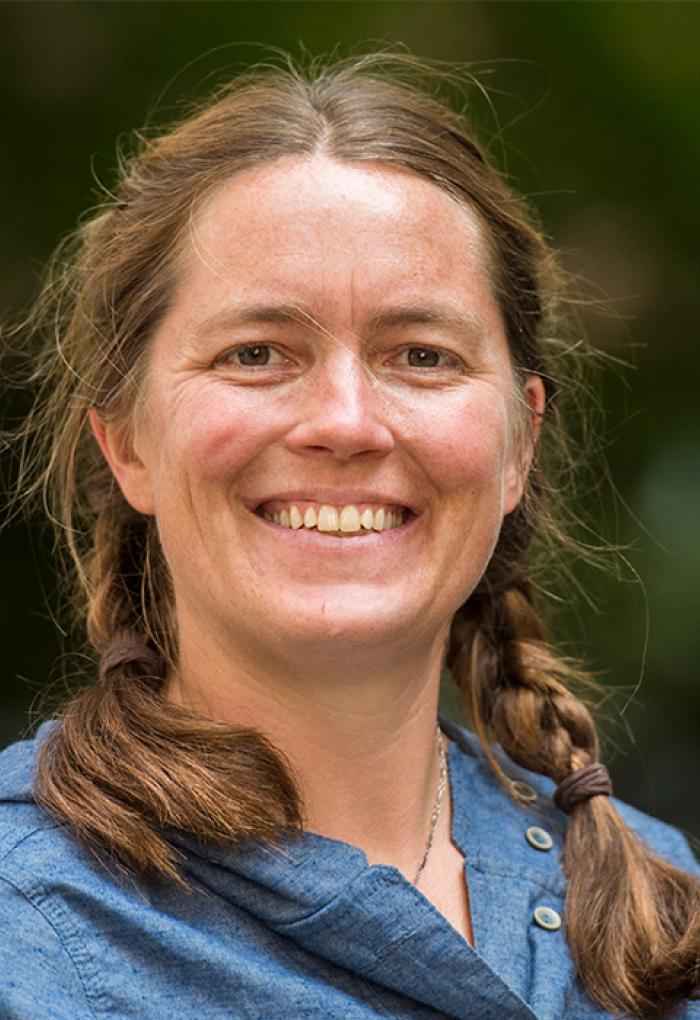
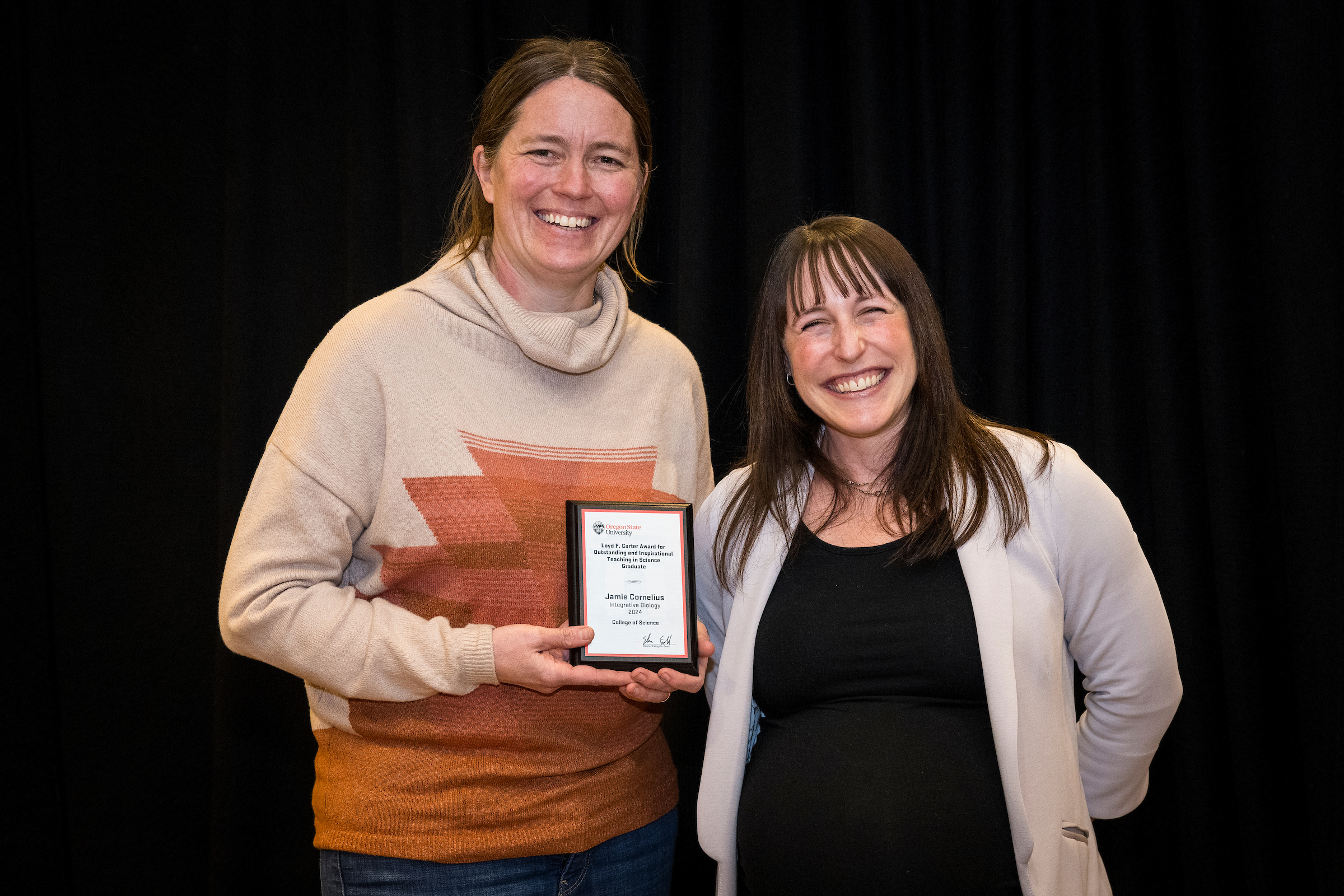
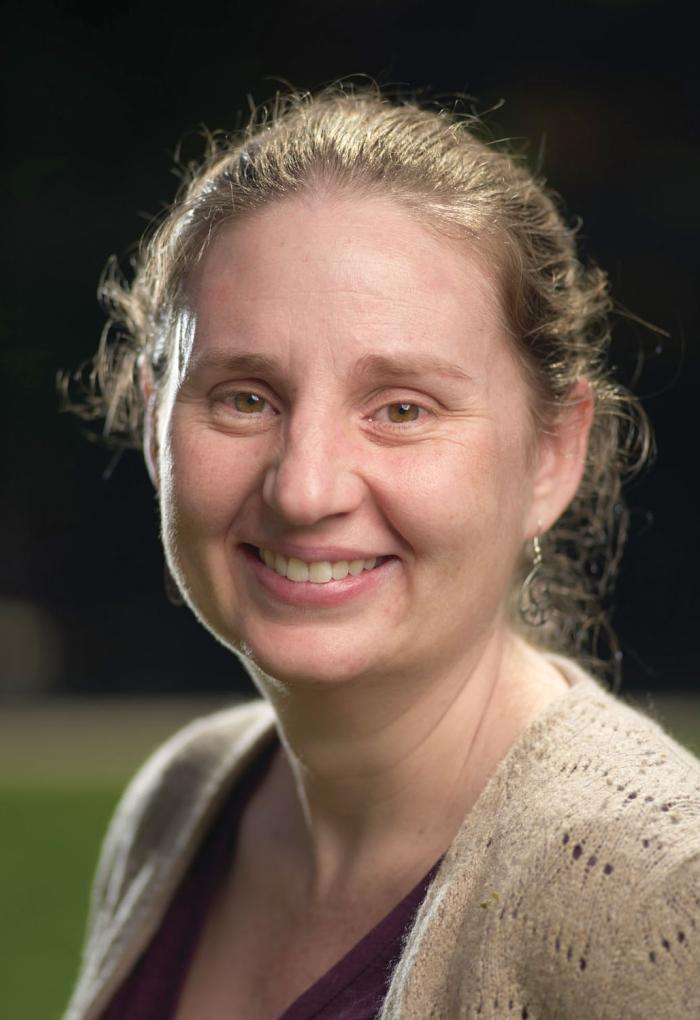
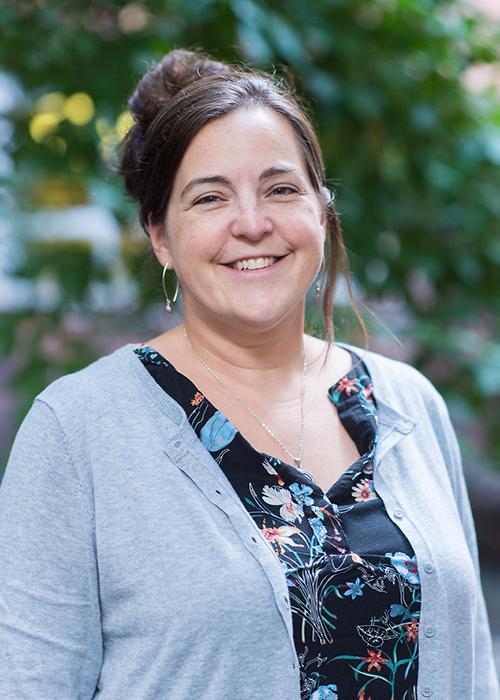
Assistant Professor Jamie Cornelius received the Loyd F. Carter Award for Outstanding and Inspirational Graduate Teaching in Science. She teaches environmental physiology and behavioral neurobiology.

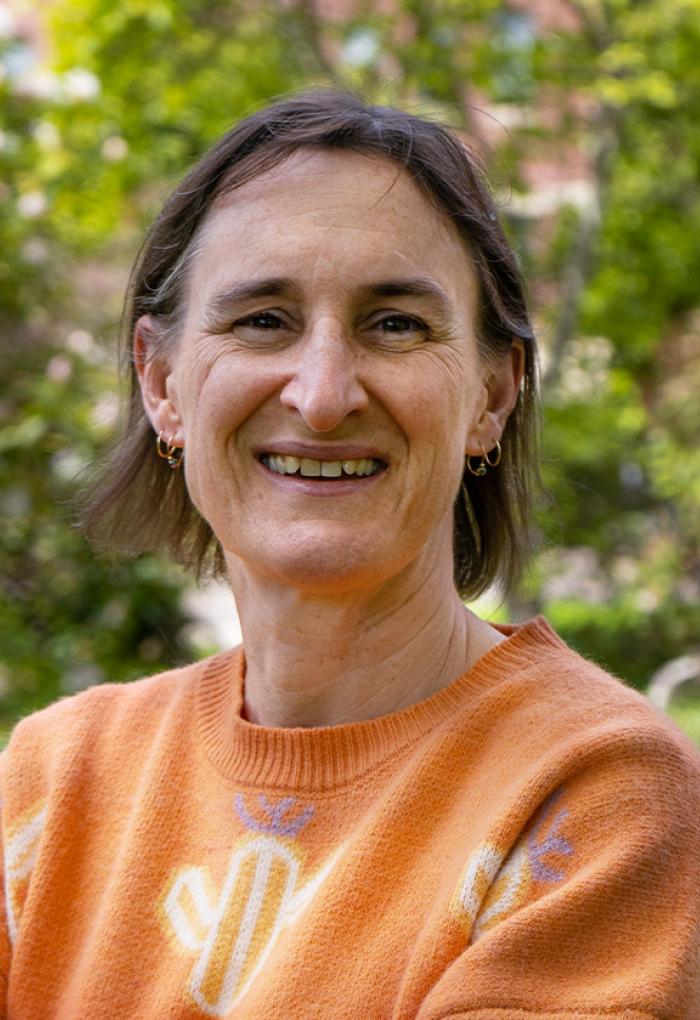
Jamie Cornelius smiling for a photo.

Jamie Cornelius

Students describe Cornelius as an outstanding scientist and teacher, with a teaching approach that prioritizes engaging with students rather than relying on traditional success metrics. According to one student, “The content she teaches is challenging, yet she makes it accessible to all students and will go out of her way to ensure student success.” Known for her kindness, empathy and fun attitude, she is regarded as an inspirational figure in the natural sciences, leaving students with “a newfound sense of wonder and excitement.”

Conrnelius is lauded for fostering an inclusive environment, breaking down the intimidating professor stereotype by sharing personal experiences. A student notes, “She breaks up lectures by bringing in her guitar to play science songs that she wrote which are always so enjoyed.” Her commitment to accessibility is evident as she is “never too busy for a student,” and she actively seeks feedback. “Her visible excitement and enthusiasm for the material is contagious.”

Fred Horne Award for Sustained Excellence in Teaching Science

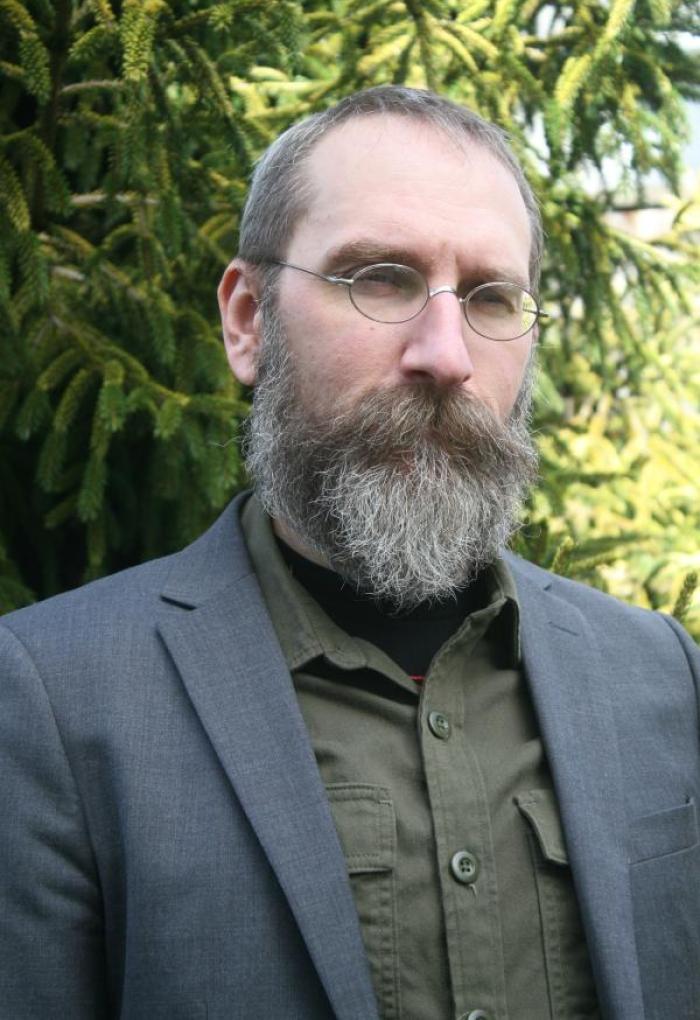
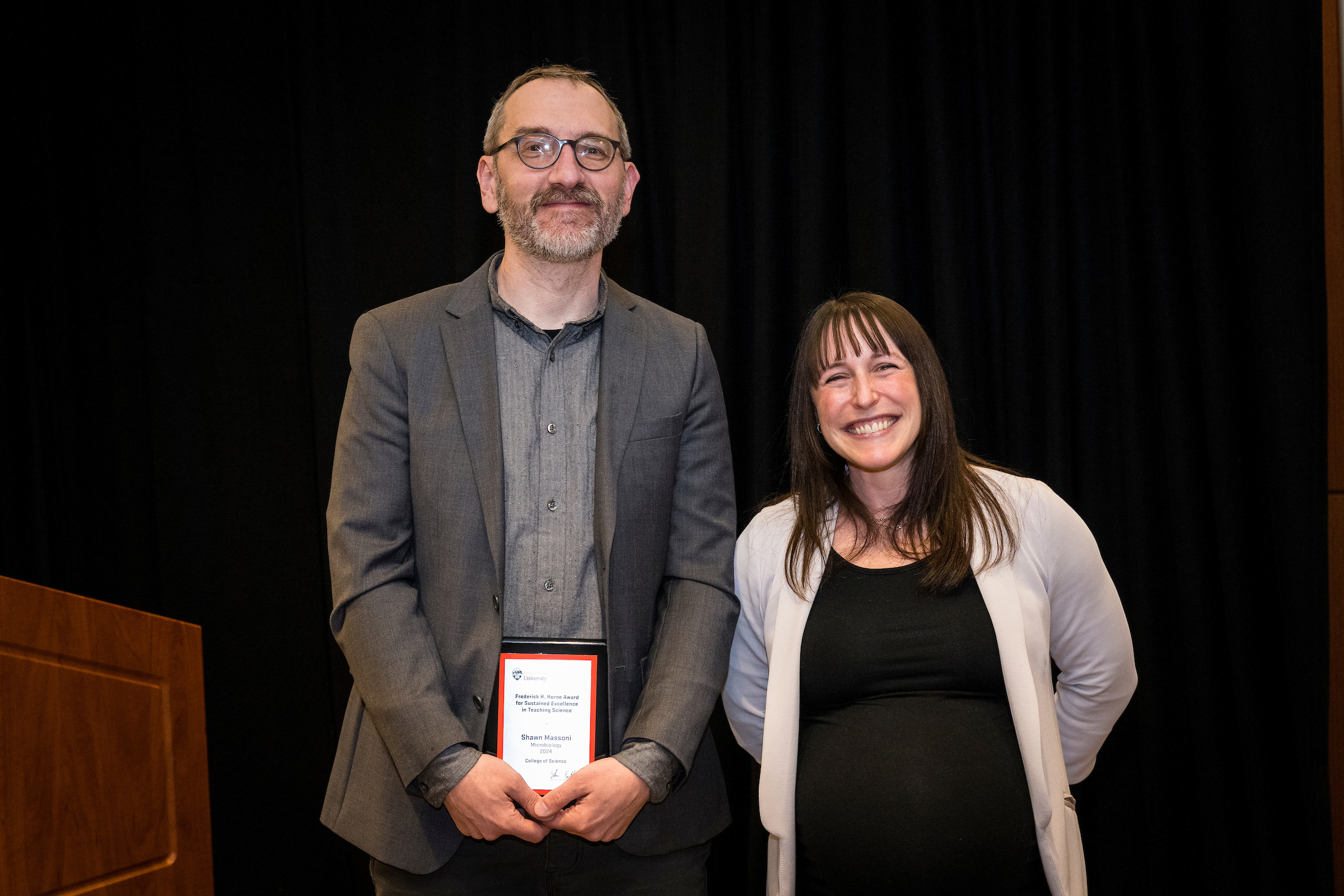
Shawn Massoni, senior instructor I in the Department of Microbiology, received the Frederick Horne Award for Excellence in Teaching Science. Since joining Oregon State in 2018, Massoni has demonstrated engaging pedagogical methods, an emphasis on inclusivity and a commitment to creating an engaging and equitable learning environment.

Shawn Massoni posing for a picture outside.

Shawn Massoni

Massoni is dedicated to student growth and his lessons continue to impact students years later. A former student praised his ability to make science accessible and instill a love of learning. “In my opinion, this might be the most profound impact a teacher can have on a student because it seeps into every part of a person’s life,” the alumnus wrote.

He is known as a genuine, authentic human who made the intimidating world of science feel accessible. Using a combination of short lectures and in-class collaborative learning assignments as his primary pedagogy, Massoni engages students in the learning process. He has worked diligently to develop and implement inclusive learning environments, fostering a deeper understanding of the subject matter. He is pushing pedagogical boundaries and always striving to improve.

“He exemplifies an instructor for whom every course, assignment, assessment and activity is rooted in his concern for equity, inclusion and access,” one nominator wrote. “His commitment is powerfully demonstrated by his participation in multiple study sessions, including Jane Waite’s Social Justice Education Initiative workshops, Career Champions, and faculty workgroups on systemic whiteness in higher education, among others.”

Overall, he is an exceptional educator, combining effective teaching strategies, commitment to inclusivity and a genuine passion for fostering student success in the field of microbiology.

CoS Faculty Scholar Award

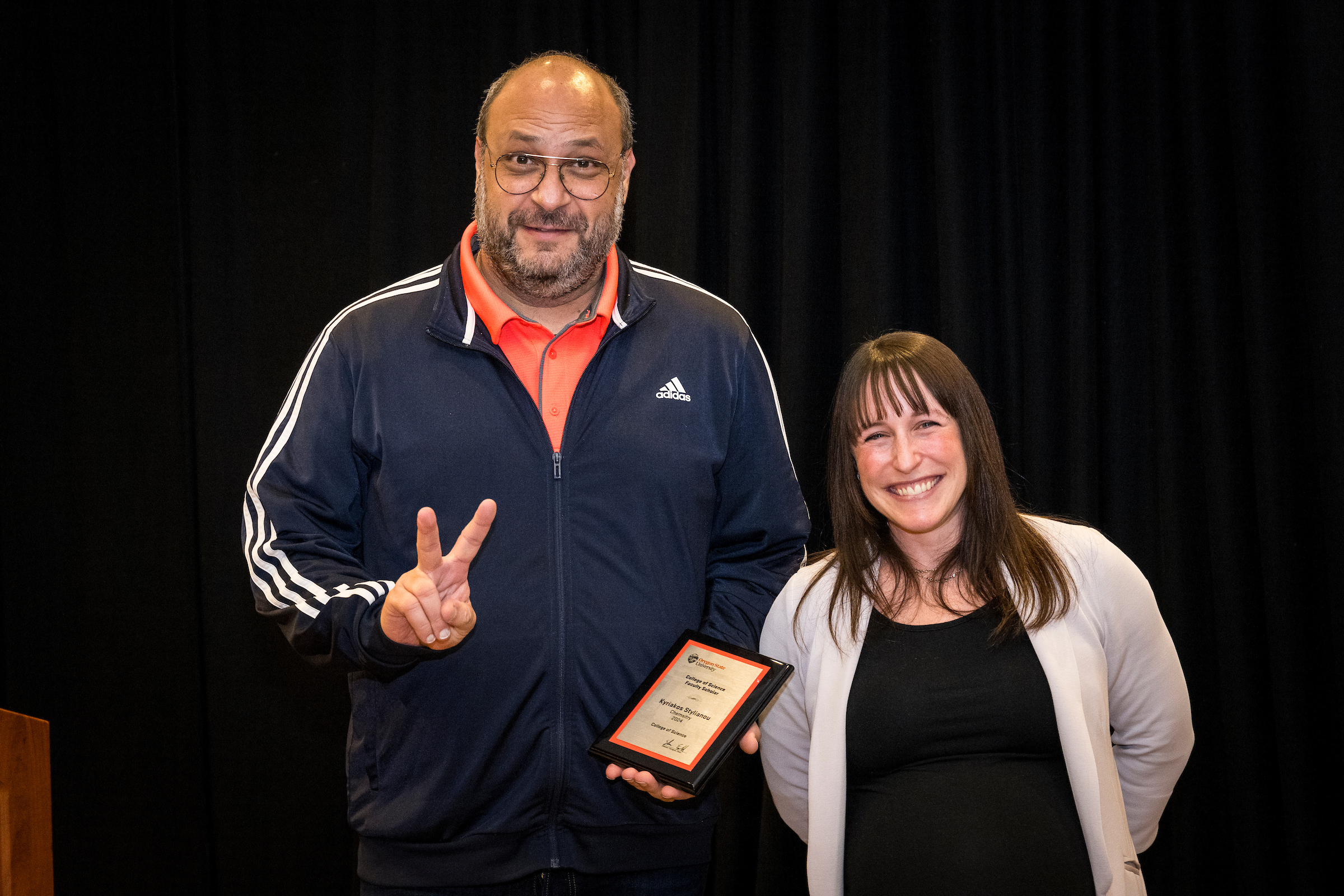
Kyriakos Stylianou, assistant professor in the Department of Chemistry, received the College of Science Faculty Scholar Award, for his contributions to teaching, research and mentorship. This award was created to support teaching and learning innovation that advances Oregon State University’s retention and completion goals.

Kyriakos Stylianou smiles for a photo.

Kyriakos Stylianou

In spring 2022, Stylianou approached the general chemistry laboratory instructors with a novel proposal to create a new lab incorporating his research into metal-organic frameworks. As a first-generation scientist himself, Stylianou is acutely aware of the importance of early-career development of a scientific identity. He created a personal goal to revise Gen. Chem. labs and shift their focus to research-focused interdisciplinary experiments.

His project helps students with experimental and communication skills in the classroom and nurtures a curiosity-driven mentality in students. Through hands-on learning, students practice critical thinking and problem-solving skills that mimic research experiences. The project will culminate in the development of a 300-level chemistry course that will specifically target science identity development and hands-on research skills.

“Student feedback was overwhelmingly positive, both initially and when the project was implemented again the following year in the spring of 2023. Students were excited to learn that they were participating in a new activity involving modern research, and furthermore, a project that no other students across the nation–or the world for that matter–were doing. Stylianou’s efforts with his MOF project have helped OSU Chemistry to stand out as truly unique in its general chemistry program,” one grateful nominator wrote.

“He is a talented and energetic educator who is committed to advancing new teaching strategies to engage students and strengthen our curriculum,” another nominator wrote.

Whiteley Faculty Scholar Award for Teaching Excellence

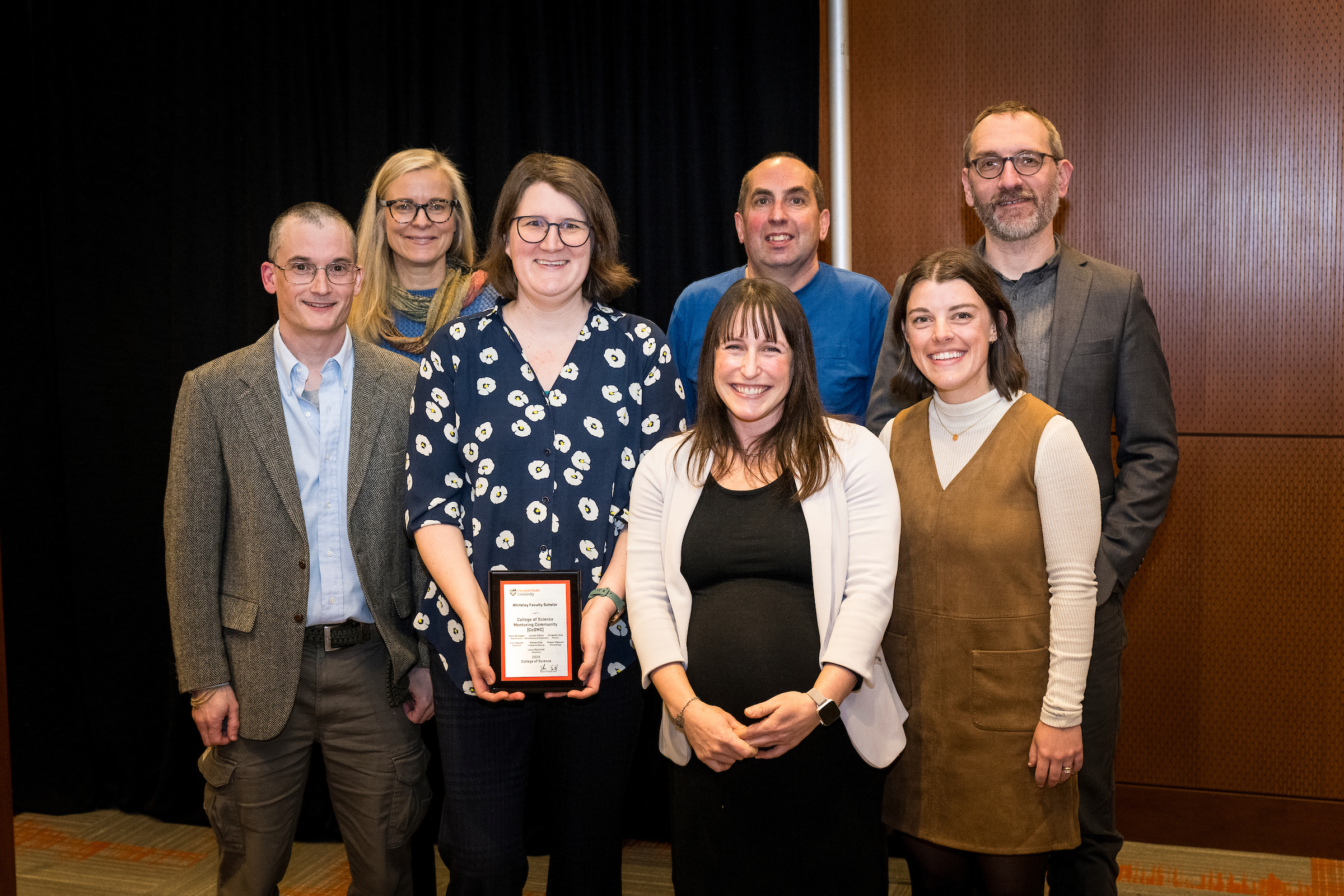
The College of Science Mentoring Community, including Mary Beisiegel, Lauren Dalton, Elizabeth Gire, Erin Howard, Nathan Kirk, Shawn Massoni and Louis Wojciniski, received the Whiteley Faculty Scholar for Teaching Excellence Award.

In 2017, the Ben and Elaine Whiteley Faculty Scholar Fund for Teaching Excellence was established through Ben Whiteley’s estate to support great teachers who are advancing teaching and learning excellence in support of increased student success.

Acknowledging the importance of effective peer mentoring for university faculty to succeed in various aspects of their roles, this group of faculty proposed a plan to create a mentorship program in the College of Science. Focused on addressing teaching excellence, the group will use triads, training, classroom observations, reflective artifacts and peer reviews.

The overall goals include building community, supportive effective peer review, recognizing diversity and inclusion and collaborating with the Oregon State Center for Teaching and Learning. The program’s three-year plan includes curriculum development, a pilot program, participant recruitment and expansion.

This initiative aligns with university and college-wide strategic goals, emphasizing teaching excellence, mentorship and inclusivity. The program is designed by a diverse committee representing all the departments within the College of Science, ensuring a comprehensive and sustainable approach to faculty development in teaching.

University Day 2023

Science receives record-breaking 12 awards at University Day

By College of Science Communications

College of Science faculty, staff, and graduate students have earned a record-breaking number of honors at University Day, a celebratory launch to the academic year featuring an annual awards ceremony. Science winners amassed an impressive 12 awards, beating the previous record of seven and garnering the most of any college across Oregon State.

“I am astounded by the exceptional work accomplished by the College of Science community as we further lead in inclusive scientific research, education and engagement. Each recipient represents the very best of Team Science and we are excited to celebrate their outstanding achievement,” said Interim Dean Vrushali Bokil.

Congratulations to the winners, whose commitment to excellence in and out of science has more than earned these awards.

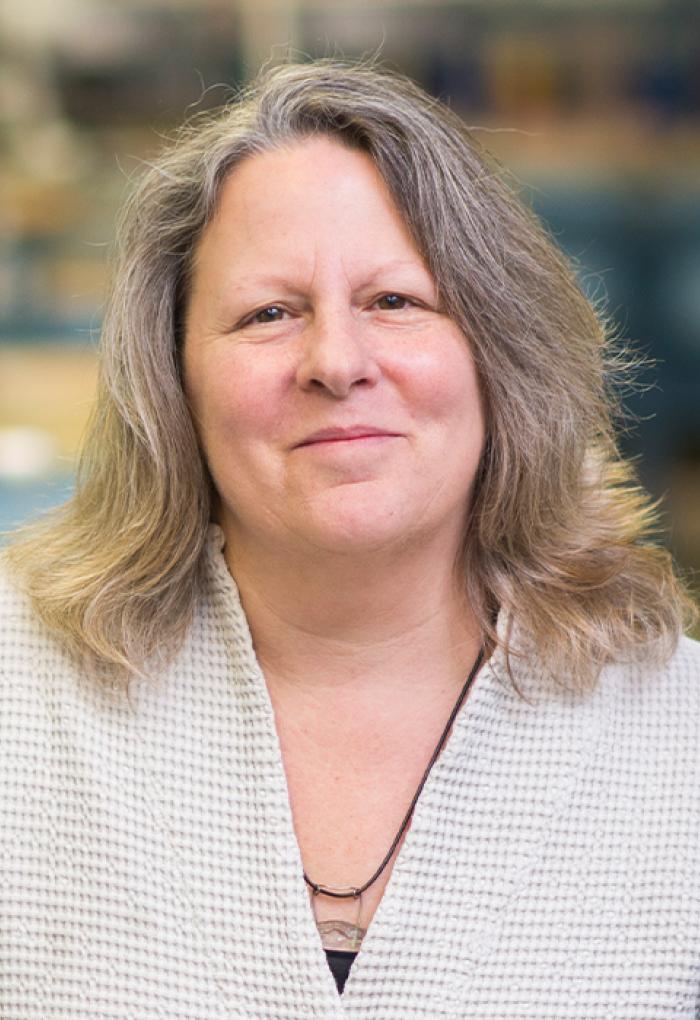
Jerri Bartholomew in the Aquatic Animal Health Lab

Professor Jerri Bartholomew from the Department of Microbiology earned the Beaver Champion Award.

Beaver Champion Award

Professor Jerri Bartholomew from the Department of Microbiology earned the Beaver Champion Award for her pivotal role in integrating the arts and sciences across Oregon State University.

The Beaver Champion Award is a recognition by the university’s president which commends individuals for their tremendous efforts and accomplishments. Bartholomew has spent years bridging the rich scientific research of Oregon State to the creative mindset of the arts as a founding member of the Arts-Sci collective, which explores this intersection through galleries and courses among other events. Additionally, her grassroot efforts aimed at students include discretionary funds towards arts-integrating fellowships that support interdisciplinary projects.

Both the Director of the J.L. Fryer Aquatic Animal Health Laboratory and a glass artist herself, Bartholomew has been a leader in advocating for more integrative approaches to science. Her continual work has been key in developing PRAx, the Patricia Valian Reser Center for the Creative Arts, which will be a linchpin in the university’s creative community.

“Professor Bartholomew has been a leader in the OSU community whose years of effort paved the way for PRAx to advance a vision of an OSU campus in which art and creativity drive science even as science inspires art and creativity,” one nominator wrote.

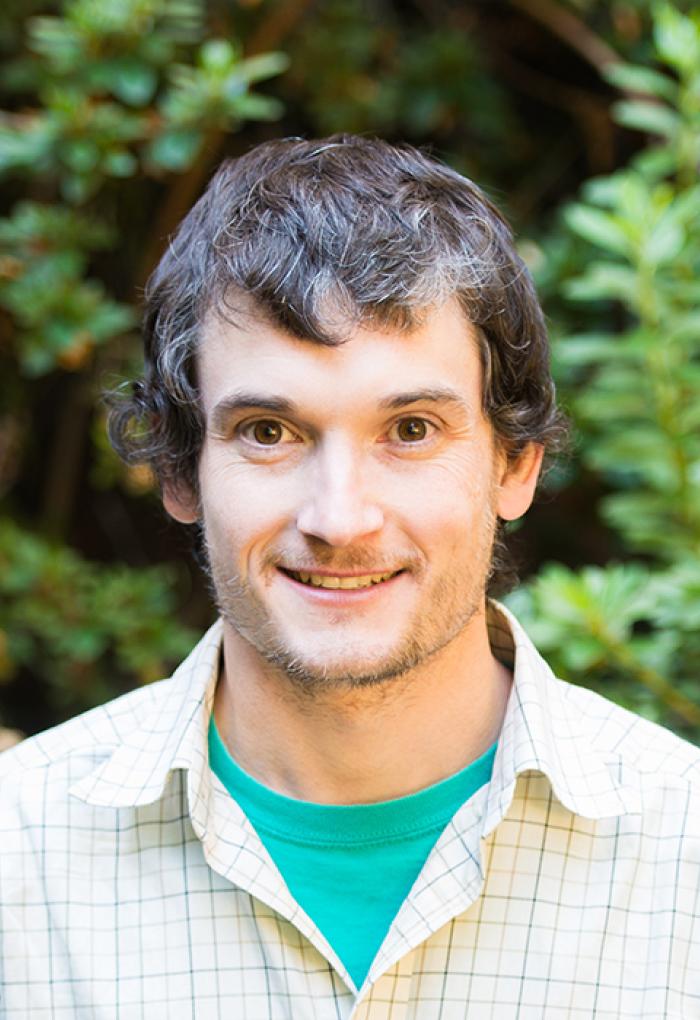
Nathan Kirk smiles in a headshot image with a button-up shirt.

Senior Instructor Nathan Kirk in the Department of Integrative Biology received the OSU Faculty Teaching Excellence Award.

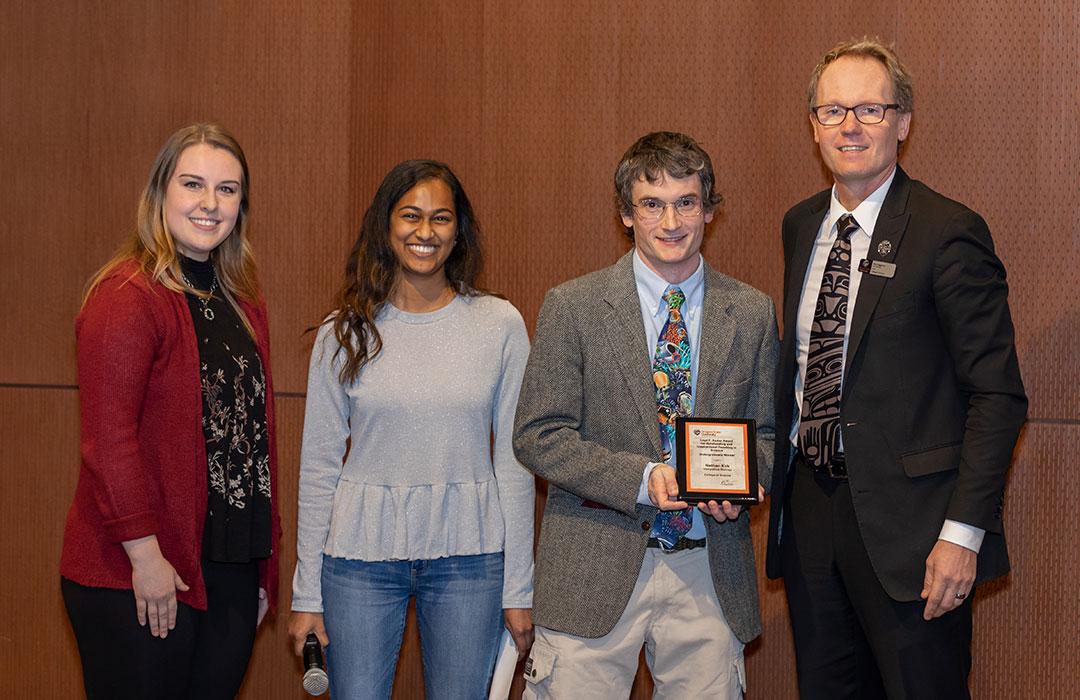
Teaching excellence

Senior Instructor Nathan Kirk in the Department of Integrative Biology received the OSU Faculty Teaching Excellence Award. An instructor at Oregon State since 2013, Kirk’s scope of biology teaching extends to not only introductory and writing-intensive courses, but also to Ecampus courses and experiential learning classes.

Kirk constantly strives for students to retain valuable knowledge as well as have the opportunity to engage in scientific exploration, which is most evident in the two course-based undergraduate research experiences he co-created. One of these programs, called CUREs, was integrated into the introductory Principles of Biology series and serves more than 800 students on average.

Keeping material relevant and dynamic can be a daunting task, but Kirk’s successful use of contemporary research and articles paints an exciting picture of modern science in his classrooms. He welcomes improvements in methodology, as well, regular engagement with regional societies such as the Society for the Advancement of Biology Education Research in order to learn new teaching strategies. He is driven by the desire to enable student success in any way he can.

“The amount of consideration, time and care that he puts into making sure the class and his students' needs are met amazes me. I truly believe that Dr. Kirk goes above and beyond to help his students succeed,” one nominator said.

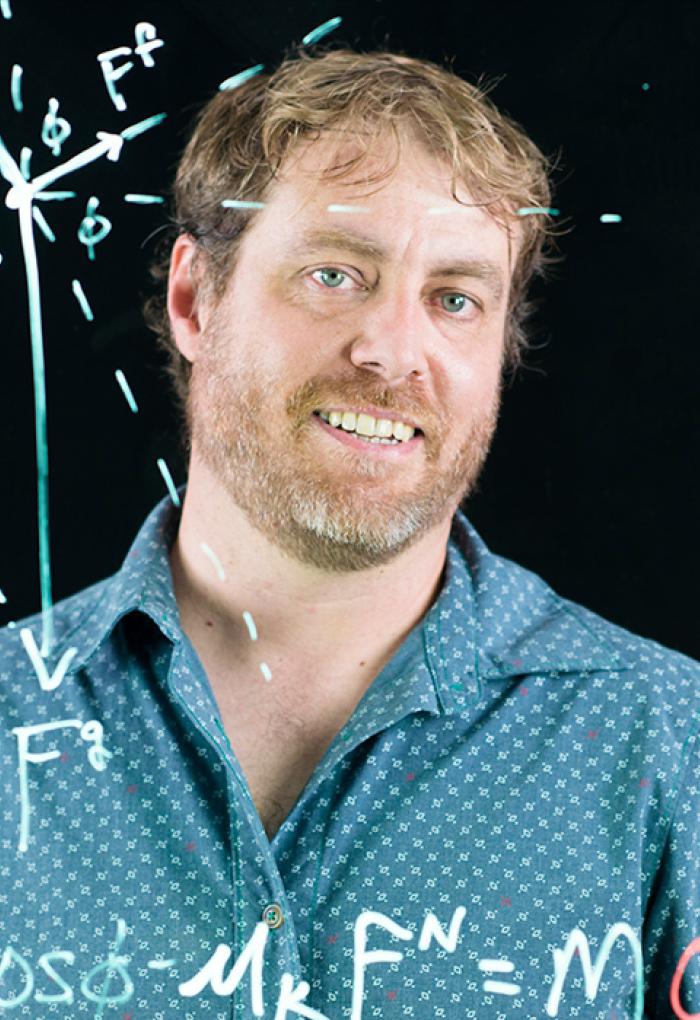
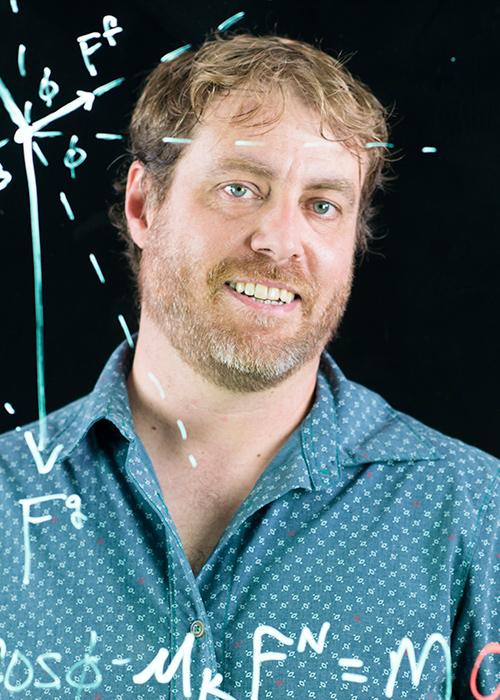
Kenneth C. Walsh smiles in a headshot behind a a clear whiteboard with physics equations.

Kenneth C. Walsh, College of Science Faculty Scholar, earned the OSU Faculty Excellence in Online Teaching Award.

Kenneth C. Walsh, College of Science Faculty Scholar, earned the OSU Faculty Excellence in Online Teaching Award for his large contributions to Ecampus learning.

Walsh spearheaded the development of an online physics course sequence prior to the pandemic. He took the pursuit in stride and noticed a disparity in quality between the virtual and in-person iterations at other institutions, and he set out to bridge this gap with his courses at Oregon State.

He then created an online algebra-based general physics course sequence that translates the rigor of traditional classroom settings into those on Ecampus. It was the first College of Science course to offer online students: live support from graduate TAs in the WormHole; supplemental instruction study tables; a dedicated team of Ecampus undergraduate learning assistants; and live-action engagement lectures that utilized a Lightboard.

Even with the course’s success, Walsh continues to search for improvements. He has since been asked by the Effective Practices for Physics Programs (EP3) initiative to provide his insights to the EP3 Guide section discussing virtual learning. He is recognized as a leader in online physics education by many.

“Dr. Walsh has spent a decade developing a complete ecosystem of online materials: labs, textbook, exercises, video lectures and live help that have proven to be highly effective. I can think of no one more deserving of this award, either at OSU or nationally,” a nominator wrote.

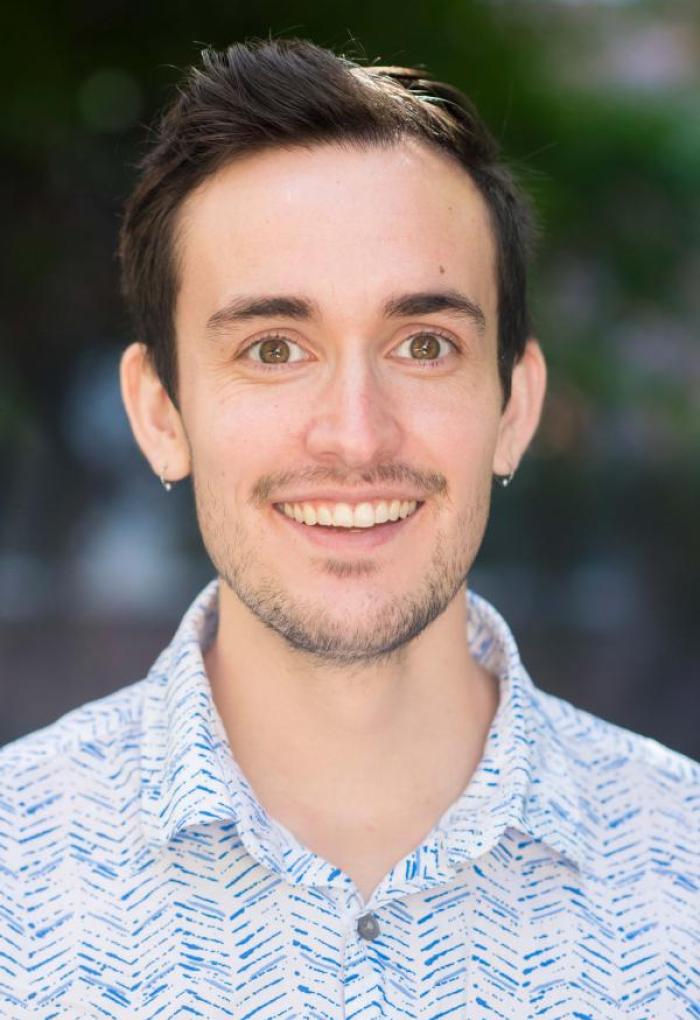
Bryan Lynn smiles for a headshot photo in a button-up shirt.

Bryan Lynn, a third-year Integrative Biology Ph.D. student, received the Herbert J. Frolander Award for Outstanding Graduate Teaching Assistants.

Bryan Lynn, a third-year Integrative Biology Ph.D. student, received the Herbert J. Frolander Award for Outstanding Graduate Teaching Assistants, awarded for his teaching record and dedication to inclusive teaching practices in the Department of Integrative Biology.

As a first-generation transgender student who began his academic career at the age of 25, Lynn has prioritized creating inclusive scientific communities. “As a student I have experienced the feeling of being presented with course materials that feel alienating – and I don’t wish for any of my students to experience that,” he wrote.

Lynn exemplifies leading by example and leaving things better than he found them. His efforts have had an impact within his department, the College and the greater university community.

In 2019, he co-founded the popular student club Out in Stem that serves to increase the visibility of queer and trans people in science. For his work across the university, Lynn has earned numerous awards including two from The Pride Foundation and the Oregon State Diversity and Inclusion Champion Dam Distinguished award.

As part of his assistantship, Lynn spent last summer evaluating and modifying all of the Principles of Biology lecture materials to use language inclusive of non-traditional identities, specifically with respect to gender. Because this class is taught by six different faculty multiple times throughout the year, his work impacted thousands of Oregon State students. Faculty reported enjoying learning through the process and were eager to apply the language change to other courses.

“Bryan is one of the most thoughtful, impactful and engaged GTAs that I have worked with in the last 12 years of working with over 30 GTAs per year,” one nominator wrote. “Bryan brings something extra special with him to his class every single time he teaches it, from including pictures of his cat, Pancake, in every slideshow to redesigning our curriculum to be more inclusive.”

Elizabeth Gire smiles for a headshot.

Professor Elizabeth Gire of the Department of Physics earned the Elizabeth P. Ritchie Distinguished Professor Award.

Professor Elizabeth Gire of the Department of Physics earned the Elizabeth P. Ritchie Distinguished Professor Award. This award is open to all teaching faculty across Oregon State and is given to someone who demonstrates outstanding commitment to undergraduate education.

Professor Gire’s research aims to understand how students learn physics content, which has enabled her to implement innovative strategies into her classes ranging from small whiteboard questions to kinesthetic activities. Gire has built an impressive collection of over 40 publications on the topic. Her evidence-based methods help her students earn high eSET/SLES scores, and her development of a second-year physics course has been a tremendous addition that helps students transition successfully into professional learning environments.

Gire’s ability to connect and empathize with undergraduates has made her a source of guidance for many, as seen in her role as a faculty advisor to several student clubs. She consistently strives to make a welcoming community through smaller ways, such as having students establish rules on how to treat each other in her classrooms, as well as in bigger ways, like her commitment to improving diversity in the physics department.

“She has made the largest impact on my learning out of any professor at OSU, and this is quite a common sentiment among the other undergraduates in physics. She continues to be a model for what physics teaching should look like,” wrote one nominator.

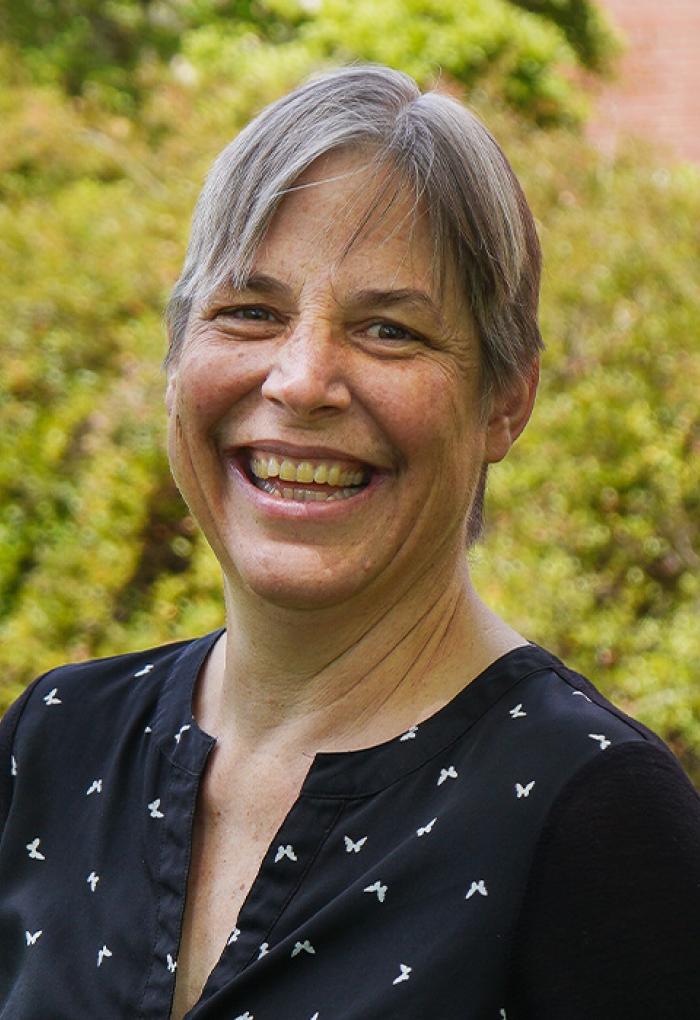
Outdoor photo of Kari Van Zee

Kari van Zee, lead advisor for the Biochemistry and Biophysics Department, earned the Dar Reese Excellence in Advising Award

Excellence in mentoring and advising

Kari van Zee, lead advisor for the Biochemistry and Biophysics Department, earned the Dar Reese Excellence in Advising Award. She has not only achieved profound success as the biochemistry and biophysics (BB) lead advisor, but also as a pre-med advisor and BB undergraduate coordinator.

Van Zee is responsible for spearheading the modernization of the Biochemistry and Biophysics major. She additionally helped create the Biochemistry and Molecular Biology major while helping secure national certifications for both the new major and the Biochemistry and Biophysics major.

Her peers credit her with going beyond implementing programmatic benefits for students as an advisor; she greatly prioritizes supporting them on an individual scale. She fosters an encouraging atmosphere through celebratory gatherings and the orientation class she both created and teaches. Her constant drive to go the extra mile when assisting students has left a lasting impression on many.

“Through her utmost devotion to student growth and community building, undergirded by a compassionate heart for student well-being, Kari lives out all the best qualities of an excellent advisor and an amazing teacher,” one nominator wrote.

Chong Fang

Patricia Valian Reser Faculty Scholar Chong Fang received the Excellence in Postdoctoral Mentoring Award for his dedication to assisting young scientists develop their careers.

Patricia Valian Reser Faculty Scholar Chong Fang received the Excellence in Postdoctoral Mentoring Award for his dedication to assisting young scientists develop their careers.

Since joining the Department of Chemistry in 2010, Fang has trained five postdoctoral scholars in addition to more than 15 graduate students. His ability to foster a culture of enthusiasm drives those who work with him further along their career paths. Of the 27 papers published by the Fang lab since 2021, 10 were led by postdoctoral scholars within his group. His mentees credit Fang’s readily given feedback and support. By finding a balance in sharing his knowledge and providing his mentees space to grow, he has helped enable them to thrive as scientists.

Fang has shown a commitment to creating and giving postdoctoral scholars numerous tools. Having presented seminars at about 70 different universities and by attending about 30 national and international conferences, his wide network is a significant resource for his mentees. Additionally, he wholeheartedly encourages them to pursue their own opportunities, such as engaging in grant proposals or attending scientific meetings. Those under his guidance enjoy a supportive and rewarding experience.

“Dr. Fang is a truly exceptional individual who embodies the qualities of a good mentor,

role model and great character. He inspires those around him with his dedication to work, passion for learning and his commitment to making a positive impact on the world,” one nominator wrote.

Photo of Taylor Krueger

Taylor Krueger, a postdoctoral scholar in the Fang Research Group in the chemistry department, received the Excellence in Undergraduate Research Mentoring by a Postdoc Award.

Taylor Krueger, a postdoctoral scholar in the Fang Research Group in the chemistry department, received the Excellence in Undergraduate Research Mentoring by a Postdoc Award.

Krueger excels as a mentor due to his accessibility, dependability, kindness and commitment to creating an inclusive and equitable research environment. In a femtosecond laser spectroscopy lab with a steep learning curve, he has remained committed to mentoring STEM learners at all levels.

“He was not afraid to admit the limits of his knowledge and he often taught through example,” one student nominator wrote.

Through his mentorship of four undergraduate students, he has helped achieve engagement of underrepresented students in the physical chemistry field and two of those students have gone on to pursue advanced degrees.

Beyond mentorship, Krueger has achieved personal success, leading a number of projects on elucidation of fluorescence and relaxation mechanisms in proteins, solutions and thin films. This work has resulted in eight first-author published papers, three second-author papers and one book chapter.

“I am in the process of becoming a mentor for an undergraduate researcher, and I definitely translate how Taylor mentored me to how I mentor my student; patience is a hard thing to have, but it is easier when you learn from one of the best,” one nominator wrote.

Linda Bruslind outdoors.

Linda Bruslind, full-time Senior Instructor II of the Department of Microbiology, received the OSU Faculty Affordability Award.

Excellence in service, commitment to students and teamwork

Linda Bruslind, full-time Senior Instructor II of the Department of Microbiology, received the OSU Faculty Affordability Award. This accolade is given to those who demonstrate commitment to providing affordable course learning materials to students, which Bruslind has done on an impressive scale.

To replace costly textbooks needed in microbiology courses, Bruslind authored the book General Microbiology and aided in developing the book Allied Health Microbiology. The former saved OSU students alone at least $172,500 and was used by 79,203 worldwide in 2022. Allied Health Microbiology also alleviated $33,000 from student spending. Her efforts in crafting thoughtful and innovative low-cost materials was estimated to save Oregon State students over $1 million over the course of 17 years.

Students have shown an appreciation for Bruslind’s skillful curation of materials that are both affordable and help strengthen their understanding of the coursework by not being bogged down by complicated jargon. Additionally, by studying a faculty-generated textbook and then learning from that same faculty in class, students experience greater clarity and a more cohesive experience in their microbiology courses.

“Dr. Bruslind’s development of inclusive, accessible no- and low-cost materials for multiple classes and laboratories available to the global community showcase

her dedication to affordability and equity in learning. Her work earns enthusiastic praise from students and colleagues alike,” a nominator said.

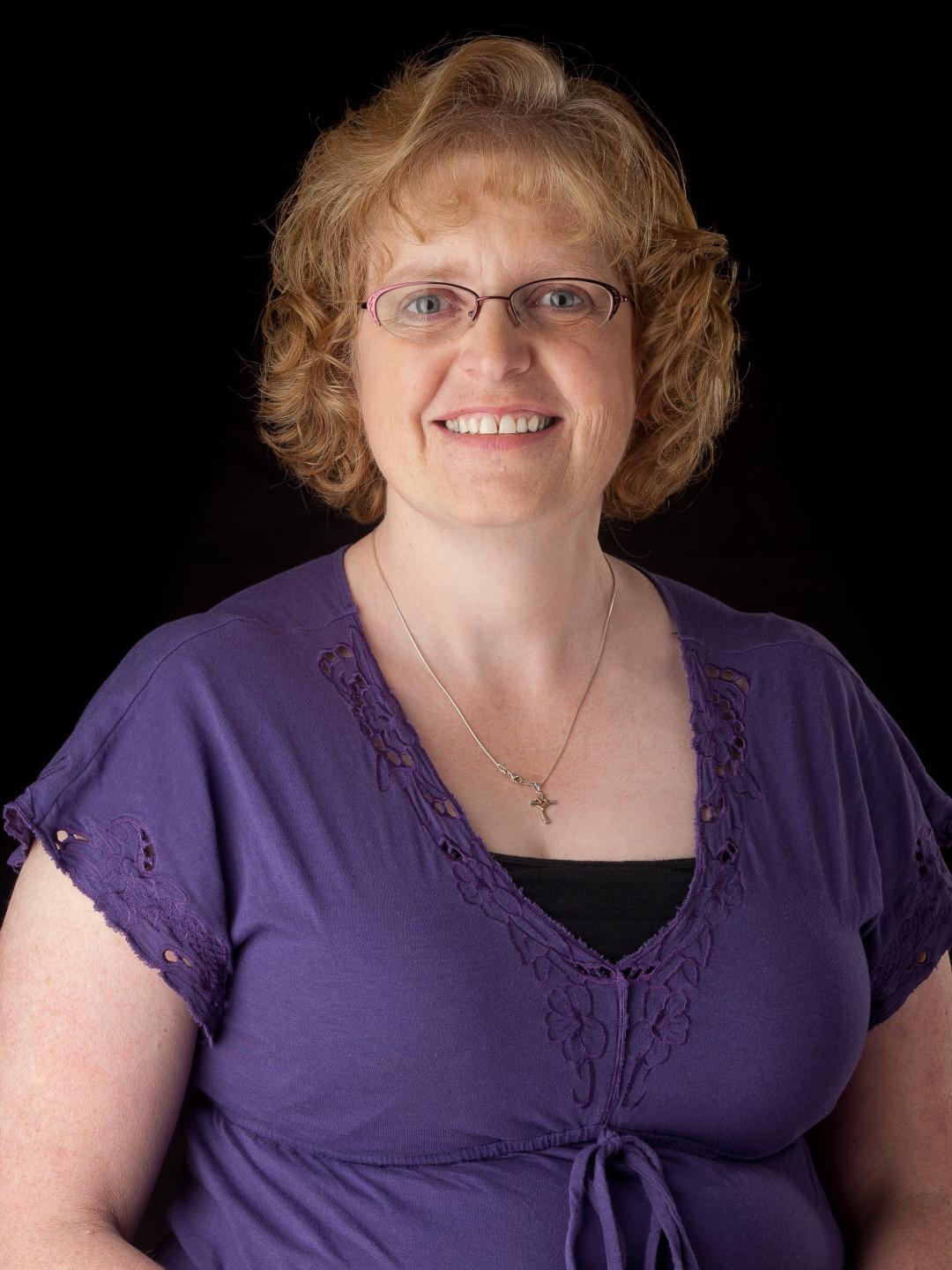
A woman with short red hair in front of a black background wearing a purple shirt.

Department of Chemistry Administrative Assistant Paula Christie received the University Mentoring and Professional Development Award.

Department of Chemistry Administrative Assistant Paula Christie received the University Mentoring and Professional Development Award for her contributions to a welcoming department atmosphere and problem solving.

"Paula is the “mother hen” of the department: not only does she know about the ins-and outs of operation of the department, but also is she a confidant, a friend, and an informal mentor to the staff, undergrad and graduate students," one nominator wrote.

Colleagues value Christie's "can do" attitude and resourcefulness. She is known for looking out for others mental wellbeing and solving conflicts with grace.

When several staff members wanted to attend classes at Oregon State, Christie worked with them to ensure they could fulfill their work responsibilities and still enjoy the learning experience.

The Department of Chemistry is grateful to Christie for her guidance, kindness, respect and professionalism.

Chong Fang

Patricia Valian Reser Faculty Scholar Chong Fang won the D. Curtis Mumford Faculty Service Award.

Patricia Valian Reser Faculty Scholar Chong Fang won a second award, the D. Curtis Mumford Faculty Service Award. His service to the faculty and to Oregon State involving several departments, disciplines and institutions highlights the core essence of this award.

Over his 13 years at Oregon State, Fang has served at every level of committee and been the chair of dozens. His work over the last decade in the Department of Chemistry’s graduate admission’s committee, which included arranging student-faculty interviews and nominating high-achieving students for fellowships and scholarships, has increased the program’s acceptance from about 30% to 60%.

He is passionate about diversity and equity, which has driven him to not only lead committees dedicated to these causes, but also to initiate the Junto’s weekend for Latinx Oregon high schoolers which he has funded and arranged every summer since 2017.

Fang has served science by establishing a large interdisciplinary network of collaborators with whom he and his research group study protein engineering and novel material synthesis. While simultaneously improving aspects of life at Oregon State in countless ways, he has achieved national recognition for his work as an ultrafast laser spectroscopist.

“I have witnessed him building a world-renowned research laboratory from scratch while training the next-generation of STEM leaders, and firmly believe that he is an indispensable asset to the department, College and university through his innovative and impactful development of cutting-edge, collaborative research across the globe,” a nominator wrote.

Students learn in a huge classroom.

Lori Kayes, co-chair of the Baccalaureate Core Reform Committee (BCRC), has worked on many curricular improvements in the College of Science.

The Baccalaureate Core Reform Committee (BCRC) received the Faculty Senate Student Success and Teamwork Award. This honor is given to departments or interdisciplinary groups that have demonstrated exceptional teamwork in creating and sustaining an exemplary teaching and learning environment.

An interdisciplinary team of 30 academic and professional faculty members, the BCRC invested countless hours to reform Oregon State’s general education curriculum known as “Bacc Core.” Lori Kayes, associate department head and senior instructor II in the Department of Integrative Biology, served as the co-chair of the committee. Patrick Ball, program coordinator and senior biology instructor II on the OSU Cascades campus, also served on the committee.

“This committee has been involved in this process since 2020, and I can say, without a doubt, poured their hearts, souls, and emotional and physical labor into developing the new curriculum,” one nominator wrote. “I have never seen a group at OSU rally around something like this in the decade I have spent at the institution. I am forever proud and grateful for each person involved.”

The BCRC collectively spent 1,000 hours between October 2021 through June 2022 revising the curriculum to follow best practices, be student focused and provide a high-quality educational experience. They engaged with more than 400 stakeholders through 35 meetings to collect feedback and ideas to shape the final product. The new curriculum includes multiple modes of instruction, a focus on social and environmental justice and professional skills integral for joining the workforce. Several high-impact practices that promote equity, retention and increased graduation rates specifically for historically underserved students, were embedded in the curriculum. The group also focused on transfer students and structuring courses to meet the needs of this population.

The group aspired to not let budget or individual faculty expectations drive the work – but instead, they focused on student success as their North Star.

Quinn Washburn's Oligotrophic board game

SMILE Workshops

By Giovannoni Lab

The Giovannoni lab works with OSU's SMILE (Science and Math Investigative Learning Experiences) Program to enhance science education for elementary through high school students. The SMILE Program targets schools serving minority, low-income, historically underrepresented, and other educationally underserved populations. SMILE uses an experience-based learning model to engage and inspire students with the ultimate goal of increasing success in higher education and participation in STEM careers.

Our lab developed a SMILE instructional unit, Carbon Cycling by Marine Microorganisms, to introduce students to the importance of marine systems in the global carbon cycle. This unit includes a hands-on laboratory activity designed to study the impacts of nutrient limitation by stimulating a phytoplankton "Bloom in a Bottle." Students must use scientific methods, from making an initial observation to the development of testable hypothesis to find a solution. Following this exercise, they use smartphone-aided observations of their experiments to make conclusions and generate additional hypotheses. This active learning model is intended to inspire curiosity of the natural world, and to demonstrate how science is largely based on investigation. The Bloom in a Bottle exercise, as well as additional associated instruction material (handouts, lectures) are available on the SMILE Program website.

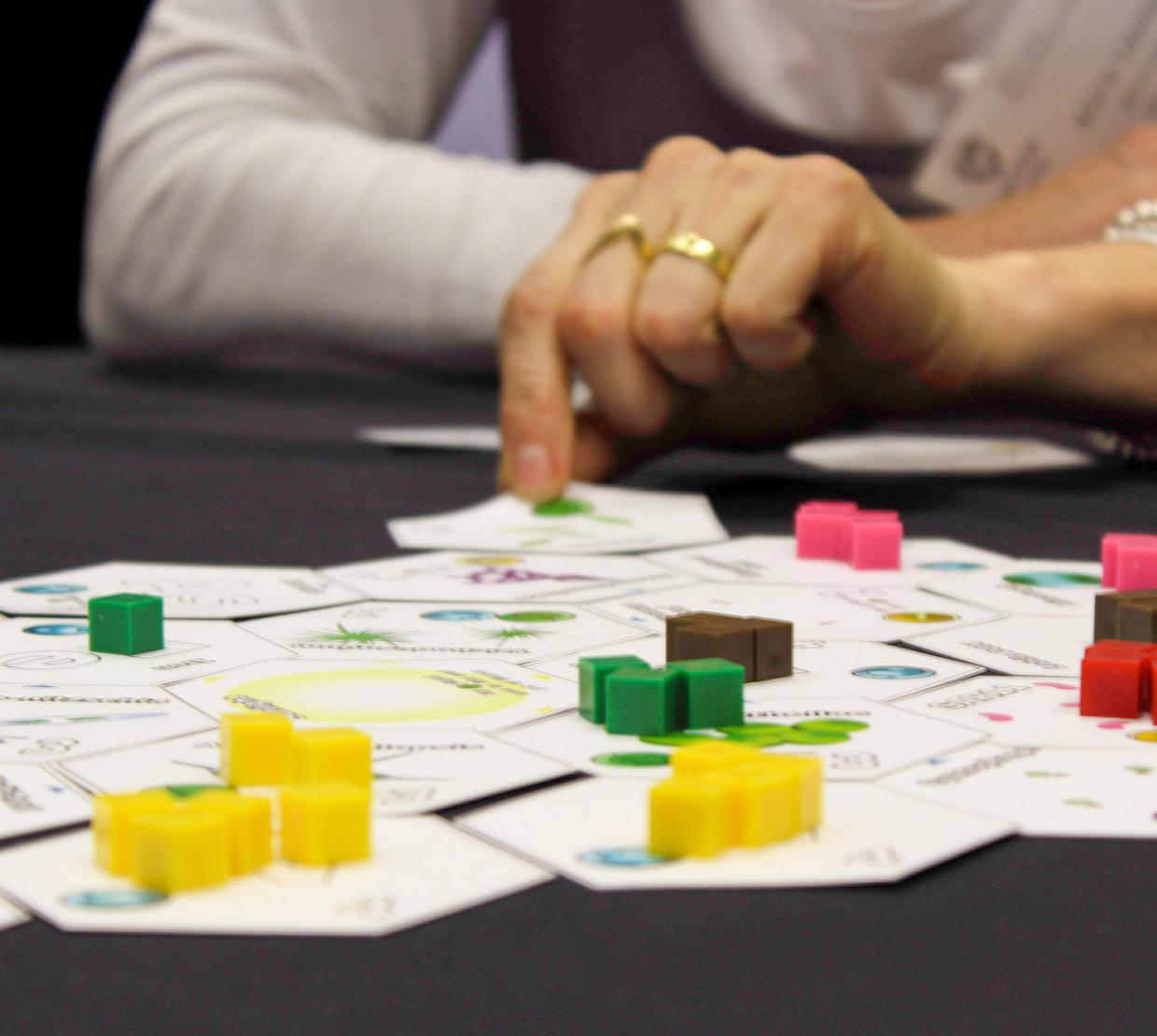
New this year, graduate student Quinn Washburn has developed an instructional board game called Oligotrophic. Oligotrophs are organisms that thrive in an environment that offers very low levels of nutrients. They are characterized by slow growth, low rates of metabolism, and generally low population density. Oligotrophic environments include deep oceanic sediments, caves, glacial and polar ice, deep subsurface soil, aquifers, ocean waters, and leached soils as well as subtropical ocean gyres that cover a substantial portion of the Earth's surface. Marine microbes in these environments form the basis of life in the ocean and perform 50 percent of Earth's primary production.

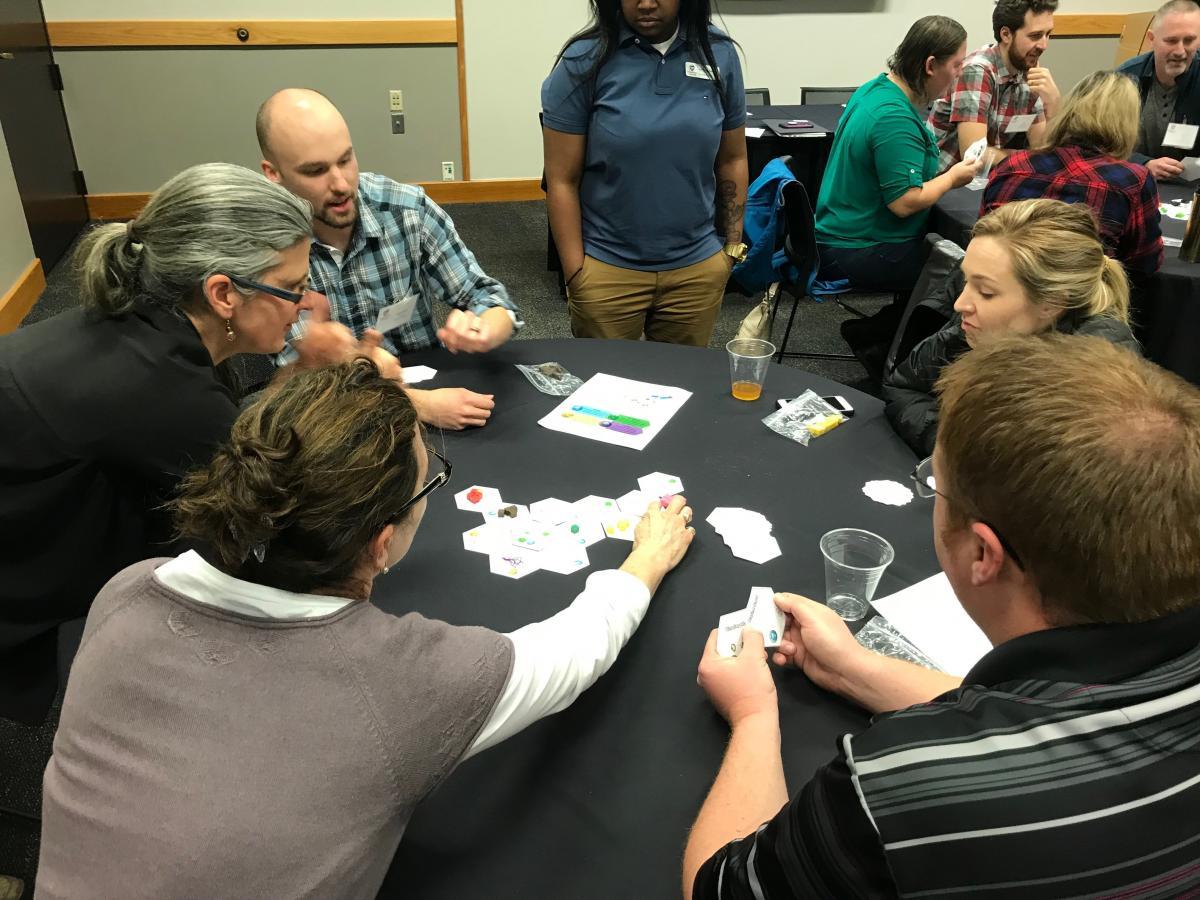
Oligotrophic board game being played by a group

The Oligotrophic game models real-life microbial relationships and biogeochemical cycles in a format that is user-friendly, age inclusive (elementary to high school), and informative as well as fun. It is a strategic tile placement game where players compete to transfer biomass between trophic levels by selecting hexagonal cards based on actual marine microorganisms. The goal is to accumulate biomass, acquire bonuses or take biomass from other organisms and abiotic sources. It introduces important concepts in marine microbial ecology such as the microbial carbon pump, biogeochemical cycling of nutrients, and the flow of biomass through microbial food webs.

The Giovannoni Lab supports SMILE through NSF grants that pay the costs of travel and board for each of our attendees (Dissolved Organic Carbon Cycling by SAR11 Marine Bacteria, OCE-1436865, and Dimensions: Collaborative Research: Unraveling thiamin cycling complexity and impacts on microbial networks DEB 1639033).

A nighttime sky with an award sign overlaid on top

2020-21 College of Science awards: Celebrating excellence in teaching and advising

By Cari Longman

On April 22, the College of Science gathered virtually to recognize academic, administrative and teaching excellence at the 2020-21 Combined Awards Ceremony – a merge of our annual Faculty and Staff Awards and Teaching and Advising Awards events.

The first half of the ceremony celebrated excellence in research and administration, and the second half the ceremony focused on outstanding teaching, advising and mentoring,

The College congratulates the Teaching and Advising Awards winners below who exemplify deep commitment, skill and effectiveness in mentoring and advising to ensure student learning and success within and beyond the classroom. Effective teaching, advising and mentorship are the very heart of the College of Science’s identity as a robust and thriving community of students and scholars.

Congratulations to all the nominees and especially to the award winners.

2021 Teaching, Advising and Mentoring Award Winners

Olaf Boedtker Award for Excellence in Academic Advising

Tiffany Bolman

BioHealth Sciences Advisor Tiffany Bolman

Tiffany Bolman, biohealth sciences advisor, won the Olaf Boedtker Award for her tireless support, efforts and advocacy on behalf of undergraduate students. Olaf Boedtker was a former professor in the Department of Physics for 23 years and served as head advisor in the College for 14 years from 1973 to 1987. This award recognizes exceptional and inspirational undergraduate advising.

More than ten students nominated Bolman for this award, praising her dedication and ability to connect and encourage students to achieve their goals.

One student nominator wrote of Bolman: “During one of the hardest years of my life, I met my new advisor, Tiffany. Changing your advisor in the middle of your junior year can be stressful. The first time I met her, my meeting lasted almost two hours because we spent time getting to know each other and talking about life. The way that Tiffany has been here to support me is incredible – as an advisor, a mentor, a friend and a support system. She's helped me in countless ways this past year, not just for school and for my future, but personally. I know I would not be where I am right now without her.”

“Tiffany has guided me in my fast-paced college experience and is always courteous when I talk to her,” wrote another biohealth science student nominator. “She has provided ample opportunities for me to get involved in health care and shadowing, even during Covid-19, in order for me to be a competitive applicant for medical school. I feel as though Tiffany wants the best for all of her students, including myself, and her heartwarming encouragement never lets me down.”

Another student had similar praises for Bolman. “I transferred to Oregon State and [Tiffany Bolman] was the first faculty member I had any interactions with. She seems to truly care about the future of the students she is advising and is overall an amazing person to talk to.”

Additional nominees for the Olaf Boedtker Award included

  • Allison Evans, instructor of microbiology
  • Kari Van Zee, senior instructor for biochemistry and biophysics
  • Maureen Leong-Kee, advisor for integrative biology
  • Vince Remcho, professor of chemistry

Loyd F. Carter Award for Outstanding and Inspirational Teaching (Undergraduate)

Corinne Manogue

Professor of physics Corinne Manogue

Professor of physics Corinne Manogue won this year’s Loyd F. Carter Award for Outstanding and Inspirational Teaching in Science. Manogue teaches the nationally-recognized Paradigm in Physics courses, which are a restructuring of the traditional upper-division curriculum for physics students to a more modern, flexible and inclusive model for learning physics.

Student nominees cited Manogue’s extra efforts to ensure her students understand content, her ability to teach complex topics, and her compassion with her students in an especially tiring year.

“She is an outstanding teacher who really works to understand how her students are approaching the material and provides numerous ways for the students to actively engage with the content,” wrote one student nominator. “She is very aware that each student has a different learning style and that content needs to be restated multiple ways and in multiple forms and that each version will resonate differently with each student.”

Other student nominators had similar praises for Manogue. "She is truly fantastic at explaining complex topics in ways that relate them to us students, and it was often that many would exclaim how well they understood ideas and techniques significantly better after having an explanation from her in class," said one nominator, and another added: "Corinne convinced me that there weren't such things as 'STEM people' and that success in STEM was available to me and other students who like me had been dissuaded by a perception of being inherently 'not smart enough' to become physicists."

Manogue has received recognition at multiple levels – Oregon State University, the state of Oregon and nationally – for her teaching excellence and has previously won a number of awards recognizing her teaching excellence, including the College of Science Frederick H. Horne Award for Sustained Excellence in Teaching in 2000, an American Association of Physics Teachers Award for Excellence in Undergraduate Physics Teaching in 2008, and the 2016 Oregon Academy of Science Outstanding Educator in Science and Mathematics award.

Additional nominees for the Loyd F. Carter undergraduate award included

  • Daniel Myles, senior instructor of chemistry
  • Daniel Rockwell, senior instructor of mathematics
  • Devon Quick, senior instructor of integrative biology
  • Kimberly Halsey, associate professor of microbiology
  • Linsday Biga, senior instructor of integrative biology
  • KC Walsh, senior instructor of physics

Loyd F. Carter Award for Outstanding and Inspirational Teaching (Graduate)

Charlotte Wickham with a black background

Senior Instructor of statistics Charlotte Wickham

Senior Instructor of statistics Charlotte Whickam received the Loyd Carter award for her inspirational and superb mentorship and teaching of graduate students.

“Charlotte is an extremely talented statistician and teacher. You can tell she is extremely passionate about the things she teaches and is invested in her students learning. She is also very approachable, despite teaching an online course,” wrote one graduate student nominator. “The material I have learned in her class has been useful and applicable to all of my work as a statistician,” they added.

“Dr. Wickham really took the time and got involved with my term project topic. She understood my skill level and was really great on providing feedback,” wrote another nominator.

A specialist in R training, Wickham teaches courses in data visualization and the foundations of data analytics. In 2020 Wickham received the Oregon State Ecampus Excellence in Online Teaching and Student Engagement Award. Wickham has developed multiple Ecampus courses built around students and their learning, leveraging open source materials and engaging texts from the Valley Library at Oregon State University.

Frederick H. Horne Award for Sustained Excellence in Teaching Science

Senior Instructor for biochemistry and biophysics Kari Van Zee

Senior Instructor for biochemistry and biophysics Kari Van Zee

Senior Instructor for biochemistry and biophysics Kari Van Zee won the Frederick H. Horne Award for her exceptional qualities as a teacher and mentor. This award is named after Fred Horne, OSU Professor Emeritus of Chemistry and the former College of Science Dean for 13 years, from 1986 to 1999.

Kendra Jackson (’20, biochemistry and biophysics), praised Van Zee in her nomination letter, writing, “Kari made a great impact on my education at OSU and has empowered me to be an independent learner.”

Jackson interacted with Van Zee as a student, mentee, teaching assistant and advisee. She added in her letter that “Kari is compassionate and deeply cares about the well-being of her students.” This quality was especially apparent during the 2020-2021 school year with remote learning. “Kari constantly checked up on struggling students in each section, offered solutions for students who could not access technology or adequate study spaces, and adapted the class based on student feedback.”

Tanushri Kumar, a 2020 biochemistry graduate and Ph.D. student at the University of Washington, also wrote a nomination letter. She praised Van Zee’s personal connection with her students: “Kari is a fantastic teacher, a scholar, and a devoted mentor to all her students. It is truly rare to find a teacher as talented and as compassionate as she is. Without her guidance, I would have never discovered my own passion for research, and without her support I would not have had the courage to apply for graduate school. The impact she has had on my life has been huge, and I am incredibly grateful for having her as a mentor and instructor.”

College of Science Whiteley Faculty Scholar for Teaching Excellence Award

Devon Quick

Senior Instructor of integrative biology Devon Quick

Senior Instructor Devon Quick in the Department of Integrative Biology received this award which recognizes excellent teaching and learning innovation. This award will provide Quick with an annual stipend of $12,500 for three years.

Widely commended for her teaching of biology, human anatomy and physiology courses, Quick has received awards for her exceptional teaching in the past. In 2020, she received the Loyd F. Carter Award, and in 2016 she received university-wide recognition by receiving the OSU Faculty Teaching Excellence Award.

Quick is a co-founder of the Learning Assistants Program, which puts high-achieving undergraduate assistants in large enrollment, often first-and second-year STEM classrooms to facilitate and strengthen undergraduate learning. She also collaborated with fellow biology instructor Lindsay Biga to adapt an open source biology textbook that is freely accessible to OSU students and learners worldwide.

OSU Faculty Scholars for Teaching Excellence Award

KC Walsh

Physics instructor KC Walsh

Physics instructor KC Walsh won the Faculty Scholars for Teaching Excellence Award. This award for a three-year faculty scholar position supports excellence and innovation in teaching and carries an annual stipend of $12,500.

Walsh helped to transform OSU’s introductory physics classes by reversing the traditional learning environment. In flipped classrooms, students receive course content online outside of the classroom, freeing up classroom time for active learning. He then pioneered the flipped classroom in the online environment long before the pandemic forced all instructors and faculty to adjust to all-online teaching. The results of the flipped classroom model have been dramatic: the withdraw rate from introductory physics class dropped from 36 percent to only 12 percent with a marked increase in course satisfaction.

Walsh previously received the OSU Faculty Teaching Excellence Award for his significant and meritorious achievement in teaching and scholarship that enhances effective instruction. And in 2018, the Department of Physics received the American Physics Society (APS) Award for Improving Undergraduate Physics Education, due in part to Walsh’s pioneering flipped classrooms and his early use of online resources to increase student success.

The OSU and Whiteley Faculty Scholars for Teaching Excellence awards are made possible thanks to the generous philanthropic support of our alumni and friends and matching funds invested by the Provost’s Office.

Read more about the winners of the 2020-21 graduate and undergraduate research and administration awards.

Sonia Grutzius working with Ryan Mehl in the lab.

How Oregon's top pre-med program meets the growing demand for doctors

By Srila Nayak

Pre-med students in the College of Science can engage in research projects in labs across Oregon State University.

Increased interest in science and medicine is drawing a new generation of students to a career in medicine since the Covid-19 pandemic began. The healthcare workforce is in the spotlight, as are other issues such as low access to doctors in rural areas and in underrepresented communities and the dire shortage of physicians to tackle future public health crises. A report from the Association of American Medical Colleges projects that the United States will face a shortage of between 54,100 and 139,000 physicians by 2033.

Enrollment in Oregon State's pre-med program has remained high despite the pandemic, with numbers averaging 90-100 pre-med students annually since 2019. Students from Oregon and beyond interested in pursuing a career in medicine are drawn to the strong reputation of the pre-med track in the College of Science at OSU, which has an enviable record of preparing successful applicants for medical schools across the country.

A part of the pre-health professions track for science majors, pre-medicine exists alongside pre-dental and pre-pharmacy programs in the College of Science, in addition to other pre-health programs. While not a major, students can declare a transcript-visible pre-medicine option in six College of Science majors: BioHealth Sciences, Biology, Biochemistry and Biophysics, Biochemistry and Molecular Biology, Chemistry and Microbiology. Outside the College of Science, Kinesiology and Radiation Health Physics majors can also pursue a pre-medicine option. (OSU students in other majors can still follow a pre-med path, but can’t officially declare it as part of their major).

In recent years, pre-med science majors have gained admission to coveted medical programs at UCLA, Oregon Health and Science University, Western University, Ohio State University, Brown and Yale among others.

Oregon State University continues to maintain an exceptional medical school acceptance rate: In 2019-2020, a total of 59% of all COS majors and 65.5% of science majors who used the extensive pre-medicine committee services and resources in the College of Science gained admission to medical school. From 2016 to 2019, the total percentage of all OSU students gaining admission to medical schools with the help of pre-medicine program resources increased steadily from 59.15% to a striking 75.45%. These are impressive figures, especially in the context of national data. According to the Princeton Review, admission to medical school has continually remained fiercely competitive with low acceptance rates and in 2018-19, 41% of applicants were accepted to allopathic (MD) medical schools nationwide.

Editorial update: As of Fall 2024, the percent of science majors who gained admission to medical school after using Oregon State’s College of Science pre-medicine committee services and resources increased to 80%.

What makes OSU's pre-med program so successful

Maureen Leong-Kee

OSU College of Science Pre-Med Advisor Maureen Leong-Kee is part of a faculty team that provides dedicated guidance for pre-med students seeking acceptance to medical and other health professions schools.

According to the College’s lead pre-med advisor Maureen Leong-Kee, a number of factors have contributed to the success of the program and pre-med students. The pre-med program has a reputation for outstanding advising, student support structures and learning opportunities that extend beyond the classroom.

Every student with a pre-med focus gains access to individualized advising within their own program. The pre-med program offers student-specific advising in almost every science major, which includes biology, biohealth sciences, microbiology, chemistry, biochemistry and molecular biology and biochemistry and biophysics. “Students are advised by an expert within their major who is also very knowledgeable about the pre-med pathway,” said Leong-Kee. Mathematics and physics majors with a pre-med focus are advised by faculty within the College’s pre-med advising team.

Rigorous core prerequisites and upper-level science courses give students in-depth knowledge and a strong foundation in their science major as well as a broad exposure to biomedical science. This prepares them well for the MCAT (Medical College Admission Test) and even for a successful academic career in medical school. Courses range from contemporary and cutting-edge science topics in immunology and virology to advanced molecular genetics.

Biology graduate Ashley Victor (’19), now a second-year medical student at Oregon Health and Science University, discovered that the biochemistry series and courses in vertebrate biology and introductory physics had significant overlap and applicability to her medical school pursuits, giving her a strong foundation to perform well in the MCAT.

“Science classes in my first three years at OSU proved highly useful. I took classes in genetics, biochemistry, ecology and evolution and just enjoyed learning everything,” said Victor.

A comprehensive, well-rounded education based in sciences and the humanities is a vital part of getting into medical school. In addition to science courses, science majors can also study for a Certificate in Medical Humanities at OSU, which immerses them in a broad range of medical issues from global public health to the art of healing and biomedical ethics. “Our pre-med students take lots of interesting and relevant upper-level science courses, but we also encourage them to get a background in social science, behavioral science and public health to expand their knowledge for medical school,” said Leong-Kee.

The College pre-med program has several other attributes that result in meaningful educational experiences for future doctors and scientists. These resources complement a very well-developed and successful study abroad program and undergraduate research opportunities, as well as scholarships to support undergraduate research:

The pre-med orientation seminar, open to all students at OSU, introduces students to pathways to a career in medicine and diverse ways of connecting with the community to enhance their educational experiences. Students have the opportunity to hear from recent graduates, alumni physicians from diverse backgrounds and area physicians.

In addition to student-specific academic advising, pre-med students receive extensive guidance through the Application Seminar Series and workshops on writing a strong personal statement, as well as timely and comprehensive breakdown of important dates, timelines, guidelines, requirements and strategies to help them succeed in the medical school application process.

What OSU Science students say about their pre-med experiences

Amanda Gamboa

Amanda Gamboa ('20), a first-generation biology Honors graduate, prepared for medical school through a combination of research, volunteering, and mentorship, supported by OSU’s pre-med advising and faculty guidance.

Students attest that the College pre-med program supports a medical school aspirant’s unique abilities and interests. It encourages outside-the-box thinking, helping OSU students stand out from other medical school applicants.

Amanda Gamboa (’20), an Honors biology graduate, says that a broad array of resources and opportunities helped her prepare for medical school, and there is a misconception “that all experiences must be related to the medical field.” Gamboa, a first-generation student from Los Angeles, has gained admission to medical school in the West Coast and is waiting to hear from several other institutions where she interviewed before making a decision.

“While it is important to display your knowledge of medicine and what you are getting yourself into, some of my most important experiences are not related to the medical field and have enhanced my social competency, ability to work under pressure and understanding of the evolving nature of today’s society,” said Gamboa.

She deftly combined academics with research, volunteer and outreach activities. Gamboa was an undergraduate researcher at an OSU skeletal biology lab investigating the effect of gene manipulation and spaceflight on bones for her Senior Honors thesis, in addition to being one out of four students selected nationally for a Health Sciences Orthopedic Research Internship at the University of Tennessee.

In addition to her work as a medical scribe at the Good Samaritan Hospital in Corvallis, several other leadership and mentoring activities at OSU helped Gamboa broaden her horizons and strengthen her resume for medical school. She was a tutor at LSAMP (Louis Stokes Alliance for Minority Participation), a volunteer in Nepal as a member of OSU’s Building Homes and Hope Program and a peer mentor in the OSU STEM Leaders Program.

Gamboa credits her professors and the pre-med advising team in the College for helping her achieve important academic milestones, and to adopt effective time management strategies that enabled her to focus on MCAT preparation and even find time to destress with friends.

“I definitely do not think I would have been as organized if it wasn’t for pre-med advisors like Maureen (Leong-Kee). Some of the faculty members I developed close personal relationships with provided letters of recommendation for me and always supported me in personal, professional, and academic endeavors,” said Gamboa. “Overall, Oregon State University did an exemplary job in guiding me through the pre-med track and preparing me for medical school.”

Ben Hauser

Benjamin Hauser ('20), a biochemistry and molecular biology graduate, transitioned from community college and blue-collar work to a research fellowship at the NIH, with support from OSU’s pre-med advising and faculty mentorship.

The pre-med track in the College of Science also equips students to make the most of a gap year between graduation and medical school. Benjamin Hauser (’20), a biochemistry and molecular biology graduate, joined the National Institutes of Health in Maryland for a post-baccalaureate fellowship. He does research pertaining to childhood growth and development at NIH.

A transfer student from Linn Benton Community College, Hauser worked summer jobs repairing streets and working graveyard shifts for the UPS. He spent two years at OSU during which, with the help of supportive pre-med advisors and professors, he studied in 11 biochemistry courses and engaged in substantive research.

“The NIH is one of the world's leading centers of biomedical research and being a member of this organization is humbling,” said Hauser. “Working at the NIH is not an opportunity I ever really envisioned for myself, and I have Oregon State and the Biochemistry department to thank for setting me up for this. With their support, I made the transition from a community college student with only blue-collar work experience to someone who will be pursuing a career as a physician-scientist.” Hauser is also training with the Maryland Fire and Rescue Institute to become an EMT and will be applying to medical schools this year.

Among others, Hauser is grateful for the support of his biochemistry pre-med advisor Kari Van Zee. “She inspired me to switch my major to biochemistry, which has prepared me for a career in research and medicine. I have been very grateful for her mentorship and support."

As a pre-med student, Hauser got opportunities to work at OSU’s Disability Access Services, served in a motor skills fitness program for children with special needs and shadowed neonatologists at OHSU. He was also a research assistant for the OSU TRACE COVID-19 public health project. Hauser conducted research on the infant digestive system in an OSU lab which led him to co-author multiple publications, and took part in a summer research internship at the Albert Einstein College of Medicine (New York).


More pre-med student stories from the College of Science

People on top of a mountain.
Auria Lee, Class of ’25: Adventure, research and leadership shape future doctor

Auria Lee plans to go to medical school, but her training as a physician truly began as an undergraduate Honors biochemistry major at Oregon State.

A woman with a dark t-shirt and pulled back hair smiles widely at the camera, the cityscape of Paris blurred in a sunset behind her.
Microbiology pre-med senior pursues passion for patient care

Catherine Sterrett has always been called to medicine, but when she found herself as a patient, compassion became her greatest motivation. Now a graduating senior, she looks forward to where her career will take her.

Ebunoluwa Morakinyo is seen dancing with an Nigerian flag during African night.
Biochemistry and molecular biology senior thrives from the stage to the lab

Being a Beaver has stretched Ebunoluwa Morakinyo to develop her passions inside and outside of the lab. A senior honors biochemistry and molecular biology student at Oregon State, her time on campus has included celebrating her culture while looking forward to a career dedicated to helping others.

Saki Nakai sitting outside in a forest.
Mathematics graduate to research cross-cultural psychology for Fulbright

Pre-med Honors student Saki Nakai double majored in psychology and mathematics, completing a French minor abroad. Next year, a Fulbright award will support her research in Luxembourg.

diploma icon above vibrant galaxy

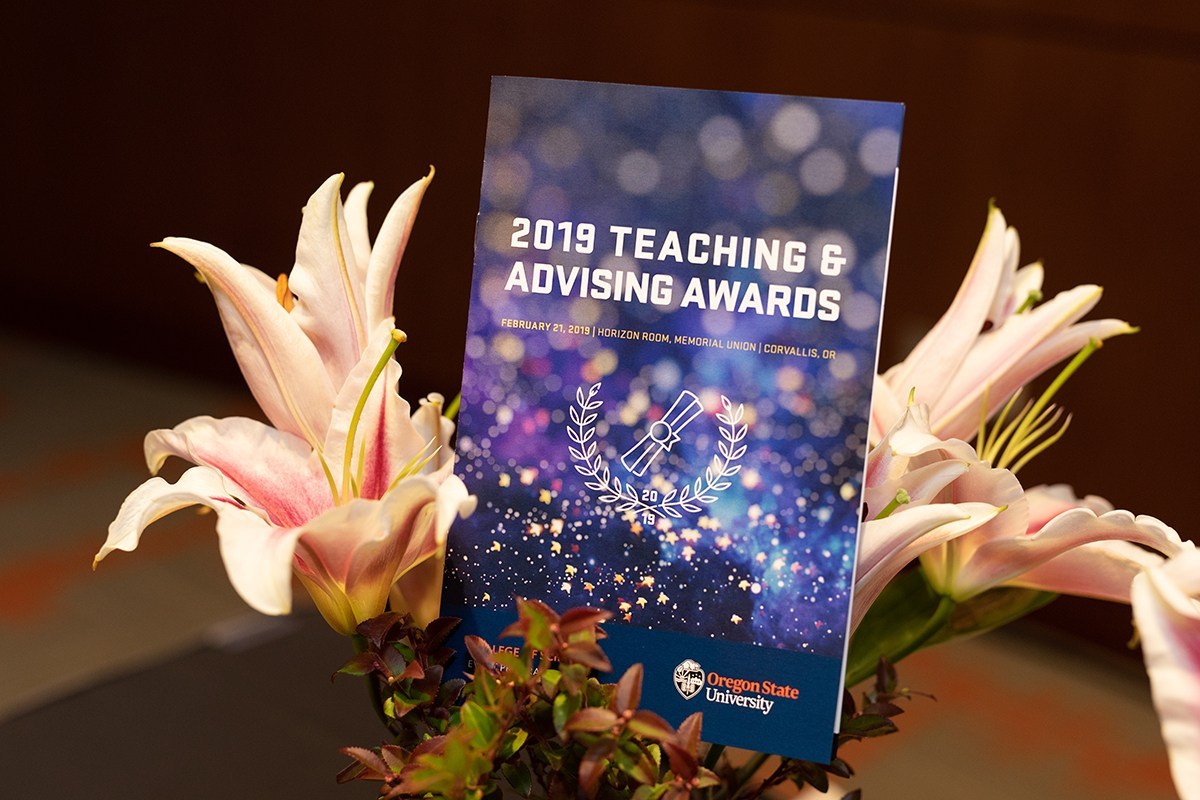
Celebrating excellence: 2019 teaching and advising awards

Winter 2019 Teaching and Advising Awards

The College of Science recently celebrated its 2019 Winter Teaching and Advising Awards with faculty, advisors and students to recognize exceptional teaching and advising – key areas of distinction in the College. Effective teaching, advising and mentorship are at the heart of the College of Science’s mission to build leaders in science.

Dean Roy Haggerty delivered opening welcome remarks, Associate Dean Matt Andrews served as the lively emcee, and several science students offered earnest tributes and presented the awards.

“This awards ceremony is our opportunity to recognize teaching and advising excellence and emphasize our College’s dedication to student success,” said Dean Roy Haggerty. “I am proud to celebrate this year’s recipients whose commitment to their students models the College of Science’s highest values.”

Congratulations to all of our award winners and nominees. Their hard work to make science education more meaningful, relevant and effective advances our mission and transforms lives.

2019 Award Winners

Olaf Boedtker Award for Excellence in Academic Advising

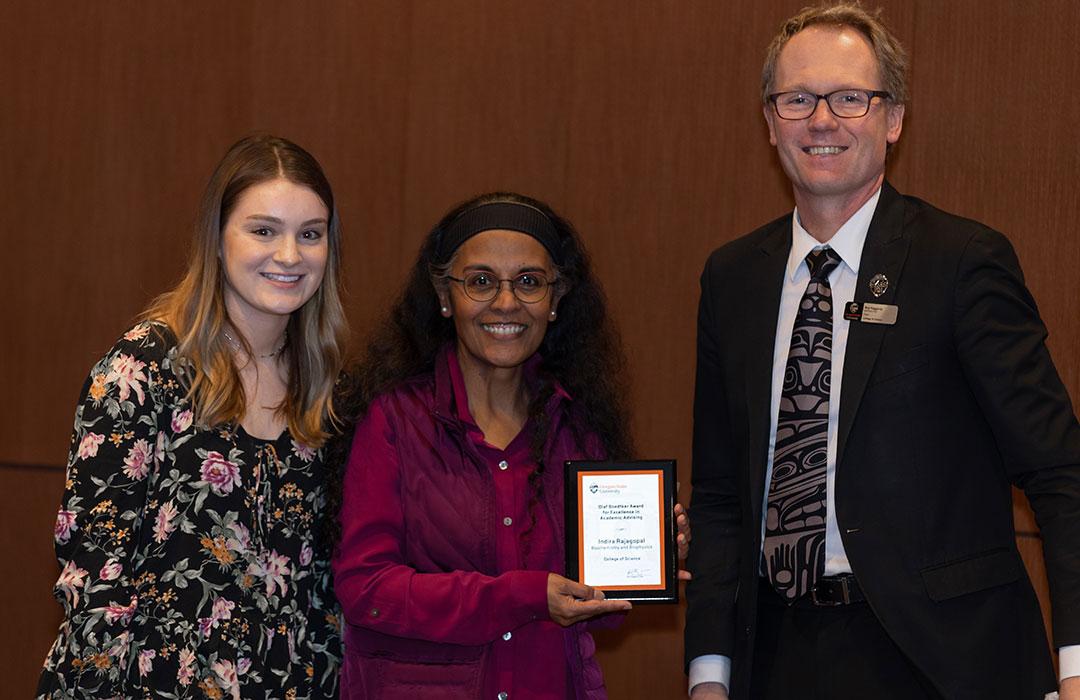
Indira Rajagopal receiving award from student and Roy Haggerty

Newly retired senior instructor Indira Rajagopal (center) ands biochemistry and molecular student Lily Sloan (left) with Dean Haggerty (right).

Indira Rajagopal, who retired as senior instructor in biology and biochemistry and biophysics in December, won the Olaf Boedtker Award for the second time in three years for her exceptional and inspirational advising of undergraduate students. The award was presented to Rajagopal by Lily Sloan, a biochemistry and molecular biology junior.

“Indira Rajagopal provided endless support and guidance to her students, and we were lucky to have such a dedicated advisor. My wonderful experience in the biochemistry and biophysics department was significantly impacted by Indira and the amount of effort she put in to help students. Indira brought so much positivity to the department, and I could not think of anyone more deserving of this advising award,” wrote one of her student nominators.

Rajagopal, newly retired as senior instructor in biology and biochemistry and biophysics, has consistently been credited throughout her 30-year tenure at Oregon State for the devotion she brings to her roles as an inspiring mentor, professor and advisor. Her work of encouraging students to pursue meaningful opportunities stems from her passion to help students reach their potential. That same dedication is exemplified by the work Rajagopal has done with her husband Kevin Ahern, recently retired biochemistry and biophysics professor, writing and publishing free electronic textbooks for online learners worldwide.

Nominees: Kevin Ahern, biochemistry and biophysics; Alex Beck, BioHealth sciences; Linda Bruslind, microbiology; Cody Duncan, integrative biology; Henri Jansen, physics; Barbara Kessel, microbiology; Shawn Massoni, BioHealth sciences; Brock McLeod, integrative biology; Jennifer Olarra, integrative biology; Kari Van Zee, biochemistry and biophysics.

Loyd F. Carter Award for Outstanding and Inspirational Teaching (Undergraduate)

Nate Kirk receiving award from two female students and Roy Haggerty

Instructor of biology Nate Kirk (center right) with Dean Haggerty (right) and students Anastasiya Prymolenna (left) and Sonya Bedge (center left).

Instructor of biology Nate Kirk received the Loyd Carter Undergraduate Teaching Award for his effective and inspirational approach to teaching undergraduate biology students. Bioresource research student Sonya Bedge and chemistry student Anastasiya Prymolenna presented the award to Kirk.

“Nate is an incredibly thoughtful, understanding and kind professor, and I feel honored to have had him for the Principles of Biology series. His lectures were engaging, and he facilitated great discussions among peers about the course material. Nate clearly dedicated a lot of time to figuring out how to help his students learn best and gain a deeper understanding of the subject as a whole,” wrote one of his nominators.

Kirk, who teaches Honors and non-Honors Principles of Biology Series in the College, believes students learn best from each other and from practical experience, so he limits his direct lecture time in favor of directed learning. Combining lectures with hands-on experiences, he leads students to make their own discoveries and experience the thrill of science. Kirk was also honored as 2016 Honors College Professor of the Year.

Nominees: Nathan Kirk, integrative biology; Phillip McFadden, biochemistry and biophysics; Richard Nafshun, chemistry; Ryan Mehl, biochemistry and biophysics; Daniel Myles, chemistry; Chris Orum, mathematics; Devon Quick, integrative biology; Indira Rajagopal, biochemistry and biophysics; Lyn Riverstone, mathematics; Daniel Rockwell, mathematics; KC Walsh, physics; David Wing, mathematics.

Loyd F. Carter Award for Outstanding and Inspirational Teaching (Graduate)

Assistant professor of chemistry Sandra Loesgen received the Loyd Carter award for her outstanding and inspirational teaching of graduate students. She mentors and teaches graduate students to a variety of state-of-the-art techniques to identify and develop drug leads to cancer treatment.

“Dr. Loesgen’s enthusiasm for the topics she teaches are contagious. When you are in her classes, you are truly immersed in the subject. This means you are learning to become a true chemist in interpreting NMR spectra and understanding how organisms make their natural products. As she teaches these subjects, she wants you to understand rather than memorize,” wrote one of her students. “She is energetic, and her passion for the topics exudes as she delivers each lecture.”

Loesgen leads a highly motivated team of graduate students from diverse backgrounds, including pharmaceutical sciences, chemistry, biochemistry, molecular biology, and microbiology. In the Loesgen Lab, she guides student researchers as they explore target-based drug discovery with a focus on new anticancer, antimicrobial and antiviral compounds from microbial sources. She and her students discovered a soil-dwelling bacterium whose molecules destroy melanoma cells.

Nominees: Sally Hacker, integrative biology; David Hendrix, biochemistry and biophysics; Sandra Loesgen, chemistry; and Oksana Ostroverkhova, physics

Frederick H. Horne Award for Sustained Excellence in Teaching Science

Marita Barth, senior instructor of chemistry, won the Frederick H. Horne Award for her exceptional qualities as a teacher and a mentor. Barth, who focuses on distance chemistry education, has distinguished herself as an educator who bolsters the confidence and success of undergraduate students.

“Marita creates a really positive environment, and many students draw a contrast with their experiences at other institutions, telling us that they felt more comfortable, more supported and engaged with OSU Ecampus. Even at a distance, Marita has been able to convey an enthusiasm and passion for chemistry that sparks student interest – and remember that she is working with a student population that is more likely to come to us fearful of, or reluctant to, study this subject,” said Michael Lerner, chair of the Department of Chemistry.

“Marita has been able to convey an enthusiasm and passion for chemistry that sparks student interest.” – Michael Lerner

Barth leads her department’s general chemistry for non-majors courses at Ecampus, which are OSU’s largest online classes with ever-increasing enrollments – 430 students are currently enrolled in the sequence. She has continuously redeveloped and improved courses by producing videos and interactive materials that are now used by other faculty in the Department of Chemistry.

The awards ceremony also included a special presentation by participants of the Faculty-Student Mentor Program who shared their inspiring experiences. Led by Dean Haggerty, this new program aims to enhance student engagement in learning and improve retention and graduation rates. At its foundation are relationships built between faculty mentors and students. Mentors focus primarily on helping students – many of whom are first-generation college students – transition and adjust to college life. Based on the program’s success, OSU plans to expand the program across the entire university.

Photos from the College of Science Teaching and Advising Awards, February 21, 2019.
Roy Haggerty talking with female science students in his office

New faculty-student mentor program to raise retention and graduation rates

By Mary Hare

Dean Roy Haggerty and first year science students

This fall, Oregon State University launched an exciting new pilot program to develop stronger relationships between faculty and students, with the overarching goal of improving student retention and graduation rates. The College of Science played a lead role in developing the program.
Currently, the Faculty-Student Mentor program is only being tested on a sample of underrepresented minority students, first generation and Pell-eligible students who are in their first year at OSU (both traditional and transfer students. However, OSU is hopeful that these two preliminary years will see the success required to expand the program to the entire university. There is reason to be optimistic; data from other universities show faculty-student mentor programs can reduce dropout rates by as much as half.

OSU currently has a first-year retention rate of about five percent lower than its goal of 90 percent retention. This rate is even lower for Pell-eligible, first-generation and underrepresented students. While an OSU study showed many undergraduates feel isolated from faculty, nearly 96 percent of students say they have at least one professor who makes them excited to learn. Therefore, the urgent need is to facilitate access and foster substantive faculty-student relationships to enhance student engagement and increase retention and graduation rates.

In order to help the university do a better job in supporting students in their first year at OSU, the pilot program will focus on establishing a relationship between mentors and students rather than advising or conveying discipline-specific knowledge. This approach will help mentors place special focus on issues of student transition and adjustment to college life.

Students selected for OSU’s Faculty-Student Mentor program are put in groups consisting of five students, a peer mentor who is a junior or a senior, and a faculty member. Students will meet with their mentors for one hour every other week during fall, winter and spring terms throughout their first year at OSU.

The new mentoring program is supported by several senior professors and upper-level administrators. The program is led by College of Science Dean Roy Haggerty and Dan Larson, interim vice provost for student affairs. In addition to Dean Haggerty, faculty volunteers for the program include College of Science Associate Deans Henri Jansen, Doug Keszler, Matt Andrews; Math Department Head Bill Bogley; statistics professor Alix Gitelman; Microbiology Department Head Jerri Bartholomew; Provost Ed Feser, Senior Vice Provost for Faculty Affairs Susan Capalbo and other university leaders and faculty.

Strategies to improve student retention are particularly relevant in STEM fields. From universities all across the United States, studies indicate that fewer than half students who start out in these programs succeed in graduating with a degree in the field. This rate is considerably higher for students from underrepresented groups, with only a quarter of those who enrolled receiving a STEM degree.

Studies dating back to the 1990s have hypothesized that the lack of positive mentorship is often a significant factor in this disparity of graduation rates. Many first-generation and underrepresented students struggle to find their feet in a field that no one in their personal life has even encouraged, let alone shown them it’s possible. For some of these students, the greatest benefit of a mentor program is the positive role models it provides, helping students form a stronger self-identity as scholars, and realize their full potential for success in challenging fields at the university.

This research has been backed by numerous National Science Foundation (NSF) programs that support expanding representation in STEM fields through structured mentorship. In 2015, the NSF EFRI Research Experience and Mentoring Program cited a study by the Committee on Science, Engineering, and Public Policy at the National Academies, which describes how “mentorship is of even greater value for underrepresented populations in STEM.”

The Faculty-Student Mentor Program is part of OSU’s Student Success Initiative whose mission is to bolster student success through expanded student support services and changes in learning models. The program was renamed Beaver Connect in early 2020 and expanded to students across the university.

Microscope and laurel icon labeled "2017" above light texture

Recognizing faculty and staff excellence

2017 Fall Faculty and Staff Awards

The College of Science celebrated research, teaching and administrative excellence at its 2017 Fall Faculty and Staff Awards with a reception and ceremony on October 5.

Dean Roy Haggerty delivered welcome remarks and shared his perspective on the challenges science faces nationally as well as opportunities for our campus community. He warmly praised the award-winning researchers, instructional faculty and staff for their impressive accomplishments and dedication to service.

The College announced three new awards this year that support research and teaching excellence: Dean's Early Career Impact Award, College Impact Award with a $10,000 stipend and two Faculty Scholars for Teaching Excellence Awards which carry an award of $12,500 for three years. These awards are possible thanks to the generous philanthropic support of our alumni and friends and matching funds invested by the Provost's Office.

The awards ceremony was followed by a reception and a poster session showcasing the summer research projects of SURE Science students.

Hearty congratulations to these award-winning faculty and staff who were recognized for their outstanding achievements:

two headshots placed in a white border showing Michael Freitag on the left and Corrinne Manogue on the right.

Michael Freitag, professor of biochemistry and biophysics. Corrinne Manogue, professor of physics.

Michael Freitag, professor of biochemistry and biophysics, received the Milton Harris Award in Basic Research for his outstanding research on how chromatin proteins shape eukaryotic genomes and epigenetic mechanisms of regulating DNA transcription through the use of filamentous fungi model systems.

Freitag has published more than 280 papers in prestigious journals, such as Proceedings of the National Academy of Sciences, Genome Research, Science and Nature; he has published 66 papers and received more than 8,500 citations for his work in the last 10 years.

Colleagues describe Freitag as among "the most respected scientists in the field of fungal biology."

"Since Michael’s arrival at OSU in 2006, he has built a fantastically productive and internationally recognized basic research program," said Andrew Karplus, Head of the Department of Biochemistry and Biophysics.

Freitag is renowned for his 2010 work pioneering the “ChIP-seq” approach in filamentous fungi. ChIP-seq is a high-throughput approach to obtain genome-wide maps showing which parts of a cell’s DNA make direct contacts with proteins. As one nominator noted, this work “made his lab a training ground for researchers from the United States, Europe, Asia and Australia to learn ChIP-seq and its computationally intensive analyses.”

Corinne Manogue, professor of physics, was honored with the F.A. Gilfilan Award for Distinguished Scholarship in Science. The Gilfillan Award honors a faculty member in the College whose scholarship and scientific accomplishments have extended over a substantial period of time.

An outstanding theoretical physicist, Manogue's research focuses on quantum gravity and she played a key role in the early work relating division algebras and supersymmetry. She currently studies the use of octonians—a type of algebra—to study fundamental particles.

Manogue is a teacher and scholar of the highest level as evidenced by her prestigious national and university teaching awards, including the American Association of Physics Teachers' Excellence in Undergraduate Physics Teaching Award. She is also the leader and driving force behind OSU's revolutionary Paradigms in Physics Project, which trains undergraduates how to think like physicists. Manogue is a Fellow of both the American Physical Society and the American Association of Physics Teachers.

She has pioneered physics education research and written articles on how to help students make the difficult transition from lower-division to upper-division physics. Her work has been generously funded by the NSF and has trained multiple students and postdocs who have gone on to become leaders in Physics Education Research.

"Corinne has helped to make discipline-based education research in science a highly respected endeavor that is changing the way we teach science in universities," said Heidi Schellman, Head of the Department of Physics.

Thomas Sharpton receiving his award from Jerri Bartholomew and Roy Haggerty

Assistant Professor of Microbiology Thomas Sharpton (center) with Department and Dean Roy Haggerty (right).

Thomas Sharpton, assistant professor of microbiology and statistics, received the Dean's Early Career Impact Award for exceptional achievement in research and education by a tenure-track faculty. Sharpton has acquired a national reputation for his work in microbial bioinformatics.

Since joining OSU in 2013, Sharpton has published 15 papers, including one in Proceedings of the National Academy of Sciences (PNAS) which has opened new doors in microbiome exploration by bringing statistical acumen to bioinformatics. This approach applies evolutionary methods to detect long-term historical trends in host/microbe co-evolution.

Among his greatest achievements are developing new technologies, such as Sifting Families (SFams), a system for classifying protein diversity, and his recently published method for automating gene family abundance estimation from metagenomics data. Sharpton's study on the disruption of the zebrafish microbiome as a result of exposure to the antimicrobial agent triclosan was featured in TIME and Fortune magazine.

In recognition of Sharpton’s contributions, he was selected as OSU's official representative for the National Microbiome Initiative Rollout at the White House Office of Science and Technology Policy (OSTP) and was the lead author of OSU's response to OSTP's Call for New Commitments on microbiome research.

This spring the College of Science and OSU's Office of Research launched the Oregon State University Microbiome Initiative (OMBI), led by Sharpton. Through OMBI, an ongoing education and research program, Sharpton is emerging as a campus leader in innovative teaching of bioinformatics and bioinformatics curriculum development.

"Since his arrival at OSU, Dr. Sharpton has made tremendous impacts on the institution's educational and research landscape and has produced substantial discoveries in his field," said Jerri Bartholomew, Head of the Department of Microbiology.

Group photo of award winning faculty

(From left to right) Associate Dean Matt Andrews, physicist Weihong Qiu, biochemists Afua Nyarko and Elisar Barbar and Peter Eschbach (back).

A research team comprising biochemistry and biophysics faculty Elisar Barbar, Afua Nyarko, Viviana Perez, physicist Weihong Qiu and Peter Eschbach (Electron Microscopy Facility) has won the College Impact Award. Through their respective research domains, Barbar and team are rapidly establishing an internationally recognized hub focused on elucidating the multiple essential roles of intrinsically disordered proteins (IDP).

As a testament to their importance and prevalence in biology, IDPs are increasingly appearing in various research projects at OSU ranging from motor proteins and the mitotic spindle (Barbar, Qiu), cancer invasion and tumor progression (Nyarko, Kolluri) and aging (Perez).

The Barbar Lab will join forces with Nyarko, Perez, Qiu and Eschbach to integrate interdisciplinary approaches and cutting-edge, university-wide facilities to continue the study of IDPs in different biological systems. The diversity of expertise will help establish OSU's reputation for excellence as a global leader for driving IDP research in the nation.

Kayes and Beisiegel receiving awards

Senior Instructor of Integrative biology Lori Kayes (left) and Assistant Professor of Mathematics Mary Beisiegel (right)

Lori J. Kayes, an integrative biology instructor, has won the College of Science Faculty Scholar for Teaching Excellence Award. This new award for a three-year faculty scholar position supports excellence and innovation in teaching and carries an annual stipend of $12,500.

Kayes has distinguished herself as an outstanding instructor, teaching coordinator and biology education researcher. Kayes proposed a redesign of the Principles of Biology (Bi21x) series, a large enrollment introductory biology course for life-science majors, to create a more inclusive, modern and best practices-based course series, while supporting diverse student populations and providing faculty professional development.

For the past six years, Kayes has led faculty development workshops and facilitated the development of teaching materials for introductory biology sequences. Additionally, she has worked extensively with faculty around the state from all institution types to increase the alignment of introductory biology both vertically within a curriculum and horizontally across institution types.

The proposal provides workshops support, faculty support in the form of graduate training assistants to develop curriculum and a comprehensive evaluation plan for the newly revised curricula. This project will impact approximately 1500 students at OSU and the surrounding community colleges per year and involve more than 20 faculty.

Mary Beisiegel, assistant professor of mathematics, received the Ben and Elaine Whiteley Faculty Scholar Award for Teaching Excellence. Beisiegel is a highly gifted teacher of mathematics and is the Mathematics Department's expert on teacher training at all levels.

An accomplished scholar whose research focuses on how people prepare for careers in post-secondary mathematics education, Beisiegel often incorporates her research and evidence-based pedagogical models into teaching.

In 2016, she was awarded a five-year, NSF grant to work on curriculum renewal in lower division mathematics courses. She also received the 2017 Henry L. Alder Award for Distinguished Teaching from the Mathematical Association of America.

Beisiegel will use her award to conduct 12 seminars over the next three years for faculty and graduate teaching assistants focused on how to implement research and evidence-based active learning techniques in the classroom.

"Mary has managed to infect others with her enthusiasm and to promote in others the desire to seriously reflect on their teaching, " said Tom Dick, a professor of mathematics in the Department of Mathematics.

Betterton, Bridenstine, and Robinson receiving awards

Graphic designer Sharon Betterton. ASBC accountant Jamie Bridenstine. Faculty Research Assistant (Integrative Biology) Jonathan Robinson

Sharon Betterton, a graphic designer in the College of Science, received the Gladys Valley Award for Exemplary Administrative Support. Betterton was recognized for her high degree of professionalism, outstanding creative impact and exceptional collaborative skills.

Her extraordinary work as a designer has contributed to a strong College of Science brand that is recognizable, fresh, unique and professional. Her work is well regarded and respected across the university and held up as an example of highly effective marketing.

"She maintains high standards of excellence for her work and is one of the most talented creative professionals I have worked with in my 20-year career," said Debbie Farris, assistant director of marketing and communications in the College.

Jamie Bridenstine, an accountant in finance and administration in the Arts and Science Business Center (ASBC), received the ASBC Exemplary Service Award. This award recognizes exemplary service by a member of ASBC to the colleges within the Division.

Jonathan Robinson from the Department of Integrative Biology won the Outstanding Faculty Research Assistant award. This award recognizes a Faculty Research Assistant who has a record of outstanding job performance and contributions.

Science students with professor looking at experiment in lab

Science students awarded second highest number of scholarships at OSU

By Steve Lundeberg

Science students in the field

The university has awarded more than $39.5 million in scholarships to students for the 2017-18 academic year, a key component of OSU President Ed Ray’s Student Success Initiative.

Roughly $24.5 million of the total is spread among 7,271 scholarships to returning students. The rest is for awards to 2,532 new/incoming students, including 34 who received a $10,000-per-year Presidential Scholarship, OSU’s most prestigious undergraduate scholarship.

Approximately 35 percent of this year’s first-year students are receiving scholarship support.

Scholarships for science students at an all-time high

College of Science students received the second highest amount of scholarship funds in the university.

More than $7.5 million in scholarship money is going to College of Science students, the college’s highest total ever, said Roy Haggerty, dean of the college. That is triple the amount awarded two years ago. Reasons for the jump include increases in university scholarships and in the number of high-achieving students enrolling in the College.

Nearly $5 million is allocated to 1,344 scholarships for returning students. The rest is for awards to 570 incoming/new students, including nine who received a Presidential Scholarship.

This year more than half of the college’s first-year students received scholarship support.

“Scholarships enable the college to attract, retain and inspire top science students, most of whom go on to high-achieving careers in industry, graduate school, medical school and other professional programs after graduation,” Haggerty said.

“Oregon State’s financial-need-based scholarships also help academically talented low-income and first-generation students from Oregon and elsewhere stay and excel in college.”

First-generation students typically have a greater financial need so scholarships are a crucial part of their educational equation, said Haggerty, who was first in his family to attend college.

“In our College, the number of first-generation students has risen from 20 percent to 29 percent in the last five years,” he said. “Many scholarship students in the College of Science attest to the value of scholarships in easing the financial burden on their families and enabling them to focus on academics, research, volunteer activities and post-college career goals.”

College of Engineering netted the highest amount in scholarship support. Thirty-five percent of engineering students are receiving scholarship support. They are receiving $12.7 million, with $7.9 million divided among 1,948 scholarships to returning students. Nineteen of the 804 their incoming scholarship students are Presidential Scholars.

In third place is the College of Business. It was awarded more than $3.7 million in scholarships, including roughly $2.3 million spread among 761 scholarships to returning students. The remainder is awarded to 276 incoming students, including one Presidential Scholar. About 29 percent of this year’s first-year business students are receiving scholarship support.

Subscribe to Teaching Innovation