Microbiology

Microbiology

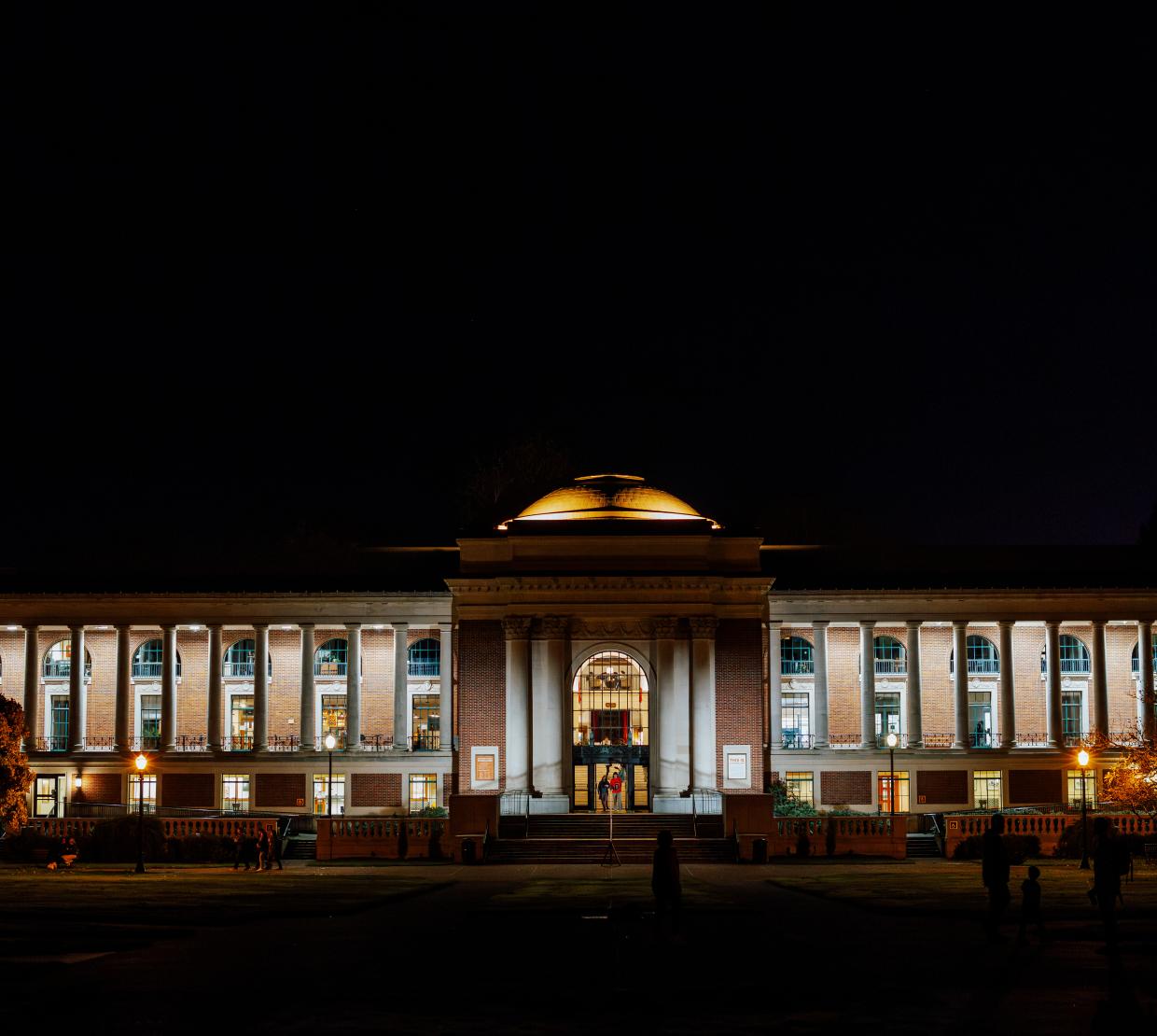
A nighttime image of campus.

College of Science graduate students earn prestigious awards in 2025-26

By College of Science

In the 2025-26 academic year, graduate students in the College of Science received notable recognition through a variety of competitive fellowships, scholarships and professional development awards. These honors support students at critical stages of their graduate education, helping fund research, conference travel, tuition and other opportunities that contribute to academic and professional growth.

Here are the 2025-26 recipients:

ARCS Foundation Awards

ARCS (Achievement Rewards for College Scientists) Foundation, Oregon Chapter seeks to advance science and technology in the United States by providing financial awards to academically outstanding students who are studying to complete Ph.D. degrees in science, engineering, mathematics, technology and medical research at Oregon Health & Science University, Oregon State University and the University of Oregon.

In 2025-26, the following College of Science graduate students received this award: KC Wahl (Chemistry), Lucas Allen (Mathematics) and Abigail Tripler (Integrative Biology).

Dissertation Completion Award

This award supports outstanding doctoral students who are in their final stages of their dissertations by offering an award to cover the cost of three graduate credits of tuition and mandatory fees for one academic term.

In 2025-26, the following College of Science graduate students received this award: Boo Wei Xi (Mathematics), Emily Palmer (Statistics) and Safa Alfattani (Microbiology).

Ecampus Degree Completion

This award provides a one-time tuition scholarship for enrollment in three to six online graduate-level OSU Ecampus credits.

In 2025-26, the following College of Science graduate students received this award: Kaye Brooke (Statistics) and Paul Anderson (Statistics).

Excellence in Undergraduate Research Mentoring

This award recognizes outstanding commitment to undergraduate research mentoring by OSU graduate students. The recipient has direct and significant involvement with undergraduate student researchers, along with demonstrated effectiveness and impact with respect to undergraduate student research and success.

In 2025-26, one College of Science graduate student received this award: Jessica Karr (Integrative Biology).

Fred W. Durbin and Helen E. Bette Pierce Durbin Endowment

Created by Fred and Helen “Bette” Durbin, this endowment supports graduate fellowships as determinedby the Dean. Fred received a bachelor’s in general science from OSU and Bette graduated with a bachelor’s in home economics (now the College of Health). The College of Science awarded two Fred and Helen Durbin Scholarships to Ameh Benson Agi (Chemistry) and Jonathan Dutra (Biochemistry/Biophysics).

In 2025-26, the following College of Science graduate students received this award: Tara Conrad (Microbiology), Natalie Rodgers (Physics), Ryan Wilgenkamp (Integrative Biology) and Genevive Sheehan (Chemistry).

GEM Fellowship

The GEM fellowship program invests in a competitive American workforce by supporting high-caliber students looking to pursue graduate degrees in applied science and engineering, and matches their specific skills to the technical needs of GEM employer members. Through the fellowship, students receive full financial support and a paid internship. The program has received a Presidential Award for its impact in STEM and has produced over 5000 leaders in STEM.

In 2025-2026, one College of Science graduate student received this award: Jessica Naranjo (Statistics).

Graduate Dean’s Catalyst Fellowship

This highly competitive award is designed to support students conducting dissertation research that aligns with the 2024-2030 OSU Strategic Plan, Prosperity Widely Shared: The Oregon State Plan. The fellowship provides full graduate funding for one academic quarter, allowing the recipient time to make significant research progress that supports institutional goals.

In 2024-25, one College of Science graduate student received this fellowship: Jun Cai (Integrative Biology).

Jesse A Hanson General Science Scholarship

The Jesse A Hanson General Science Scholarship is awarded to students who show high scholarship, potential for success, unimpeachable character and service to the university. Jesse Hanson was an OSU professor of poultry science from 1911-66.

In 2025-26, the following College of Science graduate students received this award: Tara Conrad (Microbiology), Natalie Rodgers (Physics), Ryan Wilgenkamp (Integrative Biology) and Genevive Sheehan (Chemistry).

Larry W Martin & Joyce B O'Neill Fellowship

The Larry W. Martin & Joyce B. O’Neill Endowed Fellowship is awarded to a graduate student from any of the seven departments in the College of Science whose research involves computational modeling. This Fellowship includes a stipend and a tuition waiver for one academic year.

In 2025-26, one College of Science graduate student received this award: Lucas Allan (Chemistry).

Nansie Gilfillan Jensen Scholarship

This fund supports incoming graduate students who demonstrate leadership experience or service to their community.

In 2025-26, one College of Science graduate student received this award: Angelina Zuelow (Integrative Biology).

NSF Graduate Research Fellowship

The National Science Foundation Graduate Research Fellowship Program (NSF GRFP) is a national award program of prestigious fellowships given each year to a select group of master’s and doctoral students in science and engineering fields in recognition of their academic and professional excellence. Students who receive the NSF GRFP benefit from a stipend, opportunities for international research and professional development, and the freedom to conduct their own research at any accredited U.S. institution of graduate education to which they are accepted.

In 2025-26, the following students received an honorable mention: Emily Branam (Integrative Biology), Brysyn Goodson (Integrative Biology), Madalyn Gragg (Physics) and Emily Parker (Integrative Biology).

Oregon Lottery Graduate Scholarship

Funds for this scholarship are provided through the Oregon State Lottery and are awarded to domestic or international graduate students enrolled in an advanced degree program at Oregon State. The scholarships are awarded on the basis of academic merit and financial need.

In 2025-2026, the following College of Science graduate students received this award: Piper Aislinn (Physics), Rodrigo Alves (Integrative Biology), Abraham Kpirikai (Biochemistry & Biophysics), Richard Logan (Mathematics), Joachim Schuder (Chemistry) and Ankit Yadav (Chemistry).

Prestigious Diversity Fellowship

The Oregon State University Prestigious Diversity Fellowship (formerly Diversity Advancement Fellowship) supports the recruitment and retention of new, meritorious graduate students from historically underrepresented backgrounds. This fellowship offers financial support to enhance diversity, fostering an inclusive scholarly environment.

In 2025-2026, one College of Science graduate student received this award: Kaylee Johnson-Jordan (Chemistry).

Professional Development Award

Many professional development opportunities exist beyond the university to help graduate students build core competencies and transferable skills. The OSU Office of Graduate Education invites students to apply for funding through the Professional Development Award to help cover costs for qualifying training, resources, and activities that contribute to professional skills development.

In 2025-26, the following College of Science graduate students received this award: Brenna Prevelige(Integrative Biology), Jun Cai (Integrative Biology) and Claire Toney (Integrative Biology).

Provost’s Distinguished Graduate Fellowships and Scholarships

The purpose of the Provost’s Distinguished Fellowship and Scholarship program is to support programs in the recruitment of Oregon State’s most meritorious graduate students. As a Provost Fellow, the student is awarded a 9-month stipend, a matriculation fee waiver, a partial mandatory fee waiver each term, an academic year tuition scholarship and subsidized health insurance.

In 2025-2026, the following College of Science graduate students received this award: Victoria Catlett (Physics) and Allissa Van Steenis (Microbiology).

As a Provost Scholar, the student is awarded a sum, disbursed in three equal installments.

In 2025-26, the following College of Science graduate students received this award: Eleni Vickers (Biochemistry & Biophysics), Rose Minoli Fernando (Chemistry), Jason Waters (Chemistry), Bianca Dawson (Chemistry), David Sensat (Chemistry), Wilson Banini (Integrative Biology), Laura Edwards (Integrative Biology), Aidan Lincicum (Mathematics), Emily Payne (Mathematics), Nicholas Bellavia (Microbiology), Sydney Pfleiger (Physics), Matthew Rosecrans (Physics), Evan Flint (Statistics) and Gavin Tovar (Statistics).

Scholarly Presentation Award

The Graduate School offers the Scholarly Presentation Award to provide graduate students with financial support to assist with certain costs associated with presenting their scholarly work at academic conferences and meetings.

In 2025-26, the following College of Science graduate students received this award: Hannah Dugo (Integrative Biology), Emily Parker (Integrative Biology), Mahya Payazdan (Biochemistry & Biophysics), Jessica Etter (Chemistry), Russell Campbell (Integrative Biology), Kristen Snitchler (Biochemistry & Biophysics), Dorothy Zahor (Integrative Biology), Oluwaseun Adu (Integrative Biology), Lauren Schreck (Integrative Biology), Alyssa Semerdjian (Integrative Biology), Kenneth Glynn (Integrative Biology), Maans Mattsson (Physics), Luke Bobay (Integrative Biology), Alice Welch (Integrative Biology), Jazlee Crowley (Integrative Biology), Emily Taylor (Integrative Biology), Dorothy Zahor (Integrative Biology), Cheyenne Jarman (Integrative Biology), Kenneth Glynn (Integrative Biology), Kevin Dimmitt (Physics), Layla Gordon (Integrative Biology), Russell Campbell (Integrative Biology), Jun Cai (Integrative Biology), Luke Bobay (Integrative Biology), Abraham Kpirikai (Biochemistry & Biophysics), Elena Conser (Integrative Biology), Jessica Karr (Integrative Biology), Valerie Brewer (Integrative Biology), Olivia Burleigh (Integrative Biology), Brandi Whiteman (Mathematics), Jun Cai, Colin Grosvenor (Integrative Biology), Margaret Mattson (Integrative Biology), Cedar Mackaness (Integrative Biology), Alexis Griffin (Integrative Biology) and Maryam Nikpayam(Chemistry).

Science Graduate Fellowship

The Science Graduate Fellowship is to be used to support students enrolled in the College of Science with a preference for students in chemistry, biochemistry and the life sciences.

In 2025-26, one following College of Science graduate student received this award: Reetu Deuba (Integrative Biology).

Wei Family Private Foundation Scholarship

The Wei Family Private Foundation, a non-profit organization, was established to honor the memory of Dr. (Mrs.) Chung Kwai Lui Wei and Mr. Hsin Hsu Wei. Its purpose is to award scholarships to graduate students with high academic credentials in science and math, with a preference for those who have lived in or are related to persons born in China.

In 2025-26, the following College of Science graduate students received this award: Lemeng Li (Statistics) and Mingcan Huang (Chemistry).
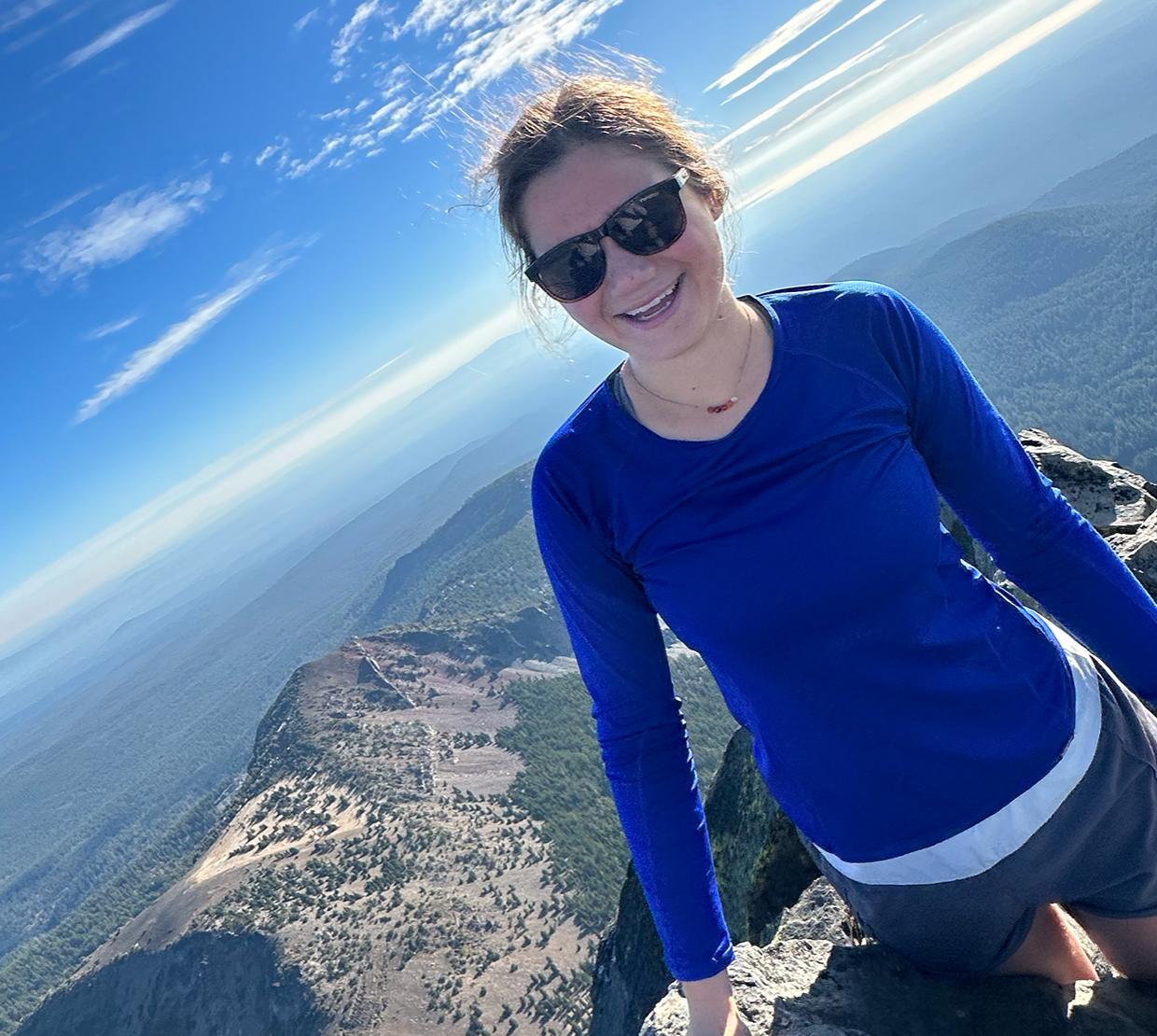
A woman in a blue shirt on top of a mountain.

Riley Whisler, Class of '26: Future doctor explores sports medicine, hospice care and building community

By Hannah Ashton

Riley Whisler poses for a photo on top of Mount Thielsen in southern Oregon.

One might think Oregon State senior Riley Whisler has more than 24 hours in a day. Her schedule reads like someone determined to use every precious second.

She’s an Honors microbiology major who plays violin in the Albany Symphony, a triathlete, a physics learning assistant and traveler who spent months speaking only Spanish with her host mother in Barcelona. She helps Parkinson's patients stay active through a program called Rock Steady Boxing, paints nails in a Fairbanks, Alaska, nursing home during the summer and supports hospice patients and their families through some of life’s most vulnerable moments. And in the midst of it all, she completed an honors thesis exploring her grandfather’s experience in the American Indian boarding school system through the unique lens of basketball.

Those experiences have given her a firsthand view of health in all its forms, shaping her growing interest in sports medicine and palliative care.

“I think death is a very heavy thing, but I find that I’m just a little bit more aware of gratitude in my daily life,” Whisler said. “I also think it’s shown me some of the gaps in our current healthcare system that we need to fill.”

As Whisler graduates and prepares to begin medical school through the University of Washington, her time at Oregon State laid the foundation for the type of physician she hopes to become.

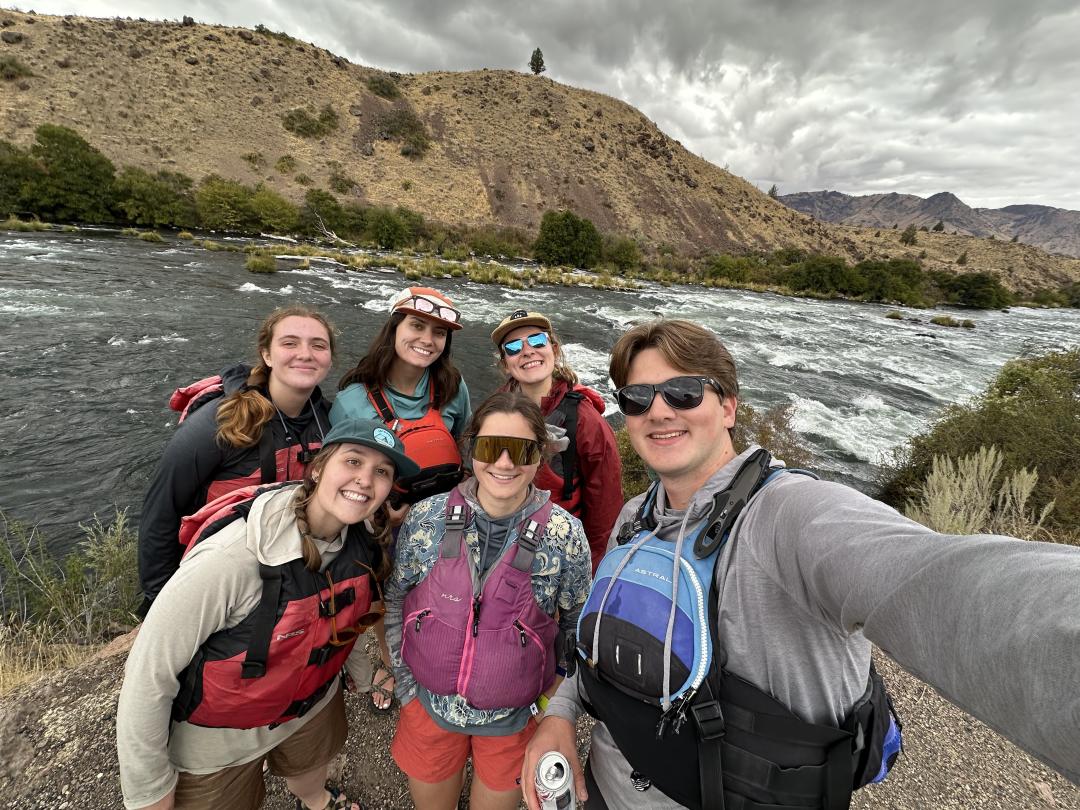
A group of people wearing life jackets pose for a photo while on a river rafting adventure.

Whisler and her roommates pose for a photo during an overnight float of the Deschutes River.

To do or not do laboratory work

Although she considers herself an indecisive person, Whisler knew right away that microbiology was the major for her. “It stood out to me because you have so many directions you can go with it,” she said.

Having opportunities allowed her to test different career paths before she even graduated. One option was laboratory research, something she tested out by working in a Department of Integrative Biology laboratory dissecting mussels.

“I realized the passion isn’t there,” Whisler said. “Love the ocean, she’s amazing, but I didn’t see myself working in a wet lab environment.”

Her mother, a physician, reminded her that if she was interested in medical school she needed to decide quickly.

By her sophomore year, Whisler shifted toward human health coursework like anatomy and physiology and immunology, finding herself increasingly drawn to medicine.

Volunteering her time and moving her body

Outside of classwork, Whisler started to fill her time with volunteering. One of her favorite programs is Rock Steady Boxing, a non-contact boxing program designed to help people with Parkinson’s Disease improve mobility and quality of life. The Mid-Willamette Family YMCA in Albany, hosts the program three times a week.

“It really focuses on exercises and training things that help with Parkinson’s symptoms specifically that you might not expect,” she said.

The first half of the class is either cardio, strength or skill training. The skill could be hand dexterity or even smelling, because losing your sense of smell is one of the earliest signs of Parkison’s Disease. The second half of the class is a boxing workout. Whisler either holds the focus mitts, gives instructions or mirrors exercises.

“We have a really good time and it’s a cool community they’ve built in Albany. That is one of my favorite volunteer activities,” she said. Her pre-med advisor in the College of Science was the one who introduced her to the program.

Much of her volunteer work is done with a hospice program in Fairbanks, during summer breaks. It started as a way to give back.

“I had a family member who went through hospice, and I was surprised at the level of support they offered and wanted to get involved and help something that supported our family so much,” she said.

Whisler provides another part of the patient care team offering comfort and companionship.

“I sit and we chat, we go over photo albums,” she said. “I planted a garden for somebody, which was really amazing. Actually, the patient passed and his wife offered me part of the garden harvest. I said of course I would take the lettuce that we grew together.”

Working with hospice patients has led Whisler to consider specializing in palliative care in medical school. However, she has another passion: sports medicine.

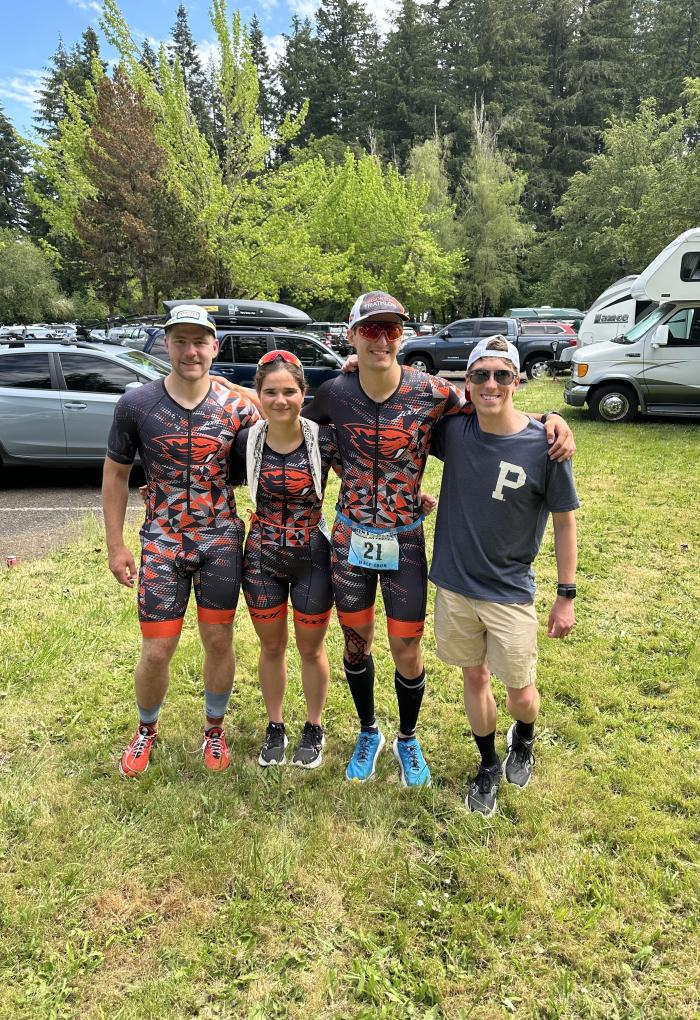
Four people in triathlon gear pose for a photo.

Whisler and other Oregon State Triathlon Club members pose for a photo after a race at The Best in the West Triathlon Festival.

How many sports does Whisler participate in? A lot. She grew up as a competitive swimmer and then mixed it up by trying cross country running and Nordic skiing.

Now, on Friday mornings, you might catch Whisler in a pool on campus, training for her next triathlon. She is part of the Oregon State Triathlon Club, made up of students, faculty, staff and affiliates of OSU.

The club is a way to train for, race or participate in triathlons and other multi-sports events. It is open to all abilities, including people learning to swim and those who have completed Iron Man competitions.

“I chose triathlon because it’s a fun mix of multiple sports. When you get tired of one, you can do another kind of thing. And I think the club environment is super, super positive,” she said. “I’ve found my type two fun people who I can drag out for ridiculously long mountain days.”

For the past 30 plus years, the club has hosted the annual Beaver Freezer Triathlon, one of Whisler's favorite days of the year. She’s the coordinator of the swim section so she’s on the pool deck making sure everything runs smoothly.

“It’s incredible how it’s a student run triathlon,” she said.

On Tuesday evenings her schedule involves a 20-minute drive to participate in the Albany String Orchestra. Her high school violin instructor was a member of the Fairbanks Symphony Orchestra and taught her how to play.

The group in Albany gives Whisler a new category of people to hang out with.

“I am the youngest person by a bit. Although we’ve had some recent younger additions, I’d say the medium age is like 55,” she said. “It’s a great group, halfway through everyone eats sweet treats they brought, it’s ideal.”

Study abroad and honors thesis work

Her academic life is just as busy. During winter and spring terms her junior year, she decided to study abroad in Barcelona. Her course load included 12 credits of Spanish, a class on the history of Barcelona and a course on aging societies.

“It was focused on how in the Western world the population is aging and it’s become a health care issue and also a social security and welfare issue,” she said. “The professor who taught it was big in Spanish politics and helped write a few of their laws on how they should run their welfare systems.”

Although Whisler took Spanish in high school, she wasn’t fluent prior to the trip. Her host mother didn’t speak any English which was difficult at first.

“We were driving in the taxi after she picked me up and I was dusting off my high school Spanish and I was like, ‘Oh, no.’ I could only speak in present tense for a week before Spanish classes started and I remembered all the different tenses,” she said.

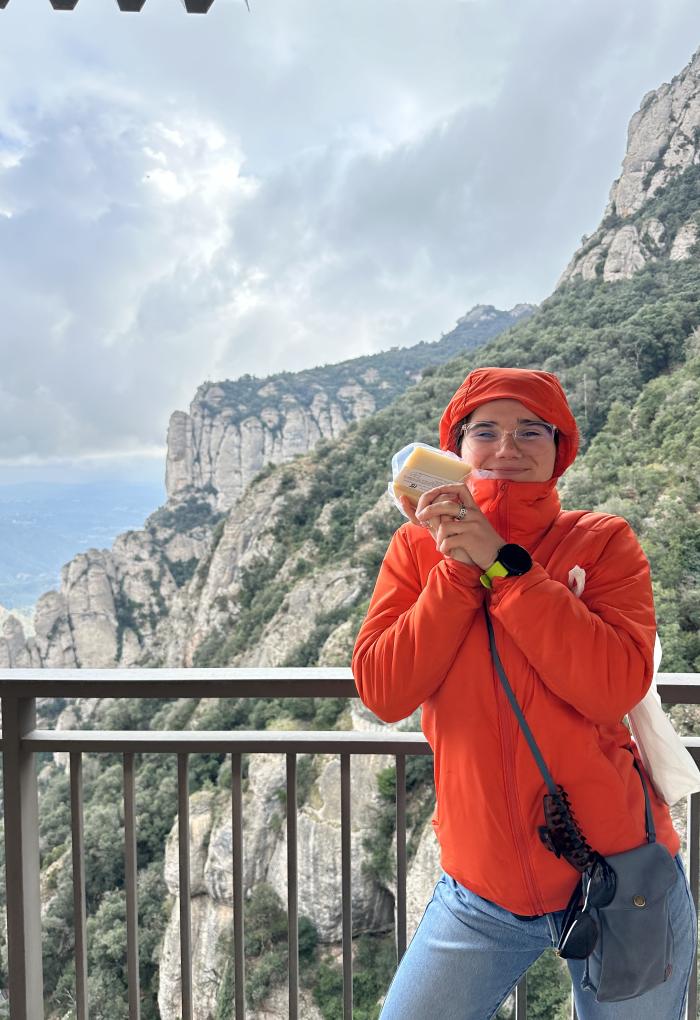
A woman in an orange jacket poses for a picture near a mountain holding a package of cheese.

Whisler holds a package of cheese at a monastery in the Montserrat mountain range in Spain.

After the course ended, she did a bit of traveling in London with friends and then spent a few weeks in Inverness, Scotland. In between sightseeing and hiking, she worked on her honors thesis.

Instead of focusing on a scientific project, she decided to mix it up and focus on her grandfather. She said the Honors College was supportive of her project and they appreciate it when students branch out and find what they are passionate about.

Her grandfather went through the American Indian boarding school system, one of the last generations to experience that level of school trauma.

The American Indian and Alaska Native boarding schools were established in the late 19th and 20th centuries to assimilate Indigenous children into Euro-American culture by removing them from their communities, prohibiting their native languages and forcing strict discipline.

Whisler's honors thesis focuses on how her grandfather's life interacted with basketball both in the boarding schools as a student and then when he moved on to teach in rural Alaska and work as a coach. He was responsible for bringing the sport to a couple of villages.

A future in medicine shaped by community

Creating communities is the underlying theme of Whisler’s undergraduate experience.

“I grew up with a family that emphasized how important community was and I think that has manifested in my life where I like to organize get-togethers and join groups,” she said. “I would say to an incoming student that the first club you try might not be your people and that’s okay. I had to give it some time and say yes to more things than you say no to.”

Every step has helped prepare her for the University of Washington WWAMI regional medical education program. The acronym stands for the five participating states: Washington, Wyoming, Alaska, Montana and Idaho. Students from these states can receive high-quality medical training while also paying in-state tuition and focusing on rural and primary care.

“I think bettering the human condition in general is maybe what the point of science should be."

She will get to stay in Alaska for the first 18 months to complete the foundational curriculum. Then she can do her rotations anywhere in the five-state region.

The human side of science will always be her driving interest.

“I think bettering the human condition in general is maybe what the point of science should be. I also find that I really enjoy social interaction, and I find that super fulfilling. Hence, I think a lot of my volunteer work has been where I’m interacting with people and learning about them,” she said. “I find myself really curious about other people and medicine is a way to get to know people and hopefully solve problems together.”

Whether she is in a pool training for triathlons, sitting with hospice patients or conversing with new people halfway around the world, she keeps returning to the same focus: understanding others and learning how to help.

In many ways, her time at Oregon State has been less about choosing one path and more about learning how to move comfortably among many.

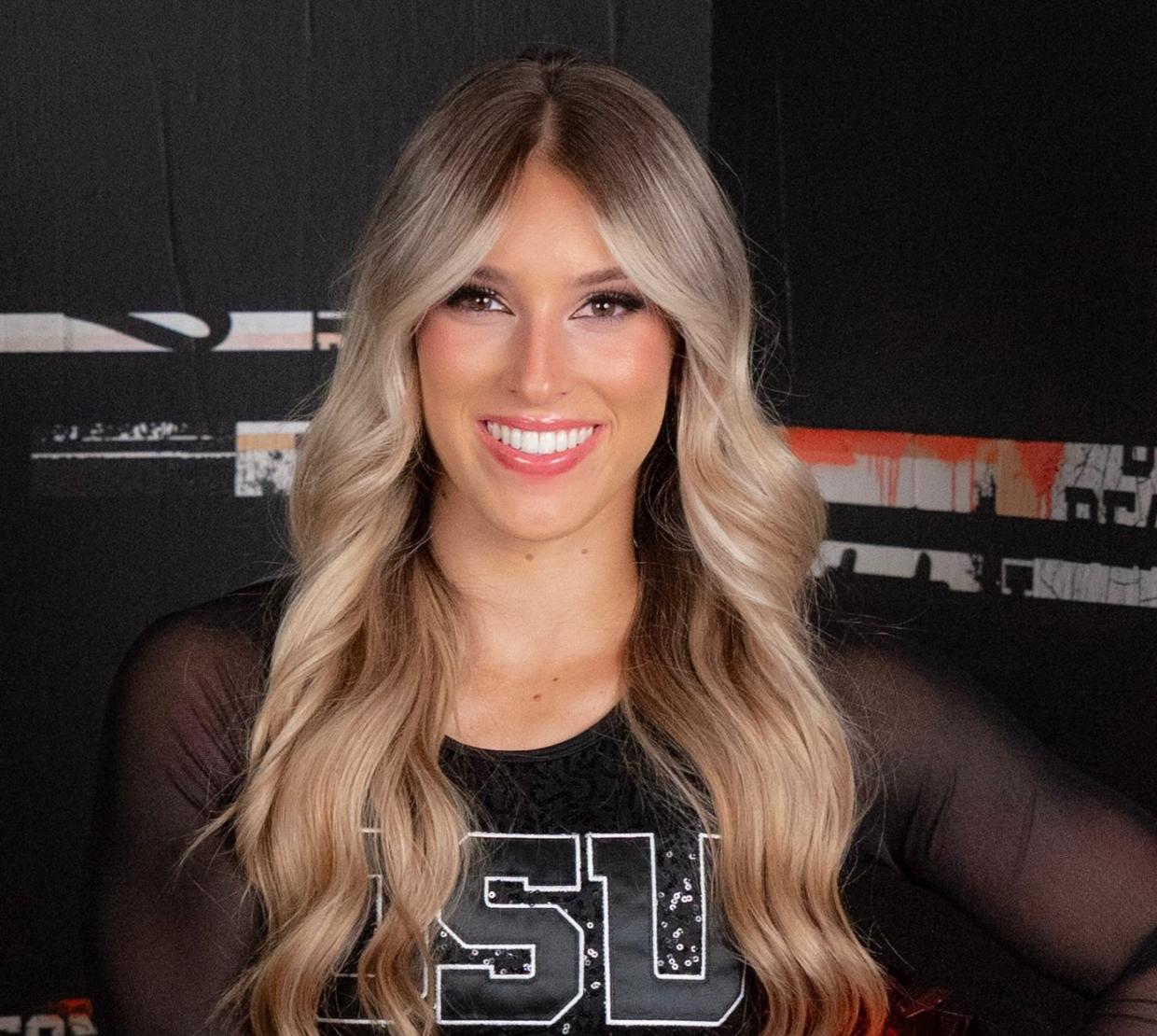
A headshot of a woman with wavy blonde hair smiling at the camera wearing a black OSU cheer uniform.

Samantha LeFore, Class of ‘26: BioHealth Sciences senior, OSU cheer captain, future physician

By Elana Roldan

It takes unique courage to face thousands of people. Performing gravity-defying stunts at the same time would send shudders down most people’s spines. But armed with pompoms and an orange-and-black uniform, Samantha LeFore shines under the eyes of Beaver Nation.

“I remember my first time running out into Reser Stadium, standing in the middle of the field and staring at all these people. It's pretty crazy, but honestly, I love it,” she said. “You can really be in the moment and think, ‘Wow, this is such a unique experience.’”

For the graduating BioHealth Sciences senior, life at Oregon State has been a high-energy balancing act between the intensity of urgent care and the sidelines. As she prepares to transition from the football field to medical school, LeFore is leaving behind a legacy of leadership, resilience and a deep-seated commitment to community.

Drawn to medicine

A career in science wasn’t something LeFore inherited. Growing up in Beaverton, Oregon, neither of her parents worked in medicine, but a high school health-careers program sparked a curiosity that changed her trajectory. After earning her medical assistant certification through the program, she realized she was bound for a health profession.

“I chose the BioHealth Sciences major because it was perfect for pre-med,” she said. “I’ve loved all my classes since.”

At OSU, that curiosity deepened into a fascination with the mechanistic side of the human body. While the complexities of biochemistry and immunology can be intimidating, LeFore thrived in the details.

“I don't like just knowing why something happens,” she explained. “I like to go super detailed and know the exact pathways.”

This drive to understand the "how" behind human health ultimately led her to pursue medical school.

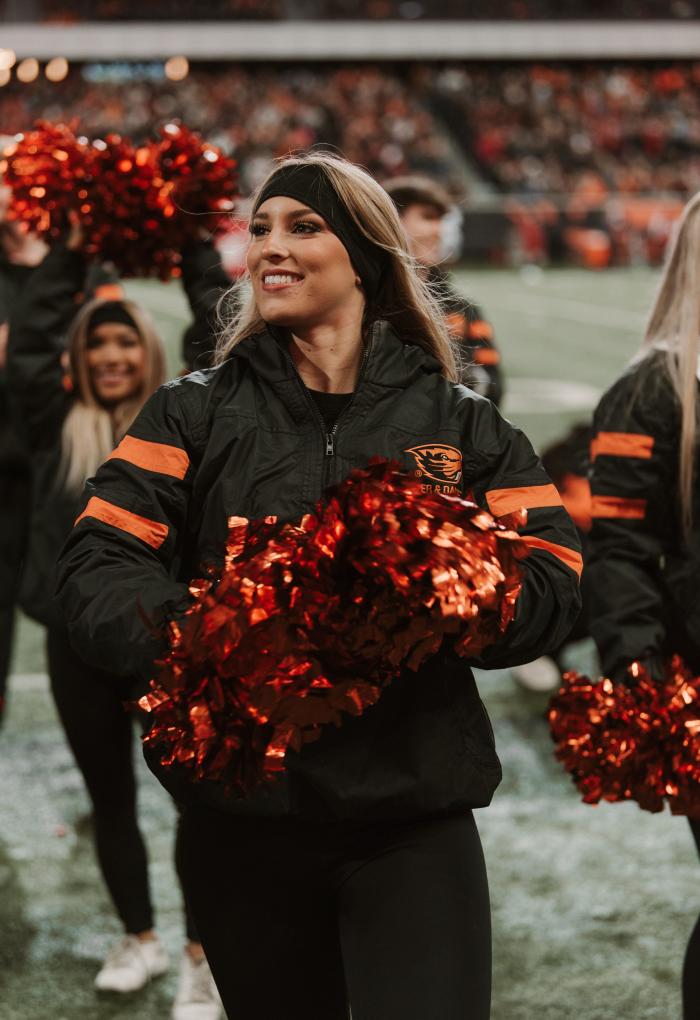
A woman wears a black jacket with orange accents and holds orange-and-black pompoms on a football field, smiling while she looks out to a crowd beyond the camera.

LeFore's leadership is seen on and off the field as cheer team captain and aspiring physician.

LeFore didn't just study science in the classroom. She lived it in the Koley Lab at the Linus Pauling Institute. For more than a year, she has assessed calcium ion-selective electrodes that would provide a noninvasive alternative to drawing blood. This method of measuring calcium in biological samples — such as saliva — can help monitor diseases including arthritis, tooth decay and osteoporosis.

However, the road to innovation was filled with troubleshooting. LeFore recalls spending months on a hydrogel experiment only to have to rebuild the protocol entirely.

“Research is a lot harder than I expected,” she said. “It teaches you to be super resilient and just keep going even though most of the things you do don't work out. It’s made me learn I can do hard things.”

Cheering and leading

While her days are spent using potentiometry to detect calcium concentration in saliva, her evenings are spent stunting. A cheerleader since she was eight, LeFore took a break during her first year before realizing how much she missed the sport. She joined the OSU team as a sophomore and rose to become captain in her senior year.

As captain, she learned that team culture is often more important than performing the most advanced skills. She also found surprising parallels between leading a cheer squad and her future career as a physician.

“Physicians are in a leadership position,” she noted. “I’ve been reflecting a lot about my position, learning from my leadership now so I can apply that in the future.”

Beyond the lab and the stadium, LeFore works in urgent care as a medical assistant. At The Corvallis Clinic, she takes vitals, cleans wounds and administers medications and immunizations. It is here that her scientific background meets her love for the community.

Three woman in orange OSU cheer uniforms stand beside each other, holding pompoms and smiling at the camera in a Portland news studio.

LeFore's wide range of interests have taken her from emergency rooms to Portland news studios.

Working alongside physicians, physician assistants and nurse practitioners has solidified her decision to pursue a medical degree. She is particularly interested in surgical specialties and becoming an OB-GYN, drawn to the balance of performing procedures and building long-term trust with patients.

From captain to doctor

As she navigates the year-long process of medical school applications, LeFore is bolstered by the support systems she’s found as an undergraduate. As a BioHealth Sciences major, the pre-med Canvas page and advising team have been crucial guides during this complicated step on the path to medicine.

“It's a lot at first, but as I've kind of broken it down and been able to use the resources at Oregon State, it's been super helpful."

“It's a lot at first, but as I've kind of broken it down and been able to use the resources at Oregon State, it's been super helpful,” she said. “We have great advisors here, like Maureen Leong-Kee. She has a pre-med Canvas page that lays out the entire application process and walks you through it.”

Aside from emphasizing these resources to prospective students, LeFore encourages anyone aiming for a health profession to dive in early and stay focused on their own journey.

“It’s important to focus on yourself and not the 50 pre-med people in your classes,” she advised. “Once you start accumulating these meaningful experiences, then it’s easier to get other ones.”

For LeFore, the busy schedule and the hard work have all been worth it. She credits her time at Oregon State with making her a more positive person and a more confident leader.

“I feel ready,” she said. “I have a strong ‘why’ for wanting to be a physician that I’ve demonstrated in my real life.”

Find out how the BioHealth Sciences major prepares tomorrow’s healthcare professionals here.

In a busy, sun-lit row lined with research posters, presenters and attendees, a young man in a button-up shirt discusses his poster with two others.

BioHealth Sciences student investigates addiction science at OHSU internship

By Elana Roldan

Qiying Ma was at the intersection of crisis and community. As a volunteer for the Chinese Friendship Association of Portland in January 2022, he navigated the aisles of a community vaccine clinic, acting as a vital link for local community members who did not speak English. Amidst the rush of the pandemic, he gained a spark for a career in healthcare.

“Witnessing how pharmacists provided culturally sensitive care during that particular time inspired me,” he said. “That propelled me forward on this track.”

Now a senior BioHealth Sciences major at Oregon State University, Ma’s journey has evolved from the front lines of community volunteering to bioinformatic research. At the center of that transformation is a prestigious, eight-week internship at Oregon Health & Science University through the OHSU Equity Research Program.

While his roots are in direct patient care, his time at Oregon State revealed a fascination with the molecular mechanics behind medicine. The strong foundation he built in undergraduate research at OSU bridged into the OHSU internship, where he learned to apply his skillset to the complex, exciting world of bioinformatics. After graduating at the end of this term, Ma will continue expanding his toolkit as he dives into pharmacy school in the fall.

Disentangling the data

Ma’s undergraduate research career began at the BEAVERS Lab, which conducts psychophysiological research on stress responses in relation to addiction. His work there focused on human subjects and used electromyography to assess stress responses when paired with alcohol.

“The research experiences at OSU pave a strong foundation for you to conduct research anywhere else,” he said. Now a seasoned member of the BEAVERS Lab, he has moved from student to teacher, mentoring new students with protocols and running experiments. Ma currently assists the lab in investigating how concussions affect stress response levels.

This combination of technical proficiency and leadership provided the ideal launchpad for Ma. By mastering protocols and learning the nuances of data collection, he developed the scientific grit needed to secure a prestigious summer role at one of the region’s top research institutions.

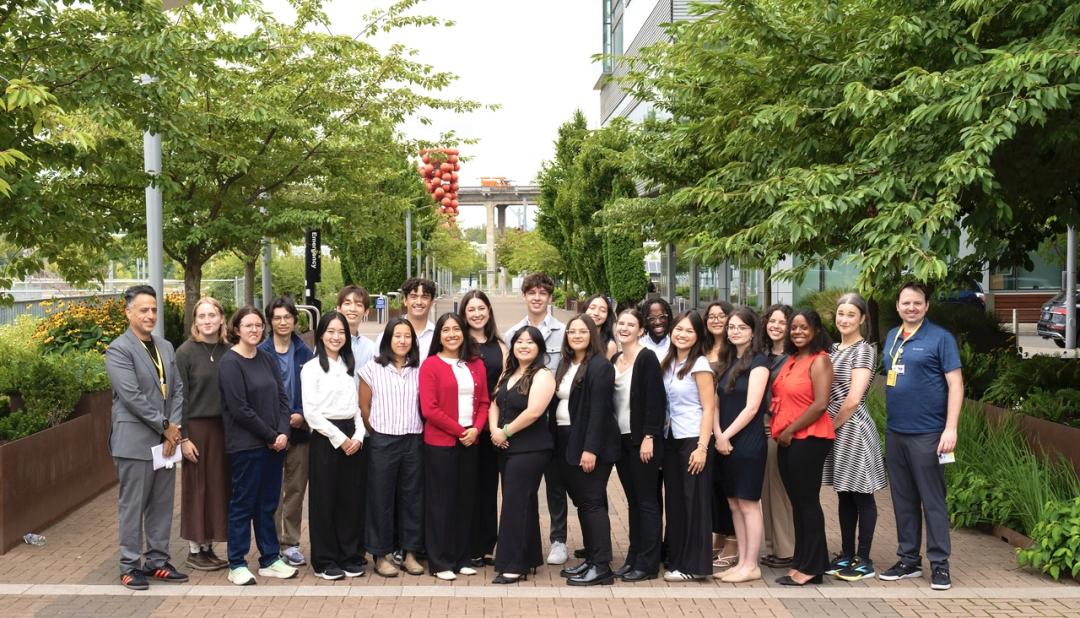
On a sunny day, a large group of people in business-casual attire stand and smile at the camera on a brick campus road lined with trees.

At his internship, Ma joined a cohort of 22 undergraduates from many backgrounds to conduct intensive research over the summer.

As he searched for potential research opportunities for the summer of his third year at Oregon State, Ma stumbled upon the OHSU Equity Internship Program. It quickly stood out as an outstanding opportunity: full-time research, free housing, workshops and networking with program alumni, and mentoring from healthcare professionals. Armed with the skills he learned in the BEAVERS Lab, he was thrilled to be accepted into the program.

Ma spent eight weeks at the Oregon National Primate Research Center, located in OHSU’s West Campus, working within the Bioinformatics and Biostatistics Core (BBC). Under the mentorship of Director Suzanne Fei, Ma pushed his boundaries into the world of big data.The internship focused on a critical question in addiction science: are drinking behaviors more influenced by the biological factors in the blood or the brain tissue itself? To investigate this, he analyzed RNA sequences from the monkey rhesus macaques and compared the data of distinct pre- and post-perfusion treatment groups.

“Perfusion is basically the removal of blood. So for pre-perfusion, blood is still circulating throughout the brain. But for post-perfusion, we remove the blood and instead use a different solution that mimics the components of the blood, keeping the brain cells alive,” he explained.

A man and a woman stand at both ends of a research poster, smiling at the camera. The man is in a button-up shirt and the woman is wearing a turquoise blouse.

Alongside research and networking opportunities, the OHSU program emphasized mentorship. Ma worked with Suzanne Fei, director of the Oregon National Primate Research Center’s Bioinformatics & Biostatistics Core.

This allowed the team to disentangle whether alcohol-associated gene expressions were coming from the blood or the brain tissue. Using a pathway enrichment analysis, a sophisticated computational tool, Ma identified notable differences between the two groups.

In the pre-perfusion group, where blood was still present, the data showed a significant enrichment of genes related to detoxification. In contrast, the post-perfusion group showed genes more heavily involved in developmental processes. His research concluded that blood-related factors play a stronger role than brain tissue in shaping drinking-associated changes in gene expression. This suggests separating blood-derived and tissue-derived signals is critical to understanding how alcohol impacts the brain.

The technical nature of the work was initially daunting. Coming into a bioinformatics role often feels like learning a new language, but Ma found that his background in BioHealth Sciences allowed him to bridge the gap between biological theory and computational output. The experience also highlighted for him the importance of persistence and following where your fascinations lead you.

“You don’t have to be good at everything. Just focus on what you are really interested in — that really helps you concentrate and produce something meaningful,” he said.

A strong foundation for a strong future

While the internship was a masterclass in data science, it also offered a broader professional roadmap. The networking workshops Ma attended helped him forge connections that showed how his interest in bioinformatics could complement his future career as a pharmacist.

“It provided an opportunity to get valuable insights into bioinformatics research and to explore the field as a future career option,” he reflected. “I gained invaluable mentorship and connections that I don’t think I would’ve otherwise.”

Ma’s journey has consistently widened in scope as he progressed, building from the vaccine clinic to his foundational undergraduate research to the summer internship. Yet, his core motivation remains rooted in the community he served during the pandemic. He views science not as an isolated academic pursuit, but as a tool for advocacy and better patient outcomes.

With pharmacy school acceptances already secured, he is ready for his next transition. His advice for prospective students is a testament to the mindset that carried him through eight weeks of intense analysis and four years of rigorous coursework: stay curious, and stay resilient.

“Always seek out opportunities and don’t hesitate to apply to those that align with your interests,” he said. As he looks toward the future, he carries the lessons and expertise he’s gained as a beav with him. “Trust the process, and you will end up where you’re meant to be.”

Applications to the OHSU Equity Research Program were open last year from Nov. 12, 2025 to Jan. 23, 2026.

Elias Suskind

Elias Suskind

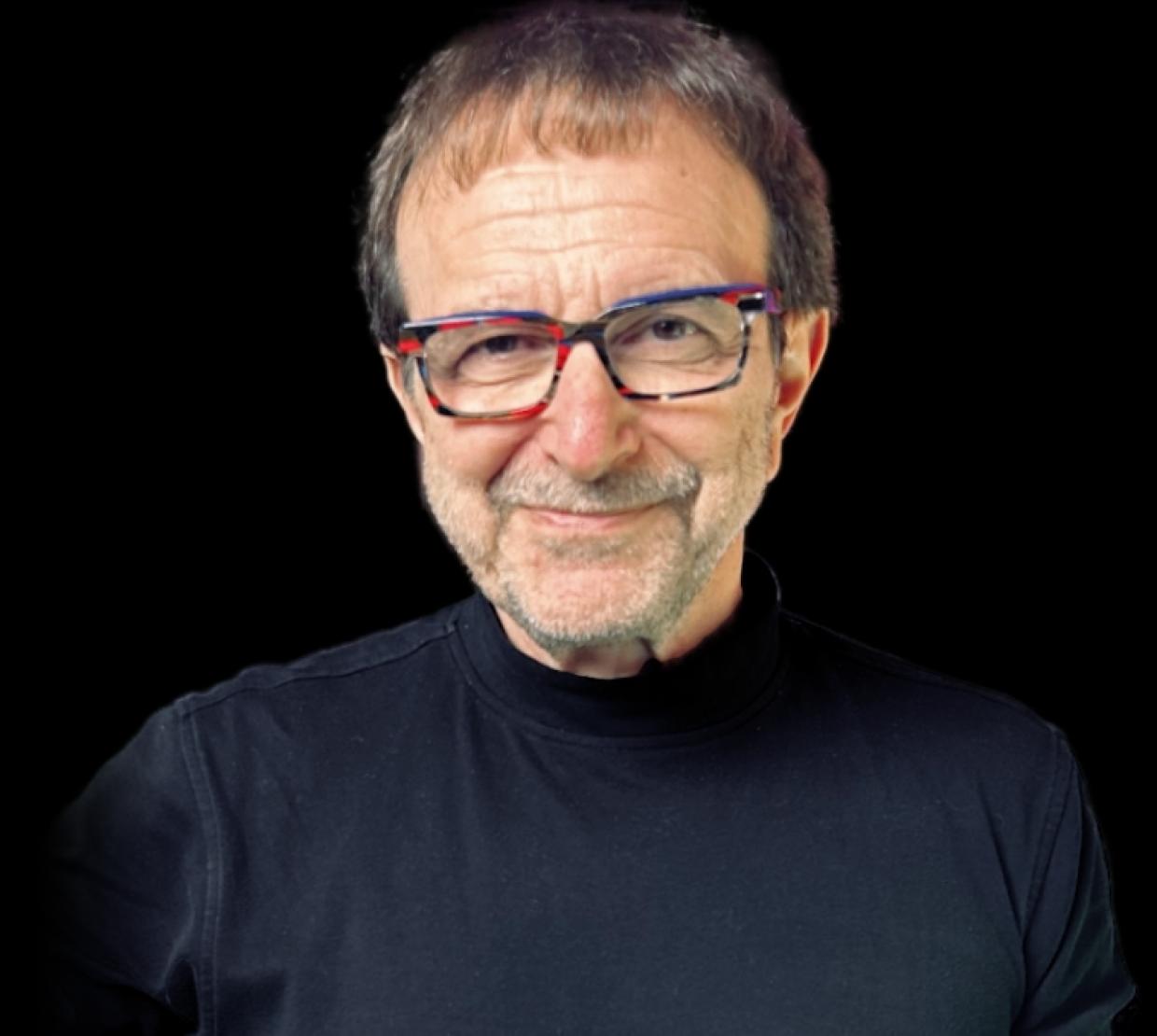
Vincent Racaniello wears a black shirt on a black background. He smiles slyly.

Microbiology Berg lecture: "Pivoting from poliovirus to podcasts"

By the College of Science

From decoding how viruses invade cells to reshaping how science reaches the public, Vincent Racaniello has spent decades at the forefront of virology — and continues to influence how we understand infectious disease today. Racaniello brings a rare combination of groundbreaking research and modern science communication to the forefront of microbiology.

Please join the Department of Microbiology as it hosts Racaniello, Higgins Professor of Microbiology and Immunology at Columbia University, for an upcoming lecture, "Pivoting from poliovirus to podcasts."

Racaniello spent over 40 years researching poliovirus. His laboratory identified the cellular receptor for the virus and created a transgenic mouse model for poliomyelitis. Having always wanted a second career, he discovered podcasting in 2008 and now oversees MicrobeTV, Inc, which produces podcasts in the field of virology, microbiology, parasitology, immunology, neuroscience, and much more. Racaniello is widely recognized for his contributions to virology research and education, including pioneering work on RNA viruses and decades of training the next generation of scientists. His laboratory at Columbia University has investigated a range of medically important viruses, advancing understanding of viral replication and disease mechanisms. Hear how his work in virology led him to a varied career in dynamic science communication.

2026 Berg Lecture

Date: Thursday, May 21, 2026
Time: 5:15 – 6:15 p.m.
Location: The LaSells Stewart Center, Construction & Engineering Hall
Please register to attend

A reception will follow the lecture.

The Department of Microbiology would like to thank alumni Ron and Ann Berg for the generous gift that endowed this lecture series.

About the speaker:

Racaniello is widely recognized for pioneering contributions to molecular virology, including the development of the first infectious clone of an animal RNA virus — a breakthrough that transformed the study of viral genetics and pathogenesis. His research has advanced fundamental understanding of how viruses replicate and interact with host cells, work that continues to shape modern approaches to infectious disease and global health.


Read more stories about: events, microbiology


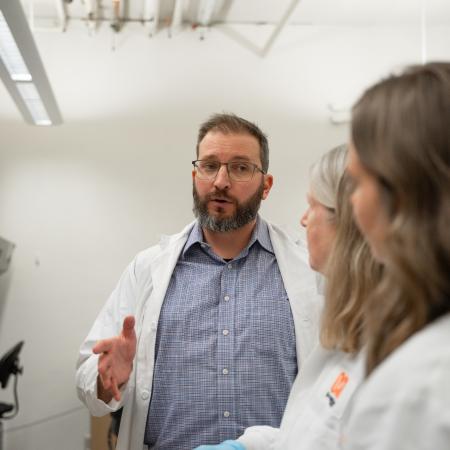
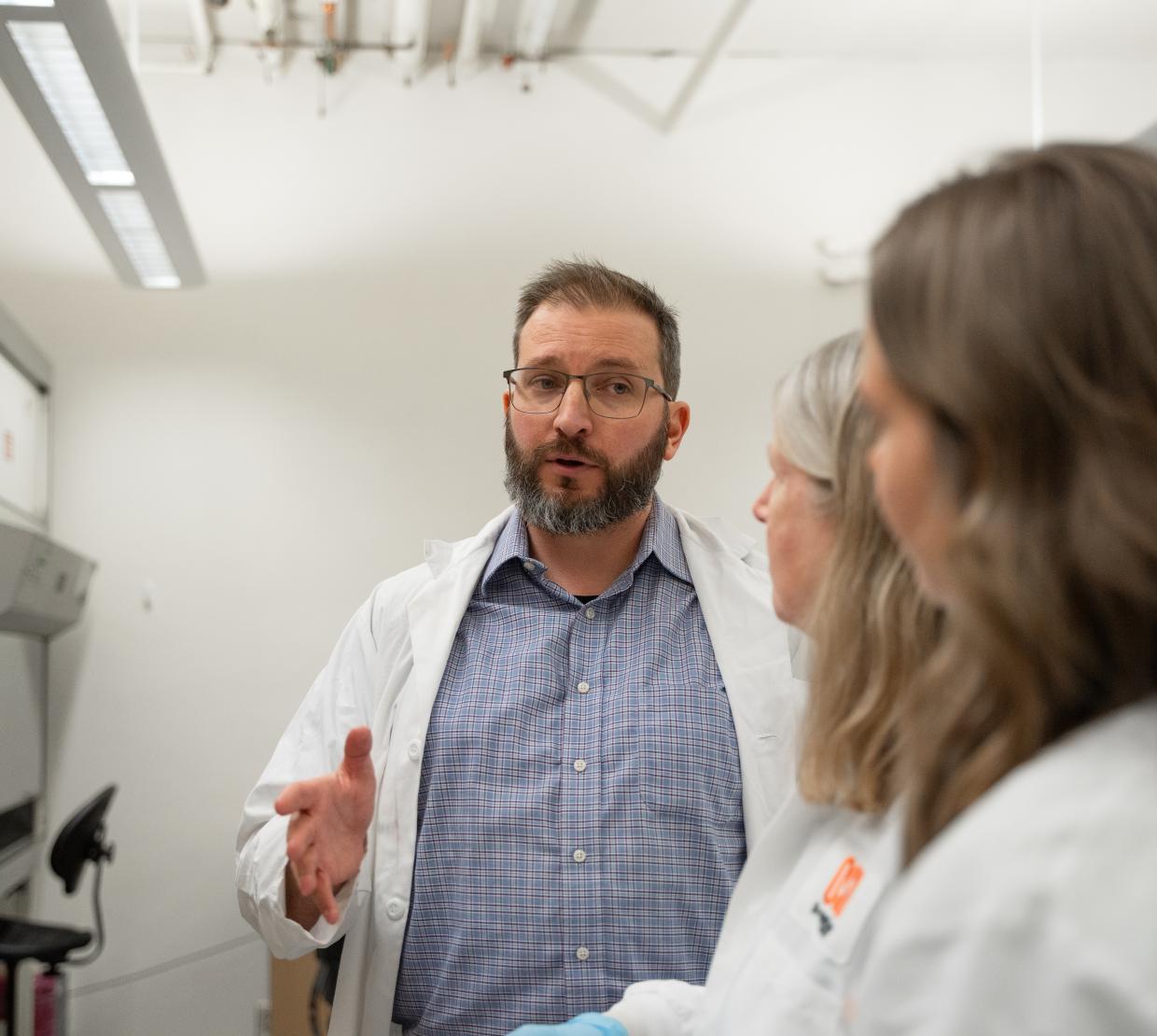
A bearded man wearing glasses and a button-up shirt beneath a lab coat speaks to two other scientists wearing lab coats toward the camera.

The science behind your gut: Oregon State researcher pushes microbiome discoveries

By Elana Roldan

Right now, your body is listening to your gut.

Chemical telephone lines are hot with messages racing to the body’s systems, but not every caller is a human cell. In fact, many of the most influential signals in your body may be coming from organisms you never see.

“The gut is a really amazing place in our body,” said Thomas Sharpton, professor in the microbiology and statistics departments, “because it is where we engage in inter-kingdom communication with the natural world.”

Trillions of microbes make a home in the intestines, and they’re not quiet passengers. This microbiome has a profound influence on our health and how we interact with our environment. Two identical people could experience the same medication or diet in unique ways depending on what species they house.

“All these major systems in our body have open ears and open minds for the messages that the gut microbiome has to say,” Sharpton (Biochemistry & Biophysics ‘03) said.

Sharpton leads interdisciplinary research to pick apart the microbiome’s impact. His work lays the path for future human health innovations that embrace the relationship with our microscopic roommates. He also helped build the Oregon State University Microbiome Initiative (OMBI), a campus-wide effort that connects researchers studying microbial communities in fields ranging from human health to agriculture and ocean science.

How gut microbes shape health

A major theme across Sharpton’s research is that microbes don’t just correlate with health. They determine how organisms — like us — experience their chemical environment.

“The gut microbiome mediates how we experience our diet, how we experience the drugs we consume and the environmental pollutants that we’re exposed to,” he said.

That principle guides the lab’s experiments on the gut-brain axis, neurodegenerative disease, behavior and cognition.

To test causality at scale, he established a unique partnership between his team’s computational skills and the zebrafish research community at Oregon State, particularly the Sinnhuber Aquatic Research Laboratory. Human microbiomes vary widely, and large, controlled clinical studies are expensive. Zebrafish enable high-replicate tests that isolate microbe-host-environment interactions. In collaboration with OSU colleagues, Sharpton’s group has shown that pollutants can restructure the gut microbiome and alter neurobehavioral development, and that removing the microbiome can flip a chemical’s effect.

A gloved woman wearing a lab coat smiles as she holds up a small tank to the camera with zebrafish swimming inside.

Ruby Scanlon works with zebrafish as an undergraduate research assistant in the Sharpton Lab.

“We studied a pollutant that drives a behavioral alteration and makes a fish hyperactive,” he said. “What happens when you take the microbiome away? All of a sudden, that pollutant makes the fish hypoactive.”

These studies reposition the microbiome as an active biochemical gatekeeper between environment and physiology. They also illuminate why two people with similar genetics and exposures can respond differently to the same diet or medication: their microbial communities and the metabolites they produce are not the same.

Sharpton’s computational work pushes the field beyond cataloging species. By integrating genomic information from gut samples and applying rigorous statistics, his lab seeks out functional signatures linked to health and disease. This shift from taxonomy to function has helped the field home in on mechanisms that are more likely to translate between species and into clinical contexts. Recently Sharpton’s team published a study titled “Modeling the zebrafish gut microbiome’s resistance and sensitivity to climate change and parasite infection” in Frontiers in Microbiomes (July 2025).

Equally important to what questions the team asks is how they answer them. The lab builds and releases open-source software and curated data resources so that others can reproduce analyses, train students and extend the findings.

“We publish everything we produce for free. It holds us accountable and helps others reproduce our results,” Sharpton said.

That openness accelerates discovery in a fast-moving field where methods evolve nearly as quickly as the microbes they study.

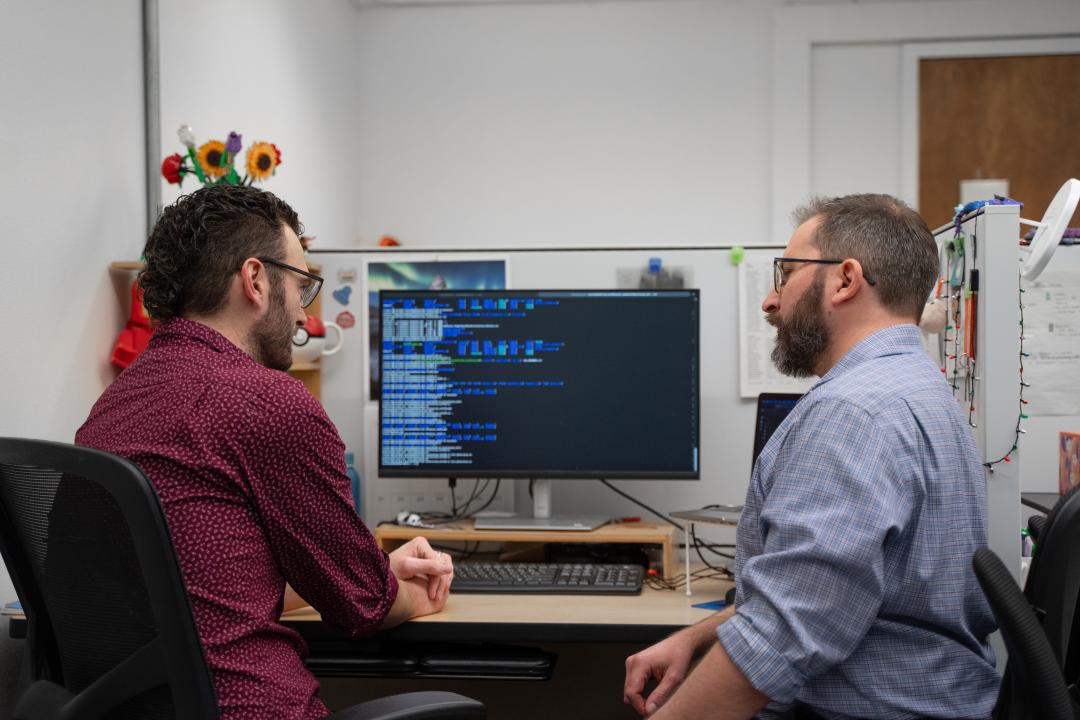
Two men sit at a desk with a monitor covered with code, discussing the information.

Sharpton integrates microbiology and statistics to sift through large datasets and draw correlations between the microbiome and health.

While zebrafish allow for fast, controlled tests, the lab’s standard of evidence requires asking whether those mechanisms translate to mammals and people. Sharpton’s group works across zebrafish, mouse and human systems (with some nonhuman primate studies) to assess findings.

“At the end of the day, we really want our research to matter to people,” he said. “We always try to swing the bat around and determine if what we’re seeing in these model systems is relevant in human systems as well.”

That translational arc is especially crucial in the lab’s gut-brain axis research. What began for Sharpton as skepticism has turned into sustained investigation. Across fish, mice, children and adults, his team and collaborators repeatedly see robust links between the microbiome and behavior or cognition. Those links raise questions for how we might treat cognitive and neurodegenerative disorders in the future.

“Do we have novel opportunities to prevent or treat these diseases that are frankly terrifying to many people?” Sharpton said. “Efforts to manage, manipulate or someday even engineer microbiomes may be a fundamental transformation in our ability to prevent, diagnose and treat chronic diseases.”

The future of microbiome science

With public interest in the microbiome surging, Sharpton is careful to separate promise from hype. “A lot of people think the microbiome is the key contributor to health, and it isn't. But it is an important component alongside other variables,” he said.

Methods are advancing, individual variation is large and proving cause and effect is challenging.

“It’s almost like you’ve got a ball of yarn that’s been tangled into a knot,” he said. “You’re having to pull apart the right pieces at the right time.”

Still, he argues, scientists have a responsibility to explain what’s known, what isn’t and why it matters. “It’s not enough for us to just publish in journals anymore. Our duty to the taxpayer is to communicate the results in a way that people can understand.”

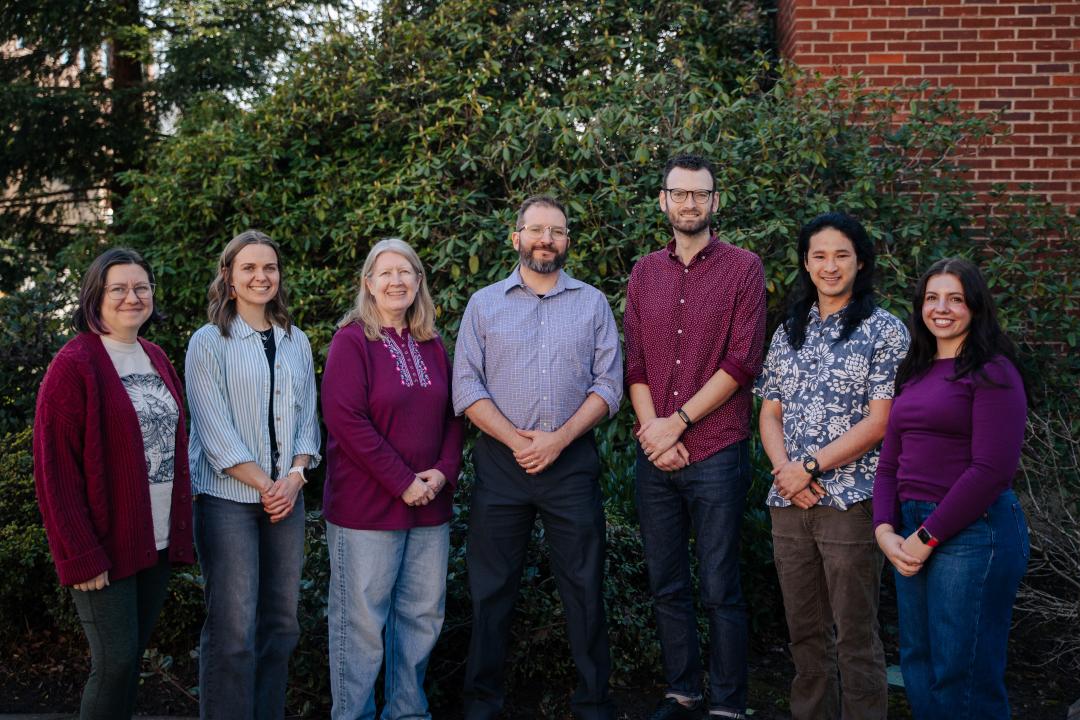
Seven members of the Sharpton Lab stand shoulder-to-shoulder outside in front of a large, green bush, each wearing matching maroon and blue shirts.

The Sharpton Lab's research has paved a path forward in microbiome research and continues to push the bounds of what we know about our symbiotic relationships.

For pioneering contributions that have advanced microbiome science from description to mechanism, Sharpton recently earned the Milton Harris Award in Basic Research and position as the Burgess and Elizabeth Jamieson Chair in Healthspan Research. These honors recognize a body of work that spans high-impact zebrafish experiments, human-relevant translation, openly shared analytical frameworks and a collaborative research ecosystem that has elevated OSU as a hub for microbiome discovery. Reflecting on the Milton Harris Award, Sharpton called it “a milestone. Validation that I’m on the right track.”

The practical stakes of his work are high. If the microbiome helps determine how we process a meal, respond to medication or endure a pollutant, then understanding and, one day, managing these microbial communities could transform treatment for chronic disease.

“What microbiome science is telling us is that we are, in effect, symbiotic organisms,” Sharpton said. “We depend on our microbiome to be healthy.”

To understand human health, we have to listen closely to our gut — and the microbes calling from within.

Learn more about how the small but mighty microscopic world is studied at Oregon State here.

Caroline M. Meira

Caroline M. Meira

Giovannoni lab performs research off of a boat

Microbiologist receives $1.2M award to study microbes in a changing ocean

By College of Science

Microbiologist Stephen Giovannoni received a 5-year $1.2 million award to continue studying the microbiology of the Sargasso Sea, an ocean gyre that is representative of ocean regions with extremely low productivity that are expanding globally due to the warming of the ocean’s surface.

The award, from the Simons Foundation International, is part of the BIOS-SCOPE program, a consortium of scientists established in 2015 to jointly investigate the biology, chemistry and physics of this ocean region. While an assistant professor at Oregon State in the 1990s, Giovannoni began the longest ocean-time series of plankton DNA collections, exactly the type of data now needed to understand life on a changing planet.

The new aim is to understand how the decline in nutrients caused by ocean warming impacts the evolution of microbial cells, forcing them to simplify their genomes and use resources more efficiently. This information is used to predict carbon cycling globally and the biology of the future ocean.

The Sargasso Sea is an ideal study site because the ocean rhythmically transitions between cool, productive winters when nutrients are mixed to the surface, and nutrient-poor summers, when chlorophyll levels drop to extreme lows. These seasonal oscillations help scientists model how ocean biology responds to the global expansion of thermally stratified waters.

Learn more about the BIOS-SCOPE program.

Stephen Giovannoni standing in lab space

Giovannoni's lab studies how biology interacts with the atmosphere and the oceans to change global patterns in the movement of carbon and other elements.

A black background with orange glitter and a pair of googles with the year 2026.

Celebrating excellence in research: 2026 College of Science Awards

By Hannah Ashton

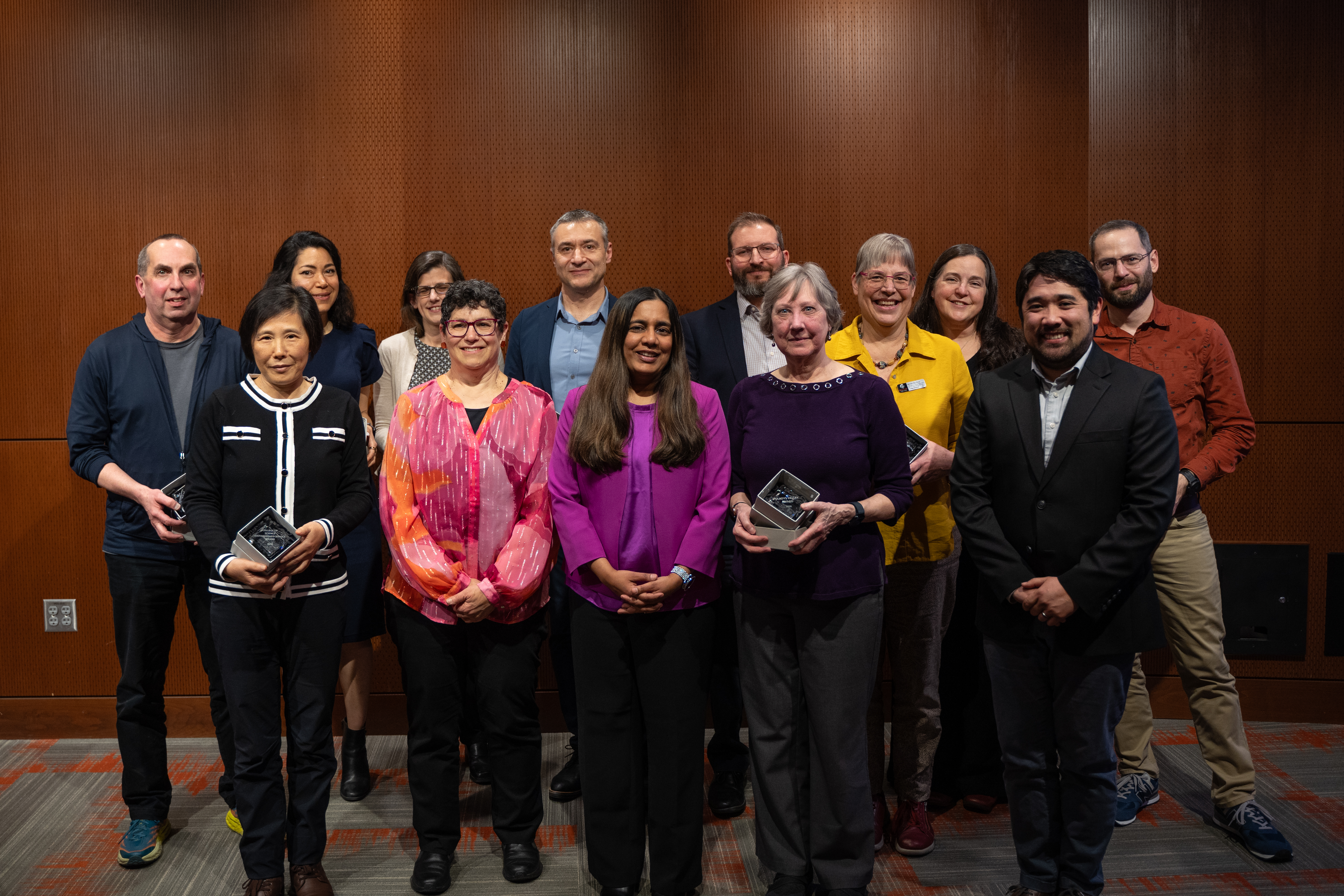
The College of Science gathered on Feb. 17 to recognize and celebrate our high-achieving faculty and staff at the 2026 Awards Ceremony. The evening celebrated the very best in the College, from teaching, advising and research to inclusive excellence, administration and service.

The following faculty and staff received awards in research.

Congratulations to all the awardees!

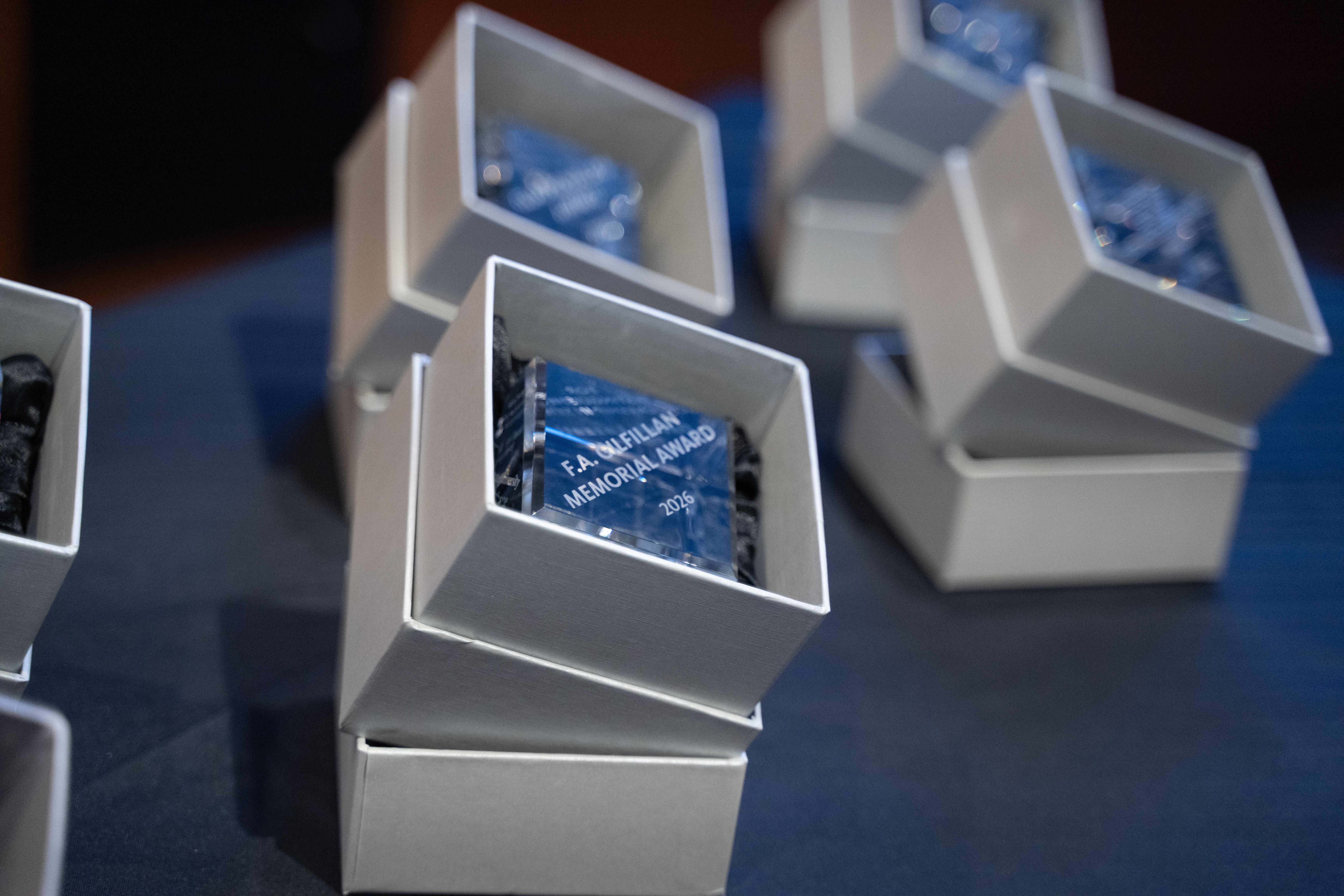
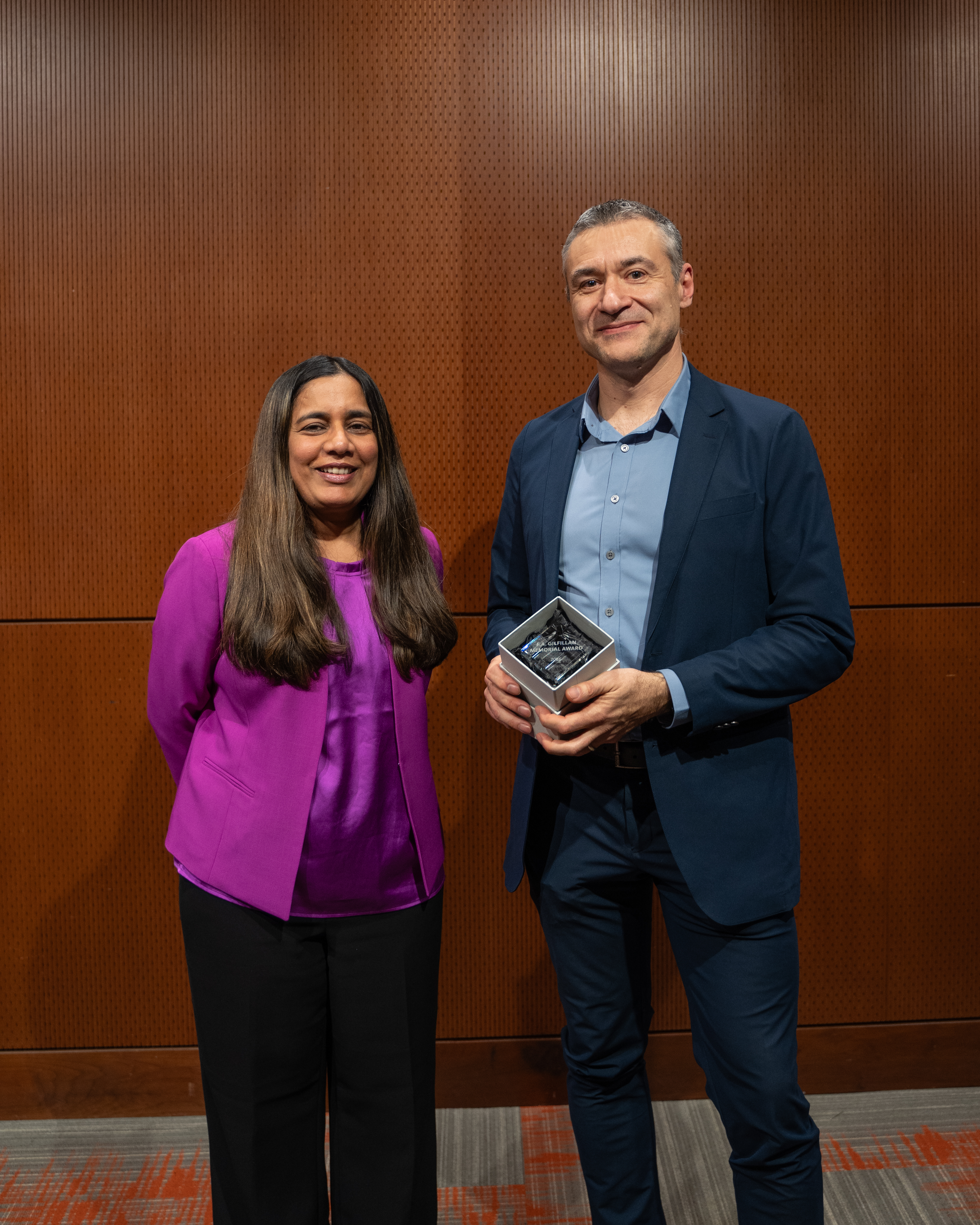
F.A. Gilfillan Award for Distinguished Scholarship in Science

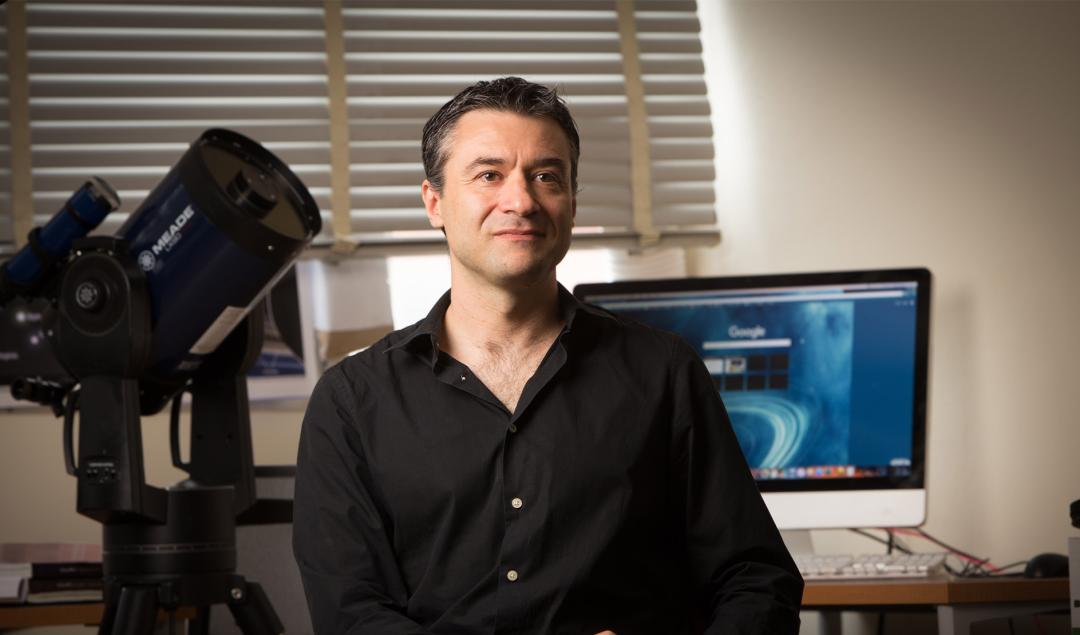
Davide Lazzati sitting in office.

Davide Lazzati, from the Department of Physics, has received the F.A. Gilfillan Award for Distinguished Scholarship in Science.

Davide Lazzati, from the Department of Physics, has received the F.A. Gilfillan Award for Distinguished Scholarship in Science.

Lazzati’s scholarly achievements place him among the most influential astrophysicists of his generation. With more than 190 peer-reviewed publications, over 11,000 citations and an h-index of 57, his work has shaped high-energy astrophysics and multi-messenger astronomy for more than two decades. His research spans theory, computation and observation, and many of his papers are regarded as foundational benchmarks in gamma-ray burst physics, compact-object mergers and the emerging field of gravitational-wave astronomy.

A leader in multi-messenger astrophysics, Lazzati was among the first to predict the electromagnetic signature of a binary neutron star merger — insight that proved essential to interpreting the historic 2017 GW170817 event. His modeling of structured relativistic jets and off-axis emission provided the conceptual framework that allowed scientists to connect gravitational-wave detections with their electromagnetic counterparts. His work continues to guide the field as new detectors expand the frontiers of discovery.

Lazzati’s scholarship is marked by sustained creativity and rigor, supported by a strong record of competitive NASA and NSF funding. He is also a dedicated mentor and leader. Lazzati has advised 10 graduate students, mentored postdoctoral researchers, and guided 28 undergraduate researchers, several of whom have published first-author papers. His early adoption of a formal mentoring compact, now increasingly recognized as a best practice, reflects his commitment to transparency, equity and student success. His leadership as department head further strengthened the inclusivity and effectiveness of the graduate program.

One nominator wrote, "Professor Lazzati’s record of scholarship is nothing short of extraordinary — marked by sustained excellence, transformative impact and remarkable breadth. His work often anticipates new discoveries, redefines longstanding problems and helps set the direction for future studies.”

Milton Harris Award for Basic Research

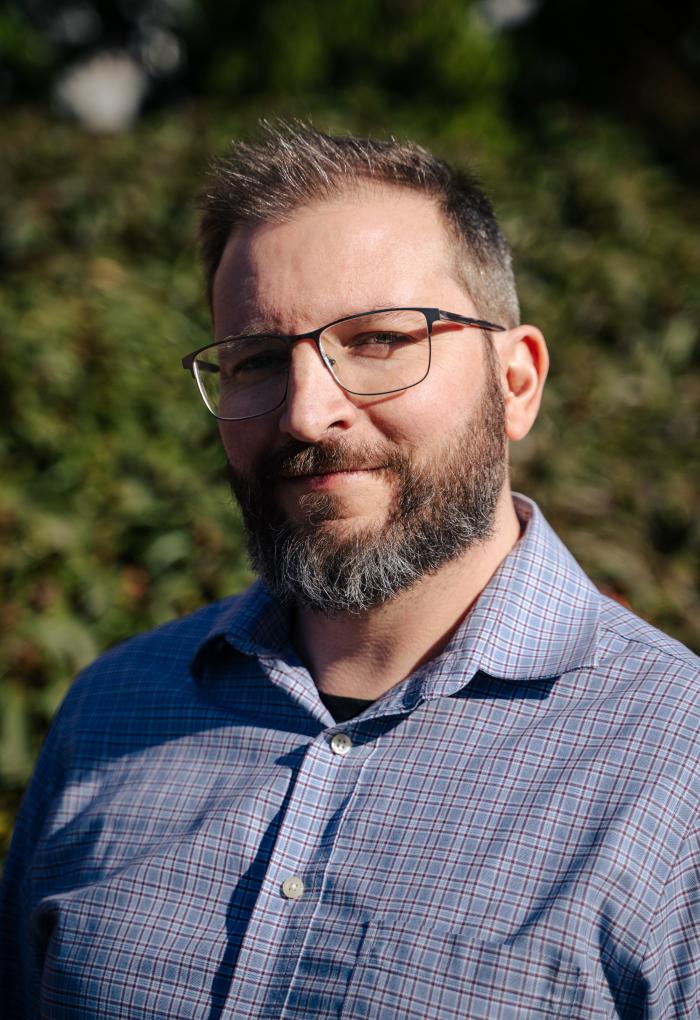
A man in a blue plaid shirt with glasses and a beard poses for a headshot.

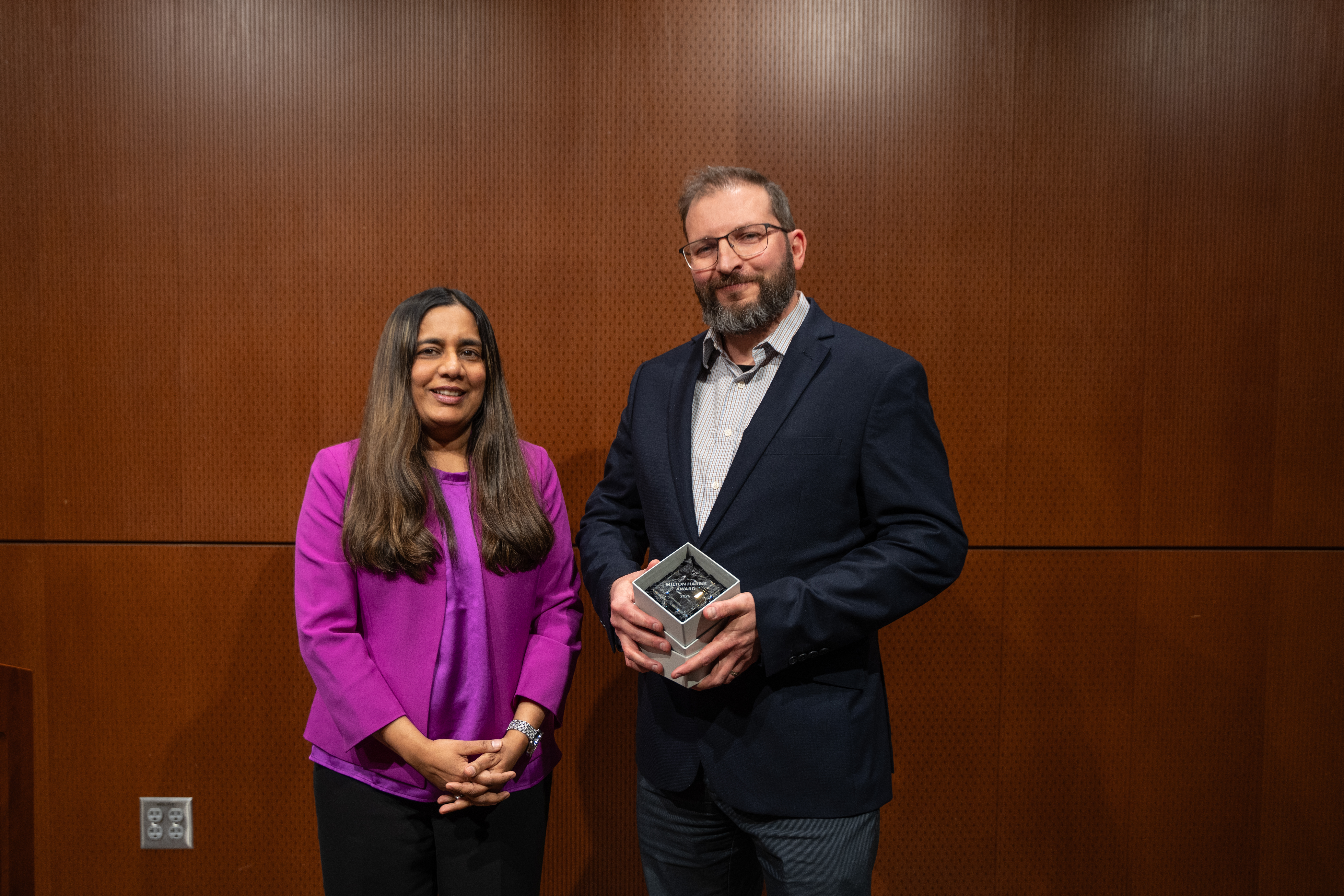
Thomas Sharpton, professor in the departments of Microbiology and Statistics and the Burgess and Elizabeth Jamieson Chair in Healthspan Research, received the Milton Harris Award for Basic Research.

Thomas Sharpton, professor in the departments of Microbiology and Statistics and the Burgess and Elizabeth Jamieson Chair in Healthspan Research, received the Milton Harris Award for Basic Research.

Sharpton is a pioneering microbiome scientist whose work has fundamentally advanced the basic biological understanding of how host-associated microbial communities function. Since joining Oregon State University in 2013, he has built an interdisciplinary research program that integrates computational biology, statistics and molecular microbiology to uncover the mechanisms by which microbiomes influence health, development and disease. His analytical frameworks, statistical models and experimental systems have become foundational tools used across the field.

His research has produced major insights into how the gut microbiome contributes to inflammatory bowel disease, neurobiological function and parasite infection, among other complex conditions. Sharpton has published more than 100 peer-reviewed papers, including in Nature, PNAS and Nature Communications, and his work has been cited over 23,000 times. He has secured more than $24 million in research funding from agencies including the National Institutes of Health, National Science Foundation, U.S. Department of Agriculture, Department of Defense and the Moore Foundation, and has developed widely used open-source software and databases that have accelerated microbiome research worldwide.

Sharpton’s leadership has also strengthened OSU’s research ecosystem. As founding director of OSU Microbiome Initiative and director of the OSU Microbiome Core, he has catalyzed interdisciplinary collaborations and expanded access to cutting-edge microbiome technologies. He is a dedicated mentor and educator, having guided more than 40 trainees and co-developed influential courses in microbial bioinformatics and quantitative genomics. His commitment to equity and inclusivity is reflected in his work on NIH and USDA diversity programs and his efforts to improve departmental monitoring practices.

Nominators emphasized both his scientific impact and his collaborative leadership. As one wrote, “His innovative approaches and unwavering commitment to scientific rigor make him an exceptional scholar and an indispensable collaborator.”

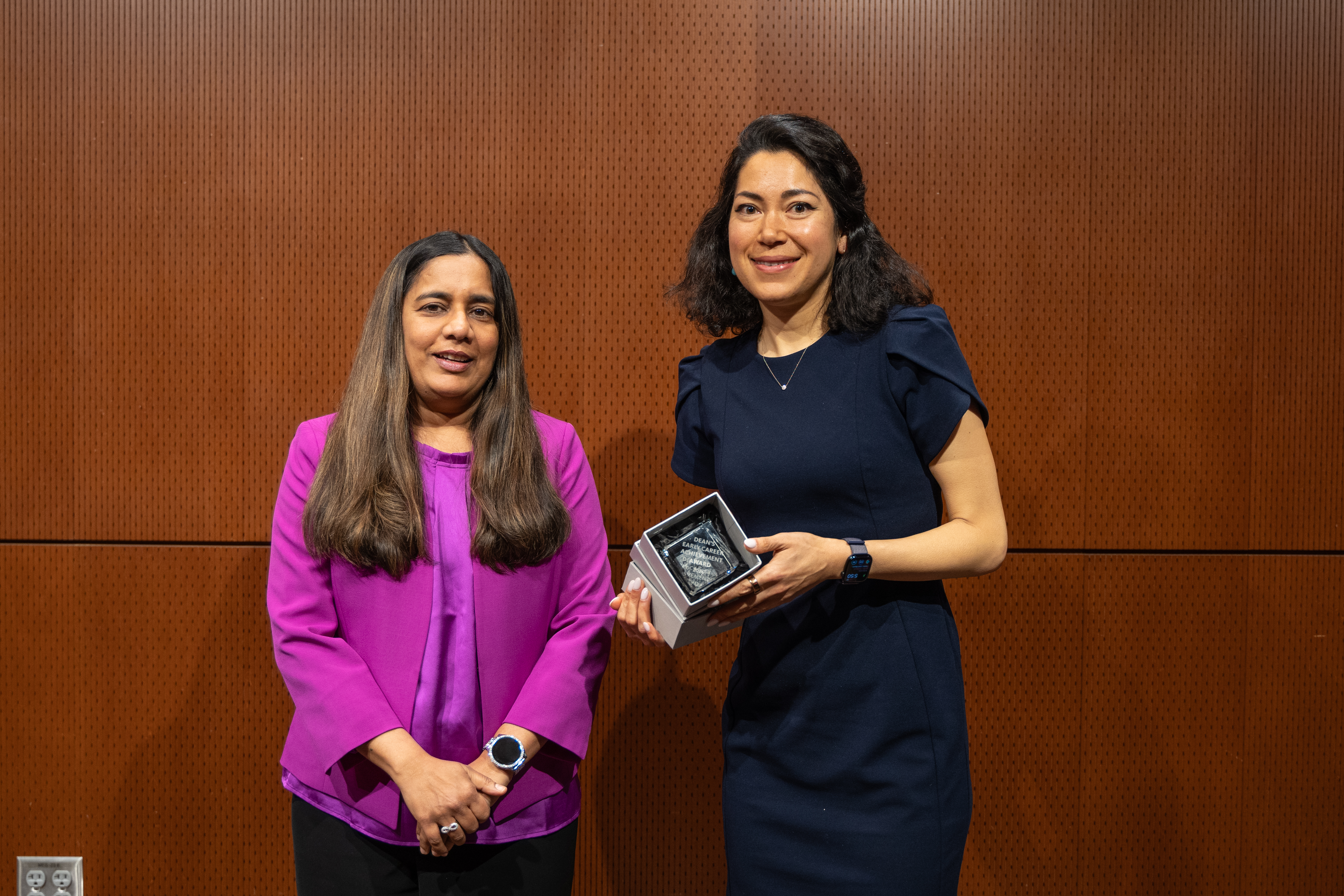
Dean’s Early Career Achievement Award

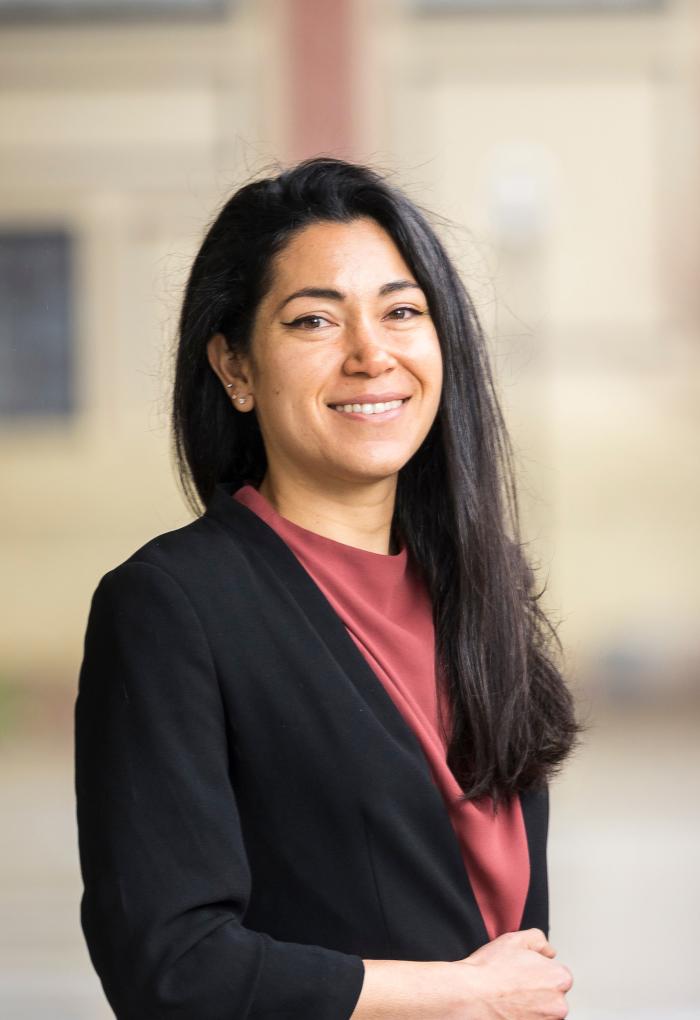
A woman in a pink shirt and black blazer with dark hair poses for a photo.

Katherine McLaughlin from the Department of Statistics, received the Dean’s Early Career Achievement Award.

Katherine McLaughlin from the Department of Statistics, received the Dean’s Early Career Achievement Award.

McLaughlin is an internationally recognized expert in developing statistical methods for studying hard-to-reach and hidden populations, including victims of human trafficking and communities at high risk for HIV. Since joining Oregon State University in 2016, she has published 19 peer-reviewed papers in top journals, delivered talks at venues including the CDC and the National Academies of Sciences, Engineering, and Medicine, and helped bring approximately $3.4 million in research funding to OSU.

Her work has had a major global impact. McLaughlin developed the “Visibility SS-PSE” model, now one of the main methods used to estimate population sizes in the UNAIDS Key Population Atlas, helping guide international HIV prevention and treatment policy. She also serves as an advisor to the U.S. Department of State-funded Prevalence Reduction Innovation Forum, helping shape how human trafficking is statistically measured worldwide.

At OSU, McLaughlin played a critical role in the TRACE and PIPP pandemic response projects, designing and analyzing large-scale community COVID-19 surveys and helping integrate wastewater data into public health decision-making.

“My first reaction upon a careful read through her materials is to wonder whether Prof. McLaughlin lives within the same 24-hour day that the rest of us do,” wrote a colleague who nominated McLaughlin. They added that she is “a rare case of ‘the complete package’” whose contributions are “uncharacteristically comprehensive.”

Subscribe to Microbiology