Events

Events

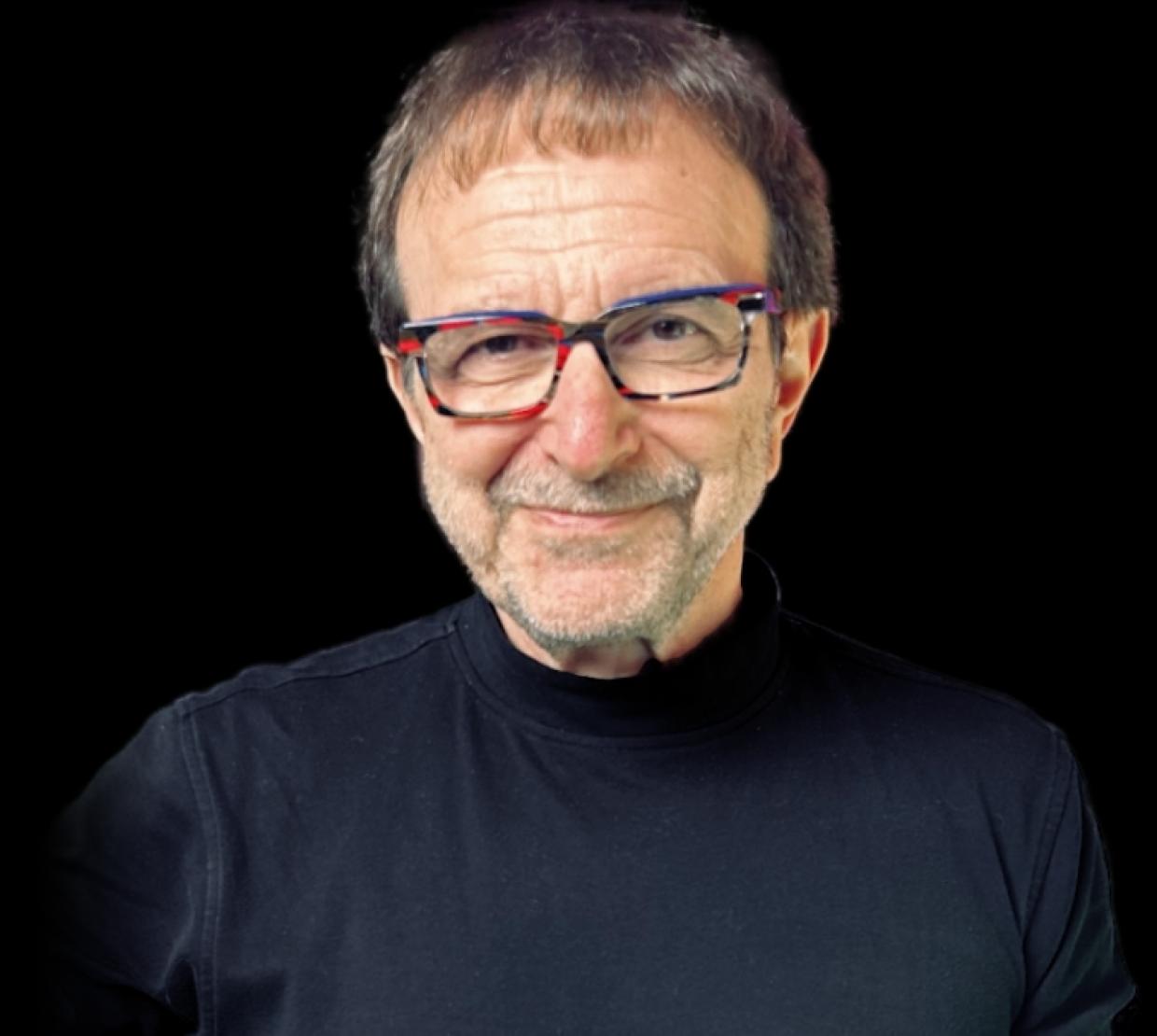
Vincent Racaniello wears a black shirt on a black background. He smiles slyly.

Microbiology Berg lecture: "Pivoting from poliovirus to podcasts"

By the College of Science

From decoding how viruses invade cells to reshaping how science reaches the public, Vincent Racaniello has spent decades at the forefront of virology — and continues to influence how we understand infectious disease today. Racaniello brings a rare combination of groundbreaking research and modern science communication to the forefront of microbiology.

Please join the Department of Microbiology as it hosts Racaniello, Higgins Professor of Microbiology and Immunology at Columbia University, for an upcoming lecture, "Pivoting from poliovirus to podcasts."

Racaniello spent over 40 years researching poliovirus. His laboratory identified the cellular receptor for the virus and created a transgenic mouse model for poliomyelitis. Having always wanted a second career, he discovered podcasting in 2008 and now oversees MicrobeTV, Inc, which produces podcasts in the field of virology, microbiology, parasitology, immunology, neuroscience, and much more. Racaniello is widely recognized for his contributions to virology research and education, including pioneering work on RNA viruses and decades of training the next generation of scientists. His laboratory at Columbia University has investigated a range of medically important viruses, advancing understanding of viral replication and disease mechanisms. Hear how his work in virology led him to a varied career in dynamic science communication.

2026 Berg Lecture

Date: Thursday, May 21, 2026
Time: 5:15 – 6:15 p.m.
Location: The LaSells Stewart Center, Construction & Engineering Hall
Please register to attend

A reception will follow the lecture.

The Department of Microbiology would like to thank alumni Ron and Ann Berg for the generous gift that endowed this lecture series.

About the speaker:

Racaniello is widely recognized for pioneering contributions to molecular virology, including the development of the first infectious clone of an animal RNA virus — a breakthrough that transformed the study of viral genetics and pathogenesis. His research has advanced fundamental understanding of how viruses replicate and interact with host cells, work that continues to shape modern approaches to infectious disease and global health.


Read more stories about: events, microbiology


Woman uses gloves to sift through pile of wood chips in art exhibit

College of Science researchers highlight AI, clean energy and the environment through art at PRAx

By Hannah Ashton

Two College of Science faculty members — Maude David and Oksana Ostroverkhova — are helping bridge science and art in FutureFarmers: Silicon Forest, a thought-provoking new exhibition exploring the entangled relationship between ecology, technology and human agency.

On view through June 21, 2025, at the Patricia Valian Reser Center for the Creative Arts (PRAx), the exhibit blends scientific inquiry with artistic expression to invite deeper reflection on our digital future.

Created by the artist collective FutureFarmers, the exhibit invites the public to explore reciprocal relationships between natural ecosystems and technological infrastructures in the “Silicon Forest” — the nickname for Oregon’s high-tech manufacturing corridor. Visitors move through conceptual installations — data records, water samples, wood chips and more — that challenge assumptions about clean technology and offer a space for reflection on our increasingly digital world.

“I am not artistic myself. But art can touch people who can’t easily relate to a ‘nerdy’ scientist,” Ostroverkhova said. “If we can spread the deeper message and touch more people through art, that's beneficial.”

Artists' statement in front of Silicon Forest exhibit

Ostroverkhova’s research group works on low-cost, organic materials for optoelectronic applications, such as solar cells. Her contribution to the exhibit is part of a collaborative scientific effort with colleagues in OSU’s colleges of Forestry and Engineering. Together, they’re investigating fungi-derived pigments including xylindein, a highly durable pigment, used by artists for hundreds of years, as a promising possibility as a semiconductor material.

Xylindein, a pigment secreted by two types of wood-eating fungi, stains wood a blue-green color, which artists have used for centuries. The pigment is so stable that art made more than 500 years ago still retains the color. It has held up against prolonged exposure to heat, ultraviolet light and electrical stress.

“If something has sat on a church ceiling for 500 years and hasn’t degraded, I want to know why,” she said.

Twelve small vials containing differently colored pigment materials

Maude David, associate professor of microbiology, works at the intersection of computer science and microbiome research. She contributed ideas and reflections about artificial intelligence, energy consumption and data ethics. She sees the abstract, immersive nature of the exhibit as a powerful tool for contemplation.

“AI is needed and it’s useful. In fact, I use it for my research. But what is the cost for our children?” she said. “More than 10% of the energy consumption in Oregon is just for data centers.”

Her wish for visitors is simple: stop and think. From pondering data storage’s environmental footprint to engaging with poetic critiques of AI culture, each part of the exhibit encourages personal reflection.

“We are the last generation where some of us grew up without a phone. My daughter’s pretending to make phone calls at three years old,” she said. “AI is difficult to see but technology is in the background of a lot of things we do.”

Orange background with graphics of mini research posters.

Celebrating graduate research at the College of Science

By Hannah Ashton

Graduate Research Showcase

Graduate students at the College of Science are conducting crucial research that addresses critical challenges and benefits both local communities and the broader world.

To celebrate their accomplishments, the College will be hosting the inaugural Graduate Science Research Showcase from 11:30 a.m. to 2:30 p.m. on Friday, May 16, 2025 in the Memorial Union Horizon Room.

Click here to RSVP!


This event offers a glimpse into the future of science featuring graduate research presentations, a poster session and a keynote address from renowned alumnus Jonathan Gallion, vice president of Artificial Intelligence and Machine Learning for OmniScience.

Gallion, recipient of the College's 2024 Early Career Award, earned dual Honors bachelor's degrees in biochemistry and biophysics, and microbiology in 2012. His career began with an internship at SIGA Technologies, where he programmed robots to screen chemical compounds for antiviral medicines. At OmniScience, Gallion and his team utilize large language models to enhance clinical trial outcomes and improve human health. Their work accelerates decision-making and transforms data analysis in biotech, medtech, pharmaceutical and preclinical innovation. Rather than replace human expertise, their AI tools are designed to compliment it.

Schedule of Events

12 p.m.

Lunch

12:20 p.m.

Welcome from Executive Associate Dean Vrushali Bokil and Dean's Remarks from College of Science Dean Eleanor Feingold.


12:30 p.m.

Keynote speech from alumnus Jonathan Gallion, V.P. of Artificial Intelligence and Machine Learning for OmniScience.

Keynote Talk Title - Beyond Automation: Agentic AI and the New Frontier of Life Science Innovation

Abstract: Artificial intelligence in the life sciences is moving beyond automation into a new frontier defined by agentic systems—AI tools capable of reasoning, planning, and autonomous action. As these AI agents continue to evolve from tools to collaborators, life scientists will need to rethink how we generate hypotheses, design experiments, interpret data, and generate insights. This keynote will examine how agentic AI is already transforming decision-making and accelerating innovation within clinical trial development and offer a perspective on how domain experts can adapt and lead at the intersection of scientific expertise and intelligent automation through AI.


1 - 2:30 p.m.

Five minute research presentations and dessert, followed by a poster session, showcasing the diverse research conducted across the seven departments in the College of Science. The session will highlight how Science graduate students are participating and contributing to this valuable research.

Presenters include:

Oluwasen Adu (Integrative Biology)
Advisor: Michael Blouin
Talk title: Genome Wide Association Study of Biomphalaria glabrata snail and its Schistosome Parasite

Vera Alenicheva (Chemistry)
Advisor: Vincent Remcho
Talk title: A Microfluidic Paper-Based Assay for the Quantification of CBD and THC

Lucas Allan (Chemistry)
Advisor: Tim Zuehlsdorff
Talk title: FC2DES: Modeling 2D Electronic Spectroscopy for Harmonic Hamiltonians

Hallee Boyd (Chemistry)
Advisor: May Nyman
Talk title: Characterization of Trivalent Lanthanide Keggin Phosphomolybdate Sandwich Clusters

Daniel Malone Buoy (Statistics)
Advisor: Claudio Fuentes / Sarah Emerson
Talk title: Representative Sampling Methods for K-Fold Cross Validation

Olivia Burleigh (Integrative Biology)
Advisor: Virginia Weis
Talk title: Transcription Factor-targeted ChIP-Seq for Smad3-mediated TGF-β Signaling in Heat-stressed Aiptasia

Jun Cai (Integrative Biology)
Advisor: Virginia Weis
Talk title: Effect of Sphingolipid Metabolic Pathway Inhibition and Knockdown on Cnidarian-Algal Symbiosis

Giovanni Crestani (Integrative Biology, Ph.D.)
Advisor: Molly Burke
Talk title: Genomics of experimentally-evolved postponed reproduction in Drosophila melanogaster

Ushasi Datta (Chemistry)
Advisor: Marilyn Mackiewicz
Talk title: Unveiling the Hidden Properties: How Nanomaterial Surface Chemistry and Biomimetic Systems Shape Reflectance and Contrast

Konstantin Drallios (Chemistry)
Advisor: Thomas Osborn Popp
Talk title: 3D Printable Radiofrequency Coils

Rudranil Dutta (Chemistry)
Advisor: Claudia Maier
Talk title: Identification and Quantitation of Bioactive Alkaloids in Withania Somnifera

Arpa Ebrahimi (Chemistry)
Advisor: Claudia Maier
Talk title: Characterizing the Lipidomic and Proteomic Profile of the 5xFAD Alzheimer’s Disease Mouse Model: A Comparative Study Using MALDI Imaging Mass Spectrometry

Jessica Etter (Chemistry)
Advisor: Claudia Maier
Talk title: LC-QTOF and LC-TIMS-qQTOF MS Analysis of Fecal Inoculum Biotransformation Products and LC-MRM-MS Analysis of Human Withanolide Pharmacokinetics of an Ashwagandha Supplement

Caroline Hernandez (Microbiology)
Advisor: Maude David
Talk title: Whole-Cell Crosslinking Reveals Direct Lactobacillaceae and Rhizobiaceae Interactions with Host Duodenal Neuropods

Esteban Hernandez (Chemistry)
Advisor: Jennifer Field
Talk title: Experimental pKa Values of Substituted and Unsubstituted Perfluoroalkyl Sulfonamides via 19F NMR

Lucas Kolanz (Physics)
Advisor: Davide Lazzati
Talk title: Cosmic dust bunnies

Weiqi ‘Grace’ Li (Statistics)
Advisor: Yuan Jiang
Talk title: Reframing spatial transcriptomics prediction: From regression to classification

Sarah Louie (Biochemistry & Biophysics)
Advisor: Richard Cooley / Ryan Mehl
Talk title: Optimizing genetic code expansion technology to access post-translationally modified proteins

Praveeni Mathangadeera (Mathematics)
Advisor: Małgorzata Peszyńska
Talk title: Computational Modeling of the Nonlinear Heat Equation in Frozen Soil and Snow

Anshika Nagar (Chemistry)
Advisor: Marilyn Mackiewicz
Talk title: Shielded Nanoparticles: Advancing X-Ray Fluorescence Microscopy with Oxidant-Resistant Nickel and Cobalt

Luke Nearhood (Physics)
Advisor: Patti Hamerski
Talk title: Computing the Tension

Joline Nguyen (Biochemistry & Biophysics)
Advisor: Sarah Clark
Talk title: Isolation of Scarce Membrane Protein Complexes from C. elegans

Victory Chiamaka Obieke (Mathematics)
Advisor: Vrushali Bokil
Talk title: Compatible Energy Preserving Discretizations for Nonlinear Optical Wave Propagation: The Maxwell-Duffing Approach

Emily Palmer (Statistics)
Advisor: Yuan Jiang
Talk title: A Group Penalization Framework for Detecting Time-Lagged Microbiota-Host Associations

Madison Phelps (Mathematics)
Advisor: Małgorzata Peszyńska
Talk title: Nonlinear Solvers in Permafrost applications

Kevin Rice (Microbiology)
Advisor: Maude David / Kenton Hokanson
Talk title: Electrical Characterization of Primary Enteroendocrine Cells: Developing Tools to Screen Novel Microbial Neuroactive Compounds

Casey Rummelhart (Chemistry)
Advisor: Addison Desnoyer
Talk title: Frustrated Lewis Pairs Ligand for the Transformation of Carbon Dioxide to Chemical Feedstocks

Pavel Sengupta (Chemistry)
Advisor: Dipankar Koley
Talk title: Quantifying Dissolved Oxygen in Biofilms with Non-invasive Flexible Amperometric Oxygen Sensors

Michael Sieler (Microbiology)
Advisor: Thomas Sharpton
Talk title: Modeling the zebrafish gut microbiome’s resistance and sensitivity to climate change and parasite infection

Gavin Tovar (Statistics)
Advisor: Robert Trangucci / Sarah Emerson
Talk title: Sequential Approach to K-Fold Cross-validation---Computational Reduction Technique

Hao Yue (Chemistry)
Advisor: Marilyn Mackiewicz
Talk title: Targeted X-ray Imaging Agents for Visualizing Triple-Negative Breast Cancer

Sima Ziyaee (Chemistry)
Advisor: Claudia Maier
Talk title: Exploring Cellular Heterogeneity through Single-cell Proteomics


Join us to celebrate the future of science — and the graduate students who are making it happen.
A collection of booths at the 2022 Health Professions Fair looking to connect students to medical schools.

Jumpstart your healthcare career at OSU’s Health Professions Fair!

By College of Science Communications

Admissions representatives from more than seventy health professions programs across Oregon and the United States will travel to Oregon State to meet with students at the Health Professions Fair.

April 22, 2025
10 a.m. to 2 p.m.
OSU Dixon Recreation Center Lower Gym.


According to U.S. News and other surveys, healthcare is one of the fastest-growing industries. The Bureau of Labor Statistics predicts that employment growth in this sector will be much quicker than the average for all jobs by 2026.

Students interested in this industry can connect with professional schools and graduate programs with specializations in the health-care industry while also learning about graduate education and careers. The Fair hosts schools representing health professions programs in medicine, osteopathy, dentistry, pharmacy, chiropractic medicine, nursing, physical therapy, public health, health management and administration, biomedical sciences and several others. More than 500 students attend the Health Professions Fair each year.

Students are welcome to stop by anytime during the Health Professions Fair, which is free and open to all majors. Volunteers will be on hand with a list of participating schools and a map of their table locations. Students can visit a school’s table to pick up information materials and speak with admission representatives.

Something for everyone

The health fair is open to all undergraduates and alumni.

First and second year students can explore health professions options, build networks and get tips from admission representatives on undergraduate preparation and co-curricular activities.

Juniors, seniors and alumni will have opportunities

  • to learn about specific programs from admissions representatives of various universities,
  • collect application materials and obtain financial aid information, and
  • get tips on writing a personal statement, application, and letters of reference.

Preparing for the Fair

Students can connect with representatives of graduate health programs from schools such as Oregon Health and Science University, University of Southern California, Tufts University, Pacific University, Idaho College of Osteopathic Medicine and many more.

See a list of participating schools


Prioritize your list of schools and brainstorm questions for admissions representatives to make the most of your Fair time. Here are a few ideas to get started:

  • What is unique about program X at your university?
  • What types of courses would I take in program X?
  • What hands on components does program X offer (internships, rotations, etc.)?
  • What does your admissions committee look for in an applicant?
  • I read about X on your website. Can you tell me more about that?

For more information, please visit the Health Professions Fair event page.

A blue background with the year 2025

Celebrating inclusive excellence, administration, service and performance: 2025 College of Science Awards

By Hannah Ashton

The College of Science gathered on Feb. 26 to recognize and celebrate our high achieving faculty and staff at the 2025 Combined Awards Ceremony. The evening celebrated the very best in the College, from teaching, advising and research to inclusive excellence, administration and service.

The following faculty and staff received awards in Inclusive Excellence, Administration, Service and Performance.

Congratulations to all the awardees!

Headshot of Hannah Stuwe, a woman with short curly hair and black shirt.

Hannah Stuwe, graduate student in the Department of Biochemistry and Biophysics, received the Inclusive Excellence Award.

College of Science Inclusive Excellence Award

Hannah Stuwe, graduate student in the Department of Biochemistry and Biophysics, received the Inclusive Excellence Award.

Department Head Elisar Barbar, who nominated Stuwe, said she has engaged in a wide-ranging set of service, outreach and training that is truly impressive. First, Stuwe conducted a GFP protein purification activity for middle and high school students from the Chemawa Indian School, Jewell High School (Seaside), and visited groups of black and Latinx students from the Portland area.

She planned, wrote and edited a handbook of science experiments geared towards middle school aged students, their parents, and teachers to fill the void of not having a BB summer camp. This handbook now serves as a free and open access resource for community members.

Stuwe is the founder of the non-profit organization Corvallis Music Collective. They have engaged in community service and activism by providing live music for events and rallies. Recent events include the Basic Needs Center Fall Welcome Party, the Disabled Students Union Disability Justice Rally and Jackson Street Youth Services National Runaway Prevention Month “Skate Park After Dark” Show.

Amy Timshel

Amy Timshel, assistant to the department head in the Department of Microbiology, received the Gladys Valley Award for Exemplary Administrative Support.

Gladys Valley Award for Exemplary Administrative Support

Amy Timshel, assistant to the department head in the Department of Microbiology, received the Gladys Valley Award for Exemplary Administrative Support.

Her colleagues describe her as proactive, always seeking ways to improve processes and deeply committed to making the department a better place for everyone. She is highly regarded by students, faculty and staff for her professionalism, broad knowledge and ability to get things done. In fact, Department Head Anne Dunn noted that when she polled faculty on department strengths during strategic planning exercises, Timshel's critical role in the department was consistently highlighted.

"Her ability to provide a wealth of information on a variety of administrative issues is unparalleled, and she approaches each interaction with a warm smile and an eagerness to assist," said a Ph.D. candidate nominator.

She has a deep understanding of university policies and constantly looks for ways to improve them. She listens, advocates for students and colleagues, and takes initiative to make the department more inclusive and equitable. For example, her work on the Core Values Committee led to the addition of gender-neutral restrooms in Nash Hall and improvements to scholarship and travel fund policies.

Beyond her administrative role, Timshel actively fosters a sense of community within the department. She organizes fundraisers and charity events and regularly attends student events to show her support.

A woman in a red top poses in front of plants.

Elaine Cozzi, assistant head and associate professor in the Department of Mathematics, received the Distinguished Service Award for her impactful service to her department, the College and the broader mathematics community.

Distinguished Service Award

Elaine Cozzi, assistant head and associate professor in the Department of Mathematics, received the Distinguished Service Award for her impactful service to her department, the College and the broader mathematics community.

Cozzi served as interim associate dean of academic and student affairs for the College in Spring of 2024, managing various projects, including the university’s revision of its undergraduate advising system, assessing teaching resources and addressing countless student issues. She was overwhelmingly generous with her time in responding to the many challenges and the needs of her colleagues.

Before and after serving as associate dean, Cozzi served as assistant department head for mathematics, responsible for scheduling upper-level courses and ensuring adequate staffing for the Department’s teaching mission. This affects the hiring of instructors, graduate students and undergraduate graders.

Jon Kujawa, Department of Mathematics head and Cozzi’s nominator, noted, “It is hard to overestimate the impact of Elaine’s planning on the smooth operation of the teaching side of the department. And she readily pivots when unexpected events disrupt the plans.” Additionally, Elaine led the assessment of the Mathematics undergraduate program for several years, playing a crucial role in student success, he shared.

Cozzi also contributes significantly to the mathematics profession as Associate Editor for the American Mathematical Monthly – the most widely read mathematics journal in the world. She is also an active member of SIAM, a professional society for applied mathematics, where she helps organize meetings and contributes to administrative efforts and regularly serves as a grant evaluator for the NSF and the Simons Foundation, helping to shape the future of mathematical research.

Virginia Lesser in front of shrubbery

Virginia Lesser, Department of Statistics Head, received the Champion of Science award.

Champion of Science Award

Virginia Lesser, Department of Statistics Head, received the Champion of Science award for her significant contributions to the field of statistics and to Oregon State University throughout her distinguished career. After earning her Ph.D. in Biostatistics from the University of North Carolina at Chapel Hill, she joined OSU’s Department of Statistics in 1992.

A year later, she became Director of the Survey Research Center, a role she held until her retirement in December 2024. Lesser's expertise in probability sampling, survey design and data collection methods ensured that the center upheld the highest standards. Under her leadership, the center became a premier institution, offering expertise in survey methodology, sampling and data analysis – supporting projects that inform policy, environmental monitoring, economic studies and public opinion research. Its work has helped agencies such as the Oregon Department of Transportation, the Oregon State Marine Board and the Oregon Department of Fish and Wildlife make data-driven decisions, not to mention numerous initiatives within the University.

Lesser's groundbreaking research in survey methodology, environmental statistics, applied statistics and ecological monitoring has advanced the field and influenced practice. She has authored over 55 journal articles and conference proceedings, earning national and international recognition – including being named a Fellow of the American Statistical Association and an elected member of the International Statistical Institute.

Lesser's leadership also transformed the statistics department and elevated Oregon State University’s role in the field as department head from 2011 to 2018.

Lesser has also been a dedicated mentor and advocate for students and colleagues. Over the course of her career, she guided more than 220 graduate students and fostered a welcoming, supportive community within the department. Her colleagues regard her as an exceptional mentor and an inspiring leader, someone who consistently goes above and beyond – whether leading major academic initiatives or simply making sure the department potluck had a home-cooked turkey.

On a blue background sits an image of an apple and the year 2025

Celebrating excellence in teaching & advising: 2025 College of Science Awards

By Hannah Ashton

The College of Science gathered on Feb. 26 to recognize and celebrate our high achieving faculty and staff at the 2025 Combined Awards Ceremony. The evening celebrated the very best in the College, from teaching, advising and research to inclusive excellence, administration and service.

The following faculty and staff received awards in the categories of teaching and advising.

Congratulations to all the awardees!

Headshot of Eric Cole

Eric Cole, academic advisor in the Department of Integrative Biology, received the Olaf Boedtker Award for Excellence in Academic Advising.

Olaf Boedtker Award for Excellence in Academic Advising

Eric Cole, academic advisor in the Department of Integrative Biology, received the Olaf Boedtker Award for Excellence in Academic Advising.

Students state that Cole is encouraging and relatable, and he helps students confidently navigate their academic and career paths. Cole shows an exceptional level of empathy and consistency in his advising, and he takes the time to understand student’s unique challenges, offering personalized support and consistent follow-up.

“I am glad to say he is my advisor, and everyone needs someone like Eric,” one student nominator wrote.

Cole is a dedicated, empathetic and reliable advisor who consistently goes the extra mile for his students. His students appreciate his down-to-earth nature, including his famous flip flops.

Headshot of Malcolm Lowry

Malcolm Lowry, assistant professor (senior research) in the Department of Microbiology, received the Loyd F. Carter Award for Outstanding and Inspirational Undergraduate Teaching in Science.

Loyd F. Carter Award for Outstanding and Inspirational Teaching in Science (Undergraduate)

Malcolm Lowry, assistant professor (senior research) in the Department of Microbiology, received the Loyd F. Carter Award for Outstanding and Inspirational Undergraduate Teaching in Science.

Lowry is known for his engaging teaching style that is highly contemporary to current events in the world. Specifically, students noticed his excitement for teaching and passion for class materials.

“Dr.Lowry is by far the best professor I’ve had in my educational career. He encourages students to reach out for issues and I’ve never felt so safe in a classroom before. He connects with us and treats the classroom like home,” one student nominator wrote.

Students also appreciated his use of attention-grabbing moments and explanations during lectures, which are strengthened by his use of new technologies and current research in the field.

Picture of Chemistry Instructor, Denis Drolet

Denis Drolet, senior instructor I and advisor in the Department of Chemistry, received the Loyd F. Carter Award for Outstanding and Inspirational Graduate Teaching in Science.

Loyd F. Carter Award for Outstanding and Inspirational Teaching in Science (Graduate)

Denis Drolet, senior instructor I and advisor in the Department of Chemistry, received the Loyd F. Carter Award for Outstanding and Inspirational Graduate Teaching in Science.

Drolet is an exceptional educator whose dedication and passion leave a lasting impact. He is known for making learning both interesting and entertaining, effectively conveying complex concepts in a relatable and engaging manner. Drolet goes above and beyond to support his students, showing genuine care for their success. His passion for teaching is evident in his ability to make learning fun and engaging, while simultaneously creating a positive and stable learning environment.

“He is an exceptional professor,” one student nominator wrote. “He is extremely down to earth, demonstrates clear passion towards his teachings and sincerely cares about his students on a personal level, despite having thousands of them. I was extremely sad when I couldn’t sign up for his class next term due to how fast they filled up, which demonstrated just how great of a professor he is.”

Headshot of Margie Haak in blue top.

Margaret (Margie) Haak, senior instructor II and head advisor in the Department of Chemistry, received the Fred Horne Award for Sustained Excellence in Teaching Science.

Fred Horne Award for Sustained Excellence in Teaching Science

Margaret (Margie) Haak, senior instructor II and head advisor in the Department of Chemistry, received the Fred Horne Award for Sustained Excellence in Teaching Science.

To quote her nominators, Haak has given her heart and soul to the Chemistry Department” over the past 30 years. Her innovative teaching methods have transformed learning experiences for countless students. She was the first to introduce electronic homework platforms in Chemistry courses and created the "Atoms First" approach in general chemistry, significantly improving the flow and understanding of the course material.

Haak also pioneered the use of computers in chemistry labs and integrated active learning strategies into the general chemistry sequence long before active learning was a common practice. She worked to introduce the flipped classroom model for the introductory general chemistry sequences, creating the foundation of the curricular model that supports the course, and thousands of OSU students, today.

The student nominator mentioned how much Haak helps students feel like they belong in science and like they are visible people in a huge class of many students. This student states “I have always felt a bit out of place, but she made me feel at home. I knew in her class I would be seen as myself and not judged for my disabilities. She did everything she could to provide me with a successful learning experience.”

Microscopic view of glowing bacteria

‘Lessons from the squid-vibrio symbiosis’: Berg Lecture 2025

By Arie Henry

The squid Euprymna scolopes provides a home and nutrients for Vibrio fischeri bacteria, who in turn provide camouflaging luminescence for the squid.

Did you know that certain squid keep glowing bacteria in a special organ? This partnership between the Hawaiian bobtail squid and the luminescent bacterium Vibrio fischeri plays an important role in the ability of the squid to evade predators.

This symbiosis is at the heart of the 2025 Berg Lecture, "The recognition of partnering symbionts with each new generation: Lessons from the squid-vibrio symbiosis," presented by Dr. Margaret McFall-Ngai of Carnegie Science and the California Institute of Technology (Caltech).

Be sure to join us March 4, 2025 at the LaSells Stewart Center for the third annual installment of the Berg Lecture.


Portrait of woman smiling at camera, wearing blue blazer and glasses

Microbiologist Margaret McFall-Ngai is a scientist in the Carnegie Institute of Science Biosphere Sciences & Engineering Division and Faculty Associate at the California Institute of Technology (Caltech).

McFall-Ngai is a scientist and educator, renowned for her work on symbiosis between animals and bacteria, particularly the symbiosis between the bobtail squid and V. fischeri.

Many invertebrates and most, if not all, vertebrates acquire their bacterial symbionts by horizontal transmission; the symbionts are not present during embryogenesis but are recruited from the environment during or after birth or hatching. This presentation will cover how the embryo prepares the host animal for the first interactions with environmental V. fischeri and then how specific selection of this bacterial species occurs “against all odds.”

The model symbiosis between the Hawaiian bobtail squid Euprymna scolopes and its luminescent bacterial partner V. fischeri offers the opportunity to study the underlying mechanisms of the symbiont-acquisition process in the marine environment.

McFall-Ngai has also contributed to understanding how tissues interact with light, discovering the first protein-based animal reflector called reflectin, which has applications in industry and biomedicine.

McFall-Ngai was a Guggenheim Fellow in 2010, a Caltech Moore Scholar from 2011-2013 and an Andrew D. White Professor-at-Large at Cornell University between 2010 and 2016. She is a member of the National Academy of Sciences, the American Academy of Arts and Sciences and the American Academy of Microbiology.

She is a Senior Staff Scientist at Carnegie Science and a Faculty Associate in Biology and Biological Engineering at Caltech. She was the first hire for Carnegie’s newly launched research division for Biosphere Sciences & Engineering in November 2021. Before joining Carnegie Science, she was a professor and director emerita at the University of Hawai‘i at Mānoa’s Pacific Biosciences Research Center.


Read about the 2024 Berg Lecture, highlighting biophysicist Jeff Gore.
Learn about the 2023 Berg Lecture, featuring soil scientist Jo Handelsman.


Read more stories about: events, microbiology, science communication


Joel Peterson walking grey sweater

Joel Peterson, College of Science alumnus and winemaking pioneer, honored at 2024 Black and Orange celebration

By Hannah Ashton

The Oregon State University Alumni Association will honor Joel Peterson, a renowned winemaker and 1969 graduate of the College of Science, as one of the Alumni Fellows during the 2024 Black and Orange Awards Celebration. This annual event, taking place on September 19, 2024, is a chance to honor alumni and friends of the university for their outstanding contributions to their professions, communities and the university.

“I received a very complete education and I am grateful for that because it allowed me to think about things in ways I might not have otherwise thought about them,” Peterson said.

A trailblazer in the winemaking industry, he is best known for founding Ravenswood Winery in 1976 and for his significant contributions to elevating the quality and reputation of Zinfandel wine. His legacy as a winemaker earned him the title of “Godfather of Zin” among his peers, as well as numerous prestigious accolades, including his induction into the Vintners Hall of Fame in 2011 and being named one of North America’s “20 most admired winemakers” by Vineyard and Winery Management magazine.

Peterson’s journey to success is deeply rooted in the scientific principles he learned at Oregon State. Initially following a pre-med path, he shifted to microbiology after gaining hands-on laboratory experience as a student worker. This scientific foundation, combined with his passion for chemistry and a love of wine fostered in his upbringing, set him on a path to revolutionize the winemaking industry.

“Oregon State and the College of Science are home to quality people. I have worked with several of the Dean’s of Science and they are all first-rate, interesting, knowledgeable and capable people,” he said.

After founding Ravenswood Winery with limited resources and a deep conviction in his craft, Peterson grew the company from producing just 327 cases of Zinfandel to a million-case-per-year operation. In 2001, Ravenswood was acquired by Constellation Brands U.S. for $148 million, cementing its status as one of the most iconic names in the wine world. Today, Peterson continues to create exceptional wines through his latest venture, Once & Future Wine, while actively supporting future generations of scientists and winemakers through philanthropy and mentorship.

In addition to his winemaking achievements, Peterson has remained closely connected to the College, serving on the College of Science Board of Advisors since 2014. Alongside his wife, Madeline Deininger, he has generously funded student travel to provide professional development opportunities that were previously unavailable.

“My core belief is that education is very important. It’s key to people's success and for building their own self confidence and the abilities that they care about,” he said. “I help fund opportunities that give students a window into the real world.”

Peterson’s story exemplifies the passion, dedication and impact that Oregon State graduates continue to bring to their fields. For more information on the 2024 Black and Orange Awards Celebration or to learn more about the honorees, click here.

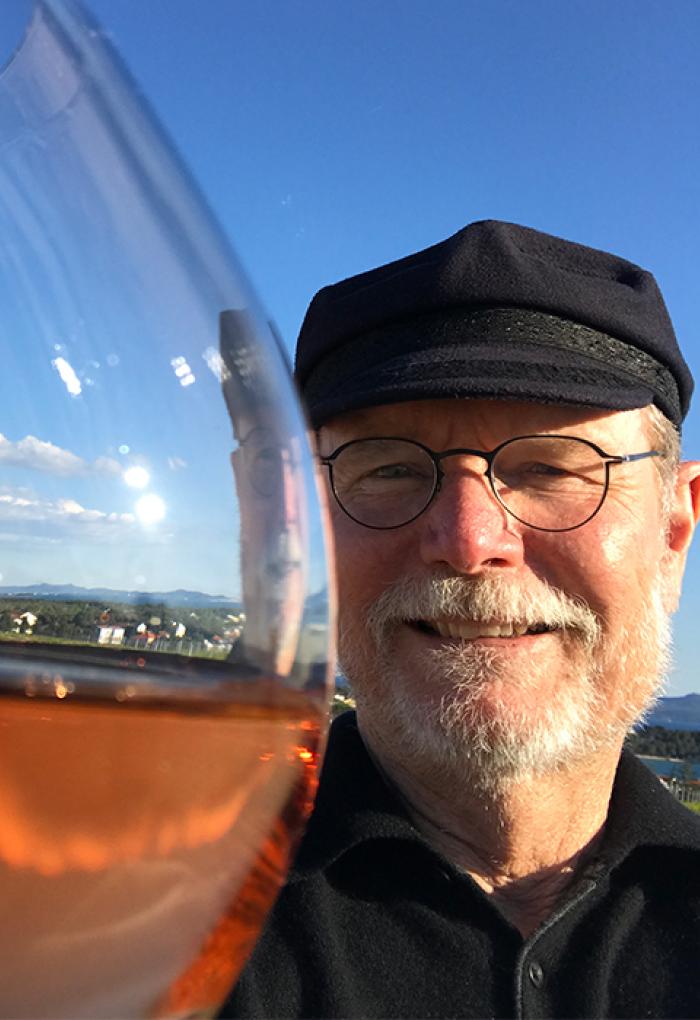
Joel Peterson taking selfie with wine glass

Joel Peterson currently creates exceptional wines through his latest venture, Once & Future Wine.

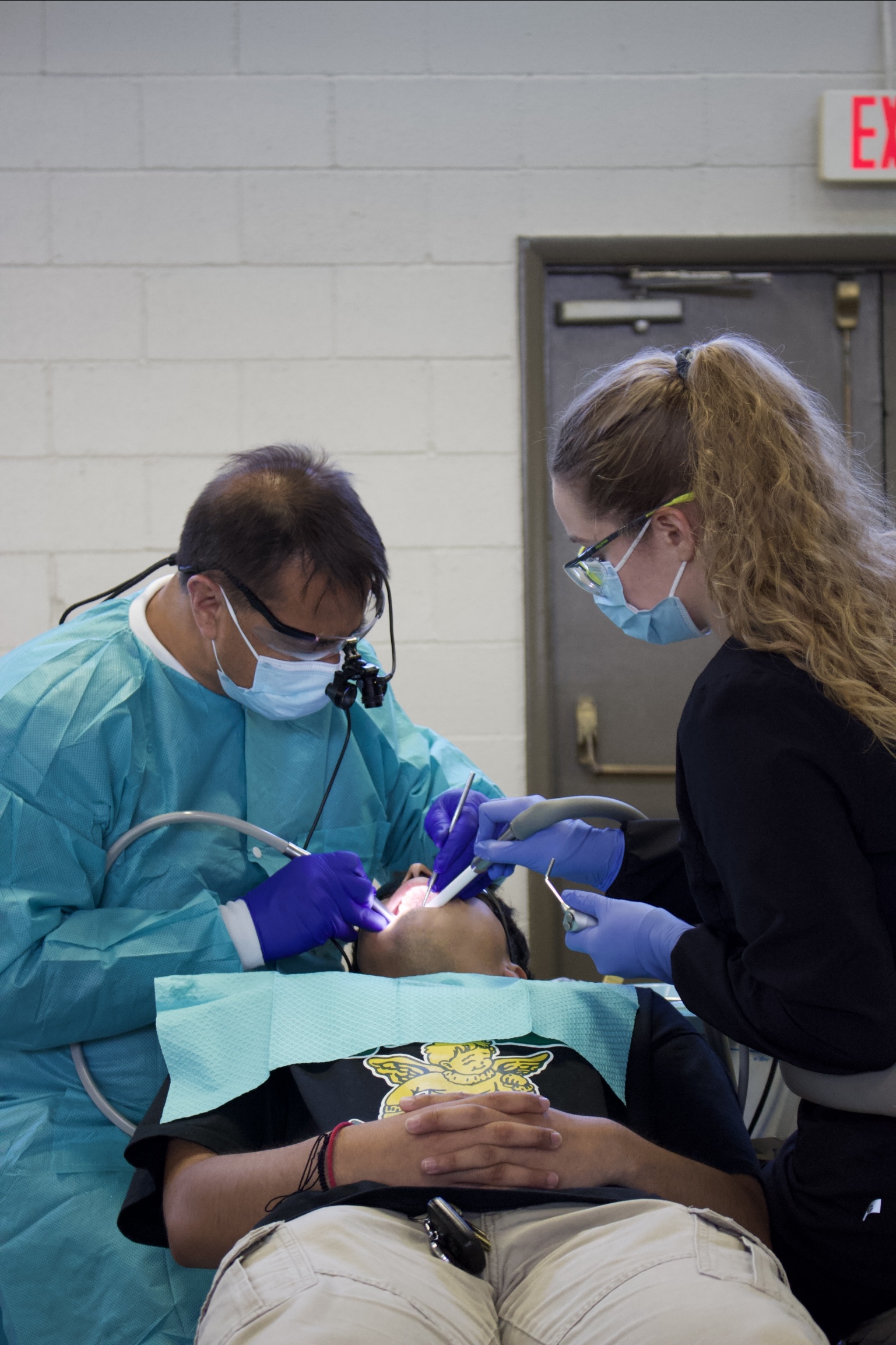
Students help a community member receive dental care.

Oregon State students provide free dental care to those in need

By Tom Henderson

When people lose their homes and incomes, they frequently lose their teeth. Their teeth begin to rot, and without access to dentists and anesthesia, people often pull the teeth out themselves.

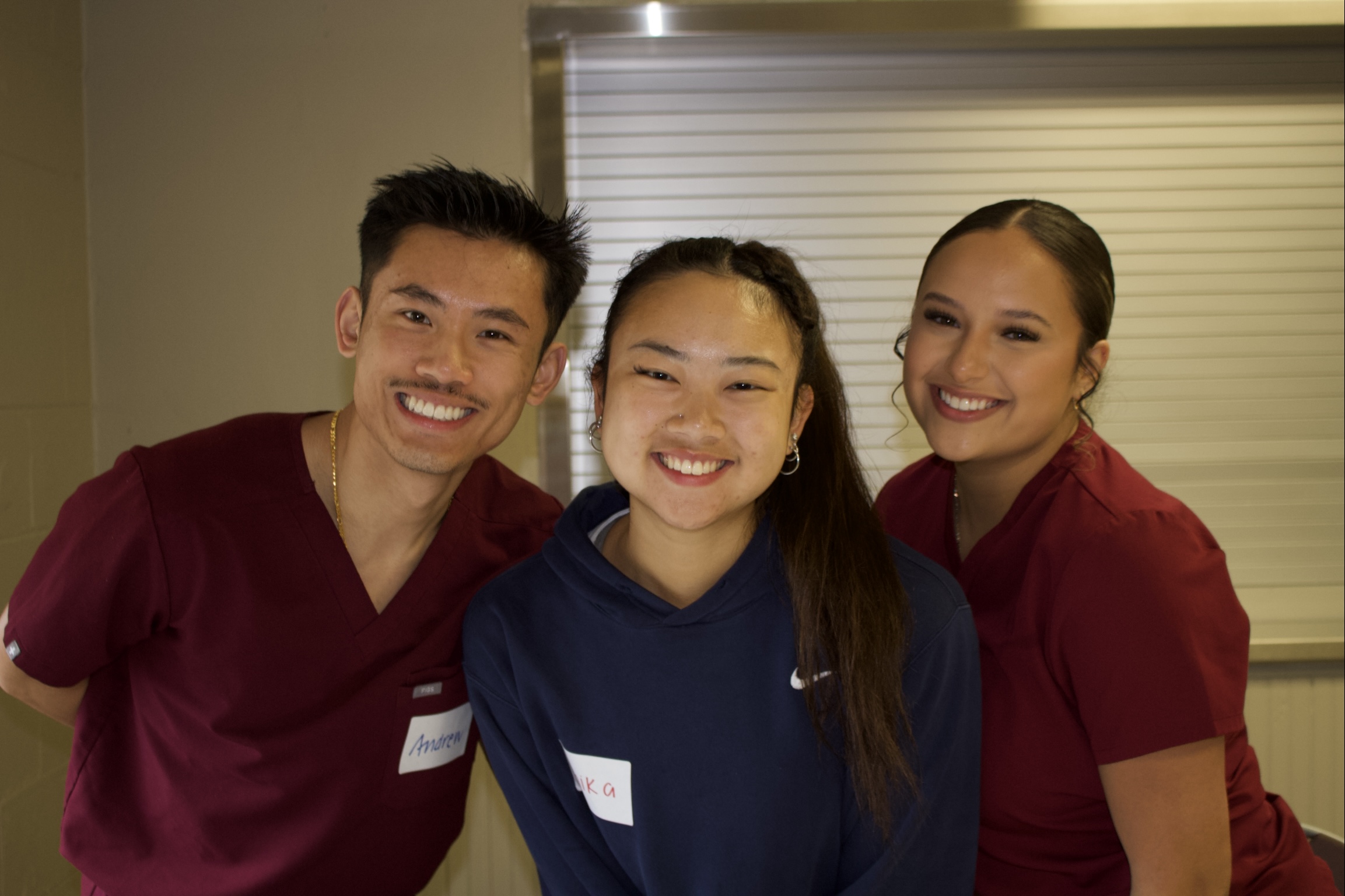
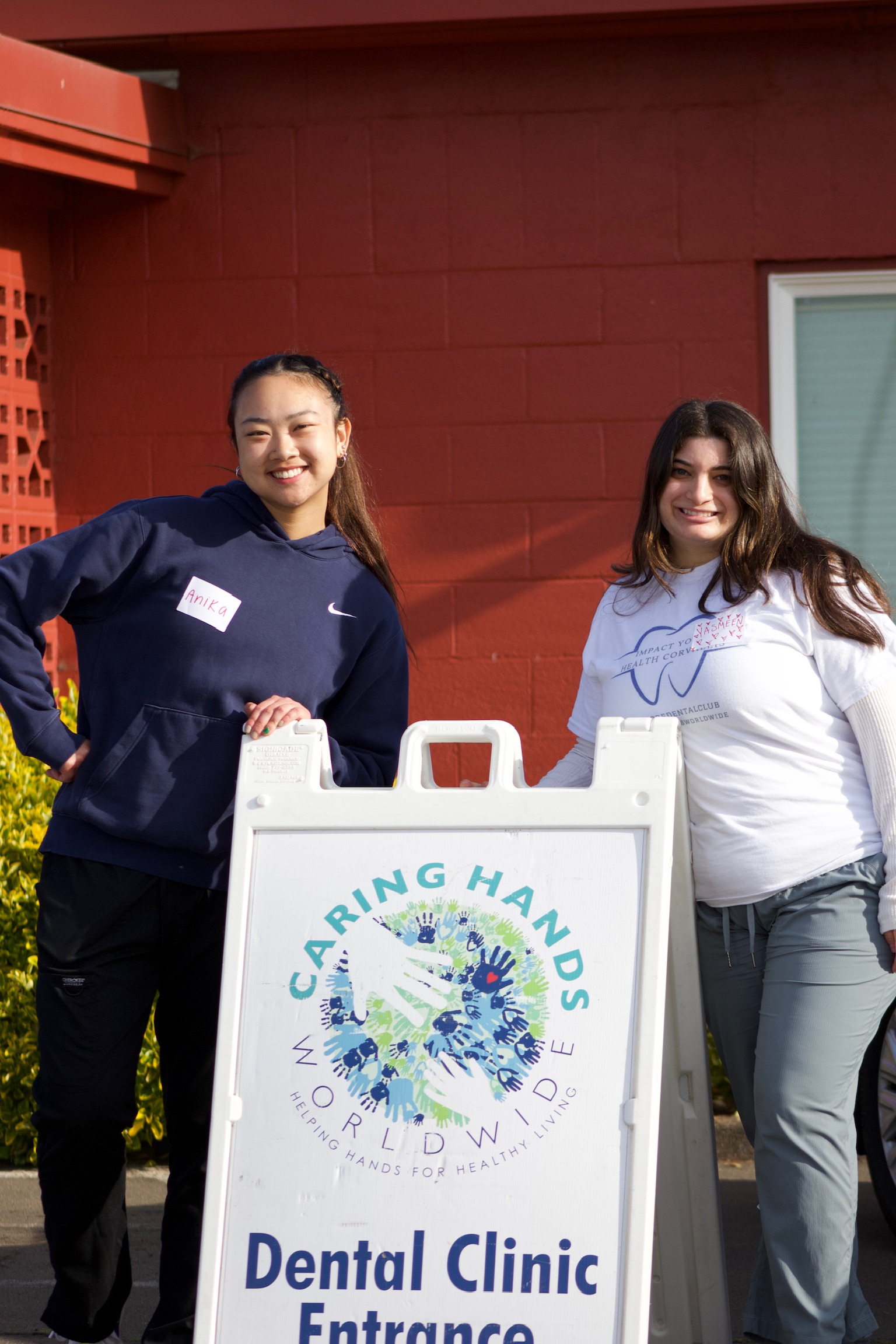
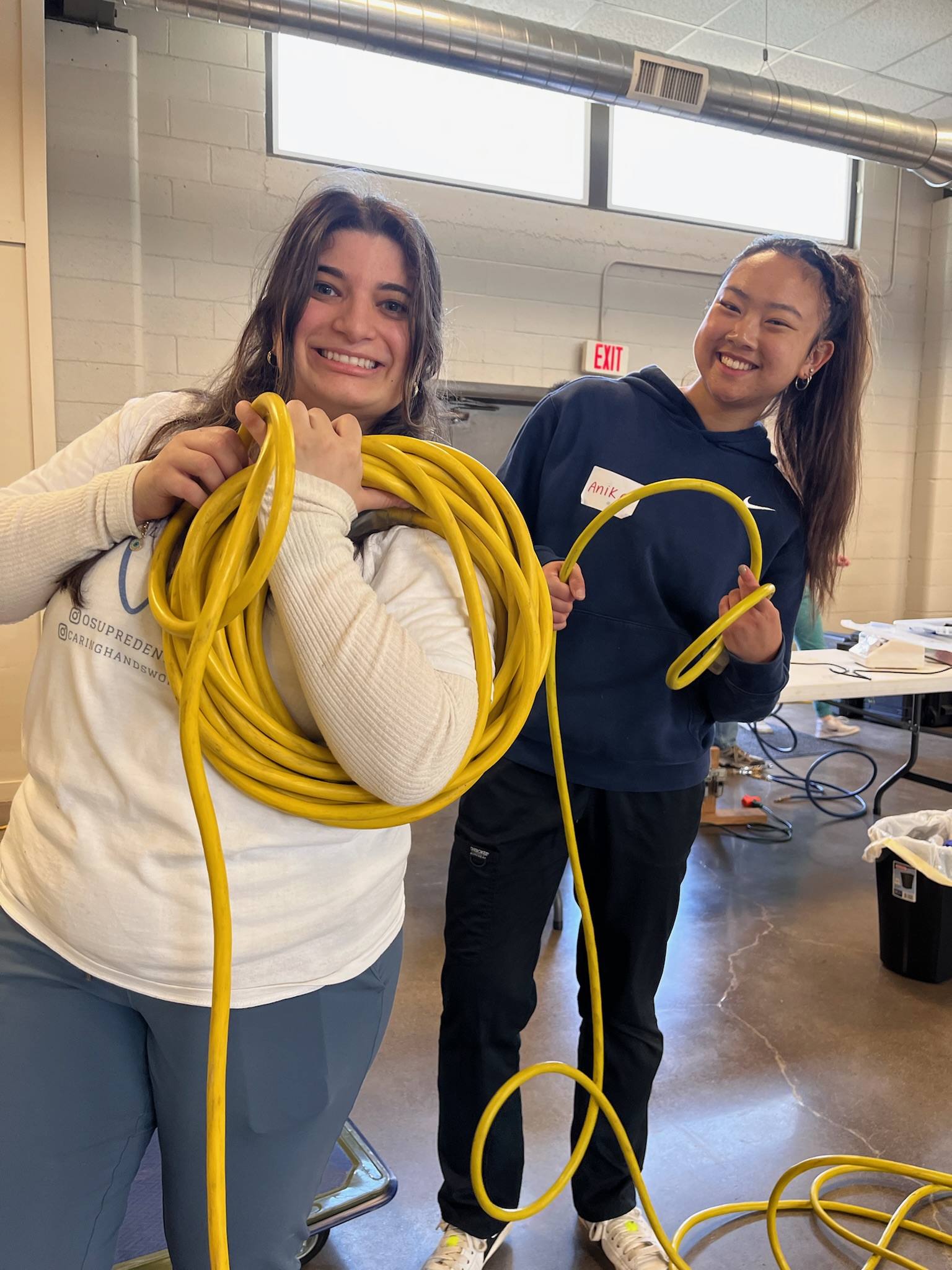
Anika Phuvasate sees such problems firsthand. When she was the president of Oregon State University's Pre-Dental Club in April, she helped coordinate the third-annual Impact Your Health Clinic to provide free dental services to people experiencing poverty.

"A lot of these community members who are coming to our clinic haven't seen a dentist in several years," said Phuvasate, a senior BioHealth major. "They lack the assets, or it could also be due to the stigma that surrounds poor dental health. People are often quick to judge people who have tooth decay and blame it on individual irresponsibility. The reality is there are a lot of social factors that come into play when it comes to someone's oral health."

No one should be ashamed to get dental care, she said.

"It was very rewarding for me to interact with these patients and create a nonjudgmental and compassionate environment for that and perhaps change their typical experience at the dental office," said Phuvasate, who graduated this spring.

The Centers for Disease Control, the nation's leading science-based, data-driven, service organization, reports that gum disease with bone loss is twice as common (at 60%) among adults ages 30 and older with low incomes compared with adults who had higher income (at 30%).

Untreated cavities are about twice as common among working-age adults with no health insurance coverage (43%) compared with those who have private health insurance coverage (18%).

Groundswell, an advocacy organization based in London reports that seven out of 10 people lose teeth after becoming homeless — with 15% of them pulling their own infected and rotting teeth.

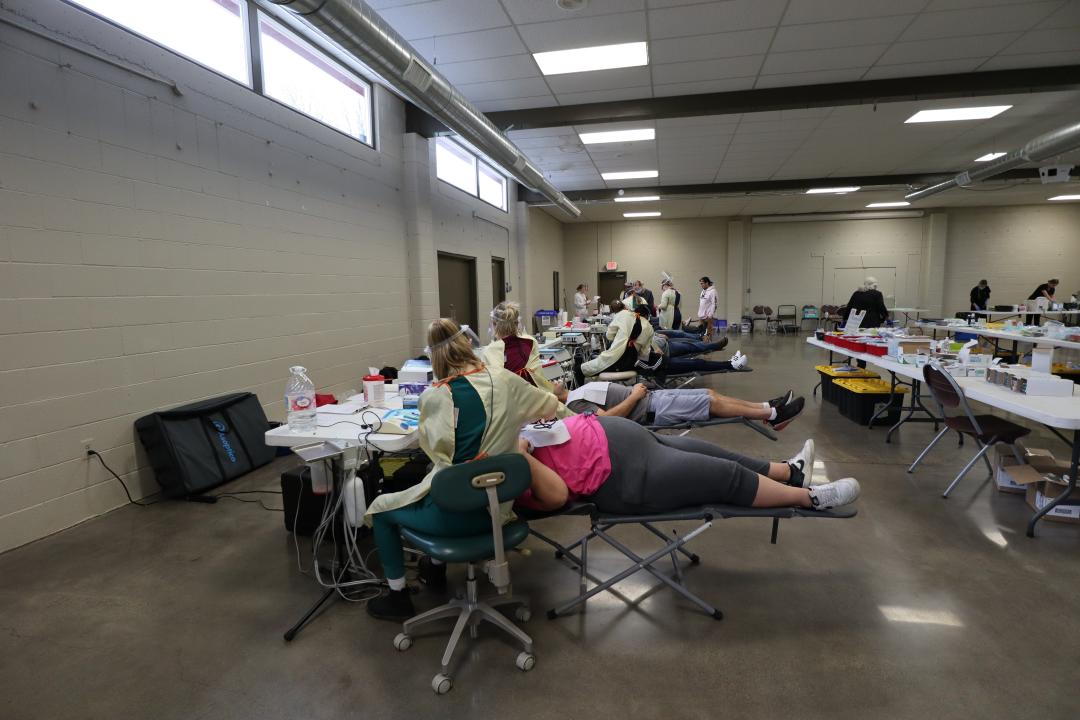
Patients receive dental care during the free dental clinic.

OSU students help community members receive free dental care during the third-annual Impact Your Health Clinic.

Clinics draw people from Oregon Coast and beyond

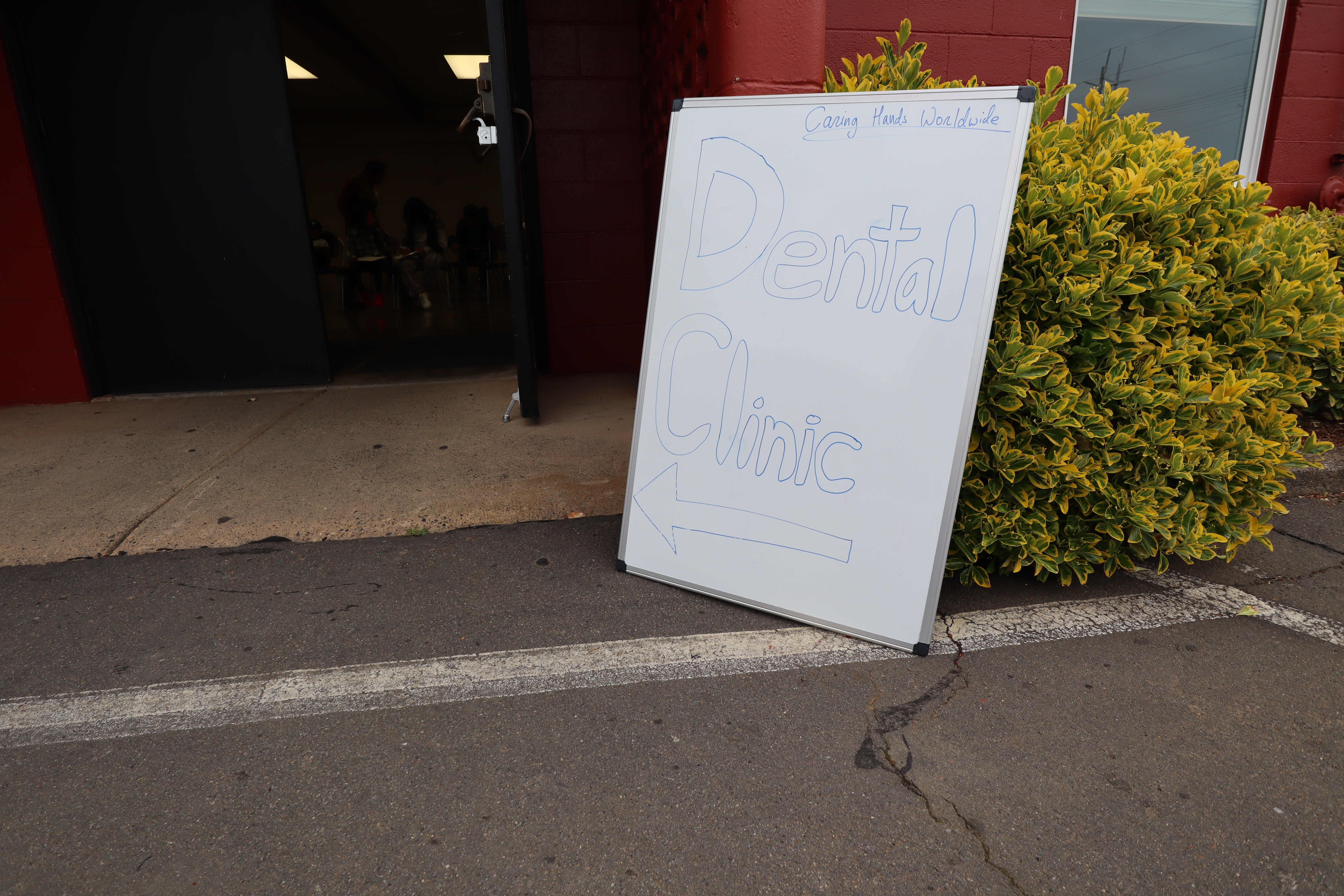
Members of Oregon State's Pre-Dental Club began organizing the annual dental clinic three years ago in partnership with Caring Hands Worldwide, an Oregon-based nonprofit that provides free dental care through similar clinics throughout the Pacific Northwest.

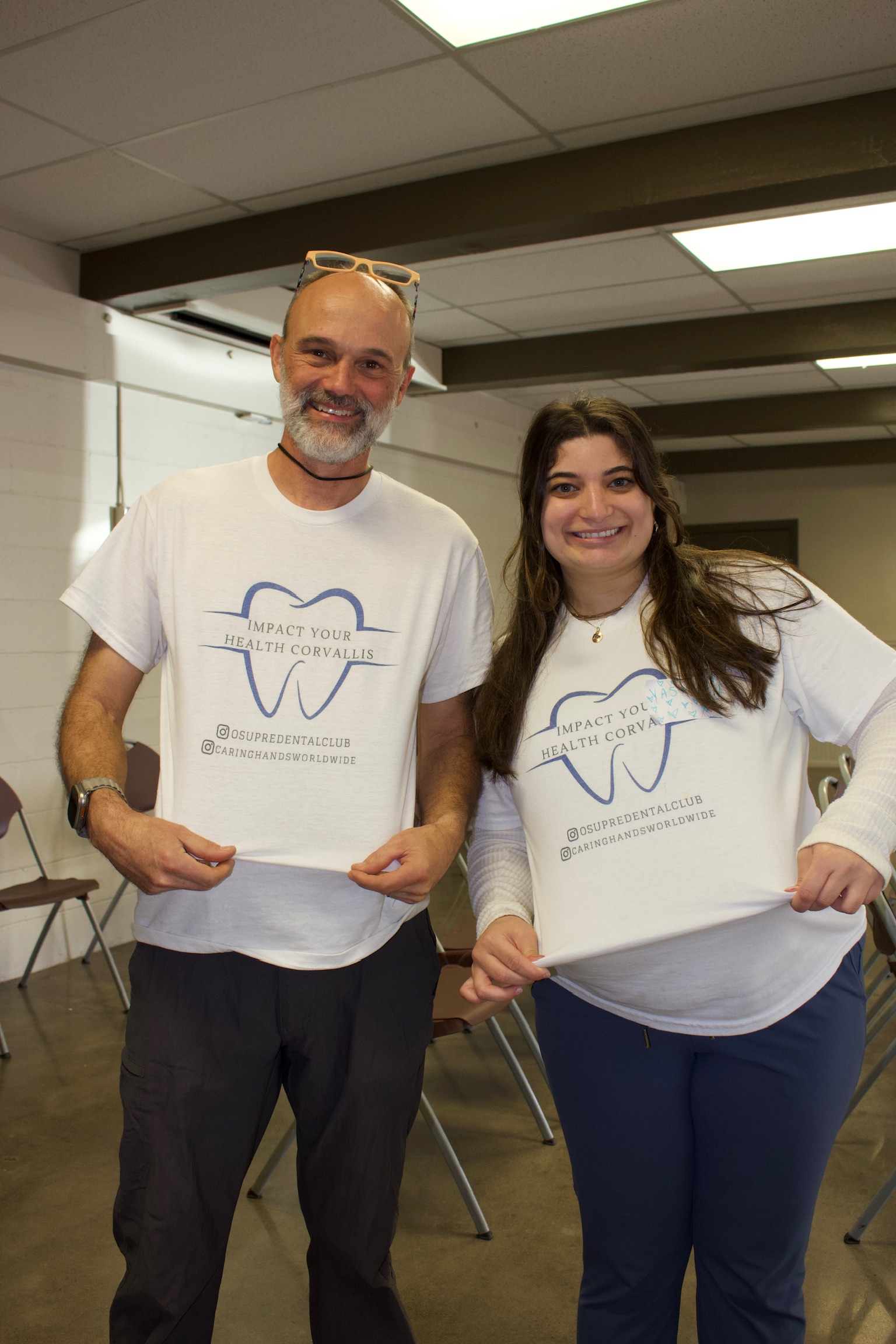
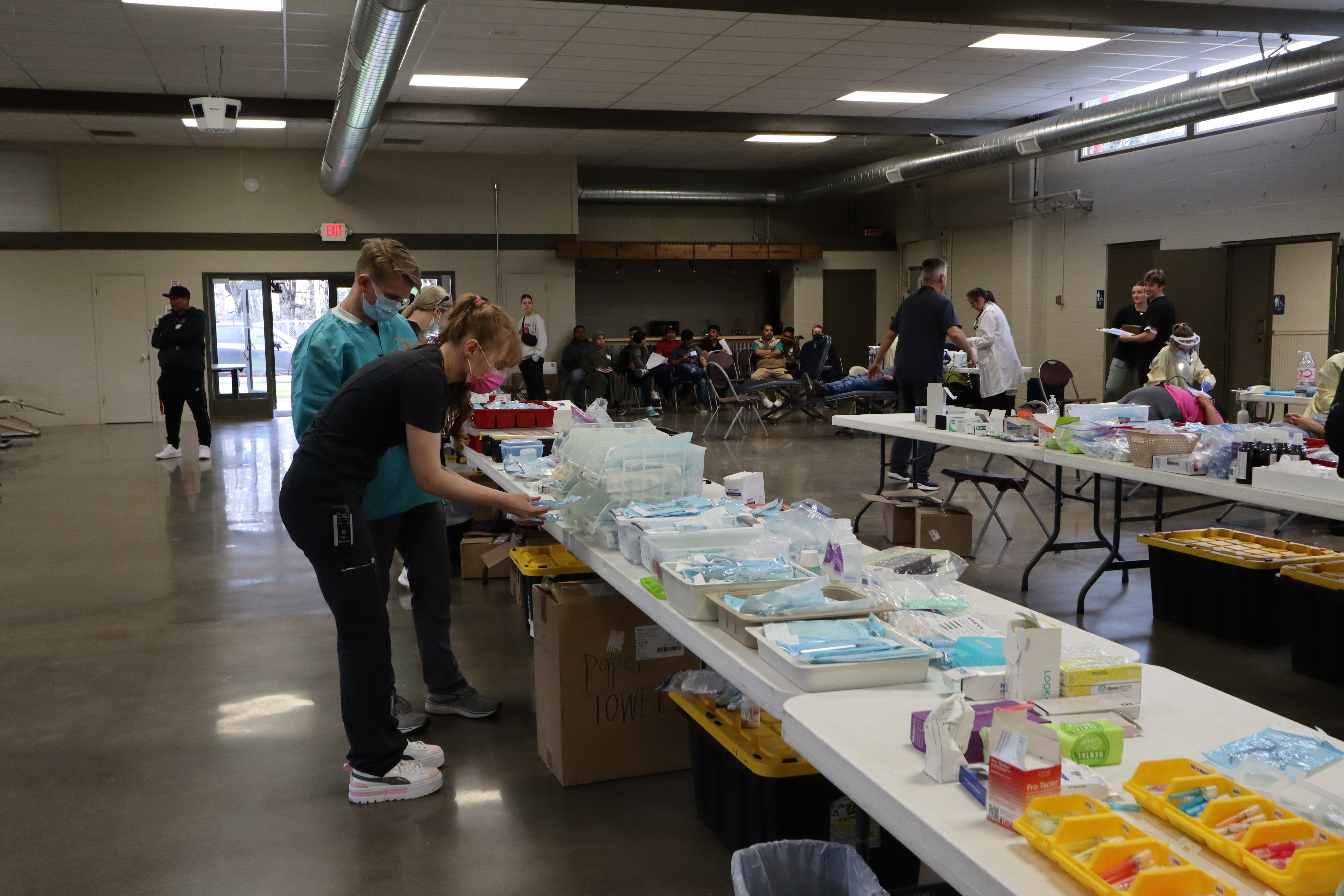
Club members gather dentists, hygienists, dental assistants, translators and other volunteers for the clinic. They perform a variety of tasks such as sterilizing dental instruments and checking in patients. They also raise money for the clinic and spread the word to patients.

A story last spring in the Daily Barometer, Oregon State's student newspaper, went a long way in spreading the word, said club Vice President Yasmeen Koborsi.

"The word really got out on campus, and it was a true community effort," she said. "It was all of these organization leaders on and off campus who came together and wanted to take a moment and help spread the word."

Patients came from Corvallis, Lebanon and Philomath and as far away as the Oregon Coast and The Dalles. "A lot of these people had homes," said Koborsi. "They just didn't have insurance or other means to get dental work done for themselves or their children.”

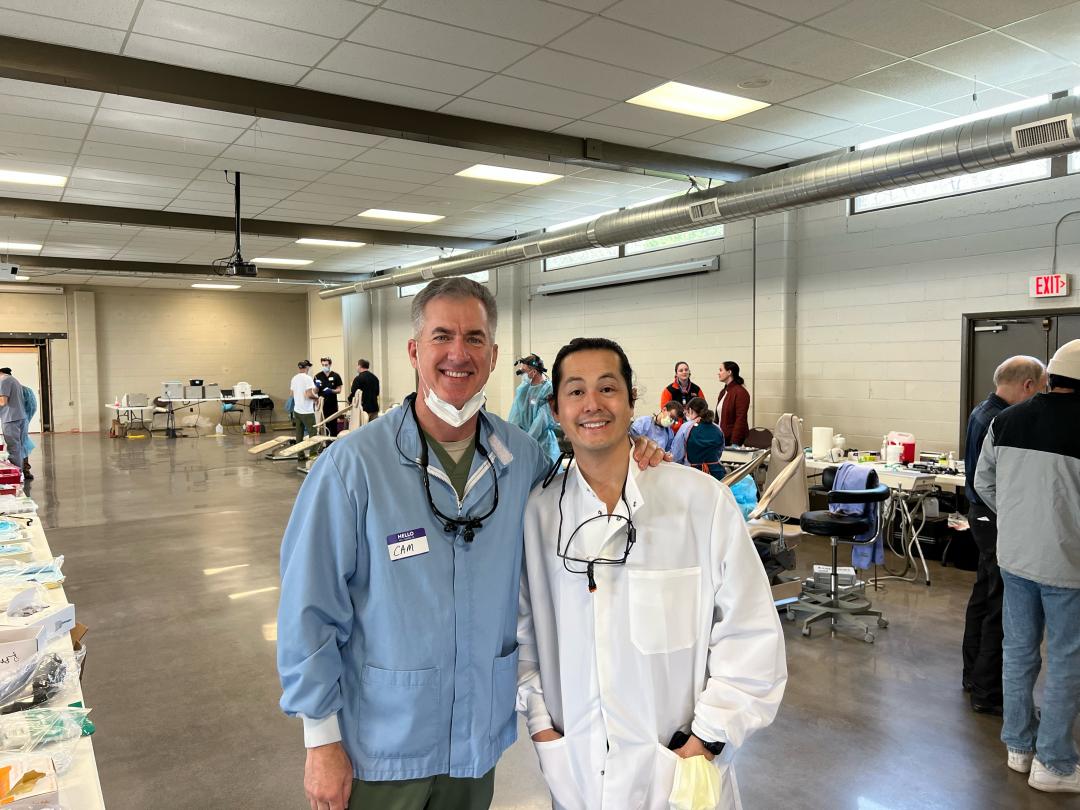
Two men in dentist gear pose for a picture.

Corvallis dentist Dr. Cam Little poses with another dental provider during the clinic. Little is the advisor of the annual clinic.

Pre-Dental club proves rewarding for students

Phuvasate said the clinic is extremely meaningful to her on a personal level. "Volunteering at it for the past three years has helped me reaffirm my decision to go into dentistry," she said.

The Pre-Dental Club is rewarding in general, said Koborsi. "The club shows students different ways to connect with the community through service projects and how to apply to the dental program," she said. "It hopefully deepens their passion for dentistry for their future careers."

Koborsi also graduated this spring. Like Phuvasate, she will be attending Oregon Health & Science University in the fall to complete her dental education.

"I love that through dentistry you are able to give people hope and let them know you care about them," she said. "You show them that, for about one hour in their day, you have dedicated your time to them to make them feel good at the end of it."

Dr. Cam Little, a dentist practicing in Corvallis since 1996, is the advisor of the annual clinic. He works closely with pre-dental students in general. Students interested in careers in dentistry frequently job shadow him.

"I didn't feel that observation only was enough for the students," Little said. "Sometimes I would let them assist me chairside if possible. I found that this gave them real hands-on experience and a better understanding of what it is like to treat a patient."

Little began working with Caring Hands Worldwide in 2018 in Eugene, even before the Pre-Dental Club began organizing the Corvallis clinics.

Avery Esau, the Pre-Dental Club president in 2021, suggested starting clinics in Corvallis. "She took the information back to a club meeting, and they voted to start doing this as their main yearly philanthropic mission," Little said.

Esau and fellow pre-dentistry student Isabella Sandgren rallied a team and held the first clinic at the First Congregational United Church of Christ.

This year's clinic ran April 13 and 14 at the Benton County Fairgrounds and drew 150 patients.

"This event is a real benefit to the community and to those who cannot afford dentistry and have no access to care," Little said. "It is also of great benefit to the pre-dental students of OSU. They get an opportunity to organize and staff a major philanthropic event.”

"It just deepened my passion each year."

Koborsi said she just hopes they helped people. "We tried to make sure every person who came left with more than what they expected," she said.

She became involved in dentistry through the Undergraduate Research, Scholarship & the Arts program at Oregon State.

"I was in Dr. Philip McFadden's lab in the Department of Biochemistry & Biophysics through URSA during my sophomore year," Koborsi said. "That really opened my eyes to how much I love the science, and specifically the chemistry, behind teeth."

She volunteered at the first Impact Your Health Clinic in 2022. "That was the way that I fell in love with dentistry," she said. "It just deepened my passion each year."

Koborsi said she initially wanted to be a pharmacist. "I really enjoyed being able to have a job where I was able to meet with patients and have a connection with them," she said. "As a dentist, I would be able to even deepen those connections. I just really want to have a career where I can build a community and connect with people and make people feel welcome, included, safe and cared for."

A group photo of people participating in the free dental clinic.

Participants of the third-annual free dental clinic pose for a group picture.

Making it less scary to see a dentist

Phuvasate said she also finds the clinics inspirational. "They made me realize that the reason I want to go into dentistry is to help people overcome their feelings of shame and insecurity when they're in the dental chair," she said.

She chose to go into dentistry at the end of high school. "I wasn't entirely set on it," she said. "I started looking into it because I was interested in human biology. I also knew I wanted a career where I could work with the general public. I wasn't drawn to doing research or lab work behind the scenes. I decided to look into health care."

Although she considered being a physician, said Phuvasate, she heard too many physicians complain about burning out from their frustration with the health-care system. "Every dentist I talked with was extremely happy with their work/life balance and the personal connections they're able to make with patients," she said.

"As a kid, I never had any bad interactions with dentists," she added. "I actually looked forward to seeing my dentist. I didn't realize that many people have a phobia about going to the dentist. That also made me realize how much of an impact those interactions can have."

Phuvasate said she hopes some people are already more comfortable seeing a dentist because of the help she and her fellow Pre-Dental Club members provided at the annual clinics.

"Maybe they avoided the dental office because they're so used to being judged for the state of their teeth," she said. "We hopefully made people comfortable enough to talk about their dental health."

An abstract illustration of data, AI and information forming waves

College of Science hosts Inaugural Research Showcase

By Hannah Ashton

Extending the Reach and Impact of Science

RSVP Today

Tuesday, May 21, 2024
11 a.m. – 2 p.m.
Memorial Union Multipurpose Room 13

This event will feature SciRIS awardee presentations, panel discussion on artificial intelligence in the College of Science, and posters and science education demonstrations by Oregon Museum of Science and Industry (OMSI) Fellows.

Schedule of Events

11 – 11:10 a.m.

Welcome and introduction from Vrushali Bokil, Associate Dean of Research and Graduate Studies


11:10 – noon

SciRIS Awards Showcase

The College of Science Research and Innovation Seed (SciRIS) program funds projects based on collaborative research within our community and beyond. The program awards seed funding for high-impact collaborative proposals that build teams, pursue fundamental discoveries and create societal impact. Founded in 2018, SciRIS accelerates the pace of research, discovery and innovation in the College of Science by enabling scientists to work across an array of disciplines in a mentored environment. We showcase some of the recent awards made under this program.

Francis Chan: “The Hypoxic Barrier Hypothesis: have we missed a fundamental dynamic of oxygen use in microbes and ecosystems?”

Kim Halsey: “Leveraging volatile organic compounds to detect cyanotoxin contamination in Oregon lakes”

Maude David: “Leveraging organ-on-a-chip systems to mimic the gut sensory system: toward screening microbiota-vagal interactions”

Yuan Jiang: “Harnesses longitudinal microbiome data to define the ecological roles of host-associated microbes”

Alysia Vrailas-Mortimer: “A New Model to Study the role of Iron in Parkinson’s Disease”


Noon – 1 p.m.

Lunch & Networking: OMSI Communication Fellows demonstration and poster session

Oregon State University and the Oregon Museum of Science and Industry (OMSI), one of the nation's leading science centers, have enjoyed a close partnership since 2016. OMSI hosts its popular Science Communication Fellowship cohort program on OSU’s Corvallis campus every spring. More than 70 students, faculty and staff from across science at OSU have completed the training program, including the Colleges of Science; Engineering; Earth, Ocean, and Atmospheric Science; Agricultural Sciences; Forestry; and Public Health and Human Sciences. The COS partners with OMSI in offering this fellowship to our students. Here we showcase some of our COS OMSI Science Communication Fellows.

Akasit Visootsat & Yuan Gao (Physics): “What & How to see motor proteins?”

Sunni Patton (Microbiology): “Exploring the Coral Microbiome”

Austin Vick (Integrative Biology): “What can the common fruit fly tell us about our health”


1 – 2 p.m.

Panel Session: AI in Research
Moderators: Vrushali Bokil, Bettye Maddux and Jeff Hare

The panel will discuss ideas for incorporating AI and data science across four priority research areas: clean energy, integrated health and biotechnology, climate solutions and robotics.

Panelists

Tim Zuehlsdorff, Assistant Professor, Department of Chemistry

Jeff Hazboun, Assistant Professor, Department of Physics

Ryan Mehl, Professor, Director of GCE4All Research Center, Department of Biochemistry & Biophysics

Marilyn Rampersad Mackiewicz, Associate Professor, Department of Chemistry

Francis Chan, Associate Professor, Director, Cooperative Institute for Marine Ecosystem and Resources Studies, Department of Integrative Biology

Subscribe to Events