Students

Students

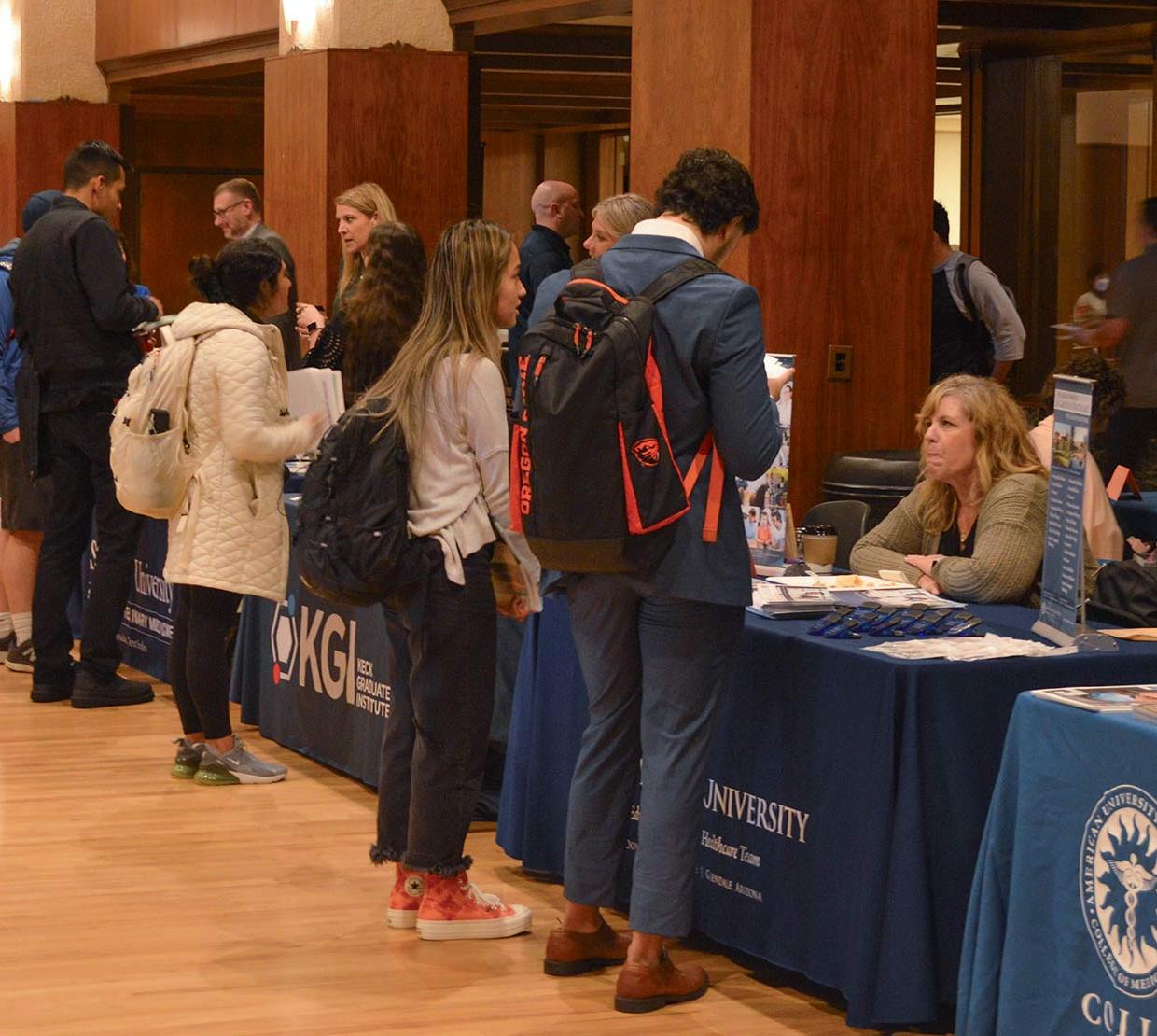
Wide shot of the Health Professions Fair, showing many universities meeting with students

Connect with schools and programs specializing in health care at the Health Professions Fair!

By College of Science Communications

The Health Professions Fair is a fantastic opportunity to learn about graduate education and careers in health care.

Admissions representatives from more than seventy health professions programs across Oregon and the United States will travel to Oregon State to meet with students at the Health Professions Fair.

April 23, 2024
10 a.m. to 2 p.m.
OSU Dixon Recreation Center Lower Gym.


According to U.S. News and other surveys, healthcare is one of the fastest-growing industries. The Bureau of Labor Statistics predicts that employment growth in this sector will be much quicker than the average for all jobs by 2026.

Students interested in this industry can connect with professional schools and graduate programs with specializations in the health-care industry while also learning about graduate education and careers. The Fair hosts schools representing health professions programs in medicine, osteopathy, dentistry, pharmacy, chiropractic medicine, nursing, physical therapy, public health, health management and administration, biomedical sciences and several others. More than 500 students attend the Health Professions Fair each year.

Students are welcome to stop by anytime during the Health Professions Fair, which is free and open to all majors. Volunteers will be on hand with a list of participating schools and a map of their table locations. Students can visit a school’s table to pick up information materials and speak with admission representatives.

Something for everyone

The health fair is open to all undergraduates and alumni.

First and second year students can explore health professions options, build networks and get tips from admission representatives on undergraduate preparation and co-curricular activities.

Juniors, seniors and alumni will have opportunities

  • to learn about specific programs from admissions representatives of various universities,
  • collect application materials and obtain financial aid information, and
  • get tips on writing a personal statement, application, and letters of reference.

Preparing for the Fair

Students can connect with representatives of graduate health programs from schools such as Oregon Health and Science University, University of Southern California, Tufts University, Pacific University, Idaho College of Osteopathic Medicine and many more.

See a list of participating schools


Prioritize your list of schools and brainstorm questions for admissions representatives to make the most of your Fair time. Here are a few ideas to get started:

  • What is unique about program X at your university?
  • What types of courses would I take in program X?
  • What hands on components does program X offer (internships, rotations, etc.)?
  • What does your admissions committee look for in an applicant?
  • I read about X on your website. Can you tell me more about that?

For more information, please visit the Health Professions Fair event page.

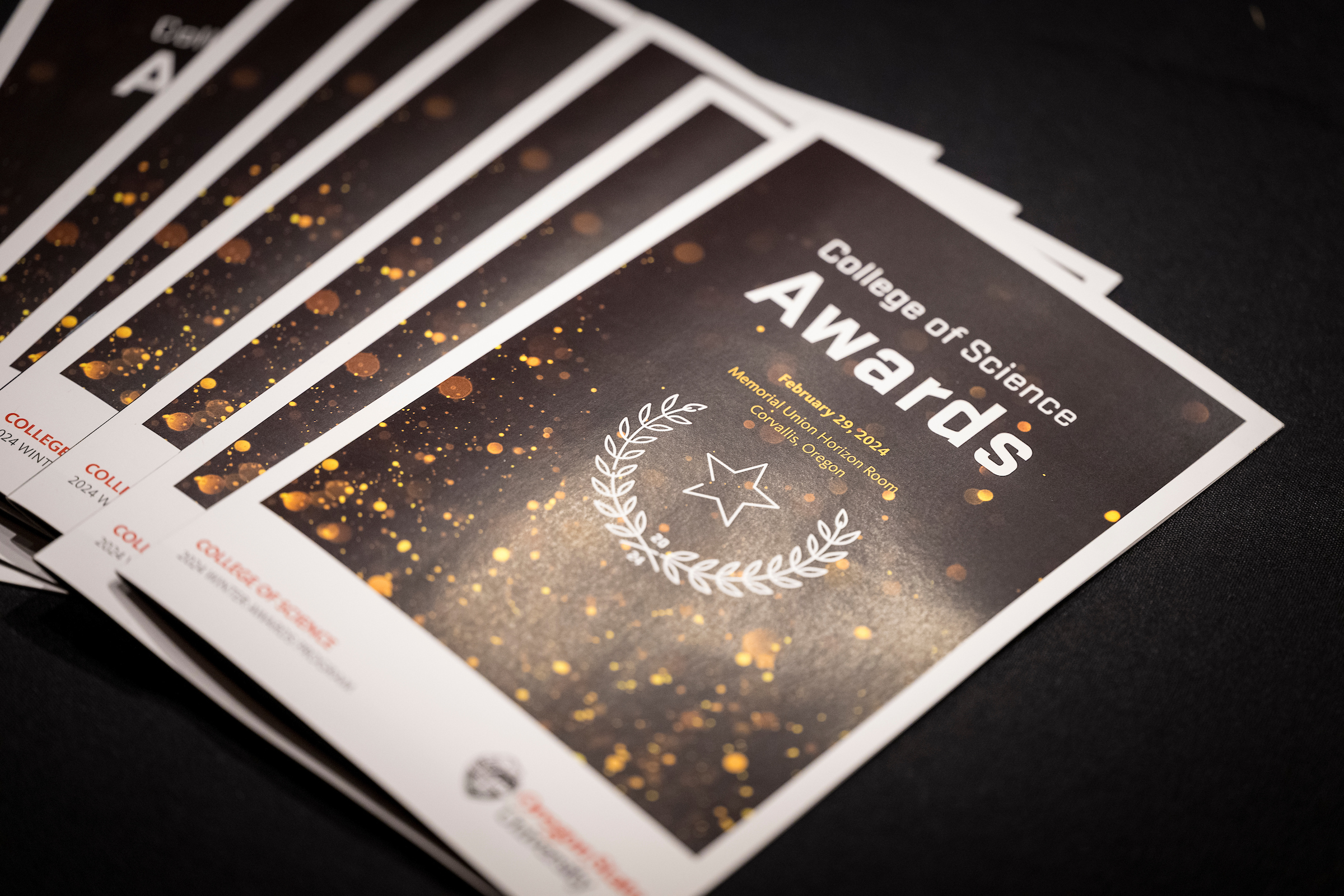
A pillar graphic with golden confetti in the background.

Celebrating excellence in teaching and advising: 2024 College of Science Awards

By Hannah Ashton

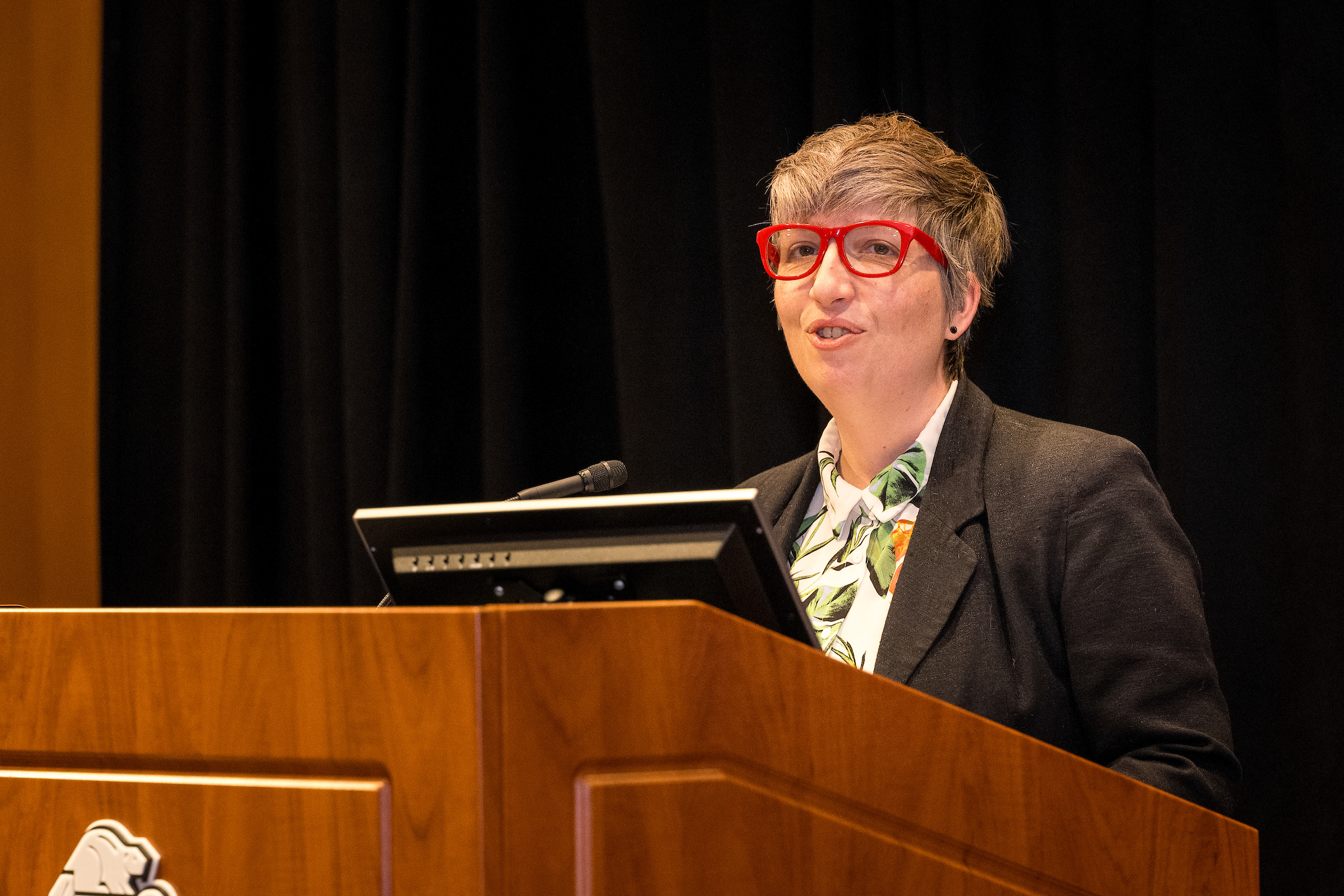
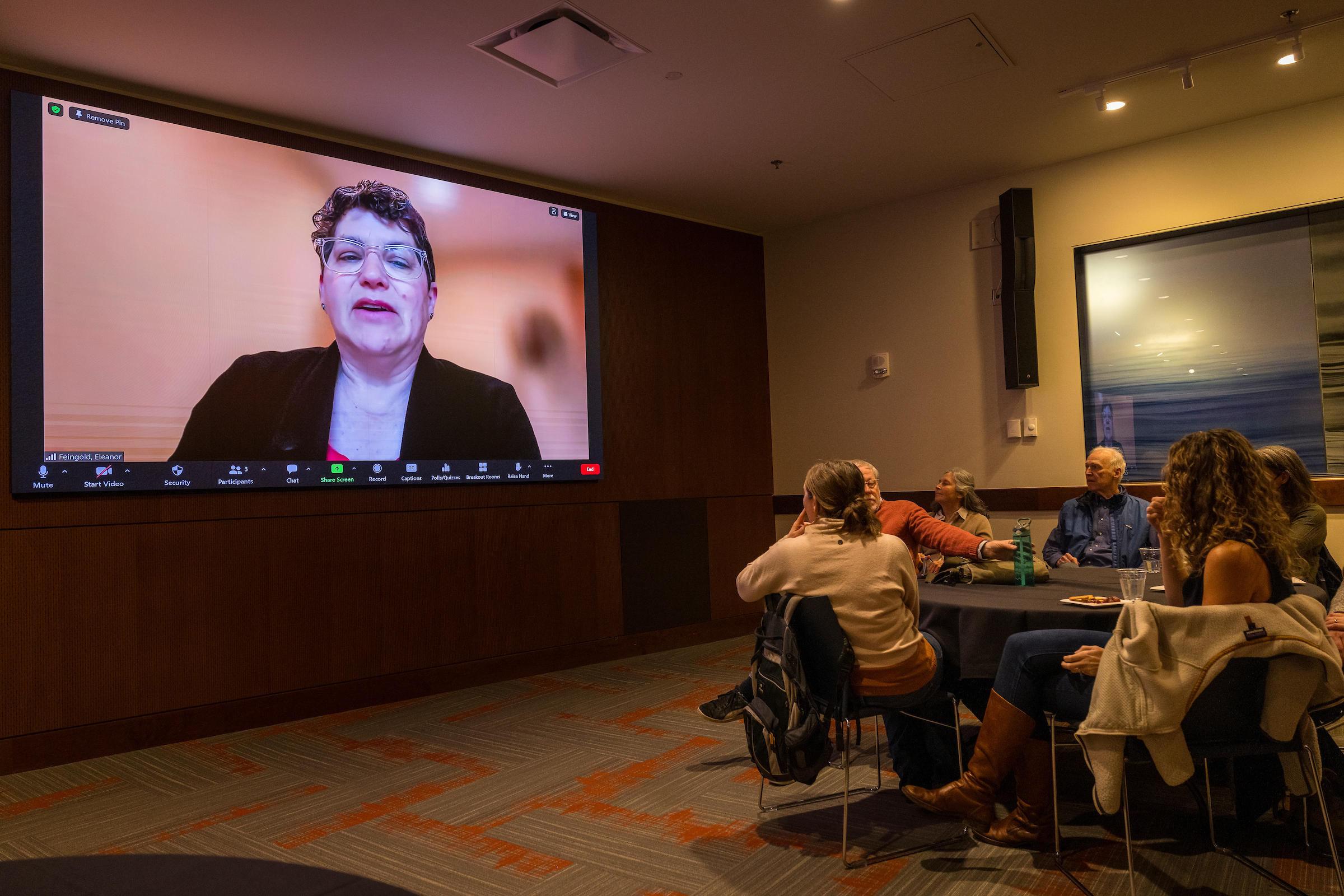
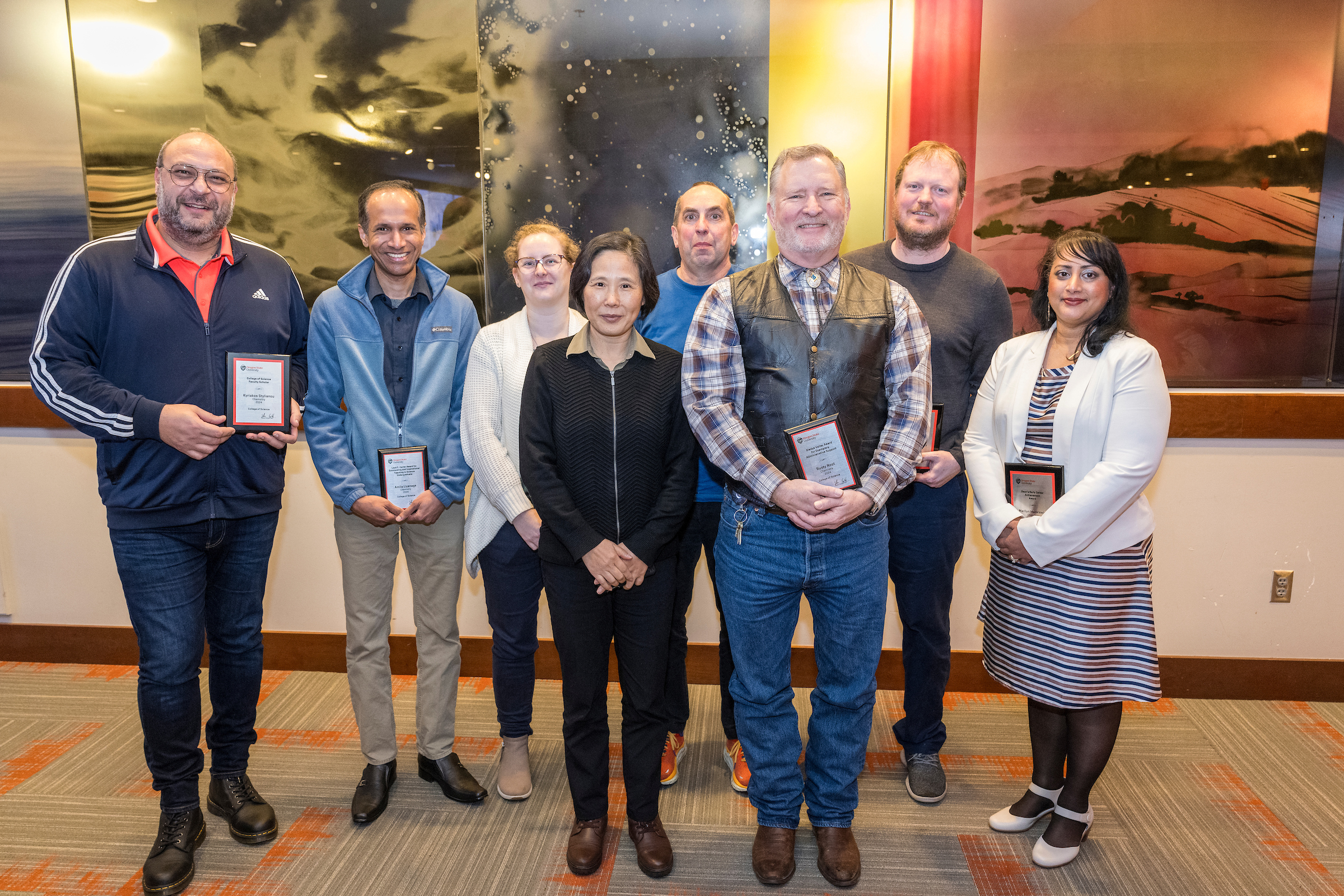
The College of Science gathered on Feb. 29 to recognize and celebrate our high achieving faculty and staff at the 2024 Combined Awards Ceremony. The evening celebrated the very best in the College, from teaching, advising and research to inclusive excellence, administration and service.

The following faculty and staff received awards in the categories of teaching and advising.

Congratulations to all the awardees!

Olaf Boedtker Award for Excellence in Academic Advising

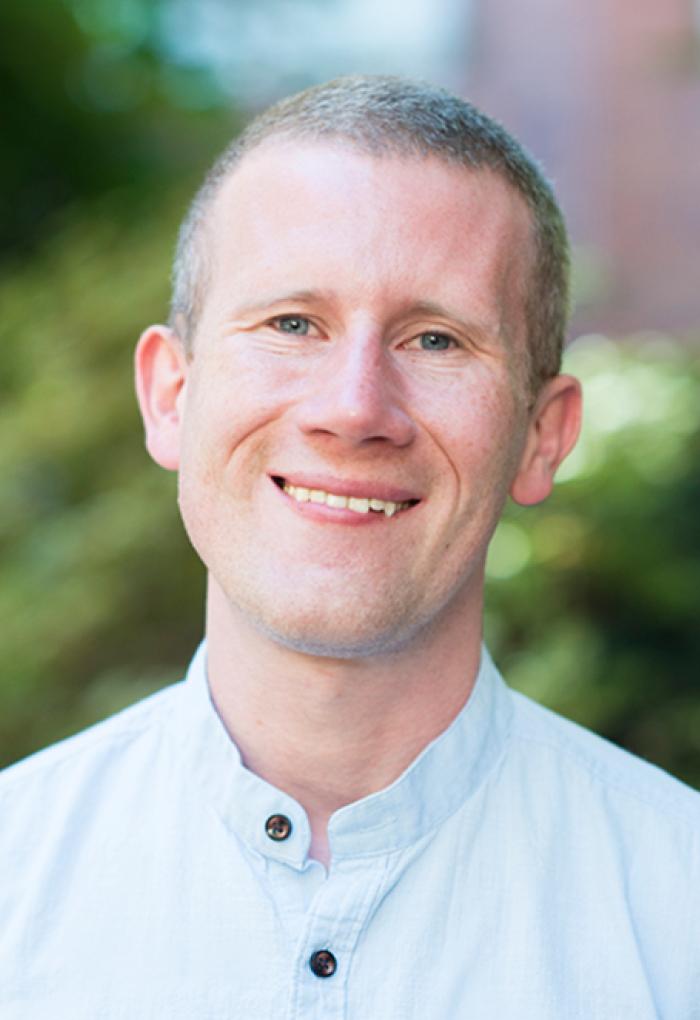
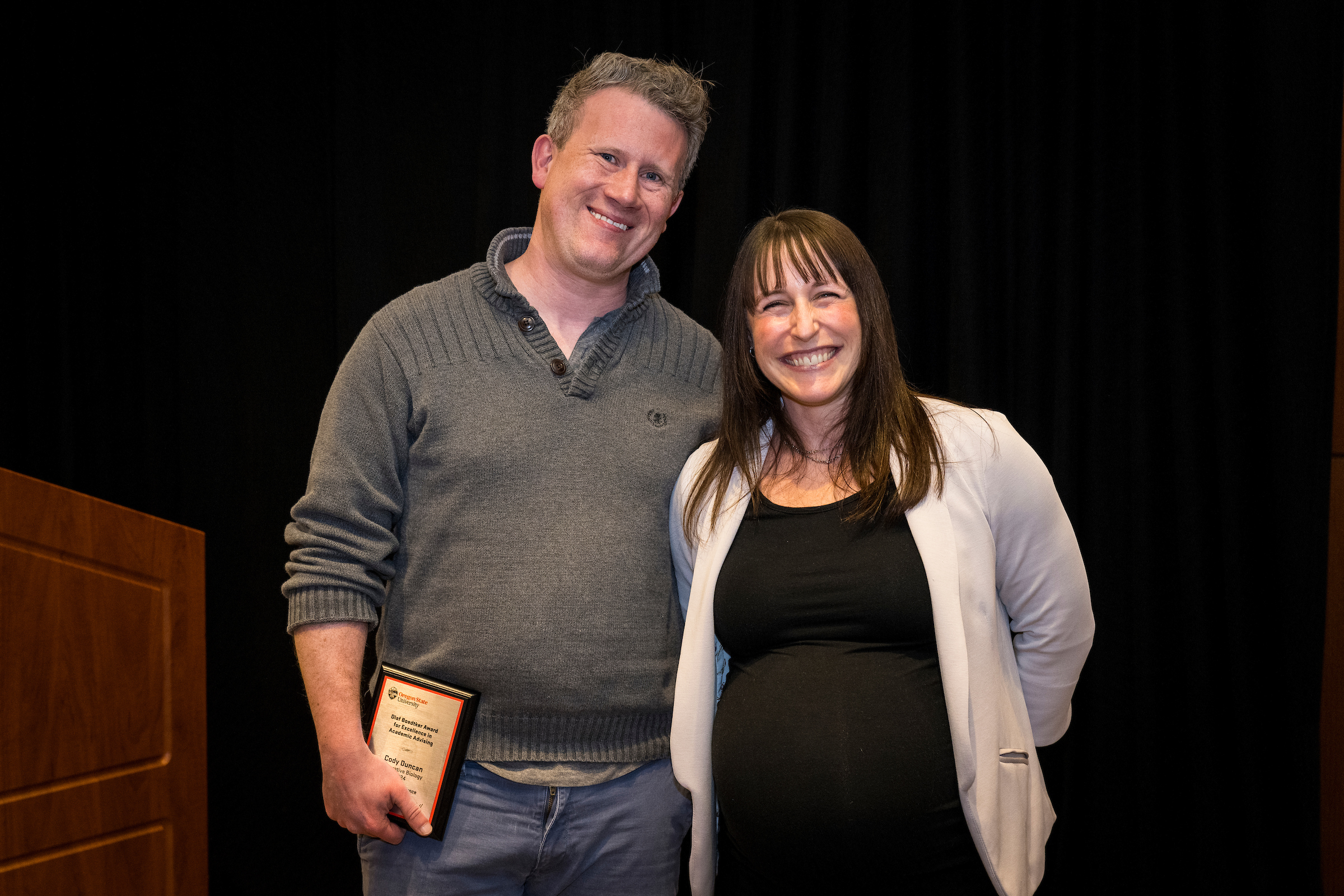
Cody Duncan, academic advisor in the Department of Integrative Biology, received the Olaf Boedtker Award for Excellence in Undergraduate Advising.

Cody Duncan smiling for a photo.

Cody Duncan

Duncan was praised by students for being an outstanding advisor, even when he was not their primary advisor.

One student commends Duncan for being the best advisor they’ve had at OSU, stating, “He is thoughtful, kind and cares about students.” Others highlighted his responsiveness in addressing schedule and planning issues, always providing helpful options for meeting forward.

His influence has had a lasting positive impact. A student recalls their first meeting with Duncan, emphasizing his kindness and understanding of their goals upon entering college. Even amid changing academic interests, Cody’s support remains unwavering. A student shares, “He helped me navigate a shift from pre-vet to pre-med during my senior year, providing knowledgeable advice on next steps in terms of shadowing or exploring human medicine.”

What sets him apart is his enduring support. He is known for mentioning to students that they can contact him even after college if they need help or direction. This long-term commitment underscores his genuine care for students.

Loyd F. Carter Award for Outstanding and Inspirational Teaching in Science (Undergraduate)

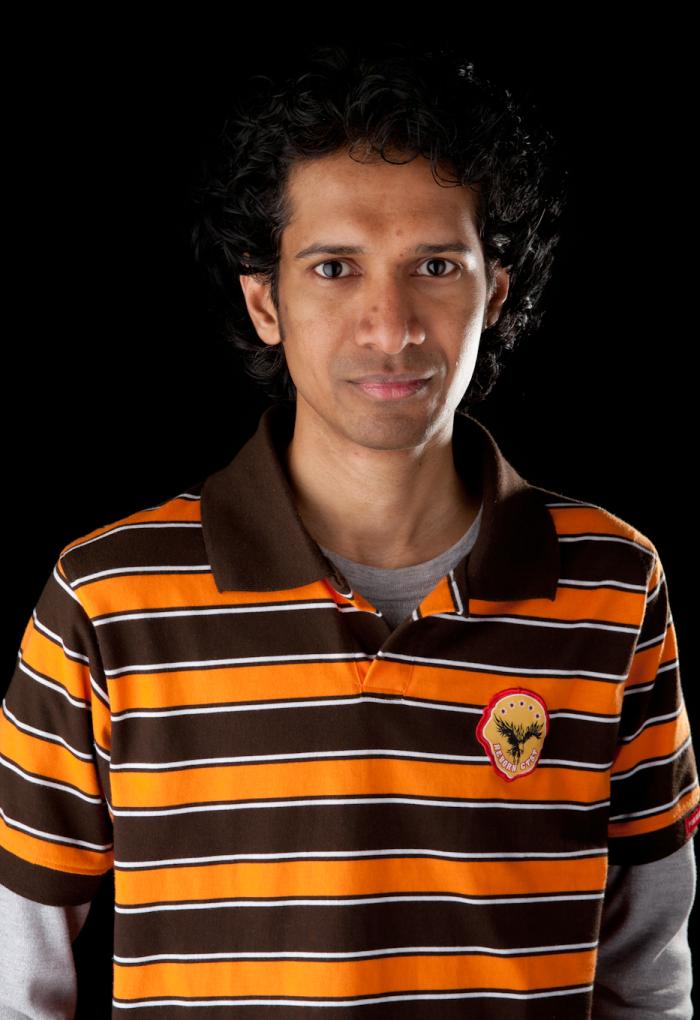
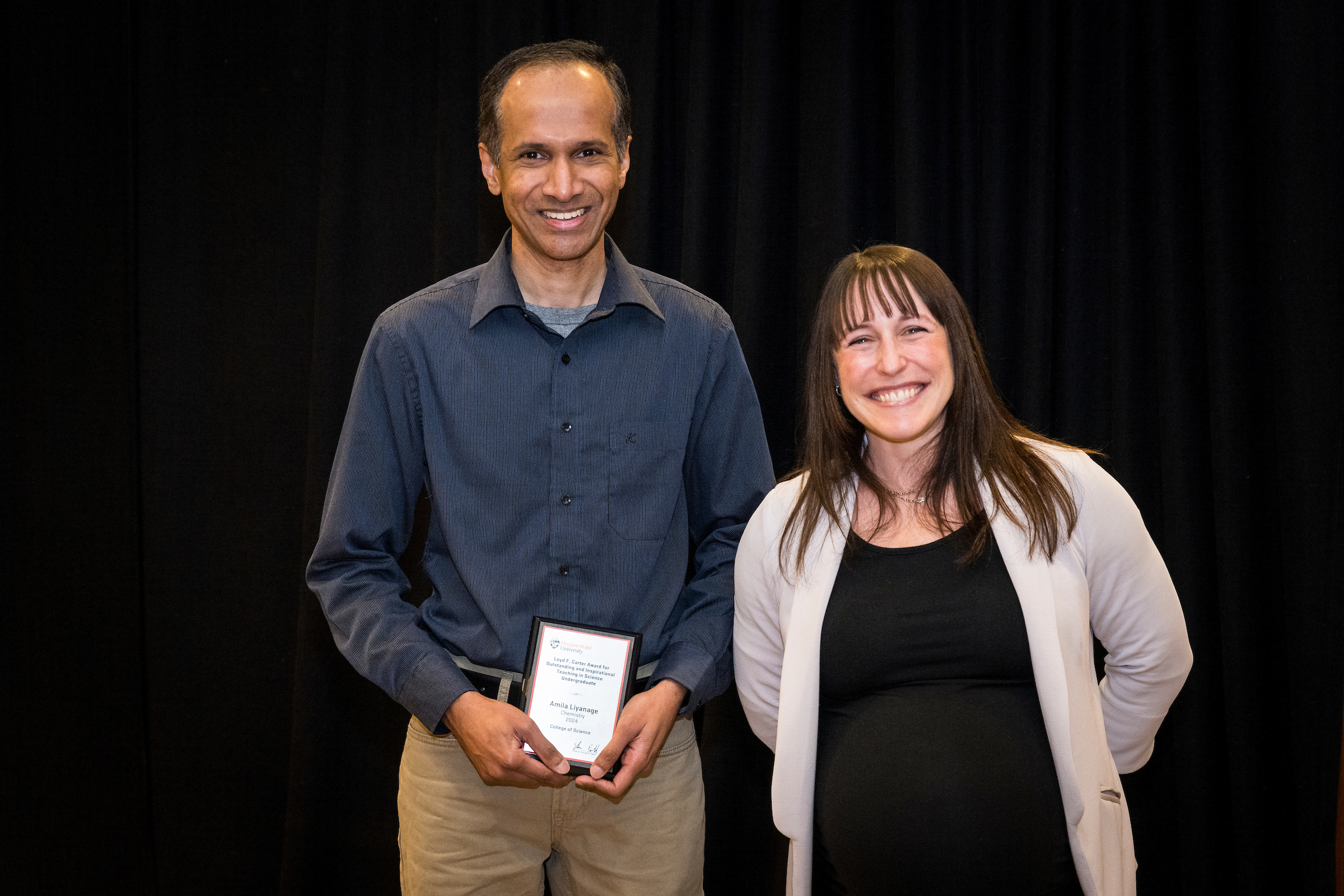
Senior Instructor I Amila Liyanage received the Loyd F. Carter Award for Outstanding and Inspirational Undergraduate Teaching in Science. Liyanage teaches Experimental Chemistry.

Amila Liynage smiling for a photo.

Amila Liyanage

Students unanimously commended Liyanage’s impactful teaching style, especially in lab settings, where he stands out for being incredibly hands-on and focused on students’ needs. One student notes, “He takes the time to connect with students. He listens to concerns with an open mind and takes the time to help the students solve the problem at hand.”

Beyond the classroom, his proactive dedication is evident as he takes time to review student’s lab reports before deadlines, providing valuable feedback and help to succeed. He is described as “outgoing and respectful to lab attendants and faculty.”

In the Experimental Chemistry Honors series, students appreciate Liyanage’s kindness, detailed explanations and clear directions. One student emphasizes, “Liyanage was so supportive and helpful when I had a question or if I was struggling.”

Students value his recognition of their lives outside academia, citing instances where he granted extensions due to external circumstances. “He is an incredible teacher and mentor, and I can’t think of anyone truly more deserving of this award,” one student wrote.

Loyd F. Carter Award for Outstanding and Inspirational Teaching in Science (Graduate)

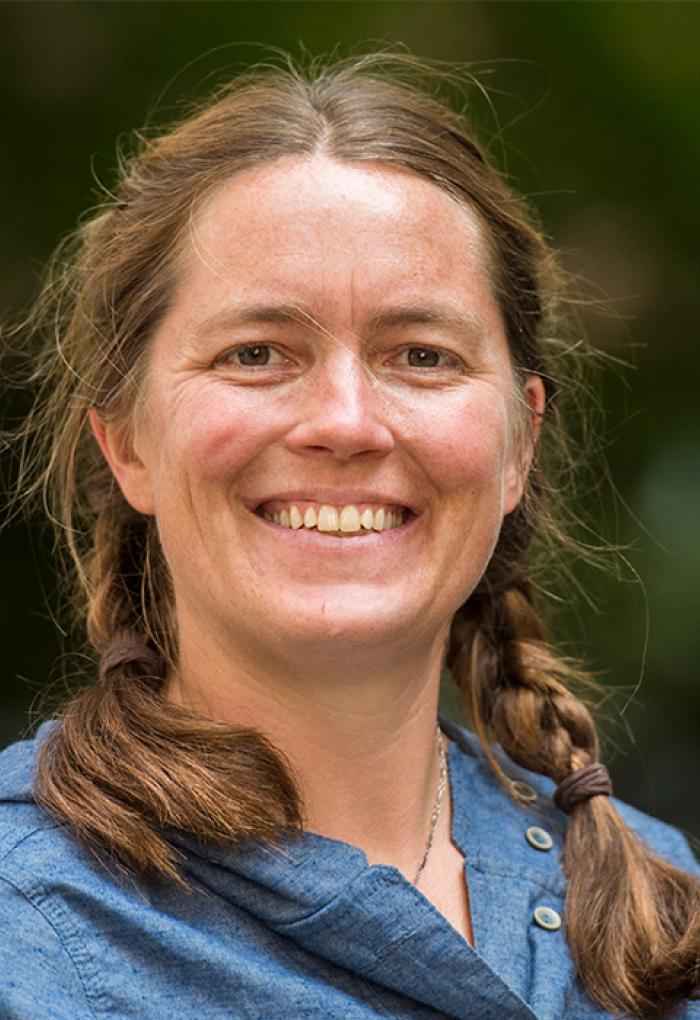
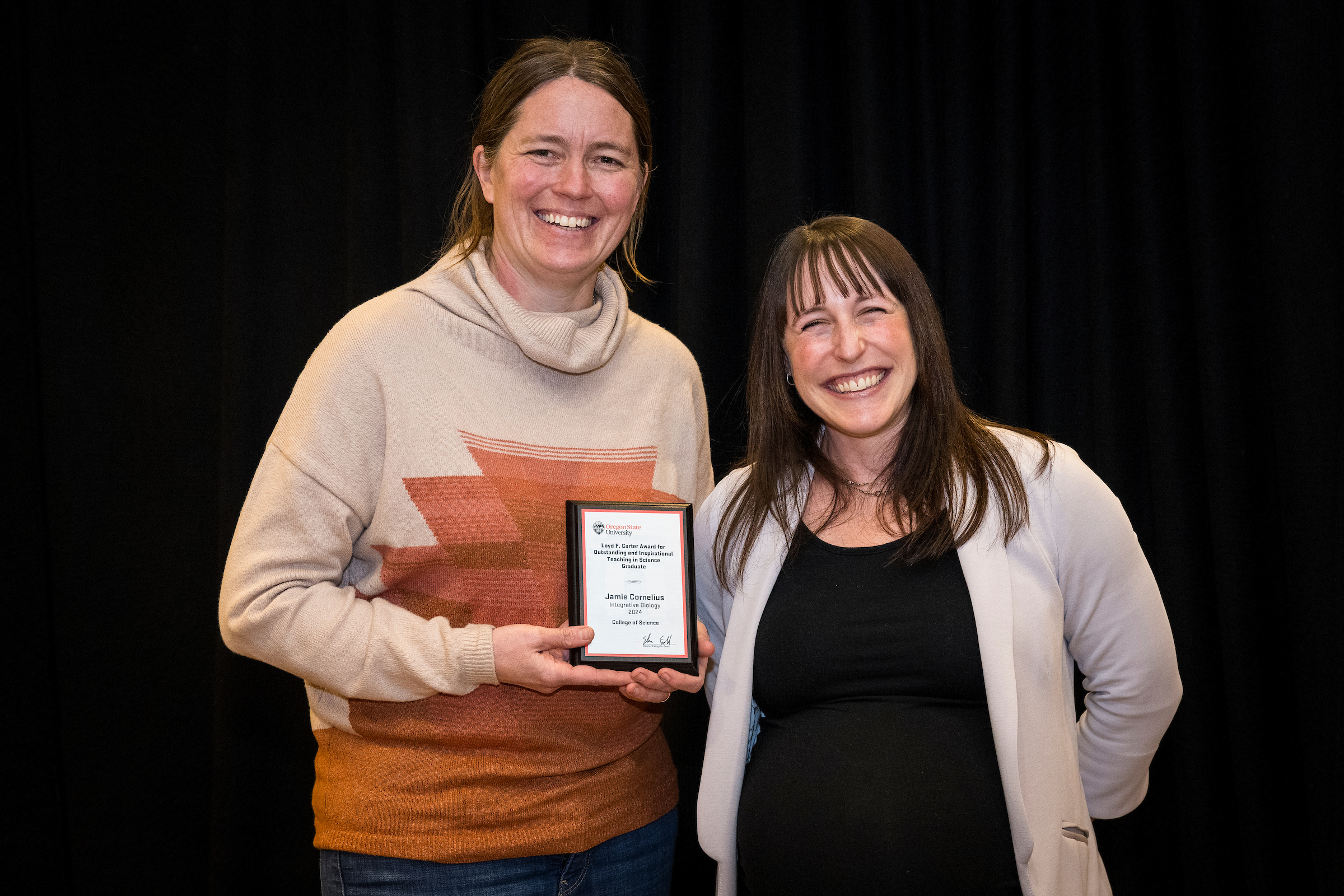
Assistant Professor Jamie Cornelius received the Loyd F. Carter Award for Outstanding and Inspirational Graduate Teaching in Science. She teaches environmental physiology and behavioral neurobiology.

Jamie Cornelius smiling for a photo.

Jamie Cornelius

Students describe Cornelius as an outstanding scientist and teacher, with a teaching approach that prioritizes engaging with students rather than relying on traditional success metrics. According to one student, “The content she teaches is challenging, yet she makes it accessible to all students and will go out of her way to ensure student success.” Known for her kindness, empathy and fun attitude, she is regarded as an inspirational figure in the natural sciences, leaving students with “a newfound sense of wonder and excitement.”

Conrnelius is lauded for fostering an inclusive environment, breaking down the intimidating professor stereotype by sharing personal experiences. A student notes, “She breaks up lectures by bringing in her guitar to play science songs that she wrote which are always so enjoyed.” Her commitment to accessibility is evident as she is “never too busy for a student,” and she actively seeks feedback. “Her visible excitement and enthusiasm for the material is contagious.”

Fred Horne Award for Sustained Excellence in Teaching Science

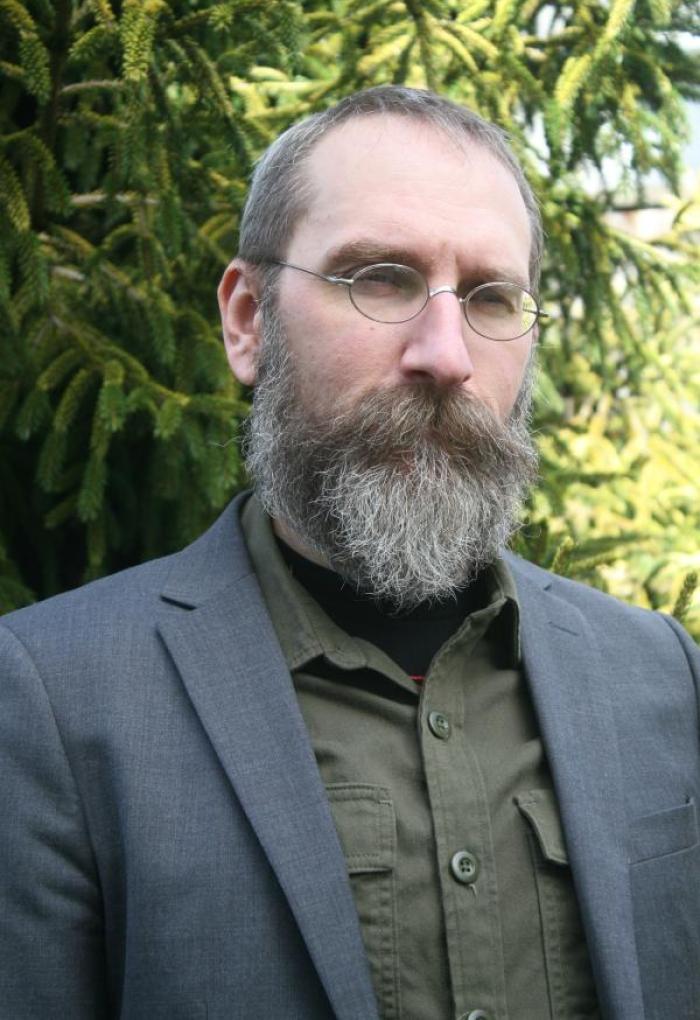
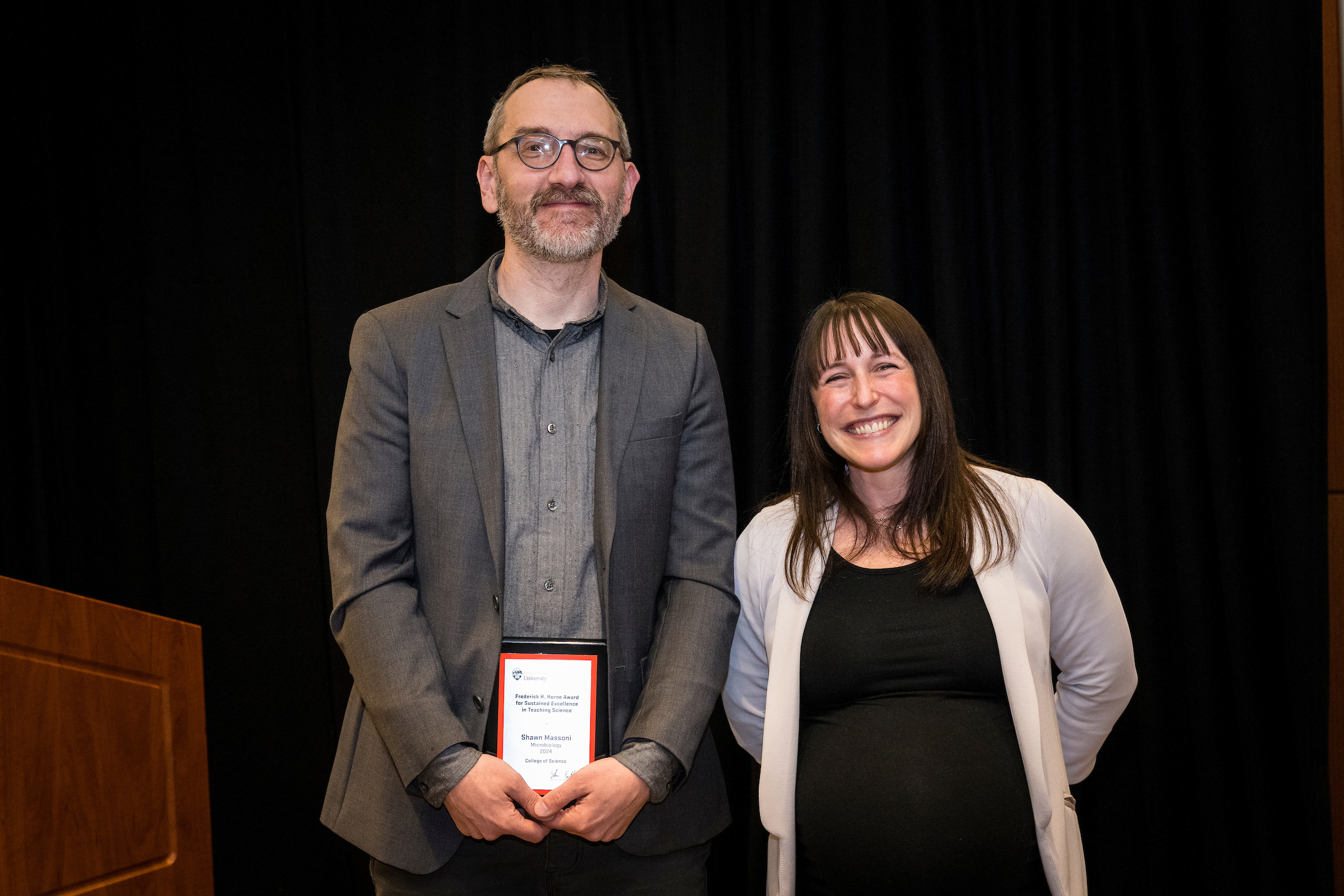
Shawn Massoni, senior instructor I in the Department of Microbiology, received the Frederick Horne Award for Excellence in Teaching Science. Since joining Oregon State in 2018, Massoni has demonstrated engaging pedagogical methods, an emphasis on inclusivity and a commitment to creating an engaging and equitable learning environment.

Shawn Massoni posing for a picture outside.

Shawn Massoni

Massoni is dedicated to student growth and his lessons continue to impact students years later. A former student praised his ability to make science accessible and instill a love of learning. “In my opinion, this might be the most profound impact a teacher can have on a student because it seeps into every part of a person’s life,” the alumnus wrote.

He is known as a genuine, authentic human who made the intimidating world of science feel accessible. Using a combination of short lectures and in-class collaborative learning assignments as his primary pedagogy, Massoni engages students in the learning process. He has worked diligently to develop and implement inclusive learning environments, fostering a deeper understanding of the subject matter. He is pushing pedagogical boundaries and always striving to improve.

“He exemplifies an instructor for whom every course, assignment, assessment and activity is rooted in his concern for equity, inclusion and access,” one nominator wrote. “His commitment is powerfully demonstrated by his participation in multiple study sessions, including Jane Waite’s Social Justice Education Initiative workshops, Career Champions, and faculty workgroups on systemic whiteness in higher education, among others.”

Overall, he is an exceptional educator, combining effective teaching strategies, commitment to inclusivity and a genuine passion for fostering student success in the field of microbiology.

CoS Faculty Scholar Award

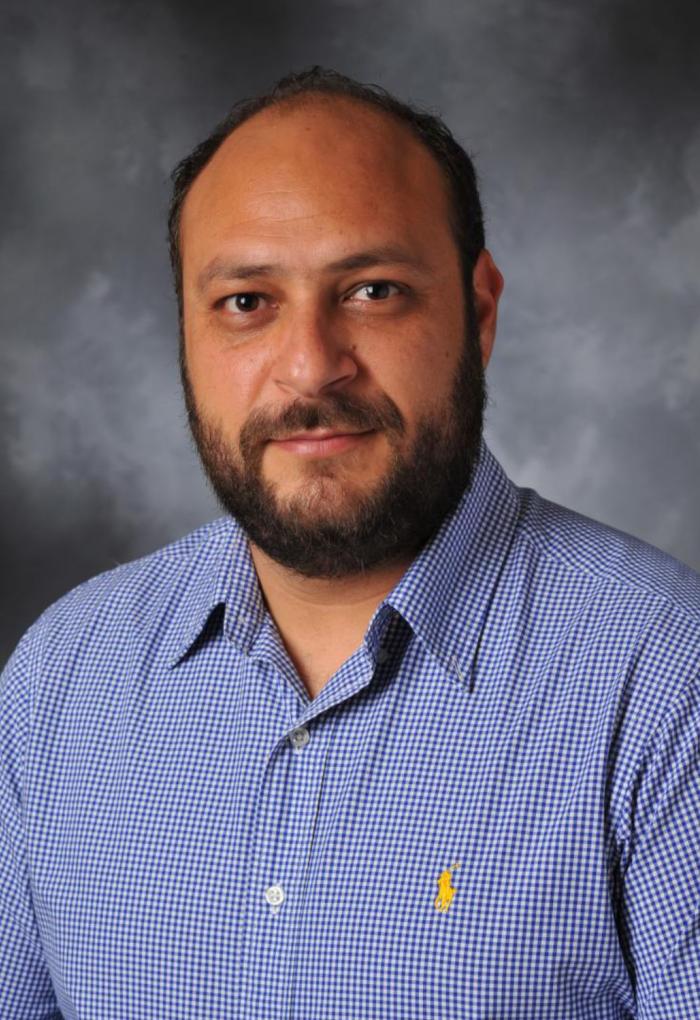
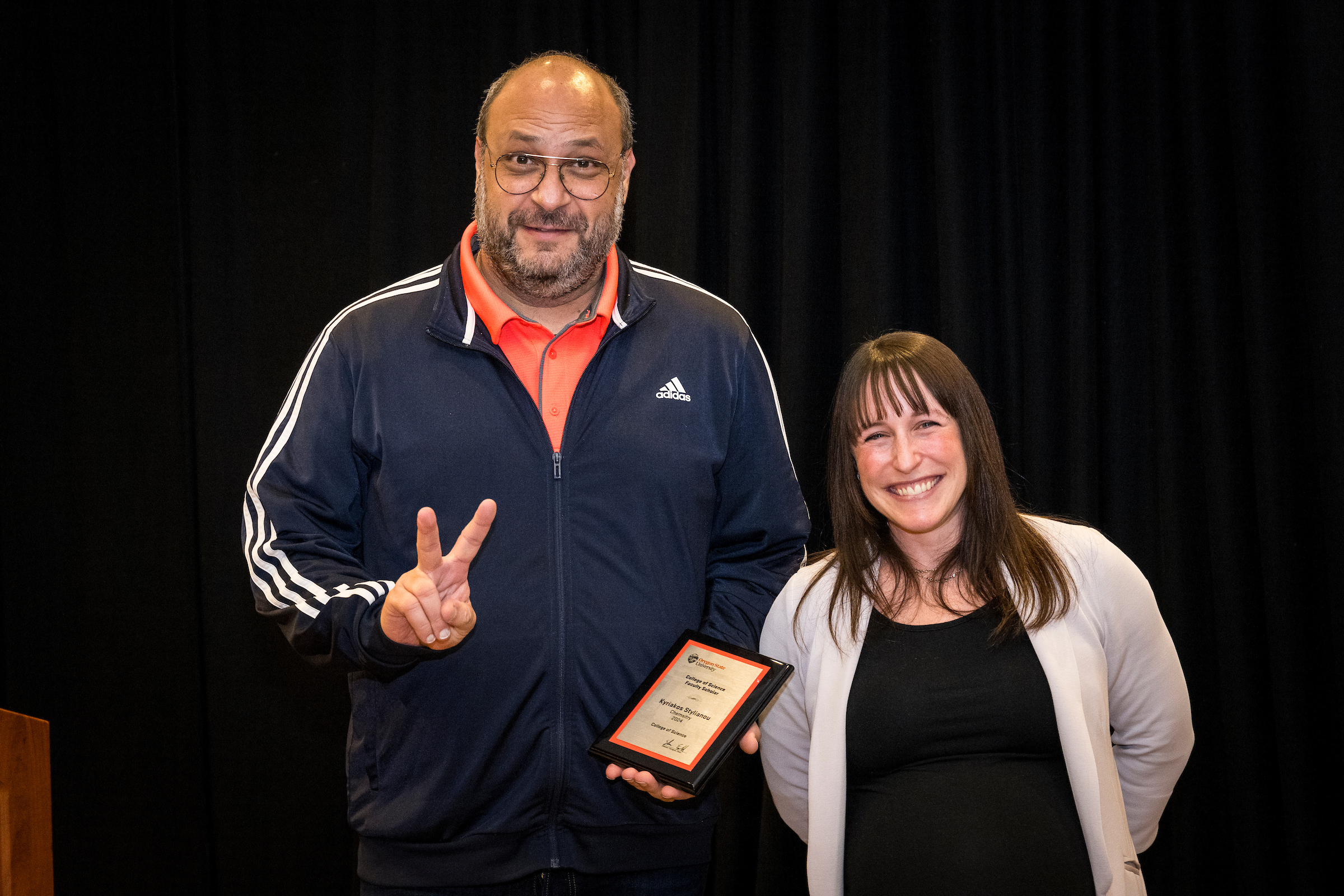
Kyriakos Stylianou, assistant professor in the Department of Chemistry, received the College of Science Faculty Scholar Award, for his contributions to teaching, research and mentorship. This award was created to support teaching and learning innovation that advances Oregon State University’s retention and completion goals.

Kyriakos Stylianou smiles for a photo.

Kyriakos Stylianou

In spring 2022, Stylianou approached the general chemistry laboratory instructors with a novel proposal to create a new lab incorporating his research into metal-organic frameworks. As a first-generation scientist himself, Stylianou is acutely aware of the importance of early-career development of a scientific identity. He created a personal goal to revise Gen. Chem. labs and shift their focus to research-focused interdisciplinary experiments.

His project helps students with experimental and communication skills in the classroom and nurtures a curiosity-driven mentality in students. Through hands-on learning, students practice critical thinking and problem-solving skills that mimic research experiences. The project will culminate in the development of a 300-level chemistry course that will specifically target science identity development and hands-on research skills.

“Student feedback was overwhelmingly positive, both initially and when the project was implemented again the following year in the spring of 2023. Students were excited to learn that they were participating in a new activity involving modern research, and furthermore, a project that no other students across the nation–or the world for that matter–were doing. Stylianou’s efforts with his MOF project have helped OSU Chemistry to stand out as truly unique in its general chemistry program,” one grateful nominator wrote.

“He is a talented and energetic educator who is committed to advancing new teaching strategies to engage students and strengthen our curriculum,” another nominator wrote.

Whiteley Faculty Scholar Award for Teaching Excellence

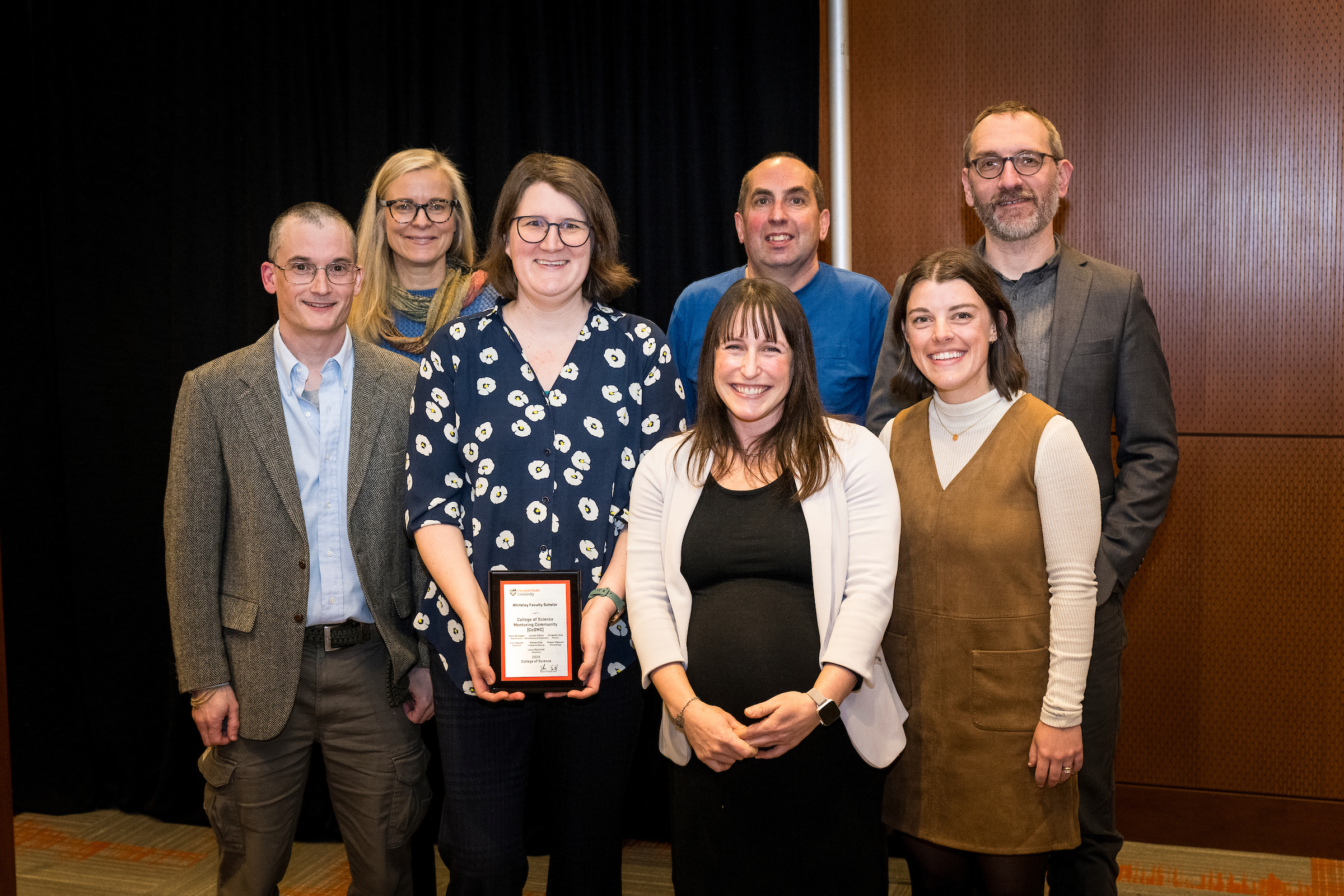
The College of Science Mentoring Community, including Mary Beisiegel, Lauren Dalton, Elizabeth Gire, Erin Howard, Nathan Kirk, Shawn Massoni and Louis Wojciniski, received the Whiteley Faculty Scholar for Teaching Excellence Award.

In 2017, the Ben and Elaine Whiteley Faculty Scholar Fund for Teaching Excellence was established through Ben Whiteley’s estate to support great teachers who are advancing teaching and learning excellence in support of increased student success.

Acknowledging the importance of effective peer mentoring for university faculty to succeed in various aspects of their roles, this group of faculty proposed a plan to create a mentorship program in the College of Science. Focused on addressing teaching excellence, the group will use triads, training, classroom observations, reflective artifacts and peer reviews.

The overall goals include building community, supportive effective peer review, recognizing diversity and inclusion and collaborating with the Oregon State Center for Teaching and Learning. The program’s three-year plan includes curriculum development, a pilot program, participant recruitment and expansion.

This initiative aligns with university and college-wide strategic goals, emphasizing teaching excellence, mentorship and inclusivity. The program is designed by a diverse committee representing all the departments within the College of Science, ensuring a comprehensive and sustainable approach to faculty development in teaching.

Sahana Shah smiles for the camera in a black shirt.

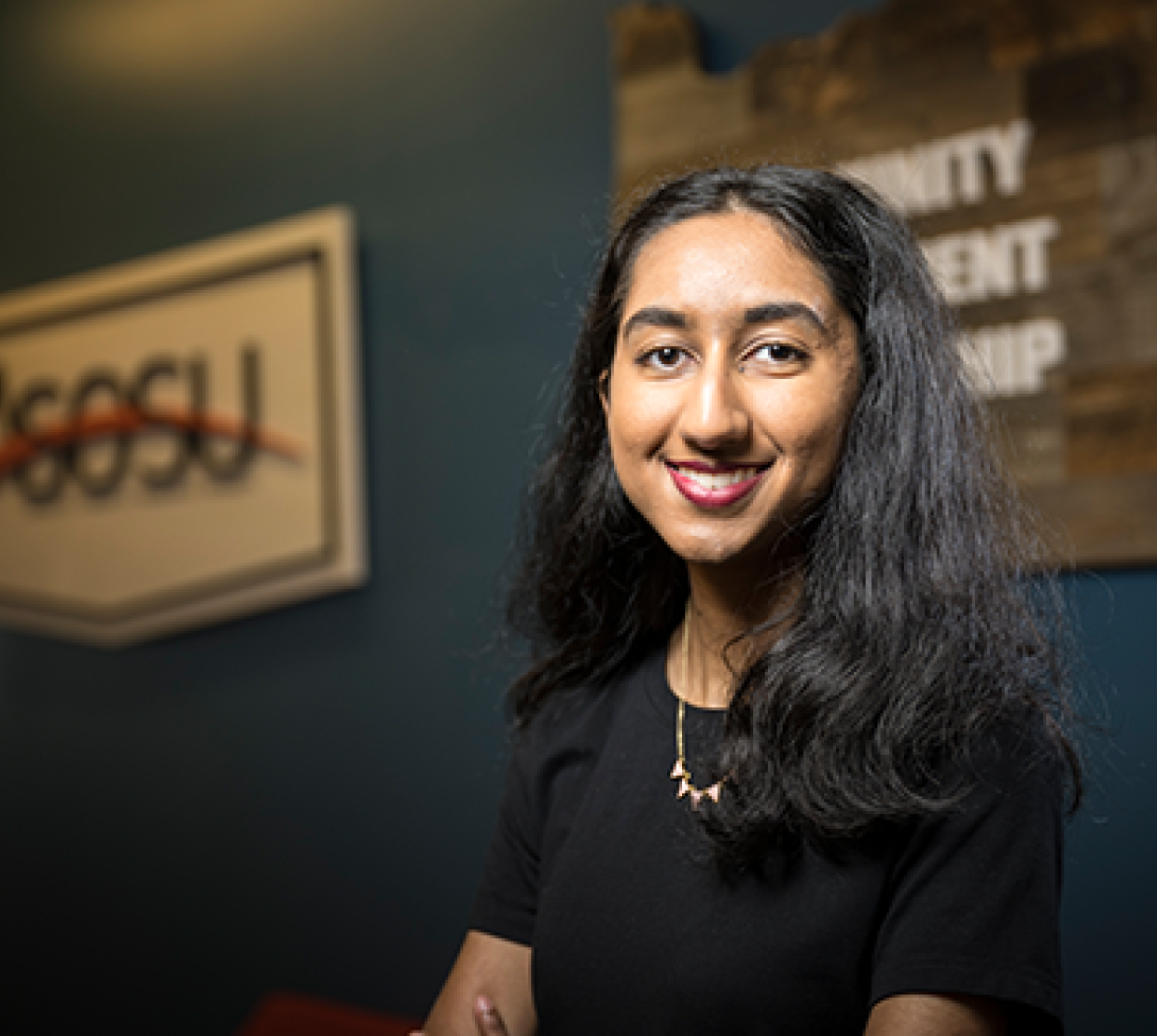
Sahana Shah, ’24, dreams of a new campus center for students with disabilities

By Siobhan Murray

Growing up in Corvallis alongside an autistic sister, Sahana Shah gained an appreciation for her family member’s unique perspectives and learning style. But Sahana couldn’t help having concerns. “What is her future going to look like? Will she go to college?”

When Sahana arrived at Oregon State University with a Donald G. and Grace I. Lavey Presidential Scholarship, she immersed herself in the Honors College, sought to better characterize the structure and function of the COVID N protein in her biochemistry and biophysics lab, and ran for the student House of Representatives. One of her main platforms? Helping establish a disability cultural center to better adapt the campus to the needs of neurodiverse students. She won the election with the most votes of any candidate.

“The Presidential Scholarship has allowed me to fully engage in my passions at OSU through my different involvements, without having to worry about financial stress or other constraints, for which I am eternally grateful."

Since then, Sahana has joined the long-term effort among student groups to bring the idea to life – introducing legislation to her colleagues in the Associated Students of OSU Congress in fall 2021, allocating money for the project in the House of Representatives, marketing their message and holding focus groups with students at the conclusion of the 2021-22 school year. They’ve watched their idea evolve and expand into a vision for a Disability Cultural Center, in addition to an International Student Center, with the ideas for both projects having come to ASOSU from the student body. “We envision the centers having panel events, workshops and other programs that celebrate everyone’s backgrounds. That’s the biggest thing a cultural center could do: educate and spread awareness,” she says.

“If this comes to fruition, it would make me feel better about my sister going to college – I’d know she could have a place where she could feel safe.”

In 2022-23, Sahana and her peers plan to continue working with university administration to designate physical spaces on campus for the two centers and gather student input on the programming efforts within them.

Donald G. and Grace I. Lavey Presidential Scholarship was created in 1998 through an estate gift from two OSU alumni who graduated in 1940 – he in mechanical engineering and she in home economics. Over the last decade alone, the endowed fund has provided over $375,000 in scholarships for students like Sahana. Learn more about how you can unlock greater support for OSU students through the Scholarship Match.

Kendra Yasui

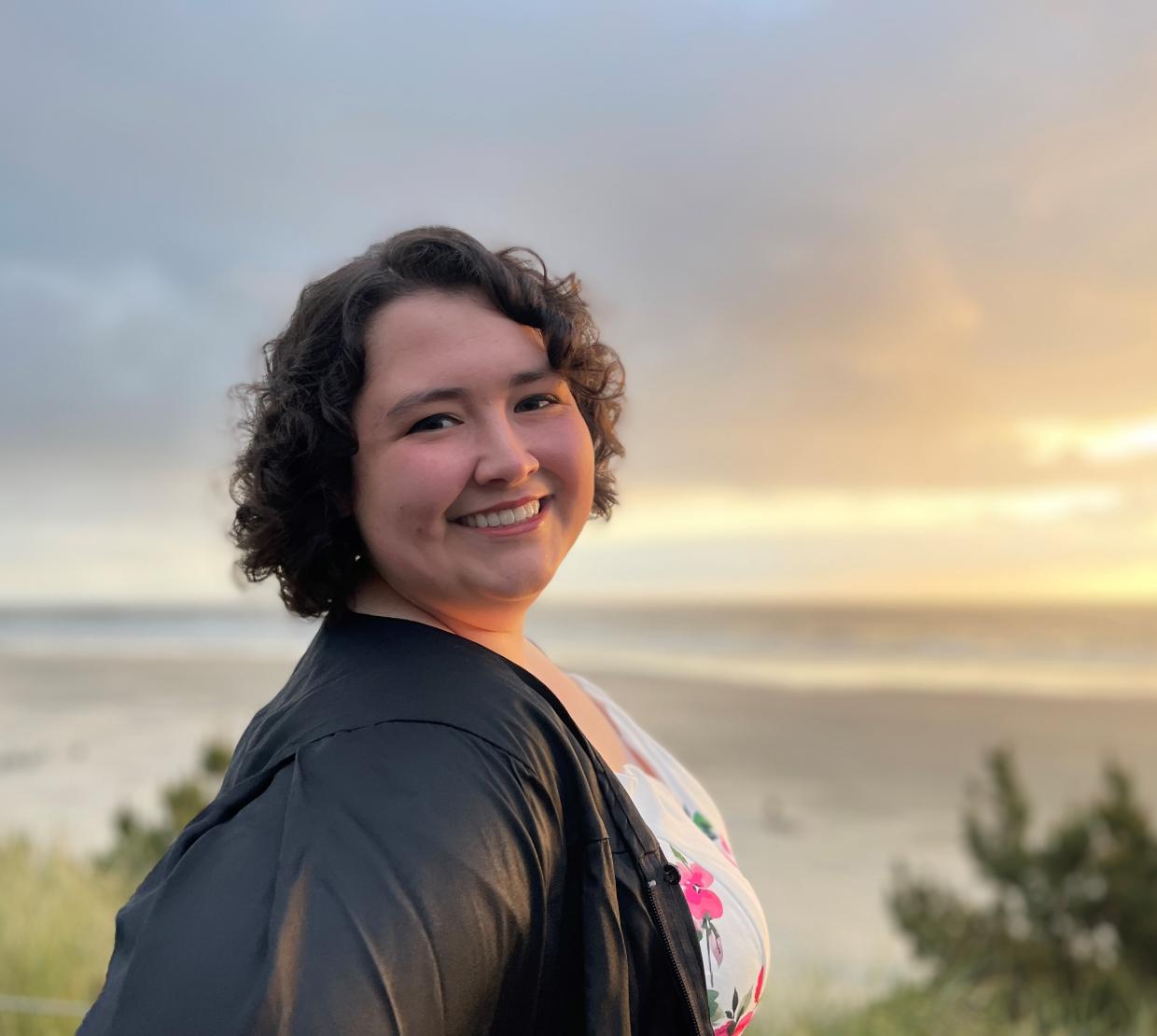
BioHealth Sciences senior breaks down barriers to bring healing and science education

By Tom Henderson

The future Dr. Kendra Yasui began her medical education during her early years working in her family's orchard near Hood River, Oregon.

"I grew up picking and sorting cherries, and my coworkers and I all spoke in Spanish," said Yasui, who graduated this spring from OSU. "It was very interesting to hear all their different life stories."

Yet she worried about the other workers.

"I've seen a lot of folks who haven't been able to access health-care providers who speak their language or understand their culture, so my hope is to be able to provide health care for those folks in Spanish," Yasui said.

She graduated with two bachelor’s degrees through the OSU Honors College. One is in biohealth sciences with a minor in chemistry, an option in pre-medicine and a certificate in medical humanities. Her other degree is in Spanish.

"I'm most interested in emergency medicine," Yasui said. "That's an area where being able to speak to someone in their first language is particularly useful. I'm also interested in primary care or internal medicine."

Yasui has begun applying for medical school. If she's accepted, she will start next summer. In the meantime, she is moving to Worcester, Massachusetts, to live with her sister.

She said she wants to obtain a medical degree while simultaneously earning a master's degree in public health. One of her academic choices is the University of California at Davis. "I would be excited to get in anywhere," she said.

However, she added she would also love to return to Oregon.

"If I do emergency medicine, I think Oregon Health & Science University would be super-interesting," Yasui said. "They get a lot of interesting cases. If I end up in the primary care or internal medicine side, perhaps I would go closer to Hood River."

Communicating the pandemic

Although she was born in Pendleton, the Hood River Valley has been her home most of her life. Her mother, a former English-as-a-second-language teacher, is the principal of Mid-Valley Elementary School in Hood River. Her father is a paramedic.

Yasui graduated from Hood River Valley High School and came to OSU in 2019.

"It was cheaper than the other options," she said. "I also really liked the campus. It's quite pretty out here. I thought I could be close to home, at least for a little while. I drove through Corvallis one time and thought, 'Yes, I could do that.'"

She was president of the OSU Blood Drive Association in 2022-2023 and the secretary the previous year. She was also a member of the OSU Bioethics Society.

The Blood Drive Association organizes one blood drive on campus per term. Students in the association recruit volunteers and donors and staff the event as well. The first five or six weeks of the term are spent getting set up, reaching out to classes and doing presentations. The drive lasts a full week.

Members of the Bioethics Society meet once a week for most of the term. They pick a topic or a case study and learn about it before discussing it through the lenses of biology, biotechnology, genetics, medicine, philosophy, politics, law and other relevant disciplines.

"It's very informal, but the ethical concerns we discuss are interesting, like allocation of resources or balancing patient autonomy," Yasui said.

Like most university students at this moment in history, Yasui's education was significantly affected by the pandemic.

She was working as a medication technician at Corvallis Caring Place, an assisted living facility, when the pandemic started. She put in excruciating hours for a year and a half, but that was only part of her work during the crisis.

"I've heard everything from vaccines being full of mercury to we're trying to put computer chips in people. I've heard all of that. My role is a lot of correcting misinformation, a lot of saying, 'Here's the science that I have. Here's what I can offer."

She also began working for the Oregon Health Authority through the OSU Center for Health Innovation in 2021. The university and the state agency created what they called the Surge Bench Team to provide direct COVID assistance.

"I've had some extraordinarily unique opportunities to see chaos in motion and also some teamwork on these massive projects," Yasui said of her ongoing efforts with the program.

"For the first six months, I did case investigations," she said. "I would call folks who tested positive for COVID and ask them questions, identifying who their contacts might have been, offering wrap-around resources, that sort of thing."

She also helped people gain access to vaccines if they had mobility issues and other barriers.

Her work took her to Umatilla County to take part in a rapid community assessment project through the Centers for Disease Control. "That was going door-to-door, just seeing if we could get people to answer some survey questions about their opinions about vaccines," she said.

In all, Yasui worked on four projects during her first six months. For the past year and a half, she's been assigned to the COVID Feedback Team. The team answers people's COVID questions via voicemail, email and plain old-fashioned mail.

Yasui said she seldom worried about contracting COVID herself. "I was less worried about myself than I was in my ability to transmit it to others," she said.

"Everyone I was with was very supportive of the work I was doing, but I also didn't go home for the first year and a half," she added. "I was in the dorms, basically on my own for the first several months. I didn't see anyone for a long time."

Yasui has spent much of the past three years combatting misinformation. "I've heard everything from vaccines being full of mercury to we're trying to put computer chips in people," she said. "I've heard all of that. My role is a lot of correcting misinformation, a lot of saying, 'Here's the science that I have. Here's what I can offer."

Although she's not concerned about her own safety, Yasui said she remains concerned about other people's safety even as the pandemic winds down.

"I wear my mask everywhere," she said. "I'm just now at the point where, if I'm at the library at 7:30 in the morning on a Friday or Saturday morning when there's no one there, I may take my mask off. I wear my mask everywhere. There's still enough of COVID circulating.

"I've gotten used to being one of the only people in a classroom who is masked," she added.

For all the horrors of COVID, Yasui said it has been amazing to be actively involved in history. "I feel like I ended up with a much different experience than I would have gotten three and a half, four years ago," she said.

Yasui will stay in Corvallis a bit longer. For the next month or so, she will be defending her Honors College thesis on using community voices to build public trust. Much of it is based on the feedback she's received while working for the Oregon Health Authority, she said.

"If anything, I'm more excited to do more with more education"

That work will also continue through a Health Authority project to reassess people for Medicare, Medicaid and the Oregon Health Plan as the worst of the pandemic dissipates.

For all the work she has put in through the rigors of her undergraduate education – especially in the grip of a health crisis of historic proportions – Yasui said she's eager to keep going.

"If anything, I'm more excited to do more with more education," she said.

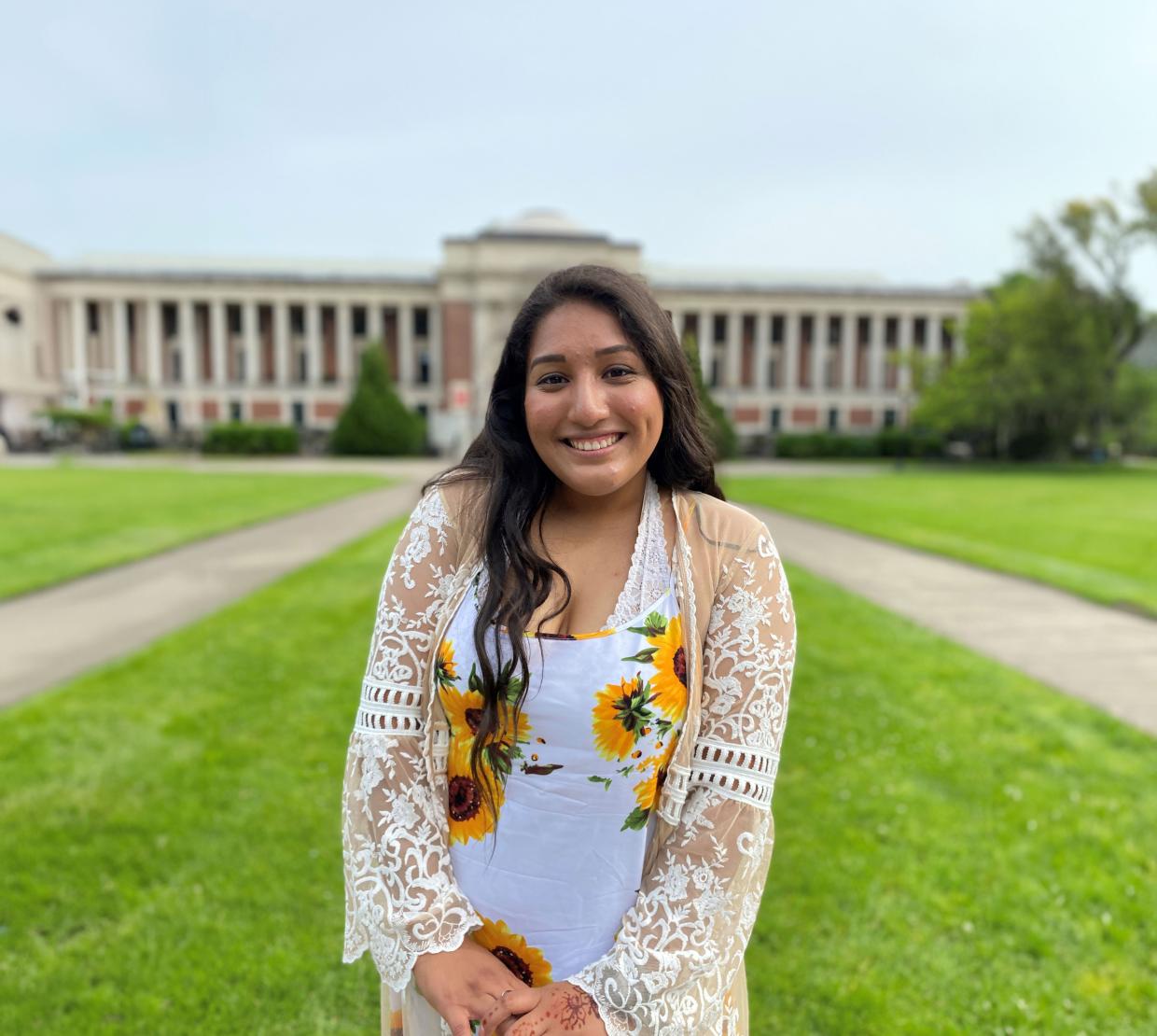
Jessica Lopez standing in a white dress with sunflower infant of a brick building.

A comforting hand and healing career: Biohealth sciences senior strides into healthcare

By Tom Henderson

Jessica Lopez, who graduated from Oregon State this spring with a bachelor's degree in biohealth sciences, spent the worst of the pandemic watching hundreds of people die.

For many of them, the last thing they felt was Lopez's hands clasping theirs.

"Hugging them and holding their hands provided peace for some folks while they were passing," Lopez recalled.

A lot of overwhelmed health-care providers burned out and quit during the pandemic. After commuting the 80 miles between OSU and Pacific Health & Rehabilitation in Portland from June 2020 to June 2021, Lopez said she knows how they felt.

"It affected my mental health," she recalled. "I kept seeing all these awful things — people on tubes, people being intubated, people in comas. A lot of these patients weren't able to see their families as they were passing."

At least 300 people died from COVID-19 at the facility during the year she worked there as a certified nursing assistant, said Lopez.

However, the experience didn't weaken her resolve to be a health-care provider. It confirmed it. "It gave me a deeper look into health care, how at times it's going to be a personal sacrifice," she said.

"I lost a lot of friends because a lot of them disagreed with me working in this industry," she added.

"They said they didn't feel safe around me," she said. "That really hurt because I really wanted friends to hear me out about my experiences, but not everyone is going to understand health care -- the hours, the relationships, just the everything."

What kept her going, she said, was how patients' faces lit up when she entered the room. "It warmed my heart," said Lopez. "I decided to keep commuting and try my best to keep going. It sparked more interest in a career in health care."

"At first, I did it for the money because I needed to pay off my tuition," she added. “I owed OSU a lot of money at the time. However, the longer I stayed, the more I wanted to stay for the patients and give them the care they needed."

Her family has never shied away in the face of adversity. "I grew up with a single mom, and through her and my grandma, I grew up with two strong women," she said. "They taught me to pursue my career and education. They encouraged me to go to college and pursue science."

A love for helping others

Lopez, 24, was born in Los Angeles and grew up in Portland. Her family was from El Salvador.

"They had to flee the country and come to the United States," she said. "Their story really touched me. It made me more dedicated to go to school, get a college degree and hopefully a master's degree or doctorate."

She vividly recalls her mother telling her about the day she skipped school.

"Unfortunately, that was the day many students were killed at the university because of the civil war," Lopez said. "My mother wasn't able to continue her education, and that's when they had to flee El Salvador. That story made me realize that not everyone has this opportunity to get an education.

"My family, my culture and their history has definitely formed who I am and why I want to pursue my education and go even higher," she added. "I am hoping to get into some kind of physician's assistance program, medical school or a master's program. I'm not sure quite yet."

Her mother worked in a nursing home in Portland and often took her to work, Lopez said.

"Growing up, I would always go to the nursing home and meet the elderly residents," she recalled. "I would volunteer and try to help out. Through that, I developed my love for medicine and just helping others."

She started volunteering at Kaiser Permanente in high school in the post- anesthesia care unit. "That was so cool," she said. "I loved it. I never got to see any surgeries, but I liked seeing people feeling so much better after their surgeries. I thought, 'Wow! I could make this into a career! This is really cool!'"

After graduating from Rex Putnam High School in Milwaukie, Oregon, in 2017, Lopez applied at OSU. "I initially chose Oregon State because all my friends were going there," she said. "I was very lost after high school. I didn't know where to go, so I just followed the flow."

"I'm very grateful I went to Oregon State and I am going to graduate from here, because my journey here has been so crazy."

When she was registering for her freshman classes, she joined the Educational Opportunities Program. Founded in 1969, the program supports the academic, personal and professional development of students who have traditionally been denied equal access to higher education.

"From there, I created my own path," Lopez said.

"I'm very grateful I went to Oregon State and I am going to graduate from here, because my journey here has been so crazy," she said. "People tell me I've literally tried everything here, and it's true. I wanted to get the full experience."

Stepping out of the comfort zone

During her first two years, she participated in Air Force ROTC. In her third year, she switched to Army ROTC.

"Even though I didn't complete ROTC, I'm very grateful for the experience," Lopez said. "It was very hard. I'm not going to lie. Waking up at 4 or 5 a.m., working out, it was a little hard initially, but after a little bit, I learned time management and how to work with others."

ROTC also helped Lopez find her voice. "I was very timid at the time," she said. "Slowly but surely, they began to give me more leadership positions."

Eventually, she addressed an entire battalion. "That was frightening at first because I hate public speaking," Lopez said. "Even though it was the most random part of my life, it was a really good experience."

Lopez was also able to go to Dyess Air Force Base in Texas for a summer internship. She's still in touch with some of her ROTC comrades, some of whom are now second or first lieutenants. "It was a really nice connection," she said.

She also pursued undergraduate research with the College of Veterinary Medicine through the STEM Leaders Program between 2017 and 2019.

The STEM Leaders Program is a collaboration between the College of Science, College of Forestry and College of Agricultural Sciences to increase the number of under-represented groups able to have hands-on learning experiences their first years at Oregon State.

"That was extremely fun too because I had no idea what I was doing -- doing titrations and these crazy things that at the time I thought were super complicated," she said. "Now, looking back, I think, 'Oh, that's just PCR [polymerase chain reaction]. I know how to do that now."

Lopez said her undergraduate years were certainly eclectic.

"In those sorts of experiences, I literally stepped out of my comfort zone and did random fun things that I normally wouldn't do," she said. "I'm also very grateful because I was able to create all these great connections."

Lopez also worked at ASOSU SafeRide, but that experience ended with the pandemic. After the service was suspended, her mother told her about a COVID unit that needed certified nursing assistants.

"I have a drive to help others. I hope I can relieve some pain."

"It was the hardest year, trying to do school and trying to commute to Portland while literally trying to save as many lives as possible," Lopez said. "It was the wildest thing because a lot of the people there were either new graduates who were nurses or new certified nursing assistants."

The commute itself was surreal, she remembered.

"COVID was very strong," she said. "It really hit the older population. There were about 300 or so folks who passed away. That was very hard to witness while, at the same time, going to where everyone was like, 'OK, everything's fine.'"

Lopez's diploma reflects the diversity of her education. Her specific degree is in biohealth sciences and Spanish with a minor in psychology and a medical humanities certificate.

Her immediate plans after graduation include continuing her work as a certified nursing assistant in the ambulatory surgical unit at Good Samaritan Regional Medical Center in Corvallis. She hopes to get a lab position at the hospital as well.

"I'm going to take the opportunity to shadow as many surgeons as possible, while at the same time, work in a lab," she said. "I still want to get as many patient-care hours as possible."

She may become a physician's assistant, attend medical school, become a medical laboratory scientist or pursue a master's degree in medical lab science.

"I definitely want to explore as many options as possible before settling on one career," she said.

One of Lopez's over-arching goals is helping her family.

"I want to be financially stable and be in a place where I can help out my family because I really appreciate everything they've done and all the sacrifices," she said. "I hope I can give them some kind of financial stability. I want them to be able to rest."

In fact, she wants everyone to feel better.

"I have a drive to help others," she said. "I hope I can relieve some pain."
Ebunoluwa Morakinyo is seen dancing with an Nigerian flag during African night.

Biochemistry and molecular biology senior thrives from the stage to the lab

By Hannah Ashton

Ebunoluwa Morakinyo being a flag bearer for Africa Night 2023. She is holding the Nigerian flag.

Ebunoluwa Morakinyo is a scientist. She is also a home chef, writer, director and actress. Despite initial discomfort with theater, she embraced roles as personal challenges.

Oregon State University's African Student Association hosts Africa Night annually, celebrating the diversity of Africa through dance, music and cuisine.

In 2022 the theme was, “What I am is greater than what I was.”

Morakinyo scripted, gathered actors and performed in a play, telling the story of a fictional Nigerian art gallery owner facing self-doubt and familial pressure. Collaborating with Brandon Ndungu, a civil engineering student, she brought the story to life.

Participating in ASA events is important to Morakinyo because she is passionate about showing the Oregon State community what it means to be African.

“There’s more than the sadness or negative news,” she said. “There’s also stories of creativity and innovation and beautiful culture. There’s a reason why we love being African and I wanted to share that with others.”

Being a Beaver has stretched her to develop her passions inside and outside of the lab. A senior honors biochemistry and molecular biology student at Oregon State, her time on campus has included celebrating her culture while looking forward to a career dedicated to helping others.

Morakinyo will be taking a gap year before pursuing a career as a physician-scientist. In the upcoming year she will be working with Dr. Carsten Bonnemann in his National Institutes of Health lab under the National Institute of Neurological Disorders and Stroke. The Bonnemann lab investigates childhood neuromuscular and neurogenic disorders, developing cutting-edge gene therapies for these diseases.

Ebunoluwa Morakinyo acting on stage.

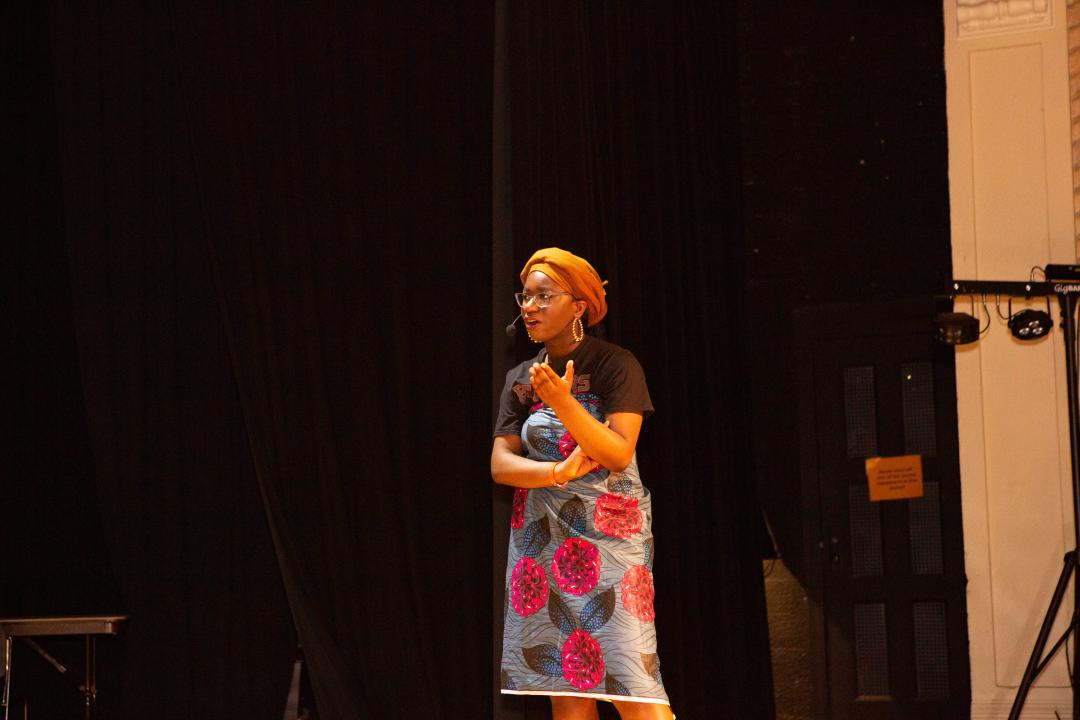
Ebunoluwa Morakinyo acting in "Victories of Today," the play she wrote for African Night 2022. She is playing the mom of the main character.

‘Finding community’

Morakinyo was born in Nigeria and immigrated to the U.S. when she was four years old after her father was accepted to Portland State University to get his Ph.D. in chemistry.

Education has always been a priority in her family. Her father is not the only family member with an advanced degree; her mom has a master’s in computer science.

Morakinyo's strength is in the biological realm. “My mind is geared towards like, ‘What is really the story behind that?’ ‘What are the processes going on?’”

She picked Oregon State because it was in-state and promotes research, something she was excited about. “I liked how it has a culture of undergraduate research, which is what I wanted to do.”

In January 2021, she reached out to the Indra Lab in the College of Pharmacy. The lab focuses on skin biology, skin inflammation, skin cancers and wound healing. Knowing she liked biochemistry but didn’t want to necessarily focus on elucidating protein structure, she had searched for other biochemistry opportunities on campus.

“The lab looks to investigate how wound healing could be enhanced to be faster because that is important in many medical applications. It can have dire consequences if not treated well,” she said. “That interested me because it was the application of biochemistry to a more tangible or immediate thing while seeing the impact on larger systems.”

Joining the lab was as simple as reaching out and attending a virtual lab meeting.

Although she had two prior lab internship experiences during high school that helped her feel comfortable, the people made the biggest difference. Graduate student Nilika Bhattacharya took her under her wing and guided Morakinyo step by step.

She studied the relative population of immune cells during skin wound healing in mutant mice that demonstrated accelerated wound healing. The goal was to determine whether the deletion of BCL11A, a development transcription factor found in skin cells, affects the recruitment of important immune cells during skin wound healing.

Preparing for medical school–with aspirations to be a physician-scientist–Morakinyo wanted to take part in as many Oregon State opportunities as she could.

On top of ASA and the Indra Lab, she was also a physics Learning Assistant and peer mentor with the Beaver Connect Program. Learning Assistants are current students who successfully completed a course and wish to help fellow students taking the same course in the future. The Beaver Connect program connects new-to-OSU students with peers and faculty members to ease the transition to college.

Ebunoluwa Morakinyo tutoring a student.

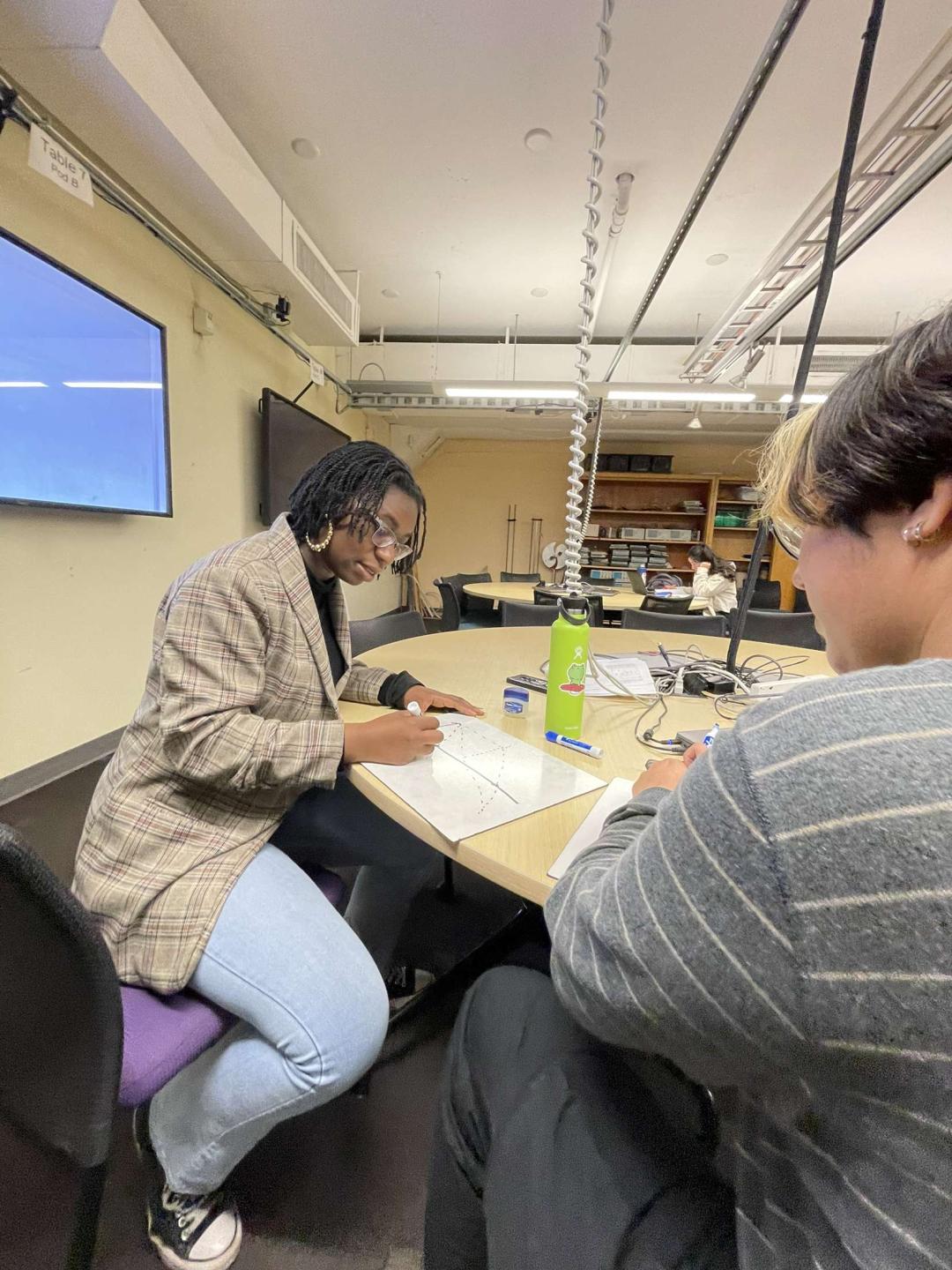
Ebunoluwa Morakinyo LA-ing with a student.

Morakinyo met with four new OSU students and one faculty member five times per term. The group discussed applying for scholarships, finding research opportunities, exploring career paths and more.

She likes to be busy, especially following the pandemic. “I wanted to do everything because I enjoy it. I enjoy research and I like teaching and reflecting on my experiences and passing it forward.”

Joining the African Student Association felt natural after participating in her high school’s Black Student Union. She was excited to connect with other students who have a similar immigrant experience.

“Oftentimes in America, there’s not a good distinction between what it means to be Black American and what it means to be African, because we do come with different valuable experiences,” she said. “I am a more recent immigrant, versus someone who has more family history here as a Black American.”

During her first year at Oregon State, she was also interested in learning how to speak her native language, Yoruba. She and her sisters can understand it, but speaking it is more difficult. Through speaking, Morakinyo has built a stronger connection to her heritage, helping her form her personal identity.

She found community with people who understood her, and she enjoyed being at the Lonnie B. Harris Black Cultural Center.

Part of the mission of the center is to enrich the quality of campus life for African and African-American Students. Morakinyo spent time using the center’s resources including a lounge, study space, library and computers.

Being involved across campus was one of her best decisions. Although it was sometimes difficult to balance, the mental health benefits mattered.

“Find a community with your passion, because it goes a long way and helps you to feel not as alone and through that, you can meet people who pour life into you and you get to pour life into them.”

Amelia Noall standing at the top of Torc Mountain in Ireland, overlooking a vast field.

French, microbes and the microbiology senior who speaks both

By Elana Roldan

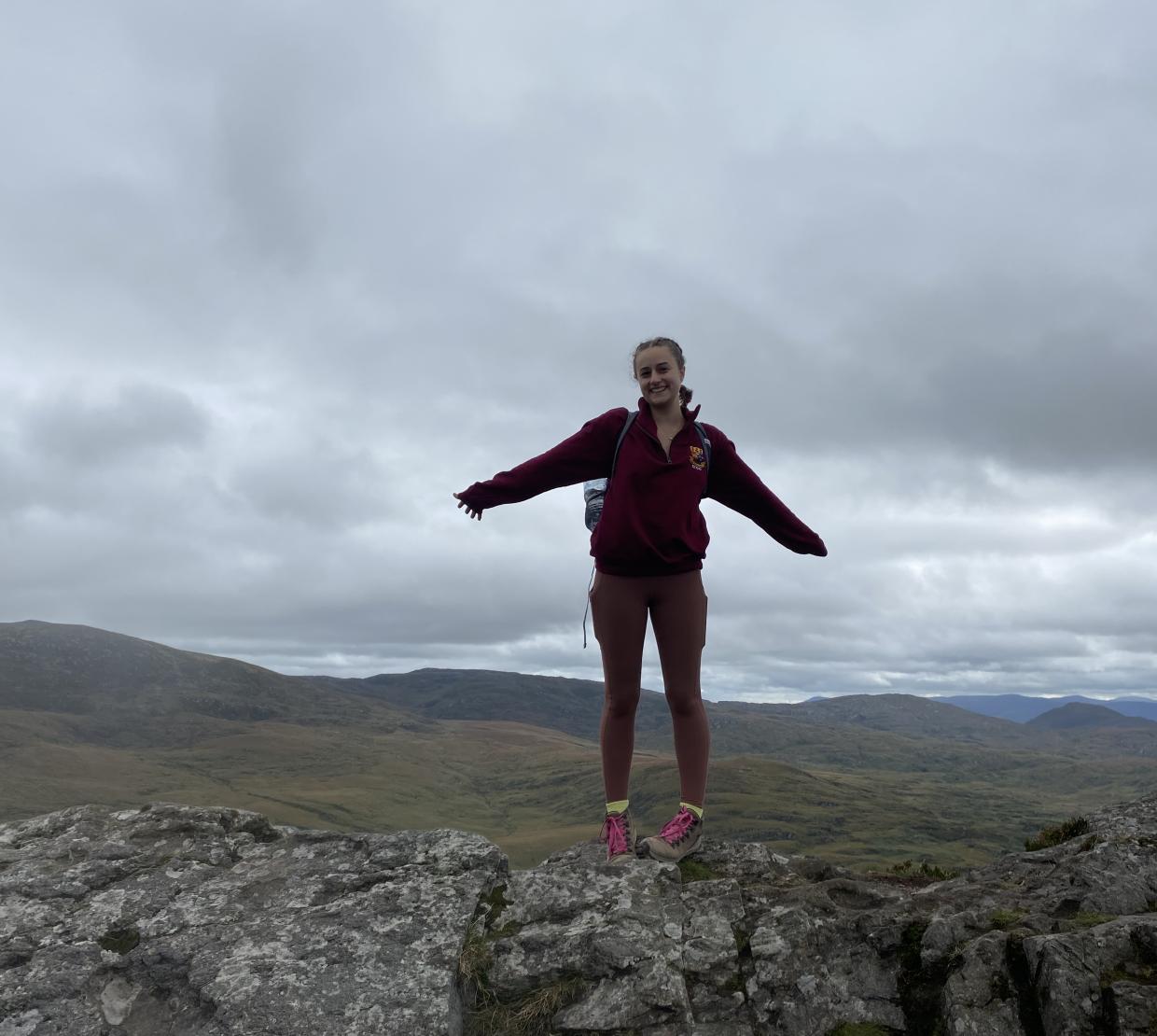
Amelia Noall standing atop Torc Mountain in Killarney National Park, Ireland during her time studying abroad.

Lice: creepy, crawly, but to a young Amelia Noall, fascinating.

Memories of getting lice in elementary school aren’t usually fond ones, but after she was gifted a microscope by her mother, the experience became an early sign of Noall’s eventual major.

“There was an outbreak at my school, and of course I got it. But I started looking at the bugs through my microscope and thinking, ‘Wow, these are so interesting!’” she recalled. Her natural desire to explore paired well with the smaller, unseen parts of the world around her. As she followed her curiosity, picking leaves from the ground and examining their hidden structures through the microscope lens, she unknowingly paved the way toward her time as a microbiology major — and now senior — at Oregon State.

Exploring the little things

Leaving Portland, Oregon to start her first year of college, Noall decided to major in biohealth sciences, set on pursuing forensic anthropology. But she later felt drawn to naturopathic medicine, and after that, realized she didn’t have a particular goal in mind.

“Being here exposed me to a lot more than I had ever really seen,” Noall said. “I wasn’t sure what I wanted to do, but I wanted to keep exploring.”

She began diving head first into science at Oregon State, fitting as many clubs and classes as she could into her schedule, and eventually stumbled upon the microbiology major. Just as the shapes and forms of small organisms had captivated her as a child, microbiology caught her attention for a similar reason.

“I actually chose microbiology because I think that microbes are cute,” Noall said, laughing. This unassuming interest appealed to her enough that she decided to commit. With a final switch of her major to microbiology, she soon found herself appreciating microbes for much more than how they looked.

"Bacteria live on us, in us. We’re about as much microbe as we are human.”

You may not see microbes as often as you would birds hopping between tree branches or squirrels darting across sidewalks, but they exist nonetheless in a subtler way throughout all habitats, too small to be seen by the naked eye. Despite their tiny stature, the importance they carry is immense.

“The amount that microbes could make or break our future is incredible,” said Noall. “Microbes are what we think of as the most simple organisms, but they are so complex and amazing at what they do. Bacteria and phytoplankton and zooplankton could help us a lot with climate change. If your gut microbiome is off, it can cause you to have new food allergies. Microbes are something so small that you can’t see them, yet they can affect not only the environment but us too.”

Before studying microbiology, Noall’s view of microbes was much narrower. “I definitely thought before that bacteria were just something you kill with antibiotics, but they help us a lot more than they hurt us,” she said. “Bacteria live on us, in us. We’re about as much microbe as we are human.”

She decided that the major would never be boring and always give her a new question to ask, and chose to continue studying it through college. “I started for the appearance of the microbes and how cool they seemed, and I think I stuck with it for how interesting they are and how in-depth microbiology goes,” she said.

To speak the language

As time has gone on, Noall has developed more passions outside of microbiology. She has often felt pulled in many directions, which was amplified by the vast spread of opportunities available on a campus as large as Oregon State.

“It’s a big school and there’s so much to do, and I wanted to fulfill all those desires in me to learn all I possibly could,” she said.

One of those desires would weave together nicely with her love of language. Beyond the facts and figures of science, Noall carved out a slice of her time to dedicate wholeheartedly to studying French. The language had long been a cherished hobby of hers, but she never intended to continue learning it in college.

“It wasn’t originally my plan to have a language component, but I took the language test before I came here and I ended up speaking to one of the French professors before school started my first year,” she explained. She learned that she would only need two years of French classes in order to minor in it thanks to her having studied French through all of high school. The decision to commit to the minor nearly made itself, but Noall had more reason than simply adding another point to her resume.

"My experience with it has been so great. Maybe that’s the reason I fell in love with language.”

“It wasn’t about getting the minor for me,” she said. “One big reason behind it was my French classes were really small, maybe 14 to 16 people, and I liked having a smaller community within a bigger community. All of the French professors are also so kind and amazing, and I guess that’s why I chose to stay in it.”

To Noall, the professors she has had in her time learning French have been the main force shaping her relationship with the language. “I think that a teacher can make a class. I feel like a lot of the classes that I’ve fallen in love with were because of the teacher, and maybe that’s why I love French so much — because my experience with it has been so great. Maybe that’s the reason I fell in love with language,” she said.

Amelia Noall sitting in front of Les Jardins du Palais Royal in Paris, France.

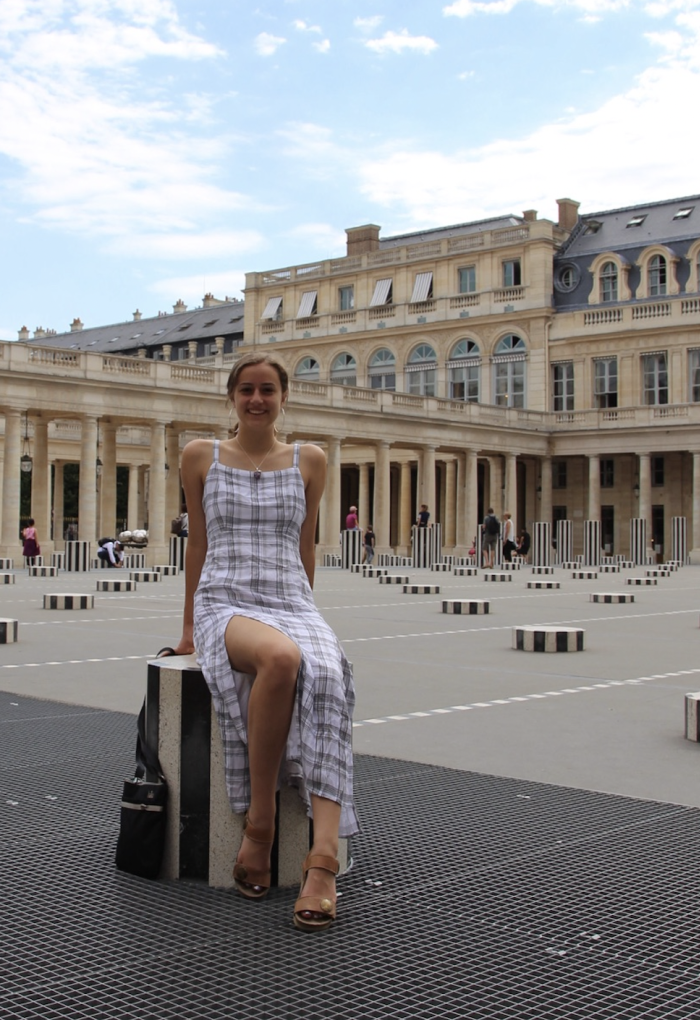
Noall sitting outside of Les Jardins du Palais Royal in Paris during a trip in 2019.

A whole new world

When she started college as a first-year, Noall was driven to squeeze every drop of opportunity she could out of her time at Oregon State. From dedicating herself to her French minor and becoming president of the French Club, to talking with hundreds of coming and going students while working at the Valley Library, she grew connections all over campus. Still eager for more, Noall later chose to spend her senior year studying abroad in Cork, Ireland. But just as it had before, her plan changed.

“It was an entirely new environment with entirely new people.”

“The reason I went to Cork was originally because I knew they offered microbiology classes, and I wanted to go for the full year to get the final microbiology credits that I needed,” she said. “Sadly, I was only able to go for one semester, but because of that I knew I’d be back on campus for two terms and be able to finish those credits here. So I ended up being in Cork for an entirely different purpose.”

Noall decided to take advantage of the circumstances and learn as much about the local area as possible while there. She signed up for an Irish folklore class and an Irish language class, learned traditional dances and even took a course on medieval manuscripts. “It was so nice to be able to explore all of these different areas I had never gotten the chance to before. It was an entirely new environment with entirely new people,” she said.

There was plenty to learn outside of the classroom, too, as Noall quickly discovered. The experience as a whole forced her to grow in ways she didn’t know she could. “It was kind of crazy to think that I could actually have managed that by myself. Especially for someone who’s very indecisive, it pushed me to be a more decisive and thoughtful person,” she said.

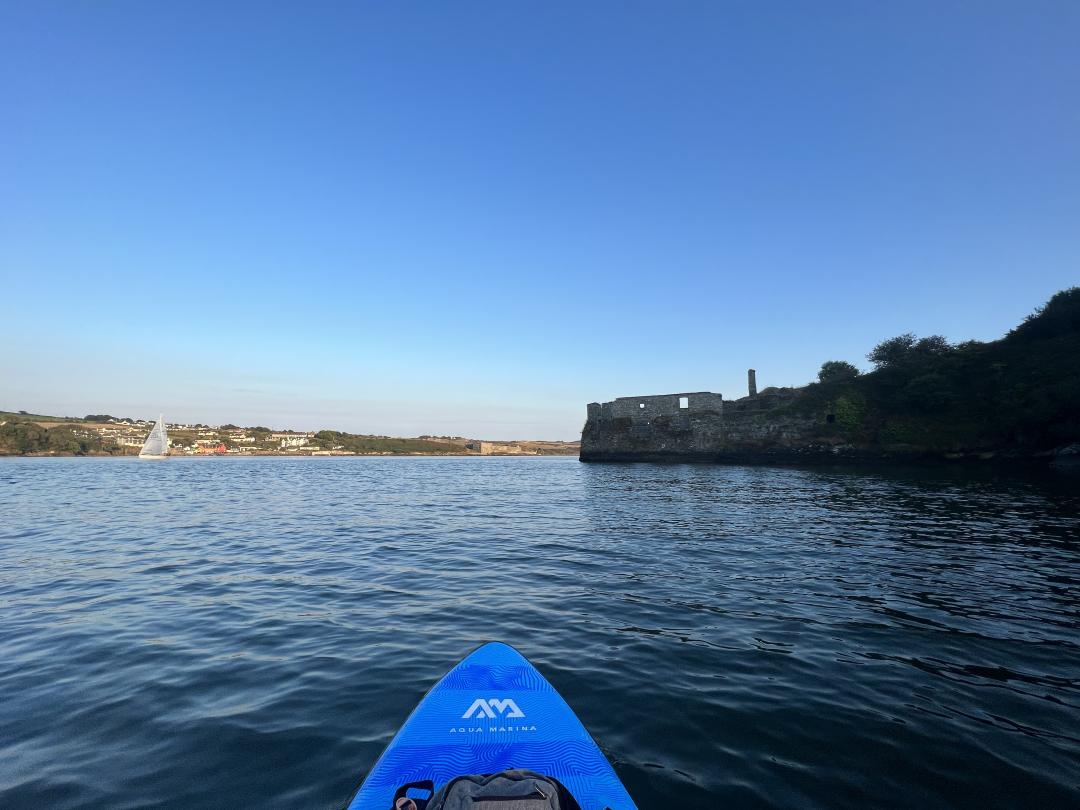
Staying in a different country gave her memories that still live vividly in her mind. In the first month she was there, Noall and a new friend of hers took to the water. They paddle boarded next to the town her friend was from, passing by forts with centuries’ worth of history that jutted out into the currents. “That was a beautiful day,” Noall said, describing it as one of her favorite memories from her time in Ireland.

A picture taken from Noall's paddle board of James Fort and Charles Fort in Ireland.

A picture Noall took of James Fort and Charles Fort while paddle boarding in Ireland.

Basking in the uncertainty

Across all of her experiences, whether she was meeting people from different parts of the world or other students at club events, Noall has always prized human connection.

“There are so many unique voices at Oregon State.”

“One of my favorite things is first impressions,” she said. “That moment when you get to meet someone and learn about them for the first time, I really value that. There are so many unique voices at Oregon State. I think if you make the effort to explore while you’re here, you learn a lot.”

As she’s mulled over potential careers for herself, her love of human connection has shone a special light on becoming a teacher. Noall already works as a teaching assistant in a microbiology laboratory and aids students during their experiments. But in each class, the sharing of ideas is a two-way street.

“With my job, it’s not always telling people what to do. It’s learning from them. I think that’s the same with life — it’s just learning from the people around you, and respecting their stories and their paths,” she said.

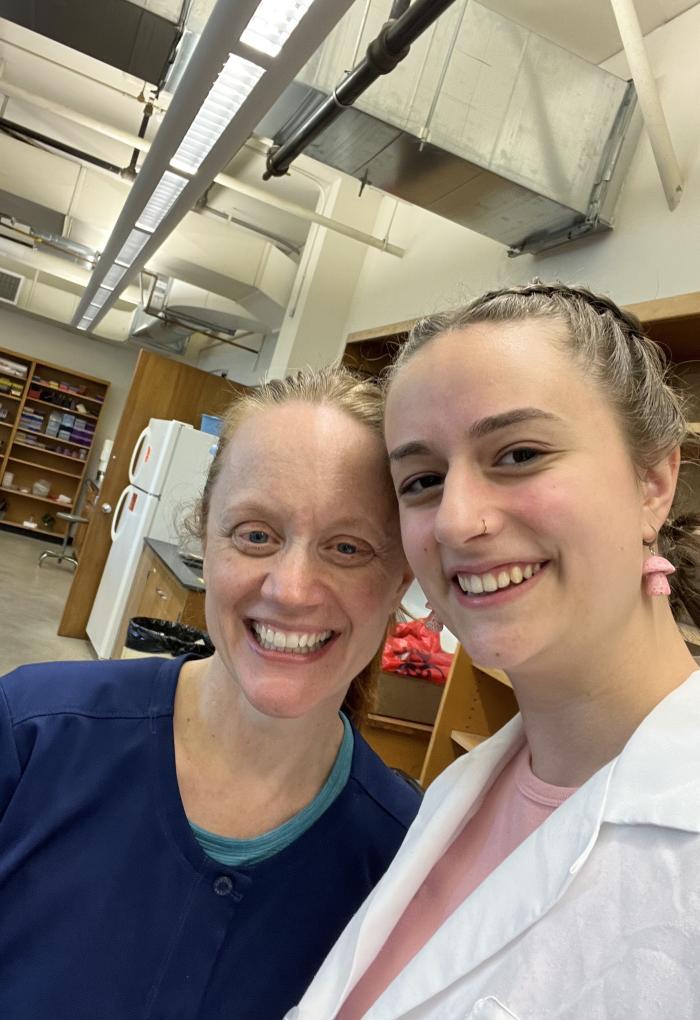
Noall’s passion for this teaching style stems partly from her time with a certain faculty member at Oregon State. “The number one person to thank for my success was my advisor, Allison Evans,” she said. Evans was her academic advisor for Noall’s first three years of college. “She worked harder than anyone. I think she sat with me for two hours trying to figure out how I can go abroad and get all the credits I need. She honestly is a bit of what made me want to be a teacher because she was so helpful to me that I want to be that figure in someone else’s life.”

Noall and her advisor, Allison Evans, taking a selfie in a microbiology lab.

Noall and her former advisor Allison Evans taking a selfie in Noall's microbiology lab.

Noall will already be part of the Teaching Assistant Program in France (TAPIF) the year after she graduates, having been accepted to help instruct English classes while abroad. Although she isn’t sure if she will continue down the teaching route or follow a different passion for her career, she is ready for whatever road lies ahead.

“I think there’s just so many things that fit for me, and that’s hard, but you just have to bask in the uncertainty,” she said. “You have to find the joy in life, and enjoy the path as you’re learning.”

To read more about being a microbiology major, visit the department’s website here.

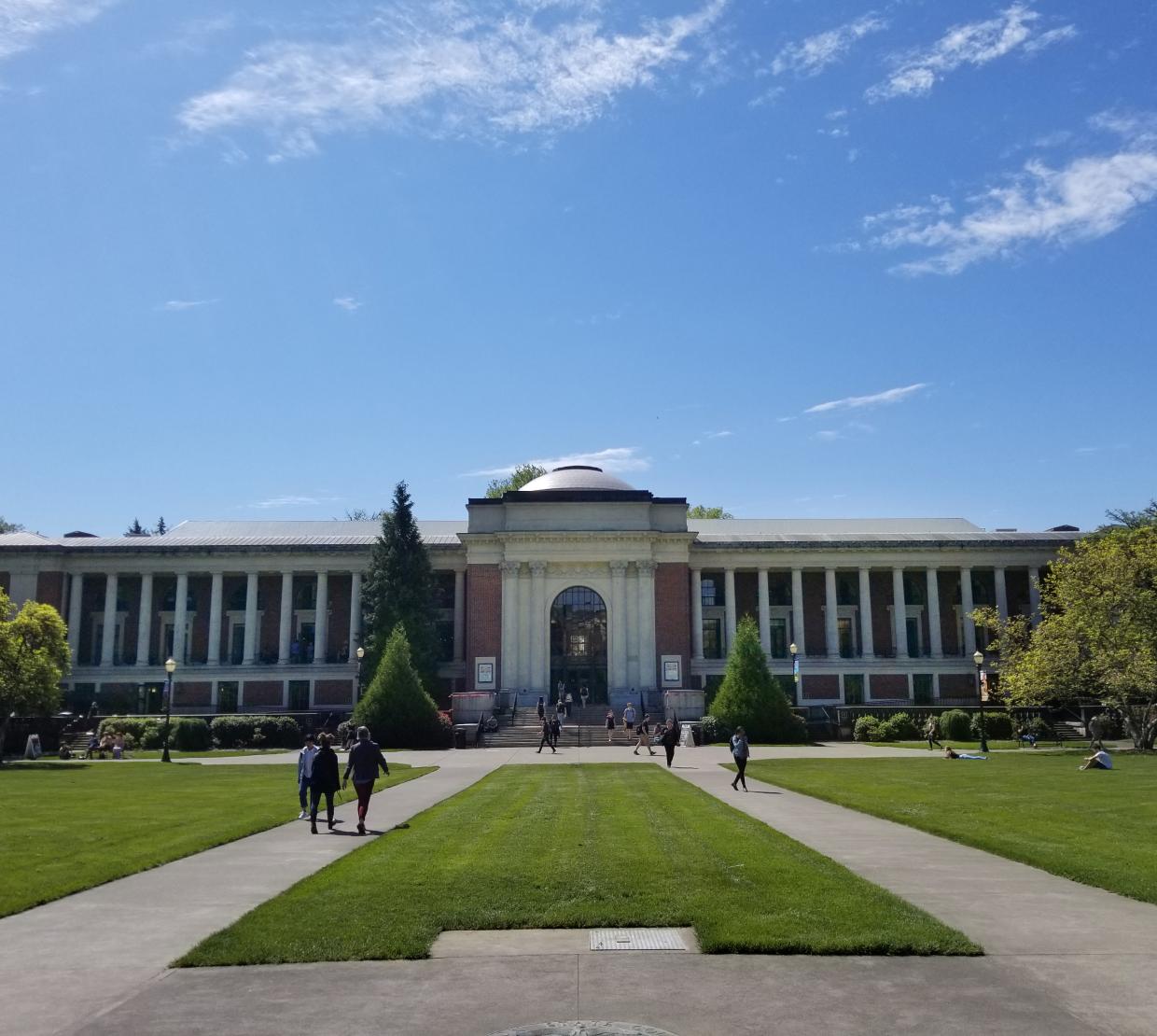
Memorial union in the background with sunshine and people walking.

Annual Health Professions Fair opens doors for students interested in graduate health programs

At the Health Professions Fair, students can connect with professional schools and programs with specializations in the healthcare industry. The Fair is a wonderful opportunity to learn about graduate education and careers in health care. Admissions representatives from more than 60 health professions schools in Oregon and across the country will be on campus to answer your questions. The Health Professions Fair will take place on April 25, 2023, from 10 a.m. to 2 p.m. in the Memorial Union Ballroom.

These schools represent health professions programs in medicine, osteopathy, dentistry, pharmacy, chiropractic medicine, nursing, physical therapy, public health, health management and administration, biomedical sciences and several others. More than 500 students attend the Health Professions Fair each year.

Students are welcome to stop by anytime during the health fair, which is free and open to all majors. Volunteers will be available to hand out a list of participating schools and a map of their table locations. Students can visit a school’s table and pick up information materials and speak with admission representatives.

Something for everyone

The health fair is open to all undergraduates and alumni.

First and second year students can explore health profession options, build networks and get tips from admission representatives on undergraduate preparation and co-curricular activities.

Juniors, seniors and alumni will have an opportunity:

  • to learn about specific programs from admissions representatives of various universities
  • collect application materials and obtain financial aid information,
  • get tips on writing a personal statement, the application process, and letters of reference.

Preparing for the Fair

Students can interact with representatives of graduate health programs from schools such as Oregon Health and Science University, Idaho College of Osteopathic Medicine, University of Utah College of Pharmacy, Western University of Health Sciences in Pomona, California, Keck Graduate Institute of Claremont, California and many more. See a list of participating schools.

Students are encouraged to prioritize their list of schools to make effective use of their time at the fair. They can brainstorm questions they might ask admissions representatives. Here are a few ideas to get started:

  • What is unique about program X at your university?
  • What types of courses would I take in program X?
  • What experiential components does program X offer (internships, rotations, etc.)?
  • What does your admissions committee look for in an applicant?
  • I read about XYZ on your website. Can you tell me more about that?

According to U.S. News and other surveys, healthcare is one of the fastest-growing industries. The Bureau of Labor Statistics predicts that employment growth in this sector will be much quicker than the average for all jobs by 2026.

For more information, please visit: http://www.science.oregonstate.edu/health-professions-fair

Quinn Washburn's Oligotrophic board game

SMILE Workshops

By Giovannoni Lab

The Giovannoni lab works with OSU's SMILE (Science and Math Investigative Learning Experiences) Program to enhance science education for elementary through high school students. The SMILE Program targets schools serving minority, low-income, historically underrepresented, and other educationally underserved populations. SMILE uses an experience-based learning model to engage and inspire students with the ultimate goal of increasing success in higher education and participation in STEM careers.

Our lab developed a SMILE instructional unit, Carbon Cycling by Marine Microorganisms, to introduce students to the importance of marine systems in the global carbon cycle. This unit includes a hands-on laboratory activity designed to study the impacts of nutrient limitation by stimulating a phytoplankton "Bloom in a Bottle." Students must use scientific methods, from making an initial observation to the development of testable hypothesis to find a solution. Following this exercise, they use smartphone-aided observations of their experiments to make conclusions and generate additional hypotheses. This active learning model is intended to inspire curiosity of the natural world, and to demonstrate how science is largely based on investigation. The Bloom in a Bottle exercise, as well as additional associated instruction material (handouts, lectures) are available on the SMILE Program website.
New this year, graduate student Quinn Washburn has developed an instructional board game called Oligotrophic. Oligotrophs are organisms that thrive in an environment that offers very low levels of nutrients. They are characterized by slow growth, low rates of metabolism, and generally low population density. Oligotrophic environments include deep oceanic sediments, caves, glacial and polar ice, deep subsurface soil, aquifers, ocean waters, and leached soils as well as subtropical ocean gyres that cover a substantial portion of the Earth's surface. Marine microbes in these environments form the basis of life in the ocean and perform 50 percent of Earth's primary production.

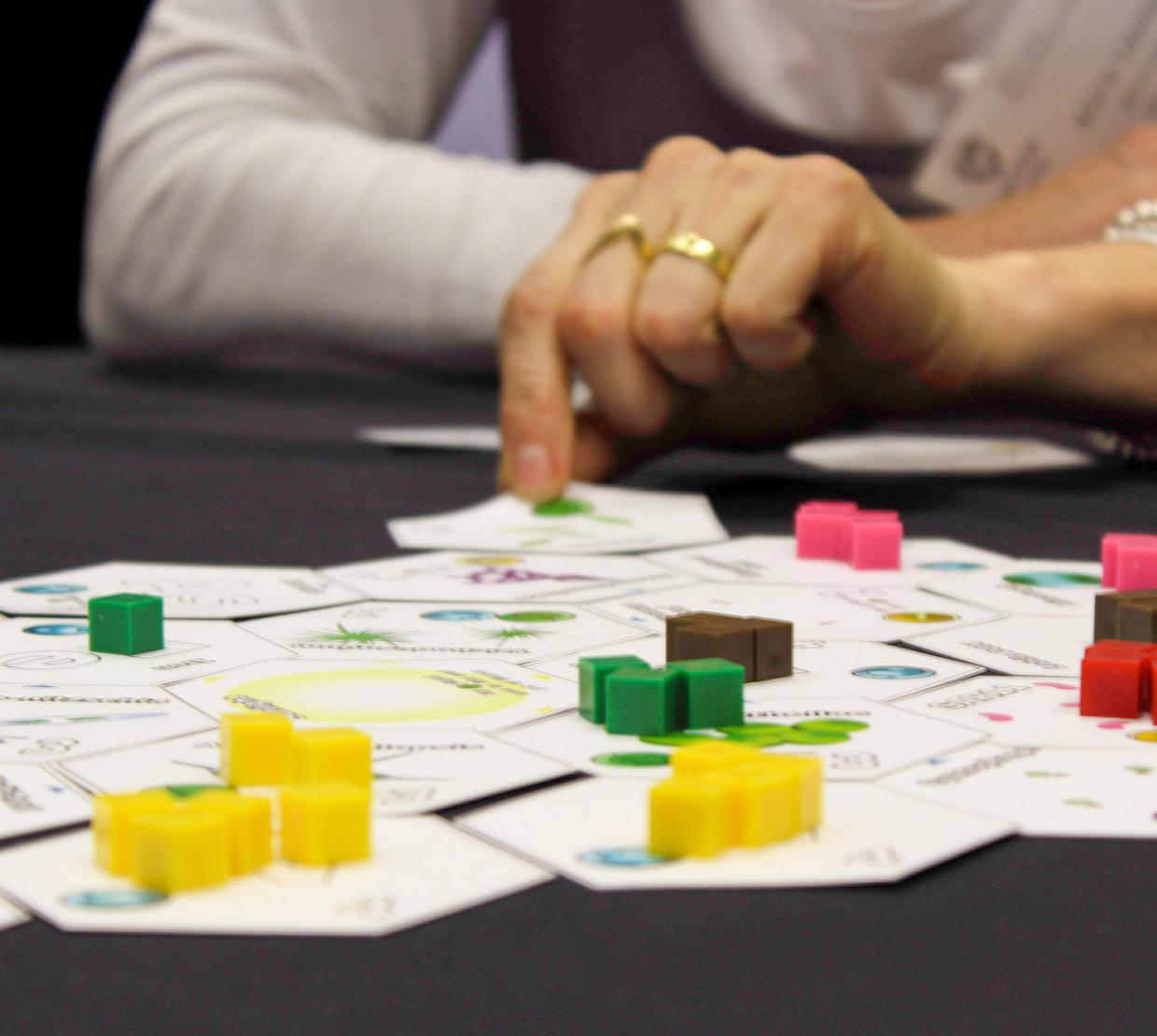
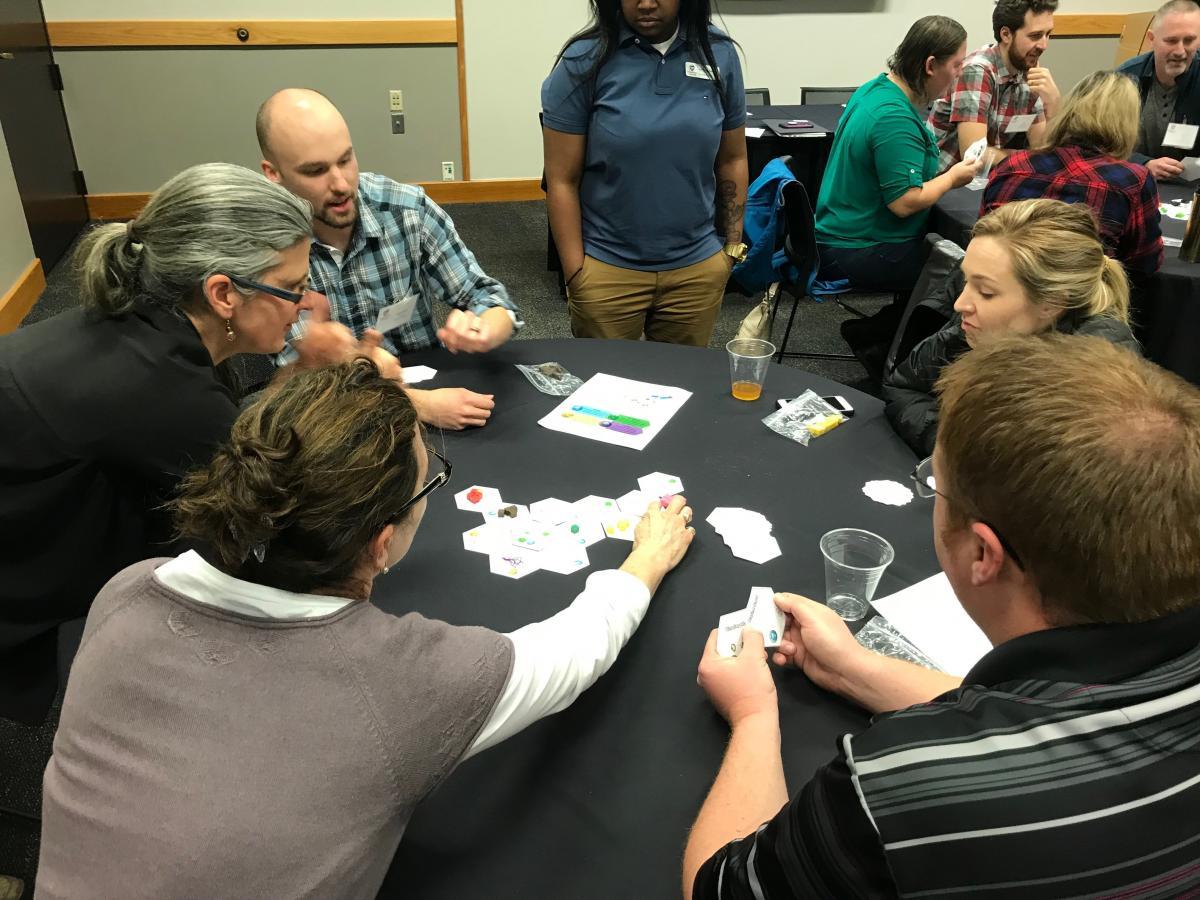
Oligotrophic board game being played by a group

The Oligotrophic game models real-life microbial relationships and biogeochemical cycles in a format that is user-friendly, age inclusive (elementary to high school), and informative as well as fun. It is a strategic tile placement game where players compete to transfer biomass between trophic levels by selecting hexagonal cards based on actual marine microorganisms. The goal is to accumulate biomass, acquire bonuses or take biomass from other organisms and abiotic sources. It introduces important concepts in marine microbial ecology such as the microbial carbon pump, biogeochemical cycling of nutrients, and the flow of biomass through microbial food webs.

The Giovannoni Lab supports SMILE through NSF grants that pay the costs of travel and board for each of our attendees (Dissolved Organic Carbon Cycling by SAR11 Marine Bacteria, OCE-1436865, and Dimensions: Collaborative Research: Unraveling thiamin cycling complexity and impacts on microbial networks DEB 1639033).

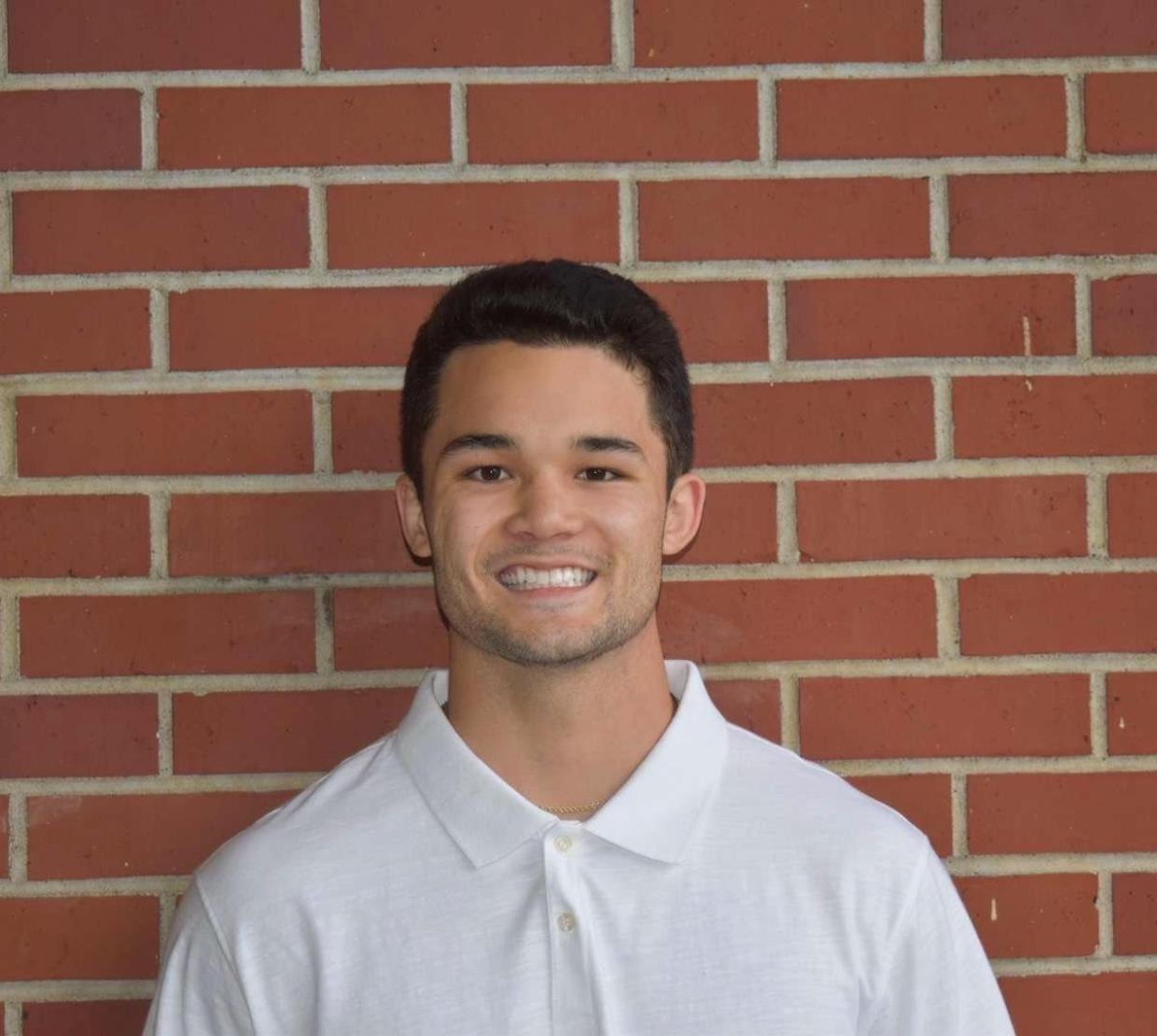
Cody Fretwell smiling in front of a brick wall.

BioHealth sciences senior pivots to medical device sales to ‘help patients breathe that much easier’

By Grace Peterman

Cody Fretwell found the BioHealth Sciences (BHS) major by accident. “I signed up for the biology major during orientation, but when it came time to register for classes, I somehow ended up with all the BHS kids,” he said.

At that point, his career goal was to become a physician’s assistant (PA), and he saw that BHS had the Pre-PA academic option. This option is designed to meet most or all of the requirements for admission to PA programs across the U.S. and includes the opportunity to interact with medical and industry professionals to gain hands-on experience and skills and to explore potential career paths through job shadowing.

Fretwell decided to switch majors from biology to biohealth sciences with the pre-PA option. Four years later, Fretwell is happy with his decision. “I’ve enjoyed a lot of the classes specific to my major, focusing more on the human aspects of biology.”

While BHS gave him a great foundation for a career in healthcare, Fretwell decided to drop the Pre-PA option in the fall of his junior year when he discovered a greater career dream: medical device sales.

A foundational commitment to healthcare

Early on, a significant event in his family put Fretwell on the path to healthcare. When he was going into 8th grade, Fretwell’s twin sister was struck by a car while walking on a sidewalk with a friend. She was life-flighted [airlifted] to Oregon Health and Science University Hospital (OHSU) for emergency brain surgery. Hardworking medical professionals saved her life and changed Fretwell’s, too.

“She had to get a part of her skull removed to help with the swelling,” he said. “When they put it back on, they added a metal plate. A family friend of ours in the room at the time actually worked for the company that sells that metal plate.”

Although it would be a few years before Fretwell considered medical device sales as a career, his commitment to healthcare was solidified in that moment.

“Learning how my sister’s brain worked, how the surgery would affect her long and short term, and what we could do to help her recover best, it sparked something in me,” he said. “The neurosurgeons in the ICU and the rehabilitation people were all so intelligent and kind. I aspired to be like them.”

Thanks to their hard work and the support of her family, Fretwell’s twin sister made an amazing recovery and graduated from college this spring. “If you looked at her or talked to her, you would have no clue it ever happened,” he said.

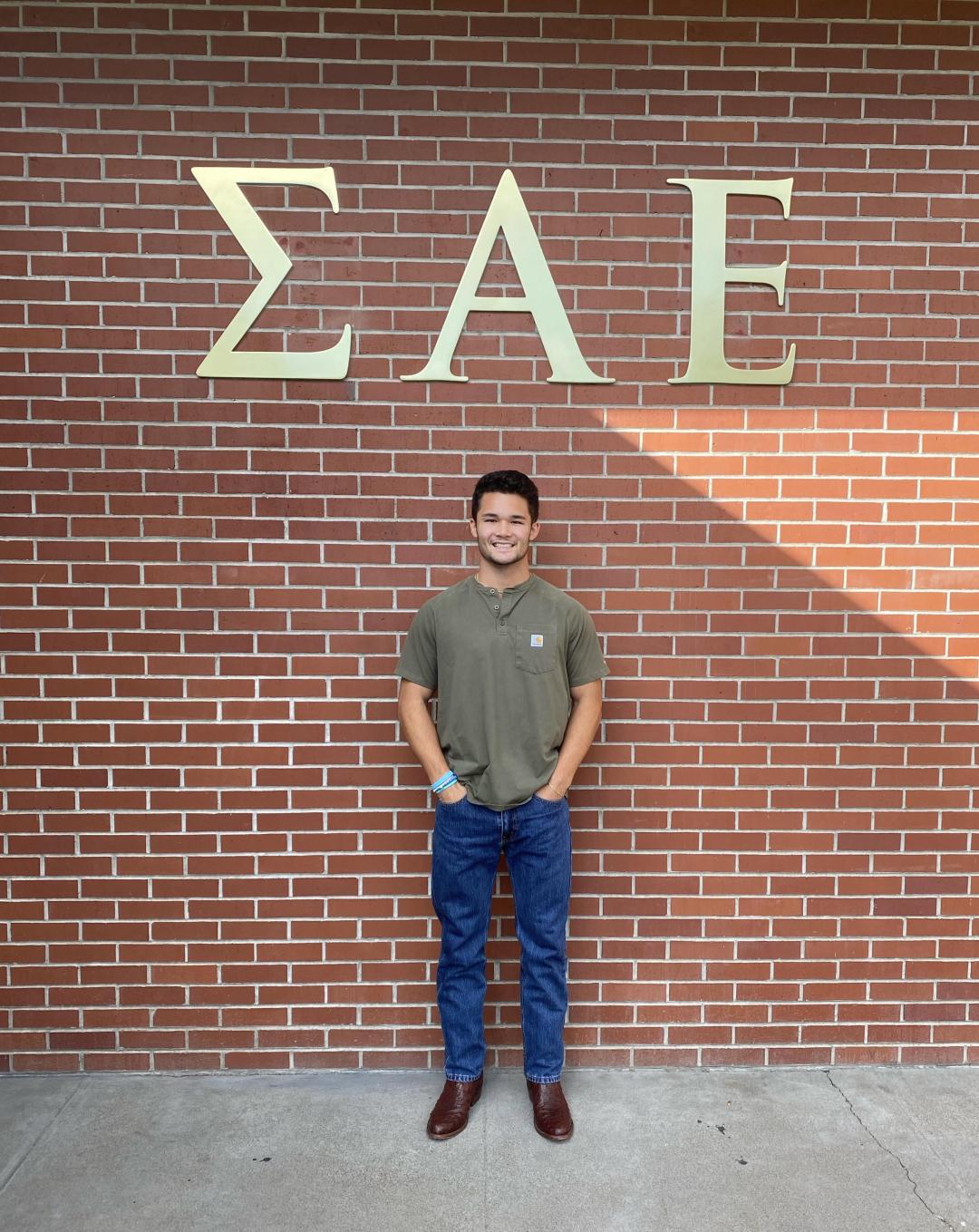
Young man standing in front of a wall with fraternity letters Sigma Alpha Epsilon

During the pandemic, Fretwell stepped in as president of his fraternity, which taught him key skills he can apply to his career. “It is essentially like running a business. I have an executive team, I have meetings, and I have to pay attention to the needs and desires of 125 college guys. It taught me to prioritize tasks, to check off one thing at a time, to delegate, to network and build relationships.”

Returning to the operating room

Coming to OSU, Fretwell was driven to make a difference in the lives of patients. As a BHS major, he pursued an interdisciplinary course of study that combined a strong foundation in biological science with its application to human health and society. He found excellent professors who proved that compassion in healthcare extends to education.

“One of my favorite courses was microbiology, specifically because of the labs and because of Allison Evans. I love her. She is the nicest human being I’ve ever met. She genuinely cares about you,” Fretwell said.

“It was the same way in anatomy with Lori Kayes. If you took time to go to the office hours, she knew your name. Putting in the effort to do that, shows that you really care.”

Being a BHS major also introduced him to some of his favorite courses. “I really enjoyed Mechanisms of Disease [BHS 329] and Microbial Influences on Human Health [BHS 323]. I wouldn’t have taken those classes if I wasn’t a BHS major.”

The summer before junior year, Fretwell shadowed a PA at OHSU as part of his BHS academic option. He returned to the hospital where his sister had undergone surgery, but this time, he got to be in the operating room.

“It was the best feeling I’ve ever had in my entire life. I thought, ‘Ok, this is what I want to do for the rest of my life.’”

“I had the opportunity to ‘scrub in,’ and the surgery I got to watch was absolutely incredible.” Fretwell observed a procedure where a patient’s mandible was removed, and a piece from their fibula was used to replace it. “It was the coolest thing I’ve ever seen,” he said.

He paid particular attention to role of the medical device representatives, or reps, who were present there in the OR. “The part that they used to set up the saw and make cuts was sold by a company whose rep told the surgeon how to set it up and what tool to use.”

When it came time to insert plates, the medical device rep presented the surgeons with options: a custom 3D printed piece, or a metal piece that was molded to fit specifically for that patient. “The surgeon chooses, and the device rep explains that with this piece you use these screws, and so on.”

After the surgery, Fretwell walked out of the OR with the surgical team. “On our way out of the door, someone stopped us and said, ‘Thank you so much, you made a difference in someone’s life today.’” This chance expression of gratitude from a stranger moved him. “It was the best feeling I’ve ever had in my entire life. I thought, ‘Ok, this is what I want to do for the rest of my life.’”

At that point, Fretwell had a decision to make: stay on the pre-PA path, or start preparing for a career in medical device sales. After talking to family and friends in the medical field and to his advisor Tiffany Bolman, who had previously worked in the industry, he decided to make the switch.

The diversity of medical devices used to assist in surgery inspires him. “I’ve heard that there’s movement, you can go from cardiac to neuro to spinal, if you want to. You just need to get trained in what devices are sold for each of those different things.”

Down the line, he plans to participate in research and development as well as sales. “My ultimate goal, would be to contribute to developing a new device,” he said.

“My goal with medical device sales is to enhance someone’s quality of life, so they can breathe that much easier.”

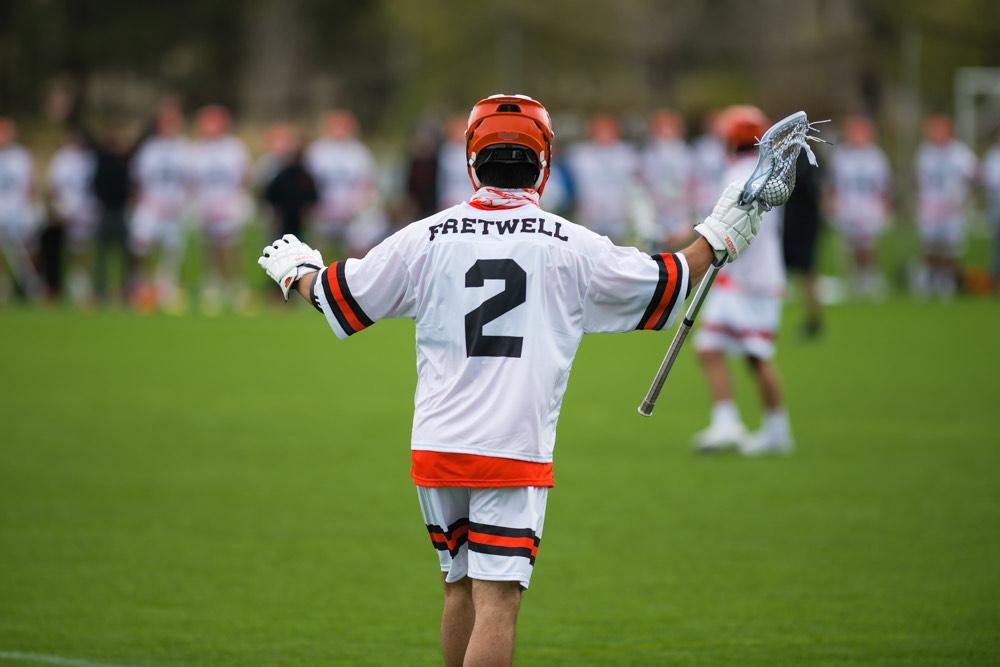
The back of a lacrosse player wearing a jersey with the number 2.

Fretwell played lacrosse while at Oregon State. “I loved traveling and going to sporting events all over the country.”

Finding balance and brotherhood

As he embarks on this exciting new career path, Fretwell reflects on his experiences as a science student. Success looks different from what he pictured at first.

“Freshman year, I struggled,” Fretwell said. “I went to the library every day and got help from TAs, but I had no social life.”

It took some time for him to realize endless hours in the library weren’t his recipe for success. “Your brain can only take so much,” he said. “I finally started to do well, once I learned how to properly study and find a balance.”

Initially intimidated by office hours, Fretwell overcame that with his family’s support. “It took multiple calls to my mom, and her telling me to get my butt into office hours. Once I actually did it, I found out that professors do want to help.”

Fretwell also joined a fraternity and found older friends who were in the same major with the same option. “They would sit me down and tutor me. I didn’t really think I wanted or needed tutoring at all, but it was huge.”

During the pandemic, he stepped in as fraternity president, which taught him key skills he can apply to his career.

“It is essentially like running a business. I have an executive team, I have meetings, and I have to pay attention to the needs and desires of 125 college guys. It taught me to prioritize tasks, to check off one thing at a time, to delegate, to network and build relationships.”

As he gets ready to graduate, Fretwell says he’ll miss the science student experience of bonding over homework together, making learning communal and fun.

“As odd as it sounds, I’ll miss the late-night study sessions at the library, where you just sit down at a white board and try to come up with silly names to try and remember stuff. You’re working hard, but it doesn’t feel like it because you’re having fun at the same time.”

Fretwell will carry that enthusiasm and creativity into the next phase of his career, which will involve interviewing and networking to land an internship or associate position and getting a few years of experience to work his way to a device rep position.

Remembering the gratitude he’s felt on both sides of surgery keeps Fretwell motivated. His personal philosophy for his career comes from a Ralph Waldo Emerson quote that one of his high school instructors gave him: “To know even one life has breathed easier because you have lived. This is to have succeeded.”

“My goal with medical device sales,” he said, “is to enhance someone’s quality of life, so they can breathe that much easier.”

Subscribe to Students