Microbiology

Microbiology

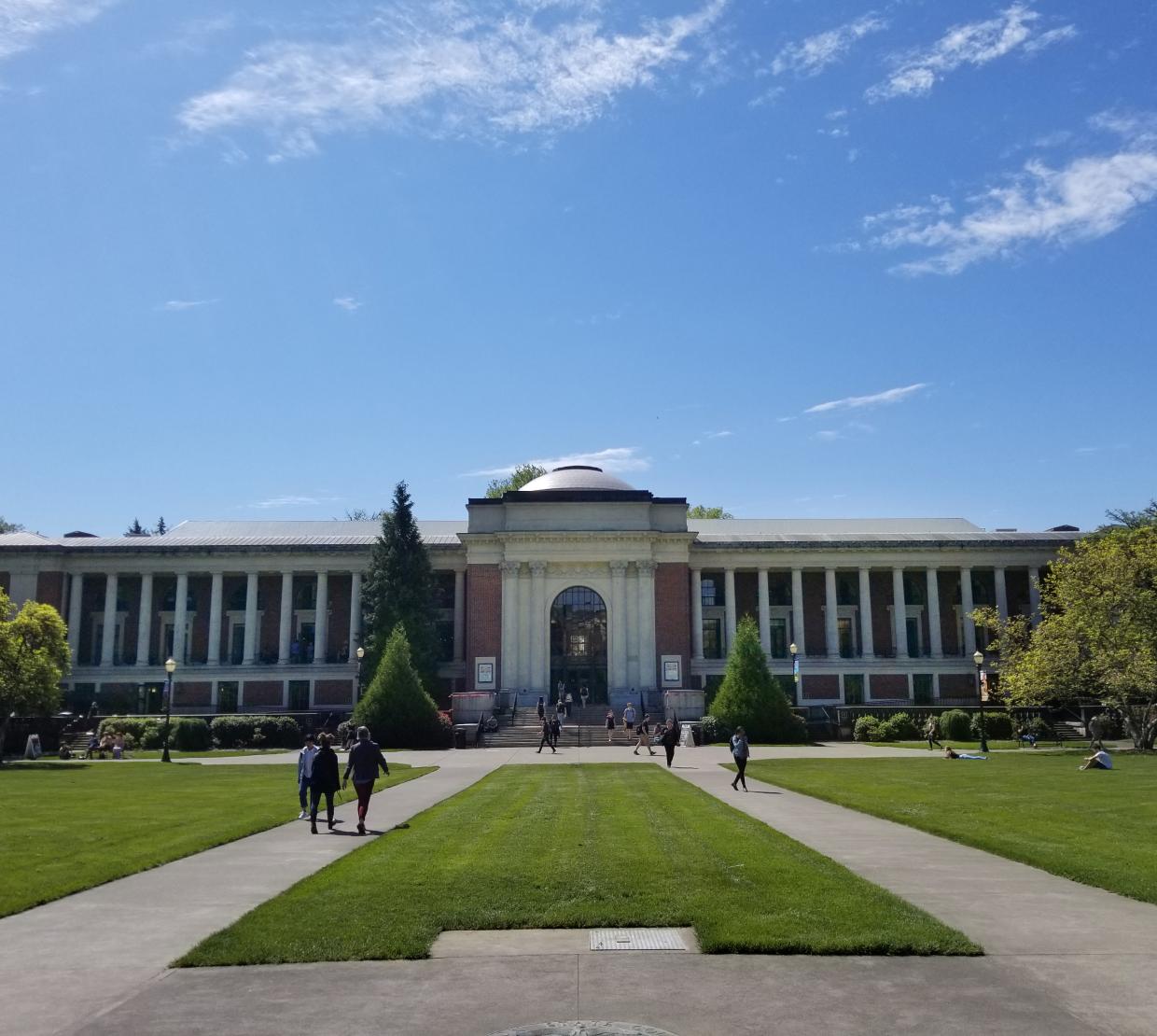
Memorial union in the background with sunshine and people walking.

Annual Health Professions Fair opens doors for students interested in graduate health programs

At the Health Professions Fair, students can connect with professional schools and programs with specializations in the healthcare industry. The Fair is a wonderful opportunity to learn about graduate education and careers in health care. Admissions representatives from more than 60 health professions schools in Oregon and across the country will be on campus to answer your questions. The Health Professions Fair will take place on April 25, 2023, from 10 a.m. to 2 p.m. in the Memorial Union Ballroom.

These schools represent health professions programs in medicine, osteopathy, dentistry, pharmacy, chiropractic medicine, nursing, physical therapy, public health, health management and administration, biomedical sciences and several others. More than 500 students attend the Health Professions Fair each year.

Students are welcome to stop by anytime during the health fair, which is free and open to all majors. Volunteers will be available to hand out a list of participating schools and a map of their table locations. Students can visit a school’s table and pick up information materials and speak with admission representatives.

Something for everyone

The health fair is open to all undergraduates and alumni.

First and second year students can explore health profession options, build networks and get tips from admission representatives on undergraduate preparation and co-curricular activities.

Juniors, seniors and alumni will have an opportunity:

  • to learn about specific programs from admissions representatives of various universities
  • collect application materials and obtain financial aid information,
  • get tips on writing a personal statement, the application process, and letters of reference.

Preparing for the Fair

Students can interact with representatives of graduate health programs from schools such as Oregon Health and Science University, Idaho College of Osteopathic Medicine, University of Utah College of Pharmacy, Western University of Health Sciences in Pomona, California, Keck Graduate Institute of Claremont, California and many more. See a list of participating schools.

Students are encouraged to prioritize their list of schools to make effective use of their time at the fair. They can brainstorm questions they might ask admissions representatives. Here are a few ideas to get started:

  • What is unique about program X at your university?
  • What types of courses would I take in program X?
  • What experiential components does program X offer (internships, rotations, etc.)?
  • What does your admissions committee look for in an applicant?
  • I read about XYZ on your website. Can you tell me more about that?

According to U.S. News and other surveys, healthcare is one of the fastest-growing industries. The Bureau of Labor Statistics predicts that employment growth in this sector will be much quicker than the average for all jobs by 2026.

For more information, please visit: http://www.science.oregonstate.edu/health-professions-fair

Quinn Washburn's Oligotrophic board game

SMILE Workshops

By Giovannoni Lab

The Giovannoni lab works with OSU's SMILE (Science and Math Investigative Learning Experiences) Program to enhance science education for elementary through high school students. The SMILE Program targets schools serving minority, low-income, historically underrepresented, and other educationally underserved populations. SMILE uses an experience-based learning model to engage and inspire students with the ultimate goal of increasing success in higher education and participation in STEM careers.

Our lab developed a SMILE instructional unit, Carbon Cycling by Marine Microorganisms, to introduce students to the importance of marine systems in the global carbon cycle. This unit includes a hands-on laboratory activity designed to study the impacts of nutrient limitation by stimulating a phytoplankton "Bloom in a Bottle." Students must use scientific methods, from making an initial observation to the development of testable hypothesis to find a solution. Following this exercise, they use smartphone-aided observations of their experiments to make conclusions and generate additional hypotheses. This active learning model is intended to inspire curiosity of the natural world, and to demonstrate how science is largely based on investigation. The Bloom in a Bottle exercise, as well as additional associated instruction material (handouts, lectures) are available on the SMILE Program website.
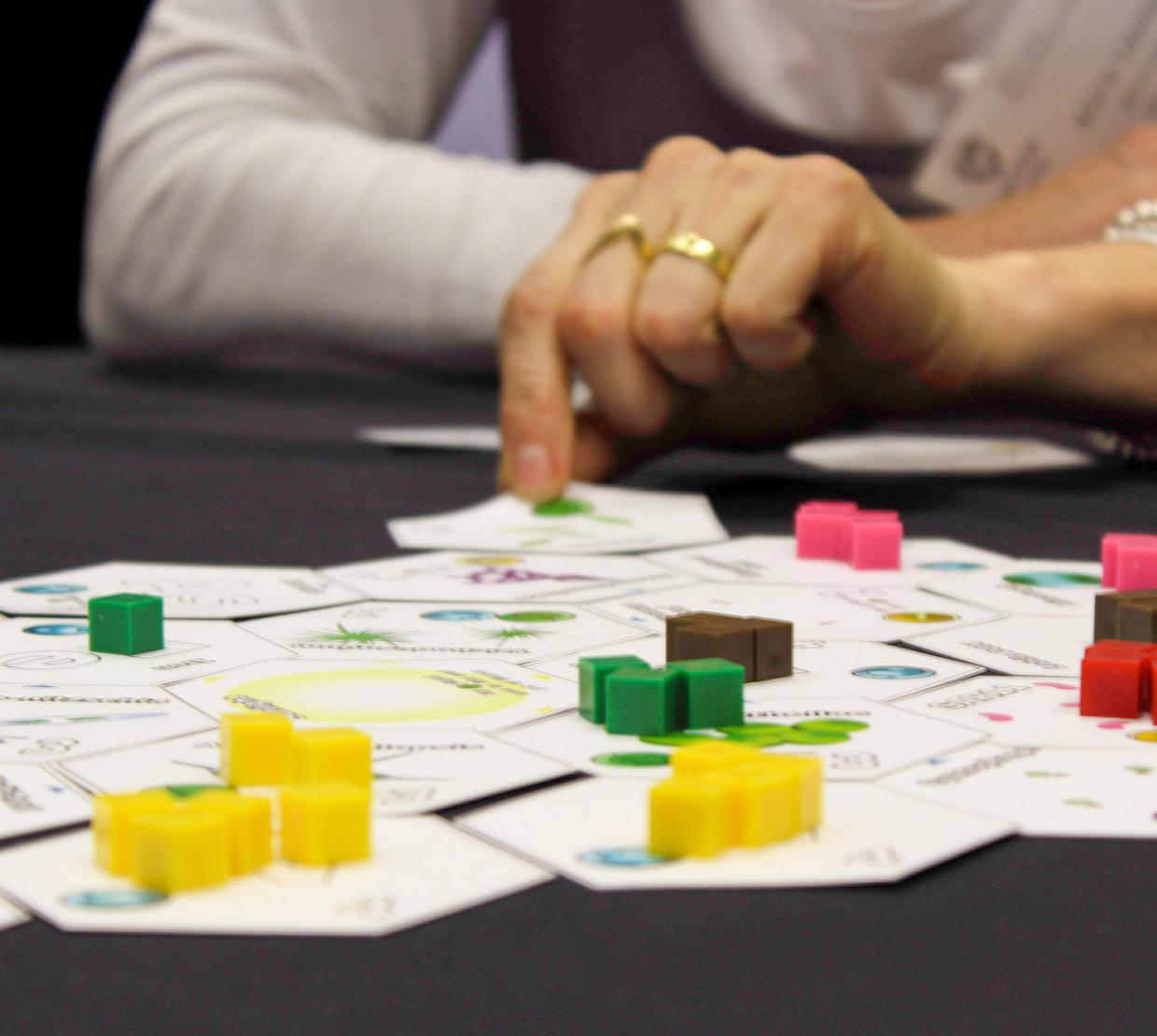
New this year, graduate student Quinn Washburn has developed an instructional board game called Oligotrophic. Oligotrophs are organisms that thrive in an environment that offers very low levels of nutrients. They are characterized by slow growth, low rates of metabolism, and generally low population density. Oligotrophic environments include deep oceanic sediments, caves, glacial and polar ice, deep subsurface soil, aquifers, ocean waters, and leached soils as well as subtropical ocean gyres that cover a substantial portion of the Earth's surface. Marine microbes in these environments form the basis of life in the ocean and perform 50 percent of Earth's primary production.
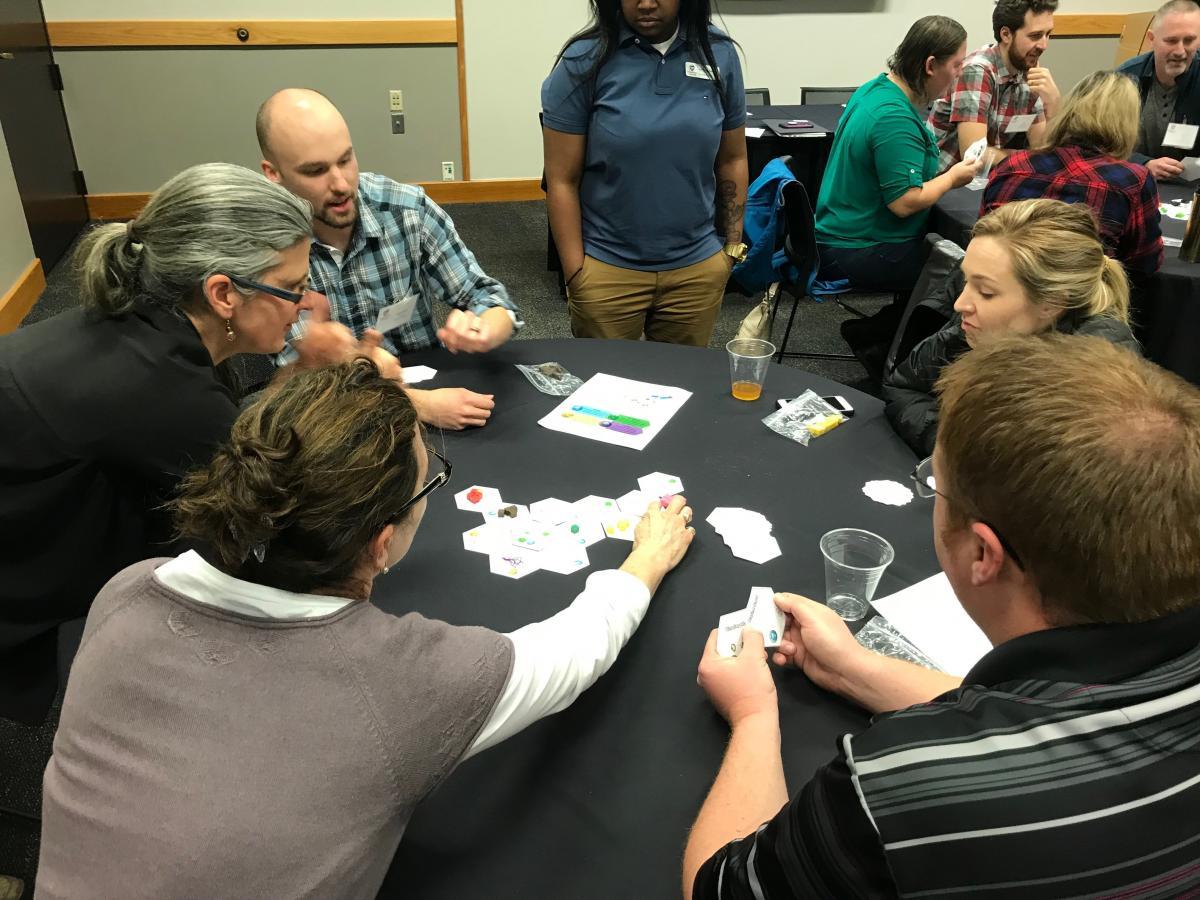
Oligotrophic board game being played by a group

The Oligotrophic game models real-life microbial relationships and biogeochemical cycles in a format that is user-friendly, age inclusive (elementary to high school), and informative as well as fun. It is a strategic tile placement game where players compete to transfer biomass between trophic levels by selecting hexagonal cards based on actual marine microorganisms. The goal is to accumulate biomass, acquire bonuses or take biomass from other organisms and abiotic sources. It introduces important concepts in marine microbial ecology such as the microbial carbon pump, biogeochemical cycling of nutrients, and the flow of biomass through microbial food webs.

The Giovannoni Lab supports SMILE through NSF grants that pay the costs of travel and board for each of our attendees (Dissolved Organic Carbon Cycling by SAR11 Marine Bacteria, OCE-1436865, and Dimensions: Collaborative Research: Unraveling thiamin cycling complexity and impacts on microbial networks DEB 1639033).

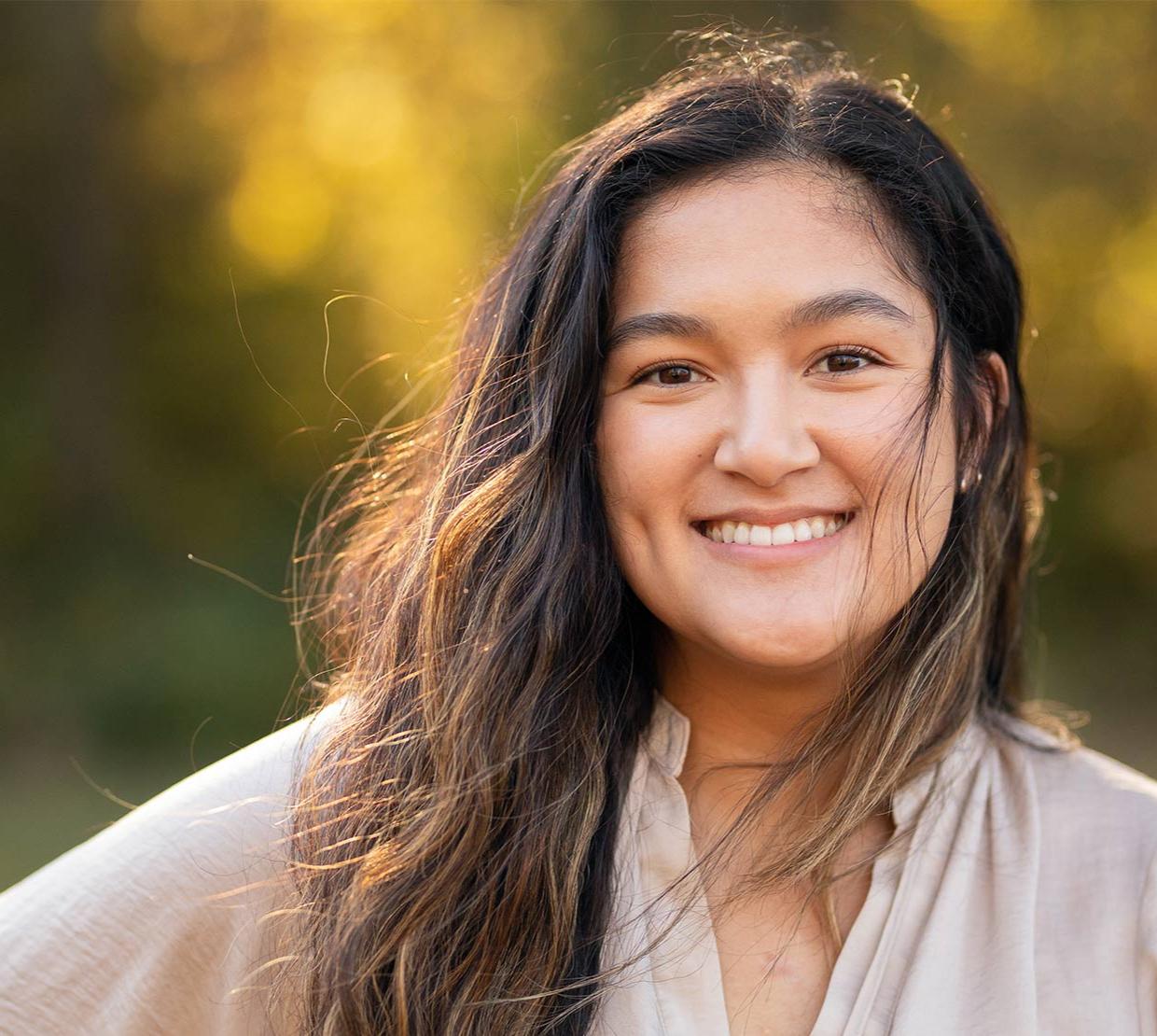
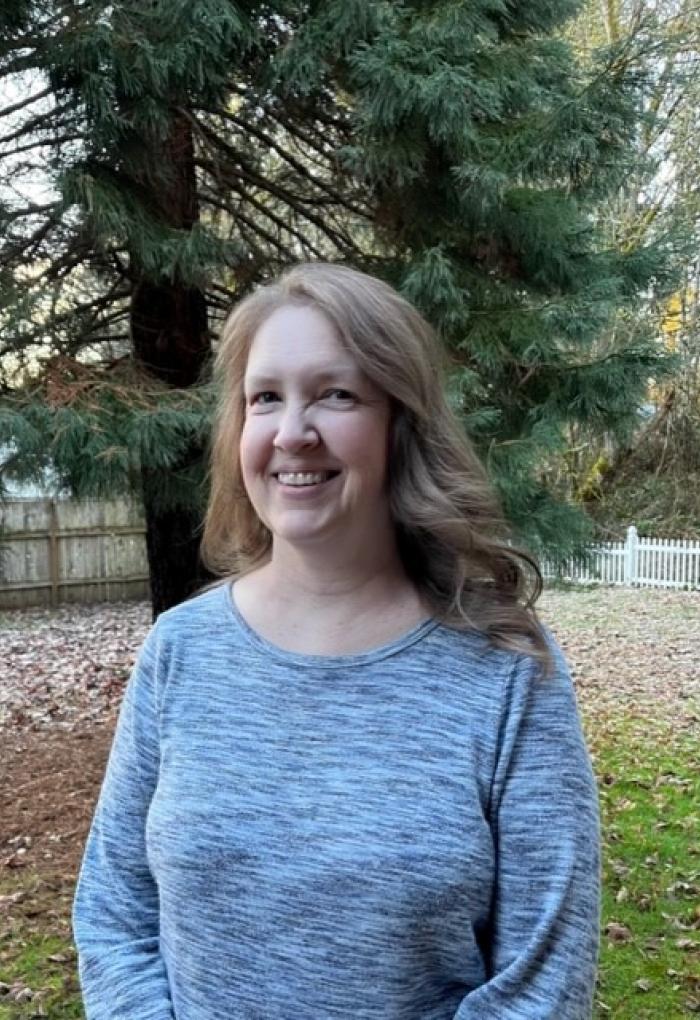
Woman smiling at the camera

Meet a Science Grad: Kacey Little

By College of Science

The following interview is part of a series the College of Science conducted with some of our alumni. While their experiences and career paths vary widely, their passion for science and love for the College and OSU tie them together.

Kacey Little

Major: BioHealth Sciences (’19)
Additional Education: Master’s in Public Health in Epidemiology, OHSU-PSU School of Public Health (’22)
Occupation: Epidemiologist and Research Coordinator at Comagine Health

Why did you choose to study at OSU?

I felt that the BioHealth Sciences major would best prepare me to continue to Physician Assistant school. OSU is also near and dear to my heart. I am a Corvallis native and grew up going to Beaver events, so staying closer to home and getting an excellent quality education help me solidify the choice.

How did the College of Science prepare you for your future career?

The College of Science taught me pretty much all the fundamental skills that my current career path requires. I learned how to apply critical thinking when reading scientific journals and considering complexities around health issues, introductions to data analysis and so on.

Describe your career? How are you making a difference?

Epidemiologists get to look at the possible origins and causes of disease, as well as examining how they are distributed among populations. There are also opportunities to understand, research and address health inequality and disparity. It’s very dynamic and obviously relevant to the COVID-19 pandemic as well.

What might people be surprised to learn about your profession?

I spend a lot of time doing coding and data analysis, and I love it!

How were you involved in the OSU community?

My involvement in the OSU community was limited in terms of clubs and research, unfortunately. I did work at Marketplace West for about 3 years. I met some wonderful people and made really meaningful connections.

What is one favorite College of Science memory?

I absolutely loved the microbiology laboratory class. There was something about being so hands-on with the experiments and the types of experiments that we did identifying mystery bacteria that I loved.

What did you do for fun to de-stress from schoolwork?

I joined a K-pop dance group in my second or third year. It really put me out of my comfort zone, but it was such a fun experience! I also did photography and spent time with friends.

If you could give a future College of Science student advice, what would it be?

I highly recommend forming small study groups! It’s a great way to get to know classmates, and I always did much better on exams and had a better understanding of the material in classes where I had this. Also, I suggest getting to know your instructors and TAs! I took two public health classes during my fourth year, and spending time talking with those professors during that school year and even after graduating is what convinced me that I should pursue my Master of Public Health degree and a career in public health.

A star in a circle sits above a wreath on a blue background with glitter. The year 2023 is visible.

Celebrating inclusive excellence, administration, service and performance: 2023 College of Science Awards

By Hannah Ashton

The College of Science gathered on Feb. 22 to recognize and celebrate our high achieving faculty and staff at the 2023 Combined Awards Ceremony. The evening celebrated the very best in the College, from teaching, advising and research to inclusive excellence, administration and service.

The following faculty and staff received awards in the categories of Inclusive Excellence, Administration, Service and Performance.

Congratulations to all the awardees!

College of Science Inclusive Excellence Award

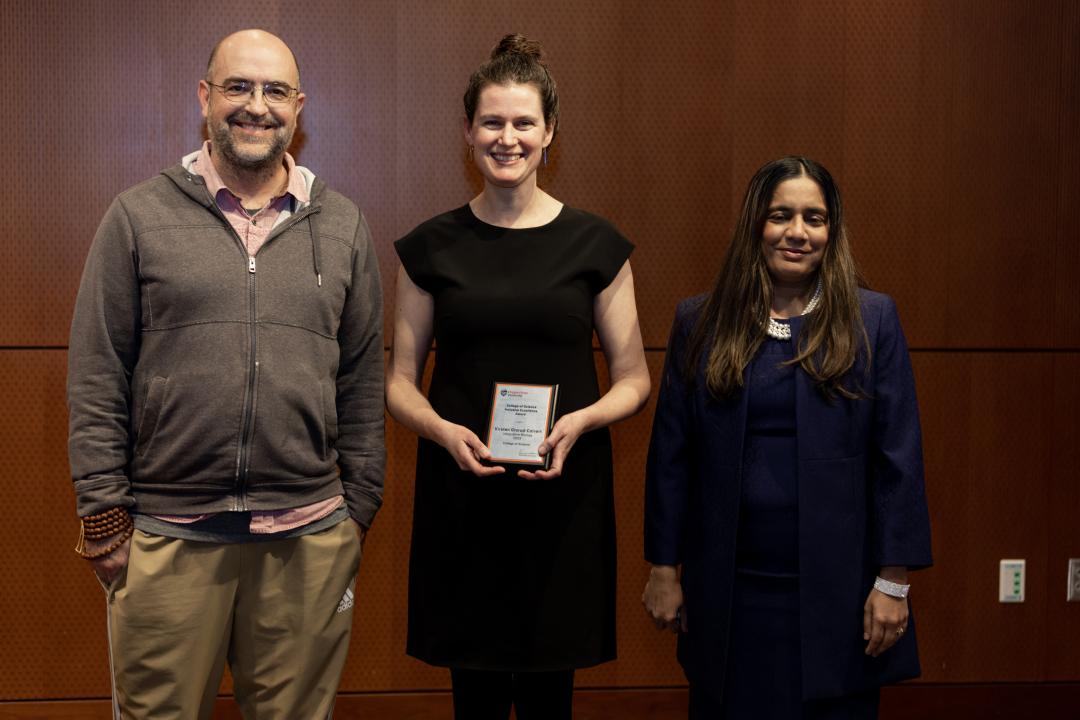
Kirsten Grorud-Colvert stands in a dark dress holding her award.

Kirsten Grorud-Colvert accepts her award from Interim Dean Vrushali Bokil and Department of Integrative Biology Head Dee Denver.

Kirsten Grorud-Colvert, associate professor, senior research in the Department of Integrative Biology, received the Inclusive Excellence Award. In her nine years at Oregon State, she has demonstrated valuable leadership in fostering a culture of inclusion in the College of Science.

In 2020-21 Grorud-Colvert led a department-wide effort to develop an Equity, Justice and Inclusion Community Values statement to guide the department’s future goals and actions. As part of that work, she organized a retreat for faculty, staff and graduate students to discuss individual and group values. Attended by 83 members, the retreat served as a jumping-off point for the department statement, allowing more voices to be heard and incorporated.

In the summer of 2022, Grorud-Colvert co-organized a Decolonizing Biology workshop. A series of four sessions, the workshop provided a deep dive into the historical and ongoing colonial forces that have shaped the biological research discipline. Topics ranged from the exploitation of indigenous bones and DNA to disparities and biases experienced by racial and ethnic minorities in healthcare.

Grorud-Colvert also prioritizes inclusive excellence in her role as a research program leader. She focuses on place-based approaches to understanding the local impacts of marine protected areas in different parts of the world while integrating the perspectives of local communities and historically marginalized populations.

College of Science Gender Equity in Leadership

Created in 2022, the College of Science Gender Equity in Leadership award supports and provides funds for the advancement of the careers of female faculty in the College of Science. Thanks to generous donors, the fund will provide three faculty with a $3K award for developing and implementing projects related to the College’s mission while enhancing leadership skills and opportunities for faculty members who previously or currently identify as women in the College of Science.

This year's recipients include: Marilyn Mackiewicz and Paula Weiss; Elisar Barbar; and Katée Keen and Jennifer Olarra.

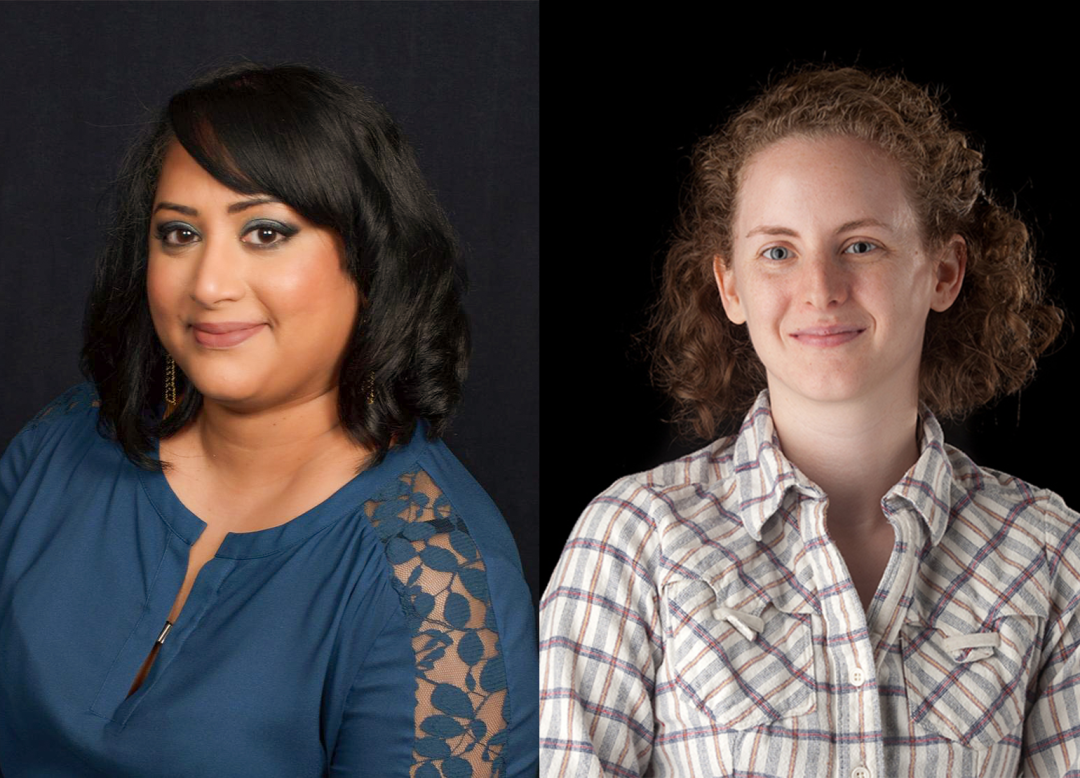
Headshot of Marilyn Mackiewicz wearing a blue shirt and headshot of Paula Weiss in striped shirt.

Marilyn Mackiewicz and Paula Weiss.

Marilyn Mackiewicz and Paula Weiss’s award will support specialized mentorship programs for women instructors, professors and researchers in the Department of Chemistry. Called “The Catalyst,” the goal of the program is to cultivate an environment that shapes the next generation of leaders, scientists, mentors and educators. Participants will formulate their career goals and develop a range of skills such as effective grant writing, finding sources of funding and inclusive leadership skills.

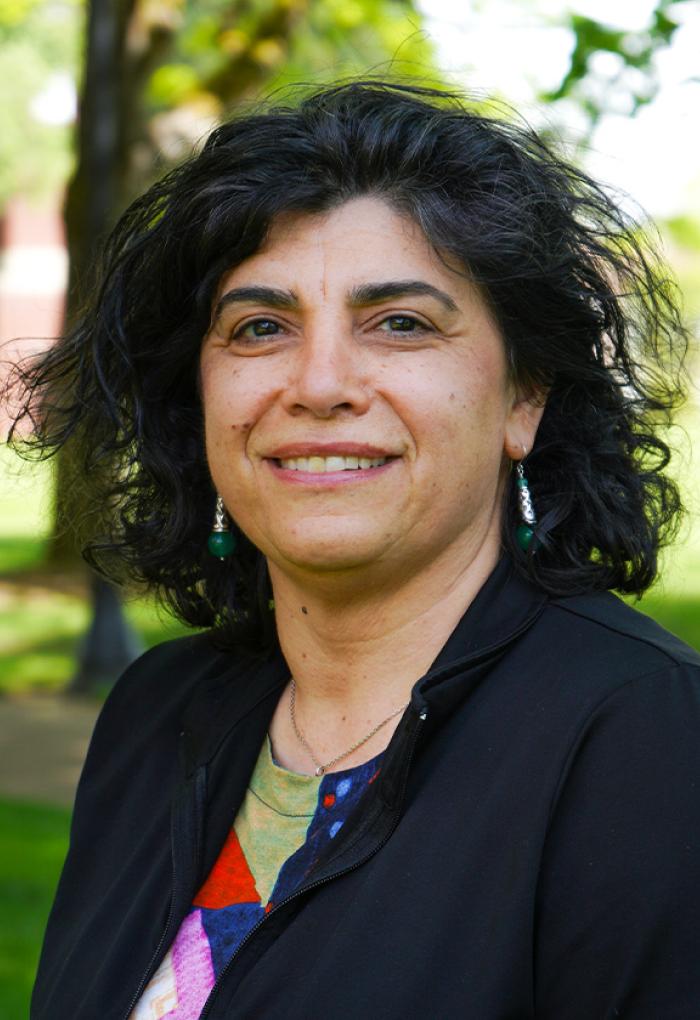
Outdoor photo of Elisar Barbar.

Elisar Barbar

Elisar Barbar’s award will fund the development of workshops that support women faculty in science as their careers advance. She will organize formal mentorship opportunities focused on tools and strategies that empower faculty and invite a renowned speaker to lead a full day workshop on leadership, improving quality and quantity of research output and the performance and well-being of science teams.

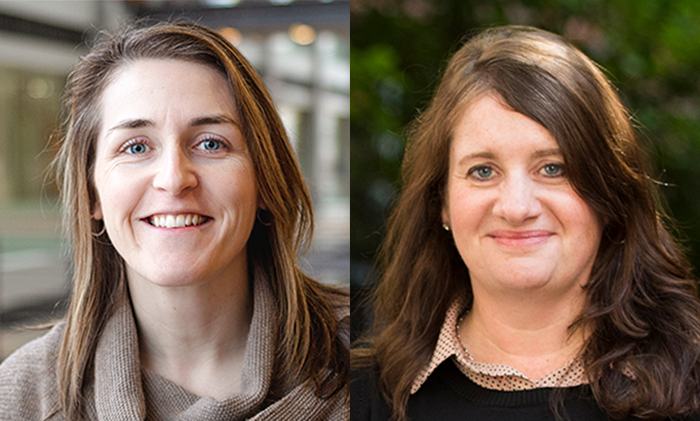
Katée Keen and Jennifer Olarra.

Katée Keen and Jennifer Olarra.

Katée Keen and Jennifer Olarra’s award will fund a coaching event that supports College of Science staff and professional faculty who identify as women. A guest speaker will lead participants in sessions focused on empowerment, work-life balance, leadership at all levels, connecting personal values to College of Science values, and creating a climate of belonging and support.

Gladys Valley Award for Exemplary Administrative Support

Kelly Carter standing in a blue long sleeve shirt outside in front of a tree.

Kelly Carter, graduate student coordinator and office manager for the Department of Physics

Kelly Carter, graduate student coordinator and office manager for the Department of Physics, received the Gladys Valley Award for her tireless commitment to her department.

Carter has been the office manager in the department since 2014 and during the 2021-22 academic year, she managed the role without a support employee after her assistant, Lori Emmons, passed away. Carter frequently performs well beyond her position description duties.

“Kelly has been a fundamental individual in the department workings, a pleasant person to interact with a constant smile, a tireless collaborator, and an incredible source of help and support at any time,” wrote one nominator.

Her colleagues expressed immense gratitude for her willingness to take on more responsibilities while consistently providing a warm welcome to department visitors.

“Kelly is the glue that holds together the complicated trajectories of roughly 20 faculty, 50 graduate students and hundreds of undergraduates,” wrote another nominator. “She deserves recognition for not only doing this difficult task, but also for doing it incredibly well in the face of a plethora of challenges.”

Distinguished Service Award

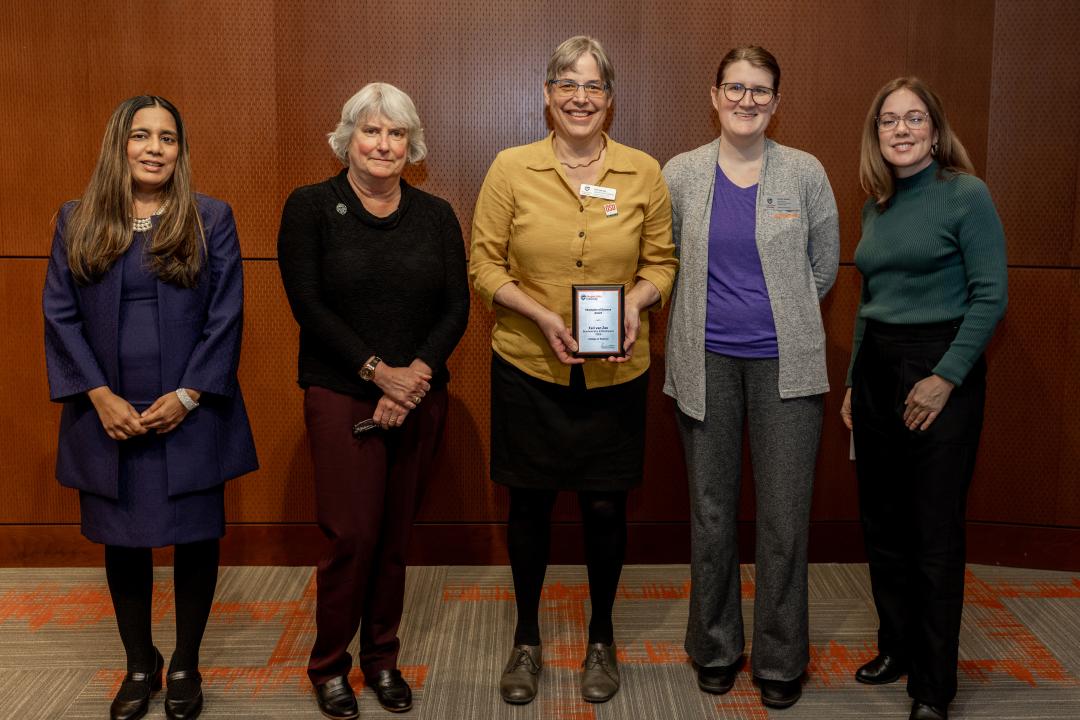
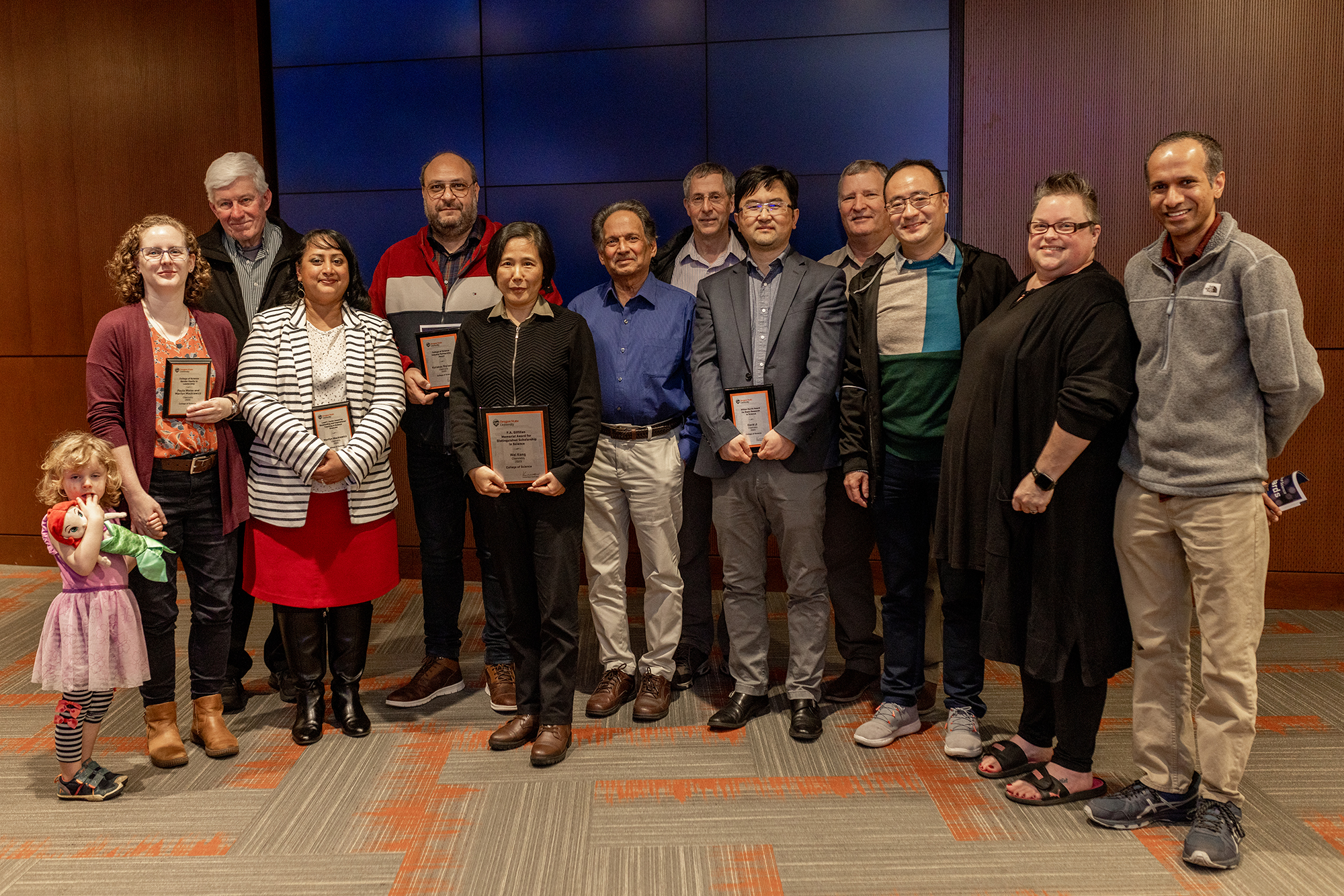
Five women pose for a picture. The woman in the center is wearing a gold shirt and holds a plaque.

From left to right: Vrushali Bokil, Virginia Weis, Kari van Zee, Lauren Dalton and Kate Shay.

Kari van Zee, senior instructor II and lead advisor for the Department of Biochemistry and Biophysics, received the Distinguished Service Award. This award recognizes a faculty, staff member or student whose outstanding contributions helped to support and sustain the quality and effectiveness of our College.

Van Zee has taken on a plethora of roles, both official and behind the scenes. In addition to teaching and advising, she is an undergraduate coordinator, faculty senate member, Biochemistry Club advisor and Genetic Code Expansion Center outreach coordinator. On top of everything she is known for fostering a supportive community environment.

“She is a perfect example to emulate: a good friend, advisor and someone to count on for support; whatever it is, however hard it is, whether you are a student, faculty or even department head, Kari is there to help,” wrote the nominators.

Examples of her dedication include hosting social events to help undergraduate seniors brainstorm for their future, organizing the department Dam Proud Day fundraising event, helping faculty adapt for students with disabilities and coordinating pandemic safety procedures.

Colleagues noted she also dedicates her time to building a positive department culture. Van Zee is the first person to give out her information to new staff members and routinely helps plan community-building events.

“In summary, Kari is the heart of the department in so many ways,” the nominators wrote.

Champion of Science Award

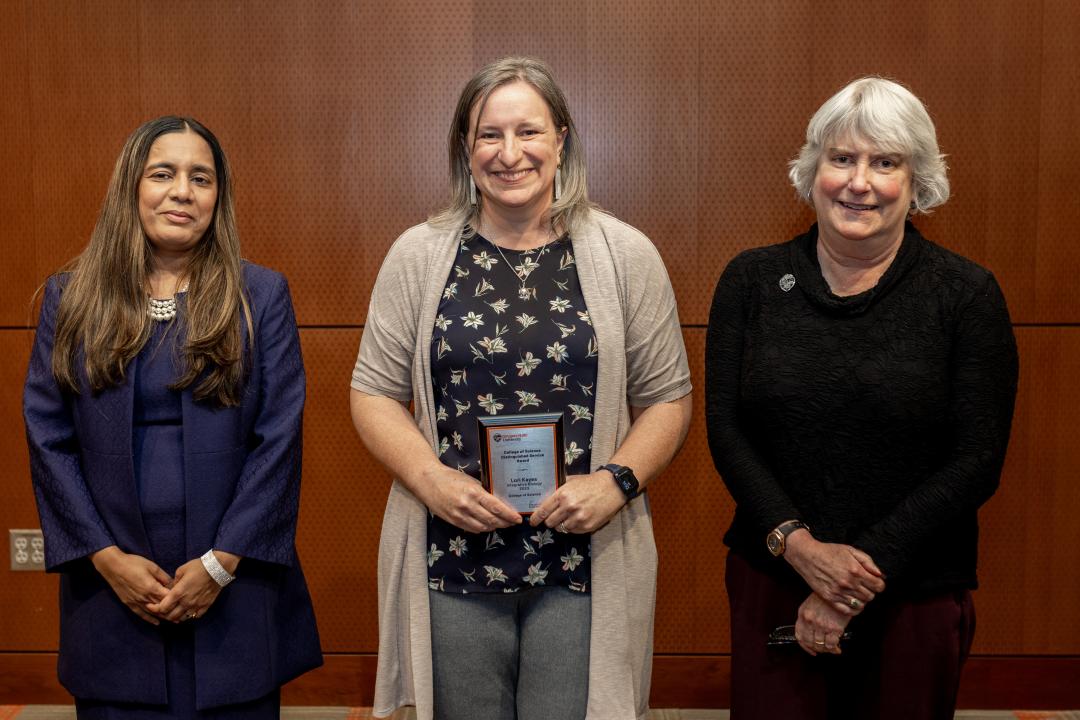
Lori Kayes accepts her award standing next to two other women.

Lori Kayes accepts her award from Interim Dean Vrushali Bokil and Acting Associate Dean for Research and Graduate Studies Virginia Weis.

Lori Kayes, Associate Department Head and Senior Instructor II in the Department of Integrative Biology, received The Champion of Science Award. Chosen by the dean, this award recognizes an individual who demonstrates excellence and extra effort that goes above and beyond what is requested. The award is modeled, including its name, after the President's Beaver Champion Award.

Kayes is a champion of student success, equity and community engagement. Throughout her career, she has strongly advocated for inclusivity in STEM courses and promoted active learning and culturally responsive pedagogies at Oregon State. She has tirelessly advocated for adapting education to meet the needs of today’s learners.

Her contributions were pivotal in Oregon State's recent adoption of the new general education curriculum, which focuses on student success. As co-leader of the Baccalaureate Core Reform Committee, she garnered participation across the university to shape a new curriculum that enhances student potential, including those who are historically underserved.

Her devotion to effective teaching is also demonstrated by the Learning Assistants Program. As a founder with Devon Quick and Dennis Bennett, she helped usher in a new era of evidence-based science teaching in large classrooms at OSU. The Learning Assistants play a vital role in helping students learn by implementing engagement and learning exercises in undergraduate STEM classrooms.

Kayes also has been active in the ongoing efforts to increase inclusive excellence in science as co-PI of the five-year $1 million grant from the Howard Hughes Medical Institute, which aims to improve instruction in undergraduate STEM classrooms.

College of Science Industry Partnership Award

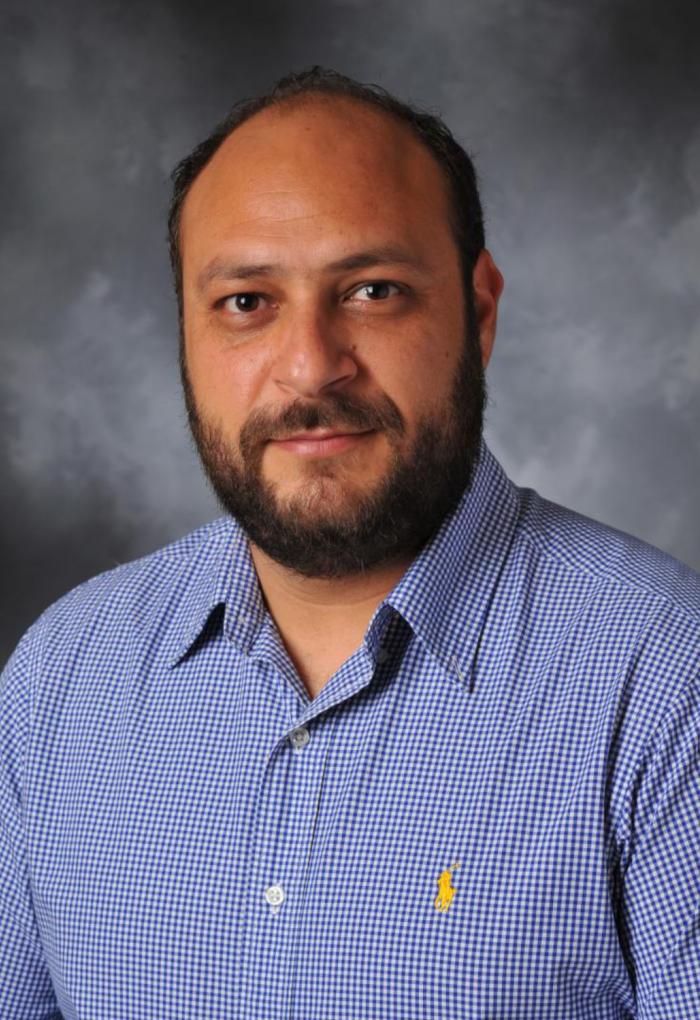
Kyriakos Stylianou, a man with a beard.

Kyriakos Stylianou

Assistant Chemistry Professor Kyriakos Stylianou and his colleagues received the College of Science Industry Partnership Award. This award will support their work producing metal-organic frameworks (MOFs) able to capture CO2 followed by its conversion into a mixture of ethanol and methanol, which can be used as an alternative fuel source. This will help lower CO2 levels in the ocean and atmosphere and reduce humanity’s dependency on long-chain hydrocarbon fuels, which are rapidly contributing to global warming. In this project, Stylianou will collaborate with an international energy company, and together, they will discover novel strategies to effectively reduce CO2 emissions with MOFs.

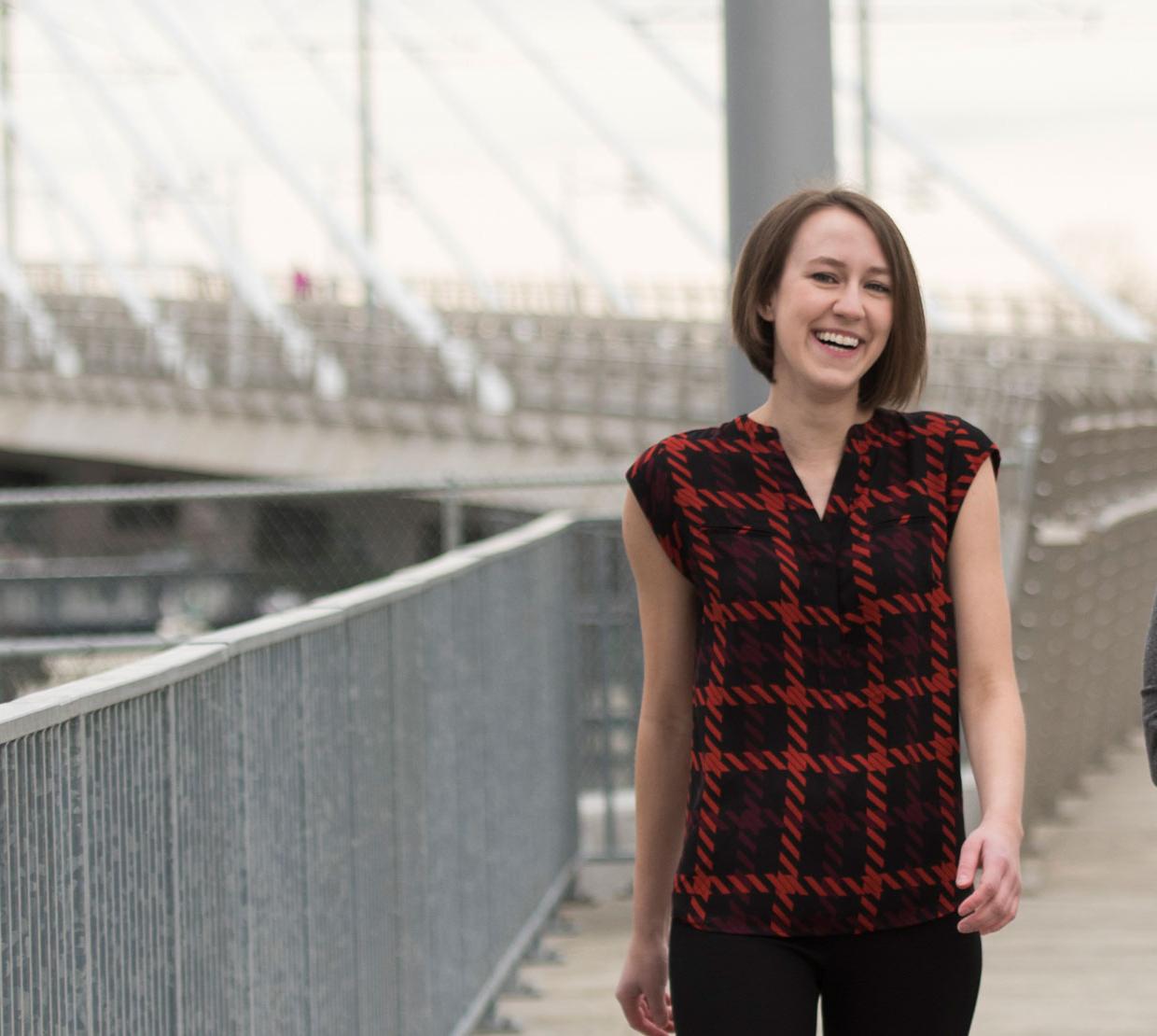
Woman on bridge smiling

Meet a Science Grad: Charlotte Soderberg

By College of Science

The following interview is part of a series the College of Science conducted with some of our alumni. While their experiences and career paths vary widely, their passion for science and love for the College and OSU tie them together.

Charlotte Soderberg

Major: BioHealth Sciences, minors in Chemistry and Public Health (’16)
Additional Education: Doctorate in Pharmacy, Oregon State University/ Oregon Health and Sciences University (’20)
Occupation: Clinical Pharmacist, PacificSource Health Plans

Why did you choose to study at OSU?

Mentors that I had in high school spoke highly of OSU’s and Oregon Health and Science University’s joint Doctor of Pharmacy program. They encouraged me to attend OSU for undergraduate studies and were confident that it would help set me up for success as a pharmacist.

What led you to choose your major and career path?

I knew that I wanted a career that would incorporate chemistry, anatomy and biology, while also using “soft skills” like teamwork, interpersonal communication - and problem-solving. I found that the role of a pharmacist encompassed all of these things and more.

How did the College of Science prepare you for your future career?

The College of Science helped me develop problem-solving skills, fostered independent critical thinking, taught me how to interpret data, and provided role models. Most of all, it prepared me to be a lifelong learner.

Describe your career? How are you making a difference?

The work of pharmacists is important because we strive to ensure patients receive the most appropriate medication therapies possible.

What might people be surprised to learn about your profession?

A pharmacist does so much more than count pills! The scope of our practice is growing every year. There are many different fields that pharmacists can work in. for example, I am a managed care pharmacist. Each day, I use my foundation knowledge and experience from the College of Science, along with clinical knowledge and experience from the College of Pharmacy to make decisions that impact patients’ care.

How were you involved in the OSU community?

I worked at the Writing Center and was a Learning Assistant for Principles of Biology, the Advanced Human Anatomy, and Physiology courses.

What is one favorite College of Science memory?

My favorite memories were the long nights spent studying with classmates and forging friendships.

If you could give a future College of Science student advice, what would it be?

Take advantage of opportunities to try new experiences! Exposing yourself to new experiences is the best way to find what you are most passionate about.

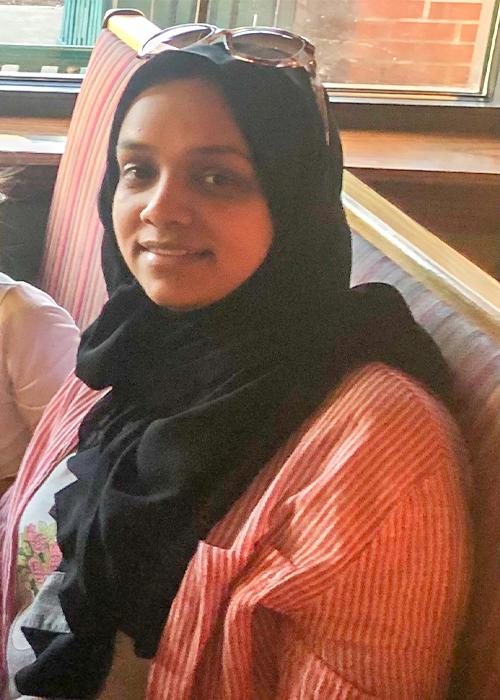
Safa Alfattani

Safa Alfattani

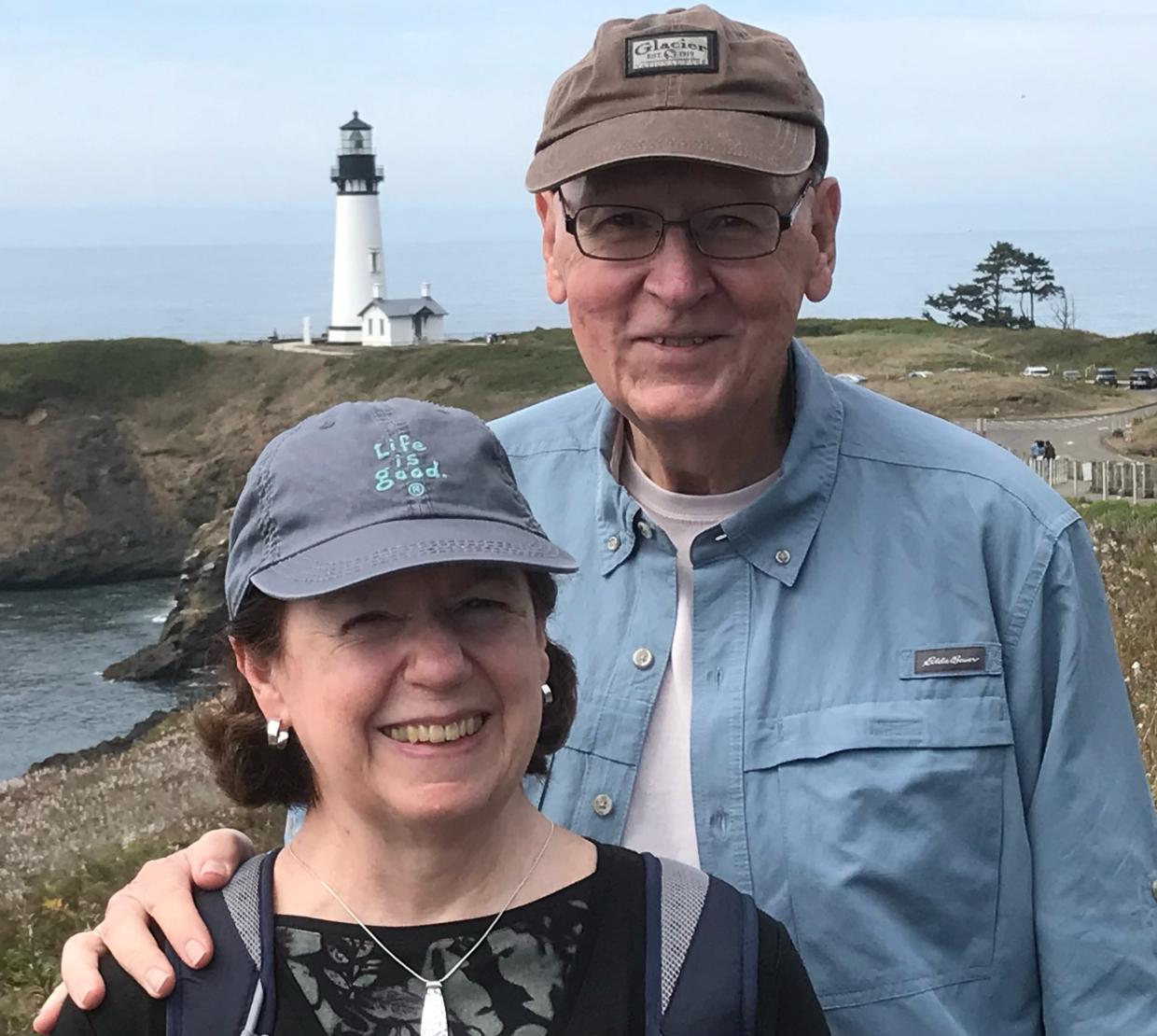
Ron and Ann Berg in front of Yaquina Head Lighthouse in Newport, OR

Out of a desire to give back, Microbiology alumni endow new lecture series

By Cari Longman

Ron and Ann Berg in front of Yaquina Head Lighthouse in Newport, Oregon, celebrating 50 years of marriage.

Neither Ron nor Ann Berg is originally from Oregon, but taking a leap of faith to leave home and attend Oregon State University for graduate school changed their lives forever. Now, the couple is looking to give back to the institution that brought them together.

Ron Berg (M.S. ’71, Ph.D. ’74) grew up and attended college in San Jose, California. Like nearly half the students in Oregon State’s College of Science, he had the opportunity to participate in undergraduate research in an area of applied microbiology. “That really piqued my interest in furthering my education,” he said. “Oregon State University was one of the few universities at the time offering graduate studies in applied and industrial microbiology.”

Jim Craig, his mentor at San Jose State, had completed his Ph.D. at Oregon State and had encouraged Ron to apply. Following his acceptance into the Department of Microbiology in the spring of 1968, Ron began a journey that would lead to advanced degrees in microbiology under the guidance of Andy Anderson and Bill Sandine.

“Oregon State University was one of the few universities at the time offering graduate studies in applied and industrial microbiology.”

Fifteen months later, Ann Berg (nee Moran) graduated with her bachelor’s degree in biology from Marymount Manhattan College in New York City, where she had grown up. “With a biology major, the world is your oyster,” she said. As an only child, though, she wanted more of an adventure for graduate school. “I decided it was time to leave home and follow Horace Greeley’s advice ‘Go West’.”

Her friend’s father had been stationed at Camp Adair, an army base near Corvallis during WWII and talked fondly of the Willamette Valley. So together, they decided to apply to Oregon State University. When Ann was admitted to the College of Science’s graduate program in microbiology, she packed her bags and headed 2,000 miles west to start a life on the other side of the country. “And that’s how I went from midtown Manhattan to downtown Corvallis,” she said.

Ann and Ron met in February of 1970 and attended an OSU-Stanford basketball game for their first date. Three months later they were engaged, and then married in 1971.

“A good deal of this background came from my experience at OSU. Not just microbiology, but also the ability to connect the dots, seeing and understanding complex relationships to solve unique problems.”

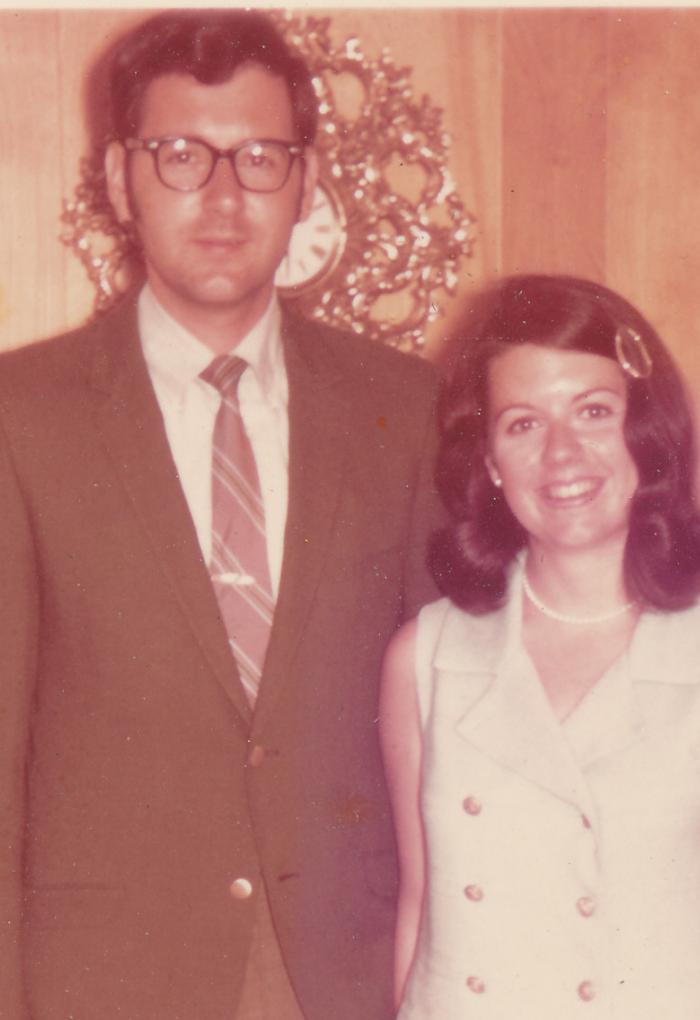
Ron and Ann berg in 1970

Ron and Ann Berg met as graduate students in the Department of Microbiology at Oregon State University.

While pursuing a graduate degree in microbiology for a time, Ann discovered her true passion was in science education. She changed her focus and earned a master’s degree and teacher certification from the College of Education.

Ron received his Ph.D. in microbiology in 1974, and shortly after, they moved to Ohio so he could begin what would be a long and satisfying 34-year career with Procter & Gamble. According to Ron, “I began as a bench scientist involved in upstream products research, and over the years worked in areas with increasing responsibility, culminating in my role as worldwide microbiology technical leader for P&G’s paper products. Manufacturing issues around the world could be particularly challenging, handling everything from engineering design issues to contamination events to dealing with sometimes arcane local regulatory requirements.” Much of his work involved a combination of microbiological and engineering skills. “A good deal of this background came from my experience at OSU. Not just microbiology, but also the ability to connect the dots, seeing and understanding complex relationships to solve unique problems,” he said.

“I still haven’t figured out what I want to be when I grow up,” Ann joked. “When we moved from Corvallis to Ohio, I did some substitute teaching that turned into a one-year career as a biology teacher,” she said. When their kids came along, Ann stayed home with them, and became actively involved in her local community. She returned to substitute teaching once they were older. She then transitioned into a career in the trust department of a local community bank and ended up loving it.

Though they have lived in Ohio for several decades, Ron and Ann celebrated 50 years of marriage last year by returning to where it all started: the Willamette Valley and the microbiology department at Oregon State University. “We went on campus, ate at some restaurants and re-created some of our favorite dates,” said Ann. Those dates included visiting favorite spots around Oregon like Yaquina Head Lighthouse in Newport, Silver Falls State Park near Salem and Marys Peak, the highest point in the Coast Range overlooking Corvallis.

“Everything was still very recognizable,” said Ron. While they were students, the microbiology department moved from the historic Agriculture Hall into a brand new teaching and research facility in what is now called Nash Hall. “That move was quite interesting, moving into what was at the time a cutting-edge space.” Some of their favorite memories as students were the daffodils that bloom in February, a welcome harbinger of spring, and the group of friends they made with other co-ed graduate students in Ann’s dorm in Sackett Hall. “There were graduate students not only from all over the United States, but from other countries, as well,” said Ann.

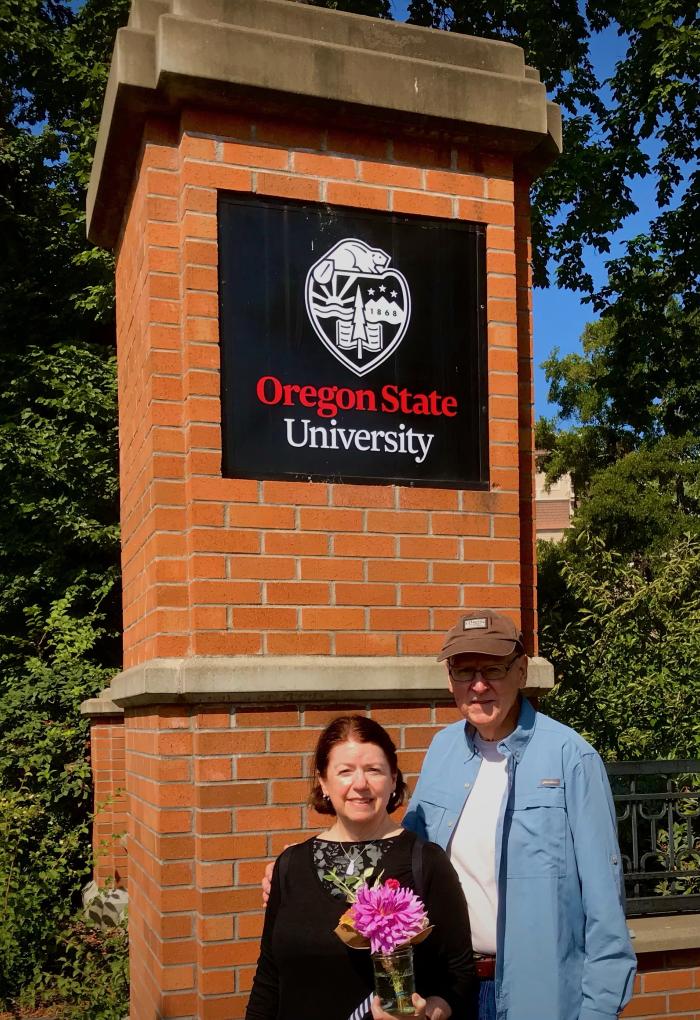
Ron and Ann Berg celebrated 50 years of marriage by coming back to where it all began: Oregon State University.

Ron and Ann Berg celebrated 50 years of marriage by coming back to where it all began: Oregon State University.

Wanting to give back to the institution that brought them together, the Bergs have endowed a new microbiology lecture series which will feature noted microbiologists from outside Oregon State University. “The hope is for it to continue long after we’re gone,” said Ann, “as long as the university is there to continue this.”

“We want students to have the same encouragement that we did as students at Oregon State."

The inaugural Berg Lecture will host Dr. Jo Handelsman, director of the Wisconsin Institute for Discovery at the University of Wisconsin-Madison, on Friday, April 28, 2023. Handelsman is an internationally acclaimed microbiologist who studies microbial communities, their interactions and their roles in infectious disease and ecology. She previously served as a science advisor to President Obama as the associate director for science at the White House Office of Science and Technology Policy. She is the author of several books, a leader in education and a champion for increasing diversity in STEM.

"The generous gift from Ron and Ann Berg has enabled the Department of Microbiology to host Dr. Handelsman, an inspirational leader in microbial ecology, having forged inroads into understanding complex microbial communities through their underlying genetics, communication, and environmental impacts,” said Kimberly Halsey, associate professor of microbiology. “Her dedication and impactful contributions to science, education, and inclusivity exemplify the qualities we value and aspire to nurture in our community."

The Bergs have some advice for current students: Pursue your interests, be open to all different things, and have a wide variety of experiences. Never close the door on anything. “I wound up in banking and loved it,” Ann said. “We want students to have the same encouragement that we did” as students at Oregon State."


Read more stories about: alumni and friends, microbiology


Ebony Stretch

Ebony Stretch

Kevin Rice

Kevin Rice

Hayden Krause

Hayden Krause

Subscribe to Microbiology