College of Science

College of Science

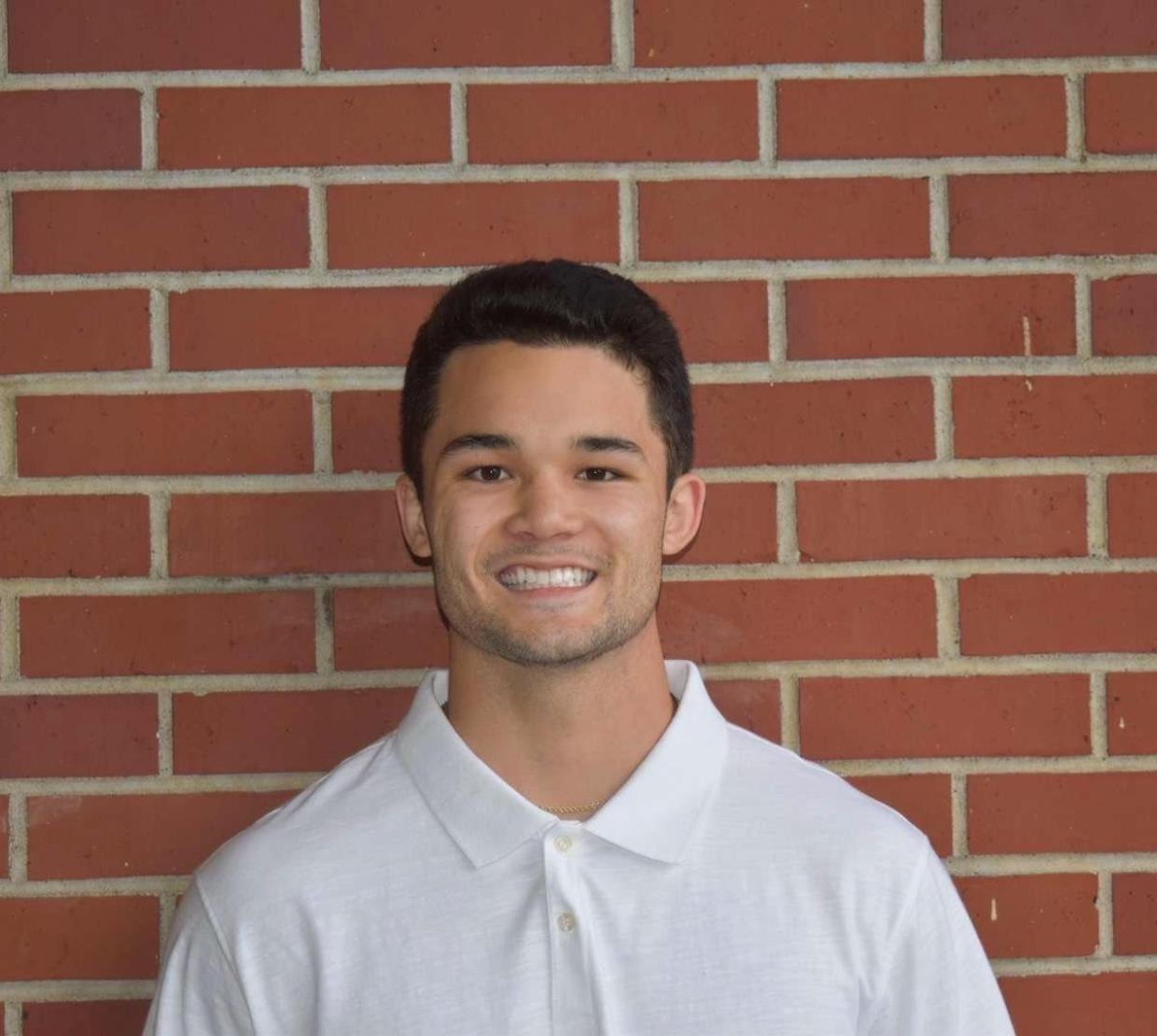
Cody Fretwell smiling in front of a brick wall.

BioHealth sciences senior pivots to medical device sales to ‘help patients breathe that much easier’

By Grace Peterman

Cody Fretwell found the BioHealth Sciences (BHS) major by accident. “I signed up for the biology major during orientation, but when it came time to register for classes, I somehow ended up with all the BHS kids,” he said.

At that point, his career goal was to become a physician’s assistant (PA), and he saw that BHS had the Pre-PA academic option. This option is designed to meet most or all of the requirements for admission to PA programs across the U.S. and includes the opportunity to interact with medical and industry professionals to gain hands-on experience and skills and to explore potential career paths through job shadowing.

Fretwell decided to switch majors from biology to biohealth sciences with the pre-PA option. Four years later, Fretwell is happy with his decision. “I’ve enjoyed a lot of the classes specific to my major, focusing more on the human aspects of biology.”

While BHS gave him a great foundation for a career in healthcare, Fretwell decided to drop the Pre-PA option in the fall of his junior year when he discovered a greater career dream: medical device sales.

A foundational commitment to healthcare

Early on, a significant event in his family put Fretwell on the path to healthcare. When he was going into 8th grade, Fretwell’s twin sister was struck by a car while walking on a sidewalk with a friend. She was life-flighted [airlifted] to Oregon Health and Science University Hospital (OHSU) for emergency brain surgery. Hardworking medical professionals saved her life and changed Fretwell’s, too.

“She had to get a part of her skull removed to help with the swelling,” he said. “When they put it back on, they added a metal plate. A family friend of ours in the room at the time actually worked for the company that sells that metal plate.”

Although it would be a few years before Fretwell considered medical device sales as a career, his commitment to healthcare was solidified in that moment.

“Learning how my sister’s brain worked, how the surgery would affect her long and short term, and what we could do to help her recover best, it sparked something in me,” he said. “The neurosurgeons in the ICU and the rehabilitation people were all so intelligent and kind. I aspired to be like them.”

Thanks to their hard work and the support of her family, Fretwell’s twin sister made an amazing recovery and graduated from college this spring. “If you looked at her or talked to her, you would have no clue it ever happened,” he said.
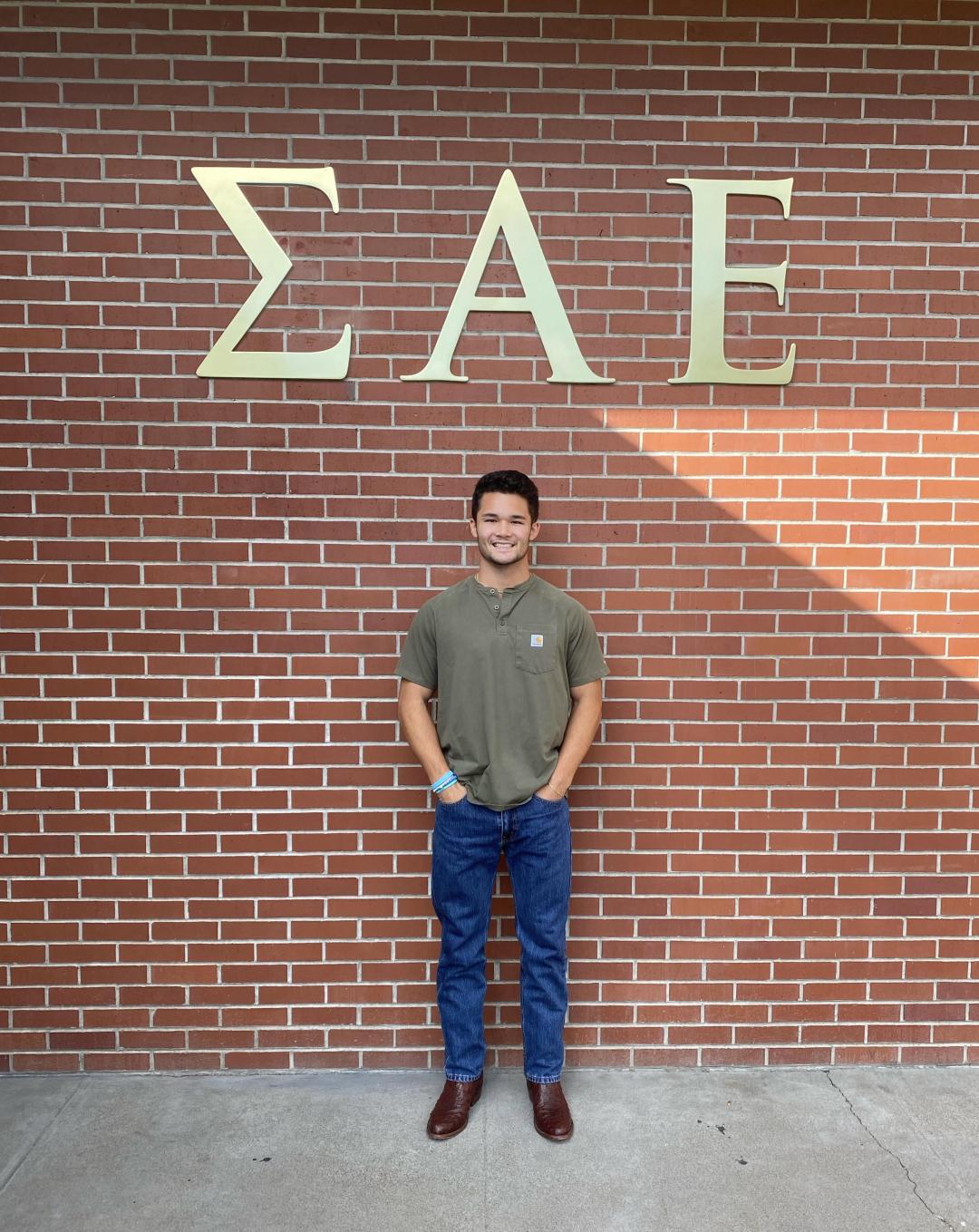
Young man standing in front of a wall with fraternity letters Sigma Alpha Epsilon

During the pandemic, Fretwell stepped in as president of his fraternity, which taught him key skills he can apply to his career. “It is essentially like running a business. I have an executive team, I have meetings, and I have to pay attention to the needs and desires of 125 college guys. It taught me to prioritize tasks, to check off one thing at a time, to delegate, to network and build relationships.”

Returning to the operating room

Coming to OSU, Fretwell was driven to make a difference in the lives of patients. As a BHS major, he pursued an interdisciplinary course of study that combined a strong foundation in biological science with its application to human health and society. He found excellent professors who proved that compassion in healthcare extends to education.

“One of my favorite courses was microbiology, specifically because of the labs and because of Allison Evans. I love her. She is the nicest human being I’ve ever met. She genuinely cares about you,” Fretwell said.

“It was the same way in anatomy with Lori Kayes. If you took time to go to the office hours, she knew your name. Putting in the effort to do that, shows that you really care.”

Being a BHS major also introduced him to some of his favorite courses. “I really enjoyed Mechanisms of Disease [BHS 329] and Microbial Influences on Human Health [BHS 323]. I wouldn’t have taken those classes if I wasn’t a BHS major.”

The summer before junior year, Fretwell shadowed a PA at OHSU as part of his BHS academic option. He returned to the hospital where his sister had undergone surgery, but this time, he got to be in the operating room.

“It was the best feeling I’ve ever had in my entire life. I thought, ‘Ok, this is what I want to do for the rest of my life.’”

“I had the opportunity to ‘scrub in,’ and the surgery I got to watch was absolutely incredible.” Fretwell observed a procedure where a patient’s mandible was removed, and a piece from their fibula was used to replace it. “It was the coolest thing I’ve ever seen,” he said.

He paid particular attention to role of the medical device representatives, or reps, who were present there in the OR. “The part that they used to set up the saw and make cuts was sold by a company whose rep told the surgeon how to set it up and what tool to use.”

When it came time to insert plates, the medical device rep presented the surgeons with options: a custom 3D printed piece, or a metal piece that was molded to fit specifically for that patient. “The surgeon chooses, and the device rep explains that with this piece you use these screws, and so on.”

After the surgery, Fretwell walked out of the OR with the surgical team. “On our way out of the door, someone stopped us and said, ‘Thank you so much, you made a difference in someone’s life today.’” This chance expression of gratitude from a stranger moved him. “It was the best feeling I’ve ever had in my entire life. I thought, ‘Ok, this is what I want to do for the rest of my life.’”

At that point, Fretwell had a decision to make: stay on the pre-PA path, or start preparing for a career in medical device sales. After talking to family and friends in the medical field and to his advisor Tiffany Bolman, who had previously worked in the industry, he decided to make the switch.

The diversity of medical devices used to assist in surgery inspires him. “I’ve heard that there’s movement, you can go from cardiac to neuro to spinal, if you want to. You just need to get trained in what devices are sold for each of those different things.”

Down the line, he plans to participate in research and development as well as sales. “My ultimate goal, would be to contribute to developing a new device,” he said.

“My goal with medical device sales is to enhance someone’s quality of life, so they can breathe that much easier.”

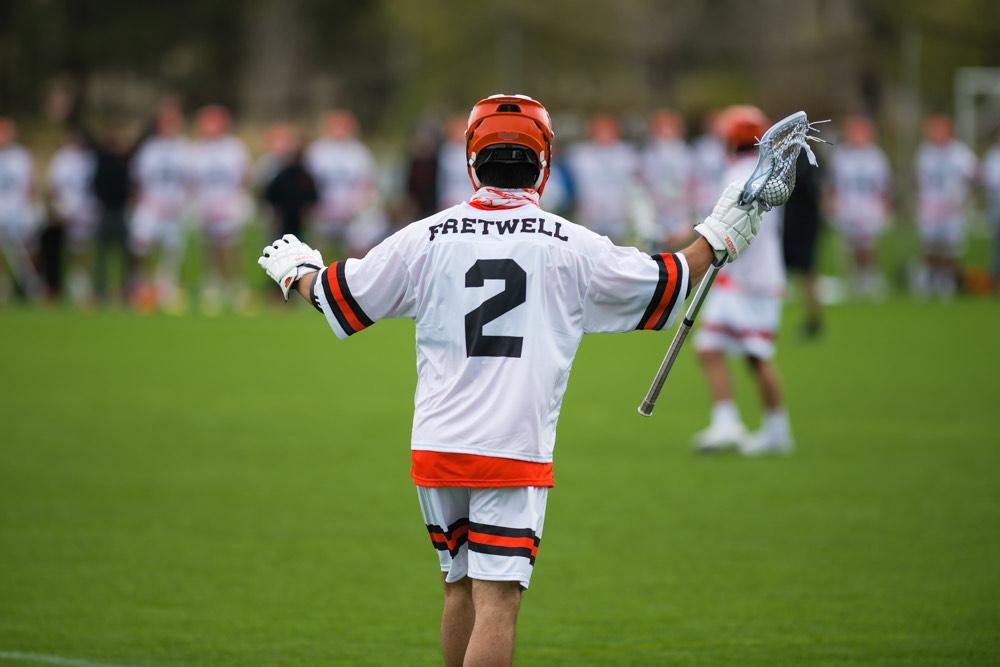
The back of a lacrosse player wearing a jersey with the number 2.

Fretwell played lacrosse while at Oregon State. “I loved traveling and going to sporting events all over the country.”

Finding balance and brotherhood

As he embarks on this exciting new career path, Fretwell reflects on his experiences as a science student. Success looks different from what he pictured at first.

“Freshman year, I struggled,” Fretwell said. “I went to the library every day and got help from TAs, but I had no social life.”

It took some time for him to realize endless hours in the library weren’t his recipe for success. “Your brain can only take so much,” he said. “I finally started to do well, once I learned how to properly study and find a balance.”

Initially intimidated by office hours, Fretwell overcame that with his family’s support. “It took multiple calls to my mom, and her telling me to get my butt into office hours. Once I actually did it, I found out that professors do want to help.”

Fretwell also joined a fraternity and found older friends who were in the same major with the same option. “They would sit me down and tutor me. I didn’t really think I wanted or needed tutoring at all, but it was huge.”

During the pandemic, he stepped in as fraternity president, which taught him key skills he can apply to his career.

“It is essentially like running a business. I have an executive team, I have meetings, and I have to pay attention to the needs and desires of 125 college guys. It taught me to prioritize tasks, to check off one thing at a time, to delegate, to network and build relationships.”

As he gets ready to graduate, Fretwell says he’ll miss the science student experience of bonding over homework together, making learning communal and fun.

“As odd as it sounds, I’ll miss the late-night study sessions at the library, where you just sit down at a white board and try to come up with silly names to try and remember stuff. You’re working hard, but it doesn’t feel like it because you’re having fun at the same time.”

Fretwell will carry that enthusiasm and creativity into the next phase of his career, which will involve interviewing and networking to land an internship or associate position and getting a few years of experience to work his way to a device rep position.

Remembering the gratitude he’s felt on both sides of surgery keeps Fretwell motivated. His personal philosophy for his career comes from a Ralph Waldo Emerson quote that one of his high school instructors gave him: “To know even one life has breathed easier because you have lived. This is to have succeeded.”

“My goal with medical device sales,” he said, “is to enhance someone’s quality of life, so they can breathe that much easier.”

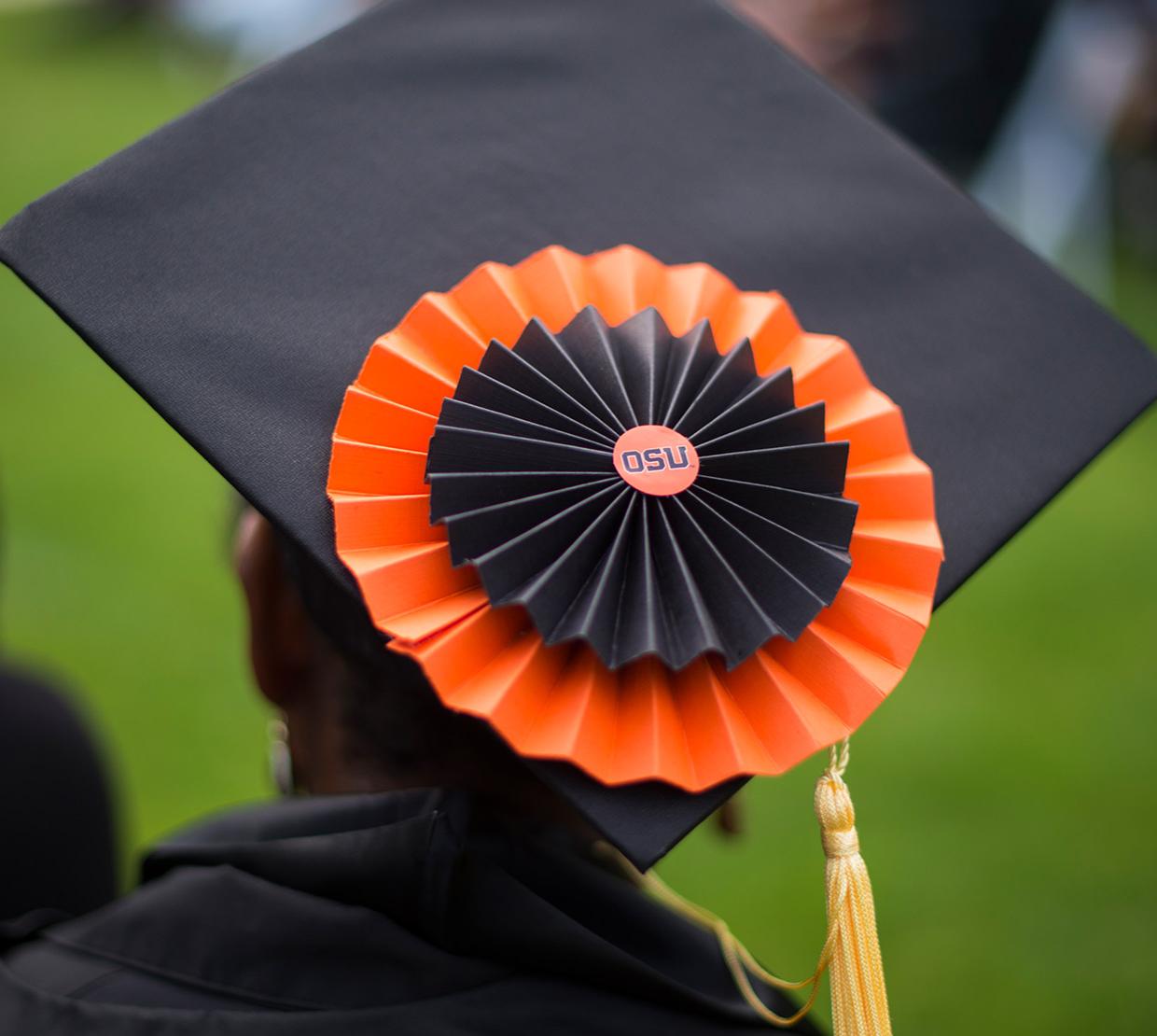
OSU Graduation cap

The Class of 2021 succeeds against all odds

By Srila Nayak

Congratulations to the Oregon State College of Science Class of 2021! This class faced enormous challenges due to the pandemic. On the spur of the moment, the class of 2021 transitioned to remote learning, virtual interaction with professors, mentors, peers, friends and experiential learning in online formats. They have also faced increased financial burdens and other stressors. Our students have persevered, showing admirable determination, resilience and fortitude that will serve them well in their lives and careers.

Succeeding against odds while making history, College of Science graduates have found ways during this pandemic to participate and make an impact on state-wide public health endeavors through the TRACE-CVOID-19 project. They have gained enduring skills and done outstanding work in adapted science labs and with science communication in the virtual domain. Our seniors have been instrumental in helping Oregon State succeed at remote teaching in their roles as peer learning assistants and tutors.

Science graduates have led the way by dint of their academic achievements, selfless service and committed leadership. Supported by awards, scholarships and dedicated advisors, our seniors have collaborated with faculty mentors to create new knowledge and achieve major scientific breakthroughs.

Check out our Commencement page to celebrate our graduates. Read their compelling stories below containing reflections on undergraduate experiences at Oregon State and their dreams for the future.

This year’s graduates include Fulbright and Ford Foundation Fellows, Gilman International Scholars, NOAA Scholars, published scientific authors, future doctors, scientists, entrepreneurs, community leaders, teachers and informed, engaged world citizens. We are exceptionally proud of our students and all they have achieved during their career as undergraduates in the College of Science at Oregon State.

By the numbers

The College graduated 670 undergraduate students with baccalaureate degrees in 2020-21, including 68 Honors graduates. More than 80% (538) of our graduates were in the life sciences, with Biology having the most graduates at 199. BioHealth Sciences came in second with 152 graduates; biochemistry and molecular biology had 71 graduates; Zoology 63; Mathematics 56; Microbiology 43; Chemistry 42; Physics 34, and; Biochemistry and Biophysics graduated 10 students.

Of the total baccalaureate graduates, 11% are underrepresented minorities and 26% are first-generation students. In addition, 10 of the 2021 baccalaureate graduates are military veterans.

The College will also award 52 doctoral degrees, 66 master’s degrees and seven certificates in online Data Analytics.

Of the 52 doctoral degrees, Chemistry had 16 Ph.D. students, followed by Integrative Biology at 11; Mathematics 9; Physics 6; Microbiology 5; Statistics 4, and; Biochemistry and Biophysics graduated one doctoral student.

The Department of Statistics awarded 15 master's degrees in statistics and 19 M.S. degrees in data analytics. Chemistry and Mathematics awarded 10 master's degrees each. Physics had 6 master's degree recipients; Microbiology three; Biochemistry and Biophysics two, and; Integrative Biology awarded one master's degree this year.

Celebrating the Class of 2021

We invite you to read the profiles of our seniors. These outstanding graduates represent an inclusive and diverse learning community in the College of Science. Here they share their inspiring and unique journeys as science majors.

Chris Beaudry working in a lab with a student

Grants to boost advances in mental health and cancer research

By Cari Longman

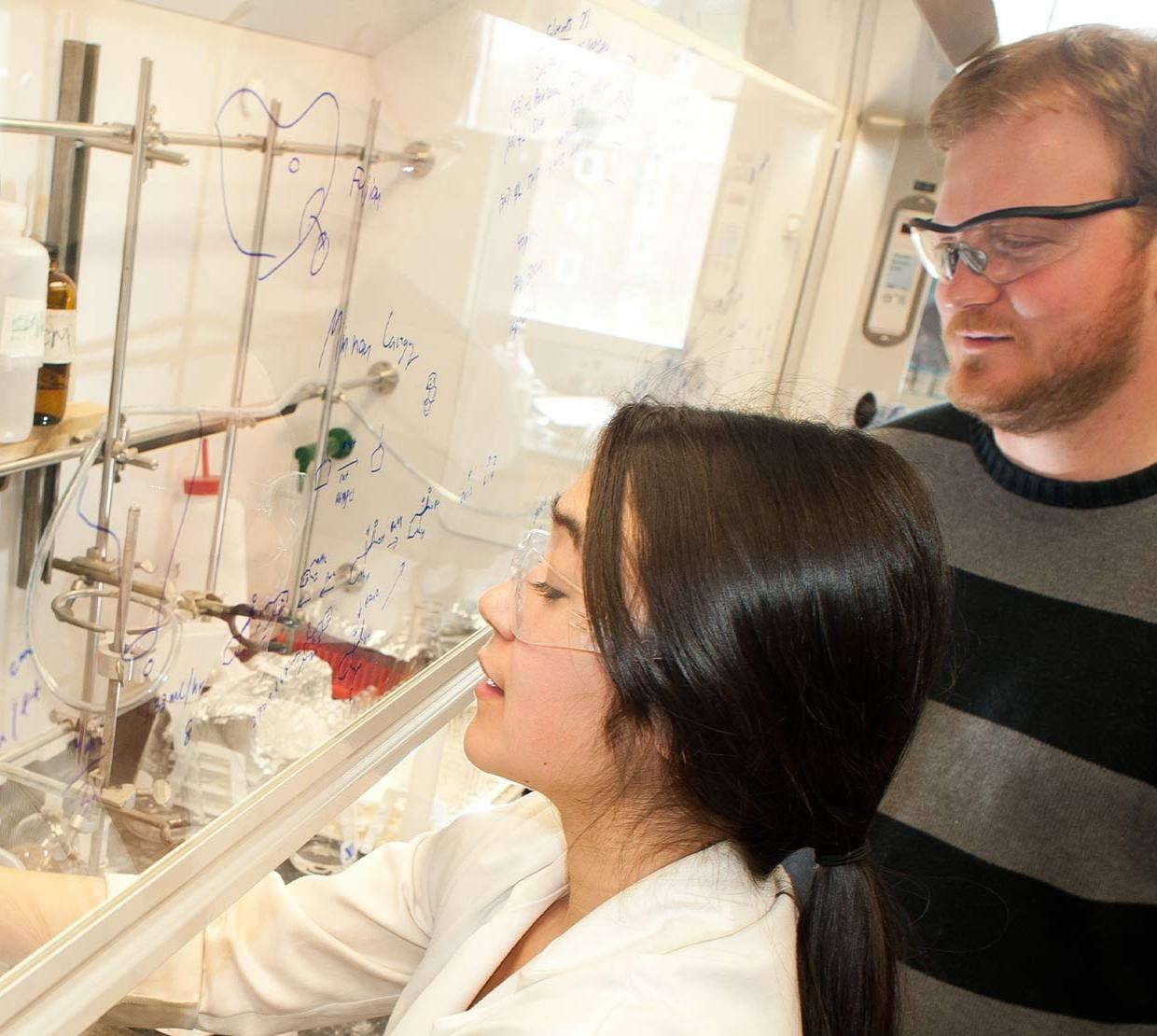
Professor of chemistry Chris Beaudry, recipient of one of two College of Science Science Research and Innovation Seed (SciRIS) grants to explore new medicines to treat cancer, works in his lab with an undergraduate student.

The tough challenges the world faces in the 21st century demand collaborative, multi-disciplinary solutions and radical innovation. Whether it happens in the laboratory, out in the field or in the classroom, College of Science faculty and students are working to envision what is possible through research and inspired problem-solving.

With a history of turning groundbreaking discoveries into high-value solutions for society, the College of Science is strengthening pathways for scientists and partners to develop their ideas into solutions to address pressing problems.

One way it is doing this is by providing seed funding through the Science Research and Innovation Seed (SciRIS) Program to research projects that are high-impact, collaborative and cut across disciplines. Launched in 2018, SciRIS program provides three tiers of funding: $10,000, which funds research planning, team formation and initial experiments; $75,000, which supports a research project to develop a proof of concept; and $125,000 to accelerate work toward or commensurate with an external funding opportunity.

Two multidisciplinary research teams recently received SciRIS funds in late 2020. Microbiologist Maude David, along with biochemist Kenton Hokanson and Kathy Magnusson from OSU’s Carlson College of Veterinary Medicine received $75,000 for a project entitled “An integrative investigation of the role of the gut-brain axis on sex differences in anxiety.”

Though anxiety disorders manifest differently in men and women, the biological mechanisms underlying the sex-specific presentation of such disorders remain unexplored. The team’s research will integrate functional, molecular and behavioral data to identify the role of specific bacterially-produced metabolites that are linked with anxiety in humans. They hypothesize that the metabolites produced by the gut microbiome help establish the sex differences observed in the prevalence and severity of anxiety disorders.

Professor of chemistry Chris Beaudry and Victor Hsu, associate professor of biochemistry, along with cancer researcher Siva Kolluri in the College of Agricultural Sciences received $125,000 for their project entitled “Homoharringtonine: Chemical Synthesis and Evaluation of Designed Analogs.” The group is researching the analogs of Homoharringtonine (HHT) with improved pharmaceutical properties. HHT is a plant alkaloid isolated from the plum yew Cephalotaxus harringtonii.

HHT is showing great promise as a starting point for the development of new medicines for multiple forms of cancer, however it is highly expensive and difficult to acquire both as a chemical and as a medicine. Among other objectives, the group is working on creating an efficient chemical synthesis of HHT which quadruples the chemical yield, and can be used for investigation in combination therapies and evaluation in modern drug delivery systems.

Kim Halsey with graduate student taking samples from a river

New grants to advance science that benefits humankind

By Cari Longman

Photo by Hannah O'Leary

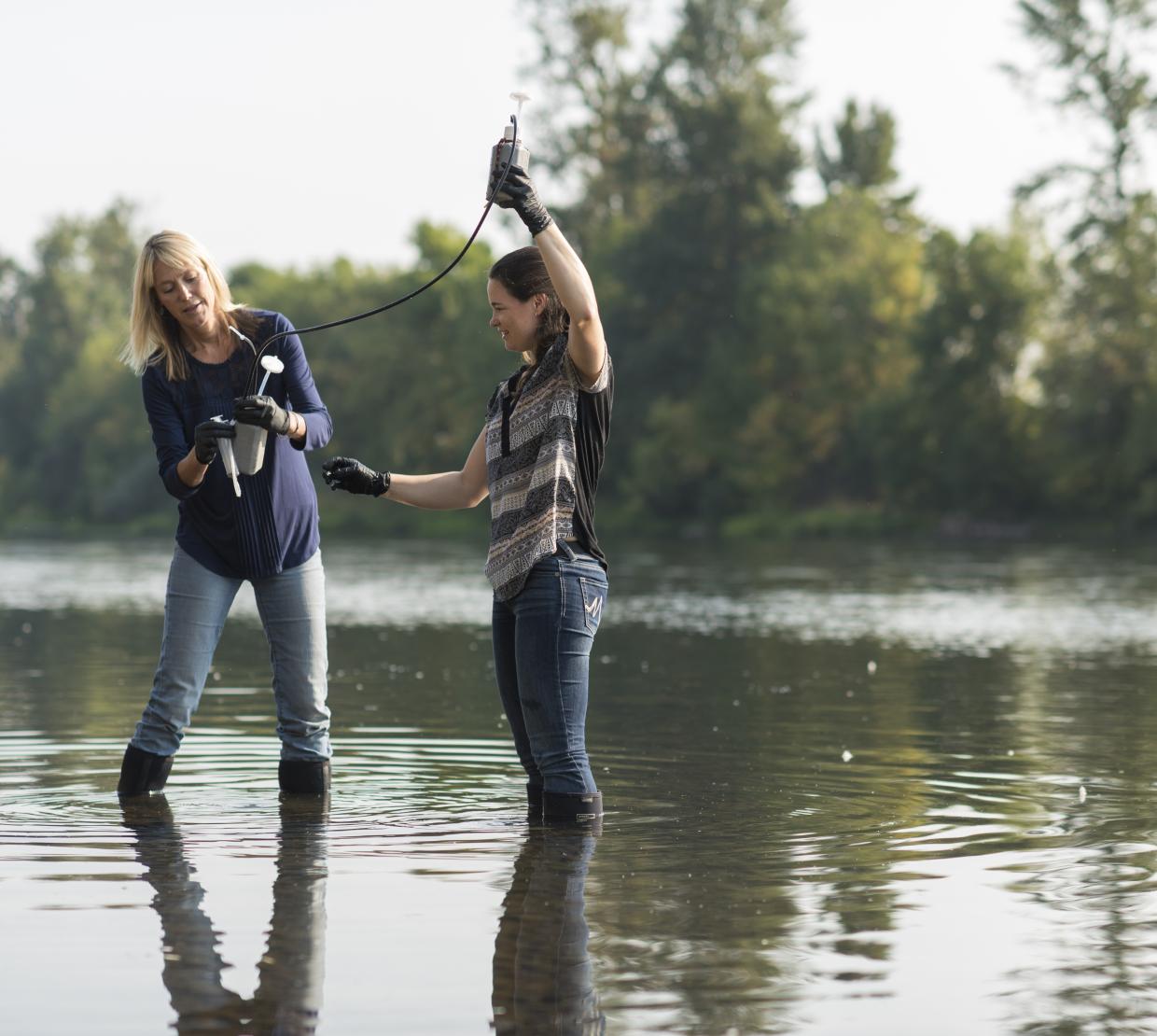
Microbiologist Kim Halsey (left) and postdoc Cleo Davie-Martin collect samples from a river. Halsey is one of four faculty members who received College of Science Research and Innovation Seed (SciRIS-ii) awards. She will study the potential to detect toxic algae blooms in freshwater and marine ecosystems.

How can we better understand how devastating plant diseases are spread? Is there a better statistical model to predict HIV prevalence in a city? Is there a way we can detect toxic algae blooms in freshwater and marine ecosystems before they occur? And of the hundreds of thousands of different metal-organic frameworks (MOFs) in the world, how can we can better find the ones that are most useful for storing and separating gases, like CO2 from industrial plants?

Curiosity is critical for discovery. Asking the questions above led five faculty members to receive College of Science Research and Innovation Seed (SciRIS-ii) and Betty Wang Discovery Fund awards this February to pursue answers over the course of the next year. Their proposals all showed transformative potential and progress toward new frontiers of science and aimed to strengthen collaboration with external research partners. Below is more detail about each of their proposals.

Mathematics Professor Vrushali Bokil was awarded $8,000 to use modeling techniques to understand the spread and control of plant diseases caused by coinfecting viruses. She will focus on Maize Lethal Necrosis (MLN), an emerging disease in Kenya and other parts of Africa that is caused by coinfecting viruses and spread by insects called Thrips, as a test case. Her team’s goals are to use stochastic models and optimal control theory to understand the mechanisms that drive patterns of coinfection in plant populations and effective techniques for controlling the spread of disease in crops and natural grasslands.

In collaboration with the Centers for Disease Control and Prevention (CDC), Statistics Assistant Professor Katherine McLaughlin received $10,000 to explore the use of new statistical methodologies to estimate the number of people who inject drugs in metropolitan areas. The research project, supported by the privately-funded Disease Mechanism & Prevention Fund at the OSU Foundation, has a goal of refining current methods to produce improved population-level demographic, behavioral, disease prevalence and population size estimations. This will aid the CDC in their efforts to contain or slow the rate of HIV in metropolitan areas across the U.S.

Microbiologist Kimberly Halsey was awarded $10,000 to examine the potential for real-time, automated volatile organic compound (VOC) detection as early-warning signals of toxic harmful algal blooms (HABs) in freshwater and marine ecosystems. HABs are increasing in intensity and severity due to climate change and nutrient loading from agriculture and other human-related activities. Some HABs can become toxic to humans and animals. Halsey will use data integration to merge aquatic microbiome data with environmental properties and VOC signatures to identify determinants and trajectory of the annual toxic HAB at Upper Klamath Lake, Oregon.

Physicist David Roundy was also awarded $10,000 to develop new flat histogram Monte Carlo molecular simulation methods to accelerate the discovery of metal-organic frameworks (MOFs) for applications in storing and separating gases. MOFs are crystalline materials that harbor nano-sized pores that have the potential to be used in a variety of clean energy applications, from hydrogen and natural gas storage to capturing carbon dioxide from coal-fired power plant flues. His study aims to enable scientists to accurately predict the absorption properties of hundreds of thousands of MOFs and accelerate the rate of MOF discovery for clean energy applications.

In addition, chemistry professors Kyriakos Stylianou and May Nyman, along with Todd Miller from the Advanced Technology and Manufacturing Institute (ATAMI), received $30,000 from the Betty Wang Discovery Fund to purchase a microwave reactor to integrate on the continuous flow reactor to accelerate the discovery and production of inorganic materials like MOFs. The Betty Wang Discovery Fund supports equipment acquisitions and laboratory infrastructure improvements to advance fundamental discoveries in science. Microwave heating has recently emerged as a powerful method for the preparation of inorganic materials at the laboratory scale, reducing synthesis time down to a few minutes without affecting the product quality or reaction yield. The new machinery will allow the team to investigate the potential of new MOFs to capture carbon in laboratory and industrial applications.

The projects will run for one year, ending next February 2021.The SciRIS program provides funding in three stages for high impact collaborative proposals that build teams, pursue fundamental discoveries and create societal impact. The awards range from $10,000 to $125,000 for various stages of the program and are supported in part by generous alumni and friends, and grants from the U.S. Department of Defense and National Institutes of Health.

Subscribe to College of Science